For more exclusive content, head to www.womenpreneurindia.com
The views, opinions and statements expressed in Womenpreneur India Magazine are those of the respective authors, contributors, interviewees and advertisers and do not necessarily reflect the views of Firstread Media Pvt Ltd, the publisher of this magazine. While every effort is made to ensure the accuracy of the information published, Firstread Media Pvt Ltd does not accept any responsibility or liability for errors, omissions or any consequences arising from the use of the information contained herein. The content is provided for general informational purposes only and should not be construed as professional, legal, financial or business advice. Readers are advised to exercise their own discretion and seek appropriate professional guidance where necessary.
All brand names, trademarks, images and logos appearing in this magazine are the property of their respective owners and are used for identification and reference purposes only. Their appearance does not imply any endorsement or affiliation with Womenpreneur Magazine or Firstread Media Pvt Ltd.
No part of Womenpreneur Magazine may be reproduced, stored in a retrieval system, transmitted or distributed in any form or by any means, electronic, mechanical, photocopying, recording or otherwise, without the prior written permission of Firstread Media Pvt Ltd. Unauthorized use or reproduction of any content, images or design elements from this publication is strictly prohibited and may result in legal action. Womenpreneur India Magazine is a publication of Firstread Media Private Limited.
From India to the Middle East: Women Leading Without Borders
Leadership today is no longer confined by geography. It is shaped by vision, adaptability, and the courage to think globally while remaining rooted in purpose. As we present the Womenpreneur India Women’s Day Special, released alongside our Middle East Issue in Dubai, this edition celebrates a defining moment for Indian women leaders who are expanding their influence across international markets.
India is witnessing a powerful evolution of women in leadership. Founders, innovators, investors, and creators are moving beyond traditional boundaries, building businesses that operate across continents and cultures. The growing connection between India and the Middle East reflects a new era of collaboration where ambition meets opportunity and where women are actively shaping the future of global entrepreneurship.
Dubai has emerged as a dynamic meeting point for this transformation. It represents access, expansion, and possibility for Indian entrepreneurs seeking international growth. This special supplementary issue captures that momentum by bringing together stories of leadership, enterprise, and vision that highlight how Indian women are contributing to a truly global business landscape.
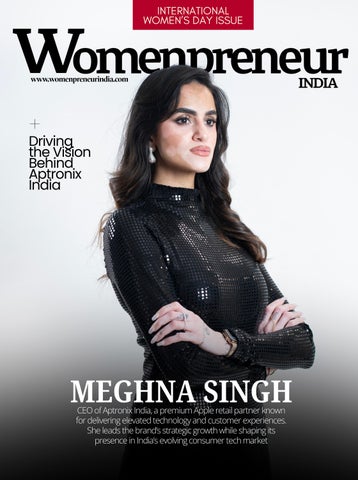
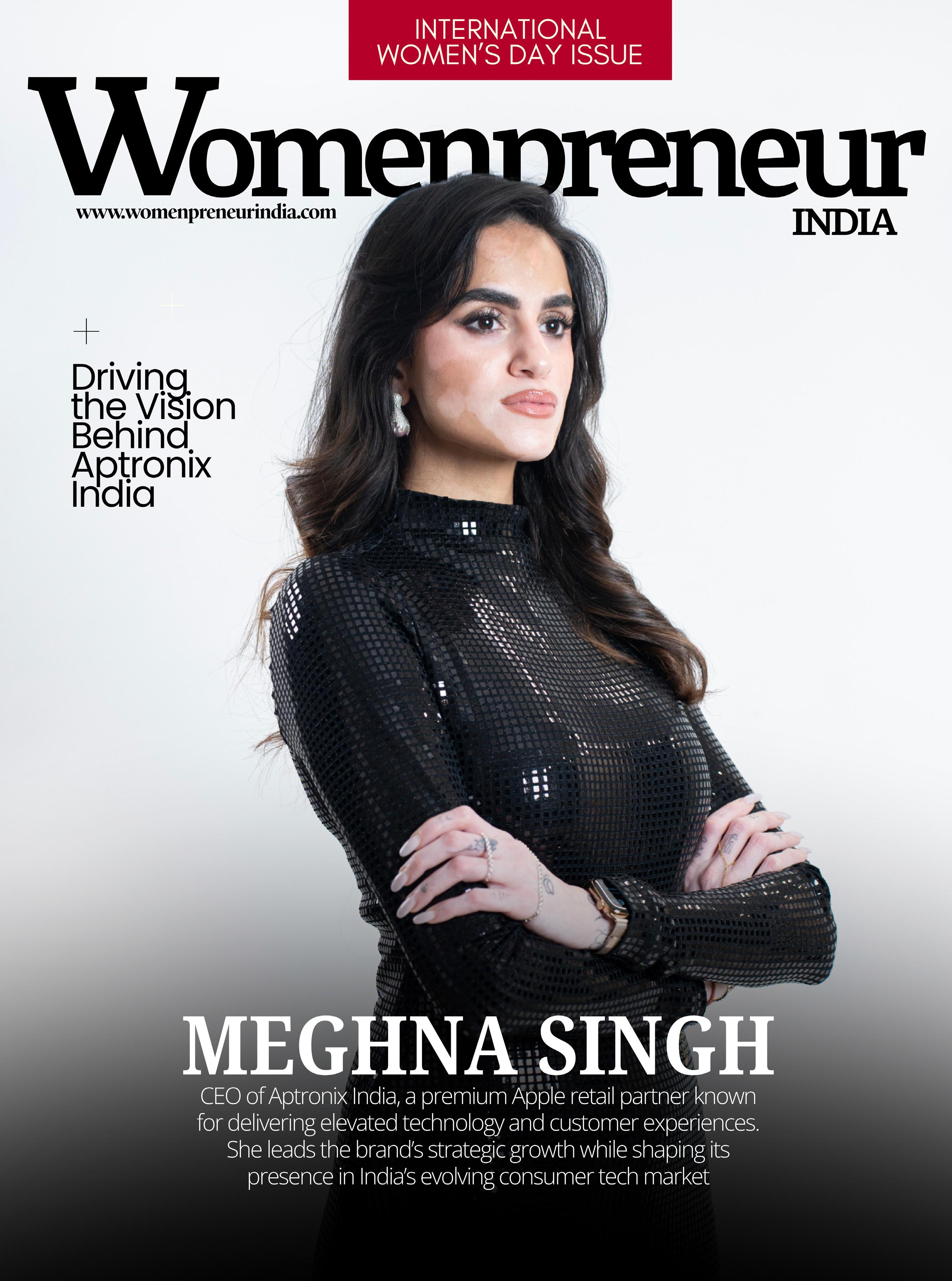
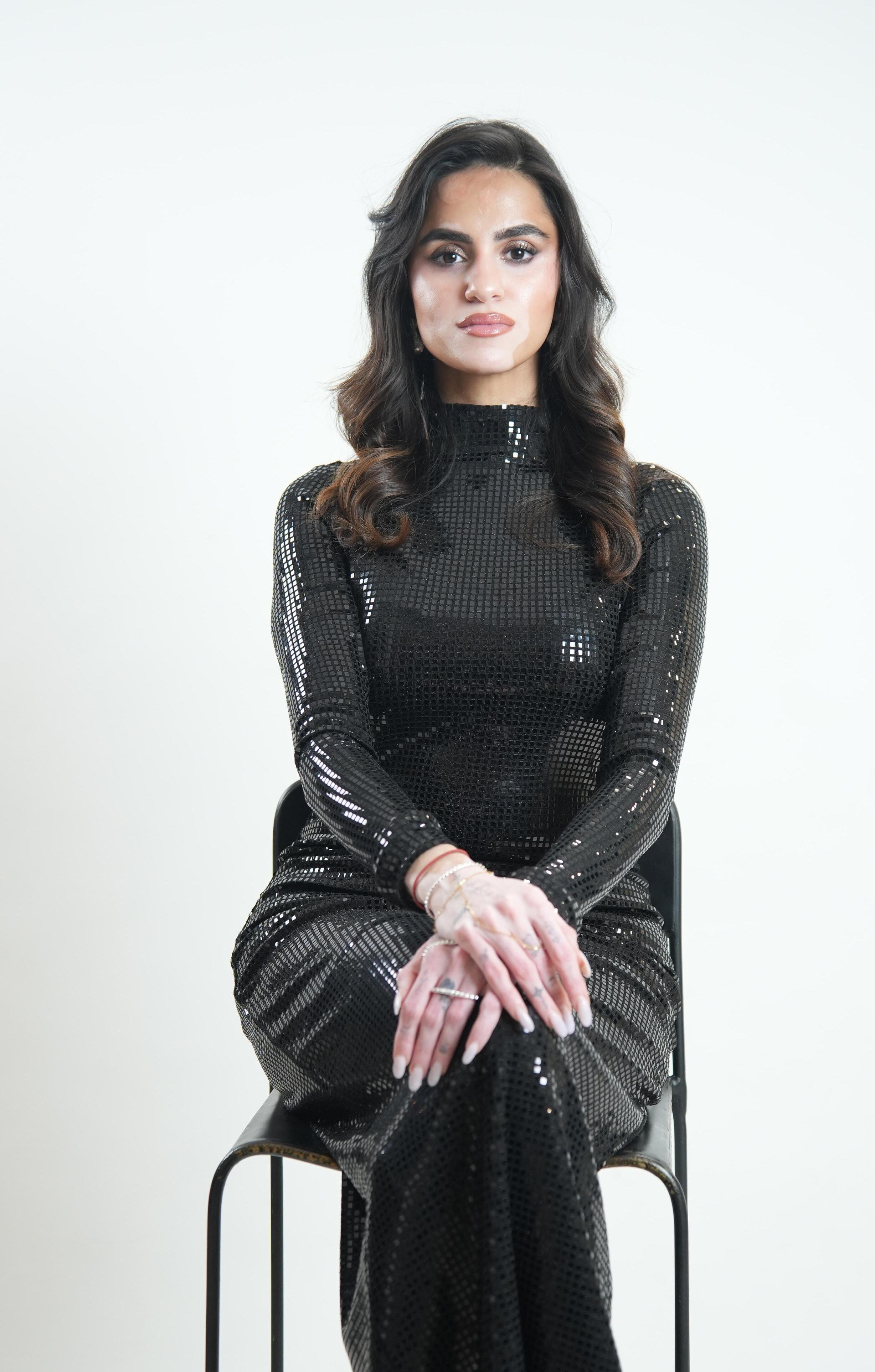
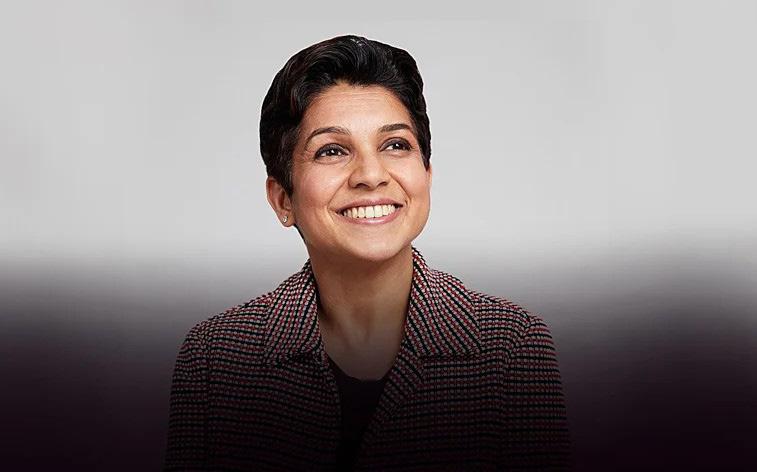
This edition proudly features Meghna Singh, CEO of Aptronix, on the cover, representing the spirit of modern leadership defined by innovation, scale, and forward thinking.
Within these pages, readers will discover voices that inspire progress, stories that reflect resilience, and perspectives that demonstrate how collaboration across borders is creating stronger entrepreneurial ecosystems. At Womenpreneur, our mission has always been to build meaningful platforms where women connect, grow, and lead together, and this issue stands as a reflection of that journey from India to the world.
On this Women’s Day, we celebrate women who are not waiting for opportunity but creating it, not following global conversations but leading them. The global Indian woman is confident, influential, and already shaping the future.
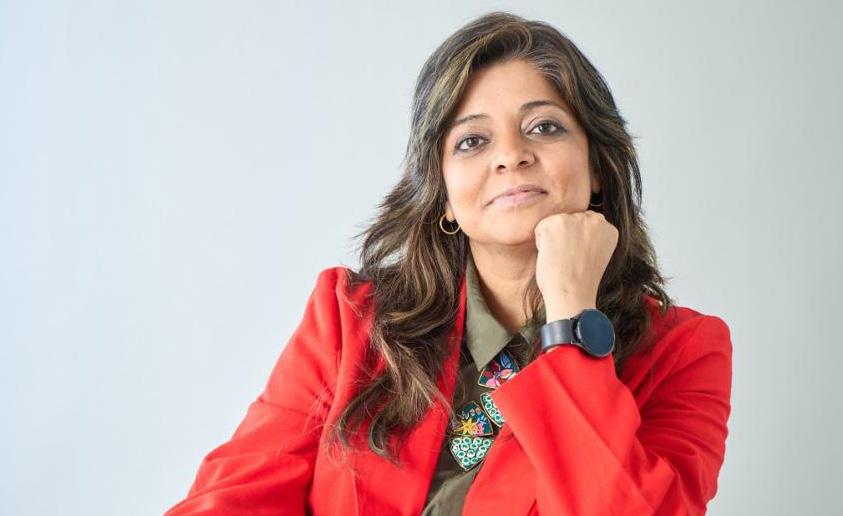
Nisha Lamba Managing Editor Womenpreneur India
Voices of LeadershipWomen Shaping the Future
Across industries and continents, women today are redefining what leadership looks like. They are building companies, shaping culture, influencing global markets, and creating opportunities for the next generation. The modern woman entrepreneur leads not only with ambition but with purpose, resilience, and the courage to challenge traditional boundaries.
A Vision Beyond Limits
Kanika Tekriwal Founder & CEO, JetSetGo
“When I started my journey in aviation, I quickly realised that leadership is less about titles and more about conviction. As women entrepreneurs, we often step into industries where the rules weren’t originally written for us and that’s exactly where our strength lies. The ability to think differently, question the norm, and build solutions with courage is what drives real change. For me, entrepreneurship has always been about creating possibilities not just for a business, but for an entire ecosystem. My message to every woman building something today: trust your vision, stay resilient, and never underestimate the impact you can create.”
This Women’s Day, Womenpreneur India invited a group of inspiring women leaders to share a short message for founders, creators, and changemakers across the country. Their words reflect the mindset of a new era of leadership where conviction matters more than titles and where impact extends far beyond individual success.
Together, these voices offer a glimpse into the evolving narrative of women in business today.
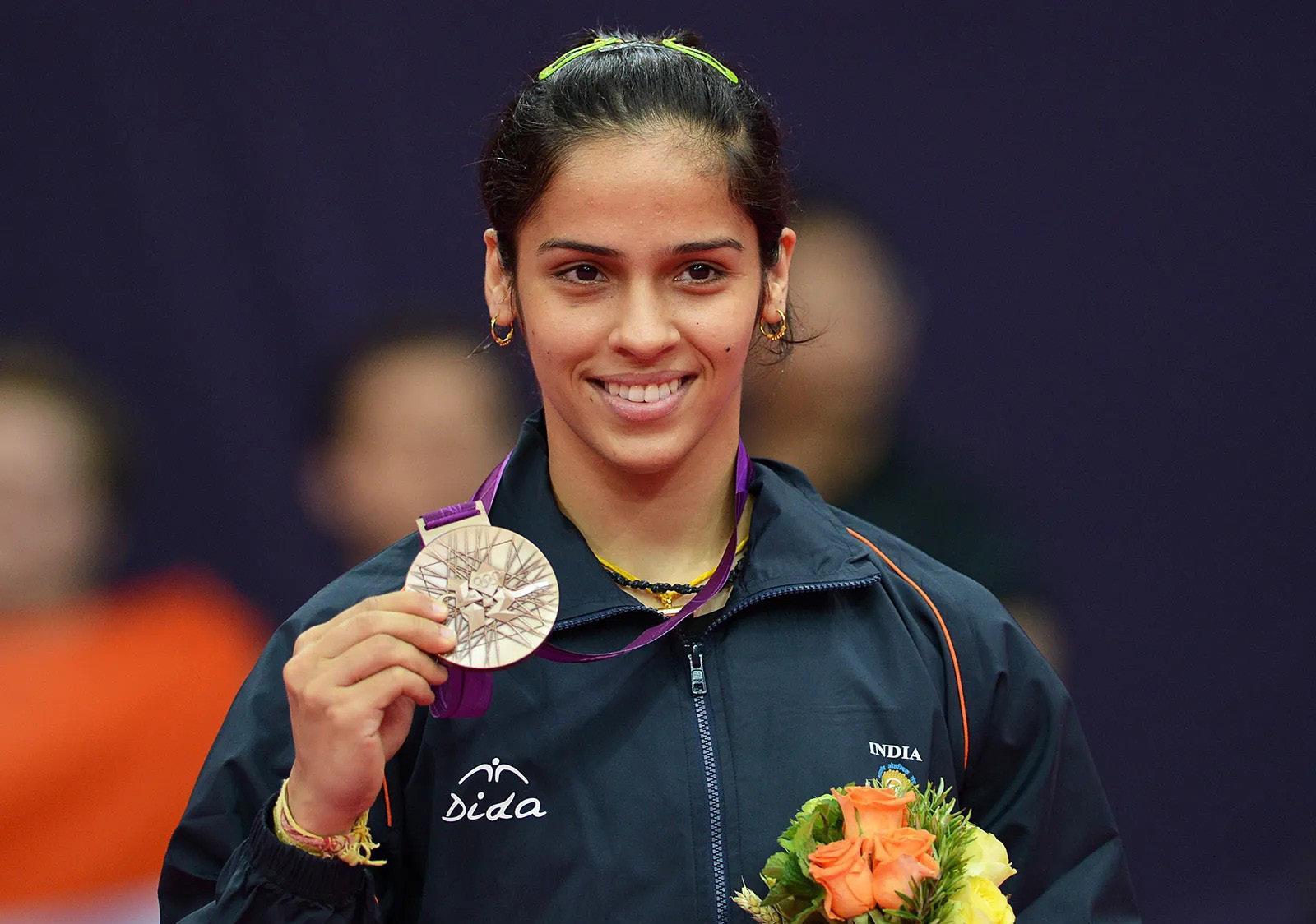
“Girls should be encouraged to dream beyond traditional expectations. Many young women want to pursue sports or unconventional careers, but they often lack direction or support. If parents and society give them the freedom to experiment and choose their path, we will see many more success stories. Every girl deserves the chance to follow her ambition and make her country proud.”
Leadership with Purpose
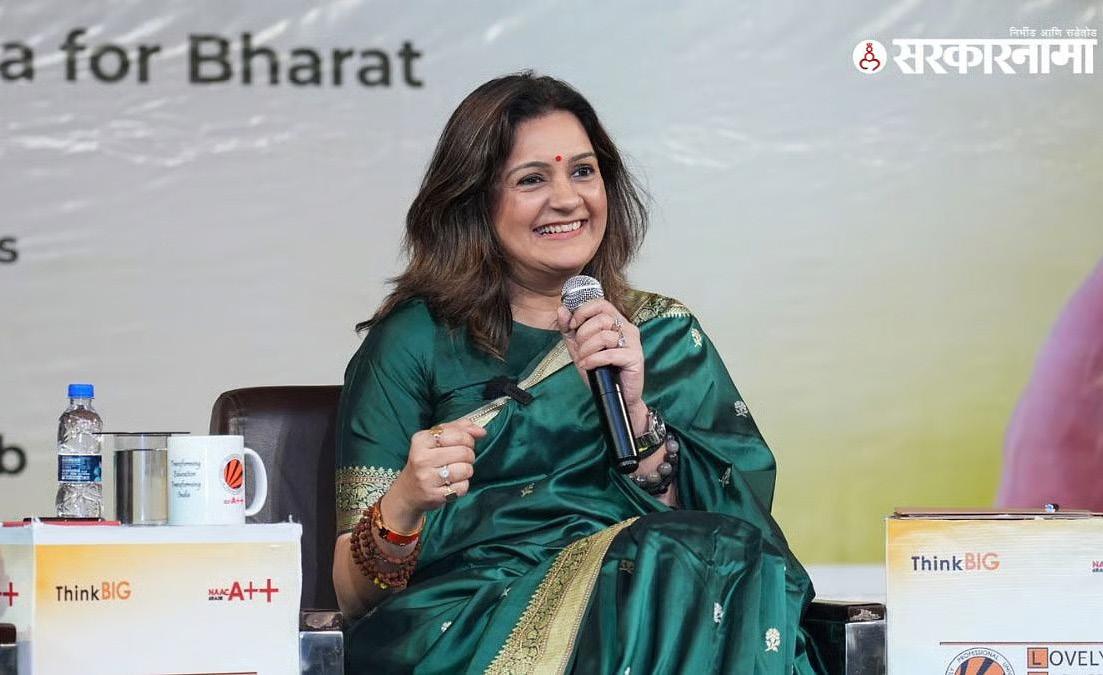
Priyanka Chaturvedi Member of Parliament, Rajya Sabha
“Standing up for your self-respect is not just a personal decision; it is a statement for every woman who wants to be heard. When women raise their voices and claim their space in leadership, they open doors for many others who may still be waiting for the opportunity. Real change begins when women refuse to accept silence and instead choose courage.”
Reinvention and Resilience
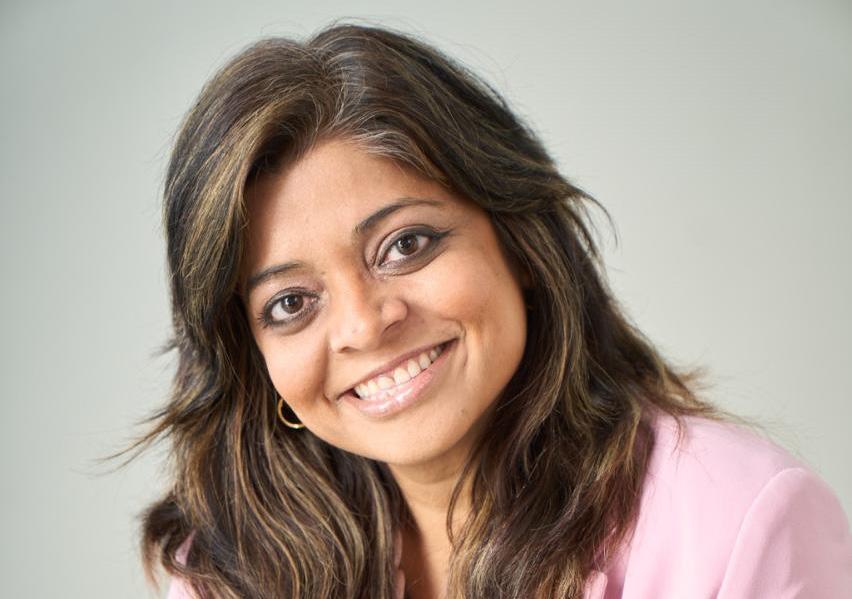
Nivedita Basu
Founder & Chief Vision Officer – Global Cancer Care | Media Entrepreneur
“For me, leadership has never meant following a defined path — it has meant having the courage to create one. My journey began with storytelling in television, building shows and platforms that connected with millions, and it later evolved into entrepreneurship across media and now healthcare with Global Cancer Care. Each step required creativity, conviction and the confidence to trust my own instincts.
When we speak about empowering women, I don’t believe it is about giving women strength — women already possess that in abundance. What truly matters is giving them direction, vision and the belief that their ideas deserve space.
When women lead with courage and creativity, they don’t just inspire others — they redefine what leadership itself can look like.”
Creating Your Own Time
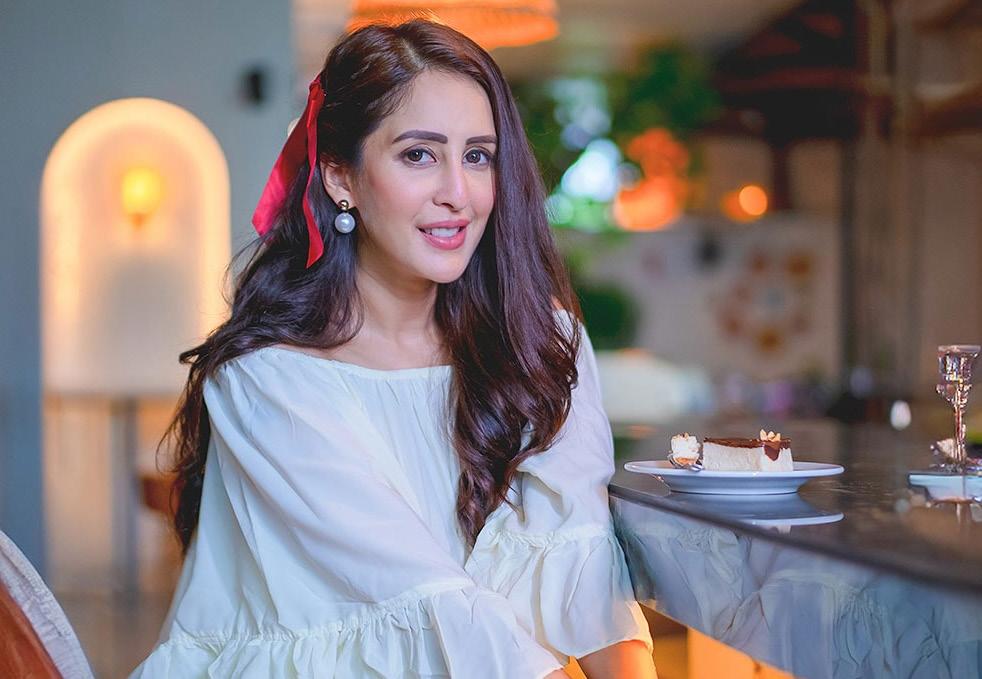
Chahatt Khanna Actress & Founder, Ammarzo
“My journey from acting to entrepreneurship has been one of learning and resilience. When I launched Ammarzo, I wanted it to stand on the strength of the product and not just my celebrity identity. In business, visibility may open doors, but long-term success comes from strategy, discipline, and the courage to start from scratch. My advice to women entrepreneurs is simple: build something meaningful and let the value of your work speak louder than your name.”
Breaking Barriers on the Track
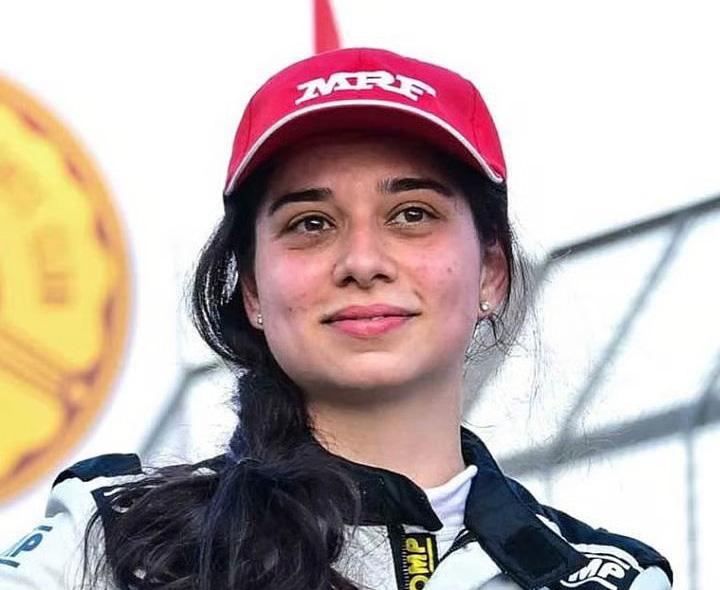
Diana Pundole Racing Driver
“Motorsport taught me that limits often exist only in our minds. When I started racing, many people questioned whether a woman could compete at the same level as men. But on the track, it’s not about gender
it’s about focus, discipline, and the courage to keep improving with every lap.
Winning a national championship and racing internationally has shown me that when women pursue their passion fearlessly, barriers begin to disappear. My message this Women’s Day is simple: believe in your ability, push past expectations, and never let anyone tell you where you belong. The road may be challenging, but that’s exactly what makes the victory meaningful.”
Womenpreneur Journey
Origin Story and Milestones
Womenpreneur was founded with a clear vision to create a global platform where women entrepreneurs are not only featured, but truly empowered through visibility, community, and opportunity. What began as a media initiative focused on storytelling soon evolved into a dynamic international ecosystem connecting founders, leaders, creators, and innovators across regions.
The early foundation of Womenpreneur centered on amplifying authentic entrepreneurial journeys. Through editorial storytelling, digital media, and leadership conversations, the platform created space for women to share experiences, challenges, and successes while building meaningful professional networks. Over time, this vision expanded beyond publishing into curated experiences designed to foster collaboration, mentorship, and business growth.
A major milestone in the Womenpreneur journey has been the development of large scale leadership platforms and summits across the Middle East and India. Through initiatives such as the Womenpreneur Leadership Forums, Awards, and global summits, the organization has brought together entrepreneurs, investors, policymakers, and industry pioneers, positioning women at the center of economic and innovation conversations. These platforms were created to provide access to visibility, capital conversations, and cross border opportunities for women led businesses.
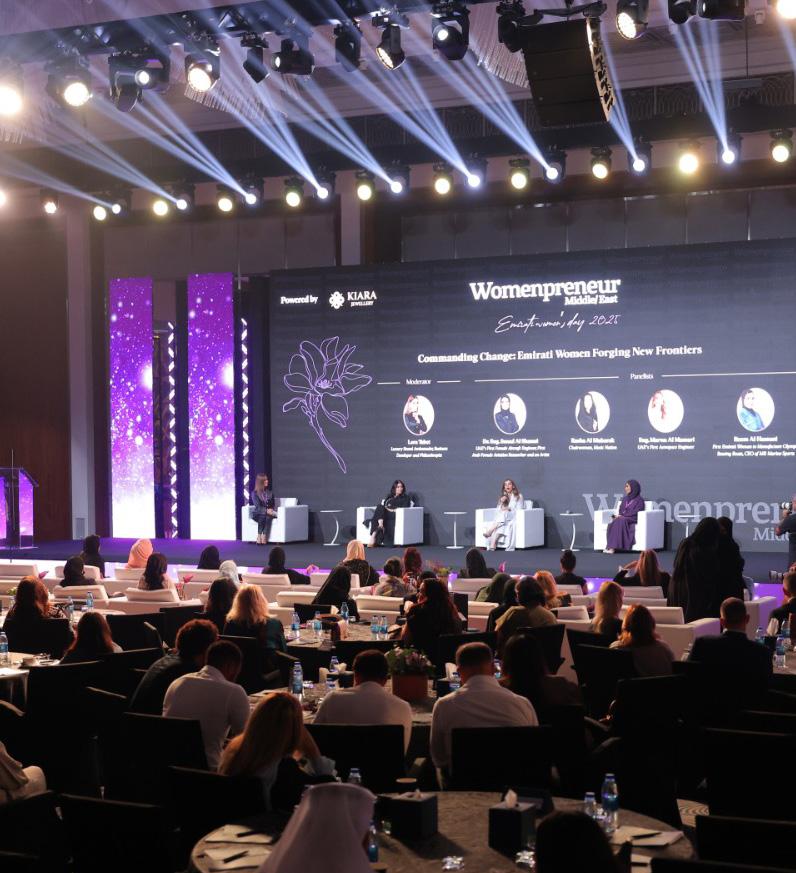
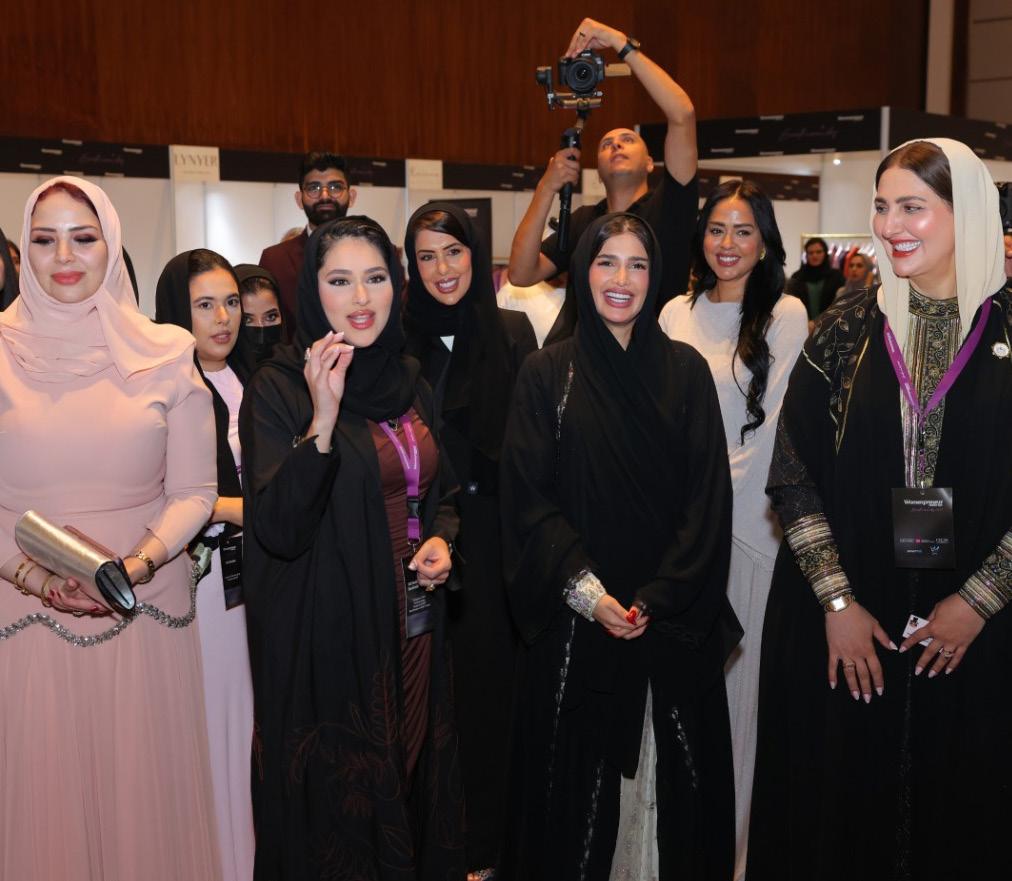
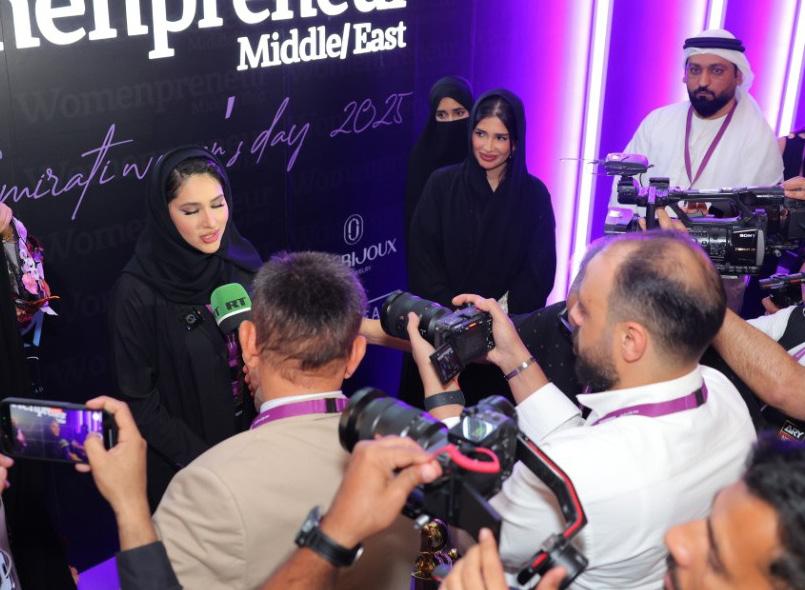
Womenpreneur Middle East further expanded the brand into an international movement. Signature gatherings such as the Womenpreneur Emirati Summits and Expo united influential leaders, visionaries, and changemakers, celebrating women’s leadership while strengthening regional collaboration and global dialogue.
Alongside physical events, Womenpreneur built a strong digital presence through multimedia storytelling. The Womenpreneur Middle East YouTube platform showcases conversations, keynote addresses, and leadership discussions featuring global voices, reinforcing the mission to amplify women shaping the future of business and entrepreneurship.
Social media platforms across India, the Middle East, and the United States have further expanded the community into a borderless network where founders connect, learn, and collaborate daily. Through magazine editions, interviews, podcasts, networking experiences, and international recognitions, Womenpreneur has grown into a cross continental ecosystem supporting women at every stage of leadership.
Today, Womenpreneur stands as more than a media brand. It represents a global movement dedicated to elevating women entrepreneurs through storytelling, strategic platforms, and international collaboration. From its origins as a storytelling initiative to its evolution into a global leadership network, the journey reflects one defining belief:
“when women are connected to the right platforms and communities, they do not just build businesses, they shape industries and influence the future of entrepreneurship worldwide.”
WOMENPRENEUR BRAND STORY
Womenpreneur India Impact
Womenpreneur India has evolved into a dynamic platform driving visibility, leadership recognition, and global opportunities for women entrepreneurs. Built as a community first ecosystem, the platform combines media, events, and strategic networking to create measurable impact across industries and regions.
Over the years, Womenpreneur has engaged
1,500+
Women Leaders, Founders, and Professionals
through summits, forums, networking experiences, and recognition platforms across India and the Middle East. The community continues to grow through collaborations that connect entrepreneurs with investors, corporate leaders, and international business ecosystems.
Through its editorial platforms and magazine editions, Womenpreneur has featured
300+ Entrepreneurs and Industry Leaders,
amplifying stories that inspire innovation, leadership, and economic participation. Digital and social media platforms across India, the Middle East, and the United States collectively reach an audience of
500,000+
Professionals, Founders, and Emerging Leaders,
creating sustained visibility for women led businesses.
Womenpreneur’s signature events and initiatives have hosted
bringing together decision makers, founders, creators, and policymakers in curated environments designed for collaboration and growth. These events have facilitated partnerships, brand alliances, and cross border business conversations, strengthening the founder ecosystem.
International expansion has become a defining milestone of the platform’s impact. Through engagements in Dubai and the wider Middle East region, Womenpreneur has supported Indian entrepreneurs exploring global markets while fostering stronger India Middle East business connections. Participation from delegates representing
10+
Leadership Gatherings, Awards, and Summits,
10+ countries
reflects the platform’s growing global relevance.
Beyond numbers, the true impact of Womenpreneur India lies in community building. By creating spaces where women gain recognition, access networks, and exchange knowledge, the platform continues to empower entrepreneurs to scale confidently, lead globally, and contribute meaningfully to the future of business leadership.
Signature Initiatives
Womenpreneur’s signature initiatives form the foundation of its global leadership ecosystem.
Designed to go beyond traditional media recognition, these platforms create meaningful opportunities for visibility, collaboration, and business growth while celebrating women who are shaping industries across borders. Through curated forums, global summits, and recognition platforms, Womenpreneur brings together influential leaders, founders, and innovators into a powerful community that champions progress and partnership.
Elite 100 / Leadership Forums
Elite100 stands as one of Womenpreneur’s flagship recognitions, honouring 100 exceptional women leaders, founders, and innovators who demonstrate excellence, impact, and influence within their respective fields. The initiative brings together a carefully curated community of high-performing entrepreneurs and professionals, offering recognition alongside access to powerful networks, leadership conversations, and global exposure.
More than a recognition, Elite100 functions as a leadership circle that connects visionary women across industries, encouraging mentorship, collaboration, and cross-border partnerships. The initiative is supported by high-visibility campaigns including magazine features, digital storytelling, podcasts, professional photoshoots, and large-scale summit experiences designed to elevate women leaders internationally.
Global “She Is” Summit & Expo Series
As part of its international expansion, Womenpreneur hosts a series of “She Is” Summit & Expo events across the Middle East, celebrating the achievements and leadership of women within each country while creating powerful opportunities for collaboration and visibility.
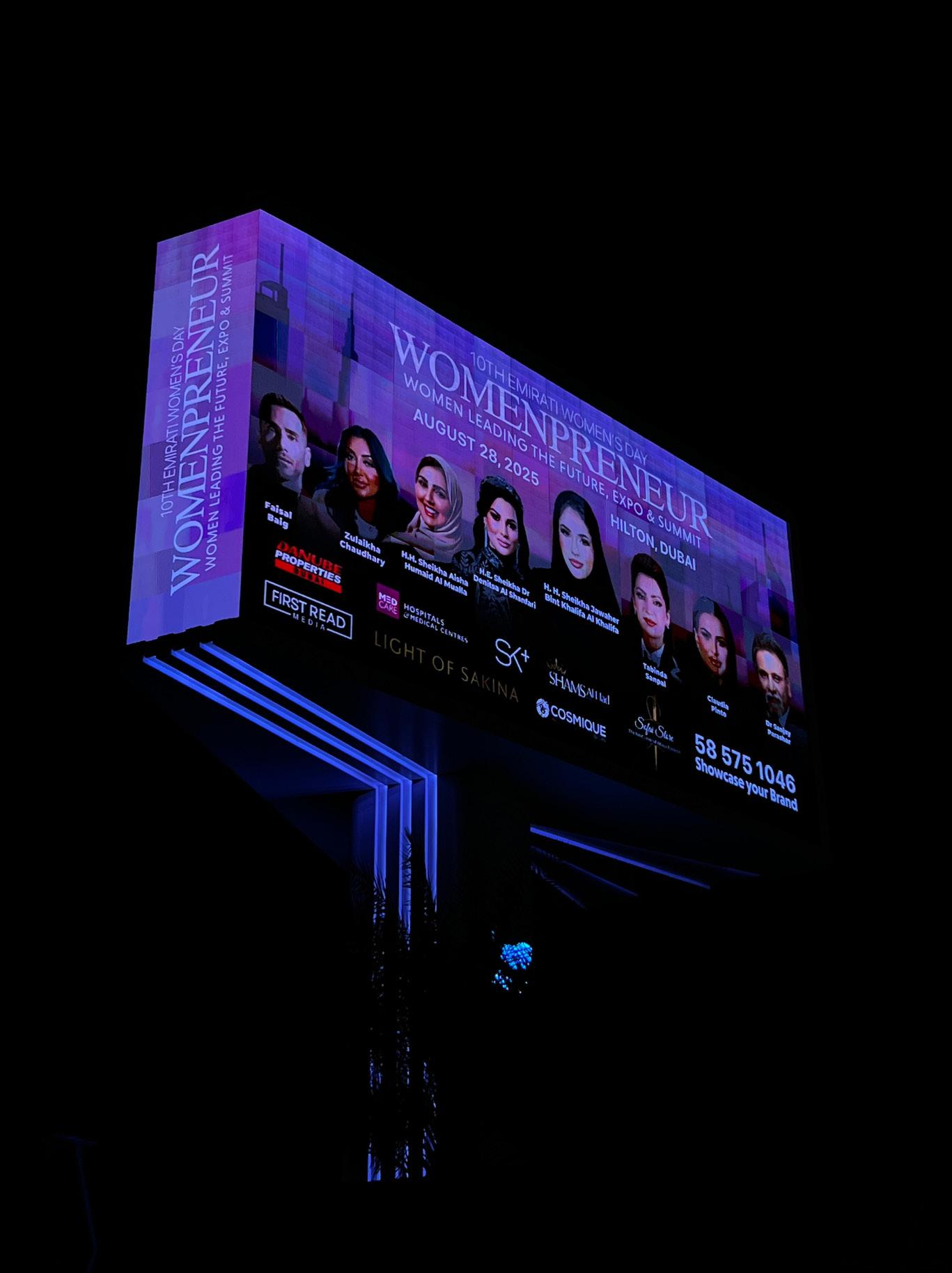
The flagship event, the Womenpreneur Emirati Summit & Expo, is held annually in Dubai
on 28 August, celebrating Emirati Women’s Day. The summit brings together entrepreneurs, investors, policymakers, royalty, and global business leaders, creating a powerful bridge between Indian and Emirati entrepreneurial ecosystems.
Womenpreneur has also expanded its presence across the region through the
She Is Summit series:
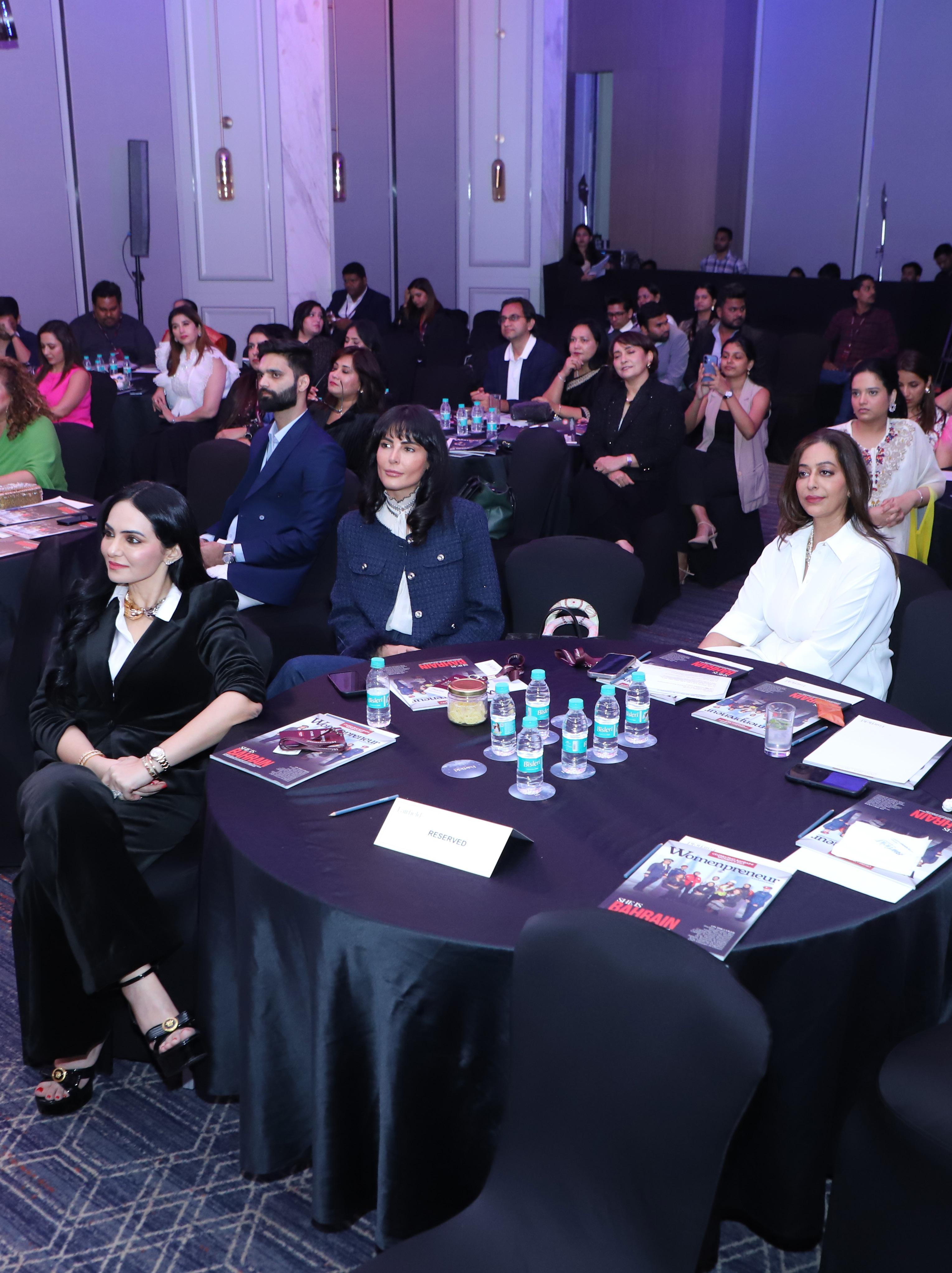
• She Is Bahrain Summit & Expo – 30 November 2025, successfully hosted to celebrate Bahraini Women’s Day, bringing together influential women leaders, founders, and changemakers from across the region.
• She Is Oman Summit & Expo – 17 October, celebrating Omani Women’s Day, spotlighting the growing impact of women entrepreneurs and leaders across Oman.
A key highlight across these summits is the Women-Led Brands Expo, where founders showcase their ventures across fashion, beauty, technology, wellness, lifestyle, and innovation sectors. The expo transforms exposure into opportunity by enabling direct engagement with media, buyers, collaborators, and global partners.
Through leadership dialogue, exhibitions, awards, and curated networking experiences, the summit series creates spaces where women entrepreneurs move from conversation to commerce while expanding into international markets.
Awards and Recognition Platforms
Womenpreneur Awards celebrate women who are redefining success through entrepreneurship, corporate
leadership, innovation, and social impact. Each recognition platform is carefully curated to highlight achievement while creating meaningful moments of visibility for women leaders on both national and international stages.
By recognising diverse journeys from emerging founders to established industry pioneers, Womenpreneur reinforces the importance of representation, recognition, and community in shaping the future of global leadership.
India Summit Highlights
Womenpreneur India’s leadership summits have become powerful milestones in the country’s evolving women entrepreneurship ecosystem, creating spaces where recognition, collaboration, and opportunity intersect. Designed as high impact gatherings, these summits celebrate women who are building, leading, and transforming industries across India while connecting them to global platforms.
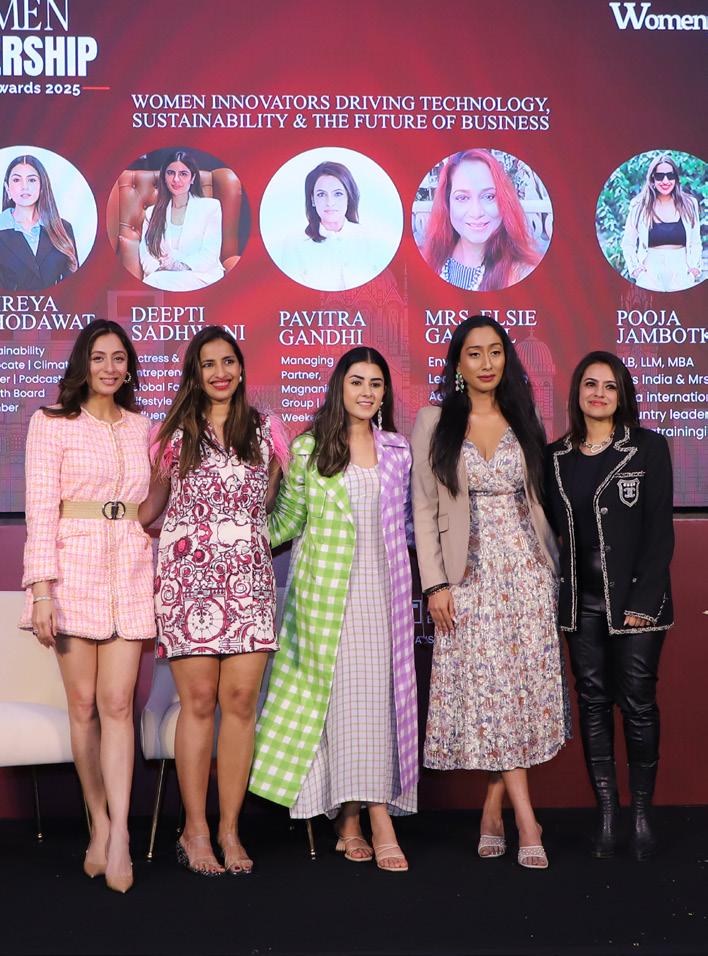
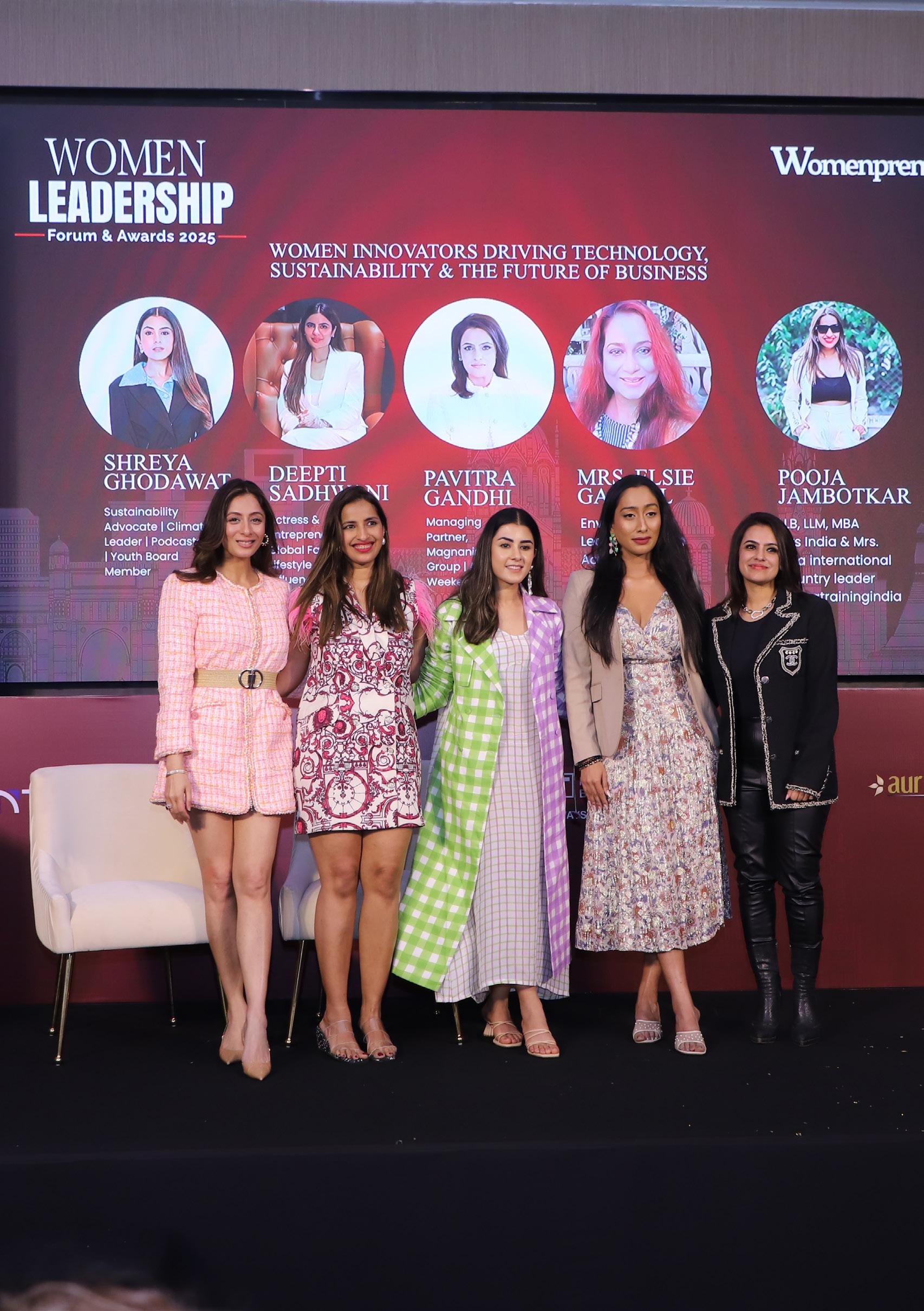
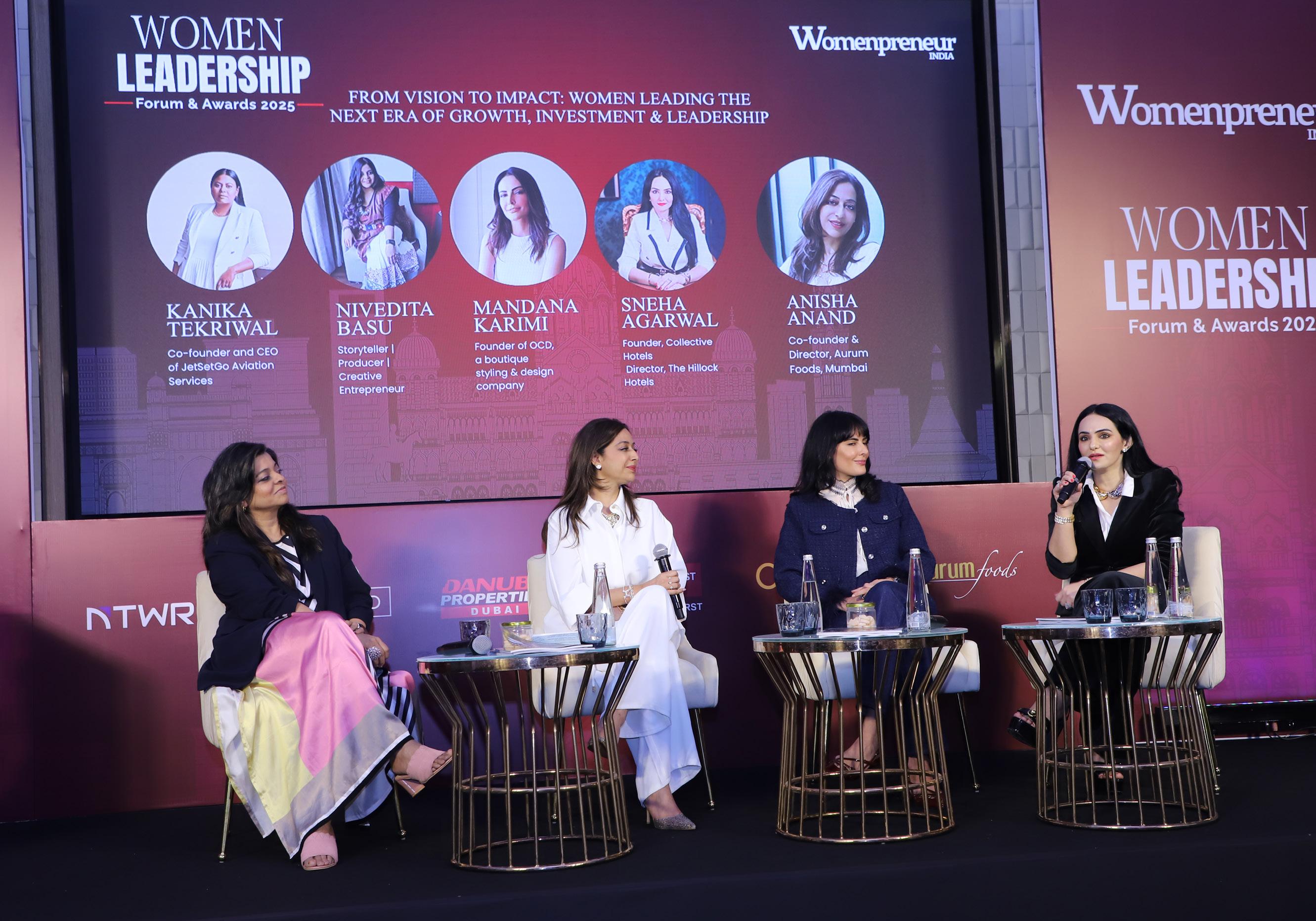
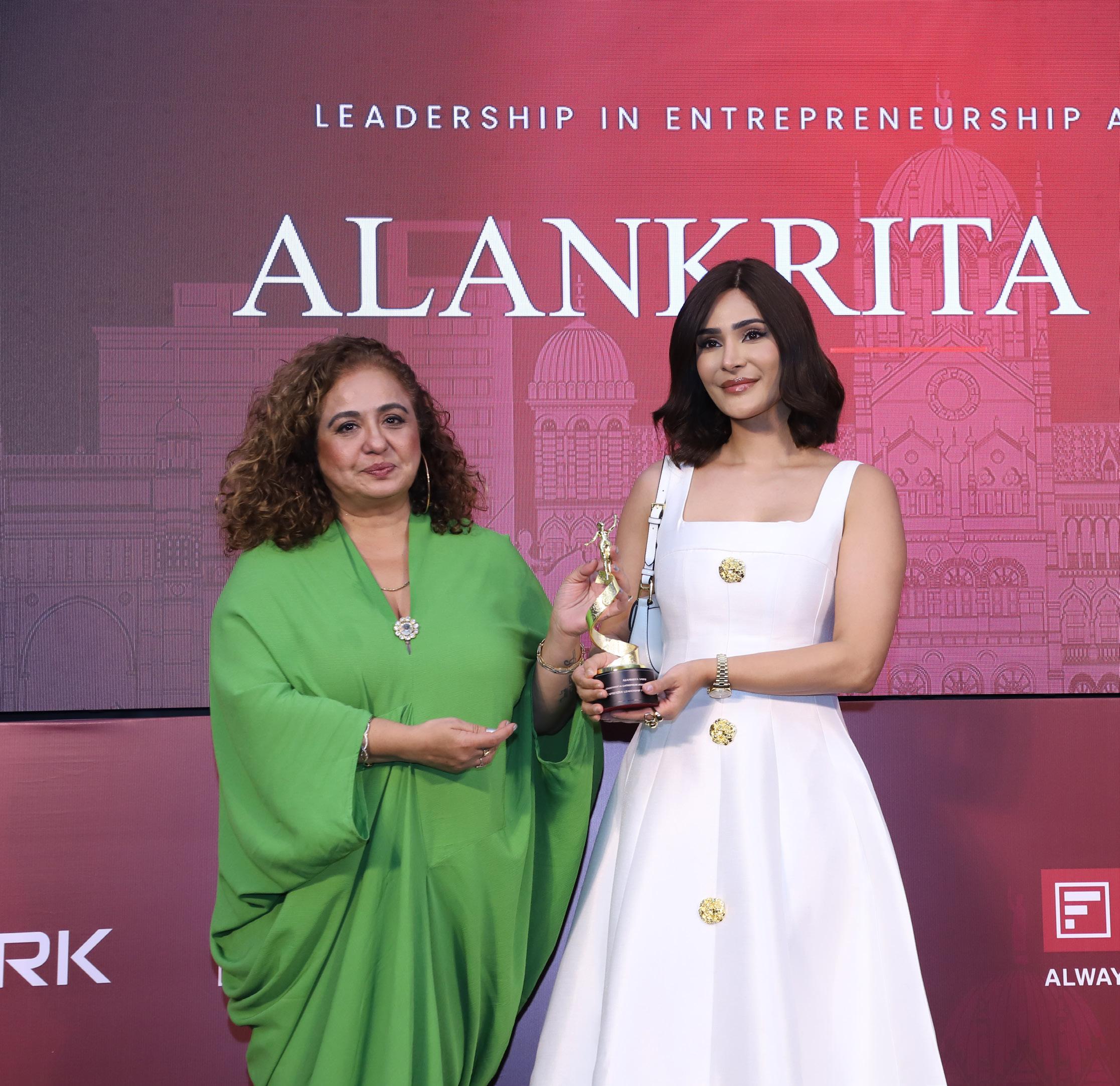
Adefining moment in this journey was the Womenpreneur India Leadership Forum and Awards 2025, held in Mumbai at Fairfield by Marriott, Mumbai International Airport. The invite only leadership gathering brought together
200+
founders, entrepreneurs, investors, CXOs,creators, and media leaders,
marking Womenpreneur’s official expansion into the Indian market following its successful Middle East summits.
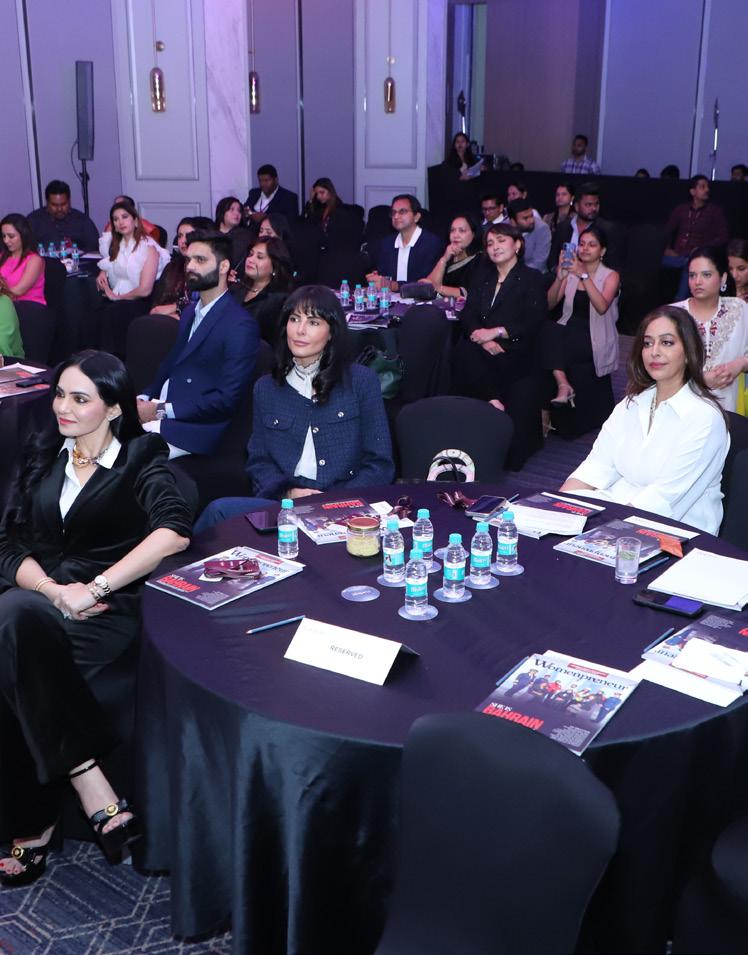
The forum positioned itself as more than an awards ceremony. It served as a premium leadership platform celebrating women across sectors including technology, aviation, sustainability, hospitality, media, wellness, and digital first businesses. The evening featured keynote addresses, curated networking experiences, red carpet interactions, and thought provoking panel discussions focused on leadership, growth, innovation, and the future of women led enterprises.
Industry leaders and public personalities such as
Kanika Tekriwal, Shreya Ghodawat, Nivedita Basu, and Mandana Karimi
joined conversations that explored entrepreneurship, sustainability, media influence, and cross industry innovation.
One of the most significant highlights of the summit was the announcement of a
₹50 crore investment fund dedicated to supporting women led startups,
reinforcing Womenpreneur’s commitment to translating dialogue into real economic opportunity and access to capital for founders.
The evening concluded with the Women Leadership Awards Gala, honouring outstanding women across entrepreneurship, innovation, digital excellence, creative industries, wellness, and social impact. Awardees were recognised not only for business success but for leadership influence and contribution to India’s evolving entrepreneurial landscape.
Beyond celebration, the India summits strengthen a larger vision: building a strong
India–Middle East leadership corridor.
By integrating Indian founders into an international
network powered by Womenpreneur Middle East, these gatherings enable cross border collaboration, global visibility, and expansion opportunities for women entrepreneurs ready to scale beyond domestic markets.
Through its India summits, Womenpreneur continues to cultivate an ecosystem where leadership conversations evolve into partnerships, investment opportunities, and global growth pathways, reinforcing its role as a platform connecting ambitious women from India to the world.
Community & Networking
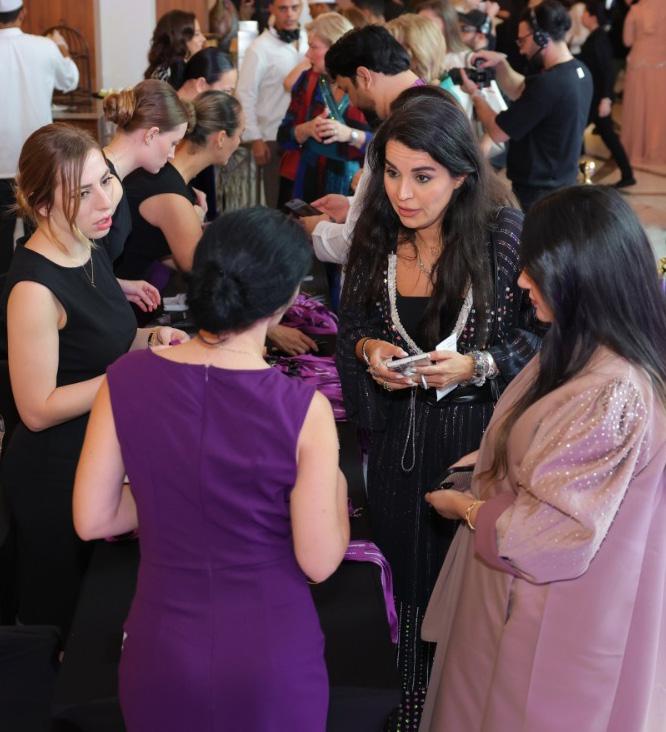
At the heart of Womenpreneur lies a powerful belief that success grows stronger within community. Beyond media features and leadership events, Womenpreneur has built a thriving ecosystem where founders, professionals, creators, and industry leaders connect through shared ambition and mutual support.
The Womenpreneur community functions as a living network that extends far beyond a single event or publication. Through curated summits, leadership forums, networking evenings, podcasts, and
digital platforms, entrepreneurs gain access to conversations that lead to collaborations, partnerships, mentorship opportunities, and business expansion.
Unlike traditional networking spaces, Womenpreneur focuses on intentional connection. Founders meet investors, brands discover collaborators, and emerging entrepreneurs engage directly with established leaders across industries. These interactions create an environment where relationships are built on trust, knowledge exchange, and long term growth rather than
transactional introductions. Across India, the Middle East, and expanding global chapters, Womenpreneur has cultivated a cross border founder ecosystem. Entrepreneurs who first connect through editorial features often continue their journeys through events, awards platforms, exhibitions, and international summits, forming a continuous leadership pipeline supported by the community.
Digital platforms further strengthen this network by enabling ongoing engagement between members
worldwide. Through interviews, social storytelling, video conversations, and shared achievements, Womenpreneur maintains an active global dialogue that keeps founders connected regardless of geography.
The strength of Womenpreneur is reflected not only in its events or recognitions but in the relationships it fosters. The platform has become a trusted space where women exchange ideas openly, celebrate each other’s milestones, and grow collectively as leaders shaping the future of business.
As Womenpreneur expands from India to the Middle East and beyond, its community remains its greatest asset, a global sisterhood of entrepreneurs united by vision, collaboration, and the shared pursuit of impact.
Meghna Singh
CEO, Aptronix India
Leading With Steel, Empathy and Five Dogs
Waiting at Home
There is a particular kind of confidence that walks into a room and quietly takes control without raising its voice. Meghna Singh has that presence.
As the CEO of Aptronix, she runs one of India’s largest Apple retail networks; A business defined by precision, scale and relentless consumer expectations. But behind the boardroom authority is a leader whose grounding rituals include reading quietly at home, spending time with her five dogs, and occasionally stepping anonymously into one of her own stores just to watch customers interact with technology.
On Women’s Day, we spoke to Meghna about ambition, power, burnout, and the very human moments that shape leadership.
When the meetings finally end and the heels come off, who is Meghna Singh?
A massive homebody, honestly. Running a retail business at this scale means you’re constantly “on.” There are decisions, numbers, teams, vendors, the noise never really stops. So when I reach home, I deliberately switch it off.
Most of my time actually belongs to my five dogs. They demand your full attention, which is wonderful because it forces me to stop looking at my phone. I change into comfortable clothes, find a quiet corner and read. My weekends are very peaceful. I don’t feel the need to constantly network or socialize. Home is where I recharge so I can walk back into work on Monday fully switched on.
Was there a moment when you realised leadership was meant for you?
Not really one moment. It was more like a personality trait that kept showing up.
As a kid I was a bit of a gang leader- organising games, setting rules, occasionally getting my friends into trouble. That instinct slowly turned into responsibility as I grew up. I became a school prefect and eventually the head girl.
Looking back, those early experiences taught me everything: reading people, organizing groups, taking responsibility when things go wrong. Leadership never felt like a role I stepped into later. It was always there.
What did ambition look like in your twenties?
In my twenties, ambition meant accumulation. Absorbing as much knowledge and experience as possible. I wanted to understand the machinery of retail deeply.
Now ambition looks very different. It’s not about building a resume anymore. It’s about building an institution. It’s about steering the company toward a long-term vision and legacy.
What do you feel when you enter a room today?
Pure confidence. That confidence comes from years of preparation. I was on my school’s national debate team, which taught me how to argue, defend a position and hold an audience. Being heard doesn’t intimidate me.
But I’ve also learned something important: speak only when you have something meaningful to add. Silence can sometimes do more work than words.
When did you first consciously claim your space as a leader?
Very early in my career. I joined the business young and found myself leading teams of older men in a sector that wasn’t exactly welcoming to women.
At some point I realised I couldn’t wait for approval or comfort. I had to simply demonstrate competence.
When you start driving revenue and fixing operational problems, people stop caring about your age or gender very quickly.
Tell us about a time you were underestimated.
Oh, that happened constantly in the beginning. Many people assumed I was just a young family member sitting in meetings rather than someone capable of negotiating serious business decisions. The solution was simple- preparation.
I walked into meetings knowing our store-level data, growth projections and operational capabilities better than anyone else in the room. Once you start challenging numbers and presenting solid strategies, the assumptions disappear very quickly.
Honestly, being underestimated can be a tactical advantage.
What’s a decision that kept you awake at night?
Protecting our employees during a period when the retail landscape froze. We had thousands of people depending on the company for their livelihoods. The logical financial decision would have been to cut costs immediately. But leadership isn’t just a spreadsheet exercise.
We decided to protect payroll even though it meant absorbing a huge financial hit.
“I remember lying awake running cash flow numbers in my head. But sometimes leadership means carrying the anxiety so your team doesn’t have to.”
Were you ever told you were “too assertive”?
All the time when I was younger. During my Chartered Accountancy articleship I interacted with clients regularly. Some senior clients would complain that the young intern was speaking like a manager. They expected someone quiet who would simply take notes.
Instead they got someone questioning the financial statements. Looking back, it makes me laugh. Being called assertive never irritated me. It motivated me.
What invisible pressure do women leaders still carry?
“The persistent belief that a woman’s life is incomplete without marriage. Even in 2025, a highly successful woman is often still evaluated through that lens.”
People whisper about her personal life rather than her professional achievements.
We need to change that narrative. Financial independence and professional ambition are complete life paths in themselves.
Have you mentored other women through similar challenges?
Yes, and one story stays with me. A talented team member once came
to resign because she was getting married and her family expected her to stop working. Instead of accepting the resignation, I spoke to her and her parents.
I explained that financial independence matters, regardless of marriage. She eventually stayed, and today she is thriving both professionally and personally. That was incredibly satisfying to see.
What does power mean to you today?
Early in my career I thought power meant control; Being involved in every decision.
Scaling the business taught me the opposite. True power is empowerment.
“If the company cannot function without you, you have built a fragile system. Real leadership is creating a team capable of operating independently.”
What does burnout look like for you?
Interestingly, not exhaustion. For me burnout shows up as loss of empathy. If I find myself getting irritated by small questions or rushing through conversations, I know my tank is empty. That’s when I step away completely.
Sometimes the best thing you can do for your business is simply disconnect and reset.
Who becomes your anchor when things feel overwhelming?
My family and a very small circle of close friends.
And my dogs. Sitting quietly with them after a long day is incredibly grounding. They don’t care about retail margins or supply chains. They just want attention.
That simplicity reminds me that my identity is bigger than my job title.
What has leadership cost you?
Time, mostly. You lose anonymity and many carefree moments. I’ve missed family events, cancelled holidays and sacrificed friendships because the business needed attention.
But I would still choose this path again without hesitation. Building something meaningful and providing livelihoods to thousands of people is a rare privilege.
What would you want a young woman shadowing you to learn?
Decisiveness paired with empathy. You must make difficult business decisions quickly, but never forget the human impact of those decisions. Leadership is not about perfection. It’s about courage, humility and resilience.
What advice would you give women who feel “not ready” for bigger roles?
Step forward anyway. When I became CEO I didn’t feel fully ready either. But readiness is a myth. You grow into the role once you step into it.
If you wait until you feel completely prepared, the opportunity will already be gone.
What does success look like beyond titles and numbers?
Seeing the people in our organisation thrive.
Success is also about leaving the industry better than you found it.
“When an employee tells me they bought their first home or funded their child’s education because of their career with us, that means more than any profit report.”
Finally, what does being a woman in leadership mean to you today?
It means keeping the door open behind you.
Breaking the glass ceiling isn’t enough. You also have to sweep up the broken pieces so the women coming after you don’t get hurt walking through.
Leadership, ultimately, is about making the path easier for the next generation.
Calling, Not Comfort
The Many Lives of Nivedita Basu
At 44, Nivedita Basu is not consolidating success. She is building an eight bed cancer care facility.
After fifteen years at Balaji Telefilms, after directing Tandoor on Ullu and winning a Filmfare OTT award, this is not the pivot one expects.
But neatness has never interested her.
What interests her is calling.
Below is a conversation on reinvention, business, community and the courage to evolve.
Q: You began as an engineer. What changed?
Nivedita : Like many Indian middle class children, I started with engineering. It was safe and respectable. But I realised early that media excited me more. It was not rebellion. It was recognition.
I could either stay comfortable and perform competence, or take a risk and follow curiosity. I chose curiosity. I don’t believe in boxing yourself into one skill. You must keep adding.
Q: What defined your fifteen years at Balaji Telefilms?
Nivedita : Balaji, founded by Ekta Kapoor, was my laboratory. That was creativity at its best. We were at the centre of India’s television boom. TRPs shaped households.
I worked across formats, including the Indian adaptation of 24. I learned how to hold mass attention. How to sustain drama.
But I also learned something equally important. Creativity without business understanding is incomplete.
Financially, Ullu was one of the most viable platforms I worked on. Emotionally, Balaji remains closest to my heart. Both were necessary.
Q: You often speak about understanding business. Why is that so important in media?
Nivedita : Because you cannot survive on creativity alone. You must understand both sides simultaneously.
At Ullu, with the backing of Vibhu Agarwal, I was given operational freedom within my speciality. But I also learned revenue logic, audience segmentation, platform strategy. The business side gave birth to growth.
We anticipated cultural shifts.
We understood devotional content would resonate deeply across Indian households. That insight shaped expansion.
People say I built brands. Not just shows.
Q: What is your advice to young professionals entering media today?
Nivedita : Be flexible. Do not say, this is not my job. Ground level training matters.
I worry sometimes that people give up too easily. In my early years, long hours were not debated.
But I am also optimistic. Digital platforms have democratised storytelling. Creators are building personal IPs. OTT means no appointment viewing. The next decade will see a rise in quality content.
Just do not chase novelty. Focus on execution. Learn from failure.
Q: Let’s talk about Global Cancer Care. Why this shift?
Nivedita : It may look like a pivot, but for me it is coherent.
Global Cancer Care is an eight bed
facility focused on making treatment more accessible and less intimidating. The motivation is personal. I lost a cousin to cancer. My grandparents’ humanitarian work shaped me deeply. We are positioning pricing to be more affordable than large institutions. We are partnering with Femina to expand women’s healthcare services. CSR initiatives and free checkup camps are planned. We are also developing an AI app to provide general guidance remotely.
This is not a vanity project. It is infrastructure.
I want to reduce stress for patients already dealing with fear.
Q: How have you balanced marriage, motherhood and entrepreneurship?
Nivedita : I reject the idea that you must choose.
I have never operated on a strict nine to five schedule. Entrepreneurship gave me flexibility. I have not missed my children’s school engagements in years.
I had a support system. Grandparents. Nannies. A husband who understands ambition. I grew up with a strong grandparental influence and wanted that for my children.
Work from home does not always work, especially in compact Mumbai homes. I prefer designated spaces. Boundaries help productivity. Empowerment is contextual.
Q: You often speak about community. What does that mean to you?
Nivedita : No journey is solitary. My parents allowed me to experiment.That built my confidence muscle.
One of my biggest assets is that I stick around. Wherever I go, I will learn. I will not leave till I learn.
Filmmaker Anurag Kashyap has remained a sounding board. Jackie Shroff is my go to person for advice. Anil Kapoor represents momentum and energy.
Your network is not about access. It is about trust built over time. Community is infrastructure.
Q: You run a podcast called What’s Your Calling. What does that question mean to you?
Nivedita : Calling evolves. It is not a one time decision.
Add layers to your core skill. Educate yourself before jumping into something. Watch content. Study why something failed.
And most importantly, do not wait for permission to pivot. It is never too late.
Regret is heavier than failure.
Q: What does happiness mean to you now?
Nivedita : Happiness is not comfort. It is alignment.
Be happy with the decisions you make. Even if they disrupt your script.
Careers are not ladders. They are landscapes.
“Calling does not arrive once. It evolves. It tugs. It demands reinvention.”
“Creativity without understanding business is incomplete. You must know both sides simultaneously.”
“Happiness is not comfort. It is alignment.”
Mariyam Khatri Building Banana Labs With
Hands, Heart and Linen
In a conversation with Akansha, from Womenpreneur India, Mariyam Khatri spoke about her journey with a refreshing honesty that felt more like a personal story than a business interview.
There’s something disarming about speaking to Mariyam. When I asked her who she is beyond her title, she did not begin with numbers or expansion plans. She smiled and said she is simply “a girl with big dreams who likes building things with her hands and her heart.”
That one sentence lingered with me. It explains the spirit of Banana Labs far better than any strategy document. This is not a label engineered in a boardroom. It has been built
from fabric, family history, artisan communities, unanswered emails, brave pivots and courage gathered in small but decisive moments. Today, Banana Labs stands as one of India’s quietly powerful sustainable brands. But its journey is deeply personal.
Rewriting a Textile Legacy
Mariyam grew up around textiles. Her father worked with silk, the kind associated with luxury and celebration. When I asked her about sustainability, I expected a business answer. Instead, she spoke about values. She made a conscious decision to move away from silk entirely.
“I didn’t want animal harm to be part of my story. I had grown up around silk, but when I started building my own brand, I wanted to be fully aligned with my values. I wanted to create beautiful clothes without causing harm.”
With that clarity, she shifted to natural, vegan fabrics such as linen, cotton and cotton linen blends. Linen, she told me, is her favourite. She described it almost like a companion. It breathes. It moves. It adapts to you.
Sustainability at Banana Labs is not a campaign. It is stitched into every decision. The brand is not about glossy luxury but about accessibility. Geometry based designs that are handcrafted yet wearable. Artisanal yet unintimidating. She works closely with a hand block printing community carrying more than eight decades of generational expertise. These are long term creative partnerships rooted in trust, not transactional vendor relationships.
When I asked about her five year vision, she did not begin with global stores. She spoke about employing more artisans, creating opportunities for young women creatives and building something that outlives trends. That priority says everything.
The Fear of Selling
Every founder has a moment of doubt. I asked Mariyam about hers. It was not whether she should start. It was whether it would sell.
Design came intuitively to her. Distribution did not. She worried whether geometry based silhouettes and muted tones would resonate in a market that often rewards loudness. Her turning point came at a pop up at
the Bristol Hotel in Gurgaon. Her first collection sold out completely.
It was more than revenue. It was validation. Proof that there are women who want understated elegance. Women who want comfort that transitions from morning meetings to evening dinners without overthinking. That moment gave her confidence.
Ilium and the Quiet Power of Gold
We spoke about her latest collection, Ilium. She described it as a transition from dusk to dawn, mirroring a modern woman’s day. It is about shining from within rather than chasing the spotlight.
Muted gold defines the collection. Not loud. Not attention seeking. Quietly confident. Then there are the wrap pants, arguably Banana Labs’ signature. Designed to flatter diverse body types and age groups, they are adaptable. You can style them your way. Customization, she told me, is free for every customer.
Because no woman fits a mold. In an industry where inclusivity is often reduced to marketing language, she has embedded it directly into operations.
The Emails No One Sees
The glamour of fashion often hides the grind. When I asked about distribution, she laughed. There were thousands of emails. Many unanswered. Many rejected. Design may be intuitive, but distribution demanded strategy and resilience. Her breakthrough came with Pernia’s PopUp Shop, which opened retail doors and strengthened credibility.
Yet she is clear that her own website performs strongest today. For new founders, she suggests starting with marketplaces to build trust, while insisting that pop ups and exhibitions remain irreplaceable.
Nothing replaces the moment when a customer touches the fabric, tries on the wrap pants and sees herself
differently in the mirror. Online came first. Offline followed. Today, she uses data analytics to predict performance calmly. The founder who once feared selling now studies numbers with composure.
Word of Mouth Over Algorithms
When I asked about marketing spends, her answer was simple. Word of mouth works better for them than heavy performance marketing.High repeat rates and loyal customers drive growth. Women recommending the brand to other women.
“Where did you get that?”
“Banana Labs.”
That organic loop is what she values most.
A Women Led Ecosystem
One of the most powerful parts of our conversation was about her team. All management roles at Banana Labs are filled by women.
It is not symbolic. It is structural. She wanted to build a safe environment where leadership feels natural, not negotiated. Her long term vision includes employing more artisans and more young women creatives. Banana Labs is building opportunity alongside clothing.
Learning Confidence
Mariyam admitted she was once camera shy. Investor conversations intimidated her. Rejections felt personal.Entrepreneurship forced growth.
“If you wait to feel ready, you will wait forever. I started before I felt fully prepared, and I grew into the role. Confidence doesn’t arrive first. It builds as you keep showing up.”
Her resilience is cumulative, built through rejections, exhibitions and uncomfortable conversations. Now, when she speaks about global expansion, including dreams of presence on Oxford Street in London, it feels grounded rather than dreamy. She calls the future version Banana Labs 5.0. Evolved, yet rooted in its core values.
What Stayed With Me
Discarding silk despite legacy. Selling out at her first pop up. Sending thousands of emails without giving up.
Offering free customization because inclusivity should not cost extra. Hiring women intentionally. Starting before feeling ready.
Mariyam shared these not as dramatic milestones but as natural chapters in a journey she believes in deeply.
In an industry driven by speed and spectacle, Banana Labs is choosing intention. Craft. Breathability. Geometry. Community. Women led growth.And perhaps that is its quiet power. Because sometimes, the brands that leave the deepest mark are not the ones that shout the loudest. They shine softly. From within.
The Rise of the Global Indian Woman Leader
Anew generation of Indian women entrepreneurs is reshaping the global business landscape. Their influence no longer stops at national borders. From technology and beauty to biotechnology and digital media, Indian women leaders are building companies that operate across continents, connecting markets, capital, and innovation.
Over the past decade, India’s startup ecosystem has grown rapidly, and women founders have become an increasingly visible part of that story. What makes this moment particularly significant is that many of these entrepreneurs are not just building companies for domestic growth. They are creating businesses designed to operate globally from the very beginning.
This shift marks the rise of the Global Indian Woman Leader. She builds across borders, manages teams across time zones, and understands markets beyond her home country. Her ambition is global, and her leadership reflects a new era of entrepreneurship.
Building Global Consumer Brands
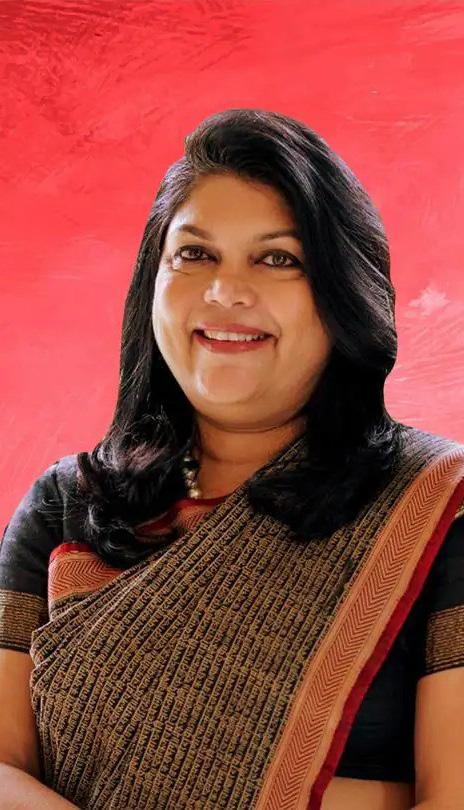
One of the most prominent examples of global scale from India is Falguni Nayar, founder of Nykaa. After spending nearly two decades in investment banking, Nayar launched Nykaa in 2012 as an online beauty marketplace. What began as a digital platform soon expanded into an omnichannel retail company with both online operations and physical stores across India.
Nykaa partners with numerous international beauty brands while also building its own private label products. The company’s growth culminated in a highly successful public listing in 2021, turning Nayar into one of India’s richest self made women entrepreneurs. Her journey is notable not only because of the scale she achieved but also because she started the company at the age of fifty.
Nykaa’s success reflects a larger shift in how Indian founders approach business. Instead of focusing only on
local markets, they build platforms capable of interacting with global supply chains, international brands, and cross border consumer trends.
Technology Leadership Without Borders
In the technology sector, Indian women leaders are helping shape the global software economy. Radha Vembu, a major stakeholder and product leader at Zoho Corporation, represents a powerful example of this global impact. Zoho develops cloud based software tools used by businesses worldwide, including email platforms, customer relationship management systems, and enterprise productivity tools.
The company serves customers across multiple countries and competes with some of the largest global technology firms. Vembu has played a key role in product development within the company, particularly for Zoho Mail and other enterprise services.
Zoho’s story is particularly interesting because it has expanded internationally without relying heavily on venture capital funding. Instead, the company has grown through sustained product innovation and global customer adoption.
Leaders like Vembu show that Indian technology companies can compete globally while remaining deeply rooted in their local ecosystems.
Bridging Global Capital and Innovation
Another influential leader shaping international business networks is Kirthiga Reddy, a venture partner at SoftBank’s Vision Fund and founder of the Web3 platform Virtualness.
Reddy previously served as the first managing director of Facebook India, where she helped build the company’s presence in one of the world’s largest digital markets. She later joined SoftBank as its first female investing partner, focusing on technology investments and emerging innovation ecosystems.
Through her work in venture capital and technology leadership, Reddy has played a role in connecting Indian entrepreneurs with global investors and new digital technologies. Her career illustrates how modern leadership often moves fluidly between entrepreneurship, investment, and innovation.
Science and Biotech on the Global Stage
Long before India’s startup boom, Kiran Mazumdar-Shaw was already building a globally respected company. She founded Biocon in 1978 in a small garage in Bengaluru. Over the decades, the company grew into one of the world’s leading biotechnology firms specializing in biopharmaceutical research and manufacturing.
Biocon’s products and research initiatives serve international markets, making the company an important player in global healthcare innovation.
Mazumdar-Shaw’s journey is often cited as one of the earliest examples of a woman entrepreneur from India building a science driven company with global reach. Her work paved the way for many women founders entering fields such as biotechnology, healthcare, and deep technology.
Leadership in Global Corporations
The rise of global Indian women leaders is also visible in large multinational corporations.
Roshni Nadar Malhotra, chairperson of HCL Technologies, became the first woman to lead a listed IT company in India. HCLTech is one of the world’s largest IT services firms, providing technology solutions to businesses across industries and continents.
Under her leadership, the company continues to expand its global operations while investing in digital transformation and emerging technologies. Nadar Malhotra has frequently been recognized among the most powerful women in global business. Her leadership reflects how women executives are shaping strategies that influence international technology markets.
A New Blueprint for Global Entrepreneurship
Several factors have made this rise of global Indian women leaders possible. Digital infrastructure has lowered barriers to international expansion. Companies can now reach global audiences through online platforms without needing large physical networks.
Access to global capital has also improved. Venture funds and international investors increasingly see India as a hub for innovation and entrepreneurship. Equally important is the growing confidence among founders themselves. Indian entrepreneurs today often design companies with international markets in mind from the earliest stages. Women leaders are playing a crucial role in this transformation.
A Global Future
The emergence of the Global Indian Woman Leader represents more than individual success stories. It reflects a deeper shift in the global economy. Indian women are building companies that connect continents, lead technological innovation, and influence consumer markets around the world.
Their journeys demonstrate that entrepreneurship today is not limited by geography. A company can begin in Mumbai, Bengaluru, or Delhi and still shape industries across Europe, Asia, and North America. The next decade is likely to see even more women founders from India entering global markets, building new industries, and redefining what leadership looks like in the international business landscape.
The rise of the Global Indian Woman Leader is not simply a moment of progress. It is the beginning of a long and influential chapter in global entrepreneurship.
From Silence to Leadership
How a Deaf Woman Built a 1,000-Strong Community Across India
In 2023, when Kritika from Nagpur came across the profile of entrepreneur Deepika Bhatia online, she was not searching for motivation. She was searching for independence.
As a Deaf and Mute woman, employment opportunities had always felt limited. Interviews often ended before they truly began. Communication barriers were frequently mistaken for lack of ability. Over time, repeated rejection can quietly lower expectations. Kritika wanted something different. Not only for herself, but for others in her community.
She joined a women-led entrepreneurial network with a simple goal. She wanted to earn, support her husband and build financial stability. In the early days, training sessions took place over Zoom. She relied on live captions to follow every conversation. It required patience on both sides. There were pauses, clarifications and moments of adjustment. Gradually, the approach evolved.
An interpreter from Nagpur began joining training sessions. Video calls replaced long written explanations. Conversations moved into sign language. Members of the leadership team started learning the basics themselves so they could communicate more directly.
Accessibility became part of the process, not an afterthought.
Today, Kritika leads a community of more than 1,000 Deaf and Mute women across India. Many of them had faced similar barriers. Limited job access. Hesitation from employers. Reduced confidence over time.
Within this network, they found income opportunities, structure and representation. For some, it is the first time they are being trained in a language that feels natural to them. Questions are addressed without urgency. Doubts are clarified without dismissal. Communication is intentional.
The growth of this community has not been loud or widely visible. There are no viral campaigns or public announcements.
Instead, the impact unfolds quietly in homes across cities and small towns. Women who once believed opportunities were scarce are now building income streams and guiding others.
In a country where inclusion is often discussed in principle, this story reflects inclusion in practice. It shows that when communication barriers are approached with care and commitment, leadership can emerge from places often overlooked.”
Founder Spotlight
Supriya Paul and the Power of Stories
In the crowded landscape of India’s startup ecosystem, most companies are built around products. Some are built around technology. A few are built around markets that promise scale. Supriya Paul chose to build something different. She built a company around stories.
Today, Paul is best known as the co founder and CEO of Josh Talks, a media platform that has become one of India’s most powerful storytelling movements. The platform gives everyday people a stage to share journeys of resilience, ambition, and transformation. What began as a small initiative has grown into a digital ecosystem reaching millions across the country. Paul’s story is a reminder that entrepreneurship is not always about inventing something new. Sometimes it is about recognising something powerful that already exists and giving it a platform.
The Beginning of an Idea
Supriya Paul grew up in Delhi and studied at Sri Venkateswara College at University of Delhi. Her early interests were not in business plans or venture capital. She trained in Hindustani classical music for more than a decade
and developed a deep appreciation for the power of performance and expression.
During her college years, Paul began noticing something that would later shape her entrepreneurial path. Across India there were countless individuals with extraordinary life stories. People who had overcome poverty, discrimination, or personal tragedy to build meaningful lives. Yet most of these stories remained invisible.
In 2015, at just twenty two years old, Paul and her co founder Shobhit Banga launched Josh Talks with a simple idea. What if these voices were given the same stage and visibility as celebrity speakers?
The early events were small. They took place in modest venues, with limited resources and a handful of speakers. But the concept resonated quickly. Audiences were drawn to the authenticity of the stories. Unlike traditional conferences that focused on corporate success, Josh Talks featured people whose journeys felt deeply human.
A Platform for the New India
The growth of Josh Talks mirrored the rise of India’s digital storytelling culture. As the platform expanded
online, it began publishing videos across multiple regional languages including Hindi, Tamil, Telugu, Kannada, and Marathi.
The result was a media network that reflected the diversity of the country. Speakers ranged from entrepreneurs and teachers to athletes, artists, and social activists. Some had built successful businesses. Others had survived extraordinary personal struggles. What united them was the ability to inspire audiences through honesty and vulnerability.
Paul has often explained that the goal of Josh Talks was not simply motivation. It was representation. Millions of young Indians rarely saw people like themselves on public stages. Josh Talks changed that by showcasing individuals from small towns, unconventional careers, and overlooked communities.
The message was simple but powerful. Success is not limited to one background, one language, or one kind of story.
Scaling a Storytelling Movement
Turning a storytelling platform into a scalable company required strategic thinking. As the digital audience grew, Josh Talks expanded beyond live events into a full media ecosystem. The platform now operates across YouTube channels, podcasts, educational programs, and career oriented initiatives. Millions of viewers engage with the content every month, making it one of the most influential youth driven storytelling platforms in India.
Paul has described the mission in simple terms. Stories have the power to change the trajectory of someone’s life. A single talk can inspire a student to pursue a new career, a young entrepreneur to start a company, or someone facing hardship to believe that change is possible.
This philosophy eventually led to the publication of Paul’s book, All You Need Is Josh, which captures stories of courage and determination from across India.
The book reflects the same belief
that shaped the company’s identity. Inspiration is not abstract. It is rooted in real experiences.
Recognition and Global Attention
As Josh Talks expanded, Supriya Paul began receiving recognition within the global startup ecosystem. She was named to the Forbes 30 Under 30 Asia list in 2018, highlighting her influence as a young entrepreneur building a high impact media platform.
For a founder who began with small storytelling events, the recognition represented something larger. It demonstrated how content platforms emerging from India were beginning to shape global conversations around entrepreneurship and youth culture.
Yet Paul has often resisted framing her work purely in terms of success metrics. The real measure, she says, lies in the community that forms around the stories.
Across cities and campuses, audiences gather not just to listen but to feel connected to a larger narrative about ambition and possibility.
Leadership in the Creator Economy
Paul’s work sits at the intersection of media, entrepreneurship, and the rapidly evolving creator economy.
In the past, storytelling platforms were dominated by large media houses and broadcast networks. Today, digital platforms allow founders to build communities around content and ideas. Josh Talks emerged at exactly this moment, when India’s internet user base was expanding rapidly and audiences were searching for authentic voices.
Paul’s leadership style reflects the values of this new media environment. Instead of positioning herself as the central personality, she focuses on amplifying others.
Hundreds of speakers have taken the Josh Talks stage, each bringing a unique perspective. Together, they form a mosaic of contemporary India.
For Paul, the role of a founder is not
to dominate the narrative but to create the conditions where many narratives can emerge.
The Personal Philosophy Behind the Platform
Despite the scale of the company, Paul often speaks about entrepreneurship in deeply personal terms. She believes that curiosity and empathy are essential qualities for founders.
Building Josh Talks required listening carefully to people from very different backgrounds. Farmers, athletes, teachers, and young entrepreneurs all shared their experiences on the platform. Understanding these stories required patience and openness.
Paul has often said that the most inspiring stories are not always the most dramatic ones. Sometimes the most powerful journeys are quiet transformations that happen away from public attention.This belief has shaped the editorial philosophy of Josh Talks. The platform celebrates both extraordinary achievements and everyday resilience.
Looking Ahead
As India’s startup ecosystem continues to evolve, storytelling platforms like Josh Talks are becoming increasingly important. They shape how entrepreneurship is perceived and who feels included in that narrative. For Supriya Paul, the mission remains deeply personal. She began the journey believing that stories have the power to transform lives. Nearly a decade later, that belief still drives the company.
Across campuses, digital screens, and online communities, millions of young Indians continue to watch these stories unfold. And somewhere among them may be the next generation of founders. For Paul, that possibility is the real impact of entrepreneurship. Not just building a successful company, but building a movement that inspires others to begin their own journey.
The Story of a Conscious Luxury Footwear Brand
In a fashion industry that often moves at a relentless pace, Disobedience takes a very different approach. Founded in Chennai by designer Anita Soundar, the brand is built on the idea that luxury can be bold, artistic, and responsible at the same time.
The concept for Disobedience began in 2020 and officially launched in 2025, but the thinking behind it goes much deeper. Anita Soundar did not come from a traditional fashion background. With training in chemical engineering and experience in industrial entrepreneurship, she entered design with a unique perspective. Instead of following trends, she wanted to rethink how footwear could be made and what it could represent.
At Disobedience, shoes are treated almost like wearable sculptures. The brand is known for its striking heels that feel edgy, artistic, and confident. But what truly sets them apart is the way they are made. Many of the designs incorporate reclaimed teak wood and recycled steel, materials that would otherwise go to waste but are transformed into bold design elements.
The brand also experiments with sustainable materials that are rarely seen in luxury footwear. Banana leather, hand spun Kala cotton, hemp, linen, cellulose sheets, and even upcycled plastic waste such as food wrappers are used to create distinctive textures and structures. These materials are carefully selected to reduce environmental impact while still delivering something visually exciting.
Every pair of shoes is handmade by skilled artisans. This hands on process ensures not only quality but also individuality. No two pieces feel exactly the same, and that is part of the charm. The focus on craft also helps support traditional artisan skills, making the brand’s approach both creative and community driven.
The name Disobedience reflects the spirit behind the brand. It represents a refusal to follow the wasteful patterns that dominate much of the fashion industry. Instead of chasing seasonal trends, the brand focuses on thoughtful design, durability, and responsible production.
This approach has already gained global attention. In 2024, Disobedience received recognition at the Global Footwear Awards, winning Best Footwear Design. The award highlighted the brand’s ability to combine experimental design with a strong sustainability message.
For Anita Soundar, the journey has been about more than creating beautiful shoes. It has been about showing that fashion can have a conscience without losing its sense of drama and creativity. Each pair of Disobedience heels carries that philosophy forward.
In many ways, the brand represents a new direction for luxury fashion. One that values originality, craft, and responsibility. And sometimes, the most interesting ideas really do begin with a little disobedience.
The City Where Business Never Sleeps
On any given evening, as the sun sets behind the towering skyline of Dubai, the city transforms into a glittering marketplace of ideas. Boardrooms buzz late into the night, deals are sealed over coffee, and startups are born in glass-walled offices overlooking the desert.
Dubai didn’t become a global business hub by accident. Its rise is the result of a carefully crafted vision-low taxes, world-class infrastructure, strategic geography, and a government that thinks like an entrepreneur. Located at the crossroads of Asia, Europe, and Africa, the city has turned itself into a gateway for global trade.
Today, it is not just a place to do business-it is a place to scale it globally.
And increasingly, Indian entrepreneurs are leading that story.
From Mumbai to Dubai: A Natural Transition
When Indian Ambition Meets Dubai Opportunity
Walk through Dubai’s bustling business districts or the vibrant markets of Bur Dubai, and you’ll hear Hindi, Gujarati, and Punjabi as often as Arabic or English. The connection between India and Dubai is not newit’s historical, cultural, and deeply economic.
But in the last decade, something remarkable has happened. Indian entrepreneurs are not just trading in Dubai-they are building companies, creating jobs, and shaping the emirate’s economy.
The numbers tell a compelling story:
• Over 70,000 Indian companies are active in Dubai, making them the largest foreign business community (Khaleej Times)
• Indian businesses have grown by 173% in the last decade (Khaleej Times)
• In just six months of 2024, 7,860 new Indian companies were registered (News On Air)
• In 2025 alone, over 9,000 Indian firms set up operations in Dubai (Business Matters Magazine)
Why Indian Entrepreneurs Are Choosing Dubai
1A Tax-Friendly Environment
For many Indian entrepreneurs, Dubai offers something rare: simplicity. With zero personal income tax and competitive corporate tax rates, the city allows businesses to retain more of their profits.
Free zones-special economic areas-offer additional benefits like 100% foreign ownership and easy licensing, making it easier for founders to focus on growth rather than bureaucracy.
2
Gateway to Global Markets
Dubai is not just a destination-it is a launchpad. From here, businesses can access markets across the Middle East, Africa,
and Europe within a few hours. For Indian companies looking to expand internationally, Dubai acts as a strategic bridge.
This is further strengthened by the India-UAE Comprehensive Economic Partnership Agreement (CEPA), which has reduced tariffs and simplified trade between the two countries (Business Matters Magazine)
3Strong India–Dubai Trade Relations
The economic relationship between India and Dubai is booming:
• Non-oil trade reached nearly $190 billion between 2019 and 2023 (Khaleej Times)
• In 2024, India contributed 21.5% of Dubai’s total FDI, becoming its top investor (Arab News)
This means Indian entrepreneurs are not outsiders-they are key players.
4A Thriving Startup Ecosystem
Dubai is rapidly becoming a global startup capital. From fintech and AI to logistics and e-commerce, opportunities are expanding across sectors.
Interestingly, Indian entrepreneurs make up over 30% of Dubai’s startup ecosystem (The Economic Times)
Government-backed initiatives, accelerators, and events connect startups with global investors, giving them exposure that is hard to find elsewhere.
5Ease of Doing Business
In Dubai, setting up a business can take days, not months. The process is digital, streamlined, and supported by government agencies that actively encourage entrepreneurship. Compared to traditional bureaucratic hurdles, the experience is refreshingly efficient.
The Human Side of the Story
Behind these numbers are stories-of ambition, risk, and reinvention.
There’s the textile trader from Surat who expanded into Africa through Dubai. The tech founder from Bengaluru who found global investors in a Dubai free zone. The small business owner from Delhi who now exports across continents.
For many, Dubai represents not just opportunity, but possibility.
The Challenges Nobody Talks About
But the journey is not without its hurdles.
1. Cost of Living and Setup
Dubai offers opportunity-but at a price. Office spaces, visas, and living expenses can be significantly higher than in India, especially for startups.
2. Legal and Regulatory Complexity
While the system is efficient, it can also be complex. Entrepreneurs must choose between mainland, free zone, and offshore structures-each with different rules.
Misunderstanding these can limit business operations or market access, especially for first-time founders.
3. Cultural and Market Differences
Doing business in Dubai requires adapting to a multicultural environment. Consumer behavior, negotiation styles, and business etiquette can differ from India.
4. Competition is Global
In Dubai, you are not just competing with local players-you are competing with the world. Companies from Europe, the US, and Asia all operate in the same ecosystem.
A City Built for the Future
Dubai’s ambition goes beyond the present. Through initiatives like its economic agenda, the city aims to double its economy and become one of the top global business hubs.
Recent trends show rapid growth in financial services, tech, and global investments, with new company registrations rising sharply in key business zones.
Dubai is not slowing down-it is accelerating.
Conclusion: Should Indian Entrepreneurs Make
the Move?
Dubai is not just another international destination. It is a strategic gatewayone that offers Indian entrepreneurs a chance to go global without going too far from home.
The advantages are clear:
• Tax benefits
• Strategic location
• Strong India ties
• Global market access
• Startup-friendly ecosystem
But success in Dubai requires preparation, adaptability, and a clear understanding of the market.
For those willing to take the leap, the rewards can be transformative.
Because in Dubai, business is not just about profit-it is about possibility.
And for Indian entrepreneurs, that possibility has never looked brighter.
Wealth Building for Women Entrepreneurs
Wealth building is often imagined as something reserved for finance experts or high earners, but in reality it is a deeply human process. At its core, wealth building is about using what you have today—your income, skills, and opportunities—to create a more secure and expansive tomorrow. It is not only about accumulating money; it is about creating choices. The choice to take a risk, to expand a business, to support loved ones, or simply to sleep peacefully knowing that tomorrow is not uncertain.
For entrepreneurs, wealth building offers stability in a world that is inherently unpredictable. It provides a cushion during slow periods, the capital needed to seize new opportunities, and the confidence
to make decisions without fear. For women entrepreneurs, however, wealth building carries an even deeper significance. It is not just about personal growth; it is about shifting long-standing patterns of financial dependence and unlocking a more equitable future.
Why wealth building matters for women
Across the world, women are increasingly stepping into entrepreneurship, launching businesses that range from home-based ventures to global startups. Yet many still face structural challenges that make
wealth creation more complex. These include limited access to credit, gaps in financial literacy, interrupted career paths due to caregiving responsibilities, and fewer opportunities to build longterm assets.
Wealth building helps bridge these gaps. It enables women to move from surviving to thriving, from managing daily operations to planning for the future. When a woman entrepreneur builds wealth, she gains not just financial security but also decisionmaking power, bargaining strength, and the ability to invest in her own growth.
What makes this moment particularly important is the global shift toward financial inclusion. Digital banking, mobile payments, and online investment platforms have opened doors that were once closed. Today, a woman can run a business, manage finances, and invest in markets using only a smartphone. At the same time, initiatives around financial education are helping first-time investors understand savings, risk, and responsible investing, ensuring that access is matched with awareness.
However, opportunity comes with responsibility. As more people enter financial markets, especially younger and first-time investors, there is also a rise in misinformation and high-risk behavior. Wealth building, therefore, is not just about participation but about informed participation.
What wealth building looks like in real life
Wealth building does not follow a single path. It looks different depending on where you are, what you do, and what resources you have.
For one woman, it may begin with
setting aside a small portion of her monthly earnings and gradually building a safety fund. For another, it could involve reinvesting business profits into better tools, hiring staff, or expanding into new markets. For someone else, it might mean learning about investments and slowly building a portfolio that grows over time.
The common thread is intention. Wealth building is not accidental. It requires consistent, thoughtful decisions made over time.
It also requires a shift in mindset. Many women are taught to prioritize security over growth, to save but not to invest, to manage money but not to multiply it. Wealth building challenges that narrative. It encourages women to see themselves not just as earners or savers, but as investors and asset creators.
Practical steps to begin building wealth
The idea of wealth building can feel overwhelming, especially when resources are limited or financial knowledge is still developing. The key is to start small and stay consistent.
1Understand your financial picture clearly
Begin by mapping your income, expenses, and business cash flow. Knowing where your money goes is the first step toward controlling it.
2Separate business and personal finances
This simple step brings clarity and discipline. It also helps build a financial track record, which is essential when seeking funding or partnerships.
3Use credit wisely, not fearfully
Credit can be a powerful tool when used responsibly. Instead of avoiding it completely, focus on using it to grow your business rather than to sustain consumption.
4
Build a safety net first
Before investing, create an emergency fund that can cover a few months of expenses. This reduces
stress and prevents you from making rushed decisions during difficult times.
5Invest consistently, even in small amounts
Wealth is built over time, not overnight. Regular investments, even modest ones, can grow significantly due to the power of compounding.
6Learn continuously
Financial literacy is not a one-time task. Understanding concepts such as risk, diversification, and long-term investing helps you make better decisions and avoid costly mistakes.
7
Avoid shortcuts and highrisk temptations
In the age of social media, it is easy to be influenced by promises of quick profits. Sustainable wealth is built patiently, not through speculation or trends.
8Diversify your income sources
Relying on a single stream of income can be risky. Exploring additional revenue channels, such as new products, services, or digital offerings, can create financial stability.
9
Build strong networks
Connections with other entrepreneurs, mentors, and professionals can open doors to new opportunities, collaborations, and knowledge.
10
Protect what you build Insurance, basic legal safeguards, and thoughtful planning ensure that unexpected events do not undo your progress.
The bigger impact of women building wealth
When women build wealth, the impact extends far beyond individual success. Studies across countries consistently show that women are more likely to reinvest in their families, education, and communities. This creates a ripple effect, improving not just economic outcomes but also social well-being. Women-led businesses also tend to generate employment, foster innovation,
and contribute to inclusive economic growth. When more women have access to capital and the knowledge to manage it, entire economies benefit.
In this sense, wealth building is not just a personal journey. It is a collective movement toward a more balanced and resilient world.
A closing thought
Wealth building is not about becoming extraordinarily rich. It is about becoming secure, confident, and free to make choices that align with your values. It is about turning effort into stability, and stability into opportunity.
For women entrepreneurs, the journey may begin with small steps, but those steps carry immense power. A saved amount, a reinvested profit, a well-informed decision, a risk taken with confidence—these are the building blocks of lasting wealth.
The most important thing is to begin. Not when everything is perfect, not when resources are abundant, but now, with whatever you have. Over time, consistency transforms effort into results, and results into freedom.
The Power Lifestyle of the Global Womenpreneur
There is a quiet revolution unfolding across continents, time zones, and cultures. It does not always make headlines, yet it is reshaping economies, families, and futures. It is led by women who are building businesses while building lives on their own terms. These are the global womanpreneurs-women who are not just working, but designing a lifestyle where ambition, independence, and purpose coexist.
The phrase “power lifestyle” may sound glamorous, but for most womanpreneurs, it is not about luxury. It is about control. Control over time, choices, finances, and identity. It is about waking up each day knowing that your effort is not just earning income, but creating something meaningful and sustainable.
Redefining what success looks like
For a long time, success was defined in narrow terms-titles, salaries, and rigid career paths. The global womanpreneur is quietly rewriting that script. For her, success is not just about how much she earns, but how she lives.
It may look like a mother running an online business between school pickups, a creative professional working with clients across different countries from her living room, or a founder building a startup while choosing her own pace of growth. What ties them together is not the scale of their business, but the ownership of their journey.
This shift is powerful because it recognizes that success is not onesize-fits-all. It is deeply personal. And when women define success for themselves, they often build lives that are more balanced, more intentional, and more fulfilling.
The blend of ambition and authenticity
One of the most striking aspects of the womanpreneur lifestyle is how it blends ambition with authenticity. These women are driven, but not at the cost of who they are.
They are building brands that reflect
their values. They are choosing collaborations that align with their purpose. They are not afraid to say no to opportunities that look good on paper but feel wrong in practice.
This authenticity is not a weakness; it is a strength. In a world where people are constantly searching for connection, businesses built with honesty and intention stand out. Customers are drawn not just to products or services, but to stories, values, and real human experiences.
Financial independence as the backbone
At the heart of this lifestyle lies financial independence. Without it, choice remains limited. With it, everything changes.
For many women, earning money is only the first step. The real transformation begins when they learn to manage, grow, and protect that money. Wealth building becomes a tool for freedom-freedom to expand a business, to invest in new ideas, to step back when needed, or to support others.
This shift from earning to building wealth is what truly empowers a womanpreneur. It changes the way she negotiates, the risks she takes, and the confidence with which she makes decisions.
The digital world as an equalizer
Technology has played a quiet but crucial role in enabling this lifestyle. The digital world has removed many traditional barriers, allowing women to access markets, customers, and knowledge regardless of geography.
A woman in a small town can now sell globally. A freelancer can collaborate with international clients. An entrepreneur can learn about finance, marketing, or scaling a business from online resources.
This access has created a level of opportunity that was unimaginable a
generation ago. It has allowed talent and determination to matter more than location or background. But with opportunity comes responsibility. The digital space is also filled with noise-quick success stories, unrealistic expectations, and risky financial advice. The global womanpreneur learns to navigate this space carefully, choosing knowledge over hype and long-term growth over short-term gains.
Balancing multiple roles without losing oneself
The reality of the womanpreneur lifestyle is that it is not always easy. Behind the curated images and inspiring stories are long days, difficult decisions, and moments of doubt.
Many women are balancing multiple roles-entrepreneur, caregiver, partner, friend-all at once. The pressure to “do it all” can be overwhelming.
The power lifestyle is not about perfection. It is about prioritization. It is about knowing when to push and when to pause. It is about creating boundaries, asking for help, and accepting that balance is not something you achieve once, but something you continuously adjust.
True power lies not in doing everything, but in choosing what truly matters.
The importance of community and connection
One of the strongest pillars of the global womanpreneur lifestyle is community. No one builds anything meaningful alone.
Across the world, women are forming networks-formal and informal-where they share knowledge, opportunities, and support. These communities become spaces where challenges are understood, victories are celebrated, and growth is collective.
There is a unique strength in
women supporting women. It turns competition into collaboration and isolation into connection. It reminds each woman that her journey, while personal, is not solitary.
Designing a life, not just a business
What sets the global womanpreneur apart is her ability to think beyond the business. She is not just building a company; she is designing a life.
She thinks about how she wants her day to look, how she wants to feel, and what impact she wants to create. Her business becomes a tool to support that vision, not something that consumes it.
This is perhaps the most powerful shift. When work aligns with life, success becomes sustainable. It becomes something that grows with you, rather than something that exhausts you.
A quiet, powerful movement
The rise of the global womanpreneur is not loud, but it is deeply transformative. It is changing how businesses are built, how wealth is created, and how success is defined.
It is showing that power does not always come from scale or visibility. Sometimes, it comes from independence. From clarity. From the courage to choose your own path.
The power lifestyle is not reserved for a few. It is available to any woman willing to take that first step-to believe that her ideas matter, that her time has value, and that her future is hers to shape.
And perhaps that is the most powerful thing of all.