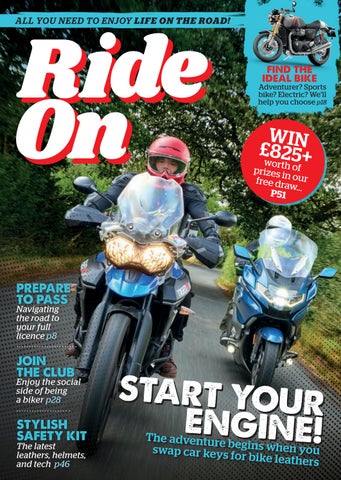
P51 worth of prizes in our free draw... WIN £825+ ALL YOU NEED
PREPARE TO PASS JOIN THE CLUB Navigating the road to your full licence p8
Enjoy the social side of being a biker p28 START
STYLISH SAFETY KIT
The latest leathers, helmets, and tech p46
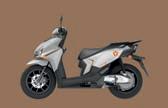
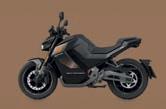
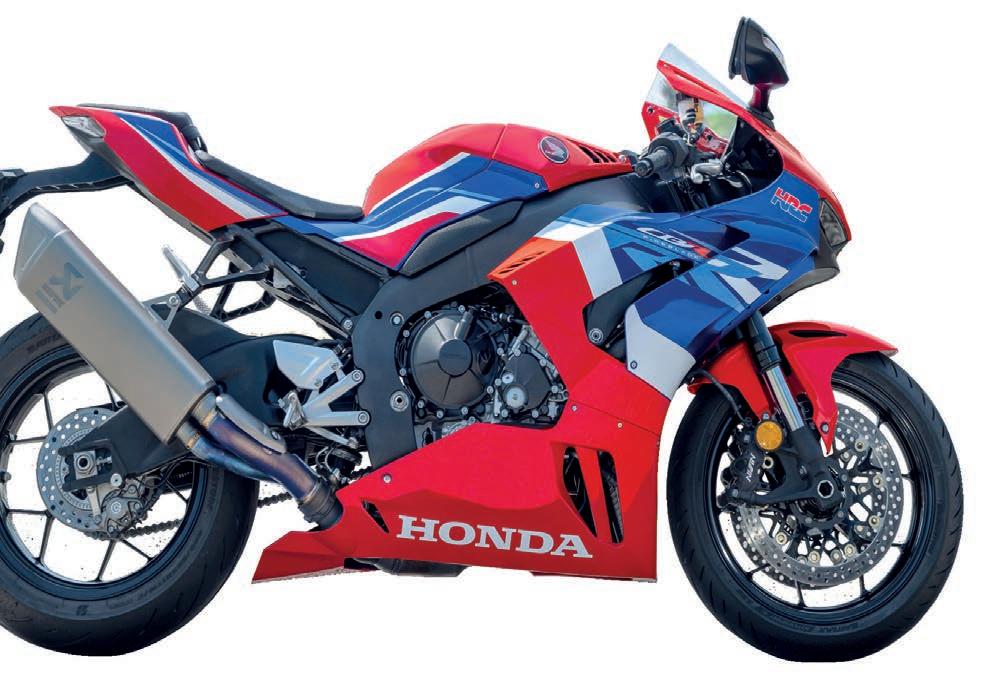
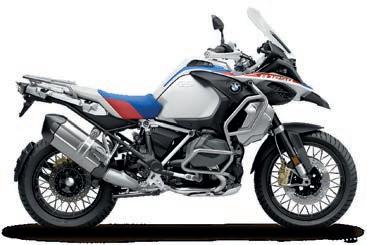
Adventurer? Sports bike? Electric? We’ll help you choose p18 FIND THE IDEAL BIKE
✓ Free Legal Expenses Cover up to £100,000
✓ Great Value Multi-Bike Rates
✓ Accessory and Modification Cover
✓ Short Term Cover from One Day to Three Months
✓ Cover for Convicted Riders
✓ Laid-Up Cover
✓ Agreed Value
We cover all types of
✓ 125cc Bikes
✓ Café Racers
✓ Classics
✓ Enduro Bikes
✓ Imports
✓ Modified Bikes
✓ Mopeds & Scooters
✓ Sports Bikes
✓ Superbikes
✓ Touring Bikes
✓ Trikes
WHAT’S INSIDE
Editor:
ON YER BIKE
Choosing two wheels rather than four is a lot of fun, but there are risks
Welcome to motorcycling. Or should that be ‘welcome back’?
Whether you are new to the world of powered two-wheelers, or returning after a long break, you’re really going to enjoy motorcycling. There’s nothing quite like it.
You can list lots of sensible reasons for getting a motorbike, but the thrill of riding is number one for a lot of bikers. The downside is
that statistics show riding a bike is more dangerous than driving a car.
There are 67 fatalities per billion passenger kilometres for motorcycles on Britain’s roads (source: Statista). That compares with just 1.1 deaths per billion passenger kilometres for car travel. So in travelling by bike rather than car, you are choosing a riskier way of getting from A to B. Of course, there are steps you can take to reduce the risk involved, which we’ll cover in detail throughout this magazine. What’s
more, not all the statistics around motorcycle safety make such grim reading. According to the government, between 2004 and 2020 annual motorcycle fatalities reduced from 585 to 285. Serious injuries fell by 48% over the same period. So while motorcycling is more dangerous than driving, it’s much safer than it used to be.
For many of us, the advantages of motorcycling outweigh the risks. Commute by bike, and you’ll get to work more quickly. Ask anyone who has swapped four
“THE LIST OF REASONS TO CHOOSE TWO WHEELS OVER FOUR IS A LONG ONE. LIKE MOST OF LIFE’S PLEASURES, MOTORBIKES ARE BEST ENJOYED RESPONSIBLY“
wheels for two and they’ll tell you the same.
You’ll save money, too. With fuel prices so high, the efficiency of a motorbike can’t be ignored. A Honda CB125F returns a claimed 145mpg, compared with 42.8mpg for a Honda CR-V hybrid. That’s good for your pocket, and good for the environment.
You’ll be quids in when it comes to vehicle tax as well. Even a 600cc+ bike will cost just £111 per year
in tax. A petrol or diesel car costing over £40,000 will set you back £620 per year.
Insurance costs will vary depending on a whole host of factors, but according to Compare the Market, the average motorbike premium is £77 less than the average price of car insurance.
The list of reasons to choose two wheels rather than four is a long one, although there’s no denying the extra risk. Like most of life’s pleasures, motorbikes are best enjoyed responsibly.
ENJOY MORE, SPEND LESS
FUEL BILL FROM LANDS END TO JOHN O’GROATS
BIKE: Honda CB125F £ 37.55
CAR: Honda CR-V Hybrid £127.21
VEHICLE TAX (ANNUAL)
BIKE: 600cc+ motorbike £121
CAR: £40k+ petrol car £620
INSURANCE COST (AVERAGE)
BIKE: £652
CAR: £729
GETTING STARTED
Here’s what you need to know before hitting the road
STEP 1: PROVISIONAL LICENCE
If you passed your driving test before 1 February 2001 you will already have a provisional ‘Category A’ licence, so you’re eligible for Compulsory Basic Training (CBT). If you passed more recently, you’ll need to apply at gov.uk/apply-firstprovisional-driving-licence, which costs £34.
STEP 2: COMPULSORY BASIC TRAINING
Over a day or two, you’ll learn the basics of how to control a motorbike, along with defensive riding and the Highway Code. You’ll then spend a couple of hours on the road. When the instructor feels you have reached a safe standard you’ll be issued with the DL196 (CBT) certificate. This is valid for two years. You can now ride an 11kW 125cc bike with L-plates, but no pillion passengers and you can’t use the motorway. If you don’t pass the theory and practical within two years you’ll need to redo the CBT.
STEP 3: THE THEORY TEST
There are two parts to the theory test; multiple choice questions, and the hazard perception test. You need to score at least 43 out of 50 in the multiple choice section and 44 out of 75 in the hazard perception test. The test costs £23. You can take the theory test before completing CBT if you prefer.
STEP 4: THE PRACTICAL TEST
Module 1 is off road and Module 2 is on the road.
You must pass Module 1 before moving on to Module 2. Module 1 takes around 20 minutes, and you’ll need to show you can corner, brake, and make an emergency stop safely.
Module 2 lasts around 40 minutes, and includes an eyesight check, ‘show me, tell me’ safety questions, road riding, and independent riding (without an examiner directing you). A Module 1 test costs £15.50, a Module 2 test costs £75 on a weekday and £88.50 in the evening or on a weekend.
STEP 5: FULLY QUALIFIED
Whatever your age, once you have passed the practical test
DIRECT
ACCESS IF YOU ARE 24 OR OVER YOU CAN
TAKE
YOUR PRACTICAL TEST
ON ANY TYPE OF BIKE, SO YOU CAN GO STRAIGHT TO A ‘CATEGORY A’ LARGE BIKE.
you can ride without L-plates, take pillion passengers, and use the motorway. However, you are restricted to riding the class of motorbike you took your test on. For anyone aged 17-18 that means nothing more powerful than an A1 bike (11kW), for riders aged 19-23 an A2 bike (35kW), while riders over 24 can ride a Category A bike, so long as that’s what they rode when taking the practical.
LICENCES EXPLAINED...
I’M A NEW RIDER
“I’ve just taken my CBT. There was a lot to take in for a novice, but my confidence and skills improved as the day went on. Now I’ve completed the course I’m riding a Vmoto Stash electric motorbike on L-plates. It’s great fun and very cheap to run, but I’m looking forward to taking my theory and practical test so I can keep progressing.” David, Surrey
AND IN THEORY...
What to expect, and how to pass your theory test
Maybe you are old enough that you didn’t need to take a theory test to earn your driving licence. Well, if that’s the case you’ll need to get used to a different kind of test on the way to your full motorbike licence. If you did take a theory test while learning to drive, you’ll know you can’t just wing it and hope to pass.
Like the theory test for car drivers, the motorbike theory test is in two parts. You’ll need to pass both before moving on to the practical. The theory test costs £23, and unlike Module 2 of the practical test there’s no evening or weekend surcharge to pay.
You’ll need to have your provisional licence with you, so don’t forget to take it to the test centre or you won’t be able to take the test. You won’t be allowed to take personal belongings such as smartphones with you into the test for obvious reasons, but there are lockers where you can leave them.
THE MULTIPLE CHOICE TEST
You will need to answer 50 questions in 57 minutes (you can finish more quickly if you race through the test). You don’t have to get every one right, but the minimum
score to pass is 43 out of 50 (or 86%).
Questions will cover the rules of the road, including specific questions about motorbikes. To pass, you’ll need a thorough knowledge of The Highway Code. As the Code was updated at the start of 2022, bin any dogeared copy you may have on a bookshelf and get hold of the new edition (it costs £4.99 from www.tsoshop. co.uk.). You should also make sure you are very familiar with Know Your Traffic Signs and Riding –The Essential Skills.
THE HAZARD PERCEPTION TEST
After a three-minute break, it will be time for the hazard perception test.
You’ll watch 14 video clips showing everyday road scenes, each one lasting around a minute. They all contain at least one developing hazard (something that would cause you to take action, such as changing speed or direction). The hazard could be something like a car parked at the roadside with its righthand indicator flashing. One of the videos will contain two developing hazards.
There are up to five points for each hazard. You click the
HOW TO PASS...
1 Don’t assume it’s easy. You may have years of driving experience, but your theory knowledge could be rusty and there are specific motorbike questions.
2 Read The Highway Code. Make sure you have the latest edition, and read it thoroughly again and again.
3 Get an app. You’ll find smartphone apps
“LIKE THE THEORY TEST FOR CAR DRIVERS, THE MOTORBIKE THEORY TEST IS IN TWO PARTS. YOU’LL NEED TO PASS BOTH BEFORE MOVING ON TO THE PRACTICAL”“
mouse as soon as you spot it, the quicker you click the higher the score. However, you won’t score anything if you keep on clicking randomly.
There’s just one chance to spot each hazard, as you can’t choose to watch any of the videos again. You must score at least 44 out of 75 to pass. You will find out on the day if you have failed or made the grade.
to help you practise for both parts of the theory test. Look for one that’s DVSAlicensed.
4 Practice makes perfect. Take a free mock test at safe drivingforlife.info
TIME TO GET PRACTICAL...
Prep well to pass your practical test first time
With your theory test pass certificate safely tucked in your pocket, your next challenge is to pass the practical test.
To give yourself the best chance of making the grade, you’ll need some professional instruction. Don’t make the mistake of thinking you can pick up all the skills you need by practising on your own on a 125cc bike, or that years behind the wheel of a car mean mastering a bike is easy. A good motorcycle training school will have so much to teach you.
Riding on a wide variety of roads with the feedback of a professional instructor will make all the difference to your skills. You’ll improve far more quickly than you would on your own, and an instructor will give you a better handle on what’s expected in the practical test.
MODULE 1
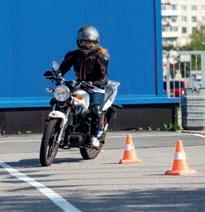
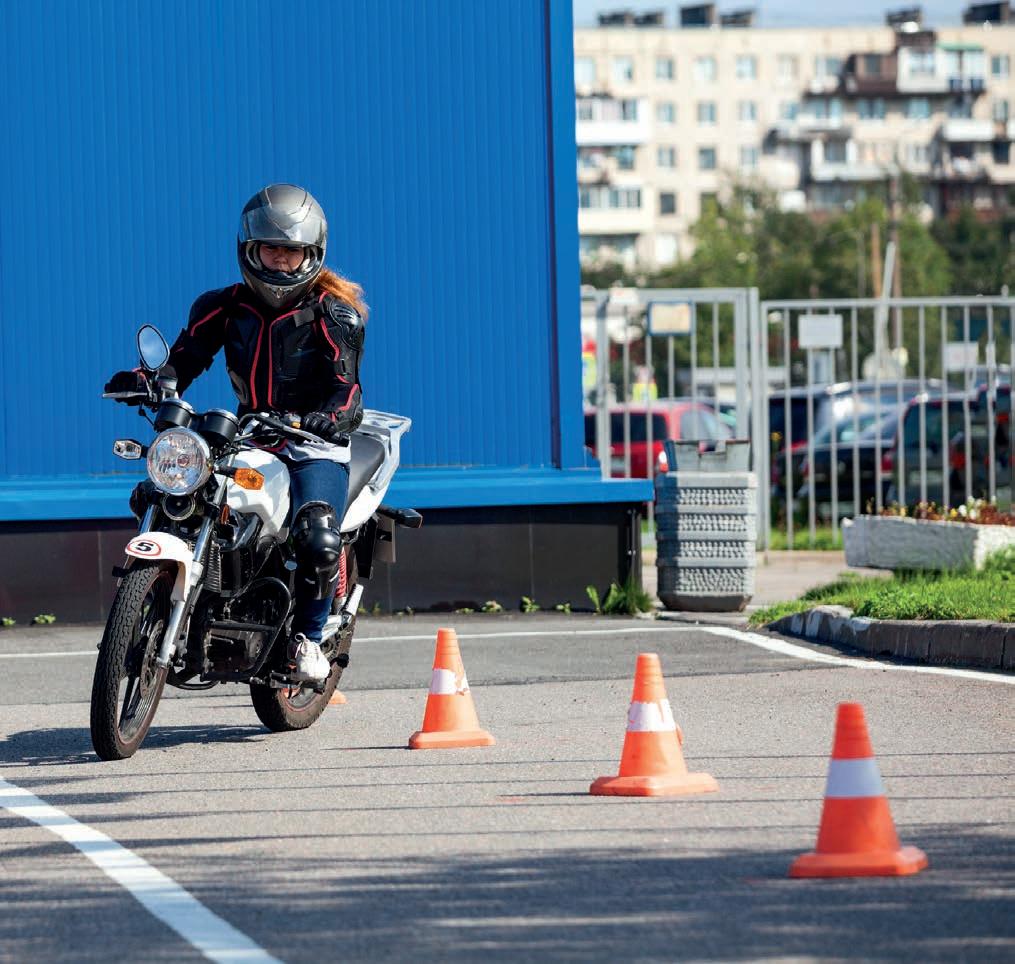
This is the off-road portion of the test and lasts around 20 minutes. You need to show that you can handle the bike in a controlled environment before tackling unpredictable public roads.
Expect the test to include:
● wheeling the motorcycle and using the stand
HOW TO PASS...
1 Ride the routes. Your training school should have a decent handle on the roads commonly used for the Module 2 test.
● riding a slalom and figure of eight
● a slow ride
● a U-turn
● cornering and a controlled stop
● cornering and an emergency stop
● cornering and hazard avoidance
MODULE 2
Pass Module 1 and you can move on to Module 2. This will take around 45 minutes, and begins with an eyesight check. You’ll need to prove you can read a numberplate from 20 metres away.
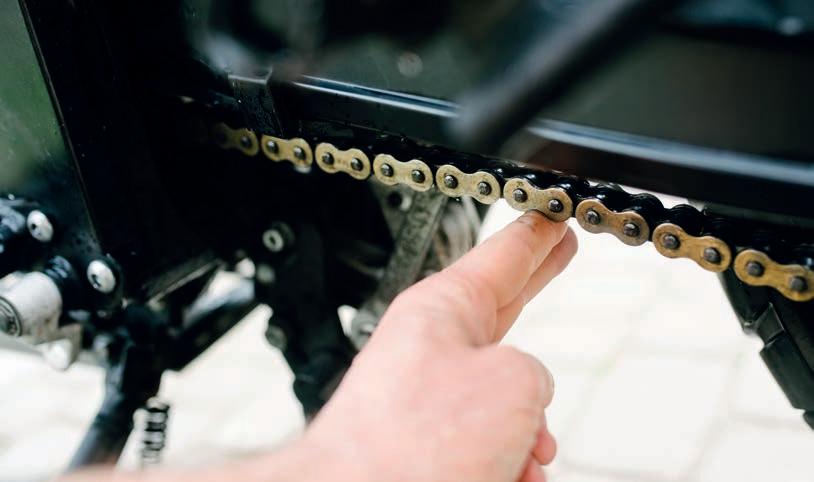
Then there are the ‘show me, tell me’ questions. You don’t need to be an expert mechanic to answer these, a sound working knowledge of your machine will be enough. It could be something like ‘How would you check the tension and alignment of your bike’s chain?’
Now it’s time to get on the bike. You’ll ride under the examiner’s direction, doing things like:
● normal stops
● an angle start (pulling out from behind a parked vehicle)
● a hill start (where possible)
Then there’s 10 minutes or so of independent riding to
Ride them in advance and look out for tricky junctions and potential hazards.
2 Obey the speed limit. Bikes accelerate very quickly, so keep an eye on your speed at all times.
IF YOU ARE 24 OR OVER YOU CAN TAKE YOUR PRACTICAL TEST ON ANY TYPE OF BIKE, SO YOU CAN GO STRAIGHT TO A CATEGORY A BIKE.
assess your ability to ride safely while making your own decisions.
To pass, you’ll need to make no more than 10 riding faults (sometimes called ‘minors’) and no serious or dangerous faults (sometimes called ‘majors’).
3 Look over your shoulder. These checks are important to staying safe and passing the test.
4 Not too close. Always leave a safe gap to the vehicle in front.
NEVER STOP IMPROVING
Post-test training helps make the most of your potential as a biker
The better you ride, the more enjoyable biking becomes. There are few things as satisfying as honing a new skill, and with motorcycles there are so many new skills to learn. When we first get on the
road, we’re at the bottom of the curve. Even after earning your A licence there’s still so much to learn to stay safe and be a better biker.
Motorcycling isn’t just a way of getting around. When you become a rider,
you become part of a community, and many bikers are passionate about sharing their enthusiasm through formal post-test training and the many clubs and groups around the country. Think back to when you
JOIN THE CLUB
BRITISH MOTORCYCLISTS FEDERATION
The BMF promotes motorcycling, campaigns for bikers’ rights, and runs shows and rallies across the UK. There are more than 200 local clubs affiliated to the BMF across the country.
Membership costs £28 per year (£34 for two people living at the same address). www.bmf.co.uk
passed your driving test: you probably couldn’t wait to ditch the L-plates and wave goodbye to your driving instructor for the last time. Now that you have many years of extra life experience you’re likely to feel differently when you earn your full bike licence.
Motorcycling gets under your skin, and becoming a better rider will be part of what drives you on. These are some of the schemes that can improve your riding, and often reduce your insurance premium too.
BIKER DOWN
A free three-hour course, Biker Down covers accident scene management, first aid for motorcyclists, and the science of being seen.
The thinking behind it is that many riders travel in pairs or small groups, so if a rider is involved in a collision the next road-user on the scene is often another biker.
Having completed the course you’ll be given a certificate and a first aid kit (find out more on page 38).
IAM ROADSMART
The Advanced Rider course costs £219. You’ll be paired with one of IAM’s observers, who will help develop core skills including road positioning and bike control. You’ll also receive a handbook and associate membership of IAM RoadSmart. After several rides the observer will decide you are ready for the test.
Once you pass, full IAM RoadSmart membership will cost you £47-£52. www.iamroadsmart.com
BIKESAFE
BikeSafe is a national motorcycle initiative run by the police. It aims to raise awareness of the importance and value of accredited post-test training. BikeSafe workshops involve an observed ride with a police-graded motorcyclist or approved BikeSafe observer.
The exact course content varies depending on where you are in the country, but BikeSafe workshops aim to cover attitude, observation, cornering, overtaking, filtering, junctions, group riding, hazard awareness and motorcycle control.
There are many police forces involved in BikeSafe, with 75 workshop venues. BikeSafe costs £78 per rider.
ENHANCED RIDER SCHEME
The Enhanced Rider Scheme (ERS) is run by the Driver and Vehicle Standards Agency (DVSA) and the Motorcycle Industry Association (MCIA). Whether you have just passed your test or are returning to biking after a
MOTORCYCLE ACTION GROUP
Run by volunteers, MAG promotes motorcycling in the UK and stands up for riders’ rights. MAG speaks up on issues such as bus lane access and bike theft. It runs both national and local events, and offers members various benefits including discounted insurance.
It costs £30 for single membership and £45 for joint membership for two adults. www.mag-uk.org
“BIKING GETS UNDER YOUR SKIN, AND BECOMING A BETTER RIDER WILL BE PART OF WHAT DRIVES YOU ON”
long break, ERS is for you.
To begin with you’ll have an assessment with an expert trainer riding in a variety of different road and traffic conditions. This usually takes an hour or two. If the assessment shows that you’d benefit from extra training, you’ll be given a training plan.
You’ll get a DVSA certificate of competence, either when you have completed the extra training or immediately after the initial assessment if you make the grade. Most insurers will then give you a discount. Costs vary depending on the instructor and how much extra training you need.
BUYINGA BIKE
You’ve got your licence – but which type of bike is right for you?
SPORTS
The closest thing to a racing bike for the road, sports bikes set the standard for performance and handling. For a thrilling ride on the road or on track, nothing else comes close.
However, being so focused means sports bikes aren’t for everyone. There will be a lot more weight on your wrists than when riding an adventure bike or a tourer, and don’t expect much in the way of storage.
Engines tuned for peak power need plenty of revs, so you’ll need to change gear more often than would
when riding an adventure bike. A sports bike isn’t ideal when you want to take a steadier pace and enjoy your surroundings.
Sports suspension will be taut and controlled, but you’ll feel more road imperfections through the bar and the seat than if you opted for a tourer. BUY IF… you plan to ride a lot of track days.
AVOID IF… storage space and comfort are important.
ADVENTURE
Adventure bikes are the SUVs of the motorbike world. Maybe you’re just riding to the office, but on an
adventure machine you could be setting off around the world.
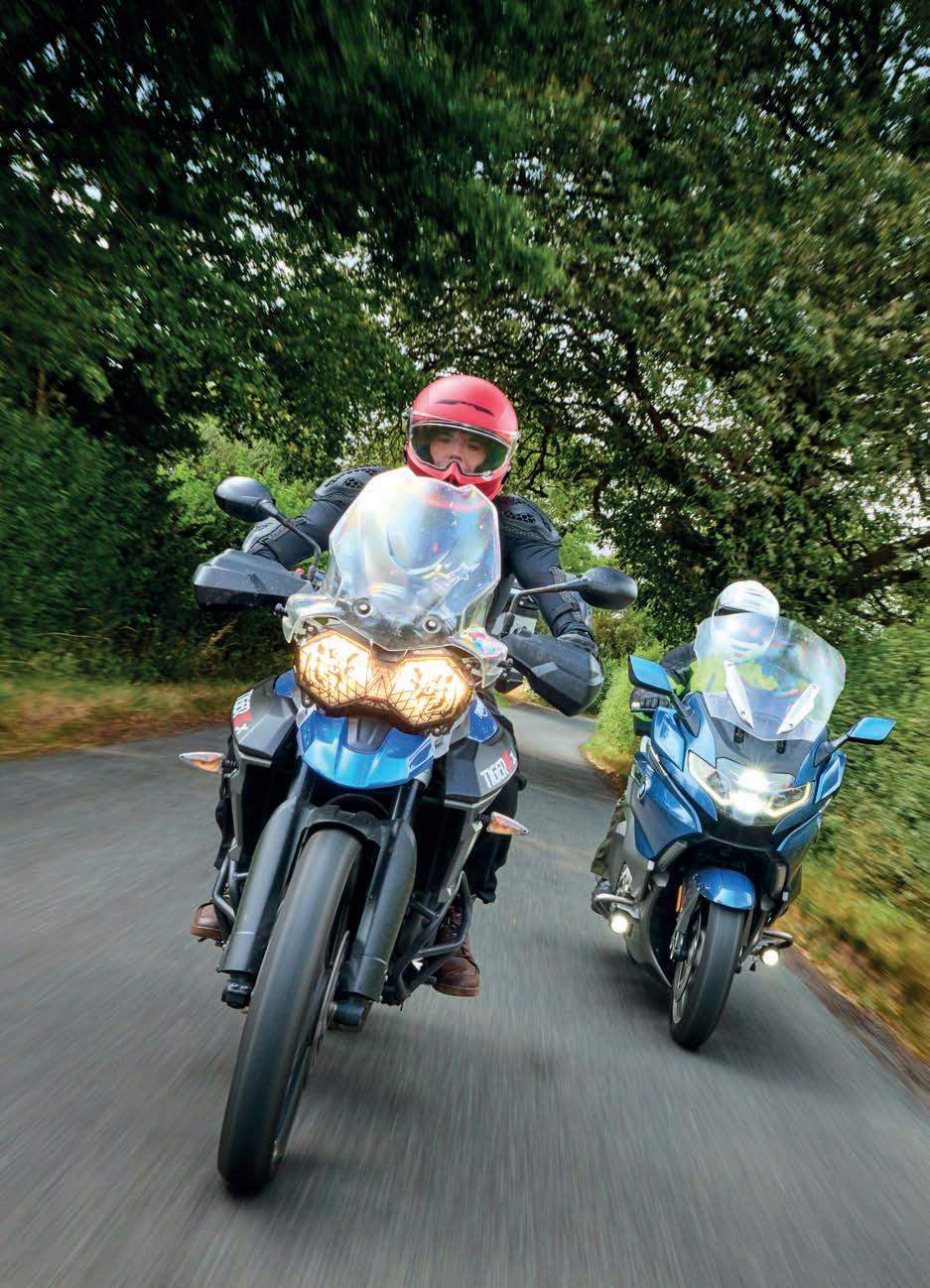
There are good reasons to choose an adventure bike besides their image. The upright riding position is more friendly to middle-aged backs than the hunkered down tuck of a sports bike, and as a rule, longtravel suspension delivers impressive comfort, on and off Tarmac. The engines are usually tuned to perform strongly without needing to be revved hard, which makes for an easy and relaxed ride.
On the other hand, adventure bikes tend to be
ADVENTURE
big and heavy. Some have high seats, so may not suit shorter riders.
BUY IF… you’ve always dreamed of riding around the world.
AVOID IF… the seat height is too high for you.
TOURER
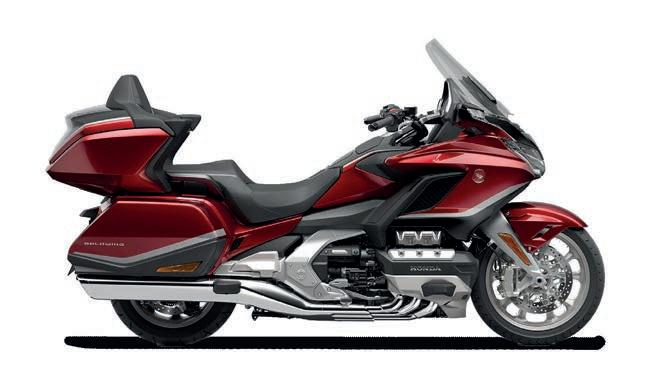
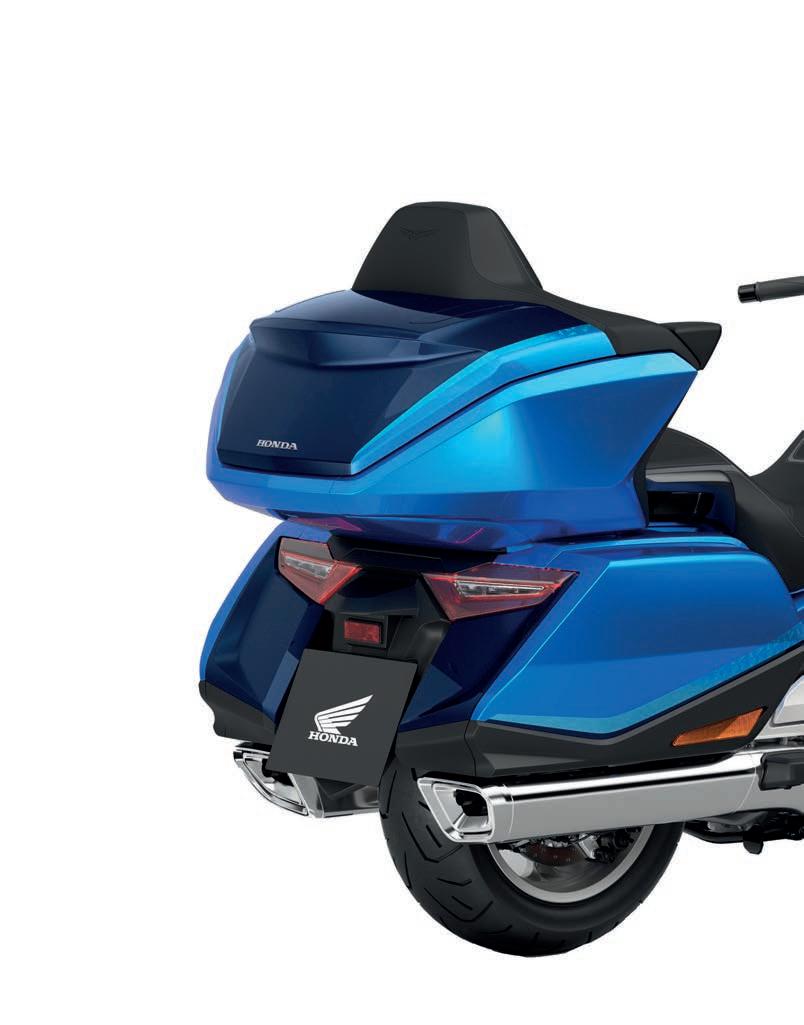
A touring bike has many of the advantages of an adventure bike, but without the remit to handle dirt tracks as well as Tarmac roads. These bikes are all about travelling long distances in great comfort.
You won’t enjoy the thrills of a sports bike, but you will be sat upright without too much strain on your wrists or back. Expect the suspension to smooth out the road.
is a definite plus. It’s handy for taking a change of clothes to work or picking up some shopping.
Luxury goodies that would add unnecessary weight to a sports bike are more common on tourers, such as radios and heated handlebar grips.
BUY IF… you value practicality and comfort.
AVOID IF… you want an exciting ride.
CUSTOM
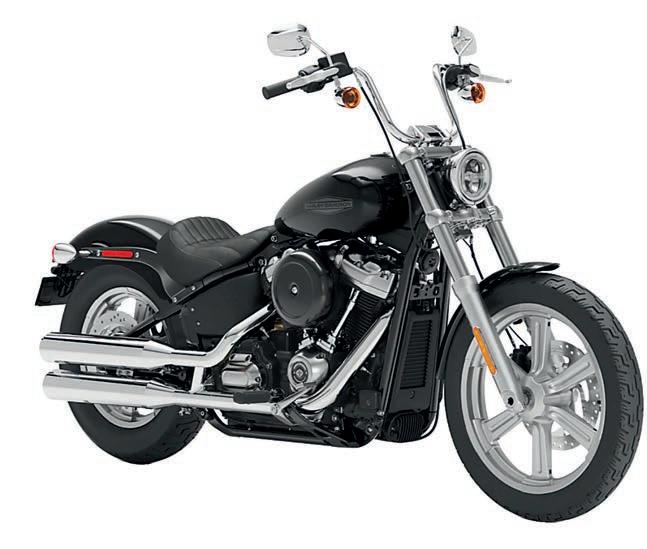
A true ‘custom’ bike is one that’s been modified from the stock design, but the term is also applied to off-theshelf models with a ‘custom’ look. The most obvious examples are made by Harley-Davidson, but many big brands have a few custom models (or cruisers) in their line-up.
Why buy a custom bike? First and foremost, because you love the way they look. These bikes are all about style. The
TOURER
Even if you aren’t going to tour around Europe on your bike, the extra storage a tourer provides
second reason is often the sound they make. It’s just so evocative and takes the imagination straight to some sun-kissed Californian highway.
If you need more rational reasons, riding positions are usually relaxed and the saddle heights are generally low, so the bikes suit shorter riders well.
On the other hand, a custom bike won’t handle like a sports machine, and a tourer is usually more practical.
BUY IF… you’re in love with the style and image.
AVOID IF… you want something sporty.
NAKED
NAKED
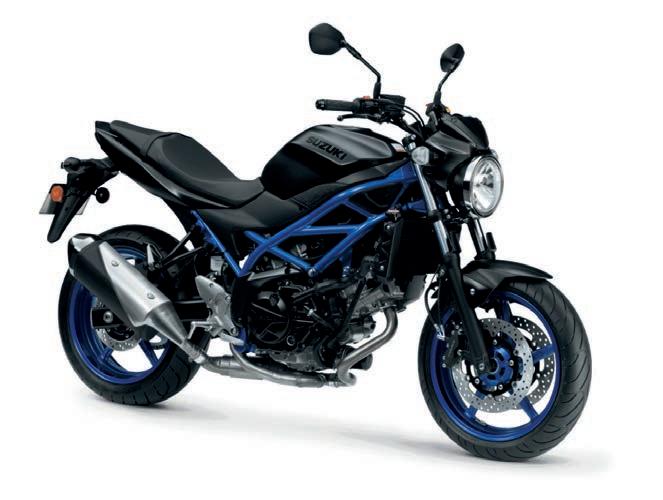
A naked bike is one without a fairing to improve aerodynamics and keep the rider out of the wind. Sometimes called standard bikes or roadsters, lots of new riders start out on naked machines before progressing to something more specialised.
You want a bike to commute on? A naked bike can do that. You want a bike for some weekend fun? A naked bike can do that too. It doesn’t necessarily excel in any one area but it will do just about anything you ask of it.
As a rule of thumb, naked bikes are less expensive and more fuel efficient than adventure bikes and sports machines. Middling saddle heights make naked bikes well suited to riders of most shapes and sizes, and a reasonably upright riding position keeps things comfortable.
On the other hand, if you want to travel long distances on the motorway you might miss having a fairing. Or if outright thrills are your priority, you may prefer a sports bike.
BUY IF… you want a good all-rounder.
AVOID IF… regular long rides are on the cards.
MODERN CLASSIC
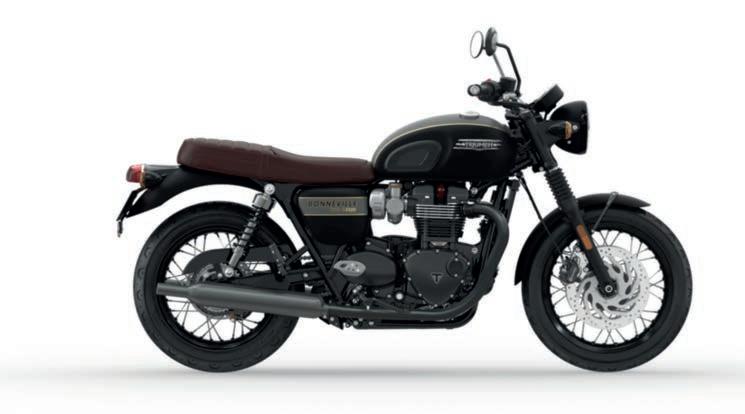
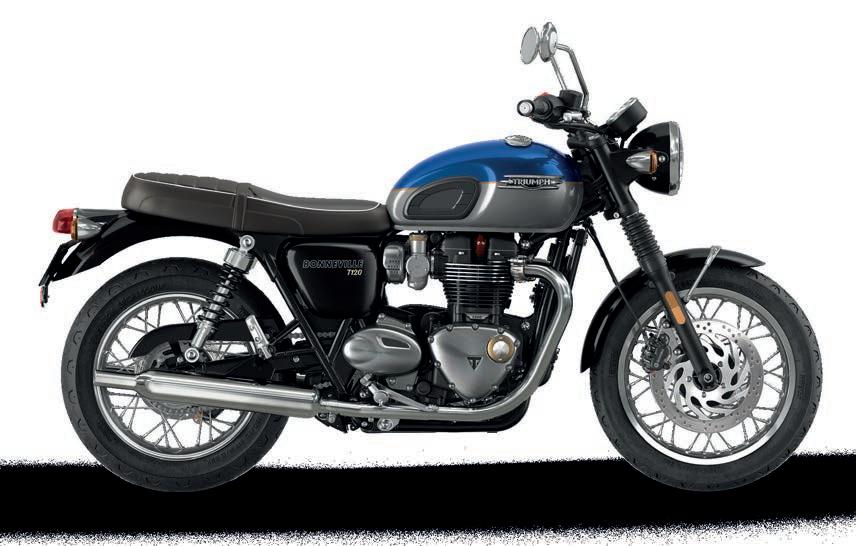
A modern classic bike is one designed to look like a bike from an earlier era. So if you grew up in the ’70s desperate to ride a Kawasaki Z1, you can now buy the modern equivalent.
Nostalgia plays a big part in choosing a modern classic, but it’s not necessarily a headover-heart purchase. You get retro looks without the oil leaks and iffy brakes of an old bike. If you haven’t got the time, patience, or mechanical knowledge to maintain a classic machine, a modern
MODERN
CLASSIC
retro motorcycle offers the best of both worlds.
As day-to-day machines, modern classics have a lot in common with naked bikes. They generally won’t have a fairing and will lack the storage options of a tourer. They won’t handle with the agility and precision of a modern sports bike, but with the advances in suspension, braking and tyres over recent decades they won’t be slouches either.
BUY IF… retro style is all important.
AVOID IF… you want something sportier or more practical.
“CHOOSE A MODERN CLASSIC, AND YOU GET RETRO LOOKS WITHOUT THE OIL LEAKS AND IFFY BRAKES OF AN OLD BIKE“
MAKE THE SWITCH MAKE THE SWITCH
Is it time you swapped petrol for battery power?
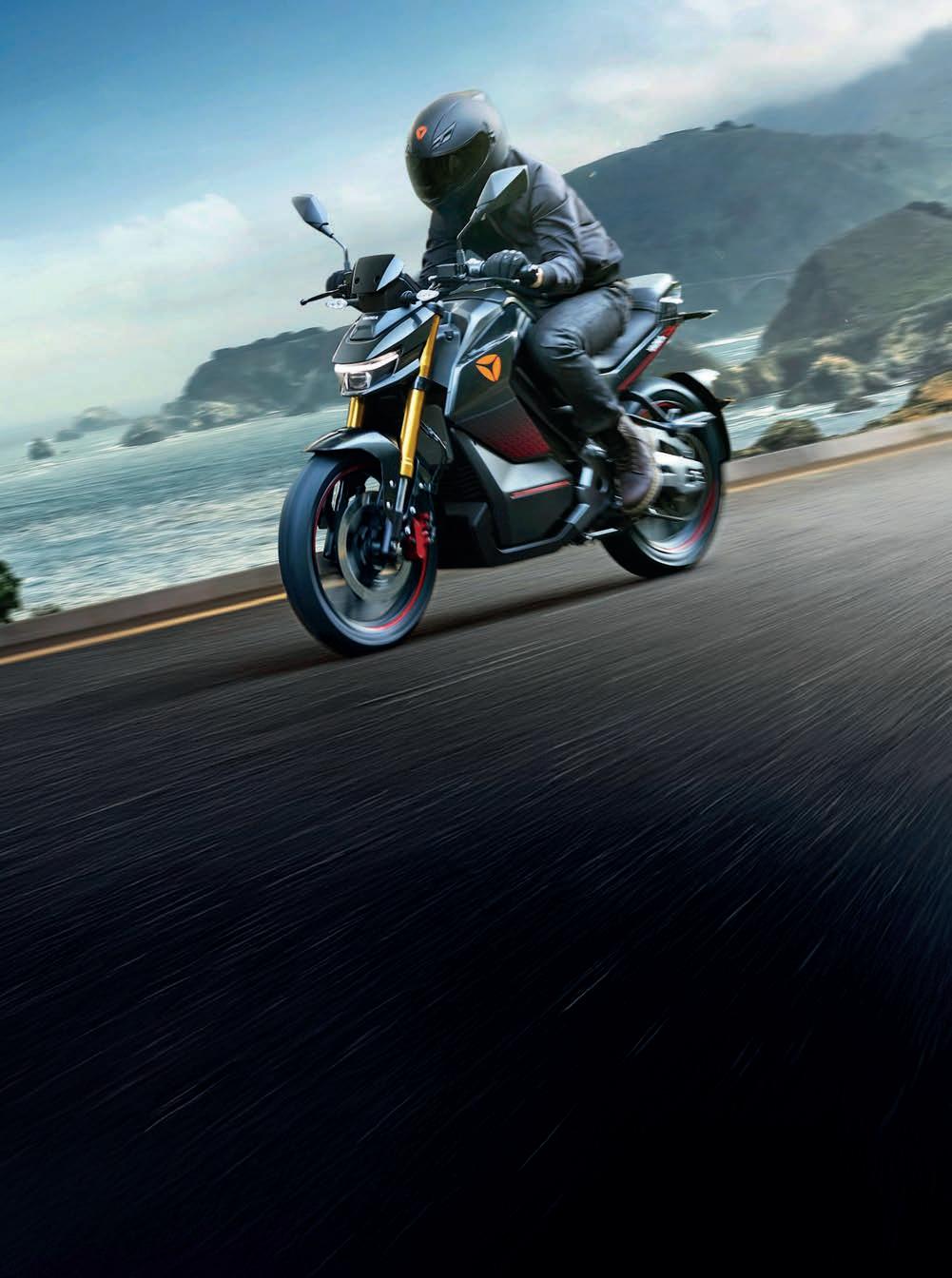
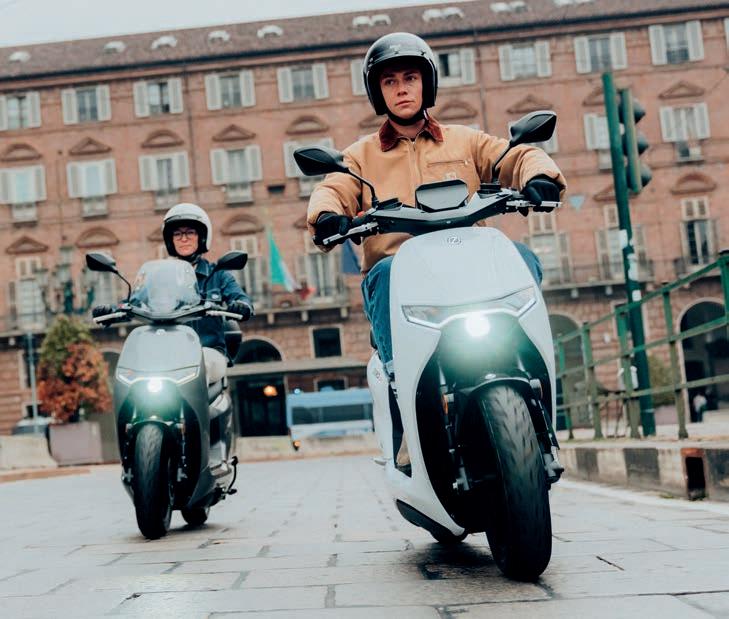
While electric cars have become part of the mainstream, electric motorbikes haven’t caught on quite so quickly. But while progress has been slow, bikers who have made the change rave about quiet running, easy riding, and surprising performance.
It’s easy to see the appeal. With fuel prices so high, an electric two-wheeler promises rock-bottom running costs. What’s more, you can get your kicks without any guilt over exhaust emissions.
On the other hand, electric bikes are typically more expensive to buy.
Here are the pros and cons to consider before you decide to make the switch.
WHY BUY AN ELECTRIC BIKE?
● No tailpipe pollution. An electric bike has no exhaust emissions.
● Low running costs. Recharge at home from a domestic socket, and you could pay as little as 2p per mile.
● Instant performance. Electric motors deliver maximum torque from the first twist of the throttle, so they accelerate hard from a standing start.
● Quiet running. With almost no noise or vibration, riding an electric bike is a chilled experience.
● Easy to ride. Electric bikes have one forward gear, so riding one is simple. There’s no clutch or gear shifter.
WHY AVOID AN ELECTRIC BIKE?
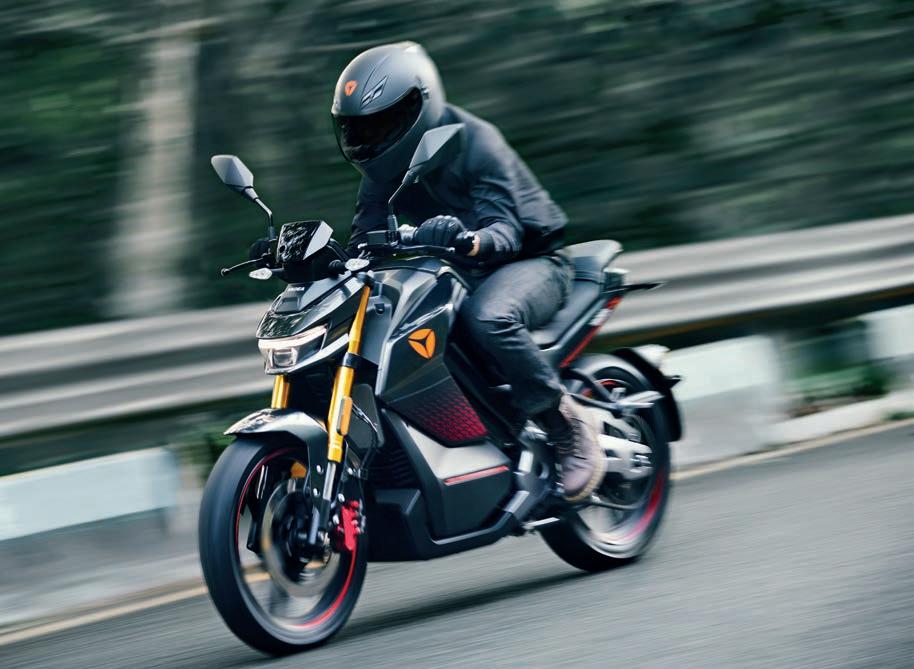
● Expensive to buy. You can expect to pay more than for a similar petrol. For example, the 125cc-equivalent Yadea Keeness costs £5900.
● Noise and vibration are all part of the fun. Many riders will miss the sound and character of petrol power.
● Range anxiety. Many electric bikes have a realworld range of less than 100 miles.
● Charging time. Topping up a fuel tank takes a few minutes. Topping up batteries takes a few hours.
● Choice. There aren’t as many electric bikes as there are petrol ones, so your choice at a given price point won’t be as broad.
A-GRADE BIKES
Our pick of the best models for every kind of A licence
A1
Motorcycles up to 11kW (and a powerto-weight ratio not more than 0.1 kW per kg) and 125cc.
TOP OF THE CLASS
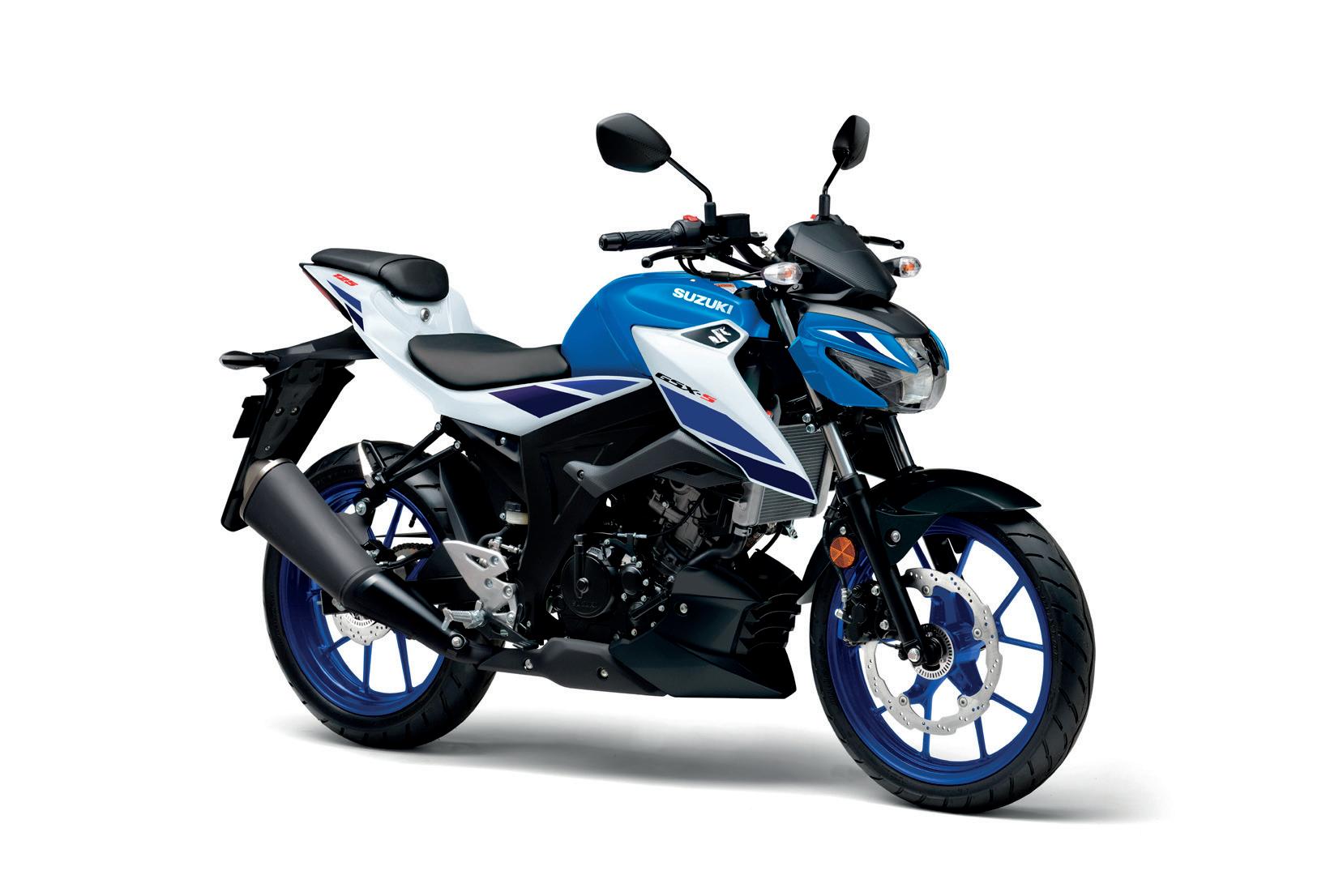
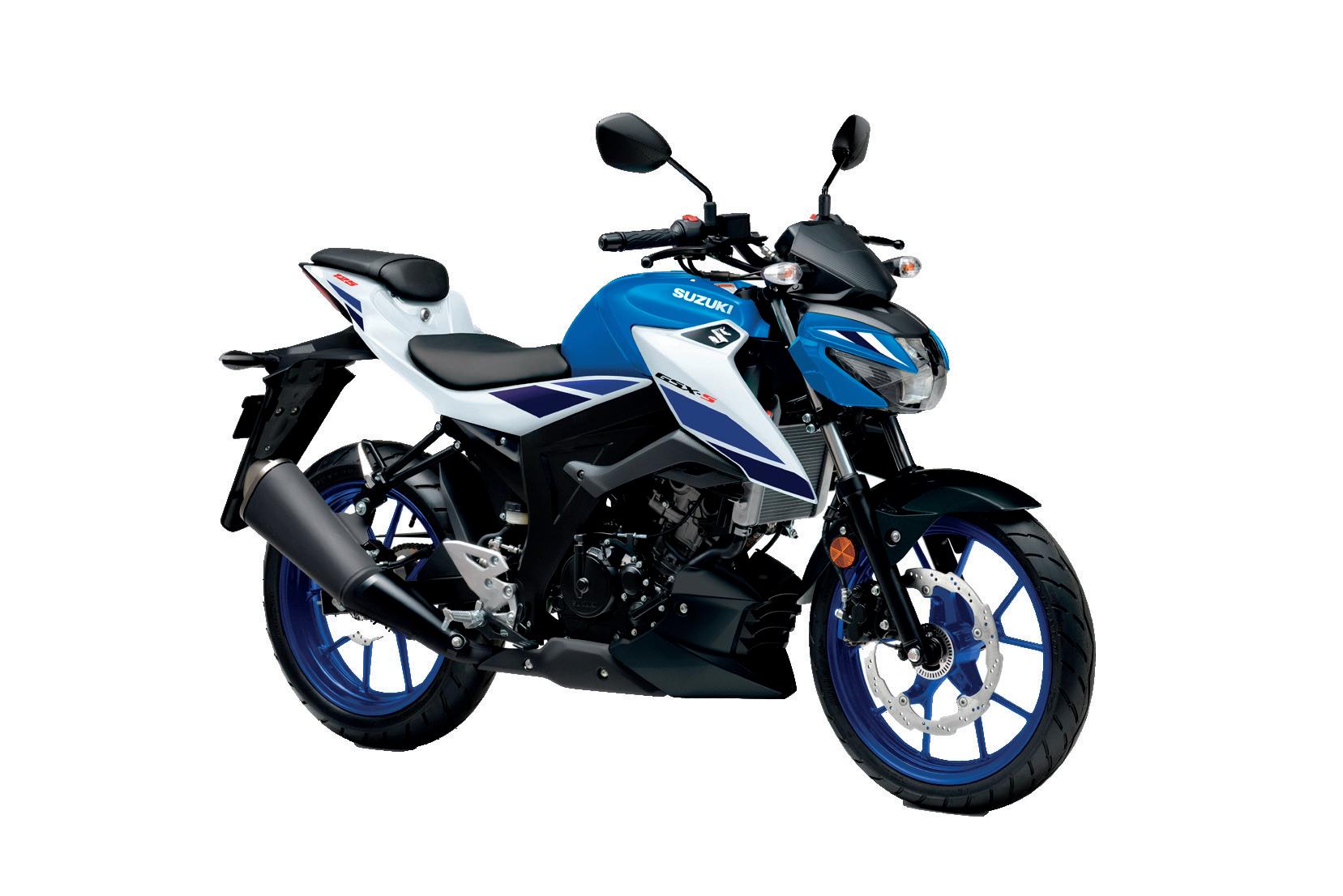
Suzuki GSX-S125
From £4999
Great looks, comfort, and nimble handling make the GSX a great first bike. The punchy engine means the Suzuki isn’t out of its depth on A-roads.
AUnrestricted motorcycles in size/power, with or without a sidecar, and motor tricycles with a power output over 15kW.
THE CLASS
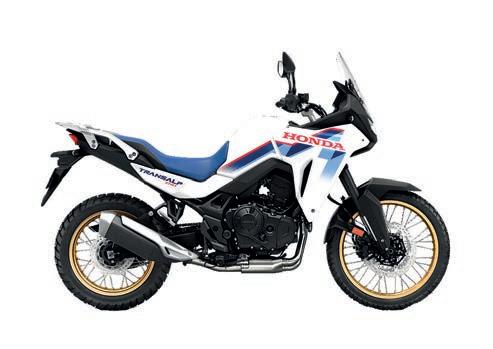
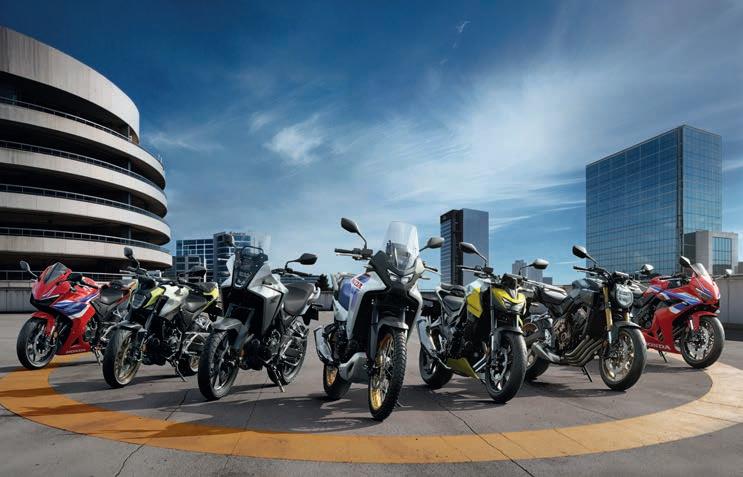
Honda XL750
Transalp E-Clutch
From £9999
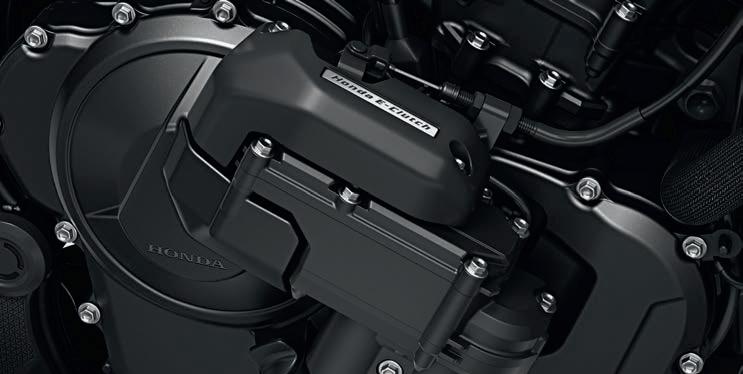
The Transalp is just as happy on the road as of it, and there’s no need to use the clutch lever to change gear thanks to Honda’s E-Clutch.
A2
Motorcycles up to 35kW (and a power-to-weight ratio not more than 0.2 kW per kg). The bike must not be derived from a vehicle more than twice as powerful.
TOP OF THE CLASS
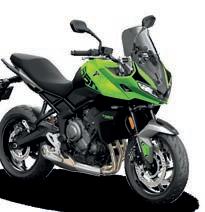
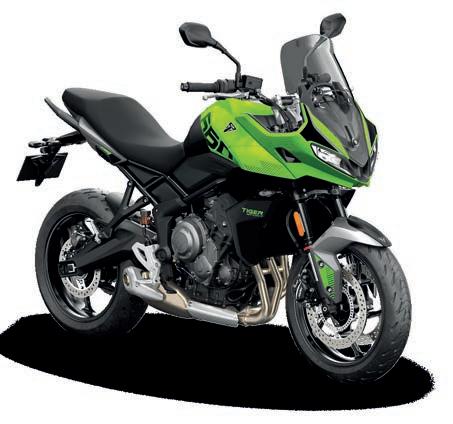
Triumph Tiger Sport 660
From £9295
The Tiger Sport 660’s engine can be restricted to an A2-friendly output, then derestricted when you pass your
TRUE ORIGINALS NEVER SETTLE
The new Modern Classics for 2026
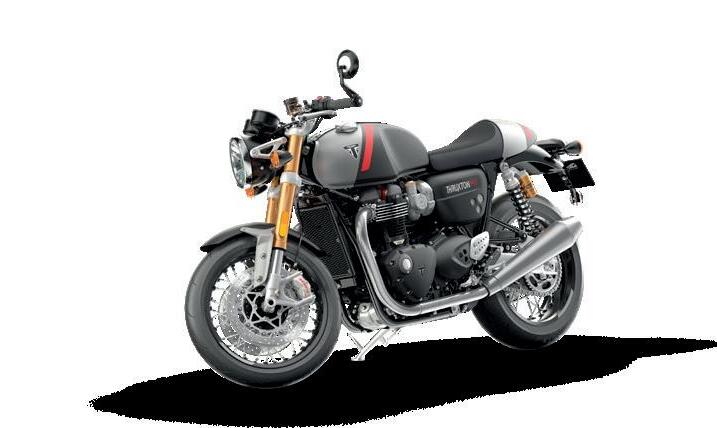
Timeless British design, authentic character and the ride of your life. Directly descended from the 1959 Bonneville, the original British icon, reimagined for today. From Bonneville to Scrambler and Speed, every Modern Classic blends unmistakable style with responsive performance and intuitive technology to deliver confidence on every ride. Explore Bonneville, Scrambler and Speed to find the Modern Classic that fits your style and your ride.
LOCK IT DON’T LOSE IT
Around 2000 motorcycles and scooters are stolen each month. Here’s how to make sure yours is not one of them
WHETHER YOUR BIKE IS AT HOME, or you need to leave it on the street, it’s always a target for thieves. There are lots of simple steps you can take to cut the risk of criminals stealing your bike.
1: LOCK IT INSIDE
Keep your bike garaged. If you don’t have a garage, a sturdy motorbike storage shed is the next best thing. If the bike is kept securely out of sight it’s a much less obvious target for thieves.
2: KEEP IT CHAINED UP
If possible, install a ground anchor at home and chain the bike to it. If you don’t have a ground anchor, still use a stout security chain that’s highly rated by the security experts
at Thatcham (thatcham.org) and Sold Secure (soldsecure. com).
3: IMMOBILISE IT
Use an alarm and immobiliser (your insurer may insist on this). Look for devices with Thatcham approval. Just don’t think an immobiliser will stop a determined criminal. Many stolen bikes are pushed away then loaded into a van.
4: PARK CAREFULLY
Whenever possible, use a dedicated motorcycle parking bay with fixed locking points. Look onparkmark.co.uk to find a carpark near your destination which is highly rated by the police for its security.
5: USE A LOCKWHEN YOU’RE OUTAND ABOUT
“A GOOD QUALITY D-LOCK WILL SLOW DOWN A THIEF OR PERSUADE THEM TO PINCH A BIKE THAT’S LESS WELL PROTECTED”
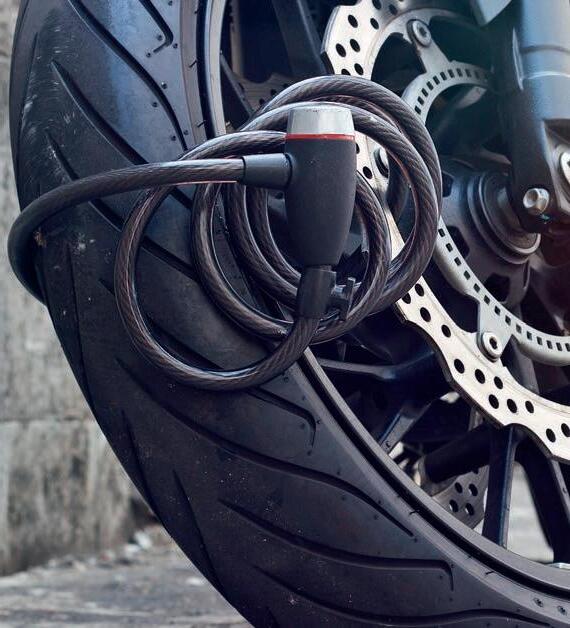
A good quality chain or D-lock will slow down a thief or persuade them to pinch another bike that’s less well-protected. A disc-lock is a good lightweight option.
6: DON’T FORGET YOUR LID
Helmets are much cheaper than a bike but they’re also a lot easier to nick. Take your helmet with you when you park your bike or buy a lockable helmet bag.
7: FIT A TRACKER
Dedicated tracking devices from the likes of Tracker (tracker.co.uk) use satellite, mobile phone, or VHF signals to keep tabs on your machine.
8: MARK IT
Security marks and tags from companies like Datatag (datatag.co.uk) aren’t just about recovering your bike if it’s stolen. Security marking systems that use a variety of different measures also act as a deterrent. If a thief sees that a bike is marked, the chances are they’ll move on to another.
RIDE TOGETHER
Biking alone is great. Biking with friends is even better
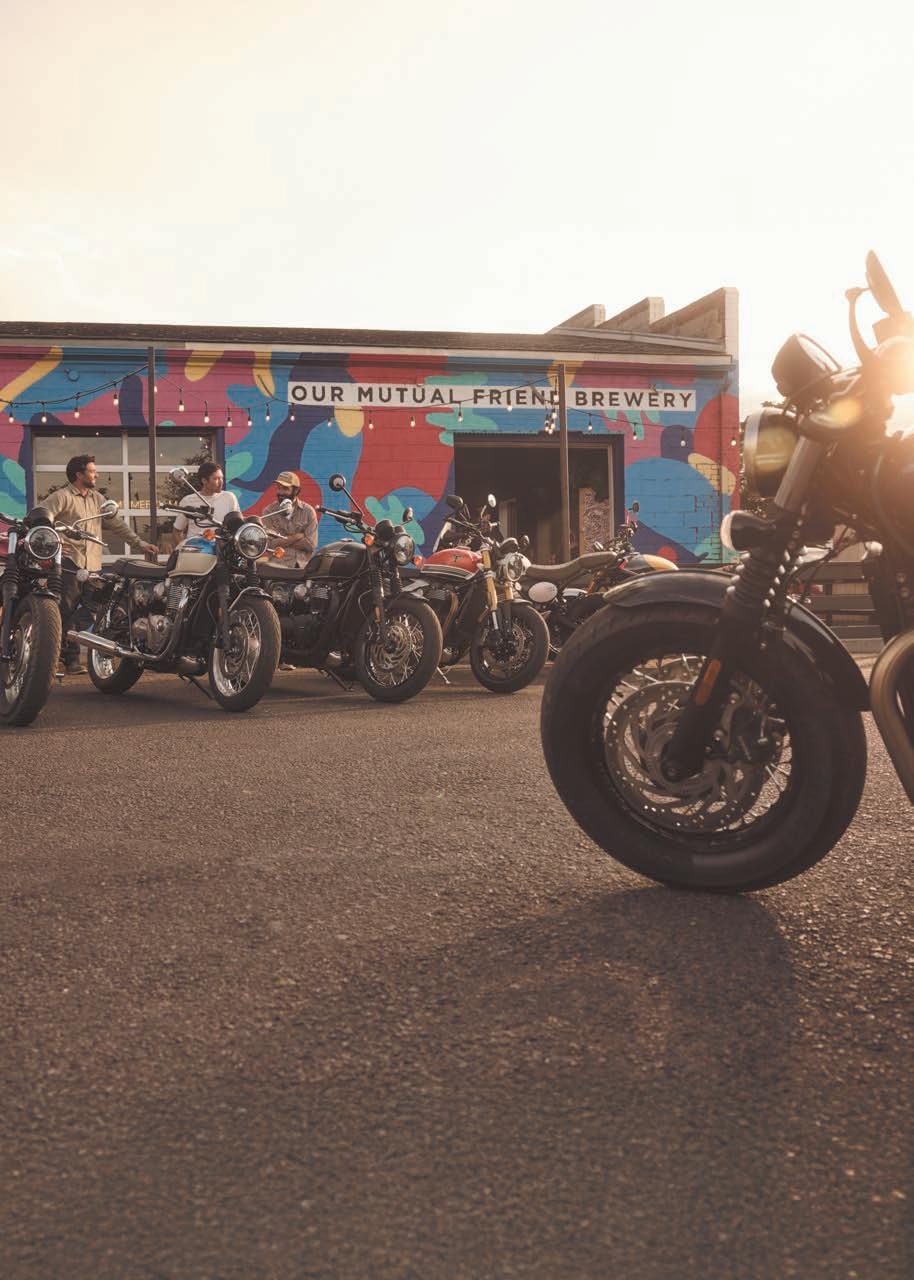
Riding a motorbike is more than just a way to get around. Becoming a biker opens the door to a world of clubs and ride-outs with like-minded people. It’s one of the best things about life on two wheels.
FIND YOUR CROWD
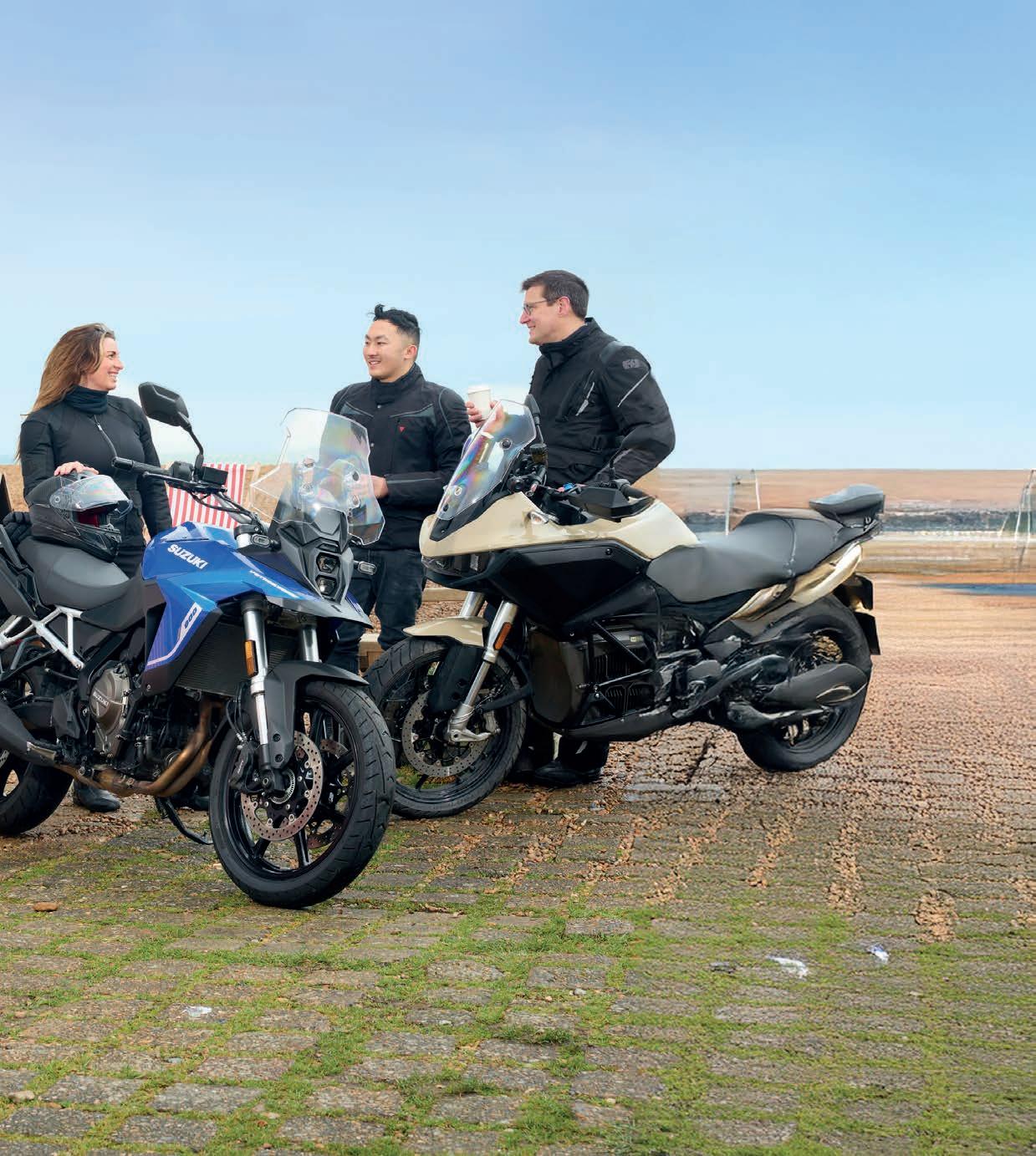
A quick search online should find a riding group local to you. Or if you have a passion for a particular make of bike or a specific model, there’s a good chance of an owners’ club you can join.
These clubs are a great way to meet new people, discover the best routes for riding, and to learn from more experienced riders.
If you think these clubs are packed exclusively with old blokes, you’re wrong. The motorcycling community is diverse. There are womenonly groups like Curvy Riders (curvyriders.co.uk) and the Medusa Motorcycle Club (medusamotorcycleclub. co.uk), as well as the Gay Motorbiker’s Club (gbmcc.co.uk).
THE BIG TWO
Some biker organisations go beyond being clubs, and
actively campaign for the interests of motorcyclists.
“Riders need an organisation that can represent their interests when government makes proposals. MAG is that organisation,” says Colin Brown, the Motorcycle Action Group’s (mag-uk.org) director of campaigns and political engagement. “While government says ‘no policy to encourage motorcycles,’ we’re in the room making the counter-case every week.”
The other major group representing bikers is the British Motorcyclists Federation (britishmotorcyclists.co.uk).
“The BMF, mostly as volunteers, work hard on behalf of the biking community and have a stronger voice if there are more members to support the work and that number matters as a voice to legislators,” says Peter Laidlaw, the BMF’s membership services and events director.
Both these organisations charge a modest annual fee to join, £30 for MAG membership and £28 for the BMF. You can earn back the cost of membership through
“WHICHEVER CLUB YOU JOIN, THE SOCIAL SIDE OF BIKING WILL ADD A WHOLE NEW DIMENSION TO YOUR RIDING”
member benefits such as lowcost insurance, cheaper ferry crossings, and legal cover. There’s still a social side as well. “Campaigning is the core raison d’être for MAG, but we also know the importance of having fun while doing it,” Brown explains. “An oft used strapline for our rallies and social events is ‘party with a purpose’. Local groups normally have social/events officers whose role is to ensure we don’t become boring old farts discussing nothing but politics. We are
BIG MEETS
ABR FESTIVAL
The annual Adventure Bike Festival is a weekend of biking, music, and inspiration for bikers of all abilities. Held at Ragley Hall in Warwickshire, it’s within easy reach from much of the country. Abrfestival.com
BRITISH MOTO GP
united by a love of motorcycling, not a love of politics!”
The BMF has affiliated clubs all over the country. “The bike clubs that are affiliated to the BMF are the main source of social activity and vary from the large ‘one make’ clubs to a large variety of smaller local clubs,” says Laidlaw. “In a more direct way the BMF organise rallies and bike nights which are a great way to meet and talk
to people with a common interest.”
ENJOY THE RIDE
Whichever club or organisation you join, the social side of biking will add a whole new dimension to your riding. And with the campaigning work of MAG and BMF, you will get more out if you put more in.
If racing is more your thing, the British Moto GP is the highlight of the calendar. Watch the world’s best riders compete. There’s on-site camping and lots to see and do away from the track.
Silverstone.co.uk
MOTORCYCLE LIVE
Discover the latest and greatest new bikes at Britain’s biggest bike show. Held at the NEC in November, there are live displays as well as new bikes and kit to enjoy. Motorcyclelive.co.uk
TECH CONTROL
RIDE MODES
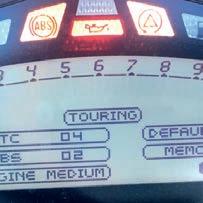
Similar to the systems used in cars, ride modes allow you to tailor the bike’s reactions to suit you and the conditions. Most set-ups let you choose between modes using a button on the handle bars, so you can pick between Road, Rain, and Sport modes. Some will also offer Track or Off-road settings depending on the type of motorcycle, and they all work to vary engine power, traction control and ABS limits to give you maximum command.
TRACTION CONTROL
Common on many highpowered motorcycles, traction control prevents the rear wheel from spinning. It’s a real help on wet or slippery roads, and most systems offer different modes for varying riding conditions, such normal, wet and track use.
ABS
New technology on motorcycles lets you take more control of your ride
Anti-lock braking systems (ABS) are standard on all new bikes over 125cc and are now so sophisticated you won’t notice them in normal riding. In an emergency, ABS lets you steer even with maximum braking, so it’s worth practising with it on a quiet road so you know how this life-saving tech feels.
CAMERAS
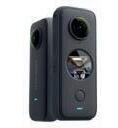
There’s a wide range of cameras available to record your ride for fun or to use in the event of a collision. Helmet-mounted cameras give a rider’s eye view, but they can cause more wind noise and turbulence, and they can damage your helmet in a collision.
SAT NAV
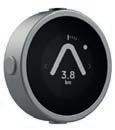
The big debate with sat nav is a dedicated unit versus using your smartphone. A phone is generally easier to set up, especially if you use an integrated charger. The downside of a phone is that sat nav and Bluetooth drain the battery and the phone can get very hot. An integrated system, such as a Garmin or Beeline, uses less power and comes with waterproof screens with clear instructions. Be sure any sat nav has Bluetooth to connect to a wireless headset to give verbal instructions so you can keep your eyes on the road.
SMARTPHONE MOUNT
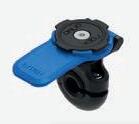
Smartphone mounts such as those made by Quad Lock let you attach your phone securely to the motorcycle’s handlebars. That way you can use your smartphone as a sat nav screen, or it can give you hands-free access to music and phone calls through a Bluetooth wireless headset. However, we’d recommend setting music playing before you set off and finding somewhere safe to stop before taking a phone call.
USB CHARGING
Standard-fit USB ports are becoming more common, especially on touring bikes and many scooters. If your bike doesn’t have one, there are many kits that let you wire a USB port into the bike to charge your phone or sat nav.
TYRE PRESSURE MONITOR
Correct tyre pressures are vital and these screw-on caps let you know if the bike’s tyres are under-inflated with a message on your phone via the app or display screen.
STAY SAFE
Safe riding is all about good skills on the bike. Here’s what you need to know for every situation
Good riding starts long before you sling a leg over your motorcycle or pull on your helmet. From the first moment you contemplate getting on the bike, you need the right mindset to stay safe and enjoy every moment of the journey, even if it’s the daily commute to work.
The right attitude means you will be bright, alert and ready to adapt to any situation as it unfolds. This means a bit of planning ahead, from checking your bike is in tip-top conditioning to having the right riding kit for the weather. Know your route and where you can fill up with fuel or have a break if it’s a longer ride.
PRACTISE EVERYDAY SKILLS
Just because you do the same ride every day, it doesn’t mean you can’t improve your riding. If anything, regular rides are a chance to brush up on essential skills as you already
know the route ahead. Take the opportunity to be sure you make every lifesaver check, you perfectly position the bike for maximum visibility, and look further up the road to predict what hazards might lie in wait so you’ve already got a riding plan in place. This can be anything from covering the brakes or slowing down if you think there’s a potential hazard ahead, all the way to stopping or changing route if the road is blocked.
ROADS SCHOLAR
A biker needs to be able to read the road in an instant and know where to place the bike and how much brake, throttle or steering can be applied. This comes with experience, but you can start learning from the moment you get on the bike. Treat every ride as a school day and think about how the road and weather affect you. You’ll soon develop Jedi-like knowledge to make your riding smooth and safe.
“MAKE EVERY LIFESAVER CHECK, POSITION THE BIKE FOR MAXIMUM VISIBILITY, AND LOOK UP THE ROAD TO PREDICT HAZARDS“
COUNTRY JOY
Rural roads are some of the most thrilling for bikers, but they also present many of the biggest challenges. Variable road surfaces, tightening bends, inattentive drivers, and changing speed limits all combine to make the countryside very challenging. This also makes it very rewarding to ride well on rural roads, which is where advanced, or
predictive, riding is key. Take nothing for granted and constantly assess the road and conditions.
Use road position to make yourself as visible as possible to all other road users, and be prepared to slow as you approach junctions, hidden driveways, and villages. Single-vehicle collisions are most common on rural roads, so adjust your speed and braking to suit. ➩
URBAN COOL
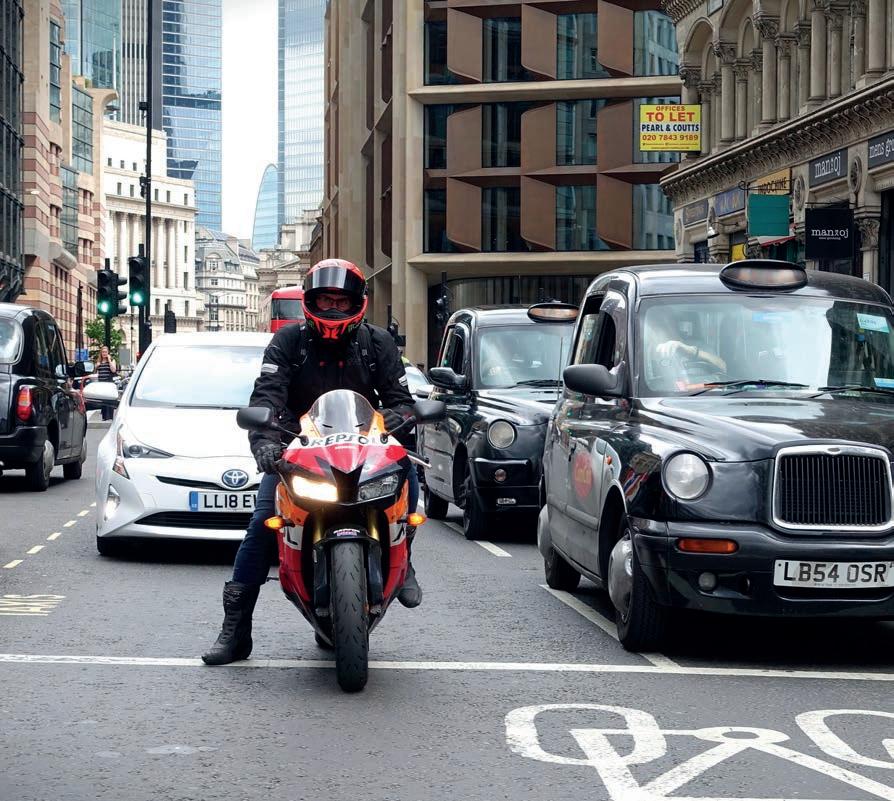
Keeping a cool head is vital to safe riding and smooth progress in the city. A motorcycle is the perfect way to get through congested streets, so long as you plan and adapt all the time.
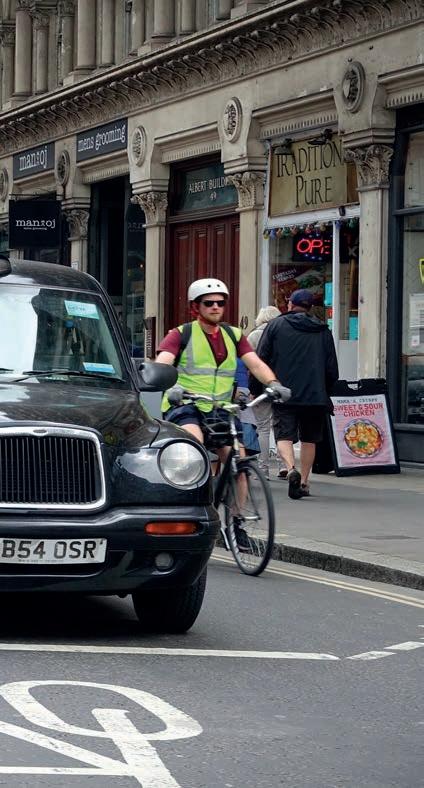
Filtering (overtaking queuing traffic) is one of the great perks of riding a motorcycle, but only ever pass when you know there’s a safe gap to overtake and another to pull into. Never filter where the space between traffic lanes
is tight, and go no more than 5-10mph quicker than the queuing traffic.
The Shiny Side Up campaign points out one of the major causes of biker crashes is a vehicle emerging through traffic to turn right or go straight over. Even at lower city speeds, this can cause serious injury to a motorcyclist. Ride like the tortoise rather than the hare. Smooth, progressive riding will get you there just as quickly as aiming for every gap.
KEEP AN EYE ON THE VANISHING POINT
The vanishing point, or limit point, is where the two sides of the road in a bend meet at the furthest extent of your vision. If this intersection seems to be coming towards you, the corner is tightening. If it is moving further away, the bend is opening up and you can apply more throttle. Using the vanishing point is a brilliantly simple
and effective means to judge your speed, gear, braking and road position. For a right-hand bend, moving to the left of the lane will give you better vision and earlier warning of any hazards.
SEEN SETTING
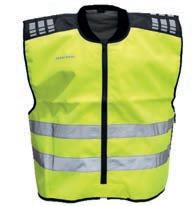
Being seen and being able to see on a bike are two very different but interlinked elements. Give other road users every chance to see you by wearing high-visibility riding kit. Position the bike where it can be spotted as early as possible, which is also where you will have the best view ahead. Slow down if necessary to give others time to see you, such as when you’re approaching junctions. Make eye contact with other road users. Always position the bike to give yourself the best forward vision. If you’re coming up to a left-hand bend, get over to the right of the lane – early detection is always better than heavy braking. Give yourself more space behind larger vehicles, such as trucks and buses, so others have time to see you.
THE RIGHT SPEED
The right speed in the right situation is always good. Most bikes are blessed with strong acceleration, which
SHINY SIDE UP
The Shiny Side Up road safety partnership has been working to make the roads safer in the East Midlands for
“POSITION THE BIKE WHERE IT CAN BE SPOTTED AS EARLY AS POSSIBLE, WHICH IS ALSO WHERE YOU WILL HAVE THE BEST VIEW AHEAD“
you can use to ride away from potential danger, such as traffic lights as they turn green or pulling out of junctions. Always make sure you can stop within the limit of your vision. If you can’t, you need to adjust your speed.
TWO’S COMPANY
Riding with a pillion lets others enjoy motorcycling. Remember to adjust your riding to give a passenger the best experience, so smooth acceleration, braking and cornering are vital. Also make sure your bike is set up to deal with the additional weight, plus any luggage you might carry.
more than 20 years. The partnership has lots of useful advice, facts and resources that can help you become a safer rider wherever you live. shinysideup.co.uk
CHECK, MATE
Before and after every ride, make sure your bike is ready to go
TYRES
Make sure there’s plenty of tread and no damage to the tyres or wheels. Check tyre pressures and inspect for anything that might cause a puncture.
CHAIN
Keep it clean and lubed, and routinely check the adjustment so the chain isn’t too tight or slack.
BRAKES
Look for any leaks or damage to the discs, pads and brake lines.
ENGINE
Check for leaks from oil or coolant, and look for any loose wires, pipes, screws or bolts. Does it start easily or will it need a new battery?
OIL
Use the sight gauge to be sure there’s sufficient oil to protect the engine.
FUEL
Have you got enough for the planned journey? Think about where you can fill up on the route.
CONTROLS
Be sure the clutch, throttle and brakes all work smoothly.
SUSPENSION
A quick bounce is all that’s needed to check for any stickiness or noises. Smooth and silent is perfect.
LIGHTS
GAUGES
No warning lights –you’re good to go.
POST RIDE
Check the tyres for debris and wear, and look at the engine for leaks. Giving the bike a clean is the ideal chance to check it over.
Everything working? If so – perfect.
“MAKE SURE THE TYRES HAVE PLENTY OF TREAD AND NO DAMAGE. INSPECT FOR ANYTHING THAT MIGHT CAUSE A PUNCT URE“
LIFE-SAVING SKILLS
Take a Biker Down course: it could help you save another rider’s life
Would you know what to do if you came around a corner and found another biker lying in the road? That’s the question posed by Biker Down, a first aid course for motorcyclists. Actually, Biker Down covers more than first aid. Over three hours or so you learn how to keep yourself and others safe at the scene of a crash, as well as tips on being seen by other road users.
Safety first
So, back to scene of the collision. There’s not just another biker, but a car as
well, with an injured driver and passenger. Whose safety do you need to attend to first? Yours.
Jim Sanderson, the course’s founder and a crew manager with the Kent Fire and Rescue service, explains. “If a fire fighter attends a road traffic collision, their first job is to make sure the scene is safe for the crew to work. It’s the same for a biker. You might have to walk past people
who are lying on the ground screaming to go up to the first bend and stop the next car from coming around the corner.
“If you get caught up helping people and a car comes around the bend and hits everyone, you’ve failed.”
Likewise think carefully before using your own bike with hazard lights on as a warning to other road users.
If it is too close to the scene it could be hit by another vehicle causing further injuries – or worse.
Look out for the quiet ones
The first of Biker Down’s three modules tells you all about incident scene management. This includes deciding who needs your help first.
It’s probably not the person making the most noise. Check anyone who is quiet and not moving first for breathing and a pulse.
Doing your best beats doing nothing
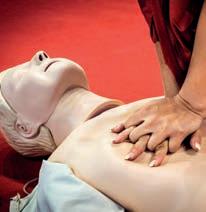
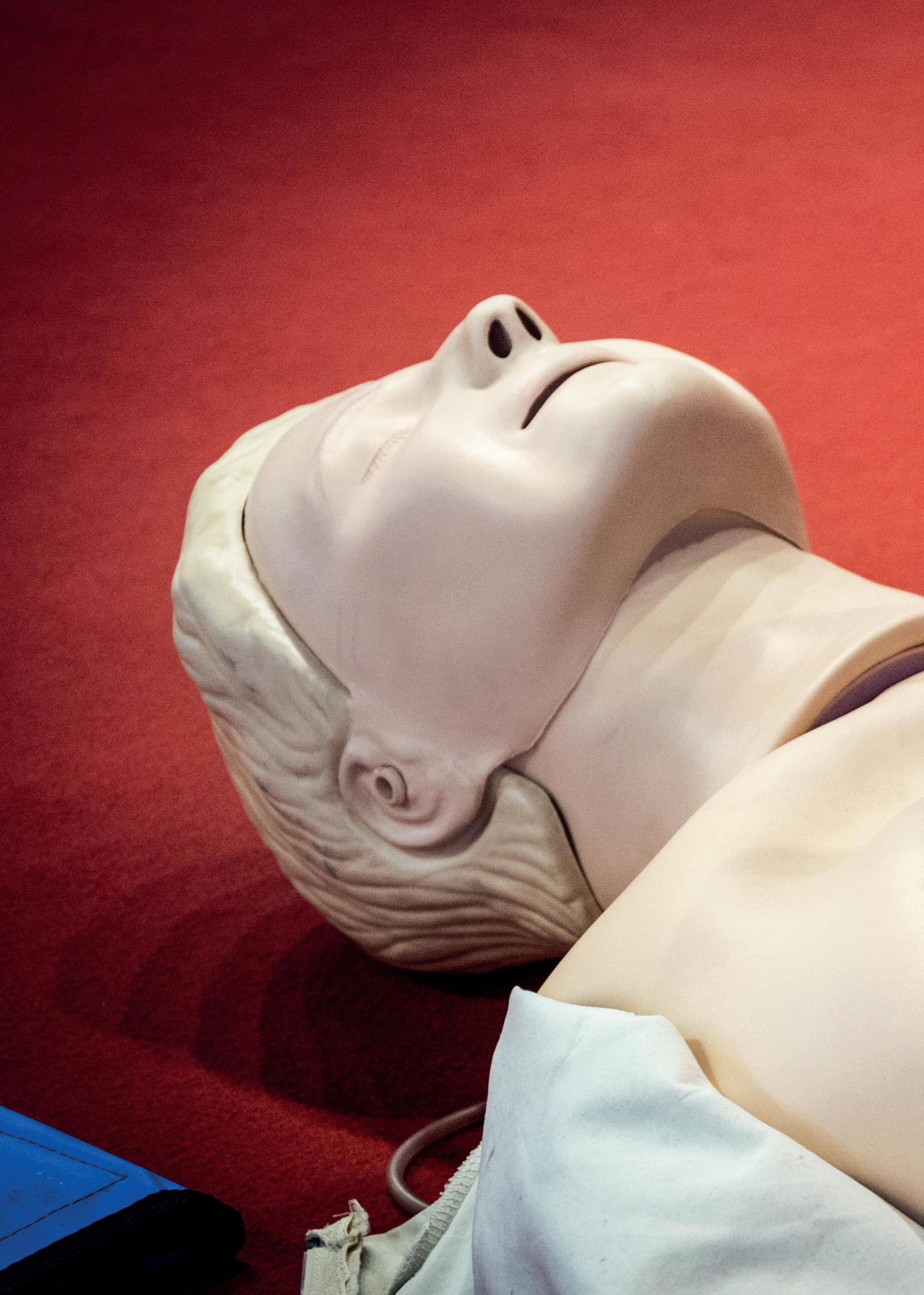
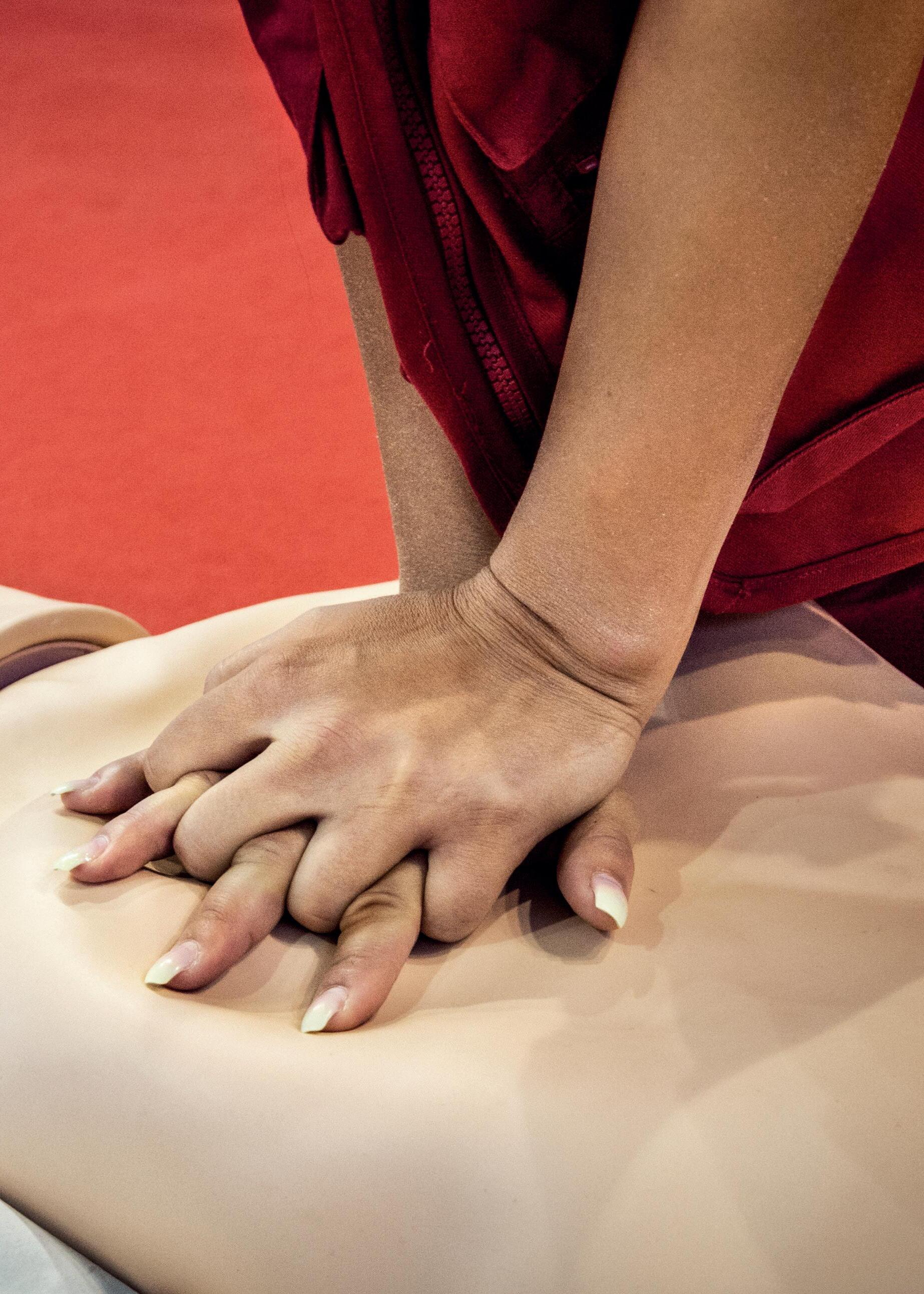
In Module 2, Biker Down moves on to casualty care. You’ll learn all sorts of techniques, including CPR (cardiopulmonary resuscitation).
The best way to learn CPR is on a course where you can practise hands on. But here
are the basics:
● Kneel next to the person and place the heel of your hand on the breastbone at the centre of their chest. Place the palm of your other hand on top of the hand on the chest. Interlock your fingers.
● Position your shoulders directly above your hands.
● Use your bodyweight (not just your arms) to press down straight by 5-6cm.
● Keeping your hands on their chest, allow the chest to return to its original position.
● Repeat these compressions 100 to 120 times a minute.
If you haven’t been on a first aid course recently, you may not be confident in the technique. But it’s better to try to save a life than to always wonder if you could have made a difference.
MYTH “ I SHOULD NEVER TAKE OFF ANOTHER BIKER’S HELMET AFTER A CRASH. ”
WRONG. If a biker’s airway is obstructed or they’re not breathing, you will need to remove their helmet to clear the airway or perform CPR with rescue breaths. Biker Down teaches how to do it.
FIRST AID KIT FOR BIKES
There are first aid kits designed specifically for motorcycle use, such as those from Held and Qbag. They can be stowed under the seat, so
they’re always there when you need them. They come with all the basics to deal with cuts and burns. Look for a kit that meets the DIN 13167-2014 standard,
which is specific to motorcycles. A good quality, compact first aid kit for your bike costs from less than £10, so there’s no excuse for not carrying one.
Planning the perfect route adds to the fun of a long journey
Much of the pleasure of motorcycling is discovering new roads and the path less travelled. For some, that means following their nose, but a bit of forward planning can lead you to the best roads and still have you back in time for tea.
A map is the first stop on any route planning journey. Whether it’s a sat nav, paper map, or looking online, a topographical map in a reasonably large scale will show you all of the major, minor, and unclassified roads. When you know where you want to end up, you can simply plot a course.
A good guide is the twistier the road on a map, the more interesting it will be to ride. The trouble is, the more fun a road is to ride the more effort and restraint is needed to ride it safely. So be alert, constantly anticipate hazards, and always position your bike to give you the best possible view ahead.
Journey-planning websites will tell you if there are road closures or delays. Online bike forums are a great source of routes and which ones
to avoid because they are dangerous. Think about when you will travel and in which direction. Riding west in the evening could leave you dazzled by the glare of a setting sun. The same route at midday could be busy with local bikers, so maybe that’s when you stop for lunch.
According to the Shiny Side Up road safety partnership, biking collisions peak at around 8am and again in the later afternoon, so avoid these times if possible. If you are riding in rush-hour traffic, take extra care.
Whichever road you take, always ride within your limits.
WE’RE ON A TO SOMEWHERE
ROUTE-PLANNING APPS
CALIMOTO
MOTORCYCLE
SAT NAV
With an average score of 4.6 out of five on App Store, Calimoto allows you to plan journeys
and provides turn-byturn voice guidance, and warnings of accident blackspots. The Premium version adds offline mapping, weather data and more.
Price Free/£59.99 yearly for Premium
ROAD SOMEWHERE
66% OF MOTORCYCLE FATALITIES OCCUR ON RURAL ROADS. JUST 3% OCCUR ON MOTORWAYS. SO WHILE A MOTORWAY JOURNEY IS LESS FUN, IT’S SAFER THAN TRAVELLING ON A TWISTY COUNTRY ROAD WITH MANY POTENTIAL HAZARDS.
RISER
Use this app to find the best routes all over the world, tailored to the type of riding you prefer. There’s a social side to the app, as you can share routes and create group rides with other RISER
users. The basic version is free, the PRO version requires a subscription. Price Free/£59.99 yearly for RISER PRO
SCENIC MOTORCYCLE NAVIGATION
This highly
rated Apple app lets you plan routes, with a variety of modes including ‘curvy’ if you want a route that’s fun to ride. There’s also a big database of routes. The Android version of the app is out soon. Price Free (in-app purchases)
COVERED UP
Nobody likes paying for insurance. It’s something everybody must have, but we all hope to never really need.
The good news is that motorbike insurance is usually cheaper than car insurance. According to Compare the Market’s data, covering a car costs an average of £729, but a yearly premium for a motorbike is £652.
There are all sorts of ways you can drop the price of cover without compromising on quality, but you need to make sure you find a policy that suits your needs.
TYPES OF INSURANCE
Broadly speaking, you have the same choices as when insuring a car. There’s third-party cover, thirdparty, fire and theft, and fully comprehensive. We’d
“THERE ARE ALL SORTS OF WAYS TO DROP THE PRICE OF COVER WITHOUT CUTTING QUALITY“
recommend fully comp every time, as it covers repairs to your bike if it’s damaged or a replacement if it’s written off. There’s a good chance a fully comp policy will include injury cover too.
There are a few things that won’t be familiar from arranging your car insurance. One is pillion cover. Whereas your car insurance allows for carrying passengers, you need to make sure pillion
cover is included in your insurance package if you plan to take someone on the back of the bike. This insures pillions against personal injury. It’s also worth remembering that you can’t ride with a pillion passenger by law if you’re still riding on a provisional licence.
LEISURE RIDING AND COMMUTING
Bikes are great for commuting, slashing journey times compared with sitting in a car that’s stuck in traffic. If that’s one of your reasons for choosing two wheels, make sure your policy covers ‘social, domestic, pleasure and commuting’. If you’re going to use your bike on business – perhaps making the odd delivery – then you’ll need cover for business use as well as commuting.
On the other hand, if you always take the train to work, a ‘social, domestic and pleasure’ policy will cover everything you need.
COMBINED POLICIES
As well as the pain of seeing a few hundred notes disappear from your bank account, nobody enjoys the hassle of arranging insurance. You can make life easier by choosing combined car and bike insurance, such as the Six Wheel Insurance cover offered by Carole Nash (carolenash.com).
If you don’t mind putting in some effort, though, it pays to get several quotes from specialists as well as using a price comparison site. The likes of Bennetts (bennetts. co.uk), BikeSure (bikesure. co.uk), and Lexham (lexhaminsurance.co.uk) specialise in cover for motorcyclists.
HOW TO CUT THE COST OF COVER
1. Choose your bike carefully. The fastest and most powerful bikes cost a lot to insure, so as a rule a standard or adventure machine won’t be as pricey as a top-end sports bike.
2. Limit your mileage. If you’re biking for fun rather than commuting, then you won’t cover a huge mileage each year. Choose a policy with a realistic mileage limit to cut the cost.
3. Avoid modifications. Generally speaking, a standard-spec machine will cost less to insure than one that’s modified, especially if the mod makes the bike quicker or more valuable.
4. Improve your skills. Becoming a better rider is a really satisfying process, and qualifications like BikeSafe and the Enhanced Rider Scheme can lead to discounted premiums.
5. Secure your pride and joy. Keep your bike in a garage or lockup, and fit an alarm or immobiliser.
6. Cut out extras. Don’t pay for things like pillion cover if you are never going to take a passenger.
7. Pay annually. Monthly payments usually include interest, so work out more expensive than paying in one go.
collision checklist
Nobody wants to crash, but make sure you’ve got this page handy just in case, along with a pen and sheet of paper. If it all goes pear-shaped, just follow the instructions.
FIRST:
■ Stop and warn other road users of the incident. If anybody has failed to stop, take their registration number or a description (make, model, colour). Even just a partial registration number may be of use.
COLLISION INFORMATION:
■ Switch on your hazard lights and, if possible, move the vehicles to a safe place. Assess any injuries and offer first aid if you can. If anyone has been injured, contact the police or ambulance service straight away.
Brief description of what happened, using a diagram if it helps:
OTHER VEHICLE:
Registration:
Driver’s name:
Number of occupants:
Vehicle’s insurer:
DAMAGE TO VEHICLES:
Make & model:
Description of driver:
Driver’s contact number:
Insurer’s contact number:
■ Call the police if there’s debris on the road or an obstruction to traffic; don’t put yourself in danger making the crash scene safe. Call the police if any other driver is aggressive or uncooperative.
Colour:
Policy no:
YOUR DETAILS:
Note: If more than one other vehicle is involved, make sure you collect their details too. Fill this section in right away, so in the event of a collision, you can simply tear it out and hand it over.
Name: Contact number:
Make:
Insurer:
Insurer’s contact number:
Model:
Take photos of the scene, the vehicles involved and any other damage – photograph from every angle you can.
Bike registration:
Colour:
Policy no:
I confirm that all details on this sheet are to the best of my knowledge, correct and accurate:
You: Other rider/driver:
Signed:
Date:
Signed:
Date:
■ Don’t admit liability – even if you think it was your fault. If you do, it’ll only cause problems later on.
■ Don’t put yourself in danger to make the area safe – call the police and stay out of the way of any moving traffic.
■ Don’t leave any valuables behind if you have to leave the scene – damaged bikes and cars are often looted.
■ If you have a bike camera, offer the footage to your insurer and the police if they are involved.
■ Contact the police – even if you think the collision is only minor, they will have it on their records if any dispute arises.
■ Contact your insurance company as soon as possible after the collision – and certainly within 24 hours.
GET THE GEAR
Here’s the kit you can’t do without to be comfortable, safe and secure
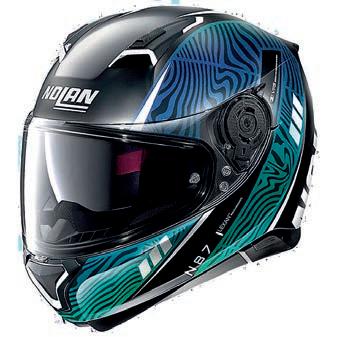
HELMET
The one thing you cannot skimp on is your motorcycle helmet. It will keep you comfortable and, if the worst happens, save your life. Only buy one with the ECE 22.06 marking to show it meets the required standard. Also, check how well it scores in the Safety Helmet Assessment and Rating Programme (sharp.dft.gov.uk).
Good quality helmets need not be expensive, though pricier ones are generally lighter and have better ventilation. The key is to try on different makes and sizes to find one that fits well. Whether you want an open or full-face helmet, make sure it fits comfortably with no pressure points. Hold the lid firmly and try to move your head inside. If it can slide, the helmet is too big or the wrong shape for you. If you wear glasses,
make sure the helmet doesn’t pinch your ears.
Look for a helmet with a removable liner so it can be washed – nobody wants to wear a sweaty helmet. Keep the outside clean and clear from road grime and flies, and replace the helmet if it’s damaged or dropped.
“WHETHER YOU WANT AN OPEN OR FULL-FACE HELMET, MAKE SURE IT FITS COMFORTABLY WITH NO PRESSURE POINTS“
HELMET BUYING TIPS
Try before you buy – wear the helmet for several minutes in the shop to make sure it’s comfy and there are no tight spots. Snug fit – make sure the helmet is not loose or moves when you turn your head. Check the securing strap fits
neatly under your chin. Noise – earplugs help protect your ears from excessive noise while riding. Go to UltimateEar.com for a range of custom-made earplugs and earphones. A full-face helmet – gives better protection. Be sure the
1
2
1 - EYE COVER
Wear a visor or goggles with an ECE, CE or BSI approval mark. In daylight a tint of up to 50% is okay; a clear visor must be used after dark.
2 - WHAT IT’S MADE OF
A helmet is made of several protective layers: a thin hard, outer shell typically made from plastic or a composite material, then an impact-absorbing inner, followed by a soft, inner liner for cushioning, often removable for cleaning.
visor is ECE or BSI approved. Only use a dark-tinted visor in daylight.
Tough stuff – helmets soften impacts using multiple layers of composite material, foam and padding. A removable inner liner makes cleaning easier.
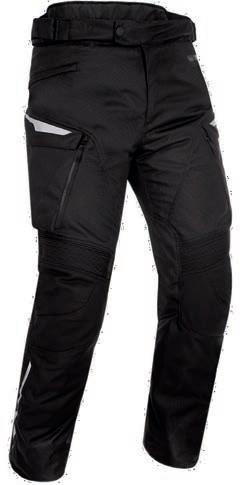
TROUSERS
Just as with jackets, you have a choice of leather or fabric, and the reasons for choosing either are the same. Make sure the trousers are comfortable in a seating position and they fit around your legs and knees without any tight spots. Pockets are handy but make sure you can work the zips while wearing bike gloves.
Motorcycle trousers and jackets can become very dirty, so treat leather to a good cleaner and conditioner to keep it muck-free and supple. Fabric gear can be machine washed, so just check the label.
JACKET
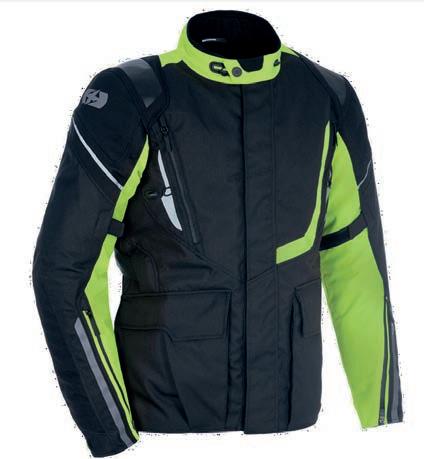
Leather or fabric is down to personal taste, but you’ll need leather if you want to go on track days and it will need to zip securely to leather trousers. Most track riders choose a onepiece suit. For road riding, look for a jacket with good ventilation and CE-approved armour for the elbows, shoulders and back.
Fabric jackets offer better weather protection and
are cooler to wear in hot weather. Removable inner linings offer more insulation and weather protection. Look for a jacket with rain-proof pockets, built-in armour, and extra stitching and padding on areas likely to be affected by a crash.
CLOTHING BUYING TIPS
Fit – before buying a jacket or trousers, try sitting on a motorcycle with the kit so you know it’s comfortable. Armour – only buy clothing with CE-approved armour, and make sure the armour doesn’t move around as you wear the kit.
Stitch up – only buy clothing that is double- or triple-stitched on the seams
so it resists splitting if you fall off.
Zip it – always zip up your jacket when riding to give maximum protection. Check the zip is not directly touching skin in case it transmits friction heat if you fall off.
Leather – leather clothing should be at least 1.2mm thick, but make sure you are
happy with the comfort and weight.
Textile – look for layers that can be added or removed to make the clothing more waterproof or warmer depending on riding conditions.
Jeans – armoured jeans reinforced with Kevlar are another option, but offer less weather protection.
BOOTS
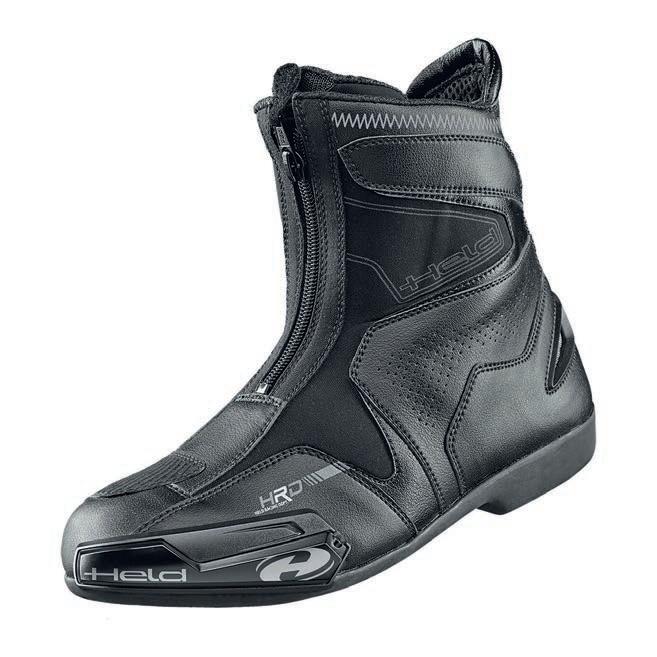
There’s a huge variety of bike boots on offer, and the type of riding you do will dictate which is best. Off-road boots are brilliant in the mud, but not so good for the daily commute in summer.
Regardless of which type appeals to you, choose boots that are comfortable both on and off the bike. Make sure they cover your ankles and have extra protection around this area.
Modern materials mean boots don’t have to be heavy and cumbersome to walk in. Women’s boots will be made to suit the different shape of female feet. Always try on
“CHOOSE BOOTS THAT ARE COMFORTABLE ON AND OFF THE BIKE. MAKE SURE THEY COVER YOUR ANKLES“
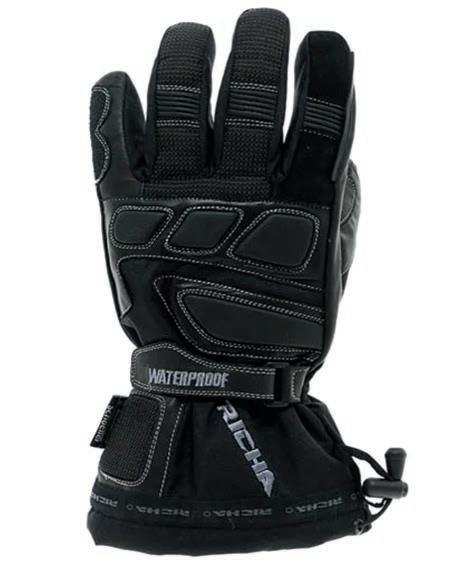
Your hands are vulnerable in a crash and you can easily lose a finger, so always wear specialist motorcycling gloves – a strong protective layer is essential.
the handlebars, so go for gloves that are a close fit but not tight. Look for double or triple stitching on areas that will suffer the most stress in a crash.
knuckles and wrist. Leather is the best choice for wear resistance, but you may want a pair of fabric gloves for better protection from the cold or rain.
GLOVES BUYING TIPS
Fit like a… gloves should feel tailored to your hands, but not tight. Make sure you can curl your fingers, while a wrist strap helps secure
Protection – look for gloves and boots with extra protection around knuckles and ankles to take care of these vulnerable areas.
Type of use – choose the right boots and gloves for the riding you do. Racing kit is great on track, but can be uncomfortable on a long trip. Sew good – check any gloves or boots for good quality double or triple stitching as it makes the kit strong in a crash.
BACK PROTECTOR AND ARMOUR
If your motorcycle jacket doesn’t come with fitted armour, you can buy this separately. It’s a wise addition as it will offer muchimproved protection to your shoulders and elbows in a crash, while a back protector is vital.
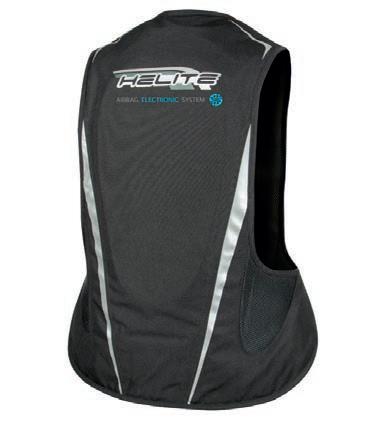
Another option is an inflatable vest, such as the
Airvest that inflates in less than 0.01 seconds. As it inflates, it cushions the impact of a crash and also offers essential protection to your head and neck. Airvest also offers jackets with an integrated inflatable vest, and the vests come with a replaceable CO2 canister so they can be reused if undamaged or they can be refurbished.
THE EARS HAVE IT
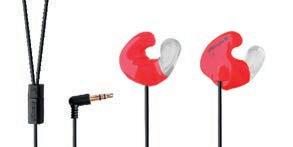
An often overlooked item for motorcyclists is ear plugs.
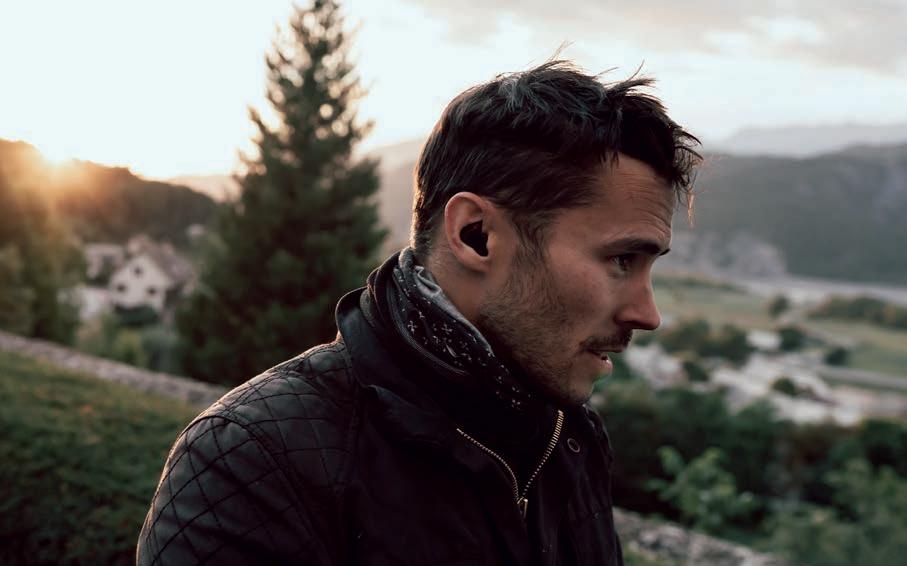
At 70mph, a motorcyclist can be subjected to 105dB of noise, which is like holding an electric drill to your ear, so it makes sense to use quality ear plugs to protect your ears. From simple foam plugs to custom-made reusable items, they can prevent hearing loss and tinnitus.
The Motorcyclist SoundEar from Ultimate Hearing Protection Systems costs £189 for a pair. They are custommade from soft medicalgrade silicon for a perfect fit and give 31dB of hearing protection. They also deliver high-quality audio for use with motorcycle intercoms.
Ultimate Ear Protection is the leading UK manufacturer of custom-made hearing protection for motorcyclists.
Founded in 2001 by a motorcyclist looking for a comfortable set of earplugs for biking, Ultimate now deliver hearing protection solutions to British Superbike Racers, Formula 1 Teams, and the Ministry of Defence to name a few.
Ultimate Ear Protection offer a range of products for motorcycling including our Squidgy product which offers an impressive 30dB (SNR) of noise reduction or our Soundear range which combines hearing protection with high quality audio for connectivity into intercom systems.
PLEASE USE THE COUPON FIRSTBIKE10 FOR 10% OFF ONLINE. (SCAN THE QR CODE ABOVE)
CHECK IT OUT!
Take care of your bike so you can be confident that it’s working safely and reliably
1 - DAMAGE
Check for damage when cleaning your bike, such as loose wires and bolts and cracked light lenses.
2 - PETROL
It’s important to have enough fuel. Also, if you decide to lay your bike up for a long time, either fill your tank with fuel or drain it completely, or risk engine damage.
3 - ELECTRICS
2
1 7
3
Check your bike’s lights before each ride, including indicators front and back. Remember to check that both the rear and front brake pedal/ lever operates the brake lights and give the horn a quick toot.
6
5
4
4 - RUBBER
Check the pressures when the tyres are cold because the pressure will read higher when they’re hot. See that the tread depth of both tyres is greater than 1.0mm, as this is the minimum for motorcycle tyres in the UK. Clear out any small stones from within the tread and ensure there’s nothing penetrating the tyre.
5 - DRIVE CHAIN
Check the tension of the chain; it should have around an inch of slack. Clean and lubricate the chain regularly.
7 - COOLANT
If the coolant level is low don’t use tap water! Always top-up with a mix of distilled water and anti-freeze (50% of each). Anti-freeze not only keeps the coolant from freezing in the winter, but also helps to stop your bike from overheating in the summer.
8
6 - OIL
Check the oil level by using the dipstick or ‘spyglass’ in the side of the engine. Get the bike on its centre-stand or get someone to sit on the bike to keep it vertical. Never overfill your oil tank!
8 - BRAKES
Wheel the bike along and feel for resistance or pulsing at the lever, indicating binding calipers or warped discs. Check the brakes bite when you squeeze the lever and that the pads have plenty of wear left. Make sure the level of the fluid in the brake reservoir is within the marked area.
£825+ WORTH OF
SCAN TO ENTER
PRIZES UP FOR GRABS
We’ve teamed up with some of our partners to offer a range or goodies in our free to enter prize draw. One lucky winner will scoop ALL the prizes listed below worth over £825.
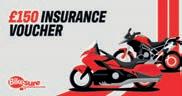
BIKESURE VOUCHER
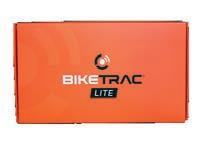
BIKETRAC
Get £150 off your next motorcycle insurance policy, redeemable against any policy taken out with Bikesure Insurance. bikesure.co.uk
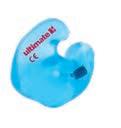
ULTIMATE EAR - FILTERED
Custom-made soft earplugs with filters for clear communication, protecting hearing from wind and engine noise while allowing use of helmet comms. RRP £95 ultimateear.com
SAFE DRIVING FOR LIFE
The Official DVSA Theory Test for Motorcyclists. The Official DVSA Guide to Riding - the essential skills. The Official Guide to Learning to Ride. The Official Highway code & Know your Traffic Signs Bundle. The Official DVSA Theory Test Kit app codes. RRP £70 safedrivingforlife.info
Discreet GPS/RF tracker that monitors the movements of any motorcycle, moped or scooter in real time, 24/7 with notification of unauthorised movements, theft response service. RRP £259 biketrac.co.uk
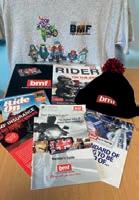
BMF MEMBERSHIP
A joint membership for two, plus a bobble hat and a fabulous t-shirt, designed by the artist Weeble of Weebles World. RRP £74 britishmotorcyclists.co.uk
FAMILY TICKET MCL
Win a family ticket to MCL 2027, the UK’s largest indoor motorcycle exhibition, with opportunities to ride, buy, try and enjoy all the show has to offer. RRP £64 motorcyclelive.co.uk
DATATAG SECURITY SYSTEMAPRILIA APPAREL
The UK’s most trusted theft deterrent for your scooter / moped, consisting of tiny transponders that are hidden in your bike.
RRP £ 59 datatag.co.uk
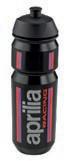
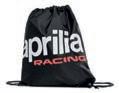
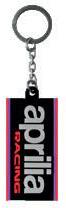
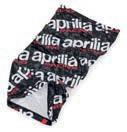
Our friends at Aprilia have bundled together some cool kit, including a drawstring bag, water bottle, neck warmer, necklace and rubber keyring. RRP £55 aprilia.com