Hours upon hours, in dust and in rain, Human and canine, in purpose and pain.
Focused with passion, with hearts set alight, Training through daybreak, into the night.
To save the unknown, to answer the call, To bring closure to some, and peace unto all.
Where silence speaks loud in places unseen, They search through the spaces where life once had been.
A love forged so deep, so loyal, so true, That four paws would give all—for me and for you.
Wet noses to ground, soft steps on the trail, Through shadow and distance, they will not fail.
No questions are asked, no hesitation shown, Only a drive that is fiercely their own.
For one simple reward, yet greater the aimTo find what was lost, and restore a name.
Not just a handler, not merely a dog, But a bond intertwined through the thickest of fog.
Built on commitment, on trust tried and tested, A partnership earned, never given, but vested.
They are more than a title, more than a role, They are courage, devotion, body and soul.
Search and rescue K9s - steadfast and true, A passion so deep, so understood by so few.
Written by Morné Mommsen

Inside front cover Poem: A poem for K9s by Morné Mommsen
2 Content 4 Credits and comment Competition
5 FRI Images
Cover profile
6 An exceptional new era in firefighter training: Rural Metro unveils state-of-the-art Training Academy
National Disaster Management Centre
10 Building resilient communities: Collaborative strategies for fire risk reduction: South Africa’s Fire Services Indaba 2026 sets a new course for national resilience by Dr BE Sithole
Firefighting technology
18 The surgical strike: Redefining the African fireground by Industrial Fire & Hazard Control
25 Structural Firefighting Summit 2026
26 Ramcom Trucks: leading manufacturers of specialised vehicles
32

Flow over pressure: Smarter fireground decisions for a new era by Lenny Naidoo
38 CAF as an extinguishing solution for the power generating industry by Frank Preiss
PPE in hazmat operations
44 The gas-tight Dräger CPS 7900: Dependable protection for maximum safety in hazardous settings
48 Chemical PPE mastery: How fire department hazmat teams stay safe in the hot zone by Dr Colin Deiner
Rescue tools
54 Holmatro Rescue Tools: Power, precision and reliability when seconds count
Firefighting technology: Parking garage fires
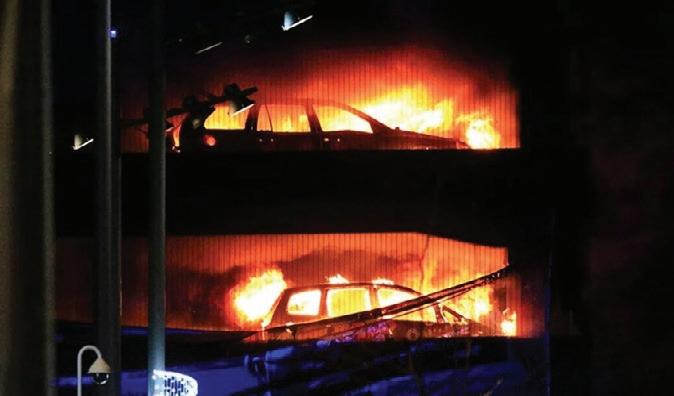
58 From single vehicle to structural threat: The modern parking garage fire by Etienne du Toit
68 Modern vehicle fires in parking structures A review of full-scale fire testing and implications for fire safety design by Karel Roodt
Wildfires
72 When every minute counts: How real-time data drives faster, smarter wildfire response

74 Tactical firebreaks: Why the Stihl BR 700 and 800 are vital for veldfire control
Command structures
78 From coordination to command: How UNDAC, INSARAG, ICS and USAR teams work together by Michelle Kleinhans
Health and fitness
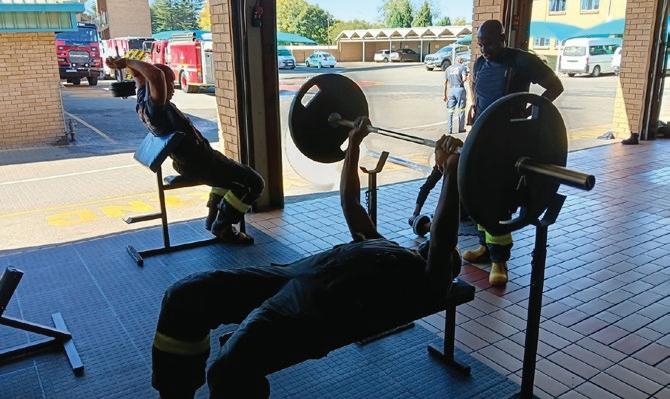
92 Physical fitness in the fire service: A professional and personal imperative by Morné Mommsen
94 Physical activity guidelines for firefighters with coronary heart disease and multiple health risk behaviours: A modified Delphi study by Ghaleelullah Achmat, Luzaan Africa, Charlene Erasmus, Jill A Kanaley and Lloyd Leach
Heritage
109 The history of hazardous materials personal protective equipment (hazmat PPE)

Editor
Lee Raath-Brownie lee@fireandrescue.co Cell 082 371 0190
Advertising advertising@fireandrescue.co
Design and layout
Marc Raath marc@fireandrescue.co
FRI Digital newsletter
Pierre du Plessis
pierre@fireandrescue.co
Accounts and circulation
Kelebogile Thebe accounts@fireandrescue.co subs@fireandrescue.co
Administration
Kelebogile Thebe
Contributions
Africa
Dr Elias Sithole
Dr Colin Deiner
Etienne du Toit
Lenny Naidoo
Karel Roodt
By Michelle Kleinhans
Morné Mommsen
Ghaleelullah Achmat
Luzaan Africa
Charlene Erasmus
Lloyd Leach
Europe
Frank Preiss
USA
Jill Kanaley
Publisher
Lee Raath-Brownie
FIRE AND RESCUE INTERNATIONAL
Tel 011 452 3135
Box 8299 Greenstone 1616 www.fireandrescue.co
Subscriptions
Free of charge
Click to subscribe
Copyright
All rights reserved
Fire and Rescue International (FRI) magazine proudly celebrates the release of its 70th edition! This milestone reflects the collective dedication, knowledge, and passion of our contributors, whose insights, expertise, leadership and mentorship continue to inspire and strengthen the fire and rescue community. Together, we remain committed to supporting the brave first responders who stand on the front lines, protecting and serving our communities every day. We thank you for being part of this journey and invite you to enjoy this special edition. Enjoy the read!
Cover profile

Lee Raath-Brownie
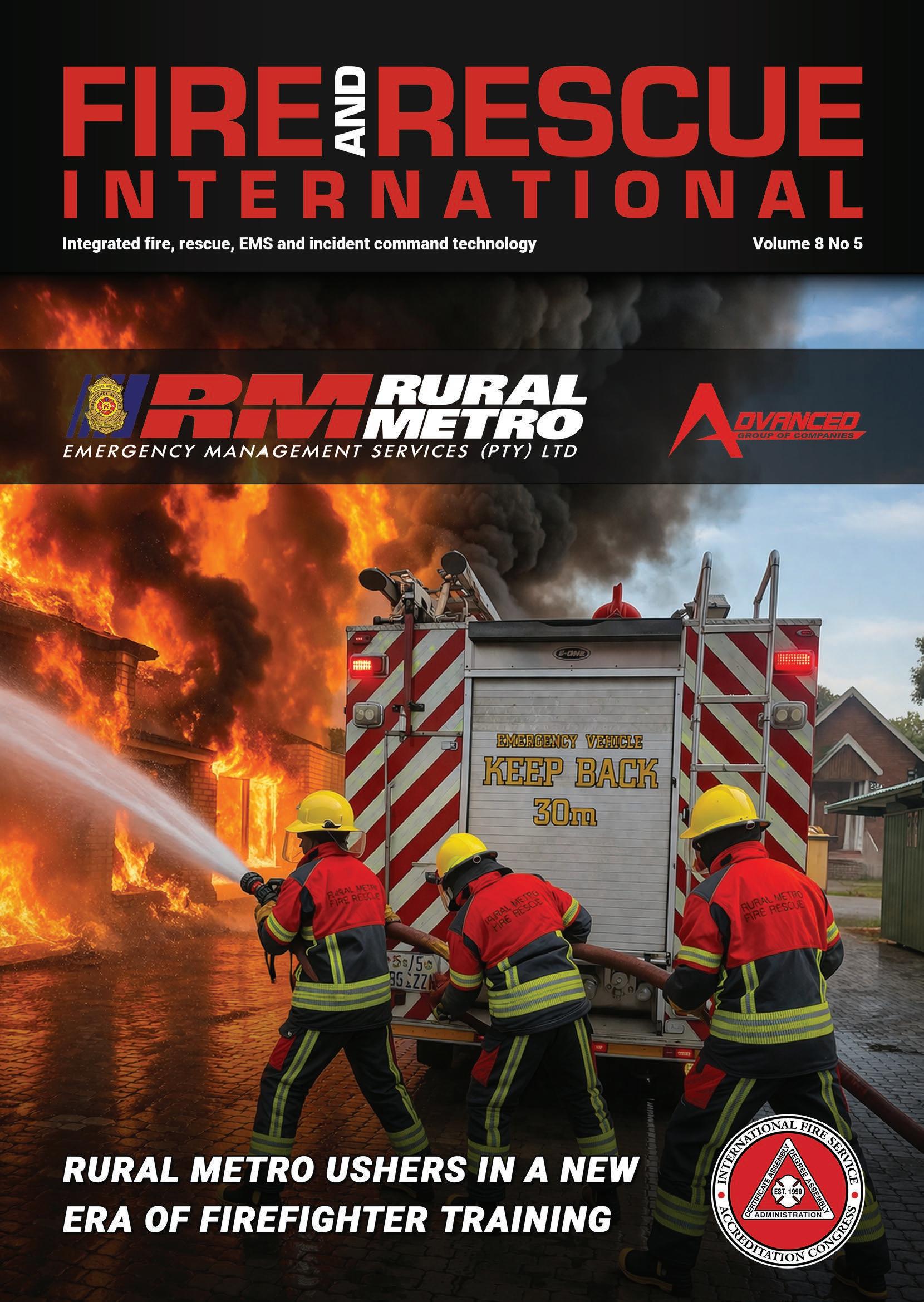
Our front cover features Rural Metro’s new state-of-the-art Training Academy in Heidelberg, Gauteng, offering IFSAC-accredited training on an international basis.
National Disaster Management Centre (NDMC)
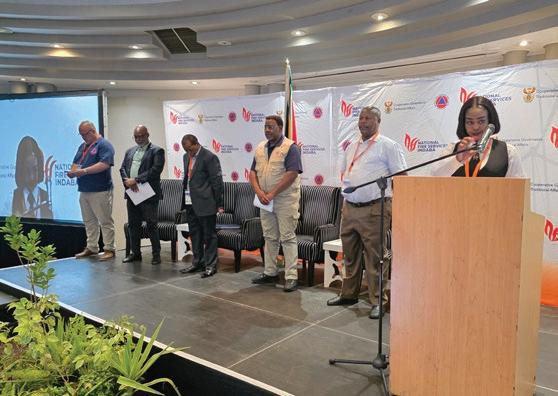
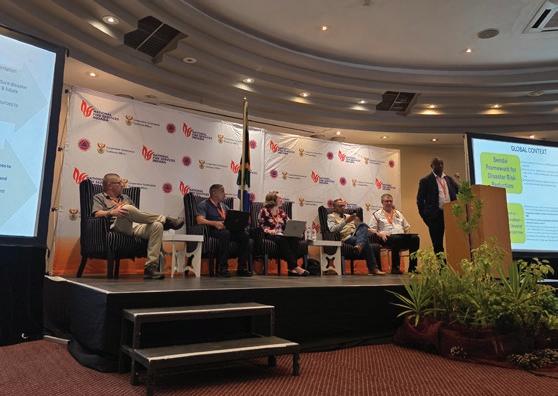
The NDMCs Dr Elias Sithole shares an overview of the recently held Fire Services Indaba 2026 in Bloemfontein.
Firefighting technology
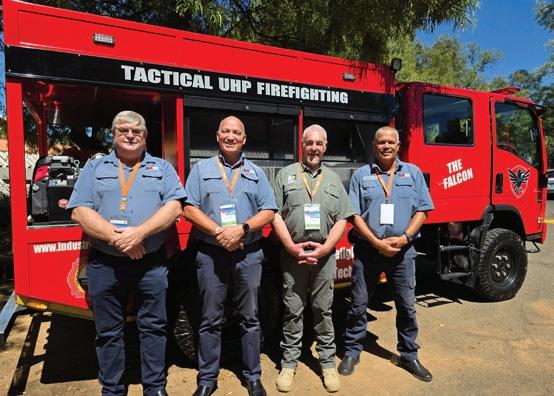
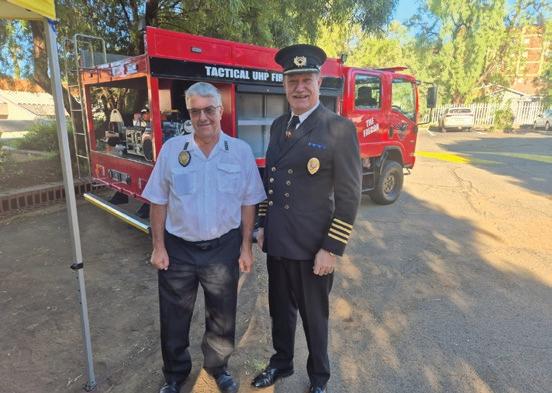
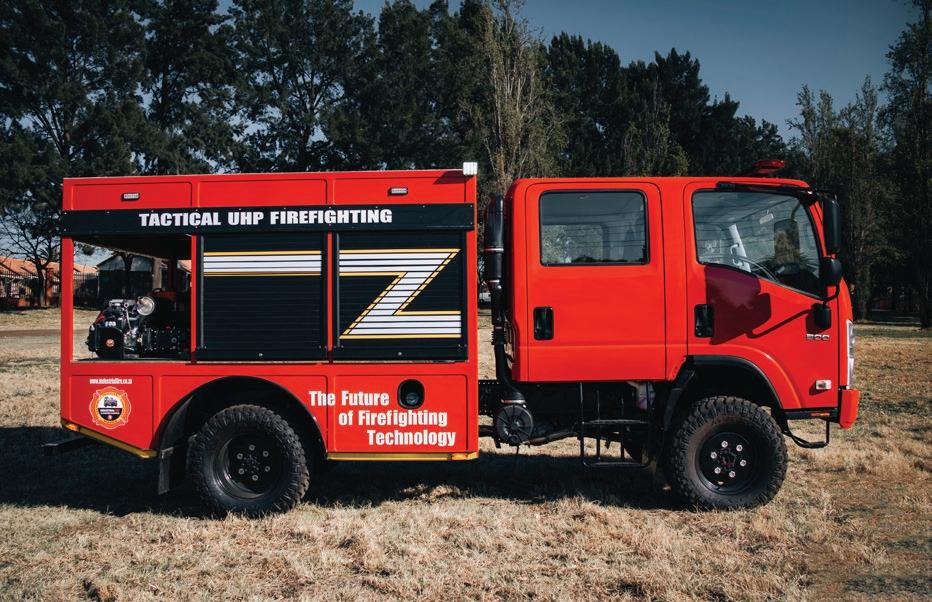
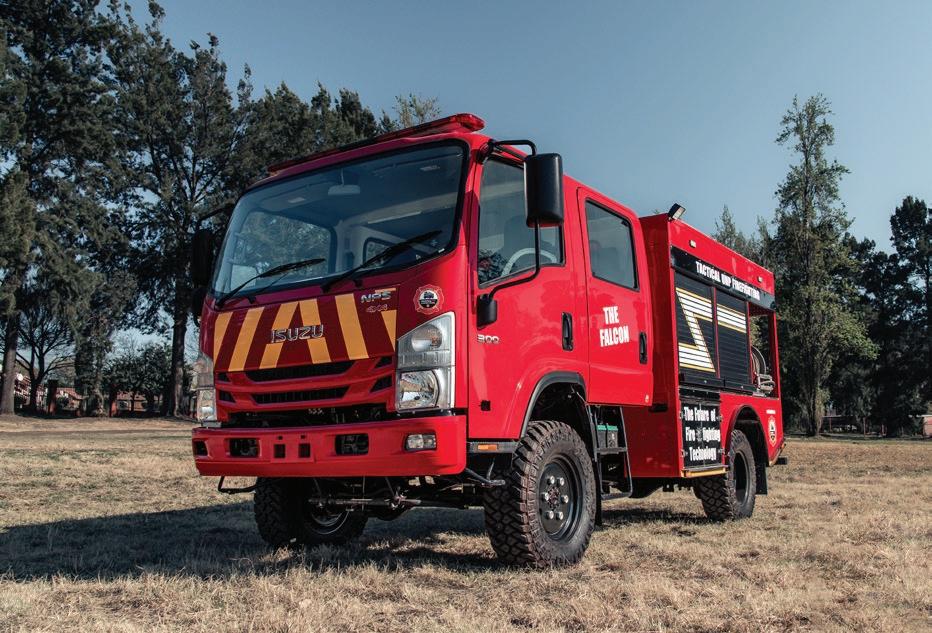
Industrial Fire & Hazard Control features its Falcon Tactical UHP firefighting vehicle, which provides ultra-high pressure technology. Ramcom Trucks shares their purposebuilt range of specialised vehicles and Vanguard Fire and Safety’s Lenny Naidoo discusses flow over pressure: Smarter fireground decisions while FireDos’ Frank Preiss looks at compressed air foam systems (CAF) as an extinguishing solution for the power-generating industry. FireDos is available through DoseTech Fire.
PPE in hazmat operations
Our longstanding and key contributor, Dr Colin Deiner, continues his article on hazmat and chemical PPE looking at how fire department hazmat teams stay safe in the hot zone Dr Deiner shares a hands-on, practical, field-ready framework for chemical PPE management during hazmat responses. Dräger South Africa shares its gas-tight Dräger CPS 7900 for dependable protection and maximum safety in hazmat operations.
Rescue tools
Aquilla Corp discusses its range of Holmatro Rescue Tools that provides power, precision and reliability when seconds count.
Firefighting technology: Parking garage fires
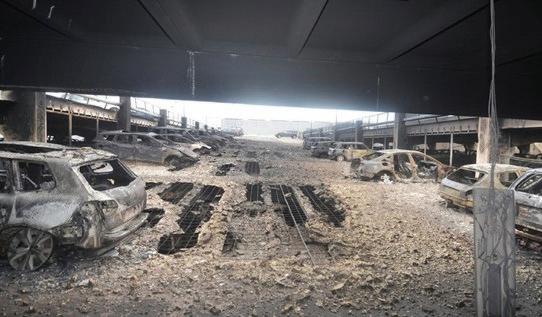
Etienne du Toit unpacks strategies for modern parking garage fires, from single vehicle to structural threat. Du Toit discusses the significantly higher heat release rates (HRR) and faster fire growth of modern vehicles. Karel Roodt shares a review of full-scale fire testing and implications for fire safety design for modern vehicle fires in parking structures.
Wildfires
Our wildfire feature features an article from Kelvin Price on how real-time data drives faster, smarter wildfire response and Andreas Stihl looks at tactical firebreaks and why the Stihl BR 700 and 800 are vital for veldfire control.
Command structures
Dynamic Incident Management’s Michelle Kleinhans looks at how UNDAC, INSARAG, ICS and USAR teams work together in this peer-reviewed research article.
Health and fitness
Morné Mommsen looks at the importance of physical fitness in the fire service, both from a professional and personal viewpoint. Ghaleelullah Achmat, Luzaan Africa, Charlene Erasmus, Jill A Kanaley and Lloyd Leach shares their research on physical activity guidelines for firefighters with coronary heart disease and multiple health risk behaviours.
Heritage
Our article on heritage looks at the history of hazmat PPE.
Thank you to all our local and international contributors, advertisers and readers for your continued support! Fire and Rescue International is your magazine. Read it, use it and share it!
Lee Raath-Brownie
Publisher
Congratulations to
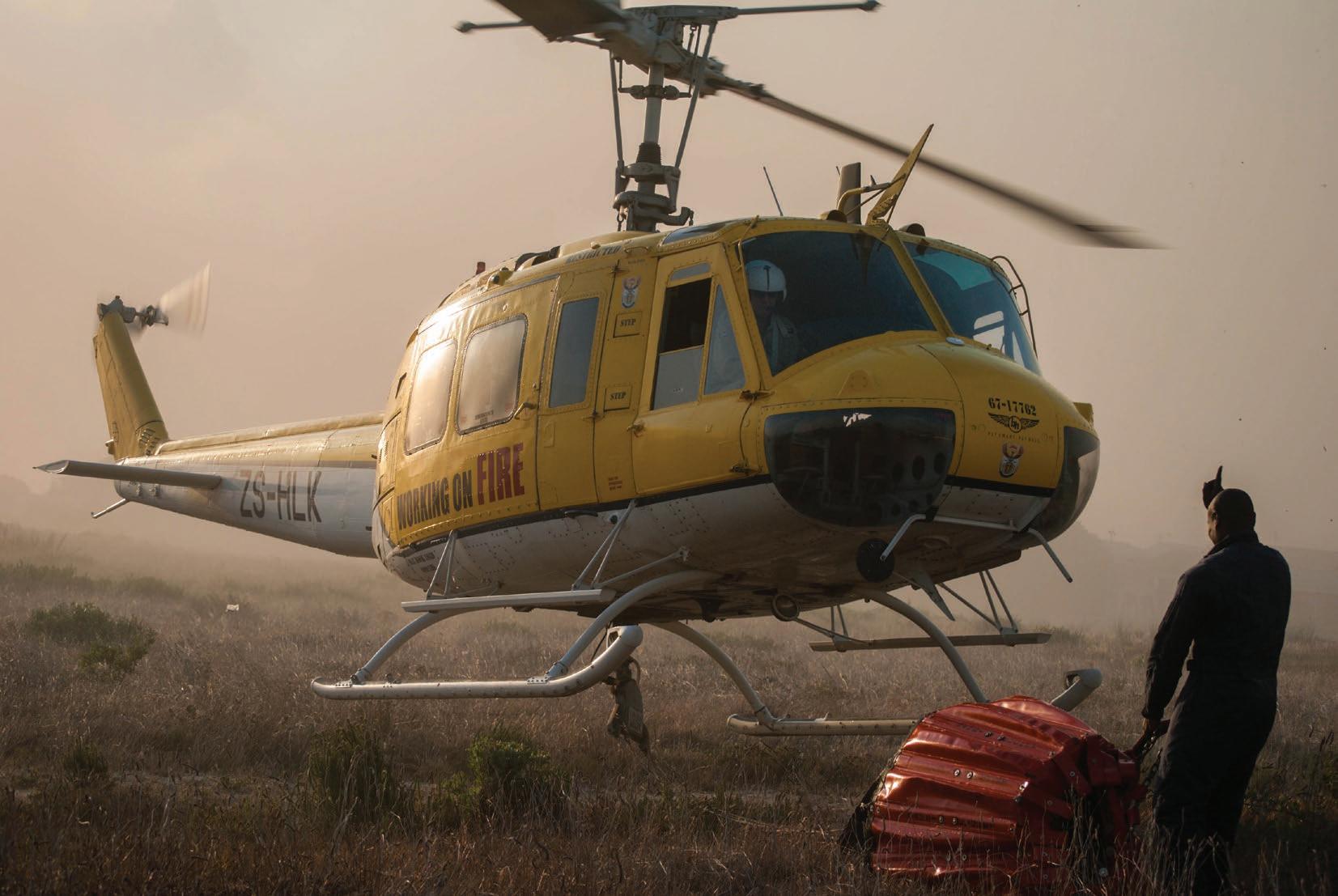
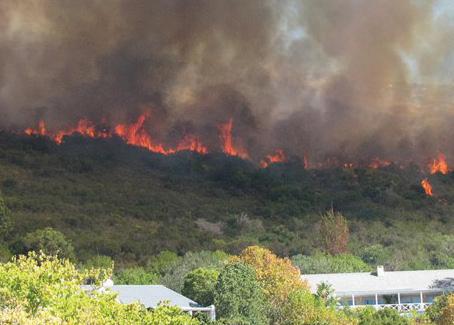
Yolande Pretorius for her photograph ‘Gansbaai fire’, taken with a Nikon D3000, ISO 100, aperture: f/5, shutter speed: 1/400 and a VR Nikon 55-200mm lens.
Yolande Pretorius wins this month's prize money of R2 000!
Photo description:
In February 2025, a fire broke out late afternoon in Gansbaai. Overstrand Fire and Rescue and Working on Fire were on scene.
Fire and Rescue International’s (FRI) bi monthly photographic competition is open to all its readers and offers you the opportunity of submitting your digital images of fires, fire fighters, disasters, incidents, emergencies and rescues.
Rules
• All photographs submitted must be high resolution (minimum 1meg) in jpeg format
• Allowed: cropping, curves, levels, colour saturation, contrast, brightness, sharpening but the faithful representation of a natural form, behaviour or phenomenon must be maintained
• Not allowed: cloning, merging/photo stitching, layering of two photos into one final frame, special effects digital filters
Fire and Rescue International (FRI) reserves the right to publish (printed or digitally) submitted photographs with acknowledgement to the photographer
• Winners will be chosen on the merit of their photograph
• The judge’s decision is final and no correspondence will be entered into afterwards
Entries must include:
Name of photographer

Contact details (not for publishing)
Email (not for publishing)
Name of photograph
Brief description of photograph including type of incident
Camera, lens and settings used
All entries must be emailed to: lee@fireandrescue.co
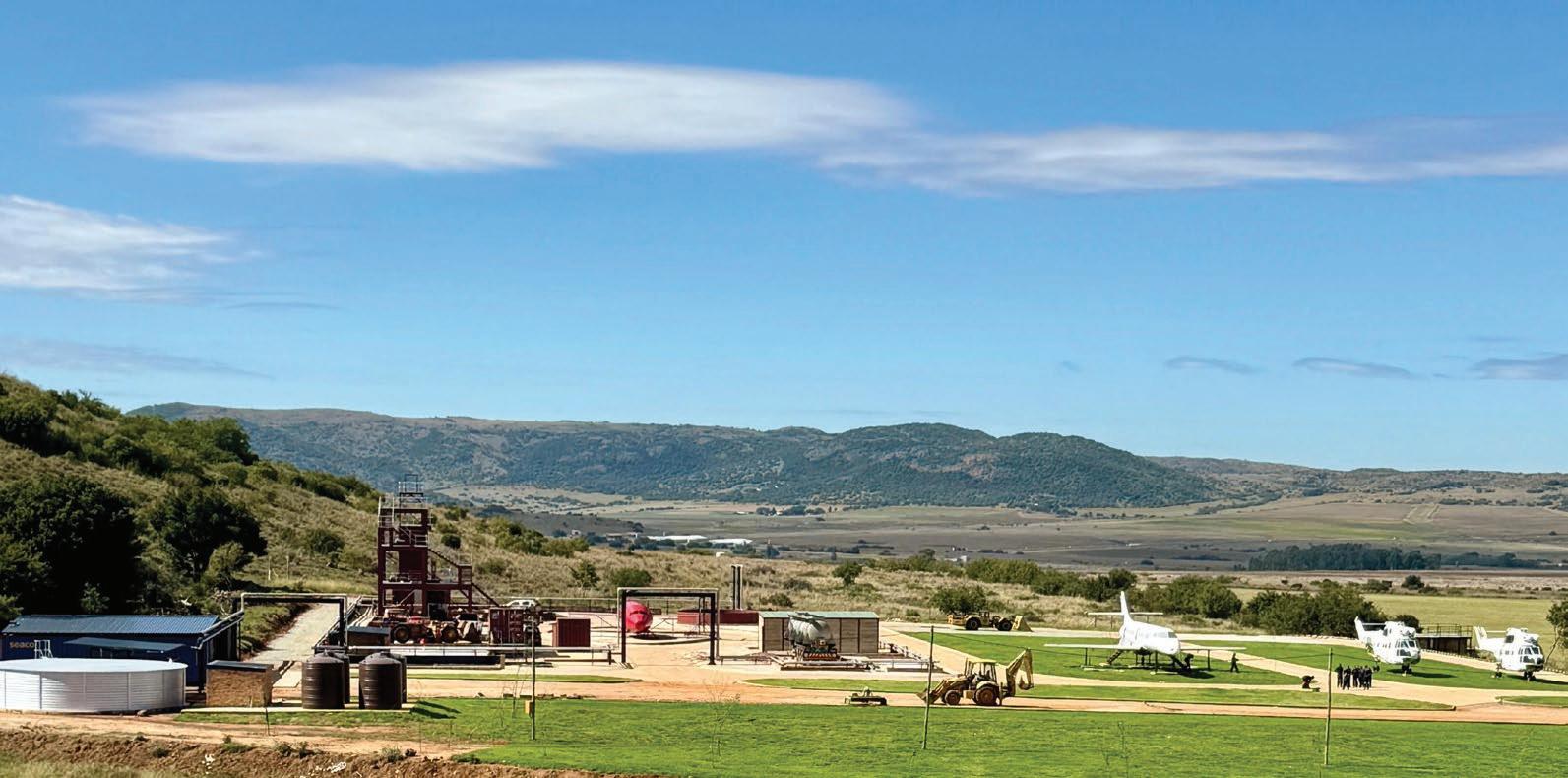
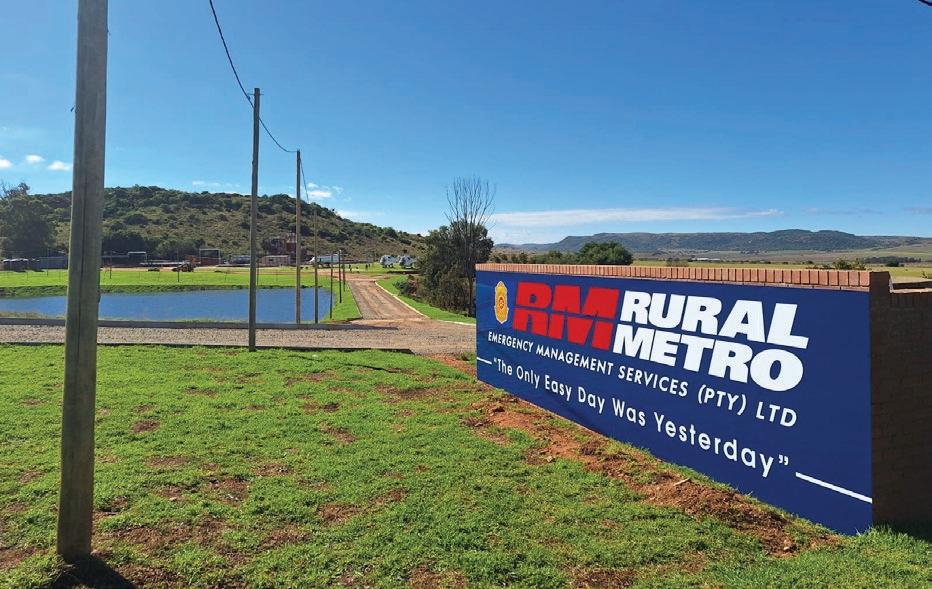
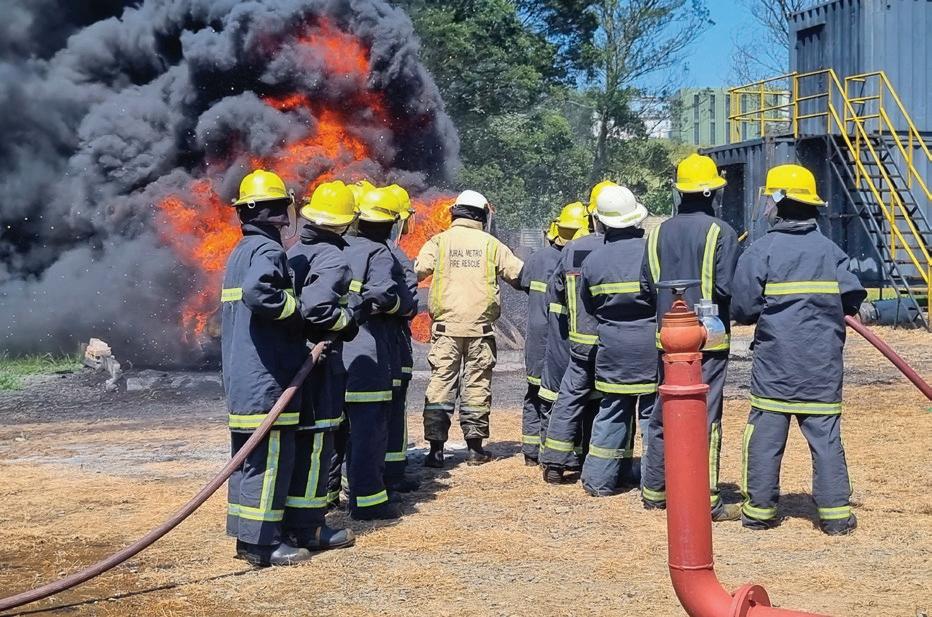
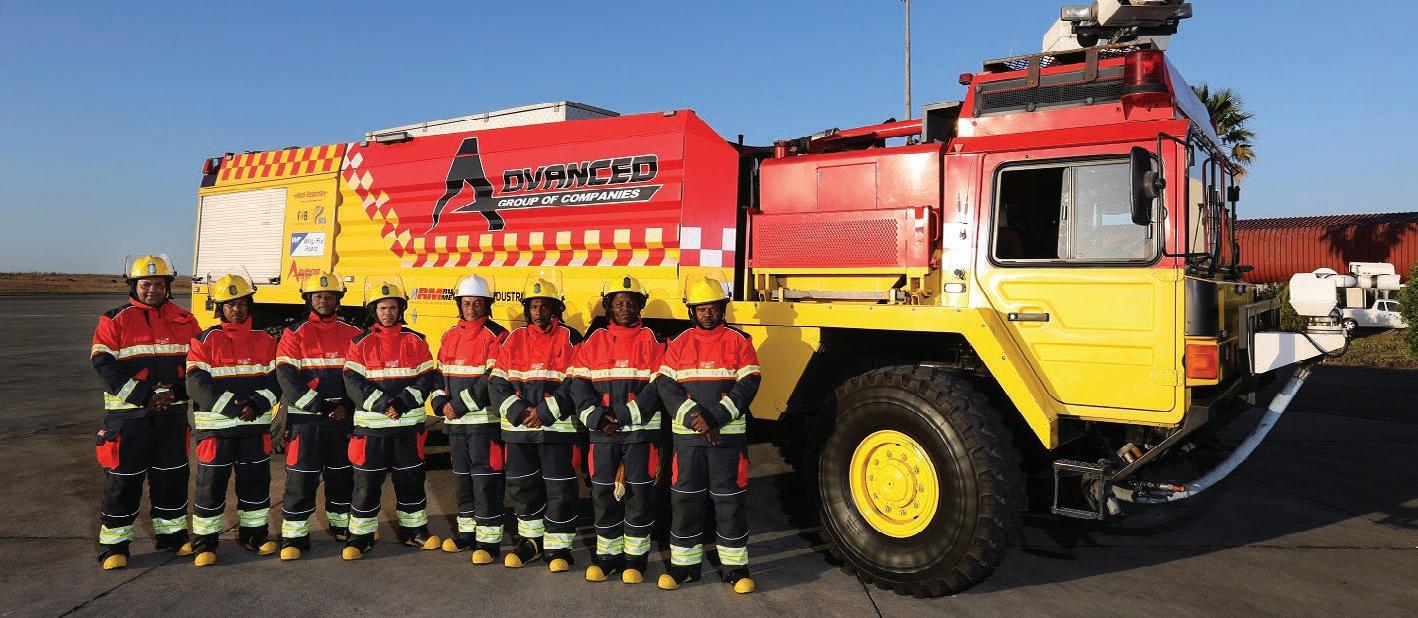
Rural Metro Emergency Management Services, a proud member of the Advanced Group of Companies, is ushering into a bold new chapter in emergency response training with the opening of its cutting-edge Training Academy in Heidelberg, Gauteng. While the facility is already operational, anticipation is building toward its official launch in May — a milestone event set to showcase the future of firefighter training in South Africa.
With over 25 years of experience in fire rescue, firefighting and disaster management, Rural Metro has established itself as a leader in innovative fire and

risk management solutions. Founded in October 2000, the organisation was built on the principle that communities and industries benefit from smarter, more efficient approaches to emergency services.
This vision has been consistently realised through a commitment to prevention, professionalism and continuous improvement — underpinned by world-class training.
The new Training Academy builds on the success of Rural Metro’s internationally accredited Training Academy in Greytown, KwaZulu-Natal, which has been operational for more than two
decades and has produced highly skilled emergency responders across the region.
The Heidelberg facility represents the next evolution in training — aligned with global standards and enriched by international collaboration.
Rural Metro is a proud voting member of the International Fire Service Accreditation Congress (IFSAC), with all courses approved by the Certificate Assembly Board of Governors (CABOG). This achievement reflects the organisation’s unwavering commitment
to delivering internationally benchmarked training.
The Board has formally commended Rural Metro and its team for their dedication and hard work in reaching this milestone — a testament to the organisation’s pursuit of excellence.
Rural Metro’s recent engagement in Thailand has further strengthened its approach to disaster preparedness. By integrating international learnings and best practices, the organisation ensures that its training remains relevant, advanced and globally competitive.
These insights are embedded within the new training academy, equipping trainees with the skills and knowledge required to respond effectively in an increasingly complex risk environment.
The academy offers a comprehensive range of training programmes across: Firefighting and fire rescue, disaster management, occupational health and safety.
Designed as an immersive, practical training environment, the facility serves as a centre of
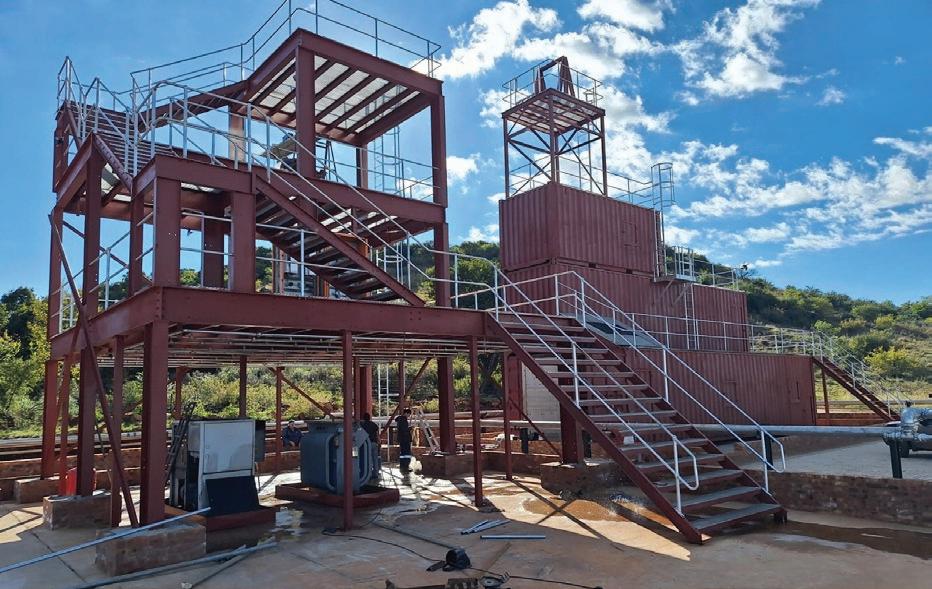
excellence — where capability is built, confidence is forged and lives are ultimately protected.
Metro’s Chief Executive Officer, Mr Chris Gilbert
Rural Metro’s Chief Executive Officer, Mr Chris Gilbert, expressed
his pride and optimism for what lies ahead, “The opening of our new Training Academy marks a defining moment for Rural Metro and the future of firefighter training. We have always believed that the strength of our organisation lies in the quality of
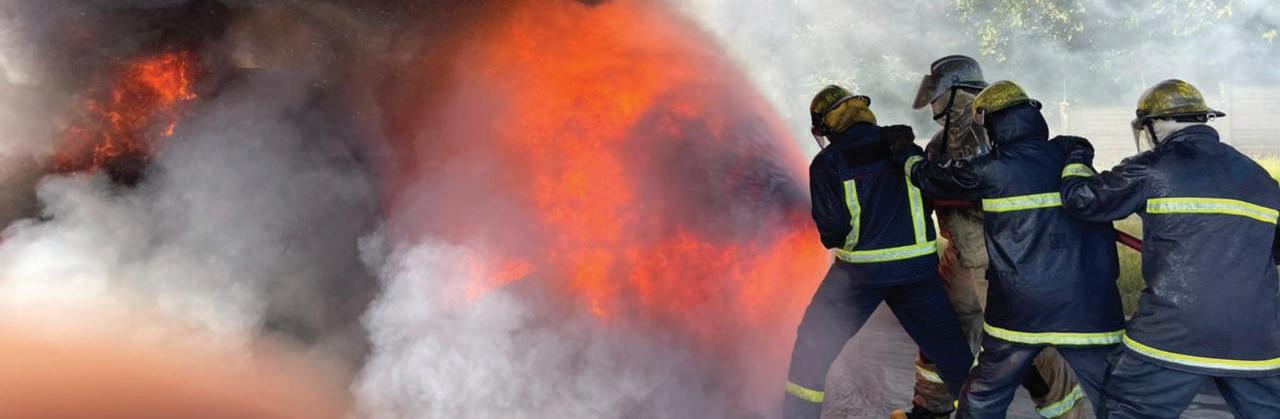
our people and this facility allows us to elevate that standard even further. I am incredibly proud of the calibre of firefighters we produce — individuals who are not only technically skilled but deeply committed to protecting lives and communities. This academy is an investment in that future.”
Adding to this, General Manager and IFSAC Board Member, Mr Johan Van Wyk, highlighted the importance of global alignment, “Being part of IFSAC at a board level gives us a unique responsibility to uphold
and advance international training standards. The new Training Academy is a direct reflection of that commitment. Our programmes are not only accredited but continuously evolving to meet global benchmarks. This ensures that every firefighter trained through Rural Metro is equipped to perform at the highest level — anywhere in the world.”
At its core, Rural Metro’s success is driven by its people — their passion, dedication and unwavering commitment to excellence. It is this culture that continues to push boundaries and
redefine standards within the fire and emergency services sector.
As the official launch approaches, the new Rural Metro Training Academy stands as more than just a new facility — it is a symbol of progress, innovation and leadership in emergency management training.
For Rural Metro, growth has never been about expansion alone but about setting the benchmark for excellence. With this new academy, the organisation reaffirms its commitment to shaping the future of firefighting — one highly trained professional at a time.
Rural Metro is a proud member of the Advanced Group of Companies.
For enquiries, contact: Head office
Address: 298 Burger Street, Pietermaritzburg, KwaZulu-Natal, 3201
Phone: +27(0)33 345 0080
Email: headoffice@ ruralmetrosa.com
Training Academy
Phone: +27(0)33 413 4040
Email: training@ruralmetrosa.com


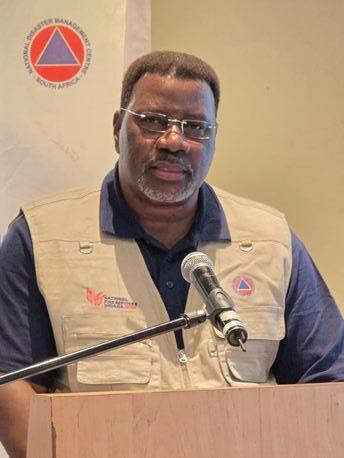
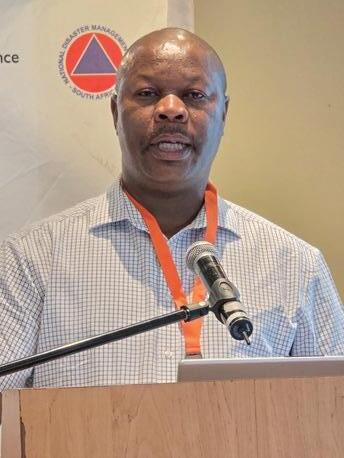
By Dr BE Sithole, Deputy Director General, Head: National Disaster Management Centre (NDMC)
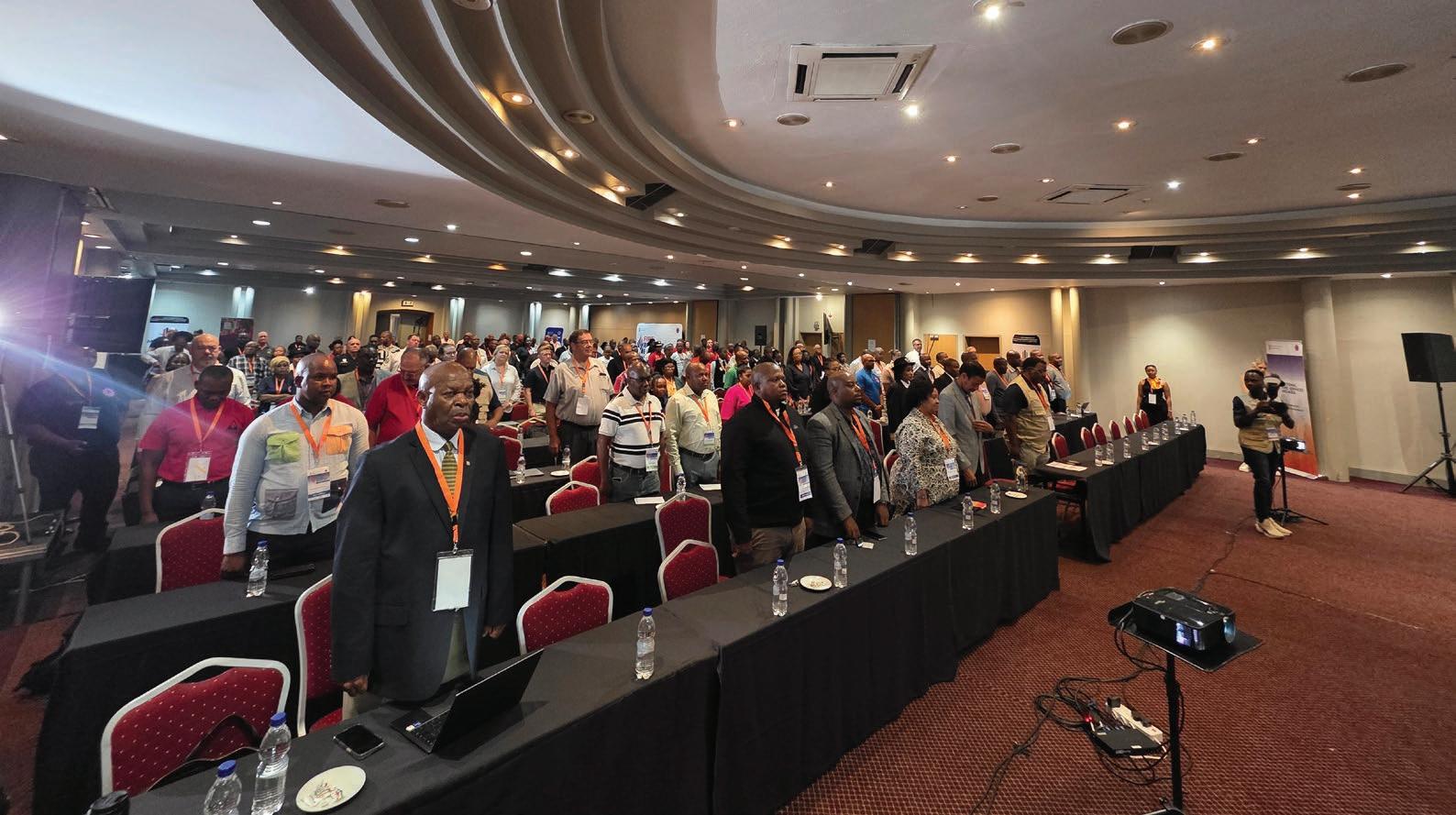
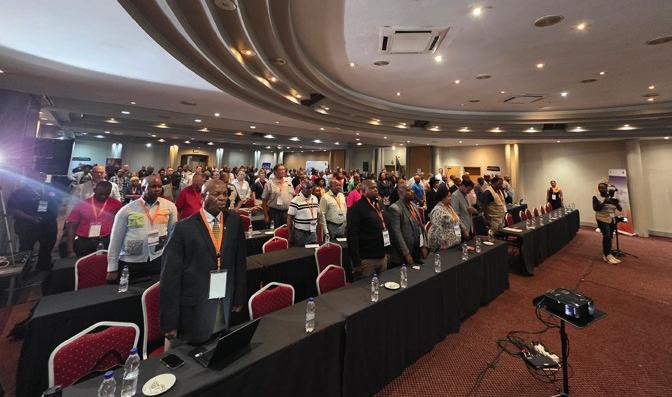
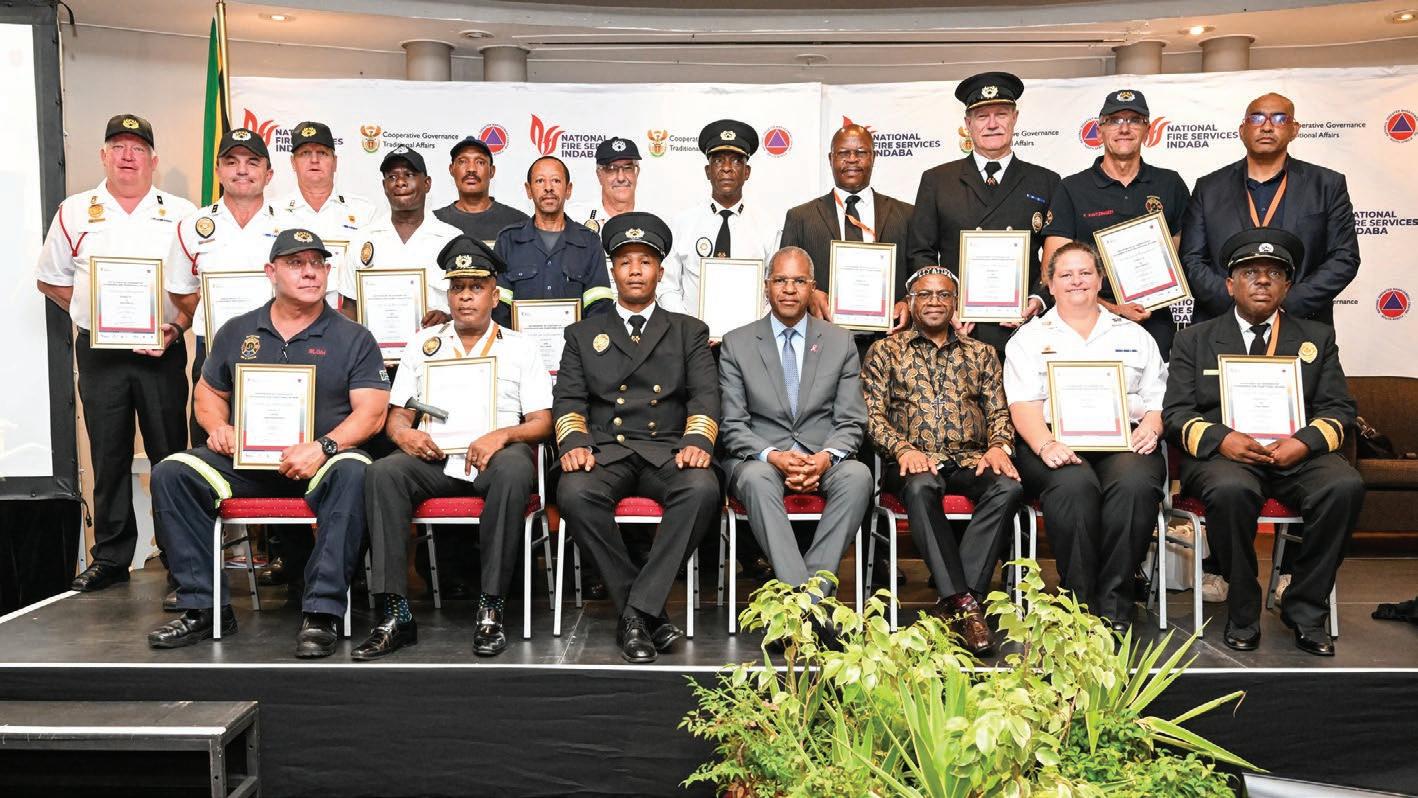
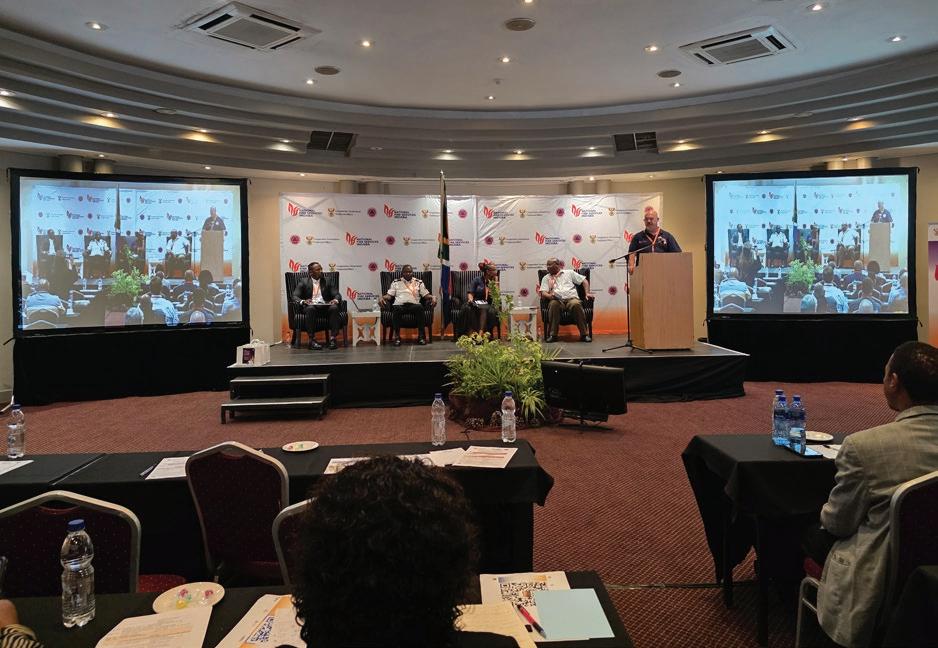
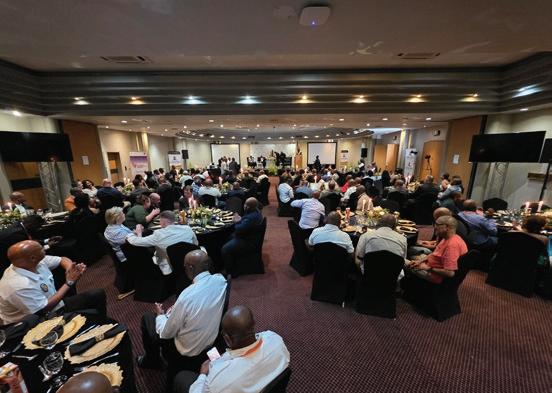
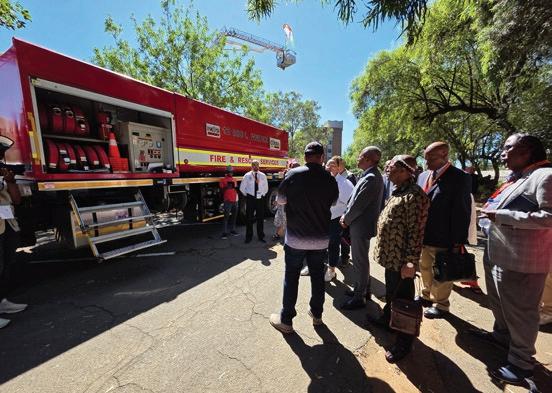
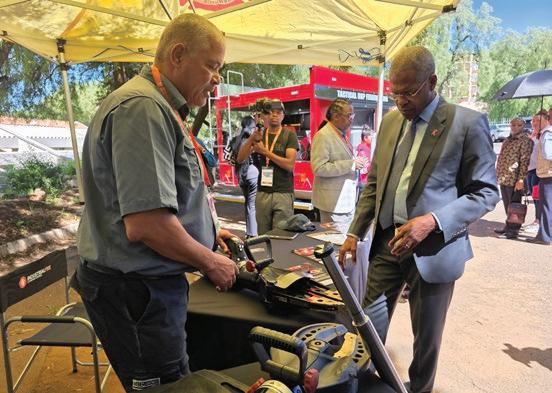
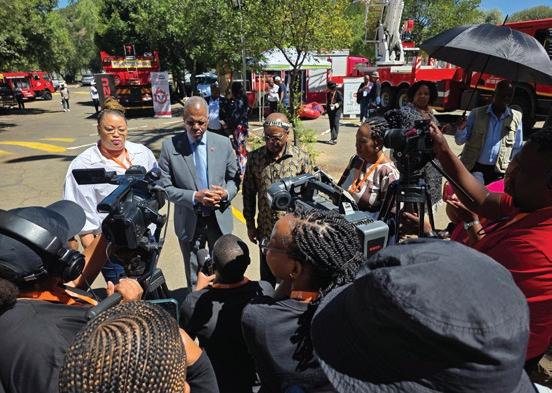
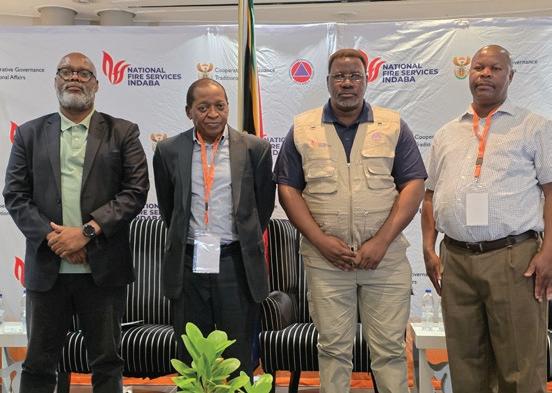
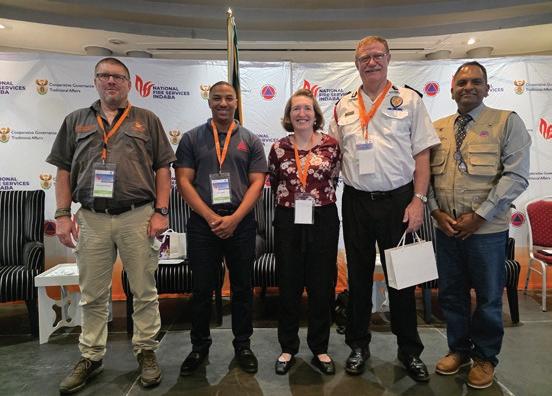
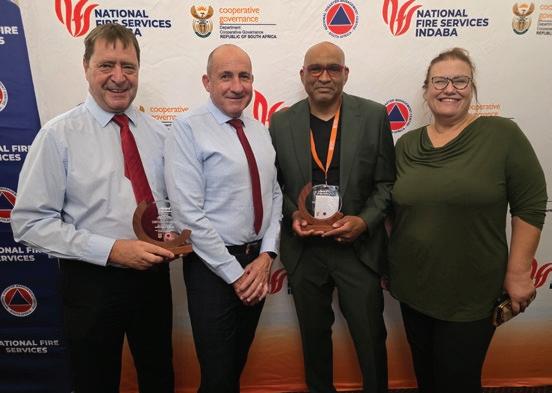
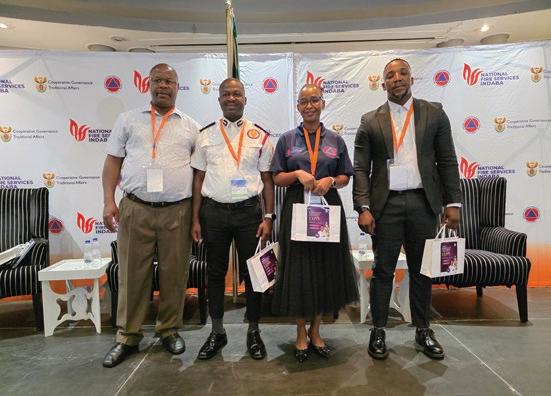
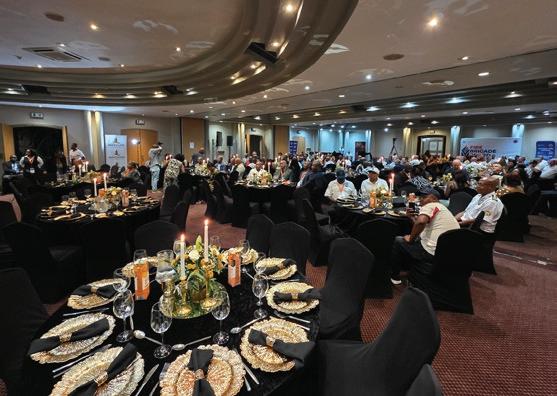
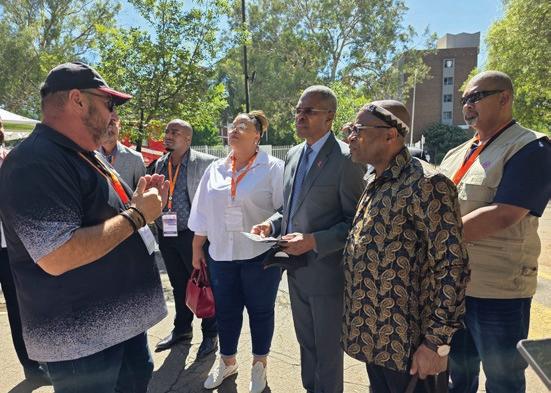
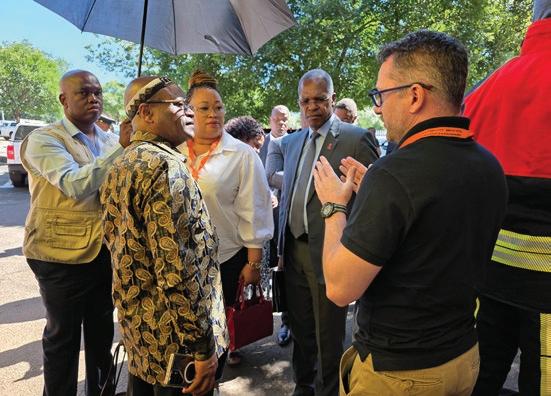
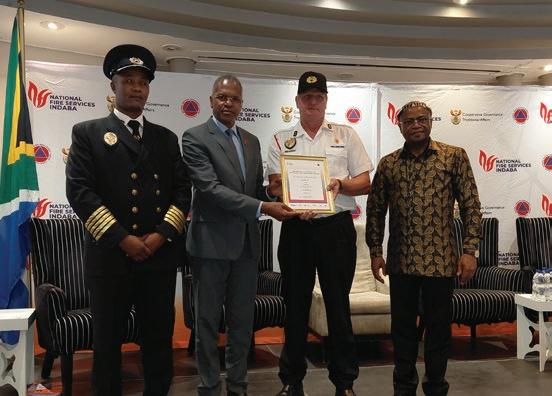
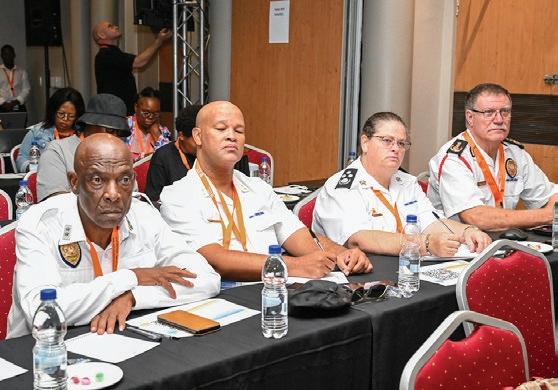
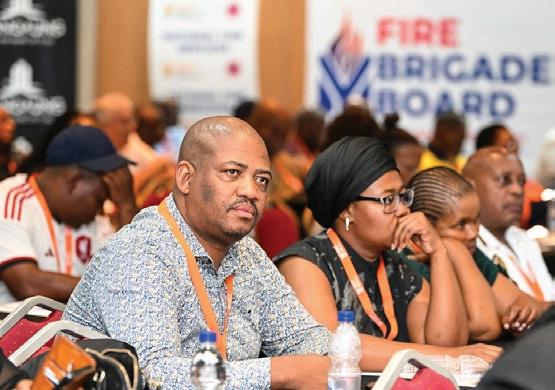
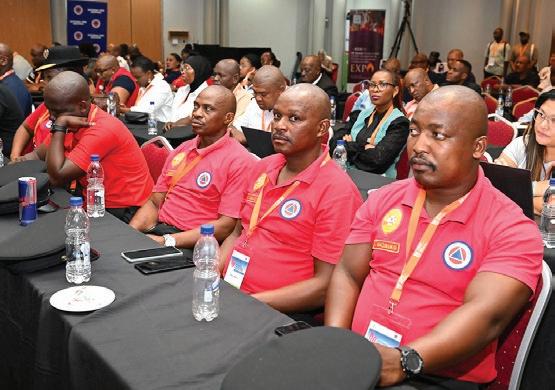
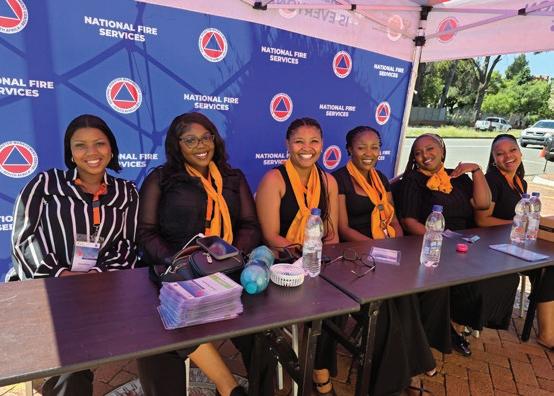
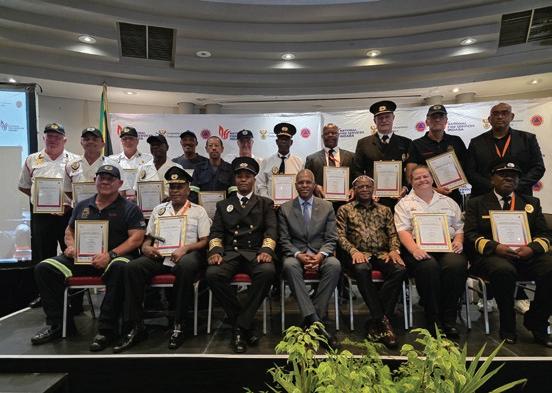
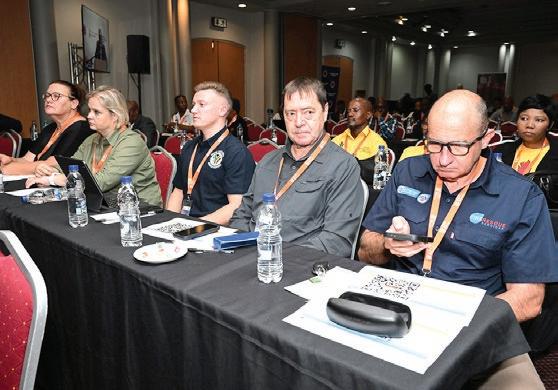
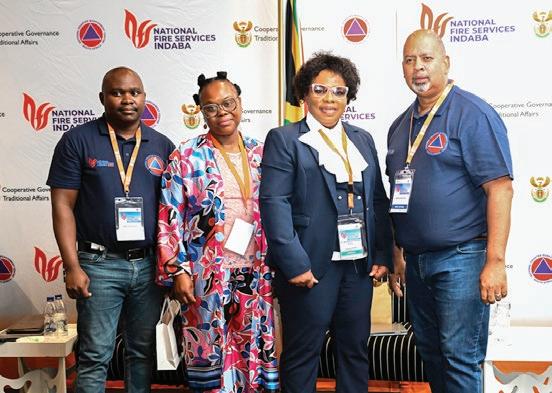
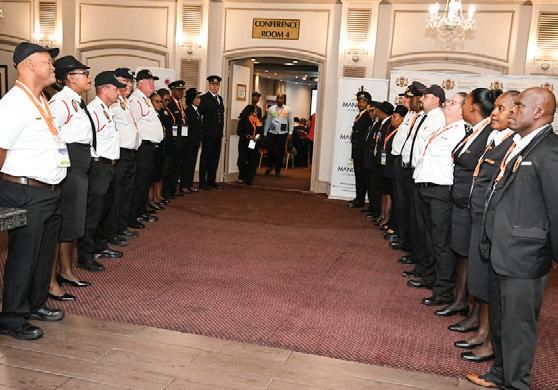
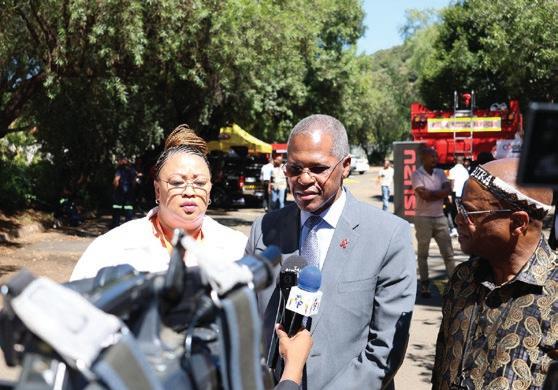
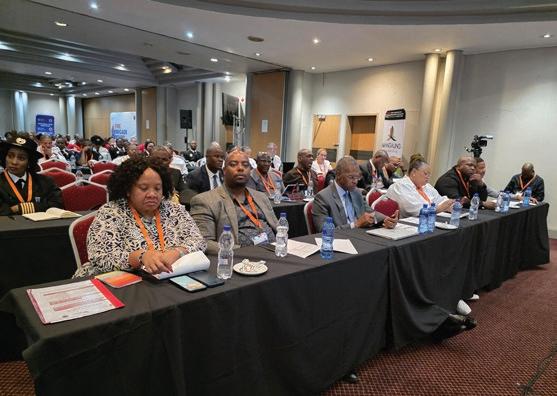
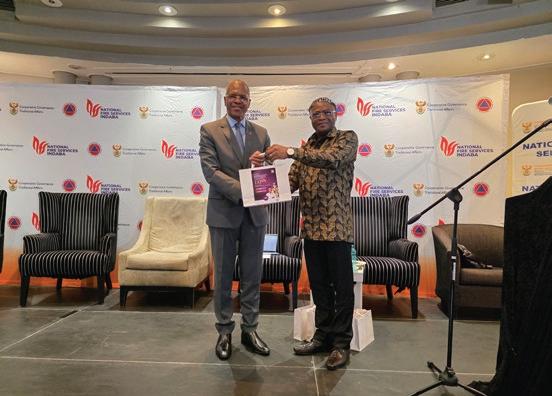
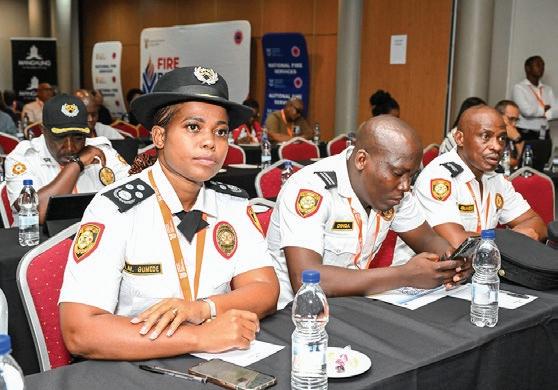
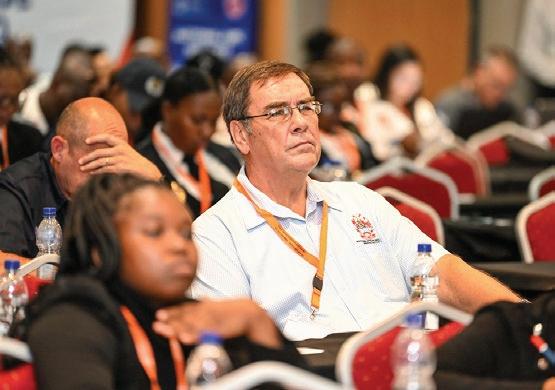
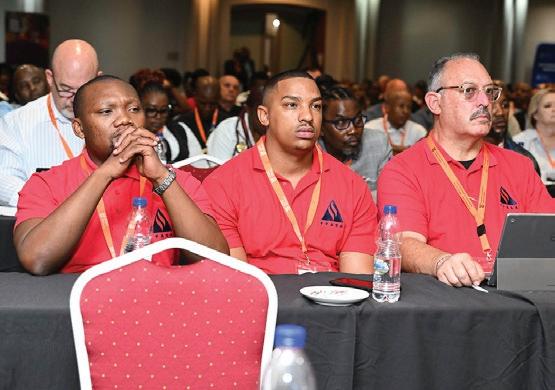
The National Fire Services Indaba 2026, hosted in Bloemfontein from 26 to 27 February 2026, marked a decisive inflection point in the evolution of South Africa’s fire services sector. Convened under the theme: “Building Resilient Communities: Collaborative Strategies for Fire Risk Reduction”, the Indaba brought together political leadership, senior government officials, fire service professionals, private sector partners and civil society to reposition fire services as a
core driver of national resilience, economic protection and community safety.
This was not a conventional conference—it was a strategic intervention platform designed to shift the sector from fragmented, response-driven practices toward a coherent, prevention-led national system.
A sector under pressure: The crumbling fire line South Africa’s fire services sector is confronting a
convergence of risks that collectively point to a system under significant strain—a “crumbling fire line” that can no longer be sustained through incremental adjustments or reactive interventions. In this context, the crumbling fire line is not only a warning—it is a catalyst. It signals the urgency with which South Africa must move to stabilise, strengthen and ultimately reposition its fire services system to meet the demands of a rapidly changing risk environment.
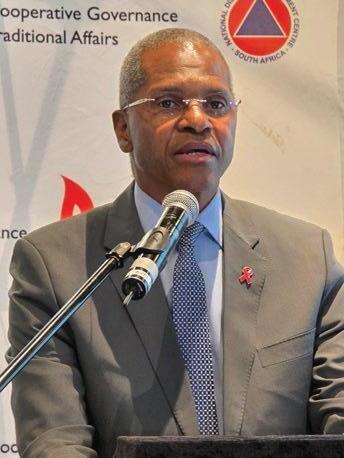
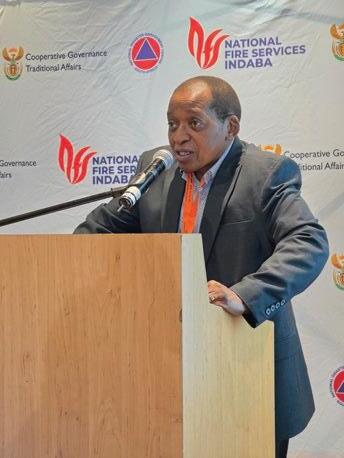
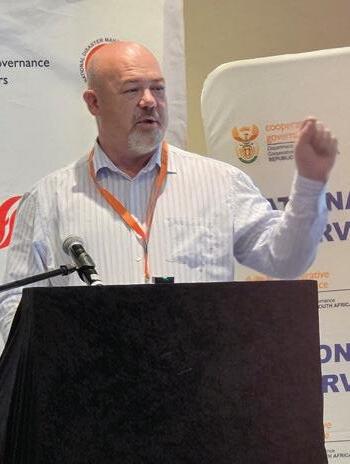
The 2026 National Fire Services Indaba laid bare the scale and severity of this challenge, with the Honourable Minister of Cooperative Governance and Traditional Affairs, Velenkosini Hlabisa, articulating a reality that is both sobering and instructive.
Recent wildfire incidents have not only resulted in the tragic
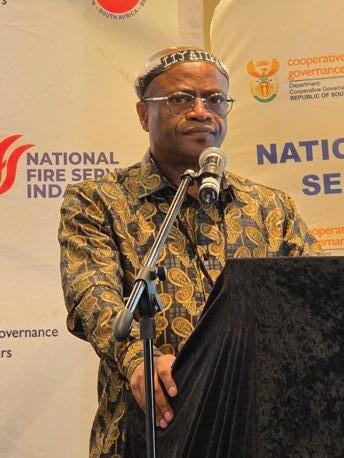

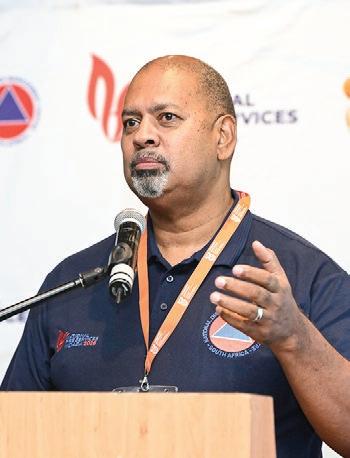
loss of 34 lives but have also consumed nearly four million hectares of land, destroyed livelihoods and inflicted widespread damage on critical infrastructure. The Minister’s framing of fire risk as “not a seasonal inconvenience but a national resilience challenge that demands system-wide action” underscores the need

for a fundamental shift in how the sector is understood and managed. Fire services can no longer be treated as a standalone emergency response function; they must be integrated into broader national priorities, including spatial planning, infrastructure protection, climate adaptation and community development.
At the core of this pressure is a rapidly evolving risk landscape. Climate variability is extending fire seasons and intensifying fire behaviour, while rapid urbanisation and the proliferation of informal settlements are increasing both the likelihood and impact of fire incidents. The expansion of the wildland-urban interface further complicates suppression efforts, requiring more sophisticated coordination, specialised skills and integrated planning approaches. These dynamics are not acting in isolation; they are compounding one another, creating a multilayered risk profile that places unprecedented demand on already constrained systems.
A central outcome of the Indaba was to emphasise the paradigm shift in fire services delivery from reaction to prevention as advocated by the Fire Services White Paper: The fire services
sector should continue to drive a more decisive strategic shift from a reactive, incident-driven approach to a prevention-led model focused on risk reduction. This transition emphasises integrated coordination, standardised national frameworks and the use of data to anticipate and mitigate fire risks. Ultimately, the goal is to reduce incidents before they occur, improving safety outcomes and system resilience.
This aligns with the White Paper on Fire Services and reinforces the Strategic Roadmap to 2030, positioning prevention as the most cost-effective and sustainable intervention.
thematic pillars of the Indaba
1. Governance and legislative reform
Governance and legislative reform focuses on strengthening the policy, legal and institutional framework that underpins fire
services across all spheres of government. It prioritises clarifying roles, enhancing oversight and compliance mechanisms and accelerating the development of the Draft Fire Services Bill to ensure a coherent and enforceable national system.
2. Professionalisation and workforce development
Professionalisation aims to build a skilled, capable and accountable fire services workforce aligned with national standards. This includes standardising qualifications and competencies while expanding training and certification pathways to ensure consistent service delivery across the country.
3. Integrated fire management
Integrated fire management promotes coordinated, multiagency approaches to effectively manage fire risks, particularly in relation to veldfires. It strengthens collaboration
between fire services, disaster management structures and fire protection associations to improve prevention, preparedness and response.
4. Sustainable funding models
Sustainable funding models address the structural underfunding that continues to constrain fire services capacity and performance. The focus is on developing equitable and predictable financing mechanisms, including exploring conditional grants and reforms to the equitable share framework.
5. Fire safety compliance and enforcement
This pillar emphasises strengthening the enforcement of fire safety regulations, particularly the National Building Regulations and associated standards. It also seeks to enhance municipal technical capacity to ensure effective fire engineering oversight and compliance monitoring.
Community risk reduction focuses on empowering communities to actively reduce their vulnerability to fire incidents, particularly within informal settlements. It promotes the expansion of communitybased interventions, awareness programmes and early detection initiatives to minimise risk at the local level.
The Indaba achieved a number of critical breakthroughs that move the sector beyond dialogue into actionable reform. Central among these was the recognition that system alignment, rather than capacity alone, is the primary constraint facing fire services. The adoption of PublicInterest Partnerships and the scaling of proven provincial
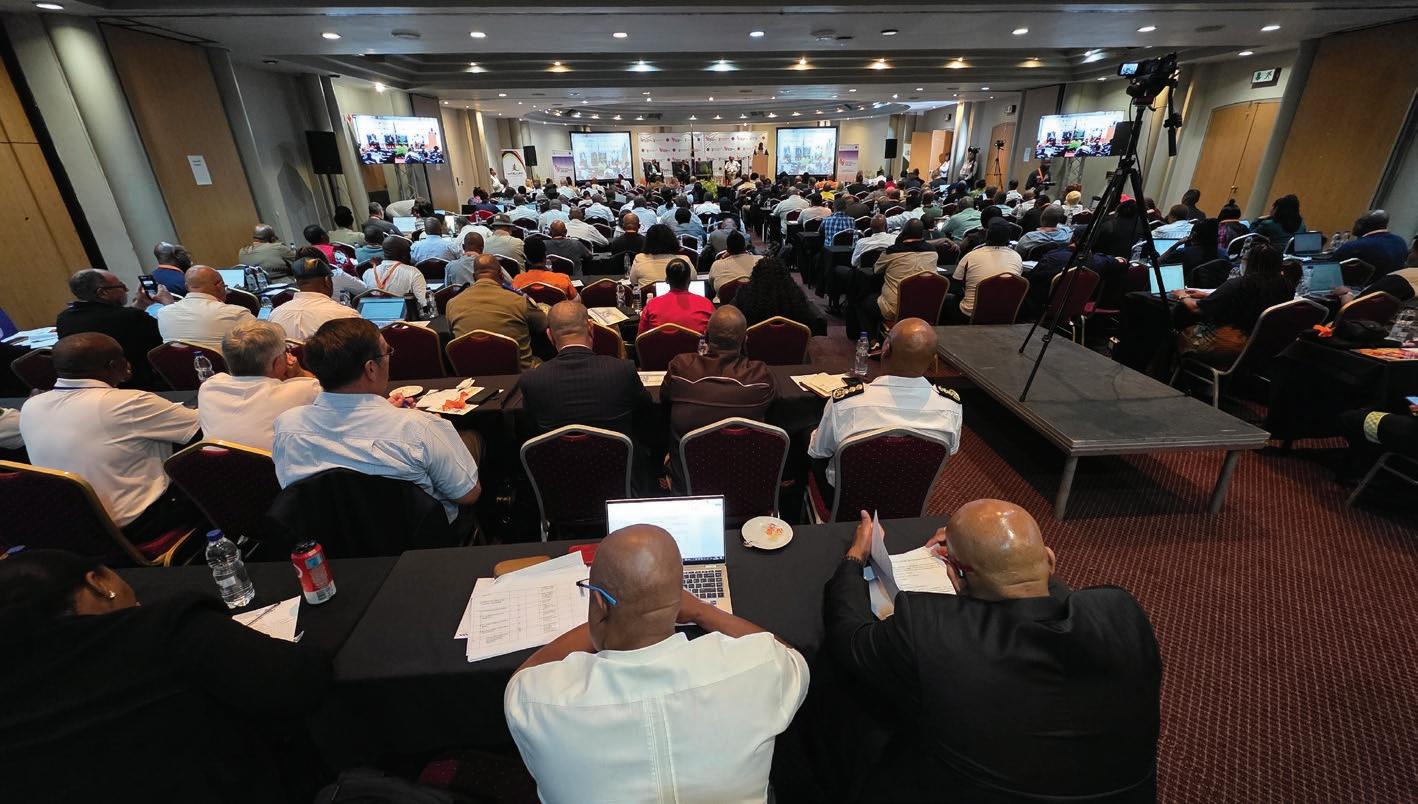
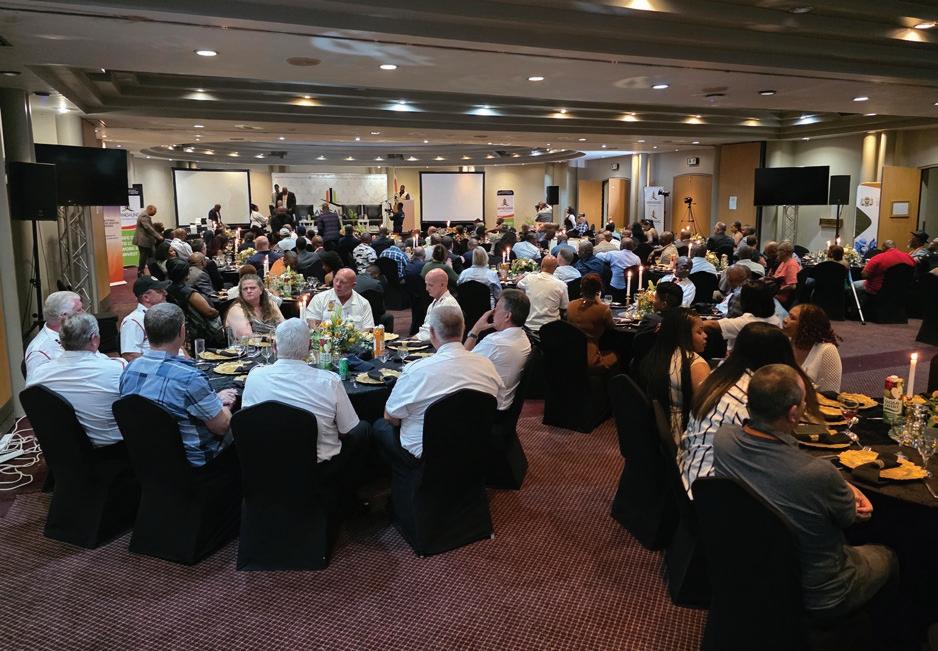
models signalled a new era of collaborative implementation. These outcomes establish a clear pathway for translating national policy into operational delivery. In concluding the Indaba, the Minister emphasised that resilience must ultimately be measured by tangible outcomes, including reduced loss of life, fewer displaced communities and stronger institutional capacity. He further stressed that success will not be defined by policy documents but by measurable improvements in performance, coordination and community safety. He outlined the following key strategic commitments:
1. Institutionalise public-interest partnerships
2. Operationalise national geospatial tools across all provinces
3. Scale proven provincial models nationally
4. Develop province-specific Fire Services Recovery Packages
5. Fast-track legislative reform and standardisation
Implications for the Fire Services sector
The outcomes of the Indaba
carry significant implications for policy, operations and funding within the fire services sector. There is a clear shift toward recognising fire services as a core municipal function supported by a structured national framework, requiring standardised systems, integrated technology and strengthened interagency coordination. This transformation is further underpinned by the need for sustainable funding models aligned with National Treasury processes and reinforced accountability mechanisms.
The National Fire Services Indaba 2026 has set a clear and transformative agenda, repositioning fire services as a strategic governance priority anchored in integrated planning, professionalisation and prevention-led approaches. It underscores the urgency of moving from fragmented systems to a unified, capabilitydriven model that enhances resilience and community safety.
Ultimately, the success of this reform will depend on the collective commitment of all stakeholders to translate these outcomes into measurable action. A coordinated, well-resourced and professional fire services system is not only a constitutional imperative but essential for safeguarding lives, protecting infrastructure and ensuring sustainable communities across South Africa.
The 2026 Fire Services Indaba marks a decisive transition from strategic intent to practical implementation. It establishes a unified national direction anchored in prevention,
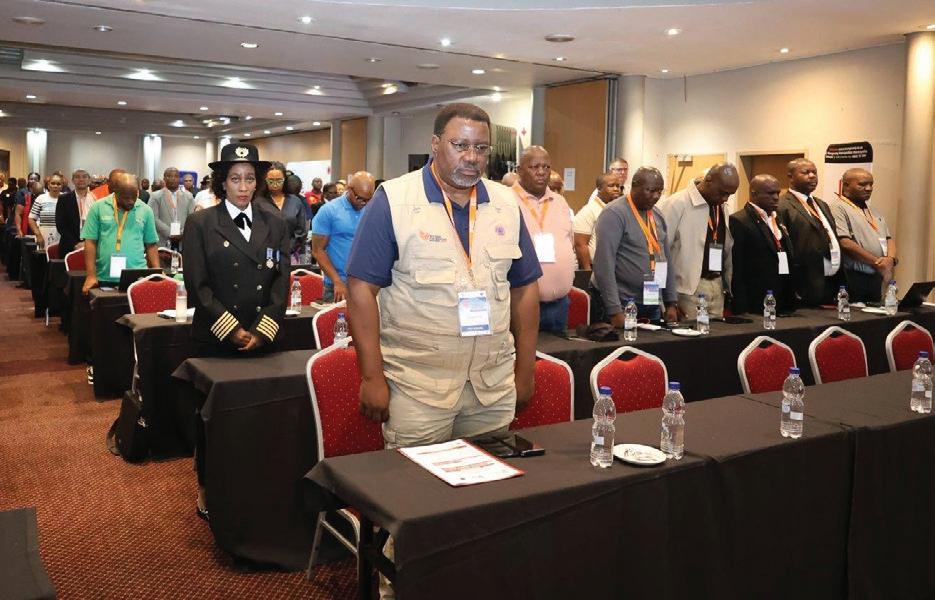
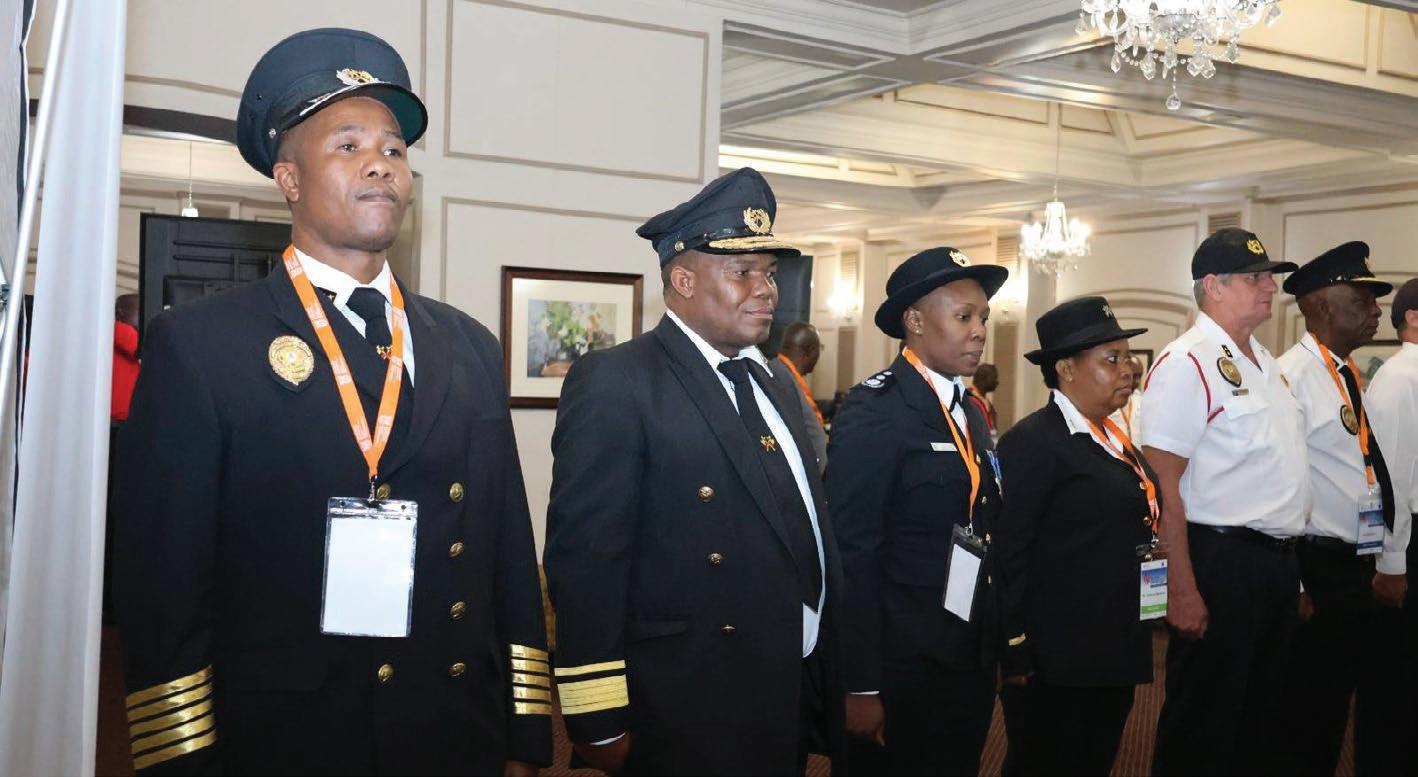
collaboration and system-wide reform. The success of this shift will depend on the ability of all stakeholders to translate commitments into measurable outcomes. Ultimately, the true impact will be reflected in safer communities, reduced fire losses and a more resilient national system. As Minister Hlabisa emphasised, “The true measure of success will be fewer funerals, fewer families displaced and fewer livelihoods lost.”
The challenge now lies not in strategy but in execution, accountability and sustained intergovernmental collaboration.
Five key strategic quotations from the Minister’s speech
1. Fire risk as a national resilience challenge
“This is not a seasonal inconvenience but a national resilience challenge that demands system-wide action.”
2. Prevention as the core operating philosophy
“The most effective fire is the one that never starts and the best response is the one made unnecessary by prudent planning.”
3. System alignment over capacity constraints
“South Africa does not have a fire-expertise problem; we have a system-alignment problem.”
4. Prevention vs response cost imperative
“The cost of response will always exceed the cost of prevention.”
5. Outcome-based measure of success
“The measure of our success will be fewer funerals, fewer families displaced and fewer livelihoods lost.”
The way forward
The way forward, beyond the Indaba requires a disciplined transition from policy articulation to coordinated, funded implementation of fire
services across all spheres of government. Priority must be given to operationalising province-specific Fire Services Recovery Packages, institutionalising standardised systems such as a national Incident Management System and embedding data-driven risk tools into daily operations to enable prevention-led planning.
Concurrently, legislative modernisation through the Draft Fire Services Bill must be accelerated to clarify roles, enforce national standards and support a sustainable funding architecture aligned with National Treasury processes. Ultimately, success will depend on strengthened intergovernmental coordination, measurable performance oversight and sustained investment in professionalisation and community-based risk reduction to ensure a resilient, equitable and future-ready fire services system.
By Industrial Fire & Hazard Control
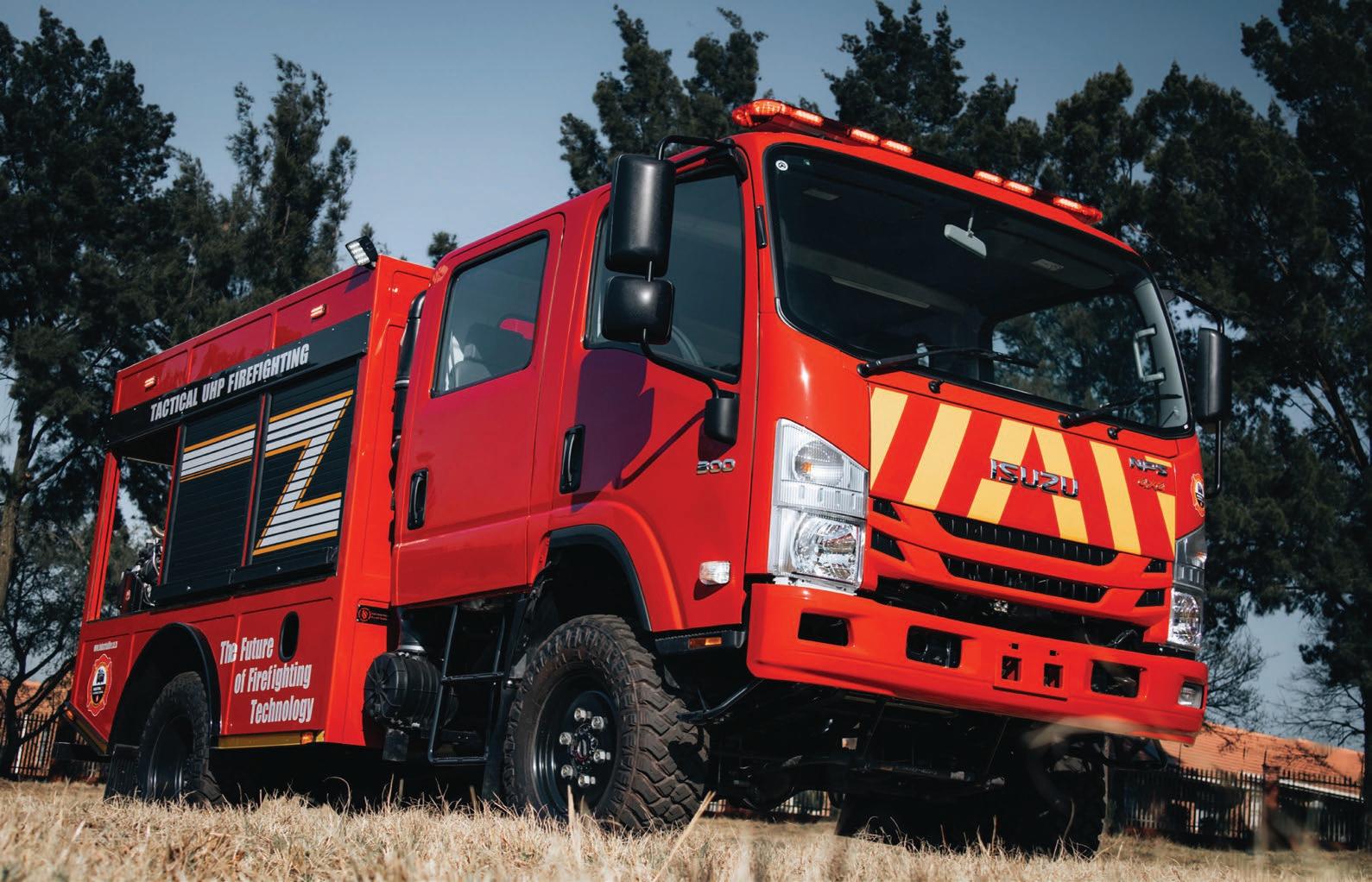
The shift in the wind: A tactical crisis at the urban interface
Imagine a mid-afternoon response on the outskirts of an expanding African municipality. A localised wildfire is suddenly whipped up by a forty-kilometreper-hour gust of wind. Within minutes, the operational reality shifts. The fire crowns through heavy brush, pushing a massive wall of radiant heat and blinding smoke toward a high-value residential estate on its western flank and a densely populated informal settlement on its eastern
edge. The incident commander faces the ultimate nightmare: a fast-moving, multi-front urbanwildland interface crisis.
The first-due engine arrives. It is a standard, three-thousand-litre municipal pumper a heavy, reliable workhorse of the traditional fire service. The crew is highly trained, prepared and disciplined. But as the driver attempts to position the vehicle, the tactical limitations of conventional firefighting immediately reveal themselves. The access track is a narrow,
sandy farm road. The heavy pumper is simply too wide for the alleyways and far too heavy for the soft, shifting shoulder of the access path. The vehicle is forced to stage far from the actual seat of the fire.
To reach the head of the blaze, the exhausted crew is forced to lay out over one-hundred-metres of heavy 65mm hose. By the time the lines are fully charged and the firefighters are in position, the fire has already jumped the natural break. The crew is now backed
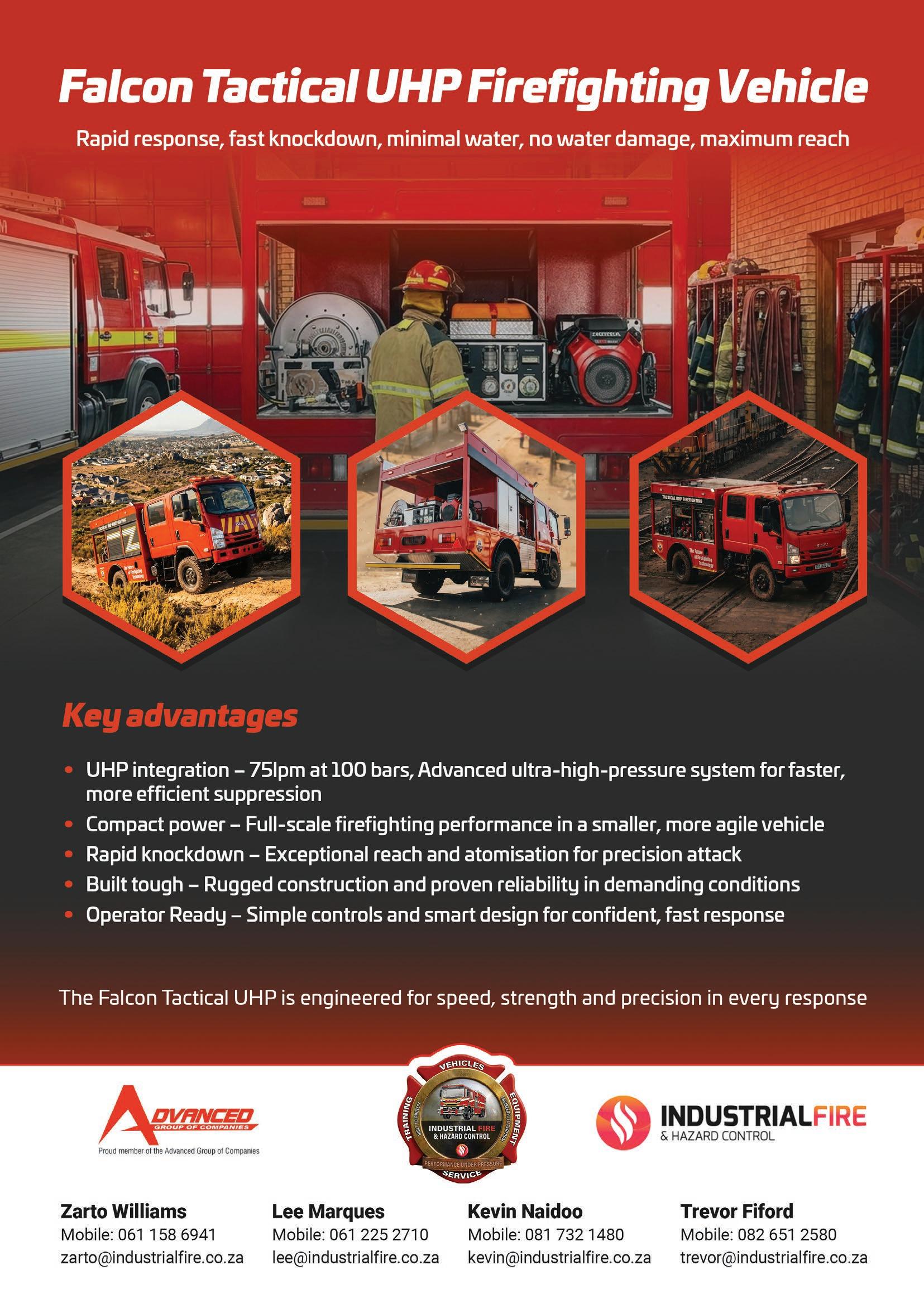
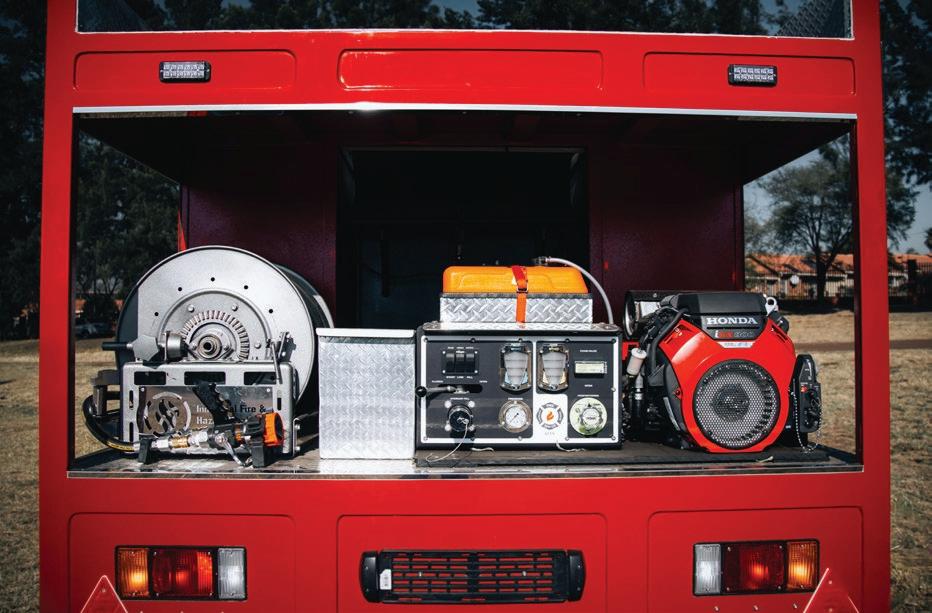
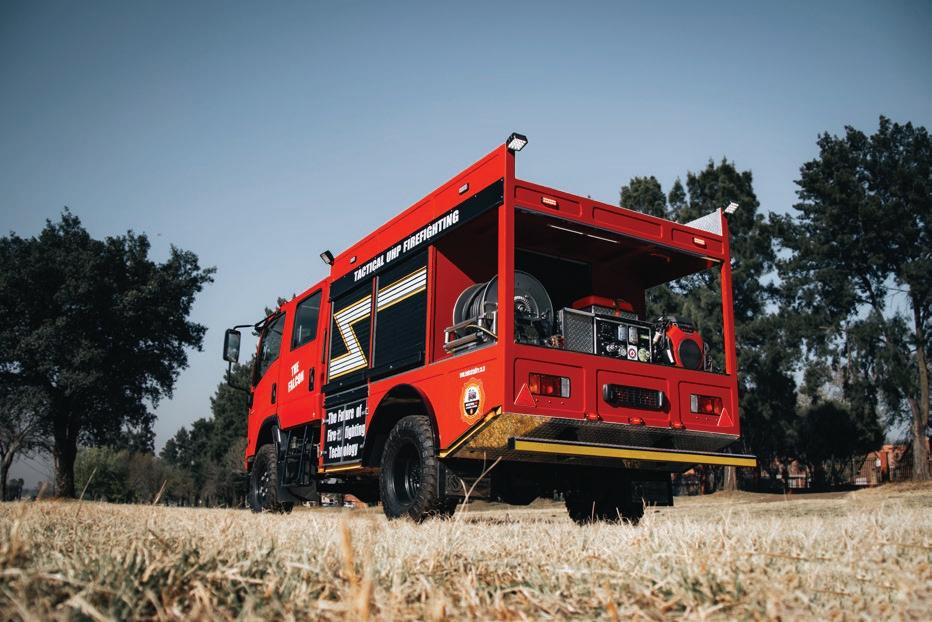
into a defensive posture, forced to use 400 litres of water per minute just to protect their own position and create a survivable curtain of water. Within ten minutes, the massive 3 000-litre tank is dry. The fire is still advancing aggressively, the nearest working hydrant is three kilometres away and the backup tankers are stuck in gridlocked traffic.
This crew did not lose control of the scene because they were unprepared or poorly trained. They lost the battle because their equipment was fundamentally mismatched to the environment. They were forced to use a volume-
based tool in a situation that desperately required a precision tactical strike. This scenario plays out across the African continent every single fire season. And it is exactly why Industrial Fire & Hazard Control engineered the Falcon Tactical UHP.
For the last century, a bruteforce methodology has dictated municipal firefighting. The prevailing logic has always been simple: bring the biggest truck, pump the maximum volume of water and drown the fire until the heat energy is entirely extinguished.
However, in the modern African context, this logic is failing. Rapid urbanisation, the expansion of informal settlements, the development of high-value estates in pristine but fire-prone wilderness areas and the chronic unreliability of municipal water infrastructure have created a tactical environment where relying on massive volumes of water is no longer a viable primary strategy.
Furthermore, this conventional method suffers from a fundamental paradox: more water often means more failure. When conventional, low-pressure water, typically delivered at 7-10 bar, hits an intense thermal column, it bounces. The large water droplets produced by standard nozzles are simply too heavy and have too little surface area to convert to steam instantaneously. Instead of absorbing the heat, these massive droplets crash straight through the flames, hit the ground and immediately become contaminated runoff. The fire wins because it outruns the water’s physical ability to absorb its thermal energy. The industry required a paradigm shift. It required a vehicle that moved the tactical fight away from relying on the sheer volume of water and instead leveraged the physics of water.
To understand why the Falcon Tactical UHP is a generational leap forward in firefighting capability, we must examine the science of the droplet. The Falcon does not rely on drowning a fire; it relies on a highly calculated, surgical thermal strike.
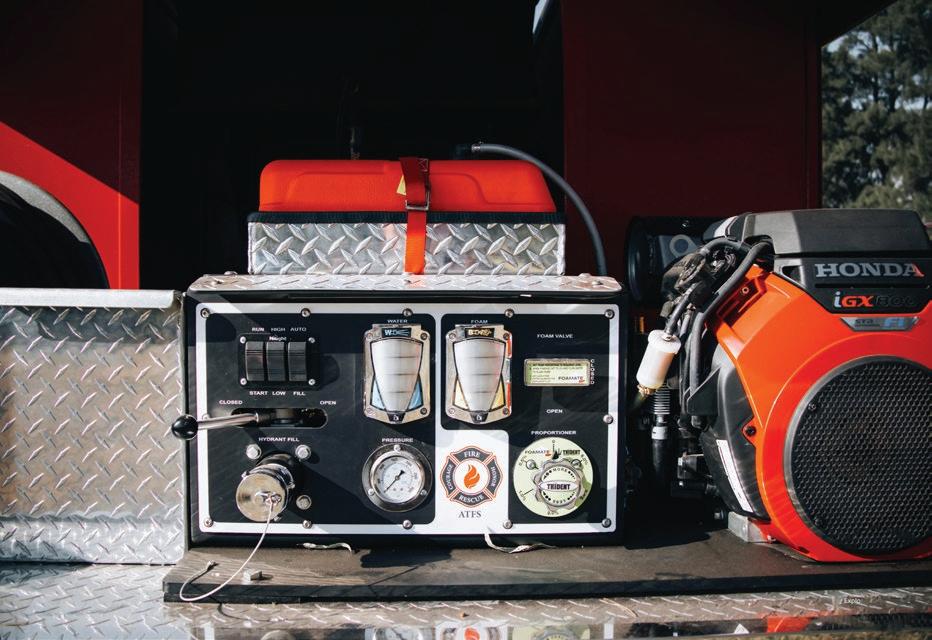
Tactical ultra-high pressure operates in a completely different physical dimension than conventional fire pumps. The Falcon features our proprietary Excalibur system, which is precisely engineered to deliver water at exactly 75-litres-perminute at 100 bar. At 100 bar, the water is forced through specially designed nozzles that do not merely spray the water - they violently atomise it. A single, standard water droplet is shattered into dozens of microscopic micro-droplets.
This physical transformation alters the entire dynamic of the fireground through the math of the kill:
• Exponential surface area expansion: By shattering the water into micro-droplets, the total surface area of the water is increased exponentially. Instead of heavy drops that fall to the ground, this micro-mist is light enough to actually hang suspended within the intense thermal column of the fire.
• Instantaneous thermal conversion: Because of the massive surface area, these micro-droplets absorb thermal energy up to forty times faster than conventional water streams. They do not run off the fuel source; they absorb the heat and convert to steam directly at the seat of the fire.
• Molecular oxygen displacement: When ultrahigh-pressure water hits the extreme heat of a fire, it flashes into steam, expanding its volume by approximately one-thousand-seven-hundred times. This violent and rapid expansion physically displaces the oxygen in the immediate vicinity of the flame. You are not just cooling the fire;
you are suffocating it at the molecular level, dropping the ambient temperature by hundreds of degrees in a matter of seconds.
The result is a staggering difference in operational efficiency. In a conventional pumper, it is estimated that up to 90 percent of the water applied ends up as wasted runoff. In the Falcon, up to 95 percent of the water is effectively converted into steam to kill the fire. This unparalleled efficiency is exactly how the Falcon, armed with its highly manoeuvrable 1 500-litre tank, can consistently provide the knockdown power that would traditionally require a lumbering heavy pumper.
The hero of the interface: Introducing the Falcon
The ultra-high-pressure technology is the tactical bullet but the Falcon is the precision rifle designed to deliver it.
Built to protect. Engineered to perform. The engineers at Industrial Fire & Hazard Control understood that placing an advanced pump on a substandard chassis would be a fatal flaw.
We needed a vehicle that could serve as the predator of the fleet - a rapid intervention platform that perfectly bridges the critical tactical gap between light, limitedcapacity skid units and heavy, road-bound municipal tankers.
The foundation of the Falcon is the legendary Isuzu NPS 300 4x4 crew cab chassis. In a deeplevel mining sector, a congested informal settlement, or the steep slopes of a Cape Winelands estate, access dictates the outcome of the incident.
The Isuzu NPS 300 provides the ultimate high-clearance, four-wheel-drive capability required to navigate off-road environments, cross ditches and climb sandy inclines that would trap a conventional fire engine. It allows the crew to bring the pump directly to the fire line, entirely eliminating the need for exhausting and time-consuming long hose lays.
Furthermore, we explicitly specified the Allison automatic transmission for this platform. Off-road emergency driving under immense psychological pressure is notoriously destructive to vehicle clutches. An operator
trying to rock a heavy vehicle out of deep sand or navigate a steep incline while managing a complex fire scene will inevitably burn out a manual clutch. The Allison transmission ensures smooth, uninterrupted power delivery to the wheels and the power take-off system, entirely removing driver error from the mobility equation. It guarantees that the vehicle will perform flawlessly, regardless of the terrain or the stress level of the operator behind the wheel.
The comprehensive arsenal: Williams Hydro-Chem and Silv-ex foam
While the African wildlandurban interface is a massive threat, modern responders face an incredibly complex array of hazards. From vast solar-panel arrays installed on residential roofs to localised fuel storage depots, informal industrial workshops and highvoltage electrical transformers, the modern responder must be prepared for multi-faceted threats.
Water, even in its most efficient atomised form, is not a universal solution for every chemical or
electrical hazard. This is why Industrial Fire & Hazard Control designed the Falcon not just as a water-pumper, but as a comprehensive, multi-agent Hydro-Chem tactical platform.
Every Falcon unit comes standard with our integrated Williams Hydro-Chem technology, featuring the Powder Xtreme 45-kilogram Purple K DCP system. This Williams Purple K integration provides the incident commander with the ultimate one-two punch of tactical versatility. Consider a scenario where responders arrive at a motor vehicle accident involving a ruptured, cascading fuel tank; the crew can advance using high-pressure mist to create a massive thermal barrier while simultaneously deploying the Williams Hydro-Chem dry chemical system. This HydroChem capability ensures that a single vehicle has the specific tools required to mitigate threedimensional cascading fuel or electrical fires where water alone would be ineffective. Because the Hydro-Chem system is unique to our engineering, it allows for a simultaneous
attack on fire classes that were previously treated as separate tactical problems.
To further multiply this suppression capability, the Falcon incorporates a seventy-five-litre foam tank. Introducing a premium Class A foam like Silv-ex changes the equation entirely. Silv-ex contains specialised hydrocarbon surfactants that allow it to effectively mitigate thin-film fuel fire risks, such as those found at fuel depots, service stations and storage yards. These surfactants significantly reduce the surface tension of the water, allowing micro-droplets to penetrate deeply into tightly packed Class A fuels like dense brush, thatch roofs or deep-seated municipal waste. When atomised through the ultra-high-pressure system, Silv-ex creates a highly durable, clinging foam blanket that provides exceptional exposure protection for adjacent structures, ensuring the fire is not only knocked down but completely smothered to prevent reignition.
A fire truck is one of the most expensive capital investments a local authority or a private mining corporation will make. However, across the African continent, most fire apparatus do not end their operational lives because the engine fails or the pump breaks; they die from the inside out. Traditional fire truck bodies are constructed from bent sheet metal or welded steel. Under the relentless vibration of corrugated African dirt roads, these rigid bodies suffer from severe stressfractures. In coastal cities, high-humidity environments or corrosive mining sectors, these
bodies succumb to aggressive rust and rot.
The Falcon defeats this continental reality through its proprietary structural space frame system. The entire superstructure of the Falcon is constructed from highstrength, lightweight aluminium extrusions. Because aluminium does not rust, the bodywork remains structurally sound and visually pristine for decades, whether the Falcon is stationed in the salt-heavy air of a coastal port or operating in an environment exposed to harsh agricultural chemicals.
We utilise a highly advanced slotted extrusion assembly method rather than rigid welding. This allows the rear superstructure to flex with the Isuzu 4x4 chassis when navigating uneven, deeply rutted off-road terrain. Instead of fighting the twisting forces of the earth, which cracks welds, the Falcon’s space frame absorbs and distributes the kinetic energy, protecting the water tank, the pump mounting and the internal plumbing. The Falcon is engineered for a minimum 15-year frontline mission. If a side panel is damaged by a tree branch or a collision in the field, the modular nature of the space frame allows that single panel to be replaced independently. You do not need to cut, weld and repaint the entire side of the vehicle, vastly reducing downtime and lifecycle maintenance costs.
The water-wise warrior:
A paradigm shift in logistics
For the vast majority of African local authorities and rural districts, water is an absolute constraint. The era of assuming a fire hydrant
will be functional, pressurised and nearby is over. Firefighting today is a battle of logistics and water conservation is just as critical as water application.
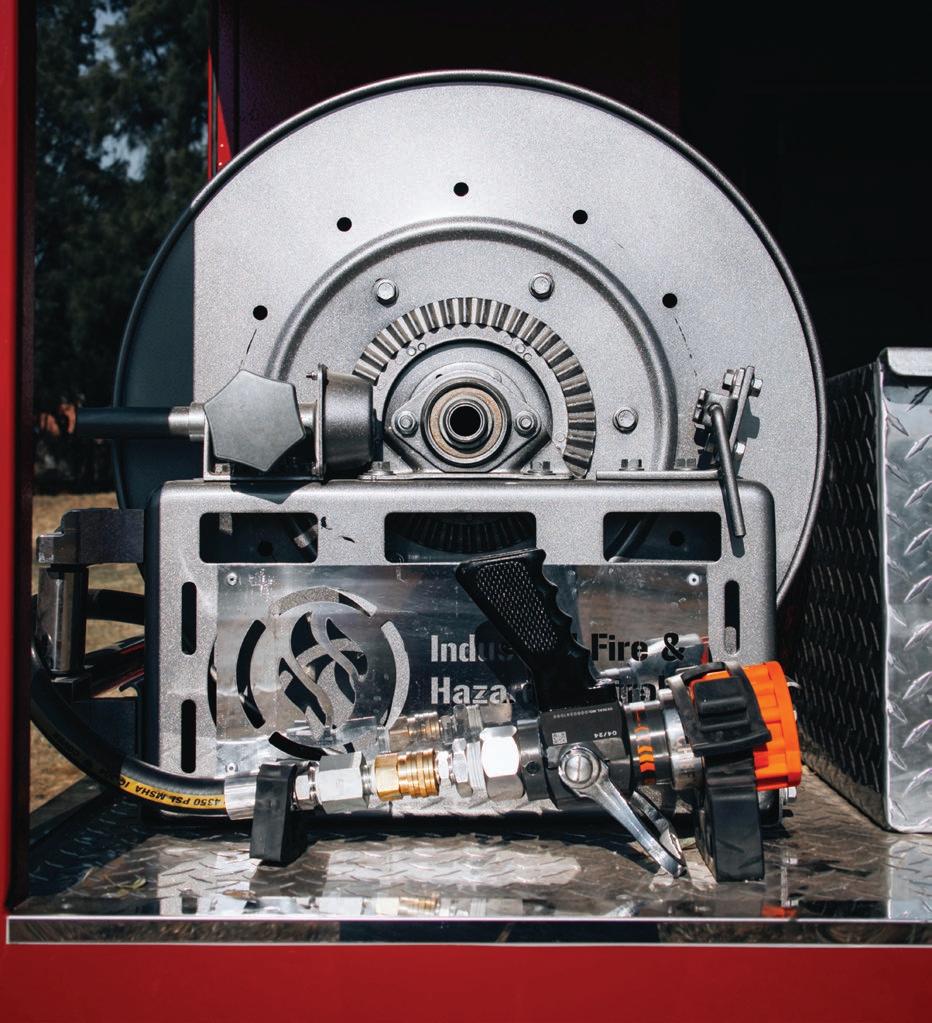
Let us clearly establish the operational math of the Falcon’s payload. The vehicle is equipped with a high-impact polypropylene 1 500-litre water tank. To a traditional firefighter accustomed to massive tankers, 1 500 litres sounds dangerously small. However, we must reevaluate this through the lens of modern precision intervention. At the strictly calibrated output of 75-litres-per-minute at 100 bar, that 1 500-litre tank provides 20 minutes of continuous, high-intensity attack. Twenty minutes of trigger-time in a high-pressure environment is an absolute eternity.
The Falcon allows a small crew to arrive on the scene, immediately deploy the lightweight hose reel, secure a rapid knockdown using perhaps 150 litres of water and completely neutralise the immediate threat to life and property. They accomplish this monumental task while still retaining over 1 350 litres in their tank for extensive overhaul and mop-up operations.
This capability introduces a total paradigm shift in water logistics. When you add the concept of using conventional heavy tankers simply as nurse tankers for a strike team, the entire fireground strategy is redefined. Instead of tying up your heavy, cumbersome assets in the hot zone where they cannot manoeuvre, they remain staged at water sources or on
hard roads. They act solely as logistical arteries to continuously resupply a strike team of agile Falcon units, keeping the rapid intervention teams relentlessly in the fight. They save the structure, completely avoid catastrophic water damage to interior contents and prevent thousands of litres of contaminated runoff from entering the local water table.
How does tactical ultra-high pressure compare to CAFS?
Tactical UHP is entirely focused on rapid heat absorption. In the critical first 120 seconds of a flashover environment or an industrial ignition, dropping the core temperature is the only metric that dictates survival. The Falcon’s mist technology absorbs thermal energy significantly faster than foam bubbles without the mechanical complexity and weight of an onboard air compressor.
Can the pump survive harsh African water sources?
Absolutely. We explicitly avoided sensitive centrifugal pumps that require pristine municipal water. The Falcon utilises a heavy-duty, run-dry piston plunger pump designed to handle the varied, often gritty water quality found in rural dams or industrial reservoirs. More importantly, it can survive accidental dry-run scenarios that would instantly melt the seals on a standard centrifugal pump.
Is the system too complex to maintain?
Complexity is the enemy of reliability. The Falcon is mechanically straightforward. By utilising the globally supported Isuzu drivetrain, the Allison transmission and an intuitive,
mechanical pump system, we have designed a vehicle that can be serviced and maintained by standard heavy-duty diesel mechanics. It is built by Africans, for the African operational reality.
The Falcon Tactical UHP decisively moves the conversation from the outdated question of how much water was brought to the scene, to the vital, modern question of how quickly the heat can be neutralised. It is built for the municipal manager trying to do more with shrinking budgets, the mine safety officer requiring a surgical, highly mobile tool to protect and the fire chief demanding the safest, most efficient asset available.
We have completed our newest Falcon unit. It is a tested, battleready tactical asset finished to the highest visibility and safety standards and it is available for immediate delivery. Recognising the urgent need for this capability across the continent, we have two additional units currently on the production line that will be ready for deployment in 60 days.
The science is settled. The engineering is proven. The tactical advantage is undeniable. We welcome the opportunity to prove these claims on your terrain through comprehensive presentations and live demonstrations. The Falcon is off the line and ready. Why wait for a custom build when the future of firefighting is ready to ship today?
For more information, contact the Industrial Fire & Hazard Control Team:
Lee Marques
Email: lee@industrialfire.co.za Mobile: 061 225 2710
Zarto Williams
Email: zarto@industrialfire.co.za Mobile: 061 158 6941
Kevin Naidoo
Email: kevin@industrialfire.co.za Mobile: 081 732 1480
Trevor Fiford
Email: trevor@industrialfire.co.za Mobile: 082 651 2580
Visit: https://www.industrialfire. co.za/falcon-tactical-uhpfirefighting-vehicle/
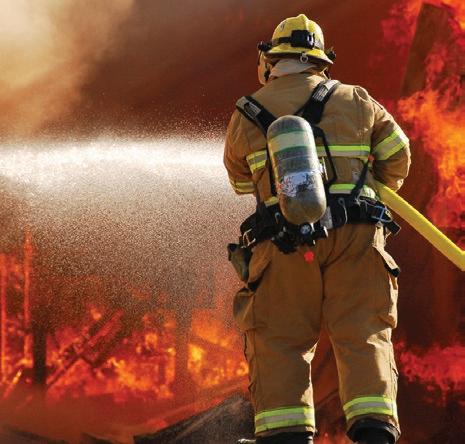
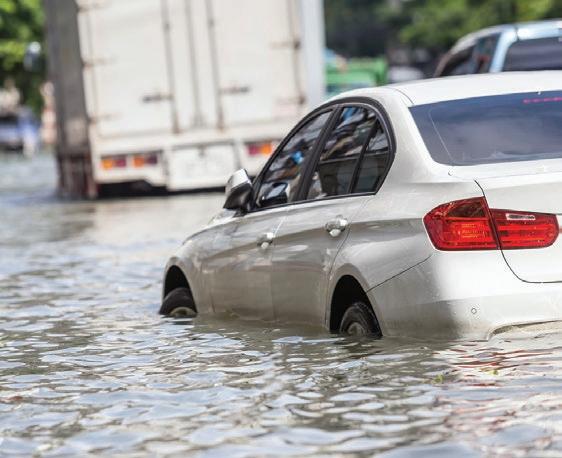
The Western Cape Department of Local Government through the Provincial Disaster Management and Fire and Rescue Services together with Supporting Fire Services SA and Santam will be hosting a two-day Structural Firefighting Summit at the Lagoon Beach Hotel in Milnerton, Cape Town, on the 13 to 14 August 2026.
The objectives of the summit include:
1. Enhancing professional and leadership development within municipal fire services
modern structural firefighting concepts, including:
a.Transitional fire attack
b.Ultra-high pressure
2. Addressing identified skills gaps in structural firefighting operations
3. Introducing and reinforcing
(UHP) firefighting
c.Flow path management
d.Gas cooling and modern fire behaviour
e.Promoting firefighter safety and operational effectiveness
f.Contributing to the reduction of fire damage, secondary losses and insurance claims
g.Encouraging consistency in doctrine, tactics and decisionmaking across the province

command considerations
3.Case studies from local and international incidents
4.Leadership, accountability and professional standards
Programme focus (Indicative)
1.Contemporary fire behaviour and research findings
2.Tactical decision-making and
5.Practical demonstrations and technology showcases

By aligning operational practice with modern science and global best practice, the summit will contribute meaningfully to firefighter safety, community protection and economic resilience within the province.

Contact Mr Etienne Du Toit on Etienne.DuToit@westerncape. gov.za or Tel: 021 937 6375. Registration form link
RESILIENT COMMUNITIES
The Western Cape Disaster Management Centre, within the Department of Local Government, will be hosting a Structural Firefighting Summit in partnership with Supporting Fire Services SA and Santam
The Structural Firefighting Summit aims to provide a provincial forum for knowledge exchange, professional development and strategic alignment on modern structural firefighting practices. Structural fires continue to present significant risks to life, property and economic stability within the Western Cape.
Date: 13-14 August 2026
Time: 09:00
RSVP: Please email Ms. Lihle Dyani on Lihle.Dyani@westerncape.gov.za

While municipal fire services operate within established legislative and operational frameworks, evolving fire behaviour, modern building materials, and increasing urban density require continuous skills development and the adoption of contemporary firefig

MS Forms Link: Registration WCG 2 Day Structural Firefighting Summit 2026 – Fill out form

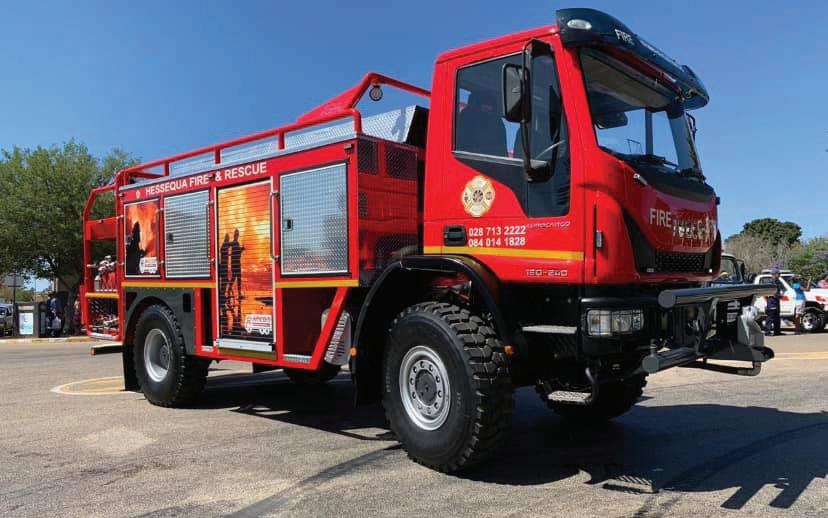
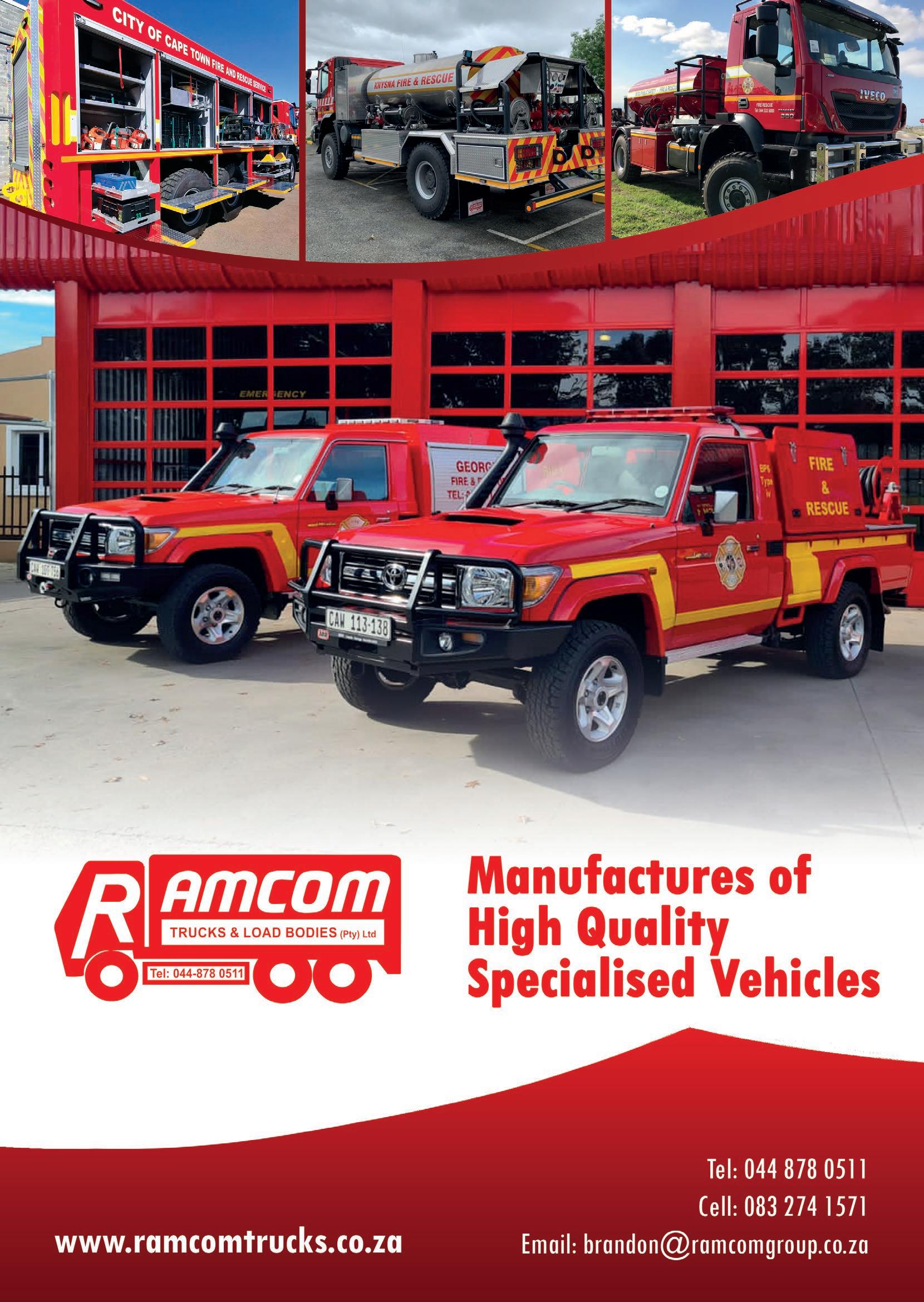
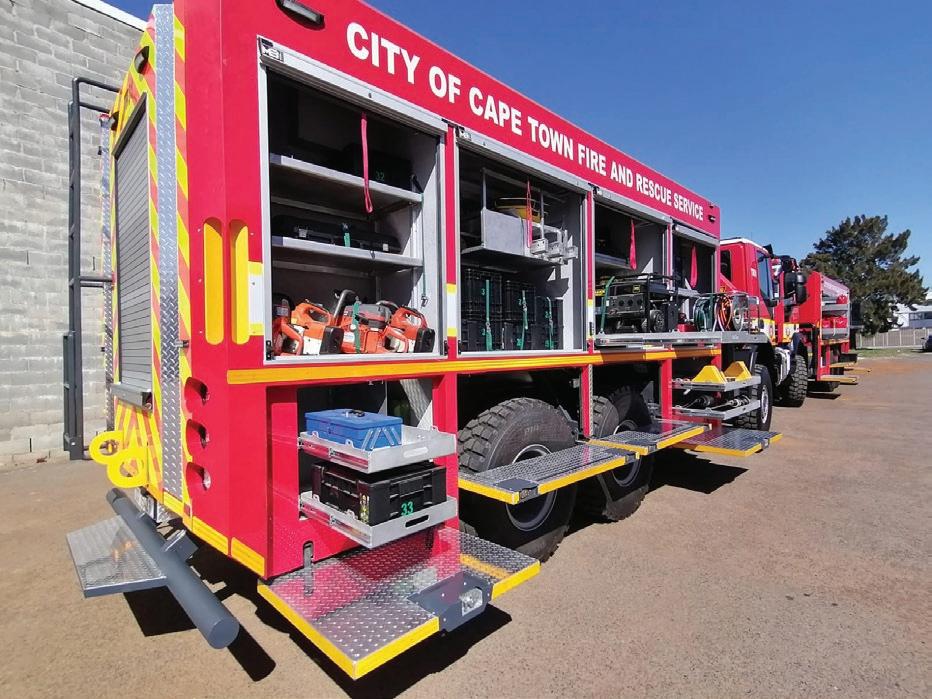
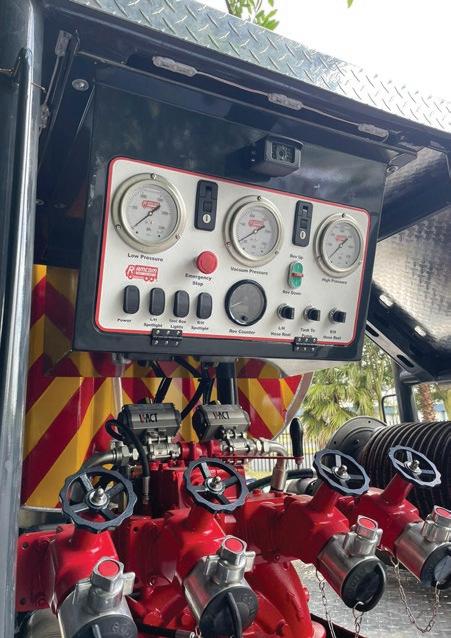
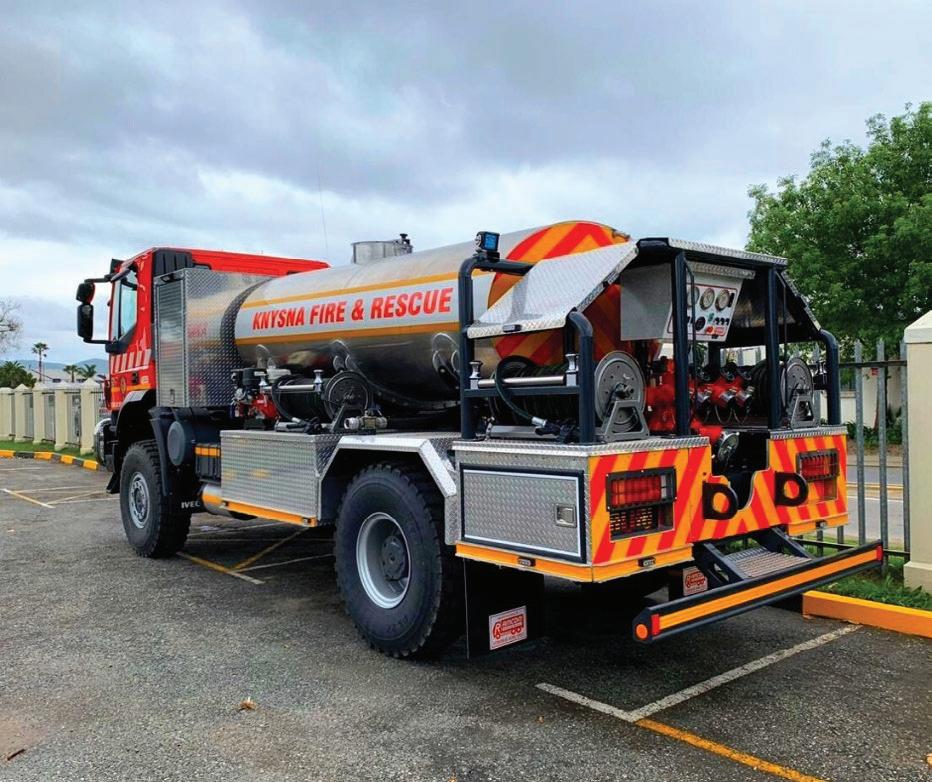
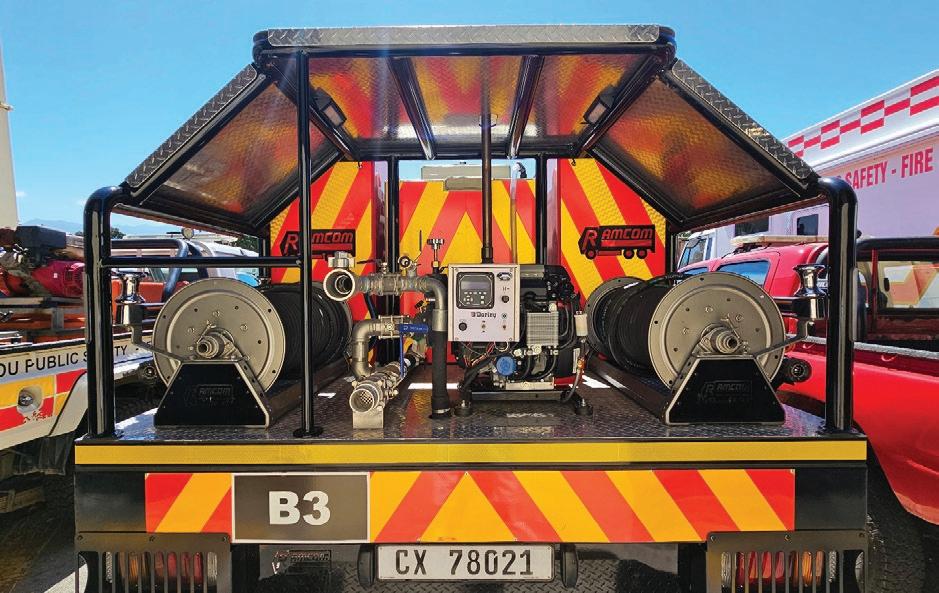
Ramcom Trucks, based right here in George, is one of Southern Capes leading manufacturers of specialised vehicles — from firefighting pumpers and units, rescue trucks and water tankers, to municipal and custom-built fleet solutions. Every vehicle is built locally, built tough and built with purpose — to serve the heroes who protect our communities.
The firefighting industry plays a massive role in our success; your commitment and courage inspire our entire team to keep innovating and building vehicles that help save lives.
In a country where fire services must contend with everything from dense urban settlements to vast wildland expanses, the demand for adaptable, durable and cost-effective fire apparatus is constant. Rising to meet that challenge is Ramcom Trucks, a homegrown manufacturer quietly shaping the operational readiness of fire departments across the Western Cape and beyond.
There’s something uniquely powerful about equipment designed and built in the same environment where it will be used. Ramcom Trucks
embodies this principle. With roots dating back to 1987, the company has evolved from a general load body builder into a multi-disciplinary vehicle engineering specialist.
Operating from George, with additional facilities in Cape Town, Ramcom has positioned itself strategically close to key municipal clients. This proximity translates into something invaluable in the fire industry: speed of support. For fire chiefs and fleet managers, that means fewer delays, quicker repairs, and a partner who understands local realities.
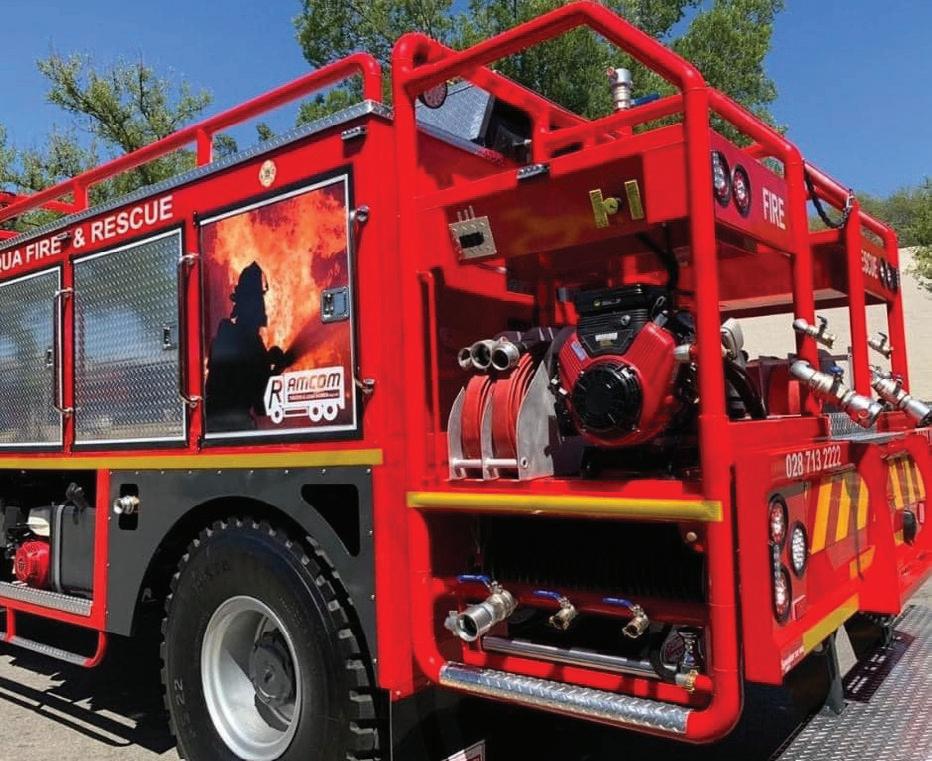
Fire apparatus designed for African conditions
Step into any Ramcom-built fire engine, and one thing becomes immediately clear: these are not generic imports adapted as an afterthought. They are purposebuilt machines, engineered with South African risks in mind.
From municipal pumpers to water tankers, rapid intervention vehicles and specialised units, Ramcom’s fire vehicles are designed to handle:
• Rough terrain and rural access roads
• High temperatures and prolonged operational demands
• Water scarcity scenarios requiring efficient tank and pump configurations
This is especially relevant in regions where firefighting is not just about extinguishing flames but managing logistics, distance and limited resources simultaneously.
Fire services in South Africa operate across diverse and often challenging environments, including urban high-density zones, informal settlements, industrial complexes, and rural/ wildland interfaces. Apparatus selection must therefore prioritise durability, adaptability and maintainability.
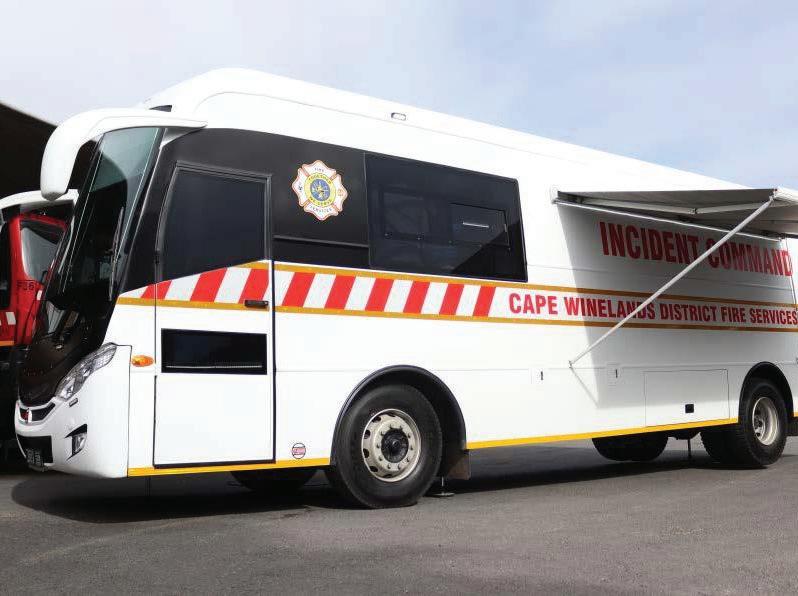
Ramcom employs modular body construction, allowing configuration for:
• Pumpers: medium
• Water tankers
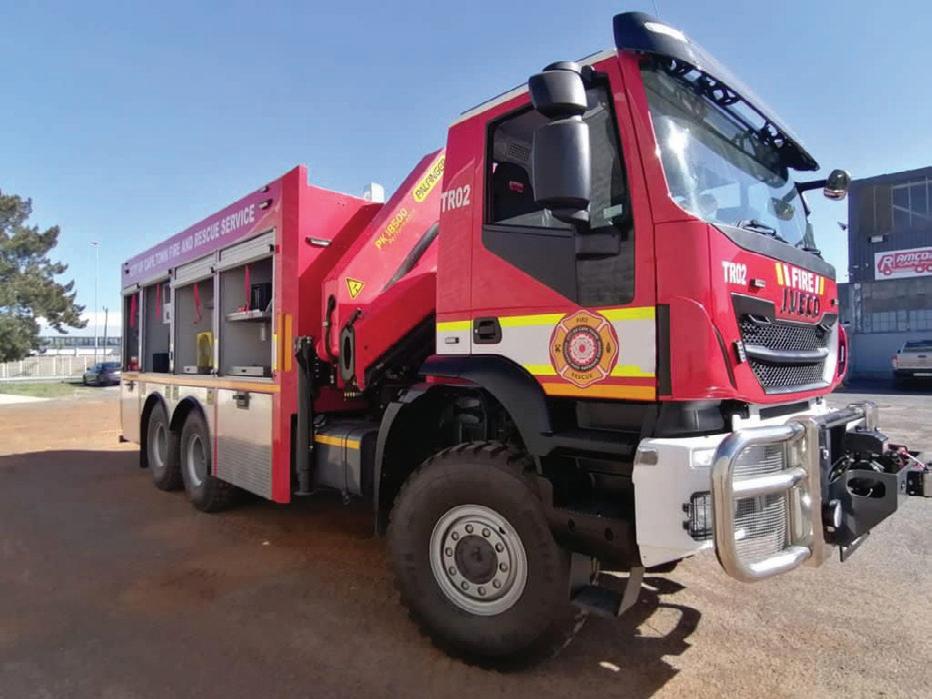
• Rescue/fire combination units
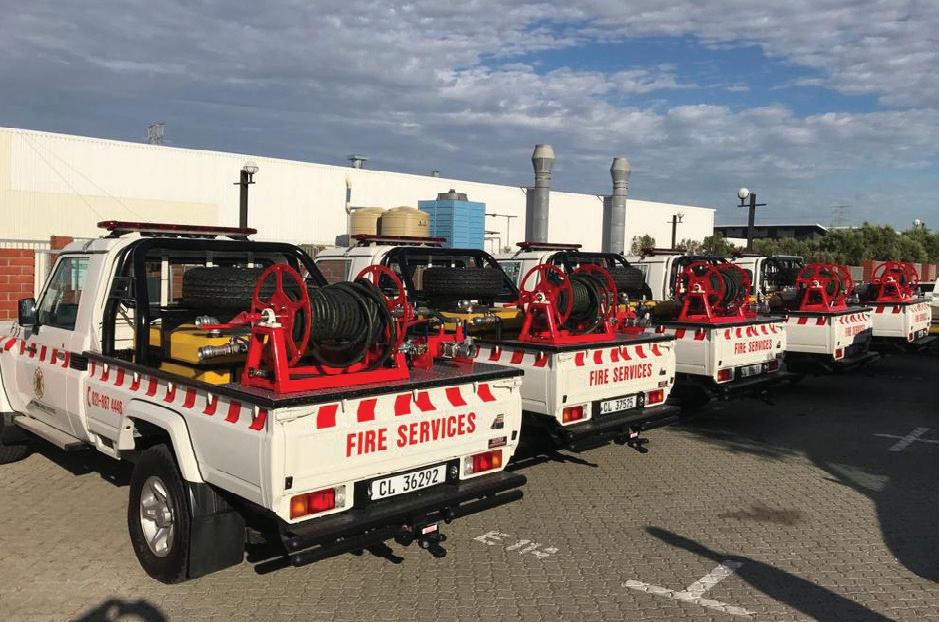
• Wildland/veld fire bush pumpers
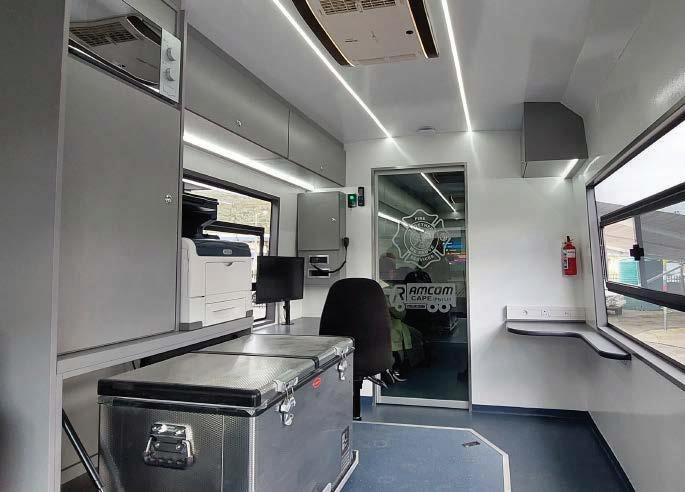
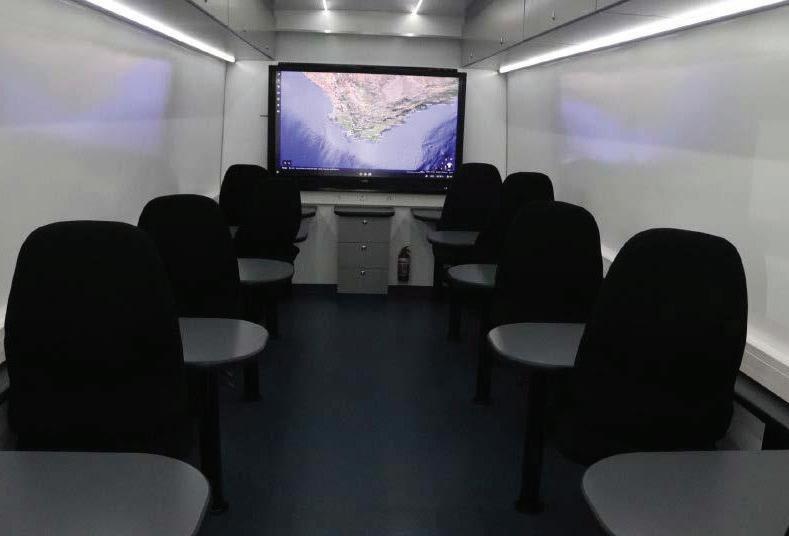
• Incident command vehicles
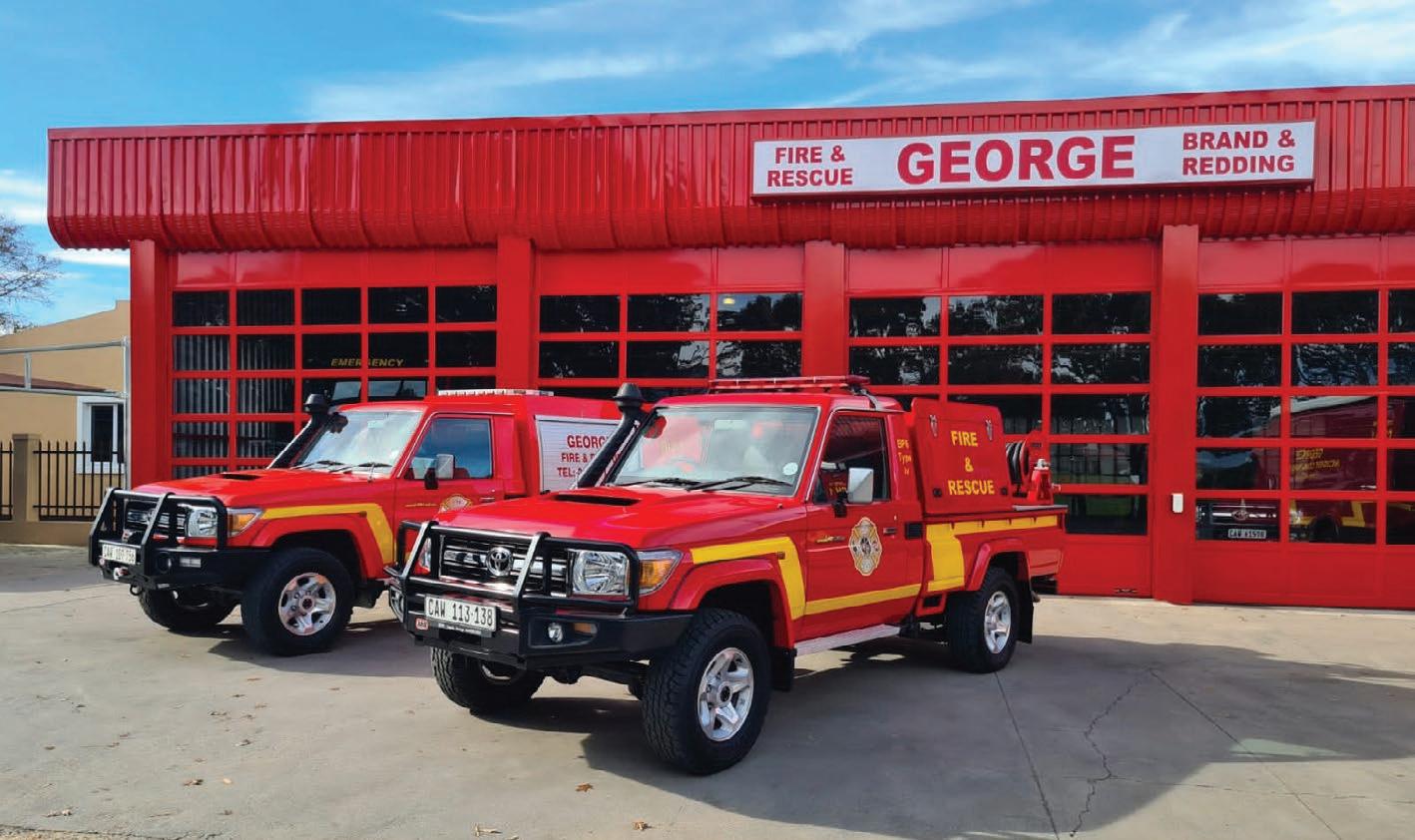
• Rapid intervention vehicles
• Trailers
More than manufacturing: keeping fleets alive
In many fire departments, the real challenge isn’t acquiring new vehicles—it’s keeping existing ones operational.
Ramcom has carved out a critical niche here through its refurbishment and maintenance division. At its Cape Town facility, aging fire engines are stripped, rebuilt, upgraded and returned to service with renewed capability.
This approach offers a practical solution to budget constraints:
• Extending vehicle lifespan by years
• Avoiding the high cost of full replacement
• Maintaining operational continuity
In an industry where downtime can cost lives, this kind of lifecycle support is not just valuable—it’s essential.
Customisation as a core strength Ramcom thrives on flexibility. Need a tanker adapted for informal settlement access? A pumper configured for a specific hydrant system? A multi-purpose unit for mixed urban and veld fire response? This is where Ramcom excels. Their ability to design around real-world operational needs gives them a distinct edge in the African market.
Ramcom’s growing footprint includes work with several municipalities, notably in the Western Cape. These longstanding relationships reflect more than successful deliveries— they point to trust built over time. In a sector where procurement
decisions carry long-term operational consequences, this trust is hard-earned—and even harder to maintain.
Proudly South African, strategically relevant
Local manufacturing is more than a slogan—it’s a strategic advantage. By producing the majority of its vehicles within South Africa, Ramcom contributes to:
• Faster procurement cycles
• Reduced dependency on imported components
• Local job creation and skills development
For municipalities facing tightening budgets and increasing service demands, this localisation offers a practical path forward.
As South Africa’s fire services confront growing risks—from climate-driven wildfires to expanding urban density—the need for reliable, adaptable fire apparatus will only intensify. Companies like Ramcom Trucks are not just suppliers in this ecosystem—they are enablers of operational resilience.
By combining engineering expertise, local insight and a service-driven mindset, they are helping ensure that when the call comes in, fire crews have the tools they need to respond— quickly, effectively and safely.
In the end, firefighting is about readiness. And readiness begins with the right equipment—built by people who understand the terrain, the risks and the realities of the job.
Ramcom Trucks and Load Bodies has established itself as a credible
and capable player within South Africa’s fire apparatus sector. By combining local manufacturing, flexible design and strong aftersales support, the company addresses many of the practical challenges faced by fire departments across the region.
As fire services continue to modernise and adapt to increasingly complex risk environments, partnerships with locally rooted manufacturers like Ramcom will likely play an increasingly important role in ensuring resilient, cost-effective, and operationally relevant firefighting capability.
Contact Brandon Woolley at the Ramcom Group
Mobile: 083 274 1571
Tel: 044 878 0511
Email: brandon@ ramcomgroup.co.za
Visit: www.ramcomtrucks.co.za

By Lenny Naidoo, Vanguard Fire and Safety
For those of us who have spent years on the fireground, one principle remains constant: good decisions rely on good information.
Across South Africa’s municipal, industrial and petrochemical sectors, firefighting continues to evolve. The environments we operate in are becoming more complex, incidents more demanding and expectations higher than ever. While our infrastructure is capable, there are periods particularly during peak
demand where water supply is under pressure and both flow and availability can fluctuate.
In these moments, the ability to make informed, real-time decisions becomes critical.
For decades, firefighters have relied on pressure readings, experience and instinct. That foundation will never change. But today, technology is stepping in to strengthen those instincts giving crews the clarity they need when it matters most.
Understanding what really extinguishes fire
At the heart of this evolution is a simple but important shift in thinking: It’s not pressure alone that puts out fire it’s flow and pressure.
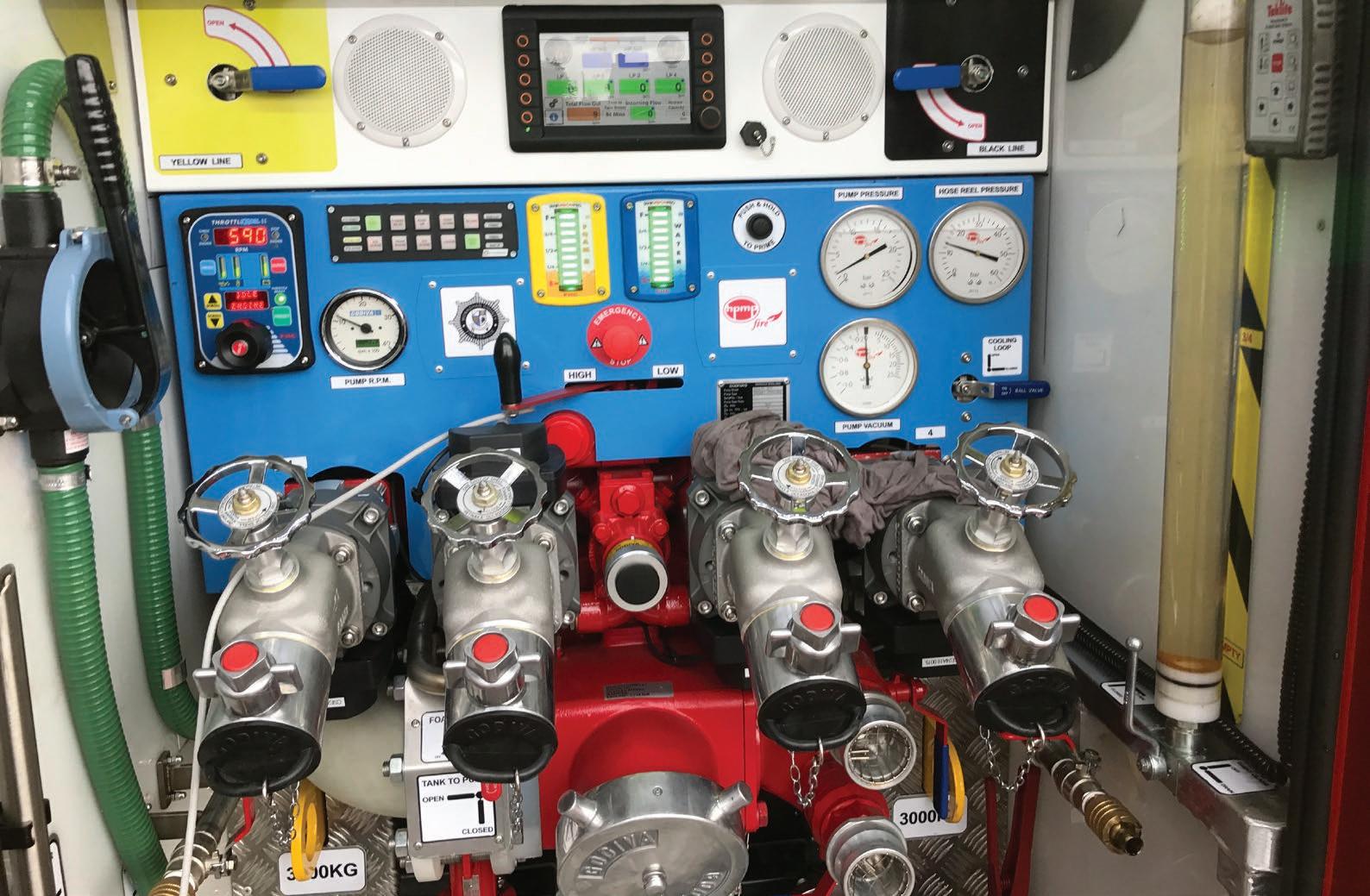
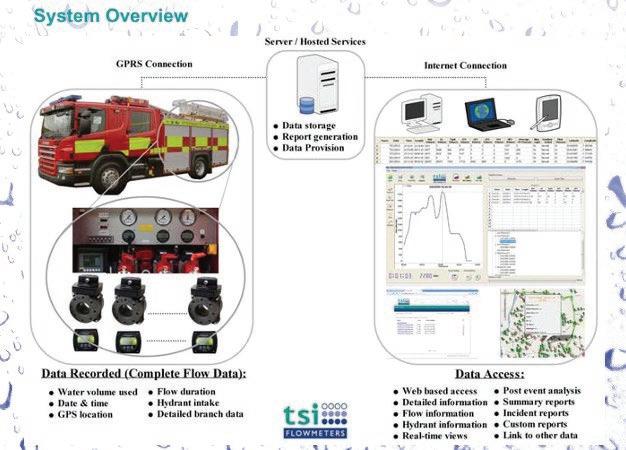
Pressure is what we’ve traditionally measured. But what actually reaches the seat of the fire is influenced by friction loss, hose layouts, elevation and supply conditions. Especially during high-demand scenarios, pressure alone can be misleading. TSI’s ‘Water
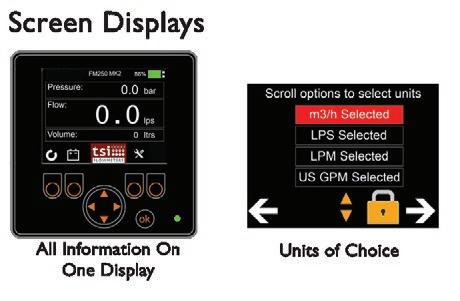

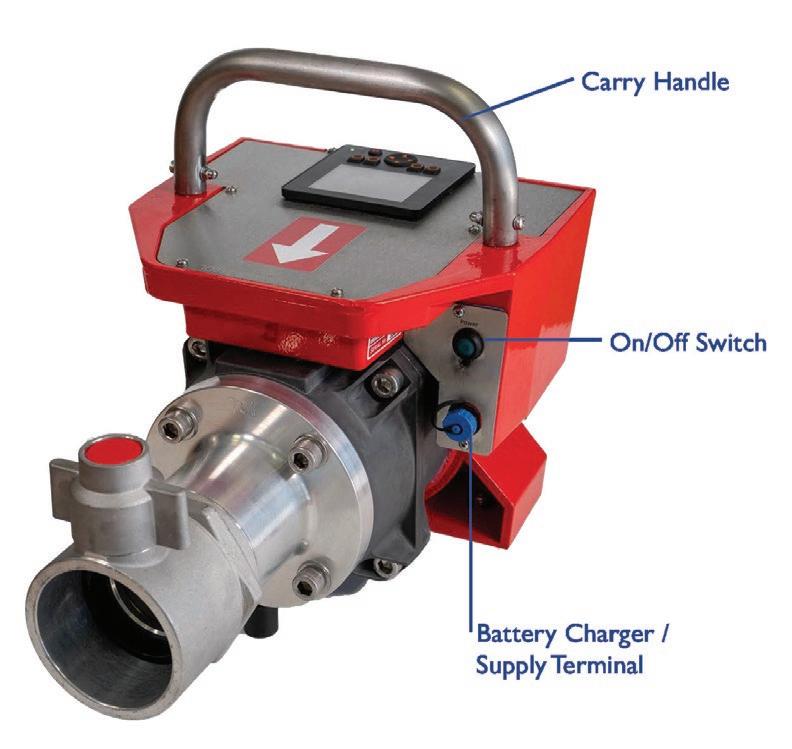
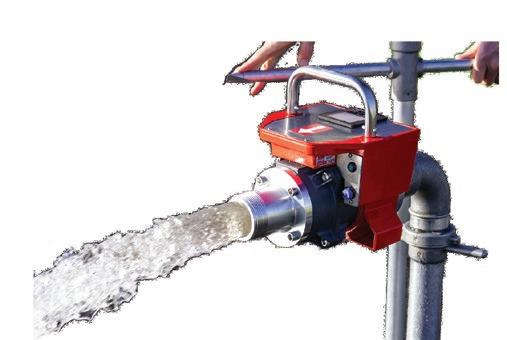
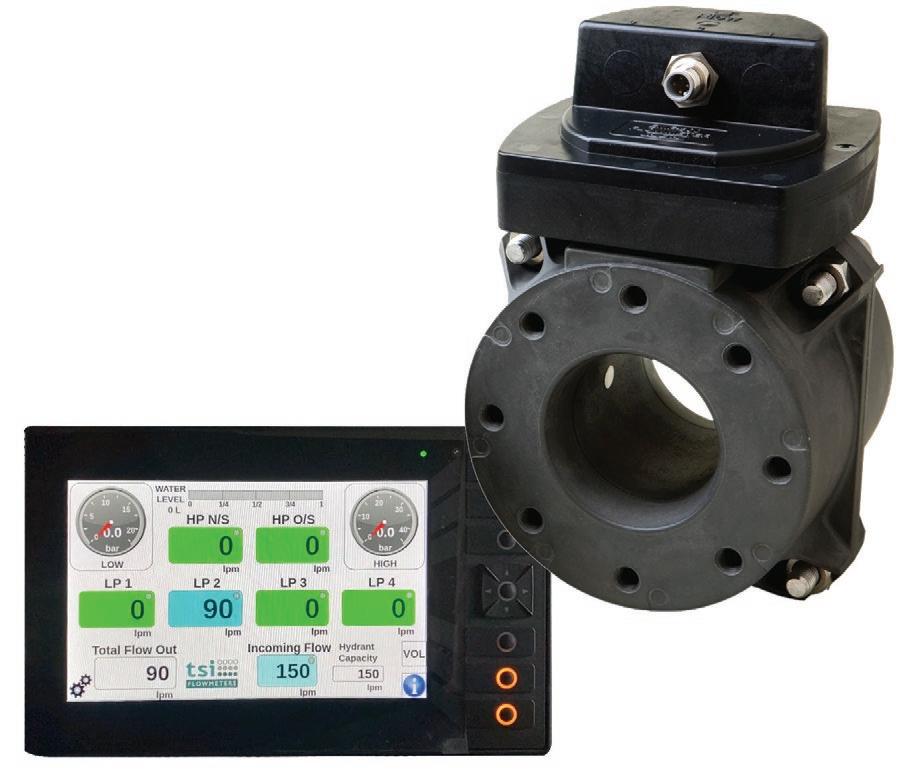

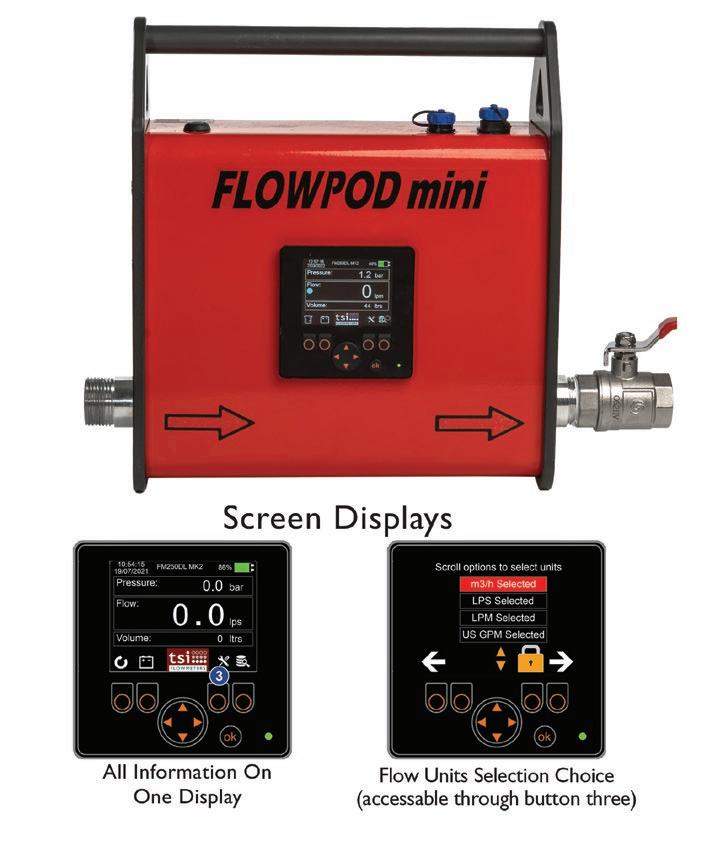
Smart Information System’ (WSIS) utilises both flow and pressure to make accurate firefighting decisions.
Modern electromagnetic flow metering changes that by providing direct, real-time measurement of water flow and pressure, removing uncertainty and allowing firefighters to work with confidence.
Bringing control back to the pump operator
From a practical standpoint, one of the biggest advantages particularly for pump operators is visibility.
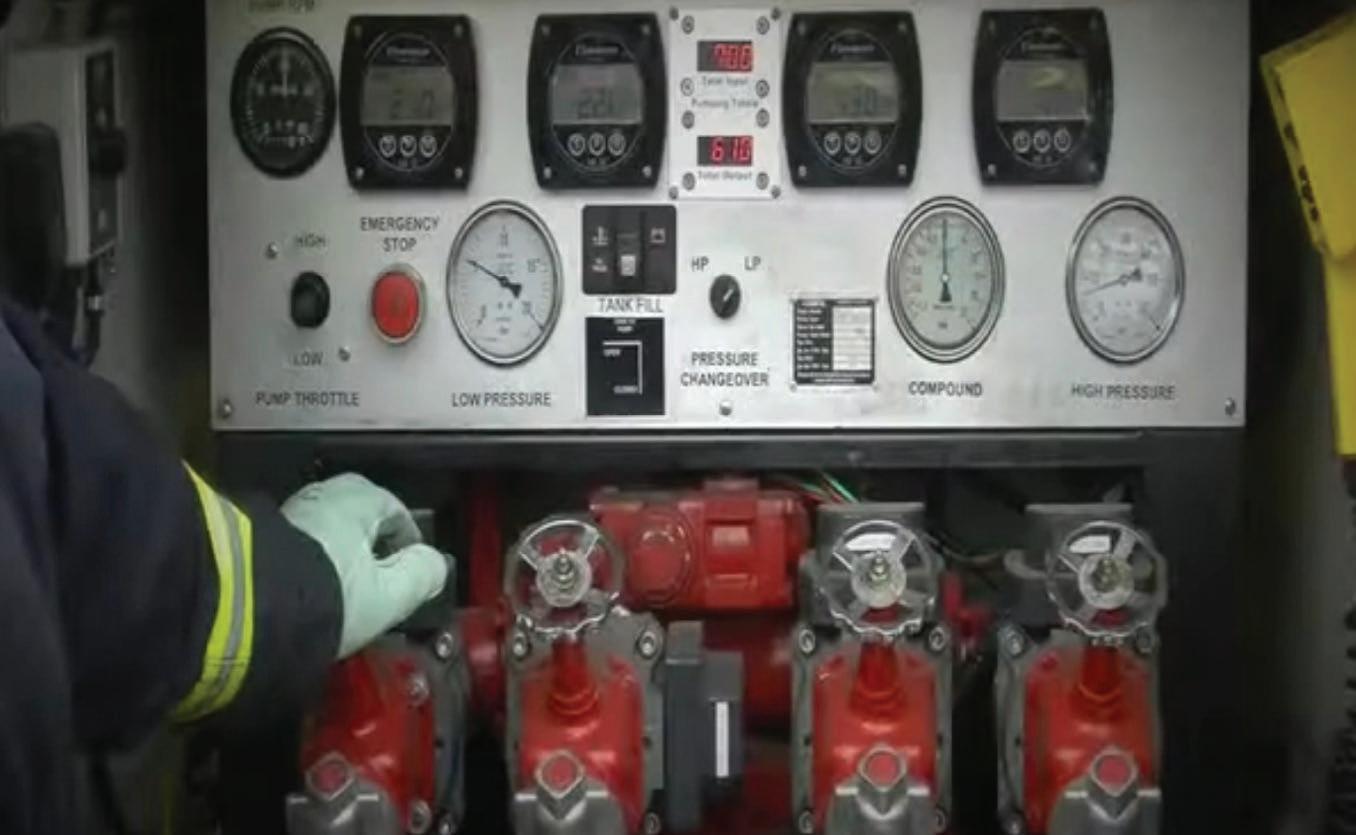
Having a clear overview of what is coming into the pump versus what is going out fundamentally changes how a pump is managed.
From experience, this means:
• Better control of water supply and discharge balance
• Reduced risk of pump cavitation, which can damage equipment
• Early identification of overdemand or restricted supply
• More stable and efficient pump operation under pressure
Instead of reacting to problems, operators can anticipate and manage them, protecting both the equipment and the crews relying on it.
Precision where it matters most: Industrial and petrochemical risk In high-risk environments such as petrochemical facilities, accuracy is not optional—it is critical.
These incidents demand:
• Sustained, high-volume flow
• Precise foam and water application
• Consistent delivery across long distances and complex systems
Maintaining the correct flow at the end of the line is essential for effective suppression, exposure protection and firefighter safety.
With real-time flow data:
• Crews can ensure monitors and nozzles are performing as required
• Command can make informed tactical decisions
• The risk of underperforming streams is significantly reduced
In these environments, certainty saves time—and time saves lives.

Beyond the fireground: Turning data into insight
One of the most significant developments in this space is the ability to not only measure flow in real time but to record and analyse it.
Monitor and control water usage with TSI’s ‘Water Smart Information System’ (WSIS) systems now allow fire services to:
• Track total water supplied and discharged during an incident
• Monitor flow rates across multiple outlets
• Record time-based water usage patterns
• Access detailed reports for every incident
This brings a new level of transparency and operational understanding.
Supporting municipal accountability
For municipal fire services, this data also plays an important role in cost recovery and reporting.
With accurate, recorded information:
• Water usage can be aligned with existing tariff structures
• Billing becomes transparent and defensible
• Reporting is based on measured data, not estimation
This removes uncertainty and provides credible, auditable information to support both operational and administrative requirements.
A technology aligned with South African needs
South African fire services operate across a diverse landscape:
• Urban centres with fluctuating demand
• Industrial hubs with high-risk hazards
• Rural areas reliant on tanker supply
In all of these environments, understanding available water and actual usage is key to safe and effective operations particularly during peak demand periods.
Flow metering provides that clarity, enabling better coordination, improved safety and more efficient use of resources.
Built on Experience. Driven by Innovation.
With over 34 years in the industry, Vanguard Fire and Safety has established itself as a trusted supplier of firefighting equipment across South Africa.
Working closely with fire services, the company has built its reputation on more than just products, it is grounded in reliability, integrity, and a genuine commitment to firefighter safety.
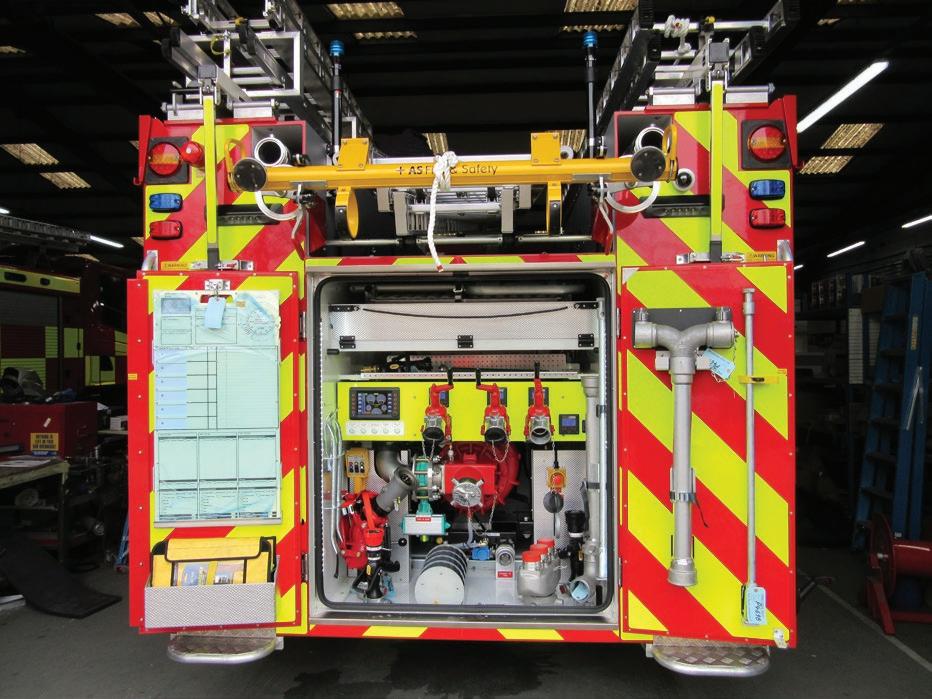
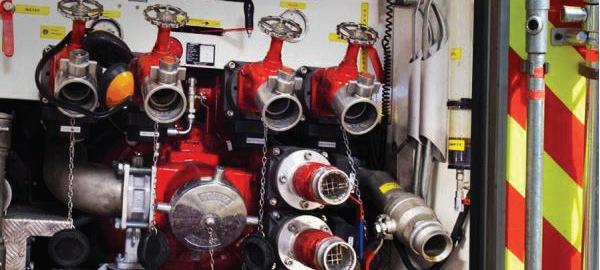
Having supplied portable TSI flow meters locally for over a decade, this next step integrating advanced flow measurement and data systems directly onto fire appliances with the monitor and control water usage with TSI’s ‘Water Smart Information
System’ (WSIS) represents a natural progression in supporting modern firefighting.
The technology is:
• Proven internationally
• Trusted in demanding environments
• Supported locally With local calibration and certification services, carried out in conjunction with TSI, fire services can be confident that their equipment remains
accurate, compliant and ready for operation always.
Moving forward
Firefighting will always rely on experience, teamwork and decisive action.
What is changing is the level of insight available to support those decisions.
By combining:
• Real-time flow measurement
• Complete visibility at the pump
• Reliable post-incident data
Fire services are better equipped than ever to operate safely, efficiently and with confidence.
This is not about changing how firefighters think it’s about giving them better information to act on.
And in today’s fireground environment, that makes all the difference.
For more information, product demonstrations or to explore the right solution for your service, contact Vanguard Fire and Safety https://www.vanguardfire.co.za/ pressure-meters
By Frank Preiss, managing director, FireDos GmbH

The modern society we live in increasingly relies on a growing supply of electrical power. The electricity is most often produced by generators at a power plant, whereby the generators are primarily driven by combustion engines or nuclear power. In recent years alternative energies such as wind or water are increasingly being used as means to drive the generators. Another growing source for electric
energy is solar power. In addition, our electricity networks are interlaced with transformers and substations. All these sources have in common that they must be protected against the risk of fire to avoid any unintended interruption of operation.
Apart from solar power, the actual generation of electricity is achieved in the generators that are coupled to the rotational source by gearboxes. Their lubrication oil presents a significant fire hazard, particularly as generator surfaces and operating temperatures can surpass the oil’s ignition point. Even small generators, gearboxes and transformers may have hundreds of litres of oil, whereby large systems may require thousands of litres of oil for lubrication and cooling. In the event of an oil leakage due
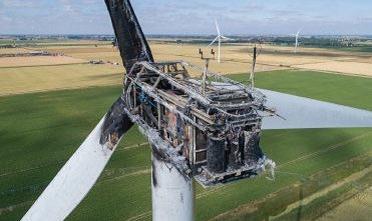
to a seal fatigue, a mechanical fault or material cracks, oil can leak and ignite on hot surfaces. The resulting fire can have catastrophic consequences for the installation or plant if no or an inadequate fire-protection system is installed.
The property and system damage alone can result in millions to tens of millions of dollars of cost. In addition, the system will be out of operation for months or years, depending on damage severity and the availability of spare parts or replacement components. Wind turbines are in addition exposed to lightning strikes, faults in electrical equipment, sparks due to overloading of mechanical brakes and flammable work during maintenance and repair. Furthermore, the energyproviding components are surrounded by flammable materials used for their build, eg the encapsulation or the rotor blades themselves and easy and quick access is not possible for extinguishing purposes.
Fires are relatively rare and exact statistics are not publicly available. Occurrence estimates vary from 1 in 2 000 to 1 in 20 000. At 1 in 2 000 this results in a 100 percent chance of a fire in a wind farm with 100 turbines during an operating span of 20 years. Even at 1 in 20 000 the
chance lies at 10 percent. For transformer fires published numbers also vary but in practice, throughout a 40-year service life, 2,4 percent to 4 percent of all transformers should be expected to see a fire. In most cases, if the fire is not detected at a very early stage, transformer fires will nearly always result in a complete write-off. Even in this case a fire-protection system is essential to protect the remainder of a substation installation, neighbouring assets as well as to reduce the pollution and contamination of the environment.
Fixed installed fire detection and suppression systems will enhance the safety of the units and can provide a strong return of investment considering the associated replacement and downtime costs.
There are various systems that can be used to extinguish fires in power generating installations. Traditional sprinkler or deluge systems using water are impractical and do not have the same extinguishing effect as foam, especially when having to deal with lubrication oil fires. Clean agents or water mist have shown good results but may
also not be the method of choice when having to deal with burning lubrication oil. Recent tests have shown that compressed air foam (CAF) systems have proven to be very effective for extinguishing fires in the power-generation industry, specifically when having to deal with lubrication oil fires.

What is CAF
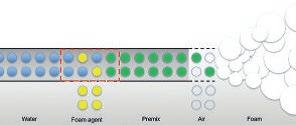
CAF is compressed air foam. Foam for firefighting purposes is made from three components: water, foam concentrate and air. Water and foam concentrate are mixed in a very precise ratio. This mixture will make up a premix, which
Generation process of conventional foam and CAF
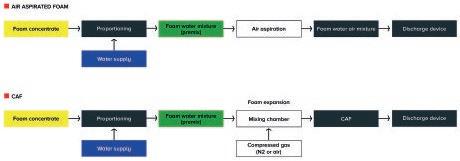
will generate foam once it is aspirated with air.
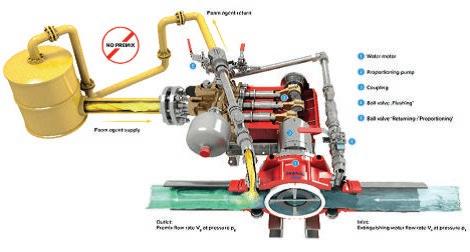
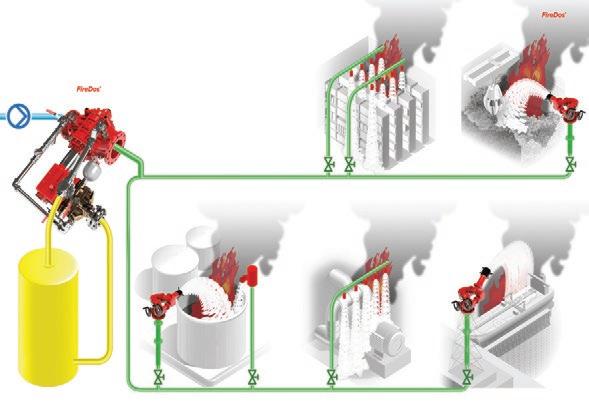
The premix is made by using a proportioning system. A commonly used proportioning system for CAF is the FireDos GEN III. The system consists of an atmospheric storage tank for the foam concentrate, a water motor installed in the extinguishing water-flow line and a foam concentrate piston pump, which is connected directly to the water motor.
Water motor and piston pump form one compact unit. Upon activation of the fire pumps, rotation in the water motor starts. The direct coupling of the water motor to the foam-
concentrate pump effects immediate foam concentrate injection into the extinguishing water. If the flow rate changes, the amount of foam concentrate is immediately and automatically adjusted.
The advantage of the system is its independence from external energy sources as well as a precise and immediate foam concentrate proportioning regardless of the extinguishing water pressure or flow rate. Adjustment or calibration after installation of the system is not necessary since the water motor and the piston pump are volumetric devices firmly connected to each other. Foam concentrate refilling
during operation is possible. The system is also capable of proportioning highly viscous foam concentrates.
Every proportioning system must be activated for annual testing; however, with the watermotor-driven proportioning pump, as designed and supplied by FireDos, the delivered foam concentrate can be measured via a return line and injected back into the storage tank. The proportioning rate is calculated from the ratio of the extinguishing water and the foam concentrate flow rate. No premix is generated and if the foam concentrate is passed back into the tank, no foam concentrate needs to be topped up and no premix must be disposed of.
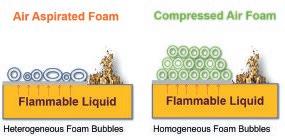
CAF is a unique foam-making process that produces a homogenous finished foam of micro size bubbles. This foammaking process will use either compressed breathing air or nitrogen gas. Compressed air and premix (foam/water solution) is brought together in a device known as a mixing chamber.
In the mixing chamber the
transition from liquid to foam takes place. In a CAF system an engineered finished foam is produced in the mixing chamber that is designed specifically for an applicator.
With a CAF system, foam of a specific foam density can be generated. The foam quality of CAF is much greater than any other foam-making process. CAF is a higher-quality finished foam that gives fast control and extinguishment of fire with strong reflash protection. Vapour suppression with CAF is longer and more secure than with a traditional foam-making process.
The structure of the generated foam is more homogeneous.
The much denser and stronger foam blanket delivers improved extinguishing properties such as:
• Better back-burn resistance
• Higher prevention of a reliable emissions of flammable gases
• Higher prevention of a reliable
• Intrusion of air to the flammable liquid
• Enhanced cover of the flammable liquid
• Longer hold time
• Excellent adhesive properties on surfaces.
CAF is incorporated in NFPA 11 in chapter 8. The application rate is significantly lower compared to conventional foam application rates and tests have shown that the total amount of foam concentrate used to extinguish a fire was up to 70 percent lower. CAF can be utilised with AFFF, AR-FFF as well as fluorine-free foam concentrates. The most common applications are for solid metals, hydrocarbon liquids and polar liquids and solvents.
"Understanding the fire hazard and the resulting consequences of an incident and planning and implementing fire detection and suppression measures, are crucial for safeguarding the electrical infrastructure and ensuring the continued safe and reliable delivery of power. The use of a CAF system is one dependable option to reach this goal."
The CAF system from ACAF Systems used together with the FireDos GEN III proportioning system is FM approved under FM5136 and is being increasingly used in applications of the power generating industry.
Where is the advantage of using CAF in the power generating industry?
The main advantage lies in the small and efficient package design consisting of a CAF generator with nitrogen pack, a foam proportioning system with an atmospheric foam concentrate tank, a water supply and the pipework and outlet devices such as CAF nozzles, foam chambers or fire monitors. The design is very flexible.
Fixed spray systems are designed to protect threedimensional objects as used for power-generating installations. In this system design we are wanting to spay foam over all the surface areas of the object as well as onto the ground. This is the same principle that is used in water spray systems for the same application but as CAF is more effective than water in the suppression of flammable liquid fires, the CAF systems make for a sound solution whenever oils are in use. Due to the enhanced cover of the flammable liquid, the longer hold time of the foam and the excellent adhesive properties
on surfaces, CAF has advantages over water mist and clean agents that will dissolve once the reservoirs have been depleted.
The CAF generator is simple to operate, with no moving parts and the FireDos GEN III proportioners are purely mechanical.
Other advantages of using the combined ACAF and FireDos system do not differ from the advantages standard firefighting foam installations are profiting from:
• Lower application rate equal less foam concentrate and water needed.
• Stronger foam means a faster control of the fire with a higher reignition protection and highadhesive properties.
• All components are FM tested and approved.
• The CAF system does not have any moving parts.
• The proportioning system is purely mechanical; no electric power is required.
• The system is designed also for use with high-viscosity and fluorine-free foam concentrates.
• The system has a compact and versatile installation.
• With the option of testing the proportioning rate without having to create premix or foam the system is cost-effective and environmentally friendly.
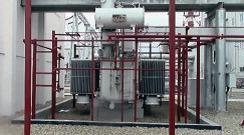
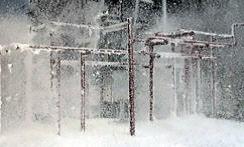
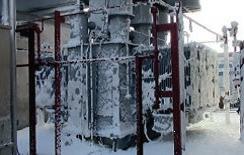
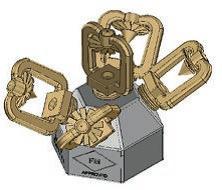
The following example shows a fixed pipe ACAF CAF system using HDN-5 CAF nozzles. HDN5 is a FM Approved stationary CAF spray nozzle designed for horizontal installation. This CAF nozzle is ideal for use in CAF fixed spray systems as used for the power-generating industry.
The unique ACAF patented central hub and spray nozzles gives the HDN-5 the greatest coverage area of any FM Approved CAF nozzles in the horizontal position.
A 304 stainless-steel body with brass spray nozzles is the standard construction, 316 stainless steel is available upon special request. Nozzle location and supply piping shall be in accordance with ACAF’s FM Approved Design Manual.
Fires in the power-generating industry, though infrequent, present a significant risk for the plant operator, the community and the environment.
Understanding the fire hazard and the resulting consequences of an incident and planning and implementing fire detection and suppression measures, are crucial for safeguarding the electrical infrastructure and ensuring the continued safe and reliable delivery of power. The use of a CAF system is one dependable option to reach this goal.
For more information contact Michael Feldon at DoseTech Fire Mobile: +27(0) 83 251 9346
Tel: +27(0)86 111 1544
Email: mgf@dosetech.co.za
Visit www.dosetech.co.za
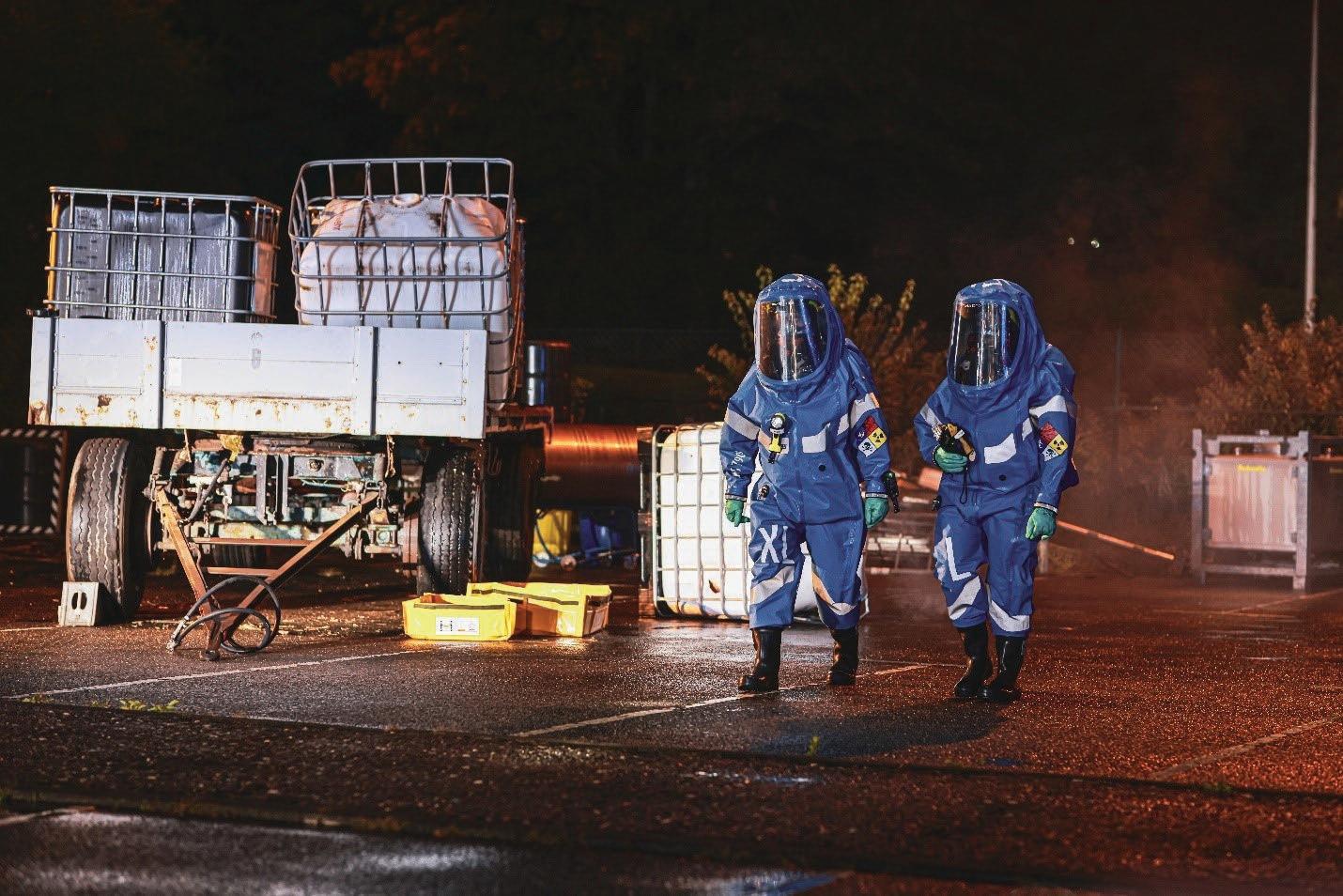
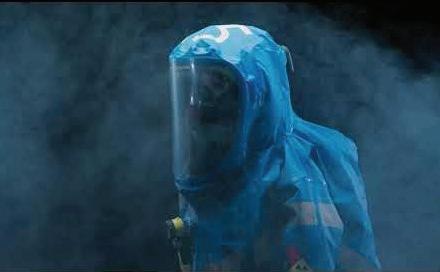
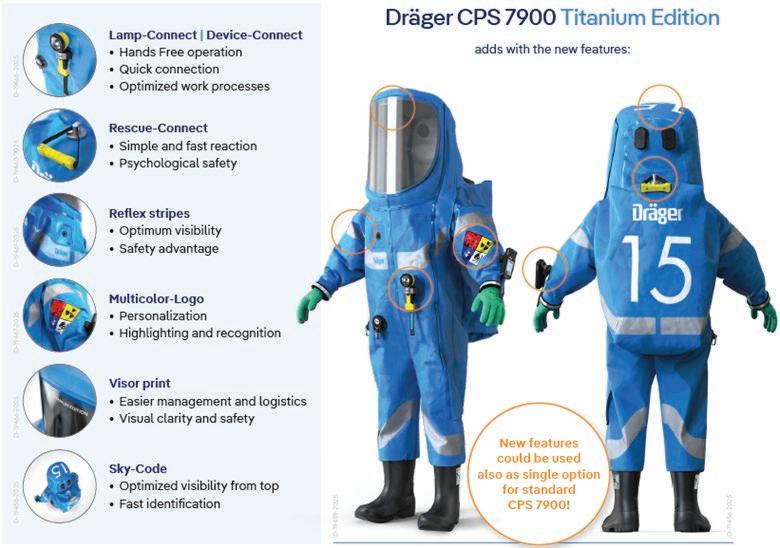
Tailor-made for use under extreme conditions: The gas-tight Dräger CPS 7900 provides excellent protection against industrial chemicals, biological agents and other toxic substances. Its innovative material qualifies the CPS 7900 equally well for work in explosive areas and for handling cryogenic substances.
The Dräger CPS 7900
• Reusable, gas-tight suit
• Protection against industrial chemicals, biological agents and other toxic substances
• For work in explosive areas and handling
cryogenic substances
• SCBA worn inside the protective suit
Protection in a class of its own
The chemical protective suit Dräger CPS 7900 was developed to protect its wearer when handling toxic or hazardous materials and to provide much needed support for a variety of dangerous tasks. The suit material D-mex™ offers unique resistance to various substances. The Dräger CPS 7900 meets and exceeds the requirements of international standards of fire departments, search and rescue organizations and industry for reusable protection suits.
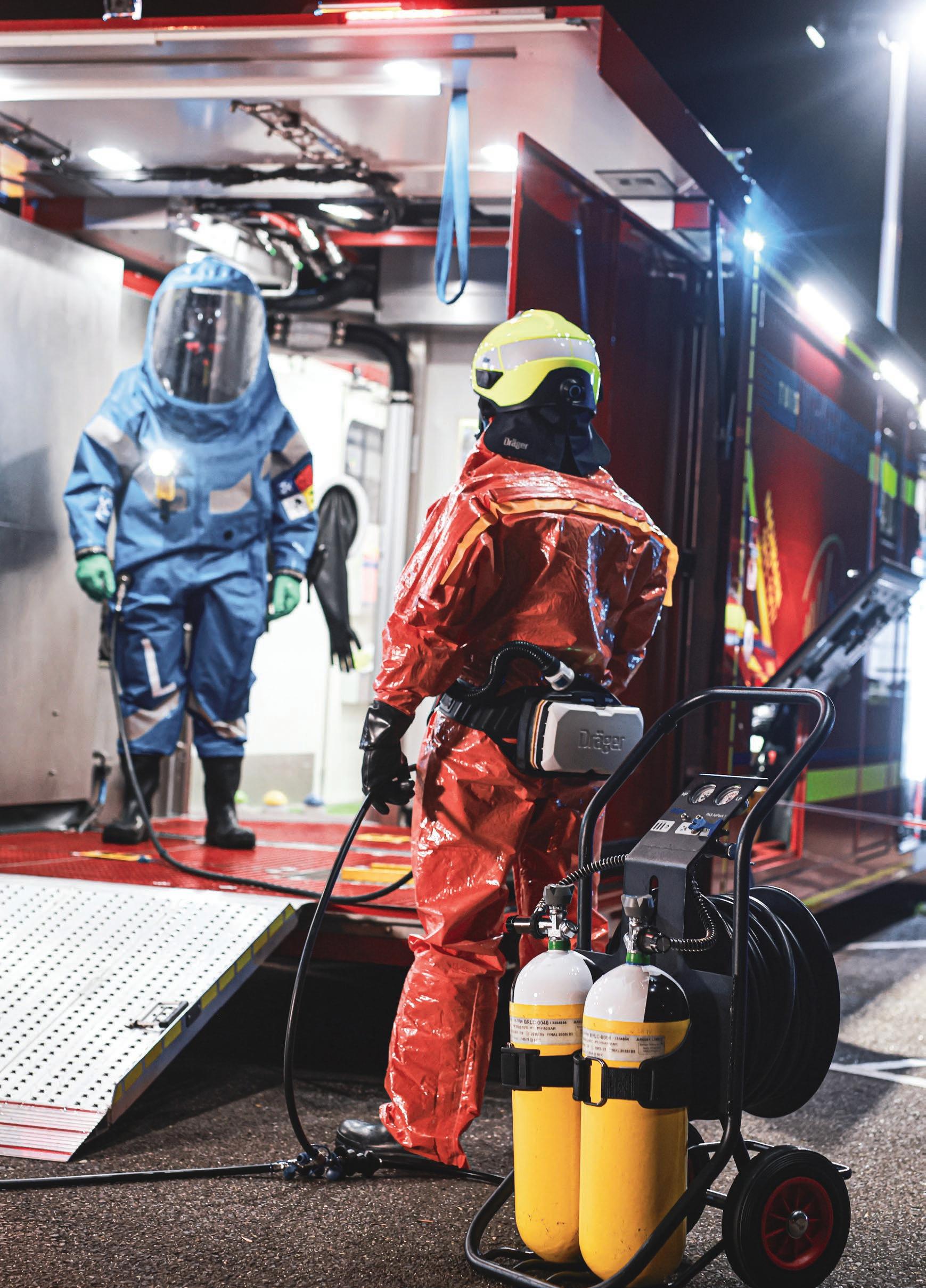
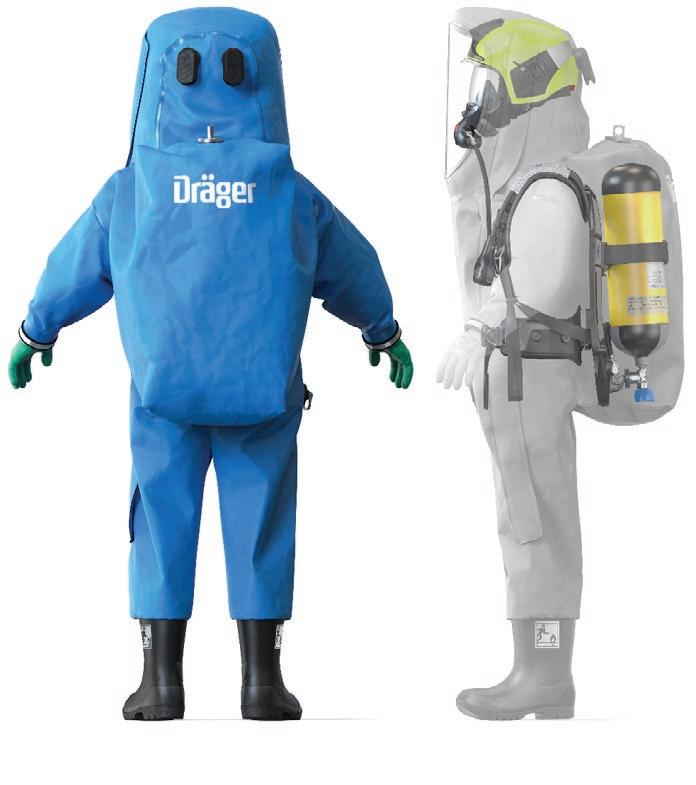
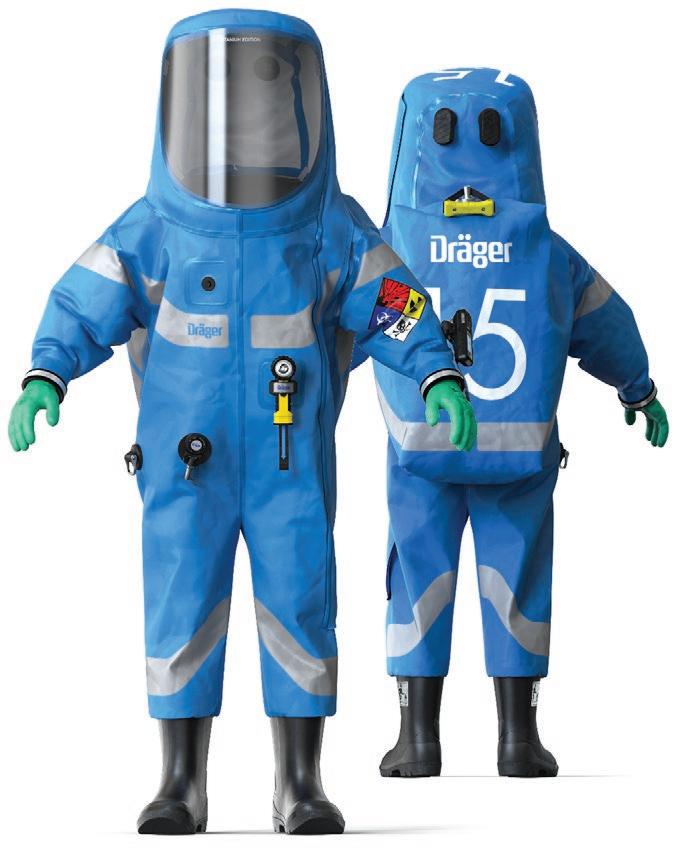
The chemical protective suit reduces the stress during the already difficult work in hazard zones and danger areas. With its new, ergonomic cut and five available sizes, the suit offers its wearers with a body height of 1.50m to 2.10m the highest degree of mobility during a wide variety of activities and tasks. Moreover, the clearly lighter weight and better drape of the suit material adjusts to the wearer's movements and offers the full range of flexibility.
The suit's innovative and unique material D-mex™ consists of five layers. An especially sturdy elastomer layer as well as a barrier layer resistant to chemicals is on the inside as well as the outside. This allows the suit to retain its full protective capacity even when the material on the outside becomes damaged. Its electrostatic properties make it possible to use the suit in explosive areas. The flexibility of D-mex™ even makes it possible to handle liquefied gases such as ammonia at a contact temperature of -80°C.
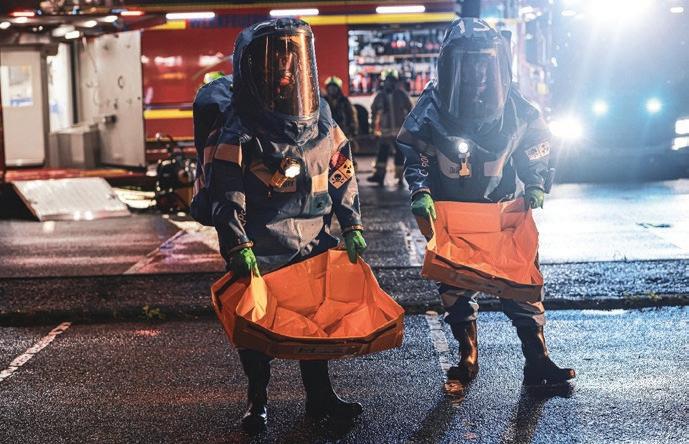
The design of the visor in combination with the Dräger FPS 7000 full face mask offers an almost natural field of vision. Three different glove combinations can be attached to the suit quickly and without tools. The protective suit can optionally be fitted with integrated safety boots or gas-tight socks.
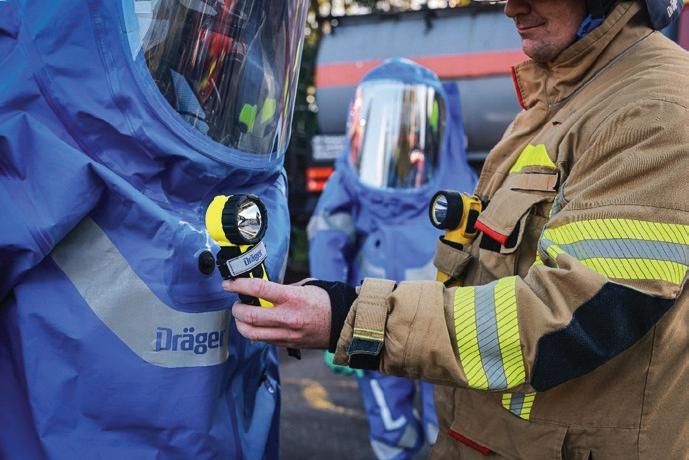
An integrated radio pocket and a holder for pushto-talk buttons make communication easier, while other optional accessories allow the chemical protection suit to be customised to your specific needs and thus expand your range of applications. These include the pressure gauge holder, the length adjustment, the anti-fog disc, the lamp and device connect and the D-Connect.
Download the brochure here: Online PDF Visit: www.draeger.com/en_za/Fire-Services
By Dr Colin Deiner, chief director, Disaster Management and Fire Brigade Services, Western Cape Government
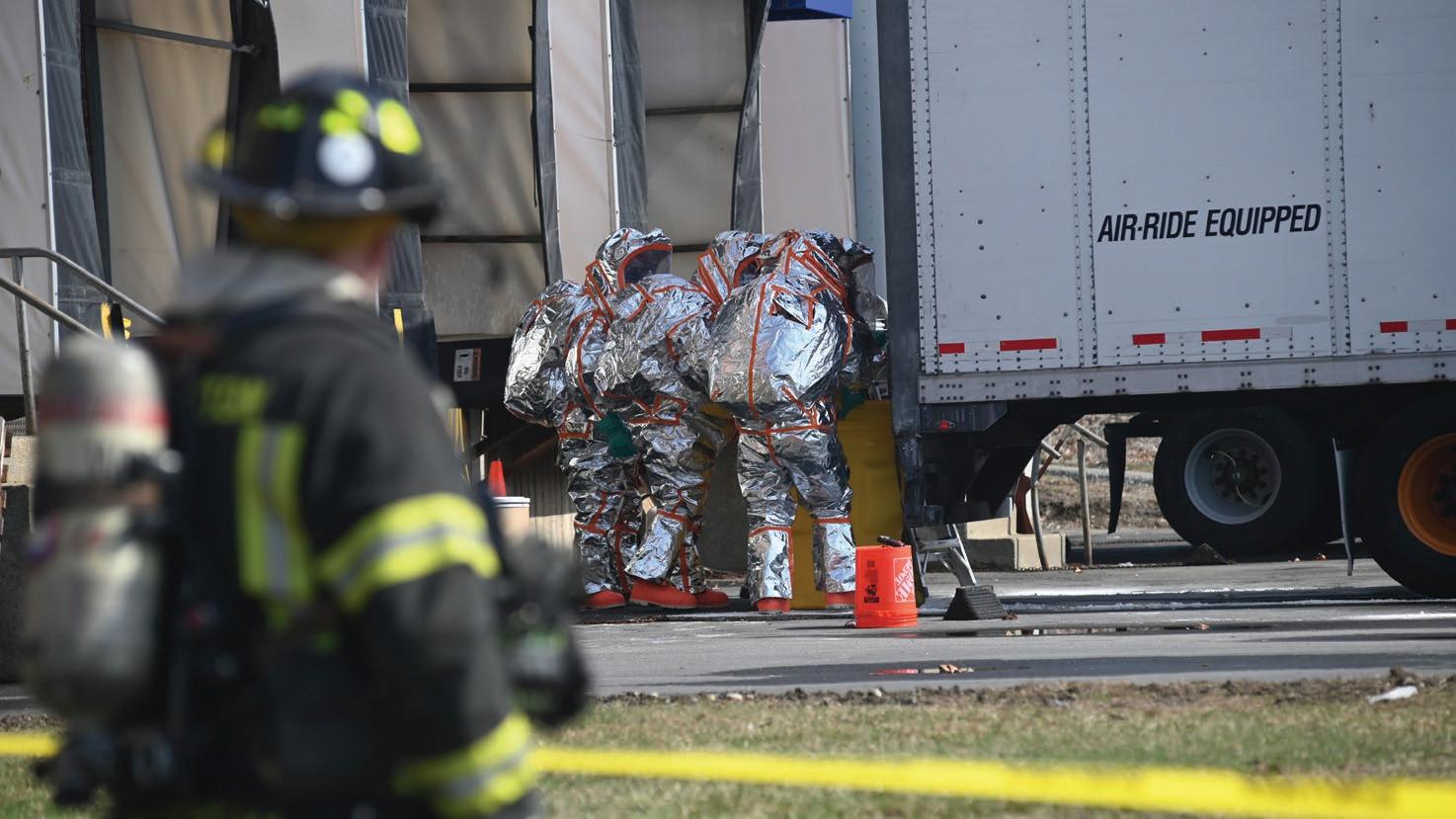
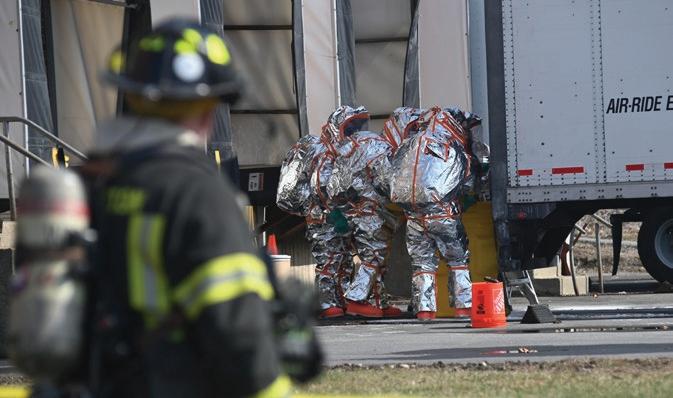
Hazardous materials (hazmat) incidents remain among the most dangerous calls fire departments face. Whether it’s a leaking tanker on the N1, a chemical spill at a Cape Town industrial site or an unknown release in a warehouse, the correct selection, use and decontamination of chemical personal protective equipment (PPE) can mean the difference between a successful operation and a line-of-duty injury or fatality.
In this article I will attempt to build on the information I shared in my previous article which dealt
with understanding the utilisation of chemical PPE during hazmat operations. I will attempt to provide first responders with a practical, field-ready framework for chemical PPE management during hazmat responses. As with any fire, the decisions made during the first few minutes of a hazmat operation will determine the actions of the rest of the incident, this includes your choice and utilisation of your PPE!
PPE selection –getting it right from the start
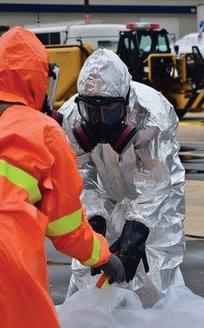
PPE selection must be based on a thorough hazard assessment:
substance identity, concentration, physical state, exposure routes, oxygen levels, flammability and expected task duration. In my previous article I have dealt at length with this topic.
The decision on which level of PPE is required for a specific hazardous materials incident must be made well before the emergency occurs. Through a thorough pre-incident risk assessment of fixed installations within your jurisdiction, combined with up-to-date intelligence on hazardous cargos regularly transported by road
and rail, fire departments can ensure they have procured the appropriate levels and types of chemical protective clothing to handle the vast majority of products they are likely to encounter. As highlighted in the previous article, suit compatibility software programmes are invaluable tools in this process. In addition, suit manufacturers routinely supply detailed permeation charts that indicate safe working times for specific chemicals, while the Hazardous Materials Emergency Response Pocket Guide remain essential quickreference resources for initial PPE selection. When making the final choice, responders must always consider factors such as heat stress, mobility restrictions, air supply duration and full component compatibility. For initial response and rapid reconnaissance or fire knockdown, structural turnout gear with SCBA is acceptable; however, personnel must upgrade to the appropriate chemical ensemble as soon as hazards are identified. Any downgrade in protection level may only be authorised by the Incident Safety Officer and must be supported by confirmed air monitoring data. Never downgrade based on assumption alone.
Every piece of PPE must undergo a thorough inspection before use to ensure it will provide the expected level of protection. Responders should carefully examine the suit for any tears, cracks, discoloration, seam failure or zipper damage. SCBA cylinders must be checked to confirm they are filled to more than 90 percent capacity, followed
by a full regulator function test. Chemical compatibility of gloves and suits with the identified or suspected hazards must also be verified using the manufacturer’s permeation data. All inspections should be properly documented and any defective or compromised equipment must be immediately removed from service and tagged for repair or disposal.
chemical protective ensemble Fire department hazmat teams frequently operate under high-pressure, time-sensitive conditions with limited specialised hazmat resources. Many smaller departments lack dedicated teams, full training or the budget for complete, properly maintained Level A gear. As a result, responders may grab the most visible item (the encapsulating suit) and proceed without all supporting components.
Structural firefighting turnout gear (bunker gear) is sometimes mistakenly used or combined with chemical suits, even though it offers little to no chemical resistance (it can absorb or be permeated by many substances). This is not recommended for hazmat incidents.
The critical components that are often overlooked include: Respiratory protection: The suit is useless without positivepressure SCBA worn inside the encapsulating garment for vapour tight integrity or an externally placed airline system. It is of critical importance to ensure that the SCBA or airline systems are of sufficient capacity to ensure that the user is able to operate for the required time. Teams might have to wait for an extended period before
PPE selection must be based on a thorough hazard assessment
entering the hot zone and might, in this time, must be suited up (especially if they are the decon or emergency back-up teams).
Inner and outer gloves: Many incidents see responders skipping the double-glove system, leading to reduced dexterity or direct exposure if outer gloves are damaged. “Undergloving” typically entails using cotton gloves to absorb the sweat that will form from the heat generated inside the suite and to prevent the users’ hands from slipping while carrying out work with leak sealing equipment. “Overgloving is when a durable outer glove is placed over the glove on the Level A suit to protect it from any mechanical damage and possible penetration of the hazardous material involved into the suit. This obviously makes tool handling and more detailed work difficult. It is therefore important for hazmat technicians to spend time practicing the possible activities such as leak sealing, product control and operating valves wearing all three layers.
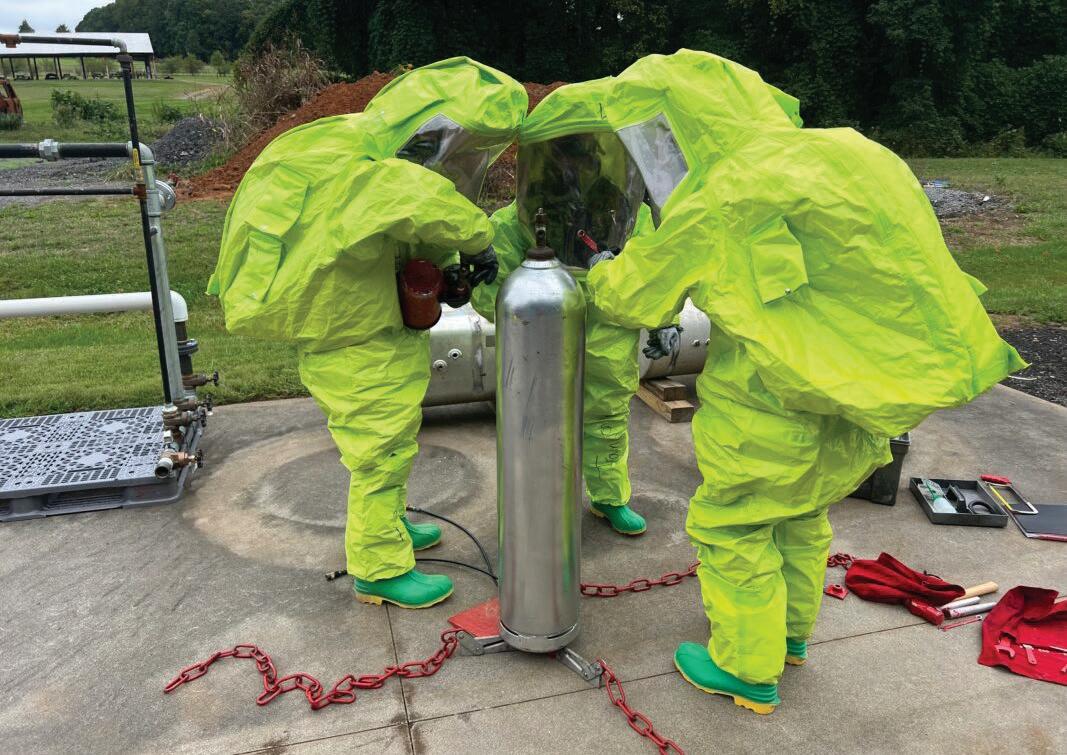
Chemical-resistant boots: Suits may have integrated booties but proper overboots with steel toes/shanks are often omitted, risking punctures or permeation at the feet.
Hard hat/head protection: Rarely worn under the suit due to bulk and discomfort, yet it is required for impact protection in dynamic scenes.
Sealing and compatibility: Tape at interfaces is very seldom done. You may have the best possible suit for the chemical you are trying to control but even then, you may be exposed to the one structural weakness in the suit: the interface areas where the gloves are connected to the arms or where the zippers are located. These interface areas are sometimes not manufactured
with the same material as the suit and need additional protection in the case of highly toxic materials. Using chemically resistant tape to seal these areas is the best solution. Also note that when you are utilising an airline system you will also need to tape the area where the airline enters the suit. Despite being an area of “weakness” continuous tugging or stretching on the airline could cause it to be compromised.
Cooling: Working inside a fully encapsulating suit for an extended period of time can create high temperatures inside the suit which could have a debilitating effect on the wearer. There are a number of cooling garments available such as icevests or cooling vests, which can provide a level of temperature control. The costs of these
cooling garments may vary according to their complexity, however, the simplest (and cheapest) is the vest which has a number of “slots” on its front and back sides which allow you to fit frozen ice packs into them. These vests are very effective, however, the ice will eventually melt causing the water to slosh around and lose its effect. It’s also important to have freezing capability on your hazmat unit to keep the ice packs frozen and ready for deployment.
Hazmat team communications systems
One of the biggest challenges for hazmat teams is communicating while wearing full encapsulating suits and breathing systems. Heavy PPE with under- and overgloving procedures in place presents challenges to
using push-to-talk (PTT) radios. Responders may have limited physical access to the radio and face masks can muffle outgoing voice transmissions and obscure incoming audio. An integrated suit communication (ISC) system typically consists of a speaker, a microphone and a push-totalk button (and many can be powered by the radio itself). There are a number of modern, innovative solutions such as uniquely engineered earpieces combining an in-ear microphone with speakers for seamless voice communication. There are also push-to-talk systems with a heavy-duty control unit that offers rugged and reliable performance even under harsh conditions. The limit to this is only determined by your budget!
An essential practice on any broader hazmat scene must be the employment of intrinsically safe (IS) radios. An intrinsically safe radio is a two-way radio engineered to operate in explosive atmospheres without generating heat or sparks that could ignite flammable gases or vapours. Modern IS radios have many advantages for hazmat operations which include the elimination of ignition risk in explosive environments with digital radios now offering clearer audio, better battery life, encryption and extended ranges. Modern IS radios also support features like Bluetooth, GPS, man-down alerts, text messaging and Wi-Fi connectivity. Features like lone worker alerts and man-down detection allow realtime emergency response in explosive atmospheres and once considered unsafe, Bluetooth accessories are now entering IS territory thanks to better shielding and smarter circuit design.
Having dealt with the requirements for a “full ensemble” we will look at the donning or doffing of chemical PPE.
Donning and doffing chemical PPE in a hazmat environment must always be done by two people because the suit wearer cannot reliably see, reach or check all critical areas, such as zipper seals, glove and boot interfaces, hood alignment and breathing apparatus connections, meaning small errors can result in catastrophic chemical exposure. A second trained person acts as a safety monitor to ensure the suit is correctly fitted, fully sealed and not damaged before entry and to control the doffing process in a slow, methodical way that prevents contaminated outer surfaces from contacting the wearer’s skin, clothing or respirator.
This buddy system also provides immediate assistance if the wearer becomes fatigued, disoriented, suffers equipment failure or is exposed during
removal, making it a vital control measure to prevent injury, contamination and operational failure.
Donning procedures – Standard operating procedure
A system we implemented at a previous service I worked at was to have the hazmat team leader taking up a position in front of the hazmat entry team and taking them through the donning procedure step-by-step with the technician assisting the wearier to suit up verbally confirming that each step had been concluded correctly. This way no steps were missed and the incident commander was assured that the teams were having the full benefit of their PPE. Donning must occur in a clean, well-lit Cold Zone area. All jewellery and personal items are removed. The following procedure can be used as a guide:
Level A (fully encapsulating) –step-by-step:
1. Don inner chemical-resistant gloves.
2. Step into suit legs and pull to waist.
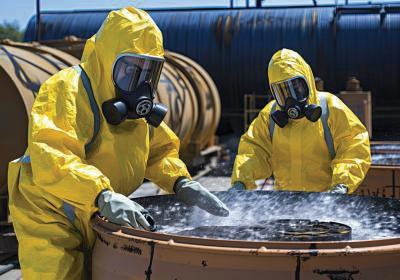
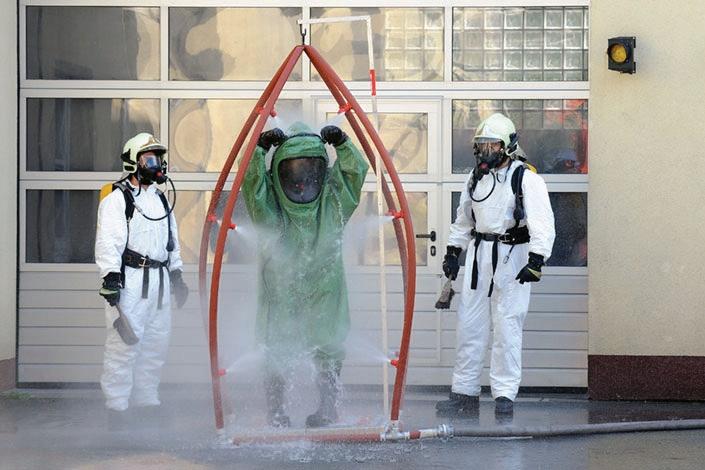
3. Don chemical boots (or integral booties).
4. Don and check SCBA or airline (open valve, perform positive/negative pressure tests on facepiece).
5. Pull suit over torso, arms and SCBA; assistant seats hood without breaking seal.
6. Close and seal zipper; connect breathing hose; tape all junctions (doubletape where required).
7. Don outer gloves and tape wrists (leave pull-tabs for easy removal).
8. Final buddy check: suit integrity, mobility, communications and air supply.
Level B follows a similar sequence but is nonencapsulating. Level C requires donning the suit before the respirator. Log every entrant with suit number and time in.
use guidelines
When operating in hazardous materials environments, strict PPE guidelines are essential to ensure responder safety and operational effectiveness. Level A or Level B chemical protective suits are typically required for entry into the Hot Zone, where the highest level of contamination risk exists, while Level C may be suitable for use in the Warm Zone, provided conditions are closely monitored and the hazard is clearly identified. Air management remains a critical safety factor and personnel must withdraw from the hazard area when onethird of their air supply remains or immediately if the lowpressure alarm activates.
Equally important is the management of heat stress, as encapsulated suits and respiratory protection rapidly
increase fatigue and dehydration. Teams must be monitored continuously, rotated frequently and cooling vests used whenever possible. These suits also impose significant limitations, reducing visibility, dexterity, mobility and communication and responders must remember that chemical PPE is not automatically flameresistant unless specifically certified. In emergencies, any suit breach or SCBA failure requires immediate notification and rapid withdrawal to decontamination, while medical incidents should be managed with the casualty still in PPE until they can be safely moved into the Warm Zone.
Decontamination is a critical control measure designed to prevent secondary exposure and must always be planned, controlled and substance specific. It is often treated as
an afterthought, yet the same hazardous product that created the incident in the Hot Zone can easily be transferred onto the entry team’s suits and “walk out” to the decon zone with them. This places the decon team at serious risk, especially if they are wearing lower-level PPE. As a rule, the decon team must wear the same level of protection as the entry team, Level B for Level B operations and Level A for Level A operations.
Decontamination is divided into three categories: gross decon, which involves rapid removal of bulk contamination at the Hot/Warm Zone boundary; technical decon, which includes detailed scrubbing, rinsing and verification in the Warm Zone and emergency decon, which is improvised rapid action in life-threatening situations. A professionally designed decon corridor should follow a structured flow, typically including tool drop, gross rinse, scrub stations, rinse, PPE
removal, inner wash and finally drying, redressing and medical rehabilitation in the Cold Zone.
The process must be systematic and buddy-assisted, beginning with a gross rinse while still on air, followed by careful removal of outer coverings and thorough head-to-toe scrubbing and rinsing before controlled suit removal. SCBA and facepiece are removed last, followed by a full soap-and-water shower and medical evaluation.
Decon solutions must always be compatible with the chemical involved, as water is not always safe and may react violently with certain substances. All runoff must be contained as hazardous waste, reusable suits cleaned and inspected to manufacturer and NFPA standards and disposable items correctly bagged for hazardous disposal. Effective decon depends on proper post-use care, accurate recordkeeping and regular training, including
annual refresher drills, medical surveillance, fit testing and ongoing SOP updates.
Conclusion: A culture of safety Chemical PPE is only as effective as the personnel who select, don, use and decontaminate it. By following this approach, fire departments can significantly reduce the risk to responders while maintaining the ability to protect the public and the environment.
Every hazmat response should end with the same outcome: All personnel return home safely.
Departments are encouraged to adapt this SOP to their specific equipment, local hazards and regulatory requirements (including the OHS Act and SANS standards). Regular table-top and live drills using this framework will build muscle memory and confidence.
Stay safe. Train hard. Go home every time.
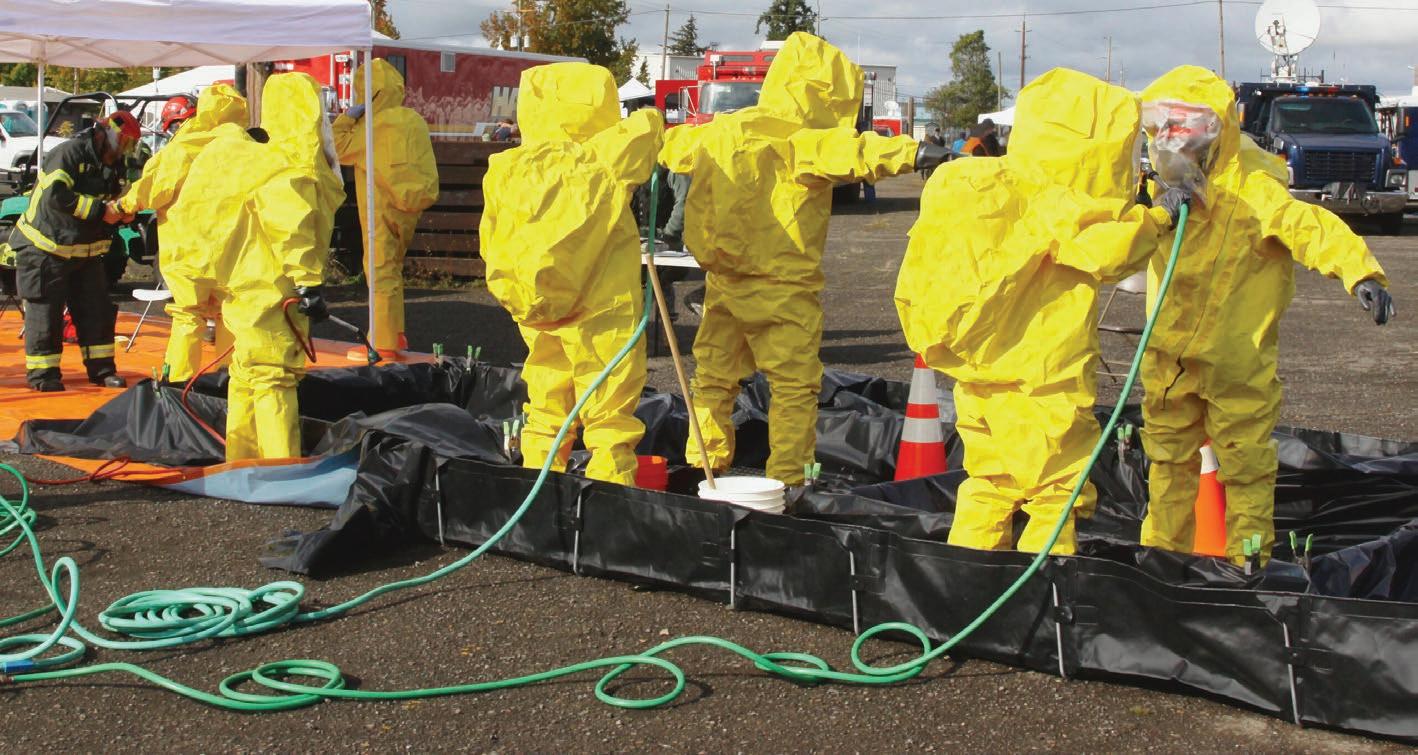
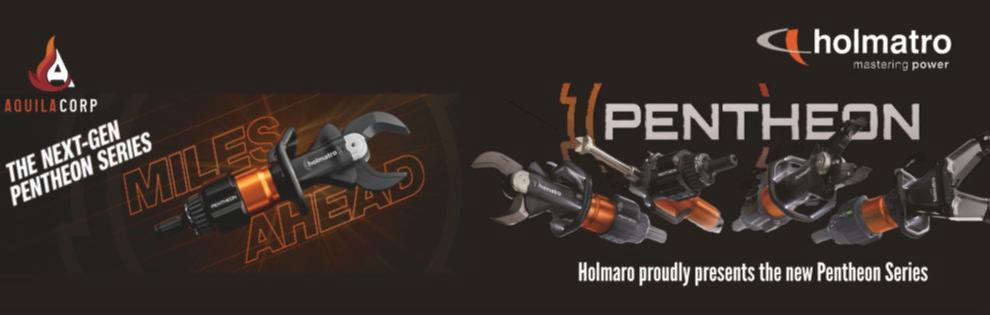
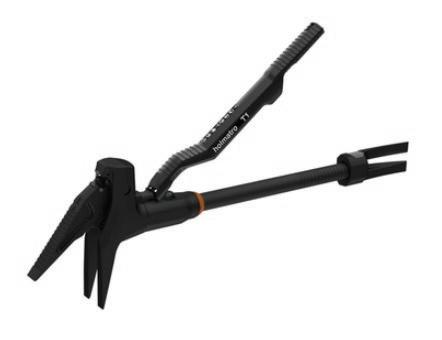
In modern rescue operations, speed, control entry to complex stabilisation scenarios, rescue professionals rely on equipment that performs flawlessly under pressure. Holmatro, a global leader in hydraulic rescue technology, continues to set the benchmark with innovative tools designed to help responders work faster, safer and more effectively in the most demanding environments.
The T1 Forcible Entry Tool –
One tool, unlimited possibilities
The Holmatro T1 Forcible Entry Tool is designed to replace multiple tools with a single, compact solution. Built for versatility, the T1 allows operators to cut, wedge, ram, spread, hammer and lift using one robust unit — making it ideal for rapid intervention teams and confined-space operations.
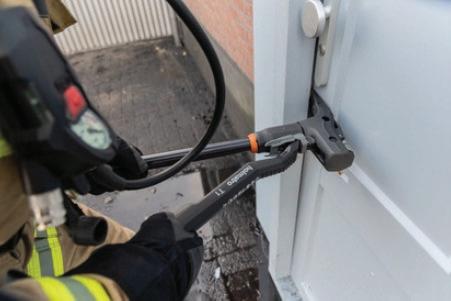
Its optimised cutting blades and jaw design allow it to easily cut rebar, chains and padlocks, with a cutting capacity of up to 18mm round bar (S235). Damaged blades can be quickly replaced in the field, ensuring minimal downtime.
Powered by a two-stage hydraulic pump, the T1 delivers exceptional performance with minimal effort. Just 30kg of manual force on the pump rod generates an impressive 14.2 tons of cutting force and 3.4 tons of spreading force. This efficiency reduces operator fatigue and air consumption, making it especially valuable during prolonged rescue operations.
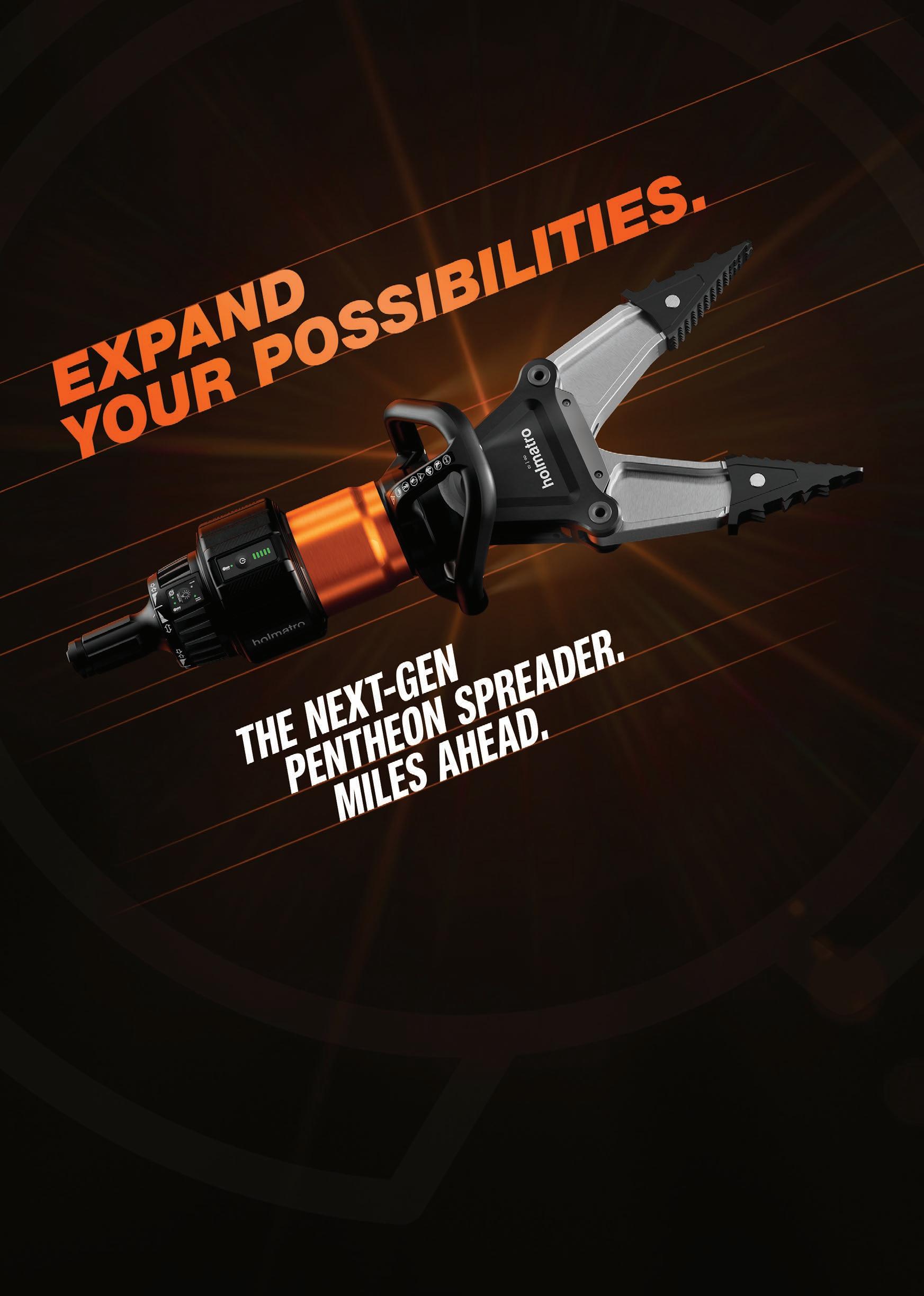
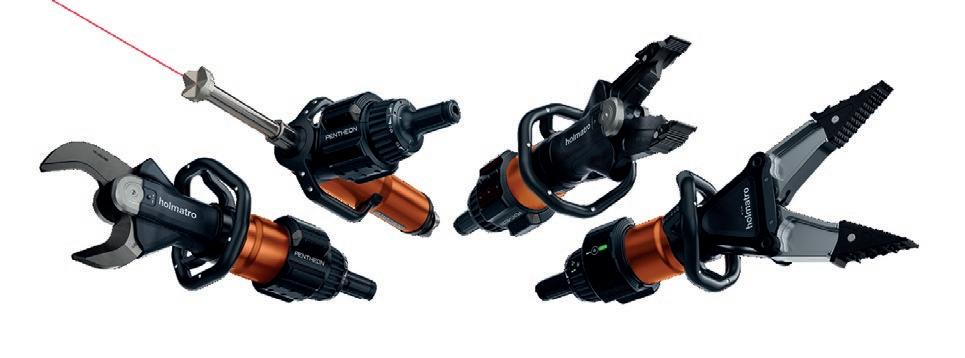
The PDR200 Door Ram – Powerful, precise, battery driven PCU50 cutter – speed that saves lives
The PDR200 Door Ram brings Pentheon battery technology to forced entry operations. This double acting, battery- powered door ram is designed for breaching inward-opening doors with multiple locking points and can also be used on outward opening doors when paired with a manual breaching tool.
Its cordless design enhances mobility and deployment speed while maintaining the raw power required for decisive entry. The PDR200 is a
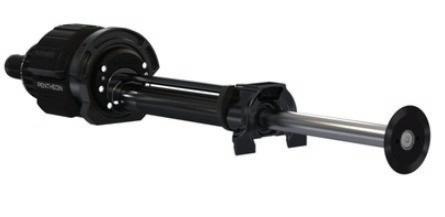
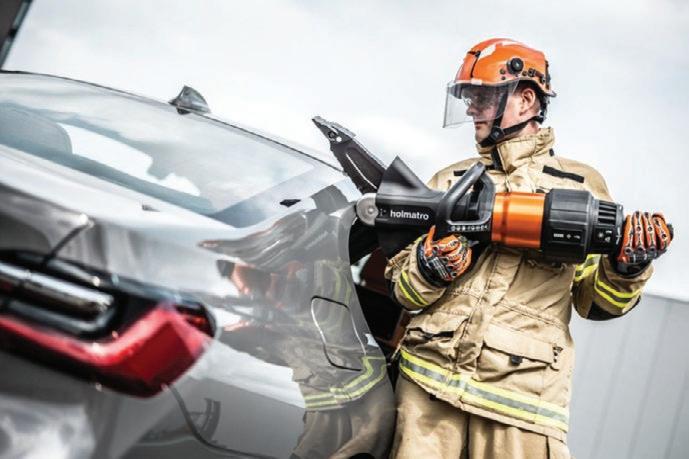
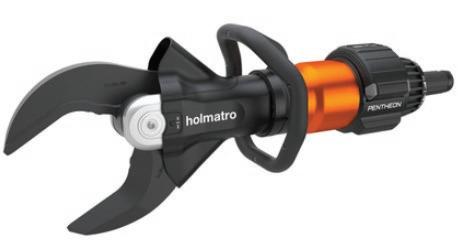
prime example of Holmatro’s focus on combining performance with operational simplicity.
The PCT50 Combi Tool –Power and versatility in one unit
The PCT50 Combi Tool combines cutting and spreading functions into one high performance rescue tool, ideal for crews requiring maximum capability with minimal equipment. Like the PCU50, it features Stepless Speed Maximisation, ensuring optimal performance under any load. Two internal grip teeth prevent material from slipping during cutting, improving safety and efficiency.
Designed for real-world rescue environments, the PCT60 performs reliably:
• Underwater
• In extreme heat or cold
• In rain, snow and harsh weather conditions
A redesigned drive system reduces operating noise, improving communication on scene, while integrated LED lighting in the handle ensures clear visibility in low-light conditions.
The PCU50 Cutter – Speed that saves lives
The PCU50 Cutter represents a major leap forward in rescue tool performance. Featuring Holmatro’s patented Stepless Speed Maximisation, the cutter continuously optimises motor and pump performance to deliver the fastest cutting speed on the market, regardless of load.
Operators benefit from:
• Two operating modes – reduced speed for training or demonstrations and full-speed Pentheon mode for real-world rescues
• Precise speed control via an intuitive two-speed inline handle
• Smooth, controlled cutting for increased safety and efficiency
This level of control allows rescuers to work faster without sacrificing accuracy or safety.
OmniShore – A new standard in shoring and stabilisation When it comes to stabilisation, Holmatro’s OmniShore system represents a complete rethinking of rescue shoring. Designed for maximum adaptability, OmniShore allows responders to construct virtually any shoring configuration using just six strut types. This dramatically simplifies
logistics while increasing operational flexibility. At the heart of the system is Holmatro’s patented Trident Coupler, which guarantees correct and secure connections every time. The system physically prevents unsafe connections, ensuring reliability even in high-stress environments.
The OmniLock system takes safety even further by allowing responders to monitor and adjust loads from a safe distance. Its Auto-Follow function automatically compensates for load movement while remaining mechanically locked — reducing time spent in danger zones and improving overall scene safety.
Built for Those Who Save Lives Holmatro’s rescue tools are designed with one goal in mind: enabling responders to perform at their best when it matters most. From forcible entry and cutting to stabilisation and structural support, every tool reflects decades of real-world rescue experience, engineering excellence and a commitment to safety.
For fire and rescue services seeking reliable, high-performance equipment that adapts to any scenario, Holmatro continues to set the standard.
Contact Aquilla Corp, the local Holmatro agents on:
Tel: +27 11 823 2481
Email: info@aquilacorpsa.co.za sales@aquilacorpsa.co.za
Visit: www.aquilacorpsa.co.za
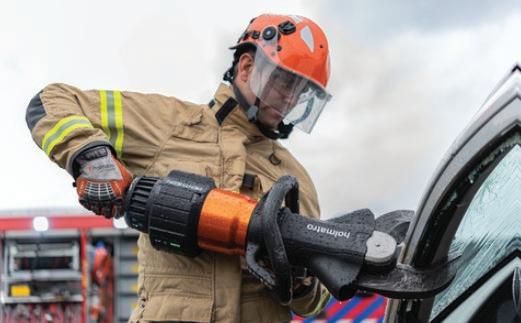
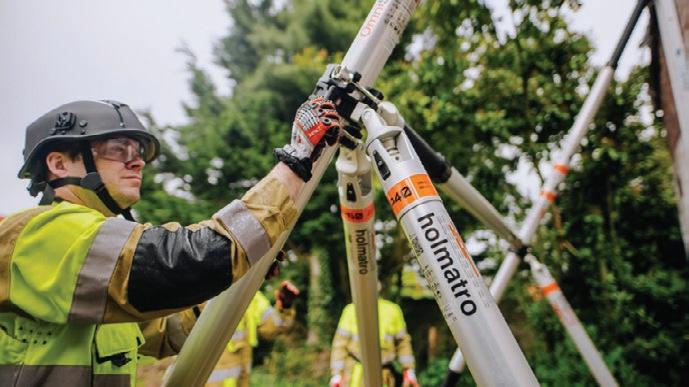
By Etienne du Toit, Western Cape Government: Disaster Management and Fire and Rescue Services
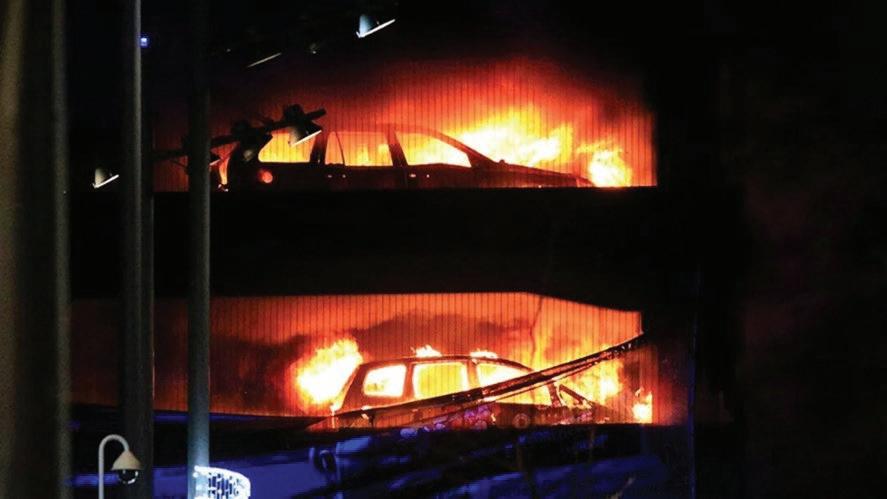
Keywords: Parking garage fires; vehicle fire dynamics; heat release rate; radiant heat transfer; multi-vehicle fires; fire spread; South Africa; fire engineering; electric vehicles; fire safety design
Abstract
Parking garage fires have historically been considered low- to moderate-risk incidents, typically involving a single vehicle with limited firespread. However, a review of 26 international parking garage fires, resulting in 3 156 vehicles destroyed and 36 fatalities, demonstrates a clear shift in fire behaviour. Modern vehicles, characterised by increased
use of polymeric materials and higher energy densities, exhibit significantly higher heat release rates (HRR) and faster fire growth compared to vehicles of the 1970/80s and even early 90s.
This article examines the evolution of vehicle fire dynamics and quantifies the role of radiant heat transfer in multi-vehicle fire spread within parking structures. Using representative HRR values
and typical vehicle spacing, radiant heat flux levels are shown to exceed ignition thresholds for adjacent vehicles within minutes, explaining the rapid escalation observed in large-loss incidents.
The findings are contextualised within the South African built environment, highlighting potential gaps in current design assumptions as guided by “deem to satisfy” as provided
for in SANS 10400T, which allows for targeted reductions or exemptions in fire protection requirements for parking structures, based on the premise that fires in these environments are typically of lower intensity. The paper concludes with recommendations for fire safety design, regulatory review and operational adaptation to address the increasing risk posed by modern vehicle fires.
Note: Hydrogen fuel cell electric vehicles (FCEVs) are emerging alongside electric vehicles (EV) as a credible alternative to internal combustion engine vehicles, offering similar refuelling times and range, with particular promise for heavy-duty and longhaul applications. As Hydrogen infrastructure develops, their viability is increasing. However, a detailed technical examination of both EV and FCEV technologies falls outside the scope of this article, which focuses instead on fire behaviour and operational considerations.
1. Introduction
Historically, vehicle fires were regarded as isolated, low-intensity incidents. This assumption no longer holds true. Increasing evidence indicates that modern vehicle fires exhibit rapid growth, high heat output and a strong propensity for fire spread, particularly within confined environments such as parking garages.
The challenges associated with fires in parking garage environments, drawing on both first-hand experience and analysis of international incidents, are discussed with the hope of increasing the awareness around these dynamics. It highlights
the rapid escalation potential of seemingly minor vehicle fires, particularly in confined or non-sprinklered structures and highlights the impact of increasing heat release rates (HRR) on firefighting tactics.
Specific attention is given to access limitations, delayed attack initiation and the critical importance of applying sufficient firefighting media early in the incident. The article also considers the evolving risk profile posed by modern vehicles, including alternative energy systems and the implications for fire service preparedness. Ultimately, it aims to inform tactical decision-making and promote a more proactive approach to managing high-risk parking garage fires.
For the purpose of this study, 26 fires involving large parking garages were analysed, resulting in the destruction of 3 156 vehicles and 36 fatalities. A lack of consolidated local data necessitated the use of international case studies; however, the findings are directly relevant to South Africa due to similarities in parking structure design, vehicle composition and fire service constraints.
Vehicle fires in multi-storey and underground car parks occur globally and range from small, single-vehicle incidents to largescale fires involving hundreds or thousands of vehicles, sometimes causing structural damage, collapse, fatalities and major disruption. Drawing on operational experience, parking garage fires present a complex and evolving risk environment for fire and rescue services. In two incidents attended early
in my career, the contrast was stark: a single-vehicle fire in the late 80s, effectively contained by an automatic sprinkler system and a later fire around 2004 in a non-sprinklered shopping complex where one vehicle fire rapidly extended to damage at least 15 others. Despite acceptable response times, significant delays in accessing the seat of the fire highlighted inherent challenges in multistorey and enclosed parking structures. Extreme heat release contributed to severe spalling of concrete structural elements, underscoring the intensity such fires can generate even under “conventional” vehicle conditions.
2. Evolution of vehicle construction and fireload These incidents occurred over two decades ago, prior to the widespread introduction of electric vehicles, alternative fuels and modern safety systems. Contemporary risks are therefore significantly amplified. This article examines selected parking garage fires to explore tactical challenges, with particular focus on heat release rate (HRR) and the critical application of firefighting media. Vehicles manufactured in the 1970s were largely composed of steel and other non-combustible materials, with limited use of plastics and synthetic components. Interior finishes typically included natural fibres such as cotton, wool and leather. As a result, the overall fuelload per vehicle was relatively low and fires tended to develop more slowly, often remaining localised for extended periods.
In contrast, modern vehicles incorporate a substantial proportion of polymeric materials, including
polypropylene, polyurethane foams, ABS plastics and synthetic textiles. These materials are hydrocarbon-based and significantly increase the available fireload, fundamentally altering fire dynamics. In addition, modern vehicles include complex electrical systems and, increasingly, high-energy Lithium-ion battery systems. Systems include air conditioning, detonators in airbags and greater fuel capacity, combined with vehicles being generally larger, with the introduction of SUVs and 4x4s. The aforementioned materials significantly increase the available fuelload, often by a factor of two to three times compared to older vehicles.
The shift in materials has a direct impact on heat release rate (HRR), which is the primary driver of fire intensity. Vehicles from the 1970s typically exhibited peak HRRs in the order of 1 to 3MW, with relatively gradual fire growth.
Modern internal combustion engine vehicles, including SUVs, frequently reach 5 to 10MW or more, with rapid escalation to full involvement.
This increase in HRR is particularly significant in
parking garages, where radiant heat transfer between closely spaced vehicles can lead to rapid firespread. Incidents that may historically have involved a single vehicle, now frequently escalate to multi-vehicle fires, as evidenced in numerous international case studies.
It was identified by Merseyside Fire and Rescue Service in their protection report into the Kings Dock Fire that the fireload is based on outdated research on old vehicles and requires further consideration, it further also states ‘Where the car park is well ventilated, there is a low probability of firespread from one floor to another.’ Merseyside Fire and Rescue Service state in their Kings Dock Protection report that this ‘clearly wasn’t the case at this incident and requires revision.’ This observation can also be applied to Luton Terminal Car Park 2.
3. Heat release rate, radiant heat transfer and fire spread
The transition in materials has led to a marked increase in heat release rate (HRR). Modern vehicles can reach full fire involvement within 3 to 8 minutes, compared to 10 to 15 minutes or more for older vehicles.
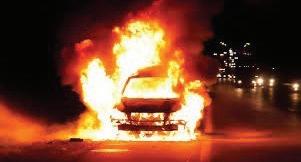
Within the analysed available datasets, the majority of incidents demonstrated early escalation to multi-vehicle fires, strongly correlated with these elevated HRRs. These datasets confirms that once two to three vehicles become involved, the fire escalates rapidly, often resulting in large-scale losses. Ceiling temperatures can approach 1 100°C, with peak incident heat flux exceeding 225kW/m².
Firefighters attending the Luton Airport Parking Garage fire observed that a new vehicle became involved every 30 seconds.
The primary mechanism driving firespread in parking garages is radiant heat flux transfer between adjacent vehicles.
3.1 Application to parking garage conditions
Studies also confirm that vehicles aligned into rows will produce a greater heat output than singular vehicles. One vehicle will produce up to 5MW of energy but two vehicles close together may produce between 16 to 20MW due to reflected heat and lack of ventilation between vehicles.
On average a car parking bay is approximately 4.8 to 5m in length x 2.4 to 2.6m in width. The average car is approximately 1.8m wide, this allows for around 290mm to 300mm gap between parked vehicles, which facilitates the chain reaction of fire spread from vehicle to vehicle due to the radiated heat and direct flame impingement.
Using:
HRR = 8 MW
Radiative fraction = 0.30 Distance = 1.0 to 1.5m
Results in:
~190kW/m² at 1.0m
~85kW/m² at 1.5m
These values exceed typical ignition thresholds:
10 to 15kW/m²: Piloted ignition 20 to 30kW/m²: Auto-ignition
50kW/m²: Rapid flame spread
This demonstrates that adjacent vehicles are highly likely to ignite within minutes under realistic conditions.
4. Wind influence on parking garage fire behaviour
Wind plays a critical role in the development and spread of parking garage fires, particularly in open or naturally ventilated structures. By increasing the available oxygen supply, wind can significantly elevate Heat Release Rates (HRR) and accelerate fire growth, enabling rapid extension from a single vehicle to multiple vehicles. In addition, wind influences flame direction and promotes convective heat transfer, preheating adjacent vehicles and facilitating horizontal firespread. From an operational perspective, wind can adversely affect hose stream application, reduce visibility through smoke movement and alter internal flow paths, thereby complicating access and increasing risk to crews. These factors underscore

the importance of recognising parking garage fires as ventilationinfluenced events, requiring adaptive tactics and an emphasis on early, sufficient application of firefighting media.
‘Wind on the night was approximately 10mph in a south westly direction. The open sided construction of Terminal Car Park 2 enabled flames to be fanned and directed towards adjacent vehicles increasing the speed of fire development. Imagery captured by a London Luton Airport car park employee ‘evidences the flames being
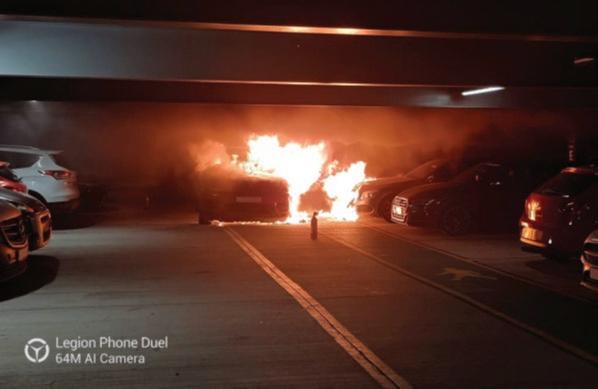
forced towards the adjacent vehicles. This is common with fire development and is generically understood as “wind driven fires”.
Wind introduces additional oxygen that accelerates combustion, leading to increased heat release rates and a more rapid escalation from single-vehicle to multi-vehicle involvement. It also drives horizontal flame spread across parking bays, promoting fire propagation in the windward direction. Adjacent vehicles are preheated through a combination of flame impingement and convective heat transfer, significantly increasing the likelihood of ignition and resulting in rapid fire extension under wind-influenced conditions.
5. Structural and operational implications
5.1 Structural impact
The changing fire characteristics of vehicles call into question the adequacy of existing fire safety provisions within parking structures, including those guided by standards such as SANS 10400T.
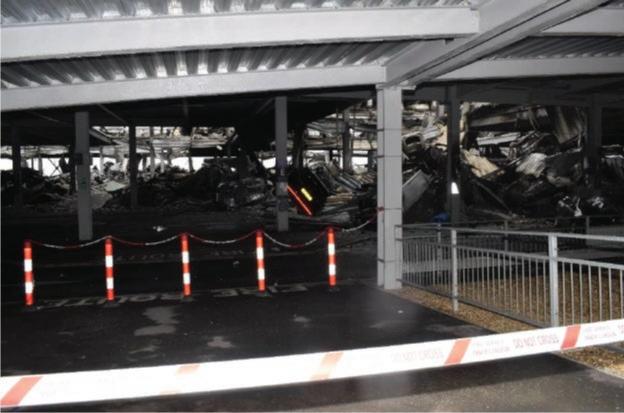
Key considerations include:
• The effectiveness of natural ventilation systems under high HRR conditions
• The need for automatic fire suppression systems in certain classes of parking structures
• Adequacy of fire detection and early warning systems
• Reassessment of fireload assumptions used in design codes
• Increased thermal loading
• Risk of concrete spalling
• Potential structural degradation under prolonged fire exposure
This risk is amplified in multivehicle scenarios, where sustained high temperatures exceed the design assumptions of older structures that did not account for contemporary vehicle fireloads.
On Tuesday 10 October 2023, Bedfordshire Fire and Rescue Service (Bedfordshire FRS) received a 999-call alerting it to a car on fire on the third floor of Terminal Car Park 2 at London Luton Airport. Opened in 2019
with 2 700 car-parking spaces, the five-storey car park was a steel framed structure with reinforced concrete floors and open sides.
The firespread to involve 1 352 vehicles and led to a partial collapse of the structure, which was deemed unsafe and fully demolished following the fire.
Despite offensive firefighting operations being adopted by the first arriving firefighting crews, clear signs of imminent structural collapse were observed in the protected staircases. This led the incident commander to order a
tactical withdrawal of firefighters in the building and only external firefighting operations took place for the remainder of the incident.
This initial attack was similar to the approach taken by Merseyside Fire and Rescue Service at the 2017 Kings Dock Multi storey Car Park Fire. The Kings Dock Car Park, similar to Terminal Car Park 2 at Luton Airport was built using the Approved Document B guidance document. This document bases its understanding of cars in a fire on studies in the post war era when cars were of a simpler construction.
Merseyside Fire and Rescue then stated that their ‘main branches heat absorption capabilities range from 20.4 to 27.2MJ/s (1MJ = 1MW), Initial crews reported up to 10 vehicles involved, which would release well in excess of 100MJ/s of energy. In this scenario, a minimum of five to six main branches would have been required.
A critical consideration in parking garage fire suppression is the relationship between nozzle
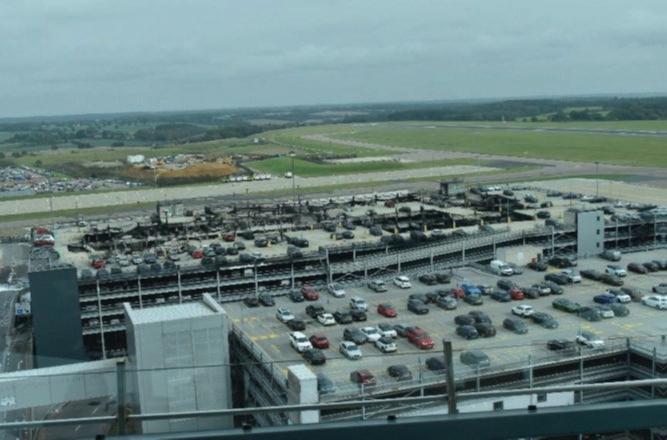
flow rate and the heat release rate (HRR) of burning vehicles. The Akron 1720 Turbojet nozzle, commonly used in South Africa and deployed on attack lines ranging between 38 and 45mm, delivers a maximum flow of approximately 475l/min under standard operating conditions. While this provides adequate performance for single-vehicle fires, its limitations become evident in multi-vehicle scenarios where HRR can increase rapidly and exceed several megawatts per vehicle.
In such environments, the energy output of the fire can outpace the cooling capacity of a single handline, delaying knockdown and allowing firespread to adjacent vehicles. This was evident in operational experience where, despite timely arrival, additional time was required to establish an effective attack, during which fire growth continued. The implication is clear: in high HRR incidents such as parking garage fires, effective suppression is less about access alone and more about the timely application of sufficient water. This may necessitate the early deployment of multiple lines or higher flow capabilities to achieve rapid control and limit fire spread.
A standard riser has a diameter of 150mm with the capacity to supply three main jets of 45mm each flowing approximately 1 450l/min under standard operating conditions. Therefore, the capacity of an individual riser will be inadequate to attack a fire of this combined size and energy output along with radiated heat transfer to other vehicles and surrounding structure. While developing this article, site visits to three large, non-
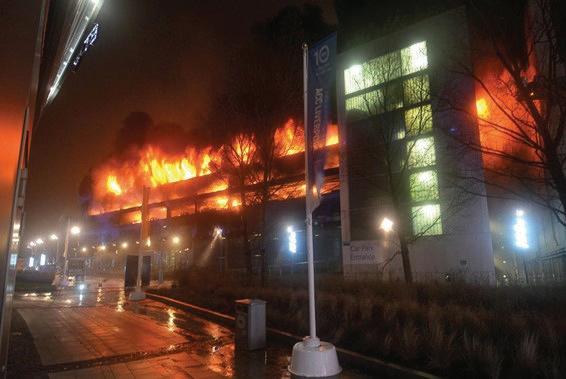
sprinklered parking garages revealed that the majority of rising mains and distribution pipework supplying landing valves were installed at a diameter of 75mm, reflecting prevailing minimum compliance practices rather than performance-based design.
These conditions collectively result in a reduced window for effective intervention, necessitating faster operational response and decisionmaking. Higher heat release rates drive increased water flow requirements to achieve control, while confined or semi-enclosed environments introduce greater complexity due to restricted access, heat accumulation and smoke conditions. In addition, incidents may be significantly prolonged, particularly with electric vehicle involvement, due to sustained burning characteristics and the risk of re-ignition, placing extended demands on firefighting resources.
There were three key phases of tactics used to tackle the fire: Phase 1 - The initial attack with crews committed internally to the car park
Phase 2 - Defensive firefighting to contain the fire to the third floor and
Phase 3 - Defensive firefighting with the aim of containing the fire within the car park and preventing it from spreading to nearby structures and aircraft.
Water remains the preferred medium for combating conventional vehicle fires, provided that the application rate meets or exceeds the heat release rate (HRR). For initial attack, both high-pressure and ultra-highpressure (UHP) systems can be effective, even where multiple
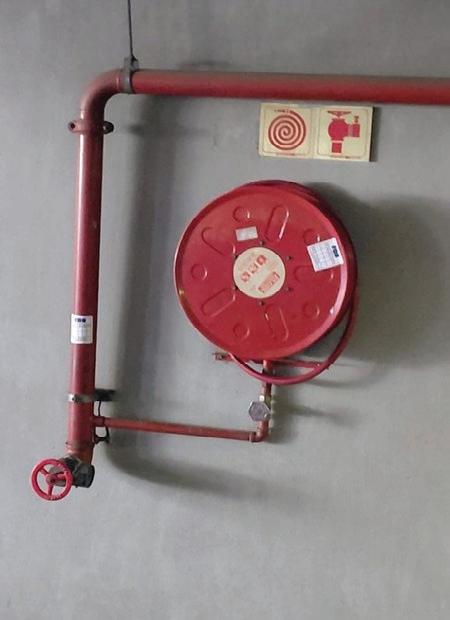
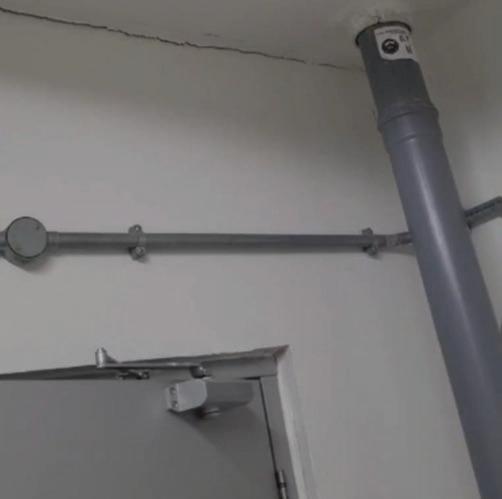
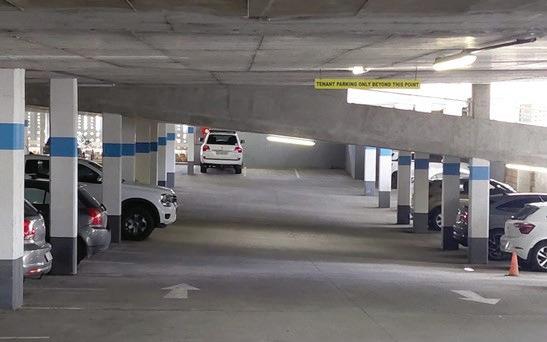
vehicles are involved. However, their efficiency is significantly reduced in open-sided parking garages where wind conditions can disrupt spray patterns and cooling capability.
Ultra-high pressure (UHP) water mist is a highly effective technology for rapid initial attack in parking garage fires, particularly where speed, mobility and reduced vehicle weight are critical. Its fine droplet size enhances cooling efficiency and steam conversion, enabling quick knockdown of incipient vehicle fires while using relatively low water volumes. This makes UHP especially valuable for firstarriving crews operating with limited resources. However, its effectiveness is highly dependent on integration into a broader suppression strategy. In opensided parking structures, wind and ventilation can significantly reduce mist density and cooling performance, limiting its ability to control higher heat release rate fires or prevent firespread without support from conventional firefighting streams.
It was reported in crews’ witness statements that there were
running fuel fires on floor 2 (the floor below where the fire started). On investigation looking through images taken by crews inside the car park, it is evident that drainage pipes within the car park are of plastic construction. The heat from the fire and the running fuel fires entering the drainage system would have caused the pipes to fail leading to firespread. Sloping floors and ramps leading to lower floors may potentially assist in spreading these running fires.
Modern vehicles introduce additional challenges.
Unlike older steel fuel tanks, contemporary tanks are often manufactured from composite materials. These are more prone to rupture under fire conditions, leading to severe running fuel fires that promote rapid horizontal firespread across the floor. This risk is less pronounced in electric vehicles, where liquid fuel is absent.
Once established, running fuel fires require appropriate Class B extinguishing agents, such as foam or dry chemical powder (DCP), with UHP water mist playing a more limited supporting role.
Furthermore, drainage systems in parking structures - often constructed from plastic - can fail under fire exposure, detaching or melting, thereby compromising fire control and environmental containment measures.
The possibility of running fuel fires should be a consideration during firefighting operations.
While EVs re statistically less likely to catch fire than an internal combustion engine car, incidents involving a Lithium-ion battery can be far more serious and difficult to extinguish.
6. South African context
In contrast to the international body of evidence, there is a notable absence of consolidated and formally analysed data relating to parking garage fires in South Africa. This limitation necessitated reliance on international case studies to inform this article. However, the lack of documented large-scale incidents locally should not be interpreted as an indication of reduced risk but rather as a reflection of fragmented reporting and limited postincident analysis.
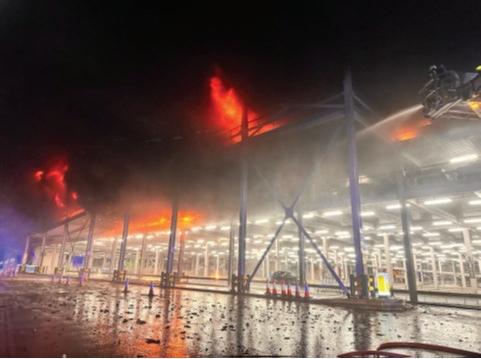
The few recorded incidents within the South African context typically involve single or limited vehicle fires, often contained before significant escalation. These outcomes are frequently influenced by factors such as early intervention, partial ventilation in open or semi-open structures and, in some cases, favourable conditions such as vacant adjacent parking bays. Nevertheless, these incidents mirror international ignition patterns, including electrical faults and accidental causes.
Importantly, the local risk profile is evolving. The increasing prevalence of Lithium-ion battery systems associated with backup power solutions, as well as the gradual introduction of electric and hybrid vehicles, presents new and more complex fire dynamics. These include higher heat release rates (HRR), challenges in extinguishment and the potential for re-ignition. In addition, changes in vehicle construction, including greater use of synthetic materials, further contribute to increased fireloading.
Accordingly, while large-loss parking garage fires may be underrepresented in South
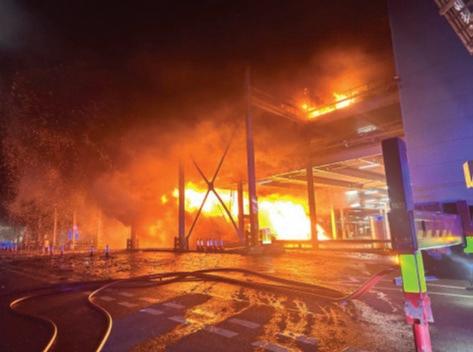
African records, the underlying risk factors are consistent with and increasingly aligned to, those observed internationally. This underscores the need for proactive consideration of fire protection measures, tactical preparedness and enhanced data collection within the local context.
Parking structures in South Africa are generally designed in accordance with SANS 10400T. While these regulations provide a solid framework, they may not fully account for:
• Modern vehicle fireloads
• Multi-vehicle fire scenarios
• Emerging risks associated with electric vehicles.
This highlights the need for a reassessment of design assumptions and fire safety provisions.
7. Conclusion
Modern vehicle fires represent a significant departure from historical fire behaviour, characterised by higher heat release rates, faster growth and increased firespread potential.
The analysis confirms that parking garage fires should no longer be considered low-
risk, isolated events but rather high-intensity scenarios with a strong likelihood of multivehicle involvement.
This shift has important implications for fire safety design, regulatory frameworks and emergency response within South Africa.
While most car park fires remain small and are typically contained to one or two vehicles using standard firefighting interventions such as breathing apparatus and hose reel jets, there remains a credible risk of low-frequency, highimpact incidents that can escalate rapidly under certain conditions. This is particularly relevant in multi-storey and underground parking structures, where limited access, smoke logging and heat build-up significantly complicate suppression efforts and can necessitate large-scale, multiagency responses.
In light of these risks, it is highlighted that design fireload assumptions be updated to reflect the higher heat release rates associated with modern vehicles. Provisions within SANS 10400 should be reviewed and strengthened to address
contemporary fire behaviour. Greater emphasis should be placed on the adoption of automatic fire suppression systems and the integration of structural fire engineering principles to account for high HRR scenarios. Fire service tactics and training must evolve accordingly, including the development of specific response strategies for electric vehicles. Additionally, the establishment of a national fire incident database would support evidence-based planning, while risk-based assessments of existing parking structures should be prioritised. Finally, the potential for running fuel fires should be explicitly considered in the design of car park drainage systems to mitigate horizontal firespread.
Larger car park fire incidents require a coordinated multiagency response and the deployment of significant resources, as demonstrated in cases such as Lisbon, where over 140 firefighters and 48 appliances were mobilised, often supported by aerial platforms and water towers. These incidents present substantial operational challenges, including restricted access, smoke logging and intense heat build-up in enclosed or semi-enclosed environments. While the majority of car park fires are relatively small and manageable, there remains a high-risk, low-frequency potential for rapid and catastrophic escalation. This is particularly evident in multi-storey and underground parking structures, which create complex firefighting conditions. As a result, effective fire safety design, including robust detection, suppression systems and adequate ventilation, is critical to limiting fire spread and mitigating overall impact.
• Update design fireload assumptions to reflect the higher heat release rates and material composition of modern vehicles.
• Review and strengthen provisions within SANS 10400T to address contemporary fire risks in parking structures.
• Increase the adoption of automatic fire detection and suppression systems, particularly in enclosed and multi-storey car parks.
• Incorporate structural fire engineering principles to account for high HRR scenarios and potential progressive collapse.
• Adapt fire service tactics and training to address evolving vehicle technologies and complex parking environments.
• Recognise ultra-high pressure (UHP) systems fitted on smaller rapid intervention vehicles (RIVs) as a valuable asset that enhances rapid initial attack capability, particularly in access-constrained environments.
• Develop specific response strategies for electric vehicle (EV) incidents, including cooling, containment and reignition management.
• Establish a national database for fire incident reporting to support data-driven policy and operational improvements.
• Conduct risk-based assessments of existing parking structures to identify vulnerabilities and prioritise upgrades.
• Consider the potential for running fuel fires in the design of car park drainage systems to limit horizontal firespread.
References
Babrauskas, V. (2003). Ignition Handbook. Fire Science Publishers. Drysdale, D. (2011). An Introduction to Fire Dynamics (3rd ed.). Wiley.
SFPE (2016). SFPE Handbook of Fire Protection Engineering (5th ed.). Ingason, H., Li, Y.Z., & Lönnermark, A. (2015). Tunnel Fire Dynamics. Springer. International Association of Fire and Rescue Services (CTIF). Global fire statistics and reports. National Fire Protection Association (NFPA). Vehicle fire data and research reports. European Fire Safety Alliance. Parking garage fire case studies. South African Bureau of Standards. SANS 10400. UL Fire Safety Research Institute. (2020–2023). Vehicle fire and electric vehicle fire studies. Significant Incident Report: London Luton Airport Terminal Car Park 2. (2023) Bedfordshire Fire and Rescue Service. Pramuanjaroenkij, A. and Kakaç, S., 2023. The fuel cell electric vehicles: The highlight review. International Journal of Hydrogen Energy. Ringland, J.T., 1994. Safety issues for Hydrogenpowered vehicles.
Kang, S., Lee, K.M., Kwon, M., Lim, O.K. and Choi, J.Y., 2022. A quantitative analysis of the fire hazard generated from Hydrogen fuel cell electric vehicles. International Journal of Fire Science and Engineering. Chen, H., Buston, J.E., Gill, J., Howard, D., Williams, R.C., Vendra, C.M.R., Shelke, A. and Wen, J.X., 2020. An experimental study on thermal runaway characteristics of Lithium-ion batteries with high specific energy and prediction of heat release rate. Journal of Power Sources.
By Karel Roodt, The Fire Engineer
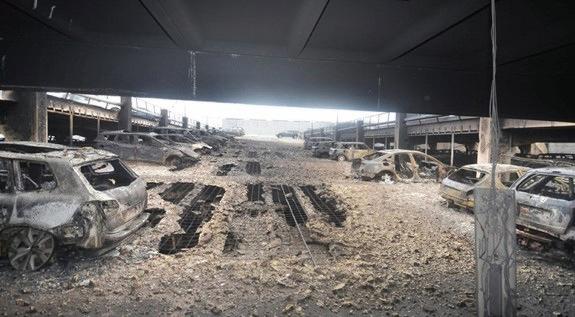
1. Introduction
Recent fire incidents in large capacity parking structures and parking garages, both internationally and locally, have demonstrated that fires in these occupancies represent high consequence events capable of causing extensive structural damage, prolonged building downtime and significant risk to occupants and emergency responders. Several major parking garage fires within the last three to four years have involved multi vehicle fire spread and sustained fire exposure,
challenging the long-standing assumption that vehicle fires in parking structures remain localised and self-limiting.
The Stavanger Airport car park fire in Norway (2020), which damaged approximately 300 vehicles; a high rise residential underground parking fire in Korea (2021) affecting some 600 vehicles and, most significantly, a recent residential parking garage fire in Korea (2024), initiated by a battery electric vehicle (BEV), which resulted in the destruction of nearly 90 vehicles, extensive
smoke and heat damage to a further 800 vehicles and the loss of power and water services to approximately 480 households for more than a week.
These events are particularly relevant to the application of SANS 10400 T, which permits specific reductions or exemptions in fire protection measures for parking structures based largely on assumptions of low fire severity, limited fire duration and effective smoke dilution through natural ventilation. Such assumptions were
historically derived from fires involving internal combustion engine vehicles (ICEVs) and do not explicitly address the characteristics of modern vehicle fleets or contemporary parking garage configurations.
The transition toward battery electric vehicles (BEVs) and hybrid vehicles, combined with increased vehicle densities in underground and large capacity parking garages, introduces additional fire dynamics not addressed in the current prescriptive framework of Part T. Recent large scale parking structure fires—some involving BEVs as the initiating vehicle— have resulted in extensive damage affecting hundreds of vehicles, prolonged loss of essential building services and significant social disruption, despite compliance with
prevailing prescriptive provisions. These incidents demonstrate that the consequences of parking garage fires are not solely governed by ignition frequency, but rather by fire severity, enclosure effects and fire spread potential once ignition occurs.
Parking garages present a combination of risk factors that directly influence fire behaviour and are central to the intent of Functional Regulations T1 (Fire protection), including:
• a high concentration of combustible fuel packages in close proximity
• partially enclosed or enclosed geometries that promote accumulation of hot combustion products beneath ceilings
• limited natural ventilation effectiveness during the early stages of fire development and
• restricted firefighting
access and delayed manual intervention.
In enclosed and semi enclosed parking structures, recent full scale experimental evidence has shown that fires can escalate rapidly due to confinement effects, resulting in high ceiling jet temperatures, severe radiant heat feedback and rapid involvement of adjacent vehicles. Where BEVs are present, additional phenomena such as the pre-release of flammable gases from Lithium-ion battery packs, delayed or sequential ignition, jet flames and prolonged thermal runaway further increase the challenge to traditional fire control assumptions underpinning SANS 10400 T.
Although SANS 10400 T remains fundamentally deemed-tosatisfy in intent, its prescriptive

provisions for parking structures do not explicitly account for these evolving fire hazards. Reliance solely on natural ventilation or reduced active fire protection measures may therefore no longer provide a level of fire safety that is consistent with the objectives of life safety, property protection and structural stability envisaged by the National Building Regulations.
Accordingly, it is recommended that designers adopt a performance-based fire engineering approach to assess the fire risks associated with modern vehicle fires in parking structures, informed by recent full scale fire testing and documented large loss parking garage fire incidents. The objective is to demonstrate that a deviation from certain prescriptive provisions of SANS 10400 T is necessary and appropriate in order to achieve compliance with the underlying functional requirements of the regulations.
2. Limitations of legacy car park fire assumptions
Historic guidance generally assumed that car parks were low fire-load occupancies, with fires unlikely to spread beyond the vehicle of origin and primarily controlled through ventilation. The BRE BD2552 research programme (2010) already challenged this assumption for modern internal combustion engine vehicles by demonstrating multi-vehicle fire spread and heat release rates exceeding 16MW. Importantly, that programme explicitly excluded electric and hybrid vehicles from testing.
3. Recent full-scale fire tests on electric and hybrid vehicles
3.1 Full-scale BEV fire test in underground car park geometry (2025)
A peer-reviewed study published in Fire Technology (2025) presents the first full-scale fire test of a battery electric
vehicle conducted in an instrumented test rig simulating an underground car park. Key findings include ceiling jet temperatures approaching 1 100°C, peak incident heat flux exceeding 225kW/m² and rapid deflagration venting under enclosed conditions. The study confirmed that enclosure geometry significantly increases fire severity compared to open parking conditions.
3.2 UL Fire Safety Research Institute (FSRI) EV Fire Programme
UL FSRI has conducted a multi-year programme of fullscale EV fire tests, identifying thermal runaway, jet flames, prolonged fire duration and delayed re-ignition as defining characteristics of lithiumion battery fires. Traditional suppression techniques were shown to be effective primarily for cooling and exposure protection rather than immediate extinguishment.
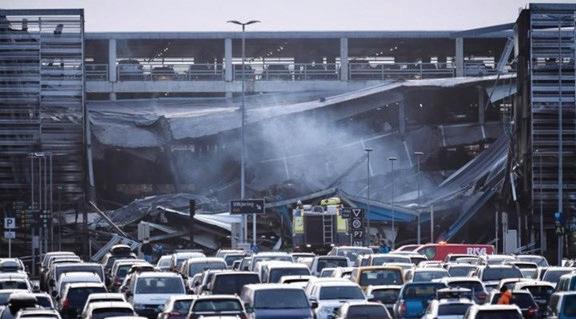
3.3 NFPA/WPI/Boston Fire Department full-scale tests (2024)
Full-scale testing of a production BEV demonstrated two distinct fire phases: an initial vehicle fire followed by a battery-dominated fire. Sustained heat release, repeated jet flame events and significant cooling water demand were observed.
European SUVEREN Research Project
The SUVEREN project (2019–2020) conducted extensive battery and vehicle-level fire tests ranging from 5 to 24 kWh battery packs. Tests confirmed that thermal runaway cannot be reliably suppressed by smothering agents, with waterbased systems remaining the most effective for controlling fire spread and structural exposure.
5. Implications for parking structure fire design
Collectively, recent experimental evidence demonstrates that ventilation alone is insufficient to control modern vehicle fire severity. Enclosed parking geometries amplify fire intensity and Lithium-ion battery fires introduce extended burn duration, re-ignition risk and increased toxic hazards. Automatic sprinkler systems remain critical for fire containment, structural protection and supporting firefighter intervention.
6. Conclusion
Recent full-scale fire testing conclusively shows that battery electric and hybrid vehicles present fire hazards fundamentally different from those assumed in legacy car park fire design. Reliance on ventilation-based exemptions without considering modern
vehicle fire dynamics is no longer technically defensible. A performance-based approach informed by current experimental research is increasingly necessary to ensure life safety and structural resilience.
References
Kang, S. et al. Full-Scale Fire Testing to Assess the Risk of Battery Electric Vehicle Fires in Underground Car Parks. Fire Technology, Springer, 2025. UL Research Institutes – Fire Safety Research Institute. Fire Safety of Batteries and Electric Vehicles.
WPI / UL FSRI / Boston Fire Department. Full-Scale LithiumIon Battery Electric Vehicle Fire Testing, NFPA Conference, 2024. SUVEREN Research Project. Fire Tests with Lithium-Ion Batteries, 2019–2020.
References in detail for background information and not publishing
The following references support the findings and assessments presented throughout this report on fire risks associated with battery electric vehicles (BEVs) and hybrid vehicles in parking structures. They include fullscale fire tests, research programmes and regulatory frameworks that inform the performance-based fire engineering approach adopted herein.
1. Full-scale fire tests and experimental studies
• Full-Scale BEV Fire Test in Underground Car Park Geometry (2025): This test provided empirical evidence of rapid fire escalation due to confinement effects in underground parking
structures, as well as the unique hazards posed by BEVs, including high ceiling-jet temperatures and prolonged thermal runaway.
• UL Fire Safety Research Institute (FSRI) EV Fire Programme: Comprehensive research focused on fire dynamics, ignition and suppression challenges specific to electric vehicles, contributing valuable data for updating fire safety strategies in parking environments.
• NFPA/WPI/Boston Fire Department Full-Scale Tests (2024): Joint experimental work examining fire behaviour and intervention strategies for BEV and hybrid vehicle fires, highlighting the limitations of current prescriptive fire protection measures.
2. Research initiatives
• European SUVEREN Research Project: A collaborative investigation into the behaviour of fires involving electric and hybrid vehicles in parking structures, emphasising the need for revised performance-based design approaches.
3. Regulatory frameworks
• SANS 10400-T: The South African National Building Regulations, Part T, which presently offers prescriptive provisions for parking structures but does not explicitly account for new fire hazards introduced by BEVs and hybrid vehicles.
• National Building Regulations: Underlying functional requirements relating to life safety, property protection and structural stability, which serve as the benchmark for fire engineering assessments.
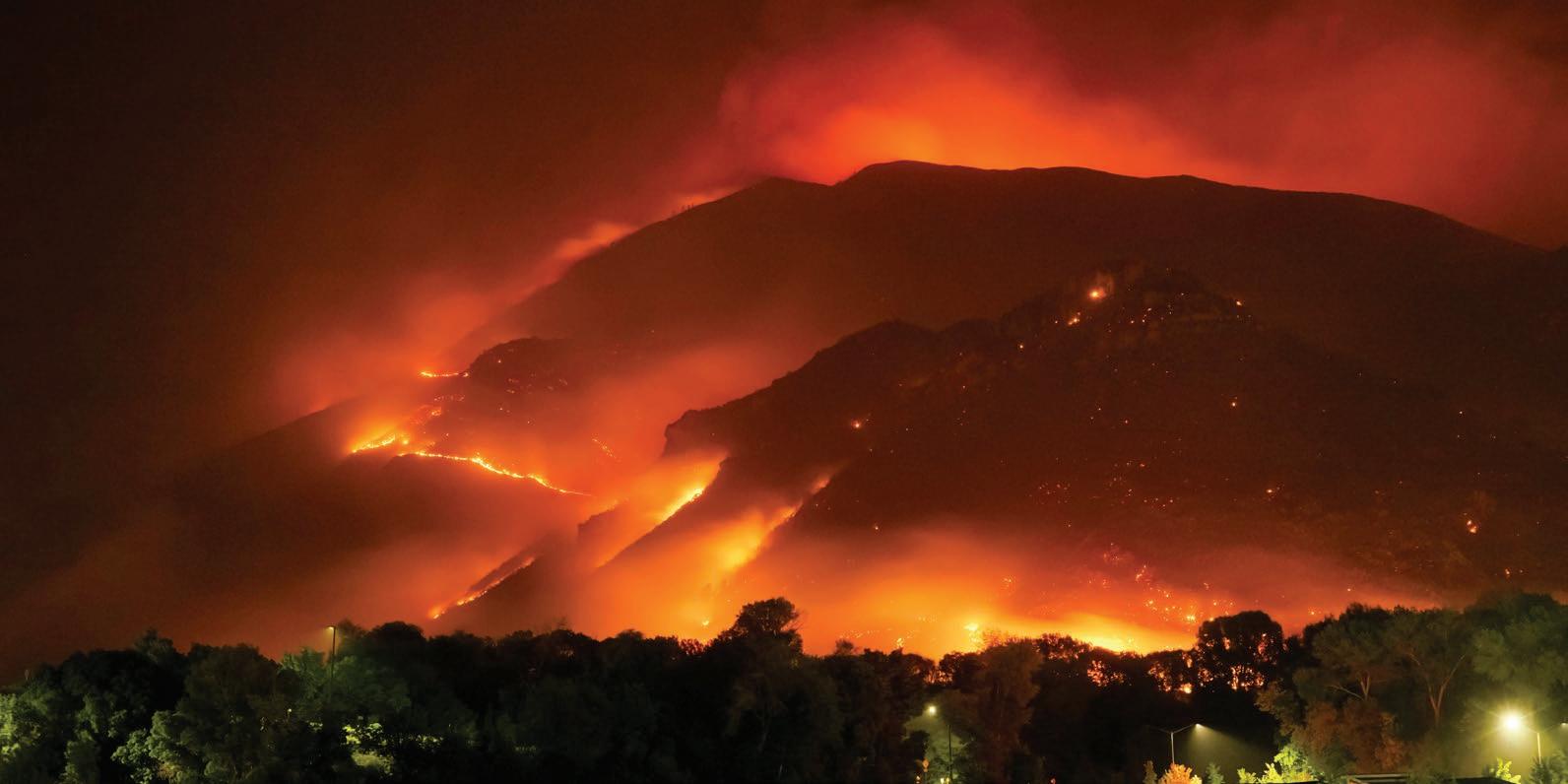
Photo by Mike Newbry on Unsplash
Minutes matter in the first moments after a wildfire ignites. What begins as a small spark can escalate rapidly and in that narrow window, the ability to act decisively depends entirely on the quality of information available.
Disconnected data and false alarms create costly delays. When responders are forced to verify unreliable inputs, critical time is lost time that could mean the difference between early containment and a rapidly expanding disaster.
That’s why high-quality, real-time environmental data is non-negotiable. Vitalweather and Vitalfireweather utilise only Davis weather stations to provide the foundation for accurate situational awareness, and proven solutions from Davis Instruments have become a trusted standard in the field. Designed for reliability in harsh and remote environments, Davis weather stations deliver continuous, precise measurements of temperature, humidity, wind speed and wind direction, key variables that directly influence fire behaviour.
Systems like the Vantage Pro2 are engineered for durability and consistency, offering solar-powered operation, wireless data transmission and low maintenance requirements. This makes them ideal for deployment across large, high-risk areas where infrastructure is limited but accurate data is essential. By feeding real-time, hyper-local weather data into fire modelling platforms, these stations enable faster, more confident decision-making.
However, weather data alone is only part of the equation. True predictive capability comes from combining these inputs with a detailed understanding of fire behaviour. Fuel type, canopy height, vegetation density and drought conditions all influence how a fire starts, spreads and intensifies.
To manage this complexity at scale, Watchpoints focus attention where it matters most - highlighting high-risk zones with the greatest potential impact on people, property, wildlife and critical infrastructure. This targeted approach cuts through noise and ensures resources are directed efficiently.
Fuel classification further sharpens predictive accuracy. By understanding how different vegetation structures interact with wind, responders can better anticipate fire intensity and spread. This distinction is critical when identifying transitions from surface fires to far more dangerous crown fires, as well as when modelling fire movement across mixed landscapes where natural and built environments intersect.
The result is a smarter, more integrated approach to wildfire management. With reliable ground-based data from systems like the Vantage Pro2, combined with Vitalweather and Vitalfireweather inputs, organisations can reduce uncertainty, improve response times and ultimately limit damage.
In wildfire response, better data doesn’t just inform decisions, IT DRIVES OUTCOMES.
Contact CW Price and Company on Tel: 011 805 4720
Email: cwp@cwprice.co.za
Visit: www.cwprice.co.za or www.vitalweather.co.za
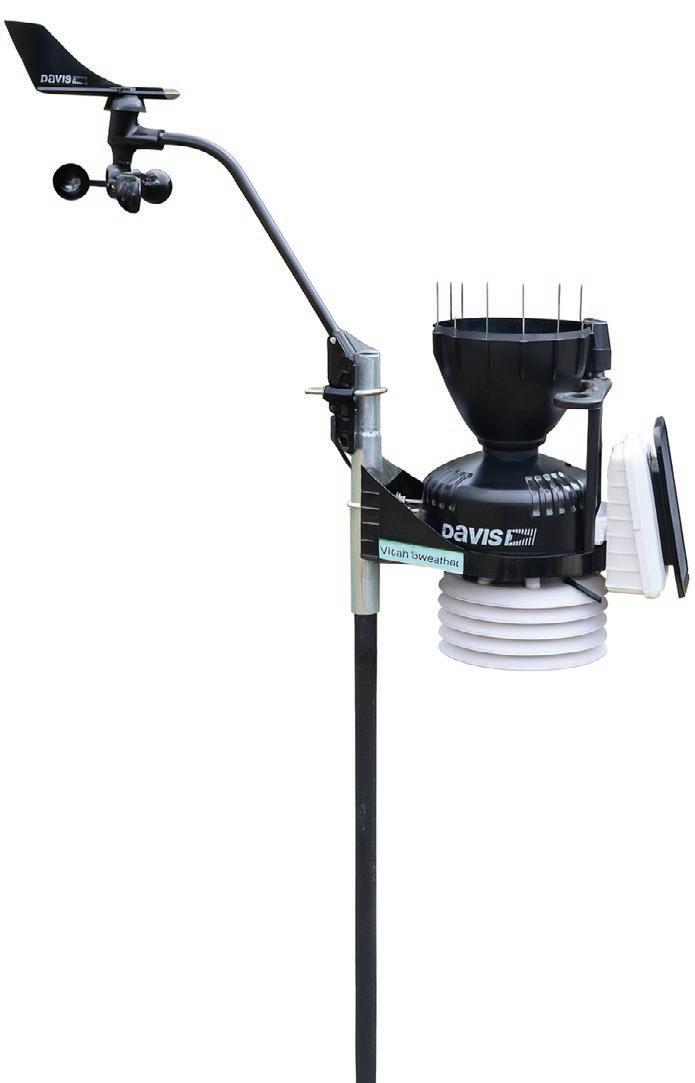
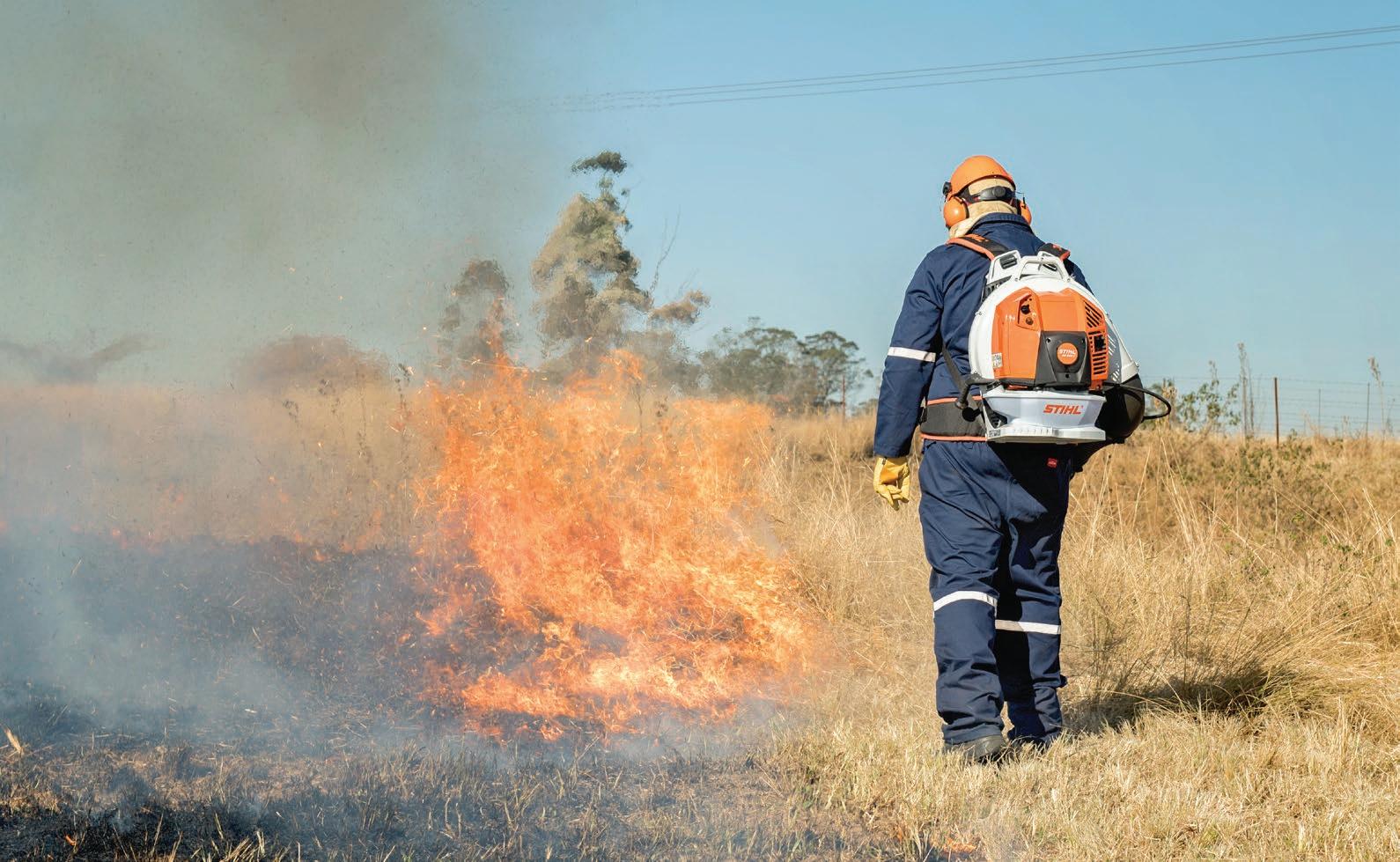
As winter settles across South Africa, the landscape becomes both beautiful and perilous. Dry grass, brittle leaves, and gusting Berg winds combine to create ideal conditions for wildfires. For landowners, farmers and fire protection associations (FPAs), proactive fire management is no longer optional; it is a critical necessity for survival.
Central to modern fire prevention is controlling the fuel load, which is the accumulation of dry organic matter that feeds a fire, before
it ignites. This is where petrolpowered backpack blowers like the Stihl BR 700 and BR 800 have become indispensable tactical tools. These machines are not designed to extinguish flames; they are engineered to strategically relocate combustible material away from firelines and create a fuel-free buffer that starves a fire of its path.
The science of the 4-MIX® engine
In the demanding South African bushveld, equipment failure is not an option. Stihl’s patented
4-MIX® engine technology powers the BR 700 and BR 800. This represents a leap forward in power-to-weight ratios, combining the best of both worlds by merging the high torque and "lug" of a 4-stroke engine with the lightweight, highrevving agility of a two-stroke.
For the operator, this means a blower that responds instantly to the throttle but runs on a fuel-oil mix, which eliminates the need for separate oil pumps and heavy sumps. This design keeps the unit light enough for all-day use
while delivering the massive air volume required to move heavy, matted grass or wet debris. Furthermore, the 4-MIX® system is significantly quieter and produces fewer emissions, which is a vital factor when crews work in proximity for hours on end.
Designed for tactical precision and endurance
Navigating the South African terrain, from the rocky outcrops of the Drakensberg to the dense thickets of the Lowveld, requires more than just raw power; it requires ergonomics. The BR 700 and BR 800 feature harness systems with wide, padded shoulder straps and a supportive hip belt that distributes the machine's weight across the lower back and hips. This reduces the strain on the shoulders and neck, which is crucial for maintaining operator alertness during high-stress fire seasons.
The multi-function control handle integrates all essential engine functions, including throttle, start and stop, into a single, onehanded grip. The operator can
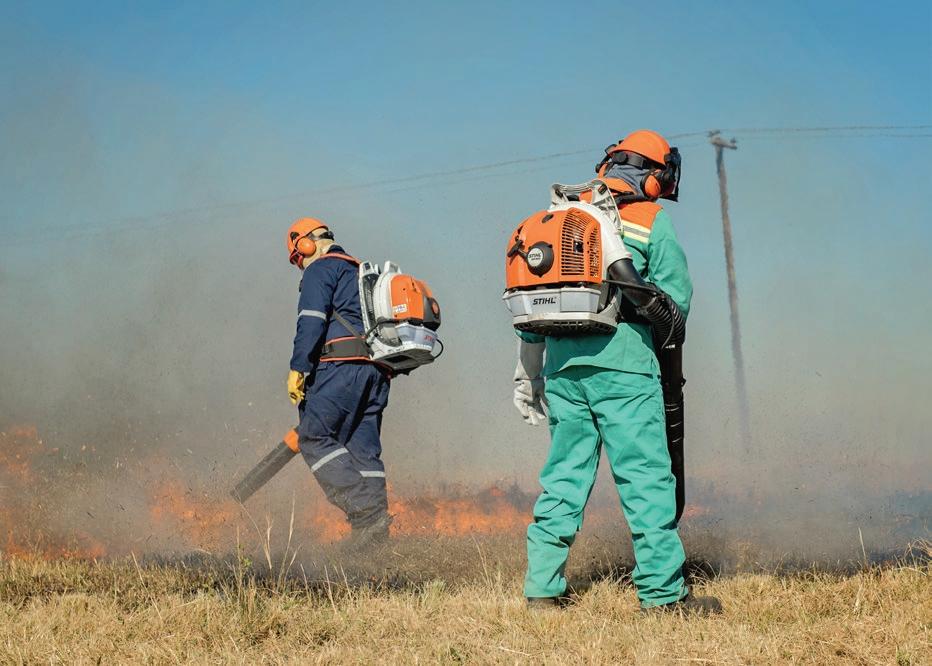
use their free hand to maintain balance or clear larger obstacles. Combined with an advanced antivibration system, these blowers help keep hand-arm vibration to a minimum, preventing the numbness and fatigue that often plague manual clearing crews.
Operational advantages:
Why air beats the rake In a tactical environment, efficiency is measured by how much ground a single person can cover.
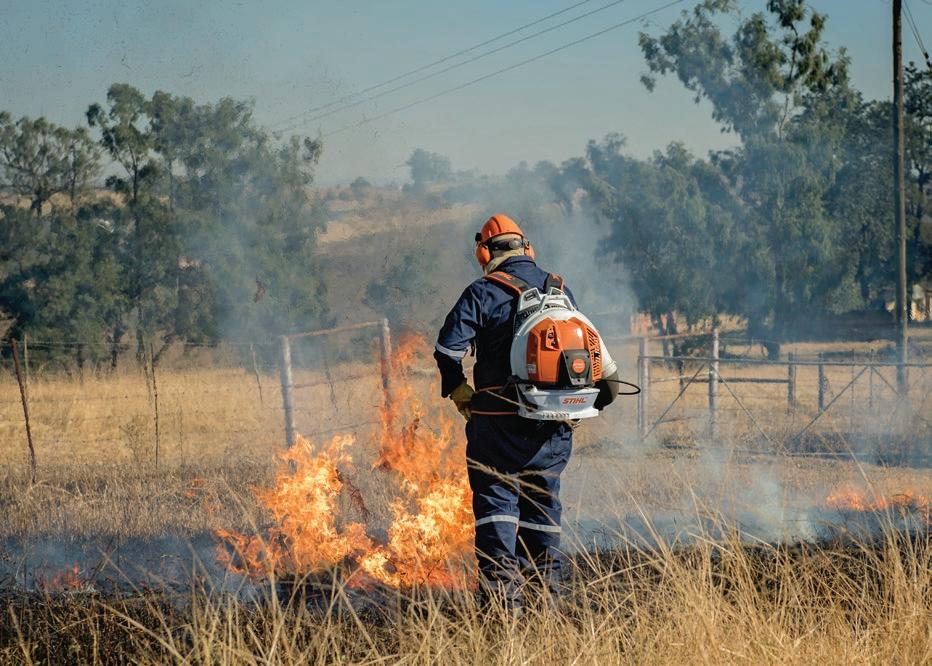
Strategic water conservation:
In many water-scarce regions of South Africa, using precious water to dampen "dead zones" is a luxury few can afford. Stihl blowers allow you to manage the fuel load without using a single drop of water. This preserves your bowser tanks and skid units for direct suppression of active flames where they are most needed.
Accessing the inaccessible:
Fire often creeps into steep embankments or dense vegetation where tractors or fire trucks cannot reach. The backpack design allows a single operator to carry the power of a gale-force wind into the most rugged terrain, turning a difficult manual task into a high-speed mobile operation.
Rapid line maintenance:
A firebreak is only as effective as its level of cleanliness. In South Africa’s unpredictable winter conditions, a single gust of wind can redeposit dry leaves and grass onto a previously cleared line in seconds. A Stihl blower allows the crew to patrol
and sweep these perimeters at a brisk walking pace, ensuring the break remains a sterile, fuelfree barrier.
Choosing your tool: BR 700 vs BR 800
While both units are staples of the Stihl South Africa range, choosing the right model depends on the intensity of your local fuel loads.
The BR 700 is a robust workhorse, beloved for its reliability and its ability to handle long, sustained clearing operations. It provides a balanced blowing force that is perfect for maintaining established firebreaks and property boundaries.
The BR 800, however, is the "big brother" of the range, offering
approximately 20 percent more air velocity than the BR 700. With a maximum air speed of 385 km/h, it is designed for extreme fuel loads, such as thick, matted Kikuyu or heavy leaf fall in forested areas. A standout feature of the BR 800 is its side-start functionality. If an operator stalls the machine while navigating thick brush or steep inclines, they can restart the engine while still on their back, saving vital time during critical interventions.
Optimising airflow with tactical accessories
Stihl’s range of specialised accessories further enhances the versatility of these blowers. The curved flat nozzle is a particular favourite for fire management. Spreading the air stream into a broad, horizontal fan allows the operator to
clear a much wider path in a single pass. This is ideal for expansive, flat veld areas where speed is the primary objective. Conversely, the standard round nozzle can be used to concentrate the air for digging out deep debris in rocky crevices or thick undergrowth.
Preparing for the peak
As wildfire risk peaks, the goal is simple: stay ahead of the heat. The Stihl BR 700 and BR 800 backpack blowers are more than landscaping tools; they are strategic assets for protecting South African land and lives. By controlling the fuel load, extending operational reach and reducing the physical toll on crews, they enable fire management teams to act decisively and safely when every second counts.
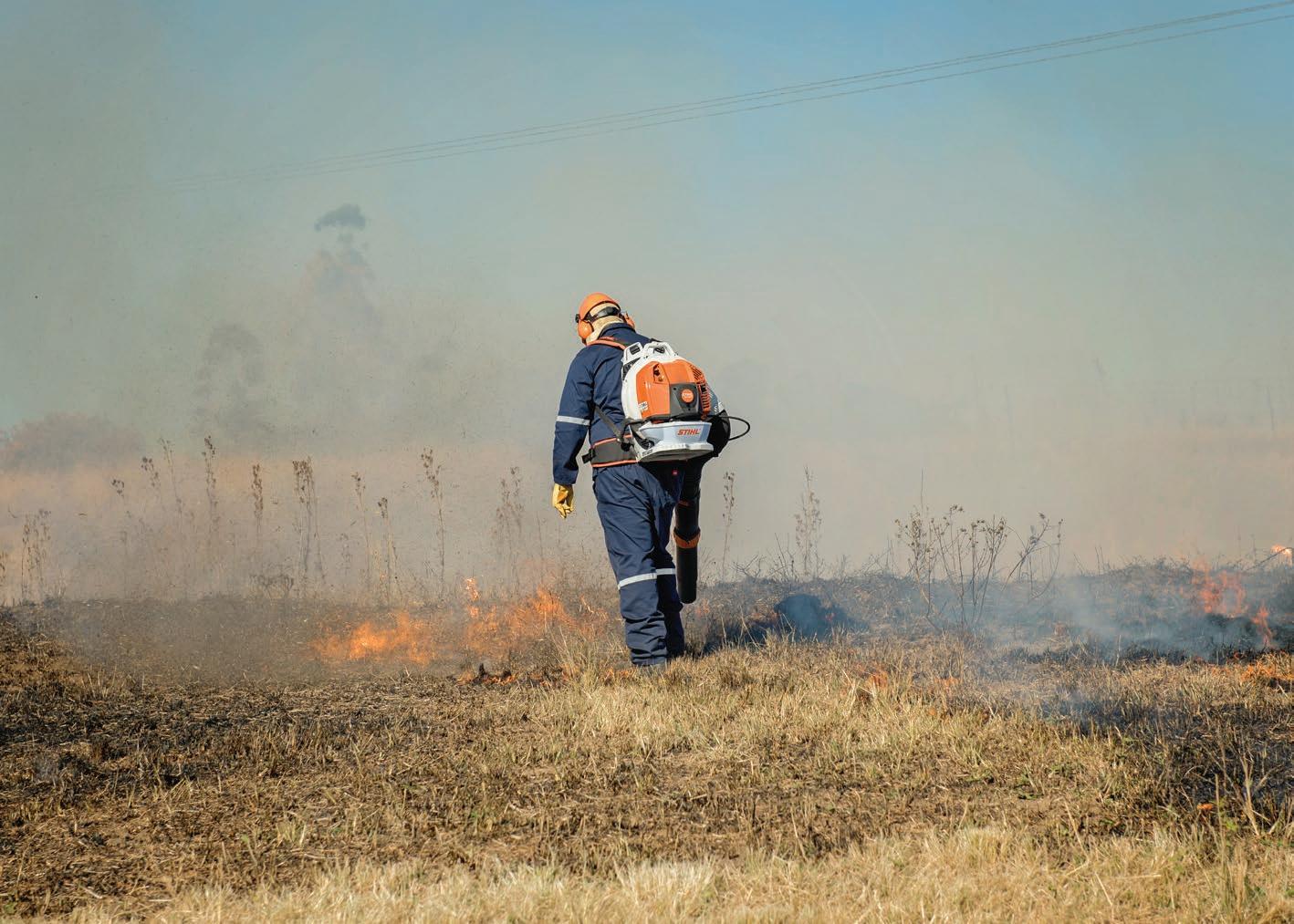

5 th Fire in the Earth System conference
Dates: 4-6th November 2026
Kruger Park, South-Africa
Pre -and Post conference excursions (2 -3/7-10th November 2026)
FIRE DYNAMICS & FIRE RISK MANAGEMENT
FIRE EFFECTS ON ATMOSFERA, BIOTA, SOIL & WATER
FIRE IN SOCIETY (SOCIO-ECONOMIC, HISTORICAL, GEOGRAPHICAL & POLITICAL PERCEPTION)
POST-FIRE LAND MANAGEMENT APPROACHES




By Michelle Kleinhans, Managing Director, Dynamic Incident Management

Effective disaster response is rarely the result of a single system or structure operating in isolation, rather, it is achieved through alignment of various frameworks, systems and structures, each designed/developed to fulfil a specific role within a complex incident situation that often evolve rapidly.
This document provides insight into the practical application of UNDAC, INSARAG, ICS and USAR teams, highlighting how their alignment supports a unified and structured approach to local or international disaster responses. It contributes to ongoing improvement of interoperability and operational effectiveness within the field of disaster management.
Peer reviewed by: Colin Deiner: Chief Director: Disaster Management
and Fire/Rescue Services; DEng (honoris causa) Stellenbosch
Marlu Rust: Disaster Management and Fire Rescue Services: Assistant Director: Fire Rescue Services
Morné Mommsen: Division Officer Training Midvaal Local Municipality
Theresa Geldenhuys: Emergency Services Training Academy-Ekurhuleni (FFP-SA)
1. Introduction
Disasters often require cooperation between multiple agencies and countries. International frameworks have therefore been developed to support coordination, operational management, and responder training. Understanding how UNDAC, INSARAG and ICS differ is essential for emergency management professionals working in international environments.
Establishes
Standardises rescue capability and classification
Provides clear command structure
The United Nations Disaster Assessment and Coordination (UNDAC) is part of the international emergency response system. It is a rapid international response coordination mechanism managed by the United Nations Office for the Coordination of Humanitarian Affairs (OCHA).
Managed by the Emergency Response Section in the Response Support Branch of OCHA Geneva. UNDAC comprises of six regional teams: Africa, Asia, Europe, Middle East, the Pacific and the Americas.
It was created in 1993 to provide immediate international coordination and assessment support to disaster-affected countries.
Primary purpose
UNDAC teams deploy within 12 to 48 hours after a disaster to:
• Conduct rapid needs assessments
• Support international coordination
• Establish information management systems
• Facilitate coordination between:
- National governments
- UN agencies
- NGOs
- Foreign response teams
Operational role
UNDAC supports the affected country and helps coordinate incoming international assistance, ensuring it's effective and aligned with the affected country's needs. The affected country remains in control and their command and emergency response structures remain in play. UNDAC teams therefore supports and compliment the country’s responses or any other structures within the country. Hence the importance that UNDAC teams when they deploy, team members understand the political and government’s structure and hierarchy.
UNDAC does not conduct rescue operations.
Typical functions include:
1. Establishing coordination centres
- Reception/departure centre (RDC)
- On-site operations coordination centre (OSOCC)
2. Information management
- Situation reports
- Mapping
- Operational coordination
3. International liaison
- Between the affected government and responding countries.
Deployment context
UNDAC is commonly deployed during:
• earthquakes
• floods
• cyclones
• large-scale humanitarian emergencies
Structure
A United Nations Disaster Assessment and Coordination team is designed to be modular, scalable and highly adaptable, depending on the size and complexity of the disaster. Structures may vary slightly.
UNDAC teams consists of certain positions and has a specific position titled ‘USAR Coordination Cell’ (UCC) is activated when international USAR teams are deployed. The UCC member has various tasks but in general s/he forms the link between international USAR teams (INSARAG), in-country first responders (USAR) and UNDAC/On Site Operations Coordination Centre (OSOCC). The UCC leads the USAR coordination efforts.
The OSOCC is the nodal operational hub for INSARAG classified teams and UNDAC teams, Humanitarian actors, UN agencies, INGOs, NGOs etc and LEMA.
UNDAC teams consist of experts from:
• UN agencies
• Governments
• Humanitarian organisations
Members are trained in:
• Coordination
• Assessment
• Humanitarian systems
• Disaster logistics
Key characteristics
Feature UNDAC
Type International coordination mechanism
Managed by UN OCHA
Operational role Coordination, not rescue Deployment time 12 to 48 hours
Scope
All disasters
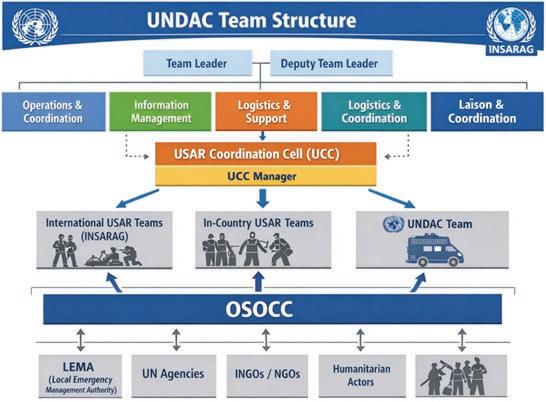
INSARAG is a global network of more than 90 countries and organisations under the United Nations umbrella. The network deals with Urban Search and Rescue (USAR) related issues.
INSARAG as an advisory workgroup aiming to establish minimum international standards for USAR teams and methodology for international coordination covering areas like safety, team composition, coordination and assessments etc.
Simply put, INSARAG Classification or team classification means all INSARAG classified teams follow a common or standard methodology/guideline when deploying. This streamlines coordination, communication and improves effectiveness and efficiency of international USAR teams working together in an affected country.
Teams are classified based on their capabilities (light, medium, heavy) to ensure they can operate
effectively and purposefully during disasters. Each classification has certain skills sets; manning level, supervision and operational periods all stipulated in the INSARAG guidelines.
INSARAG is not an incident command system but rather a support to and coordination with LEMA where your UC cell plays a pivotal role. The USAR team management structure in some areas mirrors the command and general staff of ICS, however, the affected country will not deviate from their incident command processes and systems.
By design INSARAG and UNDAC teams are flexible and adaptable to any incident command system. Depending on who arrives first in country (UNDAC/INSARAG Classified team) will set up an OSOCC and Receipt and Departure Centre (RDC) to assist incoming international assistance in collaboration with affected countries government structures. UNDAC teams are given a specific term of reference (TOR) when deploying to an affected country.
This TOR is negotiated with requesting country before the UNDAC team leaves. The TOR state the expectations and scope given to UNDAC team by the requesting country. INSARAG teams, once activated and on route monitors GDACS. On arrival teams will be briefed on their operational area and will be allocated a site for their base of operations (BOOs). This will happen at RDC, UCC or OSOCC in collaboration with LEMA.
At this stage UNDAC and INSARAG via GDACS/ VOSOCC/OSOCC would have established a coordination and information structure supporting LEMA as well as the humanitarian actors and UN clusters.
Urban Search and Rescue (USAR) operations represent only one component of a much broader disaster response and coordination system.
Alongside USAR teams, multiple emergency medical teams including hospitals, clinics and various types of field hospitals, are deployed to provide critical medical support.
In addition, a wide range of players operate within the affected country’s coordination framework, including UN agencies, NGOs, INGOs, LEMA and other government structures.
All these elements function together within the country-led response system to ensure a coordinated and effective humanitarian effort.
Primary purpose
INSARAG methodology provides or INSARAG guides etc provides:
• Operational command structure
• Team coordination
• Task management
• Safety oversight for international search and rescue teams operating in collapsed structures.
Operational role
ICS feature and principles are used within rescue teams and sectors to manage:
• Rescue operations
• Technical search
• Medical operations
• Structural safety
• Logistics
• Planning
Key components
The system mirrors the principles of the Incident Command System used in many countries.
A typical INSARAG team includes:
• Command
• Team leader
• Safety officer
• Liaison officer
Operations
(These teams are not in charge they are merely a support function under the bigger picture tasked and management by the Incident Commander (IC)) or in some cases a USAR Coordinating Cell (UCC).
• K9 search and rescue (IRO or FEMA certified handler and dog)
• Search and rescue teams
• Medical teams
• Technical specialists Planning
• Situation tracking
• Operational planning
• Documentation
Logistics
• Equipment
• Base of operations
• Transport
INSARAG Classification
INSARAG also certifies USAR teams through the INSARAG External Classification (IEC) process.
Teams are classified as:
• Light
• Medium or
• Heavy
Operational context
INSARAG classified teams are used mainly during earthquakes/structural collapse/urban disasters.
Key characteristics
Feature INSARAG ICS
Type
Operational command system
Managed by INSARAG/UN OCHA
Operational role Manage search and rescue operations
Focus
Urban search and rescue
Users International USAR teams
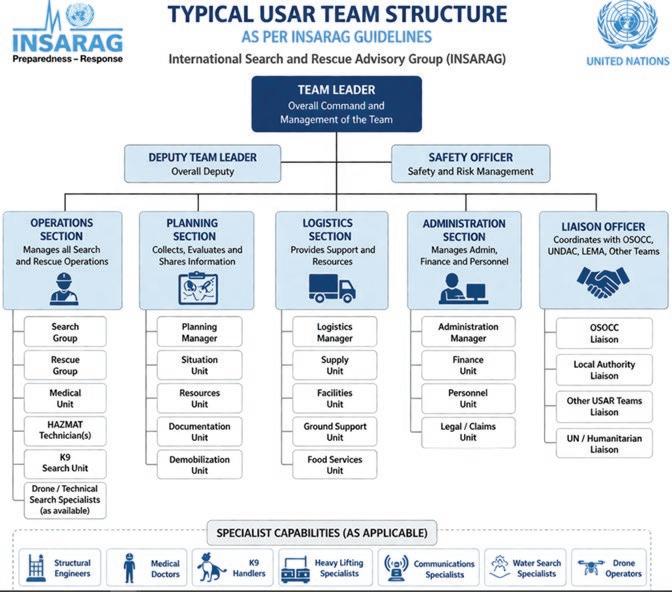
5.Reporting structure between UNDAC, OSOCC and ICS
United Nations Disaster Assessment and Coordination (UNDAC)
Level: International strategic coordination
Function: Coordination and assessment, not operational command.
UNDAC teams are deployed by the United Nations Office for the Coordination of Humanitarian Affairs (OCHA) when a country requests international assistance after a disaster.
UNDAC responsibilities
• Rapid disaster assessment
• Coordinate incoming international response teams
• Establish coordination mechanisms
• Support national disaster authorities
UNDAC does not command rescue teams or responders. Instead, they support the affected country’s government and help organise international assistance.
Level: Operational coordination centre.
The OSOCC is established by UNDAC to coordinate international response teams at the disaster site.
Think of it as the international coordination centre on the ground.
OSOCC functions
• Register arriving international teams
• Assign operational sectors
• Share situation reports
• Coordinate resources
• Prevent duplication of effort
• Link responders to government authorities
The OSOCC becomes the communication bridge between international responders and the host nation.
Incident Command System (ICS)
Level: Tactical incident management
The Incident Command System (ICS) is standardised, on-scene, all-hazards incident management system, which allows integration of resources within a common structure, which enables common processes and management of resources.
ICS is used by operational responders (fire, rescue, EMS, USAR teams) to manage the actual response operations. These resources report directly to the incident commander or operations section chief or division/group supervisor (depending on the structure and the position each resource was deployed)
It provides a clear chain of command at the incident scene and ensure effective incident and resource management.
There are five major management functions that are the foundation on which the ICS organisation develops.
• Incident commander
• Operations section
• Planning section
• Logistics section
• Finance/administration
The activated Incident Command System (ICS) structure—comprising the Incident Management Team and deployed tactical resources—is responsible for on-scene incident management and the execution of direct field operations, primarily through the Operations Section. These operations may include, but are not limited to:
• Search and rescue
• Fire suppression
• Medical operations
• Evacuations
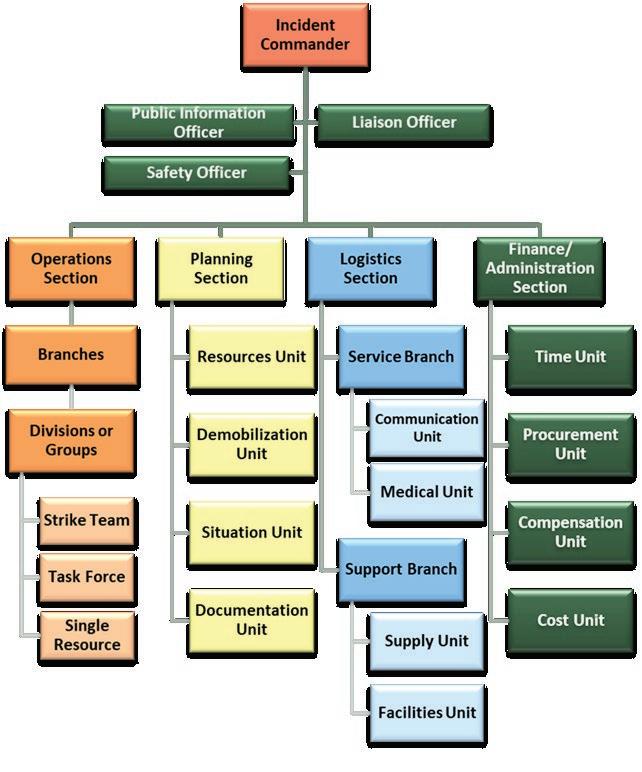
Reporting structure and coordination framework
The relationship is coordination → coordination hub → operational command.
In most countries, overall UN humanitarian coordination is led by a resident coordinator (RC) or humanitarian coordinator (HC). The RC/HC chairs the Humanitarian Country Team (HCT), which brings together UN agencies such as World Health Organisation, United Nations Development Programme and UNICEF, along with international and national NGOs.
The RC/HC provides strategic leadership and ensures that all humanitarian activities are coordinated and aligned with the priorities of the host government.
UNDAC reporting lines
The United Nations Disaster Assessment and Coordination Team operates in support of national authorities and within the broader UN coordination system. While UNDAC team members maintain close liaison with senior
government officials, the UNDAC team leader typically reports:
- In-country: to the RC/HC for coordination and strategic alignment
- Internationally: to the OCHA emergency services branch for operational oversight and support.
UNDAC role in coordination
Beyond rapid assessment and coordination, UNDAC plays a key role in:
• Supporting the development of a Common Operational Picture (COP)
• Facilitating information sharing between all response actors
• Contributing to tools such as situation reports and Flash Appeals
INSARAG and USAR coordination
The International Search and Rescue Advisory Group provide globally accepted guidelines that:
• Standardise international Urban Search and Rescue (USAR) response
• Ensure interoperability between international USAR teams
• Enable effective coordination through systems/ structures such as the OSOCC and UCC
ICS and international context
USAR teams are typically structured using Incident Command System (ICS) principles, including command and general staff functions. However, large-scale international disaster responses are not always managed strictly under a single ICS structure.
In areas such as the Western Cape in South Africa, ICS is applied formally through:
• Single Command
• Unified Command
• Area Command
• Multi-Agency Coordination (MAC)
• Joint Information Systems (JIS)
• Emergency Operations Centres (EOCs)
Both UNDAC and INSARAG systems are adaptable and flexible. They do not replace national systems but rather:
• Support and integrate into existing incident
management structures and
• Align with the host country’s command, control and coordination mechanisms
Hierarchy during an international disaster response
Affected Country Government
UNDAC Team
Establishes OSOCC
OSOCC- Coordinates international assistance or response
USAR Team • Medical Teams (EMT) • NGOs • INGO’s • UN Agencies • Gov Reps/LEMA
Operate under their own Incident Command System (ICS)
UNDAC Coordination International disaster support coordination
OSOCC Coordination Information sharing platform and team coordination
ICS Operational Manages field response command operations (This may include per worksite depending on the incident/disaster)
UNDAC and OSOCC coordinate — ICS commands operations. Think of it like this:
• UNDAC → strategic international coordination
• OSOCC → coordination centre
• ICS → operational command structure (The USAR Team leader may perform the Incident Commander role on a worksite)
UNDAC provides international coordination support and establishes the OSOCC as the operational coordination hub, while emergency response teams conduct field operations under their own Incident Command System structures.
Emergency response coordination diagram
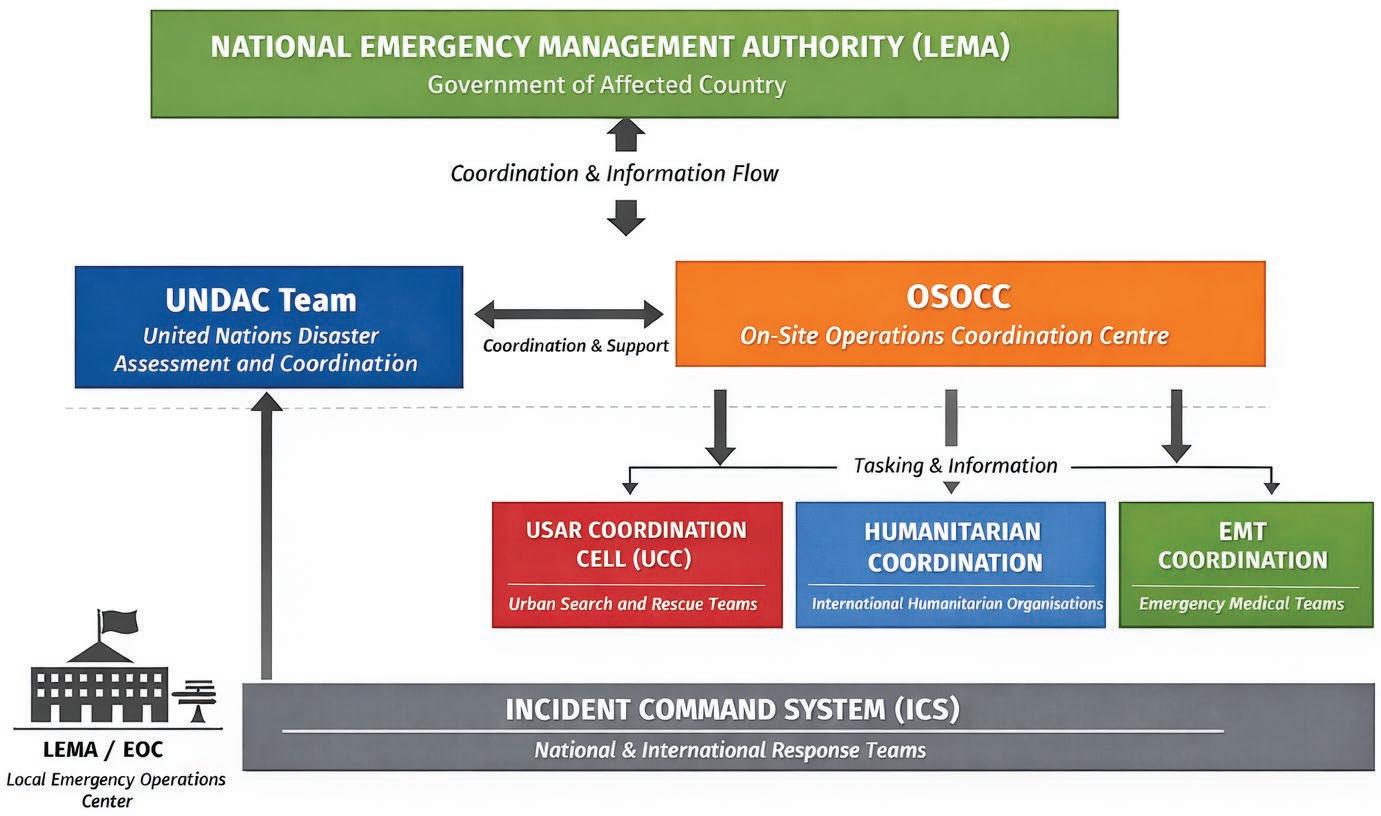
6. Where a USAR team fits between UNDAC and ICS USAR teams are assigned specific sites or operational areas, where they conduct structured assessments in accordance with ASR Levels 1 to 5. At the end of each operational period or shift, teams report their findings and progress to the Sector Coordination Cell (SCC) or the USAR Coordination Cell (UCC) within the OSOCC. These coordination meetings are typically attended by representatives of the affected country’s government, ensuring alignment with national priorities and overall response coordination.
An International Search and Rescue Advisory Group (INSARAG) Urban Search and Rescue (USAR) team operate tactically under the local incident command structure, if used or per worksite where the team leader may perform the role of the incident commander, while being strategically coordinated through the international UNDAC/OSOCC system.
In simple terms: UNDAC coordinates internationally assistance/response → in OSOCC the UCC assigns sectors → USAR operates tactically using ICS features and principles.
International coordination level
When a disaster overwhelms a country, the government may request international assistance through the United Nations Office for the Coordination of Humanitarian Affairs.
This triggers deployment of a United Nations Disaster Assessment and Coordination (UNDAC) team and or INSARAG classified USAR teams.
UNDAC establishes the On-Site Operations Coordination Centre (OSOCC) to coordinate international responses. At this level the USAR team deployed:
• Registers at the OSOCC (for and INSARAG classified USAR Team to be deployed internationally they must be registered at GDACS and be officially accepted or invited by the affected country)
• Reports arrival and capabilities
• Receives sector assignments
• Shares operational updates
Operational coordination level
Within the OSOCC structure, INSARAG USAR teams are coordinated through the USAR Coordination Cell (UCC).
This cell:
• Assigns search sectors/worksites
• Coordinates multiple rescue teams
• Tracks progress of rescue operations
• Reports back to UNDAC and national authorities
In short, the UCC in the OSOCC forms the central hub for info management, tasking, support to USAR teams in the field.
Tactical incident level
Actual rescue work may use the Incident Command System (ICS) at the disaster sites.
At this level:
• The local Incident Commander manages the operational area (may be the team leader at the worksite).
• USAR teams integrate into the operational structure.
Typical reporting structure:
Local incident commander (ICS)
Operations section
USAR branch/rescue group
INSARAG USAR team leader
The USAR team leader manages the team internally but works within the incident objectives set by the Incident Commander of an Incident Management Team of the affected country, they work closely with LEMA if activated).
UNDAC/INSARAG dual coordination relationship
On many occasions an UNDAC member would be assigned to UCC to form a link between UNDAC and UCC (USAR operations) to assist with coordination.
Operational command
Under ICS/incident commander
Responsible for:
• Tactical rescue operations
• Safety management
• Task execution
International coordination Through UNDAC / OSOCC
Responsible for:
• Team registration
• Sector allocation
• Information sharing
• International coordination
Urban search and rescue teams classified under INSARAG guidelines operate within a dual coordination framework that combines international coordination with local operational command.
Upon arrival in the affected country, USAR teams report to the OSOCC for registration and coordination. Through the USAR Coordination Cell, teams receive operational assignments, sector allocations and coordination guidance designed to ensure effective deployment of international rescue resources.
However, once deployed into operational sectors, USAR teams conduct tactical operations under the authority of the local Incident Command System. The USAR team leader typically reports through the Operations Section of the ICS structure, ensuring alignment with the operational objectives established by the Incident Commander of the Incident Management Team.
This structure ensures that while international teams remain coordinated through global disaster management mechanisms, operational command and control remain firmly within the national response framework.
7. Difference between Local Emergency Management Authority (LEMA) and Incident Commander (IC)
In disaster management contexts:
- LEMA: Local Emergency Management Agency (often local authorities handling initial response)
- NEMA: National Emergency Management Agency (national-level coordination, like South Africa's NDMC in South Africa)
Local Emergency Management Authority (LEMA) – strategic level
A Local Emergency Management Authority (LEMA) is the government authority responsible for emergency management in a specific area (usually municipal or district or provincial level).
Role of N/LEMA (The strategic decision and coordination level)
• Request help
• Coordinates emergency planning and preparedness
• Activates disaster management structures
• Assign work sites
• Decides which international teams can operate
• Provides resources and support during incidents
• Works with multiple agencies
• Coordinates national resources
In South Africa this role is typically linked to the National Disaster Management Centre framework and local disaster management centres.
Incident commander (IC) – operational/on-scene
The incident commander (IC) is the person in charge of managing the incident on the ground within the Incident Command System (ICS).
• Manage the actual rescue site
• Directs tactical operations and assign tasks to teams at the incident
• Sets objectives and priorities
• Manages responding resources eg fire services, EMS, police, USAR teams
• Ensures responder safety and coordinates operational actions
USAR teams working at that specific site will coordinate with the IC for tasking.
LEMA = strategic/coordination level (Authority responsible for the area)
UNDAC/ = coordination of international OSOCC assistance
IC = operational/on-scene command (Command at the disaster site)
USAR = operational rescue (working under Teams the IC structure on site)
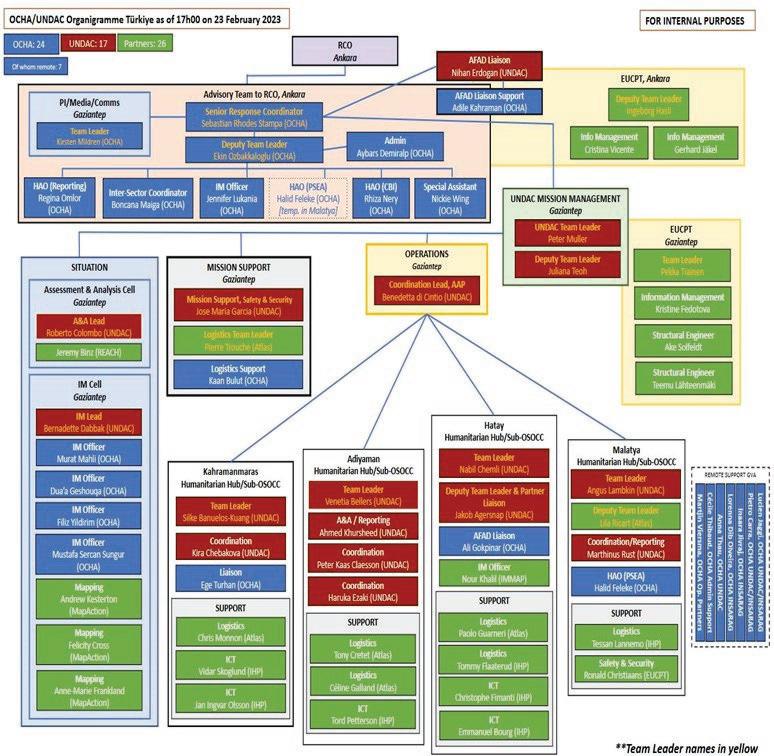
United Nations Disaster Assessment and Coordination (UNDAC) – coordination support (international/large disasters) and INSARAG
When many international teams arrive, the UNDAC team sets up coordination structures for INSARAG operations via important coordination centres.
The important coordination centres
• Global Disaster Alert and Coordination System (GDACS)
• Virtual On-Site Operations Centre (VOSOCC)
• On-Site Operations Coordination Centre (OSOCC)
• Reception Departure Centre (RDC)
• USAR Coordination Cell (UCC)
Their role
• Help the affected government coordinate international teams
• Establish the Reception Departure Centre (RDC) and OSOCC
• Support LEMA with information and coordination
• Register incoming teams
• Allocate sectors and work sites
• Share Information
• Prevent duplication
It is important to note UNDAC does not command USAR teams or other responders, they support coordination.
Below is an example of a national disaster response organisation
Key rule for USAR teams
USAR Teams always operate under the authority of the affected country, through LEMA BUT tactically they work under the on-scene command structure (IC)
8. Application of international disaster coordination systems in the South African context
Application within South Africa’s Disaster Management Framework
South Africa’s disaster management system is governed primarily by the Disaster Management Act 57 of 2002, which establishes a coordinated framework for disaster risk reduction, preparedness, response and recovery across national, provincial, and municipal spheres of government. The Act created the National Disaster Management Centre (NDMC) as the central authority responsible for coordinating disaster management activities across the country.
Within this framework, disaster response operations are typically coordinated through Emergency Operations Centres (EOCs) or Joint Operations Centres (JOCs) activated at municipal, provincial or national levels depending on the scale of the incident. Operational activities at the incident scene are frequently managed using structured incident management principles similar to the Incident Command System (ICS), particularly within fire and rescue services, emergency medical services and specialized rescue units.
When large-scale disasters exceed national response capacity, South Africa may request international assistance through the United Nations Office for the Coordination of Humanitarian Affairs. In such cases, international coordination mechanisms such as the United Nations Disaster Assessment and Coordination (UNDAC) system and the International Search and Rescue Advisory Group (INSARAG) framework may be activated.
Upon deployment, UNDAC teams support national authorities by establishing the On-Site Operations Coordination Centre (OSOCC) to coordinate incoming international resources. The OSOCC works closely with the NDMC and relevant provincial or municipal disaster management centres to ensure that international assistance is aligned with national priorities and operational needs.
International Urban Search and Rescue (USAR) teams responding under INSARAG guidelines would typically register at the OSOCC upon arrival in the country. Through the USAR Coordination Cell, operational sectors and assignments are allocated in consultation with national authorities. Once deployed into operational areas, these teams integrate into the local incident management structure and operate under the tactical direction of the designated incident commander or operational authority responsible for the disaster site.
This layered coordination model ensures that international responders operate in support of national disaster management structures rather than independently of them. It also reinforces the principle of national sovereignty in disaster response while enabling the effective integration of international resources.
The relevance of such coordination frameworks became particularly evident during large-scale
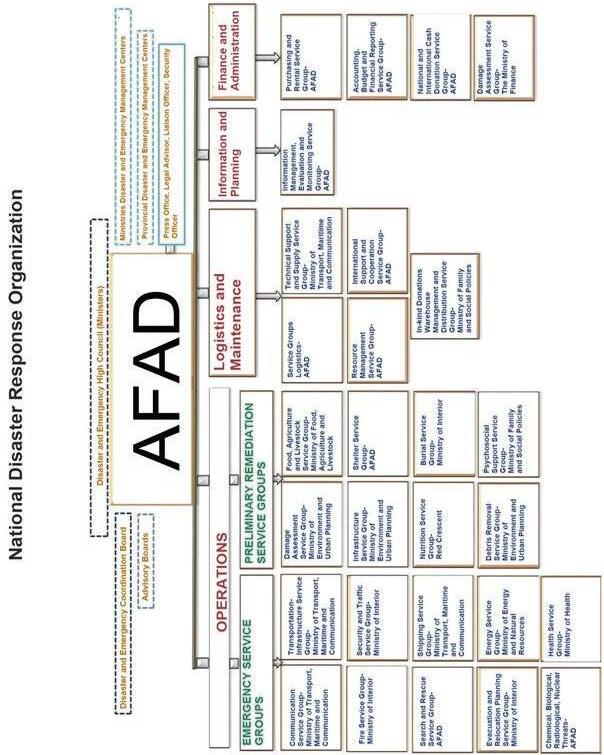
disasters in South Africa, including the KwaZuluNatal floods. The floods resulted in widespread infrastructure damage, mass displacement and significant loss of life, requiring coordinated response efforts from municipal disaster management centres, provincial authorities, national government departments and specialised rescue services. Although international USAR deployment was limited in this event, the incident highlighted the importance of interoperable command structures, coordinated resource management and structured incident management systems in managing complex disasters.
The 2022 KwaZulu-Natal floods represent one of the most significant disasters in South Africa in recent years. Heavy rainfall triggered landslides and widespread flooding which destroyed infrastructure and caused significant loss of life. National, provincial and municipal disaster management centres coordinated the response in accordance with the Disaster Management Act.
Emergency services including fire departments, search and rescue teams, emergency medical services and the South African National Defence Force were deployed. Incident management structures like the Incident Command System were used to coordinate operations and manage resources across multiple agencies.
Urban search and rescue teams conducted search operations in collapsed structures and flooded areas. Coordination between national disaster management centres and responding agencies demonstrated the importance of structured command systems and clear communication frameworks.
This event illustrates how international disaster management principles, including ICS management structures and INSARAG search and rescue practices, can be applied within the South African disaster management framework.
George building collapse (Western Cape)
Incident overview
• Date: 6 May 2024
• Location: George, Western Cape (75 Victoria Street)
• Incident type: Structural collapse (construction site)
• Structure: Multi-storey residential building under construction
A sudden catastrophic collapse of multi-storey residential building under construction with approximately 6 000 tons of concrete fell during the structure failure. A large number of victims were trapped in confined spaces and required complex technical operations.
• Fatalities: 34 workers
• Injuries: ±16 to 28 injured
• People on site: ±62 at time of collapse
The incident triggered a large-scale coordinated response with multi-agency response efforts that included various emergency response agencies, hospitals, national and provincial governmental and non-governmental agencies. A municipal Joint Operations Centre (JOC) was established and over 200 plus responders were involved in the search and rescue operations.
The incident was managed within extended rescue operations (approximately 10 days), which included gradual transition and recovery phases under the ICS/JOC application (South African context) and multi-agency coordination aligned with ICS principles as:
• Operations (rescue, medical and other emergency responders)
• Planning (situation updates)
• Logistics (equipment, personnel)
• Command (municipal and provincial leadership)
This demonstrates the South African ICS adaptation rather than strict UN OSOCC structure.
Key coordination lessons
• Strong local (LEMA-led) command and control
• Integration of multiple agencies under one coordination structure
• Continuous situational reporting and accountability of victims
Conclusion
UNDAC, INSARAG, ICS and IFSAC each play different roles within disaster management. Together they support coordination, operational effectiveness and professional competency in emergency response environments.
The interaction between UNDAC, OSOCC, INSARAG and ICS represents a critical component of modern international disaster response.
While UNDAC and the OSOCC provide essential coordination and information-sharing platforms for international responders, tactical operations remain under the command of national authorities through established incident management systems such as ICS.
Urban search and rescue teams operate at the intersection of these frameworks, maintaining operational command under the local incident commander while remaining strategically coordinated through the international disaster response system. This integrated model enhances interoperability, improves resource allocation and supports effective multi-agency disaster response operations.
South Africa’s disaster management system is governed primarily by the Disaster Management Act 57 of 2002
United Nations Office for the Coordination of Humanitarian Affairs (OCHA). 2018. UNDAC Handbook. Geneva.
International Search and Rescue Advisory Group (INSARAG). 2020. INSARAG Guidelines and Methodology. United Nations. Federal Emergency Management Agency (FEMA). 2017. National Incident Management System (NIMS) and Incident Command System. Washington, DC.
United Nations Office for the Coordination of Humanitarian Affairs. 2013. OSOCC Guidelines. Geneva.
By Morné Mommsen
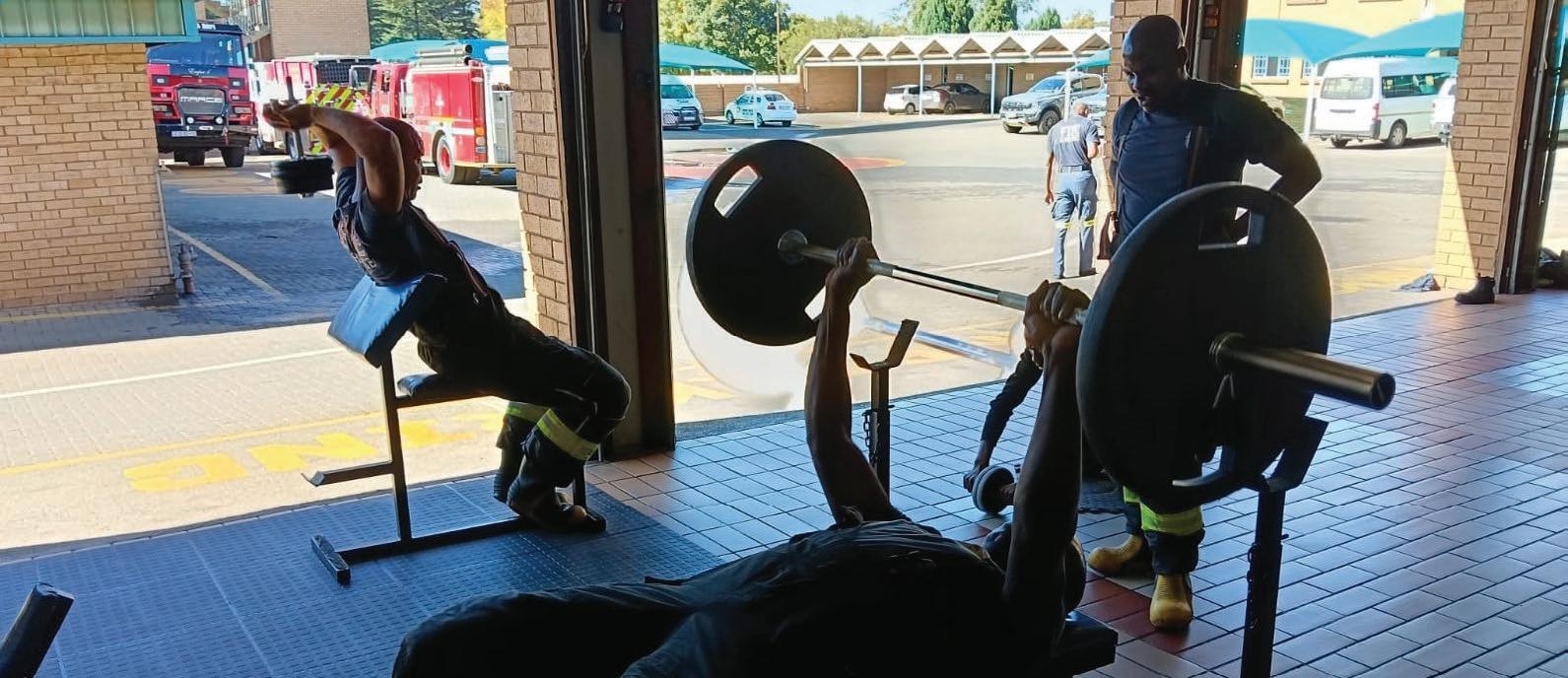
Within the fire service, physical fitness is not merely a desirable attribute - it is a fundamental professional requirement. As fire officers and instructors, the responsibility to maintain operational readiness becomes even more critical with age, as the physical demands of the profession remain constant while the body requires greater discipline and care to perform at the same level.
There was a time in my own career where I fell short of this expectation. The realisation came late and the consequences were significant. The journey back required extensive effort, resilience and personal accountabilitymarked by long hours of training, physical discomfort and the challenges associated with injuries, medical interventions and recovery.
It was a difficult but necessary process that ultimately led to a renewed commitment to fitness and professional responsibility.
Making the decision to return to structured training well beyond the age of 50 was not easy but it proved to be transformative. Today, I actively participate in fire service-related competitions and private fitness events, not only to test my own capabilities but also to reinforce the importance of maintaining fitness standards within the profession. This experience has reaffirmed a critical message: it is never too late to start but it requires commitment, discipline and consistency. This personal journey aligns closely with the standards set by the National Fire Protection Association (NFPA), which emphasise the importance
of physical fitness as a core component of firefighter safety and operational effectiveness.
NFPA Standards and fitness requirements
Two key standards guide physical fitness within the fire service:
• NFPA 1582
• NFPA 1500
These standards establish clear expectations to ensure that firefighters are medically and physically capable of performing their duties without risk to themselves or others.
operational
Firefighting is inherently demanding. It requires individuals to:
• Carry and operate heavy equipment
• Climb stairs and ladders under load
• Conduct rescues in hazardous environments
• Operate in extreme heat and low visibility
To perform these tasks effectively, firefighters must maintain a level of fitness that supports strength, endurance, mobility and mental resilience. Without this, operational performance is compromised.
Physical fitness plays a direct role in reducing risk. According to NFPA standards, inadequate fitness increases the likelihood of:
• On-scene injuries
• Fatigue-related errors
• Cardiovascular incidents, which remain a leading cause of firefighter fatalities
A physically conditioned firefighter is better equipped to manage stress, maintain situational awareness and respond decisively in critical situations.
Team-based responsibility
Firefighting is not an individual function - it is a team-based operation. The performance of one member directly affects the safety and effectiveness of the entire crew.
NFPA 1500 emphasises that all members must be capable of executing their assigned roles without placing additional risk on others. An unfit firefighter can slow operations, increase hazards and compromise rescue outcomes.
The NFPA 1582 highlights cardiovascular health as a priority,
recognising that heart-related incidents are among the leading causes of line-of-duty deaths.
Maintaining fitness contributes to:
• Improved cardiovascular function
• Reduced physical strain during operations
• Greater resilience under highexertion conditions
In addition, physical fitness supports career longevity, allowing firefighters to remain operationally effective and reduce the risk of long-term injury.
Maintaining physical fitness is essential for:
• Compliance with medical and fitness-for-duty requirements
• Sustained operational readiness
• Alignment with occupational health and safety standards
Firefighters have a duty not only to themselves but also
to their colleagues and the communities they serve to remain fit for purpose.
Physical fitness within the fire service is not optional - it is a critical element of professionalism, safety and operational effectiveness. It demands ongoing commitment, particularly as one advances in age.
From personal experience, the journey toward fitness may be challenging, especially when recovery and rebuilding are required. However, it is both achievable and necessary. The decision to train, to improve and to maintain fitness is ultimately a decision to serve more effectively, protect one’s team and preserve one’s own well-being.
Train with purpose. Maintain discipline. Be ready when it matters most.
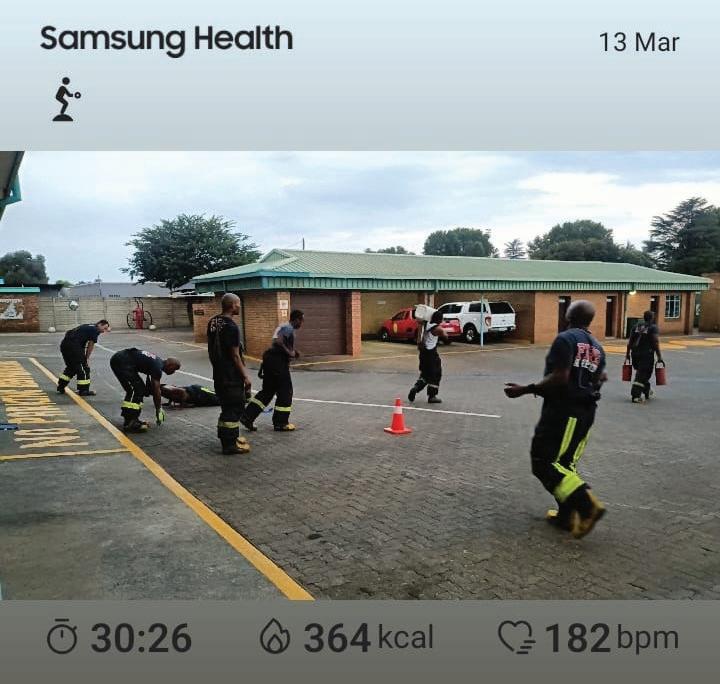
By Ghaleelullah Achmat1, Luzaan Africa2, Charlene Erasmus3, Jill A Kanaley4 and Lloyd Leach1
This is the fifth of a series of articles on the research done by Ghaleelullah Achmat and Lloyd Leach of the Department of Sport, Recreation and Exercise Science; Luzaan Africa of the Department of Physiotherapy, University of the Western Cape, Bellville, South Africa together with Charlene Erasmus, Child and Family studies Unit, Department of Social Work, University of the Western Cape, South Africa and Jill Kanaley, Department of Nutrition and Exercise Physiology, University of Missouri, Columbia, US, which was first published African Journal for Physical Activity and Health Sciences (AJPHES), Volume 32(1) March, 2026, pp 23-48.
ORCID nos: GA (0000-0002-1159-3804), LA (0000-0002-1508-8186), CE (/0000-0002-1404-7294), JAK (0000-0002-6558-4401), LL (0000-0002-5861-289X)
(Submitted: 1 October 2025; Revision Accepted: 12 November 2025)
DOI: https://doi.org/10.37597/ajphes.2026.32.1.2
Abstract
Firefighters encounter unique occupational demands that increase their risk of coronary heart disease (CHD) and various health risk behaviours (HRBs). Although physical activity (PA) is known to reduce these risks, there are no specific guidelines tailored for this group. This study aimed to develop consensusbased PA guidelines for firefighters with CHD and HRBs. A two-round modified Delphi technique was used with 50 invited experts, of whom 21 participated. Round 1 gathered qualitative input on the design, implementation and evaluation of PA programmes, which was thematically analysed into draft guideline statements. In Round 2, experts rated statements using a 4-point Likert scale. Consensus was defined as ≥70% agreement with a median score above 3.25. Consensus was reached on thirty-two guidelines across seven programme categories: aerobic, strength, flexibility, balance, neuromotor, mind–body and functional movement training. Key recommendations included two to three sessions of PA per week, monitoring intensity via VO₂ max or Borg’s RPE and provision of professional oversight by biokineticists and sports scientists. This study uniquely presents tailored physical activity guidelines for firefighters with coronary heart disease and health-risk behaviours. The evidence-based recommendations are intended to improve cardiovascular health, support operational effectiveness and reduce duty-related mortality. Further research is required to examine the feasibility and applicability of these guidelines in practice.
Keywords: Coronary heart disease, firefighters, multiple health risk behaviours, modified Delphi study, physical activity.
How to cite this article Achmat, G., Africa, L., Erasmus, C., Kanaley, J.A., & Leach, L.L. (2026). Physical activity guidelines for firefighters with coronary heart disease and multiple health risk behaviours: A modified Delphi study. African Journal for Physical Activity and Health Sciences, 32(1), 23-48. DOI: https://doi.org/10.37597/ ajphes.2026.32.1.2
Introduction
Physical activity (PA) is defined as any physical movement performed by the skeletal muscles resulting in energy expenditure (Chomiuk et al., 2024) and is widely recognised for its positive effects against the risk factors associated with cardiovascular disease (CVD) (Cao et al., 2025). Thus, the World Health Organisation suggests that all adults should exercise regularly to achieve the associated health benefits (Dhuli et al., 2022; Zhu et al., 2024). Regular PA has been associated with the reduced incidence of various non-communicable diseases, coronary heart disease (CHD), type 2 diabetes and cancers; improvement of cognitive health and function and decreased overall mortality rates (Hakami et al., 2023; Katzmarzyk et al., 2022). Yet, despite these benefits, physical inactivity remains a major global health concern, contributing to 6% of all deaths worldwide and classified as the fourth leading risk factor for mortality (Gichu et al., 2018; Naidoo & Naidoo, 2025; Prodel et al., 2023). Physical inactivity results in a negative impact on health in many societies with rampant sedentary lifestyle, leading to an increase in blood pressure (BP), weight gain, type 2 diabetes, elevated cholesterol levels, cardiovascular disease and non-communicable diseases (NCDs) (Tozduman & Gülle, 2025).
In South Africa, the burden of physical inactivity is particularly high (Patricios et al., 2022) and is deeply intertwined with socio-economic inequalities, which create uneven access to resources, safe environments and opportunities for PA (Isiagi et al., 2021). Populations in lower-income communities often face barriers such as limited recreational facilities, inadequate infrastructure and safety concerns, which reduce their ability to engage in regular exercise (Hasson et al., 2023). Additionally, urbanisation contributes to lifestyle changes that may promote sedentary behaviours, including increased reliance on motorised transport and shifts toward occupations requiring less physical labour (Yang et al., 2023). These factors collectively exacerbate health disparities, as disadvantaged groups are more vulnerable to the negative consequences of inactivity, such as obesity, cardiovascular diseases and diabetes (Padda et al., 2024).
Studies reveal a prevalence of up to 50.9% of South African adults are physically inactive (Peltzer & Pengpid, 2020), with further reports indicating that the rates of overweight and obesity are on the rise because of poor dietary habits and a lack of exercise (Ayesh et al., 2025). Aligned with efforts to reduce this burden, the World Health organisation (WHO) suggests that all adults should exercise regularly to achieve the associated health benefits (Dhuli et al., 2022; Zhu et al., 2024). The WHO recommends that adult individuals engage in 150-300 minutes of moderate intensity aerobic PA or 75-150 minutes of vigorous intensity aerobic PA weekly (Bull et al., 2020) (Figure 1). These activities include jogging or cycling and aim to enhance cardiovascular capacity and reduce sedentary behaviours (Moffat & Park, 2024).
Firefighters face unique physiological demands, including high-intensity exertion, thermal stress and exposure to hazardous environments, which necessitate tailored PA programmes to enhance performance and reduce health risks (Sell et al., 2025). Weekly, it is recommended that firefighters participate in at least 150 minutes of moderate intensity aerobic PA 75 minutes of vigorous intensity aerobic PA (Figure 1).
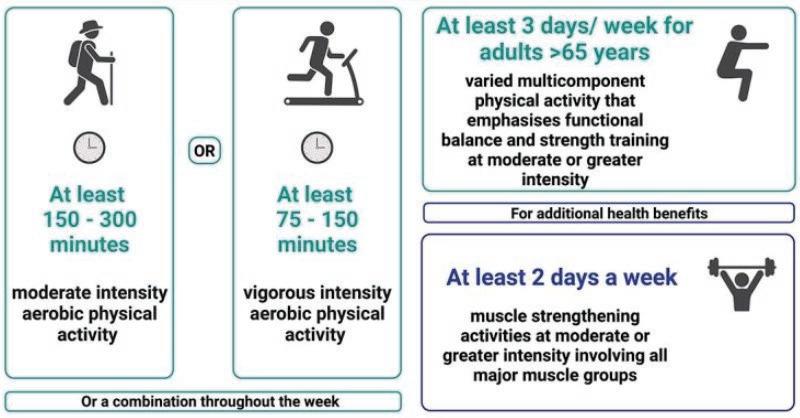
Figure 1: The World Health Organisation Physical Activity Guidelines (Bull et al., 2020)
However, recommendations from policies are rarely operationalised due to insufficient workforce with the relevant skills and experience to develop, implement and assess these programmes effectively (Sallis et al., 2020). Another notable challenge is the difficulty in forming and maintaining intersectoral partnerships essential for fostering environments that promote PA (Sallis et al., 2020). Consequently, these policy recommendations are not translated into the operational plans of certain sectors, such as firefighting (Sallis et al., 2020). Although PA has been highlighted to enhance the cardiovascular health of firefighters (Achmat et al., 2025), firefighters are not exempt from the trends of physical inactivity. Firefighters face unique work-related physiological demands of which high-intensity workload, elevated thermal strain and environmental hazards are strikingly significant (Gonzalez et al., 2024; Sell et al., 2025). By reducing diastolic blood pressure (DBP) and enhancing thermoregulation, PA effectively mitigates the risks of heatrelated illnesses and cardiovascular events, which are prevalent concerns in the high-stress and physically demanding occupation of firefighting (Alzahrani et al., 2024; Coimbra et al., 2025).
Improved cardiovascular function not only enhances firefighters' health but also directly impacts their job performance (Askari et al., 2025). Previous studies have reported that higher fitness levels are strongly correlated with faster completion times in simulated firefighting tasks such as the Academy Firefighting Challenge, demonstrating that physically fit firefighters are better equipped to meet the rigorous demands of their profession (Marcel-Millet et al., 2023; Ras et al., 2024). In addition to its physical benefits, PA programmes have been shown to improve mental health and team dynamics (Sell et al., 2025). Participants often report enhanced mood and stronger team cohesion, which are critical factors in a profession that depends on mental resilience and collaboration (Barry et al., 2023; Smirnova et al., 2022). However, despite these benefits, barriers to sustained participation in PA programmes persist (Barry et al., 2023; Smirnova et al., 2022). These obstacles may include time constraints, lack of motivation or inadequate resources, highlighting the need for ongoing support and innovative approaches to encourage long-term engagement in PA among firefighters (Heydari et al., 2022; Potts et al., 2022). Addressing these challenges is crucial to maximise the health and performance benefits of PA in the firefighting community (Gonzalez et al., 2024). Firefighters are particularly vulnerable to CHD due to the intense job-related physical demands, exposure to occupational stressors and the prevalence of health risk behaviours (HRBs) such as tobacco use, poor diet and physical inactivity (Achmat et al., 2025).
Theoretical framework
Health behaviour change is a complex process influenced by psychological, social and environmental factors, necessitating tailored interventions (Chevance et al., 2020). Understanding determinants of health behaviour like beliefs and motivations is crucial, especially in specific populations like firefighters, where unique challenges may hinder health promotion efforts (García-Heras et al., 2025). Effective interventions should move past information dissemination to address the specific attitudes and barriers of this target group (Bauder et al., 2023). CHD and HRBs such as smoking and physical inactivity threaten health, in contrast to protective behaviours promoted in public health campaigns (Kaminsky et al., 2022). Theoretical frameworks like the Health Belief Model and Transtheoretical Model (TTM) provide insights for promoting health behaviours, emphasising readiness for change (Del Rio Szupszynski et al., 2021). Recent pedagogical shifts incorporate skill development for effective health practices among firefighters (MacMillan et al., 2021). The TTM's five stages of change help understand motivational readiness and support sustained behavioural modification, highlighting the dynamic nature of health behaviour change (DiClemente & Crisafulli, 2022). The five core components of the TTM indicate the five stages of change: Precontemplation, Contemplation, Preparation, Action and Maintenance are listed below (Khalan et al., 2025).
• Stage 1: Precontemplation
No intention to change behaviour within six months.
• Stage 2: Contemplation
Awareness of the problem and consideration of change.
• Stage 3: Preparation
Commitment to act, often with small behavioural adjustments.
• Stage 4: Action
Active modification of behaviour for up to six months.
• Stage 5: Maintenance
Sustained behaviour changes beyond six months, with efforts to prevent relapse; Relapse back to old patterns of behaviours.
Figure 2: Stages of change model of behaviour (Adapted from Pope et al., 2015)
Previous research focused on incorporating exercise, health and fitness initiatives within fire and rescue services, with programmes implemented across Australia, Asia, the UK and USA (Abel et al., 2015; Andrews et al., 2019; Mang et al., 2024; Storer et al., 2014). However, in the field of biokinetics, there remains a notable absence of specific PA guidelines for firefighters with CHD and HRBs (Achmat et al., 2023; Ras et al., 2024). A recent scoping review by Achmat et al. (2025) emphasised this gap, identifying no studies focussing on developing tailored PA guidelines for this high-risk population. This reiterates the need for evidence-based interventions that could effectively mitigate CHD risk factors and prevent multiple HRBs among firefighters. The Delphi method presents a valuable approach to bridging the gap between research, policy and practice in this domain. Accordingly, this study aimed to develop PA guidelines specifically for firefighters with CHD and HRBs.
The study was guided by the following research question: What PA guidelines can be developed for fire departments in the City of Cape Town to assist firefighters experiencing CHD risk and HRBs?
Methodology
Study design
A two-round modified Delphi technique was employed to establish PA guidelines for firefighters affected by CHD and associated HRBs. Unlike the traditional Delphi method, the modified approach incorporates prior research findings as a foundation for item development and consensus (Boulkedid et al., 2011; Mthembu et al., 2018). In the present study, findings from earlier phases of this project identified seven distinct types of PA programmes relevant to firefighters, each offering specific benefits but also presenting notable limitations and challenges (Table 1).
Table 1: Types of physical activity programmes
Programme Type Physical Benefits (Scoping Review)
Aerobic (Cardiovascular)
Strength Training (Resistance)
Flexibility and Stretching
Balance and Stability
Neuromotor Exercise (Agility & Coordination)
Mind–Body Practices
Functional Movement Patterns
Improved endurance, heart health, and calorie burning
Increased muscle mass, improved metabolism, and enhanced bone density
Reduced risk of injury, improved posture, and enhanced muscle coordination
Improved coordination, proprioception, and functional movement patterns
Improved motor control, reaction time, and overall athletic performance
Stress reduction, improved mood, and enhanced overall well-being
Enhanced functional fitness, injury prevention, and improved quality of life
Population and sampling
Examples of Activities Challenges (Interviews)
Walking, running, cycling, swimming, dancing, aerobic classes
Weightlifting, bodyweight exercises (push-ups, squats), resistance band workouts, weight machines
Yoga, pilates, stretching routines, mobility exercises
Tai chi, standing on one leg, stability ball workouts
Agility drills, ladder drills, cone exercises, dancebased workouts
Meditation, mindfulness, breathing exercises, relaxation techniques
Squats, lunges, pushing, pulling, rotational movements
Demanding work schedule; physical and mental fatigue; injury risk; lack of access to facilities and equipment; mental health concerns; shift work disruption; lack of peer support or supportive culture; time constraints and competing priorities
The selection of panel members is a recognised quality marker in Delphi studies, which underscores the importance of recruiting individuals with relevant expertise, disciplinary knowledge and practical experience to contribute meaningfully to the process (Boulkedid et al., 2011). Therefore, the initial population of experts for the modified Delphi study comprised 50 purposively selected participants who were invited via email to share their perspectives on the guidelines. Specifically, they included firefighters (n=5), academics (n=5) or practitioners in public health services (n=5), private practice (n=5) or educational institutions (n=5), sports scientists (n=5), exercise physiologists (n=5), biokineticists (n=5), physiotherapists (n=5) and researchers specialising in firefighting (n=5).
Although 50 experts were initially invited to participate in the Delphi panel, 24 declined the invitation or were excluded based on non-compliance with the inclusion criteria. Consequently, 21 experts were purposively selected and recruited for the study. The resulting response rate of 42% (21 of 50 invitees) did not meet the commonly cited Delphi threshold of 70%; however, this level of participation is consistent with prior Delphi studies involving highly specialised professional populations (Hasson et al., 2000; Keeney et al., 2010). Importantly, the panel represented diverse expertise across firefighting, physical activity and public health, thereby supporting the credibility and validity of the consensus findings (Dimond et al., 2000; Jorm, 2015).
Inclusion criteria were as follows, individuals who: (i) held a bachelor’s degree or higher; (ii) occupied a senior position in public health or a related field; (iii) had a track record of research and publications on firefighters or PA within the past five years and (iv) were employed as a firefighter, clinician, academic or practitioner in public health services, private practice or educational institutions at the time of the Delphi study.
Participants were excluded if they: (i) did not have at least a bachelor’s degree; (ii) lacked relevant professional experience in public health, exercise science, firefighting or a similar area; (iii) had no recent (within the last five years) involvement in research, clinical or practical work concerning firefighters, coronary heart disease (CHD) or health risk behaviours (HRBs); (iv) could not commit to finishing both Delphi rounds or (v) submitted incomplete answers at any stage of the Delphi process
A modified Delphi design was employed, beginning with a predetermined set of items rather than the open-ended first round characteristic of the classical Delphi approach. This modification enabled the expert panel to evaluate and refine existing items, making the process more efficient in contexts where a substantial evidence base already exists or where time and resources are constrained. This approach was therefore appropriate for presenting a structured list of items while facilitating focused expert input.
The primary aim was to achieve consensus within a limited timeframe while maximising response rates and minimising participant burden, with emphasis placed on refinement and agreement rather than extensive idea generation. Data collection was conducted over two iterative Delphi rounds, through which consensus on the proposed guidelines was systematically achieved by the second round. Each round involved questionnaires administered to the participants with relevant disciplinary expertise.
Both rounds were distributed and completed electronically using Google Forms, allowing for efficient data collection and analysis.
In Round 1, these seven types of programmes, along with their associated benefits and examples (Achmat et al., 2025) were presented to participants. Considering the challenges identified in interviews (Achmat et al., 2024), participants were asked open-ended questions regarding the design, implementation and evaluation of these programmes within the daily duties of firefighters. The design component focused on identifying the professionals responsible for developing the programme and the resources required for its creation. The implementation aspect considered the frequency of delivery and the personnel responsible for executing the programme. The evaluation component examined the firefighter engagement and the progression of activities over time. In the first round of the Delphi study, 50 participants were invited to contribute while ensuring anonymity; consequently, email addresses were not collected. Of these invitees, 21 participants submitted responses. Responses from Round 1 were analysed to extract proposed guidelines for the design, implementation and evaluation of PA programmes. Based on these guidelines, a 4-point Likert-scale questionnaire was developed, with response options ranging from “Strongly Disagree” (1) to “Strongly Agree” (4). Participants were then invited to complete the second round via a separate Google Forms link.
Open-ended responses from Round One were thematically analysed using the six-phase framework of Braun and Clarke (2006). The categories of design, implementation and evaluation served as the deductive themes guiding the analysis. Notes were made on each response, similar ideas were collated into categories, which were then synthesised into draft guideline statements. This process facilitated the integration of participant feedback into actionable recommendations for PA interventions that are contextually appropriate for firefighters.
In the second round of the Delphi study, 50 participants were invited to contribute anonymously, which meant that email addresses were not collected. Out of these invitees, 21 participants responded. In Round Two, descriptive statistical analysis was conducted using IBM SPSS Statistics version 28 (SPSS, Inc., Chicago, IL, USA). Participant characteristics were summarised using frequencies (n) and percentages (%). The 4-point Likert scale was dichotomised into two categories: non-consensus, which comprised the “Strongly disagree” and “Disagree” ratings and consensus that indicated the “Strongly agree” and “Agree” response alternatives. For the Likert-scale items, the median score was calculated to assess convergence of opinion and the percentage agreement calculated as an indicator of consensus, consistent with approaches commonly used in health-related Delphi studies (Schifano & Niederberger, 2025; Seoane et al., 2021). Following the
recommendations of previous studies (Boulkedid et al., 2011; Hsu & Sandford, 2007), consensus was defined as at least 70% of panel members, with a median score above 3.25 indicating convergence of opinion.
Ethical approval for the study was obtained from the University of the Western Cape Ethics Committee (ref. HS21/8/1) and the Chief Fire Officer at the City of Cape Town Fire and Rescue Services. Participation in the modified Delphi study was voluntary and written informed consent was secured from all participants before the study commenced (Flick, 2007). Throughout the study, pertinent ethical principles including confidentiality, anonymity, voluntary withdrawal, autonomy and non-maleficence were all complied with.
Table 2 summarises the expert panellists’ professional disciplines, areas of expertise and years of experience.
Most of the expert panel members were biokineticists and academics. In completing the Google form, they had the option of selecting more than one area of expertise and many did. The four available categories were research, exercise/sport scientists, firefighting and health professions education. Most participants had over 15 years of experience and were a diverse mix across these three fields of expertise, contributing to the depth of the Delphi process.
The guidelines developed in round one were grouped into the predetermined themes of design, implementation and evaluation.
In Round 1, most participants indicated that biokineticists and sports scientists should take primary responsibility for programme design. Some input was also suggested from firefighters themselves and, in certain cases, from physiotherapists. Nonetheless, biokineticists and sports scientists were consistently regarded as the preferred professionals to lead programme design. The first set of guidelines emerging from Round One centred on the design of PA programmes.
The experts highlighted that effective programme design must prioritise goal setting, ensuring alignment with occupational demands and CHD risk reduction. As shown in Table 3, consensus was achieved across all design-related guidelines, with agreement rates among the expert panel members exceeding the 70% threshold and median scores above 3.25, indicating convergence of opinion. Mean scores were consistently above 3.8, reflecting strong endorsement that programme design should explicitly target goal setting related to the improvements in occupational capacity, cardiovascular health and overall functional performance.
Aerobic (Cardiovascular)
Strength Training (Resistance)
Needs to include one or more of the following components:
Increase aerobic capacity
Decrease BP and HR response to submaximal exercise
Decrease submaximal myocardial VO₂ demand
Decrease CHD risk factors
Enhance occupational tasks; Increase activities of daily living (ADLs)
Needs to include one or more of the following:
Increase ability to perform occupational activities and ADLs
Increase muscle strength and endurance
Increase muscle mass
Improve metabolism; Enhance bone density
Flexibility and Stretching
Needs to include one or more of the following:
Increase ability to perform occupational activities
Decrease risk of injury
Improve range of motion
Reduce recovery time
Balance and Stability Needs to include one or more of the following:
Ability to navigate unstable surfaces
Climb ladders and carry heavy equipment
Perform rescues without injury; Improve core stability and body control
Improve coordination and functional strength
Improve mobility
Reduce fall risk
Neuromotor Exercise (Agility & Coordination)
Needs to include one or more of the following:
Injury prevention
Cardiovascular health
Functional movement
Cognitive benefits
Improved reaction time
Help navigate tight spaces
React quickly to hazards
Move efficiently under pressure
Sharpen reflexes, footwork, and body control
Mind–Body Practices
Needs to include one or more of the following:
Stress reduction
Improved heart rate variability
Enhanced recovery
Emotional regulation
Staying calm under pressure
Improve decision-making, coordination, and recovery
Maintain precise body control in dangerous environments
Enhance resilience, focus, and body
Functional Movement Patterns Needs to include one or more of the following: Reference to real-world actions
Cardiovascular efficiency Strengthen stabilising muscles
Reduce risk of overuse injuries
Improve range of motion
Improve mental toughness and confidence
During the design phase, qualitative responses for cardiovascular training from the experts included:
P1: “Cardiovascular training is crucial for firefighters, enhancing endurance, heart health and job performance.”
P2: “A mix of steady-state cardio, HIIT and functional exercises like stair climbs and sled pushes improves stamina under high-intensity conditions.”
P3: “Regular training (20–40 minutes, two to three times per week) at an appropriate intensity (40–80% VO2 max, RPE 11–15) ensures optimal fitness.”
P4: “Monitoring progress, staying hydrated and incorporating strength and mobility work help prevent injuries and improve overall performance.”
The second theme focused on the implementation of PA programmes, where guidelines related primarily to frequency and intensity. Experts emphasised that recommendations should be both practical and adaptable to firefighters’ schedules, while maintaining sufficient intensity to yield health and performance benefits. As shown in Table 4, most implementation guidelines met the consensus threshold, with ≥70% agreement and median scores above 3.25. Mean scores ranged from 3.1 to 3.8. While consensus was achieved overall, slightly lower agreement was noted on optimal intensity levels for strength training (86%), suggesting some divergence in expert opinion regarding workload parameters.
Aerobic (Cardiovascular) Cardiovascular activities need to be performed a minimum of 2–3 days per week.
Firefighters should reach 40–80% of their VO₂ max (maximum oxygen uptake) when performing cardiovascular activities.
Firefighters should engage in 20–40 minutes of cardiovascular activity at least 2–3 days per week.
Strength Training (Resistance)
Strength training activities need to be performed a minimum of 3 days per week.
Firefighters should train at 40–50% of maximal muscle strength in early stages, progressing gradually as tolerated.
Flexibility and Stretching
Balance and Stability
Neuromotor Exercise (Agility & Coordination)
Firefighters should include flexibility exercises 3–5 times per week, particularly after physical exertion.
Firefighters should perform balance and stability activities at least 2–3 times per week.
Firefighters should perform agility and coordination exercises at least 2 times per week, incorporating functional drills.
Mind–Body Practices
Functional Movement Patterns
Firefighters should engage in mind–body activities (e.g., breathing, meditation, yoga) at least 3 times per week for 10–20 minutes per session.
Functional movements should be incorporated into training routines 3–5 times per week, simulating occupational tasks.
Achieved
Achieved
During the implementation phase, qualitative responses regarding strength training from the experts included:
P6: “Firefighters should incorporate functional strength training that mimics job demands, like carrying hoses, lifting equipment.”
P7: “For improved hypertrophic strength training, change to one to three sets with 8-10 reps with higher intensity.”
P8: “Strength training generally consists of more sets and less repetitions, whilst endurance training consists of more repetitions and less sets. The volume of exercise should be adjusted to the modality.”
P9: “Strength training does help with muscular endurance, I think they'll benefit more with lower reps and more higher loads for maximal strengths."
The final theme pertained to the evaluation of PA programmes, where experts agreed on the importance of monitoring progression and intensity through validated scales. The Borg’s Rate of Perceived Exertion (RPE) scale (Williams, 2017), was consistently recommended as the preferred tool across aerobic, strength, flexibility, balance and neuromotor training. As presented in Table 5, consensus (≥70% agreement, median >3.25) was reached on all evaluation guidelines, although flexibility and balance monitoring reflected slightly higher levels of agreement (81%).
Aerobic (Cardiovascular)
Strength Training (Resistance)
Monitor cardiovascular training intensity using heart rate monitors or Borg’s RPE scale to assess exertion.
Evaluate progression in strength training by tracking increases in load, endurance, and performance accuracy.
Flexibility and Stretching
Balance and Stability
Neuromotor Exercise (Agility & Coordination)
Evaluate improvements in flexibility using standardised range of motion or posture assessments.
Evaluate improvements in balance and stability using dynamic and static balance tests.
Evaluate agility and coordination through timebased obstacle drills or simulation tests.
Mean scores ranged from 3.0 to 3.9, underscoring broad but varied support. These findings affirm the critical role of structured evaluation frameworks in ensuring safe and effective PA engagement for firefighters with CHD. During the implementation phase, excerpts of the experts’ qualitative responses about flexibility and balance were as follows:
P10: “Flexibility is an important component as firefighters have to move between small areas.”
P11: “Focus on Key Muscle Groups for injury prevention.”
P12: “Reduce RPE value of stretch. Dynamic and Static stretches should not cause high RPE value.”
P13: “Flexibility training should emphasise dynamic stretching before duty or training, to prepare muscles and their joints for movements, any movement.”
P14: “Flexibility training plays a vital role in enhancing firefighters’ functional capacity by improving joint range of motion, decreasing muscular stiffness and reducing the risk of injury.”
P15: “The inclusion of dynamic stretching exercises prior to physical training and static stretching following training sessions has been shown to facilitate both performance and recovery.”
P16: “Flexibility training should be done preferably every day. Holding stretches are effective for 15 - 30
seconds, however stopped in the presence of increased pain.”
P17: “Hold stretch to a point of tension, not pain. Fifteen on the Borg scale is too high.”
Overall, 32 guidelines were developed in the study covering the areas of PA design, implementation and evaluation.
Discussion
The objective of this modified Delphi study was to determine physical activity (PA) guidelines for firefighters with coronary heart disease (CHD) and multiple health risk behaviours (HRBs) in the Western Cape of South Africa. The study findings have important implications for the health and safety of firefighters with CHD and HRBs.
Cardiovascular disease is a leading cause of duty-related mortality, with sudden cardiac events accounting for nearly half of on-duty firefighter deaths (Demiralp et al., 2025; Jeung et al., 2022). The 32 guidelines developed in this study provide a consensus-based framework to systematically address this risk through structured PA. By targeting aerobic capacity, strength, flexibility, balance, neuromotor training, mind-body practices and functional movement, the guidelines offer a comprehensive approach that aligns with WHO recommendations for adults (Bull et al., 2020) and with the National Fire
Protection Association (NFPA) standards in the USA stipulating a minimum cardiorespiratory fitness equivalent to 12 METs (Dos Santos et al., 2025). In a broader scheme, these guidelines reinforce the dual benefit of PA for both disease prevention and operational readiness.
Relevance to firefighters
Research shows that firefighters, who are fit, complete simulated firefighting tasks more efficiently (Glen et al., 2025; Nazari & MacDermid, 2021) and structured exercise improves thermoregulation and reduces cardiovascular strain on duty (Alzahrani et al., 2024; Coimbra et al., 2025). Thus, the guidelines have the potential to reduce line-of-duty fatalities while simultaneously enhancing job performance. This dual impact is significant given that firefighters are exposed to prolonged sedentary periods punctuated by sudden bursts of intense exertion, a pattern strongly associated with cardiovascular risk (Vancampfort et al., 2023). By promoting physiological adaptations such as improved vascular elasticity, enhanced VO₂ max and reduced arterial stiffness (Day et al., 2024; Yang et al., 2025), adherence to these guidelines could substantially reduce occupational hazards.
The guidelines also have broader public health implications. Firefighters serve as first responders and their health directly affects community safety and resilience. For instance, high rates of obesity, metabolic syndrome, hypertension and diabetes have been documented among firefighters in South Africa and internationally (Bode et al., 2021; Ras & Leach, 2021). However, regular PA, as recommended in these guidelines, has been shown to reduce visceral adiposity, improve lipid profiles, enhance insulin sensitivity and lower BP (Guo et al., 2024; Zierath et al., 2025).
TTM application in health promotion
Application of the Transtheoretical Model (TTM) is significantly relevant in various health promotion areas, such as engaging in PA, quitting smoking and adopting healthy dietary habits (O’Leary et al., 2018). Its strength lies in its ability to adjust to various behavioural areas, making it especially appropriate for groups like firefighters with CHD and numerous HRBs, who frequently need comprehensive and lasting lifestyle changes (Chen et al., 2025; Okube et al., 2024).
Recent findings confirm the effectiveness of TTM-based strategies in promoting positive behavioural change. A randomised controlled trial conducted by Okube et al. (2024) showed that TTM-guided interventions led to significant enhancements in dietary and PA habits among adults with metabolic syndrome when compared to standard care, highlighting substantial improvements in self-efficacy and decisional balance. Likewise, educational programmes informed by the TTM that utilise stage-matched
approaches like boosting motivation in the precontemplation phase and strengthening behavioural skills in the action phase, have demonstrated enhanced adherence and sustained maintenance of healthy behaviours (Joe et al., 2022; Lian et al., 2025; Sotos-Prieto et al., 2022). Beyond its stages of change, the TTM includes four essential components that support behaviour modification: decisional balance, selfefficacy, change processes and temptations.
Decisional balance is shown in the experts' focus on designing programmes that are specific to occupations and oriented towards goals. The guidelines connect exercise results directly to job performance (eg, enhanced endurance, better thermoregulation and lower injury risk), highlighting the perceived benefits of participating in PA while alleviating obstacles like time limitations and fatigue. The balance between recognised advantages and disadvantages is essential for firefighters moving from contemplation to preparation phases of change, where recognising that the worth of PA surpasses the perceived expense of effort or hassle (Tie et al., 2023).
Self-efficacy is integrated into the implementation guidelines that promote systematic, incremental training (eg, 2–3 sessions per week at 40–80% VO₂ max, tracked via Borg’s RPE). These recommendations encourage mastery experiences that can boost firefighters' confidence in handling physical demands despite environmental stressors, fatigue or rigour of shift work. The integration of expert supervision by biokineticists and sports scientists enhances self-efficacy via social and instructional assistance (Yao et al., 2024).
Processes of change are encapsulated in the structured design–implementation–evaluation framework of the established guidelines. Cognitive processes (eg, enhancing awareness via health education and contemplation on job suitability) are encouraged during programme initiation, while behavioural processes (eg, positive reinforcement, control of stimuli and self-monitoring) are implemented through continuous assessment utilising RPE and performance monitoring. These mechanisms work together to promote transition from preparation to action and maintenance stages of behavioural change (Fuchs et al., 2023).
Temptations — the urges or tendency to fall back into inactive or unhealthy habits — are reduced by integrating mind–body techniques (eg, breathing, mindfulness and relaxation exercises). These approaches focus on managing stress, controlling emotions and building resilience against psychological elements frequently associated with a return to unhealthy coping methods like smoking, poor diet or lack of exercise. By promoting emotional stability and self-control, the guidelines actively lower the likelihood of unhealthy behavioural regression (Khalan et al., 2025).
Collectively, these connections show that the consensus-driven PA guidelines tackle both physiological and operational requirements while also incorporating the psychological factors essential for ongoing lifestyle changes in firefighters with CHD and HRBs.
For firefighters with CHD and HRBs, the TTM offers a useful structure for customising health promotion strategies based on a person's willingness to change. Aligning intervention strategies with every stage and tackling the related psychosocial constructs allow practitioners to improve engagement, promote lasting lifestyle changes and ultimately bolster cardiovascular health and occupational preparedness in this highrisk job sector.
Importantly, the inclusion of HRBs in the guidelines underscores a holistic approach to cardiovascular health. PA can counteract the physiological effects of poor diet, smoking and excessive alcohol consumption by improving endothelial function, reducing oxidative stress and restoring autonomic balance (Kristiansen et al., 2022; Sinha, 2024; Zoccali et al., 2025). For firefighters with a family history of cardiovascular disease, structured PA can attenuate inherited risks through improved lipid profiles, endothelial function and insulin sensitivity (Mousavi Zadeh et al., 2025). By addressing these modifiable and non-modifiable risk factors together, the guidelines move beyond exercise prescription to position PA as a cornerstone of comprehensive cardiovascular risk management.
The PA guidelines presented in this study provide a foundation for institutional change. The consensus reached by the expert panel offers fire services a structured, evidence-based blueprint to integrate PA into wellness programmes, supported by trained professionals such as biokineticists, sports scientists and exercise specialists.
Their implementation has the potential not only to improve individual health outcomes but also to reduce duty-related mortality, strengthen fire service capacity and serve as a model for other high-risk professions.
Fire services should establish formal policies that position cardiovascular health as a priority equivalent to operational readiness. Such policies would signal organisational commitment and leadership accountability through the active involvement of health and wellness officers, routine reporting of key health indicators (eg, smoking prevalence, body mass index and fitness standards) to senior management and the integration of health-related objectives into performance evaluation frameworks.
Firefighter teams should be conceptualised as high-performance units in which physical fitness and cardiovascular preparedness are essential operational competencies. Accordingly, structured health and fitness programmes should be embedded within duty hours to ensure that shift patterns do not impede participation, supported by peer-led initiatives such as trained fitness champions within units and aligned with operational schedules. In addition, fire services should establish partnerships with community-based resources—including fitness centres, healthcare facilities and nutrition professionals—to provide accessible support during off-duty periods.
These recommendations are particularly pertinent in low- and middle-income countries, where access to occupation-specific health promotion programmes remains limited. Future research should prioritise pilot implementation of these guidelines in operational fire service contexts, with emphasis on assessing feasibility, adherence and cardiovascular health outcomes.
This study is among the first to develop evidence-based PA guidelines tailored to firefighters with CHD and multiple HRBs. Using a modified Delphi approach, the research enabled structured, iterative input from a multidisciplinary panel of experts, ensuring methodological rigour and the integration of perspectives from public health, exercise science and firefighting practice.
The inclusion of experts with extensive academic, clinical and operational experience enhanced the credibility and applicability of the guidelines. The combination of thematic analysis in the initial round and predefined statistical consensus criteria (≥70% agreement and median score >3.25) strengthened the transparency, objectivity and reproducibility of the findings. Furthermore, the study’s focus on context-specific implementation and evaluation enhances its relevance for occupational health promotion within fire services.
Despite its strengths, this study has several limitations. The relatively small expert panel size (n = 21) may limit generalisability, although Delphi methods prioritise expert judgement over representativeness. Reliance on self-reported online responses may have introduced response bias and restricted opportunities for clarification. Moreover, expert consensus does not equate to empirical validation, underscoring the need for further research to test the feasibility and effectiveness of the guidelines in operational fire service settings. Finally, the focus on firefighters in the City of Cape Town may constrain the applicability of the findings to contexts with differing occupational demands, resources and health systems.
References (online PDF)

The history of hazardous materials personal protective equipment (hazmat PPE) evolved from primitive garments based on medical myths into highly regulated, chemically engineered fullbody encapsulation systems designed to protect against chemical, biological, radiological and nuclear (CBRN) threats.
The ancient Roman philosopher Pliny the Elder, who lived from 2379 AD, used “loose animal skins to filter dust from being inhaled.”
Hundreds of years later, Leonardo da Vinci (1452-1519) “recommended the use of wet cloths over the mouth and nose
as a form of protection against inhaling harmful agents.”
The Miasma era: Early forerunners
Before modern germ theory was accepted, medical protection was designed around the miasma theory, which wrongly assumed diseases spread via "bad air".
The Plague Doctor (1619)
Invented by Dr Charles de Lorme, this outfit included a wax-treated leather coat and a bird-like beak mask. The beak was filled with aromatic herbs to mask foul odours.
Industrial absents
Early industrial workers handling acids or mining toxins in the

wearing an early hazmat suit in 1918 during World War I Source: Wikipedia
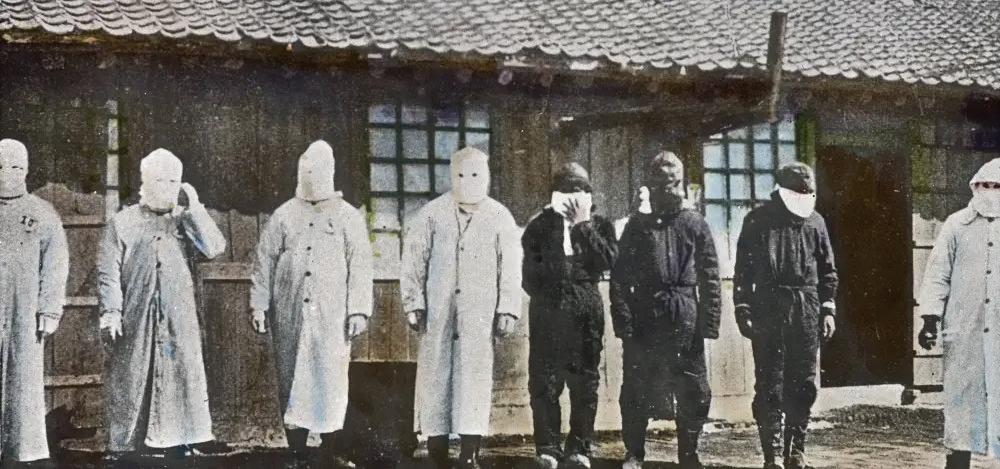

The Manchurian Plague (1910–1911): A group of plague workers in Mukden, Manchuria, are standing in front of a low wooden building, possibly Mukden Plague hospital, wearing cloth masks over their faces Source: Wikipedia

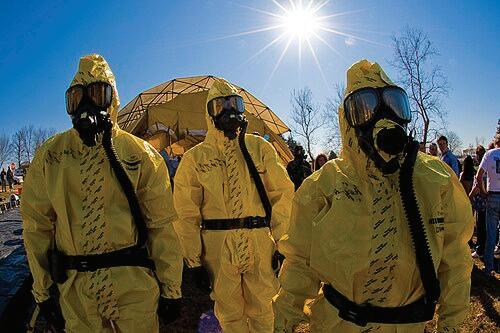
1800s wore primitive canvas coats, rubber aprons or cloth rags soaked in vinegar.
The birth of modern scientific PPE
The shift to scientifically validated protective equipment occurred in the early 20th Century, driven by global health crises and industrial warfare.
The Manchurian Plague (1910–1911)
Dr Wu Lien-teh identified that the pneumonic plague was airborne. He designed a simple gauze mask for health workers, which
is widely considered the true origin of modern medical and biological PPE.
World War I gas masks (1914–1918)
The introduction of chemical warfare (chlorine and mustard gas) accelerated the creation of rubberised hoods and the canister-style gas mask, laying the foundation for modern respiratory filtration.
These wartime innovations influenced peacetime industrial safety and emergency services. By the 1920s, scientists
experimented with impermeable fabrics and better respiratory systems, enabling greater protection against hazardous materials in various industries.
The industrial boom and standardisation
Mid-to-late 20th-Century advancements moved hazmat gear from improvised setups to stringently regulated gear.
• The Charlotte Fire Explosion (1959): Following a massive chemical explosion that injured 13 responders, the Charlotte Fire Department pioneered early tactical implementations of hazmat suits.
• Regulatory Oversight (1970): The creation of the Occupational Safety and Health Administration (OSHA) in the United States legally mandated that employers assess workplace hazards and provide certified PPE.
• NFPA and NIOSH integration (1980s): The National Fire Protection Association (NFPA) partnered with testing entities like NIOSH to standardise chemical and vapor-tight integrity.

Level Protection Type
Level A Highest respiratory and skin protection
Level B High respiratory, lower skin protection
Level C Skin protection with known airborne agents
Level D Minimal protection
Core Components
Vapor-protective, fully encapsulated suit, Self-Contained Breathing Apparatus (SCBA)
Liquid splash-protective suit (not vapour-tight), external SCBA
Liquid splash-protective suit, air-purifying respirator (gas mask)
Standard uniform, safety glasses, coveralls and steel-toed boots
Modern hazmat suits have transformed from hot, heavy rubber garments into lightweight, multi-layered polymer fabrics engineered for specific chemicals.
Advanced manufacturers now utilise automated thermobonding and ultrasonic sealing to ensure seams are just as impenetrable as the fabric itself. Epidemic responses, such as the Ebola outbreaks in the 1990s and 2010s, highlighted the vital importance of full-body encapsulation against highly infectious biological fluids.
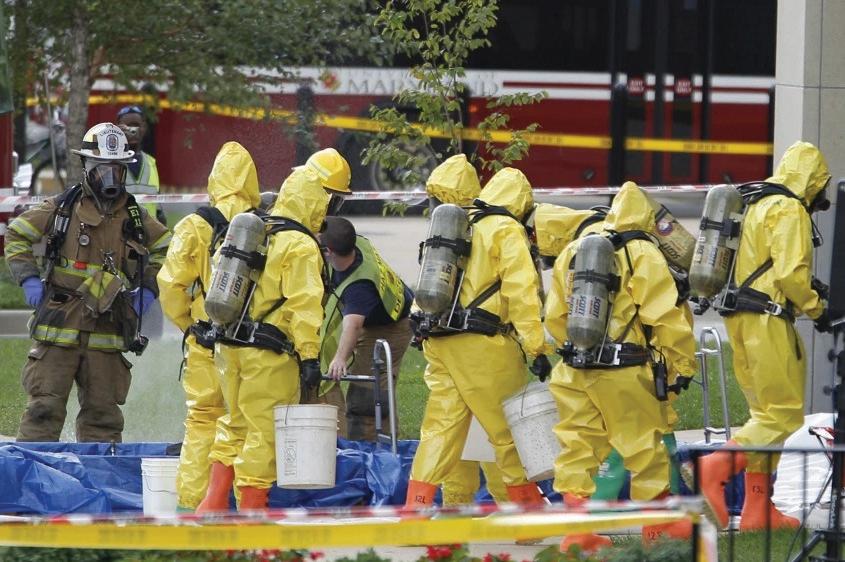
Sources: Generative AI, Wikipedia, International Association of