The K9 search and rescue poem
O’Keefe first shifted the gaze From “natural” disasters to socially woven displays. Van Riet echoes the call of that turn Where human and environment in consequence merge.
And the UNDRR warns of the choices we make Deforestation, poor planning - how hazards awake Into disasters we shape with our hands.
So rises the need, in a world ever fraught For search and rescue to strengthen its thought For storms now intensify - climate, cities and tech converge
And SAR dogs step forth, steadfast and keen With senses and speed where humans cannot glean.
Soft pads walking worlds unseen Four small prints where hearts have been. Silent steps with loyal grace Guiding love from place to place.
In every track, a story lies Adventure, trust and faithful eyes.
Yet, barriers persist Accreditation absent, policies missed No government K9 unit to guide Training limited, no body to unify.
These troubles resemble wicked webs Complex knots that no single hand unthreads Particularly within the emergency response field of concern.
Thus, scholars suggest we must widen the view Using frameworks designed for the tangled and new.
PESTLE becomes compass - Political, Economic, Social and more
A map of the forces that open or close the door
To K9 integration
Shaping strategies, policies, partnerships aligned.
So, focus outward, across this terrain, To trace every factor that hinders or aids The weaving of SAR dogs into response Where futures are built and resilience is made.
By Morné Mommsen

2
Inside front cover Poem: The K9 search and rescue poem by Morné Mommsen
5 FRI Images Cover profile
6 Built for the frontlines: Firefighting solutions engineered for Africa’s toughest environments by Cobra Fire
Aerial platforms
12 Bronto Skylift F28ALR: One platform. Three operational roles. No compromise
Training
18 Building globally competent firefighters: The critical role of IFSAC-accredited training in a changing risk landscape
Rescue tools
22 Holmatro Rescue Tools: Power, precision and reliability when seconds count
Firefighting foams
26 Misconceptions about extinguishing with foam by Frank Preiss
Hazmat operations
32 Rapid hazmat intervention: The right tool changes the outcome by Lenny Naidoo and Jackie De Billot
PPE in hazmat operations
38 Understanding personal chemical protective equipment in hazmat operations by Dr Colin Deiner
Firefighting principles
44 Timeless tactics: How 19th-Century firefighting principles shape today’s operations by Etienne du Toit
Upcoming events
51 Firexpo 2026 highlights growing fire risk across South Africa’s built environment
Technical rescue
54 The discipline of the hold: Navigating the Bush-Ledge Paradox by Julius Fleischman
Wildfires
58 Fifth International Congress on Fire in the Earth System: Humans and Nature: 4 to 6 November 2026

64 Accredited ICS/IMS courses offered through NMU and Vulcan Risk Solutions partnership by Patrick Ryan
68 Fighting wildfires in an era of climate change: Finnish innovations on the frontlines by Nina Garlo-Melkas
74 Training beyond response: Why rural wildfire training must build resilience, not just suppression capacity by Johann Breytenbach
Self-defence for emergency services
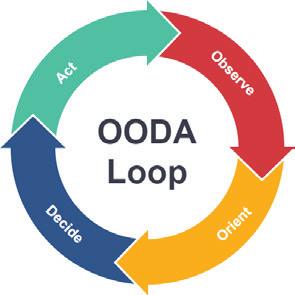
77 OODA-loop decision-making model for emergency services in high-risk environments by Morné Mommsen
Firefighter health and fitness
80 Impact of physical activity on cardiovascular health in firefighters: Scoping review by Ghaleelullah Achmat, Charlene Erasmus, Jill Kanaley, Rucia November, Lloyd Leach
96 The Cone Calorimeter: The most important tool in fire safety science

Editor Lee Raath-Brownie lee@fireandrescue.co Cell 082 371 0190
Advertising advertising@fireandrescue.co
Design and layout
Marc Raath marc@fireandrescue.co
Digital newsletter
Pierre du Plessis pierre@fireandrescue.co
Accounts and circulation
Kelebogile Chimaliro accounts@fireandrescue.co subs@fireandrescue.co
Secretary Kelebogile Chimaliro pa@fireandrescue.co
Administration
Kelebogile Chimaliro
Contributions
Africa
Dr Elias Sithole
Colin Deiner
Etienne du Toit
Lenny Naidoo
Jackie de Billot
Julius Fleischman
Patrick Ryan
Johann Breytenbach
Morné Mommsen
Ghaleelullah Achmat
Charlene Erasmus
Rucia November
Lloyd Leach
Europe
Frank Preiss
Nina Garlo-Melkas
USA
Jill Kanaley
Publisher Lee Raath-Brownie
FIRE AND RESCUE INTERNATIONAL
Tel 011 452 3135/6 Fax 086 671 6920 Box 8299 Greenstone 1616 www.fireandrescue.co
Subscriptions
Free of charge
Contact: subs@fireandrescue.co
Copyright
All rights reserved
Comment
Fire and Rescue International (FRI) magazine is proud to share its 69th edition! Together, with our contributors who offer their insight, share their expertise, inspirational leadership and mentorship guidance, we continue serving our fire and rescue fraternities and first responders who protect our communities. Enjoy the read!
Cover profile
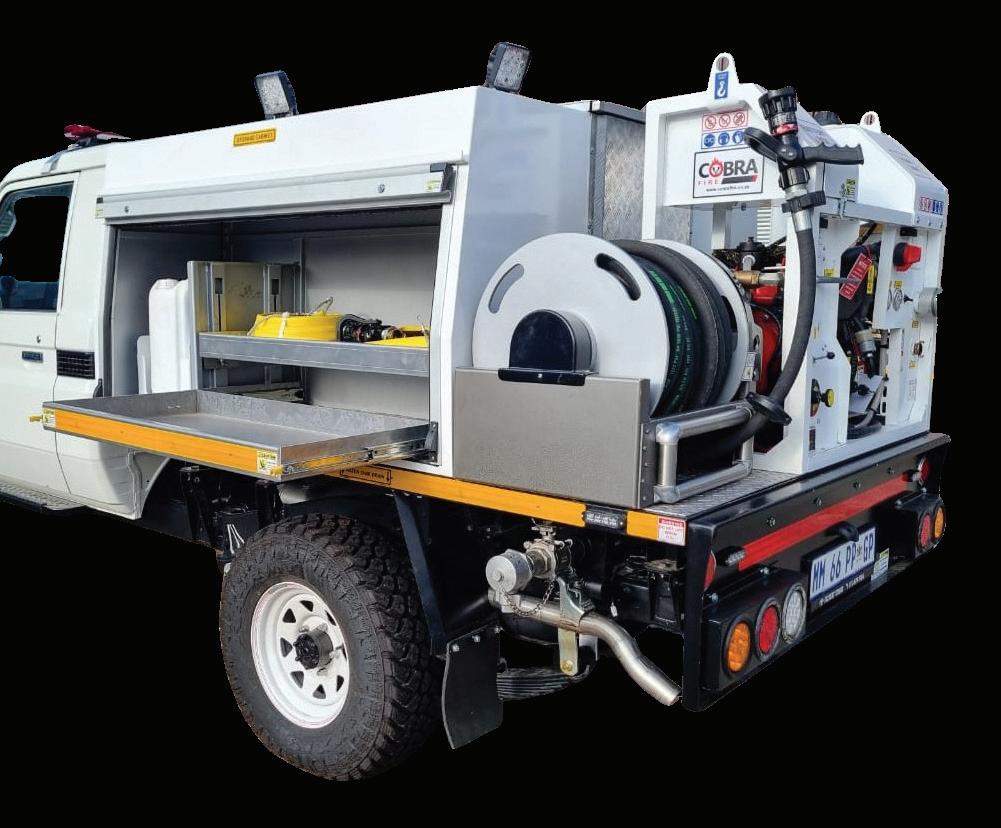
Our front cover features Cobra Fire, its history, people and footprint. Cobra Fire builds firefighting solutions that are application specific, operationally reliable and serviceable over the long term.
National Disaster Management Centre (NDMC)
We will feature the 2026 National Fire Services Indaba, which took place on 26 to 27 February 2026 in Bloemfontein, in our next edition.
Aerial platforms
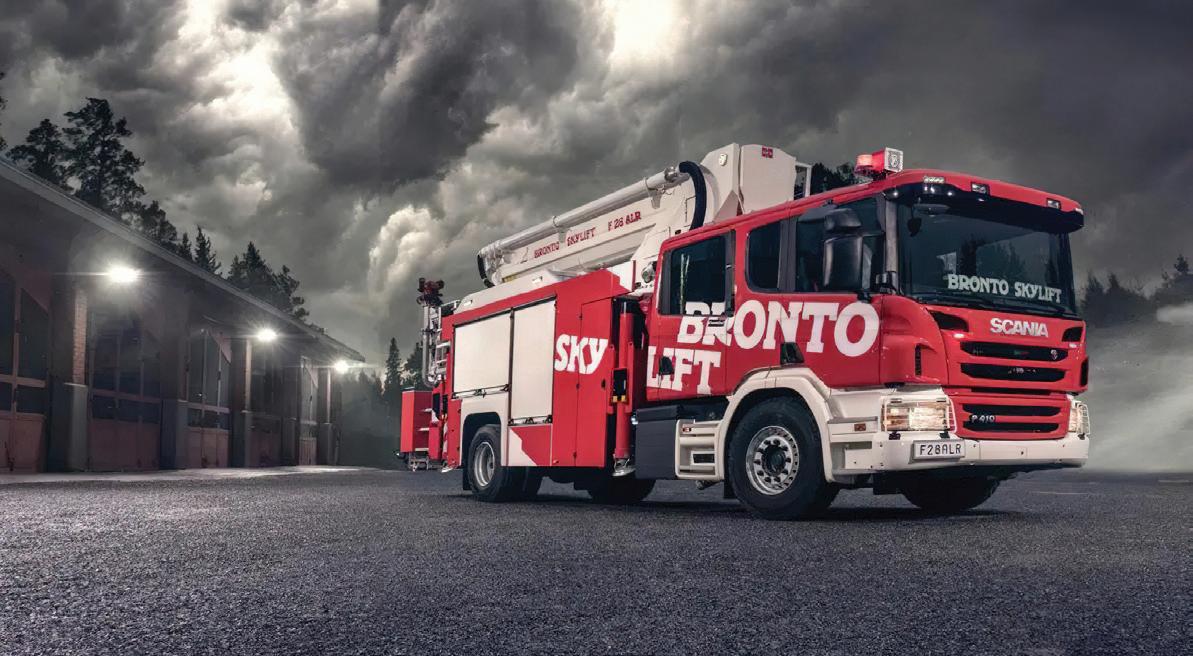
Industrial Fire and Hazard Control shares the effective versatility of the Bronto Skylift F28ALR, which combines the roles of a major pumper, a hydraulic aerial platform and a rescue ladder into a single, integrated unit.
Training
Rural Metro discusses the critical role of IFSAC-accredited training in a changing risk landscape.
Rescue tools
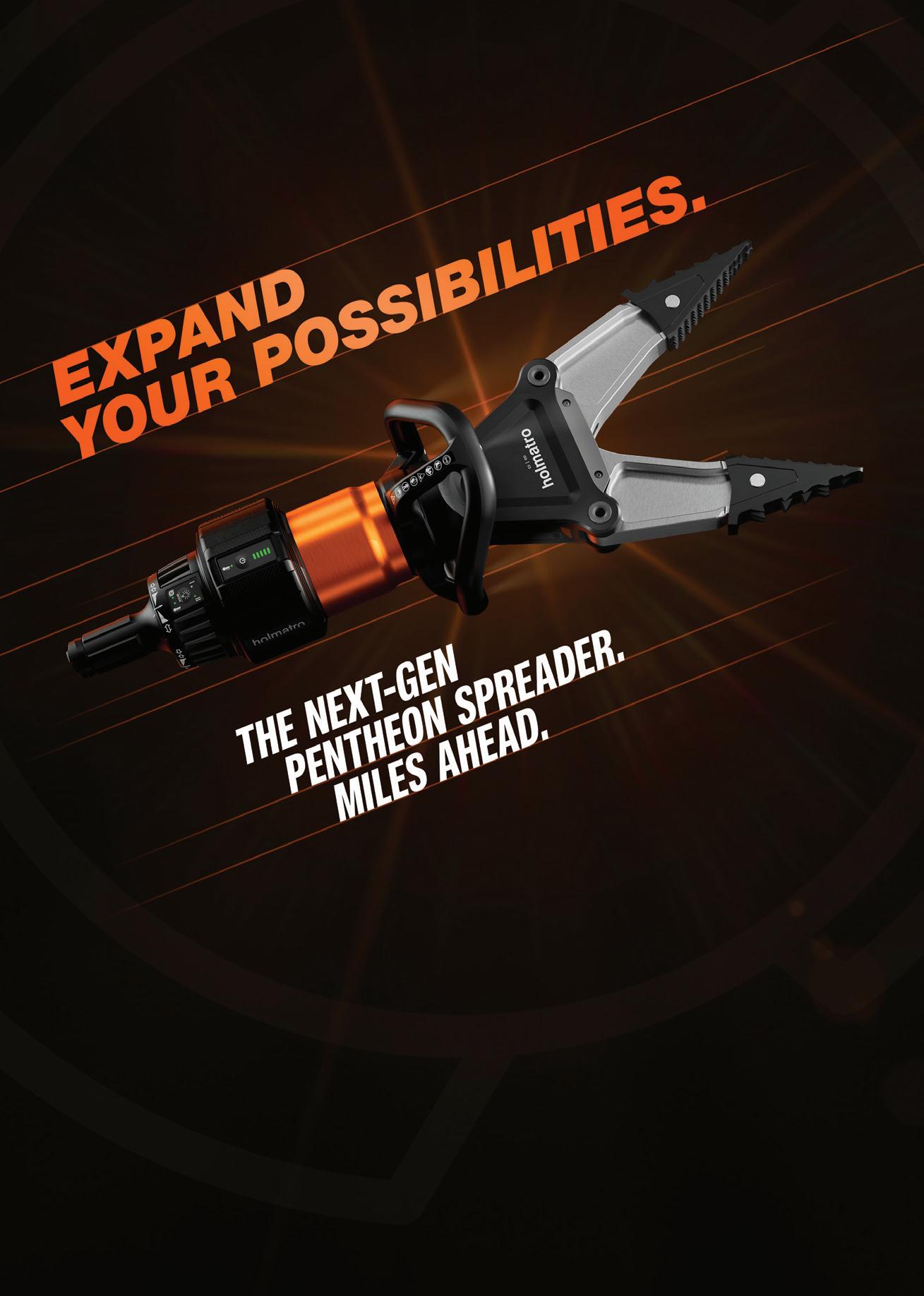
Holmatro Rescue Tools shares the performance and versatility of the range of rescue and extrication tools in any scenario.
Firefighting foams
FireDos’ Frank Preiss discusses misconceptions about extinguishing with foam. FireDos is available through DoseTech Fire.
Hazmat operations
In our focus on hazmat, our long-time contributor, Dr Colin Deiner, looks at understanding personal chemical protective equipment in hazmat operations, in which he discusses the standard and regulations including the South African standards and how to build PPE resources for effective hazmat operations. Lenny Naidoo and Jackie De Billot looks at rapid hazmat intervention and how using the right tool changes the outcome.
Firefighting principles
Etienne du Toit looks at how 19th-Century firefighting principles shape today’s operations in his article on ‘Timeless tactics’. He reaffirms that the fundamentals of firefighting remain as relevant today as they were in the 1800s, highlighting the several key points.
Upcoming events
The upcoming Firexpo 2026 highlights growing fire risk across South Africa’s built environment.
Technical rescue
In our technical rescue focus, Julius Fleischman discusses the discipline of the hold: Navigating the Bush-Ledge Paradox, in which he unpacks the rescue of 78-year-old Tumo Mahlangu from the Mabolela Mountain face in Qwa-Qwa, Free State Province in South Africa.
Wildfires
Our wildfire feature includes the announcement of the upcoming Fifth International Congress on Fire in the Earth System: Humans and Nature on 4 to 6 November 2026, to be held at Skukuza in the Kruger national Park. Patrick Ryan shares the accredited ICS/IMS courses offered through NMU and Vulcan Risk Solutions. Our Finnish contributor, Nina Garlo-Melkas, looks at fighting wildfires in an era of climate change and shares the latest Finnish innovations on the frontlines. The Free State Umbrella FPA’s Johann Breytenbach discusses ‘Training beyond response: Why rural wildfire training must build resilience, not just suppression capacity’.
Self-defence for emergency services
Morné Mommsen shares the OODA-loop decision-making model for emergency services in high-risk environments.
Firefighter health and fitness
Ghaleelullah Achmat, Charlene Erasmus, Jill Kanaley, Rucia November and Lloyd Leach share their research results on the impact of physical activity on cardiovascular health in firefighters.
Heritage
Our article on heritage features the Cone Calorimeter: The most important tool in fire safety science.
Thank you to all our local and international contributors, advertisers and readers for your continued support! Fire and Rescue International is your magazine. Read it, use it and share it!
Lee Raath-Brownie, Publisher
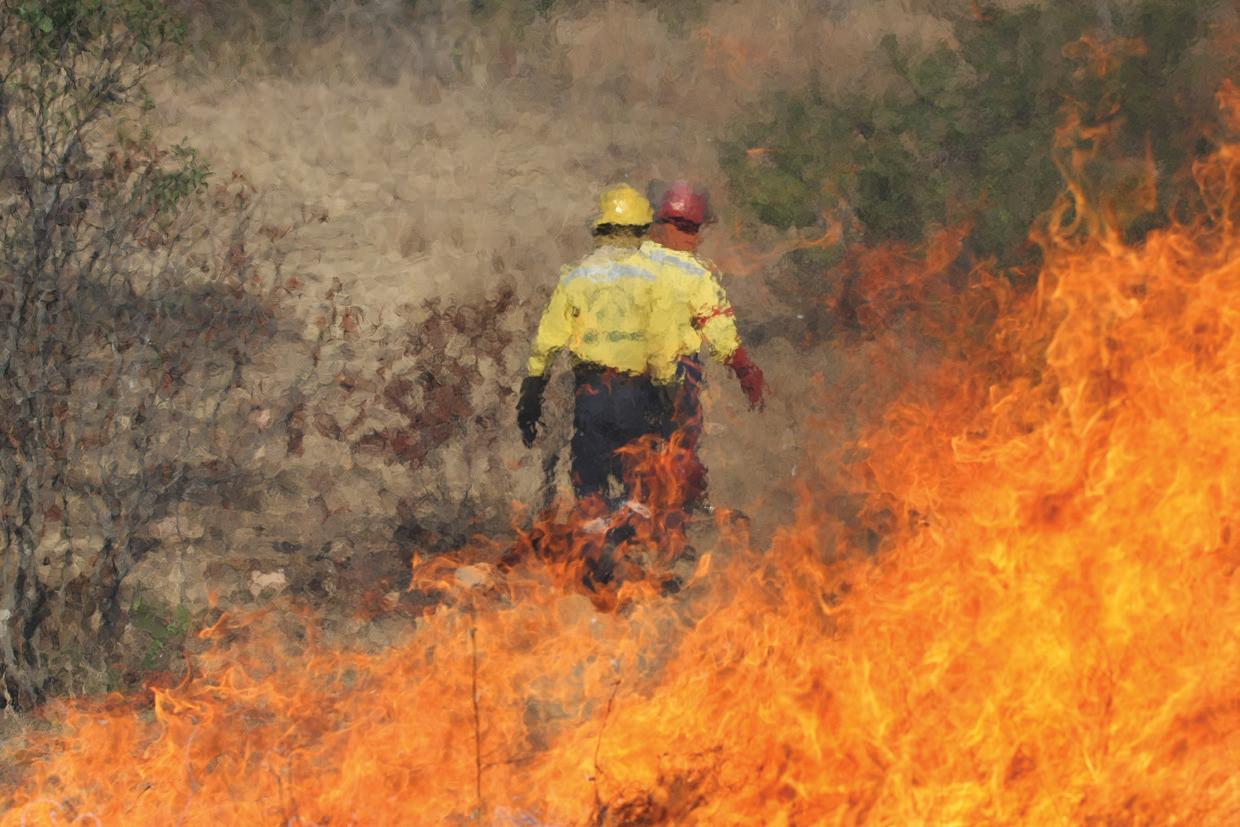
Congratulations to Wayne du Plessis for his photograph ‘The heat of the response’, taken with a Canon EOS 40D camera, 5.6 F-stop and ISO 400. Well done!
Wayne du Plessis wins this month's prize money of R2 000!
Photo description: Working on Fire ground crew in response during a wildfire.
Fire and Rescue International’s (FRI) bi monthly photographic competition is open to all its readers and offers you the opportunity of submitting your digital images of fires, fire fighters, disasters, incidents, emergencies and rescues.
Rules
• All photographs submitted must be high resolution (minimum 1meg) in jpeg format
• Allowed: cropping, curves, levels, colour saturation, contrast, brightness, sharpening but the faithful representation of a natural form, behaviour or phenomenon must be maintained
• Not allowed: cloning, merging/photo stitching, layering of two photos into one final frame, special effects digital filters
Fire and Rescue International (FRI) reserves the right to publish (printed or digitally) submitted photographs with acknowledgement to the photographer
• Winners will be chosen on the merit of their photograph
• The judge’s decision is final and no correspondence will be entered into afterwards
Entries must include:
Name of photographer

Contact details (not for publishing)
Email (not for publishing)
Name of photograph
Brief description of photograph including type of incident Camera, lens and settings used
All entries must be emailed to: lee@fireandrescue.co
Built for the frontlines: Firefighting solutions engineered for Africa’s toughest environments
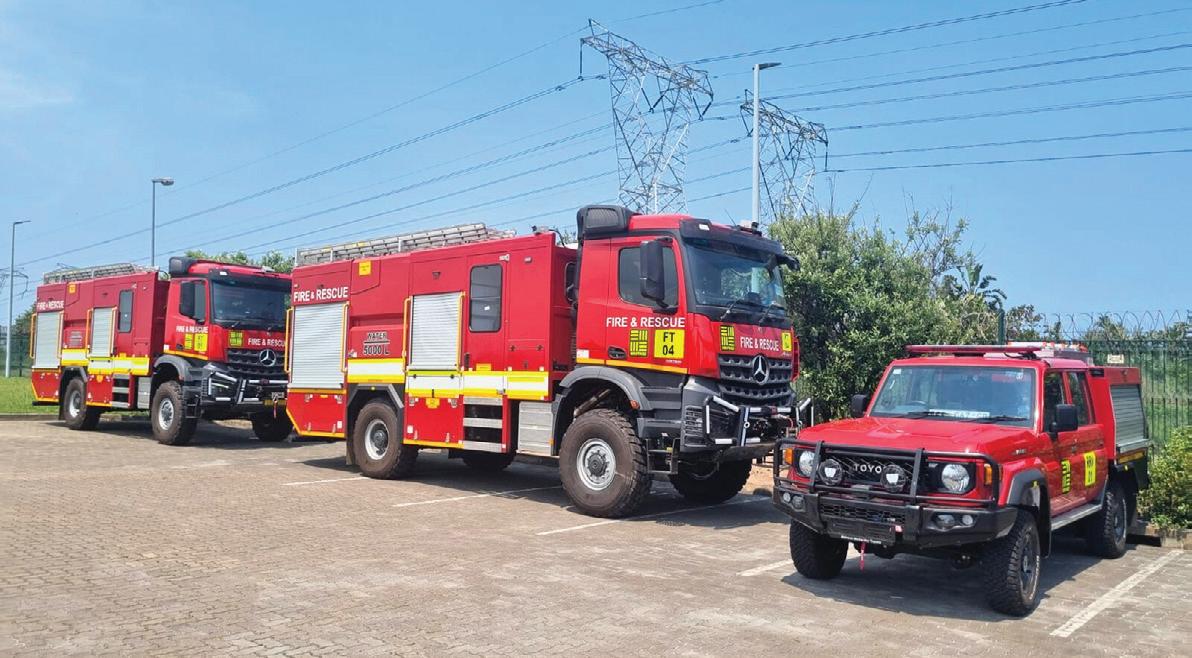
Firefighting across Africa demands more than standard solutions. Vast distances, extreme climates, rugged terrain and high-risk industrial activity create conditions where generic firefighting vehicles often fall short. Fires in mining operations, industrial facilities, rural landscapes and growing municipalities each behave differently, spread differently and place unique demands on equipment and crews.
Cobra Fire exists to meet these challenges. Founded in 2017 on the backbone of Cobra Projects, Cobra Fire
operates across Namibia, Zambia, Malawi, Kenya, the Democratic Republic of Congo, Ethiopia, Ivory Coast, Burkina Faso, Mali and the Seychelles, with the capability to support operations wherever needed on the continent. As a South African engineering business with more than 40 years of specialised vehicle design and manufacturing experience, Cobra Fire builds firefighting solutions that are application specific, operationally reliable and serviceable over the long term. The company’s local manufacturing capability ensures vehicles are tailored to African conditions and
supported locally, which remains critical when response time and uptime matter most.
Our 140+ strong workforce take great pride in delivering superior quality products within industry unchallenged time frames.
Our 27 000m² factory in Steeledale, Johannesburg, of which 17 000m² under roof, is furnished with state-of-theart overhead cranes and paint booths, as well as boiler-making and assembly facilities.
In addition, we are a registered body builder and manufacturer, with SABS/SANS: ISO 9001:2015 certification and are accredited
by all major chassis cab manufacturers as an approved bodybuilder; and, through our aftersales support structures, we service our valued existing firefighting unit clients with unwavering support in South Africa, Mozambique, Botswana, Namibia, Zambia, Malawi, Kenya, Democratic Republic of Congo, Ethiopia, Ivory Coast, Burkina Faso, Mali, Seychelles and where else needed on the continent.
Jaco Keet and Joe Muller, with a combined 75-years’ experience in the fire and rescue industry, form the backbone of Cobra Fire and stand ready to be of service.
Cobra Fire
- a partnership you can trust
What we produce
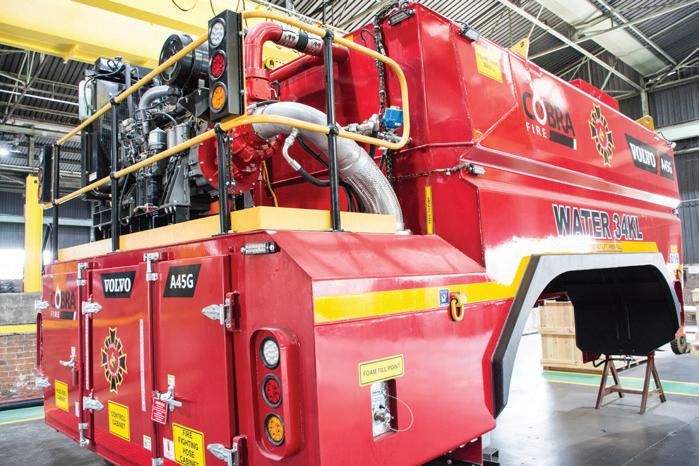
For terrain that pushes conventional fire engines to their limits, our Goliath ADT Fire Bowser provides critical off-
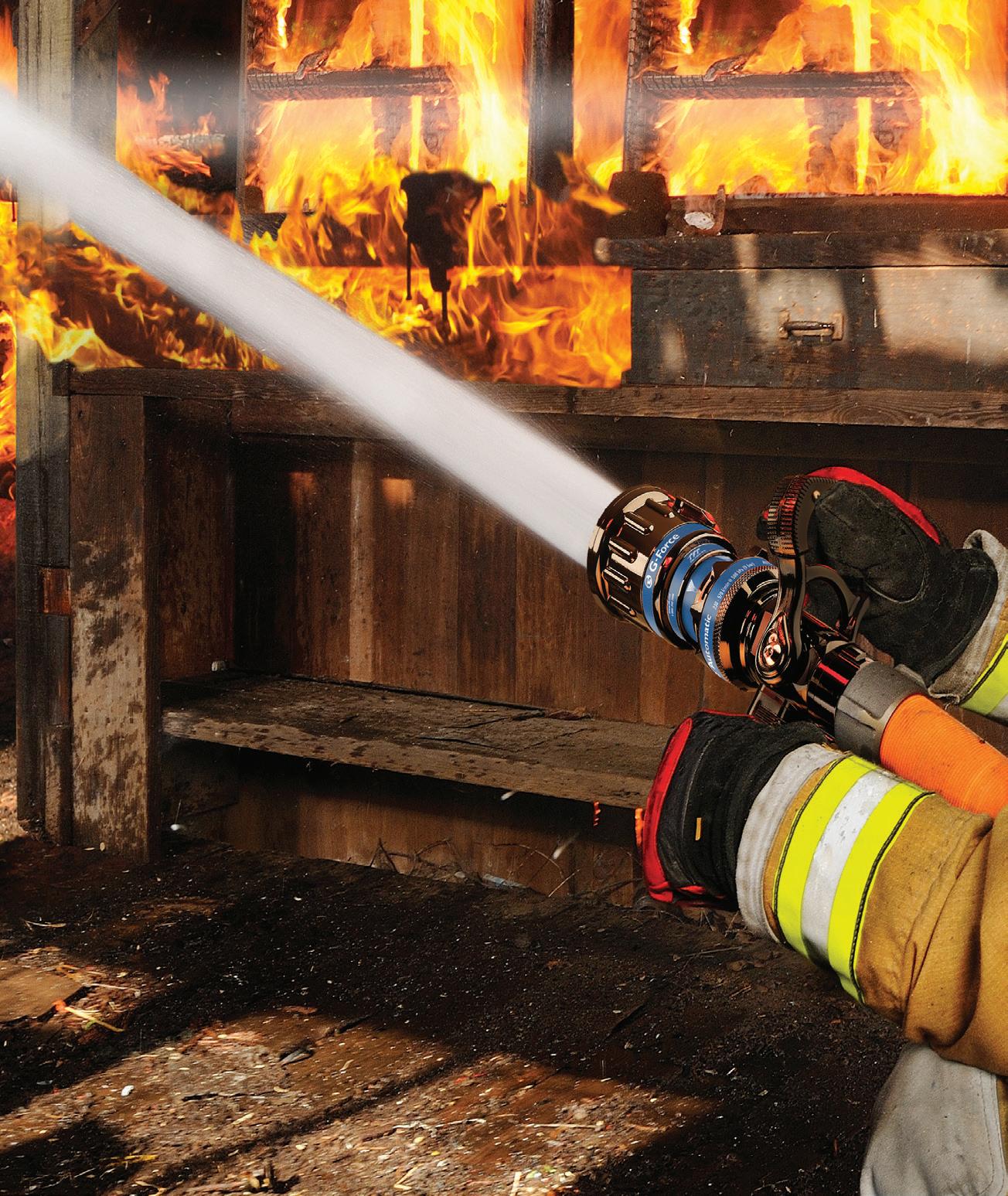
road capability. Built on rugged 6x6 ADT chassis platforms, the specification of these vehicles includes a water tank capacity of up to 40 000 litres, foam tank, engine-driven fire pump with up to 4 000 litres per minute capability, an ATP foam proportioner, ground sweeps and under truck nozzles, hose reel and a powerful remote controlled deck monitor.
Our Inkosi Fire Tanker & Industrial Pumper Range is designed and engineered specifically for high volume water delivery in rugged environments and can be built with up to 8 000 litres per minute pump capacity and configurable water tank setups that prioritise operational endurance. With the chassis platforms capabilities and foam - and water tank capacity meeting our clients’ operational requirements, this vehicle provides extended fire suppression capability during prolonged incidents.
Our Induna Major Pumper Range offers a balance between equipment locker compartments, water carrying capacity and manoeuvrability. Typically configured with up to 5 000 litres of water and 500 litres of foam, it is a versatile solution for municipal, mining and industrial applications where rapid suppression is critical. The vehicle’s PTO driven pump can be specified as single or multistage depending on operational needs, delivering strength where it is required.
Our Ukhozi ARFF range are built onto commercial chassis cabs and are approved for ICAO airports up to category-7. Simply effective and reliable!!
Our Impi Medium Fire Pumper Range provide flexible solutions to our smaller sized communities
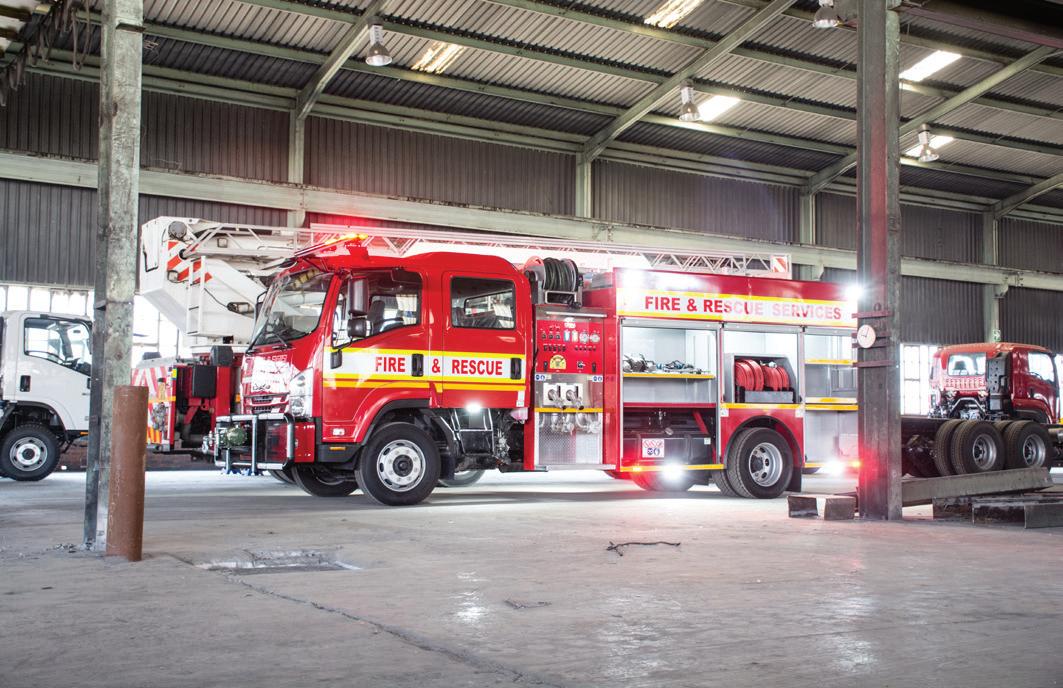
and industrial clients to enable them to mitigate their specific operational risks and budgets. Taking into consideration the proximity of OEM truck service centres to the end user minimises maintenance and traveling cost and limits operational downtime and the Impi range, depending of the
chassis choice, is fitted with PTO or engine-driven fire pumps.
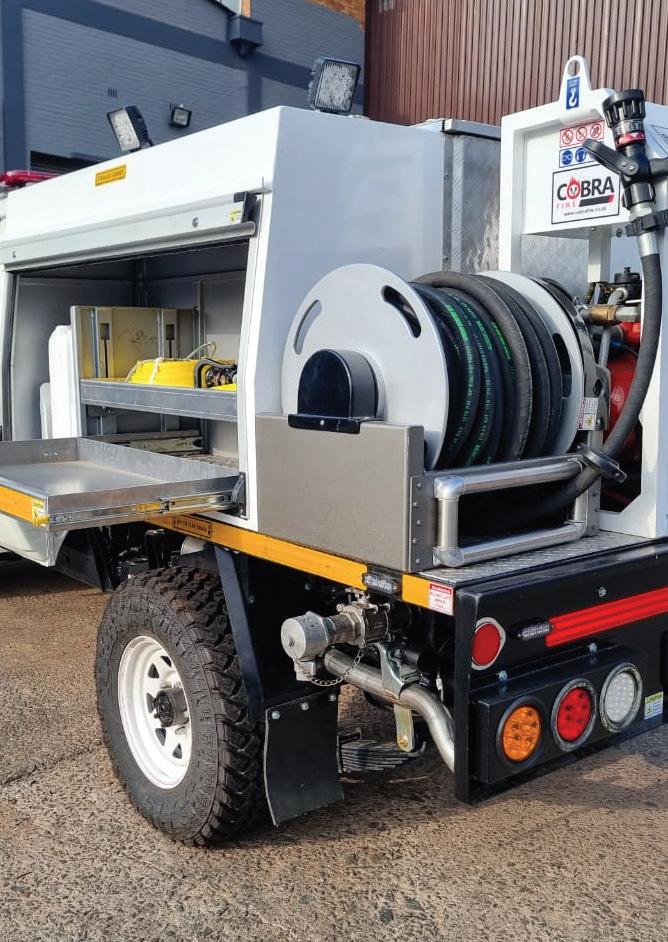
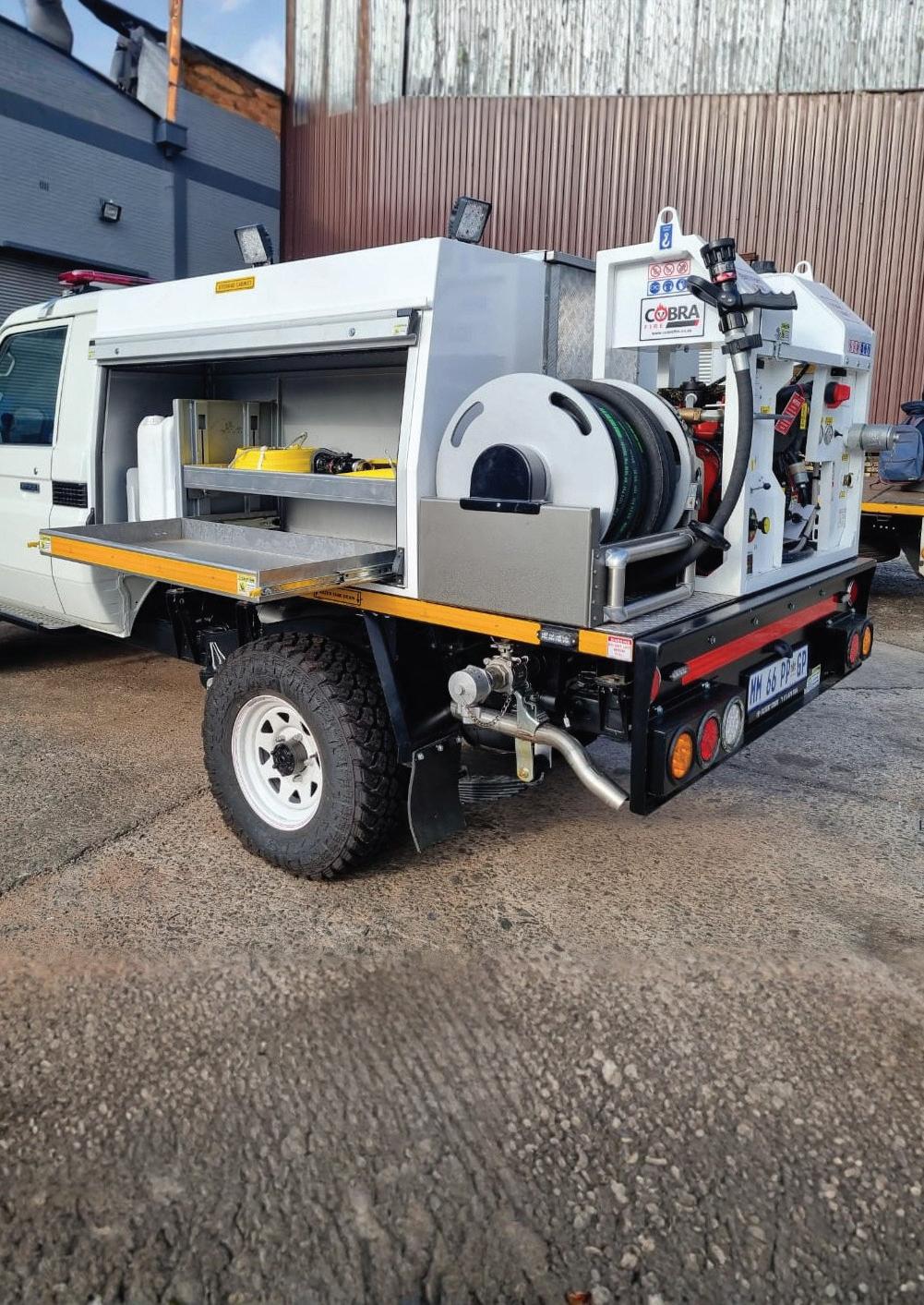
Our Izigi Rapid Response Range is offered in multiple configurations using a commercial pickup as platform and are offered with OEM approved suspension upgrades and with or without HP, UHP or CAFS pumping units.
In addition, we produce trailer and specialised units to meet our customers specific operational and legislative requirements.
Cobra Fire only partners with industry leading pump, equipment and component manufacturers, to ensure efficient, predictable, serviceable performance. These partnerships mean firefighters can count on our product because we know this can directly influence incident outcomes.
Through agency agreements with world renowned manufacturers, we can also facilitate the acquisition of hydraulic platforms, turntable ladders and specialised firefighting apparatus that are not locally produced.
Understanding fire behaviour across African environments Fire does not behave the same way in every environment. In mining operations, fires
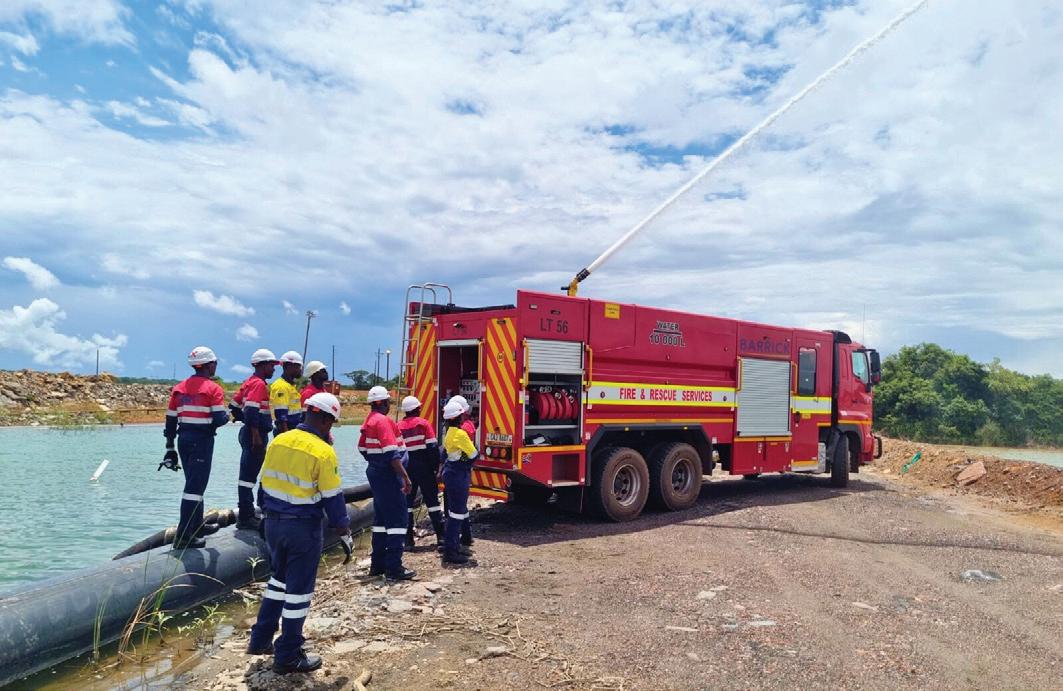
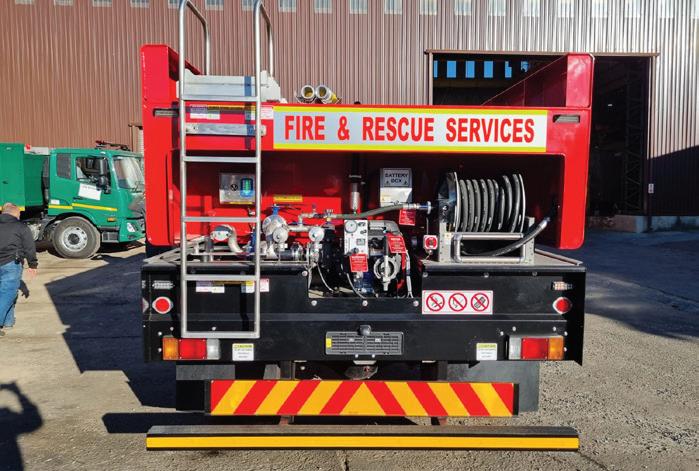
often involve flammable liquids, hydraulic fluids and electrical systems operating under extreme heat. These variables require vehicles with large water carrying capacity and high pump performance, because extinguishing a fire in confined machinery spaces often means delivering sustained water supply with foam proportioning, not just a quick burst of pressure.
In industrial facilities, complex layouts and volatile materials demand suppression systems capable of reaching fires deep inside process plants, while crews maintain safe operating conditions. Fires in rural and bush environments spread rapidly due to wind and vegetation, so early intervention is essential and often relies on mobility and speed over sheer volume.
Mining fires:
Heavy duty protection where conditions are unforgiving Mining environments represent some of the most demanding fire risks that producers face. Heavy equipment, fuel storage, conveyor infrastructure and
remote geography make these sites particularly challenging. Urban municipal units typically cannot reach remote operations in time, making dedicated onsite solutions necessary rather than optional.
Rural and bush fires: Speed, access and early intervention When required, chassis with all-wheel drive capability is provided. Fire trucks that cannot reach the site are no better than a bucket brigade. Mobility and reliability together define readiness in remote, mining and bush environments.
In rural and natural landscapes, fire spread is influenced by vegetation, topography and wind. Initial response capability and the ability to reach a fire early with a capable suppression system often determines whether an incident becomes a catastrophe.
Engineering decisions that matter in an emergency
Behind every Cobra Fire vehicle are intentional engineering decisions that improve crew safety and practical performance. Water tank capacity, foam tank size, chassis configuration and pump placement are more than specifications, we look at every client's needs and create solutions knowing that they define how a vehicle behaves under the stress of an emergency.
A larger water tank extends on scene capability, reducing the need for frequent refills and foam capabilities allow crews to tackle hydrocarbon and mixed fuel fires more effectively. 4×4 chassis and reinforced suspensions ensure access across soft ground and steep terrain. High-capacity hose reels and monitors extend reach for fires above line of sight.
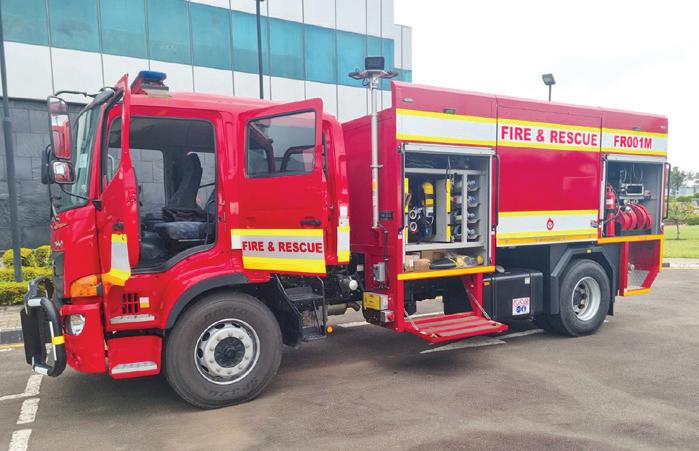
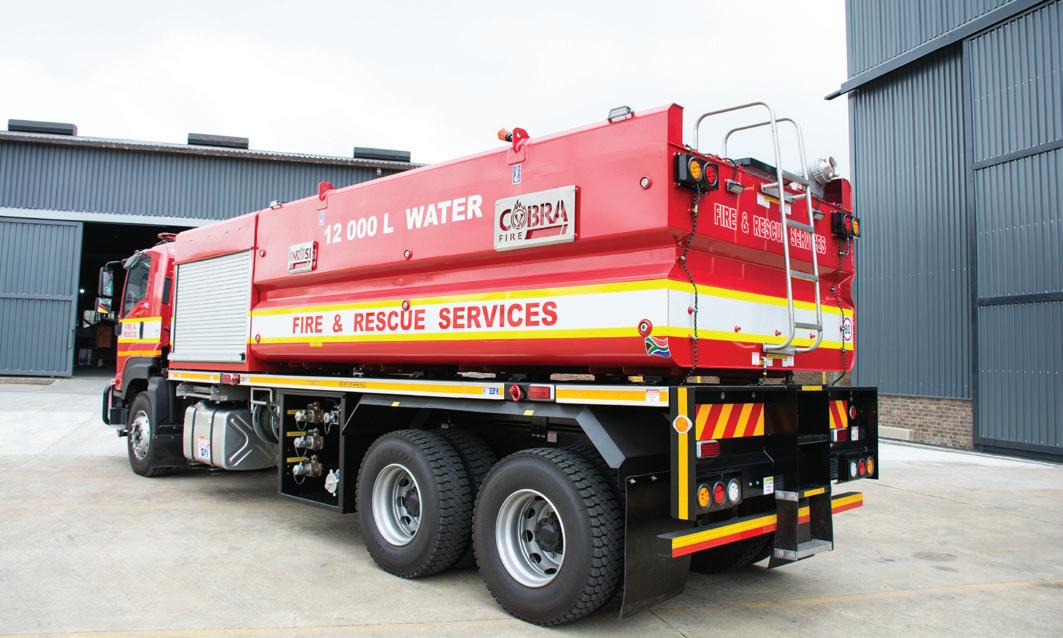
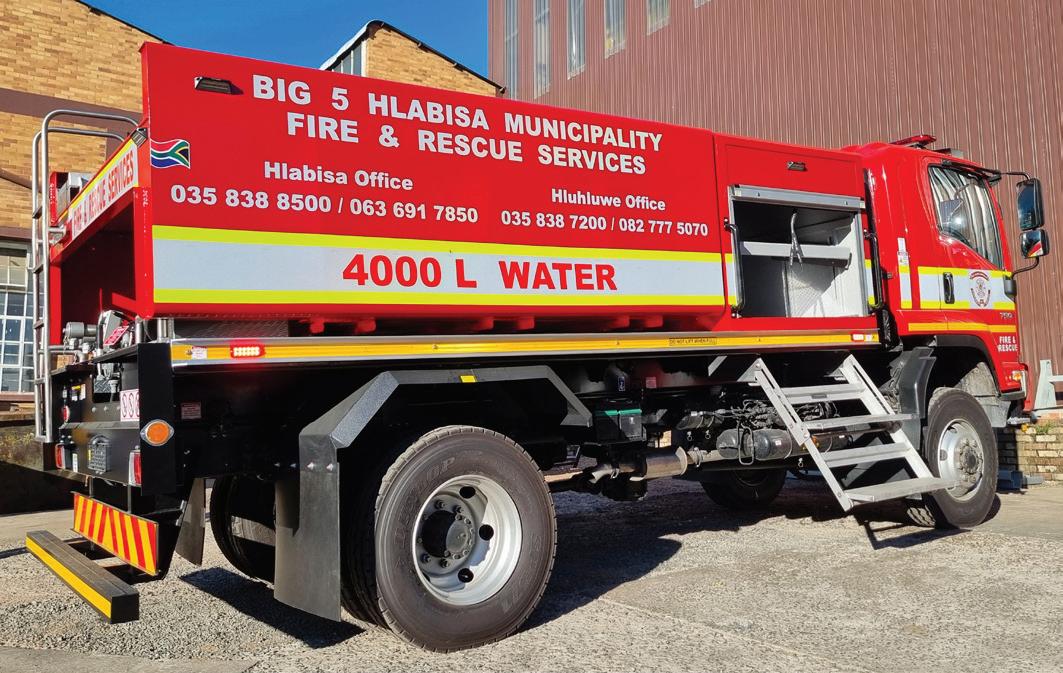
And, using high quality components and strategic partnerships ensures that, when reliability is required, the vehicle delivers consistently.
Designing for reliability when conditions are unpredictable One of the defining challenges in African firefighting is unpredictability. Water supply may be inconsistent, access routes can deteriorate rapidly and fires often escalate faster than anticipated. Cobra Fire addresses this reality by designing vehicles that maintain operational effectiveness even when ideal conditions are absent.
Water capacity is a critical factor. Larger water tanks, such as those found on the Inkosi Fire Tanker Pumper and Goliath Fire Bowser, extend on scene operating time and reduce reliance on external water sources. This is especially important on mine sites and rural operations where hydrants are
not available. Carrying sufficient water allows crews to maintain control of a fire while additional resources are mobilised.
Foam capability is equally important. Integrated foam tanks and proportioning systems allow firefighters to address hydrocarbon and mixed fuel fires more effectively than water alone. Correct foam application reduces reignition risk, improves knockdown speed and limits overall water consumption. Cobra Fire selects foam systems that are reliable, easy to calibrate and proven in industrial and mining environments, ensuring consistent performance under pressure.
Chassis selection also plays a decisive role. Off road capable platforms and 4x4 drivetrains are not chosen for specification appeal, but for access reliability. Firefighting vehicles that cannot reach the incident provide no value. Reinforced suspensions,
appropriate axle ratings and drivetrain configurations ensure vehicles such as the Goliath Fire Bowser and Izigi Land Cruiser CAFS Unit can operate across uneven ground, soft surfaces and steep gradients without compromising stability or crew safety.
Monitor and cannon selection further defines operational reach. High output monitors enable crews to apply water or foam from a safe distance, particularly in high heat environments or where structural collapse is a concern. This standoff capability protects personnel while maintaining effective suppression, a key consideration in industrial and mining incidents.
Inside the cab and bodywork, Cobra Fire prioritises equipment integration that supports firefighter readiness. Breathing apparatus mounting systems, intuitive control layouts and logical compartment design reduce time lost during
deployment. Partnering with established equipment manufacturers ensures reliability and compatibility across systems, allowing crews to focus on the incident rather than the vehicle.
These decisions reflect a broader philosophy. Cobra Fire does not build vehicles to meet minimum requirements. Each design choice is informed by how the vehicle will be used in real emergencies, by real firefighters, operating in demanding conditions. The result is a fleet of firefighting solutions engineered for consistency, resilience and trust, long after the initial delivery.
Crew safety, equipment integration and lifecycle support
Technical choices also reflect operator safety. Vehicles are designed for ergonomic access to breathing apparatus mounting systems, signage controls and equipment storage,
ensuring that crews can work swiftly without unnecessary physical strain.
Cobra Fire’s local manufacturing focus also means that parts, training and technical support remain close to the end user. This reduces recovery time during maintenance, improves fleet readiness and extends the useful life of each vehicle, this is a critical advantage in markets where external support can otherwise be distant or delayed.
Protecting communities through purpose-built solutions
We understand the importance of our role and take the responsibility of our work very seriously. Fires threaten more than physical structures. They endanger lives, disrupt livelihoods and place essential infrastructure at risk. Across Africa, these risks are amplified by distance, terrain and operational complexity.
Cobra Fire’s role is to ensure firefighting capability is available wherever it is needed. By engineering vehicles and systems specifically for African conditions, Cobra Fire supports safer operations and more resilient communities.
Built on decades of engineering experience and focused on real world application, Cobra Fire continues to deliver firefighting solutions designed not just to respond to emergencies but to withstand the environments in which they operate.
Contact Jaco Keet
Email: jacok@cobraprojects.com
Mobile: +27 (0)66 059 1520
Joe Muller
Email: joe@cobraprojects.com
Mobile: +27 (0)82 899 0703
www.cobrafire.co.za
Bronto Skylift F28ALR:
One platform. Three operational roles. No compromise
In fire and rescue operations, success is measured not by how high a platform can reach on paper but by how effectively it performs at the scene. For many fire services across South Africa and the wider African region, that effectiveness must come from a single responding appliance. There is often no specialist aerial unit following behind, no neighbouring department close enough to provide meaningful support and no margin for equipment that is rarely used or difficult to justify.
This reality is becoming increasingly familiar. Urban densification is pushing buildings higher as inner-city land becomes scarce. Mixed-use
developments are appearing in areas never designed for height risk. Warehouses, shopping centres and residential buildings are expanding vertically, while the resources available to local fire services remain largely unchanged. In smaller towns and rural areas, these pressures are often felt most acutely.
Budgets are constrained. Staffing levels are capped. Skilled and experienced firefighters are in short supply. In many instances, departments are unable to expand their fleets to include specialist or support vehicles dedicated to specific risk profiles. The first appliance on scene must establish water supply, initiate firefighting,
manage rescue and shape the incident outcome long before additional resources arrive, if they arrive at all.
The question facing decisionmakers is no longer whether height risk exists. It is how to address that risk realistically, within the operational and financial limits that define modern fire services.
The limits of traditional aerial thinking
Conventional aerial firefighting capability has long been treated as a specialist function. In large metropolitan fleets, this model works. Dedicated aerial appliances are supported by staffing depth, specialist training
programmes and maintenance budgets capable of absorbing low-utilisation assets. For smaller and rural departments, however, this model quickly becomes impractical.
Standalone aerial apparatus are expensive to purchase, expensive to maintain and require specialist training to operate effectively. Their utilisation rate is often low, as incidents requiring height intervention occur far less frequently than structural fires, vehicle incidents or hazardous materials calls. Yet the financial and operational burden remains constant, regardless of how often the unit is deployed.
As a result, many departments are forced to choose between maintaining essential frontline capability or investing in a specialist appliance that may spend most of its service life parked. In most cases, the decision is made for them. The aerial unit is not procured.
This leaves a gap that becomes painfully visible when a fire or rescue incident occurs at height. Crews arrive without the means to work safely above ground level. Manual ladders are pushed beyond their intended use. Roof access is improvised. Command decisions are shaped by limitation rather than strategy.
The outcome is predictable. Increased risk to firefighters, reduced rescue options and a diminished ability to control fire spread in multi-storey structures.
The Bronto All Rounder concept challenges this way of thinking by reframing the problem entirely. Instead of asking whether a department can afford a specialist aerial appliance, it asks whether a department can afford to operate without height capability at all.
The All Rounder as an operational philosophy
The Bronto Skylift F28ALR is built on a simple but uncompromising assumption. For many fire services, the first due appliance must carry the full operational burden of the incident. Capability must arrive with the first crew, not later.
This philosophy drives every aspect of the All Rounder design. The F28ALR is not intended to replace large city aerial ladders or platforms. It is designed to integrate essential aerial and rescue functions into a vehicle that already justifies its place in the fleet as a primary response pumper.

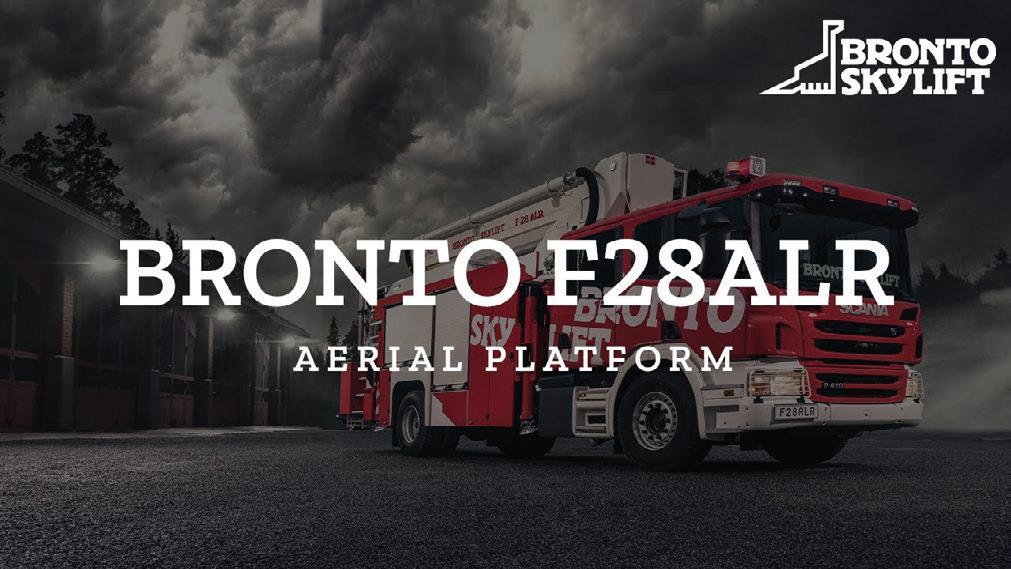
Operationally, this integration delivers three distinct functions through a single platform.
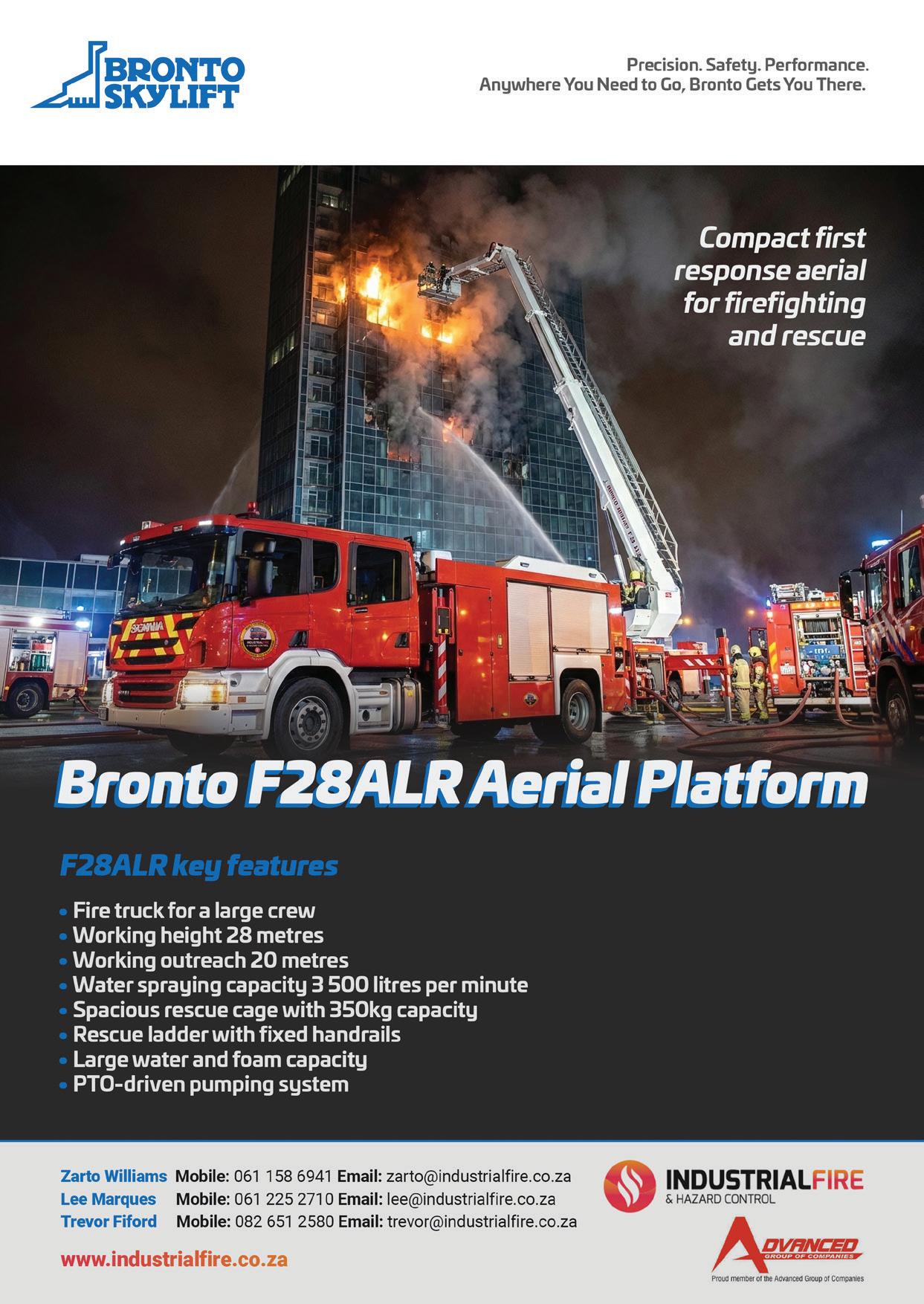
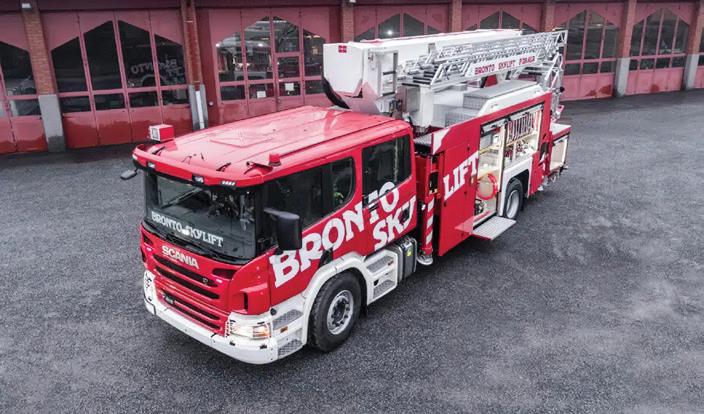
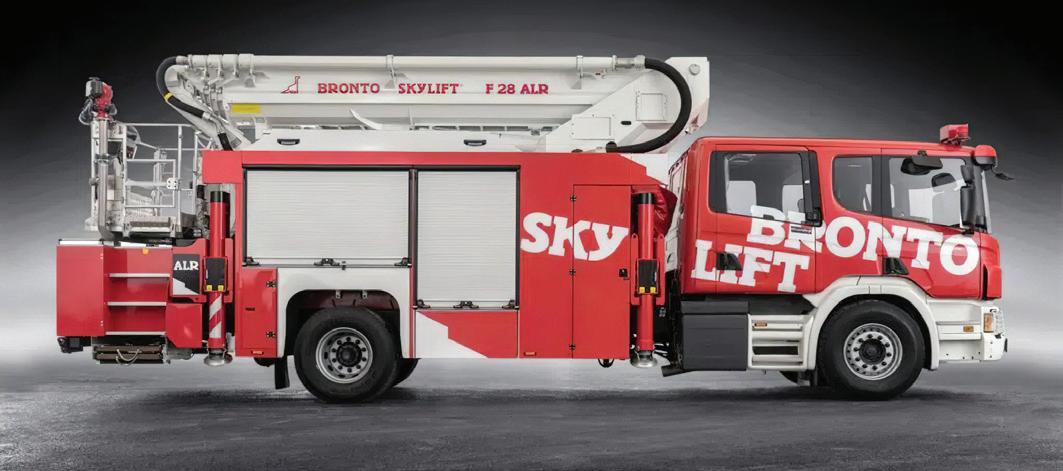
First, the F28ALR operates as a fully capable first due pumper, responding to the full spectrum of everyday incidents. Second, it provides a 28 metre hydraulic aerial platform capable of supporting firefighting and operational access at height. Third, it incorporates a dedicated rescue ladder and cage system, enabling evacuation and rescue operations where specialist teams may not be available.
While often described as a twoin-one solution, the operational reality is closer to three independent capabilities working together as one coherent system.
First due pumper capability
At its core, the F28ALR is a frontline fire appliance and it performs this role without compromise. The vehicle is fitted with a crew cab
designed for safe and efficient firefighter transport, allowing crews to arrive ready to initiate operations immediately. Appliance layout supports rapid dismount and clear task flow, ensuring that the presence of the aerial system does not delay initial attack.
Water delivery is provided by a PTO-driven pump capable of delivering up to 3 800 litres per minute, aligning with the performance expectations of a modern major pumper. This output supports both offensive and defensive strategies, whether operating independently or as part of a larger response.
Typical configurations include a 2 000-litre polypropylene water tank and a 200-litre polypropylene foam tank. Polypropylene construction reduces corrosion risk and supports long-term durability, particularly in environments where water quality and
operating conditions vary. An integrated foam system allows for seamless transition between water and foam application, expanding tactical flexibility without adding complexity.
Equipment compartments are sized and arranged to carry the full complement of firefighting, rescue and hazardous materials equipment expected of a primary response appliance. In daily service, the F28ALR behaves exactly as a frontline pumper should. It is dispatched frequently, maintained within existing budget frameworks and familiar to crews.
This familiarity is critical. When aerial or rescue capability is required, it is deployed from a platform crews already know and trust.
The 28-metre hydraulic platform Where the F28ALR sets itself apart is in the capability it adds beyond standard pumper
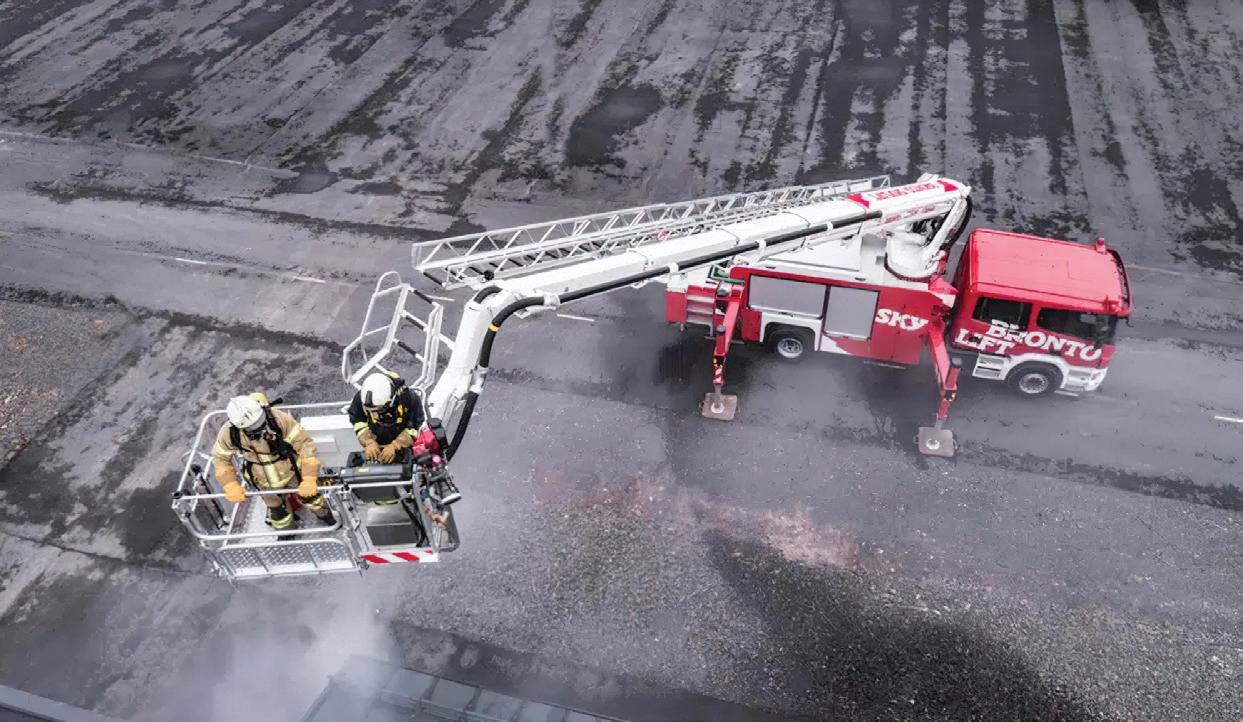
functions. The integrated 28-metre hydraulic aerial platform provides controlled access and firefighting capability at height. Strong outreach and up-and-over performance allow crews to reach façades, recessed areas, rooflines and upper floors that would otherwise be inaccessible.
From a firefighting perspective, the platform supports master stream application at height, enabling water or foam delivery from above. This capability is particularly valuable for departments operating with limited staffing. Where an immediate offensive interior attack is not feasible, the ability to apply water from above can significantly improve outcomes, either by achieving knockdown or by limiting fire growth until additional resources arrive.
Beyond suppression, the platform supports safe ventilation operations, inspection, elevated observation and incident
command functions. In large or complex structures such as shopping centres, warehouses and mixed-use developments, this elevated perspective improves situational awareness and decision-making.
Set-up speed and access are central to the design. Variable jacking allows the F28ALR to operate in narrow streets and confined spaces common to older town centres. Its compact footprint and favourable heightto-weight ratio enable access to locations that would challenge larger, specialist aerial units.
Improving firefighter safety
Firefighter safety is often discussed in abstract terms, yet it is shaped by very practical factors on the fireground.
Manual ladders, improvised roof access and unsupported elevated operations all carry inherent risk, particularly when crews are fatigued, understaffed
or working under pressure. The F28ALR reduces reliance on these practices by providing a stable, hydraulically controlled access platform.
Ventilation can be carried out from a secure working position. Roof access is achieved without exposing firefighters to unnecessary fall risk. Elevated operations become controlled rather than improvised. Over time, these factors contribute to reduced injury rates and improved operational confidence, even if they are not always reflected in incident statistics.
For departments with limited training resources, operating from a single, familiar platform also simplifies skill retention. Crews train on one system and apply those skills across multiple incident types.
Rescue operations at height
The third core function of the F28ALR is rescue.
In many smaller towns and rural areas, fire departments do not have specialist rescue units capable of conducting evacuations from multi-storey buildings, particularly where fires originate below escape routes. These incidents present some of the most challenging scenarios crews face.
The F28ALR addresses this gap through its integrated rescue cage and fixed handrail rescue ladder. The rescue cage is rated to 350kg, allowing firefighters to operate with casualties and equipment safely. The ladder provides a controlled means of descent, enabling occupants to exit from height under supervision.
This capability is particularly relevant where internal stairwells are compromised by fire or smoke. Rather than waiting for external support that may be hours away, crews can initiate rescue operations using the resources already on scene.
Once again, the value lies not in replacing specialist rescue teams but in providing a realistic and effective option where none would otherwise exist.
Operational
reality for smaller services
For smaller and rural departments, the strength of the F28ALR lies in its alignment with operational reality.
The unit arrives as a first due appliance. It begins work immediately as a pumper. As the incident evolves, it expands tactical options without requiring additional vehicles or specialist crews. Incident command is simplified, as
capability grows organically from a familiar platform.
This integration is particularly important in services where staffing levels limit the ability to deploy multiple appliances simultaneously. One crew, one vehicle and one plan become sufficient to manage a far wider range of scenarios.
Maintenance, budget and lifecycle
Fleet decisions are ultimately shaped by long-term sustainability.
Maintaining a single, multirole unit within a standard pumper budget is far more achievable than supporting a separate specialist aerial fleet. Training costs are consolidated. Maintenance schedules are simplified. Spare parts inventories are reduced.
The All Rounder philosophy recognises that the true cost of an appliance is measured over its entire service life, not at the point of purchase. High utilisation and manageable maintenance requirements ensure that investment translates into lasting capability.
Local support and African context
Capability does not end with delivery. Ongoing support and servicing are essential, particularly in demanding operating environments.
Industrial Fire & Hazard Control, the authorised African dealer for Bronto Skylift, provides local maintenance and servicing support across the region. This local presence ensures that departments are not reliant on distant resources for critical
support, keeping vehicles operational and crews confident in their equipment.
One unit, real capability
Viewed in isolation, the Bronto Skylift F28ALR is an impressive piece of engineering. Viewed in context, it represents something more important.
It is a practical response to the challenges faced by fire services operating with limited resources, rising height risk and increasing complexity. It acknowledges that many departments do not have the luxury of specialist fleets and that the first appliance on scene often carries the full weight of the response.
By combining the roles of a major pumper, a hydraulic aerial platform and a rescue ladder into a single, integrated unit, the F28ALR delivers capability where it is most needed.
When one vehicle arrives first, when one crew must make the difference and when there is only one chance to get it right, the All-Rounder philosophy proves its value.
For more information on the Bronto Skylift F28ALR, please reach out to Industrial Fire and Hazard Control: Zarto Williams Mobile: 061 158 6941
Email: zarto@industrialfire.co.za
Lee Marques
Mobile: 061 225 2710
Email: lee@industrialfire.co.za
Trevor Fiford
Mobile: 082 651 2580
Email: trevor@industrialfire.co.za
Visit: www.industrialfire.co.za
Building globally competent firefighters: The critical role of IFSAC-accredited training in a changing risk landscape
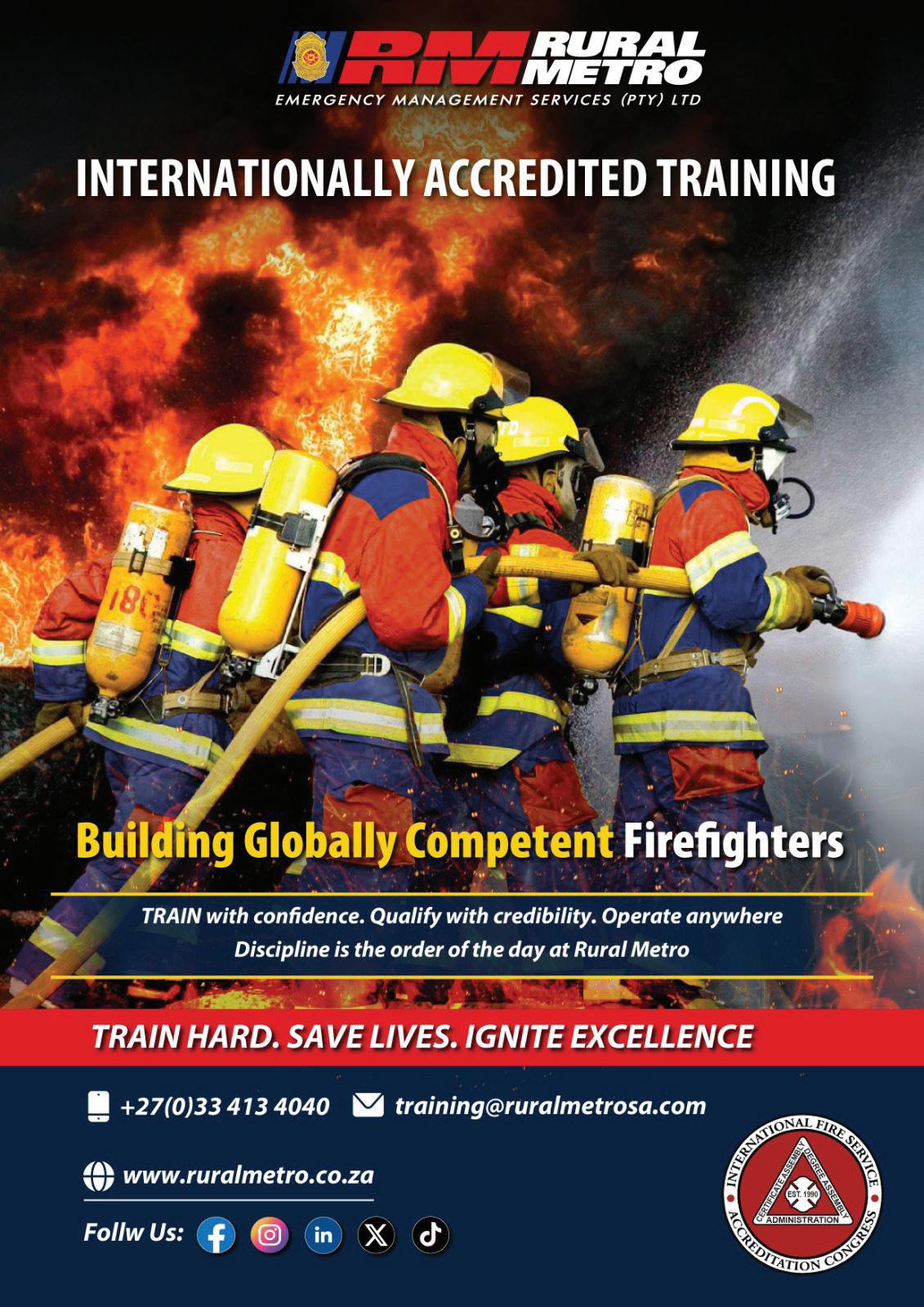
As disasters increase in frequency, scale and complexity, the role of the modern firefighter is rapidly evolving. Today’s firefighters are no longer only responders to fires — they are disaster responders, hazardous materials specialists, technical rescuers, instructors and community leaders. In this environment, globally benchmarked training is no longer optional; it is essential.
At the Rural Metro Training Academy, this reality underpins the organisation’s commitment to delivering International Fire Service Accreditation Congress (IFSAC) accredited training, aligned with NFPA standards and recognised worldwide. IFSAC accreditation represents far more than a certificate — it represents credibility, professional mobility and operational readiness in an increasingly
interconnected emergency management environment.
Why global alignment matters more than ever
Our recent international engagements, including participation in the Thailand Disaster Management Learning Symposium in Bangkok, reinforced a vital truth: disasters do not respect borders and preparedness must therefore be globally informed.
Thailand’s journey, shaped by catastrophic events such as the 2004 Indian Ocean tsunami, demonstrates how strong governance, early warning systems, community involvement and highly trained responders can dramatically reduce loss of life and improve recovery outcomes. For South Africa, where floods, fires, industrial incidents and climate-driven disasters pose growing risks, these lessons are particularly relevant.
Reflecting on the experience, Rural Metro CEO Chris Gilbert highlighted the central role of training for disaster resilience: Chris Gilbert, Chief Executive Officer, Rural Metro Emergency Management Services
“Being part of the Thailand Disaster Management Learning
Symposium reinforced a critical reality — disasters are becoming more complex, more interconnected and far less forgiving of poor preparation. What stood out was that technology and policy only work when they are supported by highly trained people. IFSAC-accredited training gives firefighters the competence, confidence and global relevance required to operate effectively in this new risk environment. This is exactly why Rural Metro continues to invest in internationally benchmarked training.”
IFSAC: Training that translates into operational capability
IFSAC accreditation ensures that firefighters and emergency personnel are trained against internationally validated competency benchmarks. These standards are grounded in operational research, global best practice and real-world incident experience.
For learners, IFSAC accreditation delivers:
• International recognition, opening doors to global career opportunities
• Confidence in competence, knowing their skills meet rigorous international standards
• Operational readiness, whether responding to fires, rescues,
hazardous materials incidents or large-scale disasters
For municipalities, employers and industry, it provides assurance that personnel are trained to consistent, auditable and internationally comparable standards — a critical factor in high-risk environments.
Lessons from Thailand: Training is the backbone of preparedness During the Thailand symposium, institutions such as the Asian Disaster Preparedness Centre (ADPC) and the National Disaster Warning Centre (NDWC) demonstrated how advanced systems are underpinned by continuous training and capacity development. Delegates observed that:
• Multi-agency response only functions effectively when responders share a common competency framework
• Early warning systems depend on trained professionals who can interpret data and mobilise communities
• Community resilience is
strengthened by qualified instructors, educators and leaders who translate policy into action
These insights closely align with the philosophy behind IFSACaccredited training: standardised, measurable competence that can be applied anywhere, under any conditions.
Our IFSAC-accredited course offering
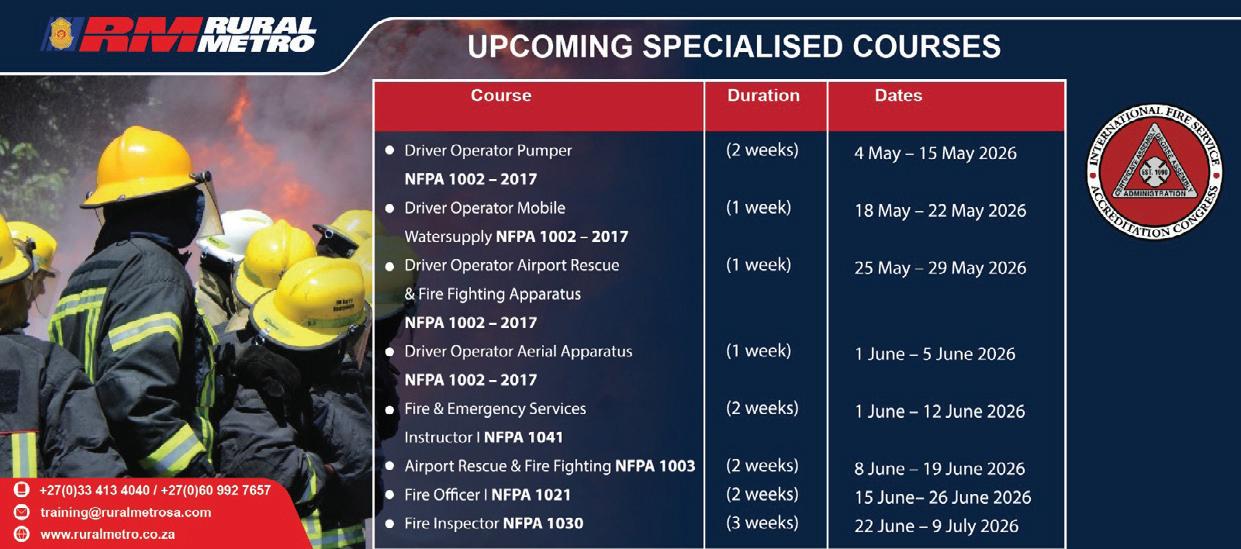
The Rural Metro Training Academy offers a comprehensive range of IFSACaccredited and NFPA-aligned programmes, supporting firefighters and emergency personnel at every stage of their professional development:
Hazardous Materials/Weapons of Mass Destruction (NFPA 470 – 2022)
Awareness, Operations, PPE, Mass Decontamination, Technical Decontamination, Evidence Preservation, Product Control, Detection and
Monitoring, Victim Rescue, Illicit Laboratory Response and Technician level.
Firefighter Training (NFPA 1001 – 2019) Firefighter I and Firefighter II.
Fire Apparatus Driver/Operator (NFPA 1002 – 2017)
Driver/Operator General Requirements, Pumper, Aerial, Wildland, ARFF and Mobile Water Supply.
Specialised Firefighting (NFPA 1003 / 1005) Airport Firefighter and Marine Firefighter.
Technical Rescue (NFPA 1006 – 2021)
Rope Rescue, Confined Space Rescue and Common Passenger Vehicle Rescue at Awareness, Operations and Technician levels.
Fire Officers, Inspectors and Investigators (NFPA 1021 / 1030 / 1033)
Fire Officer I and II, Fire Inspector and Fire Investigator.
Educator and Public Information (NFPA 1035 / 1041)
Fire and Life Safety Educator I–III, Fire and Emergency Services
Instructor I and II, Live Fire Instructor, Live Fire Instructor in Charge and Public Information Officer.
Facility Fire Brigade (NFPA 1081 – 2018)
Incipient and Advanced Exterior Facility Fire Brigade training.
Preparing firefighters for a global future
The Thailand experience reinforced the importance of international collaboration, shared standards and competency-based training. IFSAC accreditation enables South African firefighters to operate confidently within local environments while remaining aligned with international best practice — a critical advantage during joint operations, multinational exercises and knowledge-sharing initiatives.
According to Johan van Wyk, general manager of Rural Metro and an IFSAC Board Member, this alignment is central to the future of the profession: Johan van Wyk, general manager – Rural Metro Emergency
Management Services and IFSAC Board Member (Certificate Board of Governers): “Serving on the IFSAC board provides a clear view of how global competency standards are shaping the future of the fire service. IFSAC accreditation is not about theory — it is about measurable, operational competence that ultimately saves lives. By offering IFSACaccredited programmes, Rural Metro is ensuring that South African firefighters are trained to the same standards as leading emergency services worldwide.”
A commitment to safer communities
At Rural Metro, IFSAC-accredited
training is viewed as an investment in:
• Safer firefighters
• Stronger institutions
• More resilient communities
As risks continue to evolve, so must the skills of those entrusted with protecting lives, infrastructure and the environment. By combining global standards, local relevance and international insight gained through engagements such as the Thailand Disaster Management Learning Symposium, Rural Metro is helping shape a fire service that is prepared not only for today’s challenges but for the uncertainties of tomorrow.
Holmatro Rescue Tools: Power, precision and reliability when seconds count
In modern rescue operations, speed, control and reliability are not luxuries - they are necessities. From vehicle extrications and forced entry to complex stabilisation scenarios, rescue professionals rely on equipment that performs flawlessly under pressure. Holmatro, a global leader in hydraulic rescue technology, continues to set the benchmark with innovative tools designed to help responders work faster, safer and more effectively in the most demanding environments.
The T1 Forcible Entry Tool: One tool, unlimited possibilities
The Holmatro T1 Forcible Entry Tool is designed to replace multiple tools with a single, compact solution. Built for versatility, the T1 allows operators to cut, wedge, ram, spread, hammer and lift using one robust unit - making it ideal for rapid intervention teams and confined-space operations.
Its optimised cutting blades and jaw design allow it to easily cut rebar, chains and padlocks, with a cutting capacity of up to 18mm round bar (S235). Damaged blades can be quickly replaced in the field, ensuring minimal downtime.
Powered by a two-stage hydraulic pump, the T1 delivers exceptional performance with minimal effort. Just 30kg of manual force on the pump rod generates an impressive 14.2 tons of cutting force and 3.4 tons of spreading force. This efficiency reduces operator fatigue and air consumption, making it especially valuable during prolonged rescue operations.
PDR200 Door Ram: Powerful, precise, battery driven
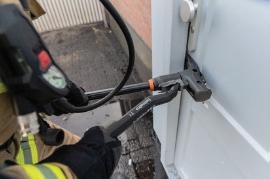
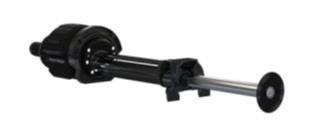
The PDR200 Door Ram brings Pentheon battery technology to forced entry operations. This double acting, battery-powered door ram is designed for breaching inward-opening doors
with multiple locking points and can also be used on outward opening doors when paired with a manual breaching tool.
Its cordless design enhances mobility and deployment speed while maintaining the raw power required for decisive entry. The PDR200 is a prime example of Holmatro’s focus on combining performance with operational simplicity.
PCU50 Cutter: Speed that saves lives
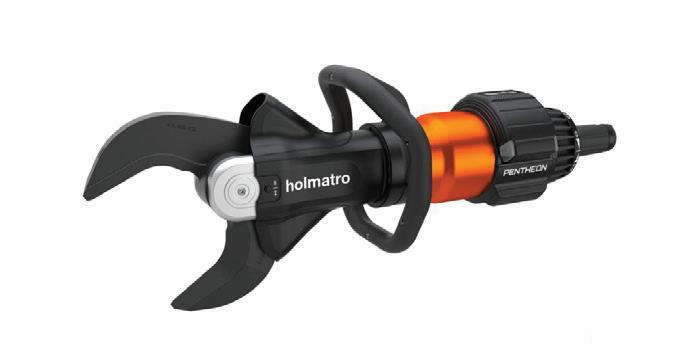
The PCU50 Cutter represents a major leap forward in rescue tool performance. Featuring Holmatro’s patented Stepless Speed Maximisation, the cutter continuously optimises motor and pump performance to deliver the fastest cutting speed on the market, regardless of load.
Operators benefit from:
• Two operating modes –
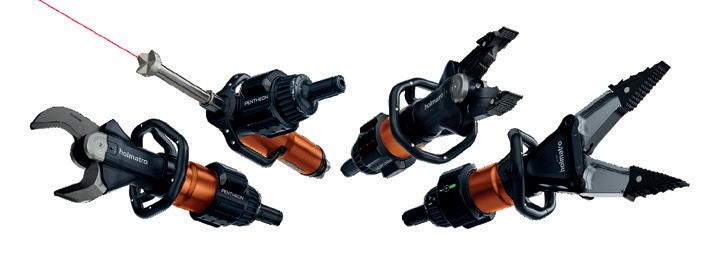
reduced speed for training or demonstrations and fullspeed Pentheon mode for real-world rescues
• Precise speed control via an intuitive two-speed inline handle
• Smooth, controlled cutting for increased safety and efficiency
This level of control allows rescuers to work faster without sacrificing accuracy or safety.
PCT50 Combi Tool: Power and versatility in one unit The PCT50 Combi Tool combines cutting and spreading functions into one high-performance
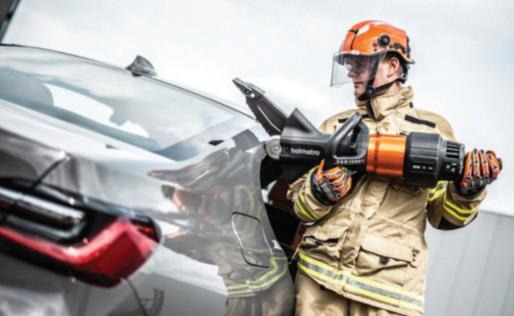
rescue tool, ideal for crews requiring maximum capability with minimal equipment.
Like the PCU50, it features Stepless Speed Maximisation, ensuring optimal performance under any load. Two internal grip teeth prevent material from slipping during cutting, improving safety and efficiency.
Designed for real-world rescue environments, the PCT50 performs reliably:
• Underwater
• In extreme heat or cold
• In rain, snow and harsh weather conditions
A redesigned drive system reduces operating noise, improving communication on scene, while integrated LED lighting in the handle ensures clear visibility in low-light conditions.
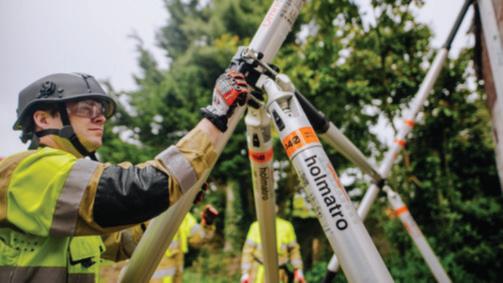
OmniShore: A new standard in shoring and stabilisation When it comes to stabilisation, Holmatro’s OmniShore system represents a complete rethinking of rescue shoring. Designed for maximum adaptability, OmniShore allows responders to construct virtually any shoring configuration using just six strut types. This dramatically simplifies logistics while increasing operational flexibility.
At the heart of the system is Holmatro’s patented Trident Coupler, which guarantees correct and secure connections every time. The system physically prevents unsafe connections, ensuring reliability even in highstress environments.
The OmniLock system takes safety even further by allowing responders to monitor and
The Holmatro PDR200 Door Ram brings Pentheon battery technology to forced entry operations
The Holmatro PCT50 Combi Tool combines cutting and spreading functions into one high- performance rescue tool
The Holmatro PCU50 Cutter features Holmatro’s patented Stepless Speed Maximisation
adjust loads from a safe distance. Its Auto-Follow function automatically compensates for load movement while remaining mechanically locked - reducing time spent in danger zones and improving overall scene safety.
Built for those who save lives
Holmatro’s rescue tools are designed with one goal in mind: enabling responders to perform at their best when it matters most. From forcible entry and cutting to stabilisation and structural support, every tool reflects decades of real-world rescue experience, engineering excellence and a commitment to safety.
For fire and rescue services seeking reliable, highperformance equipment that adapts to any scenario, Holmatro continues to set the standard.
Contact Aquilla Corp, the local Holmatro agents: Tel: +27 11 823 2481
Email: info@aquilacorpsa.co.za.
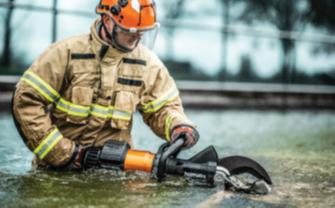
Designed for real-world rescue environments, the PCT50 performs reliably underwater
OmniShore allows responders to construct virtually any shoring configuration using just six strut types
Misconceptions about extinguishing with foam
By Frank Preiss, managing director, FireDos GmbH

To a layman most fires may look the same, but a professional firefighter will know that different types of fires must be extinguished using different types of extinguishing agents.
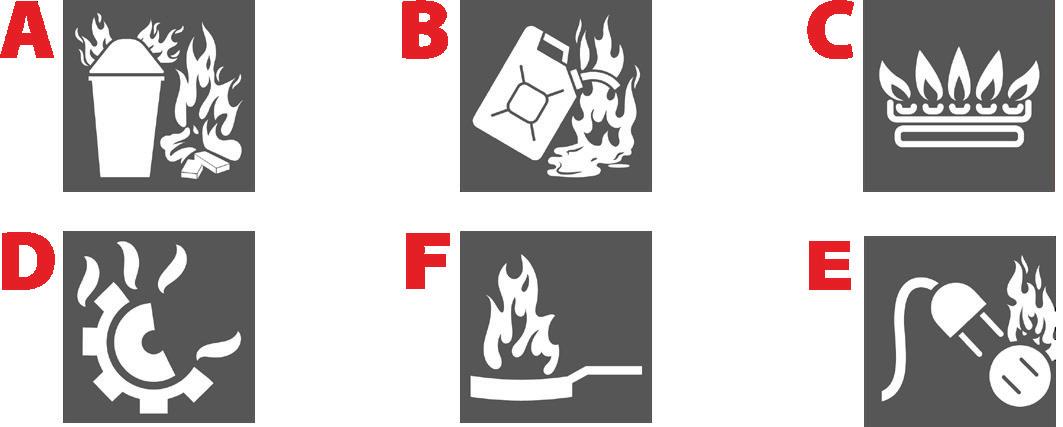
Generally, fires are classified into six categories: (see chart)
• Class A fire: combustible carbon-based solids such as paper, wood or textiles
• Class B fire: flammable liquids such as paraffin, petrol, diesel or oil (but not cooking oil)
• Class C fire: flammable gases such as butane, propane or methane
• Class D fire: burning metals such as aluminium, lithium or magnesium
• Class E fire: electrical equipment (also indicated by an electric spark symbol)
• Class F fire: fats and cooking oils.
Classification of fires Foam is used as an extinguishing
method on Class A and Class B fires. Foam, also for firefighting purposes, is made from three components: water, foam concentrate and air. Water and foam concentrate are mixed in a very precise ratio. This mixture will make up a premix, which will generate foam once it is aspirated with air. Firefighting foam will extinguish by the combined mechanisms of cooling, separating the surrounding oxygen from the product surface, suppressing vapours and smothering by covering the flammable liquid or solid with foam.
For Class D fires a special kind of foam, Compressed Air Foam (CAF) can be used, mainly due to its excellent adhesive properties on surfaces.
Using extinguishing foam is unfortunately regularly seen as a complicated firefighting method and there are various misconceptions due to inexperience when using this extinguishing agent. Nonetheless, with the use of modern technology, its use is easy, effective and can assist in decreasing the environmental effect a fire and the extinguishing efforts may have.
Increasing the proportioning rate to make a thicker mixture allegedly extinguishes the fire more rapidly
Foam concentrates are engineered products and are intended to be used at the mixing rate they are designed for. Changing the proportioning rate may influence the extinguishing results. A mixing rate that is too low will create a foam that will lose its extinguishing properties and firefighting will get difficult. A 3% foam concentrate may still be acceptable at 2.7% but anything lower is risky. A mixing rate that is too high generally should not be a problem but the foam may lose its capability to flow if it gets too rich. In addition, the foam concentrate supply will get used up a lot faster.
Using water is equally effective as using foam
When dealing with Class A fires, water may be used as the extinguishing agent but generally you will need more water for the same extinguishing result. Best would be the use of wetting agent.
Wetting agent is a foam concentrate that is mixed with the firefighting water in a greatly reduced proportion rate (generally 10 percent of the recommended foam proportioning rate).
This will reduce the surface tension of the water to allow it to migrate into the carbon-based solids such as paper, wood or
Frank Preiss
textiles, resulting in quicker extinguishing and reducing the risk if reignition.
Most Class B fires in contrast cannot be extinguished with water
Hydrocarbons are generally lighter than and do not mix with water. When you put water on a hydrocarbon fire, the water will sink below the hydrocarbon. This way it will spread the fire, migrate into the ground or instantaneously evaporate due to the heat of the fire, carrying fuel particles with it that will spread the fire.
For polar liquids such as alcohol on the other hand, water may be used for fighting a fire, but foam should be the extinguishing agent of choice. The water in this case may not actually extinguish the fire but may cool the system down and dilute the flammable liquid to an extent, where it cannot burn any longer.
Fluorine-free foam concentrates (FFF) are drop-in replacements for fluorinated foam concentrates such as AFFF
The transition to Fluorine -free foam concentrates does not come as a drop-in replacement for any fluorinated foam concentrate.
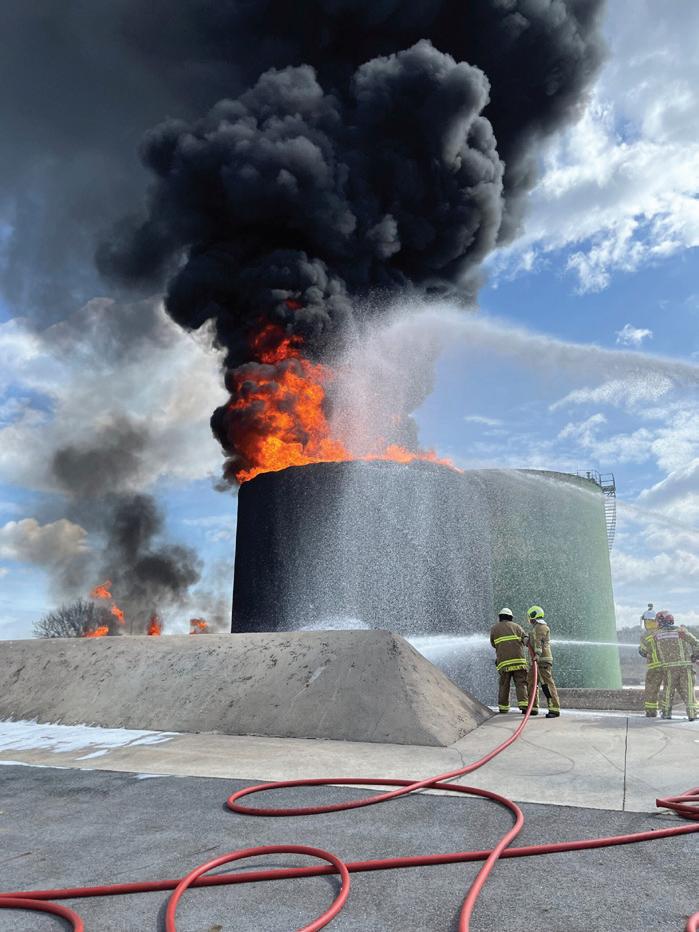
First you must ensure that the new foam concentrate is tested and certified for use with your specific fuels.
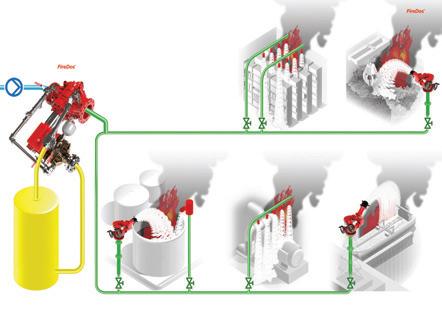
Unfortunately, most Fluorine -free foam concentrates are limited to specific fuels, unlike the general use of AFFF.
Besides having to look at application rates and extinguishing performance, the technology and technical properties of the firefighting system used must be evaluated. Can my system handle the required water flow? Is my proportioner compatible with the new foam concentrate (viscosity, proportioning rate, water flow)? Are my discharge devices suitable (expansion ratio, water flow)? These are some of the questions that need to be answered.
The same foam concentrate can be used for extinguishing all fires Generally, not every foam is equal and not every foam can be used for extinguishing all fires.
All foam concentrates are tested and certified for use with specific material or fuel fires. They should only be used accordingly. Even though the extinguishing system may be making a good-looking foam, it may not be designed to tackle the task at hand, ie when using a 3x6 foam concentrate designed for a hydrocarbon fire at a proportioning rate of 3% with a burning polar solvent, the foam will be partially destroyed by the solvent and will not extinguish the fire. But when used at 6% it can be
used successfully. A regular 3% foam designed for hydrocarbon fires will not be suitable for burning polar solvents at all.
The quality of finished foam depends on the type of foam concentrate used
Although the foam quality may depend on the type of foam used, the use of the correct equipment such as foam concentrate proportioners and discharge devices will have the main effect on the quality of finished foam.
Air in the foam concentrate is not a problem
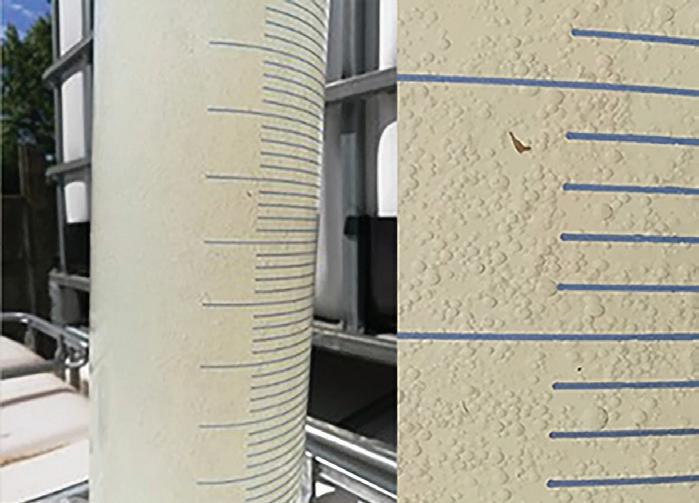
With any low-viscosity foam concentrates, also known as Newtonian fluids, such as AFFF, air entrapment is not a problem. Any air bubbles that are introduced into the fluid can migrate to the surface without effect.
With higher-viscosity foam concentrates, also known as pseudo-plastic fluids, such as AFFF-AR or the now more commonly used FFF, the situation is different. Any air bubbles that may be induced during transport or refilling, will most likely remain in the liquid. The high viscosity will stop the bubbles from migrating to the
surface. On one hand this will have an influence on the quantity of foam agent stored: 10 percent air entrapment means a 10 percent increase in volume, so that your complete foam agent may not fit into your tank. On the other hand, depending on what type of proportioning system you use, the entrapped air may have a negative effect on the efficiency of your proportioner.
The use of foam is not environmentally friendly Foam concentrates are chemicals and as such may be harmful to the environment. But the intelligent use of chemicals can have a great effect by reducing the chemical load induced into the environment, conserving resources like water and protecting nature and assets by speeding up extinguishing results.
Compared to water, foam or wetting agent most likely will extinguish Class A and Class B fires better and faster. This reduction in time will minimise the environmental impact of the fire by putting it out quickly while using the smallest amount of foam concentrate and water possible. Whether you use water or Fluorine-free foam to
extinguish a fire, the clean-up requirements are generally the same. The only difference if you use water only is that it will take you longer to put out the fire, and you are likely to have a much higher amount of run-off that needs to be cleaned up and will migrate into the ground and wash pollutants, caused by the fire, into the soil, ground water and rivers.
More efficient extinguishing means less collateral damage and environmental load.
Foam concentrates containing Fluorine will be forbidden Aqueous film forming foam (AFFF) and the alcohol-resistant AFFF-AR foam concentrates contain Fluorine surfactants which, thanks to their film-forming properties, provide excellent extinguishing properties when fighting large-scale liquid fires.
However, Fluorine surfactants are persistent in the environment and very harmful to the health of people and animals.
For some time, foam concentrates containing C8Fluorine have virtually been banned worldwide. Now there is a lot of discussion about restricting further Fluorine compounds.
In Europe the following restrictions have been put in place:
Since 4 July 2020: According to EU Regulation 2019/1021 (POPs Regulation) and Regulation (EU) 2017/1000, foam concentrates containing more than 25ppb (0.025mg/kg) of PFOA or one of its salts or more than 1ppm (1mg/kg, 1 000ppb) of individual PFOA precursor compounds must no longer be marketed in the EU. Between 1 January 2023 and 3 July 2025: Use is permitted
only if the extinguishing water can be completely collected and disposed of in accordance with the law after use.
From 4 July 2025: Use is no longer permitted.
Legislations in various parts of the world have started to put restrictions and/or bans on the use of specific Fluorine components in firefighting foams.
The industry has reacted by developing less harmful, nonfluorinated foam concentrates. The suitability of individual foam concentrates for all foreseeable extinguishing scenarios is continuously being tested and to prove their suitability. Approvals by the regional authorities and institutions are ongoing.
Foam is only used for special applications
Foam is commonly used for Class B fires. Outside of that it is still not used widely by all fire departments.
In some cases, foam is only seen as a special extinguishing
agent for special situations. And some critical fire chiefs consider the hype surrounding foam to be an industry-driven trend that they do not want to follow. However, the data and the results of research into foam extinguishing agents are clear: the use of foam and wetting agent generally leads to faster extinguishing as well as the use of less water and foam concentrate, compared to only water.
I have got sufficient foam reserves to fight my fires
The quantity of foam concentrate stored must be sufficient to allow extinguishing of the largest protected object or of the objects to be protected simultaneously as a minimum. NFPA11 has recommendations for this. Generally, sufficient quantities for an initial firefighting attempt will be on hand but often the quantities will not be sufficient if things do not go as planned. Especially if only the minimum requirements are stocked and surplus recommendation from NFPA11 are not considered.
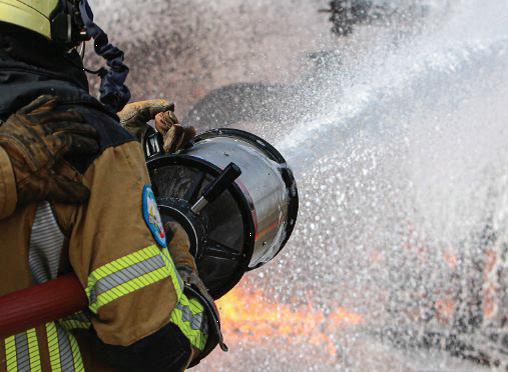
Photo courtesy of Fabrik chemischer Präparate von Dr. Richard Sthamer GmbH & Co KG
The tested and approved application rate and proportioning rate (1% or 3%) will dictate the quantity of the foam concentrate required. Generally, it is important not to mix different foam concentrates or foam concentrates with different proportioning rates as this can lead to unstable foam formation. Following is an example calculation for the foam demand according to NFPA 11 for a crude oil storage tank.
Tank surface x specific extinguishing water quantity (application rate) x proportioning rate of foam concentrate x requested minimum extinguishing time In the case of a crude oil tank of diameter 60m, NFPA 11 recommends an application of 6.5l/ (min*m2) when using AFFF for an extinguishing time of 65 min. When using a 3% foam concentrate, this results in a minimum amount of approximately 36 000 litres of foam concentrate and a required extinguishing water flow rate of approximately 18 000 l/min.
NFPA 11 recommends stocking additional foam concentrate for the dyke area of about the same amount.
In addition, a safety factor of two is recommended to compensate for foam losses during extinguishing caused by, for example, wind and other factors. This results in a stock of 144 000 litres of 3% foam concentrate. If alternatively, a 1% foam concentrate is used the total storage quantity would amount to only 48 000 litres, requiring smaller storage tanks and set-up space. The choice of foam concentrate and proportioning rate is dictated by the fluid to be extinguished.
I can rely on my technology and do not have to test my proportioning rate
As firefighting foam concentrate becomes more complex, especially with FFF, the cost rises.
NFPA and FM highly recommend annual foam proportioning rate testing.
With many systems the proportioning rate can only
be measured after the premix or foam is generated. This will result in cost for refilling the spent foam agent and the disposal of the produced premix or foam. With its water-motordriven piston pump technology FireDos achieves this testing by measuring the flow rate of the foam concentrate, which due to system design, can be returned to the foam storage tank. The water flow in the system should be known or it can be approximated by measuring the number of revolutions of the water motor. With these two values the proportioning rate can be precisely calculated. This method works without admixing foam concentrate to the extinguishing water, so no premix or foam must be generated.
As indicated above, a wrong proportioning rate may lead to a foam that does not have 100 percent of its extinguishing capabilities or may deplete the foam storage faster than anticipated.
Beside the above there are numerous other misconceptions that you may have come across.
If you have a question related to foam and foam concentrate proportioning, let us know. We will be happy to answer your questions and clear up misconceptions.
FireDos is available through DoseTech Fire. For more information, contact: Michael Feldon at DoseTech Fire on Mobile: +27(0) 83 251 9346 Tel: +27(0)86 111 1544
Email: mgf@dosetech.co.za. Visit: www.dosetech.co.za or www.firedos.de
Air trapped inside a high viscous foam concentrate


When seconds count, the MS 462 C-M R delivers
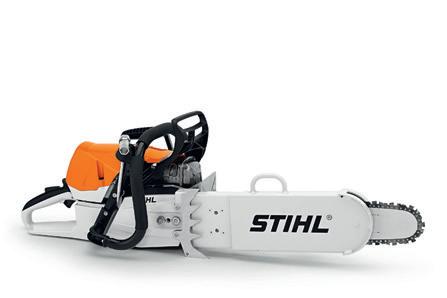
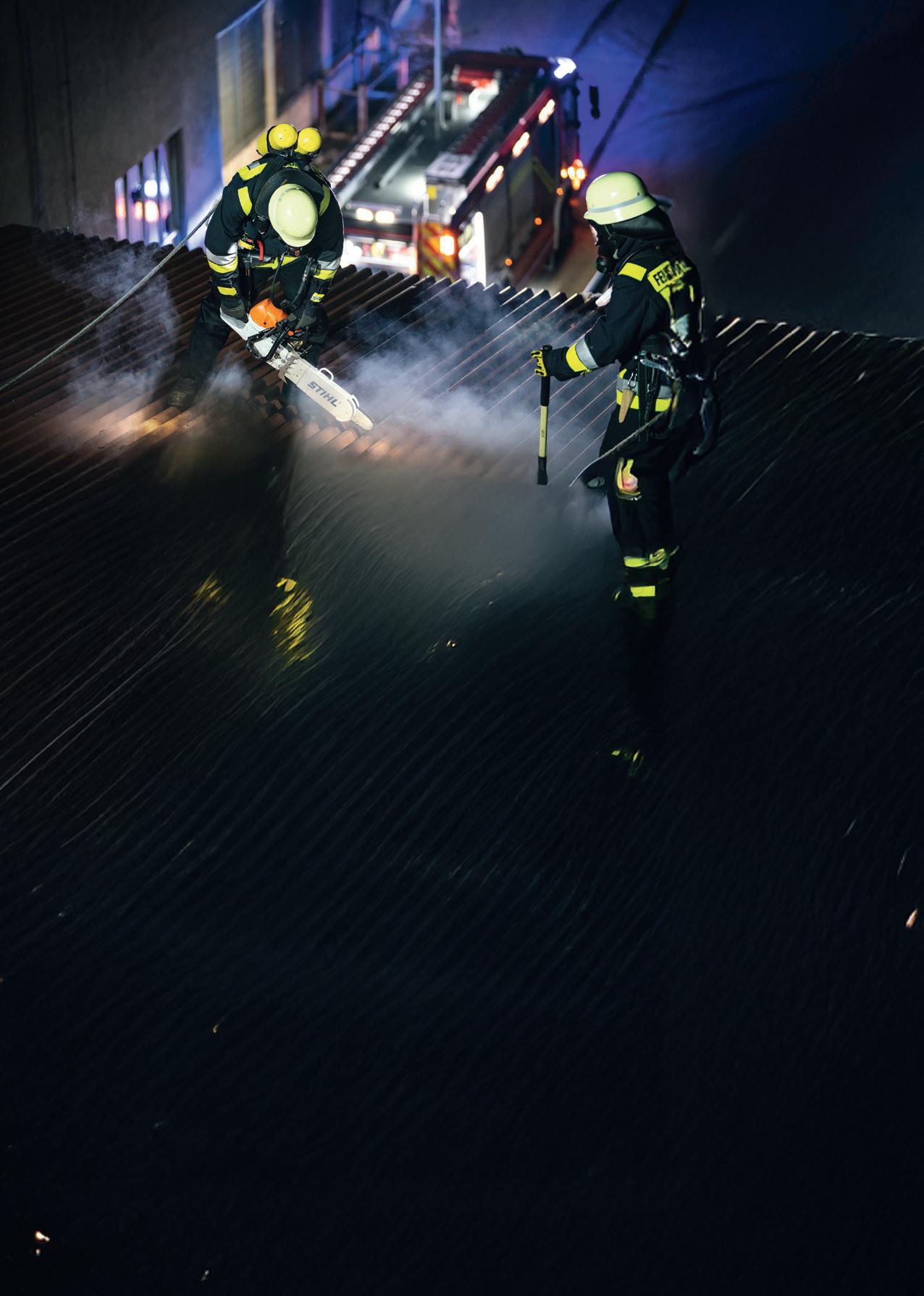
Purpose-built for emergency response, the STIHL MS 462 C-M R delivers the power, control and resilience required in demanding fire and rescue environments.
As STIHL celebrates 100 years of mastering tools, this lightest highperformance rescue chainsaw in its class combines exceptional cutting speed with optimal manoeuvrability, critical for structural firefighting, roof ventilation, and rapid access operations. The specially designed R (Rescue) features, including a reinforced guide bar, heavy-duty sprocket cover and a carbide-tipped rescue chain, enable efficient cutting through roofing materials, timber, sheet metal, light concrete and other embedded materials encountered on scene.
STIHL M-Tronic engine management ensures consistently optimal engine performance, automatically adjusting for altitude, temperature and fuel quality, allowing crews to focus on the task at hand rather than manual recalibration. The HD2 air filtration system extends service intervals in high-dust environments, while the anti-vibration system reduces operator fatigue during prolonged deployment.
Robust, reliable and engineered for precision under pressure, the MS 462 C-M R is backed by 100 years of STIHL engineering excellence and delivers the confidence needed when every second matters.
facebook.com/stihlsa
instagram.com/stihlsa www.stihl.co.za

MS 462 C-M R
PETROL CHAINSAW
Rapid hazmat intervention: The right tool changes the outcome
By Lenny Naidoo and Jackie De Billot
Every hazmat incident starts the same way: you arrive, step off the appliance and immediately start reading the scene. Product on the ground. Vapour in the air. A container that was never designed to fail - but has. In those first moments, the priority is not perfection. It’s control.
Experienced responders know that once hazardous material is moving, time works against you. The longer a leak continues, the greater the risk to people, infrastructure and the environment. This is why effective hazmat response is built around one core principle: stop the release as quickly and as safely as possible, using equipment designed for the task.
At Vanguard Fire & Safety, the official South African agent for Sava, we work closely with emergency responders, municipal fire services and industrial response teams who understand that improvised solutions cost time - and time costs safety. Sava’s leak-sealing systems are designed around real incidents, real pressures and real-world operating conditions.
Containment starts before the leak is sealed
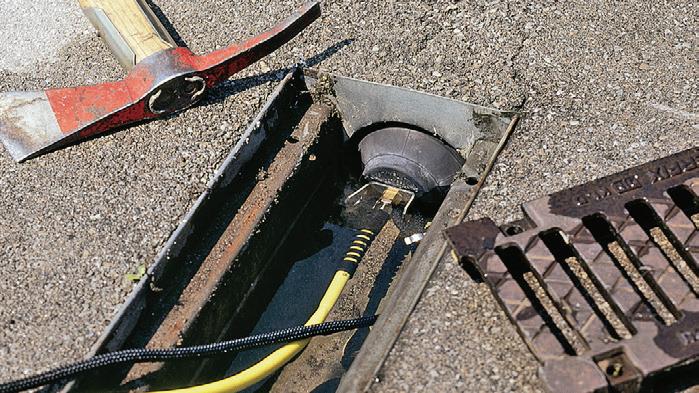
One of the first secondary hazards responders face is environmental spread. In urban and industrial settings, stormwater drains often provide the fastest route for contamination to escalate beyond the original scene.
Gully sealing sets allow crews to immediately isolate drainage points on arrival. While one team establishes zones and monitors atmosphere, another can prevent product from entering the storm-water system. This early action often determines whether an incident remains local - or becomes a far larger environmental emergency.
Distance is a safety tool
Not every leak allows a close approach. Pressurised vessels, unstable containers or unknown products can make handson intervention unsafe in the early stages.
Leak sealing lance sets give responders the ability to work from a distance, reducing
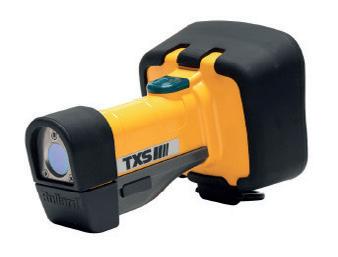








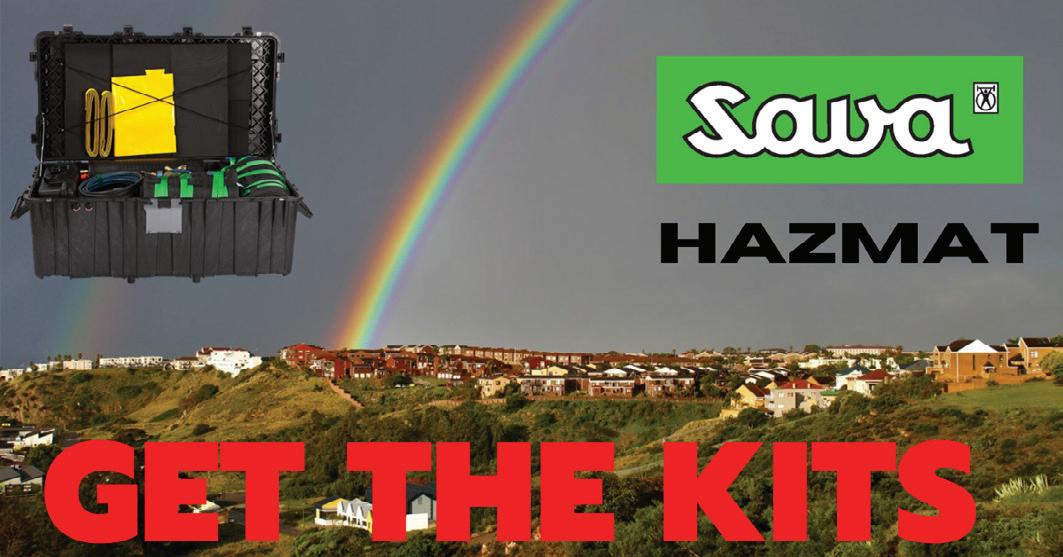
When rapid deployment calls, Sava has a range of application-specific kits ready to go
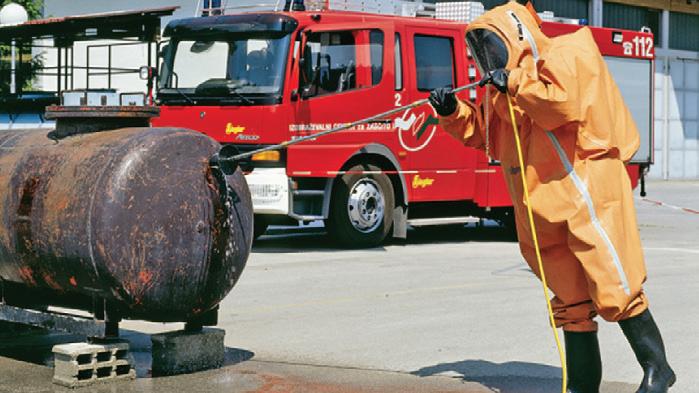
exposure while still taking decisive action. Remote placement allows punctures to be sealed without committing personnel into high-
risk positions. In many incidents, that standoff capability is what allows operations to progress safely rather than stall.
Fast control at the source
Once access is possible, the focus shifts to controlling the release at its source. Pipe plug kits remain one of the most relied-upon tools in hazmat response for a reason: they are fast, adaptable and effective across a wide range of scenarios.
Designed with oil-resistant plugs and spark- and electrostaticresistant accessories, these kits allow responders to seal pipes, drums and tank openings quickly - even in flammable atmospheres. They are often the first tool deployed once the source is confirmed, buying crews time to stabilise the scene and plan next steps.
Small leaks still drive big decisions
Not every incident involves a catastrophic rupture but small leaks should never be underestimated. Left unchecked, they can feed vapour clouds, contaminate surfaces or overwhelm drainage systems.
Mini leak sealing bags provide a rapid solution for small tanks, drums, and piping. The process is simple: strap, inflate and stop the leak. That simplicity matters when crews are operating in PPE, under pressure and with multiple priorities competing for attention.
When the leak covers more than one handspan
Larger vessels and irregular surfaces require a different approach. Large leak sealing bags are designed to cover wider areas quickly, allowing responders to contain releases across tanks, large pipes or uneven container surfaces.
Leak sealing lance set
Gully sealing set
Once positioned and inflated, these bags provide fast, temporary containment for fuels, oils, water and many hazardous liquids. Additional sealing plates or acid-resistant bags can be introduced as product hazards are confirmed and the response evolves.
Industrial reality: pipes don’t fail neatly In industrial environments, leaks rarely occur in convenient places. Pipe bends, flanges and tight layouts are common failure points - and often the hardest to access.
Sealing tubes and sealing bandages are designed for these exact conditions. Sealing tubes handle complex geometries, while chemically resistant bandages wrap around damaged pipe sections and maintain flexibility under pressure. These tools allow responders to stabilise awkward leaks that would otherwise resist conventional sealing methods.
When strapping isn’t possible Some leaks occur on large tanks or flat surfaces where traditional strapping simply won’t work. Vacuum drainage bags solve this problem by using a high-pressure air source to create suction, sealing directly to the surface without straps.
Drainage sealing bags add another layer of control, allowing responders to stop the leak while still enabling controlled venting and drainage - an essential capability when managing pressurised fuels or toxic liquids. For pipe connections in confined spaces, drainage pipe sealing bags with built-in zippers allow fast, accurate placement without dismantling surrounding infrastructure.
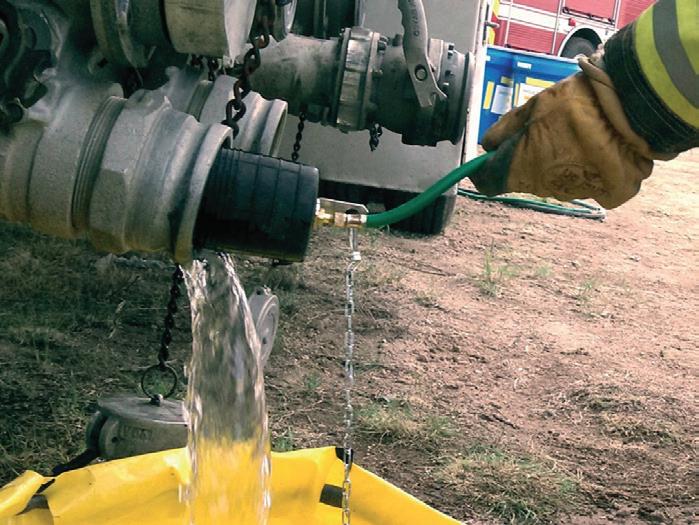
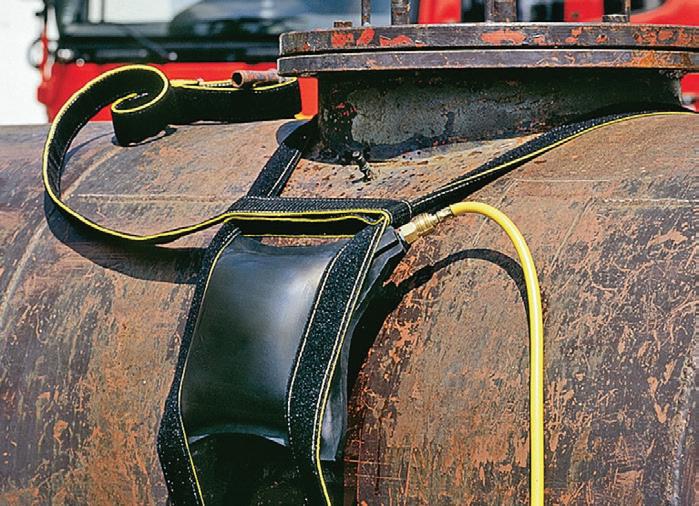
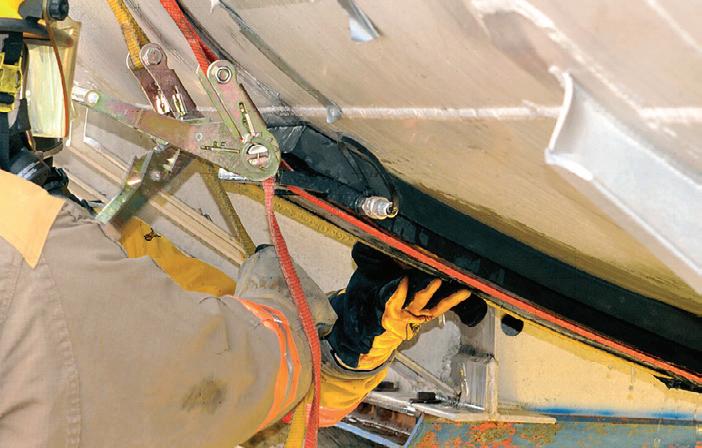
Large leak sealing bags
Mini leak sealing bags
Pipe plug kit
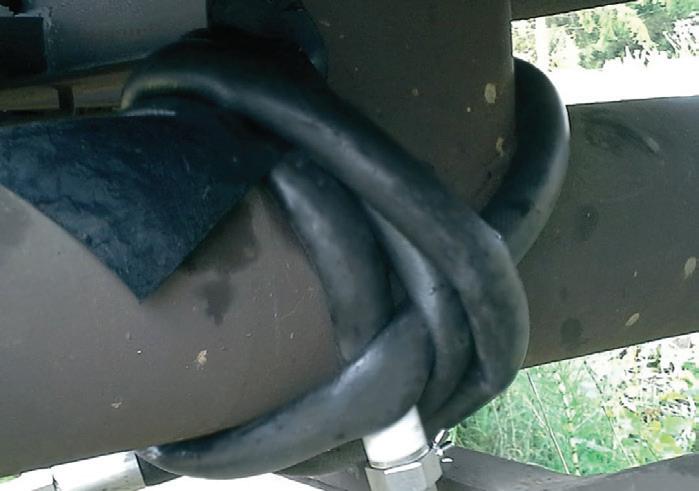
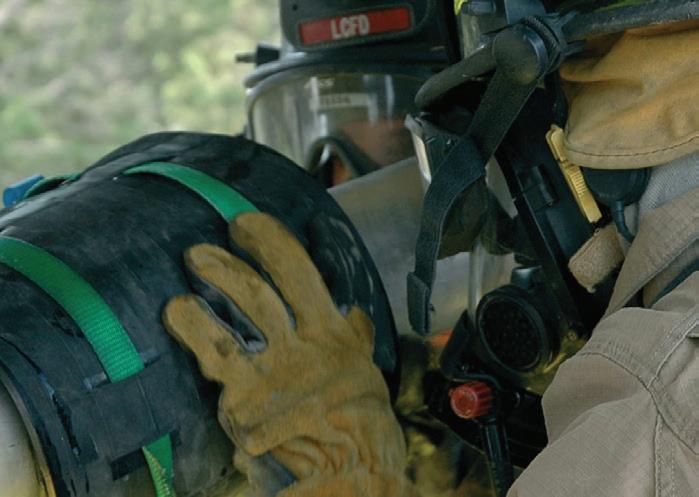
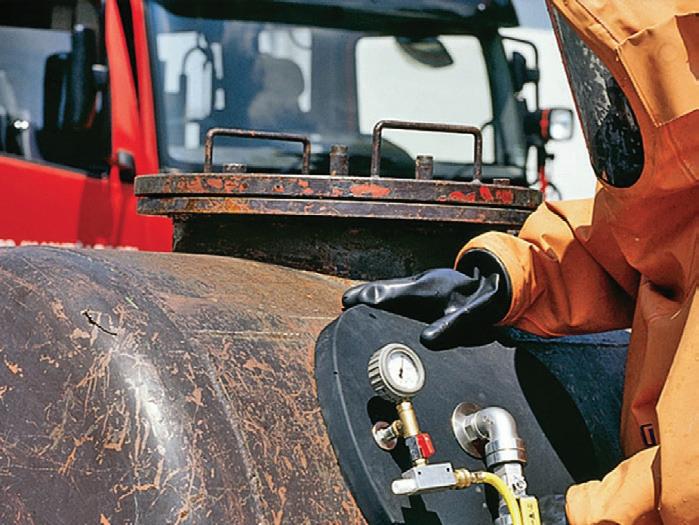
Planning for the incidents you hope never happen
At major industrial sites, the consequences of failure are far greater. Mega leak sealing kits are designed for these highrisk environments, providing comprehensive containment solutions for refineries, chemical plants, LNG facilities, offshore platforms, pipelines, rail terminals and transport vessels.
These kits are not deployed every day - but when they are needed, nothing else provides the same level of capability.
Preparedness is an operational decision Hazmat incidents rarely unfold in ideal conditions. Equipment must be familiar, reliable and fast to deploy under stress. Preparedness is not about having every tool - it’s about having the right tools for the risks you face and crews trained to use them without hesitation.
At Vanguard Fire & Safety, we work alongside response teams to align Sava leak-sealing solutions with real operational risk profiles, supported by local expertise and technical backup across South Africa.
Because when hazardous materials escape, control is won - or lost - early.
And in those moments, the right equipment doesn’t just make the job easier.
It changes the outcome.
Vanguard Fire & SafetySerious about safety.
Visit:
www.vanguardfire.co.za /rescue-haz-mat
Vacuum drainage bag
Sealing bandages
Sealing tubes
Understanding personal chemical protective equipment in hazmat operations
By Dr Colin Deiner, chief director, Disaster Management and Fire Brigade Services, Western Cape Government
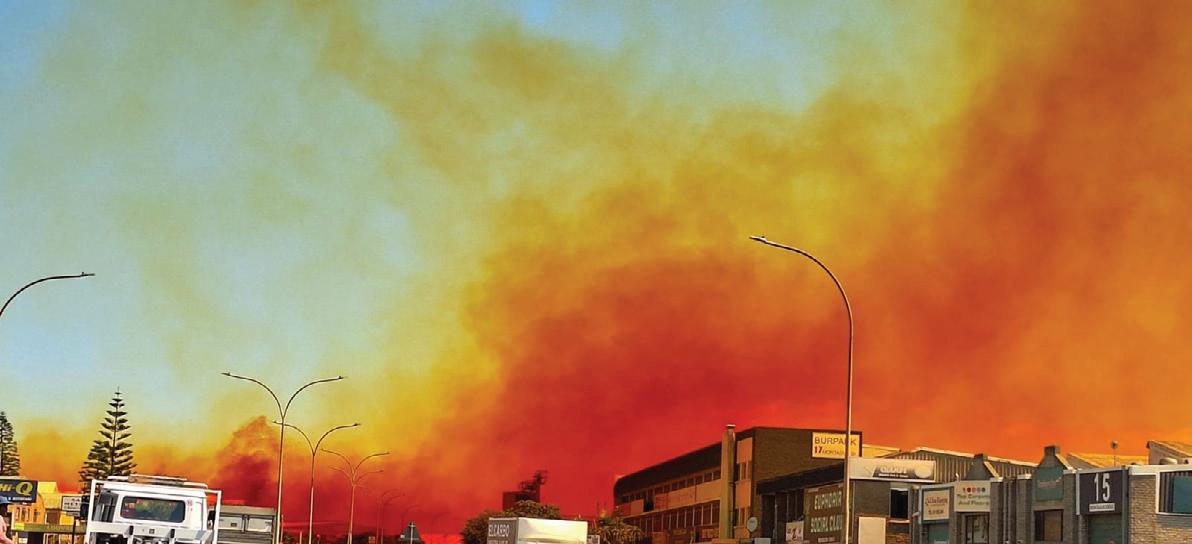
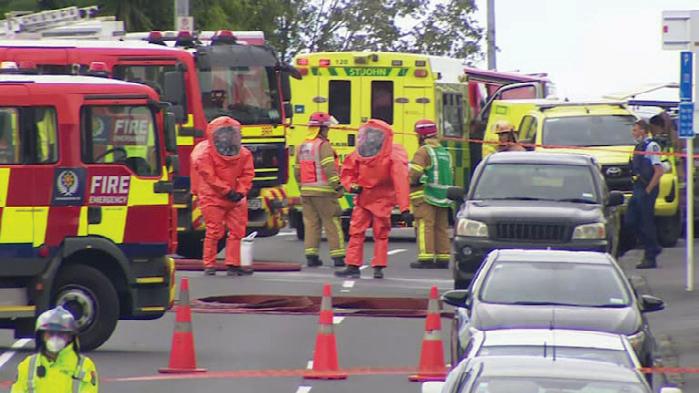
In the field of hazardous materials response, choosing the correct level of chemical protective clothing (CPC) is not simply a matter of compliance, it is a life-critical decision. Every hazmat environment presents its own mix of unknowns: vapours, liquids, powders, reactivity, toxicity and environmental conditions. The protective ensemble selected by a team must therefore balance the need for maximum protection with the operational realities of mobility, visibility, heat stress and mission objectives.
In this article I will attempt to provide an overview of the legislation that governs chemical
PPE in this country, give a description of the various levels of PPE, stress the importance of suit-compatibility and, in future articles, I will attempt to offer some ideas on the operational utilisation of PPE.
Not all hazmat PPE are created equal
A common myth which (still) exists in many fire services is that a single hazmat suit, or a small variety of suits, is sufficient to handle every single hazmat incident that may be responded to by emergency services. Walk into many fire stations in South Africa and you will see neatly stacked suits labelled
“chemical protection.” To most people they all look identical and equally invincible. They are not. One might give you eight hours against chlorine gas while the exact same-looking suit next to it dissolves in under six minutes when exposed to acetone. The difference is invisible until it is too late. In the world of hazardous materials, false confidence is more dangerous than no confidence at all.
We would never hand out random tablets from a cupboard and call them medicine. Yet every week, somewhere in South Africa, emergency teams and workers are handed random
“chemical suits” and told “this will protect you.” Chemical protective clothing is not clothing; it is highly specific engineering designed for particular molecules at particular concentrations. Choose correctly and you walk out unharmed. Choose badly and the suit itself becomes the vector that delivers the poison. This is the uncomfortable truth the industry must face: there is no universal chemical suit and pretending there is, costs lives.
As unlikely as this may seem, we have unfortunately experienced several incidents in the recent past which have supported this contention and created serious risks to life and health, which should be a lesson to us all. In 2016 workers in PVC/rubber suits entered a benzene cloud at a refinery in the Mpumalanga Province. The benzene permeated the suits in less than 20 minutes, which resulted in two hospitalised with serious impacts to their central nervous systems. A major warehouse fire
at a coastal city in 2010 caused severe contamination of the firefighters’ Nomex structural firefighting gear. This was because of the gear not having a chemical barrier and, as a result, the gear was contaminated by organophosphate runoff which caused multiple acute poisonings. A major acid spill in the same province a few years later resulted in the Level B neoprene suits used by the entry teams failing catastrophically when exposed to 70 percent Nitric acid. Nitric attacked the neoprene suits, which caused the suits to fail.
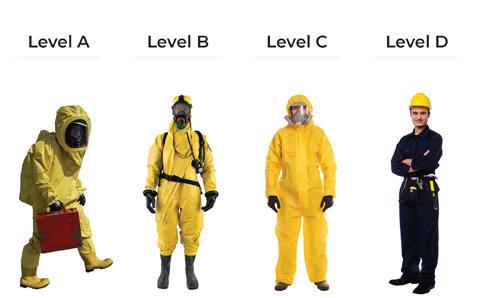
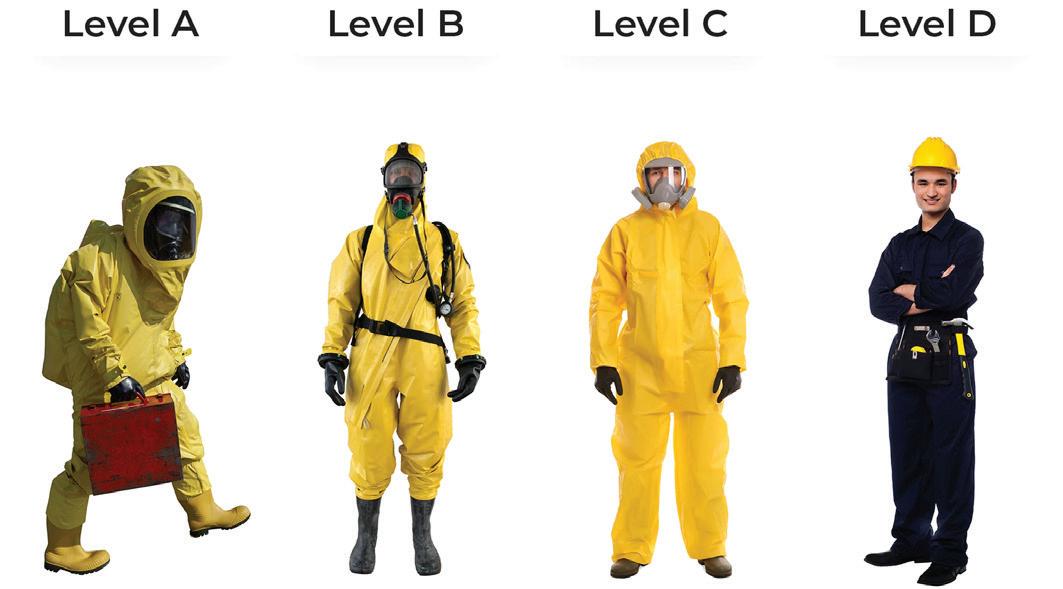
Across the fire and rescue sector, four recognised levels of chemical protection; Levels A, B, C and D, guide responders in matching suit capability to hazard. Understanding their strengths, limitations and proper applications is essential for safe and effective operations.
Regulation
The standard chemical protective clothing levels used by hazmat
teams have been primarily based on US standards from OSHA (29 CFR 1910.120), EPA (40 CFR Part 311), and NFPA (NFPA 1991, 1992, 1994 and 1990 series). The four officially recognised EPA/ OSHA/NFPA levels are as follows:
Level A is the highest level of skin, respiratory and eye protection. It consists of a fully encapsulating, vapour-tight chemical suit (gas-tight) with integral boots/gloves or separate chemical-resistant boots and gloves (often with hard hat and outer gloves) for respiratory protection positive-pressure selfcontained breathing apparatus (SCBA) or supplied-air respirator (SAR) with escape cylinder are included. The primary applications for Level A PPE are where unknown chemicals or concentrations are involved or where a high vapor or splash hazard (IDLH atmospheres) exists. It is also used when known highly toxic/permeating substances eg, chlorine gas release, chemical warfare agents,
phosgene, Ammonia anhydrous leaks, are present and in confined space entry incidents which have the potential for high airborne concentrations. These are the most expensive, hottest, least mobile, shortest work duration ensembles and will always require full decontamination.
Level B protection is used when the chemical is known but presents a high respiratory hazard (IDLH), providing high respiratory protection through a positive-pressure SCBA or supplied-air respirator (SAR) with an escape bottle, while offering lower skin protection that guards against splashes but is not vapour-tight, consisting of a non-encapsulating chemical-resistant suit (hooded, one- or two-piece) with taped seams, along with chemicalresistant boots and gloves. It is commonly used for initial entry for many incidents eg, acid spills or pesticide releases.
Level C protection provides moderate respiratory and skin protection and is used when the chemical is known, its concentration is below IDLH levels, oxygen is at or above 19.5 percent and an appropriate
cartridge is effective against the substance; it consists of hooded chemical-resistant coveralls or a two-piece suit, chemical resistant boots and gloves and an air-purifying respirator (fullface or half-mask APR/PAPR) with the correct cartridges, making it suitable for routine monitoring, decontamination, site assessment, and many clandestine lab entries, while offering the advantages of being much cooler, allowing longer work times and providing much higher mobility, though it requires ongoing air monitoring to confirm conditions remain safe.
Level D protection consists of a basic work uniform with no respiratory or significant skin protection, typically standard work clothes, safety boots, hard hat and safety glasses (sometimes supplemented with Tyvek coveralls) and requires no respiratory equipment; it is used only for support zone or cold zone activities such as perimeter security, command post operations and public information officers, where there is no respiratory hazard, no splash hazard and no risk of skin absorption or chemical exposure. It cannot be used
when any chemical exposure hazard exists and is often augmented with structural firefighting gear or basic coveralls for added durability.
South African standards for chemical protective PPE South Africa has established national standards for personal protective equipment (PPE), including those designed for chemical protection, primarily through the South African Bureau of Standards (SABS). These are codified as South African National Standards (SANS) and are enforced under the Occupational Health and Safety Act (OHSA) No. 85 of 1993, which mandates the use of appropriate PPE to mitigate workplace hazards, including chemical exposures. The SABS develops, tests and certifies PPE to ensure it meets safety, performance and quality requirements, often aligning with or adopting international benchmarks like EN (European Norms) or ISO standards for interoperability.
Chemical protective PPE encompasses items like gloves, suits, aprons, boots and respirators that resist chemical permeation, degradation or penetration. While South Africa does not have a single, comprehensive "hazmat ensemble" standard equivalent to the US EPA Levels A–D, it addresses chemical protection through targeted SANS for specific PPE categories.
The following SANS standards apply to chemical protection: SANS 511 is the South African standard for protective gloves against chemicals and microorganisms, adopted from EN 374,
which specifies performance levels for gloves protecting against chemical splashes, permeation and degradation (such as from acids, solvents and alkalis), including permeation resistance classified into six levels based on breakthrough times ranging from more than 10 to over 480 minutes, degradation testing for materials like nitrile, butyl or neoprene and is commonly used in laboratories, manufacturing and hazardous materials handling.
SANS 50471: High-visibility warning clothing for professional use (with chemical-resistant options). This standard specifies requirements for high-visibility garments, including variants with chemical-resistant properties such as splash protection and flame retardancy.
SANS 1400 (series): Equipment for eye, face and neck protection against non-ionising radiation and chemicals. This series covers protective eyewear and face shields, including chemicalresistant goggles, visors and fullface options with splash-proof seals and anti-fog features.
SANS 434: Sizing systems for protective clothing (with Annex for chemical suits). This standard defines standardised sizing and fit requirements for protective garments, including chemical-resistant coveralls, aprons and suits.
Building your PPE resources
Building a PPE inventory for a fire department's hazmat team requires a systematic approach that starts with understanding local risks and aligns with regulatory standards like those mentioned earlier. This ensures the team
can safely respond to hazardous materials incidents, such as chemical spills, leaks or releases.
The first step would be to conduct a hazardous materials risk assessment. This will require you to assess the specific hazards in your jurisdiction to create the inventory to realistic threats rather than every possible scenario. This should go some way to appeasing the financial types in your council, although that’s never a guarantee. You might encounter the odd incident for which you don’t have the required PPE, especially if you have a major transport route running through your area. It will however not be possible to be prepared for all eventualities.
Part of the assessment will be to review local chemical inventories from facilities required to provide information under the OHS Act and relevant legislation. Also identify transportation routes eg, freeways, railroads, for potential spills; fixed facilities like industrial plants or storage sites and natural vulnerabilities eg flood-prone areas that could exacerbate releases.
Also identify target hazards by mapping high-risk sites, such as
manufacturing plants handling corrosives, flammables or toxics; agricultural areas with pesticides or pipelines.
Use tools like site visits, historical incident data and community vulnerability analyses to categorise risks by probability and impact.
The second step will be to determine PPE requirements based on the identified risks. As mentioned earlier, avoid generic "one-size-fits-all" approaches; use threat-based performance criteria.
Step 3 covers the procurement and building your inventory. This will include sourcing the required equipment, determining stock levels and integration of the PPE with your overall hazmat equipment eg, monitoring devices, decontamination system, to ensure a cohesive response.
How many suits do I need? The number of suites required will be based on your SOP. I have always believed in the following rule: The entry team should have a minimum of two members (depending on the size of the team and the number of tasks to be carried out in the initial response). A back-up team
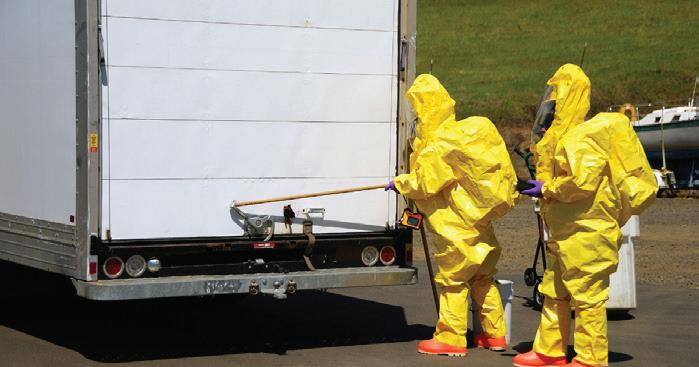
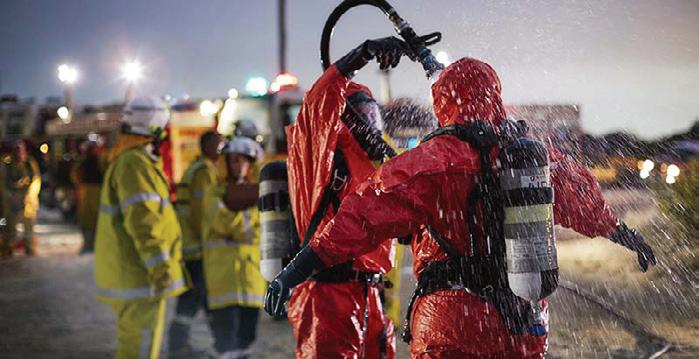
should be available and ready along with the entry team to respond to any emergency, which may affect the entry team. They will also be the second entry team, which will replace the initial entry team when their time has expired.
This will require the backup team to have access to an extended breathing air supply such as an airline system or an extended use breathing apparatus. The decontamination team can possibly be exposed to the same type of contamination as the entry teams (admittedly not the same levels on expose) and therefore must wear the same level of protection.
This immediately adds up to six suits. Add to this the need for replacements for damaged or contaminated suits and training requirements you should be looking at between ten and twelve suits per team. When you consider that you might need more than one type of suit to address your main risks, this starts becoming an expensive exercise. There are, however, many ways to address this problem and it might need you and your team to be creative. One way of doing this would be to identify industries requiring
specialised chemical protection and asking them to fund the suits that may be needed for an incident involving their product.
It doesn’t end with the procurement and receipt of the PPE. You must implement a good inventory management and maintenance regime for your equipment. Follow a structured programme based on the manufacturer’s instructions and prescripts and create written procedures for selection, use, storage (cool, dry areas).
Finally, document each item's lifecycle (manufacturer, inspections, repairs). You must appreciate that in certain situations eg mechanical suit damage, degradation or excessive contamination, you may have to have some PPE destroyed and replaced. It would be good to build this into your department’s service fee structure to prevent any delays in replacing them.
Choosing the right level of chemical protection
Every hazardous materials scene is dynamic, governed by, the product, temperature, wind, reactivity, concentration and containment. Although space prevents me from spending too
much time on the operational deployment of suits, I will touch on the suit selection process here.
Upon arrival at a hazmat incident one of your first decisions will be what PPE to employ for your operations. This will be dependent on accurate hazard identification, continuous air monitoring and sampling, consulting the available Material Safety Data Sheets (MSDS) and understanding the prevailing environmental conditions and anticipated responder heat load.
Ultimately the mission’s operational objectives such as rescue, containment, recon, shutdown, will determine the operations and PPE deployment. Most importantly, selection must remain flexible and teams should be prepared to upgrade or downgrade protective levels as monitoring results evolve.
A very important tool which will greatly assist you in your suit selection will be having access to suit compatibility software and databases to quickly determine which chemical protective clothing provides adequate protection against specific hazardous substances encountered at an incident.
These tools assess factors like chemical permeation (how a substance passes through the suit material over time), degradation and penetration, based on standardised tests. This helps incident commanders and entry teams select appropriate ensembles to minimize exposure risks.
One widely used resource is CAMEO Chemicals, a free hazardous chemical database
developed by NOAA and the EPA as part of the CAMEO software suite. It includes detailed response guidance for thousands of substances, incorporating permeation data from manufacturers of suit fabrics, breakthrough times and recommendations for protective clothing. Hazmat responders can search by chemical name, CAS number or UN/NA identifier to access suit compatibility information, alongside other critical data such as isolation distances, firefighting tactics and first aid measures. The tool is available as a website, mobile app and offline desktop programme, making it practical for field use during incidents where internet may be limited.
Manufacturer-specific tools also allow users to search by specific chemical or hazard type, displaying permeation or penetration test results for their protective apparel lines. It helps customise protection levels and is based on rigorous testing.
Overall, these software resources integrate chemical databases, test data and practical guidance
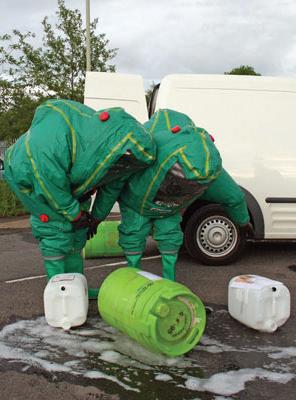
to bridge the gap between incident unknowns and effective PPE selection. Hazmat teams often combine them with onscene monitoring, entry protocols and manufacturer support for comprehensive protection.
In closing
The successful and safe conclusion of any hazmat incident starts way back with the realisation that there is no “one size fits all” solution and that a serious amount of planning must go into establishing an effective hazmat response programme. It all starts with safety and one of the principal elements of that is the correct PPE.
In future articles I will discuss the full PPE ensemble (respiratory protection, gloves etc) and the operational deployment during a hazmat incident.
In the high-stakes world of hazardous materials response in South Africa, where incidents involving permeating substances like benzene, aggressive corrosives such as Nitric acid, and toxic runoff continue to expose the deadly
consequences of mismatched or inadequate chemical protective equipment, the core message remains unequivocal: there is no universal "chemical suit" and assuming otherwise invites catastrophe.
Effective hazmat operations demand rigorous risk assessment tailored to local threats, strict adherence to SANS and OHS frameworks alongside international benchmarks like OSHA/EPA levels A to D, meticulous suit-compatibility verification through tools and proactive inventory management that anticipates not only entry, backup and decontamination needs but also replacements and training. Ultimately, the safety of responders and by extension the communities they protect, hinges on rejecting complacency, embracing detailed planning and education and treating PPE selection as the life-preserving science it truly is, ensuring that every deployment prioritises informed, flexible and evidencebased protection over false assumptions of invincibility.
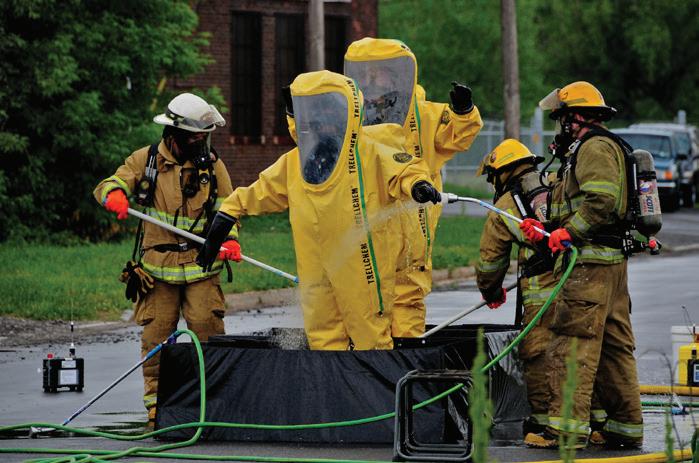
Timeless tactics: How 19th-Century firefighting principles shape today’s operations
By Etienne du Toit, Provincial Disaster Management and Fire and Rescue Services, Western Cape Government
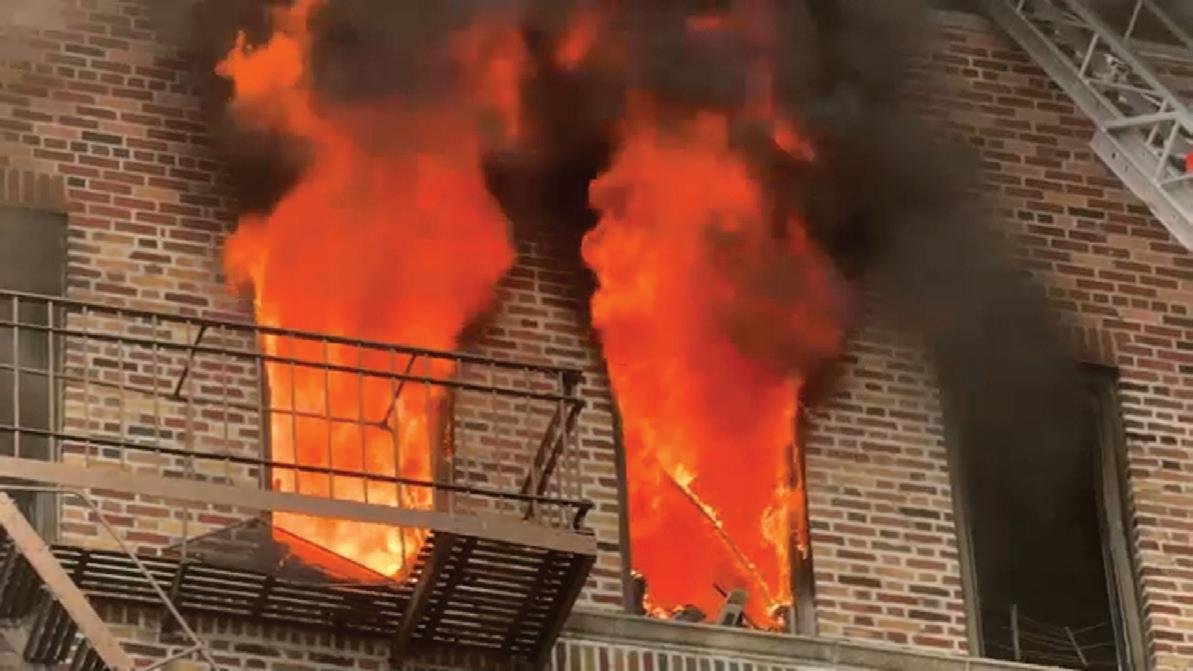
In his book, ‘Fire Prevention and Fire Extinction’ (1866), James Braidwood, first superintendent of the London Fire Brigade, laid out operational principles that continue to underpin modern firefighting. I strongly encourage all firefighters to read this book, not only to gain insight into the evolution of the fire service and the traditions we uphold but also to be reminded that the fundamentals of firefighting remain just as relevant today as
they were nearly two centuries ago. Braidwood’s observations continue to inform effective fireground tactics, safety and the professional ethos of our service.
In 1866, James Braidwood, the inaugural superintendent of the London Fire Brigade and a recognised pioneer in the field of structural firefighting, articulated operational principles that remain foundational to contemporary fire service practice. He observed that upon the first indication
of a fire, “it is of the utmost consequence to shut, and keep shut, all doors, windows or other openings.” Braidwood noted that it was not uncommon to find one floor of a dwelling comparatively undamaged while those above and below were severely affected, an outcome directly attributable to a closed door that restricted airflow and altered the development of the fire. This early recognition of the role of flow path and ventilation control prefigures modern concepts of
The role of flow path and ventilation control
compartmentation and flowpath management that are now embedded in firefighting doctrine and standards.
Thornton's Rule is a fire science principle stating that the amount of heat released during the complete combustion of organic materials is directly proportional to the amount of oxygen consumed. Published in 1917 by WM Thornton, it's the basis for oxygen consumption calorimetry (OCC), a method used to estimate a fire's heat release rate by measuring oxygen consumption. This rule is valuable because the heat released per kilogram of oxygen consumed is remarkably consistent for different organic fuels, allowing for a reliable approximation of heat output.
In simple firefighting terms, ventilation openings, especially the size thereof, such as doors and windows, determine the (heat release rate) or development of the fire.
In some situations, enriched oxygen atmospheres greatly increase ignition likelihood and fire intensity, posing greater danger than the fire itself.
Braidwood further provided practical guidance on initial interior attack; guidance that continues to resonate with today’s structural firefighting practices. He advised that once a hose-line is charged, the branchman should advance “so near the fire… that the water from the branch may strike the burning materials.” When heat or visibility prevent an upright approach, he instructed firefighters to advance on hands and knees, supported by the crew behind, noting the
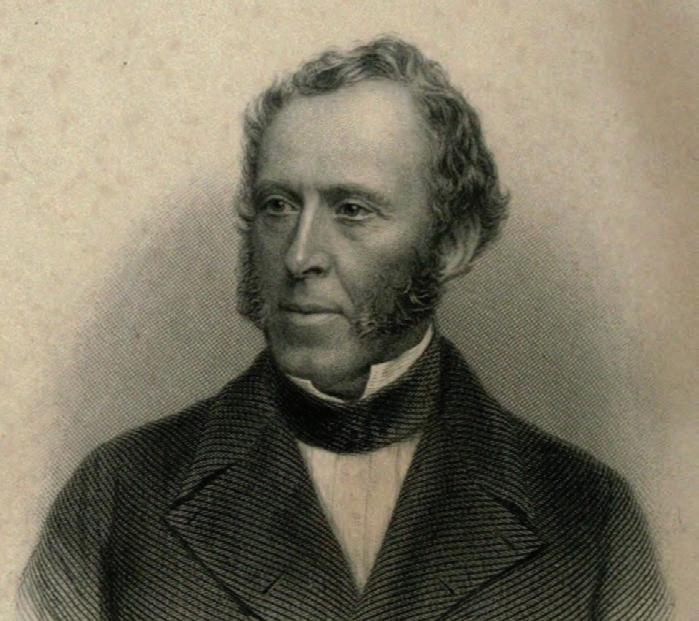
presence of a reliable layer of cooler, breathable air “from six to twelve inches from the floor.”
I appreciate that those fires primarily involved legacy materials, with minimal synthetic content. The absence of modern synthetic materials, which release energy more rapidly and produce hazardous products of combustion such as hydrogen cyanide, resulted in significantly different flashover dynamics and overall fire behaviour.
This acknowledgement of thermal stratification and the corresponding need for lowprofile advancement, remains consistent with modern operational procedures, including those reflected guidance documents and established best practice.
The above techniques were developed during Braidwood’s era, when firefighters operated
with minimal personal protection and used low-pressure delivery hose. Today, firefighters have access to extensive PPE, including bunker gear, flash hoods, breathing apparatus and a range of hose options from 19mm to 45mm and even 65mm in extreme conditions, paired with adjustable nozzles. Fire remains an exothermic reaction that releases heat primarily through radiation. Although this differs from alpha, beta and gamma emissions from radioactive sources, the fundamental protection principles of time, distance and shielding still apply. Modern PPE significantly improves shielding, enabling firefighters to work closer to and for longer periods in high-heat environments. Early in my career, before flash hoods, I recall fires where we left with blisters on our ears.
Drawing on Braidwood’s enduring principles, effective
James Braidwood, first superintendent of the London Fire Brigade
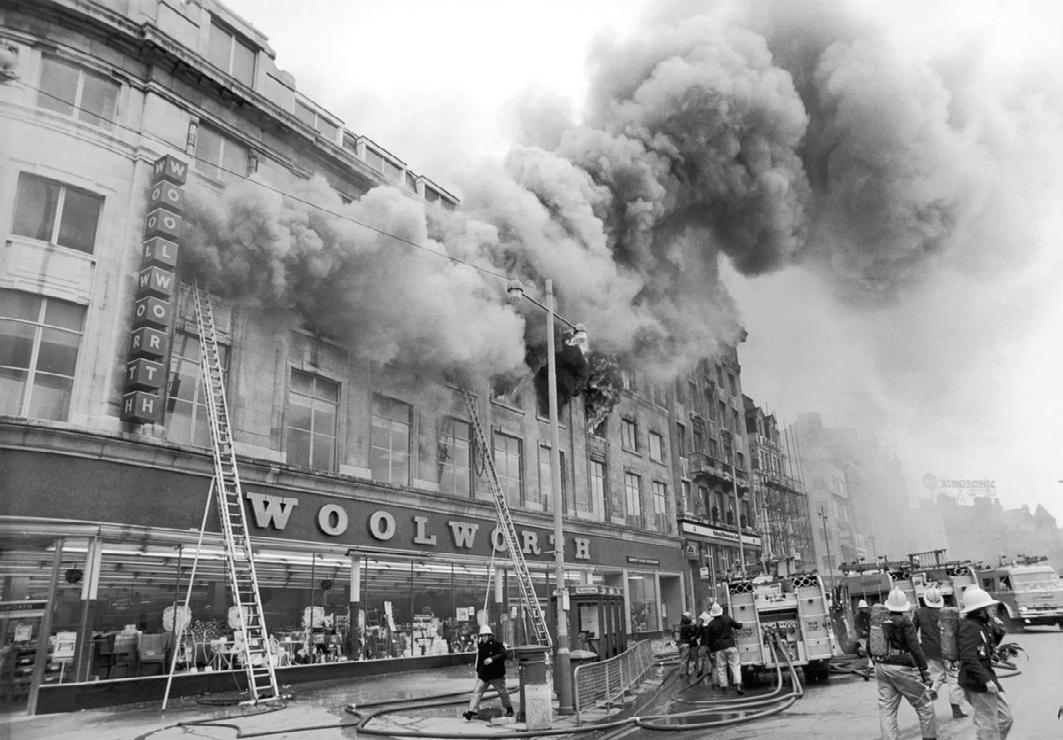
structural firefighting in South Africa continues to hinge on two critical elements: ventilation control and disciplined water application. Restricting doors, windows and openings limits the flow path, slows fire growth and preserves tenable conditions for crews. Concurrently, advancing a hose-line to apply water directly to burning material, often from a low, cooler layer remains essential to rapidly reducing heat, arresting fire spread and supporting safe interior operations. Later advancements, such as positive pressure ventilation (PPV), significantly enhanced flow path management in firefighting, improving smoke control, heat removal, visibility and overall firefighter safety when applied correctly within coordinated fireground tactics.
When I joined the fire service, I was informed that residential fires in the older southern suburbs—generally constructed from the early 1900s to around the 1950s—seldom, if ever, experienced roof collapse. Fire extension into the roof space was reportedly rare and, in most cases, fires remained confined to the room of origin. In contrast, the opposite was said to be true for the northern suburbs, which were developed largely from the 1960s onwards and reflected far more modern construction methods.
Over time, and without recalling exact statistics, my own operational experience confirmed this observation. Fires in older homes very rarely resulted in complete structural collapse, whereas more modern
dwellings were demonstrably more vulnerable. Construction methods differed considerably. Older houses typically had roofs covered with corrugated iron supported by heavy timber trusses or rafters. These substantial timber members demonstrated far greater resistance to early structural failure under fire conditions. By comparison, newer houses were often roofed with concrete tiles supported by lighter timber components, which were further compromised by the additional dead load of the tiles once exposed to fire.
Other features of older homes also influenced fire behaviour. Window openings were generally much smaller, limiting the availability of oxygen and slowing fire development. Ceilings were
The Manchester Woolworth fire on 8 May 1979
significantly higher; often around 3.2 metres and frequently constructed of pressed metal, which acted as a barrier to early fire spread into the roof void.
These construction differences also resulted in distinctly different ventilation tactics. Vertical ventilation on older homes was almost never attempted due to the difficulty and risk associated with removing corrugated iron roofing, unlike tiled roofs where such tactics were more feasible. Collectively, these factors contributed to markedly different fire dynamics and operational outcomes between older and more modern residential structures.
Early in my career, I responded to a domestic dwelling fire that appeared, on arrival, to have partially involved the house. The owner, his wife and his sister, occupied the single-storey, three-bedroom brick dwelling with a corrugated-iron roof. They were awakened by the sound of breaking glass in an adjoining room and a strong smell of smoke. On investigating, the owner opened a bedroom door and was immediately confronted by a rapidly developing fire in the third bedroom. Realising the severity of the situation, they raised the alarm and escaped through the front door, later describing how the fire seemed to “explode” behind them as they exited. However, in the confusion and the speed at which smoke filled the passage and living areas, the sister was unable to exit her room. Within seconds, conditions deteriorated to the point where she could no longer evacuate due to the extensive smoke logging.
The fire report indicated an attendance time of 11 minutes, measured from the moment the initial emergency call was received to the arrival of the first responding unit on scene. On arrival, flames were clearly emitting from the windows of at least two rooms enriched and auto ignited by the outside 21 percent oxygen concentration.
Persons were reported missing and an interior attack was initiated through the front door using a 38mm low-pressure hose and nozzle set at, which I presume, the maximum setting of 475l/min.
The fire involved the master bedroom of approximately 25m², the third bedroom of about 20m² and roughly 6m of the passage, giving a total affected area slightly exceeding 50m². Applying Paul Grimwood’s recommended formula for residential compartment fires, surface area × 5 to determine the required flow rate, this incident would require roughly 250 litresper-minute of water for effective suppression (Grimwood, Fog Attack). This aligns with modern
compartment firefighting principles, ensuring sufficient cooling of the fire gases and burning surfaces to prevent rapid fire development or flashover.
The missing elderly woman was believed to be in the second bedroom that was inaccessible from the passage due to intense rollover. Fire was spreading beyond the third bedroom being the room of origin into the passage and main bedroom. During the external 360, crews located the victim in the second bedroom through a window, which they broke after removing the curtains. Although she was visible on the bed, little smoke was present. Heavy burglar bars prevented access. The officer in charge instructed crews not to open the closed passage doors while attempts were being made to remove the burglar bars, this proved to have been unsuccessful and aborted once it became clear that fire suppression was successful. A second 38mm line was redeployed to the window of the second bedroom in case of fire penetration. The interior attack pushed the fire back into the
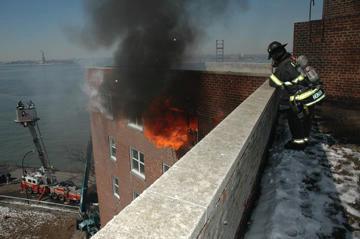
rooms of origin, venting through broken windows. A firefighter then entered the victim’s bedroom through the door, which was of solid wood construction, as typically found in houses build in the 1940s and 50s and found her conscious but confused and closed the door. The door was fortunately located slightly further down the passage and not diagonally opposite the room of origin. Given the progress of suppression, he sheltered in place with her until the fire was extinguished. Minutes later, both the woman and a medium-sized dog were safely removed.
This incident, later used as a drill case study, demonstrated that her survival depended on two key factors: a solid wooden door
that remained closed and an aggressive interior attack using a high-flow hose line. A standard 19mm hose reel operating at 25 bar cannot deliver more than about 120l/min, which is clearly inadequate for a developing compartment fire exceeding 50m², where significantly higher flow rates are essential for effective cooling and suppression. A hose reel would likely have been insufficient to control the fire and instinctively opening the door to search would almost certainly have worsened conditions.
The above incident can be criticised from several angles and despite its successful outcome, it underscores the narrow margin between effective decision-
Aggressive, well-coordinated interior attack combined with strategic exterior support maximises suppression efficiency
making, risky improvisation and unintended escalation during structural fire operations.
Swedish firefighting procedures requires three firefighters for single line entry; two on branch and one for door control. Managing the door keeps fire ventilation controlled making gas dilution more effective. Although the concept of gas cooling only became widely known at a later stage, we effectively practised it in principle. We were taught that, when entering a room on fire, firefighters should kneel as low as possible and use building elements for shielding wherever feasible. A narrow jet was then swept along ceiling level. This technique was intended primarily
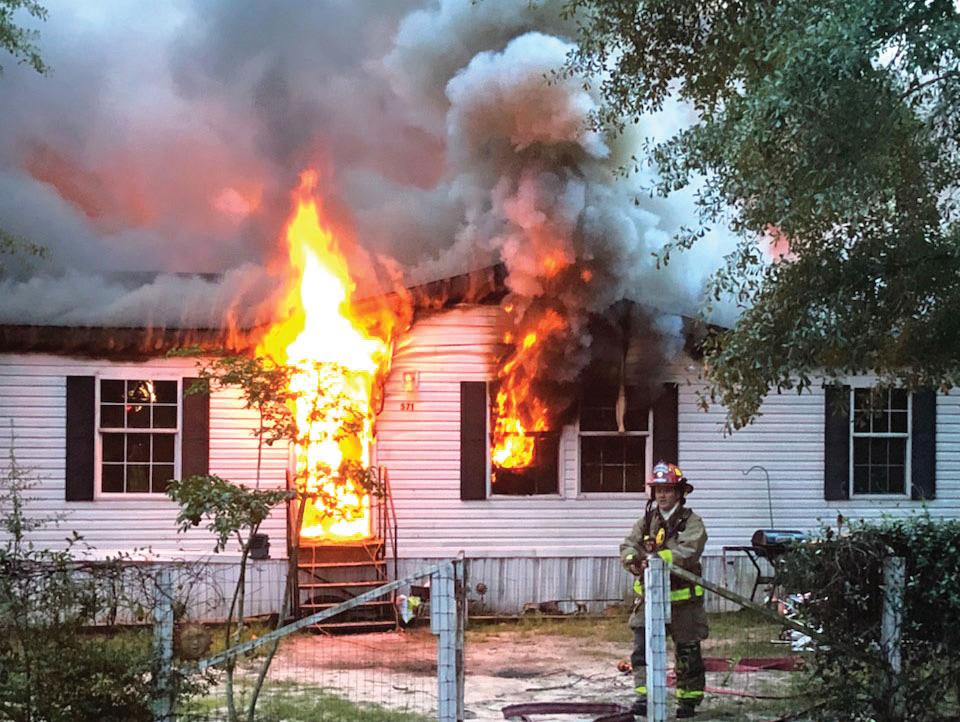
to dislodge any objects that might present a falling hazard. In practice, however, it also served to cool and displace the hot fire gases accumulating at high level, reducing thermal stress and improving conditions for entry and advance.
Water expands dramatically when it turns into steam and the amount of expansion depends strongly on temperature (and pressure).
At the boiling point (100 degrees Celsius, atmospheric pressure), 1 litre of liquid water → ±1 700 litres of steam. This is the commonly quoted figure used in fire service training-expansion ratio ≈ 1 : 1 700 at ±1 bar.
As temperature increases, steam occupies more volume:
• 200 degrees Celsius → ~2 100 litres of steam per litre of water
• 300 degrees Celsius → ~2 600 litres
• 500 degrees Celsius → ~3 500 litres
Exact values vary slightly depending on pressure but the trend is consistent.
Higher gas temperatures mean greater expansion, producing more effective:
• Gas cooling
• Oxygen displacement
• Reduction in flame intensity
This is why fine sprays and short pulses at ceiling level are so effective in controlling fire gases without excessive steam production at floor level.
In enclosed spaces, this rapid expansion also explains the risk of steam burns to firefighters if application is uncontrolled.
Approximately 85 percent of fires are contained to the room of origin (ROO), with only about 15 percent extending beyond it, based on a three-year study of incidents attended by the Welsh Fire Services.
Although equivalent South African data is not available, the similarity in construction methods and regulatory requirements for formal dwellings suggests that local figures may fall within a comparable range. Throughout my career, I have attended numerous fires that remained confined to the room of origin, even where higher fuelloads were present. In most of these cases the doors were closed, limiting air flow, although windows were often fractured. In Wales, double-glazed windows are common, whereas South Africa predominantly uses single glazing, yet the resulting openings remained relatively small in both contexts.
I anecdotally concluded that many of these fires did not require fire service intervention for suppression, as they were either fuel- or ventilationcontrolled, once again reaffirming Braidwood’s early observations about fire behaviour.
The above case study clearly falls within the 15 percent of domestic dwelling fires where the fire extended beyond the room of origin.
Basic science, fire will grow in direct proportion to the oxygen supplied to it. A single window of an average domestic dwelling will allow a peak heat release rate of less than 10MW - not enough to transition to flashover
compared to approximately 20MW when you add the door opening, again this is fuel load dependent synthetic materials has a four times greater heat release rate than legacy materials and consume twice as much oxygen. This was displayed at the Manchester Woolworth fire that occurred on 8 May 1979 where a very high synthetic fuel load consisting of inter alia polyurethane foam resulted to rapid flashover and loss of compartmentation before arrival of the Brigade, which attended within two minutes after mobilisation.
The value of an aggressive interior fire attack, supported by exterior aerial operations and adequate flow rates, was clearly demonstrated in what remains one of the most successful yet under-reported fires in South Africa. On 9 June 2004, a major building fire occurred at Miller Weedon House on the corner of Wolmarans and Twist streets in central Johannesburg. The incident involved an eighthfloor crèche where 64 children were initially protected in place under rapidly deteriorating conditions. Coordinated actions by Johannesburg Emergency Management Services, despite early loss of compartmentation, combining decisive interior advancement with effective aerial water application, prevented further fire extension, ensured structural integrity thus enabling the safe rescue of all 64 children. The same principals applied in the domestic dwelling fire cited above, namely initial attack and door control enabling flow path management and protection in place were utilised in this much larger incident.
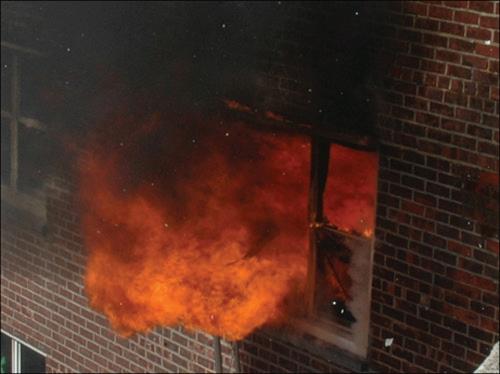
The above clearly emphasises and reaffirms that the fundamentals of firefighting remain as relevant today as they were in the 1800s, highlighting the following key points:
• Interior attack with correct flow rate and application
– Ensures effective fire suppression and protection of occupants.
• Flow path management and gas cooling – Controls fire and smoke movement, reducing risk to both firefighters and occupants understanding that smoke in itself is a fuel.
• Ventilation control using building features – Utilising doors, windows and other structural elements to limit fire spread and enable protection in place.
• Coordination and tactics –Aggressive, well-coordinated interior attack combined with strategic exterior support maximises suppression efficiency and enables successful rescues, even in high-risk scenarios.
These principles demonstrate that, despite technological advances, the basics of firefighting remain unchanged.
Whilst it is not the intention of this article to examine winddriven fires, it is of utmost importance to consider the effect of wind on compartment or structure fire behaviour more specifically during tactical ventilation and direct entry.
In wildland firefighting, the following saying translates slightly differently but the principle stays the same: “Wind at your back – attack, wind in your face – defend.”
How this applies to structural fires
Wind at your back (favourable flow path):
• Fire and hot gases are being pushed away from crews.
• Hose lines can be advanced from the upwind side.
• Interior attack is more viable and effective.
• Better visibility and reduced heat on entry.
Wind in your face (unfavourable flow path):
• Wind-driven fire pushes heat, smoke, and flame toward crews.
• High risk of rapid fire spread and flashover.
• Openings (doors/windows) can act as blowtorch effects.
• Increased danger to interior crews.
If the wind controls the fire, the fire controls you.
This thinking underpins modern research on winddriven structural fires (NIST/ UL studies) and supports conservative decision-making under high wind conditions.
I also acknowledge the significant advances made in ultra-high-pressure (UHP) firefighting technology and the operational benefits it offers in specific applications. Its potential to improve initial attack capability, reduce water usage and enhance firefighter safety warrants deeper examination. I intend to prepare a follow-up article in which the dynamics, limitations and practical performance of UHP systems will be explored in greater detail, allowing for a balanced comparison with conventional low- and medium-pressure firefighting techniques.
This article highlights why understanding building construction, chemistry, physics and hydraulics is essential to firefighter training, enabling safer operations, better decisionmaking and effective fire behaviour prediction.
Ventilation openings, especially the size thereof, determine the heat release rate or development of the fire



Firexpo 2026 highlights growing fire risk across South Africa’s built environment
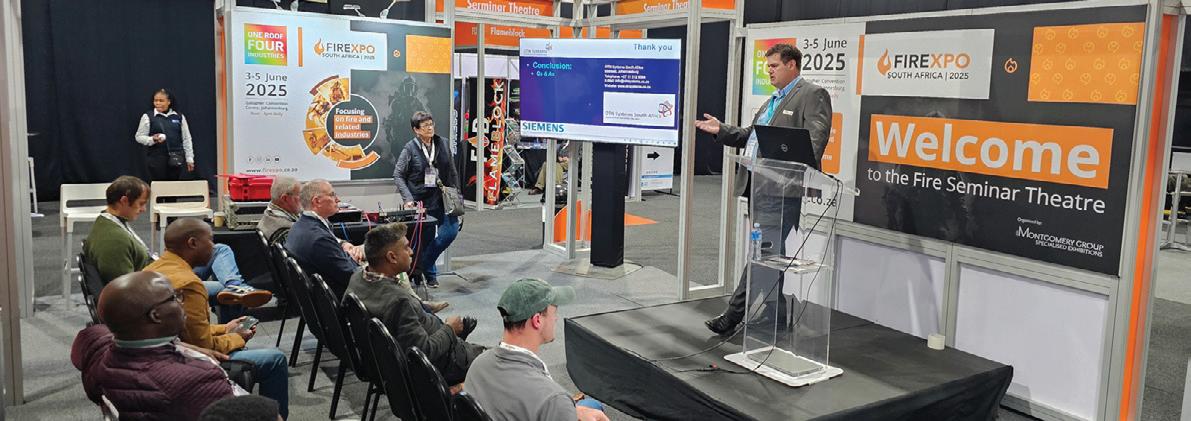
Fire risk in South Africa’s built environment is becoming more complex, driven by densification, changing building use, energy resilience projects and the growing presence of lithiumion batteries. Fire protection is no longer limited to detection and suppression alone; it now requires integrated planning, compliant installation, ongoing monitoring and informed operational response.
These issues will be in sharp focus at Firexpo 2026, which returns to Gallagher Convention Centre in Midrand from 2 to 4 June 2026. Firexpo is co-located with Securex South Africa, A-OSH EXPO and Facilities Management Expo, creating a shared platform that reflects how fire safety, security, occupational safety and facilities management intersect in real-world environments.
Firexpo has established itself as a key meeting point for fire engineers, consultants, facilities managers, installers, insurers and emergency response professionals. The exhibition showcases fire detection, suppression, alarm systems, passive fire protection, emergency lighting, evacuation solutions and specialist services designed to meet growing regulatory and operational requirements.
“The nature of fire risk is changing,” says Mark Anderson, Portfolio Director at Montgomery Group Africa. “Energy storage systems, solar installations, warehousing growth, and high-density developments all introduce new fire scenarios. Firexpo provides a practical environment where professionals can assess solutions, compare technologies and engage with suppliers who understand compliance and operational realities.”
One of the most pressing challenges facing the sector is lithium-ion battery fire risk. As battery energy storage systems become more common in commercial, industrial, and residential settings, fire professionals are grappling with issues around thermal runaway, ventilation, gas detection and suppression strategies. Firexpo exhibitors include suppliers addressing these risks through multi-sensor detection, specialist suppression systems, fire-rated enclosures and monitoring technologies aligned with current SANS and international standards.
Beyond battery-related risks, Firexpo 2026 will address broader concerns such as fire compartmentation, smoke control, evacuation planning, maintenance regimes and system integration. As buildings become smarter and more automated,
fire systems must interface effectively with access control, building management systems and emergency response protocols to ensure coordinated action during incidents.
A central feature of the event is the free-to-attend Firexpo Seminar Theatre. The programme provides practical, operational insight, covering topics such as regulatory developments, inspection and maintenance obligations, fire risk assessment, emerging technologies and lessons learned from recent incidents. These sessions are structured to support professionals responsible for compliance, design and emergency preparedness.
The co-located format enhances the value of Firexpo by allowing visitors to engage with adjacent disciplines. Fire safety decisions increasingly sit alongside security planning, occupational health considerations and
facilities operations. Access to all four exhibitions supports a more integrated approach to risk management and resilience planning.
“Firexpo plays an important role in supporting informed decisionmaking,” says Anderson. “By bringing together technology providers, practitioners and decision-makers, the event contributes to safer buildings, improved compliance and more
effective emergency readiness across sectors.
We invite you to visit the show’s website — www.firexpo.co.za — for more information.”
Organisations wishing to exhibit at Firexpo 2026 can contact the Firexpo team on zelda.jordaan@ montgomerygroup.com or johan. vanheerden@montgomerygroup. com to book a space or capitalise on a sponsorship opportunity.
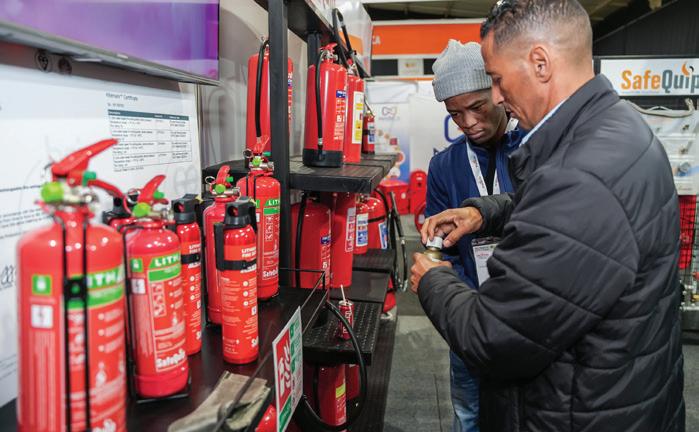
The discipline of the hold: Navigating the Bush-Ledge Paradox
By Julius Fleischman, Incident Commander, Free State College of Emergency Care
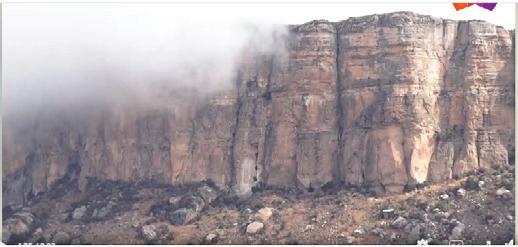
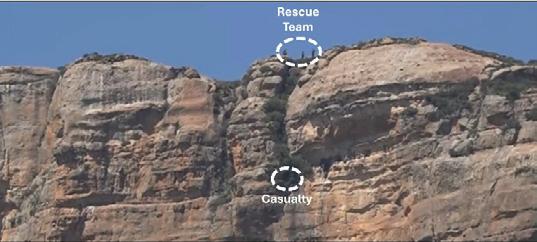
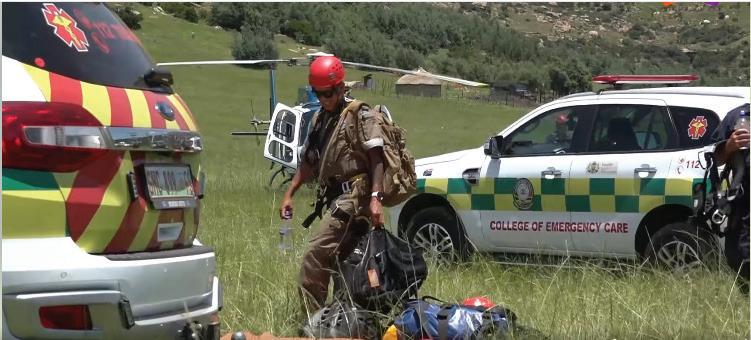
In the world of Search and Rescue (SAR), a pervasive myth exists that heroism is defined by immediate action. We are trained to ‘go’ to descend, to climb, to reach. But the rescue of 78-year-old Tumo Mahlangu from the Mabolela Mountain face in Qwa-Qwa, Free State Province South Africa (January 2026) serves as a definitive masterclass in a much harder discipline: The Tactical Pause.
As the incident commander on that rain-slicked Monday evening and the rest of the team from the Free State College of Emergency Care. Justin Colbert as lead rescuer, (ALS and Advanced Rescue Technician), was faced with the "Bush-Ledge Paradox". This is a high-stakes dilemma where the
medical need for speed directly conflicts with the physical laws of safety - the "damned if you do, damned if you don't" moment of rescue leadership.
Physics overrides emotion
The first visuals received were harrowing. Mr Mahlangu was perched 60 metres down on a vertical sandstone face, supported only by precarious vegetation - a "miracle bush". The "Silver Tsunami" of geriatric trauma suggested he had minutes to live, as his age made him a prime candidate for rapid hypothermic shock and coagulopathy.
However, our expertise as a team was rooted in the Technical Reality Doctrine, which dictates that
physics, math and mechanical limitations must override human emotion and urgency. In SAR, safety is a calculation, not a feeling.

The rain saturated the soil, a factor that automatically reduces the mechanical holding power of earth anchors by 50 percent. To descend at night under those conditions would have been to gamble with two lives instead of one. By following the Doctrine, I chose to ‘Hold’.
Communication as a clinical intervention
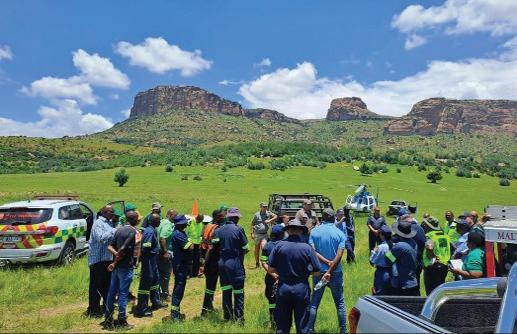
Choosing to wait for first light and the SAPS Air Wing did not mean we were idle. We transitioned from physical rescue to psychological stabilisation, maintaining a continuous communication loop via cellphone with Mr Mahlangu to achieve three critical objectives:
• Clinical monitoring: Every verbal response served as a check for Level of Consciousness (LOC).
• Prevention of self-rescue: We moved him from a state of panic to "ordered waiting," ensuring he didn't uproot the very bush keeping him alive.
• Thermal management: Constant engagement kept him mentally active, fighting the lethargy of the ‘Hypothermic Cascade’.
The geometry of the ‘Golden Hour’
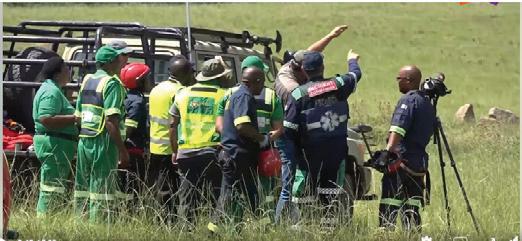
The Qwa-Qwa incident challenges the traditional ‘Golden Hour’. In mountain rescue, the window for definitive care is often dictated by technical reality. By refusing to rush a complex night-time rope extraction, we avoided the ‘Pogo Effect’, the dangerous rope elongation (stretch) inherent in 60m+ hauls that could have displaced the casualty.
Leadership in ‘adrenaline crash’
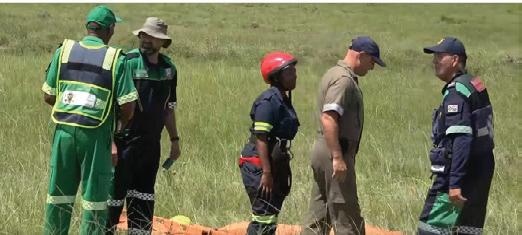
The true test of an IC often comes after the casualty is gone. Once the helicopter departed, my focus shifted to ‘Second Accident’ prevention: managing the adrenaline crash of a ground team that had been on high alert for 14 hours. We conducted a ‘Hot Debrief’, audited our gear for moisture and abrasion damage and addressed the mental toll of the night.
Final reflection
The Mabolela Hoist reinforces a singular truth: Technical safety is the prerequisite for medical care.
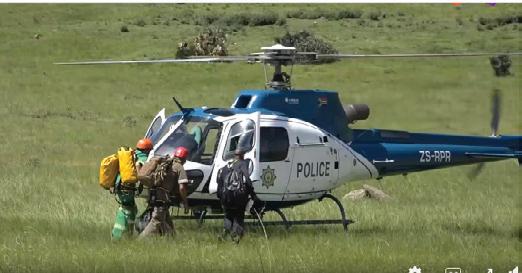
You cannot treat a patient who is falling and you cannot save a patient if you are falling with them. "Slow is smooth and smooth is fast". In the end, the most effective tool in my kit wasn’t a carabiner - it was the professional courage to say ‘Wait’.
Document Control ID: 2026-01-MAB-01
Subject: High-angle technical rescue/geriatric trauma
1. Executive summary
• Incident type: High-angle vertical rescue
• Location: Mabolela Mountain face, Qwa-Qwa
• Personnel involved: SAPS, Fire, EMS, College of Emergency Care, SARZA and community volunteers, media liaison and SAPS Air Wing
• Operational outcome: Successful extraction; no fatalities, rescue gear sustained.
The decision matrix (The ‘Hold’ vs ‘Go’)
• Environmental constraints: Rain-saturated soil, zero-hour night visibility.
• Anchor integrity audit: Documented Static System Safety Factor (SSSF) showed a ‘No-Go’ status due to 50 percent reduction in earthanchor holding power.
• Technical justification: Aviation hoist selected over rope extraction to eliminate ‘pogo effect’ and anchor failure risks.
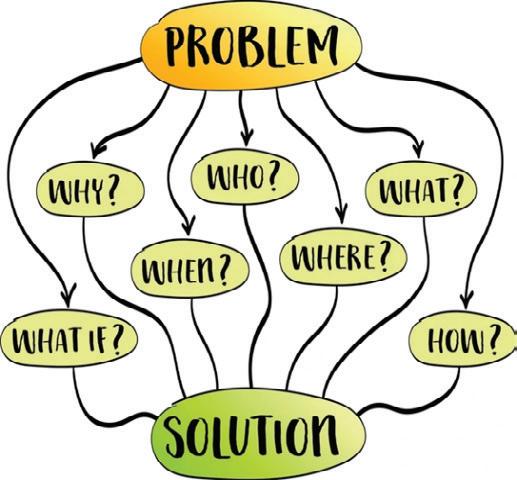
Medical and physiological data

• Casualty profile: 78-year-old male; high risk for hypothermic shock.
• The ‘Silver Tsunami’ variable: Managed via a 15hour psychological first aid loop.
• Contact log: Maintained stable LOC through continuous cellphone engagement.
Technical performance and physics

• Mechanical advantage (MA): Hoist-handover utilised at first light.
Formal after-action report (AAR)
• System deflection/stretch: 60m+ rope elongation was identified as a critical hazard to casualty stability.
• Equipment audit: Ropes and hardware checked for moisture degradation post-mission.
Lessons learned and action items
• Critical success factors: Correct identification of the ‘Miracle Bush Fallacy’ and enforcement of the Tactical Pause.
• Deficiencies identified: Need for specialised highlumen lighting for long-duration night monitoring.
• Post-incident management: CISM/Tailgate debrief completed to manage team adrenaline crash.
From the perspective of a technical rescue leader, Justin Colbert, the operation was a constant battle between the high-stakes environment and the cold, hard data of the Technical Reality Doctrine. Justin Colbert acknowledges his role, which requires a unique psychological transition from being an active operator to a system-oriented decisionmaker who must withstand the ‘adrenaline rush’ of the ground team to maintain safety standards.
His responsibility as the technical rescue leader serves as the ‘Professional Anchor’, providing the objective justification to say "Wait" when the team and the public are shouting "Go".
As the technical rescue leader, his core responsibility was the refusal to create a ‘Second Accident’. He operates on the logic that a dead rescuer is a failed mission; if the system is likely to fail, the leader must prohibit the attempt.
Summary
This information demonstrates a transition from a ‘boots on the ground’ operator to a systems
thinker. It shows the ability to translate high-stress events into institutional knowledge that enhances departmental safety and operational standards.
Conclusion
The Mabolela Mountain rescue stands as a definitive case study in the transition from traditional search and rescue to technical command. In the highaltitude environment of Qwa-Qwa, success was not measured by the speed of the descent but by the integrity of the decision-making process.
As Medical and Rescue technical leaders, our greatest responsibility is to act as the "Professional Anchor." We must be the force that stabilises the operational environment when external pressures; be they medical urgency, public scrutiny or the team’s own adrenaline, threaten to compromise the Static System Safety Factor. By adhering to the Technical Reality Doctrine, we replace the ‘hero impulse’ with a calculated, data-driven approach that ensures the safety of our technicians remains the prerequisite for every life saved.
The development of the Bush-Ledge Framework ensures that the lessons learned on that rainslicked Monday evening are not lost to memory but are instead integrated into our institutional DNA. Moving forward, the discipline of the ‘Tactical Pause’ will continue to be our most vital tool. It is the bridge between a high-risk gamble and a successful operational outcome. In the final analysis, we do not just save lives through physical strength or mechanical advantage; we save them through the courage to prioritise objective truth over emotional urgency.
Search and rescue is a discipline of physics and as leaders, we are the guardians of that reality.
Fifth International Congress on Fire in the Earth System: Humans and Nature
4 to 6 November 2026
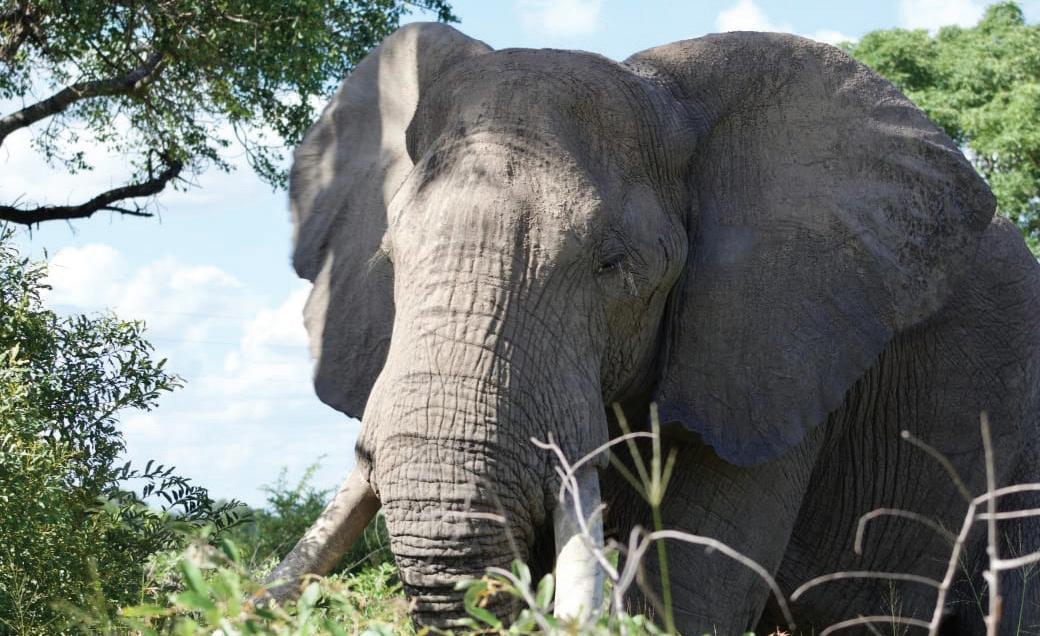
The Fifth International Congress on Fire in the Earth System: Humans and Nature (fEs2026) will be taking place on 4 to 6 November 2026 at Skukuza in the Kruger National Park, Mpumalanga, South Africa.
This event, organised by Nelson Mandela University George Campus in partnership with Fire in the Earth System (fEs), focuses on fire dynamics,
ecosystem impacts and management strategies, connecting scientists, practitioners and citizens to discuss fire-resilient landscapes amid global climate and landuse change.
At the previous Fire Management Conference organised by the Nelson Mandela University George Campus at Howick in KwaZulu-Natal, they announced that the 2026 Fire management
event will take on a slightly different shape and that they are partnering with the international group: Fire in the Earth System (fEs).
In addition to the main event, there are pre-and post-tour events. These are mainly for the benefit of international guests but open to everybody to participate. Note that for logistical reasons, they had to limit both these events to 40 participants.

5 th Fire in the
Dates: 4-6th November 2026
Kruger Park, South-Africa
Pre -and Post conference excursions (2 -3/7-10th November 2026)
FIRE DYNAMICS & FIRE RISK MANAGEMENT
FIRE EFFECTS ON ATMOSFERA, BIOTA, SOIL & WATER
FIRE IN SOCIETY (SOCIO-ECONOMIC, HISTORICAL, GEOGRAPHICAL & POLITICAL PERCEPTION)
POST-FIRE LAND MANAGEMENT APPROACHES

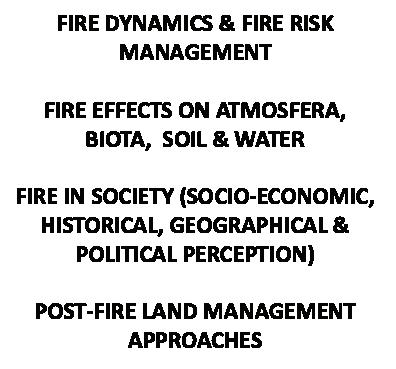



For details about the event please visit: https://firecongress.eu/
Outcomes of the local Fire Management conference series aligns with that of the Fire in the Earth System conference series and is echoed by the mission statement of fEs2026.
Background and purpose
Globally, effective wildfire management is impeded by a lack of integration between research results, technological development and efforts by fire managers. In the end, all roleplayers on the wildfire stage strive to prevent, suppress and protect the environment, human wellbeing and assets against wildfire. This event aims to integrate the efforts of natural resource managers, engineers, fire managers, educators/ trainers, and scientists. Through an integrated approach, different role-players will be sensitised about each
other’s realities, successes and failures. Understanding the needs and gaps within organisations involved in wildfire management will open new avenues that will support the fire management effort.
You are therefore invited to join fire managers and authorities from different disciplines and land uses such as nature conservation, agriculture, disaster management, forestry, local authorities, etc, for a range of informative presentations and exciting networking opportunities.
Focus
Eight main themes feature in the 2026 event and includes:
• Integrating science and practice to guide fire management in natural systems
• Soil degradation and wildfire
• Living with fire: Place-based practices for managing fireprone landscapes
• Dedicated poster session
• Expo and demonstrations
• Global fire management strategies across biomes: sharing knowledge, shaping the future, reducing negative fire impacts
• Adapting fire management to a hotter and drier planet
• Proactive vs reactive fire management
• Miscellaneous: Provision is made for papers falling outside the scope of the man themes
Programme
The 2026 event promises to be special. Not only because of the unique setting of the venue in the heart of the Kruger National Park but because of the conglomeration of toprated international and local fire management specialists and service providers who will share their expertise in a very practical and applied manner. The format of the event remains the same and will include:
excursion. (Limited to 40 people).
transport, lunch and accommodation from 7-11 November 2026
• Entrance to the conference
• Coffee breaks
• Lunch
• Registration bag
• Pre-conference tour in the Kruger Park (two days)
• Two days of presentations
• One day where we will have an expo by fire service providers, retail outlets and manufacturers of tools and equipment and gala dinner
• There will also be opportunities for participants to do game driving.
• Post-conference tour (four days).
Abstracts for presentations or posters
Prospective presenters are invited to submit abstracts through the website.
General
This event presents opportunities to people from different entities, management levels (international and local) to network, debate and exchange
ideas. An estimated 200 to 300 attendees are expected, including a significant number of international guests.
Registration
Registration for the event is open and can be done through the website. For any questions regarding registration please contact Saskia Keesstra keesstra@gmail.com. Fees for different attendance categories are listed below but are available on the website. Note that a reduced registration fee is available to local participants.
Accommodation
As there are other events taking place during the same time as the conference, a limited number of chalets in Skukuza and Pretoriuskop have been blocked for the event. Special rates at the Safari Lodge Hotel (government
rates) have also been negotiated. This hotel is adjacent to the conference facilities in Skukuza. As gate entrance into the park will be waivered, cheaper accommodation outside the park will be an option. More details about booking accommodation of the chalets and Safari Lodge hotel will follow.
Expo/sponsors
The Skukuza soccer fields has been made available for suppliers, manufacturers, and retailers to display their equipment and to use for demonstration purposes. As there will also be media coverage of the event, this will be the ideal opportunity to market products and services. Logos and website links of organisations/entities participating, will be displayed on the fEs website.
Sessions, session chairs, and descriptions
DAY 1
Session 1: Integrating science and practice to guide fire management in natural systems
Chairs
Izak Smith +27 82 940 4404 - izak.smit@sanparks.org
Tercia Strydom +27 73 505 3365 - tercia.strydom@sanparks.org
Description: Fire is a key driver of many ecosystem patterns and processes across the globe and it is therefore an essential component of natural and protected areas. However, inappropriate fire regimes - whether too frequent, too infrequent or occurring outside ecologically appropriate seasons - can lead to ecological damage, while unplanned wildfires can threaten property, livelihoods and lives.
Given these ecological and safety considerations, managers of protected areas and natural ecosystems must blend scientific evidence, practical experience and logistical constraints to use fire sensibly and responsibly. This integration is necessary to achieve a range of sometimes conflicting outcomes; for example, fire regimes that are ecologically desirable may be unsafe in certain contexts or management objectives may shift over time.
With FES2026 taking place in the Kruger National Park, South Africa, renowned for its long history of science-informed fire management and home to one of the oldest continuously running fire experiments globally, this session aims to
explore the ecological-practice interface. As such, the session will feature applied ecological studies that explicitly engage with management realities and experiences.
Session 2: Soil degradation and wildfire
Chairs
Artemi Cerda +34 69 632 0315 - artemio.cerda@uv.es
Session 3: Living with fire: Place-based practices for managing fire-prone landscapes
Chairs
Bryan Yockers +19 18 760 6129
- yockfire@gmail.com
Linde Egberts +31 62 423 3464
- L.Egberts@cultureelerfgoed.nl
Description: Increasingly severe wildfires are escalating challenges for land managers, researchers and policymakers in many parts of the world. “Normalising fire in the landscape” is considered a key strategy for reducing fuel loads and increasing awareness among local residents and stakeholders. Traditional and Indigenous knowledge systems contribute valuable, place-based approaches to reducing fuel loads in fireprone areas, including the use of prescribed burning, grazing regimes and context-specific water management. When effectively implemented, such practices can promote shared stewardship, support ecosystem services and heritage values and improve the climate resilience of fire-prone landscapes. However, effective management may be constrained by conservationoriented policies and the insufficient understanding of the social, cultural, governance and contextual factors key to successful outcomes.
This session examines the ways in which traditional and Indigenous knowledge supports the management of fire-susceptible landscapes. We invite contributions from researchers and practitioners that analyse the circumstances under which such knowledge can meaningfully inform and enhance fire-risk management.
Session 4: One-minute poster presentations
Chair
Saskia Keesstra - +31 62 453 1520 - Saskia.keesstra@gmail.com
Description: All poster presenters get the opportunity to introduce their poster topics to the audience in a oneminute verbal presentation in preparation for the dedicated poster session on day 2.
DAY 2
Session 5: Dedicated poster session
Description: Posters are displayed and authors of posters interact with conference delegates
Session 6: Expo and Demonstrations
Description: Exhibitors and wildfire service providers display and demonstrate their products.
DAY 3
Session 7: Global Fire Management Strategies Across Biomes: Sharing Knowledge, Shaping the Future, Reducing negative fire impacts
Chairs
Paolo Fiorucci - +39 348 461 0407 - paolo.fiorucci@ cimafoundation.org
Navashni Govender +27 84 625 2006
- navashni.govender@sanparks.org
Description: A conference session exploring fire management strategies and policies from around the world. As landscapes and ecosystems continue to face increasing wildfire risks, the need for collaborative learning, adaptive management and cross-biome knowledge sharing has never been more important. This session brings together experts, practitioners, policymakers and researchers to showcase lessons learned from diverse biomes — from savannas, grasslands and Mediterranean systems to forests, wetlands and arid environments. Participants will gain valuable insights into how different regions approach fire prevention, mitigation, ecological fire use and policy development.
Session 8: Adapting fire management to a hotter and drier planet
Chairs
Pete Fule - +19 28 853 8284
- pete.fule@nau.edu
Description: This session focuses on practical ways to adapt fire management to warming climate. Examples could include community engagement, infrastructure adaptation to climate change in different environments/pyromes or fire regime implications of species shifts. Presentations will meet the Congress’ goal of promoting the interplay between science and management.
Session 9: Proactive vs Reactive fire management
Chairs
Hannes van Zyl +27 72 733 1692
- Hannes.vanZyl@mandela.ac.za
Sam Msweli +27 76 054 1001
- Samukelisiwe.Msweli@ mandela.ac.za
Description
• Session invites an open conversation on the balance between proactive and reactive fire management in a time of increasing fire risk
• Many practitioners recognise the potential benefits of proactive approaches for communities and ecosystems, with science highlighting the importance of planning ahead
• At the same time, real-world constraints such as limited budgets, capacity challenges, public resistance and climate change can make it difficult to move beyond reactive, crisisdriven responses
• We welcome talks that explore these tensions, share practical experiences or highlight innovations and lessons learned across different contexts
• Presentations may draw from science, policy, technology, operational experience or traditional knowledge.
Session 9: Miscellaneous Chairs
Trevor Abrahams +27 82 557 5069
trevor.abrahams@wofire.co.za
Linton Rensburg +27 82 508 0990
linton.rensburg@wofire.co.za
Description: Abstracts that do not fit into any other session will find a home here.
Download PDF: Final Pre Tour Programme
Download PDF: Itinerary for Post Conference Tour
For more information contact Tiaan Pool tiaan.pool@mandela.ac.za 072 374 2347
Hannes van Zyl Hannes.vanZyl@mandela.ac.za 072 733 1692
Samukelisiwe Msweli samukelisiwem@mandela.ac.za +27 (0)44 801 5064.
Accredited ICS/IMS courses offered through NMU and Vulcan Risk Solutions partnership
By Patrick Ryan
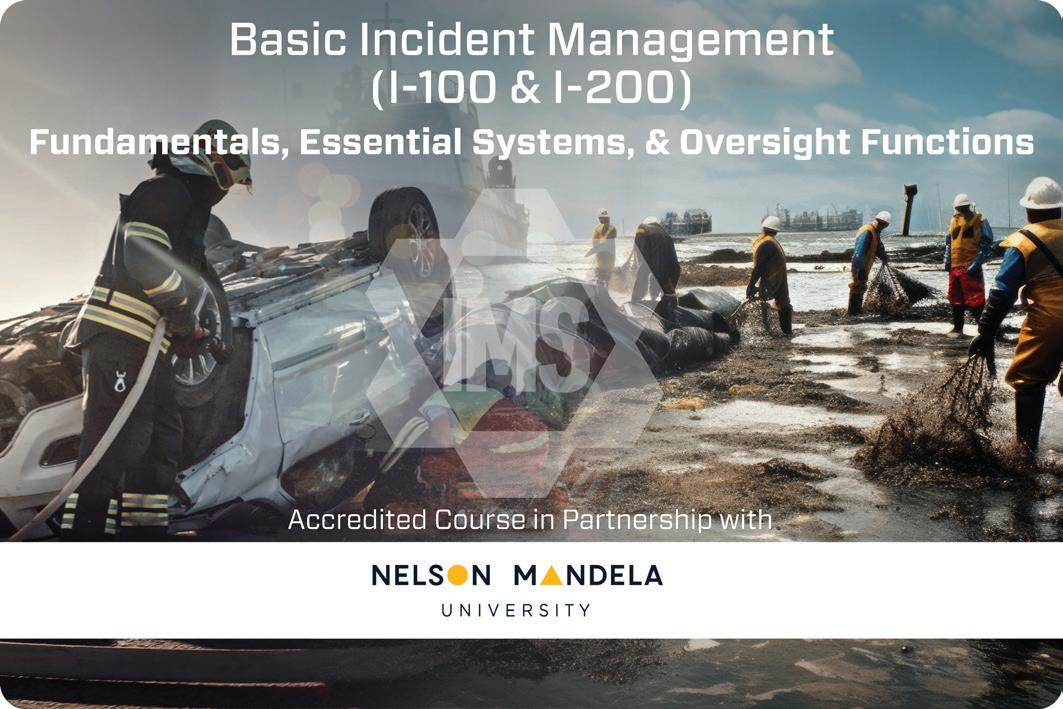
“
It makes sense” and “It’s common sense” are two phrases commonly used by lecturers when training people in the Incident Command System (ICS), also known as the Incident Management System (IMS).
The reason for this is quite simple. The system, devised in America in response to a series of disastrously managed incidents that led to responder fatalities and poor incident management is just that, it is simple to use.
After its creation, the system was then adopted as the
national system to be used in any emergency response after the 9-11 attacks in America and is now hosted through the Federal Emergency Management Agency, known as FEMA.
The system is now also being adopted as the recommended incident management system globally, with endorsement from the United Nations.
The Incident Command System was introduced to the South African emergency services industry, primarily the fire industry, by trainers within USAid
in the early 2000s. By 2003, a South African Working Team was formed and in 2012, the Western Cape Fire Chiefs accepted the National Incident Management System (NIMS), of which ICS/ IMS makes up the on-scene or operational response arm, as a recognised and endorsed system of response management.
The system has also been adopted globally by the oil and gas, and maritime safety industries, with the Incident Management Organisation, the IMOrg, here in South Africa being the champion of driving
the training, development and adoption of this. Although these industries became aware of the system later than the fire industry, in many respects the IMOrg has become the leader in South Africa of driving the training, adoption and use of ICS/IMS, with the system now being applied to all maritime safety, and oil and gas incidents. Organisations such as CapeNature, were also early adopters with municipalities slowly following suite.
You may wonder what the difference is between the Incident Command System and the Incident Management System.
The answer is none. There is no difference except for the use of the preference for the word ‘Command’ or ‘Management’ to describe it. The fire industry prefers the term ‘Command’ as this tends to link into their hierarchical leadership structure and is taken straight from the FEMA system, whereas the maritime, oil and gas industries prefer the word ‘Management’, as the system speaks to the managing of people within an emergency or crisis situation. The use of the word ‘Management’ has also allowed these industries to mould the system to their localised or specific needs, while maintaining the integrity of the 16 principles that are the foundation of the system.
The system works so well that it has also started to be adopted in the Events Management industry, in fact the author of this article used the principles of the system to manage their own wedding… and as we all know, this can be an ‘emergency’ incident in its own right!
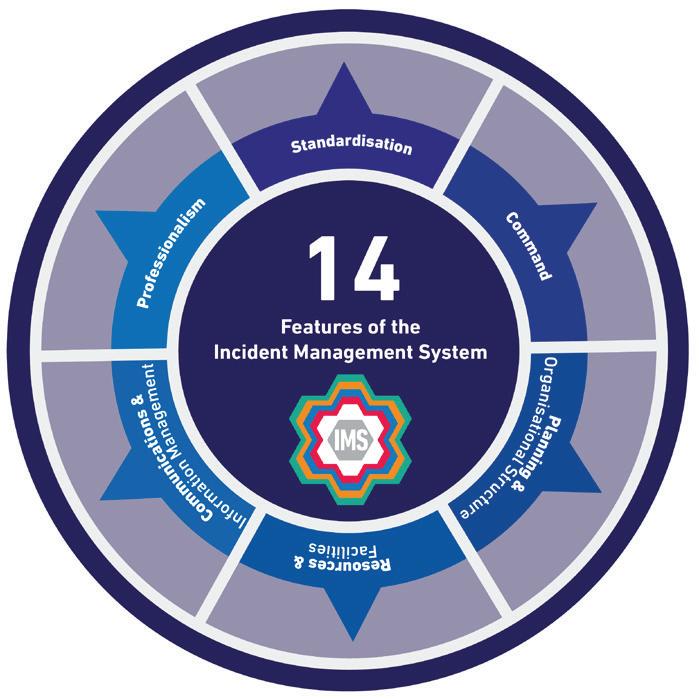
The introduction and adoption of the system into South Africa has not been a seamless one, however, and those who champion it have at times found resistance to the adoption of it by industries who have very established operating procedures in place.
Where it has been adopted it hasn’t always been used correctly either. Whether through difficulty in actually practically applying the knowledge learned, or a reluctance to trust knowledge from outside of the accepted industry silos.
The lack of a South African national standard for the training of ICS/IMS has also been a factor in the adoption and while the IMOrg (Maritime, Oil and Gas) and the South African ICS Working Group (Fire and Rescue Services) are overseeing bodies that can advise or recommend, they aren’t
an authority that can regulate. The requirement to have a National Incident Management System has, however, been included in the most recent white paper (2020) for the Fire Services, however, the training, adoption and correct implementation nationally is still in process, this some 20 years since the first introduction of ICS/ IMS into South Africa.
In answer to the very real need for the increased adoption of this system, as a training provider we looked to identify and find solutions to the issues of why the system wasn’t being adopted more readily or why the principles often weren’t being implemented correctly when it was used. Having trained both private industry and government organisations in ICS/IMS since 2017, we recognised that we had some decent insights into the challenges that were being faced.
The first was the belief that the system required tens or hundreds of people to staff the roles in the system and the other was that the way the system had been trained in South Africa until then was a straight copy and paste from the American FEMA system.
However, it is clear that South Africa is not America. South Africa has fewer resources to send to incidents and has smaller budgets for managing these incidents. The language, teaching style and terminology of the FEMA system is very dry, very American and relies on the fact that someone learning the system from FEMA will very likely then gain practical experience during their operational deployment to bolster their learned knowledge as the system is fully implemented at every incident in America.
In other words, here in South Africa the knowledge someone gained from the ICS/IMS courses, especially the foundational level, did often not carry through to a practical application in the field of operations.
As a result of Vulcan’s background in the training of ICS/ IMS, we identified the following key insights, which have guided our continued course development and strategic approach and will, we believe, support the wider adoption of the system in South Africa:
• There was a need for an active industry body to regulate and provide accreditation for both courses and training providers in South Africa. (SAQA has limited and outdated unit standards and the South Africa ICS Working Team have not been active regarding this aspect).
• ICS/IMS training must be progressive; ie, one should not be able to complete advanced training levels before completing the basics. The lack of progressive training is currently a major challenge to correct implementation and gaps in training are having knock-on effects in operations utilising the system.
• ‘ICS’ and ‘IMS’ terms are used by different industries but are the same system. One name for the system should be chosen to avoid future confusion.
• A national database of tracking ICS/IMS qualified persons is required to aid the implementation of the system. There needs to be a mechanism for sourcing incident managers and key positions, especially during extended incidents where personnel become fatigued and replacements are required.
• All levels of roles within ICS/IMS need to be trained and developed simultaneously to ensure a balance of expertise across the incident. In the Western Cape, the lack of development of ‘middle management’
positions such as division/group supervisors and strike team/ task force leaders has led to operational challenges.
• The role of a liaison officer, public information officer and safety officer, are often not appointed, nor can they be sufficiently focused on by the incident commander. The complex nature and demands of incidents in South Africa usually require specialists to effectively manage these functions. More development of these roles is required.
At Vulcan, we believe that training is not a ‘tick-box’ exercise. The Incident Management System is a system that works and there are certain principles within it that are key to it being applied successfully, with three of these arguably being applying ‘Span of Control’, ‘Unified Command’ and ‘Communications Management’ correctly.
The use of ICS/IMS saves lives and improves the safety and efficiency of the responders using it when the principles are properly understood and implemented. It is vital that when people attend training courses in this system, they are able to practically apply the principles immediately on leaving.
To this end, Nelson Mandela University (NMU) and Vulcan Risk Solutions (Vulcan) have formed a partnership to offer accredited
ICS/IMS courses in South Africa, which goes a long way to addressing the first key insight mentioned previously.
This is an industry first. This partnership formed after it was recognised that there is a need for the local training of ICS/ IMS to be not only standardised but set at a particular standard and importantly accredited, which the Maritime Safety, Oil and Gas industry in particular have wanted.
As the custodians of forestry related training and knowledge, NMU, formally Saasveld Forestry College, is ideally placed to now become the custodians of ICS/IMS and assist the industry as a whole with the adoption of this system through recognised courses that offer accredited certificates for those who successfully complete the courses.
Nelson Mandela University brings an oversight to the level of training and now offers a South African solution to knowledge that is vital to improved incident management across the country. The courses have been made available to a national audience through the partnership with
Vulcan and the use of the Vulcan Academy online training platform.
As passionate training providers who have trained over 2 280 people to date in South Africa in ICS/IMS and recognising the need for a training course to be an engaging experience, Vulcan, over the last two years, focussed on improving the learner experience of their courses through the use of current online learning tools and the development of a hybrid training experience, which mixes online self-learning with lecturer led workshops. This has proved to be extremely successful in
improving the ability for a student, whether fresh out of college or someone with years of field experience, to easily understand the principles of ICS/IMS and importantly apply them practically in their area of industry.
The future of safe and efficient emergency management in South Africa is the national adoption and correct application of systems such as NIMS and ICS/IMS and the value now brought to the certification process by Nelson Mandela University is another milestone in this journey that began in the early 2000s.

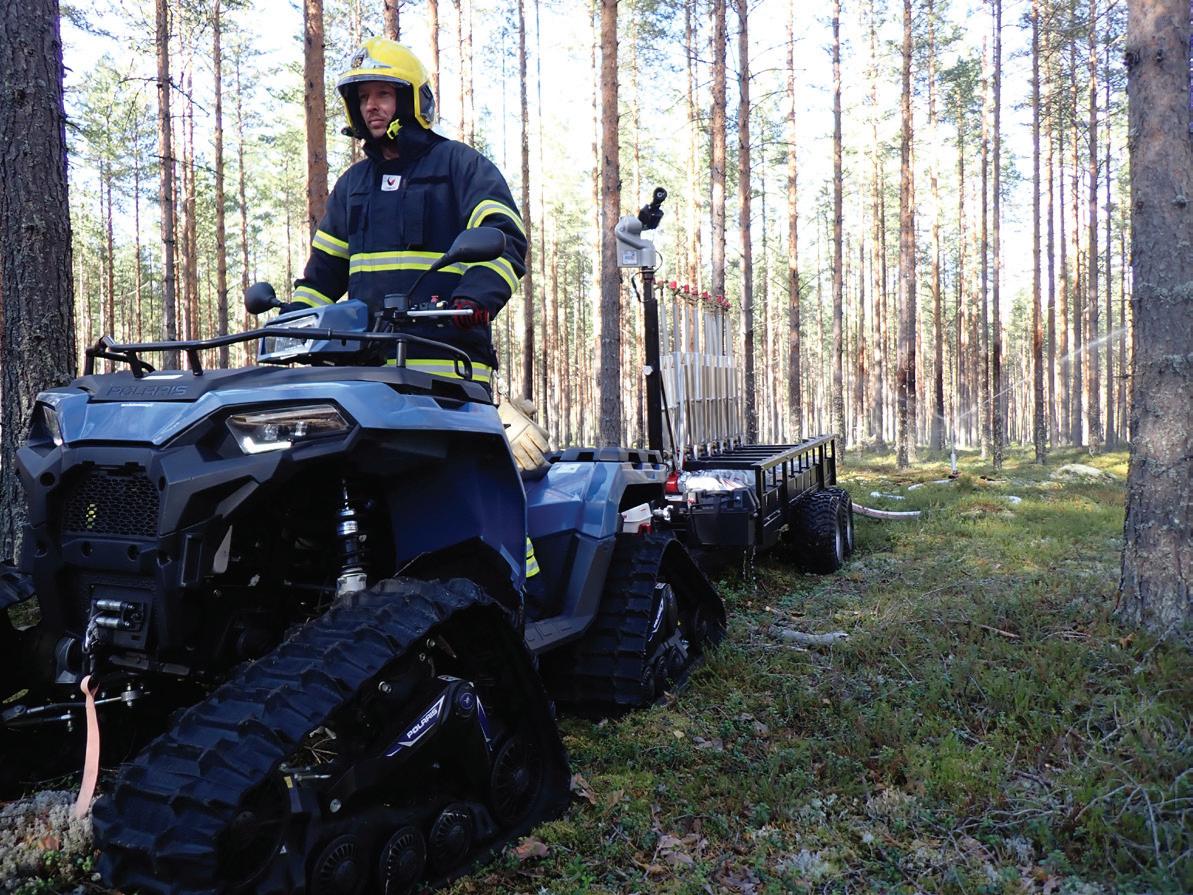
By Nina Garlo-Melkas, Forest.fi
Fighting wildfires in an era of climate change: Finnish innovations on the frontlines
From California to the Mediterranean and now even in the far north of Europe, wildfires are increasingly making headlines. The growing vulnerability of regions once considered lowrisk underscores the urgent need for action - and the development of innovative firefighting technologies.
While wildfires are nothing new, experts warn that climate change has fundamentally altered their frequency, intensity and the
risks they pose to communities worldwide. The number of wildfires is predicted to increase by 50 percent by the end of the century as a result of the climate crisis and changes in land use, according to a report by the United Nations Environment Programme (UNEP) and the Norwegian environmental centre GRID-Arendal entitled ‘Spreading like Wildfire’.
Marko Hassinen, a specialist in forest fire research and an entrepreneur at Fire and Rescue
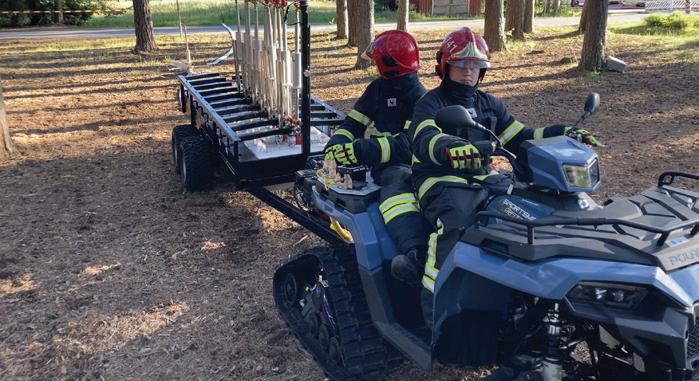
The system is based on a new method in which the extinguishing and containment line for wildfires is constructed completely automatically using a trailer pulled by an off-road vehicle.
Innovation Finland Ltd, states that fires are igniting more rapidly and spreading to areas that were previously somewhat protected.
“Climate change doesn’t simply mean that it gets warmer and we get more fires,” explains Hassinen. “It creates longer, hotter and drier periods, which drastically increase the likelihood of ignition and make wildfires harder to control.”
In countries such as Spain, Portugal and Greece, summers already bring daily reports of devastating blazes. But northern nations, traditionally shielded by shorter warm seasons and lush greenery, are now also experiencing extended dry spells. This means the wildfire window is getting longer and the fires more dangerous, even in places once considered low risk.
"In the future, forest fires may ignite more quickly and spread into areas that were previously relatively safe," Hassinen explains.
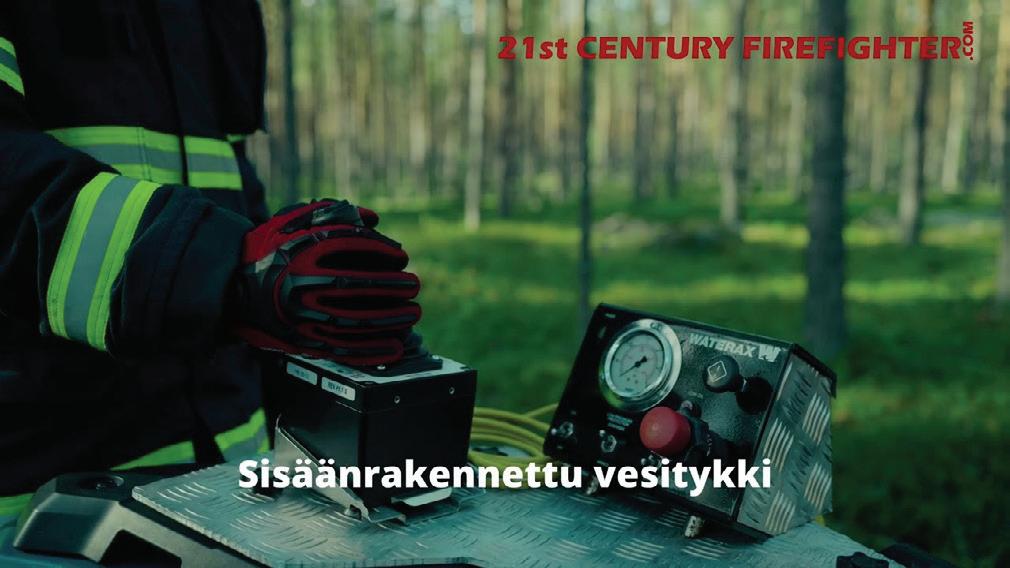
Automatic hose container: A game-changer for firefighting Hassinen, who holds a doctorate in cybersecurity from the University of Eastern Finland, has worked for over ten years in research and training at the Emergency Services Academy Finland. For the past three years, with the support of ELY, a Finnish government agency responsible for regional development and implementing the EU's regional policy objectives, he has been developing a new potentially groundbreaking forest firefighting system that enables rapid control of large wildfires with a small number of rescue personnel.
At the heart of the system is an ‘off-road vehicle’ with its own water tank and a flat platform for hoses packed in an innovative manner. The hose container, designed to be attached to vehicles, allows the hose to be pressurised immediately and water to be drawn from
the line while the line is being constructed. This allows firefighting work to continue without interruption, as the tank on the cart can be refilled continuously. The water supply system is provided by the fire department's tanker or a natural water source.
"Lighter equipment is easier to move and requires fewer personnel, making the method a practical addition to the rescue services' toolkit," says Hassinen.
Water wealth: A strategic advantage
In southern European countries, severe forest fires are commonplace and firefighting often relies on airplanes and helicopters – even specially designed drones. In Finland, natural water resources, such as lakes and rivers, offer a significant advantage but the terrain is challenging with its abundant biomass reserves.
The system developed by Hassinen is in the trial phase and ready to be customised to the needs of different customers. Its commercial launch is still ahead but the new system's unique feature of being pressurised during the hose deployment phase is sure to pique interest.
"Traditionally, two firefighters can lay about 600 metres of
Marko Hassinen, specialist in forest fire research and an entrepreneur at Fire and Rescue Innovation Finland Ltd
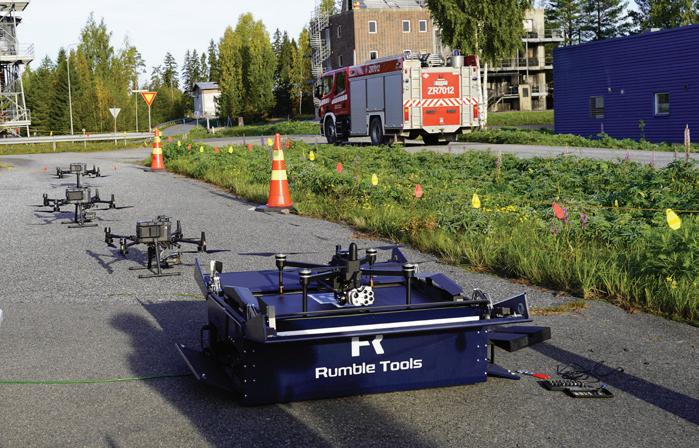
hose line per hour but with the new system, that amount triples and all the water is available immediately from the first hose."
More results, fewer personnel The most significant advantage of the new system relates to the use of human resources.
“When you are actually driving the vehicle and everything else is done automatically, you can carry out effective measures with fewer personnel,” Hassinen emphasises. This is crucial, especially in situations where only a small number of rescuers can reach the scene first.
The forest fire cart is not only used for extinguishing fires but also provides protection for surrounding areas and buildings, as well as for assets such as biochip piles in forest industry plants. Containment lines stop the fire from advancing towards residential areas. However, traditional methods, such as manual construction or bulldozer clearing, are slow and challenging in Nordic terrain, where rugged topography and dense vegetation make the work difficult. This underlines the importance of adopting new technology.
The forest fire cart has also attracted international interest. This innovation demonstrates that new technologies are needed as forest fires increase due to climate change.
"This definitely makes operations much faster than before. It significantly speeds up the entire extinguishing process," Hassinen sums up.
The search for future solutions continues
This summer’s exceptionally prolonged heatwave in Finland underscored a growing global reality: even regions once considered low-risk are now
increasingly vulnerable to fastspreading wildfires. July 2025 was among the hottest on record, with Finland and Sweden enduring sustained temperatures above 30 degrees Celsius, conditions that sharply raise ignition risks and place heavy strain on firefighting resources.
Similar patterns appeared worldwide. Southern Europe suffered devastating wildfires in temperatures exceeding 45 degrees Celsius, burning more than 292 000 hectares and displacing thousands, according to the Global Climate Risks platform. The World Meteorological Organisation warns that longer dry seasons and erratic weather are turning manageable fires into landscape-scale disasters. Meanwhile, the UN Economic Commission for Europe stresses that wildfire risk must be integrated into national climate strategies, particularly as countries prepare for COP30 in Brazil.
For Finland, this summer is a clear signal: proactive fire prevention and rapid-response technologies are no longer optional but essential. As climate volatility intensifies, nations must invest in smarter firefighting
The drone fleet
Research Professor Eija Honkavaar, National Land Survey of Finland
systems, better forecasting, and scalable innovations to prevent small fires from growing into global catastrophes.
In addition to ground-based solutions, attention is turning to the skies. In the future, swarms of AI-controlled drones could detect wildfires early, transmit real-time data on their spread, and predict fire behaviour over the next hour. This approach has also been studied in Finland under the leadership of Eija Honkavaara, Research Professor at the National Land Survey of Finland.
"Finland has a very high level of expertise in key areas. In the FireMan project, we developed methods for detecting fires at an early stage and monitoring their progress. We demonstrated realtime fire detection using a small camera and computer carried by a drone, which shows that Finnish drone research is at the forefront of firefighting internationally," Honkavaara explains.
According to Honkavaara, the most significant advantage of drones is that they enable digital and scalable solutions for rapid fire detection and situation awareness. "When a fire is detected at an early stage, it does not have time to grow out of control. The situational awareness allows measures to be targeted where they are most useful."
The study, which ended at the end of 2024, also utilised a digital twin - a computer model of the real environment - to predict fire behaviour and plan, for example, the placement of firebreaks.
According to Honkavaara, research related to forest
fire prevention continues to be active both in Finland and globally. For example, larger drone models are being developed and in the future, swarms of thousands of small drones could together transport significant amounts of water.
"In Finland, new solutions are being actively developed to improve fire safety, such as preventing the spread of fire. Several domestic companies are involved in the development work and some of the products have already reached the market."
Drone development
work is also ongoing "Currently, each drone has its own pilot but the goal is to increase autonomy and enable the simultaneous use of multiple drones. Challenges also include airspace management, legislation and remote fire situations where mobile networks do not always work," Honkavaara explains.
Drones must be able to communicate with each other and transmit information to air traffic control.
"I would estimate that we will be much further along in five years. We are still in the research phase but through demonstrations and cooperation with companies, applications can be put into practice. More autonomous drone systems will be part of firefighting in the coming years," Honkavaara says.
Honkavaara emphasises the urgency of development. Forest fires are a global threat: in Europe alone, approximately half a million hectares of forest burned last year.
Finnish Forest Association
The Finnish Forest Association is a collaborative organisation dedicated to promoting sustainable forest use and fostering open dialogue about forest-related issues in Finland. It serves as a key communicator between the forest sector and the public, offering educational resources, publishing the Forest.fi news website and supporting informed discussion on forestry, biodiversity and climate topics. Finnish Forest Association.
“Wildfires are increasing as the climate warms and droughts become longer. The risk is growing also in Finland and huge areas in Southern Europe are already burning every year. Effective, technology-based methods should be adopted as quickly as possible.”
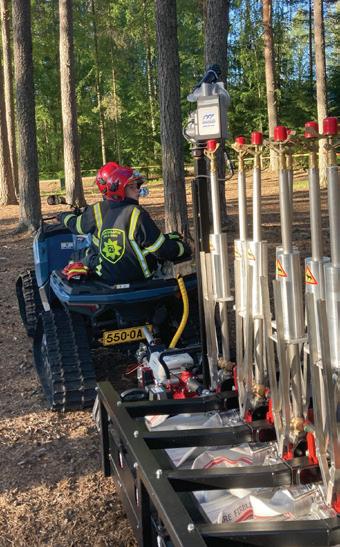
Finnish innovation award honours wildfire suppression breakthrough
TEntrepreneur Marko Hassinen has been awarded Finland’s 2025 Innovation Award for his pioneering wildfire response system that significantly accelerates containment efforts. The €26 000 prize was presented by representatives of the Finnish Government during the Rescue Services Current Affairs Days, an annual national event focused on emergency response and public safety.
Hassinen’s invention, called the Firefighting and Containment Line for Wildfires, is a mobile system built around an off-road vehicle and a custom-engineered trailer. It automates the deployment of hoses, sprinklers and water supply infrastructure, while also serving as a standalone firefighting unit equipped with a pump, water tank and remotely operated water cannon.
“The goal is to give firefighters a head start—especially in remote areas where every minute counts,” Hassinen said. The system is designed to reduce response time and prevent wildfires from spreading uncontrollably.
The Innovation Award is granted by the Finnish Fire Protection Fund (Palosuojelurahasto), a national body operating under Finland’s Ministry of the Interior. Overseen and supported by the Finnish Government (Valtioneuvosto), the award recognises groundbreaking technologies, methods and practices that improve rescue operations and public safety. It plays a key role in promoting innovation within Finland’s emergency services sector.

Training beyond response: Why rural wildfire training must build resilience, not just suppression capacity
By Johann Breytenbach, general manager, Free State Umbrella Fire Protection Association
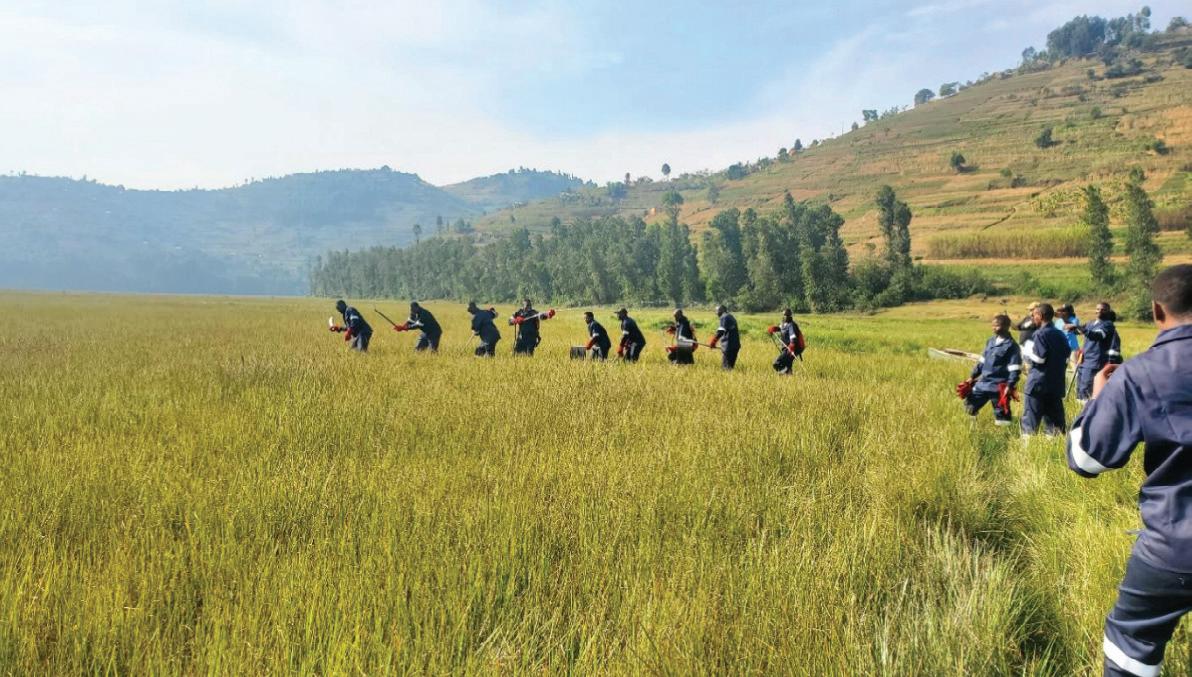
In wildfire management, training is often treated as though its value is self-evident. It is valuable but that is not the same as saying it is sufficient.
Over the past ten years, one lesson has become increasingly clear in rural agricultural communities: standalone firefighting training is not enough if the aim is to build genuine wildfire resilience. Teaching a person how to use a fire beater, operate a knapsack pump or follow a basic suppression
instruction has value but that value is limited if the wider community and institutional environment remains unchanged. Training on its own does not automatically produce capability. That distinction matters.
Under the National Veld and Forest Fire Act, fire protection associations are required to organise and train their members in firefighting, management and prevention. The wording is important. It does not refer only to suppression. It refers to
organisation, management and prevention as well. The expectation is therefore broader than simple firefighting competence. It points to the development of coherent and functioning fire management capability.
This is where many training efforts in agricultural communities face limitations. They focus on the visible part of the problem, namely the fireline. Yet the real barriers to effective fire management often sit elsewhere. In practice, rural training is constrained by agricultural
Fire simulation exercise 24 July 2024
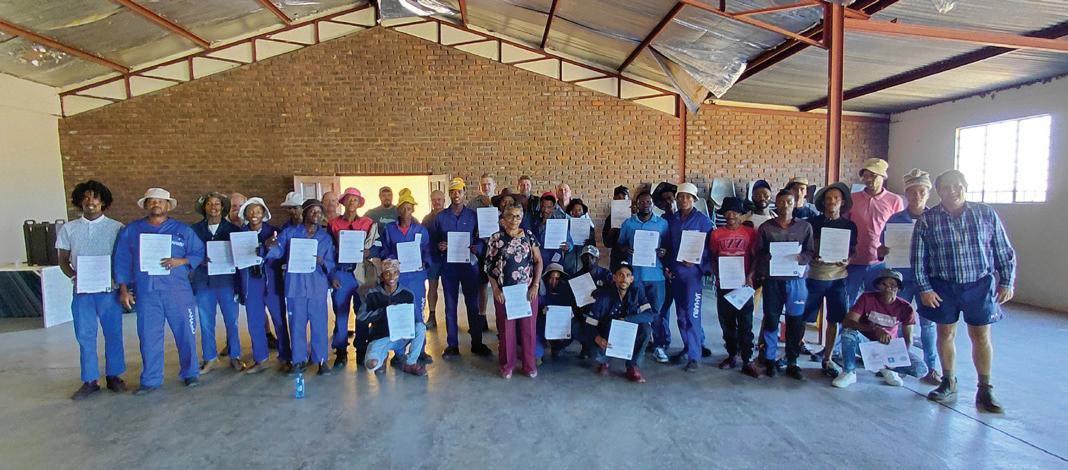
timing, misconceptions of risk, a response culture rather than a risk management culture, self-isolation, bias, institutional weakness, systemic failure and cost. These are not secondary issues. They are the conditions within which training must function.
That is why the question is not simply whether training is needed. The more important question is what kind of training is required if the objective is to create fire-resilient communities rather than simply more people who have attended a course.
One of the most common mistakes is to assume that rural communities are empty vessels waiting to be filled with formal knowledge. They are not. There is usually a substantial local knowledge base shaped by years of direct engagement with veldfires, weather, fuel, access constraints and recurring patterns of ignition. Effective training does not ignore this. It recognises it, works with it and introduces principles and concepts that help people adapt knowledge to local conditions. That is very different from presenting a standardised
lesson and then treating attendance as progress.
This was one of the strongest lessons from training work undertaken in the Rugezi wetland landscape in Rwanda during 2024. The environment there is operationally very different from South African grassland systems. Fire can move through dry surface fuels while also smouldering in peat-rich soils. Suppression sometimes happens on unstable floating vegetation mats, where a firefighter can literally fall through into water. A generic wildfire training package would have missed the point entirely. What was needed was training adapted to local fuels, terrain, hazards and community realities. The same principle applies in South Africa. Effective training is always contextual.
Another important lesson is that practical training matters far more than passive instruction. Communities need experiential learning: handling tools, constructing line, recognising hazards, understanding basic command logic and seeing how decisions change with fuel, weather and topography.
Without that, training remains theoretical and confidence can become detached from competence. In wildfire work, that is not a small problem.
But even practical firefighting training remains only one part of the answer.
The deeper issue is capacity building. Capacity building is not merely about teaching skills to individuals. It concerns the ability of people, organisations and systems to make decisions, perform functions and adapt effectively over time. In wildfire terms, this means training must contribute to capability at three levels: individual, organisational and systemic.
At individual level, this includes basic wildfire knowledge, fire behaviour, safety awareness, risk recognition, legal understanding and practical suppression competence.
At organisational level, it includes team formation, role clarity, local leadership, equipment responsibility, routine coordination and the ability to function as more than a crowd with good intentions.
Farmers and workers Grens in December 2025
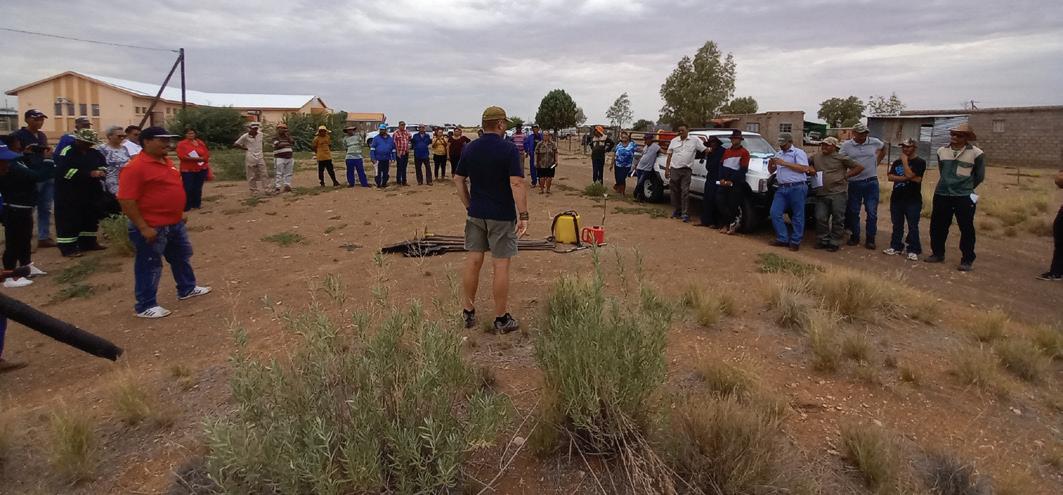
At systemic level, it includes the broader environment in which communities operate: FPA support, municipal linkages, institutional mandates, planning frameworks, coordination structures and the wider policy setting. If this level is neglected, communities remain trapped in a cycle where they are expected to carry high levels of fire risk with too little support, too little structure and too little influence over the systems around them.
This three-level approach is not theoretical. It is operationally necessary.
In many rural settings, willingness is often present long before capability is fully developed. People are ready to help. They respond. They do what they can. But willingness is not the same as preparedness and numbers are not the same as function. In low-resource contexts, this can quickly result in a response that is energetic but poorly coordinated, lightly equipped and tactically inconsistent. It may look active but activity on its own is not the same as effective fire management.
Strategic training is what begins to change that.
It helps move a community from ad hoc reaction towards organised function. It links local knowledge to sound wildfire principles. It creates room for practical learning and continued development. It supports the establishment of community teams and strengthens the beginnings of organisational capability. Where it is done properly, it also creates a bridge into integrated fire management by connecting local action with broader planning, coordination and prevention measures.
This also explains why once-off training interventions so often have limited long-term effect. A single course can improve awareness and teach useful basics but it does not by itself create sustained capability. That requires repetition, followup, leadership development, team strengthening and institutional support. If training ends when the certificate is handed over, the system may simply be mistaking activity for progress.
The way forward is therefore not more training in the narrow sense. It is better training, positioned properly.
Rural wildfire training should be designed as part of a broader capacity-building strategy. It must start from local conditions. It must include practical experiential learning. It must build organisational function, not just individual attendance numbers. It must include risk assessment, not only response. And it must be linked to wider institutional support because no rural community can sustainably carry wildfire risk on goodwill alone.
If the objective is genuinely to increase wildfire resilience in agricultural communities, then this is the standard we should be working towards: not training as an isolated event but training as a strategic instrument to build real capability.
That is the difference between teaching people to fight fire and helping communities become meaningfully fire resilient.
Training in Klein Mier Kalahari, Dawid Kruiper Local Municipality within the ZF Mgcawu District Municipality in the Northern Cape Province
OODA-loop decision-making model for emergency services in high-risk environments
By Morné Mommsen
Emergency services personnel increasingly operate in environments where the risk of crime, assault and targeted hostility is significant. Although multiple models exist to guide operational decisionmaking, one of the most effective frameworks for enhancing situational safety and maintaining tactical advantage is the OODALoop, a continuous decisionmaking cycle originally developed for high-threat environments.
To ensure the safety of emergency medical services (EMS), fire and rescue personnel and other first responders, it is essential that their cycle of observation and action remains faster and more adaptive than that of a potential aggressor. By doing so, the aggressor is forced into a reactive state, while responders maintain initiative and control. This principle aligns closely with the operational needs of emergency services operating in volatile or crimeaffected areas.
In the initial phase of an incident, often before formal scene containment is established, emergency services personnel may find themselves outside the aggressor’s OODA cycle, meaning the attacker holds the initiative. This creates an
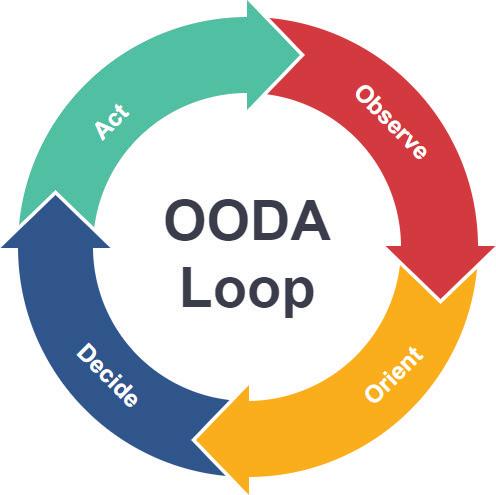
elevated risk of surprise attacks, interference with emergency operations or escalation of violence. The strategic goal, therefore, is to rapidly enter and stay inside the aggressor’s OODA-Loop (if trained), thereby reducing uncertainty, improving anticipation of threats and allowing responders to regain control of the scene dynamics.
Effective use of the OODALoop supports emergency
services members in shifting from a purely defensive posture to a proactive, informed and tactically aware approach. By continuously applying the cycle ie Observe, Orient, Decide, Act, responders enhance their ability to detect early indicators of danger, interpret behavioural cues, make informed decisions under pressure and execute protective actions that prioritise both responder and patient safety.
Framework for application of discretional power
Recommended table of force to be used
Most of the time you will be working with a partner. Acting together may enable you to use less force. The table of compliance tools and techniques is only a guideline, to enable you to formulate a discreet and valid
Level of force Type of force
One (1) Authority presence
decision during the use of force. The diagram below describes the use of force on a range from one (1) to nine (9).
Schedule 1 Offence and selfdefence for emergency workers
A Schedule 1 criminal offence in South Africa is considered a serious crime eg, assault, robbery, murder or attempted murder) under the Criminal Procedure Act
When will you apply?
Two (2) Verbal judo
Three (3) Control hold
Four (4) Takedown
Five (5) Use of pepper spray
Six (6) Offensive and defensive holds, blocks and strikes
51 of 1977. When emergency services personnel such as EMS, firefighters or rescue workers face a situation involving a Schedule 1 offence, the legal framework provides specific guidance for self-protection.
Key points for emergency workers 1. Legal context
• Schedule 1 offences are deemed high-risk and often
To create a controlled psychological presence that discourages hostile or aggressive actions by a suspect or offender, thereby enhancing the safety of emergency services personnel.
To use clear, calm and assertive communication to gain a person’s cooperation.
When the application of necessary and proportionate physical intervention becomes essential to manage and control an individual’s actions, this may include the use of authorised restraining techniques in accordance with safety protocols and legal requirements.
When the use of necessary and proportionate physical force becomes unavoidable to ensure responder safety and manage an individual’s behaviour. This may include approved selfdefence and physical control techniques in accordance with operational guidelines and legal provisions.
When more force is needed to control a person than that provided by control holds and takedowns.
When it is necessary to defend against and safely neutralise an attack from an unarmed individual.
Seven (7) Use of dogs, certified for this purpose When the situation involved more than one offender.
Eight (8) Baton/sticks/non-lethal weapons
Nine (9) Lethal force Firearms
When you require a level of force greater than that provided by weapon less control techniques but less than provided by firearms.
To safeguard your own life or the life of another in circumstances involving a Schedule 1 offence only Emergency services personnel must note that, unless they are on-duty law enforcement officials, any legally carried firearm must remain fully concealed at all times. Under no circumstances may a responder provide care to a patient or victim while carrying a visible or exposed firearm, as this compromises scene safety, contravenes professional standards and may escalate the risk to all parties involved.
involve violent or aggressive behaviour.
• Emergency workers encountering suspects committing these offences may legally use reasonable force to protect themselves, colleagues or civilians.
2. Use of self-defence
• Self-defence is legally justified when an Emergency Services member faces an imminent threat of harm.
• The force applied must be proportionate to the threat. For example, restraining an aggressive individual with approved techniques is permitted but excessive force is not.
3. Operational application
• If an unarmed suspect assaults a paramedic, firefighter or rescue worker while committing a Schedule 1 offence, the worker may employ approved defensive tactics to neutralise the threat safely.
• The goal is protection and control, not punishment.
4. Documentation and reporting
• Any use of self-defence must be reported immediately and documented, noting the nature of the threat, actions taken and any injuries sustained.
• This ensures compliance with legal and departmental protocols and supports justification of the actions under South African law.
For emergency services, a Schedule 1 offence represents a high-risk situation where selfdefence may be necessary. Personnel are legally empowered to use reasonable and proportionate force to protect themselves and others when
confronted with violence or threats arising from such offences.
The statement, “Personnel are legally empowered to use reasonable and proportionate force to protect themselves and others when confronted with violence or threats arising from such offences,” is often misunderstood and may create a false sense of personal capability. While the law provides the right to self-defence, this legal permission does not automatically equate to the practical ability to protect oneself effectively in a highrisk encounter.
Evidence and experience show that effective defensive capability requires systematic, long-term training. In combat sports, for example, even dedicated athletes typically require approximately three years of intensive training before they can safely enter a ring or cage and even then, the likelihood of defeat or injury remains significant. The assumption that untrained individuals can reliably defend themselves against a committed attacker is therefore both unrealistic and dangerous.
While any person may attempt to fight, the ability to protect oneself or others under high stress is a specialised skill set. Emergency services personnel are strongly encouraged to engage in a recognised self-defence or
defensive tactics programme that provides structured training.
Such training should develop:
• Practical application of the OODA Loop under stress
• Safe and legally compliant use of the nine levels of force
• The ability to respond proportionately without overreacting
• Situational awareness, threat interpretation and emotional regulation
Overconfidence in one’s abilities without proper training has repeatedly resulted in severe injury and fatalities. Numerous case reports indicate that individuals who believed they were strong, skilled or capable were overwhelmed or killed during violent encounters.
Emergency services personnel must therefore avoid becoming another statistic due to misplaced confidence or inadequate preparation. Participation in a reputable, professionally instructed defensive tactics programme is essential for developing the competencies required to operate safely in violent or unpredictable environments. Informal, unverified sources such as online videos or “YouTube self-defence”, are insufficient and may foster dangerous misconceptions.

Impact of physical activity on cardiovascular health in firefighters: Scoping review
By Ghaleelullah Achmat1, Charlene Erasmus2, Jill Kanaley3, Rucia November1, Lloyd Leach1
This is the fourth of a series of articles on the research done by Ghaleelullah Achmat, Rucia November and Lloyd Leach of the Department of Sport, Recreation and Exercise Science, University of the Western Cape, Bellville, South Africa together with Charlene Erasmus, Child and Family studies Unit, Department of Social Work, University of the Western Cape, South Africa and Jill Kanaley, Department of Nutrition and Exercise Physiology, University of Missouri, US, which was first published by Health SA Gesondheid 30(0), a2713.
Background
Firefighters’ duties include fire response, emergency medical treatment and rescue operations. Noncompliance with physical activity (PA) guidelines increases adverse health behaviours and the risk of on-duty fatalities. While PA is known to treat cardiovascular disease (CVD), its impact on risky health behaviours in firefighters is under-researched.
Aim
This scoping review aimed to evaluate PA’s effects on firefighters’ cardiovascular health.
Method
The review followed PRISMA-ScR and PRISMA Protocol standards, involving a comprehensive search across databases like Cochrane, PubMed, Medline, EbscoHost, Web of Science, Academic Search Complete, CINAHL (EBSCO), SAGE Journals, ScienceDirect and Scopus, covering publications up to June 2023. The purpose was to compile evidence on PA programmes’ effects on fire and rescue services (FRS).
Results
Five intervention studies were included, examining PA effects on firefighters with smoking habits, poor diet, alcohol consumption and sedentary lifestyles. These interventions recommend 150 minutes per week of aerobic, flexibility and strength activities. Firefighters should be guided to initiate and maintain 150 minutes of PA weekly to promote health strategies.
Conclusion
The study concludes that integrating lifestyle changes with low- and moderate-intensity PA into fire services is crucial for improving health risk behaviours (HRBs). Implementing multilevel interventions is necessary to drive policy changes supporting firefighters facing HRBs.
Contribution
Educating firefighters about these behaviours is essential, fostering an understanding of healthy alternatives.
Introduction
Firefighting is a perilous profession that exposes firefighters to significant physical and mental strain, potentially jeopardising their health and overall well-being. When firefighters engage in health risk behaviours (HRBs), they face an increased likelihood of experiencing cardiovascular (CV) incidents that could be fatal (Kales et al. 2003; Soteriades et al. 2011). The risk of CV lineof-duty death is heightened by extremely high heart rates during fire suppression activities (Kales et al. 2003; Soteriades et al. 2011). The prevalence of health issues can be attributed to highrisk behaviours that elevate the likelihood of disease or injury, ultimately leading to disability, mortality or social challenges (Kales et al. 2003; Soteriades et al. 2011). This alarming fact may be attributed to the unique circumstances of the firefighting profession that include high levels of stressful behaviour (Kales et al. 2003; Soteriades et al. 2011). Understandably, firefighters experience significant stress, as they are concerned
not only for their safety but also for the safety of their colleagues and the general public, whose well-being is their primary concern (Banes 2014; Kales et al. 2003; Soteriades et al. 2011). Overexertion during strenuous duties is a major cause of line-ofduty deaths among firefighters, accounting for 47 percent of firefighter fatalities (Banes 2014; Kales et al. 2003; Soteriades et al. 2011). It is indeed a comforting assumption that firefighters, who are entrusted with the responsibility of taking care of others, are strong and healthy enough to effectively carry out their duties (Banes 2014; Kales et al. 2003; Soteriades et al. 2011). However, many firefighters have untreated or undiagnosed conditions such as hypertension, hyperlipidaemia and obesity, along with poor dietary habits and suboptimal physical fitness (Banes 2014; Kales et al. 2003; Soteriades et al. 2011). Common high-risk behaviours include violence, alcoholism, tobacco use disorder, risky sexual behaviours, eating disorders and a sedentary lifestyle (Banes 2014; Kales et al. 2003; Schuhmann et al. 2022; Soteriades et al. 2011). These high-risk behaviours have the ability to negatively impact on CV health. (Banes 2014; Kales et al. 2003; Soteriades et al. 2011). The development and progression of cardiovascular diseases (CVDs) are associated with a sedentary lifestyle characterised by smoking, poor nutrition, alcohol abuse and physical inactivity, often referred to as ‘SNAP’ (Banes 2014; Carey et al. 2021; Kales et al. 2003; Soteriades et al. 2011).
These risky SNAP behaviours are recognised as significant contributors to poor CV health.
(Carey et al. 2011; Maloney et al. 2021). Furthermore, these high-risk behaviours are a critical health concern among firefighters, who are more susceptible to CVD events because of intermittent periods of intense physical activity (PA) while on-duty (Banes 2014; Carey et al. 2021; Kales et al. 2003; Maloney et al. 2021; Soteriades et al. 2011). Research indicates that new recruit firefighters typically exhibit higher levels of fitness and better health at the onset of their careers; however, these standards and levels of health and fitness often decline throughout their service in the fire department (Banes 2014; Carey et al. 2021; Kales et al. 2003; Maloney et al. 2021; Soteriades et al. 2011). Occupational exposure to smoke and carbon monoxide levels poses a significant hazard that amplifies CV risk among firefighters (Maloney et al. 2021; Schuhmann et al. 2022). Cultural factors such as shift work and team cohesion exert multiple levels of influence on firefighters’ decisions regarding adoption of positive health behaviours (Banes 2014; Carey et al. 2021; Kales et al. 2003; Maloney et al. 2021; Schuhmann et al. 2022; Soteriades et al. 2011). Firefighters encounter intermittent peaks of strenuous work within prolonged periods of inactivity; these extended phases of sedentary behaviour have been demonstrated to elevate the risk of CVD and other chronic illnesses (Butry et al. 2019; Latosinski et al. 2024; Schuhmann et al. 2022). Studies considering both direct and indirect costs indicate that firefighter injuries result in annual costs ranging from
$1.6 billion to $5.9 billion (Butry et al. 2019; Gronek et al. 2020; Kuehl et al. 2013). Numerous studies support the conclusion that physiological overexertion and musculoskeletal disorders may be the primary sources of firefighter injuries (Butry et al. 2019; Gronek et al. 2020; Kuehl et al. 2013; Latosinski et al. 2024). Physical inactivity, in combination with multiple highrisk behaviours, significantly contributes to the accumulation of CV events (Butry et al. 2019; Latosinski et al. 2024; Schuhmann et al. 2022). Modifiable behaviours such as SNAP all elevate the risk of noncommunicable diseases (NCDs), on-duty CVD events and mortality (Banes 2014; Butry et al. 2019; Carey et al. 2011; Gronek et al. 2020; Kales et al. 2003; Kuehl et al. 2013; Latosinski et al. 2024; Maloney et al. 2021; Schuhmann et al. 2022; Soteriades et al. 2011).
In the US, each fire department is tasked with establishing its standards for firefighters’ fitness levels (Banes 2014; Kales et al. 2003; Soteriades et al. 2011). While the National Fire Protection Association (NFPA) in the U.S. provides established fitness standards, the adoption and enforcement of these standards is discretionary and varies across departments (Banes 2014; Kales et al. 2003; Soteriades et al. 2011). Consequently, there is considerable diversity in fitness levels among firehouses (Banes 2014; Carey et al. 2011). The absence of clear and consistent expectations for an ideal fitness standard makes it challenging for members of the fire service to determine the types of exercises that are suitable and
beneficial for their short- and long-term health (Maloney et al. 2021; Schuhmann et al. 2022).
In addition, the food options in surrounding communities and within firehouses often present a barrier to achieving and sustaining healthy standards (Wooding et al. 2018). Firefighters frequently report that unhealthy choices such as donuts, pizza and other fast and unhealthy options are readily available and difficult to resist, while fresh and healthy options are scarce (Jahnke et al. 2016; Wooding et al. 2018). Furthermore, the absence of a regular routine and predictable hours may also significantly contribute to firefighters’ challenges in maintaining their health (Haddock 2011; Jahnke et al. 2016; Wooding et al. 2018). It is concerning that researchers have found a significant link between short, irregular and disrupted sleeping patterns and obesity in adults (Haddock 2011; Jahnke et al. 2016; Wooding et al. 2018).
A meta-analytic review has shown that periods of sleep less than 5–7h per night, which is common among firefighters, are associated with a higher risk of death, regardless of age, gender and socio-economic status (Cappuccio et al. 2008). Unfortunately, a cycle often develops where insufficient sleep leads to unhealthy factors, such as obesity and obesity in turn increases the likelihood of being a short sleeper (Cappuccio et al. 2008; Frost et al. 2021). Furthermore, the unpredictable nature of a firefighter‘s duty and their sleeping patterns adds to the challenge (Cappuccio et al. 2008; Frost et al. 2021). It is conceivable that any one of
these barriers alone may hinder the development of a healthy lifestyle, but firefighters often face many, if not all, of the aforementioned barriers, placing them at an even greater risk (Cappuccio et al. 2008; Frost et al. 2021; Haddock 2011). Firefighters face significant psychological stress during their work, which can result in mental and behavioural health issues that often remain unreported (Cappuccio et al. 2008; Frost et al. 2021; Haddock 2011).
Jahnke and colleagues found from a sample of 332 career firefighters (CFFs) that the lack of national standards for firefighter health, departmental mandates and financial support for health and wellness were major barriers to engaging in healthy behaviours (Frost et al. 2021). To better understand this situation, Thews et al. (2020) surveyed 314 firefighters who participated in a survey, with many reporting cultural challenges stemming from the expectations set by their administration and colleagues (Thews et al. 2020). The results highlight a clear need for a shift in the culture of the fire service, advocating for a more supportive atmosphere that promotes the well-being of firefighters (Thews et al. 2020). Similarly, Gonzalez and colleagues discovered from a sample of CFFs that barriers to health and wellness included, among other factors, the demanding nature of firefighting and the stress they faced (Gonzalez et al. 2024). Additionally, participants emphasised their struggle to find healthy, affordable and easily prepared foods while onduty and expressed openness to improving their food choices
(Gonzalez et al. 2024; Staley, Weiner & Linnan 2011). They also identified personal motivation and time limitations as crucial factors in increasing PA and living healthy lives, but were unable to offer concrete suggestions for effective interventions (Gonzalez et al. 2024; Staley et al. 2011; Thews et al. 2020). Conversely, regular exercise and PA are linked to broad health benefits and a markedly reduced risk of CVD and mortality (Banes 2014; Carey et al. 2011; Kales et al. 2003; Maloney et al. 2021; Soteriades et al. 2011). Fire department worksite health, wellness and fitness policy programmes should actively address firefighters’ CV risks (Banes 2014; Butry et al. 2019; Carey et al. 2011; Gronek et al. 2020; Kales et al. 2003; Kuehl et al. 2013; Latosinski et al. 2024; Maloney et al. 2021; Schuhmann et al. 2022; Soteriades et al. 2011).
Aim
This scoping review aims to determine the effects of PA on the CV health of firefighters.
Methods
Study design
A scoping review involves a systematic and iterative process to identify and synthesise existing or emerging literature on a specific topic (Arksey & O’Malley 2005; Yassin 2020). This scoping review aimed to evaluate how HRBs and PA impact CV health in firefighters. Included reports were reviewed and evaluated according to the six-step framework developed by Arksey and O’Malley (2005) and the Preferred Reporting Items for Systematic Reviews and Meta-Analyses extension
for Scoping Reviews (PRISMAScR) checklist; furthermore, it followed the four-phase flow diagram of Arksey and O’Malley (2005) (Yassin 2020).
Research question
The following research question was formulated using the PEO (Population, Exposure, Outcome) method, which represented the: (1) population of interest (firefighters); (2) exposure (PA) and (3) the outcome of interest (CV health of firefighters) (Britton, Rosenwax & McNamara 2021; Yassin 2020). The research question was: What are the effects of physical activity and health risk behaviours on cardiovascular health?
Inclusion and exclusion criteria
Studies that were included in the current review were required to: (1) be published from inception until June 2023; (2) have used a quantitative, qualitative or mixed methods methodology; (3) be in the English language; (4) be full-text and peer-reviewed; (5) include firefighters who have one or more HRBs; and (6) examine and report on the effects of PA on the HRBs of firefighters (Yassin 2020). For more information on the aim and objectives of this review, refer to the published protocol (Achmat et al. 2023; Malik, Blake & Suggs 2014). As a result of the paucity of current literature, studies including firefighters with SNAP HRBs were included in the current review. Conversely, studies were excluded from the current review: (1) if they were published before 2002, (2) were not in English (3) and (4) if they failed to report on the PA and HRBs of firefighters (Achmat et al. 2023; Malik et al. 2014; Yassin 2020).
Search strategy and selection criteria
The University of the Western Cape’s online library was utilised to access and search the following electronic databases: Cochrane database, PubMed, Medline, EBSCOhost, Web of Science, Academic Search Complete, CINAHL (EBSCO), SAGE Journals, ScienceDirect and Scopus. Searches included a combination of terms from medical subject headings (MeSH) and keywords in the title, abstract and text. All articles that qualified in terms of PECO and the eligibility criteria were used.
Search terms
Various terms were used for ‘population’ (eg firefighter), ‘intervention’ (eg PA) and ‘outcomes’ (eg HRBs). Reports having biases were excluded. The following strings of search terms and keywords were entered into the respective databases: all terms were combined with ‘and’ Physical Activity ‘or’ Exercise, ‘or’ Fitness, ‘or’ Physical Exercise ‘and’ Health Risks ‘or’ Health Risk Behaviour ‘and’ Firefighters ‘or’ Fire fighters ‘or’ Fire Service ‘or’ Firefighting (Achmat et al. 2023; Malik et al. 2014). All articles published from inception until June 2023 were searched. Grey literature, such as government reports, institutional documents, dissertations (published as peer-reviewed articles), books, book chapters, conference abstracts or proceedings, blogs, newsletters or any opinion-based publications and commentaries, were excluded. The scoping review considered all studies utilising quantitative, qualitative and mixed methods studies (Achmat et al. 2023; Arksey & O’Malley 2005; Armstrong et al. 2011; Britton et al. 2015;
Gonzalez et al. 2024; Gottlieb et al. 2021; Jørgensen, Hilden & Gøtzsche 2006; Malik et al. 2014; Salama et al. 2016; Staley et al. 2011; Yassin 2020).
Method of review
The review procedure consisted of four phases to identify relevant studies for this scoping review using the search criteria previously described (Achmat et al. 2023; Arksey & O’Malley 2005; Armstrong et al. 2011; Britton et al. 2015; Gonzalez et al. 2024; Gottlieb et al. 2021; Jørgensen et al. 2006; Malik et al. 2014; Salama et al. 2016; Staley et al. 2011; Yassin 2020). The first phase included screening titles of articles; the second phase consisted of screening abstracts; the third phase identified the eligible articles; and the fourth phase reviewed the full-text articles. In addition, the reference lists of the full-text articles were retrieved to search for potentially eligible studies (Achmat et al. 2023; Malik et al. 2014; Yassin 2020). The primary researcher and two independent researchers screened the titles of prospective studies (Achmat et al. 2023; Malik et al. 2014; Yassin 2020). Pertinent full texts of the abstracts were retrieved for rigour and eligibility by two independent researchers. Regarding the scoping review PRISMA-ScR flow chart, all articles are identified at each of the four phases of the review, refer to Figure 1 (Achmat et al. 2023; Arksey & O’Malley 2005; Armstrong et al. 2011; Britton et al. 2015; Gonzalez et al. 2024; Gottlieb et al. 2021; Jørgensen et al. 2006; Malik et al. 2014; Salama et al. 2016; Staley et al. 2011; Yassin 2020). At each point, studies that did not meet the inclusion criteria
Health and fitness
2021; Jørgensen et al. 2006; Malik et al. 2014; Salama et al. 2016; Staley et al. 2011; Yassin 2020). At each point, studies that did not meet the inclusion criteria were eliminated, and duplicates were manually sought and removed (Achmat et al. 2023; Malik et al. 2014; Yassin 2020). All disagreements regarding the methodological quality and inclusion of studies were discussed by a third research reviewer until consensus was reached (Achmat et al. 2023; Arksey & O’Malley 2005; Armstrong et al. 2011; Britton et al. 2015; Gonzalez et al. 2024; Gottlieb et al. 2021; Jørgensen et al. 2006; Malik et al. 2014; Salama et al. 2016; Staley et al. 2011; Yassin 2020). Studies meeting the predetermined threshold for inclusion proceeded to the level of inclusion and were subjected to the process of data extraction (Achmat et al. 2023; Arksey & O’Malley 2005; Armstrong et al. 2011; Britton et al. 2015; Gonzalez et al. 2024; Gottlieb et al. 2021; Jørgensen et al. 2006; Salama et al. 2016; Staley et al. 2011; Yassin 2020).
were eliminated and duplicates were manually sought and removed (Achmat et al. 2023; Malik et al. 2014; Yassin 2020). All disagreements regarding the methodological quality and inclusion of studies were discussed by a third research reviewer until consensus was reached (Achmat et al. 2023; Arksey & O’Malley 2005; Armstrong et al. 2011; Britton et al. 2015; Gonzalez et al. 2024; Gottlieb et al. 2021; Jørgensen et al. 2006; Malik et al. 2014; Salama et al. 2016; Staley et al. 2011; Yassin 2020). Studies meeting the predetermined
threshold for inclusion proceeded to the level of inclusion and were subjected to the process of data extraction (Achmat et al. 2023; Arksey & O’Malley 2005; Armstrong et al. 2011; Britton et al. 2015; Gonzalez et al. 2024; Gottlieb et al. 2021; Jørgensen et al. 2006; Salama et al. 2016; Staley et al. 2011; Yassin 2020).
Data extraction and synthesis
Data from eligible studies were recorded on the Data Extraction form (Table 1), which was followed by the current guidelines for conducting scoping reviews, recorded data included:
fica on of studies via databases
Records iden fied throug h database search
Pubmed (n = 1101)
Web of Science (n = 1781)
SCOPUS (n = 551)
ScienceDirect (n = 1333)
EbscoHost (n = 375) (n = 5141)
Records a er duplicates removed (n = 1327)
Records screened (n = 1327)
Full ar cles assessed for eligibility (n = 45)
Studies included in review (n = 5)
Reports excluded (n = 1281)
Full ar cles excluded with reasons: (n = 1281)
Reason 1
Outcomes related to volunteer firefighters
Reason 2
No physical ac vity interven ons included
Reason 3
Full text unavailable due to embargo
Publication details, country of study, objective(s) of the study, study design, sample size and a summary of findings. For synthesis, extracted information was grouped into themes based on PA interventions (Achmat et al. 2023; Arksey & O’Malley 2005; Armstrong et al. 2011; Britton et al. 2015; Gonzalez et al. 2024; Gottlieb et al. 2021; Jørgensen et al. 2006; Malik et al. 2014; Salama et al. 2016; Staley et al. 2011; Yassin 2020). These PAs reported on HRBs intervention strategies received by firefighters such as frequency, intensity, type and duration of the PA (Achmat et al. 2023; Arksey & O’Malley 2005; Armstrong et al. 2011; Britton et al. 2015; Gonzalez et al. 2024; Gottlieb et al. 2021; Jørgensen et al. 2006; Malik et al. 2014; Salama et al. 2016; Staley et al. 2011; Yassin 2020). The data extracted by two investigators sought information on the extent of the need for PAs to impact the CV health of firefighters and the service delivery of PA interventions within the fire and rescue services (FRS). All extracted data were reviewed for accuracy and correctness by a third investigator (Achmat et al. 2023; Arksey & O’Malley 2005; Armstrong et al. 2011; Britton et al. 2015; Gonzalez et al. 2024; Gottlieb et al. 2021; Jørgensen et al. 2006; Malik et al. 2014; Salama et al. 2016; Staley et al. 2011; Yassin 2020).
Gonzalez et al. 2024; Gottlieb et al. Malik et al. 2014; Salama et al. 2016; 2020). These PAs reported on HRBs received by firefighters such as frequency, duration of the PA (Achmat et al. 2005; Armstrong et al. 2011; Britton 2024; Gottlieb et al. 2021; Jørgensen 2014; Salama et al. 2016; Staley et data extracted by two investigators extent of the need for PAs to impact and the service delivery of PA interventions rescue services (FRS). All extracted accuracy and correctness by a third 2023; Arksey & O’Malley 2005; Armstrong et al. 2015; Gonzalez et al. 2024; Gottlieb et al. 2006; Malik et al. 2014; Salama 2011; Yassin 2020).
Data extraction and analysis
Data extraction utilised a self-constructed Cochrane Data Extraction and Assessment (Jørgensen et al. 2006). This form was adoption and customisation of the intervention reviews (Jørgensen et information was extracted from each publication year, aim, problem statement, geographical location, study design, size, data collection methods, and analysis, findings, and conclusions & O’Malley 2005; Armstrong et al. Gonzalez et al. 2024; Gottlieb et al. Salama et al. 2016; Staley et al. 2011; Maart, Malik et al. 2014; Yassin 2020). To researcher piloted a data extraction meta-synthesis analysis consisting synthesis and theory explication to critically emerging themes from the findings (Achmat et al. 2023; Arksey & O’Malley 2011; Britton et al. 2015; Gonzalez et Jørgensen et al. 2006; Salama et al. 2016; et al. 2014; Malik et al. 2014; Yassin 2020).
Data extraction and analysis
Data extraction utilised a selfconstructed sheet aligned with the Cochrane Data Extraction and Assessment Form guidelines (Jørgensen et al. 2006). This form was developed through the adoption and customisation of the data collection form for
Ethical considerations
Ethical permission was obtained from Western Cape’s Senate Research BM21/02/07. All studies included are articles available in the public domain, (Achmat et al. 2023; Malik et al. 2014; FIGURE 1: PRISMA flow diagram for the scoping review process.
intervention reviews (Jørgensen et al. 2006). The following information was extracted from each study, namely author/s, publication year, aim, problem statement, target population, geographical location, study design, sampling method, sample size, data collection methods and instruments, methods of analysis, findings and conclusions (Achmat et al. 2023; Arksey & O’Malley 2005; Armstrong et al. 2011; Britton et al. 2015; Gonzalez et al. 2024; Gottlieb et al. 2021; Jørgensen et al. 2006; Salama et al. 2016; Staley et al. 2011; Maart, Adam & Frantz 2014; Malik et al. 2014; Yassin 2020). To reduce bias, the primary researcher piloted a data extraction sheet. The study used a meta-synthesis analysis consisting of a descriptive metasynthesis and theory explication to critically analyse and discuss emerging themes from the findings of the included studies (Achmat et al. 2023; Arksey & O’Malley 2005; Armstrong et al. 2011; Britton et al. 2015; Gonzalez et al. 2024; Gottlieb et al. 2021; Jørgensen et al. 2006; Salama et al. 2016; Staley et al. 2011; Maart et al. 2014; Malik et al. 2014; Yassin 2020).
Ethical considerations
Ethical permission was obtained from the University of the Western Cape’s Senate Research Ethics Committee, BM21/02/07. All studies included are published, peer-reviewed articles available in the public domain, ensuring transparency (Achmat et al. 2023; Malik et al. 2014; Yassin 2020).
Review findings
Process of results
The initial electronic search strategy yielded a total of
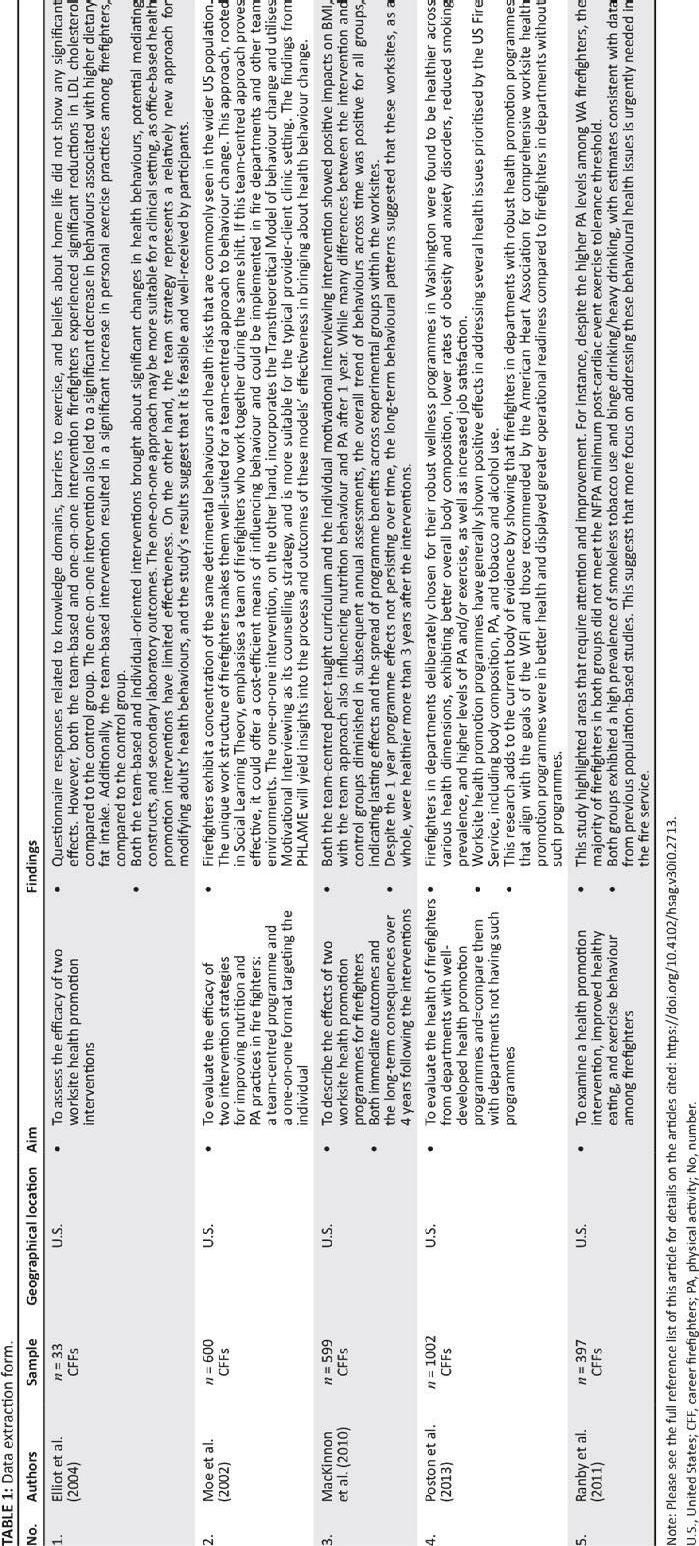
5,141 potential titles across databases. After the removal of duplications, 1326 prospective titles were screened for relevance to this study, resulting in the exclusion of 3814 titles. The remaining 1327 titles were then reviewed by an abstract for relevance and suitability, resulting in the exclusion of 1281 articles. As a result of the paucity of literature, the citation lists of the remaining 45 sources were reviewed for further identification of prospective studies; however, no new studies were identified. The main reason for exclusion was because the outcomes were volunteer firefighters (n = 16), no PA intervention was included (n = 21) and the full-text was not available because of an embargo (n = 3). A total of five studies were thus included in the current review and underwent data extraction. A visual representation of the screening process at each level of review is presented in Figure 1 (Arksey & O’Malley 2005).
Summary of studies
This scoping review included five intervention-based studies with diverse methodologies. The study populations consisted of CFFs affected by HRBs and the settings of the studies varied geographically across the United States of America (5 studies) (MacKinnon et al. 2010; Moe et al. 2002; Ng et al. 2021; Poston et al. 2013; Ranby et al. 2011). The sample sizes ranged from 28 to 1002 individuals and all five studies focused on interventions aimed at investigating the effects of PA on firefighters with HRBs (MacKinnon et al. 2010; Moe et al. 2002; Ng et al. 2021; Poston et al. 2013; Ranby et al. 2011).
Physical activity was identified as the main variable associated with the poor health behaviours of firefighters extensively discussed in relation to their well-being (MacKinnon et al. 2010; Moe et al. 2002; Ng et al. 2021; Poston et al. 2013; Ranby et al. 2011). The review indicates that firefighters face significant challenges related to HRBs and PA on CV health, with more than half of on-duty heart attacks and deaths being linked to CVD. Despite this, most firefighters do not adhere to exercise and dietary recommendations (MacKinnon et al. 2010; Moe et al. 2002; Ng et al. 2021; Poston et al. 2013; Ranby et al. 2011). Studies reported that, sedentary lifestyles, type 2 diabetes, obesity, hypertension, dyslipidaemia and chronic musculoskeletal complaints are prevalent among firefighters, posing a greater risk of injury, absenteeism, disability and higher healthcare costs (MacKinnon et al. 2010; Moe et al. 2002; Ng et al. 2021; Poston et al. 2013; Ranby et al. 2011).
Given the demanding nature of the firefighting occupation, intervention strategies targeting HRBs aim to improve firefighters’ quality of life within both individual and group settings (MacKinnon et al. 2010; Moe et al. 2002; Ng et al. 2021; Poston et al. 2013; Ranby et al. 2011). These strategies focus on health promotion behaviours targeting specific nutrition and PA practices among firefighters, with motivational interviewing being utilised as a tool to modify behaviour and promote healthier habits (MacKinnon et al. 2010; Moe et al. 2002; Ng et al. 2021; Poston et al. 2013; Ranby et al. 2011).
Multiple health risk behaviours and physical activity among firefighters
This scoping review highlights several challenges and barriers faced by firefighters in adopting healthy behaviours and reducing HRBs (MacKinnon et al. 2010; Moe et al. 2002; Ng et al. 2021; Poston et al. 2013; Ranby et al. 2011). These include smoking, unhealthy nutritional habits, alcohol consumption, sedentary periods, long working hours, winter weather, lack of access to equipment, lack of motivation, unfamiliarity with exercise training, fear of fatigue or injury and time constraints for food preparation (MacKinnon et al. 2010; Moe et al. 2002; Ng et al. 2021; Poston et al. 2013; Ranby et al. 2011). Limited knowledge of HRBs and health attitudes within the firefighting community, as well as negative social norms surrounding outdoor activity, further contribute to these challenges (MacKinnon et al. 2010; Moe et al. 2002; Ng et al. 2021; Poston et al. 2013; Ranby et al. 2011). Further research confirms that insufficient PA can result in social issues, lifestyle-related chronic diseases, disability and ultimately death because of numerous HRBs (Amodeo & Nickelson 2020). Amodeo and Nickelson (2020) reported that firefighters did not perceive themselves as high-risk for CVD despite a culture of stress, cigarette smoking, quick and easy foods, unhealthy nutritional intake, alcohol consumption and not meeting recommended PA guidelines (Strait 2021). Failing to meet the recommended levels of PA increases the risk of heart disease and cardiac incidents during emergency calls for firefighters (Elliot et al. 2007; Ng
et al. 2021; Poston et al. 2013; Ranby et al. 2011). A systematic review by Strait 2021 highlighted firefighters’ poor PA and fitness levels, dietary habits and work food environment contributing to higher CVD prevalence (Strait 2021). Despite firefighters experiencing significantly higher levels of CV events than other emergency rescue services, less than the recommended 150 min of PA per week is accumulated (Elliot et al. 2007; Ng et al. 2021; Poston et al. 2013; Ranby et al. 2011; Rhea, Alvar & Grey 2004; Strait 2021). Firefighting involves prolonged on-duty periods of sedentary activity, which can be particularly risky for firefighters due to the sudden and rapid increase in heart rate that occurs when the fire alarm bell sounds (Banes 2014; Carey et al. 2011; Kales et al. 2003; Maloney et al. 2021; Schuhmann et al. 2022; Soteriades et al. 2011). This underscores the importance of regular PA in the firefighting profession, as it directly impacts occupational tasks and overall health (Banes 2014; Carey et al. 2011; Kales et al. 2003; Maloney et al. 2021; Schuhmann et al. 2022; Soteriades et al. 2011). This sympathetic physiological response can compound the risk of heart attacks for firefighters, making it important for them to maintain good CV health and manage their risk factors (Banes 2014; Carey et al. 2011; Kales et al. 2003; Latosinski et al. 2024; Maloney et al. 2021; Schuhmann et al. 2022; Soteriades et al. 2011). The present results suggest that cardiorespiratory fitness is the most significant factor in achieving optimal performance among firefighters (Banes 2014; Carey et al. 2011; Maloney et al. 2021). Research
showed that new firefighter recruits have better fitness levels and maximum oxygen uptake compared to older, experienced firefighters, with lower cardiorespiratory fitness correlating with decreased occupational performance as firefighters age and accumulate more years of service (Banes 2014; Carey et al. 2011; Kales et al. 2003; Latosinski et al. 2024; Maloney et al. 2021; Schuhmann et al. 2022; Soteriades et al. 2011). This finding underscores the importance of maintaining good CV health for firefighters, especially as they age in the fire service (Butry et al. 2019; Kuehl et al. 2013; Latosinski et al. 2024). It implies that firefighters with better cardiorespiratory fitness are likely to perform their occupational tasks more effectively compared to those with lower levels of fitness (Butry et al. 2019; Kuehl et al. 2013; Latosinski et al. 2024). Therefore, it is crucial for older firefighters to prioritise activities and exercise that improve their cardiorespiratory fitness (Butry et al. 2019; Gronek et al. 2020; Kuehl et al. 2013). Regular aerobic exercises such as running, cycling or swimming can be beneficial for maintaining and improving CV health (Banes 2014; Butry et al. 2019; Carey et al. 2011; Gronek et al. 2020; Haddock 2011; Jahnke et al. 2016; Kuehl et al. 2013; Latosinski et al. 2024; Maloney et al. 2021; Soteriades et al. 2011; Schuhmann et al. 2022; Wooding et al. 2018). In addition, following a healthy lifestyle that includes a balanced diet and avoiding tobacco use can also contribute to optimal cardiorespiratory fitness (Haddock 2011; Jahnke et al. 2016; Wooding et al. 2018).
The impact of physical activities in the fire service Poston et al. (2013) compared the health of firefighters in departments with and without health programmes by addressing body composition, fitness and behavioural health. Results showed that firefighters in wellness approach (WA) departments had lower obesity rates, met endurance standards and had higher estimated VO2max (Poston 2013). Wellness approach firefighters were less likely to smoke or have anxiety disorders and had higher job satisfaction (Poston 2013). However, they were more likely to report injuries to Workers’ Compensation (Armstrong et al. 2011; Elliot et al. 2004; Moe et al. 2002). It is important to notice that while cardiorespiratory fitness was found to be the most significant factor, other fitness components such as muscular endurance and strength still play a role in specific firefighting tasks (Armstrong et al. 2011; Elliot et al. 2004; MacKinnon et al. 2010; Moe et al. 2002). Therefore, a well-rounded fitness routine that incorporates both CV and strength training exercises is ideal for maintaining overall fitness and performance as a firefighter (Armstrong et al. 2011; Elliot et al. 2004; MacKinnon et al. 2010; Moe et al. 2002; Ng et al. 2021; Poston et al. 2013; Ranby et al. 2011). Collaboration among universities, governments, community members and stakeholders is crucial in providing the necessary support, infrastructure, training facilities and access to health promotion programmes, healthy eating guidelines and lifestyle modifications for firefighters (Parpa & Michaelides 2024; Poudevigne et al. 2021).
Research has shown that experiential learning projects led by exercise science undergraduate students observed changes following a 10-week high-intensity functional training (HIFT) programme (Parpa & Michaelides 2024; Poudevigne et al. 2021). The professional firefighters (PFFs) trained two to three times per week during their work shifts at a vigorous intensity for 40 min (Poudevigne et al. 2021). Their resting diastolic blood pressure and resting heart rate decreased significantly (Poudevigne et al. 2021). Improvements in agility, muscular strength and readiness for change were observed by collaborating with key stakeholders and were found to be feasible and beneficial, leading to enhanced health and physical fitness for the fire services using limited resources (Parpa & Michaelides 2024; Poudevigne et al. 2021).
To address these challenges and mitigate HRBs, it is recommended that firefighters receive support and education programmes, as well as access to certified trained professionals who can implement PA interventions following the guidelines set by organisations such as the American College of Sports Medicine (ed. ACSM 2013; Moore et al. 2016). The ACSM guidelines emphasise the need for information, programmes and resources to improve nutrition and PA among firefighters to reduce CVD risk (ACSM 2013; Moore et al. 2016). These efforts aim to improve the overall health and well-being of firefighters and reduce the prevalence of HRBs within the firefighting community (Moore et al. 2016; Parpa & Michaelides 2024; Poudevigne et
al. 2021). Regular PA is crucial for maintaining CV health, especially among older firefighters (Parpa & Michaelides 2024; Poudevigne et al. 2021; Moore et al. 2016). Research has shown that older firefighters, especially those aged 45 years or older, tend to become less physically active as they age (Moore et al. 2016; Parpa & Michaelides 2024; Poudevigne et al. 2021). However, it is important for them to engage in regular PA to maintain their work performance at acceptable standards (Parpa & Michaelides 2024; Poudevigne et al. 2021; Moore et al. 2016; Strait 2021; Rhea et al. 2004). Similar studies found a significant positive correlation between age and stair climb performance among firefighters (Amodeo & Nickelson 2020; Elliot et al. 2021; Moore et al. 2016; Ng et al. 2021; Parpa & Michaelides 2024; Poudevigne et al. 2021; Ranby et al. 2011; Strait 2021). Older firefighters performed significantly worse compared to younger firefighters in this task (Amodeo & Nickelson 2020; Elliot., 2021; Moore et al. 2016; Ng et al. 2021; Ranby et al. 2011; Poudevigne et al. 2021; Ranby et al. 2011; Rhea et al. 2004; Strait 2021). This correlation was particularly strong when occupational performance simulations included five or more sequential tasks (Amodeo & Nickelson 2020; Elliot., 2021; Parpa & Michaelides 2024; Poston et al. 2013; Poudevigne et al. 2021; MacKinnon et al. 2010; Moe et al. 2002; Moore et al. 2016; Ng et al. 2021; Ranby et al. 2011; Rhea et al. 2004; Strait 2021). On the other hand, age did not correlate with performance in tasks such as hose drag, victim rescue and forcible entry (Ras et al. 2024). Additionally, age
significantly affected abdominal strength, relative power, push-up and sit-up repetitions performed within a minute, thus supporting earlier research indicating an age-associated decrement in physical fitness parameters among firefighters (Ras et al. 2024). The effects of ageing were found to have a larger impact on cardiorespiratory fitness, which may explain why older firefighters performed worse on the stair climb (Ras et al. 2024). It was found in the studies that older firefighters should prioritise regular PA to maintain their CV health and work performance (Ras et al. 2024; Games, Winkelmann & Eberman 2020; Heimburg et al. 2013). While ageing may affect cardiorespiratory fitness, muscular endurance and strength are also crucial for success in certain firefighting tasks (Ras et al. 2024; Games et al. 2020; Heimburg et al. 2013). Participating in cost-effective PA initiatives may help reduce HRBs and injury rates for public service workers, enabling firefighters to better meet the demands of their occupations (Ras et al. 2024; Games et al. 2020; Heimburg et al. 2013; Hershey et al. 2023).
Discussion
This scoping review established that HRB and PA impact factors such as CV health which in turn put firefighters at risk for injury and death, thus impacting the occupational demands of firefighters. Several domains of HRBs that compound CVD were identified, namely: smoking, dietary habits, alcohol consumption and PA levels (SNAP). Marginal PA levels have contributed to firefighters’ CVD with undiagnosed or undertreated hypertension,
hyperlipidaemia, obesity, alcohol consumption, cigarette smoking, as well as poor dietary habits (MacKinnon et al. 2010; Moe et al. 2002; Ng et al. 2021; Poston et al. 2013; Ranby et al. 2011). Furthermore, because of increased obesity rates, on-duty cardiac events and job stress among firefighters are well documented (MacKinnon et al. 2010; Moe et al. 2002; Ng et al. 2021; Poston et al. 2013; Ranby et al. 2011). The occurrence of CV events while firefighters are on-duty can directly impact public safety, making it a matter of global concern (MacKinnon et al. 2010; Moe et al. 2002; Ng et al. 2021; Poston et al. 2013; Ranby et al. 2011). Experiences of harmful behaviours, like overt alcohol consumption and cigarette smoking, are related to feelings of denial, while ambivalence and resistance may be stronger for addictive behaviours than nonaddictive behaviours, such as fruit and vegetable consumption (Rachele, Heesch & Washington 2014; Sotos- Prieto et al. 2017). Therefore, the behaviour modification process may potentially be more challenging as firefighters are required to overcome psychological and physiological resistance, which potentially requires a systematic model to develop change (Heimburg et al. 2013; Hershey et al. 2023; Rachele et al. 2014; Sotos-Prieto et al. 2017).
Efficacy of interventions
The effectiveness of a team-based curriculum and individual counsellor meetings interventions was found to be feasible and acceptable, leading to significant reductions in weight, blood glucose levels, LDL cholesterol, systolic and diastolic
blood pressure (MacKinnon et al. 2010; Moe et al. 2002; Ng et al. 2021; Poston et al. 2013; Ranby et al. 2011). These health promotion approaches also found effectiveness with individual training sessions and showed reduction in heart rate, blood pressure, dyslipidaemia, blood glucose and body weight (MacKinnon et al. 2010; Moe et al. 2002; Ng et al. 2021; Poston et al. 2013; Ranby et al. 2011). Studies reveal that firefighters have reported the culture of a team approach to PA as favourable because they receive support from extended family members and the fire service community (Mozaffarian et al. 2012; Pirlott et al. 2012; Rachele et al. 2014; Sotos-Prieto et al. 2017). The team approach enhanced coworker cohesion, personal exercise habits and overall healthy behaviours among colleagues, while the one-on-one strategy significantly increased dietary self-monitoring, decreased fat intake and alleviated feelings of depression (Mozaffarian et al. 2012; Pirlott et al. 2012). These findings are consistent with previous studies, in order to manage the demands of PA and lifestyle modification, motivation tools such as peer support, MI, progress monitoring and extrinsic incentives are effective (Banes 2014; Carey et al. 2011; Kales et al. 2003; Latosinski et al. 2024; Maloney et al. 2021; Schuhmann et al. 2022; Soteriades et al. 2011). However, the team intervention did not significantly impact exercise habits or VO2 max, although they were related to the targeted mediators (Elliot et al. 2004; Latosinski et al. 2024; Maloney et al. 2021; Olofsson 2013; Schuhmann et al. 2022). These findings demonstrate the
importance of deconstructing the processes of an effective programme to understand the underlying factors that drive behaviour change and refine interventions (Elliot et al. 2004; Latosinski et al. 2024; Maloney et al. 2021; Olofsson 2013; Schuhmann et al. 2022). However, these tools can help to enhance motivation and promote sustainable behaviour change among firefighters (Elliot et al. 2004; Latosinski et al. 2024; Maloney et al. 2021; Olofsson 2013; Schuhmann et al. 2022).
Physical activity recommendations
This research revealed connections between healthrelated behaviours and PA, which can positively affect CV wellbeing and work performance. According to the ACSM, individuals should engage in either 150 min of moderateintensity aerobic exercise or 75 min of vigorous aerobic activity per week. (ACSM 2013; Moore et al. 2016). Literature suggests these PAs should focus on improving firefighters’ aerobic capacity, body fat percentage, muscular endurance, strength and muscular power (ACSM 2013; Banes 2014; Carey et al. 2011; Kales et al. 2003; Latosinski et al. 2024; Maloney et al. 2021; Moore et al. 2016; Schuhmann et al. 2022; Soteriades et al. 2011). Annual follow-up measurements showed that the team-centred peer-taught curriculum and the individual motivational interviewing intervention positively affected BMI (Armstrong et al. 2011; Olofsson 2013). Additionally, the teamcentred intervention had positive effects on nutrition behaviour and PA (Butry et al. 2019; Kuehl
et al. 2013; Moe et al. 2022; Ranby et al. 2011). However, most of the differences between the intervention and control groups diminished in later annual assessments (Butry et al. 2019; Kuehl et al. 2013; Moe et al. 2022; Ranby et al. 2011). Nevertheless, the overall trajectory of behaviours over time showed positive changes for all groups, indicating lasting effects and the diffusion of programme benefits across the experimental groups within the worksites (Heimburg et al. 2013; Hershey et al. 2023; Sotos-Prieto et al. 2017). The team-based approach notably increased coworker cohesion, personal exercise habits and overall healthy behaviours, while the individual counselling strategy led to increased dietary self-monitoring, decreased fat intake and reduced feelings of depression (Butry et al. 2019; Kuehl et al. 2013; Moe et al. 2022; Ng et al. 2021; Ranby et al. 2011).
The PHLAME study supports the effectiveness of team-centred and one-on-one intervention strategies in improving nutrition and PA among firefighters using Social Learning Theory and the Trans-theoretical Model with Motivational Interviewing (Butry et al. 2019; Kuehl et al. 2013; Moe et al. 2022; Ng et al. 2021; Ranby et al. 2011).
Challenges to health risk behaviour change
A significant relationship between PA and modifying behaviour change continues to exist. With the prescription of PAs and through the application of the TTM, sustainable intervention programmes can be implemented in the FRS (Nigg et al. 2011; Pennington 2021). Contrary to that, several variables negatively affecting
health were also recognised by firefighters such as time limitations, expenses, social backing, consistency, self-belief, drive for longevity, disease prevention, lack of knowledge, appearance concerns, fear of gym injury, fear of fatigue during fire combat, fear of pain, societal norms, family criticism and supportive programme staff while cultural and religious aspects were also noted (Nigg et al. 2011; Patterson et al. 2013). After obtaining medical clearance for PAs, a supervised exercise programme should be implemented and consistently maintained (Banes 2014; Carey et al. 2011; Kales et al. 2003; Maloney et al. 2021; Soteriades et al. 2011). The CDD4 emphasises lightintensity PA for individuals with a chronic condition, aiming for 150 min of such PA (ACSM 2013; Moore et al. 2016). While the preferred recommendation is 150 min of moderateintensity PA, in cases where moderate-intensity activities pose challenges for firefighters with a chronic condition, they may be substituted for lightintensity PA (ACSM 2013; Moore et al. 2016). The objective of the CDD4 is to perform activities of daily living with the goal of patients moving independently (ACSM 2013; Moore et al. 2016). These studies indicate longterm patterns of behaviours suggesting that the worksites are healthier several years after the interventions (Banes 2014; Carey et al. 2011; Kales et al. 2003; Latosinski et al. 2024; Maloney et al. 2021; Pedersen 2019; Schuhmann et al. 2022; Soteriades et al. 2011; Strauss et al. 2021). Similar reports on body composition, fitness and behavioural health of firefighters
from departments with welldeveloped health promotion programmes compared to those without showed that firefighters in departments with wellness programmes were healthier than those in standard departments and had a lower prevalence of obesity, higher levels of endurance capacity for firefighting and higher estimated VO2max (Banes 2014; Butry et al. 2019; Carey et al. 2011; Kales et al. 2003; Kuehl et al. 2013; Latosinski et al. 2024; Maloney et al. 2021; Schuhmann et al. 2022; Soteriades et al. 2011).
Since the study examines PA in firefighters alongside other HRBs, it is challenging to determine whether poor CV outcomes stem primarily from insufficient PA or from other HRBs. Consequently, future research should isolate these SNAP variables and account for the impact of individual factors.
Metabolic demands of fighting fire with health risk behaviours
The physical and metabolic reactions of firefighters during simulated firefighting activities suggest that firefighters should have a minimum aerobic capacity between 33.9 mL/ kg/min and 45 mL/kg/min, as determined by maximum oxygen consumption, to effectively carry out their duties safely (Banes 2014; Kales et al. 2003; Poston et al. 2013; Ranby et al. 2011; Soteriades et al. 2011).
The NFPA recommends that firefighters should have a minimum aerobic capacity of 42 mL/kg/min to effectively perform their duties during firefighting tasks (Banes 2014; Kales et al. 2003; Poston et al. 2013; Ranby et al. 2011; Soteriades et al. 2011).
Firefighters that engage in PA are less likely to smoke or have been diagnosed with an anxiety disorder and they reported higher job satisfaction. However, firefighters in wellness programme departments were somewhat more likely to have reported an injury requiring Workers’ Compensation (Elliot et al. 2004; MacKinnon et al. 2010; Moe et al. 2002; Poston et al. 2013). Furthermore, firefighters with high rates of smoking cigarettes, poor nutrition and binge drinking and alcohol consumption indicated the need for more attention to these behavioural health issues in the fire service (Elliot et al. 2004; MacKinnon et al. 2010; Moe et al. 2002; Poston et al. 2013). Overall, studies suggest that well-developed health promotion programmes can have positive effects on firefighter wellness and operational readiness (Armstrong et al. 2011; Elliot et al. 2004; MacKinnon et al. 2010; Moe et al. 2002; Poston et al. 2013; Ranby et al. 2011). However, there are still areas that require greater attention, particularly problematic alcohol consumption and tobacco use (Amodeo & Nickelson 2020; Elliot et al. 2007; Ng et al. 2021). The association between healthy diet behaviour and obesity was supported in a recent crosssectional study but not in a prospective study (Strauss et al. 2021). However, the ability to perform necessary job tasks such as pulling a victim from a burning house requires energy from food sources during jobrelated tasks (Banes 2014; Carey et al. 2011; Kales et al. 2003; Latosinski et al. 2024; Maloney et al. 2021; Moore et al. 2016; Schuhmann et al. 2022; Soteriades et al. 2011).
Engaging
with key stakeholders Given the importance of the Fire Service Policy, White Paper on Fire Services and strategic planning opportunities, their collective integration can facilitate interventions, foster awareness campaigns and provide education to firefighters regarding HRBs and the associated risks of CVD (Ngoepe- Ntsoane 2022; Soteriades et al. 2011). Several studies have reported that the FRS implemented a range of activity intervention strategies for firefighters grappling with HRBs; therefore, one should be mindful of the resources available among key stakeholders, government, communities, neighbourhood watch, schools and universities as these aspects of the ecosystem develop in positive health behaviour change and influence firefighters well-being (Banes 2014; Carey et al. 2011; Kales et al. 2003; Maloney et al. 2021; Poudevigne et al. 2021; Schuhmann et al. 2022; Soteriades et al. 2011; Thews et al. 2020). Utilising these resources, an integrated PA model can be implemented for the FRS that involves the adoption of healthy behaviours, resulting in notable changes to the physiological and psychological well-being of the firefighters (Banes 2014; Carey et al. 2011; Kales et al. 2003; Maloney et al. 2021; Poudevigne et al. 2021; Schuhmann et al. 2022; Soteriades et al. 2011; Thews et al. 2020). Evidence suggests that exercise acts as medicine and when the workplace accommodates firefighters by providing increased social support, addressing training equipment needs and fostering the psychosocial well-being of firefighters, it
contributes to the readiness of firefighters to embrace change (Banes 2014; Carey et al. 2011; Kales et al. 2003; Maloney et al. 2021; Poudevigne et al. 2021; Schuhmann et al. 2022; Soteriades et al. 2011; Thews et al. 2020). Physical activity strategies that included reflective listening, observations and exploring ambivalence provided sustainability and maintenance to the behaviour changes (Banes 2014; Carey et al. 2011; Kales et al. 2003; Maloney et al. 2021; Poudevigne et al. 2021; Schuhmann et al. 2022; Soteriades et al. 2011; Thews et al. 2020).
Job performance tasks
Occupational job task performances are attained through engagement in muscle-endurance, musclestrengthening, high-level aerobic and anaerobic power activities. These activities involve all major muscle groups at least twice a week, promoting firefighter physical activities to enhance overall fitness and occupational performance (Banes 2014; Butry et al. 2019; Carey et al. 2011; Gronek et al. 2020; Kales et al. 2003; Kuehl et al. 2013; Latosinski et al. 2024; Maloney et al. 2021; Poudevigne et al. 2021; Schuhmann et al. 2022; Soteriades et al. 2011; Thews et al. 2020). As medical costs continue to rise because of work-related illnesses, injuries and an increase in HRB claims, there is a need for policy change in the FRS (Haddock 2011; Jahnke et al. 2016; Wooding et al. 2018). Team-based, peerled wellness programmes have shown to be an effective feasible and cost-effective way to implement PA change in order to reduce firefighter injury
and illness rates (MacKinnon et al. 2010; Moe et al. 2002; Mozaffarian et al. 2012).. By implementing the 12-session peer-led health promotion programme, fire departments participating in the Phlame Team programme demonstrated a positive return on investment (ROI) (Elliot et al. 2004; Kuehl et al. 2013; Moe et al. 2002; Ranby et al. 2011). This shows that if exercise prescriptions are mandated between fire stations, this may allow for a decrease in firefighter worker compensation (WC) claims (Elliot et al. 2007; MacKinnon et al. 2010; Moe et al. 2002). Further studies report that training CFFs two to three times a week during their work shifts at low intensities for 20–40 min resulted in a reduced resting diastolic blood pressure, improved impaired fasting glucose, decreased waist circumference and significantly decreased resting heart rate (Haddock 2011; Jahnke et al. 2016; Wooding et al. 2018). In addition, improvements in cardiorespiratory endurance, agility, muscular strength, the performance of firefighting tasks and physical fitness were also observed (Carey et al. 2011; Parpa & Michaelides 2024; Poston et al. 2013; Rhea et al. 2004; Staley et al. 2011). These PA interventions demonstrate that with limited resources, feasible and sustainable collaborative initiatives could develop healthy habits in the fire service with beneficial inter-professional collaboration and theorybased intervention strategies available for the public health sector (Carey et al. 2011; Parpa & Michaelides 2024; Poston et al. 2013). In an attempt to mitigate HRBs among
firefighters and enhance PAs to better address occupational demands, regular medical exams, health screenings, early detection and PA interventions have been introduced (Butry et al. 2019; Gronek et al. 2020; Kuehl et al. 2013; Wooding et al. 2018). These initiatives aim to contribute to improved treatment outcomes and enhance the overall quality of life (QOL) (Butry et al. 2019; Gronek et al. 2020; Kuehl et al. 2013; Wooding et al. 2018).
In conclusion, firefighters risk their lives to protect the property of citizens, the lives of the nation’s civilians and the strategic and productive assets that sustain the economy of the country (Kales et al. 2003; Soteriades et al. 2011). To implement healthy behaviour change in the FRS, key stakeholders and policymakers must enhance preventative strategies that promote health policy change aligned with personal and cultural change in the FRS (Butry et al. 2019; Kuehl et al. 2013; Latosinski et al. 2024; Maloney et al. 2021; Schuhmann et al. 2022). Regular screening for HRBs, coupled with the provision of necessary training equipment and facilities, plays a critical role in creating a sustainable environment when implementing low-moderate PA programmes for firefighters with HRBs (Haddock 2011; Jahnke et al. 2016; Wooding et al. 2018).
Conclusion
To mitigate the risk of HRBs within the FRS, policymakers are required to engage with firefighters at all levels to develop PA guidelines. The guidelines should prioritise the promotion of low-moderate PAs and the
prevention of lifestyle-related diseases to benefit firefighters and promote public safety.
Acknowledgements
The authors would like to acknowledge Ms. Ronel Du Plessis for her assistance in performing the database search for this review.
Competing interests
The authors declare that they have no financial or personal relationships that may have inappropriately influenced them in writing this article.
Authors’ contributions
G.A., C.E., J.K., R.N. and L.L. conceptualised the study. G.A. and R.N. did literature searches, analysis, writing and compilation of manuscripts. C.E., J.K. and L.L. provided the methodology, supervised the processes, reading all versions. All authors have read and approved the final article.
Funding information
This research received no specific grant from any funding agency in the public, commercial or not-for-profit sectors.
Data availability
All data are available from the corresponding author, G.A., upon reasonable request.
Disclaimer
The views and opinions expressed in this article are those of the authors and are the product of professional research. It does not necessarily reflect the official policy or position of any affiliated institution, funder, agency or that of the publisher. The authors are responsible for this article’s results, findings and content.
References
Achmat, G., Erasmus, C., Kanaley, J. & Leach, L., 2023, ‘Effect of physical activity on coronary heart disease risk factors among firefighters: A scoping review protocol’, BMJ Open 13(5), e068353. American College of Sports Medicine, 2000, ACSM’s guidelines for exercise testing and prescription, Lippincott Williams & Wilkins, Philadelphia.
Amodeo, K.L. & Nickelson, J., 2020, ‘Predicting intention to be physically active among volunteer firefighters’, American Journal of Health Education 51(1), 1–13. https:// doi.org/10.1080/19325037.2019.1687368
Arksey, H. & O’Malley, L., 2005, ‘Scoping studies: Towards a methodological framework’, International Journal of Social Research Methodology 8(1), 19–32. https://doi.org/10.1080/1364557032000119616
Armstrong, M.J., Mottershead, T.A., Ronksley, P.E., Sigal, R.J., Campbell, T.S. & Hemmelgarn, B.R., 2011, ‘Motivational interviewing to improve weight loss in overweight and/or obese patients: A systematic review and meta‐analysis of randomized controlled trials’, Obesity Reviews 12(9), 709–723. https://doi. org/10.1111/j.1467-789X.2011.00892.x
Banes, C.J., 2014, ‘Firefighters’ cardiovascular risk behaviours: Effective interventions and cultural congruence’, Workplace Health & Safety 62(1), 27–34. https://doi. org/10.3928/21650799-20131220-05
Britton, L., Rosenwax, L. & McNamara, B., 2015, ‘Occupational therapy practice in acute physical hospital settings: Evidence from a scoping review’, Australian Occupational Therapy Journal 62(6), 370–377. https://doi.org/10.1111/1440- 1630.12227
Butry, D.T., Butry, D.T., Webb, D., Gilbert, S. & Taylor, J., 2019, The economics of firefighter injuries in the United States, US Department of Commerce, National Institute of Standards and Technology, Gaithersburg, MD, p. 44.
Cappuccio, F.P., Taggart, F.M., Kandala, N.B., Currie, A., Peile, E., Stranges, S. et al., 2008, ‘Metaanalysis of short sleep duration and obesity in children and adults’, Sleep 31(5), 619–626. https://doi. org/10.1093/sleep/31.5.619
Carey, M.G., Al-Zaiti, S.S., Liao, L.M., Martin, H.N. & Butler, R.A., 2011, ‘A low-glycaemic nutritional fitness programme to reverse metabolic syndrome in professional firefighters: Results of a pilot study’, Journal of Cardiovascular Nursing 26(4), 298–304. https://doi.org/10.1097/JCN.0b013e31820344d7
Elliott, E., 2021, Training patterns of tactical athletes, WWU Graduate School Collection, 1047.
Elliot, D.L., Goldberg, L., Duncan, T.E., Kuehl, K.S., Moe, E.L., Breger, R.K. et al., 2004, ‘The PHLAME firefighters’ study: Feasibility and findings’, American Journal of Health Behaviour 28(1), 13–23. https:// doi.org/10.5993/AJHB.28.1.2
Elliot, D.L., Goldberg, L., Kuehl, K.S., Moe, E.L., Breger, R.K. & Pickering, M.A., 2007, ‘The PHLAME (Promoting Healthy Lifestyles: Alternative Models’ Effects) firefighter study: Outcomes of two models of behaviour change’, Journal of Occupational and Environmental Medicine 49(2), 204–213. https:// doi.org/10.1097/JOM.0b013e3180329a8d
Frost, C., Toczko, M., Merrigan, J.J. & Martin, J.R., 2021, ‘The effects of sleep on firefighter occupational performance and health: A systematic review and call for action’, Sleep Epidemiology 1, 100014. https://doi.org/10.1016/j.sleepe.2021.100014
Games, K.E., Winkelmann, Z.K. & Eberman, L.E., 2020, ‘Physical exertion diminishes static and dynamic balance in firefighters’, International Journal of Athletic Therapy and Training 25(6), 318–322. https:// doi.org/10.1123/ijatt.2019-0063
Gonzalez, D.E., Lanham, S.N., Martin, S.E., Cleveland, R.E., Wilson, T.E., Langford, E.L. et al., 2024, ‘Firefighter health: A narrative review of occupational threats and countermeasures’, Healthcare 12(4), 440. https://doi.org/10.3390/ healthcare12040440
Gottlieb, M., Haas, M.R., Daniel, M. & Chan, T.M., 2021, ‘The scoping review: A flexible, inclusive and iterative approach to knowledge synthesis’, AEM Education and Training 5(3), e10609. https://doi. org/10.1002/aet2.10609
Gronek, P., Wielinski, D., Cyganski, P., Rynkiewicz, A., Zając, A., Maszczyk, A. et al., 2020, ‘A review of exercise as medicine in cardiovascular disease: Pathology and mechanism’, Aging and Disease 11(2), 327. https://doi.org/10.14336/AD.2019.0516
Haddock, C.K., Jitnarin, N., Poston, W.S., Tuley, B. & Jahnke, S.A., 2011, ‘Tobacco use among firefighters in the central United States’, American Journal of Industrial Medicine 54(9), 697–706. https://doi. org/10.1002/ajim.20972
Heimburg, E.V., Ingulf Medbø, J., Sandsund, M. & Reinertsen, R.E., 2013, ‘Performance on a worksimulating firefighter test versus approved laboratory tests for firefighters and applicants’, International Journal of Occupational Safety and Ergonomics 19(2), 227–243. https://doi.org/10.1080/10803548.20 13.11076981
Hershey, M.S., Chang, C.R., Sotos-Prieto, M., Fernandez-Montero, A., Cash, S.B., Christophi, C.A. et al., 2023, ‘Effect of a nutrition intervention on Mediterranean diet adherence among firefighters: A cluster randomized clinical trial’, JAMA Network Open 6(8), e2329147. https://doi.org/10.1001/
jamanetworkopen.2023.29147
Jahnke, S.A., Poston, W.S.C., Haddock, C.K. & Murphy, B., 2016, ‘Firefighting and mental health: Experiences of repeated exposure to trauma’, Work 53(4), 737– 744. https://doi.org/10.3233/WOR162255
Jørgensen, A.W., Hilden, J. & Gøtzsche, P.C., 2006, ‘Cochrane reviews compared with industry supported meta-analyses and other meta-analyses of the same drugs: Systematic review’, British Medical Journal 333(7572), 782. https://doi. org/10.1136/bmj.38973.444699.0B
Kales, S.N., Soteriades, E.S., Christoudias, S.G. & Christiani, D.C., 2003, ‘Firefighters and on-duty deaths from coronary heart disease: A case control study’, Environmental Health 2, 1–13. https://doi. org/10.1186/1476-069X-2-14
Kuehl, K.S., Elliot, D.L., Goldberg, L., Moe, E.L., Perrier, E. & Smith, J., 2013, ‘Economic benefit of the PHLAME wellness programme on firefighter injury’, Occupational Medicine 63(3), 203–209. https://doi. org/10.1093/occmed/kqs232
Latosinski, F., Cuesta, A., Alvear, D. & Fernández, D., 2024, ‘Determinants of stair climbing speeds in volunteer firefighters’, Safety Science 171, 106398. https://doi. org/10.1016/j.ssci.2023.106398
Maart, R.D., Adam, R.Z. & Frantz, J.M., 2023, ‘Strategies to implement competencies as it relates to a competency framework in a dental undergraduate curriculum: A systematic review’, European Journal of Dental Education 27(3), 746–755. https:// doi.org/10.1111/eje.12862
MacKinnon, D.P., Elliot, D.L., Thoemmes, F., Kuehl, K.S., Moe, E.L., Goldberg, L. et al., 2010, ‘Longterm effects of a worksite health promotion programme for firefighters’, American Journal of Health Behaviour 34(6), 695–706. https://doi.org/10.5993/AJHB.34.6.6
Malik, S.H., Blake, H. & Suggs, L.S., 2014, ‘A systematic review of workplace health promotion interventions for increasing physical activity’, British Journal of Health Psychology 19(1), 149–180. https://doi.org/10.1111/bjhp.12052
Maloney, S.R., Udasin, I.G., Black, T.M., Shah, N.N., Steinberg, M.B., Pratt, M.E. et al., 2021, ‘Perceived health risks among firefighters; the new jersey firefighter health survey’, Journal of Occupational and Environmental Medicine 63(4), 317–321. https://doi.org/10.1097/JOM.0000000000002125
Moe, E.L., Elliot, D.L., Goldberg, L., Kuehl, K.S., Stevens, V.J., Breger, R.K. et al., 2002, ‘Promoting healthy lifestyles: Alternative models’ effects (PHLAME)’, Health Education Research 17(5), 586–596. https:// doi.org/10.1093/her/17.5.586
Mokgadi Ngoepe-Ntsoane, M., 2022, ‘A critical policy review of the South African fire services White Paper’, in International Conference on Public Administration and Development Alternatives (IPADA), 14–16 September 2022, 34–146.
Moore, G., Durstine, J.L., Painter, P. & American College of Sports Medicine, 2016, Acsm’s exercise management for persons with chronic diseases and disabilities, 4E, Human Kinetics, Champaign, illinois.
Mozaffarian, D., Afshin, A., Benowitz, N.L., Bittner, V., Daniels, S.R., Franch, H.A. et al., 2012, ‘Population approaches to improve diet, physical activity and smoking habits: A scientific statement from the American Heart Association’, Circulation 126(12), 1514–1563. https://doi.org/10.1161/ CIR.0b013e318260a20b
Ng, W.W.M., Wong, A.S.W. & Cheung, K., 2021, ‘A cluster randomised controlled trial feasibility study of a WhatsApp-delivered intervention to promote healthy eating habits in male firefighters’, International Journal of Environmental Research and Public Health 18(12), 6633. https://doi.org/10.3390/ ijerph18126633
Ngoepe-Ntsoane, M., 2022, ‘A critical policy review of the South African fire services White Paper’, in International Conference on Public Administration and Development Alternatives (IPADA), September 14–16, 2022, pp. 134–146.
Nigg, C.R., Geller, K.S., Motl, R.W., Horwath, C.C., Wertin, K.K. & Dishman, R.K., 2011, ‘A research agenda to examine the efficacy and relevance of the trans-theoretical model for physical activity behaviour’, Psychology of Sport and Exercise 12(1), 7–12. https://doi.org/10.1016/j.psychsport.2010.04.004
Olofsson, J., 2013, ‘“The profession of firefighting is about teamwork, it is about trusting each other”: Masculine enactments and generational discrepancies within the Swedish fire service’, Culture, Society and Masculinities 5(1), 75. https://doi.org/10.3149/CSM.0501.75
Parpa, K. & Michaelides, M., 2024, ‘Age-related differences in physical fitness and performance of an “Ability Test” among firefighters’, Muscles 3(1), 88–99. https:// doi.org/10.3390/muscles3010009
Patterson, P.D., Suyama, J., Reis, S.E., Weaver, M.D. & Hostler, D., 2013, ‘What does it cost to prevent on‐duty firefighter cardiac events? A content valid method for calculating costs’, Advances in Preventive Medicine 2013(1), 972724. https://doi. org/10.1155/2013/972724
Pedersen, B.K., 2019, ‘The physiology of optimizing health with a focus on exercise as medicine’, Annual Review of Physiology 81(1), 607–627. https://doi.org/10.1146/ annurev-physiol-020518-114339
Pennington, C.G., 2021, ‘Applying the trans-theoretical model of behavioural change to establish physical
activity habits’, Journal of Education and Recreation Patterns 2(1), 11–20. https://doi.org/10.53016/ jerp.v2i1.6
Pirlott, A.G., Kisbu-Sakarya, Y., DeFrancesco, C.A., Elliot, D.L. & MacKinnon, D.P., 2012, ‘Mechanisms of motivational interviewing in health promotion: A Bayesian mediation analysis’, International Journal of Behavioural Nutrition and Physical Activity 9, 1–11. https://doi.org/10.1186/1479-5868-9-69
Poston, W.S., Haddock, C.K., Jahnke, S.A., Jitnarin, N. & Day, R.S., 2013, ‘An examination of the benefits of health promotion programmes for the national fire service’, BMC Public Health 13, 1–14. https://doi. org/10.1186/1471-2458-13-805
Poudevigne, M., Day, C., Campbell, E., Mills, D.L., Porter, R., Zornosa, X. et al., 2021, ‘Fit for fire: A 10-week low-cost HIFT experiential learning initiative between underrepresented kinesiology undergraduates and hypertensive deconditioned firefighters improves their health and fitness’, Education Sciences 11(1), 33. https://doi.org/10.3390/educsci11010033
Rachele, J.N., Heesch, K.C. & Washington, T.L., 2014, ‘Wellness programmes at firefighter and police workplaces: A systematic review’, Health Behavior and Policy Review 1(4), 302–313. https://doi. org/10.14485/HBPR.1.4.5
Ranby, K.W., MacKinnon, D.P., Fairchild, A.J., Elliot, D.L., Kuehl, K.S. & Goldberg, L., 2011, ‘The PHLAME (Promoting Healthy Lifestyles: Alternative Models’ Effects) firefighter study: Testing mediating mechanisms’, Journal of Occupational Health Psychology 16(4), 501. https://doi.org/10.1037/ a0023002
Ras, J., Soteriades, E.S., Smith, D.L., Kengne, A.P. & Leach, L., 2024, ‘Evaluation of the relationship between occupational-specific task performance and measures of physical fitness, cardiovascular and musculoskeletal health in firefighters’, BMC Public Health 24(1), 20. https://doi.org/10.1186/s12889023-17487-6
Rhea, M.R., Alvar, B.A. & Gray, R., 2004, ‘Physical fitness and job performance of firefighters’, The Journal of Strength & Conditioning Research 18(2), 348–352. https://doi.org/10.1519/R-12812.1
Salama, M., Isachenko, V., Isachenko, E., Rahimi, G. & Mallmann, P., 2016, ‘Updates in preserving reproductive potential of prepubertal girls with cancer: Systematic review’, Critical Reviews in Oncology/ Haematology 103, 10–21. https://doi. org/10.1016/j.critrevonc.2016.04.002
Schuhmann, B.B., Henderson, S.N., Black, R.A., Van Hasselt, V.B., Klimley Margres, K., Masias, E.V. et al., 2022, ‘A behavioural-analytic model for assessing stress in firefighters’, Behaviour Modification 46(2), 267–293. https://doi.org/10.1177/0145445520986137
Soteriades, E.S., Smith, D.L., Tsismenakis, A.J., Baur, D.M. & Kales, S.N., 2011, ‘Cardiovascular disease in US firefighters: A systematic review’, Cardiology in Review 19(4), 202–215. https://doi.org/10.1097/ CRD.0b013e318215c105
Sotos-Prieto, M., Cash, S.B., Christophi, C.A., Folta, S., Moffatt, S., Muegge, C. et al., 2017, ‘Rationale and design of feeding America’s bravest: Mediterranean diet-based intervention to change firefighters’ eating habits and improve cardiovascular risk profiles’, Contemporary Clinical Trials 61, 101–107. https://doi. org/10.1016/j. cct.2017.07.010
Staley, J.A., Weiner, B. & Linnan, L., 2011, ‘Firefighter fitness, coronary heart disease and sudden cardiac death risk’, American Journal of Health Behaviour 35(5), 603–617. https://doi.org/10.5993/AJHB.35.5.9 Strait, K., 2021, Systematic review of the impact of nutrition and physical activity on cardiovascular disease risk among firefighters, Oklahoma State University, Stillwater, Oklahoma. Strauss, M., Foshag, P., Jehn, U., Brzęk, A., Littwitz, H. & Leischik, R., 2021, ‘Higher cardiorespiratory fitness is strongly associated with lower cardiovascular risk factors in firefighters: A cross-sectional study in a German fire brigade’, Scientific Reports 11(1), 2445. https://doi.org/10.1038/ s41598-02181921-1
Thews, K.N., Winkelmann, Z.K., Eberman, L.E., Potts, K.A. & Games, K.E., 2020, ‘Perceived barriers to reporting mental and behavioral illness in the fire service’, International Journal of Athletic Therapy and Training 25(1), 31–36. https://doi. org/10.1123/ijatt.2019-0035
Wooding, C., Cormier, M.L., Bernstein, M. & Zizzi, S., 2018, ‘An exploration of the factors that influence West Virginia firefighters health behaviors’, Journal of Ethnographic & Qualitative Research 13(2), 134–154.
Yassin, Z., 2020, The development of a model that examines parental HIV-related stigma and psychosocial well being of children orphaned by AIDS, University of the Western Cape, Bellville, Cape Town.
How to cite this article:
Achmat, G., Erasmus, C., Kanaley, J., November, R. & Leach, L., 2025, ‘Impact of physical activity on cardiovascular health in firefighters: Scoping review’, Health SA Gesondheid 30(0), a2713. https://doi. org/10.4102/hsag.v30i0.2713

The Cone Calorimeter: The most important tool in fire safety science
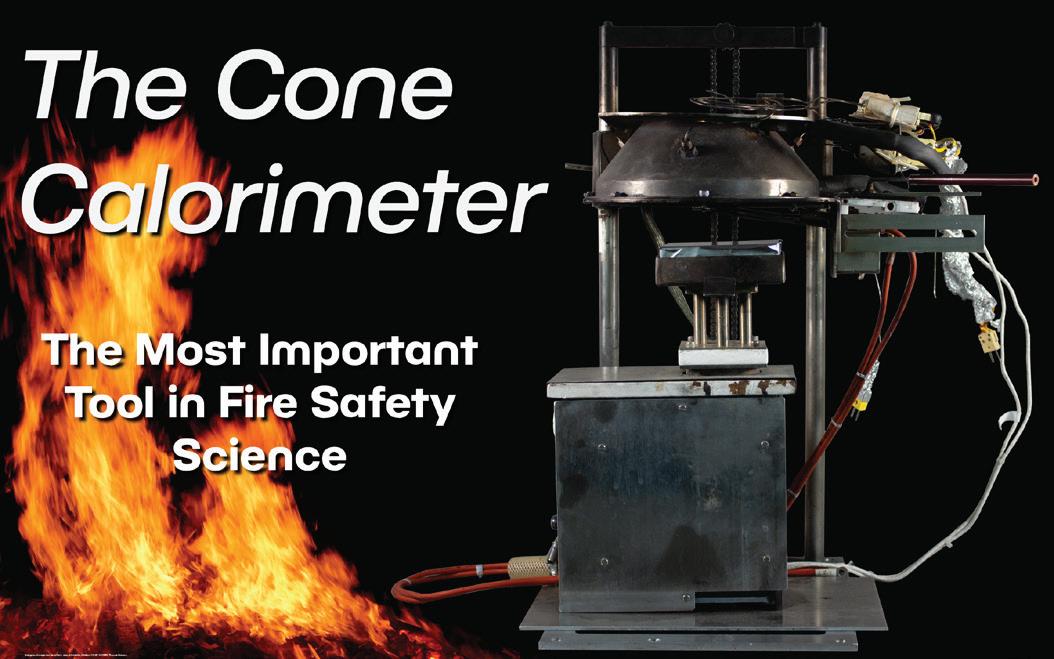
The NIST-invented cone calorimeter is an accurate instrument for measuring fire safety related properties of burning materials. It is used to measure properties such as oxygen consumption, heat release rate and smoke and toxic gas production. The cone calorimeter has led to reduced deaths by fire through its use in the development of fire-resistant materials and fire safety standards.
The NIST cone calorimeter was named for one of its components: the open-ended cone-shaped electric heater. This
heater is used to ignite a sample material under test. The test sample rests upon a sensitive scale to measure the sample’s loss of mass during combustion. The products of the fire flow up into an exhaust system where instruments measure the oxygen consumption and thus the heat release rate, as well as a host of different properties, such as smoke and toxic gas production.
Development
NIST invented the cone calorimeter in 1982 as a benchscale, reliable tool to measure flammability of materials using the technique of oxygen
consumption calorimetry (OCC), which determines the heat release rate of a fire by measuring the amount of oxygen the fire consumes.

Heat release rate is the most important thing to know about a fire, as it determines the size of the fire, how quickly the fire will spread, and how rapidly the fire will produce dangerous gases. Methods to measure heat release rate by temperature and gas flow were prone to error, difficult to perform and of low accuracy. Using OCC is easier to accomplish and gives more accurate results.
“The cone calorimeter is the most important tool ever created in the field of fire safety science,” said Dr Alexander Morgan, Centre for Flame Retardant Materials Science, University of Dayton

The relationship between oxygen consumption and heat release rate was recognised by William Thornton of Armstrong College in England, now Newcastle University, in 1917. The need for an accurate means to measure heat release rate for fire safety research was discussed by Harvard University’s Howard Emmons in 1959. In the late 1970s and early 1980s, NIST researchers William Parker and Clayton Huggett provided the scientific foundations necessary for OCC to be implemented for
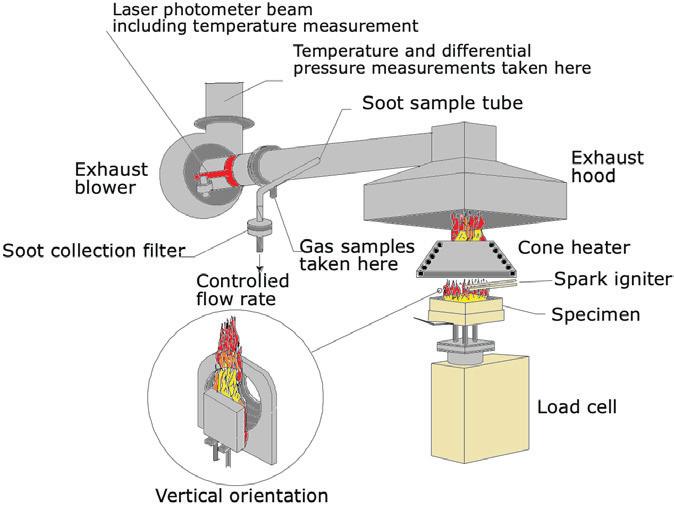
A schematic drawing of the several parts of the cone calorimeter, which has been referred to as the "Swiss army knife" of fire test equipment because of its versatility and reliability. Credit: Fire Science and Technology Inc
fire safety research, a feat for which Parker received the 2016 DiNenno Prize, which is given by the National Fire Protection Association to recognize innovations that have significantly
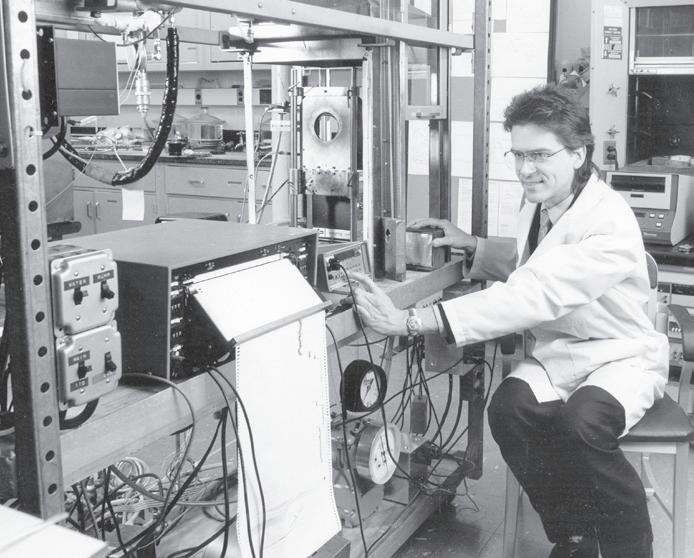
Vytenis Babrauskas, working in front of the cone calorimeter device that he invented. The test chamber where the cone-shaped heater and sample platform are located is in front of his right hand and can’t be clearly seen from this view. The exhaust hood above the test chamber collects the gases from the combustion and directs them through a duct where instruments measure temperature, the amount of oxygen consumed, differential air pressure, opacity of the soot and other parameters. Credit: NIST
enhanced public safety. Huggett’s efforts were recognised but he died in 1998 and thus was ineligible to receive the award since it is never bestowed posthumously. In November 1982 NIST fire research engineer Vytenis Babrauskas first described the cone calorimeter instrument and he was assisted by NIST technicians Dave Swanson, Randy Shields and Bill Twilley in its development.

NIST’s “mother” cone has undergone constant improvement during its tenure and owes a great deal of its capabilities to the work of not only professional NIST scientists and engineers but also technicians such as Swanson, Shields and Twilley. Twilley, a master electrician with engineering training who intimately understood the science of OCC and the workings of the cone calorimeter, helped
A close-up of the cone-shaped electric heater (see the top arrow) and sample platform (see the bottom arrow). Credit: NIST
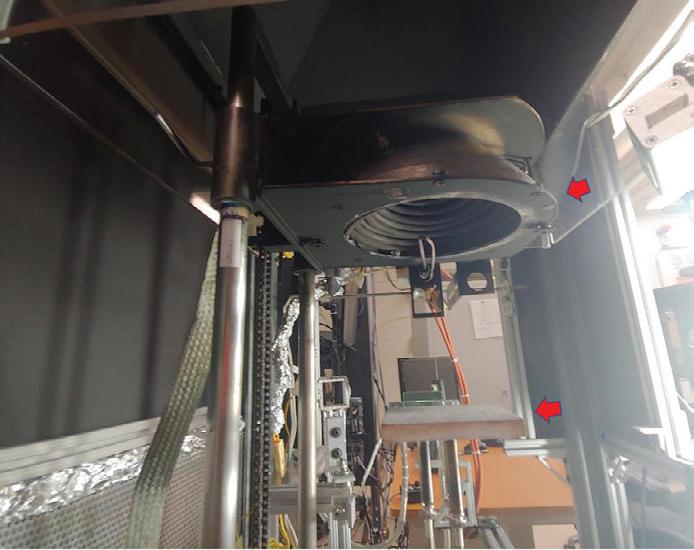
industry partners develop it as a commercial product, trained NIST fire researchers on the instrument’s function, calibration and operation and provided support to other federal government agencies seeking to build their own cone calorimeter. He was the lead author of the 128page User’s Guide for the Cone Calorimeter, published in 1988 and co-authored other publications about the cone calorimeter, including one introducing a means of using it to study fire in oxygendepleted environments.
The cone also earned Babrauskas and Twilley an R&D 100 Award in 1988. It was the first fire test method ever to be recognised with one of these awards, which are widely recognized as the "Oscars of invention."
In evidence of the instrument’s effectiveness, there are now more than 300 cone calorimeters
in use around the world, all based on the original NIST design. The cone is used in several fire safety testing standards, including ASTM E1354-17, ASTM D548521, ASTM D5485-99, ISO 56601:2015, and ULC-S135.
“The cone calorimeter is most
definitely the most important tool ever to be created in the field of fire safety science and flame-retardant research,” said former NIST National Research Council postdoc and present University of Dayton fire researcher Dr Alex Morgan. “Its ability to quantify material flammability as a function of fire threat and to simultaneously measure mass loss, gas production rates, combustion efficiency and smoke release in a wellventilated fire threat scenario is unique. It has greatly advanced fire safety by quantifying fire threats for a wide range of materials, from solid plastics to wire and cable materials, to aerospace composites, to carpeting, fabrics, furniture subassemblies and just about any modern material used today. You can certainly use other fire test methods but the cone calorimeter is the preferred instrument for publications and

Vytenis Babrauskas (right) and Bill Twilley together with the cone calorimeter, which Babrauskas gestures toward with his left hand. Twilley is holding the sample holder platform for the cone calorimeter. In addition to sharing the R&D 100 Award with Twilley, Babrauskas won a NIST Bronze Medal in 1986 for the conception and standardization of the cone calorimeter. He also received NIST's Rosa Award in 1992 for his contributions to the science of heat release rate and his work to make the cone calorimeter an internationally used tool for the development of fire safety standards. Credit: NIST
scientific discussion and I would argue is the first instrument you reach for when developing new fire-safe materials.”
Although the “mother” cone will soon be replaced, that won’t stop NIST researchers from adding new capabilities to its replacement device and seeking to guide the development of the tool for the fire safety research community. According to NIST materials science engineer Mauro Zammarano of the Flammability Reduction Group, the original NIST cone calorimeter was subsequently outfitted with three synchronised air-cooled cameras that can record video of a test sample fire at 30 frames per second at a high-definition resolution of 1080p. That camera system will be added to the new cone calorimeter once it’s in place.
“This camera system is a unique feature of the NIST cone calorimeter that is now under development in commercial cone calorimeters, and I believe will eventually be implemented in all cone calorimeters,” said Zammarano, who designed the camera system with NIST researchers Matt Bundy, Artur Chernovsky and Randy Shields. “The ability to document a fire test from three different viewpoints accompanied by real-time data on the heat release rate is extremely valuable for testing, reporting and understanding a material’s fire behaviour.”
Deaths due to fire in homes have been reduced in the past 40
Front view of the cone calorimeter. Credit: NIST Museum/ Sarah Reeves
Back view of the cone calorimeter. Credit: NIST Museum/Sarah Reeves
Closeup of the cone calorimeter. Credit: NIST Museum/Sarah Reeves
plus years, thanks in some part to new fire-resistant materials and safety standards that were developed using the cone calorimeter. NIST researchers are using the device now to evaluate the performance of fire-barrier fabrics in multilayered products eg, upholstered furniture, which may serve as an alternative to potentially toxic chemical fire retardants.
The cone calorimeter became the standard test instrument that the world’s fire safety research community uses to select and develop materials to meet regulations, standards and codes for the fire performance of products. It
can quantify the fire threats for a wide range of materials, including solid plastics, wire and cable materials, aerospace composites, carpeting, fabrics, furniture and just about any modern material used today.
The NIST mother cone calorimeter and its spawn of daughters have helped save lives and while the mother cone is being laid to rest, it’s legacy will live on. NIST researchers are building upon that legacy and will use the successor device to create new and more rigorous tests, leading to a more fire-safe environment for us all.
NIST’s cone calorimeter was in use until 2022. Cone calorimeters are now commercially produced based on NIST’s original design and the instrument is used in numerous national and international fire safety testing standards.
Source: NIST Museum. 2023. The Cone Calorimeter: The Most Important Tool in Fire Safety Science. Gaithersburg, MD: National Institute of Standards and Technology.
Online. https://www.nist.gov/nistmuseum/cone-calorimeter-mostimportant-tool-fire-safety-science
Closeup of the underside of the cone calorimeter. Credit: NIST Museum/Sarah Reeves