FOLIO
2020 - 2025
FIONA PARKS
ARCHITECTURE MAJOR
INTERIOR DESIGN MINOR
FIONA PARKS
Fifth-year architecture student driven by curiosity, with a minor in interior design. A design approach grounded in research and critical thinking, shaped through digital craft and mate-
rial exploration, and refined by physical making. Each project begins with an understanding of the culture, history, and context a design inhabits, prioritizing place and people over singular
intent. Committed to creating sustainable, responsive spaces that tell stories through form, light, and material while contributing meaningfully to the built environment.
Education
Software Skills
Analogue Skills
Experience
Thomas Jefferson University
Bachelor in Architecture
Minor in Interior Design
Aug 2021 - May 2026
Standout Courses
Textiles & Materials
Properties, Performance
Furniture
Craftsmanship, Prototyping
Restoration & Rehabilitation
Thoughtful Repair
Building Conservation
Research Focused
Attention to Detail
Hand Sketching
Collaboration
Verbal Communication
Critical Research
Creativity
Inquisitive


Nothing Bundt Cakes
Bachelor in Architecture
Minor in Interior Design
Mar 2023
Designing
Organization
Quality
Order-management
fionagparks@gmail.com
Cherry Hill, NJ
Golden Discoveries

Illuminating Paths of Knowledge
The aim is to create an inclusive community hub that provides accessible education year-round. This space will cultivate a culture of lifelong learning, supporting personal growth and development for individuals of all ages and backgrounds. It will serve as a welcoming environment where people can continuously expand their knowledge and skills, fostering a more informed, empowered, and connected community.
The sections illustrate the transitions between each level, highlighting the progression of the skylight and demonstrating how the floors interact with one another.
Detailed Section
This section highlights the importance of thoroughly understanding each layer of the wall assembly and how they interconnect to form a cohesive, structurally sound wall section. By carefully analyzing these connections, one
can optimize the overall efficiency, durability, and performance of the building envelope, effectively addressing key factors such as insulation, moisture control, and load distribution.
DETAIL WALL SECTION
1

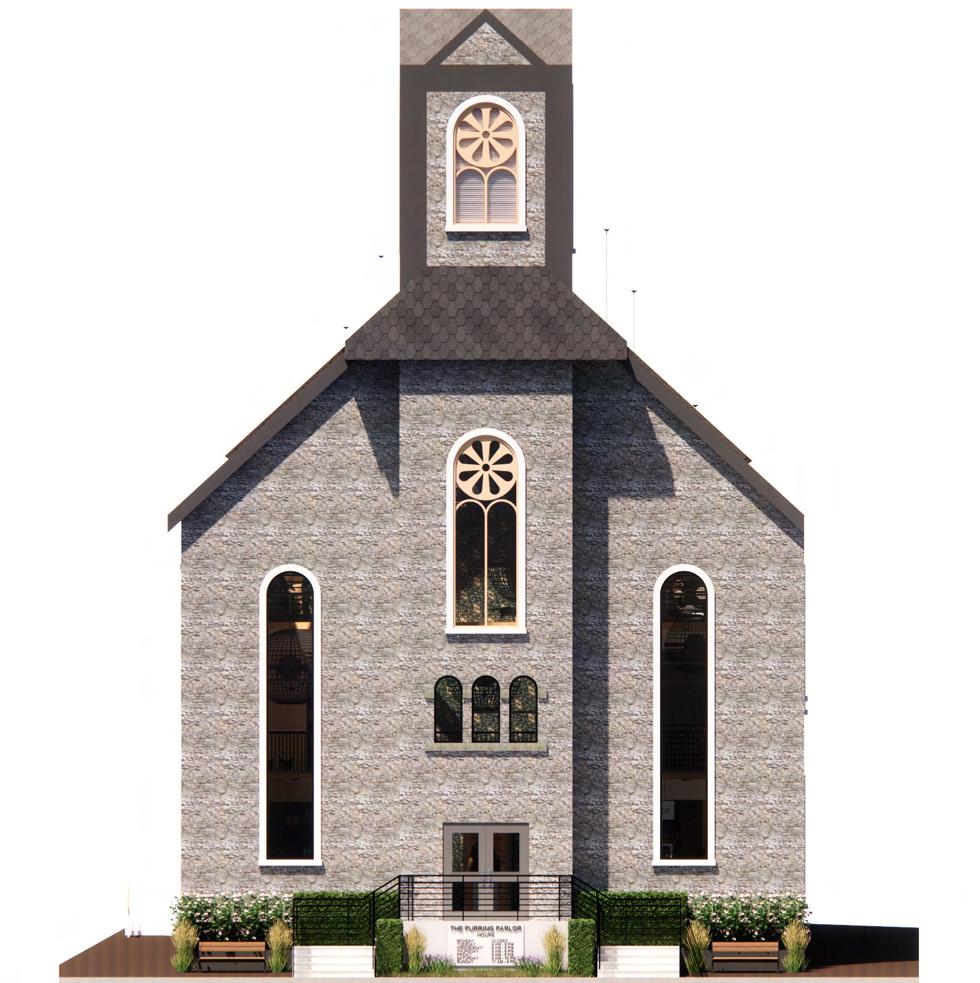
Purring Parlor
The cat adoption and boutique shop is a welcoming space to meet cats seeking homes and find essentials for their care and comfort.
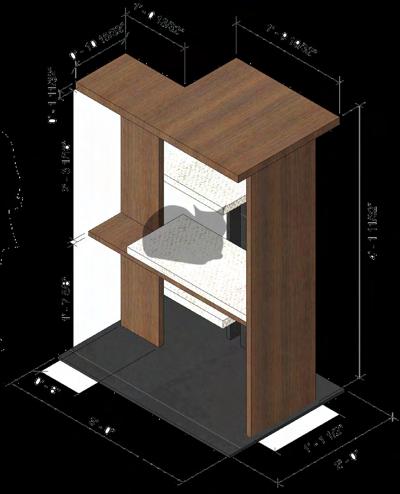

Products tailored to reflect the brand.

Project Walkthrough
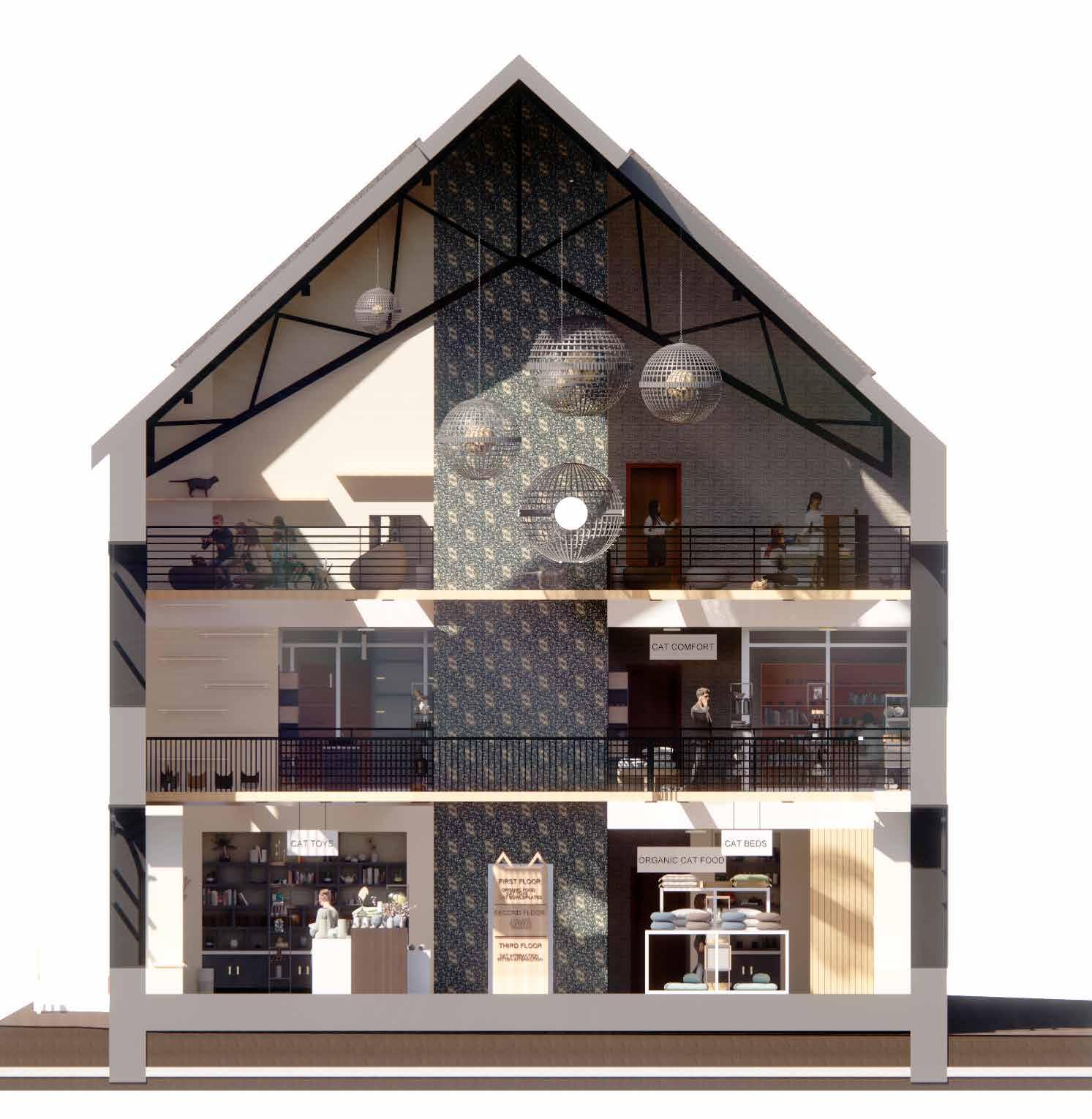
Cross Section
The central elevator, framed with detailed wallpaper, anchors the space as a striking focal point. Surrounding
products are carefully arranged to guide circulation and encourage interaction throughout. The design thoughtfully
balances scale, materiality, and visual hierarchy, creating a cohesive, engaging, and dynamic environment.
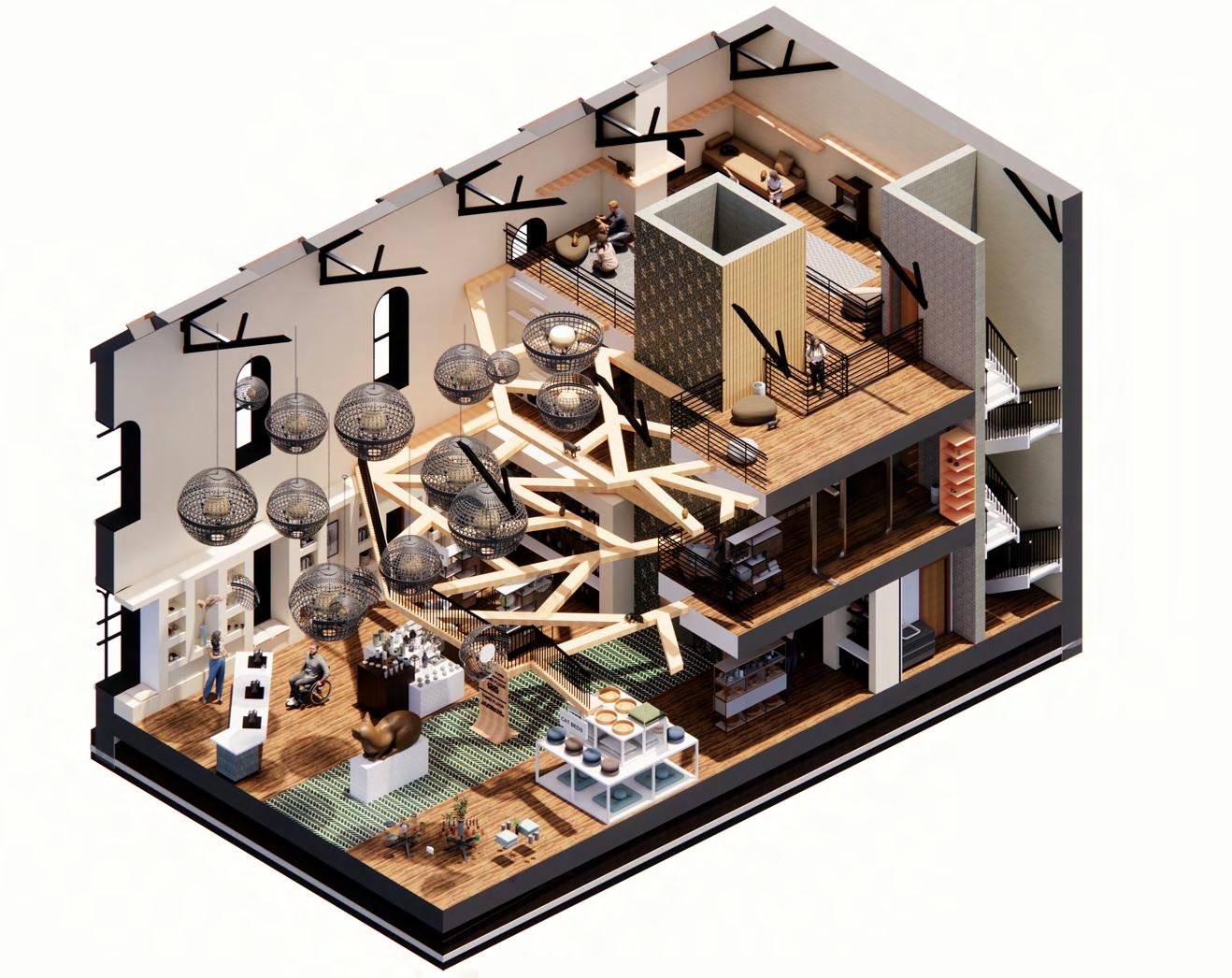
Longitudinal Section
Emphasizing the lighting fixture and cat highway, showcasing how they shape movement, link levels, and contribute
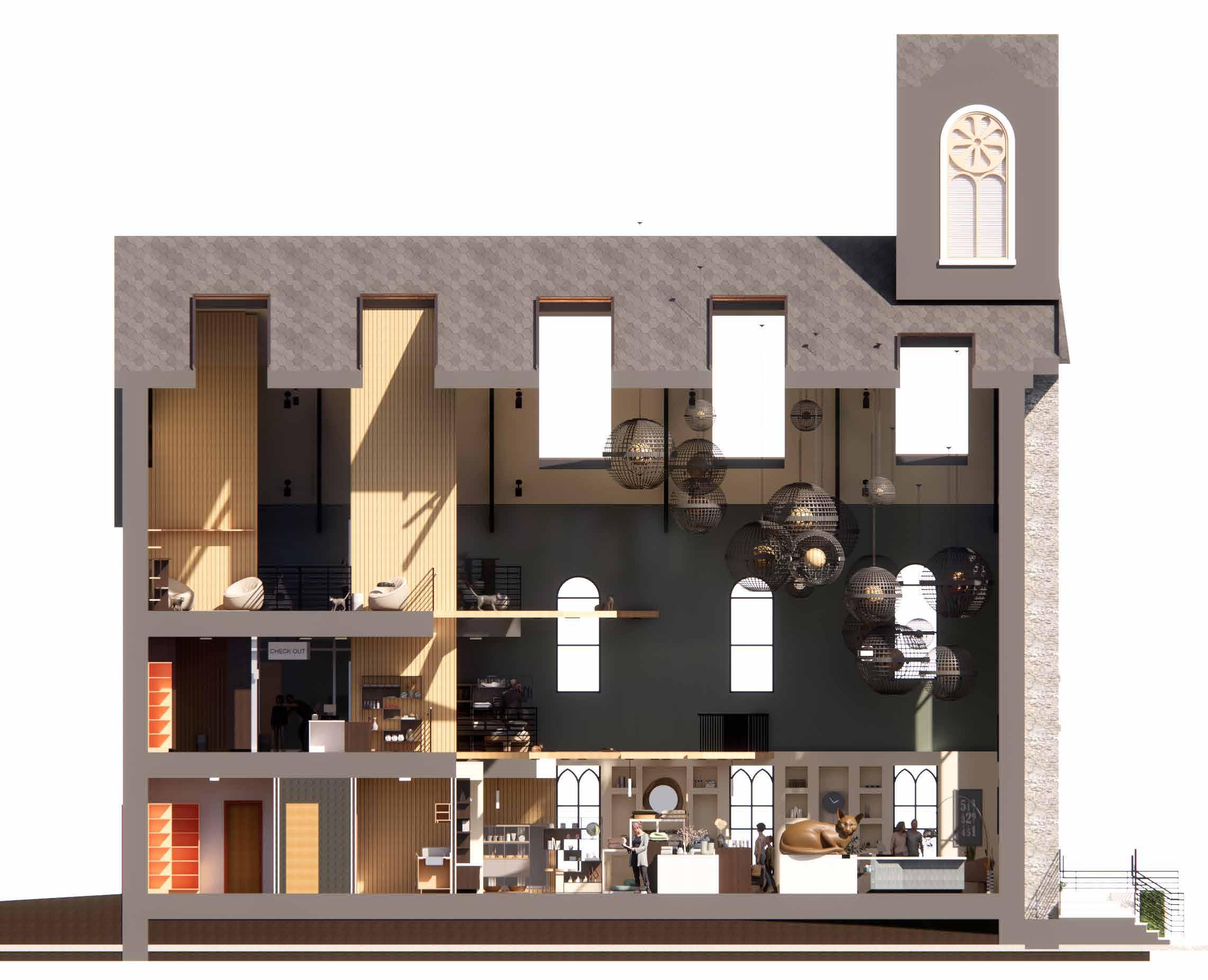
to a cohesive, dynamic interior environment.
RCP Plans
Highlighting the understanding that the ceiling plays an essential role in interior design, influencing spatial perception, enhancing the aesthetic, and completing the overall composition of the space.
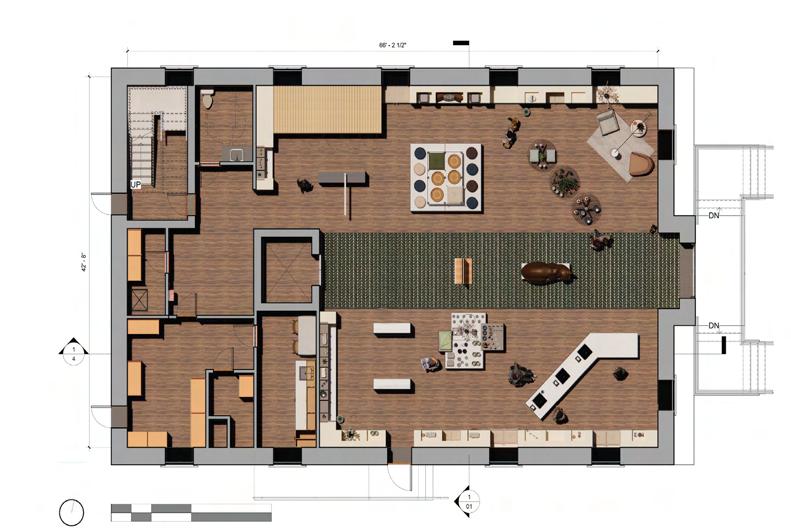
Rendered Floor Plan
Demonstrating how the arrangement of furniture and objects within the cat café guides movement and interaction, revealing how the space is naturally occupied and experienced.

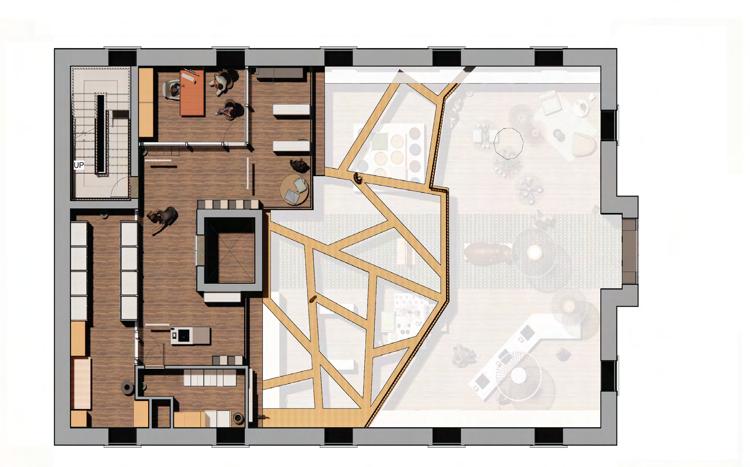
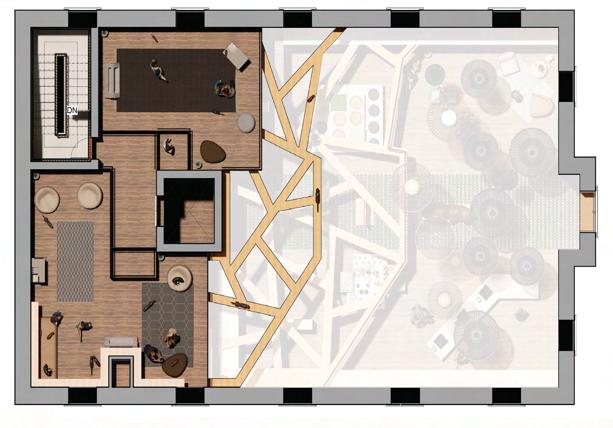
SECOND FLOOR
THIRD FLOOR
Entry Perspective
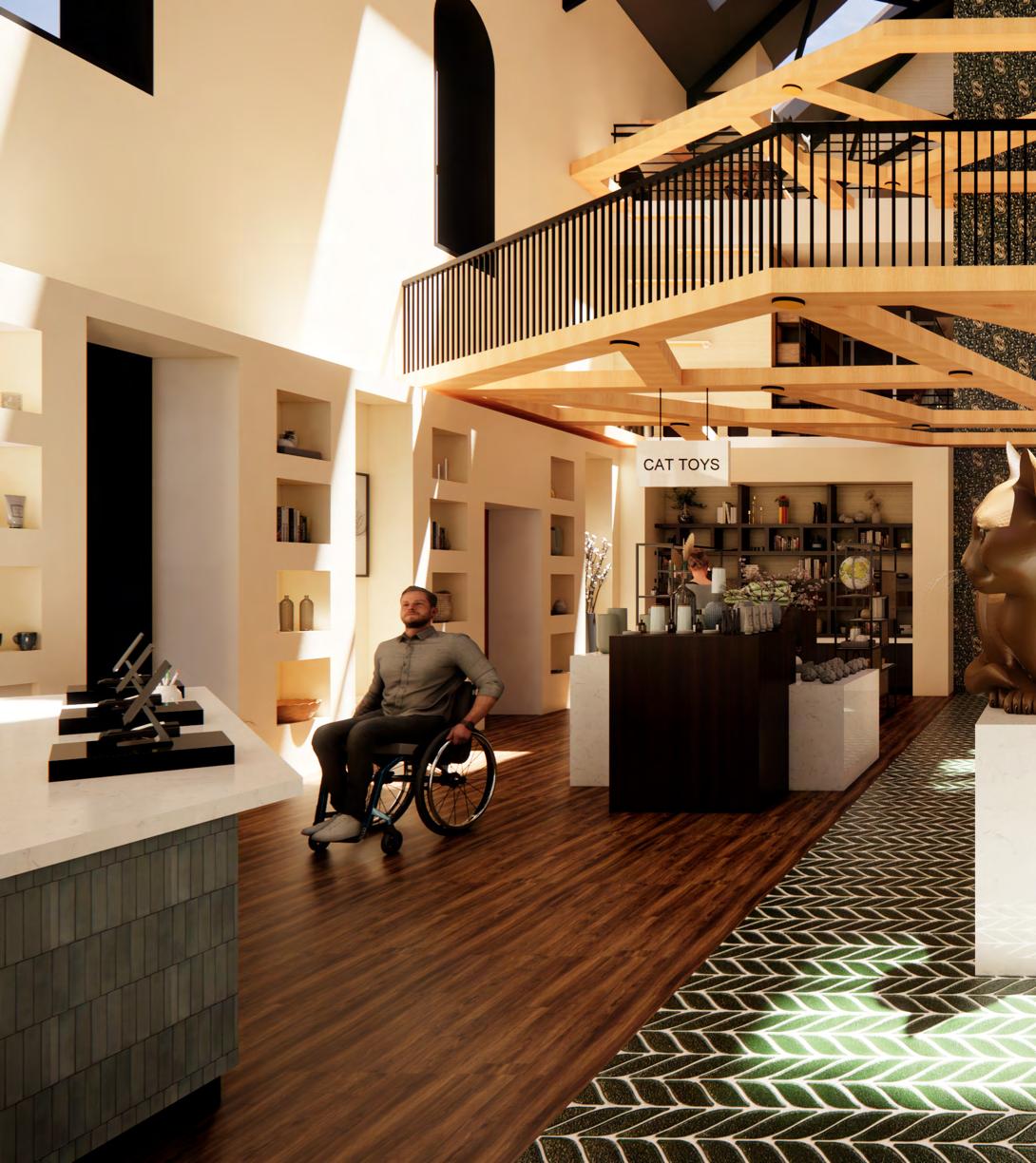
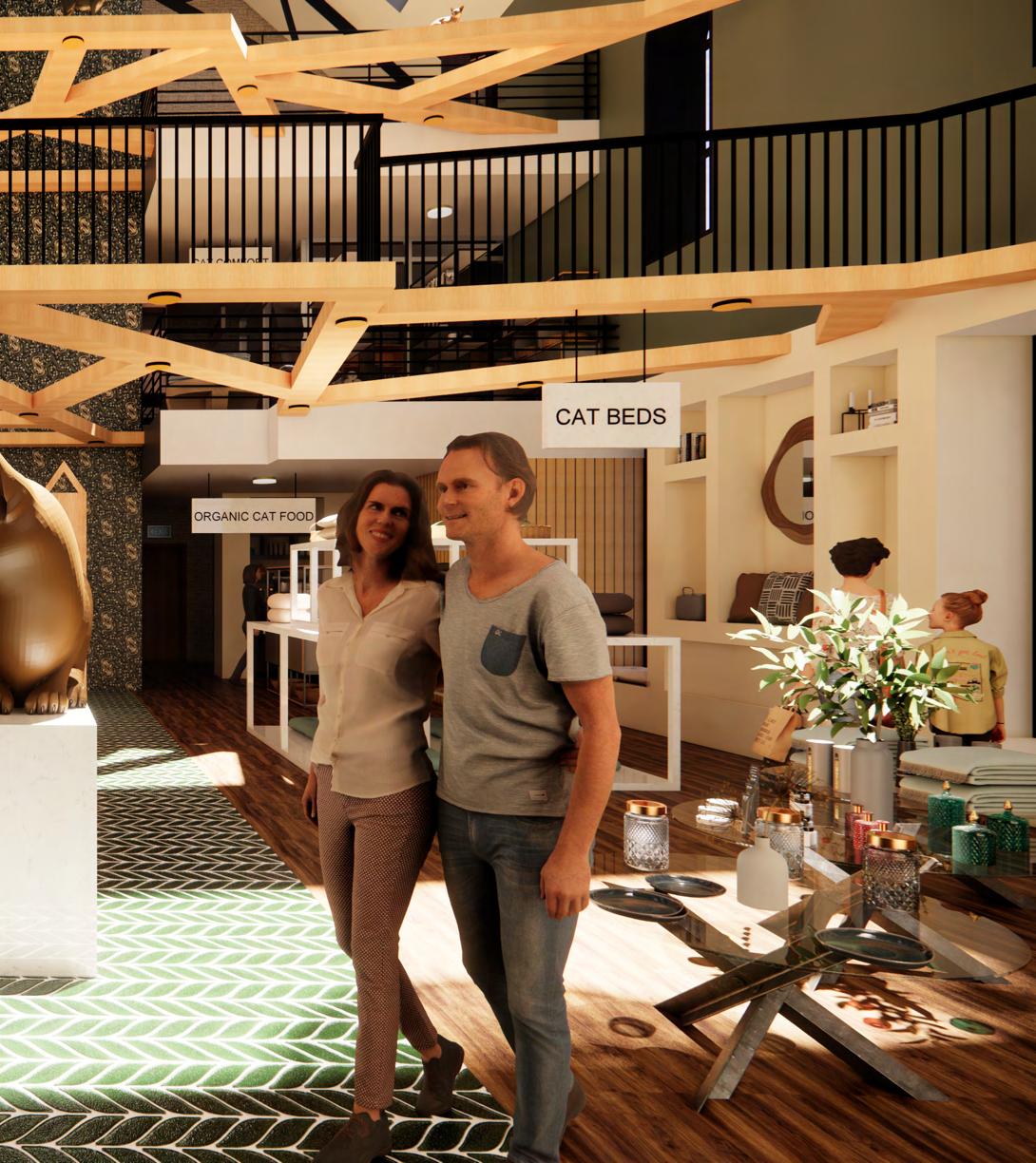
Highlighting the key sight line at the entrance, shaping the first impression of the interior.
A Journey to Serenity In Collaboration with Jesse O. & Rayna S.
A Non-Denominational Sanctuary in Blue Bell Park, where light, na-
ture, and form guide a reflective descent and connect to trails.

Circulation
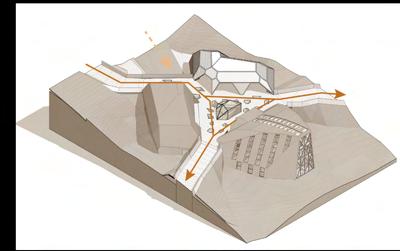
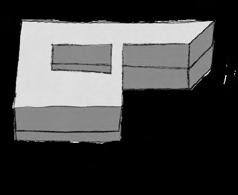
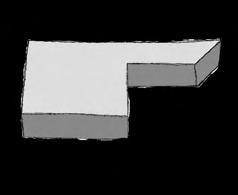
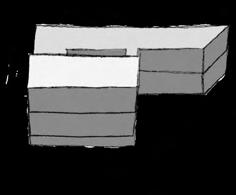
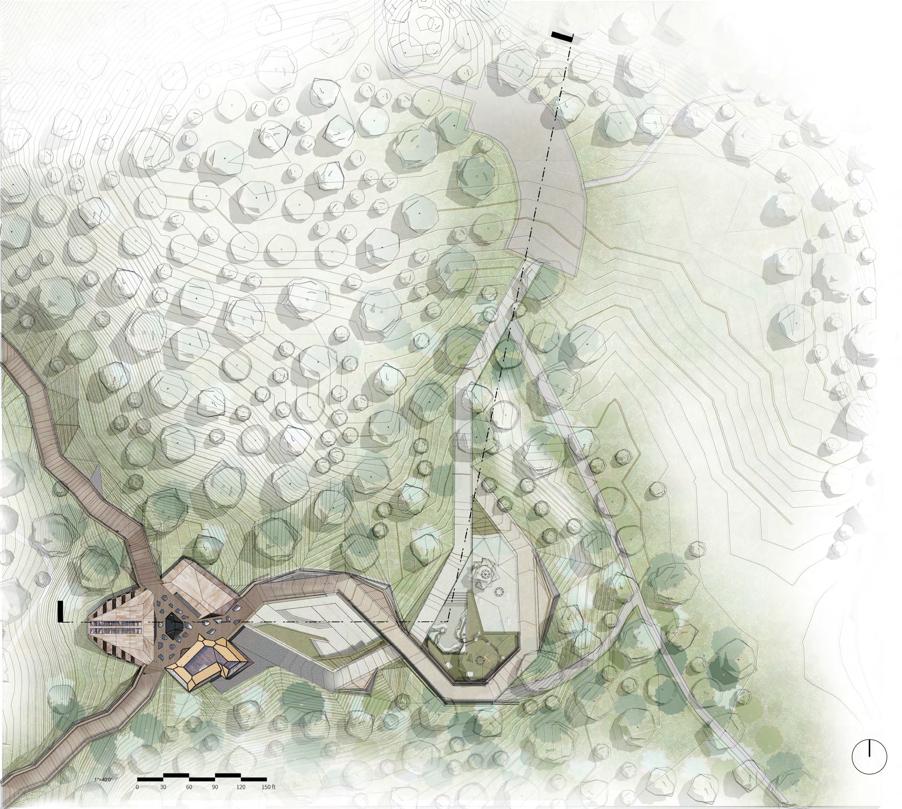
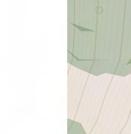
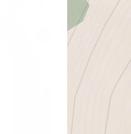
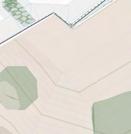
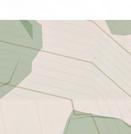
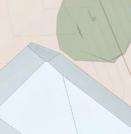
The building is embedded within the site, with protruding masses defining key spaces connected by a lower-level passage that emphasizes accessibility and spiritual descent.
An elevated path extends the Orange Trail, linking three trails and offering a choice to enter or continue.
Floor Plans
Form
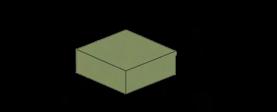
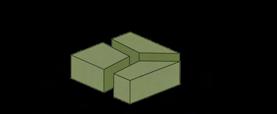
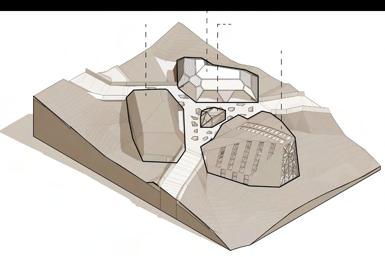
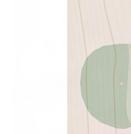
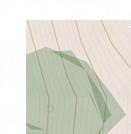
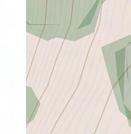
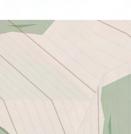
The building forms evolved into three broken stone segments, with varied angles guiding views toward the central sanctuary and engaging the surrounding site.
Circulation
The fragmented forms create layered paths that encourage movement between interior and exterior spaces, allowing circulation to unfold naturally through the site.
Experience
Programs are carefully arranged within the fragmented forms, ensuring that the interior spaces are as dynamic, purposeful, and engaging as the exterior composition.

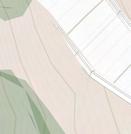
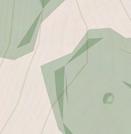
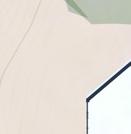
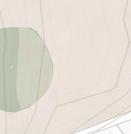

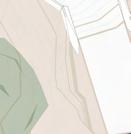
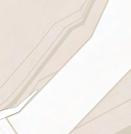
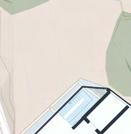
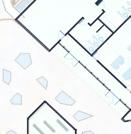
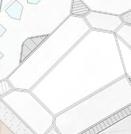
First Floor Scale : 1/16” = 1’ - 0”
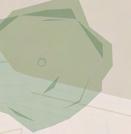
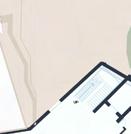
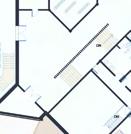

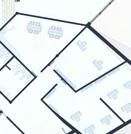
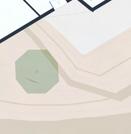

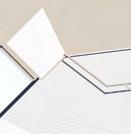
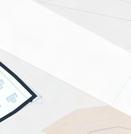

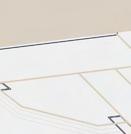
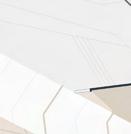
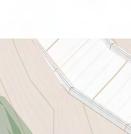
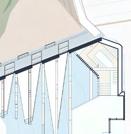
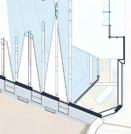
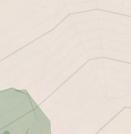
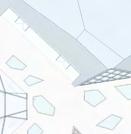
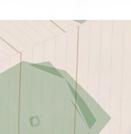
The main entry and links the sanctuary, classroom and administrative spaces.
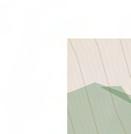
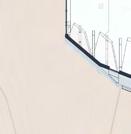
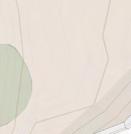
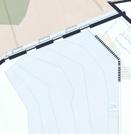
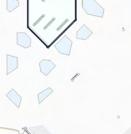
Path Level
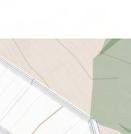
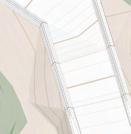


Scale : 1/16” = 1’ - 0”

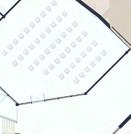
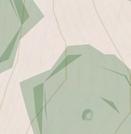
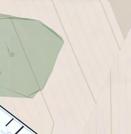
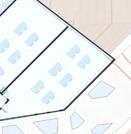
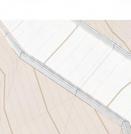
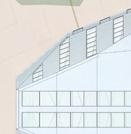
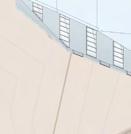
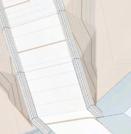
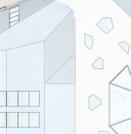
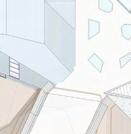
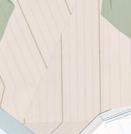
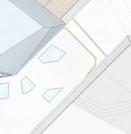
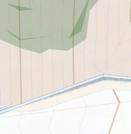
Verticality is highlighted in the sanctuary and chapel’s expansive interior spaces.



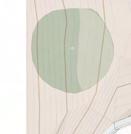
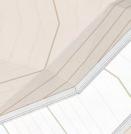
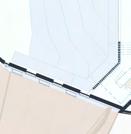
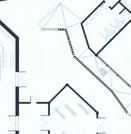
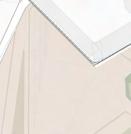
Roof Level
Scale : 1/16” = 1’ - 0”
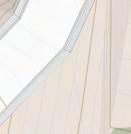
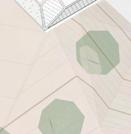
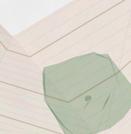
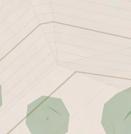
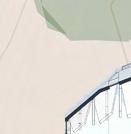
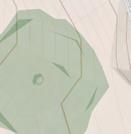
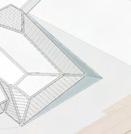
The roof line demonstrates how the forms sit within and respond to the site.
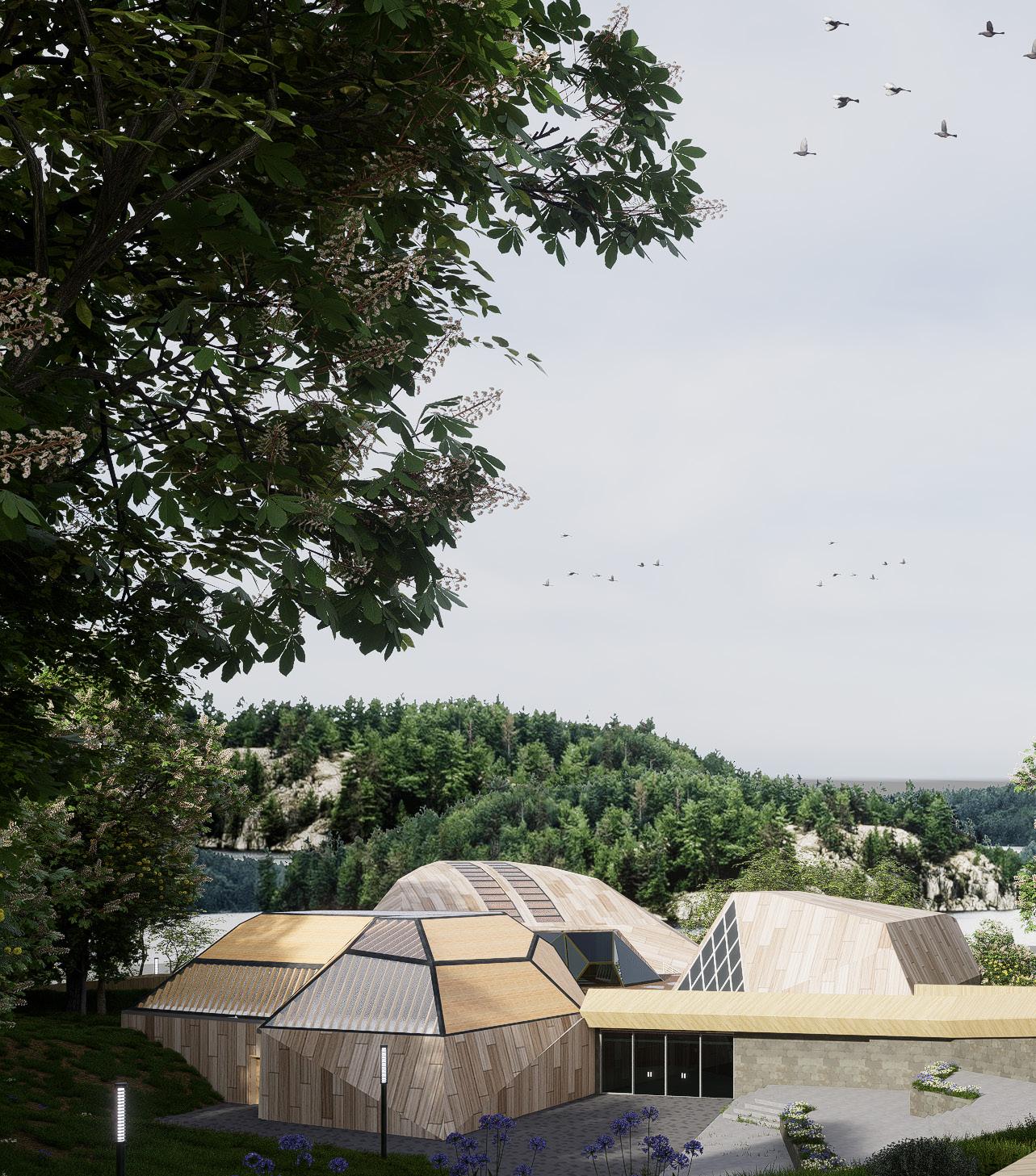
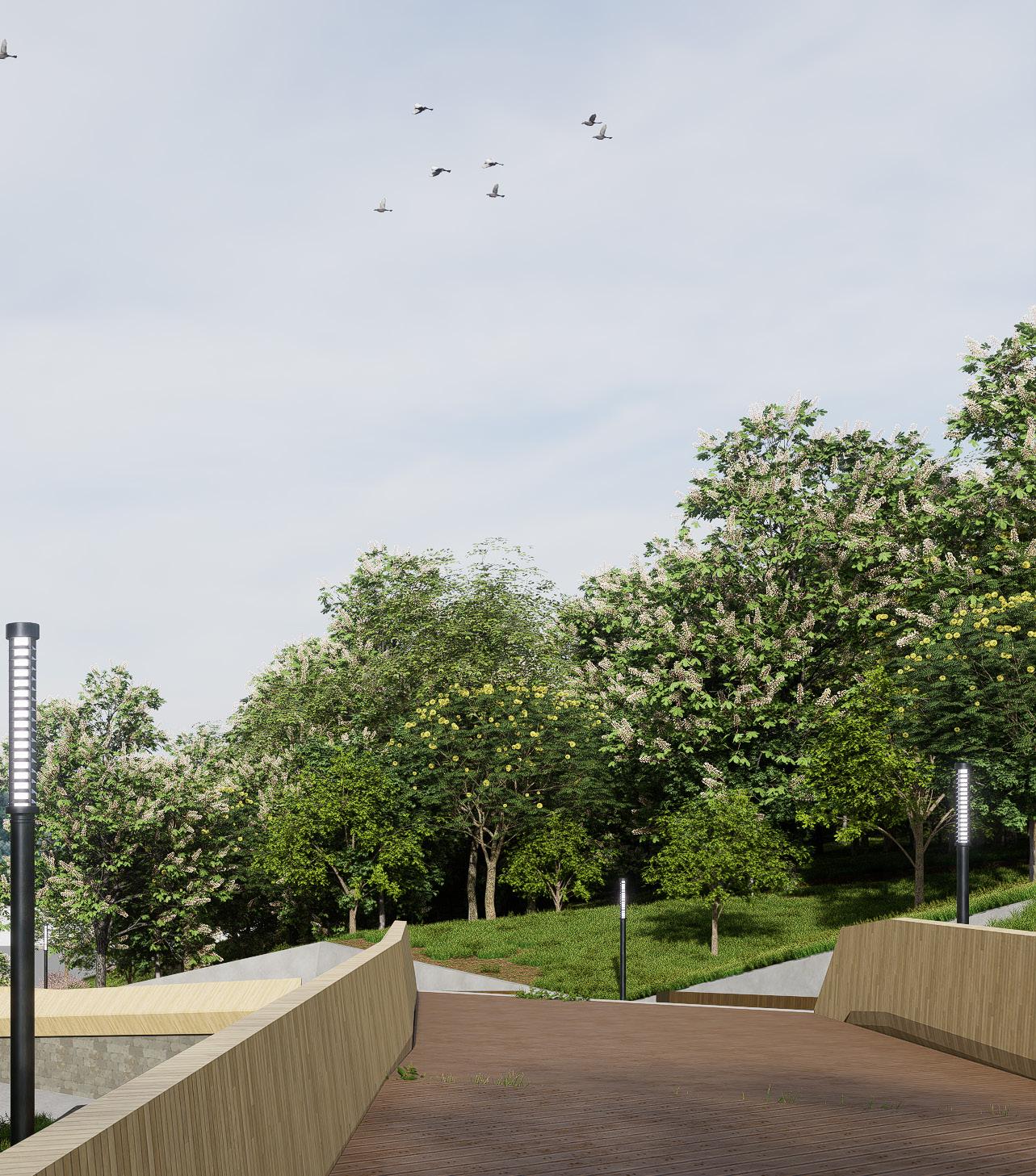
The spatial sequence invites exploration, with each step gradually unveiling the character and presence of the building’s forms.
Physical Model
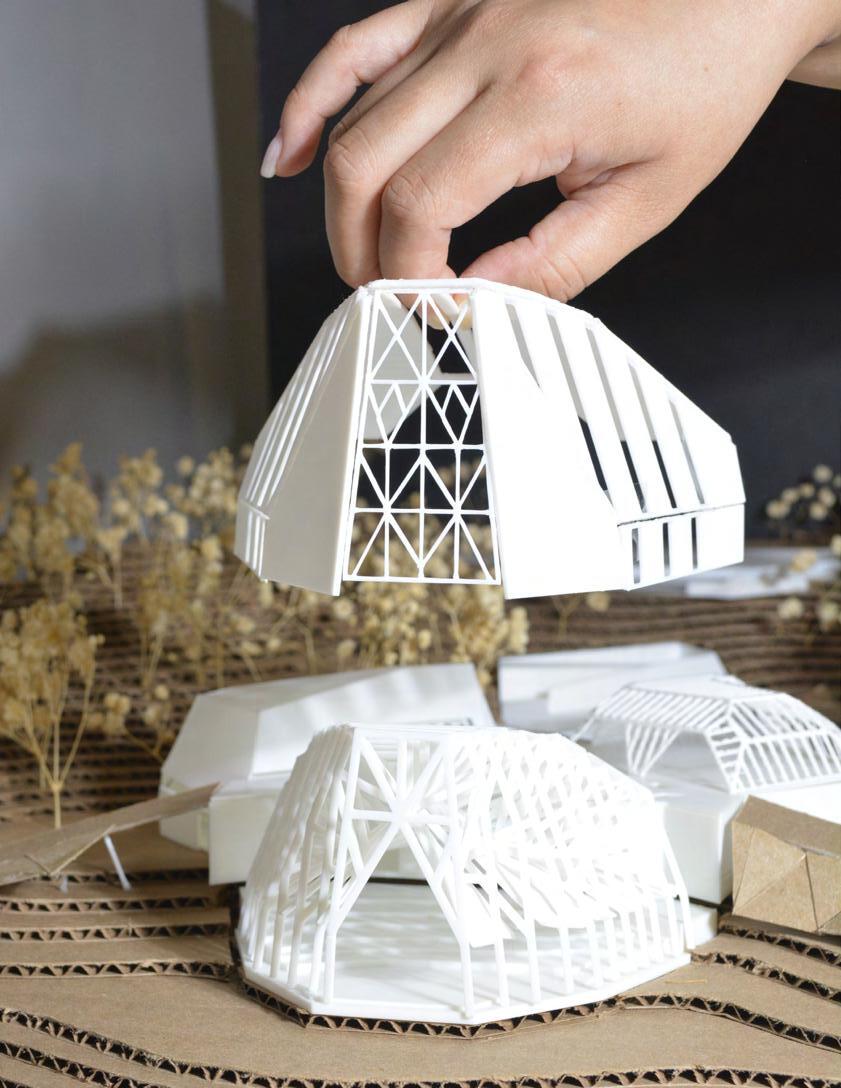
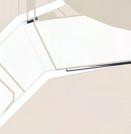
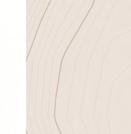
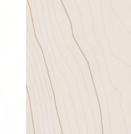
Raising the form highlights the sanctuary, celebrating the structure and its spatial significance.
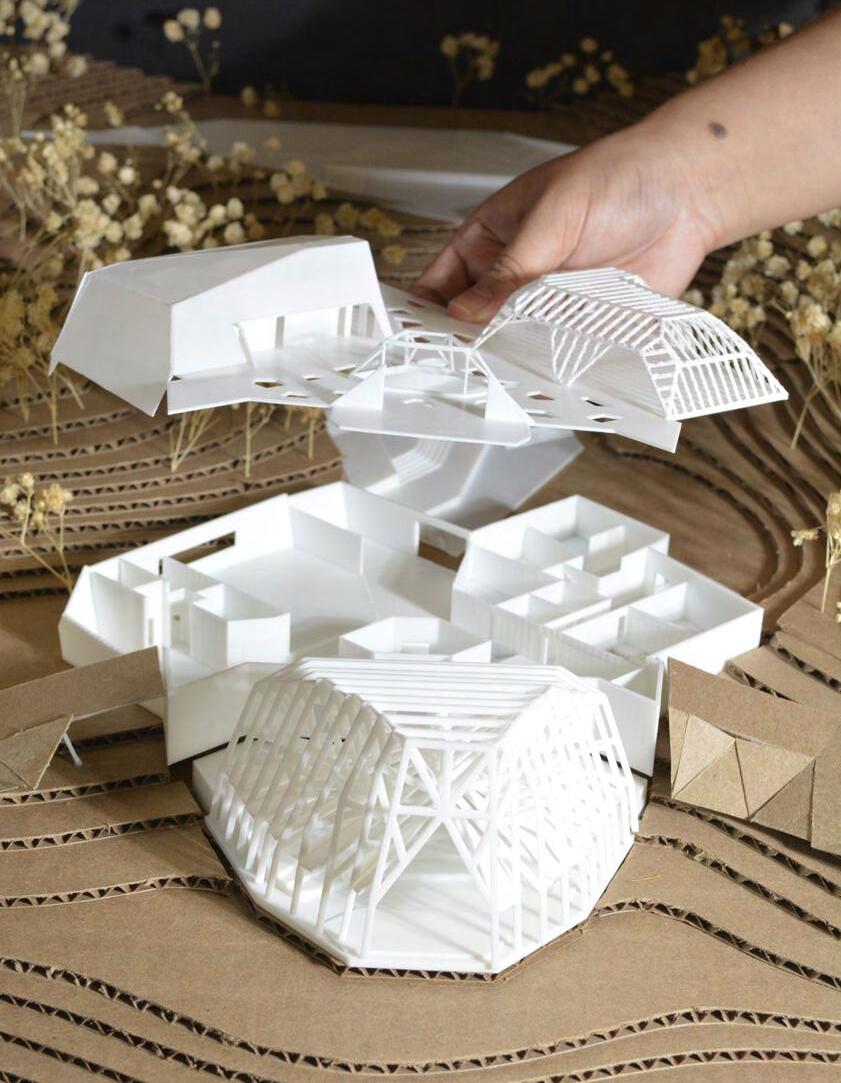
The form seems divided at the path level, but lifting it reveals a single cohesive structure.
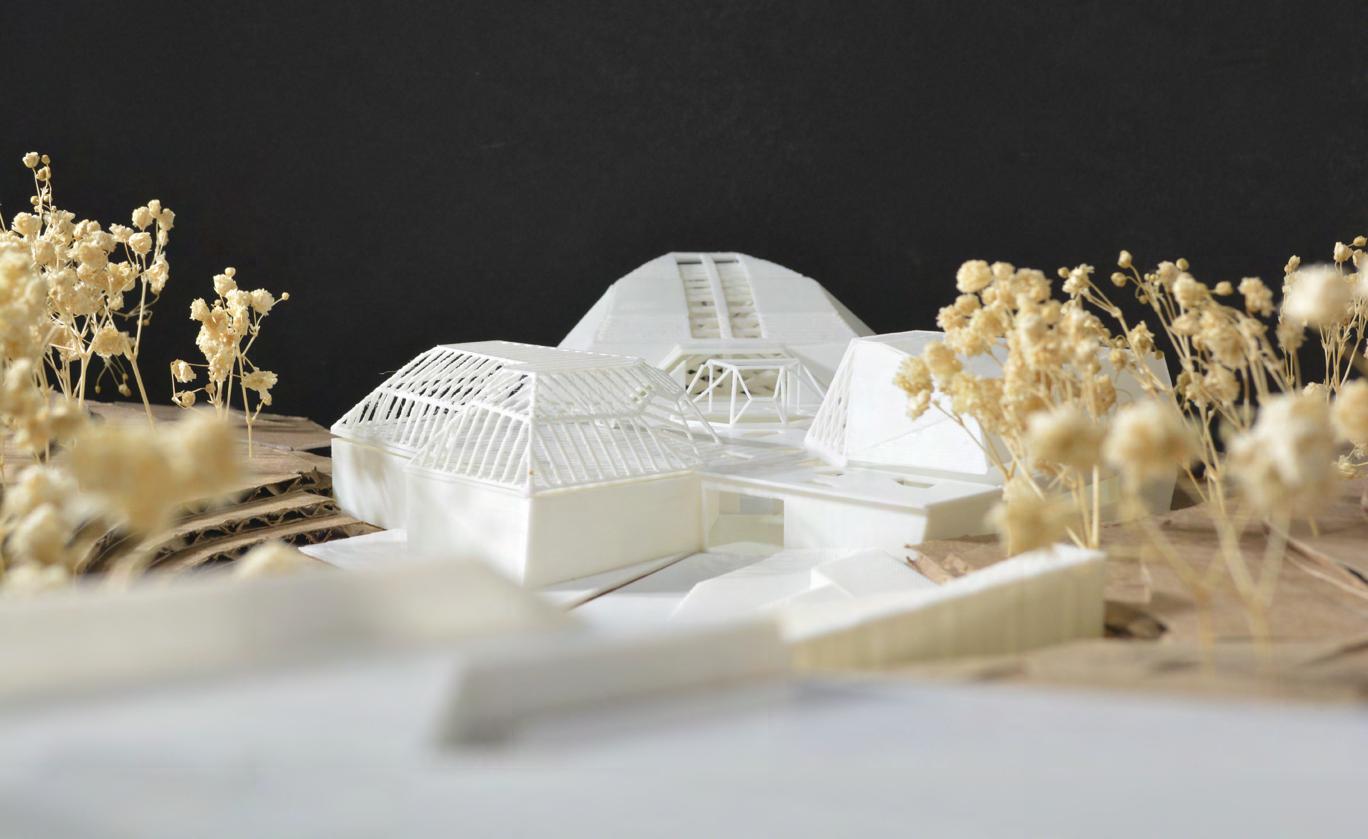
The forms appear distinct yet interconnected, harmonizing with the terrain while guiding circulation, framing key views, and shaping sequential experiences. Visitors gradually encounter the sanctuary, classrooms, and administra-
tive spaces, while elevated forms and level changes unify the overall composition.
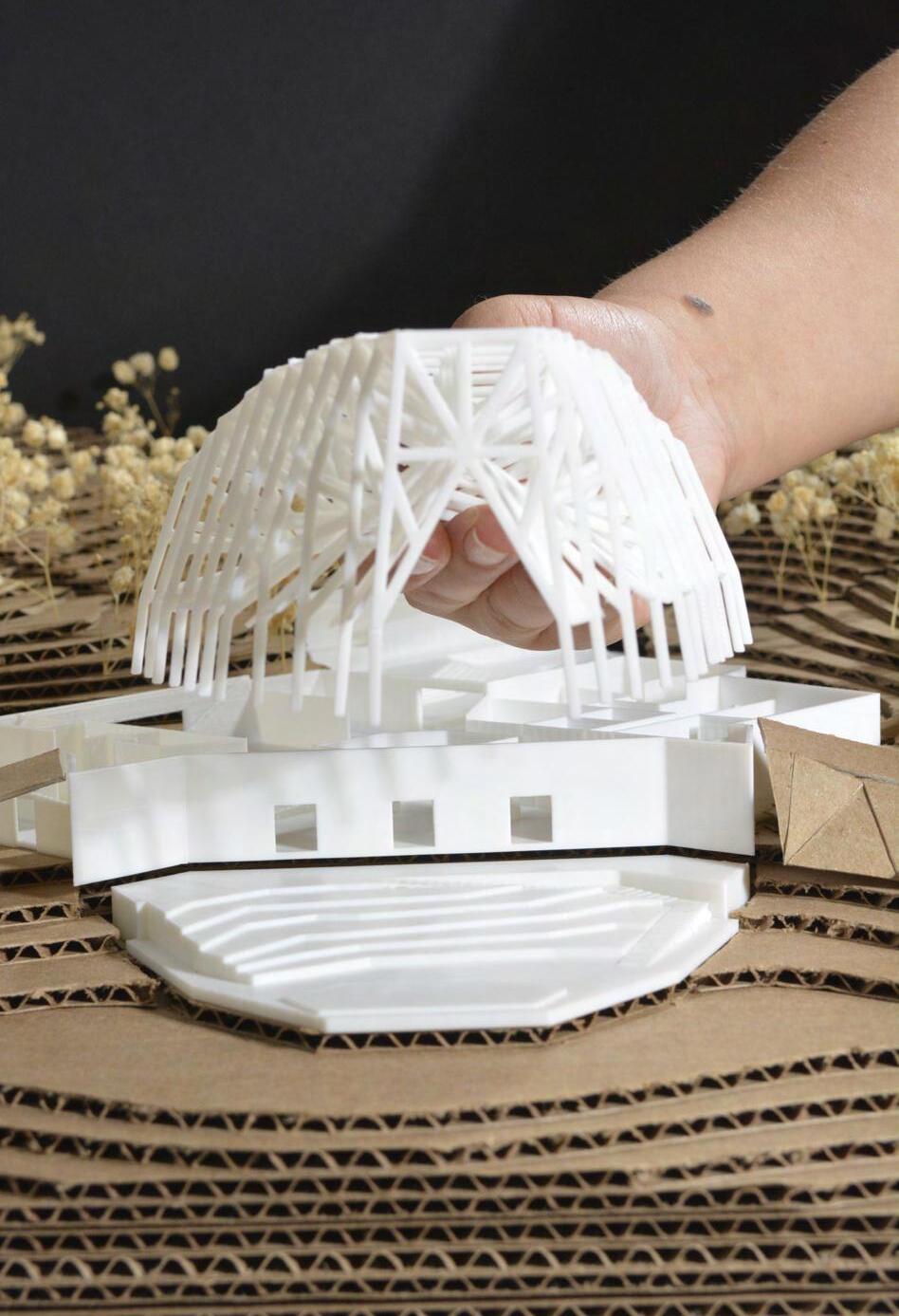
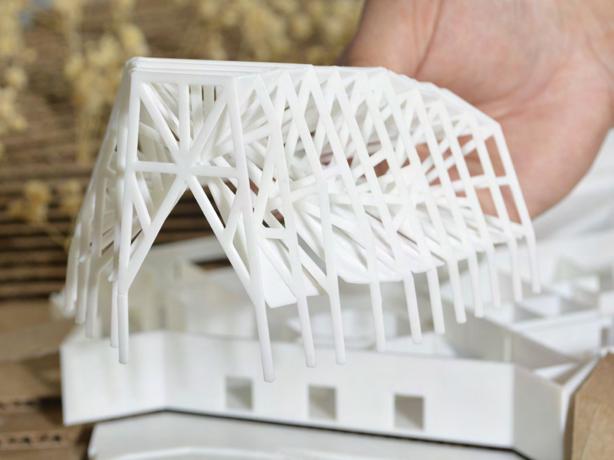
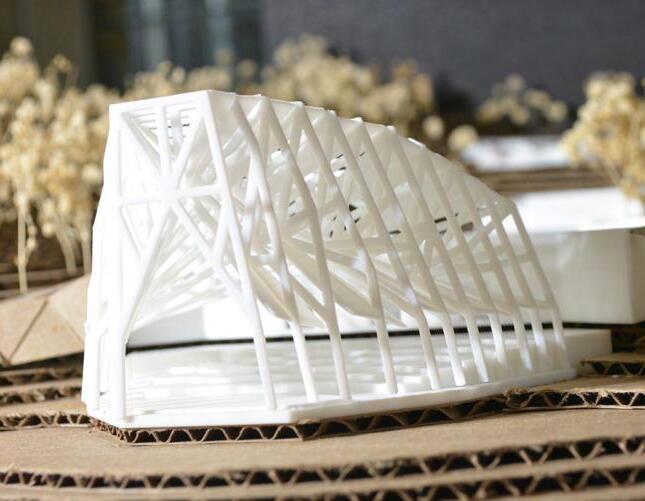
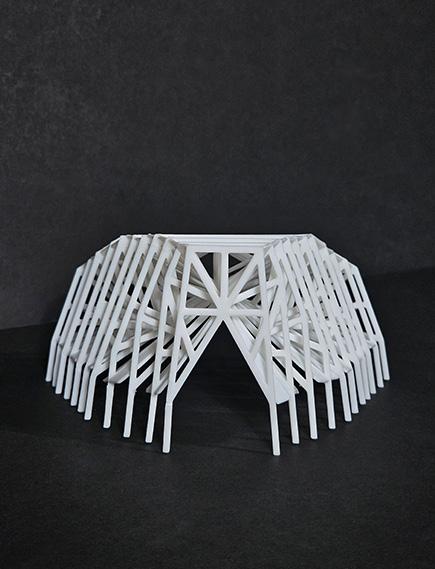
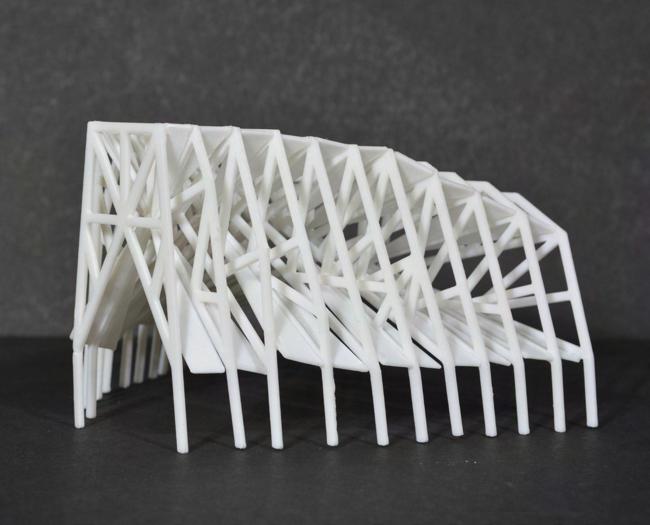
The choice of an open and exposed mass timber structure emphasizes warmth, natural texture, and craftsmanship, creating a visually striking and tactile moment that engages anyone who occupies the space. Its structural clarity not only supports the architecture but also frames light, guides views, and enhances the sense of openness within the sanctuary and adjoining spaces.
Paimio Chair Alvar Aalto
Aalto’s chair for the Paimio Sanatorium, crafted from bent birch, is recreated at 1/5th scale, capturing its design and craftsmanship.
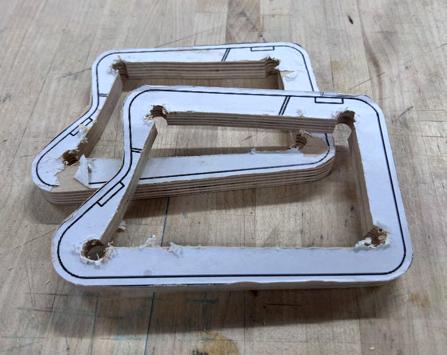
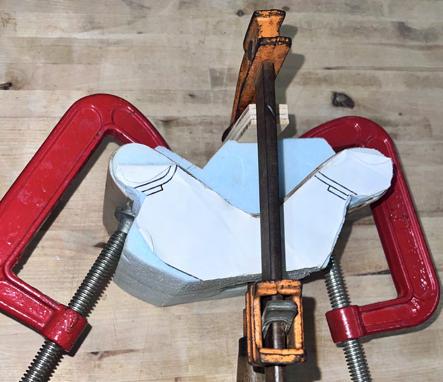
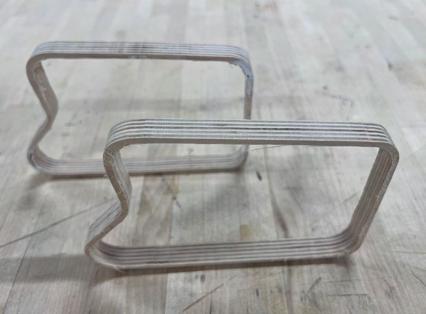
Focus was on preserving the thin, elegant form of the chair’s arms while sanding, carefully refining the curves to maintain Aalto’s original proportions.
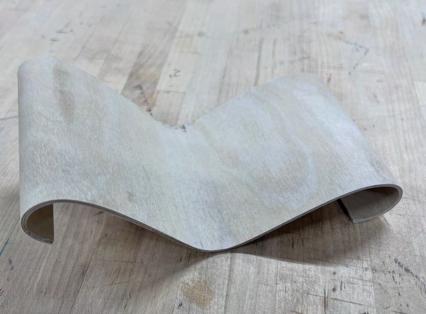
Demonstrating the craft of layering birch and forming curves, using clamps to bind the pieces into the intended shape.
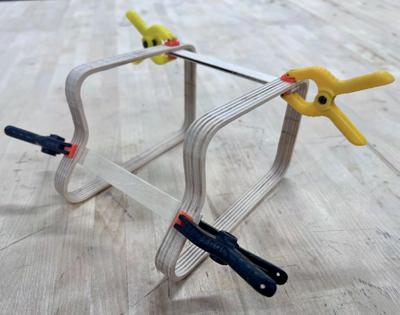
Once the arm pieces were complete, gluing the connection points marked the moment the Paimio chair began to emerge.
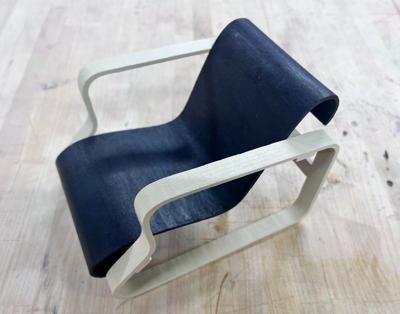
After painting the pieces to replicate the iconic design, dry-fitting them marked the moment the chair began to take form.
Final Form
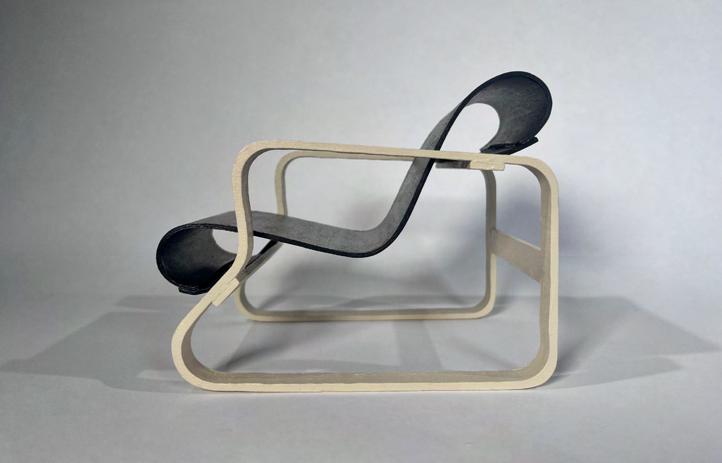
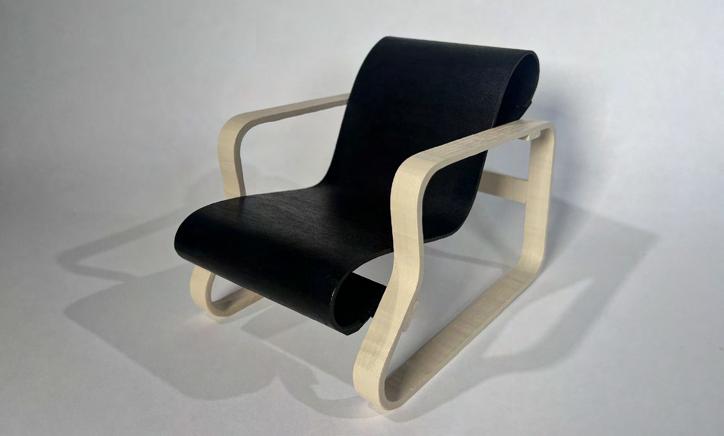
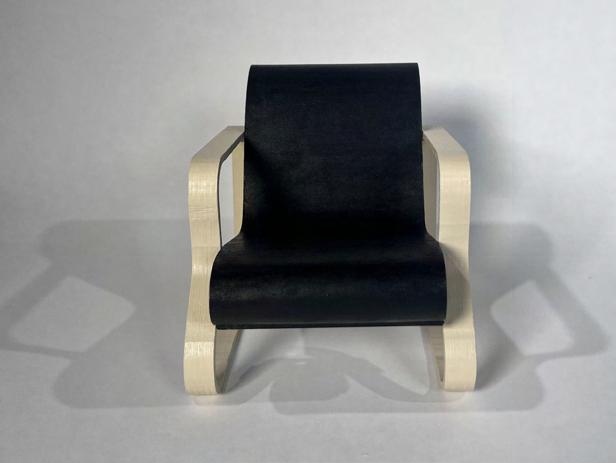
The completed piece evokes the Paimio chair’s iconic silhouette and thoughtful craftsmanship. Carefully layering birch, refining the arms, gluing joints, and painting the surfaces were challenges that made the final realization even more rewarding, creating a direct link to a historic design.
Furniture Line Sister Stool
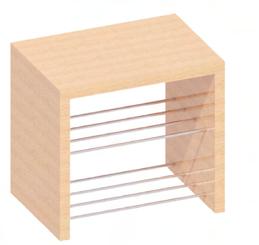
The furniture line includes a hall table, side table, and the Sister Stool, which was chosen for creation. It uses 36” long, ¼” wood dowels as the primary structure, with the opportunity to integrate metal for strength and visual contrast
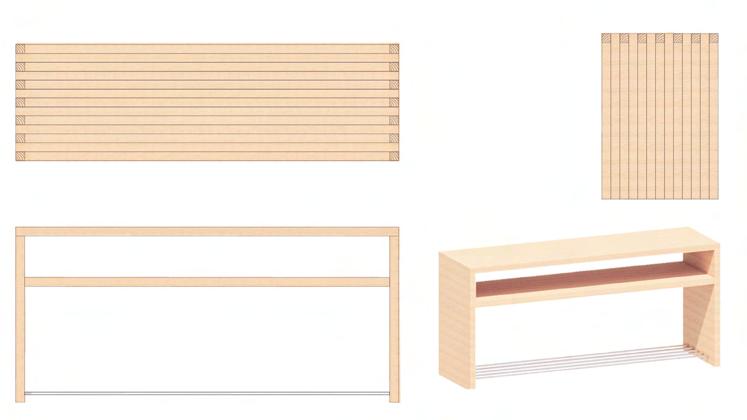
HALL TABEL
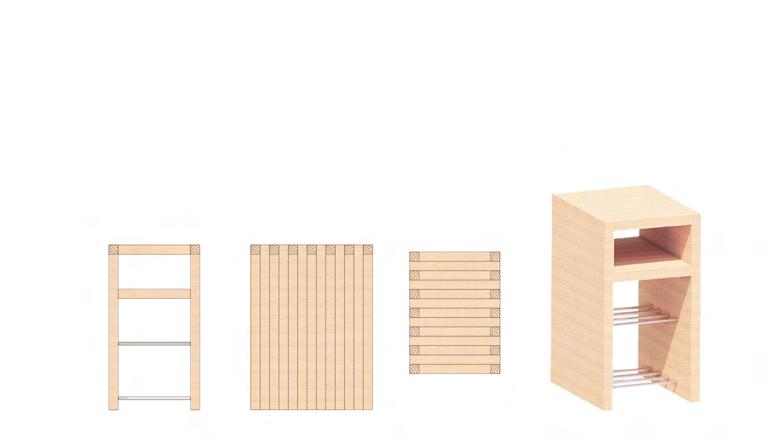
SISTER STOOL
2
4
FINGER
SIDE TABEL
SISTER STOOL
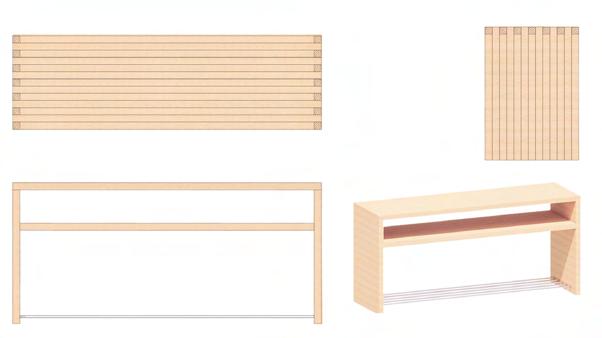
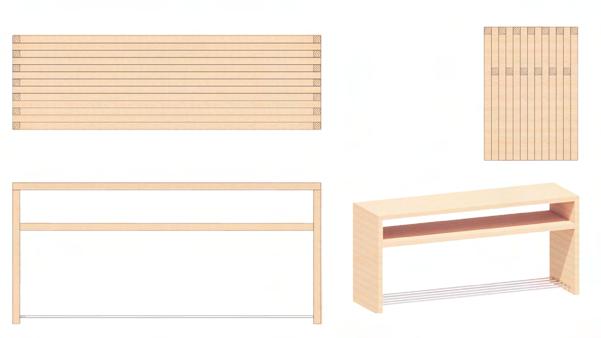
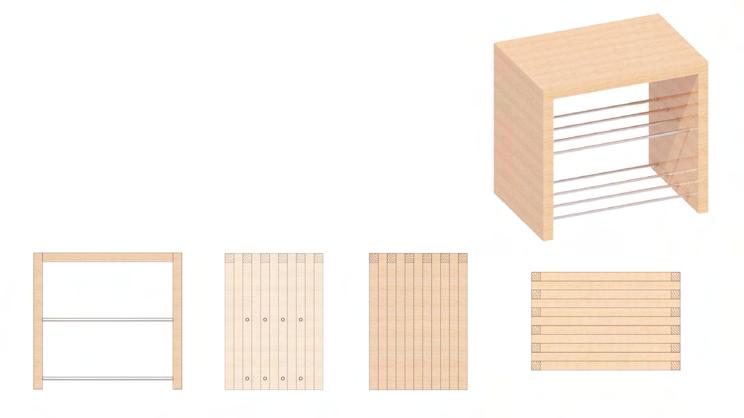
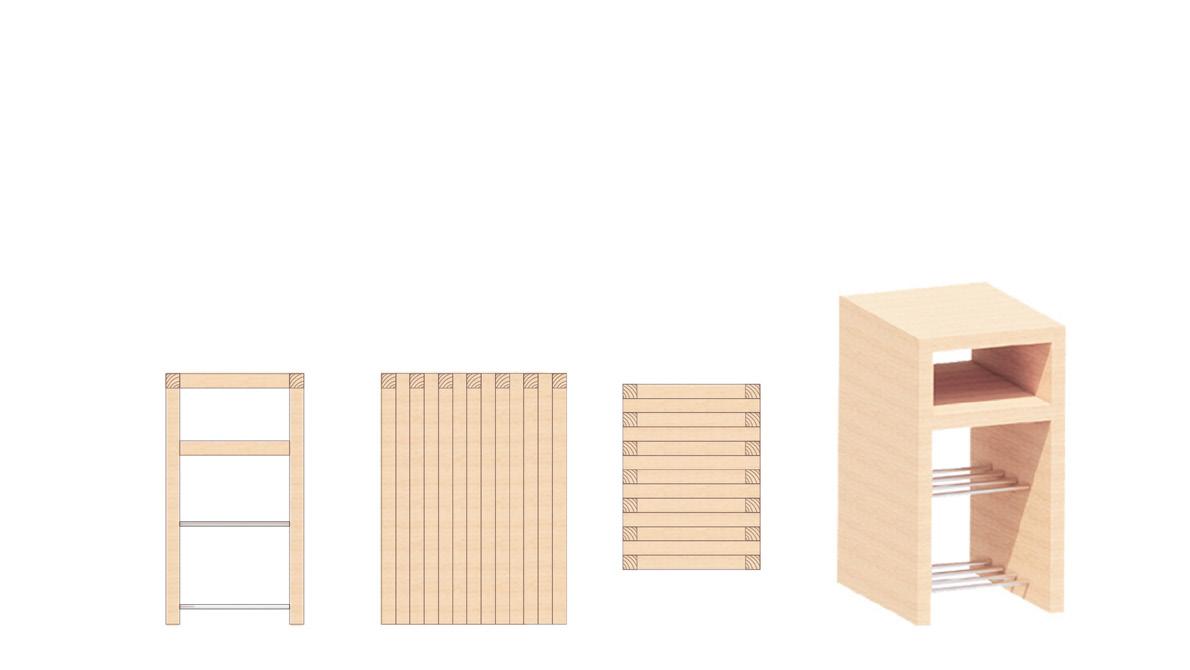
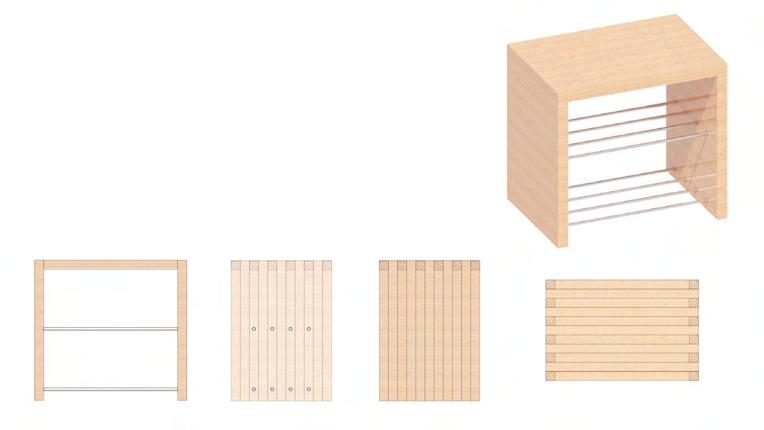
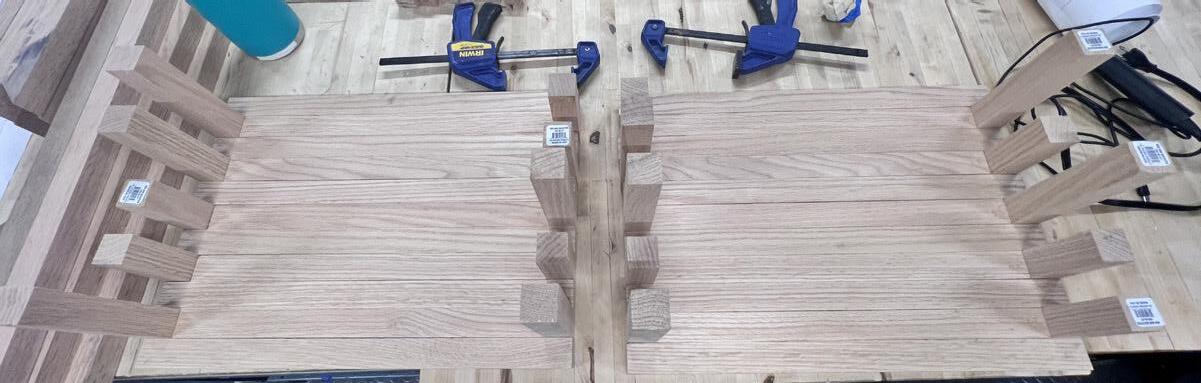
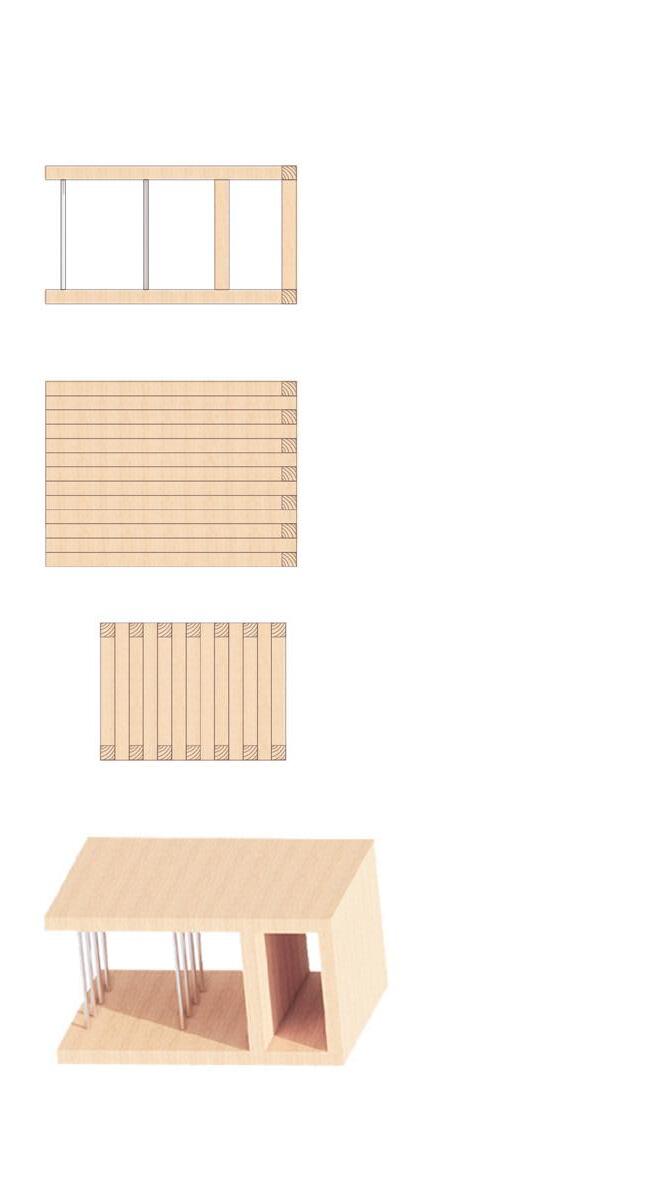
Creating the Sister Stool starts with dry-fitting the components, verifying that each piece fits accurately, aligns correctly, and contributes to the overall balance and elegance of the design.
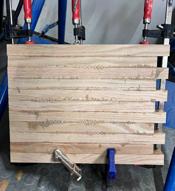
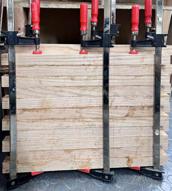
Once dry-fitted, the components are glued and clamped overnight to guarantee a strong, stable connection, allowing the adhesive to fully cure and the structure to hold its intended form.
Building Process
Post-gluing, surfaces were sanded to remove glue residue, and finger joints were corrected to maintain clean lines and stability.
The process resulted in a refined stool, with smooth surfaces and alignment that emphasized structural integrity and aesthetic.
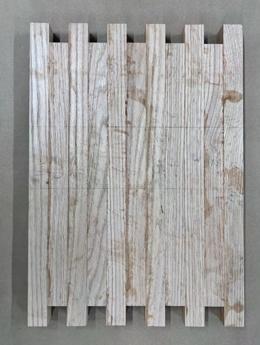
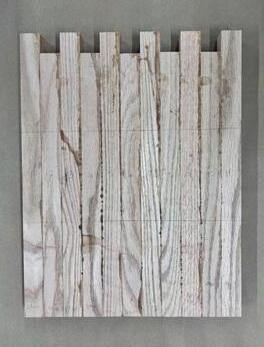
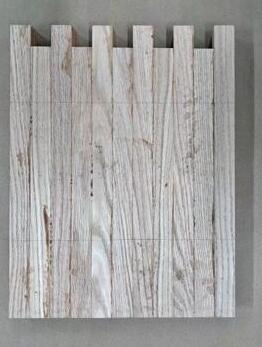
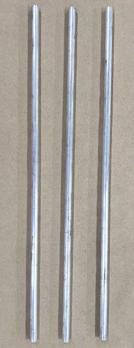
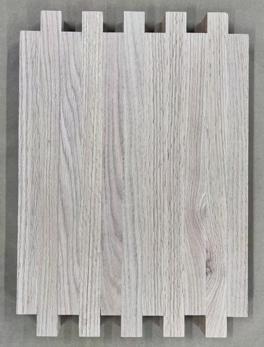
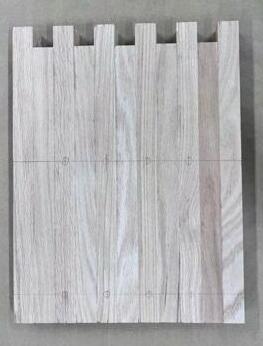
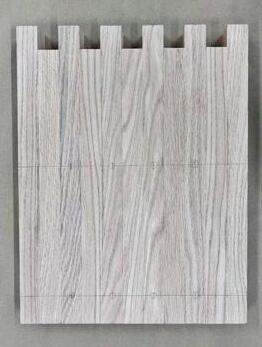
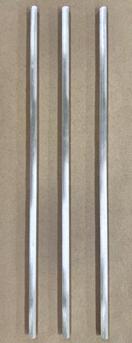
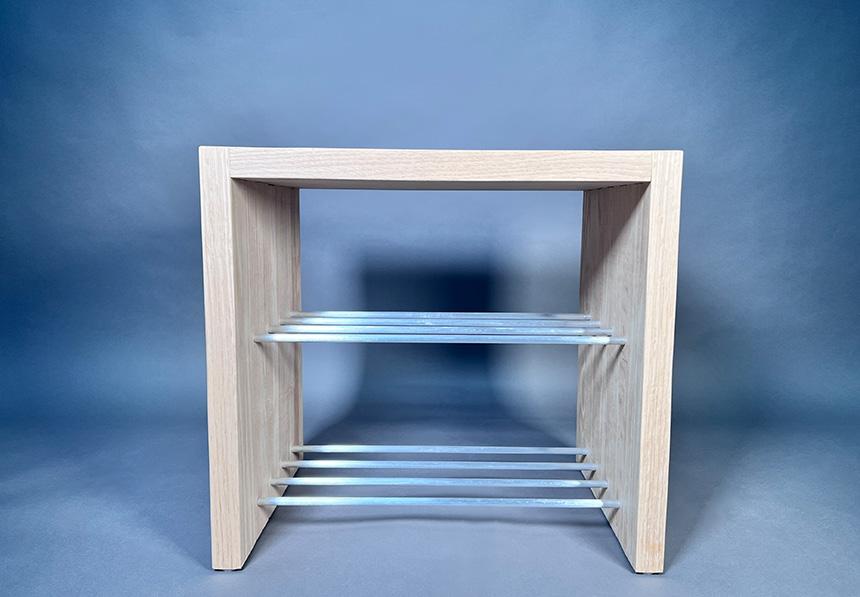
Aluminum rods were added to the Sister Stool for structure and visual contrast, and after gluing, the stool began to take on its full form.
Once all pieces were sanded and the top attached, the finger joints fit seamlessly, and the aluminum elements were polished and unified
Sister Stool
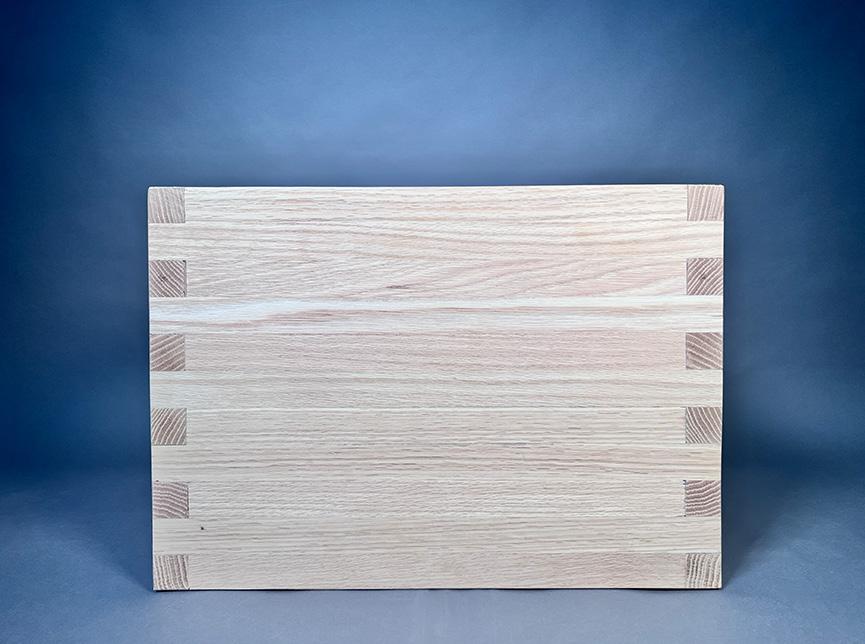
Highlighting the contrast between the end grain and the cohesive top grain, the stool creates visual interest and texture.
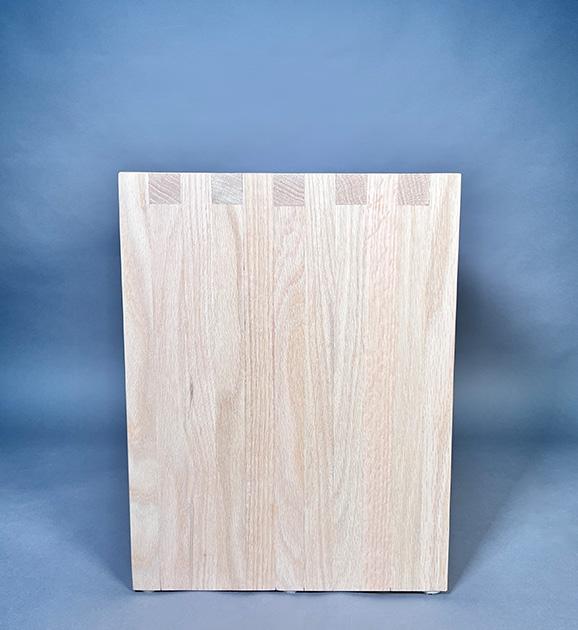
The grain of the top pieces was intentionally carried onto the sides, emphasizing continuity from the top surface to base.
THANK YOU