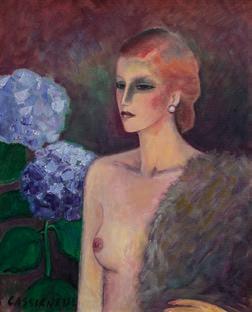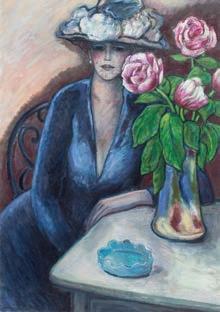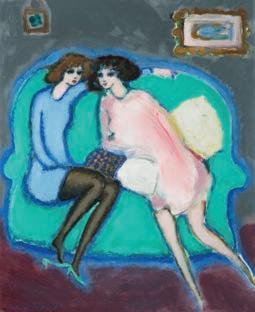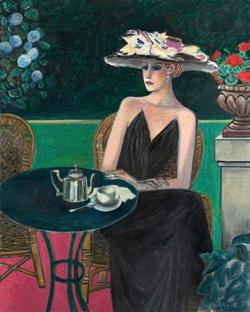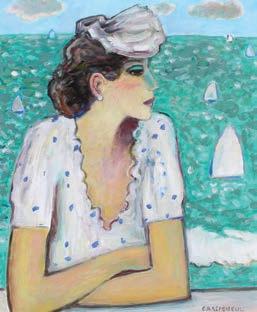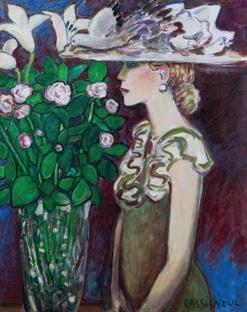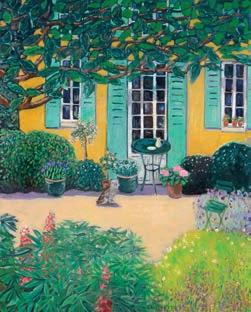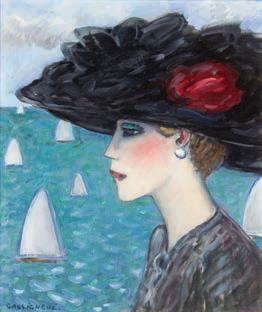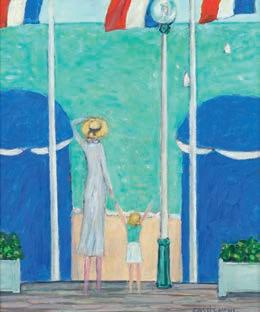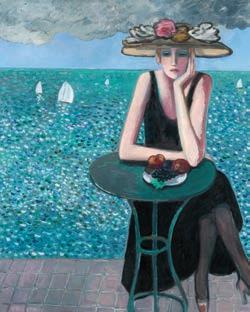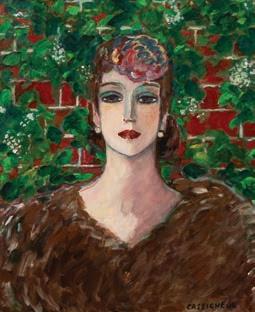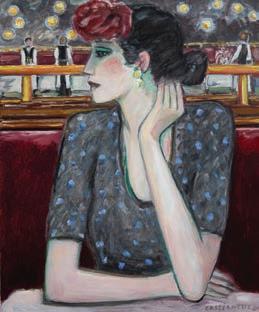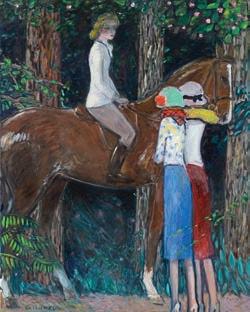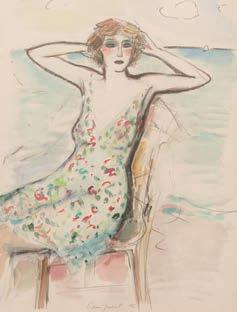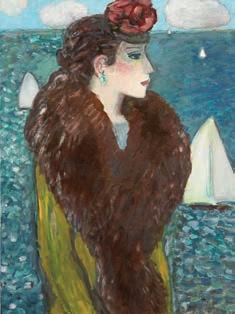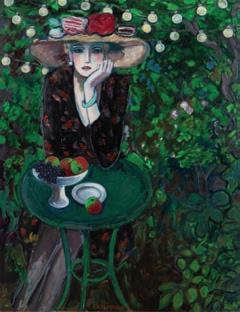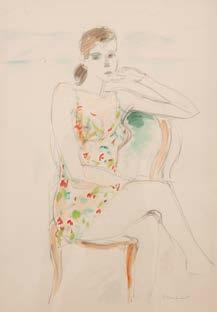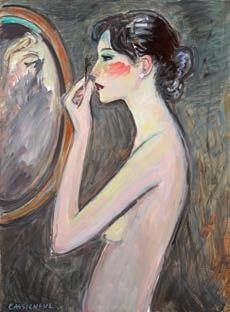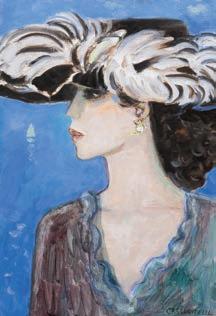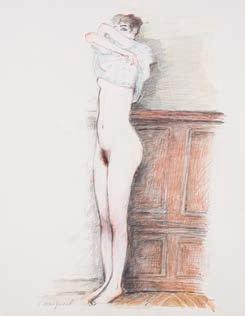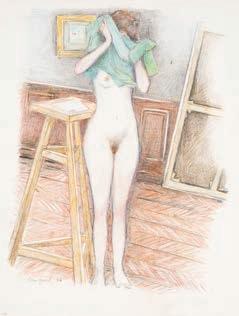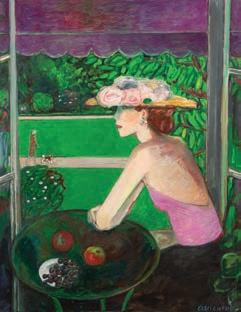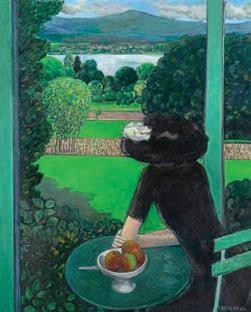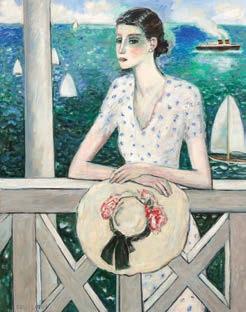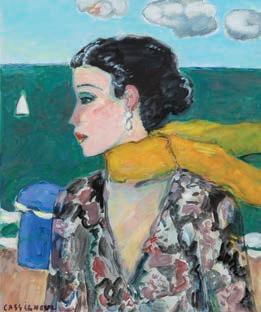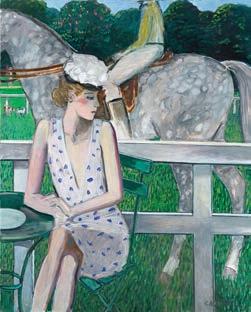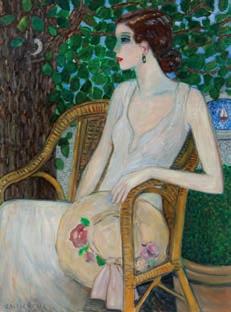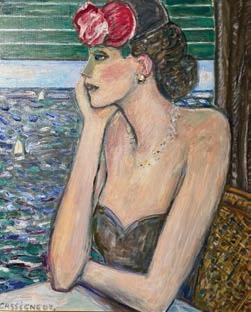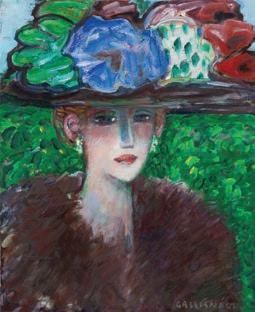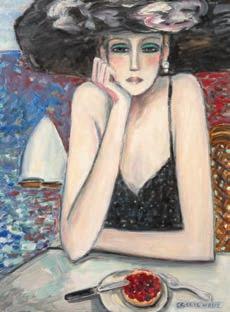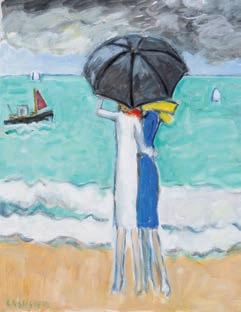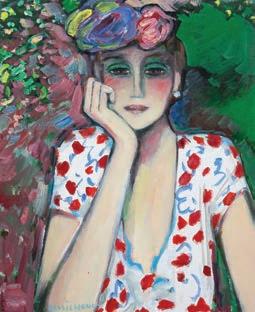
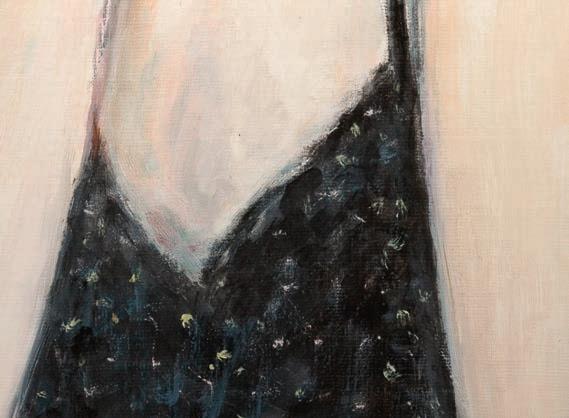
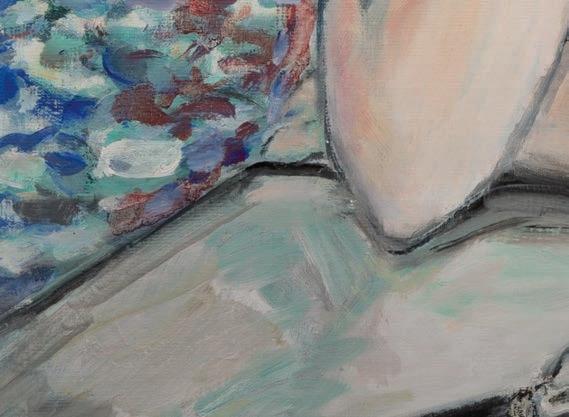
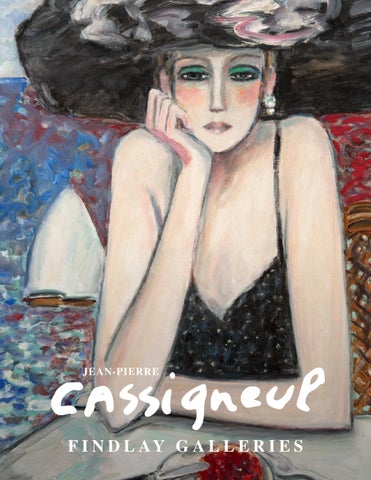
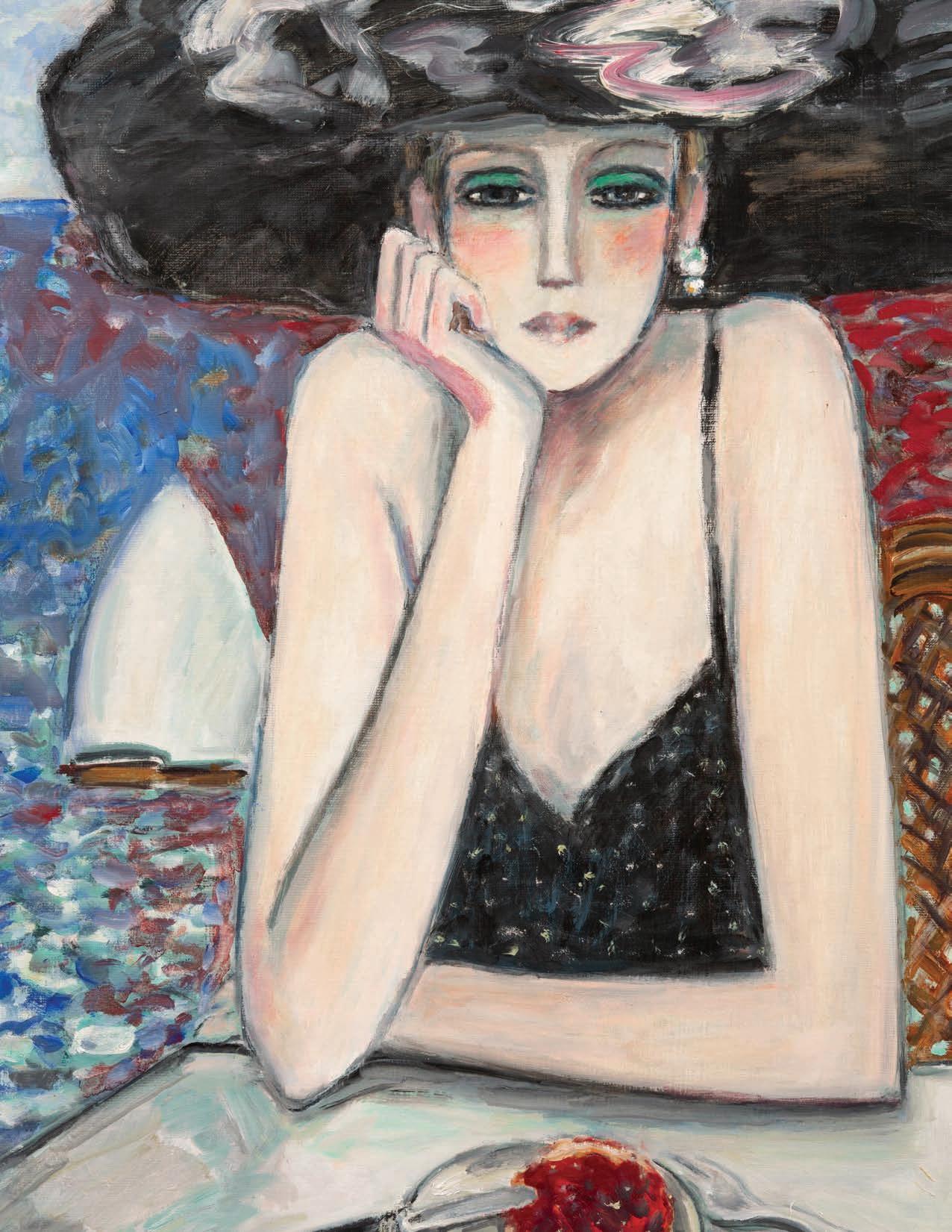







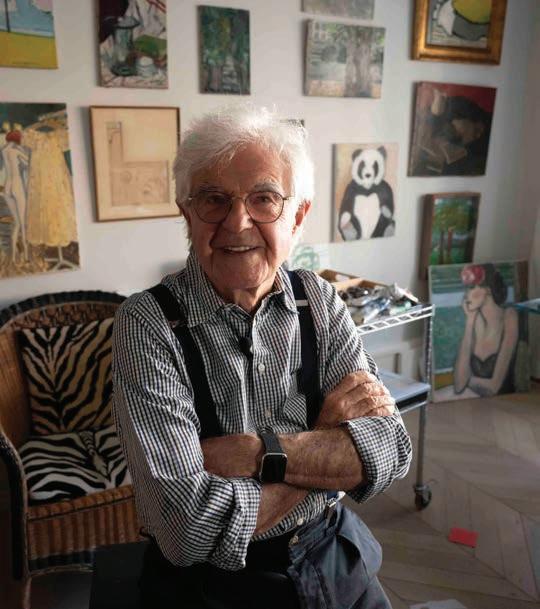
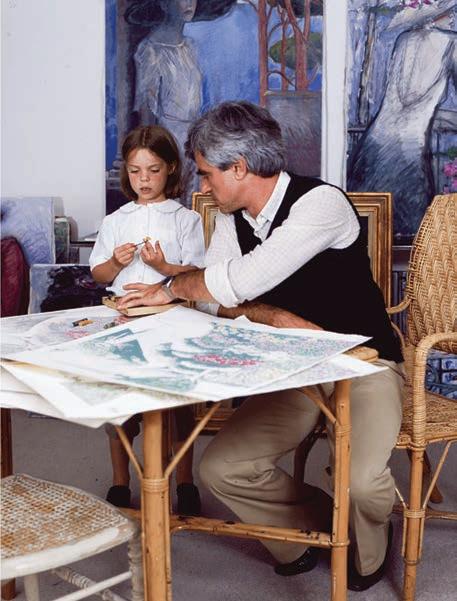
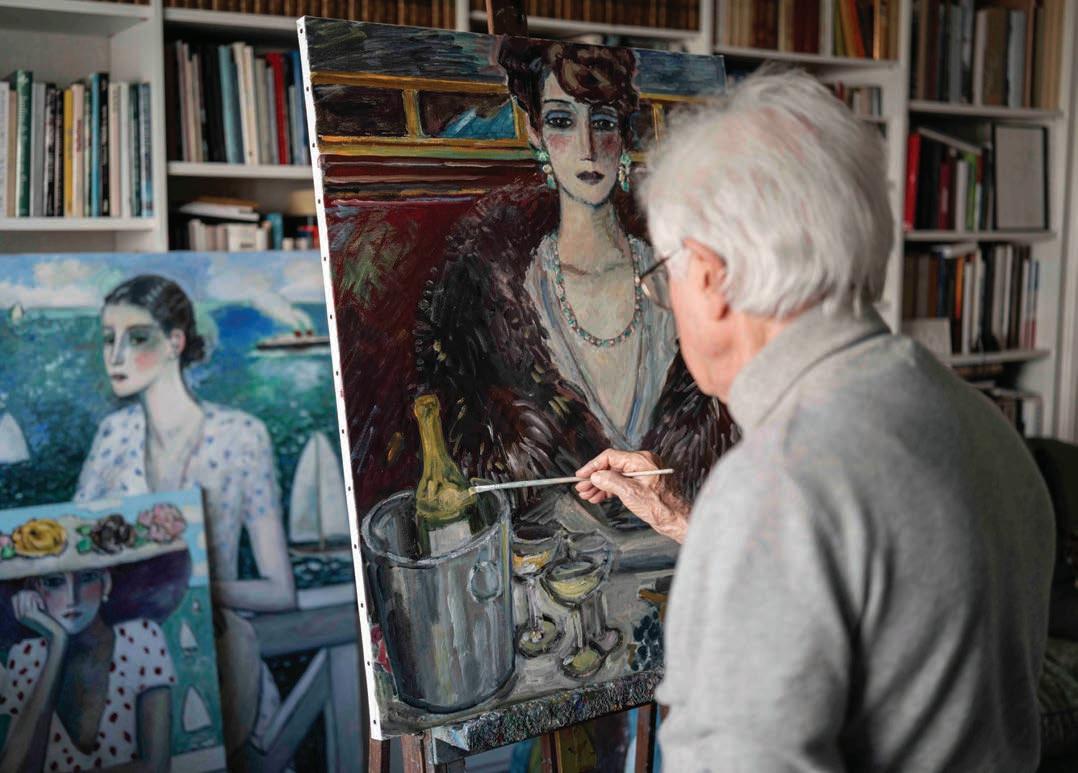
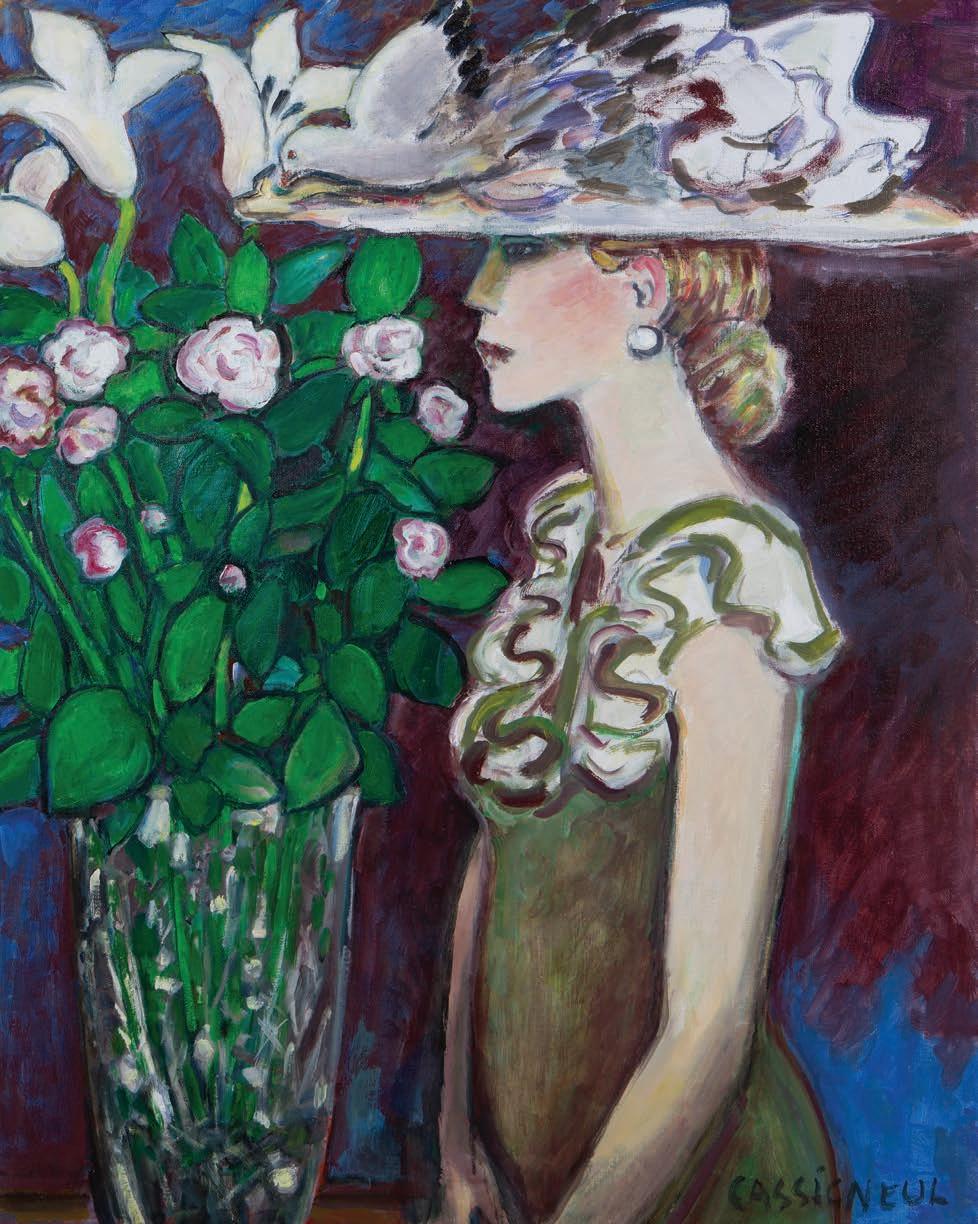
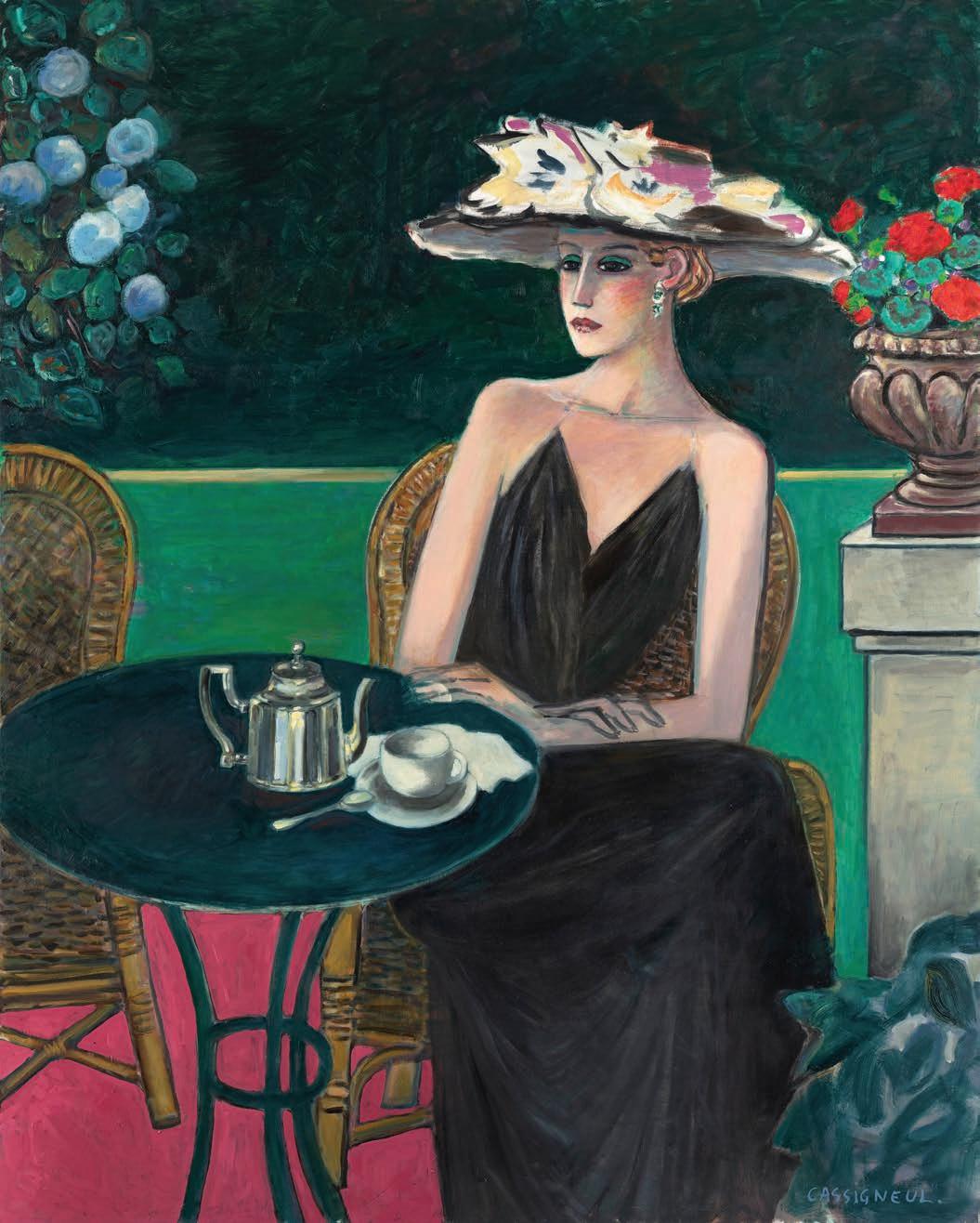
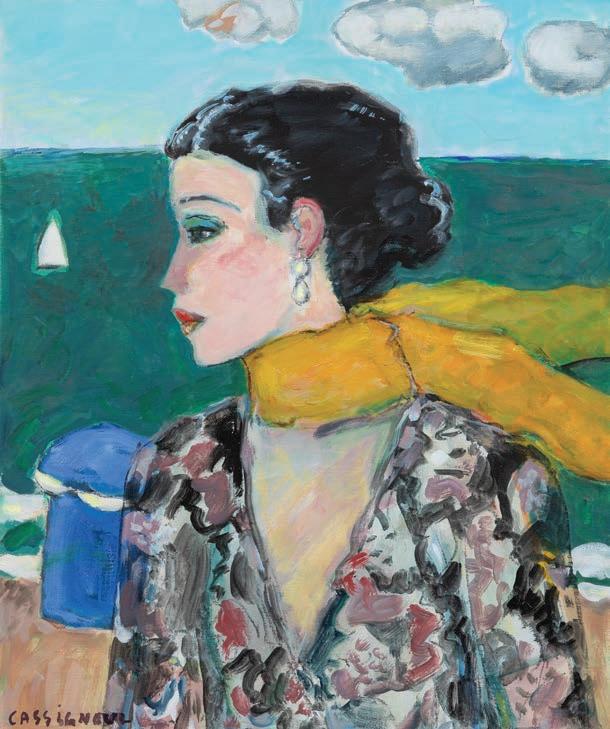
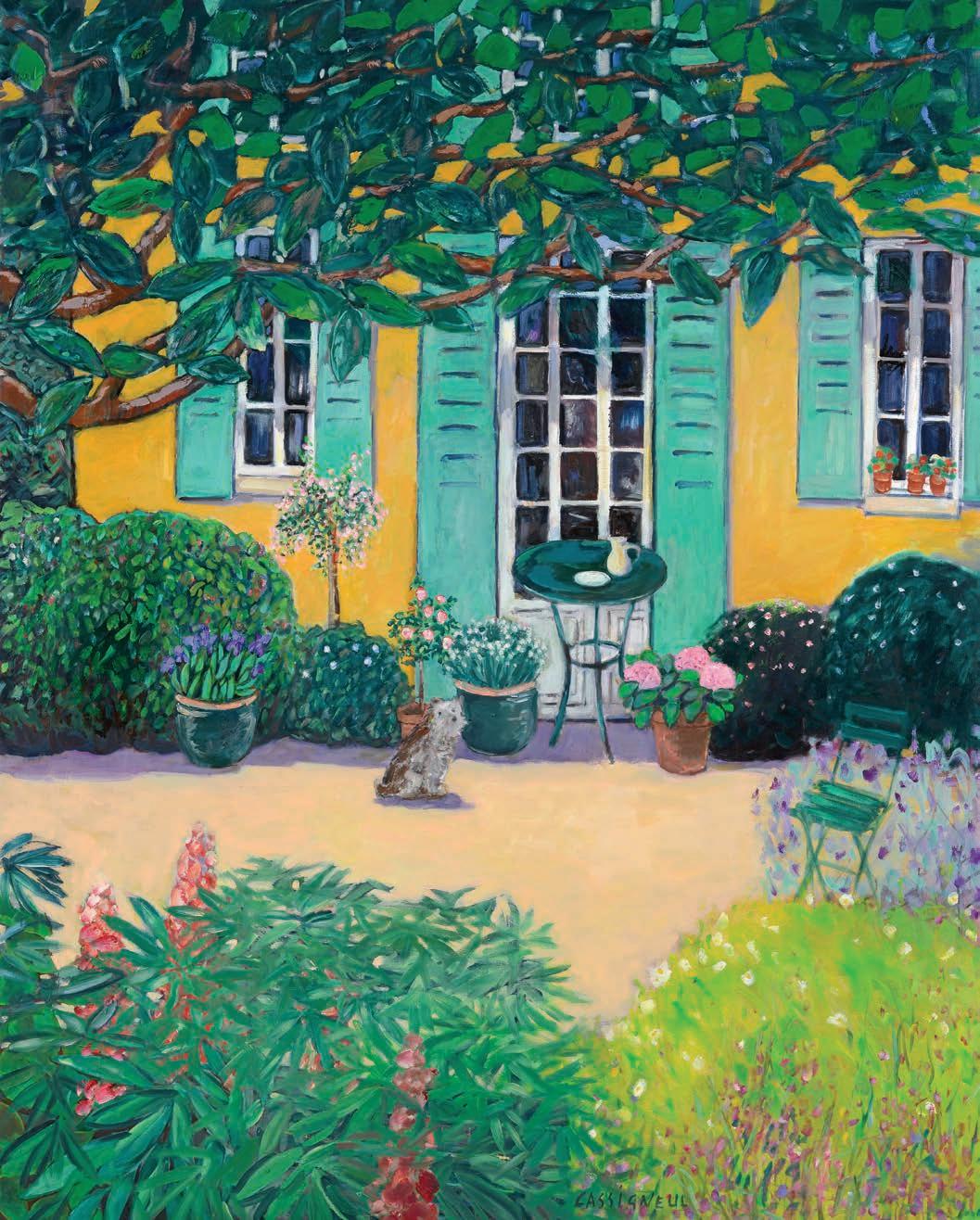
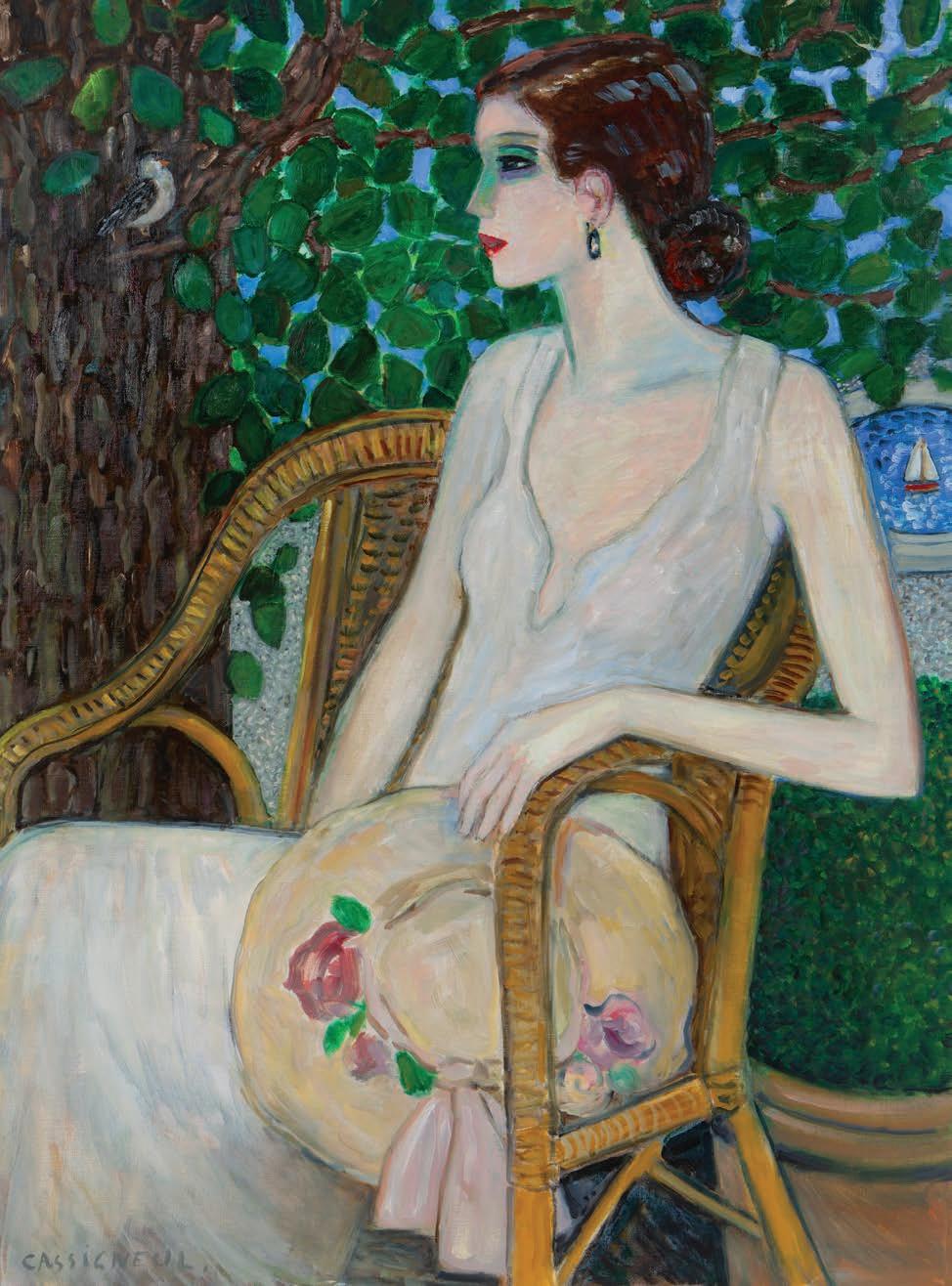
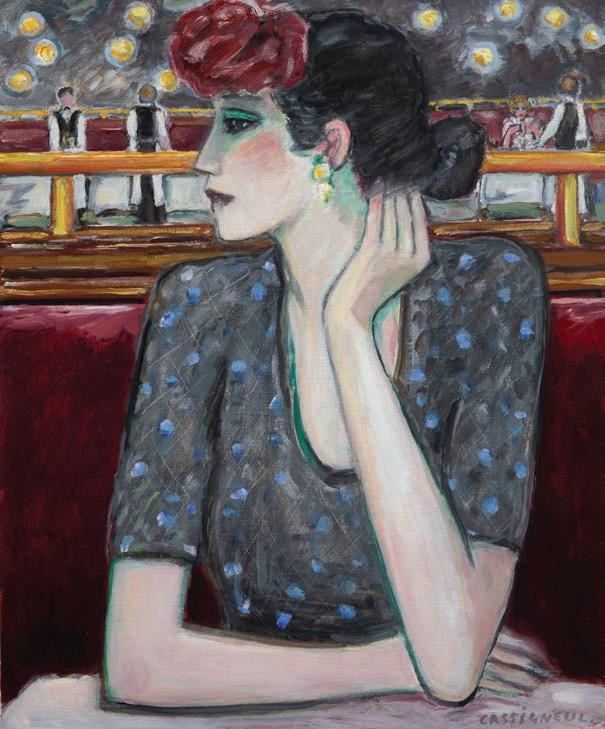
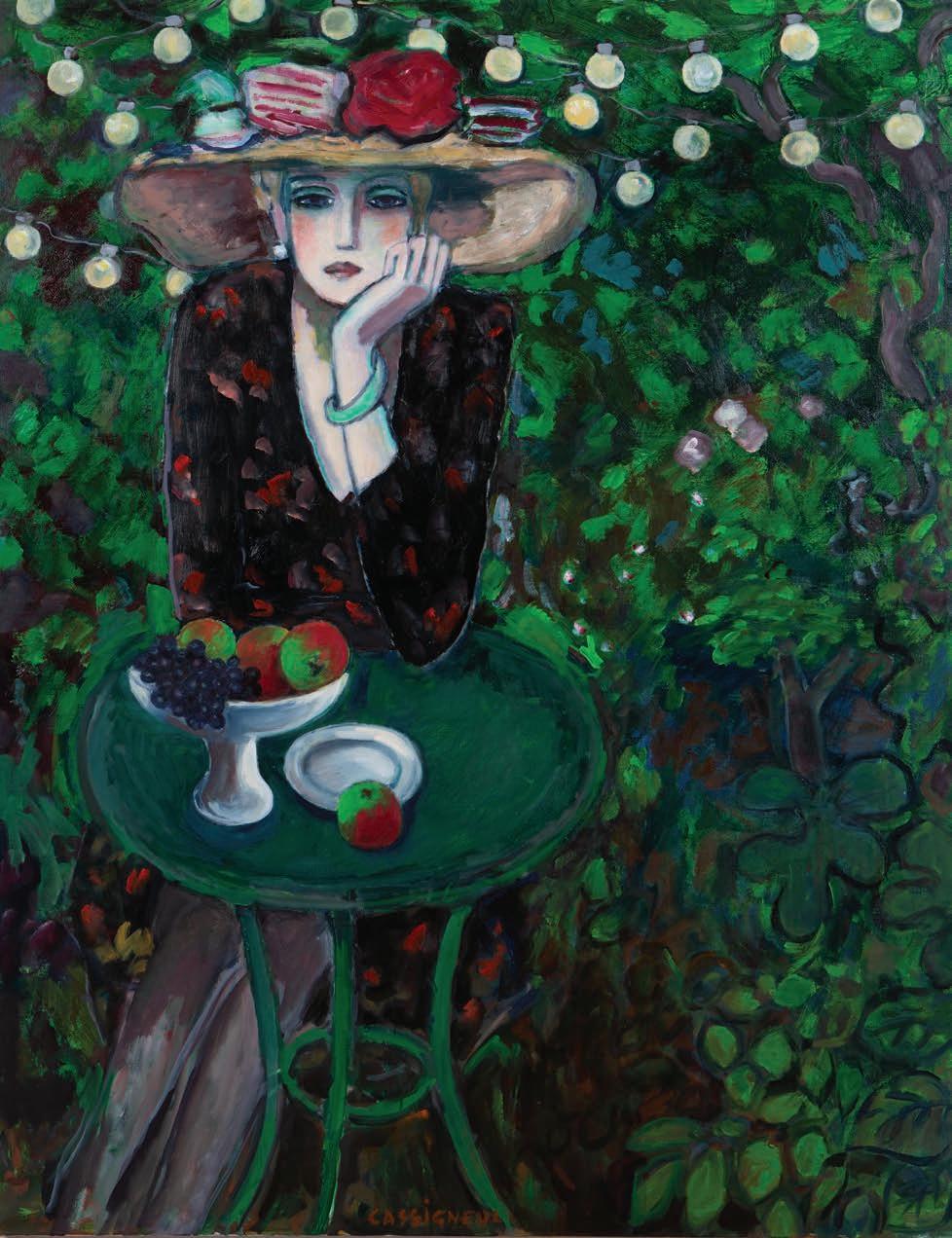
Jean-Pierre Cassigneul (b. 1935, Paris) stands as one of the most distinctive voices in post-war French painting, celebrated for his poetic depictions of women, gardens, and domestic interiors. Known for a refined chromatic sensibility and an unmistakable lyrical restraint, Cassigneul’s canvases evoke a world of quiet introspection, intimacy, and cultivated elegance. His favored subjects—often women in wide-brimmed hats, seated in reflective interiors or bathed in dappled sunlight—occupy a realm suspended between modernity and nostalgia.
Cassigneul held his first solo exhibition at seventeen and pursued formal studies at the Académie Charpentier and the École des Beaux-Arts under Jean Souverbie, later apprenticing in the studio of Roger Chapelain-Midy. In 1959, he was appointed to the Salon d’Automne, marking his early recognition among France’s post-war artistic circles. His affinities with Bonnard, Vuillard, and the expressive vibrancy of Kees van Dongen informed a visual language defined by luminous palettes, bold contours, and a distinctive graphic clarity that often recalls the aesthetics of woodblock printing and Nabis-era colorism.
Cassigneul’s career developed in close dialogue with international audiences. He first exhibited with Wally Findlay in 1968, inaugurating a transatlantic relationship that helped introduce his work to American collectors throughout the 1970s and 1980s. Over subsequent decades, he exhibited widely across Europe, the United States, and Japan, where his work continues to enjoy exceptional popularity. His paintings are held in notable private and public collections, including the Musée d’Art Moderne de Paris and the Izu Lake Ippeki Museum, Japan.
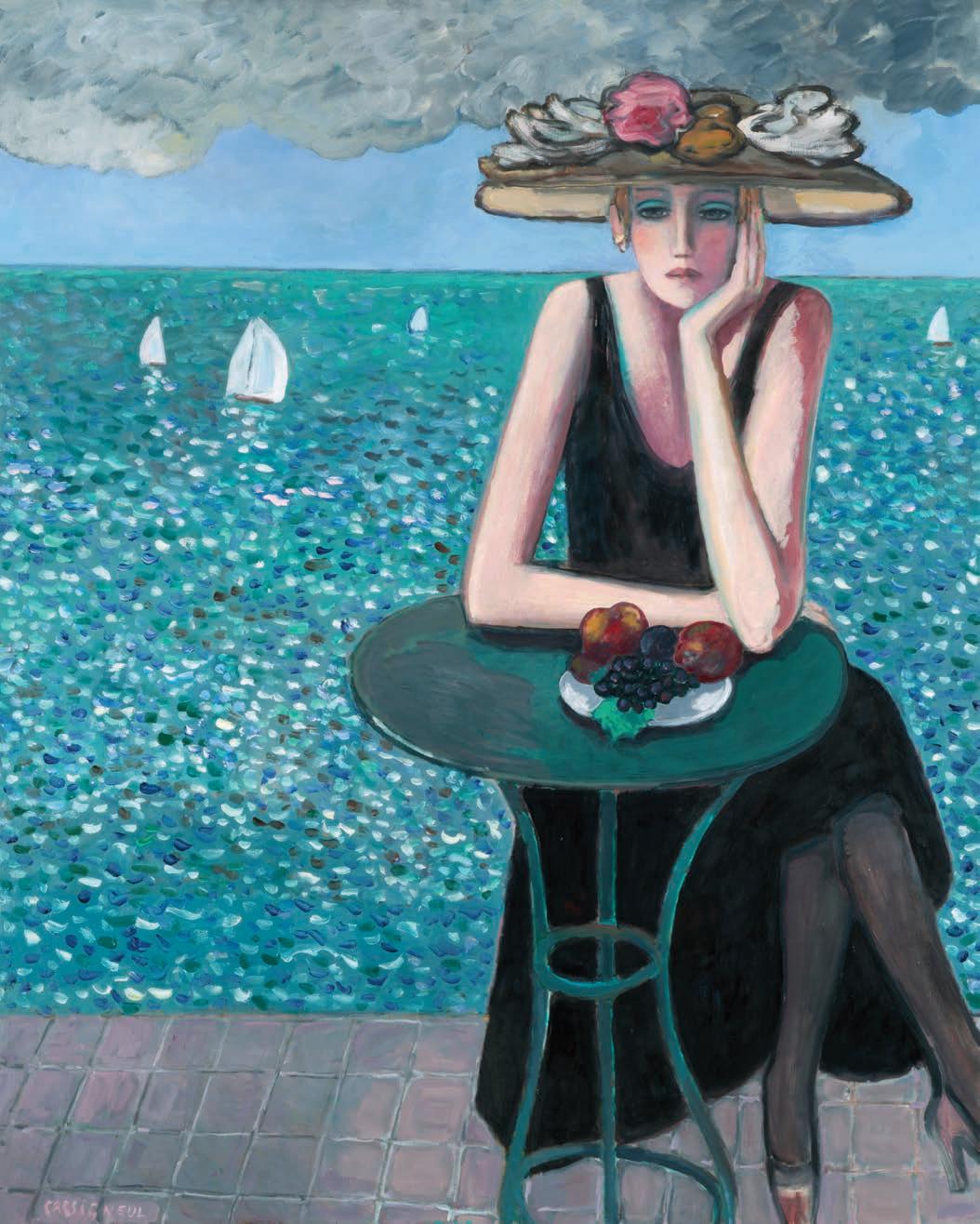
Timeless Elegance, presented by Findlay Galleries, marks Cassigneul’s first solo exhibition in the United States in 40 years. The works featured in the exhibition attest to the maturity of his late style, in which luminous harmonies of color and expressive linearity coalesce into compositions of emotional clarity and understated restraint. These recent paintings reaffirm Cassigneul’s longstanding pursuit of capturing fleeting instants—moments, in his own words, “of reflection and silence”—and preserving them through a timeless visual language.
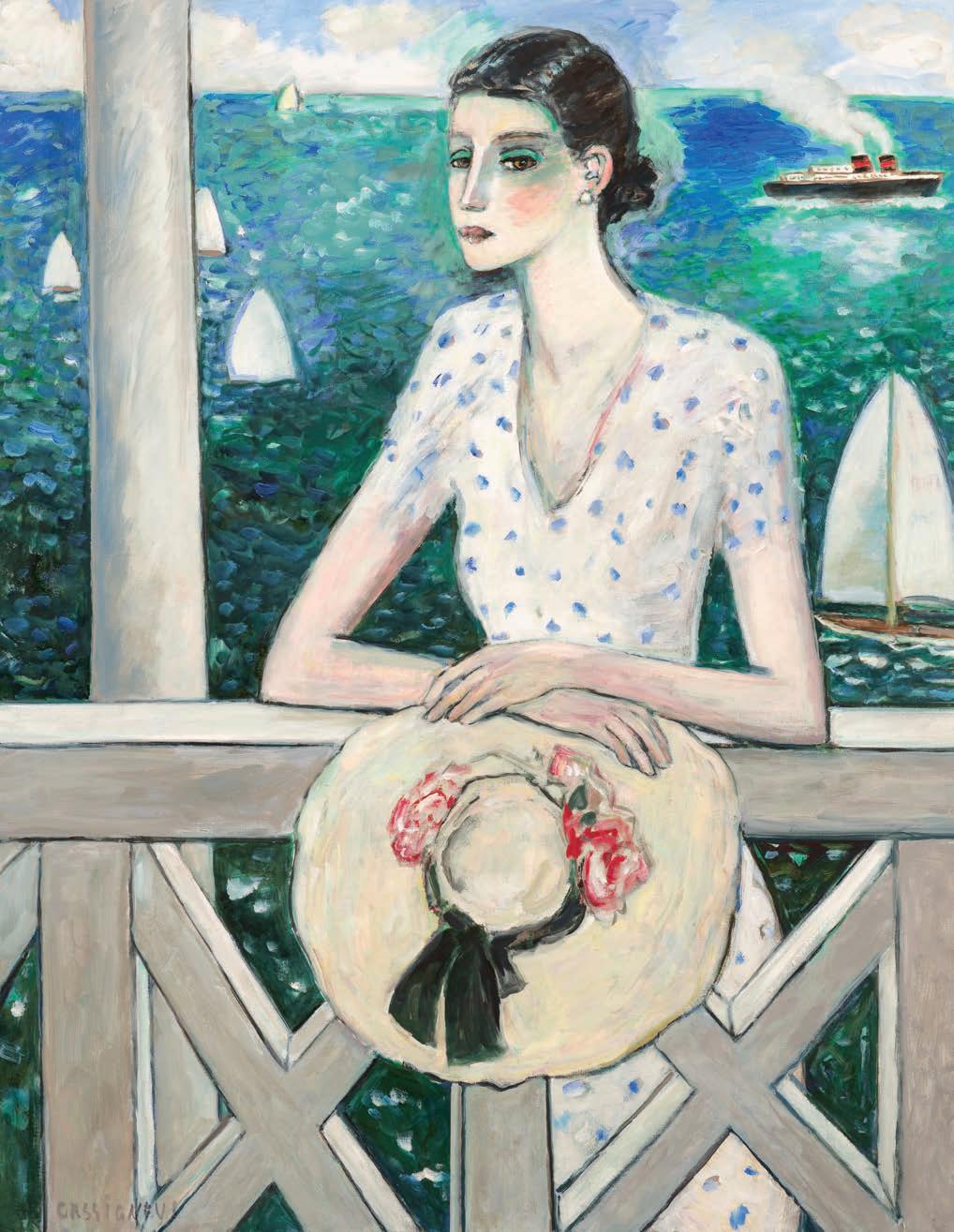
oil on canvas
63 3/4 x 51 3/16 in.
FG© 141918
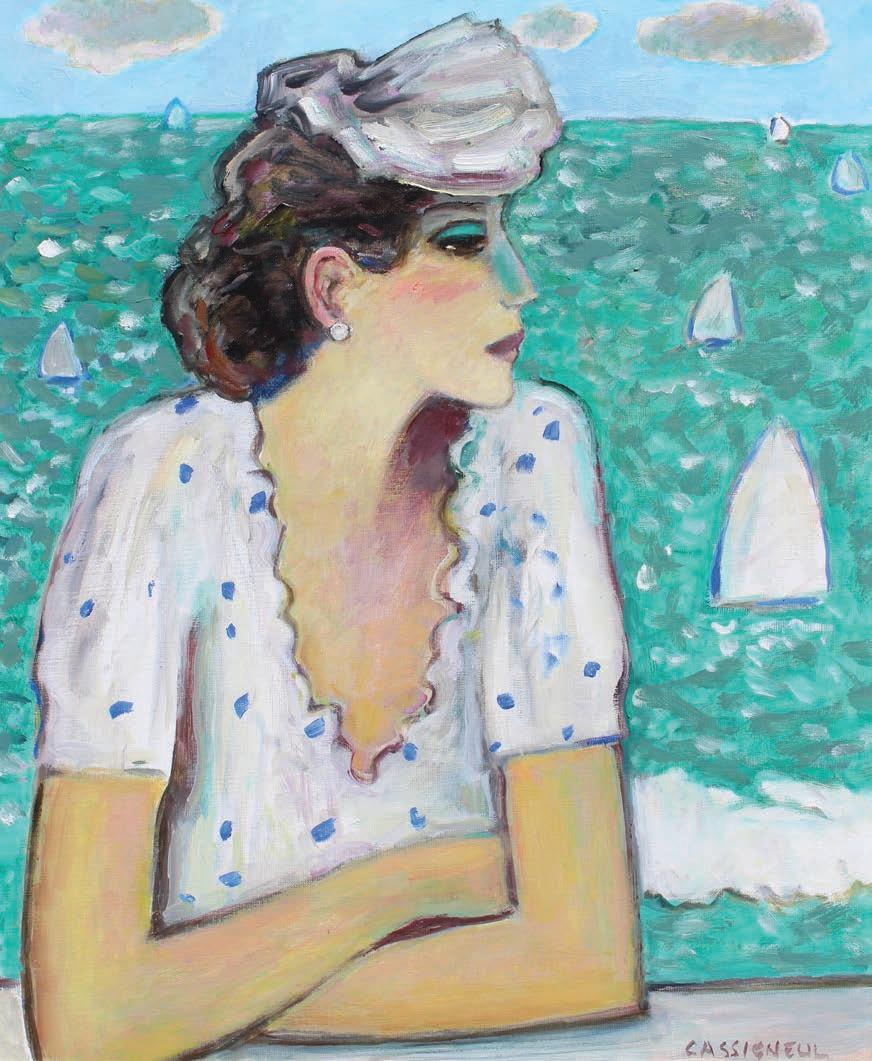
oil on canvas | 28 3/4 x 23 5/8 in. | FG© 141851
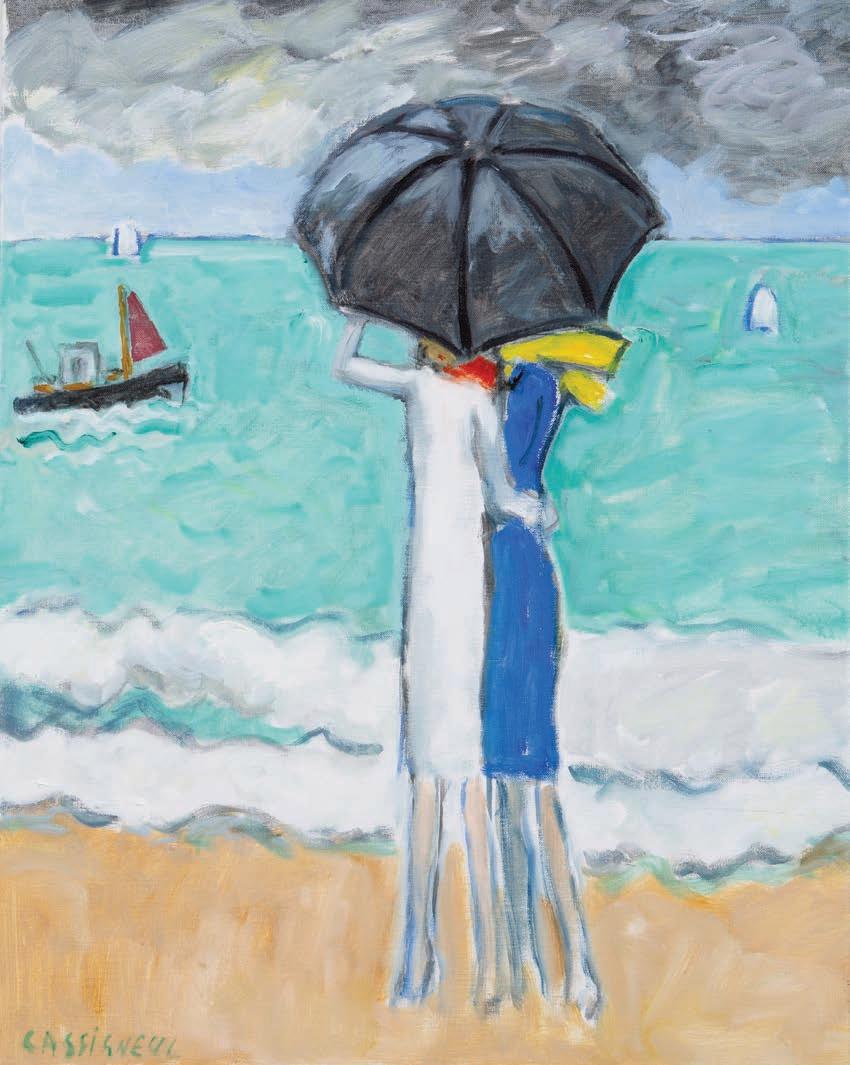
Deauville, 2021
oil on canvas | 25 9/16 x 19 11/16 in. | FG© 142019
oil on canvas
63 3/4 x 51 3/16 in.
FG© 141927
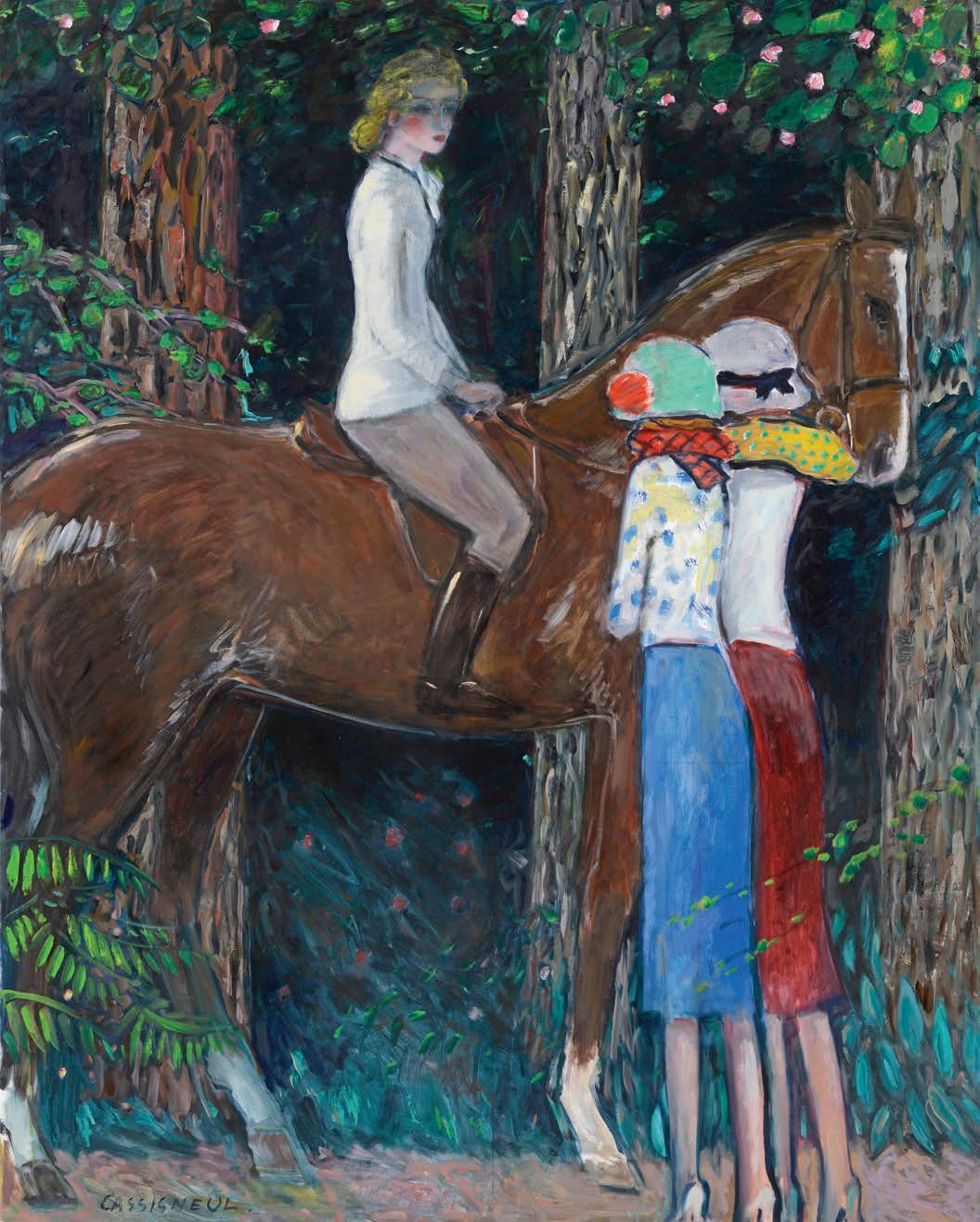
Le-point-du-jour, 2011
oil on canvas
63 3/4 x 51 3/16 in.
FG© 141977
“Jean-Pierre Cassigneul, considered to be van Dongen’s heir, seeks only to please. He is not out to upset his contemporaries’ sensitivity to painting. His purpose is so brilliantly achieved that any art critic intent on informing the public finds himself forced to classify him among the virtuosos of seduction… JeanPierre Cassigneul is an enchanter who fully deserves his success.”
— Raphaël Valensi, Legacy of a Modern Master exhibition catalogue
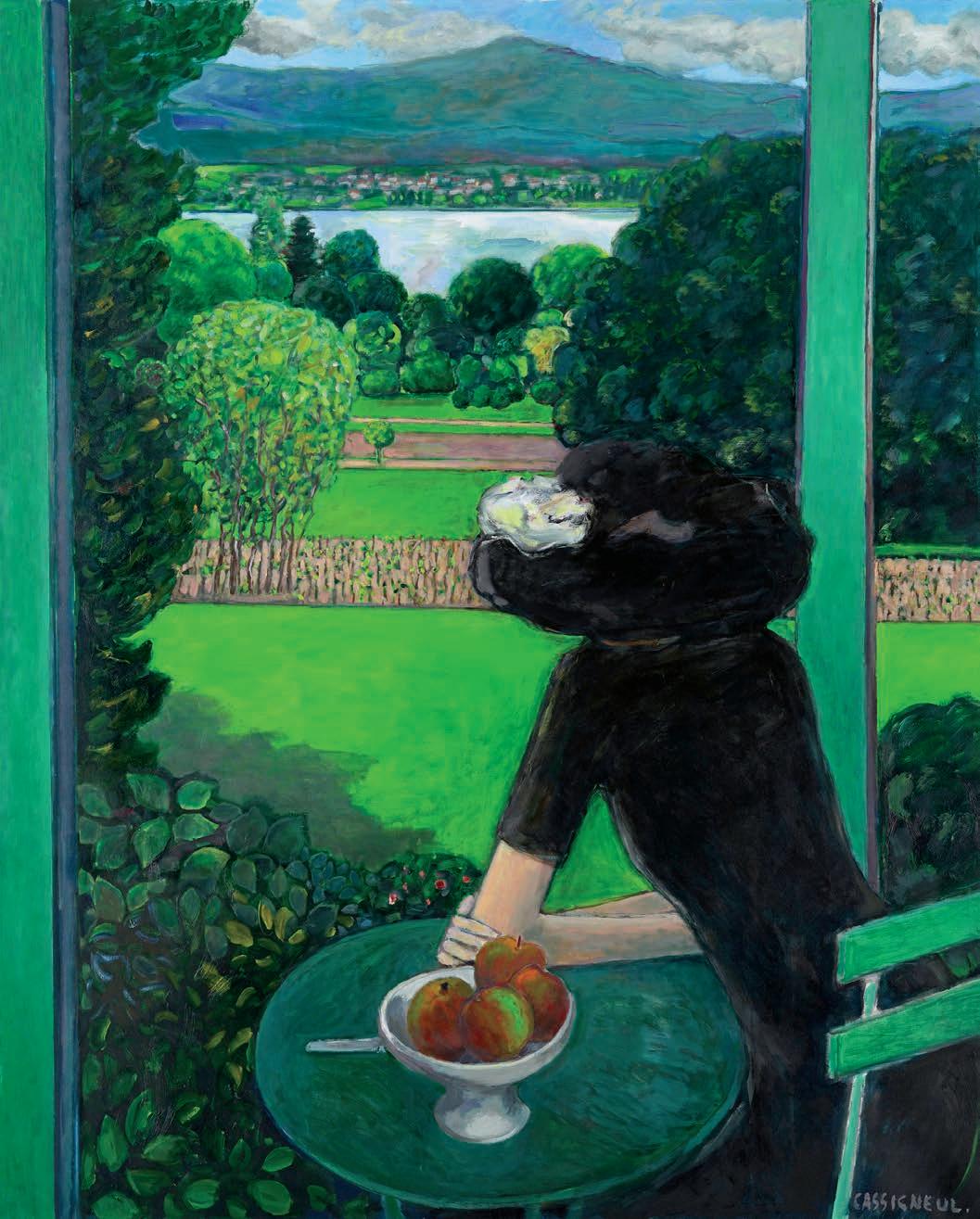
oil on canvas
63 3/4 x 51 3/16 in.
FG© 141917
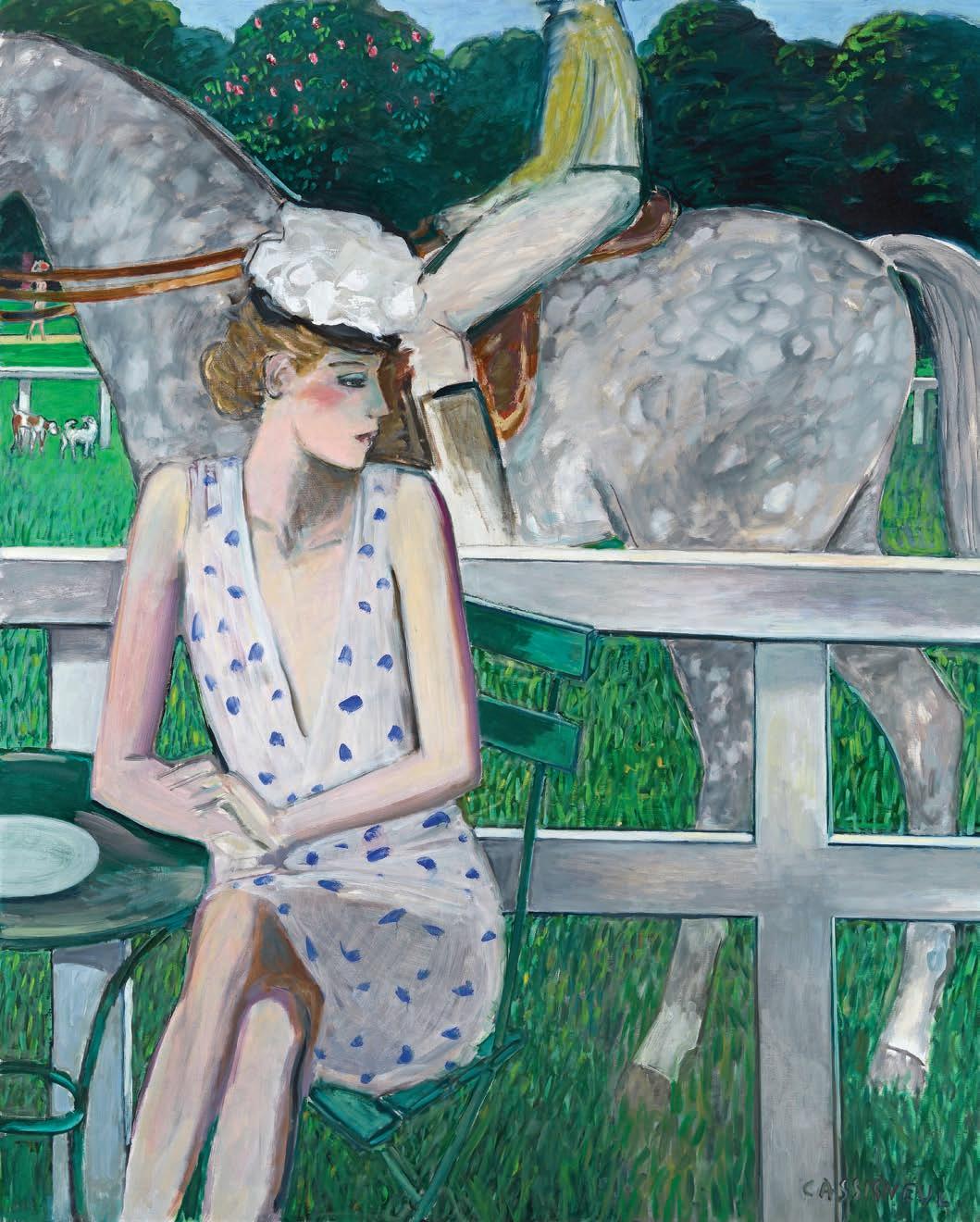
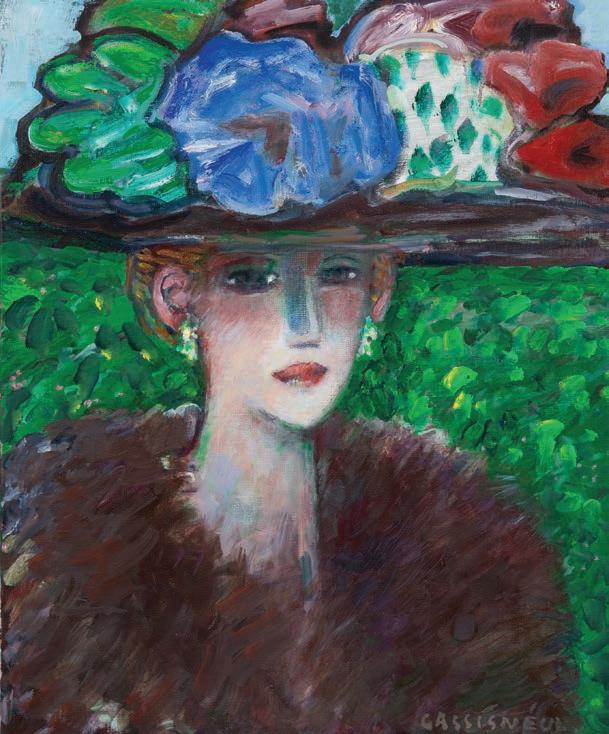
fleur bleue, 2025
oil on canvas
24 x 19 11/16 in.
FG© 142021 (left)
Le chapeau à l’oiseau, 2023
oil on canvas
36 1/4 x 28 3/4 in.
FG© 141916 (right)
oil on canvas
63 3/4 x 51 3/16 in.
FG© 141919
oil on canvas
25 9/16 x 21 1/4 in.
FG© 142020 (left)
Le jardin, 2003
oil on canvas
63 3/4 x 51 3/16 in.
FG© 141920 (right)
oil on canvas
51 3/16 x 38 3/16 in.
FG© 141978
oil on canvas
28 3/4 x 23 5/8 in.
FG© 141924 (left)
Soir d’été, 2021
oil on canvas
57 1/2 x 44 7/8 in.
FG© 141928 (right)
oil on canvas
57 1/2 x 44 7/8 in.
FG© 141976
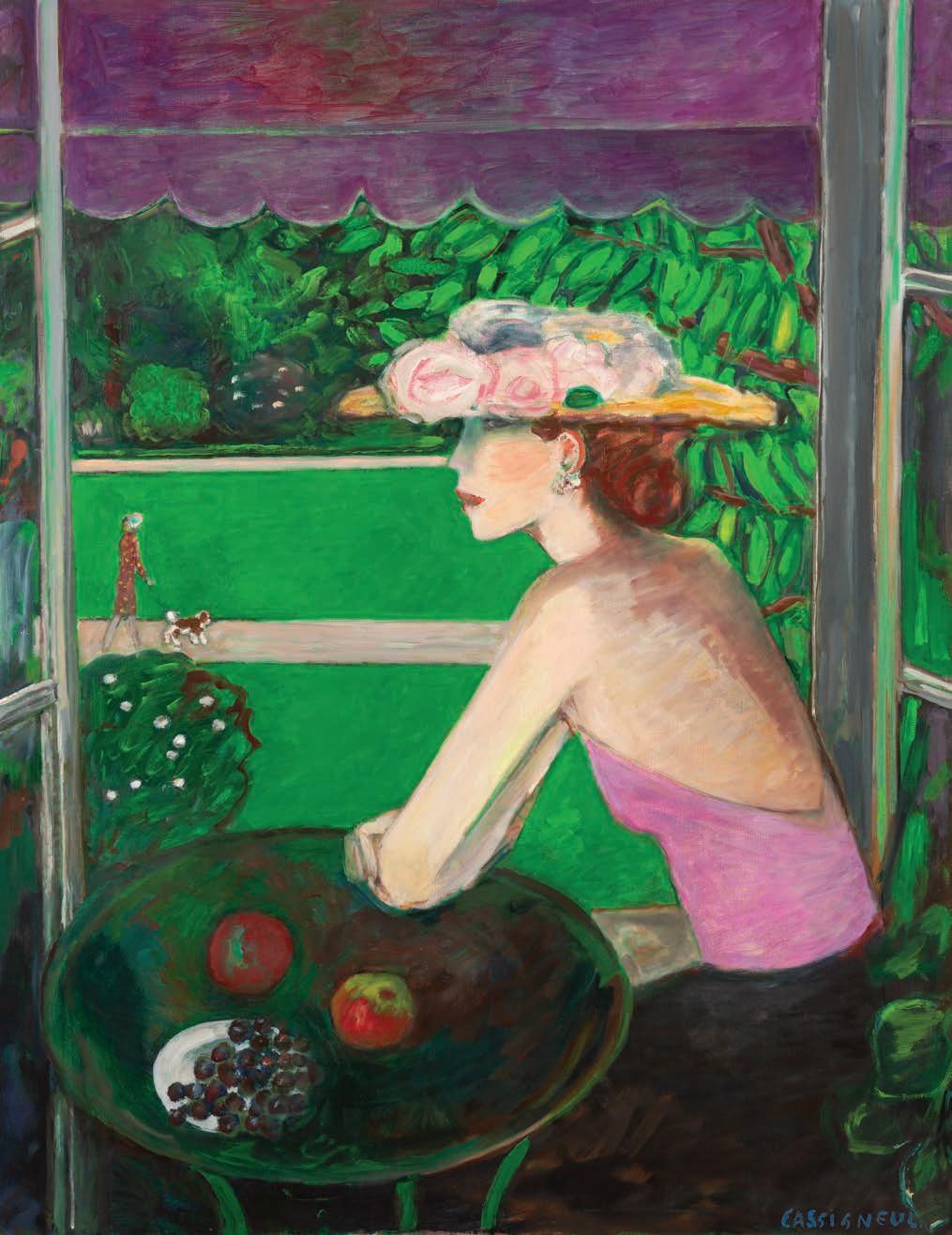
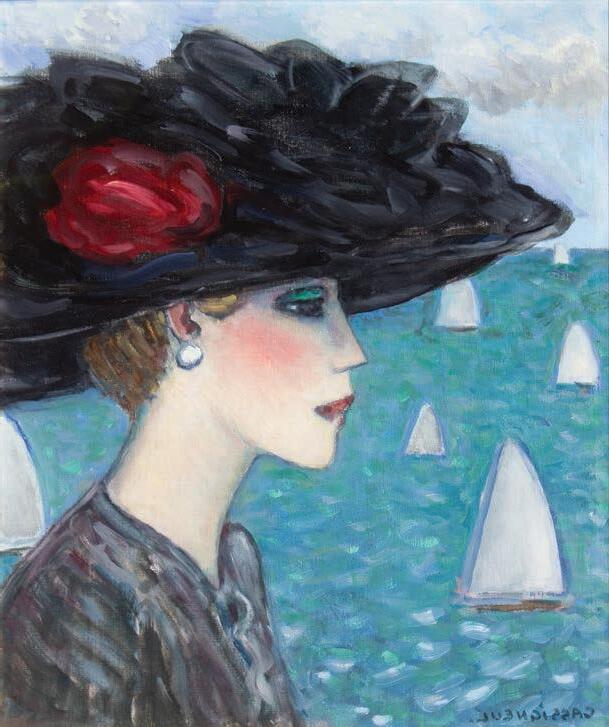
La capeline noire, 2011
oil on canvas
21 5/8 x 18 1/8 in.
FG© 141802 (left) Pauline I, 2022
oil on canvas
31 7/8 x 23 5/8 in.
FG© 141979 (right and cover)
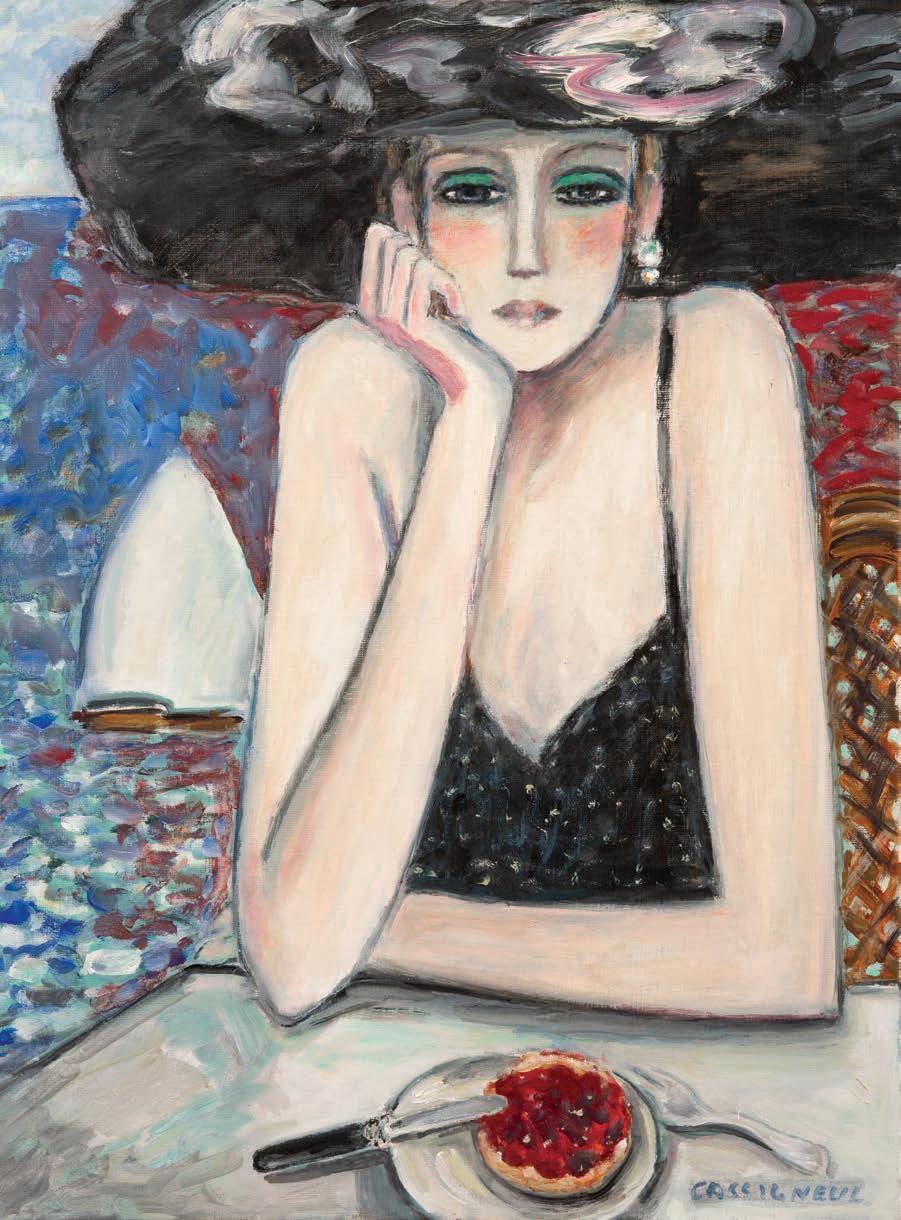
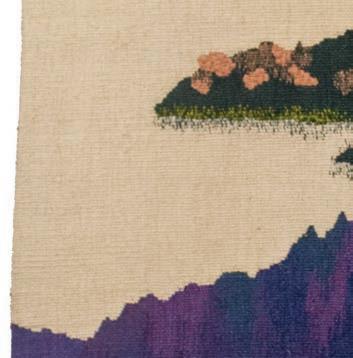
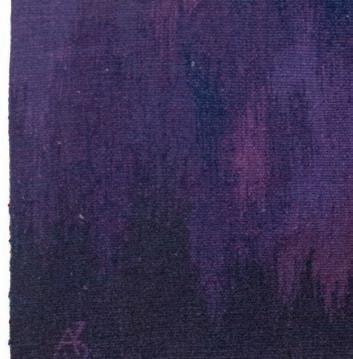
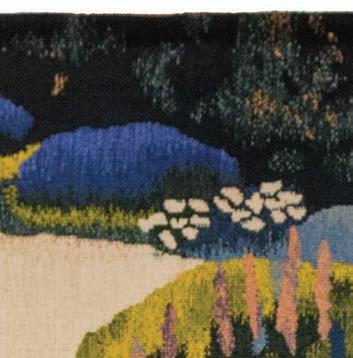
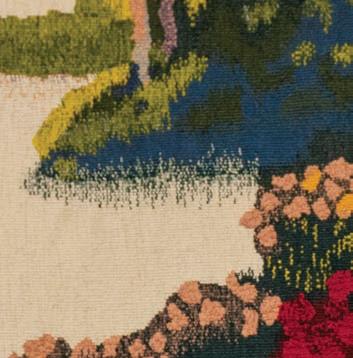
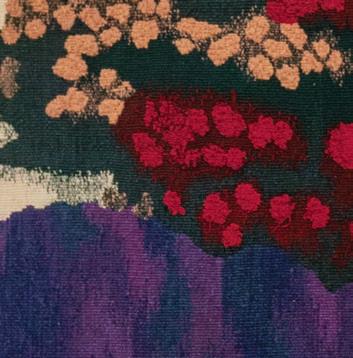
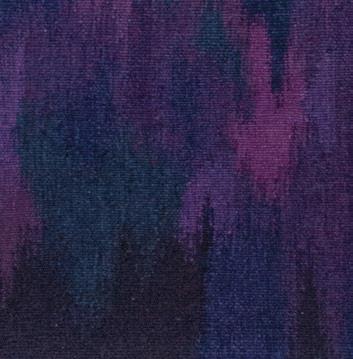
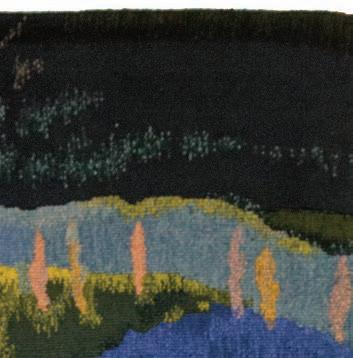
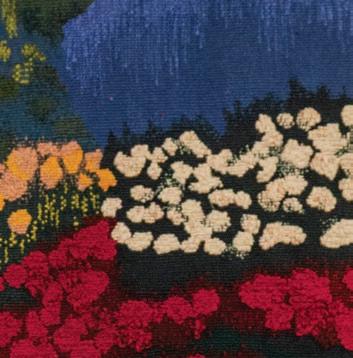
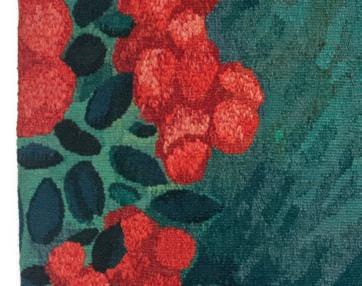
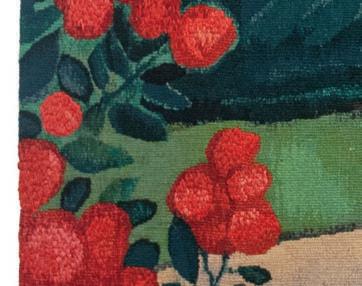
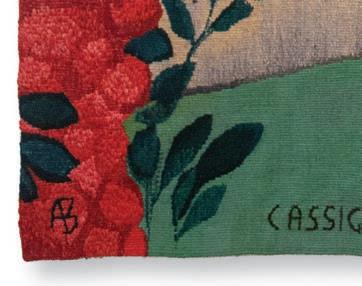
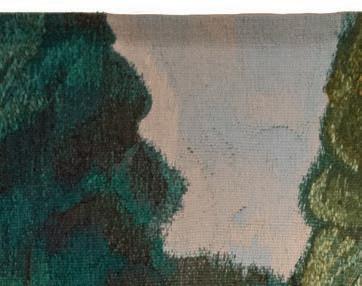
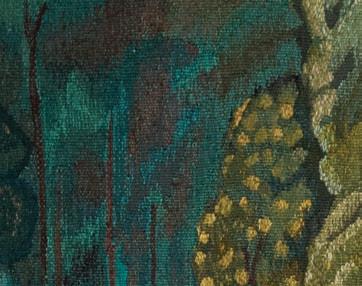
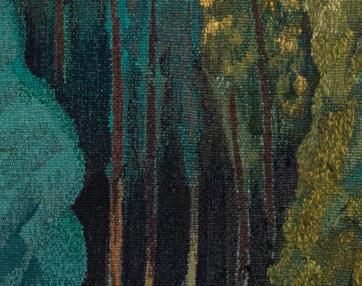
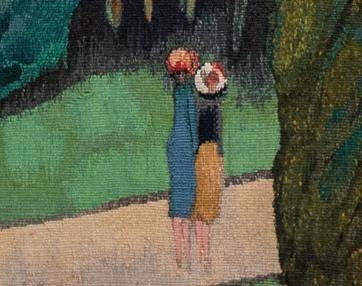
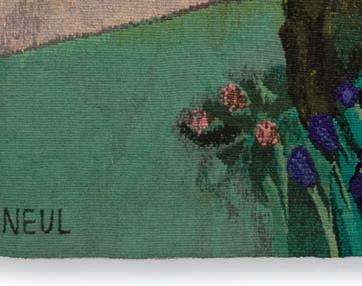
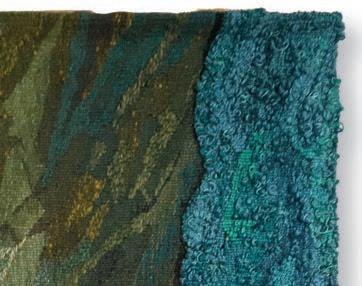
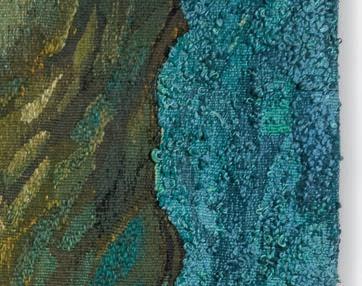
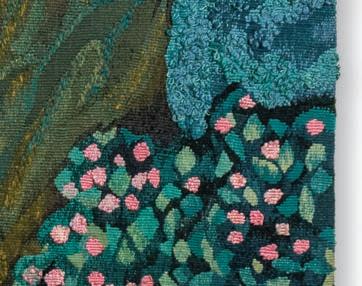
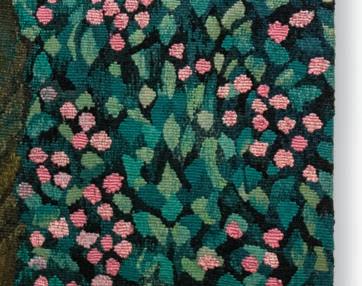
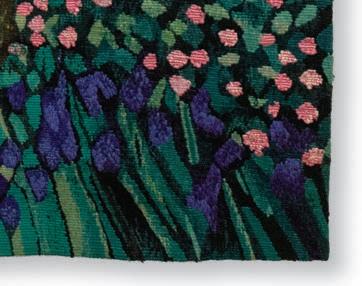
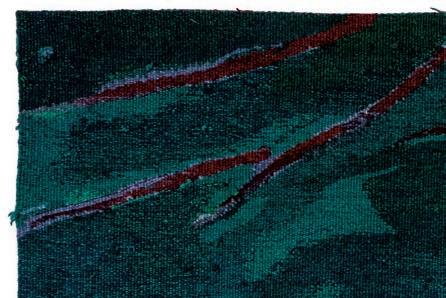
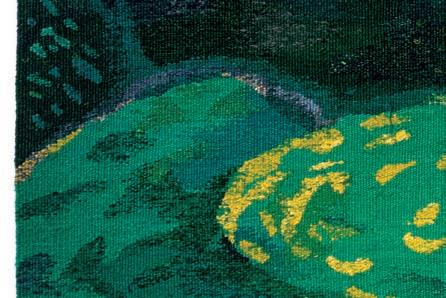
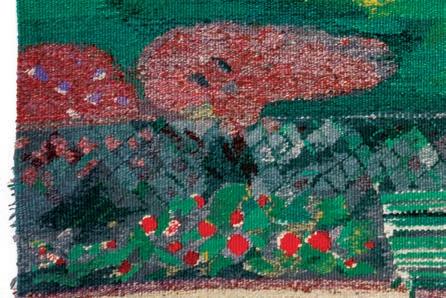
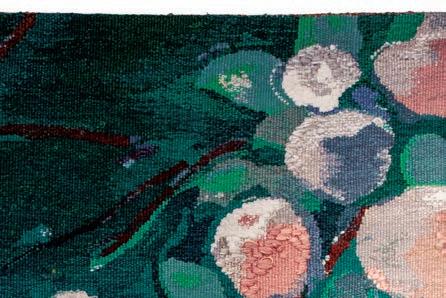
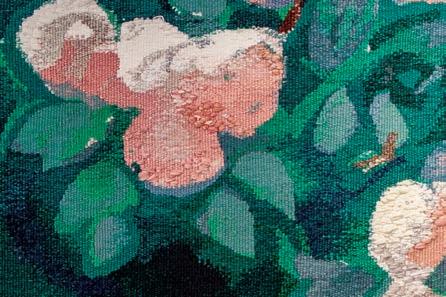
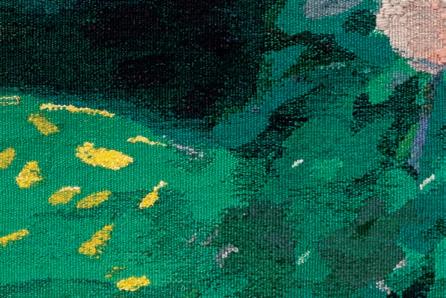
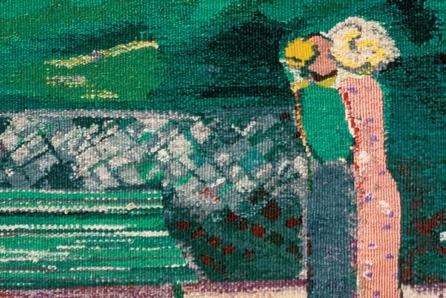
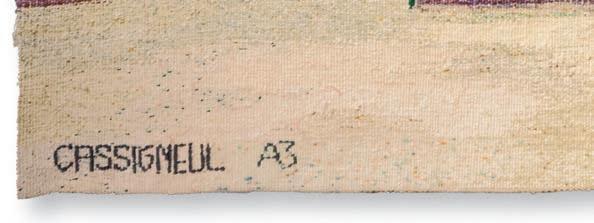
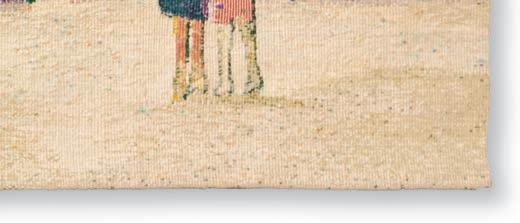
Jean-Pierre Cassigneul extended his artistic practice into tapestry beginning in 1980, when his first textile work was realized by Atelier 3 in Paris. Over the ensuing years, approximately thirty tapestries were woven after his designs, each created in a small numbered and signed edition; together, they form a discrete yet significant body of work within his oeuvre, reflecting a sustained interest in translating his imagery beyond the conventions of easel painting.
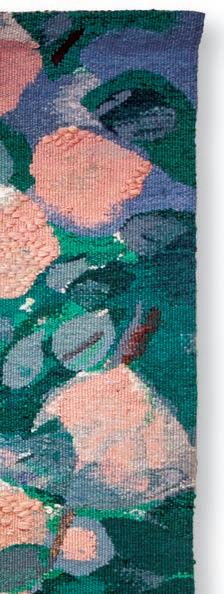
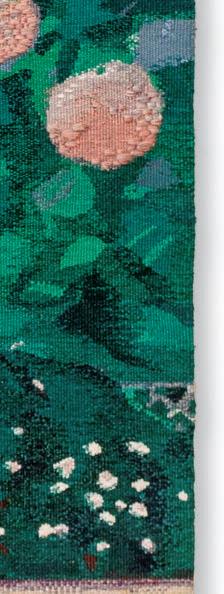
Cassigneul’s tapestries demonstrate the remarkable adaptability of his visual language to woven form. The defining elements of his compositions—elegant female figures, floral motifs, and carefully ordered interiors—are preserved with clarity and restraint, while the inherent materiality of textile introduces a heightened physical and architectural presence. The translation of his nuanced chromatic sensibility into tapestry underscores the decorative intelligence of his work and reveals an affinity for surfaces conceived not only to be viewed, but to inhabit space.
This production is meaningfully situated within the broader twentieth-century revival of French tapestry. Artists such as Jean Lurçat championed the medium as an autonomous form of modern expression, while collaborations between painters and leading ateliers—often under the patronage of Marie Cuttoli and woven at historic workshops such as Aubusson and Gobelins—brought tapestry into dialogue with modern painting. Within this context, works by Henri Matisse, Pablo Picasso, Georges Braque, Fernand Léger, Alexander Calder, and Joan Miró affirmed the medium’s expressive and monumental potential.
Against this lineage of renewed artistic and technical ambition, Cassigneul’s tapestries stand as a natural extension of his painterly vision—works that balance intimacy and scale, surface and structure, reaffirming tapestry as a medium capable of lyrical elegance and enduring presence.
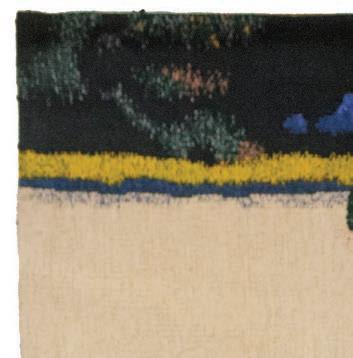
Parc, 1981
tapestries
79 5/8 x 56 1/2 in.
edition 3/6
FG© 141935
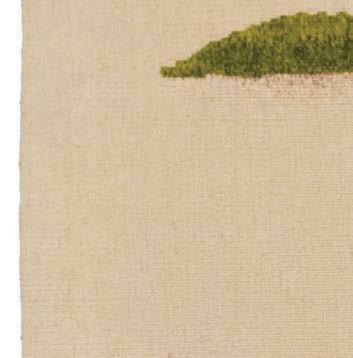
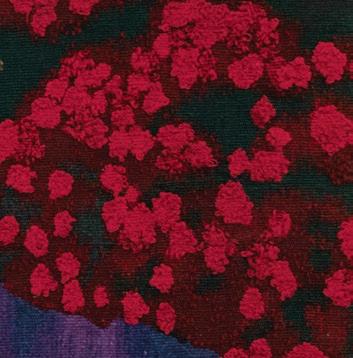
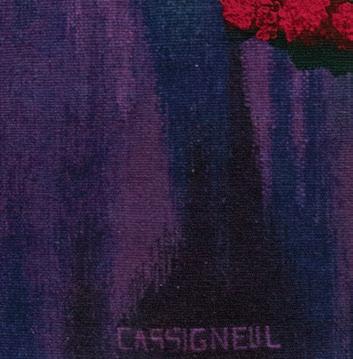
tapestries
80 1/4 x 56 1/2 in.
edition 6/6
FG© 142025
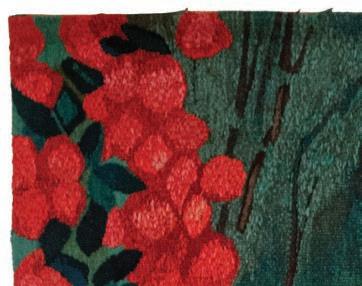
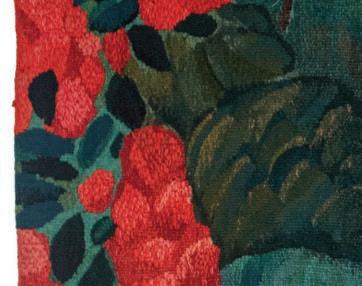
tapestries
72 3/4 x 56 1/2 in.
edition 2/6
FG© 142024
oil on canvas
57 1/2 x 44 7/8 in.
FG© 141980
Cassigneul celebrates a single figure: the sophisticated woman.”
— Dominic Witek, Artsper Magazine
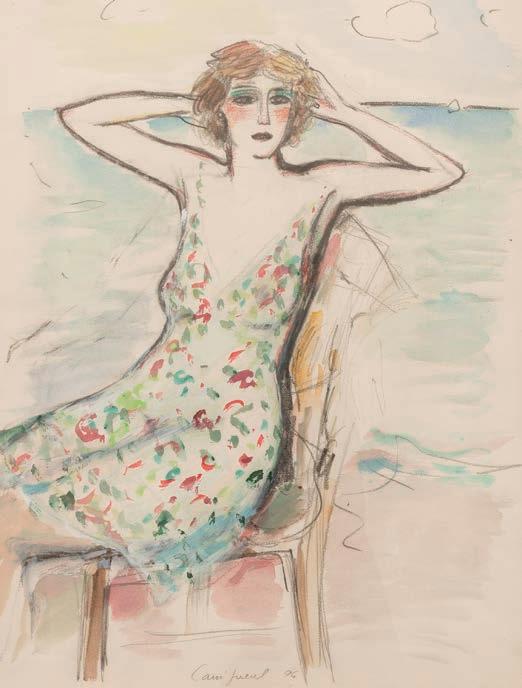
Les bras leves, 1996
graphite and colored pencil on paper
23 1/4 x 17 3/4 in.
FG© 141930
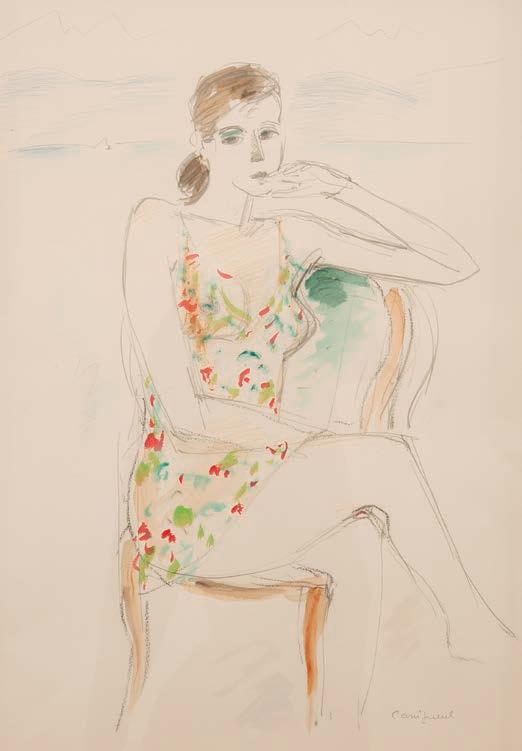
La nuisette, 1996
graphite and colored pencil on paper
24 3/8 x 16 7/8 in.
FG© 141931
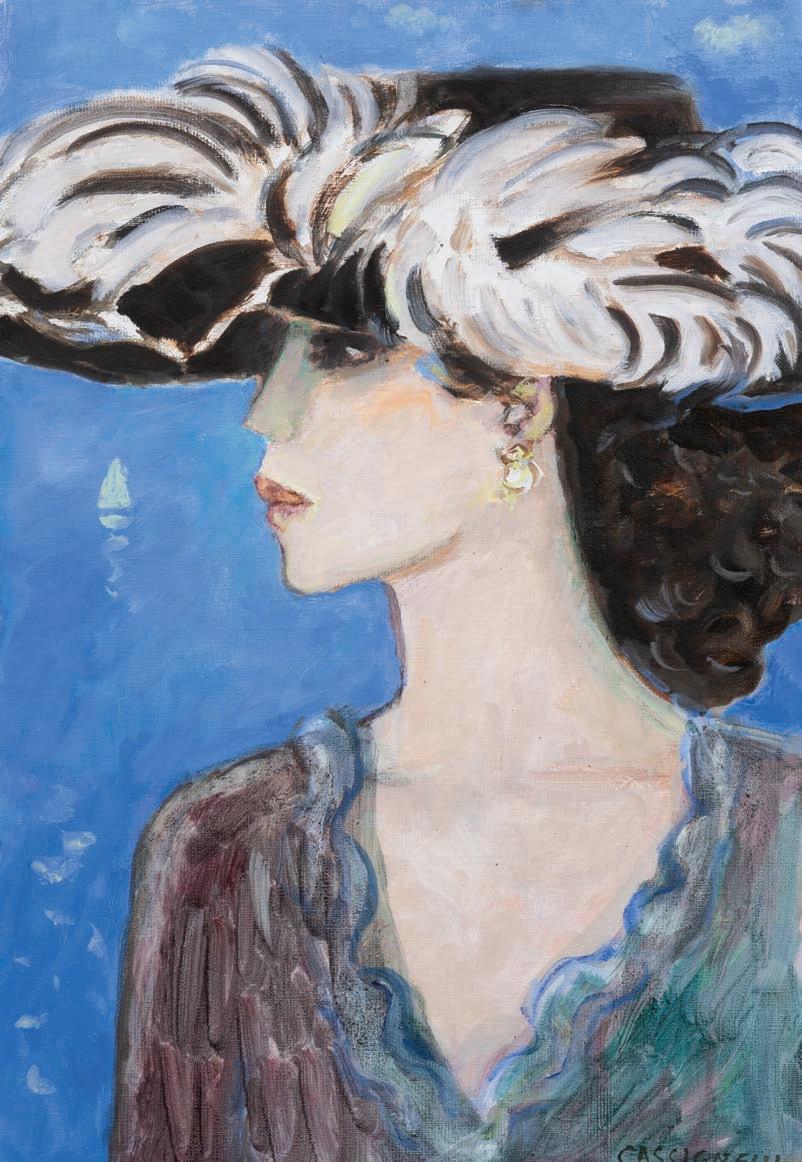
21 5/8 x 14 15/16 in. FG© 141926
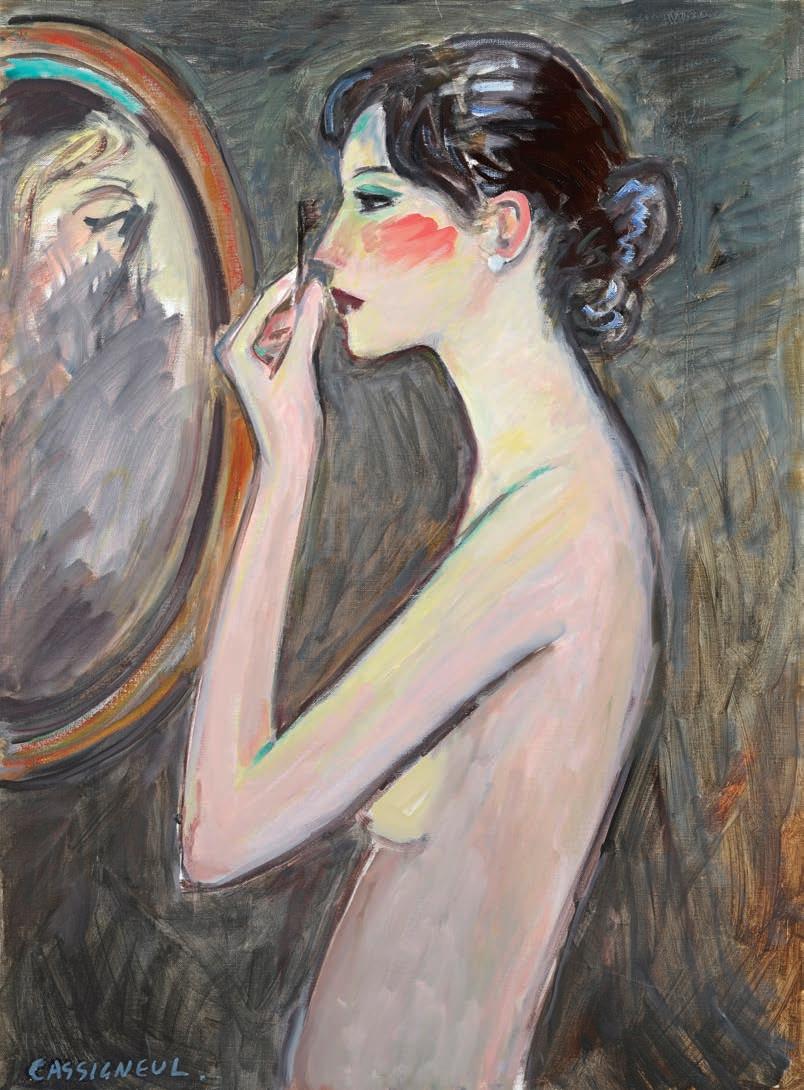
Devant la glace, 2011 oil on canvas | 31 7/8 x 23 5/8 in. | FG© 141975
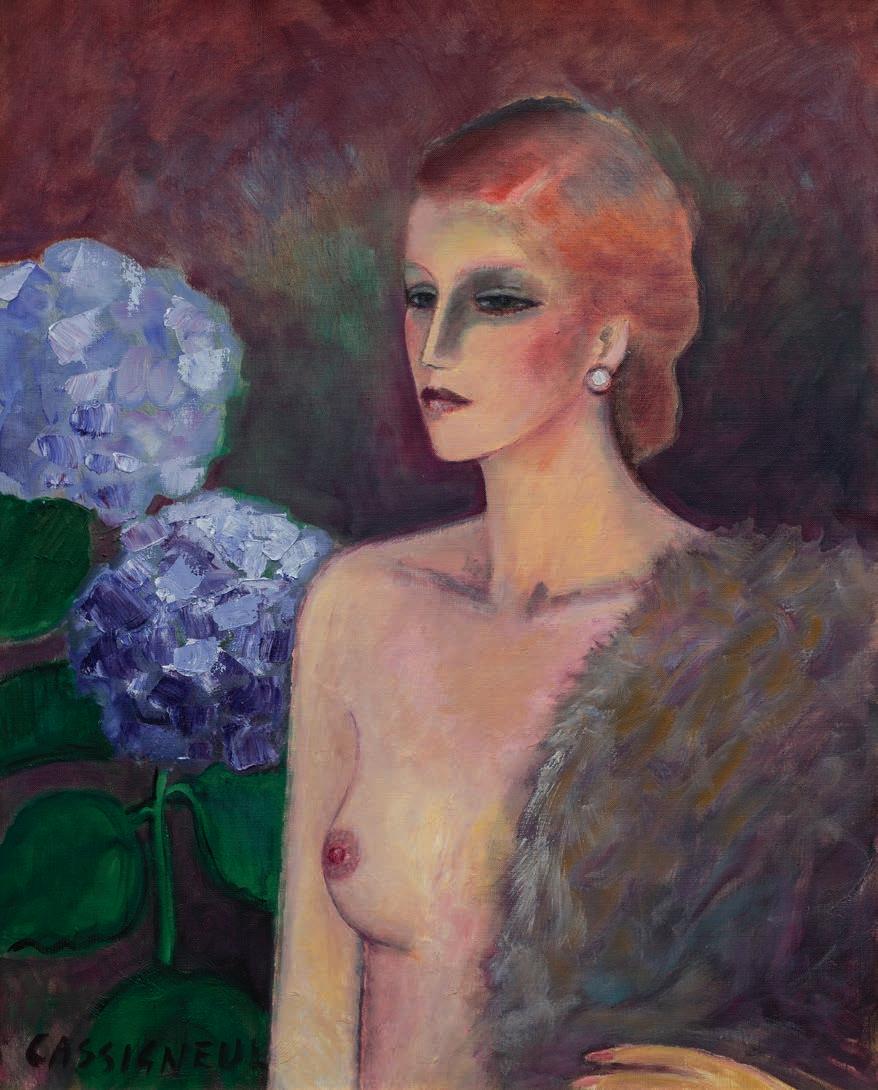
| 31 7/8 x 25 9/16 in. | FG© 141653
Timeless Elegance, Exhibitions at Findlay Galleries in Palm Beach and New York. Carnets intimes, solo exhibition at Tamenaga Gallery, Paris.
Moments of Splendour, solo exhibition at Stern Pissarro Gallery, London.
Solo exhibition of paintings at Tamenaga Gallery, Tokyo; additional exhibition at Yeasung Gallery, Seoul.
Exhibition at Art Palm Beach.
Exhibitions at the Brafa Art Fair in Brussels and at the TEFAF fair in Maastricht. Legacy of a Modern Master, exhibition at Findlay Galleries, Palm Beach.
Legacy of a Modern Master, exhibition at Findlay Galleries, New York.
Solo exhibition at Peter Pappot Gallery, Amsterdam.
Exhibition at Tamenaga Gallery, Paris.
Exhibition at Patrick Cramer Gallery, Geneva.
Exhibition at the Matsuzakaya Museum in Nagoya.
Retrospective exhibition at the Daimaru Museum in Tokyo.
Inauguration of the Izu Lake Ippeki Museum in Japan, with a permanent display of approximately 150 works.
Solo exhibition at the Matsuzakaya Museum (Nagoya, Ueno, Yokohama, and Osaka); production of scenery and costumes for the ballet La Fille mal gardée at the Bolshoi Theatre, Moscow.
Exhibition tour at the Daimaru museums in Osaka, Tokyo, Hakata, and Kyoto.
Solo exhibition at Printemps Ginza, Tokyo.
Exhibition at the Shiseido Gallery, Tokyo.
Exhibition at the Trianon in the Parc de Bagatelle, organized by Paris City Hall.
Exhibition of screens (paravents) at Wally Findlay Galleries, New York; exhibitions at La Bouquinerie de l’Institut, Paris and the Foire Internationale de l’Estampe, Jacquemart-André Museum, Paris.
Solo exhibition at the Matsuzakaya Museum, Nagoya.
Exhibitions at the Mikimoto Gallery, Tokyo; Miyako Gallery, Osaka; Kokusai Salon, Nagoya; and a solo exhibition at Wally Findlay Galleries, Paris.
Exhibitions at Galerie du Monde, Hong Kong; Wally Findlay Galleries, Paris; and Matignon Gallery, Paris. First tapestry produced at Atelier 3, Paris; solo exhibitions of paintings and tapestries at Wally Findlay Galleries, Paris and New York.
Exhibition at Wally Findlay Galleries, New York.
Exhibitions at Wally Findlay Galleries in Beverly Hills, Paris, Palm Beach and New York.
Exhibitions at Wally Findlay Galleries in Paris and Palm Beach.
Exhibitions at Wally Findlay Galleries in Beverly Hills and New York.
Exhibitions at Wally Findlay Galleries in Paris and New York.
Exhibitions at Wally Findlay Galleries in Palm Beach and New York; solo exhibition at Tamenaga Gallery, Tokyo.
Exhibitions at Wally Findlay Galleries in Paris, Palm Beach and Chicago.
Exhibitions at Wally Findlay Galleries in Palm Beach, New York and Chicago.
Exhibitions at Wally Findlay Galleries in Palm Beach and New York; major solo exhibition at the Mitsukoshi Gallery, Tokyo.
Exhibition of lithographs at the Mitsukoshi Gallery, Tokyo; exhibitions at Wally Findlay Galleries in Palm Beach, New York and Chicago.
Exhibition at Wally Findlay Galleries, New York.
Exhibition at the International Figurative Salon, Tokyo; second exhibition at the Bellechasse Gallery, Paris.
Creation and printing of first lithographs at the Desjobert studio; one-night exhibition at the Bellechasse Gallery, Paris.
Solo exhibition at the Tivey-Faucon Gallery, Paris.
Exhibits for the first time at the Salon de la Jeune Peinture, Paris.
Named member of the Salon d’Automne, Paris.
Exhibits at the Fine Arts Gallery, Paris.
Joins the Académie Charpentier; studies with Jean Souverbie at the Paris School of Fine Arts. First solo exhibition at the Lucy Krogh Gallery, Paris.