Fotografia: Icone Italiane
18 MAGGIO 2026, MILANO

Fotografia: Icone Italiane
lunedì 18 maggio 2026, Milano
Via dei Bossi 2 - Milano
TORNATA UNICA ore 16:00 lotti 1001 - 1100
ESPOSIZIONE
Dall’11 al 15 maggio 2026
Dalle 10:00 alle 13:00 e dalle 14:00 alle 18:00
CONDIZIONI DI VENDITA
Questa vendita è soggetta ad importanti avvertenze, condizioni di vendita e riserve
COMPRARE DA FINARTE
Per informazioni consultare la sezione Informazioni importanti per gli acquirenti
PER OFFERTE PRE/ASTA
PER PARTECIPARE A QUESTA ASTA ONLINE www.finarte.it
in copertina: lotto 1044 Luigi Ghirri in seconda di copertina: lotto 1054 Mimmo Jodice
INFORMAZIONI SU QUESTA VENDITA
OFFERTE TELEFONICHE
E SCRITTE
+39 02 3363801
+39 02 28093761 bid.milano@finarte.it
Le offerte dovranno pervenire entro le 24 ore prima dell’inizio dell’asta
OFFERTE ON-LINE bidonline@finarte.it
Finarte offre la possibilità di partecipare all’asta con modalità online
È necessario registrarsi seguendo le indicazioni presenti sul sito www.finarte.it
CENTRALINO
+39 02 3363801
CATALOGO
Progetto grafico
Samuele Menin
Fotografie
Marco Beck Peccoz, Milano
Riccardo Riccio, Roma
Testi
Roberto Mutti, Milano
Stampa Tipocolor srl - Parma
le opere non si intendo accompagnate da Certificato di autenticità e da cornice dove non espressamente indicato in catalogo Il presente catalogo contiene immagini con contenuto esplicito
AMMINISTRAZIONE
COMPRATORI E VENDITORI
Renisa Gorezi
+39 02 33638023
amministrazione.milano@finarte.it
SPEDIZIONI
ED ESPORTAZIONI
+39 02 3363801 ritiri.milano@finarte.it
CONDITION REPORT
+39 02 33638026 fotografia@finarte.it
FINARTE AUCTIONS S.r.l.
Codice Fiscale e P. IVA: 09479031008
Registro Imprese Milano
REA- 2570656
Sede Legale: Via dei Bossi n. 2 20121Milano (IT)
Sede Operativa: Milano, Via dei Bossi n. 2 – 20121 Milano +39 02.3363801
Sede Operativa: Roma, Via Quattro Novembre n. 114 00187 Roma | + 39 06.6791107
www.finarte.it
PEC: finarte@pec.net

DIPARTIMENTO DI FOTOGRAFIA
Roberto Mutti Consulente Scientifico r.mutti@finarte.it
Davide Battaglia Responsabile Dipartimento d.battaglia@finarte.it
Marica Rossetti Senior Specialist m.rossetti@finarte.it
Marta Cataneo Assistente m.cataneo@finarte.it
Benedetta Buffetti Assistente b.buffetti@finarte.it
Contatti +39 02 33638026 fotografia@finarte.it
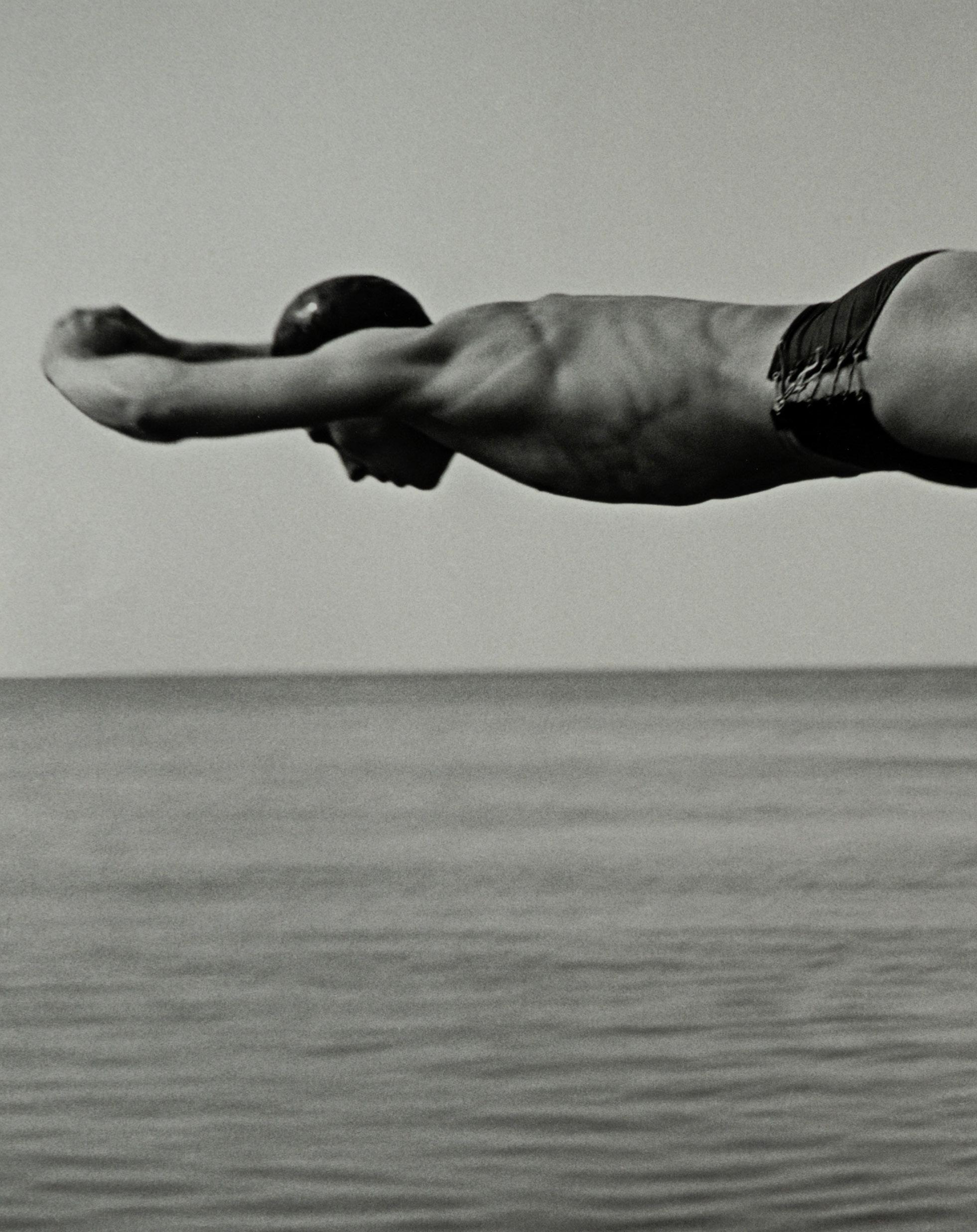
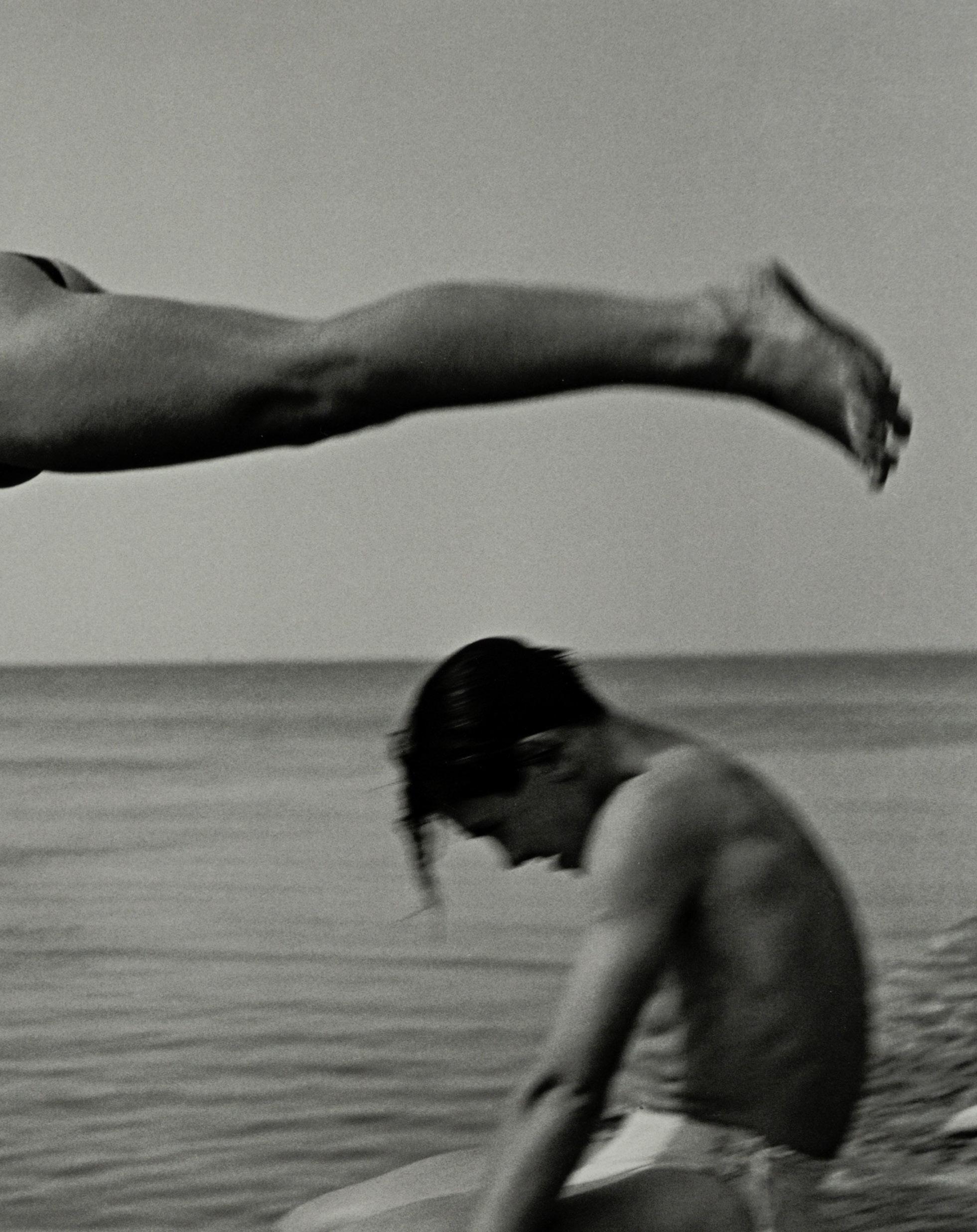
lotto 1058 Nino Migliori
FOTOGRAFIA: ICONE ITALIANE
lunedì 18 maggio 2026
tornata unica ore 16:00 lotti 1001 - 1100
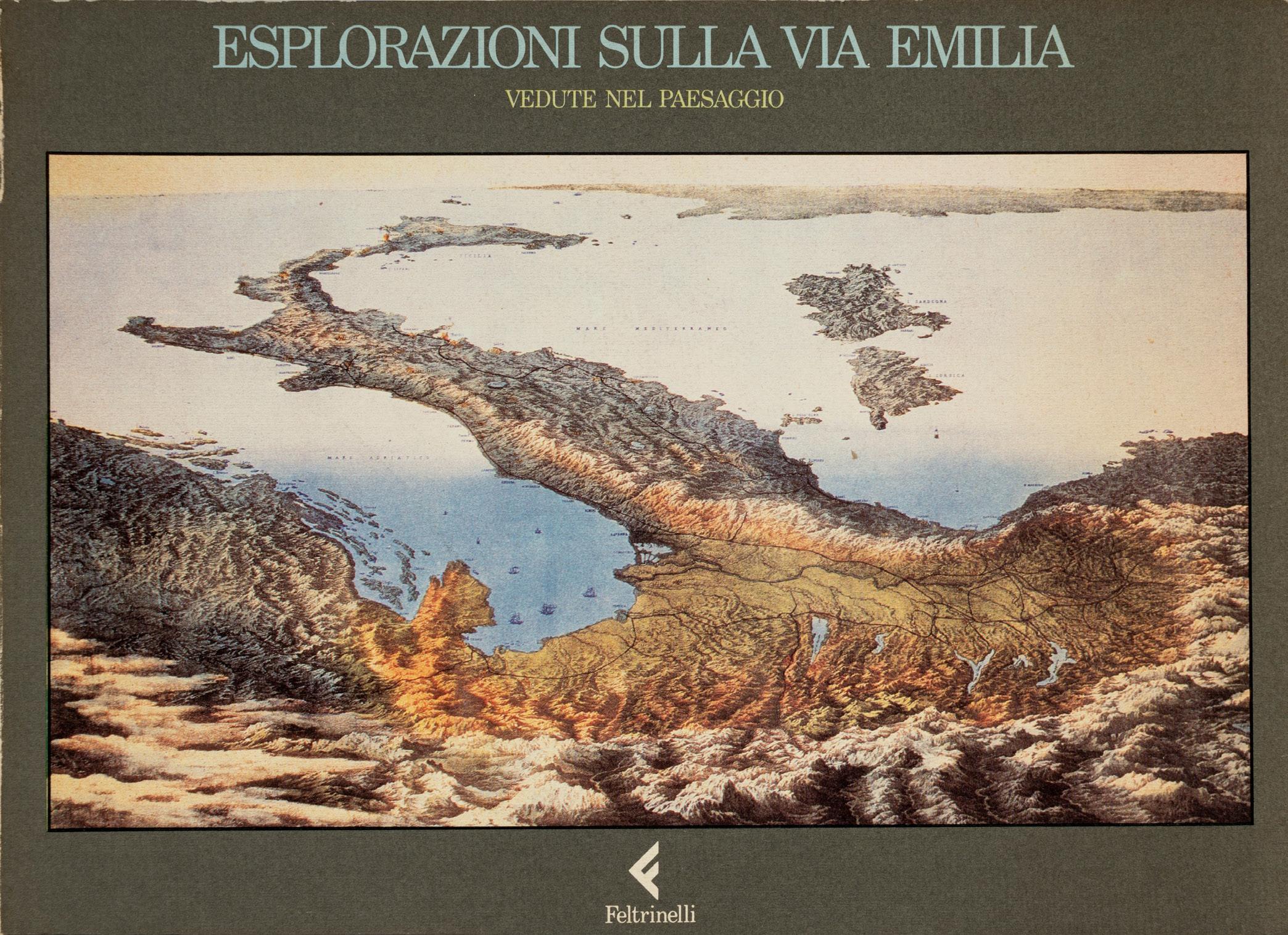
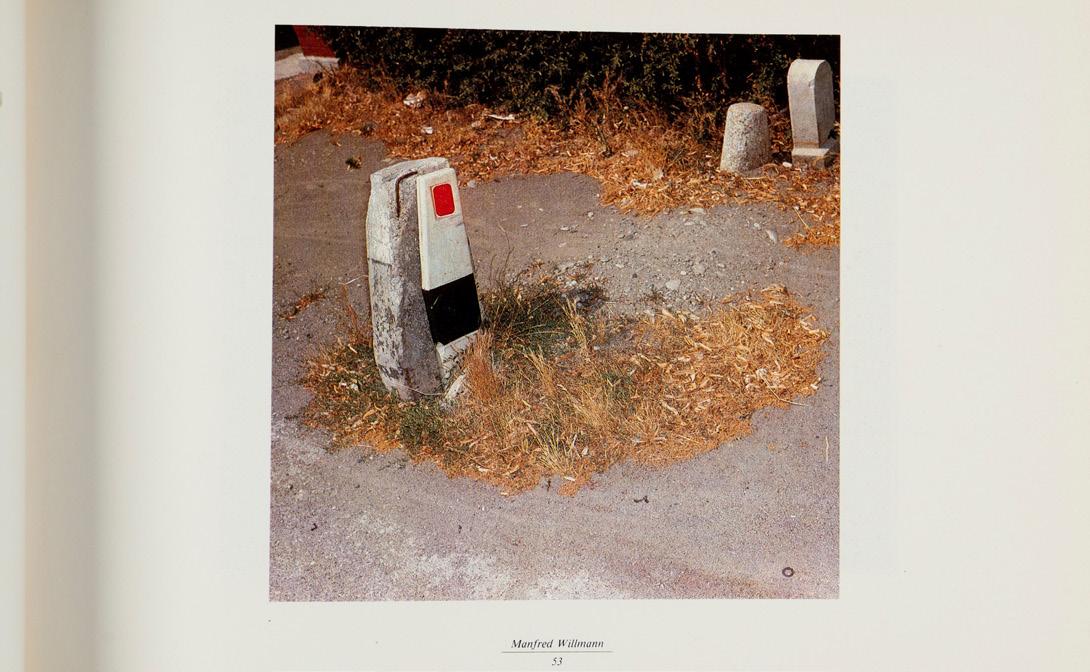
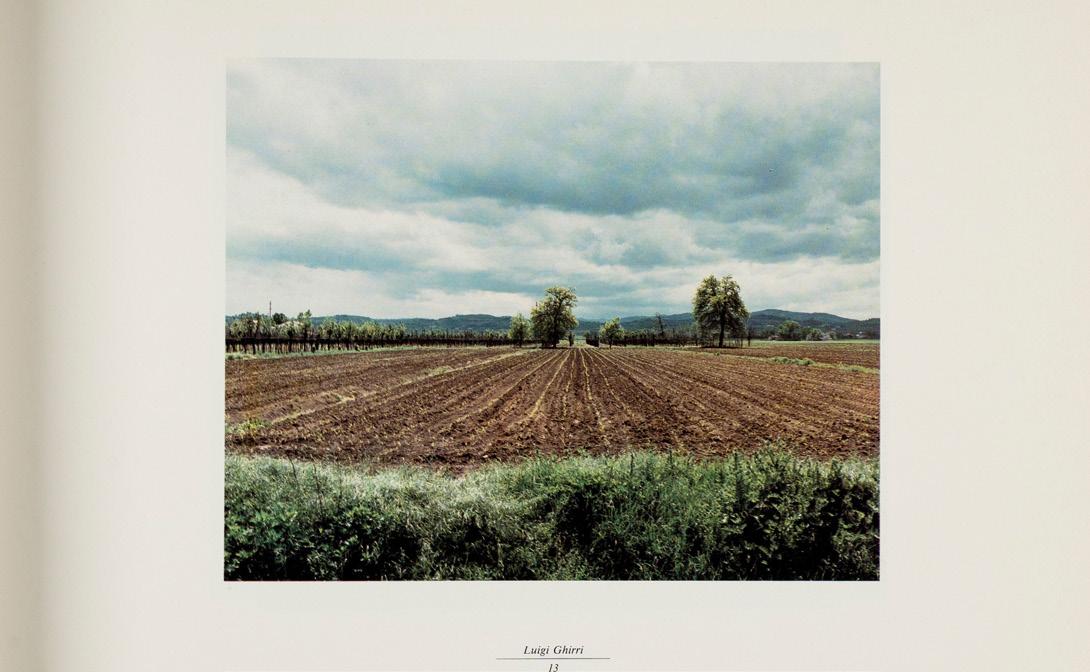
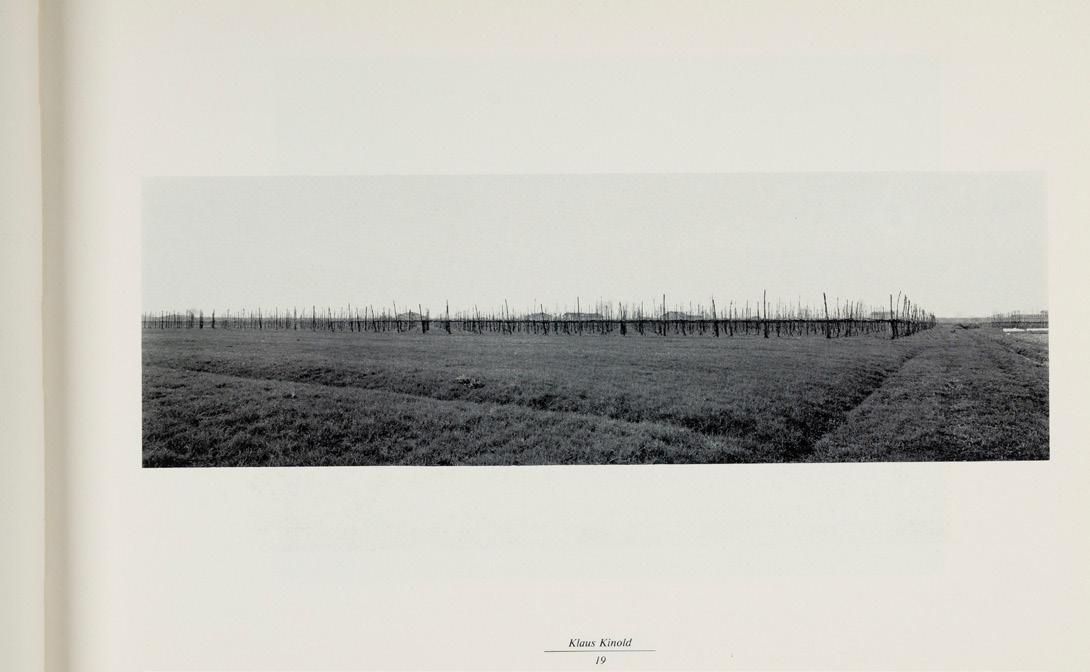
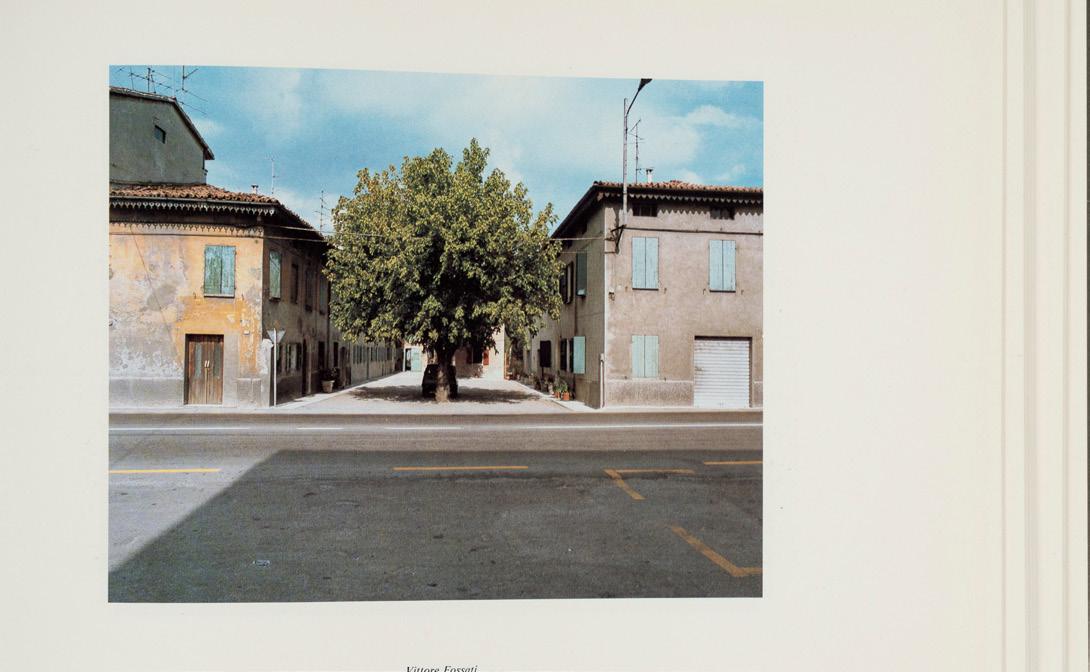
“Photography can engage with these places with a heightened awareness, whilst at the same time managing to marvel at them, or to be amazed as if it were the first time we were looking at this land overflowing with stories, signs and memories,” wrote Luigi Ghirri regarding the Via Emilia, and it was in this spirit that he launched a project which culminated in 1986 in an exhibition held in Reggio Emilia, Bologna, Ferrara, and in a book, Esplorazioni sulla Via Emilia, which serves as the perfect link between Viaggio in Italia from two years earlier and the subsequent Paesaggio italiano, which in 1989 reaffirmed the need to create a different way of looking at the landscape, one capable of rejecting any hierarchy among appearances. In Esplorazioni, Ghirri not only gathered around him a group of photographers who shared this new vision but also forged a harmonious relationship with the writing of authors such as Italo Calvino, Tonino Guerra, Giorgio Messori and, of course, Gianni Celati. Travelling along a route from Rimini to Piacenza, each using their own means of expression, they all recounted the profound changes and great transformations of a territory, ‘keeping alive the relationship between image and writing’ to record new sensations, delve into memories and stir desires, using the Via Emilia not only as a guiding thread but also as a metaphor for our relationship with the territory.
“La fotografia può porsi in rapporto con questi luoghi con cresciuta consapevolezza e assieme a questa riuscire contemporaneamente a meravigliarsi, o a restare stupiti come se fosse la prima volta che guardiamo questo territorio stracolmo di storie, segni e memorie” scriveva Luigi Ghirri a proposito della via Emilia ed è con questo spirito che aveva dato vita a un progetto confluito nel 1986 in una mostra esposta a Reggio Emilia, Bologna, Ferrara e in un libro Esplorazioni sulla Via Emilia che costituisce il giusto elemento di collegamento fra Viaggio in Italia di due anni prima e il successivo Paesaggio italiano che nel 1989 ribadiva la necessità di dar vita a un modo diverso di guardare il paesaggio capace di rifiutare ogni gerarchia fra le apparenze. In Esplorazioni Ghirri non solo raccoglieva attorno a sé un gruppo di fotografi che condividevano questa nuova visione ma creava anche un rapporto di sintonia con la scrittura affidata alla penna di autori come Italo Calvino, Tonino Guerra, Giorgio Messori e, ovviamente, Gianni Celati. Muovendosi in un percorso che da Rimini conduce a Piacenza, ognuno con i propri mezzi espressivi, tutti raccontavano i profondi mutamenti e le grandi trasformazioni di un territorio “mantenendo vivo il rapporto fra immagine e scrittura” per registrare nuove sensazioni, scavare nelle memorie, suscitare desideri usando la via Emilia non solo come filo conduttore ma anche come metafora del nostro rapporto con il territorio.
AUTORI VARI
Esplorazioni sulla via Emilia. Vedute nel paesaggio, 1986
Photobook
cm 21 x 29 x 1,5 | 8.3 x 11.4 x 0.6 in.)
First edition, 139 pages
Images by O. Barbieri, G. Basilico, V. Castella, G. Chiaramonte, N. Criscienti, V. Fossati, O. Galliani, L. Ghirri, G. Guidi, M. Jodice, K. Kinold, C. Nori, C. White, M. Willman
(Prima edizione, 139 pagine; Immagini di O. Barbieri, G. Basilico, V. Castella, G. Chiaramonte, N. Criscienti, V. Fossati, O. Galliani, L. Ghirri, G. Guidi, M. Jodice, K. Kinold, C. Nori, C. White, M. Willman)
€ 500 - 800
Olivo Barbieri (Carpi, Modena 1954) approached photography in the early 1970s in Bologna, where he attended the extraordinary hotbed of talent that was DAMS. Fascinated by the artificial lights that illuminate the night in urban centers, he used them for his first works with which he introduced himself to Luigi Ghirri who in 1984 included him, the youngest among the participants, in the great project “Viaggio in Italia.” In the 1990s he travels to the East and particularly to China, developing a different style: landscapes and architecture are made with aerial shots and a selective focus that highlights only certain levels. He establishes himself internationally with exhibitions - from the Venice Biennale to the New York Triennial - catalogs and videos.
Olivo Barbieri (Carpi, Modena 1954) si avvicina alla fotografia nei primi anni ’70 a Bologna dove frequenta quella straordinaria fucina di talenti che era il DAMS. Affascinato dalle luci artificiali che illuminano la notte dei centri urbani, le usa per i primi lavori con cui si segnala a Luigi Ghirri che nel 1984 lo inserisce, il più giovane fra i partecipanti, al grande progetto “Viaggio in Italia”. Negli anni Novanta viaggia in Oriente e segnatamente in Cina sviluppando un diverso stile: i paesaggi e le architetture sono realizzati con riprese aeree e una messa a fuoco selettiva che ne evidenzia solo alcuni piani. Si afferma a livello internazionale con mostre – dalla Biennale di Venezia alla Triennale di New York – cataloghi e video.
Olivo
Olivo Barbieri
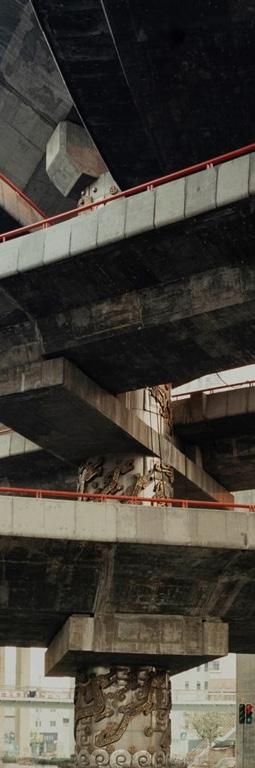
The two images presented here are particularly significant examples of two distinct yet complementary ways of observing reality that characterise the vision of one of the most intriguing photographers to have shaped the contemporary interpretation of the landscape – particularly the urban landscape – decisively moving away from predictability in favour of a seductive theatricality. He achieves this, as in the photograph taken in Rome, through a frontal composition of absolute rigour where symmetry becomes balance, emphasised by the delicate colour palette chosen to evoke the city’s atmosphere. In stark contrast, precisely to highlight the intense dynamism running through the spectacular urban transformation currently taking place there, is the photograph taken in Shanghai, featuring a bold shot that invites the eye to lose itself amongst the building’s structures.
Le due immagini qui proposte sono esempi particolarmente significativi di due modi diversi e complementari di osservare la realtà che caratterizzano la visione di uno dei più interessanti fotografi che hanno caratterizzato l’interpretazione contemporanea del paesaggio soprattutto urbano allontanando decisamente la prevedibilità in favore di una seducente teatralità. Lo fa usando, è il caso della fotografia scattata a Roma, una composizione frontale di rigore assoluto dove la simmetria diviene equilibrio che viene sottolineato dalla delicatezza cromatica dell’insieme scelta per alludere alle atmosfere della città. Completamente diversa, proprio per sottolineare il forte dinamismo ché attraversa la spettacolare rivoluzione urbanistica che lì si sta realizzando, è la fotografia scattata a Shangai con una ripresa audace che invita lo sguardo a perdersi fra le strutture della costruzione.
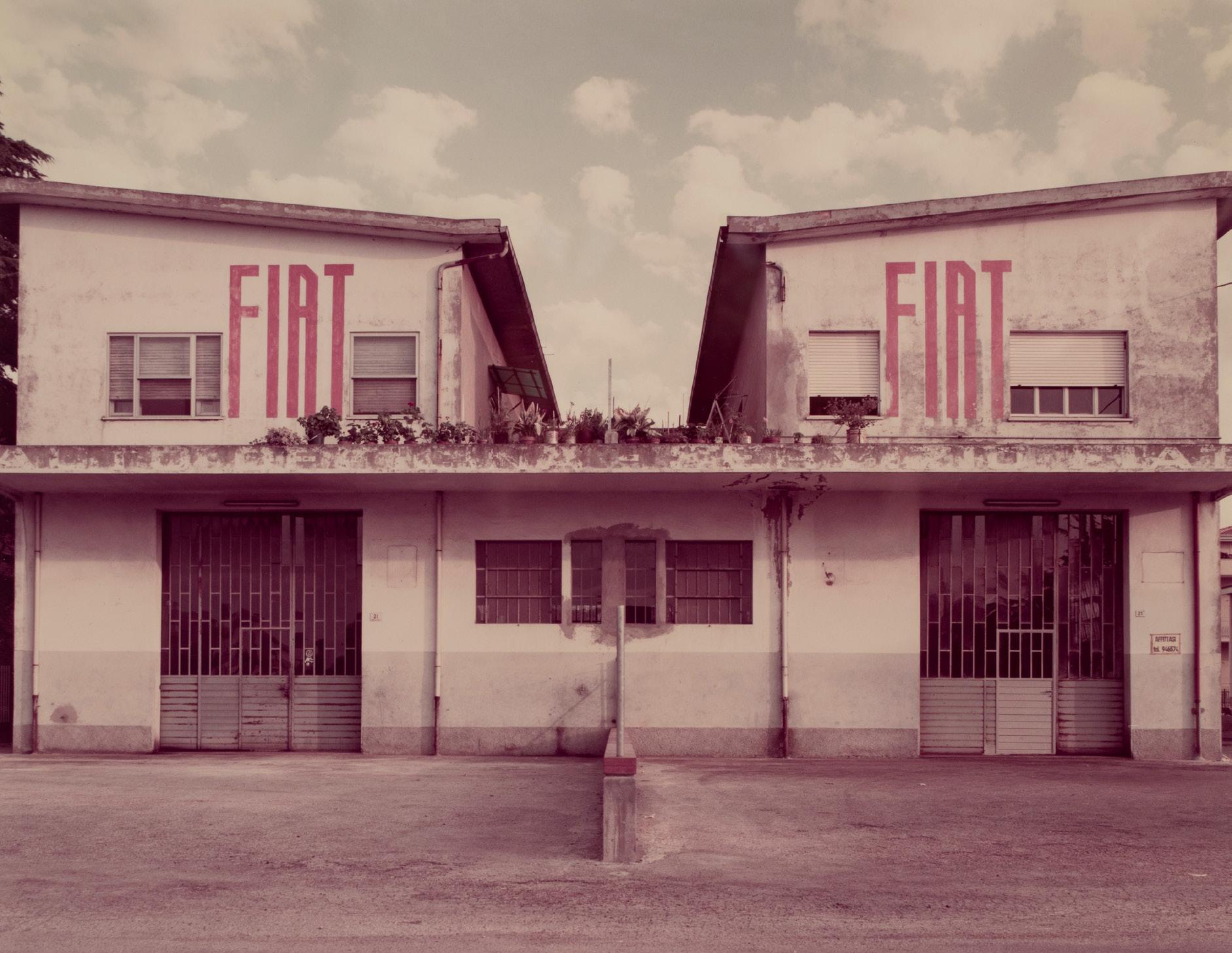
Rimini, 1984
Vintage chromogenic print
cm 29,7 x 38,6 (cm 24,4 x 31,6 picture) | 11.7 x 15.2 in. (9.6 x 12.4 in. picture)
Titled, signed and dated in pencil on the white inferior recto margin
Framed
(Titolata, firmata e datata a matita al margine bianco inferiore recto Opera in cornice)
€ 1.000 - 1.500
1002® OLIVO BARBIERI (1954)
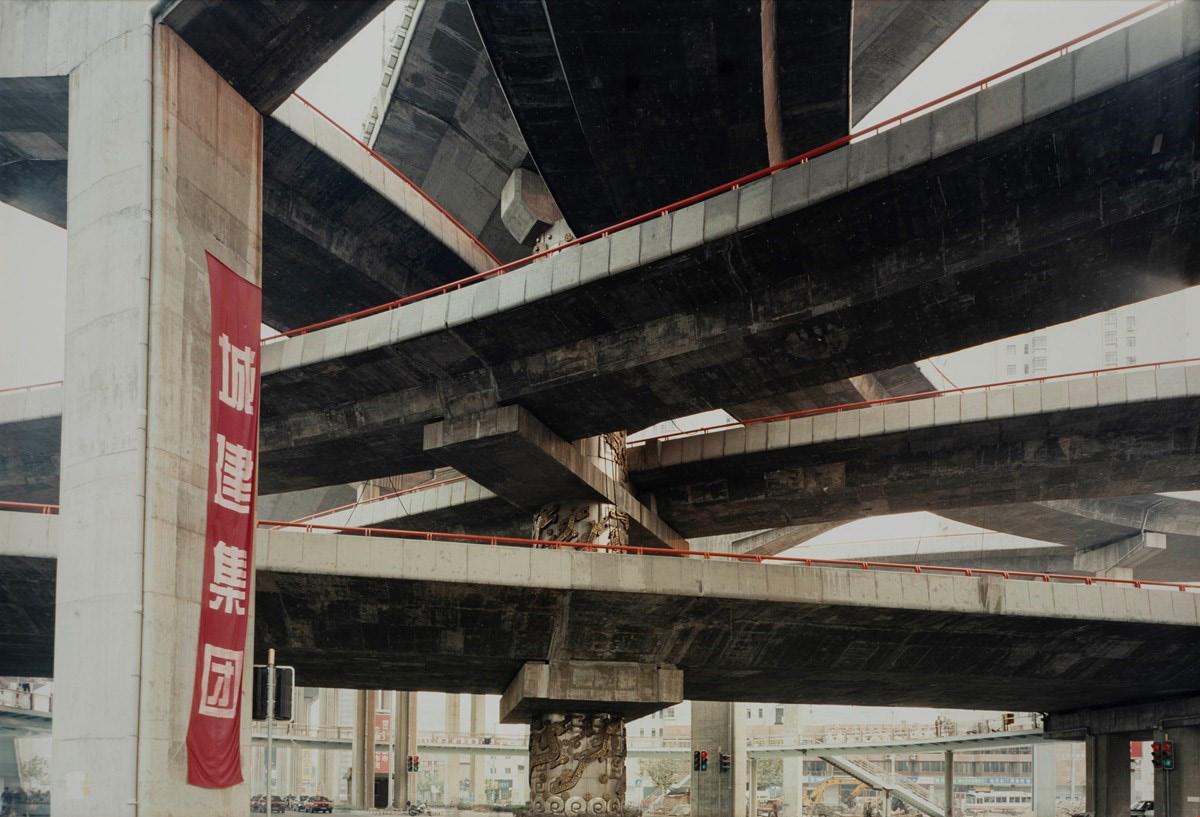
Shangai, 1990s
Vintage C-print
cm 123 x 182 | 48.4 x 71.7 in.
Edition of 6
Framed (Edizione di 6; Opera in cornice)
Work accompanied by Certifcate of expertise released by Isabella Brancolini
€ 7.000 - 10.000
1003® OLIVO BARBIERI (1954)
After graduating in architecture, Gabriele Basilico (Milan, 1944 - 2013) dedicated himself totally to photography, immediately revealing an analytical and dry style following Walker Evans’ model, thanks to which in 1984 he was the only Italian to participate in the Mission Photographique de la DATAR. Since then, he has had many assignments in metropolises all over the world, from Beirut to Bilbao, from San Francisco to Shanghai, from Moscow to Paris, not forgetting Rome and Milan, exhibited in museums and institutions and published in carefully edited photographic books. His awards include the Prix Mois de la Photo, the Osella d’oro of the Venice Biennale.
Gabriele Basilico (Milano 1944 - 2013) dopo la laurea in architettura, si dedica totalmente alla fotografia mettendo subito in luce uno stile analitico e asciutto sul modello di Walker Evans grazie al quale ottiene nel 1984, unico italiano, la partecipazione alla Mission Photographique de la DATAR. Da allora innumerevoli sono gli incarichi svolti nelle metropoli di tutto il mondo da Beirut a Bilbao, da San Francisco a Shanghai, da Mosca a Parigi senza dimenticare Roma e Milano, esposti in musei e istituzioni e pubblicati in libri fotografici sempre attentamente curati. Fra i riconoscimenti il Prix Mois de la Photo, l’Osella d’oro della Biennale di Venezia.
Gabriele Basilico
Basilico
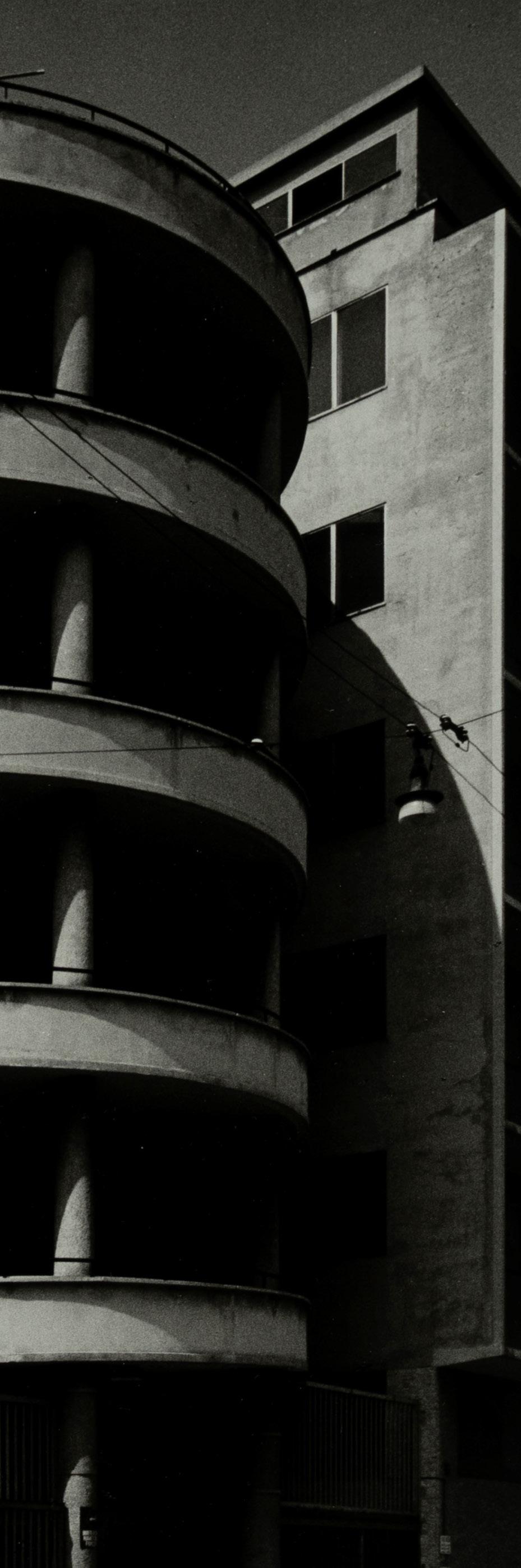
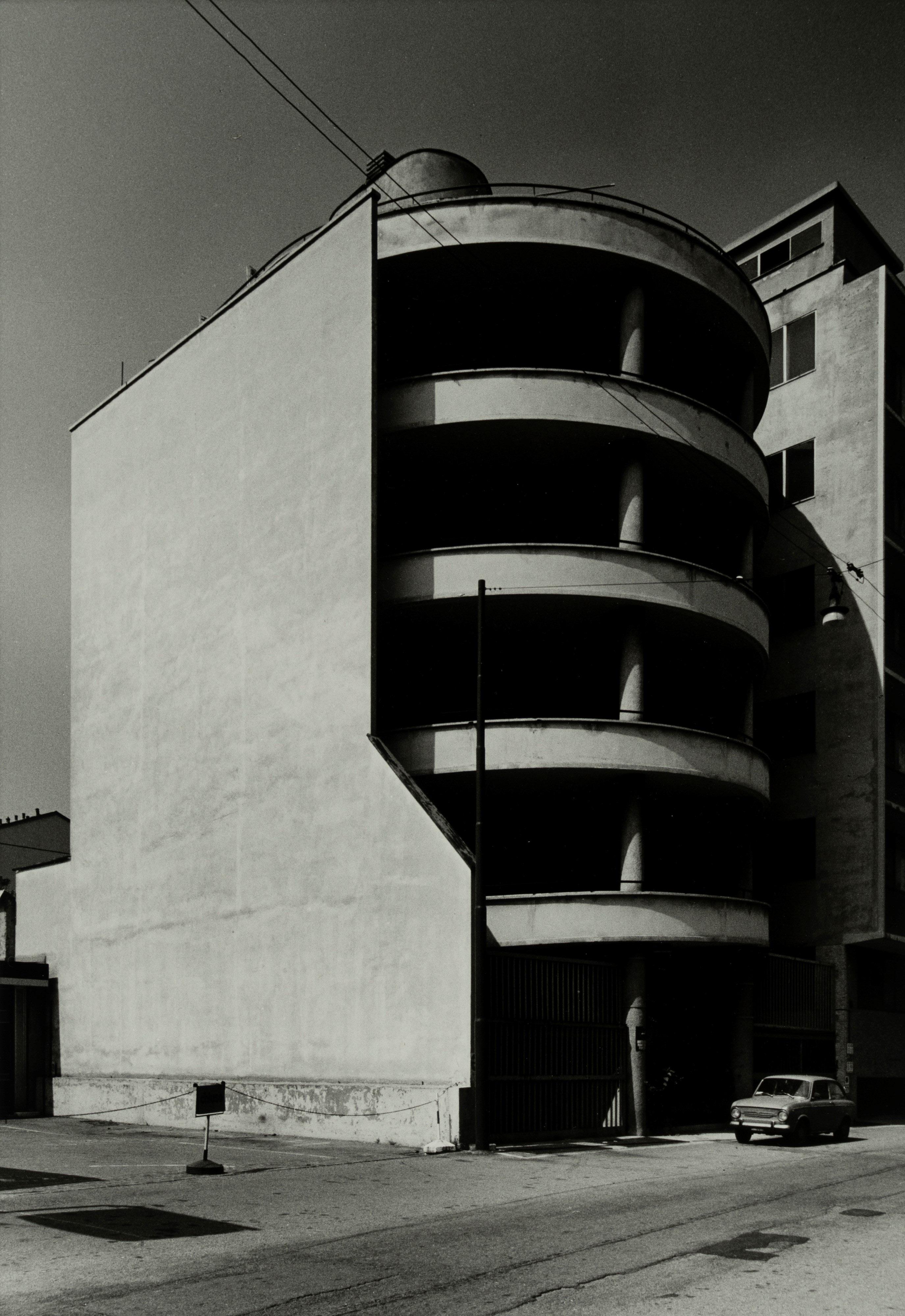
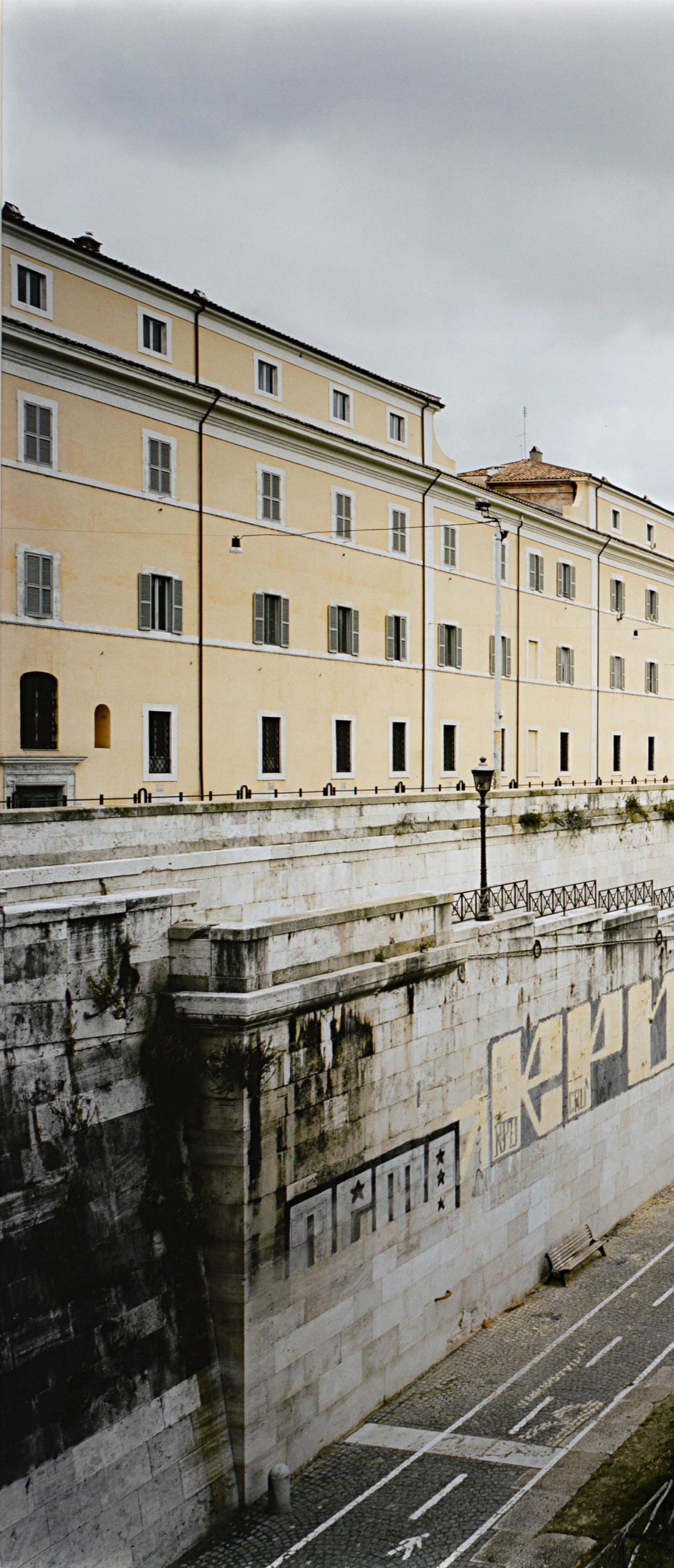
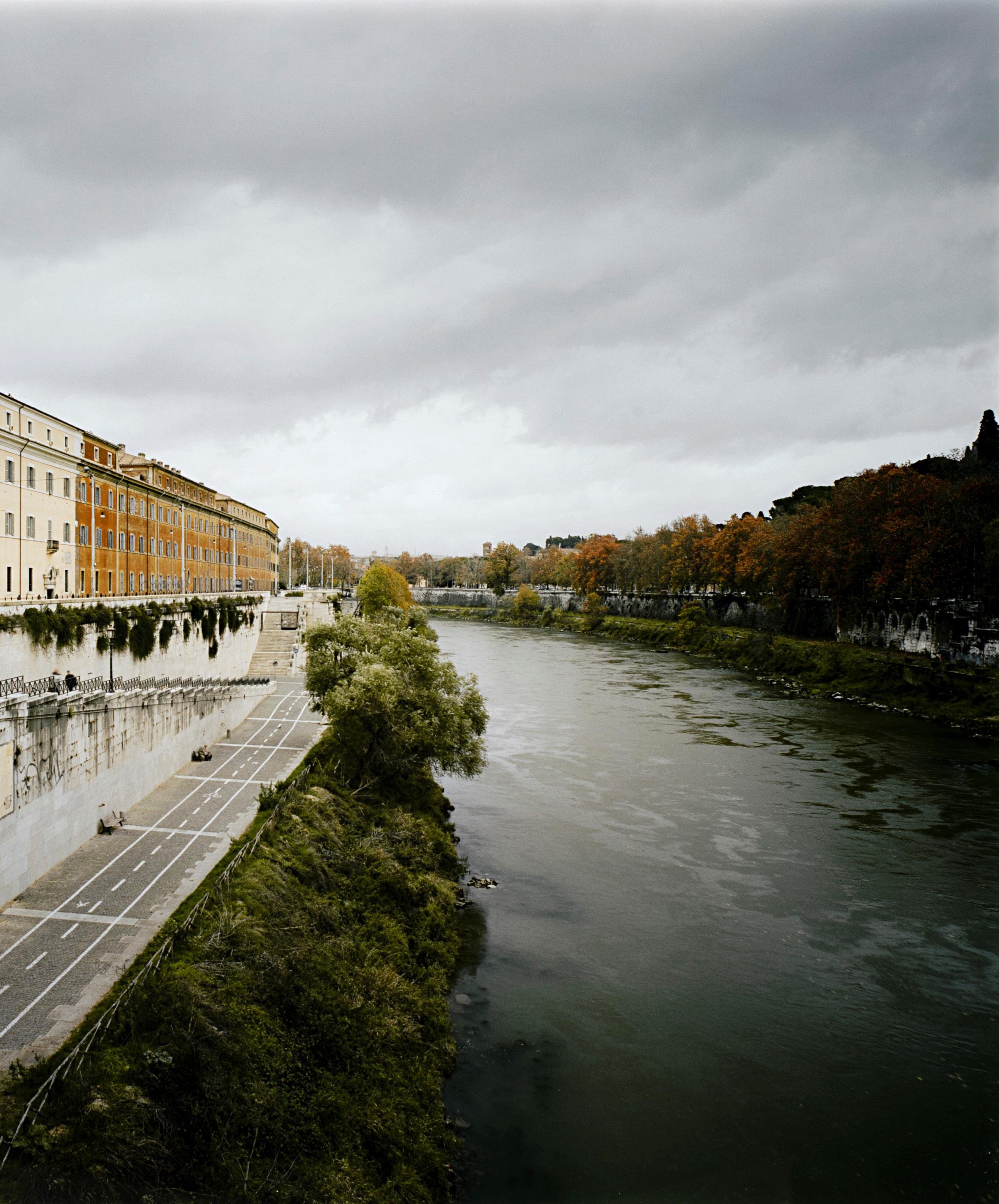
A great master of black and white, Gabriele Basilico was also a great master in his particular interpretation of color. Placed side by side, these two photographs illustrate very well the coherence that moved him beyond the chromatic choices. The first work is part of the project: Mathosinhos. There is no space or architecture without light, and it was born from the meeting with the Portuguese architect Alvaro Siza who was born in that town and who in the book that is the catalog of the exhibition of the same name combines his drawings with photographs. The presence of water (here it is that of the ocean overlooked by the local industrial port) is a constant that is found ten years later in that of the Tiber. To interpret Rome in his own way, Basilico chooses to do so using the river as a guide from which to be accompanied to create an authentically original work, devoid as it is of any rhetoric.
Grande maestro del bianco e nero, Gabriele Basilico lo è stato anche perché lo usava per mettere in evidenza i volumi degli edifici per trasformarli – come si può facilmente osservare in questa rigorosissima ripresa – in elementi in grado di occupare lo spazio in modo scenografico. Anche nel colore il grande fotografo milanese metteva in luce la sua particolare visione. Accostate, queste due fotografie illustrano molto bene la coerenza che lo ha mosso al di là delle scelte cromatiche. La prima opera fa parte del progetto Mathosinhos. Non c’è spazio né architettura senza luce ed è nato dall’incontro con l’architetto portoghese Alvaro Siza che in quella cittadina è nato e che nel libro citato che fa da catalogo all’omonima mostra accosta i suoi disegni alle fotografie. La presenza dell’acqua (qui è quella dell’oceano su cui si affaccia il locale porto industriale) è una costante che si ritrova dieci anni dopo in quella del Tevere. Per interpretare a modo suo Roma Basilico sceglie di farlo usando il fiume come guida da cui farsi accompagnare per realizzare un lavoro autenticamente originale privo com’è di qualsiasi retorica.
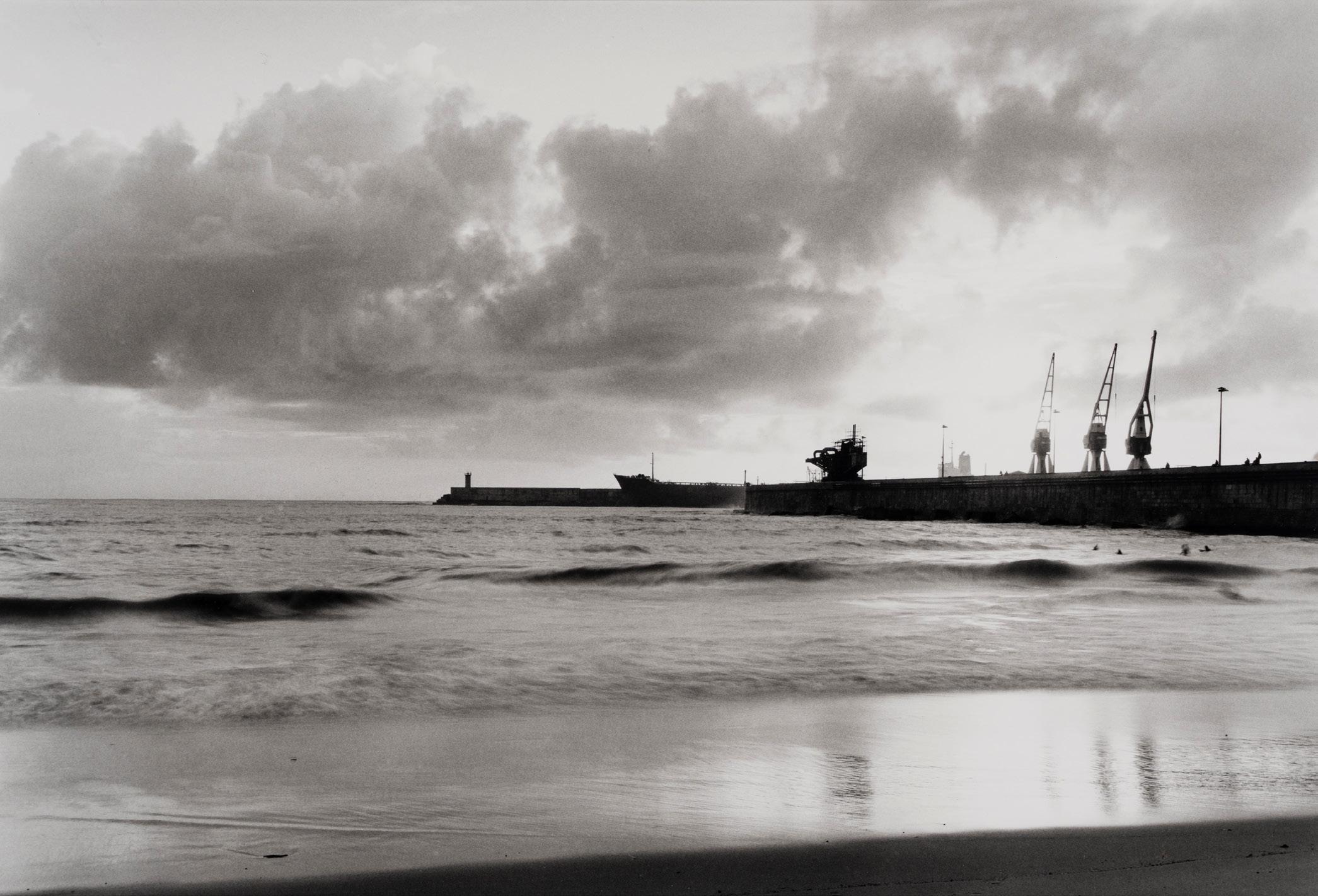
1004®
GABRIELE BASILICO (1944-2013)
Matosinhos, 1996
Vintage gelatin silver print, printed in 1999
cm 31 x 40 (cm 25 x 37 picture) |
12.2 x 15.7 in. (9.8 x 14.5 in. picture)
Edition 9 of 25
Titled, dated, numbered and signed in pencil on the verso with photographer’s credit stamp on the white inferior recto margin Framed
(Edizione 9 di 25; Titolata, datata, numerata e firmata a matita al verso con timbro a secco del fotografo al margine bianco inferiore recto Opera in cornice)
€ 1.500 - 2.500
1005®
GABRIELE BASILICO (1944-2013)
Milan, 1980s
Vintage gelatin silver print
cm 40,4 x 30,9 (cm 31,5 x 21,8 picture) | 15.9 x 12.2 in. (12.4 x 8.6 in. picture) Photographer’s credit stamp on the verso (Timbro del fotografo al verso)
€ 1.000 - 1.500
®
1006
GABRIELE BASILICO (1944-2013)
Roma, 2007
Vintage pigment print, printed in 2008 cm 79 x 99 | 31.1 x 38.9 in.
Edition 1 of 15
Photographer’s didactic label with signature in black ink applied on the verso of the frame
Framed
(Edizione 1 di 15; Etichetta didascalica del fotografo con firma a penna nera applicata al verso della cornice; Opera in cornice)
€ 4.000 - 5.000
Gianni Berengo Gardin (Santa Margherita Ligure, Genoa 1930 - Genova, 6 agosto 2025) joined the La Gondola Club in Venice, spent two years in Paris in contact with Ronis and Doisneau and collaborated with Il Mondo. Supported by Romeo Martinez, he became a professional photographer in 1964, moving to Milan where he began working with T.C.I.. The following year, with Venise san Saisons, he published the first of his three hundred books. Numerous exhibitions all over the world and awards such as the Oskar Barnack, the Lucie Award and an honorary degree from Milan State University. He has always worked with black and white analogue photography with Leica.
Gianni Berengo Gardin (Santa Margherita Ligure, Genova 1930Genova, 6 agosto 2025) aderisce a Venezia al circolo la Gondola, vive due anni a Parigi a contatto con Ronis e Doisneau e collabora con il Mondo. Sostenuto da Romeo Martinez, nel 1964 diventa professionista spostandosi a Milano dove inizia la collaborazione con il T.C.I.. L’anno seguente con Venise san Saisons pubblica il primo dei suoi trecento libri. Innumerevoli le mostre in tutto il mondo e i riconoscimenti come l’Oskar Barnack, il Lucie Award e la laurea honoris causa dell’Università Statale di Milano. Lavora da sempre in analogico in bianco e nero con la Leica.
Gianni Berengo Gardin
Berengo
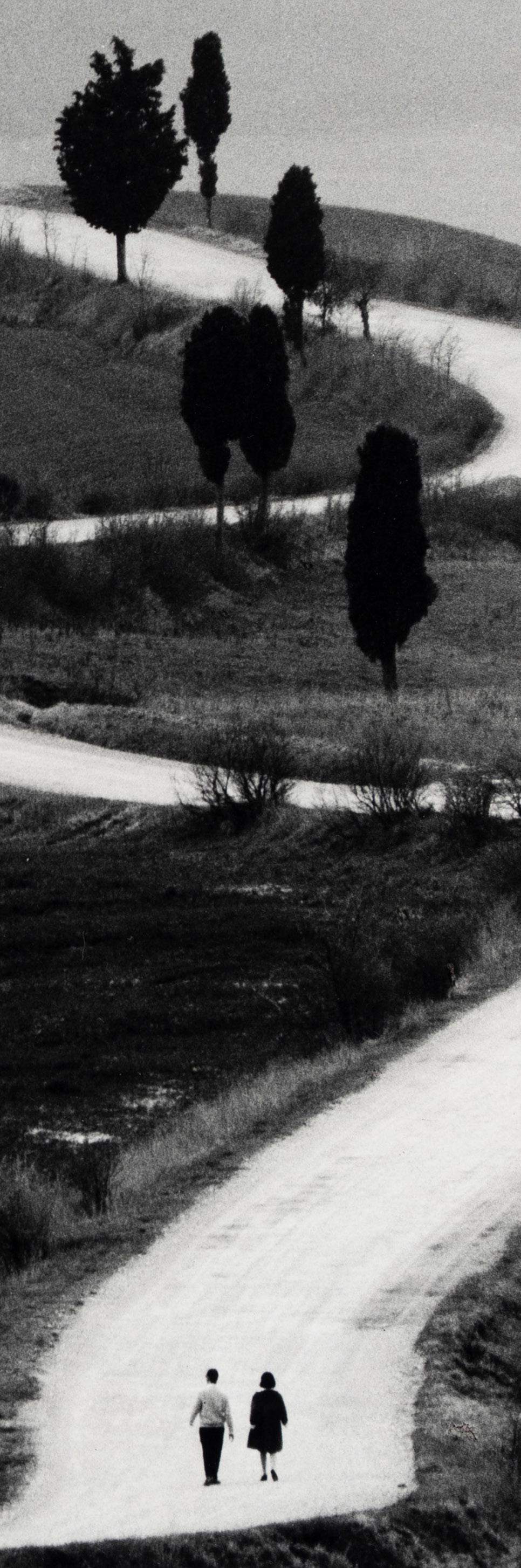
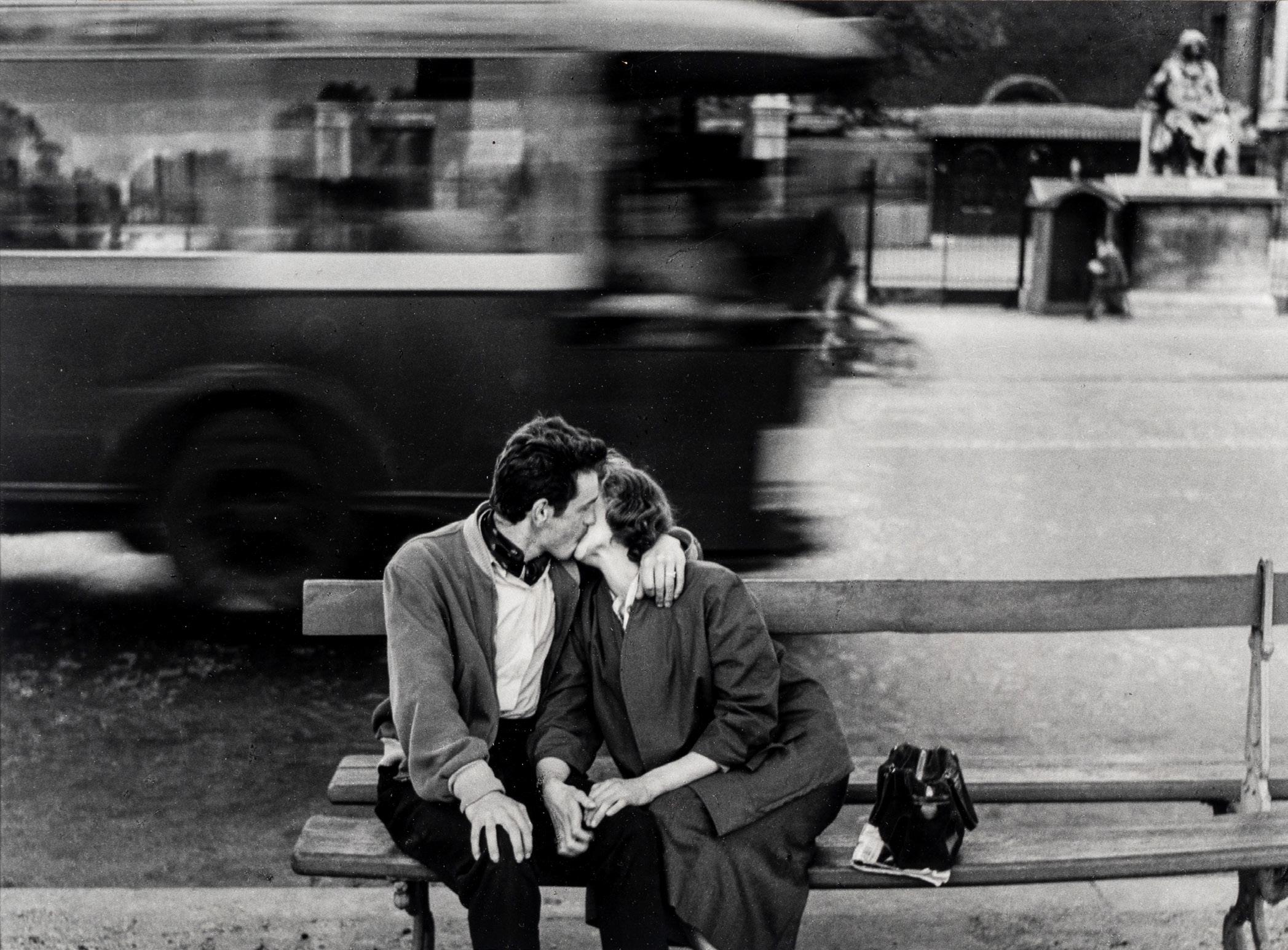
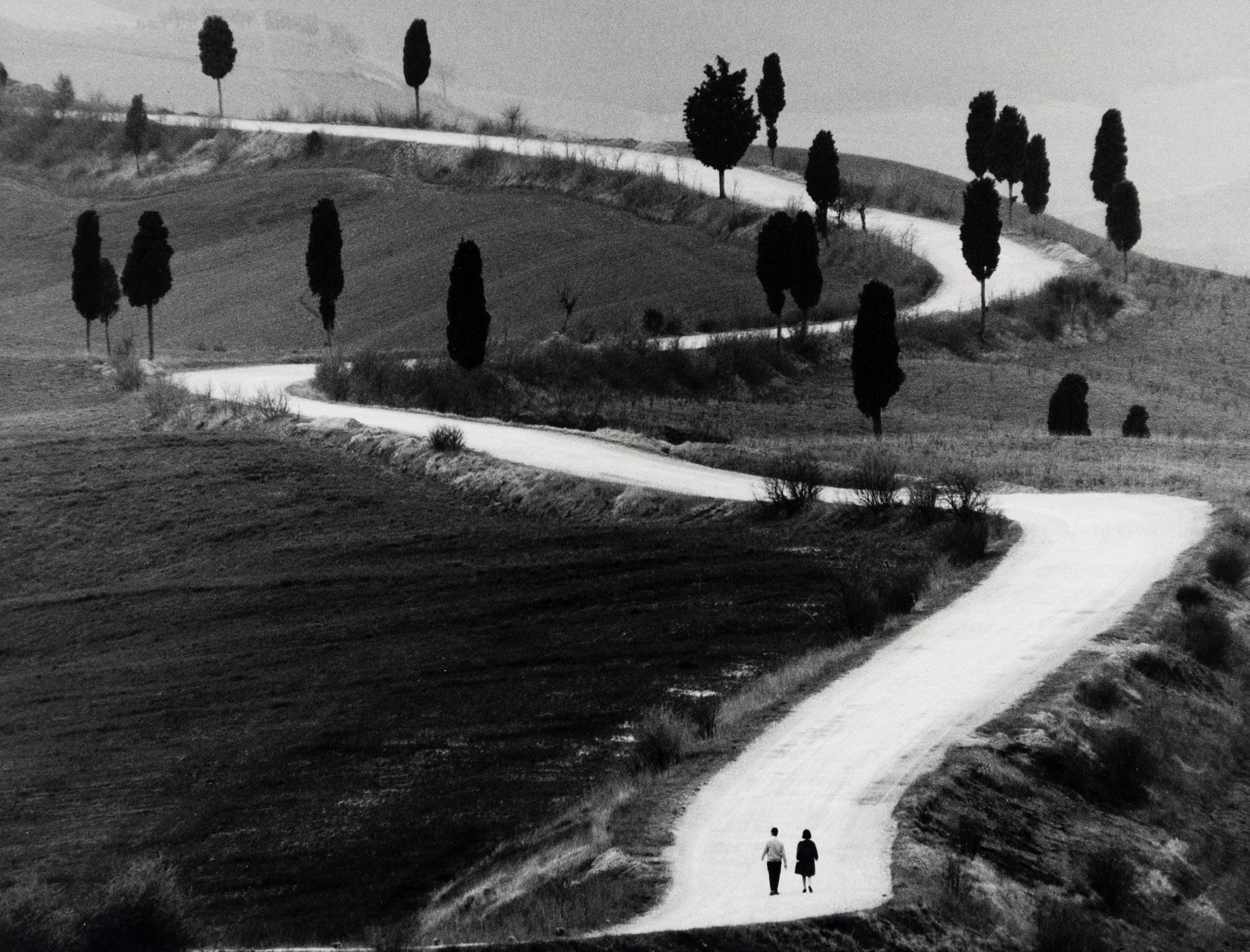
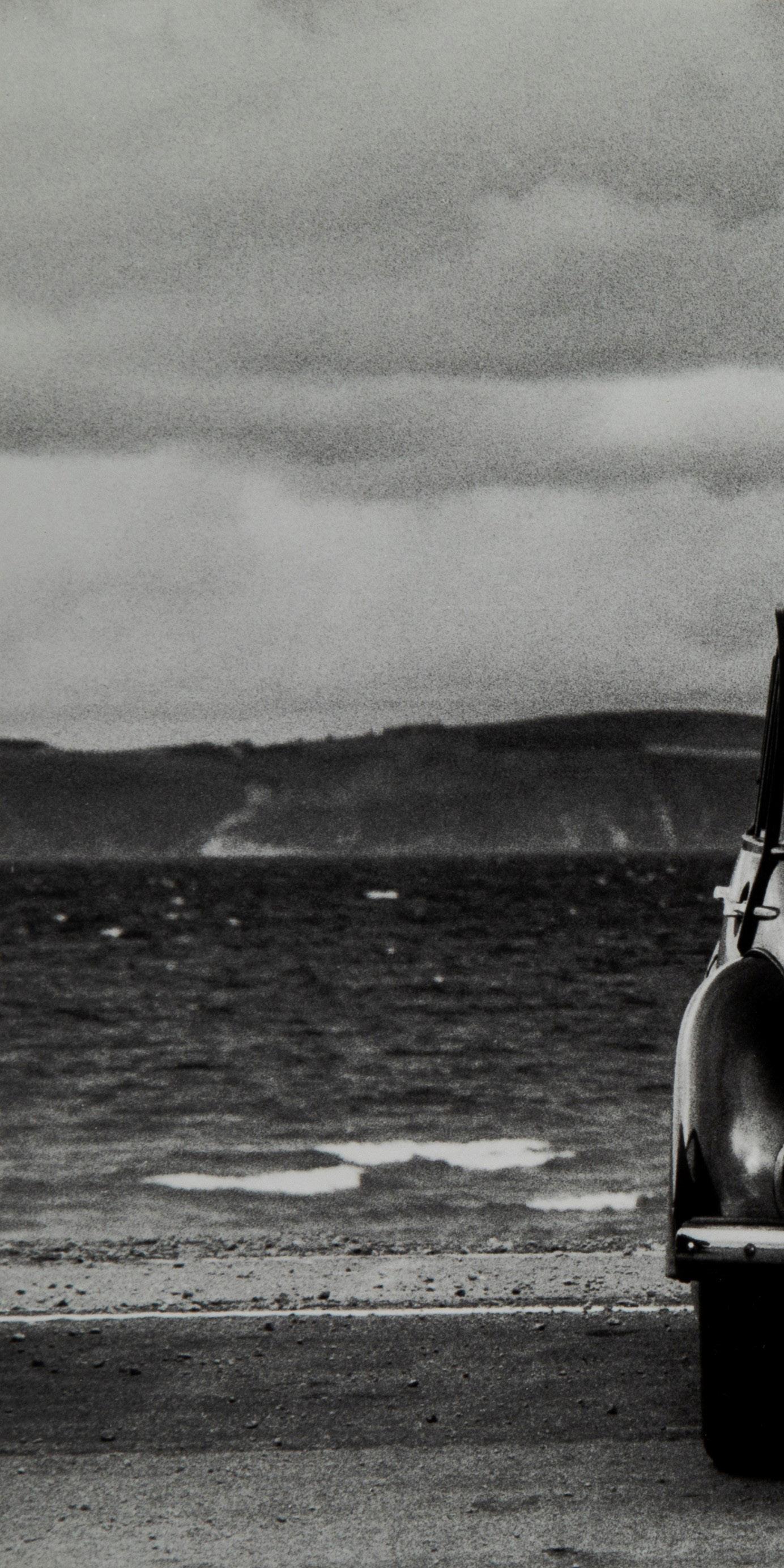
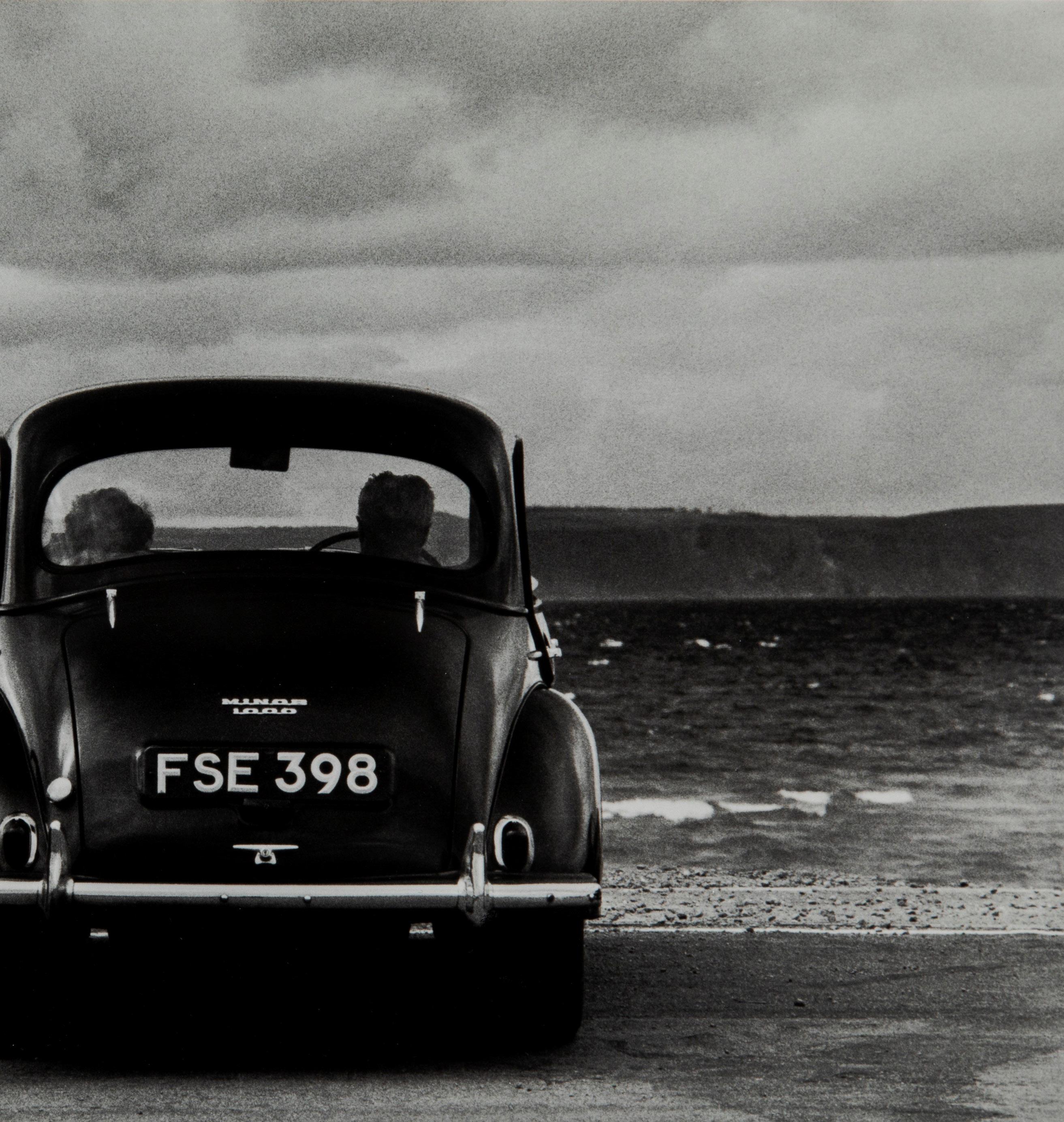
If in the endless production of a photojournalist like Gianni Berengo Gardin we wanted to identify the works that made him most famous, the three presented here are among the chosen. To reiterate the style of the great photographer, the images were made with a coinciding but different gaze, alternating slow reflection with the lucid rapidity of the fleeting moment. One day in 1977 in Great Britain he saw a car, a classic and elderly Morris, parked with its nose turned to a beach. Inside he saw the heads of a couple and immediately understood that the image aroused curiosity: why are the two standing there, what are they saying to each other, what are they going to do? He lurks behind them, puts the car in the center that stands out in an almost metaphysical atmosphere. Something similar animates him in front of two young Parisians kissing on a bench regardless of the traffic and the world that revolves indifferently around them: in this case it was necessary to shoot quickly because otherwise the image could change the balance achieved there. The shot of the Tuscan countryside is different because here it was a matter of synthesizing in a single shot a series of characteristics that make the landscape of that region unique. The photograph is taken from afar in order to show the lively sense of the hill but the formidable element of this whole is constituted by that winding road that draws narrow curves that juggle between the soaring cypresses and in their whiteness of a dirt path. The presence of a couple who are about to walk along it gives the whole a dynamic sense.
Se nella sterminata produzione di un fotoreporter come Gianni Berengo Gardin volessimo individuare le opere che lo hanno reso più famoso, le tre qui presentate rientrano fra le prescelte. A ribadire lo stile del grande fotografo, le immagini sono state realizzate con sguardo coincidente ma diverso, alternando la lenta riflessione alla lucida rapidità dell’attimo fuggente. Un giorno del 1977 in Gran Bretagna vede un’automobile, una classica e anzianotta Morris, posteggiata con il muso rivolto a una spiaggia. All’interno scorge le teste di una coppia e subito capisce che l’immagine suscita curiosità: perché i due se ne stanno lì fermi, che cosa si dicono, che cosa faranno? Si apposta alle loro spalle, mette al centro l’automobile che si staglia in un’atmosfera quasi metafisica. Qualcosa di simile lo anima di fronte a due giovani parigini che si baciano su una panchina incuranti del traffico e del mondo che gira indifferente attorno a loro: in questo caso bisognava scattare rapidamente perché altrimenti l’immagine poteva cambiare l’equilibrio lì raggiunto. Diversa è la ripresa della campagna toscana perché qui si trattava di sintetizzare in una sola inquadratura una serie di caratteristiche che rendono unico il paesaggio di quella regione. La fotografia è scattata da lontano in modo da mostrare il senso movimentato della collina ma l’elemento formidabile di questo insieme è costituito da quella strada serpeggiante che disegna strette curve che si destreggiano fra i cipressi svettanti e nel loro biancore di percorso sterrato. La presenza di una coppia che si accinge a percorrerla conferisce all’insieme un senso dinamico.
1007®
GIANNI BERENGO GARDIN (1930-2025)
Parigi, Francia, 1954
Gelatin silver print, printed in 2001 cm 30,8 x 40,1 (cm 25,9 x 35 picture) | 12.1 x 15.7 in. (10.1 x 13.7 in. Picture)
Titled, dated, dedicated and signed in black ink with photographer’s credit stamp and VERA FOTOGRAFIA stamp on te verso (Titolata, datata, dedicata e firmata a penna nera con timbro del fotografo e timbro VERA FOTOGRAFIA al verso)
LITERATURE
Gianni Berengo Gardin, Vera Fotografia. Reportage immagini incontri, Contrasto, Milan, 2020, p.41
€ 1.500 - 2.000
1008®
GIANNI BERENGO GARDIN (1930-2025)
Toscana, 1960
Gelatin silver print, printed later cm 30 x 40,2 (cm 22,5 x 29,3 picture) | 11.8 x 15.9 in. (8.9 x 11.5 in. picture)
Photographer’s credit stamp on the verso (Timbro del fotografo al verso)
LITERATURE
Gianni Berengo Gardin, Vera Fotografia. Reportage immagini incontri, Contrasto, Milan, 2020, pp. 44-45
€ 1.000 - 1.500
1009®
GIANNI BERENGO GARDIN (1930-2025)
Gran Bretagna, 1977
Gelatin silver print, printed in 2010 cm 30,5 x 40,3 (cm 26 x 37,7 picture) | 12 x 15.8 in. (10.2 x 14.8 in. picture) Signed, titled and dated in blue ink with photographer’s credit stamps and VERA FOTOGRAFIA stamp on the verso Framed
(Firmata, titolata e datata a penna blu con timbri del fotografo e timbro VERA FOTOGRAFIA al verso; Opera in cornice)
LITERATURE
Gianni Berengo Gardin - Viaggio in Gran Bretagna, Editphoto, Milan, 1978, cover
Gianni Berengo Gardin, Ed. Contrasto, Milan, 2005, p. 87
G. Meroni (edited by), Gianni Berengo Gardin, Galleria Elleni, Bergamo, 2009
Gianni Berengo Gardin, Vera Fotografia. Reportage immagini incontri, Contrasto, Milan, 2020, p. 47
€ 2.500 - 3.500
Antonio Biasucci (Dragoni, Caserta 1961) has been practicing since the beginning of personal research on the themes of Southern culture, its rituals and environments. The collaboration begun in 1984 with the Vesuvian Observatory and since 1987 with Antonio Neiwiller’s theater enriched his vision, which broadened, in more recent years, to a journey within the primary elements of existence. After the Kodak Prize in Arles in 1992 that made him known to the public, he has received awards, published books, produced photographic exhibitions and participated in cultural initiatives of a social nature.
Antonio Biasucci (Dragoni, Caserta 1961) attua fin da subito una personale ricerca sui temi della cultura del Sud, sui suoi riti e ambienti. La collaborazione iniziata nel 1984 con l’Osservatorio vesuviano e quella dal 1987 con il teatro di Antonio Neiwiller ne arricchisce la visione che si allarga fino ad approdare, in anni più recenti, a un viaggio dentro gli elementi primari dell’esistenza. Dopo il Premio Kodak ad Arles nel 1992 che lo ha fatto conoscere al grande pubblico, ha avuto riconoscimenti, pubblicato libri, realizzato mostre fotografiche e partecipato a iniziative culturale di carattere sociale.
Antonio Biasucci
One of the most evident characteristics of Antonio Biasiucci’s style is the continuous search for original shots, each time chosen to adapt to the project he is creating. When, as in the two images of Naples, taken at the beginning of his career, he had to move within the confines of reportage, he chose to bypass them by resorting to decisive cuts that possess a theatrical breath. Here emerges the ability to make the human figure dialogue with the landscape by playing with determination on different levels. The boys seem to invite the observer to enter the scene, they step aside to let their gaze move away from them towards the horizon while the man dressed to the nines moves his photographer’s gaze away to direct it towards the horizon as well, while the bridal veil he holds in his hand moves in the wind in a mysterious adult re-edition of the fairy tale of the child and the kite.
Una delle caratteristiche più evidenti dello stile di Antonio Biasiucci è la ricerca continua di inquadrature originali, ogni volta scelte per adeguarsi al progetto che sta realizzando. Quando, come nelle due immagini di Napoli, scattate agli inizi della sua carriera deve muoversi all’interno dei confini del reportage, sceglie di scavalcarli ricorrendo a tagli decisi che possiedono un respiro teatrale. Qui emerge la capacità di far dialogare la figura umana con il paesaggio giocando con determinazione sui diversi piani. I ragazzi sembrano invitare l’osservatore ad entrare in scena, si mettono da parte per lasciare che lo sguardo si allontani da loro verso l’orizzonte mentre l’uomo vestito di tutto punto allontana lo sguardo da fotografo per dirigerlo anche lui verso l’orizzonte, mentre il velo da sposa che tiene in mano si muove nel vento in una misteriosa riedizione adulta della favola del bambino e dell’aquilone.
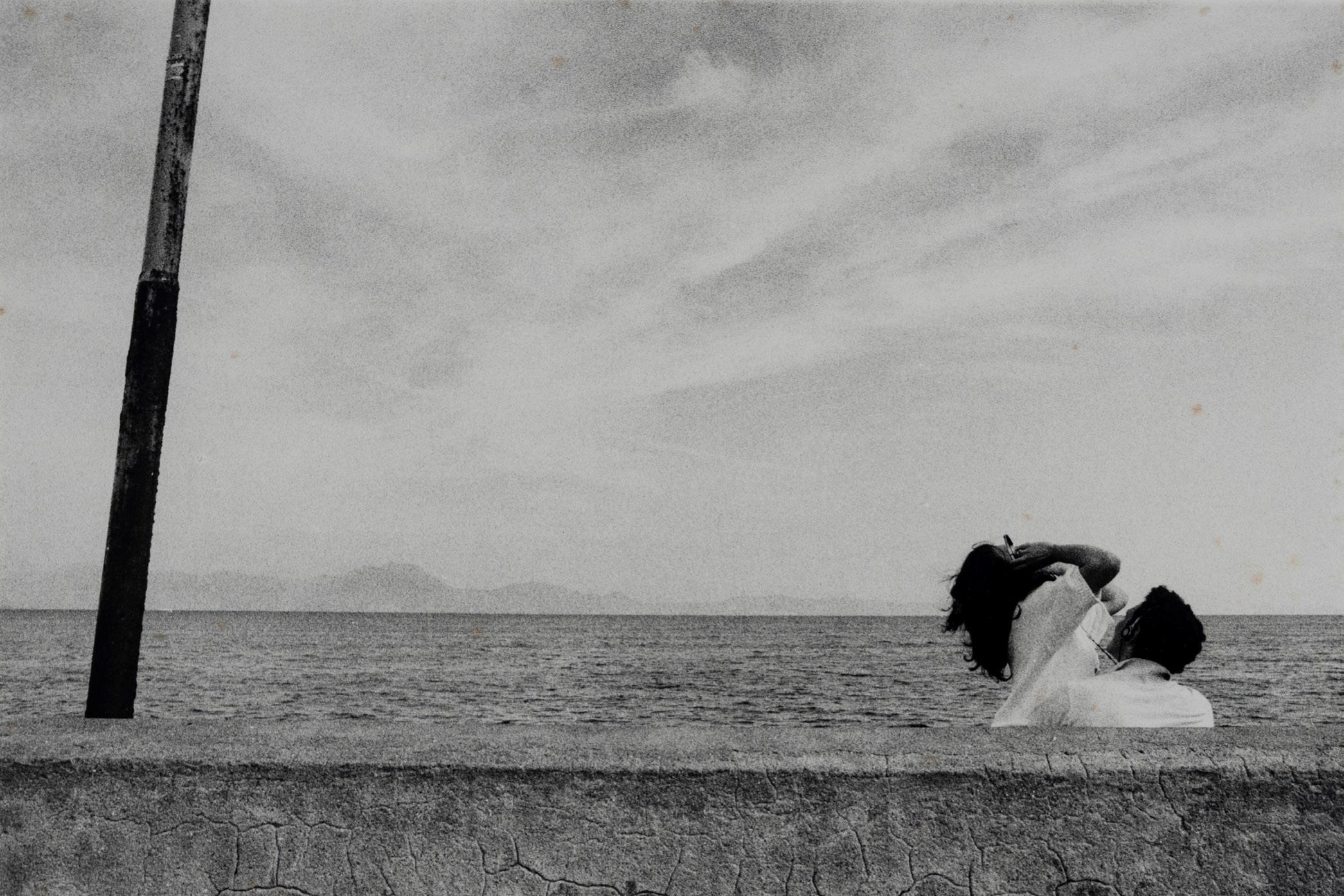
Coppia di giovani abbracciati davanti al mare, 1983
Vintage gelatin silver print
cm 21,2 x 30,4 (cm 18 x 27,6 picture) | 8.3 x 12 in. (7.1 x 10.9 in. picture)
Photorapher’s credit stamp on the verso (Timbro del fotografo al verso)
€ 300 - 400
1010® ANTONIO BIASUCCI (1961)
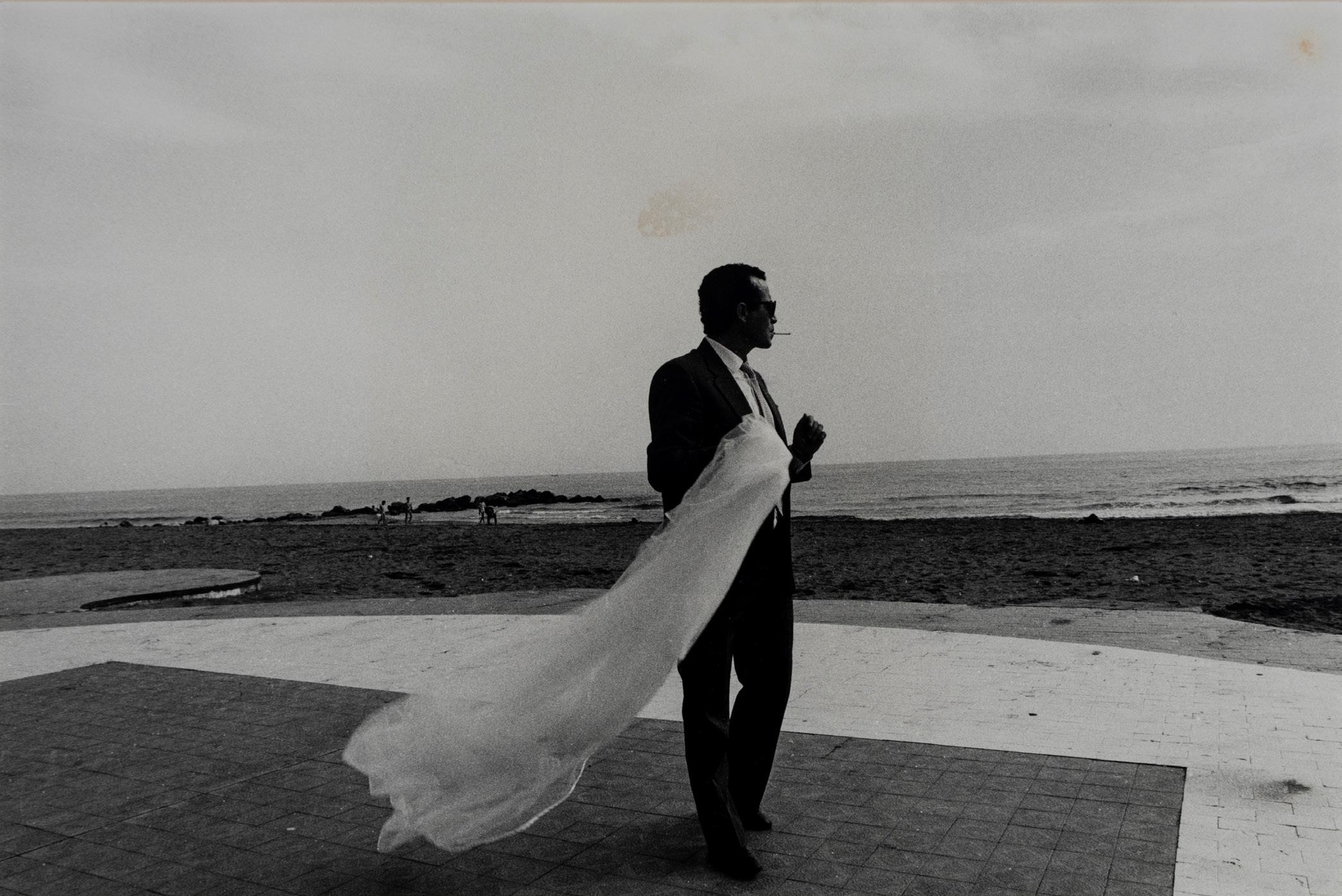
Castel Volturno. Uomo con velo da sposa passeggia in riva al mare, 1985
Vintage gelatin silver print cm 23,8 x 30,4 (cm 18 x 27,8 immagine) | 9.4 x 12 in. (7.1 x 10.9 in. picture)
Signed and dated in pencil on the verso Framed (Firmata e datata a matita al verso; Opera in cornice)
€ 300 - 400
1011® ANTONIO BIASUCCI (1961)
Mario Bonzuan (Venice 1904-1982). The Venetian photographer has always moved within the amateur photography world (he worked at the Casino del Commercio) immediately carving out a respectable role. He is one of the founders, with Paolo Monti, of the “La Gondola” club born in 1948 the year after the birth of the Milanese “La Bussola” to which he will soon emigrate. This without sharing too much either the openness to photojournalism of the former or the Crocean demands of the latter. While carefully observing the world around him, he put his own more poetic and visionary vision before the realism of the years.
Mario Bonzuan (Venezia 1904-1982). Il fotografo veneziano si è sempre mosso all’interno del mondo fotoamatoriale (lavorava presso il Casinò del Commercio) ritagliandosi da subito un ruolo di tutto rispetto. È fra i fondatori, con Paolo Monti, del circolo “la Gondola” nato nel 1948 l’anno dopo la nascita del milanese “La Bussola” verso cui presto emigrerà. Questo senza troppo condividere né l’apertura al fotogiornalismo del primo né le istanze crociane del secondo. Pur osservando con attenzione il mondo che lo circondava, al realismo degli anni antepone una sua visione più poetica e visionaria.
Mario
Mario Bonzuan
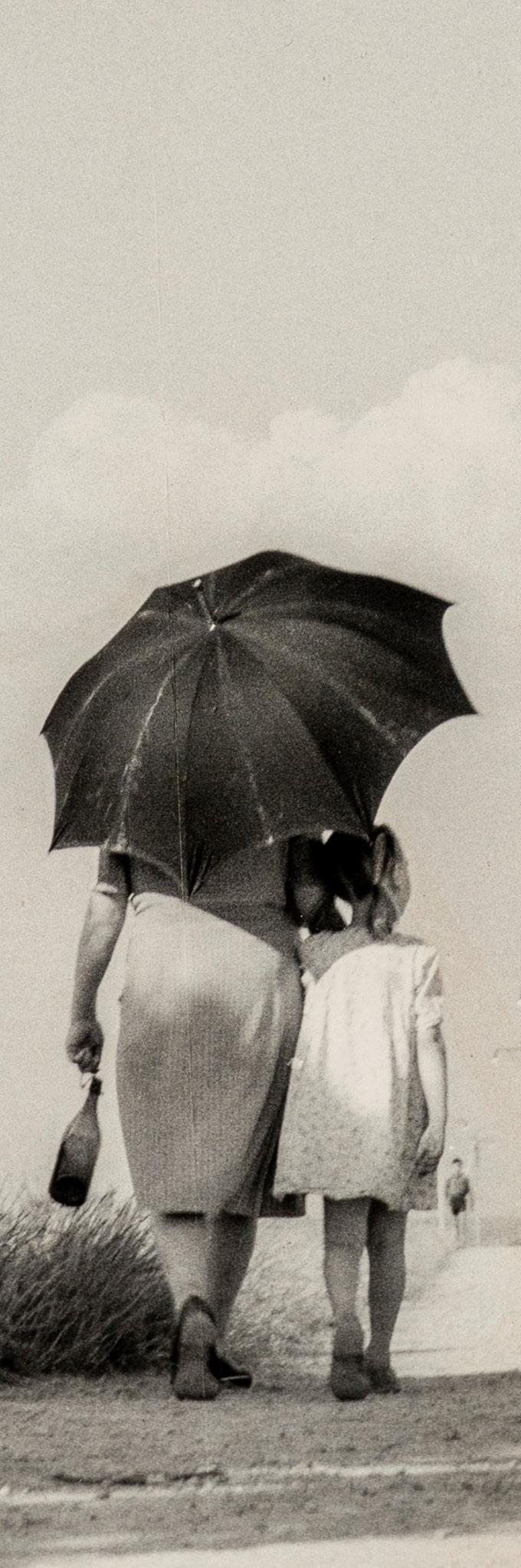
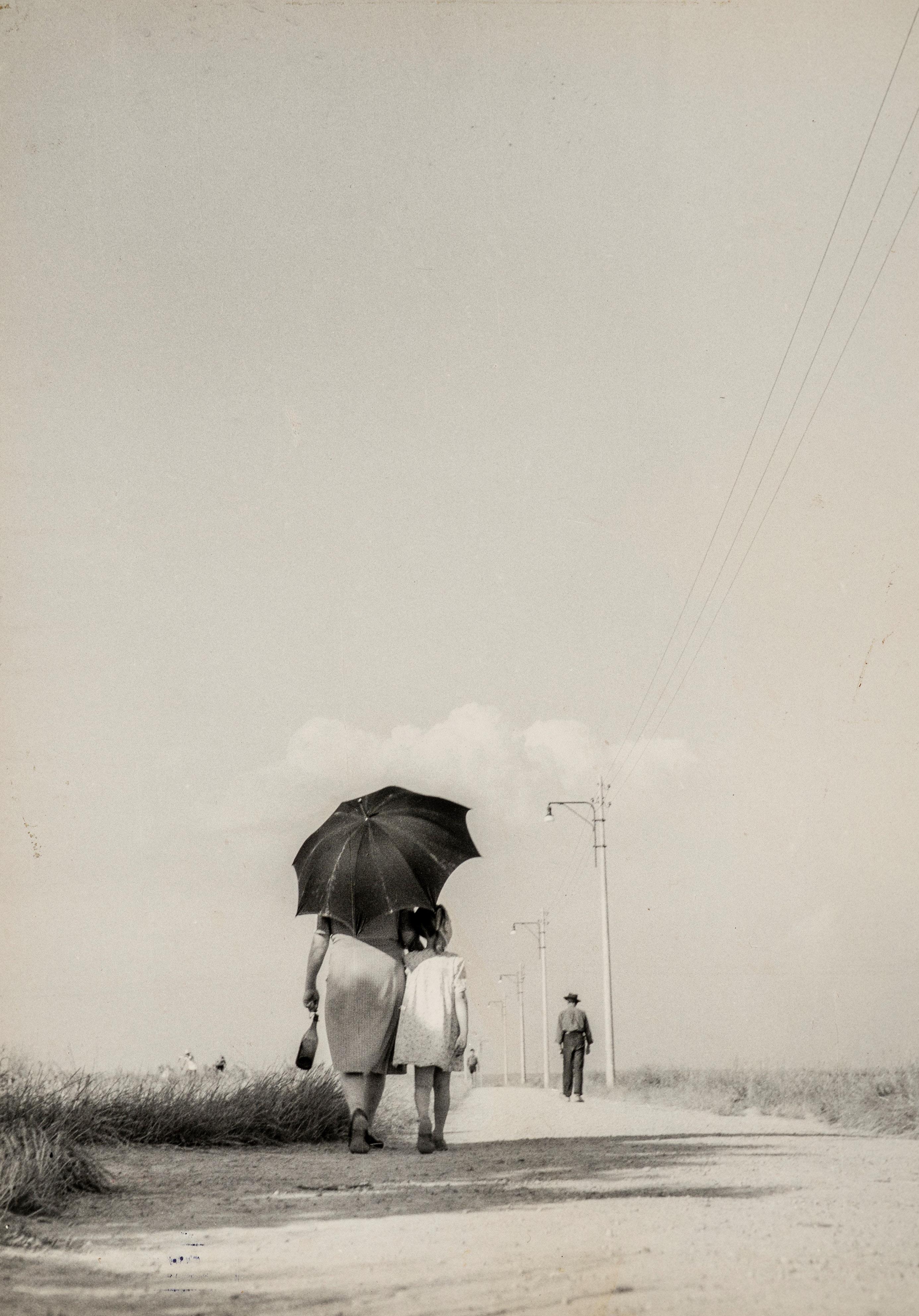
The two prints proposed here underline the characteristics of Bonzuan’s vision. On the one hand, the desire, taking up his Venice, to get out of the classical schemes and to use an inverted glass to multiply the perspective, multiplying it in a game between high and low, between direct and indirect, between real and fantastic. The fact that the city was also very famous for the glass industry at the time gave the image a subtly ironic tone. Very different, however, is the image of the sunny road traveled by a couple in the foreground who sheltered from the sun with an umbrella. When his gaze has caught them, he cannot help but continue and find a little far away a man dressed in black passing by a lamppost and even further on, very small, another figure on the way. The result is an exercise in style that enhances, thanks to the composition, subjects that would otherwise be of little significance.
Le due stampe qui proposte sottolineano le caratteristiche della visione di Bonzuan. Da una parte il desiderio, riprendendo la sua Venezia, di uscire dagli schemi classici e di usare un vetro rovesciato per moltiplicarne la prospettiva moltiplicandola in un gioco fra alto e basso, fra diretto e indiretto, fra reale e fantastico. Che poi la città sia quella allora molto famosa anche per l’industria del vetro conferisce all’immagine un tono sottilmente ironico. Molto diversa è, invece, l’immagine della strada assolata percorsa da una coppia in primo piano che si ripara dal sole con un ombrello. Quando lo sguardo li ha colti non può fare a meno di proseguire e trovare un poco lontano un uomo vestito di nero che passa accanto a un lampione e ancora più avanti, piccolissima, un’altra figura in cammino. Il risultato è un esercizio di stile che esalta, grazie alla composizione, soggetti altrimenti poco significativi.
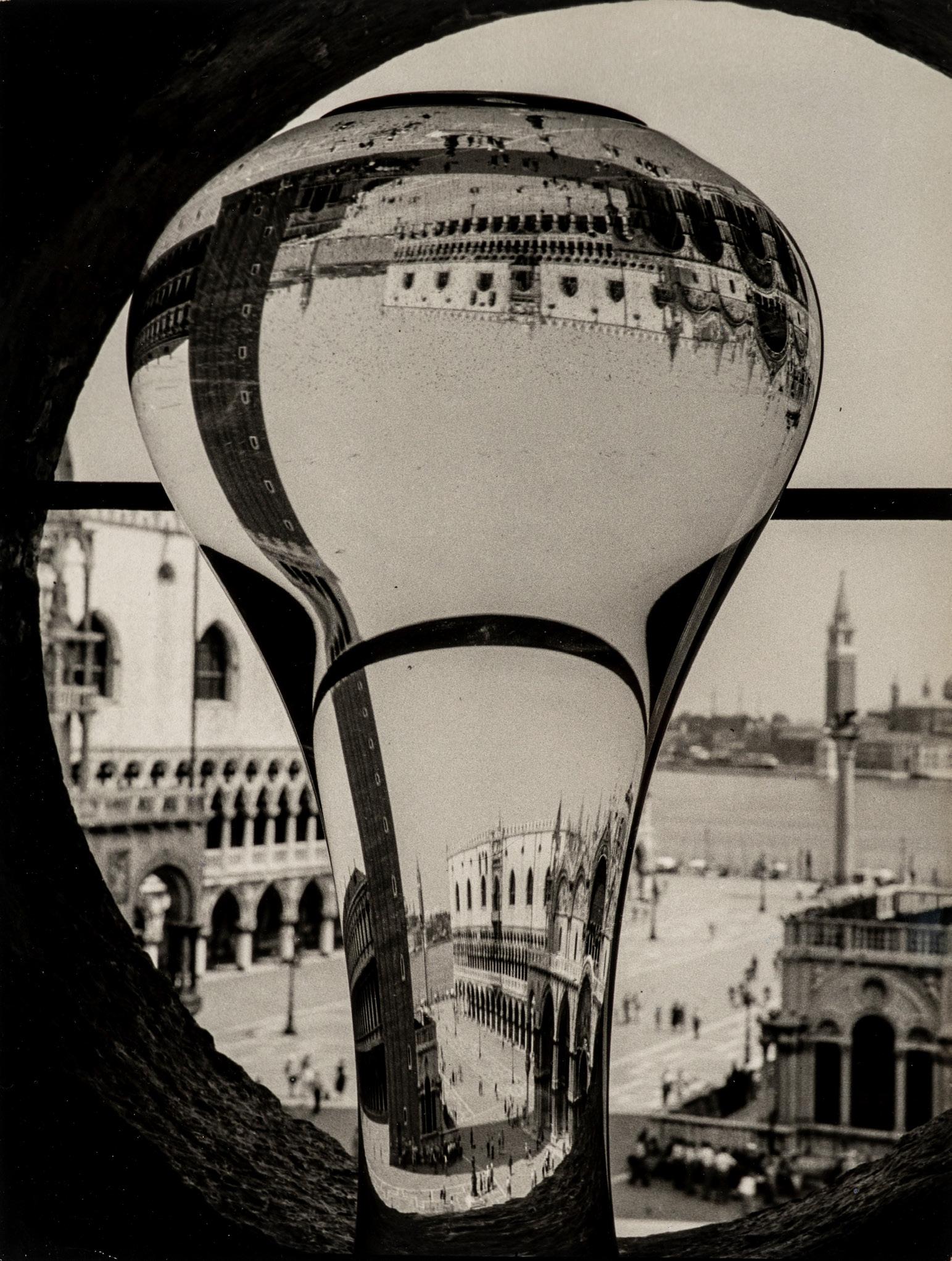
Omaggio a Guardi, 1953
Vintage gelatin silver print cm 40,2 x 30,3 | 15.8 x 11.9 in.
Photographer’s credit stamps and exhibition label on the verso (Timbri del fotografo ed etichetta espositiva al verso)
EXHIBITION
VIII Coppa A.F.I., Turin, 1953
€ 700 - 1.000
1012® MARIO BONZUAN (1904-1982)
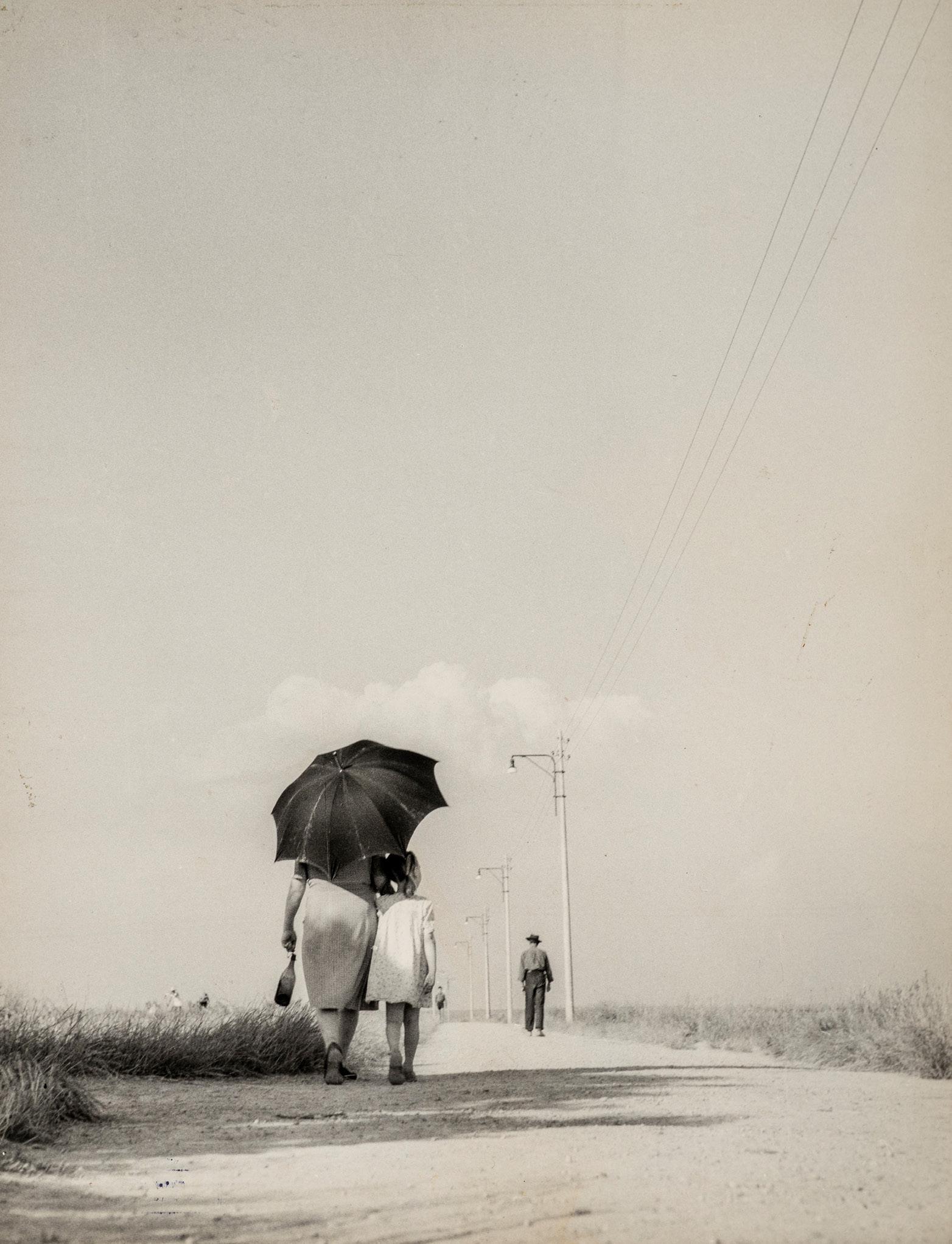
Estate, 1950s
Vintage gelatin silver print
cm 39,6 x 30,6 | 15.6 x 12 in.
Photographer’s credit stamp and caption label on the verso (Timbro del fotografo ed etichetta didascalica al verso)
€ 700 - 1.000
1013® MARIO BONZUAN (1904-1982)
Piergiorgio Branzi (Signa, Florence 1928 - Campagnano di Roma, Rome 2022), openly influenced by the severity of Tuscan art, began photographing in the early 1950s, travelling by motorbike in the most depressed areas of Southern Italy and Veneto as well as Greece and Spain, and producing reportages published in Mario Pannunzio’s Il Mondo. He switched to written journalism and then joined RAI, in 1962 he was the first western correspondent in Moscow before moving to Paris and then travelling the world as a special correspondent. In those years, he took photographs for himself and only reappeared in the 1990s with exhibitions and books that certified his greatness.
Piergiorgio Branzi (Signa, Florence 1928 - Campagnano di Roma, Rome 2022) dichiaratamente influenzato dalla severità dell’arte toscana, inizia a fotografare nei primi anni ’50, viaggiando in motocicletta nelle zone più depresse del Meridione e del Veneto come di Grecia e Spagna, realizza reportage pubblicate su Il Mondo di Mario Pannunzio. Passato al giornalismo scritto e poi assunto in Rai, nel 1962 è il primo corrispondente occidentale a Mosca prima di passare a Parigi e viaggiare poi nel mondo come inviato speciale. In quegli anni fotografa per sé e solo negli anni ’90 ricompare con mostre e libri che ne certificano la grandezza.
Piergiorgio Branzi
The eye of the photojournalist he once was is also evident in individual photographs such as those presented here. Indeed, his ability to capture numerous elements and weave them into a single image that effectively represents them is striking – a skill he acquired by taking Cartier-Bresson’s teachings to heart. From a stylistic point of view, too, Branzi is a true independent: although his preference for high-key prints—of which Giuseppe Cavalli was a master—is evident, he does not share Crocian aesthetics but is much closer to the cultured documentary style of Luigi Crocenzi. For all these reasons, the portfolio presented here is invaluable, showcasing some of his best-known photographs, ranging from the irony that Branzi manages to capture even when photographing a wall, to the well-known compositions where the space resembles a theatrical scene.
Lo sguardo del reportagista che era stato si ritrova anche nelle fotografie singole come quelle qui proposte. Colpisce, infatti, la capacità di cogliere molti elementi per farli confluire in una sola immagine che ben li rappresenti, una lezione questa acquisita facendo propria la lezione di Cartier-Bresson. Anche dal punto di vista stilistico Branzi è un vero indipendente: anche se è evidente la predilezione per le stampe in high key, di cui era maestro Giuseppe Cavalli, non ne condivide l’estetica crociana ma è molto più vicino al colto documentarismo di Luigi Crocenzi. Preziose per tutte queste ragioni il portfolio qui presentato dove ci si trova di fronte ad alcune delle sue fotografie più note spaziando dall’ironia che Branzi sa cogliere perfino riprendendo un muro, alle note composizioni dove lo spazio è quello di una scena di gusto teatrale.
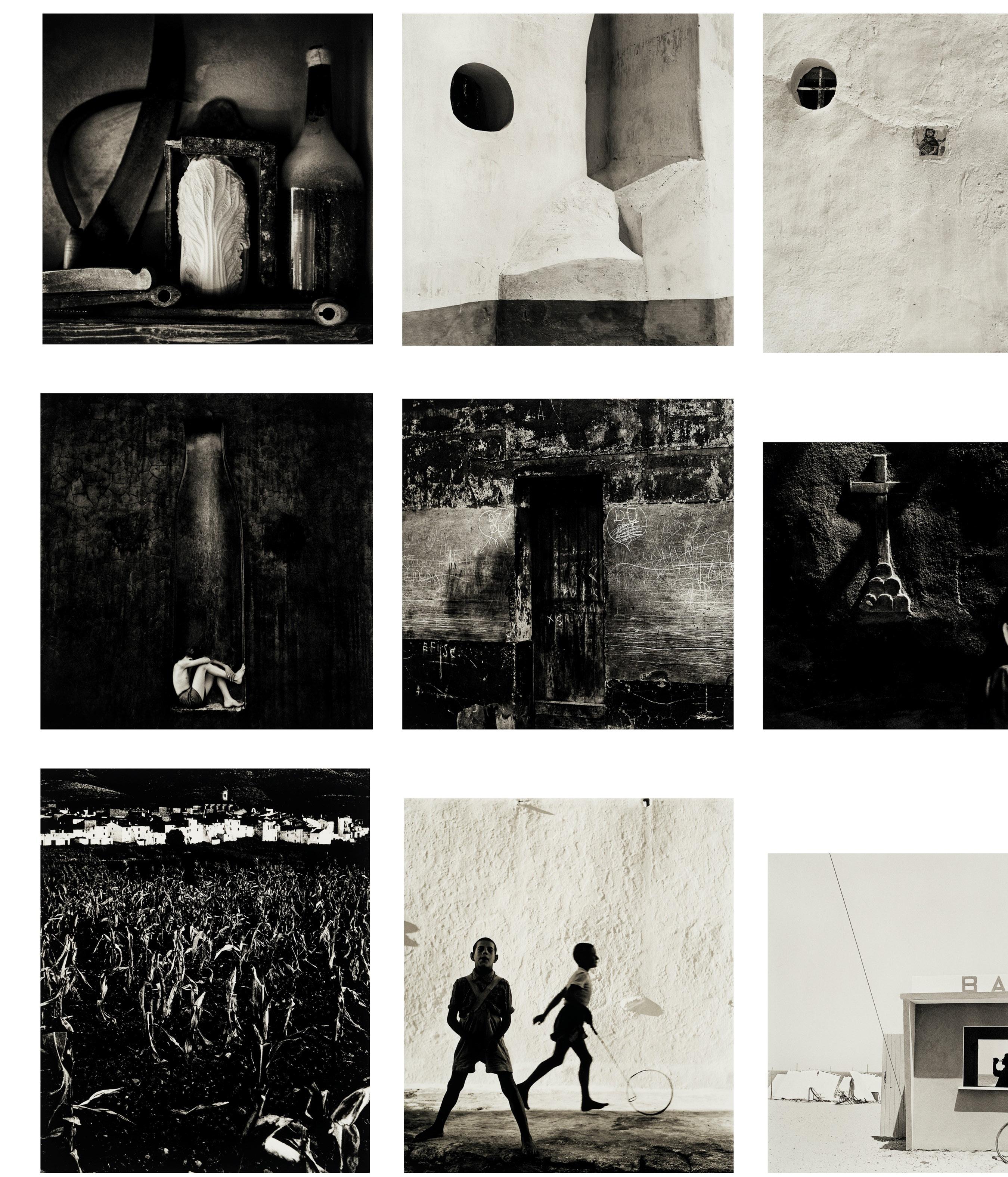
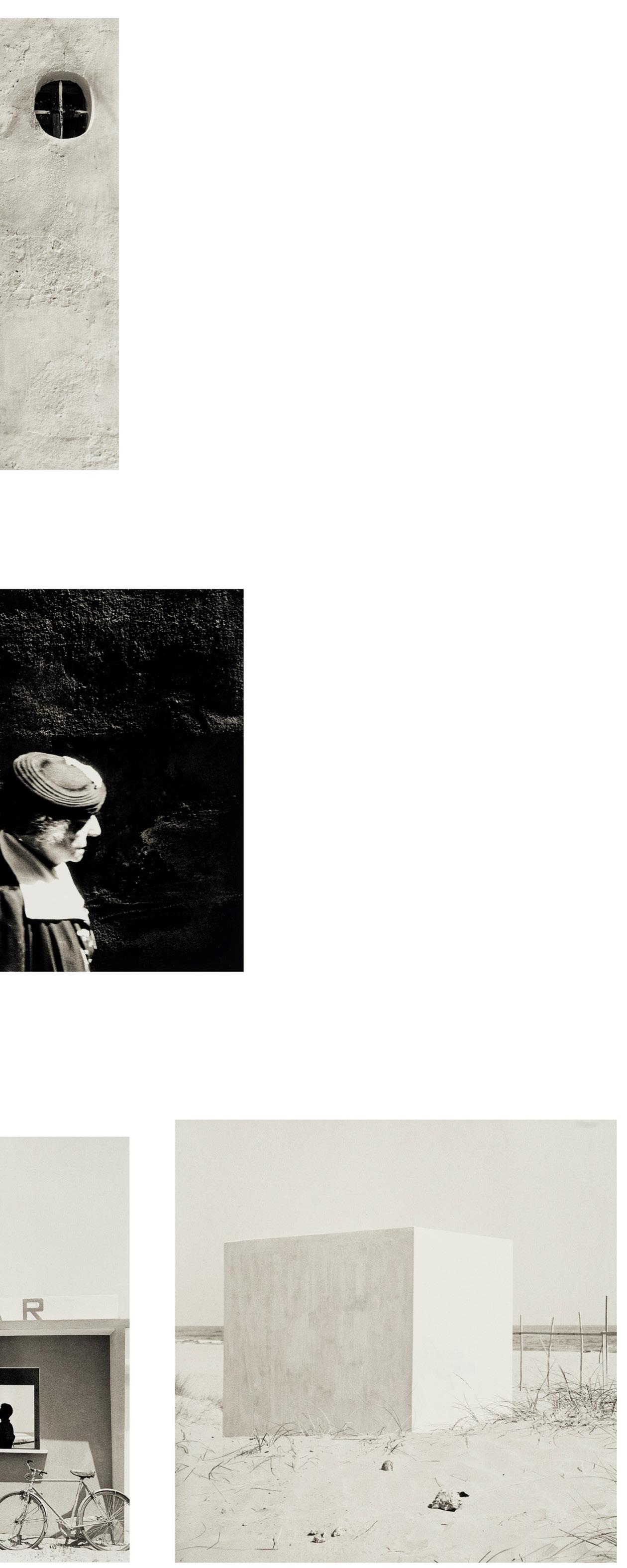
PIERGIORGIO BRANZI (1928-2022)
Portfolio “10 Fotografie”, 1953/1957
Ten inkjet prints in original box
cm 25 x 18 approx. (cm 18 x 18 approx. picture) each. ;
cm 43 x 33 x 5,5 box |
9.8 x 9.8 in. approx. (7.1 x 7.1 in. approx. picture) ; 16.9 x 13 x 2.2 in. box
Edition 28 of 50
Each one signed in black ink with photographer’s credit stamp on the verso and numbered with progressive number in pencil on the white inferior recto margin
Porfolio for Cassa Lombarda, titles: Natura Morta, Muro a Fiorio, Muro Bianco, Muro Nero, Parigi Muro, Firenze Vicolo de’ Donati, Villaggio nella Sierra Segura, Mykonos, Adriatico, Adriatico
(Edizione 28 di 50; Ciascuna firmata a penna nera con timbro del fotografo al verso e numerata con numero progressivo a matita al margine bianco inferiore recto; Portfolio per Cassa Lombarda, titoli: Natura Morta, Muro a Fiorio, Muro Bianco, Muro Nero, Parigi Muro, Firenze Vicolo de’ Donati, Villaggio nella Sierra Segura, Mykonos, Adriatico, Adriatico)
€ 2.200 - 2.800
Alfredo Camisa (Bologna 1927 – Pescia, Pistoia 2007) florentine by adoption, in the 1950s stands out as a valuable author and sharp critic in the debate that accompanies the postwar period in important magazines and within groups such as Cavalli’s Misa and Crocenzi’s CCF. He published in “Il Mondo” and won various awards, but in the 1960s he abandoned photography to devote himself to his profession as a chemist. Rediscovered in recent times both in his own world (the FIAF in 2002 dedicated a monograph to him) and in the world of exhibitions and collectors, he is sometimes improperly defined as a neorealist. A free spirit, he has Walker Evans and the social anthropology of “The Family of Men” as references.
Alfredo Camisa (Bologna 1927 – Pescia, Pistoia 2007) fiorentino di adozione, negli anni ’50 si segnala come pregevole autore e come acuto critico nel dibattito che accompagna il dopoguerra su importanti riviste e all’interno di gruppi come il Misa di Cavalli e il CCF di Crocenzi. Pubblica su Il Mondo e ottiene vari riconoscimenti ma negli anni ’60 abbandona la fotografia per dedicarsi alla sua professione di chimico. Riscoperto in epoca recente sia nel suo mondo (la FIAF nel 2002 gli dedica una monografia) che in quello delle mostre e del collezionismo, viene talvolta impropriamente definito come neorealista. Spirito libero, ha semmai come riferimenti Walker Evans e l’antropologia sociale di “The Family of Men”.
Alfredo Camisa
Camisa
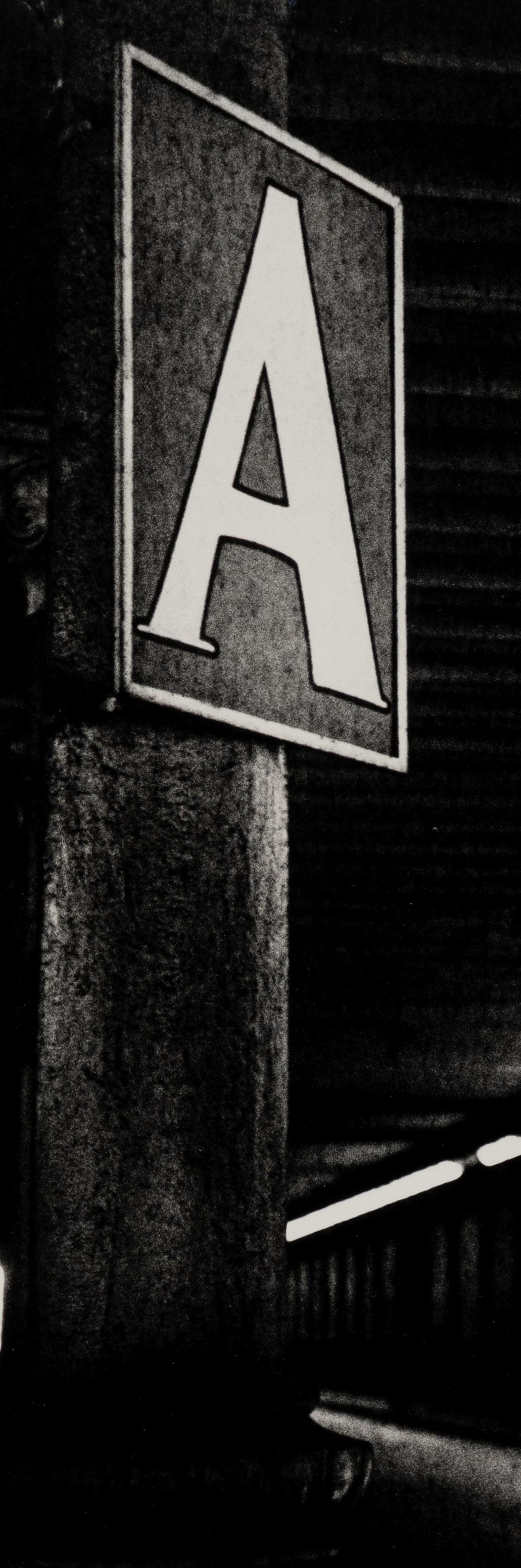
The image of the woman and the goat belongs to that genre of social photography much practiced by Alfredo Camisa where the attention shifts to the most common aspects of everyday life with a distinctly humanistic slant. Obviously, what is striking is that formal accuracy that allows him to create harmony between all the elements in play. But the author has also been able to go further with projects such as this Urban Alphabet with which, with acumen, he has used the investigative tools dear to reportage to create a series of photographs, each of which captured, inserted in the urban landscape, a letter of the alphabet taken from signs, signs, installations with an outcome of ingenious acumen.
L’immagine della donna e della capretta appartiene a quel genere di fotografia sociale molto praticato da Alfredo Camisa dove l’attenzione si sposta sugli aspetti più comuni della quotidianità con un taglio spiccatamente umanistico. Ovviamente ciò che colpisce è quell’accuratezza formale che gli permette di creare un’armonia fra tutti gli elementi in gioco. Ma l’autore ha anche saputo andare oltre con progetti come questo Alfabeto urbano con cui, con acume, ha utilizzato gli strumenti di indagine cari al reportage per creare una serie di fotografie ognuna delle quali coglieva, inserita nel paesaggio urbano, una lettera dell’alfabeto tratta da insegne, cartelli, installazioni con un esito di ingegnoso acume.
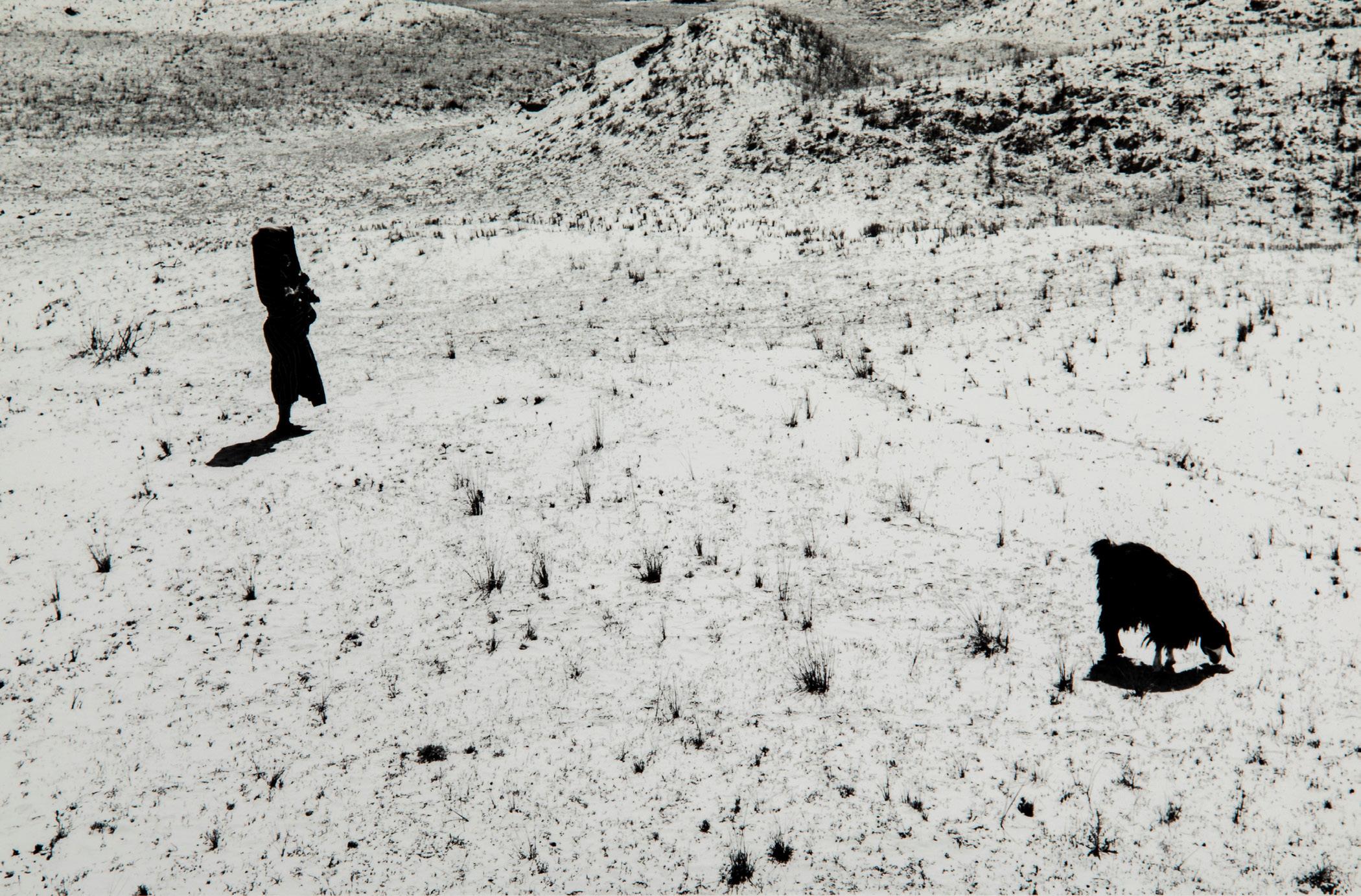
Magri pascoli, 1956
Gelatin silver print
cm 24 x 30,4 (cm 19,7 x 29,8 picture) |
9.4 x 12 in. (7.8 x 11.7 in. picture)
Archivio Fotografico Alfredo Camisa credit stamp on the verso (Timbro Archivio Fotografico Alfredo Camisa al verso)
€ 700 - 1.000
1015® ALFREDO CAMISA (1927-2007)
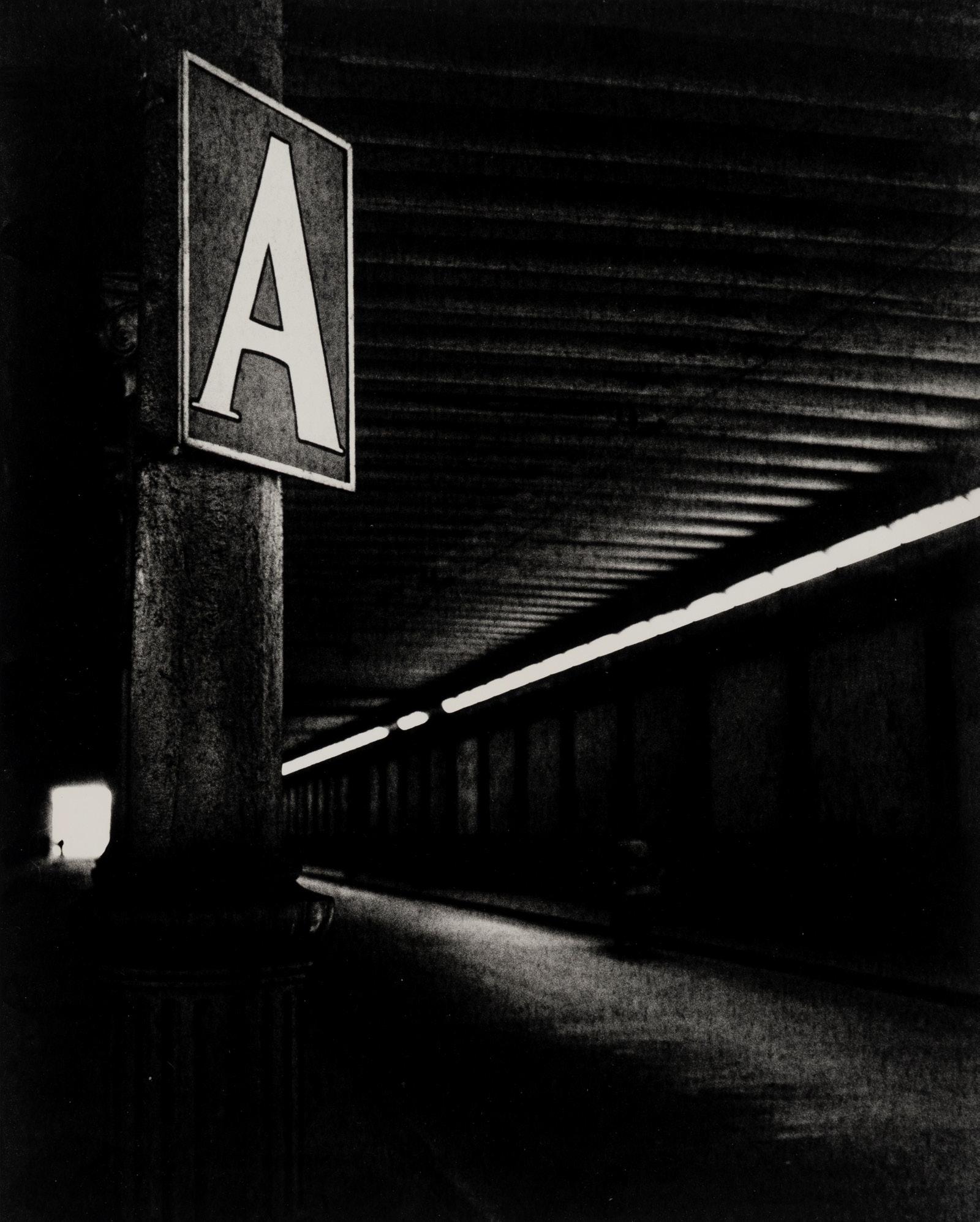
Dal ciclo Alfabeto Urbano: A, 1957
Gelatin silver print, printed in 2005
cm 40,5 x 30,5 (cm 36,3 x 29,2 picture) | 15.9 x 12 in. (14.3 x 11.5 in. picture)
Edition 1 of 5
Signed in pencil on the verso with caption label on the verso of the frame Framed
(Edizione 1 di 5; Firmata a matita al verso con etichetta didascalica al verso della cornice; Opera in cornice)
€ 1.500 - 2.000
1016® ALFREDO CAMISA (1927-2007)
Virgilio Carnisio (Milan 1938) began photographing in the early 1960s and, fearing that a false interpretation of modernity could destroy the classic architecture of his city, he wandered between the centre and the suburbs, documenting in black and white courtyards, railing houses, taverns, neighbourhoods such as Isola and Garibaldi, old shops and artisan workshops with the anthropological and social approach dear to classic reportage. He creates, particularly accurate exhibitions and books, an articulate survey of Milan to which he combines investigations into Valsesia and the realities of Europe, Asia and America, the destinations of his travels.
Virgilio Carnisio (Milano 1938) inizia a fotografare nei primi anni ’60 e, temendo che una falsa interpretazione della modernità potesse cancellare le classiche architetture della sua città, vagabondando fra centro e periferia documenta in bianco e nero cortili, case di ringhiera, osterie, quartieri come l’Isola e il Garibaldi, vecchie botteghe, laboratori artigiani col taglio antropologico e sociale caro al classico reportage. Crea così, in mostre e libri particolarmente accurati, un’indagine articolata di Milano cui accosta indagini sulla Valsesia e su realtà di Europa, Asia e America, mete dei suoi viaggi.
Virgilio Carnisio
Carnisio
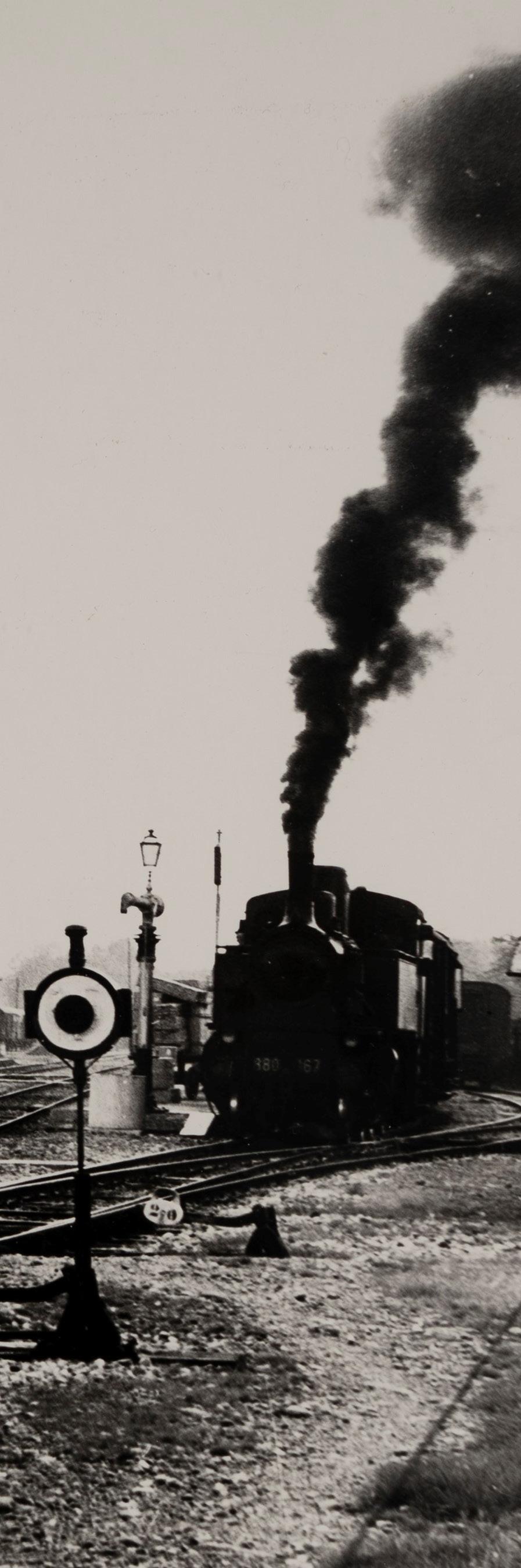
The most interesting aspects of this kind of work lie not in the technique but in the creative vision that drives it. Virgilio Carnisio uses a standard Pentax SLR (though he used other cameras in his early days), lenses that are neither extreme wide-angles nor exaggerated telephoto lenses, and black-and-white film: equipment that serves to produce well-balanced photographs where light and shadow are always in harmony. That said, what matters is his eye, which captures subjects—perhaps ones many would not even have considered—with consistently precise framing. Thus, the vast collection of façades of restaurants, bars, wine bars and food shops now stands as a testament to Milanese history, as well as an anthropological record of how we once were. When, however, faced with a locomotive, Carnisio shifts his gaze slightly diagonally to emphasise its movement and chooses the moment when the smoke creates the perfect finishing touch to an impeccable image.
Gli aspetti più interessanti dei lavori di questo genere non risiedono sulla tecnica ma sulla capacità progettuale che li anima. Virgilio Carnisio usa una normale reflex Pentax (anche se agli esordi altre fotocamere), obiettivi mai spinti né grandangoli estremi né teleobiettivi esagerati, pellicole in bianco e nero: un’attrezzatura funzionale a produrre fotografie ben calibrate dove luci e ombre sono sempre equilibrate. Detto questo, ciò che conta è il suo sguardo che coglie con inquadrature sempre precise soggetti che forse per molti non erano neppure da considerare. Così la grande collezione di facciate di ristoranti, bar, vinerie, negozi alimentari diventano oggi testimonianze della storia milanese come anche documenti antropologici di come eravamo. Quando, invece, si trova di fronte a una locomotiva, Carnisio sposta lo sguardo in leggera diagonale per esaltarne il movimento e sceglie l’attimo in cui il fumo crea il giusto compimento di una immagine impeccabile.
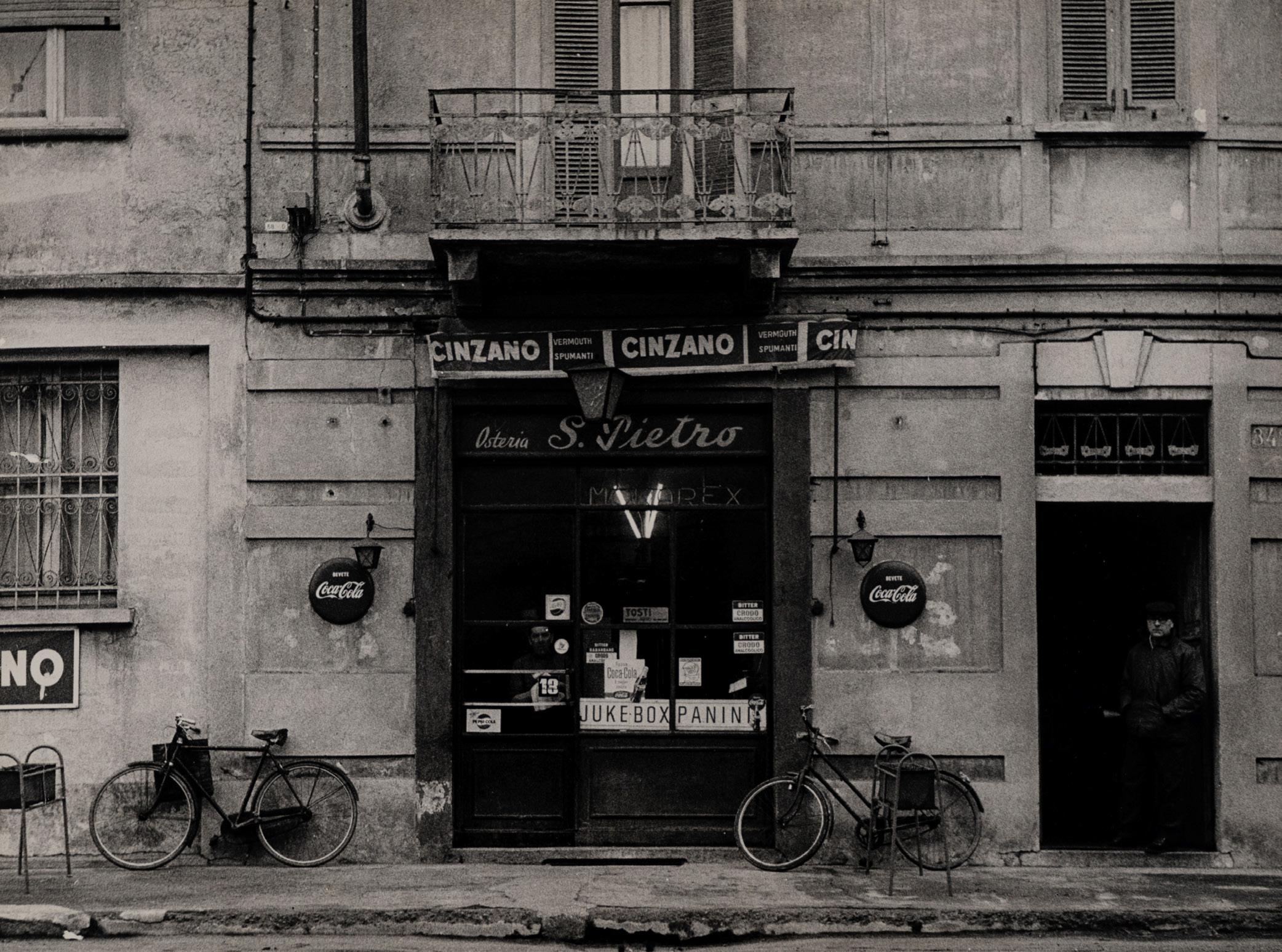
VIRGILIO
Milano, via Ripamonti 342, 1966
Vintage gelatin silver print cm 30,4 x 40,2 | 12 x 15.8 in.
Edition 3 of 12
Titled, signed and numbered in black ink with photographer’s credit stamp and Circolo Fotografico Politecnico di Milano stamp on the verso (Edizione 3 di 12; Titolata, firmata e numerata a penna nera con timbro del fotografo e timbro Circolo Fotografico Politecnico di Milano al verso)
€ 300 - 400
1017
CARNISIO (1938)
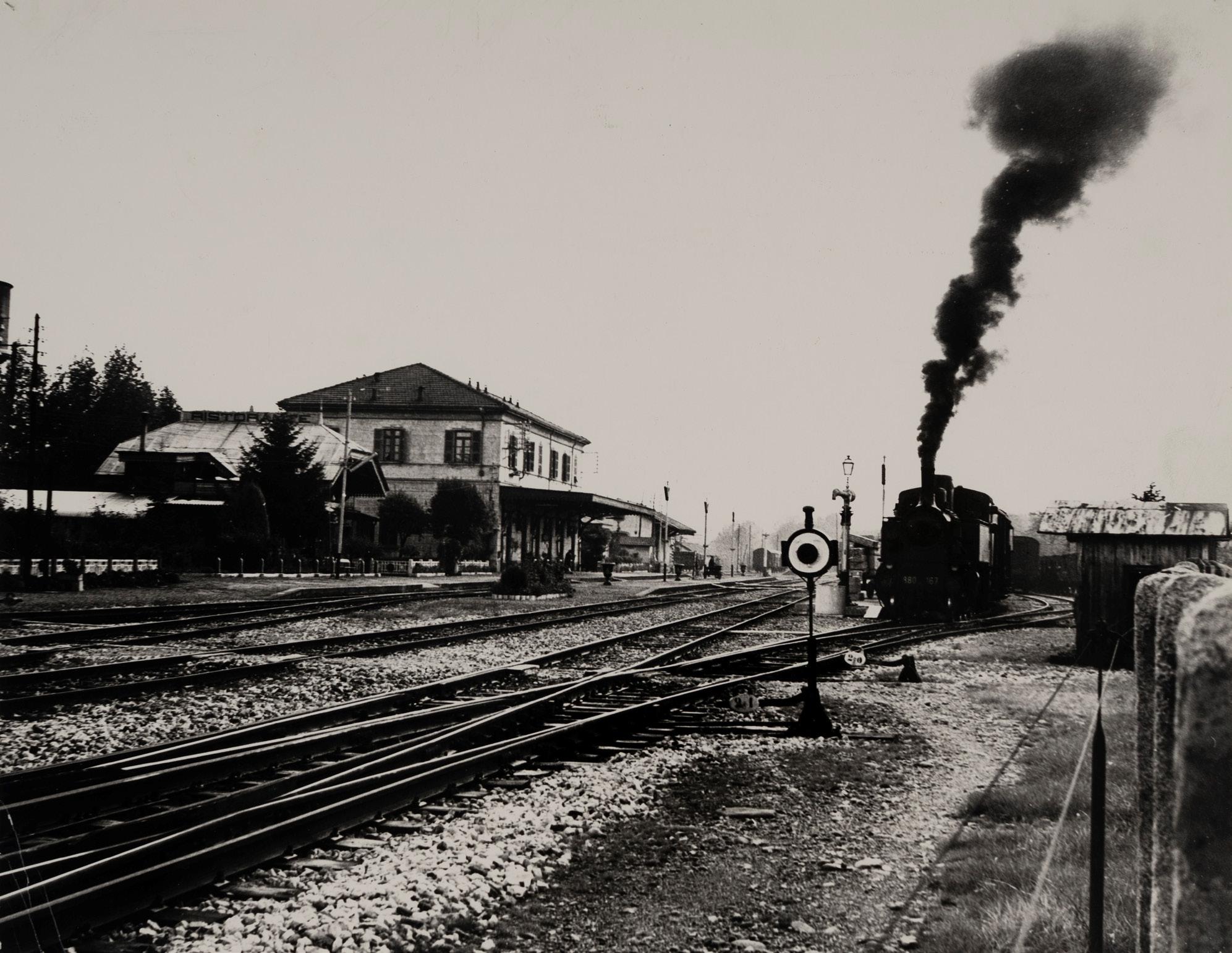
Romagnano Sesia (NO), 1966
Vintage gelatin silver print cm 27,3 x 34,8 | 10.7 x 13.7 in.
Edition 4 of 12
Signed, titled and numbered in black ink with photographer’s credit stamp on the verso
(Edizione 4 di 12; Firmata, titolata e numerata a penna nera con timbro del fotografo al verso)
€ 300 - 400
1018
VIRGILIO CARNISIO (1938)
Giuseppe Cavalli (Lucera, Foggia 1904 – Senigallia, Ancona 1961) was born into a family of landowners and, although he graduated in law, he preferred to devote himself to the world of art following in the footsteps of his twin brother Emanuele, a successful painter. A very cultured man, he developed in practice as well as in theory a type of photography that was as far away from pictorialism as from the hated fascist emphasis. In 1947, he founded the photographic group La Bussola in Milan, for which he drew up the manifesto that referred to Croce’s aesthetics, and in 1954, in Senigallia, where he had moved, the Gruppo Misa.
Giuseppe Cavalli (Lucera, Foggia 1904 – Senigallia, Ancona 1961) nasce in una famiglia di proprietari terrieri e, pur laureandosi in giurisprudenza, preferisce dedicarsi al mondo dell’arte sulle orme del fratello gemello Emanuele affermato pittore. Uomo molto colto, elabora nella pratica come nella teoria un tipo di fotografia lontana dal pittorialismo come dalla odiata enfasi fascista. Nel 1947 fonda a Milano il gruppo fotografico La Bussola di cui redige il manifesto che si richiama all’estetica crociana e nel 1954 a Senigallia, dove si era trasferito, il Gruppo Misa.
Giuseppe Cavalli
Cavalli
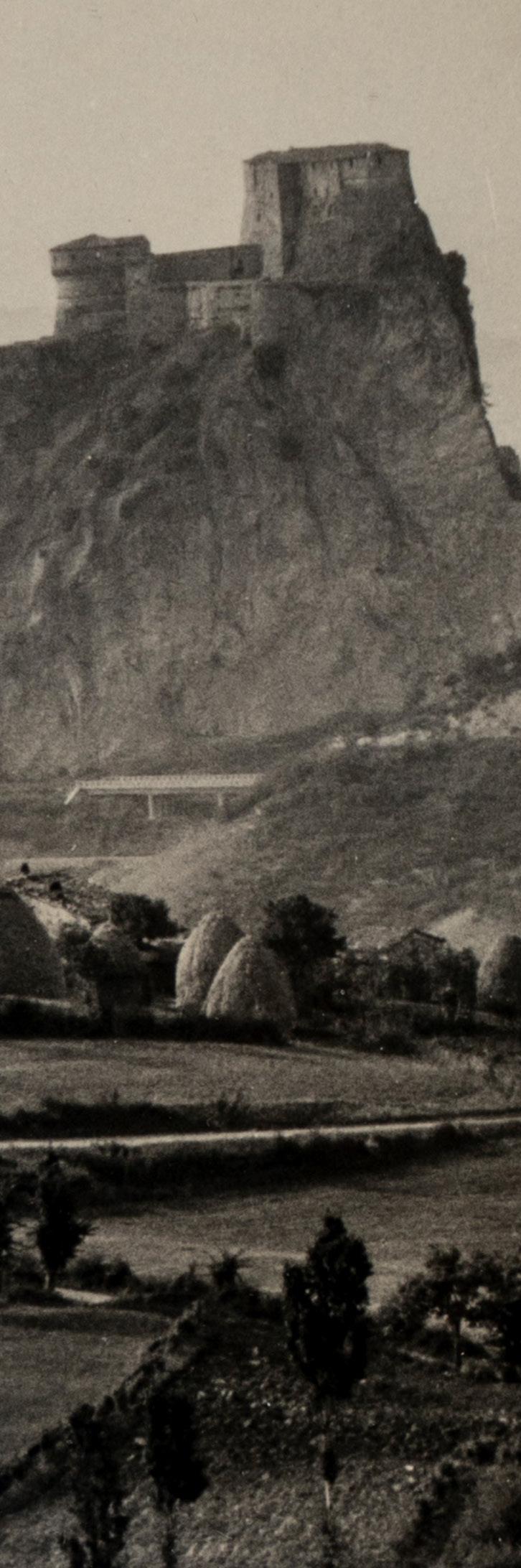
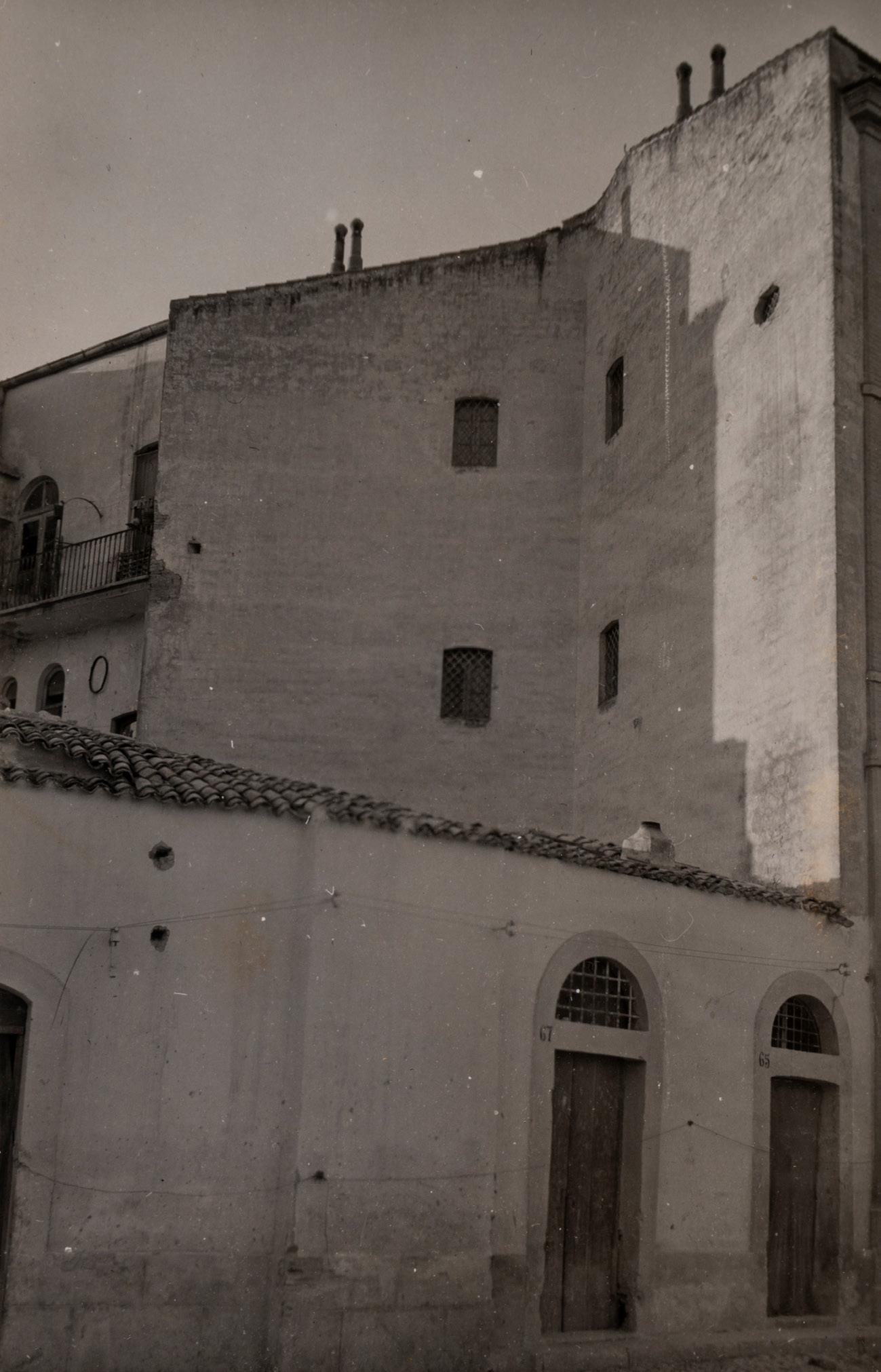
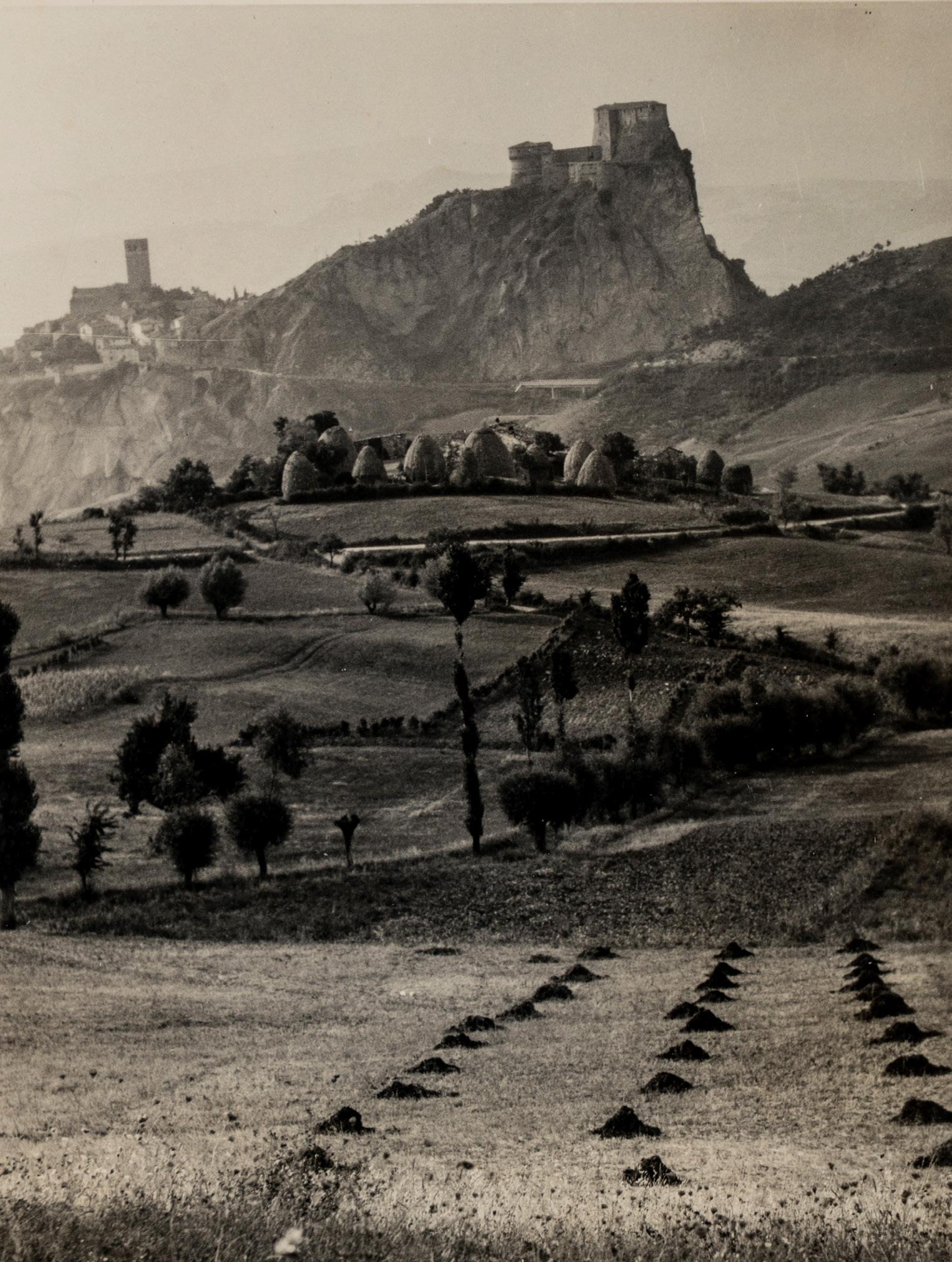
“The important axiom is that in art the subject has no importance, what matters is that the work has reached the sky of art: whether it is beautiful or not” wrote Cavalli in the Compass Manifesto and these words can guide the reading of these two images even if, at least apparently, they have the subject. Yet, observing the landscape as well as, and even more so, the buildings that lean against each other, it is evident that what interests Cavalli is the play of shadows, the attention to the soft light that seems to settle on everything and that characteristic very rigorous and precious print of his always recorded in high-key, that is, making the light tones prevail that chase each other in all their nuances.
“L’assioma importante è che in arte il soggetto non ha nessuna importanza, quello che conta è che l’opera abbia raggiunto il cielo dell’arte: sia bella o no” scriveva Cavalli nel Manifesto della Bussola e queste parole possono guidare alla lettura di queste due immagini anche se, almeno apparentemente, il soggetto lo hanno. Eppure, osservando il paesaggio come anche, e a maggior ragione, gli edifici che si addossano l’uno all’altro, è evidente che quanto interessa Cavalli è il gioco delle ombre, l’attenzione per la luce morbida che sembra depositarsi su tutto e quella sua caratteristica stampa rigorosissima e preziosa sempre registrata in high-key, cioè, facendo prevalere i toni chiari che si inseguono in tutte le loro sfumature.
Untitled, 1950s
Vintage gelatin silver print on postcard cm 13,8 x 8,5 | 5.4 x 3.3 in. Photographer’s credit stamp on the verso (Timbro del fotografo al verso)
€ 1.200 - 1.800
1019® GIUSEPPE CAVALLI (1904-1961)
Untitled, 1959
Vintage gelatin silver print
cm 16,8 x 11,4 (cm 14,4 x 10,9 picture) |
6.6 x 4.5 in. (5.7 x 4.3 in. picture)
Dated and signed with Auguri! in blue ink on the white inferior recto margin
(Datata e firmata con Auguri! a penna blu al margine bianco inferiore recto)
€ 1.200 - 1.800
1020®
GIUSEPPE CAVALLI (1904-1961)
Carla Cerati (Bergamo 1926 - Milan 2016) transformed her youthful artistic flair into a passion for photography that led her to make her first professional images of theater and then, in the 1960s, to investigate the world of youth by collaborating with newspapers such as L’Illustrazione Italiana and L’Espresso. Then she documents the theatrical avant-garde (Kantor, Carmelo Bene, the Living Theater) and the protagonists of the cultural world to marry the social commitment that leads her to make important reportages and to sign with Gianni Berengo Gardin the fundamental volume “Morire di classe.” She finally devoted herself to a careful photographic reflection on the female body. Also important was her activity as a writer.
Carla Cerati (Bergamo 1926 - Milano 2016) trasforma il giovanile estro artistico in passione per la fotografia che la porta a realizzare le prime professionali immagini di teatro e poi, negli anni ’60, a indagare nel mondo giovanile collaborando con testate come L’Illustrazione Italiana e L’Espresso. Documenta poi le avanguardie teatrali (Kantor, Carmelo Bene, il Living Theater) e i protagonisti del mondo culturale per sposare l’impegno sociale che la porta a realizzare importanti reportage e a firmare con Gianni Berengo Gardin il fondamentale volume “Morire di classe”. Si dedica infine a un’attenta riflessione fotografica sul corpo femminile. Altrettanto importante è stata la sua attività di scrittrice.
Carla Cerati
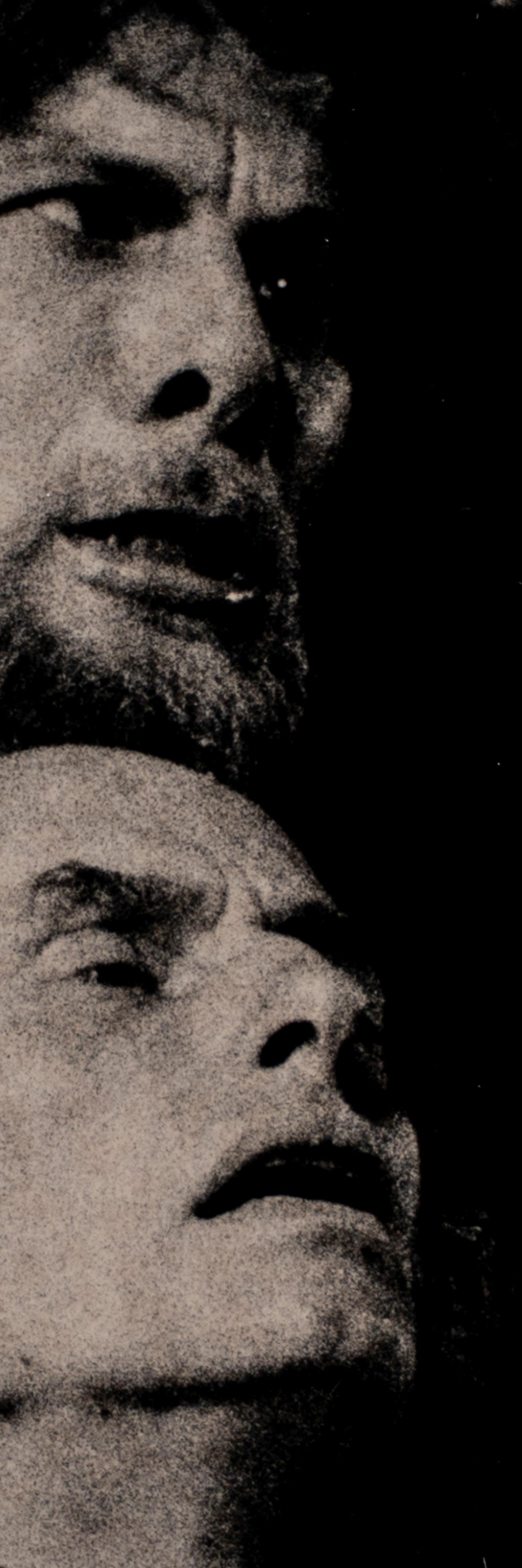
Carla Cerati’s complex professional career fits perfectly between these two images. When, in the late 1960s, Franco Basaglia began his campaign to close the mental asylums, true prisons that denied dignity to those who were not treated but imprisoned, an important contribution to the victory of the law that bears his name was made by that small but powerful book published by Einaudi in 1969, bearing the beautiful title ‘Morire di classe’ (Dying of Class), which Carla Cerati co-authored with Gianni Berengo Gardin. The close-up shots of the faces of people to whom no one paid any attention indicate a desire to establish contact in order to restore to them the dignity that was trampled upon every day. The framing that intersects the subjects lends the image a dynamism that seems to point towards hope. When, however, Carla Cerati encountered the extraordinarily innovative experience of the Living Theatre, she became so captivated that she followed the American troupe on their tours, constantly photographing their performances. She would then sometimes transform her images – as in this case – by cropping a section to emphasise a gesture, an expression, a glance.
Fra queste due immagini si colloca idealmente la complessa vicenda professionale di Carla Cerati. Quando, alla fine degli anni ’60 Franco Basaglia inizia la sua battaglia per la chiusura dei manicomi, vere istituzioni carcerarie che negavano dignità a quanti non venivano curati ma reclusi, un contributo importante alla vittoria della legge che porta il suo nome fu costituito da quel piccolo ma intenso libro pubblicato da Einaudi nel 1969 caratterizzato dal bellissimo titolo “Morire di classe” che Carla Cerati firma con Gianni Berengo Gardin. Lo scatto ravvicinato sui visi di persone cui nessuno dedicava attenzione indica il desiderio di stabile un contatto per restituire loro quella dignità ogni giorno calpestata. L’inquadratura che incrocia i soggetti conferisce all’immagine un dinamismo che sembra l’indice di una speranza. Quando, invece, Carla Cerati conosce l’esperienza allo straordinariamente innovativa del Living Theatre ne resta così coinvolta da seguire il gruppo americano nelle sue tournée fotografandone costantemente le performances. Trasformava poi talvolta le sue immagini – come in questo caso – ritagliandone una porzione per sottolineare un gesto, un’espressione, uno sguardo.
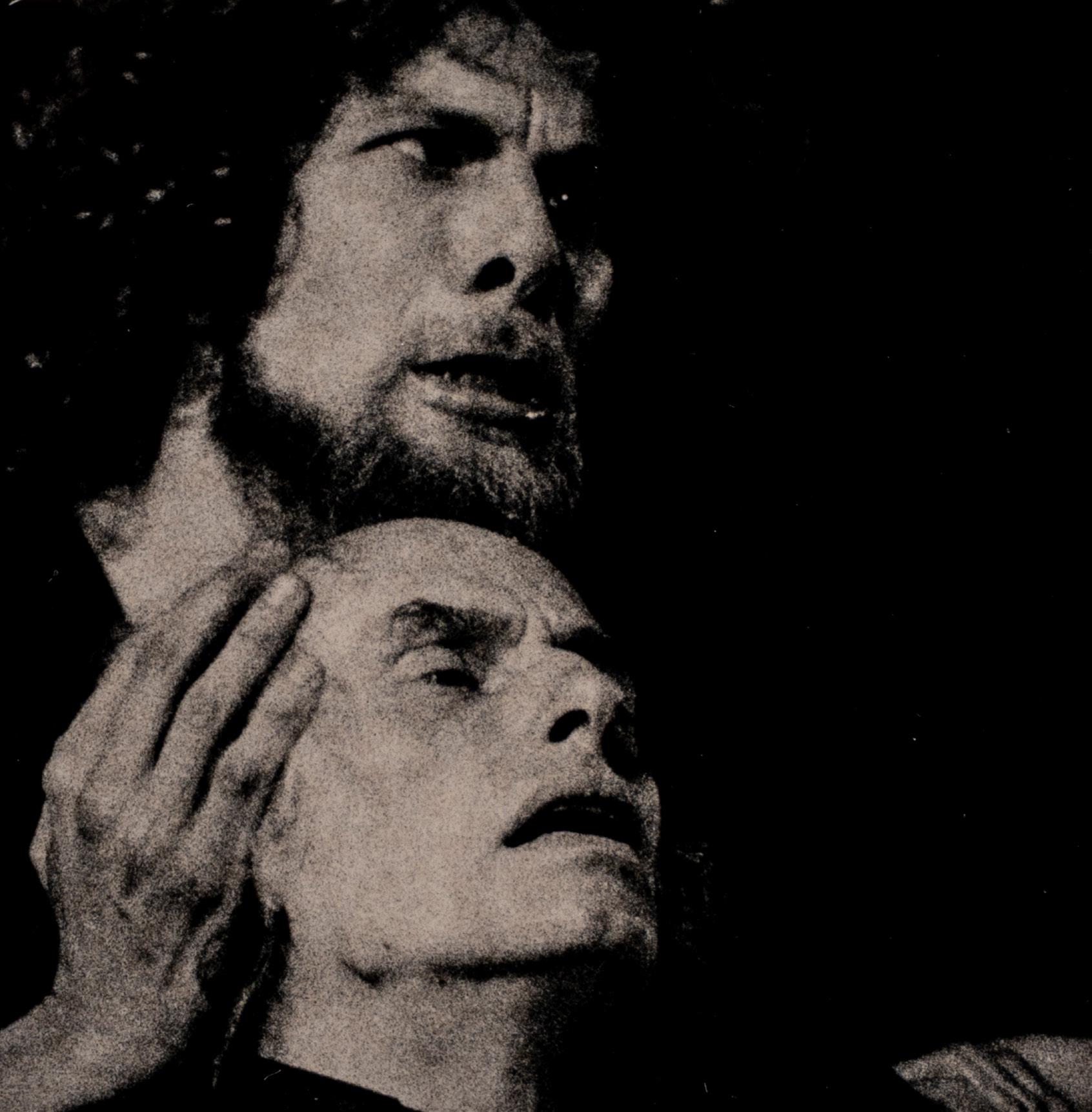
Frammenti, 1980s
Gelatin silver print applied on original cardboard cm 5,8 x 5,6 (cm 11,8 x 17,6 cardboard) | 2.3 x 2.2 in. (4.6 x 6.9 in. cardboard)
Signed and titled in pencil on the cardboard recto (Firmata e titolata a matita al cartoncino recto)
€ 300 - 400
1021®
CARLA CERATI (1926-2016)
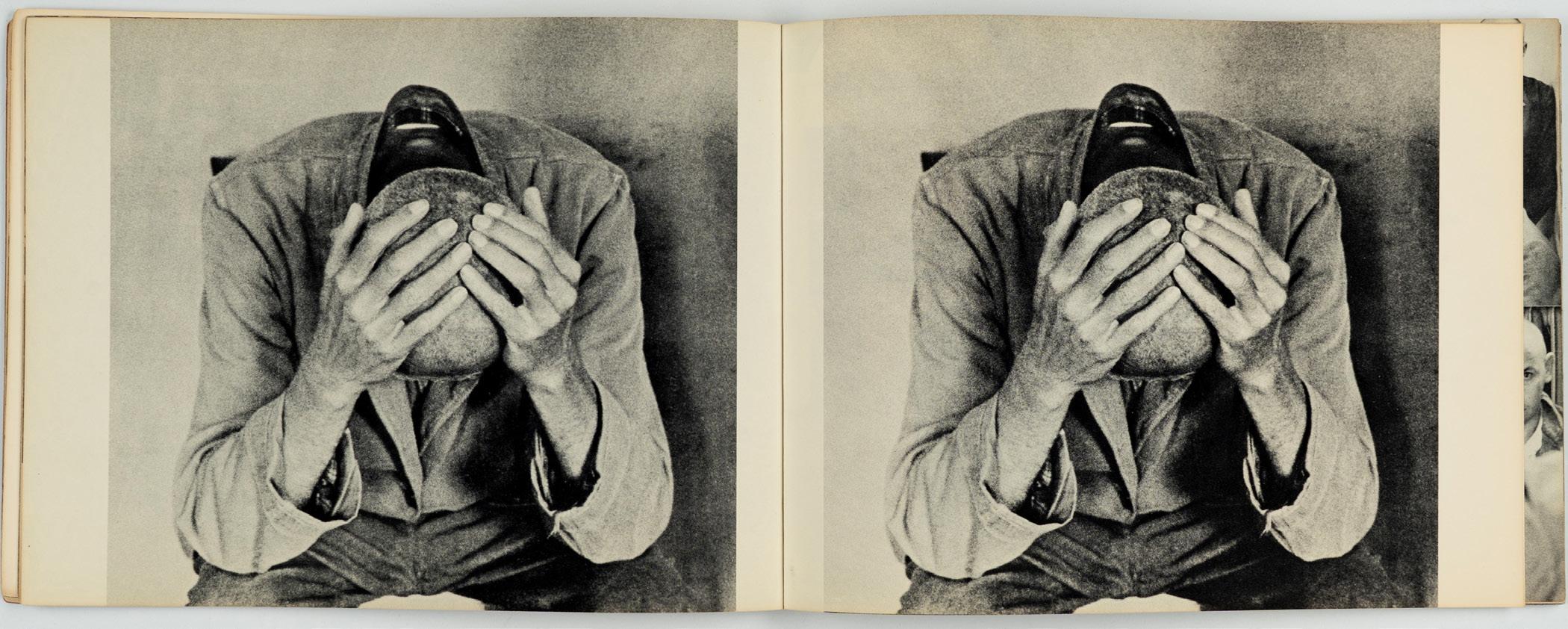
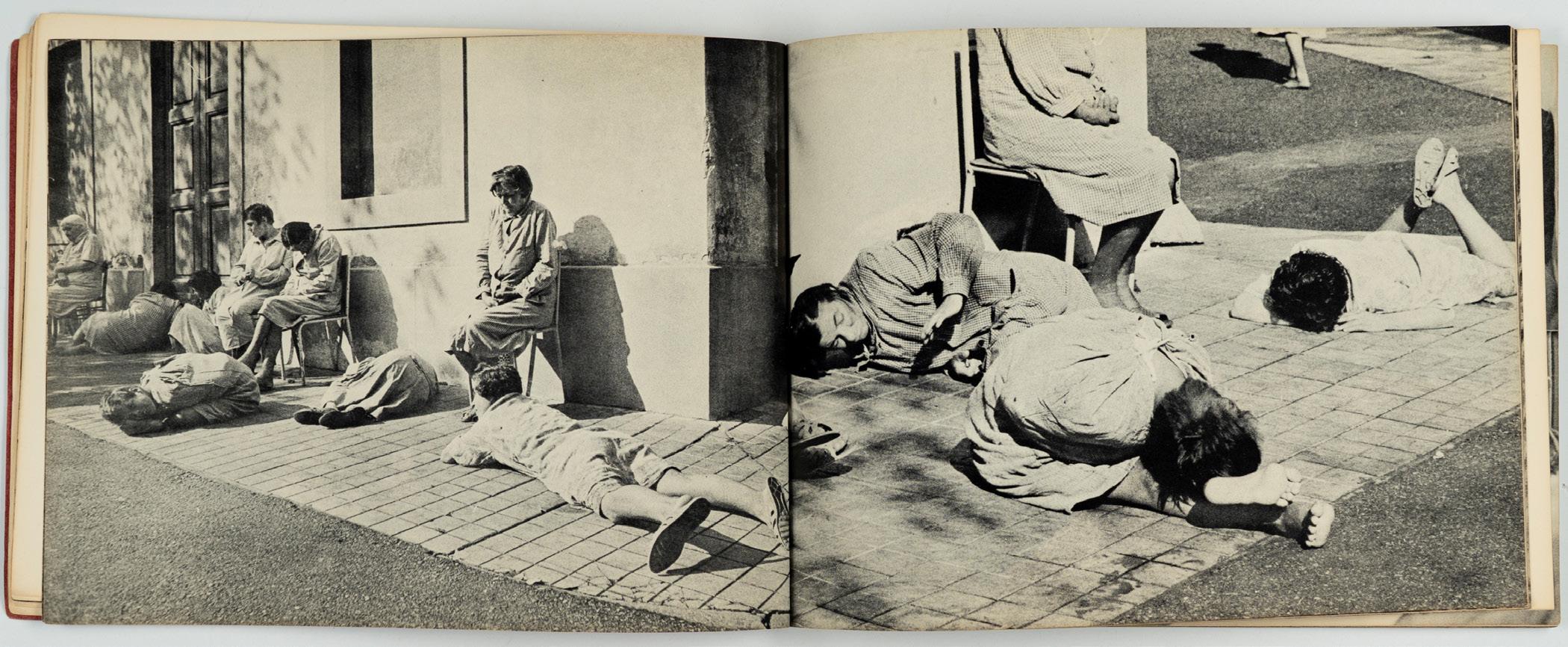
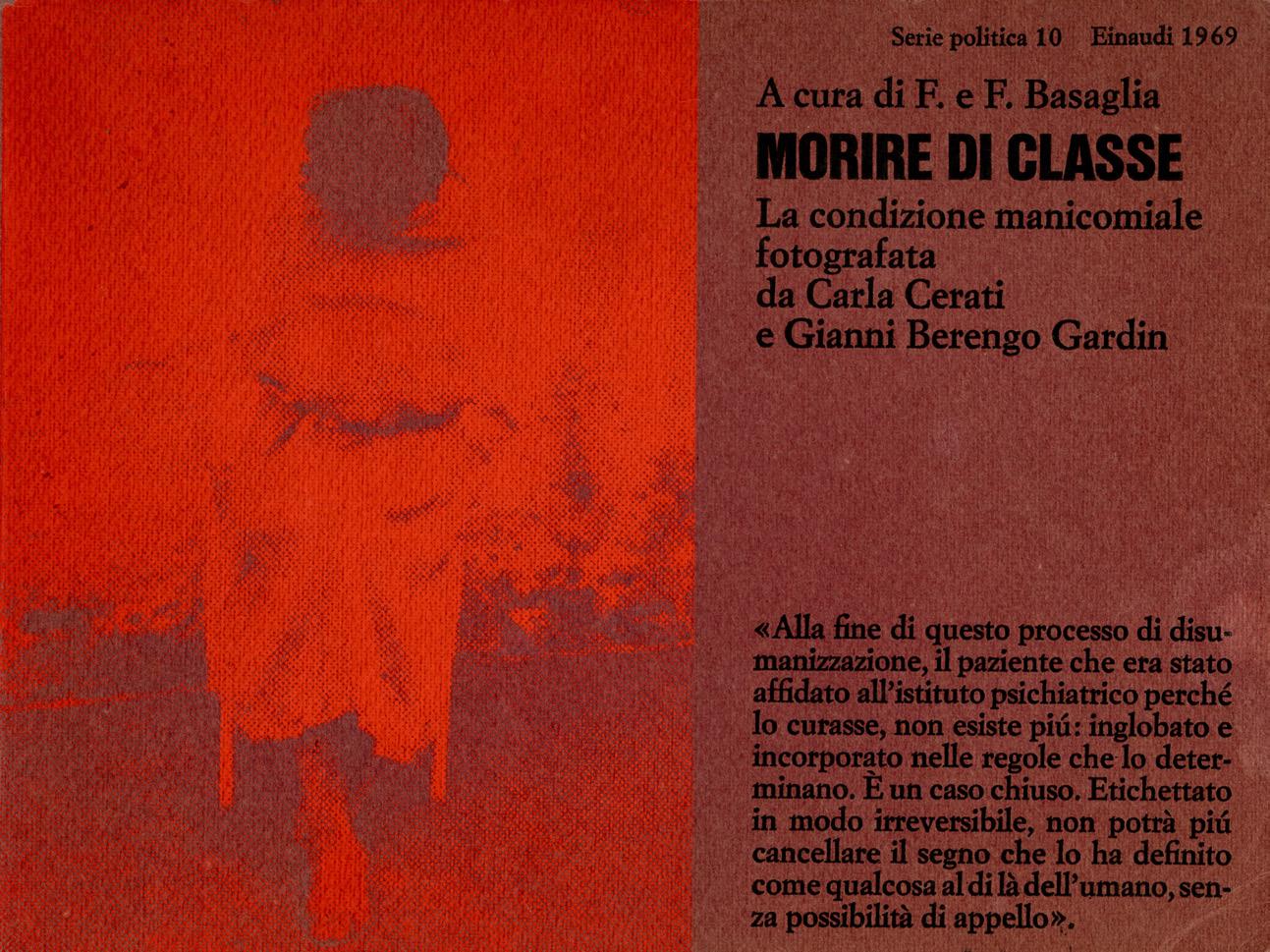
Morire di classe, 1969
Photobook
cm 18,3 x 24,4 x 0,8 | 7.2 x 9.6 x 0.3 in.
First edition (Prima edizione)
€ 600 - 800
1022®
CARLA CERATI (1926-2016)GIANNI BERENGO GARDIN (1930-2025)
Giovanni Chiaramonte
Giovanni Chiaramonte (Varese 1948 - Milan 2023) immediately has references both in the photography of Alfred Stieglitz and Minor White and, above all, in the work on the Italian landscape of Luigi Ghirri with whom he formed a friendship that led him to found with him the Punto e Virgola publishing house and to collaborate on projects such as “Viaggio in Italia” and “Esplorazioni sulla via Emilia.” If wide and varied was his activity as an author characterized by the use of color that led him to create important exhibitions collaborating with international institutions, equally significant was his activity as a cultural promoter also in the direction of series for the publishers Motta, Jaca Book, SEI, Meridiana, Ultreya.
Giovanni Chiaramonte (Varese 1948 – Milano 2023) ha da subito dei riferimenti sia nella fotografia di Alfred Stieglitz e Minor White sia, soprattutto, nell’opera sul paesaggio italiano di Luigi Ghirri con cui stringe un’amicizia che lo porta a fondare con lui la casa editrice Punto e Virgola e a collaborare a progetti come “Viaggio in Itala” e “Esplorazioni sulla via Emilia”. Se ampia e variegata è stata la sua attività di autore caratterizzato dall’uso del colore che lo ha portato a realizzare importanti mostre collaborando con istituzioni internazionali, altrettanto significativa la sua attività di promotore culturale anche nella direzione di collane per gli editori Motta, Jaca Book, SEI, Meridiana, Ultreya.
Chiaramonte
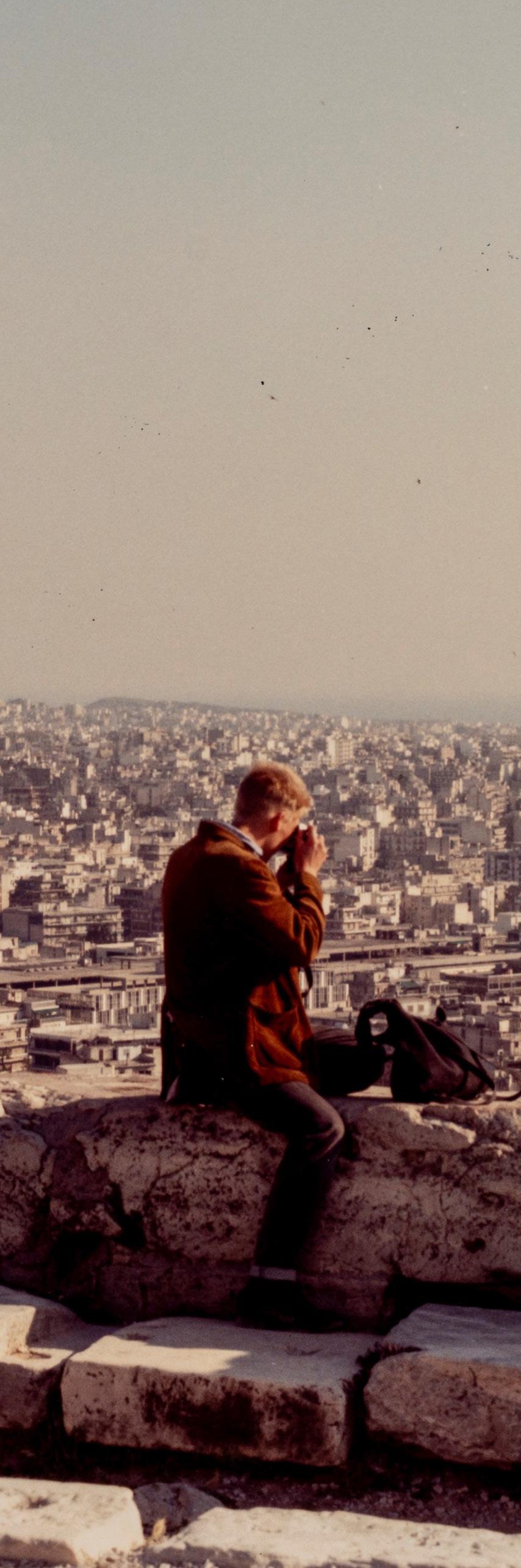
In Giovanni Chiaramonte’s poetics, photography taken in medium and large format and printed by negative color plays a central role because here the technique is not an end in itself, but functional to the message it wants to convey. Immersed in a philosophical dimension that openly tends towards the spiritual, the photographer on his journey in the south of the United States goes in search of myth but more commonly encounters an indifference that displaces him, until the numerous religious signs push him to hope. This is the case for that Jewish symbol projected on the floor of the Memory of the Holocause in Miami that appears in the volume “Westword” published in 2014 by Ultreya. The photograph of Athens is, on the other hand, an important example of how Giovanni Chiaramonte understood the meaning of vision: in front of the city that expands beyond the protective wall, the photographer, as often happens in his images, observes through the gaze of others and this only apparent distancing from reality is transformed into a new and shared way of approaching it.
Nella poetica di Giovanni Chiaramonte la fotografia scattata in medio e grande formato e stampata da negativo colore ha un ruolo centrale perché qui la tecnica non è fine a sé stessa, ma funzionale al messaggio che vuole trasmettere. Immerso in una dimensione filosofica che tende dichiaratamente allo spirituale, il fotografo nel suo viaggio nel sud degli Stati Uniti va alla ricerca del mito ma più comunemente incontra una indifferenza che lo spiazza, fino a che i numerosi segni religiosi lo spingono alla speranza. Così è per quel simbolo ebraico proiettato sul pavimento del Memoria dell’Olocausato di Miami che compare nel volume “Westword” pubblicato nel 2014 da Ultreya. La fotografia di Atene è, invece, un importante esempio di come Giovanni Chiaramonte intendesse il senso della visione: di fronte alla città che si allarga oltre il muro di protezione il fotografo, come spesso succede nelle sue immagini, osserva attraverso lo sguardo di altri e questo suo solo apparente allontanamento dalla realtà si trasforma in un modo nuovo e condiviso di avvicinarla.
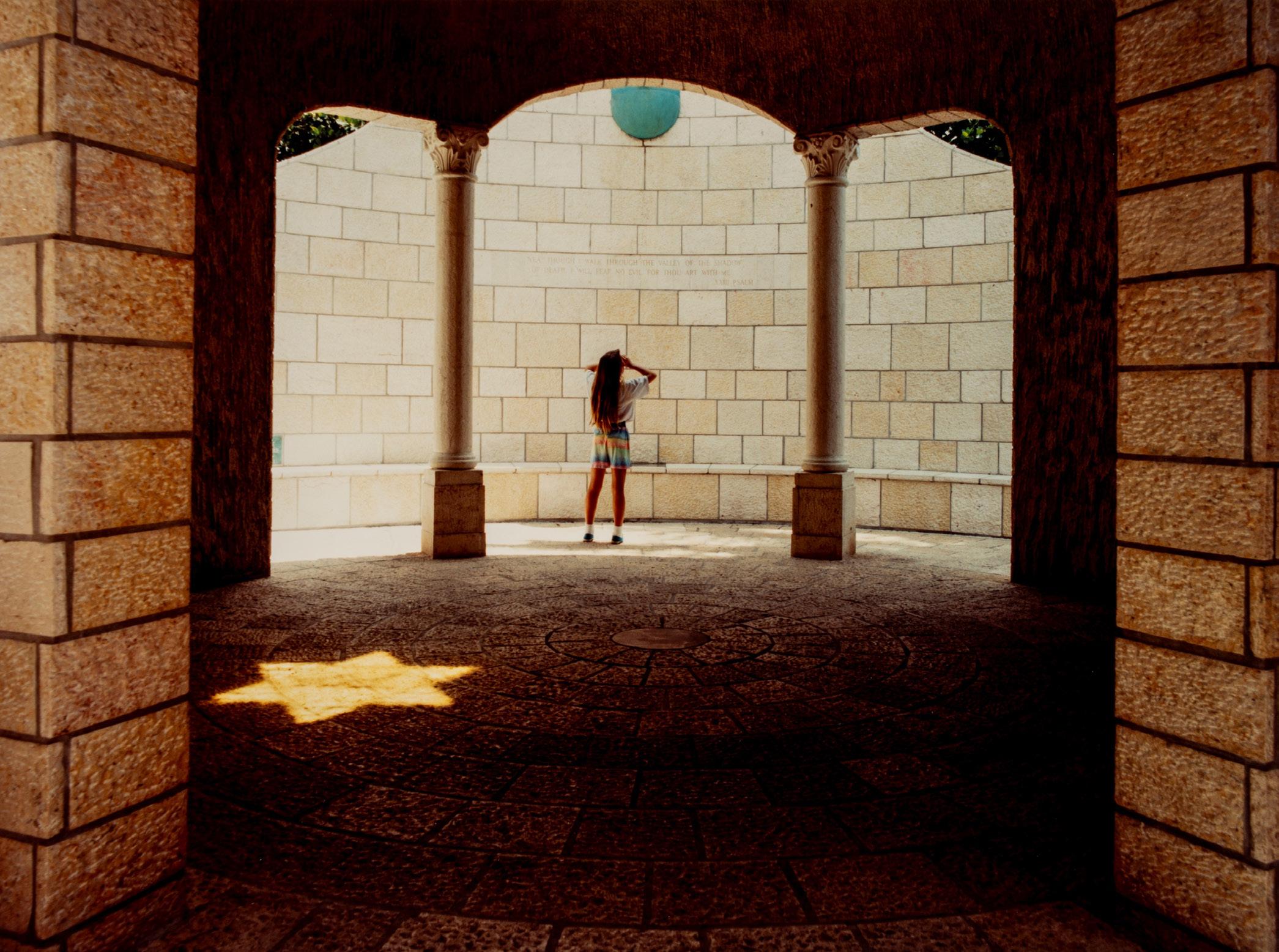
GIOVANNI CHIARAMONTE (1948-2023)
Miami, from Westwards, 1991 Vintage C-print
cm 16 x 20,3 (cm 13,5 x 18,1 picture) | 6.3 x 8 in. (5.3 x 7.1 in. picture)
Signed and titled in red, yellow and black ink on the verso with photographer’s credit blindstamp on the white inferior recto margin (Firmata e titolata a penna nera rossa e gialla al verso con timbro a secco del fotografo al margine bianco inferiore recto)
LITERATURE
G. Chiaramonte, Realismo infinito, Electaphoto, 2022, p. 86
€ 400 - 600
1023®
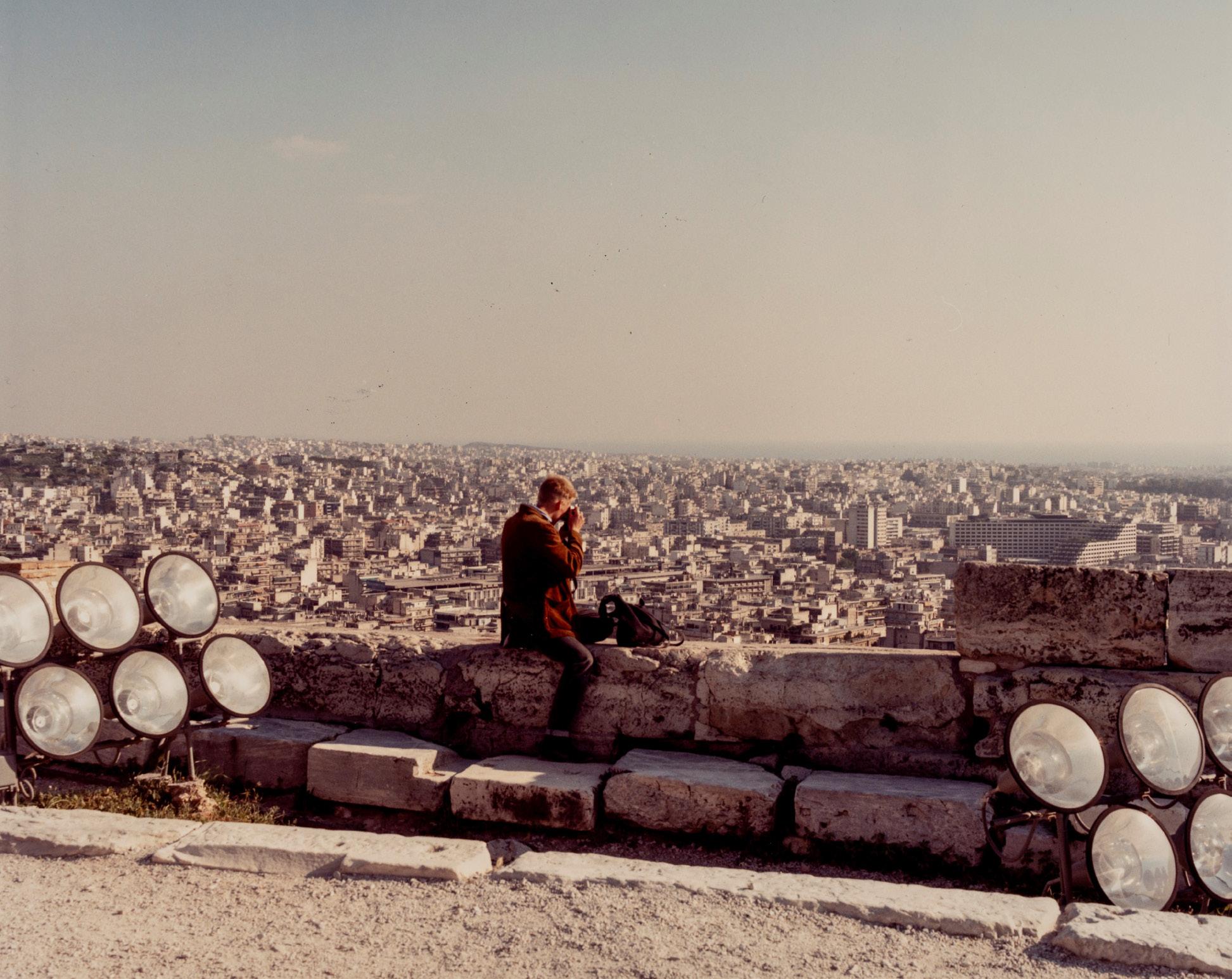
®
Atene, 1988
Vintage C-print
cm 20,4 x 26 (cm 18,4 x 23,2 picture) | 8 x 10.2 in. (7.2 x 9.1 in. picture)
Titled, dated and signed in black ink on the verso (Titolata, datata e firmata a penna nera al verso)
LITERATURE
G. Chiaramonte, Realismo infinito, Electaphoto, 2022, p. 56
€ 400 - 600
1024
GIOVANNI CHIARAMONTE (1948-2023)
Mario Cresci (Chiavari, Genoa 1942) attended the Advanced Course in Industrial Design in Venice where he met Italo Zannier who introduced him to photography. He moved to Basilicata first in 1967 when he made his debut with visionary photographic work on Tricarico and then in 1968 where he opened the region’s first graphic design studio in Matera. A multifaceted photographer, he moves from conceptual research (his is in 1969, at the gallery Il Diaframma in Milan, the first photographic environement) to that of anthropological taste, from the investigation of the landscape with which he participates in “Viaggio in Italia” to recent considerations on the relationship between works and their representation. Intense also his teaching experience in various cities and the direction from 1991 to 2000 of the Accademia Carrara in Bergamo, where he lives.
Mario Cresci (Chiavari, Genova 1942) frequenta il Corso Superiore di Industrial Design a Venezia dove conosce Italo Zannier che lo introduce alla fotografia. Si trasferisce in Basilicata prima nel 1967 quando esordisce con un visionario lavoro fotografico su Tricarico e poi nel 1968 dove a Matera apre il primo studio grafico della regione. Fotografo poliedrico passa dalla ricerca concettuale (è suo nel 1969, alla galleria il diaframma di Milano, il primo environement fotografico) a quella di gusto antropologico, dall’indagine sul paesaggio con cui partecipa a “Viaggio in Italia” alla riflessione recente sul rapporto fra le opere e la loro rappresentazione. Intensa anche la sua attività didattica in varie città e la direzione dal 1991 al 2000 dell’Accademia Carrara a Bergamo dove vive.
Mario Cresci

He could, operating in one of the regions of what was once called the deep South, resume the thread of the otherwise great reportage tradition, but Mario Cresci has fortunately always been a restless spirit, always looking for that something not taken for granted that so often flows under the veins of reality. So he entered the homes of his new fellow citizens and they showed him the photographs kept at home and often from those of their relatives who had emigrated to distant countries. The result is a visual shortcircuit in the contrast, clearly visible here, between the poverty of the protagonist’s house witnessed by the wall behind her and the exhibited elegance of those who put on the party clothes for the portrait. On the landscape, which he has investigated differently, he has not stopped at representation but has repeatedly reflected with different results: here his investigation is in dialogue with graphics with an evocative outcome that unfolds in a crescendo that involves photography as the language of research.
Poteva, operando in una delle regioni di quello che un tempo si chiamava profondo Sud, riprendere il filo della peraltro grande tradizione reportagistica, ma Mario Cresci è sempre stato per fortuna uno spirito inquieto, sempre alla ricerca di quel qualcosa di non scontato che tanto spesso scorre sotto le vene del reale. Così è entrato nelle case dei suoi nuovi concittadini e loro gli hanno mostrato le fotografie tenute in casa e spesso provenienti da quanti dei loro parenti erano emigrati in paesi lontani. Ne è così risultato un cortocircuito visivo nel contrasto, qui ben visibile, fra la povertà della casa della protagonista testimoniata dal muro alle sue spalle e l’eleganza esibita di chi per il ritratto ha messo gli abiti della festa. Sul paesaggio, che ha diversamente indagato, non si è fermato alla rappresentazione ma ha più volte riflettuto con esiti diversi: qui la sua indagine è in dialogo con la grafica con un suggestivo esito che si dipana in un crescendo che coinvolge la fotografia come linguaggio della ricerca.
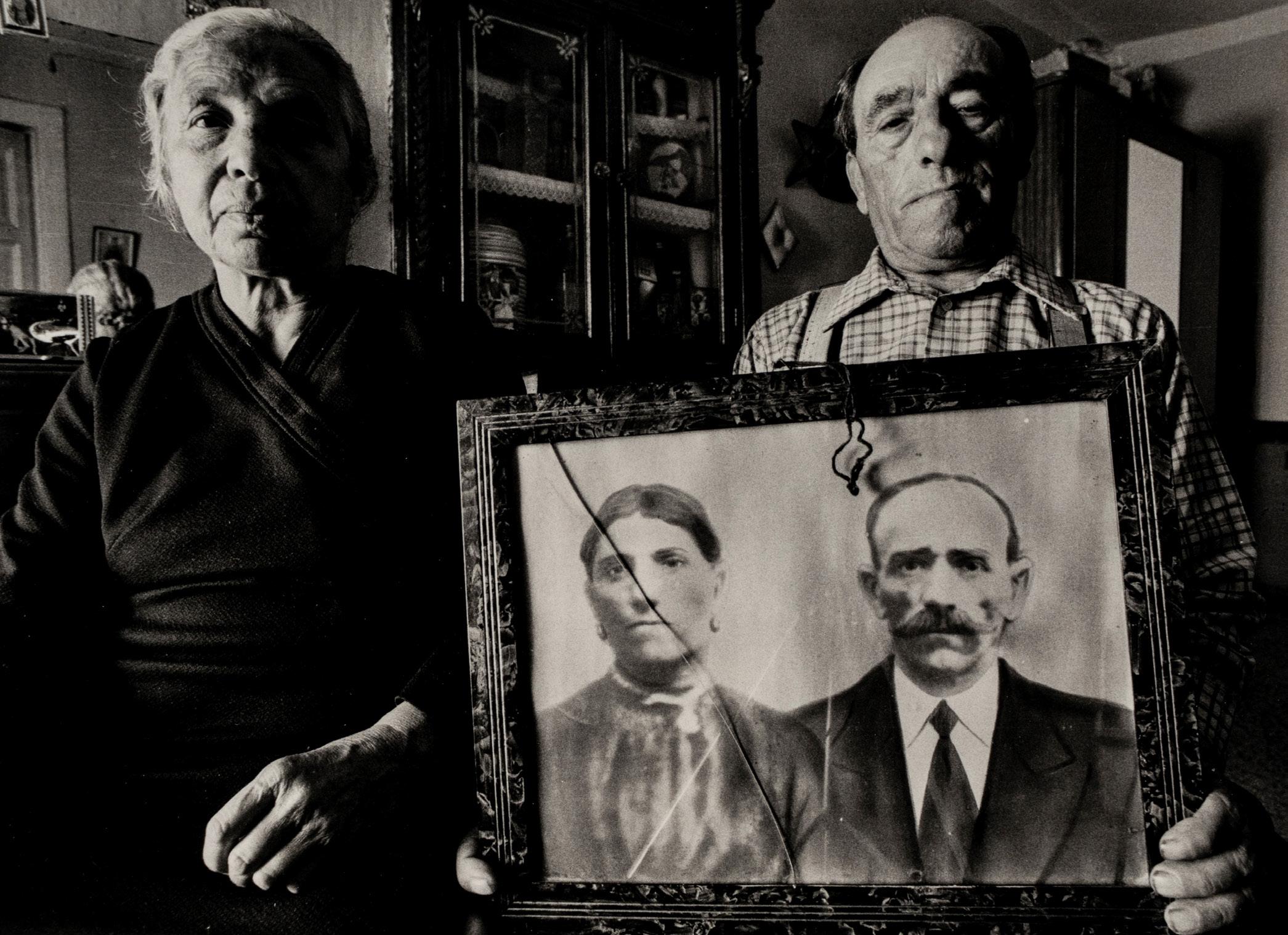
1025®
(1942)
From “Ritratti Reali” series, Tricarico, 1972
Gelatin silver print on polycoated paper
cm 17,8 x 24 (cm 16,3 x 22,4 picture) |
7 x 9,4 in. (6.4 x 8.8 in. picture)
Signed, dated and titled in black ink on the verso (Firmata, datata e titolata a penna nera al verso)
€ 800 - 1.200
1026®
MARIO CRESCI (1942)
I fotocollages di paesaggio / La Basilicata, 1973
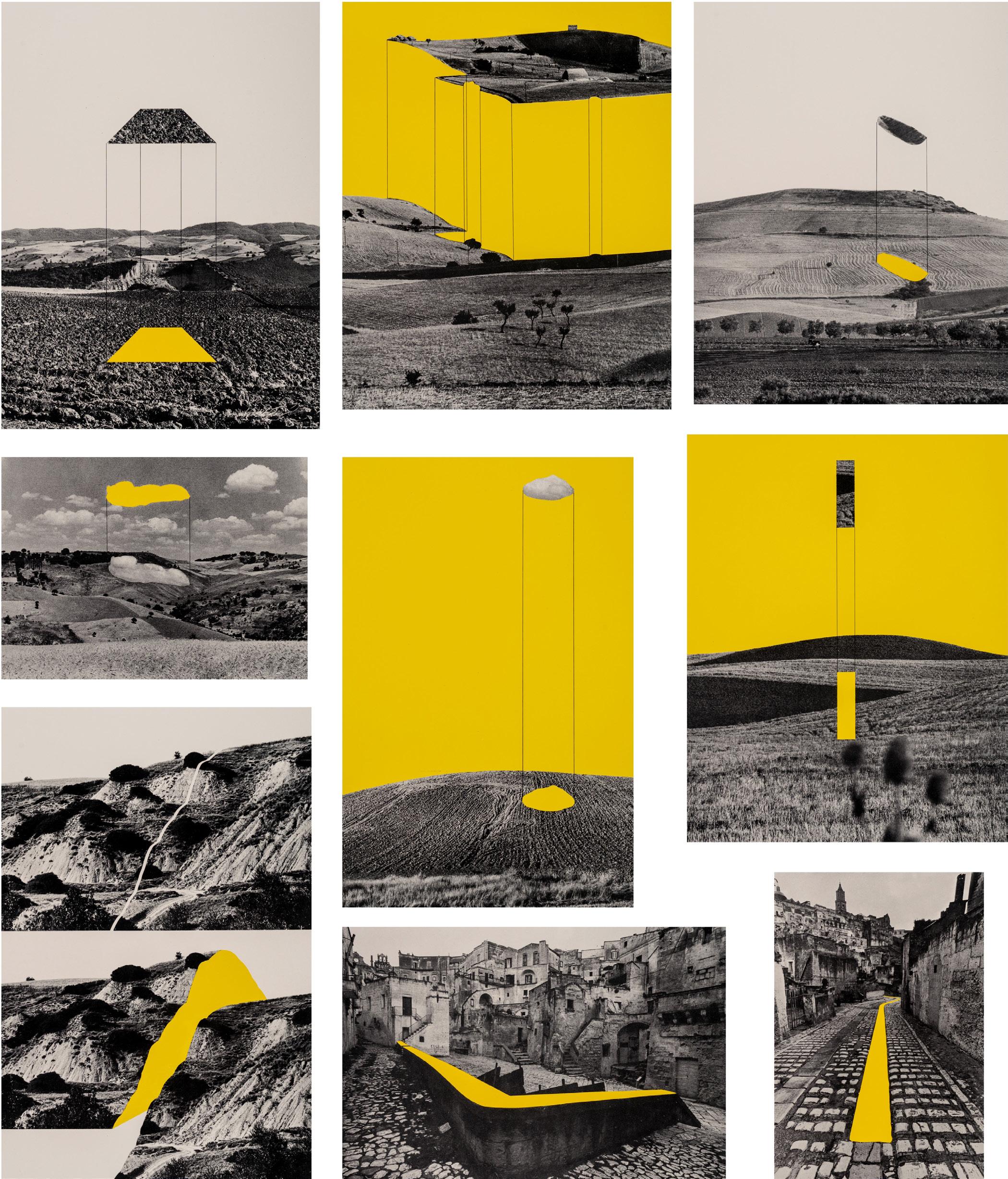
Nine color photolitographs in original box
cm 50 x 36 each; cm 51 x 37 x 2 box |
19.7 x 14.2 in. each; 20.1 x 14.6 x 0.8 in box
Edition 63 of 100
Each one numbered, signed and dated in pencil on the white inferior recto magin
(Edizione 63 di 100; Ciascuna numerata, firmata e datata a matita al margine bianco inferiore recto)
€ 800 - 1.200
MARIO CRESCI
Giovanni Crupi (Taormina 1861 -1925) began out of passion as a pupil of Giuseppe Bruno, then he understood that he could practice photography as a profession and so, in 1885, he opened his studio “Fotografia Artistica Giovanni Crupi” in Via Teatro Greco in Taormina, far away, as was customary, from the workshop located in Via Fratelli Bandiera. His main subject is the views of the archaeological sites of Taormina, Agrigento, Syracuse. In his city it was inevitable to meet Wilhelm von Gloeden and a friendship and collaboration was born between the two because probably for a certain period Crupi distributed the photographs of the German baron. In 1900 he left his studio and workshop to his nephew Francesco Galifi to move to Heliopolis in Egypt where he worked for ten years before returning to Taormina no longer dedicating himself to filming but to the marketing of his archive.
Giovanni Crupi (Taormina 1861 -1925) inizia per passione come allievo di Giuseppe Bruno poi capisce di poter praticare la fotografia come professione e così, nel 1885, apre il suo studio “Fotografia Artistica Giovanni Crupi” in via Teatro Greco a Taormina lontano, come si usava, dal laboratorio posto in via Fratelli Bandiera. Il suo soggetto principale sono le vedute dei siti archeologici di Taormina, Agrigento, Siracusa. Nella sua città era inevitabile conoscere Wilhelm von Gloeden e fra i due nasce un’amicizia e una collaborazione perché probabilmente per un certo periodo Crupi distribuì le fotografie del barone tedesco. Nel 1900 lascia studio e laboratorio al nipote Francesco Galifi per trasferirsi a Eliopoli in Egitto dove lavora per dieci anni prima di tornare a Taormina dedicandosi non più alle riprese ma alla commercializzazione del suo archivio.
Giovanni Crupi
Crupi
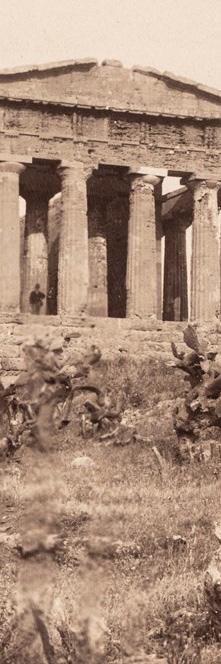
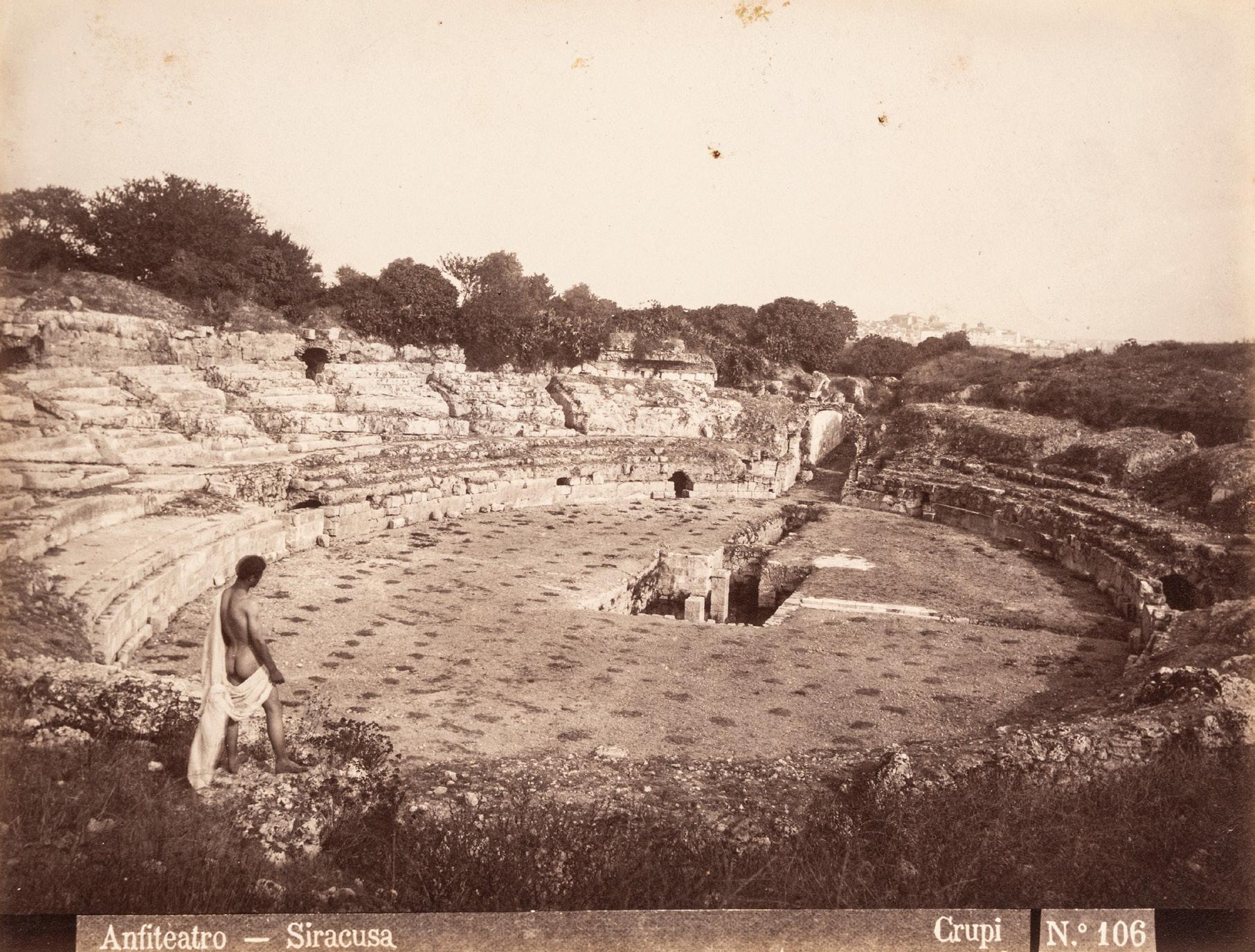
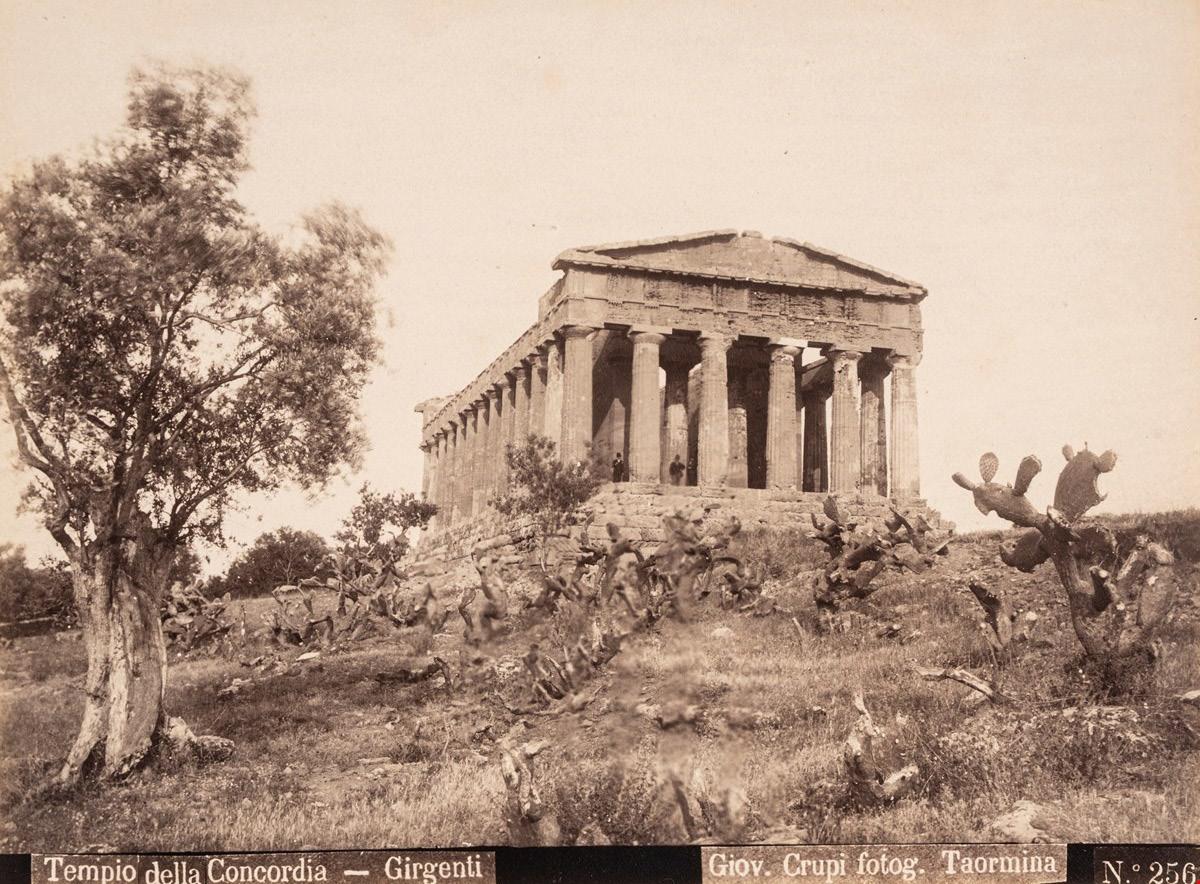
Before moving to Egypt, as many photographers of the time did, Giovanni Crupi made these two spectacular architectural shots, a genre for which he stands out for his originality. In fact, if he captures the Temple of Concordia in Girgenti from bottom to top to emphasize the raised place from which it dominates the landscape by inserting olive trees and prickly pears to create a theatrical atmosphere, in front of the Syracuse Amphitheater he completely changes perspective. Here we are faced with a surprisingly very modern, almost cinematographic shot where the circularity of the theater is captured as a whole while the figure of the man with the peplos (and here you can feel the influence of Von Gloeden) allows us to measure the grandeur of the place. Very different, and this with a reference to the ancient classicism of Fox Talbot, is the shot of three soaring trees that the choice of printing on salted paper makes even more precious.
Prima di trasferirsi in Egitto, come facevano molti fotografi dell’epoca, Giovanni Crupi realizza queste due spettacolari riprese architettoniche, genere per cui si segnala per originalità. In effetti, se coglie il Tempio della Concordia a Girgenti dal basso in alto per sottolineare il luogo rialzato da cui domina il paesaggio inserendo ulivi e fichi d’India per creare un’atmosfera teatrale, di fronte all’Anfiteatro siracusano cambia completamente prospettiva. Qui siamo di fronte a una ripresa sorprendentemente modernissima, quasi cinematografica dove la circolarità del teatro viene colta nel suo insieme mentre la figura dell’uomo con il peplo (e qui si sente l’influenza di Von Gloeden) ci permette di misurare la grandiosità del luogo. Molto diversa, e questa con un richiamo alla classicità antica di Fox Talbot, è la ripresa di tre alberi svettanti che la scelta della stampa su carta salata rende ancora più preziosa.
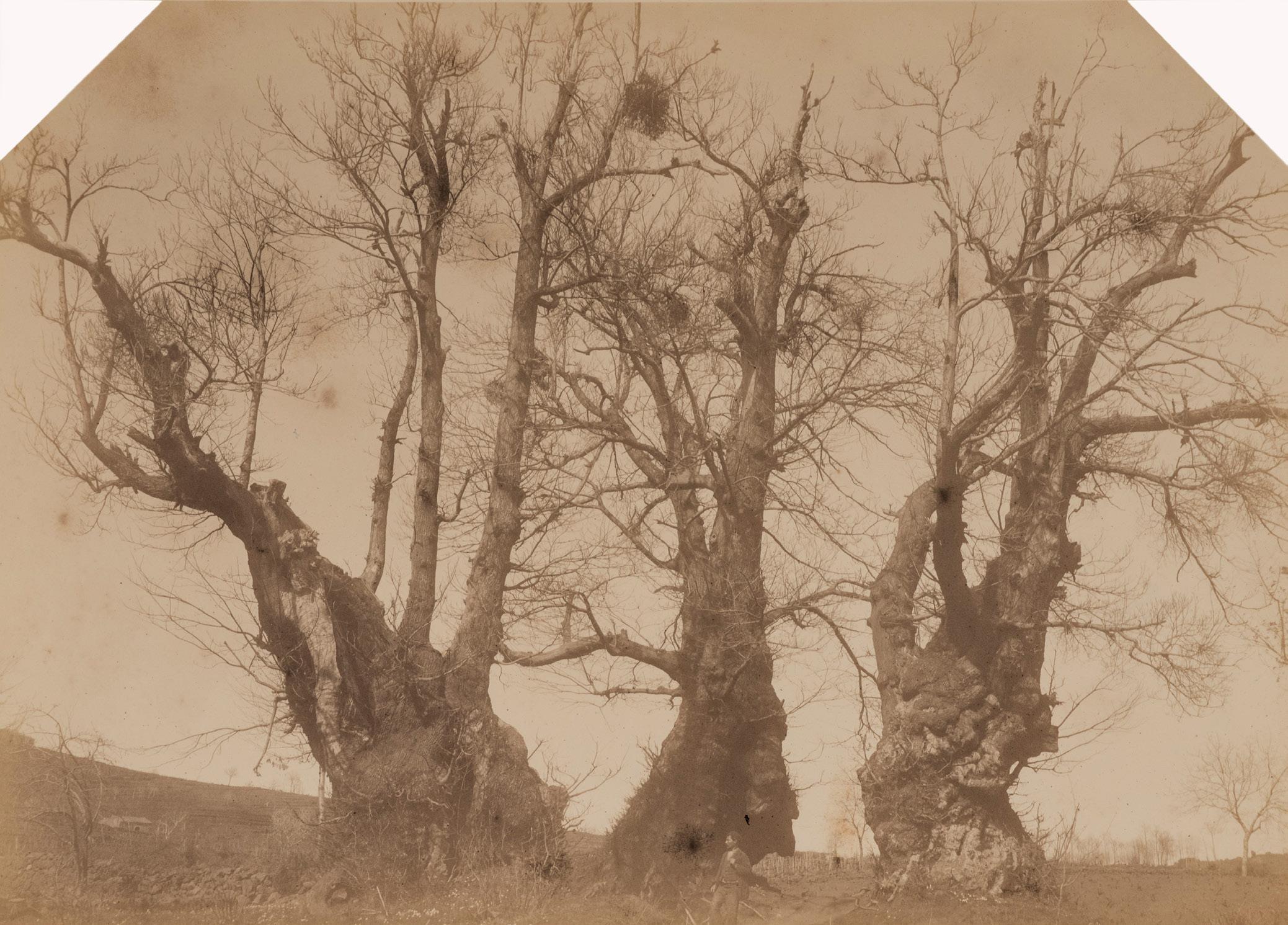
1027
GIOVANNI CRUPI (1859-1925)
Anfiteatro, Siracusa ; Tempio della Concordia, Girgenti, 1900s
Two albumen prints, mounted on cardboard, recto and verso cm 17 x 22,5 each (cm 31,5 x 41 cardboard) | 6.7 x 8.9 in. (12.4 x 16.1 in. cardboard)
Title and photographer’s credit from negative on the image of each print (Titolo e credito del fotografo sull’immagine da negativo di ciascuna stampa)
€ 400 - 600
1028
GIOVANNI CRUPI (1859-1925)
Untitled (Chestnut Tree of Cento Cavalli), 1890s
Salt print
cm 31,6 x 42,2 (cm 26,7 x 37,3 picture) | 12.4 x 16.7 in. (10.5 x 14.7 in. picture)
Photographer’s credit stamp on the verso (Timbro del fotografo al verso)
€ 400 - 600
Gaetano D’Agata (Aci Sant’Antonio CT 1883 – Taormina 1949) has always been a decidedly unusual author: although he carried out his activity in his famous studio located in the center of Taormina, the city chosen after marrying a local girl, he traveled to Spain, Ireland, India and the United States where, in New York, he opened, albeit for a short time, a studio. He achieved success, especially economically, with genre scenes (the classic characters wearing traditional clothes or exhibiting their trades) and with Sicilian landscapes, all themes aimed at tourists and destined to appear in postcards. He has also dedicated himself with dedication to the male nude.
Gaetano D’Agata (Aci Sant’Antonio CT 1883 – Taormina 1949) è sempre stato un autore decisamente insolito: pur avendo svolto la sua attività nel suo celebre studio posto nel centro di Taormina, la città scelta dopo aver sposato una ragazza locale, ha viaggiato in Spagna, Irlanda, India e Stati Uniti dove, a New York, aprì sia pure per poco tempo uno studio. Il successo soprattutto economico lo ottenne con le scene di genere (i classici personaggi che indossavano gli abiti tradizionali o esibivano i loro mestieri) e con i paesaggi siciliani, tutti temi rivolti ai turisti e destinati a comparire nelle cartoline. Si è anche dedicato con dedizione al nudo maschile.
Gaetano D’Agata
D’Agata
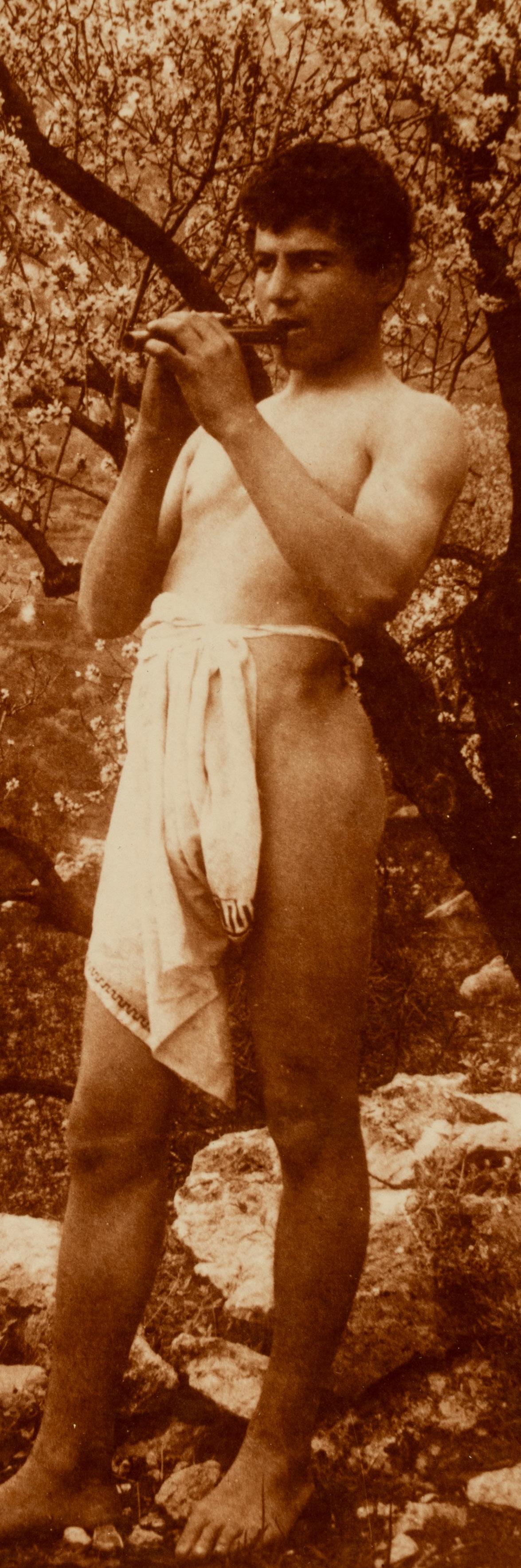
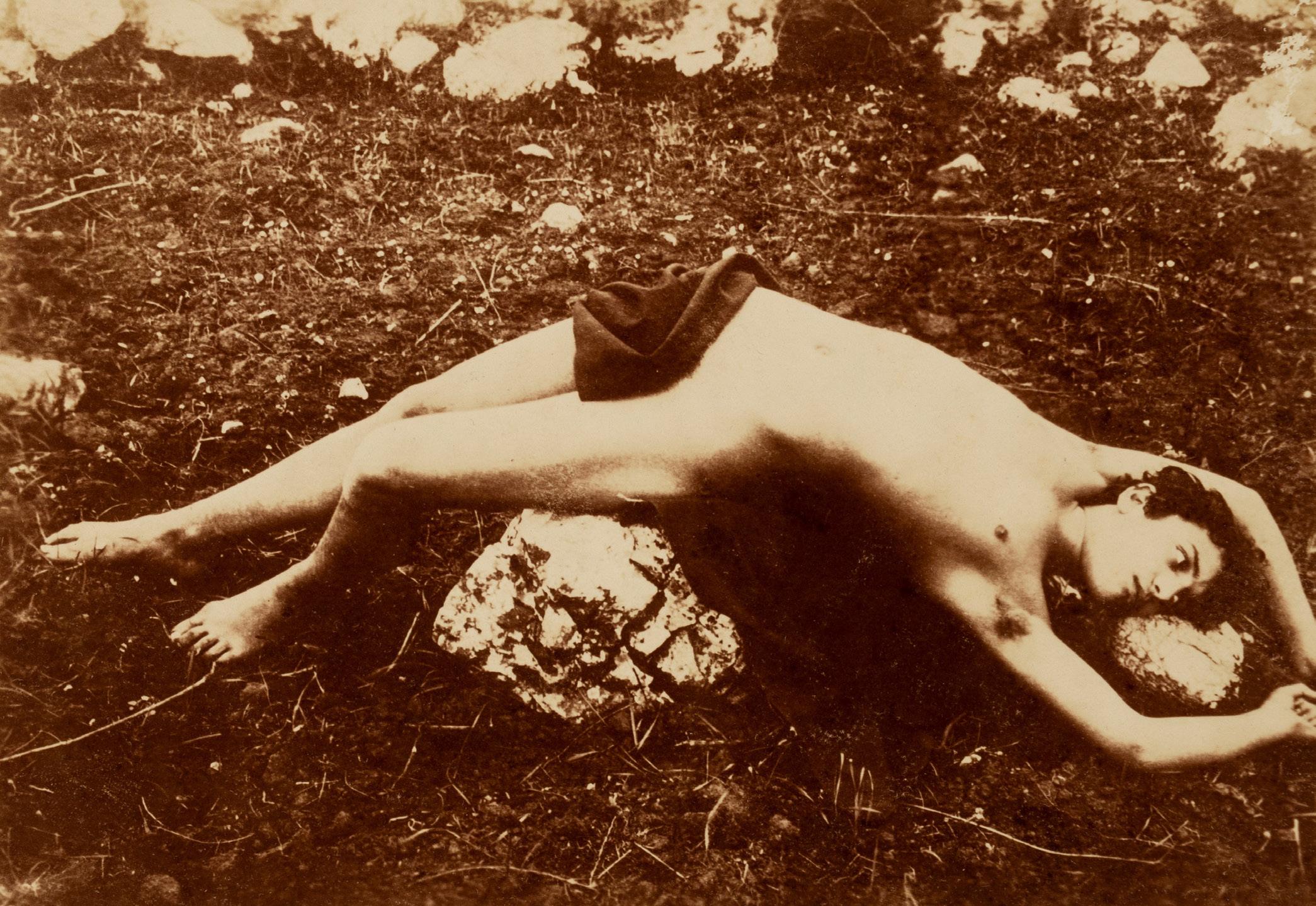
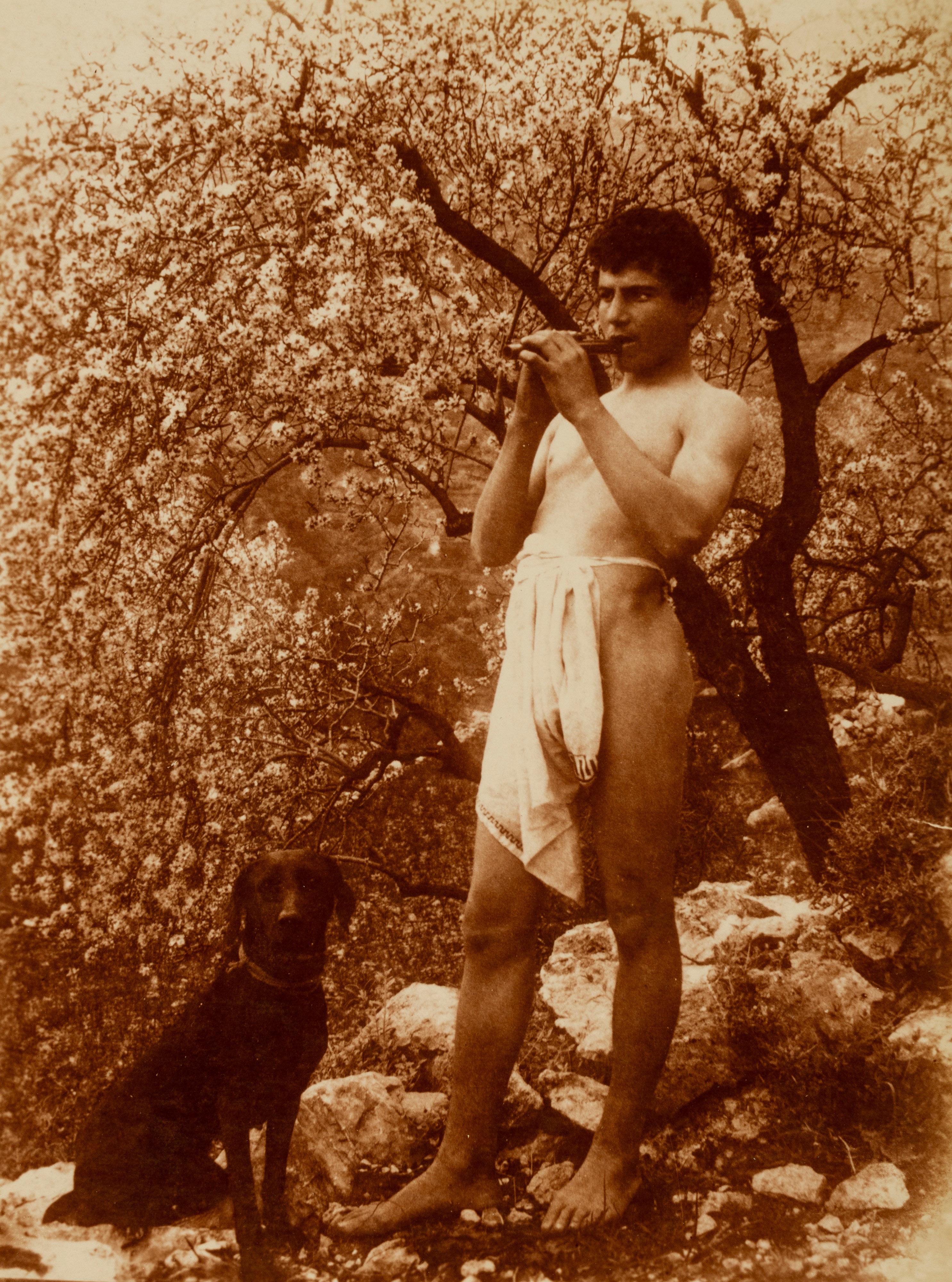
Although some scientific evidence is lacking, it seems that D’Agata was Wilhelm von Gloeden’s assistant for some time. The fact is that, for obvious reasons of proximity, he must have been well acquainted with the work of the German photographer but, while he does not seem interested in following his tracks on the theme of the landscape, it is that of the male nude that he is decisively inspired by. As it should always be, one should never directly compare the authors with each other, but in the case of the two photographs proposed here the analogy between the ways in which both posed their models is evident, which in one case allude to a strong sensuality and in the other evoke the atmospheres of that Magna Graecia that still fascinated despite the fact that, let’s face it, some Kitsch drift.
Anche se mancano alcuni riscontri scientifici, sembra che D’Agata sia stato per qualche tempo assistente di Wilhelm von Gloeden. Sta di fatto che, per ovvie ragioni di vicinanza, doveva ben conoscere il lavoro del fotografo tedesco ma, mentre non appare interessato a seguirne le tracce sul tema del paesaggio, è a quello del nudo maschile che si ispira con decisione. Come sempre dovrebbe essere, non bisognerebbe mai mettere a confronto diretto gli autori fra di loro, ma nel caso delle due fotografie qui proposte è evidente l’analogia fra i modi cui entrambi mettevano in posa i loro modelli che in un caso alludono a una forte sensualità e nell’altra evocano le atmosfere di quella Magna Grecia che ancora affascinava nonostante, diciamolo, qualche deriva Kitsch.
1029
GAETANO D’AGATA (1883-1949)BARON WILHELM VON GLOEDEN (1856-1931)
Untitled (Young sicilian boy), 1900s
Salt print
cm 16,8 x 22,8 | 6.6 x 9 in.
Photographers’ credit stamp on the verso (Timbro dei fotografi al verso)
€ 700 - 1.000
1030
GAETANO D’AGATA (1883-1949)BARON WILHELM VON GLOEDEN (1856-1931)
Untitled (Young sicilian boy), 1900s
Salt print
cm 23 x 17,5 (cm 21,4 x 16,2 picture) | 9.1 x 6.9 in. (8.4 x 6.4 in. picture)
Photographers’ credit stamp on the verso (Timbro dei fotografi al verso)
€ 700 - 1.000
Mario De Biasi (Sois, Bolzano 1923 - Milan 2013) began photographing in Germany, where he had been deported during World War II. In 1948 he presented his first solo exhibition at the Circolo Fotografico Milanese, and in 1953 he became a professional working in the staff of the magazine Epoca to which he would remain bound until its closure in 1997 and for which he would publish more than a hundred covers and countless photo shoots making several trips around the world. Extremely versatile, he produced countless exhibitions and published books on a wide variety of subjects.
. Mario De Biasi (Sois, Bolzano 1923 – Milano 2013) inizia a fotografare in Germania, dove era stato deportato durante la Seconda Guerra Mondiale. Nel 1948 presenta la sua prima mostra personale al Circolo Fotografico Milanese e nel 1953 diventa professionista lavorando nello staff della rivista Epoca cui resterà legato fino alla sua chiusura nel 1997 e per cui pubblicherà più di cento copertine e innumerevoli servizi scattati facendo più volte il giro del mondo. Estremamente versatile, ha realizzato innumerevoli mostre e pubblicato libri sui più svariati argomenti.
Mario De Biasi
Biasi
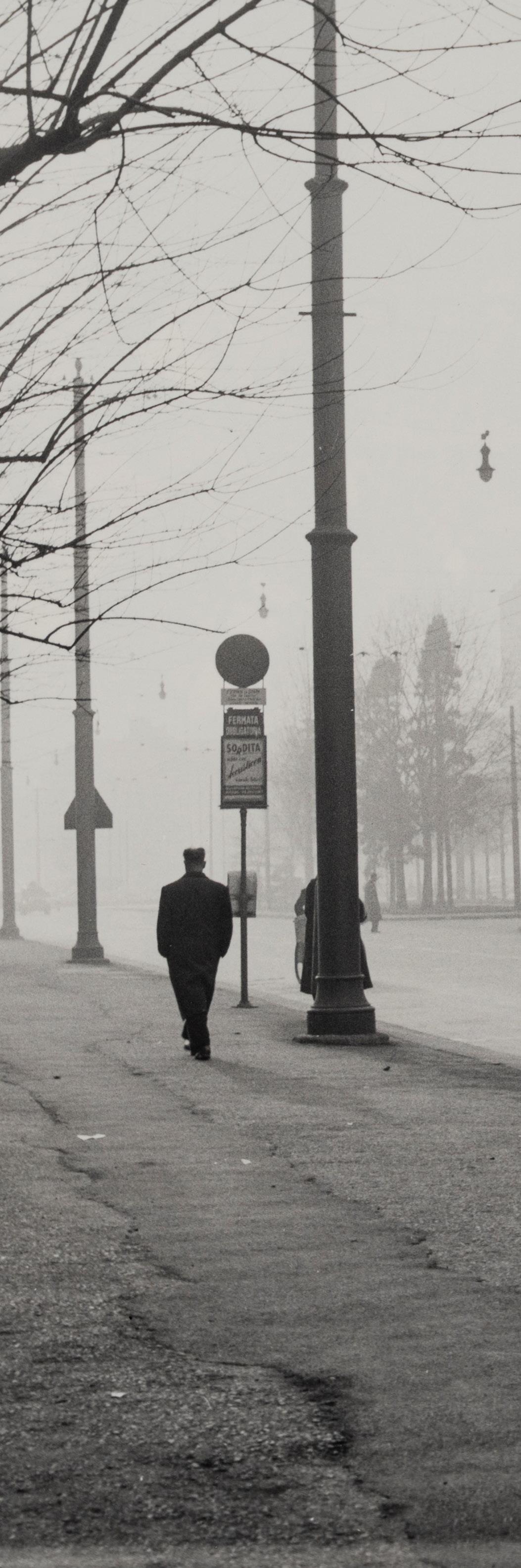
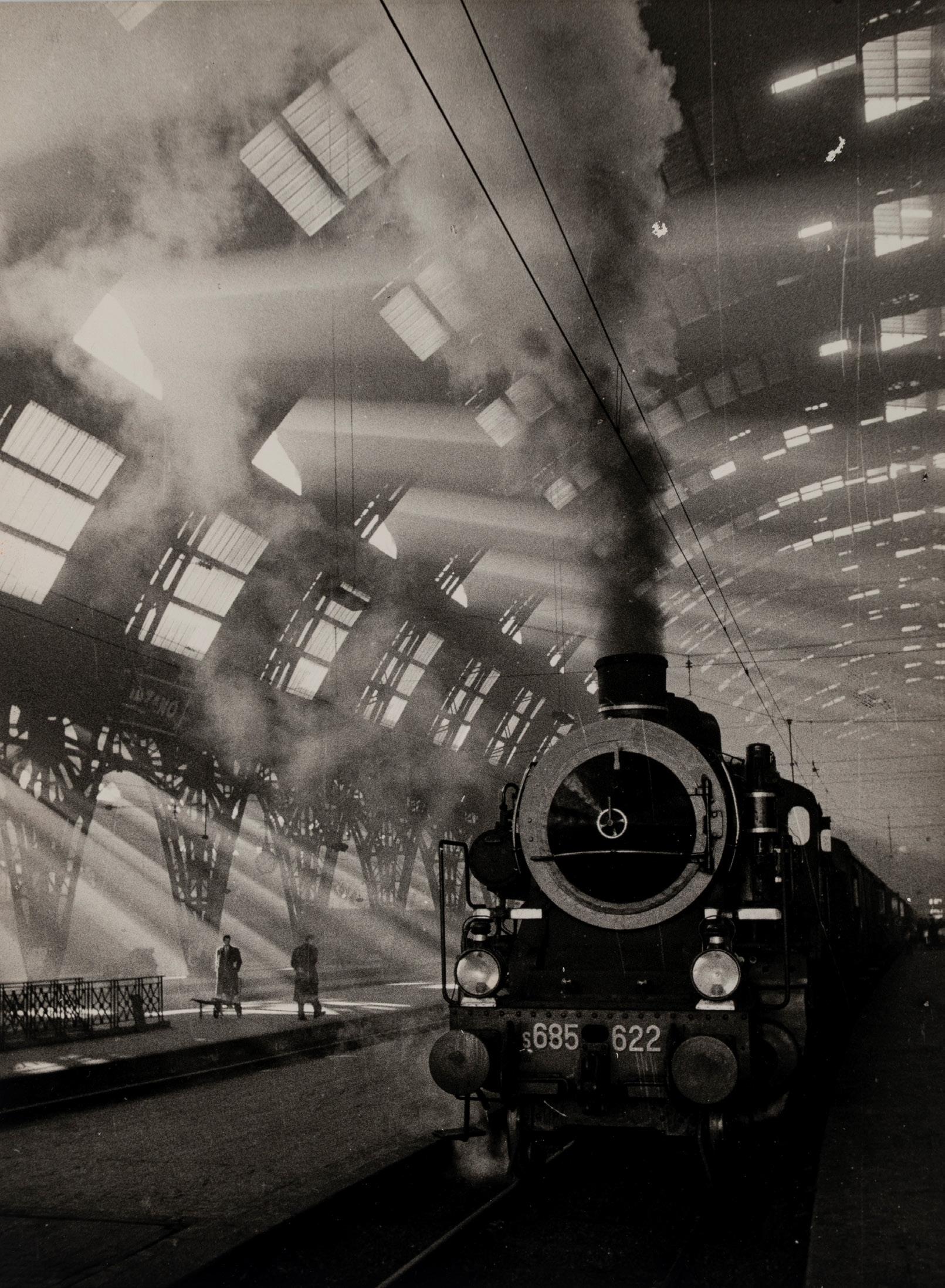
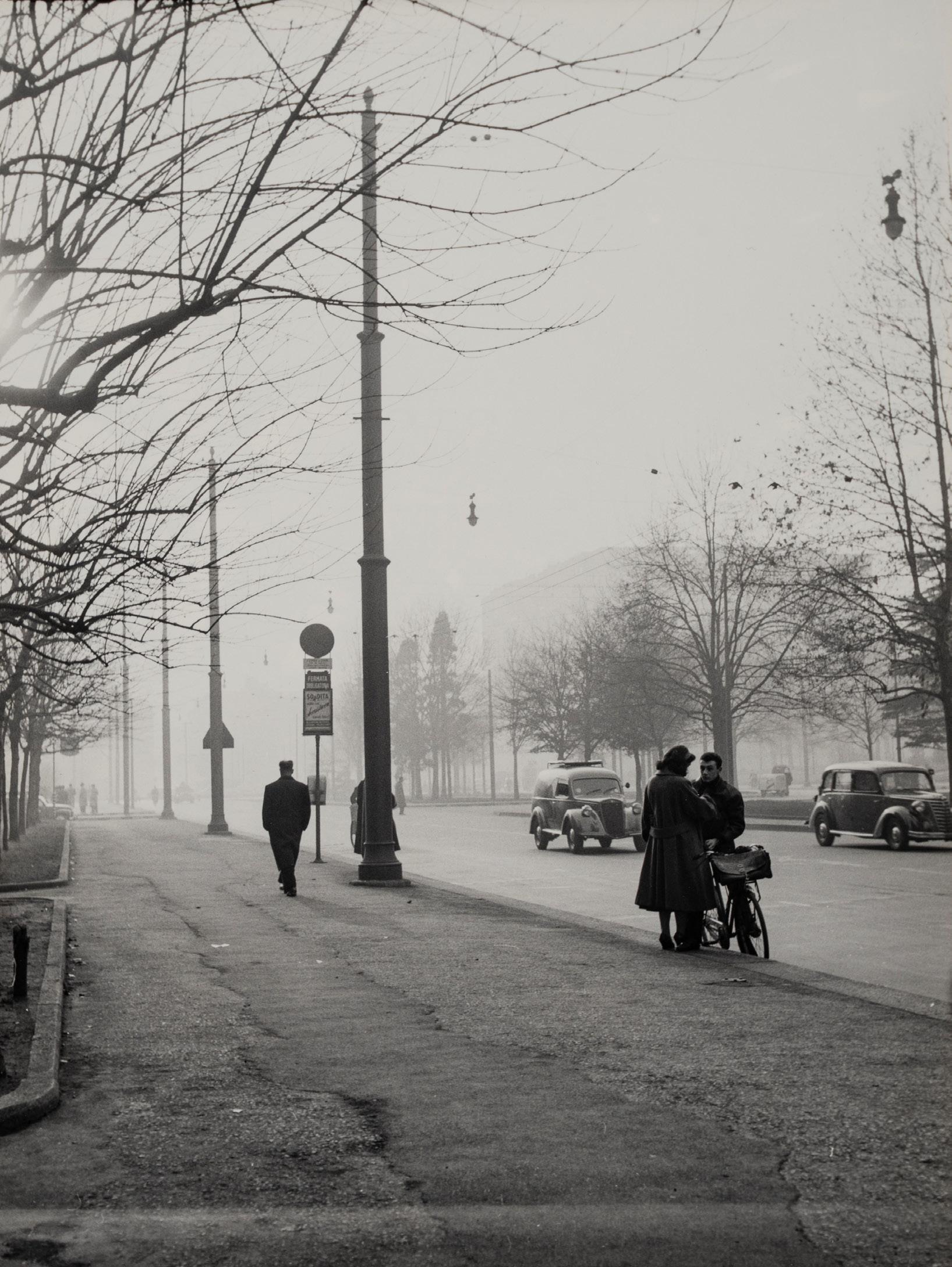
Looking at photographs of a past that seems more distant than it actually is is a particularly intriguing exercise, because it prompts us not only to analyse the photographic technique or the – admittedly impressive – quality of the analogue prints that have survived, but also to observe the world that De Biasi depicted. The photograph of the Milanese landscape, for example, tells us of a somewhat gloomy city with patched-up pavements and, surprisingly, just two passing cars and none parked at the roadside. Then, however, there is that couple next to the bicycle, talking to each other, and suddenly Milan seems less grey. The other photograph captures the station from a low angle, giving it a vigour that the little train lacked – a train the Milanese had nicknamed “gamba de legn” because it chugged along, puffing and panting, to connect the city with neighbouring towns and villages.
Osservare le fotografie di un passato che ci pare più remoto di quanto non lo sia è un esercizio particolarmente intrigante perché non ci induce ad analizzare solo la tecnica di ripresa o la – peraltro pregevole – qualità delle stampe analogiche che ancora si conserva, ma ci porta a osservare il mondo che De Biasi raccontava. La fotografia del paesaggio milanese, per esempio, ci racconta di una città un po’ cupa con i marciapiedi rabberciati e, sorprese, solo due automobili di passaggio e nessuna posteggiata sul bordo della strada. Poi, però, c’è quella coppia accanto alla bicicletta che si parla e allora sì che Milano appare meno grigia. L’atra fotografia riprende in stazione dal basso in alto per conferirgli il vigore che non aveva quel trenino che i milanesi avevano soprannominato “gamba de legn” perché arrancava sbuffando per collegare la città con paesi e cittadine limitrofe.
18,1 |
€ 800 - 1.200
1031® MARIO DE BIASI (1923-2013)
Untitled (Gamba de legn), 1958
Vintage gelatin silver print cm 24,3 x
9.6 x 7.1 in. Photographer’s credit stamp on the verso (Timbro del fotografo al verso)
Untitled (Milano), 1960s
Vintage gelatin silver print
cm 24,2 x 18,4 | 9.5 x 7.2 in.
Photographer’s credit stamp on the verso (Timbro del fotografo al verso)
€ 800 - 1.200
1032®
MARIO DE BIASI (1923-2013)
Mario Dondero (Milan 1928 – Petritoli 2015), a truly great photojournalist with a past as a partisan in his youth, frequented the famous Bar Giamaica with his photographer friends Ugo Mulas, Alfa Castaldi, Uliano Lucas and Carlo Bavagnoli, with whom he shared progressive ideals. In 1955, he realised his dream of moving to Paris, where he became part of the local intellectual scene, collaborating from then on with Le Monde and Le Nouvel Observateur, and in Italy with L’Espresso, L’Illustrazione Italiana, Vie Nuove, L’Unità, L’Europeo, Epoca, Jeune Afrique, il Manifesto and, in later years, Diario. Always socially conscious (he had been named an honorary docker by the dockworkers of Genoa, a city he loved dearly), he loved to travel to experience first-hand the reality he wished to photograph, without neglecting his literary interests, which led him, in 1959, to join the ranks of the Nouveau Roman writers, who posed for a famous group photograph taken in front of the headquarters of Éditions de Minuit, their publisher. Despite the disarray of his archive, which he paid little attention to, friends and critics managed to help him organise beautiful exhibitions and produce several fine volumes that attest both to his curiosity and communicative skills and to his unwavering political and civic commitment.
Mario Dondero (Milano 1928 – Petritoli 2015) grandissimo fotogiornalista con un giovanile passato partigiano, frequenta il famoso bar Giamaica con gli amici fotografi Ugo Mulas, Alfa Castaldi, Uliano Lucas, Carlo Bavagnoli con cui condivide gli ideali progressisti. Nel 1955 realizza il sogno di spostarsi a Parigi dove si inserisce nel locale mondo intellettuale collaborando da allora con Le Monde, Le Nouvel Observateurne, in Italia, con L’Espresso, L’Illustrazione Italiana, Vie Nuove, L’Unità, L’Europeo, Epoca. Jeune Afrique, il Manifesto e negli ultimi tempi Diario. Da sempre attento al sociale (era stato nominato Camallo onorario dai portuali di Genova, città da lui molto amata), amava viaggiare per conoscere da vicino la realtà che voleva fotografare senza per questo dimenticare i suoi interessi letterari che lo portarono ad essere, nel 1959, fra gli scrittori del Noveau Roman che mise in posa in una celebre fotografia di gruppo scattata davanti alla sede delle Éditions de Minuit, il loro editore. Nonostante il disordine del suo archivio di cui poco si curava, amici e critici sono riusciti a fargli organizzare bellissime mostre e alcuni pregevoli volumi che certificano sia la sua curiosità e capacità comunicativa sia il suo inderogabile impegno politico e civile.
Mario Dondero
Dondero
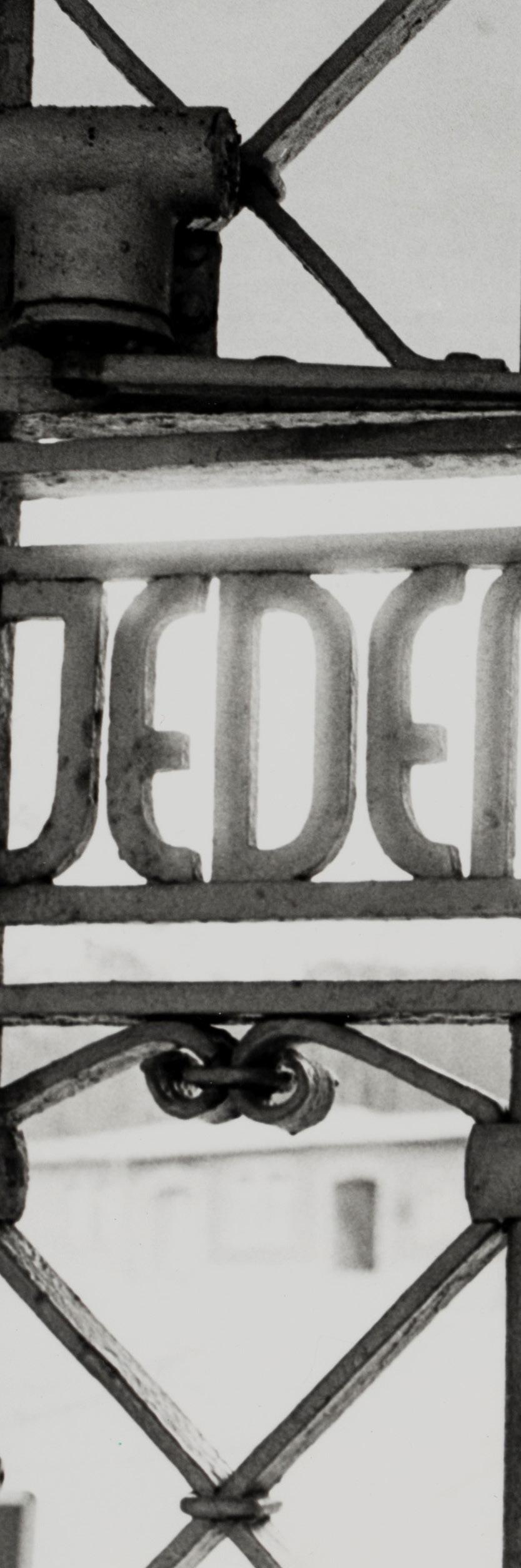
Two aspects of Mario Dondero’s reality are juxtaposed here. On the one hand, there is his love for Africa, a continent that was freeing itself from brutal European colonisation and seeking the path to emancipation. The people occupy the space, as in this case, in an almost symbolic manner, and their clothes seem to interact with the contortions of the rocks. On the other hand, this image points to political commitment and the preservation of memory: the cold and seemingly neutral German phrase – meaning ‘to each his own’ – was on the gate of the Buchenwald extermination camp and was directed with contempt at the interned Jews.
Due aspetti della realtà di Mario Dondero sono qui accostati. Da una parte l’amore per l’Africa, quella che stava liberandosi della feroce colonizzazione europea e stava cercando la strada della emancipazione. Le persone occupano lo spazio, come in questo caso, in un modo quasi simbolico e i loro vestiti quasi dialogano con le contorsioni delle rocce. Dall’altra parte questa immagine indica l’impegno politico e quello della memoria: la gelida e apparentemente neutra frase tedesca – significa “a ognuno il suo” – era sul cancello del campo di sterminio di Buchenwald ed era rivolta con disprezzo agli ebrei internati.
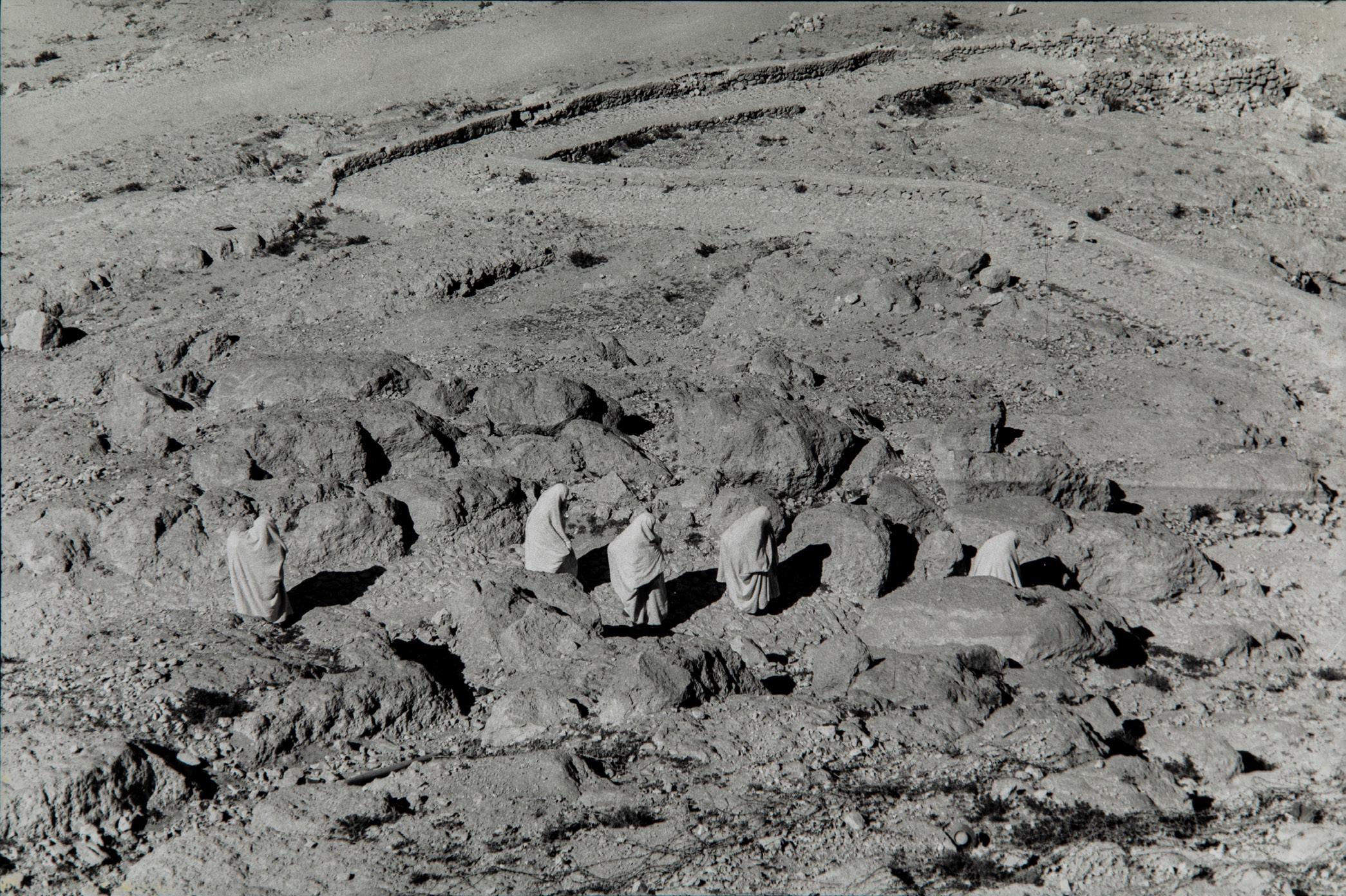
cm 30,3 x 40,5 (cm 25,4 x 38 picture) | 11.9 x 15.9 in. (10 x 15 in. picture)
Titled and signed in black ink on the verso (Titolata e firmata a penna nera al verso)
€ 300 - 400
1033®
MARIO DONDERO (1928-2015)
Deserto del Sahara - donne mozabite, 1970s
Vintage gelatin silver print
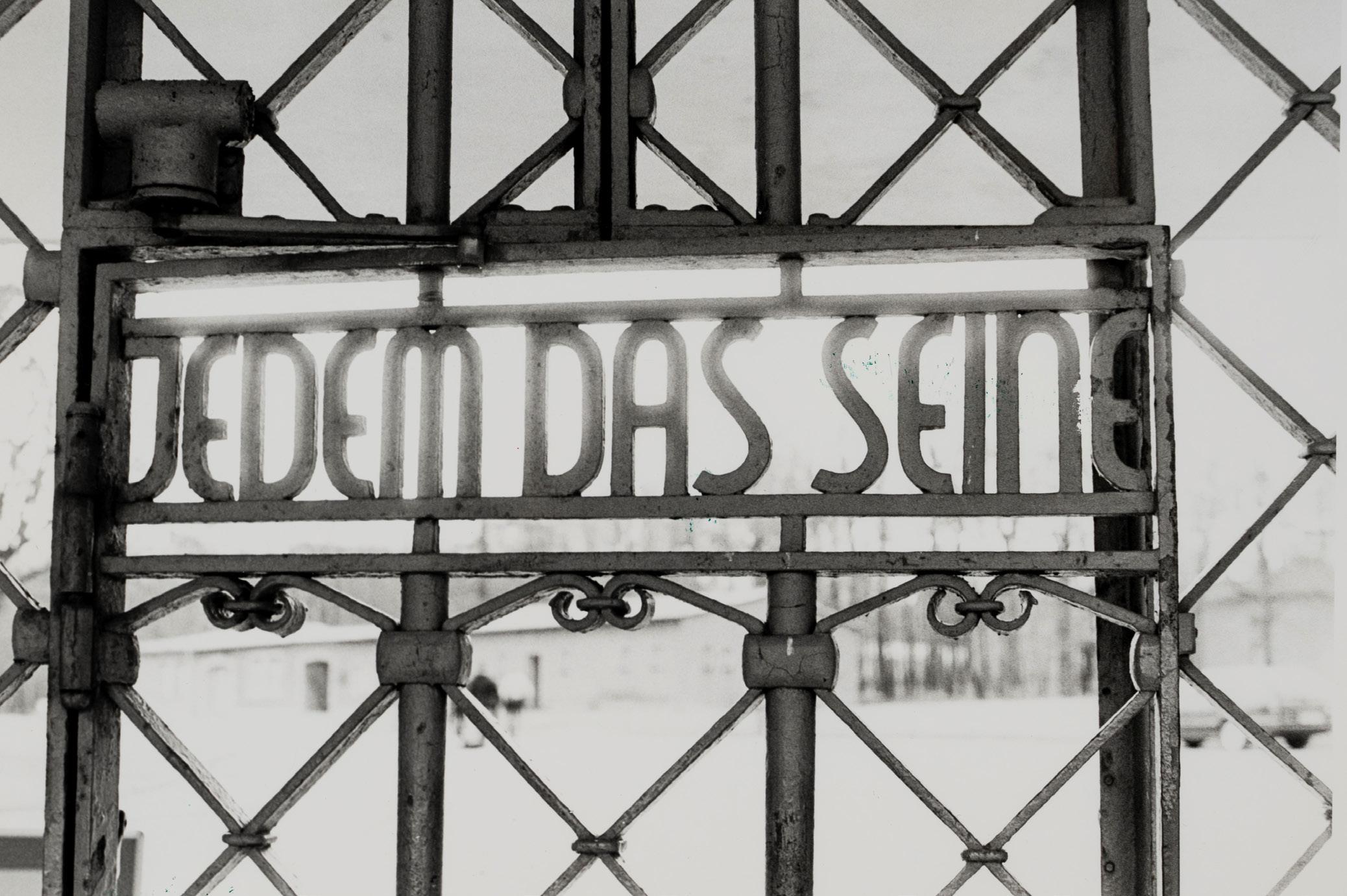
Buchenwald, 1980s
Gelatin silver print on polycoated paper cm 23,5 x 30 (cm 19,5 x 28,8 picture) | 9.2 x 11.9 in. (7.7 x 11.4 in. picture)
Titled and signed in green ink on the verso (Titolata e firmata a penna verde al verso)
€ 300 - 400
1034®
MARIO DONDERO (1928-2015)
Ferruccio Ferroni (Mercatello sul Metauro, Pesaro-Urbino 1920Senigallia, Ancona 2007) having refused to serve the Republic of Salò, was interned in Germany from where he returned to spend a long convalescence in Senigallia where he met Giuseppe Cavalli totally embracing his cause of a Crocian style of photography. Already a member of the Venetian circle La Gondola, he joined Misa and formed a great friendship with Mario Giacomelli. From his lifelong profession as a lawyer, he inherited the precision for photographic work both in the care of the archives and in that of printing, which he always did personally. Numerous participations in high-level exhibitions organized in Italy and abroad such as the one on Subjektive Fotografie in Saarbrucher in 1955.
Ferruccio Ferroni (Mercatello sul Metauro, Pesaro-Urbino 1920 –Senigallia, Ancona 2007) avendo rifiutato di servire la Repubblica di Salò, viene internato in Germania da dove torna per svolgere una lunga convalescenza a Senigallia dove incontra Giuseppe Cavalli sposando totalmente la sua causa di una fotografia di stampo crociano. Già iscritto al circolo veneziano La Gondola entra a far parte del Misa e stringe una grande amicizia con Mario Giacomelli. Dalla professione di avvocato esercitata per tutta la vita eredita la precisione per il lavoro fotografico sia nella cura dell’archivio che in quella della stampa che realizza sempre personalmente. Numerose le partecipazioni a mostre di livello organizzate in Italia e all’estero come quella sulla Subjektive Fotografie di Saarbrucher nel 1955.
Ferruccio
Ferruccio Ferroni
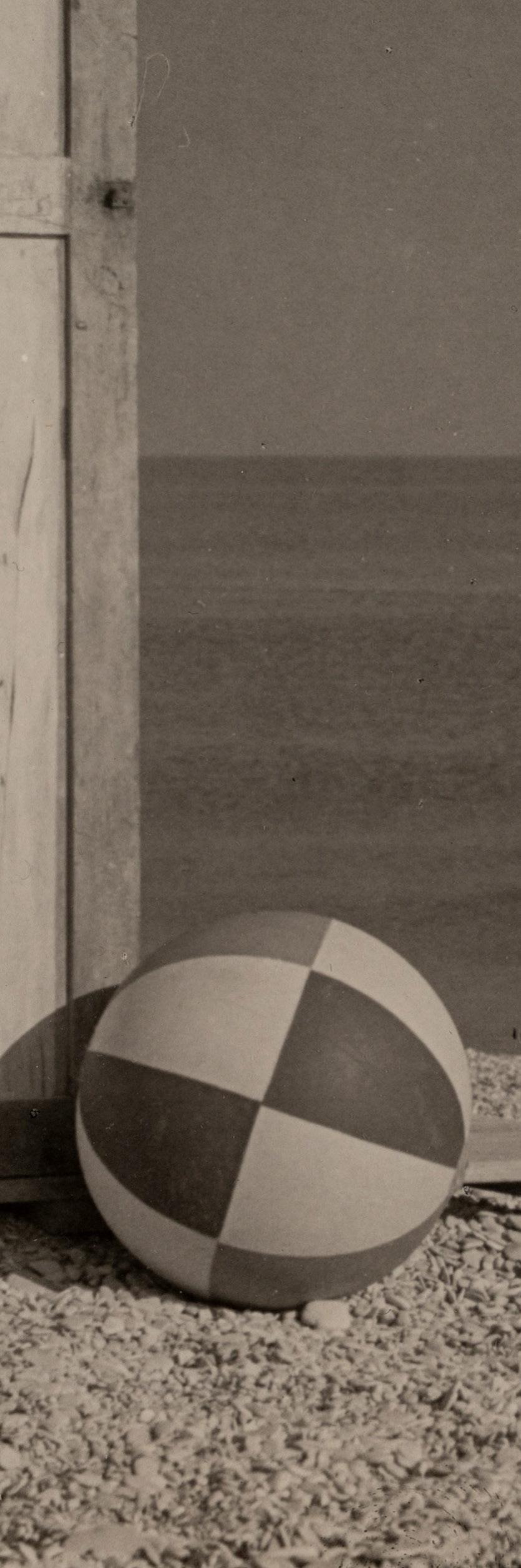
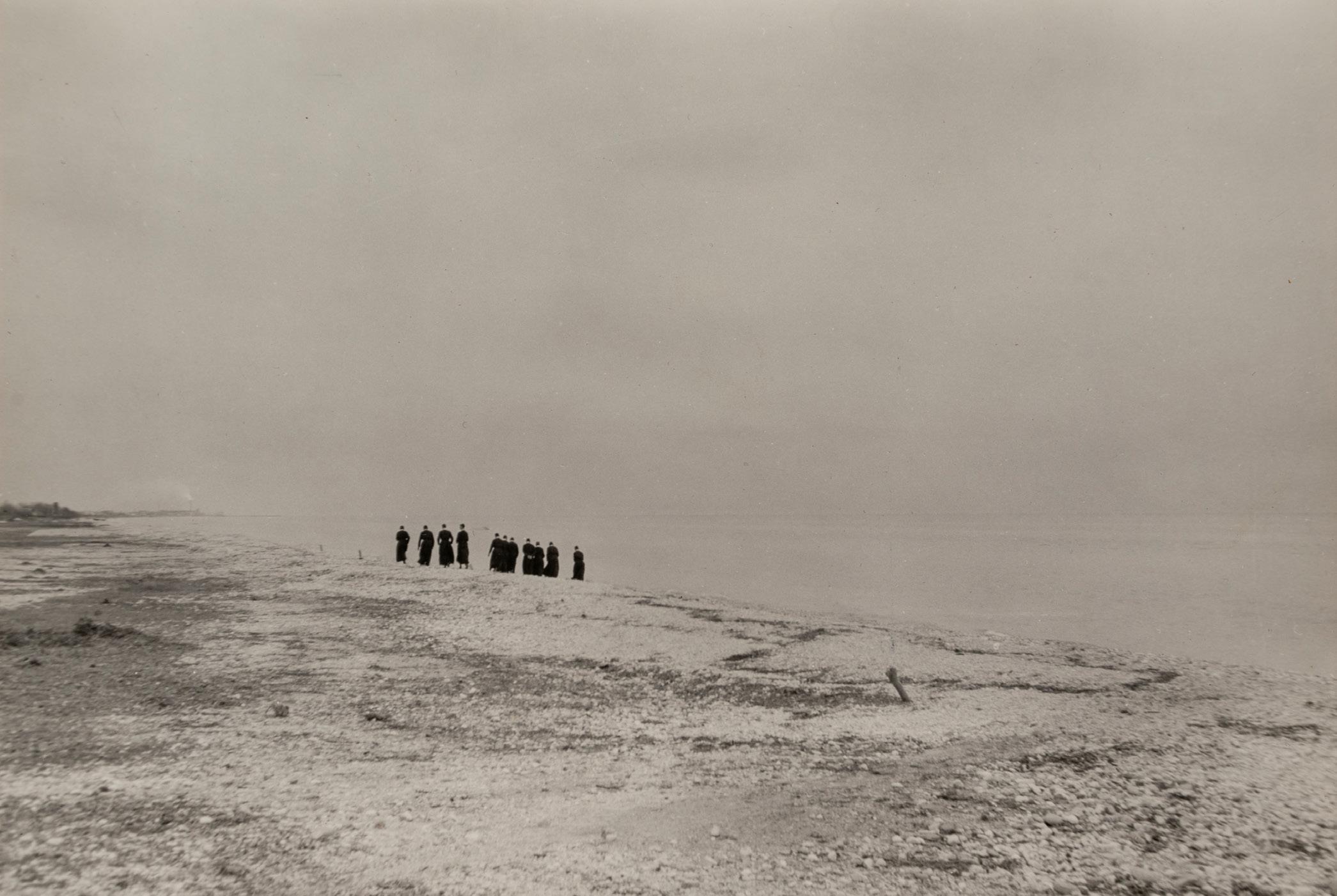
According to the canons of photography suggested by Giuseppe Cavalli in the “Manifesto della Bussola” of 1947 and reworked on the concepts of Croce’s aesthetics, what really matters is only the way of representing the subject, not the historical, social or political context in which it is inserted. If we want to simplify, this means chasing beauty as such. Ferruccio Ferroni had made this choice with conviction and not without a subtle polemic against reportage that did not inscribe itself within the boundaries of art. In his photographs, which Mario Giacomelli considered “poetic fragments, exquisitely composed formal images”, each element loses its specificity to be inserted in a dimension dominated by harmony. You have to admire these works up close to observe not only the balance with which they insert the elements into space: this applies both to the distant figures of the seminarians who stand out on the sand, and to that study on the ball resting on the cabin on the beach that has the compositional balance of a still life.
Secondo i canoni della fotografia suggeriti da Giuseppe Cavalli nel “Manifesto della Bussola” del 1947 e rielaborati sui concetti dell’estetica crociana, ciò che conta davvero è solo il modo di rappresentare il soggetto, non il contesto storico, sociale o politico in cui è inserito. Se vogliamo semplificare, ciò significa inseguire la bellezza in quanto tale. Ferruccio Ferroni questa scelta l’aveva fatta con convinzione e non senza una sottile polemica nei confronti del reportage che non inscriveva nei confini dell’arte. Nelle sue fotografie, che Mario Giacomelli considerava “frammenti poetici, immagini formali squisitamente composte”, ogni elemento perde la sua specificità per essere inserito in una dimensione dominata dall’armonia. Bisogna ammirarle da vicino queste opere per osservarne non solo l’equilibrio con cui inseriscono gli elementi nello spazio: ciò vale sia per le lontane figure dei seminaristi che si stagliano sulla sabbia, sia per quello studio sulla palla appoggiata alla cabina sulla spiaggia che ha l’equilibrio compositivo di uno still life.
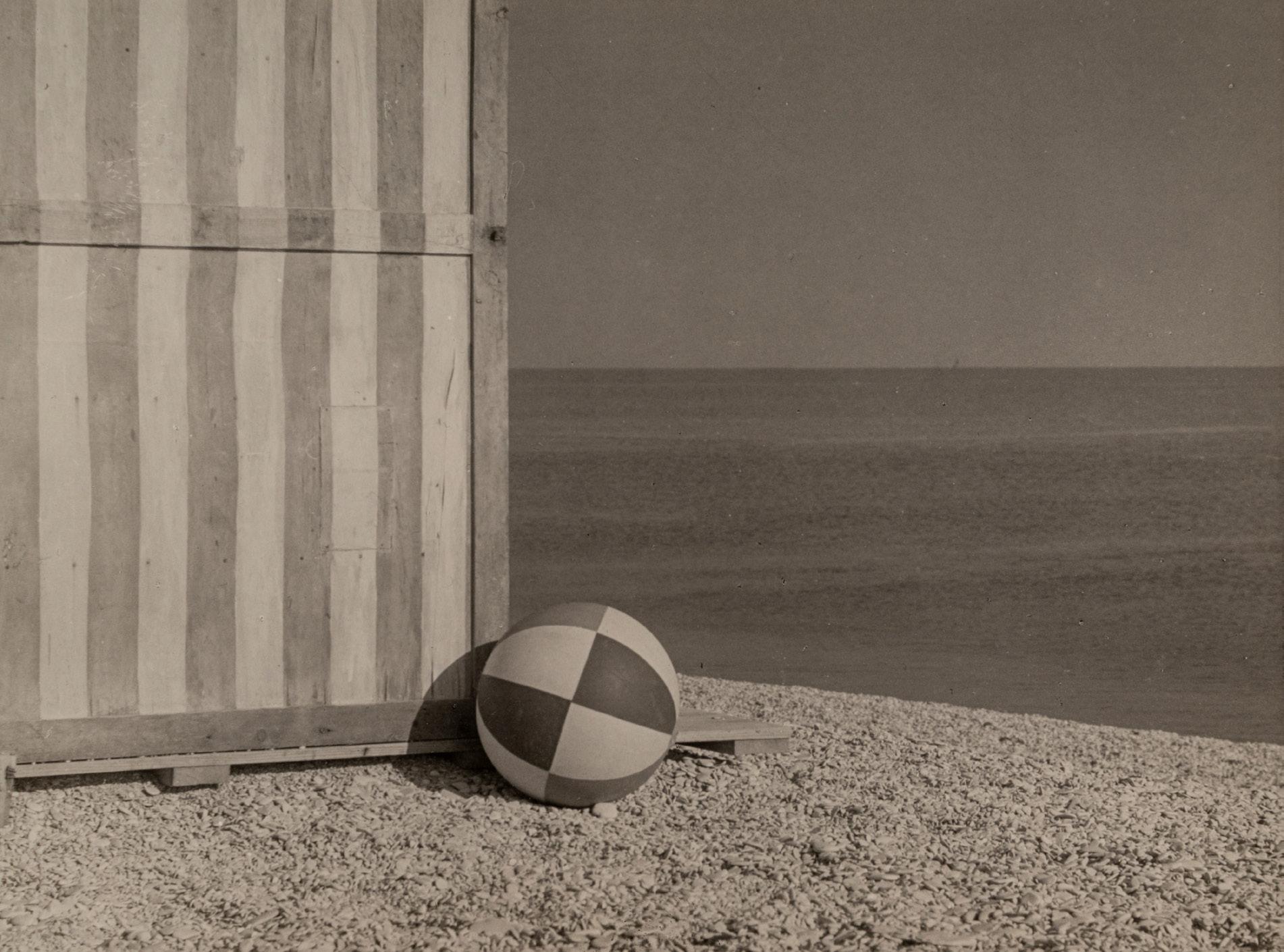
1035® FERRUCCIO FERRONI (1920-2007)
La palla, 1950
Vintage gelatin silver print
cm 17,8 x 23,5 (cm 17,3 x 22,9 picture) | 7 x 9.3 in. (6.8 x 9 in. picture)
Titled and signed in blue ink with photographer’s notes in pencil and blue ink and photographer’s credit stamp on the verso (Titolata e firmata a penna blu con note del fotografo a matita e penna blu e timbro del fotografo al verso)
LITERATURE
P. Morello (edited by), Ferruccio Ferroni, carteggio 1952-1959, Istituto Superiore per la Storia della Fotografia, 2004, cover
€ 2.000 - 3.000
1036®
Seminaristi, 1950s
Vintage gelatin silver print cm 15,8 x 23 | 6.2 x 9.1 in.
Titled with photographer’s notes in blue ink and photographer’s credit stamp on the verso (Titolata con note del fotografo a penna blu e timbro del fotografo al verso)
€ 1.000 - 1.500
FERRUCCIO FERRONI (1920-2007)
Already in his early days as a simple amateur, Franco Fontana (Modena 1933) stood out for his choice of colour, thanks to which he obtained his first recognition at the beginning of the 1960s, which encouraged him to turn to professional photography. Since then, he has been internationally recognised for his highly personal interpretation of landscapes, organising exhibitions in galleries and museums all over the world, publishing more than seventy books, collaborating with important newspapers and receiving prizes and awards.
Franco Fontana (Modena 1933) già negli esordi da semplice appassionato si segnala per la scelta del colore grazie alla quale ottiene all’inizio degli anni ‘60 i primi riconoscimenti che lo inducono a passare al professionismo. Da allora si afferma a livello internazionale per la sua personalissima interpretazione del paesaggio realizzando mostre in gallerie e musei di tutto il mondo, pubblicando oltre settanta volumi, collaborando con importanti testate e ricevendo premi e riconoscimenti.
Franco Fontana
Fontana
While many photographers continued to prefer black and white for its ductility and undoubted charm, Franco Fontana sensed that these same characteristics could also be attributed to color. It is in this chromatic universe that he brought out his vision of the world focused above all on a reflection on the landscape with implicit but intuitive references to abstractionism. Every single image like this (characterized by the contrasts between the soft blue of the sky and the four intense shades assumed by the earth reiterated by the precious Dye Transfer print that perfectly reproduces the original colors) contains the characteristics of his research in this field. When he decides to lay his gaze on the United States, this characteristic is accentuated and the shot becomes markedly frontal as if to underline that country’s exaggerated taste for emphasis. Everything changes in front of Correggio’s urban spaces: the colors become delicate, the framing accentuates the sense of depth and the atmosphere becomes poetic.
Mentre molti fotografi hanno continuato a prediligere per la sua duttilità e l’indubbio fascino il bianco e nero, Franco Fontana ha intuito che queste stesse caratteristiche potevano essere attribuite anche al colore. È in questo universo cromatico che ha fatto emergere la sua visione del mondo incentrata soprattutto su una riflessione sul paesaggio con sottintesi ma intuibili richiami all’astrattismo. Ogni singola immagine come questa (contraddistinta dai contrasti fra l’azzurro tenue del cielo e le quattro intense tonalità assunte dalla terra ribaditi dalla preziosa stampa Dye Transfer che riproduce perfettamente i colori originali) racchiude le caratteristiche delle sue ricerche in questo campo. Quando decide di posare il suo sguardo sugli Stati Uniti questa caratteristica si accentua e la ripresa si fa marcatamente frontale come a sottolineare il gusto esagerato di quel Paese per l’enfasi. Tutto cambia di fronte agli spazi urbani di Correggio: i colori diventano delicati, l’inquadratura accentua il senso di profondità e l’atmosfera diventa poetica.
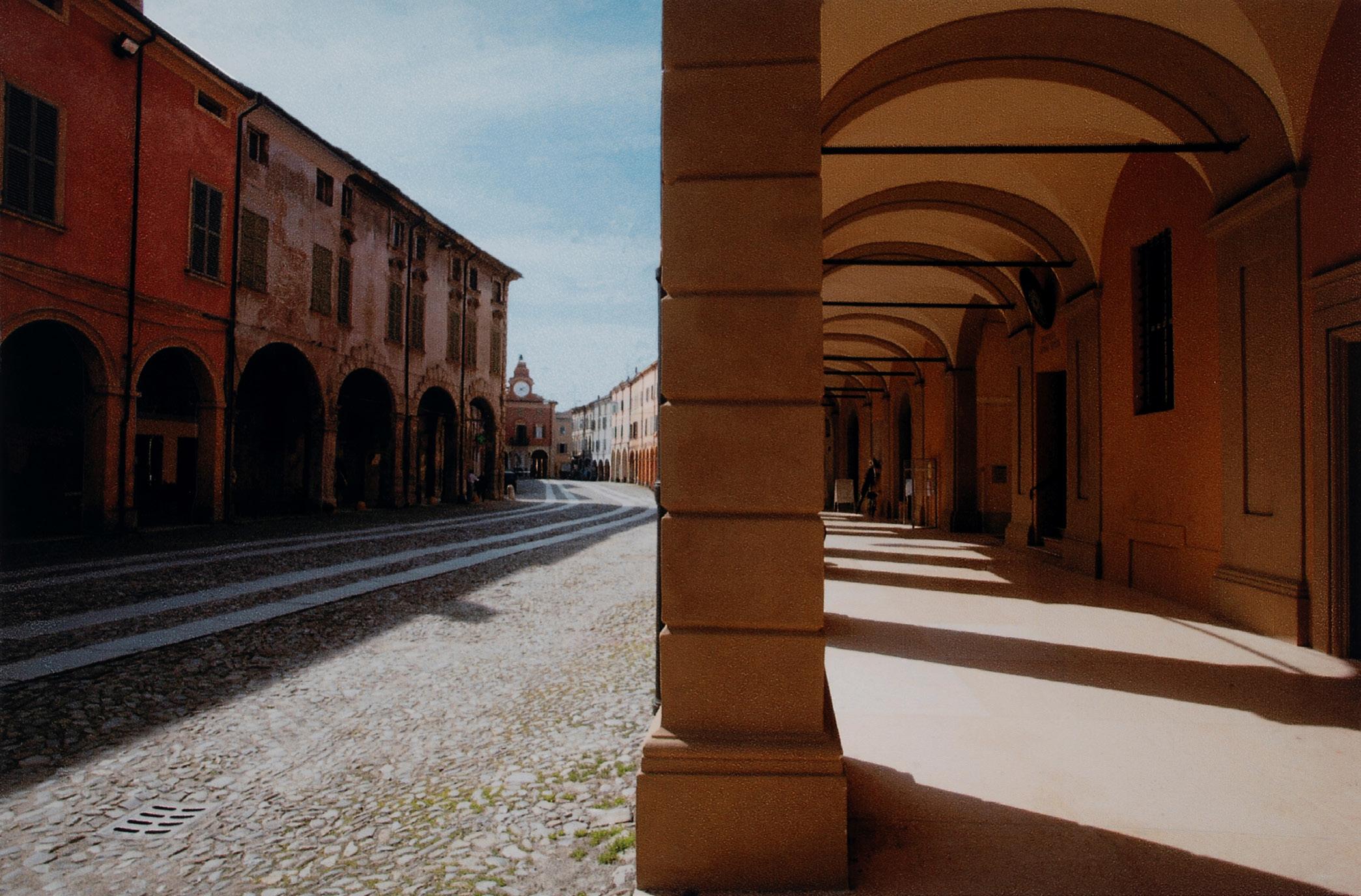
®
Correggio, 2004
Vintage C-print
cm 30 x 44,8 (cm 26,3 x 39 picture) | 11.8 x 17.6 in. (10.4 x 15.4 in. picture)
Edition 7 of 20
Numbered, signed and dated in black ink on the white inferior recto margin
(Edizione 7 di 20; Numerata, firmata e datata a penna nera al margine bianco inferiore recto)
€ 1.000 - 1.500
1037
FRANCO FONTANA (1933)
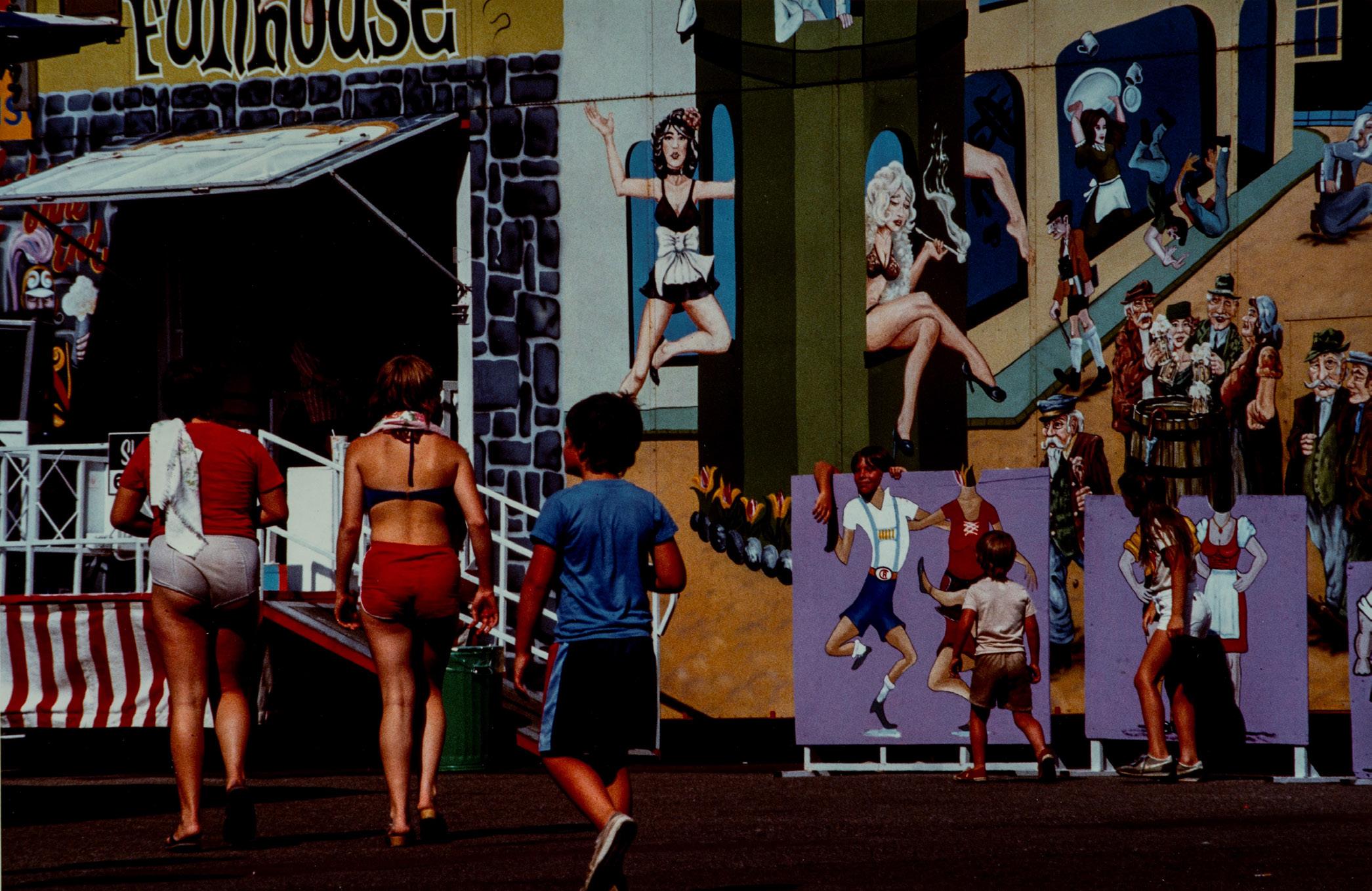
People, 1982
Vintage chromogenic print
cm 28,2 x 39,8 (cm 22 x 33,5 picture) | 11.1 x 15.7 in. (8.6 x 13.2 in. picture)
Signed and dated in black ink on the white inferior recto margin (Firmata e datata a penna nera al margine bianco inferiore recto)
€ 1.200 - 1.600
1038® FRANCO FONTANA (1933)
FRANCO FONTANA (1933)
Paesaggio italiano, 1985
Dye Transfer print, mounted on original cardboard cm 30 x 39,5 (cm 39,7 x 49,7 cardboard) | 11.7 x 15.5 in. (15.5 x 19.5 in. cardboard)
Titled, signed and dated in black felten on the recto of the cardboard and signed and titled in black feltpen on the cardboard verso Framed
(Titolata, firmata e datata a pennarello nero al cartoncino recto e firmata e titolata a pennarello nero al cartoncino verso; Opera in cornice)
€ 3.500 - 4.500
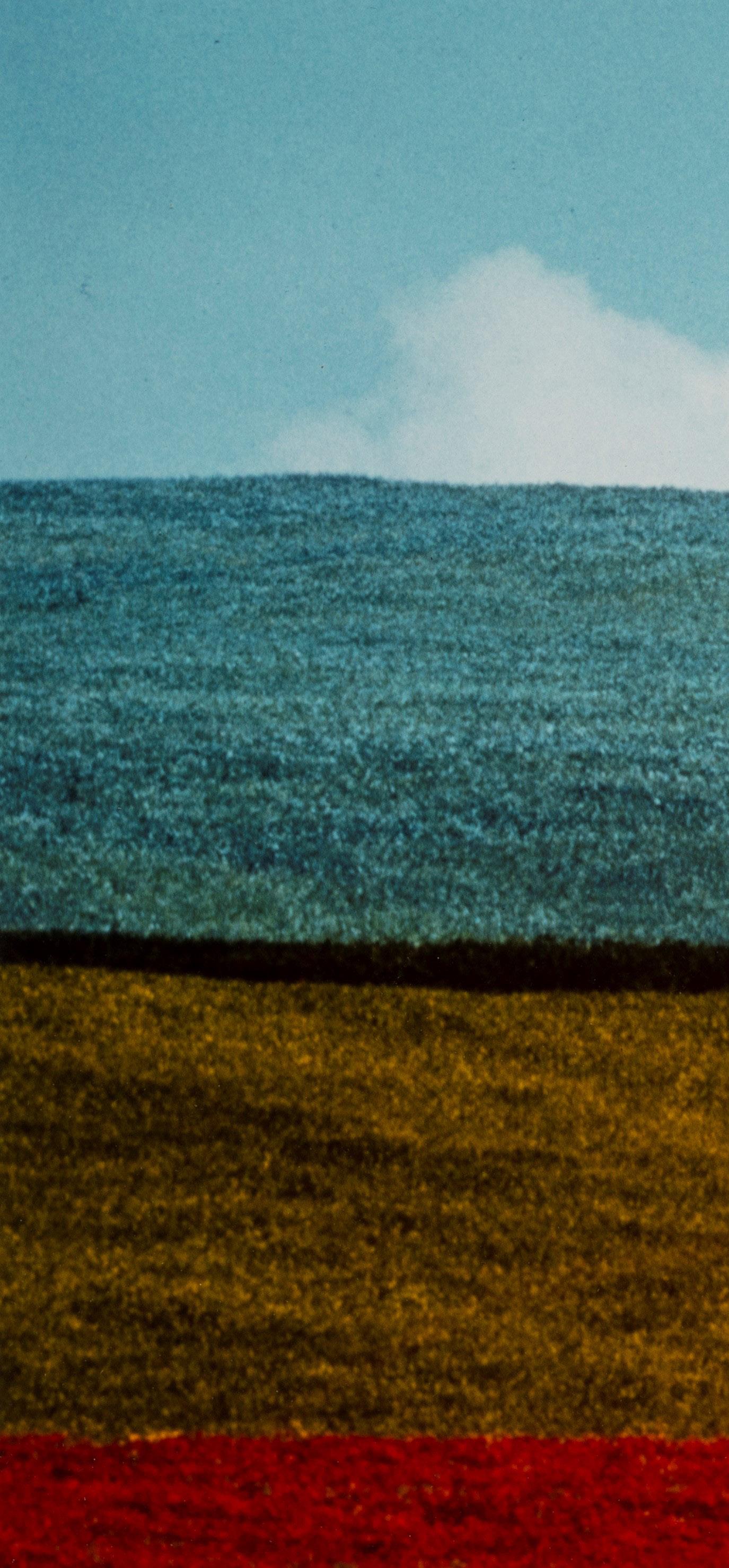
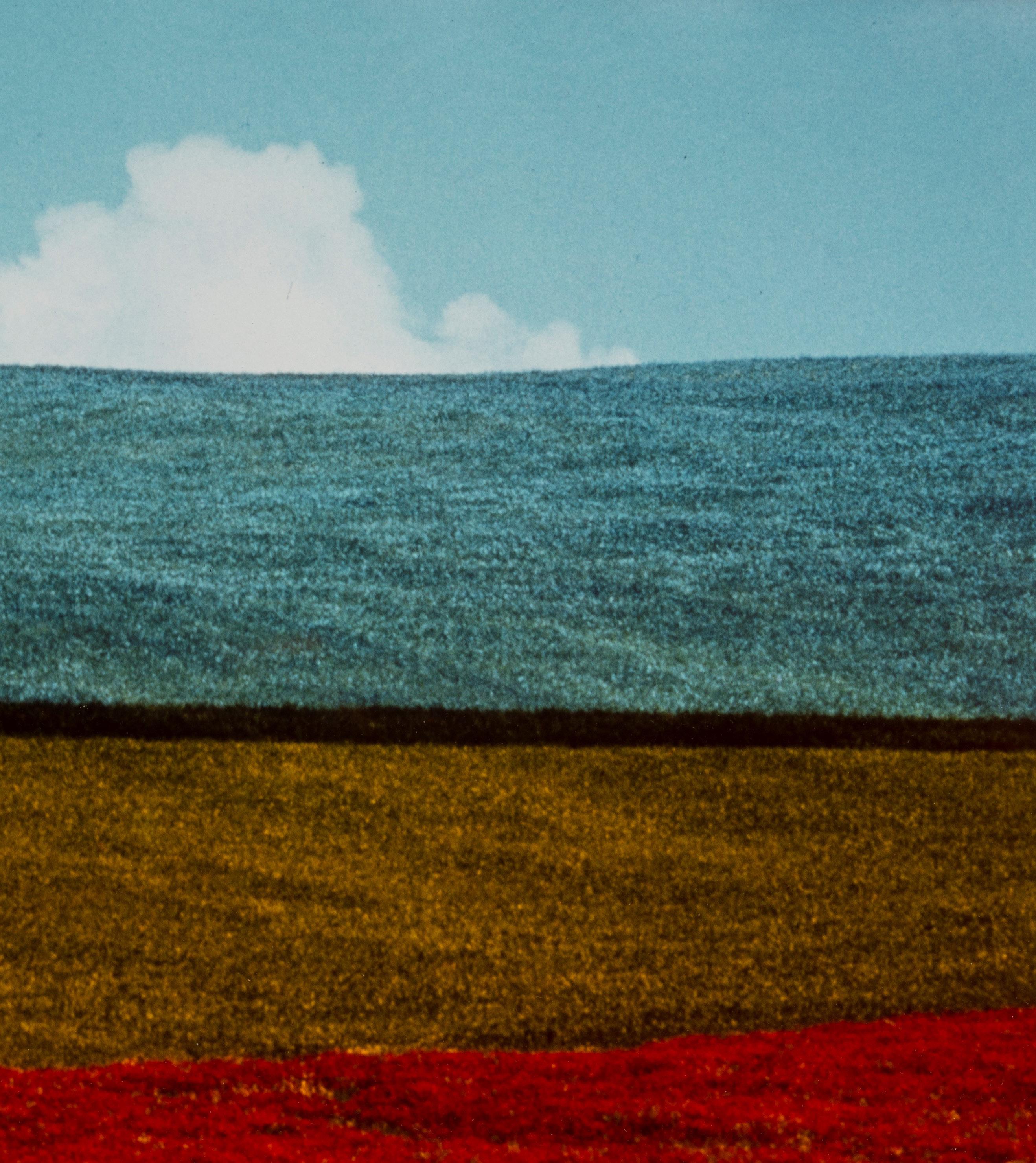
Maurizio Galimberti (Como 1956) has been passionate about photography since he was a boy, shooting in black and white, but also using a panoramic Widelux camera as proof of his passion for research. After leaving his job as a surveyor, he married the profession of photographer using almost exclusively, since 1983, the Polaroid instant film of which years later he would become testimonial. An acute scholar of the avant-garde, he makes the Dada, Surrealist, and Futurist language his personal language to create projects on portraiture, landscape, and revisiting historical images that are exhibited in galleries and museum spaces, published in books and magazines, and used for advertising campaigns.
Maurizio Galimberti (Como 1956) si appassiona fin da ragazzo alla fotografia scattando in bianco e nero, ma anche utilizzando una fotocamera Widelux panoramica a riprova della sua passione per la ricerca. Abbandonato il lavoro di geometra, sposa la professione di fotografo utilizzando quasi esclusivamente, fin dal 1983, la pellicola istantanea Polaroid di cui anni dopo diventerà testimonial. Attento studioso delle avanguardie, fa proprio il linguaggio dada, surrealista, futurista per realizzare progetti sul ritratto, sul paesaggio, sulla rivisitazione delle immagini storiche che sono esposti in gallerie e spazi museali, pubblicati in libri e riviste, utilizzati per campagne pubblicitarie.
Maurizio Galimberti
Although his work encompasses a broader range of techniques – as confirmed by a small volume published by Polaroid Italia, which highlights the film’s many creative possibilities – including ready-mades and transfers, the manipulation of individual images during development, and frottage, it is through the mosaic technique that Galimberti has made a name for himself and gained recognition. The decomposition and recomposition of the urban landscape focuses on an architectural detail of the Maxi Museum in Rome, where slight variations in the shots are arranged in a horizontal sequence that fades into increasingly muted colours. Very different in its colour scheme but not in spirit is the work created by photographing the monumental church in Milan: here the choice of verticality is emphasised by the expanse of sky, which, as the composition unfolds, gradually narrows its initially dominant space until it almost disappears.
Anche se la sua è una ricerca di più ampio respiro (lo conferma un volumetto edito da Polaroid Italia dove indica le tante possibilità creative della pellicola) che comprende il ready made e il transfer, la manipolazione delle singole immagini in fase di sviluppo e il frottage, è con la tecnica del mosaico che Galimberti si è fatto conoscere ed apprezzare. La scomposizione e ricomposizione del paesaggio urbano riguarda come soggetto un particolare architettonico del Museo Maxi di Roma dove piccole variazioni di ripresa sono accostate in una sequenza orizzontale che sfuma verso i colori sempre più attenuati. Molto diversa nei cromatismi ma non nello spirito è invece l’opera realizzata riprendendo la monumentale chiesa milanese: qui la scelta della verticalità viene sottolineata dallo spazio del cielo che man mano che la composizione si muove restringe il suo spazio all’inizio dominante fin quasi a scomparire.
Galimberti
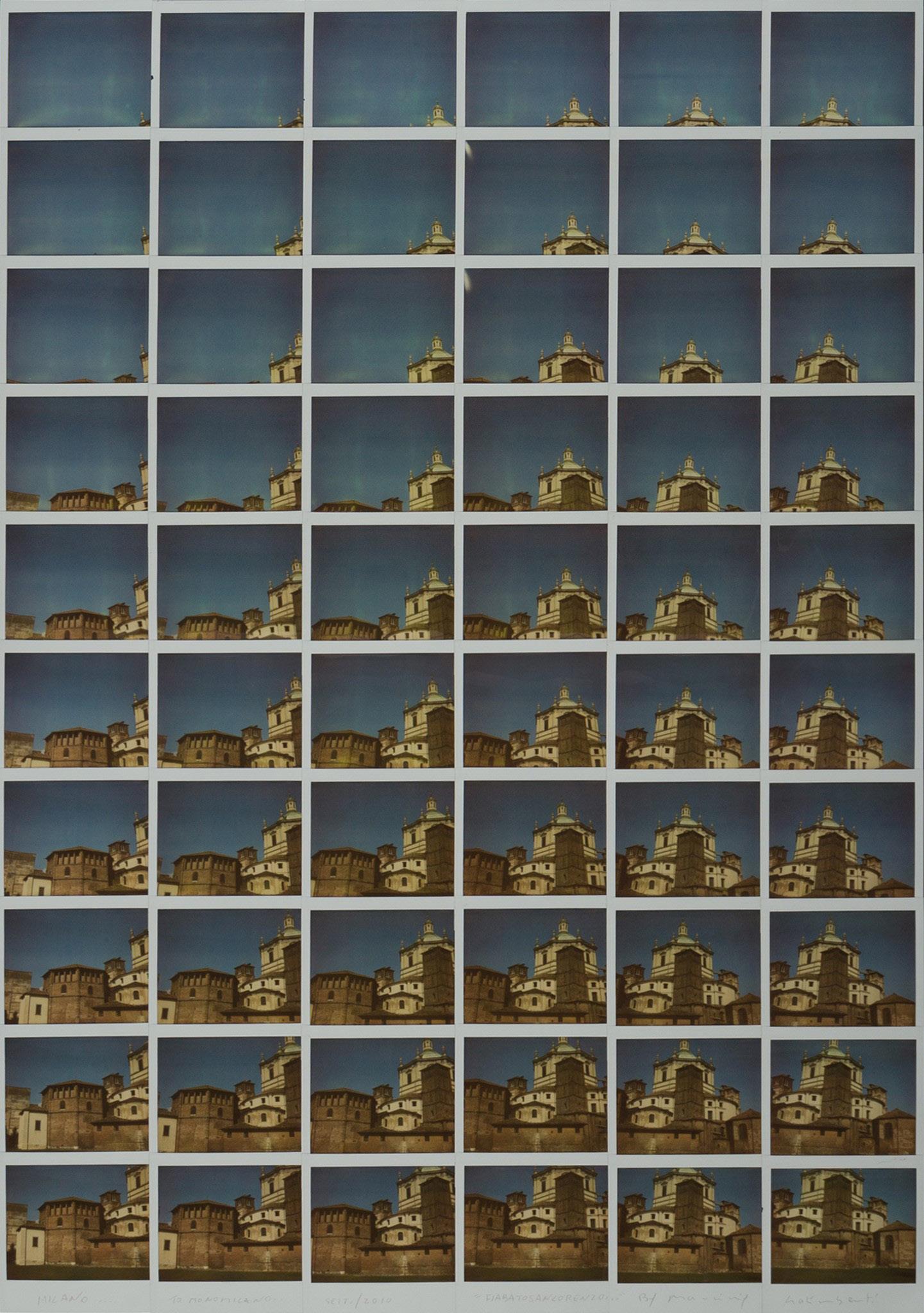
Milano, Fiabato San Lorenzo, 2010
60 polaroids mounted as a mosaic cm 83 x 58 | 36.7 x 22.8 in.
Unique work
Titled, signed and dated in pencil on the white inferior recto margin (Opera unica; Titolata, firmata e datata a matita al margine bianco inferiore recto)
€ 3.000 - 5.000
1040
MAURIZIO GALIMBERTI (1956)
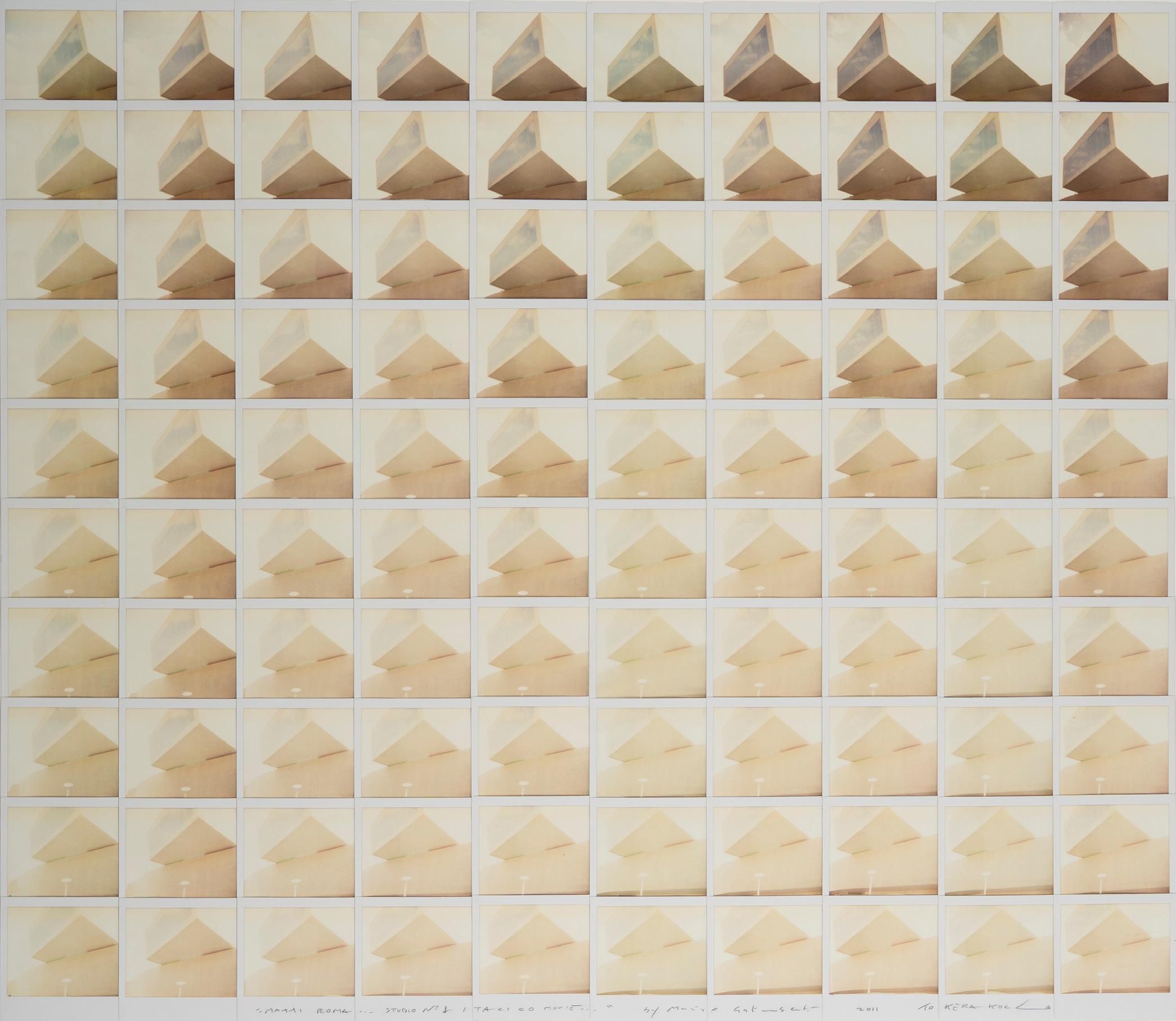
MAXXI Roma...Studio n. 8 Italico Movie, 2011
100 polaroids montate a mosaico
cm 84 x 96 approx. | 33.1 x 37.8 in. approx.
Unique work
Titled, signed and dated in pencil on the white inferior recto margin
Applied on board under plexiglass
(Opera unica; Titolata, firmata e datata a matita al margine bianco inferiore recto; Applicata a pannello sotto plexiglass)
Work accompanied by Certificate of authenticity released by the photographer
€ 2.500 - 3.500
1041®
MAURIZIO GALIMBERTI (1956)
Giovanni Gastel (Milan 1955 - 2021) was born into a family where nobility is also expressed in the love of art. Self-taught, in the early 1970s he worked for Christie’s, but in 1981 his meeting with his future agent Carla Ghiglieri, who introduced him to the world of fashion, turned his career around, leading him to work for Vogue Italia and then, thanks to Flavio Lucchini and Gisella Borioli, with Mondo Uomo e Donna. In the 1980s and 1990s he signed prestigious international advertising campaigns, but he also decided to devote himself to personal research where he experimented in the artistic field with the themes of the figure, portrait, and still life already widely used in commissioned work. The major solo shows in Milan curated by Germano Celant and the one at MAXXI in Rome certified him as a well-rounded author.
Giovanni Gastel (Milano 1955 - 2021) nasce in una famiglia dove la nobiltà si esprime anche nell’amore per l’arte. Autodidatta, nei primi anni ’70 lavora per Christie’s, ma nel 1981 l’incontro con la sua futura agente Carla Ghiglieri che lo introduce al mondo della moda gli svolta una carriera che lo porta a lavorare per Vogue Italia e poi, grazie a Flavio Lucchini e Gisella Borioli, con Mondo Uomo e Donna. Negli anni ’80 e ’90 firma prestigiose campagne pubblicitarie internazionali, ma decide anche di dedicarsi a ricerche personali dove sperimenta in campo artistico i temi della figura, del ritratto, dello still life già ampiamente utilizzati nel lavoro su commissione. Le grandi personali di Milano curate da Germano Celant e quella del MAXXI di Roma lo certificano come autore a tutto tondo.
Giovanni Gastel
If anyone had expected classic images in the sense of traditional, it would have been useless to turn to Giovanni Gastel who, instead, preferred to convey to his photographs a dynamism and liveliness that made them unique. This characterized him both when he carried out personal research as in this portrait which, while changing the shape of the face, retains its elegance, and when he worked on commission. For the magazine Donna he creates another type of portrait where only the reference to the features of the elegant profile remains of the model while the face is superimposed soft plumage that surprisingly ends up enhancing the whole.
Se qualcuno si fosse aspettato immagini classiche nel senso di tradizionali, sarebbe stato inutile rivolgersi a Giovanni Gastel che, invece, preferiva trasmettere alle sue fotografie un dinamismo e una vivacità che le rendevano uniche. Questo lo caratterizzava sia quando realizzava ricerche personali come in questo ritratto che, pur modificando la forma del viso ne conserva l’eleganza, sia quando lavorava su commissione. Per la rivista Donna realizza un altro tipo di ritratto dove della modella rimane solo il richiamo alle fattezze dell’elegante profilo mentre al volto si sovrappongono morbidi piumaggi che sorprendentemente finiscono per valorizzare l’insieme.
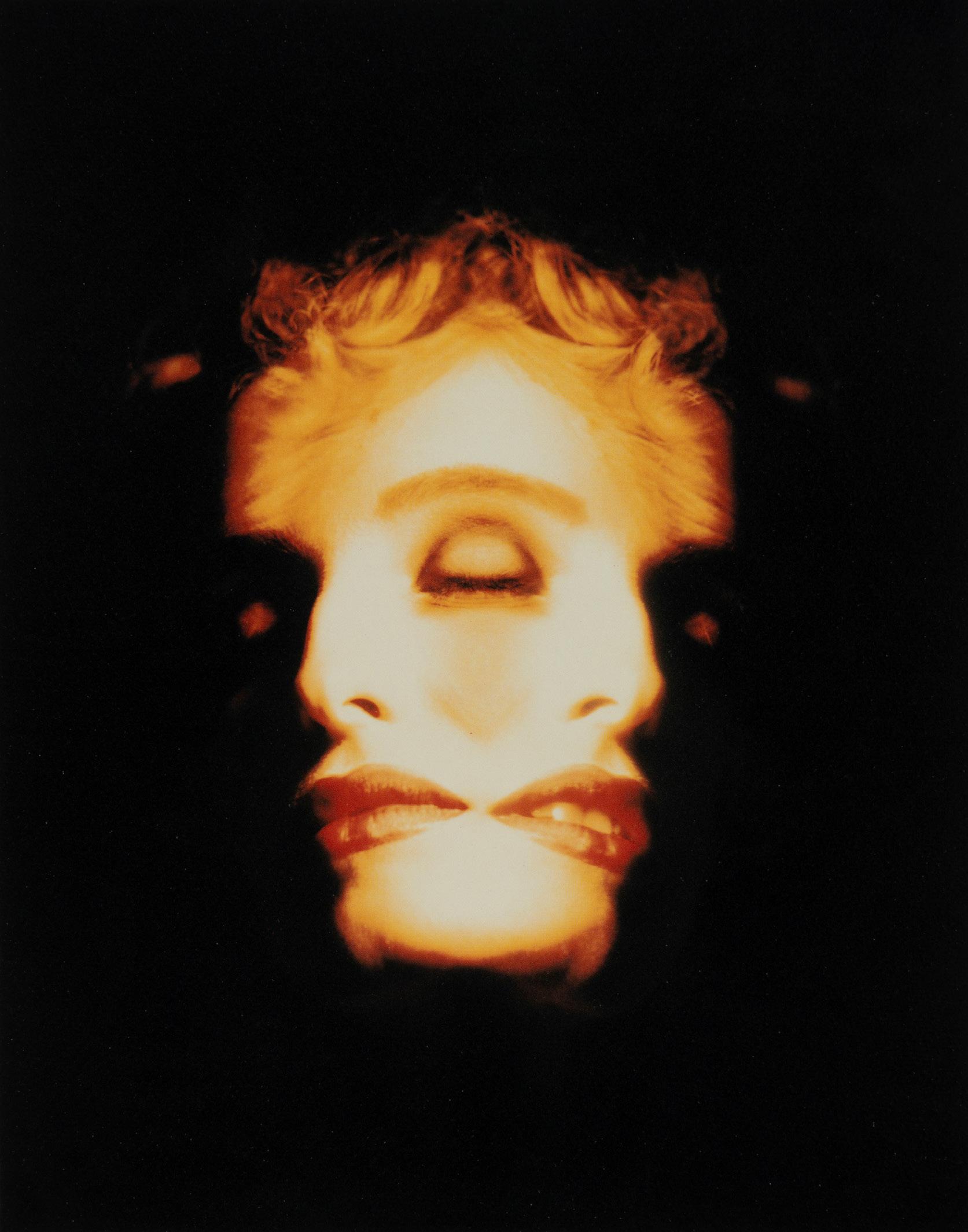
Donna, Milano, 1991
Inkjet print, printed in 2002
cm 48,2 x 34,3 (cm 33,4 x 26,3 picture) | 19 x 13.5 in. (13.1 x 10.4 in. picture)
Signed and dated in black ink on the white inferior recto margin (Firmata e datata a penna nera al margine bianco inferiore recto)
€ 1.000 - 1.500
1042®
GIOVANNI GASTEL (1955-2021)
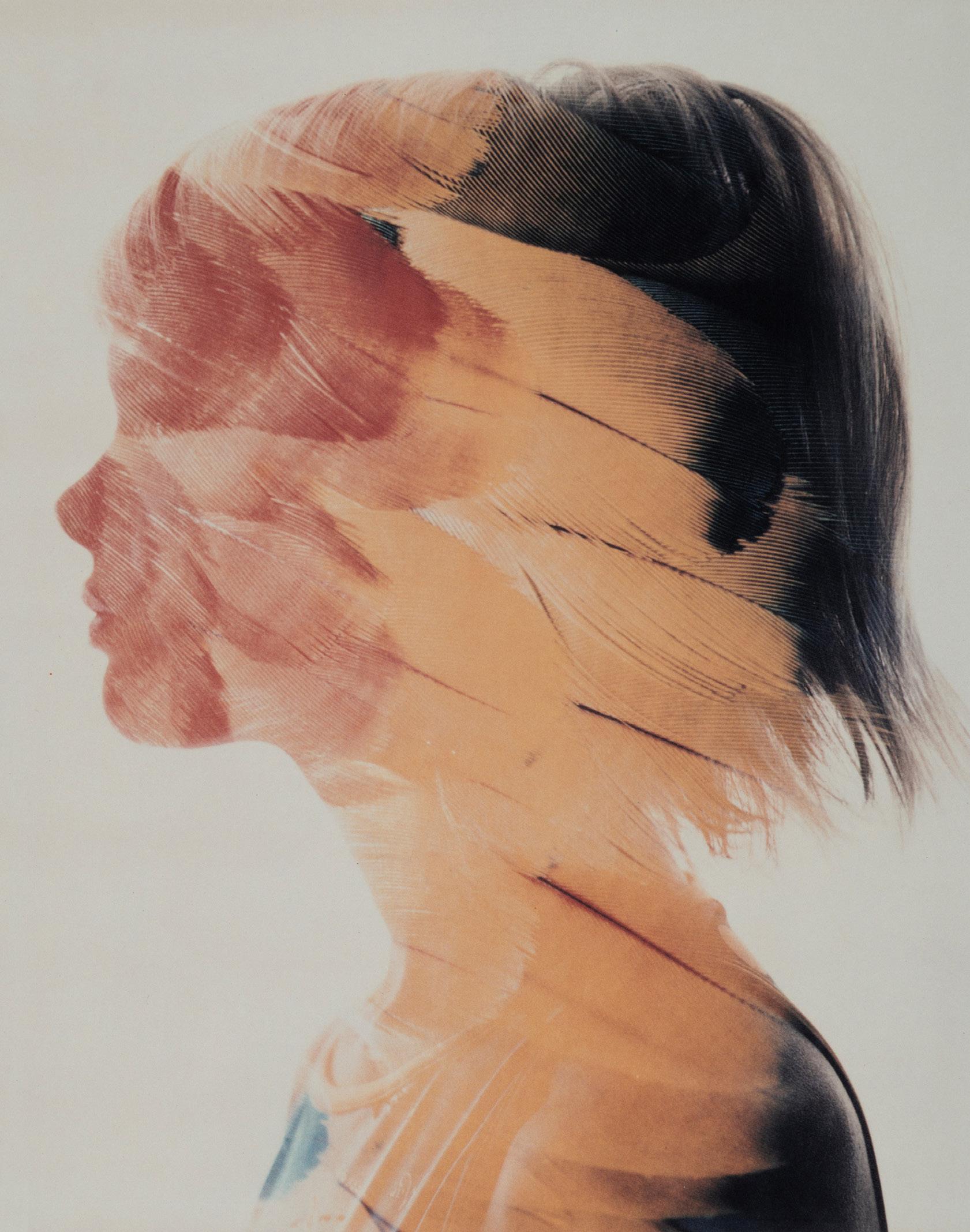
Untitled, 1997
Inkjet print
cm 48 x 34 (cm 33 x 26,2 picture) |
18.9 x 13.4 in. (13 x 10.3 in. picture)
Signed and dated in black ink on the white inferior recto margin (Firmata e datata a penna nera al margine bianco inferiore recto)
€ 1.000 - 1.500
1043®
GIOVANNI GASTEL (1955-2021)
Luigi Ghirri (Scandiano, Reggio Emilia 1943 - Reggio Emilia 1992) a surveyor by training, when he began photographing in 1969 he made reference to the conceptual world that he filters into works where he plays between reality and artificiality, immediacy and ambiguity, high culture and consumer images dialoguing with writers like Gianni Celalti, musicians like Lucio Dalla, critics like Massimo Mussini and Arturo Carlo Quintavalle. On the theme of landscape, he realized fundamental projects such as the group shows “Viaggio in Italia” and “Esplorazioni sulla via Emilia,” giving life with his personal research, which flowed into many exhibitions, to 31 books of great importance and to lucidly analytical essays such as “Lezioni di fotografia,” to a wide-ranging consideration that places him among the greatest photographers of his time.
Luigi Ghirri (Scandiano, Reggio Emilia 1943 – Reggio Emilia 1992) geometra di formazione, quando comincia a fotografare nel 1969 fa riferimento al mondo concettuale che filtra in lavori dove gioca fra realtà e artificialità, immediatezza e ambiguità, cultura alta e immagini di consumo dialogando con scrittori come Gianni Celalti, musicisti come Lucio Dalla, critici come Massimo Mussini e Arturo Carlo Quintavalle. Sul tema del paesaggio realizza progetti fondamentali come le collettive “Viaggio in Italia” e “Esplorazioni sulla via Emilia” dando vita con le sue ricerche personali, confluite in molte mostre, in 31 libri di grande importanza e in saggi di lucida analisi come “Lezioni di fotografia”, a una riflessione di ampio respiro che lo colloca fra i più grandi fotografi della sua epoca.
Luigi Ghirri
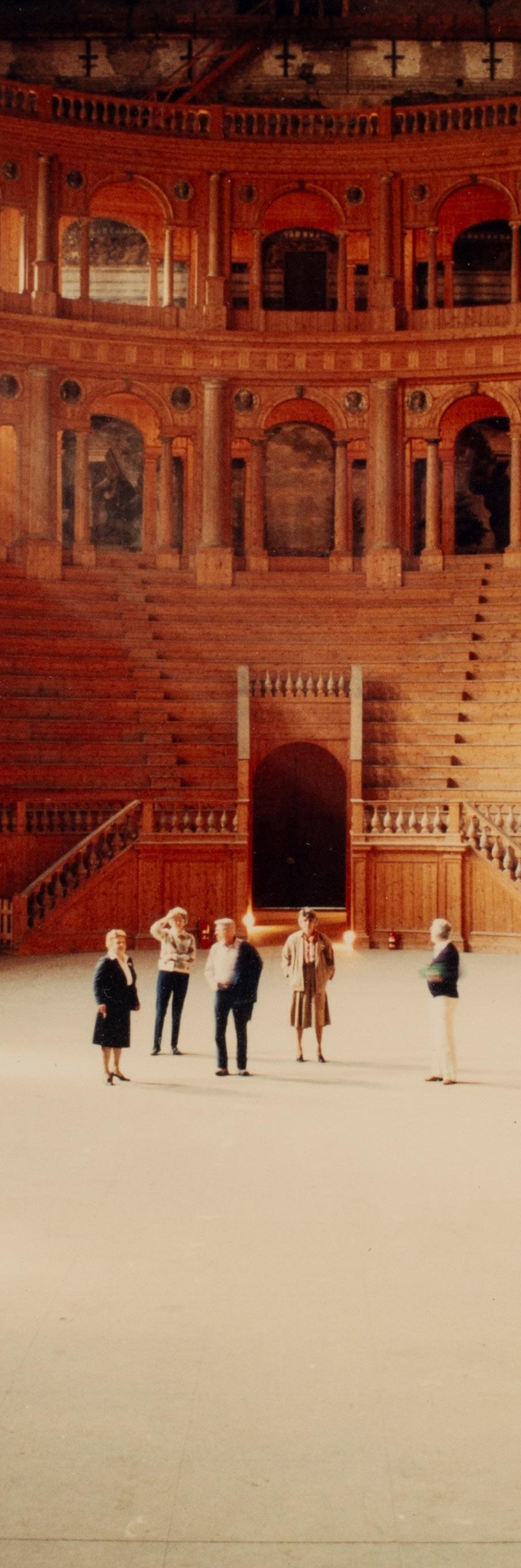
If Luigi Ghirri is one of the most beloved authors in the world of collecting, this is due to his original gaze and only apparent linearity that characterizes his works. His ability to switch from the small 35 mm format to the medium format, to alternate negative film, slides, Polaroids always remaining faithful to the delicate chromatisms of a very recognizable use of color make him a photographer more attentive to philosophical reflection than to technical disputes. As the Modena City Rambles defined him in one of their songs, he was above all “The man of the plains”. In these three of his works, the photographer shows his ability to move from interiors – and here the presence of people serves to underline the grandeur of the seventeenth-century Farnese theater in Parma – to exteriors, with a very delicate shot of a deserted Riccione where the cabins act as a backdrop for the vision of a distant and reassuring sea. Famous is also the shot of the Ortisei (Alpe di Siusi) (because, although a man of the plains, he cultivated his exceptions) which appears in “Viaggio in Italia” as before in “Tipografia/Iconografia” and is characterized by the sense of airiness as well as that type of shot that seems to involve the observer in a highly emotional way.
Se Luigi Ghirri è uno degli autori più amati nel mondo del collezionismo ciò è dovuto al suo sguardo originale e su quella solo apparente linearità che ne caratterizza le opere. La sua capacità di passare dal piccolo formato 35 mm al medio, di alternare pellicole negative, diapositive, Polaroid sempre rimanendo fedele ai cromatismi delicati di un riconoscibilissimo uso del colore ne fanno un fotografo più attento alla riflessione filosofica che alle dispute tecniche. Come lo hanno definito in una loro pezzo i Modena City Rambles, è stato soprattutto “L’uomo delle pianure”. In queste tre sue opere il fotografo mostra la sua capacità di passare dagli interni – e qui la presenza delle persone serve a sottolineare la grandiosità del seicentesco teatro Farnese di Parma – agli esterni, con una delicatissima ripresa di una Riccione deserta dove le cabine fanno da quinta per la visione di un mare lontano e rassicurante. Famosa è poi la ripresa di Ortisei (Alpe di Siusi) (perché, per quanto uomo di pianura, le sue eccezioni le coltivava) che compare in “Viaggio in Italia” come prima in “Tipografia/Iconografia” e si caratterizza per il senso di ariosità come anche quel tipo di ripresa che sembra coinvolgere chi la osserva in modo fortemente emotivo.
LUIGI GHIRRI (1943-1992)
Ortisei (Alpe di Siusi), 1979
Vintage chromogenic print
cm 29,8 x 40,1 cm (cm 24,2 x 36,4 picture) | 11.7 x 15.8 in. (9.5 x 14.3 in. picture)
Titled, signed and dated in pencil on the white inferior recto margin (Titolata, firmata e datata a matita al margine bianco inferiore recto)
LITERATURE
Enciclopedia pratica per fotografare, Fabbri Editori, Milan 1979 Fascicolo 53 p. 162
L. Ghirri, G. Leone, E.Velati (edited by), Viaggio in Italia, Il Quadrante, Alessandria, 1984 p. 45
Symposion on Photography III, Camera Austria 7+8 Graz 1982 p. 31 e copertina
Progresso fotografico, Luigi Ghirri, Inserto monografico, Editrice
Progresso, Milan 1982
Promenades architecturales n. 52, Lotus International, Edizioni Electa, Milan, 1987, p. 135
Luigi Ghirri, Paesaggio Italiano, Quaderni di Lotus, Electa, Milan, 1989 p. 19
O. Barbieri, E. e R. Bassotto, Luigi Ghirri, Stereotipi, Della Scala Edizioni, Verona, 1991, p.39
L. Ghirri, Niente di antico sotto il sole, S.E.I., Torino, 1997, p.233 Paesaggi italiani, Fotografie dall’Italia contemporanea, Fondazione Marangoni, Mostra Sala Reali Poste-Uffizi, Florence, 1998
M. Mussini, Luigi Ghirri, Federico Motta Editore, Milan, 2001, p. 191
Infra-Mince, Cahiers de l’Ecole Nationale Supérieure de la Photographie, Arles, Actes Sud, 2008, p.146
Luigi Ghirri - It’s beautiful here, isn’t it …, Aperture Foundation, New York 2008 p.21
Fin dove può arrivare l’infinito? A Luigi e Paola Ghirri, Skira, Milan, 2012
Luigi Ghirri, Pensare per immagini, Catalogo Mostra al Museo Maxxi di Roma, Electa Ed., Verona, 2013, p.203
Luigi Ghirri, Pensar por imagens, Instituto Moreira Salles, San Paulo, IMS, 2013, p.131
B. Pietromarchi (edited by) Vice Versa, La Biennale di Venezia, 55.Esposizione Inter.le d’Arte, Padiglione Italia, Mousse Publishing, Milan, 2013. p.98
C. Nori, Luigi Ghirri l’amico infinito, Contrejour, Paris, 2019
James Lingwood (edited by), Luigi Ghirri: Viaggi, MASI- MACK, London, 2024, p.9
Work accompanied by Cetificate of authenticity released by Archivio di Luigi Ghirri, Roncocesi (Reggio nell’Emilia)
€ 10.000 - 15.000
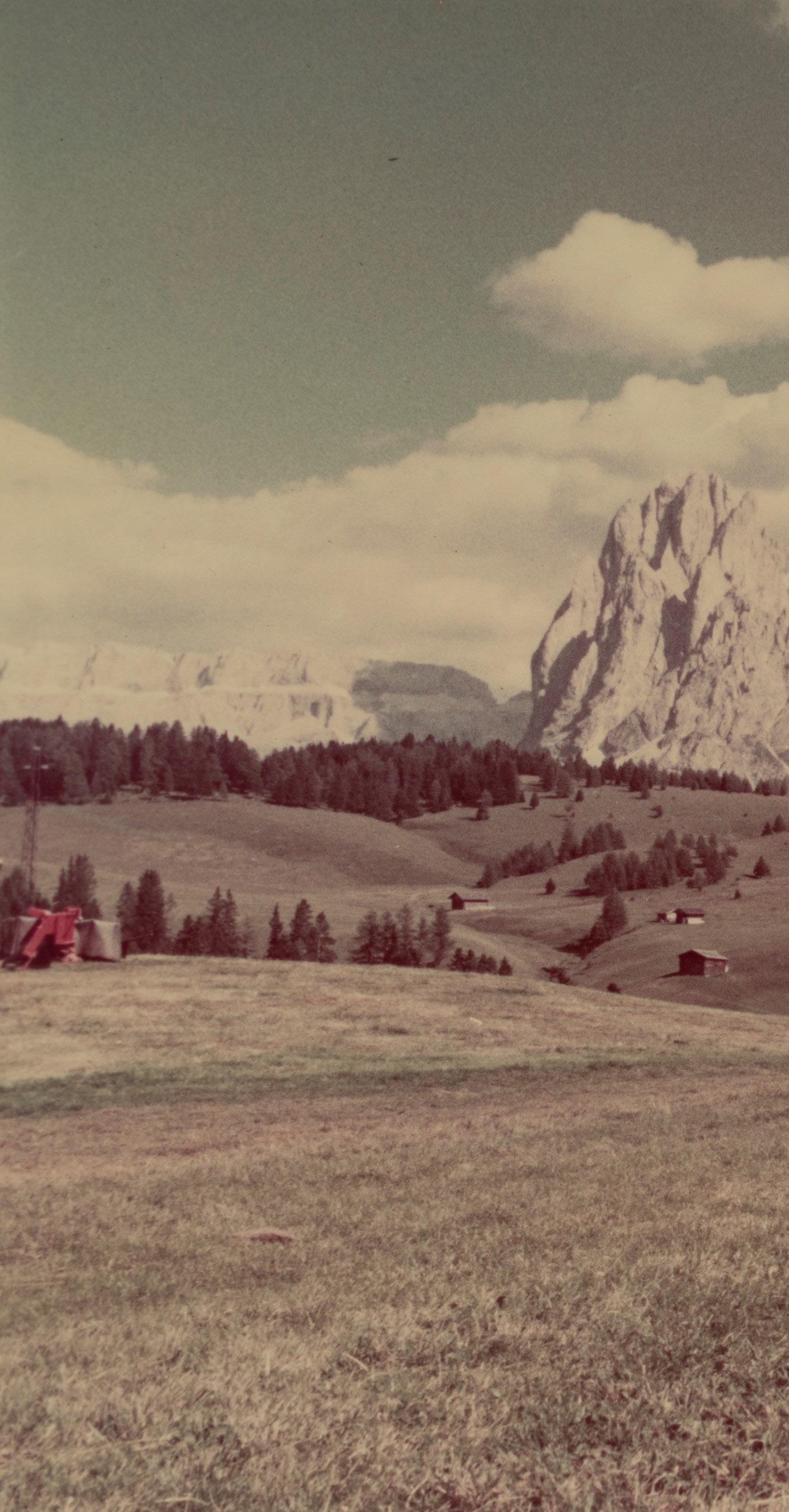
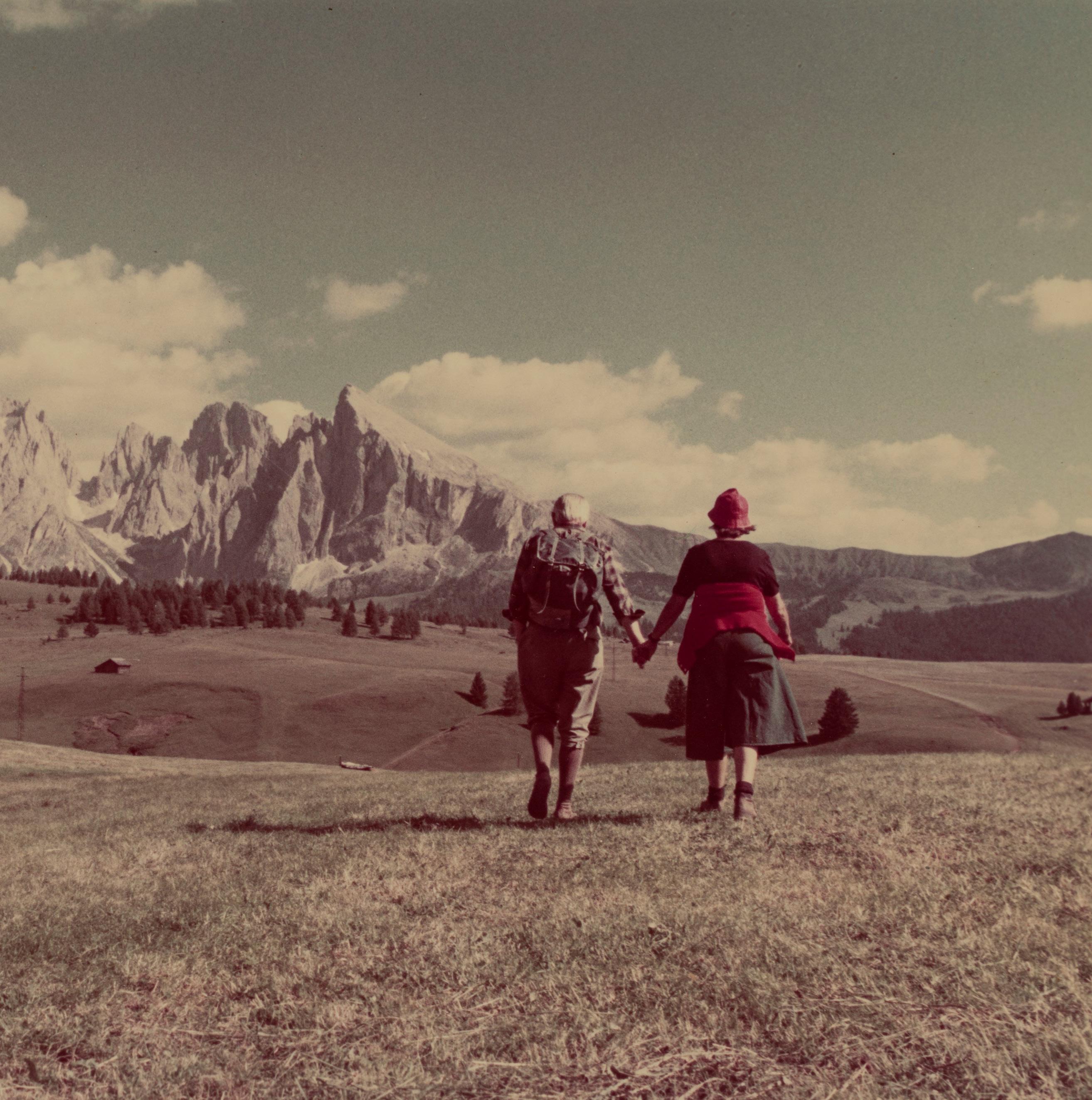
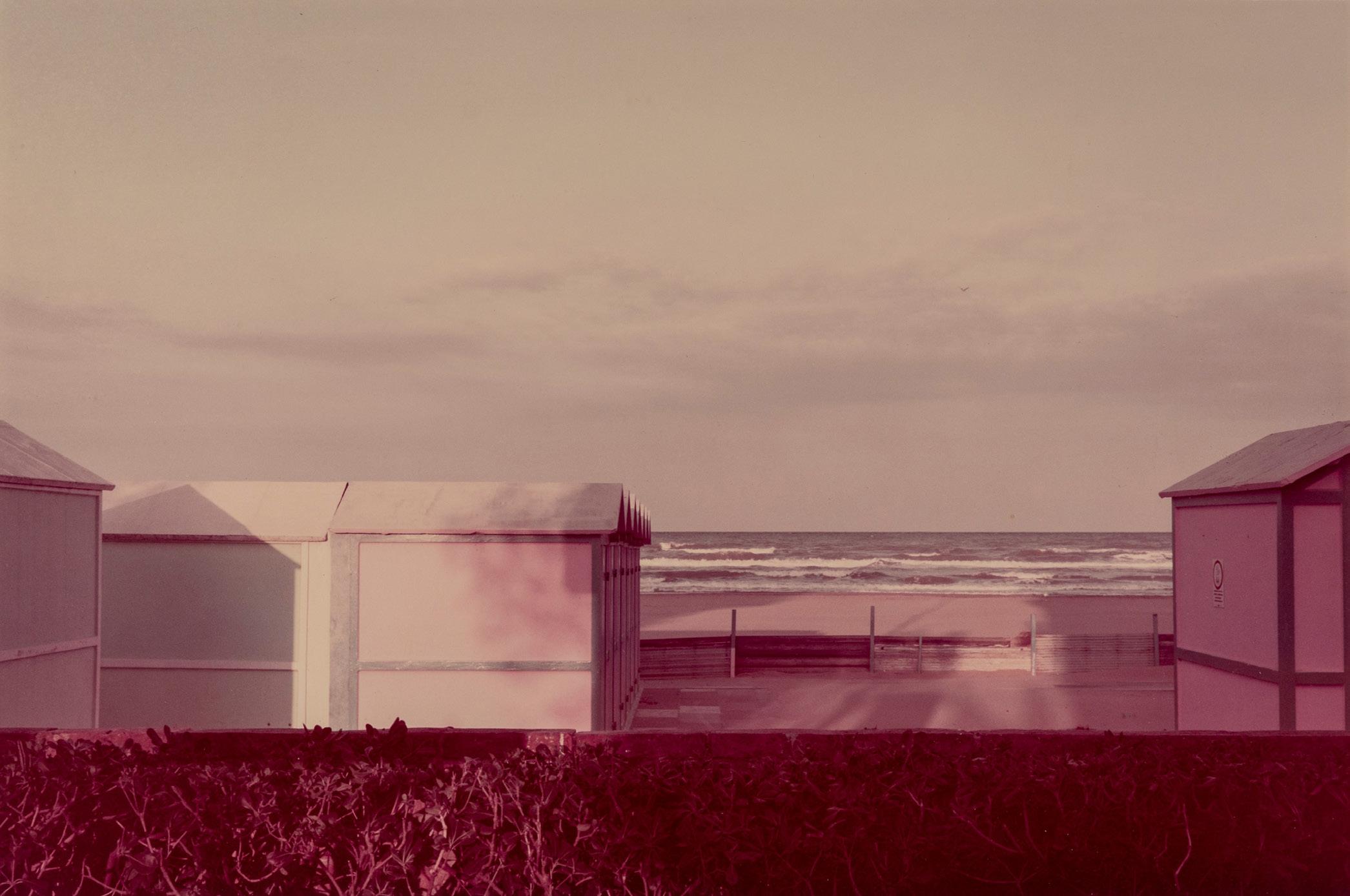
1045®
LUIGI GHIRRI (1943-1992)
Riccione, 1984
Vintage chromogenic print
cm 29,8 x 40,4 (cm 24 x 36,4 picture) | 11.7 x 15.9 in. (9.4 x 14.3 in. picture)
Edition 2 od 30
Titled, numbered, signed and dated 1983 in pencil on the white inferior recto margin
Framed
(Edizione 2 di 30; Titolata, numerata, firmata e datata 1983 a matita al margine bianco inferiore recto; Opera in cornice)
LITERATURE
Attraverso l’Italia, Emilia Romagna - Fotografie di Luigi Ghirri, Secondo VOlume, Touring Club Italiano, 1986, p. 230
Magie di acque e di luoghi nei paesaggi termali dell’Emilia Romagna, Nuova Alfa Editoriale, Bologna, 1987, p. 107
Promenades Architecturales n. 52, Lotus International, Electa, Milan, 1987, p. 137
L. Ghirri, Paesaggio Italiano, Quaderni Lotus Electa, Milan, 1989, p. 94
P. Ghirri, E. Taramelli (edited by), Luigi Ghirri, Vista con Camera, Federico Motta Editore, Milan, 1992, p. 85
E. Re (edited by), Luigi Ghirri e l’Architettura, Gli Ori, Prato, 2006, foto n. 24
L. Ghirri, Pensare per immagini, Electa, Verona, 2013, p. 231
M. Guccione (eduited by), Extraordinary Visions. L’Italia ci guarda, Fondazione MAXXI, Rome, 2016, p. 56
Work accmpanied by Certificate of authenticity released by Archivio di Luigi Ghirri, Roncocesi (Reggio nell’Emilia)
€ 4.000 - 5.000
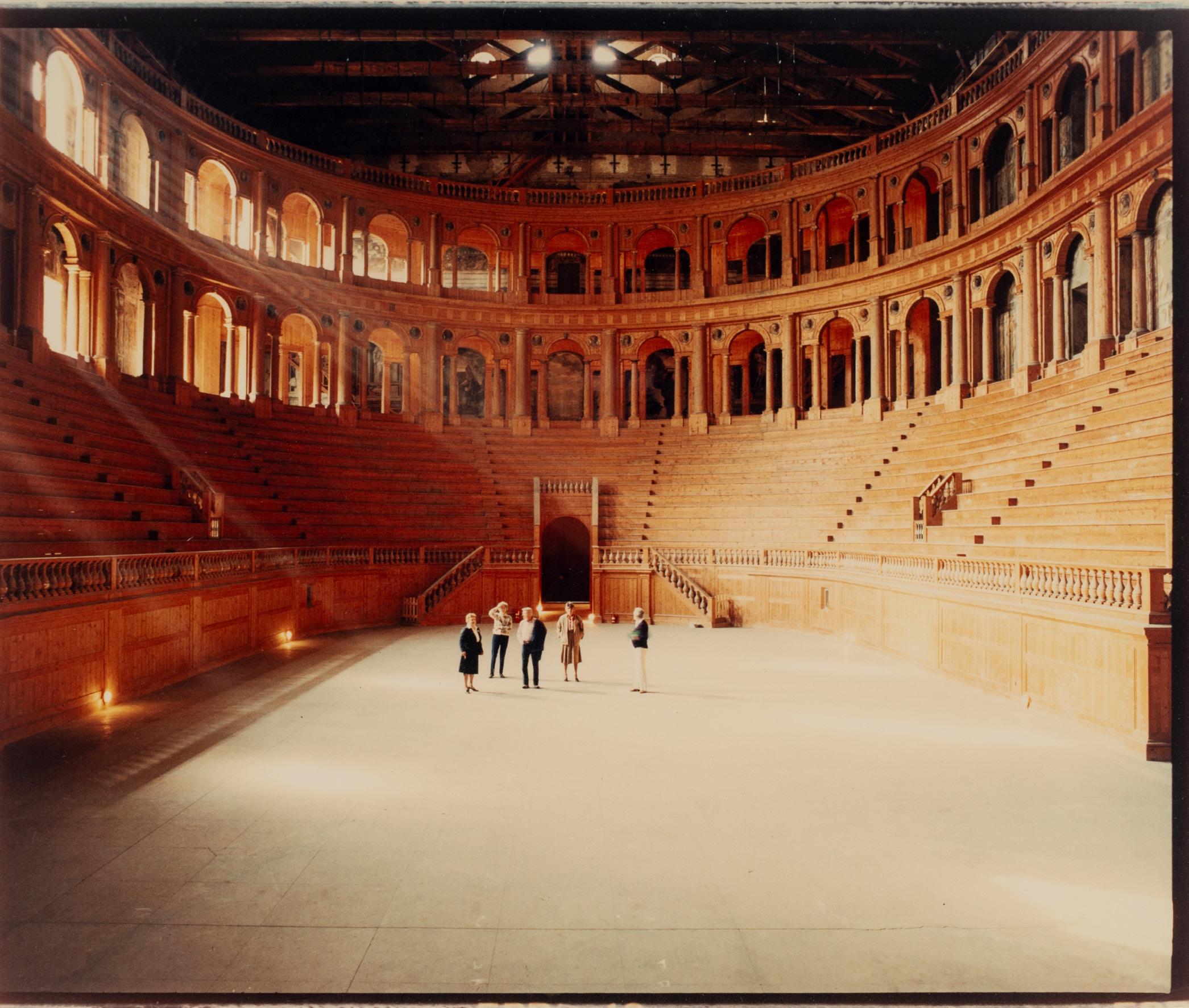
1046®
LUIGI GHIRRI (1943-1992)
Parma, from “Paesaggio Italiano” series, 1985
Vintage chromogenic print
cm 21,3 x 26,8 (cm 19,3 x 23,8 picture) |
8.3 x 10.5 in. (7.5 x 9.3 in. picture)
Framed (Opera in cornice)
LITERATURE
Luigi Ghirri, Vista con camera, edited by Paola Ghirri e Ennery Taramelli, Federico Motta Editore, Milan 1992 p. 146
Massimo Mussini, Luigi Ghirri, Federico Motta Editore, Milan 2001 p. 307
Luigi Ghirri - It’s beautiful here, isnt it ..., Aperture Foundation, New York 2008/ Ed. Italiana Contrasto, Rome 2008 p. 72
Architettura 42, Luigi Ghirri architetture e paesaggi, a cura di G. Malacarne, I. Clemente, A Moro, Facoltà di Architettura “Aldo Rossi”, Clueb Bologna 2011 p. 59
Work accompanied by Certificate of authenticity released by Archivio di Luigi Ghiri, Roncocesi (Reggio nell’Emilia)
€ 4.000 - 6.000
Mario Giacomelli (Senigallia, Ancona 1925-2000), fatherless at a very young age, worked as an assistant in the print shop that he bought after the war. In 1953 he took his first photograph with a simple Bencini Comet, immediately realising that he could express himself through photography. The support and guidance of Giuseppe Cavalli, Paolo Monti, Luigi Crocenzi and Giuseppe Turroni made him known as a breath of fresh air thanks to a style based on the contrasts of his black and white and a sensibility that led him to an expressionist vision of the landscape and a very intense way of interpreting the lyrics of great poets such as Leopardi, Cardarelli, Turoldo and Lee Masters. He has had many exhibitions all over the world and has produced many books.
Mario Giacomelli (Senigallia, Ancona 1925-2000) orfano giovanissimo di padre, lavora da garzone nella tipografia che nel dopoguerra acquisterà. Nel 1953 scatta la sua prima fotografia con una semplice Bencini Comet intuendo subito di potersi esprimere con la fotografia. Il supporto e le indicazioni di Giuseppe Cavalli, Paolo Monti, Luigi Crocenzi e Giuseppe Turroni lo fanno conoscere come una ventata di novità grazie a uno stile basato sui contrasti del suo bianco e nero ed a una sensibilità che lo porta a una visione espressionista del paesaggio e a un modo molto intenso di interpretare le liriche di grandi poeti come Leopardi, Cardarelli, Turoldo, Lee Masters. Moltissime le mostre esposte in tutto il mondo e i libri da lui realizzati.
Mario Giacomelli
Giacomelli
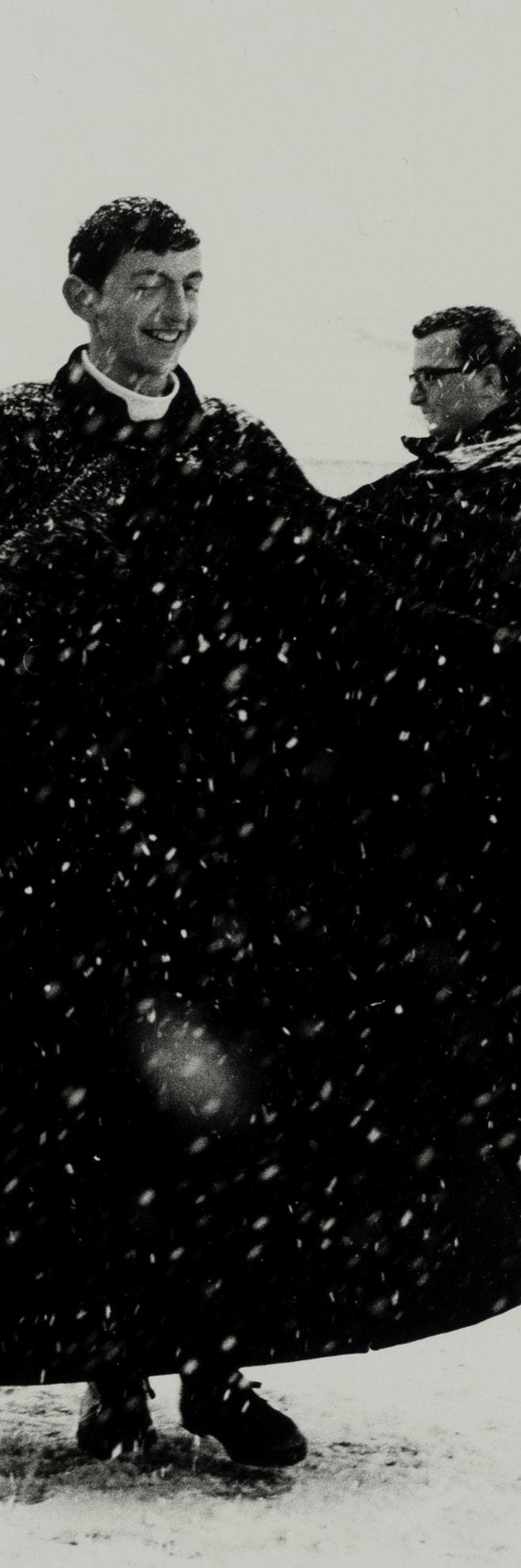
“Io non ho mani che mi accarezzino il volto” is his best-known and most highly regarded work because, in the blinding white of the snow against which the black of the seminarians’ robes stands out, it embodies the most striking features of Giacomelli’s style. However, this image must be studied carefully, for the contrast is metaphorical rather than merely aesthetic, juxtaposing the carefree cheerfulness of the subjects with the emotional loneliness that awaits them. Nor should we forget that here the true spirit of the photographer from Senigallia is revealed: that of being a refined interpreter of poetry, in this case of the eponymous poem by David Maria Turoldo. Truly fascinating. “Scanno” (the only Italian photograph featured in the 1964 exhibition “The Photographer’s Eye” at MoMA) is a veritable exercise in compositional style: the two women in the foreground, crossing the space diagonally, are contrasted, in a brilliant shift of perspective, by the figure of the child advancing directly towards the lens. Alongside these two masterpieces, we finally find one of his highly original landscapes, which is even more distinctive here thanks to the composition that emphasises the stark contrast between the shaded areas and the brighter ones, which seem to stand guard over that intensely worked land.
“Io non ho mani che mi accarezzino il volto” è il lavoro più noto e apprezzato perché contiene, nel bianco accecante della neve su cui si staglia il nero delle tonache dei seminaristi, le caratteristiche più evidenti dello stile di Giacomelli. Bisogna però studiarla bene questa immagine perché il contrasto più che estetico è metaforico, mettendo a confronto l’allegria spensierata dei protagonisti e la solitudine affettiva che li aspetta. Non bisogna poi dimenticare che qui si rivela il vero animo del fotografo di Senigallia, quella di essere un raffinato interprete della poesia, in questo caso della lirica omonima di David Maria Turoldo. Decisamente affascinante. “Scanno” (unica fotografia italiana presente nella mostra “The Photographers Eye” del 1964 al MoMA) è un vero e proprio esercizio di stile compositivo: alle due donne che in primo piano attraversano diagonalmente lo spazio si contrappone, in un geniale spostamento prospettico, la figura del bambino che avanza frontalmente verso l’obiettivo. Accanto a questi due capolavori ecco, infine, uno dei suoi originalissimi paesaggi che qui è ancor più particolare grazie alla composizione che sottolinea il forte contrasto fra le zone in ombra e quelle più luminose, che sembrano fare la guardia a quel terreno intensamente lavorato.
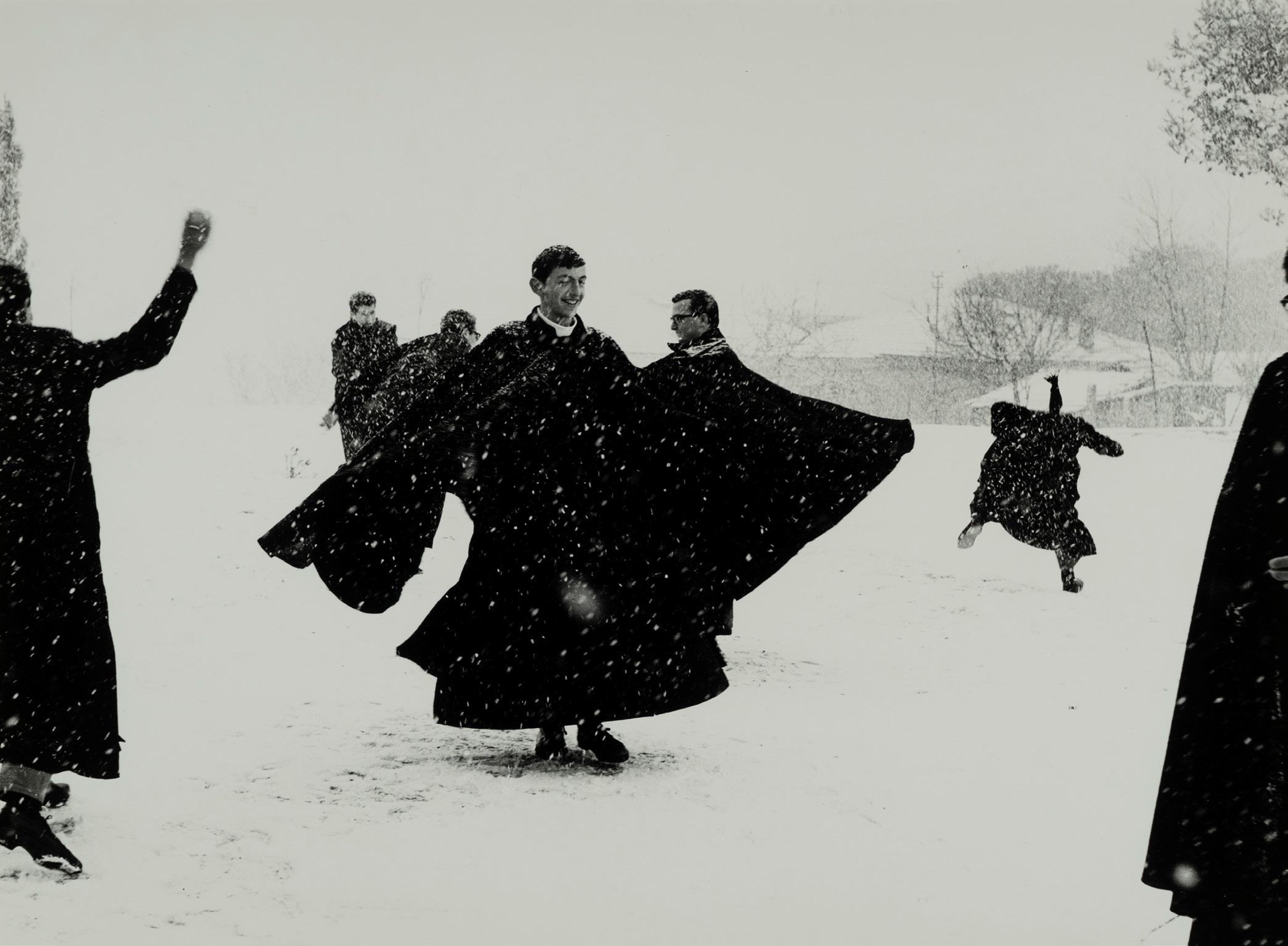
Io non ho mani che mi accarezzino il volto, 1961/1963
Gelatin silver print, printed in 1980, mounted on original passepartout
cm 30 x 40 (cm 44,5 x 54,5 passepartout) |
11.8 x 15.7 in. (57.5 x 21.5 in. passepartout)
Signed in pencil with photograper’s credit stamp on the verso and titled, signed and dated in pencil on the passepartout recto
Framed
(Firmata a matita con timbro del fotografo al verso e titolata, firmata e datata a matita al passepartout recto; Opera in cornice)
€ 3.500 - 4.500
1047® MARIO GIACOMELLI (1925-2000)
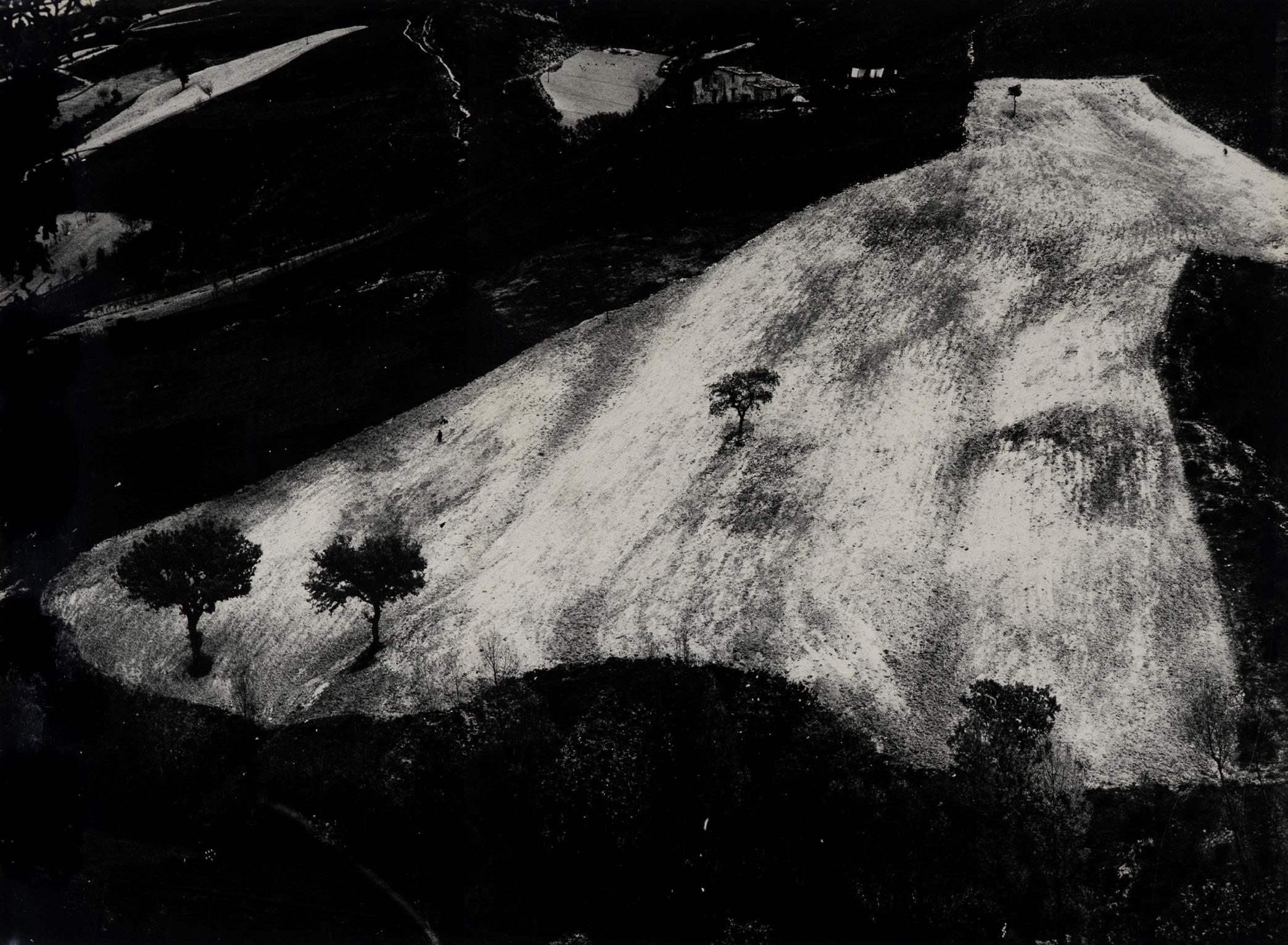
Paesaggio, 1968
Vintage gelatin silver print, printed in 1973 cm 47,6 x 64,6 | 18.7 x 25,4 in.
Signed and dated in pencil on the verso (Firmata e datata a matita al verso)
LITERATURE
A. Crawford (edited by), Mario Giacomelli, Phaidon, Londra, 2001, p. 318
€ 2.000 - 3.000
1048® MARIO GIACOMELLI (1925-2000)
MARIO GIACOMELLI (1925-2000)
Scanno, 1957
Gelatin silver print, printed in 1980s cm 30,2 x 40,2 | 11.9 x 15.8 in. Signed in black ink on the image (Firmata a penna nera sull’immagine)
LITERATURE
A. Crawford (edited by), Mario Giacomelli, Phaidon, London, 2001, p. 295 J. Szarkowski (edited by), Looking at Photographs: 100 Pictures from the Collection of The Museum of Modern Art, New York Graphic Society Ltd., 1973, p. 185
€ 4.000 - 5.000
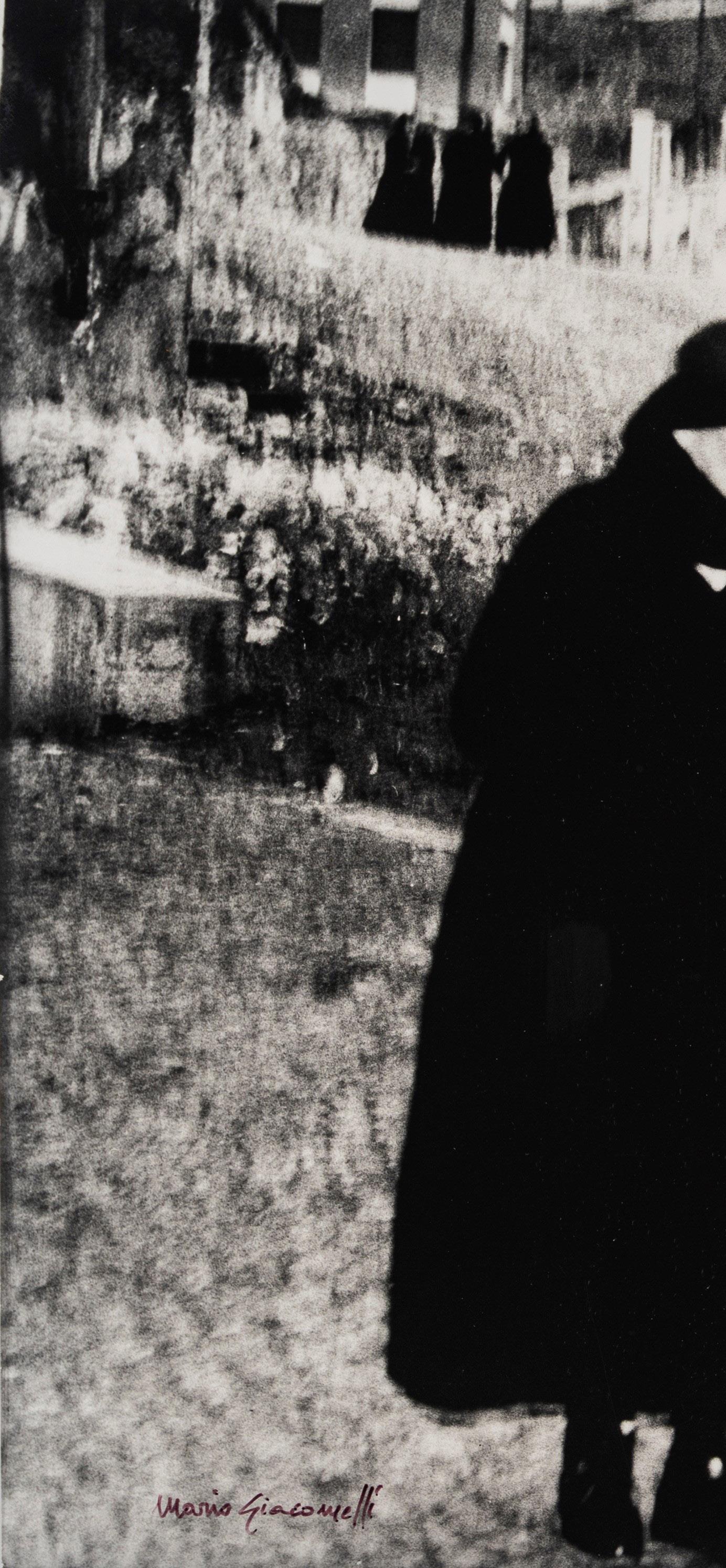
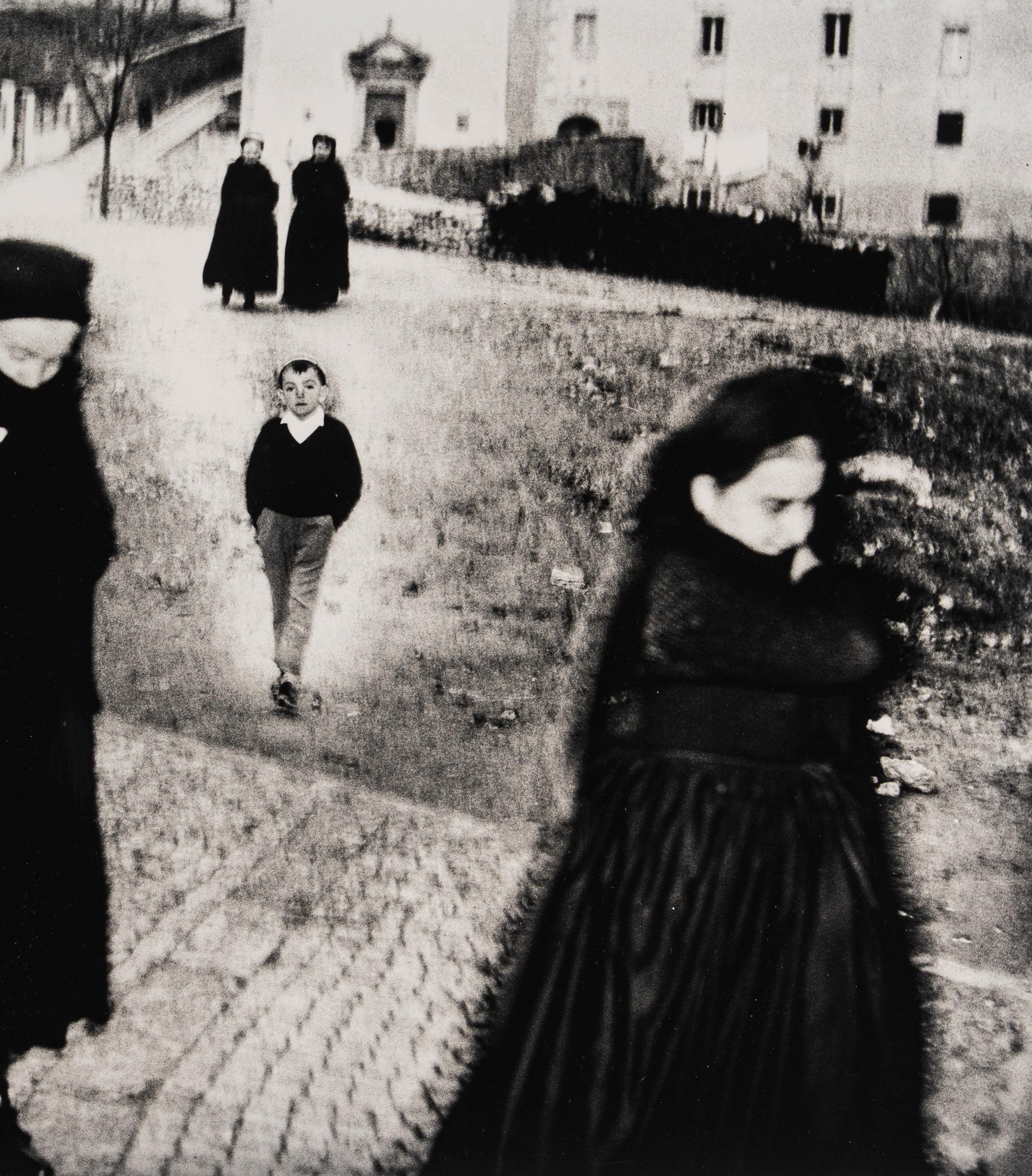
Paolo Gioli (Sarzano di Rovigo, Rovigo 1942 - Lendinara, Rovigo 2022) has a dazzling education between Venice at the Academy of Fine Arts and New York where in 1967-1968 he is in contact with New American Cinema, the New York School and the gallery owners Leo Castelli and Martha Jasckson. Equally important in this period is his meeting with his friend Paolo Vampa, who supports and produces his work. Back in Italy, he made the first of his many experimental films in Rome and became interested in photography, using a camera he modified for photofinishing, bringing these experiences during the period 1970-1980 to Milan. There he discovered the expressive potential of Polaroid and the magic of pinhole imaging with works exhibited in the following years in important galleries in Milan, Paris, Arles, New York, Venice, Rome, and Florence. Shy by character, he returned after 1980 to his native city Polesine: by now exhibitions, books and awards certify him as one of the most interesting exponents of research photography not only in Italy.
Paolo Gioli (Sarzano di Rovigo, Rovigo 1942 – Lendinara, Rovigo 2022) ha una folgorante formazione fra Venezia all’Accademia di Belle Arti e New York dove nel 1967-1968 è in contatto con il New American Cinema, la New York School e i galleristi Leo Castelli e Martha Jasckson. Altrettanto importante in questo periodo è l’incontro con l’amico Paolo Vampa, che sostiene e produce il suo lavoro. Rientrato in Italia, a Roma realizza i primi dei suoi numerosi film sperimentali e inizia a interessarsi di fotografia utilizzando una fotocamera da lui modificata per il fotofinish portando poi queste esperienze nel periodo 1970-1980 a Milano. Lì scopre le potenzialità espressive della Polaroid e la magia dell’immagine stenopeica con lavori esposti negli anni successivi in importanti gallerie di Milano, Parigi, Arles, New York, Venezia, Roma, Firenze. Schivo di carattere, torna dopo il 1980 nel suo Polesine: ormai mostre, libri e riconoscimenti lo certificano come uno dei più interessanti esponenti della fotografia di ricerca non solo italiana.
Paolo Gioli
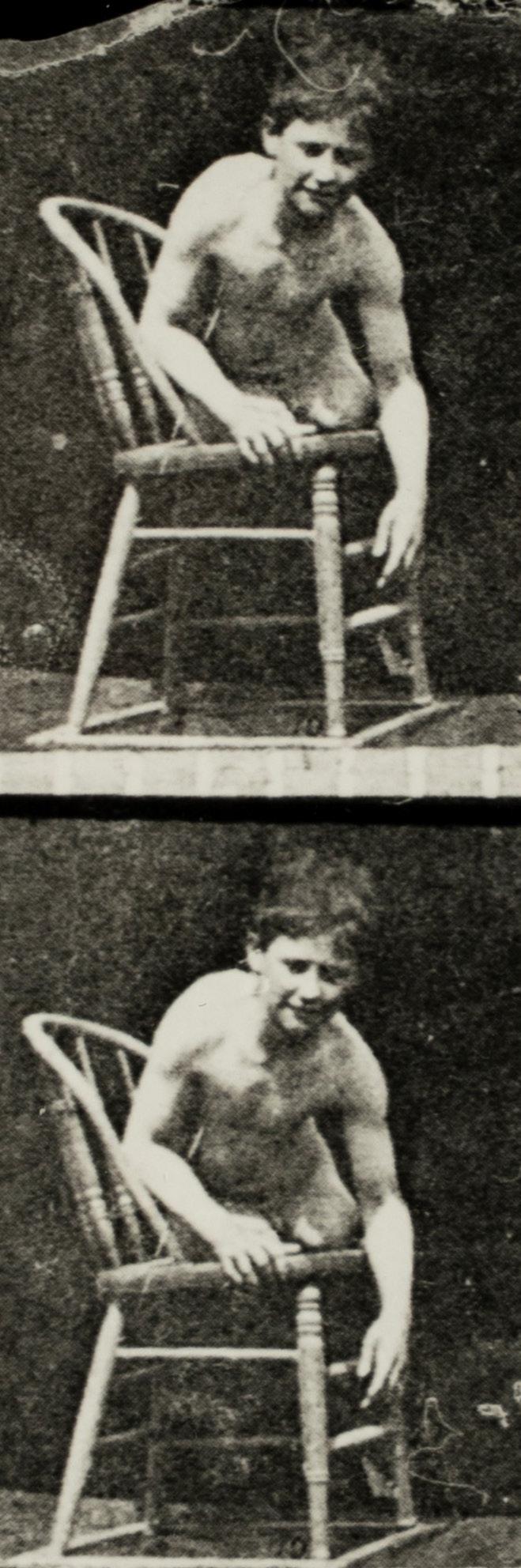
In the works that we present here, the close relationship that Paolo Gioli has had since the beginning between cinema and photography is emphasized, languages that he immersed in a particular dimension, that of research. Precisely to remember that both of them, before arriving at the reassuring representation of reality, were generated by the restlessness given by the experimentation of materials, he created painful images with which the observer is called to confront. He does so already starting from the dialectical contrast between the history of the past and the use of contemporary materials such as Polaroids: symptomatic is The Naked Assassin which refers to the film of the same name shot in 16 mm. (the author defines it as a filmbook) because Eadweard Muybridge to whom it is dedicated was the one who, by sequencing the frames in pressing sequences, anticipated cinema. Gioli himself writes, recounting that he used three books to reproduce them: “I tried to animate the ink of moving images... but fixed. So, a film taken from printing ink. Incredible, how right Nièpce was. In editing the film I discovered what I could never have discovered by leafing through the three books, that is, an involuntary anticipation of film editing by Muybridge. Indeed, his camera angles appear to us as perfect television cuts of exceptional topicality: direct montages before it was cinema”. Also in Polaroid is the series of The Dissolute Shell where, from the indeterminacy of the pinhole shot, fragments of bodies emerge proposed with a somewhat restrained and somewhat exhibited exuberance.
Nelle opere che qui presentiamo si sottolinea lo stretto rapporto che Paolo Gioli ha fin dagli esordi stretto fra cinema e fotografia, linguaggi da lui immersi in una dimensione particolare, quella della ricerca. Proprio per ricordare che l’uno e l’altra, prima di approdare alla rassicurante rappresentazione del reale, sono state generate dalla inquietudine data dalla sperimentazione dei materiali, ha realizzato immagini sofferte con cui l’osservatore è chiamato a confrontarsi. Lo fa già a partire dalla contrapposizione dialettica fra la storia del passato e l’uso di materiali contemporanei come le Polaroid: sintomatico è L’assassino nudo che si rifà all’omonimo film girato in 16 mm. (l’autore lo definisce un film-libro) perché Eadweard Muybridge cui è dedicato è stato colui che, mettendo in sequenza i fotogrammi in sequenze incalzanti, ha anticipato il cinema. Scrive Gioli stesso raccontando di aver utilizzato, per riprodurli, tre libri: “Ho tentato di animare l’inchiostro di immagini in movimento… ma fisse. Dunque, un film desunto dall’inchiostro di stampa. Incredibile, quanto Nièpce avesse ragione. Nel montare il film ho scoperto quello che non avrei mai potuto scoprire sfogliando i tre libri cioè, una involontaria anticipazione del montaggio filmico da parte di Muybridge. Addirittura, le sue angolazioni di ripresa ci risultano come perfetti stacchi televisivi di eccezionale attualità: montaggi diretti prima che fosse cinema”. Sempre in Polaroid è la serie de La conchiglia dissoluta dove, dall’indeterminatezza della ripresa con foro stenopeico, emergono frammenti di corpi proposti con una esuberanza un po’ contenuta e un po’ esibita.
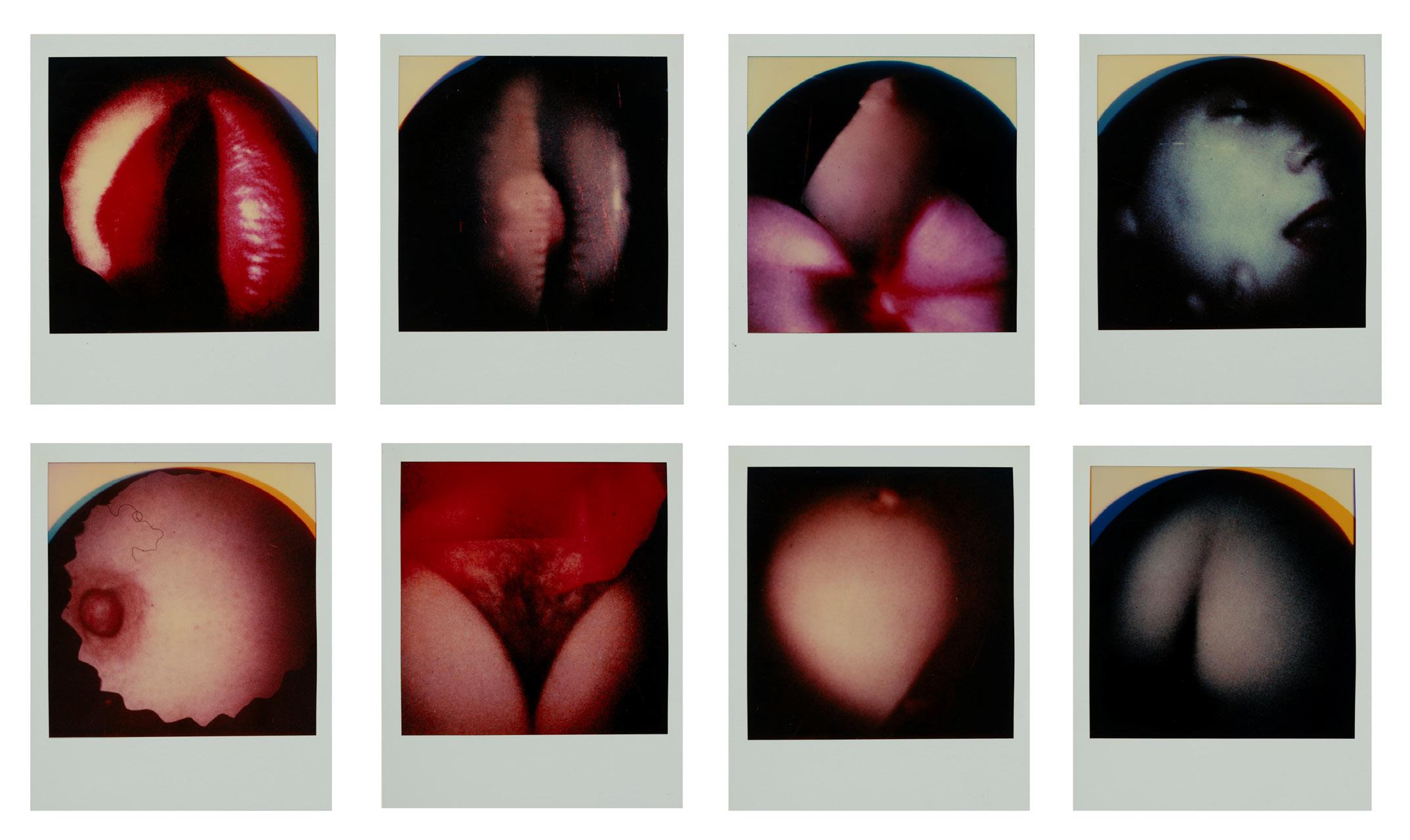

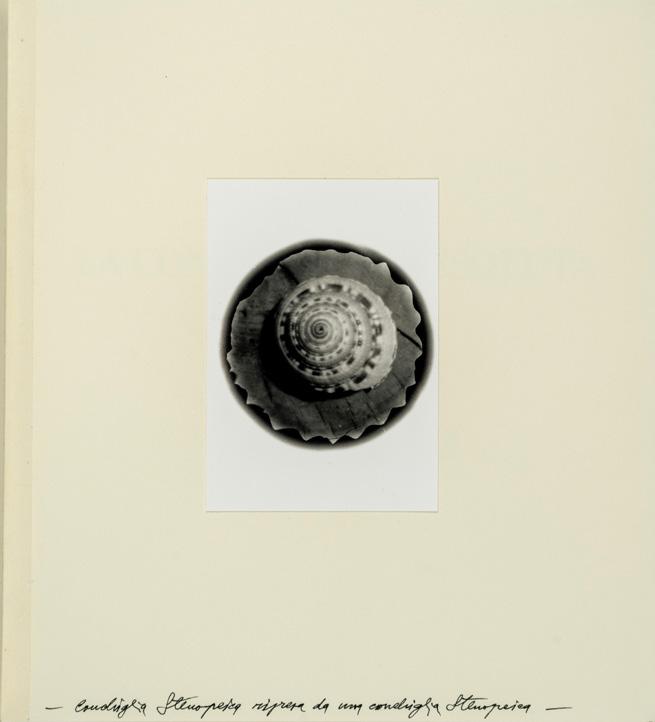
La conchiglia dissoluta, 1990
Eight polaroids applied in book pages
cm 28,5 x 25,5 x 1 (book) ; cm 10,8 x 8,8 (each polaroid) | 11.2 x 10 x 0.8 in. (book) ; 4.3 x 3.5 in. (each polaroid)
Edition 43 of 50 (polaroids uinque works)
Book numbered and signed in black ink on the last page (Edizione 43 di 50 (le polaroid opere uniche); Libro numerato e firmato a penna nera all’ultima pagina)
€ 2.000 - 3.000
1050® PAOLO GIOLI (1942-2022)
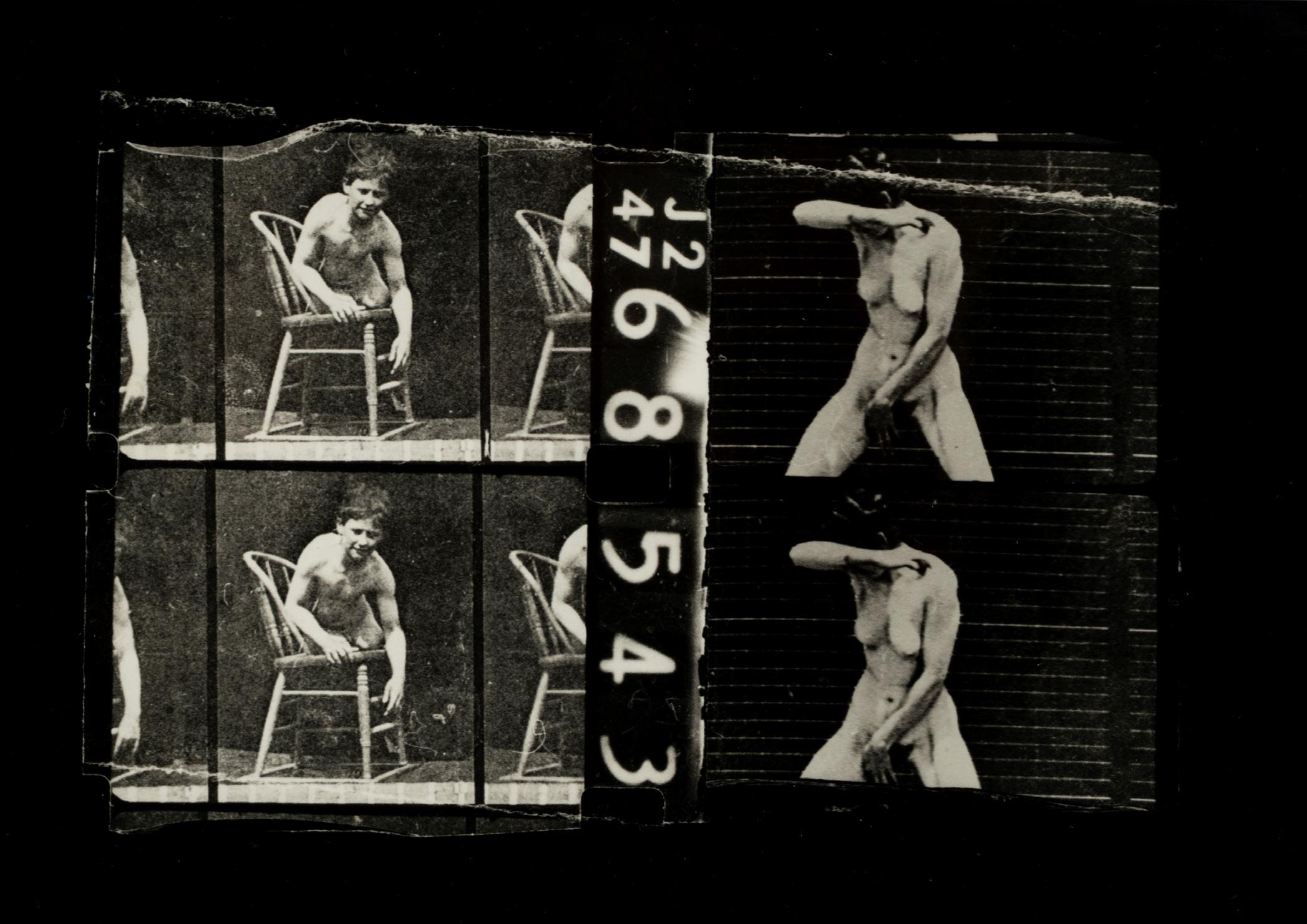
“L’assassino nudo” (Muybridge), 1984
Gelatin silver print
cm 12,4 x 17,5 | 4.9 x 6.9 in.
Signed, titled and dated in black ink on the verso (Firmata, titolata e datata a penna nera al verso)
€ 1.000 - 1.500
1051® PAOLO GIOLI (1942-2022)
Frank Horvat (Abbazia, Croatian 1928 – Paris, France 2020) from a Jewish family, escaped to Switzerland where he sold his stamp collection and bought a camera with which, having moved to Milan in 1947, he began a career that would change when in Paris he met Cartier-Bresson and Capa who initiated him into reportage. He implements this on a trip made without a return ticket to India and Pakistan: here he makes images that allow him to collaborate with Life. Another fundamental meeting is with William Klein, who introduces him to the world of fashion and to magazines such as Les Jardin des Modes, Elle, Vogue, Harper’s Bazaar. In the 1990s he is one of the first to experiment with fantastic stories using digital photomontages.
Frank Horvat (Abbazia, Croazia 1928 – Parigi, Francia 2020) di famiglia ebrea, si rifugia in Svizzera dove vende la sua collezione di francobolli e compra una fotocamera con cui, trasferitosi a Milano nel 1947, inizia una carriera che svolterà quando a Parigi incontra Cartier-Bresson e Capa che lo avviano al reportage. Lo attua in un viaggio compiuto senza biglietto di ritorno in India e Pakistan: qui realizza immagini che gli permettono di collaborare con Life. Altro incontro fondamentale è con William Klein che lo introduce nel mondo della moda e a riviste come Les Jardin des Modes, Elle, Vogue, Harper’s Bazaar. Negli anni ’90 è fra i primi a sperimentare storie fantastiche utilizzando fotomontaggi in digitale.
Frank Horvat
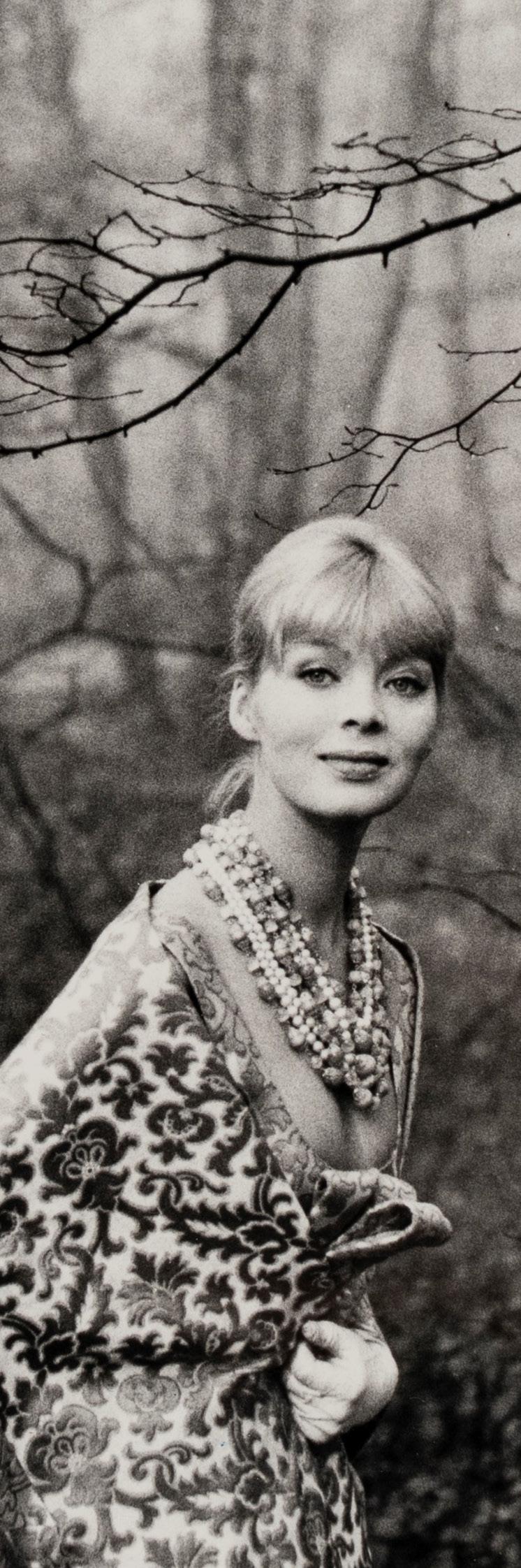
Frank Horvat used to say that he willingly took on work in the fashion industry because, being shy, he found it easier to interact with women. Whether true or not, the fact remains that he brought a different, freer, and more direct approach to that world – the very same approach he employed in his travel reports. Like William Klein, he makes his models move through city streets, chasing them outdoors in a feigned yet carefully staged normality, as these examples clearly demonstrate. We are faced – or so it seems – with two girls striking poses with the simplicity characteristic of young women; they smile at the camera even when in unlikely settings such as a barn and seem like friends on a day out. All this lends Horvat’s images a freshness that is new to the world of fashion.
Frank Horvat raccontava di aver accettato di buon grado il lavoro nella moda perché, essendo timido, poteva entrare più facilmente in contatto con le donne. Vero o falso che sia, sta di fatto che porta in quel mondo un approccio diverso, più libero e diretto, quello stesso che utilizzava nei suoi reportage di viaggio. Come William Klein, fa muovere le sue modelle fra le vie delle città inseguendole in esterni in una finta ma ben studiata normalità come ben dimostrano questi esempi. Siamo di fronte – almeno così sembra – a due ragazze che si mettono in posa con la semplicità che caratterizza le giovani, sorridono all’obiettivo anche quando si trovano in situazioni improbabili come quella di una stalla e sembrano delle amiche in gita. Tutto questo conferisce alle immagini di Horvat una freschezza nuova per il mondo della moda.
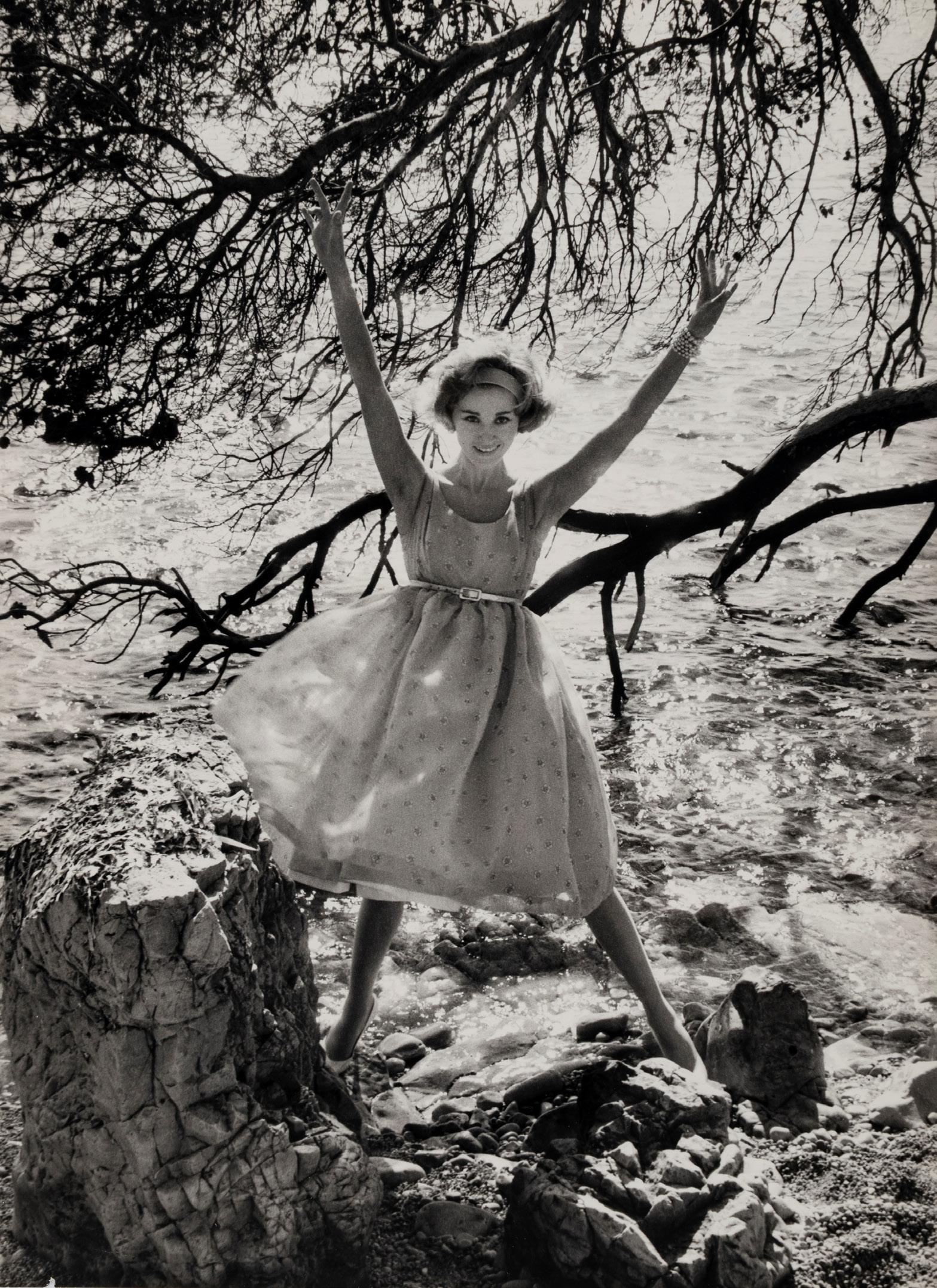
€ 600 - 900
|
1052® FRANK HORVAT (1928-2020)
Untitled (Fashion), 1960s
Vintage gelatin silver print
cm 30,3 x 22,4
11.9 x 8.8 in.
Photographer’s credit stamp on the verso (Timbro del fotografo al verso)
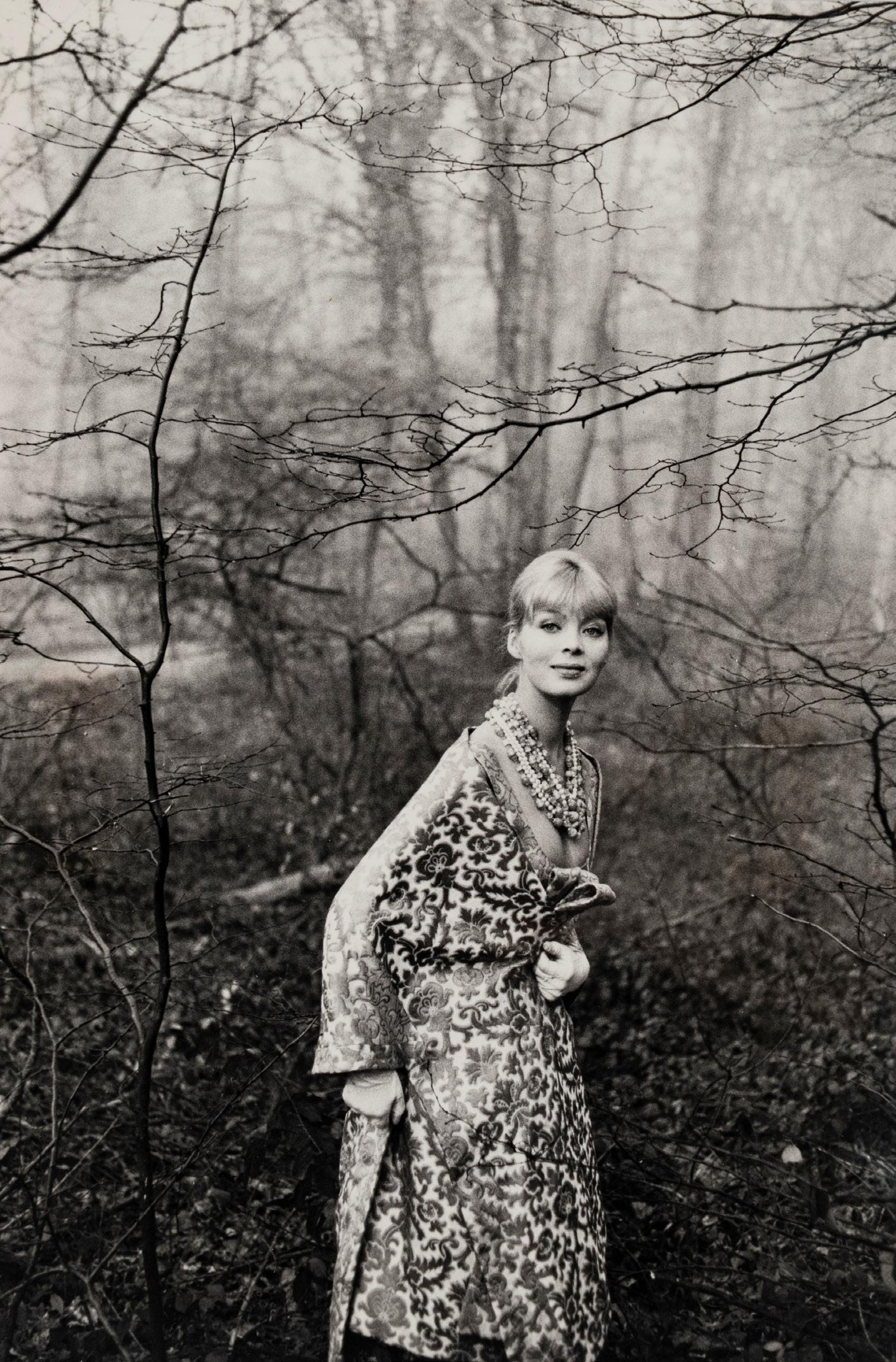
Untitled (Fashion), 1960s
Vintage gelatin silver print
cm 29,7 x 20,4 | 11.7 x 8 in.
Photographer’s credit stamp on the verso (Timbro del fotografo al verso)
€ 600 - 900
1053®
FRANK HORVAT (1928-2020)
Mimmo Jodice (Naples 1934-2025) was interested in art, theatre, music and began as a self-taught artist in drawing and painting. This brought him closer to photography in the early 1960s, which he practised by experimenting with materials, codes and languages, as he was immersed in the neo-avant-garde atmosphere: he breathed it in the galleries of Amelio, Trisorio and Rulla and made it his own by frequenting artists such as Warhol, De Dominicis, Beuys, Kosuth and Kounellis. He expanded his interests first to anthropology and then to a new definition of urban space, which remains, together with his research into myth, his fundamental contribution to the non-documentary image confirmed in exhibitions, books and in awards such as his two honorary degrees in architecture in Italy and Switzerland.
Mimmo Jodice (Napoli 1934-2025) si interessa di arte, teatro, musica ed esordisce da autodidatta in disegno e pittura. Ciò lo avvicina nei primi anni ’60 alla fotografia che svolge sperimentando materiali, codici, linguaggi immerso come era nel clima delle neoavanguardie: lo respira nelle gallerie di Amelio, Trisorio, Rulla e lo fa proprio frequentando artisti come Warhol, De Dominicis, Beuys, Kosuth, Kounellis. Allarga gli interessi prima all’antropologia e poi a una nuova definizione dello spazio urbano che resta, assieme all’indagine sul mito, il suo fondamentale contributo all’immagine non documentaristica ribadita in mostre, libri e in riconoscimenti come le due lauree in architettura honoris causa in Italia e Svizzera.
Mimmo Jodice
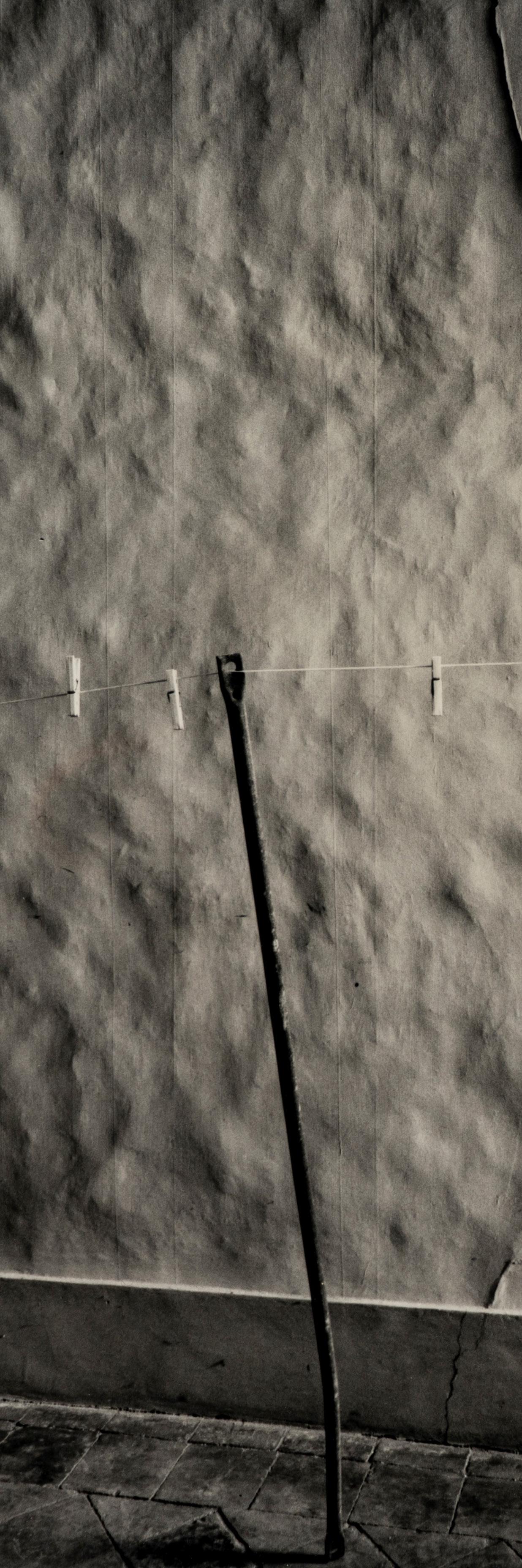
A beautiful title of a recent solo exhibition defines Mimmo Jodice’s research well because the enigma of light is the characteristic that helps us to understand that very particular charm that emanates from images such as those proposed here. To understand them, we need to go back to the times when Jodice, by his own admission, having accepted that the change he had believed in in the 70s was not possible, implements a turning point both ethical and aesthetic that leads him to show a Naples without people but not without soul. What he is looking for thus becomes a search for what space can tell, as is clearly evident in this image where the subject, a wall shot inside Suor Orsola Benincasa, reveals itself in a synthesis between emptiness and full of strong poetic value. The surface of the wall reveals to light all its roughness that become metaphors while a clothesline bursts onto the scene, displacing those who observe its simple, admirable balance.
Un bel titolo di una recente mostra personale definisce bene la ricerca di Mimmo Jodice perché l’enigma della luce è la caratteristica che ci aiuta a comprendere quel particolarissimo fascino che emana da immagini come quelle qui proposte. Per comprenderle bisogna risalire ai tempi in cui Jodice, per sua stessa ammissione, avendo accettato che il cambiamento in cui aveva creduto negli anni ’70 non era possibile, attua una svolta insieme etica ed estetica che lo porta a mostrare una Napoli senza persone ma non senza anima. Quello che va cercando diventa così una ricerca di quanto lo spazio sa raccontare, come è ben evidente in questa immagine dove il soggetto, un muro ripreso all’interno di Suor Orsola Benincasa, si rivela in una sintesi fra vuoto e pieno di forte valenza poetica. La superficie del muro rivela alla luce tutte le sue asperità che divengono metafore mentre una corda da bucato irrompe sulla scena spiazzando chi ne osserva il semplice, mirabile equilibrio.
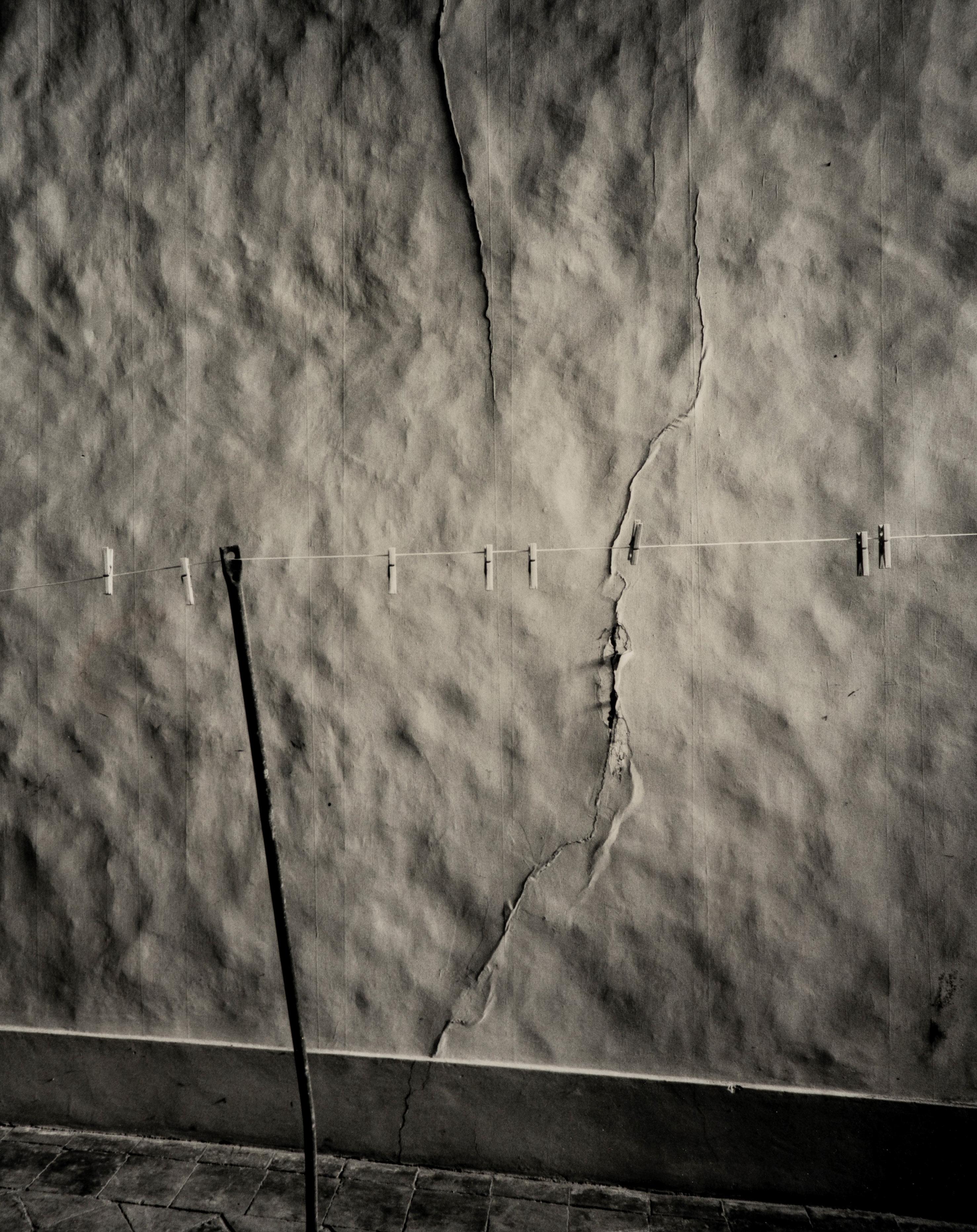
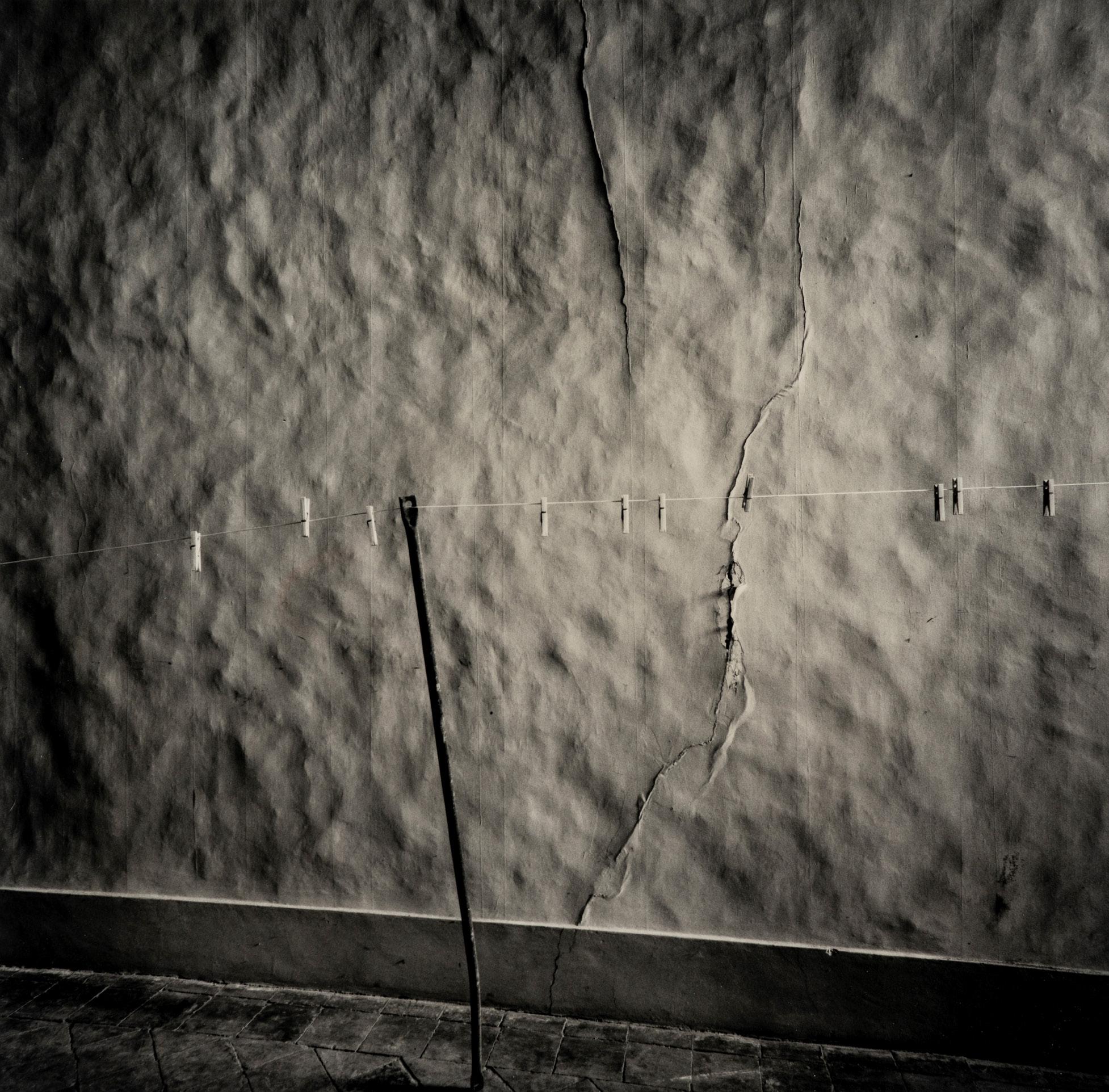
1054®
MIMMO JODICE (1934-2025)
Napoli, 1989
Vintage gelatin silver print
cm 39 x 49 (cm 33 x 33,5 picture) | 15.4 x 19.3 in. (13 x 13.2 in. picture)
Titled, dated and signed in pencil on the verso
Framed
(Titolata, datata e firmata a matita al verso; Opera in cornice)
LITERATURE
Mimmo Jodice, Perdersi a guardare, Contrasto, Milan, 2007, p. 41
€ 1.500 - 2.500
Giuseppe Leone (Ragusa 1936-2024), unlike most Sicilian photographers, did not leave his region and indeed he was particularly anchored to the territory of Ragusa, which he included in his many books at the center of his vision, where the landscape is understood as a stage of life. Favoring black and white because it is more suitable for excavation towards the essence of things (but there is no shortage of brilliant examples of color images) and the polite tone of his compositions, he has created with his photographs a world investigated with a gaze proudly claimed as anthropological. This was the result of his youthful experience as a wedding photographer that led him to work in the field of aesthetics that he himself inscribed in the context of neorealism.
Giuseppe Leone (Ragusa 1936-2024) al contrario della maggior parte dei fotografi siciliani non ha lasciato la sua regione ed anzi si è particolarmente ancorato al territorio di Ragusa che ha inserito nei suoi moltissimi libri al centro della sua visione dove il paesaggio è inteso come palcoscenico della vita. Privilegiando il bianco e nero perché più adatto allo scavo verso l’essenza delle cose (ma non mancano brillanti esempi di immagini a colori) e il tono garbato delle sue composizioni, ha creato con le sue fotografie un mondo indagato con sguardo orgogliosamente rivendicato come antropologico. Questo era il frutto della giovanile esperienza di fotografo di matrimonio che lo induce a lavorare nell’ambito dell’estetica da lui stesso inscritta nel contesto del neorealismo.
Giuseppe
Giuseppe Leone
It is not easy to photograph Sicilian religious festivals without falling into easy rhetoric or, worse, into the picturesque, Giuseppe Leone does it – as these two very calibrated photographs well testify – with powerful images that do not follow the slowness that characterizes the paths traditionally taken by the faithful, but seem to be crossed by a heated dynamism. Each one collects in a single shot a story such as that of the girl who looks out at the passage of the statues of the saints as if she wanted to project herself into the arms of the bearers or the one that captures, in a shot enriched by the vertical composition, the men on horseback who open the procession anticipating it with the sound of the drum.
Non è facile fotografare le feste religiose siciliane senza cadere nella facile retorica o, peggio, nel pittoresco, Giuseppe Leone lo fa – come ben testimoniano queste due calibratissime fotografie –con immagini potenti che non seguono la lentezza che caratterizza i percorsi tradizionalmente compiuti dai fedeli, ma sembrano attraversate da un acceso dinamismo. Ognuna raccoglie in una sola ripresa una storia come quella della ragazza che si affaccia al passaggio delle statue dei santi come volesse proiettarsi fra le braccia dei portatori o quella che coglie, in una ripresa arricchita dalla composizione verticale, gli uomini a cavallo che aprono il corteo anticipandolo con il suono del tamburo.
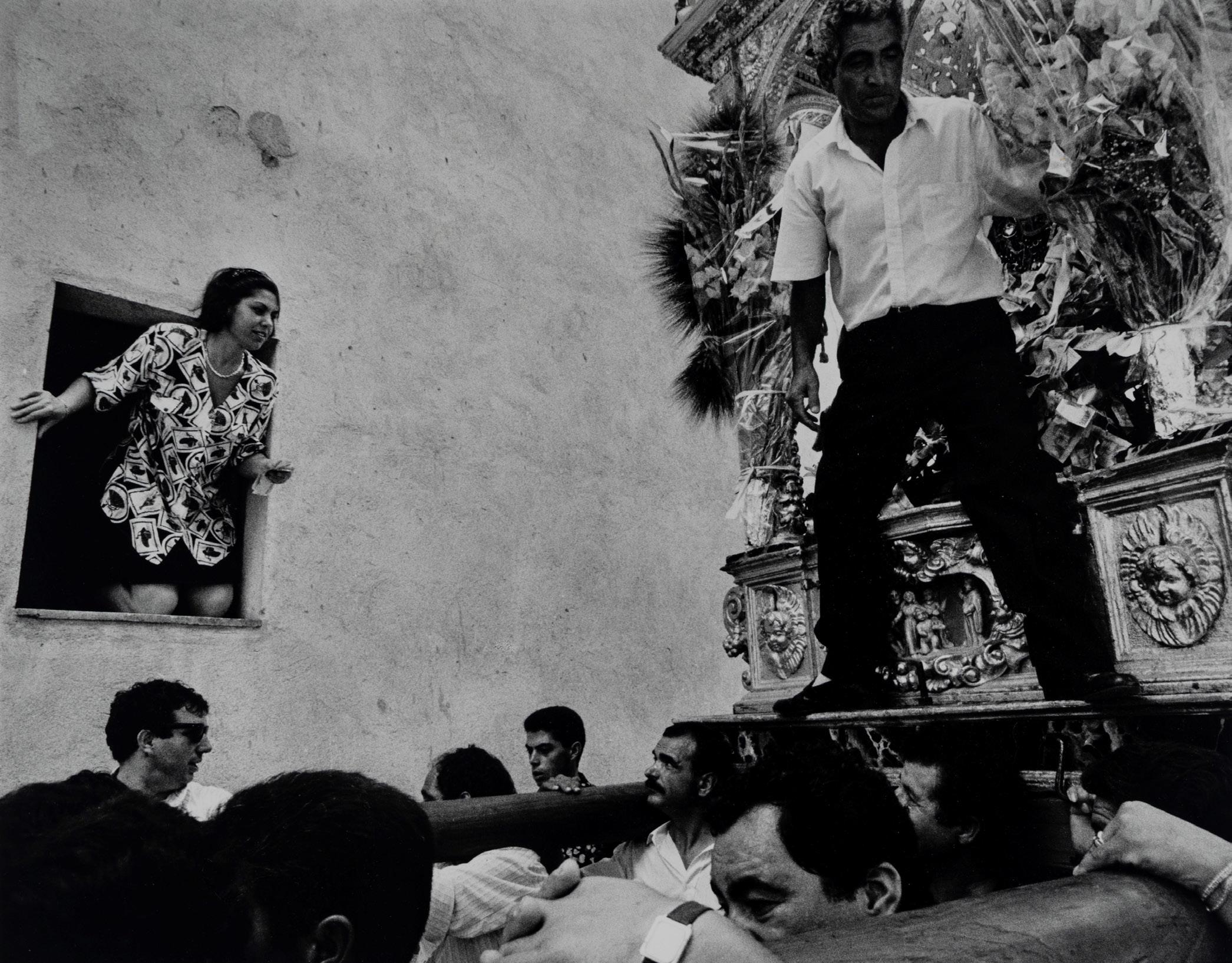
Frazzanò, Nebrodi, San Lorenzo, 1980s
cm 24 x 30,5 (cm 22,8 x 29 picture) | 9.4 x 12 in. (8.9 x 11.4 in. picture)
Photographer’s credit stamp on the verso (Timbro del fotografo al verso)
€ 200 - 300
1055®
GIUSEPPE LEONE (1936-2024)
Gelatin silver print
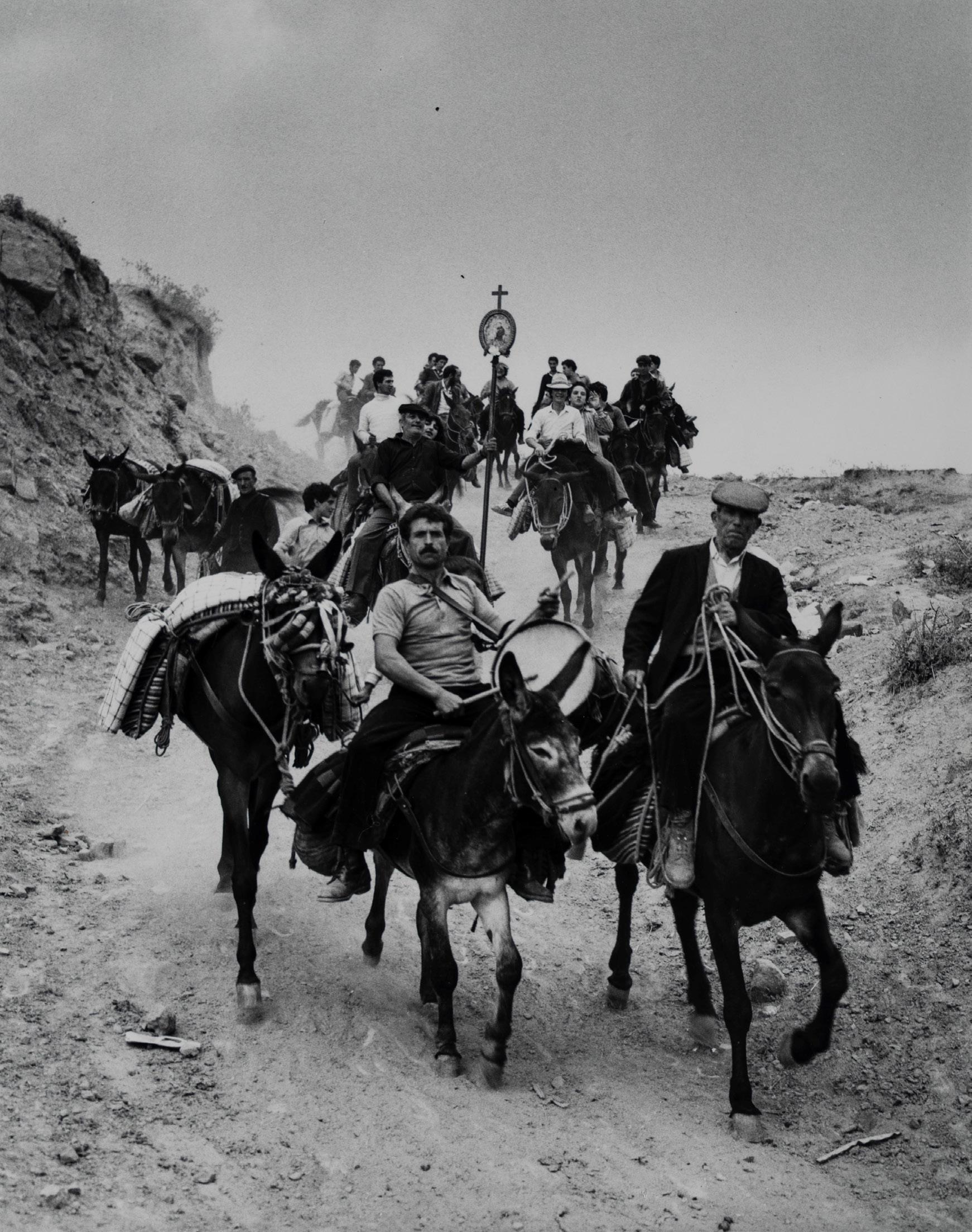
Cannedda, Festa di San Antonio, Capizzi, 1980s
Gelatin silver print
cm 30,5 x 23,8 (cm 29 x 22,2 picture) | 12 x 9.3 in. (11.4 x 8.7 in. picture)
Photographer’s credit stamp on the verso (Timbro del fotografo al verso)
€ 200 - 300
1056® GIUSEPPE LEONE (1936-2024)
Massimo Listri (Florence, 1953) began working at seventeen during his high school years portraying great cultural personalities in black and white, but his attention soon turned to architecture. The meeting with the publisher Franco Maria Ricci marked a real turning point in his career because for the sophisticated magazine FMR he realised photo shoots interpreting the most beautiful public and private buildings in exteriors and above all interiors, creating an archive that allowed him to publish 80 books with European and American publishers and to organise many exhibitions in the most important institutions all over the world.
Massimo Listri (Firenze, 1953) comincia a lavorare diciassettenne negli anni liceali ritraendo in bianco e nero grandi personaggi della cultura, ma presto la sua attenzione è rivolta alle architetture. L’incontro con l’editore Franco Maria Ricci segna una vera svolta nella sua carriera perché per la raffinata rivista FMR realizza servizi interpretando in esterni e soprattutto in interni i più bei palazzi pubblici e privati creando un archivio che gli ha permesso di pubblicare 80 libri con editori europei e statunitensi e di allestire moltissime mostre nelle più importanti istituzioni di tutto il mondo.
Massimo
Massimo Listri
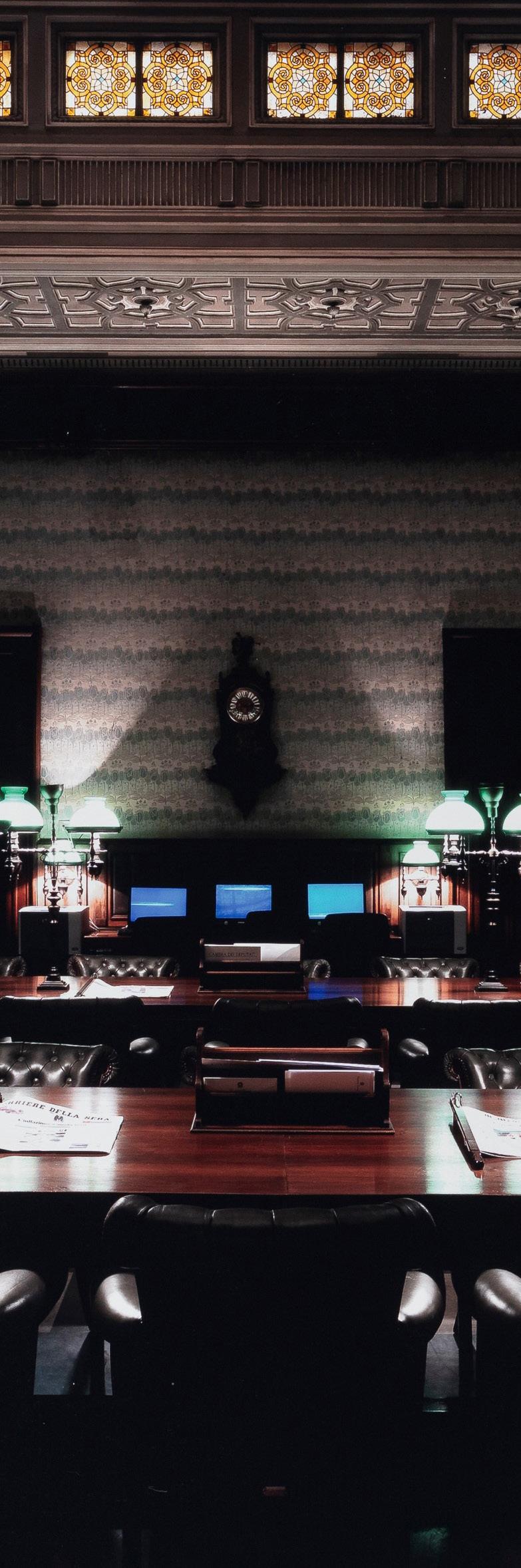
Massimo Listri does not study the places he photographs, he prefers to be guided by his intuitions and by the harmony with the subjects deriving from the love he has for harmony and beauty. Although he now shoots with more manageable digital cameras, having used the optical bench for years has taught him a valuable compositional ability well highlighted in this image of an institutional place that characterizes his style, the result of careful work and a few very studied images. In the shot of Montecitorio he uses the natural symmetry of the large room to give the image the austerity that the seat of Parliament deserves. The large size of the images is a conscious stylistic choice by Listri that allows you to fully appreciate lines, shadows, details, thus making it clear that, if the human figure does not appear, its presence is always felt.
Massimo Listri non studia i luoghi che fotografa, preferisce farsi guidare dalle sue intuizioni e dalla sintonia con i soggetti derivante dall’amore che nutre per l’armonia e il bello. Anche se ora scatta con fotocamere digitali più maneggevoli, l’aver usato per anni il banco ottico gli ha insegnato una pregevole capacità compositiva ben evidenziata in questa immagine di un luogo istituzionale che caratterizza il suo stile frutto di un lavoro accurato e di poche immagini molto studiate. Nella ripresa di Montecitorio usa il naturale simmetrismo della grande sala per conferire all’immagine l’austerità che merita la sede del Parlamento. Le grandi dimensioni delle immagini sono una consapevole scelta stilistica di Listri che consente di apprezzare appieno linee, ombre, particolari facendo così capire che, se la figura umana non compare, la sua presenza si sente sempre.
MASSIMO LISTRI (1955)
Montecitorio, 2009
C-print, mounted on dibond cm 120 x 150 | 47.2 x 59 in.
Edition 1 of 5
Titled, numbered, signed and dated in black felt pen on the verso Framed
(Edizione 1 di 5; Titolata, numerata, firmata e datata a pennarello nero al verso; Opera in cornice)
€ 3.000 - 4.000
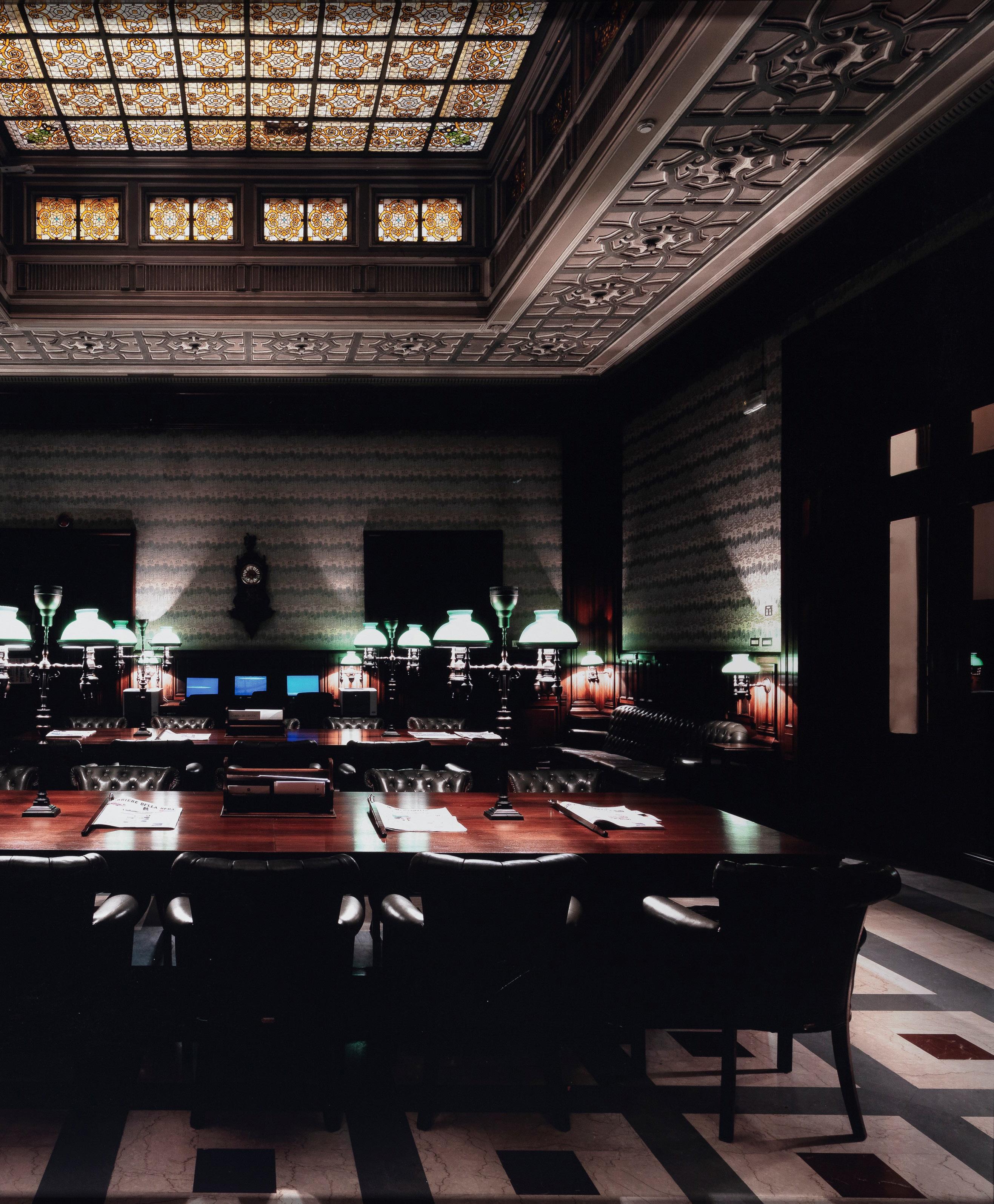
Nino Migliori (Bologna 1926) is an author with an extraordinary vitality and a desire for research so intense that it has led him, since 1948 when he began his professional career, to work on two parallel lines. On one hand he has expressed himself with classical images in the style of straight photography and on the other, having frequented the Venetian milieu of Peggy Guggenheim, he has developed an incessant research on media and materials as well as on the relationship with conceptualism, the informal and the historical avant-garde as shown by the creation in 1982 of the futurist-inspired group Abrecal. Impossible here to mention all the exhibitions exhibited around the world, monographic volumes, teaching activities carried out in universities as kindergartens, and that of incessant cultural organizer. Since 2016 he has established a Foundation that bears his name.
Nino Migliori (Bologna 1926) è un autore dotato di una straordinaria vitalità e di un desiderio di ricerca così’ intenso da averlo portato, fin dal 1948 quando ha iniziato la sua carriera professionale, a lavorare su due linee parallele. Da un lato si è espresso con immagini classiche nello stile della straight photography e dall’altro, avendo frequentato l’ambiente veneziano di Peggy Guggenheim, ha sviluppato una incessante ricerca sui mezzi e i materiali come anche sul rapporto con il concettualismo, l’informale e le avanguardie storiche come dimostra la creazione nel 1982 del gruppo di ispirazione futurista Abrecal. Impossibile qui ricordare tutte le mostre esposte in tutto il mondo, i volumi monografici, l’attività didattica svolta nelle università come scuole d’infanzia e quella di incessante organizzatore culturale. Dal 2016 ha istituito una Fondazione che porta il suo nome.
Nino Migliori
The two photographs presented here vividly illustrate the two artistic approaches that Nino Migliori consistently pursued –simultaneously, it should be emphasised. Part of the “People of Emilia” series, which forms part of the neorealist-inspired trilogy comprising “Gente del Nord” and “Gente del sud”, produced in the 1950s, At a certain point, “Il tuffatore” somewhat unexpectedly takes on a strong autonomy of its own, eventually becoming one of the Bolognese photographer’s best-known (and most sought-after) photographs, not least for its ability to combine the classicism of a refined black-and-white image with the originality of a shot imbued with a bold contemporary spirit. This splendid “Ossidazione” – we have decided to call it by the term denoting the technique used to create it, even though, like any abstract work, it proudly rejects a title – belongs to the wide and varied series of explorations pursued by Migliori. These range from works drawn from history, such as collages, photograms, clichéverre, pinhole images and calotypes, to Polaroid manipulations. Not to mention hydrograms, pyrograms, lucigrams, photographs taken by candlelight or inserted into candles. All to demonstrate that imagination knows no bounds.
Le due fotografie che qui presentiamo raccontano con immediata efficacia le due linee espressive che Nino Migliori ha sempre perseguito facendolo, è bene sottolinearlo, in contemporanea. Inserito nella serie “Gente dell’Emilia”, parte con “Gente del Nord” e “Gente del Sud” della trilogia di gusto neorealista realizzata negli anni ’50, Il tuffatore a un certo punto assume un po’ inaspettatamente una sua forte autonomia fino a diventare una delle fotografie più note (e richieste) del fotografo bolognese anche per la sua capacità di coniugare la classicità di un garbato bianco e nero con l’originalità di una ripresa dotata di una audace contemporaneità. Questa splendida “Ossidazione” – decidiamo di chiamarla con il termine che indica la tecnica usata per realizzarla nonostante come ogni opera astratta orgogliosamente rifiuti un titolo – appartiene all’ampia e variegata serie di ricerche perseguite da Migliori. Si passa da quelle pescate dalla storia come i collage, i fotogrammi, i cliché-verre, le immagini realizzate con il foro stenopeico e i calotipi alle elaborazioni Polaroid. Questo senza dimenticare idrogrammi, pirogrammi, lucigrammi, fotografie realizzate a lume di candela o inserite in candele. Per dimostrare che la fantasia non conosce confini.
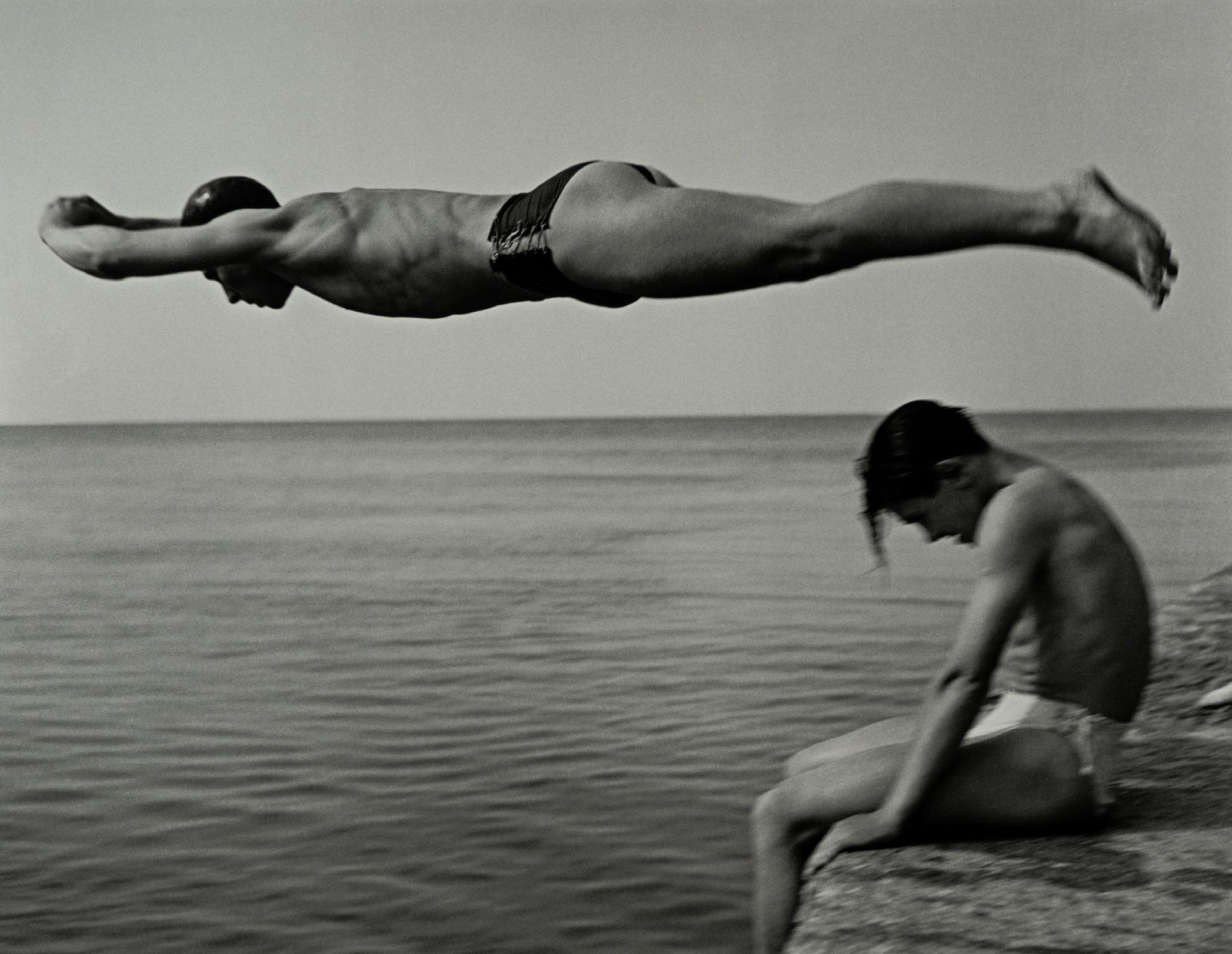
1058®
NINO MIGLIORI (1926)
Il tuffatore, 1951
Inkjet print, printed in 2010 cm 34 x 43 (cm 31 x 40 picture) | 13.4 x 16.9 in. (12.2 x 15.7 in. picture)
Titled, dated and signed in pencil with photographer’s credit stamp on the verso
Framed
(Titolata, datata e firmata a matita con timbro del fotografo al verso Opera in cornice)
LITERATURE
Segni: Nino Migliori, Damiani Editore, Bologna, 2004, p. 11
A. Mauro and D. Curti (edited by), Nino Migliori, La materia dei sogni, Contrasto, Rome, 2012, pp. 64-65 MART.LA FOTOGRAFIA DELLA COLLEZIONE TREVISAN. Con gli occhi, con il cuore, con la testa, Silvana Editoriale, Milan 2012, p. 105
€ 3.000 - 4.000
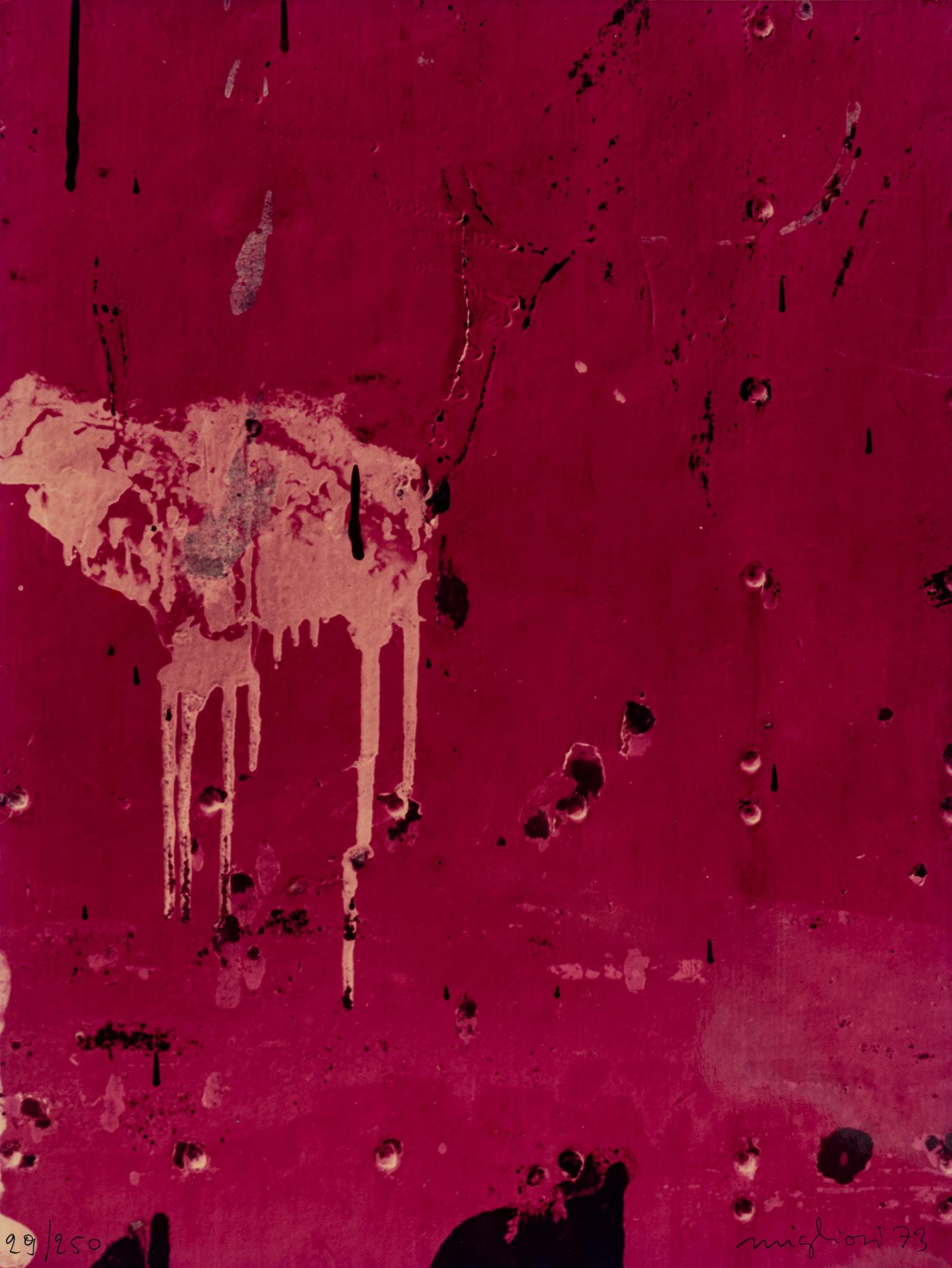
Untitled (Oxidation), 1973
Vintage chromogenic print
cm 39,6 x 30 | 15.6 x 11.8 in.
Edition 29 of 250
Numbered, signed and dated in black ink on the image (Edizione 29 di 250; Numerata, firmata e datata a penna nera sull’immagine)
€ 1.000 - 1.500
1059®
NINO MIGLIORI (1926)
Riccardo Moncalvo (Turin 1915 - 2008) has always combined professional work done in the Atelier of Artistic and Industrial Photography founded in 1925 by his father Carlo Emilio and personal research. A member of the historic Subalpine Photographic Society, he started by publishing in the prestigious “Lights and Shadows Yearbook.” Also technically ingenious, he was among the first in Italy to use the handy Leica camera on which he applied a rotating turret to more quickly use three lenses of different focal lengths. He worked for architects such as Carlo Mollino and Ettore Sottsass and published several books. His laboratory was one of the first in the postwar period to make the first professional photographic prints.
Riccardo Moncalvo (Torino 1915 – 2008) ha sempre coniugato lavoro professionale svolto nell’Atelier di Fotografia Artistica e Industriale fondato nel 1925 dal padre Carlo Emilio e ricerca personale. Membro della storica Società Fotografica Subalpina, inizia pubblicando sul prestigioso “Annuario Luci e Ombre”. Ingegnoso anche dal punto di vista tecnico fu fra i primi in Italia a utilizzare la maneggevole fotocamera Leica su cui applicò una torretta girevole per utilizzare più rapidamente tre obiettivi di diverse lunghezze focali. Ha lavorato per architetti come Calo Mollino ed Ettore Sottsass e pubblicato diversi volumi. Il suo laboratorio è stato fra i primi a realizzare, nel dopoguerra, le prime stampe fotografiche professionali.
Riccardo Moncalvo
Moncalvo
At the start of his career, the Turin-based photographer was drawn to the Romantic aesthetic, which he later abandoned – as can easily be seen here – in favour of a more austere and modern style of imagery, inspired by the New Objectivity movement. The essentiality of the lines and the geometric forms are prominent features in *Serpe d’acqua*, a photograph that demonstrates how a view of no particular merit can be captured with deliberate irony and transformed into an interesting subject. Always driven by a deeply innovative spirit, thirty years later Moncalvo ventured into colour: here too, he started from a traditional image to create a work that goes beyond mere description, leading to an exploration of colour played out entirely through the most delicate shades.
All’inizio della sua carriera il fotografo torinese era vicino all’estetica romantica che poi abbandona, come qui si può facilmente constatare, per avvicinarsi a un tipo di immagine più asciutta e moderna frutto dei suggerimenti provenienti dal movimento della Nuova Oggettività. L’essenzialità dei segni e il geometrismo sono elementi ben presenti in Serpe d’acqua, una fotografia che dimostra come si possa riprendere con dichiarata ironia uno scorcio privo di un particolare pregio per trasformarlo in un soggetto interessante. Sempre spinto da uno spirito profondamente innovativo, trent’anni dopo Moncalvo si cimenta con il colore: anche in questo caso parte da un’immagine tradizionale per creare un’opera che va oltre la pura descrizione per approdare a una ricerca sui cromatismi tutta giocata sulle sfumature più delicate.
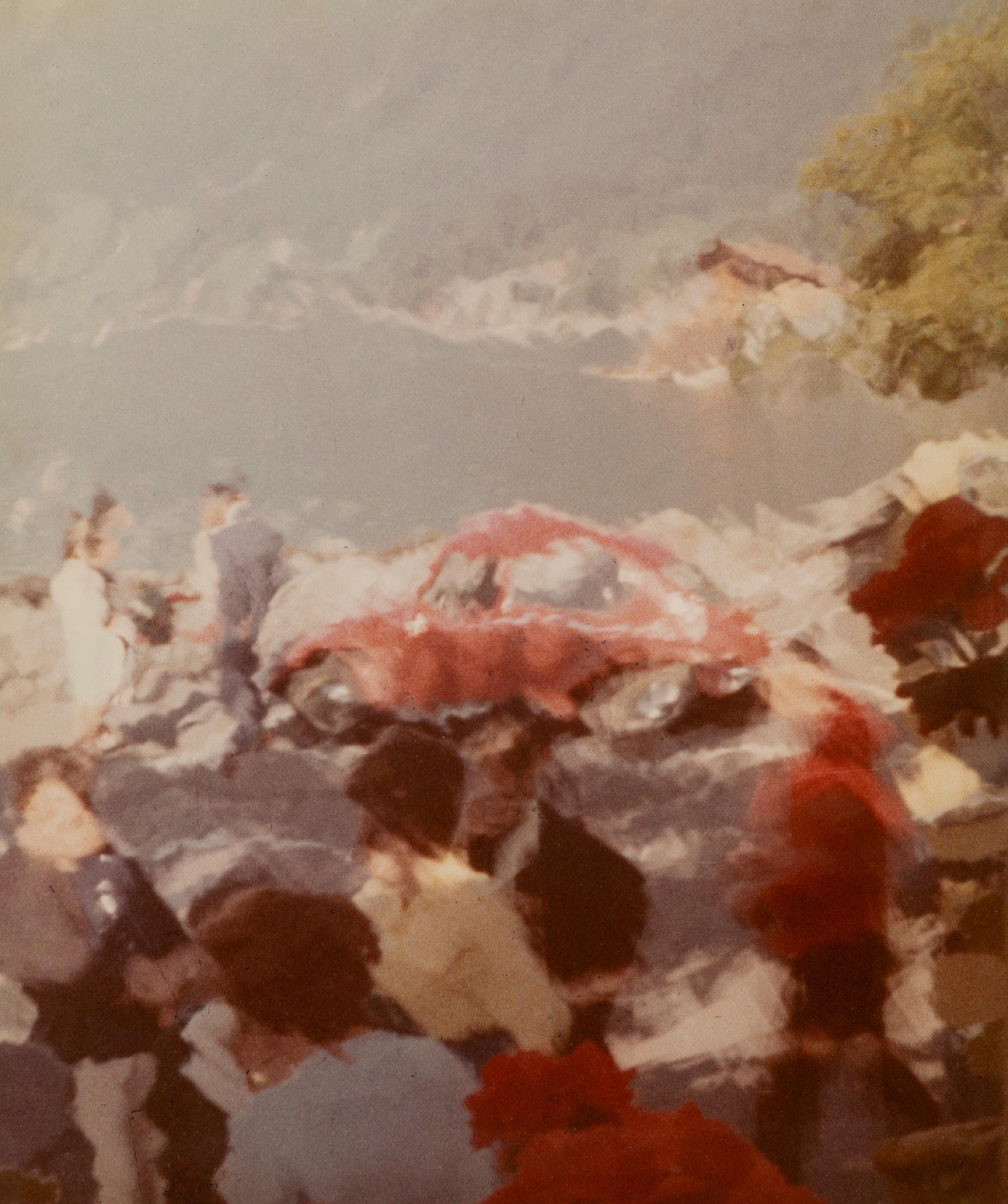
1060® RICCARDO MONCALVO (1915-2008)
Fantasia, Lago di Brienz, 1968
Vintage chromogenic print
cm 35 x 29,3 | 13.8 x 11.5 in. Photographer’s credit stamp on the verso (Timbro del fotografo al verso)
LITERATURE
La fotografia di Riccardo Moncalvo, Tipografia Torinese Editrice, Turin, 1976, p. 163
€ 800 - 1.200
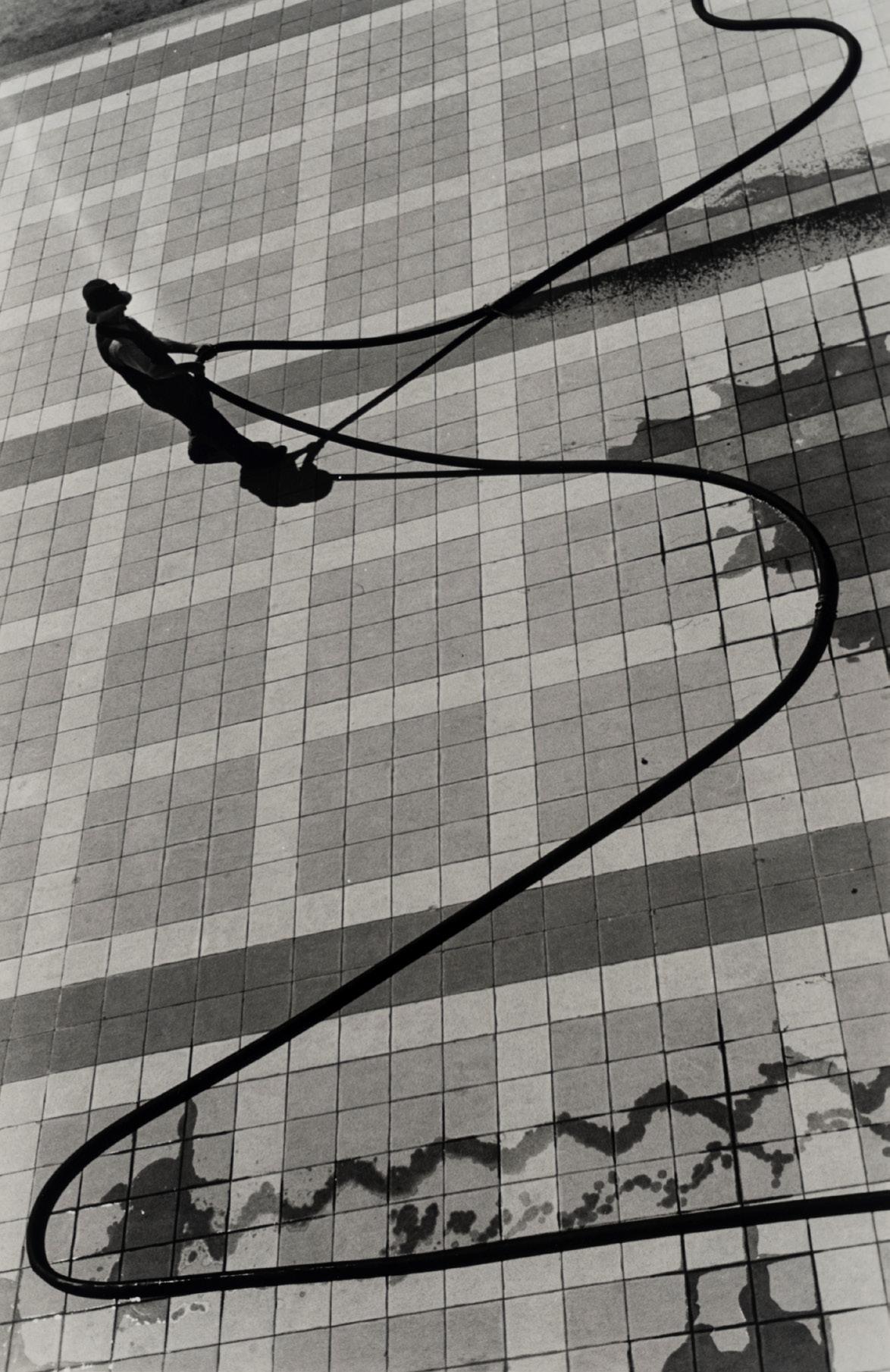
1061® RICCARDO MONCALVO (1915-2008)
Serpe d’acqua, 1938
Gelatin silver print, printed later cm 39,8 x 26,2 | 15.7 x 10.3 in.
Photographer’s credit stamp and Archivio Moncalvo stamp on the verso (Timbro del fotografo e timbro Archivio Moncalvo al verso)
LITERATURE
La fotografia di Riccardo Moncalvo, Tipografia Torinese Editrice, Turin, 1976
Sentieri di luce. Artisti fotografi a Torino dal 1930 al 1946, Circolo degli Artisti, Turin, 2002
B. Bergaglio (edited by), Riccardo Moncalvo. Fotografie 1932-1990, Milan, 2025
€ 800 - 1.200
Paolo Monti (Novara 1908 – Milan 1982), graduated in economics, moved to Venice to work for the Agricultural Consortium of Veneto. There, he shared his passion for photography with a group of friends and, inspired by news of the founding of the Milanese group La Bussola, he founded the La Gondola photography club in 1948. Under his guidance, it became an important point of reference and helped bring to light talents such as Fulvio Roiter. In 1953, he moved to Milan, where, as a professional photographer, he documented the city’s transformation, contributed to magazines and books, and collaborated with publishing houses. Beginning in 1965, he carried out an original study of Bologna’s urban landscape in collaboration with architect Cervellati. In 1967, the Milanese gallery Il Diaframma opened with an exhibition of his chemigrams and abstract photographs.
Paolo Monti (Novara 1908 – Milano 1982) laureato in economia, per lavorare al Consorzio Agrario del Veneto si trasferisce a Venezia dove condivide la sua passione per la fotografia con un gruppo di amici con cui, spinto dalla notizia della fondazione del gruppo milanese della Bussola, fonda nel 1948 il circolo la Gondola, portandolo a diventare un importante punto di riferimento e a scoprire autori come Fulvio Roiter. Nel 1953 si trasferisce a Milano e da professionista documenta i cambiamenti della città, pubblica su riviste e libri, collabora con case editrici e dal 1965 realizza una originale analisi del territorio urbano di Bologna in collaborazione con l’architetto Cervellati. Nel 1967 la galleria milanese il diaframma inaugura con una sua mostra di chimigrammi e fotografie astratte.
Paolo Monti
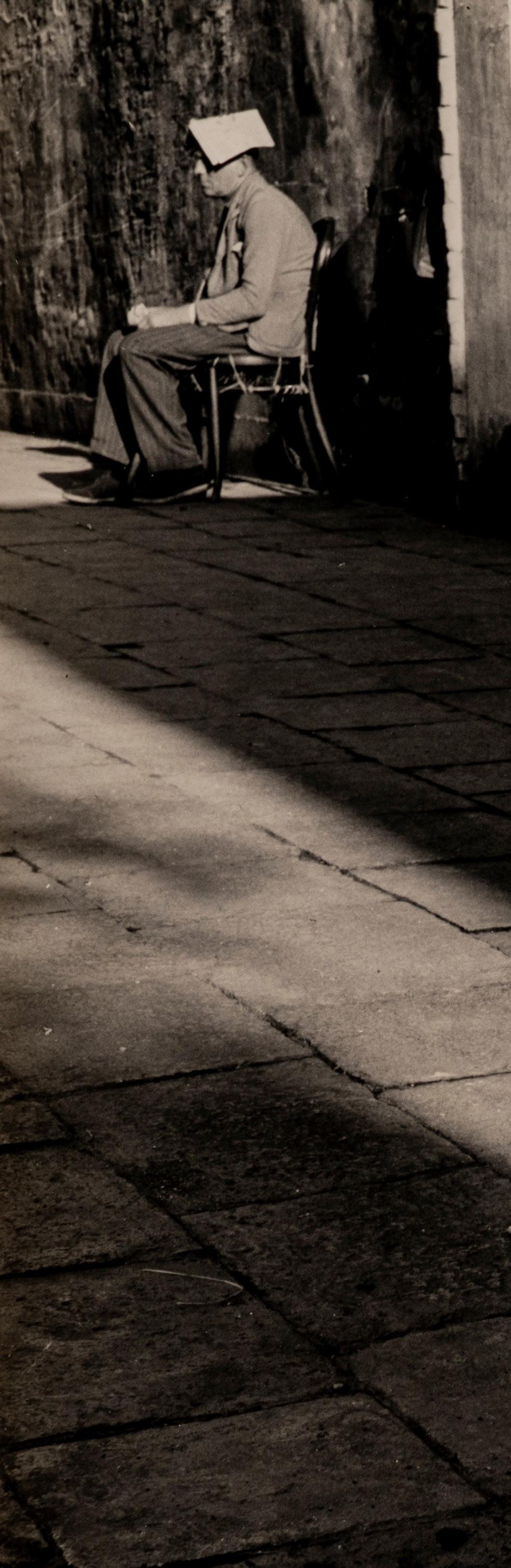
When he faced the reality of big cities, Paolo Monti often underlined the most painful situations such as that of that solitary man who is not placed at the center of the scene but far away, on the diagonal, in a distance that has become symbolic. Ironic and thoughtful is, however, The Sunday of the Immigrants, because what could have been a classic amateur photo exercise becomes an effective synthesis of the contradictions of the world that was rising after the war: on the one hand the great internal migratory flows and on the other the signs of an industrialization that with well-being brought, as the columns of smoke show and symbolize, also damage to the environment. In this image you can see the influences not only aesthetic of the American photography of the Farm Security Administration well known to him. Curiously, on two different occasions the photograph has been titled as here in the volume edited by Giovanni Chiaramonte and “The new cathedrals, Milan” dated 1955 in the one edited by Paolo Zanzi.
Quando ha affrontato la realtà delle grandi città Paolo Monti ne ha spesso sottolineato le situazioni più dolenti come quella di quell’uomo solitario che non è posto al centro della scena ma lontano, sulla diagonale, in una distanza divenuta simbolica. Ironica e pensosa è, invece, La domenica degli immigrati, perché quello che poteva essere un classico esercizio foto amatoriale diventa una sintesi efficace delle contraddizioni del mondo che stava sorgendo dal dopoguerra: da un lato i grandi flussi migratori interni e dall’altra i segnali di una industrializzazione che col benessere portava, come le colonne di fumo mostrano e simboleggiano, anche danni all’ambiente. In questa immagine si scorgono le influenze non solo estetiche della fotografia americana della Farm Security Administration a lui ben nota. Curiosamente in due occasioni diverse la fotografia è stata intitolata come qui nel volume curato da Giovanni Chiaramonte e “Le nuove cattedrali, Milano” datata 1955 in quella curata da Paolo Zanzi.
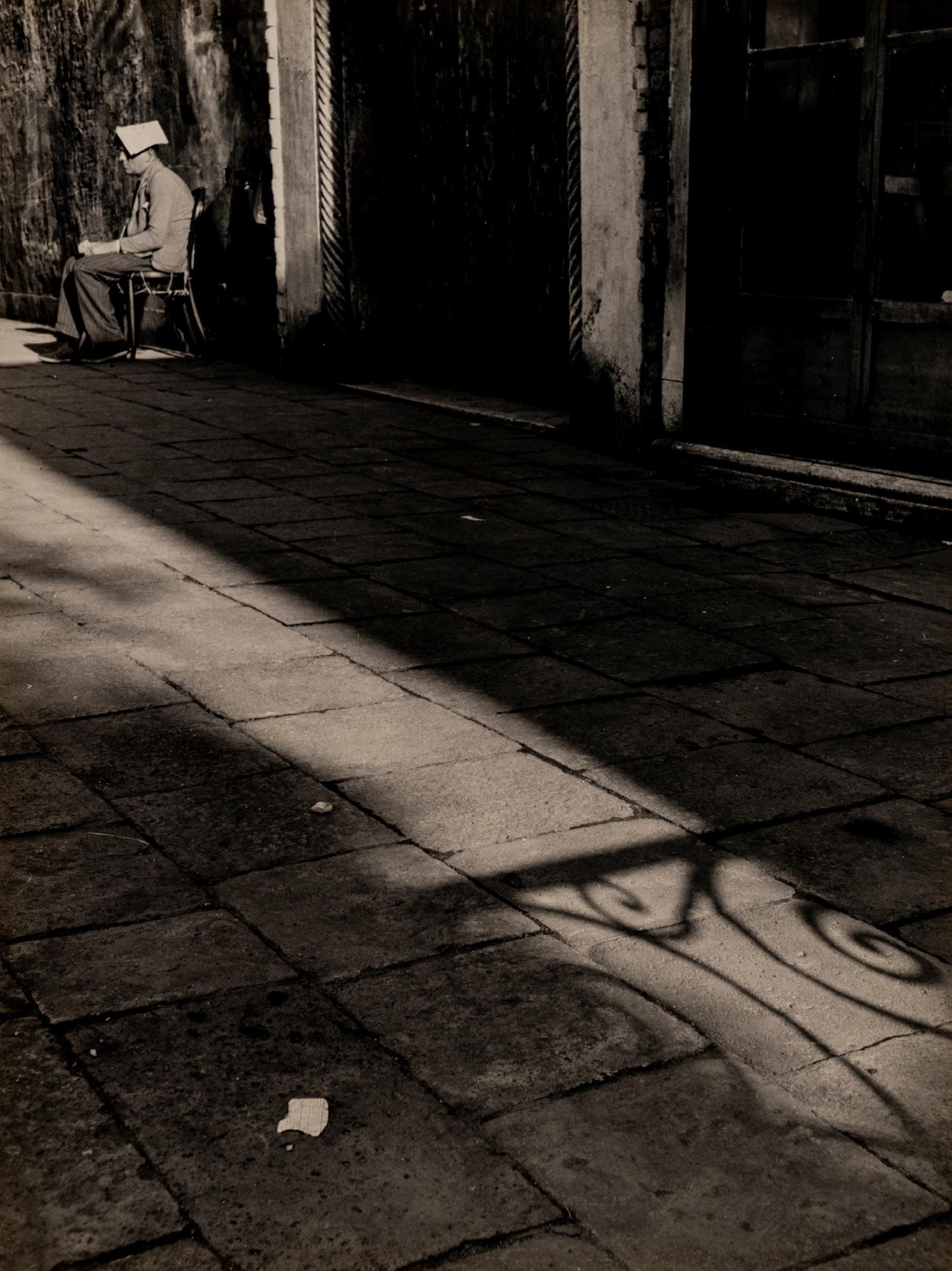
Il mendicante, 1960s/1970s
cm 40 x 30 | 15.7 x 11.8 in.
Titled in black ink with photographer’s credit stamp on the verso (Titolata a penna nera con timbro del fotografo
€ 800 - 1.200
1062® PAOLO MONTI (1908-1982)
Vintage gelatin silver print
al verso)
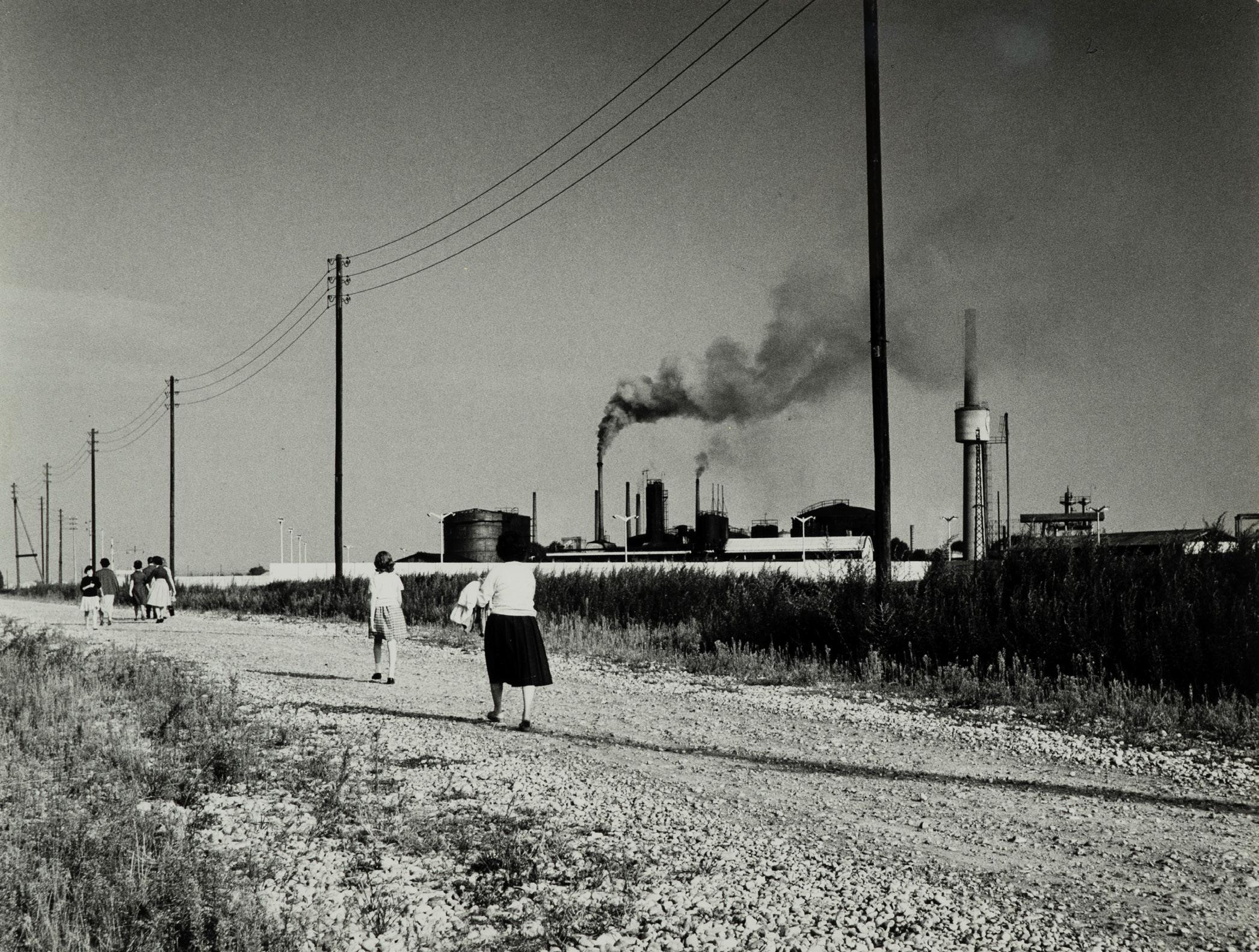
Paesaggio di periferia, la domenica degli immigrati, 1953
Vintage gelatin silver print cm 30,5 x 40,4 | 12 x 15.9 in.
Photographer’s credit stamps on the verso (Timbri del fotografo al verso)
€ 800 - 1.200
1063®
PAOLO MONTI (1908-1982)
Ugo Mulas (Pozzolengo, Brescia 1928 - Milan 1973) frequented the Milanese artistic milieu around the Jamaica bar where he met Mario Dondero and began a career born of his many interests: reporter for L’illustrazione Italiana and set photographer for the Piccolo Teatro, documenting the Venice Biennale from 1954 to 1972 he became close with artists such as Alberto Burri, Lucio Fontana, Alik Cavaliere, and Fausto Melotti. Travels in the early 1960s to the U.S. from which came the volume “New York arte e persone” introduced him to Andy Warhol, Robert Raushenberg, Lee Friedlander, Robert Frank. He participated in neo-avantgarde events directed by Luciano Caramel (Campo Urbano, Como 1969) and Paul Restany (Noveau Réalisme, Milan 1970). A deep consideration of the role of photography influenced by the theoretical contribution of Marcel Duchamp leads him to the metaphotographic work “Le verifiche” published in 1972 by Einaudi. His works, exhibited in museum spaces all over Europe, and his numerous monographs are curated by the Milan archive edited by his daughters Melina and Valentina.
Ugo Mulas (Pozzolengo, Brescia 1928 – Milano 1973) frequenta l’ambiente artistico milanese che ruota attorno al bar Jamaica dove conosce Mario Dondero e inizia una carriera figlia dei molti interessi: reporter per L’illustrazione Italiana e fotografo di scena per il Piccolo Teatro, documentando la Biennale di Venezia dal 1954 al 1972 si lega ad artisti come Alberto Burri, Lucio Fontana, Alik Cavaliere, Fausto Melotti. I viaggi nei primi anni ’60 negli Usa da cui nasce il volume “New York arte e persone” gli fanno conoscere Andy Warhol, Robert Raushenberg, Lee Friedlander, Robert Frank. Partecipa a manifestazioni delle neoavanguardie dirette da Luciano Caramel (Campo Urbano, Como 1969) e Paul Restany (Noveau Réalisme, Milano 1970). Una profonda riflessione sul ruolo della fotografia influenzata dal contributo teorico di Marcel Duchamp lo induce al lavoro metafotografico “Le verifiche” pubblicato nel 1972 da Einaudi. I suoi lavori, esposti in spazi museali di tutta Europa, e le sue numerose monografie sono curati dall’archivio milanese curato dalle figlie Melina e Valentina.
Ugo Mulas
Although Ugo Mulas is known for other complex works, those created in the world of entertainment not only demonstrate his versatility, but also attest to his technical skill when dealing with theatre photography—characterized by lighting that selectively cuts through the darkness of the stage and by the need to move as little as possible near the stage, making every shot difficult. In this case, however, the photographer was able to work with greater freedom because the performance—Orlando Furioso— had been conceived by the visionary director Luca Ronconi to be staged in open spaces as well. This explains the proximity to the scene, which makes this photograph so striking and vivid. The two dancers in the second image, on the other hand, are photographed inside what was once known as the Ristorante Carminati – Night Club – Varietà, a venue overlooking Piazza del Duomo, whose upper floor hosted several dance halls open until late at night
Anche se Ugo Mulas è noto per altri complessi lavori, quelli realizzati nel mondo dello spettacolo non solo dimostrano la sua duttilità, ma testimoniano anche la sua perizia tecnica quando ha a che fare con la fotografia di teatro caratterizzata da luci che fendono in modo selettivo il buio delle scene e la necessità di muoversi il meno possibile nei pressi del palcoscenico rendendo difficile ogni ripresa. In questo caso, tuttavia, il fotografo aveva potuto lavorare con più libertà perché lo spettacolo – si tratta di “Orlando Furioso” – perché il visionario regista Luca Ronconi lo aveva previsto per essere recitato anche in aperto e ciò spiega la vicinanza alla scena che rende così spettacolare e viva questa fotografia. I due ballerini della seconda immagine sono invece ripresi all’interno di quello che un tempo veniva denominato Ristorante Carminati – Night Club – Varietà, un locale che si affacciava su piazza del Duomo al cui piano superiore erano allestite diverse sale da ballo aperte fino a tarda notte.
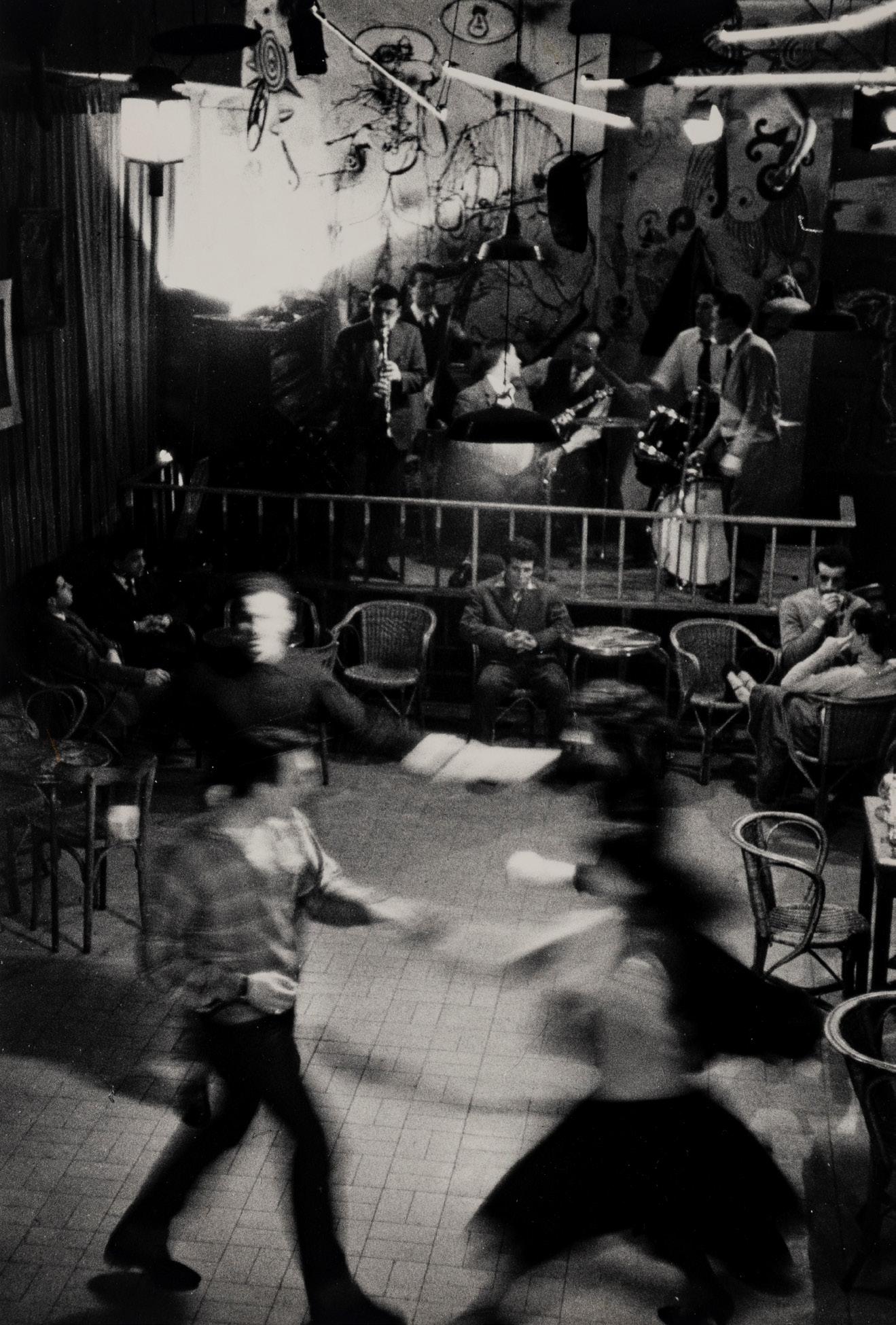
®
UGO MULAS (1928-1973)
Untitled (Club “Carminati”, Milan), 1964
Vintage gelatin silver print
cm 36,8 x 26,5 (cm 36,8 x 25 picture) | 14.5 x 10.4 in. (14.4 x 9.8 in. picture)
Photographer’s credit stamp on the verso (Timbro del fotografo al verso)
LITERATURE
C. Fontana (edited by), Milano, Stabilimento grafico Tamburini Editore, Milan, 1964
€ 800 - 1.200
1064
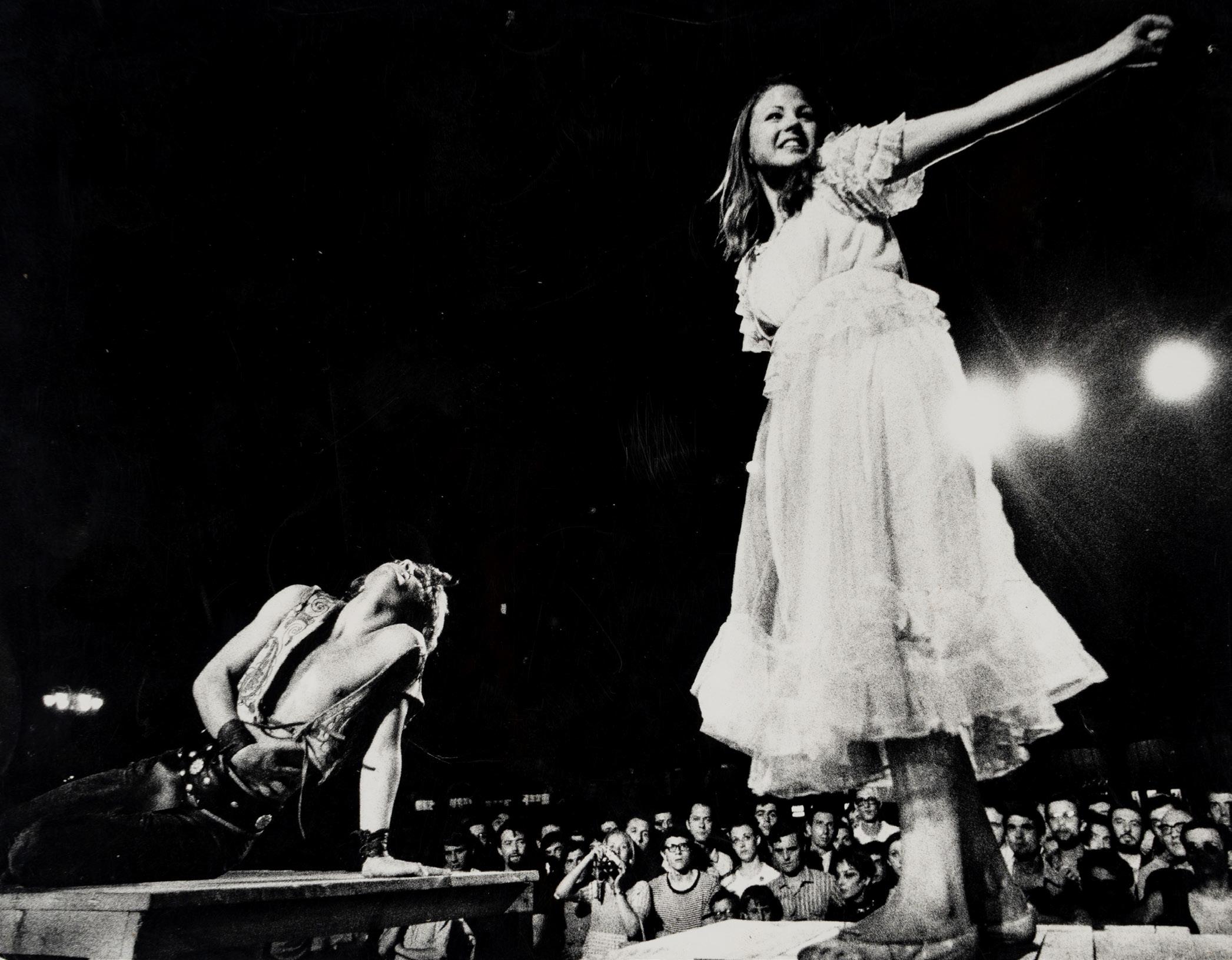
Vintage gelatin silver print cm 17,2 x 22 | 6.7 x 8.7 in. Photographer’s credit stamp on the verso (Timbro del fotografo al verso)
€ 300 - 400
1065®
UGO MULAS (1928-1973)
Ottavia Piccolo, 1970
Carlo Naya (Tronzano Vercellese, Vercelli 1816 - Venice 1882) heir to a rich landowner after graduating in law, as an art lover he made a grand tour of Europe, Asia, Egypt. He discovered photography in Paris and opened a studio in Constantinople, but in 1857 he was in Venice where he worked in Carlo Ponti’s atelier, then in his own ateliers in St. Mark’s Square and Campo San Maurizio and in the store at the Procuratie, which achieved great commercial success and appreciations for the technical and aesthetic quality of his works. A famous “forgery” trial he won against some colleagues who sold his photographs as their own gave birth to copyright law.
Carlo Naya (Tronzano Vercellese, Vercelli 1816 - Venice 1882) erede di un ricco proprietario terriero dopo la laurea in legge, da appassionato d’arte, compie un grand tour in Europa, Asia, Egitto. Scoperta la fotografia a Parigi, apre uno studio a Costantinopoli, ma nel 1857 è a Venezia dove lavora nell’atelier di Carlo Ponti, poi nei propri di piazza San Marco e Campo San Maurizio e nel negozio alle Procuratie che ottengono un grande successo commerciale e apprezzamenti per la qualità tecnica ed estetica delle sue opere. Un famoso processo “per contraffazione” vinto contro alcuni colleghi che vendevano come proprie le sue fotografie diede vita alla legge sul diritto d’autore.
Carlo Naya
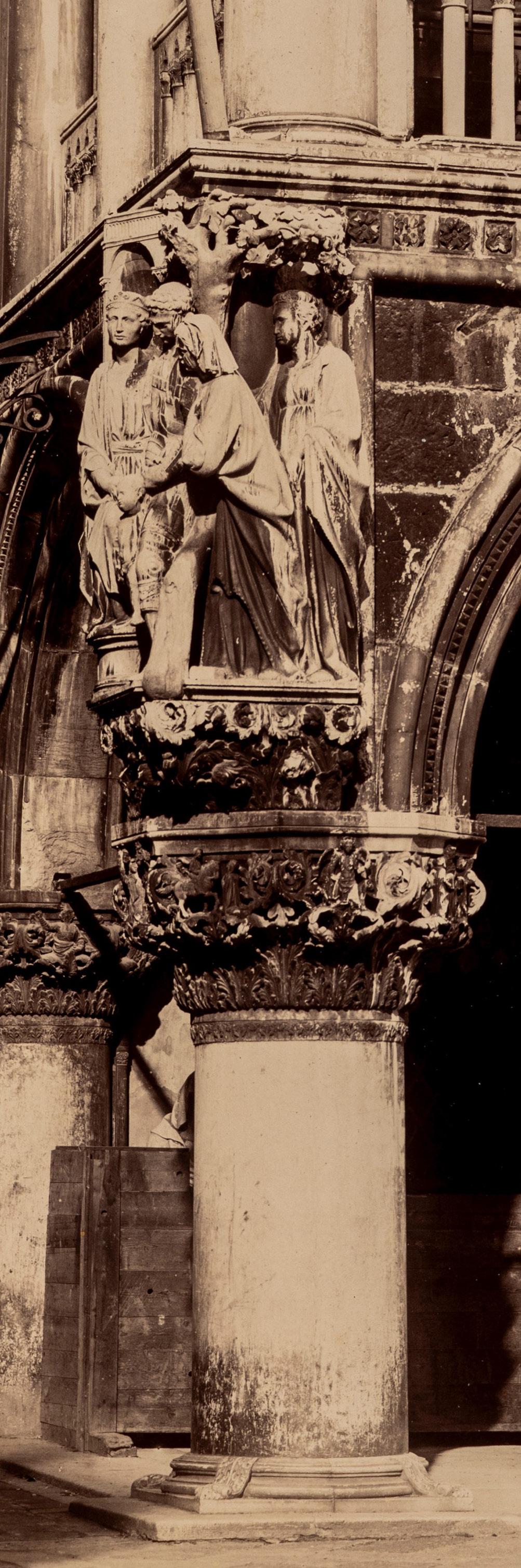
Two elements characterise Carlo Naya’s style: the cultural background stemming from his passion for art, refined by his direct observation of ancient works – including the Scrovegni Chapel in Padua, which he would go on to reproduce magnificently – and the technical mastery he had already acquired in the days of the daguerreotype, which enabled him to quickly establish himself internationally for his exquisitely detailed views of Venice. Whilst other photographers often confined themselves to a specific perspective, Naya stood out for his attention to detail, as in this image which highlights a corner of the Doge’s Palace, emphasising its forms and features. This large-format volume is a true gem, notable on the one hand for its meticulous investigation, which sheds light on a facet of the lagoon city often overlooked by both residents and, above all, tourists, and on the other for the consistently superb quality of the photographs. It is a work that lies halfway between a meticulous topographical survey and the pursuit of a consistent artistic vision.
Due elementi caratterizzano lo stile di Carlo Naya: la cultura che gli veniva dalla passione per l’arte raffinata dalla visione diretta delle opere dell’antichità, compresa quella Cappella degli Scrovegni patavina che avrebbe magnificamente riprodotto, e la padronanza tecnica acquisita già ai tempi del dagherrotipo, che gli permise di affermarsi rapidamente a livello internazionale per le sue accuratissime vedute veneziane. Se altri fotografi spesso di limitavano a una precisa visione, Naya si segnalava per la ricerca di particolari, come questo che mette in luce un angolo di Palazzo Ducale valorizzandone forme e particolari. Un vero gioiello è poi questo volume di ampie dimensioni che per un verso si segnala per la minuziosa indagine che permette di indagare su una realtà lagunare poco valorizzata dagli abitanti e soprattutto dai turisti, e per l’altro per la sempre pregevolissima qualità delle riprese. Un lavoro che si situa a metà fra la minuziosa indagine topografica e la ricerca di una costante visione artistica.
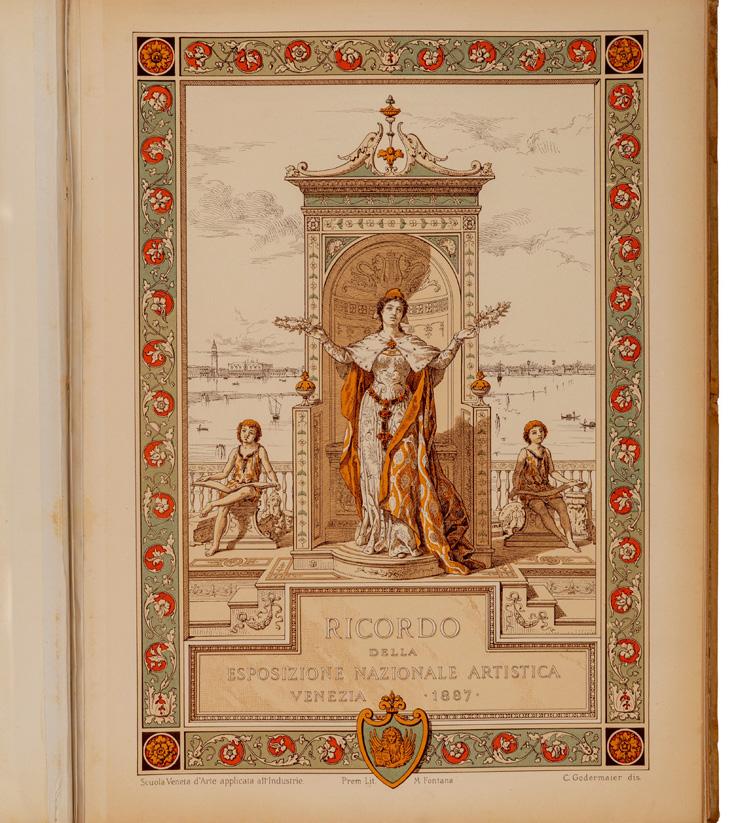
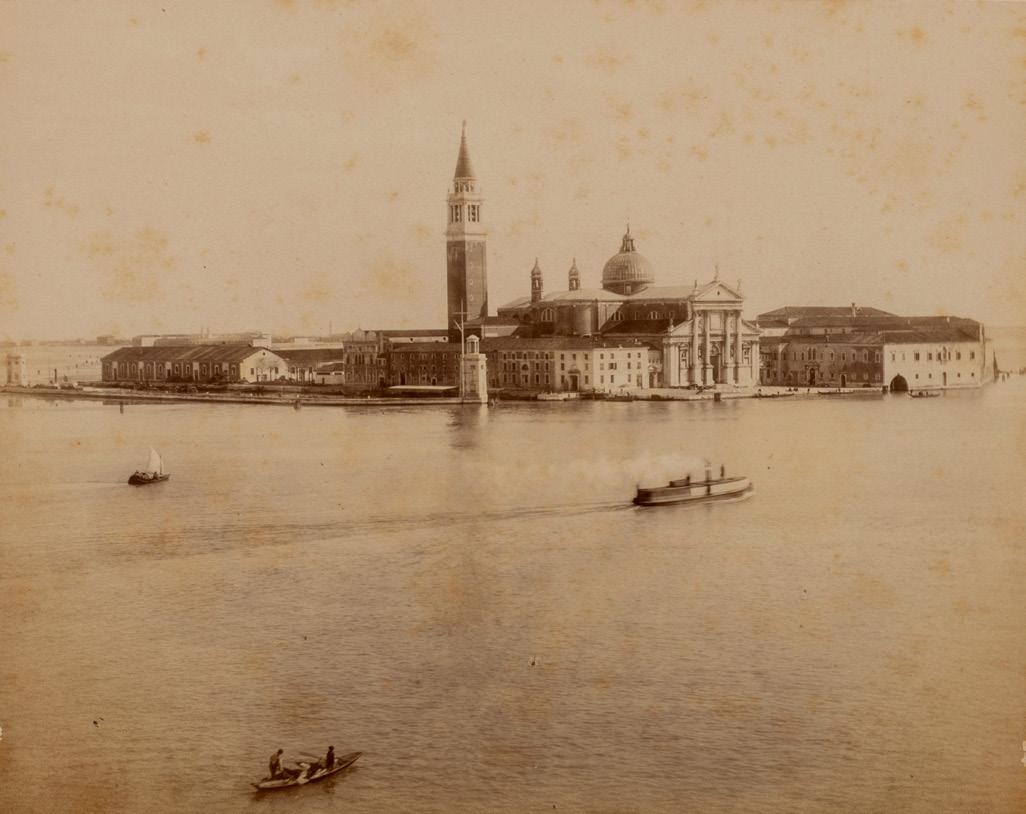
1066
CARLO NAYA (1816-1882)
Isole della Laguna di Venezia, 1887
22 albumen prints applied on book “C. Godermaier dis.”
cm 43,8 x 33,5 x 2 cm (book) ; cm 19 x 24 approx. (each albumen pint) |
17.2 x 13.2 x 0.8 in. (book) ; 7.5 x 9.4 in. approx. (each albumen print)
Book of Scuola Veneta d’arte applicata all’Industrie. Three pages printed, one with “Ricordo della Esposizione Nazionale Artistica Venezia 1887”
Photographs by Stabilimento C. Naya for Municipio di Venezia
Title printed on each page
(Volume di Scuola Veneta d’arte applicata all’Industrie. Tre pagine stampate, una con “Ricordo della Esposizione Nazionale Artistica Venezia 1887”; Fotografie eseguite dallo Stabilimento C. Naya per commissione del Municipio di Venezia; Titolo stampato su ciascuna pagina)
€ 2.000 - 3.000
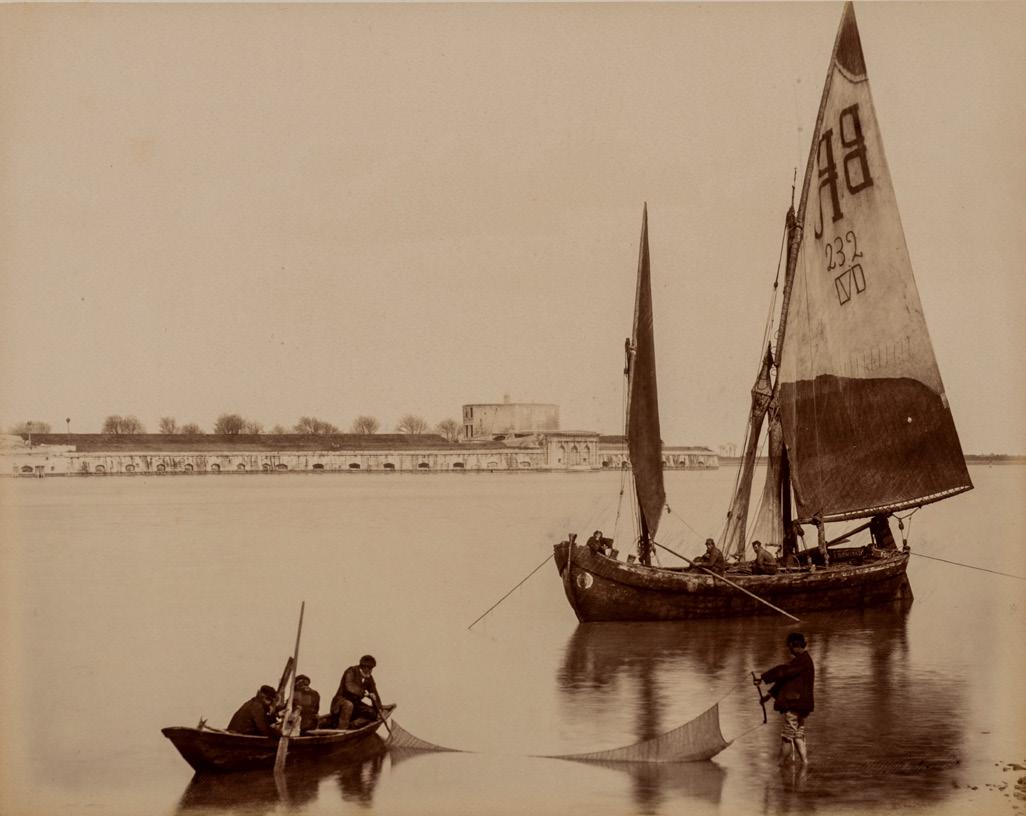
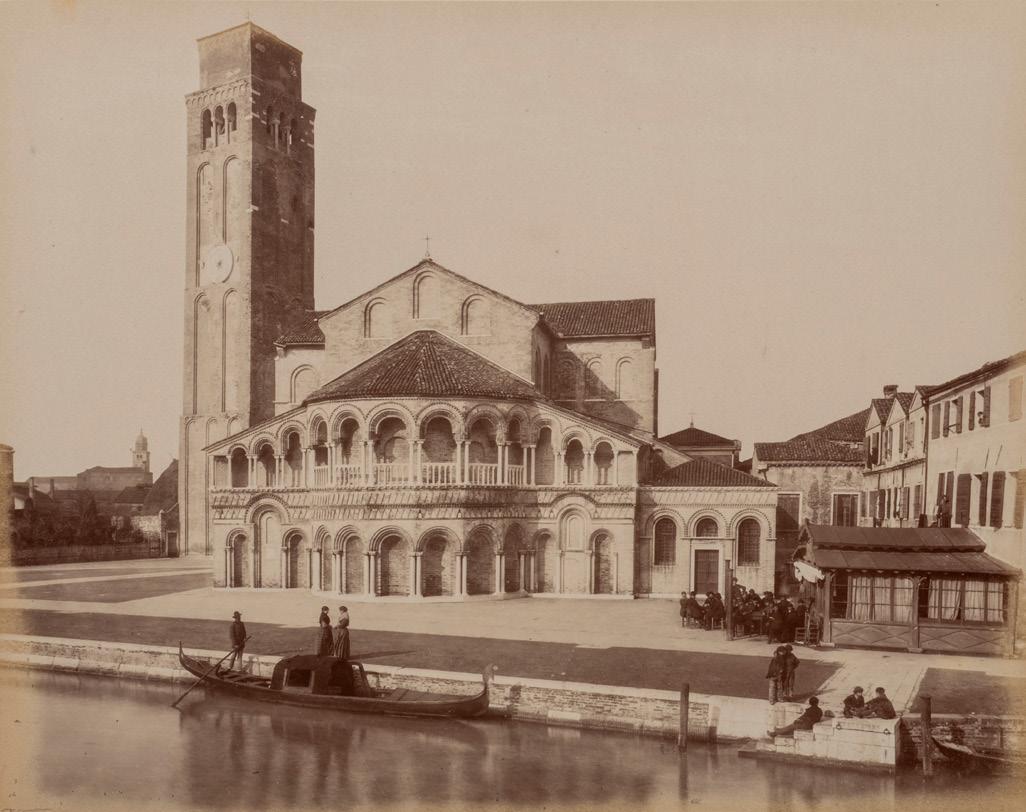
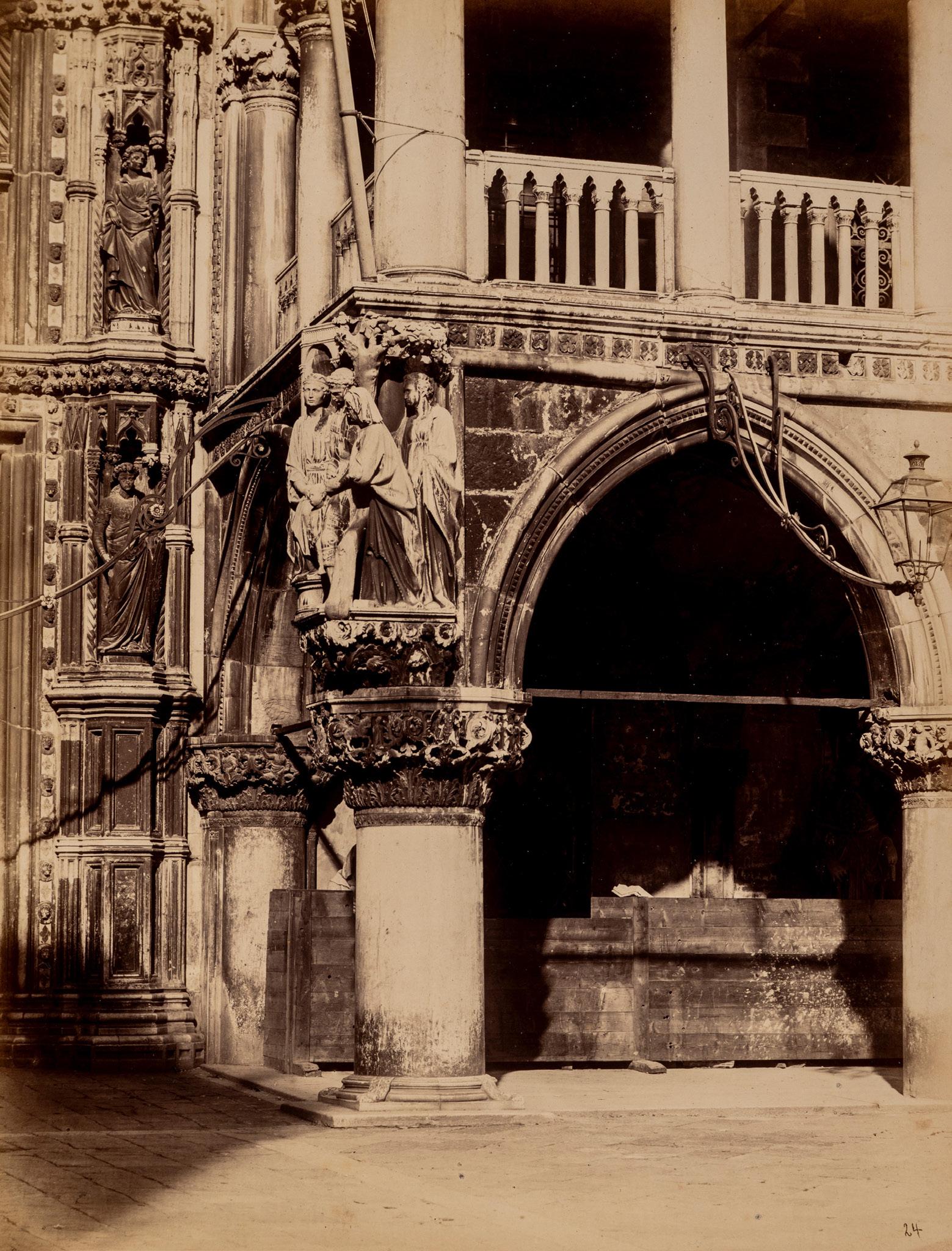
CARLO
(1816-1882)
Angolo Orientale del Palazzo Ducale, 1870s
Albumen print applied on original cardboard cm 35,4 x 26,8 (cm 45,4 x 32 cardboard) | 13.9 x 10.6 in. (17.9 x 12.6 in. cardboard)
Photographer’s credit blindstamp on the cardboard recto and photographer’s didactic stamp on the cardboard verso (Timbro a secco del fotografo al cartoncino recto e timbro didascalico del fotografo al cartoncino verso)
€ 200 - 300
1067
NAYA
Arrigo Orsi (Virgilio, Mantua 1897 - 1967) belongs to that kind of non-professional photographer capable of great professional skills. A phthisiologist and university lecturer, he was a member of the Circolo Fotografico Milanese from which he left in 1950, following Pietro Donzelli to the Unione Fotografica - an important group that brought international exhibitions to Italy - of which he became director. His production is heterogeneous: it goes from landscapes, portraits and images of social commitment to research into a geometric abstractionism influenced by Bauhaus aesthetics..
Arrigo Orsi (Virgilio, Mantova 1897 - 1967) appartiene a quel genere di fotografi non professionisti capaci di grandi capacità professionali. Medico tisiologo e docente universitario, è socio del Circolo Fotografico Milanese da cui esce nel 1950 seguendo Pietro Donzelli all’Unione Fotografica – importante gruppo che porterà in Italia mostre internazionali – di cui sarà direttore. La sua produzione è eterogenea: si passa da paesaggi, ritratti e immagini di impegno sociale a ricerche di un astrattismo geometrico che risentono dell’estetica del Bauhaus.
Arrigo Orsi
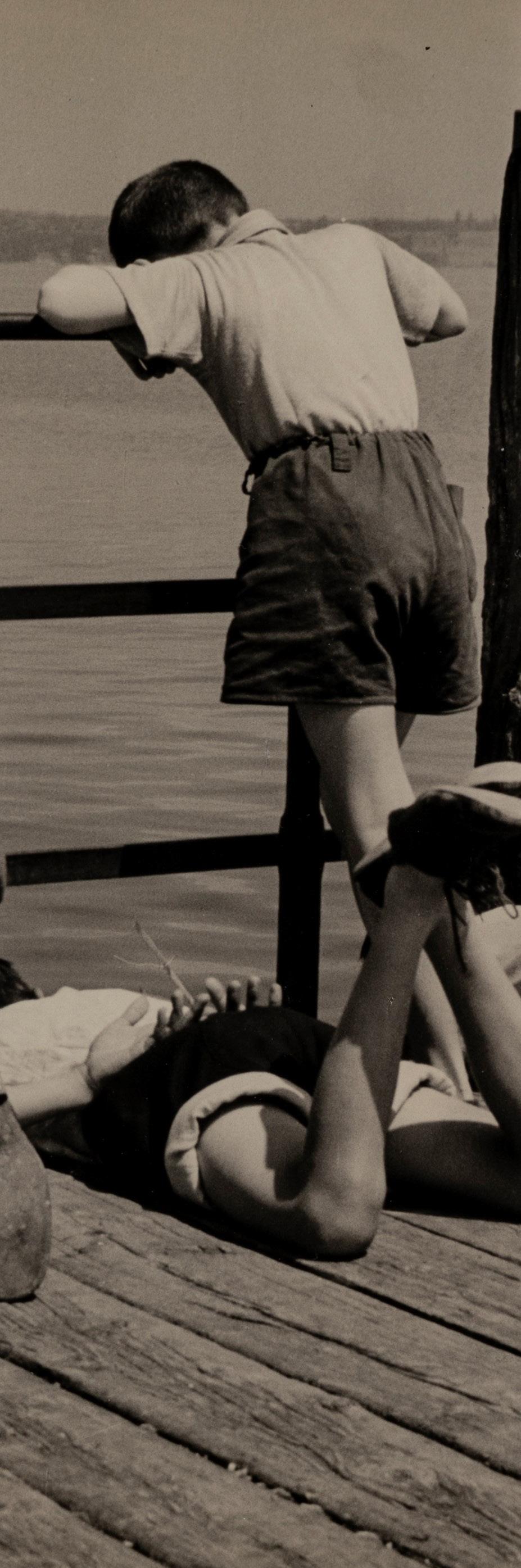
A man full of curiosity, Arrigo Orsi, alongside formal research, measures himself – and these two photographs are excellent examples – with the dominant aesthetic in the second half of the thirties when he began to photograph. Completely intent on looking at the surface of the water, hoping that the floats indicate the presence of fish, the children lean out assuming funny poses that, in the eyes of the photographer, become a composition that already appears to his gaze. It is interesting to note the importance of the caption that helps us to make sense of the scene that would otherwise appear very difficult to understand. If the previous image had appeared to the photographer, the night one is instead the result of his precise research between the shadow that envelops the scene and the light that reveals the life that flows parallel inside the houses.
Uomo carico di curiosità, Arrigo Orsi accanto alle ricerche formali si misura – e queste due fotografie ne sono ottimi esempi – con l’estetica dominante nella seconda metà degli anni Trenta quando cominciò a fotografare. Completamenti intenti a guardare la superficie dell’acqua sperando che i galleggianti indichino la presenza dei pesci i bambini si sporgono assumendo pose buffe che, agli occhi del fotografo, diventano una composizione che già così appare al suo sguardo. È interessante notare l’importanza della didascalia che ci aiuta a dare un senso alla scena che altrimenti apparirebbe di ben difficile comprensione. Se la precedente immagine era apparsa al fotografo, quella notturna è invece frutto della sua precisa ricerca fra l’ombra che avvolge la scena e la luce che rivela la vita che scorre parallela all’interno delle case.
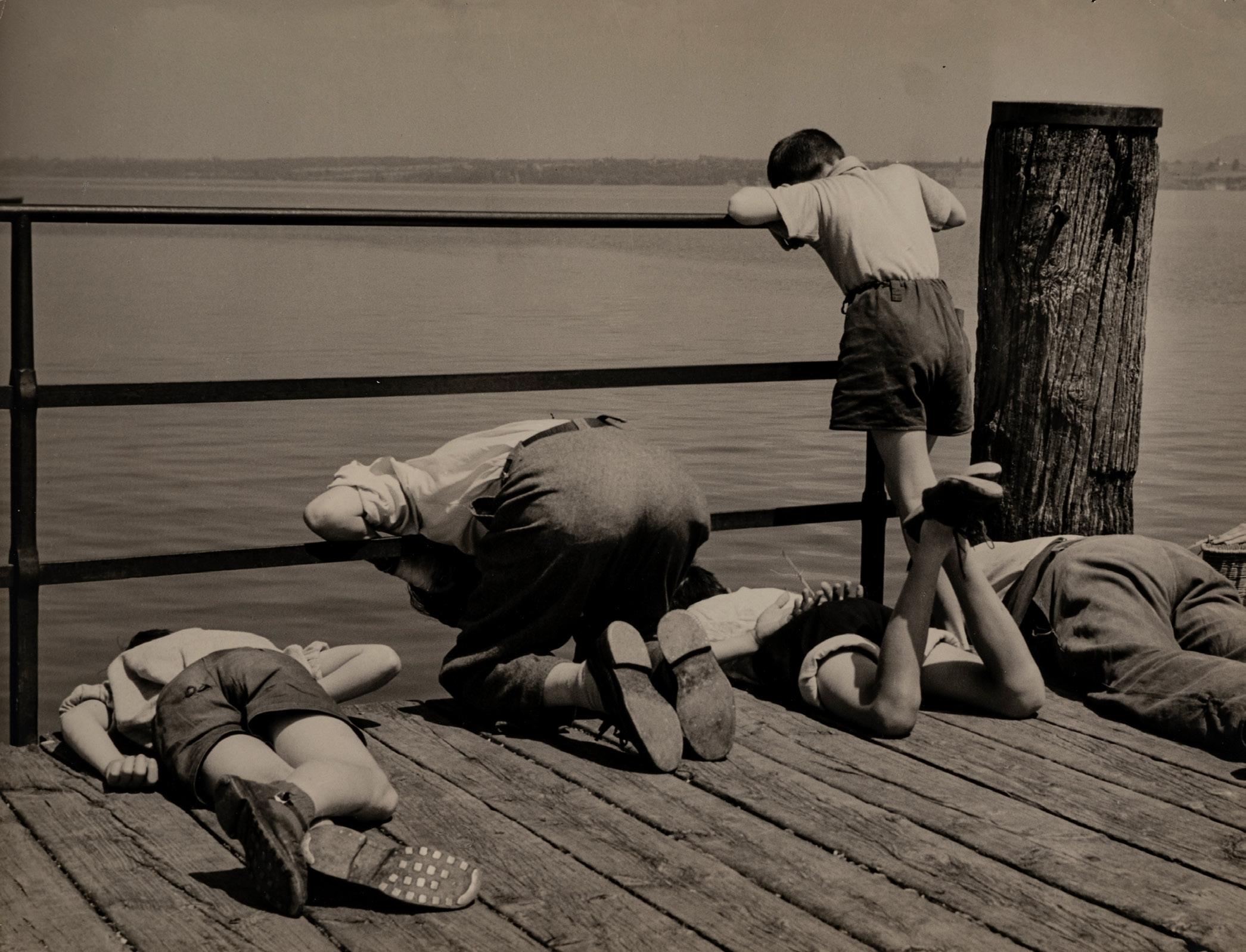
Intenti alla pesca - fishermen, 1940s
Vintage gelatin silver print
cm 30 x 39,3 | 11.8 x 15.4 in.
Photographer’s didactic credit stamp and exhibition label on the verso (Timbro didascalico del fotografo e timbro ed etichette espositive al verso)
€ 600 - 900
ARRIGO ORSI (1897-1968)
Notturno, 1940s/1950s
Vintage gelatin silver print on chamois paper
cm 29,8 x 30 | 15.7 x 11.8 in.
Photographer’s didactic stamp on the verso (Timbro didascalico del fotografo al verso)
€ 700 - 1.000
1068®
ARRIGO ORSI (1897-1968)
1069®
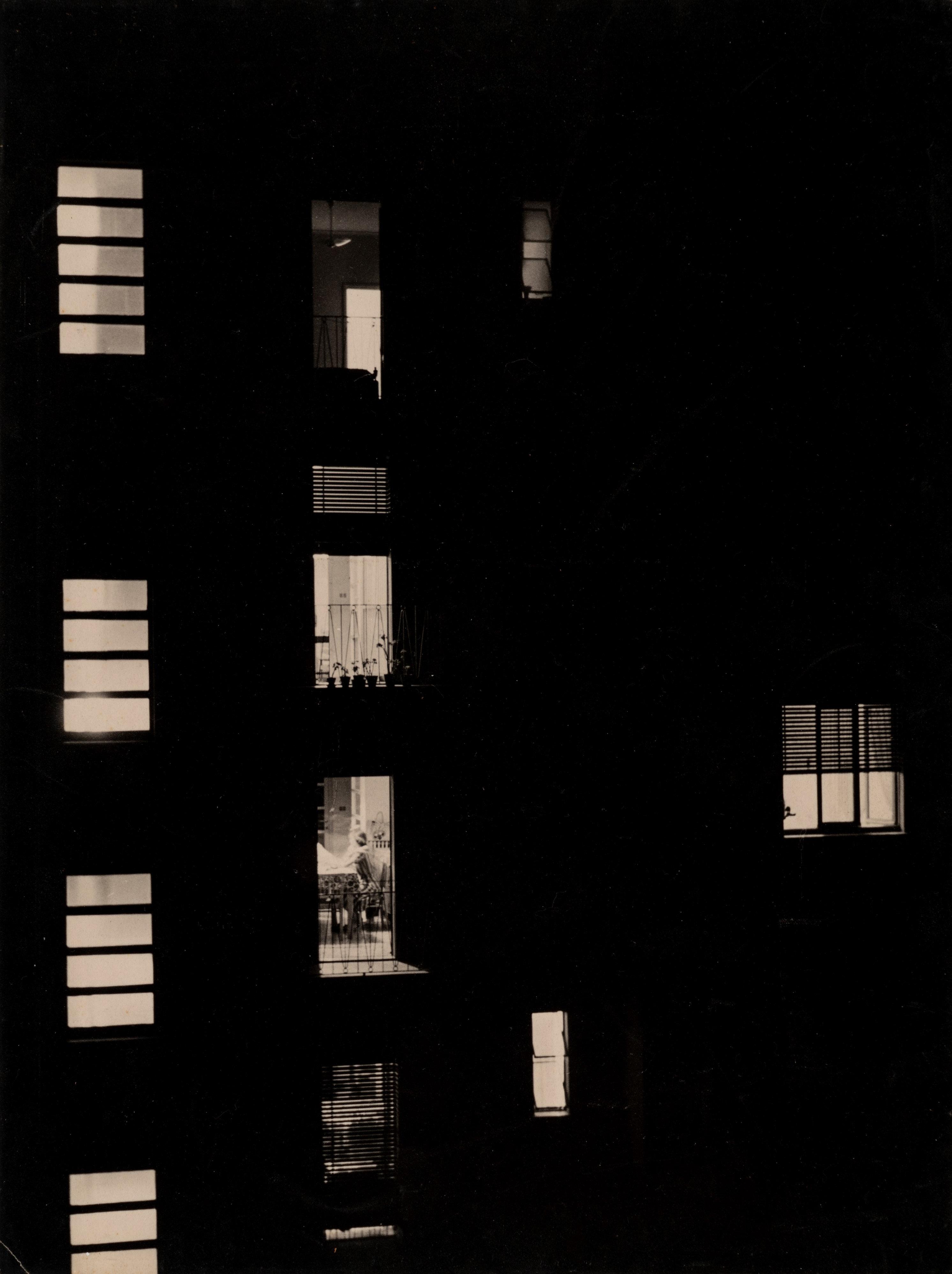
Dino Pedriali (Rome 1950 - 2021) began his career at a very young age and, working at Il Fauno gallery in Turin, frequented the art world. He thus became Man Ray’s assistant whose Parisian home-studio he documented, collaborated with Andy Warhol, and portrayed with great intensity figures such as De Chirico, Moravia, and Fellini as anonymous young people with a style so intense that he was defined as Caravaggesque by critic Peter Weiermair. Despite his many works and international exhibitions, Pedriali has become part of photography history for his association with Pier Paolo Pasolini, whose last photographs he took the day before his tragic death.
Dino Pedriali (Roma 1950 - 2021) inizia giovanissimo la sua carriera e, lavorando alla galleria Il Fauno di Torino, frequenta il mondo dell’arte. Diventa così assistente di Man Ray di cui documenta la casa-studio parigina, collabora con Andy Warhol e ritrae con grande intensità personaggi come De Chirico, Moravia, Fellini come giovani anonimi con uno stile così intenso da essere definito caravaggesco dal critico Peter Weiermair. Nonostante i molti lavori e le mostre internazionali, Pedriali è passato alla storia della fotografia per il sodalizio con Pier Paolo Pasolini a cui scattò le ultime fotografie il giorno precedente la tragica morte.
Dino Pedriali
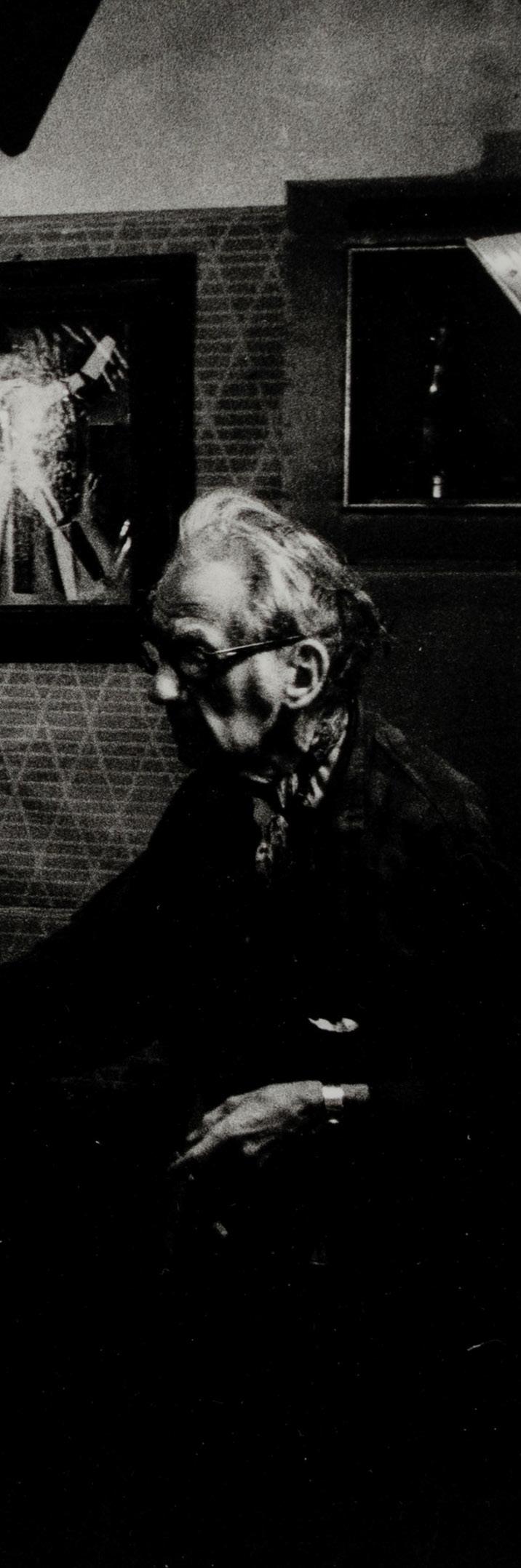
These two photographs are emblematic of the relationship that Pedriali established with great artists. In a photograph Pasolini observed and filmed from afar as per his express wishes: he appears naked in his bedroom inside the buen retreat of the Torre di Chia in the Viterbo area (real name Castello di Corte Casale) consisting of a house with a glass roof that illuminated the studio and a non-habitable tower. Here Pasolini worked on his novel “Petrolio” planning to accompany it with the photographs of Pedriali who, in his daily scrutinizing it, had captured – the photographer explained – his profound solitude. Dino Pedriali had started working in the art world with the Turin gallery owner Anselmino and in this environment he approached photography thanks to Man Ray, whose assistant he was and from whom he learned his first secrets. The photographs in which he portrays him in 1970 are in Man Ray’s volume Les heures heureses.
Queste due fotografie sono emblematiche del rapporto che Pedriali ha stabilito con grandi artisti. In una fotografa Pasolini osservato e ripreso da lontano come da sua espressa volontà: appare nudo nella sua camera da letto all’interno del buen ritiro della Torre di Chia nel viterbese (vero nome Castello di Corte Casale) composta da una casa con tetto di vetro che illuminava lo studio e una torre non abitabile. Qui Pasolini lavorava al suo romanzo “Petrolio” prevedendo di corredarlo con le fotografie di Pedriali che, nel suo quotidiano scrutarlo, ne aveva colto –spiegava il fotografo – la profonda solitudine. Dino Pedriali aveva iniziato a lavorare nel mondo dell’arte con il gallerista torinese Anselmino e in questo ambiente si avvicina alla fotografia grazie a Man Ray, di cui è assistente e dal quale impara i primi segreti. Le fotografie in cui lo ritrae nel 1970 sono nel volume di Man Ray Les heures heureses.
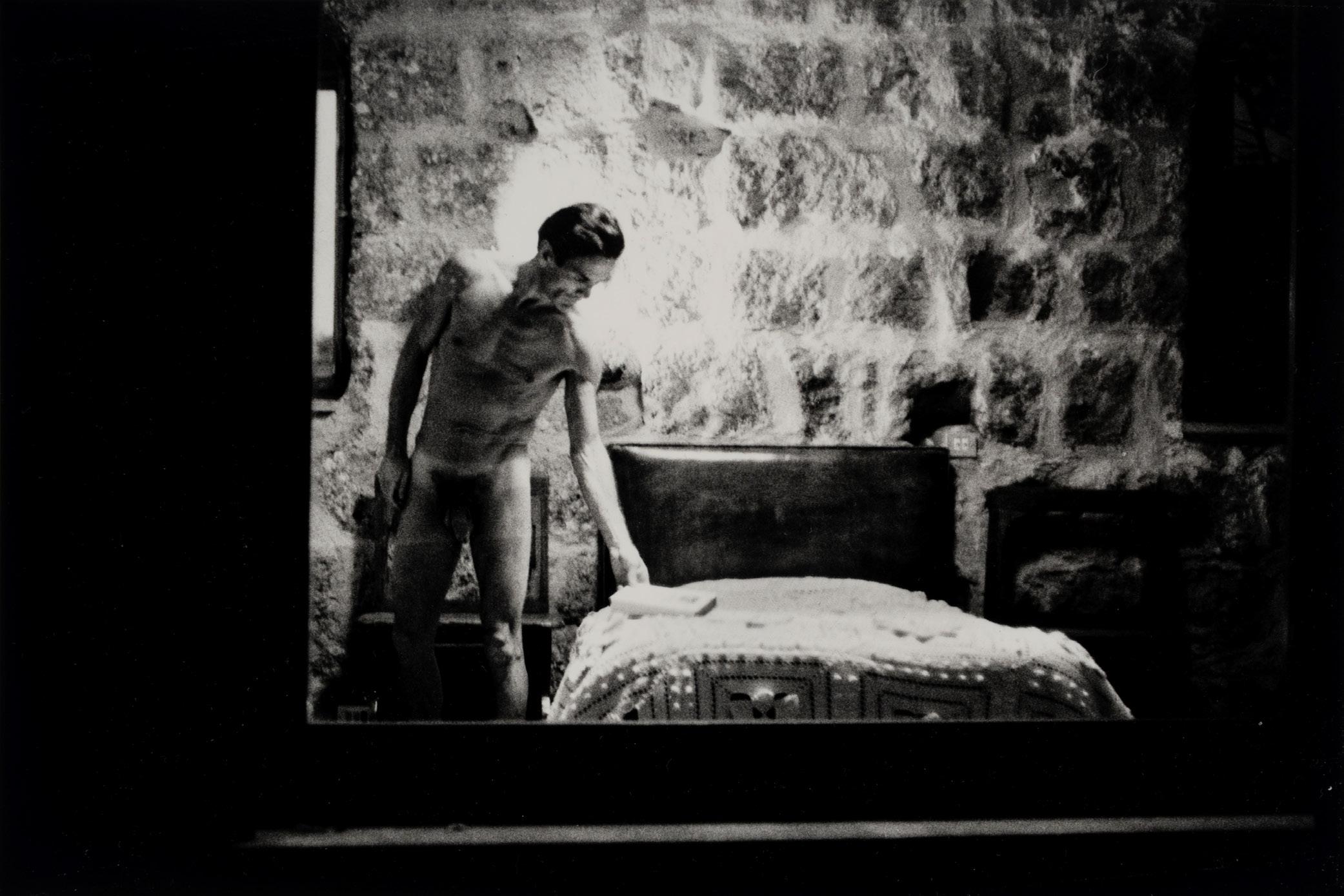
cm 17,8 x 23,8 (cm 22,5 x 25 picrure) |
7 x 9.4 in. (8.9 x 9.8 in. picture)
Photographer’s credit stamp on the verso (Timbro del fotografo al verso)
€ 1.500 - 2.000
1070®
DINO PEDRIALI (1950-2021)
Pier Paolo Pasolini, 1975
Gelatin silver print
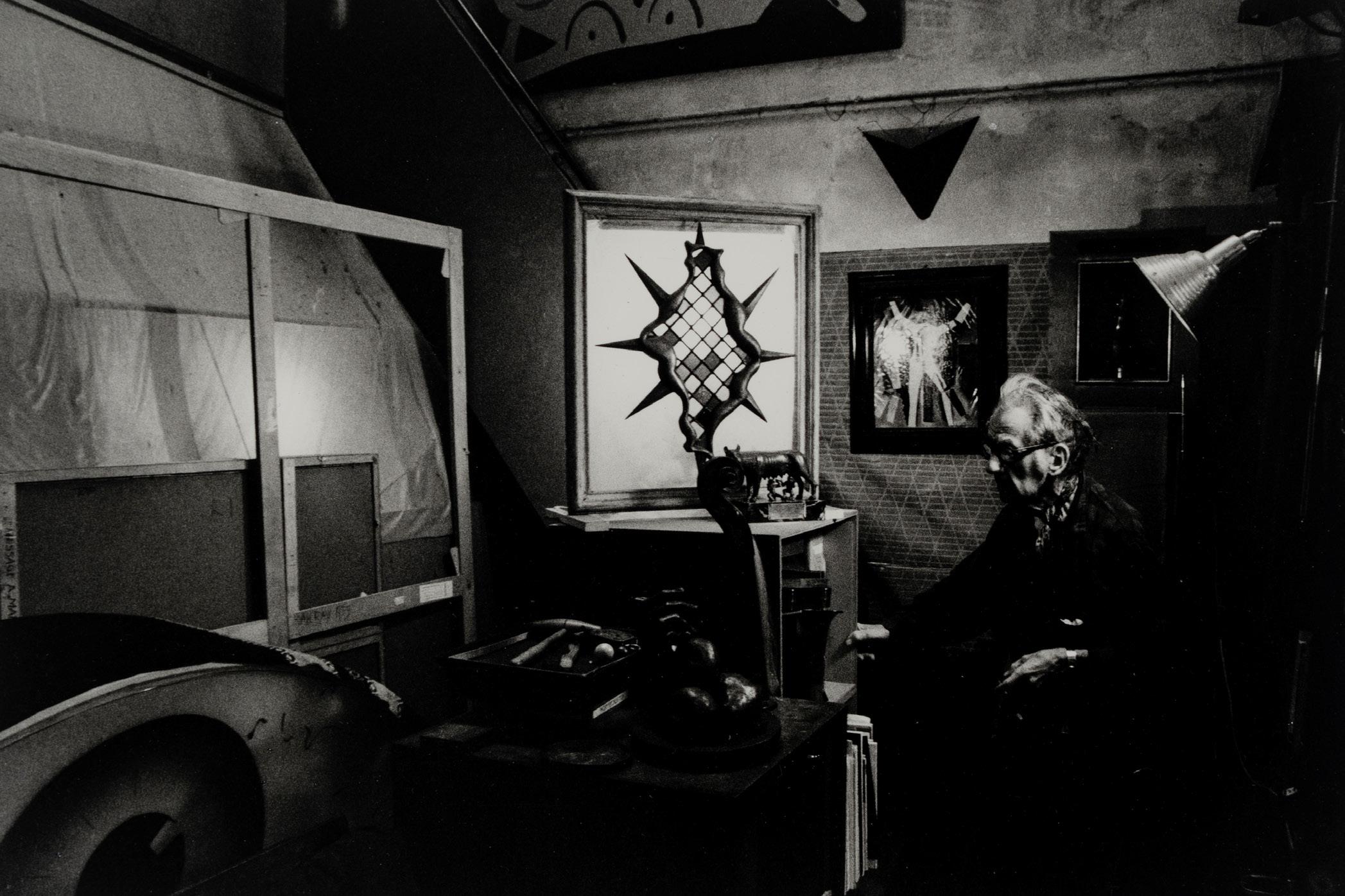
Man Ray, 1970s
Gelatin silver print
cm 23,4 x 30,6 (cm 19,5 x 29,3 picture) |
9.3 x 12 in. (7.7 x 11.5 in. picture)
Signed in black ink with finger print in red ink on the verso (Firmata a penna nera con impronta digitale a inchiostro rosso al verso)
€ 1.000 - 1.500
1071®
DINO PEDRIALI (1950-2021)
Domenico Riccardo Peretti Griva (Coassolo 1882 – Turin 1962), a highly respected judge who ended his career as President of the Court of Appeal, was a passionate photographer and a member of the so-called ‘Piedmont School of Artistic Photography’ alongside Achille Bologna, Stefano Bricarelli, Carlo Baravalle and Italo Bertoglio. His cultural outlook was that of pictorialism, within which he carved out a leading role. His photographs are characterised by his mastery of printing techniques, particularly the bromide transfer process, which required considerable manual skill and a willingness to experiment. All this led to an intense exhibition schedule and a prominent presence in publications of the time, such as the prestigious annual ‘Luci e ombre’.
Domenico Riccardo Peretti Griva (Coassolo 1882 - Torino 1962) di professione magistrato di grande valore con una carriera conclusa come Presidente della Corte di Appello, ha seguito con passione la fotografia facendo parte della cosiddetta “Scuola Piemontese di Fotografia Artistica” insieme ad Achille Bologna, Stefano Bricarelli, Carlo Baravalle, Italo Bertoglio. Il suo orizzonte culturale era quello del pittorialismo al cui interno ha conquistato un ruolo di primo piano. La conoscenza della tecnica di stampa e in particolare quella del bromolio-trasferto, che implicava notevole manualità e disponibilità alla sperimentazione, caratterizzano le sue fotografie. Tutto questo lo ha portato a una intensa attività espositiva e a una notevole presenza nelle pubblicazioni dell’epoca come il prestigioso annuario “Luci e ombre”.
Domenimo Riccardo Peretti Griva
Peretti
The photograph taken in that mountainous setting, which was particularly congenial to Peretti Griva, is rather classical. Here, one observes a process of the image breaking down within an almost Arcadian landscape characterised by a serene atmosphere, as evidenced by the close-up of the animal looking into the camera, whilst in the background the Matterhorn dominates austerely, surrounded by clouds, in all its grandeur. In Venice, like many others, the Piedmontese photographer challenged himself in the search for images that were neither predictable nor, worse still, rhetorical. It must be said that in the 1930s the city was not yet the focus of photographic imagery (for instance, prior to Fulvio Roiter’s *Venise à fleur d’eau* in 1954, there were no photographic books on the city), but the fact remains that this vertical composition, in which the gondolas stand out against the backdrop of the Church of the Salute, possesses a remarkable sense of composure.
Piuttosto classica la fotografia realizzata in quell’ambiente montano che era particolarmente congeniale a Peretti Griva. In questo caso si nota un processo di sfaldamento dell’immagine in un paesaggio quasi arcadico caratterizzato da un’atmosfera serena come certificato dal primo piano dell’animale che guarda in macchina mentre sullo sfondo domina austero circondato di nuvole il Cervino in tutta la sua imponenza. Su Venezia, come molti, il fotografo piemontese si misurava alla ricerca di immagini che non fossero prevedibili o, peggio, retoriche. C’è da dire che negli anni Trenta la città non era ancora al centro delle immagini (per dire, prima di “Venise à fleur d’eau” di Fulvio Roiter nel 1954 non c’erano libri fotografici sulla città) ma sta di fatto che questa composizione verticale dove le gondole si stagliano sullo sfondo della Chiesa della Salute ha una pregevole compostezza.
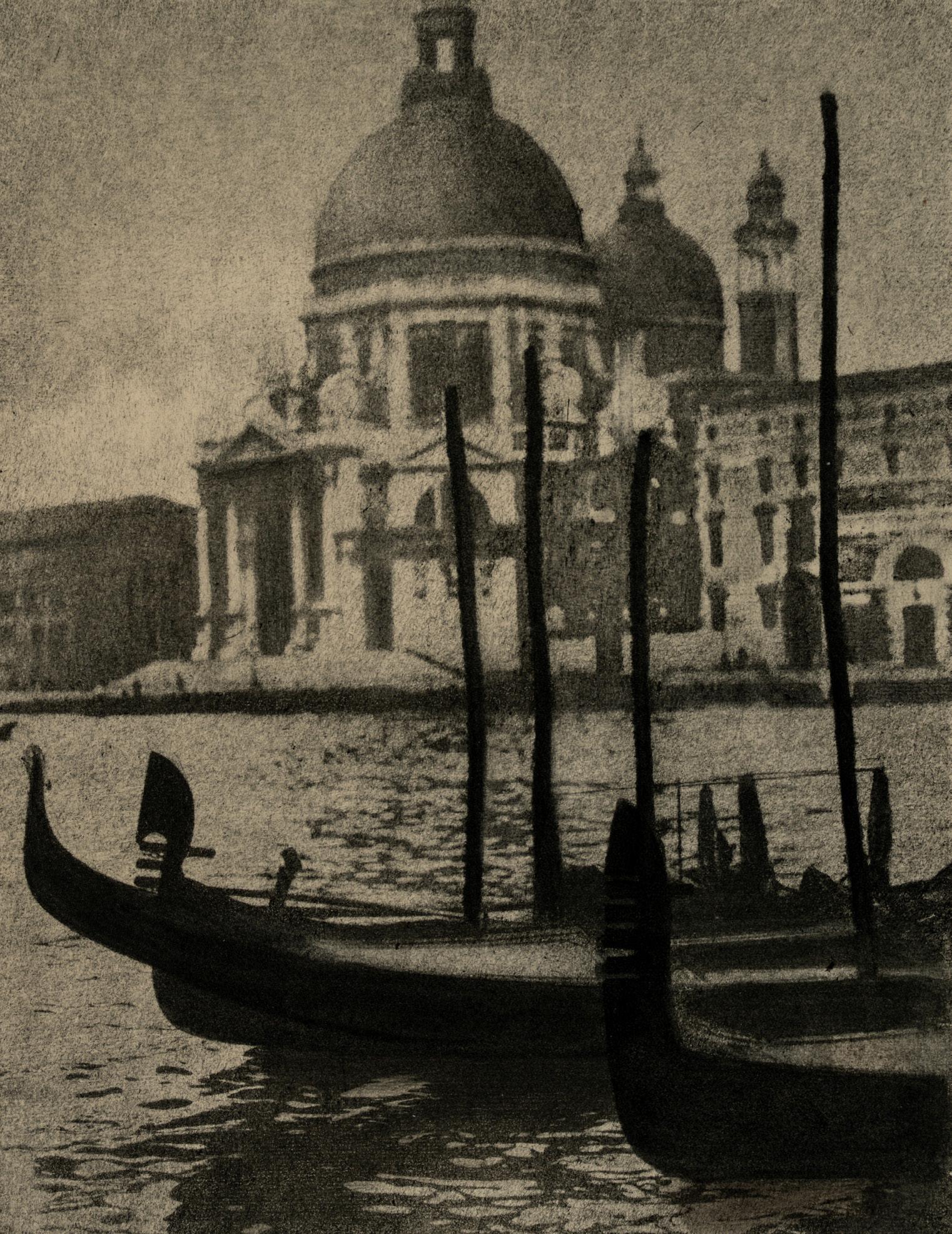
Venezia: La Chiesa della Salute, 1930s
Vintage bromoil print
cm 48,5 x 38,7 (cm 30 x 23 picture) |
19.1 x 15.2 in. (11.8 x 9 in. picture)
Titled and signed in pencil on the recto margin (Titolata e firmata a matita al margine recto)
€ 250 - 350
DOMENICO RICCARDO PERETTI GRIVA (1882-1962)
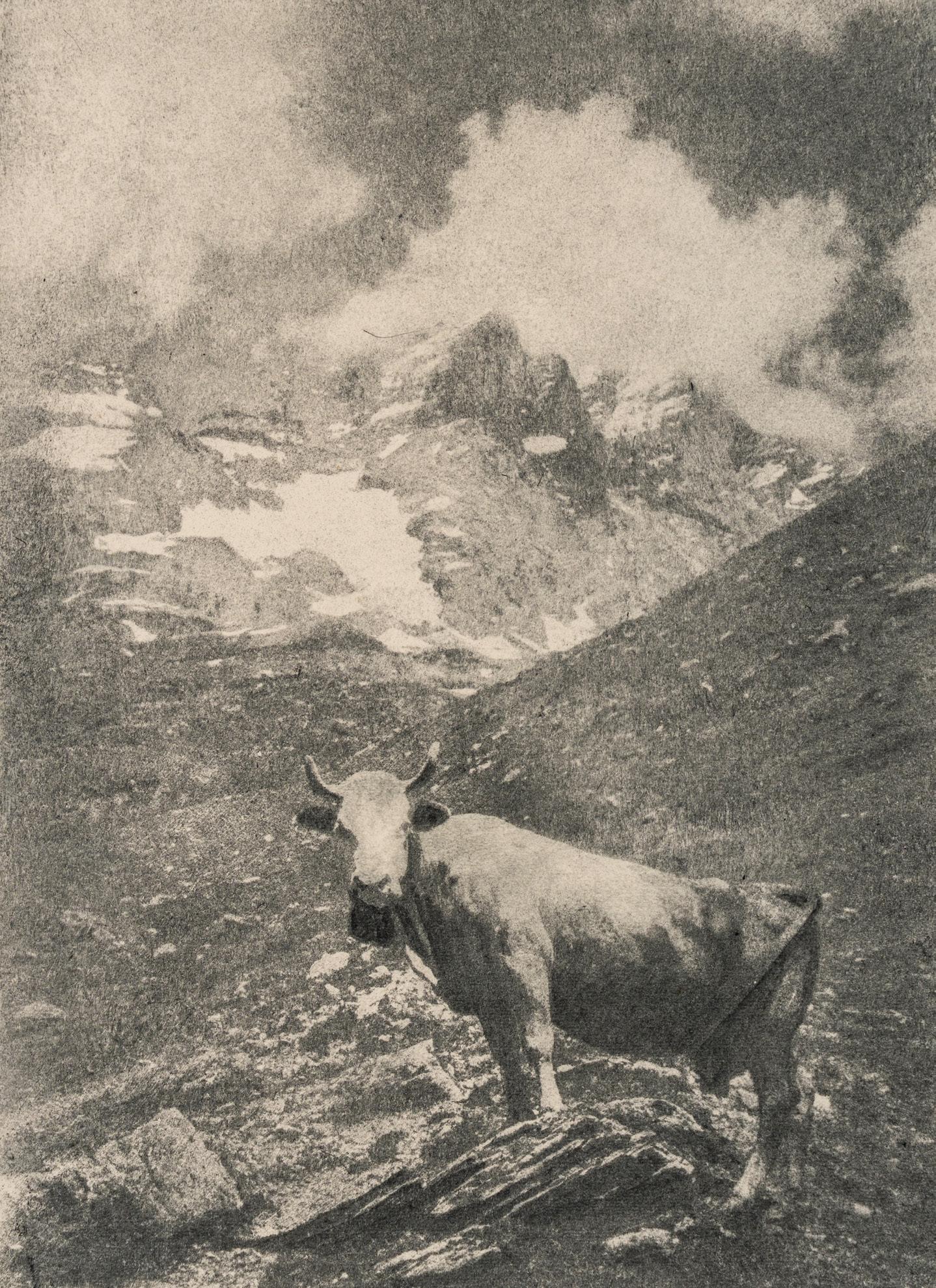
Sotto il Cervino, 1930s
Bromoil print
cm 50 x 35 (cm 24 x 17,4 picture) | 19.6 x 13.7 in. (9.4 x 6.8 in. picture)
Signed and titled in pencil on the white inferior recto margin (Firmata e titolata a matita al margine bianco inferiore recto)
LITERATURE
L. Danna (edited by), Domenico Riccardo Peretti Griva fotografo, Associazione per la Fotografia Storica, Turin, 2004, p. 57
€ 200 - 300
1073®
DOMENICO RICCARDO PERETTI GRIVA (1882-1962)
Francesco Radino (Bagno a Ripoli 1947 – Milan 2022) was born to parents who were both painters. After studying Sociology, in 1970 he became a professional photographer and chose to work in various fields, from industrial photography to design, from architecture to landscape. From the 1980s onwards, he took part in numerous public research projects on the territory, from the Archivio dello Spazio to the Atlante Italiano, and contributed to the development of research photography on the contemporary landscape, intertwining his professional work with personal research. Over the years, he has developed a freespirited approach to exploring reality that now extends beyond the landscape genre, embracing every aspect of the world, from nature to urbanised areas, from the human figure to objects, from animals to artefacts of human history. He has exhibited his work in galleries and museums across Italy, Europe, Japan and the United States, and has published numerous books. His works form part of international public and private collections.
Francesco Radino (Bagno a Ripoli 1947 – Milano 2022) nasce da genitori entrambi pittori. Dopo studi di Sociologia, nel 1970 diventa fotografo professionista e sceglie di operare in vari ambiti, dalla fotografia industriale al design, dall’architettura al paesaggio. Dagli anni Ottanta partecipa a numerosi progetti pubblici di ricerca sul territorio da Archivio dello Spazio ad Atlante Italiano e partecipa, intrecciando lavoro professionale e ricerca personale, agli sviluppi della fotografia di ricerca sul paesaggio contemporaneo. Negli anni ha elaborato un modo libero di esplorare la realtà che oggi va oltre il genere del paesaggio, aprendosi a ogni aspetto del mondo, dalla natura ai territori urbanizzati, dalla figura umana agli oggetti, dagli animali ai manufatti della storia dell’uomo. Ha esposto il suo lavoro in gallerie e musei italiani, europei, giapponesi e statunitensi, pubblicato numerosi volumi. Le sue opere fanno parte di collezioni pubbliche e private internazionali.
Francesco Radino
Radino
Francesco Radino uses black and white as color in the same measure, maintaining in both cases the tones of that delicacy that well interprets his polite style and always crossed by a vein of irony. These two works well represent his way of observing reality: it is no coincidence that one of his monographic books is well entitled Modus videndi. A beach, an arm that widens and, despite occupying only a small portion of space, allows all the attention on itself. With few, and apparently not very significant details, Radino knows how to construct a photograph full of many suggestions. To shoot Piazza Duomo, he chooses an unusual composition that escapes the predictable: he decides not to put the cathedral in the center, marking its presence with a reference that occupies the left side of the image and then focuses his attention on the open space overlooking the Royal Palace, observed slightly from above to emphasize its width.
Francesco Radino utilizza nella stessa misura il bianco e nero come il colore mantenendo in entrambi i casi i toni di quella delicatezza che ben interpreta il suo stile garbato e sempre attraversato da una vena di ironia. Queste due opere ben rappresentano il suo modo di osservare la realtà: non è un caso se un suo libro monografico è ben intitolato Modus videndi. Una spiaggia, un braccio che si allarga e, nonostante occupi solo una piccola porzione di spazio, consenta su di sé tutta l’attenzione. Con pochi, e in apparenza poco significativi particolari, Radino sa costruire una fotografia carica di molte suggestioni. Per riprendere piazza Duomo, sceglie una composizione insolita che sfugge al prevedibile: decide di non mettere al centro la cattedrale segnandone la presenza con un richiamo che occupa la parte sinistra dell’immagine e concentra poi l’attenzione sullo spiazzo che si affaccia su Palazzo Reale, osservato leggermente dall’alto per sottolinearne l’ampiezza.
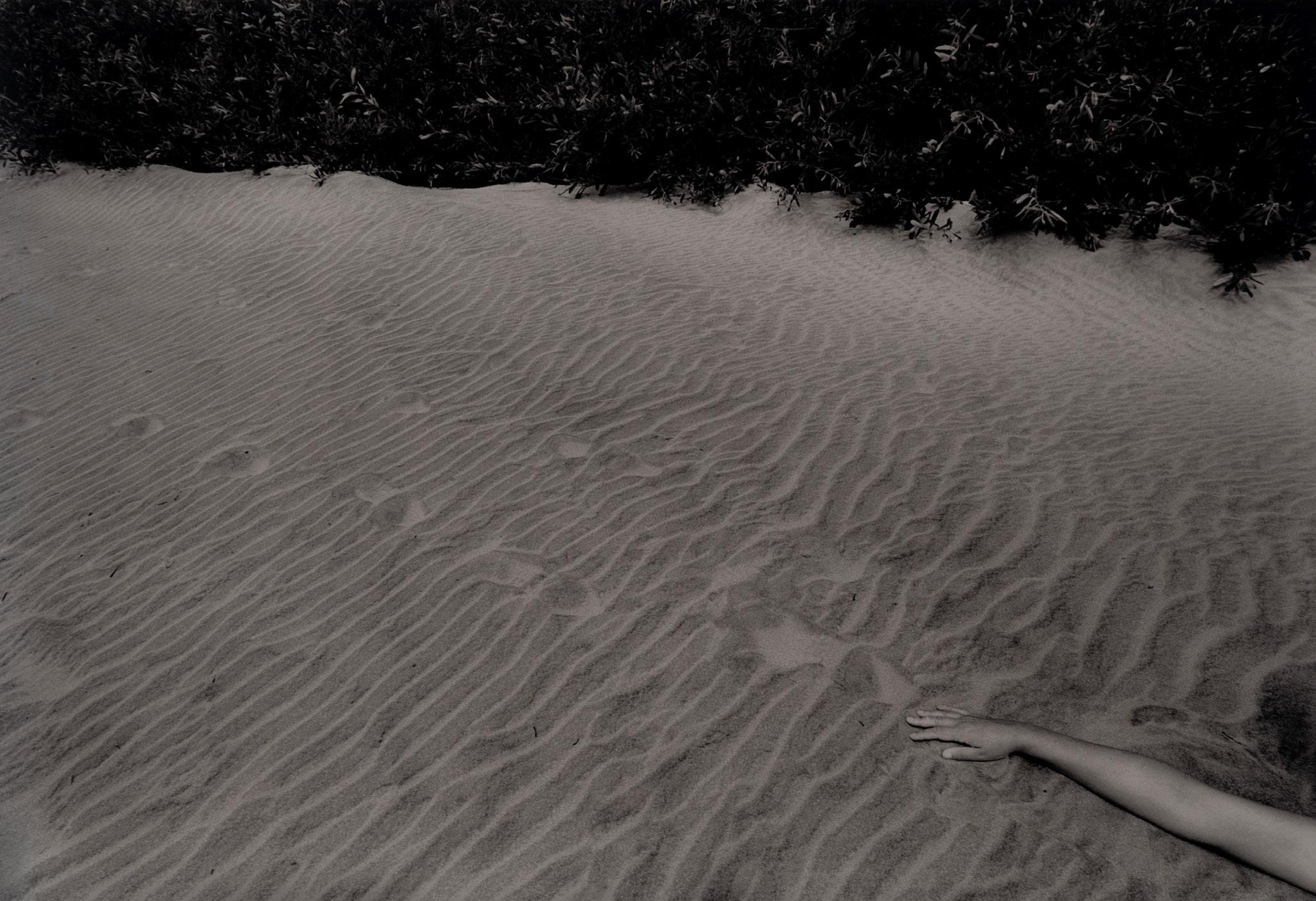
1074®
Untitled, 1989
Inkjet print
cm 42 x 59,5 (cm 37,8 x 54,8 picture) | 16.5 x 23.4 in. (14.9 x 21.6 in. picture)
Edition 5 of 10
Dated, numbered and signed in black ink with photographer’s credit stamp on the verso and photographer’s credit blindstamp on the white inferior recto margin (Edizione 5 di 10; Datata, numerata e firmata a penna nera con timbro del fotografo al verso e timbro a secco del fotografo al margine bianco inferiore recto)
€ 700 - 1.000
FRANCESCO RADINO (1947-2022)
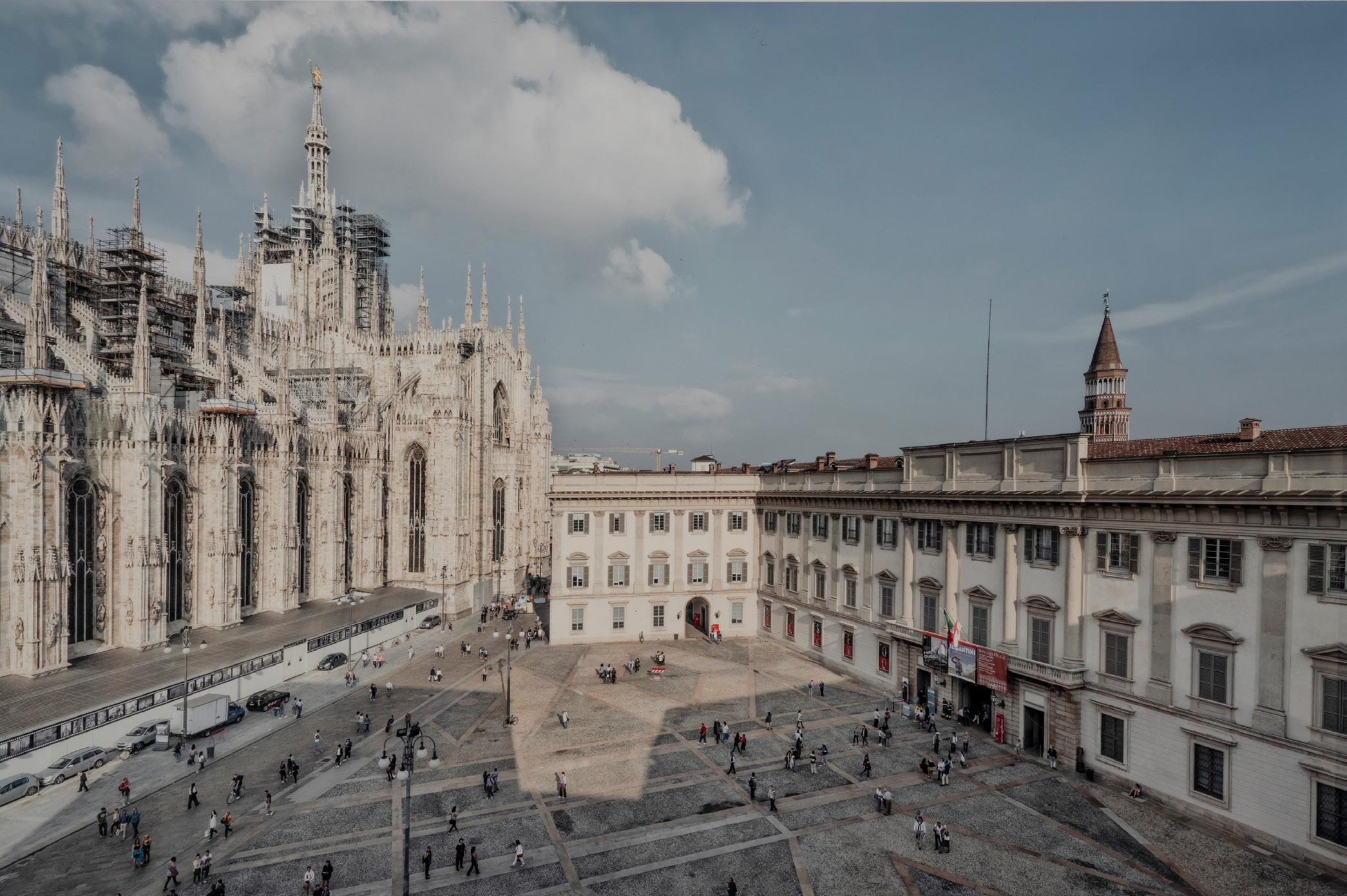
1075®
RADINO (1947-2022)
Untitled (Milan), 2014
Inkjet print
cm 42 x 59,4 (cm 36,6 x 55 picture) | 16.5 x 23.4 in. (14.4 x 21.7 in. picture)
Signed and dated in black ink with photographer’s credit stamp on the verso (Firmata e datata a penna nera con timbro del fotografo al verso)
€ 700 - 1.000
FRANCESCO
Fulvio Roiter (Meolo, Venice 1926 - Venice 2016) a trained chemical expert immediately preferred photography, which militancy in the La Gondola circle and friendship with Paolo Monti refined. The success of the photographs taken in Sicily and the books “Venise à fleud d’eau” and “Ombrie. Terre de Saint François” (Nadar Prize 1956) led him to avoid choosing newspapers and magazines to which he preferred books. He built projects thought out with professional precision: he also applied it in 1977 in “Essere Venezia,” not his finest book but the one that still holds a record with 700,000 copies sold. Every trip to Europe, Brazil, Mexico, the United States was an opportunity to produce volumes in which a great respect, more anthropological than social, for humans emerges.
Fulvio Roiter (Meolo, Venezia 1926 - Venezia 2016) perito chimico di formazione ha da subito preferito la fotografia che la militanza nel circolo La Gondola e l’amicizia con Paolo Monti hanno raffinato. Il successo delle fotografie scattate in Sicilia e dei libri “Venise à fleud d’eau” e “Ombrie. Terre de Saint François” (Premio Nadar 1956) lo spingono a non puntare quasi mai a giornali e riviste cui ha preferito i libri. Costruiva progetti pensati con professionale precisione: la applicò nel 1977 anche in “Essere Venezia”, non il suo libro più bello ma quello che detiene ancora un primato con le 700.000 copie vendute. Ogni viaggio in Europa, Brasile, Messico, Stati Uniti è stata occasione per realizzare volumi in cui emerge un grande rispetto, più antropologico che sociale, per l’uomo.
Fulvio Roiter
Roiter
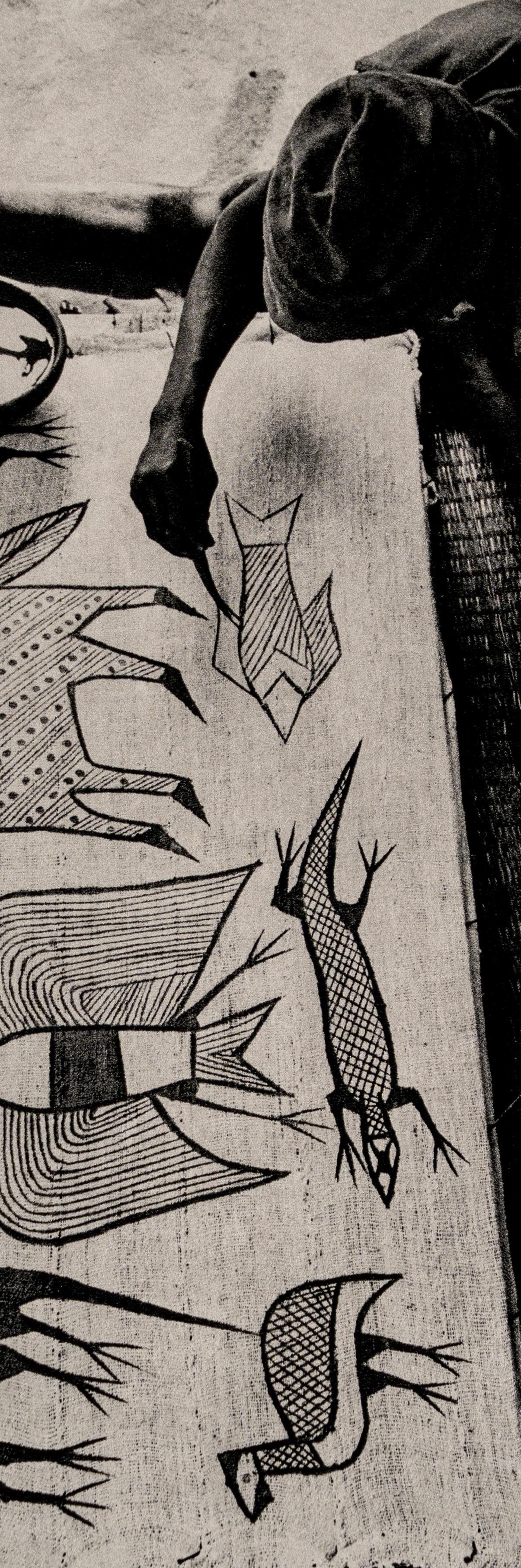
These two proposals indicate as many stages in the path that Fulvio Roiter has taken, still focusing only on black and white before being attracted by color. The nude has an interesting story: being economically stunted at the beginning, instead of a model he photographs the very young girlfriend of the time with great skill and grace. The careful use of light that enhances the smooth body of the girl who, it will be noticed, never shows her face in a deliberate protection of the photographer for his model because posing for nude photographs in those years and in the provincial environment of the clerical Veneto could have represented real problems for her, if she had been recognized. In the seventies Fulvio Roiter was already an established photographer who traveled the world and, passionate about publishing as he had always been, he decided to put together the testimonies of his African acquaintances. To the publisher Electa, which created a series called Portfoli, he thus proposed twelve portraits made between 1973 and 1976 in Zaire, Ivory Coast, Tunisia, Niger and Mali where he emphasized similarities and diversity in the decorations that his subjects proudly exhibited.
Queste due proposte indicano altrettante tappe del percorso che Fulvio Roiter ha svolto puntando ancora soltanto sul bianco e nero prima di essere attirato dal colore. Il nudo ha una storia interessante: essendo agli inizi economicamente stentati, invece di una modella fotografa la giovanissima fidanzata di allora con una grande capacità e garbo. L’uso attento della luce che esalta il corpo levigato della ragazza che, si noterà, non mostra mai il volto in una voluta protezione del fotografo per la sua modella perché posare per fotografie di nudo in quegli anni e nell’ambiente provinciale del Veneto clericale poteva rappresentare per lei, se fosse stata riconosciuta, veri problemi. Negli anni Settanta Fulvio Roiter è già un fotografo affermato che gira il mondo e, appassionato di editoria come è sempre stato, decide di mettere assieme le testimonianze delle sue frequentazioni africane. All’editore Electa che realizza una serie definita Portfoli propone così dodici ritratti realizzati fra il 1973 e 1976 in Zaire, Costa d’Avorio, Tunisia, Niger e Mali dove sottolinea somiglianze e diversità nelle decorazioni che i suoi soggetti orgogliosamente esibiscono.
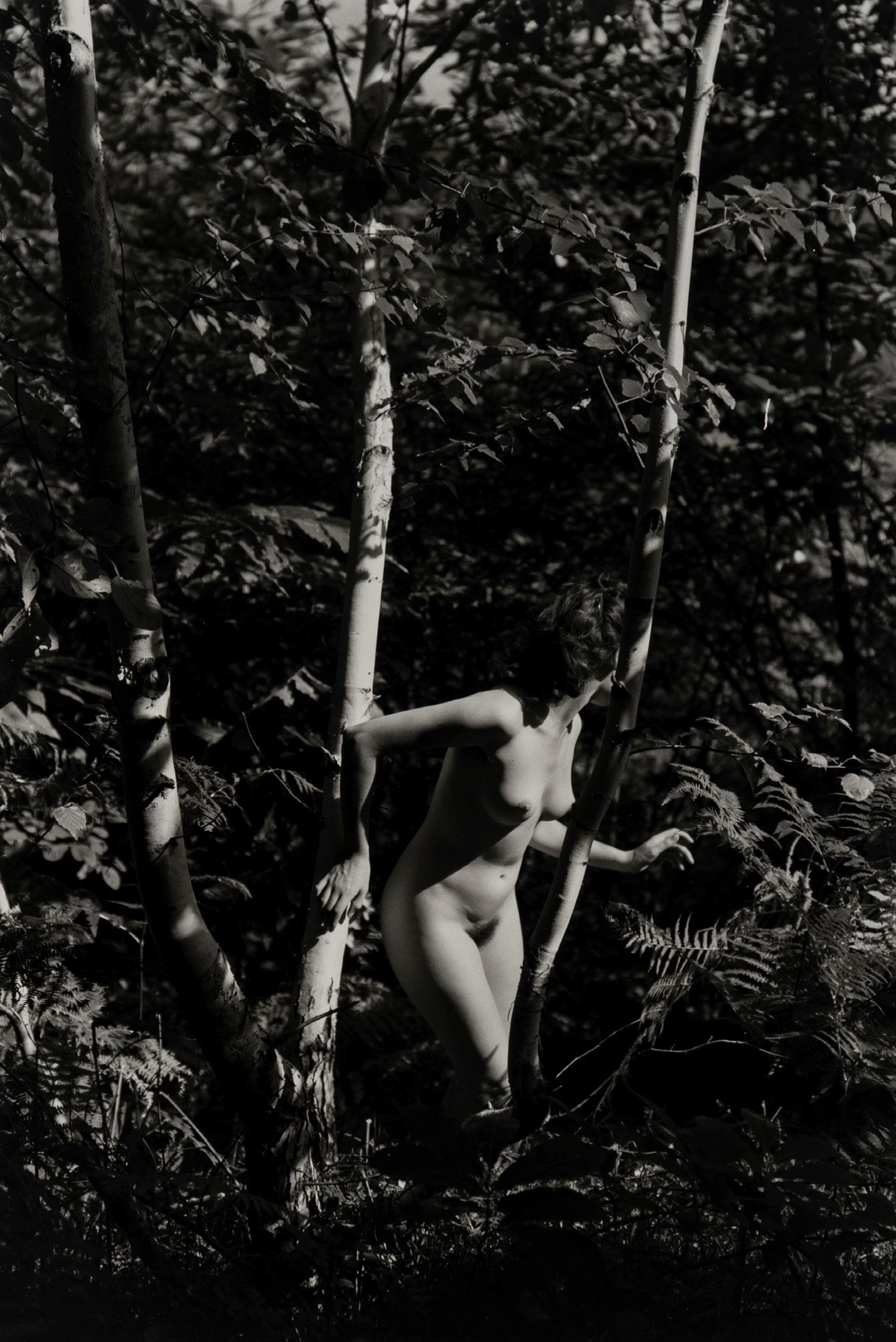
Untitled (Nude), 1950
Gelatin silver print
cm 60,5 x 50,2 (cm 51,8 x 34,7 picture) | 23.9 x 19.7 in. (20.4 x 13.7 in. picture)
Signed and dated in pencil with photographer’s credit stamp on the verso (Firmata e datata a matita con timbro del fotografo al verso)
€ 800 - 1.200
1076®
FULVIO ROITER (1926-2016)
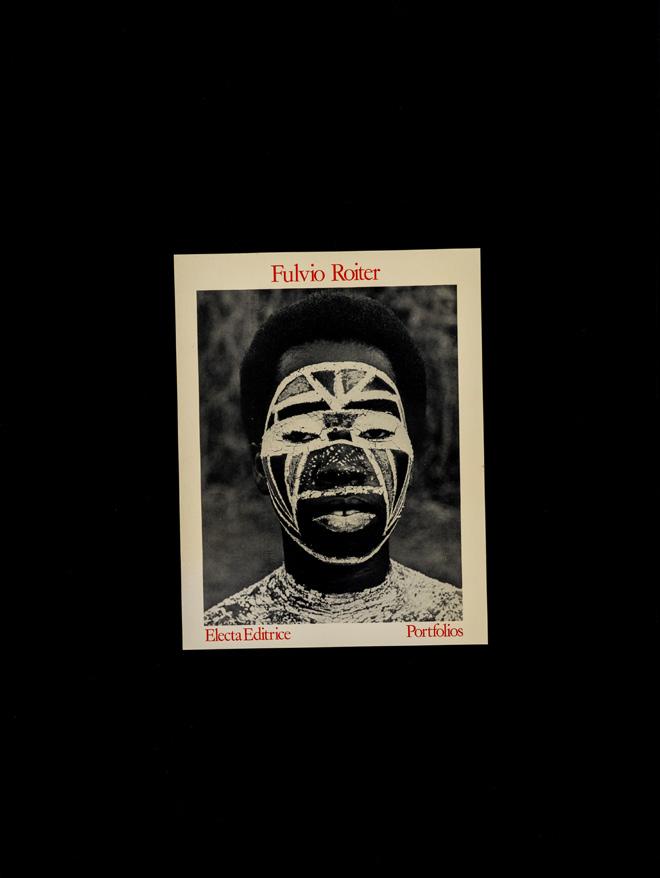
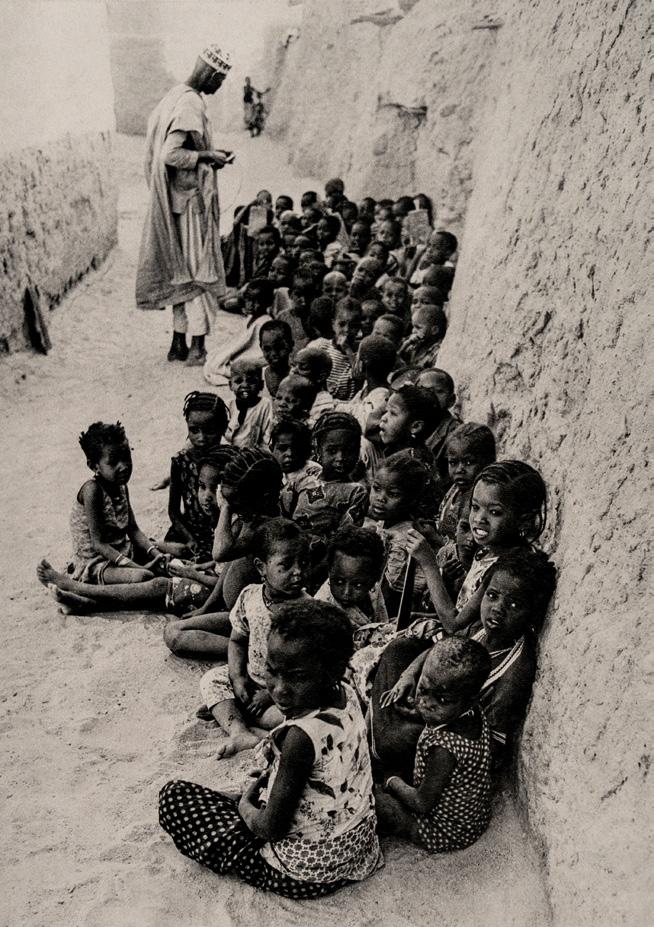
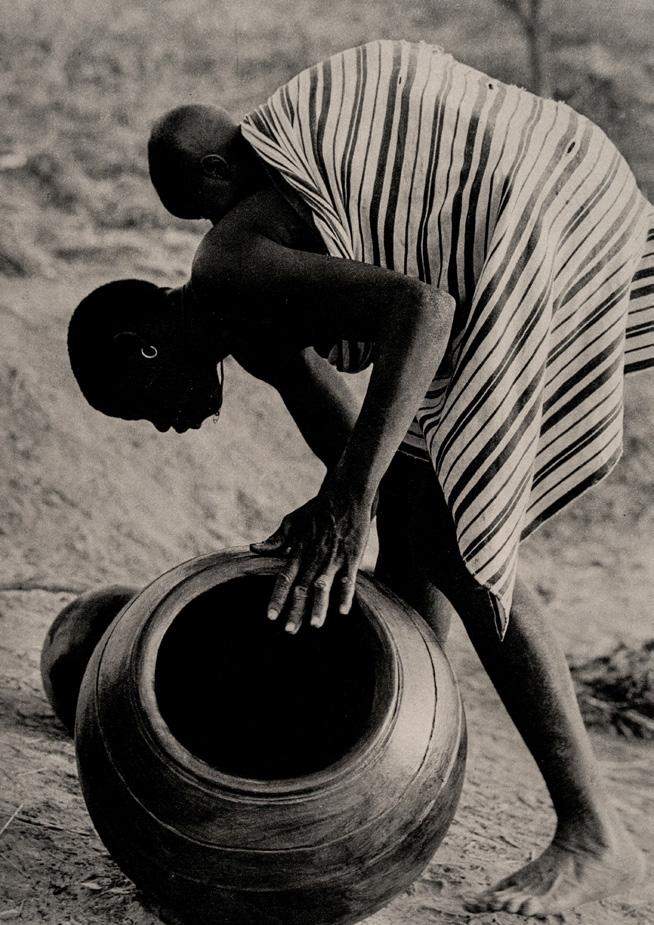
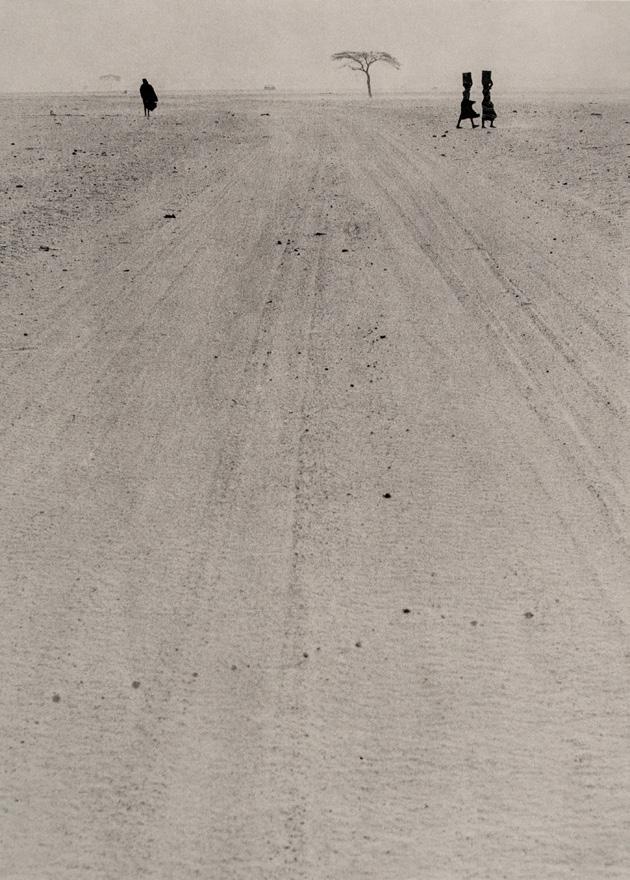
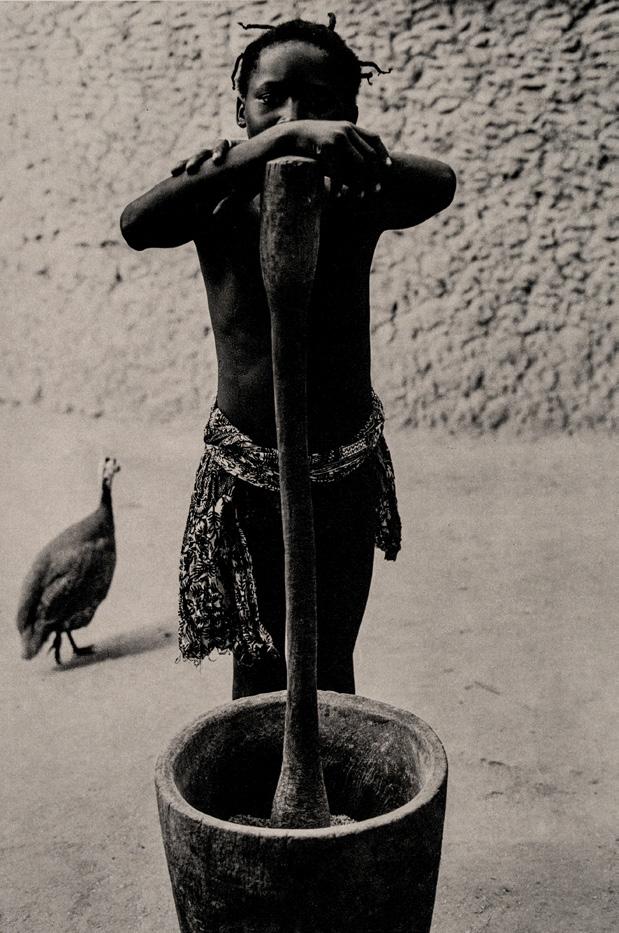
FULVIO ROITER (1926-2016)
Fulvio Roiter - Electa Editrice Portfolios, 1973/1976 12 héliogravure printed 1980, in original folder cm 40 x 30 (cm 30 x 20 approx. picture) each |
15.7 x 11.8 in. (11.8 x 7.9 in. picture) each
Edition 299 of 1000
Original edition in original black hardcover portfolio, in white hardcover box with folded sheet containing Roiter’s biography and reproductions of the 12 images. Each photograph is protected by a sheet of tissue paper. (Edizione 299 di 1000; Edizione originale in portfolio originale rigido nero, in cofanetto rigido bianco e foglio piegato con la biografia di Roiter e riproduzione delle 12 immagini. Ogni fotografia è protetta da un foglio di carta velina)
€ 400 - 600
1077®
Ferdinando Scianna (Bagheria, Palermo 1943) has always been guided a little by chance, as when in 1963 Leonardo Sciascia visited and appreciated his first exhibition, and a lot by determination, which pushed him to introduce himself to the writer who would become his great friend and shortly thereafter the extender of the text for “ Feste religiose in Sicilia,” the first of the many beloved books he would publish. Turning professional, for L’ Europeo he was a correspondent in Paris where he met Cartier-Bresson, who introduced him to Magnum, of which he became a member in 1989. Always working in black and white, he combines magnificent reportages and appreciated portraits of great intellectuals with his collaboration with Dolce and Gabbana:he thus also established himself in the fashion world by publishing in Vogue and Grazia.
Ferdinando Scianna (Bagheria, Palermo 1943) si è sempre fatto guidare un po’ dal caso, come quando nel 1963 Leonardo Sciascia ha visitato e apprezzato la sua prima mostra, e molto dalla determinazione, che lo ha spinto a presentarsi allo scrittore che sarebbe diventato suo grande amico e di lì a poco estensore del testo per “Feste religiose in Sicilia”, primo dei molti e amati libri che avrebbe pubblicato. Diventato professionista, per L’Europeo è corrispondente a Parigi dove conosce Cartier-Bresson che lo introduce alla Magnum, di cui nel 1989 diviene membro. Operando sempre in bianco e nero accosta a magnifici reportage e apprezzati ritratti di grandi intellettuali la collaborazione con Dolce e Gabbana: si afferma così anche nel mondo della moda pubblicando su Vogue e Grazia.
Ferdinando
It is difficult to pin Ferdinando Scianna down to a single definition, even though ‘photojournalist’ is the term most commonly used. This is confirmed by his vertical shot of the Sicilian tarantella, taken to emphasise the movement of the dancers, each heading in a different direction; yet the photograph he took of Mario Soldati reminds us that every good reporter must be capable of mastering the art of portraiture. In reality, Ferdinando Scianna uses it to give expression to his curiosity about the people he knows and respects: his archive contains countless photographs of this kind, in which the subjects always look directly at the camera, as if to reaffirm the strong bond established with the photographer and friend.
Difficile circoscrivere Ferdinando Scianna in una sola definizione anche se quella di fotoreporter è la più comunemente usata. Lo conferma la ripresa della tarantella siciliana realizzata in verticale per sottolineare il movimento delle danzatrici che si dirigono ognuna verso una diversa direzione, ma la fotografia scattata a Mario Soldati ci ricorda che ogni buon reporter deve essere capace di misurarsi con la tecnica del ritratto. In realtà Ferdinando Scianna la usa per dar vita alla sua curiosità delle persone che conosce e stima: nel suo archivio ci sono tantissime fotografie di questo genere dove sempre i soggetti guardano in macchina come a ribadire il forte rapporto stabilito con il fotografo e amico.
Ferdinando Scianna
FERDINANDO SCIANNA (1943)
Moisseiev, Tarantella siciliana, 1966
Vintage gelatin silver print
cm 29,6 x 22 (cm 29,6 x 11,4 picture) | 11.7 x 8.7 in. (11.7 x 4.5 in. picture)
Photographer’s credit stamp on the verso (Timbro del fotografo al verso )
€ 800 - 1.200
Mario Soldati, 1990s
Vintage gelatin silver print
cm 41,2 x 30,7 (cm 36,3 x 24 picture) | 16.2 x 12.1 in. (14.3 x 9.4 in. picture)
Work accompanied by Certificate of expertise released by Carla Pozzi
€ 800 - 1.200
1079® FERDINANDO SCIANNA (1943)
Tazio Secchiaroli (Rome, 1925–1998) began his career in his early twenties as a street photographer, but it was his friend Sergio Strizzi who introduced him to the world of photo agencies. Under the guidance of Adolfo Porry Pastorel, he learned the tricks of the trade so well that his work was soon being published in Epoca, L’Espresso, and Le Ore. He continued his work as a reporter capable of major scoops at Roma Press Photo, the agency he founded in 1955. While documenting Rome’s vibrant nightlife— brought to life by figures from the film world—he met Federico Fellini. The connection they shared (it was Secchiaroli who suggested the name Paparazzo for one of the characters in La Dolce Vita) led him to a successful career as a set photographer, eventually becoming the official photographer of Sophia Loren.
Tazio Secchiaroli (Roma 1925-1998) inizia la carriera appena ventenne come fotografo di strada, ma l’amico Sergio Strizzi lo introduce alle agenzie: da Adolfo Porry Pastorel impara così bene i segreti del mestiere da pubblicare su “Epoca”, “L’Espresso”, “Le Ore”. Prosegue alla Roma Press Photo, l’agenzia da lui fondata nel 1955, il suo lavoro di reporter capace di grandi scoop ed è documentando la vita notturna romana resa vivace dai protagonisti del mondo del cinema che incontra Federico Fellini. La sintonia che si crea – fu lui a suggerire al regista il nome di Paparazzo per uno dei protagonisti de “La Dolce Vita” – porta Secchiaroli a lavorare come fotografo di scena di grande successo e a diventare fotografo ufficiale di Sophia Loren.
Tazio Secchiaroli
Secchiaroli
That set of 8½, where the scene in which Marcello Mastroianni was to wield and use a whip was being rehearsed, must have been a spectacle within a spectacle. To explain to his actors – and even his actresses – how they were to move, Federico Fellini often took to donning the costume and mimicking the gestures: under the watchful eye and predatory lens of Tazio Secchiaroli, the director performs a daring pas de deux with the actor he regarded as his alter ego, who is wearing the costume, whilst the director himself is in an immaculate white shirt, complete with a tie. Secchiaroli, as is well known, had become Sophia Loren’s official photographer, and this magnificent portrait of the diva—in which he captures her beauty, ever poised between the common and the haughty—is enough to understand why.
Doveva essere uno spettacolo nello spettacolo quel set di 8½ dove si provava la scena in cui Marcello Mastroianni doveva impugnare e usare una frusta. Per spiegare ai suoi attori e perfino alle sue attrici come dovevano muoversi, Federico Fellini aveva spesso l’abitudine di indossane i panni e mimarne i gesti: sotto l’occhio vigile e l’obiettivo rapace di Tazio Secchiaroli, il regista si esibisce in un audace passo a due con l’attore che considerava alla stregua del suo alter ego che indossa gli abiti di scena mentre il regista è in una impeccabile camicia bianca con tanto di cravatta. Secchiaroli, è noto, era diventato il fotografo ufficiale di Sophia Loren e per capirlo basterebbe questo gran ritratto della diva di cui coglie la bellezza sempre in equilibrio fra il popolano e l’altero.
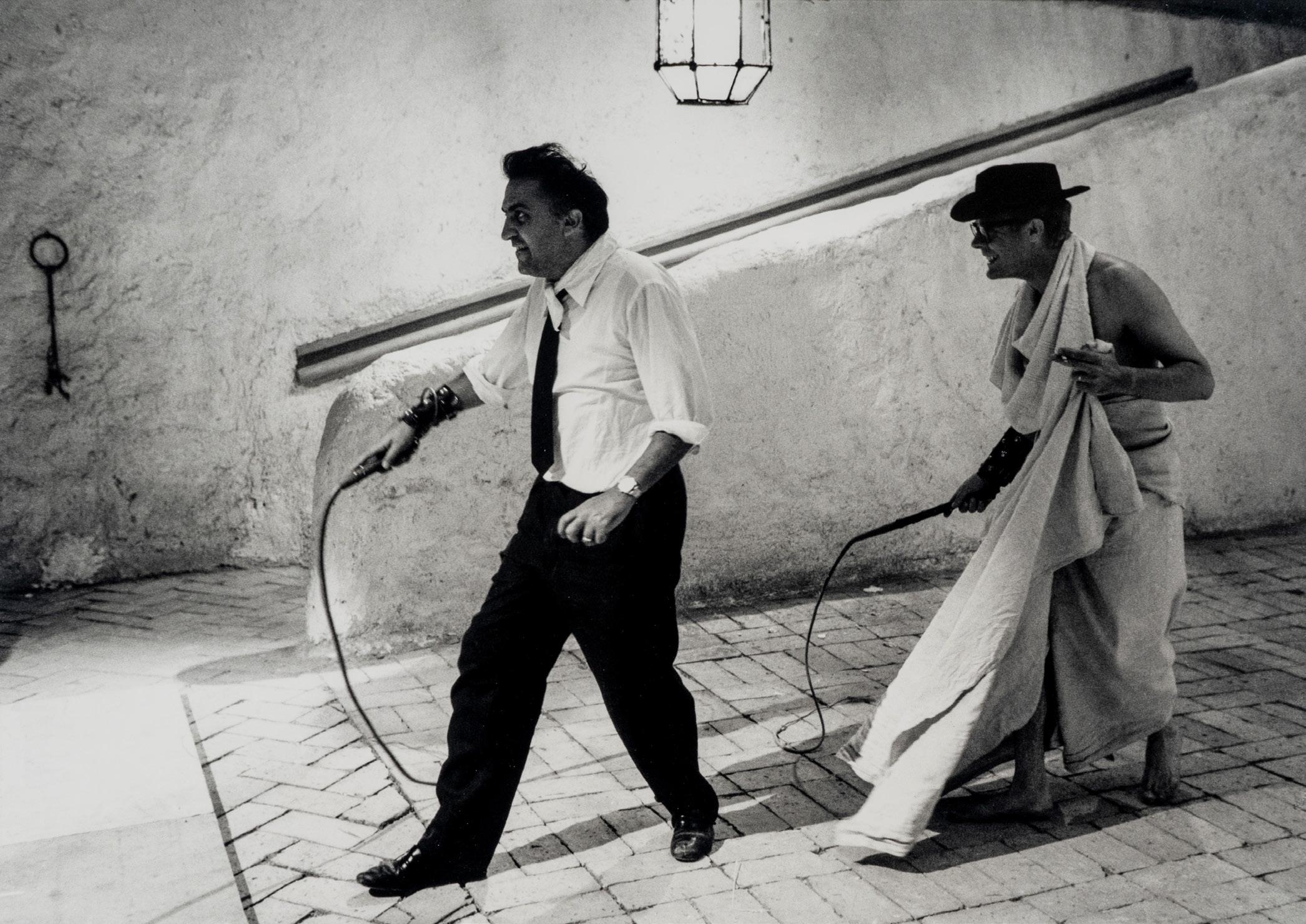
TAZIO SECCHIAROLI (1925-1998)
Gelatin silver print
cm 34,3 x 46,5 (cm 29,8 x 42 picture) |
13.5 x 18.3 in. (11.7 x 16.5 in. picture)
@TAZIO SECCHIAROLI/DAVID SECCHIAROLI stamp on the verso (Timbro @TAZIO SECCHIAROLI/DAVID SECCHIAROLI al verso)
€ 1.000 - 1.500
Federico Fellini and Marcello Mastroianni in “8½”, 1962
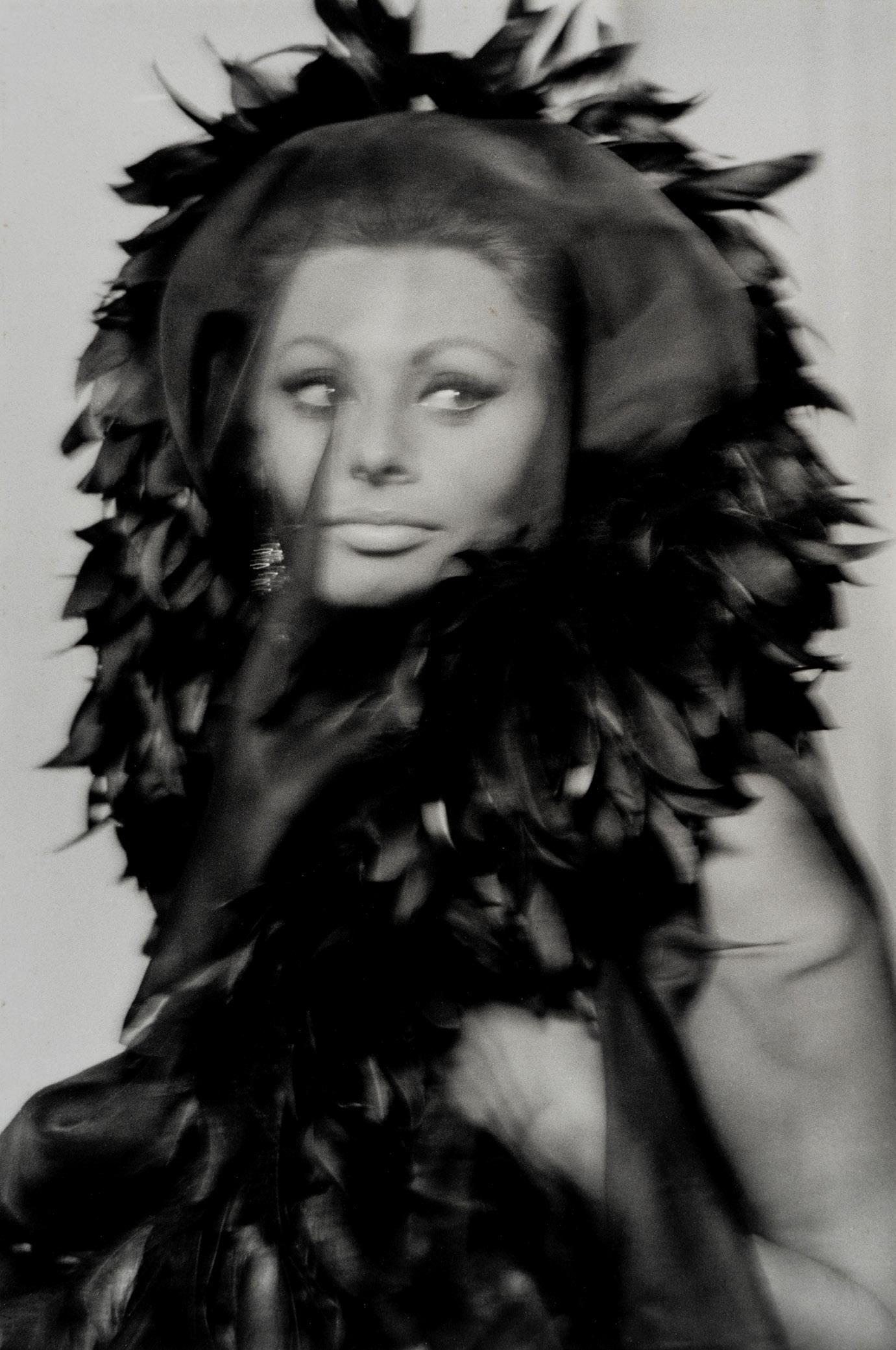
1081®
TAZIO SECCHIAROLI (1925-1998)
Sophia Loren, 1966
Gelatin silver print
cm 49,7 x 39,7 (cm 44,5 x 29,5 picture) |
19.6 x 15.6 in. (17.5 x 11.6 in. picture)
@TAZIO SECCHIAROLI/DAVID SECCHIAROLI stamp on the verso (Timbro @TAZIO SECCHIAROLI/DAVID SECCHIAROLI al verso)
€ 1.000 - 1.500
Vittorio Sella (Biella 1859 – 1943) inherited his passion for photography from his father, a textile entrepreneur and author of the treatise “Il plico fotografico” and combined it with the passion for the mountains acquired from his uncle Quirino, founder of the Italian Alpine Club (CAI). A skilled mountaineer, he used his 30x36 cm view camera to document the expeditions that took him between 1889 and 1909 to the Caucasus, Alaska, the Ruwenzori, the Karakoram, and both sides of the Alps. Over the years, he employed a variety of photographic techniques, from different-sized collodion plates to bromide plates, and even invented sophisticated transport systems, such as padded backpacks, to carry cameras, glass plates, and chemical supplies to mountain summits. His works had also great success at major international exhibitions, and it is thanks to him that this genre of photography came to be known as foto alpinismo (mountain photography), even when practiced far from the Alps. As an entrepreneur, he also managed the family’s textile mill and contributed to the founding of the Sella & Mosca winery.
Vittorio Sella (Biella 1859 - 1943) dal padre, imprenditore tessile ma anche autore del trattato “Il plico fotografico”, eredita la passione per la fotografia che coniuga con quella della montagna acquisita dallo zio Quirino fondatore del CAI. Provetto alpinista, con il suo banco ottico 30x36 documenta i viaggi che fra il 1889 e il 1909 lo vedono nel Caucaso, in Alaska, sul Ruwenzori, nel Karakorum e sulle Alpi riprese in entrambi i versanti. Utilizza negli anni varie tecniche, dalle lastre al collodio di diverse dimensioni a quelle al bromuro, ma è anche inventore di elaborati sistemi di trasporto come zaini imbottiti per trasportare in vetta macchine, lastre di vetro, prodotti chimici. Grande è il successo ottenuto anche in importanti mostre internazionali e si deve a lui se questo genere fotografico si chiama foto alpinismo anche quando è realizzato lontano dalle Alpi. Come imprenditore dirige il lanificio di famiglia e partecipa alla creazione dell’azienda vinicola Sella & Mosca.
Vittorio Sella
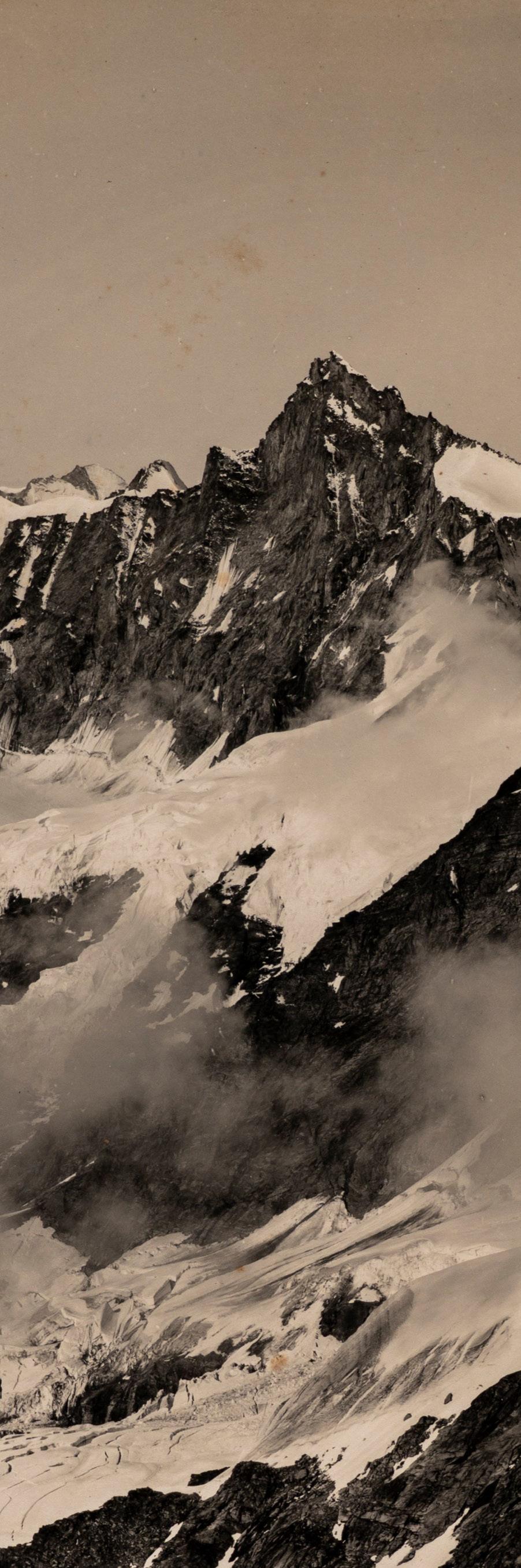
It is hard to imagine today the difficulties faced by a photographer in the late 19th century who sought to capture the mountains in order to highlight their majesty. It was certainly possible to do so with small portable cameras (Sella himself carried a Kodak 9x12, but only for snapshots), yet to achieve results of such extraordinary quality as those presented here, one had to resort to bulky and cumbersome view cameras, as the large negatives were used to produce contact prints rich in astonishing detail. To achieve this, one also needed a certain ingenuity in devising systems to protect against the wind, which would shake the camera tripod, and the mountaineers’ own ability to reach the right vantage points: this is the case with the meticulous photograph of the Matterhorn and, three years later, of Gran Paradiso. The details are astonishing, as is that sense of depth which allows the viewer to feel fully immersed in the scene.
È difficile oggi immaginare quali erano le difficoltà che doveva affrontare un fotografo che alla fine dell’800 doveva riprendere le montagne per sottolineare la loro maestosità. Si poteva certo farlo con le piccole portatili fotocamere (lo stesso Sella si portava appresso ma solo per le istantanee una Kodak 9x12) ma per ottenere risultati di straordinaria qualità come quelli qui proposti bisognava ricorrere agli ingombranti e macchinosi banchi ottici perché dai grandi negativi si ricavavano a contatto stampe ricche di dettagli stupefacenti. Per farlo bisognava anche possedere un certo estro nell’inventarsi sistemi di protezione dal vento che faceva muovere il treppiede della fotocamera e la capacità propria degli alpinisti, di conquistare i giusti punti di osservazione: è questo il caso dell’accurata ripresa del Cervino e, tre anni dopo, del Gran Paradiso. Sorprendenti i dettagli e quel senso di profondità che permette a chi osserva la scena di sentirsi pienamente coinvolto.
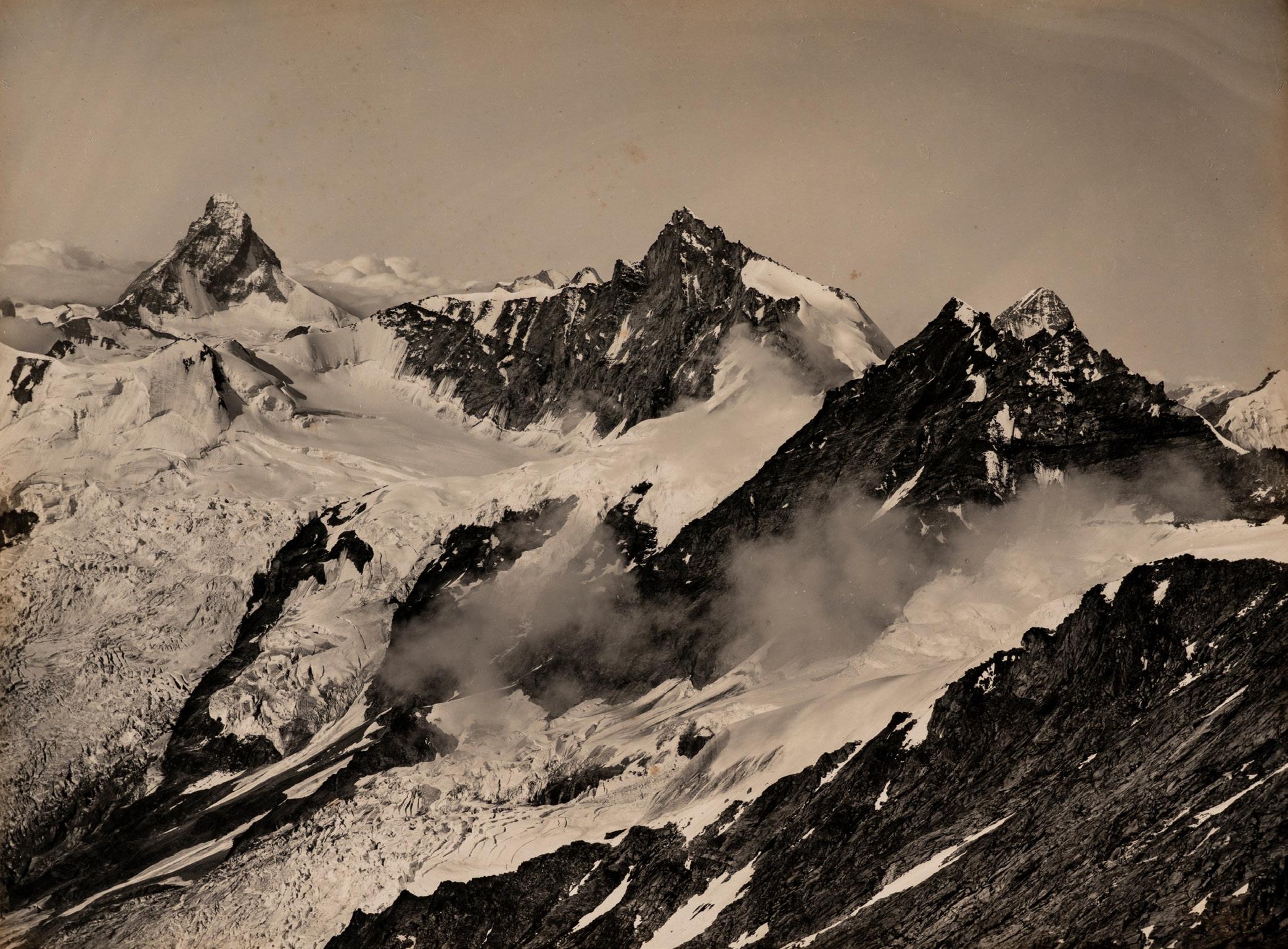
Cervino Rothern, 1887
Gelatin silver print
cm 30 x 39,5 (cm 27,9 x 37,5 picture) | 11.8 x 15.5 in. (10.9 x 14,5 in. picture)
Photographer’s credit blindstamp on the image (Timbro a secco del fotografo sull’immagine)
€ 600 - 800
1082
VITTORIO SELLA (1859-1943)
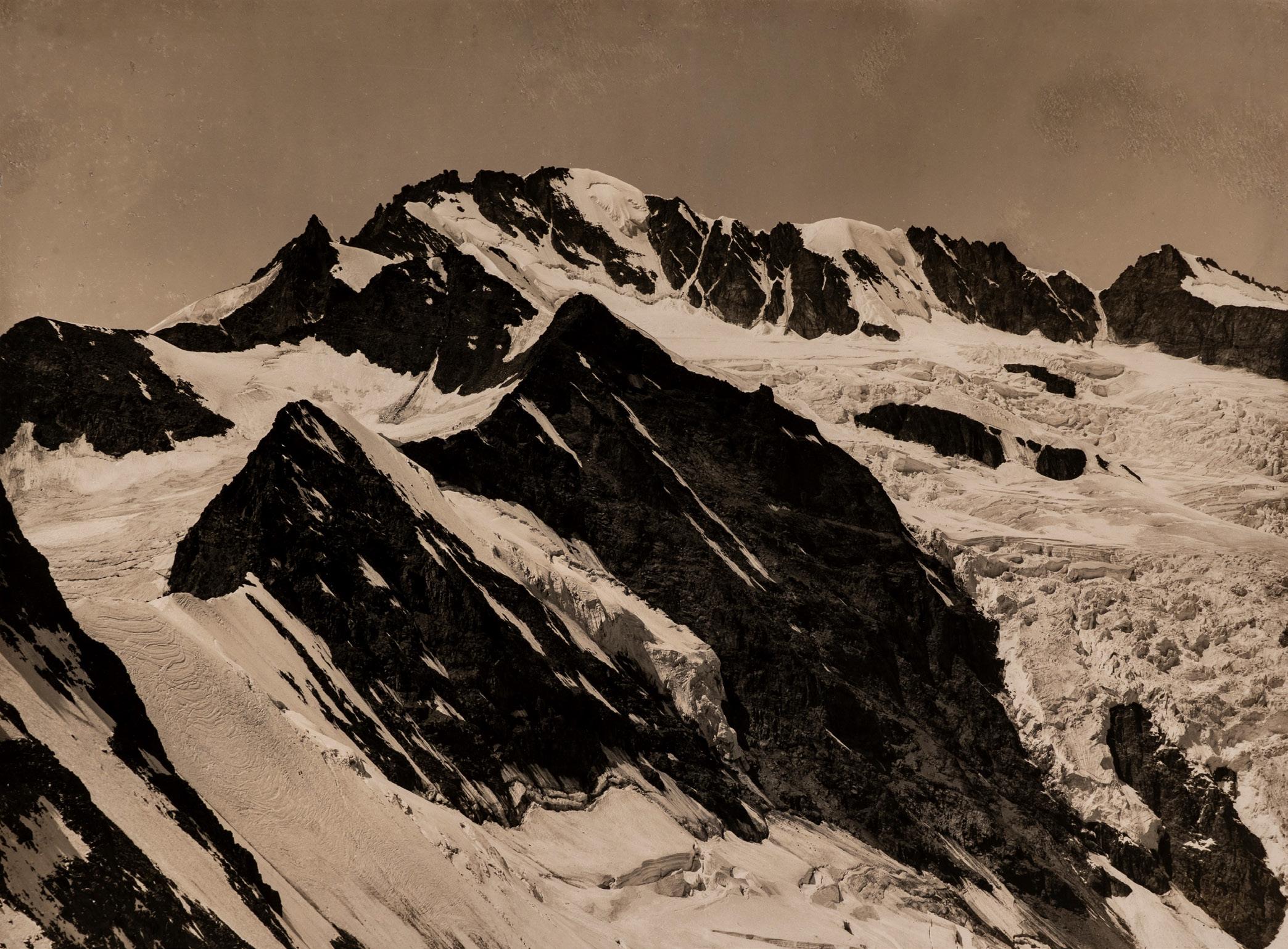
Il Gran Paradiso dal Col Baretti, 1894
Gelatin silver print
cm 29,9 x 39,8 (cm 28,3 x 38,2 picture) | 11.8 x 15.7 in. (11.2 x 15 in. picture)
Photographer’s credit blindstamp on the image (Timbro a secco del fotografo sull’immagine)
€ 600 - 800
1083
VITTORIO SELLA (1859-1943)
Enzo Sellerio (Palermo 1924 - 2012) born in a family of intellectuals, he graduated in Law and quit his university career to embrace in the early 1950s the career of photographer by publishing in the periodicals “Sicilia,” “Cinema Nuovo” and “Il Mondo” with images of neorealist taste thanks to which he made his first personal exhibitions. Reportages in the Swiss magazine “du” allowed him, in the first half of the 1960s, to work as a freelancer between Paris and New York for Vogue portraying important cultural personalities. A new and different interest in publishing led him to put photography aside and found, with his wife Elvira, Sellerio Edizioni, which published both art and fiction books.
Enzo Sellerio (Palermo 1924 - 2012), nato in una famiglia di intellettuali, si laurea in Giurisprudenza e abbandona la carriera universitaria per abbracciare nei primi anni ’50 quella di fotografo pubblicando sui periodici “Sicilia”, “Cinema Nuovo” e “Il Mondo” con immagini di gusto neorealista grazie alle quali realizza le prime mostre personali. I reportage sulla rivista svizzera “du” gli consentono, nella prima metà degli anni ’60, di lavorare da free lance fra Parigi e New York per Vogue ritraendo importanti personaggi della cultura. Un nuovo e diverso interesse per l’editoria lo induce a mettere da parte la fotografia e fondare, con la moglie Elvira, la Sellerio Edizioni che pubblica sia libri d’arte che di narrativa.
Enzo Sellerio
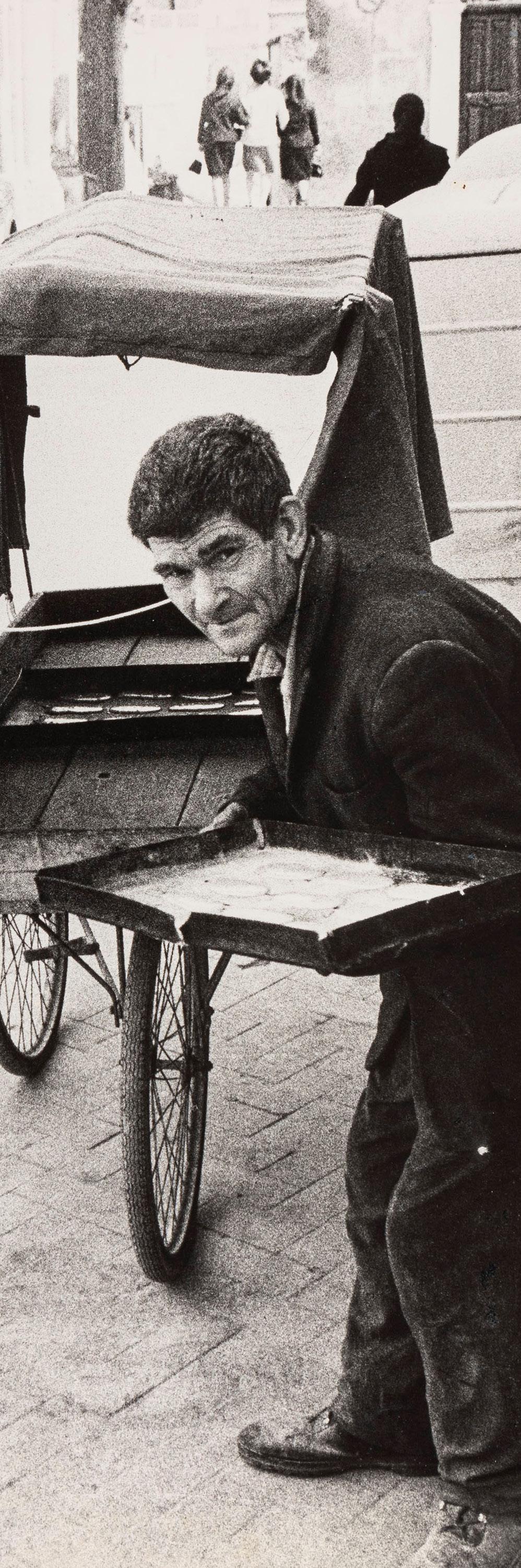
Those who do not know photography are always a little surprised to discover that Enzo Sellerio was not only a great publisher but also an excellent photographer who is part of those authors who in the post-war period gave life to a real photographic school designed not so much and not only as a personal research, but above all to be published in magazines that in Italy in those years represented a great training ground and even an instrument of education and cultural struggle that moved parallel to cinema. In fact, these two shots shot in expressive black and white have a cinematic narrative tone. Poverty and wealth, everyday life and exceptionality, shy attitude and exhibited impudence confront each other in these two images that seem to dialogue with each other.
Chi non si intende di fotografia resta sempre un po’ stupito nello scoprire che Enzo Sellerio non è stato solo un grande editore ma anche un eccellente fotografo che si inserisce nel novero di quegli autori che nel dopoguerra hanno dato vita a una vera e propria scuola fotografica pensata non tanto e non solo come ricerca personale, ma soprattutto per essere pubblicata sui rotocalchi che in Italia in quegli anni hanno rappresentato una grande palestra e perfino uno strumento di educazione e di lotta culturale che si muoveva parallelamente al cinema. Un tono narrativo cinematografico hanno in effetti queste due riprese scattate in un espressivo bianco e nero. Povertà e ricchezza, quotidianità ed eccezionalità, atteggiamento schivo e sfrontatezza esibita si confrontano in queste due immagini che sembrano dialogare fra di loro.
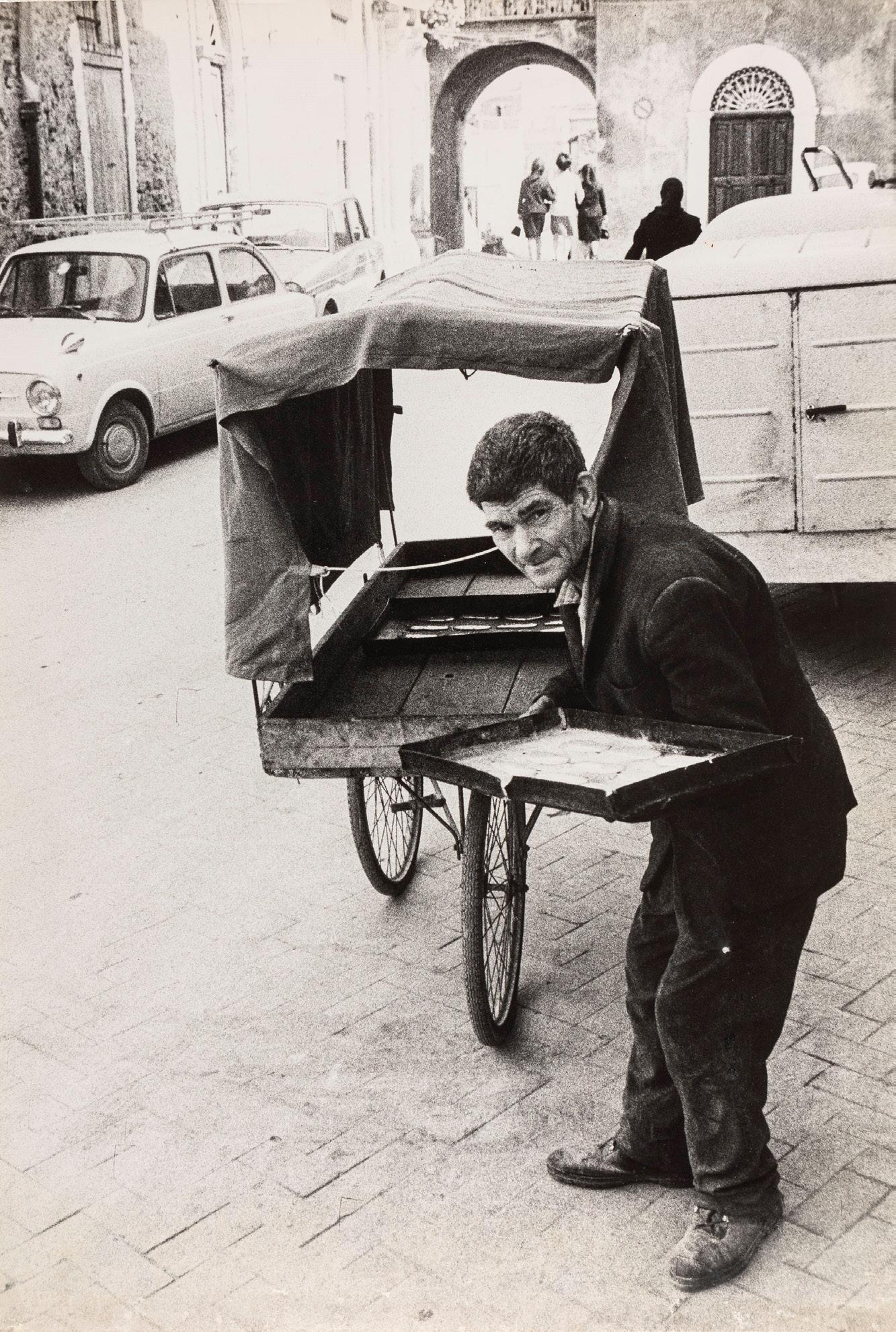
®
Racalmuto, Agrigento, 1966
Gelatin silver print, printed in 1970s/1980s cm 61 x 41,4 | 24 x 16.3 in.
Signed in black felt pen with photographer’s credit stamp on the verso (Firmata a pennarello nero con timbro del fotografo al verso)
LITERATURE
Leonardo Sciascia (edited by), 16 fotografie siciliane dall’archivio di Enzo
Sellerio, Tipografia Torinese Editrice, 1969
€ 800 - 1.200
1084
ENZO SELLERIO (1924-2012)
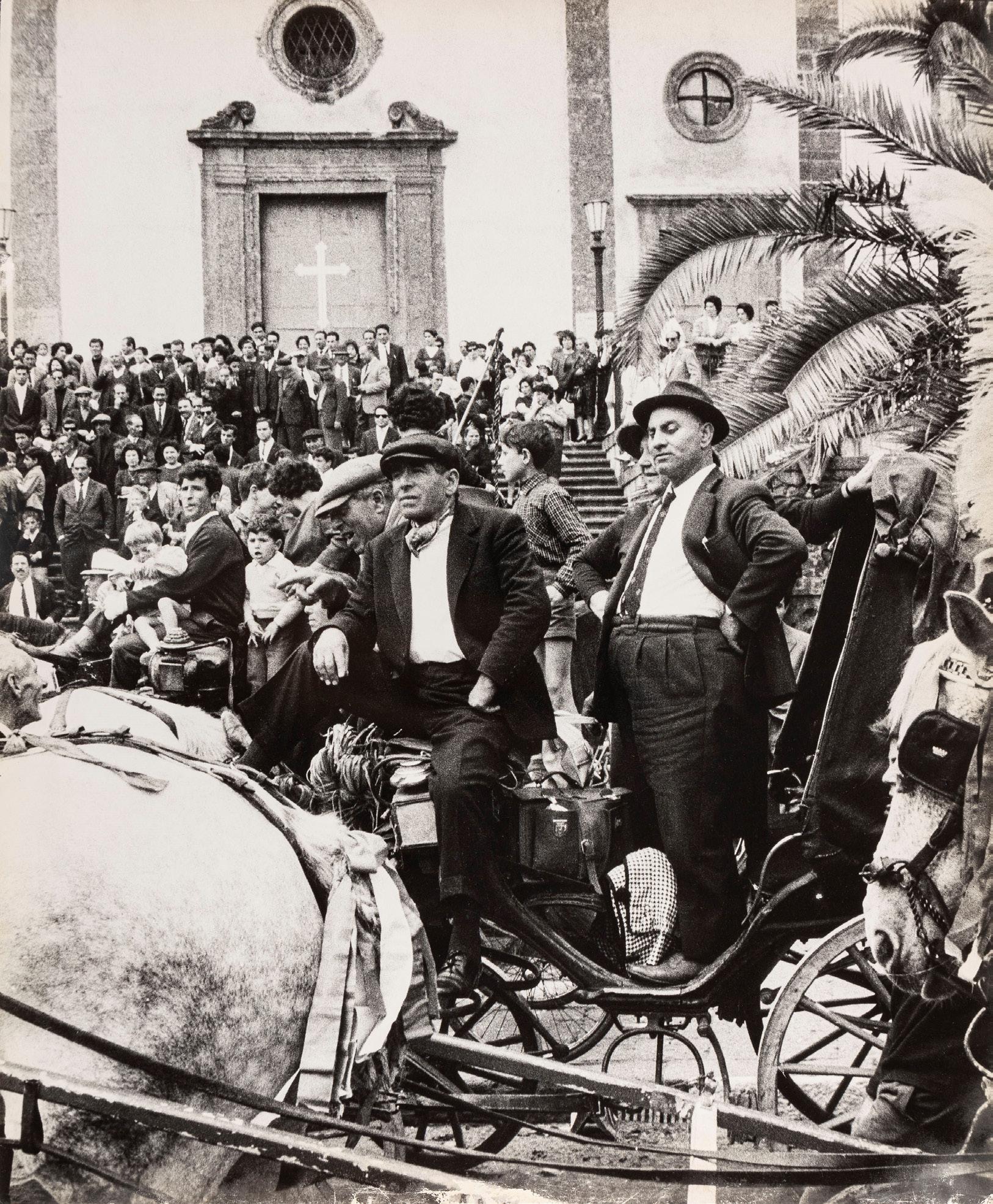
Untitled (Sicily), 1960s/1970s
Gelatin silver print, printed in 1970s/1980s
cm 61 x 50,6 | 24 x 19.9 in.
Signed in black felt pen with photographer’s credit stamp on the verso (Firmata a pennarello nero con timbro del fotografo al verso)
€ 800 - 1.200
1085® ENZO SELLERIO (1924-2012)
Pino Settanni (Grottaglie, Taranto, 1949–Rome, 2010) left his job at Italsider in Taranto to pursue his passion for photography in Rome. There, he collaborated with various publications and moved in the avant-garde circles centred around galleries such as that of Monique Gregory, his future wife. He thus broadened his vision by creating serial projects such as portraits of figures from the worlds of culture and art, and interpretations of the Tarot, the zodiac signs and the seven deadly sins. He resumed his reportage work in the Balkans and Afghanistan, commissioned by the Italian Army in the late 1990s, to create digitally enhanced images. His archive is held by the Istituto Luce.
Pino Settanni (Grottaglie TA 1949-Roma 2010) lascia il lavoro all’Italsider di Taranto per seguire la sua passione per la fotografia a Roma. Lì collabora con diverse testate e frequenta il mondo dell’avanguardia che gravita attorno ad alcune gallerie come quella di Monique Gregory, sua futura moglie. Amplia così la sua visione creando progetti seriali come i ritratti di personalità della cultura e dell’arte e le interpretazioni dei Tarocchi, dei segni zodiacali, dei sette vizi capitali. Riprende i suoi reportage nei Balcani e in Afghanistan commissionatigli dall’ Esercito italiano alla fine degli anni ’90 per creare immagini elaborate digitalmente. Il suo archivio è custodito dall’Istituto Luce.
Pino Settani
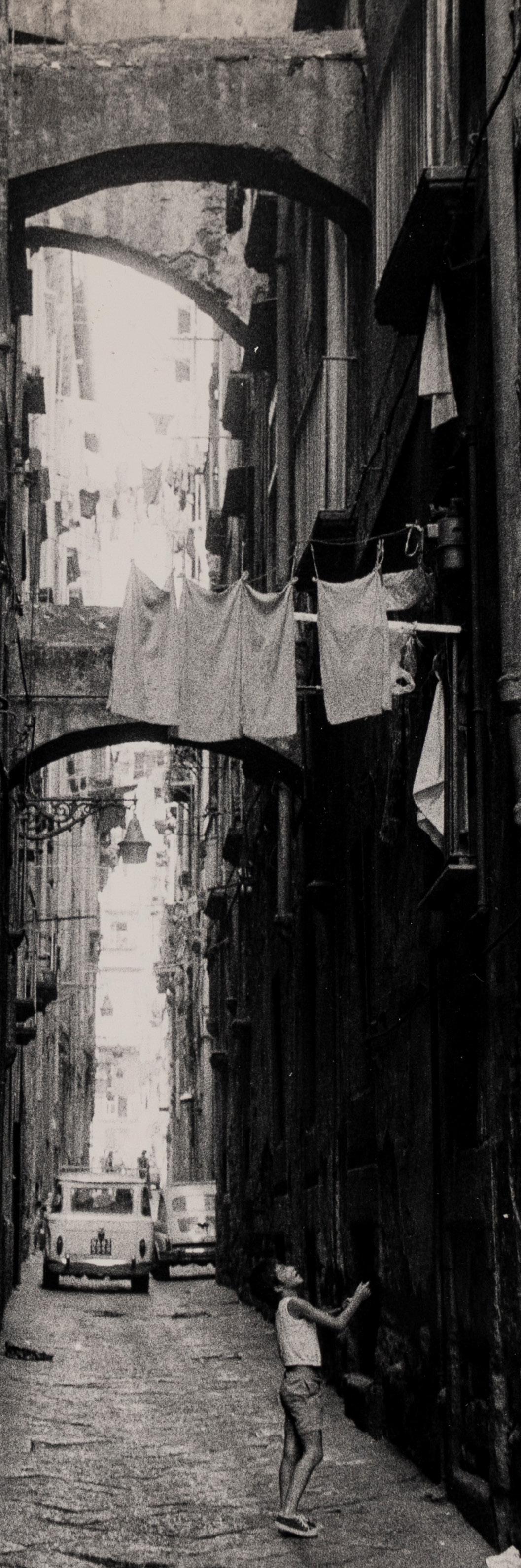
Although he was quite capable, as in his photo-essays, of depicting the world as it appears, Pino Settanni had been too deeply influenced by his knowledge of avant-garde works to fail to carve out a personal creative space within which to sublimate reality. At times he works in a manner that might be described as more traditional, as in the case of the beautiful shot taken in Naples, where the long, narrow street becomes a world of its own, made up of footsteps, voices and vehicles rumbling past. The diptych, also shot in Naples, is particularly interesting as it reveals Settanni’s working method: he presents the classic colour image of the same subject alongside a black-and-white version, on which – as if feeling a longing for colour – he intervenes with small but significant brushstrokes of colour.
Ben capace come nei suoi reportage di rappresentare il mondo per come appare, Pino Settanni era stato troppo influenzato dalla conoscenza delle opere d’avanguardia per non crearsi un personale spazio creativo all’interno del quale sublimare la realtà. Talvolta lavora in un modo che potremmo definire più tradizionale come nel caso della bella ripresa napoletana dove il basso lungo e stretto diventa un vero e proprio mondo fatto di passi, di voci, di veicoli che avanzano rumorosi. Molto interessante il dittico sempre ripreso a Napoli perché mostra il metodo di lavoro di Settanni che dello stesso soggetto ci propone la classica immagine a colori accanto a quella in bianco e nero su cui, come avesse avuto nostalgia dei cromatismi, interviene con piccole ma significative pennellate di colore.
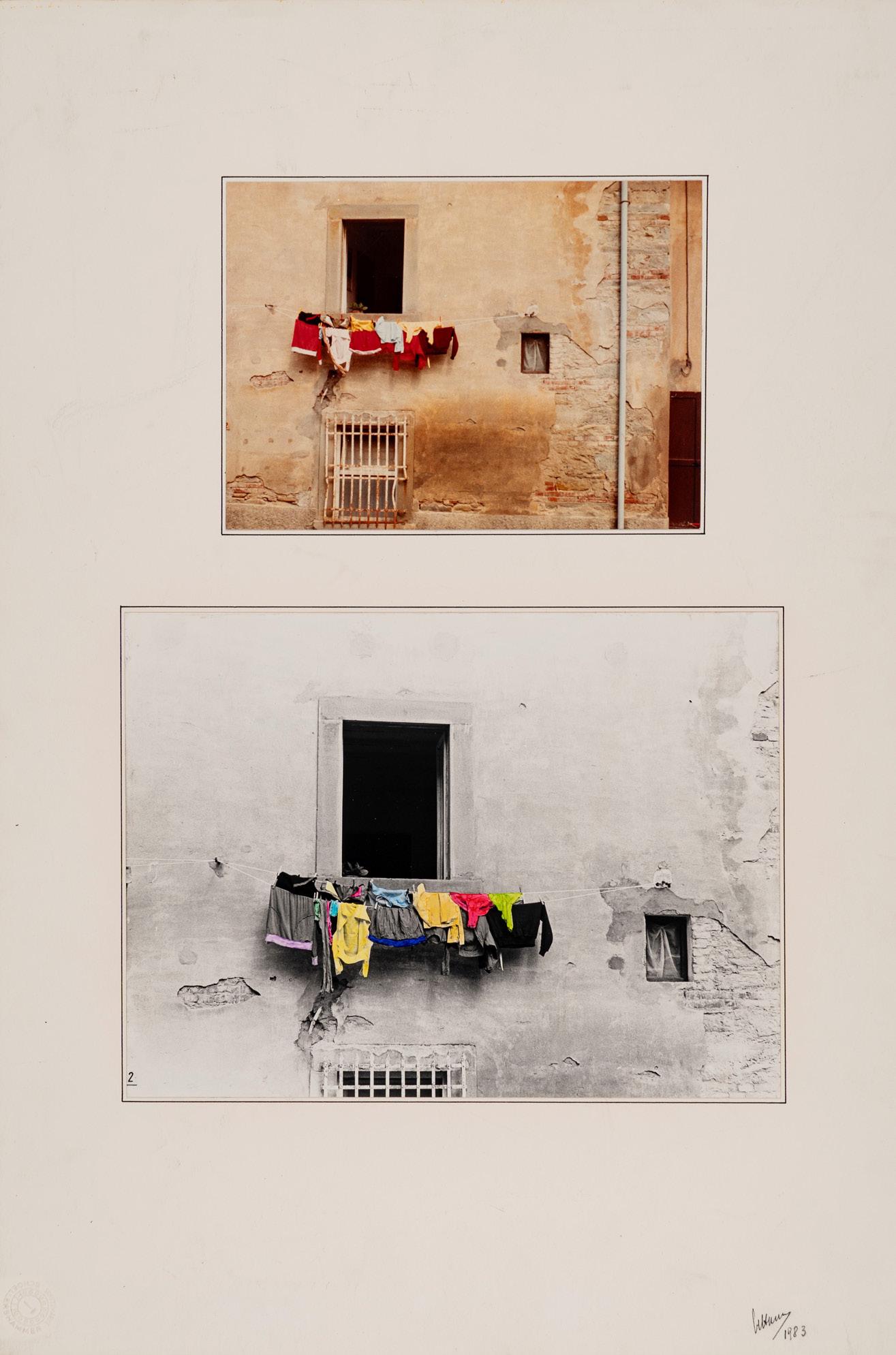
Untitled (Naples), 1983
One vintage chromogenic print and one vintage gelatin silver print handcolured, applied recto/verso on original cardboard cm 50 x 33,5 | 19.7 x 13.2 in.
Unique work
Signed and dated in black ink on the cardboard recto and signed in black ink on the cardboard verso (Opera unica; Firmata e datata a penna nera al cartoncino recto e firmata a penna nera al cartoncino verso)
€ 600 - 800
1086® PINO SETTANNI (1949-2010)
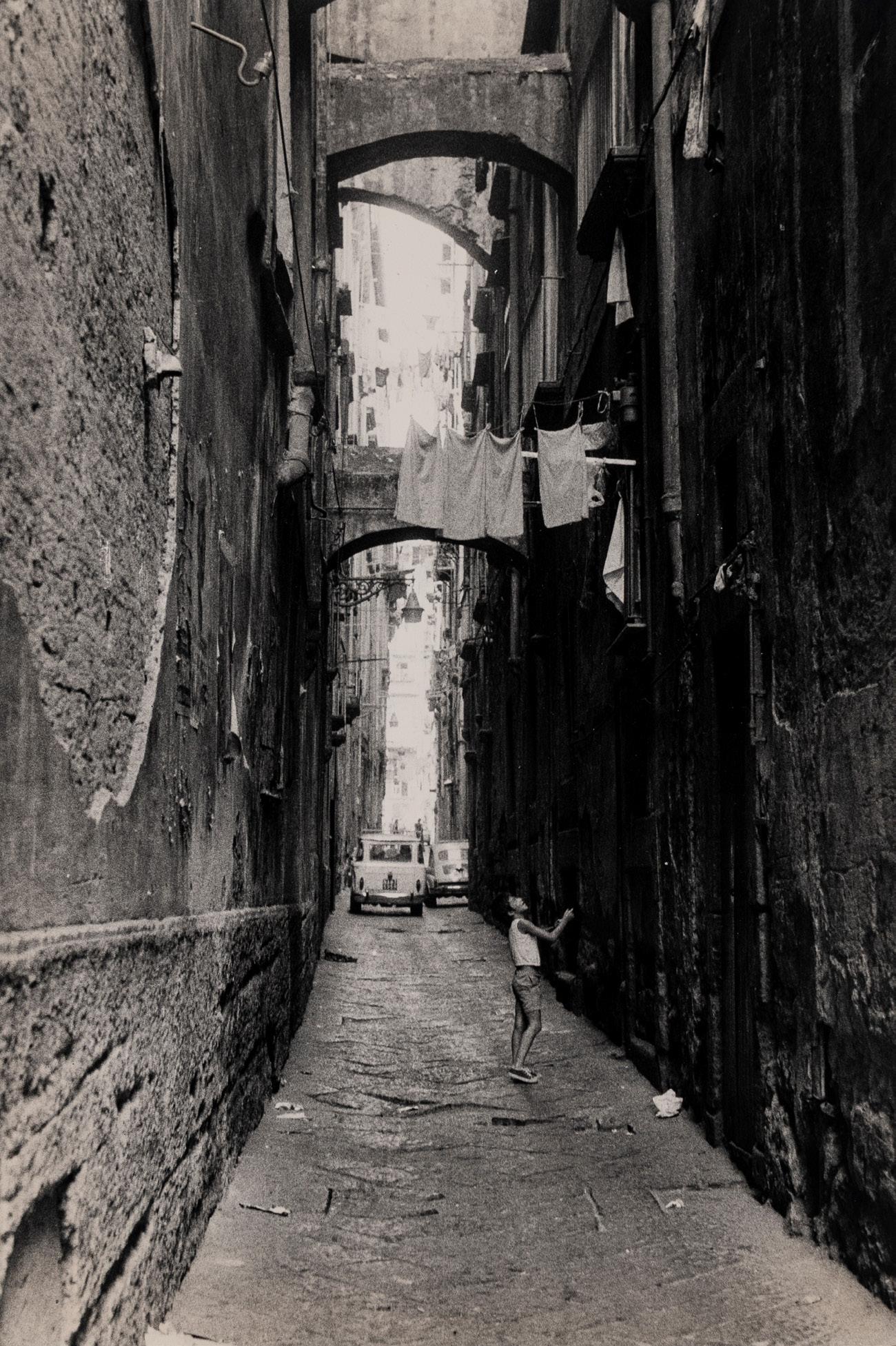
Napoli: Bassi della Duchessa, 1975 Vintage gelatin silver print on polycoated paper cm 30,4 x 20,2 | 12 x 8 in.
Edition 1 of 3
Signed, titled, numbered and dated with photographer’s credit stamps on the verso
(Edizione 1 di 3; Firmata, titolata, numerata e datata con timbri del fotografo al verso)
€ 400 - 600
1087® PINO SETTANNI (1949-2010)
Giorgio Sommer (Frankfurt am Main 1834 – Naples 1914) worked successfully in Switzerland before settling in Naples in 1856. From filming the mountains he moved on to documentation throughout Italy, moving between Rome, Milan, Florence, Pisa and Sicily while maintaining the Neapolitan studio in Via Chiaia as his permanent headquarters. Although he was characterized by architectural shots of these cities, those of Roman ruins and a famous sequence of the eruption of Vesuvius, Sommer also dedicated himself to genre scenes which, however, he did not shoot on the street but in the studio.
Giorgio Sommer (Francoforte sul Meno 1834 – Napoli 1914) prima di stabilirsi nel 1856 a Napoli lavora con successo in Svizzera. Dalle riprese delle montagne passa alla documentazione in tutta Italia spostandosi fra Roma, Milano, Firenze, Pisa e la Sicilia mantenendo però come sede fissa lo studio napoletano di via Chiaia. Pur essendosi caratterizzato per le riprese architettoniche di queste città, per quelle delle rovine romane e per una sequenza famosa dell’eruzione del Vesuvio, Sommer si dedicava anche a scene di genere che però non realizzava per strada ma in studio.
Giorgio Sommer
Sommer
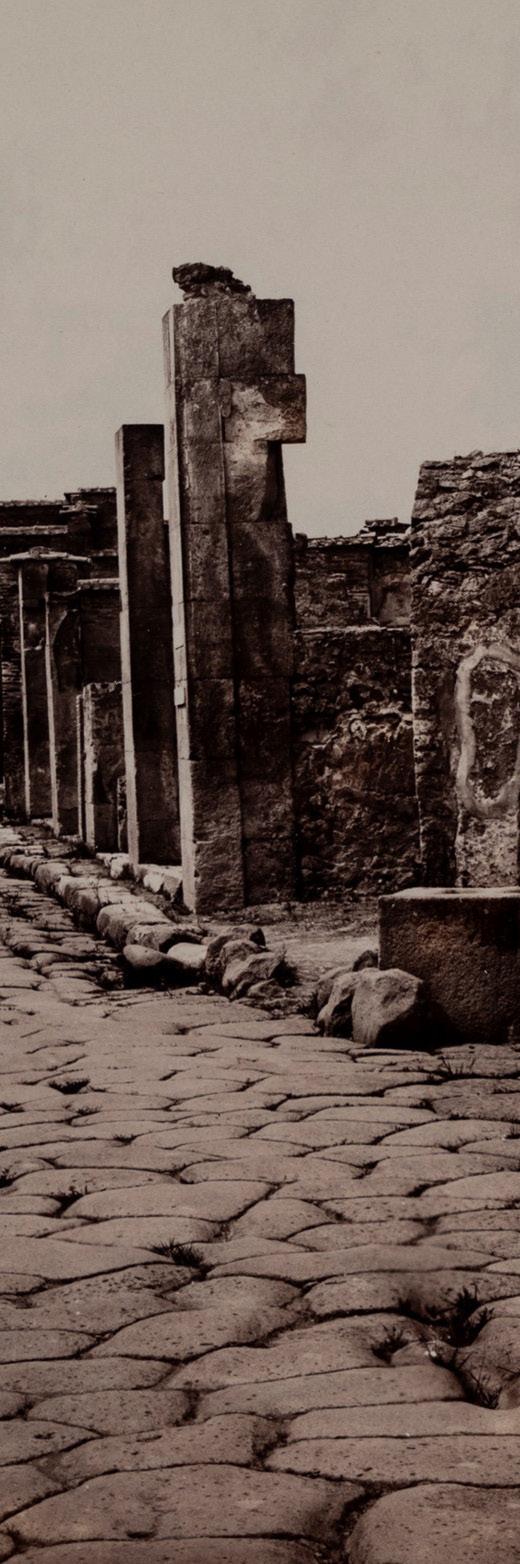
We have to imagine that world of the late nineteenth century where photographs, recently born, were the first and only testimonies to replace the rare drawings and the many stories that narrated the grandeur of an ancient and glorious past that now presented itself only with ruins. It is among these that Sommer moves, with the rigor of an architectural photographer and the dynamism of a curious traveler, the same attitude felt by wealthy young people intent on the Grand Tour in those places recently discovered, restored, enhanced and consigned, also thanks to these photographs, to memory. In the silence that dominates the empty spaces, Sommer closes the diaphragm of his optical bench to increase the depth of field and thus create spectacular perspectives where every detail is perfectly in focus.
Bisogna immaginare quel mondo di fine Ottocento dove le fotografie, da poco nate, erano le prime e uniche testimonianze a sostituire i rari disegni e i tanti racconti che narravano la grandiosità di un passato antico e glorioso che ora si presentava solo con le rovine. È fra queste che si muove Sommer, con il rigore del fotografo di architettura e il dinamismo del viaggiatore curioso, lo stesso atteggiamento provato dai giovani benestanti intenti al Gran Tour proprio in quei luoghi da poco tempo scoperti, restaurati, valorizzati e consegnati, anche grazie a queste fotografie, alla memoria. Nel silenzio che domina gli spazi vuoti, Sommer chiude il diaframma del suo banco ottico per aumentare la profondità di campo e così creare prospettive spettacolari dove ogni particolare è perfettamente a fuoco.
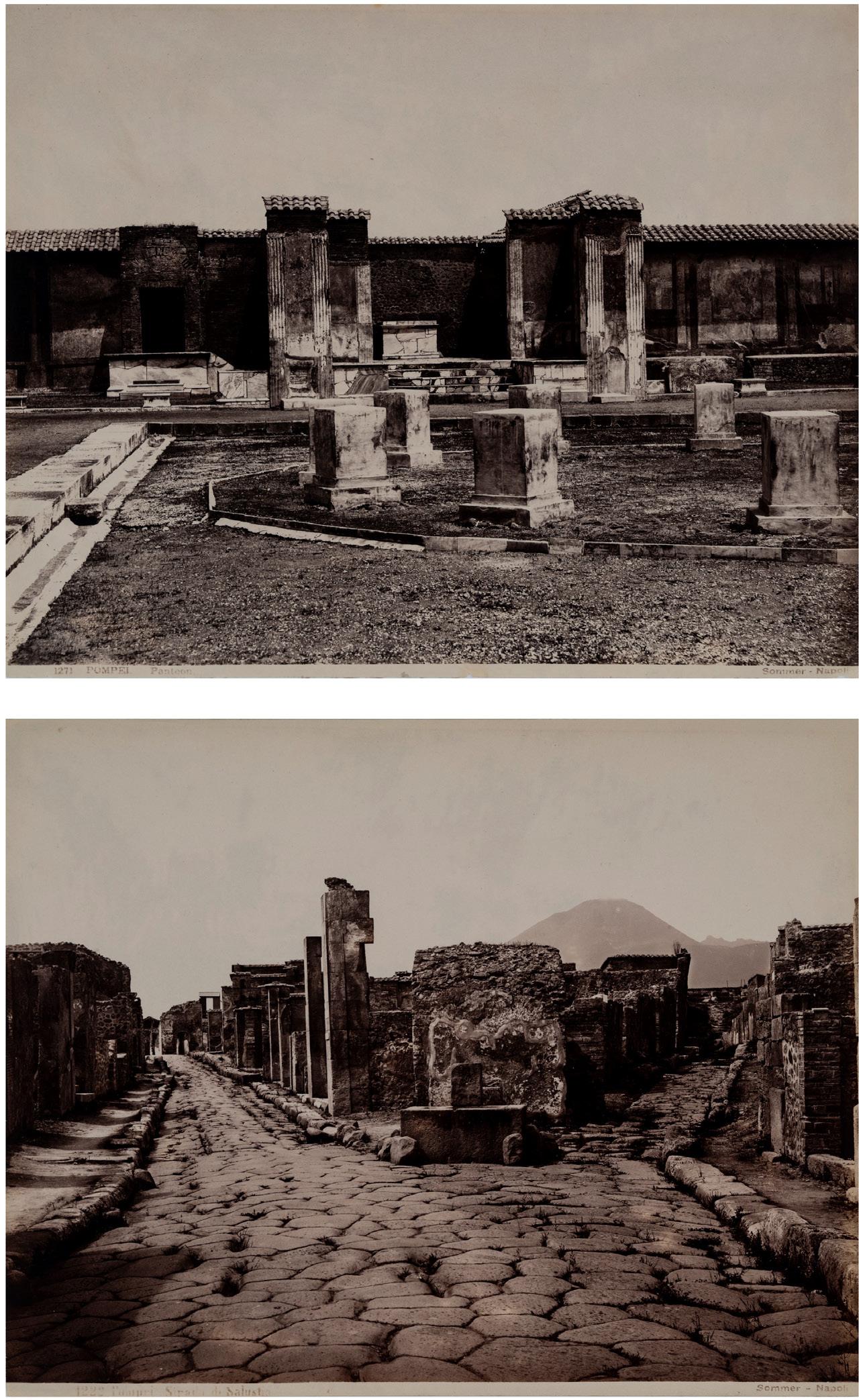
GIORGIO SOMMER (1834-1914)
Pompei. Strada di Sallustio; Panteon, 1860s/1890s
Two albumen prints
cm 19,8 x 25 | 7.7 x 9.8 in. approx. each
Title and photographer’s credit from negative in the white inferior recto margin of each print
(Titolo e credito del fotografo da negativo al margine bianco inferiore recto di ciascuna stampa)
€ 300 - 400
1088
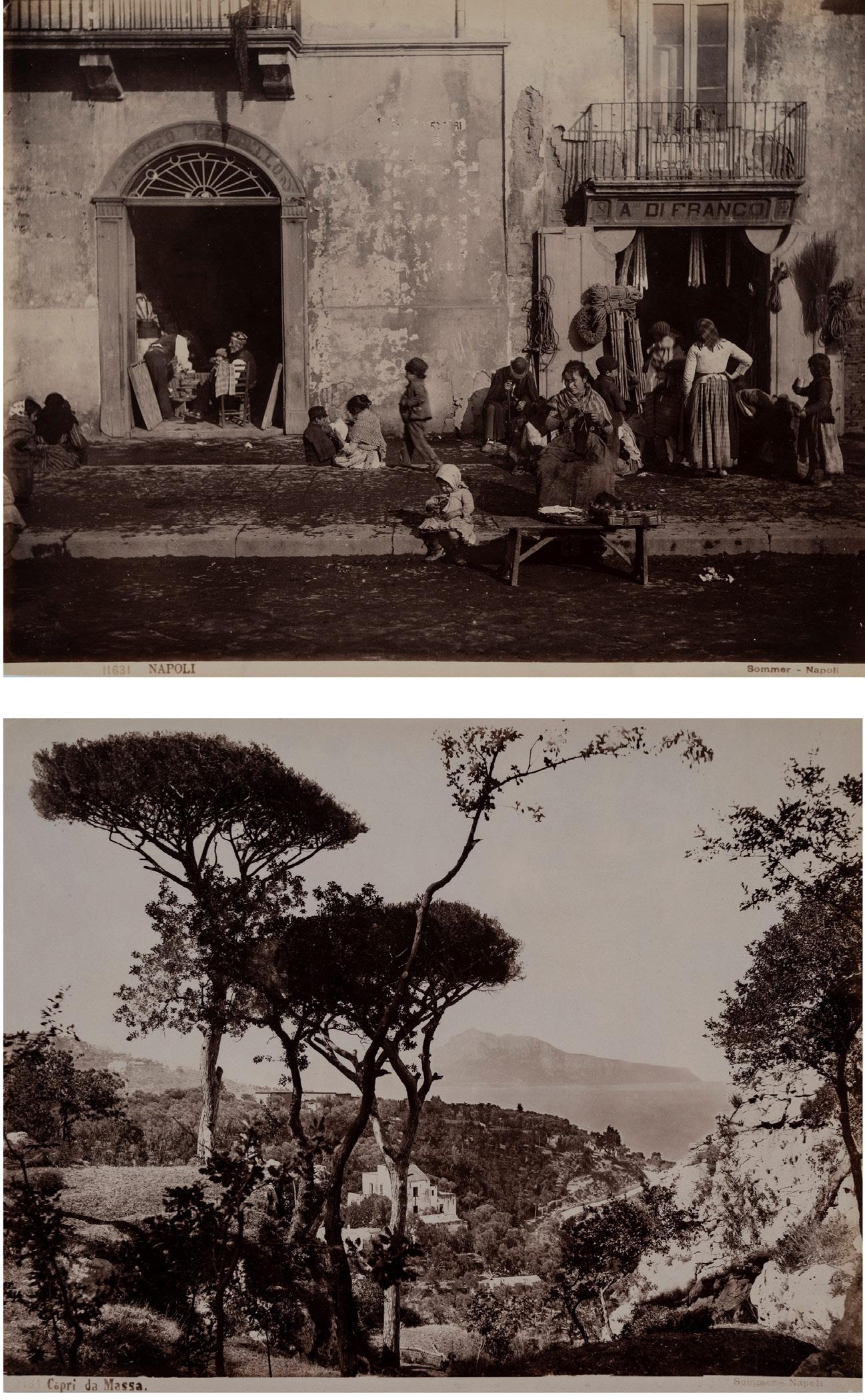
GIORGIO SOMMER (1834-1914)
Napoli ; Capri da Massa, 1870s/1890
Two albumen prints
cm 19,8 x 25,5 | 7.7 x 10 in. approx. each
Title and photographer’s credit from negative to the white inferior recto margin
(Titolo e credito del fotografo da negativo al margine bianco inferiore recto di ciascuna stampa)
€ 300 - 400
1089
Bruno Stefani (Forlì 1901 - Milan 1978) moved in 1925 to Milan because of the frequent clashes with the fascists, he works professionally for the publisher Rizzoli and in the studios Aragozzini and Camuzzi but also carries out personal research close to pictorialism. The transition, among the first in Italy, to Leica suggests a new style close to Constructivism and the Bauhaus lesson that brings both in the amateur world (in 1930 founded with Giuseppe Cavalli, Secco D’Aragona, Ferruccio Leiss, Alfredo Ornano, Giò Ponti, Emilio Sommariva and Federico Vender the Milanese Photographic Circle) both in the professional world, working for the TCI and, with the innovative Studio Boggeri, for Dalmine, Olivetti, Pirelli. His archive is deposited at the CSAC in Parma.
Bruno Stefani (Forlì 1901 – Milano 1978) trasferitosi nel 1925 a Milano a causa dei frequenti scontri con i fascisti, lavora professionalmente per l’editore Rizzoli e negli studi Aragozzini e Camuzzi ma porta avanti anche una ricerca personale vicina al pittorialismo. Il passaggio, fra i primi in Italia, alla Leica gli suggerisce un nuovo stile vicino al Costruttivismo e alla lezione Bauhaus che porta sia nel mondo amatoriale (nel 1930 fonda con Giuseppe Cavalli, Secco D’Aragona, Ferruccio Leiss, Alfredo Ornano, Giò Ponti, Emilio Sommariva e Federico Vender il Circolo Fotografico Milanese) che in quello professionale lavorando per il TCI e, con l’innovativo Studio Boggeri, per Dalmine, Olivetti, Pirelli. Il suo archivio è depositato allo CSAC di Parma.
Bruno Stefani
If in his professional work Bruno Stefani stood out for the innovative way in which, first using black and white and then color, he approached industrial photography, his personal research is often characterized by the attention with which he made impeccable prints in the darkroom. The two works presented here are real exercises in style because in one he investigated the reality of one of the most photographed places in the world, and he does so with a shot that decisively avoids rhetoric because here the city of water is not that of gondolas and more or less true romantic narration, but that of the tope used for the local transport of goods as the close recovery reminds us. In the second, Stefani focuses, on the spectacularity of the situation that we can imagine because it is evoked here: the sudden snowfall, which may hinder traffic, here creates an oasis of silence in a park isolated from the rest of the city. It is an image that, given the author’s knowledge of the history of photography, echoes certain visions made by Ansel Adams. The care of the print should not be surprising: in the field of amateur photography it was a fundamental trait and Stefani did his best to demonstrate that he could obtain valuable results because in those years those who used 35 mm film were looked at with suspicion by those who preached the indispensability of medium format.
Se nel lavoro professionale Bruno Stefani si segnalava per il modo innovativo con cui, dapprima usando il bianco e nero e poi il colore, affrontava la fotografia industriale, la sua ricerca personale è spesso caratterizzata dall’attenzione con cui realizzava in camera oscura stampe ineccepibili. Le due opere qui presentate sono dei veri esercizi di stile perché in uno ha indagato nella realtà di uno dei luoghi più fotografati del mondo, e lo fa con una ripresa che evita con decisione la retorica perché qui la città d’acqua non è quella delle gondole e della più o meno vera narrazione romantica, ma quella delle tope usate per il traporto locale delle merci come la ripresa ravvicinata ricorda. Nella seconda Stefani si concentra, invece, sulla spettacolarità della situazione che possiamo immaginare perché qui è evocata: l’improvvisa nevicata, che forse ostacolerà il traffico, qui crea un’oasi di silenzio in un parco isolato dal resto della città. È una immagine che, vista la conoscenza della storia della fotografia da parte dell’autore, riecheggia certe visioni realizzate da Ansel Adams. La cura della stampa non deve stupire: nell’ambito foto amatoriale era un tratto fondamentale e Stefani ci metteva di suo per dimostrare di potere ottenere risultati di pregio perché in quegli anni chi usava la pellicola 35 mm era guardato con sospetto da chi predicava l’indispensabilità del medio formato.
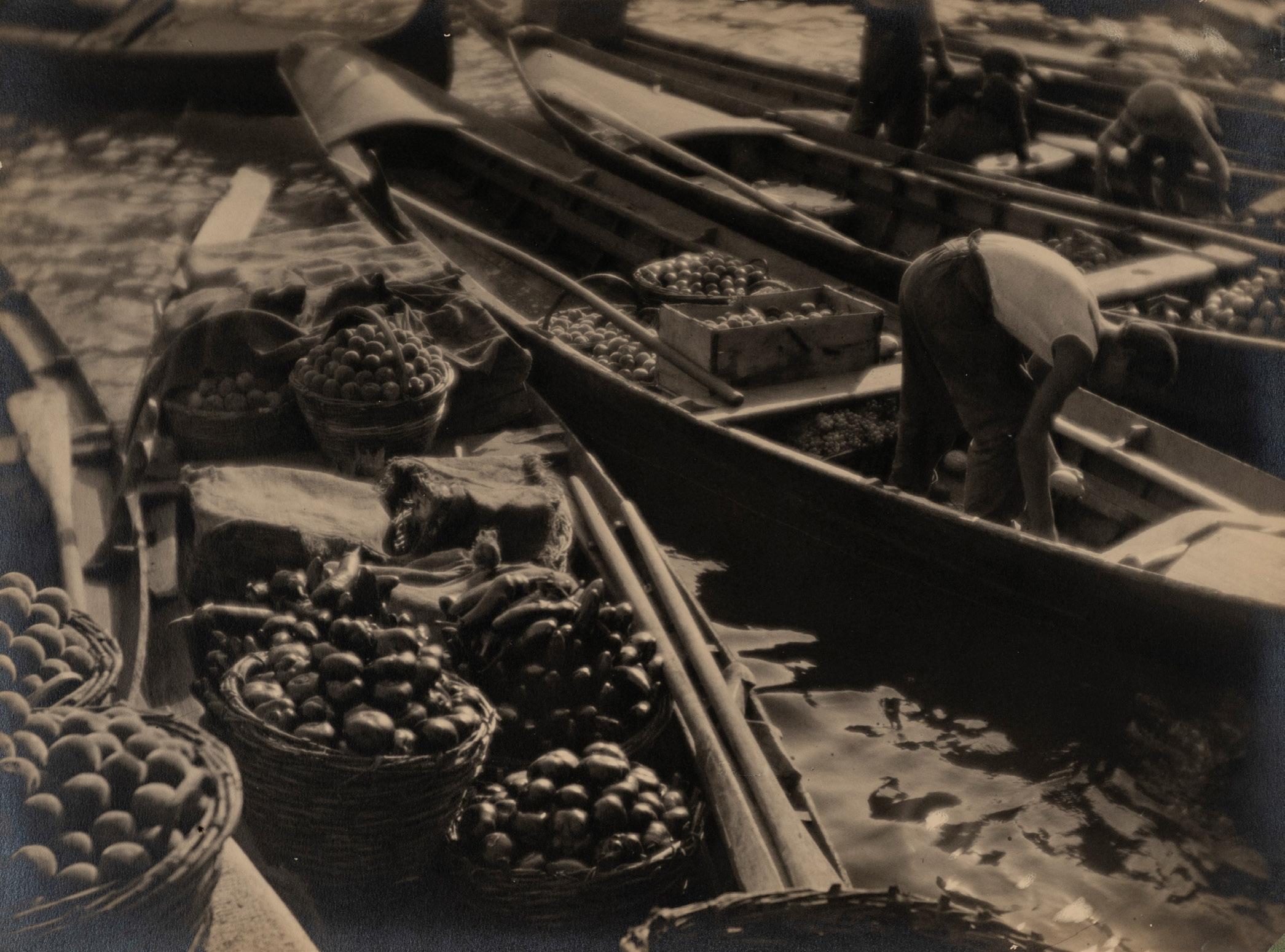
1090® BRUNO STEFANI (1901-1976)
Al mercato a Venezia, 1920s
Vintage gelatin silver print cm 29,4 x 39,4 | 11.6 x 15.5 in.
Photographer’s credit stamp and exhibition label on the verso (Timbro del fotografo ed etichetta espositiva al verso)
EXHIBITION
Quarto “Salon” Internazionale di Fotografia Artistica fra Dilettanti, Turin, 1933
€ 250 - 350
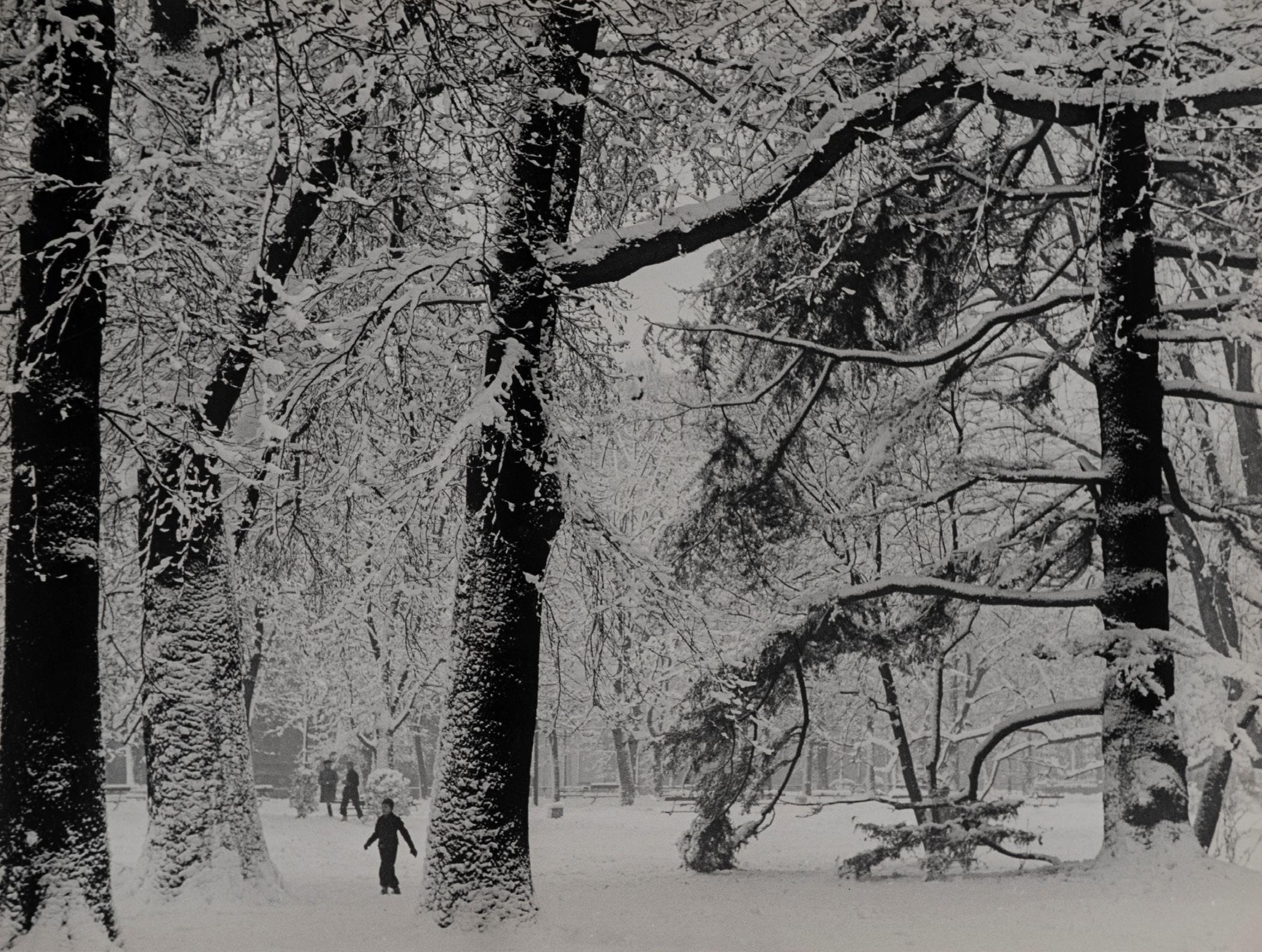
®
Nevicata nel parco del Castello, Milano, 1940s
Vintage gelatin silver print m 29,1 x 38,5 | 11.5 x 15.2 in. Photographer’s credit stamp on the verso (Timbro del fotografo al verso)
€ 200 - 300
1091
BRUNO STEFANI (1901-1976)
Franco Vaccari (Modena 1936-2025) combines his interest in photography (his father was a photographer) with those in art and cinema, all elements that will converge in his poetics together with the scientific training obtained with a degree in physics. Always driven to research, he puts it into practice first in the field of visual poetry then in that of communication: this leads him to create works where the logic of the happening and that of performance become tools for that very long work in stages called “Exhibitions in real time” that he pursued throughout his life. Alongside these and other works of action-events, he has developed a theoretical research of which the essay “Photography and the technological unconscious” is the recognized and admired high point.
Franco Vaccari (Modena 1936-2025) accosta all’interesse per la fotografia (suo padre era un fotografo) quelli per l’arte e il cinema, tutti elementi che confluiranno nella sua poetica assieme alla formazione scientifica ottenuta con una laurea in fisica. Da sempre spinto alla ricerca, la mette in atto prima nell’ambito della poesia visiva poi in quello della comunicazione: ciò lo porta a realizzare lavori dove la logica dell’happening e quella della performance diventano strumenti per quel lunghissimo lavoro a tappe denominato “Esposizioni in tempo reale” che ha perseguito per tutta la vita. Accanto a queste e altre opere di azioni-evento, ha sviluppato una ricerca teorica di cui il saggio “Fotografia e inconscio tecnologico” è il riconosciuto e ammirato punto più alto.
Franco Vaccari
Vaccari
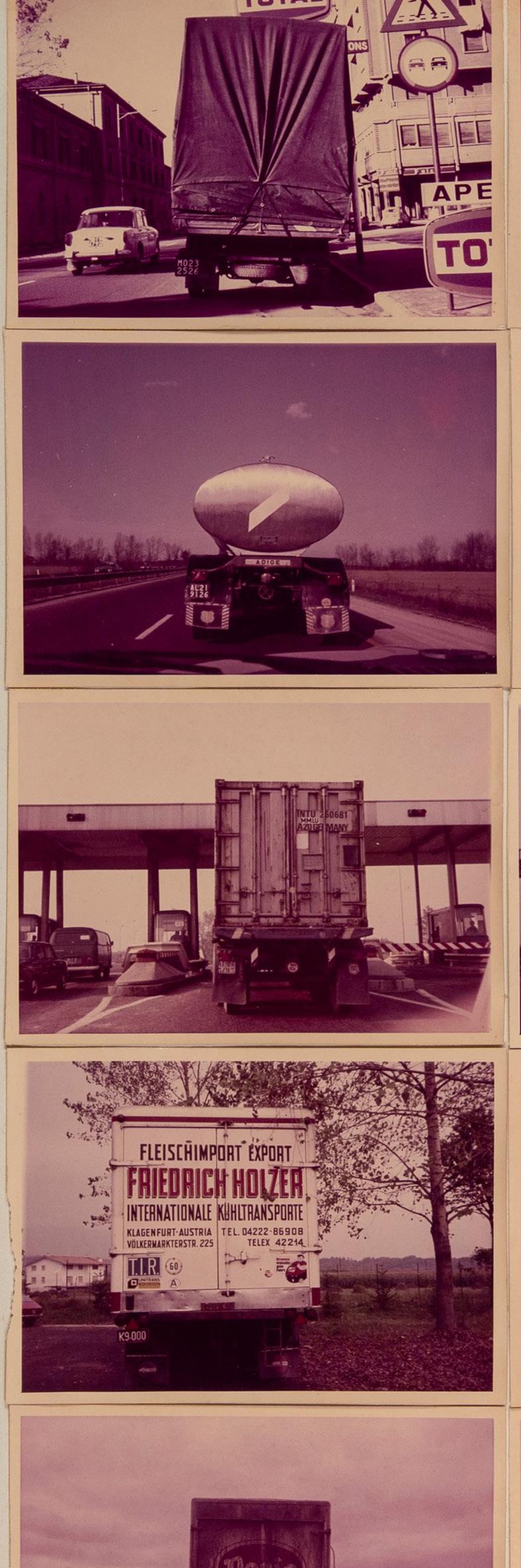
Invited to Graz to the “Painting Weeks”, that is, to spend a month in an isolated location where he was supposed to produce artistic objects, his work was carried out during the outward journey: “I chose to apply my attention to the means of freight transport that moved in the same direction as me. I want to use photography not as a means of contemplation but to unhinge my visual conditioning [...] Once I arrived at my destination, my work was finished”.
Invitato a Graz alle “Settimane di pittura”, cioè a trascorrere un mese in una località isolata dove avrebbe dovuto produrre oggetti artistici, il suo lavoro lo realizza durante in viaggio di andata: “Ho scelto di applicare la mia attenzione ai mezzi di trasporto merci che si muovevano nella mia stessa direzione. Voglio usare la fotografia non come mezzo di contemplazione ma per scardinare i miei condizionamenti visivi [...] Una volta arrivato a destinazione il mio lavoro era finito”.
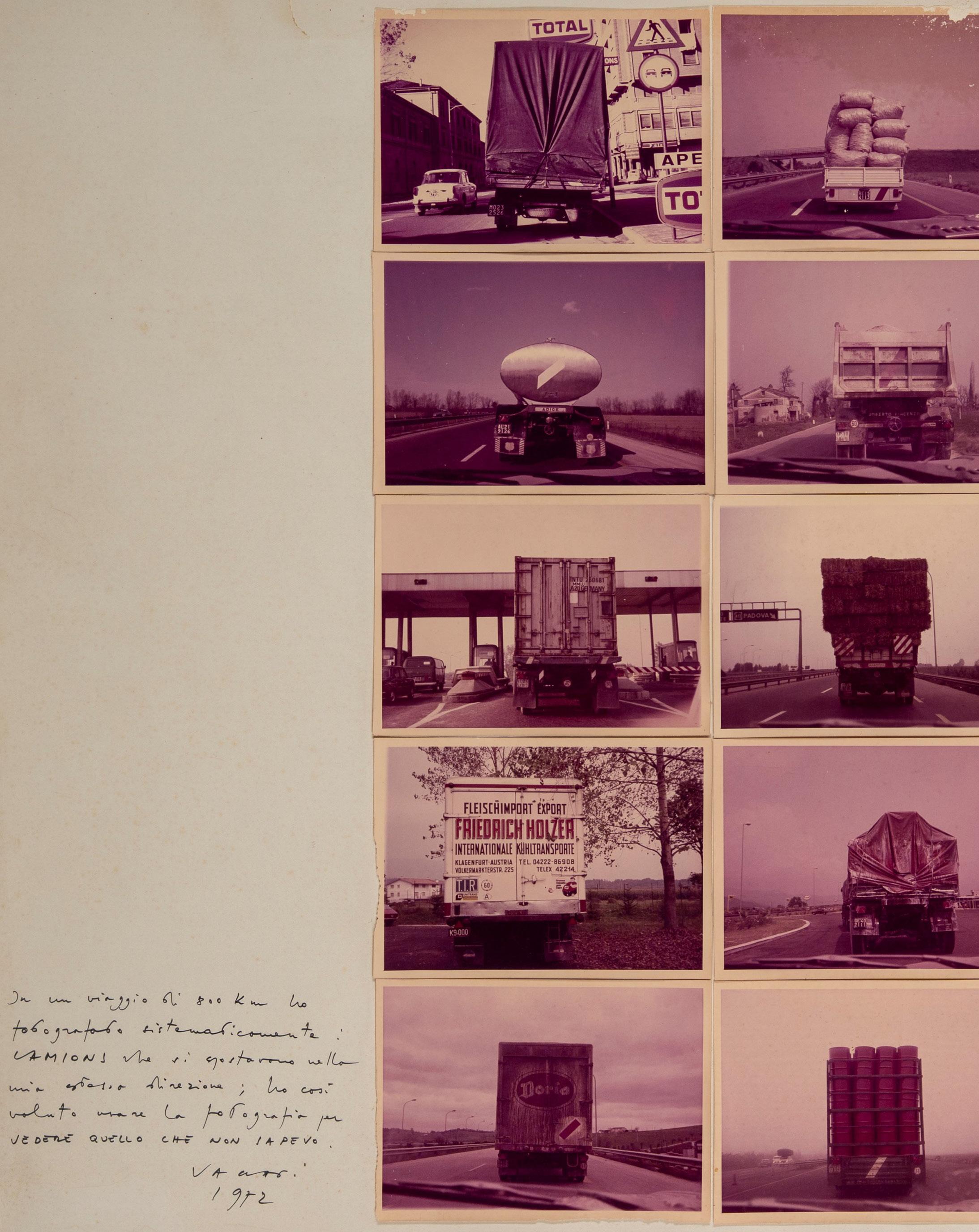
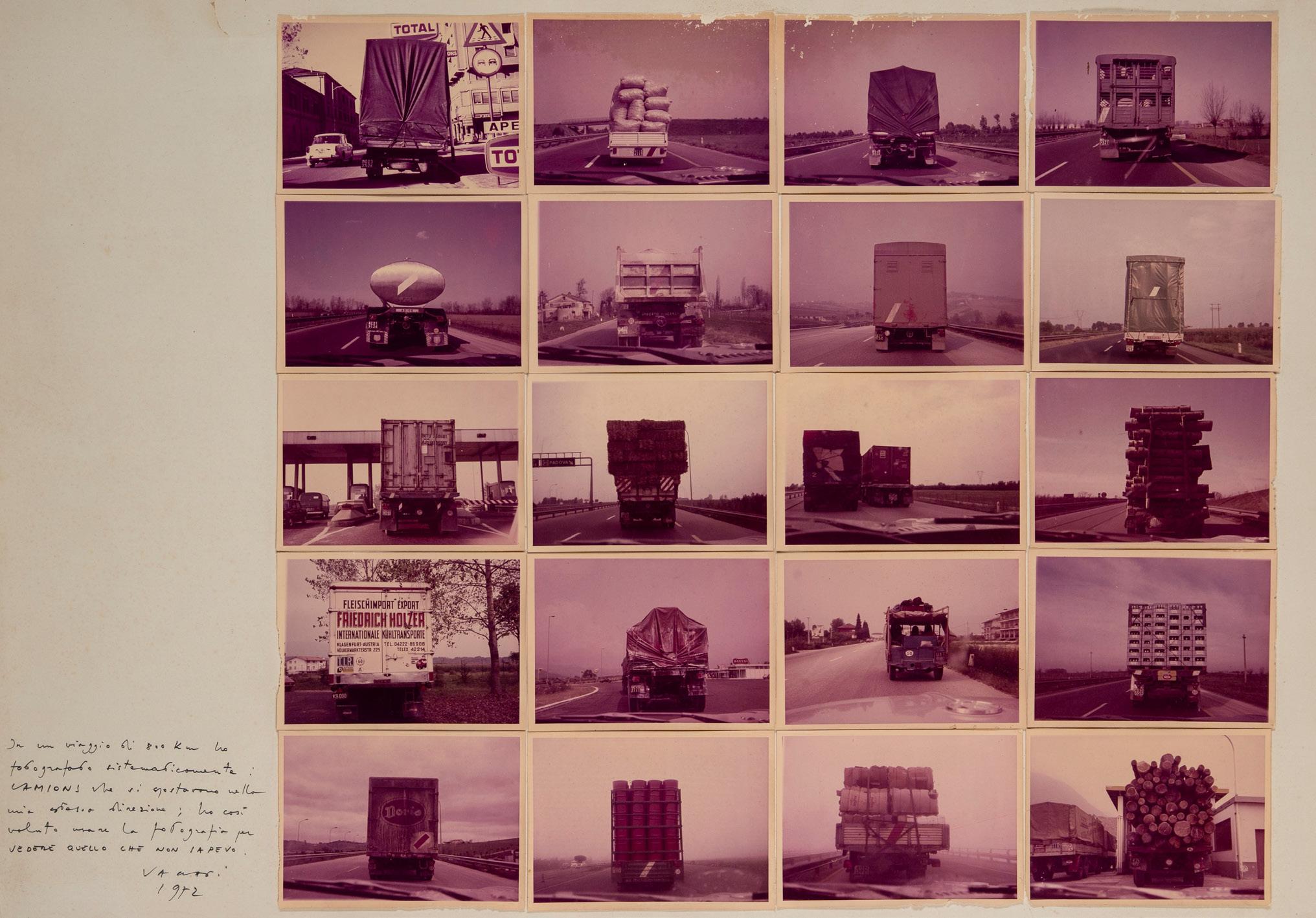
800 km di esposizione, 1972
20 vintage chromogenic prints applied on original cardboard cm 70 x 100 approx. | 27.6 x 39.4 in. approx.
Edition 21 of 60
Titled, dated and signed in black ink and numbered in pencil on the verso Framed (Edizione 21 di 60; Titolata, datata e firmata a penna nera e numerata a matita al verso; Opera in cornice)
€ 3.000 - 4.000
1092® FRANCO VACCARI (1936-2025)
Federico Vender (Schio, Vicenza 1901 - Arco, Trento 1999) joined the Circolo Fotografico Milanese in the 1930s, of which he was director until after the war, achieving success and recognition in Paris and New York. In his travels with the Plaubel Makina 6x9 in Italy and abroad he developed his own dry, sunny style, always of the highest formal quality. In 1947 he is one of the signatories of the Manifesto of the La Bussola Group while at the same time he is influenced by the suggestions of neorealism. He worked on fashion for Ferrania to later be hired by the publishers Rizzoli and Delduca as a photo story photographer.
Federico Vender (Schio, Vicenza 1901 – Arco, Trento 1999) entra negli anni ’30 nel Circolo Fotografico Milanese di cui è direttore fino al dopoguerra ottenendo successi e riconoscimenti a Parigi e New York. Nei suoi viaggi con la Plaubel Makina 6x9 in Italia e all’estero elabora un proprio stile asciutto, solare, sempre di altissima qualità formale. Nel 1947 è fra i firmatari del Manifesto del Gruppo La Bussola pur essendo contemporaneamente influenzato dalle suggestioni del neorealismo. Si occupa di moda per Ferrania per essere poi assunto dagli editori Rizzoli e Delduca come fotografo di fotoromanzi.
Federico
Federico Vender
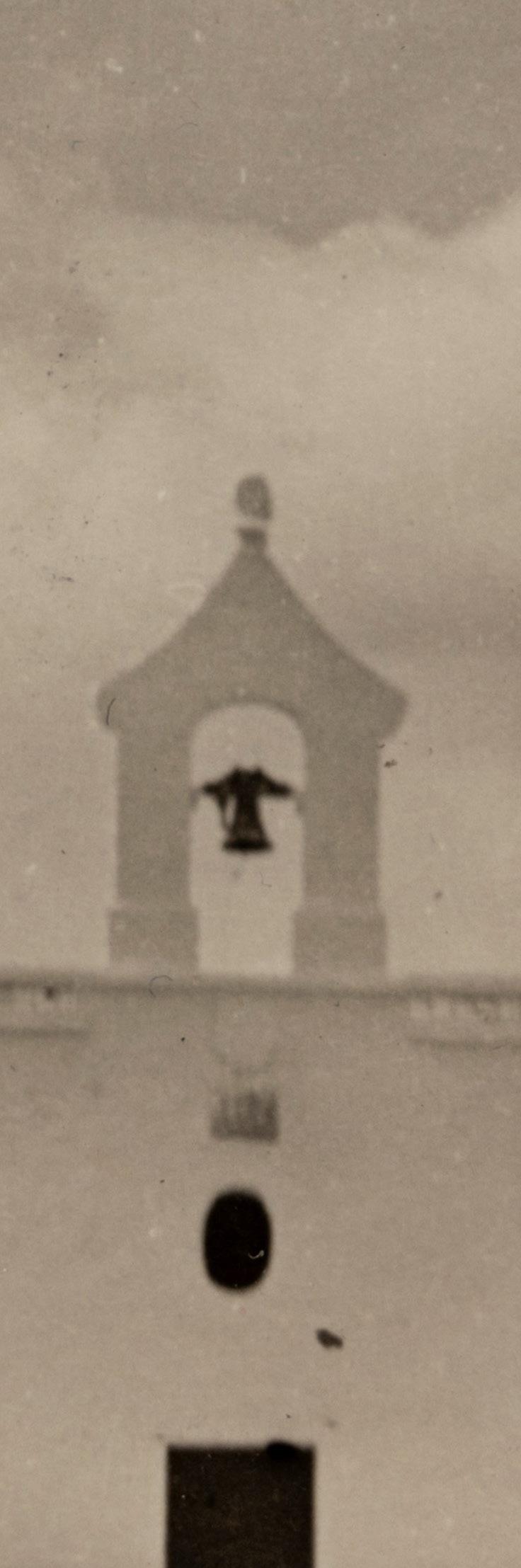
Vender’s cultural reference points are numerous and range from German photography of the 20s to Pictorialism with an eye turned, albeit in a non-dogmatic way, to that idea inspired by the Crocean aesthetic of accurate high key printing, that is, dominated by light tones. These are exactly what characterize the two small prints made as New Year’s greetings (in the Anglo-Saxon world the term in use is Christmas card) for the year 1951. Here the subjects are a house whose façade becomes the space that the photographer uses to harmonize the window at the top and the fence at the bottom and the profile of a church that stands out in the background, dominated by the wide space of the sky. In this second case we are faced with a real exercise in style in a print that plays on all the shades of white crossed by the delicate ripples of the clouds in the sky and the few black dots that indicate the door, two windows and the church bell.
I punti di riferimento culturali di Vender sono numerosi e vanno dalla fotografia tedesca degli anni ’20 al Pittorialismo con un occhio rivolto, anche se in modo non dogmatico, a quell’idea ispirata all’estetica crociana dell’accurata stampa in high key, dominata cioè dai toni chiari. Sono esattamente questi a caratterizzare le due piccole stampe realizzate come auguri di buon anno (nel mondo anglosassone il termine in uso è Christmas card) per l’anno 1951. Qui i soggetti sono una casa la cui facciata diviene lo spazio che il fotografo utilizza per mettere in sintonia la finestra in alto e la staccionata in basso e il profilo di una chiesa che si staglia sullo sfondo, sovrastato dall’ampio spazio del cielo. In questo secondo caso siamo di fronte a un vero esercizio di stile in una stampa che gioca su tutte le sfumature del bianco attraversato dalle delicate increspature delle nuvole nel cielo e dai pochi punti neri che indicano la porta, due finestre e la campana della chiesa.
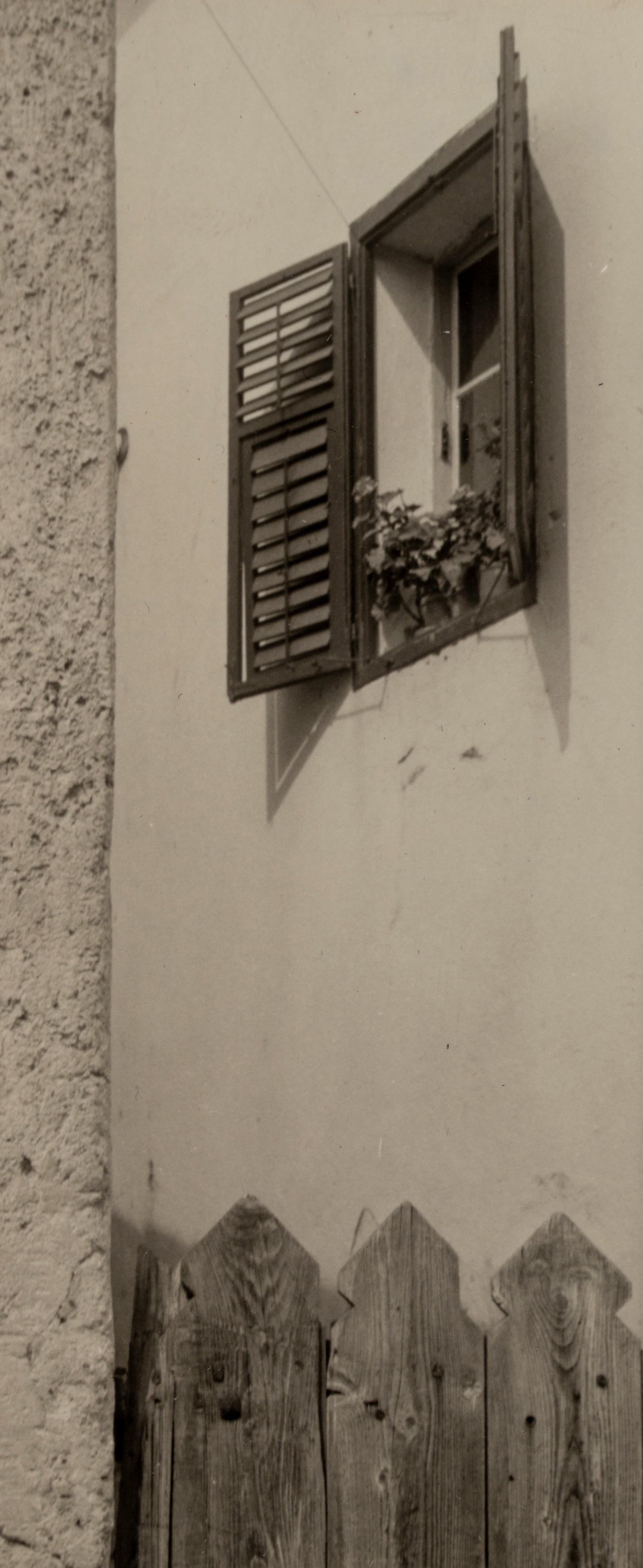
FEDERICO VENDER (1901-1998)
Untitled, 1949
Vintage gelatin silver print on postcard cm 10,2 x 14,4 (cm 10,2 x 7,1 picture) | 4 x 5.7 in. (4 x 2.8 in. picture)
Dated and signed with AUGURI in black ink on the white recto margin with Fotografia di proprietà di Ferruccio Ferroni Senigallia in black ink on the verso
(Datata e firmata con AUGURI a penna nera al margine bianco recto con Fotografia di proprietà di Ferruccio Ferroni Senigallia a penna nera al verso)
€ 500 - 600
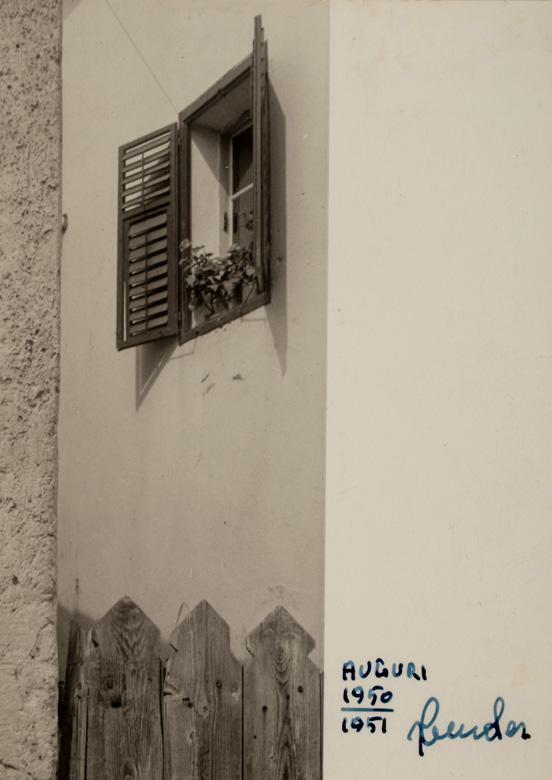
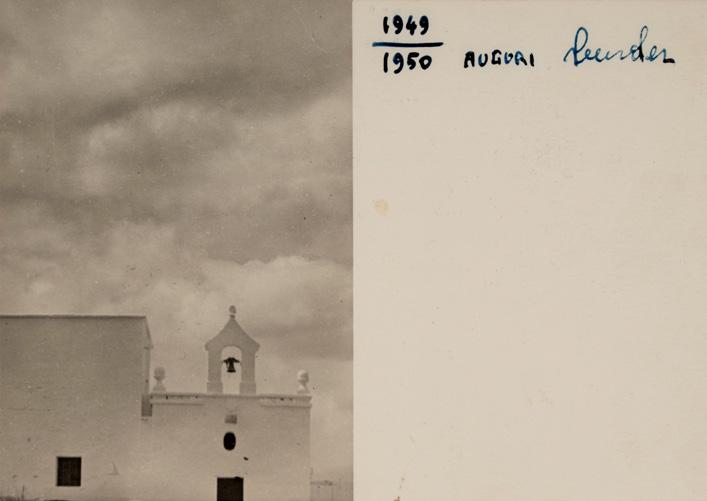
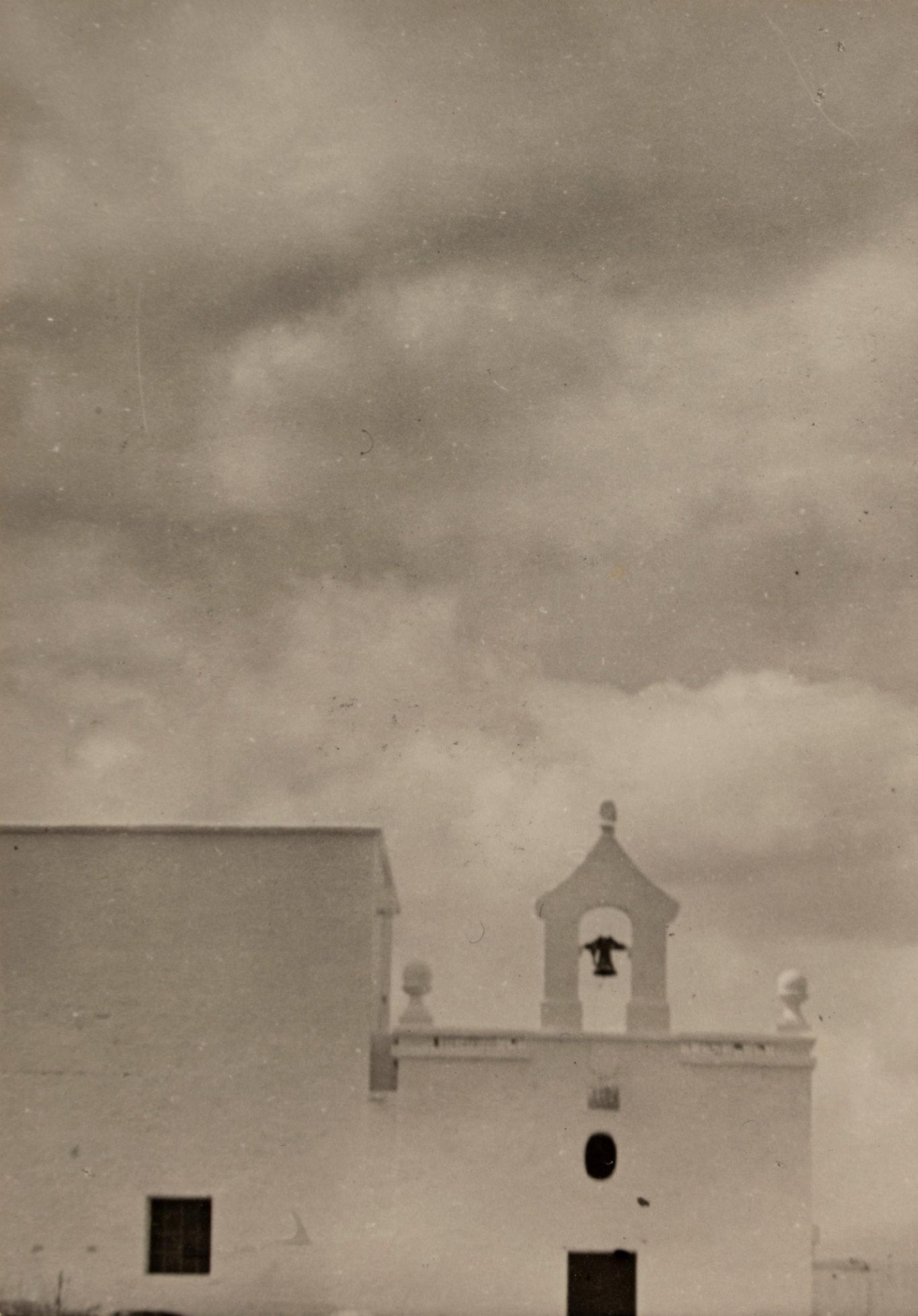
1094®
FEDERICO VENDER (1901-1998)
Untitled, 1950
Vintage gelatin silver print cm 14 x 10 (cm 14 x 6 picture) | 5.5 x 3.9 in. (5.5 x 2.4 in. picture)
Dated and signed with AUGURI in black ink on the white recto margin with Fotografia di proprietà di Ferruccio Ferroni Senigallia in black ink on the verso
(Datata e firmata con AUGURI a penna nera al margine bianco recto con Fotografia di proprietà di Ferruccio Ferroni Senigallia a penna nera al verso)
€ 500 - 600
Paolo Ventura (Milan 1968) son of a well-known illustrator of children’s books after his studies at the Brera Academy of Fine Arts worked for a long time and successfully as a fashion photographer, but when he moved to Brooklyn, he discovered a new and original vocation that enhanced his manual skills. He builds, and then takes photographs of them, dioramas where he evokes atmospheres by creating costumes, scenes, objects, and details with meticulous philological precision. He moves from historical situations (the 1940s) to fantasy subjects where circus characters and puppets appear or imaginative settings where he and his family members appear. He then combines painting and collage with a masterful use of digital.
Paolo Ventura (Milano 1968) figlio di un noto illustratore di libri per bambini dopo gli studi all’Accademia di Belle Arti di Brera lavora a lungo e con successo come fotografo di moda, ma quando si trasferisce a Brooklyn scopre una nuova e originale vocazione che valorizza la sua manualità. Costruisce, per poi fotografarli, dei diorami dove rievoca atmosfere creando costumi, scene, oggetti, particolari con meticolosa precisione filologica. Passa da situazioni storiche (gli anni Quaranta) a soggetti di fantasia dove compaiono personaggi circensi e burattini o ambienti immaginifici dove sono lui stesso e i suoi familiari a comparire. Alla pittura e al collage accosta quindi un uso magistrale del digitale.
Paolo Ventura
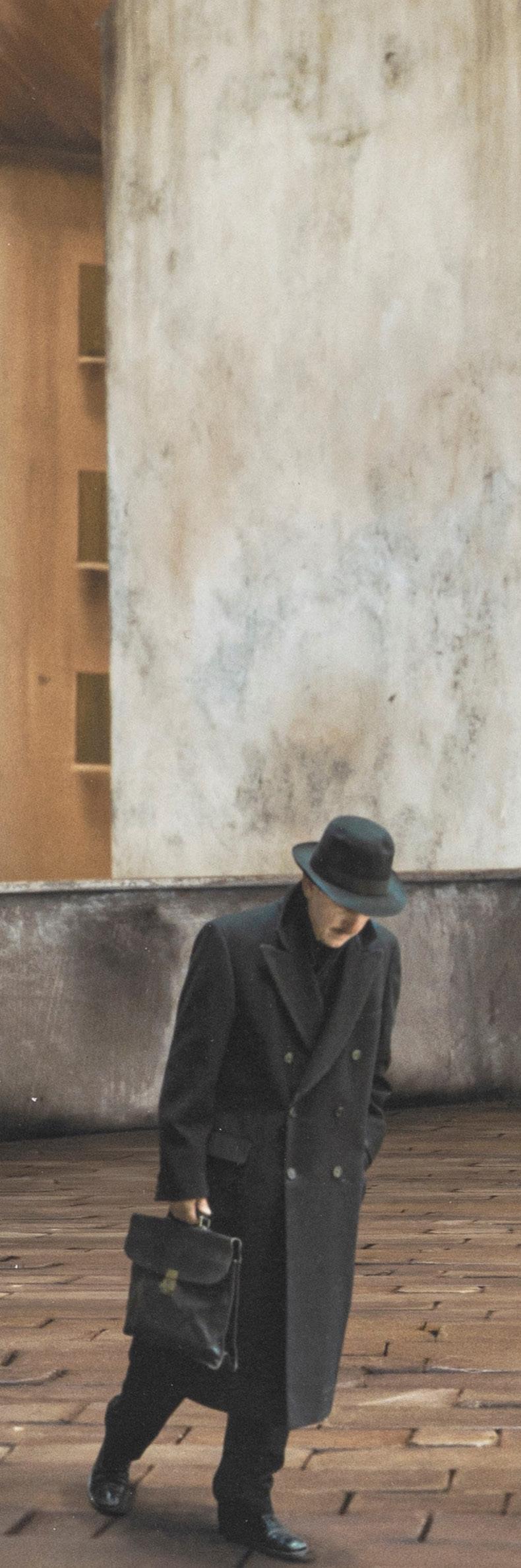
Situated in that liminal space between photography and painting, these works create ethereal atmospheres that always hint at something significant yet mysterious. Whilst Death of an Anarchist plays with the aesthetics of illustration (there is a nod to the magical realism of ex-votos), the story behind Behind the Walls is more complex, as it stems from a purely fictional narrative: that of a city surrounded by walls that prevent both entry and exit, a sort of prison with strong and fascinating metaphysical undertones.
Situate in quello spazio intermedio che sta fra la fotografia e l’arte pittorica, queste opere creano atmosfere rarefatte che alludono sempre a qualcosa di importante e tuttavia misterioso. Se Morte di un anarchico gioca con l’estetica dell’illustrazione (c’è un richiamo al realismo magico degli ex voto, più complessa è la storia di Behind the Walls perché nasce da una storia di pura fantasia, quella di una città cinta da mura che impediscono sia di uscire che di entrare, una sorta di prigione dai forti e affascinanti richiami metafisici.
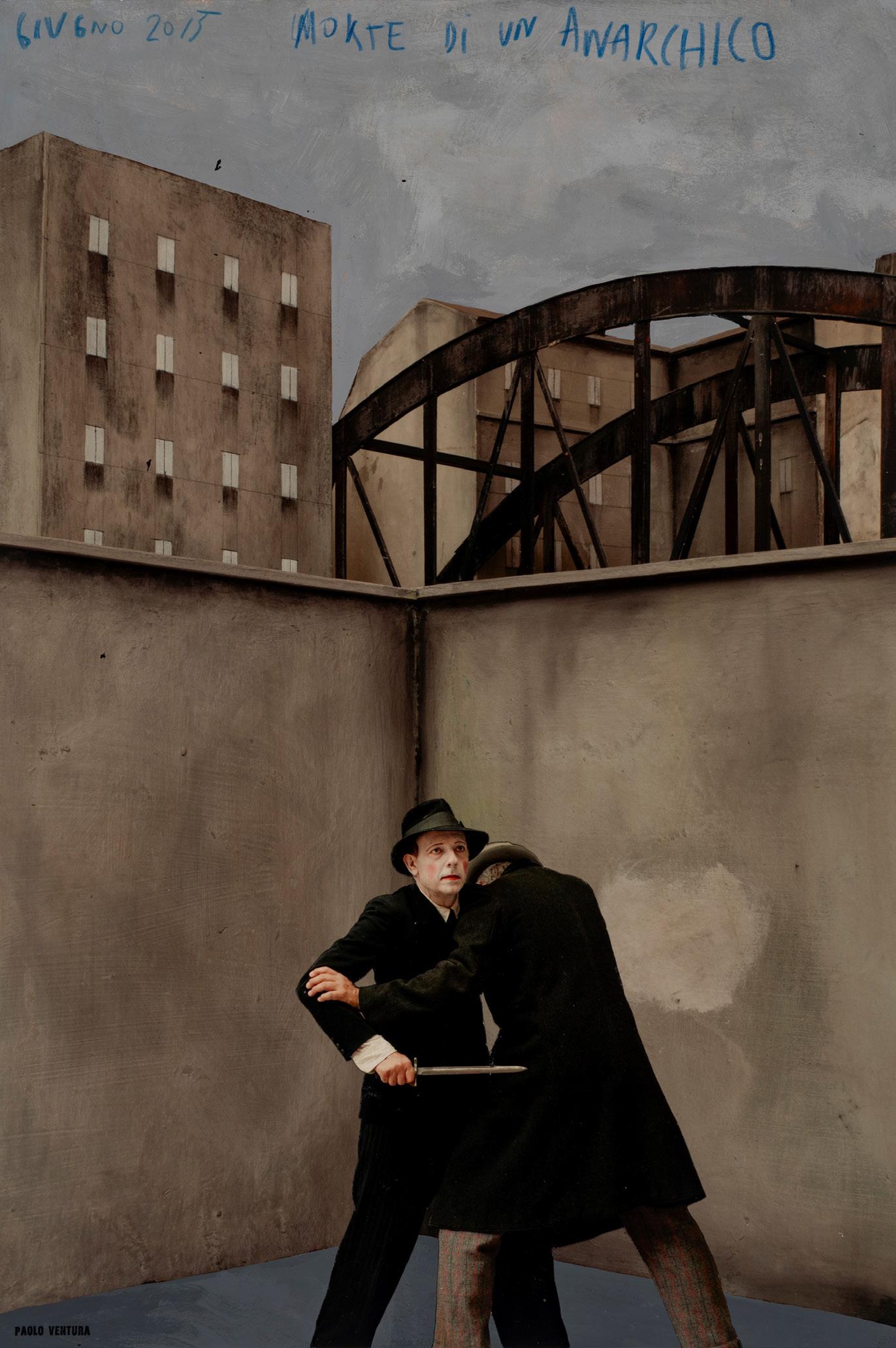
Morte di un anarchico, 2015
Tempera and collage on inkjet print cm 57,4 x 38,5 | 22.6 x 15.2 in.
Unique work
Dated and titled in blue pencil with photographer’s credit stamp on the image and dated with fatto a Svellino in pencil on the verso (Opera unica; Datata e titolata a matita blu con timbro del fotografo sull’immagine e firmata e datata con fatto a Svellino a matita al verso)
€ 3.000 - 4.000
1095® PAOLO VENTURA (1968)
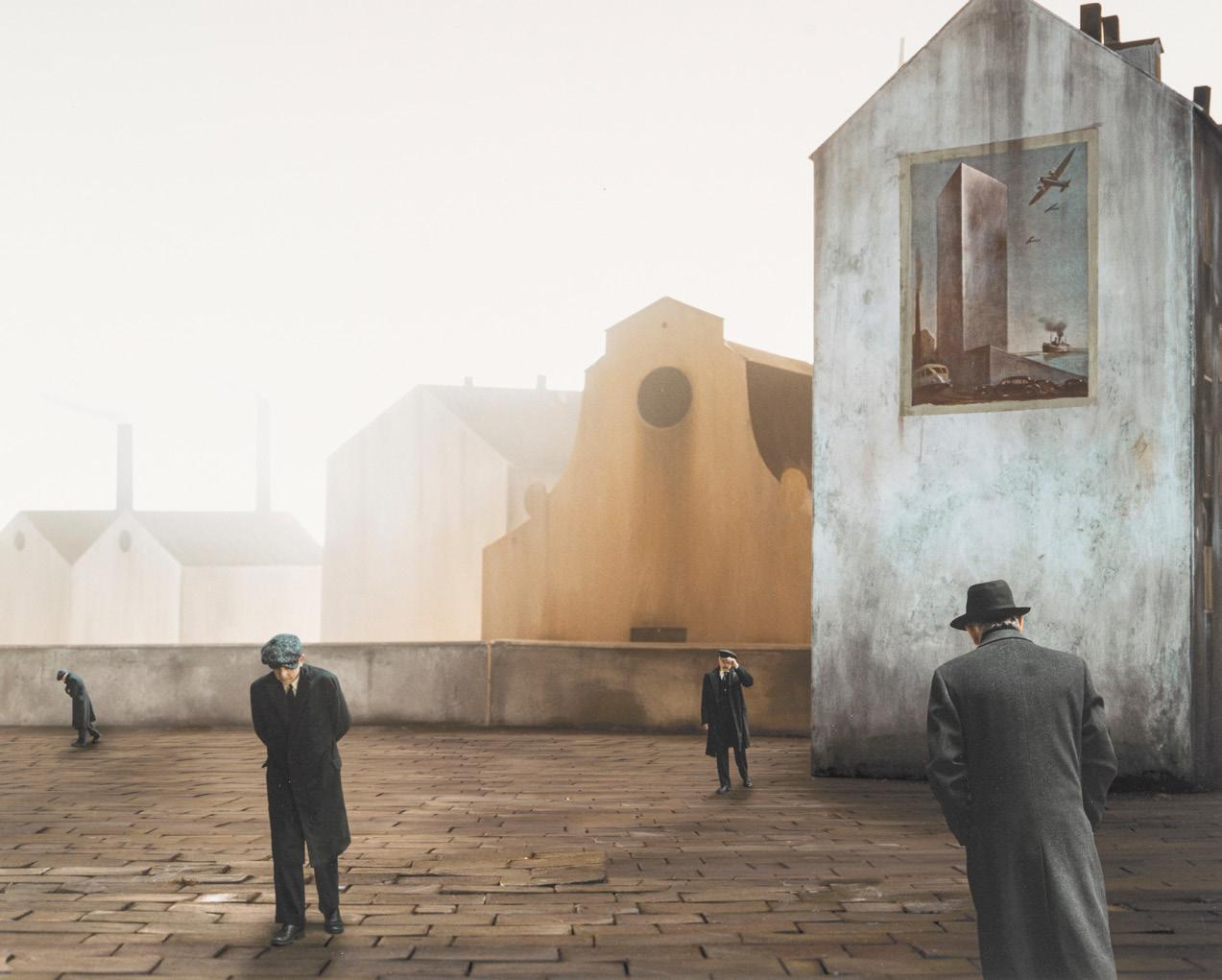
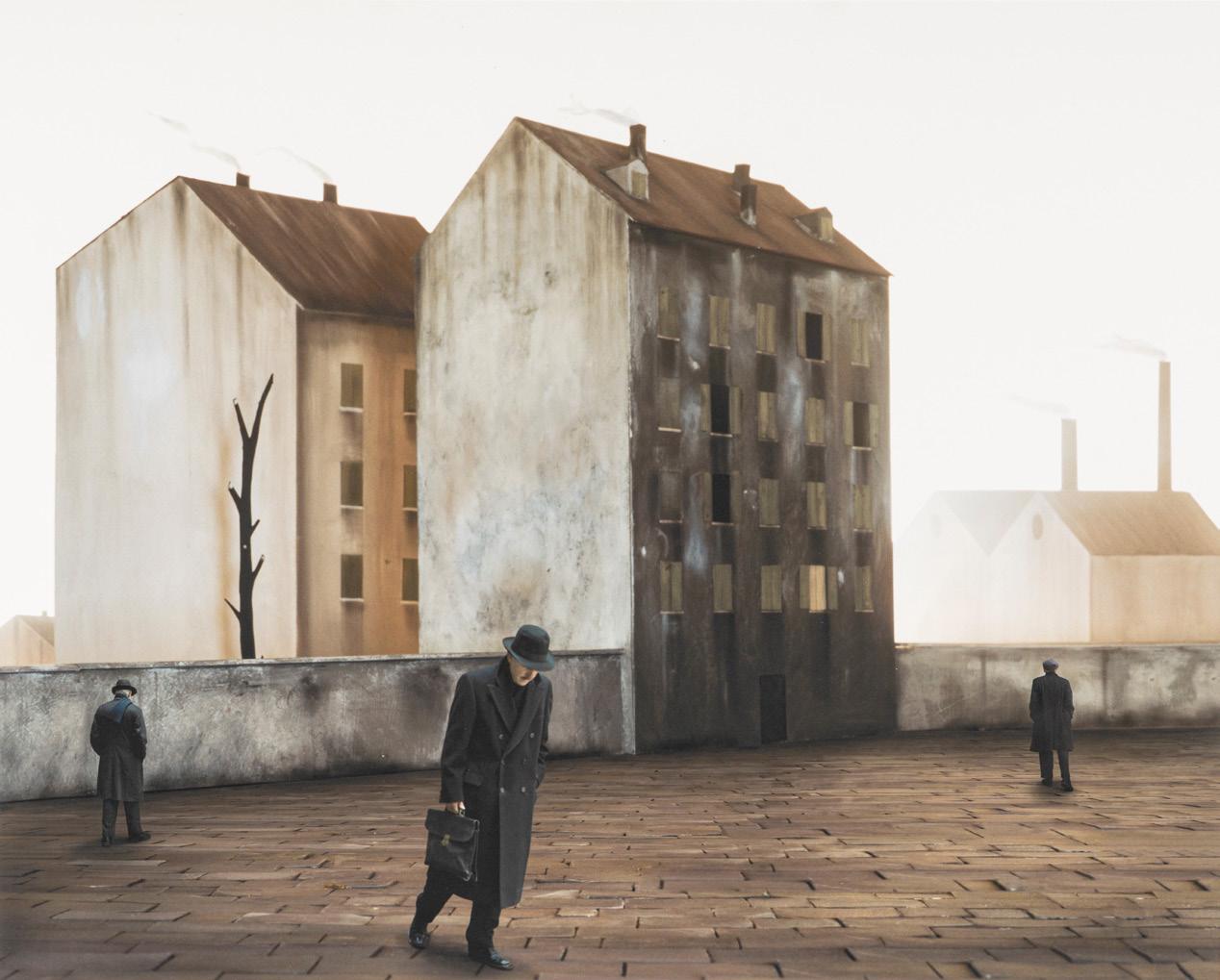
Behind the walls #7, 2013
Two inkjet prints cm 42,1 x 59,4 (cm 39,4 x 48,1 picture) each | 16.5 x 23.3 in. (15.5 x 19.8 in. picture) each
Each one titled, monog P.V. and dated in blue pencil with photographer’s credit stamp on the verso (Ciascuna titolata, siglata P.V. e datata a matita blu con timbro del fotografo al verso)
€ 2.500 - 3.500
1096® PAOLO VENTURA (1968)
Luigi Veronesi (Milan, 1908 –1998) has investigated in the most diverse fields with a style inspired by the Bauhaus lesson. In painting he is an important exponent of Abstractionism (he signed the first Italian Manifesto and joined the Parisian group Abstraction-Création) and, from 1949, of MAC Art. Since the ‘20s he has worked as a textile designer (often in Paris frequented by proud anti-fascists) and as a graphic designer for magazines such as “Poligono”, “Campo Grafico”, “Casabella”, “Ferrania”. His research also sees him as a protagonist in the photographic field: he elaborates, like Man Ray and Moholy-Nagy, the technique of the photogram, in 1947 he signs the “Manifesto della Bussola” in Milan and in 1950 he joins the Photographic Union. The interventions in the theatrical field and the research, carried out with Malipiero on visual music, are valuable.
Luigi Veronesi (Milano, 1908 –1998) ha indagato nei più diversi campi con uno stile ispirato alla lezione Bauhaus. In pittura è un importante esponente dell’Astrattismo (ne firma il primo Manifesto italiano e aderisce al gruppo parigino Abstraction-Création) e, dal 1949, della MAC Art. Fin dagli anni ’20 lavora come disegnatore tessile (spesso a Parigi frequentata da fiero antifascista) e come grafico per riviste come “Poligono”, “Campo Grafico”, “Casabella”, “Ferrania”. La ricerca lo vede protagonista anche in campo fotografico: elabora, come Man Ray e Moholy-Nagy, la tecnica del fotogramma, nel 1947 firma a Milano il “Manifesto della Bussola” e nel 1950 aderisce all’Unione Fotografica. Pregevoli gli interventi in campo teatrale e le ricerche, svolte con Malipiero sulla musica visiva.
Luigi Veronesi
Veronesi
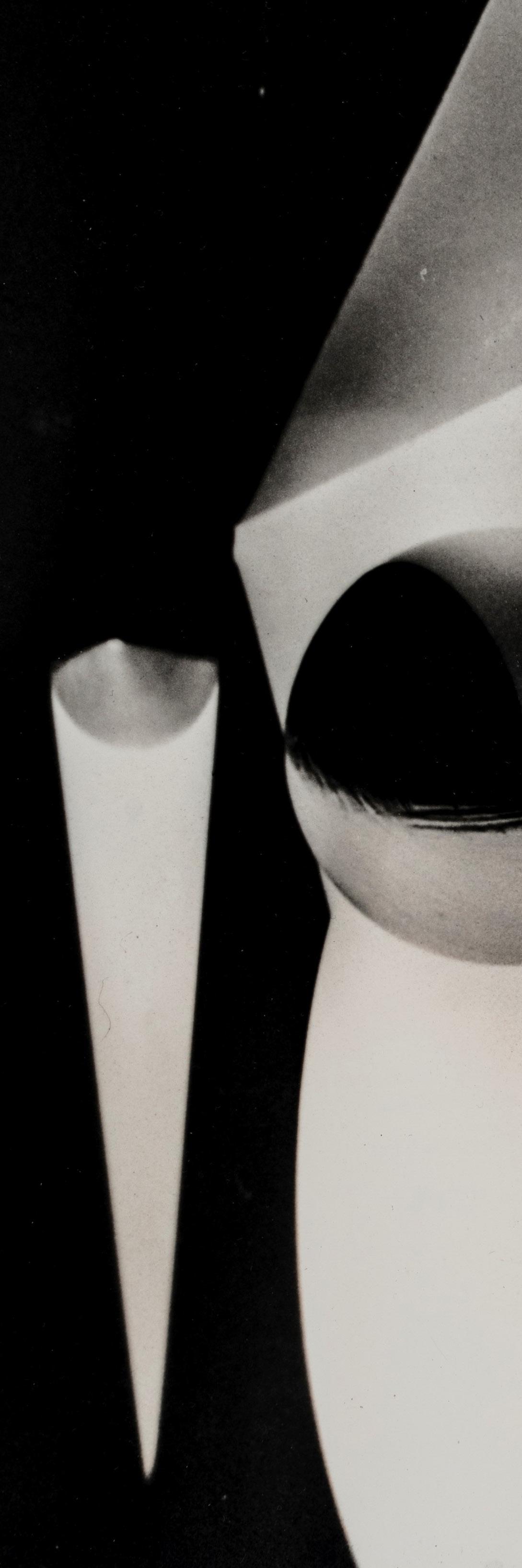
In Luigi Veronesi’s photography, the elements of his profession as a bold and visionary graphic designer are openly mixed. Everything is very clear especially in the long series of “Frames” developed between the thirties and forties to follow his spirit as an abstractionist successfully experimented also in graphics and painting. The search for geometric elements is evident in these two works that are characterized by their originality: in one case the result is due to a careful and creative use of light, in the second by a juxtaposition between the circular elements placed in the background and the fabric in the foreground that partly hides them and partly wittily allows them to be glimpsed. Since Veronesi, unlike other authors who worked on the off-camera technique, worked on film, his are not unique works but can be reproduced years later under his own direction.
Nella fotografia di Luigi Veronesi si mescolano in modo dichiarato gli elementi della sua professione di grafico audace e visionario. Tutto è molto chiaro soprattutto nella lunga serie dei “Fotogrammi” elaborata fra gli anni Trenta e Quaranta per seguire il suo spirito di astrattista sperimentato con successo anche nella grafica e nella pittura. La ricerca di elementi geometrici è evidente in queste due opere che si caratterizzano per la loro originalità: in un caso il risultato è dovuto a un uso attento e creativo della luce, nel secondo da un accostamento fra gli elementi circolari posti sullo sfondo e il tessuto in primo piano che in parte li nasconde e in parte li fa argutamente intravedere. Poiché Veronesi, al contrario di altri autori che lavoravano sulla tecnica off camera, lavorava su pellicola, le sue non sono opere uniche ma possono essere riprodotte anni dopo sotto la sua stessa direzione.
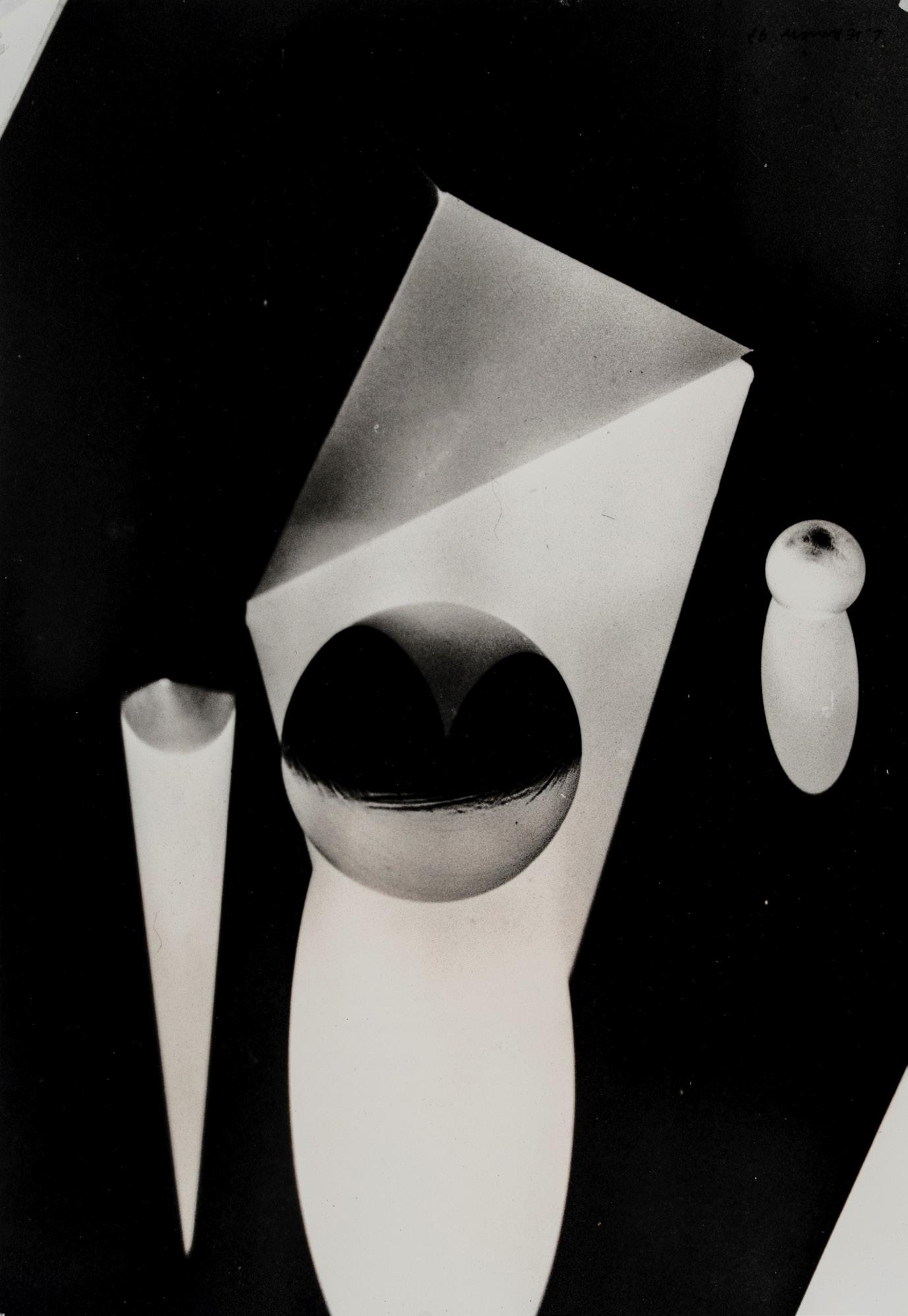
Fotogramma, 1941
Gelatin silver print, printed in 1997 cm 30,8 x 21,3 | 12 x 8.4 in.
Edition 5 of 30
Signed and dated in black ink on the image with didactic stamp on the verso
Framed (Edizione 5 di 30; Firmata e datata a penna nera sull’immagine con timbro didascalico al verso; Opera in cornice)
€ 600 - 800
1097® LUIGI VERONESI (1908-1998)
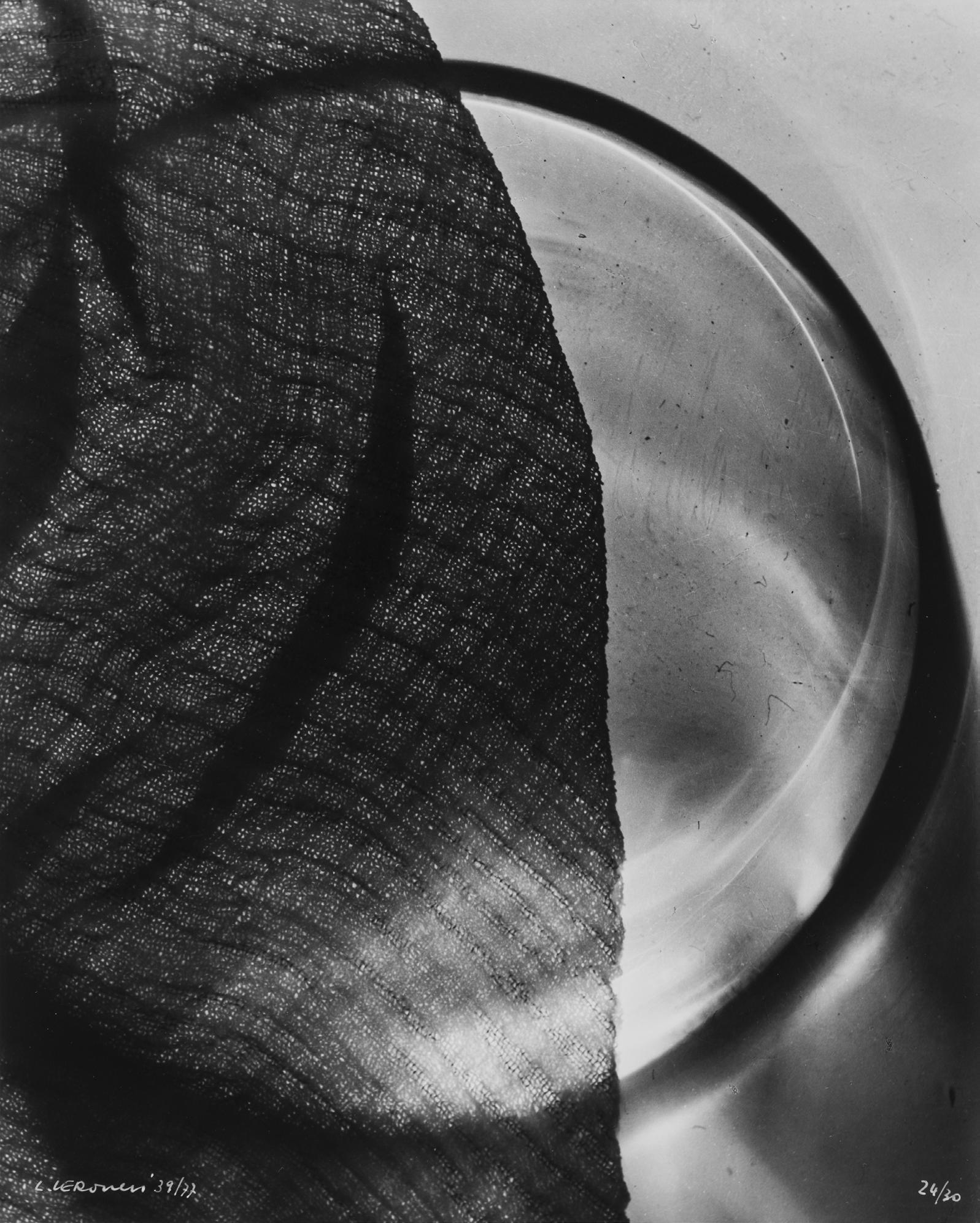
Untitled (Photogram), 1939
Gelatin silver print, printed in 1977
cm 28 x 22,5 | 11 x 8.9 in.
Edition 24 of 30
Signed, dated and numbered in white ink on the image
Framed
(Edizione 24 di 30; Firmata, datata e numerata a penna bianca sull’immagine; Opera in cornice)
€ 800 - 1.200
1098®
LUIGI VERONESI (1908-1998)
Massimo Vitali (Como 1944) finished high school and studied photography in London at the London College of Printing and devoted himself to reportage working with European agencies and especially with Simon Guttmann’s Report. Disappointed by the expectations placed on concerned photography, in the 1980s he worked as a director of photography in television and cinema and then returned to photography this time with a more creative attitude. He thus invented in 1994, with the only view camera that the robbers of his equipment left him, a new project that led him to photograph from above the Tuscan beaches crowded with bathers, thanks to which he obtained among gallery owners and collectors a great international success.
Massimo Vitali (Como 1944) finito il liceo studia fotografia a Londra al London College of Printing e si dedica al reportage collaborando con agenzie europee e soprattutto con la Report di Simon Guttmann. Deluso dalle aspettative riposte sulla fotografia concerned, negli anni ’80 lavora da direttore della fotografia in televisione e al cinema per ritornare poi alla fotografia questa volta con un atteggiamento più creativo. Si inventa così nel 1994, con l’unico banco ottico che i ladri della sua attrezzatura gli hanno lasciato, un progetto nuovo che lo porta a fotografare dall’alto le spiagge toscane affollate di bagnanti grazie al quale ottiene fra i galleristi e i collezionisti un grande successo internazionale.
Massimo Vitali
Vitali
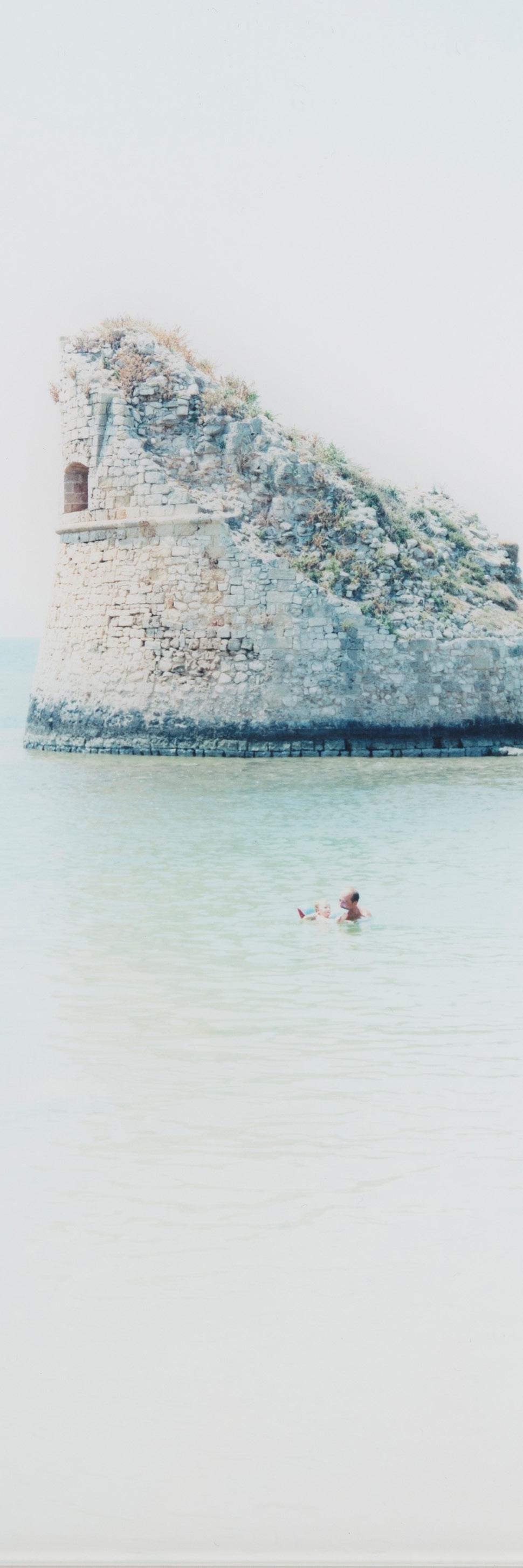
To understand these photographs, one must visualise one of the most unusual set-ups ever conceived. Vitali took the shots with his 20x25 view camera from a very tall tripod, positioned in one instance facing the beach and in the other facing the sea. He is not, however, interested in the landscape but in those who inhabit it: having returned from abroad and settled in Lucca, he himself states that he wishes to use his images to understand who the Italians were during that historical period marked by Berlusconi’s electoral victory. Although created using different technical and expressive means, this work evokes the spirit of reportage but shifts it towards the anthropological: instead of approaching his subjects to create a narrative, he keeps them at a safe distance and freezes their stories in a single image; instead of sharing their lived experience, he observes their dynamics with the gaze of an entomologist. In the meticulously crafted and exquisite prints –here in reduced size, one of which is accompanied by a volume reproducing it – the colours take on delicate shades, and the great depth of field, which allows every plane to be in focus, enables the observer to follow the details of the scenes: as in the paintings of Bruegel the Elder, the postures of the individuals invite us to imagine stories, and the details (the towels on the sand, the parked bicycles, the flags fluttering in the wind, the curious elegance of the rubbish bins) fill the scene with a marvellous balance.
Per comprendere queste fotografie occorre ricostruire uno dei più singolari set che si siano immaginati. Vitali riprende con il suo banco ottico 20x25 da un altissimo treppiedi collocato in un caso di fronte alla spiaggia e nell’altro rivolto al mare. Non è però interessato al paesaggio ma a chi lo abita: è lui stesso a dichiarare, tornato dall’estero e stabilitosi a Lucca, di voler comprendere con le sue immagini chi erano gli italiani in quella fase storica caratterizzata dalla vittoria elettorale di Berlusconi. Anche se realizzata con altri mezzi tecnici ed espressivi, questo lavoro evoca lo spirito reportagistico ma lo vira sull’antropologico: invece di avvicinarsi ai soggetti per creare un racconto, li tiene a debita distanza e ne immobilizza le storie in una sola immagine, invece di condividerne il vissuto ne osserva le dinamiche con lo sguardo dell’entomologo. Nelle accuratissime e preziose stampe – qui in dimensioni ridotte e una delle quali accompagnata da un volume che la riproduce – i colori assumono sfumature delicate e la grande profondità di campo che permette di mettere a fuoco tutti i piani permettono all’osservatore di seguire i dettagli delle scene: come nei dipinti di Bruegel il Vecchio le posture dei singoli ci fanno immaginare storie e i particolari (i teli sulla sabbia, le biciclette posteggiate, le bandiere mosse dal vento, la curiosa eleganza dei cestini della spazzatura) riempiono la scena in un equilibrio mirabile.
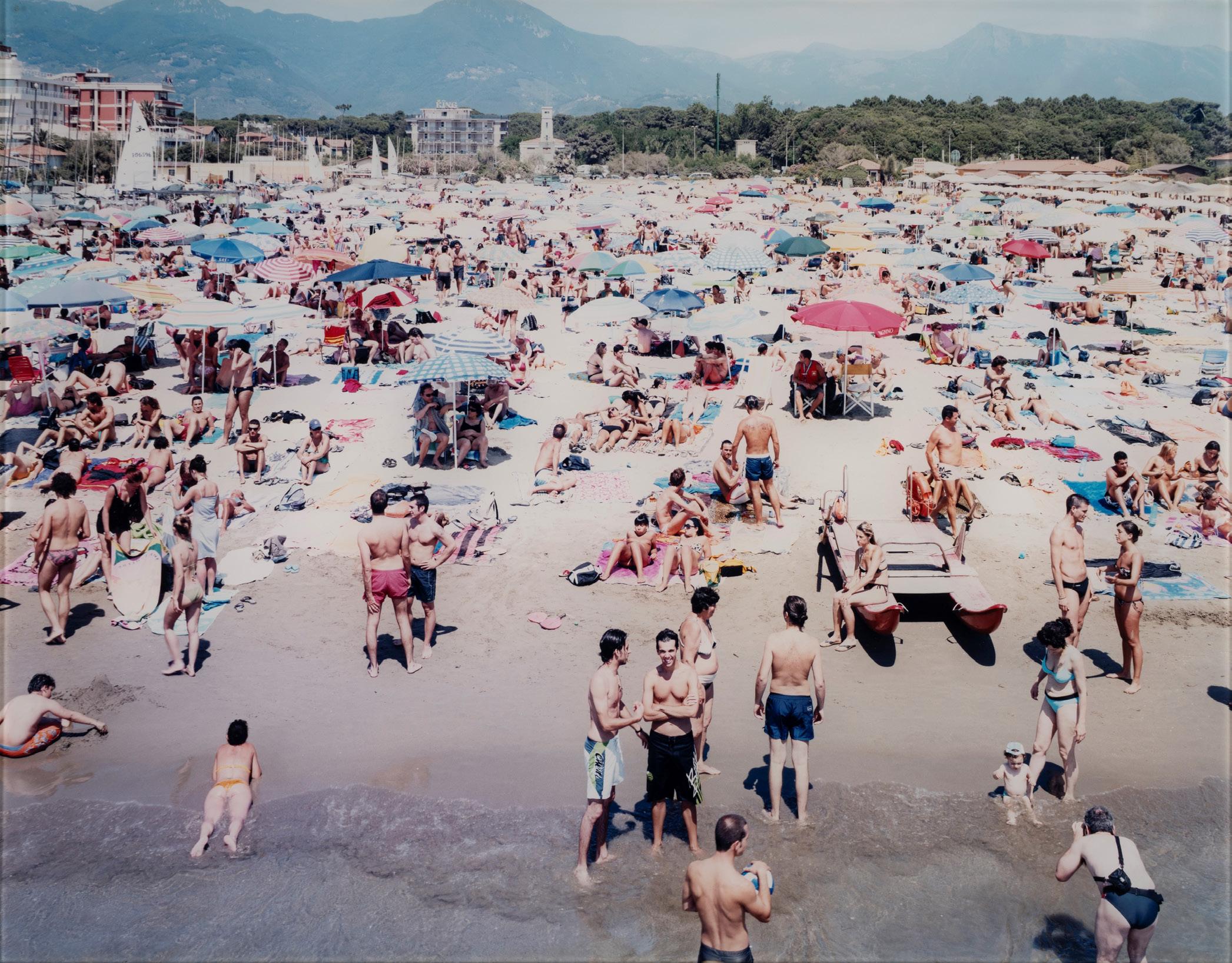
Marina di Pietrasanta, 2009
C-print
cm 19,4 x 24,5 | 7.6 x 9.6 in.
Edition 25 of 35
Caption label signed in black ink on the verso (Edizione 25 di 35; Etichetta didascalica firmata a penna nera al verso)
€ 1.500 - 2.500
1099®
MASSIMO VITALI (1944)
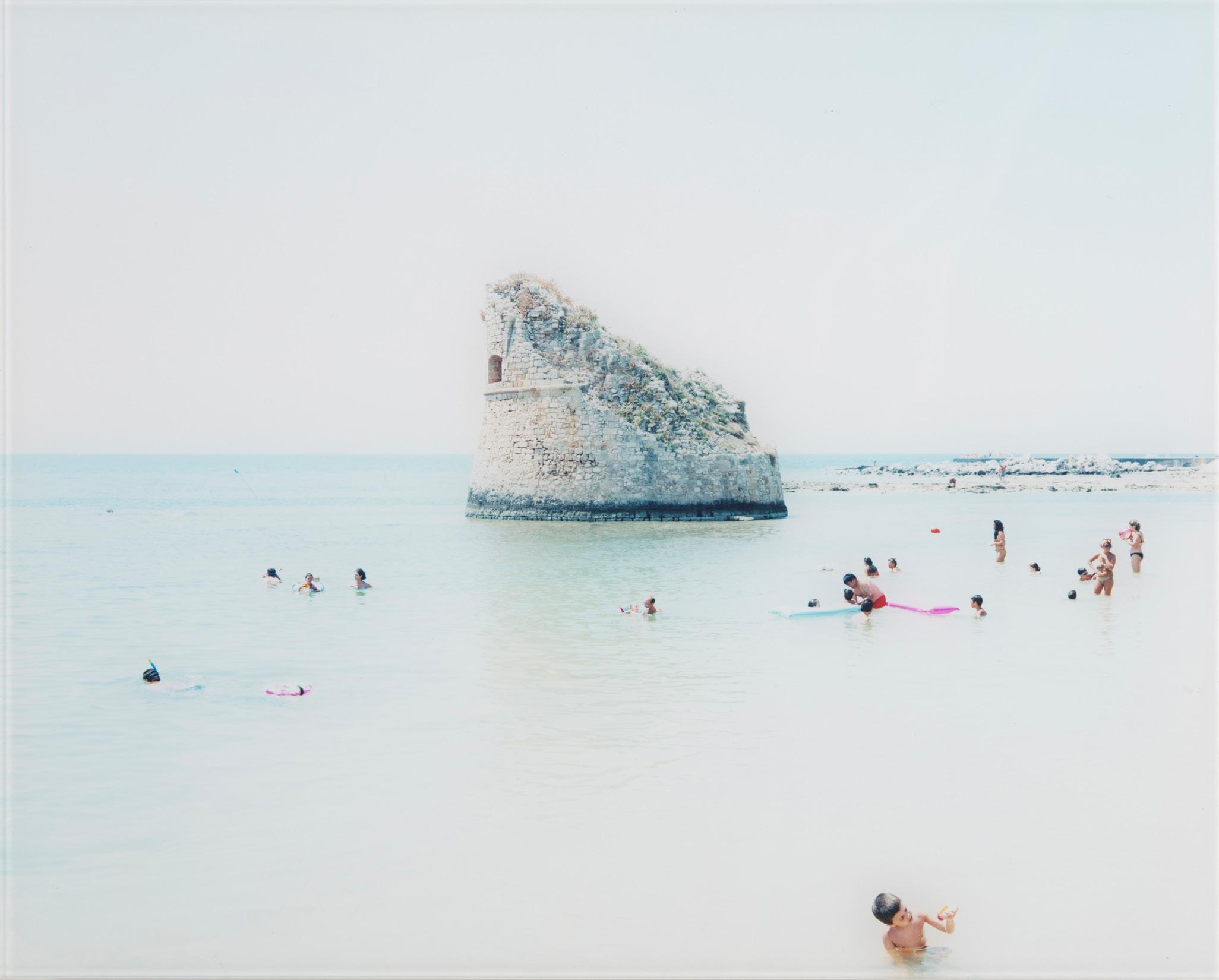
MASSIMO VITALI (1944)
Torre Pali Boy, 2010
C-print mounted on dibond accompained by the volume “Natural Habitats”
cm 20,5 x 25,5 (print) ; cm 29,8 x 37 x 2 (book) |
8 x 10 in. (print) ; 11.7 x 14.5 x 0.7 in. (book)
Edition 57 of 100 (the print) ; edition 57 of 300 (the book)
Didactic label signed and numbered in black ink on the verso
Book numbered and signed in black ink on the frontispiece
(Edizione 57 di 100 (la stampa) ; edizione 57 di 300 (il volume)
Etichetta didascalica firmata e numerata a penna nera al verso
Libro numerato e firmato a penna nera sul frontespizio)
€ 1.200 - 1.800
1100®
Autori vari - 1001
Barbieri Olivo - 1002, 1003
Basilico Gabriele - 1004, 1005, 1006
Berengo Gardin Gianni - 1007, 1008, 1009, 1022
Biasucci Antonio - 1010, 1011
Bonzuan Mario - 1012, 1013
Branzi Piergiorgio - 1014
Camisa Alfredo - 1015, 1016
Carnisio Virgilio - 1017, 1018
Cavalli Giuseppe - 1019, 1020
Cerati Carla - 1021, 1022
Chiaramonte Giovanni - 1023, 1024
Cresci Mario - 1025, 1026
Crupi Giovanni - 1027, 1028
D’Agata Gaetano - 1029, 1030
De Biasi Mario - 1031, 1032
Dondero Mario - 1033, 1034
Ferroni Ferruccio - 1035, 1036
Fontana Franco - 1037, 1038, 1039
Galimberti Maurizio - 1040, 1041
Gastel Giovanni - 1042, 1043
Ghirri Luigi - 1044, 1045, 1046
Giacomelli Mario - 1047, 1048, 1049
Gioli Paolo - 1050, 1051
Horvat Frank - 1052, 1053
Jodice Mimmo - 1054
Leone Giuseppe - 1055, 1056
Listri Massimo - 1057
Migliori Nino - 1058, 1059
Moncalvo Riccardo - 1060, 1061
Monti Paolo - 1062, 1063
Mulas Ugo - 1064, 1065
Naya Carlo - 1066, 1067
Orsi Arrigo - 1068, 1069
Pedriali Dino - 1070, 1071
Peretti Griva Domenico Riccardo - 1072, 1073
Radino Francesco - 1074, 1075
Roiter Fulvio - 1076, 1077
Scianna Ferdinando - 1078, 1079
Secchiaroli Tazio - 1080, 1081
Sella Vittorio - 1082, 1083
Sellerio Enzo - 1084, 1085
Settanni Pino - 1086, 1087
Sommer Giorgio - 1088, 1089
Stefani Bruno - 1090, 1091
Vaccari Franco - 1092
Vender Federico - 1093, 1094
Ventura Paolo - 1095, 1096
Veronesi Luigi - 1097, 1098
Vitali Massimo - 1099, 1100
von Gloeden Baron Wilhelm - 1029, 1030
CALENDARIO ASTE
5 – Gold Rush. Monete e Medaglie da tutto il mondo / Roma
12 – Luxury Fashion / Milano
18 – Fotografia: Icone Italiane / Milano
19 – Fotografia: Alla scoperta dello spazio, dalle prime missioni al XXI Secolo / Milano
19 – Fotografia Etnografica: Il giro del mondo in 80 + 80 scatti / Milano
20 – Fotografia: Under 1K / Milano
25 e 26 – Gioielli Importanti / Milano
28 – Dipinti e Disegni Antichi / Roma Giugno
8 – Vini da Collezione / Roma
9 – Arte Moderna e Contemporanea / Milano
10 – Distillati / Roma
11 - Autografi e Memorabilia storici / Roma
15 – Orologi / Milano
18 – Arte Figurativa tra XIX e XX secolo / Roma
23 – Design Heritage / Milano
25 – Libri, Manoscritti e Stampe / Roma Luglio
8 – Tout de Suite. Arte Moderna e Contemporanea / Milano
9 – Grafica Internazionale e Multipli di autore / Milano
1. Definizioni
Acquirente: la persona fisica o giuridica che in relazione al lotto fa, in asta, l’offerta più alta accettata dal banditore;
Codice del Consumo: il Decreto Legislativo del 6 settembre 2005, n. 2016;
Codice Urbani: il Decreto Legislativo del 22 gennaio 2004, n. 42 e sue successive modificazioni o integrazioni;
Commissione di acquisto: il compenso dovuto a Finarte dall’Acquirente in relazione all’acquisto del lotto e calcolato in misura percentuale al Prezzo, in base al valore percentuale indicato nel catalogo d’asta ovvero nelle presenti Condizioni Generali di Vendita, oltre a qualsiasi importo dovuto a Finarte dall’Acquirente a titolo di IVA o di importo in sostituzione di IVA;
Condizioni Generali di Mandato: le condizioni generali di mandato applicate al Venditore;
Condizioni Generali di Vendita: le presenti condizioni generali di vendita;
Contraffazione: secondo la ragionevole opinione di Finarte, l’imitazione di un lotto offerto in vendita, non descritta come tale nel catalogo d’asta, creata a scopo di inganno su paternità, autenticità, provenienza, attribuzione, origine, fonte, data, età, periodo, che alla data della vendita aveva un valore inferiore a quello che avrebbe avuto se il lotto fosse stato corrispondente alla descrizione del catalogo d’asta. Non costituisce una contraffazione un lotto che sia stato restaurato o sottoposto ad opera di modifica di qualsiasi natura (tra cui la ripitturazione o la sovrapitturazione);
Finarte: Finarte Auctions S.r.l., con sede legale a Milano, Via dei Bossi n. 2, C.F., P. IVA e numero di iscrizione al Registro Imprese di Milano 09479031008, REA MI-2570656, capitale sociale euro 1000,00 i.v.;
Importo totale dovuto: il Prezzo, oltre alla Commissione di acquisto e alle Spese;
Mandato: il contratto di mandato con rappresentanza stipulato, di volta in volta, tra Finarte e il Venditore, cui saranno applicabili le Condizioni Generali di Mandato;
Prezzo: il prezzo a cui il lotto viene aggiudicato in asta dal banditore all’Acquirente, al netto della Commissione di acquisto;
Riserva: il prezzo minimo confidenziale a cui il Venditore ha concordato con Finarte di vendere il Lotto o, in mancanza di accordo tra Finarte e il Venditore, un importo pari al settantacinque per cento (75%) della Stima minima di pre-vendita;
Sito: www.finarte.it; Spese: in relazione all’acquisto di un lotto, sono tutte le spese dovute dall’Acquirente a Finarte e comprendono (ma non si limitano a): le
imposte di qualsiasi tipo, i costi di imballaggio e di spedizione, le spese di recupero delle somme dovute dall’Acquirente inadempiente, le eventuali spese di riproduzione del lotto ovvero di sua perizia e/o autentica, il diritto di seguito, che l’Acquirente si impegna a pagare e che spetterebbe al Venditore pagare in base all’art. 152, comma 1, Legge 22 aprile 1941, n. 633; Stima minima pre-vendita: la stima minima finale alla quale viene offerto in vendita il lotto, comunicata o meno al Venditore.
Venditore: la persona fisica o giuridica che conferisce a Finarte, in qualità di mandataria con rappresentanza, il diritto esclusivo di offrire in vendita in asta il lotto. Nel caso sia offerto in vendita un bene in comproprietà, Venditore sarà considerato ciascuno dei comproprietari il quale assumerà solidalmente nei confronti di Finarte tutti gli obblighi derivanti dal Mandato;
2. INFORMAZIONI IMPORTANTI PER GLI ACQUIRENTI
2.1 COMPRARE ALL’ASTA. Finarte agisce in nome e per conto del Venditore, in qualità di mandataria con rappresentanza dello stesso e dunque come mera intermediaria tra Acquirente e Venditore. Pertanto la vendita del lotto deve considerarsi avvenuta tra Acquirente e Venditore. I potenziali Acquirenti sono tenuti a consultare il Sito per prendere visione della catalogazione più aggiornata dei lotti presenti in catalogo.
2.2 PROVENIENZA. In alcune circostanze, Finarte può stampare sul catalogo d’asta la storia della proprietà di un lotto quando ritiene che quell’informazione possa contribuire al suo studio o se aiuta a distinguere il lotto medesimo. Tuttavia, l’identità del Venditore o dei precedenti proprietari potrà non essere resa pubblica per una serie di ragioni, per esempio per rispettare la richiesta di riservatezza da parte del Venditore o perché l’identità del precedente proprietario non è nota a causa dell’età del lotto.
2.3 PREZZO E COMMISSIONE DI ACQUISTO E IVA. Al Prezzo del lotto sarà aggiunta una Commissione di acquisto che l’Acquirente è tenuto a pagare quale parte dell’Importo totale dovuto. La Commissione di acquisto è stabilita nella misura del:
(a) 27% (22,12 + IVA) del Prezzo del lotto fino alla concorrenza dell’importo di euro 299.999,99;
(b) 22% (18,04 + IVA) per ogni parte del Prezzo eccedente l’importo di euro 299.999,99 fino alla concorrenza dell’importo di euro 499.999,99;
(c) 15% (12,30 + IVA) per ogni parte del Prezzo eccedente l’importo di euro 499.999,99.
2.4 IVA. Un’Imposta sul Valore Aggiunto (IVA) può essere applicata sul Prezzo e/o sulla Commissione di acquisto. Si prega di fare riferimento alle informazioni relative all’IVA, contenute nella sezione “Simboli”, che segue.
Al fine di armonizzare le procedure fiscali tra i Paesi dell’Unione Europea, con decorrenza dal 1° gennaio 2001 sono state introdotte in Italia nuove regole con l’estensione alle Case d’Asta del regime del margine. L’art. 45 della legge 342 del 21 Novembre 2000 prevede l’applicazione di tale regime alle vendite concluse in esecuzione ai
contratti di commissione definiti con: (a) soggetti privati; (b) soggetti passivi d’imposta che hanno assogget¬tato l’operazione al regime del margine; (c) soggetti che non hanno potuto detrarre l’imposta ai sensi degli art. 19, 19-bis, e 19-bis2 del DPR. 633/72 (che hanno venduto il lotto in esenzione ex art. 10, 27-quinquies); (d) soggetti che beneficiano del regime di franchigia previsto per le piccole imprese nello Stato di appartenenza. In forza della speciale normativa, nei casi sopracitati eventuale imposta IVA, ovvero una somma sostitutiva di IVA, se applicabile, viene applicata da Finarte. Nessun particolare simbolo verrà usato per identificare i lotti venduti nel regime del margine.
2.5 DIRITTO DI SEGUITO. Oltre al Prezzo, alla Commissione di acquisto e alle altre Spese, l’Acquirente si impegna a pagare a Finarte, qualora dovuto, il “diritto di seguito” ex artt. 144 e ss. della Legge 22 aprile 1941, n. 633 e successive modificazioni e integrazioni che spetterebbe al Venditore pagare in base all’art. 152, comma 1, Legge 22 aprile 1941, n. 633 e successive modificazioni e integrazioni. Il “diritto di seguito” sarà corrisposto dall’Acquirente in accordo con l’art. 7 e sarà versato alla (S.I.A.E.) da Finarte. I lotti soggetti a diritto di seguito sono contrassegnati con il simbolo (®) nella percentuale sotto indicata per un importo totale comunque non superiore a euro 12.500,00. Il “diritto di seguito” è dovuto solo se il prezzo della vendita non è inferiore a euro 3.000,00. Esso è così determinato:
• 4% per la parte del prezzo di vendita compresa tra euro 3.001,00 e euro 50.000,00;
• 3% per la parte del prezzo di vendita compresa tra euro 50.000,01 e euro 200.000,00;
• 1% per la parte del prezzo di vendita compresa tra euro 200.000,01 e euro 350.000,00;
• 0,5% per la parte del prezzo di vendita com¬presa tra euro 350.000,01 e euro 500.000,00;
• 0,25% per la parte del prezzo di vendita superiore a euro 500.00 0,00
2.6 Valute. Durante alcune aste potrà essere operante uno schermo che indica i cambi aggiornati delle principali valute estere, in contemporanea con le offerte effettuate in sala d’asta. I cambi sono da considerarsi solo indicativi e tutte le offerte in sala saranno espresse in Euro. Finarte declina ogni responsabilità per ogni errore ed omissione che apparirà su detto schermo. Il pagamento dei lotti acquistati dovrà essere in Euro. L’ammontare equivalente potrà essere effettuato in valuta estera purché in base al cambio del giorno in cui il pagamento verrà effettuato.
2.7 Sicurezza. Per salvaguardare la sicurezza dei potenziali Acquirenti e degli Acquirenti durante la permanenza nei nostri spazi espositivi, Finarte espone tutte le opere in modo tale da non creare eventuali pericoli. Tuttavia, nel caso in cui un potenziale Acquirente maneggiasse lotti in esposizione, ciò è a suo esclusivo rischio e pericolo. Alcuni lotti di grandi dimensioni e pesanti possono essere pericolosi se maneggiati in modo errato. Nel caso in cui si desiderasse ispezionare accuratamente un lotto, La preghiamo di richiedere l’assistenza del personale di Finarte. Alcuni lotti in esposizione potrebbero essere segnalati con la dicitura “per cortesia non toccare” ovvero con altra dicitura simile. Nel caso in cui si intenda esaminare questi lotti, si prega di richiedere l’assistenza del personale Finarte. In ogni caso, salvo dolo o colpa grave, Finarte non sarà in alcun modo
responsabile per eventuali danni subiti dal potenziale Acquirente, dall’Acquirente ovvero da un suo studioso o da un suo esperto indipendente in occasione dell’ispezione del lotto.
3. PRIMA DELL’ASTA
3.1 Stime pubblicate in catalogo. Le stime pubblicate in catalogo sono solo indicative per i potenziali acquirenti e sono soggette a revisione. Il Prezzo potrà essere superiore o inferiore alle valutazioni indicate. Resta inteso che stime indicate in catalogo d’asta non comprendono la Commissione di acquisto e l’IVA. I potenziali Acquirenti sono tenuti a consultare il Sito per prendere visione della catalogazione più aggiornata dei lotti presenti in catalogo.
3.2 SIMBOLI. Il catalogo d’asta potrà contenere i seguenti simboli:
0 Importo minimo garantito.
Nel caso in cui un lotto sia contrassegnato da questo simbolo al Venditore è stato garantito un importo minimo nell’ambito di una o più aste.
P Lotti di proprietà di Finarte.
Nel caso in cui i lotti siano contrassegnati da questo simbolo la proprietà appartiene in tutto o in parte a Finarte.
PI Parte Interessata.
Indica il caso in cui possano essere effettuate offerte sul lotto anche da parte di soggetti aventi un interesse diretto o indiretto sul medesimo, quale ad esempio il beneficiario o l’esecutore testamentario che abbia venduto il lotto oppure il comproprietario del lotto o un soggetto che abbia prestato una garanzia per il lotto.
SR Senza Riserva.
I lotti illustrati nel catalogo che non sono contrassegnati da questo simbolo (SR), si intendono soggetti alla vendita con riserva. Generalmente la Riserva corrisponde ad una percentuale della Stima minima pre-vendita e non supera tale valore. Nel caso in cui un lotto sia venduto senza Riserva, verrà contrassegnato da questo simbolo.
® Diritto di Seguito.
Per i lotti contrassegnati da questo simbolo, l’Acquirente si impegna a pagare il “diritto di seguito”, che spetterebbe al venditore pagare in base all’art. 152, comma 1, Legge 22 aprile 1941, n. 633 e successive modificazioni e integrazioni, nella misura determinata nella sezione “Diritto di seguito” di cui sopra.
I Lotto proveniente da impresa.
Per i lotti contrassegnati da questo simbolo il Prezzo è soggetto a (e comprensivo di) IVA.
iv5 Lotto proveniente da impresa.
Per i lotti contrassegnati da questo simbolo il Prezzo è soggetto a (e comprensivo di) IVA al 5%.
TI Lotto in regime di temporanea importazione.
Lotto in regime di temporanea importazione ex art. 72 del Codice Urbani o per il quale è stata richiesta la temporanea importazione.
ID Lotto in temporanea importazione doganale.
I lotti contrassegnati da questo simbolo sono soggetti ad IVA (attualmente pari ad una percentuale del 10%) sul Prezzo e sul diritto di seguito, dove applicabile per i residenti in Italia. Qualsiasi costo connesso alla chiusura della temporanea importazione doganale è a carico dell’Acquirente.
RIF = Riferita
La documentazione o la fotografia, anche quando di autore ignoto, è riferita al lavoro dell’artista indicato.
Es. foto di una performance
4. L’ASTA
4.1 SVOLGIMENTO DELL’ASTA
4.1.1 L’asta è regolata dalle Condizioni Generali di Vendita e dalle Condizioni Generali di Mandato. Le Condizioni Generali di Vendita possono essere modificate mediante un avviso affisso nella sala d’asta o tramite un annuncio fatto dal banditore d’asta prima dell’inizio dell’asta. Nell’ipotesi in cui Finarte permetta la partecipazione all’asta anche online queste modifiche sono portate a conoscenza anche tramite il Sito prima dell’inizio dell’asta.
4.1.2 Le offerte possono essere eseguite personalmente mediante una paletta durante l’asta, mediante un’offerta scritta prima dell’asta, per telefono ovvero via internet (in quest’ultimo caso solo se possibile in relazione alla specifica asta).
4.1.3 Nell’ipotesi in cui il Venditore sia un professionista e l’Acquirente sia un consumatore ai sensi dell’art. 3 del Codice del Consumo, le vendite concluse mediante offerte scritte, telefoniche o offerte online costituiscono contratti a distanza ai sensi e per gli effetti degli artt. 45 e ss. del Codice del Consumo.
4.1.4 La velocità dell’asta può variare, tra i cinquanta (50) e i centoventi (120) lotti l’ora.
4.1.5 L’incremento delle offerte è generalmente del dieci per cento (10%) rispetto a quella precedente.
4.1.6 A sua completa discrezione, Finarte ha il diritto di rifiutare a chiunque di partecipare alle aste.
4.1.7 Nei confronti di ciascun potenziale Acquirente, Finarte si riserva la facoltà di subordinare la partecipazione all’asta all’esibizione di una lettera di referenze bancarie oppure al deposito di una somma a garanzia dell’esatto adempimento delle obbligazioni previste dalle presenti Condizioni Generali di Vendita che sarà restituita una volta conclusa l’asta.
4.1.8 Chiunque faccia un’offerta ad un’asta sarà considerato parte direttamente interessata all’acquisto, salvo accordo scritto fra il partecipante all’asta e Finarte in base al quale il partecipante dichiara di agire in nome e per conto di un terzo che sia da Finarte accettato.
4.1.9 Nel caso in cui una persona a cui sia stata concessa la possibilità di effettuare un’offerta relativa ad un lotto abbia un interesse diretto o indiretto sul medesimo, quale ad esempio il beneficiario o l’esecutore testamentario che abbia venduto il lotto, oppure il comproprietario del lotto o un’altra parte che abbia prestato una garanzia per il lotto, Finarte ne darà comunicazione in catalogo.
4.1.10 Il banditore conduce l’asta partendo dall’offerta che considera adeguata, in funzione del valore del lotto e delle offerte concorrenti. Il banditore può aprire le offerte su ogni lotto formulando un’offerta nell’interesse del Venditore. Il banditore può inoltre fare offerte nell’interesse del Venditore, fino all’ammontare della Riserva, formulando offerte consecutive o in risposta ad altre offerte.
4.1.11 Il colpo di martello del banditore determina l’accettazione dell’offerta più alta, del Prezzo e, conseguentemente, la conclusione del contratto di vendita tra il Venditore e l’Acquirente.
4.1.12 l banditore può, a sua assoluta discrezione e in un momento qualsiasi dell’asta:
(a) ritirare un lotto dall’asta; (b) riformulare un’offerta di vendita per un lotto, qualora abbia motivi per ritenere che ci sia un errore o una disputa; e/o (c) adottare qualsiasi provvedimento che ritenga adatto alle circostanze, come abbinare o separare i lotti o cambiarne l’ordine di vendita purché il lotto non sia offerto in asta una giornata anteriore rispetto a quella indicata nel catalogo d’asta.
4.1.13 Durante alcune aste potrà essere operante uno schermo video. Finarte declina ogni responsabilità sia in relazione alla corrispondenza dell’immagine sullo schermo all’originale, sia per errori nel funzionamento dello schermo video.
4.1.14 Finarte dichiara che il lotto può essere oggetto di dichiarazione di interesse culturale da parte del Ministero dei beni e delle attività culturali e del turismo ai sensi dell’art. 13 del Codice Urbani. In tal caso o nel caso in cui in relazione al lotto sia stato avviato il procedimento di dichiarazione di interesse culturale ai sensi dell’art. 14 del Codice Urbani, Finarte ne darà comunicazione prima della vendita. Nel caso in cui il lotto sia stato oggetto di dichiarazione di interesse culturale il Venditore provvederà a denunciare la vendita al Ministero competente ex art. 59 Codice Urbani. La vendita sarà sospensivamente condizionata al mancato esercizio da parte del Ministero competente del diritto di prelazione nel termine di sessanta (60) giorni dalla data di ricezione della denuncia, ovvero nel termine maggiore di centottanta (180) giorni di cui all’art. 61, comma 2, del Codice Urbani. In pendenza del termine per l’esercizio della prelazione il lotto non potrà essere consegnato all’ Acquirente in base a quanto stabilito dall’art. 61 del Codice Urbani.
4.1.15 Generalmente la Riserva non supera la Stima minima pre-vendita annunciata o pubblicata da Finarte, salvo nel caso in cui la Riserva sia espressa in una moneta diversa dall’euro e vi siano sensibili fluttuazioni del tasso di cambio fra la data in cui è stata pattuita la Riserva e la data dell’asta. In tal caso, salvo diverso accordo fra Finarte ed il Venditore, la Riserva sarà modificata in un importo pari all’equivalente in euro in base al tasso ufficiale di cambio del giorno immediatamente precedente quello dell’asta.
4.1.16 Offerte “al meglio”, “salvo visione” o che comprendono lotti in alternativa a quello indicato non sono accettate.
4.2 OFFERTE IN SALA
4.2.1 Per partecipare all’asta in sala tutti i potenziali Acquirenti dovranno munirsi – prima che inizi l’asta - di una paletta numerata per esprimere le proprie offerte.
4.2.2 La paletta numerata verrà consegnata al potenziale Acquirente dal personale di Finarte al banco registrazione a seguito dell’esibizione di un documento di identità, della compilazione e della firma dell’apposito modulo di registrazione e attribuzione della paletta numerata.
4.2.3 Compilando e firmando il modulo di registrazione e attribuzione della paletta numerata, ciascun potenziale Acquirente accetta le Condizioni Generali di Vendita incluse nel catalogo.
4.2.4 È possibile registrarsi all’asta anche durante i giorni dell’esposizione che precede l’asta.
4.2.5 È possibile partecipare all’asta in nome e per conto di un’altra persona fisica o giuridica. In tal caso, in occasione della registrazione all’asta, dovrà essere esibita idonea procura scritta rilasciata dal rappresentato con allegato un documento di identità del rappresentato. Il partecipante all’asta sarà solidalmente obbligato con il terzo interessato nei confronti di Finarte in relazione a tutti gli obblighi derivanti dalle presenti Condizioni Generali di Vendita. Nel caso in cui il rappresentato sia una persona giuridica, la procura dovrà essere sottoscritta dal legale rappresentante o da un procuratore dotato di potere di firma la cui carta di identità dovrà essere allegata alla procura. Finarte si riserva la facoltà di non fare partecipare all’asta il rappresentante qualora, a suo insindacabile giudizio, non ritenga
dimostrato il potere di rappresentanza.
4.2.6 Le palette numerate devono essere utilizzate per indicare le offerte al banditore durante l’asta.
4.2.7 In caso di aggiudicazione di un lotto, si prega di accertarsi che la paletta possa essere vista dal banditore e che sia il numero ivi indicato ad essere stato annunciato.
4.2.8 Nell’ipotesi di dubbi riguardo al Prezzo o all’Acquirente, siete pregati di attirare immediatamente l’attenzione del banditore.
4.2.9 Tutti i lotti venduti saranno fatturati al nome ed all’indirizzo rilasciati al momento dell’assegnazione della paletta numerata e non potranno essere trasferiti ad altri nomi ed indirizzi.
4.2.10 L’eventuale perdita della paletta dovrà essere immediatamente comunicata all’assistente del banditore che provvederà a fornire al potenziale Acquirente una nuova paletta
4.2.11 Al termine dell’asta la paletta deve essere restituita al banco registrazioni.
4.3 OFFERTE
SCRITTE
4.3.1 Mediante la compilazione e l’invio dell’apposito modulo di offerta (insieme alla documentazione in esso richiesta) allegato al catalogo d’asta e caricato sul Sito è possibile formulare offerte scritte.
4.3.2 Finarte darà esecuzione alle offerte per conto del potenziale Acquirente.
4.3.3 Il servizio è gratuito e confidenziale.
4.3.4 Il modulo di offerta dovrà essere inviato a Finarte almeno ventiquattro (24) ore prima dell’asta.
4.3.5 Le offerte scritte saranno accettate da Finarte soltanto se sufficientemente chiare e complete, con particolare riferimento al lotto e al prezzo a cui si intende aggiudicare il lotto.
4.3.6 Nel caso in cui Finarte riceva più offerte scritte di pari importo per uno specifico lotto, quest’ultimo sarà aggiudicato al soggetto la cui offerta sia pervenuta per prima a Finarte.
4.3.7 Finarte nel formulare le offerte per conto del potenziale Acquirente terrà conto della Riserva e delle altre offerte, in modo da ottenere l’aggiudicazione del lotto al Prezzo più conveniente.
4.3.8 Gli importi indicati nel modulo d’offerta devono intendersi come importi massimi. Finarte non accetta offerte illimitate ovvero prive di importo.
4.3.9 Ogni modulo d’offerta deve contenere offerte per una sola asta. Offerte alternative possono essere accettate se viene specificata, tra il numero dei lotti, la parola “OPPURE”.
4.3.10 Dopo l’asta, coloro che avranno lasciato offerte scritte dovranno tempestivamente controllare con Finarte se la loro offerta è andata a buon fine.
4.3.11 In caso di aggiudicazione di un lotto, nell’ipotesi in cui il Venditore sia un professionista e l’Acquirente sia un consumatore ai sensi dell’art. 3 del Codice del Consumo, l’Acquirente non disporrà - ai sensi dell’art. 59, comma 1, lettera m), del Codice del Consumo - del diritto di recesso previsto per i contratti a distanza in quanto il contratto di vendita è concluso in occasione di un’asta pubblica secondo la definizione fornita dall’art. 45, comma 1, lettera o) del Codice del Consumo.
4.4 OFFERTE
TELEFONICHE
4.4.1 Mediante la compilazione e l’invio dell’apposito modulo di offerta (insieme alla documentazione in esso richiesta) allegato al catalogo d’asta e caricato sul Sito è possibile formulare offerte telefoniche.
4.4.2 Il modulo di offerta dovrà essere inviato a Finarte almeno ventiquattro (24) ore prima dell’asta.
4.4.3 Una volta ricevuto il modulo Finarte provvederà a contattare telefonicamente il potenziale Acquirente al numero di telefono indicato nel modulo.
4.4.4 Nel caso in cui Finarte non riuscisse, per qualsiasi ragione, a contattare telefonicamente il potenziale Acquirente, potrà effettuare per conto dello stesso offerte fino a un importo pari all’offerta massima indicata nel modulo (“Covering Bid”). In questo caso, Finarte nel formulare le offerte per conto del potenziale Acquirente terrà conto della Riserva e delle altre offerte, in modo da ottenere l’aggiudicazione del lotto al Prezzo più conveniente.
4.4.5 Finarte si riserva il diritto di registrare le offerte telefoniche e non assume alcuna responsabilità, ad alcun titolo, nei confronti dei partecipanti all’asta per problemi o inconvenienti relativi alla linea telefonica (a titolo di esempio, per interruzione o sospensione della linea telefonica).
4.4.6 Finarte non accetta offerte telefoniche riferite a lotti la cui Stima minima di pre-vendita indicata in catalogo sia inferiore ad Euro 500,00.
4.4.7 In ogni caso, Finarte non accetta offerte telefoniche per un importo inferiore alla Stima minima di pre-vendita.
4.4.8 Il personale di Finarte è disponibile ad effettuare telefonate in lingua inglese e francese.
4.4.9 In caso di aggiudicazione di un lotto, nell’ipotesi in cui il Venditore sia un professionista e l’Acquirente sia un consumatore ai sensi dell’art. 3 del Codice del Consumo, l’Acquirente non disporrà - ai sensi dell’art. 59, comma 1, lettera m), del Codice del Consumo - del diritto di recesso previsto per i contratti a distanza in quanto il contratto di vendita è concluso in occasione di un’asta pubblica secondo la definizione fornita dall’art. 45, comma 1, lettera o) del Codice del Consumo.
4.5 OFFERTE VIA INTERNET
4.5.1 Almeno settantadue (72) ore prima la data dell’asta, Finarte comunicherà sul Sito e/o sul catalogo d’asta, l’asta in occasione della quale è possibile formulare offerte anche via internet.
4.5.2 In caso di partecipazione all’asta via internet il potenziale Acquirente avrà la possibilità di vedere e ascoltare il banditore nonché fare offerte in tempo reale.
4.5.3 La partecipazione all’asta via internet è subordinata alla previa iscrizione al Sito e alla successiva registrazione all’asta almeno ventiquattro (24) ore prima l’inizio dell’asta.
4.5.4 Una volta completata la registrazione al Sito, ciascun potenziale Acquirente riceve per email una password (che si impegna a custodire con cura e diligenza e a non diffondere ovvero comunicare a terzi) necessaria per accedere al Sito in qualità di utente registrato e per partecipare all’asta.
4.5.5 Ciascun utente registrato è responsabile per qualsiasi attività compiuta attraverso il Sito tramite le proprie credenziali di accesso e si impegna a comunicare immediatamente a Finarte qualsiasi uso illecito della sua password di accesso al Sito ovvero lo smarrimento della password. In questo caso, Finarte provvederà a comunicare all’utente registrato una nuova password di accesso al Sito e la password precedente non potrà più essere utilizzata per accedere al Sito ovvero per partecipare alle aste.
4.5.6 Finarte non garantisce che il Sito sia sempre operativo e che
non vi si siano interruzioni durante la partecipazione all’asta ovvero che il Sito e/o il relativo server siano liberi da virus o da qualsiasi altro materiale dannoso o potenzialmente dannoso. Pertanto, salvo i casi di dolo o colpa grave, Finarte non è in alcun modo responsabile per eventuali problemi tecnici verificatisi in occasione dell’asta (quali, a titolo esemplificativo e non esaustivo, rallentamenti nella navigazione internet o il malfunzionamento del server che gestisce la partecipazione all’asta via internet).
4.5.7 Finarte non è in alcun modo responsabile per qualsiasi danno ovvero inconveniente subito derivante dall’uso non corretto del Sito ai sensi delle presenti Condizioni Generali di Vendita.
4.5.8 Ciascun potenziale Acquirente si impegna a non usare alcun software ovvero strumento di alcun tipo per influenzare ovvero interferire (anche solo potenzialmente) sull’andamento dell’asta e si impegna ad utilizzare il Sito e qualsiasi sua applicazione con correttezza e buona fede.
4.5.9 Qualora Finarte abbia deciso di permettere la partecipazione all’asta anche online, le presenti Condizioni Generali di Vendita disciplinano, anche l’offerta in vendita e l’aggiudicazione dei lotti tramite i siti / piattaforme internet attraverso i quali è possibile formulare offerte. L’asta online a cui si applicano le presenti Condizioni Generali di Vendita è un’asta pubblica (definita dall’art. 45, comma 1, lett. o) del Codice del Consumo come il metodo di vendita in cui beni o servizi sono offerti dal professionista ai consumatori che partecipano o cui è data la possibilità di partecipare all’asta di persona, mediante una trasparente procedura competitiva di offerte gestita da una casa d’aste e in cui l’aggiudicatario è vincolato all’acquisto dei beni o servizi), ed è la medesima asta pubblica a cui si può partecipare in sala, ovvero al telefono o mediate una offerta scritta pre-asta.
4.5.10 I lotti acquistati tramite internet sono offerti e venduti da Finarte che agisce in qualità di mandatario con rappresentanza del Venditore.
4.5.11 L’offerta e la vendita da parte di Finarte dei lotti offerti in vendita su internet costituiscono un contratto a distanza disciplinato dal Capo I, Titolo III (artt. 45 e ss.) del Codice del Consumo e dal Decreto Legislativo 9 aprile 2003, n. 70, contenente la disciplina del commercio elettronico.
4.5.12 In caso di aggiudicazione di un lotto, nell’ipotesi in cui il Venditore sia un professionista e l’Acquirente sia un consumatore ai sensi dell’art. 3 del Codice del Consumo, l’Acquirente non disporrà - ai sensi dell’arti. 59, comma 1, lettera m), del Codice del Consumo - del diritto di recesso previsto per i contratti a distanza in quanto il contratto di vendita è concluso in occasione di un’asta pubblica secondo la definizione fornita dall’art. 45, comma 1, lettera o) del Codice del Consumo.
4.6 OFFERTE DA PARTE DEI DIPENDENTI
4.6.1 I dipendenti di Finarte possono effettuare offerte in un’asta di Finarte solo se il dipendente non è a conoscenza della Riserva e se effettua l’offerta nel pieno rispetto delle regolamentazioni interne che regolano le offerte in asta dei dipendenti.
5. OBBLIGHI DI FINARTE NEI CONFRONTI DELL’ACQUIRENTE
5.1 Finarte agisce in nome e per conto del Venditore, in qualità di mandataria con rappresentanza del Venditore, ad eccezione dei casi in cui è proprietaria in tutto o in parte di un lotto.
5.2 Su richiesta dell’Acquirente, Finarte potrà fornire, a sua discrezione ed eventualmente a pagamento, un rapporto scritto
(condition report) sulle condizioni del lotto.
5.3 Nel caso in cui, dopo la vendita in asta, un lotto risulti essere una Contraffazione, Finarte rimborserà all’Acquirente che faccia richiesta di risoluzione del contratto di vendita, previa restituzione del lotto a Finarte, l’Importo totale dovuto a condizione che, non più tardi di cinque (5) anni dalla data della vendita, l’Acquirente:
(a) comunichi a Finarte per iscritto, entro tre (3) mesi dalla data in cui ha avuto una notizia che lo induca a ritenere che il lotto sia una Contraffazione, il numero del lotto, la data dell’asta alla quale il lotto è stato acquistato e i motivi per i quali l’Acquirente ritenga che il lotto sia una Contraffazione;
(b) sia in grado di riconsegnare a Finarte il lotto, libero da rivendicazioni o da pretese da parte di terzi sorte dopo la data della vendita e il lotto sia nelle stesse condizioni in cui si trovava alla data della vendita;
(c) fornisca a Finarte le relazioni di due studiosi o esperti indipendenti e di riconosciuta competenza, in cui siano spiegate le ragioni per cui il lotto sia ritenuto una Contraffazione.
5.4 Finarte si riserva il diritto di procedere alla risoluzione della vendita anche in assenza di una o più delle condizioni sopra richieste, in tutto o in parte.
5.5 Finarte non sarà vincolata dai pareri forniti dall’Acquirente e si riserva il diritto di richiedere il parere addizionale di altri esperti a sue proprie spese. Nel caso in cui Finarte decida di risolvere la vendita, Finarte avrà facoltà di rimborsare all’Acquirente, in misura ragionevole, i costi da questo sostenuti per ottenere i pareri dei due esperti indipendenti e accettati sia da Finarte che dall’Acquirente.
5.6 L’Acquirente non avrà diritto di risolvere il contratto di vendita e Finarte non effettuerà il rimborso se:
(a) la descrizione nel catalogo fosse conforme all’opinione generalmente accettata di studiosi ed esperti alla data della vendita o indicasse come controversa l’autenticità o l’attribuzione del lotto; o (b) alla data della pubblicazione del catalogo la contraffazione del lotto poteva essere accertata soltanto svolgendo analisi generalmente ritenute inadeguate allo scopo o difficilmente praticabili, il cui costo era irragionevole o che avrebbero ragionevolmente potuto danneggiare o altrimenti comportare una diminuzione di valore del lotto.
6. OBBLIGHI
DELL’ACQUIRENTE E RESPONSABILITÀ DI FINARTE
NEI CONFRONTI DEGLI ACQUIRENTI
6.1 L’Acquirente si impegna ad esaminare il lotto e la documentazione rilevante prima dell’acquisto per verificarne la conformità alle descrizioni del catalogo e, se del caso, a richiedere il parere di uno studioso o di un esperto indipendente, per accertarne paternità, autenticità, PROVENIENZA, attribuzione, origine, data, età, periodo, origine culturale ovvero fonte, condizione e completezza, qualità, ivi compreso il prezzo o il valore.
6.2 Ogni rappresentazione scritta o verbale fornita da Finarte, incluse quelle contenute nel catalogo, in relazioni, commenti o valutazioni concernenti qualsiasi carattere di un lotto, quale paternità, autenticità, PROVENIENZA, attribuzione, origine, data, età, periodo, origine culturale ovvero fonte, condizione e completezza, qualità, ivi compreso il prezzo o il valore, riflettono esclusivamente opinioni e possono essere riesaminate da Finarte ed, eventualmente, modificate prima che il lotto sia offerto in vendita. Salvo il dolo e la colpa grave, Finarte e i suoi dipendenti, collaboratori, amministratori o consulenti non sono responsabili degli errori o delle omissioni
contenuti in queste rappresentazioni.
6.3 I lotti sono venduti “come visti e piaciuti”, con espressa esclusione di ogni garanzia per vizi occulti e con ogni lacuna, difetto, imperfezione ed errore di descrizione.
6.4 Tutti i lotti, ivi compresi quelli che abbiano - in tutto o in parte - una natura elettrica o meccanica sono da considerarsi solamente sulla base del loro valore artistico, decorativo e/o collezionistico e non sono da considerarsi funzionanti. Il funzionamento e la sicurezza dei lotti che abbiano, in tutto o in parte, una natura elettrica o meccanica non sono verificati prima della vendita e sono acquistati dall’Acquirente a suo rischio e pericolo.
6.5 Le descrizioni dei cataloghi e dei condition report di cui all’art. 5.2 che precede, sono meramente indicative e sono effettuate al solo scopo di identificare il lotto.
6.6 La mancanza di riferimenti espliciti nei cataloghi e nei condition report in merito alle condizioni del lotto non implica che il lotto sia privo di imperfezioni.
6.7 Salvo il caso di dolo o colpa grave, Finarte ovvero i suoi dipendenti, collaboratori, amministratori o consulenti non saranno responsabili per atti od omissioni relativi alla preparazione o alla conduzione dell’asta o per qualsiasi questione relativa alla fase preparatoria della vendita dei lotti.
6.8 Salvo il caso di dolo o colpa grave, l’eventuale responsabilità di Finarte ovvero dei suoi dipendenti, collaboratori, amministratori o consulenti nei confronti dell’Acquirente in relazione all’acquisto di un lotto da parte di quest’ultimo è limitata al Prezzo e alla Commissione di acquisto pagata dall’Acquirente a Finarte.
6.9 Le descrizioni di autovetture e motoveicoli, anche in relazione alla loro storia, alla loro età, al modello, ai passaggi di proprietà, allo stato di conservazione e ad eventuali processi di restauro, a caratteristiche tecniche, ai componenti interni ed esterni, inclusi il numero del motore (matching number o meno) e del telaio dell’autovettura - presenti in catalogo e/o nel condition report sono fornite a titolo di orientamento per il potenziale Acquirente da Finarte in buona fede sulla scorta delle indicazioni ed informazioni ricevute del Venditore, ma non devono essere ritenute esaustive e/o verificate. Tutte le autovetture e i motoveicoli – insieme ai documenti rilevanti che li accompagnano - dovranno quindi essere esaminati in modo adeguato dal potenziale acquirente per poter completamente accertare il loro stato. L’assenza di indicazione di un difetto, di un restauro o della presenza di una parte non originale non implica che tale difetto, restauro o presenza di una parte non originale non possano sussistere
Le descrizioni degli orologi e delle pietre preziose, anche in relazione allo stato di conservazione e ad eventuali restauri, presenti in catalogo e/o nel condition report sono fornite a titolo di orientamento per il potenziale Acquirente da Finarte in buona fede sulla scorta delle indicazioni ed informazioni ricevute del Venditore, ma non devono essere ritenute esaustive e/o verificate. Tutti gli orologi e le pietre preziose dovranno quindi essere esaminati in modo adeguato dal potenziale acquirente per poter completamente accertare il loro stato. L’assenza di indicazione di un difetto, di un restauro o della presenza di una parte non originale non implica che tale difetto, restauro o presenza di una parte non originale non possano sussistere. Nel caso di orologi da polso dichiarati dal produttore come impermeabili, il loro esame può aver richiesto la loro apertura: Finarte suggerisce pertanto che l’Acquirente, prima di utilizzarli in condizioni di presenza d’acqua, li porti ad un centro autorizzato per la verifica della tenuta. I cinturini
in materiale organico eventualmente presenti sono associati alle casse in fase di prevendita a puro scopo di presentazione: i potenziali Acquirenti sono consapevoli che l’importazione in Paesi stranieri di materiali provenienti da specie in pericolo di estinzione, quali, a titolo di puro esempio, tartaruga ed avorio, è soggetta alla normativa internazionale CITES. Il potenziale Acquirente dovrà quindi informarsi adeguatamente in fase preliminare relativamente a tali restrizioni, se intende partecipare all’asta per un lotto che contenga, anche solo in parte, materiali di questa tipologia.
6.10 In caso di aggiudicazione di un’autovettura e/o di un motoveicolo, ai sensi e per gli effetti della normativa anche regolamentare rilevante, l’Acquirente si impegna ad avviare e gestire, tramite un’agenzia competente indicata da Finarte, a propria cura e spese, il procedimento di passaggio di proprietà e/o, se del caso, il procedimento di immatricolazione, entro e non oltre quindici (15) giorni dalla data di aggiudicazione del Lotto. Il tutto fatto salvo quanto previsto dal successivo art. 7.11.
6.11 In caso di definitiva esportazione all’estero di autoveicoli e/o di motoveicoli immatricolati in Italia, ai sensi e per gli effetti delle normativa anche regolamentare rilevante, l’Acquirente si impegna a richiedere all’ufficio competente la cancellazione dall’archivio nazionale dei veicoli e dal Pubblico registro automobilistico, restituendo la targa e la carta di circolazione del Lotto entro e non oltre 15 (quindici giorni) dall’aggiudicazione del Lotto.
7. PAGAMENTO
7.1 In caso di aggiudicazione, l’Acquirente è tenuto a pagare a Finarte l’Importo totale dovuto immediatamente – e comunque entro e non oltre cinque (5) giorni - dalla conclusione dell’asta.
7.2 Nel caso in cui il lotto sia stato oggetto della dichiarazione di cui all’art. 4.1.14 che precede, l’Acquirente si impegna a corrispondere l’Importo totale dovuto al decorso del termine per l’esercizio della prelazione da parte del Ministero competente.
7.3 Il pagamento della Commissione di acquisto e delle eventuali Spese potrà essere effettuato mediante contanti, assegno circolare, assegno bancario, bonifico, Bancomat o Carta di Credito (American Express, Visa o Mastercard)
7.4 Finarte può accettare pagamenti singoli o multipli in contanti solo per importi inferiori a euro 4.999,99.
7.5 Le coordinate bancarie per i bonifici sono le seguenti:
Finarte Auctions S.r.l.
Banca: Banco Passadore & C.
IBAN: IT63W0333202400000003112886
SWIFT: PASBITGG
7.6 Nel caso di bonifico, nella causale dovrà essere indicato nome e cognome dell’Acquirente e il numero della fattura.
7.7 Il pagamento mediante Bancomat, American Express, Visa o Mastercard può essere disposto solo dal titolare della carta ovvero, nel caso di pagamento mediante PayPal, dal titolare del relativo conto. Al fine di agevolare l’Acquirente nell’utilizzo di tali modalità di pagamento, Finarte mette a disposizione dell’Acquirente un servizio
di compilazione automatica dei dati di pagamento, a fronte di un costo pari al 2% del Prezzo del lotto e delle varie spese accessorie. Resta inteso che l’adesione a tale servizio è facoltativa e che nessun costo sarà addebitato all’Acquirente in assenza del relativo consenso.
7.8 Finarte si riserva la facoltà di controllare la PROVENIENZA dei pagamenti ricevuti e di non accettare pagamenti ricevuti da persone differenti dall’Acquirente.
7.9 In limitate circostanze e comunque previo il consenso del Venditore, Finarte potrà concedere agli Acquirenti che ritenga affidabili la facoltà di pagare i lotti a cadenze dilazionate. Le modalità di pagamento dilazionato dovranno essere definite prima della vendita. Prima di stabilire se concedere o meno pagamenti dilazionati, Finarte può chiedere referenze sull’affidabilità dell’Acquirente e documentazione sulla sua identità e residenza.
7.10 Anche ai sensi e per gli effetti di quanto previsto all’art. 1523 c.c., il trasferimento della proprietà del lotto dal Venditore all’Acquirente avverrà soltanto al momento del pagamento da parte dell’Acquirente dell’Importo totale dovuto.
7.11 In caso di mancato o ritardato pagamento da parte dell’Acquirente - nel termine di cui all’art. 7.1. che precede - in tutto o in parte, dell’Importo totale dovuto, Finarte ha diritto, a propria scelta, di chiedere l’adempimento ovvero di risolvere il contratto di vendita a norma dell’art. 1456 c.c., salvo in ogni caso il diritto al risarcimento dei danni, nonché la facoltà di far vendere il lotto per conto ed a spese dell’Acquirente, a norma dell’art. 1515 c.c.
7.12 In caso di ritardo nel pagamento dell’Importo totale dovuto per un periodo superiore a cinque (5) giorni lavorativi dalla data dell’asta, Finarte potrà depositare il lotto presso un depositario terzo a rischio e spese dell’Acquirente. Nonché di addebitare all’Acquirente e di trattenere a proprio credito interessi moratori in misura pari al tasso previsto dalla legge Euribor a 3 mesi maggiorato di uno spread del cinque per cento (5%), salvo il diritto di Finarte al risarcimento del maggior danno.
7.13 In caso di mancato o ritardato pagamento da parte dell’Acquirente, Finarte potrà rifiutare qualsiasi offerta fatta dall’Acquirente o da un suo rappresentante nel corso di aste successive o chiedere all’Acquirente di depositare una somma di denaro, a titolo di garanzia, prima di accettare offerte.
7.14 Finarte ha la facoltà di compensare ogni somma dovuta, a qualsiasi titolo, all’Acquirente con ogni somma dovuta da quest’ultimo, a qualsiasi titolo a Finarte.
7.15 Orario di cassa: Lun-Ven 10-13; 14-17.30.
8. CONSEGNA E RITIRO DEL LOTTO
8.1 La consegna del lotto avverrà presso la sede di Finarte non oltre cinque (5) giorni lavorativi dal giorno della aggiudicazione.
8.2 Il lotto sarà consegnato solo ad avvenuto pagamento dell’Importo totale dovuto all’Acquirente ovvero a soggetto terzo munito di delega scritta rilasciata da quest’ultimo.
8.3 Al momento della consegna del lotto, Finarte richiederà all’Acquirente o al terzo incaricato un documento attestante la sua identità.
8.4 Prima di organizzare il ritiro del lotto, si prega di controllare con Finarte dove è conservato il lotto.
8.5 Nell’ipotesi di morte, interdizione, inabilitazione, estinzione/ cessazione, per qualsiasi motivo, dell’Acquirente, debitamente comunicata a Finarte, quest’ultima acconsentirà a riconsegnare il
lotto previo accordo di tutti gli aventi causa dell’Acquirente ovvero secondo le modalità stabilite dall’autorità giudiziaria.
8.6 Qualora l’Acquirente non ritiri il lotto entro cinque (5) giorni lavorativi dal giorno della vendita, Finarte avrà diritto di: (a) addebitare all’Acquirente un importo pari all’uno per cento (1%) del Prezzo per ogni mese di ritardo nel ritiro del lotto, a partire dal quinto giorno lavorativo successivo alla vendita; ovvero (b) depositare il lotto presso un depositario terzo a rischio e spese dell’Acquirente.
9. TRASFERIMENTO DEL RISCHIO
9.1 Un lotto acquistato è interamente a rischio dell’Acquirente a partire dalla data più antecedente fra quelle in cui l’Acquirente: (a) prende in consegna il lotto acquistato; o (b) paga l’Importo totale dovuto per il lotto; ovvero (c) dalla data in cui decorre il termine di pagamento di cinque (5) giorni lavorativi dal giorno dell’aggiudicazione.
9.2 L’Acquirente sarà risarcito per qualsiasi perdita o danno del lotto che si verifichi dopo la vendita ma prima del trasferimento del rischio, ma il risarcimento non potrà superare, salvo il caso di dolo o colpa grave, il Prezzo oltre alla Commissione di acquisto ricevuta da Finarte.
9.3 Salvo il caso di dolo o colpa grave, in nessun caso Finarte si assume la responsabilità per la perdita o danni causati alle cornici o al vetro che contengono o coprono stampe, dipinti o altre opere a meno che la cornice o/e il vetro non costituiscano il lotto venduto all’asta.
9.4 In nessun caso Finarte sarà responsabile per la perdita o il danneggiamento verificatisi a seguito di un qualsiasi intervento (compresi interventi di restauro, interventi sulle cornici e interventi di pulitura) da parte di esperti indipendenti incaricati da Finarte con il consenso del Venditore per la perdita o il danneggiamento causati o derivanti, direttamente o indirettamente, da: (a) cambiamenti di umidità o temperatura; (b) normale usura o graduale deterioramento derivanti da interventi sul lotto e/o da vizi o difetti occulti (inclusi i tarli del legno);
(c) errori di trattamento;
(d) guerra, fissione nucleare, contaminazione radioattiva, armi chimiche, biochimiche o elettro¬magnetiche; (e) atti di terrorismo; e (f) altri eventi di forza maggiore.
10. SPEDIZIONE
10.1. Su richiesta scritta dell’Acquirente, Finarte potrà organizzare l’imballaggio e la spedizione del lotto a condizione che l’Acquirente:
(a) abbia interamente pagato l’Importo totale dovuto;
(b) fornisca a Finarte eventuali attestati di libera circolazione ovvero licenze di esportazione o qualunque eventuale attestazione e/o certificazione a tal fine necessari.
10.2. Saldo diverso accordo con l’Acquirente:
(a) le spese di imballaggio e spedizione sono a carico e cura dell’Acquirente che potrà richiedere, almeno ventiquattro (24) ore prima dell’inizio dell’asta, preventivi di spesa qualora intenda affidare a Finarte l’imballaggio e la spedizione del lotto; (b) la copertura assicurativa volta a coprire il rischio di perdite e/o danni (anche parziali) che il lotto può subire durante il trasporto dovrà essere concordata fra l’Acquirente ed il trasportatore senza
alcuna responsabilità per Finarte; (c) il costo della copertura assicurativa sarà a spese dell’Acquirente. 10.3. L’imballaggio e la spedizione del lotto all’Acquirente sono interamente a rischio e a carico dell’Acquirente e Finarte non si assume alcuna responsabilità per azioni od omissioni degli addetti all’imballaggio o dei trasportatori.
11. ESPORTAZIONE DAL TERRITORIO DELLA
REPUBBLICA
ITALIANA
11.1 L’esportazione di beni culturali al di fuori del territorio della Repubblica italiana è assoggettata alla disciplina prevista dal Codice Urbani. L’esportazione di beni culturali al di fuori del territorio dell’Unione Europea è altresì assoggettata alla disciplina prevista dal Regolamento CE n. 116/2009 del 18 dicembre 2008 e dal Regolamento UE di esecuzione della Commissione n. 1081/2012.
11.2 L’esportazione dal territorio della Repubblica italiana di un lotto può essere soggetta al rilascio di un attestato di libera circolazione ovvero di una licenza di esportazione.
11.3 Il rilascio dell’attestato di libera circolazione ovvero e/o della licenza di esportazione è a carico dell’Acquirente. Il mancato rilascio o il ritardo nel rilascio dell’attestato di libera circolazione e/o della licenza di esportazione non costituisce una causa di risoluzione o di annullamento della vendita, né giustifica il ritardato pagamento da parte dell’Acquirente dell’Importo totale dovuto.
12. SPECIE PROTETTE
12.1 Tutti i lotti costituiti da o contenenti parti di piante o animali (ad esempio corallo, coccodrillo, avorio, osso di balena, tartaruga), indipendentemente dall’età e dal valore, potrebbero richiedere una licenza o un certificato prima dell’esportazione e richiedere ulteriori licenze o certificati per l’importazione nei paesi Extra UE. Si prega di notare che l’aver ottenuto la licenza o il certificato in importazione non garantisce alcuna licenza o certificato per l’esportazione e vice versa. Finarte consiglia ai potenziali Acquirenti di controllare le proprie legislazioni circa i requisiti necessari per le importazioni nel proprio Paese di beni fatti o contenenti specie protette. È responsabilità dell’Acquirente ottenere tali licenze/certificati di importazione o esportazione, così come ogni altro documento richiesto prima di effettuare qualsiasi offerta. Si prega di fare riferimento all’art. 11 delle Condizioni Generali di Vendita.
13. TERMINOLOGIA ESEMPLIFICATIVA
13.1 Si prega di prestate attenzione alla seguente terminologia esemplificativa:
• “SANDRO BOTTICELLI” A parere di Finarte opera dell’artista (quando non è conosciuto il primo nome dell’artista sia che il cognome venga preceduto da una serie di asterischi, sia da una iniziale o no, indica che l’opera è dell’artista nominato).
• “ATTRIBUITO A SANDRO BOTTICELLI” È opinione di Finarte che sia probabilmente opera dell’artista, ma con meno sicurezza che nella cat¬egoria precedente.
• “BOTTEGA DI SANDRO BOTTICELLI” A parere di Finarte è di una mano sconosciuta della bottega dell’artista, che può essere stata eseguita sotto la direzione dell’artista.
• “STILE DI/SEGUACE DI SANDRO BOTTICELLI” A parere di Finarte opera di un pittore che lavora nello stile dell’artista, contemporaneo o quasi contem¬poraneo, ma non necessariamente suo allievo.
• “MANIERA DI SANDRO BOTTICELLI” A parere di Finarte una opera nello stile dell’artista di epoca più tarda.
• “DA SANDRO BOTTICELLI” A parere di Finarte una copia di un dipinto conosciuto dell’artista.
• “IN STILE...” A parere di Finarte opera nello stile citato pur essendo eseguita in epoca successiva.
13.2 Il termine firmato e/o datato e/o iscritto, significa che a parere di Finarte la firma e/o la data e/o l’iscrizione sono di mano dell’artista.
13.3 Il termine recante firma e/o data e/o iscrizione, significa che a parere di Finarte queste sembrano ag¬giunte o di altra mano.
13.4 Le dimensioni date sono, nell’ordine, altezza, base ed eventualmente profondità.
13.5 I dipinti e le fotografie non s’intendono incorniciati se non altri¬menti specificato.
14. CONTATTI
14.1 Il potenziale Acquirente e l’Acquirente può richiedere qualsiasi informazione e/o inviare comunicazioni e/o presentare reclami contattando Finarte con le seguenti modalità: (i) compilando e inviando il modulo disponibile nella sezione “Contatti” del Sito; (ii) per posta, scrivendo a Finarte Auctions S.r.l., Via dei Bossi n. 2 – 20121 – Milano, Italia; (iii) al seguente numero telefonico: (+39) 02 3363801.
14.2 Finarte risponderà ai reclami presentati entro cinque (5) giorni lavorativi dal ricevimento degli stessi.
14.3 Per assistenza durante la partecipazione all’asta online può contattare Finarte al seguente indirizzo email: bidonline@finarte.it ovvero al seguente numero telefonico: +39 02 3363801.
15. GARANZIA LEGALE DI CONFORMITÀ
15.1 Nell’ipotesi in cui il Venditore sia un professionista e l’Acquirente sia un consumatore ai sensi dell’art. 3 del Codice del Consumo e che il lotto aggiudicato possa considerarsi un “bene di consumo” ai sensi degli artt. 128 e ss. del Codice del Consumo, a detti lotti - venduti tramite Finarte - si applica la garanzia legale di conformità prevista dagli artt. 128-135 del Codice del Consumo (Garanzia Legale).
15.2 La Garanzia Legale è riservata ai consumatori. Essa, pertanto, trova applicazione, solo a chi abbia acquistato un lotto per scopi estranei all’attività imprenditoriale, commerciale, artigianale o professionale eventualmente svolta.
15.3 Il Venditore è responsabile nei confronti dell’Acquirente consumatore per qualsiasi difetto di conformità esistente al momento della consegna del lotto “bene di consumo” che si manifesti entro due anni da tale consegna. Il difetto di conformità deve essere denunciato al Venditore, a pena di decadenza dalla garanzia, nel termine di due mesi dalla data in cui è stato scoperto. Salvo prova contraria, si presume che i difetti di conformità che si manifestano entro i sei mesi dalla consegna del prodotto esistessero già a tale data, a meno che tale ipotesi
• “CERCHIA DI SANDRO BOTTICELLI” A parere di Finarte un’opera di mano non identificata, ma distinta; strettamente associata con il suddetto artista, ma non necessariamente suo allievo.
sia incompatibile con la natura del prodotto o con la natura del difetto di conformità. A partire dal settimo mese successivo alla consegna del prodotto, sarà invece onere del consumatore provare che il difetto di conformità esisteva già al momento della consegna dello stesso. Per poter usufruire della Garanzia Legale, il consumatore dovrà quindi fornire innanzitutto prova della data dell’acquisto e della consegna del lotto. È opportuno, quindi, che il consumatore, a fini di tale prova, conservi la conferma d’ordine o la fattura di acquisto, o il DDT ovvero qualsiasi altro documento che possa attestare la data di effettuazione dell’acquisto e la data della consegna.
15.4 Per difetto di conformità di un lotto si rimanda a quanto indicato all’art. 129, comma 2, del Codice del Consumo. Sono esclusi dal campo di applicazione della Garanzia Legale eventuali difetti determinati da fatti accidentali o da responsabilità dell’Acquirente consumatore ovvero del lotto difforme rispetto alla sua destinazione d’uso. A tal proposito, si precisa che tutti i lotti, ivi compresi quelli che abbiano - in tutto o in parte - una natura elettrica o meccanica sono da considerarsi solamente sulla base del loro valore artistico, decorativo e/o collezionistico e non sono da considerarsi funzionanti.
15.5 In caso di difetto di conformità debitamente denunciato nei termini, l’Acquirente consumatore ha diritto: (i) in via primaria, alla riparazione o sostituzione gratuita del lotto, a sua scelta, salvo che il rimedio richiesto sia oggettivamente impossibile o eccessivamente oneroso rispetto all’altro; (ii) in via secondaria (nel caso cioè in cui la riparazione o la sostituzione siano impossibili o eccessivamente onerose ovvero la riparazione o la sostituzione non siano state realizzate entro termini congrui ovvero la riparazione o la sostituzione precedentemente effettuate abbiano arrecato notevoli inconvenienti al consumatore) alla riduzione del prezzo o alla risoluzione del contratto, a sua scelta. Il rimedio richiesto è eccessivamente oneroso se impone al Venditore spese irragionevoli in confronto ai rimedi alternativi che possono essere esperiti, tenendo conto (i) del valore che il lotto avrebbe se non vi fosse il difetto di conformità; (ii) dell’entità del difetto di conformità; (iii) dell’eventualità che il rimedio alternativo possa essere esperito senza notevoli inconvenienti per il consumatore.
15.6 Nel caso in cui il lotto, nel corso del periodo di validità della Garanzia Legale, manifesti quello che potrebbe essere un difetto di conformità, l’Acquirente consumatore può contattare il Finarte al numero indicato all’art. 14. Finarte darà tempestivo riscontro alla comunicazione del presunto difetto di conformità e indicherà al consumatore la specifica procedura da seguire.
16. LEGGE APPLICABILE E GIURISDIZIONE
16.1 Le presenti Condizioni Generali di Vendita sono regolate dalla legge italiana.
16.2 Per ogni controversia relativa all’applicazione, esecuzione e interpretazione delle Condizioni Generali di Vendita è competente il foro di Milano.
16.3 È fatta salva la applicazione agli Acquirenti che siano consumatori ai sensi dell’art. 3 del Codice del Consumo che non abbiano la loro residenza abituale in Italia delle disposizioni eventualmente più favorevoli e inderogabili previste dalla legge del Paese in cui essi hanno la loro residenza abituale. Per ogni controversia relativa all’applicazione, esecuzione e interpretazione delle Condizioni Generali di Vendita è competente il foro del luogo in cui l’Acquirente consumatore risiede o ha eletto domicilio.
16.4 L’Acquirente consumatore che risiede in uno stato membro
dell’Unione Europea diverso dall’Italia, può, inoltre, accedere, per ogni controversia relativa all’applicazione, esecuzione e interpretazione delle presenti Condizioni Generali di Vendita, al procedimento Europeo istituito per le controversie di modesta entità, dal Regolamento (CE) n. 861/2007 del Consiglio, dell’11 luglio 2007, a condizione che il valore della controversia non ecceda, esclusi gli interessi, i diritti e le spese, Euro 20,00. Il testo del regolamento è reperibile sul sito eur-lex.europa.eu.
16.5 Ai sensi dell’art. 141-sexies, comma 3, del Codice del Consumo, Finarte informa l’utente che rivesta la qualifica di consumatore di cui all’art. 3, comma 1, lett. a) del Codice del Consumo, che, nel caso in cui egli abbia presentato un reclamo direttamente a Finarte, a seguito del quale non sia stato tuttavia possibile risolvere la controversia così insorta, Finarte fornirà le informazioni in merito all’organismo o agli organismi di Alternative Dispute Resolution per la risoluzione extragiudiziale delle controversie relative ad obbligazioni derivanti da un contratto concluso in base alle presenti Condizioni Generali di Vendita (cc.dd. organismi ADR, come indicati agli artt. 141-bis e ss. Codice del Consumo), precisando se intenda avvalersi o meno di tali organismi per risolvere la controversia stessa. Finarte informa inoltre l’utente che rivesta la qualifica di consumatore di cui all’art. 3, comma 1, lett. a), del Codice del Consumo che è stata istituita una piattaforma europea per la risoluzione on-line delle controversie dei consumatori (c.d. piattaforma ODR). La piattaforma ODR è consultabile al seguente indirizzo http://ec.europa.eu/consumers/ odr/; attraverso la piattaforma ODR l’utente consumatore potrà consultare l’elenco degli organismi ADR, trovare il link al sito di ciascuno di essi e avviare una procedura di risoluzione on-line della controversia in cui sia coinvolto.
17. INFORMATIVA SUL TRATTAMENTO DEI DATI PERSONALI
17.1 Ai sensi dell’art. 13 del Regolamento (UE) n. 2016/679 (“GDPR”), Finarte - in qualità di titolare del trattamento (di seguito, anche, “Titolare”) – La informa che i dati personali (“Dati”) da Lei conferiti a Finarte saranno trattati in modo lecito e secondo correttezza da quest’ultima principalmente con l’ausilio di mezzi elettronici, automatizzati e/o di videoregistrazione (secondo le modalità e con gli strumenti idonei a garantire la sicurezza e la riservatezza dei Dati stessi) per: (a) esigenze funzionali all’esecuzione dei contratti di cui Lei è parte o per l’adozione di misure precontrattuali adottate su Sua richiesta, (b) esigenze gestionali del rapporto con i venditori ed i compratori (quali, ad es., amministrazione di proventi di vendita, fatture, spedizioni), (c) verifiche e valutazioni sul rapporto di vendita all’asta nonché sui rischi ad esso connessi, (d) per adempimenti di obblighi fiscali, contabili, legali e/o di disposizioni di organi pubblici, ovvero, (e) per finalità previste dalla vigente normativa in materia di antiriciclaggio ai sensi del D.lgs. 231/2007 e successive modifiche, (f) con riferimento ai sistemi di videosorveglianza, per finalità di tutela della sicurezza delle persone e di tutela del patrimonio aziendale, (g) per l’accertamento, l’esercizio o la difesa di un diritto in sede giudiziaria, (h) per l’invio di comunicazioni commerciali su prodotti e servizi analoghi a quelli già acquistati (c.d. “soft spam”), (i) con il Suo consenso, per l’invio di materiale pubblicitario ed informativo su prodotti e servizi di Finarte a mezzo di sistemi automatizzati, quali e-mail, fax, sms o MMS, o a mezzo del servizio postale o di chiamate telefoniche con operatore, (l) per effettuare attività di profilazione finalizzate all’esecuzione delle attività di cui alle precedenti lettere (h) e (i).
17.2 Il conferimento dei Dati per le finalità di cui all’art. 17.1, lettere (a), (b), (d), (e), non richiede il Suo consenso in quanto è necessario affinché il Titolare possa adempiere agli obblighi contrattuali e legali cui è soggetto, dai sensi dell’art. 6 comma 1, lett. b) e c) del GDPR.
17.3 Il trattamento dei Dati per le finalità di cui all’art. 17.1, lettere (c), (f), (g), (h), non richiede il Suo consenso, in quanto è necessario al perseguimento del legittimo interesse del Titolare ai sensi dell’art. 6, comma 1, lett. f) del GDPR.
17.4 Il trattamento dei Dati per le finalità di cui all’art. 17.1, lettere (i) e (l) richiede invece il Suo consenso, ai sensi dell’art. 6, comma 1, lett. a) del GDPR. Il conferimento di tali Dati per le suddetta finalità è facoltativo; il loro mancato conferimento comporterà unicamente l’impossibilità per Finarte di svolgere le attività indicate. Per tali finalità Finarte raccoglierà il Suo consenso con modalità elettroniche e/o cartacee, per esempio tramite il Sito oppure l’apposita modulistica.
17.5 Il conferimento dei Dati è facoltativo. Tuttavia, il mancato conferimento dei Dati per le finalità da (a) a (g) comporterà l’impossibilità di partecipare all’asta ovvero il corretto adempimento degli obblighi gravanti su Finarte; il mancato conferimento dei Dati per le finalità da (h) a (l) comporterà unicamente l’impossibilità per Finarte di svolgere le attività indicate.
17.6 I Dati verranno trattati dai dipendenti o collaboratori di Finarte in qualità di persone autorizzate al trattamento.
17.7 I Suoi Dati potranno essere comunicati, inoltre, ai seguenti soggetti, i quali saranno designati da Finarte come responsabili del trattamento oppure agiranno in qualità di titolari autonomi:
(a) tutti quei soggetti (ivi incluse le Pubbliche Autorità) che hanno accesso ai dati personali in forza di provvedimenti normativi o amministrativi;
(b) alle società o soggetti terzi incaricati dei servizi di stampa, imbustamento, spedizione e/o consegna dei lotti acquistati;
(c) a uffici postali, corrieri o spedizionieri incaricati della consegna dei lotti acquistati;
(d) a società, consulenti o professionisti eventualmente incaricati dell’installazione, della manutenzione, dell’aggiornamento e, in generale, della gestione degli hardware e software di Finarte, o di cui Finarte si serve, compreso il Sito;
(e) a società o Internet provider incaricati dell’invio di documentazione e/o materiale informativo ovvero pubblicitario;
(f) a società incaricate dell’elaborazione e/o dell’invio di materiale pubblicitario ed informativo per conto di Finarte; (g) a tutti quei soggetti pubblici e/o privati, persone fisiche e/o giuridiche (studi di consulenza legale, amministrativa e fiscale, Uffici Giudiziari, Camere di Commercio, Camere ed Uffici del Lavoro, ecc.), qualora la comunicazione risulti necessaria o funzionale al corretto adempimento degli obblighi gravanti su Finarte.
I Suoi Dati saranno elaborati e diffusi, unicamente in forma anonima ed aggregata, per finalità statistiche o di ricerca.
17.8 Titolare del trattamento dei Dati è Finarte Auctions S.r.l., con sede in Via dei Bossi 2 (20121), Milano, al quale è possibile rivolgere istanze e richieste relative al trattamento dei Dati scrivendo all’indirizzo email info@finarte.it. L’elenco aggiornato degli eventuali responsabili del trattamento è disponibile, su richiesta scritta, presso la sede di Finarte.
17.9 I Dati saranno conservati per un periodo di tempo massimo pari al periodo di prescrizione dei diritti azionabili da Finarte, come di volta in volta applicabile. Qualora i dati siano trattati
per le finalità di marketing e profilazione di cui alle lett. i) ed l), saranno conservati per un periodo di tempo massimo pari, rispettivamente, a 24 e 12 mesi. Le immagini raccolte tramite i sistemi di videosorveglianza sono conservate per un periodo di tempo non superiore alle 24 ore successive alla loro rilevazione, fatte salve particolari esigenze di ulteriore conservazione in relazione a festività o chiusura delle sedi o nel caso in cui sia necessario aderire ad una specifica richiesta investigativa dell’autorità giudiziaria o della polizia giudiziaria.
17.10 Ai sensi dell’art. 13 e degli artt. 15 e ss. del GDPR, Lei ha diritto, tra l’altro di:
(a) ottenere la conferma che sia o meno in corso un trattamento di dati personali che lo riguardano;
(b) qualora un trattamento sia in corso, ottenere l’accesso ai Dati e alle informazioni relative al trattamento, nonché richiedere una copia dei dati personali;
(c) ottenere la rettifica dei Dati inesatti o l’integrazione dei Dati incompleti;
(d) ottenere, qualora sussista una delle condizioni previste dall’art. 17 del GDPR, a cancellazione dei Dati che La riguardano;
(e) ottenere, nei casi previsti dall’art. 18 del GDPR, la limitazione del trattamento;
(f) ricevere, qualora sussistano le condizioni previste dall’art. 20 del GDPR, i Dati che La riguardano in formato strutturato, di uso comune e leggibile da dispositivo automatico e richiedere la loro trasmissione ad un altro titolare del trattamento, se tecnicamente fattibile;
(g) opporsi, in qualsiasi momento, in tutto o in parte, al trattamento dei Dati effettuato per finalità di marketing. L’opposizione al trattamento esercitata attraverso modalità automatizzate di contatto si estende anche all’invio di comunicazioni commerciali a mezzo del servizio postale o di chiamate telefoniche con operatore, fatta salva la possibilità di esercitare tale diritto in parte, opponendosi ad esempio al solo trattamento effettuato mediante sistemi automatizzati di comunicazione;
(h) opporsi, in qualsiasi momento, al trattamento dei Dati effettuato per il perseguimento di un legittimo interesse del Titolare, sempre che non sussistano motivi legittimi per procedere al trattamento che prevalgono sugli interessi, sui diritti e sulle libertà dell’interessato oppure per l’accertamento, l’esercizio o la difesa di un diritto in sede giudiziaria;
(i) revocare il consenso in qualsiasi momento, senza pregiudizio alcuno per la liceità del trattamento eseguito in ragione del consenso prestato prima della revoca;
(j) proporre reclamo al Garante per la protezione dei dati personali, secondo le modalità indicate sul sito internet del Garante accessibile all’indirizzo www.garanteprivacy.it.
I diritti di cui sopra potranno essere esercitati con richiesta al Titolare a mezzo posta elettronica al seguente indirizzo:
info@finarte.it
1. Definitions
Buyer: the natural person or legal entity making the highest bid in relation to the lot accepted by the auctioneer at an auction;
Buyer’s Premium: the consideration due to Finarte by the Buyer in connection with the purchase of the lot and calculated as a percentage of the Hammer Price, on the basis of the percentage value set out in the auction catalogue or in these General Terms and Conditions of Sale, in addition to any other amount due to Finarte by the Buyer as VAT or any equivalent tax;
Consumer Code: Legislative Decree 2016 of 6 September 2005;
Counterfeit: according to Finarte’s reasonable opinion, an imitation of a lot offered for sale, not described as such in the auction catalogue, created for the purpose of being deceptive as to its authorship, authenticity, provenance, attribution, origin, source, date, age, period, and that, at the date of sale, had a lower value than the one it would have had if the lot had corresponded to the description in the auction catalogue. A lot that has been restored or undergone modifications of any kind (including repainting or overpainting) does not constitute a counterfeit;
Expenses: in connection with the purchase of a lot, all the expenses due to Finarte by the Buyer, including (but not limited to) taxes of any kind, packaging and shipment costs, expenses related to the collection of any sums due by a defaulting Buyer, expenses (if any) incurred for reproduction, estimate and/or authentication of the lot, the Artist’s Resale Right, which the Buyer agrees to pay and which is payable by the seller under Article 152, first paragraph, of Law 633 of 22 April 1941;
Finarte: [Finarte Auctions S.r.l., with registered offices in Milan, Via dei Bossi 2, Tax Code, VAT and registration number with the Register of Enterprises of Milan 09479031008, REA MI-2570656, share capital of Euro 100.000.00, fully paid up;
General Terms and Conditions of Mandate: the general mandate conditions applicable to the Seller; General Terms and Conditions of Sale: these general terms and conditions of sale;
Hammer Price: the price at which the lot is sold to the Buyer by the auctioneer at an auction, net of the Buyer’s Premium; Mandate: the agency mandate entered, from time to time, between Finarte and the Seller, regulated by the General Terms and Conditions of Mandate;
Minimum Pre-Sale Estimate: the minimum final estimate at which a lot is offered for sale, notified or not to the Seller; Reserve: the minimum confidential price at which the Seller has agreed with Finarte to sell the Lot, or, in the absence of an agreement between Finarte and the Seller, an amount corresponding to seventy-five per cent (75%) of the Minimum Pre-Sale Estimate;
Seller: the natural person or legal entity that confers upon Finarte, as agent, the exclusive right to offer a lot for sale at an auction. In the event that a co-owned asset is offered for sale, Seller shall be deemed to be each of the co-owners, who shall jointly and severally undertake all the obligations arising from the Mandate vis-à-vis Finarte;
Total amount due: the Hammer Price, in addition to the Buyer’s Premium and the Expenses;
Urbani Code: Legislative Decree 42 of 22 January 2004, as amended and supplemented; Website: www.finarte.it.
2. IMPORTANT INFORMATION TO BUYERS
2.1 BUYING AT AN AUCTION. Finarte acts in the name and on behalf of the Seller, as an agent of the Seller and, thus, as a mere intermediary between the Buyer and the Seller. Therefore, the sale of the lot is considered to have taken place between the Buyer and Seller. Potential Buyers are required to consult the Site to view the most up-to-date classification of the lots in the catalogue.
2.2 PROVENANCE. In certain cases, Finarte may print in the auction catalogue the history of the ownership of a lot when it believes that such information can contribute to the study of, or can help identify, the lot. However, the identity of the Seller or of previous owners might not be disclosed for various reasons, for example to meet the Seller’s request to remain anonymous, or because the identity of the previous owner is unknown, due to the fact that the artwork is old.
2.3 HAMMER PRICE, BUYER’S PREMIUM AND VAT.
In addition to the Hammer Price of the lot, the Buyer shall pay a Buyer’s Premium, as part of the Total amount due. The Buyer’s Premium is set as follows:
(a) 27% (22.12 + VAT) of the Lot Price up to a maximum of €299,999.99;
(b) 22% (18.04 + VAT) for each portion of the Price exceeding €299,999.99 up to a maximum of €499,999.99;
(c) 15% (12.30 + VAT) for each portion of the Price exceeding €499,999.99.
2.4 VAT. A Value Added Tax (VAT) may be applied to the Hammer Price and/or the Buyer’s Premium. Reference is made to the information on VAT contained in the “Symbols” section below. In order to harmonise the tax procedures between EU Member States, on 1 January 2001 new regulations came into force in Italy, and the margin scheme was extended to auction houses too. Under Article 45 of Law 342 of 21 November 2000, said scheme also applies to sales made under commission contracts entered into with: (a) private individuals; (b) entities subject to VAT that have subjected the transaction to the margin scheme; (c) entities that could not detract said tax pursuant to Article 19, 19-bis, and 19-bis2 of Presidential Decree 633/72 (i.e. the sale was made in exemption regime under Article 10, 27-quinquies); (d) entities benefiting from the exemption regime granted to small enterprises in their own country.
By virtue of the specific legislation in force, in the aforesaid cases, Finarte will apply the relevant VAT, if any, or the equivalent tax, whenever applicable. No specific symbol will be used to indicate lots sold under the margin scheme.
2.5 Artist’s Resale Right. In addition to the Hammer Price, the Buyer’s Premium and the other Expenses, the Buyer undertakes to pay to Finarte, if due, the “Artist’s Resale Right” under Articles 144 et seq. of Law 633 of 22 April 1941, as amended and supplemented, which is payable by the seller under Article 152, first paragraph, of Law 633 of 22 April 1941, as amended and supplemented. The Artist’s Resale Right shall be paid by the Buyer in accordance with Article 7 and paid to (S.I.A.E.) by Finarte. Lots marked with the symbol (®) are subject to artist’s resale right in the percentage set out below for a total amount in any event not exceeding Euro 12.500.00. The “artist’s resale right” shall be due only is the selling price is not less than Euro 3.000.00. It is set as follows:
• 4% for any portion of the selling price between Euro 3.000.01 and Euro 50.000.00;
• 3% for any portion of the selling price between Euro 50.000.01 and Euro 200.000.00;
• 1% for any portion of the selling price between Euro 200.000.01 and Euro 350.000.00;
• 0.5% for any portion of the selling price between Euro 350.000.01 and Euro 500.000.00;
• 0.25% for any portion of the selling price exceeding Euro 500.000.00.
2.6 Currency. During some auctions, the latest exchange rates for the main foreign currencies, concurrently with the bids made in the auction room, may be shown on a screen. Exchange rates are approximate, and all bids made in the saleroom will be expressed in Euro. Finarte may not be held liable for any error or omission in the data shown on the screen. The payment of the purchased lots will be in Euro currency. The equivalent amount in other currencies will be accepted only if calculated on the basis of the exchange rate of the day when payment is made.
2.7 Safety. In order to protect the safety of potential Buyers and Buyers when they are in our exhibiting areas, Finarte will display all artworks in such a way as to prevent any danger. However, should a potential Buyer handle any lot displayed on our premises, he/she will do so under his/her own responsibility. Some heavy and bulky objects can be dangerous if handled improperly. In the event that you wish to closely examine an object, please seek assistance from our staff. Some artworks on display could be marked with a “Please don’t touch” note or other similar expressions. If you wish to examine such objects, please ask assistance from Finarte’s staff. In any event, except in case of wilful misconduct or gross negligence, Finarte shall in no way be liable for any damage suffered by a potential Buyer, a Buyer or any of its scholars or independent experts during inspection of a lot.
3. BEFORE THE AUCTION
3.1 Estimates Published in the Catalogue. The estimates published in the catalogue serve only as an indication to potential buyers and are subject to review. The Hammer Price may be higher
or lower than the given estimates. It is understood that estimates in the auction catalogue are not inclusive of the Buyer’s Premium and VAT. Prospective Buyers are required to consult the Website to view the most up-to-date classification of the lots in the catalogue.
3.2 Symbols. The auction catalogue may contain the following symbols:
0 Minimum Guaranteed Amount.
If a lot is marked with this symbol, the Seller has been guaranteed a minimum price in connection with one or more auctions.
P Lots owned by Finarte.
Lots marked with this symbol are wholly or partially owned by Finarte.
PI Concerned Party.
It means that, in connection with a certain lot, bids may also be made by entities having a direct or indirect interest in the same, such as a beneficiary or will executor that has sold the lot, or a co-owner of the lot, or any other party having provided a guarantee in relation to the same.
SR Without Reserve.
Lots in the catalogue that are not marked with the (SR) symbol are subject to a sale with reserve. Generally, the Reserve corresponds to a percentage of the Minimum Pre-Sale Estimate and does not exceed said amount. In the event that the lot is sold without Reserve, it will be marked with this symbol.
® Artist’s Resale Right.
For lots marked with this symbol, the Buyer undertakes to pay the “artist’s resale right”, payable by the seller under Article 152, first paragraph, of Law 633 of 22 April 1941, as amended and supplemented, in the amount set out in the “artist’s resale right” section above.
I Lot sold by a company.
For lots marked with this symbol, the Hammer Price is subject to (and includes) VAT.
iv5 Lot from a business.
For lots marked with this symbol, the price is subject to (and inclusive of) 5% VAT.
TI Lot imported under temporary import regime.
Lot imported under temporary import regime pursuant to Article 72 of the Urbani Code or in connection with which a temporary import has been requested.
ID Lot under temporary customs import.
I Lots marked with this symbol are subject to VAT (currently to the extent of 10%) on the Hammer Price and the Artist’s Resale Right, where applicable for residents in Italy. Any cost connected with the termination of the temporary importation shall be for the account of the Buyer.
IA Lot under temp orary artistic import.
4. THE AUCTION
4.1 CONDUCT OF THE AUCTION
4.1.1 The auction is regulated by the General Terms and Conditions of Sale and by the General Terms and Conditions of Mandate. The General Terms and Conditions of Sale can be amended by a saleroom notice posted in the auction room or an announcement made by the auctioneer before the auction begins. If Finarte also allows online biddings, such amendments will be disclosed also
through the Website before the auction begins.
4.1.2 Bids can be made in person by using a paddle at the auction, in writing prior to the auction, over the telephone or via the Internet (in the latter case, only if allowed in the specific auction).
4.1.3 If the Seller is a professional and the Buyer a consumer within the meaning of Article 3 of the Italian Consumer Code, sales made by means of written, telephone or online bids shall be deemed as distance contracts within the meaning and for the purposes of Articles 45 et seq. of the Italian Consumer Code.
4.1.4 The speed of the auction may vary between fifty (50) and one hundred and twenty (120) lots per hour.
4.1.5 Generally, each bid is made by offering a ten per cent (10%) increase over the previous one.
4.1.6 Finarte shall be entitled, at its exclusive discretion, to refuse any person from participating in the auctions.
4.1.7 With respect to any prospective Buyer, Finarte reserves the right to make the participation in the auction subject to the prior submission of a letter of reference from banks or the deposit of a sum as a security for due performance of the obligations set out in these General Terms and Conditions of Sale, to be returned once the auction is over.
4.1.8 Anyone making a bid at an auction will be considered a party directly concerned by the purchase unless otherwise agreed between Finarte and the same by a written agreement, where the latter declares to act in the name and on behalf of a third party, and this is accepted by Finarte.
4.1.9 In the event that a person, who has been given the possibility of making a bid in connection with a lot, has a direct or indirect interest in the same, e.g. a beneficiary or a will executor who has sold the lot, a co-owner of the same or any other party having provided a guarantee in relation to the lot, Finarte will include such information in the catalogue.
4.1.10 The auctioneer conducts the auction starting from the bid he considers suitable, taking into account the value of the lot and any competing bids. The auctioneer can open the bids on each lot by making an offer in the interest of the Seller. The auctioneer can also make bids on behalf of the Seller up to an amount corresponding to the Reserve, by putting consecutive bids or in reply to other bids.
4.1.11 The fall of the auctioneer’s hammer determines the acceptance of the highest bid, the Hammer Price and, consequently, the conclusion of the purchase contract between the Seller and the Buyer.
4.1.12 The auctioneer may, at its sole discretion and at any time in the course of the auction:
(a) withdraw a lot from the auction;
(b) review a sale offer relating to a lot, whenever the same may deem that it contains mistakes and/or could give rise to disputes; and/or (c) adopt any measures that the same deems adequate to the circumstances of the case, e.g. to combine or separate lots, or vary the order of sale from the one set out in the catalogue, provided that the lot is not offered for sale any day prior to the one set out in the auction catalogue.
4.1.13 At some auctions, a video screen may be operated. Finarte will not be held liable for both the correspondence to the original of the image displayed on the screen and any malfunction of the video screen.
4.1.14 Finarte represents that the lot can be declared an object of cultural interest by the Italian Ministry of Cultural Heritage and Activities and Tourism under Article 13 of the Urbani Code. In such case, or in the event that a procedure has been undertaken in order to declare the lot an object of cultural interest under Article14 of the Urbani Code, Finarte will announce said circumstance before the sale. Should the lot be declared of cultural interest, the Seller shall notify the sale to the competent Ministry under Article 59 of the Urbani Code. The sale shall be subject to the condition precedent that the Ministry does not exercise its pre-emption right within 60 (sixty) days as of the date of receipt of the relevant notice, or within the 180- (one hundred and eighty-) day period under Article 61, second paragraph, of the Urbani Code. In the period when the pre-emption right may be exercised, the lot cannot be delivered to the Buyer in accordance with Article 61 of the Urbani Code.
4.1.15 Generally, the Reserve does not exceed the Minimum Pre-Sale Estimate announced or published by Finarte, except in the event that the Reserve is the Reserve is expressed in a currency other than Euros and there are significant fluctuations in exchange rates between the time when the Reserve is agreed and the day of the auction. In such case, unless otherwise agreed between Finarte and the Seller, the Reserve shall be an amount equal to the Euro equivalent based on the closing exchange rate on the business day immediately preceding the auction.4.1.16 Offerte “al meglio”, “salvo visione” o che comprendono lotti in alternativa a quello indicato non sono accettate
4.1.16 No “without limit” bids, “upon examination” bids or any bids covering lots alternative to the one indicated will be accepted.
4.2 ROOM BIDS
4.2.1 To participate in a saleroom auction, all potential Buyers are required to take – before the auction begins – a numbered paddle to make their bids.
4.2.2 The numbered paddle shall be provided to each potential Buyer by Finarte’s staff at the registration desk subject to showing an identity document, filling in and signing the relevant registration and paddle allotment form.
4.2.3 By filling in and signing the registration and numbered paddle allotment form, each potential Buyer will accept the General Terms and Conditions of Sale included in the catalogue.
4.2.4 Registration for auction will be allowed also on the days of the exhibition preceding the auction.
4.2.5 Participation in the auction in the name and on behalf of another natural person or legal entity is allowed. In such case, upon registering for the auction, the agent must show a valid power of attorney granted by the principal, including an identity document of the principal as an attachment. The person participating in the auction will be jointly and severally liable with the third party concerned to Finarte for all the obligations arising from these General Terms and Conditions of Sale. If the principal is a legal entity, the power of attorney must be signed by the legal representative of the same or by an attorney authorised to sign whose identity card must be enclosed to the power of attorney. Finarte reserves the right to prevent a representative from participating in the auction when considering, at its sole discretion, that his/her representation powers are not duly
proved.
4.2.6 Numbered paddles must be used to indicate the bids to the auctioneer during the Auction.
4.2.7 If you are the highest bidder for a lot, you must be sure that your paddle can be seen by the auctioneer, and that the number announced is your number.
4.2.8 In case of doubt concerning the Hammer Price or the Buyer, promptly call the auctioneer’s attention.
4.2.9 All sold lots will be billed to the person and address indicated upon allotment of the numbered paddle and cannot be transferred to other persons and addresses.
4.2.10 In case of loss of the paddle, please inform the auctioneer’s assistant, who will provide any potential buyer with a new paddle.
4.2.11 At the end of the auction, the paddle must be returned at the registration desk.
4.3 WRITTEN BIDS
4.3.1 Written bids can be made by filling in and sending the relevant bid form attached to the auction catalogue and downloadable from the Website (with the documentation requested therein).
4.3.2 Finarte shall place bids on behalf of the potential Buyer.
4.3.3 The above service is free and confidential.
4.3.4 The bid form must be sent to Finarte at least twenty-four (24) hours ahead of the auction.
4.3.5 Written bids will be accepted by Finarte only if sufficiently clear and complete, notably with respect to the lot and the price at which the bidder intends to purchase it.
4.3.6 In the event that Finarte receives multiple written bids of the same amount on a specific lot, the same will be allotted to the bidder whose bid has been received first by Finarte.
4.3.7 In submitting bids on behalf of potential Buyers, Finarte shall take into account both the Reserve and the other bids, so as to obtain the sale of the lot at the most favourable Hammer Price.
4.3.8 The amounts set out in the bid form must be considered as maximum amounts. Bids for unlimited amounts or bids for an unspecified amount will not be accepted by Finarte.
4.3.9 Each bidding form should contain bids for one auction only. Alternative bids may be accepted when using the word “OR” between lot numbers.
4.3.10 After the auction, those who have made their bids in writing will have to promptly check with Finarte if their bids have been successful.
4.3.11 Where a lot is sold, if the Seller is a professional and the Buyer a consumer within the meaning of Article 3 of the Italian Consumer Code, the Buyer shall not have – pursuant to Article 59, first paragraph, m), of the Italian Consumer Code – the right to withdraw provided for by distance agreements as the contract of sale is concluded at a public auction in accordance with the definition contained in Article 45, first paragraph, o) of the Italian Consumer Code.
4.4 TELEPHONE BIDS
4.4.1 Telephone bids can be made by filling in and sending the relevant bid form attached to the auction catalogue and downloadable from the Website (with the documentation requested therein).
4.4.2 The bid form must be sent to Finarte at least twenty-four (24) hours ahead of the auction.
4.4.3 Following the receipt of the form, Finarte will contact the potential Buyer at the telephone number specified in the form.
4.4.4 Should Finarte be unable, for whatever reason, to contact the potential Buyer on the telephone, Finarte may submit bids on behalf of the potential Buyer up to the maximum amount for the bid specified in the form (“Covering Bid”). In such case, in submitting bids on behalf of potential Buyers, Finarte shall take into account both the Reserve and the other bids, so as to obtain the sale of the lot at the most favourable Hammer Price.
4.4.5 Finarte reserves the right to record telephone bids and, in any event, will not be liable to the participants in the auction for any problem or inconvenience with the telephone line (for example, for interruption or suspension of the telephone line).
4.4.6 Finarte will not accept telephone bids for lots whose Minimum Pre-Sale Estimate specified in the catalogue is less than Euro 500.00.
4.4.7 In any event, Finarte will not accept telephone bids for any amount less than the Minimum Pre-Sale Estimate.
4.4.8 Finarte’s staff will be available for phone calls in English and French.
4.4.9 Where a lot is sold, if the Seller is a professional and the Buyer a consumer within the meaning of Article 3 of the Italian Consumer Code, the Buyer shall not have – pursuant to Article 59, first paragraph, m), of the Italian Consumer Code – the right to withdraw provided for by distance agreements as the contract of sale is concluded at a public auction in accordance with the definition contained in Article 45, first paragraph, o) of the Italian Consumer Code.
4.5 ONLINE BIDS
4.5.1 At least seventy-two (72) hoursbefore the auction day, Finarte will specify on the Website and/or in the auction catalogue the auctions in connection with which bids can also be made via the Internet.
4.5.2 In case of participation in the auction via the Internet, the potential Buyer shall be able to see and hear the auctioneer as well as to make bids in real time.
4.5.3 Participation in an auction through the Internet is subject to your registration with the Website and the subsequent registration for the auction at least twenty-four (24) hours before the auction begins.
4.5.4 Once the registration with the Website has been completed, each potential Buyer will receive a password by email (which he/ she undertakes to safeguard with due care and diligence and not to disclose or communicate to third parties) necessary to access the Website as a registered user and to participate in the auction.
4.5.5 Each registered user will be held liable for any activity carried out on the Website by using his/her access credentials and undertakes to immediately notify Finarte of any unlawful use of his/her password or any loss of the same. In the latter event, Finarte will provide the registered user with a new password granting access to the Website, and he/she will no longer be able to use the previous password for access to the Website or participation in auctions.
4.5.6 Finarte does not guarantee that the Website is always operational and that there will be no disruptions during participation in an auction, or that the Website and/or the relevant server is free from viruses or any other hazardous or potentially
hazardous materials. Consequently, except in case of wilful misconduct or gross negligence, Finarte may not be held liable for any technical problems arising when the auction is under way (including, but not limited to, slow browsing speed or disruptions in the server managing participation in the auction through the Internet).
4.5.7 Finarte will not be held liable for any damage or inconvenience suffered as a consequence of any improper use of the Website in accordance with these General Terms and Conditions of Sale.
4.5.8 Each potential Buyer will refrain from using any kind of software or tool affecting or interfering (even potentially) with the conduct of the auction, and undertakes to use the Website and any related application in good faith and in a proper manner.
4.5.9 If Finarte allows also online participation in the auction, these General Terms and Conditions of Sale will regulate also the bidding for sale and award of lots through the websites/ platforms through which submission of bids is allowed. The online auction regulated by these General Terms and Conditions of is a public auction (defined in Article 45, first paragraph, o) of the Italian Consumer Code as the method of sale where goods or services are offered by a professional to consumers, who attend or are given the possibility to attend the auction in person, through a transparent competitive bidding procedure run by an auction house and where the successful bidder is bound to purchase the goods or services), and is the same public auction which may be attended in the saleroom, by telephone o by a written pre-auction bid.
4.5.10 The lots purchased through the Internet are offered and sold by Finarte, who acts as an agent of the Seller.
4.5.11 The offer and sale by Finarte of lots offered for sale over the Internet constitutes a distance contract, regulated by Chapter I, Title III (Article 45 et seq.) of the Italian Consumer Code and by Legislative Decree 70 of 9 April 2003 on electronic commerce.
4.5.12 Where a lot is sold, if the Seller is a professional and the Buyer a consumer within the meaning of Article 3 of the Italian Consumer Code, the Buyer shall not have – pursuant to Article 59, first paragraph, m), of the Italian Consumer Code – the right to withdraw provided for by distance agreements as the contract of sale is concluded at a public auction in accordance with the definition contained in Article 45, first paragraph, o) of the Italian Consumer Code.
4.6 BIDS MADE BY EMPLOYEES
4.6.1 Finarte’s employees can make bids at Finarte’s auctions only if they are not aware of the Reserve and if the bid is made in full compliance with internal regulations governing auction bids by employees.
5. FINARTE’S OBLIGATIONS TO THE BUYER
5.1 Finarte acts in the name and on behalf of the Seller, as an agent of the Seller, except for the cases in which Finarte is the owner of a lot, either in part or in full.
5.2 Upon request of the Buyer, Finarte may provide, at its own discretion and, if the case may be, upon payment, a written report (“condition report”) on the condition of the lot.
5.3 In the event that, after a sale by auction, it emerges that a lot is a Counterfeit, Finarte will refund any Buyer who has requested
termination of the sale contract, after returning the lot to Finarte, the Total amount due, provided that, no later than five (5) years of the date of the sale, the Buyer:
(a) provides Finarte in writing, within three (3) months of the date when the same received information inducing him to believe that the lot is a Counterfeit, with the lot number, the date of the auction where the lot was purchased, and the reasons why the Buyer considers the lot to be a Counterfeit;
(b) is able to return the lot to Finarte, free from third party claims of any kind, after the date of the sale, and the lot is in the same condition as it was at said date;
(c) provides Finarte with the reports prepared by two independent scholars or experts of acknowledged expertise, indicating the reasons why the lot is considered a Counterfeit.
5.4 Finarte reserves the right to proceed with the termination of the sale even in total or partial absence of one or more of the aforesaid conditions.
5.5 Finarte will not be bound by the opinions provided by the Buyer and reserves the right to request the opinion of further experts at its own expense. Should Finarte decide to terminate the sale, it may reimburse the Buyer, in a reasonable amount, for the costs incurred to obtain the opinion of the two independent experts accepted by both Finarte and the Buyer.
5.6 The Buyer will not be entitled to terminate the contract for sale and Finarte will not make the reimbursement, in the following circumstances:
(a) if the catalogue description were consistent with the opinion of scholars and experts generally accepted at the date of the sale, or the catalogue description indicated the authenticity or attribution of the lot as controversial; or
(b) if, as of the date of publication of the catalogue, the fact that the lot was counterfeit could be verified only by way of examinations generally considered unsuitable for the purposes concerned or difficult to carry out, whose costs were unreasonable or that could have reasonably damaged or resulted in a loss of value of the lot.
6. BUYER’S OBLIGATIONS AND FINARTE’S LIABILITY TO THE BUYER
6.1 The Buyer undertakes to examine the lot and the relevant documentation before the purchase in order to check if the same is compliant with the catalogue description, and, where appropriate, to request the opinion of a scholar or an independent expert, to verify its authorship, authenticity, provenance, attribution, origin, date, age, period, cultural origin or source, condition, completeness and quality, including its price and value.
6.2 Any representations provided by Finarte, either verbally or in writing, including those contained in the catalogue, reports, comments or evaluations concerning any characteristic of a lot such as authorship, authenticity, provenance, attribution, origin, date, age, period, cultural origin or source, condition, completeness and quality, including its price and value, exclusively reflect opinions, and can be reviewed and possibly changed by Finarte before the lot is offered for sale. Except in case of wilful misconduct or gross negligence, Finarte and its employees, co-workers, directors or consultants cannot be held liable for any mistake or omission contained in these representations..
6.3 Lots are sold as “seen and liked”, expressly excluding any warranty against hidden defects, and with any gap, defect, flaw and description error.
6.4 All the lots, including those having - either in part or in fullan electrical or mechanical nature, must be considered purely for their artistic, decorative and/or collective value and must not be deemed working. The functioning and safety of the lots having, either in part or in full, an electrical or mechanical nature have not been checked before the sale, and such lots are bought by the Buyer at his own risk.
6.5 The descriptions contained in the catalogues and in the condition reports under Article 5.2 above are merely approximate and are provided for the sole purpose of identifying the lot(s) concerned.
6.6 The lack of any express reference to the condition of the lot in catalogues and condition reports does not imply the absence of any defects.
6.7 Except for the case of gross negligence or misconduct, Finarte or its employees, co-workers, directors or consultants may not be held liable for acts or omissions concerning the preparation or conduct of the auction or any issue relating to the pre-sale of the lots.
6.8 Except in case of wilful misconduct or gross negligence, Finarte’s liability and the liability of Finarte’s employees, co-workers, directors or consultants to the Buyer in connection with the purchase of a lot by the latter is limited to the Hammer Price and the Buyer’s Premium paid to Finarte by the Buyer.
6.9 The descriptions for cars and motorcycles, including in relation to their history, age, model, changes of ownership, state of preservation and possible restoration processes, technical characteristics, internal and external components, including the engine number (matching number or not) and chassis number of the car – present in the catalogue and/or in any condition report – are given by Finarte in good faith as guidelines to the potential Buyer on the basis of the indications and information received from the Seller, but may not be considered exhaustive and/or verified. All cars and motorcycles – together with the relevant documents accompanying them – must therefore be properly examined by the potential buyer in order to fully ascertain their condition. Failure to indicate any defect, restoration work or of the presence of any non-original part does not preclude the possibility that any such defect, restoration work or presence of a non-original part exist.
The descriptions, in the catalogue and/or in the condition report, for watches and gemstones including in relation to the state of preservation and any restoration, are given by Finarte as guidelines to the potential Buyer on the basis of the indications and information received from the Seller, but may not be considered exhaustive and/or verified. All the watches and gemstones must therefore be appropriately examined by the potential buyer in order to be able to ascertain their status. Failure to indicate any defect, restoration work or of the presence of any non-original part does not preclude the possibility that such defect, restoration work or presence of a non-original part exist. Wristwatches declared by the manufacturer as water-resistant may have been opened for examination; Finarte therefore suggests that such watches be controlled by an authorised dealer to check their
resistance before using the same in conditions where water is present. Straps made of organic material are associated with the watch for display purposes only. Prospective buyers are aware that the importation to foreign countries of materials derived from endangered or otherwise protected species (e.g. tortoiseshell, ivory) are subject to CITES international rules; prospective buyers should therefore acquire the necessary information on such restrictions before participating in the auction for lots containing, even partially, materials falling within the scope of the above rules.
6.10 In the event of sale of cars and/or motorcycles, pursuant to the relevant laws and regulations, the Buyer undertakes to initiate and manage, at its own care and expenses, via a competent agency indicated by Finarte, the procedure of transfer of ownership and/ or, if applicable, the registration procedure, within and no later than fifteen (15) days from the date of sale of the Lot. All of the above without prejudice to the provisions of art. 7.11 below.
6.11 In case of permanent export abroad of cars and/or motorcycles registered in Italy, pursuant to the relevant laws and regulations, the Buyer undertakes to ask the competent office to remove them from the national vehicle archive and from the Public Vehicle Register, returning the license plate and the registration certificate of the Lotto within and no later than 15 (fifteen) days after the sale of the Lot.
7. PAYMENT
7.1 In case of sale, the Buyer shall pay to Finarte the Total amount due immediately – and in any event no later than five (5) days –after the conclusion of the auction.
7.2 If a lot is the subject of the declaration under Article 4.1.14 above, the Buyer shall pay the total amount due upon expiry of the period for the exercise of the pre-emption right by the competent Ministry.
7.3 The payment of the hammer price, the purchase commission and any expenses can be made by cash, cashier’s check, bank check, wire transfer, debit card or credit card (American Express, Visa or Mastercard) or Paypal.
7.4 Finarte may accept single or multiple payments in cash only for amounts up to Euro 4,999.99.
7.5 In case of bank transfer, the bank details are the following:
Finarte Auctions S.r.l.
Banca: Banco Passadore & C.
IBAN: IT63W0333202400000003112886
SWIFT: PASBITGG
7.6 In case of bank transfer, in the payment description the Buyer’s name and surname and the invoice number must be specified.
7.7 Payment by debit card, American Express, Visa or Mastercard can be made only by the card holder or by the account holder. In order to assist the Buyer in using these payment methods, Finarte offers the Buyer an automatic payment details completion
service, at a cost of 2% of the lot price. It is understood that use of this service is optional and that no charge will be made to the Buyer without their consent.
7.8 Finarte reserves the right to check the origin of payment received and reject payments received from any persons other than the Buyer.
7.9 In limited circumstances, and in any event subject to the Seller’s consent, Finarte may offer any Buyer deemed reliable the possibility of paying the lots in instalments. The conditions for payment in instalments must be agreed before the auction. Before deciding whether to grant the possibility of paying in instalments or not, Finarte can request references in connection with the Buyer’s reliability as well as documentation proving his/ her identity and residence.
7.10 Also pursuant to and for the purposes of Article 1523 of the Italian Civil Code, the transfer of the ownership of a lot from the Seller to the Buyer shall take place only upon payment by the Buyer of the Total amount due.
7.11 In case of non-payment or late payment by the Buyer –within the time limit set out in Article 7.1. above – of the Total amount due, either in full or in part, Finarte shall be entitled, at its discretion, to ask for due performance or terminate the contract for sale pursuant to Article 1456 of the Italian Civil Code, without prejudice, in any event, to its right to claim damages and the right to have the lot sold on behalf and at the expense of the Buyer, pursuant to Article 1515 of the Italian Civil Code.
7.12 In case of delay in the payment of the Total amount due for a period of more than five (5) business days as from the auction date, Finarte may store the lot with a third party at the Buyer’s risk and expense and charge the Buyer interest on arrears to Finarte at the 3-month Euribor rate provided by law plus five per cent (5%), without prejudice to Finarte’s right to claim further damages.
7.13 In case of non-payment or late payment by the Buyer, Finarte may reject any bids made by the Buyer or any representative of the Buyer in the course of following auctions, or request that the Buyer lodges a sum in cash as security before accepting any bids.
7.14 Finarte may offset any amount due for whatever reason to the Buyer against whatever sum owed for whatever reason by the Buyer to Finarte.
7.15 Cash desk time: Monday - Friday 10:00 am - 1:00 pm; 2:00 pm - 05.30 pm.
8. DELIVERY AND COLLECTION OF THE LOT
8.1 The lot will be delivered at Finarte’s registered offices no later than five (5) business days of the date of the sale.
8.2 The lot will be delivered to the Buyer (or to any third party authorised by the Buyer by a written power of attorney) only after Finarte has received the Total amount due.
8.3 Upon delivery of the lot, Finarte will ask the Buyer or any third-party appointee to provide a document proving his/her identity.
8.4 Before organising the collection, please check with Finarte where the lot is stored.
8.5 In case of death, interdiction, inability, cessation/winding up, for whatever reason, of the Buyer, duly notified to Finarte, the latter agrees to return the lot, subject to prior consent of all the Buyer ’s assignees, or in accordance with the terms established by
the judicial authority.
8.6 Should the Buyer fail to collect the lot within five (5) business days of the date of the sale, Finarte may:
(a) charge the Buyer an amount corresponding to one per cent (1%) of the Hammer Price for each month of delay in the collection of the lot, from the fifth business day following the sale; or (b) store the lot with a third party at the Buyer’s risk and expense.
9. TRANSFER OF RISK
9.1 A purchased lot is entirely at the risk of the Buyer starting from the earliest to occur of the following events:
(a) when the Buyer receives the purchased lot; or (b) when the Buyer pays the Total amount due for the lot; or (c) from the date when the five (5) business day payment period after the sale starts to run.
9.2 The Buyer will be indemnified for any loss or damage occurring to the lot after the sale but before the risk is transferred, but said indemnity may not exceed, except in case of wilful misconduct or gross negligence, the Hammer Price along with the Buyer’s Premium received by Finarte.
9.3 Except in case of wilful misconduct or gross negligence, Finarte may not be held liable for the loss or damage to the frame or the glass containing or covering prints, paintings or other artworks, unless the frame or glass constitute the lot sold at auction.
9.4 In no circumstance may Finarte be held liable in case of loss or damage due to any work (including restoration, work on the frame and cleaning operations) carried out by independent experts designated by Finarte with the Seller’s consent, or in case of any loss or damage directly or indirectly caused by, or arising from:
(a) changes in humidity or temperature;
(b) normal wear and tear or gradual deterioration due to operations on the lots and/or hidden faults and defects (including woodworms);
(c) improper treatment;
(d) war, nuclear fission, radioactive contamination, chemical, biochemical or electromagnetic weapons;
(e) acts of terrorism; and
(f) other force majeure events.
10. SHIPMENT
10.1. Upon written request of the Buyer, Finarte may arrange the packaging and shipment of the lot, on condition that the Buyer:
(a) has fully paid the Total amount due;
(b) provides Finarte with any certificate of free circulation or export licence or any statement and/or certification required for such purpose.
10.2. Unless otherwise agreed with the Buyer:
(a) packaging and shipment expenses shall be for the account of the Buyer, who may request, at least twenty-four (24) hours before the beginning of the auction, estimates of costs should the Buyer decide to entrust Finarte with the packaging and shipping of the lot;
(b) the insurance coverage concerning any risk for (even partial) loss and/or damage caused to the lot during transport must be agreed between the Buyer and the carrier without any liability for Finarte;
(c) the cost of insurance shall be for the account of the Buyer.
10.3. The shipment and packaging of the lot to the Buyer shall be
entirely at the risk and expenses of the Buyer and Finarte shall in no event be held liable for any action or omission of packaging workers or carriers.
11. EXPORTATION FROM THE REPUBLIC OF ITALY
11.1 Export of cultural goods outside the territory of the Republic of Italy is regulated by the provisions of the Urbani Code. Likewise, export of cultural goods outside the territory of the European Union is regulated to the provisions of Regulation (EC) 116/2009 of 18 December 2008 and of Commission Implementing Regulation (EU) 1081/2012.
11.2 The export of a lot from the territory of the Republic of Italy may require a certificate of free circulation or an export licence.
11.3 Obtaining a certificate of free circulation and/or export license is the responsibility of the Buyer. In case of non-obtainment or delay in the obtainment of a certificate of free circulation and/or an export license, said circumstance shall not constitute a reason for the termination or cancellation of the sale, nor a justification for late payment of the Total amount due by the Buyer.
12. PROTECTED SPECIES
12.1 All lots consisting of, or containing, parts of plants or animals (e.g.: coral, crocodile, ivory, whalebone, turtle), regardless of their age or value, may require a licence or certificate before export, and/or additional licences or certificates for importation into non-EU countries. The granting of a license or certificate for import does not guarantee the obtainment of a license or certificate for export, and vice versa. Please note that obtainment of an import licence or certificate does not guarantee any export licence or certificate and vice versa. Finarte recommends that potential Buyers check the requirements under their national legislation for the import of goods made of, or containing, protected species into their country. It is the Buyer’s responsibility to obtain such import or export licences/certificates as well as any other document required before making any bid. Please refer to Article 11 of the General Terms and Conditions of Sale.
13. SAMPLE TERMINOLOGY
13.1 Please pay attention to the following sample terminology:
• “SANDRO BOTTICELLI”: in Finarte’s opinion, the work is a work by the artist (when the artist’s forename is not known, whether the surname is preceded by a series of asterisks or by an initial or not, it indicates that the work is by the named artist).
• “ATTRIBUTED TO SANDRO BOTTICELLI”: in Finarte’s opinion, the work is probably a work by the artist, but there is less certainty than in the above category.
• “SANDRO BOTTICELLI’S STUDIO/WORKSHOP”: in Finarte’s opinion, the work is a work by an unknown hand in the artist’s studio/workshop who may have undertaken the painting under the artist’s supervision.
• “SANDRO BOTTICELLI’S CIRCLE”: in Finarte’s opinion, the work is by an unidentified but distinct hand, closely associated with the named artist but not necessarily a pupil of the artist.
• “FOLLOWER OF SANDRO BOTTICELLI”: in Finarte’s opinion, the
work has been made by a painter working in the artist’s style, contemporary or nearly contem¬porary to the artist, but not necessarily a pupil.
• “SANDRO BOTTICELLI’S MANNER”: in Finarte’s opinion, a work of the style of the artist and of a later date.
• “AFTER SANDRO BOTTICELLI”: in Finarte’s opinion, the work is a copy of a known work of the artist.
• “IN THE STYLE OF …”: in Finarte’s opinion, the work is in the style mentioned, but of a later date.
13.2 The term “signed” and/or “dated” and/or “inscribed” means that, in Finarte’s opinion, the signature and/or date and/or inscription are from the hand of the artist.
13.3 The terms “bearing signature” and/or “date” and/or “inscription” means that, in Finarte’s opinion, the signature and/ or date and/or inscription seem to have been added or from another hand.
13.4 The dimensions given are height first, width and, possibly, depth.
13.5 Paintings and photographs are not to be considered framed unless otherwise specified.
14. CONTACTS
14.1 The prospective Buyer and the Buyer may request any information and/or send any communication and/or submit any complaint by contacting Finarte as follows:
(i) by filling in and sending the form available at the “Contacts” section of the Website; (ii) by post, addressed to: Finarte Auctions S.r.l., Via dei Bossi, n. 2 – 20121– Milan, Italy; (iii) by calling the following phone number: (+39) 02 3363801.
14.2 Finarte will reply to the complaints submitted within five (5) business days of the receipt thereof.
14.3 For assistance with online auction participation, please contact Finarte at the followng email address: bidonline@finarte. it or on the following telephone number: +39 02 3363801.
15. LEGAL GUARANTEE OF CONFORMITY
15.1 If the Seller is a professional and the Buyer a consumer within the meaning of Article 3 of the Italian Consumer Code, and the lot sold can be deemed a “consumer good” within the meaning of Articles 128 et seq., of the Italian Consumer Code, such lots sold through Finarte are covered by the legal guarantee of conformity provided for in Articles 128-135 of the Italian Consumer Code (“Legal Guarantee”).
15.2 The Legal Guarantee is reserved for consumers. It therefore applies only to anyone who has bought a lot for purposes unrelated to his/her business, commercial, craft or professional activities.
15.3 The Seller is liable to the consumer Buyer for any lack of conformity existing at the time of delivery of the product “consumer good” that becomes apparent within two (2) years of that delivery. The lack of conformity must be reported to the Seller, under penalty of forfeiture of the guarantee, within two (2) months of the date of which it was discovered. Unless proved otherwise, it
is assumed that any lack of conformity which becomes apparent within six (6) months of delivery of the product already existed on the delivery date, unless such assumption is incompatible with the nature of the product or with the nature of the lack of conformity. From the seventh month following the delivery of the lot, it becomes the consumer’s burden to prove that the defect existed at the time of delivery. In order to avail himself/herself of the Legal Guarantee, therefore, the consumer shall first give proof of the date of the sale and the delivery of the lot. To be able to provide this proof, the consumer should, therefore, keep the order confirmation, the purchase invoice or the DDT or any other document suitable to demonstrate the date of purchase and delivery.
15.4 With reference to the definition of “lack of conformity”, please refer to the provisions of Article 129, second paragraph, of the Consumer Code. Excluded from the scope of the Legal Guarantee are any defects caused by accidental events or by responsibilities of the Buyer - consumer, or by any use of the lot that is incompatible with its intended use. In this regard, it is specified that all the lots, including those having - either in part or in full - an electrical or mechanical nature, must be considered purely for their artistic, decorative and/or collective value and must not be deemed working.
15.5 In the event of a lack of conformity duly reported in the appropriate terms, the consumer Buyer will be entitled: (i) first, to the repair or replacement of the lot, at his/her discretion, free of charge, unless the remedy requested is objectively impossible or excessively onerous compared to the other; (ii) second (in cases where repair or replacement is impossible or excessively onerous, or the repair or replacement did not take place within a reasonable time or the repair or replacement made previously caused significant inconvenience to the consumer), to a reduction in the price or termination of the contract, at his/her discretion. The remedy requested shall be deemed excessively onerous if it imposes unreasonable costs upon the Seller compared to any other applicable remedy, taking into account: (i) the value that the lot would have if there were no lack of conformity; (ii) the nature of the lack of conformity; (iii) the possibility to implement the alternative remedy without significant inconvenience to the consumer.
15.6 If, during the period of validity of the Legal Guarantee, the lot shows any lack of conformity, the consumer may contact Finarte according to the terms of Article 14. Finarte will promptly reply to any notice of alleged lack of conformity and inform the consumer of the specific procedure to be followed.
16. APPLICABLE LAW AND JURISDICTION
16.1 These General Terms and Conditions of Sale are governed by the laws of Italy.
16.2 Any dispute relating to the application, performance and interpretation of these General Terms and Conditions of Sale shall be submitted to the exclusive jurisdiction of the courts of Milan.
16.3 The above is without prejudice of the applicability to Buyers who are consumers under Article 3 of the Italian Consumer Code and who do not have their habitual residence in Italy of any more favourable and mandatory provisions of the law of the country in which they have their habitual residence. For any dispute relating to the application, performance and interpretation of these
General Terms and Conditions of Sale, the court of competent jurisdiction shall be the court of the place where the consumer Buyer resides or is domiciled.
16.4 Furthermore, any consumer Buyer residing in a Member State of the European Union other than Italy may access, for any dispute relating to the application, performance and interpretation of these General Terms and Conditions of Sale, the European Small Claims procedure under Regulation (EC) 861/2007 of the Council of 11 July 2007, provided that the value of the claim, disregarding all interest, expenses and disbursements, does not exceed Euro 2.000.00. The text of the Regulation is available on the website .eur-lex.europa.eu.
16.5 Under Article 141-sexies, paragraph 3 of the Italian Consumer Code, Finarte informs any user who can be classified as a consumer within the meaning of Article 3, first paragraph, a) of the Italian Consumer Code that, in the event he/she has filed a complaint directly with Finarte, as a result of which, however, it was not possible to resolve the dispute arising therefrom, Finarte will provide information about the Alternative Dispute Resolution entity or entities in charge of out-of-court settlement of any dispute concerning the obligations arising from a contract concluded under these General Terms and Conditions of Sale (so-called ADR entities, as specified in Articles 141-bis et seq. of the Italian Consumer Code), specifying whether or not it intends to make use of such entities to resolve the dispute. Finarte also informs any user who can be classified as a consumer within the meaning of Article 3, first paragraph, a) of the Italian Consumer Code that that a European platform for online resolution of consumer disputes has been established (the so-called “ODR platform”). The ODR platform is available at http://ec.europa.eu/ consumers/odr/. On the ODR platform, a consumer Buyer may consult the list of ADR bodies, find the link to the website of each of them and start an online dispute resolution procedure for the dispute in which he/she is involved.
17. PERSONAL DATA PROTECTION INFORMATION
17.1 Pursuant to Article 13 of Regulation (EU) 2016/679 (“GDPR”), Finarte – as data controller (hereinafter also “Controller”) –informs you that the personal data (“Data”) provided by you to Finarte shall be processed lawfully and fairly by the same, mainly through electronic, automated and/or video-recording means (using modalities and devices suitable to ensure the security and confidentiality of the Data), for the following purposes: (a) to perform the obligations of the contracts to which you are a party or for the adoption of any pre-contractual measures taken at your request; (b) to manage the relationship with sellers and buyers (e.g. management of sales proceeds, invoices and shipping operations); (c) to perform any check and assessment concerning the auctioning relationship and the risks associated therewith; (d) to fulfil any tax, accounting and legal obligations and/or orders issued by public bodies; (e) for the purposes of applicable anti-money laundering regulations under Legislative Decree 231/2007, as amended; (f) with reference to video-surveillance systems, for the purposes of protecting the safety of persons and the company’s assets; (g) to ascertain, exercise or defend a right in judicial proceedings; (h) to send commercial communications
on products and services similar to those already purchased (so-called “soft spam”); (i) subject to your consent, to send advertising and information material on Finarte’s products and services by automated systems such as e-mail, fax, sms or MMS, or by postal service or telephone calls with operator; (l) to carry out profiling activities for performance of the activities referred to in (h) and (i) above.
17.2 The provision of Data for the purposes under Article 17.1, (a), (b), (d), (e) is not subject to your consent, it being necessary for the performance by the Data Controller of its contractual and legal obligations pursuant to Article 6, first paragraph, b) and c) of the GDPR.
17.3 The provision of Data for the purpose under Article 17.1, (c), (f), (g), (h) is not subject to your consent, it being necessary for the purposes of the legitimate interests pursued by the Controller pursuant to Article 6, first paragraph, f) of the GDPR.
17.4 The provision of Data for the purposes under Article 17.1, (i) and (l) is, instead, subject to your consent, pursuant to Article 6, first paragraph, a) of the GDPR. The consent to the processing of Data for such purpose is optional; in case of refusal, it will be impossible for Finarte to carry out the activities specified. For such purposes, Finarte will collect your consent by electronic and/ or paper means, e.g. through the Website or the relevant forms.
17.5 The provision of Data is optional. However, the failure to provide Data for the purposes from (a) through (g) will prevent participation in the auction or due performance by Finarte of its obligations; the failure to provide Data for the purposes from (h) through (m) will likewise prevent Finarte from carrying out the activities specified.
17.6 The Data will be processed by Finarte’s employees or co-workers as persons in charge of data processing.
17.7 Your Data may also be communicated to the following persons, who will be designated by Finarte as data processors or will act as independent controllers:
(a) any entities (including Public Authorities) having access to personal data by virtue of statutory or administrative provisions;
(b) any companies or third parties in charge of printing, enveloping, shipment and/or delivery services in connection with the lots purchased;
(c) any post offices, couriers or carriers in charge of delivering the lots;
(d) any companies, consultants or professionals in charge of the installation, maintenance, updating and, in general, the management of Finarte’s hardware and software, or of whom Finarte avails itself, including the Website;
(e) any companies or internet providers in charge of sending documentation and/or information or advertising material;
(f) any companies in charge of processing and/or sending information or advertising material on behalf of Finarte;
(g) any public and/or private entities, natural persons and/or legal entities (e.g. legal, administrative and fiscal consulting firms, Courts, Chambers of Commerce, Employment Chambers and Offices), if such disclosure is necessary or functional to the due performance of Finarte’s obligations.
Your Data will be processed and disseminated, in anonymous and aggregate form only, for statistical or research purposes.
17.8 The Data Controller is Finarte Auctions S.r.l., with offices
in via dei Bossi 2, (20121) Milan, Italy, to which any requests or demands in connection with the processing of Data may be made by sending an email to info@finarte.it. . An up-to-date list of any data controllers is available, on written request, at Finarte’s registered offices.
17.9 Data will be retained for a maximum period of time corresponding to the period of the statute of limitations for the rights enforceable by Finarte, as applicable from time to time. If Data are processed for marketing and profiling purposes under i) and l), Data shall be stored for a maximum period of time equal to, respectively, 24 and 12 months. Images collected through video-surveillance systems shall be retained for a maximum of 24 hours following their collection, without prejudice to special needs for further retention in connection with public holidays or closure of offices, or where it is necessary to comply with a specific investigation request from the judicial authority or the judicial police.
17.10 Pursuant to Articles 13 and 15 et seq. of the GDPR, you have the right, inter alia:
(a) to obtain confirmation that processing of personal data concerning you is or is not in progress;
(b) if a processing is in progress, to obtain access Data and information relating to the processing and request a copy of personal data;
(c) to obtain the correction of inaccurate Data and the integration of incomplete Data;
(d) if any of the conditions foreseen by Article 17 of the GDPR is met, to obtain cancellation of the Data concerning you;
(e) to obtain, in the cases provided for by Article 18 of the GDPR, the restriction of processing;
(f) if the conditions set forth in Article 20 of the GDPR are met, to receive Data concerning you in a structured format, commonly used and readable by automatic devices and request their transmission to another Controller, if technically feasible;
(g) to object, at any time, wholly or partially, to processing of Data for marketing purposes. Objection to processing through automated contact means also includes sending commercial communications by postal service or telephone calls with operator, without prejudice to the possibility to partially exercise such right, for example by objecting only to processing done by automated communication systems;
(h) to object, at any time, to processing of Data done to pursue a legitimate interest of the Controller, provided that there are no legitimate reasons for doing the processing prevailing on the interests, rights and freedoms of the data subject, or for ascertaining, exercising or defending any right in judicial proceedings;
(i) to withdraw your consent at any time, without prejudice to the lawfulness of the processing that occurred prior to the withdrawal.
(j) to lodge a complaint with the Personal Data Protection Authority, according to the terms specified in the Authority’s website, accessible at the address www.garanteprivacy.it ;
The aforesaid rights may be exercised by making an email request to the Controller to the following address:
info@finarte.it.
Rosario Bifulco
Presidente r.bifulco@finarte.it
Alessandro Guerrini
Amministratore Delegato Tel + 39 02 33638021 a.guerrini@finarte.it
Kimiko Bossi
Senior Director
Tel + 39 02 33638030 k.bossi@finarte.it
Fabio Massimo Bertolo
Business Development
Tel +39 06 679 11 07 f.bertolo@finarte.it
Andrea Cremascoli
Responsabile Marketing e Pianificazione Commerciale Tel +39 02 3363801 a.cremascoli@finarte.it
DIPARTIMENTI
ANTIQUARIATO
Sara Milone (Milano)
Responsabile Dipartimento Tel +39 02 3363801 s.milone@finarte.it
Adele Coggiola (Roma)
Responsabile Dipartimento Tel +39 06 6791107 a.coggiola@finarte.it
ARTE FIGURATIVA
TRA XIX E XX SECOLO Tel +39 02 3363801 Tel +39 06 6791107 artefigurativa@finarte.it
ARTE MODERNA & CONTEMPORANEA
Alessandro Cuomo (Milano)
Responsabile Dipartimento Tel +39 02 3363801 a.cuomo@finarte.it
Georgia Bava (Roma)
Responsabile Dipartimento Tel +39 06 6791107 g.bava@finarte.it
ARGENTI
Clara Arata
Responsabile Dipartimento Tel +39 02 3363801 Tel +39 06 6791107 c.arata@finarte.it
ARTE ORIENTALE
Riccardo Sorani
Responsabile Dipartimento Tel +39 02 3363801 r.sorani@finarte.it arteorientale@finarte.it
AUTOMOTIVE info@finarte.it
DESIGN E ARTI DECORATIVE
Filippo Maria Fiorini Rogai
Responsabile Dipartimento +39 02 3363801 m.fiorinirogai@finarte.it
Salvatore Ferraiuolo Specialist +39 02 3363801 s.ferraiuolo@finarte.it
DIPINTI E DISEGNI ANTICHI
Valentina Ciancio
Responsabile Dipartimento Tel +39 06 6791107 v.ciancio@finarte.it
Marina Sala
Direttrice Sede di Milano
Tel +39 02 3363801 m.sala@finarte.it
Muriel Ronconi
Direttrice Sede di Roma
Tel +39 06 679 11 07 m.ronconi@finarte.it
Marica Rossetti
Relazioni Esterne, Responsabile Programmazione Tel +39 02 3363801 m.rossetti@finarte.it
Sara Cremonesi
Responsabile Affari Societari e HR
Tel. + 39 02 33638023 s.cremonesi@finarte.it
Viola Marzoli
Finance Manager
Tel +39 06 6791107 v.marzoli@finarte.it
Lorena Lomonaco
Responsabile contabilità e bilancio Tel +39 02 33638023 l.lomonaco@finarte.it
FOTOGRAFIA
Roberto Mutti Consulente Scientifico r.mutti@finarte.it
Davide Battaglia
Responsabile Dipartimento
Tel +39 02 3363801 d.battaglia@finarte.it
Marica Rossetti
Senior Specialist
Tel +39 02 3363801 m.rossetti@finarte.it
FUMETTI
Daniele Gradella Responsabile Dipartimento Tel +39 052 1231343 d.gradella@finarte.it
GIOIELLI
Clara Arata
Responsabile Dipartimento (Milano)
Tel +39 02 3363801
Tel +39 06 6791107 c.arata@finarte.it
Vittoria Tomasini
Responsabile Dipartimento (Roma)
Tel +39 06 6791107 v.tomasini@finarte.it
LIBRI, AUTOGRAFI E STAMPE
Fabio Bertolo
Expert
Tel +39 06 679 11 07 f.bertolo@finarte.it
LUXURY FASHION
Margherita Manfredi
Responsabile Dipartimento
Tel +39 02 3363801 m.manfredi@finarte.it
NUMISMATICA
Alberto Ambrosetti
Responsabile Dipartimento
Tel +39 02 3363801 a.ambrosetti@finarte.it
OROLOGI
Alessio Coccioli
Responsabile Dipartimento
Tel +39 02 3363801 a.coccioli@finarte.it
VINI E DISTILLATI
Guido Groppi
Responsabile Dipartimento
Tel +39 02 3363801 g.groppi@finarte.it
Samuele Menin
Responsabile Grafica
Tel + 39 02 3363801
s.menin@finarte.it
Costanza Baserga
Head of Reporting
Tel + 39 02 3363801
c.baserga@finarte.it
Renisa Gorezi (Milano) Amministrazione compratori/ venditori
Tel +39 02 33638023 r.gorezi@finarte.it
Finarte Auctions S.r.l.
Sede Legale: Via dei Bossi n. 2 - 20121 Milano (MI) – I | Tel.: +39 02 3363801 | PEC: finarte@pec.net Registro Imprese Milano REA: 2570656| Codice Fiscale e P. IVA: 09479031008 Website: www.finarte.it | Email: info@finarte.it
Eugenia de Petra
Staff Responsabile Marketing e Pianificazione Commerciale
Tel +39 06 6791107 e.depetra@finarte.it

FOTOGRAFIA:
Icone Italiane
ASTA N°362 | 2026
18 maggio 2026 bid.milano@finarte.it
Il sottoscritto Nome e Cognome / Società
Numero cliente (solo per uso interno)
Indirizzo
Città
C.F. – P. Iva
C.A.P.
Provincia Stato
Telefono
con la sottoscrizione del presente modulo, dichiara di aver preso visione e di accettare senza riserve le Condizioni Generali di Vendita che gli sono state consegnate da Finarte Auction S.r.l. (“Finarte”) e che sono stampate sul catalogo dell’asta, pubblicate sul sito
OFFERTA SCRITTA
formulare offerte per mio conto sui lotti qui sotto indicati fino all’occorrenza del valore massimo indicato (offerta massima, oltre i diritti e altri eventuali costi).

PRIVACY POLICY
Letta e compresa l’informativa sul trattamento dei dati personali, contenuta all’art. 17 delle Condizioni generali di vendita pubblicate sul catalogo di Finarte e rilasciata ai sensi dell’art. 13 del Regolamento (UE) 2016/679, acconsento non acconsento all’invio di materiale pubblicitario e informativo su prodotti e servizi di Finarte a mezzo di sistemi automatizzati, quali e-mail, fax, sms o MMS, o a mezzo del servizio postale o di chiamate telefoniche con operatore; acconsento non acconsento al trattamento dei dati per attività di profilazione finalizzate all’invio di comunicazioni commerciali su prodotti e servizi analoghi a quelli già acquistati (c.d. “soft spam”), nonché all’invio di materiale pubblicitario e informativo su prodotti e servizi di Finarte a mezzo di sistemi automatizzati, quali e-mail, fax, sms o MMS, o a mezzo del servizio postale o di chiamate telefoniche con operatore.
Firma
Data
NORME DI PREVENZIONE DELL’ANTIRICICLAGGIO
Ai sensi e per gli effetti del D. Lgs. 231/2007 recante, tra l’altro, misure in materia di prevenzione e contrasto del riciclaggio, consapevole delle responsabilità penali e civili nonché degli effetti amministrativi derivanti dal rilascio di dichiarazioni mendaci o incomplete, il sottoscritto dichiara e garantisce:
1. di agire personalmente, ovvero – in caso di rappresentanza di terzi – di agire esclusivamente in nome e per conto del soggetto indicato nella procura consegnata a Finarte;
2. che i fondi che utilizzerà in caso di aggiudicazione non sono di provenienza illecita; 3. nel caso in cui il sottoscritto sia una persona giuridica, che il titolare effettivo è
Nome e Cognome
C.F. nato a il residente in (nel caso in cui vi sia più di un titolare effettivo si prega di informare Finarte affinché possa fornirvi un modulo con un numero maggiore di caselle).
4. che né il sottoscritto né il titolare effettivo del sottoscritto sono Persona Politicamente Esposta né familiari di Persona Politicamente Esposta né soggetti con i quali una Persona Politicamente esposta intrattiene notoriamente stretti legami.
Firma
Data
OFFERTA TELEFONICA
contattarmi telefonicamente – al numero di telefono sopra indicato – al fine di concorrere all’acquisto dei lotti qui sotto indicati. *Qualora Finarte non riuscisse a contattarmi o la comunicazione fosse interrotta durante l’asta, Finarte potrà formulare per mio conto le covering bid indicate di seguito.
La preghiamo di allegare al presente modulo copia di un documento di identità valido.
Avviso agli offerenti
Le offerte dovranno pervenire almeno 24 ore prima dell’inizio dell’asta. Il nostro ufficio confermerà tutte le offerte ricevuta, nel caso non vi giungesse conferma vi preghiamo di contattarci.
Qualora Lei agisca per conto di una società, è pregato di allegare copia dello statuto insieme al documento che La autorizza a presentare offerte per conto della società. In assenza di questa documentazione la Sua offerta può non essere accolta. Per lotti di valore rilevante Le potrà essere richiesta una referenza bancaria.
Il sottoscritto dichiara di approvare specificatamente,
Firma
Data
Auctions S.r.l. Via dei Bossi 2| 20121 - Milano | Tel.: +39 02 3363801 | Email: bid.milano@finarte.it
di cui al decreto del Presidente della Repubblica 10 febbraio 2000, n. 361, sono cumulativamente individuati, come titolari effettivi: a) fondatori, ove in vita; b) i beneficiari, quando individuati o facilmente individuabili; c) titolari di funzioni di poteri di rappresentanza legale, direzione e amministrazione. 5. Qualora l’applicazione dei criteri di cui ai precedenti commi non consenta di individuare univocamente uno o più titolari effettivi, il titolare effettivo coincide con la persona fisica o le persone fisiche titolari conformemente ai rispettivi assetti organizzativi o statutari, di poteri di rappresentanza legale, amministrazione o direzione della società o del cliente comunque diverso dalla persona fisica.” 2) Ai sensi dell’art. 1 comma 2, lett. dd), del D. Lgs. 231/2007 sono: “A) PERSONE POLITICAMENTE ESPOSTE: le persone fisiche che occupano o hanno cessato di occupare da meno di un anno la carica di: (a) Presidente della Repubblica, Presidente del Consiglio, Ministro, Vice-Ministro e Sottosegretario, Presidente di Regione, assessore regionale, Sindaco di capoluogo di provincia o città metropolitana, Sindaco di comune con popolazione non inferiore a 15.000 abitanti nonché’ cariche analoghe in Stati esteri;



PRIVACY POLICY
I have read and understood the information on the processing of personal data, contained in Article 17 of the General Terms and Conditions of Sale published in the catalogue of Finarte S.p.A. and issued in accordance with Article 13 of Regulation (EU) 2016/679 and
i give consent I do not give consent sending advertising and information material on Finarte products and services by automated systems, such as e-mail, fax, text message or MMS, or by postal service or telephone calls with operator;
i give consent I do not give consent to the processing of data for profiling activities aimed at sending commercial communications on products and services similar to those already purchased (so-called “soft spam”), as well as for advertising and information material on products and services of Finarte to be sent by means of automated systems, such as e-mail, fax, SMS or MMS, or by postal service or telephone calls with operator.
Signature
Date
ANTI-MONEY LAUNDERING
Pursuant to and for the purposes of Legislative Decree 231/2007 containing, among other things, measures on the prevention and combating of money laundering, aware of the criminal and civil liabilities as well as of the administrative effects deriving from making false or incomplete declarations, I, the undersigned represent and warrant that:
1.I am acting personally, or – if acting on behalf of third parties – I am acting exclusively in the name and on behalf of the person indicated in the power of attorney supplied to Finarte S.p.A.;
2. that the funds that I will use in the event of an award are not of an illegal origin;
3. if the undersigned is a legal entity, the beneficial owner is Name and Surname TAX Code born in of residing
(If there is more than one beneficial owner, please inform Finarte so that it can provide you with a form with more boxes.)
4. neither the undersigned nor the beneficial owner of the undersigned is a Politically Exposed Person, or a family member of a Politically Exposed Person, or a person known to be close associate with a Politically Exposed Person.
Signature
I, the undersigned First name and last name/Company
Client number (for internal use)
Address Postal code
City State
TAX Code – VAT Number
Phone
by signing this form, declare that I have read and fully accept the General Conditions of Sale delivered to me by
on Finarte Auctions S.r.l. (“Finarte”) website and posted in the auction room, and
and printed in the auction catalogue,
ABSENTEE BIDDING
bid on my behalf at the above sale for the following lot(s) up to the price(s) set out below;
TELEPHONE BIDDING
contact me by telephone - at the telephone number indicated above - when the following lot(s) will be offered for sale in order to be able to make one or more telephone bids. Should Finarte be unable to contact me by telephone or the line break down during the sale, Finarte may execute the covering bid(s) listed below on my behalf.
Please attach here to a copy of a valid identity document.
Notice to bidders
Bid should be submitted at least 24 hours before the auction. Our office will confirm all the offers received; in case you shouldn’t receive confirmation of reception within the following day, please contact us.
Corporate clients should provide a copy of their articles of association together with a letter of authority authorizing them to bid on the company’s behalf. Failure to provide said documentation may result in your bids not being processed. For high value lots you may
I, the undersigned, declare to specifically approve, pursuant to Article 1341 of the Italian Civil Code, the following clauses of the General Terms and Conditions of Sale:
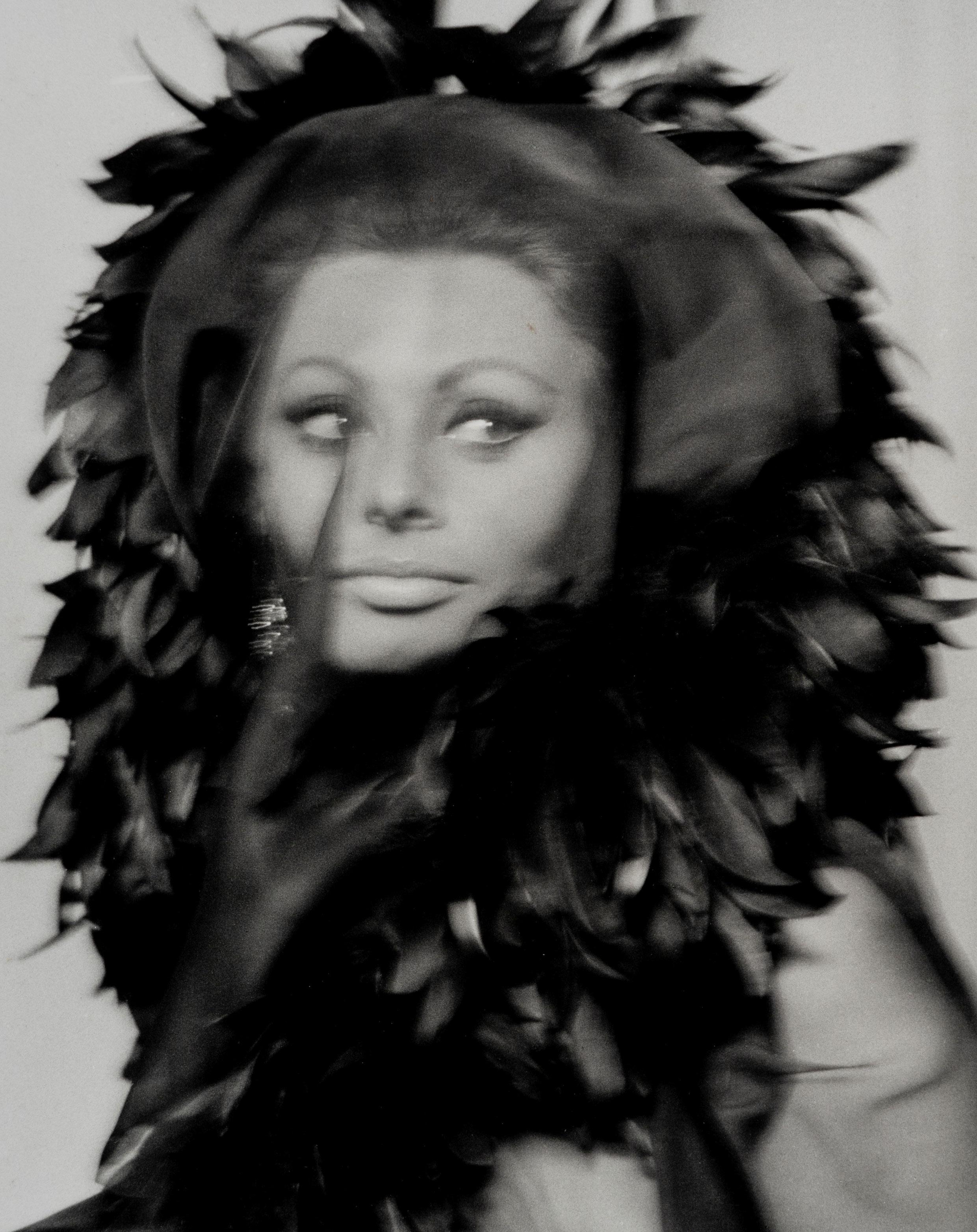
lotto 1081 Tazio Secchiaroli (dettaglio)