
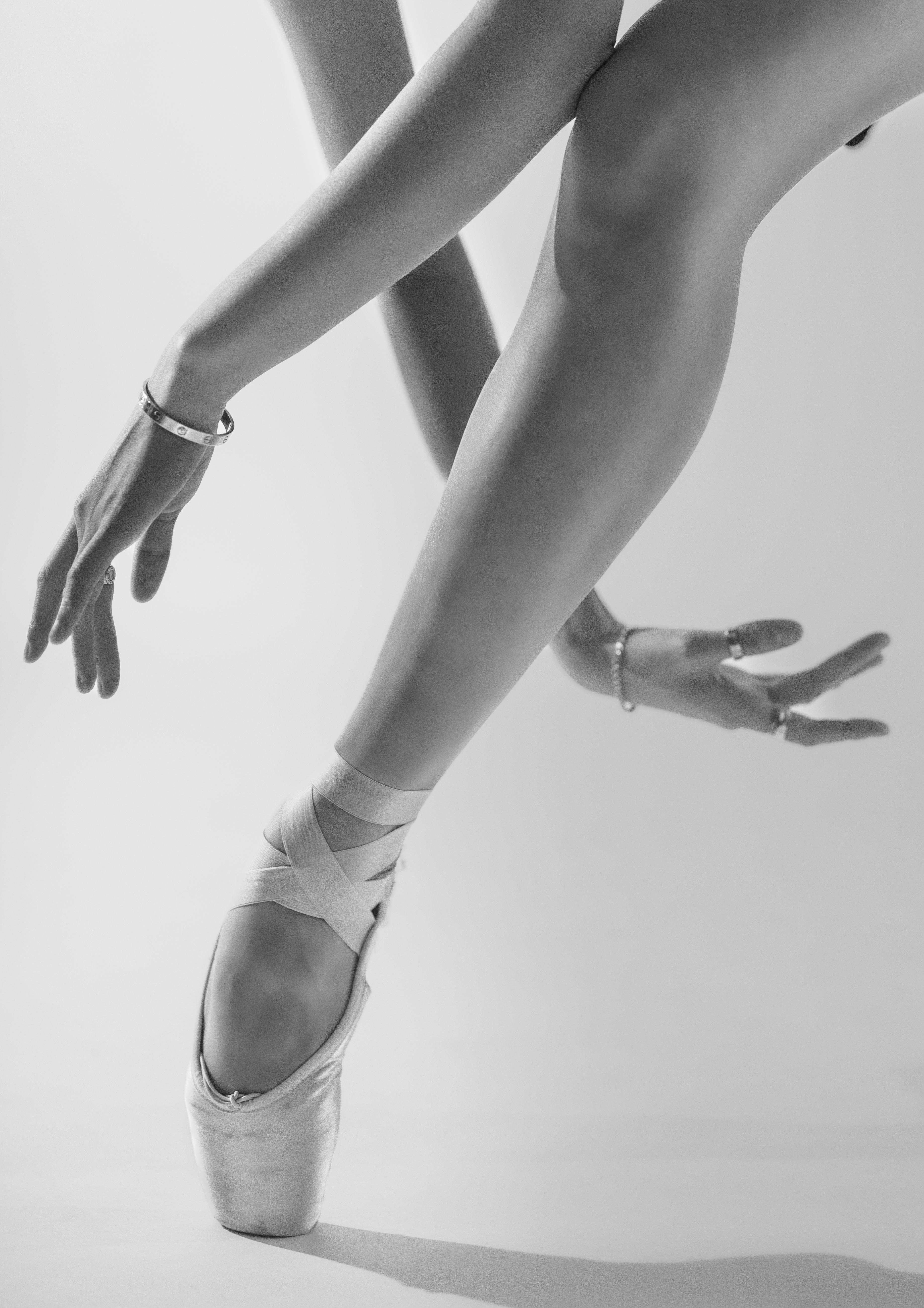
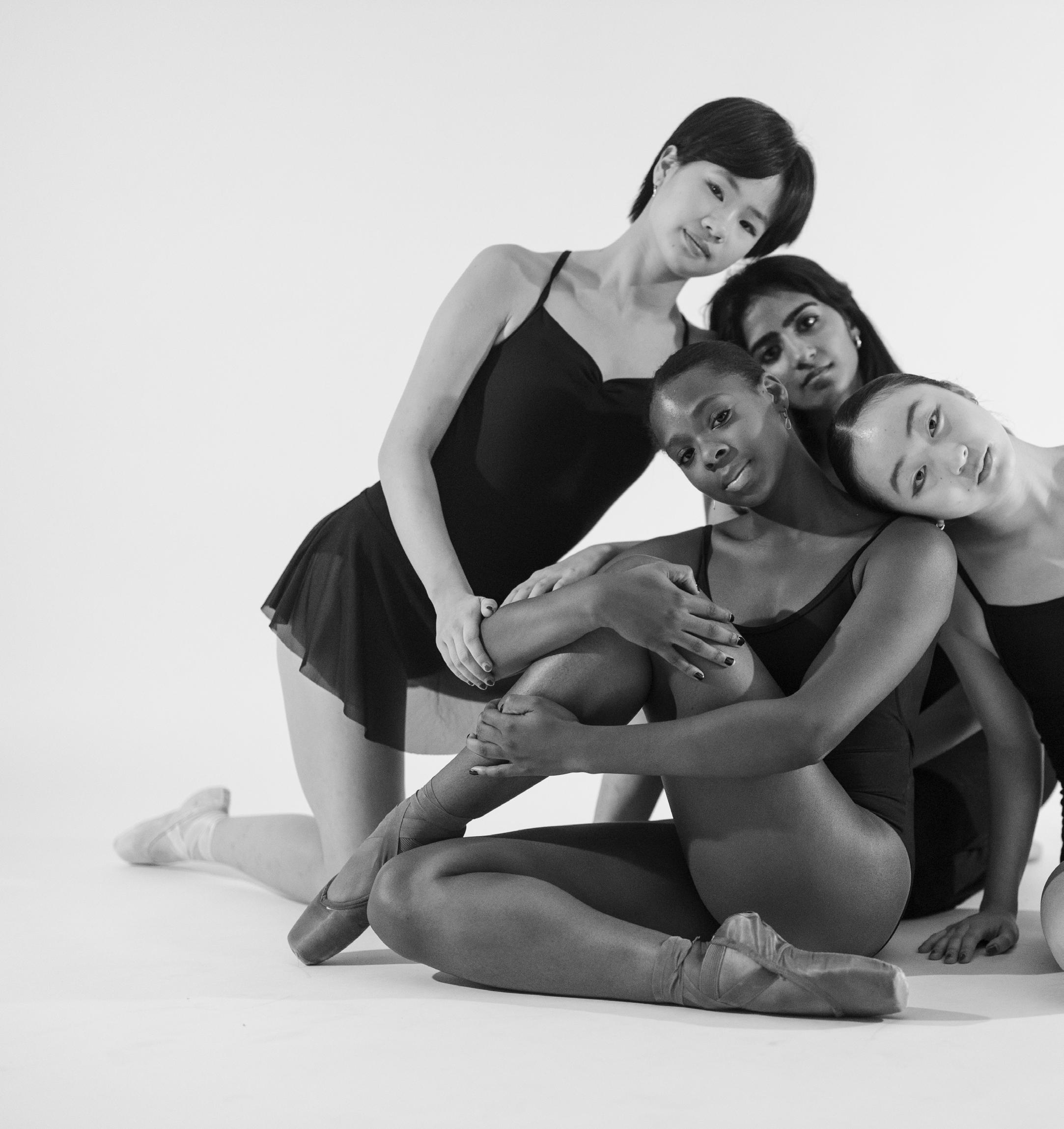
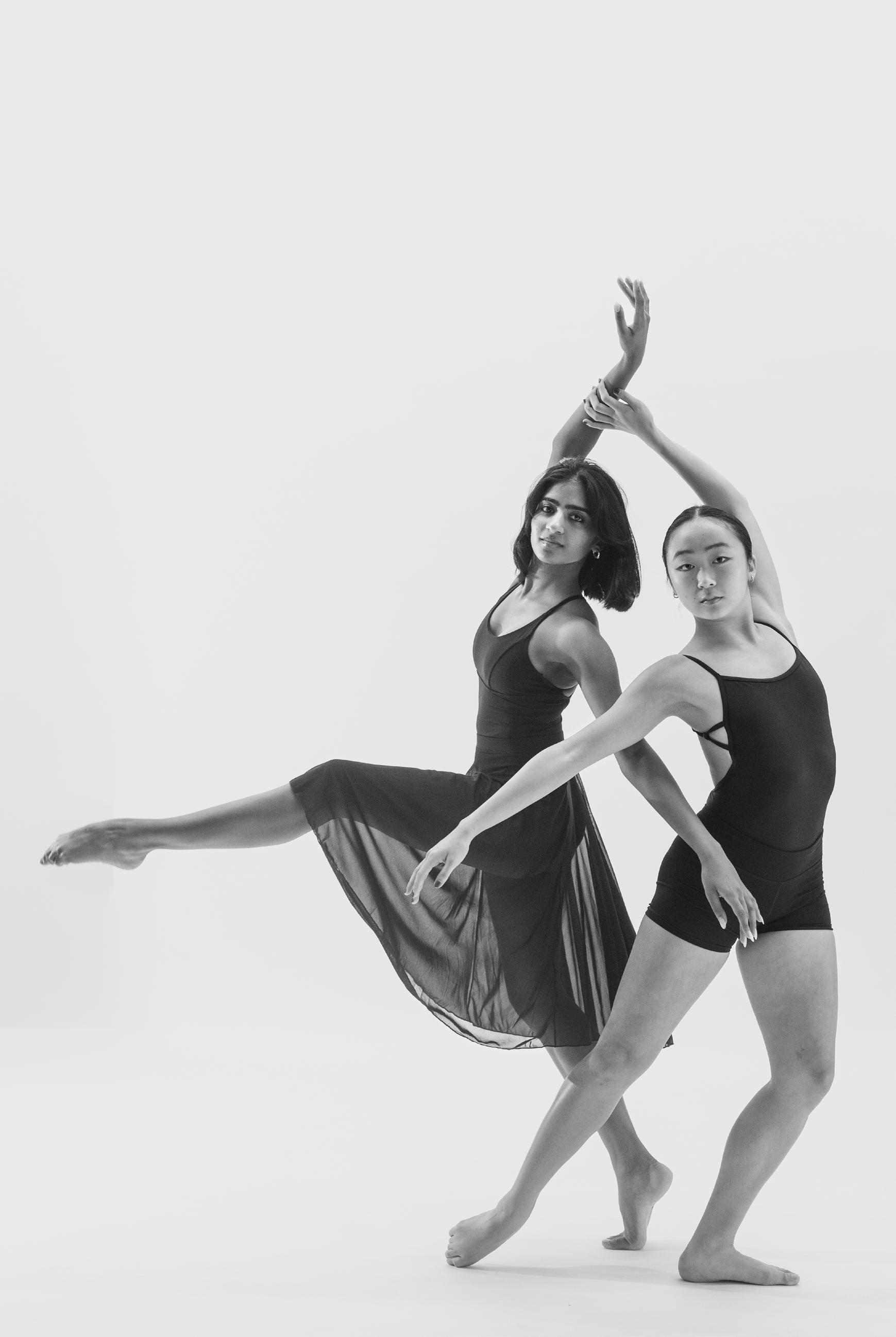
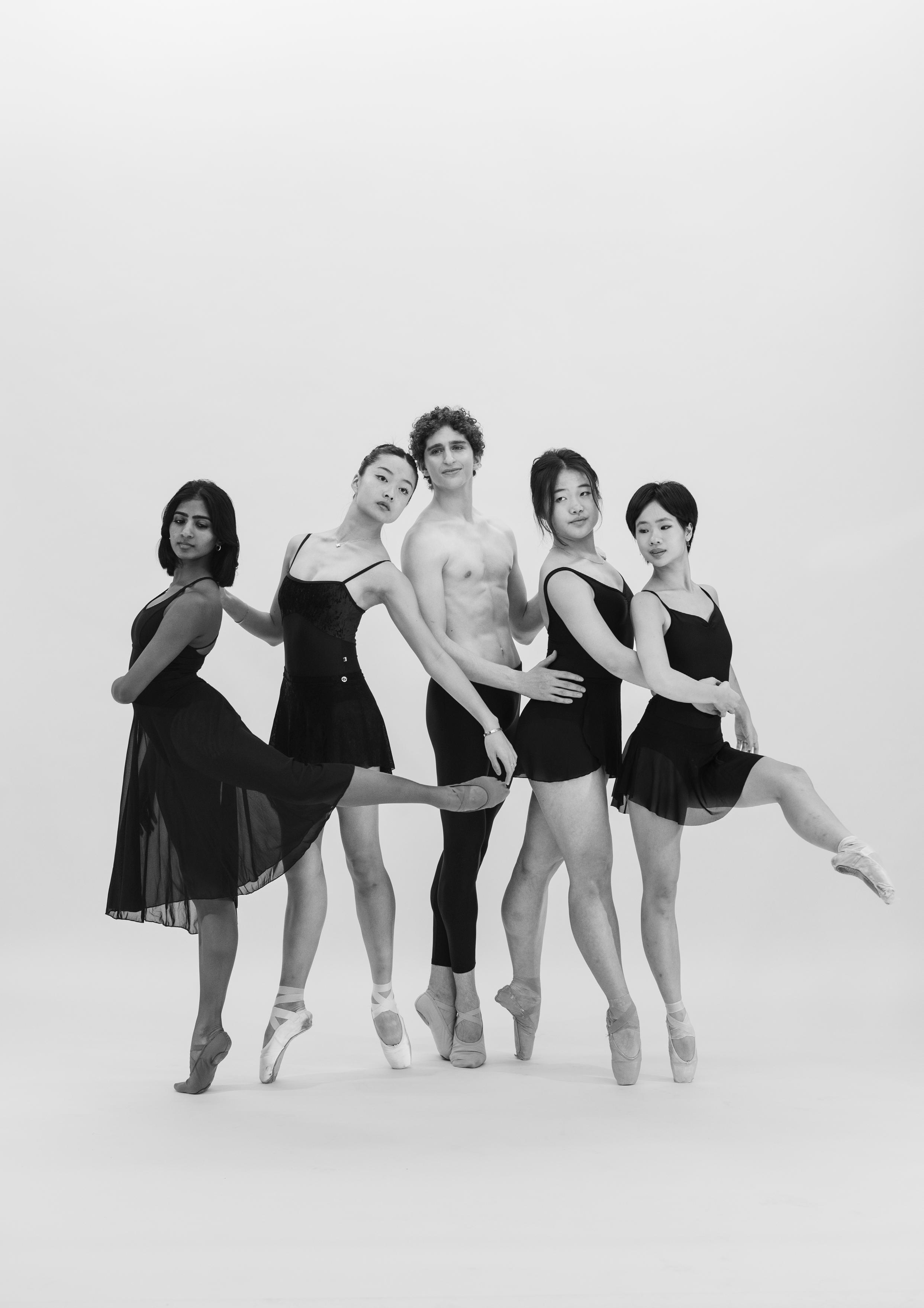
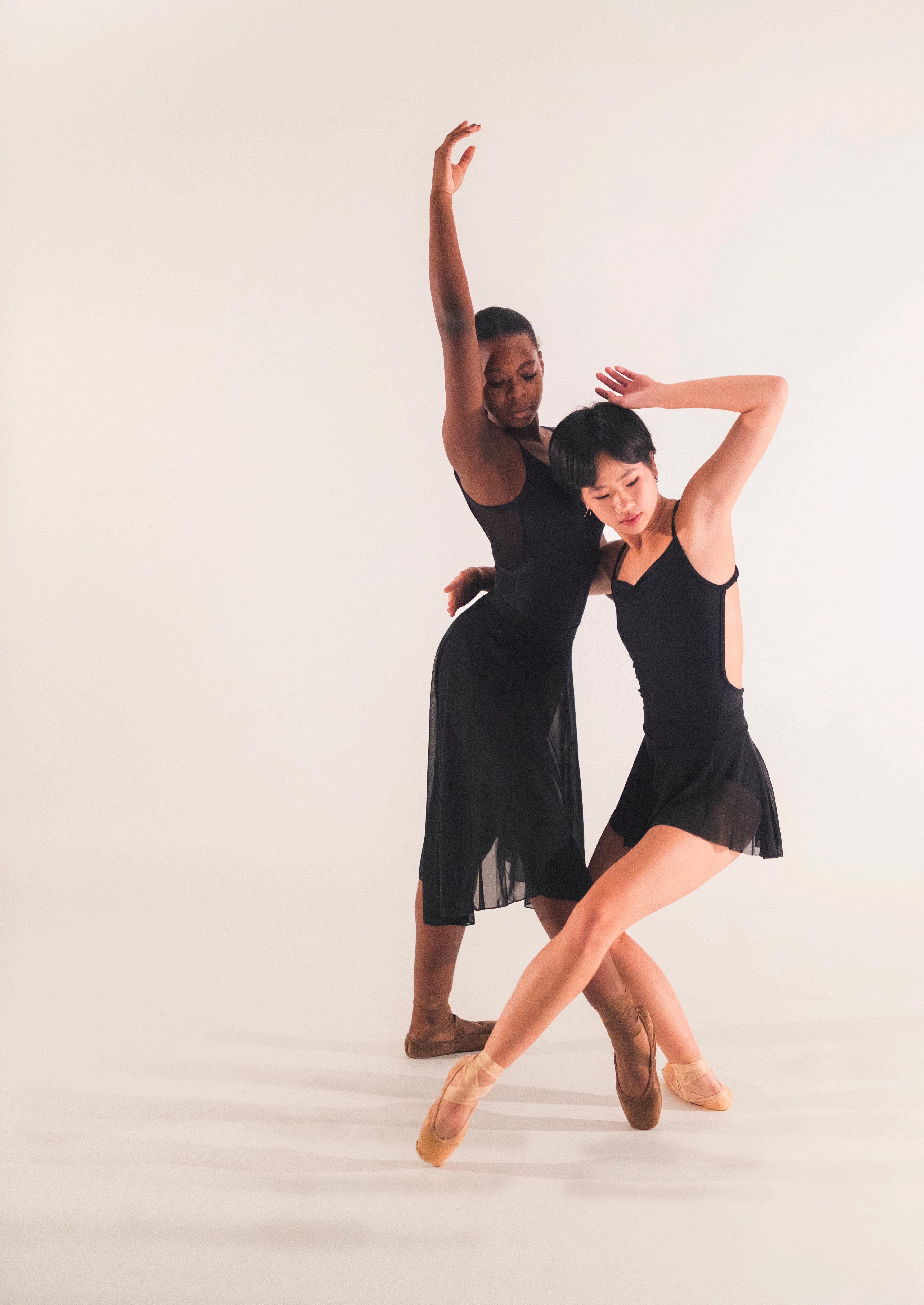
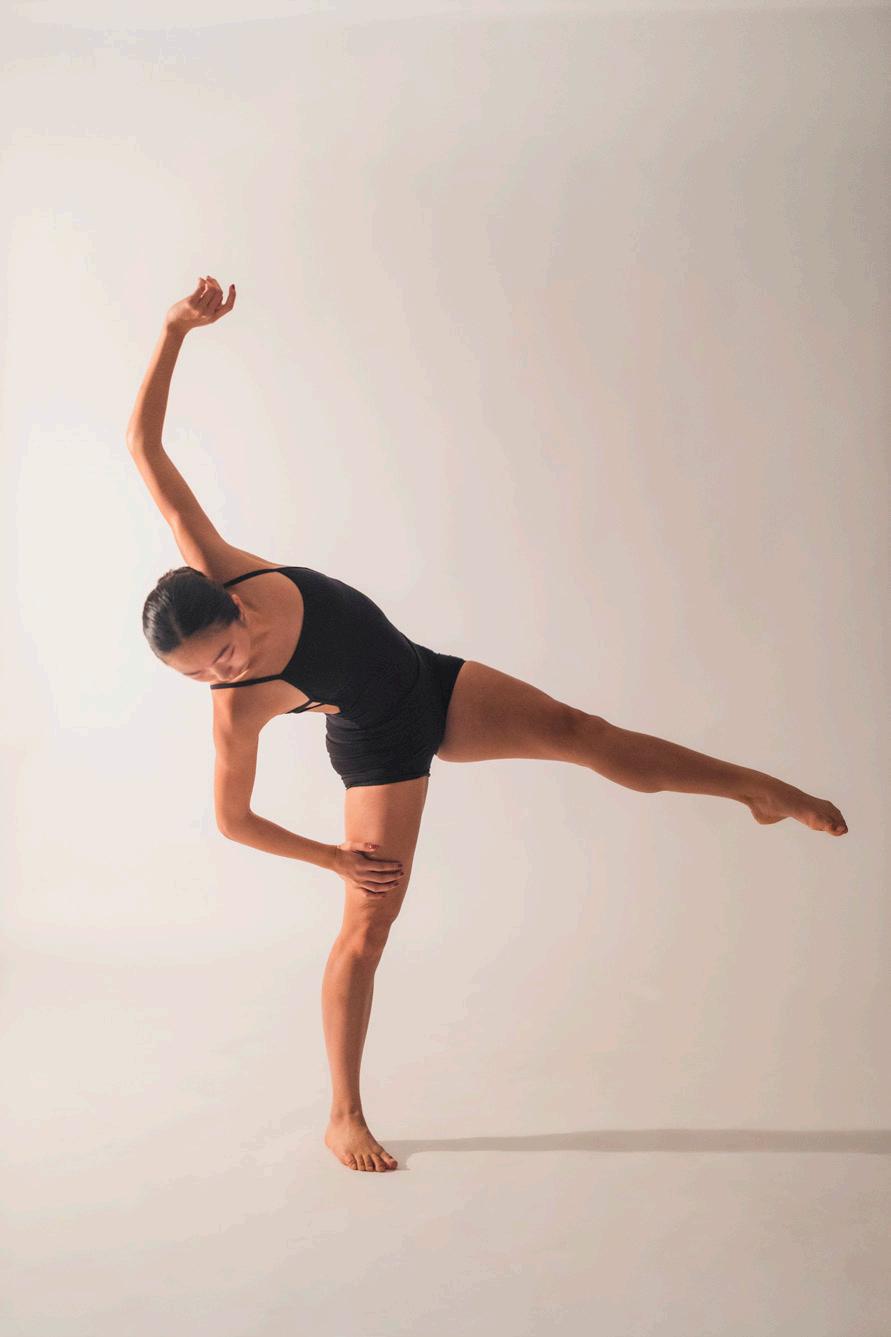
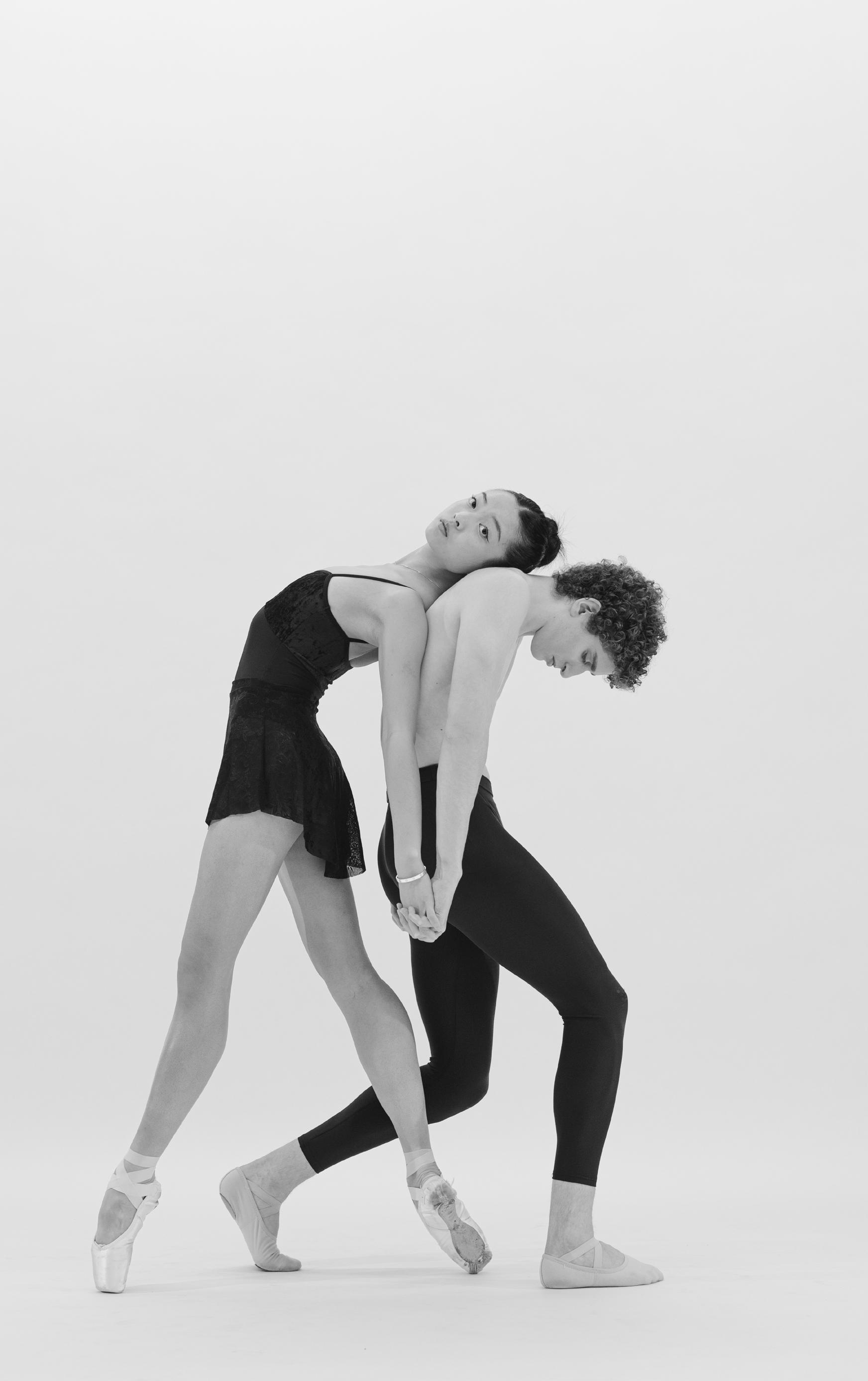
Columbia Ballet Collaborative dancers reflect on clothing as an extension of their movement and artistic practice, while unpacking the narrative “balletcore” projects onto their art form. Through these conversations, they draw a distinction between a fashion aesthetic and the lived rigor of the studio.

Ballet flats carefully sidestep puddles on College Walk. Soft pinks, leg warmers, and gentle bows feminize athleisure. Cardigans cross, wrap, and tie in front. The aesthetics of ballet have wandered off the stage and into our modern feminine closet. But today’s “balletcore” is just the latest iteration of a long conversation between fashion and ballet, where the world of fashion reaches for the visual persona of the 500-year-old classical dance form and reduces it to an independent aesthetic.
The label “ballet core” is used to describe day-today wear inspired by the aesthetics of ballet. While the term “ballet core” is a recent addition, according to Laird Borrelli-Persson’s retrospective published in Vogue, the relationship between fashion and ballet dates back to the early 20th century. The costuming of ballet itself has drastically evolved over the past 500 years: costumes have become lighter to better display the dancer’s footwork, and the pointe shoe has taken the place of the heeled shoe to increase the impression that the dancer was weightless. In the 1930s and 40s, the gentle elegance of tulle and ballet slippers was first integrated into evening wear. Now, ballet-inspired fashion goes beyond the costumes dancers wear on stage, taking inspiration from rehearsal wear and the imagined “off-duty” look.
There is something alluring in the cultural symbol of the ballerina, who lives up to a historical societal standard of white, heteronormative beauty. We open up a music box, and the toy factory’s ballerina spins to a familiar tune. This ballerina has complete control, she is strong, the dance she performs is moving. The boxed ballerina is the image of ballet from which “balletcore” is drawn, oversimplifying a complex and evolving artistic community. Admiring the ballerina is often more of a reflection of what we value, rather than the reality of the medium.
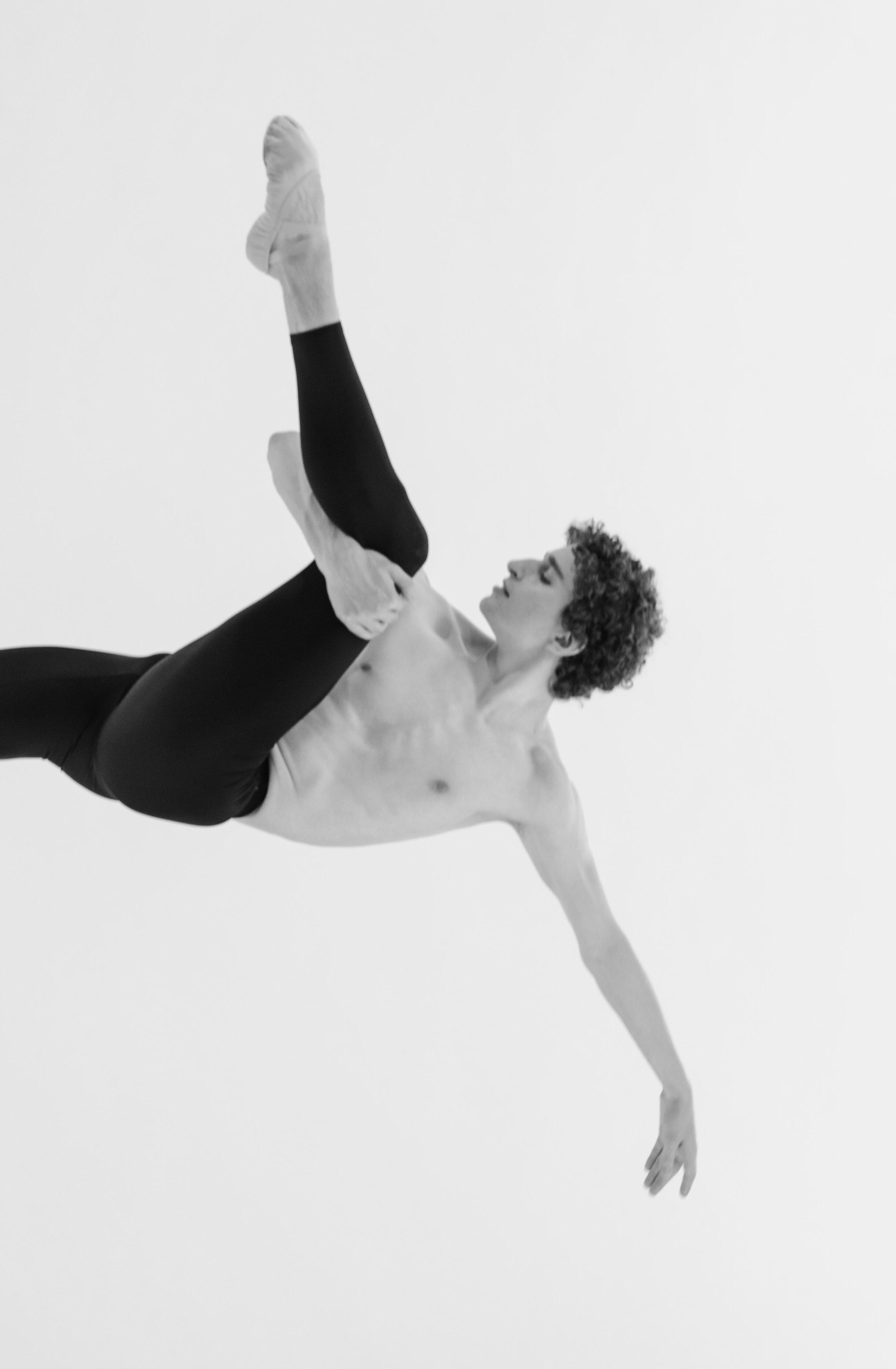
Even so, ballet is an art that emphasizes the body as an aesthetic. While explaining the rhetoric around the physical body in professional ballet spaces, Henry Lichtmacher—CBC dancer and emerging choreographer—is caught between the rhetoric he has heard as a ballet student and professional, and the realities of the dance world.
“As much as they can say, talent is the most important thing, as long as you are talented and passionate, you can make it anywhere, a lot of it is just empty words,” said Lichtmacher. “Truthfully, if you don’t meet a certain body standard, it’s hard to get a job, period, and obviously, I think that’s the problem.”
Perhaps, this complicated relationship to aesthetics is why, after a lifetime of commitment to this physically intensive art form, ballet dancers are bemused when I ask them about a reductive “balletcore.” Many of the Columbia University dancers that I spoke with came to
“
Ballet isn’t just an aesthetic. It’s not just a visual motif. It’s this actual, really robust sport, art, practice. They don’t do that to men’s sports.
college from youths spent attending ballet academies, summer programs, and even dancing with professional companies. Professional dancers seeking both academic rigor and immersion in New York City’s artistic hub have long been drawn to Columbia University, often setting aside full-time performance careers for their academic pursuits. Their presence has helped fuel the university’s acclaimed student dance organizations, including Columbia Ballet Collaborative (CBC), which benefits directly from the artistry and discipline these dancers bring with them.
JiaLi Deck, a sociology major at Barnard College and the Assistant Public Relations Director for CBC, noticed the uncomfortable juncture between ballet and the fashion it inspired. At first, she was drawn to ballet-inspired items hitting major brands like Urban Outfitters, but Deck quickly became disgruntled with the trend as devaluing the serious nature of ballet.
“Ballet isn’t just an aesthetic,” Deck asserts.“It’s not just a visual motif. It’s this actual, really robust sport, art, practice. They don’t do that to men’s sports.”
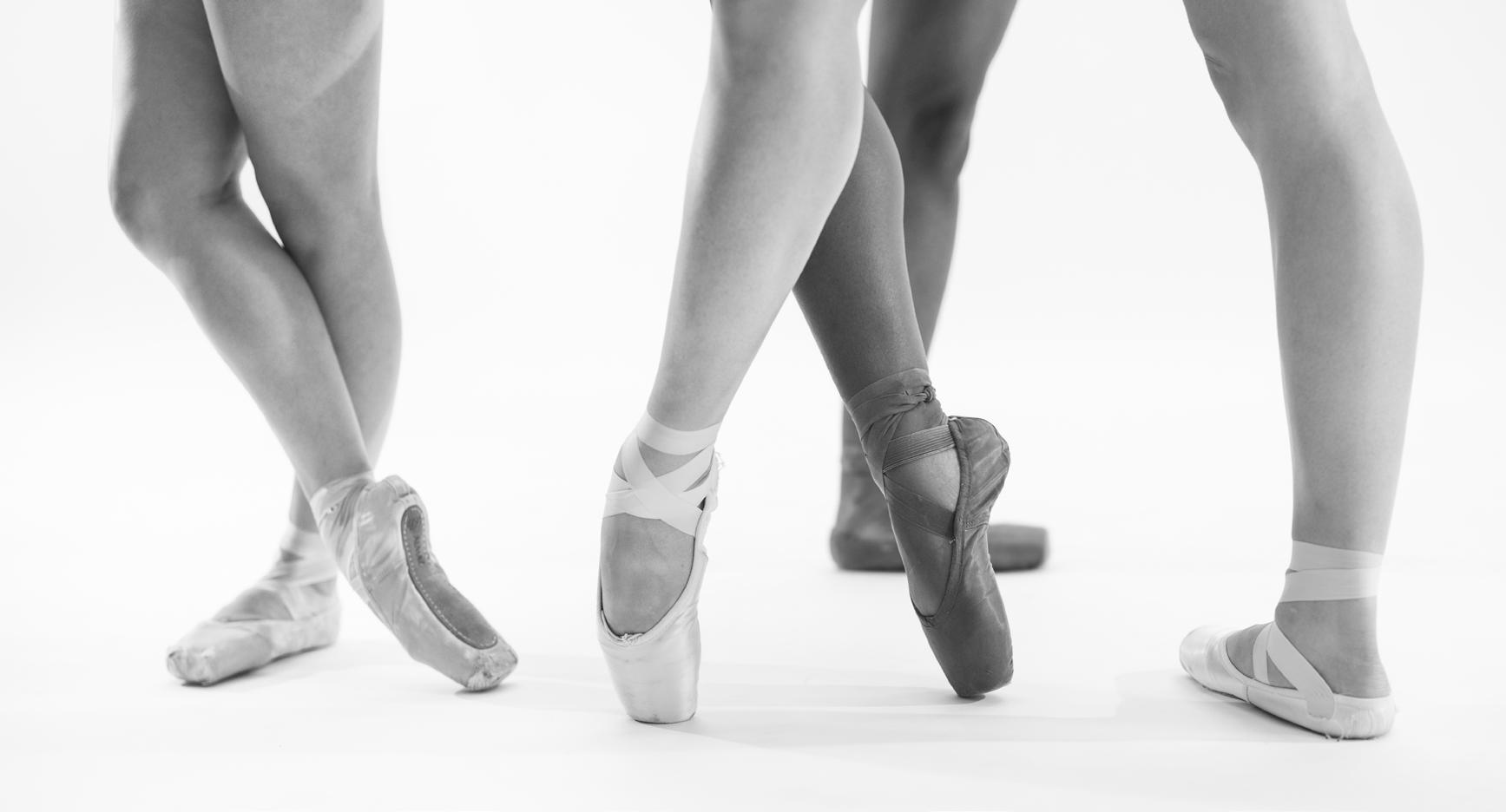
She found the trendy Steve Madden’s ballet heels,
which include satin ties around the ankle, frustrating. These shoes—inspired by the visual value of ballet— ignore the practical nature of pointe shoes, which dancers earn through rigorous training, and have been honed over hundreds of years to support the dancer.
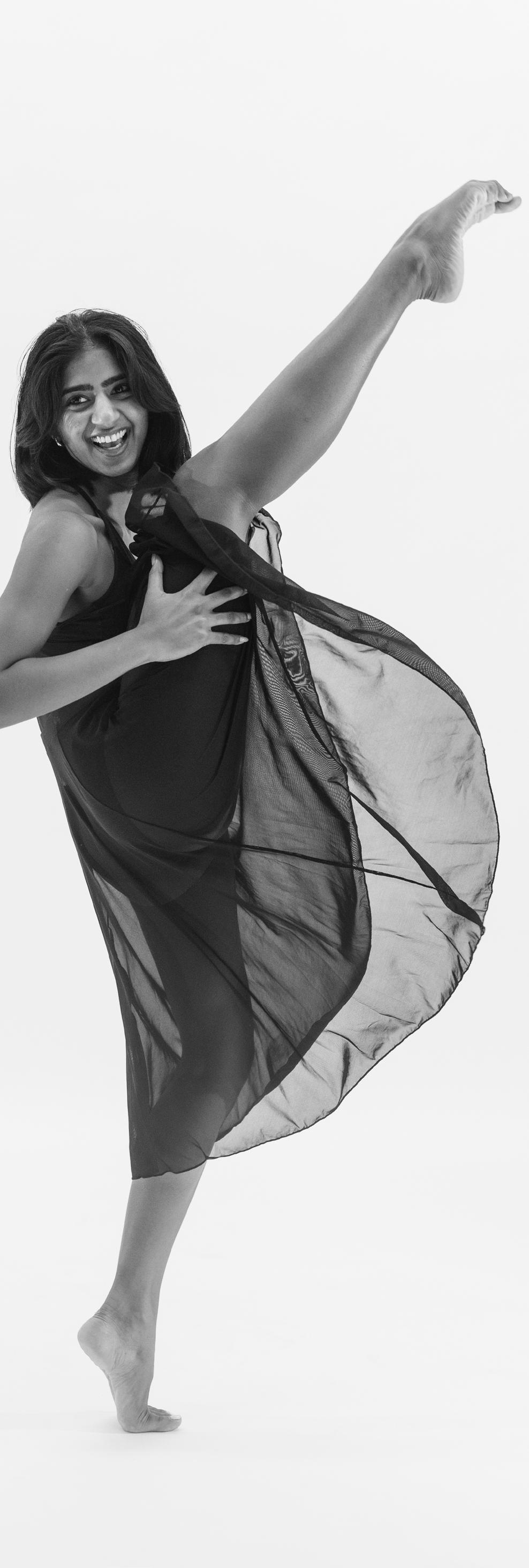
Deck has a number of hypotheses for the resurgence of stereotypical ballet as a source of fashion inspiration. She notes that many women briefly encountered ballet as children. Donning ballet-inspired pieces may spark memories of watching oneself in an elegant pink leotard, tights, bun, in the mirror of a local dance studio. Deck also acknowledges that for many viewers, ballet is an escape from reality. For Deck, ballet is not independent from current issues and is still grappling with evolving ideas of femininity, on and off stage. She notes, for example, that women often occupy the more precarious roles in a ballet, standing on pointe and being lifted by their male counterparts. And when the dancer exits the stage, they have real challenges to face.
“You escape from the real world by watching ballet,” JiaLi said. “The ballerina is still living in the real world, and she still has bills to pay, and she still faces racism,




“
You escape from the real world by watching ballet. The ballerina is still living in the real world, and she still has bills to pay, and she still faces racism, and she still faces the effects of all of these social, political forces that you may be escaping when you’re watching her dance.
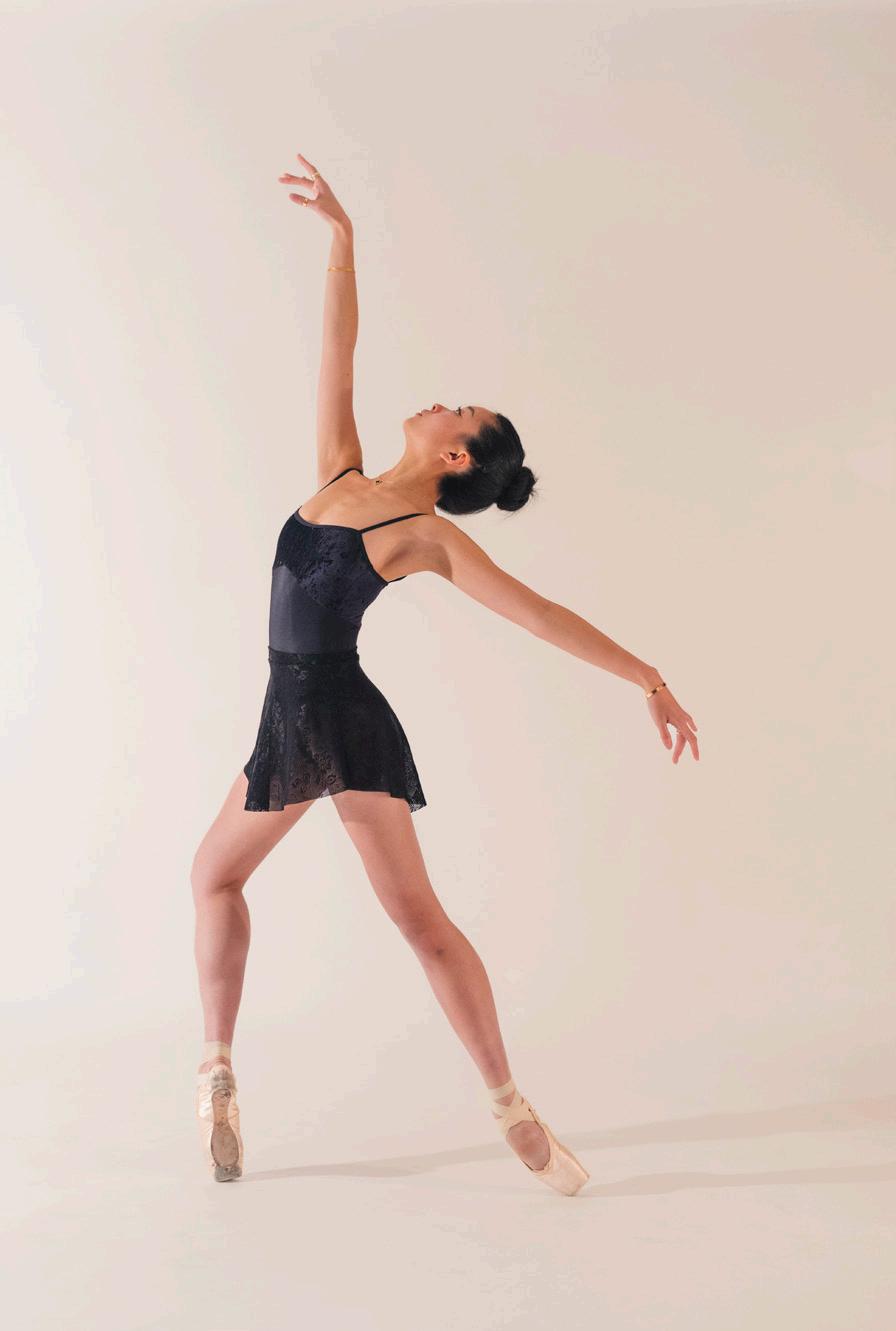
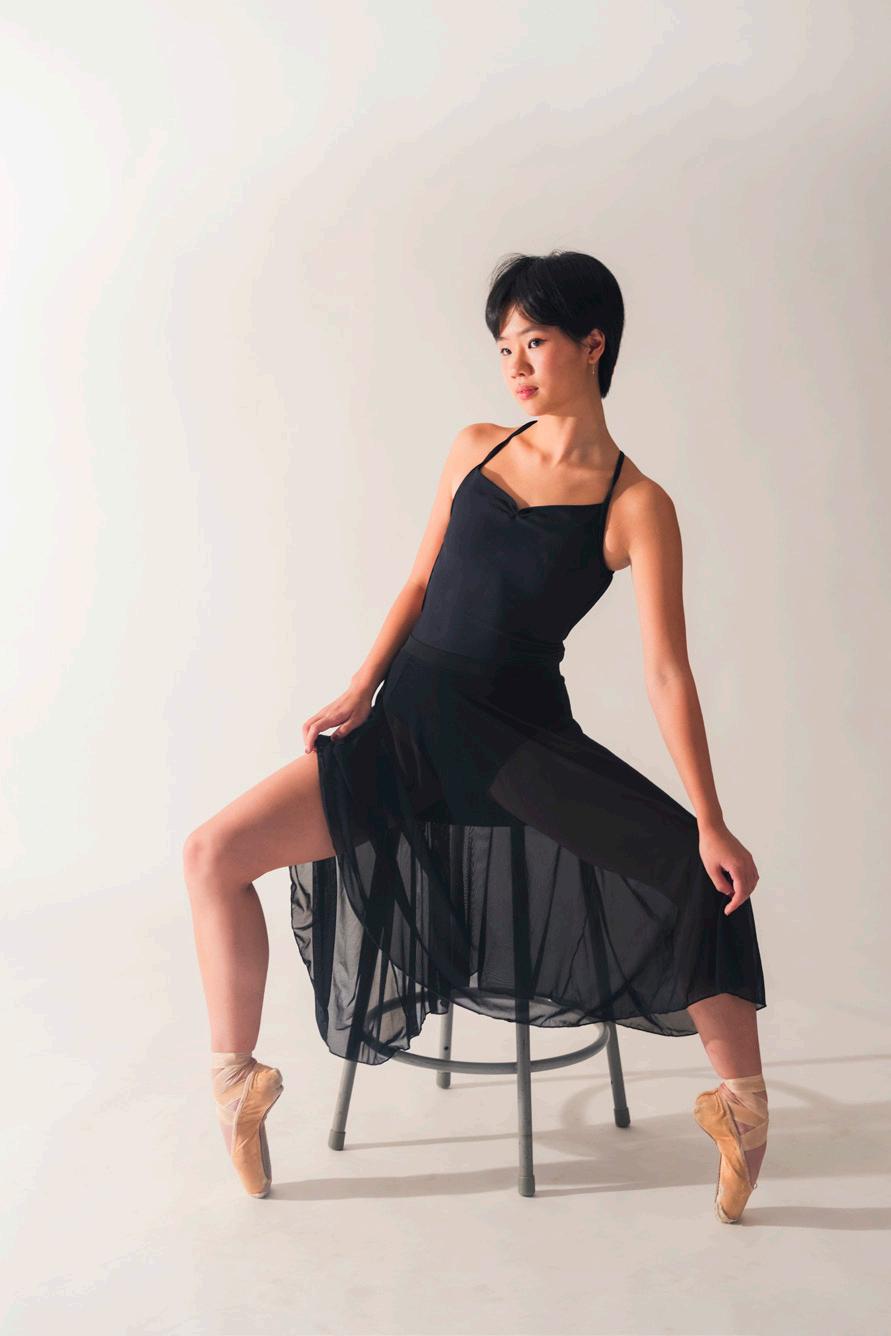
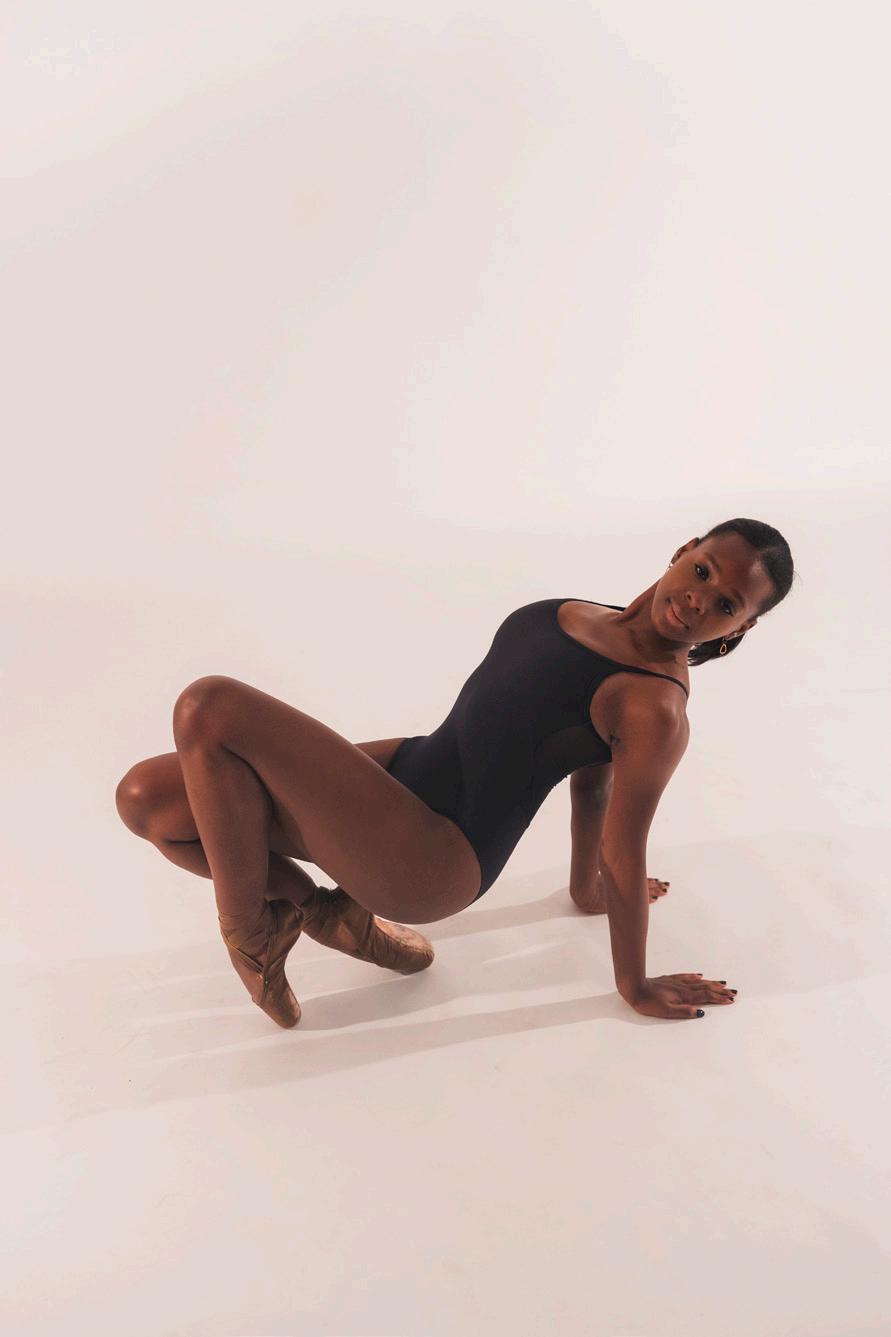

and she still faces the effects of all of these social, political forces that you may be escaping when you’re watching her dance.”
While “off-duty model” and “off-duty dancer” aesthetics are increasingly commonplace, it is impossible to make one conclusive statement about how ballerinas dance outside of the studio. When I asked CBC dancers about their personal fashion, they hesitated, but they often brought up comfortability, affordability, color, and the stories behind specific items they have bought while traversing the world to perform and train.
Attempts to refine the complex universe of ballet into a collection of hyper-feminine, tulle-forward pieces will always come up inauthentic. Ballet is also an art form on the move. And like all commercial art forms, its direction is shaped by its audience and its times. CBC is an embodiment of the ways in which ballet is not stagnant, by focusing on new works choreographed by emerging choreographers.
While street fashion emulates the ballerina, ballet is concerned with its portrayal of reality. When Henry Lichtmacher was 10 years old, he was cast as a rooster in Christopher Wheeldon’s Carnival of the Animals. When his teacher proposed his rooster costume, including large feathered pants, he said he already had an understanding of the difference between theatrical and ballet costuming.
“I remember, even at 10 years old, voicing my concerns, I just didn’t feel like it matched the overall vibes that we were trying to give off, or like the aesthetic we were trying to show,” said Lichtmacher. “And I remember he listened to my comments, and they ended
up editing the costume.”
When I speak with CBC dancers about the meaning of costuming as dancers, they are apt to bring up moments that embody their development as people. Christine Li reveled in finding individuality in a new leotard that fit the constraints of her school’s dress code. Deck remembers the reactions of her family members to costumes she wore during shows. Sreya Sathish Kumar reminisces on choosing costumes that matched her skin tone and made her feel confident on stage.
Lichtmacher now designs his own costumes as a choreographer for CBC, working within the club’s limited budget to find pieces that allow the dancers to have individuality in the community of a finished piece.
Lichtmacher explained that in ballet, form-fitting costuming is important to preserve the lines created by the dancer’s bodies. With the freedom of 21st-century modesty standards, this results in minimal costuming.
“A lot of contemporary costumes nowadays are practically naked,” he said. “It’s very rare to see a fully clothed dancer nowadays in the piece.”
So while the ballet world becomes more inclusive and sustainable for its dancers, balletcore retreats to the ballerina in the music box. When fashion borrows from ballet, it rarely borrows the labor, the discipline, or the contradictions that define the art form. Instead, it selects softness without strain, elegance without effort, femininity without cost. What we choose to wear when we dress “like” ballerinas reveals less about ballet and more about our own ideals. Beyond the Pinterest boards and satin ties lies an art built on motion, discipline, and evolution.

Members of Sigma Phi Epsilon reflect on their personal style as a marker of identity within fraternity culture. Through clothing, we trace a lineage from American fraternities’ roots in Ivy League elitism to today’s beer-centered, controversial social scene, revealing how dress signals belonging, tradition, and brotherhood.
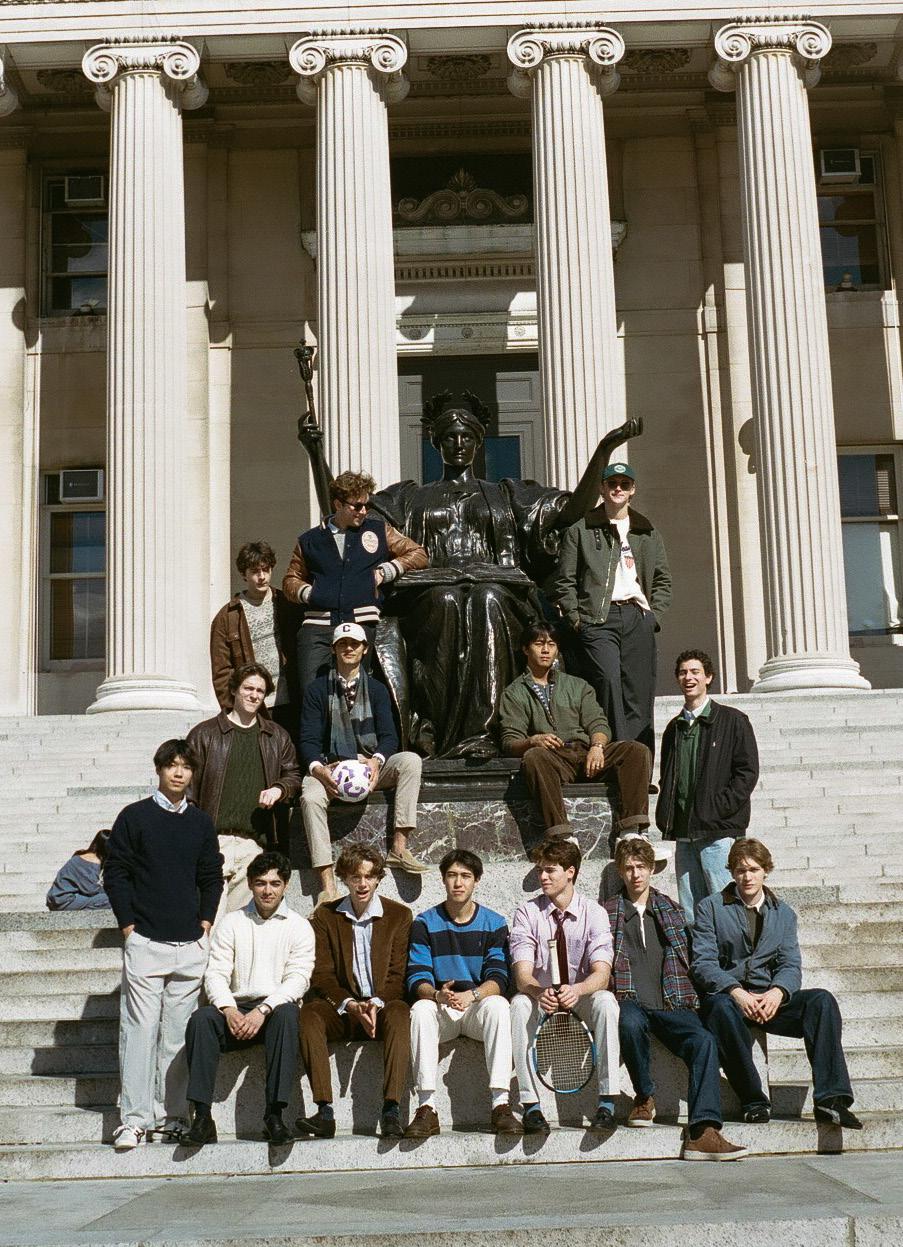

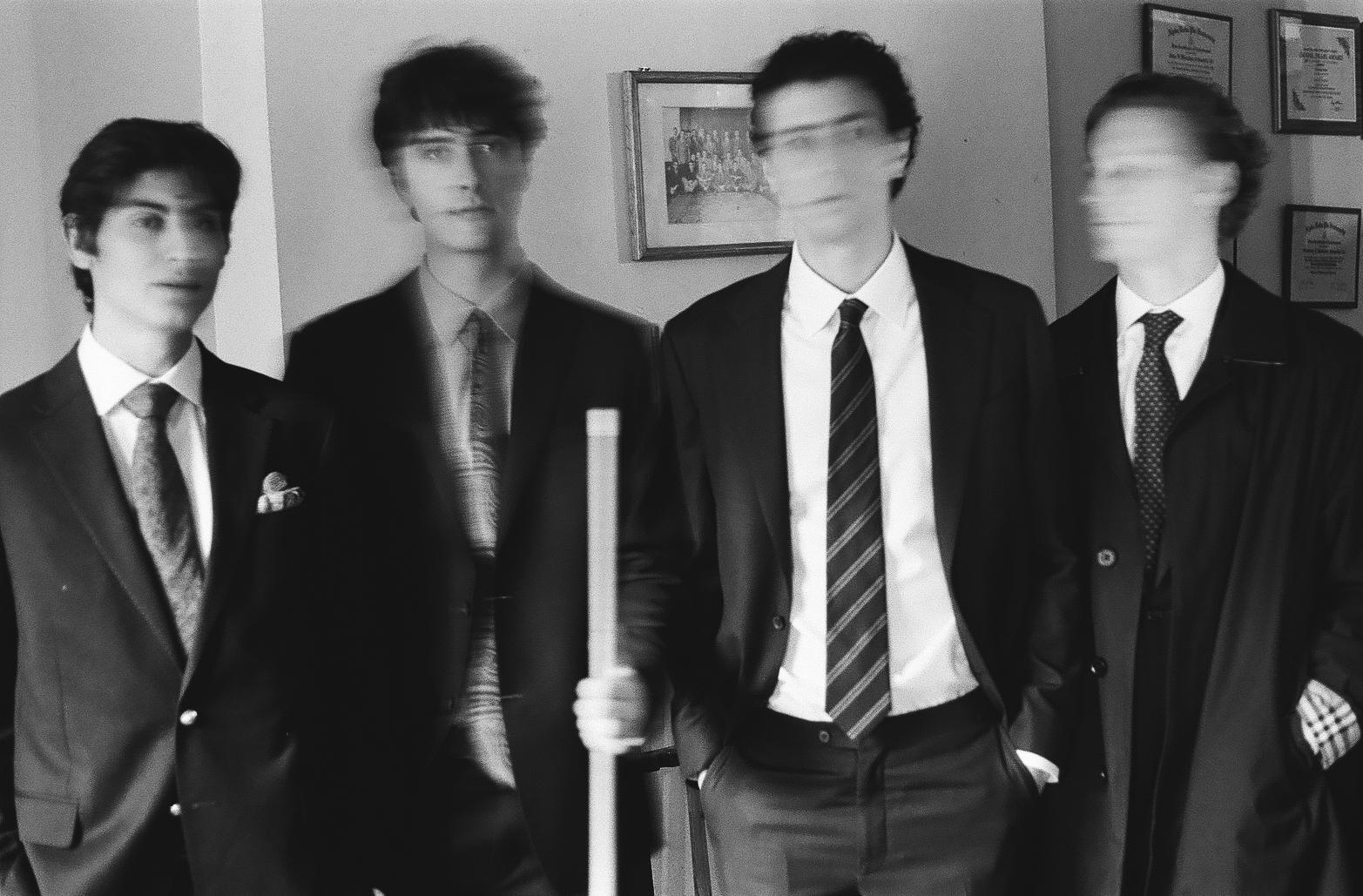
The sun hits Columbia’s campus as brown corduroy pants, shining penny loafers, and pristine wool sweaters meld with the fall foliage. A group of members of the Sigma Phi Epsilon fraternity populate the lawn, tossing a football and sharing jokes while
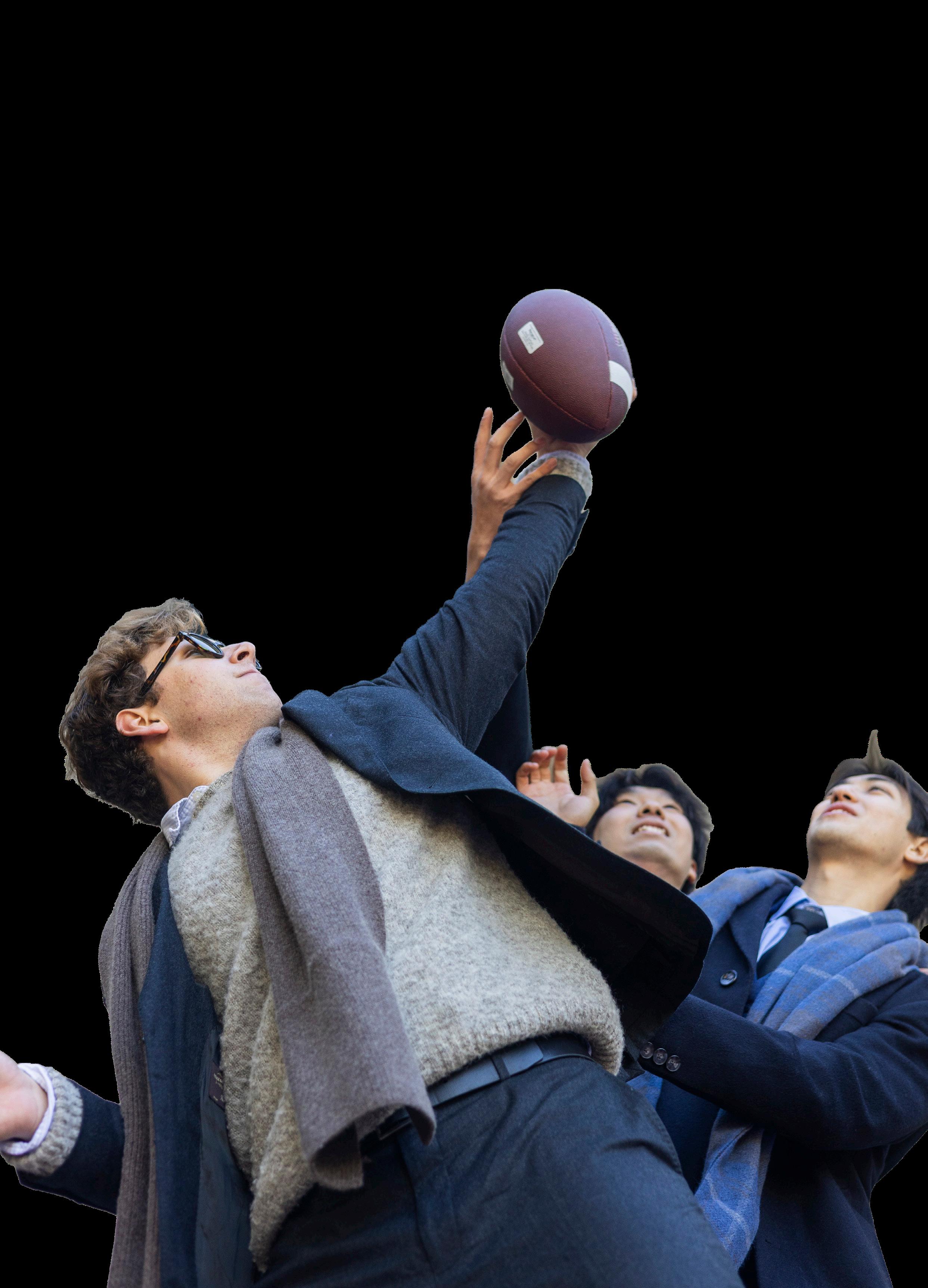
the camera clicks. Their uniform style–classic, preppy, collegiate–signals their brotherhood as much as their camaraderie. Though lightly posed and carefully dressed, the scene still feels natural, a glimpse of what an onlooker might see on any warm, October day at Columbia University.
Sigma Phi Epsilon–or Sig Ep, as it’s more commonly
known–has only had a chapter on Columbia’s campus since 1996. Though relatively less established than Greek life institutions at other universities, the Sig Ep community is a strong presence in campus culture.
Many of Sig Ep’s current members–or brothers–did not envision joining a fraternity when they first came to college. “I was against Greek life. I thought it was corny,” said Warren Axelman (CC ‘28). “Then, I came to Columbia and I realized that it’s not the same here as it is in a lot of the southern universities or big state schools.” Wright Chen (CC ‘28) had a similar outlook, saying, “In high school, I had a very horrible impression of Greek life. I swore to myself I would never rush a frat.” All brothers cited the difference in Columbia’s fraternity environment compared to the stereotypical Greek life experiences they envisioned, with Sig Ep
standing out to them in particular.
Fraternities are social institutions marked by exclusivity and tradition. They emerged in the nineteenth century, representing an intersection of the eating clubs, literary societies, and secret societies that permeated collegiate life in years prior. Though starting off in secret, fraternities quickly became intertwined with the practices of the university, partnered in preparing men to join upper levels of society.
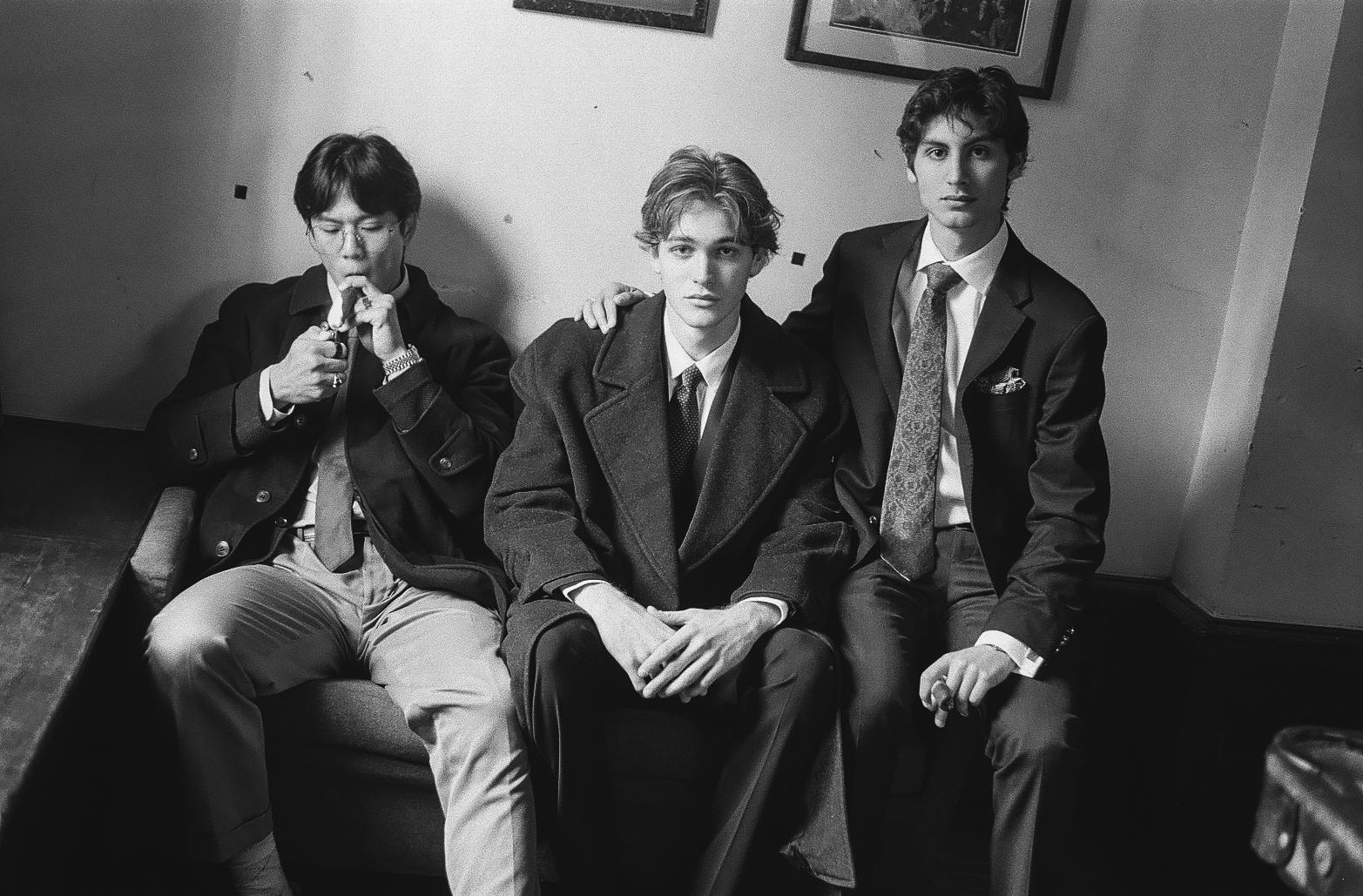
Dress visually demonstrated these values, with tailored suits, oxfords, and crested insignia promoting the elite, gentlemanly outlook these institutions sought to foster. In Ivies like Princeton, Yale, and Harvard, fraternity brothers pioneered a casual, stylish fashion that would later become associated with the conservatism of Eastern establishments of the 1950s,
and the notion of “preppy” in the 1980s.
As years went on, these types of associations continued, with brothers encouraged to dress in a similar preppy, gentlemanly style to signal their exclusivity and values. For instance, in 2013, an email by an Alpha Tau Omega member at Emory University went viral for pushing his brothers to be more welldressed: “Look sharp and keep the bank unbroken by putting on this J Crew Ludlow Suit.”
The tension between the classic, exclusive, and character-building organization and the conduct of its members defines modern Greek life. The contemporary perception of fraternities is dominated by narratives of extreme hazing, sexual assault, and reckless behavior, an image shaped by decades of scandals and national media coverage. This is reflected in the
newer association of dress that characterizes fraternity culture– shorts, jeans and t-shirts, with a backwards cap on head and a Budlight in hand. The term “frat” carries a new association, evoking social side of these institutions that are more unsavory.
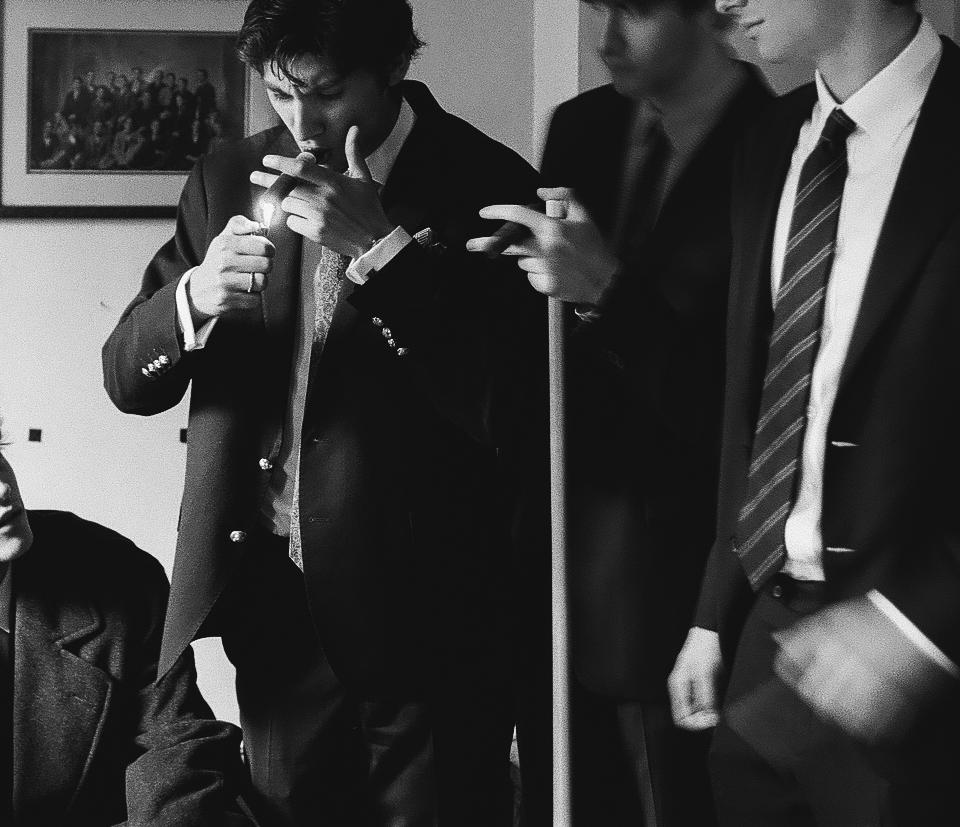
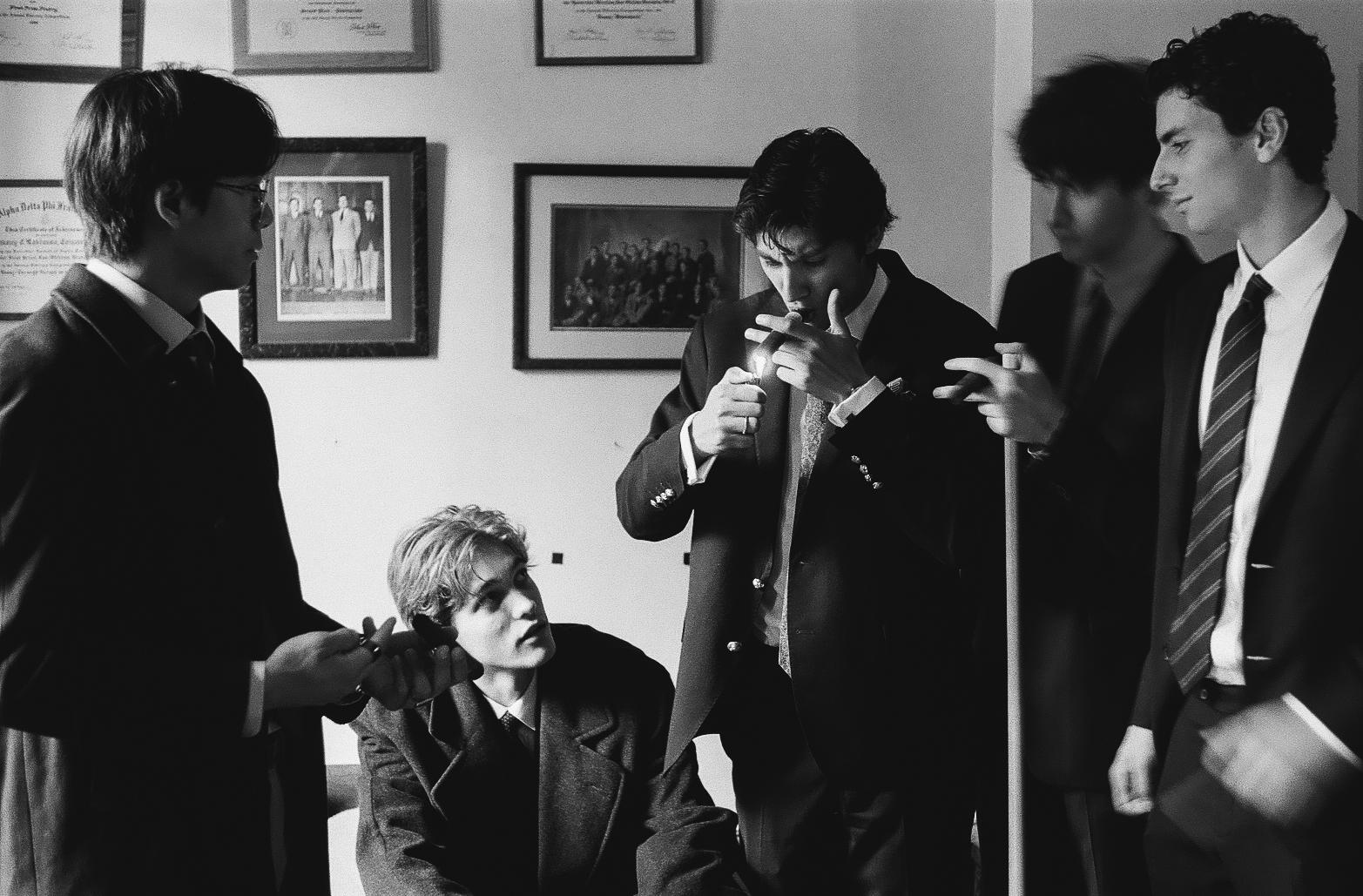
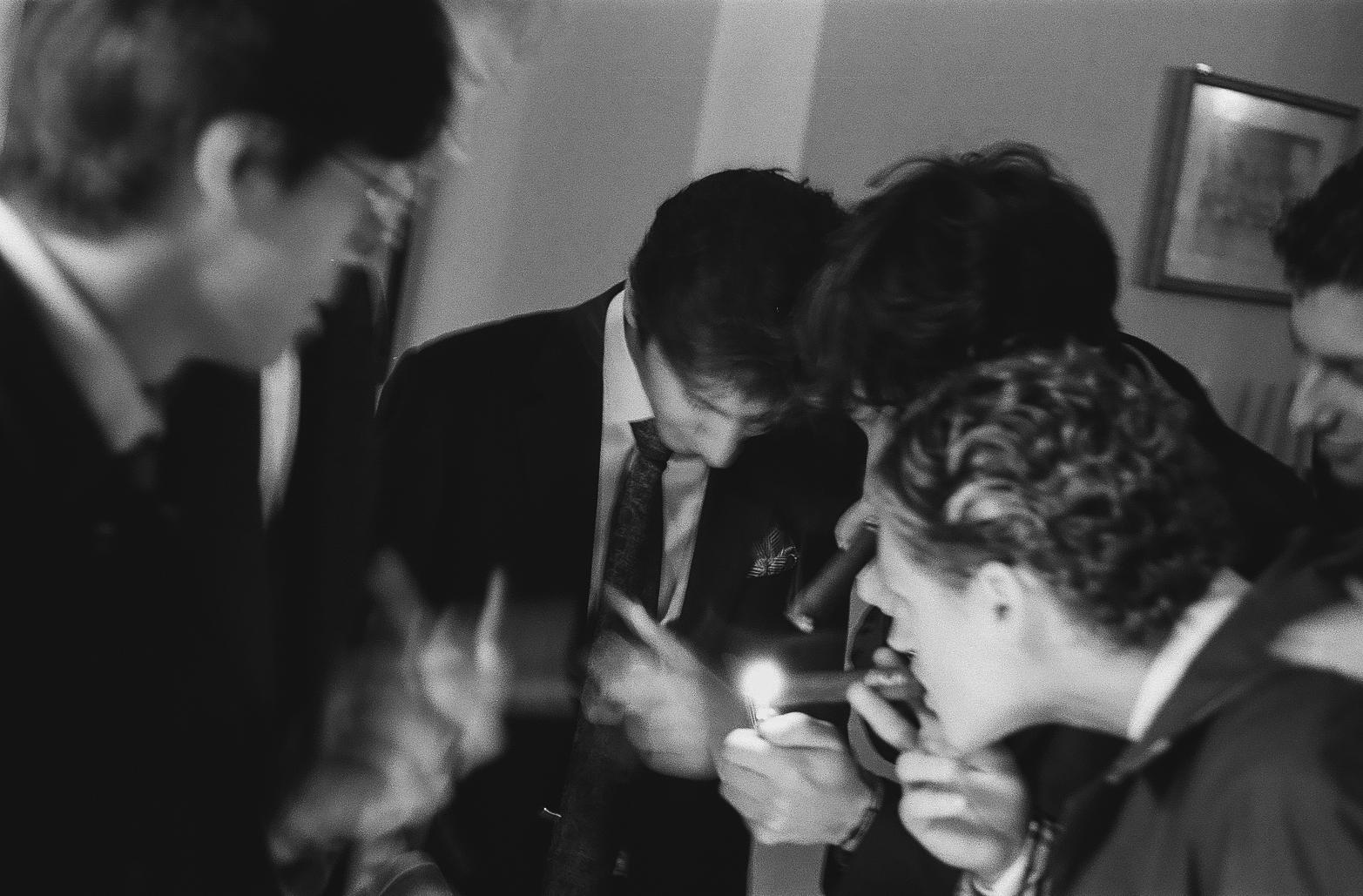
Columbia is not immune to this. Just last year, Beta was kicked off campus after their group chat of racist and sexist comments was exposed. Beyond that, while technically open to all men, there remains an association (and general practice) of frats predominately consisting of white, heterosexual males. There is a purpose for this exclusivity; gaining acceptance to these frats opens supportive doors that remain beyond graduation. Fraternities have grown to serve as steady pipelines into elite professional and political networks. At Columbia, this ranges from career networking





through alumni associations to prime housing access in owned brownstones.
Columbia’s Sig Ep exists as a local example of this broader contradiction: an institution that inherits the aesthetics, networks, and exclusivity of fraternity tradition while operating within a contemporary campus culture. Dress remains key in signaling this duplicity as well as brotherhood connection.
Many brothers attributed being in a fraternity as an important influence on their stylistic growth during college, whether it be buying specific items or changing how they approached fashion. In the words of Jack Rudd (CC ‘27), “Being close to people who are well dressed sort of pushes you to live up to the name.” Brothers putting effort into their appearance, putting effort into being well dressed, signals not only a personal investment but also, in this community, nods to a group unification.
Linen suits, boots, Henleys, vintage sweaters, loafers, and even winter scarves were cited as items that brothers added to their closets since joining the fraternity. “I got a trench coat just because I saw all my brothers looking so dapper,” said Logan Lambert (CC ‘27). This inspiration is felt across the community.
Chen emphasized, “When I go to a store or thrift shop I ask ‘Would Logan, would River wear this?’ And if the answer is yes, then I’m buying.”
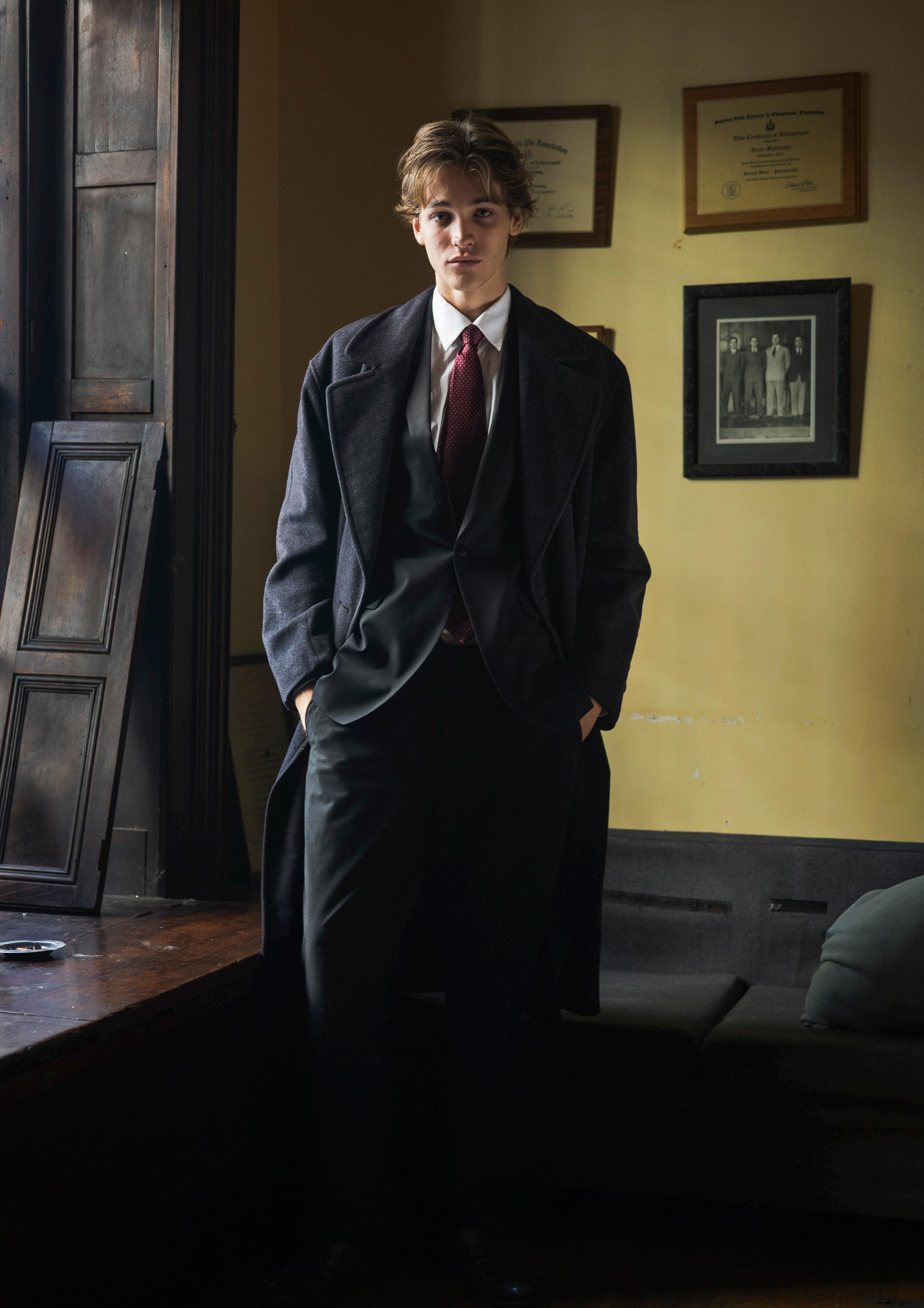
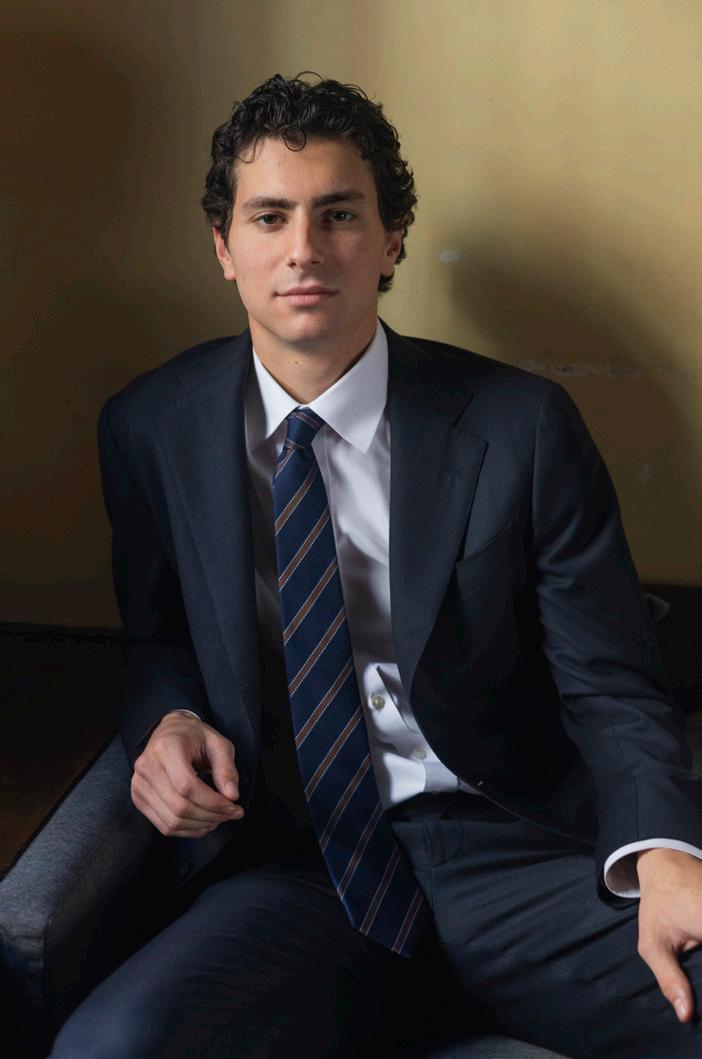
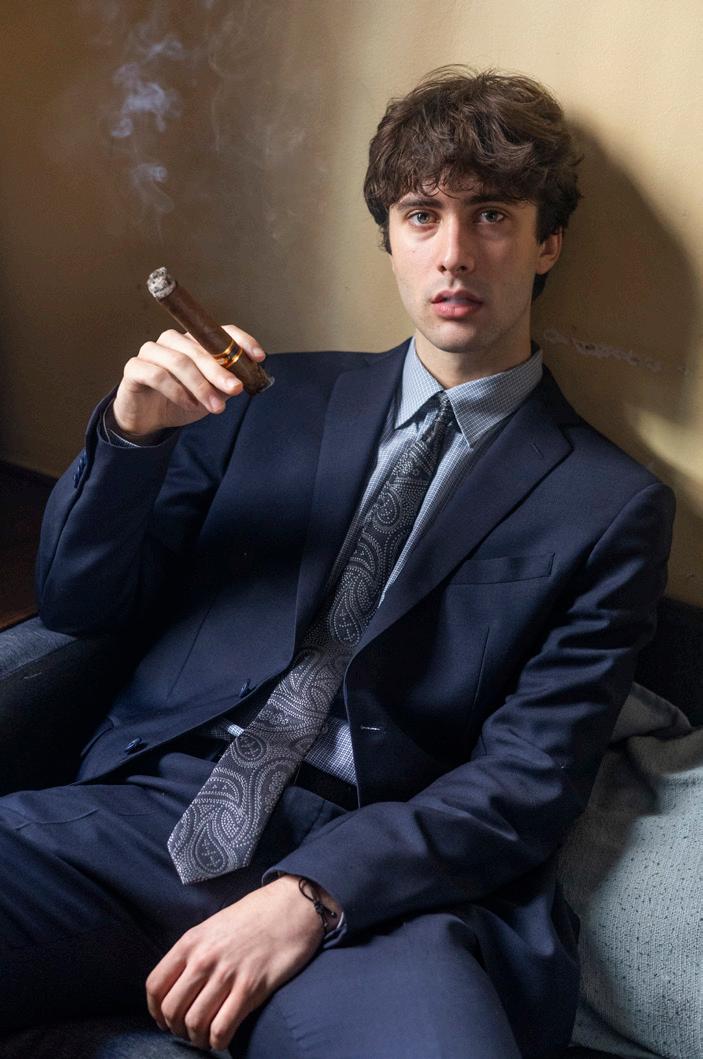
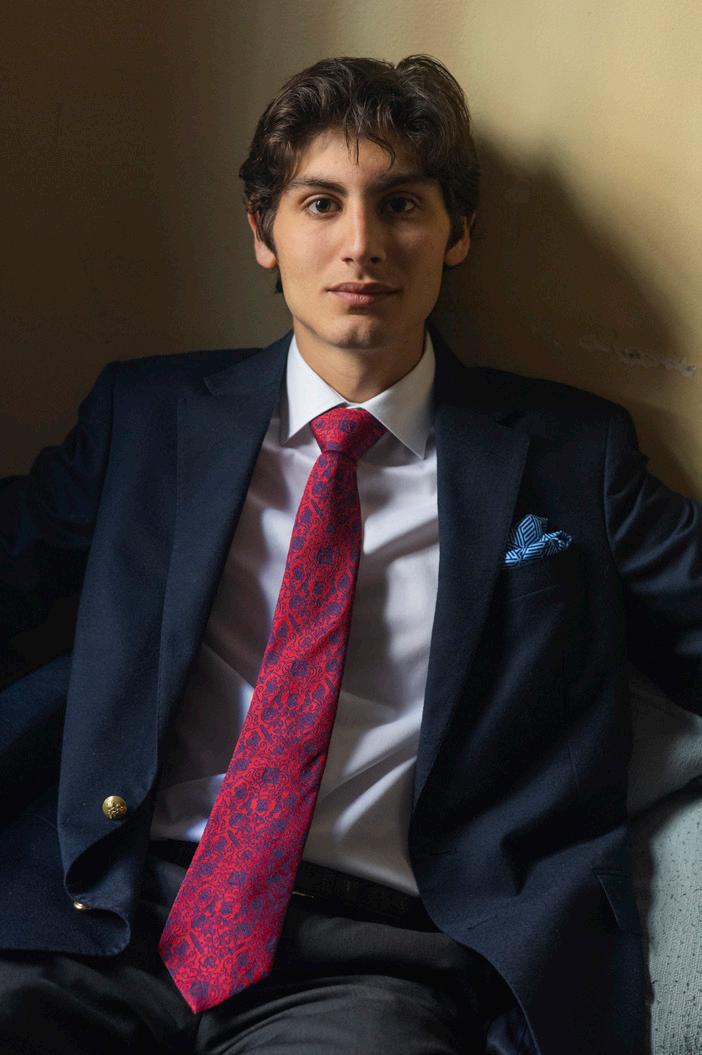
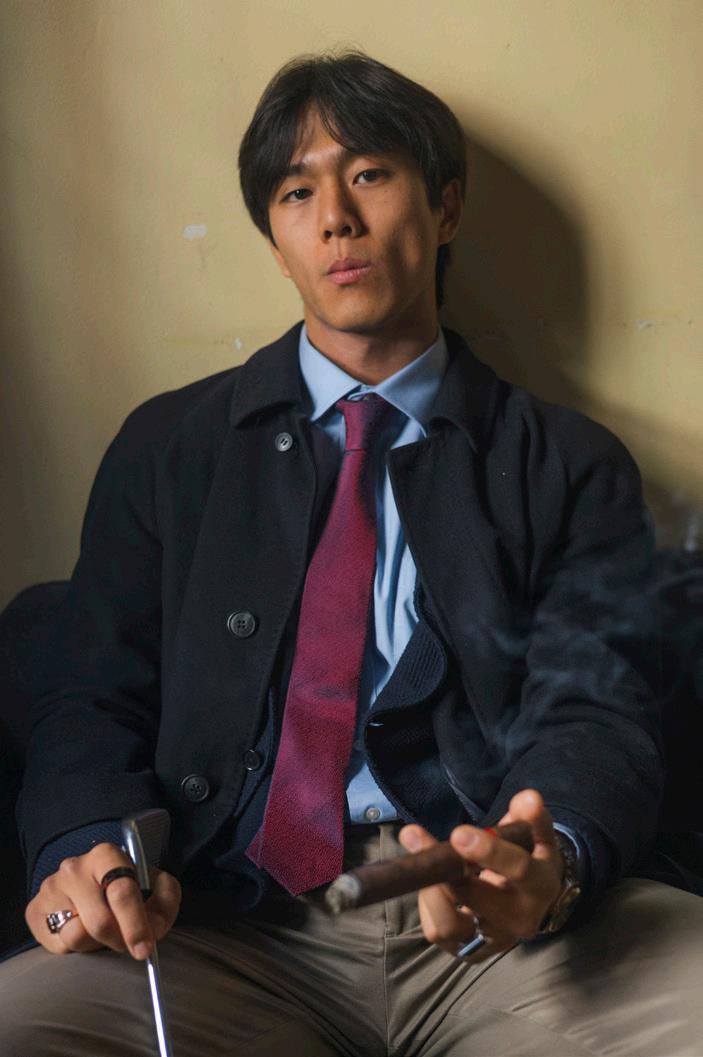
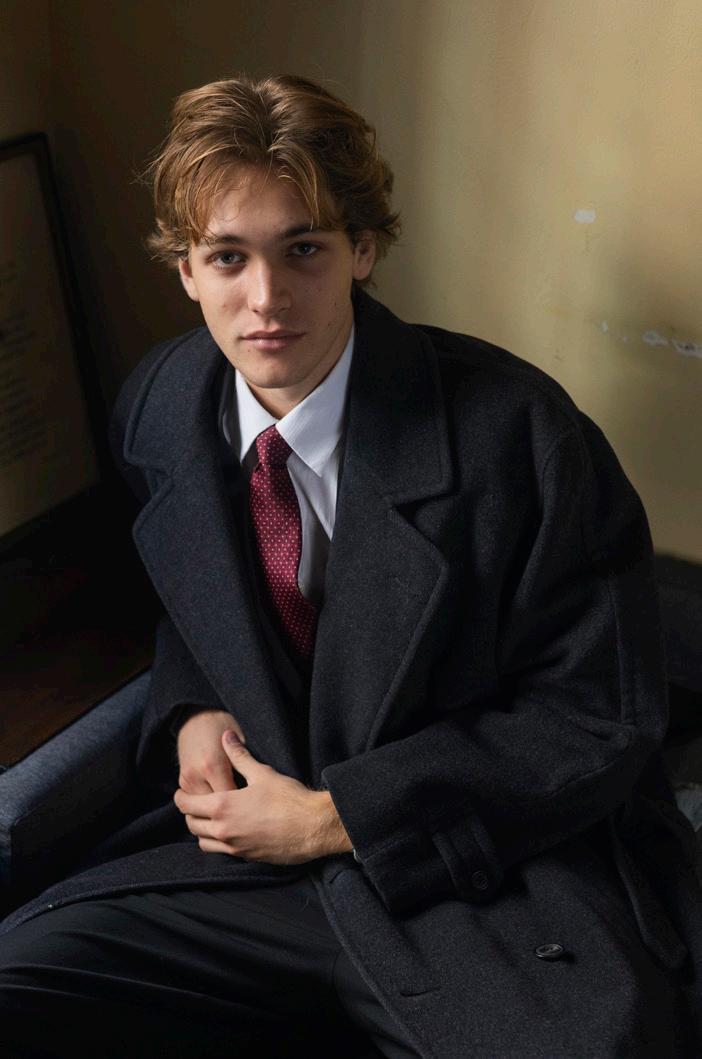
“I would say that Sig Ep is remarkably welldressed,” said Will Owen (CC ‘27). The men at the shoot, all in garments taken from their own wardrobes, embodied the historical, traditional notion of fraternity: elegant, collegiate, preppy style. From the wool sweaters to the literal tennis racket, the men looked like they stepped out of a J.Crew catalogue.
Some of the brothers asserted that this snapshot is accurate of how many of them dress on a day-today basis. Schwarz noted, “The guys do dress like this in their own free time. When we’re not partying and wearing our frat T-shirts, this would probably be how we’re dressed.” Indeed, it was interesting to see this pristine, traditionally Ivy aesthetic after the contemporary “fratty” ensembles that populated the frat’s Homecoming party just days prior: backwards baseball caps, jeans, sneakers, and special edition Sig Ep t-shirts, and, of course, brewskis in hand. Brothers dress to the textbook Ivy standard for their classes and don casual, frat garb for their weekend parties.
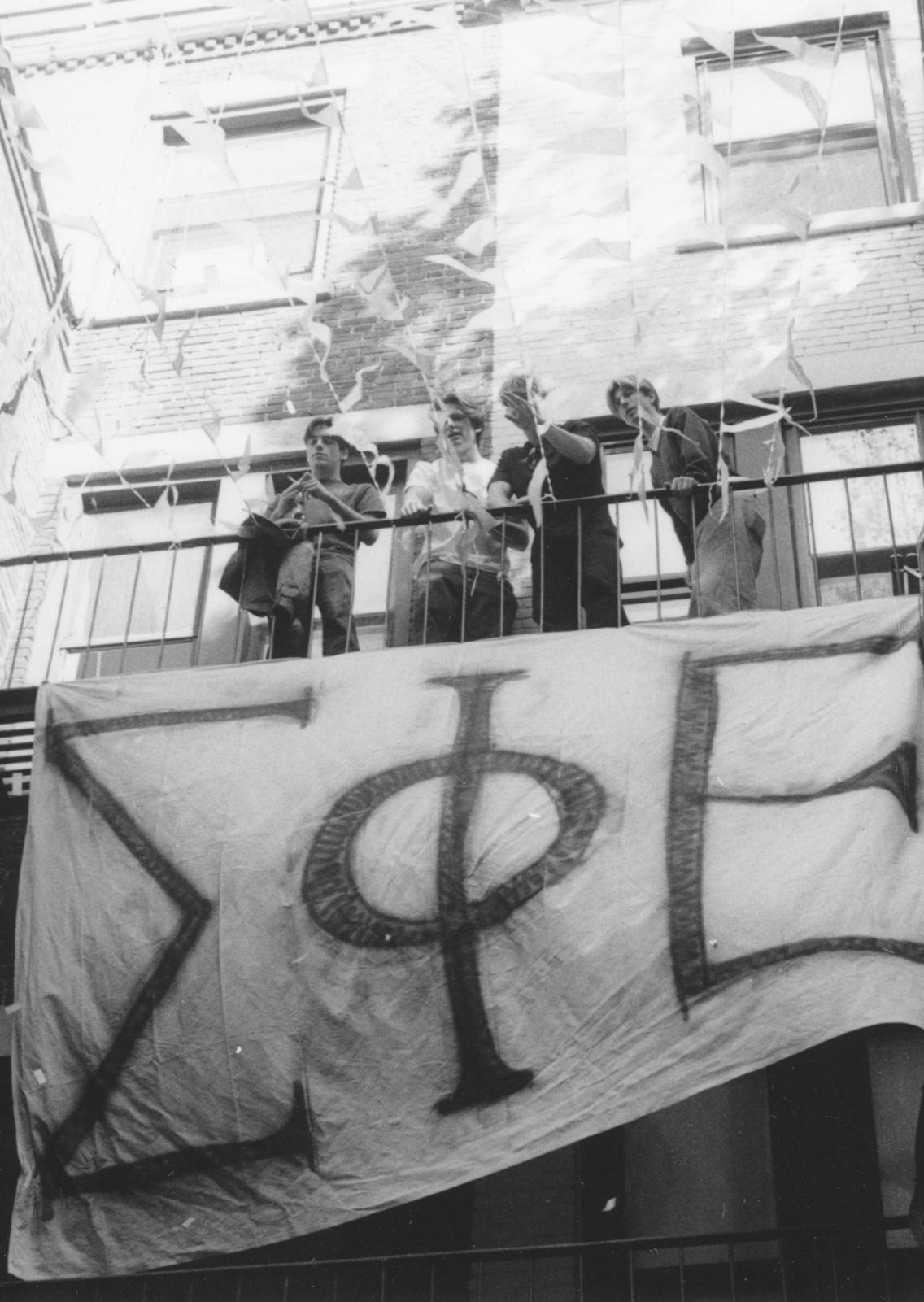
Indeed, it was interesting to see this pristine, traditionally Ivy aesthetic after the contemporary “fratty” ensembles that populated the frat’s Homecoming party just days prior:
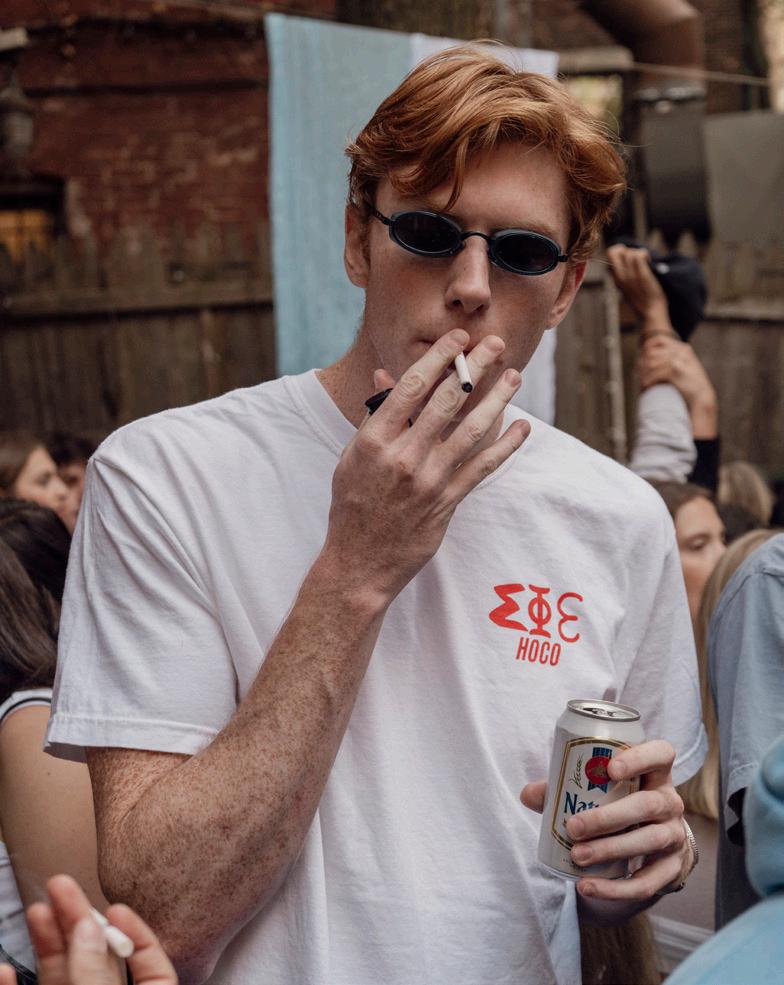
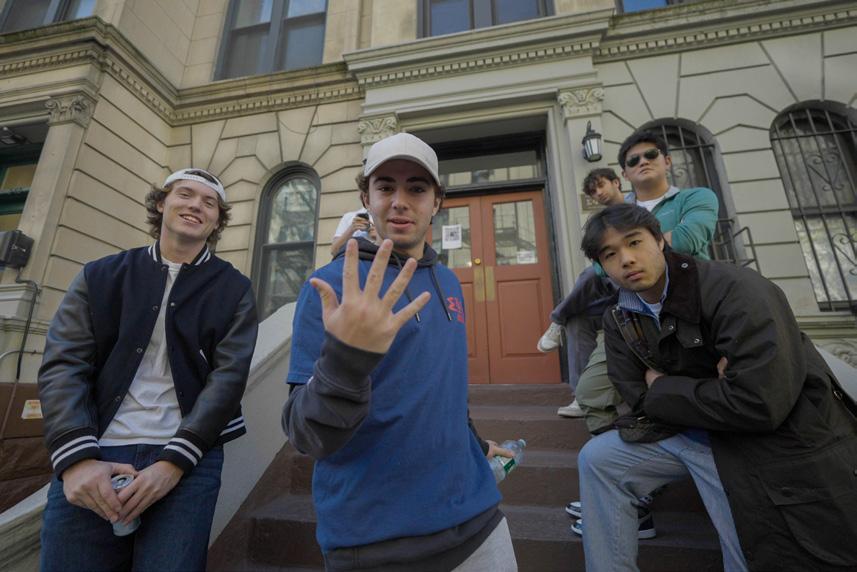
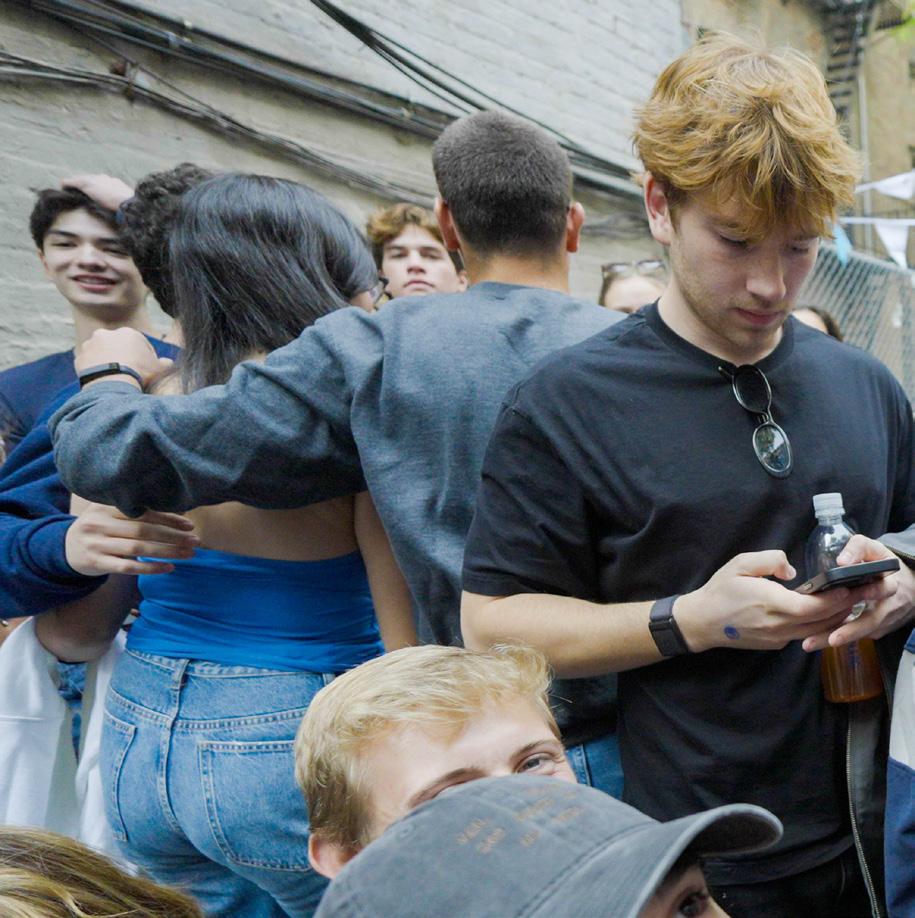
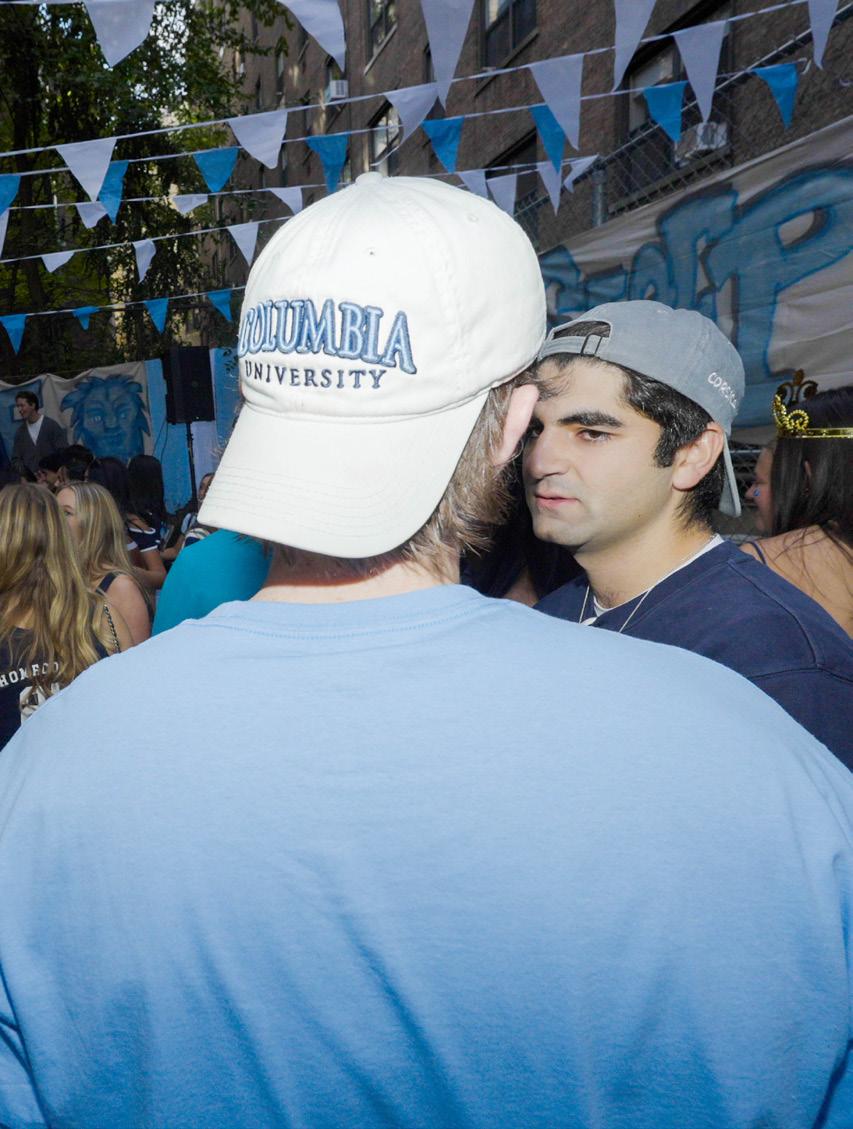
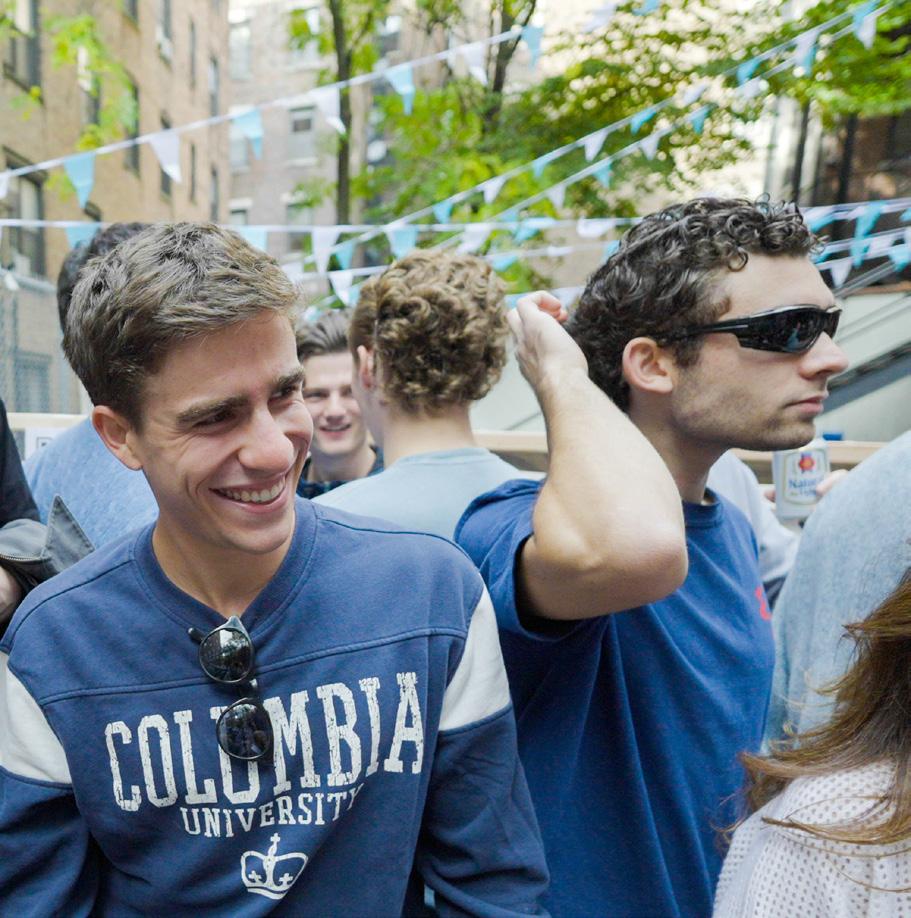
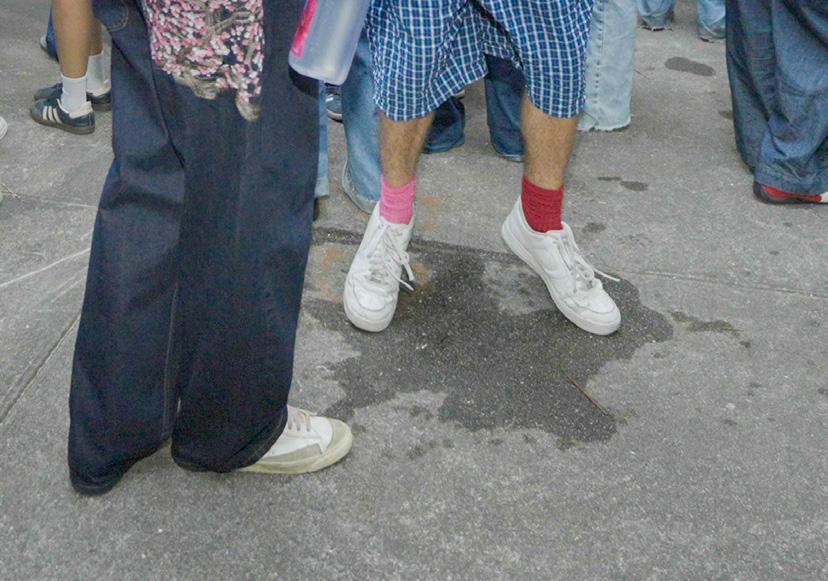
sneakers, jeans,
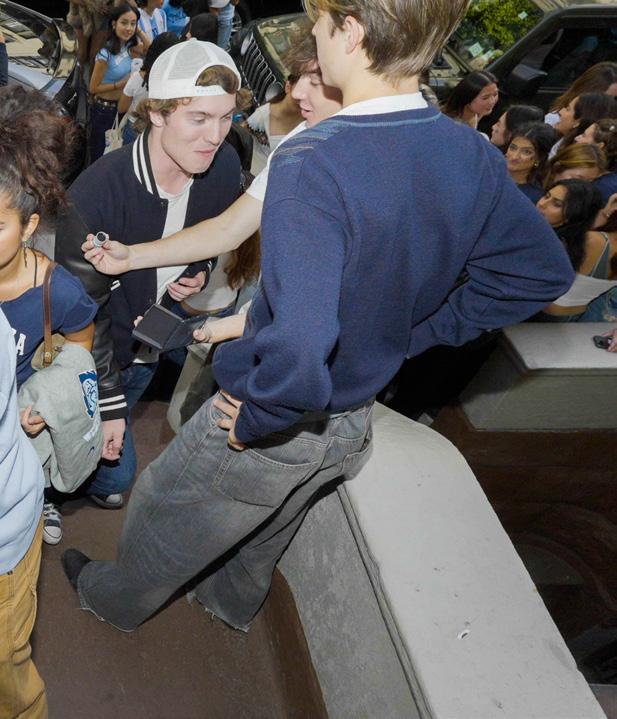

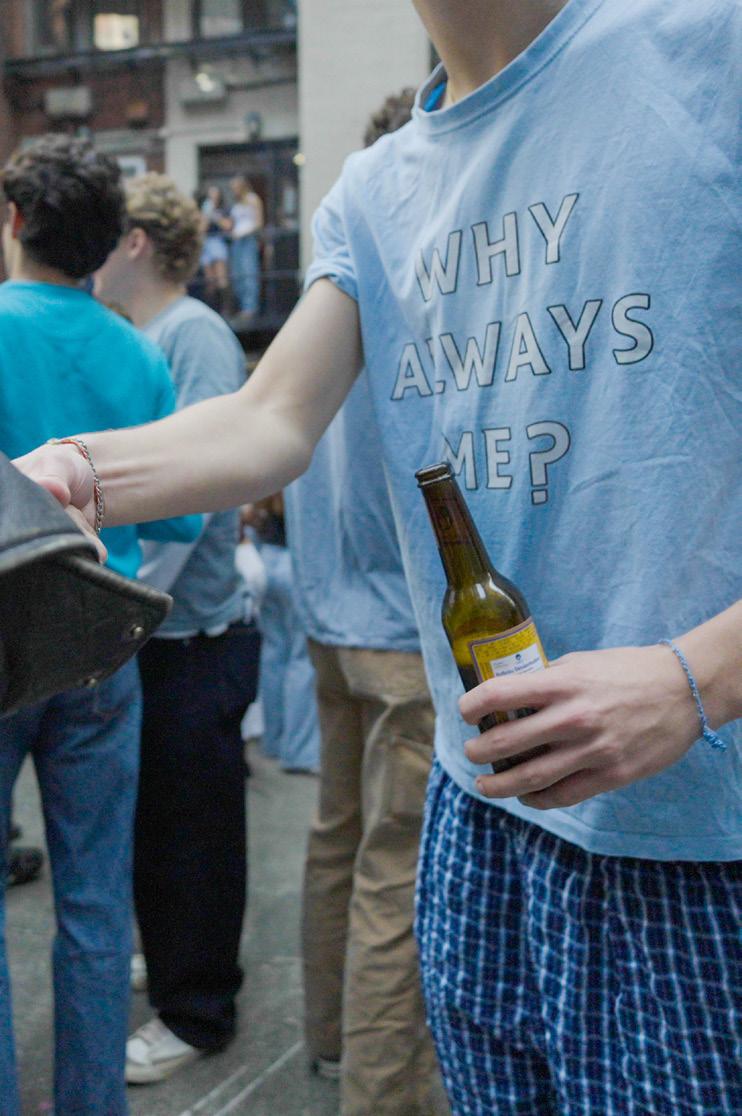
and, of course, brewskis in hand.
Brothers dress to the textbook Ivy standard for their classes and don casual, frat garb for their weekend parties.
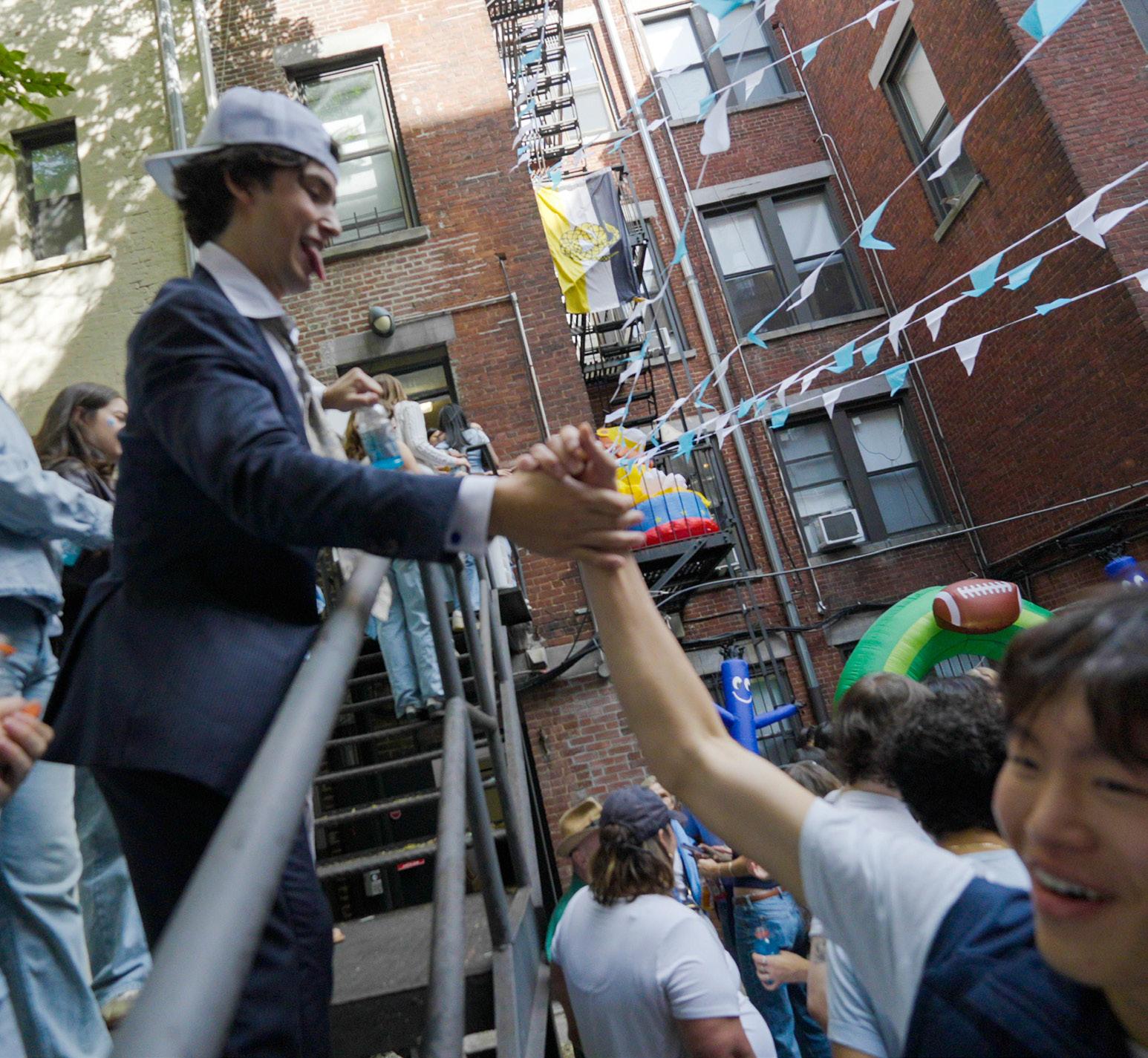
This speaks as much to the character of the brothers as much as it does to the privileges an institution like Sig Ep allows them. From major influence in the Greek life community to the networking opportunities and connections they gain access to, Sig Ep brothers are a part of a supportive environment that extends beyond pure brotherhood. “I definitely get this feeling of being a part of an institution that is supporting my way through Columbia,” said Owen. Many brothers were adamant to express the differences in style that they felt were emblematic of their community. Rudd stated, “There are a lot of people in Sig Ep who dress very, very differently. That amalgam is what we’re all sort of getting at with how well-dressed it is. There is no one archetype at all.” In other words, it seems that what distinguishes the Sig Ep style is not a question of what is worn, but rather how it
is worn. Not all chose to slip on a pair of loafers and a leather jacket when dressing for their day, but whatever they choose is chosen with intent.
Differences in dress come with these different backgrounds that make up the Sig Ep brotherhood. Chen spoke on some of the subcultures found within the fraternity. “We have the finance bros, the British guys, guys from the city, and some rugby players.” The fraternity’s style is thus more of a collage of elements rather than a codified uniform, a layering of aesthetics that coexist under one name. As Chen put it, “There’s not one archetype. Everybody has very interesting different backgrounds.” This leads to various types of stylistic inspiration. River (Cornwell) (CC ‘28) reflected on this amalgam in his own style: “I have this weird mix of the Los Angeles skating look with my newfound preppiness from the international community.”
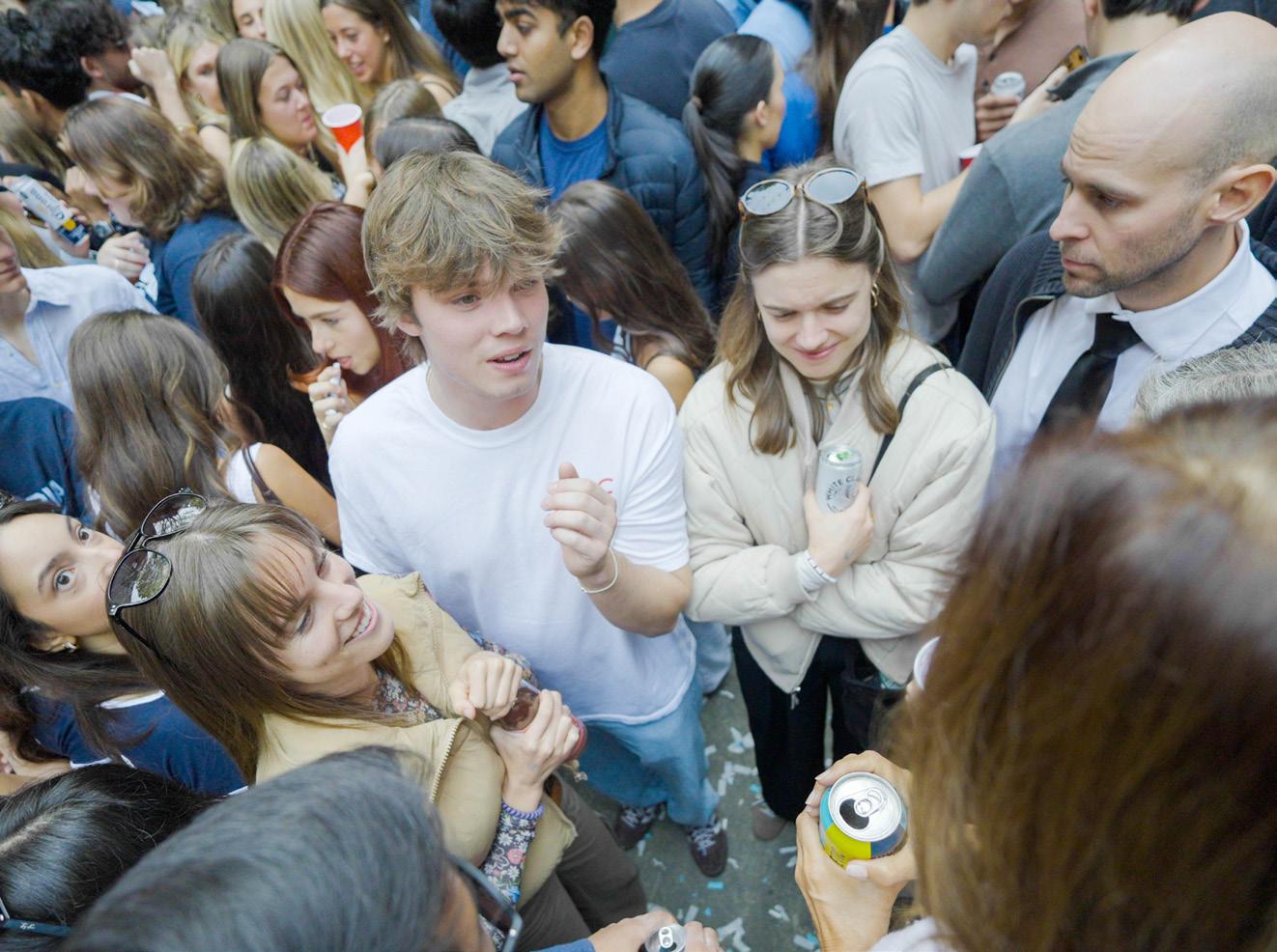

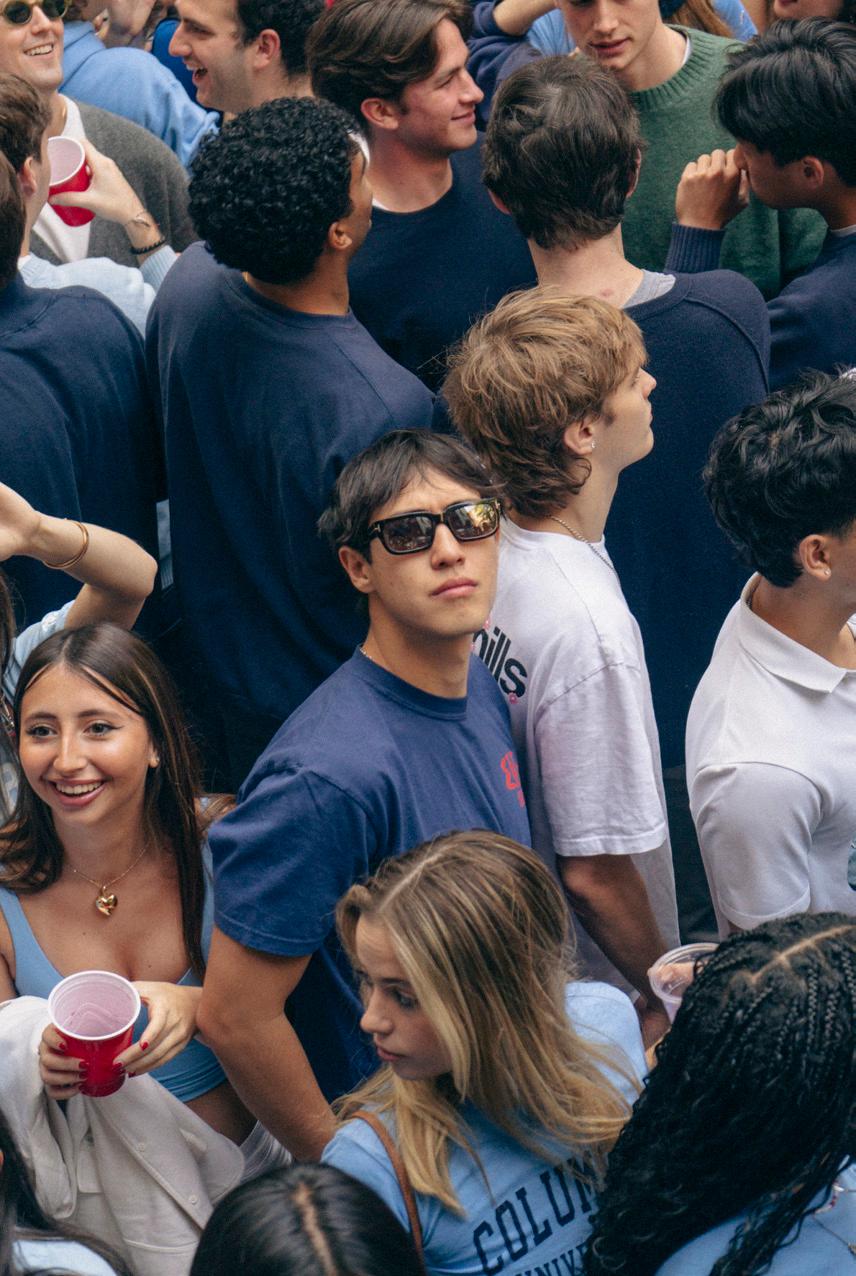
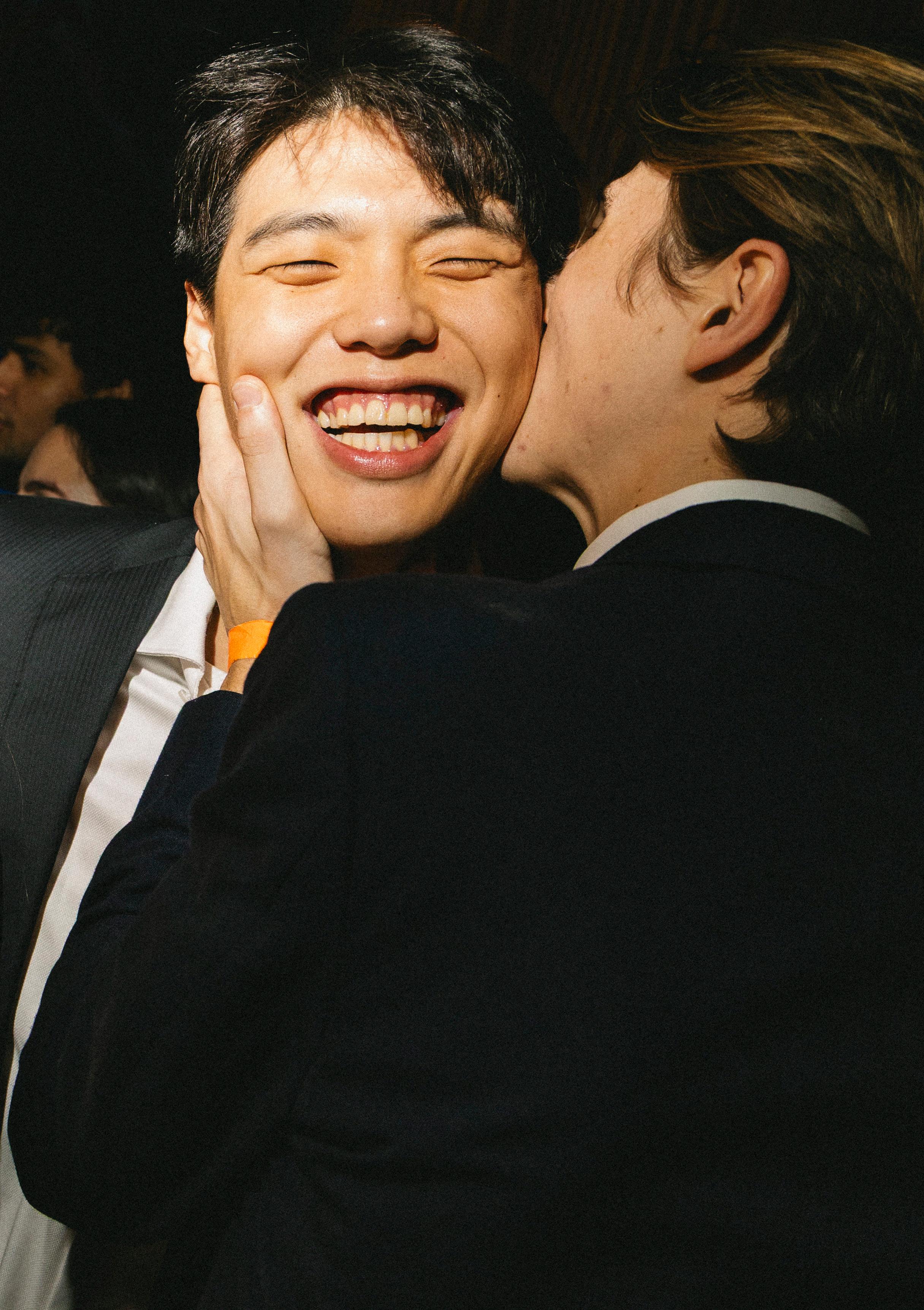
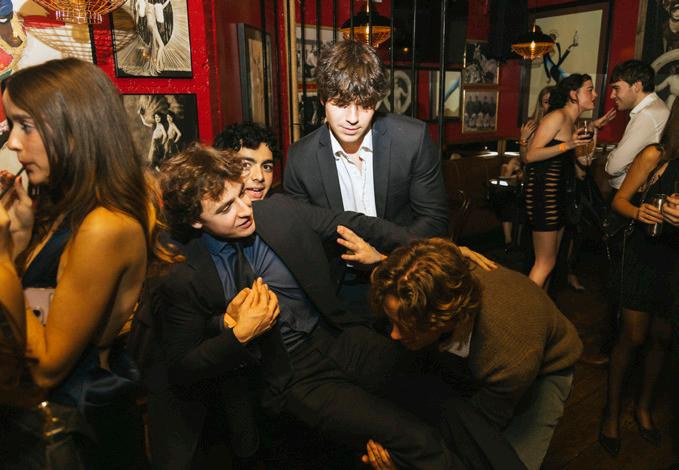
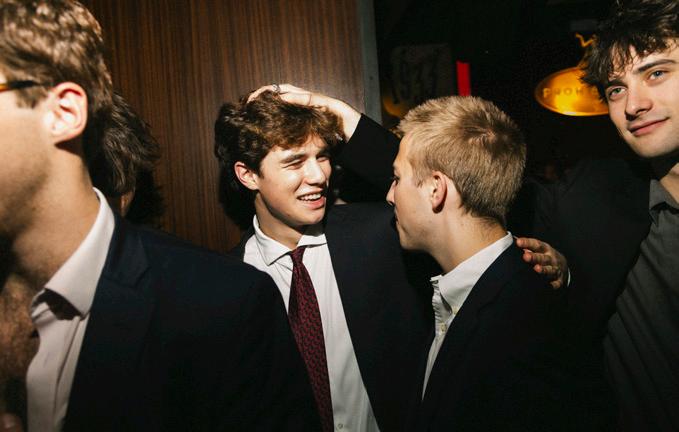

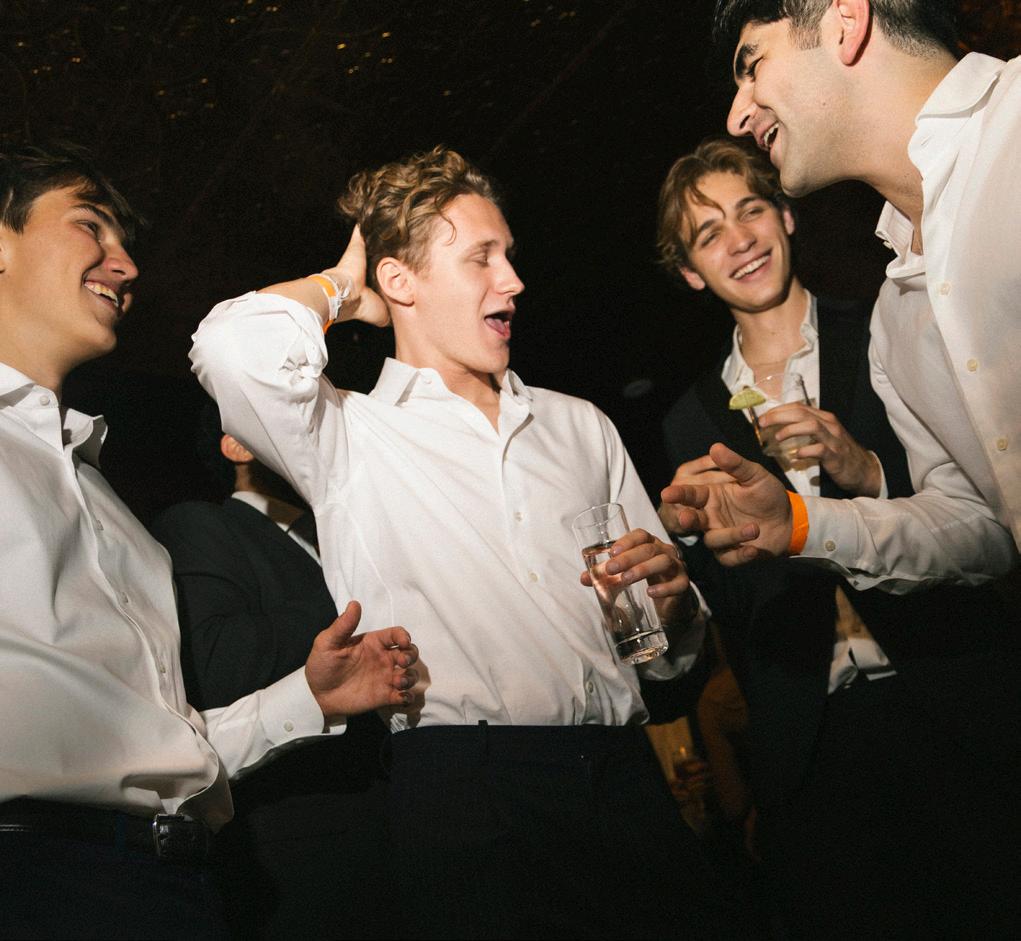
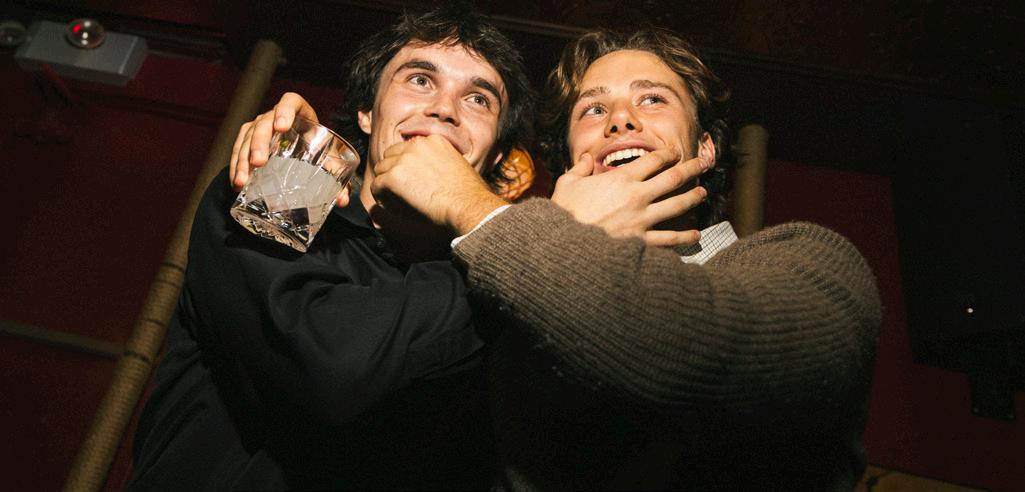

While there is no archetypal Sig Ep brother in terms of his dress, what seems to set him apart is the effort he takes to dress well, no matter the garments. Seeing the group together dressed very similarly, whether on the lawns or at a Homecoming party, makes it difficult to feel the same differences the brothers articulated. The crisp, clean, uniform collegiate style communicates the idyllic vision of the Ivy fraternity: timeless, composed,
and exclusive. The men in Sig Ep are unified and partly defined by this collective identity. Simultaneously leaning into their differences and engaging in the stereotypical fraternity aesthetic is emblematic not only of the garments the brothers wear but also of how their institution fits into the Columbia community and the broader conception of Greek life.

Columbia University freshmen reflect on how their personal style has evolved alongside newfound independence, college life, and the influence of the NYC around them. As they navigate campus and urban spaces, clothing becomes a way to experiment, adapt, and define who they are becoming.
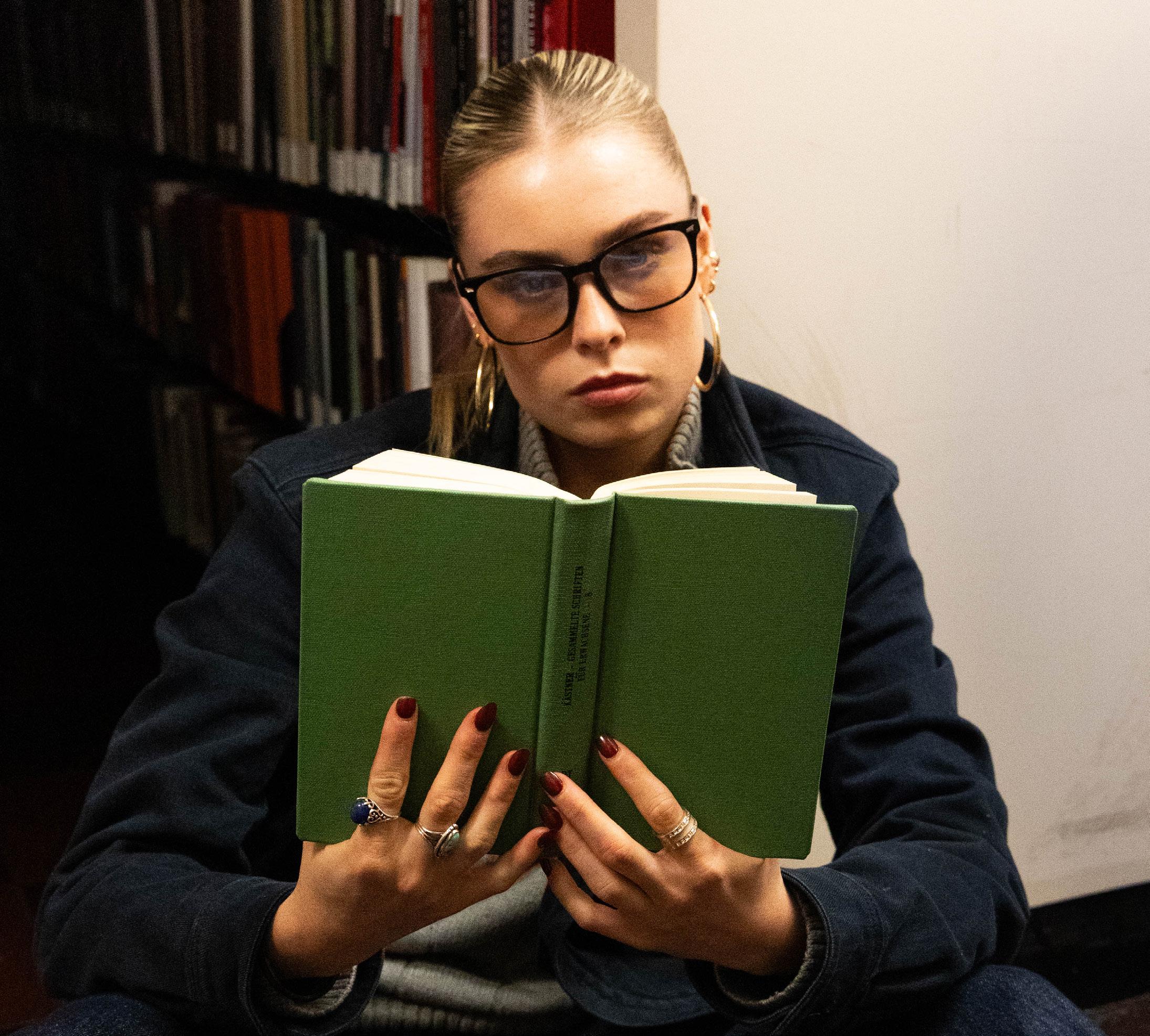
Freshman year is weird. With its hallowed rituals of too-big-NSOPfriendgroups and fears of eating in the dining halls alone, it’s an awkward, ecstatic, exploratory part of young adulthood defined by big questions like who am I? as where the hell even is that building? When you’re in it though, with all the freedom of the first year and “accidentallygetting-on-the-express-train-when-you-need-thelocal” it entails, every moment can feel extraordinary.
Freshman year is a period of new beginnings, of exploration, of trying things out and perhaps really liking them or maybe realizing they aren’t for you.
Fashion is the language with which we communicate ourselves to the world. It broadcasts this is me! This is my subculture, my style, my personhood! In a time like freshman year, when your understanding of yourself is so in flux, how you dress becomes the medium through which you negotiate your identity every single day. Perhaps no one is thinking as critically about their fashion as a college freshman. In a new city, a new country, or a new campus, they are taking in New York City and their peers as much as they are giving back to them - a dialectic. It is an experimental, exciting, sometimes slightly uncomfortable, but almost
always fun time. So, to put it simply, we’re asking what’s up with the freshman? What are they wearing and why are they wearing it? We spoke to a handful of new Columbia College students to try and answer these questions and more.
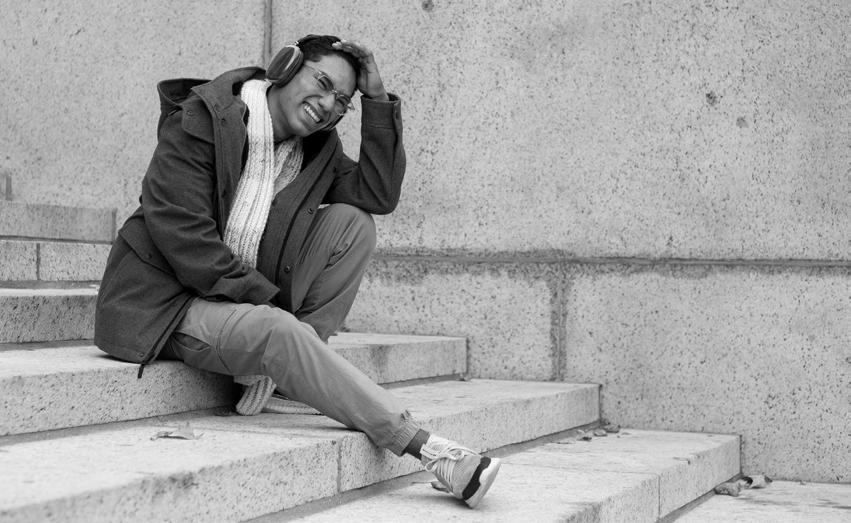
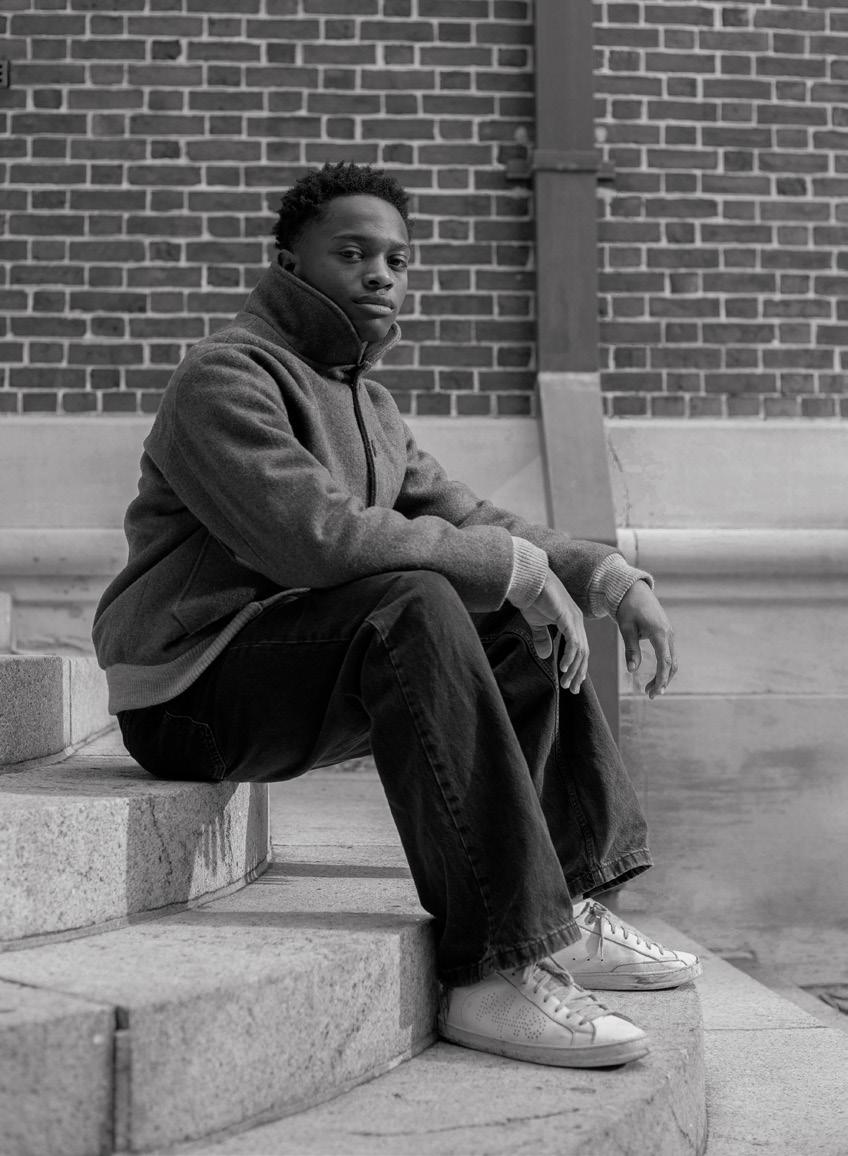
A recurring theme in every single interview was that everyone is looking to upgrade their style. Which, for a lot of the freshman, means curating outfits that incorporate more layers or focus on silhouette. Gisela Lau, from San Ramone, California, articulated that shift of mindset succinctly when she described the style in her hometown. “At my school, a lot of people would wear a top and a bottom,” whereas here in NYC, she’s seeing “far more layers” and accessories. For Nigel Harris, who was born and raised right here in Manhattan, he’s still observing a style evolution even if he doesn’t find himself terribly far from home. “Here, people are a little more elevated. They have a much more unique, and stronger, sense of style.” Fernando Sanchez echoed that sentiment, explaining that his fashion aspirations are to “do my style, but better.” Better means more elevated, more expansive, more creative. It means layers and textiles and accessories, while still staying true to the core of his identity.
Another word which arose again and again in our conversations was “classy.” When asked if there

photographs by Cooper Antczak
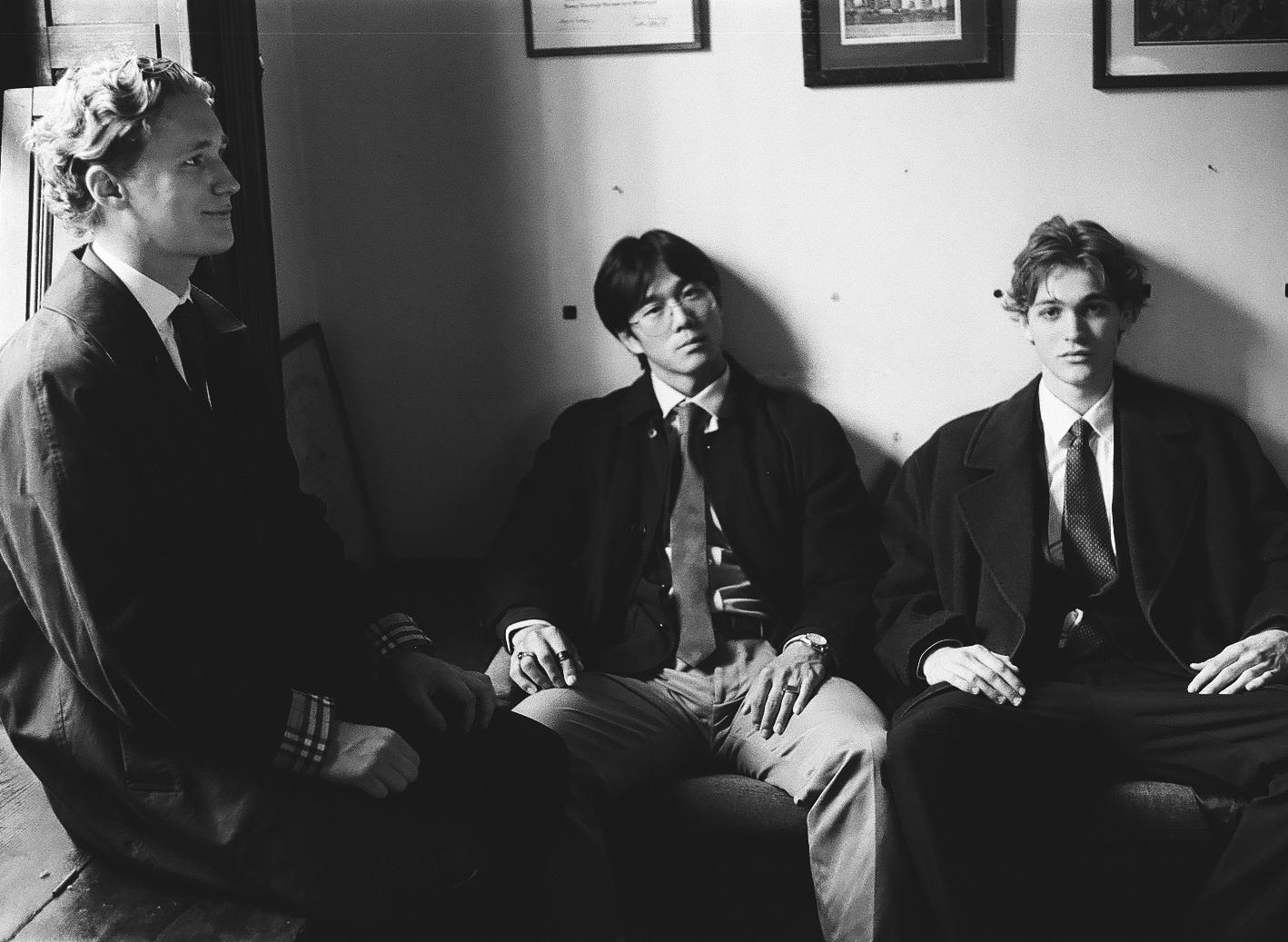
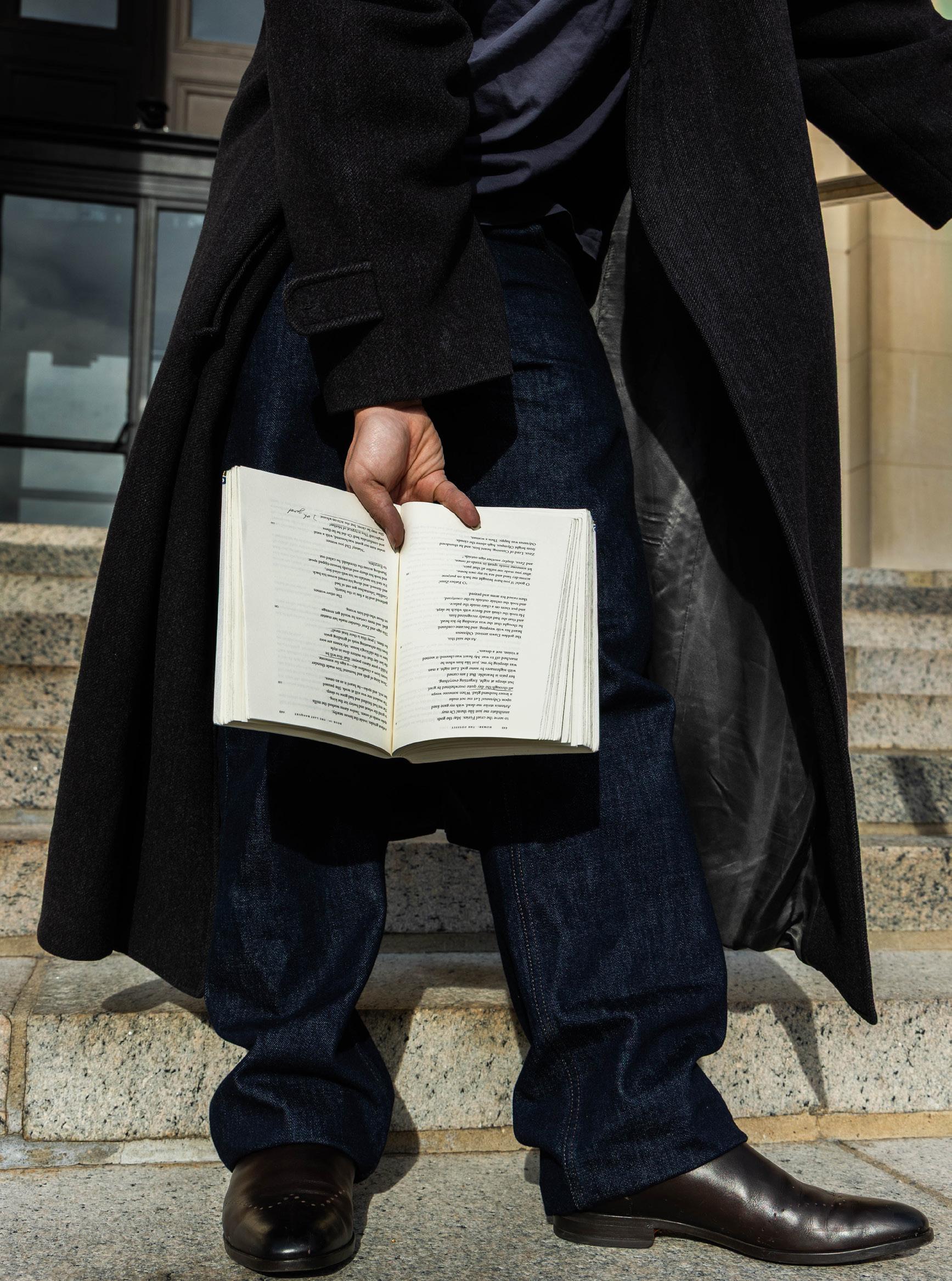
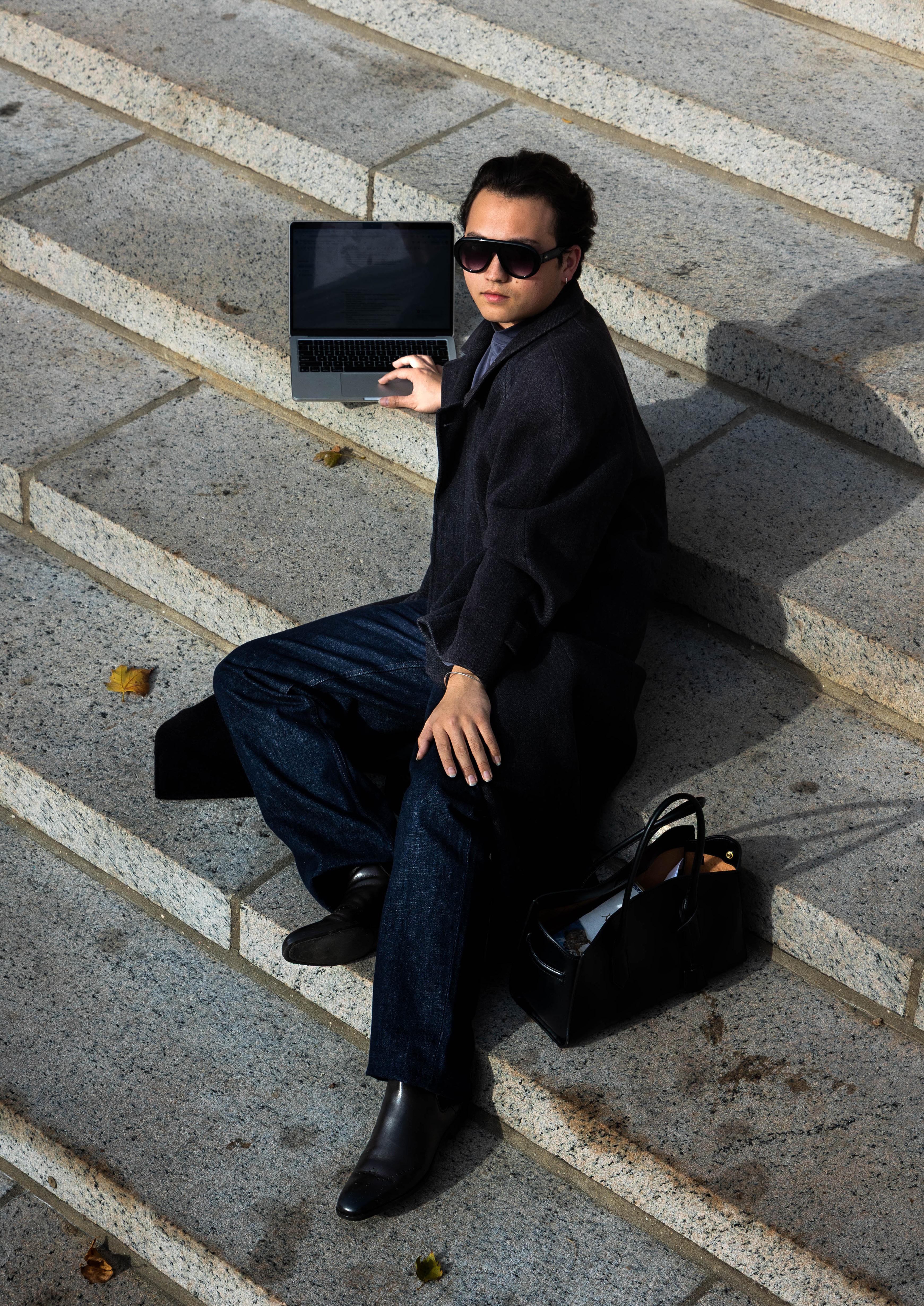
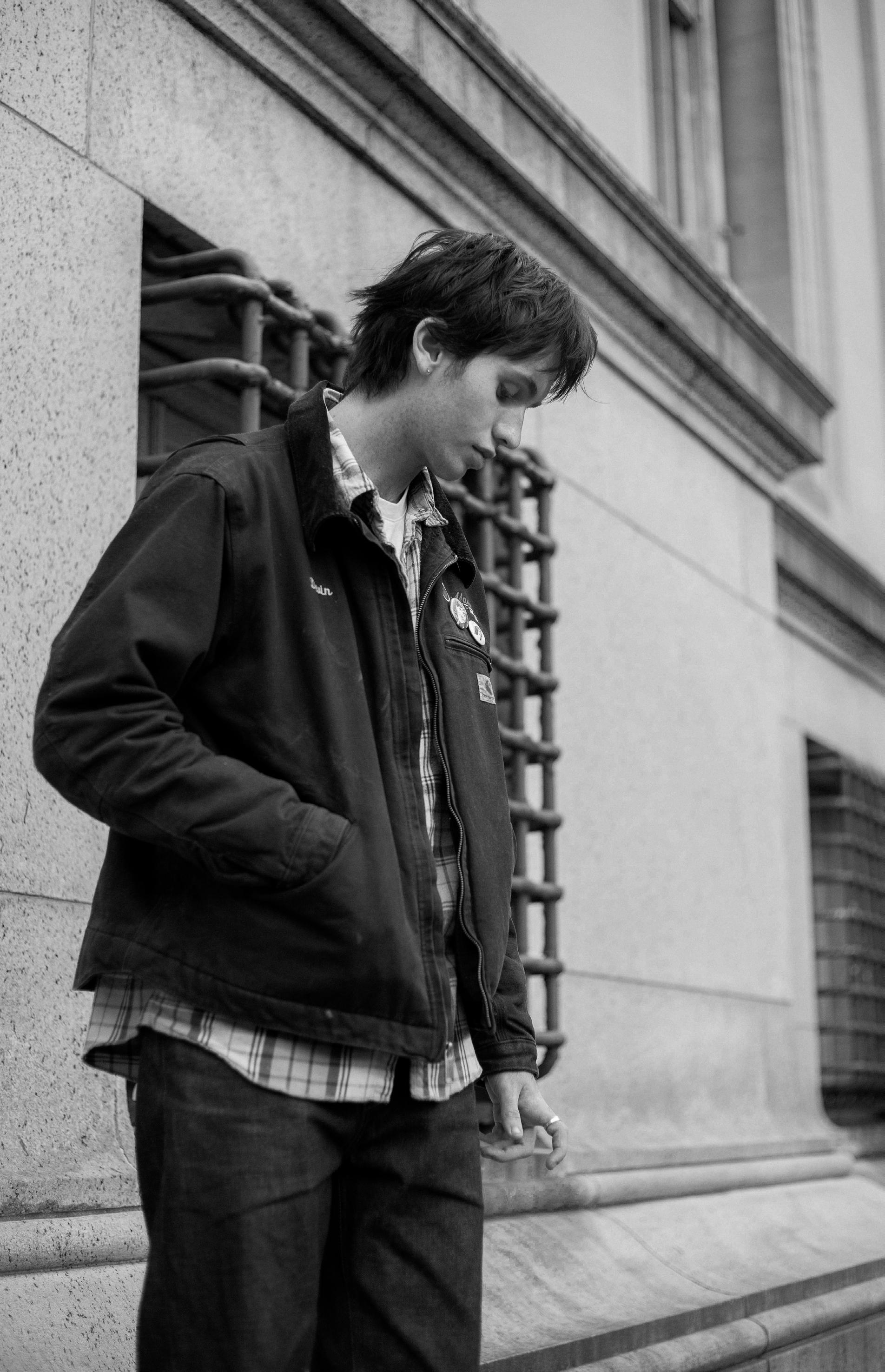
was such a thing as a “Columbia look,” most of the interviewees struggled to come up with an answer. In more than a few conversations, the predominance of the broody, romantic, academic trench coat was mentioned. Some people commented on the Longchamp bag, the Frye boots everywhere, or even the ubiquitous Columbia sweatshirt, but a distinct Columbia style seemed out of reach. Perhaps there’s not so much look as a vibe, an aura. Columbia students, it seems, are dressing with a purpose. They live in New York City and are pursuing their education with things to do and places to be - they need to look good doing it! The freshmen are discovering that the fashion bar on campus is a bit higher, and are rising to meet it.
While this stylish atmosphere remains true, Tomás Sanabria has also observed a “Columbia theater,” a way of dressing to look like you’re busy or important (“It’s Monday, and I go to Uris, and there’s 20 guys in suits. And I’m like, ‘what are you guys doing? It’s 7:30am. Go to bed. Go to bed.’”) to impress others. When it comes to fashion people actually admire, it seems like authenticity is the name of the game. The incoming freshmen are stepping into a fashion culture onto campus having the freedom to explore their style, to give and take from their influences, without feeling like there is a hegemonic “look” to work around.
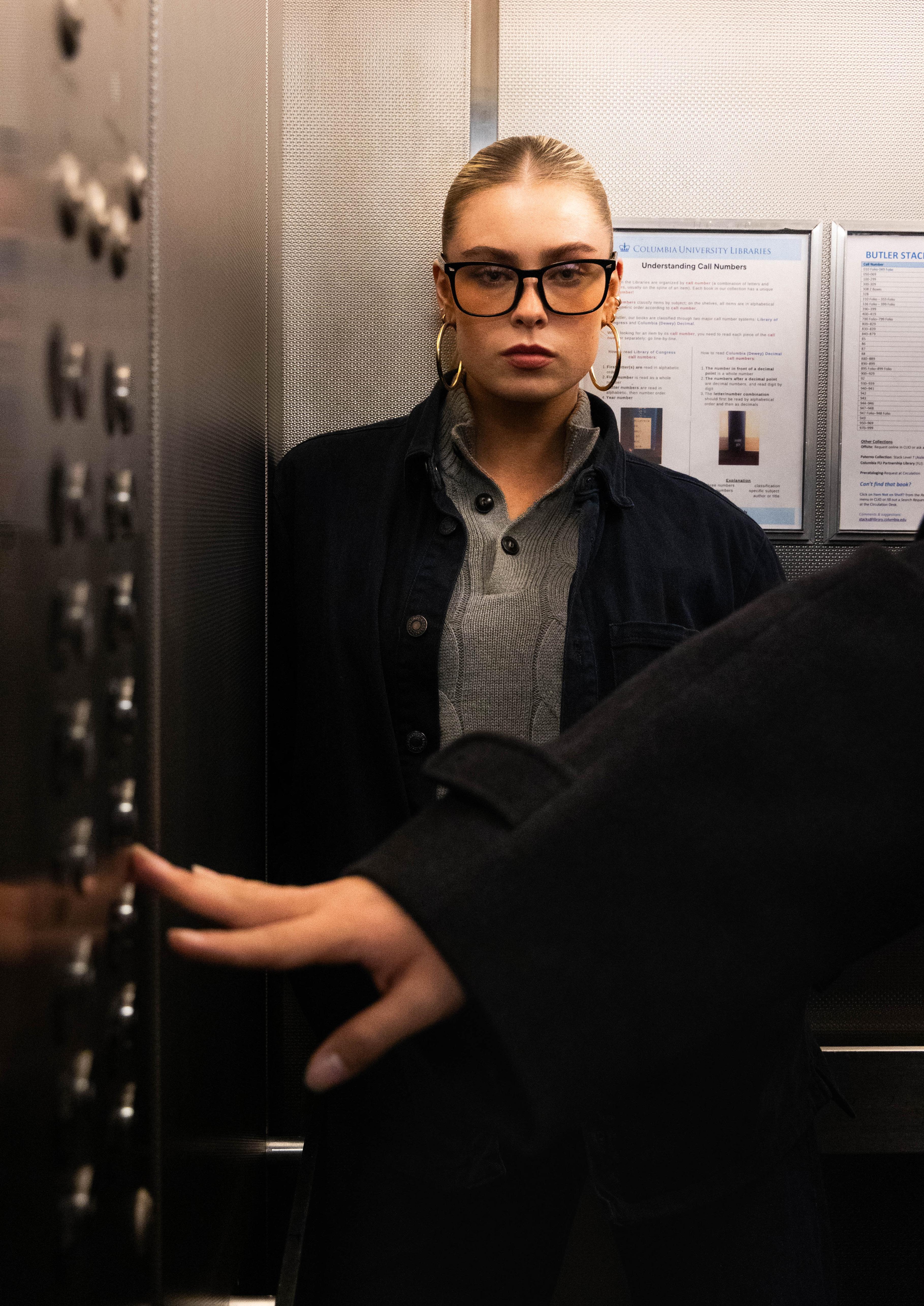
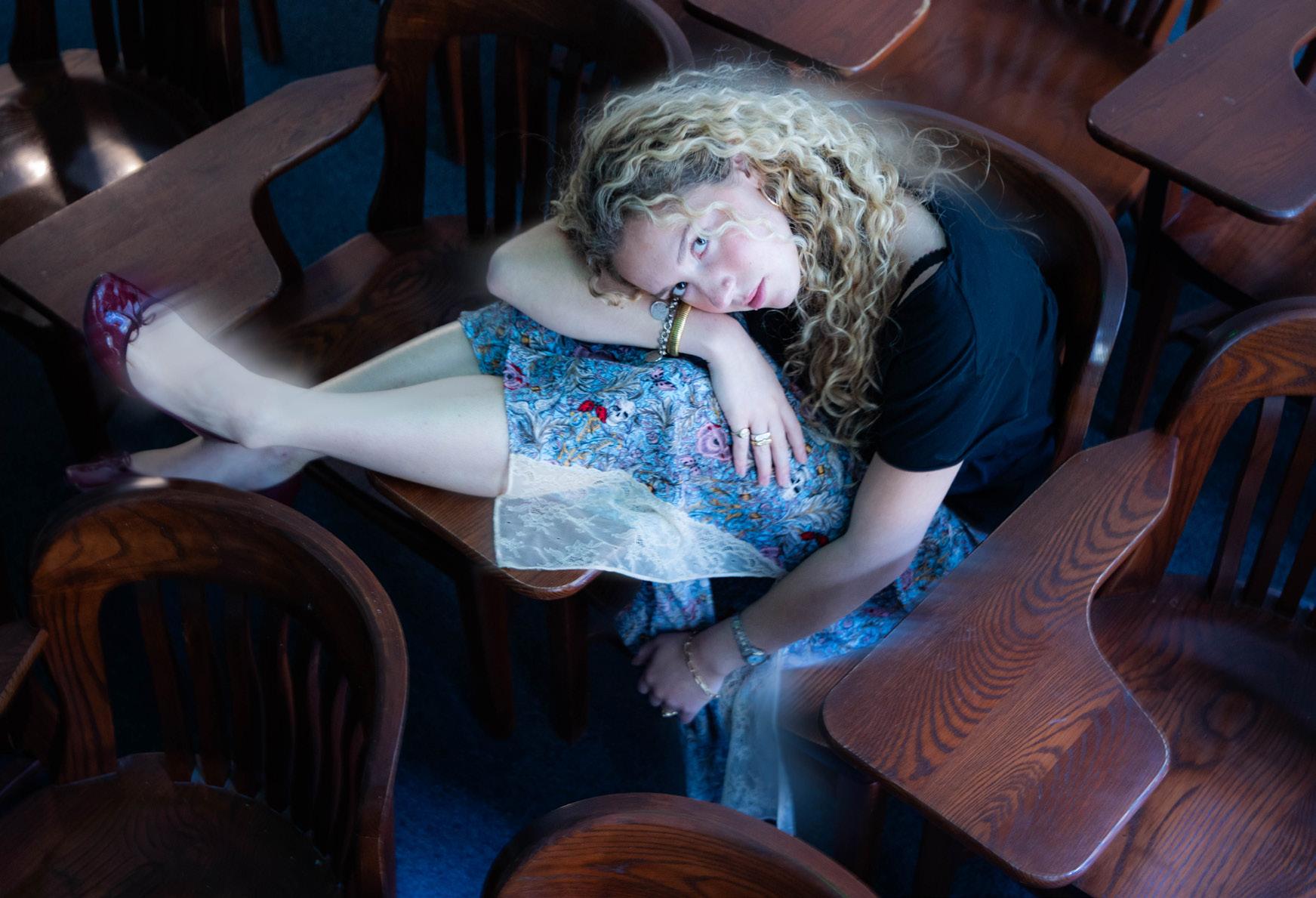
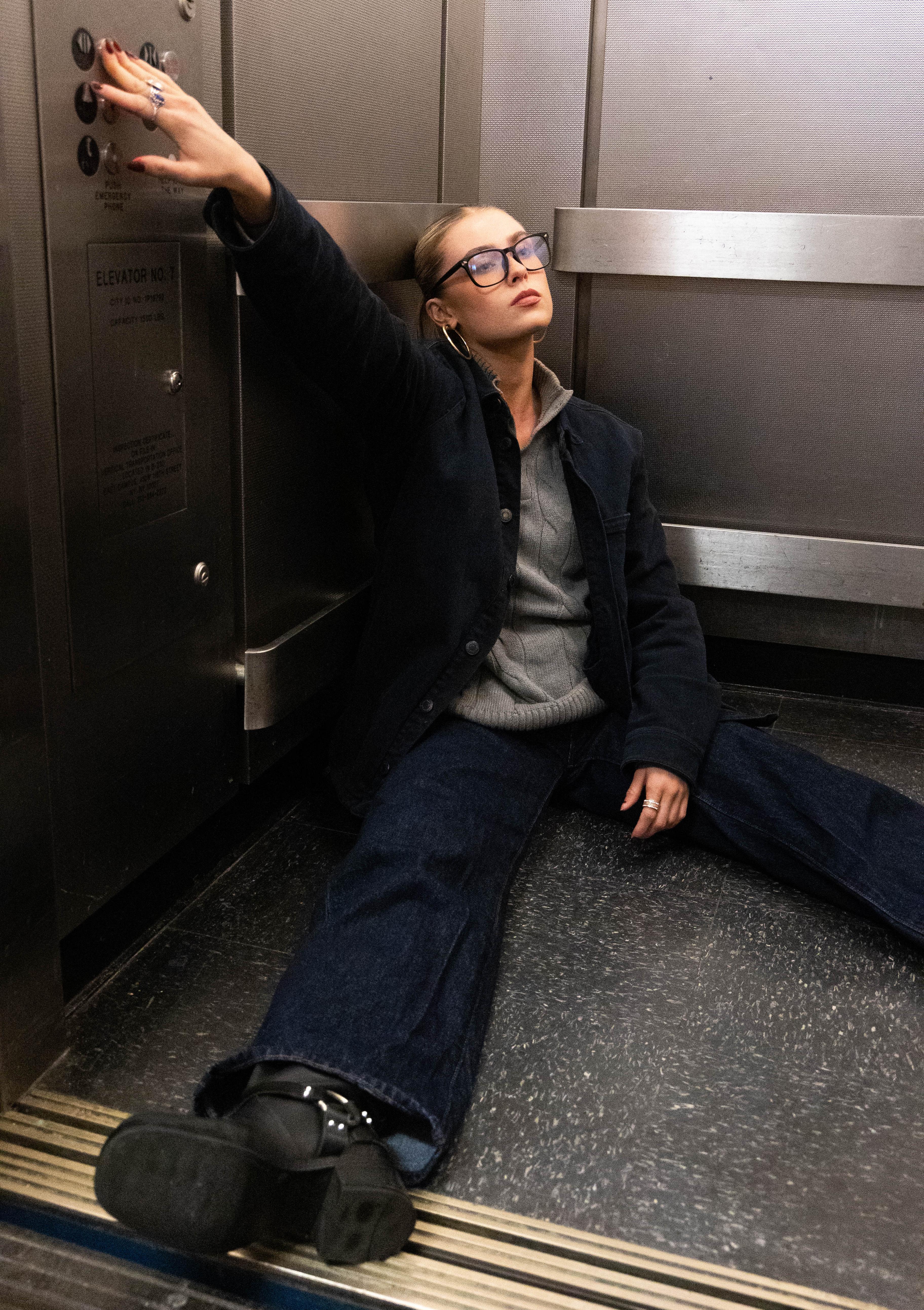
Many freshmen are also finding fashion inspiration in the unlikeliest of places. If you ask Veronica Hatch, the Carman elevators are New York’s hottest fashion incubator. The almost laughably long waits for the one elevator (the other is broken) has forced her to spend long periods of time with other students, and has introduced her to “a lot of influences.” The idea of finding inspiration in your peers is a novel and exciting experience for a lot of freshmen. Lamenting the long wait with strangers in the Carman elevators builds community, laying the foundation for the exchange of style inspiration. Similarly, according to Billy Quinn, there is no greater source of fashion inspiration than the NYC Subway. Coming from car-centric LA, he explains that you go from one place to another without ever seeing anyone you don’t know. In New York, however, “you just see more people.” More people, more influences, more inspiration, more ideas. Although not everyone’s primary influences come from campus, two interviewees, Nigel Harris and Veronica Hatch, credit their parents with their sense of fashion. While Veronica has been inspired by her mother from day one, Nigel says that his appreciation for the way his father dresses has grown more in recent years. Dressing

photographs by Sophia Zhu

well can be a family affair.
For some freshmen, it feels like they are arriving on campus in the moment after the moment. There are no more encampments, the administration seems to have entered a relative stand-still with the federal government, and though the atmosphere on campus is still immensely tense, there is no action. The freshman narrative is being haunted by the ghosts of years past, by protests and protocols they were not here for. It seems that there is a freshman malaise, or as Billy Quinn described it, an “apathy,” flowing as an undercurrent through the class of 2029. There is a strange, surreal absence coloring much of their experience. Many freshmen are looking downtown, perhaps to friends at Pace or NYU, or to the loci of cultural fermentation that are Washington Square Park or Saint Mark’s to find a creative, expressive community. What does this mean for the fashionable, creative, or humanistic communities here, when they find their centers of gravity shifted away from campus?
Two students I spoke with are not just negotiating their relationship with NYC for the first time, but America as a whole. Coming from Cali, Colombia, Tomás Sanabria is battling it out against the NYC cold. For the first time ever, he is contending with what it means to find a “fall fashion.” Being away from home, living not just in a different country but a different language, he acknowledges the waves of homesickness that come. Still, he is finding ways to carry his family with him, even in a new place. Tomás, already a sunny person, absolutely lights up as he explains that his grandmother has knitted him scarves every year since he was a baby, but in tropical Colombia, he had nowhere to wear them. Now, in New York, he finally has the right climate to show them off: “When people say, ‘I love your scarf.’ I’m like, ‘Oh, my grandma made this.’” While adopting the signature Columbia layers and growing into a new cold-weather style, Tomás is making sure to keep his family close to his heart (literally!). Likewise, Fernando Sanchez, from Mexico
City, Mexico, has a similar pride in wearing his culture. Speaking about a special, specific article of clothing, Fernando explained how his 100% wool, hand-woven poncho from a local artisan is both an inspiring and grounding piece of clothing for him. Smiling wide, Fernando explained that “It was woven by someone, and I bought them directly from them. Every time someone asks me, ‘Where did you buy that?’ I’m like, ‘This is not by a brand. This was made by someone lovingly.’” While embracing NYC and the campus community, Fernando makes sure to show off his local pride.
Regardless of where they come from, whether they are lifelong New Yorkers or newly minted residents, everyone has to get dressed in the morning. So, what’s going through their heads when they pick out an outfit for the day? Gisela Lau says that, as a dancer, she’s opting for pieces of clothing that she can move in.
Tomás Sanabria seconds this point, explaining that on days he has dance classes, it’s all about function. Nigel
Harris says that his style really does depend on the day. In a dream world, he would be able to dress slightly preppy one day, and then emulate Playboi Carti’s look from the Fall 2019 Off-White fashion show the next. Victoria Hatch laughs and divulges a study hack she has developed since being on campus: wearing her most uncomfortable jeans to Butler or Avery and not allowing herself to change until she gets through her work. Her fashion choices are most influenced by her childhood downtown, with hours spent in beloved independent coffee shops, and by her mother. Billy Quinn is dressing for the weather. Born in London but raised in LA, he’s finding the confluence between these identities here in New York City. Fernando Sanchez finds himself in more and more sweaters - especially in yellow, because they remind him of marigolds.
It feels only right to give the first years the last word in this article, so to close things out, here is how the class of 2029 describes their fashion in their own words:

Jeans, boots, jackets?
Billy Quinn
Athleisure, evolving, comfortable, onthe-go.
Gisela Lau
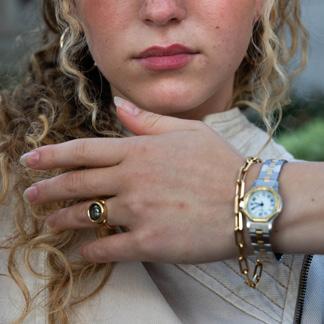
Dire Straits, Rachel Harrison, “Lost in Translation.”
Veronica Hatch
Everyday minimalism with flair.
Sterling Waterfield
Teenager, Fall, coming of age movie.
Fernando Sanchez

Trendy, explorative, simple, street style.
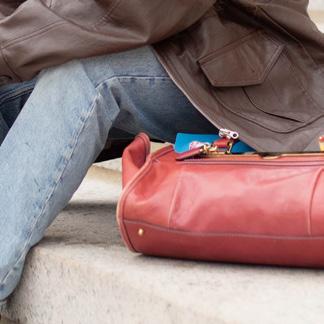

Preppy, comfy, layered, queer, accessorizing.
Tomás Sanabria
Emma Donnelly
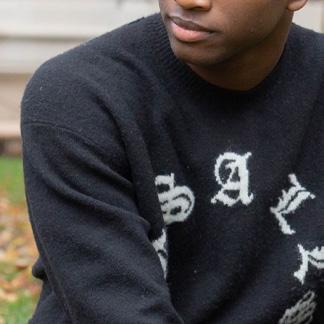
Chill but expressive.
Nigel Harris