Gut health beverages - The growth engine for functional wellness [Whitepaper]
3 4 6 8 9 10 12
Introduction
The gut microbiome’s role across life
Prebiotics and fibers – High demand for enriched products
Postbiotics – Strong beverage potential
Vitamins and minerals for gut, immunity, and brain health
Gut health beverages: Concepts and occasions
Bringing credible gut health drinks to market
Our gut microbiome plays a massive role in how we feel, think, and fight off illness. Advancements in gut-friendly ingredients help brands support consumers to drive their holistic health transformation.
Improving health from the gut is today a clear priority for consumers globally, with 68% of surveyed individuals interested in gut health solutions, even if they do not suffer from specific digestive issues.1 Such motivation is reflected by a robust rise in online searches for ‘Gut health’ (+35%), ‘Microbiome’ (+31%), and ‘Probiotics’ (+8%),2 while dsm-firmenich’s proprietary research reveals that 63% of global respondents ‘worry’ or ‘worry a lot’ about digestion and/or gut health.3
Despite growing consumer awareness of the broader benefits of good gut microbiome health, “dietary fiber intakes in many countries remain below minimum WHO recommendations of 25g daily for adults, while most EU guidelines recommend between 25-35g of fiber each day”, advised Julia Besselink, dsm-firmenich’s nutrition science lead for EMEA.
Yet pace of innovation in gut health is strong: “In 2025, we saw a 42% year-on-year increase in food and beverage launches with digestive health positioning. This tells us two things: brands are investing, and consumers are responding,” observed Ingrid Damen, director of global business development at dsmfirmenich.
Another dynamic is the innovation shift beyond dairy and supplements into clear, refreshing beverage formats that fit everyday consumption moments. From prebiotics and fibers, to probiotics, postbiotics, vitamins, minerals, botanicals, and enzymes, dsm-firmenich’s portfolio provides gut health benefit positioning for an array of beverage applications.
The gut microbiome’s role across life
Home to 90–95% of the microbes that live on and within us, our gut microbiome plays a vital role in health from infancy to older age. These microbes extract energy from food, support gut movement and the immune system, and produce key metabolites, vitamins, and hormones that influence health beyond the gut.
Early life nutrition, the mother’s lifestyle, and antibiotic use all impact microbiome composition in infants and children. Moving into adolescence, adulthood, and senior years, factors such as diet, lifestyle, medications, and exercise further influence the microbiome’s diversity and function. Understanding such changes is important for
supporting gut health at every life stage.
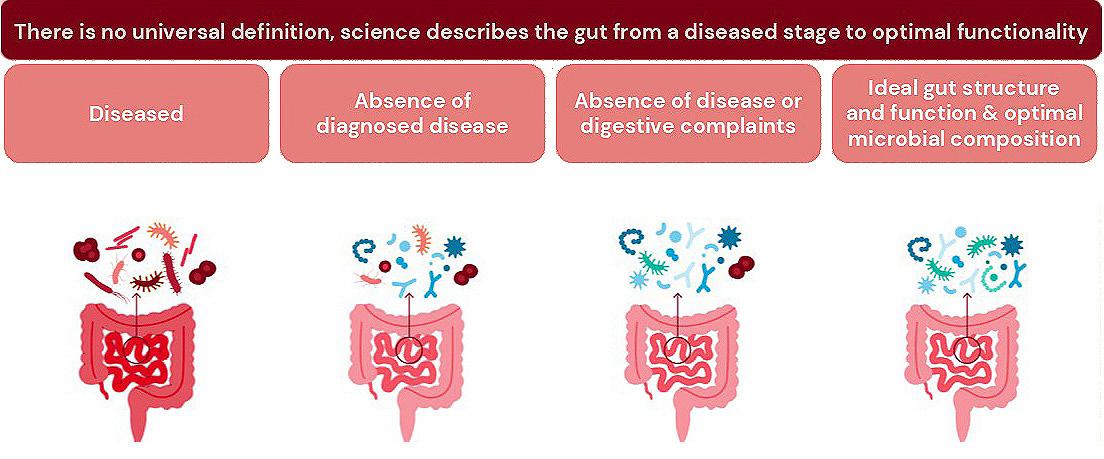
There is no one single definition for a healthy gut microbiome, everyone’s microbiome is unique, and our understanding continues to evolve around which specific microbes may be more or less beneficial. Unfortunately, gut health challenges – ranging from chronic conditions such as inflammatory bowel diseases (including Crohn’s disease and ulcerative colitis), to more common digestive symptoms associated with Irritable Bowel Syndrome (IBS), food allergies, or intolerances – can negatively impact overall wellbeing, even when there are no visible changes in the gut.
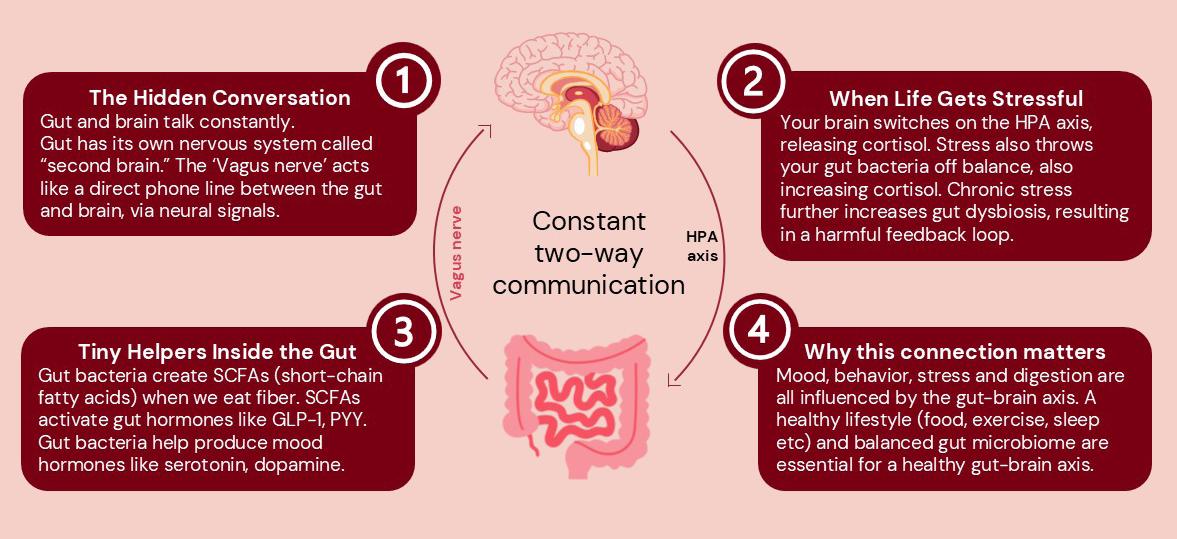
The gut microbiome’s influence stretches beyond the gut walls, playing a central role in the gut-brain bidirectional axis, whereby the gut and brain communicate through nerves, hormones, immune signals, and microbial metabolites. As an example, when we consume fiber, gut bacteria produce short-chain fatty acids (SCFAs). These can activate gut hormones, such as
glucagon-like peptide-1 (GLP-1) and Peptide YY (PYY), which send signals to the brain to regulate appetite and digestion. Beyond cognitive/emotional and metabolic health, the science demonstrates how a balanced gut microbiome plays an important role in immunity, with approximately 70% of the body’s immune cells found in the gut.
Your gut and brain are in constant conversation
A journey through stress, signals, and the tiny microbes that shape how you feel.
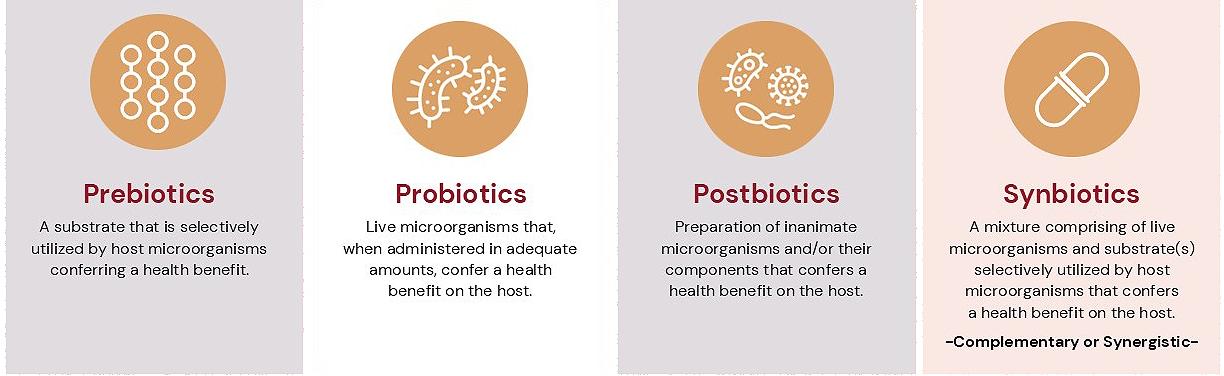
Microbiome terminology
e.g. International Sceintific Association for Probiotics and Prebiotics (ISAPP) definitions11
Prebiotics and fibers –High demand for enriched products
The dietary fiber gap that exists throughout the world today has considerable health ramifications. Across the EU, for example, diets low in fiber are linked to over 145,000 preventable deaths and 2.9 million years of healthy life lost.4
Fiber enrichment in foods and beverages could prove a powerful lever to close the gap, with two in five (39%) European consumers “very” or “extremely interested” in fiber.5
However, it is important to consume a variety of fiber types for good health, according to Besselink: “Certain fibers absorb water and add bulk to the stool, which helps with regular digestion and preventing constipation. Other fibers have a viscous gel texture and may reduce absorption of sugar and cholesterol, contributing to heart health, satiety, and weight loss.
Some fibers have prebiotic effects, meaning they are broken down and fermented by bacteria in the large intestine, conferring a health benefit,” she advised “At dsm-firmenich, we are working on fiber and prebiotic solutions, and we know why these are important from a scientific perspective,” she continued. “For example, we offer a premix including a soluble carrot fiber with the active component rhamnogalacturonan I (cRG-I).”
Made with upcycled carrot pomace sourced from a traceable supply chain, then transformed via a complex proprietary process, dsm-firmenich’s cRG-I is proposed to have a dual mode of action: training the immune system to become more responsive, and stimulating beneficial gut micro-organisms and their metabolites, which are known to also influence the immune system. “Clinical trial evidence shows immune and microbiome benefits, and prebiotic effects at low dosage.6 There is also better tolerance expected compared to other fibers based on ex vivo testing,”7 reported Besselink. From a formulation perspective, the powder ingredient is white, tasteless, odorless, water soluble, and both pH and heat stable.
Corn soluble fiber is another effective ingredient – especially for low pH beverages, where data demonstrates its stability, with no off-tastes developing over a drink’s shelf life. Corn soluble fiber provides a more sustained overall energy supply, showing prolonged and steady digestion, and it may also suppress the hunger hormone ghrelin.8 Corn soluble fiber allows for a fiber claim, and is delivered in a premix solution as produced by dsmfirmenich.
Another interesting ingredient is Acacia fiber, which has been shown to support healthy post-meal blood glucose and insulin.9 Acacia fiber has a safe history of use in low pH beverages and is stable during shelf life. Moreover, it allows for a fiber claim and when delivered in a premix with micronutrients (like dsm-firmenich’s Acacia fiber premix), this also enables a digestive wellness claim.
While inulin is today the most used fiber in beverage launches featuring dietary fiber, there are more suitable choices: “Beverages often require solutions that are transparent, stable for at least 12 months at low pH, and survive heat steps like tunnel pasteurization. Inulin may not be the best ingredient for low pH beverages, since it tends to be unstable in this environment.
Other fiber premix solutions and postbiotics designed by dsm-firmenich have been tested as stable, and have minimal impact on flavor, color, and texture,” noted Damen.
Postbiotics – Strong beverage potential
Consumers recognize a wide range of ingredients as beneficial for gut health, with probiotics and fibers leading the way, while postbiotics remain largely unfamiliar to many food and beverage consumers.10 Yet postbiotics can confer benefits across several health areas, with the added advantage of high stability.
Discovered in 1907, and scientifically-recognized as a postbiotic by ISAPP,11 Humiome® Post LB is a pioneer in the postbiotic space. The dsm-firmenich ingredient contains 60 billion inactivated Lactobacillus LB (Limosilactobacillus fermentum and Lactobacillus delbrueckii subsp. lactis) per gram of powder, alongside components of the fermented culture media and beneficial metabolites.
With a long history of safe use, Humiome® Post LB is clinically validated to support diarrhea and IBS in children and adults, with ongoing clinical studies in healthy populations around digestive comfort, and in vitro/animal data to support the clinical data.
Humiome® Post LB is associated with at least five modes of action: it inhibits the adhesion and invasion of epithelial cells with pathogens;12,13 it helps stabilize the epithelial barrier by protecting the tight junctions between cells;14 it may directly neutralize and inhibit some undesirable bacteria in the intestinal lumen;15 it stimulates natural immune defenses,16,17 and it induces a bifidogenic effect.18
Being a heat-treated postbiotic, Humiome® Post LB can be incorporated into multiple applications with littleto-no survivability or storage challenges compared to live probiotics. “Due to its inanimate nature, Humiome® Post LB does not have the formulation challenges that live bacteria have. High stability makes it easy to standardize, transport, and store, which enables application in a wide array of products,” confirmed Damen.
Vitamins and minerals for gut, immunity, and brain health
As demonstrated by the science, a strong connection exists between gut health and both immunity and brain health, and essential vitamins play a scientifically recognized role in supporting all three areas.
dsm-firmenich offers a large portfolio of vitamins and minerals that can provide certain gut health benefits and allow corresponding claims when used in correct quantities within a beverage application.
“Certain micronutrients have benefits for gut, brain, and immune health that can be communicated to consumers through approved EU health claims,” confirmed Duresa Fritz, PhD., dsm-firmenich’s associate director of global regulatory affairs.
Gut health beverages: Concepts and occasions
Globally, digestive health claims are among the top four functional claims for food and beverage product launches.19 And one thing is clear: dairy is no longer the default. Consumers are actively seeking lighter alternatives for gut health. Unlocking more occasions for daily consumption, beverages are the fastest growing prebiotic format.
dsm-firmenich’s EU consumer insights research shows that ‘hydration’ is the most important benefit consumers seek in cold beverages, followed by ‘energy’. ‘Gut health’ is clearly another important benefit, with 35% of consumers looking for this in cold beverages. ‘Balancing the gut microbiome’ is the top reason consumers choose gut health beverages: 66% stated this as their motivation, followed by ‘digestive relief’ and ‘regularity’.20
Juices and juice drinks, functional drinks, fermented drinks, and still flavored waters were favoured by consumers as drink formats to support gut health, while berry, citrus, and tropical were highlighted as the most appealing flavors for gut health beverages. A further insight was that most consumers prefer to drink a gut health beverage in the morning, believing it has the greatest impact for the rest of the day. Other occasions included ‘me-time’, meals or snacks, post-digestive discomfort, and after sports.21
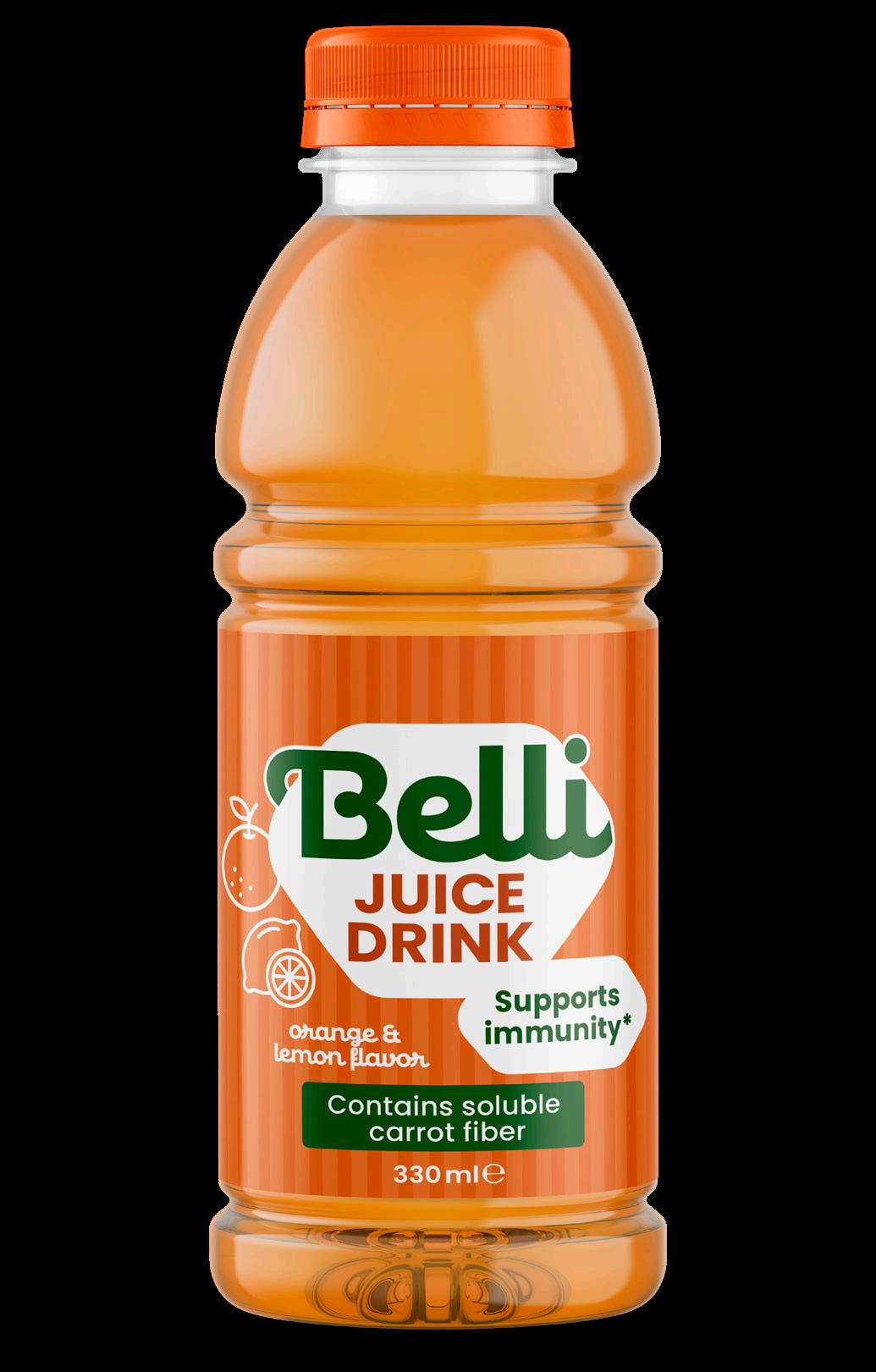
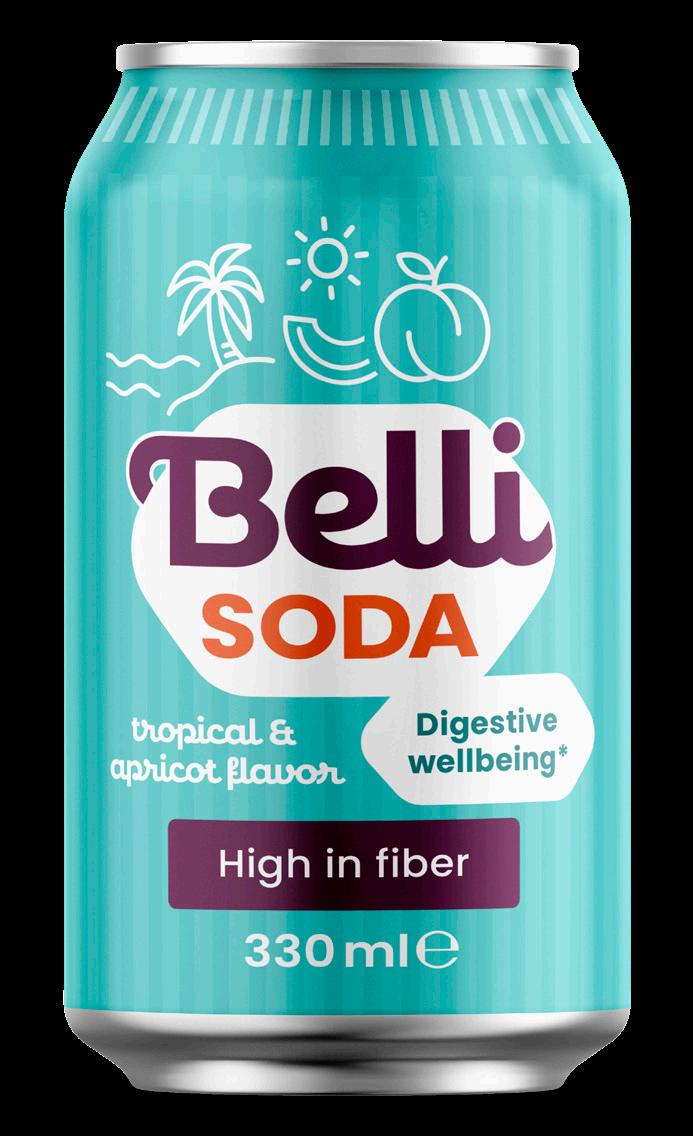
dsm-firmenich offers a portfolio of innovative gut health concepts powered by fibers, prebiotics, and postbiotics across multiple beverage formats, from sodas to iced teas and juicy waters.
Unique portfolio of beverageready gut health concepts
dsm-firmenich has developed innovative gut health concepts to inspire customers –powered by fibers, prebiotics, and postbiotics across multiple beverage formats.
Bringing credible gut health drinks to market
Scientific validation continues to build around the beneficial influence of gut microbes on systems throughout the body. And as consumers increasingly make the connection between the gut microbiome and overall wellbeing, brands are presented with a distinct opportunity – particularly in the swiftly expanding gut health beverage space.
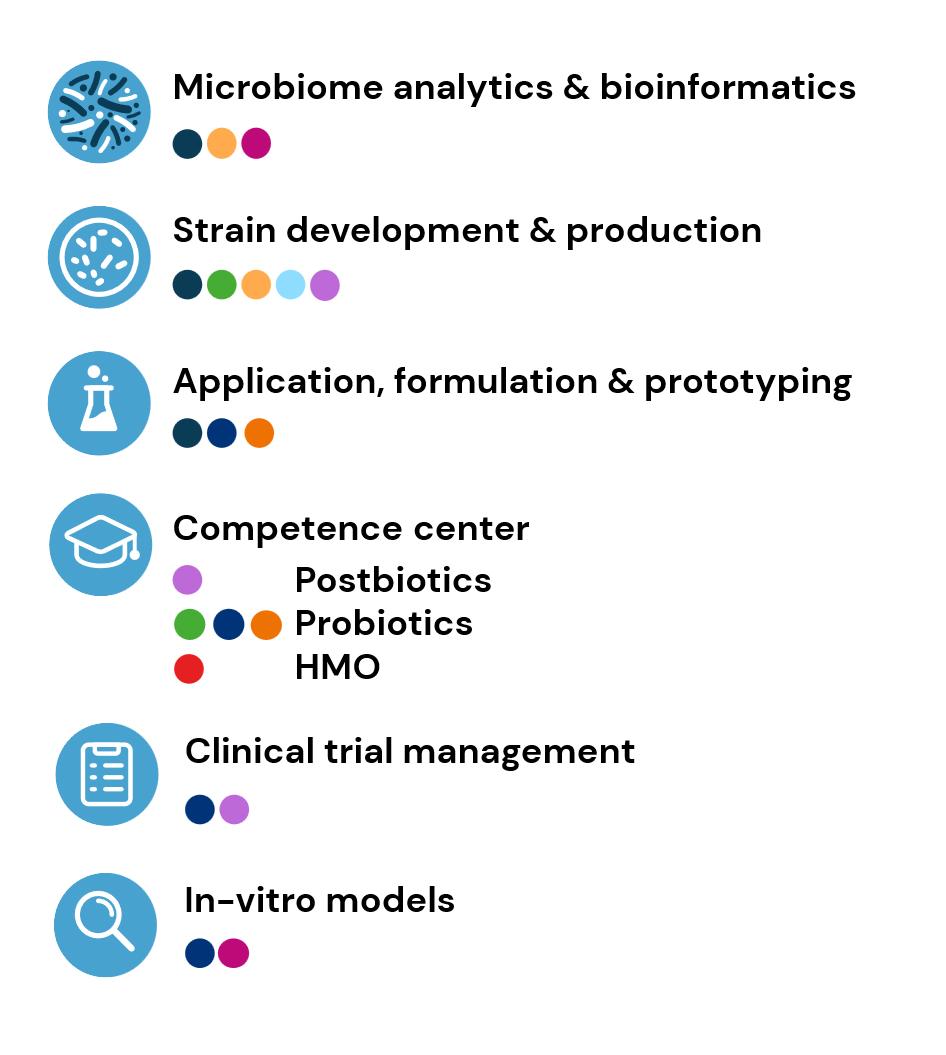
With advanced microbiome capabilities (spanning microbiome analytics, strain development, and clinical trial management) available worldwide, alongside competence centers for probiotics, postbiotics, and human milk oligosaccharides (HMOs), dsm-firmenich represents an invaluable partner in co-creating a new class of functional beverage.
dsm-firmenich’s regional expert teams provide local proficiency in application, alongside nutrition science, as well as offering invaluable support to customers all along the journey of co-creating innovative gut health beverage concepts.
Crucially, dsm-firmenich is also an expert in helping brands navigate the regulatory landscape. It actively engages with authorities and industry associations to support greater clarity and consistency in the interpretation and use of microbiome-related terms such as ‘probiotics’ and ‘prebiotics’, towards achieving greater EU-level harmonization, according to Fritz. “This would ultimately enable more transparent, science-based communication, strengthen consumer trust, and support continued innovation in the gut health space, unlocking the full potential of microbiome solutions,” she advised.
In conclusion, Damen stressed that gut health beverages are complex, given the strict regulations, sensitive ingredients, challenging beverage matrices, and demanding shelf-life expectations. “Our value is that we take this complexity out of your hands,” she said. “By recommending complete, optimized premix solutions –rather than individual ingredients – we ensure regulatory compliance, stability, and real-world performance, so you can bring a credible gut health drink to market with confidence.”
Cutting-edge microbiome capabilities and a global footprint dsm-firmenich has a strategic focus on microbiome science, application, and production.
References
1. Gut health – Health factbooks ppt, pg 5 - Source: Lovell and Ford, Clin Gastroenterol Hepatol, 2012; FMCG Gurus Digestive Health in 2022 and Beyond – Global Report; dsm-firmenich Global Health Concerns Study 2023.
2. Gut health: trends driving future growth
3. dsm-firmenich global health concerns study, 2025
4. European Food Information Council (EUFIC) - Fibre in focus: EUFIC calls on Europeans to make the #SwitchToWholeGrains for better health | Eufic
5. Fiber and prebiotic trends, global market overview. The market is
6. Prebiotic publications | dsm-firmenich Health, Nutrition & Care
7. Van den Abbeele et al, Nutrients, 2023
8. Nazare JA, Sauvinet V, Normand S, Guérin-Deremaux L, Gabert L, Désage M, Wils D, Laville M. Impact of a resistant dextrin with a prolonged oxidation pattern on day-long ghrelin profile. J Am Coll Nutr. 2011 Feb;30(1):63-72. doi: 10.1080/07315724.2011.10719945. PMID: 21697540.
9. FDA response to citizen petition regarding dietary fiber: FDA2020-P-2357 (Dosages: 5-40g)).
10. Source: dsm-firmenich Gut health | EU (UK, ESP, PL, DE, FR) | N = 1033 | 2025 & dsm-firmenich Gut health Voxpopme | FR & UK | N = 30 | 2025
11. Salminen, S., Collado, M.C., Endo, A. et al. The International Scientific Association of Probiotics and Prebiotics (ISAPP) consensus statement on the definition and scope of postbiotics. Nat Rev Gastroenterol Hepatol 18, 649–667 (2021). HYPERLINK “https://url. us.m.mimecastprotect.com/s/2JehClYvpnukMpQ9qIGfncz7Jnl?domain=d oi.org”https://doi.org/10.1038/s41575-021-00440-6
12. Chauvière G, Coconnier MH, Kernéis S, Fourniat J, Servin AL. Adhesion of human Lactobacillus acidophilus strain LB to human enterocyte-like Caco-2 cells. J Gen Microbiol. 1992 Aug;138 Pt 8:1689-96
13. Coconnier MH, Bernet MF, Kernéis S, Chauvière G, Fourniat J, Servin AL. Inhibition of adhesion of enteroinvasive pathogens to human intestinal Caco-2 cells by Lactobacillus acidophilus strain LB decreases bacterial invasion. FEMS Microbiol Lett. 1993. Jul 1;110(3):299-305
14. M.H. Coconnier, A. Servin, GUT (2002), 803-811
15. Coconnier MH, Liévin V, Bernet-Camard MF, Hudault S, Servin AL. Antibacterial effect of the adhering human Lactobacillus acidophilus strain LB. Antimicrob Agents Chemother. 1997;41(5):1046-1052. doi:10.1128/AAC.41.5.1046
16. Warda AK et al. Oral Administration of Heat-Treated Lactobacilli Modifies the Murine Microbiome and Reduces Citrobacter Induced Colitis. Front Microbiol. 2020 Jan 30;11:69. doi: 10.3389/ fmicb.2020.00069. PMID: 32082288; PMCID: PMC7003559.
17. McGeachy MJ et al. The IL-17 Family of Cytokines in Health and Disease. Immunity. 2019 Apr 16;50(4):892-906. doi: 10.1016/j. immuni.2019.03.021. PMID: 30995505; PMCID: PMC6474359.
18. Warda AK, Clooney AG, Ryan F, de Almeida Bettio PH, Di Benedetto G, Ross RP, Hill C. A postbiotic consisting of heat-treated lactobacilli has a bifidogenic effect in pure culture and in human fermented faecal communities. Appl Environ Microbiol. 2021 Feb. 12;87(8):e02459-20.
19. Mintel. Functional claims in food & beverage launches, 2020-2024.
20. dsm-firmenich Gut Health | EU (UK, ESP, PL, DE, FR) | N = 2955 | 2025
21. dsm-firmenich Gut health | EU (UK, ESP, PL, DE, FR) | N = 1033 | 2025