FOCUS
for students | faculty | alumni | staff | trustees | and friends of fielding

President
John L. Bennett, PhD
Managing Editor
Catherine Ryan
Editor
Marie Sonnet, PhD
News Editor
Bianca Copeland
Events & Donors Editor
Marlen Bautista
Graduate Pages Editor
Bridget L. Brady
Data Editor
Mila Kon
Art Director
Rob Grayson, Boone Graphics
Graphic Design
Studio B at Boone Graphics
FOCUS is published by Fielding Graduate University 2020 De la Vina Street Santa Barbara, CA 93105
FIELDING.EDU
Please send reader responses to communications@fielding.edu
About the Cover: The Visionaries issue of FOCUS celebrates the clarity of purpose that defines Fielding’s scholarpractitioners and propels Fielding’s vast community forward. In a time of rapid global transformation, this edition honors courageous changemakers who illuminate pathways for learning, advance justice, and drive positive change.
©2026 Fielding Graduate University. All rights reserved. No portion of this publication may be reproduced in any form without prior written permission from Fielding Graduate University.




TRAVIS-TEAGUE INSPIRES ALUMNI COMMUNITY
As we welcome this new year filled with possibility and renewed purpose, we find ourselves reflecting on the power of visionaries. Our scholar-practitioners are extraordinary visionaries who lead with clarity and purpose, driving positive change in their communities and beyond. Fielding itself is comprised of visionaries throughout the institution, including our administrators, faculty, staff, students, trustees, and alums, all actively advancing our mission of transformational learning and our commitment to championing students as agents of positive change.
This theme of visionaries feels especially vivid as our leadership team continues discussions with Excelsior University. The potential merger would evolve and amplify Fielding’s name, mission, and transformational purpose; it represents a unique opportunity to join a mission-aligned university and extend our reach as a leading graduate institution for changemakers. We aim to open doors to new resources, collaborations, and pathways for the diverse students who choose Fielding to elevate their careers and uplift their communities.
The excitement across our community is palpable. For more than 50 extraordinary years, we have helped transform lives. Today, we see a future in which we can accomplish even more for Fielding’s students, with deeper support behind us.
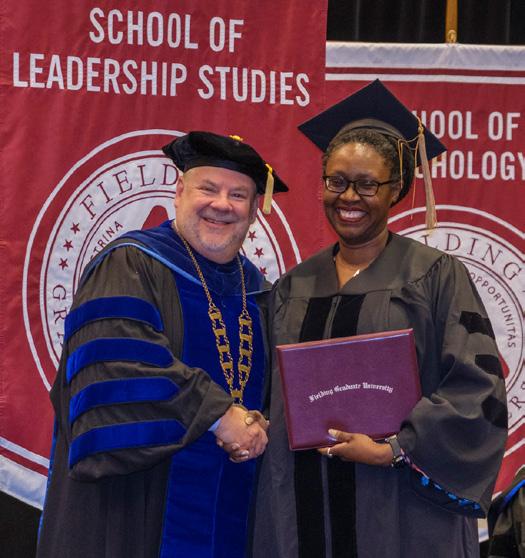
Our potential for continued growth came to life vividly during our annual Global Session this past November in Cincinnati, where we hosted our largest-ever in-person graduation. We were all lifted by witnessing the accomplishments of our graduates, each uniquely gifted, each carrying a story of resilience, insight, and transformation. I was especially moved to meet so many of our graduating students, listening to their journeys and celebrating their achievements. Those moments reaffirmed that Fielding’s greatest legacy lives in the people who walk across our stage each year, better prepared to change the world.
Inside this issue, you’ll discover stories that beautifully embody Fielding’s spirit of visionary uplift and enduring impact. We celebrate the 10th anniversary of Fielding’s Marie Fielder Center, offering faculty, students, and alums a collaborative space for scholarship and advocacy. We also celebrate the 30th anniversary of the World Café, a transformational methodology with deep roots at Fielding and hundreds of thousands of participants across six continents.
You will also meet Fielding PhD student Jessie Buttafuoco, fresh from recent features in Vanity Fair magazine and on The Drew Barrymore Show, whose visionary work courageously reframes the narrative around the impacts of true-crime media. Her research and advocacy shed light on how sensationalist storytelling compounds trauma for crime victims, advancing a more ethical, humane approach that reflects the very heart of Fielding’s mission.
Likewise, this issue highlights other remarkable Fielding visionaries: students, faculty, and alums who are advancing research, leading change, and designing solutions that uplift communities around the globe.
Fielding is a living, breathing community of inquiry and action. With new opportunities on the horizon, remarkable faculty, students, and graduates leading the way, and fresh innovations taking shape, I invite you to reflect on the role you play today in Fielding’s evolving legacy, and how we can help fuel your aspirations. When we move forward together with shared vision, our collective impact grows exponentially.
With gratitude,

John L. Bennett, PhD (HOD ’06) President Fielding Graduate University
FIELDING GRADUATE UNIVERSITY WAS FOUNDED IN MARCH, 1974, IN SANTA BARBARA, CALIFORNIA
American Indian or Alaska Native (2%)
Asian (4%)
Black or Afr ican American (18%)
Hispanic or Latino (12%)
White (50%)
Two or More Races (7%)
Non-resident Alien (1%)
Our Mission: We provide exemplary interdisciplinary programs for a community of scholarpractitioners within a distributed learning model grounded in student-driven inquiry and leading to enhanced knowledge.
Our Vision: Educating leaders, scholars, and practitioners for a more just and sustainable world.
Academic Excellence: We commit to the highest quality scholarship, research, and practice.
Community : We support a collaborative learning environment built on inclusion and mutual respect.
Inclusive Excellence: We embrace a blend of perspectives and global understandings to navigate complex human experiences, fostering academic excellence and multiplicity of thought that drives innovation and supports each person’s academic, personal, and professional success.
Learner-Centered: We create an interactive experience that responds to the interrelated personal and professional lives of our students.
Social Justice: We commit to advancing equality and justice in our university and the local, national, and global communities impacted by our work.
Transformational Learning: We inspire a re-examination of one’s worldview and underlying assumptions, enabling a deeper understanding of oneself and society.
BY LYNN SAFRANEK
For more than 50 years, Fielding Graduate University has been defined by bold ideas: meeting adult learners where they are, advancing social justice, and reimagining what graduate education can be. Now, Fielding is leaning into that spirit of innovation again, taking a momentous step to protect that legacy and strengthen its future.
Last fall, Fielding’s Board of Trustees voted unanimously to enter exclusive discussions toward a merger with Excelsior University, a mission-aligned, primarily online nonprofit institution based in Albany, New York. Those discussions are advancing, and readers might have received updates via email before this issue of FOCUS magazine is delivered.
If the merger proceeds, it eventually would create the Fielding College of Psychology and Behavioral Sciences within Excelsior, preserving Fielding’s academic identity while providing the scale and stability to sustain its mission for decades to come.
The Fielding College of Psychology and Behavioral Sciences would house Fielding’s existing programs, centers, and institutes. Its intentional naming honors Fielding’s history, affirms the enduring pride of being a Fielding graduate, and keeps Fielding’s distinctive scholarly voice central within a larger institutional home.
“Fielding was founded by pioneers who dared to reimagine what graduate education could be: flexible, inclusive, and transformational,” said John Bennett, president of Fielding. “Now, we’re honoring that legacy by once again seeking bold change. As we move towards a merger with Excelsior University, we do so with optimism and purpose.”
By merging with Fielding, Excelsior University would gain stature by expanding its portfolio into the realm of advanced graduate education, adding Fielding’s recognized strengths in psychology, human and organizational development, and social innovation that complement Excelsior’s established undergraduate and professional programs.
The merger review process is proceeding with care and rigor, guided by a commitment to academic quality. Faculty leaders, administrators, and staff across both institutions are working closely while actively engaging accrediting and regulatory bodies to

prioritize continuity. The merger would not be final until required accreditation and regulatory approvals are complete—a process that could take months or several years.
This process represents an evolution for Fielding that spans nearly a decade of searching for a partner that would ensure Fielding’s legacy, mission, and community continue for decades to come. Merging with a larger, mission-aligned institution reflects the desire for a purposeful evolution designed to further strengthen Fielding’s impact, elevate its voice, and amplify the opportunities for its graduates across professions and communities. It would open new pathways for the diverse learners who seek to advance their careers and uplift the communities they serve.
Excelsior would bring scale and stability that complement Fielding’s academic strengths. Founded in 1971, Excelsior serves more than 12,500 students and is widely recognized for leadership in online and hybrid education, student support, and institutional infrastructure. Like Fielding, Excelsior is deeply committed to adult learners, inclusion, and social justice. Together, the institutions are exploring how Fielding’s renowned graduate programs in the social and behavioral sciences can thrive and grow with Excelsior’s expanded operational and technological support.
In November, Excelsior’s leadership team attended Fielding’s Global Session in Cincinnati, eager to learn about Fielding’s people, culture, and scholar-practitioner model. Their presence and participation reflected Excelsior’s desire to listen, learn, and better understand the relationships and shared values that define the Fielding experience.
As the process continues, Fielding will continue to provide its community with regular updates. The goal is clear: that the values, programs, and people that define Fielding emerge stronger— boldly ahead.
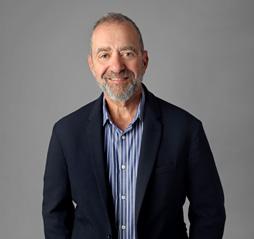
Brian L. Cutler, PhD, now serves as Fielding’s Dean of Faculty, a role he assumed on September 21, 2025, contributing to the university’s ongoing commitment to academic excellence and collaborative leadership. Dr. Cutler also continues to serve with distinction as Fielding’s Director for Media Psychology Programs and Fielding’s Applied Psychological Science Program, bringing deep institutional knowledge and a collaborative leadership style grounded in Fielding’s values. His prior academic leadership roles, including Interim Dean and Associate Dean of the Faculty of Social Science & Humanities at Ontario Tech University, as well as service as Associate Dean, Department Chair, and Associate Vice President for Academic Affairs, reflect more than 15 years of experience in faculty development, organizational change, budget oversight, and online and blended program innovation.
Ashlee Long, MA, student in Fielding’s Clinical Psychology Postbaccalaureate Certificate program, received two National Academy of Neuropsychology awards for her research on ethnic identity, racial discrimination, microaggressions, and PTSD in BIPOC individuals. She earned the Student Poster Award, recognizing the top six peer-reviewed conference posters, and the Student Diversity Poster Award for the highest-rated diversity-focused research.
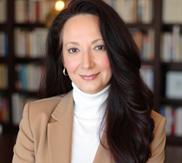
Eva King, a PhD candidate in Fielding’s Organizational Development and Change program, received the Sir Geoffrey Vickers Memorial Award from the International Society for the Systems Sciences in 2025 for her groundbreaking work on quantum governance. Her award-winning paper explores innovative decision systems designed to navigate uncertainty, complexity, and ethical ambiguity in human organizations.
Dr. Konjit V. Page Appointed Ruthellen Josselson Chair in Qualitative Inquiry.
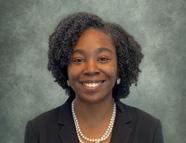
Fielding has named Clinical Psychology core faculty Konjit V. Page, PhD, as the 2025–2026 Ruthellen Josselson Chair in Qualitative Inquiry, recognizing her scholarship and leadership in multicultural psychology. As a respected scholar, educator, and advocate for equity in psychology, Dr. Page brings a deep commitment to qualitative research and its power to illuminate human complexity. She previously chaired the American Psychological Association’s Committee on Sexual Orientation and Gender Diversity and has been honored with the Diversity Excellence Award by the National Council of Schools and Programs in Psychology. Dr. Konjit Page was also awarded a Faculty Research Grant to support her study LGBTQ Student Experiences in NCSPP and APA-Accredited Doctoral Psychology Programs.
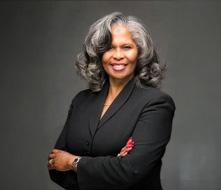
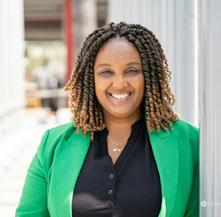
Fielding alum Leah Johnson, EdD (ELC ’10), Founder & CEO of LIFFE, LLC is pioneering change in both education and leadership at the intersection of academia and technology. Her patent-pending platform, The LIFFE System™, is designed to preserve academic rigor, reduce professor burnout, streamline the dissertation mentorship process, and help students save on tuition costs while improving on-time completion rates. As a certified AI Transformation Leader (U.S. Artificial Intelligence Institute), strategist, and AI solutions architect, Dr. Johnson was recently offered a contract to educate and train leaders of Fortune 500 companies, reflecting her growing impact on organizational leadership.
Fielding’s Katrina S. Rogers Appointed Associate Editor of New International Journal. A new international journal focused on sustainability has named Katrina S. Rogers, PhD, faculty member and President Emerita, as Associate Editor. Earth Stewardship, launched by the Ecological Society of America and Wiley, brings together scholars, policymakers, and indigenous voices to advance global environmental care.
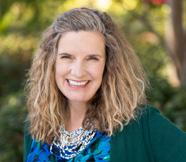
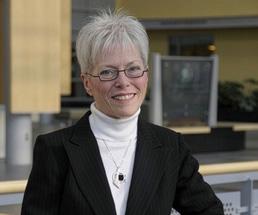
Alum Mary Ferguson-Paré Appointed to the Order of Canada for Courageous, Compassionate, Influential Leadership.
Fielding proudly celebrates Mary Ferguson-Paré, PhD (HOS ’97), for her appointment to the Order of Canada, honoring her transformative leadership in healthcare and nursing education. A pioneer of patient- and family-centered care, her work has reshaped clinical practice and education and advanced compassionate, evidence-based care. Over a career spanning four decades, she held key leadership roles at the University Health Network (UHN), Baycrest Centre for Geriatric Care, and Vancouver Hospital and Health Sciences Centre. Her Fielding research explored feminine courage in nursing leadership.
Alum Courtney Norris Appointed Assistant Professor at Southern Illinois University School of Medicine.
Alum Dr. Courtney Norris (CLIN PSY ’24) has accepted a position as Assistant Professor of Clinical Psychiatry at the Southern Illinois University (SIU) School of Medicine. As a mother of four, Dr. Norris earned her Fielding PhD while raising her family, crediting Fielding’s flexible, supportive program and national professional network with helping shape her collaborative, research-informed approach, allowing her to integrate real-world experience with evidence-based clinical care. Her research has focused on motivational drivers of maladaptive behaviors, and she looks forward to launching a new study evaluating a 10-week post-discharge group therapy program for stroke survivors. In her new role, she will continue inpatient rehabilitation and oncology work, maintain an outpatient psychotherapy practice, and teach and supervise within the Department of Psychiatry.
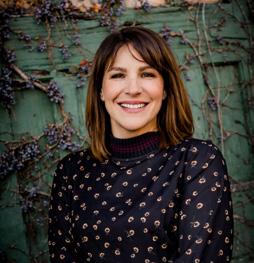
Fielding will host its Annual Global Climate Conference on Earth Day, Wednesday, April 22, from 10 am to 3 pm MT in Denver. The conference brings together students, scholars, and community partners under the theme Inspiring Revolutionaries, celebrating bold ideas and visionary thinking that challenge limits and ignite meaningful change. Spearheaded by Clinical Psychology doctoral student Andrew Sears, whose student-led Climate Alliance is helping position Fielding as a growing hub for transformative climate research and action, the conference will emphasize connection as much as climate, linking classrooms and communities while spotlighting groundbreaking studies across business, education, spirituality, health, and research. Zoom link to attend virtually: https://us06web.zoom.us/j/2973769146
Fielding welcomes William “Bill” Lorenz to its Board of Trustees. Lorenz brings more than four decades of global financial services leadership grounded in humility, compassion, and service. A former senior executive at Bank of America and recent Chief Operating Officer of Foundation for the Carolinas, Lorenz is known for his reflective approach to leadership—asking thoughtful questions, listening deeply, and guiding teams through transition with care and clarity. His career has spanned international roles across Europe, the Middle East, Africa, and Asia, complemented by ongoing service with nonprofits supporting students and community well-being.
In Memoriam: Dr. Francine Campone, Pioneering Leader in Coaching and Reflective Practice.
Francine Campone (1950–2025), EdD, MCC, will be remembered for her powerful legacy of scholarship, mentorship, and ethical leadership that helped shape the modern field of professional coaching. As Director of Fielding’s Evidence Based Coaching program from 2007–2018 and a core faculty member in the School of Leadership Studies, she advanced coaching as a rigorous, research-informed discipline while nurturing students and colleagues through thoughtful inquiry and reflective practice. An ICF Master Certified Coach, Accredited Master Supervisor, and widely published scholar, Campone influenced coaching standards and education worldwide through her teaching, collaboration, and service.
Fielding Faculty Awarded Research Grant to Investigate Discrimination’s Impact on Older Adults’ Healthcare Choices. Dr. Barbara Colombo and Dr. Lisa Vanwormer, core faculty in Fielding’s Applied Psychology PhD program, have received a research grant to investigate how discrimination in healthcare settings influences decision-making and health outcomes among older adults. Their study examines how anticipated and experienced bias related to age, race, gender, culture, or sexual orientation affects individuals’ willingness to seek care and follow medical guidance.
Magic Feet Scholarship Fundraiser Unites Fielding Clinical Psychology Community.
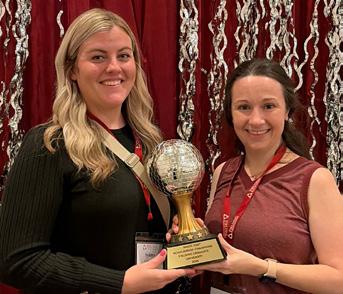
On January 7, Fielding hosted its annual Magic Feet Fundraiser & Karaoke Evening during the Clinical Psychology Winter Session in Santa Barbara, bringing together students, faculty, staff, and friends in support of Magic Feet Student Scholarships. Established by clinical psychology students to help peers cover travel costs to Sessions and other in-person gatherings, the event featured creative theme baskets and spirited fundraising across ProSems, with Gainesville, Florida earning top honors for both Highest Fundraiser and Most Creative. Pictured from left to right: Fielding students Sydney Keller and Julia Salmon. To donate contact giving@fielding.edu.
INAUGURAL PRESIDENTIAL
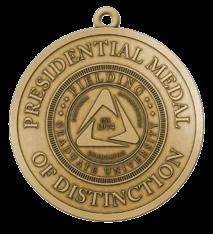
Fielding’s Presidential Medal of Distinction is the highest institutional honor awarded by the Office of the President to recognize extraordinary contributions that exemplify Fielding’s mission of advancing social justice, academic excellence, and transformational leadership. Inspired by Fielding’s founding values and the enduring legacy of its scholars and changemakers, this medal honors individual faculty, alums, students, donors, or leaders whose work has significantly impacted the university, the field of scholarship, or society at large.
TO DR. DIANNE AND IRV KIPNES.
Fielding has announced the inaugural awarding of the Presidential Medal of Distinction, presented posthumously to Fielding alum Dianne Kipnes, PhD (CLIN PSY ’98), and jointly to her husband, Irv Kipnes. The recognition celebrates their shared vision, enduring generosity, and profound impact on Fielding students and the broader academic community. Through their philanthropy and unwavering dedication to turning knowledge into action and compassion into change, Dianne and Irv Kipnes have helped shape the future of Fielding and its scholar-practitioners.
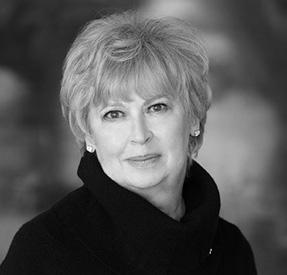
The Dr. Dianne Kipnes Endowed Scholarship in Clinical Psychology honors the lifelong commitment of the late Dr. Dianne Kipnes (CLIN PSY ’98), a distinguished Fielding alum, former trustee, and philanthropist, to advancing psychological education and psychodynamic studies. Established in 2025 through a $2 million gift from the Dianne and Irving Kipnes Foundation, the scholarship provides enduring support to students in Fielding’s Clinical Psychology PhD program who exemplify Dr. Kipnes’s values of academic excellence, clinical rigor, and service, with particular attention to Canadian students. Recipients are recognized as Dr. Dianne Kipnes Scholars, carrying forward her legacy of access, excellence, and lifelong learning in graduate education.
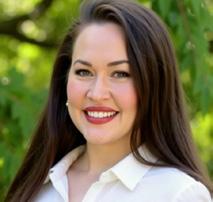
ERICA NAGY BECOMES INAUGURAL DR. DIANNE KIPNES SCHOLAR.
The first recipient of The Dr. Dianne Kipnes Endowed Scholarship in Clinical Psychology is Erica Nagy, MA, Fielding Clinical Psychology doctoral student, chosen for her exceptional academic achievements, commitment to clinical excellence, and dedication to serving her community. She was named at Fielding’s November Global Session.
The Douvan Alumni Award for Human Development and Social Justice honors the legacy of the late Elizabeth “Libby” Douvan, PhD, a distinguished Fielding faculty member and pioneering social psychologist whose landmark research documented major mid-century shifts in American social and psychological life. Established in 2001 by Dr. Douvan’s former students and Fielding staff, the award supports alumni whose work advances feminist scholarship, human development, and compassionate action in service of marginalized communities. Each honoree receives $5,000 to support continued work aligned with human development and social transformation. Fielding’s newest honorees were recognized in November at Global Session.
An award-winning scholar, executive strategist, and alum of Fielding’s ELC program, Dr. Leah Johnson has spent more than 35 years advancing transformational leadership across academic and professional settings. She is the founder of The Women’s Code of Honor™ and Doing It Like A BOSS™ (DILAB), initiatives that empower women to lead with purpose and balance, and the creator of the patentpending LIFFE System™, which partners with universities to modernize dissertation and thesis review through AI-supported tools that strengthen mentorship, preserve academic integrity, and reduce faculty burnout. Grounded in service, community, and legacy, Dr. Johnson’s work reflects a commitment to wholeness in leadership, a theme she continues in her forthcoming book, Beyond the Spark.
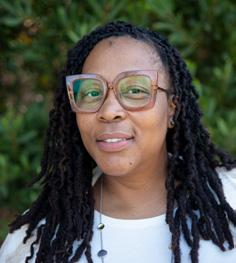
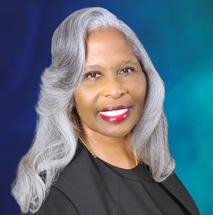
Charlene (Akua) Rose Feathers is a scholar-practitioner whose research and practice center on healing, leadership, and liberation for Black women navigating workplace stress and gendered racism. Her Fielding dissertation, Black Women Gotta Go Through So Much, examined the personal and professional impacts of these experiences on identity and well-being, and her current research builds on this foundation by exploring the Wellness Recovery Action Plan (WRAP) as a culturally responsive approach to workplace wellness and liberation. With more than 15 years of experience designing trauma-informed programs, Dr. Feathers brings a deeply personal, community-rooted perspective to her leadership and scholarship, advancing WRAP-centered healing models that challenge survival-driven systems and affirm wellness as a birthright while fostering spaces where Black women’s dignity, power, and sustained wellbeing are honored.
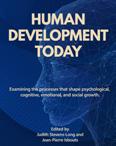
Fielding University Press recently published the first three of four planned volumes in a new monograph series focused on organization development, human development, clinical psychology, and media psychology. Each volume showcases doctoral research conducted at Fielding in recent years.
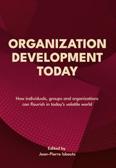
Organization Development Today: How Individuals, Groups, and Organizations Can Flourish in Today’s Volatile World
Edited by Jean-Pierre Isbouts, DLitt
Brings together 10 research-based case studies by doctoral graduates of Fielding’s Organization
Human Development Today: Examining the Processes That Shape Psychological, Cognitive, Emotional, and Social Growth
Edited by Judith Stevens-Long, PhD, and Jean-Pierre Isbouts, DLitt
Comprises 11 research-based case studies by doctoral graduates of Fielding’s Human Development PhD program to explore how
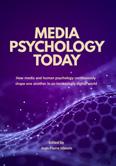
Media Psychology Today: How Media and Human Psychology Continuously Shape One Another in an Increasingly Digital World
Edited by Jean-Pierre Isbouts, DLitt
Offers 10 research-based case studies by graduates of Fielding’s Media Psychology graduate programs to examine the reciprocal relationship between media
Development and Change program to explore how organizations can thrive amid uncertainty. Focusing on contemporary leadership, agility, relationships, innovation, and diverse organizational contexts, the book offers practical, evidence-based insights for managers, executives, and leaders seeking to create resilient, adaptive, and humane organizations. This release is now available from Amazon in print or Kindle edition.
people flourish amid uncertainty. Drawing on theory and lived experience, the volume examines contemporary challenges across work, family, identity, equity, migration, health, and well-being. Now available from Amazon in print or Kindle edition, Human Development Today offers interdisciplinary, evidence-based insights for educators, practitioners, coaches, and leaders interested in fostering resilience, growth, and human potential in a rapidly changing world.
technologies and human behavior. The authors address topics such as identity expression, online communities, cognitive bias, artificial intelligence, fake news, virtual reality, parasocial relationships, and emotional dynamics in digital networks. As such, this volume, now available from Amazon in print or Kindle edition, offers interdisciplinary, evidence-based insights for scholars, educators, media professionals, and leaders seeking to better understand and navigate the psychological impact of contemporary media in an increasingly connected world.
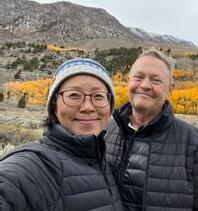
Finding Your Salt: Fielding Duo Publishes Insights on Gandhi’s Leadership.
Melissa George, PhD (ODC ’24), and Dr. David Blake Willis, core faculty in Fielding’s Human and Organizational Development PhD program, coauthored the article “Finding Your Salt: Leadership Lessons from the Life of Mahatma Gandhi” (Grounding Leadership, November 2025), which examines moral leadership grounded in truth, courage, and collective action through Gandhi’s legacy.
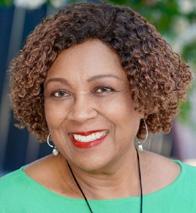
Alum Dr. Ruth D. Edwards Contributes Chapter to The Black Superwoman and Mental Health.
Ruth D. Edwards, PhD (HOD ’08), contributed a chapter, “Keep On Keeping On,” to The Black Superwoman and Mental Health (Peter Lang AG, 2025). Dr. Edwards served as a Fielding visiting lecturer from 2008–2019 and has served as Director of Education at Winter Park Public Library in Florida since 2014— where she’s led lifelong learning initiatives.
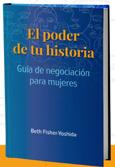
Alum Dr. Beth Fisher-Yoshida
Releases Spanish Edition of New Story, New Power.
Beth Fisher-Yoshida, PhD (HOD ’00), authored El poder de tu historia, the Spanish-language edition of New Story, New Power (Aguaa Editoras, October 2025). The book empowers women to reclaim their narratives, challenge limiting self-talk, and strengthen their voice in personal, professional, and organizational negotiations.
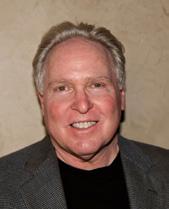
Alum Dr. Kenneth Druck
Publishes in Psychology Today on How Men Navigate Loss. In “How Men Deal with Loss, and What They Need Most” (Psychology Today, October 2025), Kenneth Druck, PhD (CLIN PSY ’84), examines how cultural expectations shape men’s experiences of grief. He challenges norms that discourage emotional expression, emphasizing that vulnerability, connection, and self-compassion are key to healing and growth after loss. A nationally recognized expert on grief and resilience, Druck is the award-winning author of several influential books, including How We Go On, and a longtime contributor to Psychology Today.
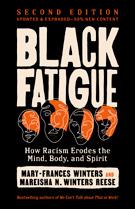
PhD Student Mareisha Winters
Reese Co-Authors Second Edition of Black Fatigue.
Mareisha Winters Reese, Fielding PhD student, is co-authoring the second edition of Black Fatigue: How Racism Erodes the Mind, Body, and Spirit with her mother, Mary-Frances Winters, founder of The Winters Group Inc., where they also work as business partners. Reese said the updated edition includes significant new content reflecting recent social and policy developments while centering intergenerational insight, resilience and lived experience. It is scheduled for release by publisher Berrett-Koehler in June 2026 and is now available for preorder.

Alum Anita Perez Ferguson Publishes New Young Adult Novel.
Anita Perez Ferguson, PhD (HOD ’10), authored Lupe Throws Like a Girl (Luz Publications, December 2024), a coming-ofage story that blends sports, magical realism, and Latina empowerment. Through the journey of Lupe Lopez, the book explores identity, culture, social justice, and the power of defining success while honoring heritage.
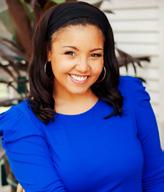
Alum Dr. Angela Patterson
Authors Chapter Exploring Faith, Healing, and Renewal.
Angela Patterson, PhD (MEDIA PSY ’21), is a contributing author to Finding Rest for Our Souls (Energion Publications, November 2024), a collection of personal narratives exploring faith, healing, and transformation. Her contribution shares how scripture and restorative practices guided her back to her true self.

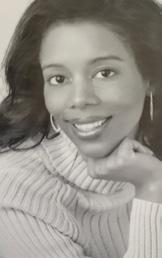
Alum Dr. Audrey Stempel Authors a Rhyming Guide to Feelings, Boundaries, and Empathy.
Audrey Stempel, PhD (CLIN PSY ’06), authored It’s Not That Funny (Maine Authors Publishing, September 2025), a rhyming story designed to help children understand social boundaries and emotions. Using familiar animal characters, the book encourages meaningful conversations about feelings, behavior, and empathy in an accessible and engaging way.
Faculty Dr. Jennifer Bacon
Authors Multiple Works.
Dr. Jennifer Bacon, core faculty in Fielding’s Human and Organizational Development PhD program, authored “I am a MamaScholar,” which was featured in the Feminist Parenthood column of the American Psychological Association’s Psychology of Women Division (2025). Her recent and forthcoming publications include Motherhood in the Academy: The Impact of Mother-Scholars (Fielding University Press, November 2025), Black Mothers and Daughters: The Dance of Grief, Love, and Legacy (Demeter Press, November 2025), Strong Black Women Cry: Finding Academic Wholeness (Emerald Publishing, December 2025), and the upcoming Black Feminist Qualitative Research (Fielding University Press, 2026). She also co-authored Transformative Practice for DEIBJA in Virtual Learning Settings (Routledge, June 2025). In March, Dr. Bacon will present her research on Motherhood in the Academy at the remote conference on Matricentric Feminism hosted by York University and Demeter Press, again at the International Association of Maternal Action and Scholarship (IAMAS) conference in June 2026, then at Concordia University in Montreal, and at the 12th International Conference on Women Studies in Thailand in May 2026.
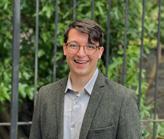
Faculty Dr. Andreas Miles-Novelo Publishes Dissertation on Violent Video Games and Aggression.
Dr. Andreas Miles-Novelo, core faculty in Fielding’s Media Psychology PhD program, authored “The Question of Violent Video Games and Aggression: Testing Statistical and Methodological Issues of Null Effects Using Data from an Open-Access Case Study” (Aggressive Behavior, June 2025). By identifying and correcting key methodological flaws, Dr. Miles-Novelo’s research demonstrates a clear link between violent gameplay and aggressive behavior, strengthening the evidence base for understanding media effects and their broader societal impact.
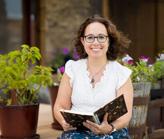
Faculty Dr. Barbara Colombo Coauthors Four Peer-Reviewed Publications.
Dr. Barbara Colombo, core faculty in Fielding’s Applied Psychology PhD program, coauthored several peer-reviewed publications in 2025, including “Music-Related Emotions: Attributions and Arousal of Adolescents With and Without Borderline Personality Disorder Traits” (Musicae Scientiae, 2025), “Early Adolescents and Exposure to Risks Online: What Is the Role of Parental Mediation Styles?” (Social Sciences, November 2025), “Examining the Interaction Between Cognitive Reserve, Depression, and Sleep Quality: A Mixed-Method Study in an Aging Population” (The Journals of Gerontology: Series B, April 2025), and “The Relationship Between Cognitive Reserve and Attachment Styles in Adult Romantic Relationships: An Exploratory Study” (Clinical Gerontologist, 2025).

Alum Dr. Gail Wilson Publishes Debut Children’s Fantasy Novel.
Gail Wilson, PhD (HD ,21), pen name G.P. Walker, published her first children’s fantasy novel, Destiny Calling: The Chosen: A Mythic Middle-Grade Fantasy Adventure (Kindle ed., June 2025). Inspired by her grandchildren, the book blends multicultural storytelling with themes of social-emotional learning. This middle-grade fantasy reflects on diverse identities and experiences, emphasizing inclusion, resilience, and personal growth.
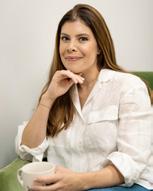
Dominique Talebli Explores Motherhood, Career, and Choice.
Dominique Talebli, PhD student in Fielding Graduate University’s Infant and Early Childhood Development program, authored Rethinking the Female Landscape: How to Prioritise Your Life as a Mother, a Professional, and a Woman (Kindle ed., November 2025). The book challenges societal expectations placed on women and advocates for choice, self-definition, and freedom from guilt as women navigate motherhood, career, and identity on their own terms.
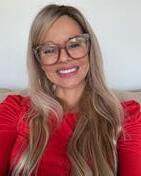
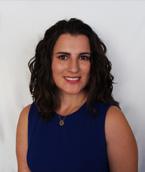
Fielding Scholars Coauthor Chapter on Psychosocial Approaches to Women’s Chronic Pain.
Monique Gilmore (Clinical Psychology doctoral student, top left), Tiffany Parisi, PhD (CLIN PSY ’25, below left), Asimina Lazaridou, PhD, core faculty in Fielding’s Clinical Psychology program, and Myrella Paschali, PhD, coauthored the chapter “Psychosocial Perspectives and Integrative Approaches in Managing Musculoskeletal Pain in Women” (Psychosocial Interventions for Chronic Pain in Women and Girls, September 2025). The authors examine how chronic musculoskeletal pain in women is often intensified by psychosocial factors. They highlight the promise of cognitive behavioral therapy as an integrative intervention that can reduce musculoskeletal pain.
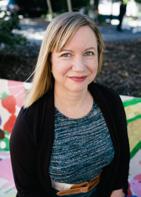
Faculty, Students, Alums Collaborate on New Media Psychology Research.
Dr. Karen Shackleford, core faculty in Fielding’s Media Psychology doctoral program, published “Choosing to Re-Experience Movies and TV Episodes: Popularity, Motivations and Benefits of Volitional Reconsumption of Entertainment Media” (Social and Personality Psychology Compass, December 2025) with alumni co-authors Perry Reed and J. David Cohen and students Andrew Whiteman and Jessie Buttafuoco. In addition, Dr. Shackleford co-authored a multi-study article, “Credit for Creativity: Engagement with Artificial Intelligence-Generated Stories and Perceptions of Artificial Intelligence’s Creative Capacity” (Technology, Mind, and Behavior, November 2025) with alums Perry Reed and J. David Cohen.
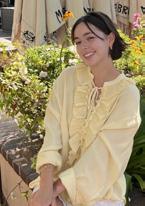
Congratulations to Bianca Copeland on Her Graduation, Promotion, and Fielding Newsroom Articles.
Fielding congratulates work-study intern Bianca Copeland for her many excellent articles contributed to Fielding’s online newsroom since January 2025, for her graduation this past December from the University of California, Santa Barbara, and for her recent promotion to FOCUS News Editor. Copeland earned her bachelor’s degree in communications in December 2025. Originally from Ventura, California, her professional journey has taken her from coordinating statewide nonprofit events to crafting missiondriven content for global nonprofits in South Africa. Copeland notes that under the mentorship of Fielding’s Communications team her aspiration to pursue public relations and editorial writing has deepened. She says she enjoys contributing to Fielding by sharing stories of meaningful impact.
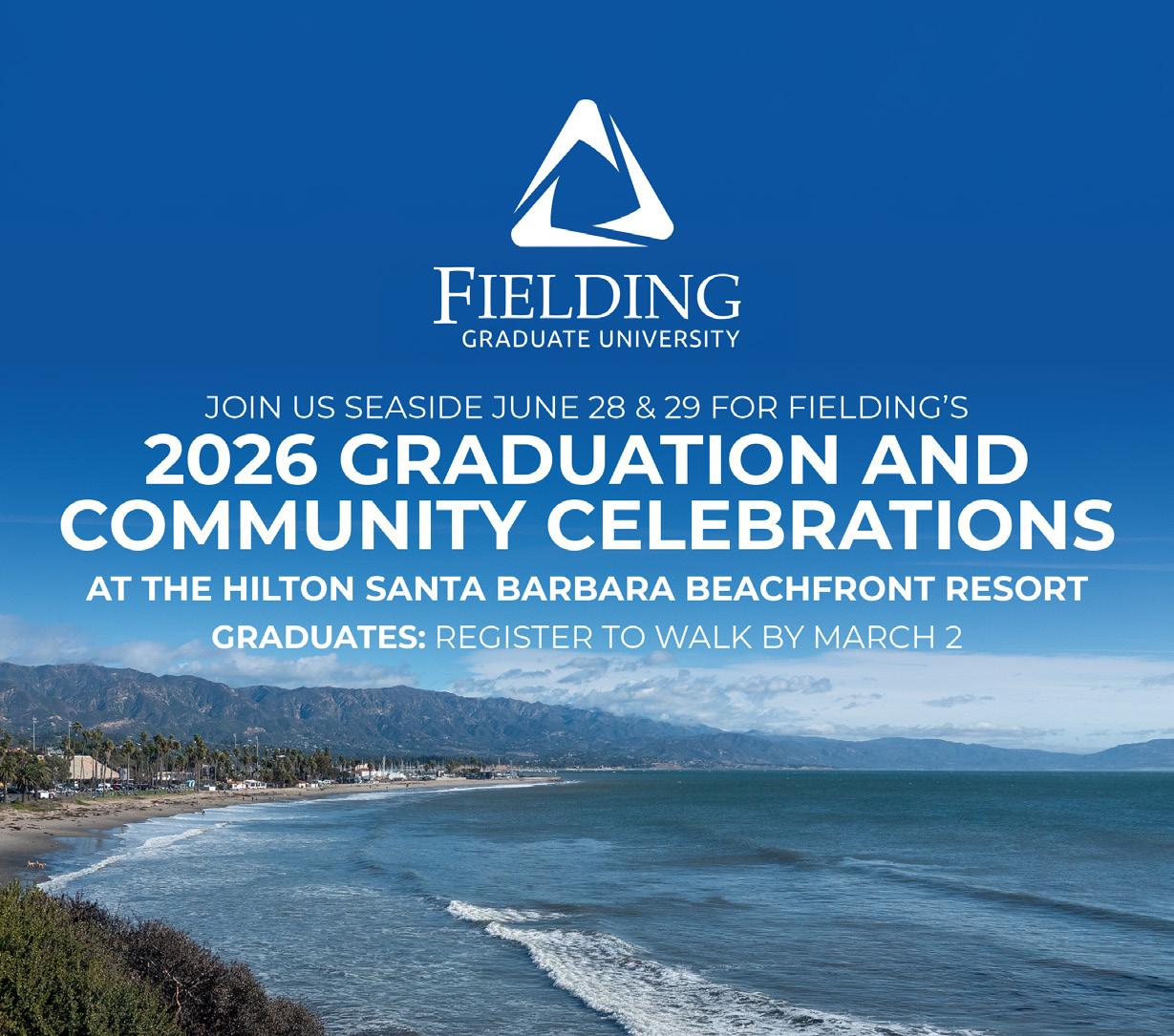
Pack your sunglasses and your well-deserved pride: This June our Fielding community is heading to the coast. On Monday, June 29, we will gather at the beautiful Hilton Santa Barbara Beachfront Resort to honor the extraordinary achievements of our newest graduates and celebrate alums previously unable to attend a formal Fielding graduation. Get ready to cross that long-awaited stage!
This joyful celebration marks the completion of many individual academic journeys, honoring perseverance, scholarship, community, and friendships forged along the way. The hallmarks of a Fielding graduation, from formal robing and inspiring processionals to proud mentors and cheering supporters, will all come alive against a sparkling Pacific backdrop.
Since Fielding traditions thrive on connection, our June celebrations will begin the day before graduation. On Sunday, June 28, all graduates, alums, families, and friends are warmly invited to a festive community reception, providing the opportunity to reconnect, reminisce, and welcome one another.
To ensure your place in our June celebrations, students and alums who wish to walk must register by March 2, the final deadline. Santa Barbara is especially busy in late June, so we encourage everyone to also arrange lodging and transportation early.
Find event details, including registration and hotel information, here: fielding.edu/graduation-experience
We look forward to celebrating our brilliant graduates this summer in Santa Barbara!
BY MARIE SONNET, PHD (HOS ’16)
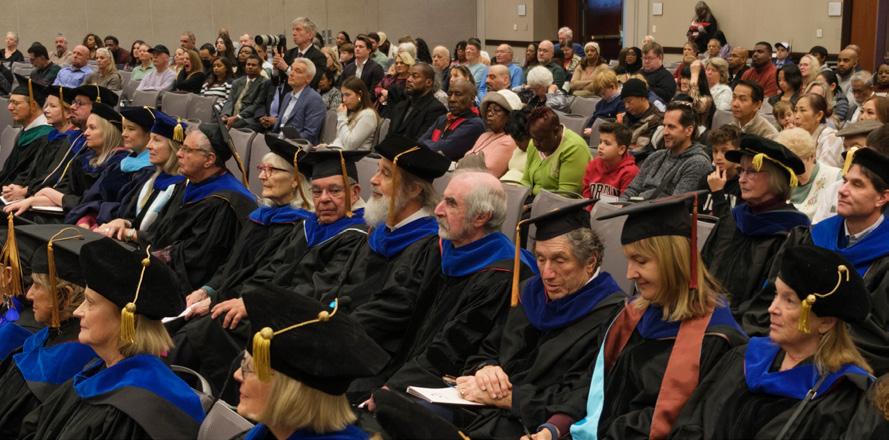
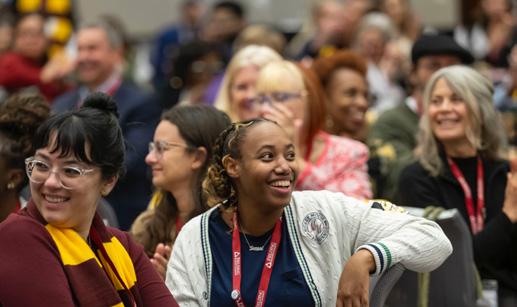
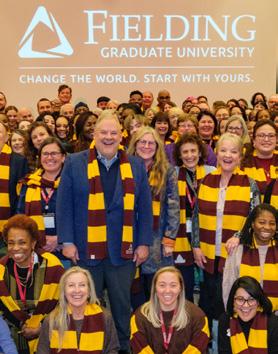
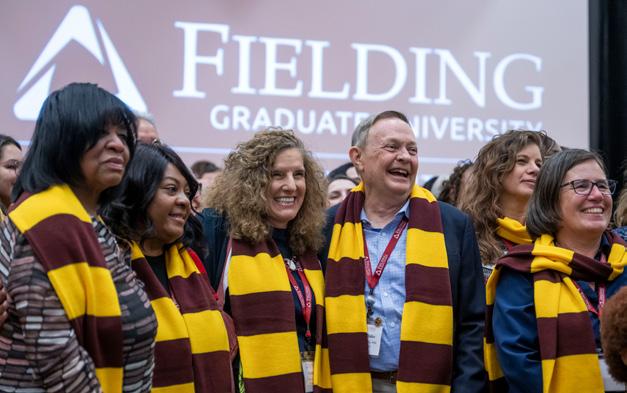
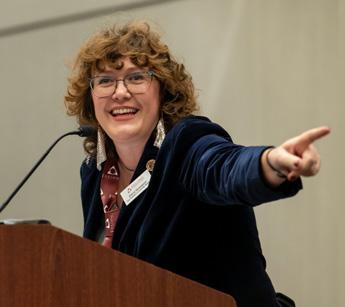
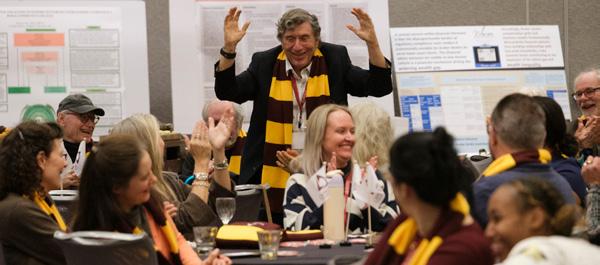
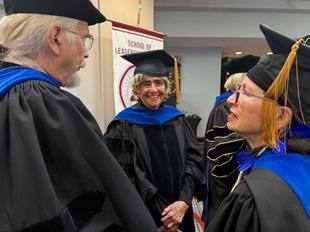
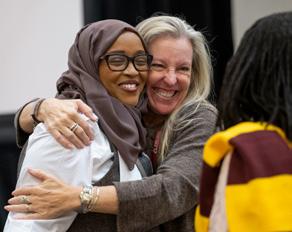
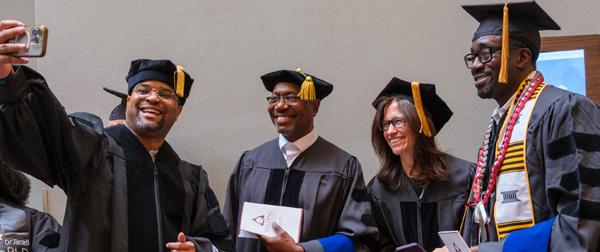
When Cincinnati offered rain and cold this past November, the Fielding community brought the sunshine. This would prove to be a historic Global Session at the Hyatt Regency. The week of workshops and meetings culminated with an unprecedented 93 graduates registered to receive their degrees in person, cheered on by an entourage of hundreds. Fielding’s graduation program listed an additional 429 students receiving degrees in absentia.
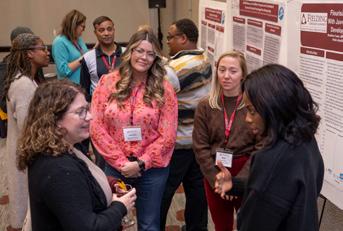
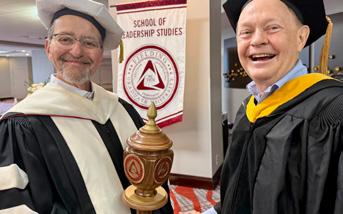
The excitement grew as the mood shifted noticeably from scholarly discussions to the increasingly audible delights of arriving families and friends eager to celebrate their loved ones. On graduation day, the time-honored traditions of robing, participating in the processionals, walking across the stage, and, for some, being “hooded” by mentors all reflected both the solemnity and the joy of this milestone occasion. The gray skies outside were no match. The days leading up to graduation were also filled with traditions— community meetings, one-on-ones with faculty and staff, catchups with student collaborators, workshops, a poster session, a field trip, the welcome reception, a breakfast for new graduates—and surprises, too.
The alumni reception for graduates became a rousing community celebration that included VIP observers from Excelsior University—even Excelsior’s president. All witnessed how Fielding’s serious scholar-practitioners build community through collective moments of joy. In addition to shepherding supportive family and friends, attendees appreciated the opportunity to interact with faculty, staff, administration, and Board members. A key feature of Fielding’s culture was on vivid display: We are all colleagues.
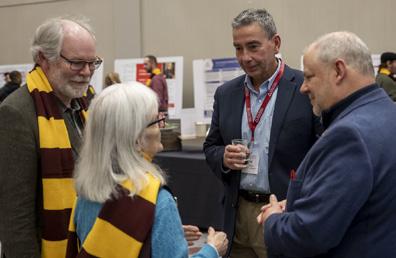
Each year at Global Session, many Fielding alums, such as myself, love to come “home.” This includes reuniting with faculty, meeting up with old friends, and learning about current student research. Fielding Senior Alumni Director Dianne Travis-Teague planned multiple events designed especially for returning alums. We shared breakfast and lunch, workshops with Fielding University Press Managing Editor Dr. Jean-Pierre Isbouts, and participated in the new graduates’ reception. HOD alums also have a unique responsibility at the HOD program community meeting where we welcome new graduates into the alumni community with bubbles, beads, and noisemakers. This year, we delivered a personal letter to each graduate from their faculty mentor. Dr. Patrice Rosenthal, HOD program director, hosted this delightfully raucous event. The community meetings also offered an opportunity for faculty, students, and alums to talk about the possible merger
with Excelsior. President Bennett attended the Tuesday HOD Community meeting and graciously answered questions for the hour. While details were still under discussion, hearing directly and personally from the president at this meeting and others proved a valuable feature of the Cincinnati Session. It was also wonderful to enjoy the company of current and retired faculty. As always, small conversations generated new connections and big ideas.
Throughout the hotel, one noticed small huddles, a characteristic feature of Session. If filmed, thought bubbles might hover over each one, with faculty, administrators, students, and alums in various meetups—heads leaned in as topics were discussed and next steps identified. These scenes were a visual reminder of the value of Fielding’s distributed learning model, where we can work both virtually and in person.
Featuring pivotal topics ranging from the pros and cons of using AI tools for academic research to writing your dissertation proposal, to facilitating dialogue in difficult times, the packed schedule of daily workshops was the heart of the Session experience. For example, at a workshop focused on facilitating dialogue in difficult times, Professors Black, Guilarte, and Steier created a space for profound sharing in small World Café-type groups that modeled how situating dialogue in shared experience can open pathways to understanding, and how learning together face-to-face across our differences generated new bonds and memorable lessons.
The value of an in-person Session and graduation celebration was evident. We ran into colleagues we didn’t expect to see, renewed connections with faculty after a workshop, talked with staff as they worked at the welcome tables, solved process questions in the hallway, and shared conversations with Board members.
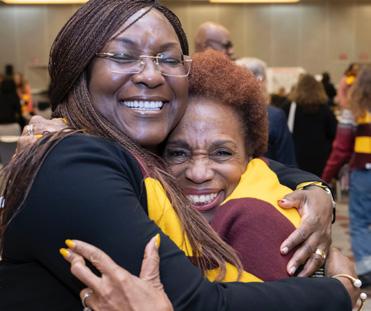
While so much, as always, was brilliantly “planned,” it was the unplanned that sparked especially high value. Being able to exchange a hug after many Zoom encounters was very gratifying. Extending words of congratulations and encouragement, meeting family members, reviving memories—these spontaneous delights were extremely satisfying.
As we look forward to Fielding’s next community celebration in Santa Barbara on Sunday, June 28, 2026, followed by convocation and graduation ceremonies on Monday, June 29, we can plan on another unique opportunity to reenergize our Fielding traditions, invigorate our relational model of engagement, celebrate our culture of lifelong learning, and welcome a new cadre of graduates.
The weather in Santa Barbara will likely be summer-perfect. But be sure to bring your baubles and beads. We’ll create another great memory.
BY CATHERINE RYAN
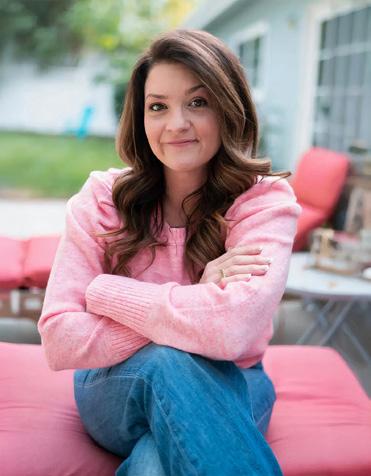
Under the studio lights, Jessica “Jessie” Buttafuoco sits on the couch beside Drew Barrymore, the two women’s hands laced together. It’s an image that feels surreal if you remember the 1990s: Barrymore once played Amy Fisher in the TV movie The Amy Fisher Story, dramatizing the true story of a troubled teenager who shot Jessie’s mother in the face in 1992, hurling Jessie’s family into tabloid infamy. Jessie was nine years old at the time.
The Buttafuoco story was, in many ways, the moment a single violent crime turned into a national spectator sport—and helped teach America to treat true crime as entertainment. In 1992, when 17-year-old Amy Fisher shot Mary Jo Buttafuoco on her suburban Long Island doorstep over the teenager’s illicit relationship with Mary Jo’s husband, Joey, the case had all the elements tabloids crave: sex, violence, betrayal, and a family with a memorable last name.
What made it historic was what came next: a feeding frenzy of talk shows, tabloid covers, late-night jokes, and competing TV movies that recast real people as characters in an endlessly replayed drama. The so-called “Long Island Lolita” saga reflected the rise of a new media ecosystem and helped create the template for modern true crime culture, where ratings, punch lines, and narrative twists often overshadow the real human cost.
It was just a few months ago when Barrymore invited Jessie onto her television talk show—no longer as a character being portrayed, but as a mental health professional who is rewriting the script on the impacts of true crime media. And what Jessie is also talking about, in the media spotlight, is graduate school.
In November, Jessie earned her MA in Media Psychology from Fielding and is now working toward her Fielding PhD in Media Psychology. Her dissertation research focuses on the psychological
impact of true crime media on victims and their families and what it means to build an ethical, trauma-informed future for the genre that once nearly destroyed her.
“For most of my life, my story was told for me,” Jessie tells FOCUS magazine. “It was picked apart, sensationalized, and exploited in ways I never asked for and certainly never consented to.”
If you flip from Jessie’s recent appearance on The Drew Barrymore Show to the 2025 Vanity Fair feature story about her, readers learn that after earning her MA in Clinical Psychology and working as a therapist, “Jessie found what she’d been looking for: a rare doctoral program in media psychology at Fielding Graduate University in Santa Barbara.”
No longer willing to define herself through the family’s notoriety, Jessie was seeing herself anew. “I’m fucking really smart,” she told Vanity Fair, “and I have something to say.” Her Fielding application, she explained to Vanity Fair, practically wrote itself. “This is who my parents are,” she said, “and this is why I want to change true crime.”
Jessie lives in the Los Angeles area, sharing a home with her mother, Mary Jo, now in her 70s, who survived the shooting and still endures its physical and emotional aftermath. (In January 2026, a Lifetime film about Mary Jo’s life premiered, I Am Mary Jo Buttafuoco)
Across Jessie’s recent interviews and podcast appearances, the focus has shifted to Jessie as a changemaking scholar-practitioner, therapist, and doctoral student working to reshape media ethics for other victims and survivors—a mental health professional and true crime media specialist with an MA in Clinical Psychology, an MA in Media Psychology, and the immediate goal of graduating with a Fielding PhD in Media Psychology.
As a child, Jessie watched comedians, late-night hosts, and tabloids turn her family’s trauma into national entertainment. Headlines reduced a complex crime to a catchy moniker. The “Buttafuoco story” became shorthand for scandal, replayed across news, talk shows, and, later, podcasts and docuseries.
“The sensationalized storytelling itself was part of the harm,” she explains to FOCUS. “I realized my personal pain was part of a much larger problem: the way our society treats victims and survivors as entertainment.”
That realization became a turning point. “I began to see that my
experience was a lens, a platform, and ultimately a calling,” she says. “I knew I wanted to help change how stories like mine are told.”
The shift deepened when Jessie discovered media psychology.
“Finding this field was the moment everything clicked,” she says.
“For the first time, I found academic language for what I had lived through—the cycles of retraumatization, the impact of repetition and framing, the erosion of agency through sensational storytelling.”
“What led me to Fielding,” Jessie explains, “was the realization that I didn’t have to pretend my personal history wasn’t part of my academic path. Fielding’s Media Psychology program offered rigorous academic training grounded in empathy, humanity, and real-world impact,” she says.
“But what has truly kept me here—what has made me believe I belong here—is the people. Starting a PhD program at 40, in a field where I’m learning entirely new research skills, hasn’t always been easy. I’ve doubted myself more times than I’d like to admit. And every single time, the faculty and staff have met me with support, kindness, and constructive guidance.”
Jessie shares that Fielding’s commitment has proved deeply personal, from check-ins from Fielding’s Dean of Faculty Brian Cutler, PhD, to caring guidance from Student Life and Thriving staff including Tim Yamasaki, to the mentorship of Media Psychology faculty member Karen Shackleford, PhD, who Jessie calls her “anchor.”
Jessie describes working in Shackleford’s research lab as learning to walk again—this time in the world of data and design, variables, and validity.
“I still can’t quite believe I get to learn from someone who literally wrote the textbook on media psychology,” she says. “Being part of Dr. Shackleford’s lab has given me hands-on experience I never imagined I’d have. I’ve learned how to think, question, analyze, and design research in ways that feel both challenging and deeply empowering.”
Jessie says that Shackleford’s mentorship as dissertation chair has given her “confidence in my mission and clarity in the impact I want to have. She helped me turn a personal calling into a scholarly pursuit—and, ultimately, into a vision for changing how true crime media treats the very people whose stories it claims to tell.”
Shackleford is equally emphatic about what Jessie brings. “I adore Jessie as a person,” she says. “I am in awe of her for the beautiful, graceful way she has handled her unique and difficult family situation since she was a child. As she said on the Drew Barrymore Show, her name enters the room before she does. She is courageous in sharing the story of how that pressure and infamy almost killed her, though none of it was her fault. She’s a beautiful, brilliant person who has a passion for making other people’s lives better.”
The True Cost of True Crime
Jessie aims for her research to clearly expose “the very real harm sensationalized storytelling can cause, while also offering a path forward.”
She will present her Fielding work, The
this April at the Popular Culture Association’s annual conference. Around the same time, she will appear in a new ABC/Hulu series based on her life, told through what she describes as “an empathetic and empowering lens.”
Jessie says her scholarship at Fielding also enriches her ongoing work as a therapist at a treatment center in Los Angeles and in her private counseling services, offered through her website, JessieButtafuoco.com. Her clinical work, her research, and her advocacy also feed into the unique business she just launched: Mental Health Media Services, a media consultancy aiming to make entertainment safer for the people whose stories power it.
“It’s a long road,” she acknowledges. “So much systemic change needs to happen in the entertainment industry before advocates like me start getting hired regularly.”
But she has a clear picture of where that road could lead: being on set as a mental health coordinator for true crime and reality productions; serving as a trauma-informed liaison for victims, survivors, and co-victims of crime; consulting on scripts and storylines to ensure that stories are told with people, not just about them.
Over the past few months Jessie’s already made notable headway changing the narrative surrounding her own story as she reemerges into the national spotlight.
She also aims to help craft legislation that protects the mental health of victims and survivors in the media. “I want to help build a world where victims are consulted, protected, compensated, and respected,” she says, “where creators understand trauma and center humanity over sensationalism, and where future survivors and their families never have to endure what so many of us did.”
“I talk about moving from ‘survival’ to purpose,” Jessie says, “because I’ve lived in the darkest corners of what the media can do to a person.”
The decades of retraumatization—jokes, reruns, reboots, led her to spiral into depression, addiction, suicidality, and a sense of complete brokenness. Climbing out of that place required therapy, recovery programs, and the deliberate work of rebuilding a self that had been flattened by characterization, she says.
“Becoming a mental health professional wasn’t just a career choice,” Jessie adds. “It was a lifeline. I made a promise to myself that no one else would have to drown the way I did. Academic inquiry gave me distance, perspective, and a language for emotions and experiences I once struggled to articulate. Research helped me reclaim authorship of my life by helping me understand it.”
Jessie’s message to Fielding students is simple:
“Lead with heart. Ground your mission in real scholarship. And trust that your lived experience is not a barrier to impact—it’s a source of power.”
Jessie is no longer the child in the background of a national spectacle. She is the expert in the frame, the scholar at the mic, the survivor setting the terms. Her story has a new, empowering narrator: herself.
BY CATHERINE RYAN
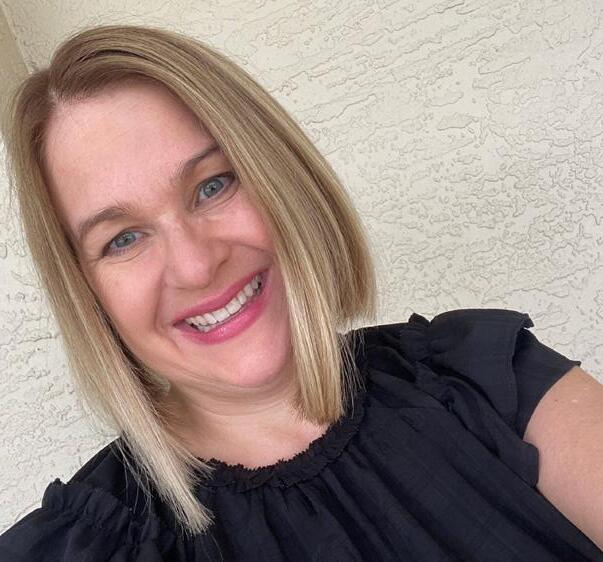
On most mornings, before the meetings, the emails, and the complexity of teaching and mentoring dissertation students in a doctoral program at a graduate university that sits at the crossroads of scholarship and social justice, Fielding’s Catharine Penfold Navarro, PhD, starts her day with a walk. No destination, no deliberate pace. Just motion, breath, and a moment to reflect on what matters and how she wants to engage with the world.
Dr. Penfold Navarro is a faculty member of Fielding’s Doctor of Education (EdD) Leadership for Change Program, a role requiring the skill of an architect and the heart of an activist. Her students comment that she teaches with creativity, authenticity, and a deep commitment to transformation.
“I believe higher education changes the world,” Penfold Navarro shared. “It shapes the future of our communities and fulfills the dreams of students seeking to create better futures for themselves, their families, and society,” she said, adding, “I’m honored to mentor doctoral students and teach them how to tell more powerful stories, create authentic curriculum that includes transformational learning experiences, and design qualitative research studies.”
Fielding’s EdD program is not the typical doctoral track. It was born with a mission to develop leaders who challenge the status quo, engage complexity, and advance equity in the systems that shape our lives. It asks for presence as well as academic excellence. It is, in Penfold Navarro’s words, “a place where students bring their whole selves to their learning.”
Before joining Fielding in 2023, Penfold Navarro served as Vice Provost of Teaching and Learning at Trinity Western University in Vancouver. She’s lived and worked around the world from Lithuania to Papua New Guinea to Canada.
“We recognize Dr. Penfold Navarro for her instrumental role in redesigning Fielding’s EdD Program and her ongoing core faculty work,” noted Fielding’s Dean of Faculty Brian Cutler, adding, “She exemplifies what Fielding stands for: scholarship that is deeply human, intellectually rigorous, and rooted in social transformation.”
Outside the classroom, Penfold Navarro is the founder of Happier in Higher Ed, a platform that advocates joy, integrity, and humancentered leadership in academia. She writes regularly about the intersection of leadership, learning, and living a life of purpose. Her scholarship has focused on qualitative inquiry, curriculum design, and educational equity.
At Valencia College in Florida, where she served as Director of Student Success, she led initiatives in supplemental learning and learning communities. Her efforts contributed to the college earning the inaugural Aspen Institute Prize for Community College Excellence.
At Fielding, she teaches courses in leadership theory, storytelling for leaders, qualitative research, and curriculum design. She says her 2026 guiding framework is reflected in her new mantra-of-the-year: Hive. “To me, hive is about community,” she says. “The community of scholars at Fielding, welcoming new Fielding EdD students to the program through our ‘ceremony of beginning’ with a focus on beginning, being, becoming, belonging, and believing. Hive also means my own community: my family, neighbors, and friends.”
Based in Florida, Penfold Navarro is an “aspiring minimalist,” nature lover, devoted yoga practitioner, and the mother of a teenager. She also shares life’s daily cadence with her husband and two dogs, finding balance between purposeful work and a home filled with warmth and wellness.
BY CATHERINE RYAN
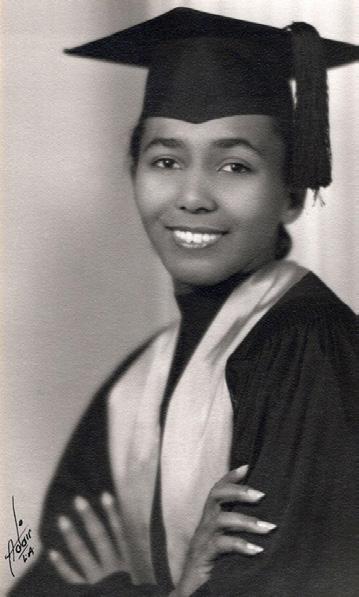
Marie Fielder, PhD, believed education could do more than open doors. She believed it could dismantle walls.
A decade into the life of the Center that bears her name, Fielding Graduate University is celebrating the anniversary of a living experiment in scholar-advocacy, where ideas become movements and students become architects of change.
Founded in 2016 by the late Dr. Orlando L. Taylor, Distinguished Senior Advisor to Fielding’s President, the Marie Fielder Center has become an incubator of ideas and a crucible for transformation. Here, doctoral students study democracy, leadership, and equity, and carry those principles into the world. In October 2025, the Center launched a yearlong series of events that honor Dr. Marie Fielder’s legacy while looking ahead to the future of educational justice.
Born in 1917, Fielder was the granddaughter of an enslaved man who taught himself to read while forced to act as a “Bible-stand” for his enslaver. As he held the Bible facing outward for his master to read, the enslaved man taught himself to read by following the text from above, reading the pages upside down.
Fielder often described herself as coming from a “family of troublemakers.” She helped integrate Berkeley schools, advised NASA on equity programming, mediated racial tensions, and helped found Fielding Graduate University itself. Her influence was catalytic, cross-disciplinary, and impossible to ignore.
The 10th Anniversary celebrations are spearheaded by Katherine (Katie) McGraw, PhD, Director of the Marie Fielder Center for Democracy, Leadership, and Education, who also serves as Fielding’s Associate Provost for Research, Extramural Funding, and Faculty Development.
“The Fielder Center Anniversary events reflect more than milestones,” commented Dr. McGraw, who assumed leadership after Dr. Taylor’s passing. “These events showcase the strength of the community we’re building. For prospective students, the Center offers an academic hub, and an invitation into a powerful mission.”
It is fitting that the Marie Fielder Center’s decennial launched last year with a program celebrating the unveiling of a new generation of scholar-activists presenting on topics ranging from healthcare equity and intergenerational leadership to women in government and adolescent identity development.
On March 27 the Fielding community will gather in Washington,
DC to celebrate the Center’s 10th anniversary. On May 12, the ongoing celebrations will include an online event curated in collaboration with members of the Fielder Advisory Council, including Dr. Margo Okazawa-Rey, known internationally for her scholarship on peace, feminism, and justice, and Sharon Hutchins, former VP of AI Operations at Intuit. Finally, on Wednesday, August 5, the anniversary closes with Walking in Their Footsteps, Transforming Tomorrow, an immersive online capstone experience honoring Fielder’s life and imagining a just, inclusive future. Registration links will soon be added to the Fielding.edu events calendar.
Across these gatherings, both digital and in-person, the throughline is transformation. What does it mean to “walk in their footsteps” in 2026? What might Marie Fielder make of a generation shaped as much by TikTok and AI as by the civic crises she once confronted?
The Center has cultivated a network of scholars, including 42 Fellows across four cohorts, who are each, in their own way, asking meaningful questions while researching and brainstorming solutions.
The Center continues to promote research that addresses today’s educational and social issues. It offers Fielding’s faculty, students, and alums a collaborative space for scholarship and advocacy, upholding Marie Fielder’s values of transformative change for social justice. Its signature initiatives include the Fielder Graduate and Alumni Fellows, the Fielder Medal for Social Transformation, and the Orlando Taylor Award for Excellence in Research. Guided by the Advisory Council, the Center remains committed to building the just, inclusive future Fielder envisioned.
“Everyone is invited to join in the events and celebrations,” notes McGraw. “We have a fantastic year planned and encourage widespread participation!”
BY CATHERINE RYAN
On a rainy January morning in 1995, in a living room in Mill Valley, California, something radical happened. A group of thinkers— organizational leaders, action researchers, and systems pioneers from several countries—gathered for what was meant to be a conventional strategic dialogue. Instead, through a series of small accidents, improvised choices, and an atmosphere that felt more like a neighborhood café than a conference room, they began talking differently. Ideas moved. People moved. Meaning accumulated. And by the end of the day, the participants sensed they had tapped into something elemental: a way of thinking together that felt older than institutions and more powerful than hierarchy.
That moment would become the origin story of the World Café, a conversational process that, 30 years later, has been used by hundreds of thousands of practitioners across communities, corporations, governments, schools, activist groups, and by researchers across the globe. It is also a story deeply intertwined with Fielding Graduate University, whose scholars, faculty, and students shape, study, and extend the Café from its earliest years to its present-day in-person and digital forms.
As Fielding enters the second half of its first century and looks toward the future, the World Café’s 30th anniversary offers a lens into a significant concept for all Fielding scholars to consider, one that is equally vital beyond academia during these times of rapid political, technological, and social change: What happens when conversation is understood not as a soft skill, but as a living system capable of shaping organizations, cultures, and the futures we create together?
The intellectual DNA of the World Café runs through the same terrain that has long defined Fielding: systems thinking, participatory inquiry, and action research grounded in lived experience. Fielding alum Juanita Brown, PhD (HOS ’02), cofounder of the World Café, spent her formative years immersed in social movements and cross-cultural work, including a decade working alongside César Chávez and the farmworkers’ movement. Those experiences shaped a worldview in which dialogue was not abstract; it was survival, dignity, and democracy enacted at kitchen tables and community halls.
After those experiences, Dr. Brown explained, she carried forward a deep recognition of the power of “conversations that matter,” a focus that would guide her future work with leaders across business, government, education, nonprofits, and local communities.
When Brown pursued doctoral work at Fielding, her beliefs found resonance. Fielding’s emphasis on whole systems, relational
learning, and inquiry-in-action provided fertile ground for what would later become the World Café’s core principles. Over the three decades since, more than 10 Fielding dissertations have explored World Café-based research, with additional doctoral studies currently in progress.
Fielding’s connection to the World Café is not only historical but also deeply embedded in its academic and community practices. The Human and Organizational Development program offers an advanced research methodology course on the World Café, taught by Frederick Steier, PhD, who also integrates the methodology into other Fielding courses. Fielding has repeatedly chosen the World Café as a way to convene its own community—most recently in Europe, where students, faculty, and alumni engaged in World Café dialogues and experienced firsthand how conversation can organize learning across generations and disciplines. In celebration of Fielding’s 50th Anniversary in 2024, the university again selected the World Café as the central format for its milestone gathering, underscoring the importance Fielding places on World Caféstructured engagement.
At its simplest, the World Café is a structured yet flexible way of hosting conversations that matter. Participants sit at small tables, often four people per table, and explore carefully framed questions that invite movement over several rounds of dialogue. Between rounds, people move, carrying insights from one conversation into another. Hosts remain; patterns emerge; ideas cross-pollinate. What begins as many small conversations gradually reveals a shared field of meaning.
But that description only scratches the surface. What distinguishes the World Café is not its mechanics, but its underlying philosophy. It rests on the premise that human systems, like ecosystems, learn and evolve through connection. Conversation, in this view, is not merely talk; it is the medium through which collective intelligence forms.
Seven design principles guide the practice: setting the context, creating hospitable space, asking questions that matter, encouraging everyone’s contribution, connecting diverse perspectives, listening for patterns, and harvesting shared discoveries. These principles are orienting conditions rather than rules, allowing each Café to adapt to local culture, purpose, and scale.
The result is a process that has been employed to reimagine economic development in Indigenous communities, support peace-building efforts in Brazil involving hundreds of thousands of students, deepen dialogue at international conferences, create sustainable businesses, and convene neighbors grappling with
local challenges. In each case, the Café does not impose solutions; it creates conditions for people to think together in ways that would otherwise be difficult or seemingly impossible.
One of the most enduring observations about the World Café is reflected by a recent participant who remarked, simply, “This is how democracy works.”
Her comment captured something essential: The World Café redistributes voice. It suspends the usual hierarchies of expertise and authority, not by denying them, but by placing them alongside lived knowledge, curiosity, and listening. Everyone contributes; no one dominates. Meaning emerges between people rather than being delivered from a podium.
This participatory ethic helps explain why the Café has traveled so well across cultures. From Singapore to Scandinavia, from Latin America to rural communities in the United States, the process adapts because it resonates with something universal: the human capacity to make sense of the world together when conditions for authentic conversation are right.
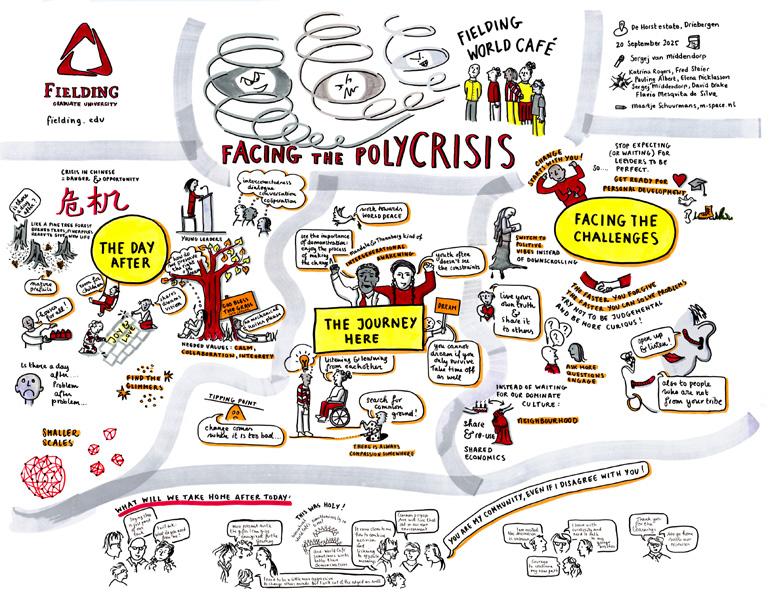
While the World Café’s early spread depended on word of mouth and handwritten tablecloths, its next chapter continues to unfold expansively online, as well. Long before virtual meetings became routine, World Café practitioners were experimenting with how hospitality, listening, and conversational flow could translate into digital space.
Amy Lenzo, now Director of World Cafe Signature Learning Programs at the World Cafe Community Foundation and a longtime Fielding collaborator, has been a pioneer in this work. Beginning in the late 1990s, she helped design large-scale online dialogues that preserved the intimacy and depth of Café conversations while leveraging the reach of emerging virtual technologies. Today, online World Cafés convene participants across continents, enabling real-time collaboration without travel. Importantly, the digital turn has not replaced in-person Cafés. Instead, the two coexist and continue to evolve together. Many practitioners emphasize that the Café’s design principles, not its format, are what matter most. Whether people gather around café tables or breakout rooms, the same questions apply: Is the space hospitable? Are voices genuinely welcomed? Are insights allowed to travel and combine?
Unlike many methodologies that become proprietary, the World Café has remained intentionally open source. It is largely volunteerrun, supported by a global network of hosts, stewards, and practitioners who adapt it within their own contexts. This openness has allowed the Café to evolve organically, shaped by use rather than dictated by doctrine.
That evolution is increasingly intergenerational. Recent gatherings
have brought together pioneers from the Café’s early years with younger practitioners from around the world, including Israel, Japan, Colombia, and beyond, who are reimagining what the World Café can be amid climate uncertainty, political polarization, and rapid technological change. The throughline remains in conversation as a life-affirming force, capable of holding complexity without collapsing into simplification.
Thirty years on, the World Café endures because it creates spaces where powerful questions can be formed and asked together. In an era marked by fragmentation and speed, the Café insists on slowing down enough to listen.
For Fielding Graduate University, the Café’s story mirrors its own commitments: learning that is relational, research that is participatory, and leadership that emerges through dialogue rather than decree. The continued presence of World Café-based meetings, research, course work, and dissertations at Fielding is a living legacy, one that continues to invite students and scholars into inquiry shaped by connection and conversation.
Ultimately, the World Café is an invitation to sit down, to listen, to speak with care, and to trust that when people think together, something wiser can emerge.
In June 2026, Fielding University Press will publish a book commemorating the World Café, edited by Fielding VP of University Relations Elena I. Nicklasson, MA (ODC ’21), Fielding President Emerita Katrina S. Rogers, PhD, Flavio de Silva, PhD (HOS ’17), and core faculty Frederick Steier, PhD. It includes an essay by Juanita Brown, PhD (HOS ’02), and a foreword by Fielding President John L. Bennett, PhD (HOD ,06).
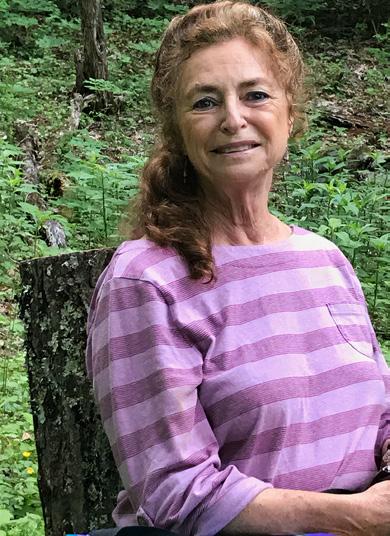
On a recent winter afternoon, with birthday preparations underway for her 81st birthday celebration, vivacious Fielding alum Juanita Brown, PhD (HOS ’02), logged into our virtual interview from her North Carolina home with the same delightful warmth and presence that have defined her life’s work. Brown is an internationally recognized thinker in strategic dialogue, collective intelligence, and whole-systems change. She is the founder of Whole Systems Associates and, with her longtime collaborator and husband David Isaacs, she co-founded the World Café. She describes it as a deceptively simple yet unexpectedly influential dialogue approach born 30 years ago in her living room and now practiced on six continents. Her award-winning book, The World Café: Shaping Our Futures Through Conversations That Matter, translated into 18 languages, has become a touchstone for leaders, educators, activists, and communities navigating complexity together. Brown’s connection to Fielding runs deep. Her doctoral research explored conversation as a core process of organizational and societal evolution, work that helped articulate the “design for emergence” principles that underpin the World Café and that continue to inform dissertations, courses, and practice today. Brown’s enduring passion is conversation as a living force, one that can move across disciplines, sectors, and the full breadth of human experience.
What inspired the creation of the World Café, and when did you realize it had the potential to become a global movement?
I never really thought about the global movement potential of the World Café until several years after it was born by accident. It was January of 1995, at the dawn of what later came to be called “knowledge management” in organizations. We were hosting 24 multi-disciplinary leaders from around the globe known as the Intellectual Capital Pioneers at our home. We were exploring the question, “What is the role of leadership in the emerging knowledge-based organizations?”
It was pouring rain outside where we normally served coffee and snacks, so we rushed to put up TV tables in our living room with makeshift paper “tablecloths.” We added markers for people to doodle, draw, and record their insights. After maybe 30 or 40 minutes someone called out, “I’d like to know what’s happening at the other tables. Let’s leave one person as the table host and let the others spread and travel to the other tables.”
This living web of cross-pollinating conversations enabled creative and totally unexpected insights that had real power to circulate, deepen, and connect. After several rounds of “mixing and matching,” we put all the paper “tablecloths” in the middle of the floor and asked everyone to help harvest the emerging patterns,
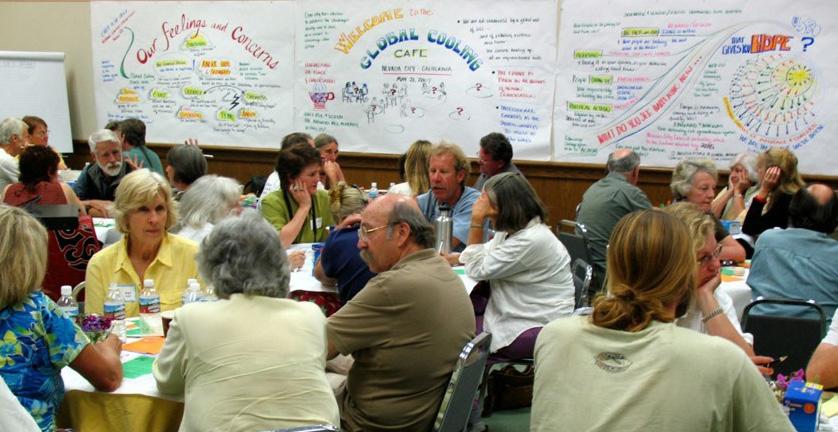
insights, and deeper questions.
Over the course of that one morning, this improvised process gave birth to a capacity for accessing collective intelligence and innovation in practical ways that amazed us all. A collective decision was made right there to open source this process, so folks could begin to experiment in their own interdisciplinary and cultural settings. Many of us kept in touch with each other, sharing our learnings and discoveries along the way.
In personal conversations after the gathering, one of our members, Finn Voltofte, named this unusual collaborative experience the “magic in the middle.” It was Finn, our beloved co-founder, now deceased, who first signaled that he believed this was a process that had actually been born for world service, not only for business, but in many other critical arenas for challenges being faced in our human community. He named this pattern of participatory engagement the World Café.
Several years later, I was doing participatory action research with Café hosts from around the globe for my Fielding doctoral dissertation. It was focused on the question, “What enables that special Café experience of ‘the magic in the middle’ to reveal itself—what makes it more likely to occur?”
It was in the middle of those research conversations with international Café hosts around the globe that it dawned on me that this simple but powerful process was already working in groups of all sizes in widely diverse cultural settings and across sectors as well as multi-stakeholder groups on several continents. The World Café has now spread to six continents with many hundreds of thousands of people. A book based on my dissertation has now been translated into 18 languages. Who could have imagined!
You’ve described conversation as a core process in organizational and social life. What, in your view, makes a conversation genuinely transformative?
One of my biggest “ahas” in this regard happened when I had the opportunity to spend a week with Humberto Maturana, a pioneering Chilean evolutionary biologist. Maturana emphasized that as human beings we are the species who live and coordinate action in language. We coevolve our futures through the networks of conversation in which we participate. He helped us see that we each have the opportunity to use our conversations either in life-affirming or life-diminishing ways. The choice is ours to make in each conversation of our individual and collective lives.
In that moment it dawned on me that the World Café itself mirrors how life works! A World Café creates an enlivening, appreciative, and embodied experience of a co-evolving network of conversations, crosspollinating ideas from table to table. It is that living network of connections from which the future of whatever is being explored in a Café dialogue can evolve.
This recognition helped clarify our thinking about the “World as Café”—the idea that language matters! By choosing conversations that open rather than close down possibilities, we can each contribute to positive futures in whatever situations we find ourselves.
Seeing conversation as a coevolutionary force in human systems has become a guiding light in my life. So, for me, that awareness itself has been personally transformative. This core idea ended up sourcing the title of our book: The World Café: Shaping Our Futures Through Conversations That Matter.
The seven World Café design principles discovered in my doctoral research at Fielding make it more likely that “the magic in the middle,” which enlivens rather than deadens the human spirit, will occur.
For me, it is a transformative moment whenever we or others can create or live the conditions for the human spirit to come alive. When that happens, life affirming engagement is often a natural outgrowth. The World Café is a design for the emergence of the human spirit in action.
Looking back over your decades of work, what has surprised you most about the power of conversation?
I think it’s being in the room when “the magic” of true conversational inquiry begins to happen—when the power of the question being explored is meaningful for those gathered and when that “special hum” begins to happen.
It’s not “stop talking and get to work”—a common phrase that demeans the generative power of conversation as our core life process. It should actually be “start talking about what matters!”
It’s the enlivening antithesis of death by PowerPoint—the disappointing and boring experience of most meetings in both organizational and community life.
We’re in a time when our survival as a species on this planet is at risk. We can imagine an old-style Latin American home, like my adopted grandmother’s in Mexico. When you enter the heavy wooden doors, there are archways around a beautiful central garden with a lovely deep fountain in the middle. You can enter through any of these archways to step into the Central Garden.
If language and conversation are at the heart of our lived experience as human beings, then the World Café and other well-researched participatory conversational doorways to this Central Garden of our common work are key social innovations that can access this deeper work. They help us nurture the collaborative intelligence we need to discover innovations toward the futures we want rather than being forced to live with the futures we get.
That is my hope for my own life and work—and for each of us as members of our human community in these challenging times.
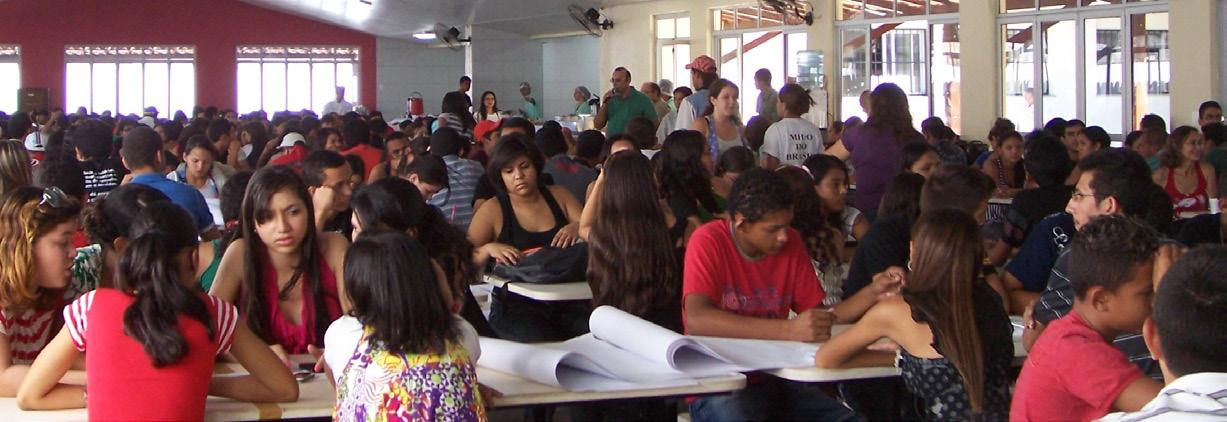
“Fielding chose to celebrate its 50th anniversary in 2024 using the World Café as the vehicle for that event in Europe. Our choice was intentional: a way to signify the importance of relational ways of learning and being.”
—Frederick Steier, PhD, core faculty, Fielding Graduate University
“The World Café creates a living ambiance where people grow wiser together, and togetherness unfolds through attentive presence, tolerance, and empathy. In this shared field, care becomes love, commitment becomes responsibility, and responsibility opens into freedom and communion, quietly sustaining conviviality, peace, and the birth of community through dialogue.”
—Flavio Mesquita da Silva, PhD (HOS ’17), World Cafe Practitioner
“As a leader, I have always believed that I am never the only expert in the room. I am convinced that by tapping into our collective intelligence, we discover possibilities that far exceed the reach of any single mind. For me, the World Café is more than a methodology; it is a vehicle for authentic collaboration. It is a way to honor the innate wisdom each individual brings to the table and to uncover the new possibilities that emerge only when we think together.
—Fielding HOD student Tracy Frederick, PCC, founder of AWARE Coaching + Wellness. Frederick is currently writing her Fielding PhD dissertation about the World Café.
“The World Café is a medicine to open up our hearts, minds, and the relational networks we share, to affirm life, and our sought-after possibilities and realities. The simplicity of the design and the integrity of the principles enable the necessary conversations that matter, meeting any moment humanity finds itself grappling with. May the World Café’s service to the world continue to illuminate the pathways that so many of us long to see, as we try to walk together into these unknown, complex, and unprecedented times.”
—Greta Anderson, World Café Next Generation Learning Designer
“As to the future: The World Café is a 30-year-old who has been travelling the globe on her own for a while now! She is alive in every continent, touching organizations and communities in every corner of the world. Each one of us who engages with the World Café, as a participant, as a host, as an advocate—we are all part of shaping where the World Café goes and how she evolves. We are all part of her Emerging Story. We invite you to tell her story with us!”
—Samantha Tan, Chair, Stewardship Council, the World Café Community Foundation
“From its earliest days, World Café showed me how powerful simple, well-hosted conversations can be in creating community, shared meaning, and real change. Thirty years since World Café began, its ability to connect people across organizations, cultures, and communities feels more relevant than ever.”
—Carol Gorelick EdD, MBA, World Café Practitioner and Graduate Faculty at Bowling Green State University
In a world increasingly riven by political, digital, and existential noise, Flavio Mesquita da Silva, PhD (HOS ’17), has spent nearly four decades advocating for something more reliably enduring: the hum of human connection. A World Café international practitioner and Fielding alum based in Brazil, Mesquita da Silva has built a career on the elegant notion that authentic, generative conversation, grounded in love, can be a catalyst for systemic transformation.
If this sounds poetic, that’s because for Mesquita da Silva, dialogue is a form of social art.
Long before the Brazilian educator and peace activist became known for orchestrating one of the largest dialogue-based peace initiatives in Latin America, he was already steeped in the practice of collective inquiry. Since 1978 he has consulted, trained, coached, and counseled across continents and institutions, from not-forprofits and universities to governments, corporate organizations, and the United Nations, always with a singular through-line: creating conditions where people can think, feel, and imagine together in ways that alter what is possible.
His intellectual roots run deep. From Antioch University he earned a Bachelor of Arts in Education and Human and Organizational Development and then a Master of Arts in Whole Systems Design. His lifelong inquiry into peace was well consolidated by the time he began his studies at Fielding in 2011 to pursue a PhD in Human and Organizational Systems.
His Fielding dissertation, Generation of Peace Dialogues: How the World Café Approach to Community Understanding Led to Cultures of Peace, captured a living, breathing organism: the “Generation of Peace” project, a 5-year international cooperation between the Brazilian Government and UNESCO that ran from 2011 to 2016. Designed and coordinated by Mesquita da Silva, the initiative reached astronomical scale. Nearly 700 high schools, 26 districts, more than 16,000 teachers and 400,000 students directly and indirectly participated in Brazil’s northeastern state of Ceará, with over 10,000 participants acting as co-researchers.
The project began in crisis. Violence among youth was escalating and public trust in schools was fraying. Mesquita da Silva recommended an unusual idea. Instead of focusing on attempting to control the violence, what if peace could be generated by creating environments where thousands of people could ask meaningful questions together?
The World Café methodology provided essential scaffolding, he said. Rooted in the work of Juanita Brown and David Isaacs, and aligned with Humberto Maturana’s theory of the “biology of
love,” Paulo Freire’s concept of “critical consciousness,” and Gandhi’s non-violent approach to peace, Mesquita da Silva proposed that the World Café offered more than small-group dialogue; it could provide systemic choreography. Participants would move from conversation to conversation, weaving insights and perspectives in a pattern that one might liken to a social jazz improvisation, structured yet spontaneous, humble yet transformative.
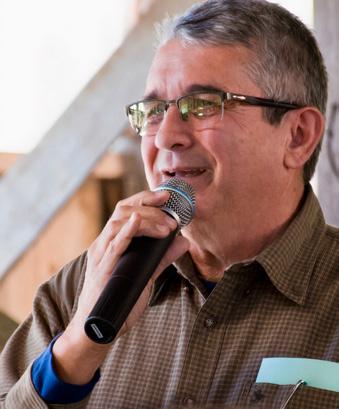
Mesquita da Silva’s chapter in Cybernetics & Human Knowing (2022) describes this as “designing for emergence,” a way of bringing forth a culture of peace not by decree but by recursive rounds of reflection, storytelling, pattern recognition, and what Maturana called “legitimate co-existence.” In Ceará, these Peace Cafés of sometimes 30 people, sometimes 850, became crucibles in which students, teachers, parents, community leaders, and even police officers could explore fundamental questions together: What is peace? What is peace made of? What does peace produce? Finally, a single metaphorical question integrated the preceding reflections: What is the face of peace?
The effects were profound. Conversations cross-pollinated between schools and across regions, catalyzing shifts in attitudes, in institutional policies, and educational culture across the state. By the conclusion of the project, the State Department of Education of Ceara’s leadership declared the “culture of peace” a mission for every public servant, from principals to custodians. The transformation was extensively documented by UNESCO and by Brazil’s regional education authority.
Fielding’s Institute for Social Innovation honored Mesquita da Silva in 2012 with its Research Scholarship Award in recognition for his research and scholarship on the World Café.
As Fielding celebrates its alums who shape systems and societies, Flavio Mesquita da Silva reminds us that sometimes the most revolutionary tools are also the most ancient: a circle of chairs, good questions, and the human willingness to listen one another into possibility.
BY CATHERINE RYAN
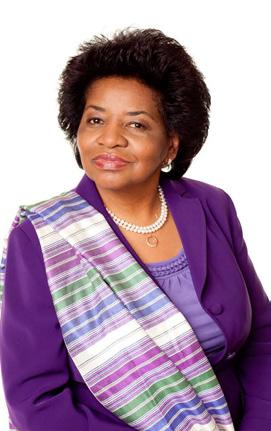
From her peaceful home office above the ocean in Santa Barbara, where the horizon opens wide and the coastline curves south toward the Channel Islands, Dianne Travis-Teague reflects on the moment that has long shaped her approach to alumni engagement. It wasn’t a gala, a campaign, or a grand initiative, but a single, deliberate act of inclusion she witnessed early in her career. It was a gesture that restored someone’s sense of belonging. “That experience stayed with me,” she says, “and continues to guide how I approach alumni engagement: with intention, listening, and relationship at the center.”
Since joining Fielding as Senior Director of Alumni Relations in June 2025, Travis-Teague has brought her philosophy into sharp focus during alumni gatherings and events, in the frequent oneon-one conversations she hosts, and through Fielding’s inspiring alumni newsletters.
In guiding Fielding’s 7,300-member alumni network, TravisTeague focuses on strengthening and expanding what she describes as a powerful constellation of experience, purpose, and voice, one that is increasingly visible through alumni leadership, mentorship, and shared initiatives.
“Fielding’s alums bring deep purpose, intellectual rigor, and lived experience across disciplines and geographies,” Travis-Teague says. “What excites me most is the collective capacity to create meaningful change when those voices and values are connected.”
For Travis-Teague, alumni engagement is about honoring experience while elevating a sense of community. “I’ve been especially inspired by alums who mentor emerging professionals and collaborate across cohorts, sharing wisdom, opening doors, and strengthening community well beyond degree completion,” she says.
Travis-Teague says her career in alumni relations continually affirms her belief in the alchemy of shared space—the intangible current created by laughter across a table or a conversation that lingers long after the lights dim. “I’m a strong believer in the power of in-person connection whenever possible. There’s something irreplaceable about being together in shared space,” she says.
She shares that her work feels both forward-looking and deeply personal. During her more than two decades in organizational leadership and community-building, including more than 15 years leading alumni relations at Pacifica Graduate Institute, TravisTeague has cultivated volunteer networks, expanded scholarships and recognition programs, and helped design significant gatherings where conversation, story, and mentorship flourish. A graduate of Northwestern University with a BS in Business Administration, she also participated in UCSB PaCE’s Women in Leadership Certificate Program, a lifelong-learning throughline that mirrors Fielding’s ethos.
Elena Nicklasson, Fielding’s Vice President of University Relations, sees Travis-Teague’s alumni engagement successes as essential to this moment in Fielding’s evolution. “Dianne brings a rare combination of strategic clarity and relational intelligence, grounded in deep respect for Fielding’s scholar-practitioner ethos,” Nicklasson says. “She understands that alumni engagement today is not simply about participation, but about meaning, belonging, and shared purpose.”
Philanthropy, in Travis-Teague’s view, is inseparable from that sense of purpose. She sees philanthropy not as transactional, but relational, widening the circle of access and possibility for all. “I’m motivated by the belief that education and connection can be a force for equity and possibility,” she says. “Philanthropy plays a vital role by removing financial barriers and enabling alums and students to engage more fully with one another and with Fielding’s mission.”
Travis-Teague continues to expand opportunities for alums through Fielding’s Alumni Leadership Circle and Alumni Council, Zoombased coffee gatherings for alums, presentations highlighting alumni projects, and popular in-person alumni gatherings.
Nicklasson notes that Travis-Teague is helping carry Fielding’s mission forward across diverse generations. “Dianne elevates alumni impact by effectively positioning graduates as co-creators of Fielding’s living, evolving story,” she says, adding that networks like Fielding’s are not static archives of achievement but can be maximized as visionary communities in motion.
For Travis-Teague, that truth remains both grounding and inspiring. “I look forward to what we’ll continue to build together in the years ahead,” she says, as the horizon outside her window softens into evening. In her view, connection, continuity, and shared purpose are not only guiding principles, but the foundation through which she continues to steward the growth and future of Fielding’s distinctive community of changemaking alums.
BY CATHERINE RYAN
There’s a certain story that gets told at Fielding Graduate University gatherings, sometimes in a knowing aside, sometimes with the affectionate awe usually reserved for myth, about the alum who brings in a new Fielding student every single year. You’ve heard her name over the years. She’s legendary.
Marjorie J. Woo, PhD (HOS ’12), MCC, global executive coach and Chairman Emeritus of Keystone Group (Shanghai) Inc., didn’t set out to become Fielding’s unofficial recruiting phenomenon. But like many defining life chapters, this one began with a spark of recognition.
During her first visit to Fielding, Woo paused among the dissertation shelves, witnessing a chorus of ideas, each one intensely personal and unmistakably its author’s own. “The scholarpractitioner model changed my perspective on how earning a PhD could and would reshape my future,” she recalls. She says it proved a turning point—not just for her, but for everyone who would eventually follow in her footsteps.
Since 2010, at least one new Fielding student per year has joined the university because of Woo’s influence, including leaders, consultants, academics, and, most recently, her granddaughter, Maryam Mahmoud, who began her PhD in Clinical Psychology in September 2025. A Houston-based scholar-practitioner, Mahmoud represents the newest branch of Woo’s Fielding family tree.
“I only knew about Fielding because of my grandmother, who absolutely influenced my decision, Mahmoud says, adding, “I lived with her in Shanghai for a summer while she completed her dissertation many years ago. Fielding is the only university that fits my needs as a non-traditional student. I am a mom to three young kids and already a working professional. Fielding, while being intensive, has more flexibility than other programs.”
Ask Woo for the secret to her “recruiting magic,” and she gently waves away the mystique. “There’s no secret,” she says. “I simply share my own story of growth and development. My professional transition from one level to another strikes a chord with others and sets them on the path to career success.”
Fielding’s Senior Director of Alumni Relations, Dianne TravisTeague, speaks of Woo with unmistakable admiration: “Marjorie Woo embodies what it means to be an engaged alum. Year after year, she thoughtfully invites prospective students into Fielding’s community as a trusted guide who recognizes potential and opens doors, modeling a form of alumni leadership grounded in care, discernment, and shared purpose.”
Woo’s recruits, many from China and across Asia, have gone on to transform organizations and, in many cases, their own lives. What
makes her proudest?
“First, they all completed their commitment to earning their PhD,” she says. “Many left long-term employment to become entrepreneurs, professors, and consultants— and expanded their personal vision.”
That blend of courage and reflection runs through Woo’s own career. Before becoming one of Asia’s most influential executive coaches, she spent 11 years as a managing executive with Xerox Corporation, shaping a leadership approach grounded in global operations and cross-cultural collaboration. She founded LMI-China (Shanghai) Inc. and Keystone Group (Shanghai) Inc., helping to professionalize and elevate the field of coaching across the Asia-Pacific region.
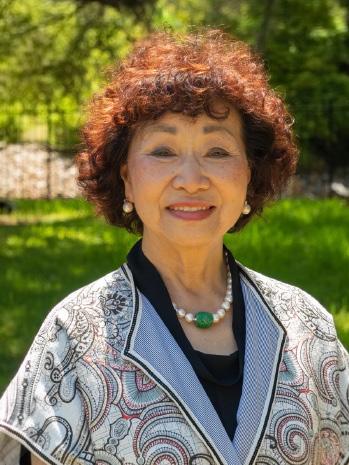
Under Woo’s leadership, Keystone and LMI-China have coached more than 2,000 senior-level executives and over 30,000 midlevel managers in China since 1998, guiding leaders through organizational change, entrepreneurial transition, and personal transformation. Her clients have included Global 500 companies, private enterprises, and government organizations.
Woo is also co-author of Leadership Coaching in China (Fielding University Press, 2021), the first major publication to explore the experience of coaches working at the highest levels of Chinese industry—a reflection of the scholar-practitioner identity she first embraced at Fielding, a decision she still describes as “life-changing.”
Today, Woo remains a lifelong learner. “As the business environments change, we must change with it,” she says. And yet, her wisdom returns to something beautifully simple: Transformation begins within. “If you want to change the world, start with yourself.”
Perhaps that is why people listen when she speaks, and why, year after year, they say yes when she recommends that they pursue a PhD at Fielding.
If she could bottle that spark, the invitation, the sense of possibility that keeps her welcoming others into the journey, she says she already knows the label: “Dream Catcher.”
Earl E. Thomas, EdD, has taken the reins as Fielding’s new Malcolm Knowles Chair in Adult Learning in the PhD program in Human and Organizational Development, having begun his one-year term in September 2025.
With more than two decades of leadership in higher education, Thomas has shaped the academic journeys of countless graduate students. He has served as professor, dissertation chair, program chair, and associate dean. As a faculty member in Fielding’s School of Leadership Studies, he is recognized for his scholarly focus on adult learning and development, early childhood education leadership, and qualitative and action research design. He also serves as Program Director for Fielding’s EdD doctoral program in Education Leadership for Change
“I hope to bring diverse perspectives regarding how adult education as a field of practice has the power to transform individual lives, communities and organizations,” Thomas says.
The prestigious Malcolm Knowles Chair honors one of the most influential thinkers in adult education. Dr. Knowles, a founding faculty member of Fielding’s School of Human and Organizational Development, revolutionized the field of adult education by popularizing the concept of “andragogy”—the art and science of helping adults learn. His vision pioneered the design of innovative, adult learner-centered graduate programs.
Fielding’s Associate Provost Dr. Katie McGraw emphasized the opportunity this appointment brings. “Dr. Earl Thomas’s appointment as Knowles Chair for 2025-2026 will bring a new opportunity for Fielding to spotlight its engagement and long history in adult education. I’m excited about his plans to engage faculty, students, and alumni—and to connect them with the American Association for Adult and Continuing Education, a leading organization in the field of adult education and lifelong
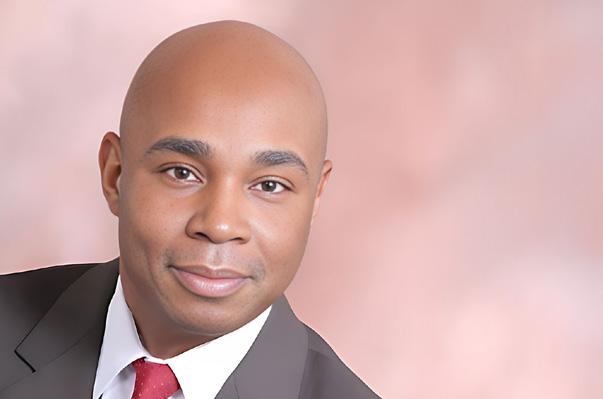
learning. I know that his efforts will help connect Fielding to other scholars and practitioners and expand our role in shaping the future of adult education.”
Notably, Thomas’s career reflects a deep commitment to lifelong learning and social equity. His work spans both early childhood and adult development, including holding key leadership roles with the Administration for Children and Families Federal Office of Head Start and the National Center on Early Childhood Development, Teaching, and Learning. He is a published author of peer-reviewed journal articles, two books, and several influential book chapters addressing equity, diversity, and the professional development of teachers.
“I believe education is the great equalizer,” Thomas says. “My work in adult education matters because it empowers me to serve as a change agent towards equalizing the playing field of opportunity for all adult learners and marginalized communities.”
As Knowles Chair, Thomas will continue a series of six virtual “Think Tank” events—discussions designed to explore critical issues in adult learning. Initial discussions included: “Adult Learning in the 21st Century” and “Challenges Facing Adult Learners in Higher Education.” Upcoming sessions are “Adult Education’s Call to Action” (February 16), “Workplace Learning” (March 16), “Empowering Marginalized Communities” (June 15, 2026), and “Struggles and Achievements in an Emerging Field of Practice” (July 20).
“I see this work as carrying on the unique legacy of Malcolm Knowles and the impact he had on Fielding University students,” Thomas says. “In addition, this work ensures that today’s Fielding Graduate University students are prepared as change agents.”
With clarity of purpose and deep respect for Fielding’s mission, Thomas brings both passion and vision to the role. “I remain optimistic that Fielding’s legacy of social justice and societal transformation continues to thrive through such unique projects and programs that focus on the practice of adult education.”
Thomas said his other related goals for this project include “that adult education is viewed as a transformative intervention, respected and practiced by our students and alums in ways that promote personal and societal change. Finally, personally, having studied the tenets of adult education espoused by Dr. Malcolm Knowles in both my master’s and doctoral degree programs, I accept this Chair in Adult Learning appointment with great honor and humility.”
Gary Wagenheim, PhD, Board Chair
Adjunct Professor, Beedie School of Business
Simon Fraser University Vancouver, BC, Canada
Karin Bunnell, PhD, Vice Chair
Organizational Development Consultant Pleasanton, CA, United States
Jay Harding, PhD, Treasurer
Business Architect
State of Wisconsin Investment Board
Libertyville, IL, United States
Michael Klein, JD, Secretary
Public Policy Consultant
Allenhurst, NJ, United States
Michael Ali, PhD
Sr. Systems Engineer
Orano USA
Silver Spring, Maryland, United States
Donna Bailey, EdD
Director, Learning & Development
Sephora San Carlos, CA, United States
John L. Bennett, PhD, ex officio President, Fielding Graduate University Palm Springs, CA, United States
Karen S. Bogart, PhD
President, Smith Bogart Consulting Santa Barbara, CA, United States
Steven Bond, PMP Student Trustee Spartanburg, SC, United States
Tracy Fisher, PhD
Director, Center for Social Justice & Civil Liberties Riverside, CA, United States
Anthony Greene, PhD
Faculty Trustee
Lumberton, NC, United States
Lenneal Henderson, PhD
Faculty Trustee
Claremont, VA, United States
William Huffaker, PhD
Senior Vice President, Global Integrated Talent
Newell Brands
Palm Springs, CA, United States
Bill Lorenz
Executive Advisor
My Next Season Charlotte, NC, United States
Natasha Miller Zahn, BAcc
Vice President of Finance
Santa Barbara Symphony Santa Barbara, CA, United States
Christie Prairie Chicken, EdD
SIYO Circle
Anchorage, AK, United States
María Viola Sánchez, PhD
CEO & Founder, STOP THE CUT NOW!
Eradicating Female Genital Mutilation
Westlake Village, CA, United States
Nicola Smith, JD
Faculty Trustee
Berkeley, CA, United States
Ivory A. Toldson, PhD
Director, Education Innovation and Research at the NAACP
Washington, DC, United States
Emeritus Trustees
Nancy Baker, PhD
Karin Bunnell, PhD
Keith Earley, PhD, JD
Michael Goldstein, JD*
Russ Goodman, MBA*
Bo Gyllenpalm, PhD
Linda Honold, PhD
Judith Katz, EdD
Otto Lee, EdD
E. Nancy Markle
Fred Phillips, PsyD*
Margarita Rosenthal, PhD*
Connie Shafran, PhD
Nancy Shapiro, PhD
Patricia Zell, JD
*deceased
Fielding is grateful for the generous support of the following individuals who made contributions or pledges between June 1, 2025, and January 9, 2026. Their generous support helps fuel the success of our students and the future of Fielding. To make a gift please contact giving@fielding.edu.
Dorothy & Niels Agger-Gupta
Pauline Albert
Michael Ali
Mary Estelle & William F. Amberg
Patricia Arredondo
John L. Bennett & Eric T. Johnson
Amanda Bertsch
Joan & Eldon Boes
Alma & Paul Boutin
Judith Boykin-McCarthy
Jessica Bradley
Cheryl Brown
Deborah Bucci
Barton Buechner
Christina Bullard
Karin A. Bunnell & MB Bettencourt
Joseph & Janet S. Bush
Tony Byers
Heather Caldwell
Michael Carlisle
Robin Cash
Thomas C. Caves
Anthony Cesare
Wayne Clark
Holly Collins
Shayra Corona Nieves
Cassandra Covo
Jenene Craig
Brian Cutler
Daniel & Elsa C. Distelhorst
Christin Dostalek
Patricia Dowey
David Drake
Tamara Duke
John Dunham
David Ellis
Ashlee Erickson
George Fedha
Dino Ferrare
Tiffany Field
Tracy Fisher
Amy Fisher-Smith
Brandi Fontenot
Melody Fortenberry
Sally Fox
Friendly Planet Travel, Inc.
Danny Gal
Keiatta Garcia
Kathy D. Geller
Tracy Gibbons
Elkhonon Goldberg
Susan Goldberg
Thyonne Gordon
Anthony F. Greene & Diane Phillips Surgeon
Carlos Grijalva
Marc Hanlan
Mary & Charles J. Hanzel
James & Julie Harding
Jill Harer
Anne Hatcher Berenberg
Karl F. Hebenstreit
Lenneal & Joyce Henderson
Seymour Hersh
Anh Ho
Daniel & Deidra Susan Holland
Oliver Holloway
Linda Honold
William Huffaker & Darin Severns
Marsha Hughes-Rease
Robin E. Hummel
Kae & Phil Hutchison
Anzi Jacobs
Errol Johnson
Robert Juarez
Kerul L. Kassel
Judith Katz & David B. Levine
Susan Kavanagh
Phillip Kent & Gertrand
Dianne* & Irving Kipnes
Foundation
Cassidy Kirk
June Klein
Michael Klein
Zieva & Marc Konvisser
Frederick & Jane M. Kurz
Sarah Kurzeja
James Lazarus
Barbara Leary
Julia Lechuga
Cherjanet Lenzy
Tony LeTrent-Jones & Alfred E. Jones
Tracy N. Long
Katherine E. Welch & John W. Lui
Heather & Donald Mahardy
Shiela Maldonado
Nancy Markle
Mary-Joy Marsh
Hertica & Samuel S. Martin
Louis Marucci
Victoria Mashburn
Barbara A. & Robert Mather
Charles McClintock & Carol Wilburn
Martha & Patrick A. McGraw
Katherine McGraw
Weston Milliken
Nancy Molter
Montecito Bank & Trust
Susan Lapine & Donald Mroz
Dieumerci Mukoga
Lori Myers
Elizabeth Myers
Mary Nicholas & Eugene Eliasoph
Elena I. Nicklasson
Emma Nirva
Michelle O’grady
Carl & Dianne M. Oliver
Trenton Owens
Beverly & Dan Palley
Christie Prairie Chicken
Marilyn Price-Mitchell
Rebecca Reese
Leesa M. Riviere
Amy Roach
Jamese Robinson
Katrina S. Rogers
Chrystal Rubang
Marcia Ruben & Stephen
Barry Rubin
Jennifer Ruff
Mária Viola Sánchez & Chauncey Franklin
Julia Salmon
Brenda Santos
Lori Schneider
Christina Schowe
Dale Severance
Harold Shabo
Frederic Siegel & Barby
Joyce Slaim
Linda A. Slee
Juliann Smendzuik-O’Brien & D. William O’Brien
Greta Smith Garcia & Garrick J. Garcia
Marie Sonnet & Robert Berklich
Timothy & Sherry Stanton
Anna Szabados
Tonya Tate
Boreysa Tep
Annmarie Thiessen
Ivory A. & Marshella Toldson
Dianne Travis-Teague
Nicauris Ubiera
Sergej Van Middendorp
Connie Veazey
Mary Jean Vignone & Mark
Harry M. Voulgarakis
Gary Wagenheim
William Wardell
Nancy Weisman
Darlene Wheeler
Leni Wildflower & Joe Treasure
Robert Williams
Marjorie J. Woo & Robert T. Juarez
*Deceased
“In honor of Julie Amberg, so very proud of you.”
—Mary Estelle Amberg
“This gift is in honor of the work that IECD students are doing in the field!” —Jenene Craig
“In honor of Susie Rolander, EdD on the occasion of her earning her doctorate.” —Robin E. Hummel
“Marie Fielder’s daughter Nicola remains a dear friend.” —Barbara Leary
“In gratitude and appreciation.” —Louis Marucci
“In honor of Karen Bogart, for her remarkable tenure as the longest serving Board Chair & continued service as a trustee. Thank you, Karen!”
— Barbara A. Mather
“In honor of all you have done to advance diversity and equality.” —Harold Shabo
“Gratitude.” —Boreysa Tep
“In honor of Mary Hanzel.” —Pat Hodges “Congratulations to all Fielding students!!”
—Kathleen McNulty
“In honor of Eleanor Blumenberg’s birthday on December 7, 2024.” —Harold Shabo
“In honor of Dr. Katrina Rogers.” —Marjorie J. Woo
“Thank you for directing me to Fielding.”
—Mary Estelle Amberg
“In honor of Debra Bendell-Estroff and in memory of Stephen Ruffins.” —Harry M. Voulgarakis
“In honor of my parents Jack and Harriett Savage, and in memory of Lila ‘Peggy’ Azad, a Fielding alumna and dear friend who passed away April 17, 2024.” —Sharon Hawley-Crum
“In memory of Dr. Judith Caves, who was my mom. She was very proud of this degree and the program. We all are!”
—Thomas C. Caves
“In memory of Stephen Ruffins and in honor of Debra Bendell-Estroff.”
—Harry M. Voulgarakis
“In memory of Paul who passed away November 15, 2024. He was in my ACW in 1982.”
—Sharon Hawley-Crum
Thank you to those who have included Fielding in their wills or made other planned gifts to help secure Fielding’s future.
Anonymous
Pauline Albert
Natalie Ammarell
Peggy Azad*
Nancy Baker
John L. Bennett
Valerie Malhotra Bentz
Dorothy Billington*
Linda & Marvin Branch
Lynn Bursten
Don D. Bushnell*
Christine Clark
Kelly Clark Anna DiStefano
D’Ann Downey
Nanine Ewing*
Melody Fortenberry
Jeff Frakes
Leola Furman
Kathy D. Geller
Tracy Gibbons
John H. Gladfelter*
Jinny & Michael* Goldstein
Sharon Hawley-Crum
Linda Honold
Roberta Jensen
Anne Kratz
Diana Kunkel &
Trish Cleary
Sarah N. MacDougall
Paige & Don Marrs
Barbara A. Mather
Carol Wilburn & Charles
McClintock
Sara Miller McCune
Fielding Graduate University’s Founders’ Circle recognizes visionaries who include Fielding in their long-term giving plans. As a Founders’ Circle member, you help ensure that future generations of scholar-practitioners will continue to lead with purpose, equity, and integrity.
• A complimentary Fielding publication each year to stay informed and inspired
• Insider updates directly from the University Leadership Team
• Invitations to exclusive gatherings—both virtual and inperson—celebrating your impact
• Special recognition opportunities in university communications and events
Pamela S. Meyer
Eileen Morgan
Susan Lapine & Donald Mroz
Christi Olson
Wendy Overend
Marilyn Price-Mitchell
Kathleen Randolph
Katrina S. Rogers
Rochelle Santopoalo
Nancy & Paul Shaw
Andrea Shields
Judith Silverstein
James Skibo*
Nicola Smith
Carol Sommerfield
Ted J. Takamura
Charlotte & Roland* Troike
Pamela Van Dyke
Marjorie J. Woo
Patricia Zell
*Deceased
A planned gift to Fielding offers you the unique opportunity to support the causes you care about while maintaining flexibility and control during your lifetime.
• Retain full control of your assets while you need them.
• Modify your gift at any time if your circumstances or intentions change.
• Choose your method of giving, such as a fixed dollar amount, a percentage of your estate, or a specific asset.
Every planned gift, large or small, helps shape Fielding’s future and empowers students who are changing the world.
To learn more about the Founders’ Circle or how a planned gift might best reflect your values, contact: Elena Nicklasson | Vice President of University Relations 805.898.2926 | giving@fielding.edu
Your legacy begins with one thoughtful decision. Let’s explore how you can make a lasting difference.
DOCTORAL DEGREES
EdD, Leadership for Change
PhD, Human Development
PhD, Organizational Development & Change
Concentrations
Coaching
Creative Longevity & Wisdom
Higher Education Leadership
Inclusive Leadership for Social Justice
K-12 and Teacher Education
Learning and Development
Media, Technology & Innovation
Organization Development
Somatics, Phenomenology & Communicative Leadership
Sustainability Leadership
MASTER’S DEGREE
MA, Organization Development & Leadership
CERTIFICATE
Evidence Based Coaching
DOCTORAL DEGREES
PhD, Applied Psychological Science
PhD, Clinical Psychology
Concentrations
Forensic Psychology
Health Psychology
Neuropsychology
Social Justice & Diversity
PhD, Infant and Early Childhood Development, Mental Health & Neurodiversity
Concentrations
Developmental, Individual Differences, Relationships (DIR®)
Reflective Practice & Supervision
PhD, Media & Technology
Concentrations
Positive Psychology & Media
Psychology & Audience Engagement
Social Media Research
MASTER’S DEGREE
MA, Applied Media Psychology
MA, Infant, Child, & Family Mental Health & Development
CERTIFICATES
Clinical Psychology, Postbaccalaureate
Media Psychology (with optional emphases in Media Neuroscience or Brand Psychology & Audience Engagement)
Neuropsychology Specialization Training Program
Respecialization in Clinical Psychology, Postdoctoral
The Institute for Social Innovation helps individuals, nonprofits, businesses, and government organizations create effective, efficient, sustainable, and just solutions to social problems via research, leadership, and organizational development.
The Marie Fielder Center for Democracy, Leadership, and Education is a multidisciplinary research and advocacy center aimed at advancing diversity and inclusion throughout society.
The Alonso Center for Psychodynamic Studies aims to expand the application of psychodynamic ideas, treatments, and principles both within the Fielding community and in the larger society.
JUNE 1, 2025 – NOVEMBER 1, 2025
SCHOOL OF LEADERSHIP STUDIES
CERTIFICATE IN EVIDENCE BASED COACHING
Jameelah Bennett
Richard Andrew Caccese
Caroline George
Andrea Jean Goddard
Shirley A. Hunter
Sandra June Mintz
Elena Siampos
Jon Stevenson
Nadra Tyus
Ildiko Von Ruden
MASTER OF ARTS IN HUMAN DEVELOPMENT
Zoe Petinou Blalock
Anna Bobikova
Robert E. Dukes
Nichole Yvonne McCoy
Evelyn Wingard
Laura Zeman
MASTER OF ARTS IN ORGANIZATIONAL DEVELOPMENT AND CHANGET
Alison Duncan
Elizabeth Felicity Rigor Matory
Heather Gaie Stark Rainusso
MASTER OF ARTS IN ORGANIZATION DEVELOPMENT AND LEADERSHIP
Dayna Campbell
Sarah Merlot Dunlap
Olubukola Hough
Michael Ottenweller
MASTER OF EDUCATION
Cecilia Tso
SCHOOL OF PSYCHOLOGY
CERTIFICATE IN CLINICAL PSYCHOLOGY
Broceny Anne Brown
Miranda Marie Granado
Bianca Nykea Jackson
Allan Jamshidi
Patricia Langlais
Alexander Morelli
Danna Shalem Levy
Prabhjot Kaur Somal
Monique Renee Welch
Tiffany Wilson
CERTIFICATE IN MEDIA PSYCHOLOGY WITH AN EMPHASIS IN MEDIA NEUROSCIENCE
Naimah Pope
Andrew Davies Whiteman
CERTIFICATE IN NEUROPSYCHOLOGY SPECIALIZATION
Clarence Bonander
Kellie Burns
Linda Frazier
Tammy Lee Hartman
Molly Kathleen Hilliard
Christina Kemp
Carlos Pozzi-Montero
John Shields
Judah Stern
CERTIFICATE OF RESPECIALIZATION IN CLINICAL PSYCHOLOGY
Heidi Sormaz
MASTER OF ARTS IN APPLIED MEDIA PSYCHOLOGY
Clayton Kyle Cox
MASTER OF ARTS IN INFANT, CHILD, AND FAMILY MENTAL HEALTH AND DEVELOPMENT
Katherine Brennan
Angel Belle Cheng Dy
Kathryn Ewing
Adriana Ferreira de Brito Farinas
Marian Christina Grant-Whitlock
Francis Segbedzi Pongo
MASTER OF ARTS IN INFANT AND EARLY CHILDHOOD DEVELOPMENT WITH AN EMPHASIS IN MENTAL HEALTH & NEURODIVERSITY
Diamond Simone Borromeo-Mitchell
Michelle McCaslin Foster
Jennelle Stephenson
MASTER OF ARTS IN PSYCHOLOGY
Christine Glass
Christine Prudente
Eric J. Reeder
MASTER OF ARTS IN PSYCHOLOGY WITH AN EMPHASIS IN APPLIED PSYCHOLOGICAL SCIENCE
Cindy Caballero
Monica Nasambu Muliro
Jasmine Kaur Sidhu
MASTER OF ARTS IN PSYCHOLOGY WITH AN EMPHASIS IN CLINICAL PSYCHOLOGY
Sofian Ayyad
Heather Lynne Caldwell
Christine Ngozika Crowell
Brittni Fleming
Nina Ekholm Fry
Isabella Gondek
Cassidy Caroline Kirk
Mackenzie Catherine Maynard
Chanelle Janette Norman
Ehimwenma Ogbebor
Melissa Pierce
Leah Tash Purvis
Malka Raul
Chrystal Angelina Rubang
Nicauris Y. Ubiera
Rachel Lynne Zeller
MASTER OF ARTS IN PSYCHOLOGY WITH AN EMPHASIS IN MEDIA AND TECHNOLOGY
Jessica Buttafuoco
Knight Daramola Tony Banjo
JUNE 1, 2025 – NOVEMBER 1, 2025
DOCTOR OF EDUCATION WITH AN EMPHASIS IN LEADERSHIP FOR CHANGE
Darius Ajai Frasure
Remember Who You Are: Reclaiming Your Narrative From Popular Entertainment Culture
Carol Denise Rhodes
Culturally Responsive Academic Curricula for Schools and Communities: Addressing the Prevention and Interruption of Gun Violence Among African American Males
Susie Rolander
A Beginner’s Guide to Bringing Worldview Reflection Into Education and Our Lives
Akilah Rosado-McQueen
To Pimp a Butterfly: Resistant Leadership— Black Women DEI Leaders at the Intersection of Identity, Activism, and Institutional Critique
Michelle Spencer
Teachers of Students With Severe and Profound Disabilities: A Study of Inclusion Practices
DOCTOR OF PHILOSOPHY IN HUMAN DEVELOPMENT
Rachel S. Hudson
Determinants of Effective Executive Coaching: A Qualitative Inquiry of the Client Experience
Tracy L. Lefebvre
Exploring the Intersubjective MeaningMaking and the Lived Experience of Adult Attention Deficit Hyperactive Disorder from Diagnosis to the Workplace
Erica Montemayor
Re-visions: Narrative Identity Transformation in Emerging Adulthood Through Wilderness Expeditions
Jinnea Corrine Terrell
Mom, Me, and the Village: A Single Black Mother’s Exploration of Social Capital
DOCTOR OF PHILOSOPHY IN HUMAN & ORGANIZATIONAL SYSTEMS
John Thomas Baugus
Living the Ombuds Ideals: Independence, Impartiality, Informality, and Confidentiality in the Practice of the Organizational Ombuds
DOCTOR OF PHILOSOPHY IN ORGANIZATIONAL DEVELOPMENT & CHANGE
Adriana Bokel Herde
Perceptions of the Term People of Color in Global Corporate Settings
Janet Ruth Nelson Barriers and Bridges: A Constructivist Grounded Theory Study of Interpersonal Compassion Among Faculty and Administrators in U.S. Higher Education
Prema J. Patri
Navigating the Messiness to Lead Product Innovation and Change from the Global Development Centers of a Tech MNC: A Systemic Multilevel Empirical Global Study
Tsitsi Watt
Human Resources Practitioner Experiences With Multisensory Approaches in Workspace Design to Foster Employee Well-Being
DOCTOR OF PHILOSOPHY IN INFANT & EARLY CHILDHOOD DEVELOPMENT WITH AN EMPHASIS IN MENTAL HEALTH & NEURODIVERSITY
Anna Marie Barthen
Transition From Home to Childcare for Children With Autism Spectrum Disorder: A Qualitative Look at Parents’ Perceptions, Coping Strategies, and Adjustment
Taiisha Aleta Calbert-Foster
“Gay for the Stay?”: Narratives on Prison Culture, Consensual Sex, and Sexual Identity Fluidity From a DIR Perspective
Leonna Campbell
Preschool Teachers’ Implementation of Specific Evidence-Based Social-Emotional Practices in the Classroom
Lilamani Priscilla De Silva
The Role of Nature-Based Mindfulness Practices on Work-Related Stress and the Mental Well-Being of Early Childhood Educators
Tracey Estriplet-Adams
“Doing what we had to”: An Exploration of Black Women’s Narratives of Resilience and Identity for Maternal-Fetal Attachment
Björg Tómasdóttir LeSueur
Elevating Voices, Centering Care: Relational Justice and the Future of Professional Development for Infant-Toddler Professionals
Jessica Pearl O’Connor
Exploring the Link Between Bullying Perpetration and Narrative Identity in a Composite Narrative
Diana Osipsov
The Impact of Complex Trauma on Maternal Perceptions in Women Who Are Survivors of Sex Trafficking: An Examination of Intergenerational Attachment Patterns
Sarah-Nicole Partin
Uniting Law and Science Through the Utilization of Supervised Visitation as an Active Investigation Tool Rather Than a Passive Observer Role: An Exploratory Legal Mock Trial of a Parent-Child RelationshipBased Protocol
DOCTOR OF PHILOSOPHY IN PSYCHOLOGY WITH AN EMPHASIS IN APPLIED PSYCHOLOGICAL SCIENCE
Fiona Jean Trend-Cunningham Secondary Traumatic Stress in Doulas
DOCTOR OF PHILOSOPHY
IN PSYCHOLOGY WITH AN EMPHASIS IN CLINICAL PSYCHOLOGY
Kayvon Afsarifard
Remote Yoga Intervention as Adjunctive Treatment for Patients with Chronic Pain
Stephanie Riley Alia
The Great “A” Controversy: 432Hz VS 440Hz; Does Musical Instrumentation Tuning Frequency Variation Preference Impact Self-Perceived Levels of Relaxation When Listening to Music?
Jamie Lyn Alvito
Caregivers’ Mental Health and Personal Relationship Quality During the COVID-19 Pandemic
Amy Brannon Anderson
Family Therapy Use by Children With Autism: Race and Ethnicity, Family Factors, and Individual Differences
Taylor Sierra Bucher
Juror Decisions in a Child Sexual Abuse Trial Involving Victims with Neurodevelopmental Disorders
Julia M. Catlin
Exploring the Effects of Secure Base Script Knowledge and Reflective Functioning on Rejection Sensitivity in Adults
Mona Chung
Cognitive Functioning, Affect Dysregulation, and Psychopathology in Maltreated Adolescents
Shannon Simone Crichlow
The Role of Neuropsychological Evidence of Psychopathy in Juror Decision-Making in Capital Murder Trials
Diane W. Darling
Blending and Spending: Financial Influences Impacting Childfree Stepmothers’ Relationship Satisfaction
Dana Davino
Recovery from Opioid Use Disorder During the COVID-19 Pandemic
Brittany J. Ellis
Impacts of Maternal Negative WeightRelated Conversations During Childhood on the Daughter’s Development of Eating Disorder Symptomatology and the Mediating Role of Attachment Style
Justin Charles Ellis
Factors That Predict Stigma and Life Satisfaction in Adults With ADHD
Joshua Green
Juror Decisions in Child Sexual Abuse Cases Involving Deaf and Blind Defendants
Elisabeth Louise Hand
From World Values to Wastebins: A CrossCultural Examination of the Relationship Between Environmental Concern and ProEnvironmental Behavior
Jamie Lynn Hanna
The Complexity of Distraction: ADHD and Visual Processing
Annie Kurian
Increased Screen Time Associated with ADHD Inattention Symptoms in Adults and the Role of Stress
Katherine Snow Chapman Latimer
Music Performance, Self-Efficacy, and Social Anxiety: Does Childhood Music Performance Predict Self-Efficacy and Social Anxiety Levels in Young Adulthood?
Yanivis Machado-Gonzalez
Impact of Sex and IQ on Social, Behavioral, and Adaptive Functioning in Preschool and Elementary-Aged Children With Autism
Morgan Messana
Gender Differences in the Role of Attachment, Delinquency, and Psychopathy
Marthanne Kathleen Miller
Sensory Presence as a Moderator of the Effects of Attachment Anxiety and Cognitive Perspective-Taking on Symptoms of Breakup Distress in Adults
Tiffany Lauren Parisi
De Pérdida Y Esperanza: Intergenerational Narratives of Trauma and Resilience in the Cuban American Exile Community
Milouse M. Sagesse
Mock Juror Judgments of Juveniles
Transferred to Adult Court: Types of Bias That Influence Jurors’ Decision-Making
Nathan Lorenzo Smith
“Let a Brother be Heard, Fam”: A Qualitative Study Exploring the Experiences of Black Men Exposed to Community Violence
Christopher Ryan Stewart
Body Image Satisfaction in Transgender and Nonbinary Individuals: A Grounded Theory Study
Roy Tegrarian
A Psychological Theory for Accountability/ Cancel Culture and Personality Typology: A Theory of Personality Characteristics and Moral Values Associated With Accountability/Cancel Culture
DOCTOR OF PHILOSOPHY IN PSYCHOLOGY WITH AN EMPHASIS IN MEDIA AND TECHNOLOGY
Ann Townsend
Fan-Fiction for Social Isolation and Agency During and Since COVID-19 Lockdowns
Ashley Marie Vargas
Persuasive Design in the Classroom: A Thematic Analysis of Teachers’ Perspectives on Shaping (Digital) Citizens

2020
FIELDING.EDU
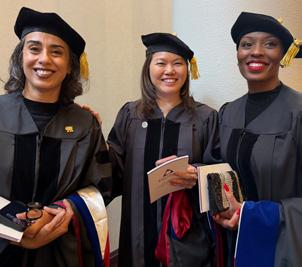
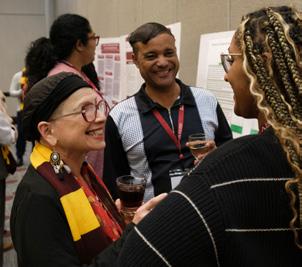
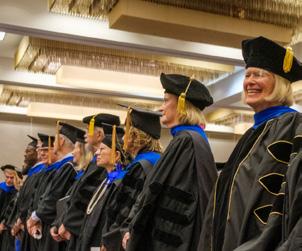
A changemaker’s journey thrives with community involvement and support. We invite you to join the Fielding Alumni Association—our dynamic community of more than 7,300 alumni worldwide who are helping transform the world through leadership, innovation, and social impact.
Membership in the Fielding Alumni Association brings you tremendous opportunities to grow, connect, and thrive with your peers. Enjoy lifetime membership benefits that open doors to exclusive resources: access to the alumni directory, robust alumni access to the Fielding library, a complimentary Pro Zoom account, and more. Alumni, students, and faculty are all welcome!
Join us in charting the future: Visit alumni.fielding.edu today.
to show your Fielding pride? Order your Fielding merchandise here: www.fielding.edu/store We invite you to share your
out to alumnirelations@fielding.edu alumni.fielding.edu