In an age where the rush of daily news often overshadows the deeper narratives that shape our community, the Georgetown View constantly strives to be an eager beacon of positivity and unity. Far more than just a lifestyle magazine, our publishers and staff are committed to creating a means of getting to know what makes our community thrive: its people and their impact.
Since its inception in 2009, the Georgetown View has not only reported on the great stories and people in our city but also taken pride in actively contributing to its enrichment. Through donations exceeding $100,000 in advertising, we have extended our support beyond the printed page to organizations that further amplify the voices of those who work tirelessly to make a difference, ensuring their missions reach as many eyes and hearts as possible.
But we are also good at doing what we do–showcasing prominent local businesses and community agencies and initiatives like ROCK, Georgetown ISD students, FFA, 4-H, and many more on our covers and in multi-page features. These not only celebrate their contributions but also inspire readers to personally engage and participate in the missions of these community pillars.
In every story, from first responders and veterans to the latest city events and programs, our purpose is to foster a sense of pride and connection. In addition to these, every November our "Giving Thanks and Giving Back" issue shines a spotlight on local nonprofits and philanthropic efforts, reminding us of the power of community support and the importance of gratitude.
In short, we believe the Georgetown View is more than a magazine; it is a vital part of the community’s fabric that spotlights advocacy, education, and celebration. We hope you will agree it stands as a testament to what we can all achieve when we choose to focus on the positive and the possible.
PUBLISHER
Cathy Payne • cathy@georgetownview.com
SENIOR WRITERS / CONTENT EDITORS
Ann Marie Kennon • Charlotte Kovalchuk
CONTRIBUTING WRITERS
Linda A. Thornton • Steve Fought
CONTENT MANAGER
Camy Reynolds
GRAPHIC DESIGN
Sandra Evans • Ann Marie Kennon
BUSINESS DEVELOPMENT
Jesse Payne
WEBMASTER
Ann Marie Kennon
ADVERTISING
512.746.4545
info@georgetownview.com
Georgetown View is a Fidelis Publishing Group, LLC publication and a product of AdvocateNewsTX Newspaper.
Mail may be sent to: Georgetown View P.O. Box 203 • Jarrell, TX 76537
SCAN THE CODE FOR E-SUBSCRIPTION AND NEVER MISS AN ISSUE.
FOLLOW US ON FACEBOOK FOR FOLLOW-UPS AND OUTTAKES GeorgetownViewMagazine
In today's dynamic market, visibility is key to success. We invite you to explore the power of diversification by pre diverse range of magazines. Each publication in our portfolio offers a unique audience, ensuring your message resonates with a wider, yet targeted demographic. Seize this opportunity to broaden your reach, enhance brand recognition, and connect with potential customers in new, impactful ways. Let's collaborate to make your brand a household name.
CONTACT US • 512-746-4545 INFO@GEORGETOWNVIEW.COM
LIFE BEYOND YOUR TO-DO LIST
Communities are built in the moments between work and school, the places where families gather, creativity flourishes, and people come together simply to enjoy life.
In between our special features, this month’s issue celebrates the activities and spaces that help make that happen across our community. From sweet summer treats and live music venues to youth programs, outdoor adventures, and family-friendly destinations, these stories highlight the experiences that bring people together.
Whether it’s discovering a new hobby, cheering from the sidelines, or sharing a love of learning, kids and families, arts and culture, and sports and recreation remind us that a thriving community isn’t just about where we live, it’s about how we live together.
Meet our Pros — professionals, business owners, and subject matter experts from leading local companies who share their knowledge and expertise to bring readers practical advice, how-to tips, best practices, and current and emerging trends. To learn more about becoming a Featured Professional, contact info@georgetownview.com or 512-746-4545.
Austin Orthopedic Institute
Board-certified orthopedic surgeon specializing in sports medicine, joint reconstruction, and orthopedic trauma, with over 15 years of surgical expertise.
www.AustinOI.com 512-856-1000
Doleva Elite Tree
Certified Arborists to care for your trees! Our large equipment makes jobs efficient and economic, and prevents damage to lawn or property. Serving Georgetown since 2009.
DolevaEliteTree.com 512-943-8733
DTC Air Conditioning
DTC provides advanced HVAC solutions with Carrier® factory-authorized service, expert technicians, and a commitment to innovation, training, and 100% customer satisfaction.
DTCTexas.com 512-887-5091
Hall's Roofing & Sheet Metal, LLC
Family owned since 1939. Roofing professionals specializing in full-service roof repair, installation, and replacement.
HallsRoofing.net 512-864-7579
Inner Space Cavern
One of the best preserved caves in Texas, Inner Space Cavern has hosted hundreds of thousands of visitors since 1966 and offers a variety of activities year round.
InnerSpaceCavern.com 4200 S IH-35 Georgetown
Keller Commercial & Home Services
Experts specializing in maintenance, enhancement, and design. Armed with cutting-edge tools and programs — driving rapid growth in architectural landscaping.
KellerServicesTX.com 512-930-4769
Silk + Stone Acupuncture
Personalized holistic treatments blending traditional Chinese medicine and modern insight, addressing pain, hormones, digestion, fertility, and stress to restore balance.
SilkAndStoneAcupuncture.com (512) 818-4949
Moore Liberty Buildings Chad & Amanda Moore Thousands of structures built since 2015.
MooreLibertyBuildings.com 512-548-6474
The Wesleyan Providing a new, bountiful experience of aging full of purpose, passion, and possibility for more than 50 years.
TheWesleyan.org
Prime Wellness and Longevity
Personalized hormone therapy, weight loss, and wellness plans to help clients optimize health, boost energy, and feel their absolute best.
PrimeWellnessand Longevity.com 512-240-4456
Wild Birds Unlimited
Expert advice, quality seed, and feeders. Let us provide joy to you and your backyard birds. We bring people and nature together and do it with excellence.
GeorgetownTX.wbu.com (512) 763-1081
THE LEGACY OF Judge Rick Kennon
368TH DISTRICT COURT 2013-2022
SENIOR JUDGE 2023-2026
There are people whose titles become synonymous with their names. For many across Williamson County and beyond, he was simply Judge Kennon — fair, prepared, dependable, and deeply committed to work and service.
But titles, while meaningful, rarely tell the whole story. Rick Kennon left behind a legacy measured not only in years of service or legal accomplishments, but in something more enduring: the way he treated people and the impact he had on the lives around him.
Throughout his career, Rick earned a reputation for honesty and integrity. His law partners knew him to be practical, athletic, and a fun-loving family man; and those who later appeared in his courtroom knew they would receive careful attention, thoughtful consideration, and efficient dispensation. Those at the courthouse knew him as diligent and exceptionally hardworking answering warrant calls in the middle of the night, arriving early and leaving late, and making it a personal point of pride to keep his docket on schedule.
Everyone fortunate enough to know him personally under stood that beneath the title and responsibilities was a man of great generosity, deep faith, and quiet humor.
On the bench, Rick carried a steady presence and a high standard. He believed in preparation, responsibility, and doing things the right way, even when it required more effort. He was blessed with wisdom and intelligence that could even be a little intimidating—because he approached his responsibilities with seriousness and clarity. He understood the weight of decisions in the courtroom and recognized that responsibility didn't end when he left the bench.
Still, outside the courtroom, another side of Rick emerged.
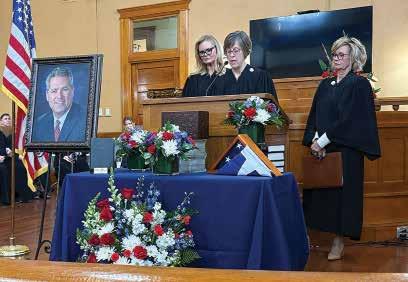
Judges Donna King, Stacey Mathews, and Betsy Lambeth recalled happy memories and stories during a shared eulogy for their "Big Brother" judge.
by Ann Marie Kennon
BEYOND THE BENCH
Friends and family knew a man who laughed wholeheartedly. Not politely. Not quietly. And, sometimes, not easily. Many people in Caldwell (his home after retiring) considered it a great accomplishment to get a "Rick Kennon giggle." But he relished the kind of laughter that overtook him with shoulders shaking, face reddening, and tears forming in his eyes. He especially loved the private jokes and everyday moments that become the language of shared universes.
He found joy and comfort in life's restful routines and, at his core, was a hammock-nap kind of guy. Through familiar phrases, constant attempts to improve his golf swing via millimeter-sized adjustments, carrying his six grandchildren on his shoulders, and simple rituals repeated over years, he built a life rooted not in grand gestures but in consistency.
Rick was also a man of strong faith. He loved God, loved his family, and had a strong desire to serve well. His faith shaped not only what he believed but how he treated people. And, in lighter moments, he was eager for heaven because he wanted to know what it would feel like to fly.
A MOVING FAREWELL
Since his sudden passing, one theme has surfaced repeatedly from nearly everyone who knew him: respect.
Thanks to the generosity of County Judge Steve Snell and the District and County Court judges, more than 200 friends, family, and elected officials gathered at the historic courthouse May 8 to pay final respects in a very memorable celebration of life. Several speakers mentioned that Rick himself would have hated it because he was too humble to think he deserved that much praise and attention. But court staff, colleagues, law enforcement, attorneys, friends, and members of the community shared stories and memories reflecting the same qualities—honest, generous, hardworking, faithful, and kind. And perhaps most tellingly, many spoke not only of the judge they admired, but of the father or friend they loved.
And while his absence leaves a bottomless space in the lives of those who loved him, the impact of who he was continues forward through every person who knew him.
Some lives are counted in years. Others are measured by the people they leave changed. Rick leaves behind both.
And for what it’s worth, if he were somehow able to read this article, he would probably respond in a very Rick-like way:
Roll his eyes at my latest attempt to put him on a pedestal. Grumble that everyone made too much fuss over him. Then secretly read it twice. And later, when nobody was looking, quietly say: "Thank you for writing it, Honey Bunny."
by Charlotte
Family Legacy of Investigation
She Spies Private Eye Cultivates Generations of Sleuths
When the television series "Roots" aired in 1977, audiences across the United States were captivated by the sweeping story that followed one man from an African village through the horrors of slavery and the generations that followed. The portrayal of cultural identity and family legacy—inspired by author Alex Haley’s journey tracing his own ancestry—emboldened millions of viewers to begin exploring their own family histories.
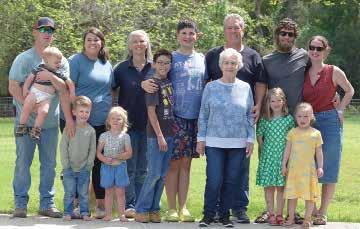
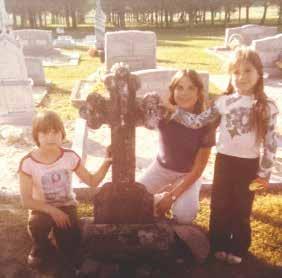
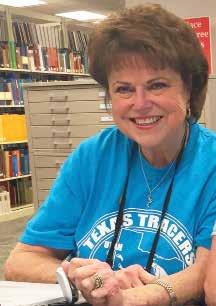
Bettye Pribyl (below) was one of them. “Back then, we didn’t have computers, so we had to go out and do our own research,” Bettye says. “I would take my three girls with me to the library and to relatives’ houses to do genealogy interviews.” What began as a hobby soon became a way of life. Armed with cassette recorders, notebooks, and endless curiosity, Bettye spent decades piecing together family histories through courthouse documents, cemetery records, and conversations with relatives. Trailing behind her through libraries and graveyards were her three daughters (above, right), including Anji Maddox, who grew up fascinated by the process of uncovering hidden stories.
That instinct for investigation would eventually lead Anji to open her own Georgetown-Austin based private investigation business, She Spies Private Eye. While Bettye searched for ancestors, Anji built a career locating missing people and conducting undercover operations. “She says I look for dead people while she looks for living people,” Bettye laughs.
The same sleuthing curiosity that began with Bettye continues to live on in Anji and, in different ways, through her own children.
NEXT GENERATION OF INVESTIGATORS
Just as Bettye once hauled her daughters to genealogy research locations, Anji found herself bringing her own three children along on surveillance jobs and stakeouts while building her business as a single mother. Over time, they became fascinated by the stories behind the cases and the people their mother was helping. “I would explain to them that we were helping someone—a missing child or a wife or husband in a child custody case. I always wanted them to understand why I loved my job.”
That fascination with investigative work stuck with them. One son became a police officer. The other briefly worked alongside Anji doing fugitive recovery until she decided—after a harrowing foot chase that made the Austin news—the
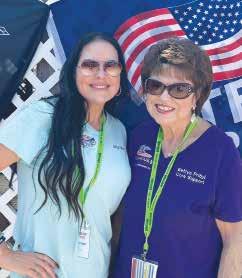
Anji Maddox and Bettye Pribyl
danger was too great. “That’s why he’s in oil and gas now.” Her daughter, Breann Griggs, now runs a childcare center while continuing to help part-time with investigative work.
“I remember going on stakeouts with her where she looked like a soccer mom sitting in the car, but we were actually doing spy work,” Breann says.
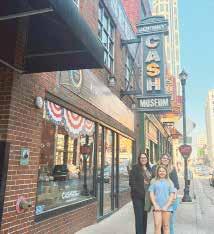
As an adult, she began stepping into undercover work herself, helping with custody cases, runaway recovery, and online scams—cases that often placed her inside the story she was trying to unravel. In one case, Breann—who has long been a fan of Johnny Cash and even named her daughter Cash—became involved in an investigation targeting an online scammer falsely claiming that he was Johnny’s friend, Bill Miller. What started as an attempt to trace a fraudster eventually led her to the real individual being impersonated. Grateful for the family’s persistence in uncovering the truth, he later thanked the family with memorabilia and tickets to the Johnny Cash Museum in Nashville.
Despite the unusual childhoods filled with stakeouts, courthouse records, and undercover work, both women say the experience shaped their families in unexpected ways.
“I feel like my kids grew up loving to help people,” Anji says. “They became very compassionate adults.”
MOTHER-DAUGHTER TEAMWORK
Anji’s family legacy may have expanded to new generations and different forms of investigative work, but at its center remains the mother-daughter duo that started it all. Today, Bettye and Anji continue working together on heirship and probate cases, combining Bettye’s decades of genealogy research with Anji’s investigative databases and fieldwork. Some nights, Bettye stays up late digging through records before calling her daughter with a new lead and putting their resources together to figure out a case.
For Breann, the work has strengthened not only her investigative instincts, but also her relationship with her mother.
“We’re really close,” she says. “She’s my best friend. When we’re talking in the office together laughing, it doesn’t even feel like work.”
by Charlotte Kovalchuk
A DECADE ~of~ CLASSICAL MUSIC
Texas Bach Festival Celebrates 10 Years in Georgetown
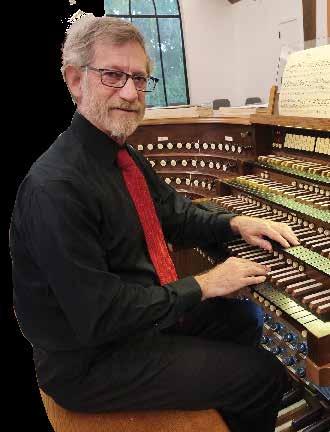
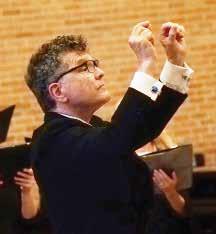
Founded in 2016, the Texas Bach Festival is celebrating a special milestone this summer: 10 years of bringing world-class live classical music to Georgetown. Though the festival missed one season during the pandemic, founder and artistic director Barry Scott Williamson says its mission has never wavered—to keep timeless music alive while enriching the Central Texas arts community. “In the 10 years we’ve been here, I believe we’ve found a place in the arts community,” Barry says. “When other classical music festivals in the area disappeared, we became not only the only Bach festival in Central Texas, but one of the only classical music festivals in the region. We’d like to keep that alive.”
Now entering its ninth festival season, the Texas Bach Festival returns this June with four concerts spread across three central Georgetown venues. This year’s programming embraces the festival’s long-running philosophy: “Onward and upward.” Barry has signed nearly every Texas Bach Festival email with the phrase over the last decade. For him, it reflects far more than a cheerful signoff. “Our mission is all about championing the great and timeless music of Bach through concerts and events that enrich the community,” he says. “ ‘Onward and upward’ means we’re always moving forward—thinking of new ideas, striving to make the community more enriched through what we do. We’re not sitting still or resting on our laurels.”
That spirit is woven throughout this year’s lineup, which introduces several festival firsts while adapting to an unexpected change in the festival schedule: the cancellation of the June 25 concert because of Barry’s ongoing vocal issues and the June 27 choral concert due to budget concerns. Even so, Barry says the remaining performances continue to reflect the festival’s commitment to innovation, variety, and artistic excellence.
A SEASON OF FESTIVAL FIRSTS
The festival opens June 23 with “The Power of Organ and Brass” at Grace Episcopal Church, home to one of Georgetown’s finest pipe organs. Organ music was central to Bach’s career—he was best known in his lifetime as a virtuoso organist—and Barry says preserving that repertoire remains vital to the festival’s identity. This year’s program adds brass accompaniment for the first time, creating what Barry describes as an especially powerful sound.
On June 24, the festival presents the return of “Bach’s Lunch” at the Georgetown Public Library, featuring a violin recital centered on one of Bach’s most celebrated violin works alongside pieces by Saint-Saëns and Richard Strauss. Audience members can also attend a “Meet the Artists” Dutch treat luncheon at City Post Chophouse following the concert. To reserve your spot, email: barry@texasbachfestival.org
The innovation continues June 26 with the debut of the Artisan Piano Trio, featuring violin, cello, and the Steinway grand piano at First Presbyterian Church. The festival concludes June 28 in the same church setting with an orchestral matinee featuring works by Mozart, Bach, and Haydn.
Together, the concerts showcase the festival’s signature blend of variety and excellence: “Everything is new this year—things the Texas Bach Festival has never done before,” Barry says.
As the festival marks its 10th anniversary, Barry emphasizes community support is more important than ever to ensure the festival will continue to thrive for another decade and beyond.
TICKETS
GENERAL ADMISSION $35
SENIORS (62 and older) $30
$20 STUDENTS / ACTIVE MILITARY
DISCOUNTS AVAILABLE FOR FULL SERIES PACKAGES
Scan the code for tickets, donations, and more texasbachfestival.org
ILEADERSHIP & INTEGRITY and the People Who Make It Work
n a profession often measured in transactions and dollar signs, the
ferent.
It looks like relationships, integrity and, above all, like people who genuinely care about the lives they touch and the community they serve every day.
For nearly five decades, broker-owner Avis Wukasch (above) has been a central figure in Central Texas real estate. Colleagues across the state often refer to her as a “legend,” though the label seems to make her a little uncomfortable.
thing I could about leadership.” Over time, Avis became a devoted student of leadership author John Maxwell, whose teachings continue to influence her approach to mentoring others.
This year, the brokerage will even host Maxwell’s Five Levels of Leadership training for its Agents as part of its ongoing commitment to professional growth. Decades later, her mission remains the same: develop leaders who will influence others.
“My personal mission in life is to make a difference in the lives of others who will make a difference in the lives of others.”
“I just do what I do,” Avis says with a quiet smile. “Most of the time I do my best to do what I believe I’ve been called to do.” That sense of calling has shaped not only her career, but the culture of the brokerage she leads. She traces much of that philosophy back to her early decision to join Keller Williams Realty, due to the company’s values: God, family, and business.
“We’re not saying everyone has to believe exactly the same things, but those values shape the way we run the company and the way we treat people," she says. "We believe we lead where we live and serve where we sell."
Her focus on leadership began years ago when an early mentor told her she was managing well—but not truly leading. “That started my journey,” she recalls. “I began reading every-
A CULTURE THAT ATTRACTS LEADERS
Market Center Leader Laura Stofle says that philosophy naturally attracts a certain kind of professional. “We value people who value people,” she says.
Each Keller Williams office is independently owned and operated and the Lone Star office includes top-producing agents, industry educators, board presidents, and leaders involved in regional and national real estate organizations. Yet Laura says the accolades are simply the byproduct of
something deeper. “The awards come from relationships,” she explains. “Our people build their businesses on successful transactions and referrals. The recognition is just the result.”
What she checks most closely isn’t production numbers. “I’m not watching the data as much as the people they’re becoming,” she says. “When they start standing out as leaders, that’s when I know we’re succeeding.”
According to Laura, agents often say the same thing when asked what stands out about the Georgetown office. “The collaboration. The people,” she says. Rather than competing, agents share knowledge and mentor one another.
“You’re never without help,” she says. “If you’re without help, it’s because you didn’t ask.” That accessibility extends to leadership as well. In a business that often runs seven days a week, Laura keeps her phone on from early morning until late evening to help agents navigate their business needs.
“We’re in a 24/7 industry,” she says.
SANDERS
“Our job as Leadership is to make sure no one feels like they're on their own.”
BEYOND THE TRANSACTION
While real estate may appear transactional from the outside, Avis sees it differently. “For most people, buying a home is the biggest investment they’ll ever make,” she says. “But it’s also where they raise their children. It’s their safe place," and helping clients make that decision requires understanding what truly matters to them.
“What is it you need to accomplish by coming to Georgetown?” she asks. “You keep drilling down until you understand their ‘why.’”
At the same time, ethics and responsibility remain central to how the brokerage operates. “I’m probably one of the most risk-averse brokers you’ll meet,” Avis says with a laugh. “But that’s because we work hard to do things the right way.” That mindset is rooted in both professional standards and personal conviction. “Tex-
MEGAN TURNIPSEED
as law requires us to put our clients’ interests above our own,” Avis says. “But it’s also just the right thing to do.”
A LEGACY OF SERVICE
Service also extends into the community. Each year the office participates in Keller Williams’ international “Red Day,” when offices close to volunteer locally. Agents have supported local non-profits like the Caring Place, R.O.C.K., and several that advocate for the protection of children. “It’s one of my favorite days,” Laura says.
For Avis, the most meaningful impact often comes from small moments. She recently learned a simple kindness she showed a new student decades ago had left a lifelong impression. “I didn’t even remember it,” she says. “But it mattered to her. At the end of the day,” Avis adds, “it’s about how many people you can make a difference for.”
Keller Williams Realty Lone Star has over 140 agents who collectively hold dozens of industry awards, certifications, and leadership distinctions. The recognitions here represent only a portion of their accomplishments.
by Charlotte Kovalchuk∙ photography by Magnificath ArtWorks
GRACE EPISCOPAL CHURCH
In 1881, just 33 years after the founding of Georgetown, a small group of Episcopalians began gathering at the little white church just off the Square at Main and Eighth streets. That historic building, which now houses Grace Heritage Center, became one of the earliest places where Grace Episcopal worshipped, anchoring its presence in the city’s early years. As Georgetown grew, Grace Episcopal expanded with it, moving across town to meet the needs of a rapidly growing city with a diverse demographic. Today, its campuses—one off University Avenue across from Southwestern University and another at DB Woods and Williams Drive—serve different corners of the community, from families and students at its central campus to residents across Georgetown’s expanding western corridor. A new building planned for the west campus will continue that reach, replacing the current location and allowing the church to better serve a growing part of the city.
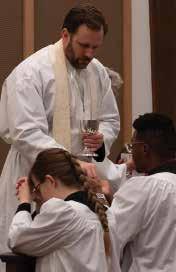
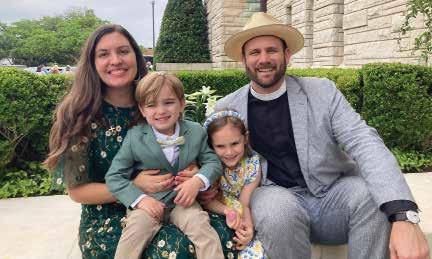
It’s this story of growth and faith that drew Father Neal McGowan to both Georgetown and Grace Episcopal Church. He and his wife had been living in Houston but have always loved Georgetown’s close-knit community and deep-rooted faith traditions. “I was really excited about the spiritual vision of a group of people who have been in Georgetown since the founding of the city,” Father Neal says. That vision—one of a church growing with its city—ultimately led him to step into the role of Grace Episcopal’s new rector and begin leading the church in the next chapter of its enduring story in Georgetown.
Extending Christ's Love Across A Growing City
COMMUNITY ANCHOR
Grace Episcopal’s next phase is already taking shape through the expansion of its west campus located along the Ronald Reagan corridor—one of the fastest-growing areas in Georgetown. The new building—planned near Highway 245 and Ronald Reagan Boulevard—will replace the current west location and serve a part of the city where new neighborhoods are expanding quickly but churches and civic gathering spaces remain limited. “Northwest Georgetown is exploding,” Father Neal says. “There just aren’t a lot of Episcopal churches out there, or even many churches along that corridor. It’s a real mission opportunity.” The church has submitted its site plan to the city, with construction expected to begin late this year or early next year, and an anticipated opening in 2028.
But for church leadership, the project is not only about geographic expansion—it is about how the church fits into the fabric of a rapidly developing suburban landscape. “In a lot of these neighborhoods, you have schools, HEBs, gas stations, car washes. But not many civic spaces where people actually gather. We see part of our ministry as helping provide that.” That idea is shaping the design of the new building, which will include flexible space intended for community use, everything from large-scale gatherings to recurring community events like weekend farmer’s markets.
The expansion builds on work already underway across Georgetown. Grace Episcopal partners with organizations such as The Caring Place and other local nonprofits, and regularly organizes food drives like “Stuff the Truck” that collects supplies for area food banks. One of its most consistent points of connection is also one of its simplest: shared meals. Three times each semester, the church hosts Southwestern University students for dinner, often serving close to a hundred students at a time.
Alongside these outward efforts, the church is also reworking internal ministries, particularly for children and youth. A
ONE CHURCH, TWO ALTARS
Unlike most Episcopalian churches that operate from a single site, Grace Episcopal has grown into a church that makes its home across two campuses—“one church, two altars,” as Father Neal describes it. Despite its geographic spread, Grace maintains a consistent Episcopal identity, rooted in the Book of Common Prayer, weekly communion, and scripture readings. Both locations offer traditional services at 8am, as well as a 10am service at the west campus with a blend of traditional and contemporary hymns, and a 10:30am service at its central location that features a full choir and organ music.
The congregation itself reflects that same balance of unity and diversity. Grace Episcopal draws people from a wide range of backgrounds, including Republicans and Democrats, LGBTQ and straight members. “It’s a welcoming church. People come from all different backgrounds, and they’re part of the same community,” Father Neal says.
newly appointed children’s minister, Emily Barton-Spinks, has introduced programs such as StoryMakers, which uses creative storytelling to help children engage with scripture in more interactive ways.
With the west campus expansion in the works, that focus is expected to deepen, especially as more young families move into that part of the city. “There are so many new homes out there,” Father Neal says. “It’s growing quickly. We’re hopeful about things like StoryMakers and ways we can make services more engaging for children and youth.”
More than a century after its beginning in a small white church near the Square, Grace Episcopal continues to grow alongside Georgetown, now across two campuses, with a new building planned for its west campus. “We’ve been here a long time,” he says. “And we’re committed to being here for the next 150 years.”
Central Campus:
Services at 8am and 10:30am at 1314 E University Ave
West Campus:
Services at 8am and 10am at 4402 DB Wood Rd, Ste 150 georgetowngrace.com hello@georgetowngrace.org ∙ 512-863-2068
Why Do I Keep Waking Up at 3am?
One of the most common questions in clinic:
“I’m exhausted… so why can’t I sleep?”
For some, it’s trouble falling asleep. For others, it’s waking at 1, 3, or 4 a.m.—wide awake, mind suddenly active, body exhausted but unable to settle back into rest.Most people assume this is simply stress, getting older, or “just how they sleep now.” But waking during the night—especially at the same time—often tells us something important about what is happening beneath the surface.
In Chinese medicine, sleep is viewed as a reflection of overall balance in the body. When sleep is disrupted, we look deeper. Is the nervous system stuck in overdrive? Are hormones shifting? Is the mind having trouble settling? Is the body holding onto tension it hasn’t fully processed?
These patterns can show up as difficulty falling asleep, waking between certain hours, vivid dreams, restless sleep, or waking exhausted despite getting enough hours in bed.
This is where Chinese herbal medicine can be especially effective. Rather than simply trying to “knock you out,” herbal formulas are chosen based on your specific pattern of symptoms—whether that looks like racing thoughts, light sleep, frequent waking, or feeling wired even when you’re exhausted. The goal is to help the body return to a state where sleep happens naturally.
Acupuncture often works alongside herbal medicine by helping regulate the nervous system, calm the mind, and support deeper relaxation.
One of the biggest misconceptions about insomnia is that the only solutions are melatonin or prescription medication. In reality, with the right support, the body can often relearn how to sleep.
And that’s where real healing begins.
FROM CLASSROOM TO CAREER—WITHOUT THE GAP
GEORGETOWN ISD’S CTE PROGRAMS PREPARE STUDENTS FOR HIGH-SKILL CAREERS — AND A STRONG LOCAL WORKFORCE
Career and Technical Education (CTE) in Georgetown looks very different from what
many
adults remember as “vocational school.”
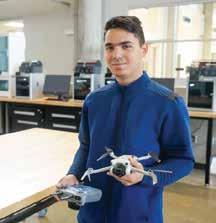
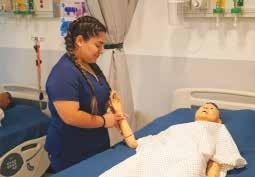
Today’s Future-Ready programs introduce students to robotics, advanced manufacturing systems, healthcare technology, culinary arts, and dozens of other high-demand careers, often using the same equipment and industry standards they will encounter in the workforce.
With 24 career pathways available, GISD’s CTE programs are a major part of the student experience. In fact, district data show 98.9 percent of students scheduled to graduate in the 2025–26 school year have participated in at least one CTE course. The goal is simple: prepare students for real opportunities after graduation, whether that means entering the workforce, earning certifications, or continuing their education.
“Career and technical education looks different today than what many people remember,” says Bretton Schulz, Director of CTE Programs. “We’re not preparing students to operate machines on an assembly line. We’re preparing technicians and programmers who understand how complex systems work and how to fix them when they don’t.”
HANDS-ON INDUSTRY LEARNING
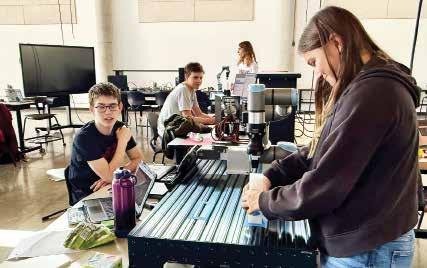
Students on the newly-launched Advanced Manufacturing pathway get direct exposure to the technologies driving today’s industrial economy. In the classroom (above), they learn to work with robotics systems, automation technology, electrical circuits, and industrial controls, developing technical knowledge and the critical thinking skills needed in modern workplaces.
“Manufacturing is the subject or field where you try something, find out what went wrong, try again, and make a new mistake,” says senior Jed Ellis, describing the trial-and-error learning process that drives many classroom projects. And senior Aiden Sullivan says teamwork is just as important as technical skill. “Our manufacturing class is about teamwork and problem-solving,” he explains. “Whether we’re wiring AC and DC circuits or getting a robotic arm to move, we learn from what goes wrong and improve it together.”
Manufacturing teacher Terri Henry says the classroom environment is intentionally designed to mirror real manufacturing settings. “In the Advanced Manufacturing classroom, students collaborate and problem-solve in ways that reflect real-world manufacturing environments,” she says. “They’re developing the technical and employability skills needed for today’s workforce.”
STRONGER COMMUNITY PARTNERSHIPS
A key part of the administration's approach is collaboration with local industry. Through the Georgetown Manufacturing Alliance, the district works with the Chamber of Commerce, city leaders, and manufacturers to ensure programs align with real workforce needs.
Companies like CelLink and other regional manufacturers help provide industry insight, guest speakers, and potential work-based learning opportunities. “The Advanced Manufacturing Program of Study reflects what can happen when education and industry work hand-in-hand,” says Dee Marrs, Vice President of Human Resources at CelLink.
“Students are gaining early exposure to the technologies and expectations that exist in today’s manufacturing careers.”
The results are already visible. In the 2024–25 school year, Georgetown students earned 1,277 industry certifications, including credentials in automotive technology, culinary arts, veterinary tech, healthcare assistants, and more.
by Ann Marie Kennon • photos courtesy GISD Communications
Many certifications come at no cost to students, and the administration is committed to helping remove barriers for families and giving graduates an immediate advantage in the workforce.
PREPARING STUDENTS AND GEORGETOWN FOR THE FUTURE
Communications Director Melinda Brasher says the benefits extend beyond individual students. As Georgetown continues to grow, strong CTE programs help attract new employers and support a skilled local workforce.
“We focus on programs that reflect high-need, high-wage jobs in our community,” Bretton says. “Our goal is to make sure students graduate with skills that translate directly into real opportunities.”
With advanced facilities, strong partnerships, and nearly every student gaining hands-on experience, Georgetown ISD’s CTE programs are helping build a future where students can live, work, and succeed in the very community where they grew up.
Research Institutions and the State’s Economic Future
How research security, university partnerships, and state policy are shaping Texas' next generation of innovation.
In my first article of this three-part series on education, I covered the 89th Texas Legislature’s historic investments into public education and empowerment of parents to keep the public education system accountable. In the second, I covered the steps Texas has taken to ensure freedom of speech and academic excellence for our institutions of higher education.
For the third entry in the series, let’s look at how our institutions of higher education serve as economic engines, national security assets, workforce pipelines, and hubs of innovation, and how the 89th Texas Legislature acted to safeguard those vital functions from intellectual property theft, including espionage from foreign adversaries.
From stories of professors stealing research to sell for personal gain, to well-meaning but naive researchers partnering with their counterparts in adversarial foreign governments, to repeated accusations of how taxpayer money is wasted on niche research without obvious real-world application, universities across our nation have lost the trust of the public when it comes to research and innovation.
This last session, Texas took the lead in restoring that faith, taking steps to restructure our institutions to focus on
good stewardship of taxpayer funds, both in what research they choose to fund and in how they protect that research.
This last session, Texas took the lead in restoring that faith, restructuring our institutions to focus on stewardship, security, and measurable outcomes. In doing so, Texas did not just respond to national concerns. We built the first comprehensive, statewide frameworks aligning research, economic development, and national security. Other states are now beginning to follow that model.
RESEARCH AS ECONOMIC STRATEGY
Texas does not just compete with other states for jobs anymore. We are competing for entire industries built over time through research, workforce development, and strong partnerships between universities, industry, and government. The work happening inside our public universities is directly tied to the future of sectors like semiconductor manufacturing, artificial intelligence, biotechnology, energy systems, and aerospace. These are not abstract ideas. They shape our ability to remain competitive as a state.
Federal funding trends reflect this shift. Research dollars are being directed toward large, coordinated efforts that bring multiple institutions and industry partners together. These projects are designed to move ideas beyond the lab and into real-world application. That means the way states compete has changed. It is no longer about one university outperforming another. It is about whether a state can operate as a connected system that can deliver results at scale. If Texas wants to continue leading, we must recognize that reality and act accordingly.
THE CHALLENGE TEXAS STILL FACES
When I was first elected as your State Representative in 2016, Texas only had 3 major research universities, one of which was private. I knew that our state could, and must, do better. As Chairman of Article III of Appropriations, which oversees funding our public and higher education institutions, I worked with leaders in both chambers to help lay the groundwork for the Texas University Fund (TUF), which was passed the following session.
The TUF set aside $1 Billion into an investment fund. The proceeds from those investments are used to fund research in universities across our state that previously did not have access to a reliable stream of research funding. With TUF funds, they are able to make long-term research investments, which can yield greater long-term benefits for the state.
Texas is now leading the nation in the number of research universities classified as “Tier 1” by the Carnegie Institute, with 16 in total. However, that distinction only tells the world that those institutions spent $50 million per year on research, which doesn’t mean much on its own. What matters is not only how much we spend, but that those investment produce quality, relevant research that advances our position as a global economic leader.
Texas institutions of higher education maintain strong relationships with the energy, aerospace, healthcare, and advanced manufacturing industries, ensuring that research investments drive job creation and economic growth, not pet projects. Our growing economy continues to attract talent and investment across the country,
but coordination across institutions remains a challenge.
Universities naturally compete for talent and funding, but Texas policy is increasingly structured to ensure that institutions also operate collaboratively. The Coordinating Board’s research planning framework explicitly requires institutions to demonstrate cross-disciplinary collaboration, partnerships with other Texas institutions, and alignment with regional economic priorities. Competition can encourage excellence, but we succeed better when we work together rather than competing against each other as isolated campuses.
The more competitive the research initiative, the larger and more multidisciplinary the team required to accomplish the goal. Coordinated research networks allow companies and government partners to move in the same direction.
Texas has the talent and institutional capacity to compete at that level. Achieving that goal requires viewing the state’s universities as components of a broader innovation system and keeping that system secure from foreign influence and the potential theft of the research they produce
RESEARCH SECURITY AND HOUSE BILL 127
Research security is ultimately about maintaining trust. Federal agencies require institutions to demonstrate strong security standards when awarding funding for classified research projects with the Departments of Defense, Energy, Commerce and Agriculture, which comprise the largest research and development budgets worldwide. Texas recognized early that research security is not just about preventing bad outcomes, it is about enabling growth. Rather than wait for mandates, Texas acted ahead of most of the country to build a structured, statewide approach to research security that allows institutions to collaborate, compete for federal funding, and engage with industry while protecting sensitive research.
Our universities are required to maintain policies to handle secure academic research by keeping intellectual property secure from international espionage and foreign governments so that Texas remains a research destination for industry nationwide. Industry research attracts proprietary industry partnerships like advanced manufacturing, supply-chain investment, and the jobs that follow.
The development of Silicon Valley provides a well-known example. Federal investment in university research during the early decades of the technology industry helped create collaborative networks that laid the foundation for one of the most productive innovation regions in the world.
The benefits from securing our research institutions lead to the passage of SB 1565 in 2023, creating a Research Security Officer (RSO) position at each Higher Education Institution in Texas with research capacity. SB 1565 made the SROs responsible for handling classified information, controlled unclassified information (i.e. trade secrets and proprietary designs), and foreign influence reporting.
SB 1565 made the RSOs responsible for handling classified information, controlled unclassified information (i.e. trade secrets and proprietary designs), and foreign influence reporting.
With those positions established, last year I authored and passed HB 127, which formed the Research Security Council, bringing all the RSOs across Texas together to develop best practices, create a common framework, and allow participating institutions to share information about potential security threats.
HB 127 also increased research security by requiring RSOs to review and vet all gifts, grants, and donations to a university or university employee from an adversarial foreign government, an organization or individual acting on behalf of an adversarial foreign nation, or any group, individual, or organization identified as a potential security threat by the Governor. It also placed those same vetting requirements on all cultural exchange programs within institutions of higher education.
HB 127 established enforceable accountability measures to ensure compliance. Institutions must certify adherence to research security requirements as a condition of receiving state appropriations, are subject to periodic audits by the State Auditor, and must cure any identified violations within a defined timeframe. Failure to do so can result in loss of eligibility for future funding. The bill also reinforces existing institutional consequences by integrating research security requirements into university policies and aligning violations with existing criminal statues related to theft of trade secrets.
HB 127 created consistency across Texas institutions and prevents conflicting standards for universities collaborating on major research projects. This approach is supported by efforts such as the Academic Security and Counter Exploitation Program, which focuses on protecting research from espionage and intellectual property theft while allowing legitimate collaboration.
THE BOTTOM LINE
Innovation depends on partnership, but those partnerships must be built on transparency and mutual benefit.
The goal is not to slow progress, but to ensure it can be secure and sustainable. Without a shared commitment to research integrity, Texas cannot fully scale its research ambitions. Building a state-of-the-art secure research ecosystem will require funding, but it is a proven investment direly needed to get our state not just to the top ranking, but to the top of our true potential.
PLANNING FOR THE LONG TERM
Since 2009, the Texas Higher Education Coordinating Board has required every research university and emerging research university to develop long-term Strategic Plans for Research, creating a statewide framework that aligns institutional priorities with Texas’ economic and workforce needs.
These are not abstract exercises. They require institutions to clearly define their research priorities, demonstrate how those priorities will translate into economic impact, expand partnerships across institutions and industry, and align doctoral education with high-demand workforce needs. This framework reflects an important reality; research ecosystems are built over decades, not 2-year funding cycles. Long-term planning allows institutions to make sustained investments in talent, infrastructure, and partnerships that support continued growth and competitiveness. Today, Texas is building on to that foundation. For the first time, the state is pairing research security with a structured research strategy, ensuring that growth in research capacity is coordinated, accountable, and directly tied to economic development.
Throughout this series, there has been a focus on accountability, workforce readiness and maintaining strong academic standards within higher education. Research plays an important role in supporting this series expositionWorkforce initiatives ensure graduates are prepared for the evolving economy. Governance reforms strengthen institutional accountability. However, research drives the discoveries, technologies, and industries that power growth.
Workforce initiatives ensure that graduates are prepared for the evolving economy. Governance reforms strengthen institutional accountability. However, research drives the discoveries, technologies, and industries that power growth.
Research security policies protect intellectual property and integrity of the state’s research enterprise. Strategic planning encourages institutions to align their efforts with statewide priorities. Greater coordination allows universities to pursue larger research initiatives and attract greater investment.
Together, these efforts create the foundation for a modern research ecosystem.
Texas already possesses the talent, institutions, and economic strength necessary to lead the nation in research-driven innovation. The challenge ahead is ensuring that these assets operate as a coordinated system rather than in isolation.
The state will remain positioned to build one of the most secure and competitive research economies in the country as long as Texas protects its research enterprise and aligns its institutions toward shared goals.
The next chapter of Texas prosperity will not be defined by any one university or policy. It will be defined by how well we integrate them; into a system stronger than the sum of its parts.and competitive research economies in the country as long as Texas protect its research enterprise and aligns its institutions toward shared goals. The next chapter of Texas prosperity will be bound by the strength of the systems that are built together.
by Charlotte Kovalchuk
Outdoor Activities for All Ages and Abilities
Spring in Central Texas is the sweet spot between winter’s hibernation and summer’s relentless heat—the perfect time to rethink what a regular fitness routine looks like for you.
For many, that means stepping away from treadmills and weight rooms and taking things outside. Across Williamson County, parks, trails, and open spaces offer countless ways to move your body that feel less like a workout and more like a fun outdoor adventure. Whether you’re looking for a low-impact activity, a friendly competitive sport, or a full-day nature outing, there’s no shortage of ways to get out and enjoy the spring season.
PICKLEBALL: PADDLE FOR FITNESS
Since the pandemic, pickleball has exploded in popularity as a safe, accessible sport for players of all ages and abilities. A hybrid of tennis, Ping-Pong, and badminton, it’s easy to pick up and made for social play. One of the best things about pickleball is its flexibility—you can play on converted tennis, basketball, or volleyball courts. Throughout Williamson County, dedicated courts make it easy to grab a paddle and play.
1. GEORGETOWN TENNIS CENTER: Dedicated courts with a structured, club-style feel. Reservations required. Cost: $2/hour per person. 400 Serenada Dr
2. MCMASTER ATHLETIC COMPLEX: Casual courts ideal for drop-in play and beginners. 101 Walden Dr. Cost: Free
3. GEORGETOWN RECREATION CENTER: Indoor and outdoor options with leagues and programming. Cost: Free for members / $5 day pass. 1003 N Austin Ave
4. SOUTHWEST WILLIAMSON COUNTY REGIONAL PARK: Spacious courts in a multi-use park setting. Cost: $2/day or $50/year. 3005 Co Rd 175, Leander
NATURE TRAILS: FIT IN THE WILD
Central Texas offers trails that turn a hike— whether a short loop or a full-day trek—into a memorable experience. From gentle paths for beginners to challenging terrain for seasoned hikers, there’s something for every skill level and sense of adventure.
1. THE GOOD WATER TRAIL LOOP offers one of the region’s most ambitious experiences—a 28mile loop around Lake Georgetown that doubles as one of Texas’ few thru-hikes. While some take it on over multiple days, others challenge themselves to complete it in a single push, navigating everything from rocky hills to open grasslands.
2. For something slower paced, the CEDAR PARK SCULPTURE GARDEN blends art and nature into an ever-changing outdoor gallery. With sculptures rotated twice a year, each visit offers something new and engaging for both body and imagination. Find the sculpture garden next to the Cedar Park Recreation Center, 1435 Main Street.
3. Further south, the VIOLET CROWN TRAIl continues to expand as Central Texas’ first regional trail system. Stretching from Zilker Park in Austin toward the Lady Bird Johnson Wildflower Center, it connects neighborhoods, green spaces, and scenic landscapes in one continuous route.
4. For those craving something more immersive, the PECAN SPRINGS KARST PRESERVE offers guided hikes through a 1,205-acre protected ecosystem rich with native plants and wildlife. Located in northern Williamson County just five miles west of Jarrell, this preserve gives hikers the chance to observe wildlife, learn about conservation, and enjoy the Hill Country landscape. A guided hike is scheduled for 9am on Sunday, April 19. Admission is $10 per person, and registration is available at HillCountryConservancy.org.
DISC GOLF: A WALK WITH A TWIST
If you’ve ever noticed metal baskets scattered through a park, you’ve probably come across a disc golf course. The game follows the same basic idea as traditional golf—make your way through a series of holes in as few throws as possible—but swaps clubs and balls for flying discs. Set in public parks, courses use trees, hills, and open space as natural obstacles, making each round feel a little different. Here are a few local courses to check out:
1. SAN GABRIEL PARK, PINNACLE PARK, RIVERY PARK: Georgetown offers a well-rounded mix for all skill levels. San Gabriel Park and Pinnacle Park are both 9-hole, beginner-friendly courses—great for families, quick rounds, or learning the game, with shorter holes and lighter technical demands. Rivery Park’s 18-hole course adds more variety,
with longer fairways, some elevation, and a balance of open and wooded play.
2. WILLIAMSON COUNTY
DISC GOLF COURSE: Known locally as “Wilco,” this 18-hole course in Leander is one of the most challenging in the area, with long, tightly wooded fairways that demand precision and control.
3. OLD SETTLERS PARK
DISC GOLF COURSE: A staple of Round Rock’s sports culture, this 18hole course is known for its tight, tree-lined fairways and emphasis on accuracy over distance. A solid step up for players looking to refine their game.
4. FLYING ARMADILLO
DISC GOLF CLUB:
A destination course an hour’s drive from Georgetown in San Marcos, featuring both a full 18-hole championship course and a quirky 18-hole mini course with creative obstacles.
CAVES: FIT BELOW THE SURFACE
From beginner-friendly tours to wild, off-path ones, the Texas Cave Trail—five show caves around the state—offers excursions for caving enthusiasts of all skill levels.
1. CAVE WITHOUT A NAME: Enjoy an hour-long, quarter-mile tour of the cave that was “too pretty to have a name.” 325 Kreutzberg Road, Boerne
2. CAVERNS OF SONORA: In addition to touring the caverns in Sonora, visitors can pan for gemstones as well as camp on the ranch grounds. 1711 Private Road 4468, Sonora
3. INNER SPACE CAVERN: Explore lit, paved trails on the Adventure Tour, venture off the beaten path on the Hidden Passages Tour, or test your skills with hiking,
crawling, and climbing on the Wild Cave Tour. 4200 S I-35 Frontage Road, Georgetown
4. LONGHORN CAVERN: In addition to cave tours, visitors can enjoy hiking and picnicking at the Longhorn Cavern State Park as well as camping, boating, and other outdoor fun at the nearby Inks Lake State Park. 6211 Park Rd 4 S, Burnet
5. NATURAL BRIDGE CAVERNS: Embark on an adventure in the largest cave in Texas, and above ground, find your way through an outdoor maze, pan for treasure, and test your agility on a ropes course and zip rails. 26495 Natural Bridge Caverns Rd, San Antonio
by Charlotte Kovalchuk
Community Soundtracks
LIVE MUSIC SPRINGS TO LIFE AROUND WILLIAMSON COUNTY
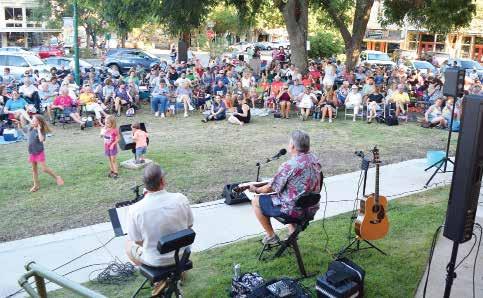
While Austin may be dubbed the Live Music Capital of the World, you don’t have to brave the traffic or fight the crowds to enjoy a great show here in Central Texas. This spring, live music series are making a comeback across Williamson County, with the sounds of local bands and vibrant, family-friendly tunes filling parks, plazas, and downtown restaurants.
From European Stages to Texas Squares
The tradition of live public music dates back to 18th- and 19th-century Europe, where bandstands were built in town squares to bring music out of elite concert halls and into everyday life. These performances turned central plazas into social hubs where communities gathered not just to listen, but to connect.
The United States embraced—and expanded—that idea. During the 19th and early 20th centuries, towns across the country set up bandstands and hosted regular concerts in courthouse squares, public green spaces, and city parks. Music became part of civic life, with free performances designed to bring together growing and increasingly diverse populations. In Texas, that tradition took on a distinctly local character. Alongside courthouse concerts, live music has flourished in dance halls, saloons, and open-air venues, blending community gathering with regional styles like country, blues, and folk.
Today's concerts on courthouse lawns, in parks, and at local venues across communities like Williamson County continue that tradition, carrying forwrd a tradition that began in European squares and found a vibrant, homegrown rhythm in Texas.
Live Music in Wilco
From community parks to historic downtowns, spring and summer concert series around Williamson County are bringing live music to community gathering spaces:
First Friday Music on the Square (Georgetown): On the first Friday of each month from March through November, downtown Georgetown's historic courthouse lawn comes alive from 6–8 p.m. with live bands, lively crowds, and after-hours shopping—the perfect start to a night of music, food, and community energy.
Live Music at the Georgetown Public Library: Enjoy free concerts at 2pm on the third Sunday of each month ranging from classical soloists and ensembles to jazz, folk, bluegrass, and world music in a cozy, relaxed setting.
Music on Main (Round Rock): This long-running series brings live music to downtown Round Rock on Wednesday evenings throughout spring and summer. Guests are welcome to bring blankets or lawn chairs and soak in a variety of genres. The city also hosts Hometown Lunchtime Parklet Shows through June 25, with performances every Tuesday and Thursday from 11:30am-1pm—perfect for a mid-day musical escape with lunch or coffee.
Kalahari Resorts & Conventions: Enjoy nightly live music at Redd’s Piano Bar & Lounge, Amatuli, and Baobab Social located inside Kalahari Resorts in Round Rock, featuring solo pianists, acoustic duos, and rock and Latin American cover bands.
Fieldhouse at the Crossover: Catch live performances from local and touring bands at this entertainment venue in Leander:
Suede, cover band known for performing hits from the 60s to today | June 5 | 7-10pm
Clutch Kings, party band delivering a mix of classic rock covers, 80s hits, and new country | June 6 | 7-10pm
Encore, cover band that plays hits from the 70s, 80s, and 90s to the current top 40 | June 13 | 7-10pm
People's Choice Band, six-piece band delivering multigenre live entertainment | June 20 | 7-10pm
Groove Knight, high-energy dance band | June 26 | 7-10pm
American Gypsy, Southern rock and country-fusion group known for a high-energy "Hippy Cayay" sound | June 27 | 7-10pm
Tunes Around Georgetown
Tony & Luigi’s • Tuesday & Thursday, 6–9pm
Roots • Wednesday–Sunday, 7–10pm
Juliet Italian Kitchen • Wednesday & Thursday, 5:30–7:30pm
Jack’s Lounge at the Sheraton • Tuesday–Saturday, 6–9pm
Ichiro Asian Bistro • Friday & Saturday, 6–9pm
The Summit at Rivery Park • Friday & Saturday, 5–9pm
South Fork Food & Fun • Saturday, 7–9pm
Dinner with a Soundtrack
For many local businesses, live music isn’t just entertainment—it’s part of the experience.
Tony & Luigi’s owner Jamie Cohen has seen how different styles of music can shape the experience from one night to the next. On Tuesdays, guitarist Jack Mason brings a laidback set of pop and rock favorites from the '60s, '70s, and '80s, creating what Jamie describes as the perfect background vibe. It's the kind of setting where families, couples, and date-night diners can all feel at home—talking, laughing, and occasionally pausing when a familiar tune catches their ear.
“Someone will hear a reworked Beatles song like 'Penny Lane and suddenly go, ‘Wait a minute—I know that song,’” Jamie says. “[The music] adds warmth and nostalgia to the whole experience.”
By Thursday, the mood shifts. Performer Ken Cruse leans into Rat Pack-era classics, channeling a more vintage, crooner-style energy. While the sound naturally resonates with older audiences, Jamie notes that younger guests are rediscovering it, too. “Tuesday is about comfort and conversation,” he explains. “Thursday is more of a show—people are engaging with the performer, singing along.”
Whether it’s background melodies or a full-on show, live music brings “an amazing vibe,” as Jamie describes it— transforming everyday places like restaurants and courthouse lawns into a hub for community, connection, and lasting memories.
IAustin Orthopedic Institute • AustinOI.com (512) 856-1000
Austin | Georgetown | Marble Falls Board-certified orthopedic surgeon specializing in sports medicine, joint reconstruction, and orthopedic trauma, with over 15 years of surgical expertise.
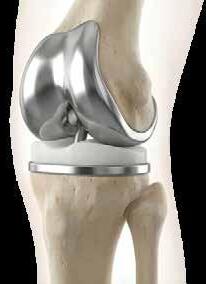
Joint Replacement What You Need to Know
f hip or knee pain has begun limiting the activities you love, you may have wondered whether joint replacement is right for you. It is one of the most common and successful procedures in orthopedic medicine, helping hundreds of thousands of Americans each year return to active, pain-free lives. Here is what you should know.
WHO IS A CANDIDATE?
Joint replacement is typically recommended when conservative treatments (physical therapy, anti-inflammatory medications, injections, and activity modification) no longer provide adequate relief. Candidates often experience persistent pain that interferes with sleep, walking, or everyday tasks like climbing stairs. Advanced arthritis visible on X-ray, combined with a significant impact on quality of life, generally points toward surgical evaluation.
Age alone does not determine candidacy. Patients in their 50s through their 80s routinely undergo joint replacement with excellent results. The decision comes down to how much pain and limitation you are experiencing and whether you are healthy enough for surgery.
WHAT TO EXPECT
Modern joint replacement has come a long way. Many procedures now use smaller incisions, advanced implant materials, and in some cases robotic-assisted technology that helps surgeons achieve precise alignment. Most hip and knee replacements are performed as outpatient or shortstay procedures, meaning many patients go home the same day or the next morning.
Recovery begins immediately. Physical therapy begins within hours of surgery, and most patients are walking with assistance on the day of their procedure. Over the following weeks, range of motion and strength gradually improve. Many patients return to low-impact activities (walking, swimming, cycling, golf) within six to 12 weeks.
PREPARING FOR SUCCESS
The best outcomes begin before the operating room. Strengthening the muscles around the joint, optimizing nutrition, managing chronic conditions like diabetes, and arranging help at home during early recovery all contribute to a smoother experience. Your orthopedic team will guide you through a personalized pre-surgical plan.
WHEN TO TAKE THE NEXT STEP
If joint pain is keeping you from the activities and lifestyle you enjoy, a conversation with a fellowship-trained orthopedic surgeon is a good place to start. An evaluation typically includes a physical exam, imaging review, and a discussion of all your options (surgical and non-surgical) so you can make an informed decision.
Joint replacement is not about giving something up. It is about getting something back: the freedom to move without pain and return to what you love.
Independent Living
Why Didn't We Do this Five Years Ago?
“Why didn’t we do this five years ago!” How many times have you heard that phrase? After nearly 20 wonderful, exciting, fulfilling years in Sun City, Gina and I finally decided to sell the house and move to an Independent Living Facility. Among the first things we said to ourselves after we settled in was: “Why didn’t we do this five years ago?”
So, why didn't we do this five years ago? Lots of reasons. First, we were well ingrained in the social structure of Sun City, enjoying the extensive amenities, and had fabulous neighbors. We had also become part of the governance structure, both in Sun City and in Georgetown. As I expressed at nearly every public forum in which I participated (and there were many): “Georgetown/Sun City is the best place we have ever lived, and we have lived in a lot of really nice places.” So why in the world would we even consider leaving?
Well, things change. Sun City and Georgetown didn’t change; in fact they got even better over the years. We changed. As we got older, our bodies began an ungraceful atrophy. It got harder to get out and enjoy the amenities. Even though we did our best to remain active socially, politically, and with volunteering, “getting there” became a chore. It was clear we needed to consider downsizing and take a serious look at some of the independent living facilities.
We dreaded the idea of moving into an “old folks home”. The thought of us in an apartment where neighbors were “a touch away”, suffering through institutional food, and having to beg property managers for even simple repairs, just wasn’t part of our game plan. So we delayed the decision for several years.
But last year it became apparent that either we were going to make the decision to downsize and move on our own, or circumstances would force that decision on us, at an inconvenient moment. We wanted to control our own destiny, so we made the decision to sell, downsize, and move.
We’ve been here for nearly a year and it’s obvious our concerns were entirely misplaced. Social interaction, physical activity, and healthy eating are keys to thriving after 55, and most certainly when you reach our ages. Now, and to my amazement, we’ve had more social interactions in the first months of living here than we had in the last few years in Sun City.
That’s not to denigrate Sun City; it’s just that we couldn’t get out and enjoy what we had there. Here we only have to open the door and the world awaits within the complex. There’s a wide array of exercises programs, ranging from Light and Lively in the morning (aka, "morning stretch”), to balance classes, to
more intense aerobics, to the very peaceful practice of yoga. Then there’s beanbag baseball (a sport in and of itself….), complete with teams and an eight-week recurring seasonal competition.
Board and card games abound. For musical entertainment, there’s karaoke (where the whole audience sings), and then a quarterly theater production (last time was Guys and Dolls, prior to that it was The Jungle Book).
There’s regular trips and tours (locally and to nearby sites) and an art studio (with a resident artist-teacher), a very active performing arts group, gardening, and a hair/nails salon. We have our own chapel, with resident pastors.
There’s a fascinating weekly lecture series, sponsored by several retired university professors, titled “Turning Points in World History”. We have both modern and “age appropriate” movies (i.e., oldies but goodies), and even old time radio with replays of programs from our youth!
The dining room is a socialization hub and the food is excellent, healthy, with multiple options, and a far cry from being “institutional food”. There’s no reserved seating, and sitting with a new person, or persons, is part of the lifestyle. People linger, stories are shared, as plans and new friends are made at the dining table. It’s not a restaurant; it’s home. And that’s nice.
Finally, yes it’s an older crowd, so we’re all “in the same boat”—but it’s a cruise boat! We have so many opportunities to do things that Gina and I have a “scheduling conference” each Sunday to make sure we’re not missing anything important, or, at the other end of the spectrum, wearing ourselves out. If you’re bored, or if you can’t find an activity to join, then it’s of your own volition. We love it!
So, “why didn’t we do this earlier?” Two reasons. First, we didn’t fully appreciate how isolated and insulated we had become by not being able to get out and
about as much as we had earlier. And second, we weren’t well enough informed about the actual environment in an independent living facility.
It’s obviously worked out very well for us and I encourage you to at least do some investigation once you cross the age 55 threshold so you understand the nature of the choice.
One final note. If moving to an independent living facility is in your future, I strongly suggest you do some research and facility tours well ahead of time. Each facility is unique, and each individual has unique wants and needs. Site visits can tell you a lot about not just the amenities, but the vibe and tempo of the facility. Then, if you have a preference, get your name on the waiting list. The lines can be long (years long in some cases) for the type of unit that fits your needs.
And then, when the time comes, you can —
Go For It!
Sweet Escape
Rita’s Italian Ice & Frozen Custard Brings a Taste of Summer to Round Rock
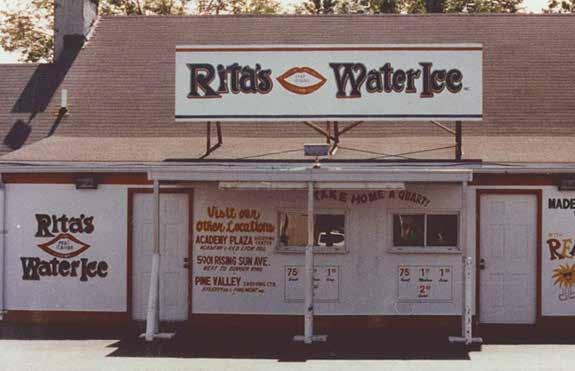
Just a 20-minute drive from Georgetown, Rita’s Italian Ice & Frozen Custard offers a refreshing escape from the Texas heat with a dessert stop revolving around treats not often found in Central Texas: fruity Italian ice and creamy frozen custard.
Part of a beloved East Coast-born brand that’s been delighting dessert lovers since 1984, Rita’s has quickly become a go-to gathering place for locals—showing up for everything from first dates and family celebrations to casual meetups and spontaneous sweet treat runs.
A SWEET BEGINNING
It all started in the summer of 1984, when former Philadelphia firefighter Bob Tumolo set up a small Italian ice stand on his front porch in a suburb of Philadelphia. Named after his wife, the original shop was built on a simple idea: to create the best-tasting, highest-quality Italian ice around. Sal Raccuglia, owner of Rita’s in Round Rock, can attest to that claim. Having grown up in Pennsylvania just two minutes away from a Rita’s, he said he’s never tasted anything that compares. “I have tried other Italian ice shops,” Sal says, “and that was by far the best.”
What began as a neighborhood treat quickly grew into something much larger. Today, Rita’s Italian Ice has expanded to more than 30 states, including Texas, which is home to two Rita’s in Round Rock and New Braunfels. After considering nearby communities like Georgetown, Cedar Park, and Leander, Sal ultimately chose Round Rock for its growth and stability. “It felt the most established, so I wanted to start there as my first staple store.”
The shop opened in April 2025 at the Shoppes at Forest Commons on Gattis School Road, bringing a dessert long associated with the Philadelphia area into a region better known for ice cream and snow cones.
“Austin was
missing
something,”
Sal says. “It gets really hot here, and there’s not much Italian ice. I wanted to bring it out here.”
He adds that with Georgetown growing so quickly, residents can look forward to a taste of Rita’s signature treats in the future.
COOL CLASSICS
At the heart of Rita’s is its signature Italian ice—a dairyfree dessert made from water, sugar, and fruit—smoother and softer than a snow cone, lighter and less dense than sorbet with a scoopable, almost creamy texture. With a rotating lineup of more than 95 varieties, each visit feels like a new experience, whether you’re craving something light and citrusy or rich and decadent. For your first stop at Rita’s, start with some customer go-to picks: mango (the number one bestseller) as well as other fruity favorites like cherry, strawberry, watermelon, or tropical-vacation-in-a-cup pina colada.
Beyond Italian ice, there’s also frozen custard: a silky dessert similar to ice cream but richer and thicker due to the addition of egg yolks. The gelati layers velvety custard with Italian ice for the best of both worlds, while the blendini whips the two together into a smooth, almost milkshake-like consistency that sits somewhere between dessert and drink.
HITTING THE SWEET SPOT
More than just a dessert stop, Rita’s has become a local hangout where people come to cool off and connect while sharing something sweet together. Families swing by after Little League games, friends meet up for a midweek treat, and couples often find it an easy, low-pressure first date spot.
“Our main audience is definitely families—they can all get a treat for under $30, which is hard to find around here,” Sal says.
“We also see plenty of couples on dates, and we’ve had many people tell us this was where they had their first date—or even where they first met.”
For first-time customers, there’s an added welcome: download the Rita’s Italian Ice & Frozen Custard app and after your first purchase, you can enjoy a free Italian ice, custard, gelati, or blendini during your next visit.
3720 Gattis School Rd #200 Round Rock ritasice.com
by Linda A. Thornton
LONE STAR DIVERSITY THE CULTURES THAT MADE TEXAS
The comforting "melting pot" of the early 20th century has been replaced with the modern realization that different cultures thrive together more like a salad bowl; coexisting but distinct, like the ingredients of a salad that retain their unique flavors and textures, while contributing to the whole dish.
We often take for granted the fact that today’s Texas lifestyle is built on the foundation of the deep roots of the past. Customs integrated into our daily life are derived from those traditions.
HISPANICS & TEJANOS • TEXAS’ LARGEST DEMOGRAPHIC
Tejanos were Texas’ original settlers. Spanish for “Texan,” the name refers to those of Mexican descent born or living in Texas. San Antonio, Amarillo, and Llano are just some of the Latin named cities. The most well-preserved cluster of Spanish Colonial missions in the world is in San Antonio.
Some Tex-Mex food favorites are tamales, tacos, burritos, enchiladas, and fajitas. Salsa, Spanish for “sauce” is the official state snack of Texas.
Celebrations like Cinco de Mayo, Día de los Muertos, and Las Posadas have become familiar parts of life in Texas—not because they were imported later, but because Mexican culture has always been part of the state’s foundation.
Spanish ranching and horsemanship traditions were the basis for the cowboy culture. So even classic “cowboy English” often has Spanish roots: mustang, lasso (from lazo), bronco, buckaroo (from vaquero), stampede, and corral.
Many Latin words are a part of daily life: canyon, patio, rodeo, fiesta, plaza, tornado, and even cafeteria and vanilla.
NATIVE AMERICAN TRIBES
The Caddo were just one of the indigenous tribes that developed farming techniques and trading net works. Waco, Nacogdoches, and Waxahachie are just some of the cities with names from indigenous languages. Native American land use practices, such as controlled fires and rotational grazing, were the basis of ecological techniques.
SOME NATIVE AMERICAN TRADE ROUTES WERE THE BASIS OF TEXAS HIGHWAYS, SUCH AS THE OLD SAN ANTONIO ROAD DEVELOPING INTO TEXAS HIGHWAY 21.
GERMAN AND CZECH ROOTS
Professional beer brewing techniques made way for beer gardens and a bringing together of communities. Sausage, sauerkraut, and kolaches - hand-held pastries–remain traditions in the Hill Country, especially at Oktoberfest and Wurstfest. The National Polka Festival and the Polka Lovers Club of Texas still preserve this dance music. Traditional, staple construction featured wooden beams and steep roofs.
COMMUNITIES FORMED AROUND BEER GARDENS AND DANCE HALLS THAT LATER WELCOMED MUSICIANS FROM ACROSS TEXAS TRADITIONS.
VIETNAMESE IMPACT
The Vietnamese helped revitalize the shrimping and fishing industries in the Gulf Coast. The third largest Vietnamese population in the United States is in Houston. The culture is known for cultivating family run businesses, a strong sense of community, and the preservation of language and heritage. Celebrations such as Lunar New Year, which marks the arrival of Spring, are embraced by all.
VIETNAMESE FISHERMEN HELPED TRANSFORM GULF COAST SEAFOOD CULTURE, GIVING RISE TO THE VIET-CAJUN CUISINE TEXANS LOVE TODAY.
BLACK TEXANS
Formerly enslaved Black cowboys became expert horse breakers, ropers, and trail drivers and were often the most skilled in a crew.
Bill Pickett, the first Black cowboy inducted into the National Cowboy Hall of Fame, and Fred Whitfield, an eight-time World Champion in the Professional Rodeo Cowboys Association are just some of many Texas rodeo legends.
Texas is the birthplace of Juneteenth, the commemoration of the end of slavery in the United States, celebrated on June 19th.
BLUES AND GOSPEL LATER SHAPED TEXAS COUNTRY, JAZZ, AND ROCK TRADITIONS.
EVERY CULTURE BRINGS A DISH
Stop to buy a kolache in Amarillo, while celebrating Juneteenth. Sing along to Mariachi music, on the radio to attend a polka festival. Dine on sausage and sauerkraut before attending a fiesta: a Lunar New Year celebration. Sit in a plaza at a gospel concert and enjoy garlic butter crawfish with lemongrass, a Viet-Cajun specialty.
Treat yourself to a beer and an enchilada, after hard work on the ranch, practicing native ecological techniques.
Garden Fresh, Fork Ready
WHIP UP A QUICK PASTA SALAD WITH INGREDIENTS FRESH FROM THE GARDEN
Fresh produce is refreshing and delicious. Whether it’s recently plucked fruits or freshly harvested vegetables, these foods boast a flavor and nutritional profile unlike any other.
Comfort foods might reign supreme during colder winter months, but come spring and summer, lighter fare can be just what people need to maintain their energy and avoid feeling sluggish on warm days and nights.
Chickpea, Feta and Orzo Salad
• 1 cup uncooked orzo
• 1 cup refrigerated pre-chopped tomatoes
• 1 16-ounce can chickpeas, rinsed and drained
• 1/4 teaspoon salt
• 1/3 cup (1.3 ounces) crumbled feta cheese with basil and sun-dried tomatoes
Cook pasta according to package directions; drain and rinse under cold water. Drain well. While pasta cooks, prepare Cucumber-Thyme Relish (below). Combine tomato and chickpeas in a large bowl, tossing gently; stir in pasta, salt, and relish. Add feta cheese; toss gently.
Cucumber-Thyme Relish
• 1-1/2 tablespoons fresh lemon juice
• 1/2 cup chopped English cucumber
• 1 tablespoon fresh thyme leaves
• 1/4 teaspoon freshly ground black pepper
• 1 tablespoon extra-virgin olive oil
• 2 tablespoons finely chopped red onion
• 1/4 teaspoon salt
Combine lemon juice and olive oil in a medium bowl, stirring with a whisk. Stir in cucumber and remaining ingredients.
Pasta Salad with Herbs
Makes 6 to 8 servings
• 1 lb. farfalle pasta
• 4 vine tomatoes, diced
• 8 ounces broad beans
• 1 yellow pepper, diced
• 2 tablespoons finely chopped flat-leaf parsley
• 1 sprig chopped thyme
• 1 small bunch chives, snipped
• 2 tablespoons olive oil
• 1 tablespoon lemon juice
• Salt and freshly ground black peppercorns
Cook the farfalle in a large saucepan of salted, boiling water until al dente; 8 to 10 minutes. Drain and refresh immediately in iced water. Once cool, drain again and toss in a large mixing bowl with the vegetables and chopped herbs.Add the olive oil, lemon juice and seasoning, tossing again thoroughly before serving.
Authentic Greek Salad
• 4 medium tomatoes, cut into 1/2-inch chunks
• 1 seedless English cucumber, cut into 1Ú2-inch chunks
• 1 small red onion, diced
• 1/3 cup Zorba the Greek Dressing (see below)
• 4 ounces feta cheese, crumbled (about 1 cup)
• 1/2 cup black olives (kalamata or other brine-cured ones are best)
• Salt and black pepper, to taste
In a large bowl, toss tomatoes, cucumber, and onion. Add dressing and toss to mix. Sprinkle feta cheese and olives, and toss gently. Taste and adjust seasoning with additional salt and pepper and serve immediately.
Zorba the Greek Dressing
• 1/2 cup olive oil
• 1/2 teaspoon salt
• 1 teaspoon crumbled dried oregano
• 3 tablespoons lemon juice
• 1/4 teaspoon black pepper
In small bowl, whisk ingredients together until combined. Makes 3/4 cup dressing— enough for a couple of bowls of Greek salad. Store leftover dressing in the refrigerator up to one week.
Pasta Primavera With Asparagus, Peas, Leek, and Tomatoes
• 16 ounces fusilli pasta
• 3 tablespoons olive oil
• 1 small leek, thinly sliced, washed and drained
• 9 ounces asparagus, trimmed and halved
• 11 ounces frozen peas, thawed
• 8 ounces cherry tomatoes, quartered
• Salt and freshly ground black peppercorns
• 5 tablespoons grated parmesan, for sprinkling
• 1 sprig thyme
Cook fusilli in large saucepan of salted, boiling water until al dente, about 8 to 10 minutes. Meanwhile, heat oil in large saute pan over medium heat until hot. Add leek and pinch of salt, and sweat for 5 to 6 minutes until softened. Add asparagus and peas, and cover with a lid. Cook 3 to 4 minutes until green vegetables are tender to the point of a knife. Drain fusilli, reserving 1 cup of the cooking liquid. Add fusilli to the vegetables with cherry tomatoes, some salt and pepper, and a splash of reserved cooking water. Cook 2 minutes until pasta looks glossy.
Divide between bowls, sprinkle with parmesan and garnish with thyme.
THE ECHO IN MY KITCH... HEAD
There is a very specific and underreported condition that occurs when your mate dies. And no one prepares you for it because Hallmark prefers its grief with soft lighting and a violin soundtrack. In reality, what happens is this: your brain refuses to update the system. It continues to operate as though your person is alive, nearby, and quietly evaluating your daily todos from an undisclosed location in the kitchen.
I recently grew some tomatoes. Successfully. This is notable because I have historically treated plants like short-term houseguests—welcome, briefly admired, and then mysteriously or, perhaps inevitably, gone. But this time, I did it. I started the little baby plant in December and kept it alive in the warmth of my kitchen until it was ready for the porch.
Now, in the warm Texas spring, I have a huge bag of golf-ball-sized tomatoes in my freezer awaiting their brethren to ripen so I can make some amazing sauce or have my frontier-woman canning day. I even had that moment where you hold one in your hand and think, Look at me, participating in agriculture. The irony of “well, doofus, that’s what nature does… it grows” in my head and me realizing generations of people have been doing this successfully for thousands of years, is still not enough to wipe away the pride of growing edible objects on my porch.
And then, without warning, my brain did what it has done approximately 60 times a day since he died—it reached for him.
Not metaphorically. Logistically.
Rick needs to see this. I have been doing this to please and delight him for three years and I finally had a huge success.
Which is tricky, because Rick is in heaven, presumably not concerned with produce, and definitely not available for real-time feedback on whether I overwatered. But my mind? My mind has him standing right behind me, smiling, while I relish his home-grownis-so-much-better-than-grocery-store grin.
This is what no one tells you. Grief is not just missing someone. Grief is discovering your entire internal operating system was built with another person as a primary user, and now the account is… inactive, but still somehow resident on many tabs running in the background.
It’s like a phantom limb, except instead of a missing arm, it’s a missing audience. A missing witness. A missing person to say, “Yes, that mattered,” or, occasionally, “Why are you doing it like that?”
And the worst part is—not the sadness—it’s the constant, ridiculous, deeply human impulse to keep that person on the email thread of your life.
CC: Rick
Subject: Tomatoes
Status: Still impressive, please advise.
Before anyone sends me a strongly worded email accusing me of turning
grief into material, let me assure you: Poppy is fully aware that many of you are carrying losses, some may be far heavier than tomatoes and golf shirts. Some of you are missing spouses. Parents. Children. Friends. Some of you are grieving people who are still alive but no longer reachable in the ways that mattered most.
This is not Poppy making light of grief.
This is Poppy doing what she has always done—standing in the middle of ordinary human life, noticing the strange little corners of it, and saying, “Well… nobody warned me about this part.”
Because grief, it turns out, is not always dramatic weeping beside a rainstreaked window while a cello plays softly in the distance. Sometimes it is standing in your kitchen holding a perfectly respectable tomato and realizing your brain still wants approval from a man who, according to my son, is either doing carpentry with Noah or having tea with Jesus and therefore no longer available for produce consultation.
And somehow, absurdly, heartbreakingly… both things can exist at the same time.
ENJOY READING THE GEORGETOWN VIEW EVERY MONTH?
Our great advertisers make that possible! Because of their support, we are able to bring you wonderfulstories that engage the mind, embrace the heart, and inspire readers to action.
We encourage you to show your appreciation and support these great local businesses as often as possible.
Alliance Collision Centers
Austin Orthopedic Institute
The Barton House
Blinded By The Light
Cockrum Homes
Doleva Elite Tree
DTC Air Conditioning & Heating
Family Emergency Room of Georgetown
Georgetown Independent School District
Grand Endeavor Homes
Hall’s Roofing & Sheel Metal, Inc.
Innerspace Cavern
Jarrell Independent School District
Keller Commercial & Home Services
Keller Williams Lone Star Realty
Kids’ Zone
Moore Liberty Buildings
Pignetti’s
Precision Tune Auto Care
Prime Wellness & Longevity
She Spies Private Eye
Silk & Stone Acupuncture
Sky & Co. Jewelry
Sun City Community Association
Texas Bach Festival
Texas RV Service & Repair
The Wesleyan
Wild Birds Unlimited
Like & Follow
Read the latest issue online at Georgetownview.com