‘Wetrytochangethe stigmaaround communitynormsit’stheyoungminds weneedtostart moulding.’
Masibambisane:CreatingGBVF-FreeZones
‘Wetrytochangethe stigmaaround communitynormsit’stheyoungminds weneedtostart moulding.’
Masibambisane:CreatingGBVF-FreeZones
WHEREWECOMEFROM
ThechallengeisthatGBVisnormalinourcommunities
Webuildtrustbywalkingthejourneywithsurvivors
TakingcareofGBVsurvivorsmeanstakingcareofourselves
WhyGBVFmonitoringmattersinourcommunity
OurGBVFactivismchallengescommunitynorms
Communityandstakeholdercollaborationensuresaccountability
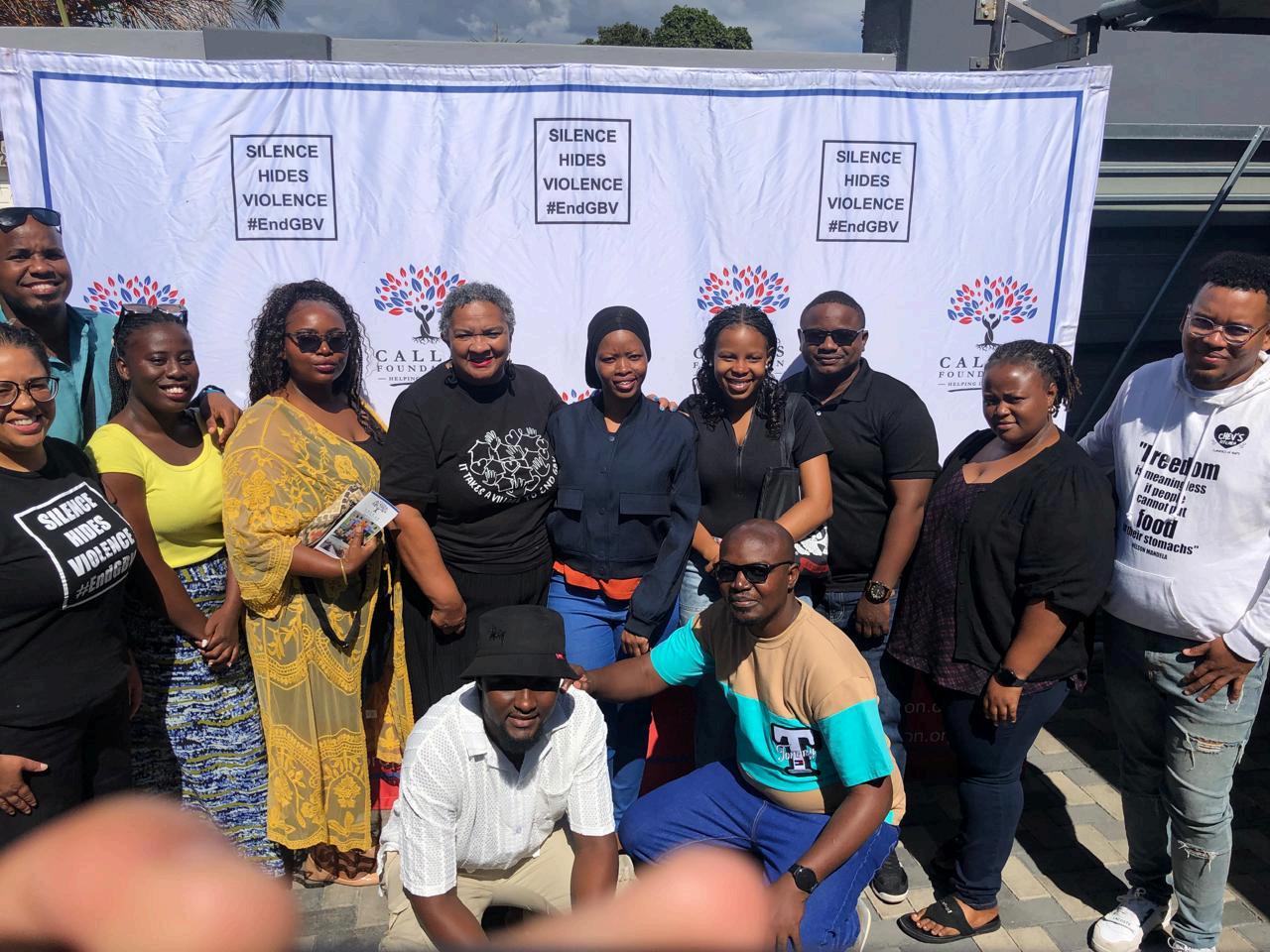
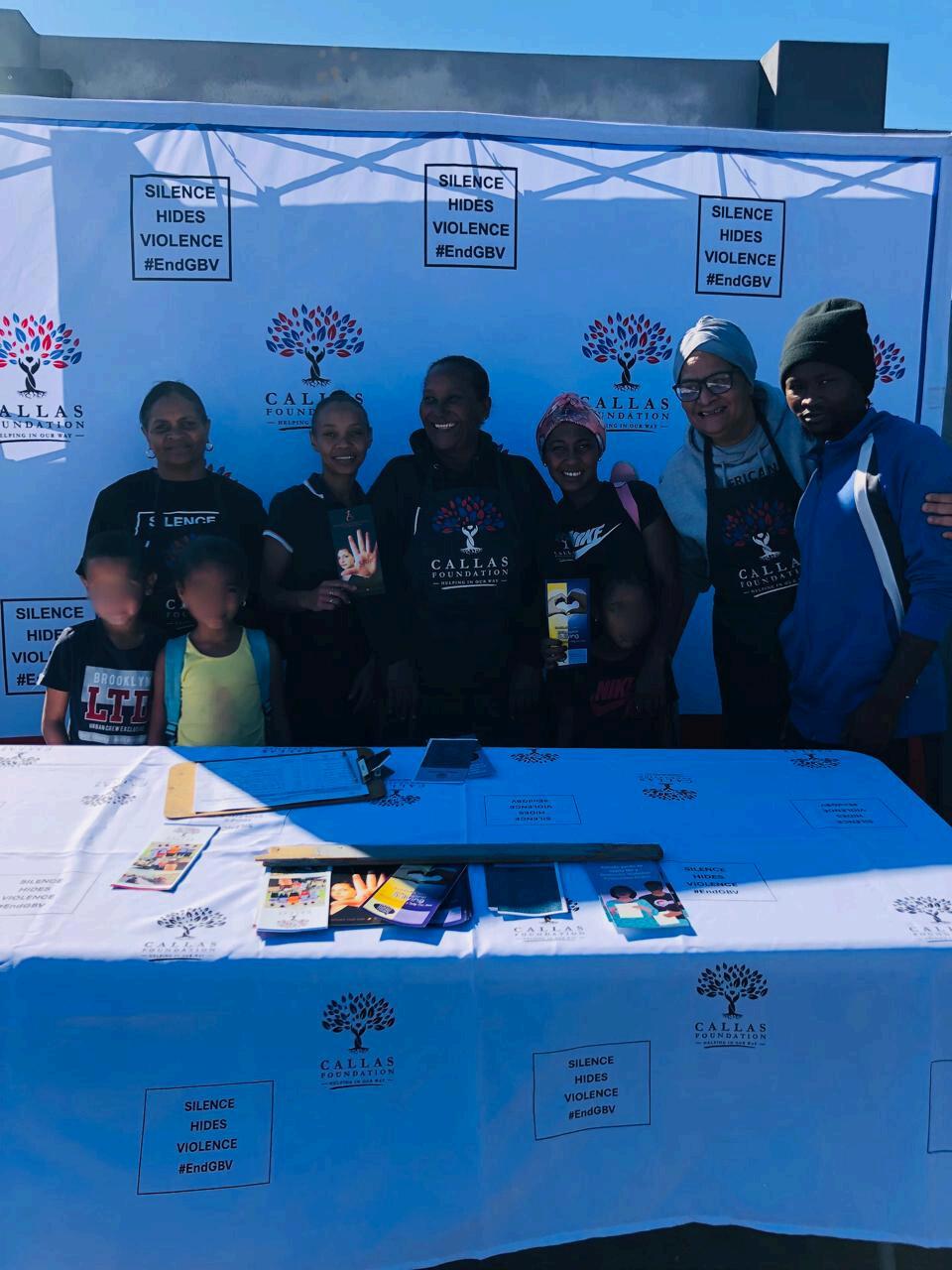
The Callas Foundation is a community-based organisation thathasbeenservingcommunitiesofAthlone(Bridgetown) in the Western Cape for over three decades. Formally registered with the South African Department of Social Development [DSD], in 2018, they have collaborated with various stakeholders in and outside of the province where theyoperate,includingathleticsbodies,civicorganisations, health institutions and government departments such as the National Prosecuting Authority [NPA], Legal Aid South Africa, Department of Health [DoH] and Department of Social Development. Their main mission is to improve the quality of life for residents in their underserved areas by providingaccesstoresourcesandopportunities.
The Callas Foundation advocates for women, children and men by providing community outreach, psychosocial supportandaccesstojustice,aimingtodismantlesystems that perpetuate inequality. While their primary focus is on empowering women, they also adopt an integrated approach that addresses the needs of the entire community. Their programmes focus on creating sustainable communities, preventing and responding to gender-based violence (GBV), strengthening food security and promoting family unity as a key factor in combating gender-basedviolenceandfemicide(GBVF).
1)Rightsawarenessandcommunityeducation
WeempowercommunitieswiththeknowledgeandskillstorecogniseandrespondtoGBV:
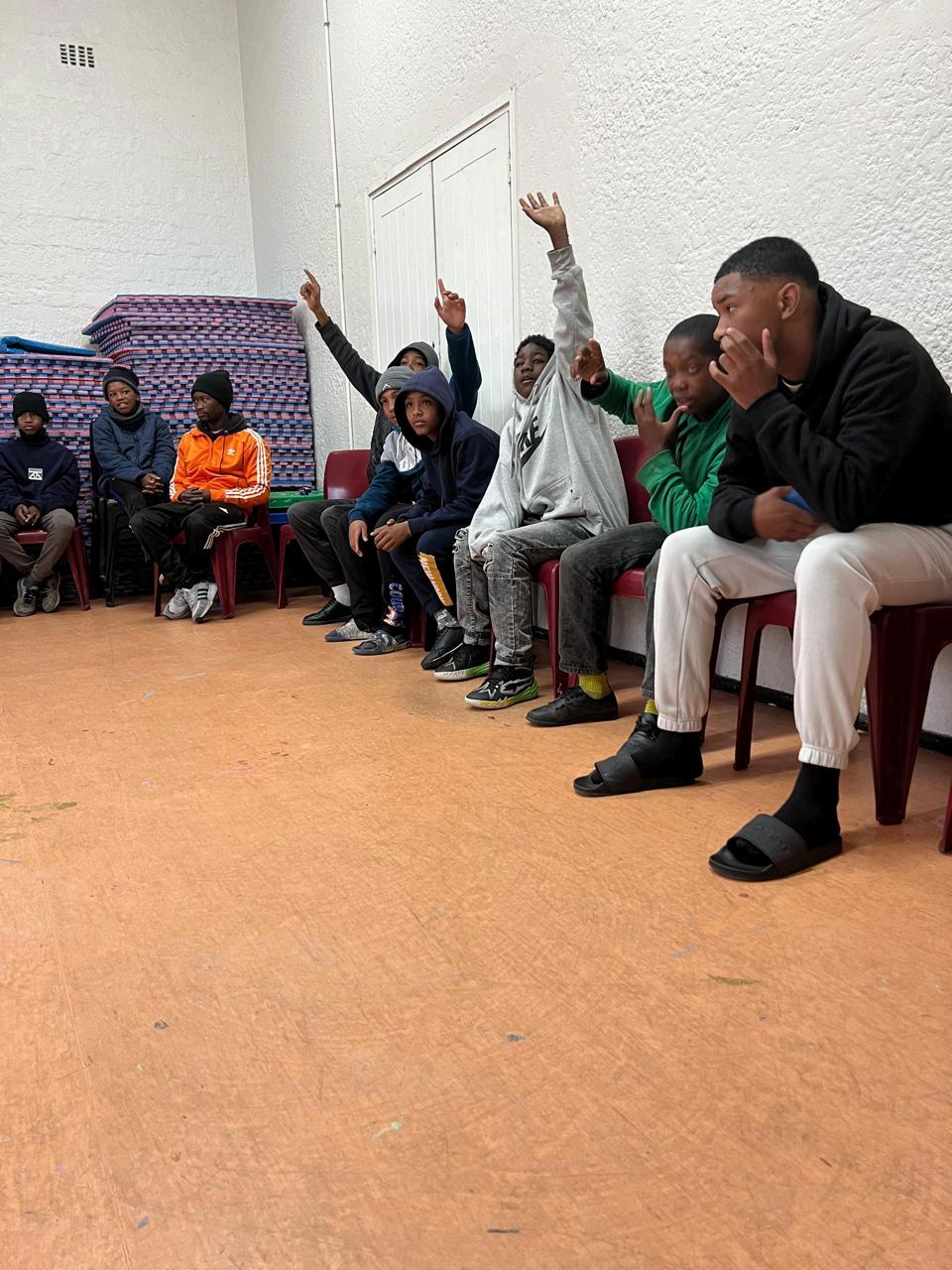
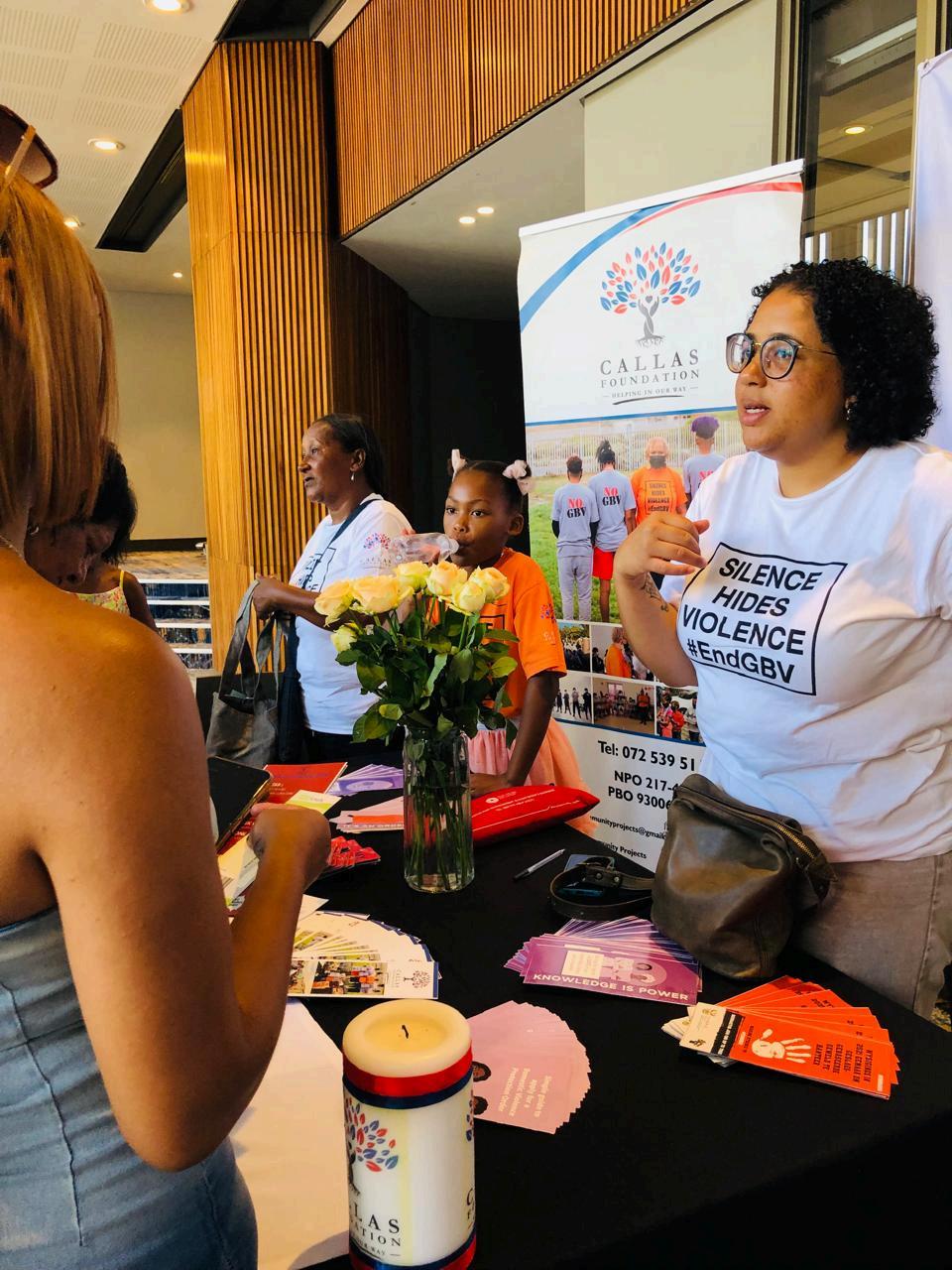
TrainingGBVAmbassadorsandFirstRespondersfromlocalorganisationsandschools. Runninginformationsessionsatschools,inpublicspacesandwithcommunitygroups. SupportingSAPS’s[SouthAfricanPoliceService]VictimEmpowermentProgrammewithcapacity-building. Usingsport,especiallywomen’ssoccer,tochallengegendernorms. Engagingyouththroughlifeskillstraining,HumanRightsClubs,andboys’GBVpreventionprogrammes.
2)Practicalsupportforsurvivorsandfamilies
Weprovidedirect,compassionateassistancetothoseaffectedbyGBV:
Guidingsurvivorsandtheirfamiliesthroughthecriminaljusticeprocess. Offeringcourtsupportandemotionalaccompanimentduringhearings. Providingpsychosocialsupport,includingtraumacounselling,referralsandsupportgroups. Ensuringnoclientisturnedaway,withstrongreferralnetworksacrosstheregion.
RecognisingthelinkbetweenpovertyandvulnerabilitytoGBV,we:
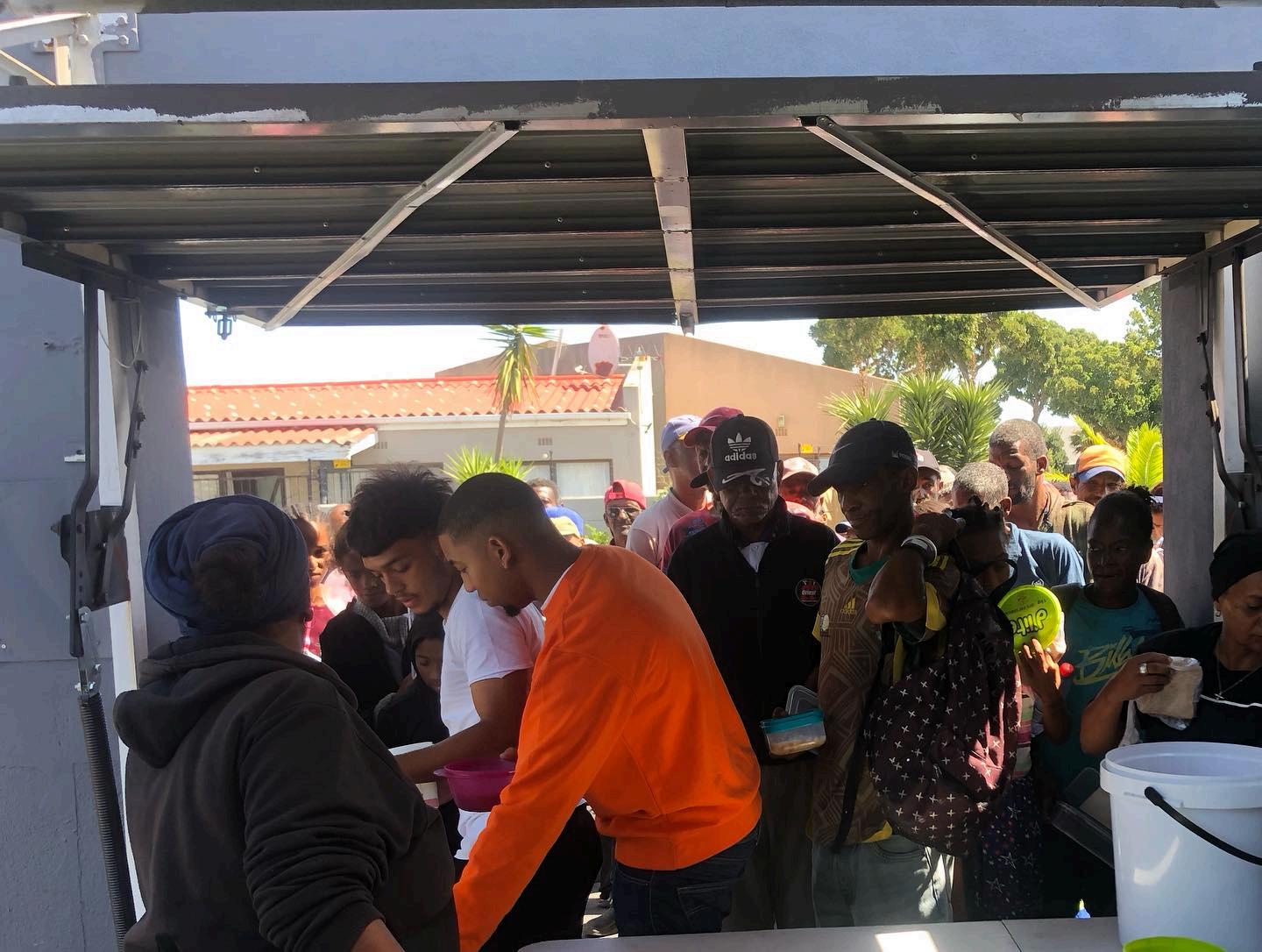
Operateacommunitykitchenthatprovidesmealstoaround500individuals,fourtimesaweek. Useoutreachasawaytoidentifyat-riskindividualsandconnectthemwithsupport. Engagewithlocalstakeholders,includingschools,faithleadersandneighbourhoodwatches–tocreate resilient,informedcommunities.
4)Youthengagementandvaluestransformation
Webelievethatearlyinterventionhelpsshiftharmfulnormsandattitudes:
RunningHumanRightsClubsinschoolsthatencourageopendialogueamonglearners. Trainingmentorsandengagingyoungmeninconversationsaboutidentity,consentandpatriarchy. HelpingchildrenaffectedbytraumarecognisethatGBVisnotnormaloracceptable. Promotingrespectful,rights-basedpeerinteractionandemotionalliteracy.
5)Advocacyandsystemschange
Weadvocateforajusticesystemthatservessurvivorswithfairnessandurgency: Supportingpublicawarenessthroughmediacampaignsandcourtpickets. Lobbyingforpolicychange,includingdenialofbailforsexualviolencesuspectsandalternativestoincarceration forwomen.
Engagingwithjudges,prosecutorsandpolicetoimproveaccountabilityandcoordination. Documentingandexposingsystemicbarriersthatpreventaccesstojustice.
WeincludeboysintheconversationaboutGBVby:
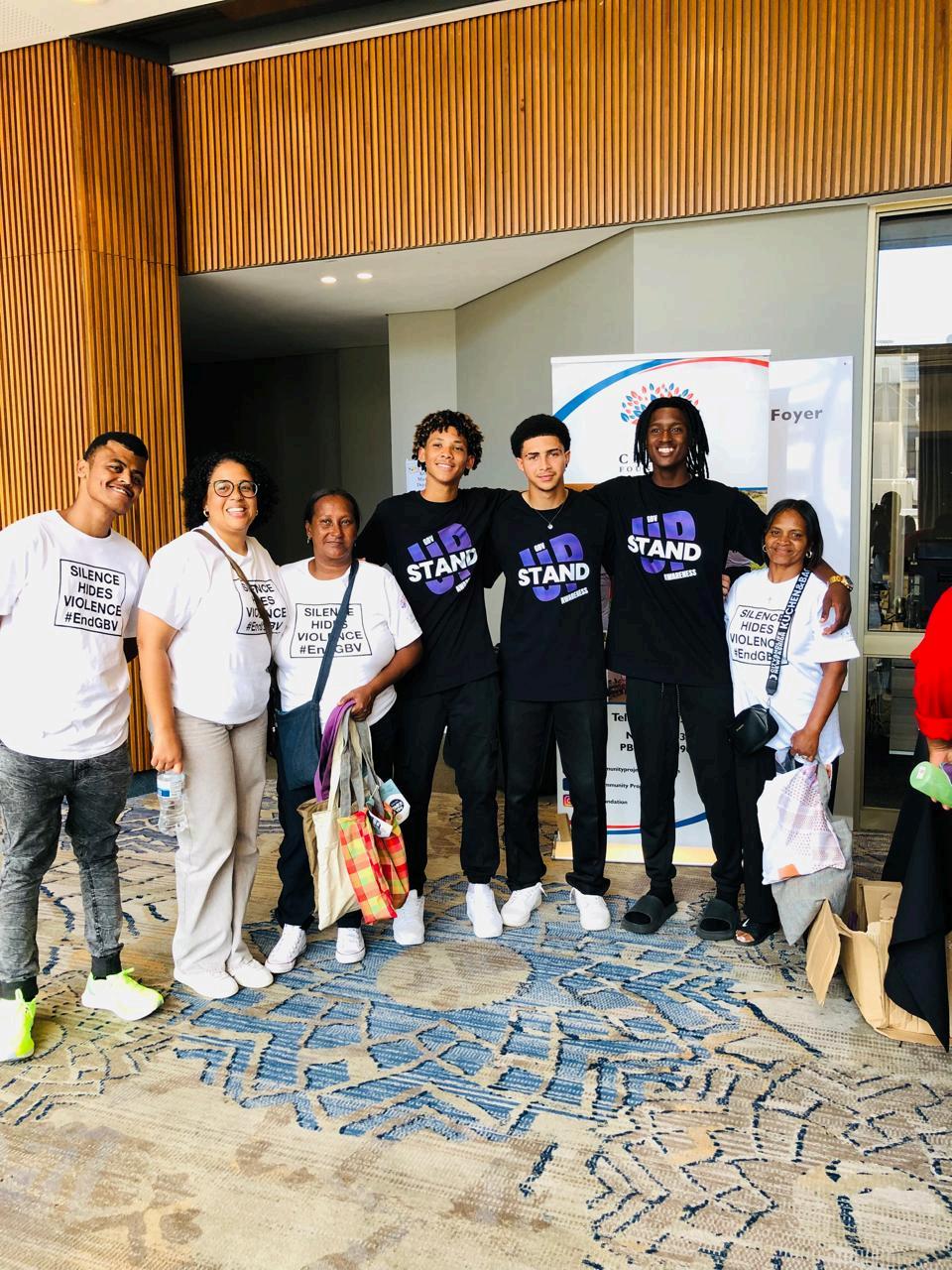
Empoweringboysaged9to16fromtheCapeFlatsbyequippingthemwithskillstoresistharmfulinfluenceslike gangsterism,substanceabuse,andviolence.
Promotingpeacefulconflictresolution,challengingnegativestereotypesaboutmasculinity,andencouraging respectforallgenders.
7)Men’sEngagementProgramme
Weacknowledgetheroleplayedbymenby:
EngagingmenandboysasalliesinthefightagainstGBV.
Fosteringself-reflection,responsibility,andcommunityleadershiptoshiftpatriarchalattitudesandmodelnonviolentbehaviours.
Callas Foundation’s day-to-day work brings its mission to life, through a blend of court support, psychosocial care, outreach and ongoing programme delivery. Much of this work is in response to immediate community needs, but it is groundedinconsistentroutinesandcoordinatedteameffort.
Lynette:Ourdayusuallystartsbycheckingthefocusfortheday,sometimesit’sfoodsupport,othertimescourtsupport. If we’re going to court, we make sure our clients are supported: we liaise with the prosecutor, ensure procedures are followed and make sure the client understands their next steps. Court mornings can be full, often running from 8:30 to 11:00orlonger.
Backattheoffice,weassesswhichclientsneedafollow-up.Ashikacoordinatesappointmentsforpsychosocialsupport, andourcounsellorsstepinforassessments.Ifaclientneedssomethingelse,likehelpwiththecommissioningofoaths, Aunty Caroline usually takes the lead. She also helps flag focus cases and arranges legal referrals if needed. We don’t turn clients away. If we can’t help directly, we refer them through our strong partner network, even if their case is in Mitchell’sPlainorBellville,we’llshowup.
On top of that, we’re often preparing for upcoming programmes: planning awareness events, packing materials for workshops, reporting on our GBVF First Responder training. It’s busy, but it’s coordinated, and each day brings a new challenge.
Zach:OK,soIusuallystartthemorningwithsomesocialmediaposts.ThenIgofetchbread.Afterthat,I’llstartgoingout intothecommunity.Iknowafewpeopleintheareawhooftensharetheirstories,soIgooutandcheckinwiththem.I collectthedata,writeitdownandlaterIcomebackandrecordit.Itreallyvaries,workinginthisorganisation,younever knowwhatmightcomeup.
Ashika: For me, it was about wanting to learn and experience new things, outside of the stuff we already know. Like seeing how GBV impacts different households. Yousee,whereIcomefrom,GBVisadayto-daything.Itisoutintheopen.Butwhen I started to do GBV monitoring in Bridgetown, it was a different environment to what I’m used to. There, people tend to hide it away. Where I’m from, I’m used to seeing it in your face. It’s more violent and inyourface.
Zach:I’vealwaysbeenexposedtogenderbasedviolence,butitwasactuallygreatto go out and talk to someone about it.I was hoping to get a deeper understanding of workingwithsurvivors.Myworkisgenerally youth-focused, so working with GBV survivors was something different. It’s also challengingbecausesometimesyoudon’t want to say the wrong thing or offend anyone by mistake. So working with GBV survivors has been a real learning curve forme.
Ashika:You see, in Manenberg, of course you know I’m from there, we deny it’s abuse, whether it’s physical, sexual or financial.It’snormal.It’snotsomethingthatanyone’sashamedof,evenifithappensinfrontofyouorinfrontofchildren.
It’s something we’re all used to seeing.In other communities it’s not as normal as it is to me, you know? So, it’s more aboutmeexperiencingtheviolenceandabuseinadifferentway.
Zach: Sometimes people in our communities don’t even know what gender-based violence is. Their partner might hit them,buttheydon’trealisewhat’shappening.It’sbecomesogeneralisedthatit’salmostbecomeanormforthem.
Lynette: GBV is the norm, but do they even know what GBV is? Do they realise they’re experiencing abuse, that their humanrightsarebeingviolated?
Letania:Iagreewithmycolleagues.Zach,myselfandLynetteareallfromthesamecommunity.Whatthey’resayingis sotrue,peopleoftendon’trealisethey’rebeingabused.Theydon’tunderstandthatwhatthey’reexperiencingisactually gender-basedviolence.Theawarenessjustisn’tthere.
Letania:Onechallengethatstandsoutformeiswhenpeopleareclearlybeingabused,butwhenyoupointitout,they’ll belike,‘No,I’mnot.’Thathasreallystayedwithmethroughoutthiswholeproject.Thefactthatpeopledon’treallyknow what GBV is. It wasn’t until the Callas Foundation stepped up with the Foundation for Human Rights [FHR], with the Masibambisaneproject,thatweactuallyhadtheopportunitytoraiseawarenessinourcommunity.
Ashika: I agree with Letania, denial is the biggest challenge. Peer pressure is also part of it. For example, you love this person, they’re abusing you and they tell you stuff to make you feel good, like it won’t happen again. But it does. Overcomingdenialisthemostchallengingobstacle.
Zach: You can’t help someone who doesn’t even realise they’re being abused. If they can’t see it, how can I suggest a shelter?They’llsay,‘ButI’mOK.’Sothat’spartofthechallenge.
Ashika: We address it as best we can, but it’s really up to them – whether they want to open their eyes and accept whatwe’resaying.Becauseitisthereality.Sometimestheydo believe us and go find help. But most of the time they’re so used to it, or they depend on the abuser. It’s like, ‘As long as they take care of us, it’s fine.’ Especially if the abuser is the breadwinner. So it’s fifty-fifty, sometimes you can convince them,sometimesyoucan’t.
Lynette:Ithinkasateam,wealwaystrytoreassuretheclient – no matter where they are in their journey, that the Callas Foundation will step in and support them when they need it. It’saboutagency,lettingtheclientdecidewhenthey’reready. We let them know the services will still be available. Maybe this is how you feel today, but the Callas Foundation, the team, is here when you’re ready. They can message us on WhatsApp or set up an appointment at the office. It’s about knowingwedon’tstandinjudgement.Andwhenthey’reready toadmitit’sGBV,torealisetheyneedhelp,we’llbeready.
Letania:Inmyopinion,theCallasFoundationaddressesthese challenges very well. We foster trust by creating a safe and confidential environment for our survivors. So for me, I’d say that we are addressing these issues very well. We try to change the stigma around community norms by building trustwithourclients.
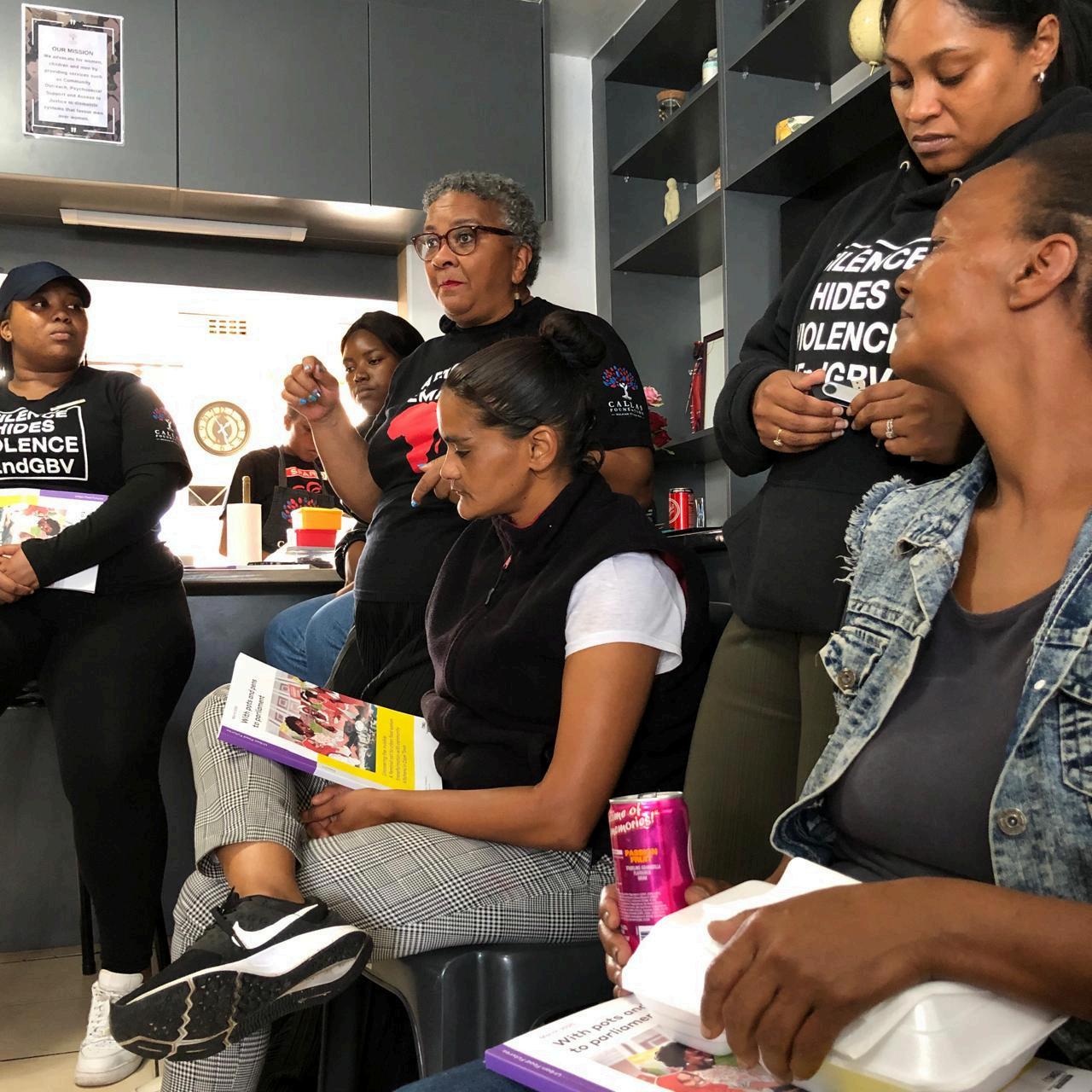
Letania:A lot of our clients come to us, often in a two-minded state. But m arereferredtousbythecourtsandotherstakeholders.We’realreadytrust theCallasFoundation,ourlocalstakeholdercommittee(LSC)issostrong, trustusimmediatelytofightthebattlewiththem,tocombatthisGBVpand
Werunacourtsupportprogrammeandwalkthewalkwithasurvivorfrom end.That’showweearntheirtrust.
Lynette:Ithink,asateam,wedealwithittogether.IfIhavedifficultywitha AuntyCaroline–whoismoreseniorandhasmoreexperience,tositwithth reassurethem.LikeIsaidearlier,wejustkeepreassuringthem.Wetellthe they’rereadyforpsychosocialsupportortocompletetheprotectionorder tohelp.
Wealsoreferthemtooneofourpartnerorganisationsforlegalmatters,f they need help with a divorce. We want them to know we offer more than and that the legal partners we refer them to are reliable. We don’t just numberforanyorganisation;wemakesurethey’llbeproperlysupported.
It’s about constant reassurance, when you’re ready, book an appointmen Whenyou’rereadytocompletetheprotectionorder,we’llbehere.Whenyo gotocourt,we’llbetherewithyou.
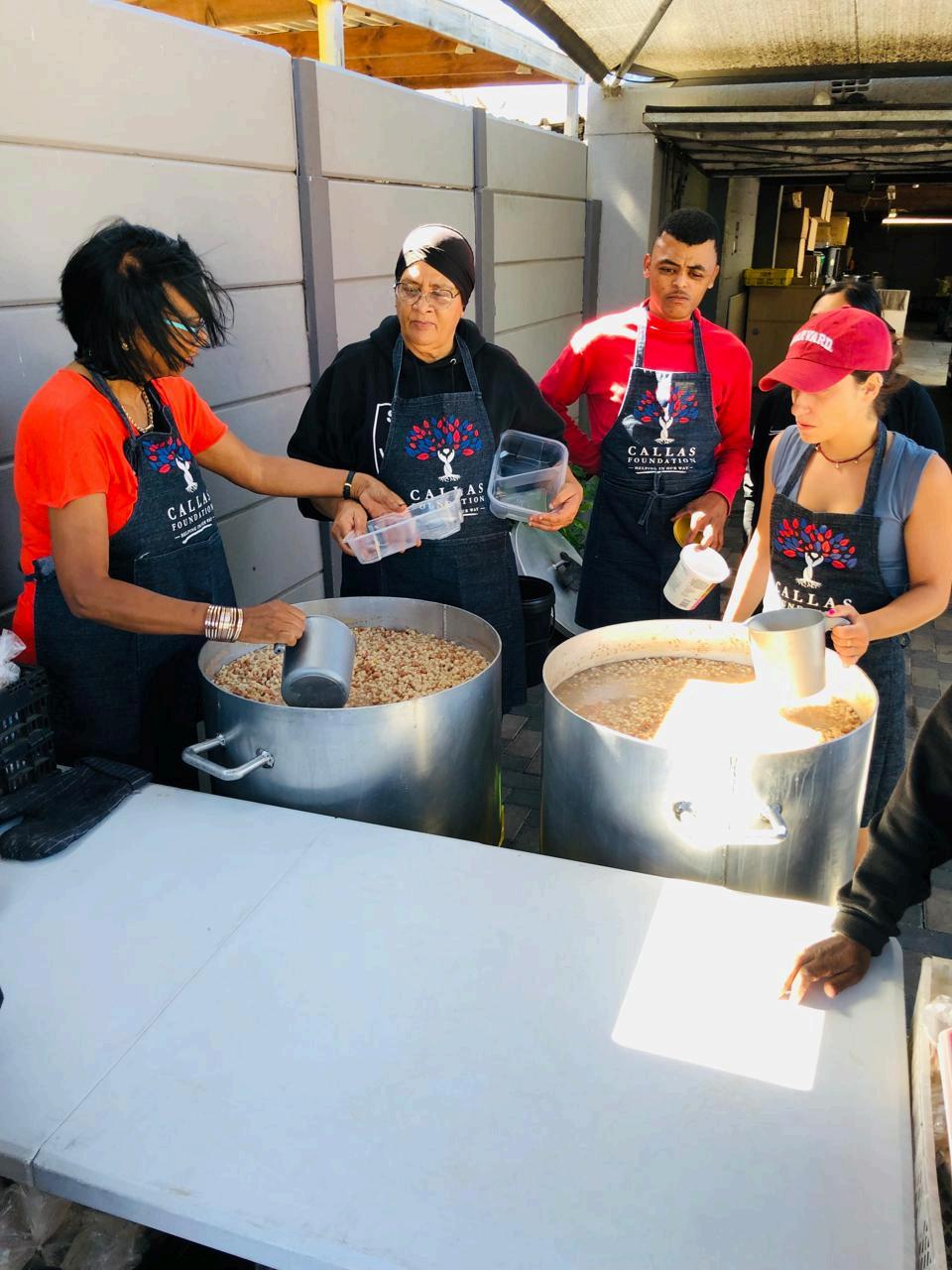
Lynette:Anotherchallengeisthatsomeofthesituationsareveryhardtodeal with.Itcangetoverwhelming.Youjusthavetoremembertodothedebriefing tomakesurethatwe,asateam,areokay.Thenwecancarryonandcontinue withthework.Comethenextday,we’reabletosupportourclientsthroughthe process.
Asateam,we’lloftencheckinwitheachother,andwealsogoforpsychosocial support ourselves. It’s been a challenge because as much as we’ve had success with convictions, we’ve also had heavy situations here at the Callas Foundation, including femicides. Supporting the family through that, going to courtandbeingthereatthefuneralaswell,ittakesitstoll.ButthisiswhyGBVF monitoringmattersinourcommunity.
Zach:IsometimesfeelthatpeoplearereallyinsensitivetowardsGBVsurvivors. One of the things I hoped for, that actually came through, was working with peopleweusuallyonlyreadaboutorseeonsocialmedia.Hereissomeonein front of me I can actually talk to. I can ask, ‘How are you really doing?’ You understand?
It’s about that deeper connection, not just ticking a box or rushing someone through a process. There was this one heartwarming moment, this person couldn’t even get the words out, man. They just couldn’t say it. But I kept speakingtothemoverafewweeks,andeventually,theystartedopeningup.
Lynette: I believe that our support meets the hopes and dreams of our clients. When it comes to GBV, I think it’s just learning to work with a survivor. It’s about learning not to become desensitised, because sometimes you deal with it everydayandyoucanforgetthatthisissomebody’slifethatyou’redealingwith,andhowyougoaboutitmatters.
Before,wecouldjustpointtheminthedirectionoftheCallasFoundation,buteventhen,wecouldn’tdoanyassessment and say, okay, how can we assist on that particular day? Now we can share our details, give out numbers and say, ‘Comeseeusattheofficeandwe’lldoanassessment.Canwereferyoutosuchandsuchacentre?Comeinandsee ourcounsellorhereattheofficeforone-on-onecounselling.’Wecanhelpbycompletingprotectionordersandgoingto courtwiththesurvivors.
What is huge for me was our court support programme, especially with the protection order process. When women or men apply for protection orders, only the applicant and respondent are allowed into court. As Callas Foundation GBVF monitors, we can write a letter, Aunty Caroline writes it, explaining to the magistrate that this particular client needs emotional support. Because we’ve been part of their counselling journey, we’re then allowed to step into court with the client. That’s major. Just our physical presence, standing on the block with them, is huge. It might seem insignificant to someone else, but for our client and us as a team, it makes a major difference. You can see it in their body language, their confidence. Even though we’re not allowed to speak unless asked by the magistrate, our presence means everything.
Our successes in the past year include three successful convictions. Out of 100 cases, fewer than 50 percent, maybe evenlessthan70percent,leadtosuccessfulconvictions.SofortheCallasFoundation,tosupportthreeclientsthrough toasuccessfulconvictionthisyearwashugeforus.
Lynette:We host GBVF First Responder training sessions, attended by people from a range of organisations – not just communitymembersorneighbourhoodwatches,butalsocourtofficials,NPAstaffandvolunteercounsellorsfromrape crisisorganisations.Thesetrainings,facilitatedbytheCallasFoundation,goin-depthintotheDomesticViolenceActand theSexualOffencesBill.Onthefirstday,weassessparticipants’expectationstounderstandwhatkindofguidancethey need for advising their own clients. It’s a great way for us to reach more people and equip them to support survivors effectively.
Letania: Stakeholders are more responsive and proactive in addressing GBVF issues. I’d say the response system to GBVF cases has multiplied through the GBVF monitoring. I can speak for our community, where people have become more involved and even want to volunteer at the Callas Foundation. A lot of them want to attend our GBVF First ResponderstrainingbecausetheywanttogetinvolvedinGBVcasesaswell.
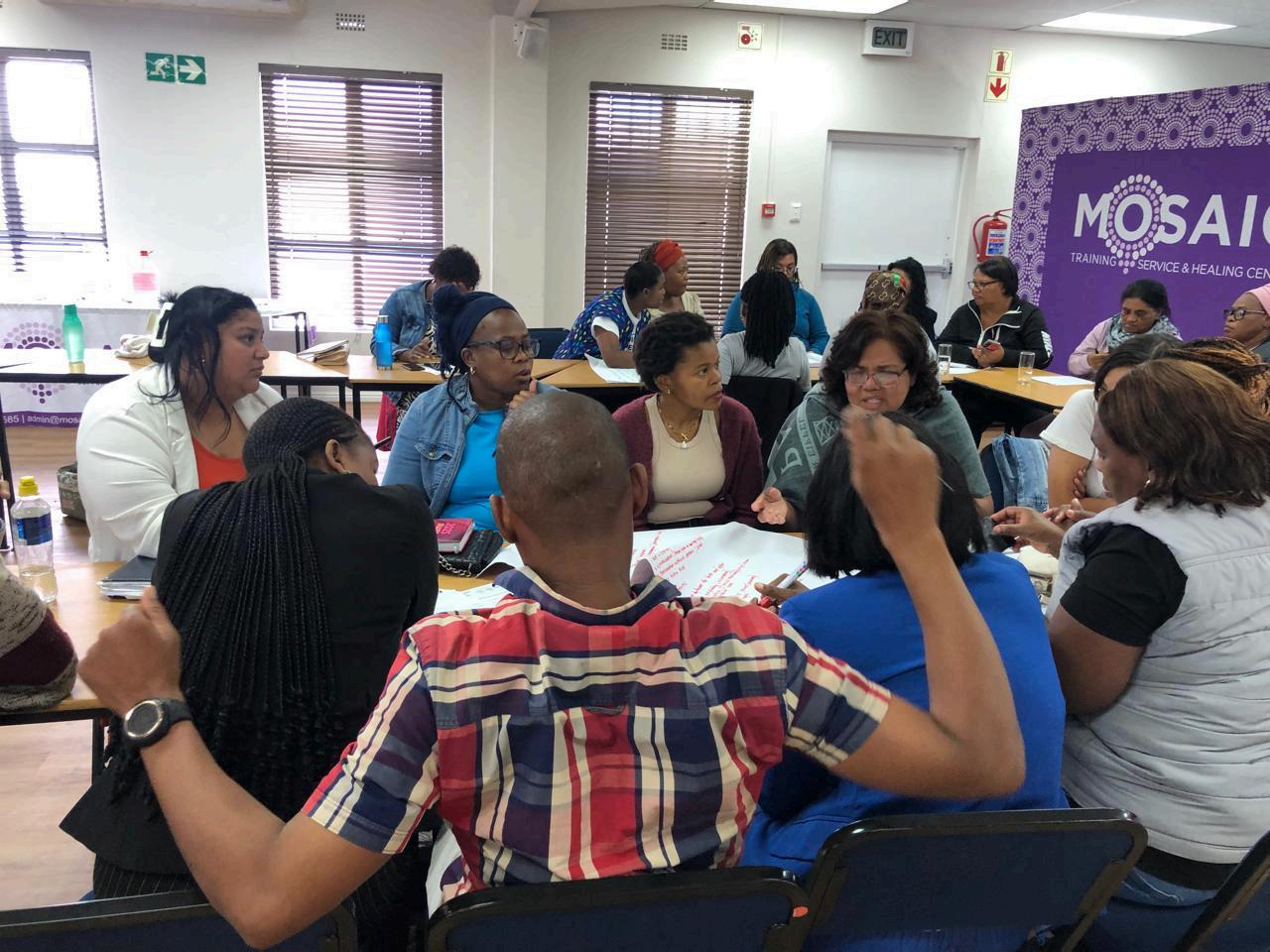
But then again, there is also a downside. I’ve seen it myself, like last year. You’ll see that 98 percent of people respond verywell.Butthenthere’sthetwopercentwho,iftheyseeusorhearaboutus,it’slike,‘Ican’tspeakbecauseI’mscared thatit’sgoingtoleadtosomething.’Becausetheyknowthey’rebeingabused.Wemightnotbeabletoopenupacase, but we’ll do whatever we can to help. They’re afraid to take it to the law, either because they love the perpetrator or they’rescaredofwhat’sgoingtohappentothem,sotheyavoidus.Whetherit’snotgreetingorjustwalkingpastus.
So, yes, it’s mostly positive. But that two percent is kind of scared of the work we do. It might affect their lives, even thoughtheirpartner,orwhoever,isabusingthem.
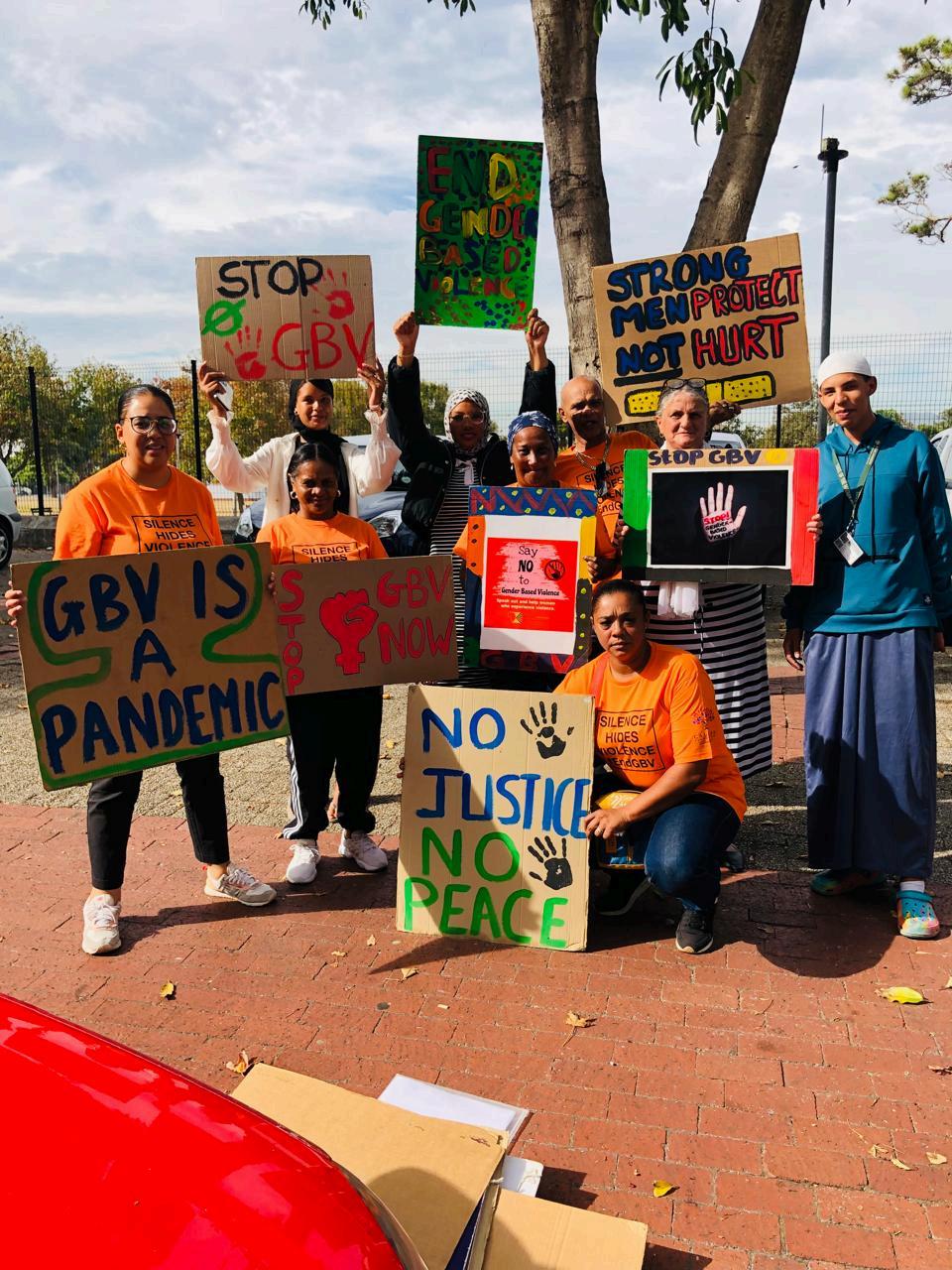
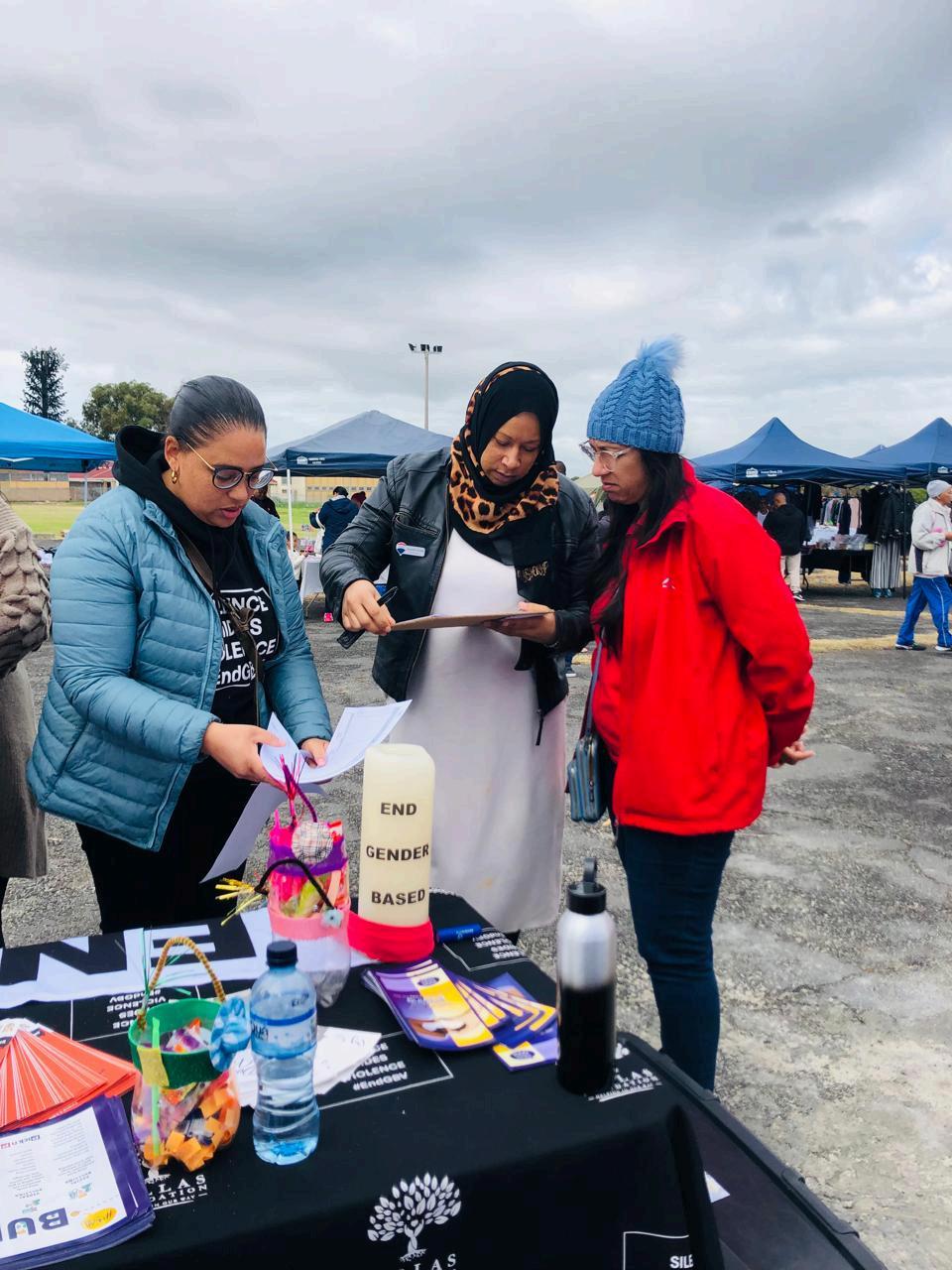
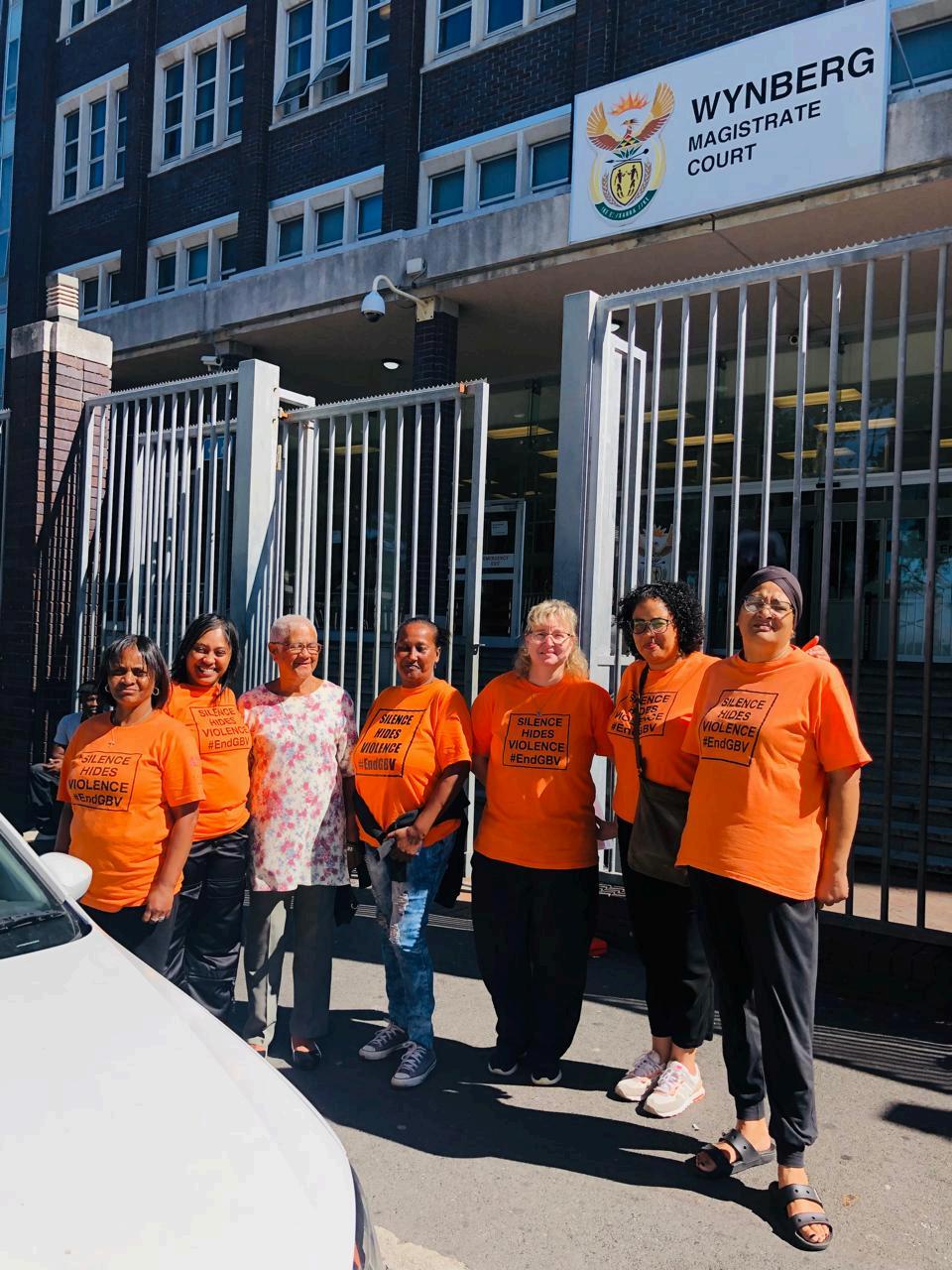
Lynette: I think one simple example would be during the 16 Days of Activism for No Violence against Women and Children.Wehadapeacefulprotesttolaunchthecampaign.IthinkitwasonFriday29thNovember.Itwasinterestingto seehowthecommunityresponded.Imean,peoplecameoutinnumbers.
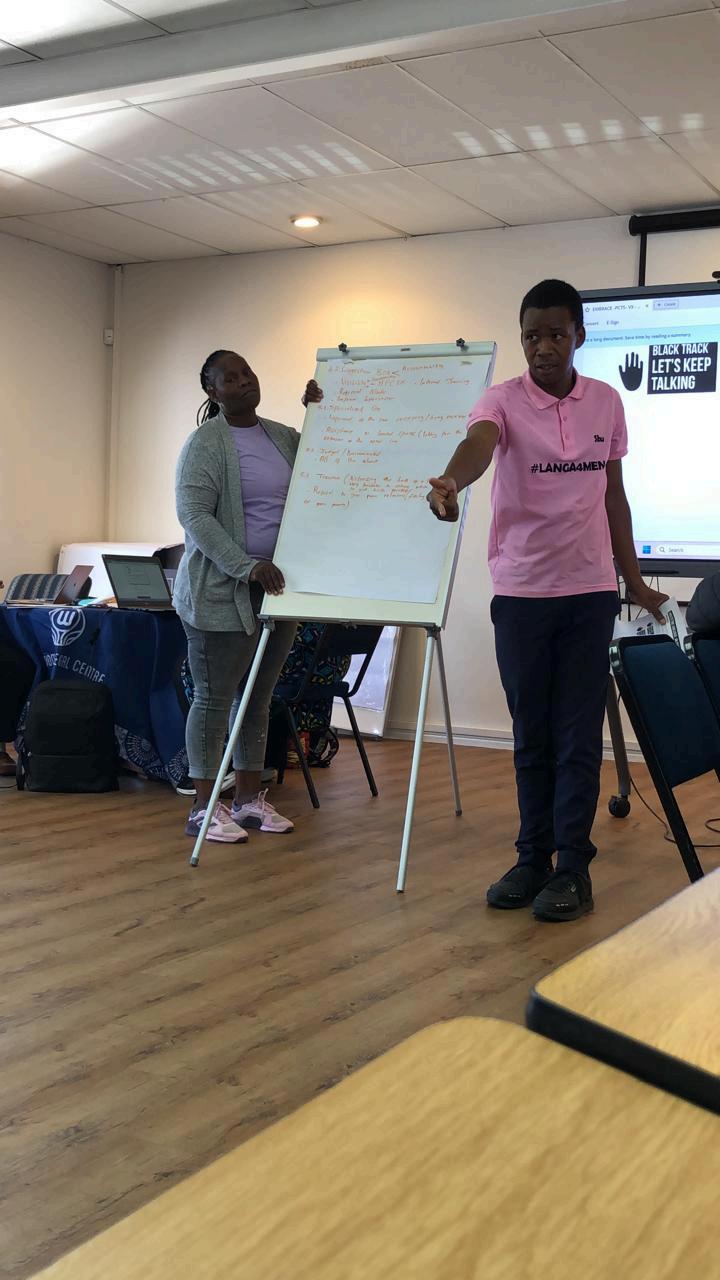
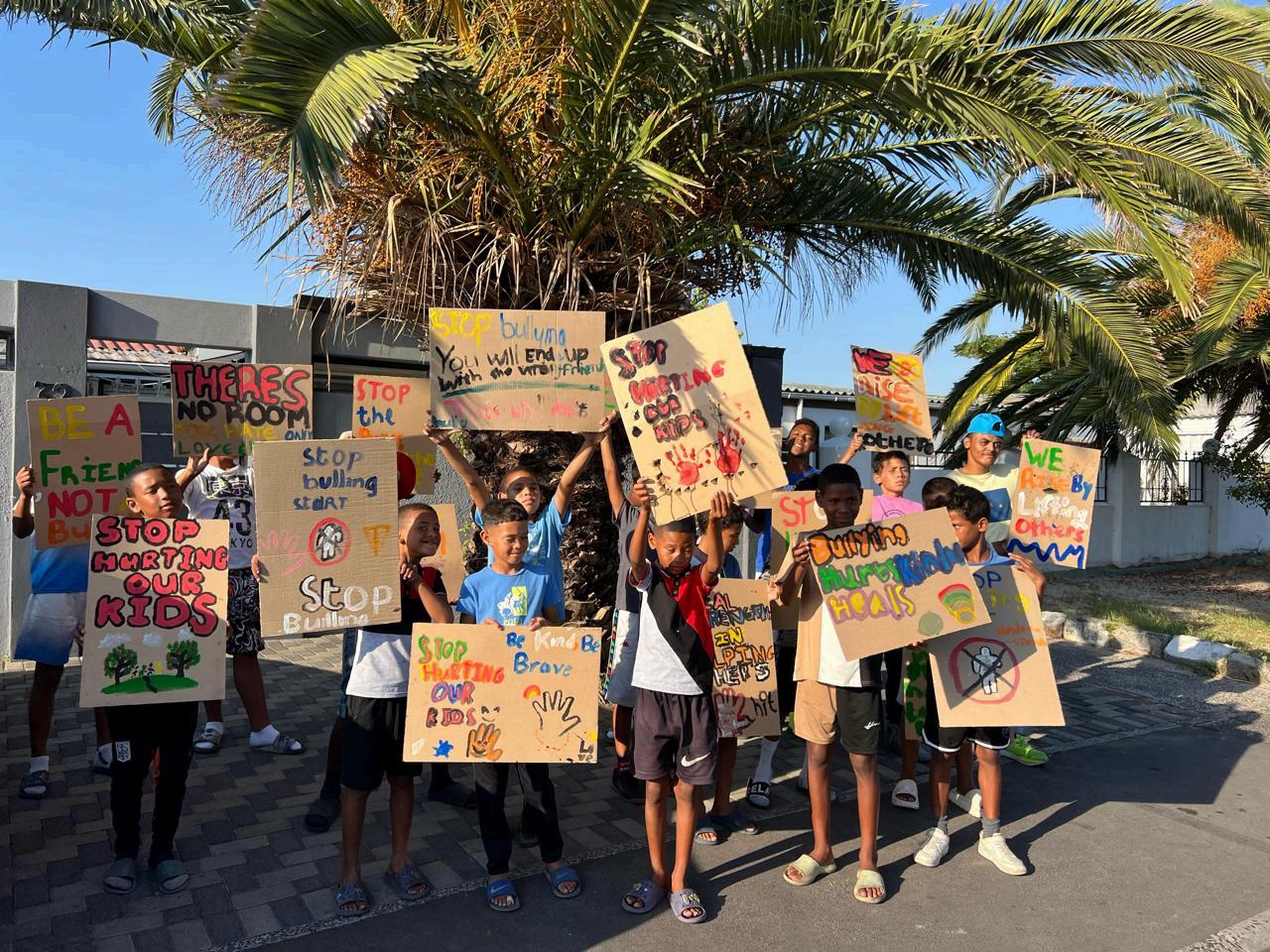
They joined us for the protest paint party, where we made posters with m support. That happened in the morning. Then in the afternoon, we went to intersection,rightoutsidethepolicestation,onlyaboutfivekilometresfrom was a Friday afternoon, peak hour traffic, from about 3:30 till 6:00. You c differentresponsesfromthecommunity.Somepeoplehooted.Someenga Othersjustdrovebyanddidn’tevenlook.
Theposterswereclearandbold.Theysaidthingslike,‘EndGBV.Enoughise killingoursisters.’Weencouragedmotoriststohoot,butsomeofthemjust mean, GBV is a pandemic in our country, so when some people choose you have to wonder what they’re afraid of. Is there still a stigma aroun somethingthey’veexperiencedanddon’twanttoface?Ordotheyjustthin ourproblem,it’stheirs’?
But we still went out there in such a bold manner. And I could feel how ne type of activism is. That kind of awareness. We try and do it as often as w whenwegotocourt.We’lldoourcampaignsandsessions,noproblem,b oftenallowustogointocourt,butwehaveofficesrightoutside.
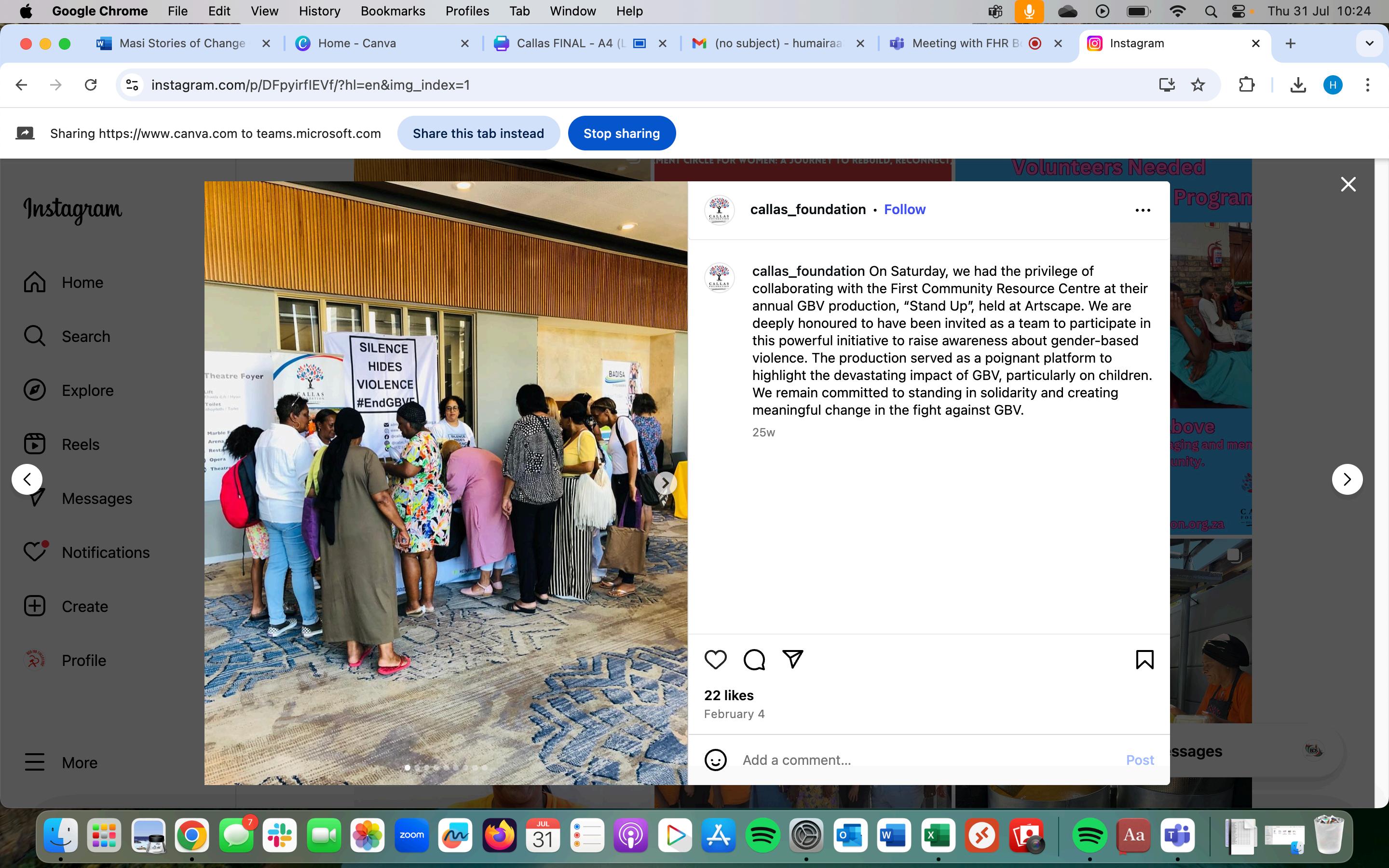
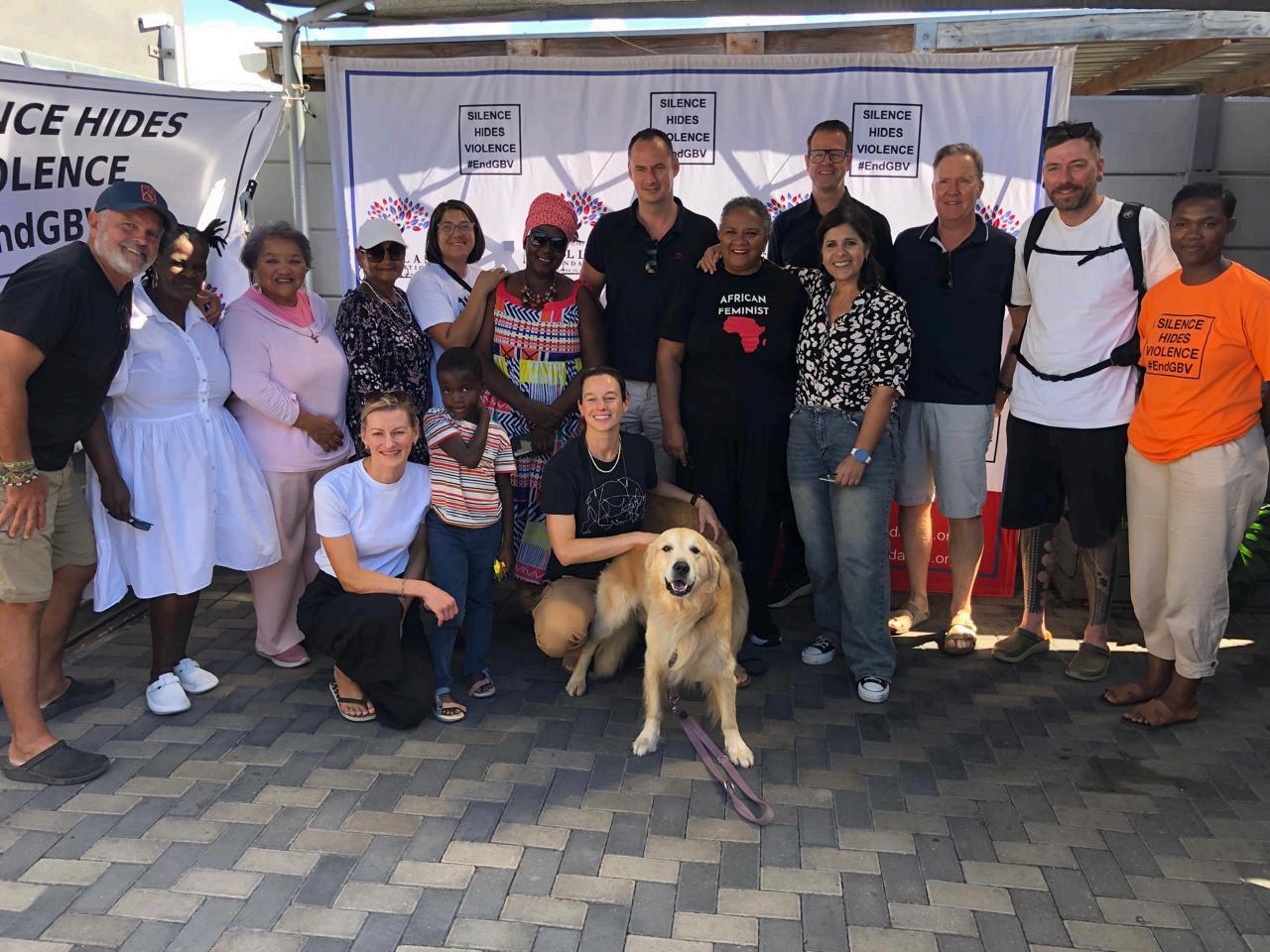
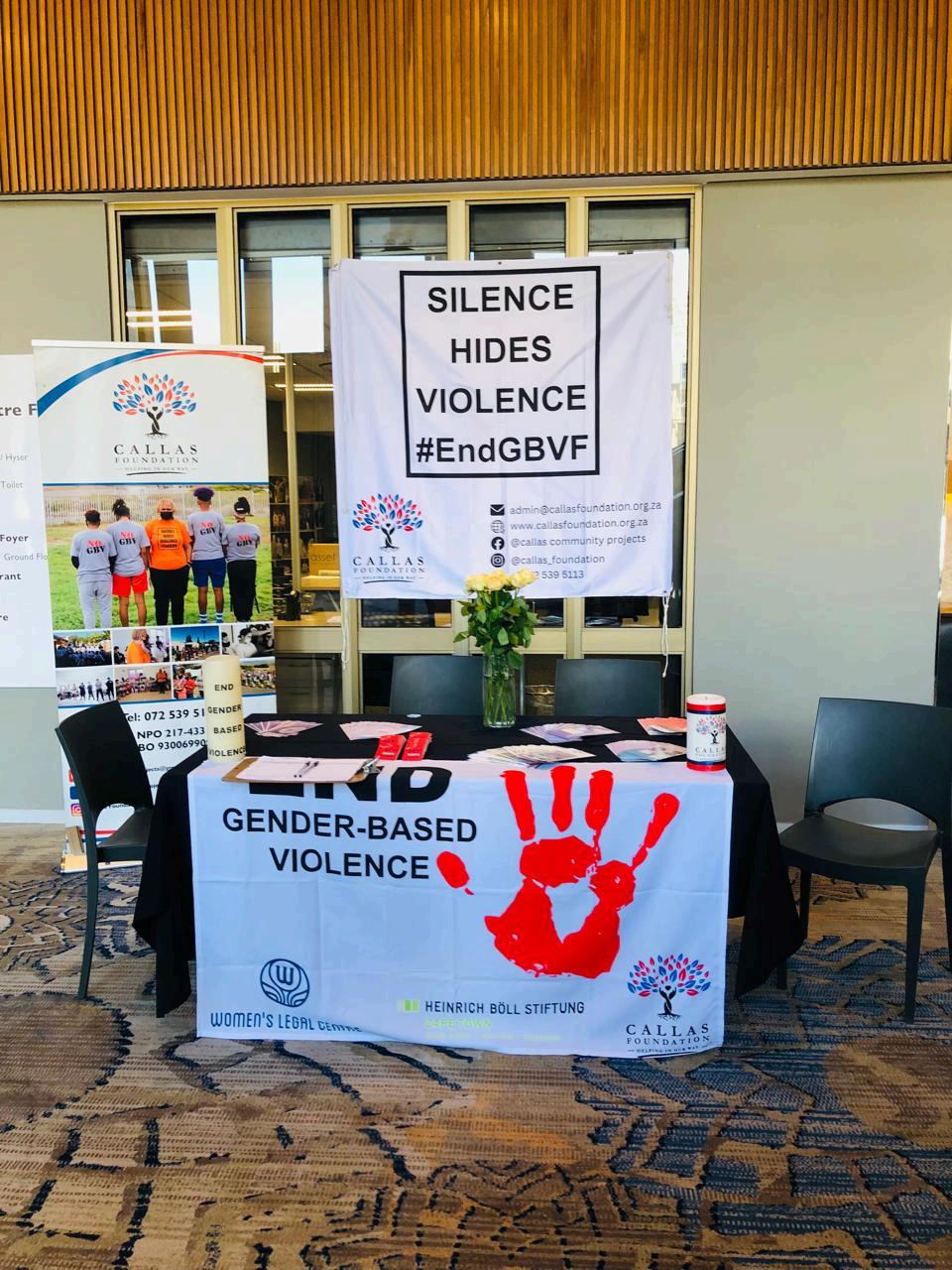
We make our voices heard. Because, as they say, ‘Silence hides violenc silent,theviolencejustescalates.Andwe’veseenthatescalation.Evenov period, the amount of cases we’ve had from 2024 into the first week of 20 secondworkingweekof2025,wespenteverysingledayatcourt.
Weneedtobeoutthere.Themessagehastogetout.Awareness,awarene awareness.
Letania:Yes,wearecreatingtheawareness.
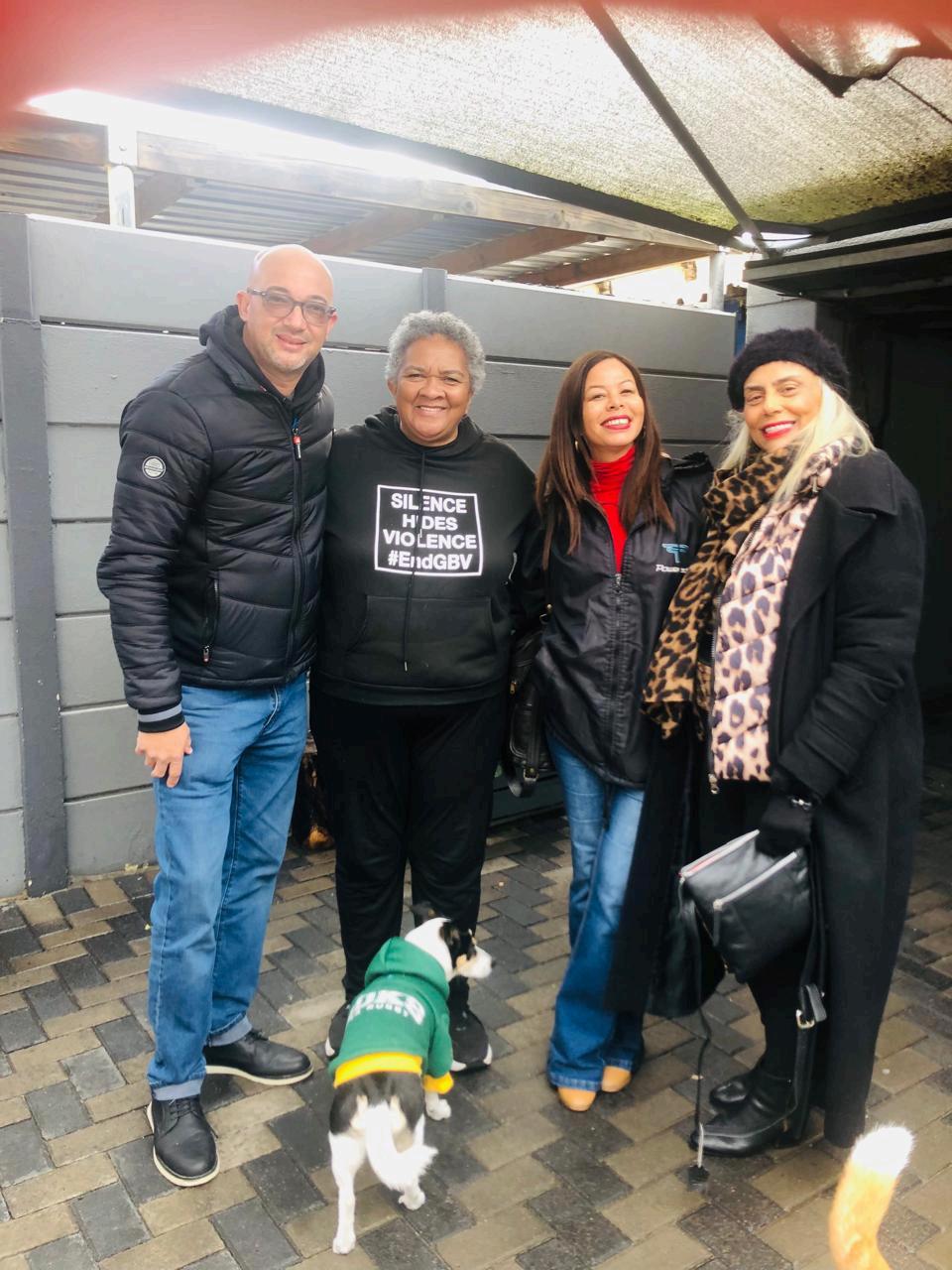
Lynette:If a case hasn’t got enough attention, we follow up. We find out who the investigating officer is and ask, ‘What else to do you need from us for the case to be addressed properly?’ That’s why it’s important to have platforms for dialogue, like the one we hosted last year with the South African Chapter of the International Association of Women Judges[SAC-IAWJ].
At that dialogue, we could speak directly to officials of the court and say, ‘This is our experience. These are the challengesweface.’Sothatwasgreat.Becausethentheycouldmeetthecommunitymembersandvictimsthemselves andhearfirsthand:thisiswhatthey’reexperiencinginthecourtsystem.
Itwasachancetoask.‘Wheredotheyneedtogoforfurtherhelporsupport?What’smissinginthestatementorinthe documentation that you need?’ That can help speed up the process, and increase the chances of a successful conviction.
Letania: We had a femicide case within our community not too long ago, just last year. The community worked so closely together on the case. The body was found quickly, the Callas Foundation was notified very quickly and so were thepolice.Theambulancewasalreadythere.BythetimeAuntyCarolinegottothescene,everyonewasalreadythere. Soyes,I’dsaythatcasereallystoodout.
Lynette:Whenourteam,alongwithAuntyCaroline,mobilisesournetworks,wemakesurethatcasesarefollowedup.If there’s a lack of evidence, she follows up with the investigating officer and asks whether the correct procedures have beenfollowed.Ifeverybodywasthere,thentheremusthavebeenawitness.Hasawitnessbeenidentifiedandhastheir statementbeentaken?
Ashika:Italldependsonthecircumstanceandwhattheindividualseesasjusticeforthemselves.Ifsomeonehasbeen sexuallyabused,wecanhelpthemseekjusticeincourt,throughjudgesandlawyersandallofthat.Butthat’snotalways what they want. Often, what they really want is internal justice, something that helps them deal with it and overcome whathappened.
Lynette: Therewasoneparticularcase,oneofoursuccessstories,whereayoungwomanwassexuallyassaultedhere in the area. Because of our network and the collaboration between the community, stakeholders, SAPS and the neighbourhood watch, they were actually able to catch the perpetrator. They mobilised so quickly– within less than a week,theyhadalreadyidentifiedtheperpetratorevenbeforeSAPSdid,andcouldpointthemintherightdirection.
That’sthepowerofthecommunityandstakeholderscomingtogether.Imean,theywereessentiallydoingthedetective work for them. A credible witness statement was taken quickly, and the DNA evidence didn’t get lost in the process. By supporting the victim, taking her to the Thuthuzela Care Centre [TCC], ensuring the J88 form was completed and submittingkeyevidenceattherighttime,itspeduptheprosecution.Theyalsosupportedthevictim’sfamilythroughout.
“Becauseofournetworkandthecollaborationbetweenthe community,stakeholders,SAPSandtheneighbourhoodwatch, theywereactuallyabletocatchtheperpetrator.Theymobilised soquickly–withinlessthanaweek,theyhadalreadyidentified theperpetrator”
Letania: You don’t only involve legal action, some GBV survivors need healing and empowerment during or after theprocess.
Lynette:AndIthinkthatwewereabletoprovidethatkindof social support, you know? It’s an ongoing journey and an ongoing process. Even with our dialogues, I mean, we had oneparticularlysuccessfuldialoguewheresurvivorsshared their stories with other fellow survivors and community members.Oneofthesurvivorsactuallybecamepartofthe team after that. She now works here at the Callas Foundation. That’s also a form of justice, the fact that she’s able to share her story, and other survivors can gain strengthfromit.
Letania: There was a little girl who was raped. I think she wassixyearsold.Themagistratesentencedtheperpetrator to five years because she thought that the little girl would outgrowhertrauma.Ifeelthatwasaninjusticetothatlittle girl.
Ashika: There’s another case, where the perpetrator got 12 years, which I don’t feel is long enough after all the trauma he caused. Not just physically, but also mentally. How the assault has changed not just her life, but the lives of everyone she loves. All these relationships went down the drain because of what he did. I don’t feel that 12 years is justiceenough,forwhathe’scausedandtheconsequences inthelongrun.
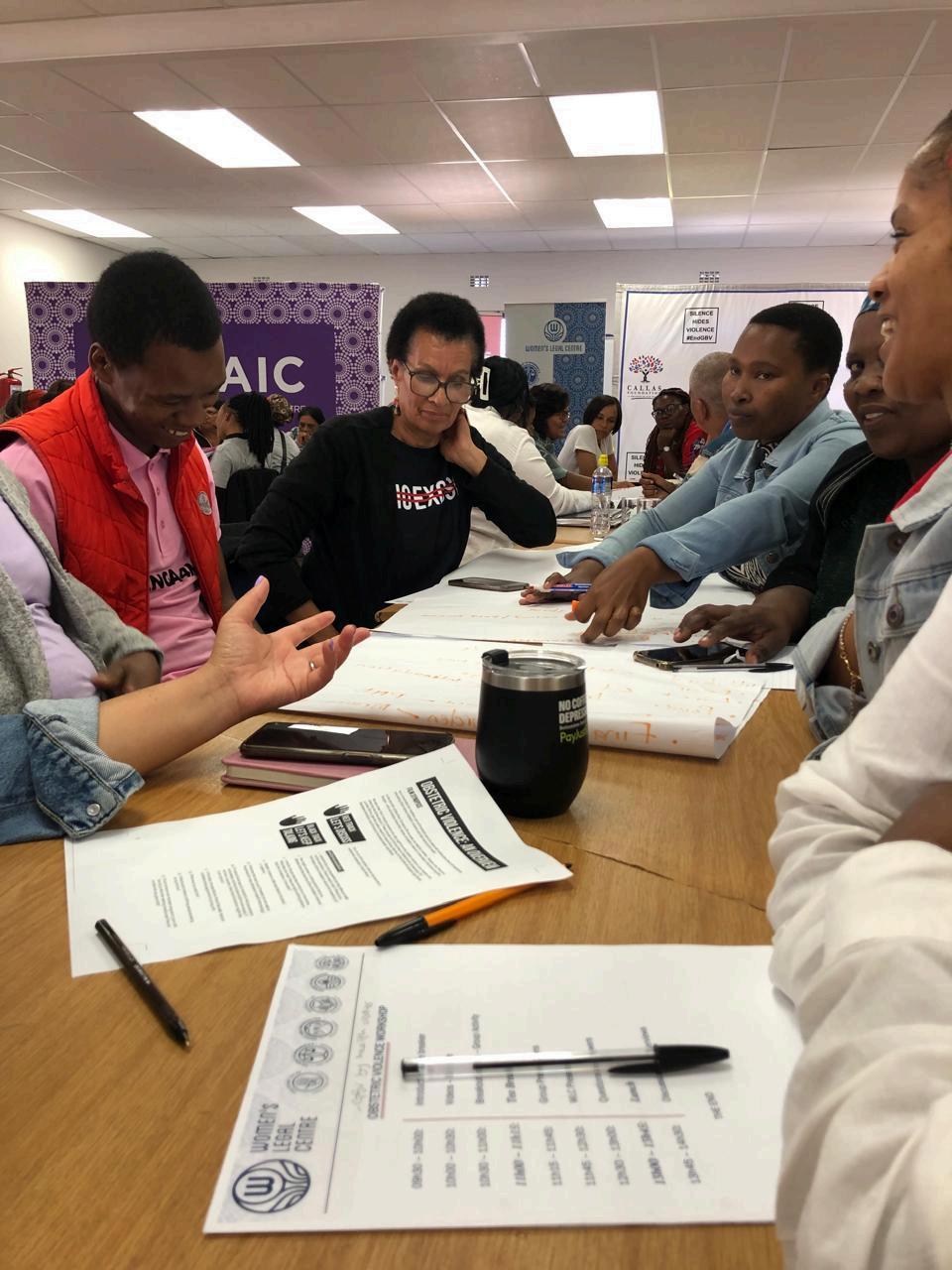
“WethinktheEducationDepartmentshouldincludeGBVinthe schoolcurriculumbecauseGBVisapandemic.”
Letania:WethinktheEducationDepartmentshouldincludeGBVintheschoolcurriculumbecauseGBVisapandemic–it’saglobalissue,notjustaSouthAfricanone.Ifitwerepartofwhatlearnersaretaught,kidswouldgrowupmoreaware oftheimplicationsofgender-basedviolence.Theywouldbebetterpreparedtorespondindifficultsituations,insteadof actingout.
Lynette:Andwe’vehadsuchgoodfeedbackfromoneoftheeducators,sayingthatbecauselearnersareattendingthe Human Rights Clubs, they’re noticing a change in how they behave, even in the classroom. How they’re conducting themselves. That’s an area where we definitely need more support, more resources and funding, so we can do more workoreventrainotherorganisationsonhowtoengagewiththeyouth.
What was exciting was seeing how young people engaged with the Human Rights Clubs. I know Ashika and Zach are moreinvolvedwiththeprogramme,whileIwasmoreontheadministrativeside.ButwhenIdidattendandengagewith theyouth,itwasgreattoseehowopentheyweretotheconversation.It’stheyoungmindsyouneedtostartmoulding. WhenIwasgrowingup,wedidn’thavetheopportunitytotalkopenlyaboutGBVForhaveaccesstoaprogrammelike this.
Ashika:BeingaHumanRightsClubsmentorandaGBVmonitor,honestly,itgoeshandinhand.TheworkwedoasGBV monitorswasalreadypartofwhatIdid,evenbeforeIagreedtotakeonthatrole.
SocombiningthatwithmentoringtheHumanRightsClubs,youcan’treallyavoidthesignsanymore,they’rejustthere. Notjustforme,butIthinkforallofus.
We’ve become so used to the idea that yes, I can speak to you, but I’ve also learned to observe, to watch your habits, your behaviour, to notice signs that point to some kind of trauma. So it’s easier to see when there’s a problem with a child.Forexample,whenweteachaboutdisabilities,manyofthechildrenwho’vebeenthroughtraumawillactout,like it’s almost funny, you know, making fun of disabled people, like it’s disgusting. But a child who comes from a healthier home,they’dknowthat’snotacceptable,youdon’tdisrespectotherslikethat.
So we’ve got used to observing and noticing which children have experienced trauma by how they react to what we teach.It’sbasicallyalllinked.Youcan’tavoiditornotseeit,it’srightthere.
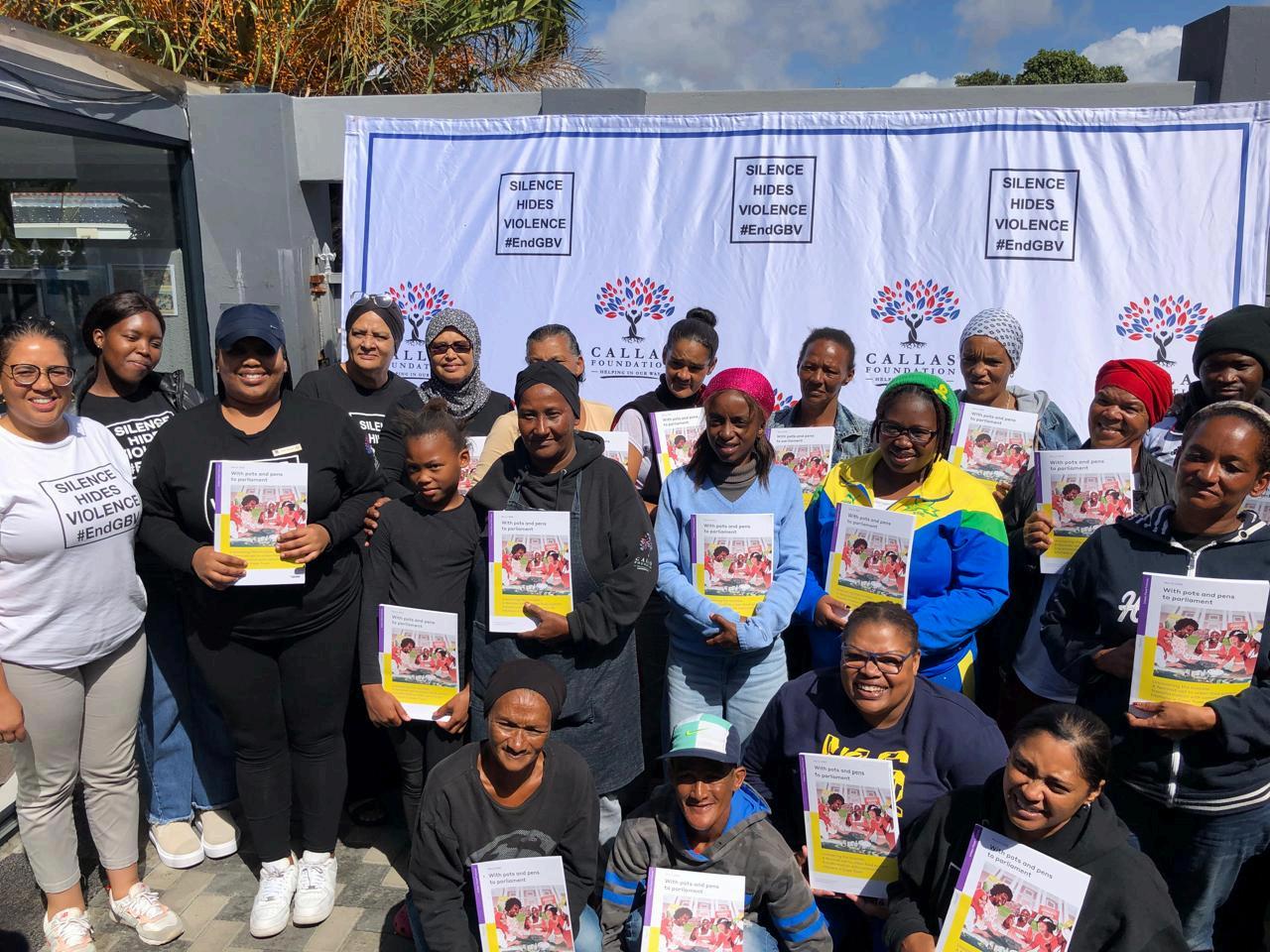
Lynette: Often times in the Human Rights Clubs, a facilitator would report that a learner clearly needs a little more support or counselling. So, how could we step in? We then had our counsellor attend one of the Human Rights Clubs sessions.Afterthat,we’dhaveaconversationwiththelearnerandgetconsentfromtheparents,lettingthemknow,‘This isournumber,andthisisthekindofsupportweoffer.You’remorethanwelcometocometoourorganisationforoneon-onecounselling.’
WewereabletogetsomeofthoselearnerstocometotheofficeandmakeappointmentswithAshikaforassessments andcounselling.ThesewerelearnersthathadbeenattendingtheHumanRightsClubs.
Letania:Also,engagingmenandboysinGBVpreventionisabigpartofourwork,whetherit’sthroughtheHumanRights ClubsorourGBVboysprogramme.Peopleaskwhywedon’tdomoreworkwithgirls,butwefeelthatifyoulookatthe numbers,themajorityofperpetratorsinGBVcasesaremale.
“So,preventativeworkwithyoungboysissoimportant–especiallyaroundshiftingtheirmindsetwhenitcomesto consent.”
Wheredoesitallstemfrom?Youknow,ItrytomakeyoungmenintheHumanRightsClubsunderstandpatriarchyand where these attitudes come from. And when we focus on identity, on knowing who you are, your values and what you standfor–itbecomessomucheasiertotakeastandforyourself.
Letania: I think that the timelines of the legal proceedings could be improved. The court cases, the legal system, the legalprocess.Icouldalsoaddthatsurvivorsneedfinancialsupportduringthelegalprocess.
Ashika: I think we need more collaboration from detectives. From my personal experience, I’ve seen that some detectives who deal with GBVF, against women or men, can be resistant. They need to be educated about GBVF and howitaffectssurvivors.Ithinktheyneedtobemoreinvolved,notjustlookingatitasanormalcase,oneyoudealwith every day. They’ve gotten used to putting down their emotions because it’s their job. But I feel they need to be more physically and mentally involved, because this can happen to anyone. To them, to their sister or to their brother. They needtostepupandgetinvolved.
“Weranawomen’ssupportgroupbefore,in2023andearly 2024,andnowwe’regoingtorelaunchit.Ourfocusis,asalways, onsupportingwomen.”
Lynette: So yes, we’re going to start the support group again. This time, we’re going to offer the support group here, duringtheweek.
Letania:Weneedmoremobileanddigitalplatformsforreportingandcounselling.
That would make a huge difference. A lot of people aren’t comfortable coming out and speaking to someone face to face,buttheywouldbemorecomfortabledoingitonline,orbehindthescenes,insteadofbeingphysicallypresent.And likeIsaid,engagingmenandboysinGBVpreventionisabigthingthatwouldreallyhelp.
Letania: We need more involvement from all our stakeholders. For me, that includes youth organisations, religious leaders,localbusinessowners,ourschoolsandneighbourhoodwatches.
Lynnette:One of our hopes is engaging more stakeholders, really getting them on board and working together. We’re moving away from working in silos. We need to team up with workers. We can only do so much within our own communityorarea,butifwebuildstrongpartnerships,wecandomore.Ithinkthat’ssomethingtheCallasFoundation doesreallywell.It’ssomethingourleader,AuntyCaroline,alwaysremindsusof.Shehassuchanextensivenetworkand we’velearnedalotfromthat,howtopartnerwithotherstakeholders,howtocollaboratetogetthebestoutcomes.When itcomestothingsliketheFirstResponderstraining,wewanttoensurethateveryoneinthecommunityiseducated,so theywalkawayknowinghowtosupportasurvivor.That’showthemessagespreads.
Letania: Yes, if we had more funding, we could have a bigger team and more resources out there. We could train more of our court support volunteers. In our school Human Rights Clubs, we could have more monitors involved in the programme. We could reach more schools in the community, insteadofjustthetwowe’reworkingwithnow, we could cover many more. With more resources, we could also partner with other organisations.
Ashika: It’s all about awareness and guiding people towards where the help is. A lot of people, yes, they might know they’re being abused,buttheydon’tknowhowtostopit,or even that there is help beyond their family.
Family members don’t always help, you know?
Lynette:Whatwehopetoseeismorepeople stepping out and not being afraid to seek help, reaching out to us or to other organisations. And also, strengthening our referral pathways so we know which partners offerwhichservices.Thatway,whenweguide someone, we’re pointing them in the right direction–eveniftheyarefromanotherarea, they’llknowwhotoreachouttoforhelpthere.