AFRAisalandrightsadvocacynon-governmentalorganisation(NG ) tosupportmarginalisedblackruralpeople,withafocusonfarmdw works towards an inclusive and gender equitable society where hu are valued, realised and protected and where all citizens have acc meanstoensureadecentstandardoflivingandqualityoflife.Theor doesthisthroughpromoting,realisingandprotectingthehumanrig dwellers, to ensure that farm dwellers achieve an improved standa and quality of life, thereby restoring their human dignity as equal c democraticsociety.AFRAworksintensivelywithcommunitiesinand uMgungundlovu District Municipality in KwaZulu-Natal, South A extensivelyinofferingsupportandadvice.
AFRA’s VISION is of an inclusive and gender equitable society whe rightsarevalued,realisedandprotectedandwhereallcitizenshave themeanstoensureadecentstandardoflivingandqualityoflife.
AFRA’sOBJECTIVEis to promote, realise and protect the human rig dwellers, so as to achieve improved standards of living and qua therebyrestoringtheirhumandignityasequalcitizensinademocrat
AFRA’sCOREVALUESare:
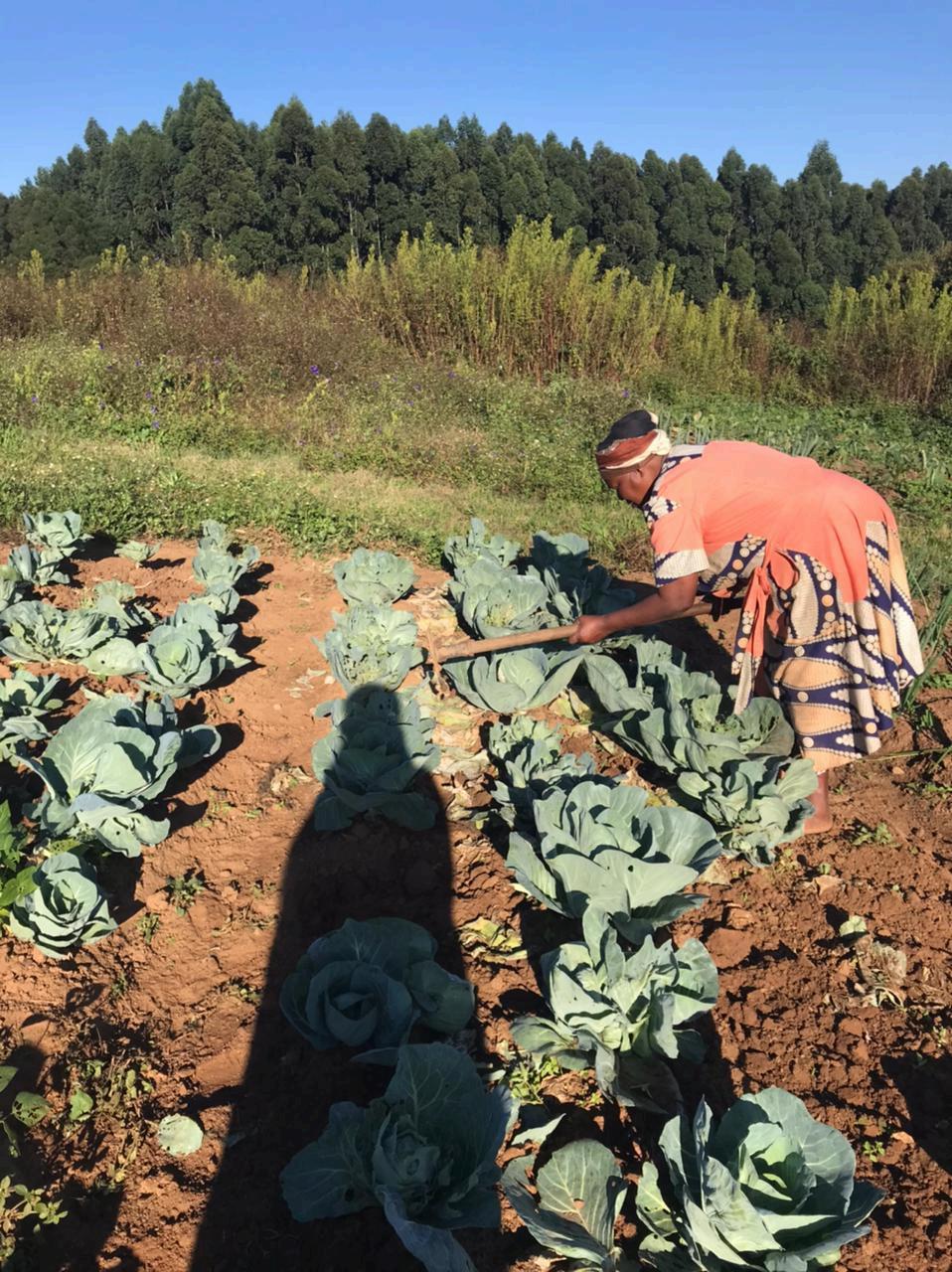
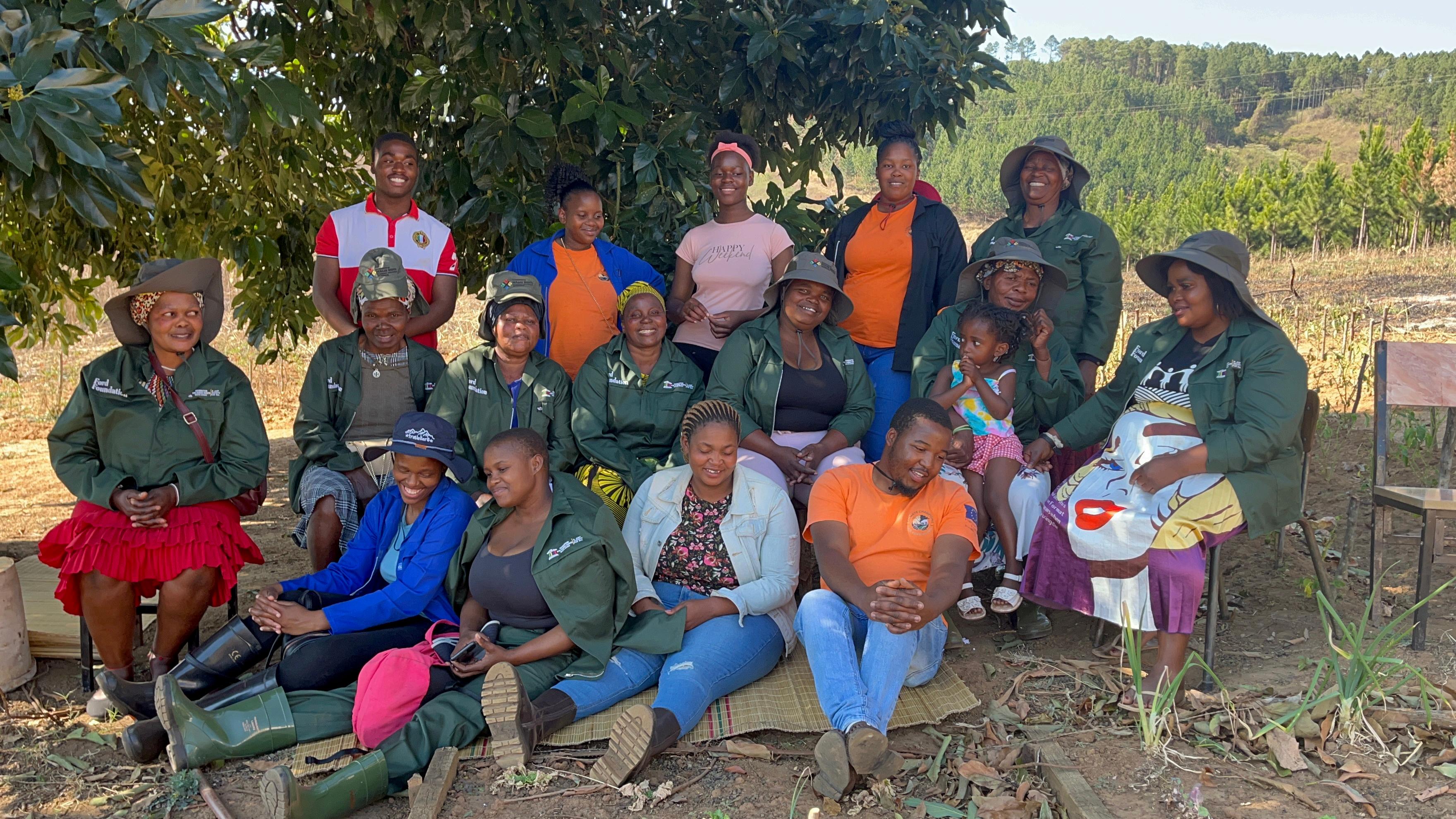
Inthepagesthatfollow,ourstoryistoldbythreewomenwhoaremembersofQinaMbokodoandliveincommunities withintheuMgungundlovuDistrict:
NiniMyeza: My situation was very bad. It was really bad, I must say. It was hard for me as a widow, trying to feed my children by myself. I had land and thought about planting vegetables so we could eat, but I didn’t have money to buy seedlings.
“BeforejoiningtheGrowingFoodforLifeproject,Ihadlost confidenceinmyself.Iwouldsometimesbeconfusedbecause althoughIhavechildren,Ihadnothing,andIdidn’thavework.”
My eldest child was struggling to find a job, and my younger children were still in school. I found myself with many problems.Lifewastoughbeforewestartedworkingonthisproject.
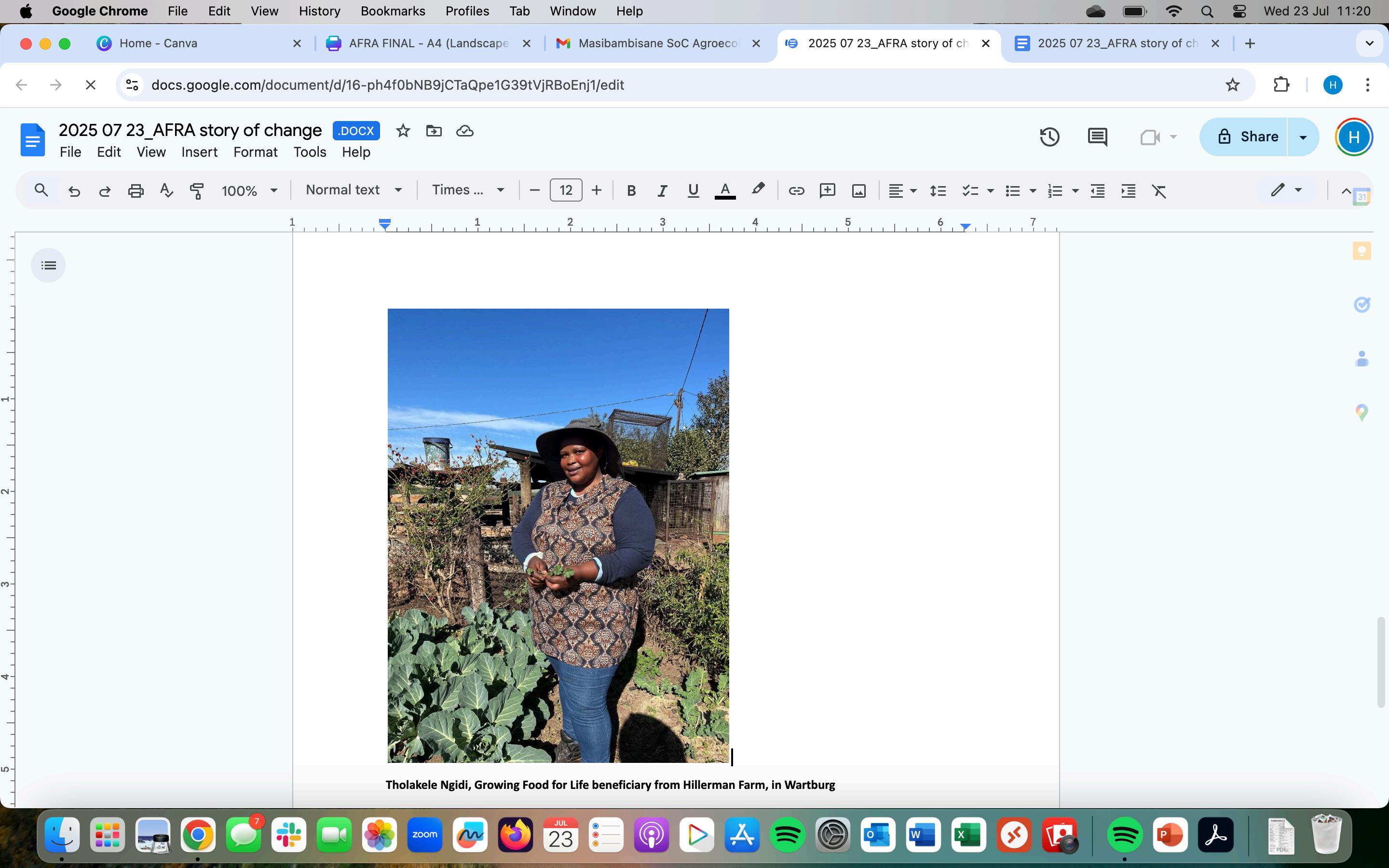
Tholakele Ngidi: What motivated me to work on the Growing Food for Life project with AFRA is that I live on the farm whereIwasborn.AFRAworkswithpeoplewholiveonfarmsownedbywhitepeople,sincewedon’thaveourownlandto farmon.Thefarm-ownerdidn’twantustohavespacestofarmonhislandortohavechickencoops.AFRAhelpsyouto getaspacetofarmon.
MakhosazaneNkosi:I started working on the Growing Food for Life project because I have a lot of children, and I was struggling. This project really helped me. When AFRA came to us with it, I had run out of strength. My daughter had passedonandleftmewithfivechildrentotakecareof.Ihadnoplan,andthisprojectliftedmeupandsavedme.
NiniMyeza:I had no dignity. It was hard to ask people for help because when I showed up, people already knew that I hadnothing.Whenyouhavenothing,peopletreatyouasjustathingandyouendupacceptinganythingthatisthrown yourway.Ididn’tevenhaveanydignityinfrontofmychildren.Peoplearoundmedidn’trespectme.Itwasdifficult,very difficult.WhenItriedtohidemyshamefrommychildren,itshowed,evenwhenIdressedupnicely.
TholakeleNgidi:BeforeworkingontheGrowingFoodforLifeproject,Ididn’tfeelfreeatall.Ididn’thaveanydignityinthe community.Iwasjustasmallgirl,whowasnothing,withnomoneyorajob.
NiniMyeza:Whenitcomestofood,Iwon’tlie,IgettheR350grant.ButbeforeIjoinedtheGrowingFoodforLifeproject,it wasreallyhard.Wewouldsometimesgotobedwithouteatingbecausetherewasnofood.
“Noonewasfeedingus.Alotoftimes,wewouldjustsitaround withouteating.IwouldjustclosethedoorinthehousebecauseI didn’tknowhowIwasgoingtoputamealtogether.”
TholakeleNgidi:BeforeIworkedontheGrowingFoodforLifeproject,Ihadtowaitfor thegrantsothatIcouldbuywhatIcouldwithit.Thechildrenwereaffectedatschool becausewecouldn’tmeetalltheirneeds.Theirgrantmoneywasfeedingus.Wehad nootheroptionuntilwegotthissupportandwecouldthenstandupforourselves.
Makhosazane Nkosi: My situation was also hard even though I was working on a farm. I struggled to take care of my grandkids. We would go without food, and so I would borrow money from loan sharks who charged interest. I earn little money where I work but it helps me to support my grandchildren. Since there are five of them,IpayR1000amonthfortheirtransporttoschool.Theyalsohavetopayschool fees,R2500foreachchildperyear.It’sonlymysonandIwhoareworking,andhe’s alsofeedinghisownchildren.
TholakeleNgidi:WestartedworkingwithAFRAasagroupofaroundeightwomen.Atfirst,wedidn’tgetalonganddidn’t workwelltogether.Thefarm-owneralsowouldn’tallowustoputupourstructureforthechickens.
Abouttwoyearswentbywithusnotworkingandmakinganymoney.AFRAintervenedandhelpedusbyspeakingtothe farm-owner.Wealsodecidedtoseparateandworkasindividuals.Eachpersonstartedtheirownbackyardgardenand savedtheirownmoney.Maybeifwehadn’tstartedthatway,wewouldbefurtheralonginlifetoday.
NiniMyeza:Inthebeginningofmyfarmingjourney,mybiggestchallengewasnothavingaccesstowater.Ihadtofetch waterfromtheriver.ItwouldreallyhelptohavewaterclosertohomebecauseI’mnotyounganymore!Anotherproblem isthatweliveveryclosetoagamereserve,sothebuckeatsourchilliesandgreenpeppers.ItoldmysonthatonedayI wanttosleepinatreesothatIcanseethebuckformyself.IneedtoprotectwhatIhavebeentrustedwith,verymuch.I needtofighttoprotectourgardenfrombeingdamagedsothatIcanimproveourlives.
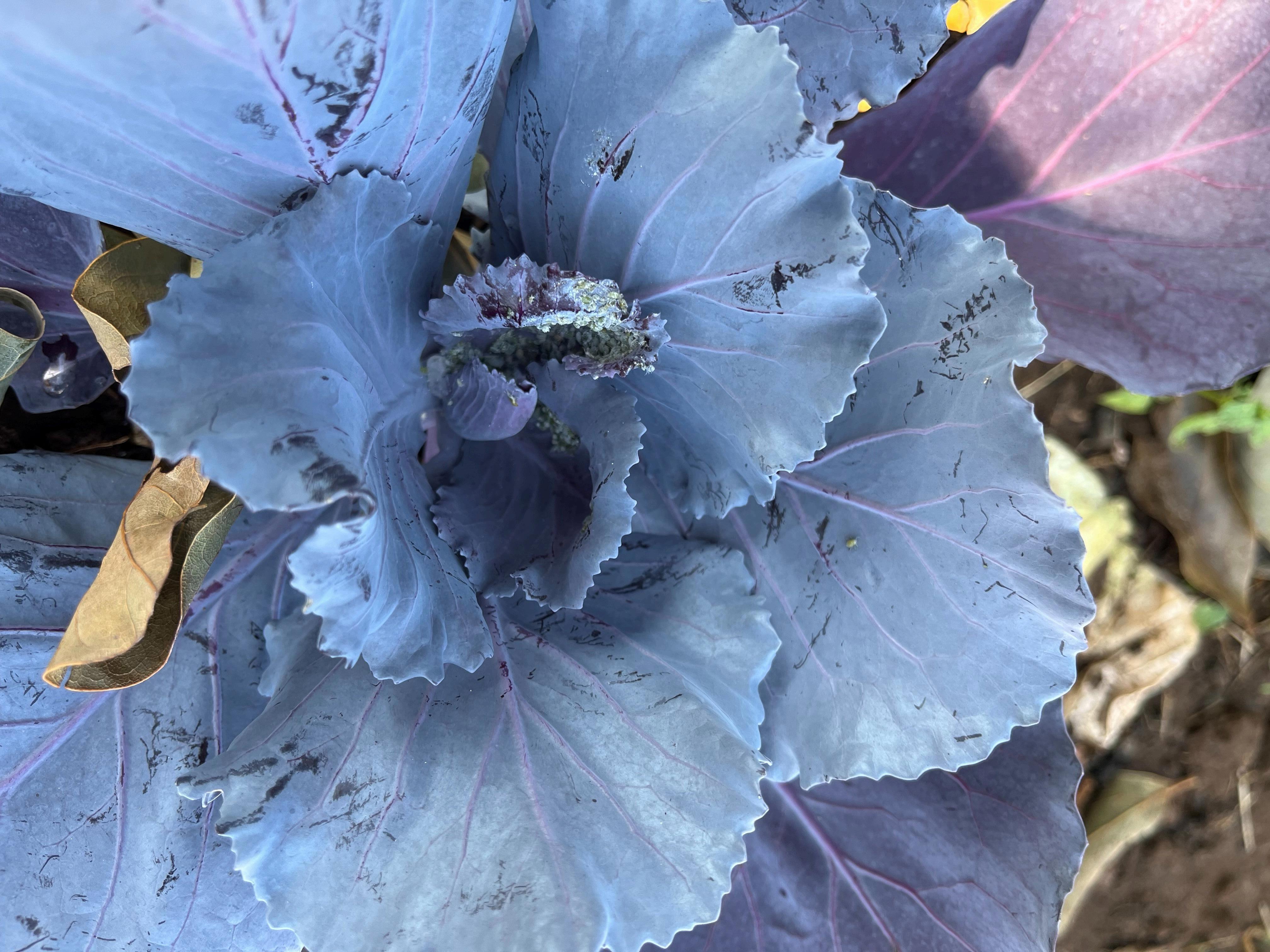
Makhosazane Nkosi: My challenge was that bugs kept eating my crops. The AFRA team advised me to spray dishwashingliquidmixedwithwaterontotheplantsbecauseitchasesthebugsaway.Hailstormsareanotherchallenge becausetheycompletelydestroyourplants.
MakhosazaneNkosi: It’s not like before when I was very poor and dying of hunger. This project is really helping me. I work on my backyard garden in the afternoon after work, and my grandchildrenwateritbeforeschool.IeatwhatIharvestwith mychildrenandselltheextraproduce.Now,Icanplant,cook andsellfrommyownbackyardgarden.Isendthechildrento buy what we are short of, such as teabags or oil. I don’t lack much now, when I have cooking oil and onions, I can put togetheramealwithothervegetablesfrommygarden.
Nini Myeza: This food gardening project has brought a big change to our community. People can now buy vegetables from us – they don’t have to go to town, which is far. I walk aboutthreekilometresjusttocatchataxitotownonthemain road. We can’t carry all the heavy groceries from the main road, and the taxis charge us R300 to drop us off at our homes. We have to wait until the employed people go to townsothatwecansharethedeliveryfeebetweenus.It’sjust so hard, hayi [no]. When I was only getting the R350 grant, there was little left after paying for transport. I would have to wait for someone to go to town and then ask them to buy vegetablesforme.
TholakeleNgidi:There’sbeenabigchange,eveninthecommunity.Peoplearenotashungryastheywerebefore.Ifa neighbourishungry,Icanlendthemacabbage,andtheypaymebackattheendofthemonth.That’sunlikegoingto Spar, where they want cash. I help in the neighbourhood to make sure that everyone eats. We spend around R200 or R250onataxitotownbecauseweareveryfarfromshops.We’vejustbeenthrownaway.Iallowomama[mothers]to borrowsomespinach,andIletthempaylater.Now,noonegoeshungrywhileIhavesomethingtogive.
NiniMyeza:Now,Icanputfoodonthetableformychildren,andwecangotosleephavingeatensomething.
“Imakeupforwhatweareshortofinthehousebyselling vegetablesfrommygarden.Idon’thavetogooutbeggingany more,notknowingwhattodo.WorkingwiththeGrowingFoodfor Lifeprojecthasturnedmefromnothingintoaperson.“
TholakeleNgidi:What’smakingmehappyisthatI’vegotmyownmoney.I’mnolongerneedy.I’mnotaskingpeoplefor things–I’mstandingonmyowntwofeet.Ifeelfreebecausemylifehasreallychanged.
“IstudiedbutIcouldn’tgetajob.Nowsomeonewhoworkscancome andborrowmoneyfromme.IsellandIgrowfood–allwhilebeingat home.Inowhavedignity,evenathome.Myfamilycannowaskme tobuymealiemealorabagofmixedchickenportions.
“
WhenI’mintheyard,mypresenceisfelt,unlikebeforewhennoonepaidanyattentiontome.Backthen,theywouldn’t even dish up food for me because I wasn’t working. I even dress nicely now and I can go into shops and buy clothes. I walkfreely.
NiniMyeza:WorkingontheGrowingFoodforLifeprojecthasreallyhelpedmealotbecauseitbroughtbackmydignity as a mother and a woman. I am so happy because my dignity and self-confidence have been restored. I can go to sleep with a full tummy; I don’t have to ask my neighbours for food and then resent them when they don’t share anythingwithme.Icaneatvegetablesfrommygarden.
If I don’t have any cooking oil, I can sell somevegetablesandbuysome.Growing food has been very helpful to us as women, you no longer have to stay in an abusive relationship only because your abuser feeds you. Today, we’re able to feed ourselves so that we don’t have to stayinabusivesituations.
TholakeleNgidi:AFRAfoughtforme,andI got space from the farm owner to put up a chicken coop and have my own backyard garden where I can grow enough food to survive. Working on this project gave us a way forward, now we can be independent. I now have a structure for my chickens even though thefarmownerdidn’twantmeto.Ifound freedom when I started working on the Growing Food for Life project, and I still haveit.
Makhosazane Nkosi: I’m happy now because my life is better than it was before I joined the Growing Food for Life project.
NiniMyeza:Ifeelrelaxed,freeandhappy. IcanseethatI’mgrowing.
Tholakele Ngidi: After starting as a group of around eight, our group now has ten women – a mix of young and old people.Weworkwelltogether.Evenatmeetings,wecommunicatewellwitheachother.OurProjectManagerfromAFRA alsocommunicateswellwithus.Overall,ourcommunicationontheprojectisverygood.Ifyouhaveaproblemandyou don’thaveairtimetocall,youcanjustleavetheProjectManageramissedcallandtheywillcallyouback.Everythingis great.
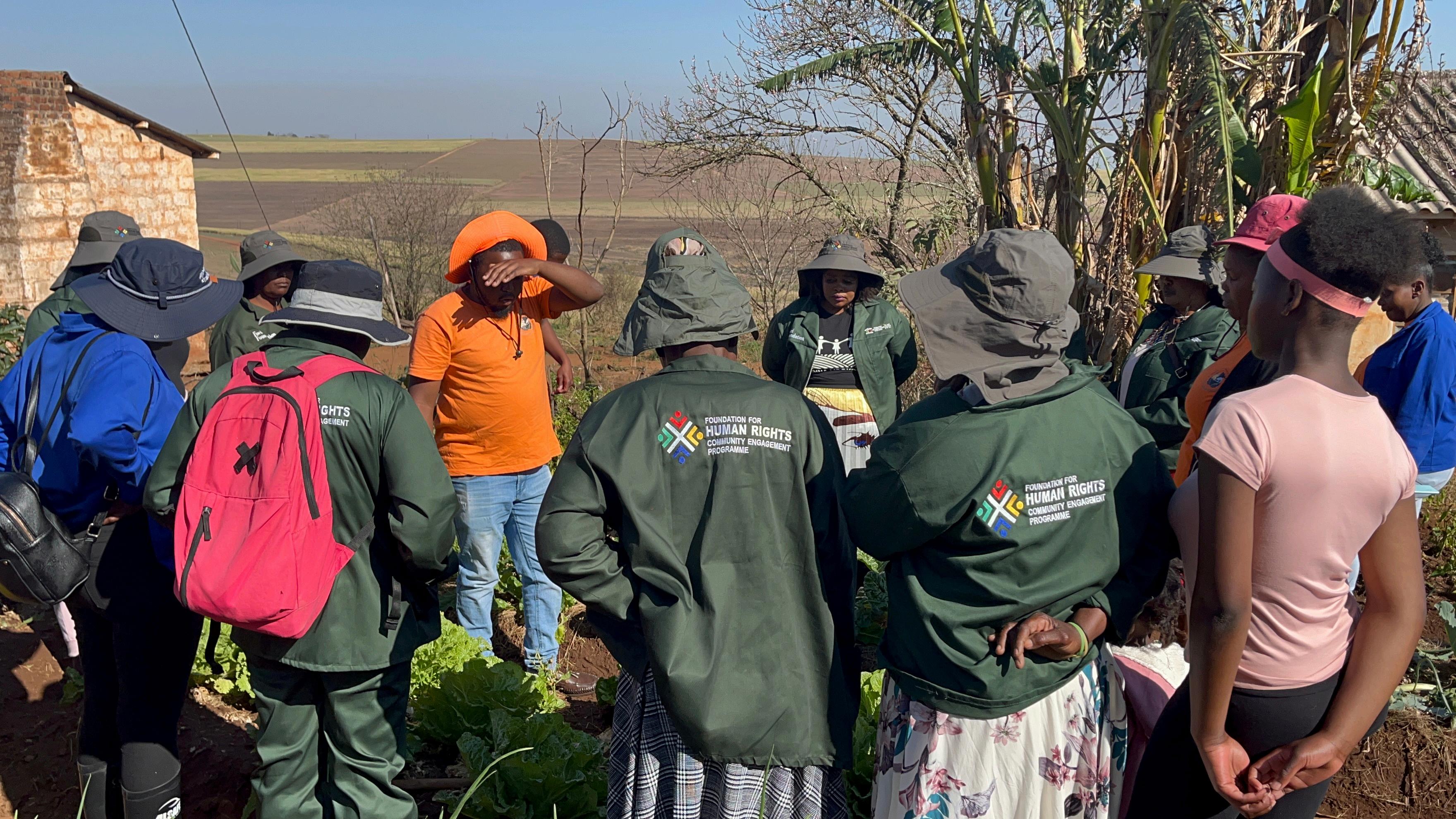
NiniMyeza:What I like about our group is that we have one spirit – a spirit of unity. If my garden is not looking good, I can go to Makhosazane or Tholakele [Growing Food for Life colleagues] when I can see the difference in their gardens. Theyadvisemeonwhattodo,whichreallyhelpsme.It’snicetobeworkinginunity.
MakhosazaneNkosi:Ithinkthegroupisgreatbecausewehaveunityandgetalong.Welearntogether,andwegetto seehoweachperson’sgardenlooks.Wesharewhat’sworkingandwhat’snot,andthat’showwelearnandimprove.
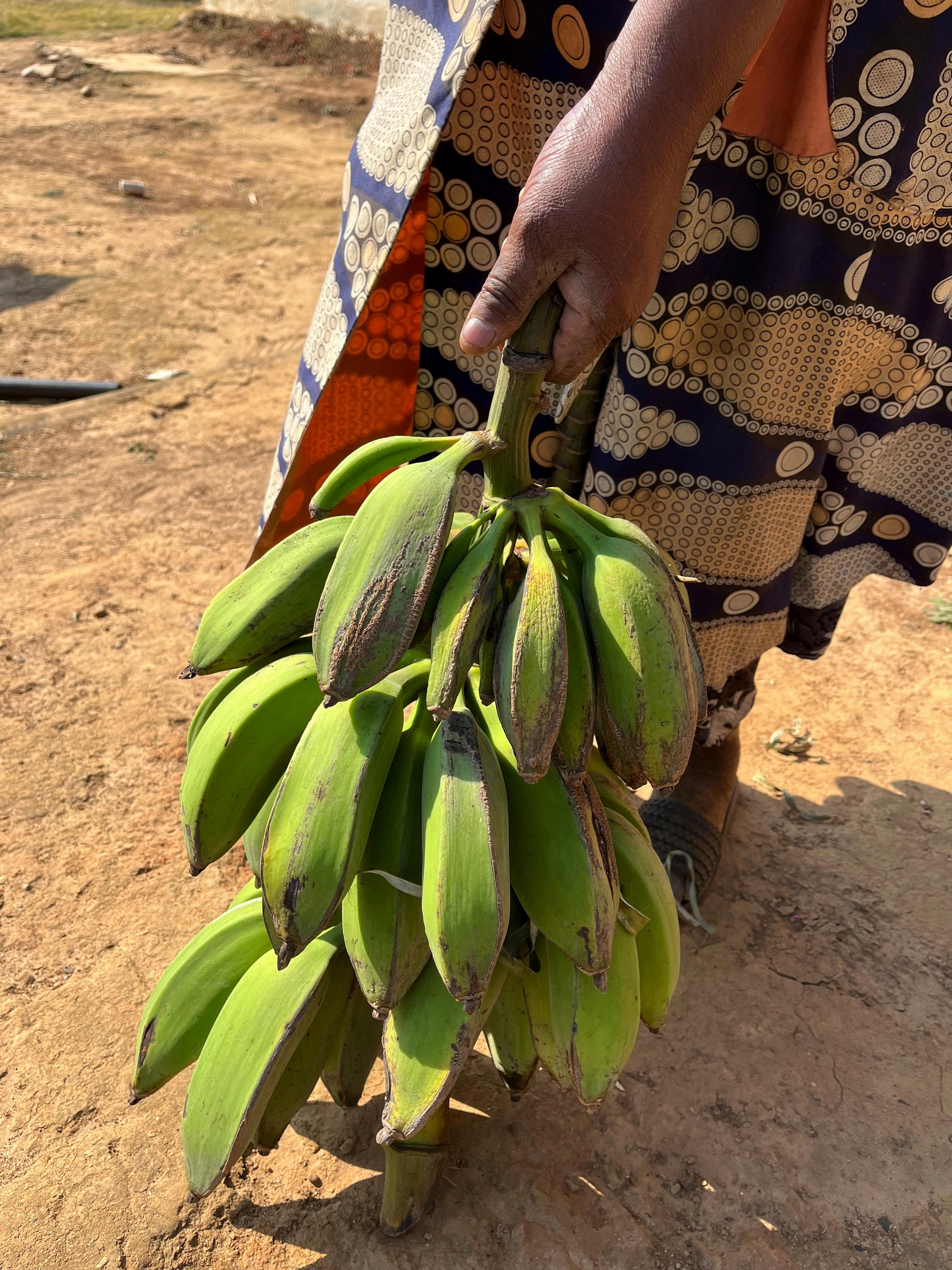
NiniMyeza: My dream is to see myself as an independent businesswoman with my own things. Even though I live far fromtown,I‘dliketohavemyownshelterintowntosellmyvegetables.Evenifit’snotexactlyashelter,butsomething likethemoreestablishedfarmers’gazebos.Idon’twanttospendmoneyonrent,justmyowntableandtent.I’dalsolove tobealivestockfarmer,tohavecattleandgoats.Ihaveenoughlandinmyyard!
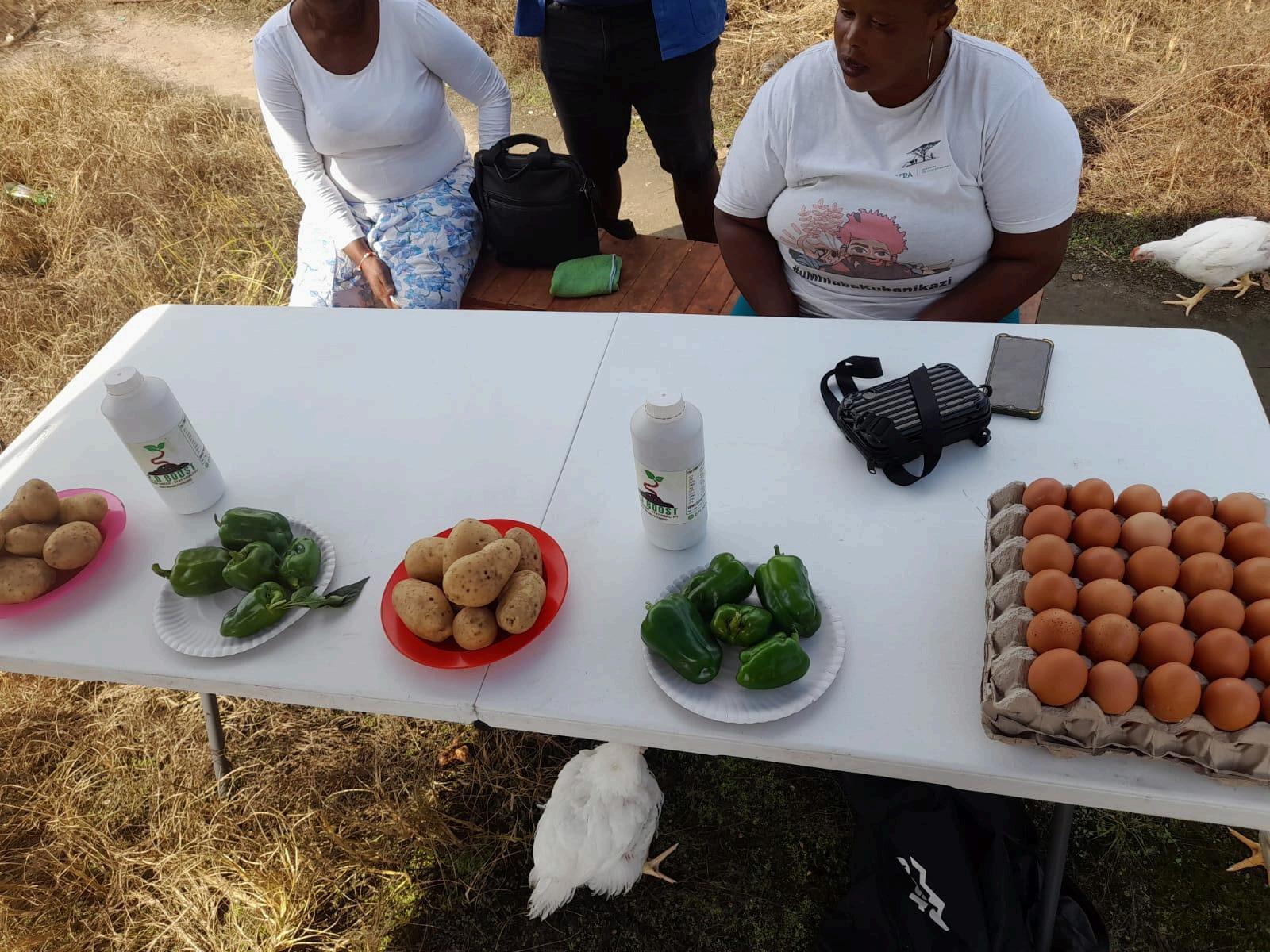
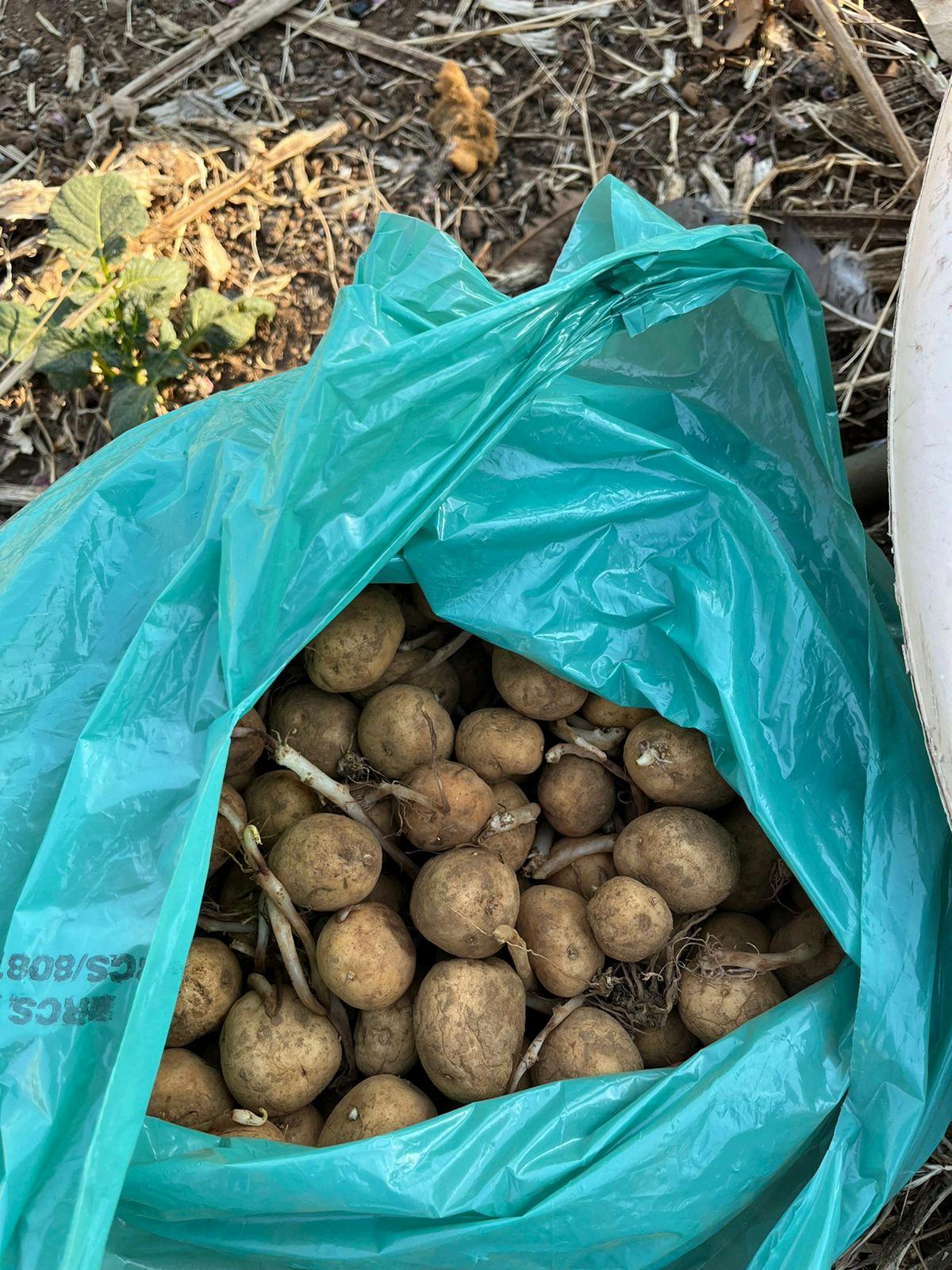
MakhosazaneNkosi:I’dalsoliketobesomeonewhogoesouttoselltheirproduceandnotbestuckinoneplace.Going to sell in town would give me a different experience and I‘d get to meet new people. I would also like to farm pigs, becauseIlovethem.Iwanttoraisethem,sellsomeandselltheirmeattoo.
Tholakele Ngidi: My dream is to have a shelter that clearly belongs to me. I‘d sell my produce and chickens from such a shelter. We do currently have a shelter, but we share it with other people from the project. We all meet once a month and sell together from one table. Each person brings what they have, and wehelpeachothertosellourproduceclosetothestoresintown.
My wish is to just have businesses that supply big stores like Spar and Supersave, not just supplying community members. I also want a machine where I can incubate my own eggs until they becomechickens.Iwanttomanageallthechickenoperationsby myselfwithoutspendingmoneyonsuppliers.Suppliersgivemea hardtimewhenIorderchicks.Icangotwomonthswithoutselling chickens because the supplier didn’t have any stock. I want to hatch my own chicks to reduce delays in selling. I’d also like at least twenty egg-laying chickens so that I can work with them whileI’mraisingtheonesformeat.
NiniMyeza:Mywishistogobeyondonlyplanting,todevelopand learn a lot of new things. For example, if I’ve planted cabbages, I canmakesurethatwhileI’mharvestingthemandsellingthemto stores, another vegetable is already growing. I’d like to also learn how to process my cabbage into things like atchaar [a kind of chutney] so that I’m not only selling one thing. At the end of the day, it’s also my wish that I supply stores, or that I have my own shelterwhereIcansellmyproduce.
MakhosazaneNkosi:I also want to have something else besides the garden because the vegetables take time to grow, and we can’teatthembeforetheyareready.
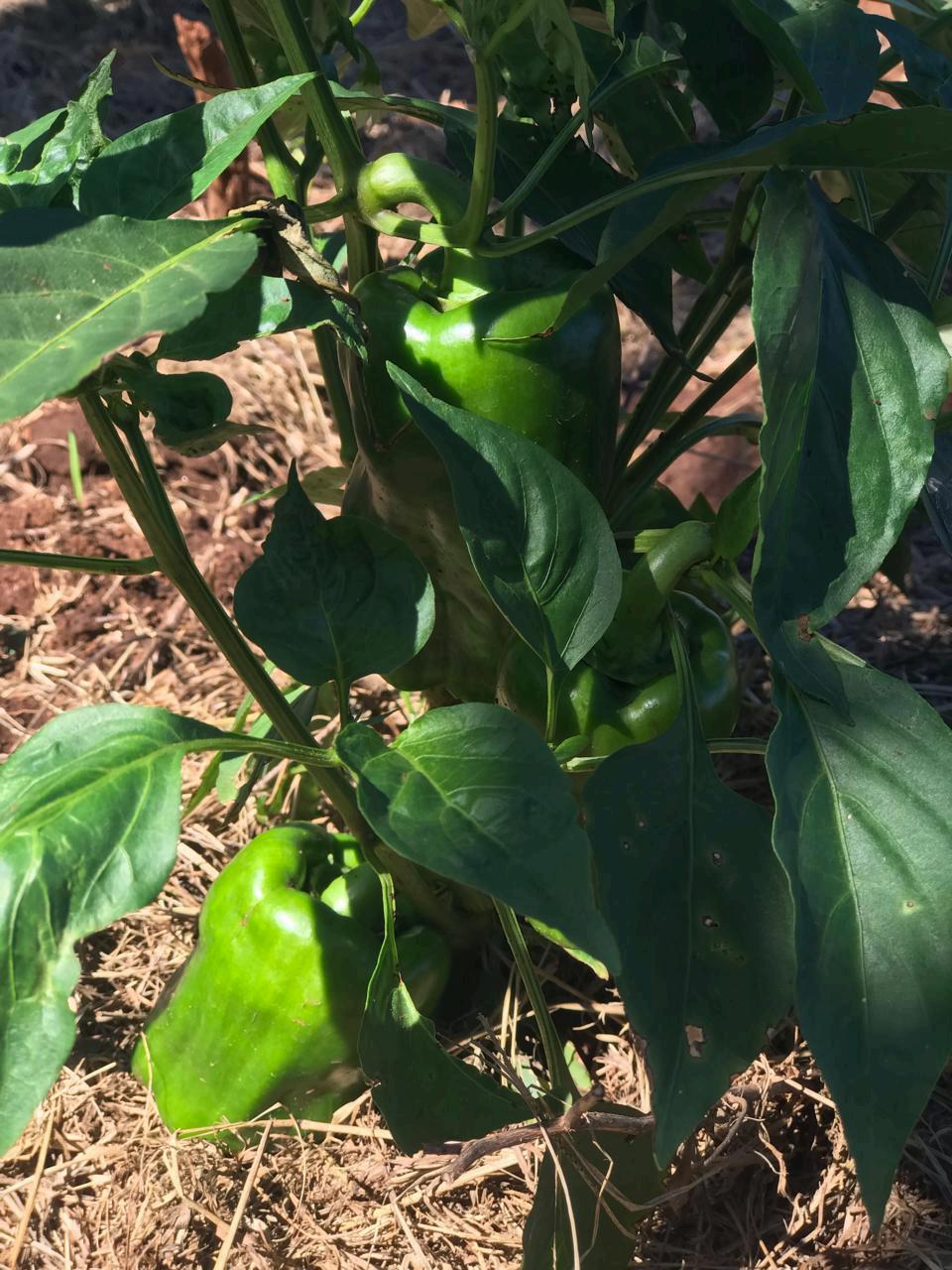
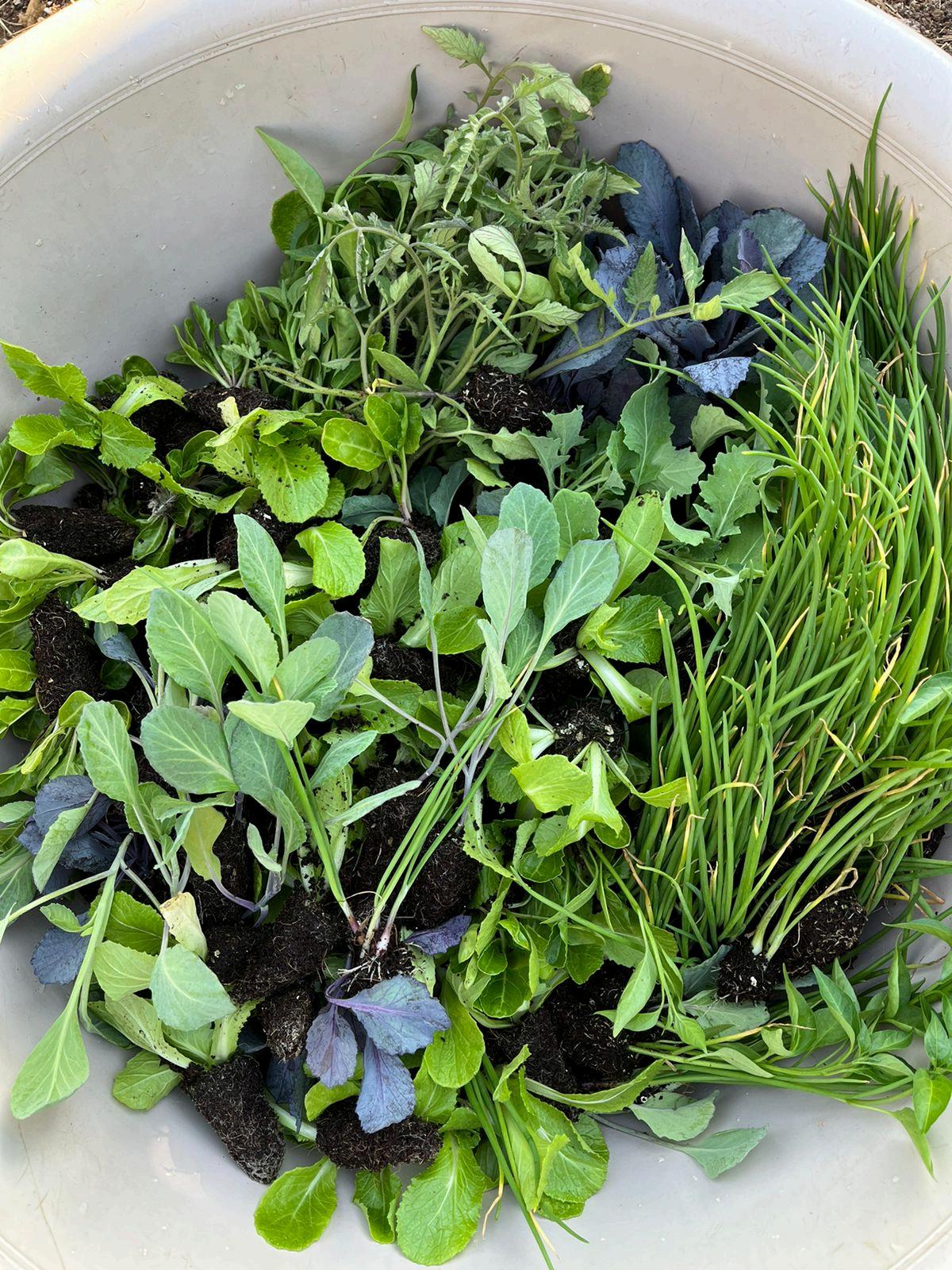
TholakeleNgidi:Ibelievethatgrowingourownfoodwillbenefitthecommunitymoreinthefuture.Themorewedevelop ourgardens,themorecommunitymemberswe’lleventuallybeabletohiretoworkforus.
OnedayyoumighthearthatI’vehiredtwopeopletohelpmewiththechickencoopsandthegarden.Someonecould cleanthechickencoopsandearnenoughmoneytobuyfoodsotheycangotosleepwithsomethingintheirstomachs. WeneedtoberesponsiblewiththeopportunitythattheGrowingFoodforLifeprojecthasgivenus.SinceAFRAisworking withtenofus,weneedtoberesponsiblesothattheirfunderscontinuetofundus,andalsosupportothers.Weneedto showthatwearetrustworthy.
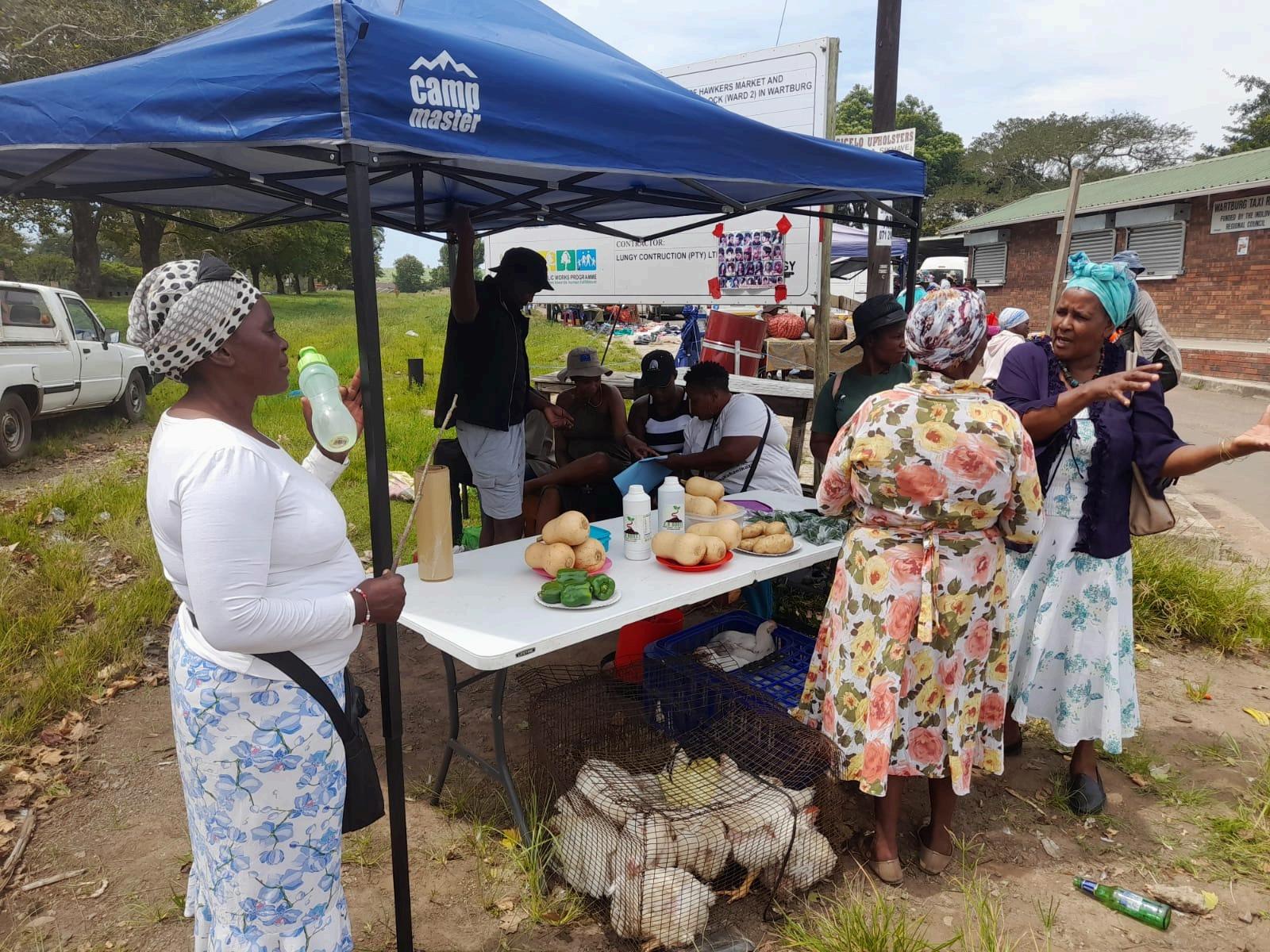
Nini Myeza: I also see our work making a major change in the community. As a farmer, someone can buy my produce to start theirownbusiness.Icaneventuallyhiresomeonewhocansellmy produce while I’m working in the garden. People can get opportunitiestoworkwhileI’mgrowingatthesametime.
Ihopethatthisprojectdoesn’tjustendwithus.Itmustalsoshow the youth that they can live off their own crops and livestock farming. Young people mustn’t just wait to be employed by a boss,theymustunderstandthattheycandoitforthemselves.
The Growing Food for Life project will help us a lot to open our mindsinthelongrun.Wewanttobringbacktheindigenousways of living– the way our ancestors sustained themselves without hungerorlack.TheGrowingFoodforLifeprojecthasbroughtback our self-confidence and opened our minds. The youth must learn fromus.I’manoldwomanbutI’mstillenergetic.
“IwassayingrecentlythatIhave callousedfeet,butthisismydream–I stillwakeupandgotothegarden,evenif therearethornsandit’scoldinthe mornings,Istillgoandworkinmy garden.MysonsaysthatitlookslikeI dreamaboutmygardenwhenI’m asleep.”