‘Smokerising frompeople’s home cooking.’

Howafoodgardencanchangelives
‘Smokerising frompeople’s home cooking.’
Howafoodgardencanchangelives
We are a Community Advice Office (CAO) based in Blood River, a community of about 11 000 people and 2800 households.BloodRiverliesjustnorth-westofSeshego,withinthePolokwaneLocalMunicipalityintheCapricornDistrict ofLimpopoProvince.
TheBloodriverAdviceOfficeisahumanrightsorganisationthatstartedin1998andofficiallyregisteredasanon-profitin 2002. Our core team includes a social worker, a senior legal assistant, two paralegals, and a mediator to help resolve conflictsandprovidecomprehensivesupport.Wearealsosupportedbycommunityvolunteerswhoassistwithoutreach acrossourdifferentprogrammes.
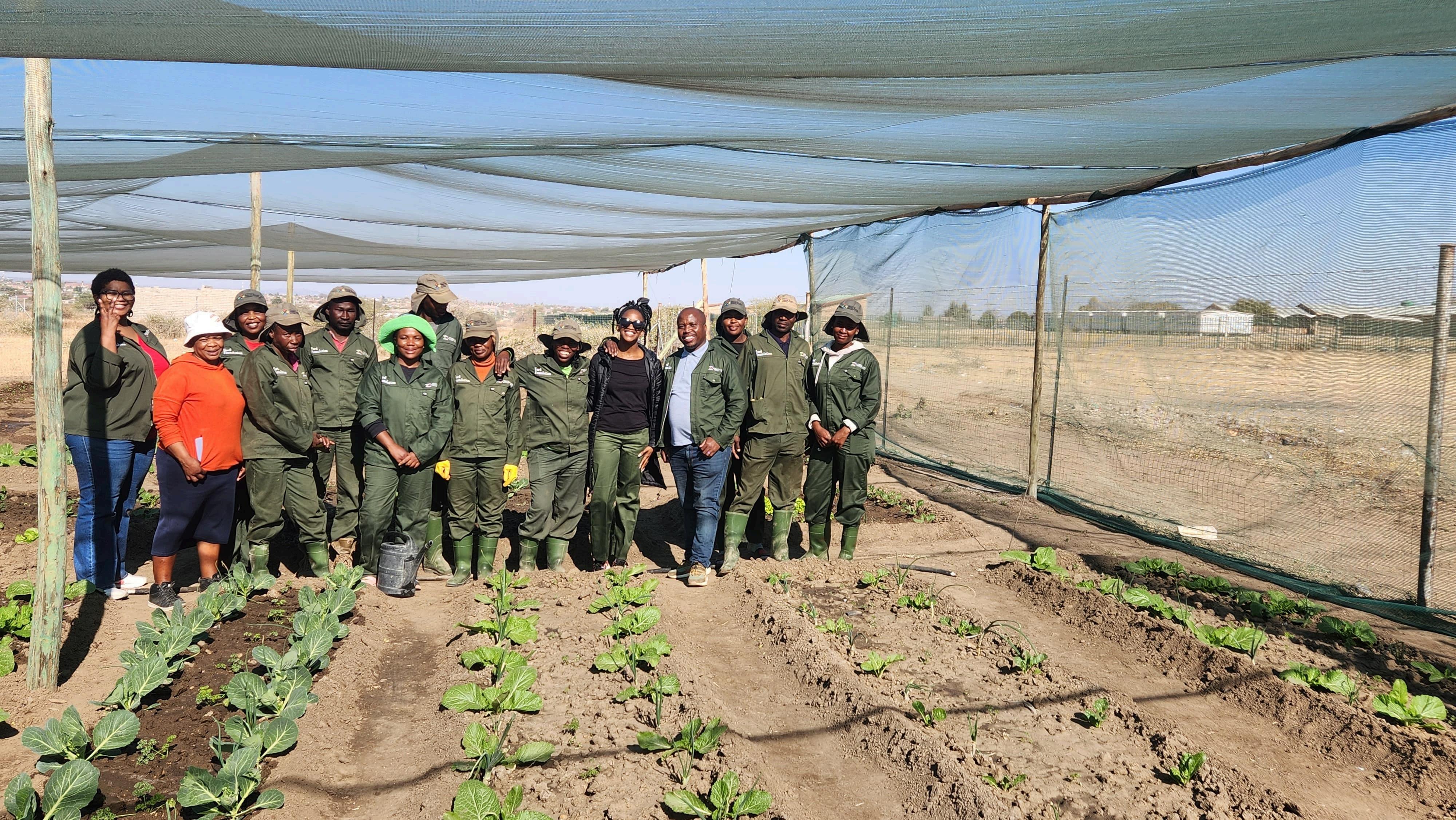
This is the story of our community garden, which we started in 2017 in response to the food insecurity and water shortagesfacedbymanypeopleinBloodRiver.ThroughtheGrowingFoodforLifeprogramme,wenowhavesixfull-time staff and three volunteers. Together, we support the elderly, people living with HIV/AIDS and others in our community, manyofthemfaceconstanthardshipinputtingenoughhealthyfoodonthetableandinaccessingwater.
Community food gardens
ThestoryofBlooodriverAdviceOffice,astoldbyfivecommunitymemberswhohavebeenapartofthisproject:
FoodActivist
LucyManthata FoodActivist
JuliaGadebe
FoodActivist
MarySelona ProgrammeManager
DanielMametja ProgrammeOfficer
Mametja:Webroughtpeopletogetherin2017becausewenoticedthatmany people were coming to the Bloodriver Advice Office asking for food parcels. Werealisedthatfoodparcelswerenotalong-termsolutionandthatitwould bebettertoteachpeoplehowtogrowtheirownfood.
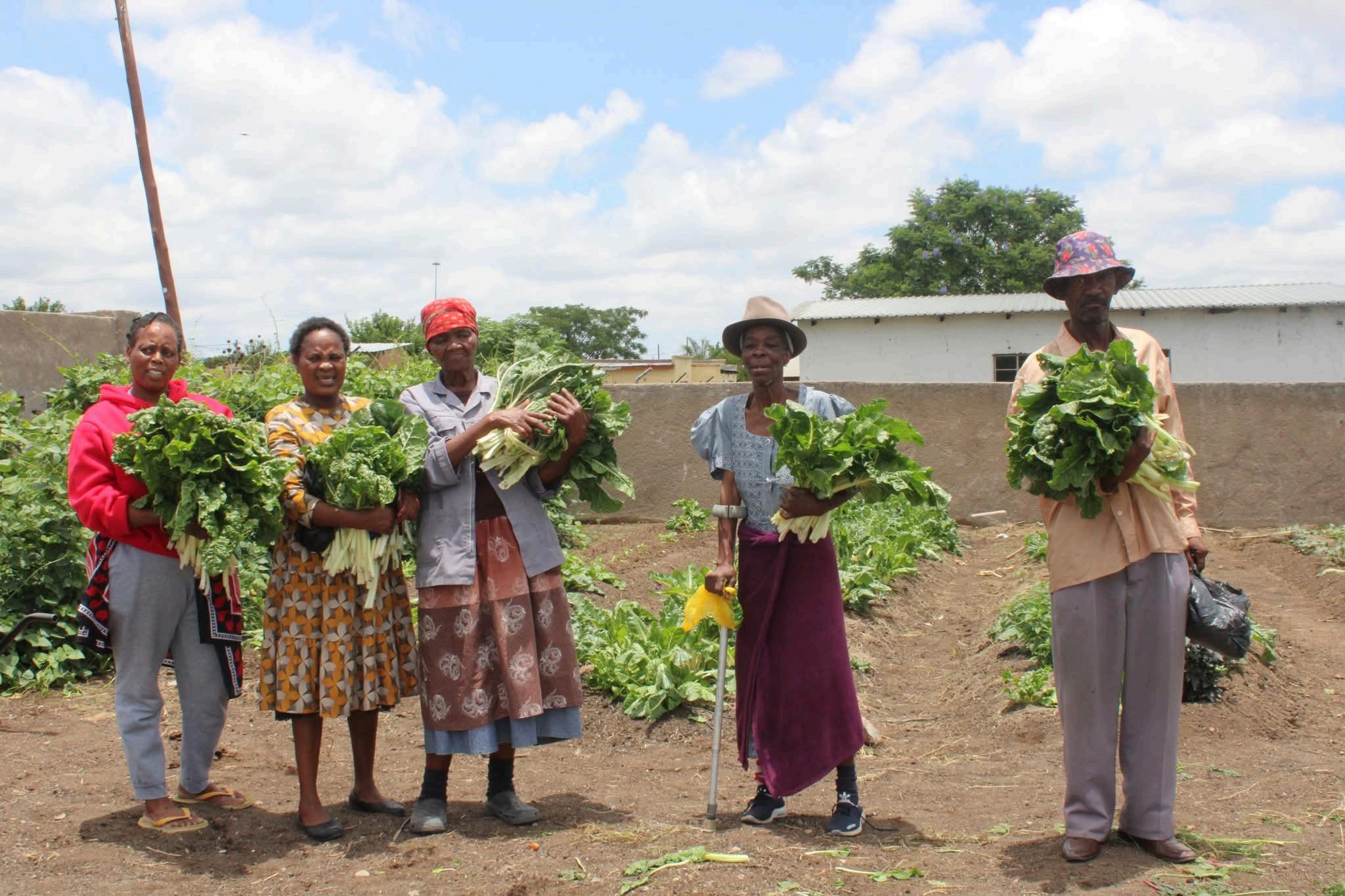
Wewerehappytoseethatpeoplegotreallyinterestedinthefoodgardening project. When we started, the soil was hard and packed down. It was very tough to dig by hand, and we didn’t have money to hire tractors or other machines. Some people gave up because it was so hard. But others stuck withit,peoplelikeLucyManthatahavebeenwithusfromthebeginning.Over time,thesoilgotsofter,andmorepeoplefromthecommunitycametohelp becausetheysawthattheprojectwasforthegoodofeveryone.
Lucy: I remember not wanting to come to work because the manual labour was so hard when we first started. It was really tough at the beginning until wegotusedtoit.
Christina:Diggingthesoilwashard.Irememberlookingatthegravellyland and losing hope. But Mr Mametja told us not to give up. I remember him saying that we will eventually plant on that piece of land. And it’s true, we haveplantedonthatlandnow!That’swhenIstartedtobelievethatanything ispossible.
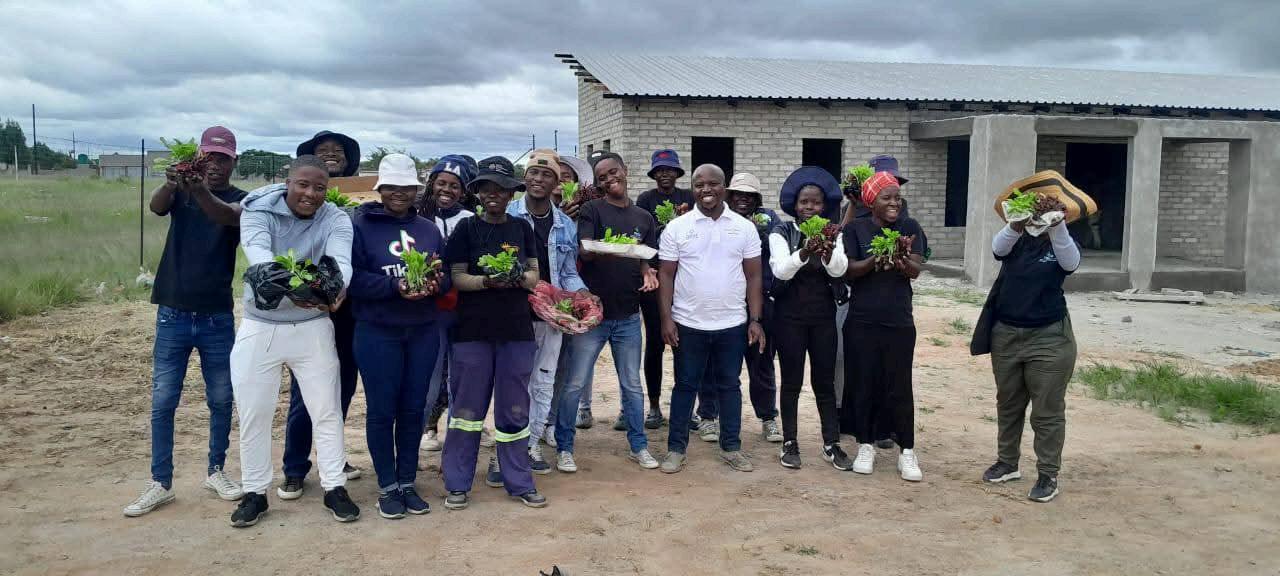
Mary: There are clear changes from when the Foundation for Human Rights (FHR) found us in 2022 and where we are now. What we needed the most was an office space to keep working on our agroecology and other projects. The FHR allowedustousepartofthefundingtowardsthisgoalandwewereabletopayfortheconstructionofabuildingonthe site.Ifitwasn’tfortheFHR,wewouldn’thavemanagedit.AllwecansayisthatFHR,Mo le fitileng gona, go a bonagala [whereyou’vecrossedourpath,you’vemadeadifference].Theonlythingmissingistheroof.
Mametja: It was really tough for us when people came to the office asking for food parcels. Imagine when people are desperateforfood,andyoucan’thelp.So,wesatdownattheBloodriverAdviceOfficeandaskedourselves:howcould wesolvethisforthelongterm?Wedecidedtostartafoodgardenwherethecommunitycouldgetinvolvedandgrow foodforthemselvesandtheirfamilies.
Now,wecanseethatit’sworking.Whenwelookaround,weseesmokerisingfrompeople’shomecookingastheycook thefoodthatthey’vegrownthemselves.
Julia:IjoinedwhenIsawthattheprojectwasdirectlyprovidingfood. I live close to the Bloodriver Advice Office, so I could see what was happening,especiallysinceIwasn’tworkingatthetime.
Lucy:IjoinedassoonasIheardthattheBloodriverAdviceOfficewas starting a food garden. I thought it could be helpful. I wasn’t working full-time, just doing temporary jobs. I already had some gardening experience from many training sessions before joining this project. I appreciate the respect and recognition I’ve received for my knowledge.I’vebeenhereforalongtimeandhavelearnedalot.Itry tobejustasrespectfulandwelcomingtowardsnewpeople.
Christina: I was unemployed and I used to do door-to-door campaignsduringelections.Alotofpeoplewerecomplainingabout not having food. Then one day, I met Lucy and heard about this garden project. I joined because I heard they were growing spinach andthensellingordonatingittothecommunity.
My dream was to become a nurse. My family encouraged me to pursuenursing,butIdidn’tpasstherightsubjects.Afterthat,Iended uprunninganinformalbusinesssellinghealthproductsandworking asahelper.
Julia:Mydreamwasalsotobecomeanurse,butthingsdidn’tturnoutthatway.Ilostmyparentsatayoungageand hadtoleaveschool.Farmingwasn’tmyplan,butaspeople,wehavedreamsthatGodhasnotplannedforus.ButI’ve learnedthatthisdidn’thavetobetheend.NowI’mhere,onPlanB,makingitwork…youmustalwayshaveaPlanAanda PlanB.
Mametja: On a personal level, when I was growing up, I always liked helping people. When I saw someone in need, I wantedtohelpthem.Thismademethink;whatifIjoinedawell-runorganisationwhereIcouldsupportpeopleproperly? TheBloodriverAdviceOfficegavemethatopportunity.I’venowbeenhereforalmost12years.
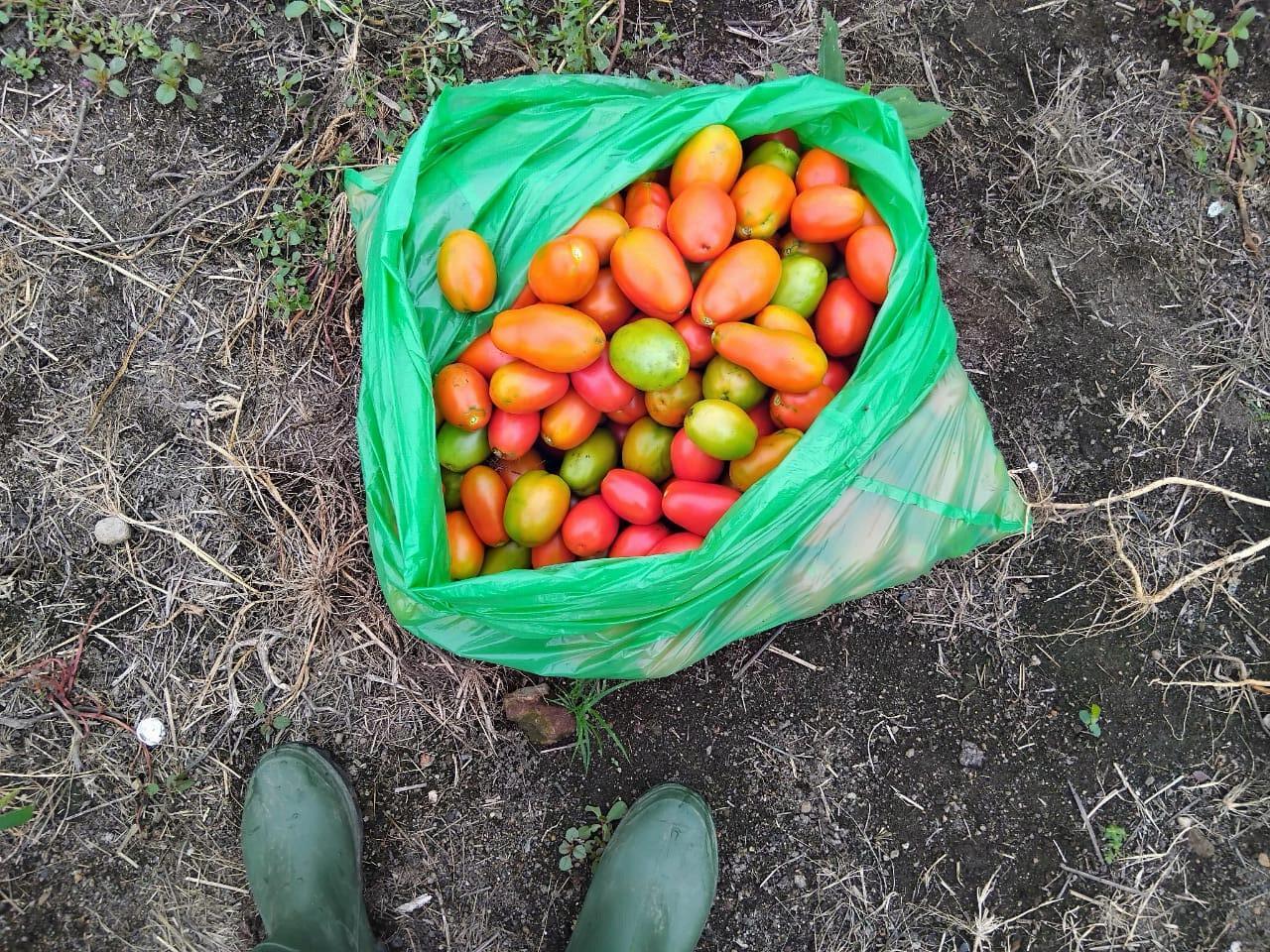
Mametja: We decided we didn’t want to use insecticides, and we told our community about the dangers of these chemicals, how they affect our health and the soil. We agreed that our garden would be completely organic. This change was tough at first. For example, plants like tomatoes were hit hard by insects, and we didn’t know how to deal withthis.Butthroughthetrainingweattended,welearnedthatwecouldusethingslikeamixtureofchillies,vodkaand garlictomanagepests.
Now we raise awareness about the health benefits of eating vegetables, instead of eating pap and meat all the time. I alsohopethisawarenesswillhelppeopleunderstandfoodshortagesinthecommunity.
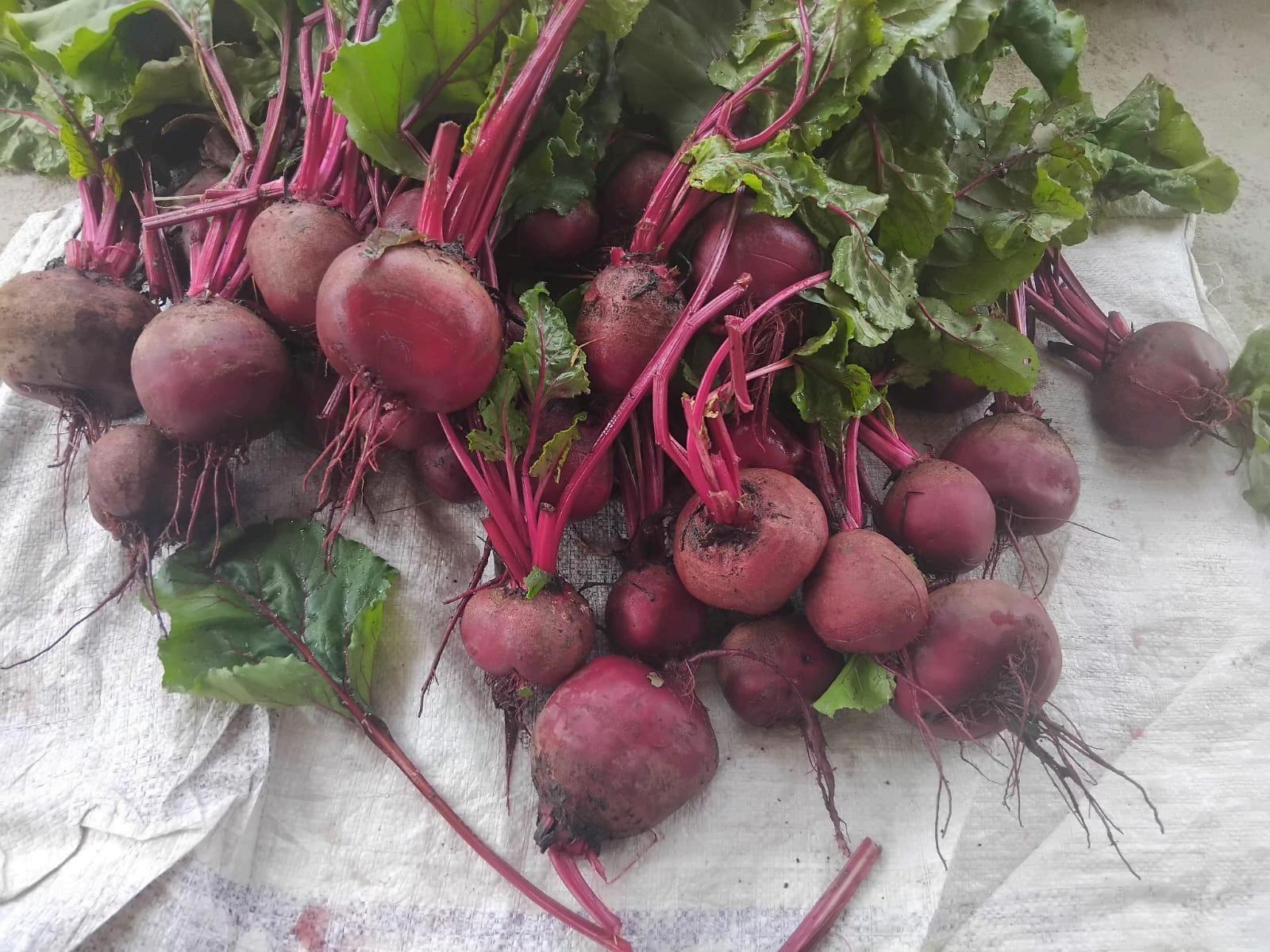
Christina: My biggest worry was always what to eat with pap. Buying mealie meal is easier than finding something healthy to have with it. I remember my daughter didn’t like eating spinach with her pap, so I had to teach her why it’s goodforher.Ialsoremembertalkingtomyneighbouraboutswitchingfromtraditionalmorogo,whichisonlyavailable inseason,tovegetableslikespinachandbeetroot,whichyoucangetallyearround.
Lucy: It was the same for me. At home, my children didn’t want spinach; they wanted meat. But since I joined the BloodriverAdviceOffice,andwithwhatIknewfrompreviousfarmingexperience,mychildrenhavesomehowchanged. NowtheyeatvegetablesevenmorethanIdo.Theyaskwhatweareplanting,whatweareharvesting,andtheyevenask metobringhomedifferentvegetablesfromthegarden.
“Ialsoremembertalkingtomyneighbouraboutchangingfromtraditionalmorogo, whichisonlyavailableinseason,tovegetableslikespinachandbeetroot,which youcangetallyearround.”
Christina:Iwasalwaysstressedaboutfindingfoodformyfamily. SinceIstartedgardeningwork,thementalstresshasgonedown.I have also started noticing that my body is feeling better. I know it’s because of the healthy, organic food we’re growing and eating.
Mametja: We want our community’s health to get better. We are working to end the problem of eating harmful foods. We are also teachingpeopleaboutlivinginaresponsibleway–takingcharge andholdingtherightpeopleaccountable.
Christina: I am also grateful to the Bloodriver Advice Office for makingitpossibletosocialisewithotherworkers.
“Therewasalways stressonmymindabout foodformyfamily.Since Istartedgardening work,thementalstress hasgonedown.”
“IamalsogratefulfortheBloodriverAdviceOffice, whichmakesitpossibletosocialisewithother workers.”
Lucy:Before,whenIwasn’tworking,Iwasalwaysworriedaboutaskingpeopleforhelp.
Mametja: Many people are healing. One thing I’m proud of is teaching people the difference between alkalinity and acidityandencouragingthemtochoosealkalinity.Icanseethattheknowledgeisspreading–peoplehereandinthe communityarechoosinghealthier,organicfood.
Julia:Iwasalsonotfeelinggreat.Asawomanwithchildren,Iwasalwaysworrying,especiallytryingtofigureoutwhatto puttogetherfordinner.Nowthatstresshasgonedown.Wearenolongerthinkingtoomuchorwonderingifwewillhave foodfordinner–lifeismovingforward.
“Teachingothersaboutthe differencesbetweenalkalinity andacidityandencouraging peopletochoosealkalinityis somethingIamveryproudof. Icanseethattheknowledge isspreadinginthe communityandalsoamong
Lucy: The community no longer has to go to the mall to buy vegetables at Shoprite, which means they save on travel costs. They can walk to the garden site easily, which is a big cost-saving factor. We can see that the community appreciates what we are doing. We are also selling our vegetables to independent traders, who buy directly from Bloodriverandthenselldoortodoor.
Christina: What I have seen in the community is that people enjoy the food we are growing. They are also making suggestions – like asking us to sell seedlings. Some ask for weekly supplies, so we prepare weekly boxes for some families,theEarlyChildhoodDevelopmentCentreandsomeindividuals.Onewoman,wholiveswithhersmallchild,told usnottobringtoomanyvegetablesatoncebecauseshestoresthemsocarefully.
“Weseethatthisisworkingbecausewecanseethe smokerisingfrompeople’shomecookingasthey cookthefoodthatthey’vegrownthemselves.“
Lucy: I remember I was sent to deliver vegetables to some community members. In one of the households, a woman thankedussomuchandsaid,‘Youknowwhat,throughthisproject,hungerisgoneandillnessesaregettingbetter.’This woman was chosen to get a supply of vegetables because she was sick, although I can’t say what was going on with her out of privacy. But I just remember how grateful she was. She said, ‘Since I started receiving a regular supply of vegetables,mysicknessisnotgettingworse.’Momentslikethisshowushowimportanttheprojectisforthecommunity.
“SinceIstartedreceivingaregularsupplyofvegetables,my sicknessisnotgettingworse.’Momentslikethisshowushow importanttheprojectisforthecommunity.”
Christina: One day, we were trimming spinach, and I took some of it to the house of a man I know whose health is not great. When I arrived, he was sitting with another man who once provided plumbing services to the Bloodriver Advice Office. The man jokingly said, ‘Why are you not sharing withme?I’malsolikeastaffmember.’Thismademehappybecausewhen peopleseetheresultsoftheprojecttheycontributedto,theyareproudand wanttheirnametobelinkedtoit.
Mametja: There are some stakeholders who refer people to us, including survivors of gender-based violence [GBV]. Unemployment often fuels GBV, soweencouragesurvivorstolearngardeningskillsandstartbackyardfood gardens. Some were struggling to access water from their homes, so we also taught them about using grey water. We can now say that survivors and those vulnerable to GBV, and maybe even those who were the likely perpetrators,areallreceivingskillstrainingatouroffice.
Julia:Iamjusthappythatweareeatingandthecommunityisalsoeating. They come and buy from us. Some even give us advice, even though they ran away from the hard work at the beginning. It’s exciting to see that we havesupportfromthecommunitynow.
“It’sexcitingtosee thatwehavesupport fromthe community.”
Lucy: What I like is that our community is keen and most of the people who ask if we have openings are young. That’s interestingbecauseusuallyyoungpeoplearenotinterested in manual work like gardening. But I think that when they seetheirpeersinvolved,theywanttojointheprojecttoo.
Mametja: We have young people who have been with us from the beginning and they’re still here. Learning gardening skills helps them stay away from the temptation of drug abuse, especially because of the high rate of youth unemployment.
Julia: This garden project has changed our lives as young people. So we understand the situation and those who are strugglingwithdrugabusearewelcometocometous.
Mametja: We also get young people sent to us from rehab centres to learn gardening skills and then they can fit back into their community. They come to us on a monthly or quarterlybasis.Theideaisthatwhentheyreturnhome,they cantakeuppermaculture,sotheydon’tjustsitidleandrisk fallingbackintodrugabuse.
Lucy: I’ve gained a lot of knowledge in permaculture. My dream is to have my own place where I can teach and run a project based on permaculture. I already knew a bit before joining Bloodriver, but I’ve attended many more training sessions, and it’s improved my understanding. If someone asked me to train others, I could do it. I feel confident that I canteach.
Christina: I grew up in a farming environment. I later found out that my aunt, who moved to Botswana in the 1950s, is alsoafarmer,andthat’showshehassupportedherself.
Julia: This was not my first experience in farming. I used to work on a grape farm, and I also have experience in cotton farming.IfeelsureIcansharemyknowledgewithotherswho,likeme,strugglewithunemployment.Thestipendisnot much,butit’ssomething.
Mametja: I share my skills in agriculture with my colleagues and encourage them to share theirs, within the team and amongthecommunity.
“Thisiswhatmotivatesmetogetupandcometowork,especially whenIseetheseskillsspreadingtopeoplewhoarenotdirectly involvedintheproject.“
Julia: I contribute through physical work. The progress that is visible now at the Bloodriver Advice Office gardens is becauseofmyhardworkandthatofmycolleagues.
Lucy: I am happy here. Most people found me already working when they joined. I appreciate the respect and recognition that I’ve earned as someone who has been here for a long time and learned a lot. I try to be just as respectfulandfriendlytowardsnewpeople.
“Iappreciatetherespectand recognitionofmyknowledgeas someonewhohasbeenherefora longtimeandlearnedmore.Iam alsoveryrespectfultowardsnew peopleandworkinafriendly way.”
Lucy: The way we group our teams also encourages a mixofolderpeopleandtheyouth,threeofeachinevery teamofsix.
Mametja: We teach that when you are out in the community, you’re representing the Bloodriver Advice Office. When there’s conflict between employees, we cometogetherandfollowtheevidenceuntilwefindout where and how the problem started. The person in the wrong takes responsibility and apologises if needed, and then we close the case. We also go back to everyonewhowitnessedtheconflictandletthemknow it’s been resolved. This helps maintain a culture of transparencyandpreventsissuesfromsimmering.
Julia:WhatI’velearnedisthatwhenwemakemistakes or hurt each other, we address it through our line managers. The key is that when we leave through the gates of the Bloodriver Advice Office at the end of the day, whatever challenge we were dealing with stays behind.
Mametja: I wish people’s human rights could always be met. People have the right to water, and so they should get a watersupply.Iftheyneedhousing,theyshouldgethousing.Peopleshouldn’thavetofightfortheirrights,especiallyfor theirbasichumanrights.
Christina: I wish the Bloodriver office could get more resources, like other organisations. Then we could be as good as experienced farmers. We want to be seen as working for a good organisation with decent salaries and uniforms that showweworkinthefoodgarden.
Mary:Mybiggestworrytodayisthesafetyofourthingsbecausethereisalotoftheftinourarea.Idon’twantustobe scared to move forward with our food growing programme because of this. In December 2023, a water pump was stolen.WhenwecamebackinJanuary2024,wehadtoreplaceit.Westillneedtofinishtheroof,andwe’rehopingtobe abletoaffordsecuritycamerasandalarms.
Mametja: I think having a tractor would reduce the physical burden on our employees. I’d also like to have a bakkie. Sometimeswegetrequeststosupplybulkvegetablesforfunerals,butwedon’thaveabakkietomakesuchdeliveries. Havingbothwouldmoveourprojectforward.Wecouldevenusethetractortohelpwithemployees’backyardgardens andgenerateincomebyofferingploughingservicestothecommunity.
Lucy:Iwouldlikepovertytoend.Itmakeslifeveryhardwhenpeoplehavetofightforwater,forfood,whenachildneeds thingslikedataforschoolandyoucan’tprovideit,orwhentheyneedclothesandyouhavenowaytobuythem.It’svery difficult.
Mametja:Becauseoftheworkwe’redoing,traditionalleadershavestartedtorecogniseourcontribution.Afterhearing about us in community meetings, they decided to give us more land so that the project can grow and become more sustainable.
“Aswespeak,wehavea1-hectareplotthatwewouldn’thave
gottenifwehadn’tstartedthisfoodgardeningproject.Wewill plantthereanddonatetofamilieswhocan’taffordfoodandsell tothosewhocanbuytohelpkeepthisprojectgoing.”
Christina:Iwouldliketoseetheprojectgrowtothepointthatourtriballeaderscantalkaboutitduringtheirmeetings with neighbouring villages. Maybe then those villages will see the Bloodriver Advice Office as a potential supplier of vegetables.
Mametja: The Bloodriver Advice Office has always highlighted human rights. We want people to take charge of their rights.Andwewanttogrowtheprojecttowherewecanhiremorepeopleandpaythempropersalaries.We’renotthere yetbutthat’sthegoal.
WeworkMondaytoFriday,andattheend of the month, there’s some money comingin–itfeelsgoodtobeabletodo what we need to do. My hope is that the Bloodriver Advice Office and our gardens grow so that we can hire more people andbeabletopaythemproperly.
Mametja: We want steady growth for the organisation and for everyone involved. We’realreadyseeingprogress.Ideally,we would like to be selling at local markets aswell.