HUMAN RIGHTS CLUBS GUIDE

The Foundation for Human Rights (FHR), based in Johannesburg, is a non-profit organisation established in 1996, working to protect and promote human rights and the values and commitments enshrined in South Africa’s Constitution. This includes solidarity with organisations struggling for human rights realisation in Southern Africa and beyond.
South Africa’s Constitution states that everyone living in the country is entitled to their rights being protected without discrimination on the basis of race, gender, ethnicity, age, language, religion, political views, national or social origin, sexualorientation,ordisability.
Our vision is a just society for all. Our mission is to partner with civil society organisations in marginalised communities (geographical and/or sectoral), and with institutions who support our vision of a just society for all, to sustain the struggle for and realisation of constitutional and human rights, holdingdutybearersandrightsviolatorstoaccount.
FHRisanintermediarygrant-makerandalsoanimplementerof targeted human rights programmes that strengthen rights awareness, case support, research, knowledge building and policy development, campaigning, advocacy, solidarity and collaboration.
The FHR’s Human Rights Clubs (HRC) programme evolved from the foundation's Keep It Constitutional (KIC) Schools Clubs. The Human Rights Clubs support youth to know their rights and to collectively advocate for their community’s rights. The programme's objective is to increase the Constitutional knowledge and encourage the agency of the youth through human rights education, policy engagement, advocacy, and collaborating with government as well as like-minded stakeholders. The Human Rights Clubs promote a human rights culture in schools by using the Constitution of South Africa as a tool to bring change within the community. The clubs aim to build a movement of young people who strive to become active citizens in their schools and communities. Human Rights Clubs can also exist outside of schools. The club meetings can be held in youth organisations and with youth who aren’t in primary orhighschool.
This programme connects youth to Community-Based Organisations (CBOs) through mentors. The mentors conduct human rights education, address prevailing social beliefs that encourage violence, facilitate youth promoting human rights in their schools and communities, and reporting human rights violations to relevant stakeholders. HRC members execute awareness campaigns that educate their peers and addresshumanrightsviolationsintheirschoolsorcommunities.

Getpermissionsandpeopleinplace:
Ask your local Community Based Organisation (CBO) to assistyouwithgettingamentor.
Get permission from a teacher if you’re a learner and get signed permission from parents allowing minors to be part oftheclub.
Invite other learners or young people to join your Human Rights Club. This is the fun part because you get to learn andcreatehumanrightsawarenesswithothers!
Pick a meeting day and get permission to use a community spaceoraclassroomforyourmeetings.
It is recommended that members attend 2 club meetings every month & 3 meetings a month when planning campaigns-except during exams or on school holidays for learners.
P.S., Club meetings should be at a time that works for many people,likebreaktimeforlearners.


HRC members respect the dignity and worth of all and will strive for the preservation and protection of fundamentalhumanrightsinallconduct.
HRC members respect everyone’s right to hold values, attitudes,beliefs,andopinionsthatdifferfromtheirown.
HRC’s are inclusive of all youth regardless of gender, race, religion, sexuality, socio-economic status and physicalability.
HRC's address human rights violations in their communitieswithaparticularfocusonGBVF.
Establishing a leadership structure will ensure the club runs well and members are accountable, they do what theysaytheywill.
The size and structure of the club can be based on what your group needs but the Human Rights Club should democratically vote for a President, a Vice-President, andasecretary.
IdentifyHumanRightViolationsIntheSchool/Community:
Do a mapping exercise with the club members and the mentor to identify the main human rights violation/s your schoolorcommunityfaces: What is the scale of the problem in your school or community?
1. Whatdrivestheprobleminyourschoolorcommunity?
2. In your view, who are the main stakeholders, adults or authorities that need to be involved in addressing the humanrightsviolation/s?
4.
3. Decide on your club’s plan of action to address the humanrightsviolationsthathavebeenidentified.
The mentor can use The Human Rights Clubs guide and Constitutional animation episodes to help members understand the basics of human rights and advocating forthem.
FHR's Constitutional education series has short and simple animation episodes for use along with the lesson plansintheHumanRightsClubsguide. The Constitutional animation episodes can be found on www.fhr.org.za

Fundraising&HumanRightsAwarenessActivities:
To sustain your Human Rights Club, you need to brainstorm as members on how to creatively fundraise foryouractivitiesthatneedmoney.
To assist in creating a positive human rights culture of respect in your school or community, your club needs to plananddohumanrightsawarenessactivities. Activities can be a song, play, poem, activity or an event celebrating a national day like Human Rights Day, painting a mural, human rights activities during assembly, a peer-peer workshop or panel discussions etc.



TheConstitutionisanimportantstepawayfromtheabusesofthepast
TheConstitutionismeanttochangeSouthAfricaintoabettercountry
The foundational values of the Constitution are dignity, equality, and freedom
TheConstitutionwantstocreateanon-racistandnon-sexistsociety
TheConstitutiongivespeoplerights
The Constitution includes socio-economic rights, like education, shelter, food,andwater.
Until 1994, South Africa's legal system was defined by Apartheid. Apartheid was in place from 1948 until1994. The SouthAfrican apartheidsystem discriminated against people of colour. People were pushed off their land, enslaved, and killed. Laws in the country favoured white people. The effects of hundreds of years of oppression, epitomised by Apartheid, continue to shape South African society today.
So, in 1994, when Apartheid was abolished, South Africa wanted to change how South African society looked and how it impacted everyone's day-to-day lives. Amongst the first things that needed attention was a new legal system that ensured everyone's rights were respected. But changing every law would take a long time - and not every law was discriminatory. For example, if the law said thatthespeedlimitwas60kmanhour,itwouldn'tneedtobechangedbecauseit doesn'tdiscriminateunfairly.Butthefoundationofthelawneededchanging. The Constitution has several different parts. Many people focus on the Bill of Rights - the part of the Constitution that contains rights available to all living in SouthAfrica.
The central rights in the Bill of Rights are dignity, equality and freedom. If you think about South Africa's past, why do you think the people who wrote the Constitutionchosetheserights?
The foundational rights- dignity, equality and freedom - are an important part of all the other rights in the Constitution, What other rights did you notice in the video or have you heard about before? Can you see a link between dignity, equalityandfreedomandrights?
Well, the Constitution is the highest law in the land. This means that every rule in South AfricamustmeettheConstitution'sstandards.
The Constitution also regulates all sorts of important things in South Africa, including how the government should run, who should make laws, who should enforce the laws, what the president can do, how to remove a president, and many others. Sometimes other laws will be required to provide more details, but these laws must agree with the Constitution'sguidelines.
It is important to know that the Constitution has rules for changing it. This means that the people who wrote the Constitution knew that sometimes parts of the Constitution might need to change. But they also saw that it shouldn't happen too often - so changing the Constitution is possible- it just requires much support from members of Parliament totakeplace.
Ultimately, people have human rights because they are humans. It doesn't matter where they are from; it doesn't matter what they have done. Sometimes, some of your rights can be limited - for example, prisoners can have their freedomlimited.Buttheystillhavealltheirotherrights.
South Africa has a past with many violations of people's human rights. The future is meant to be different. As people living in South Africa, the government and we are still working to ensure that the vision of an inclusive society comes into being. The government has a large role to play, butsodoeseachofus.

Everyonehastherighttoequality.
Therearedifferentideasaboutwhatequalitymeans
Formalequalitymeanstreatingeveryonethesame,regardlessofthepastorcontext; substantive equality tries to help everyone participate equally, which means that somepeoplemayreceivemorehelpthanothers
SouthAfricahasoptedtofollowapathofsubstantiveequality
The Constitution recognises that past discrimination has often taken particular forms (has been on the grounds of race, gender, sex, pregnancy, marital status, sexualorientation,ageanddisability)andgivesthesegroupsparticularprotections
There are mechanisms, like the Equality Court, that are designed to protect the right toequality
In South Africa, during Apartheid, we saw legalised discrimination, where people were treateddifferentlybecauseoftheirrace.Wealsosaw,andcontinuetosee,peoplebeing treateddifferentlyformanyotherreasons.
So, we have heard that everyone has the right to equality. But what does equality actually mean? Well, there are two main ideas about equality. The first one of these is when everyone is treated exactly the same. This is called formal equality. This means thatthereisabsolutelynodifferenceintreatmentbetweenanyone.Equalmeansequal.
But some people think that this - formal equality - has a problem. Legal equality would probably be a great idea if everyone started from equal societal positions. But have we? Doesthediscriminationofthepasthaveanyimpactonoursocietytoday?
So, because some people see the inequalities in our country today as the result of past discriminatorytreatment,theythinkthattreatingpeopleexactlyequallywouldbeunfair.
But what happens if some people have an advantage because of the structure of the 'game'? So, if someone is ahead because of something outside their control, then perhaps it makes sense to find a way to intervene, not treat everyone equally so that everyonecancompeteonanevenplayingfield.Andthisisthethoughtthathasinformed SouthAfrica'sapproachtoequality.
The Constitution makes mention of several particular ways in which discrimination can take place - specifically, on the grounds of race, gender, sex, pregnancy, marital status, sexual orientation, age, and disability. The Constitution doesn't say that these are the only ways that people can be discriminated against, but because so much discrimination has happened on these grounds in the past if someone can show that they were treated differently because of one of these reasons - for example, because they were a woman, or a black person, or practised a particular faith - then the treatment is presumed to be unfairdiscrimination.
So, if you are discriminated against, what do you do? There are often different mechanisms that you can use at school or in an organisation. But beyond this, there is somethingspecialcalledtheEqualityCourt.
The Equality Courts have been important in ensuring people who discriminate against otherspaytheprice.
Creating an equal society is one of the Constitution's goals. But this isn't easy, particularly as South Africa has a long history of discrimination. For each of us, there is an onuswe need to realise that people who are different to us have thesamerights,andweneedtotreatthemwithrespect.
So, if you are discriminated against, what do you do? There areoftendifferentmechanismsthatyoucanuseatschoolor in an organisation. But beyond this, there is something specialcalledtheEqualityCourt.
“All human beings are born free and equal in dignity and rights”

Thegovernmentissplitintothreedifferentarms:
Thelegislature:responsibleformakinglawsinthecountry
Theexecutive:isresponsibleforrunningthecountryandputtingthelawsintoeffect
Thejudiciary:responsibleforapplyingandinterpretingthelawsofthecountry
Introduction
TheConstitutionpreventsthearmsofgovernmentfromdoingwhatevertheylike.
South Africa is a constitutional democracy. The Constitution says it is "the supreme law oftheRepublic,laworconductinconsistentwithitisinvalid,andtheobligationsimposed byitmustbefulfilled."ThismeansthattheConstitutionmakestwoseparatedemandson thedifferentarmsofgovernment-firstly,noneofthecomponentsofgovernmentshould doanythingtoviolatetheConstitution,and,secondly,allofthearmsofgovernmentmust makesurethattheydowhattheConstitutiontellsthemtodotheymustfulfill.
The Bill of Rights provides everyone in South Africa with rights that stop the government from abusing power. As we've just discussed, these rights place two obligations on the government - firstly, not to violate people's rights, and secondly, to realise people's rights. The Constitution provides a standard by which to measure the behaviour of each ofthearmsofgovernment.Italsodirectsgovernmentaction.
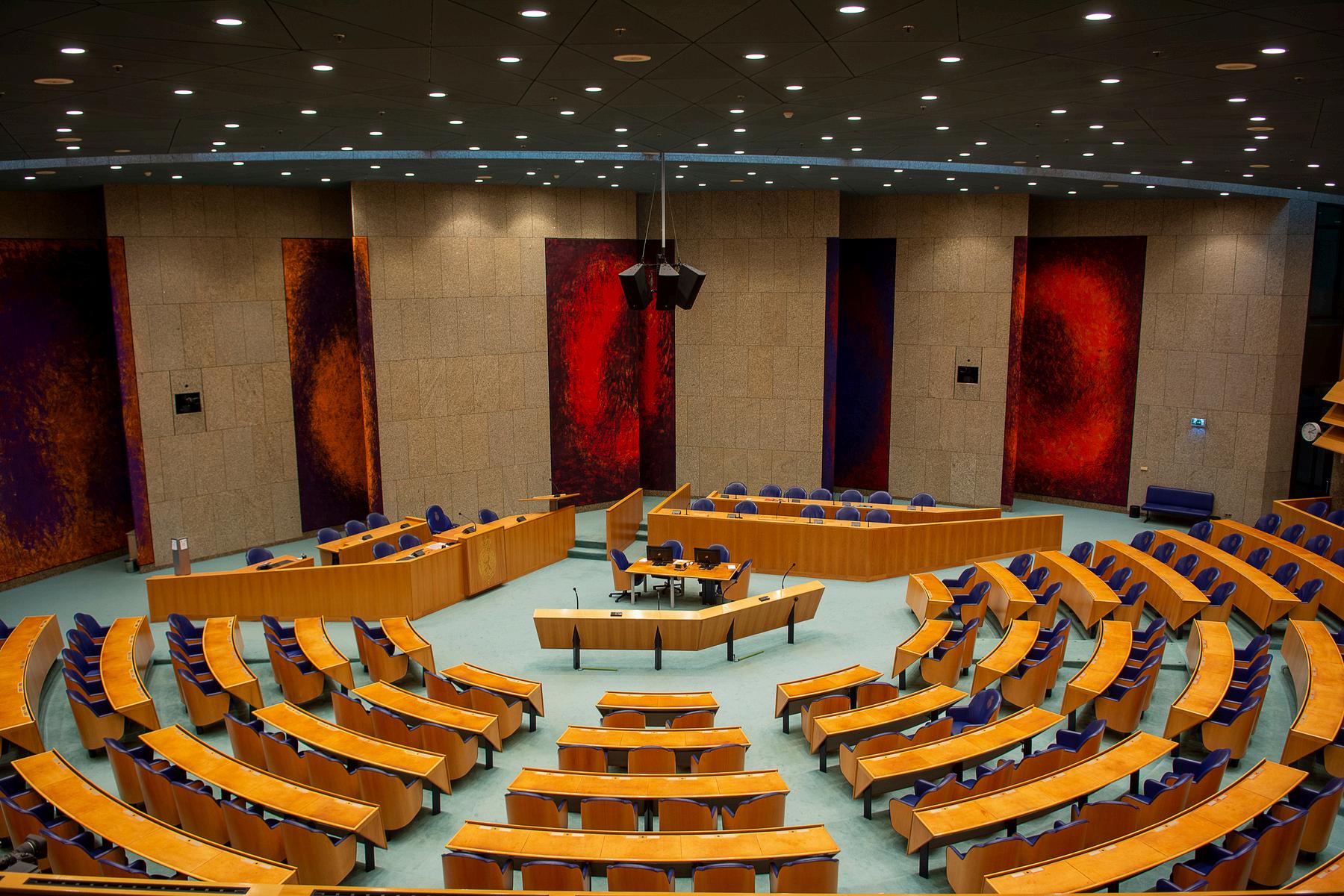
Thelegislature,orparliament,isresponsibleformakinglawsinthecountry. TherearetwopartstothenationalParliamentinSouthAfrica,theNationalAssemblyand the National Council of Provinces. Members of Parliament (also known as MPs) are membersoftheNationalAssembly-thereare400MPsvotedforbythecitizensofSouth Africa. Parliament is responsible for making laws. The executive has to put the laws that Parli dent all h e to Parli f no conf e in agre
TheExecutiveisresponsibleforrunningthecountryandputtingallthelawsintoeffect. The President is in charge of the executive, consisting of all the ministers and deputy ministers.ThePresidentisresponsibleforappointingthesepeopleandcanreplacethem whenever they want to. Each minister heads a department. The Executive is responsible for putting the laws that Parliament makes into practice. Often the Executive - the members of Cabinet, like the Minister of Health - will be responsible for proposing laws, which Parliament passes. Because of this, it might seem that the Executive can direct Parliament. This is even more so because the President will be able to influence the actions of many of the Members of Parliament if they are all members of the same political party - they might be able to tell the other members what to do because they would likely be in charge of that political party. The Constitution also gives the Executive special powers, which no other arm of government has - like entering into agreements with foreign countries. Additionally, although Parliament has to pass the laws, the Presidenthastosignthelawbeforeitbecomesthecountry'slaw.Thisisastrongpower.
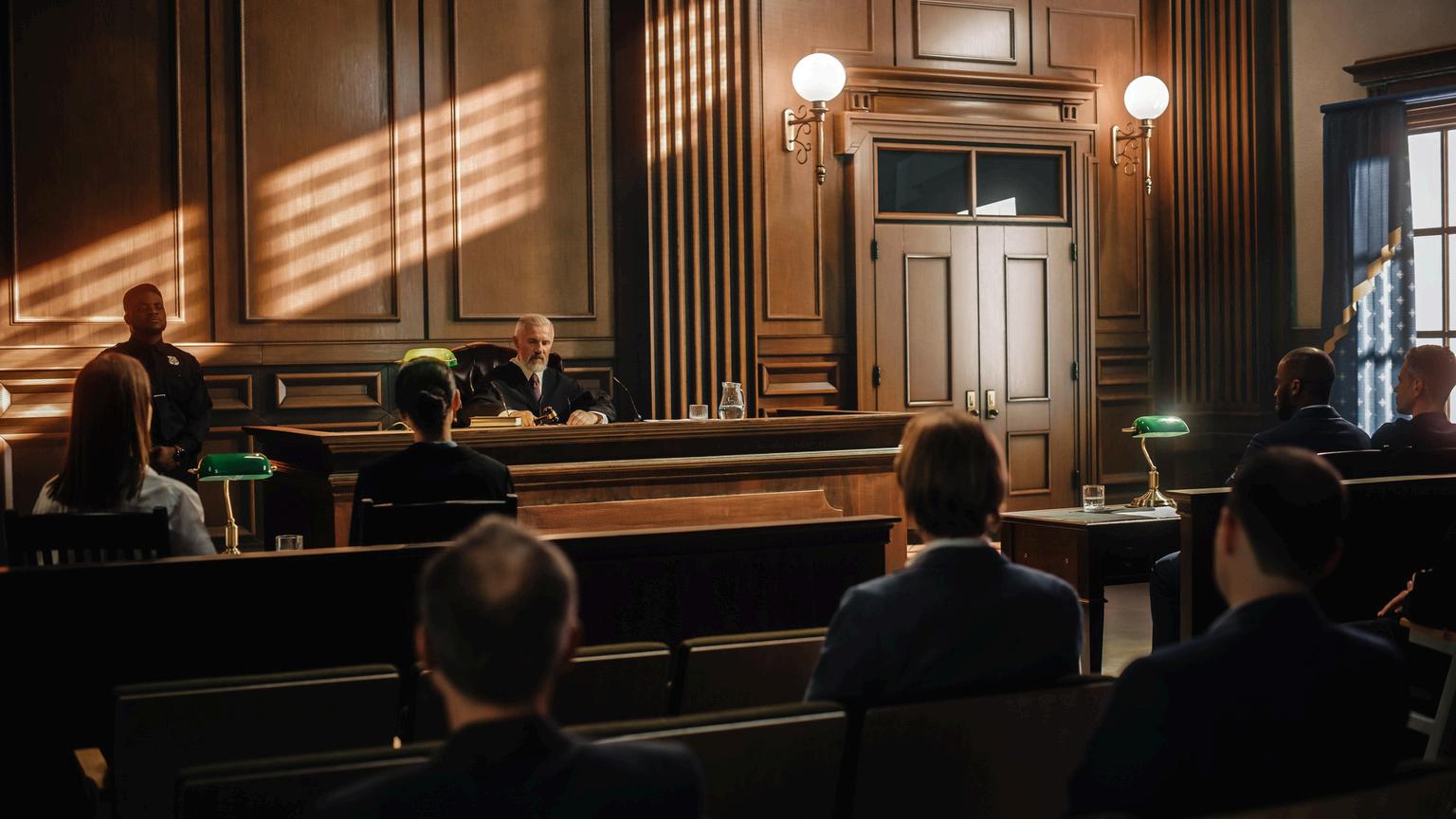
Thejudiciaryisresponsibleforapplyingandinterpretingthelawofthecountry-thelaws made by parliament. The courts include the Constitutional Court, the Supreme Court of Appeal, high courts, which can be found nationwide, and some particular courts, like the labour courts and the land claims court. The judiciary can prevent the other arms of government from acting in ways that contradict the Constitution. Because of this, the judiciary can tell the executive that a particular action is illegal and could tell Parliament thatapassedlawisunconstitutionalandneedstobechanged.TheJudiciarycanalsotell Parliament and the Executive to do particular things; for example, if people can't attend a school or their education is inadequate, the Courts can demand that specific actions be taken.

Therightofapersontoberespected.
Thateachpersonshouldbetreatedwithhonourandrespect. Thateveryoneisimportant.
You don't have to do anything to have the right to dignity, which cannot be takenfromyou.
Everyone has the right to dignity just because they are people. Having our dignity respectedisavitalpartofwhatitmeanstobehuman.
Dignity is at the heart of the entire country - it is one of the pillars of our nation; theothertwopillarsarefreedomandequality.
Dignity, freedom and equality are vital because South African history has been epitomised by a lack of equality, a lack of freedom for the majority of the people, andthemistreatment(andabuseofdignity)ofthemajorityofthepopulation. If we want people to respect our dignity, we need to treat them the way we would like to be treated. Sometimes this isn't easy - we might not agree with another person's values or with the decisions that they make. However, they might disagree with our values and decisions! And we want these to be respected, don't we? So there is a reciprocal duty - we have to respect others in the way we want themtorespectus.
Many different things undermine people's dignity - the way people are treated by thelaw,livinginpoverty,andbeingtreatedaslessthansomeoneelse.
South Africa has a past with many violations of people's human rights. The future is meant to be different. As people living in South Africa, we and the government are stillworkingto ensure that the vision of an inclusive society comes into being. Thegovernmenthasalargeroletoplay,butsodoeseachofus.
EveryoneinSouthAfricahasrights,buttheserightssometimesconflict
Sometimes,whenrightsconflict,itisnecessarytolimitrights
Whenrightsarelimited,theymustbelimitedtotheminimumextentpossible
Some rights are so important that they cannot be limited, except in exceptional circumstances
The Constitution gives everyone in South Africa a range of rights, including the right to life, the right to food, the right to education, the right to freedom of expression, freedom ofreligion,therighttohealthcare,therighttoahealthyenvironment,therighttodignity, the right to equality, the right to privacy, the right to vote, the right not be enslaved, amongstothers.
Rights can be limited only when very particular circumstances have been met. We'll talk about what exactly needs to happen for rightsto be limited, but for now, what is important is that you know that rights aren't absolute. Sometimes our rights might be limitedbecauseourrightsandotherpeople'srightsmightinterferewitheachother. There are two important aspects to balancing rights. In our everyday lives, sometimes ourrightswillimpacttherightsofothers,andweneedtothinkabouthowthisworks.We also need to think about the process that allows the government to limit our rights and whatneedstohappenforthistobedoneconstitutionally.
So,let'sthinkaboutourselvesfirst.Weknowthatweallhaverights-andyoumighthave heard people say that with rights come responsibilities. Whatever your responsibilities might be, the most important responsibility is that you respect other people's rights in thesamewaythatyouwantthemtorespectyours.
But what does it actually mean to 'respect' people's rights? It is important to think about what it would mean to 'respect different rights and to have your different rights respected.
So for all of these reasons, the Constitution protects the right to freedom of expression. But this right isn't without limitations. The right to freedom of expression that we have in the Constitution says that there is no protection for some particular categories of expression. Specifically, it says that propaganda for war, incitement of imminent violence, and advocacy of hatred based on race, ethnicity, gender or religion are excluded. Why do you think that the right is limitedinthisway?
Some rights can be limited because of how they are phrased in theConstitution
But almost every right in the Constitution can be limited because there is a clause in the Constitution that applies to all other rights. This clause, section 36, tells us about what should happen when rights are limited. Regarding this clause, rights in the Bill of Rights can only be limited in a way that can be justified in an open and democratic society based on human dignity, equality and freedom. There are a fewdifferentfactorsthatthecourtsneedtoconsider.
The first one of these that we'll look at is that rights can only be limited when they arelimitedinageneralandapplicablewaytoeveryone. Thismeansthatlawscan'ttargetaspecificperson.
The second important thing that needs to be considered is whether the limitation is for a good reason. Any limitation must be consistent with the core values of South Africa - dignity, equality and freedom. This last part sounds a bit confusing, doesn'tit?Solet'sbreakitdown.
For a right to be limited in a way that meets the requirements of our democratic society, we need to look at the kind of right that is limited. This is important - some rights can be limited without a lasting impact. Still, if, for example, your right to life, or your ability to access healthcare, is limited, it might have serious ramifications. We'd need to consider why the right is being limited and whether the reason we are limiting it actually realises the purpose. So, for example, with all under 18s having a curfew, if the concern were about safety at night because of fighting, we'd have to consider whether the curfew helpedwiththis.
Finally, we have to think about whether there is a way to achieve the purpose of the limitation in a way that has less impact on rights. For example, if the concern was safety at night, and the proposed limitation was that under 18s were never allowed out, do you thinkthiswouldmakesense?Amorelimitedrulemightservethepurpose,right?
Section 36 is a really important part of our Constitution. It protects us by providing standards that must be met by anyone trying to limit our rights - including the government.Remember,theConstitutionappliestothegovernment,soanythingthatthe government wants to do in the country, including limiting our rights, must align with the Constitution.
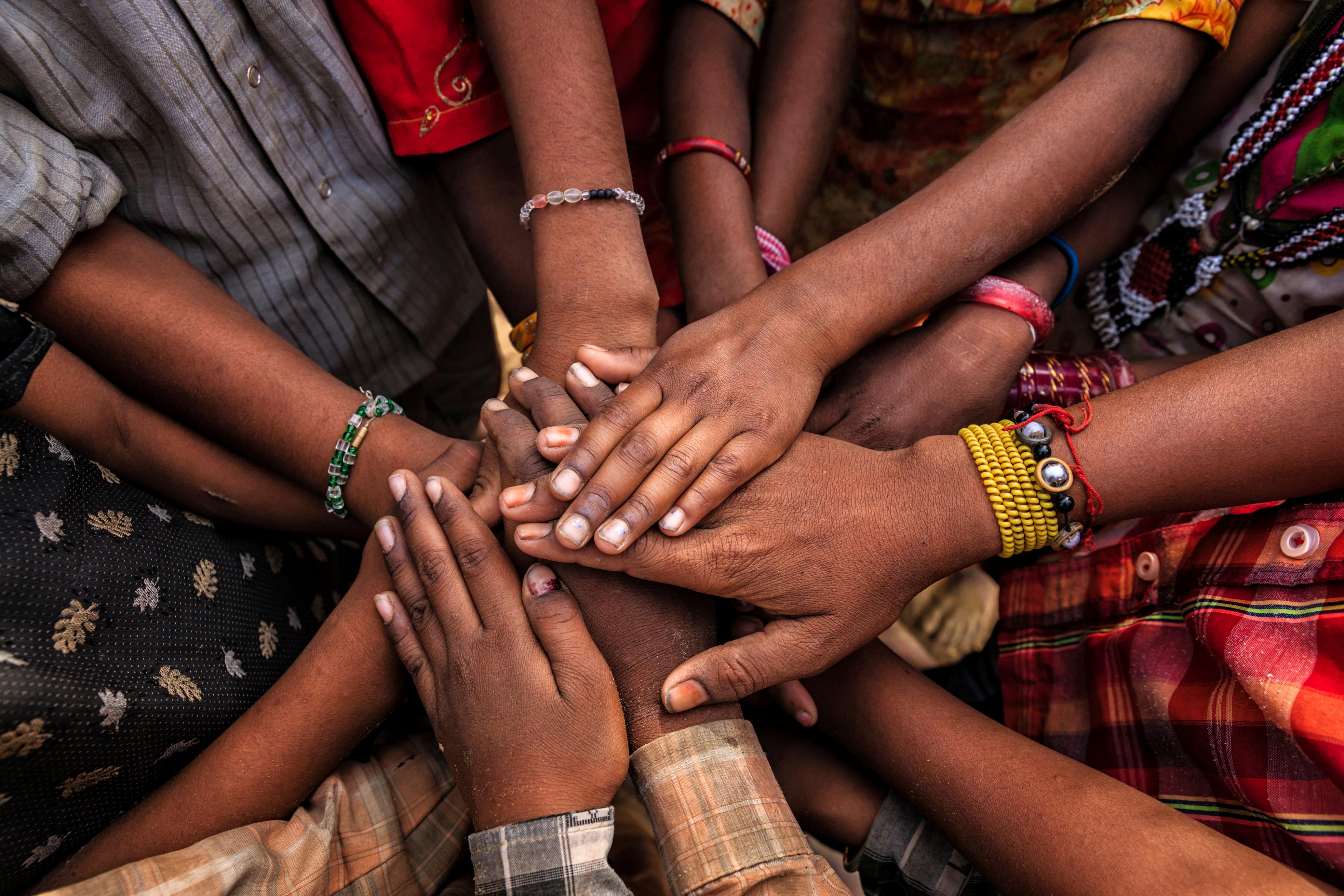
Rights are a fundamental part of our country. But this isn't as straightforward as we might think - when people live together, we have to act with respect and consideration for other people's rights. This doesn't mean that our rights should be undermined or that we shouldn't have the right to enforce our own rights. It does mean that we need to consider how our rights are balanced with other people's rights,andtorecognisethatourrightsarenotunlimited.

Everyone in South Africa has a series of socio-economic rights protected in the Constitution.
Socio-economicrightsareintimatelylinkedtotherighttodignity
Some elements of the socio-economic rights are realisable immediately, but other elementsonlyhavetoberealisedovertime
The realisation of socio-economic rights requires a lot of resources and investment, andthismightlimitwhattheStatecanimmediatelyrealise
Socio-economic rights include the rights to access water, food, education, healthcare, social security and housing. The Constitution recognises that there are certain things that we need in order to live dignified lives, rights that are intrinsic to us being able to leaddignifiedlives.Butmanypeopleareunabletoaccesstheirsocioeconomicrights: 1in10peopleinSouthAfricastilldoesnothaveaccesstodrinkingwater; Nearly14%ofthepeopleinSouthAfricaliveininformalhousing; 12%oflearnershavetowalkformorethan30minutestogettoschool; 77%oflearnersinthecountryattendschoolswheretherearenutritionprogrammes.
Socio-economicrightsarecloselylinkedtotherighttodignity.
We are still struggling to ensure that people have access to their rights, as providing socio-economic rights requires significant investments in time and resources. The constitution accepts this delay, as long as it is necessary, using the principle of 'progressive realisation. It is accepted that government cannot provide all socioeconomic rights immediately; however, government must have proper plans to eventuallyprovidetheserightstoeveryoneandcannotprovidelessaccesseveryyear. Not every right has to be instantly realised, but there are a few important things that we need to know. We need to know which of the socio-economic rights have to be realised immediately and what obligation the government has in relation to the rights that don't havetoberealisedimmediately.
First of all, socio-economic rights are an important part of our Constitution and of life in South Africa post-1994.Theyrecognisethatpeoplehavecertainneedsthatneedtoberealisedinorderforthemto leaddignifiedlives.ButtheConstitutionalsorecognisesthatthegovernmenthaslimitedresourcesto realise all of these rights and so doesn't have to realise everything immediately. But it is important to remember that there are elements of every right that need to be realised now! Ultimately, the Constitutionrequiresthatthegovernmentmakesurethatmoreandmorepeopleeachyearareableto access their rights. The Constitution tells us that South Africa is a place where everyone should be able to claim their rights - including being able to claim all of their socio-economic rights Each of us has a role to play in holding the government to account so that, one day, everyone will have their rightsrealised

The right to access to housing helps protect a number of other rights, including the right to safety and security of the person, the right to life, the right to education and therighttodignity.
The right isn't just about providing people who don't have houses with houses - it is also about making sure that people who do have access to housing have their rights protected.
The Constitutional Court has played an important role in understanding what the right of access to housing entails, and the findings of the court help the government to designappropriatepolicies.
The right to housing is a right that has to be progressively realised, which means that more andmore people eachyear needto be able to access the right. The government had a massive job to do. In 1994, the government estimated that it needed to build 1 and a half million houses just to deal with the number of people who needed housing in 1994 - and that, every year, an extra 180 000 houses would be added to this. So, it was a big problem. Even though the government has built well over 3 million houses and also helped other people access housing, helping more than 14 million people find decent housing. There is still more to do. Sometimes the housing that has been built hasn't been that helpful - sometimes the houses are built far away from places where jobs are, from schoolsandotherservices.
Constitutional Court plays an important role in understanding what therightofaccesstohousingentails.
South Africa is still learning about what exactly the right to housing entails. You might remember that the courts have an important role to play in deciding what our Constitutionsays.
The best way for us to understand the way that the right of access to housing operates is by looking at cases that have been heard in the Constitutional Court. The hand-outs give us information on 3 cases and tell us a little bit about what the right to housing means in differentsituations.
Realising the right of access to housing is really complicated. It involves all sorts of different strategies. And yes, South Africa is making progress - but so many people in our country still live in housing that doesn't properly protect their rights. And, as we have established, this isn't just about the right of access to housing - lots of other rights are involved too. Matters are even more complicated because we need to recognise that the right of access to housing isn't just about building houses anywhere - the government needs to make sure that people can access jobs and services. That's why it is important for all government departments to work together - to make sure thatplansaremadetogetherandthatpeoplecanactuallyclaimalloftheirrights.

Socio-economicrightsarenotlimitedtocitizens-peoplewhoarenotcitizensmaybe abletoaccesssome,ifnotall,ofthem.
The courts help the government understand what each person in South Africa is entitledto.
All of the socio-economic rights are interlinked, and to live dignified lives, we need all ofthemtobeavailabletous.

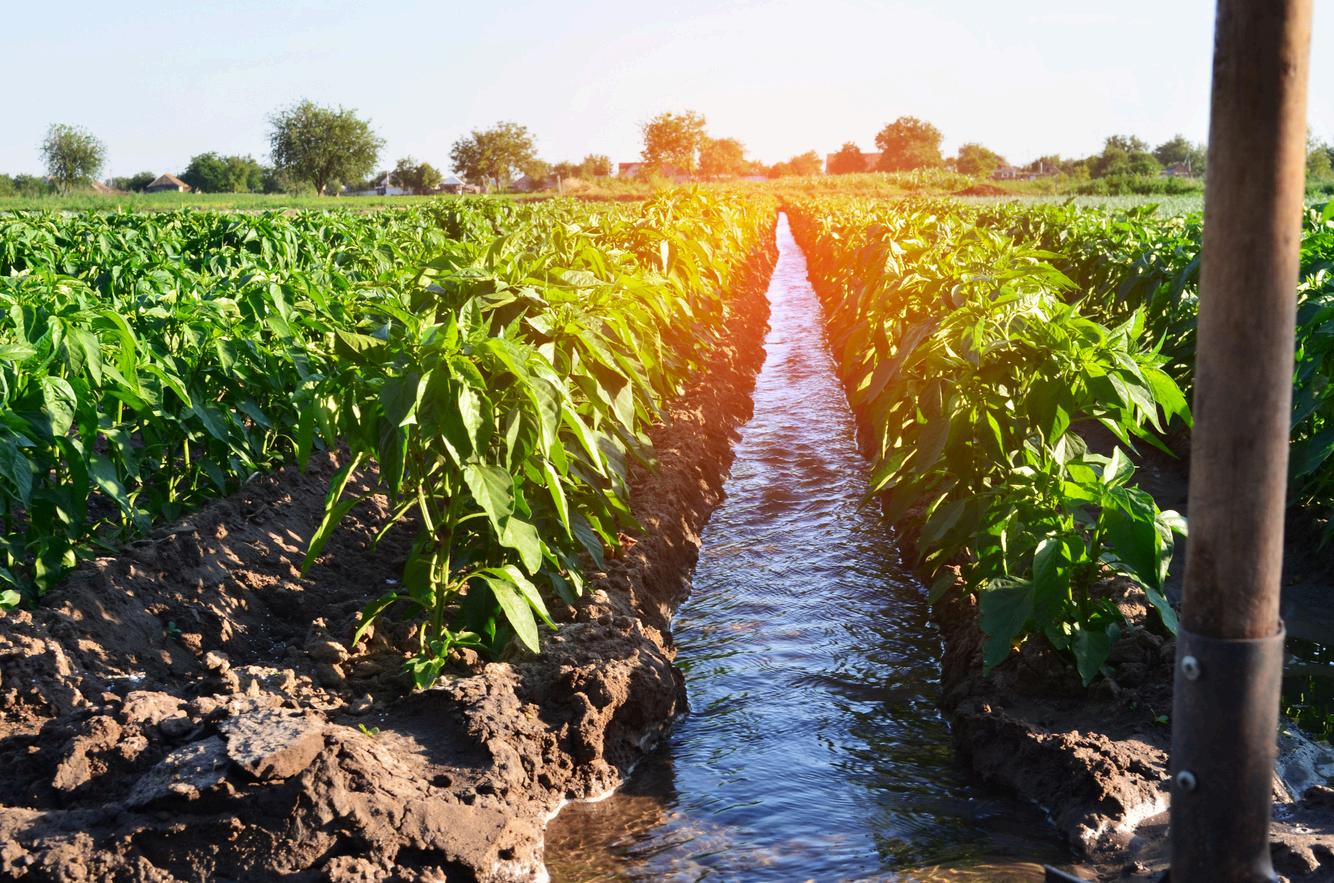
Theinclusionofsocio-economicrightsintheConstitutionseemsobvioustomanypeople because they are so closely linked to dignity, equality and freedom, the founding values of our Constitution. But actually, South Africa was one of the first countries in the world toincludesocio-economicrightsinaconstitution,andthiswasalittlebitcontroversialat thetime.
One of the main reasons that some people didn't want socio-economic rights included in the Constitution was due to the idea of separation of powers. Remember, the legislature and the Executive and the branches of government that are responsible for making and enforcing the law. Some people thought that if everyone could claim socio-economic rights, the Courts would be able to control government policy. In terms of the separation ofpowers,thisisn'twhatcourtsaresupposedtodo.
So, socio-economic rights are fully enforceable - some are immediately claimable, and others must be realised over time. Let's have a look at some other aspects of the socioeconomicrightsintheSouthAfricanConstitution.
The socio-economic rights in our Constitution show how deeply committed South Africa is to change the lives of the most vulnerable people. But this isn't easy. All of the arms of government need to work together to make sure that the rights are realised properly and thatmorepeopleeachyearareabletoaccesstheirrights.

Everyonehastherighttoeducation.
The Department of Basic Education has issued norms and standards that define the minimum facilities that a school should have in order to properly realise every learner'srighttoeducation.
The government and individual schools need to work together to ensure that the best interestsofchildrenareprotected.
TherighttoeducationissoimportantinSouthAfricatoday,atleastpartlybecauseofour past. Most of us will have heard about Bantu Education and how bad this was. The entire point of this education system was to deny black South Africans the chance to realise their potential - and to reinforce the racist notion that people of colour were not capable ofsucceeding.
"Thereisnoplacefor[theBantu)intheEuropeancommunityabovethelevelofcertain formsoflabour...WhatistheuseofteachingtheBantuchildmathematicswhenit cannotuseitinpractice?Thatisquiteabsurd.Educationmusttrainpeopleinaccordance withtheiropportunitiesinlife,accordingtothesphereinwhichtheylive."
What was this like? Well, Obed Bapela, who has served in the Executive as a deputy minister,describesthisasfollows:
" ... the school that I went to was an overcrowded school; there were quite many of them inAlexandrathatwereovercrowded;therewerenotenoughschoolstotakecareofallof us, so we used to share classes. There would be a morning class that goes up to 11 o'clock, and then we'll go home, and then other kids of the same grade will come after 11 o'clock up to 2 o'clock, and therefore the teachers will then run two sets of class ... in some situations, they will even use a tree in the schoolyard... We were around 70 to 80 [pupilsinclass]whenIwasingrade1andgrade2."
These terrible conditions obviously prevented people in these schools from realising their potential. Our democratic government has recognised that, in order to provide a decent education, every school requires certain resources. Look at hand-out 1, a copy of the Regulations relating to Minimum Uniform Norms and Standards for Public School Infrastructure. These are regulations which are trying to make sure every learner in everyschoolhasaccesstoatleastabasiclevelofresources.
There are minimum standards that each school should reach that will help everyone in South Africa to realise their right to education. But, as we saw in the episode, the fact thateveryonehastherighttoeducationdoesn'tmeanthattheproblemsinoureducation system have been resolved. Education is the key to the future for each individual and for our country as a whole. We need to ensure that everyone has the right to education respected. And although there is still a long way to go before every school meets the norms and standards that the government has set, having these standards is an importantstep.

The Constitution gives all children in South Africa- everyone under the age of 18arangeofspecialrights.
The rights that children have include the right to a name and nationality, parental care,foodandbasicmedicalservices.
In every case concerning a child, the child's best interests need to be protected. In every case, all relevant issues regarding the child must be considered to ensurethatthechildisprotected.
There are certain groups that our Constitution gives extra protection to - and this includes children, a group defined in law as everyone under the age of 18. Children need special protection as they are at a stage in life when long-term consequences can arise from not having important things to help development - like food, water or education. The law tries to help children by preventing them from being manipulated, so they are not allowed to make all the decisions that affect their lives. So, even children who are mature or near the age of 18 don't necessarily have the samerightsaspeopleover18.
The Constitution has a series of rights specifically for children in section 28. These rights have been included in the Constitution because, if they are upheld, they will helpchildrentofulfiltheirpotential. Someimportantrightsthatchildrenhaveinclude:
Having a nationality - this is important because it is through having a nationalitythat is, being a national of a state, like a citizen that enables people to access political and social rights. Although people who aren't nationals may have some rightsinanothercountry,theywillusuallyhavethemostrightsintheircountryof nationality.
The right to a name is linked to the registration of a birth. It is through a child being registered that they can better access the services, like education, and protections offered by a state, including protection against exploitation, child traffickingandchildlabour.
Hundreds of thousands of children in South Africa are being raised in foster care because, for any number of reasons, parental supervision is not available for them. But some children remain without alternative care - in 2017, nearly 60 000 children in South Africa lived in child-headed households. You could ask the learners to try to imagine the difficulties that such families face and how importantitisfortheStatetofindwaystosupportchildreninsuchsituations. Children in South Africa remain at risk of underdevelopment because of hunger. In 2016, 27% of South Africa's children under five years old were found to have hadtheirgrowthstuntedthroughmalnutrition.
A 2017 survey showed that over 50% of children in South Africa between the ages of 7 and 17 were involved in work, and over 7% of these children were doing work prohibitedbylabourlaws.
Manythousandsofchildren,bothboysandgirls,aroundtheworldareforcedtofight inwarsassoldiers.Recentreportsfoundchildsoldiersin17countries,withnearly30 000childrenwereinvolvedinmilitaryaction.
Withrightscomeresponsibilitiesexercisedresponsibly.
Chapter 2 of our Constitution contains the Bill of Rights which apples to everyone. Some oftheserightsapplytochildrenandshouldbeexercisedresponsibly. Theseinclude:
The right to family care, love and protection and the responsibility to show love, respectandcaretoothers,especiallytheelderly.
The right to a clean environment and the responsibility to care for their environment bycleaningtheirlivingspace.
Arighttofoodandtheresponsibilitynottobewasteful.
A right to good quality education and the responsibility to learn and respect their teachersandpeers.
Therighttoqualitymedicalcareandtheresponsibilitytotakecareofthemselvesand protectthemselvesfromirresponsibleexposuretodiseasessuchasHIV/Aids.
A right to protection from exploitation and neglect and the responsibility to report abuseandexploitation.
So, you might have noticed that the Constitution says that the child's best interests need to be considered in every matter. But the Constitution doesn't tell us what we need to consider when we think of the best interests of a child. The Children's Act does, though! TheChildren'sActisanimportantlawpassedbyParliamentandcameintoforcein2005. Ithasseveralaims,includingtogiveeffecttotheconstitutionalrightsthatchildrenhave, ensuring that the government is fulfilling its obligations to children and ensuring that children can develop psychologically, intellectually, emotionally and socially. The Children's Act is also designed to help protect children from harm, and those children whoneedcareandprotectionfromtheStatereceiveit.
Children are independent entities, but the Constitution recognises that they are also dependent on others to ensure that they have the right environment to develop in. Although the parents or guardians often provide this, sometimes it will be necessary for the State to assist -whether by helping provide access to necessities like food, water or healthcare or by providing adequate alternative care, through children's homes or foster care. The Constitution recognises thatwe, as asociety, needto look aftertheyoungermembersofthissociety.

Societychangesovertime,andourConstitutionmayhavetochangetoberelevantto theneedsofsociety.
Changing the Constitution requires that the public voice be heard and that the majorityofParliamentagreesontheamendment.
The most difficult section of the Constitution to change is Section 1, which contains the foundational values on which our country is based, including dignity, equality and freedom.
What is acceptable at one point in time might be considered odd - or even completely immoral - at another time. Society is constantly changing - and what is considered right and proper changes. However, the Constitution is the most important legal document in SouthAfricaandinformshowgovernmentandthelawoperate-asawrittendocument,it isintentionallydifficult(butnotimpossible)tochange.
DifferentpartsoftheConstitutionrequiredifferentamountsofsupportfromParliamentwhere decisions to change the Constitution are ultimately made. The part of the Constitution that governs how the Constitution is to be changed is section 74. In essence, changes to the Constitution require 75% of the people in Parliament to approve ofthechanges.Althoughsection74doesn'tsaythatitisnecessaryforthepublictohave a say, the Constitutional Court has said that the voices of the public need to be heard in relation to making laws. It's important to note that the same 75% standard is required to change section 74. If this wasn't the case, if Parliament wanted to change section 1 but didn't have 75% support, they could just change the standard required - for example, if thepeoplewhowantedtochangetheConstitutionknewthattheyhad50%support,they couldamendsection74tomaketherequiredstand50%.
Okay,so,lookingatsection74,wecanseethatothersectionsoftheConstitutionrequire the support of two-thirds (66%) of the members of Parliament. This is still a very high standard, and it may be necessary for different political groups to work together to amend the Constitution. For example, in 2015, the African National Congress, which receivedthehighestnumberofvotes,hadlessthan63%oftheseatsinParliament.
People around the world recognised that the South African Constitution was one of the most advanced. It was one of the few constitutions in the world that protected socio-economicrights.ButjustbecauseourConstitution,whichwassignedintolaw in 1996, was ground-breaking. That doesn't mean it will always be the right Constitution for our country. And the people who wrote the Constitution knew thisthey knew that the Constitution would need to change and develop as our country changed and developed. And they included clauses in the Constitution that would help us to do this. But changing the Constitution is a big step, so a big percentage of ourelectedrepresentativesneedtoagreethattheamendmentiscorrect.Bymaking the process difficult, we make sure that the Constitution is only amended in ways that people agree on and in ways that solve problems that the way our Constitution iscurrentlywrittendoesn'tsolve.
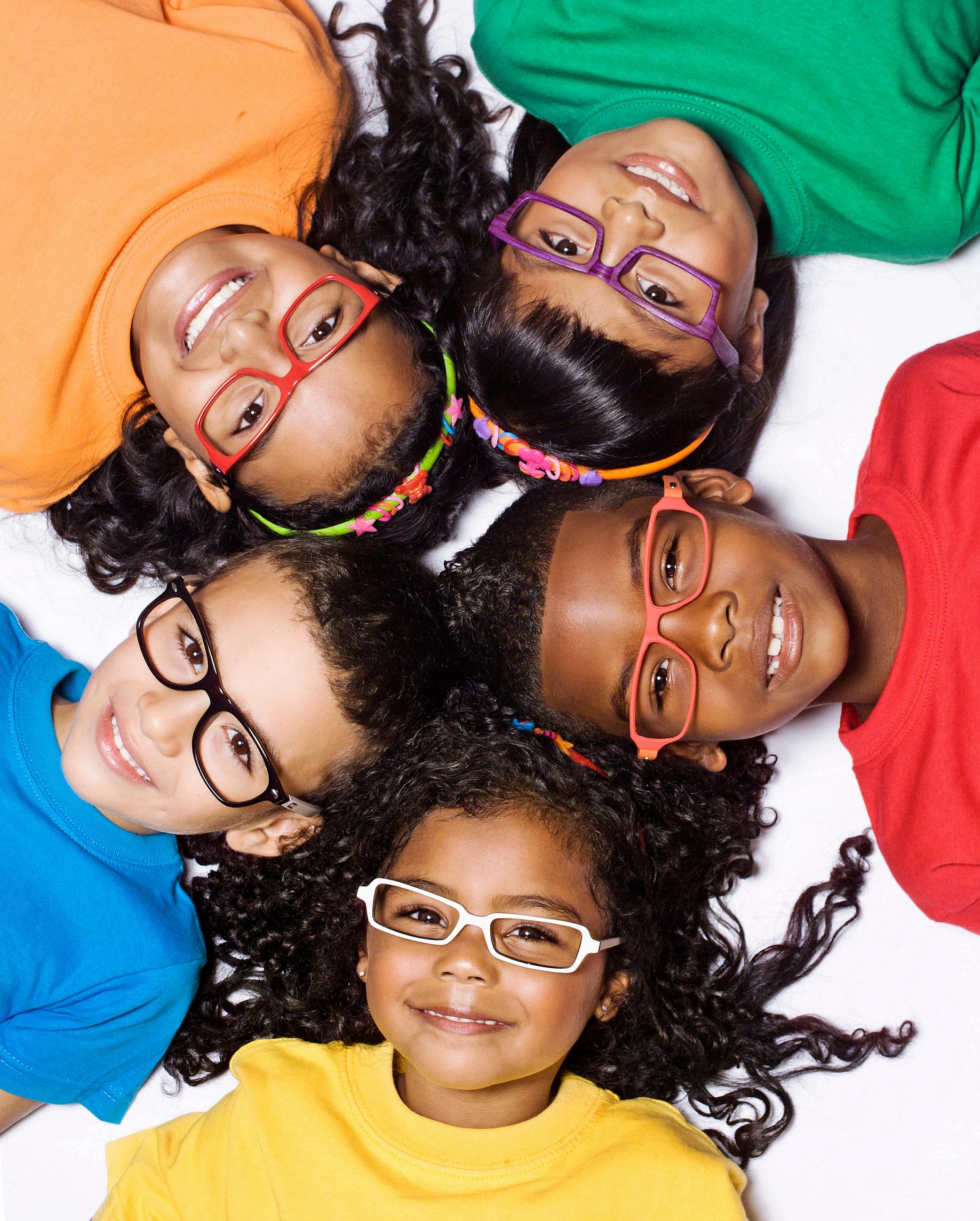

Everyone has the right to assemble, demonstrate and picket, which are differentwaysofmakingyourvoiceheard.
The Constitution protects the right to assemble and demonstrate peacefully andwithoutweapons.
Many protests have taken place in South Africa, in both our past and during thedemocraticera.
Our understanding of our rights continues to develop - for example, the Constitutional Court recently stated that we don't need permission from the authoritiestogatherinlargegroups.
Section 17 of the Constitution gives us a series of rights relating to protest. The exact phrasing of the right is "Everyone has the right, peacefully and unarmed, to assemble, to demonstrate, to picket and to present petitions." This means that there are a few important phrases we need to understand before we can discuss theright.
When people 'demonstrate', they are making a public statement about something that they are dissatisfied with or about something that they are in support of. When people 'assemble', they gather together, usually for a common purpose. A picket is when a group of people stand outside a venue or a workplace and make their thoughts and feelings about a particular subject known. This is often linked to the right to strike, which is when a group of people refuse to work as a form of protest against some condition of their employment, which could include safety standards or pay. Often during strikes, striking workers will protest outside the placeofemploymentinordertomaketheemployerawareoftheirgrievances.
An important part of the right to protest is the caveat in the Constitution that protests have to be peaceful and protestors have to be unarmed. What does this mean? It isn't actually as obvious as it sounds. First of all, a peaceful protest doesn't mean that there isn't just no violence directed towards other people but alsomeansthatthereisnoviolencedirectedagainstproperty.
This includes vandalising or burning buildings or vehicles or any other form of property - whether private or public. If a protest is violent, it won't be protected by the Constitution. But it's actually more complicated than this.
Each of us, as an individual, and our rights - including our right to protest - are protected. Just because someone else at a protest we are at is violent or threatening violence doesn't mean that we lose our right to protest. As long as we aren't violent, we still have our right to protest.
Another important thing for us all to know is that sometimes it might be enough for the mere threat of violence by protestors may mean that our right to protest will be curtailed. Determining what constitutes a 'threat' may depend on the circumstances. Sometimes it could be an explicit statement about violence, and other times it may be something that is communicated without words.
There is a huge difference between a violent protest, which isn't protected by the law, and a disruptive protest. A disruptive protest is a protest that interrupts an event or an activity - the protest might try to make it more difficult to hold the event or activity in question.
Disruptive protests might be limited by contextual factors - for example, if a protest lasts an extended period, it may be fine if the disruptive protest isn't an absolute block - so, for example, if a protest takes place at a school, during class, the protest doesn't prevent the entire lesson from taking place, but instead does enough to bring attention to the cause. It may even be acceptable to interrupt lessons as long as this isn't repeated over time.
The right to assemble, demonstrate, and picket is a right that is often controversial as we as a society work out the boundaries of acceptable protest. As we have just heard, just because a protest disrupts the everyday lives of others doesn't mean it is unfair- in fact, this may be the very point of the protest! Our understanding of what the right is constantly developing.
TherighttoprotesthascomealongwayinSouthAfrica,butwestillhavealongway togo.Inthedemocraticera,wehavestoriesofsuccessfulprotests,likethe
Pretoria Girls' High School protests, where learners protested against racist and discriminatory uniform policies. We have stories of protests that were successful but raised serious questions about how authorities interacted with protests, like the Fees Must Fall protests, and we have stories of protests that ended in tragedy, like theeventsthattookplaceinMarikana,in2012.
The right is a vital right in our democratic era - we have a right to make our voices heard. The Constitutional Court has emphasised how important it is that we are able to exercise this right without worrying about government action. So, as long as we are peaceful and unarmed, we should be able to take reasonable action to tell the worldwhatissuesconcernus.
Everyonehastherighttohavetheirpropertyprotected
Land ownership in South Africa remains shaped by the discrimination of the past - the Constitution requires the government to take active steps to make access tolandmoreequitable
TheConstitutionalsorequiresthathistoricalclaimstolandbeaddressed
The Constitution contains a range of rights that protects the right of people to own property. The right to property is important because the right to the property helps people to have a secure home and shelter, to have a place of safety, to be sheltered from the elements, and to build a community - all of these are linked to the right to dignity. The right to property also helps people to access financing that they might use to improve their economic status. The land also has meaning beyond this - for many communities, there are many reasons that people may invest particular meaninginparticularland-forexample,burialsites.
In South Africa's history, only white people had their property rights properly respected. Millions of people lost access to their property. How we understand property rights in present-day South Africa needs to be informed by the unfair property practices of the past. For hundreds of years, people of colour have been deprived of their land. Millions of people were deprived of the land that they or their communities had lived on and relied on for sustenance. This history is reflected in land ownership today - according to a 2017 government audit, 72% of South Africa's privatefarmlandisownedbywhitepeople,whomakeup9%ofthepopulation. So, what do we do? The government has recognised that at least two things need to happen:
1
People who have claimed because of the past should be able to claim their ancestrallandorreceivecompensation,
2.
People of colour need to be assisted in obtaining land to change the profile of landownershipinSouthAfrica.
Before we go any further, let's learn a little more about what the Constitution says aboutpropertyrights.PartoftherighttopropertyintheConstitutionsaysthat:
In order to make sure that this constitutional requirement was met, the government started the Commission of Restitution of Land Rights. Under this Commission, there are a number of people who can make claims, including people who had their land rights taken away and people who are the descendants of people who had their land rights taken away. The land claims process was opened for a period in the 1990s ending in 1998. in 2014, another opportunity to make claims was created. During the period in the 1990s, over 80 000 claims were lodged. The process of dealing with land claims is length - of these 80 000 claims submitted in the 1990s, nearly 6000 still hadn't been dealt with at all by March 2018, and almost 20 000 land claims still needed to be settled (thelandrestoredormoneypaid)-nearly20yearsafterthesubmissionprocessended. So,sortingoutthehistoryoflandinSouthAfricaremainsamassiveissue.
There is something else to note about the rights to property. There are lots of different approachestoprivatepropertyintheworld.
Some people think that all land should be owned by the State, and people can use it. Other people think that private property rights are the most important rights. So, there are different perspectives on property rights. It is probably fair to say that there are goodthingsandbadthingsineachapproach.ChanginglandownershipinSouthAfricaexpropriation without compensation and the debate around changing the Constitution. In 2018, hearings were held around the country by the government about whether the Constitution should be changed to explicitly allow expropriation without compensation. Expropriationwithoutcompensationisaphrasethathasafewdifferentunderstandings, butinitssimplestform,itmeanslandthatisownedbyaparticularpersonorcompanyis taken away by the government without payment. Some people think expropriation without compensation shouldn't be allowed, some people think that it should be allowed and is allowed under section 25 of the Constitution, and other people think that it should be allowed, and the Constitution should be changed to make explicit that expropriation without compensation. Property rights define the theoretical and legal ownership of resourcesandhowtheycanbeused.Propertycanbeownedbyindividuals,businesses, and governments. These rights define the benefits associated with ownership of the property.
Property rights and access to land remain massive issues in South Africa. It is clear that land ownership hasn't changed enough over the democratic period. Opinions differ over whether the Constitution is to blame for this. However, what is clear is that the Constitution recognises that having your rights to property protected is generally very important. Even the debate around expropriation without compensation tells us this, as people seek property of their own. The question, as it iswithmanyissuesinourcountry,ishowtodealwiththepastandtrytoredressthe harmthatwascausedbynotrespectingrightsandbyactinginanunfairmanner.

Religion, belief and opinion are a vital part of individual and community identity and areprotectedbytheConstitution
People whose beliefs are not held by the majority still need to have their views protectedandmayneedtohavespecialtreatmentinordertobeproperlyprotected; Religious practices, including religious speech, can be limited by the rights of others, includingtheirrighttodignityandtheirrighttobefreefromthreatsofviolence.
All religious beliefs are protected in South Africa. But, sometimes, religious beliefs clash - religions can clash, religious beliefs can even fundamentally important to the right to dignity. The right to dignity, in turn, is fundamentally linked to the right to form an identity. Religious beliefs and the right to hold opinions. For many people, their beliefs lie attheheartoftheiridentity.
It is important to note that ALL religions are protected in South Africa. The country does not have a state religion. Even though the majority of people in South Africa identify themselvesasChristian,wehavemanyreligionsandmanypeoplewhodonotbelieveina godatall.Everyone'sbeliefisprotected.Butthisdoesn'tmeanthatallreligiouspractices are protected. The right to freedom of religion allows people freedom to believe the things that they want. A former Chief Justice of South Africa, Arthur Chaskalson, once definedfreedomofreligionas:
“However, it doesn't mean that everyone can do anything that they want and claim that it isprotectedbecauseoftheirreligion.TheConstitutionalCourthasgivenussomeideaof what freedom of religion, belief, and opinion means in South Africa. Some of the cases tell us what it means for all religions to be treated equally, and some of the cases tell us aboutwhatthelimitsoffreedomofreligionare.”
A fundamental part of the identity of many South Africans is the religious beliefs that they hold. Protecting these rights, and other opinions and beliefs is a vital part of our constitutional order. It doesn't matter whether the majority agrees with the views of another -theyareprotected,regardless.Butbeliefsandopinions,howeverhonestlyheld,donotgive us the right to override the rights of others. We exist in a country that seeks to protect minorities and vulnerable people, and we need to make sure that we recognise the dignity of othersinallwedo.

Freedomofexpressionincludesvarioussortsofexpression,includingmediafreedom, artisticexpressionandacademicfreedom.
The right to expression that everyone in South Africa enjoys is one way in which the SouthAfricanConstitutionrespectsthedignityofeveryoneinthecountry. Freedomofexpressionislimitedbycertainrestrictions,whicharedesignedtoprotect thedignityandbodilyintegrityofotherpeople.
Introduction
Freedom of speech is one of the central pillars of every democracy. Expression underpins many other rights, including religion and belief, the right to tell the government what you think,toseekinformation,andtoholdthegovernmenttoaccount.Freedomofexpression isalsonecessaryinorderfordifferentideastodevelop.
Freedomofexpressioniscrucialformarginalisedgroups
Freedom of expression is particularly important for marginalised groups, for groups that face discrimination. If they aren't allowed to communicate their ideas effectively, then they are, in many ways, excluded from mainstream society. Let's hear a little bit about whatfreedomofexpressionmeansinSouthAfrica.
Freedom of expression definitely incorporates the freedom of speech, but the word 'expression' was probably specifically chosen to indicate that expression is a broader concept. Expression includes the freedom of the press and other media, freedom to receive or impart information or ideas, freedom of artistic creativity, and academic freedomandfreedomofscientificresearch.
Notethatsomeformsofspeechareprohibited.
So, we know that freedom of expression is important, but we also know that there are limitationstofreedomofspeech.Let'slookatthecontentofSection16rightandseeifwe candeterminewhyparticularformsofspeechareprohibited.Section16subsection(2)of the constitution right stipulates the limitations on expression; people are not free to express themselves if the expression includes propaganda for war, the incitement of imminent violence, or advocacy of hatred that is based on race, ethnicity, gender or religion, and that constitutes incitement to cause harm. A proposed new law seeks to increasethelimitationstoinclude:age,albinism,birth,colour,culture,disability,ethnicor social origin, gender or gender identity, HIV status, language, nationality, migrant or refugeestatus,race,religion,sex,whichincludesintersex,orsexualorientation.
Freedom of expression is a fundamentally important right in South Africa. During Apartheid,expressionwasrepressedinallsortsofways. Our Constitution seeks to protect the right of each of us to express ourselves as we want to. But we've also seen that this right isn't unlimited. There are important limitations on the freedom of expression. The freedom of expression, and the limitations on expression, are all part of our country's attempt to promote and respectthedignityofeveryonewholivesinthecountry.

The Constitution introduced a number of institutions designed to promote and protectdifferentelementsofdemocracyinSouthAfrica.
The independence of these institutions is to be protected, andthey are to be assisted ininvestigatingissuesbeforethemimpartially.
Chapter 9 institutions are independent of parliament and the Executive but must still report to the National Assembly to make sure that they are fulfilling their constitutionalobligations.
Thedifferentinstitutionsaddressdifferentissues.
South Africa only became a democracy in 1994. For decades, people had fought for the righttohaveasayinhowthecountrywasgoverned.Butthisdidn'tjustmeanthatpeople wantedtherighttovote.Whilevotingisafundamentallyimportantright,democracyisn't justaboutelectionday.
Oneelementofdemocracyistheimportancethatitplacesoneachperson-itrecognises that each person has the right to dignity, and it should be respected. In order to make sure that this is properly recognised, the Constitution introduced a number of special institutionsthatmakesurethateveryone'sdignityisprotectedandthatourdemocracyis strengthened.
These institutions do a number of different things. Some of them investigate public spending, making sure that public finances are used correctly and that the deals the government enters into are free from corruption. Some of the others protect the human rightsofpeopleinSouthAfrica-includingthingslikeourrighttogenderequalityandour religiousrights.
Let's have a look at what the Constitution tells us about the way that Chapter 9 Institutions should be dealt with. There are a lot of important things for us to talk about here. First of all, what does it mean for these institutions to be independent and subject only to the Constitution and the law, as required by section 181(2)? Independent means that no other arm of government should interfere in the working of the institution. It also means that the institution shouldn't be serving any other interests - it should only be fulfillingitsconstitutionalmandateandactinginaccordancewiththelaw.
There are several sections of the Constitution that bring the institutions and Parliament and/ortheExecutiveintocontact:
Section181(5)-thisrequirestheleadersoftheInstitutionstoreporttoParliament.
Section 193(4) - the National Assembly and the Executive work together to appoint the heads or members of a number of the institutions (specifically, the Public Protector, the Auditor-General, and members of the South African Human Rights Commission,theCommissiononGenderEquality,andtheElectoralCommission.
Section 194(1), (2), and (3) all show that the National Assembly and the President haveanimportantroleinremovingthepeopleinthesepositions.
Parliament and the Executive are elected and intended to be the representatives of the people. This means that the representatives of the people have a role in appointments and removals. It is also important to note the limited occasions when people can be removed. Section 194(1) (a) says that removal can only happen when there is misconduct,incapacity,orincompetence.
Misconduct means that the person has done something that they shouldn't have done, has acted unethically, or has been corrupt in some way. Incapacity means that the person is no longer able to fulfill the demands of the position - they may be ill, for example. Incompetence means that the person has demonstrated that they don't have theabilitytofulfilltheposition.
Democracy also means that people are able to hold others to account. In order to do this properly, we need to have transparency and accountability. Transparency means that people are able to access information and that information is freely available to people who seek it. Transparency is intimately linked to accountability - we can really only hold people to account if the information is available. Holding people to account means that peopleareheldresponsiblefortheiractions.
Chapter 9s in South Africa has shown that they can be powerful instruments in upholding our constitutional order. However, they have also been shown to be toothless if the people in charge are not held to account. With our knowledge about what the various Chapter 9s should be doing, we should make sure we hold the leaderstoaccount-afterall,theyareprotectingOURdemocracy!
People retain rights regardless of what they have done, including when they have committedcrimes.
People who are suspected of crimes have a range of constitutionally protected rights to ensure that they don’t suffer abuse and to ensure that they aren't punished before beingconvicted.
Onlycourtscanconvictpeopleofcrimesandimposesentences.
There is a range of different theories about punishment, including deterrence, rehabilitation, retribution, incapacitation and restoration. The theory that a society choosesreflectsuponthemannerinwhichasocietythinksaboutwrongdoers.
All humans have human rights merely by virtue of the fact that they are human. Humans don't have to do anything to earn their rights - they have them because they are human. But some kinds of rights can be limited when doing so is necessary to protect the fundamentalrightsofothers,suchaslife,dignityandequality.
Here is an example of when rights might be limited - a situation where two rights clash. The Constitution gives everyone the right to freedom of expression. This means that we all have the right to express ourselves. The Constitution also gives everyone the right to an education - the opportunity to learn and to be educated. It could be that expressing ourselves inappropriately in a classroom would interfere with other people's right to education. In this situation, our freedom of expression might be limited in favour of not interferingwithotherpeople'sfreedomofexpression.
Do we lose our rights when our rights clash with other peoples'? When rights clash, someonemighttemporarilylosetheirabilitytoasserttheirright-forexample,theremay be a restraint on the ability of an individual to claim their right at a particular time. However, this doesn't mean that they have lost the right. In other situations, they would beabletoclaimtheirrightsfullywithoutthembeinglimited.
Sometimes people's rights aren't limited by other people's rights but are limited by the State. Examples of situations where the State limits someone's rights are when they are taken into custody by the police, are suspected of committing a crime, and are convicted of a crime and sentenced to time in prison. The Constitution contains a series of rights specificallyaimedatpeoplesuspectedofacrime.Let'slearnmoreabouttheserightsand howpeopleinteractwiththecriminaljusticesystem.
The criminal justice system is the law enforcement system that is directly involved in apprehending, prosecuting, defending, sentencing, and punishing those suspected or convicted of criminal offences. There are six different parts to the criminal justice system in South Africa. The police service, the prosecutor, the courts, and the prison system. Each of these parts has a very important role to play in the criminal justice system and a very important role to play in protecting the rights of everyone who is dealingwiththecriminaljusticesystem.
1) There is the pre-trial stage that happens before the trial takes place. This might includeactualappearancesincourtsuchasbailhearings.
2) There is the trial stage when an accused person appears in court before a presiding officerorjudgetodecidewhetherornotthepersonisguilty.
3) There is the post-trial stage which occurs after the accused person has been found innocent or guilty, if the person is guilty, then they will be sentenced. They may be sentencedtotimeinprison,havecommunityservice,orhaveasuspendedsentence.
The Constitution contains a range of rights that apply to all three stages.
Section 35(3/h) of the Constitution protects the right to be presumed innocent. People mustn’t be treated as guilty by the State until they have been convicted in a court. innocent until proven guilty is also known as the 'presumption of innocence’. Everyone is presumedinnocentuntiltheyhavebeenproventobeguilty,beyondareasonabledoubt. Suppose everyone is presumed innocent until a court has had the opportunity to consider the evidence regarding an accused. Sometimes it can take years before a court hearsacase,though-ifsomeonehasn'tbeengrantedbail,theyremaininprison.
We protect the rights of people convicted of wrongdoing because everybody has rights. Evenifsomeofaperson'srightsarelimited,theystillhavehumandignity,andthedignity ofeverybody—includingpeopleconvictedofoffences-mustbeprotected.Theintrinsic rights of every human are one reason for us to hold our criminal justice system to a high standard. But we also need to consider the point of punishing people. I think that everybodyagreesthatifsomeonedoessomethingwrong,thereneedstobepunishment.
The Constitution protects the rights of people who have been accused of crimes and takenintodetentionandtherightsofpeoplewhohavebeenconvictedofcrimes.The protections are different because the suspected wrongdoers and people convicted of crimes are at different stages. It is important to remember that the point of the justice system is to find out who has committed a crime, and all of the steps before a convictionshouldtrytoavoidpunishingpeople.

EverySouthAfrican,18yearsoldandabovehastherighttovote,andtherighttovote insecret.
Political rights do not begin and end with voting! Every South African also has the righttobeinvolvedinpolitics,whetherbystartingtheirpoliticalparty,bystandingfor office,orbycampaigningforapoliticalparty.
Political rights are intrinsic to the right to dignity and equality but are also strongly linkedtothefreedomofexpressionandtherighttoaccessinformation
Every South African citizen who is 18 years old and above has the right to vote - people should have a say in who rules their country. If people don't get the chance to have a say inwhoisincharge,theserights,andothers,areviolated.
Before 1994, restrictions were placed on the rights of people of colour to vote. Black people in South Africa almost never had the opportunity to vote (there were limited exceptions in the early part of the 20th century for land-owning black people in the Cape Province), and Indian and coloured South Africans had very limited opportunities to vote. The1994electionwasthefirstinwhichallSouthAfricanscouldvote,regardlessofrace.
So, we've touched on why voting is important. Since 1994, South Africa has had several national elections. One thing that has become clear over the past decades is that people havebecomelessinterestedinvoting.In1994and1999,approximately87%ofallpeople whocouldvotedidvote.In2019,only66%ofpeoplewhocouldvotedidso.
In the 2019 Election, nearly 10 million people did not even register to vote. Registering to vote is something that happens before the election, and it is designed to ensure that the right people can vote on Election Day and vote quickly. Of these nearly 10 million people whodidn'tregister,about6millionwereunder30.
So, there are currently some issues around the political right to vote. Other important political rights, such as the freedom to form political parties, participate in their campaigns, and stand for office, are all necessary for a country to include all voices. If people didn't have these rights, South Africa would be susceptible to becoming a dictatorship. If these political rights weren't protected, rights like the right to dignity, the righttoequality,freedomofexpressionandfreedomofinformationwouldallbeatrisk. So, political rights are vital in protecting our democratic order. But democracy isn't just about voting on Election Day. Democracy is about holding people to account and making our voices heard. And perhaps this is part of the problem - many people think that democracyonlyhappensattheballotbox.
Political rights are important ways for us all to have a say in our country. And this say isn't limited to voting - whether we choose to start political parties, to voice our opinion on the performance of our democratically elected representatives in parliament, or to campaign in support of a political party. All of these things are vital inensuringthatourrightsareprotected.
Political rights cover a citizens right to engage in their countries politics. it is a right whichisfundamentaltoprotectingandmaintainingademocraticgovernment.

EveryoneinSouthAfricahastherighttolife.
The right to life is one of the reasons that the Constitution has been interpreted to meanthatthedeathpenaltyisnotlegalinSouthAfrica
All of our rights are interconnected - if we are missing any of our rights, then our abilitytoliveameaningfullifeisundermined.
It’s pretty clear how important the right to life is. To some people, life is sacred - which meansitshouldneverbeviolated.
Otherpeoplethinkthatyourrighttolifeisdependentonyouractions.
Yourrighttolifeshouldbynomeansbeviolated.
The State v Makwanyane, considered whether the death penalty should be permitted in our country. The Constitutional Court had to consider whether it was permissible becausetheConstitutiondoesn'texplicitlysaythatthedeathpenaltyisprohibited.
In the past, in South Africa, the death penalty was permitted. Between 1959 and 1990, nearly 3000 people were executed by the government. In 1990, the government temporarily suspended the death penalty-a decision that was made permanent in 1995, afterthedecisioninStatevMakwanyane.
Many people think that the death penalty would be a cure for crime in South Africa or is a morefittingpunishmentforpeoplethanprison.
Let'sseewhatthoseargumentsmaybe.
Let's see what the Constitutional Court said about the death penalty. One of the judges, JusticeIsmailMohamed,saidthat
"The deliberate annihilation of the life of a person, systematically planned by the State, as a mode of punishment, is wholly and qualitatively different. It is not like the act of killing in self-defence, an act justifiable in the defence of the clear right of the victim to the preservation of his life. It is not performed in a state of sudden emergency, or under the extraordinary pressures which operate when insurrections are confronted or when the State defends itself during war It is systematically planned long after - sometimes years after - the offender has committed the offence for which he is to be punished, and whilst he waits impotently in custody, for his date with the hangman. In its obvious and awesome finality, it makes every other right, so vigorously and eloquently guaranteed by ... the Constitution, permanently impossible to enjoy. Its inherently irreversible consequence makes any reparation or correction impossible, if subsequent events establish, as they have sometimes done, the innocence of the executed or circumstances which demonstrate manifestly that he did not deserve the sentence of death."
Anotherjudge,theChiefJustice,ArthurChaskalson,saidthat,
“The differences that exist between rich and poor, between good and bad prosecutions, between good and bad defence, between severe and lenient judges, between judges who favour capital punishment and those who do not, and the subjective attitudes that might be brought into play by factors such as race and class, may in similar ways affect any case that comes before the courts, and is almost certainly present to some degree in all court systems. Such factors can be mitigated, but not totally avoided, by allowing convicted persons to appeal to a higher court Appeals are decided on the record of the case and on findings made by the trial court. If the evidence on record and the findings made have been influenced by these factors, there may be nothing that can be done about that on appeal Imperfection inherent in criminal trials means that error cannot be excluded; it also means that persons similarly placed may not necessarily receive similar punishment. This needs to be acknowledged. What also needs to be acknowledged is that the possibility of error will be present in any system of justice and that there cannot be perfect equality as between accused persons in the conduct and outcome of criminal trials We have to accept these differences in the ordinary criminal cases that come before the courts, even to the extent that some may go to gaol when others similarly placed may be acquitted or receive non -custodial sentences. But death is different, and the question is, whether this is acceptable when the difference is between life and death Unjust imprisonment is a great wrong, but if it is discovered, the prisoner can be released and compensated; but the killing of an innocent person is irremediable."
So, the Constitutional Court was very clear in deciding that the death penalty wasn't something that coexists with our Constitution, even though the Constitution didn't explicitly say "No death penalty." What about the fact that some surveys have shown that most South Africans support the death penalty? Well, here, it was important to remembertheseparationofpowers.ChiefJusticeChaskalsonsaid,
"If public opinion were to be decisive, constitutional adjudication would not be needed. The protection of rights could then be left to Parliament, which has a mandate from the public and is answerable to the public for the way its mandate is exercised, but this would be a return to parliamentary sovereignty and a retreat from the new legal order established by the 1993 Constitution. By the same token, the issue of the constitutionality of capital punishment cannot be referred to as a referendum, in which a majority view would prevail over the wishes of any minority. The very reason for establishing the new legal order and for vesting the power of judicial review of all legislation in the courts was to protect the rights of minorities and others who cannot protect their rights adequately through the democratic process. Those entitled to this protection include the social outcasts and marginalised people of our society.
It is only if there is a willingness to protect the worst and the weakest amongst us that all of us can be secure that our rights will be protected."
Ultimately, all of our rights are connected. And all of them work together to help people in South Africa live dignified lives. The rights in the Constitution work together - if we disregard any of these rights, we would be struggling to live lives thatmeettheconstitutionalstandard.
Ultimately, the Constitution isn't just about protecting our life - it is about ensuringeveryoneinSouthAfricacanlivealifeworthliving.
We need to stand up for our rights - to claim them if we don't think that the rights are being provided, and to protect them if rights that have been provided are threatened, whether by the government or other people. We also need to help peopleinourcommunitiesclaimtheirrights-asNelsonMandelaoncesaid,
"A nation should not be judged by how it treats its highest citizens, but it's lowest.”



Trigger warning. Some of the topics covered during this lesson may cause some people to re-experience traumatic events from their past or that they have come intocontactwith.
This content includes discussions about gender-based violence and femicide and may include discussions of violence, harassment and abuse inflicted on the grounds of gender, sex, sexual orientation, gender identity, gender expression and race. Some of this content may be upsetting to you, especially if you or someone youknowhasexperienced,oriscurrentlyexperiencing,somethingrelatingtowhat you see in the animation. If you think that the content of the lesson could be traumatising, you can be excused from this lesson. If you watch the animation and take part in the lesson and feel traumatised during or afterwards, please ask your educator or instructor for assistance in contacting an organisation that can help youprocessthetraumathatyouhaveexperienced.
Everyone has a sexual orientation, gender identity, gender expression, sex characteristic and sexual orientation (SOGIESC) - but people are more accepting of certainSOGIEthanothers.
Lesbian, Gay, Bisexual, Transgender, Queer, Intersex, and Asexual and others (LGBTQIA +) describe different ways people experience and express their SOGIESC.
AllpeopleinSouthAfrica,regardlessoftheirSOGIESC,havethesamerights.
Apartheid taught many people to discriminate, but in South Africa, you can no longer discriminate against someone on the basis of their SOGIESC, regardless of yourpersonal,traditional,culturalorreligiousbeliefs.
We all have many different ways of identifying ourselves to ourselves and other people. We all have different things we find attractive in other people and ourselves. The Constitution ensures that all people are treated equally and are able to access and enjoy the rights in the Constitution regardless of their SOGIESC. Nobody should face discrimination, hate and violence just because of the way they identify and express themselvesorwhotheylove.
Sexualorientation-whatattractspeopletootherpeople.
Gender - socially constructed stereotypical expectations and beliefs linked to perceived sex (e.g., all boys must like playing with cars, all girls must like playing with dolls, boys shouldn'tcry,etc.),alsotendstoassumethegenderbinary(thatyouHAVEtobeeithera boyORagirl).
Genderidentity-thewaythatpeopleidentifytheirgendertothemselves
Gender Expression - how people express their gender identity to other people (how you dress,yourhaircut,etc.).
Sexcharacteristics-biologicalindicatorsofsex(genitals,hormones,etc.).
Although everyone has a SOGIESC, society tends to discriminate against people who are notheterosexual(attractedtopeopleofadifferentgender)and/orwhodonotidentifyor express their gender the way that society thinks they should (e.g., someone who identifiesasagirlbutlikestowearpantsandplaysoccerratherthantowearadressand play with dolls). LGBTQIA+ people face significant discrimination from society, their friends, teachers and even family - this can be so bad that LGBTQIA+ have a far higher risk of committing suicide and may even be thrown out of their own homes by their parents just because of who they love. In South Africa, LGBTIQA+ people are verbally abusedandphysicallyattacked.
Despite some religious, cultural and traditional interpretations, LGBTQIA+ people (including gay, lesbian and trans people) are not sinful, nor are they 'sick' or 'confused'and they cannot be 'cured' because there is nothing wrong with them! Before colonisation, many African cultures traditionally embraced LGBTQIA+ people, but some WesternreligiousinterpretationswronglylinkLGBTQIA+peopletopeoplebeingsinful.
The Constitution and the Promotion of Equality and Prevention of Unfair Discrimination Act (PEPUDA) make it unconstitutional and illegal to discriminate against people based on their SOGIESC. For example, using derogatory language against someone who is gay (or who you think is gay) not only does it cause a lot of emotional damage to that person, itisactuallyillegal,andyoucanbearrested,finedorevenputintojail. Also, the right to dignity and equality are fundamental, basic rights - this means that someone's dignity and right to equality are more important than someone's right to freedom of expression or belief; as such, you should not discriminate even if you believe itisyourpersonal,religious,traditionalorculturalrighttodoso.
Everyone in South Africa has the same rights under the Constitution; discriminating againstsomeoneonthebasisoftheirSOGIESCisillegal.Treateveryonethewayyouwould liketobetreated-withrespectanddignity.
This is a very brief summary of potentially very complicated discussions. It is strongly suggested that you familiarise yourself with the full lesson plan before you approach thisspecificsection.
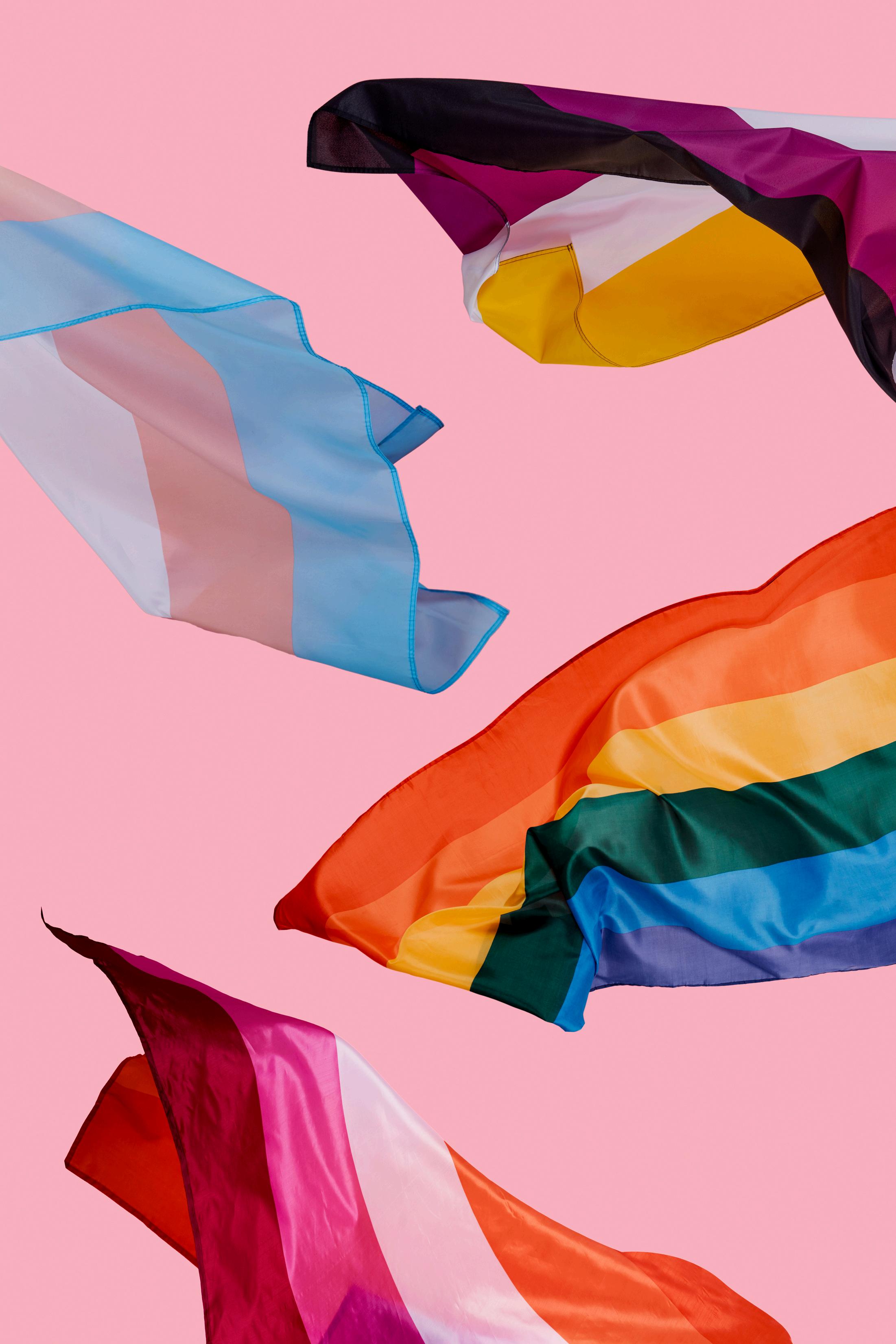

Hate crimes and hate speech are not just normal crimes, they are specifically targeted against a group of people and serve as a message that that group of people isnotacceptedbysociety.
Hate crimes and hate speech are illegal and can result in increased legal punishments -longerprisonsentences,harsherfines,etc.
LGBTQIA+ people often face hate crimes and hate speech; we must all come together to make sure that everyone knows that hate crimes and hate speech are wrong and notacceptable.
Hate crimes and hate speech are crimes that are modified by the way in which they affect not just the target of the crime, but all people who are perceived to be in the same group as the person who was the target of the crime. Notable instances of hate crime and hate speech include discrimination by one race group against another race group (e.g.: white people making derogatory statements against non-white people, people attacking migrantsandwomen,etc.).
Hate crimes and hate speech do much more damage than a 'regular’ crime because they impactnotjustoneperson,butawholegroupofpeople.
Hate crimes and hate speech are crimes that are attacks against an entire group of people-eveniftheydirectlyonlyimpactoneperson.
The 'hate' element is directly linked to the motivation behind the crime; if you hit someone because you hate that they haven't returned your cell phone that would be assault, not a hate crime - but if you hit someone because you hate that they weren't borninSouthAfrica,thenthatisconsideredtobeassaultandahatecrime.
Hate crimes often also involve hate speech - the use of derogatory language generally understood to demean not only the person being verbally abused, but all people of the same group. For example, if a white person calls a black person 'stupid’ then they are using derogatory language against them, but if a white person calls a black person the K word then they are committing hate speech. It is considered hate speech because the language used has a wider context, generally it is linked to harmful and discriminatory stereotypes and reinforces the discrimination that already exists in South Africa. It has fargreaterimpactonsocietythancallingsomeone'stupid'.
People can commit hate crimes and hate speech even if they are not consciously intending to do so. Some people have discriminatory subconscious beliefs that they are not even aware that they hold, and then in a moment of stress or anger they use a derogatory term that is a hate crime - even if they did not intend to use that term, or claim not to understand the reason why the term is hate speech (e.g.: a white person calling a non-whitepersona'monkey'),theyarestillguiltyofhatespeech.
Hatecrimesandhatespeecharedirectattacksagainstthedignityandequalityofpeople in South Africa. They harm not just the person who was directly targeted, but also all people who are considered to be in the same group (the same race, gender, sexual orientation, etc.). Hate crimes and hate speech divide people in South Africa and can causeseriousharmbyreinforcingdiscriminatorybeliefsandactions.


Patriarchy is a harmful system that perpetuates violence and discrimination on the basisofgenderandsexualorientation.
Patriarchyexistsinmanycultures,traditionsandreligiousinterpretations-italways makesmenandboysmorevaluableandpowerfulthananyoneelse.
Patriarchy reinforces unhealthy discriminatory behaviours and beliefs and ultimatelyevenharmsthepeopleitissupposedtobebenefitting.
Patriarchalbeliefsareunconstitutional,harmfulanddiscriminatory.
Patriarchyistheharmfulbeliefthatmenandboysaremoreimportantandvaluablethan anyone else. Patriarchy tends to be a subconscious belief held by many people, regardless of their gender, and it influences the way they live their lives and the way they see the world - one of the biggest reasons why South Africa has so much genderbased violence and femicide is due to patriarchal beliefs about the relative value of men and women. Patriarchal beliefs harm women and girls by expecting and forcing them to be less than they are, and using violence and threats whenever a woman or girl refuses to accept this. Patriarchal beliefs also harm men and boys by expecting and forcing themtoignoretheirfeelingsandemotionsandtolivewithunhealthyexpectations.
Patriarchy was a key component both of colonialisation and apartheid - patriarchy is generally expressed unconsciously and is just accepted as the way things are by many people despite how harmful it is. Patriarchy tends to resist equality and uses force or the threat of force to force women and girls to submit to men and boys. Patriarchy can also be found in interpretations of African cultures and traditions that force women to be less than men, for example where leaders must be men and women are not allowed toownland.
The first step to overcoming patriarchy is to actively consider, identify and challenge illogical beliefs that you may have which place women below men. Ask yourself why can't a woman be a leader (aren't mothers leaders?), why can't men show that they care or value other men or women, why are women supposed to abandon their careers to look after children; why are men not allowed to stop work to be stay-home husbands if theirpartnerswanttoworktosupportthewholefamily?
Once you have identified these harmful beliefs make sure you don't repeat these beliefs, even subconsciously - don't expect your partner to cook and clean for you, or to provide for you if you are able to provide for yourself. Make sure you speak out when you see patriarchy in public or even at home - if you are a boy or a man and don't know how to cook or clean, learn and work with your partner, daughter or mother and share responsibilityforraisingchildren,cookingandcleaning. You will find that confronting patriarchy is far more difficult, and requires far more strength and courage than simply accepting it. People who stand up against GBVF are standingupagainstpatriarchy.
Patriarchy is a belief that many people hold, without even realising it. It reinforces harmful behaviours that prevent all people (regardless of their gender) from realising their potential and living fulfilling lives. Be aware of beliefs that you or others may hold whichviewpeopleasbeinglessbasedontheirgenderandtakeactionagainstGBVF.

Gender-BasedViolenceisviolenceonthebasisofgender,notjustphysicalviolence - there are many types of that violence can occur, including verbal and emotional violence.
Femicide-thekillingofwomenandgirls.
GBV includes any form of violence against any person on the basis of their gender and/or sexual orientation - it can happen to anyone, not just women and girls. South Africa has a very high level of GBVF compared to the rest of the world - it is a systemic issue and occurs across all races, cultures, religions and economic groups.
GBV is violence on the basis of gender; someone does violence to another person(s) based on their target's real/assumed gender and/or sexual orientation. Although femicide means the killing of a woman or a girl, it may also apply to the murder of gender non-conforming people (people who do not identify with the traditional gender roles) or trans people. GBVF is a systemic issue that takes place across race, culture, religious and economic groups. Although men and boys can also be the targets of GBV, it is more commonly directed against women, girls, trans people and gender nonconforming (GNC) people as it tends to be linked to patriarchy. Patriarchy uses force and threat of force to reinforce relationships of dependence and exploitation- most often used by men as a means to assert their perceived dominance. One of the reasons why GBVF continues to happen is a lack of perpetrator accountability - society, and even the police, may not take GBVF seriously and see it instead as a private matter that should be resolved by the parties involved. This means many people who have experienced GBV are not provided with the support they need to escape the cycle of violence.
GBV is any violence or discrimination on the basis of gender, most commonly directed against women, girls and GNC people, but it can also happen to men and boys. GBV is not just physical violence; it can be threats of violence, the use of derogatory, demeaning or discriminatory gender/sexual orientation-based language and even threatsofwithholdingeconomicsupport(includingfoodandshelter). Asanexample,amanwhothreatenstohittheirpartnerorrefusestoallowtheirpartner to leave their house is committing GBV even if that man never even touches their partner.ThreatsofviolenceorwithholdingofsupportmayalsoconstituteGBV-aslong asthethreatoractionreinforcesanimbalanceofpowerbetweenpeopleonthebasisof genderand/orsexualorientation,itisconsideredGBV.
GBVF is NOT normal, and it is not acceptable. Someone who commits GBVF has violated the fundamental rights of the person that they attacked (even if they only used words or threats), and this must be taken seriously. Threats or use of violence between partners that are considered GBV must NOT be kept in the family, covered up or accepted. Instead, it should be reported to the appropriate government authorities (e.g., the South African Police Service, the Department of Health and/or the Department of Social Development).
If you witness GBV, do not try to cover it up - report it as soon as it is safe to do so to the appropriate authorities. Courts and relevant government departments have a responsibility and duty to intervene in situations of GBV - is it NOT a 'family' or 'relationship'issue,andpeoplewhohaveexperiencedGBVshouldnotbetoldtoreturnto their abuser to try to 'work it out'. Courts can order abusers not to contact or go near peoplethattheyhaveinflictedGBV.Insomecases,Courtscanorderthattheperpetrator of GBV leaves the house and/or support the target of GBV economically. Targets of GBV can escape perpetrators and receive support from the government and from local Civil SocietyOrganisations(CSO)thatdealwithGBV.
Be aware that GBV can result in serious psychological and emotional trauma - some people who have experienced GBV blame themselves and do not want to report the incidents.IfyouorsomeoneyouknowhasexperiencedGBVanddoesnotwanttoreport it, please suggest that they approach a CSO or counsellor to get professional advice. Never blame a target of GBV for the violence or threats they receive; that is ALWAYS the faultoftheperpetrator-theyarethepersonwhodidtheharm.
Some people may want to leave abusive relationships but are not able to as they may not be able to afford to move out and support themselves, or they may be afraid that other family members (especially children or the elderly) may become targets if they themselvesleave.
Be aware that GBV can get worse over time and result in death - it must be taken seriouslyandnotignored.
GBVF is not normal and should be reported. GBVF is systemic and occurs across all races,cultures,religiousandeconomicgroups.
Someone who has experienced GBV needs support from their family and from the government - not condemnation. We all have a responsibility to speak out when we see GBVF - even if we do not feel safe to take action, we should report it to the appropriate authoritiesandmakesurethatourfamilyandfriendsknowthatitiswrong.

GBVFisaseriousissueinSouthAfrica.
EveryonehasaresponsibilitytopreventGBVFfromtakingplace.
Wemustholdourselves,ourfamiliesandfriendstoaccountwhentheycommitor permitGBV.
It can be very difficult to report GBV when it occurs, and convicting perpetrators canbedifficultduetolackofaccountability.
We must report GBVF when it occurs and make sure our government and community leaders take GBVF seriously and act appropriately to investigate it andholdperpetratorsaccountable.
GBVF is a serious issue in South Africa, and preventing it requires everyone to help. WemustrecogniseGBVFwhenweseeitandnotremainsilent,andwemustdemand that our leaders take a stand with us against GBVF. We must all reject harmful, discriminatory ideas like patriarchy which create a society that allows GBVF to occur.
We should support survivors of GBV and encourage them to seek assistance from NGOs like POWA, Lawyers Against Abuse, Rape Crisis, the GBV Command Centre, the Green Door Shelter, and many others. We can also volunteer and reach out to NGOslikethesetoofferthemoursupport.
We need to be aware that sometimes people who experience GBV are unable to speakoutforthemselves,sowemustpayattentiontofriendsandfamilyandlookfor signsofabusesowecanhelp.
We must promote the idea of equality, challenge stereotypes and demand that our leaders, and particularly government representatives in our local communities, take GBVFseriously.
Wecanusesocialmediato:educatefriendsandfamily,reachoutforsupportorhelp for survivors of GBV; share information on where people can get help and support andcalloutperpetratorsandpotentialperpetrators.
If you do not know what to do, you can call the Gender-Based Violence Command Centre on 0800 428 428 for assistance on how to help someone who is a survivor of gender-basedviolence.
PeoplewhoattempttoreportGBVFtogovernmentofficialsareoftenmockedortoldthat they should 'sort it out themselves' - too many government officials do not understand the systemic nature of GBV and believe that abuse is normal in many relationships. Due to the lack of professional conduct and the perception that government is not serious about addressing GBVF, many people who experience GBV do not report incidents to the appropriate authorities. This ensures that GBVF continues and people continue to be hurtandhavetheirrightsviolated.
Gender-basedviolencecontinuestobeamassiveissueinoursociety.Althoughwehave a Constitution that provides rights that should protect us all against violence and harm, these rights can only exist if everybody in the country - the government, communities, and individuals - takes responsibility for protecting everyone else. Knowing that each of ushastherightstosafetyandsecurity,todignity,tolife,isreallyimportant.Butweneed to make sure that people can actually make these rights a reality. The responsibility lies witheachofus!
Society will only change if we each change our own behaviour and pressure the government to put in place measures that protect vulnerable people, including women and girls. It is only through working together that we will be able to defeat gender-based violence.

Society has created a fictional notion of the 'ideal' person, but, in reality, this 'ideal' is an obstacle to most people, prejudicing them and causing discrimination and marginalisation.
People with disabilities have many forms of disability and should not be regarded as a single category - interventions that might work for one person will not work for another.
Every person in society has a role to play in ensuring that society becomes more inclusiveofpeoplewithdisabilities.
Everyone in the world is different to everyone else, a mix of experiences, feelings, thoughts, beliefs and genes that make everyone unique. So, that means that every single person is unique, even though we might not think about it sometimes. We are different in lots of different ways. We might speak different languages; we might have different religions, and we might come from different cultures. Our bodies might look different; our brains might process things differently. And the ways in which we are different from eachother,changehowweunderstandandexperiencetheworld.
All too often, in the past, society has assumed that there is one type of person that is the 'standard', the 'ideal’. That everyone should aim to have the same characteristics and act in the same way. This is just not possible and really shouldn't be something that we think isgood!Therearemorethan7billionpeopleintheworld,withsomanydifferences.
But because the world acts like there is one particular way of being, sometimes people who don't fit the ideal are made to feel uncomfortable, they might be made to feel that theyareoutofplace,orthattheyaredifferenttothe'idealperson’,tothe'correct'wayof being. This happens to each of us - although for some people, it might happen more regularly than for others. This feeling that we have may be because of this focus on the 'ideal’. The world - everywhere - has taken its time to realise that there is no idealeveryone is different, and the way we approach the world needs to allow people to feel comfortable being themselves. Some of the things that we need to think about how to make sure people are able to access the things that they need to go about their day-today experiences, and that they are comfortable doing this. In South Africa, in the past, people were made to feel like they didn't belong, for many reasons, including because of their gender, their race, their sexual preference and their religion. Although, progress is being made, we still have a long way to go, and sometimes this progress is taking longer than it should. One of the biggest areas that needs attention is to ensure that people with disabilities are made to feel as though they belong in society, that they are able to fulfill their potential, and that they are able to access all of the spaces and resources that they needtolivefulfillinglives.Let'sthinkaboutwhatthismightmean.
Every person has a unique set of circumstances that shape how they interact with the world,andthisisalsothecasewithadisability.
Learningaboutpeoplesdisabilitiesandaboutthechallengesthattheyfaceingoingabout their daily lives, in trying to function in a society that is frequently designed in a way that excludespeoplewithdisabilities,isanimportantstepincreatingamoreinclusiveworld. One of the most important things we can do is to ensure that people with disabilities are involved in making the decisions that impact their lives. Ensuring that people with disabilities are included and involved in decision-making is something we can impactsometimes we might have to put pressure on decision-makers, in our schools and in our communities, and on the government, to ensure that this takes place. We can also advocateforappropriateresourcesandfacilitiestobemadeavailableandaccessible.But some of the things that people with disabilities require are things that each of us can provide.Thinkabouthowyoucanhelptocreateamoreinclusivesociety.
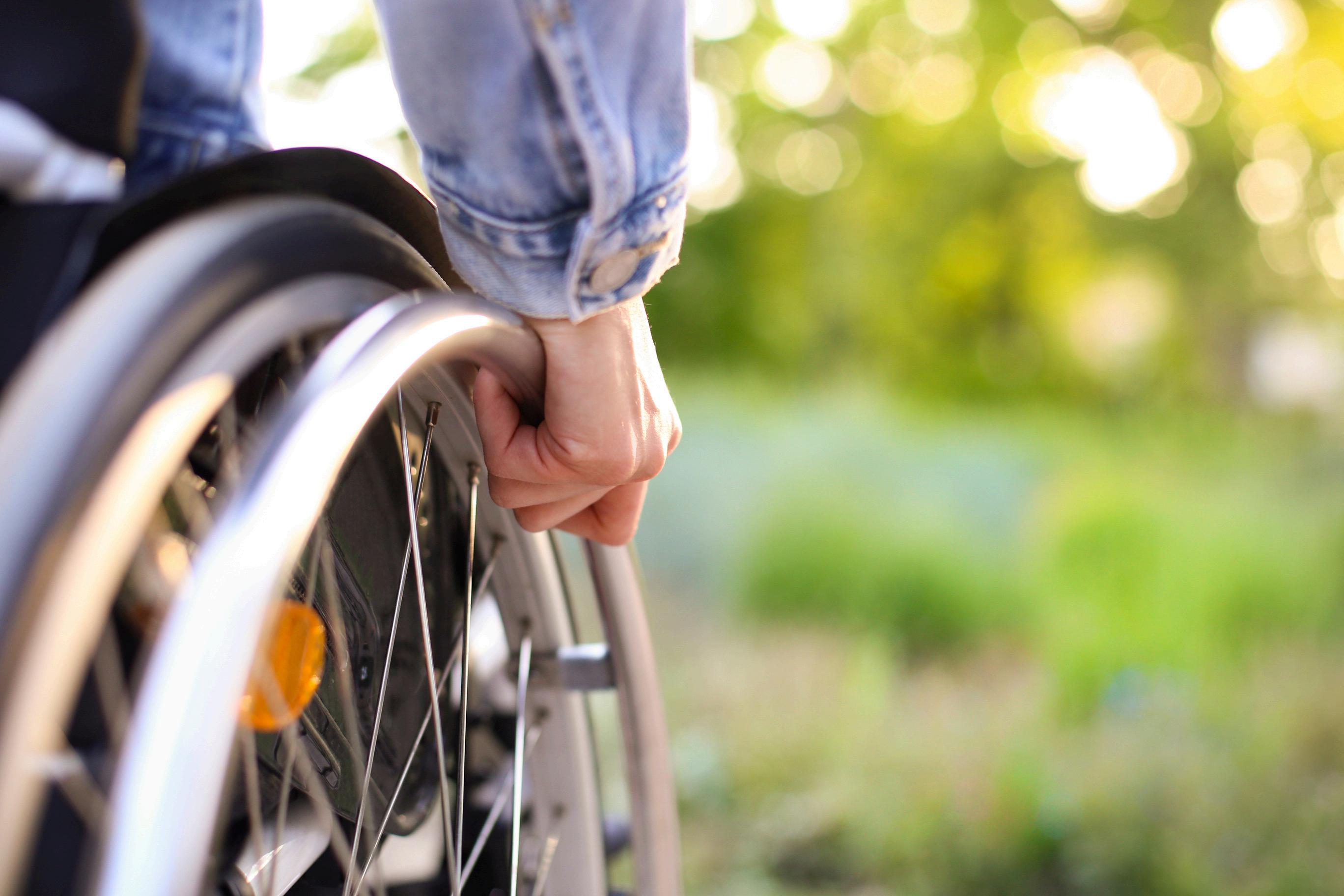
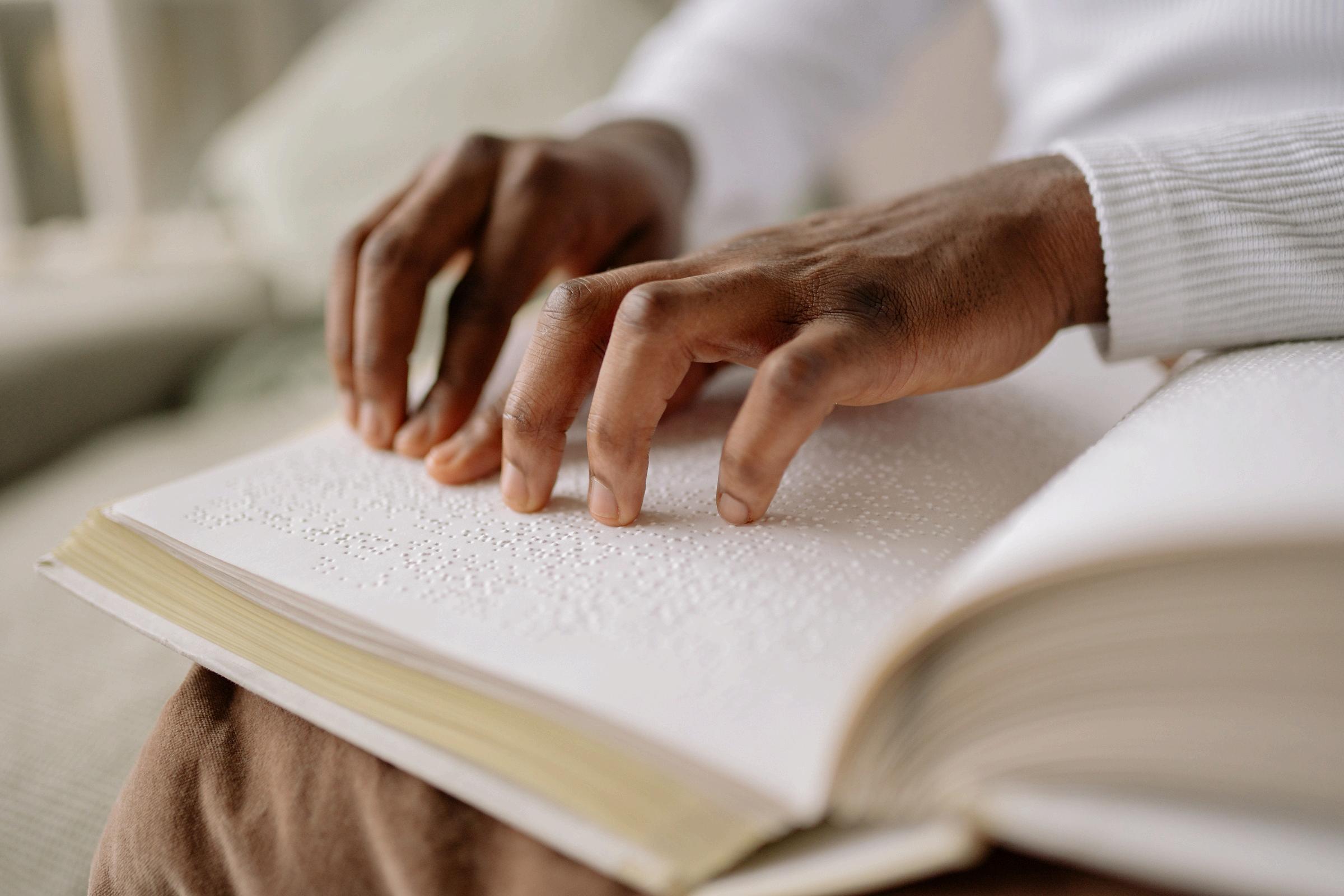
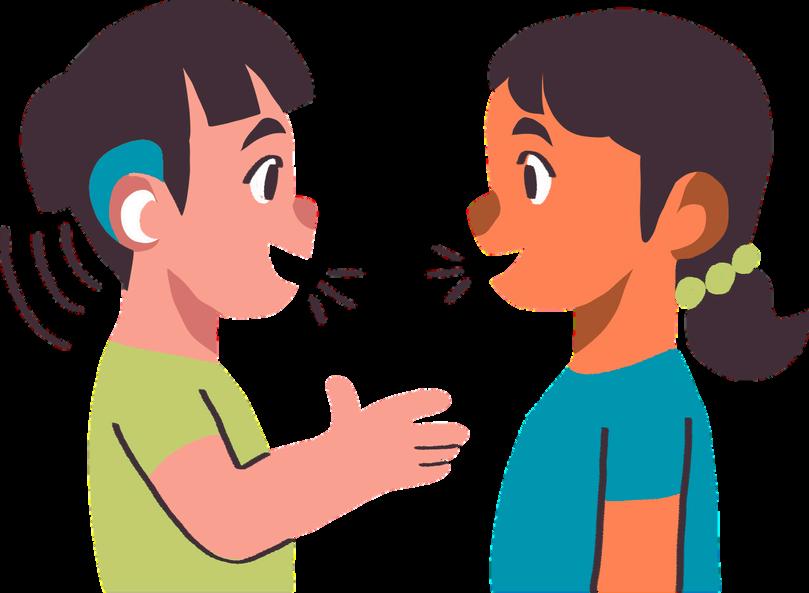
People with disabilities should be listened to, and lead or be involved in designing interventionstoaddressthedifficultiesthattheyfaceinsociety.
The law has specific elements that are designed to reduce discrimination against people with disabilities, but these laws need to be put in effect by all members of societyinorderfordiscriminationtobeeliminated.
Discrimination against people with disabilities persists in many important areas of society,eventhoughthelawismeanttohaveeliminatedthisdiscrimination.
The history of interventions that governments and individuals have made in the lives of people with disabilities is one that has not been entirely positive. From institutionalisation - where people with disabilities were removed from society, often without their consent, and kept in institutions that were often underfunded and understaffed - to exclusion from education and the workforce, the history is bleak. Although, the treatment of people with disabilities has slowly improved in recent decades, there are many elements that still require substantial improvements to make sure that people with disabilities are able to participate fully in society. One of the most important principles in dealing with issues affecting people with disabilities- one of the things that might account for why things have changed for the better - is to ensure that people with the disability in question are actually involved in making decisions that affect them - a commonsloganis"nothingaboutus,withoutus."
The idea that people with disabilities are involved in the decisions that impact their livesisrootedintheideathateveryoneshouldhaveasayinthedecisionsthataffect them. Too often people with disabilities are not consulted, and are not included, in the decisions that shape their lives. The importance of being consulted and included extends to all elements of a population. Throughout South Africa's history, the law prevented the majority of the population from having any say in things that impacted them. This was an insult to peoples' dignity and led to serious human rights violations; this is one of the reasons why in South Africa today, dignity is a fundamental and protected right. Dignity and inclusion are particularly important for those who have been excluded in the past - a group that includes people with disabilities.
The law is a useful tool, especially if it is used to help improve the lives of people within society. To do this, the law needs to help everyone in society recognise and overcome injustice - it is only through acting together that we can change society. Perhaps most importantly, decision-makers and people without disabilities need to listen to people with disabilities as they talk about the obstacles that society places in their path, and each of us, whether we are a person with a disability or a person without a disability, has a significant role to play in creating a society that does not undermine people. The law is an important step, but the law alone is not enough - it isabouthowpeopleact,anditisabouttheirownattitudes.
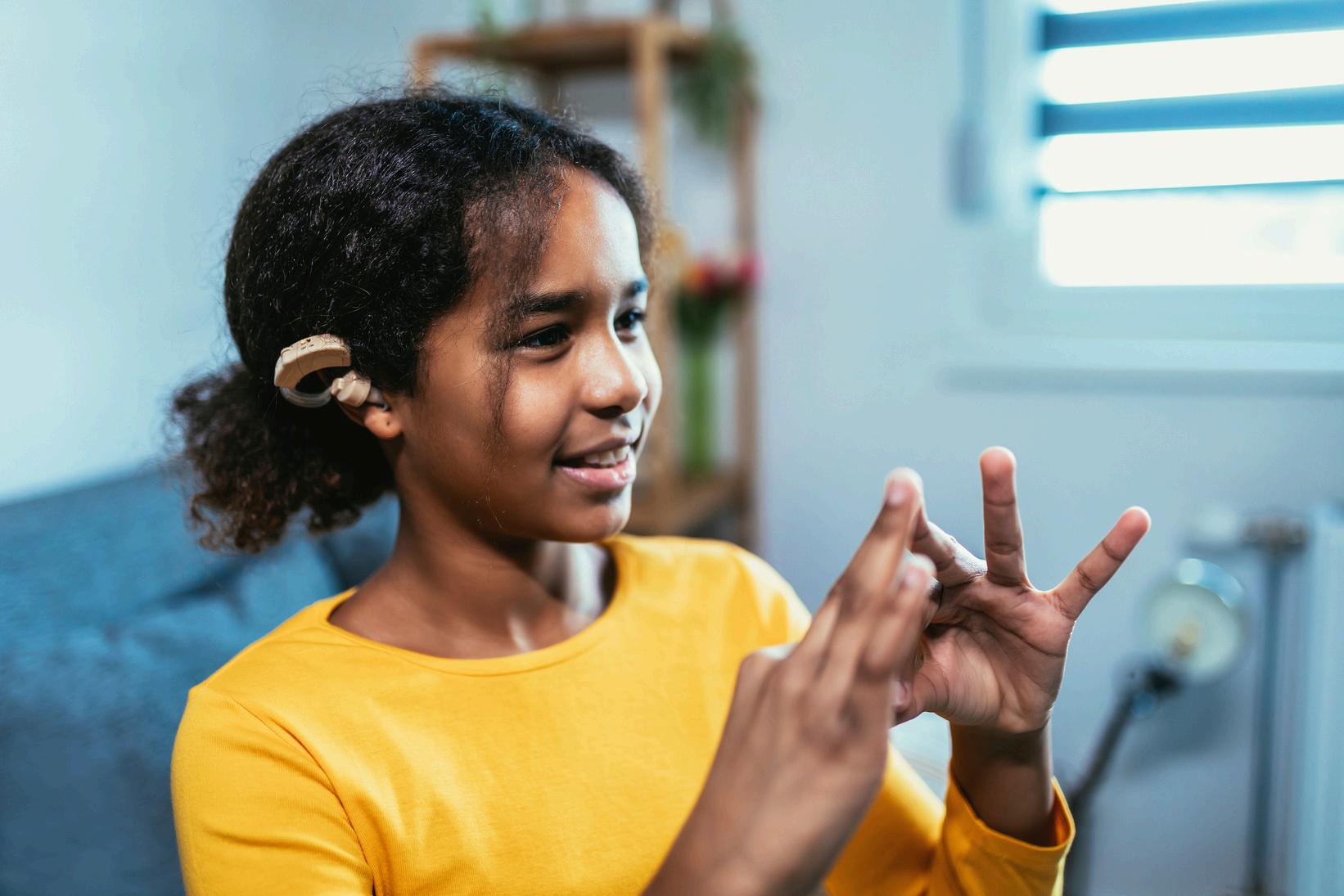

Organisations working with people with disabilities need to place people with disabilitiesattheheartoftheirwork,inleadershipandotherstrategicpositions.
Planning interventions requires people to think strategically about the issue that they want to change in society, and to design a solution that specifically targets thatproblem.
People planning interventions can learn from existing organisations, and tailor some of the ideas that others have tried to their own context, as well as trying somethingcompletelynew.
There are lots of things that we need to change in society to make sure that everyone is able to participate. For too long, society has excluded or undermined peopleforallsortsofreasons-reasonsthatrelatetodifferentelementsofwhoeach person is, including their gender, how they express their gender, who they love, and whethertheyhaveadisability.
The Constitution tells us about how society should change. It protects the right not to be discriminated against, to be treated equally and with dignity. But in order for this to happen, each of us has to think about how we will change ourselves and the worldaroundustobettermakesurethateveryonehastherighttoequality.
In reality, it is vital to consult and work with people with disabilities from the very start of any project. However, our exercise today is one that is designed to make us think about how we can start addressing things that we see as problematic. If we were to take any of these initiatives further, we would need to do a lot of research and consultation in order to make sure that our intervention was addressing the issues that people with disabilities are actually facing in society, not just the things that we think are a problem. Building an inclusive society requires the commitment of every single one of us. We need to understand the rights that everyone in society has,andwhattheserightsdemandofus.