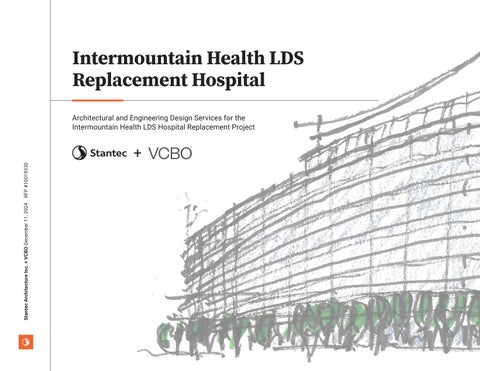
Architectural and Engineering Design Services for the Intermountain Health LDS Hospital Replacement Project
Stantec Architecture Inc.
3133 West Frye Road, Suite 300 Chandler, AZ 85226-5155 December 11, 2024
Attention: Jimmy Nielsen jimmy.nielsen@imail.org
IHC Health Services, Inc.
36 South State Street, 21st Floor Salt Lake City, UT 84111
Reference: Architectural and Engineering Design Services for the Intermountain Health LDS Hospital Replacement Project #10019330
Attestation
We confirm that the fees submitted in the proposal are appropriate for the required work, and all architectural and engineering fees are comprehensive, subject to change only with Intermountain’ s approval based on scope change(s).
We also confirm that this proposal has been reviewed with the design team consultants, and they agree that the fees listed for their portion of the work are appropriate.
Dear Jimmy,
The Intermountain Health LDS Hospital project is a truly transformational endeavor, and we are honored to be considered as a key partner in bringing this vision to life.
Stantec + VCBO have developed a strong partnership through our collaborative work with you, a relationship that we are confident will continue to deliver exceptional results for this landmark project.
From the time our two firms were introduced to each other in 2023 we’ve been aligning around a singular approach to bring key innovations, project delivery excellence, and unparalleled design thinking to replace the historic Intermountain LDS Hospital on the “Sears Site” in Salt Lake City.
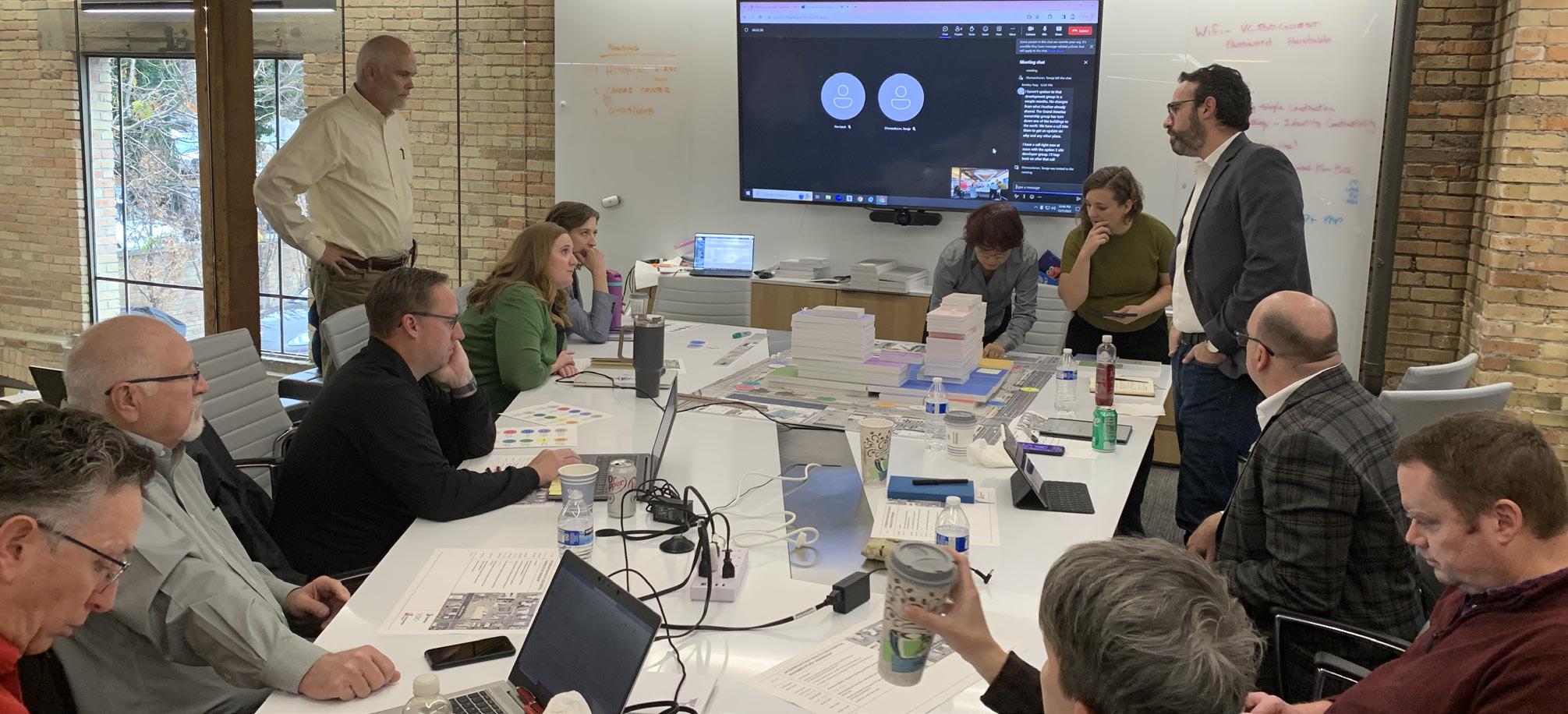
We felt the excitement and passion in the room during the working sessions for the blocking and stacking study for this important next step in LDS Hospital’s legacy. We share that passion and truly understand the importance of this project to Salt Lake City as it plans for renewal of the southern entrance to the downtown core.
We bring to Intermountain Health a team:
y That understands Intermountain Health
y That has the resources of one of the largest AE firms in the world behind it
y That will bring innovation in design and delivery
y That has significant experience in lean planning, design, and project delivery
y A scalable team that can hedge market capacity with architecture and engineering depth
y That will bring solutions to lessons learned from previous Intermountain Health large-scale projects
y That will integrate with the CM/GC to support all possible avenues to increase speed to market
y That will bring a unique differentiation in cost estimation and its connection to the design process
y That shares your passion in realizing the next step in LDS Hospital’s legacy and path forward
We’ve assembled a team of key Intermountain trusted partners and connected them to the resources, expertise, and experience of a world leader in healthcare design that is eager to work with you to lay the foundation for the next 100 years of LDS Hospital!
Mike Williams Principal, Senior Healthcare Planner Mike.williams@stantec.com
Jeffery Pinegar, AIA VCBO Principal jpinegar@vcbo.com
Table of Contents
Why Stantec + VCBO
Our Experience
Relevant Experience
Our Team
Organizational Chart
Key Personnel Resumes
Staffing Commitment
Our Approach
Design Management Plan
Schedule
Pre-Design & Planning
Design
Collaborative Project Delivery
Innovations & Differentiators
Risks & Mitigations
Quality Control/Quality Management
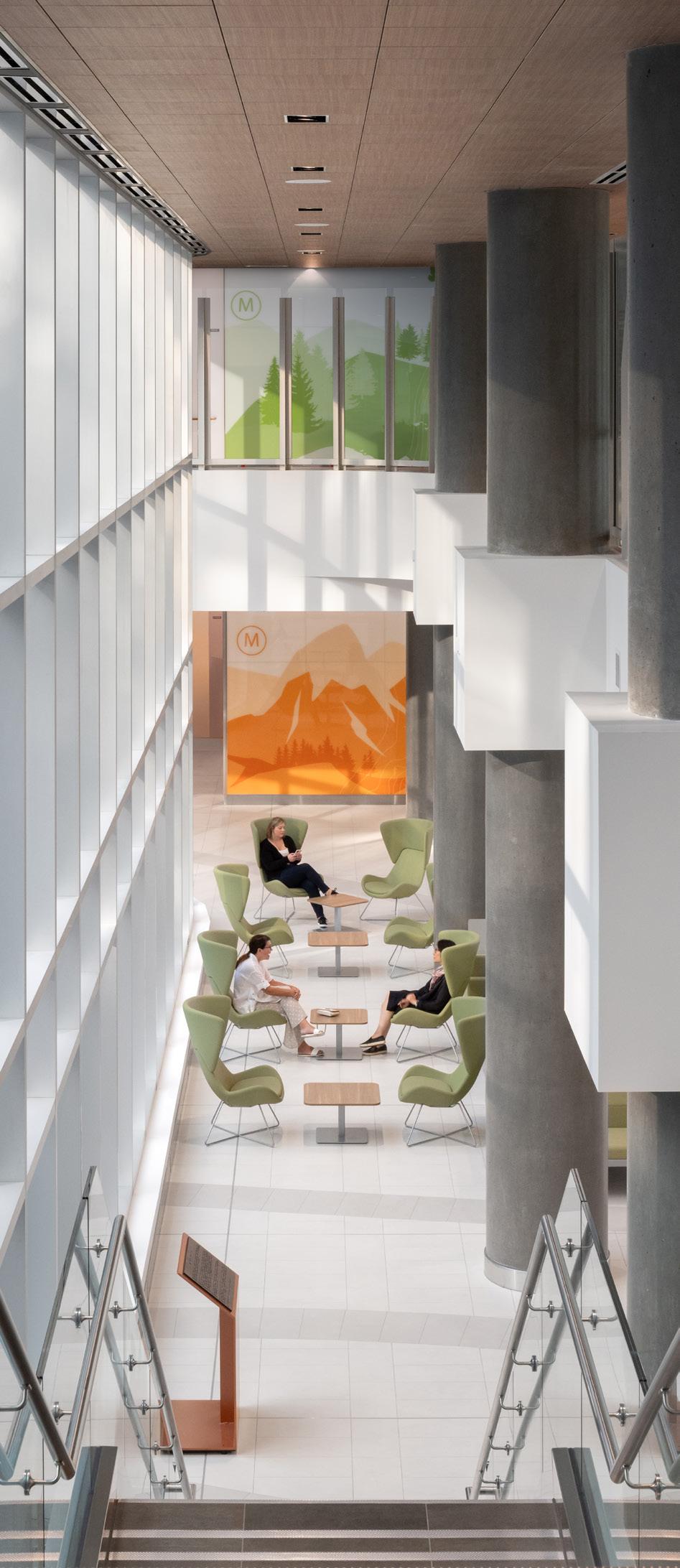
Primary Children’s Hospital, Larry H. & Gail Miller Family Campus, Lehi, UT
Why Stantec + VCBO
Our firms began to discuss a teaming arrangement for this project in a two-day charrette at VCBO’s Salt Lake City office. As these discussions evolved it became apparent that there is a natural alignment in approach and a passion for responsive and caring healthcare environments, and a hand-in-glove fit in approach for the project. This natural alignment has led to other successful partnerships including a strategic master plan for the Utah State Development Center’s American Fork Campus , and the Park City Hospital Expansion Project .
Since that August 2023 meeting, the proposed team has met over 10 times to discuss the project, our teaming approach, and to absorb the valuable lessons learned over the years by VCBO on Intermountain Health projects. Our approach is for this to be a true partnership in both design and delivery, with both firms participating on all aspects of the project rather than the traditional divisions of the work often seen in partnering agreements.
We had the opportunity to work with you on the LDS Hospital Blocking and Stacking Study that helped inform this project. We were excited to work with the LDS Hospital Leadership and the Design and Construction team on the deliverables that supported establishment of the development agreement with the City of Salt Lake to move this project forward. During that process we learned about the key driving principles and historic importance of LDS Hospital to the people of Utah and Salt Lake City. We experienced, and now share, the passion of everyone in the room during the workshops to create the next step in the legacy of LDS Hospital while also creating a beacon for Salt Lake City as it grows and redevelops its downtown vision.
Stantec
With every community, we redefine what’s possible
When it comes to healthcare that means helping connect millions of people to health and wellness close to home. We draw on global expertise to deliver progressive healthcare environments that leverage design to improve patient outcomes and attract top care teams. The firm is consistently ranked among the top five design firms worldwide by Modern Healthcare, ENR, and Building Design & Construction. Last year, we completed 15.5M SF of health projects worldwide.
We are designers, engineers, scientists, project managers, and strategic advisors. We innovate at the intersection of community, creativity, and client relationships to advance communities everywhere, so that together we can redefine what’s possible.
VCBO Architecture
For People to Thrive
Established in 1973, VCBO is a leading architecture firm in the Intermountain West dedicated to creating spaces for people to thrive. Guided by our focus on human-centered design, we deliver thoughtful, high-performing environments across diverse communities and market sectors. VCBO is consistently a top 100 firm in the Intermountain area and this year recognized by ENR as the top architectural firm in the Intermountain West.
As a trusted local leader in healthcare design, VCBO actively researches and implements solutions that optimize care delivery and enhance patient experiences. Working seamlessly together, our core healthcare team brings over a decade of collaborative experience, fostering deep connections with clients and understanding their unique needs. This expertise enables us to craft innovative, functional, and responsive healing environments that meet the evolving needs of providers, patients, and communities alike.
Our Work
Park City Hospital Expansions
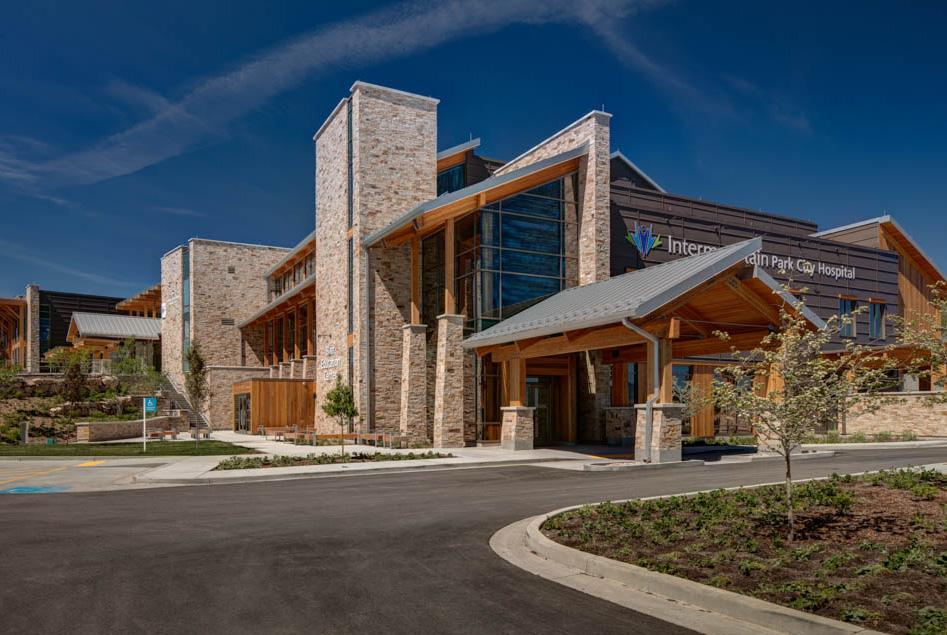
Blending modern functionality with communitycentered design, the Park City Hospital expansion was created to serve the area’s global clientele and elite athletes. Inspired by the community’s historic mining industry, the design integrates timber framing, stone, metal siding, and recycled materials from the original hospital, connecting modern functionality with local heritage. Key features include new clinic spaces, a premier orthopedic center, a high-performance rehab and training unit, the Live Well Center, wellness spaces, and other renovation work.
Currently, Stantec + VCBO are teamed to design a new Cancer Center that includes a Linear Accelerator addition with associated amenities and Infusion and Consultation spaces within the existing hospital. The project also includes an expansion to the Emergency Department, Imaging, and Surgery Suites.
PROJECT INFORMATION
y Owner: Intermountain Health
y Location: Park City, UT
y Size/Completion:
» 85,000 SF North Expansion (2017)
» 12,000 SF Sports Performance Center (2024)
» 5,000 SF OR/CT/Fluoroscopy (2024)
» 32,000 SF Cancer/ED/OR Additions (2026)
Kaiser San Jose Replacement Hospital
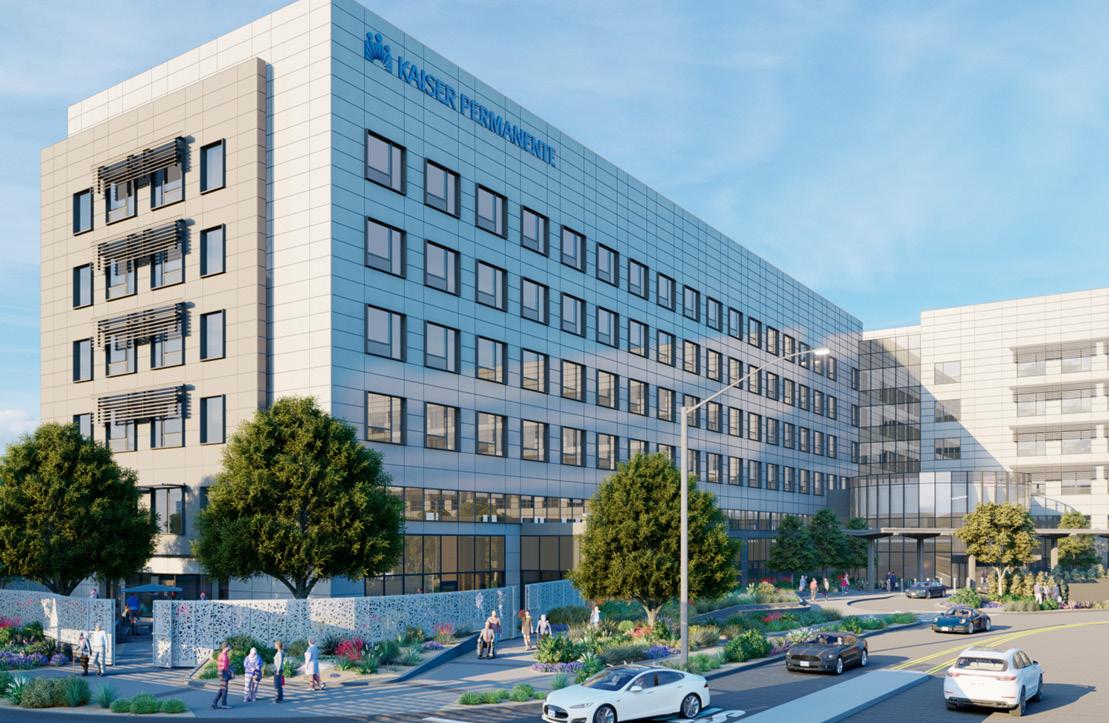
Stantec was selected for master planning, design, and delivery of a new acute care facility on Kaiser’s San Jose campus. The project includes a 303-bed, six-story hospital, 35,000 SF supporting central utility plant (CUP), and a 1,200 space, six-level parking garage to replace an existing surface lot. The hospital program includes:
y Emergency Department
y Diagnostic & Treatment Services
y Imaging
y NICU
y Med/surg
Targeting LEED Gold for healthcare, it will be Kaiser’s first all-electric hospital.
PROJECT INFORMATION
y Owner: Kaiser Permanente
y Location: San Jose, CA
y Size: 650,000 SF
y Completion: 2030
Alta View Hospital Campus Reconfiguration
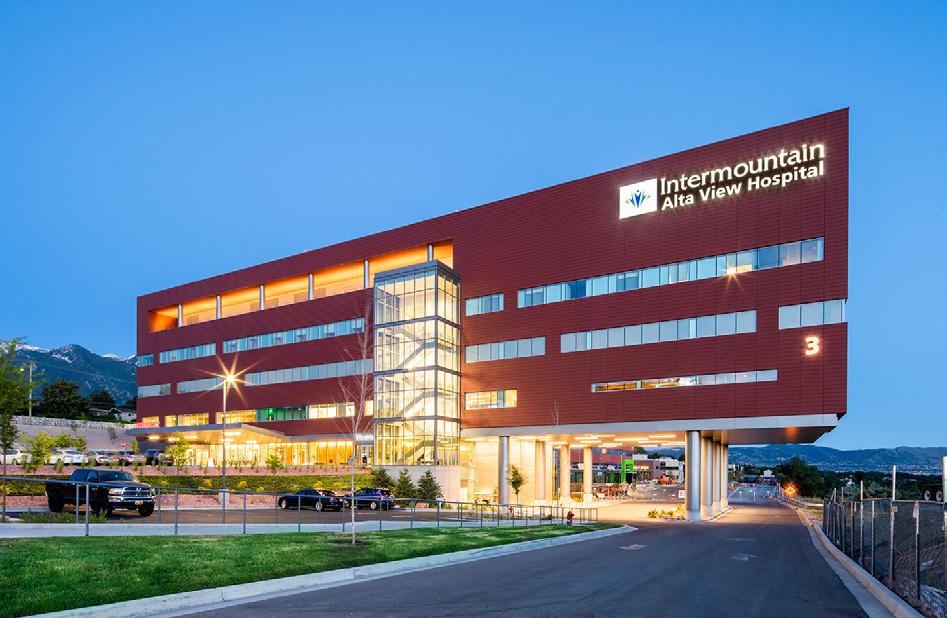
The Alta View Hospital reconfiguration transformed the campus into a cohesive space of healing and wellness, revitalizing the site for long-term care delivery. Divided into two major components — the hospital and the clinic — the project included building demolitions, renovation to existing structures, and two new buildings.
The new design creates an integrated campus experience that reflects Alta View’s mission while connecting to the surrounding community and integrating with the beautiful mountain views. Guided by Lean design principles, VCBO led a collaborative series of eight Integrated Design Events (IDEs), engaging with diverse stakeholders to achieve a shared vision that resulted in an efficient on-stage/ off-stage delivery approach.
PROJECT INFORMATION
y Owner: Intermountain Health
y Location: Sandy, UT
y Size: 250,000 SF
y Completion: 2020
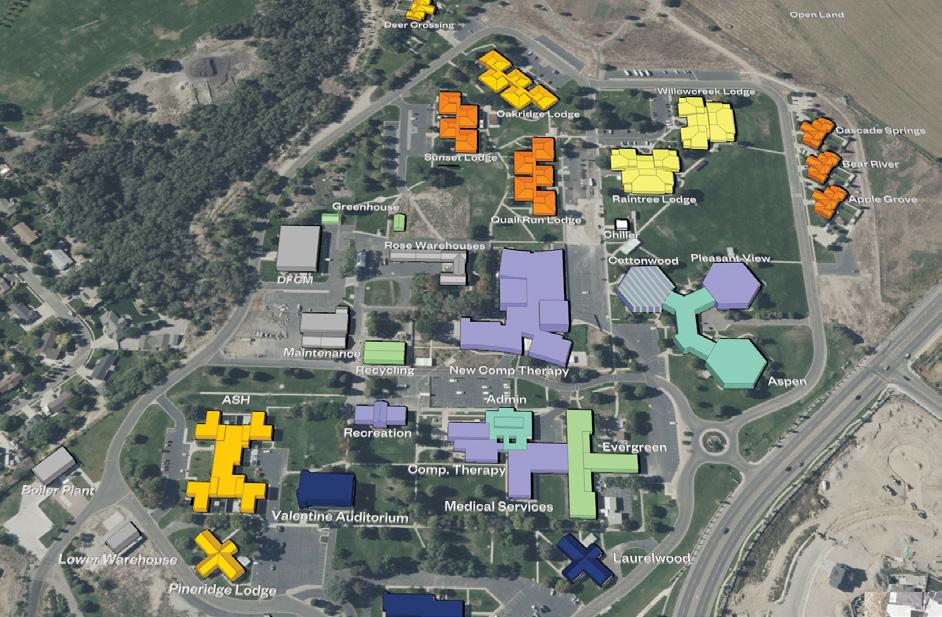
Utah State Development Center
Stantec + VCBO are teamed on a project to master plan 230 acres on the American Fork campus of the State Developmental Center. This campus houses intellectually disabled patients of all ages. Most of the buildings are old and don’t function to meet the program needs for their patients. The goal of the master plan is to plan for 50 years into the future and give the Center the tools to work with the State of Utah to assist in funding for flexible facilities suited to fit patients and programs.
PROJECT INFORMATION
y Owner: State of Utah
y Location: American Fork, UT
y Size: 230 acres
y Completion: February 2025
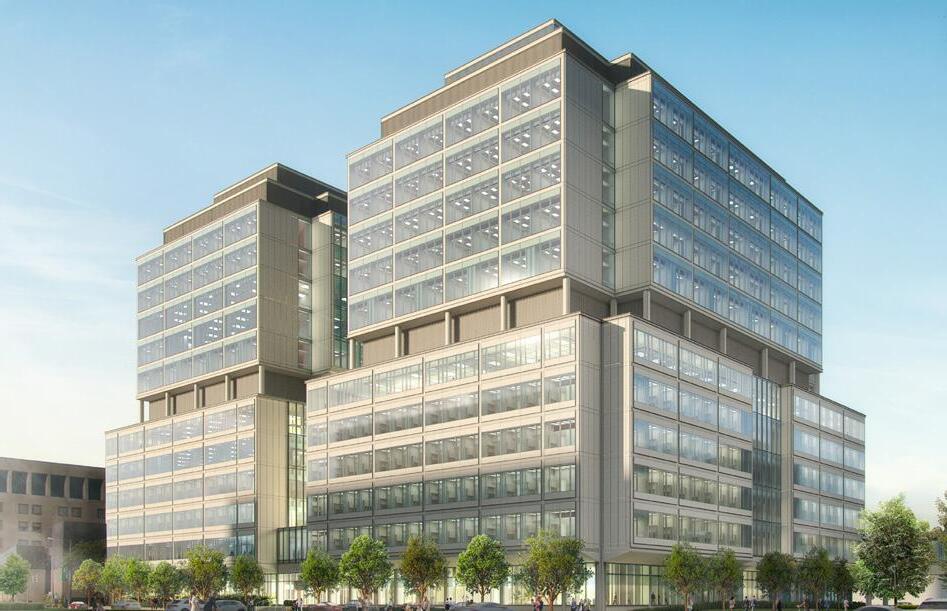
Cleveland Clinic Neurological Institute
Stantec served as the lead medical planner and architect of record for the Cleveland Clinic Neurological Institute (CCNI), a state-of-the-art facility dedicated to comprehensive neurological care. This 14-story building consolidates the neurosciences programs, offering ambulatory, diagnostic, interventional, and inpatient care within. The podium, encompassing levels 1-5, houses outpatient programs designed to optimize convenience and enhance the patient experience. The tower on levels 8-12 includes 218 inpatient rooms, providing a thoughtful progression in care delivery. Between the podium and tower lies an intermediate mechanical level and a surgical floor for both inpatient and outpatient procedures.
Delivering CCNI using the highly collaborative IPD model, the co-located team is on-site in a space that accommodates 100+ people. This centralized location for the team allows for streamlined coordination across the multi-disciplined team and client decisionmakers.
PROJECT INFORMATION
y Owner: Cleveland Clinic
y Location: Cleveland, OH
y Size: 1,000,000 SF
y Completion: 2032
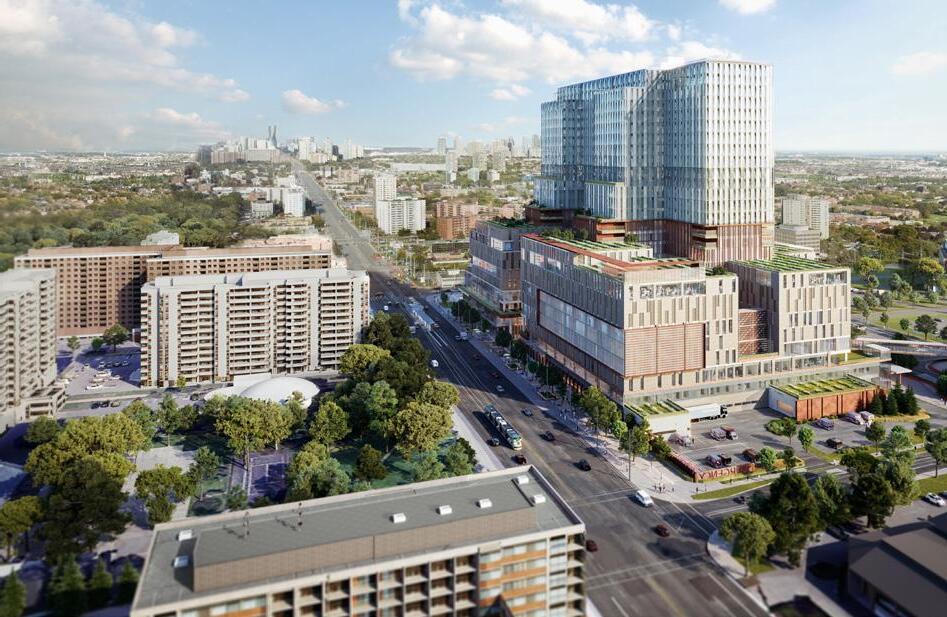
Trillium Health Peter Gilgan Mississauga Hospital
This replacement hospital represents a historical redevelopment and a critical part of our client’s plan to build an interconnected system of care to meet the health needs of its growing and diverse community. At 22 stories, the 950 -bed facility will almost triple care capacity, becoming the largest hospital in Canada. The expansive program includes med/surg, pediatric, women’s health, behavioral health, emergency services, general adult clinics and ambulatory care.
Starting with a Stage 1 Master Plan, Stantec has remained a trusted advisor to the client through development of the illustrative schematic design (ISD) and project specific output specification (PSOS) for this new acute care hospital.
PROJECT
INFORMATION
y Owner: Trillium Health Partners
y Location: Mississauga, ON
y Size: 2,800,000 SF
y Completion: 2032
DESIGN LEADERSHIP
David Martin
Affordable Excellence
Design Leader
Chu Foxlin
Design Manager
Site, Civil
Levi Lloyd Project Architect
Urban Design
Jordan Block
Traffic
Stantec
Landscape
Stantec
Core and Shell
Peter Marks Project Architect
Building Design Brian Crilly
Project Architect Thomas Giles
High-Performance Envelope
Chamonix Larsen
ENGINEERING AND SPECIALTY CONSULTANTS
Stantec
Architecture and Interiors
Fire and Life Safety
Heliplanning/Aviation
Underground Water Mitigation
Mechanical Engineering QA/QC
Electrical Engineering QA/QC
Branding Implementation
SENIOR MANAGEMENT TEAM
Matt Lafflam
Senior Project Manager
Michael Rail
Senior Project Manager
CONTINUITY TEAM
Mike Williams Lean Facilitator
Integrated Design Management
Whitney Ward
Technical Integration/Information Flow
Jon Matalucci
Cost Estimating Paul Martin, Active Estimating
Engineering Project Management and Quality Control
Eric Martin
Coordination and Quality Control
Stantec
EXECUTIVE TEAM
Jeff Pinegar
Project Executive/Design Manager
Medical
Jennifer Storey
Project Executive
Mike Williams Healthcare Planner
Senior Medical Planner Collin Beers
Behavioral Health Robyn Linstrom
Medical Equipment Integration
Lisa Kenny
Interior Architecture
Tracy Chin-Nelligan
Project Architect
Project Architect
Jordan Kravitz
Project Architect/Life Safety
Warren Rutledge
Interior Design
Nancy McKendrick
Ricca
and Interiors
Kimley-Horn
Civil Engineering
Food Service
St. Onge
Vertical Transportation
Materials Management and Sterile
Processing
Pneumatic Tube
Matt Lafflam
AIA, NCARB, LEED AP, MBA
Role Senior Project Manager
29 Years Experience
Phoenix, AZ
Matt has 29 years of professional experience as a principal architect. At Stantec, he focuses on operations, client management, project management, and technical oversight. He is well-versed in leading lean project process and delivery. A highly collaborative, designfocused professional, Matt can deliver large, complex projects with expedited and alternative project deliveries that elevate design while managing budget and schedule.
Key Relevant Projects*
y Intermountain Health
» McKay Dee MOB and ASC
» Logan Cancer Center
» Saratoga Springs
» St. George Regional MC
y Banner Health
» Estrella MC
» Boswell MC
» Ironwood MC
Mike
Williams
NCARB, LCI CPD-SME
Senior Healthcare Planner/Lean
37 Years Experience
Phoenix, AZ
Mike’s career has been dedicated the planning and design of health spaces, focused on programming and planning to support his clients business models. Mike is passionate about driving lean process improvement, throughput right sizing, and connecting operational data metrics to the key driver departments for health care buildings to bring the most value per dollar invested.
Mike’s involved in the Lean Construction Institute (LCI) and has 10+ years experience leading lean design and construction efforts on large healthcare projects using the Lean delivery toolkit.
Key relevant projects:
y Intermountain Health
» LDS Replacement Hospital Massing Studies
» Park City Hospital Expansion
y Cleveland Clinic Neuroscience Institute
y Sutter Alta Bates Medical Center
y Henderson Hospital*
Jeff Pinegar
AIA, NCARB
Role Project Executive, Design Mgr.
42 Years Experience
Salt Lake City, UT
A proponent of evidence-based and lean design principles, Jeff excels at the intricacies associated with complex healthcare projects. His focus on communication and collaboration ensures challenging projects are executed accurately, efficiently, and at the highest level of quality.
Jeff’s experience includes many years of working with Intermountain Health on ambulatory and hospital projects of all sizes and types. He has developed an intimate understanding of Intermountain policies, procedures, and standards and has an outstanding relationship with the Facilities Design & Construction team.
Key Relevant Projects:
y Intermountain Health
» LDS Replacement Hospital Massing Studies
» Primary Children’s Hospital Larry H. and Gail Miller Family Campus
» Heber Valley Hospital Expansion
» Alta View Hospital Reconfiguration
» Logan Regional Hospital
» Park City Hospital Expansions
Storey AIA, EDAC
Role Project Executive
29 Years Experience
Cleveland, OH
Jennifer believes that design excellence should permeate a project at all scales— from the macro scale of master planning and site design to the micro scale of final construction details. A seasoned healthcare project leader with more than 20 years of experience, Jennifer is part of Stantec’s Health Sector leadership team, and experienced in management and delivery of high-profile, complex healthcare projects.
Jennifer is an advocate of an integrated team approach. She appreciates the opportunity to work alongside designers, contractors, the owner, and owner’s representatives where collaboration is at the forefront and decisions are made quickly to keep the project on schedule.
Key Relevant Projects:
y Intermountain Health LDS Replacement Hospital Massing Studies
y Cleveland Clinic
» Neuroscience Institute Building
» Taussig Cancer Center
y Geisinger System-Wide Master Plan
Jennifer
Tracy Nelligan
Medical & Interior Architecture
16 Years Experience
Philadelphia, PA
Tracy’s 16 years of architectural experience is focused on healthcare design. As project architect she is driven by the collaboration between the design team, the client, and most importantly, the end users. Her involvement - from visioning sessions and user meetings, through documentation and construction - results in the intended vision for the project.
For the LDS hospital project, Tracy will lead the medical and interior architecture group which encompasses everything from patient experience to medical equipment.
Key Relevant Projects:
y Cleveland Clinic Neuroscience Institute Building
y UCSF Bayfront Medical Building
y UCSF Precision Cancer Medicine Building
y UPMC Memorial Replacement Hospital
y Northwell Health Syosset Ambulatory Surgery Center
Jon Matalucci
Technical Integration
13 Years Experience
Phoenix, AZ
Jon has over a decade of experience in architecture ranging from small-part design and fabrication to large-scale project planning, development, documentation, and implementation. Leveraging his background in advanced technology platforms, Jon excels at decision-making, visualization, and waste elimination in processes. He has worked on acute and ambulatory facilities of all sizes and complexities, as well as commercial, educational, institutional, and public sectors. His master planning work includes process simulation and operational modeling, and he has experience in applying both BIM and design directly to fabrication.
In his role on this project, he will be responsible for information flow with the design and construction team and will supervise technical integration.
Key Relevant Projects:
y Intermountain Health LDS Replacement Hospital Massing Studies
Nancy McKendrick NCIDQ, WELL AP
Interior Design
34 Years Experience
Salt Lake City, UT
A seasoned interior designer, Nancy strives to create thoughtful, clientcentered environments. Her portfolio spans a diverse range of typologies, including healthcare, corporate, civic, and higher education spaces, each showcasing her commitment to design excellence and attention to detail.
With expertise from project programming through construction completion, Nancy approaches each project with a dedication to sustainable, healthy design that reflects the culture and needs of her clients. Known for her thoroughness and problem-solving acumen, she consistently delivers solutions that exceed client expectations and contribute to long-lasting, impactful spaces.
Key Relevant Projects:
y Intermountain Health
» Alta View Hospital Expansion
» Logan Regional Hospital Expansion
y University of Utah
» Clinic 6 Pediatrics
» Madsen Clinic Pharmacy Remodel
» Clinic 1 & 1A Remodel
Levi Lloyd AIA
Project Manager
16 Years Experience
Salt Lake City, UT
With his keen eye for detail, Levi excels when given the opportunity to create meaningful spaces. He believes that the built environment can positively impact the well-being of its residents and improve individual outlooks during times of crisis.
With his experience in building information modeling (BIM), Levi produces comprehensive construction documents and works collaboratively with contractor personnel through the construction administration process. This knowledge helps him ensure that each project is completed to his client’s satisfaction. Levi is known for his professionalism and ability to find creative solutions to design challenges.
Key Relevant Projects:
y Intermountain Health
» Park City Hospital Expansion
» Primary Children’s Hospital Larry H. and Gail Miller Family Campus
» Logan Regional Hospital Expansion
» LDS Hospital Simulation Center
» Intermountain Medical Center Cancer Center Renovation
Staffing Plan + Time Commitment
Collin Beers
Our team takes our responsibility to safeguard Intermountain Health’s interests with utmost seriousness. If/when any immediate action is needed regarding urgent items regardless to what phase of the project, it will first be immediately addressed by Mike Rail assessing who best to respond. If it can be addressed on-site immediately that is preferred. If it needs to be escalated to consultants or up the chain to the team’s leaders, that will happen immediately. VCBO’s Salt Lake office is five minutes from the site, and we can be there ASAP.
We want Design & Construction to know that at any time, for any issue large or small, urgent or not urgent, they can get on the phone and call Mike Williams and/ or Jeff Pinegar to discuss and help resolve. We will use all resources necessary to take care of these needs.
We are dedicated to collaborating closely with decision-makers to proactively address concerns and swiftly implement effective solutions. We further commit to providing timely responses to RFIs. Submittals, PCOs, and other tasks will be addressed swiftly and not languish in logs. We have a track record of taking responsibility for working with owners to resolve difficult problems. We commit to Intermountain Health that continued relationship.
Design Management Plan
Our pre-design management plan is the product of multiple collaborative meetings between Stantec + VCBO
Masterplan options including future growth, flexibility, and site circulation
Construction Phasing/Early Packaging
Final Deliverable: Rendered masterplan with provisions growth
Programming
Benchmarking/Current State Analysis/Existing facility tours
Space Program Validation/Department meetings
Energy Goals
MEP Space Requirements
Operational Modeling major department - Program right sizing
Finalize Space Program
Final Deliverable: Final Space Program
Key Design Approaches
Lean Planning Approach
Our planning process incorporates Lean principles, combining data-driven analysis with experience mapping. By evaluating the eight flows in healthcare environments alongside patient experience journeys, we optimize operational efficiency and patientcentered care.
To support Intermountain Health’s commitment to continuous improvement, we will collaborate with your CI leaders early to align processes before Integrated Design Events (IDEs). Additionally, data from comparable Intermountain Health facilities will establish baseline metrics, including utilization, demographics, and staffing models, to effectively guide planning.
Key Process Points
1. Program Validation: Review supporting business plan metrics, utilization growth projections, and 10–20 year growth horizon.
2. Benchmarking: Analysis of 3–5 years of departmental utilization data. Forensic programming to create efficiency benchmarks and validate program requirements.
3. Room Modeling and Mock-Ups: BIM models of key spaces will be developed using Intermountain Health templates. Full-scale physical mock ups will serve as onboarding tools for GC/Trade teams.
4. Site Programming: Define key site constraints, plan future expansion paths, and optimize patient access, arrival patterns, and parking.
5. Lean Process Improvement: Lean approach integrates benchmarking data, growth targets, and process mapping for key departments to identify barriers and streamline throughput.
Empathy
and Experience Mapping
Alongside quantitative programming, we prioritize the patient, family, and staff experience. By identifying key moments in the care path, we implement design solutions to enhance experiences, reduce stress, and build confidence in care delivery.
Combining qualitative focus with quantitative analysis of program utilization and flow progressions, we allow for a unified approach that avoids rework and eliminates the risk of siloed teams working independently.
Healing by Design
In addition to supporting the “Healthcare Ecosystem,” we recognize the importance of a “Digital Ecosystem” in enhancing patient outcomes and experiences.
Healthcare technologies often evolve faster than buildings can be constructed. To accommodate advancements, facilities must be designed with adaptable power, data, access, and flexible systems, ensuring life-changing technologies can be integrated both during construction and in the future.
Stantec + VCBO Realm
DIGITAL ECOSYSTEM
Flexibility and adaptability
Healing happens here.
HEALTHCARE ECOSYSTEM
Understanding the environment
Healthcare ecosystems support patients directly. The technology ecosystem supports the system that supports the patients. Healing happens at the intersection – at the heart of what we do.
Design Knowledge
As recognized leaders in healthcare design, Stantec + VCBO’s design is informed by years of experience and constant research on relevant trends and cutting-edge techniques. Our insights and experiences will advise our approach to the LDS Replacement Hospital project, enabling us to consider both broad, emergent factors, and specific needs.
Hospital, Medical Office/Clinic, and ASC planning and design
Stantec + VCBO are recognized leaders in healthcare planning and design, with expertise spanning Utah, North America, and beyond. Our teams include subject matter experts in orthopedics, behavioral health, surgery, and womens services, who bring valuable insights and lessons learned to this project.
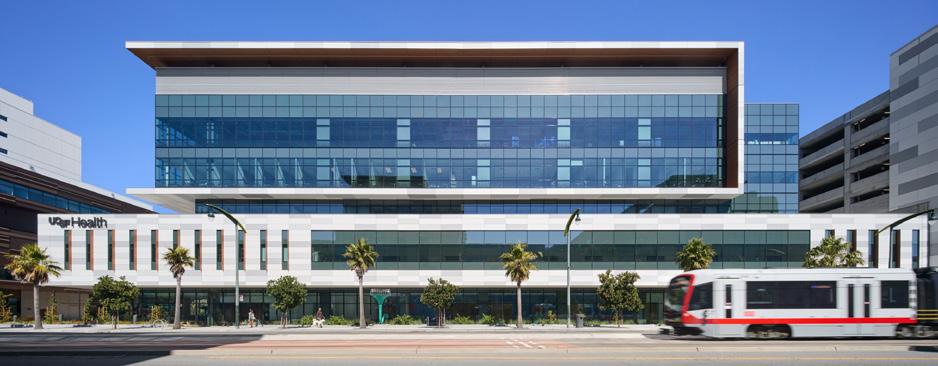
Example: UCSF Bayfront Medical Building
Stantec-designed UCSF Bayfront Medical Building as an ASC and clinic building with 8 ORs, clinics, urgent care, imaging, and retail and compounding pharmacies. Bayfront provides essential healthcare services to San Francisco Mission Bay and Dogpatch neighborhoods.
Planning of care sites in dense urban settings with limited site area.
Stantec is well-versed in design for urban environments, including work in Vancouver, Toronto, San Francisco, and Philadelphia. We understand the unique challenges and opportunities associated with these facilities; from patient and staff experience to the logistics of construction in congested area.
Mechanisms to expedite the design and construction schedule.
Our team has experience in highly collaborative IPD projects that have been delivered under budget and ahead of schedule. This unique experience will be invaluable to Intermountain Health’s leadership and the CM/GC (and trades) around a Target Value Delivery process that will be centered on the release of work and the cost of the work in real time.
Example: UCSF Medical Center at Mission Bay
Despite a traditional contract, the client favored an integrated approach with the owner, design team, general contractor, and subtrades all co-located on site, delivering success in multiple ways. Significantly, the team was able to accommodate a major design change midway through construction that had no impact to the schedule or budget. Additional Stantec work in IPD and IPD-like environments for Sutter Health, Penn Medicine, and Cleveland Clinic offer similar success stories.
Patient-centered design
The on-stage/off-stage design is a key patientcentered design concept. By simplifying the flow of visitors, increasing privacy, and reducing staff footsteps, on-stage/off-stage design improves the patient experience by putting their needs at the forefront. We have been at the forefront of this delivery method since 2013.
Example: Primary Children’s Hospital, Miller Campus
Intermountain Health’s motto of ‘The Child First and Always’ is exemplified by this VCBO-designed project. The design team created each space through the lens of how a child would interact. Diversions to distract were integrated throughout to bring joy to the children — animal footprints in the floor tiles, murals along the walls and nurse stations, colored lighting, and more.
We believe the built environment should support healing and best-practice medicine, improving clinical outcomes for patients while providing significant benefits to families and staff.
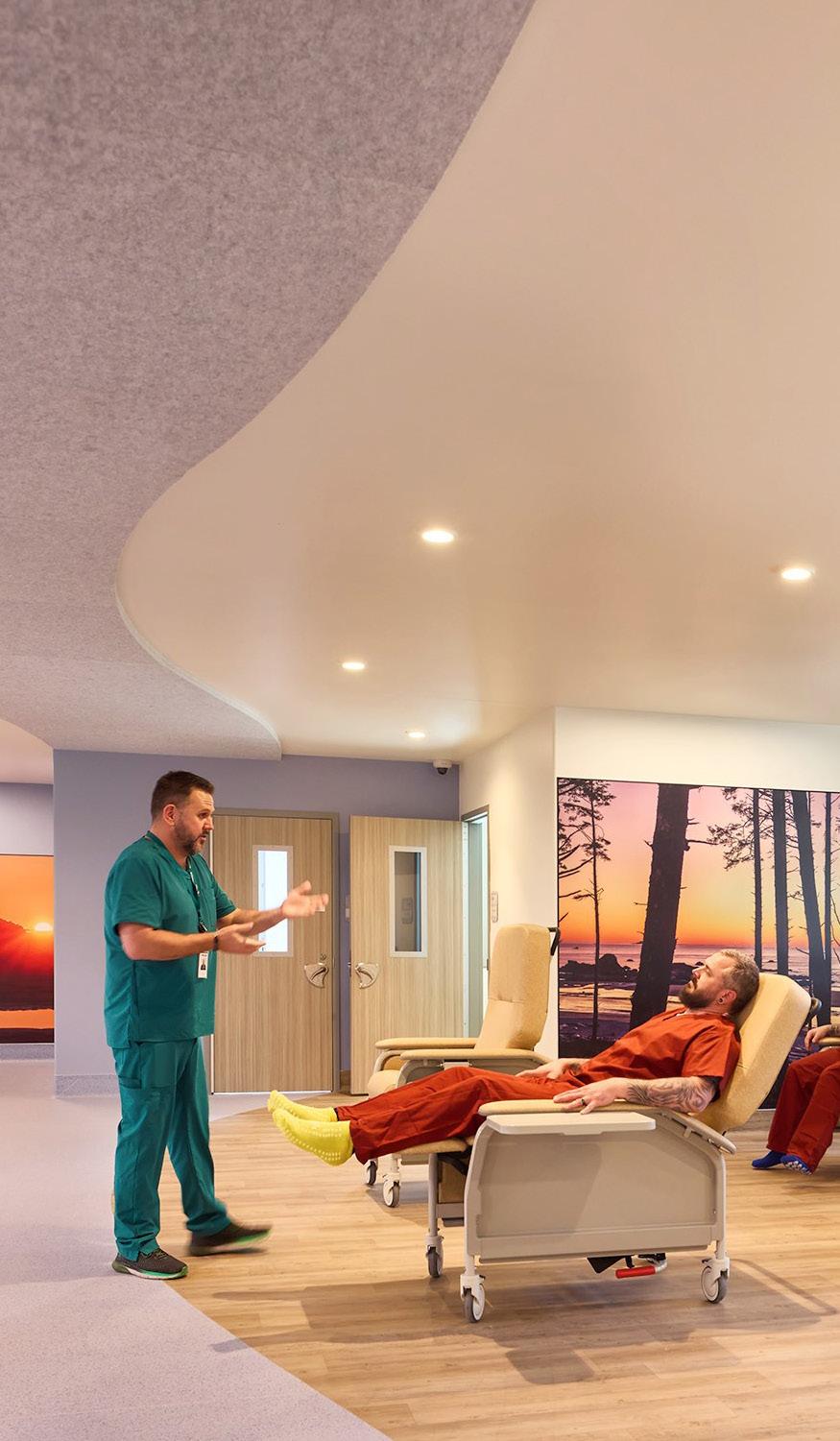
Connections Health Crisis Response Center, Kirkland, WA
Our Approach
The Stantec + VCBO team has developed an approach to the LDS Replacement Hospital project that we believe will achieve Intermountain Health’s goal: Helping people live the healthiest lives possible.
Stantec + VCBO led a high-level conditions of satisfaction workshop with the leaders of the Design and Construction group as well as the leaders of LDS Hospital that yielded the following vision statement:
The new hospital will expand the LDS legacy and market share by providing better access and the highest quality of care for those near and far for the next 100 years. It will be the new beacon of downtown Salt Lake City, and a place patients and staff feel safe and proud to call home.
Beyond the vision statement, we identified the following conditions of satisfaction. These statements of value will guide our design approach:
y Efficient site use and flexibility in built spaces
y Patient Centric, yet enabling efficient care delivery
y Intuitive and simplified wayfinding for vehicle and pedestrian flows
y A safe and walkable campus accessible to and satisfying diverse patient populations.
y A campus that promotes wellness and inclusiveness
y Versatility and flexibility to allow future growth, program changes, and mobility mode transition
y Technology ready, pandemic prepared, and resilient
y LEED silver equivalent campus with strategies to maximize efficient use of resources
y Meets budget and schedule requirements
y Street activation that serves all, with indoor and outdoor spaces for community
This project will create a holistic, seamless patient experience from the initial approach through the building’s exterior and interior spaces. Every design aspect—architecture, landscape, signage, and
technology—is crafted to guide visitors and patients through a thoughtful journey, providing an efficient, welcoming, and meaningful experience.
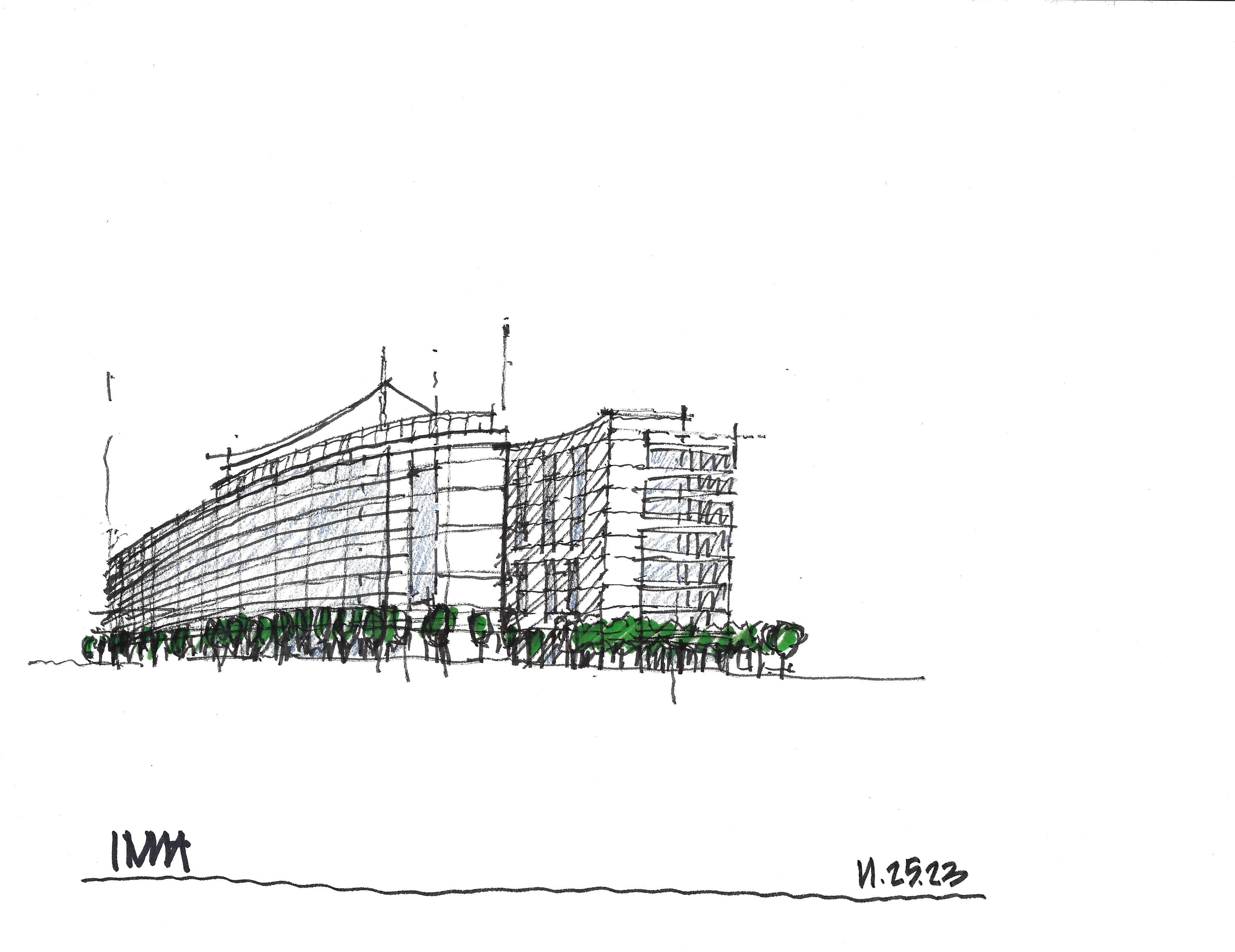
Landmark project with visual impact: A true landmark, it will be visible from the highway, State Street, and Main Street. Its architectural form and scale will serve as an iconic symbol of LDS Hospital, creating a lasting first impression and contributing positively to the environment.
Campus feel with meaningful connections: Our design will foster a distinctive campus identity, that integrates with the surrounding community. Thoughtfully designed pedestrian pathways, vehicle access points, and green spaces that encourage interaction while maintaining the required privacy for a healthcare facility.
Intentional arrival points: Whether by car, foot, or TRAX, the arrival experience will be a welcoming and efficient transition from outside to inside. Clearly defined and thoughtfully positioned arrival points will prioritize ease of access and inclusiveness, with intuitive wayfinding for both drivers and pedestrians.
Seamless immersion through design: An immersive experience with architecture, graphics, signage, and technology working together will create an intuitive flow. Culturally competent signage and interactive technology - wayfinding kiosks or mobile apps - will provide real-time information, so that visitors feel confident and informed at every step. This cohesive design allows for a stress-free and welcoming experience.
Left: Arthur J.E. Child Comprehensive Cancer Centre, Calgary, AB
Pre-Design Planning
The LDS Replacement Hospital project faces several pre-design challenges:
y Traffic analysis: Overlaying employee shifts and patient transportation loads to determine optimal site access.
y Dewatering and underground parking: Evaluating the cost-to-value benefit of underground parking and its impact on building layout and future expansion.
y Central Plant placement: Deciding between covering valuable site space or embedding the plant within the building, affecting cost and future flexibility.
y Master Planning: Identifying areas for key department expansions and right-sizing support spaces for a 20-year buildout, including a flexible parking master plan.
We will initially focus on these 4 areas, creating a decision matrix to support the team’s efforts in maximizing the site within the cost, schedule, and programmatic framework to meet the business plan, while creating a clear path to future expansion. The decisions made to accommodate each of these 4 points must precede the program validation process, since possible solutions will impact building height, future flexibility (open areas vs possible need for additional shell floors in the initial project), and parking and site access.
Pre-Design Process
Zoning and Community Engagement
Our team is well-versed in the City of Salt Lake’s zoning, development agreements, and street activation requirements from our blocking and staffing efforts. We have strong relationships with the AHJs overseeing approvals, and will leverage these strengths for a streamlined approval process, maintaining regular touch points to avoid surprises.
Key planning and zoning committee members will be included during milestone reviews to provide real-time feedback. A constraints, risks, and opportunities log allows us to maintain focus on key approvals and keep the project on schedule. Quick reports and site visuals will be created to review progress, building on existing models and deliverables.
Planning for Flexibility
Our master planning effort will focus on future growth and the flexibility needed to accommodate the evolution of this campus over the next 20 years.
How parking, street access, and site coverage is approached will effectively set future flexibility as market demands create opportunities for expansion and service line focus. Areas of flexibility that we can potentially control and plan for include:
y Flexible structural grids in all connected buildings.
y Flexible parking structures that can be converted into enclosed buildings.
y Construction of all buildings to allow for “I” Occupancy and Type 1 classification.
y Systems distribution pathways defined to allow for centralizing utilities.
y Location and sizing of site accesses to anticipate the demand/need of a full site buildout.
Future State Programming Beyond current state master planning, we believe a high-level future state programming effort will help anticipate what might come next. This effort is necessary to make sure we are leaving “empty chairs” on the site in the correct location, while also placing the units/departments/ elements most likely to expand in locations that will cause the least disruption when the expansion happens.
Urban Context
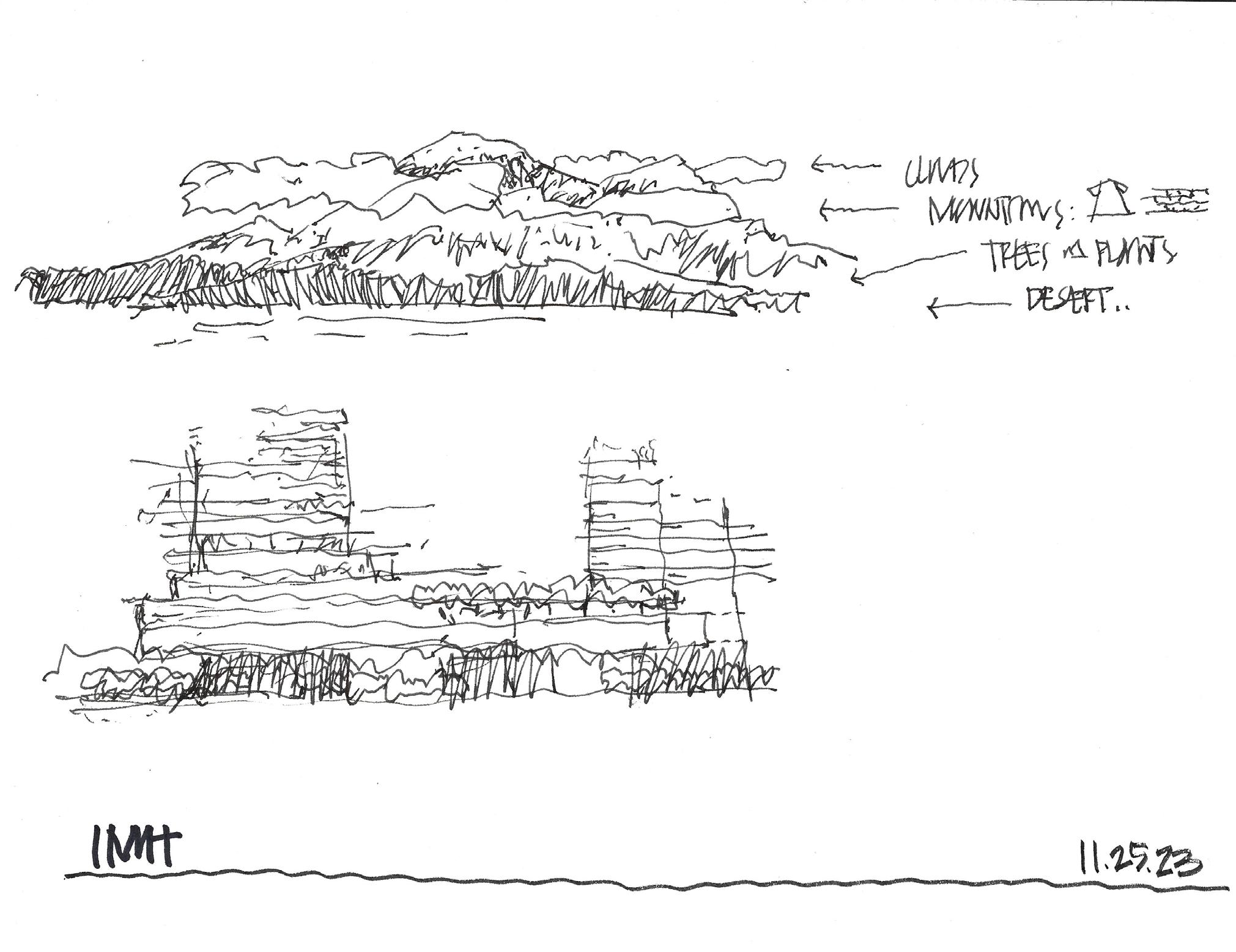
An urban hospital is not just a service-provider to a community, a city, and a region, it is a physical presence within it. The Sears site is a very urban setting that must respond to a complex and dynamic community-centric context. As a neighborhoodembedded healthcare institution, the LDS Replacement Hospital has the opportunity - and possibly the responsibility - to become integral to the community’s daily experience and way of life. If done correctly it becomes a beloved community fixture, a health provider not only to the region but a trusted neighborhood partner. Becoming a community treasure does not happen by accident; it takes purposeful planning and design by a team who specializes in community building.
Engineering Approach
The Stantec + VCBO team has laid the framework that will enhance the engineering and production capacity of Intermountain’s long time trusted partners: VBFA, Spectrum, and Reaveley. Over the last 18 months we’ve had ongoing discussions that focus on delivery, capacity, coordination, advanced engineering, QA/QC, and staff augmentation from Stantec’s healthcare engineering platform. We recognize that multiple significant Intermountain projects will be on similar schedules which will impact existing workloads of each firm. Our team will have monthly check ins with the firms to review capacity and quality.
y Engineering Oversight
» We propose a dedicated Stantec Engineering PM to oversee and maintain continuity between consultants and work packages.
y Scalable Engineering Capacity
» We propose our own Mechanical, Electrical, and Structural engineers to “backstop” the preferred Intermountain Engineering Partners.
y Engineering Quality Control
» Stantec’s engineers will provide peer review and enhanced coordination.
y Engineering Thought Leadership
» Stantec will provide engineering thought leadership during Pre-Design, offering experience with MEP engineering trends to the conceptualization of the project.
Innovations/Differentiators
We will use a lean project delivery overlay and structure that will be set with Intermountain Health during the onboarding phase.
Our schedule will be managed using the Last Planner System and tracking the design schedule weekly.
Risk and Opportunity logs will integrate our real-time cost estimating partner who will provide early and specific feedback on project risks and paths back. We will manage and lead this process.
We will integrate the CM/GC and subtrades into our cost modeling and scoping efforts as they onboard to the project. We will use a single BIM model for all project information and directly connect it to our cost estimating. The CM/GC will also have access to the model.
The Stantec + VCBO team will be a single entity to Intermountain Health. We are not “siloing” the work into separate responsibilities broken down by individual firms.
Cost Estimating
Our cost estimator has access to large data models and uses AI to create true component level cost estimates which can be created as early as the programming phase. We believe there is significant value in a component-level estimate during the pre-design phase as it creates a much more complete evaluation of the ongoing work over the more typical ‘cost per square foot’ approach.
This access to individual systems cost can speed up decision making and enables the team to move the design forward in a true TVD method.
We will implement weekly cost updates, broken down into ‘buckets’ that align with our Cluster Groups. This will allow for a consistent flow of information and prevent the need for value engineering ‘do-loops’ to address cost overruns.
At the close of the Blocking and Stacking effort the Stantec + VCBO team was asked to provide high level budget estimates for the various project components as they were then defined. These estimates applied to the RFP scope indicate that this project could be between $600 and $700 million. These numbers we provided were pulled from the Utah market GCs and cost estimators.
These costs were provided by the firms under consideration to build this project. However, we believe there is significant opportunity to reduce these costs while maintaining the program connected to the capital expenditures. Speed to market, innovation and program efficiency are important approaches that can reduce costs and shorten delivery.
Risks and Opportunities
From day one, our team will create detailed risk and opportunity logs to align with Intermountain Health and identify potential challenges early in the project. This proactive approach goes beyond the typical “Draw – Estimate – Value Engineer” process commonly used in large capital projects. By closing the information loop through collaborative delivery cycles on a weekly or bi-weekly basis, we can reduce waste and enable faster, more durable decisionmaking.
We will produce weekly dashboards that track the design schedule, decisions, constraints, risks, and opportunities to guarantee transparency and accountability. This “visual accountability” strategy keeps the entire team updated on progress and highlights key constraints and decisions needed to maintain project momentum.
Identified Risks
Potential risks identified during the Blocking and Stacking study include:
y Groundwater management and foundation/parking strategies.
y City design reviews and approvals.
y Rising market costs and labor constraints.
y Depth and workloads of Intermountain Health’s trusted partners.
y Capacity of Intermountain Health’s Design and Construction department.
y Speed-to-market strategy amidst current market conditions.
y Timeliness and durability of decisions.
y Traffic patterns and site access points.
Mitigation Strategies
We have developed the following specific strategies to address these risks:
y Early Design Options: Initiating component-based estimating from day one to inform design and budget alignment.
y Compliance Focus: A dedicated “Cluster Group” to address compliance, including the design/ development agreement.
y Innovation Sessions: Collaboration with modular builders to explore offsite construction options and foster competition.
y Engineering Support: Leverage Stantec’s healthcare engineering platform for QA/QC and thought leadership to support VBFA, Spectrum, and Reaveley.
y Leadership Integration: Aligning Stantec + VCBO management leadership with Intermountain Health’s Design and Construction leadership to provide continuous feedback.
y Parallel Design and Construction Paths: Maintaining the capacity for concurrent design and construction efforts if offsite or prefabrication solutions prove advantageous.
y Milestone Planning: Using decision planning and the Last Planner System, with weekly schedule updates via dashboards to monitor progress.
y Traffic Modeling: Providing detailed traffic modeling for current conditions and future facility-related arrivals and departures, both for initial and subsequent site builds.
Quality Control | Quality Management
Our team includes an integrated code compliance group that acts as a 3rd party code review consultant for municipalities in the Western US. This group collaborates with the design team and AHJs to produce life safety and code compliance reports at key design and construction milestones. Stantec’s ISO 9001 Certification QA/QC process engages architecture and engineering teams throughout the design schedule, providing comprehensive QA/QC reports.
Project Management Frameworks
Stantec’s Project Management Framework identifies the critical tasks that will help to manage risks and quality on a typical project. The ten points of the PM Framework represent the project requirements of our Integrated Management System:
STANTEC'S PM FRAMEWORK
00. Prepare proposal, including a preliminary Project Plan with scope, budget, resources, deliverables, and schedule. Conduct and document an independent review of the final proposal.
01. Obtain written instructions to proceed and execute an approved written contract. Obtain written subconsultant agreements.
02. Prepare Project Plan with appropriate level of detail. Conduct/document independent review.
03. Establish hard copy and/or electronic project record directories. File project records.
04. Complete a Health, Safety & Environment (HSE) risk management assessment, document all projects involving field work.
05. Monitor the project management dashboard regularly. Follow best practices for managing project financials, including time, work in progress, accounts receivable, and estimates to complete.
06. Obtain client’s written approval on scope of service changes in a timely manner.
07. Conduct and document a quality review of all final deliverables prior to issue.
08. Conduct and document an independent review of all final deliverables prior to issue.
09. Close off the project financials and close out the project files.
Stantec is a global leader in sustainable architecture, engineering, and environmental consulting. The diverse perspectives of our partners and interested parties drive us to think beyond what’s previously been done on critical issues like climate change, digital transformation, and future-proofing our cities and infrastructure. We innovate at the intersection of community, creativity, and client relationships to advance communities everywhere, so that together we can redefine what’s possible.