British Shorthair Cat Food: The Ultimate
Diet Guide for a Strong and Healthy Cat
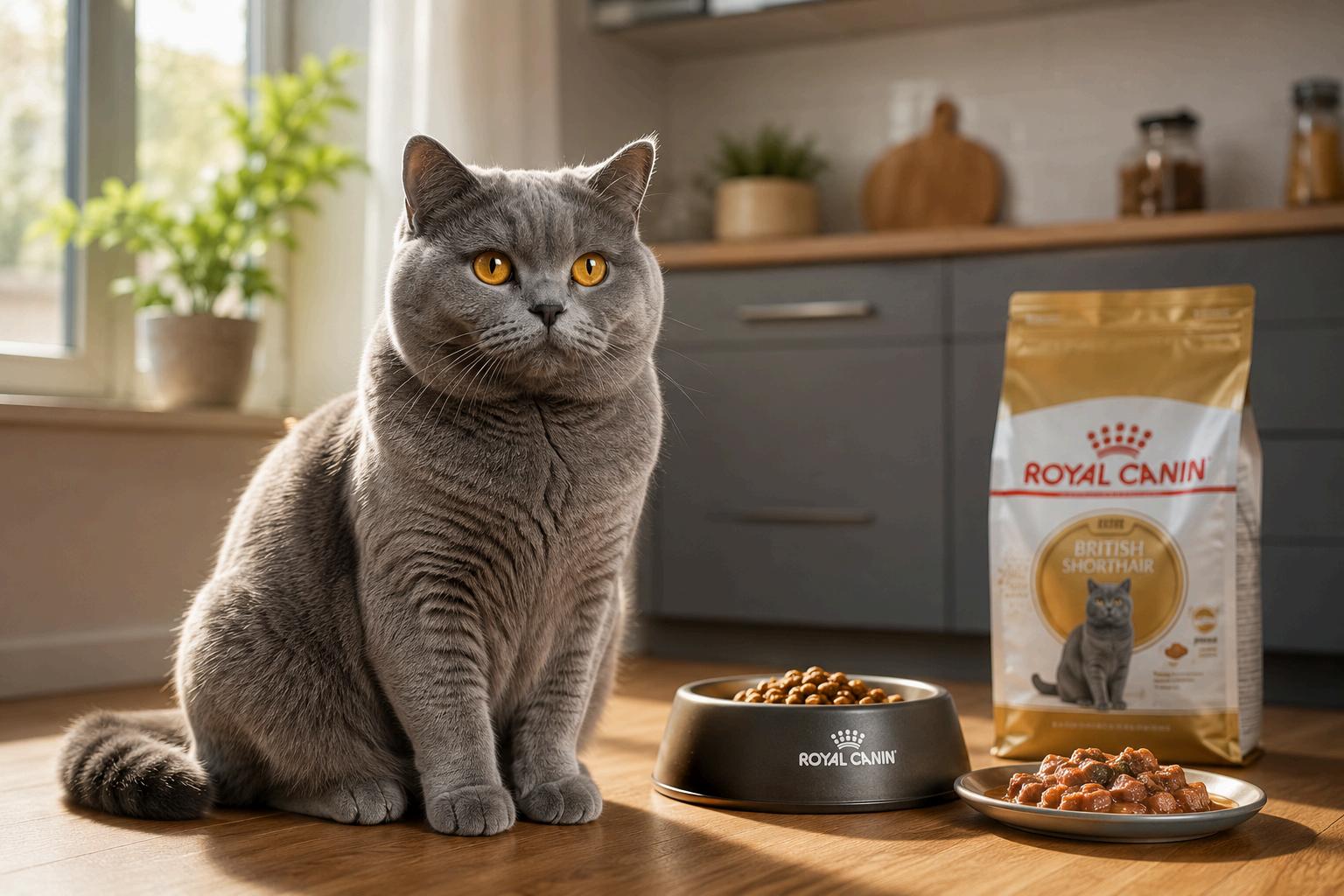
British Shorthair cats are loved for their calm personality, thick plush coat, and adorable round face But behind their cute appearance is a breed that needs proper nutrition to stay healthy Choosing the right British Shorthair cat food can improve your cat’s energy, coat quality, digestion, and overall lifespan. Since this breed has a slow metabolism and gains weight easily, feeding the correct diet is extremely important Experts recommend a high-protein, controlled-calorie diet with proper hydration for British Shorthair cats
If you want more feeding tips and food recommendations, visit FelineNest British Shorthair Cat Food Guide
Why Diet Matters for British Shorthair Cats
British Shorthairs are naturally muscular and stocky cats. Unlike highly active breeds, they spend more time relaxing indoors. Because of their lower activity levels, they can become overweight very quickly if overfed A poor diet may lead to obesity, urinary problems, diabetes, and heart disease
A healthy diet helps:
● Maintain ideal body weight
● Support heart health
● Improve coat condition
● Build strong muscles
● Prevent urinary issues
● Increase energy levels
Proper nutrition also supports the breed’s slow growth and strong bone structure.
Understanding British Shorthair Nutritional Needs
British Shorthair cats need balanced nutrition that focuses mainly on animal protein Since cats are obligate carnivores, meat-based diets work best for them.
Nutrition experts suggest these ideal dietary ranges:
● Protein: 32–40%
● Fat: 10–20%
● Low carbohydrates
● Taurine for heart and eye health
● Omega-3 fatty acids for coat support
Hydration is equally important because many British Shorthairs naturally drink less water
Best Ingredients in British Shorthair Cat Food
The quality of ingredients matters more than fancy packaging. Always check the first few ingredients listed on the food label
Good ingredients include:
● Chicken
● Turkey
● Salmon
● Tuna
● Lamb
● Fish oil
● Taurine
● Vitamins and minerals
Avoid foods with too many fillers like corn, soy, and artificial additives. High-quality protein keeps British Shorthairs full for longer and supports muscle health
Wet Food vs Dry Food: Which Is Better?
Many cat owners debate whether wet or dry food is better Both have advantages when used correctly.
Wet Food Benefits
Wet food contains more moisture, which helps prevent urinary and kidney problems It is often lower in carbohydrates and easier to digest
Benefits include:
● Better hydration
● Fewer calories
● Easier digestion
● Healthier urinary system
Dry Food Benefits
Dry food is convenient and may help reduce plaque buildup on teeth.
Benefits include:
● Easy storage
● Longer shelf life
● Convenient feeding
● Supports dental health
Most veterinarians recommend a combination of wet and dry food for balanced nutrition
How Much Food Does a British Shorthair Need?
Portion control is one of the biggest keys to keeping this breed healthy. Feeding too much can quickly cause weight gain
Adult indoor British Shorthairs generally need around 180–260 calories daily depending on age, activity level, and size. Larger males may require slightly more.
General feeding recommendations:
● Kittens: 3–4 meals daily
● Adults: 2 measured meals daily
● Seniors: Smaller frequent meals
Always monitor your cat’s body condition instead of relying only on feeding charts
Feeding British Shorthair Kittens
British Shorthair kittens grow slowly and need proper nutrition during their first year A high-protein kitten formula supports healthy muscle and bone growth.
Experts recommend:
● 35–45% protein
● DHA for brain development
● Balanced calcium and phosphorus
● Taurine-rich foods
Kittens also need more calories than adult cats because of rapid growth.
Some breeders and owners prefer mixed feeding with wet and dry kitten food to encourage hydration and healthy eating habits
Common Health Problems Linked to Poor Diet
Improper feeding can increase the risk of several health conditions in British Shorthairs
Obesity
This is the most common issue in the breed. Their calm personality and slower metabolism make them prone to excess weight gain
Heart Disease
British Shorthairs may be genetically prone to hypertrophic cardiomyopathy (HCM) Taurine and omega-3 fatty acids are important for heart support.
Urinary Problems
Low water intake may increase urinary issues and bladder stones Wet food and fresh water help reduce risks.
Importance of Hydration
Hydration is often overlooked in cat nutrition Since many British Shorthairs do not naturally drink enough water, owners should encourage fluid intake daily
Helpful hydration tips include:
● Feeding wet food regularly
● Using cat water fountains
● Keeping water bowls clean
● Placing water in multiple locations
Many owners on Reddit report their British Shorthairs drink more from fountains than regular bowls
Best Feeding Routine for British Shorthairs
Cats enjoy routine and consistency Feeding at the same time every day helps prevent overeating and digestive problems
A healthy routine may include:
● Morning wet food meal
● Evening dry food portion
● Limited healthy treats
● Fresh water available all day
Avoid free-feeding large bowls of kibble because British Shorthairs may continue eating even when they are full
You can learn more feeding strategies from FelineNest’s nutrition guide for British Shorthairs
Homemade Food for British Shorthairs
Some owners prefer homemade meals, but creating balanced cat food is difficult without veterinary guidance.
Cats require:
● Taurine
● Balanced minerals
● Proper protein levels
● Essential vitamins
An unbalanced homemade diet can cause serious health problems Commercial foods that meet veterinary nutrition standards are usually safer
Treats and Snacks: What to Avoid
Treats should only be a small part of your cat’s daily calories
Avoid giving:
● Chocolate
● Onions
● Garlic
● Sugary snacks
● Excess dairy
● Fatty human foods
Healthy treats include freeze-dried meat treats and protein-based cat snacks
Signs Your British Shorthair Is Eating Well
A properly fed British Shorthair usually shows several healthy signs:
● Thick shiny coat
● Healthy body weight
● Bright eyes
● Good energy levels
● Healthy digestion
● Strong muscles
If your cat becomes overweight, lazy, or develops digestive problems, it may be time to adjust the diet
Tips for Choosing the Best British Shorthair Cat Food
When shopping for cat food, remember these simple tips:
● Choose real meat as the first ingredient
● Avoid unnecessary fillers
● Prefer high-protein formulas
● Control calorie intake
● Include wet food for hydration
● Adjust food based on age and activity
Reading ingredient labels carefully can make a huge difference in your cat’s long-term health
Conclusion;
Choosing the best British Shorthair cat food is essential for keeping your cat healthy, active, and comfortable throughout life Because this breed is naturally calm and prone to weight gain, owners must focus on high-quality protein, portion control, hydration, and balanced nutrition. A proper feeding routine can prevent obesity, improve coat quality, and support heart and urinary health
With the right diet and regular care, your British Shorthair can enjoy a long and happy life as a healthy companion.