Autorzy: The participants of the S.E.E.D. Regional Identity Edition youth exchange
Oprawa graficzna: Ihor Huityn
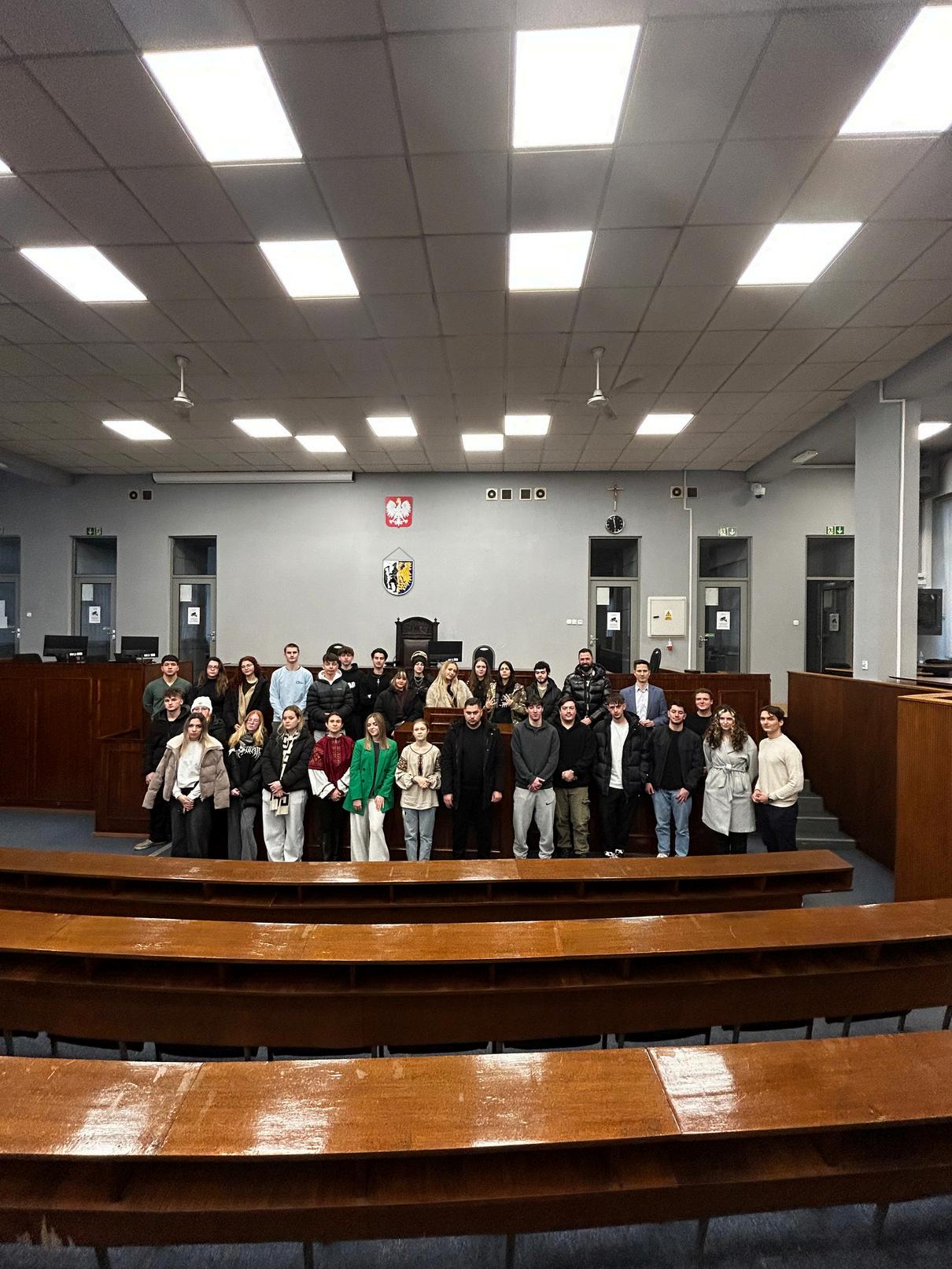
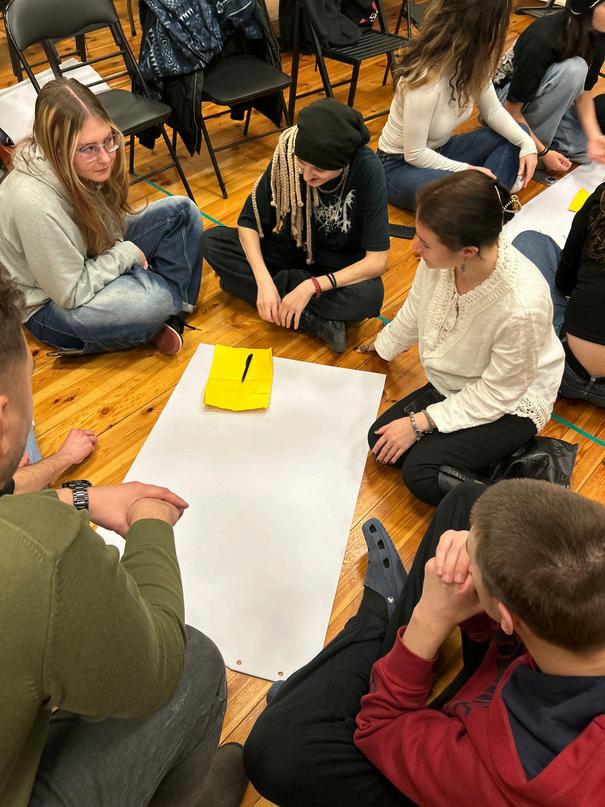
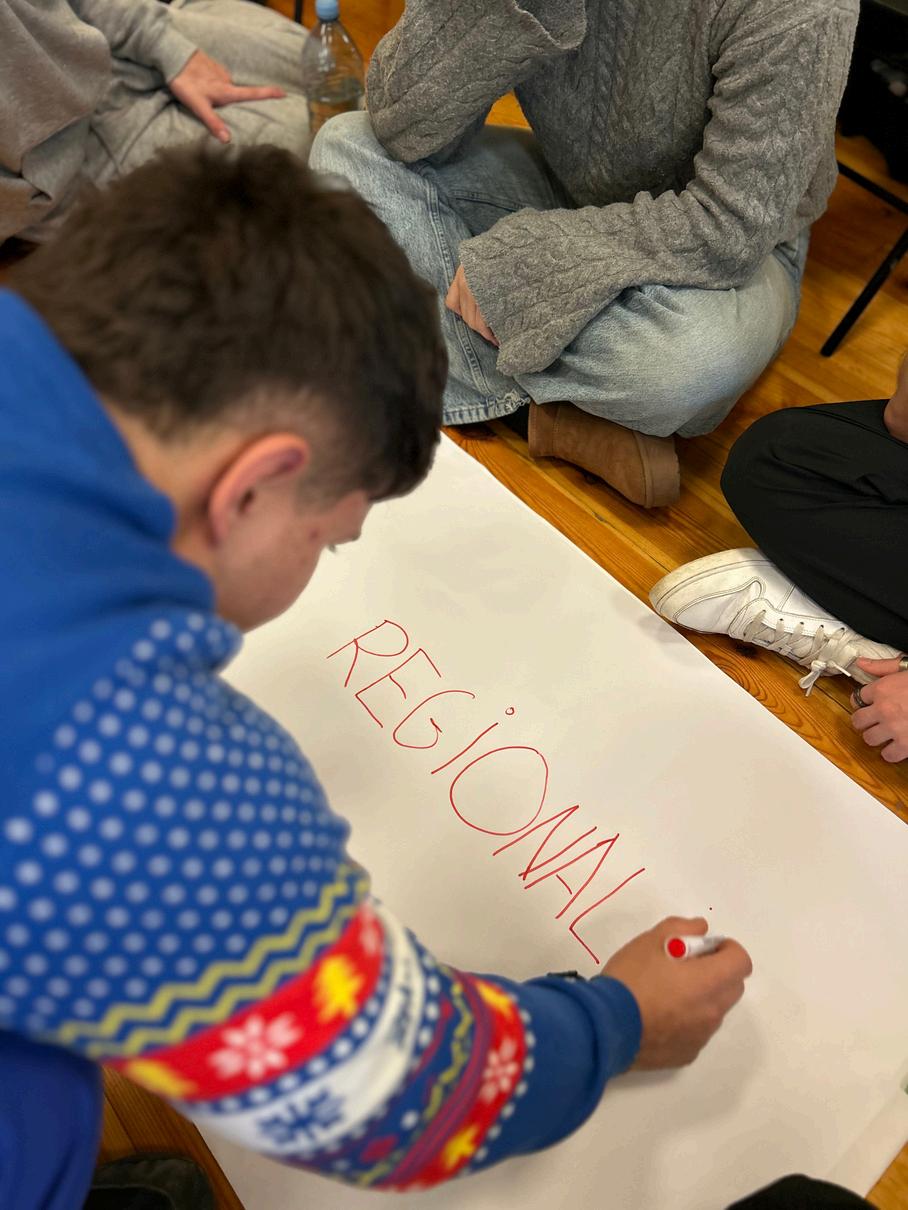
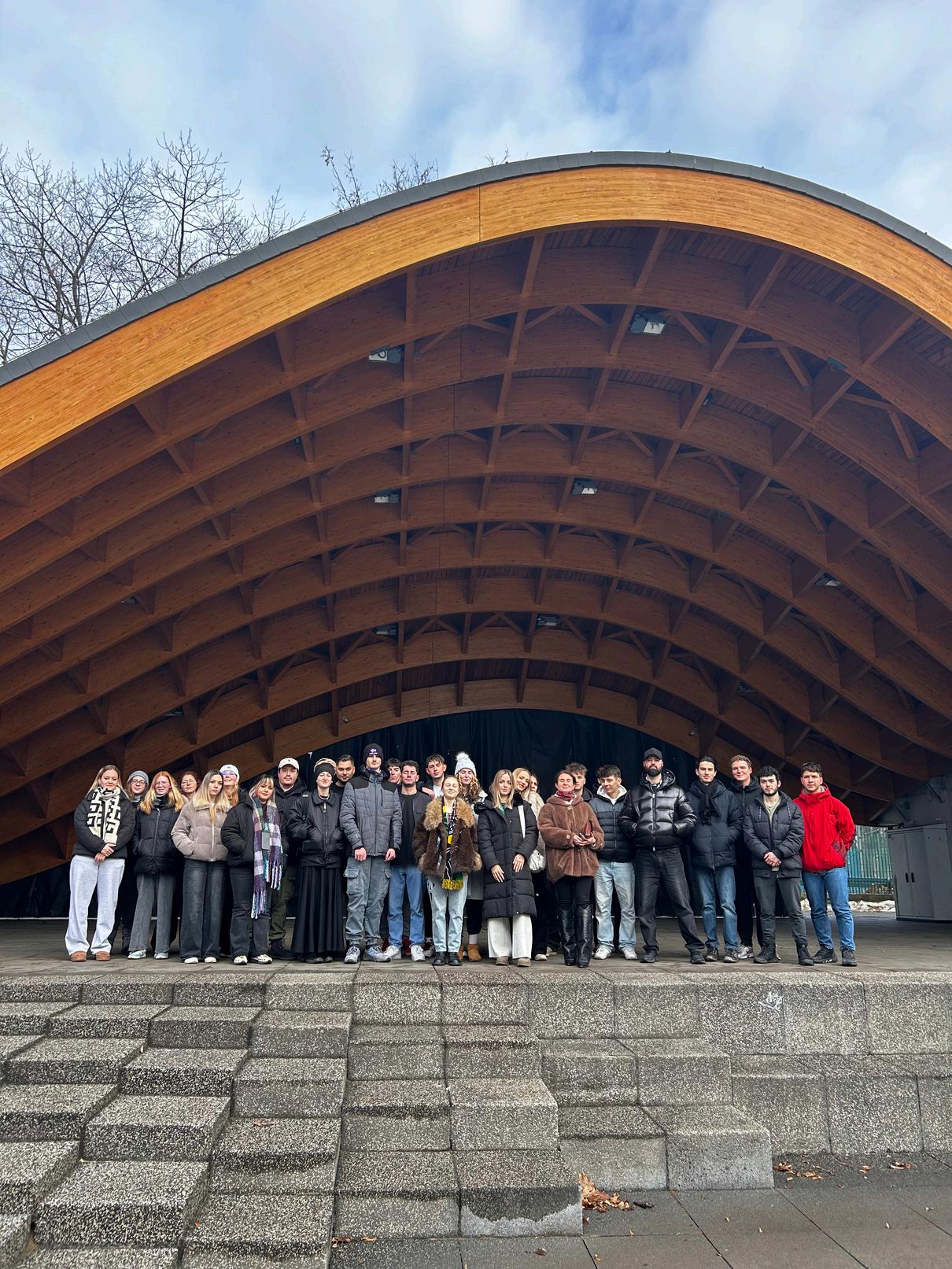
In February, we hosted the "S.E.E.D. Regional Identity Edition" youth exchange where young people from Greece, Romania, Slovenia, Italy, Czech Republic and Poland came together to explore the depths of civic and regional education. Why S.E.E.D.? Because our goal was to plant the seeds of civic engagement, regional identity, and local activism in the hearts of young people. This edition focused on how Society, Ecology, Entrepreneurship, and Democracy were intertwined with our unique regional roots.
Funded by the European Union. Views and opinions expressed are however those of the author(s) only and do not necessarily reflect those of the European Union or the European Education and Culture Executive Agency (EACEA). Neither the European Union nor EACEA can be held responsible for them.
Abouttheproject
The publication you are holding is the direct result of the "S.E.E.D. Regional Identity Edition" youth exchange, an initiative that brought together passionate young individuals from Greece, Romania, Slovenia, Italy, the Czech Republic, and Poland in February 2026. This gathering was designed as a space for deep exploration into the vital intersections of civic and regional education
The acronym S.E.E.D. serves as the core philosophy of our mission: a dedicated effort to plant the seeds of civic engagement, regional identity, and local activism within the hearts of the next generation. By fostering a sense of belonging and responsibility, we aimed to empower participants to become proactive members of their communities.
Throughout this edition, we explored how the foundational pillars of Society, Ecology, Entrepreneurship, and Democracy are intrinsically intertwined with our unique regional roots. Rather than viewing these concepts in isolation, the project highlighted how our local heritage and cultural backgrounds provide the necessary soil for these values to grow and flourish.
This document serves as a synthesis of the knowledge shared, the perspectives challenged, and the creative solutions developed by the participants. It is an invitation to reflect on how understanding our past and our local environment can pave the way for a more democratic, sustainable, and entrepreneurial future across Europe.
Modern society is a complicated psycho-economical structure which is multilaterally balanced by all its members. Day after day, however, the world becomes more and more open for those, who are commonly known and named as “newcomers”. But, still, “newcoming” tourists appear to be far more welcome than the ones who decide to stay for a longer period of time The fundamental question is, how those “who come” are really societally desirable, whether all their potential, skills and experience are needed, and, what is more, will they be accepted enough, so that the “hidden treasures” of their personality are completely explored and implemented.
“Guests from abroad”. Among settlers from the outside, we shall first of all distinguish: migrants, refugees and forcibly displaced people. The main difference is the goal, the aim, the reason why one has come to the host country, in particular, to Italy, which is globally considered as a multicultural country and the one where the roads of many foreigners unite into the one to proceed with the subsequent life’s journey. Therefore, we diversify the reasons of re-settlement according to the way the one was completed i.e. was it forced (so that the one has become a forcibly displaced person), is there any war, armed conflict, political and/or economical instability behind it (so that we could name those individuals “refugees”), or the idea to change the place of the residence has been triggered by a simple desire to live a better life by obtaining better income, more luxurious travel opportunities, a greater recognition of one’s professional and personal qualities. The last ones are those who are commonly considered as “ones who have willingly come to a new country” without any negative pushing mechanism behind the aforementioned process. The last group of individuals are normally known as “migrants”, and, due to a multitude of historical reasons, may be considered as either “foreign workers” or “those who have come to steal our places of work and study”
Even so, the local market does require newcomers. Cannot the locals really fill in the gaps in the economic market? Do the resettlers really steal the places and opportunities of workers, or are we simply extremely afraid that something like that may even occur?
The way the newcomers are integrated and included in Italy is way more different than it happens in any different country, at least across the EU. From the hidden “paper-based” perspective, whether you are a migrant or a refugee may drastically change your approach and life’s perspectives, as it either precludes or supports you in securing employment in Italy, developing yourself as a specialist and/or student etc. Verbo volante, scripto manente - but only if you need it for the house rent or a job offer Otherwise, however, the one’s social status and financial stability will decide for you whether you are warmly welcome or openly separated. Thus, the wealthy refugee living in Milan with an average monthly expense reaching the point of 10.000 - 15.000 Euro will always be considered as a “person worthy of appreciation and support” (because he/she does not apparently need it), whilst the ordinary migrant working to provide for his family with an ordinary income of 1.000-1.500 residing somewhere in a small town closer to the South will be infinitely looked askance, seem unwanted and undesirable, strangers, as a result of what may even face bullying, discrimination and harassment.
The scales may move in someone's favour in case the newcomers belong to either “culturally close” or “societally distant” backgrounds. But, it is up to us, whether we are openminded enough to accept and include them, or we will trigger the tailoring of a one more social bubble inside our community as locals. Integration and inclusion are always reciprocal, these processes are always bilaterally directed, so nobody cannot be included until the host society will express and execute its free will to do so Until the host society does it, however, most of the potential, most of the talents, and a multitude of the newcomer’s skills will remain unexplored. Once we start viewing this world as a place where to apply equality and destroy boundaries, it becomes one. Once we decide to get rid of stereotypes-based sunglasses, the world around us starts to prosper.
Sources:
Kupriianova, L. ., & Kupriianova, D. (2023). THE PHENOMENON OF “THE WEALTHY REFUGEE” IN THE FRAME OF THE DOCTRINE OF UTILITARIANISM OF JEREMY BENTHAM. Collection of Scientific Papers «SCIENTIA», (October 20, 2023; Sofia, Bulgaria), 91–96. Retrieved from https://previous.scientia.report/index.php/archive/ article/view/1252
Michael J. Sandel, Justice: What's the Right Thing to Do?, pp. 52-57, https://iasbaba.com/wpcontent/uploads/2015/05/Michael Sandel- JusticeWhat s the Right Thing to Do.pdf Statistics on migration to Europe//official web-site of the European Commission // https://commission.europa.eu/strategy-andpolicy/priorities-2019-2024/promoting-oureuropean-way-life/statistics-migration-europe_en Refugee Data Finder//The UN Refugee Agency// https://www.unhcr.org/refugee-statistics/ War in Ukraine: which European countries host the most refugees?// https://www.euronews.com/2023/09/20/war-inukraine-which-european-countries-host-the-mostrefugees#:~:text=Just%20over%20half%20of%20the se,most%20Ukrainian%20refugees%20in%202023. Kupriianova, L., & Kupriianova, D. (2024). Main peculiarities in the process of integration and social inclusion of refugees and/or forcibly displaced persons of various quintiles. Scientific Collection «InterConf+», (41(185), 179–195. https://doi.org/10.51582/interconf.1920.01.2024.018
Kupriianova, L. ., & Kupriianova, D. The problematic of foreign accent under the prism of the DAR MULTILINGUA-MULTIPERSONALIA: :Learning through healing as a way to full cultural immersion and successful societal integration//LOGOS//The III International Scientific and Practical Conference: “Theoretical and Practical Aspects of Modern Scientific Research”//November 24th, 2023//Seoul, Republic of Korea
Kupriianova, L. ., & Kupriianova, D. Main societal and legal prerequisites of thefts committed by refugees from the less favorable backgrounds on the territory of the EU//The III International Scientific and Practical Conference “Science and Education in Progress”//InterConf+//December 26-28, 2023//Dublin, Ireland//
Kupriianova, L. ., & Kupriianova, D. Theft inside refugees’ community: restitution of social justice or “vendetta” for more favorable “starting point”?//The V International Scientific and Theoretical Conference “The Driving Force of Science and Trends of its Development”//SCIENTIA//December 22nd, 2023//Coventry, The United Kingdom of Great Britain and Northern Ireland//
Kupriianova, L. ., & Kupriianova, D. The phenomenon of “the wealthy refugee” in the frame of the doctrine of utilitarianism of Jeremy Bentham// II International Scientific and Theoretical Conference «Modern vision of implementing innovations in scientific studies»//October 20, 2023; Sofia, Bulgaria//
HighcostsoflivinginSlovenia
(Matevž,Ana,Melisa)
Food – same menu, higher prices
In 2023, the average four-person family spent around 580 euros per month on food. A year later, this amount increased to approximately 620 euros, and in 2025 to around 650 euros. It's not about cutting but about the basic purchases. Bread, milk, meat, fruit When we add it all up, the same family is paying about 70 euros more per month for food today, which means an additional cost of approximately 840 euros per year.
Energy – an expense that can not be skipped
In terms of energy, the work was done to calm the situation, but that was just a feeling. In 2023, the average annual cost was around 1300 euros, a year later 1400 euros, and in 2025 already around 1540 euros. The difference between 2023 and 2025 is approximately 240 euros per year For those who use gas or pellets for heating, the pressure was often even higher. Energy has become a constant expense, regardless of the time of the year
Services – small amounts, big total
Preschool, hairdresser, obsolete activities, repairs, transportation. In 2023, the family spent around 370 euros per month on services, 390 euros in 2024, and approximately 410 euros in 2025. The difference may seem small, but in two years it means almost 480 euros more per year. And that's for services that are hard to do without in everyday life.
If we compare 2023 with 2025 for a family living in a rented house:
Food: 840 euros
Energy: 240 euros
Services: 480 euros
Rent: 2400 euros
Together, this means approximately 4000 euros per year for the same lifestyle. The estimates are not a single blow. They come in pieces. A little more every year, a bit higher every month. But rents are the ones that completely changed the ratio – from cost to burden. And that is why today more and more families are no longer wondering where they will save, but whether they will even be able to keep up with the pace. Moreover, Slovenia is building too few apartments in order to meet demand – this is a structural problem that has been building up for decades.
The rise of the far right in Greece over the last decade has been rapid. Due to the mistrust of the main parties (New Democracy and PASOK) and failure to stay up to par with their manifesto. And the Memorandums that Greece had to endure from the year of the financial crisis in 2009 and the anger of the people towards the measures. The main far right party was in Greece’s parliament in 2012 with a vote count of 6.97%. The name of that party was Golden Dawn.
Golden Dawn started as a neonazi team that published a magazine after the 1980s. Taking advantage of the economic crisis in Greece, adopted a patriotic and antiausterity policy and succeeded to get into the parliament in 2012. Based on their anti-immigrant and populist rhetoric, it gained more and more supporters.
In 2013, the murder of anti-fascist singer Pavlos Fyssas from a member of Golden Dawn led to the prosecution of the party. Also, other incidents like violence and hate speech, got more members of the party prosecuted. The justice system, in 2020 decided that Golden Dawn is a criminal organisation and the leaders got into jail. Although, economic insecurity and inequalities continued to boost the rising of the far-right in Greece. Far right parties in Greece collect in total approximately 13% by using tactics such as populism instead of extremism.
The rise of the far-right is associated with the conservative shift in Greek public opinion, nationalism, and the management of immigration issues. Furthermore, in recent times, there has been a general rise of far-right parties across Europe, which seems to have caused particular concern among the public. A striking example is Italy, where a far-right party has already come to power: Brothers of Italy (Fratelli d’Italia - FdI), led by Prime Minister Giorgia Meloni, who has been in office since 2022.
Why
the far-right is gaining influence in
Europe?
Public frustration over corruption, economic inequality, and governmental scandals has significantly contributed to political dissatisfaction. Struggling healthcare systems, a housing crisis, and persistent inflation have further intensified voter discontent, leading some citizens to support right-wing political parties. In addition, widespread disillusionment with traditional political parties often perceived as ineffective or untrustworthy has weakened confidence in mainstream political institutions. Migration and security concerns have also played a key role, as far-right groups have capitalized on these issues to mobilize support Finally, the spread of misinformation through social media and conspiracy narratives has amplified extremist messages and contributed to political polarization in Europe.
Romania’s 2024 presidential election was annulled by the Constitutional Court. The Court invalidated the first round and ordered the entire election process to restart. Official reason: irregularities and possible external interference. Authorities cited intelligence indicating foreign influence and campaign issues that may have affected the fairness of the vote. Călin Georgescu was leading before the annulment. He was an independent nationalist candidate with a surprise first-place result in the first round. Georgescu challenged the decision in court. He appealed in Romanian courts and later at the European Court of Human Rights, but his claims were rejected. The elections were later reorganized. Romania restarted the presidential election process after the annulment. The decision caused major public and political controversy. There were strong debates about democracy, transparency, and the role of courts in elections.
Electoral uncertainty:
With the original election voided, new presidential elections were scheduled in 2025. This extended electoral timetable created uncertainty about political leadership and motivated renewed debates over campaign regulation, especially on digital platforms.
Sources:
https://share google/eo80xtbQ1mUEfn3ep
https://share google/8NJkdjbgv6ylbYCC7
https://share google/wjgjXEWLe27QiJZg7
https://share google/Q2IL3EFHEU6rk7Nug
https://share.google/fVq8xFL3wnZPlu3g4
HowDisinformationSpreadsinthe CzechRepublic
Main Mechanisms of spread:
Social media (especially Facebook) – the largest channel where disinformation spreads faster than verified news. Disinformation posts have a greater reach on social media than truthful articles. Disinformation websites - several dozen websites have been active in the Czech Republic for a long time, often with a proKremlin orientation. In 2022, they published 197,177 articles, a year-on-year increase of 6%.
Chain emails - still a significant channel among the older population.
Political propaganda and foreign influence - The Ministry of the Interior warns that disinformation is a tool of information warfare and tests society’s resilience.
Who spreads it most frequently in the Czech Republic: Pro-Kremlin websites and projects – according to data from European Values, there are around 46 active ones in the Czech Republic.
Individuals on social media - influencers, activists, alternative “journalists.”
Former leaders of the scene - some have ended up in court (e.g., for spreading alarmist reports), as described by iDNES. Anonymous accounts and coordinated campaigns - often linked to foreign actors.
Most common narratives in the Czech Republic: According to analyses by non-profit organizations and research: migration and minorities - fearmongering about threats to identity. Ecology and the Green Deal –portrayed as the “destruction of Europe.” Armed conflicts (Ukraine) – pro-Kremlin narratives about “fascism,” “corrupt government,” etc. Distrust of institutions - attacks on the government, the EU, the media, and NGOs.Distrust of institutions – attacks on the government, the EU, the media, and nonprofits. Healthcare and science - manipulation surrounding vaccination, the pandemic, and pharmaceutical companies.
Impact on Czech society:
Trust in the media is declining – people are less confident in their ability to recognize disinformation (56% vs. 67% six years ago). Polarization of society –narratives target sensitive topics and increase tension. Strain on democratic institutions – the rule of law addresses issues of website blocking, freedom of speech, and security. How the Czech Republic is defending itself against this: Ministry of the Interior and the Center Against Hybrid Threats – monitoring, analysis, education. Non-profit organizations (e.g., the VIA Association) – strengthening the resilience of civil society. Fact-checking projects –Demagog.cz, Manipulátoři.cz Media literacy - critical thinking is on the rise, even as subjective certainty declines.
Sources:
www.mv.gov.cz
www.interaktivní.rozhlas.cz
www.svetneziskovek.cz
www.advokatnidenik.cz
www.ceskovdatech.cz
InflationinCzechRepublic-howCOVID changedit
(FilipHaratek,DominikŠkvaridlo,DominikSzotek)
What is inflation:
Money loses its value in a certain time period. That means prices are growing.
How is the inflation measured:
Inflation is measured using Customer Price Index (CPI) which tracks prices of commonly purchased goods and services.
Types of inflation by percentage
0-3% low inflation
3-10% moderate inflation
10-50% high inflation
Inflation development in Czechia statistics
2019 2,8%
2020 3-4%
2021 5,1%
2022 15%
2023 10,6%
2024 2,4%
2025 2,5%
Inflation in % from 2019 to 2025
It's estimated by 52,5%.
The impact of inflation to society
Inflation affects everyone, prices of food, energy, rent increase.
How did Czechia dealt with the high inflation
The Czech national bank sharply increased interest rates (about 7%). Czech crowns became stronger currency, resulting that inflation fell from over 15% to 2%
Inflation is one of the most visible social issues because it directly hits purchasing power (food, energy, rent, loans). The INS series clearly shows a period of low inflation/deflation (2015–2016) followed by a strong peak in 2022 (13.8%) and gradual decline in 2023 (10.4%) and 2024 (5.6%), giving an easy-to-analyze "waves" story.
Different sources
INSSE (National Institute of Statistics) – annual CPI and inflation rate series (includes 2007: 4.8%; 2008: 7.9%; 2015: -0.6%; 2016: -1.5%; 2022: 13.8%; 2023: 10.4%; 2024: 5.6%). World Bank Data – international "Inflation, consumer prices (annual %) – Romania" indicator, good for regional context and comparisons. IMF Romania Article IV (2022) – context on energy/food shocks and their CPI effect (great for "why it happened").Inflation measures how much prices for everyday goods rise over time. In 2007, the inflation rate in Romania was relatively low, at about 4.8%, meaning prices were increasing moderately compared with previous years. In the early 2010s, inflation stayed mostly below 5%, showing a stable price environment for consumers. However, after 2021 inflation increased sharply. In 2022, inflation reached around 13.8%, driven in part by higher energy and food costs.
In 2023 it remained high at about 10.4%, and in 2024 around 5.3%, still above EU averages. Projections for 2025 indicate inflation remained elevated at around 7–8%,significantly higher than in 2007. This shows that in recent years, prices have risen faster than before EU accession, affecting household budgets and living costs. Main Mechanisms of spread: Social media (especially Facebook) – the largest channel where disinformation spreads faster than verified news. Disinformation posts have a greater reach on social media than truthful articles. Disinformation websites - several dozen websites have been active in the Czech Republic for a long time, often with a proKremlin orientation. In 2022, they published 197,177 articles, a year-on-year increase of 6%.
Public Debt in Romania (2007–2025)
Public debt as a share of the economy was very low in 2007, at around 11.9% of GDP, meaning Romania borrowed relatively little compared with the size of its economy. Over the next decade,debt gradually increased, reaching roughly 35%–40% of GDP by themid2010s. By 2024, public debt had grown significantly, reaching about 54–55% of GDP, according to Ministry of Finance figures. In mid-2025, debt continued rising, reaching about 58.9% of GDP, and by August 2025 it was close to 59.7% of GDP. This trend shows that Romania’s debt burden has increased steadily, which can raise concerns about government spending, future taxes, and the ability to respond to economic shocks.
What These Trends Mean for Romanians
When inflation is high, everyday goods such as food, fuel, and utilities cost more, meaning people need more money to buy the same things they could afford before. The sharp rise in inflation after 2021 shows that many households faced stronger price increases than in earlier years. Meanwhile, rising public debt indicates that the government has borrowed more over time to fund public services, investments, and social support programs. Higher debt doesn’t automatically mean crisis, but it does mean that a larger share of future government income may go to paying interest and repayments instead of services people use every day. Comparing 2007 with today, Romanians face higher prices and more government debt, which affects the economy and personal finances in different ways.
February 28th. 2023. Greece. South of the Tempi valley, shortly before midnight. A passenger train and a freight train collide head-on. The collision caused them to derail with the passenger trains’ first two coaches getting thrown off the tracks while the restaurant coach landed on top of them. The third coach got split in half, with the rear end hitting the fourth. As the carriages hit the traction current pylon, two electric fires are generated, igniting two fireballs that turned into three fires. The so-called accident resulted in 57 deaths, more than a 100 injured and one missing person case. The absence of an automatic track control system has placed the blame on ‘'human error'’ as the control was manually conducted That being said, those automatic systems have long been purchased but never installed, raising questions about the handling of funds and resources by authorities.
Who was responsible for the accident?
Authorities characterized the crash as the result of human error, dismissing allegations of systemic failure and governmental corruption. Those responsible have not been held accountable. Critical evidence was lost, as debris and train carriages were removed prior to the completion of the investigation. Concerns have also been raised regarding judicial independence, given that key officials involved in the process were appointed by the government. The European Public Prosecutor’s Office found that railway safety projects were improperly executed, and charges were brought against 23 suspects, including 18 public officials, for offenses related to the implementation of the contracts
Additionally, the parliamentary majority blocked an investigation into the former transport minister.
After the crime, the first announcement was derailing, no one could believe it was a collision. Everyone was very shocked because the majority of victims were students going back to university from their vacation. A few hours later, serious mistakes were uncovered, old mechanisms, negligence of assistance- how is it possible for two trains to collide in the 21st century. Instantly, blood donation started all over the country, demonstrations from citizens took place with the slogan "call me when you're home, safe" and public offices closed because of strikes. Days after, the anger of the people led to the resignation of the minister of transportation, the prime minister issued a public apology and 3-days national grief was announced.Three years later people are still trying to figure out what happened, especially the loved ones of the victims, and the mass movement is still active.
Justice
Regarding justice in the Tempi case, one could say that it has moved slowly and at a steady pace. From the perspective of the victims, their families, and the public, initial justice was not served, while on the other hand, the government and those responsible have formally stated that everything was done according to the letter of the law. Multiple trials have taken place, medical reports and correlations have been made, complaints, protests, and disputes have arisen, yet ultimately, no definitive conclusion has been reached. The matter was referred to the European Court, and the entire European Union, as well as the world in general, became aware of this so-called “scandal-crime” in Greece.
The charges are serious: disruption of safe transportation operations, negligent homicide either intentionally or by negligence, and other criminal offenses carrying legal sentences ranging from 13 years up to life imprisonment. Many victims’ families and citizens have repeatedly called for a comprehensive and transparent investigation of all aspects, even forming the movement “I Can’t Breathe,” a key phrase reportedly uttered by a victim during the collision. The public and the families believe that justice has not been served, while the government remains firm in its statements, intensifying concerns about whether justice is truly fair, impartial, and reliable. Ultimately, the trial for the Tempi disaster is scheduled to begin on March 23, 2026, in Larissa, following a decision by the Supreme Court of Greece (Areios Pagos) to maintain the trial there, despite requests from the families to move it to Athens or Thessaloniki. Why is it relevant ?
The crash, apart from being a tragedy that resulted in multiple deaths, serves today , not only as a reminder that any one could have been inside that train but also as a point of resistance against a government that cannot seem to be able to take accountability for something, that by many, is perceived as a crime cover up. 3 years later, the call for answers still stands as the families but also the general population of the country have not been provided with justice.
Disinformation - deliberately false information created and shared to mislead or deceive.
Misinformation - false or inaccurate information shared without intent to deceive.
Malinformation - true information that is shared to cause harm, often taken out of context or presented in a misleading way.
By form:
Hoax - completely made-up stories
Fake news - false articles designed to look like real journalism
Conspiracy theories - explanations of events based on secret plots without credible evidence
Clickbait - misleading or exaggerated headlines that distort the real message
Age groups: Seniors vs Youth Seniors(65+)
Most vulnerable to disinformation, especially chain emails shared by trusted contacts. Middle-aged adults(40-55)
Highly susceptible to politically motivated disinformation, often linked to economic concerns. Youth(15-25).
More digitally literate, but vulnerable to deepfakes and emotional manipulation on social media.
5-30% of Czechs are susceptible to disinformation. While seniors are most often targeted, the issue affects all generations. Key responses focus on media literacy and rebuilding trust in institutions.
Channels: Social media(mainly Facebook), chain email, foreign influence.
Avoid using private vehicles, instead try using the available public transportation. Alternatives are cycling, walking, skating are also good and reliable options for short distance.
Pollution prevention technology:
Modern technology has an important role in fighting pollution, including: optimising renewable energy sources, adaptation of monitoring systems, usage of filters in industrial units, and promoting the existence of green areas.
Recycling:
Most materials like paper, glass, plastic and aluminium can be reused. Recycle them instead of wasting.
Everyone's contribution is important - avoid unnecessary use of electro energy, reduce noise pollution, don’t litter and respect nature!
Howtoprotectenvironmentinsmall towns
Taking care of the environment in small towns often involves leveraging close-knit community ties to implement practical, localized sustainability projects
Key strategies include:
enhancing local green spaces
reducing waste through community composting
fostering sustainable transportation
supporting local eco-friendly businesses
Waste reduction and management:
Start a community composting program
Establish recycling/swap centers
Organize ’’swap shops’’ or repair cafes to encourage people to repair rather than waste