New Deal for Business:
Wales’ Vision for 2026 – 2030
New Deal for Business:
Wales’ Vision for 2026 – 2030
The Federation of Small Businesses (FSB) Wales is the leading advocate for businesses across Wales, representing many thousands of members. We passionately work towards an improved social, political, and economic landscape that supports thriving businesses and entrepreneurial success. Backed by a robust grassroots network, a dedicated Wales Member Advisory Council (MAC), and a team of Wales-based staff engaging directly with Welsh institutions, media, stakeholders and policymakers, FSB Wales ensures that the concerns and aspirations of its members are prominently voiced at the heart of decision-making processes.
Over the last couple of years, FSB Wales has been engaging with around 2,000 businesses every year across Wales, including the roll out of our comprehensive Wales-facing Big Small Business Survey (2025). This, combined with feedback and insights from our Wales conferences and networks, which represent businesses of all sizes, was evaluated by our Wales MAC. We used this information to develop practical, evidence-based policy proposals designed to improve the business landscape for small and medium-sized enterprises (SMEs) throughout Wales.
This is a manifesto for small business by small business.

At FSB Wales, we proudly champion small and mediumsized enterprises, the true heartbeat of our nation’s economy. Indeed, of the 200,000 active businesses across Wales, 99.3% of this number are classified as SMEs. These businesses create and support local jobs, sustain communities, and drive innovation, yet they face unprecedented pressures that demand urgent action. Through our dedicated Wales team and grassroots networks, we engage directly with policymakers to amplify SME voices and advocate for the changes needed. As the Chair of FSB Wales, I have been proud to lead on bringing businesses into the discussion and ensure they have shaped this manifesto. This is a manifesto for small business by small business.
This manifesto presents our bold proposals for change. We call for putting small business at the very heart of Welsh Government, vibrant places, real-world
productivity, cost reductions, and support for successful people. From an innovative Economic Development Bill for small business growth to targeted rates relief and making sure businesses can get the skills they need, our proposals will empower SMEs to overcome barriers and thrive. As we approach the 2026 Senedd election, we urge the next Welsh Government to adopt these measures, unlocking Wales’ entrepreneurial potential for resilient communities and a prosperous future.

John Hurst FSB Wales Chair
Wales stands at a crossroads as the May 2026 Senedd election approaches. The world is changing quickly as we face rapid transformation through AI and automation, challenging global trading conditions and public services under strain. What the next Welsh Government does in the face of these challenges will matter. We can shape our future prosperity or be shaped by a changing world.
SMEs, the backbone of our Welsh economy, are battling soaring costs, regulatory burdens, and skills gaps that threaten growth and survival. What is needed now is a New Deal for Business. Drawing on extensive member insights from surveys, events, and our Member Advisory Council, FSB Wales has developed this manifesto to deliver practical, impactful solutions that will benefit Wales as a whole.
A New Deal for Business means a Welsh Government that puts small businesses and the economy at the centre of all decision making. It also means that all political parties in the next Senedd term commit to laying the foundations for sustainable economic growth that reaches all communities across Wales. Importantly, the deal will give businesses clarity and confidence about what they can expect from the next Welsh Government.
Central to the new deal must be key commitments, including:
• A new economic strategy and a new Economic Development Bill centred on growing Welsh businesses
• Rejuvenating our towns through a retail, hospitality and leisure multiplier for business rates
• A step change in infrastructure investment to improve real world productivity
• Saving a quarter of the time spent on regulation through a 25% cut in compliance costs
• A new employment incentive for SMEs to hire younger workers and drive growth
The next Welsh Government must prioritise SMEs to secure vibrant, sustainable businesses and communities now and for generations to come. FSB Wales is committed to this vision.

Joshua Miles Head of FSB Wales
Business owners are an impassioned group of people. Through our Big Small Business Survey, we asked them to highlight their main reasons for running their businesses. 65% told us their main reason was simply because they had a passion for what they did. This was, by far, the biggest reason given. This strong motivation is a massive benefit and potential resource to help drive the Welsh economy forward. It is essential we all proactively nurture, support and champion this.
Across Wales, business owners are resilient and have had to be over recent years. While our survey underlined some pessimism around the wider economy, business owners are more confident in their own businesses and sector. However, they told us they were less confident in the “Welsh economy” compared to both the “UK economy” and the “global economy” as a whole. A New Deal for Business and a laser-focus on support by the next Welsh Government is what is needed to reinforce the passion of our SMEs and entrepreneurs across all parts of Wales.
SMEs across Wales are navigating an increasingly challenging landscape. These businesses, which form the cornerstone of the Welsh economy, are grappling with a complex mix of economic, regulatory, and operational pressures that threaten their resilience, growth and, in some instances, their very survival. From rising costs to challenges around skills, the landscape for SMEs urgently needs support to ensure their vital and continued contribution to local communities and the wider Welsh economy.
Rising Costs: Soaring utility, fuel, tax, and wage costs, with 39% of businesses citing tax burdens and 37% noting labour costs as major barriers.
Falling Confidence: Business confidence is at -58 points, with 30% of SMEs expecting to shrink, sell, or close within a year, compared to just 18% anticipating growth. (Q3 2025 FSB Small Business Index Survey (SBI)).
(Q3 2025 FSB Small Business Index Survey (SBI))
Job Cuts: 23% of businesses cut staff in Q3 2025 (SBI), and 20% plan to do so in Q4 (SBI), reflecting Wales’ declining employment rate (70.8%) and high economic inactivity rate (25.6%). (Welsh Government’s Labour Market Overview Q3 2025).
(Welsh Government’s Labour Market Overview Q3 2025)
Skills Shortages: Only 8% of small businesses can offer apprenticeships due to costs and lack of awareness, impacting negatively on sectors like IT and construction, in particular. In our Big Small Business Survey, access to suitably skilled staff ranked among the top five challenges impacting business performance.
Struggling High Streets: Reclining footfall, higher business rates and slow planning systems stifle local economies and make them less attractive to SMEs. Our Big Small Business Survey told us that 53% of respondents viewed the high street as “Bleak” (35%) or “Bad” (18%), while only 18% viewed it as “Good” (14%) or “Thriving (4%).
Public Contracts: Only 14% of our Big Small Business Survey respondents have ever won a public contract, yet 42% told us they would be interested in doing so. Unlocking this untapped demand could help drive the growth, capacity, and capabilities of Welsh SMEs, in addition to building community wealth.
Regulatory Burdens: Changes to business rates, higher National Insurance contributions, and the new Employment Rights Bill threaten small business hiring and growth. While the six-month concession from the UK Government on unfair dismissal rights is a welcomed move, 65% of small employers are worried about the sheer number of changes the Bill will bring. In addition, our Big Small Business Survey found 39% want “better and simpler regulation,” second only to taxation.
A lack of Senedd and Local Authority Engagement: Many SMEs feel very distant and disconnected from both the Senedd, where key decisions are made that directly impact their day-today operations and financial viability, and local authorities. This sense of distance is compounded by public contracts often not being advertised adequately to attract SME tendering, limiting opportunities for smaller businesses to participate effectively. Senedd Research (2023) highlights that private sector participation in its committee work remains extremely low, representing under 5% of survey respondents, even though this sector accounts for 69% of the Welsh workforce. This stark under-representation urgently needs addressing.
SMEs in Wales need a government that prioritises their needs at the core of policy making to build growth and stability.
To address these issues, a new deal for business is needed, including legislation that embeds SME considerations into the minds of all government decisions, promotes a positive business environment, and ensures reliable support structures.
FSB Wales call for:
• An Economic Development (Wales) Bill for small business growth
The next Welsh Government should introduce a new Economic Development (Wales) Bill. Since devolution in 1999 and full law-making powers in 2011, no Welsh Government has brought forward a bill specifically focussed on economic development. This legislation would underpin the policy initiatives highlighted throughout this document centred on small business growth. It would send a clear signal that the next Welsh Government supports businesses in the Welsh economy.
• A new economic strategy centred on growing Welsh businesses
Currently, the lack of a cohesive long term economic strategy leaves businesses navigating uncertainty, with confidence levels impacting
on investment and growth opportunities. A new economic strategy should be crystal clear in its aspirations. It should target increasing the number of businesses being set up in Wales, focus on growing Wales’ ‘medium’ sized firms, build community wealth and anchor inward investment by developing Welsh suppliers.
• A new economic development agency for Wales
To deliver the new strategy, the next Welsh Government should introduce a new economic development agency for Wales. The agency would be tasked with internationalising Welsh businesses, it would be a custodian of the Welsh brand abroad, would seek inward investment that complements the growth of Welsh SMEs and provide a focal point for economic policy in Wales.
• Reinforcing the existing business support landscape
Organisations like Business Wales and the Development Bank of Wales (DBW) provide valuable support, but without statutory backing with multi-year funding, their impact is inconsistent, impacting on business development across Wales. Their purpose, to support the creation and development of productive Welsh SMEs, should be set out in statute, and they should be supported to innovate their support through increased funding, aiming to restore funding to that in place before leaving the EU over the next Senedd term.
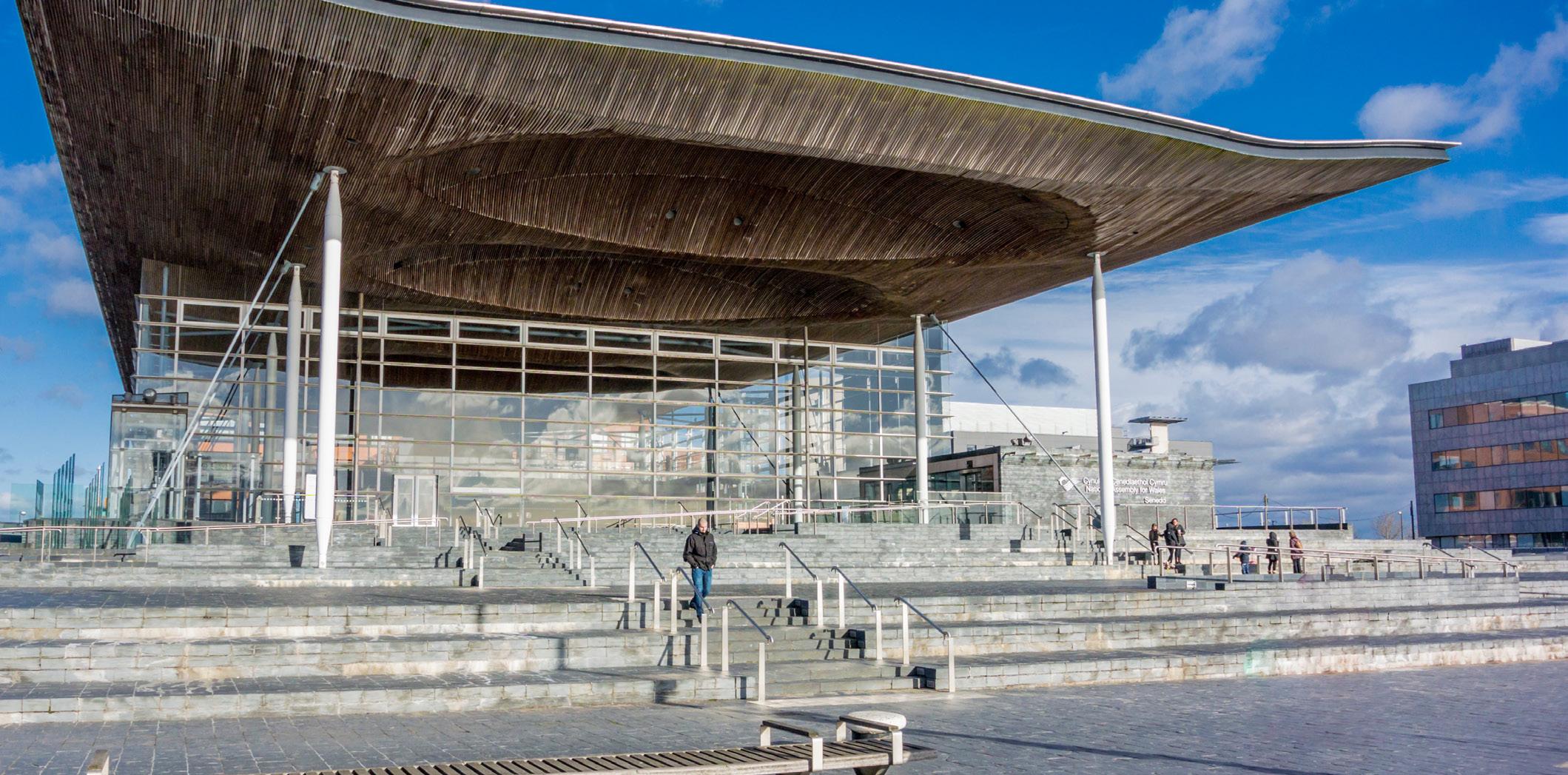
High streets across Wales are under strain from declining footfall, high costs, outdated infrastructure, and rising anti-social behaviour. The retail, hospitality, and leisure sectors face disproportionate burdens from business rates, while slow regeneration efforts and fragmented local development fail to create thriving communities where businesses can flourish.
Revitalising these areas requires targeted interventions to reduce financial pressures, enhance safety, and empower local decision-making, ensuring SMEs drive economic and social renewal.
FSB Wales call for:
• A new retail, hospitality and leisure multiplier for business rates
When responding to our Big Small Business Survey, around rejuvenating the high street, 55% of business owners told us that incentives and reliefs for small businesses in town centres were needed. Governments in England and Scotland have acted to make their business rates system respond to these needs. It’s time for Wales to do the same. We propose a new small retail, hospitality and leisure multiplier set 20p below the standard rate and funded by the new large retail multiplier.
• Increase funding for the Transforming Towns Fund and democratise its approach
The next Welsh Government should increase funding to support town centre regeneration across Wales. It should seek to open up funding to a broader group of stakeholders within towns, including SMEs, using established mechanisms such as Business Improvement Districts or by setting up town centre partnerships.
• Tackle anti-social behaviour through proactive policing
Anti-social behaviour is a major concern for businesses in town centres. This should be tackled through action to bring together the community and business to address concerns early, increased policing and community safety initiatives to safeguard SME-led growth and create secure, thriving high streets across Wales.
• Unlock development with a new Planning Act
The planning system has to balance many concerns, economic, environmental and social. Currently, it is failing to get the balance right. It’s significantly under resourced, slow to navigate and costly. For small firms, it feels labyrinthine and decisions are often delayed adding to substantial costs in time and money. A new planning act and wider reform should redress this balance and also look to build incentives to ensure decisions are taken in a timely way.
• Visitor Levy/Tourism Tax
At a time of rising costs and stalled economic recovery, discussions on more tax are unhelpful, so tourism tax should be kept off the table for this term. Our survey shows a strong majority of businesses are against the levy in their local area, and policy makers should be mindful of the impact on trust with the sector which is vital for Wales’ economy.

SMEs across Wales struggle with productivity due to inadequate transport links, ageing infrastructure, and barriers to adopting innovations like AI, or responding to challenges such as decarbonisation and net zero ambitions. This constrains efficiency, increases operational costs, and hinder competitiveness, particularly in rural and other areas where connectivity is poor.
Addressing productivity requires investment in modern infrastructure and support for innovative, sustainable practices to enable SMEs to adapt and thrive in a changing economy.
FSB Wales call for:
• A step change in infrastructure investment
Longer-term thinking is a core component of the wellbeing of future generations legislation in Wales. This should make its way into infrastructure policy, with a clear path identified to the infrastructure Wales needs in 2050, including roads, rail, digital and energy, considering global trends such as decarbonisation and artificial intelligence. There is capacity for a prudential increase in borrowing to fund infrastructure priorities. The next Welsh Government should argue for increased borrowing limits and leverage external finance such as Welsh pension funds to make a step change in investment.
• Supporting Access to Finance to Grow Small firms
Welsh Government should review the funds available through the Development Bank of Wales. This should assess where there are current gaps, whether the interest rates are appropriate and should be done to reinforce firms on their journey from start up to scale up. In particular, there appears to be an access to funding gap between for medium-sized firms.
• A Minister for Digitalisation
This role should coordinate digital policy across government, champion SME adoption of digital tools, and drive investment in infrastructure and inclusion. Wales should aim to emulate global
best practice on digital public services, reducing the burden of regulation in the process for firms interacting with the public sector.
• Net Zero Business Wales
Decarbonisation presents an opportunity for many firms but also risks increasing cost pressures if not done well. A new Net Zero Business Wales scheme, as part of the Business Wales offer, would help support for decarbonisation and the net zero transitions through incentives, advice, and funding tailored to SMEs.
• Ensure that businesses have space to grow
Skills, land and buildings are areas where there is high demand from SMEs. It’s also an area where Welsh Government can swiftly use the levers at their disposal to reduce barriers for small firms. In terms of land and buildings, an assessment of the resources available must take place and how they can quickly be brought into use, allowing firms, and especially manufacturing firms, the space they need to grow.
• Community wealth building
Wales is getting “less bang” for each pound of GVA growth in comparison with Scotland from public sector procurement. Welsh Government should emulate Scotland’s Community Wealth Bill which aims to grow supply chain opportunities, promote SME growth and supporting domestic businesses in supply chains.

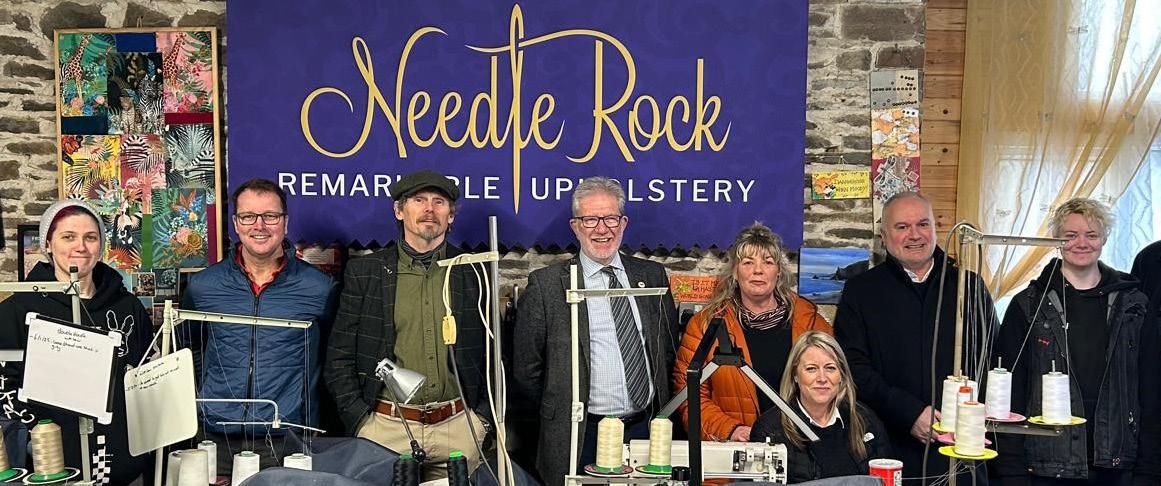
The rising costs of doing business in Wales, from energy bills and business rates to regulatory red tape and late payments, are squeezing SME margins and inhibiting growth. Indeed, 48% of respondents to our Big Small Business Survey reported suffering late payments over the past 12 months. Broader taxation pressures, including rising National Insurance and wage costs, further exacerbate financial strains, while inefficient procurement processes unfairly shuts smaller businesses out of valuable opportunities.
Easing these burdens is essential to create a more affordable operating environment, allowing SMEs to invest in expansion and growth rather than survival.
FSB Wales call for:
• Urgent and comprehensive business rates reform
The business rates system is ill suited to the modern world. It places costs in front of businesses before they even start making an income, it disincentivises investment in a premises and distorts operating costs between businesses based on their location, or whether they are online or not. The next Welsh Government should align Wales’ Small Business Rate Relief scheme with England through a £12,000 threshold and taper to £15,000. In the medium-term, more fundamental reform should be considered.
• Mandating 30-day payment terms across public sector contracts
Late payment is a longstanding issue for Welsh SMEs. Proposed UK legislation could address this.
However, it must be delivered with the full backing of the next Welsh Government. They should lead by example on late payments and procurement by mandating 30-day payment terms across all public sector contracts, requiring quarterly publication of payment performance.
• Saving a quarter of the time spent on regulation through a 25% cut in compliance costs
Regulation is a significant obstacle for growth. Department for Business and Trade surveys show increasing time spent on regulatory compliance over recent years. There has been little debate about this issue from Welsh regulators. A Regulation Action Plan for Wales should be introduced with a target to reduce time spent on devolved regulation by 25%.
• Digital support for SMEs
Technological progress ought to reduce administrative burdens and time expenditures for SMEs which are disproportionately affected by paperwork compared to larger entities. The next Welsh Government should establish a clear roadmap for delivering enhanced digital infrastructure over the coming decade. Any developments should be designed from the outset to prioritise efficiency and ease of use for businesses, rather than solely serving governmental convenience.
The Organisation for Economic Co-operation and Development (OECD) research finds that the UK could benefit from a 5% productivity gain if the level of skills mismatch was reduced to OECD best practice levels. While many economic development and growth levers do not sit with Welsh Government, this area is largely devolved and so should provide a clear economic priority and be developed as a mission for Welsh Government to address on a cross-governmental basis.
The strategy for skills-led growth, geared for SMEs, must be based around the aim of making access to skills easier, within a wider business support aim of creating more time and space, or headroom, for businesses to take opportunities, including particularly in skills development.
SMEs across Wales are confronted by hard barriers in building successful workforces, from limited start-up support that hinders entrepreneurialism to difficulties in hiring, developing staff, and planning for business exits or successions. Apprenticeships remain underutilised, due to costs and awareness gaps, leaving skills shortages in key areas and hampering long term sustainability.
Empowering people through targeted support is crucial t build entrepreneurship, talent development, and smooth transitions, ensuring SMEs can attract and retain the workforce needed for success.
FSB Wales call for:
• Making start-ups a priority
The number of micro-businesses has declined since the pandemic, according to the most recently available data from Welsh Government. Entrepreneurialism is a key component of a dynamic economy, and this trend needs to be reversed through targeted support and advice aimed at driving business creation. A new start-up strategy should be introduced, backed with grant and seed funding and a refocus on start-ups at Business Wales.
• Increasing funding for SME apprenticeships
Apprenticeships are a key route into the labour market for many, and SMEs form the backbone of Wales’ current scheme. In recent years, funding has been inconsistent, and we know there are barriers in terms of recruitment and management costs for apprentices, and a lack of awareness around how to recruit an apprentice. Additional funding should target the barriers to SMEs taking on apprentices.
• Support SME Leadership and Management capabilities
In our research, building core people-management capability and improving firms ‘absorptive capacity’ to take on new skills to scale up is a necessary first step to business improvement. The next Welsh Government should reintroduce a broad leadership and management offer to businesses in Wales.
• An employment incentive for SMEs
SMEs make up around three fifths of Welsh private sector employment, in communities the length and breadth of Wales. Despite this, we know a large part of the labour market in Wales is economically inactive. Through the newly devolved employment support powers, Welsh Government should introduce a new employment incentive for SMEs. This could be similar to previous schemes such as the original Jobs Growth Wales.
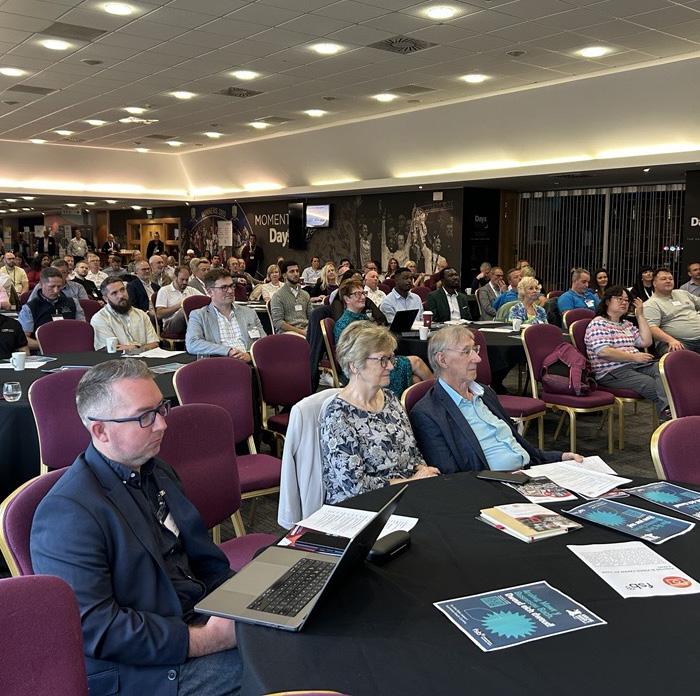
It’s time for a new deal for business in Wales!
Wales is at a crucial juncture. The decisions taken across the next Senedd term will determine whether our small businesses and family concerns that employ most workers throughout Wales and keep our communities alive, are empowered to grow, or left fighting for survival.
FSB Wales and our members stand ready to partner with government, local authorities and public bodies to deliver the practical changes set out in our manifesto. We are simply asking for the certainty, fairness and ambition that will allow passionate businesses and entrepreneurs in every corner of Wales to invest, hire and innovate with confidence.
We therefore call on every political party, every prospective candidate and, above all, the next Welsh Government and the returning and new intake of Members of the Senedd, to commit to making the 2026/30 Senedd term, the Small Business Term. Let it be the parliament term that prioritises SMEs, removes unnecessary burdens, and builds an economy that works for all communities across Wales.
www.fsb.org.uk/wales