Discover the history of Howlong
The Historic Crossing Place
This self-guided tour is the perfect way to immerse yourself in the rich history as you uncover the stories behind the twentyeight sites that are sprinkled around the township of Howlong.
The tour takes approximately 3 hours by foot or one hour by car.
Howlong’s origins can be traced back to 1836 when the NSW surveyor-general, Major Mitchell set up camp on the southern bank before crossing the river as part of his Australia Felix expedition.
In 1838 Joseph Hawdon set off from Howlong on the first Overland Cattle Drive to Adelaide. The same river crossing was used by Hawdon for the first overland mail delivery from Port Phillip (Melbourne) to Yass, thence to Sydney via stage coach.
Federation Council would like to show appreciation to those who contributed to this guide, in particular the Howlong History Group and Mr. Ron Wilkin.
It is interesting to note that the mill featured an exhaust fan that sucked refuse instead of blowing it over the country side, indicating that Howlong was in the conservation and environmental business in 1867.
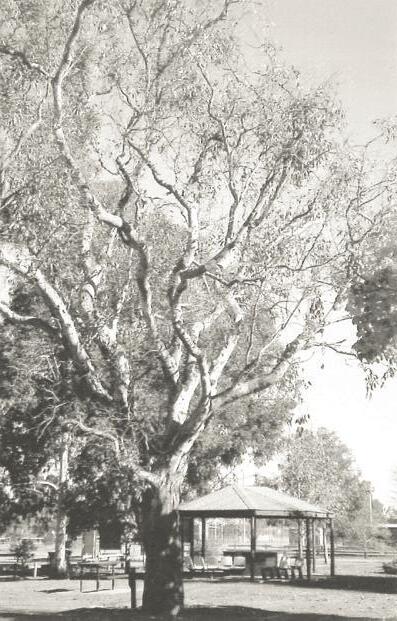
1. The Howlong Hovell Tree
The Howlong Hovell tree was planted by President of the Hume Shire Council, Mr J Pearce Smith junior, on 10 August 1938.The tree is located in the recreation section of Lowe Square Reserve. The tree was grown by Mr W Fellows, curator of the Albury Botanical Gardens, from seeds taken from the ‘Hovell Tree’ located on the bank of the Murray River at Albury. William Hovell carved his initials and year on the tree when he passed through on his overland journey from Sydney to Melbourne in 1824.
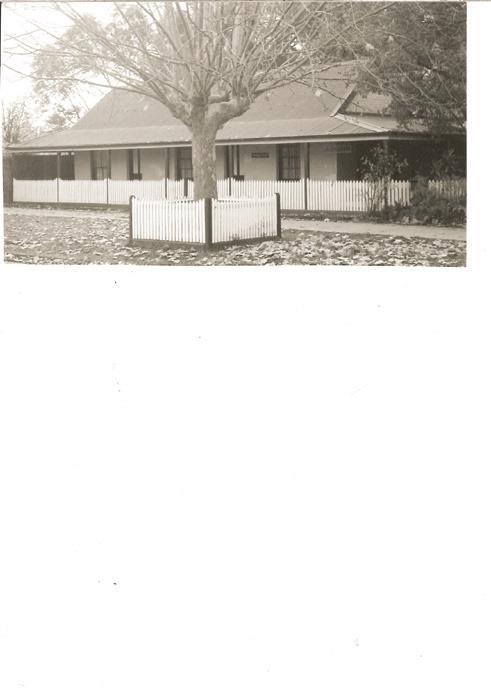
2. The Peppercorn Cottage
This house was the abode of Mr Jim Dalton in about 1910. Subsequently, the house has been a residence, antique furniture store and a restaurant.
3. The Blacksmith Shop and Garage
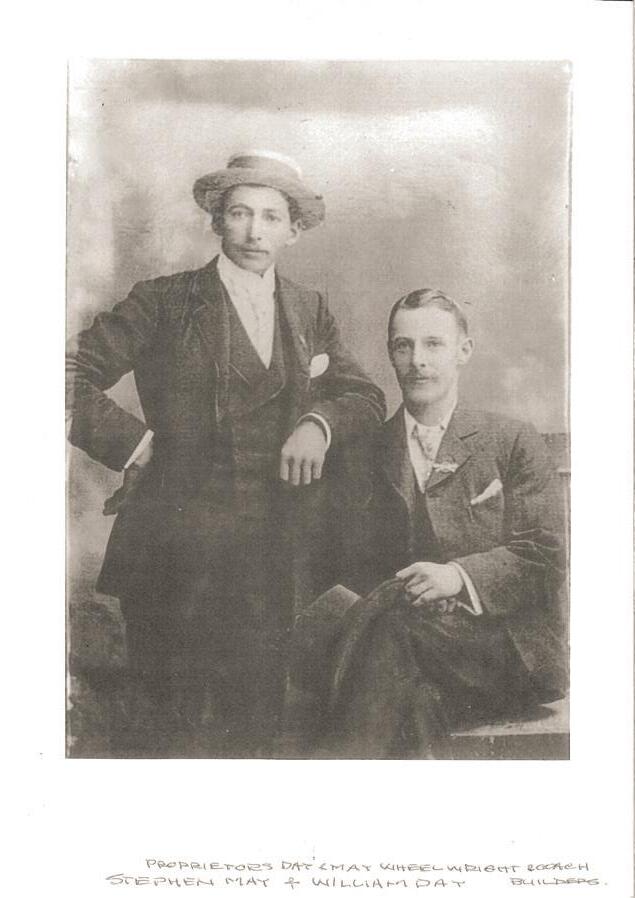
Mr William Thomas Day was born at sea off the coast of Madagascar in 1879. When he was old enough he mounted his bicycle in Melbourne and rode as far as Howlong. At 15 years of age he obtained an apprenticeship with Mr Ashford as a coach builder and blacksmith. On completion of his apprenticeship he entered into a partnership with Mr Steve May and built a wheel wright and blacksmith shop in Hawkins Street. William’s son, Mr Mick Day took over the business from his father and operated it as the Howlong Garage for another 40 years.
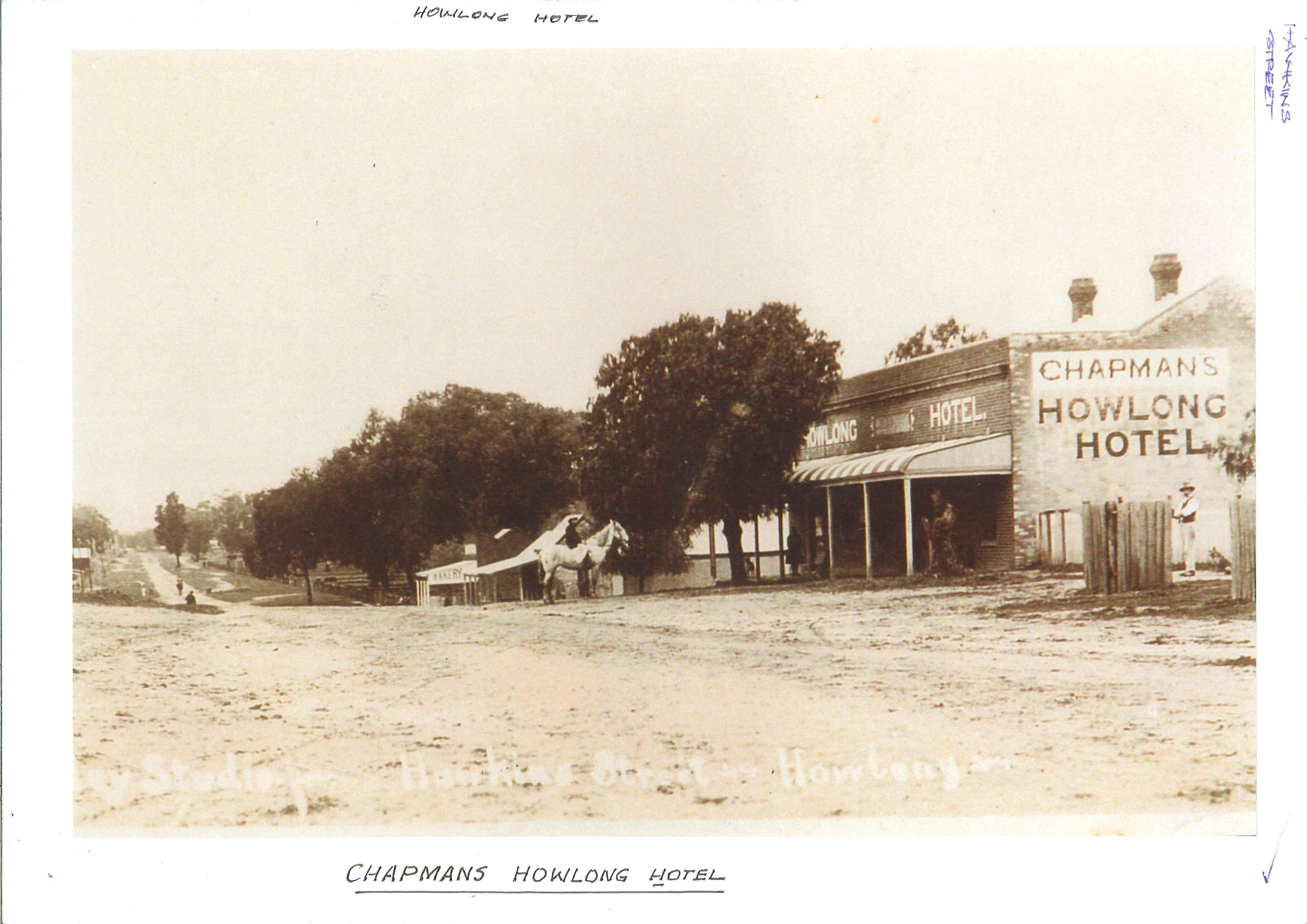
4. The Howlong Hotel
The Albury Newspaper records that the Howlong Hotel was opened on 1 January 1857 and built for Mr Matthew Woodward Pearce. The first licensee was Mr Hector Mackenzie. In the mid 1860’s, it was purchased by Mr Armer Boyle. Boyle was born in Newry, Ireland in 1835. He migrated to Australia in 1854 at the time of the gold rushes and settled in Howlong in the early 1860’s.
In 1869, Boyle organised the quickest journey from Albury to Melbourne. Passengers would leave Albury at 3am on the Deniliquin coach. Another coach took them from Deniliquin to Echuca where a Melbourne train was waiting. Two years later he went one better by organising the Albury coach to travel to Tocumwal and meet the paddlesteamer ‘Wahgunyah’ heading for Echuca. Mr Armer Boyle had 12 children and died in July 1906 aged 70 years. He is buried in the Pioneer section of the Howlong cemetery.
5. The Howlong Bank
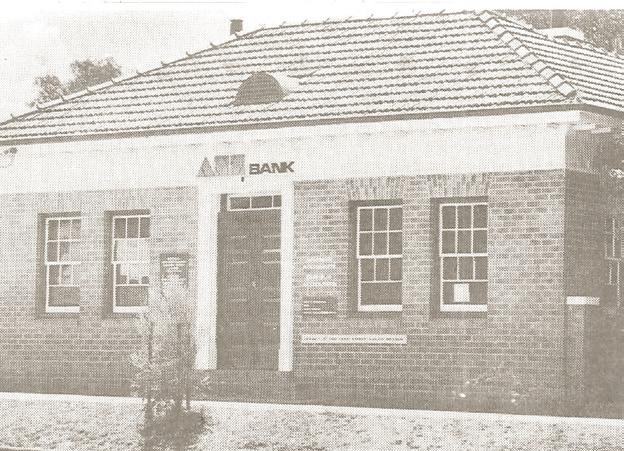
Mr Thomas Harris purchased the site of the former bank on 16 January 1857. He died two years later and the property title was transferred to his son. The next recorded transaction is a confirmation made between Ms Mary Darby, Mr William Henry Easterby and Mr Armer Boyle to the Corporation of the Bank of Australiasia. The conveyance transferring the ownership of the land from the Bank of Australasia to the Australia and New Zealand Bank took place on 9 September 1955. The building is now owned by Federation Council and is the Howlong Library and Resource Centre.
6. The Howlong Butchery
Mr John Garde Drew was born in 1828 in Ireland. He arrived in Australia in 1841 and was appointed Howlong’s first postmaster in 1861. He operated a general store and died in 1901. He was buried in the Howlong Cemetery. His son John Garde Drew Junior was born in 1861 and was a stockman. He established a butcher shop that was located directly opposite the entrance to Lowe Square. He married Ms Alice Easterby and died in 1947. During his life the decision was made to move the butcher shop uptown to the location indicated on the map. The shop remained in the ownership of the Drew family until it was eventually sold by Mr Harry Drew in 1966. This site is now occupied by a funeral parlor.
7. The General Store
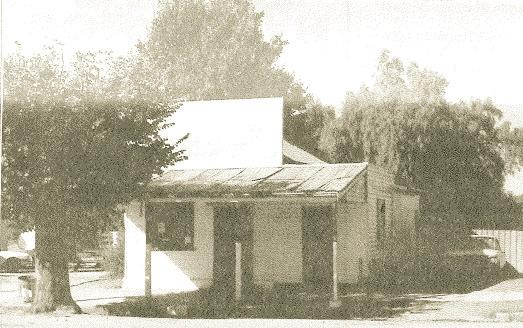
Formerly knows as Wallis’, Osborne’s or the McCormack’s Store. The western side of the shop used to be Black’s Butcher Shop and the white washed walls are still in evidence. The shop was then taken over by Charlie Cork who turned it into a bookmakers establishment. The building was sold to Mr Ron Wallis who built the existing shop. The next owners were the Osbornes followed by the McCormacks.
8. The Hamilton’s General Store
The original store was owned by Mr Armer Boyle. Mr William Hamilton was born in Scotland in 1833 and arrived in Australia in 1852. In 1877 he settled in Howlong, married Boyle’s daughter and took over the drapery and grocery business. The store was inherited by his son Mr William Barr Hamilton and his sons took over the store in 1938 after his death. The store was destroyed by fire in 1941 and was rebuilt in 1949 as it is today. In 1976 the store was sold ending 100 years of ownership by the Hamilton family. It is now the Howlong Cafe.
The Mill Hotel
The Mill Hotel was built by Mr George Fuller in about 1870 for Mr William Easterby. Mr John Joseph Costello was the licensee in 1870 followed by Ms Matilda Lester. Ultimately, it was purchased by Mr George Fuller. George married the daughter of Mr Neville Walter who owned the Border Inn Hotel. well as running the 12 roomed hotel, he farmed the 40 acres of land
The hotel was delicenced in 1920 and purchased by Mr Robert Walter who changed the name to ‘Piercefield’ after the Walter’s family estate in England.
27. The Howlong Cemetery
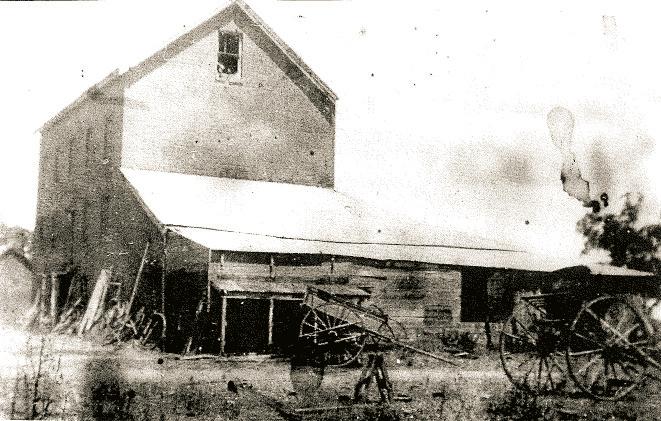
Mr Edwards built for himself a residence which must be one of the oldest and best preserved residences in the district.
In 1900, the mill building and residence was purchased by Mr Thomas Ashford and converted into a coach building works. Ashford was elected to the first Hume Shire Council in 1906 and was Shire President on a number of occasions.
The Cemetery was initially dedicated in 1863. Prior to that time burials took place in many locations. Diggers without fail picked a sandy spot and known graves were shifted to the cemetery. Eventually, the Elm trees and rabbits created difficulties so an additional area of acres was added to the cemetery on 23 February 1889. This enabled specific zones to be set aside for the main denominations.
The Cemetery gates were installed in 1930 and the Columbarium built in 1987. The lawn cemetery and rose garden cemetery were added in 2011.
28. The Howlong Golf Club
The Howlong Golf Club was originally on the location of the Howlong Race Course. The first races in Howlong were staged on 28 & 29 February 1860. The 100 mile race in 1873 took place around the old Roman Catholic Church. The first record of a race course on this site was notification in the Government Gazette of a reserve for a race course in Howlong dedicated on 7 September 1910. An additional area was added on 12 April 1929. In 1959 a letter arrived from the Minister of Lands enquiring about the future use of the land as the government of the day was considering selling any unused property. The secretary of the Race Course Committee immediately contacted the local State Member and explained the extremely cramped location of the Golf Course at Lowe Square. At a committee meeting on 5 May 1959, a letter was tabled from the Minister of Lands informing the club that the status of the race course was being reviewed and asking if the Golf Club would be interested in re-establishing in that area. The outcome, after careful negotiation, was the Golf Club purchase of the land freehold ensuring its future as the Howlong Golf Club.
Upon request of the individual owners of the privately owned buildings on the trail be respectful when visiting. The premises may not be entered unless prior arrangements have been made with the property owners.
Corowa Visitor Information Centre
100 Edward Street, Corowa Civic Centre, Corowa NSW 2646 (02) 6033 3221 tourism@federationcouncil.nsw.gov.au www.visitcorowaregion.com.au
Monday - Friday 9am - 4pm
Saturday 10am - 3pm
Sunday Closed
Public Holidays Open by demand
Howlong Library & Resource Centre
59 Hawkins Street, Howlong NSW 2640 (02) 6026 5055
Monday Closed
Tuesday 10am -1pm and 2pm - 5pm
Wednesday 10am -1pm and 2pm - 5pm
Thursday 10am-1pm
Friday 10am - 1pm
Saturday 9am - 11:30am
Sunday Closed
Find us on Facebook and Instagram @visitcorowaregion #visitcorowaregion
DISCLAIMER:
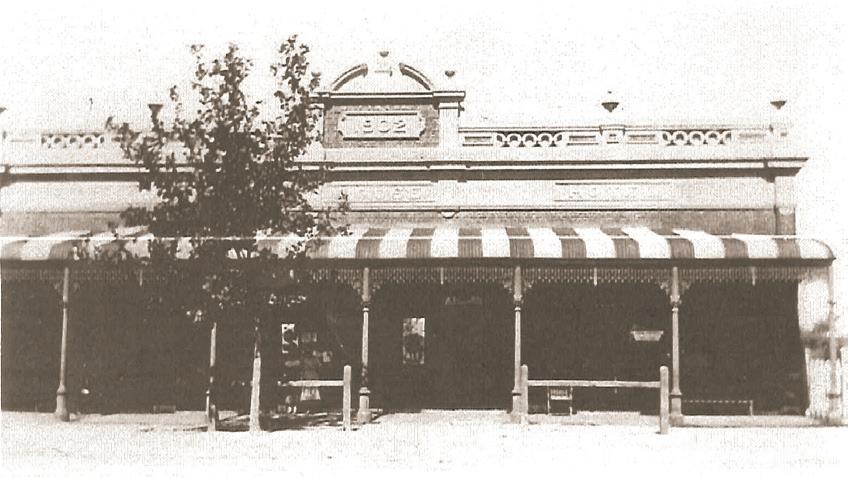
9. The Court House Hotel
The original building was erected by Mr William Murdock in 1879. The licensee was Mr James Stanton. It was initially called Ramsey’s Hotel but the name was changed to link it with the Howlong Court House which was erected in 1880.
The hotel underwent extensive renovations in 1902 - hence the date on the façade.
10. The Mechanics Institute
The date on the Mechanics Institute is 1895. Earlier records however state that the Howlong School of Arts was built by Mr W. Squires and opened on the 21st October 1887. It can only be concluded that the façade of the building was added in 1895 by contractor Mr William Murdock and the supper room built in 1936. The building is now the Howlong Opportunity Shop.
11. The General Store
Four commercial businesses have operated on this site. A garage and bakers shop, and a butcher shop was located on the western side of the existing shop. It is now a newsagency.
12. The Howlong Post Office
Postal services at Howlong were first introduced when Mr Joseph Hawdon won the contract to provide an overland mail service between Melbourne and Sydney in 1838. Hawdon employed Mr John Conway Bourke to be the first mailman. More formal services were introduced when Mr John Garde Drew, the storekeeper, was appointed the first Postmaster on 1st January 1861. Mr Edward Walsh opened the telegraph office in 1878 with the call sign HW. T L Mitchell won the contract to erect the existing Post Office for 1,343 pounds and it was completed on 28 February 1898. The telephone exchange came into operation in 1912. A plaque commemorating the Overland Mail Service is situated in the front of the Post Office. The Post Office was relocated further down Hawkins Street in 2003. The original building is now a bed and breakfast.
13. The St Thomas’ Anglican Church
The Anglicans built the church in 1865 and it was consecrated by the Bishop of Goulburn, the Right Reverend Mesac Thomas on 3 May 1876. By the turn of the century, the foundations of the church were unsound and the east end was pulled down. A new chancel and vestry were dedicated in August 1904. The church hall was added in 2010.
14. The Howlong Police Station & Court House
Howlong’s first police station was opened in 1857. In 1879 a combined Police Station and Court House was erected. The brick building was located between the existing Police Station and the Bush Fire Brigade building. It originally consisted of a court room, magistrates room, clerk of petty sessions room, police station, two cells, walled exercise yard and an officer in charge residence. All were incorporated under one roof. The building served the people of Howlong for 83 years before being demolished in 1962. In 1879 the Post Master reported that the telegraph line had been severed. Word went around that the culprits were connected with the notorious Kelly Gang. As a result six additional police were stationed at Howlong. They were still waiting for the gang to turn up twelve months later.
15. The St Andrew’s Church
Presbyterians first held church services at Howlong in about 1886. Early services were held in St Thomas’ Church until St Andrews’ Church was built in 1900. St Andrews congregation joined the Uniting Church of Australia in 1970.
16. The Howlong Station
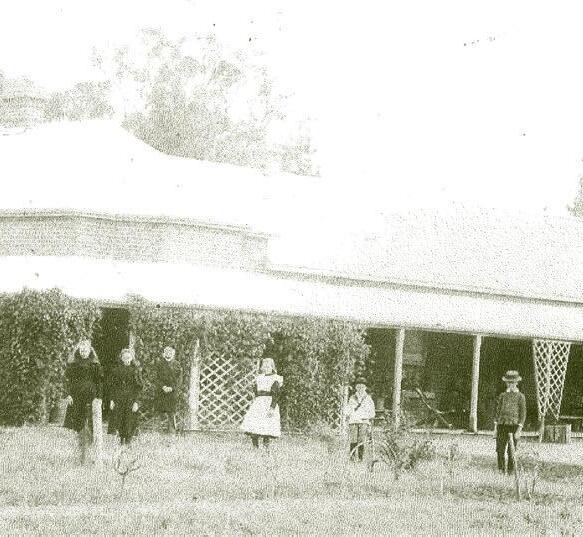
Howlong Station was formed in 1837 by Mr John Hawdon. The size was estimated to be 64,000 acres in 1848 but this gradually reduced to 38,400 acres as indicated in the NSW Gazette in 1866. With no homestead in existence the only building was a modest slab hut on ports 42A and 43, west of Pearce Street, accompanied by yards for marshalling cattle. The home at what is now referred to as ‘the homestead block’ was erected by Mr Alexander Macvean at the location known as ‘Kismet’.
22. The Historic Crossing Place
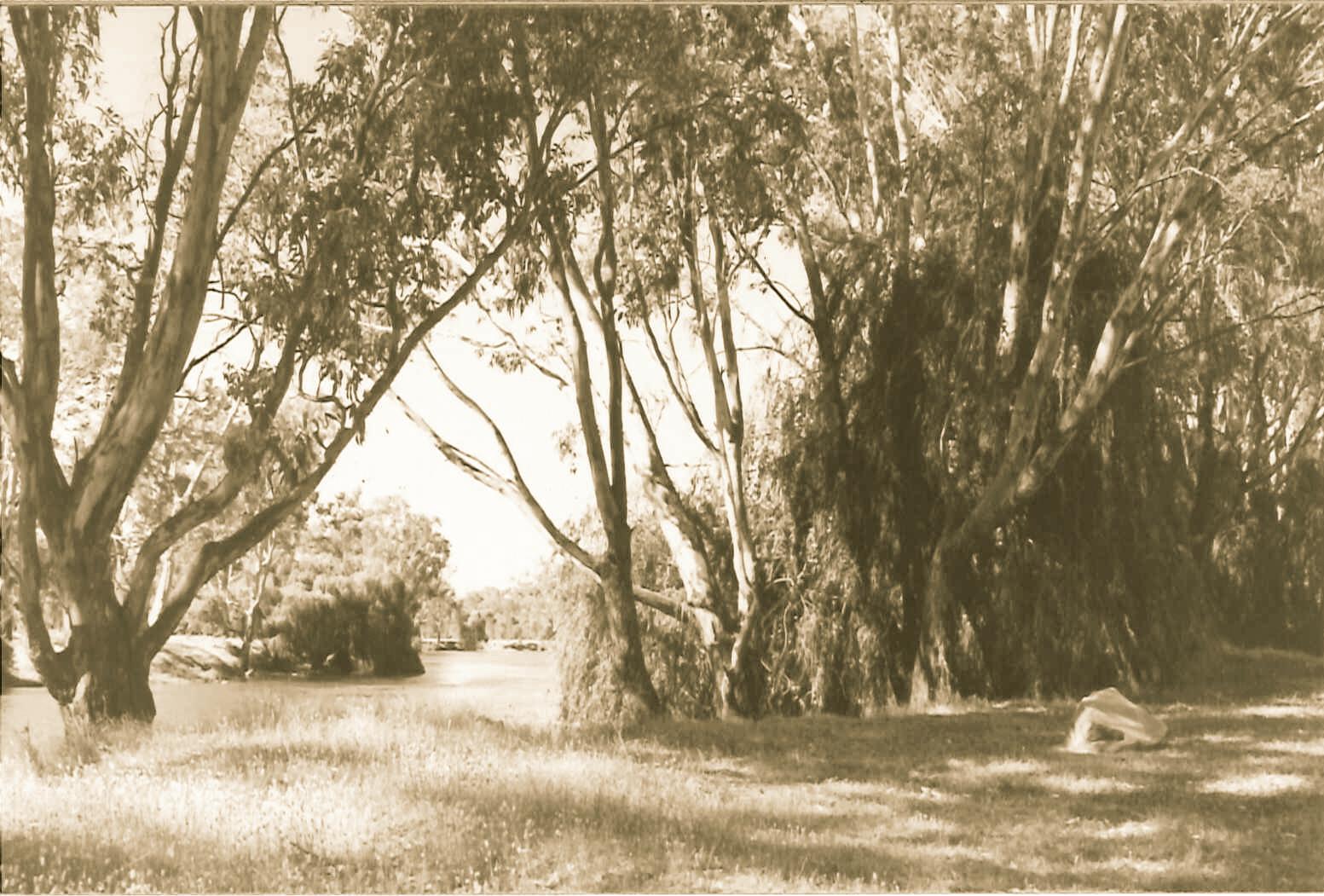
Situated downstream from the main Howlong Murray River Bridge. To the right of Rutherglen Road on the Victorian side, is a pleasant roadside stopping place. This stop is significant because on the night of 17 October 1836, Major Mitchell and his party camped here prior to crossing the River on his return to Sydney from his historic exploration of Western Victoria. In 1838 Mr Joseph Hawdon crossed here establishing the first overland mail service between Port Phillip and Sydney. Later in 1838 Charles Sturt set out to prove the Hume River and the Murray River were the same river.
23. The Punt Hotel and Custom House
The Punt Hotel located to the left of Rutherglen Road is believed to have been built by Mr Archibald Rutzou. Howlong had a punt service for 30 years before a bridge was placed across the river. The Punt was introduced by Mr Thomas Allan in 1857 and subsequently conducted by Mr Johnston and Mr Ferdinand Rutzou.
Before Federation, Custom dues had to be paid on all goods carried between New South Wales and Victoria. The Custom House was located between the punt crossing and the Punt Hotel. With Federation the Custom House gradually became obsolete.
17. The Memorial Park
The Memorial archway was erected by the Howlong RSL and A.I.L.A Branch in 1948 when Mr William Ashford was President. Plaques listing those who gave up their lives for their country during the 1914-18 and 1939-45 wars are on the gateway.
Individual plaques indicating the service particulars of those killed in World War II are located adjacent to the avenue of trees.
18. The St Brigid’s Catholic Church
Catholic presence in Howlong can be traced back to 1858. Records indicate that Father Richard Butler married Mr John Conway and Ms Johanna Leahy in Howlong on 9 May 1874. The first church in Hammer Street was opened on August 5, 1877 by Dr Michael McAlroy at a cost of 560 pounds. St Brigid’s was replaced by the present church in Hovell Street in 1956 and was opened by the Most Revered Dr Henschke D.D. Bishop of Wagga
20. The Howlong Common
Howlong’s permanent Common was dedicated in 1870. The Common is part of our British Heritage. The land is owned by the State and is administered by a Trust. ‘Commoners’ have the right to have a set number of cows and calves on the common. The common is subject to a strict tree preservation order and is also available for passive recreation.

19. The Howlong Sale Yards & Location of the Howlong 100 Mile Race

21. The NSW Murray River Bridge System
Younghusbands and Dalgety’s Stockyards were located in this vicinity. The sales were conducted once a month on Thursdays from 9am to 6pm.
The famous 100 Mile Horse Race was also conducted in this area in 1873. The horses were ‘Viking’ owned by Mr Jack Everitt and ‘John Sullivan’ owned by Mr Ted Brown. The jockeys were Mr Bill Howard on ‘John Sullivan’ and Mr Billy Boyle on ‘Viking’. ‘John Sullivan’ after 92 miles broke down and had to retire. ‘Viking’ ran another mile, sprinting the last couple of furlongs, to beat a mare named ‘Boyle’s Howlong Belle’ introduced to provide some incentive. Court proceedings followed with charges of cruelty to animals. The Howlong Constable proved to be the best witness for the defence, by declaring that he saw no act of cruelty. In fact at the end of ‘Viking’s’ 92 mile marathon his 15 stone owner mounted, jumped over a fence and headed home to Tarrawingee - 30 miles away.
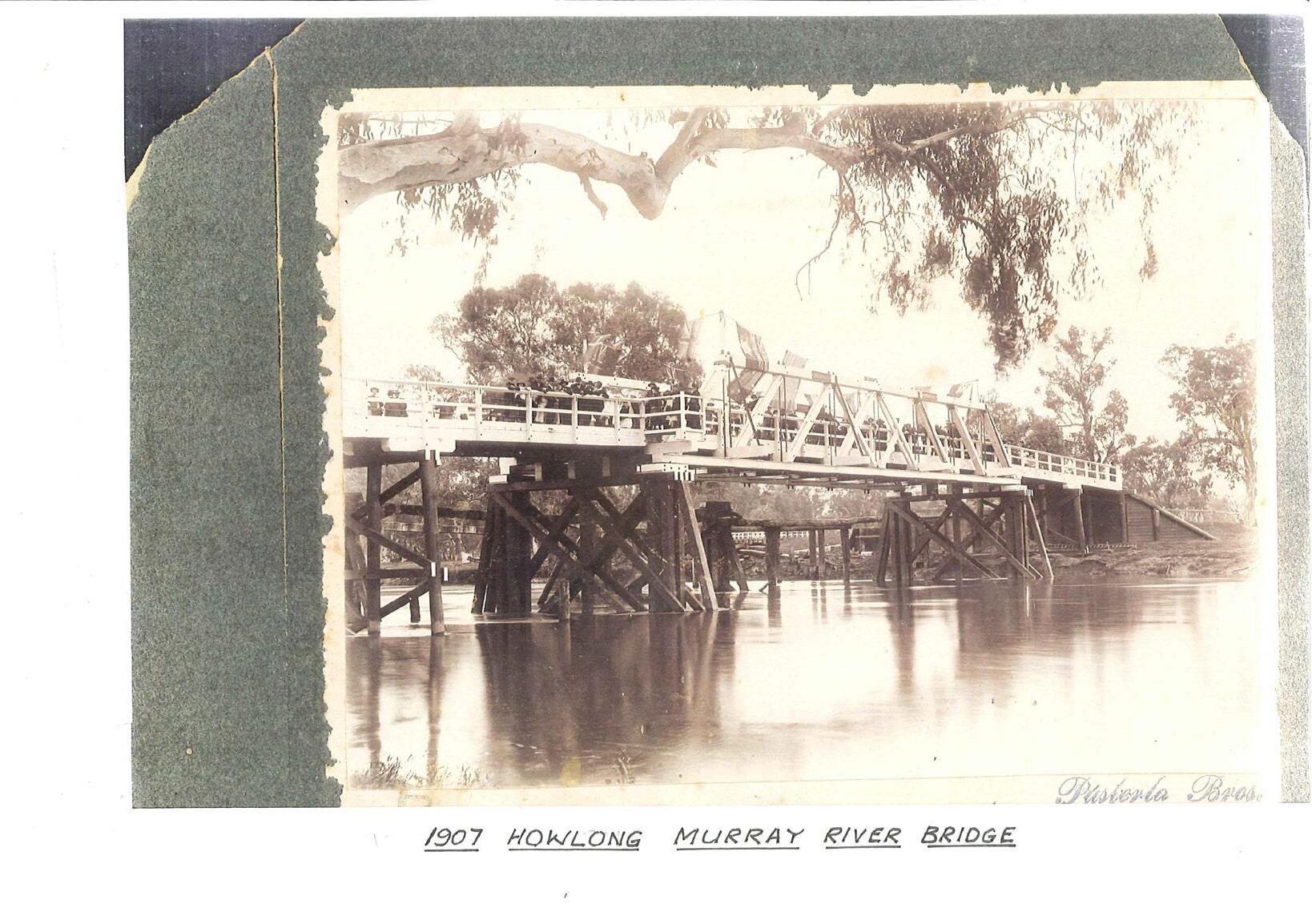
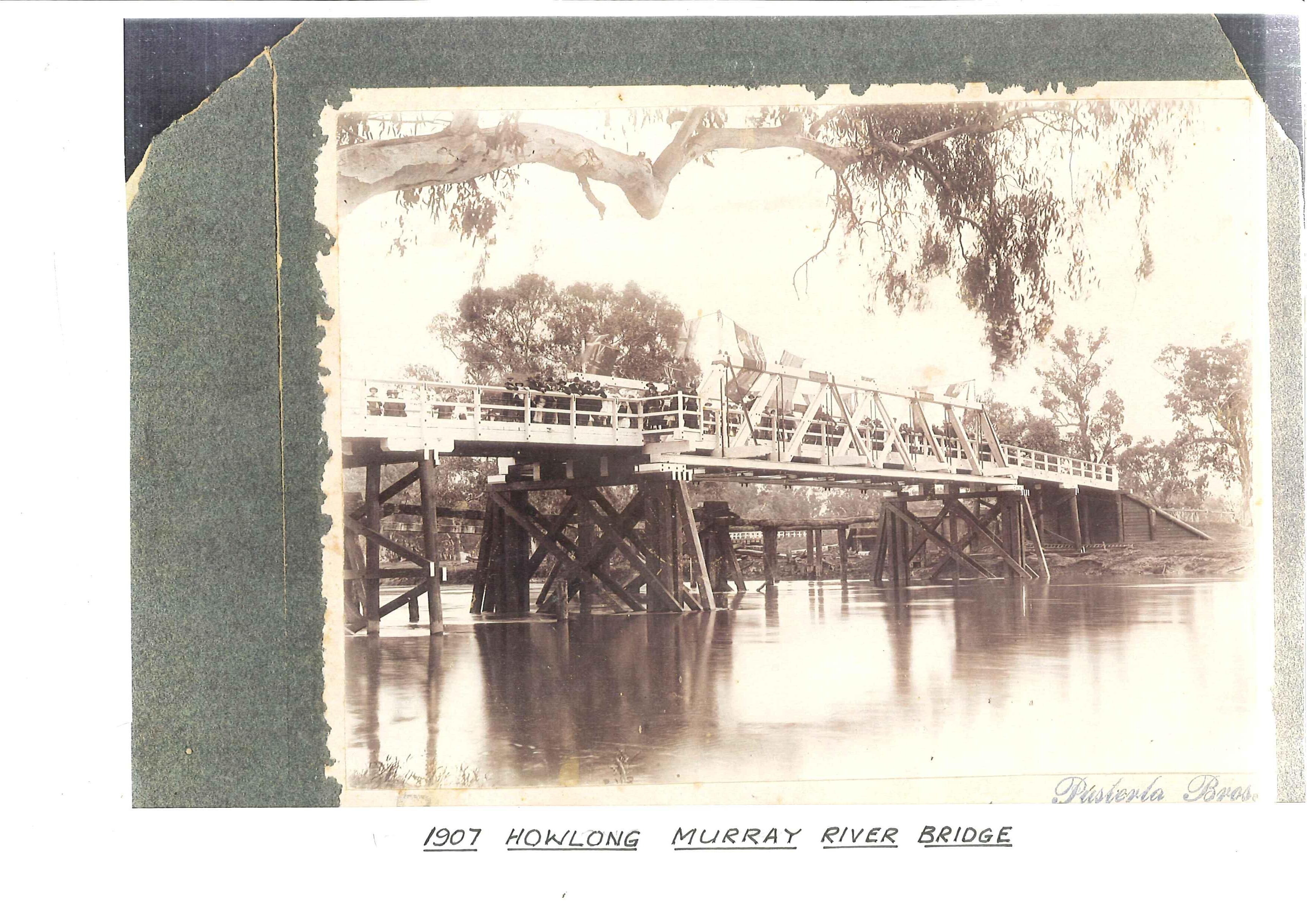
In July 1857 Mr Thomas Allan operated a punt crossing the river, later followed by Mr Ferdinand Rutzou. In 1876 the local member for Parliament, George Day advocated for a bridge to “add another link to the chain of Federation”.



In early 1885, the NSW and Victorian Governments agreed to share the cost. The bridge was completed in 1885 for a cost of 3,500 pounds for the bridge and 3,000 pounds for the approaches. The main bridge is 76 metres long with three 22.8 metre long spans. The bridge was officially opened on 21st October 1887.
The new bridge system was opened on October 5 2001. Details of the names of the other bridges are: The Leahy Bridge named after Mr Richard Leahy who settled in Howlong at ‘Leahyvale Estate’ in the 1860’s. The Granny Caton Bridge, named after Ms Mary Ann Caton who was a Howlong midwife. The Hamilton Bridge named after the Hamilton family who operated the general store for over 100 years. The Reid Bridge named after Mr David Reid who settled at ‘Chudleigh’ Moorwatha in 1865. The Murray River John Conway Bourke Bridge named after Mr John Bourke who carried the first overland mail by horseback from Port Phillip to Howlong, then to Yass and Sydney by coach.
24. The Lowe Square Reserve
Lowe Square was notified as a reserve on 24 December 1861. Mr Lowe donated the land to the authorities for a sports area. The original Howlong Golf Course was located on this site. The course was laid out in 1928 with the first tee in the north east corner and a fairway past the football ground to a sand scape in the south east corner. It now serves the community for football, cricket, tennis, netball, pony club,
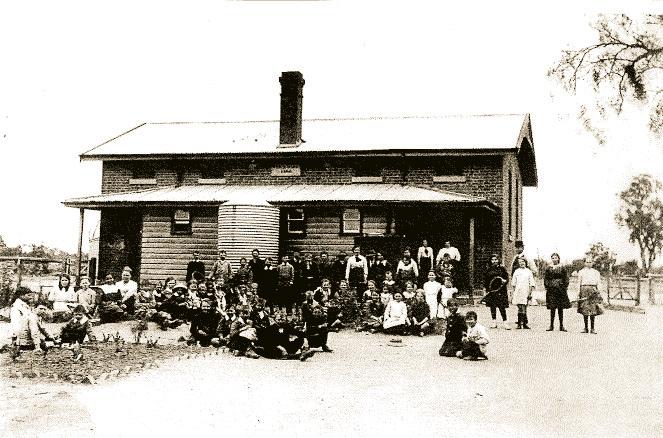
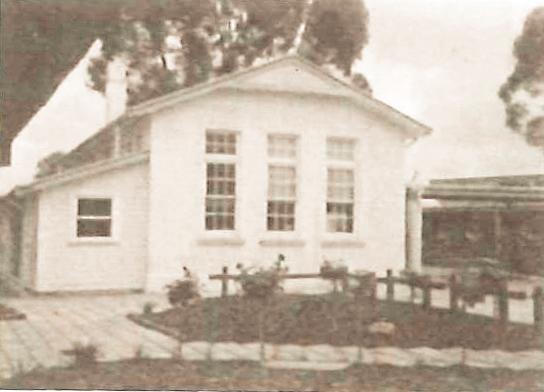
National School in 1861. The first teacher’s name was Ms Emma Hegarty and she had 22 pupils. The next school cost 547 pounds and was built in 1872. Another room was added in 1922. The existing school, incorporating the 1872 buildings was completed in 1990.