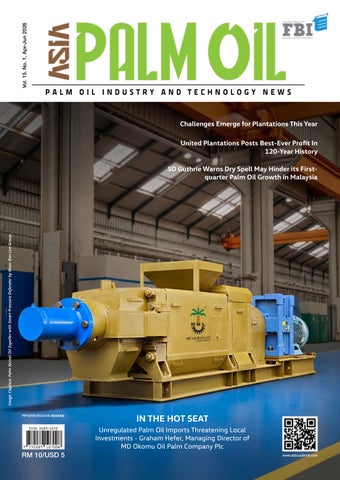
United Plantations Posts Best-Ever Profit In 120-Year History
SD Guthrie Warns Dry Spell May Hinder its Firstquarter Palm Oil Growth in Malaysia
IN THE HOT SEAT
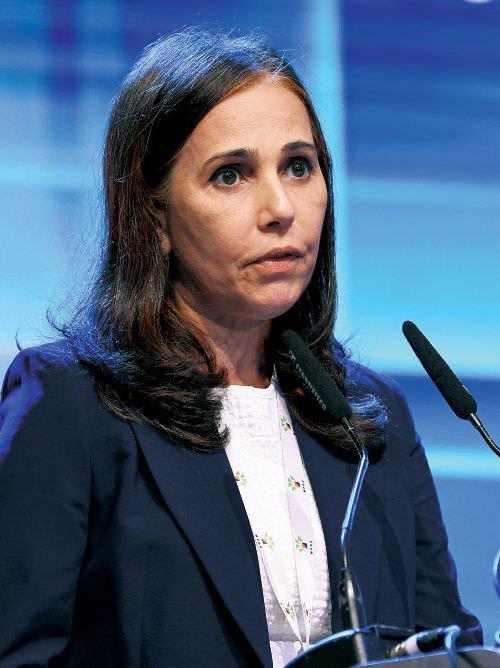
Unregulated Palm Oil Imports Threatening Local Investments - Graham Hefer, Managing Director of MD Okomu Oil Palm Company Plc
As we step into the first quarter of 2026, Malaysia’s palm oil industry is entering an important new chapter. One of the most interesting developments this month is the government’s shift in strategy, moving away from expanding new plantations and focusing instead on productivity, mechanisation and technology driven growth. With land availability getting tighter and sustainability expectations rising globally, this direction is both timely and necessary.
This move signals a stronger push to embrace innovation across the value chain, from mechanised harvesting to data driven estate management and downstream optimisation. Rather than increasing acreage, the industry is now prioritising higher yields, better labour efficiency and long-term sustainability. It is a clear message that Malaysia wants to remain globally competitive by being smarter, not larger.
For the industry, this opens the door to new opportunities. Technology providers, research institutions and plantation players will play a bigger role in shaping a modernised sector. At the same time, this shift strengthens Malaysia’s position as a responsible and future focused producer that continues to balance economic growth, environmental care and global market expectations.
As always, thank you for your continuous support for Asia Palm Oil Magazine. We look forward to bringing you more insights, breakthroughs and stories that matter to our industry.
PUBLISHER
FBI Publications (M) Sdn. Bhd.
PUBLICATION MANAGER
Vanny Lim vanny@asiafbi.com
PUBLICATION EXECUTIVE
Jocelyn Ong jocelyn@asiafbi.com
PROJECT EXECUTIVE
Ethan Loi ethan@asiafbi.com
MARKETING COMMUNICATION MANAGER
Nur Izyan binti Dzulkifli izyandzul@asiafbi.com
CREATIVE DESIGNER
Muhammad Fadzil design@asiafbi.com
BOARD OF DIRECTORS
Kenny Yong Susan Tricia
OFFICIAL MAGAZINE OF
CONTRIBUTOR
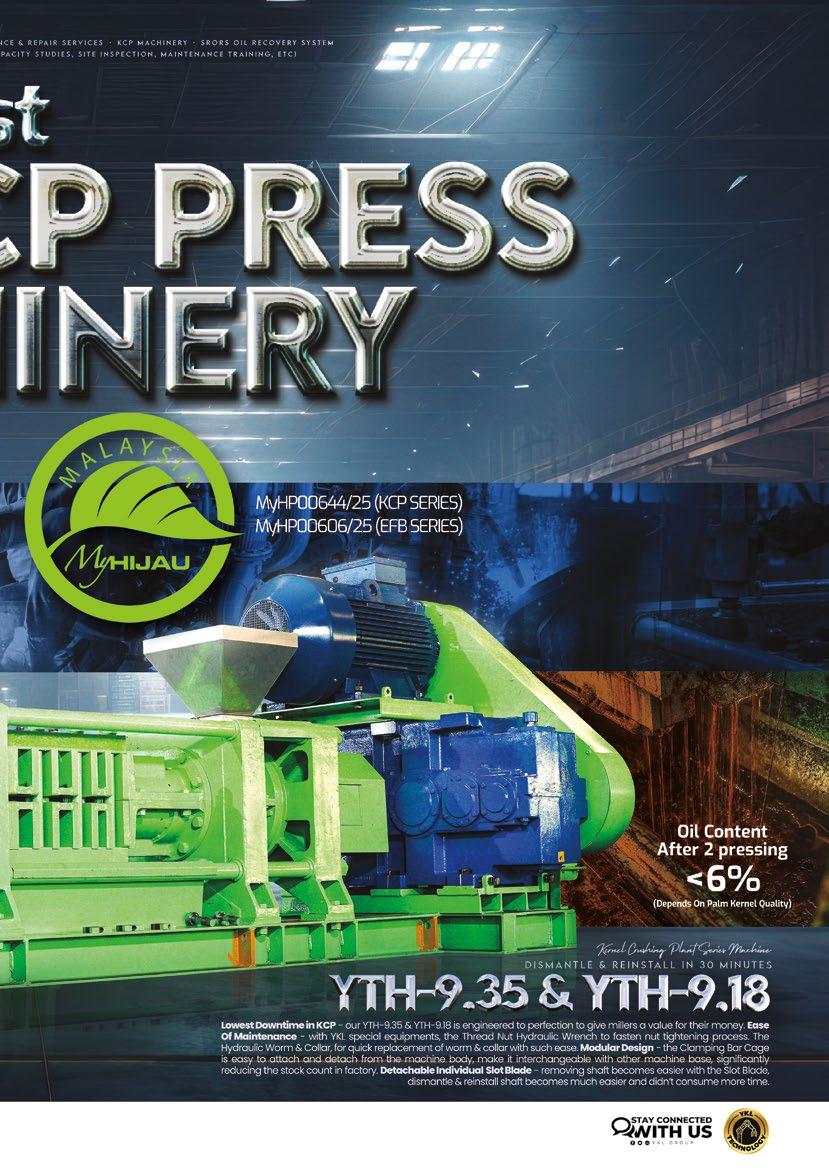
- YKL Engineering Sdn Bhd
- ABS Innovations Sdn Bhd
- Ir. Qua Kiat Seng
- Chan Thye Huat & Datin Lorela Chia
Susan Tricia Editor
Follow us:
: Asia Palm Oil Magazine
: Asia Palm Oil Magazine
FBI Publications (M) Sdn Bhd (1168942-P)
Unit 9-3, Jalan PJU 5/6, Dataran Sunway, Kota Damansara, 47810 Petaling Jaya, Selangor. | Tel: (+603) 5636 1952
PRINTED BY
MMS PRINT SHOP (M) SDN. BHD. (1246387-v)
NO 43G, Jalan PBS 14/2, Taman Perindustrian Bukit Serdang, 43300 Seri Kembangan, Selangor.
ENDORSED & SUPPORTED BY DISCLAIMER
The assertions and opinions expressed in articles and announcements on this magazine reflect the views of the author(s) and do not (necessarily) reflect the views of the publisher. Asia Palm Oil Magazine can in no way be held responsible for the content of such views nor can it be held liable for any direct or indirect damage that may arise from such views.
The information in this magazine is regularly supplemented and/or modified. Asia Palm Oil Magazine reserves the right to make any changes with immediate effect and without providing any notice thereof
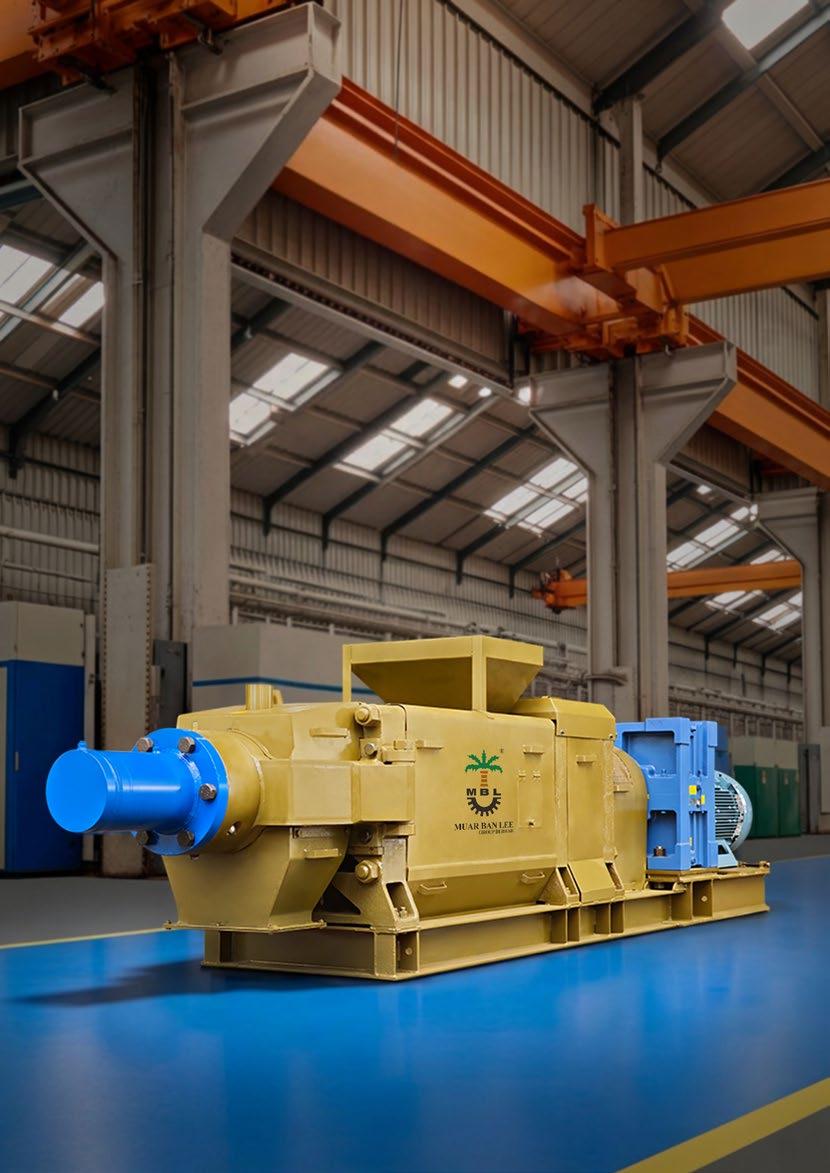
Muar Ban Lee Engineering Sdn Bhd
FGV In 2025: A New Chapter of Purpose, Trust and Nation-Building
SD Guthrie Warns Dry Spell May Hinder its First-quarter Palm Oil Growth in Malaysia
08 - United Plantations Posts Best-Ever Profit In 120-Year History
10 - FGV In 2025: A New Chapter of Purpose, Trust and Nation-Building
INDUSTRY
16 - MPOC: Boosting Yields Critical to Palm Oil Sustainability
22 - Challenges Emerge for Plantations This Year
23 - SD Guthrie Warns Dry Spell May Hinder its First-quarter Palm Oil Growth in Malaysia
24 - MPOB in Talks with Ground Vehicle Operators, Biodiesel Suppliers to Expand B20 Use at KLIA – KPK
28 - Kenya To Deepen Economic Linkages with Malaysia Through Halal Sector, Palm Oil, Agro-Processing
30 - Malaysia and India to Deepen Collaboration in Palm Oil Value Chain, Product Development
32 - Philippines Eyes Oil Palm Expansion
WWF-Malaysia, SD Guthrie to Pilot Regenerative Palm Oil Project
Petra Seaga Eyes RM1.4bil Biorefinery Investment in Sabah
PLANTERS CORNER
42 - 21,049 Smallholders Benefit from BUDI AgriCommodity Programme in Johor
From Latent Potential to Measurable GainsHow Disciplined Execution and Digital Visibility Transformed Mill Performance
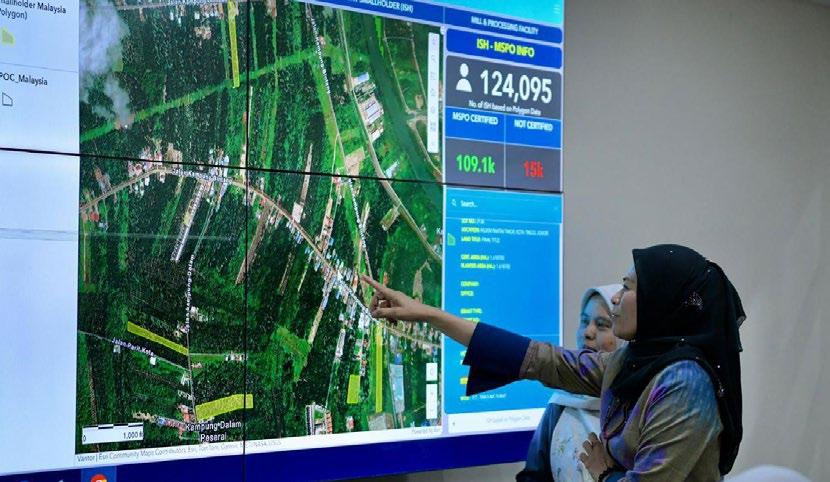
Use Of Sawit Intelligent Management System Reaches 95pct Among MPOB License Holders
IN THE HOT SEAT
46 - Unregulated Palm Oil Imports Threatening Local Investments
54 - From Latent Potential to Measurable GainsHow Disciplined Execution and Digital Visibility Transformed Mill Performance
58 - Use Of Sawit Intelligent Management System Reaches 95pct Among MPOB License Holders
60 - Empowering the Palm Oil Industry Through Sustainable Excellence and Innovation
64 - Palm Oil and the Fat Debate: A New Perspective for Modern Nutrition
66 - Sustainability at Scale: A Capacity Management Question
60 - Empowering the Palm Oil Industry Through Sustainable Excellence and Innovation
United Plantations Posts Best-Ever Profit In 120-Year History
United Plantations Bhd posted its strongest financial performance in its 120-year history, with a net profit of RM830 million for the financial year ended Dec 31, 2025 (FY2025), up 15 per cent from RM719 million a year earlier.
Revenue rose 14 per cent to RM2.51 billion, underpinned by record production and firmer commodity prices.
The plantation group achieved a historic crude palm oil yield of 6.58 tonnes per hectare, despite facing intense downstream competition and severe flooding in November, according to its annual report filed with Bursa Malaysia on Monday.
Earnings per share for FY2025 came in at RM1.33.
United Plantations declared a 30 sen special dividend and a 51 sen final dividend, bringing total dividends for FY2025 to RM1.25 per share.
The final payout, amounting to nearly RM504 million, will be distributed on May 8.
The group cultivates oil palms and coconuts across 62,500 hectares in Malaysia (83 per cent) and Indonesia (17 per cent), and employs 6,926 workers.
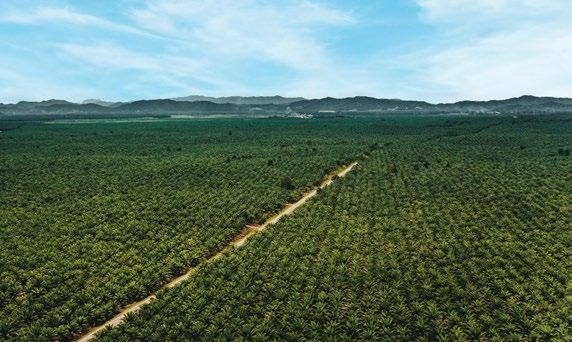
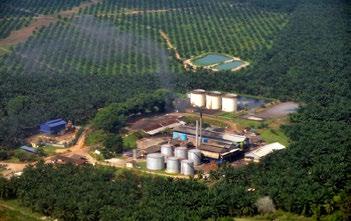
United Plantations Bhd posted its strongest financial performance in its 120-year history, with a net profit of RM830 million for the financial year ended Dec 31, 2025 (FY2025), up 15 per cent from RM719 million a year earlier- Pic credit United Plantations website
Shares of United Plantations closed 32 sen or 1.1 per cent higher at RM30.32 on Monday, valuing the group at RM18.93 billion.
The counter has gained 40 per cent over the past year.
Headquartered in Teluk Intan, Perak, United Plantations is regarded as one of the most efficient and sustainably managed mid-sized plantation companies operating in Malaysia and Indonesia.
The group maintains a conservative capital structure, ensuring sufficient internally generated funds for replanting, capital expenditure, steady dividend payments and selective new investments, without relying on bank borrowings.
Looking ahead to 2026, the company expects a more challenging operating environment amid geopolitical tensions, tariffs and uncertain global economic conditions, which could weigh on palm oil demand and pricing.
Key variables include Indonesia’s biodiesel mandates, production trends in both Malaysia and Indonesia, and broader global growth dynamics that will shape supply, demand and inventory levels.
Established in 1906 in colonial Malaya by Danish engineer Aage Westenholz, United Plantations has grown into one of the region’s longstanding plantation groups.
FGV In 2025: A New Chapter of Purpose, Trust and Nation-Building
Periods of structural change often reveal an organisation’s true priorities. For FGV Holdings Bhd (FGV), 2025 marked such a moment. Following its delisting from Bursa Malaysia, the group entered a new chapter as a private entity wholly owned by the Federal Land Development Authority (FELDA), guided by a clearer mandate to deliver long-term value through sustainability, innovation and shared prosperity, while remaining firmly anchored in nation-building.
Rather than disruption, the year became a strategic inflection point as FGV strengthened operational foundations, accelerated digital traceability and renewableenergy initiatives, enhanced governance standards and continued uplifting FELDA settlers and smallholders across its value chain.
As a FELDA-owned enterprise, FGV’s role extends beyond commercial performance, managing a diversified portfolio across plantations, downstream processing, logistics, renewable energy, consumer brands and digital solutions, while continuing to uplift rural communities and improve livelihoods for FELDA settlers and smallholders at the heart of its mission.
2025 At A Glance: Key Milestones That Shaped the Year
Several defining achievements underscored FGV’s progress. The group advanced industryleading digital traceability, expanded renewableenergy and circulareconomy solutions, and reinforced labour governance amid rising global expectations.
Despite external challenges — including international supplychain scrutiny and domestic asset related claims — FGV maintained operational stability and stakeholder commitments.
At the community level, the group continued translating its performance into meaningful socioeconomic contributions through education support, zakat allocations and structured smallholder programmes.
Building The Next Five Years: How 2025 Set the Foundation for Long-Term Growth
The initiatives executed in 2025 collectively shaped the foundation of FGV’s longterm growth strategy.
FGV plantations in Pasir Gudang, Johor
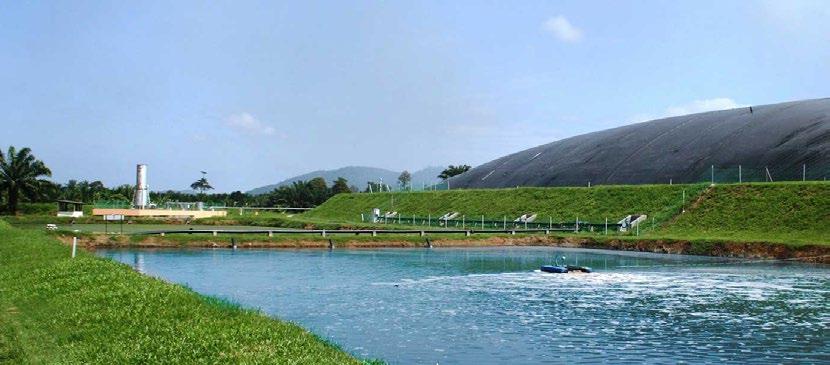
FGV’s biogas power plant in Triang, Pahang. The company is continuously advancing its biogas plant initiatives and exploring alternative sources of renewable energy
Guided by a deliberate shift from shortterm optimisation to longterm value creation, the group’s next phase will revolve around three interconnected pillars: renewable energy and the circular economy; digitalisation, automation and datadriven operations; and disciplined governance to ensure operational resilience.
Together, these pillars position FGV to remain competitive in an increasingly regulated and sustainability focused global market.
Renewable Energy and The Circular Economy: Turning Waste into Value
A cornerstone of FGV’s long-term strategy lies in unlocking value from the circular economy. Today, the group operates two biomass power plants and 24 biogas plants, forming the backbone of a diversified renewable energy portfolio spanning biogas, biomass, biomethane, solar and certified biofuels.
During the year, FGV progressed efforts to increase biomethane capture, converting biogas into biopower and biofuel applications that support both energy security and commercial viability. Beyond energy generation, the group optimised the wide range of biomass produced across the oil palm supply chain for multiple uses and applications.
Critically, logistics and operational parameters, including processing efficiency, transport and scale, are carefully managed to ensure profitability. From a sustainability perspective, these initiatives reduce environmental risks such as leachate
contamination and contribute to lower greenhouse gas emissions, aligning with FGV’s net zero commitments.
Digitalisation, Automation and Data: From Traceability to Decision-Making
Digitalisation was another defining theme of 2025, with initiatives that now underpin FGV’s next phase of growth. Across plantation and downstream operations, the group accelerated the deployment of automation, digital platforms and data-driven systems, anchored by FGV Traceability of Products (FGVTOP) and ProWeigher. Together, these initiatives establish a practical foundation for more productive, transparent and resilient operations over the next five years.
At the estate level, estate optimisation and precision agriculture initiatives are being rolled out to lift yields and resource efficiency without expanding land use. These are reinforced by digital fruit grading and traceability systems, improving transparency, strengthening data integrity across procurement and milling operations, and ensuring fair, consistent payments to smallholders.
FGVTOP incorporates advanced capabilities including blockchain, enabling secure data integrity, deforestation risk assessment and end-to-end “soil-to-spoon” traceability. Supported by end-to-end data integration linking estates, mills, logistics and downstream operations, FGV is moving beyond isolated improvements towards supply-chain-wide visibility, predictive planning and faster, more informed decision-making.
Operational Discipline as The Platform for Innovation
For FGV, operational discipline and innovation are not competing priorities but complementary strengths. Standardisation, performance management, continuous improvement and energy optimisation have reinforced FGV’s baseline productivity and cost discipline.
This foundation allows innovation — whether in plantation science, agritech solutions or downstream product development — to be deployed with purpose and scale.
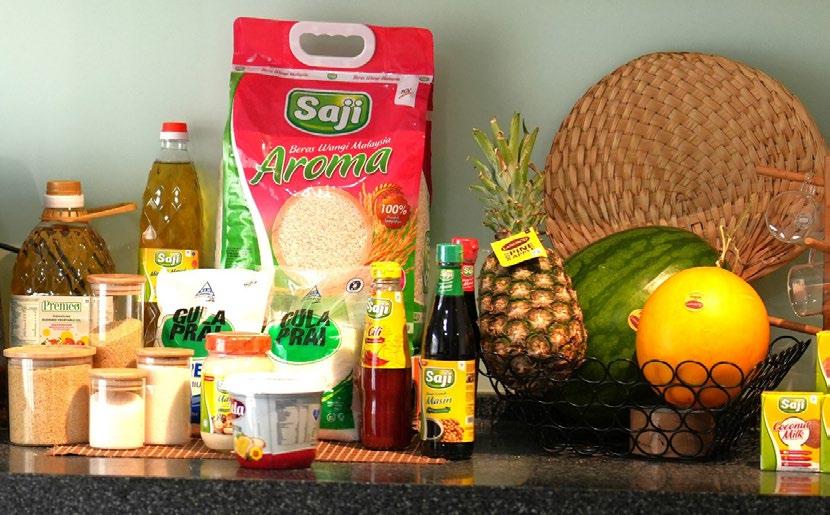
Complementing this, the FGV Innovation Centre in Bandar Baru Enstek continues to broaden value creation across the business — from advancements in plantation science, including seedlings, fertiliser technologies and agritech solutions, to innovation that strengthens the group’s downstream and consumer product portfolios. FGV brands such as ADELA, PREMEO and particularly SAJI, which have demonstrated consistent performance over two decades in the market, are continually enhanced to remain the choice in Malaysian kitchens and uphold their positioning as the nation’s trusted “Malaysian Culinary Companion”.
Strengthening Trust Amid Global and Domestic Scrutiny
In 2025, trust and credibility were tested across multiple fronts and deliberately reinforced. Rather than reacting defensively to heightened scrutiny, FGV approached each challenge as an opportunity to strengthen governance, transparency and longterm resilience.
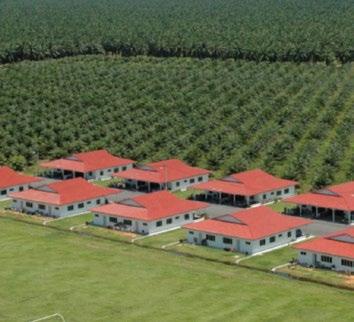
Following the issuance of the Withhold Release Order (WRO) by the US Customs and Border Protection (CBP), FGV implemented a comprehensive, group-wide action plan aligned with internationally recognised labour standards. The measures undertaken were structural in nature, encompassing strengthened recruitment processes, significant upgrades to workers’ housing and facilities, enhanced grievance mechanisms and tighter governance oversight across operations.
FGV submitted its petition to the CBP in June 2024 and continued proactive engagement throughout 2025. More importantly, the group’s remediation efforts have been acknowledged through ongoing dialogue with CBP, which is prioritising the review of FGV’s petition. These actions reflect
FGV brands such as GULA PRAI, ADELA, PREMEO and SAJI, are continually improved to uphold their positioning as “Malaysian Culinary Companion”
FGV’s commitment to aligning its operations with global best practices, reinforcing confidence among international customers and stakeholders in the integrity of its supply chain.
At the same time, FGV has positioned itself at the forefront of compliance with the European Union Deforestation Regulation (EUDR), not merely as a compliant exporter, but as an enabler of inclusive, deforestation-free supply chains. Through early investment in digital traceability, FGV achieved EUDRcompliant deliveries ahead of enforcement, supported by its proprietary FGVTOP platform.
Beyond meeting regulatory requirements, FGV’s approach plays a broader role in safeguarding market access for Malaysian palm oil. Collaboration with the Malaysian Palm Oil Board (MPOB), including the planned integration with the national Sistem Kebolehjejakan Nasional (SKN), ensures that smallholders and FELDA settlers are integrated into the traceability ecosystem, preventing their exclusion from premium export markets as global standards rise.
Closer to home, FGV also addressed the Terengganu government’s claim on FELDA/FGV assets through established
legal and governance channels. Throughout this process, the group maintained continuity of operations, upheld its obligations to settlers and stakeholders, and safeguarded long-term asset value. The matter has been managed with transparency and due process, reinforcing stability and confidence among business partners and communities alike.
Taken together, FGV’s response to global and domestic scrutiny in 2025 underscores a consistent theme. Challenges are addressed through governance, engagement and execution without compromising operational continuity or the group’s long-term commitment to nation-building.
People, Trust and Purpose: Embedding Empowerment into Organisational Strength
In 2025, FGV focused on strengthening workforce support systems, positioning these efforts firmly within its broader ESG agenda. Under the Social pillar, the Gender Equality and Women Empowerment (GEWE) framework was embedded more deeply into training, planning and governance, promoting more inclusive work environments across plantations and corporate offices.
FGV also enhanced employee reporting and feedback mechanisms to build clarity, accessibility and trust. Its strengthened whistleblowing channels — covering mobile, email, e-form, phone and in person options — are backed by protection measures that safeguard those who report concerns. These improvements support stronger governance and reinforce confidence among all employees, including migrant workers, reflecting FGV’s commitment to preventing exploitation and maintaining ESG-aligned labour standards.
Engagement with external stakeholders continued through dialogues on labour rights and responsible business conduct. In October 2025, FGV hosted delegates from the ASEAN-EU Policy Dialogue on Human Rights, sharing the group’s practices on migrant housing, facilities and labour standards.
The group also maintained its focus on upskilling, practical capability building and workforce well-being, integrating these efforts into operational priorities.
At the community level, FGV contributed RM2.25 million in school essentials to 15,000 rural students, reinforcing community development aligned with global ESG expectations.
Anchored By Vision, Guided by Purpose
FGV’s journey in 2025 represents more than a series of achievements — it reflects a vision sharpening into focus. As a
FELDAowned private enterprise, the group remains committed to longterm value creation through sustainable practices, responsible governance, innovationled growth and shared prosperity.
The milestones of 2025 have formed a coherent transformation agenda that strengthens competitiveness, enhances supplychain transparency and reinforces FGV’s role in national development. Looking ahead, FGV moves into its next chapter with clarity of purpose, aligning commercial resilience with environmental stewardship and social responsibility.
This content is provided by FGV Holdings Berhad
MPOC: Boosting Yields Critical to Palm Oil Sustainability
MALAYSIA’S future competitiveness and sustainability in palm oil increasingly hinge on the raising of yields, as stagnant production growth is beginning to constrain supply — a concern industry players have been flagging for decades.
Malaysian Palm Oil Council (MPOC) chairman Datuk Carl Bek-Nielsen says the industry has been talking about the need to lift yields for more than 30 years, yet progress has been limited and, in some cases, yields have even “regressed”. Setting “realistic” targets, rather than chasing ambitious benchmarks, is the most important sustainability criterion for the palm oil sector.
“If yields are low and commodity prices should swing south, that is a recipe for disaster. Whereas if your yields are high, you can somewhat cushion the extent if commodity prices should go lower,” he tells The Edge in an interview at MPOC’s headquarters in Petaling Jaya. He was joined by CEO Belvinder Kaur Sron.
This is his first media interview in his capacity as MPOC chairman since taking on the role in May 2023. A Danish national with permanent resident status in Malaysia, BekNielsen has spent more than 30 years in the palm oil industry. He began his career at United Plantations Bhd (KL:UTDPLT) in 1993 as a cadet planter and has served as the group’s CEO since January 2013.
During the interview, he highlights that the target to lift national yields to six to seven tonnes of crude palm oil (CPO) per hectare is unrealistic, given the prevalence of ageing palms and delayed replanting, especially among smallholders. The national CPO yield stood at 3.28 tonnes/ha in 2024.
Instead, the industry should focus on incremental gains toward a more achievable target of about 4.5 tonnes/ha, which he believes Malaysia can reach by 2035. Improving yields would also support Malaysia’s case under the European Union
Deforestation Regulation (EUDR), as higher productivity reduces the need to expand plantation land and addresses deforestation concerns.
“This (higher yield target) has been the talk for decades, yet we have never gotten there. It is time to move away from 3.3 tonnes/ ha and gradually raise yields to about 4.5 tonnes/ha. If Malaysia could achieve this 4.5 tonnes/ha, it would be a truly marvellous achievement. I think it’s realistic, I really truly believe this is a goal we can work towards over time.”
“If you produce 4.5 tonnes of oil per hectare compared to what we are achieving now, you are using the same inputs and the same labour but getting much more, which immediately minimises the need to expand land and drive deforestation. Our job in this industry is to produce more food with less land, not more food with more land.
“If we can add 1.2 tonnes/ha, Malaysia would be producing about seven million tonnes more than it does today. Just imagine what that would mean for incomes, tax revenues and company profitability. From a sustainability perspective, producing an additional seven million tonnes of oil without expanding land means there is no need to clear more forests. That is the key sustainability issue,” he adds.
Bek-Nielsen: If we can add 1.2 tonnes/ha, Malaysia would be producing about seven million tonnes more than it does today. Just imagine what that would mean for incomes, tax revenues and company profitability. (Photo by Low Yen Yeing/The Edge)
There is no single solution to raising yields. Instead, BekNielsen says it requires a combination of initiatives that must be carried out across the industry and sustained over time, starting with replanting ageing palms with higher-yielding material.
“We need to make a concerted, systematic and disciplined approach. There has to be a top-down approach — this is what we are going to do, this is how we are going to do it — and then push it forward. Replanting has to start. After that, there must be better understanding and implementation of improved agronomic practices. When replanting, growers must use good, high-yielding seed material. It is futile to use inferior seeds because you will end up with the same results. It comes down to replanting with quality planting material and improving agronomic practices,” he explains.
The push to raise yields comes amid tightening global palm oil supply dynamics, as Indonesia — the world’s largest producer — diverts more output into its B40 biodiesel programme and its planned B50 rollout, while stepping up enforcement against oil palm plantations deemed illegal or lacking proper permits. If these trends persist, Bek-Nielsen warns that global supply constraints could emerge within the next six to nine months.
“Ten years ago, in 2015, Indonesia consumed about seven million tonnes of palm oil. Today, by the end of this year, Indonesia is likely to consume around 24 million tonnes. Look at that growth — the majority of it has come from biodiesel.
“In the past, what was available for the export market — palm oil, which has always been an exportable vegetable oil accounting for about 55% of all exportable oils — largely came from Indonesia and Malaysia. Now, the dynamics have changed because the volume of exportable oils is not so much there,” he says.
Indonesia and Malaysia are the top two palm oil producers in the world, producing 48.16 million tonnes and 19.34 million tonnes respectively in 2024.
Another challenge facing the palm oil industry is rising input costs, particularly higher prices for fertilisers, spare parts and logistics. Logistics costs have climbed sharply following stricter enforcement on lorries, which has reduced load capacity and forced operators to deploy more vehicles to move the same volume of goods, says Bek-Nielsen.
EUDR Delay Adds Confusion Instead of Clarity
The MPOC — the agency tasked with promoting Malaysian palm oil globally — has been vocal in criticising the EUDR’s implementation, arguing that its “standard” risk classification fails to reflect Malaysia’s sustainability progress and that compliance requirements remain unclear and costly.
Bek-Nielson points out that Malaysia has already curbed deforestation, with the country’s oil palm planted area declining from 5.88 million ha in 2020 to about 5.6 million ha in 2024 — the first sustained drop in nearly two decades. The reduction, which he says is equivalent to four times the size of Singapore, contrasts sharply with the continued expansion of soybean acreage by 10 million ha in Brazil and Argentina over the same period.
This is largely because plantation land has been repurposed for infrastructure, housing, data centres and solar farms, he says. For instance, several local plantation groups have begun leveraging their extensive land banks for non-plantation use, including industrial parks and renewable energy projects. Despite this, Malaysia remains classified as “standard risk” under the EUDR.
“It’s important for people to understand that we in the industry are intent on doing things in a more sustainable way. Does that mean that we are perfect? No. We have a lot of areas we can improve upon, and in the past we’ve done things that should not have been done when you look back retrospectively. But the good thing is, do we have good aspirations going forward? I would say yes,” he stresses.
The EUDR is aimed at ensuring that certain commodities sold in or exported from the EU are not linked to deforestation or forest degradation. It covers products such as palm oil, soy, beef, cocoa, coffee, rubber and timber, as well as their derivatives. The regulation was originally slated to take effect on Dec 30, 2024, but was delayed by a year to Dec 30, 2025, with a further postponement now expected to push implementation to end2026.
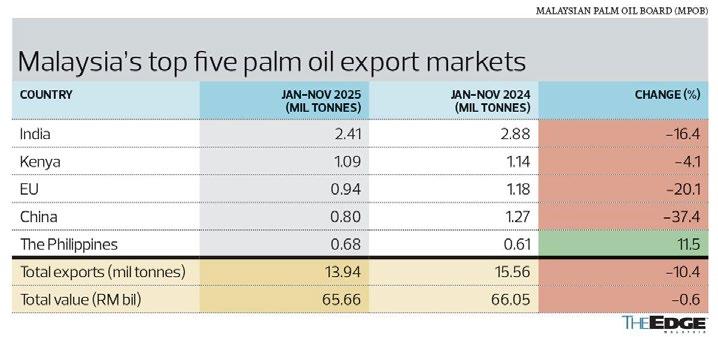
The EU is Malaysia’s third-largest palm oil export destination — after India and Kenya — with 944,567 tonnes shipped from January to November 2025, accounting for about 6.8% of total Malaysian palm oil exports. India remained the largest market at 2.41 million tonnes (17.3% of total exports), followed by Kenya at 1.09 million tonnes (7.8% of total exports), Malaysian Palm Oil Board (MPOB) data shows.
The latest delay is “definitely not good news” for European manufacturers that have invested heavily in preparing for compliance, Bek-Nielsen says, adding that many are understandably frustrated by the lack of clarity and shifting timelines.
Among the affected commodities, palm oil is one of the most prepared for EUDR compliance, in contrast to crops such as coffee and cocoa, where production is dominated by millions of independent smallholders who face far greater challenges in meeting the regulation’s traceability and due-diligence requirements, he adds.
“Malaysia is ready. We can flood the EU with as much sustainable palm oil as they want, no problem. But I think they are not ready on their side because if they implement the EUDR, you have to ask this question: what is going to happen to the millions of independent smallholder cocoa and coffee farmers? They don’t know what a polygon is. They don’t have land titles — land has been passed down from ancestor to ancestor.
“So, you know, they are going to have problems. They are going to run out of coffee beans. There will be no café latte in Brussels or Strasbourg. That’s why they are holding back on the EUDR — they’re just not ready in Europe,” Bek-Nielsen adds.
Belvinder: Because it (Africa) has become our most important market, we feel we should be there. We need at least two offices to manage our marketing and promotional activities in the region.
(Photo by Low Yen Yeing/The Edge)
The debate over EUDR compliance has also revived questions over which sustainability standards the EU should recognise. Bek-Nielsen argues that Malaysian Sustainable Palm Oil (MSPO) certification is ultimately more impactful than the Roundtable on Sustainable Palm Oil (RSPO), as it raises sustainability standards across the entire industry rather than among a select group of producers.
While RSPO remains important and may continue to command a price premium — buyers pay more for certified oil. Its stringent and evolving criteria mean that only about 20% of global palm oil producers can comply, he says.
“Don’t forget, I sat as co-chair of RSPO for 10 years, so I’m telling you RSPO is good — but it’s an elitist club. You will never get more than 20% of global palm oil producers to comply because the standards are extremely strict and the goalposts keep changing. What kind of sustainability impact does that have if only 20% can comply? What about the other 80%? To me, that is not impactful. With MSPO, the Malaysian government has taken a strong top-down approach. It may not fully match RSPO, but it is very close. And if you can get 95% of producers in Malaysia to comply, it is like a rising tide lifting both small sampans and big yachts at the same time. The impact is tremendous. It delivers a far greater sustainability impact than RSPO because it raises both the floor and the ceiling simultaneously.
“RSPO can still command a premium. But MSPO, at scale, will have a disproportionately larger positive environmental impact simply because almost everyone complies,” he adds.
Africa Can’t Get Enough’ Of Palm Oil
Against a backdrop of softer demand and negative sentiment in the EU, Malaysia has been diversifying its palm oil export markets, redirecting volumes to other regions. Africa is expected to emerge as a key growth market, supported by rapid population growth and rising consumption, says Bek-Nielsen.
Africa is already a net importer of palm oil and “can’t get enough” of the commodity as its population continues to expand. Bek-Nielsen points to projections showing Africa’s population rising from about 1.4 billion today to roughly 4 billion by 2100, by which time nearly 80% of the world’s population is expected to live in Africa or Asia.
He sees opportunity in the gap between Africa’s and the developed world’s oils and fats consumption per capita of 12kg13kg and 70kg-80kg. “There is going to be huge demand coming from Africa, and that is one of the areas MPOC is focusing on, as we divert our attention to some of these emerging markets.
“The great thing about Africa is that negative perceptions of palm oil do not exist, as it is part of daily household consumption. They welcome palm oil, but they do not have enough of it. Africa is a major net importer of palm oil today, and demand continues to grow as the population expands and the middle-class booms,” Bek-Nielsen adds.
In fact, Africa’s rapid population growth and the potential for stronger palm oil demand have led to MPOC relocating its African office from Johannesburg in South Africa to Nairobi in Kenya while adding a branch office in Lagos, Nigeria, says Belvinder.
“Because it has become our most important market, we feel we should be there. We need at least two offices to manage our marketing and promotional activities in the region,” she adds.
CPO Output Seen At 20.3 Mil Tonnes For 2025
In the first nine months of 2025, nearly 50% of Malaysia’s palm oil exports went to sub-Saharan Africa, Asean and the Middle East, according to Belvinder. She notes that demand has softened in traditional markets such as India and China, as palm oil has lost its price discount to rival oils, prompting buyers to switch to soybean and sunflower oil.
“But as long as prices move to a level where palm oil becomes attractive again, we may see them return to the market. It is largely about price in these markets. They will still remain big buyers,” she adds.
Malaysia’s total CPO production in 2025 is expected to come in at 20.0 million to 20.3 million tonnes, supported by favourable weather conditions and improved labour availability, says BekNielsen.
This would exceed the MPOB’s original full-year target of 19.5 million tonnes, which was revised to 20 million to 20.5 million tonnes recently. This followed November’s production data of 1.94 million tonnes — the highest since 2017 for the month, bringing CPO production for the 11 months in 2025 to 18.45 million tonnes.
In 2015, Malaysian recorded CPO production of 19.96 million tonnes, the highest level so far.
One of the main reasons for higher total production this year has been favourable climatic conditions.
“Also, for the first time in 15 to 20 years, the plantation industry has found itself in a situation that is no longer marked by acute labour shortages, but rather one with adequate or manageable labour,” he says, crediting former plantation and commodity minister Datuk Seri Johari Abdul Ghani for addressing the problem during his tenure.
(In the cabinet reshuffle last week, Datuk Seri Dr Noraini Ahmad was appointed to lead the Ministry of Plantation and Commodities while Johari was made Minister of Investment, Trade and Industry.)
Bek-Nielsen adds that the palms are not producing at their optimal capacity; instead, higher output reflects estates extracting more from their existing age profile of trees.
Challenges Emerge for Plantations This Year
Malaysia’s plantation sector is expected to face a more challenging operating environment this year, with crude palm oil (CPO) prices likely to remain range-bound amid elevated stock levels and subdued export demand, despite relatively stable production prospects.
Based on updates from the Malaysia Palm Oil Board (MPOB) at the Palm Oil Conference and Seminar (R&O 2026), MBSB Research expects CPO prices to average around RM4,200 per tonne this year, with prices likely trading between RM4,000 and RM4,500 per tonne as the year progresses
MPOB highlighted that high opening stocks and only modest supply growth will put pressure on CPO prices in the first half of the year (1H26), even as biodiesel mandates in Indonesia provide some downstream support.
The board is also anticipating Malaysia’s palm oil production to soften this year, projecting output of 19.5 million to 19.8 million tonnes, down from a record 20.3 million tonnes last year, as estates enter a biological tree-rest phase following last year’s yield rebound.
On the other hand, MBSB Research is forecasting marginal production growth of 1%, reflecting natural yield limitations after two years of recovery.
Meanwhile, the research house is also projecting exports to remain soft, with shipments expected to hover around 15.8 million to 16 million tonnes, as demand from key markets such as India, China and the European Union remains subdued.
It said palm oil exports fell 9.7% year-on-year (y-o-y) last year to 15.3 million tonnes, largely due to a narrower discount against competing vegetable oils and weaker imports from major buyers.
This contributed to ending stocks surging to 3.05 million tonnes, the highest level since February 2019.
Commenting on last year as a whole, MBSB Research said: “Compared with 2024, planted area increased by 1.6% y-o-y to 5.7 million hectares, supported by higher replanting activity, mainly undertaken by private estates and government agencies. This expansion was broad-based.”
It added that fresh fruit bunch yields also improved 6.4% to 17.77 tonnes per hectare, reflecting a higher proportion of mature trees and improved labour availability.
MPOB observed that yields have reverted to pre-pandemic levels, last seen in 2019, while oil extraction rates benefited from stronger harvesting productivity
Beyond supply-demand dynamics, regulatory developments are also expected to reshape the industry.
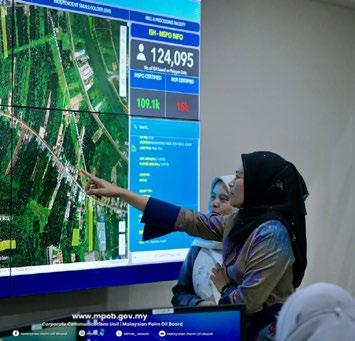
MPOB said the Sawit Intelligent Management System will be integrated into the National Traceability System this year, linking plantation mapping, sustainability certification and transactional data.
The integration aims to “provide end-to-end data visibility” and ensure compliance with global requirements, including the EU Deforestation Regulation, a key consideration for exporters targeting European markets.
Given the outlook, MBSB Research has kept a “neutral” stance on the plantation sector, citing limited upside from current price levels and a disconnect between plantation share prices and CPO fundamentals.
It named SD Guthrie Bhd as its top pick due to balance sheet strength and lower earnings volatility, even as the broader sector navigates a softer price environment this year.
SD Guthrie Warns Dry Spell May Hinder its First-quarter Palm Oil Growth in Malaysia
SD Guthrie Bhd, one of the world’s largest palm oil producers, on Tuesday warned that dry weather in Malaysia could curb its first-quarter production growth after a robust December quarter.
Higher output in the December quarter pushed inventories in Malaysia, the world’s second-largest producer, to a near sevenyear high at the end of 2025, weighing on prices.
Slower production growth could help ease stockpiles and support benchmark Malaysian palm oil futures.
SD Guthrie is projecting 2% production growth in the first quarter of 2026 compared to the same period a year earlier, but the current dry spell could undermine that target, group managing director Mohd Haris Mohd Arshad told Reuters at an industry conference.
“We have not had rains for a while and we are coming into a low production period anyway. So we fear, at least in the first quarter of this year, production might disappoint,” he said.
In the first quarter of last year, SD Guthrie reported crude palm oil production of 507,000 metric tons and fresh fruit bunches of 2.01 million metric tons.
“We had a good year last year and I think for this year we are a bit concerned with the weather, and what we are seeing right now is very dry weather,” he said, adding lower production would support prices after last year’s rise in stocks.
SD Guthrie Bhd group managing director Mohd Haris Mohd Arshad (Photo by Patrick Goh/The Edge)
MPOB in Talks with Ground Vehicle Operators, Biodiesel Suppliers to Expand B20 Use at KLIA – KPK
The Malaysian Palm Oil Board (MPOB) is in discussions with ground vehicle operators and B20 biodiesel suppliers to blend B20 as part of efforts to expand its use at the Kuala Lumpur International Airport (KLIA).
The Ministry of Plantation and Commodities (KPK) said it also intends to extend the B20 initiative to ground service vehicles at other airports, such as the Senai International Airport in Johor.
“The expansion of B20 use for ground service vehicles at these airports depends on the results of the pilot project at KLIA, approval of funding, and the availability of infrastructure and logistics at the airports involved,” it said in a written reply on the Dewan Rakyat website today.
The ministry was replying to Datuk Iskandar Dzulkarnain Abdul Khalid (Kuala Kangsar) regarding KPK’s plans to expand the use of the B20 palm biodiesel blend at all airports across Malaysia.
Indonesia’s decision to delay the implementation of the B50 biodiesel mandate presents Malaysia with a short-term opportunity to increase palm oil exports as the commodity’s price is kept stable by the move, according to an academic.
Dr Chong Siew Huay, a senior lecturer at the Faculty of Business and Management, Universiti Teknologi MARA (UiTM), said the postponement means Indonesia will absorb less crude palm oil (CPO) domestically for biodiesel than originally planned, as the country retains the B40 mandate for now.
“In the short term, global demand for palm oil is slightly lower than expected because Indonesia’s domestic biodiesel demand is not increasing as quickly as anticipated with the B50,” she told Bernama.
She noted that with Indonesia absorbing less CPO domestically, more palm oil would be channelled into international markets, creating opportunities for Malaysia to increase exports, particularly in markets where Indonesia is a direct competitor.
“This could ease pressure on palm oil supply in the global market and help to maintain stable domestic and export conditions,” she said, adding that prices are likely to stabilise or rise more slowly than previously anticipated as reduced domestic demand lessens upward pressure on CPO prices.
Chong said Malaysia’s longer-term competitiveness in the global palm oil market would depend on factors such as productivity, the development of value-added products including refined palm oil and oleochemicals, as well as sustainability practices, rather than relying solely on Indonesia’s policy decisions.
She explained that Indonesia’s decision to delay the B50 rollout was driven mainly by fiscal sustainability concerns, as higher biodiesel blending ratios would substantially increase subsidy requirements, particularly during periods of high CPO prices and uncertain global energy markets. “Moving from B40 to B50 would amplify the government’s exposure to price volatility and budgetary pressure, raising concerns over fiscal capacity and economic stability,” she said.
From a technical perspective, she said higher biodiesel blends pose greater challenges in fuel stability and compatibility, especially for older vehicles and heavy machinery, while also requiring adjustments across fuel systems, engines, logistics networks, and regulatory frameworks.
Higher blending mandates would significantly increase Indonesia’s domestic demand for palm oil, which could push up prices for food-related palm oil products and create inflationary pressure, particularly on cooking oil, she added.
“In developing countries, governments must balance energy and industrial policy goals with inflation control, fiscal sustainability, and social welfare considerations. The delay does not rule out a future move to B50, but reflects a cautious, step-by-step approach to avoid technical, economic, or social disruptions that could arise from moving too quickly,” she concluded.
Kenya To Deepen Economic Linkages with Malaysia Through Halal Sector, Palm Oil, Agro-Processing
The east African country of Kenya is set to elevate economic linkages with Malaysia through strategic partnerships in the halal industry, palm oil and agro-processing, semiconductors and renewable energy sectors which will boost trade, investments and regional market access.
Kenya’s High Commissioner to Malaysia, Ekitela Moru, said Malaysia and Kenya were currently negotiating a memorandum of understanding (MoU) to grow the halal industry in Kenya, with both sides hoping to firm up an agreement by early this year.
He said the proposed MoU seeks to leverage Malaysia’s experience in the halal industry and certification, and build Kenya’s capacity to export halal products, not only to Malaysia but also to the Asean region and potentially the lucrative global market.
“Malaysia is a global leader in halal certification and the halal industry, with regional distribution networks across Asean (and) Kenya can leverage these factors to expand its exports of processed food,” he told Bernama recently.
Moru said the expansion of trade between Kenya and Malaysia was rooted in economic cooperation and complementary strengths, which have taken on added urgency following Prime Minister Datuk Seri Anwar Ibrahim’s visit to the African country last November.
During Anwar’s visit, the two countries firmed up agreements on air services, tourism, urban planning as well as investments in infrastructure and technology.
Anwar’s visit, the first by a Malaysian prime minister in 60 years marking 60 years of diplomatic relations, has injected new momentum into Kenya-Malaysia cooperation as Nairobi positions itself as a regional hub for innovation, manufacturing, tourism and agricultural transformation.
Kenya, with a population of about 58 million, has a diversified, market-based system serving as a regional financial and transport hub, driven by services, agriculture including tea and horticulture as well as strong investment, with goals under ‘Vision 2030’ to achieve upper-middle-income status through sectors like digital tech, housing and healthcare.
The east African country of Kenya is set to elevate economic linkages with Malaysia through strategic partnerships in the halal industry.
On the cooperation in palm oil, Moru said the Malaysian Palm Oil Council (MPOC) plans to relocate its regional palm oil office for sub-Saharan Africa from South Africa to Nairobi, Kenya in the first quarter of 2026, a move likely to create more jobs in the country.
“Kenya would like to encourage a situation where Malaysia brings in crude palm oil, which is then refined in Kenya for reexport as downstream products.
“This would not only create jobs but also generate by-products, such as soap, considering that 90 per cent of our imports from Malaysia is palm oil,” he added.
Besides this, Kenya is looking to develop a sustainable palm oil value chain by tapping into Malaysia’s experience and expertise in the sector.
To this end, the African country is encouraging Malaysian companies to invest in Kenya, particularly in cultivating oil palm trees for edible products and other palm-based products.
Kenya has also identified several sectors that will benefit from Anwar’s decision to give Kenyan businesses preferential treatment based on friendship and strong trade potential, with agriculture and agro-processing being key areas expected to draw on Malaysia’s expertise and Kenya’s natural and human resources.
Touching on the manufacturing and high-tech industries, including electronics and semiconductors, Moru said Malaysia’s experience could help accelerate Kenya’s industrialisation, including in the renewable energy sector.
The bilateral cooperation could leverage Kenya’s natural resources and Malaysia’s technical expertise, he said.
He reckoned there were also growth opportunities in the digital economy and fintech sector by combining Kenya’s innovative mobile solutions with Malaysia’s advanced digital infrastructure
“Kenya-Malaysia partnership in semiconductor manufacturing is not about transferring technology, but instead is about building industrial capability for Kenya to accelerate skills development and entry into advanced manufacturing, while for Malaysia, it is an opportunity to expand markets, diversify and strengthen the supply chain resilience.
“Together, this reflects a forward-looking model based on South-South cooperation, that can generate sustainable growth, innovation and shared prosperity for both countries,” he said.
In 2024, Kenya became Malaysia’s third-largest trading partner in Africa, with trade reaching RM5.7 billion, up 1.2 per cent from RM5.51 billion in the preceding year.
Looking ahead, he said Kenya expects the trade relationship to continue its positive momentum driven by enhanced market access, trade facilitation and sectoral cooperation in agriculture, manufacturing, infrastructure, information technology and tourism.
“With the invigorated engagements, both at the government and the private sector levels and the conclusion and signing of MoU and trade agreements, we expect the people-to-people engagements and bilateral trade to grow even further,” he said.
Source: www.nst.com.my
Malaysia and India to Deepen Collaboration in Palm Oil Value Chain, Product Development
Prime Minister Datuk Seri Anwar Ibrahim has reaffirmed Malaysia’s commitment to remain a reliable supplier of sustainable palm oil to India.
In this regard, Anwar and his Indian counterpart Narendra Modi encouraged deeper collaboration in oil palm cultivation.
According to a joint statement by the two countries, both sides also agreed for collaboration in value chain development of palm oil, including downstream, higher value-added palmbased products.
“Both sides also agreed for structured engagement on timely resolution of market access matters,” it said.
Meanwhile, the statement stated that the two leaders emphasised the importance of the Malaysia-India Comprehensive Economic Cooperation Agreement (MICECA) and the Asean-India Trade in Goods Agreement (AITIGA).
Anwar and Modi welcomed the ongoing review of AITIGA to make it mutually beneficial, trade facilitative and relevant to current global trading practices.
“Both leaders also appreciated MICECA for its potential for deepening economic relations and encouraged its optimum utilisation,” it said.
Furthermore, Modi highlighted India’s role as a key investment destination for Malaysian companies, while Anwar welcomed the significant presence of Indian manufacturing and technology firms, which have contributed to high-skilled job creation in Malaysia.
“The leaders acknowledged that connectivity is a key determinant and enabler for enhanced economic cooperation. In this regard, they appreciated the growing air and maritime connectivity between the countries and agreed to strengthen it further,” it added.
Philippines Eyes Oil Palm Expansion
The Philippines’ Department of Agriculture (DA) said on Friday it is sharpening its focus on oil palm, confident that expanded plantations in Mindanao in the southern Philippines can curb imports, raise farm incomes, and strengthen the country’s edible oil supply, reported Xinhua.
Agriculture Secretary Francisco Tiu Laurel said the government plans to significantly increase funding for the emerging sector in 2027 after this year’s proposed 1 billion pesos (about US$17 million) allocation was trimmed to just 79 million pesos (US$1.4 million).
The DA is now targeting a 1.2 billion-peso (about US$20.8 million) budget next year to support fertiliser assistance, accelerate area expansion, and enhance farm productivity, highlighting a renewed push to scale up oil palm production.
Oil palm plantations currently span about 100,000 hectares nationwide, with the majority located in Mindanao, the DA said.
Despite rising local output, the Philippines continues to import substantial volumes of palm oil, leaving a supply gap that the DA aims to narrow.
MSPO Certification Rate for Oil Palm Estates Reaches 90%
About 90 per cent of estates in the palm oil sector have obtained the Malaysian Sustainable Palm Oil (MSPO) certification, while independent smallholders have reached 85 per cent, said Minister of Plantation and Commodities Datuk Seri Dr Noraini Ahmad.
She said the Malaysian Palm Oil Board (MPOB) has provided full grant assistance to smallholders to enable them to obtain the certification. “The government is fully committed to meeting the requirements of the European Union Deforestation-Free Products Regulation (EUDR), not only for the palm oil sector but also for all other commodities,” she said when winding up the debate on the motion of thanks for the Royal Address for the ministry at the Dewan Rakyat today.
To support traceability systems, which are one of the key components of the EUDR, she said the Ministry of Plantation and Commodities (KPK) is in the final stages of developing the National Traceability System (SKN).
“It is an integrated system that combines existing systems under KPK to support compliance with EUDR regulations and future global sustainability requirements. The SKN is expected to be fully implemented by March 2026,” she said, while stressing that the three main systems forming the core of the SKN are the Sawit Intelligent Management System (SIMS), GeoSawit, and e-MSPO.
SIMS is an MPOB system that records licensing information and supply chain transaction data from plantations to the port of
exit. The second system, GeoSawit, maps the exact location and polygon boundaries of smallholder plots and estates, including deforestation monitoring as required by the EUDR. The third system, e-MSPO, displays the latest MSPO certification status and related information.
“Through the SKN, every Malaysian palm oil supply chain will have complete geolocation data for estates and smallholders, including deforestation monitoring, ownership information and valid MPOB licence holders, MSPO certification and audit status, digital transaction records between suppliers and mills, and data traceability from plantation to final product,” she added.
In addition, Noraini informed that to date, the total area of licensed oil palm cultivation nationwide stands at about 5.7 million hectares.
She said the government is now focusing efforts on increasing national palm oil production yields through strategic approaches that emphasise productivity improvements, including the implementation of targeted replanting programmes such as the Oil Palm Smallholder Replanting Programme 2.0 (TSPKS 2.0).
For the pepper sector, she said the Malaysian Pepper Board (MPB) encourages farmers to focus on producing premium pepper, such as the ‘Export Quality Pepper’ and the ‘Creamy White Pepper,’ which can fetch prices of up to RM65,000 per metric tonne in the market.
Building A Sustainable Future Together
FOR over three decades, Siti Nor Hayati Ahmad Sekak worked on her 12-hectare oil palm farm in Kampung Tengah, Renggam, Kluang, using methods passed down from her parents — simple, time-tested and heavily dependent on instinct.
“I used to focus only on harvesting. I never knew how to assess seed quality or manage fertiliser properly. Now, I understand how to get better yields and manage my workers more efficiently,” said the 60-year-old smallholder.
Siti’s turning point came when she attended training under the Diffusion Programme conducted by the P&G Centre for Sustainable Small-Owners (CSS), a collaboration between Johor Plantations Group Berhad (JPG) and the Asia School of Business.
The training was part of JPG’s broader mission to empower independent smallholders and promote responsible palm oil production.
The collaboration focuses on two key goals: empowering communities and ensuring sustainability by strengthening compliance, fostering farmer associations, sourcing responsibly and improving livelihoods by enhancing yields while upholding the NDPE Policy (No Deforestation, No Peat, No Exploitation).
Transformative Coaching for Better Yields
During a recent Diffusion session in Kampung Tengah, around 50 smallholders participated in hands-on workshops covering Good Agricultural Practices), financial literacy, Malaysian Sustainable Palm Oil (MSPO) and Roundtable on Sustainable Palm Oil (RSPO) Independent Smallholder certification.
The sessions demonstrated how small adjustments such as proper fertiliser timing, pruning and water management can significantly boost yields.
For Luqman Tarsom, 43, who has managed his family’s oil palm plots for 17 years, the training was an eye-opener.
“Labour management was always my biggest issue. The training taught me how to plan work schedules more efficiently and make sure my workers focus on quality harvesting instead of just speed,” he said.
Turning Knowledge into Better Income
The Smallholder Inclusion Programme (SIP) goes beyond training by offering financial incentives for smallholders who adopt sustainable practices.
Those who achieve RSPO certification are rewarded with a premium above the Malaysian Palm Oil Board reference price for their Fresh Fruit Bunches.
In 2024, JPG disbursed more than RM400,000 in incentives to certified smallholders and traders.
The premium, along with free group certification, enables participants to meet MSPO and RSPO standards, opening access to better markets and long-term income stability.
For Lee Nyuk Chin, 63, a retired teacher turned plantation owner in Kahang, Kluang, the difference has been life-changing. She joined the SIP after retiring and focused fully on her 16-hectare plantation.
Smallholders sharing a light moment at the diffusion programme.
Nyuk Chin joined Johor Plantations Group Berhad’s Smallholder Inclusion Programme after her retirement.
“Through the training and certification, I’ve increased my income and learnt to manage the land more sustainably. It’s satisfying to know that our hard work now meets international standards,” she said.
Since 2016, JPG has championed sustainable smallholder development through collaboration with the Wild Asia Group Scheme (WAGS). Through WAGS, JPG supports independent smallholders in achieving certification, compliance and higher productivity.
To date, more than 319 smallholders managing 1,723 hectares have participated in SIP, benefiting from technical training, sustainability awareness initiatives and economic incentives.
Meanwhile, the CSS training equips farmers with researchbased knowledge aligned with NDPE Policy.
Together, these collaborations empower smallholders and local traders to strengthen livelihoods, uphold sustainability standards and build a more inclusive palm oil supply chain.
Preparing For a Sustainable Future
Johor’s smallholders face new realities as global markets tighten sustainability regulations, including the European Union Deforestation Regulation. Palm oil producers must prove that their products come from deforestation-free and traceable sources.
JPG has taken early steps to ensure smallholders remain competitive.
According to JPG chief commercial officer Wan Adlin Wan Mahmood, the company achieved 100 per cent smallholder traceability in June 2025, based on a 2023 baseline.
“This milestone is a major step toward achieving full smallholder certification by 2035,” he said.
“It’s not just about compliance, but it’s also about transforming livelihoods and ensuring Johor continues to lead in sustainable palm oil. Embracing sustainable practices leads to greater productivity and stronger financial performance.
“As a vital part of JPG’s supply chain, smallholders have played an indispensable role in driving the transformation of the industry. We encourage all smallholders to join us in adopting sustainable methods and become catalysts for positive change in Johor’s palm oil sector.”
JPG’s proactive stance helps local growers prepare for future market demands while maintaining environmental integrity, ensuring Johor remains Malaysia’s benchmark for responsible palm oil production.
Strengthening Johor’s Rural Economy
The SIP also supports Johor’s agricultural modernisation agenda, focusing on improving rural incomes and strengthening the state’s agricultural competitiveness.
By providing technical knowledge, certification support and premium incentives, JPG helps create a more inclusive, resilient and profitable supply chain — benefiting both producers and the wider community.
Through SIP, more than 2,000 farming families are expected to benefit by 2035. The initiative represents a long-term investment, underscoring JPG’s commitment to sustainable agriculture and rural upliftment.
Supporting Johor’s Growers
Smallholders across Johor keen to adopt sustainable practices can approach JPG to strengthen plantation management and meet sustainability standards. The Group continues to work closely with growers and local partners to make certification more accessible and beneficial for independent farmers.
Lee
JS-SEZ Can Unlock RM3.5bil
‘Green Gold’ From Palm Waste
Johor may be drawing billions in data centre investments, but its real high-income opportunity lies in palm oil waste estimated to be worth RM3.5 billion annually, said the Johor-Singapore Special Economic Zone (JS-SEZ) Monitor founder.
The JS-SEZ Monitor is an independent platform that tracks and provides analysis on developments related to the JohorSingapore Special Economic Zone.
Its founder Nasser Ismail was formerly Iskandar Regional Development Authority strategic communications deputy head, and also had stint with the Tanjung Pelepas Port leading its property and free zone department.
Nasser said while hyperscale data centres dominate headlines, their highly automated operations generate limited high-skilled employment for locals compared to the untapped potential of biomethane derived from Palm Oil Mill Effluent (POME).
“Johor is sitting on what I call ‘Green Gold’. We treat it like waste, but it is actually misallocated energy inventory,” he said.
POME is the organic wastewater produced during palm oil processing.
Malaysia generates 68.83 million tonnes of it annually. When left in open ponds, it decomposes and releases methane (CH4), a greenhouse gas with a Global Warming Potential 80 times stronger than carbon dioxide over a 20-year period.
Malaysia is a signatory to the Global Methane Pledge, an international commitment to cut methane emissions by 30 per cent by 2030. Currently, POME is the country’s second-largest methane source.
“Every hour these ponds are left to rot, they release fugitive emissions that undermine our climate commitments,” Nasser said.
He argued that instead of viewing POME as a sanitation compliance issue under Environment Department rules, it should be treated as a strategic energy reserve.
A standard 60-tonne-per-hour palm oil mill can generate roughly 140,000 million British thermal units (MMBtu) of energy annually from captured biogas.
When upgraded to Bio-LNG, a liquefied biomethane purified to around 98 per cent methane content, it can fetch about US$26 per MMBtu in Singapore’s bunkering market, the world’s largest marine fuel hub.
Johor may be drawing billions in data centre investments, but its real high-income opportunity lies in palm oil waste estimated to be worth RM3.5 billion annually, said the Johor-Singapore Special Economic Zone (JS-SEZ) Monitor founder. NSTP/DANIAL SAAD
“Nationally, this represents a prize of roughly RM3.5 billion a year,” he said.
However, Nasser said domestic policy distortions are preventing mills from investing in high-grade upgrading facilities.
Raw biogas contains only about 60 per cent methane and requires purification to meet international Bio-LNG standards.
Yet domestic natural gas prices remain capped at around RM38 per MMBtu, which does not reflect the premium value of certified green fuel.
“This is the subsidy trap. If a mill invests in world-class upgrading technology, it is forced to sell into a domestic market that does not recognise the green attribute. The internal rate of return simply does not justify the capital expenditure,” he said.
He proposed that the JS-SEZ include a dedicated Biomethane Aggregation Framework allowing export parity pricing.
This would mean green biomethane projects designated for export would be exempt from domestic price caps.
Singapore’s maritime sector, which is pursuing Net Zero carbon targets, is actively seeking low-carbon marine fuels such as Bio-LNG.
“The JS-SEZ can act as the export valve for the southern peninsula. Instead of drilling for new gas, we just need to stop letting our current resource destroy the atmosphere,” Nasser said.
He added that unlike data centres, which he described as “automated real estate”, biomethane development would distribute wealth across Johor’s rural heartland.
Biomethane plants would be located at palm oil mills in plantation districts, creating demand for Technical and Vocational Education and Training (TVET)-certified workers, including gas processing engineers, safety officers and instrumentation technicians.
“This is how you create a true high-income multiplier. Gas processing creates skilled jobs in Felda settlements and plantation towns, not just in cyber-corridors,” he said.
Nasser warned that failure to decarbonise palm oil production could expose Malaysia to trade risks such as the European Union’s Carbon Border Adjustment Mechanism, which imposes carbon-related costs on imports.
“If we do not clean up the upstream process, we risk pricing ourselves out of premium markets,” he said.
He said Johor could position itself as the national leader under Malaysia’s National Energy Transition Roadmap without requiring direct state funding.
“We have the feedstock. We have the technology. We have the international mandate. The only missing piece is policy clarity to stop the rot and start the recovery,” he said.
Petra Seaga Eyes RM1.4bil Biorefinery Investment in Sabah
Petra Seaga, a renewable energy and bioeconomy company, is evaluating a RM1.4 billion biorefinery project in Sabah, a senior official said.
“Today, I wish to acknowledge the commitment expressed by Petra Seaga to establish a presence in Sabah and make a significant investment in the state’s biomass and sustainable energy sector,” Invest Sabah Bhd chairman Datuk Roger Chin said in a statement yesterday at the sidelines of the World Economic Forum 2026 in Davos.
He added that the state views the move as a sign of confidence but that “all projects must stand on their own commercial, regulatory, and sustainability merits.”
Petra Seaga is evaluating an integrated biorefinery complex, using agricultural and forestry biomass, including palm oil residues, to produce sustainable aviation fuel, biofuels, biochemicals, bioplastics and on-site renewable power.
“What is being explored is not a conventional energy project,” Chin said, adding that the model follows circular-economy principles where energy, heat and by-products are reused to minimise waste.
“Sabah welcomes the seriousness and scale of the intent involved,” he said.
Chin said Sabah was well positioned for such a development due to its large biomass supply, and the state “is moving away from being solely a resource-based economy, and towards downstream processing, advanced manufacturing, and technology-enabled industries.”
Meanwhile, Chin also said he was encouraged by the decision of the Southeast Asia Sustainable Aviation Fuel Council to establish its headquarters in Kota Kinabalu. “This is a significant development,” he said.
He added that the council, with representation from across Asean, could position Sabah as a regional hub for policy dialogue, industry coordination and cooperation on sustainable aviation fuel.
“The Sabah State Government has made clear its support for the establishment of the council,” Chin said, noting the move aligns with Sabah’s ambition to be more than just a project location, but a regional platform for sustainability-led growth.
Invest Sabah chairman Datuk Roger Chin (left) during the signing of
Avialtion Fuels Council here. - Pic courtesy of Invest Sabah
WWF-Malaysia, SD Guthrie to Pilot Regenerative Palm Oil Project
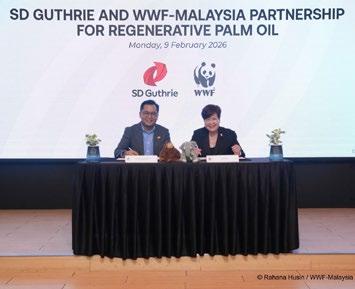
The World Wide Fund for Nature Malaysia (WWF-Malaysia) and SD Guthrie Berhad launched a five-year pilot regenerative agriculture programme for palm oil in Sabah, the first initiative of its kind for the industry in Malaysia.
In a joint statement today, the organisations described the partnership as transformational and part of WWF-Malaysia’s larger initiative to deliver landscape-scale biodiversity and climate-positive outcomes in the region.
The collaboration focuses on a 13,000-hectare (ha) landscape in Tawau, Sabah, spanning five Roundtable on Sustainable Palm Oil (RSPO)-certified Guthrie estates and serving as a pilot under WWF’s Reconnect Borneo Initiative, a regional effort to restore ecological connectivity across Borneo through wildlife corridors.
“As part of the collaboration, WWF-Malaysia and Guthrie will work together to establish a wildlife corridor, strengthen biodiversity conservation, and implement WWF’s global regenerative palm oil framework, in real operating conditions.
“This initiative is designed to move beyond certification towards measurable improvements for biodiversity, climate resilience, and communities while optimising long-term productivity,” the statement read.
The regenerative palm oil framework built upon existing sustainability standards, including the RSPO and Malaysian Sustainable Palm Oil (MSPO) certifications, to ensure palm oil production remained commercially viable, supported workers and local communities, and actively improved biodiversity, ecosystem services and climate resilience.
The statement added that the success of the initiative would be measured against clear baselines, with progress demonstrated through biodiversity connectivity, ecosystem services, soil health and social outcomes.
SD Guthrie Berhad Chief Sustainability Officer, Rashyid Redza Anwarudin (left) and WWF- Malaysia Chief Executive Officer, Sophia Lim at the Partnership Launch, Held at Guthrie's headquarters in Ara Damansara. (Credit: SD Guthrie)
Meanwhile, WWF-Malaysia chief executive officer Sophia Lim described the collaboration as a significant milestone, stating that through the ground-breaking partnership, WWF-Malaysia and SD Guthrie were taking a decisive step to pilot regenerative palm oil practices and deliver landscape-scale biodiversity and climate outcomes in a priority area of Sabah.
“This partnership reflects a shared understanding that transformation cannot happen in silos — conservation organisations, industry leaders, and value-chain stakeholders must work together to co-create practical, science-based and scalable solutions,” she said in the statement.
Lim further said that as a conservation organisation, WWFMalaysia believes in engaging constructively with the palm oil sector, alongside other priority industries, to drive meaningful environmental outcomes.
Meanwhile, Guthrie group managing director Mohd Haris Mohd Arshad said the collaboration reinforced its “Beyond Zero” sustainability framework that includes a key goal to pilot a Regenerative Agriculture Framework for palm oil by 2028 and its commitment to restoring and conserving 100,000 ha of land by 2030 to enhance biodiversity and environmental resilience, which resonates with WWF’s landscape-level initiative.
“With this initiative, we will go above and beyond certification requirements, aiming not only to minimise and mitigate our negative impacts, but also ensure that we actively cultivate positive outcomes in the landscapes where we operate,” he said in the statement.
Activities under the collaboration, which included RSPO and MSPO-certified plantations and conservation areas, would be subject to independent audits, risk reviews and WWF governance controls, with future communications focusing on verified conservation baselines and outcomes.
Designed as a pilot, the partnership had the potential to inform wider industry adoption and future engagements with all stakeholders within the sector, seeking credible pathways to support regenerative practices.
By anchoring regenerative palm oil within a landscape-scale conservation approach, WWF-Malaysia and Guthrie aim to demonstrate how collaborative action could contribute to Malaysia’s biodiversity and climate goals while influencing broader transformation across the global palm oil sector.
(From left) SD Guthrie Berhad Head of Supply Chain Sustainability Mark Wong; SD Guthrie Berhad Chief Technology and Innovation Officer Dr David Ross Appleton; SD Guthrie Berhad Chief Sustainability Officer Rashyid Razman; WWF-Malaysia Chief Executive Officer Sophia Lim; WWF-Malaysia Global Palm Oil Director Kamal Seth; and WWF-Malaysia Strategic Conservation Partnerships Senior Director Dr Henry Chan at the partnership launch held at Guthrie’s headquarters in Ara Damansara. — Credit: SD Guthrie
21,049 Smallholders Benefit from BUDI Agri-Commodity Programme in Johor
Atotal of 21,049 smallholders in Johor have benefited from cash subsidies under the BUDI Agri-Commodity programme, an initiative aimed at supporting farmers who form the backbone of the country’s agri-commodity sector.
Minister of Plantation and Commodities Datuk Seri Dr Noraini Ahmad said the programme, implemented under the MADANI Subsidy Assistance (BUDI MADANI) framework, had received 29,048 applications as of Jan 31, with applications still open.
She said each successful applicant receives RM2,400 in cash assistance to help cushion the impact of rising costs, particularly among those directly affected by the rationalisation of diesel subsidies.
“Recipients comprise smallholders cultivating oil palm, rubber, cocoa, pepper and kenaf, subject to meeting the eligibility criteria, including being Malaysian citizens and registered with agencies under the Ministry of Plantation and Commodities (KPK).
“The agencies include the Malaysian Palm Oil Board (MPOB), Malaysian Rubber Board (LGM), Malaysian Cocoa Board (LKM), Malaysian Pepper Board (MPB) and the National Kenaf and Tobacco Board (LKTN),” she said when speaking at the
BUDI Agri-Commodity Plantation Sector programme in Parit Sulong today.
Also present was Johor Islamic Religious Affairs Committee chairman Mohd Fared Mohd Khalid.
Noraini, who is Parit Sulong Member of Parliament, said among the additional conditions is that smallholders must cultivate land not exceeding the prescribed limit of up to 4.5 hectares for private oil palm and rubber plantations, and up to 2.5 hectares for cocoa, pepper and kenaf cultivation.
“They must also be actively engaged in continuous production, with annual sales valued between RM50,000 and RM300,000,” she said.
Subsidy recipient Puziah Ma’an, 57, said she was among the earliest applicants to receive the assistance, amounting to RM200 per month, describing it as a meaningful government effort to ease the people’s burden.
“I applied just two days ago, and today the assistance has been approved. It will help cover the costs of replanting oil palm trees that are over 15 years old, which are our family’s main source of income,” she said.
Unregulated Palm Oil Imports
Threatening Local Investments
Graham Hefer Managing Director MD Okomu Oil Palm Company Plc
Nigeria’s palm oil industry is facing renewed pressure as rising imports, policy uncertainty and structural bottlenecks threaten local production. Industry stakeholders have warned that a surge in cheap imports could undermine decades of investment aimed at rebuilding domestic capacity under the government’s backward integration policy.
In this interview, Graham Hefer, Managing Director of Okomu Oil Palm Company Plc, spoke with Taofeek Oyedokun
on the impact of illegal imports and import waivers on local producers, the sharp decline in palm oil prices, and the broader challenges facing the sector. He also discussed Okomu’s recent financial performance, Nigeria’s persistent palm oil supply gap, and why stronger policy coordination and enforcement are essential to restore investor confidence and revive the country’s competitiveness in the global palm oil market.
1. Stakeholders in the palm oil industry recently raised concerns about a surge in imports and policy inconsistencies affecting the sector. Nigeria also spent about USD 154 million importing crude palm oil in 2024, according to data from UN’s comtrade. How is this affecting Okomu and local producers?
The issue really comes down to whether imports are happening legally or illegally and whether the existing policies are being implemented properly.
Under Nigeria’s current policy framework, crude palm oil can be imported, but only under certain conditions. If it is imported from outside the ECOWAS region, it must attract the appropriate duties and levies. If it comes from ECOWAS countries, then the importer must provide a certificate of origin and pay the ECOWAS Trade Liberalisation Scheme (ETLS) levy, which is about 5 percent. However, refined palm oil and related vegetable oils are completely banned from importation.
So, the policy is actually quite clear. The challenge is enforcement. What we are seeing in the market today is that some traders bring in products and mislabel them. They claim the product is crude palm oil, but in reality, it is processed palm olein or other refined derivatives that should not be entering the country under current regulations.
In addition, many of these imports are not paying the required duties and levies. That means the government is losing revenue, while local producers are forced to compete with products that enter the market at artificially lower prices.
One of the tactics used is to claim the product is “crude palm olein,” which is often labelled with the same acronym, CPO, as crude palm oil. In reality, there is no such thing as crude palm olein; it is already a processed product. That is one way some operators circumvent the regulations.
The bigger problem is that a significant amount of this oil is simply being smuggled through porous land borders. Even if someone wants to pay duties, they often do not. The reality is that Nigeria’s borders are currently very porous, and smuggling affects almost every commodity, not just palm oil. For producers like us, it creates an extremely difficult environment. We are operating within the law, paying taxes and complying with regulatory standards, while illegal products enter the market and distort prices. That is not a sustainable situation for any industry.
When products enter the country illegally or under questionable classifications, they often bypass the regulatory agencies responsible for quality control.
For example, our products are routinely tested and certified by regulators to ensure they meet required food safety and quality standards. But when products are smuggled or mis declared at entry points, they may not pass through those checks.
So, beyond the economic impact, there is also a potential consumer safety issue because authorities cannot verify the quality of those products. If the government engaged more with stakeholders in the sector before introducing policies like waivers or allowing large volumes of imports, we could help design solutions that protect both consumers and local industries.
Right now, however, what we are seeing is essentially unfettered importation, which could damage not only the palm oil industry but other agricultural sectors as well. You can already see similar complaints coming from rice millers, tomato producers, and other commodity groups.
2. Industry stakeholders say palm oil prices have dropped sharply in recent months. How is this affecting Okomu’s pricing strategy and profitability outlook?
The price drop has had a significant impact. Since December, our product price has declined by nearly 30 percent. At the same time, we are still dealing with inflationary pressures on our input costs. If you look at the Consumer Price Index (CPI), inflation may appear to be moderating slightly, but if you examine the Producer Price Index (PPI), which is more relevant for industrial producers, inflation remains high, still in the upper teens.
That means we are experiencing a situation where our product prices are falling while our costs continue to rise. Economically, that is what you would describe as a stagflationary environment.
To make matters more difficult, many of the imported products we compete against come from countries where palm oil production is heavily subsidised. Nigerian producers receive no such subsidies. Instead, we have to deal with security challenges, infrastructure deficits, logistics bottlenecks and inefficiencies at the ports.
All of these factors add to our operating costs. When you combine falling commodity prices with rising input costs and unfair competition from illegal imports, it becomes extremely challenging for domestic producers.
3. Despite these challenges, Okomu’s revenue rose 52 percent to about USD 144.4 million in 2025. What droves that performance?
Last year was indeed a strong year for us, and that performance was largely driven by two key factors. First, we experienced a very good year in terms of agricultural yield and production volumes. Higher yields naturally translate into stronger output and sales.
Second, global palm oil prices were relatively favourable during that period. It is important to understand that companies like Okomu are price takers in the global market. We do not determine the price of palm oil ourselves; we follow international commodity prices. When the global market price is strong and your production volumes are high, it naturally leads to better revenue performance.
However, the situation has changed recently. Even though international prices remain relevant, illegal imports have forced local prices downward below global market levels, which distorts the demand–supply dynamics in the Nigerian market.
4. Okomu’s share price has also risen by over 60 percent year-to-date on the stock market. What do you think is driving investor interest?
The increase in our share price is largely a reflection of the strong performance the company delivered last year. Investors are always looking for companies that demonstrate stability and the potential to generate value over time. The palm oil sector has attracted attention recently because of increased activity, including significant acquisitions and investments by major agribusiness players.
That said, we have already indicated in our forecasts that the second quarter may not be as strong as the same period last year because of the market challenges we are currently facing. So, the future performance will depend largely on how these external pressures evolve.
5. The federal government introduced a backward integration policy for the palm oil sector in 2011. From your perspective, how transformative has government policy been for the industry?
There have been several policy initiatives over the years, but very few have been implemented effectively enough to make a lasting difference.
One positive example was the intervention by the Central Bank of Nigeria in previous years, where the agricultural sector was given access to financing at preferential interest rates. That helped stimulate investment in oil palm plantations and processing facilities.
Beyond that, many policies exist on paper but have not been enforced or implemented properly. For example, the duties and levies on palm oil imports are part of established regulations, yet enforcement has been inconsistent.
There are also structural issues with policies like the pioneer status incentive. A new oil palm plantation takes three to four years before it produces its first crop and roughly eight to ten years before it breaks even. If tax incentives only last for five years, they do not align with the long investment cycle of this crop.
In my view, the industry would benefit from something similar to the Sugar Council model. A formal palm oil council, backed by legislation, could bring together government and industry stakeholders to manage the sector in a more coordinated and transparent manner.
6. The government sometimes grants import waivers to reduce food inflation. What policy approach would you recommend to balance consumer interests and investor protection?
Waivers may provide temporary relief, but they are not sustainable in the long term. They might reduce prices for consumers for a short period, but they also create distortions that can eventually destroy the domestic production base. If processors cannot cover their costs because imported products are artificially cheaper, they will eventually stop producing.
The same applies across agriculture. If tomato farmers cannot transport their produce profitably or millers cannot process grains economically, the supply chain collapses.
The real solution is not waivers but addressing the root causes of inflation. The government must focus on stabilising the macroeconomic environment, controlling inflation and ensuring that the business environment supports local production.
If waivers undermine local industries, the long-term result could be job losses and factory closures. That would ultimately hurt consumers as well.
So, it’s a utopia for a while. But at the end of the day, those people who are going to get to buy the cheaper product may be out of a job because the mills and the like have to close down because they are no longer able to process.
If you recall what I mentioned earlier, we have to deal with inflationary pressures. And the government made the inflation, not us. So, we are sitting now with an inflation issue, prices that are basically being subsidised because that’s what a waiver is.
And it’s not sustainable as far as we are concerned. And what worries us is that businesses that have been built up over many years of hard work could be destroyed in the flash because of that.
The more sustainable approach is to address the root cause of inflation. The government needs to focus on bringing inflation under control, particularly by managing spending and macroeconomic pressures.
At the same time, policies that affect industries should not be introduced unilaterally. Stakeholders should be consulted before such decisions are made so that solutions balance consumer needs with the survival of local industries.
7. Based on industry estimates, what is the current national supply gap between domestic production and consumption, and how quickly could that gap be closed with the right policies?
The numbers are approximate, but broadly speaking, Nigeria consumes around 2 million tonnes of crude palm oil per year.
Domestic production accounts for roughly half of that. That means we have a deficit of around 800,000 to one million tonnes annually.
It is important to note that about 70 percent of Nigeria’s palm oil production comes from smallholder farmers. These farmers are critical to the sector because they help reduce rural poverty and support local livelihoods.
Unfortunately, policies such as import waivers can hit smallholders the hardest. When prices fall sharply because of cheap imports, small farmers often cannot cover their costs. Some simply stop harvesting their crops because it is no longer profitable.
The industry already understands that there is a supply gap. What we need is better coordination between producers, processors, and the government. For example, if a council oversees the sector, it can track how much palm oil is produced
locally each year and determine the actual supply deficit. If the deficit is one million tonnes, the council could allow controlled imports to cover that shortfall after local producers have sold their output.
Importers could then apply for approval to bring in specific volumes under a regulated framework. That way, the market remains balanced while ensuring domestic production is not undermined.
8. What is Okomu’s current plantation size and production capacity, and are there concrete expansion targets over the next five to ten years?
At present, Okomu has a plantation area of just over 34,000 hectares. Roughly 20,000 hectares are dedicated to oil palm cultivation, while about 8,000 hectares are used for rubber production. In terms of output, we produced about 80,000 tonnes of crude palm oil (CPO) last year.
That said, the industry as a whole does not meet Nigeria’s domestic demand. The country is still short by roughly one million tonnes of crude palm oil annually, which explains why imports occur.
However, imports should ideally happen within a controlled and transparent framework. We understand that supply gaps exist, and we are not opposed to imports where necessary. But they should be legal, regulated, and structured so that the government can collect the appropriate duties and taxes.
In terms of employment, we have between 2,000 and 3,000 direct employees working within the company. When you include contractors, smallholders and other indirect workers in the value chain, that number rises to around 10,000 people.
The oil palm industry has significant employment potential because it involves a long value chain, from plantation development to harvesting, processing, logistics and final product distribution.
For now, our main focus is on improving efficiency within our existing plantations. We are investing in better management practices, improving yields, and ensuring our operational efficiencies continue to improve. There is still significant room to increase productivity from the assets we already have.
Land is also a finite resource, so expansion is not always straightforward. At present, we are not actively pursuing the acquisition of new land or plantations.
That said, if opportunities arise and the board determines that expansion makes strategic sense, such as acquiring additional plantations, we would certainly consider it seriously. But for the time being, our priority is to maximise efficiency and productivity within our current operations.
9. Nigeria was once a global leader in palm oil production but has fallen behind countries like Malaysia and Indonesia. What steps are needed to restore competitiveness?
The oil palm value chain is extremely long, and there are many stages between planting and the final consumer product. That means there are numerous opportunities for employment and investment along the pipeline.
However, investors require certainty. Policy inconsistency, particularly sudden waivers or changes in import rules, creates uncertainty and discourages investment.
If we establish a structured framework, such as an industry council backed by legislation, everyone will know the rules of engagement. There will be transparency about how the sector operates and who is responsible for what.
That kind of structure can boost investor confidence because people will see that the system is organised and predictable.
There are also structural issues that must be addressed. First is insecurity. In many plantations, workers operate in large, isolated areas. Some employees are afraid to go into the fields because of security risks. We simply do not have enough security personnel to cover these areas.
Second is infrastructure. Transportation costs remain extremely high because of multiple checkpoints and illegal toll collections along major routes. A tanker transporting goods across several states can end up paying significant unofficial charges along the way. At one point, the total cost could reach around USD 73 per tanker before it reaches its destination.
Then there are the poor road conditions. Some roads leading to plantations are so bad that they cause severe wear and tear on transport vehicles. These are abnormal operating conditions that increase logistics costs significantly.
Ports and logistics systems also need improvement. Palm oil exports are time-sensitive because the product can lose quality if it is not handled correctly and shipped promptly. All of these issues must be addressed if Nigeria is to rebuild a competitive palm oil industry.
Nigeria actually developed a roadmap for the palm oil sector about 15 years ago, which was later updated. Unfortunately, very little has been implemented since then.
10. The naira has recently strengthened against the US dollar. How does that affect Okomu’s operations, especially exports?
Foreign exchange movements are a double-edged sword. When the naira weakens, companies complain. When it strengthens, there are also implications.
We are essentially a naira-based company, so most of our expenses are in local currency. We do import some machinery for our mills and rubber processing operations, but those imports are not very large.
On the other hand, we export rubber, which gives us access to foreign exchange earnings.
But the key issue for us is not whether the currency is strong or weak, it is stability. A stable exchange rate allows companies to plan their operations, budgets, and investments effectively. If the exchange rate fluctuates wildly, it becomes extremely difficult for businesses to plan ahead.
11. Oil palm accounts for the bulk of Okomu’s revenue. Is the company planning to expand its rubber operations?
Yes, we are looking at expanding rubber production gradually. We currently operate a rubber processing factory with a capacity of about 2.5 tonnes per hour, but it is not yet running at full capacity. At the moment, we operate about two shifts daily, which means the factory is running at roughly 66 percent capacity.
To maximise utilisation, we would ideally run three shifts per day. We also have around 1,200 hectares of land that are not yet developed, and we are considering planting rubber there in the future. Over the next seven to ten years, this could increase raw material supply and raise factory utilisation to around 75 to 80 percent.
12. Finally, would you support a total ban on crude palm oil imports into Nigeria?
No, I would not support a total ban. The current policy framework is actually workable. Nigeria does have a production deficit, so some level of importation is necessary. What we are asking for is simply that the existing rules be implemented properly.
Imports should occur legally, with the appropriate duties and levies paid, and in a manner that complements domestic production rather than undermining it.
If the industry, government and regulators work together, perhaps through a formal palm oil council, we could manage the supply gap in a structured way. That would allow imports to fill temporary deficits while still encouraging local investment and expansion.
Nigeria has enormous agricultural potential. With the right structures and collaboration between government and industry, the country could once again become a major force in the global palm oil market.
From Latent Potential to Measurable Gains
How Disciplined Execution and Digital Visibility Transformed Mill Performance
Palm oil mills often operate within narrow performance bands. Feedstock quality may be stable, machinery familiar, and routines well established, yet meaningful improvement remains elusive. This mill faced the same reality. Performance was consistent, but consistently below its true potential.
Rather than pursuing sweeping changes, the transformation focused on execution discipline, operational clarity, and realtime visibility. The results were measurable, sustained, and commercially significant.
1. Unlocking a 10% Improvement in Oil Extraction Rate (OER)
For years, the mill’s OER hovered around a predictable baseline. Fresh fruit bunch (FFB) supply was stable, and production patterns showed little volatility, yet output refused to rise. Initial analysis revealed that the issue was not capacity, but inconsistency. Operational discipline varied across shifts and stations, and performance deviations were often detected too late.
A structured mill optimisation programme was introduced, grounded in three fundamentals: clear SOP restructuring, realtime data visibility, and routine performance alignment. Weekly OER performance clinics brought mill managers, process heads, and operations teams together to review deviations, align corrective actions, and reinforce daily operating rhythms.
The inflection point came with the deployment of digital dashboards across critical stations. Choke points and parameter drifts became visible as they occurred, not after the fact. Operators were trained to respond immediately, while management began reviewing OER variance as a routine management discipline rather than an exception.
Within months, the mill achieved a 10% improvement in OER compared to its historical average, the highest uplift recorded in over a decade. This translated directly into higher revenue per tonne and improved competitiveness, proving that disciplined execution, supported by timely data, can unlock latent performance without major capital investment.
2. Achieving a 5% Reduction in Oil Losses Across the Mill
Oil losses had long been accepted as part of daily operations, often overshadowed by more visible production metrics. However, historical data analysis showed that incremental losses across multiple process points were quietly eroding profitability year after year.
To address this, a comprehensive loss-control framework was implemented. Oil losses were automatically measured at every critical control point, combining IoT data capture with laboratory validation and on-ground operational checks. For the first time, the mill had full transparency across loss streams.
A Loss Monitoring Dashboard was introduced, using a simple colour-coded alert system to highlight abnormal spikes in real time. Supervisors could intervene during the shift, rather than discovering issues after production losses had already occurred. Monthly Loss Deep-Dive sessions further strengthened discipline by analysing trends, identifying recurring failure patterns, and closing process gaps.
Through a combination of engineering adjustments and tighter operational control, the mill successfully reduced overall oil losses by 5%. Beyond revenue protection, this improvement also strengthened sustainability performance, particularly in effluent-related oil recovery.
3. Driving a 48% Increase in Machine Optimum Compliance Through the Mill Walkabout Programme
Maintenance culture at the mill had historically been reactive. Equipment issues were addressed only after breakdowns occurred, leading to unplanned downtime, inconsistent performance, and capacity uncertainty.
To shift this mindset, a proactive inspection initiative known as the Mill Walkabout Programme was introduced. Daily structured inspections were carried out across all critical stations, including sterilizers, threshers, presses, digesters, boilers, and turbines. Supervisors and engineers conducted these walkabouts together, guided by a standardised inspection checklist accessible via a mobile application.
Each walkabout captured equipment condition indicators such as temperature, vibration, leaks, lubrication status, and housekeeping standards. Faults were categorised immediately, assigned SLA-based actions, and tracked to closure with full accountability.
As adoption matured, the quality and consistency of condition data improved significantly. This enabled better preventive maintenance planning, improved spare-parts readiness, and smarter load balancing during peak production periods.
The outcome was a 48% increase in machines operating at optimum condition. Unplanned failures dropped, throughput reliability improved, and maintenance shifted decisively from firefighting to foresight. The programme has since become a reference model for mills aiming to transform their maintenance culture.
4. Accelerating Maintenance Efficiency with a 37% Faster Turnaround Time
Maintenance delays were a persistent source of lost time. Tasks that should have been completed within hours frequently stretched into days due to unclear job scoping, parts unavailability, poor coordination between teams, and lack of prioritisation.
A Total Productive Maintenance framework was introduced, built on three pillars: digital job planning, SLA-based prioritisation, and transparent progress tracking. Technicians were trained to raise work orders with clear fault descriptions, photographs, and material requirements. Jobs were automatically categorised into priority tiers, allowing planners to allocate manpower more effectively.
Digital Gantt-style scheduling improved coordination between mechanical, electrical, and production teams, particularly during planned shutdowns. Weekly maintenance review meetings reinforced accountability by tracking overdue jobs, addressing root causes, and removing recurring bottlenecks. Spare-parts management was also restructured to ensure critical items were always available.
These measures reduced maintenance delays significantly. The mill achieved a 37% improvement in maintenance turnaround time, resulting in higher equipment availability, more stable production planning, and reduced operational stress across teams.
A Replicable Blueprint for Mill Performance Excellence
This transformation shows that meaningful performance gains do not always require large capital expenditure. When operational discipline, structured routines, and digital visibility are aligned, mills can unlock performance that has long been within reach.
For mill managers, senior leadership, and business owners, the message is clear: sustainable improvement is built on consistency, accountability, and timely insight. When these fundamentals are executed well, results follow.
This case study was delivered by ABS Innovations Sdn Bhd, supporting palm oil mills in Malaysia and Indonesia through disciplined execution, process optimisation, and digital visibility. To learn more about how ABS Innovations Sdn Bhd helps mills improve OER, reduce losses, and strengthen operational reliability, please contact us for further discussion.
Use Of Sawit Intelligent Management System Reaches 95pct Among MPOB License Holders
More than 95 per cent of Malaysian Palm Oil Board (MPOB) license holders across various categories have actively used the Sawit Intelligent Management System (SIMS).
According to MPOB Director General Datuk Ahmad Parveez Ghulam Kadir, the SIMS system has the potential to function as an integrated data hub for the palm oil industry, enabling more efficient and effective monitoring and traceability across the palm oil supply chain.
“In the meantime, he said GeoSAWIT is currently being upgraded with the latest geospatial equipment and technology for mapping the coverage of the nation’s oil palm plantations.
“The GeoSAWIT control room is located at MPOB Headquarters, and the upgrade work is expected to be completed by mid-2026,” he said in his welcome address at the briefing session on SIMS and the GeoSAWIT Platform to Minister of Plantation and Commodities Datuk Seri Dr Noraini Ahmad on Wednesday.
The GeoSAWIT platform enables spatial data to support landuse monitoring, risk assessment, and evidentiary support for market compliance requirements.
Ahmad Parveez added that GeoSAWIT has been developed with an inclusive, national-scale approach to ensure all categories of producers, especially smallholders, remain part of an increasingly regulated supply chain.
“Today’s briefing will focus on SIMS, covering the traceability module and the fleet management module, which monitors the movement of palm oil using tanker trucks, as well as the use of GeoSAWIT through geospatial technology for verification and traceability of oil palm planting to ensure the national palm oil industry remains competitive, transparent and sustainable,” he added.
Datuk Seri Dr Noraini Ahmad, Plantation and Commodities Minister, during her visit to the Sawit Intelligent Management System (SIMS) Control Room at Wisma Dura, MPOB, Bangi
Empowering the Palm Oil Industry Through Sustainable Excellence and Innovation
In an industry increasingly shaped by efficiency, sustainability, and responsible technological advancement, YKL Group has established itself as a trusted engineering partner to palm oil millers worldwide. With more than 50 years of industry experience, the company continues to drive operational excellence by delivering innovative machinery solutions that balance performance, environmental responsibility, and longterm value creation.
Founded in 1973 by visionary entrepreneur Yeo Koon Lian, YKL Group was built on the principles of reliability, continuous improvement, and a deep understanding of the palm oil industry. From its early beginnings, the company focused on addressing real operational challenges faced by millers, while continuously evolving its solutions to meet changing industry demands and sustainability expectations. This commitment has enabled YKL Group to expand its global footprint to more than 20 countries, including Indonesia, Thailand, Papua New Guinea, India, the Philippines, African nations, and Latin America.
At the core of YKL Group growth is an unwavering commitment to technology-driven innovation with sustainability at its foundation. Through continuous investment in research and development and close collaboration with industry experts, the company integrates advanced engineering solutions that enhance productivity, optimize energy efficiency, and reduce environmental impact. These innovations support millers in lowering operational costs, improving resource utilization, and adopting more sustainable milling practices—strengthening their competitiveness in an increasingly regulated and sustainability-conscious global market.
Advancing Sustainability Through Certification and Strategic Collaboration
Sustainability is a core pillar of YKL Group long-term strategy driven by 2 key entities, where YKL Engineering focuses on the design and manufacturing of advanced machinery, while SEE - Synergy Ecotech Engineering plays a complementary role by delivering sustainability engineering solutions that support green innovation and operational efficiency.
Sustainability Certifications
YKL Engineering strengthen its sustainability leadership through internationally and nationally recognized certifications that validate the environmental performance of its technologies.
PalmCalc Pro Apps by YKL Group
The company has obtained carbon footprint verification from TÜV SÜD for its EFB press and KCP press machines. This independent verification confirms the accurate quantification of greenhouse gas emissions associated with product fabrication process.
At the national level, YKL Engineering has obtained the Malaysian Green Technology and Climate Change Corporation (MGTC), MyHIjau Mark (Product) recognition, for The Automated Seed Pressing Machines (YTH9.35 & YTH9.18), EFB Press Series (KH777-8 / KH777-12 / KH777-15. In addition, SEE has also obtained MyHijau Mark (Service) recognition. These recognitions affirm that these solutions meet Malaysia’s green technology criteria, contributing to environmental protection, resource efficiency, and climate change mitigation.
By qualifying for various smart and green technology financing schemes, our innovations have been recognized for significant environmental impact and contribution to a more sustainable future. In line with global goals for sustainable materials, supply chain integrity, and traceability, Synergy Ecotech (SEE) has successfully obtained the International Sustainability and Carbon Certification (ISCC).
Collectively, these certifications affirm YKL Group role as a trusted technology partner—delivering solutions that align operational performance with verified environmental responsibility and supporting palm oil millers in their transition toward more sustainable, compliant, and future-ready operations.
by MyHijau for EFB Press Series (KH777-8 : MyHP00606/25-001) ( KH777-12: MyHP00606/25-002) (KH77715: MyHP00606/25-003)
Recognised
Recognised by MyHijau for SRORS System (MyHS00065/25-001)
Collaborative Partnerships for Sustainable Innovation
YKL Engineering actively collaborates with academic institutions and global technology leaders to strengthen innovation, talent development, and sustainable engineering practices.
YKL × Universiti Kebangsaan Malaysia (UKM)
YKL Engineering works closely with Universiti Kebangsaan Malaysia (UKM) on research collaborations focused on applied engineering and sustainable solutions for the palm oil industry. This partnership enables the translation of academic research into practical technologies that enhance efficiency, reduce environmental impact, and support long-term industry sustainability.
YKL × Universiti Tunku Abdul Rahman (UTAR)
In parallel, YKL Engineering collaborates with Universiti Tunku Abdul Rahman (UTAR) on leadership development initiatives. YKL NextGen Leadership Programme is designed to cultivate future-ready leaders, strengthen organizational resilience, and ensure the continuity of professional excellence within the company.
YKL × Sumitomo Drive Technologies
On the technology front, YKL Engineering partners with Sumitomo Drive Technologies to advance gearbox innovation, with a specific focus on anti-leakage technology. This collaboration improves equipment reliability, minimizes oil leakage risks, reduces maintenance frequency, and contributes to safer, cleaner, and more sustainable mill operations.
Building a Sustainable Future for Palm Oil Milling
Through verified certifications and purposeful collaborations, YKL Engineering demonstrates a holistic approach to sustainability—integrating engineering innovation, environmental accountability, and human capital development. These initiatives reflect the company’s commitment to supporting palm oil millers in meeting global sustainability expectations while achieving operational excellence.
By aligning technology development with recognized sustainability standards and strategic partnerships, YKL Group continues to play a vital role in advancing responsible, efficient, and future-ready palm oil milling.
Palm Oil and the Fat Debate: A New Perspective for Modern Nutrition
By Ir. Qua Kiat Seng
Palm Oil in the Spotlight
Ir. Qua Kiat Seng has devoted over five decades to the oils and fats industry, bridging product development, supply, and communication. He now serves as Adjunct Senior Lecturer at Monash University Malaysia, where he continues to share his expertise through the short course “Introduction to Oils and Fats Processing”
Palm oil is one of the most widely consumed edible oils in the world, yet it often finds itself at the center of controversy. Critics point to its saturated fat content, while supporters highlight its versatility, stability, affordability, and unique nutritional profile. With the release of the U.S. Dietary Guidelines for Americans (USDG) 2025–2030, which emphasize whole foods, healthy fats, and reduced refined carbohydrates, palm oil deserves a fresh look in the global nutrition conversation.
Lessons from the Low-Fat Era
For decades, dietary advice promoted “low-fat” eating as the path to heart health. The food industry responded by stripping fat from products and replacing it with refined carbohydrates and added sugars. The unintended result was rising obesity and type 2 diabetes. The new USDG explicitly warn against this mistake, calling instead for nutrient-dense foods and balanced dietary patterns. Palm oil, with its natural stability, affordability, and nutrient content, fits well into this modern paradigm.
More details at Monash University Malaysia.
Omega-6 Fatty Acids vs. Palm Oil
Seed oils such as soybean, corn, and sunflower are high in omega-6 fatty acids. Excessive intake of omega-6, especially when not balanced with omega-3, can promote inflammation and oxidative stress. Notably, the USDG 2025–2030 do not give polyunsaturates a specific mention this time, possibly reflecting ongoing controversy around seed oils.
Palm oil, by contrast, contains a more balanced mix of saturated and monounsaturated fats, with relatively lower omega-6 content. This makes it less prone to peroxidation and more stable for cooking — a practical advantage in everyday diets.
Saturated Fats: Rethinking the Narrative
Recent scientific reviews show that saturated fats are not as harmful as once believed, particularly when consumed in natural food matrices. In fact, in the months leading to the release of the USDG 2025–2030, Food and Drug Administration
Commissioner Marty Makary and Robert F. Kennedy Jr., the 26th U.S. Secretary of Health and Human Services, hinted that the longstanding 10% limit on saturated fats might be reviewed. Although the 10% cap was ultimately retained, the guidelines increased emphasis on protein and meat consumption, indirectly raising the intake of saturated fat above the previous threshold.
Palm oil’s triglyceride structure is key: while it contains palmitic (C16) and stearic (C18) acids, the SN-2 position is predominantly occupied by oleic acid, a monounsaturated fat. This stereospecific arrangement means palm oil behaves metabolically more like monounsaturated oils, challenging the simplistic “saturated fat equals unhealthy” narrative.
Palm Oil’s Nutritional Edge
Beyond its fatty acid profile, palm oil provides tocotrienols and carotenoids — compounds with antioxidant and cholesterolmodulating properties. These bioactive components add to palm oil’s nutritional value, making it more than just a cooking oil. In fact, palm oil derivatives are increasingly used in supplements and functional foods, expanding its role in health and wellness.
Palm Oil and the USDG 2025–2030
The new dietary guidelines emphasize:
• Reducing added sugars and refined carbohydrates.
• Embracing healthy fats in the context of whole foods.
• Recognizing cultural and regional dietary practices.
Palm oil aligns with these principles, incorporating affordability. It is stable for cooking, widely available, and culturally embedded in many cuisines. Rather than being viewed as a dietary risk, palm oil can be part of a balanced, nutrient-rich diet consistent with modern nutrition science.
Conclusion
Palm oil exemplifies why nutrition science must move beyond simplistic fat classifications of “good” and “bad” fat. Its stereospecific triglyceride structure, antioxidant compounds, and balanced fatty acid profile make it consistent with the USDG 2025–2030 emphasis on whole foods and reduced refined carbohydrates. For both industry and consumers, palm oil represents not a problem to be solved, but a valuable component of a modern, balanced diet.
Sustainability at Scale: A Capacity Management Question
By Chan Thye Huat & Datin Lorela Chia
Malaysia’s palm oil ecosystem now operates within an increasingly structured sustainability architecture. Certification regimes, traceability frameworks, carbon measurement systems, and assurance mechanisms form an integrated backbone across estates, mills, and downstream markets.
As this architecture consolidates, a more operational question emerges:
How should capacity be managed as sustainability systems scale?
The constraint lies less in the availability of tools and more in the disciplined management of system load as expectations expand.
This is a capacity management question.
The Accumulation of Load
Sustainability requirements have intensified in both scope and enforcement.
Plantations and mills now operate within overlapping layers of:
● EU Deforestation Regulation compliance
● Scope 3 emissions disclosure
● Carbon verification
● Biodiversity monitoring
● Digital traceability systems
● Buyer-specific reporting formats
● Sustainability-linked financing conditions
The implementation of MSPO 2.0 (MS2530:2022), which introduces strengthened requirements for High Conservation Value (HCV) areas, Social Impact Assessments (SIA), and greenhouse gas (GHG) tracking, further deepens the operational scope of certification compliance. Full enforcement of HCV assessments expected in 2026 will extend monitoring discipline across plantation landscapes.
Each addresses legitimate regulatory or market objectives. Collectively, they increase operational load.
At field level, this often means plantation teams reconciling buyer-specific traceability formats alongside national certification documentation within the same production cycle. Digital entries completed for one compliance platform may require manual reconciliation where reporting structures are not yet harmonised.
The system is carrying cumulative complexity.
Field-Level Absorption Capacity
Sustainability ambition translates into durable performance only when absorption capacity keeps pace.
Field-level capacity includes:
● Documentation discipline and data literacy
● Interoperable digital access
● Workforce training depth
● Financial resilience to absorb compliance costs
● Alignment between reporting cycles and biological production cycles
Regulatory timelines are fixed. Harvest and replanting cycles are not.
When reporting velocity accelerates without proportional reinforcement of field capability, strain accumulates. It appears incrementally:
● Escalating audit preparation
● Administrative overhead
● Informal reconciliation across systems
● Capability divergence between larger estates with dedicated sustainability teams and smaller suppliers operating with limited administrative support
The integration of HCV and SIA requirements further expands operational accountability. Ecological monitoring, community engagement processes, and structured data documentation now form part of routine plantation management. These responsibilities extend the sustainability mandate beyond agronomic performance into environmental stewardship and social governance.
These signals reflect sequencing imbalance, not structural weakness.
Regulatory Convergence and System Coordination
Sustainability frameworks do not operate in isolation.
Developments such as the EU Carbon Border Adjustment Mechanism (CBAM) and Malaysia’s National Biomass Action Plan (NBAP) reinforce the direction toward tighter carbon accountability and circular resource management. As regulatory convergence intensifies, coordination requirements across certification, emissions reporting, and biomass utilisation strategies grow more complex.
This convergence strengthens long-term credibility. It also increases the need for disciplined integration at operational level.
Without alignment across frameworks, complexity expands faster than capability reinforcement.
The Risk of Over-Compression
As sustainability systems scale, over-compression becomes a structural risk.
Where frameworks multiply without convergence:
● Data is replicated across platforms.
● Reporting logic diverges across buyers.
● Field teams allocate growing time to reconciliation rather than operational refinement.
Documentation volume may increase. Production resilience may not.
Durability depends not only on architectural design, but on whether operational actors can absorb added compliance layers without eroding agronomic discipline.
Structural strain accumulates quietly when expansion outpaces integration.
Strengthening System Capacity
The next phase of sector leadership lies in calibrated reinforcement.
This involves:
● Harmonising reporting logic across markets
● Building interoperable digital infrastructure
● Raising median capability across estates and supply tiers
● Sequencing policy implementation against biological production cycles
● Aligning incentives to reinforce system coherence
Enhanced SIA requirements also create opportunities to expand specialised roles within plantation ecosystems, particularly in ecological assessment, digital monitoring, and community engagement. When structured effectively, these functions strengthen compliance discipline while reinforcing rural capability development.
Malaysia’s palm oil sector benefits from institutional coordination between regulators, certification bodies, and industry stakeholders. That coordination provides the foundation for integrating complexity rather than layering it indiscriminately.
Stability emerges when complexity expands at a pace matched by capability reinforcement.
Leadership Through Structural Discipline
Palm oil has demonstrated its ability to construct sustainability architecture under sustained global scrutiny. The next phase is managing that architecture under load.
Systems that expand complexity without reinforcing absorption capacity accumulate instability. Systems that calibrate pace with readiness build durability.
The ability to absorb layered sustainability requirements across estates, smallholders, mills, regulators, financiers, and markets will increasingly distinguish resilient production systems from fragile ones.
As sustainable production models are observed and adapted across jurisdictions, structural discipline becomes a reference standard.
Capacity management will determine which systems endure.
Rural Economy Technical Advisor
Carbon Xchange (Sarawak) Sdn. Bhd.
Chan Thye Huat (Ziyu Chan) is Rural Economy Technical Advisor at Carbon Xchange (Sarawak) Sdn. Bhd. He has contributed to multi-stakeholder initiatives linking plantation landscapes, agrofood integration, certification systems, and carbon accountability frameworks. His work focuses on operationalising sustainability mandates at field level while strengthening rural economic participation within regulated supply chains.
About the Co-Author
Datin Lorela Chia
Founding President, Malaysia Association of Sustainable Supply Chain & Innovation (MASSCI)
Vice President I of the Machinery & Engineering Industries Federation (MEIF)
Datin Lorela Chia is Founding President of the Malaysia Association of Sustainable Supply Chain & Innovation (MASSCI) and Vice President I of the Machinery & Engineering Industries Federation (MEIF). She chairs the Supply Chain & Ecosystem Development Workgroup under the Machinery & Equipment Productivity Nexus (MEPN) and serves on its National Governing Committee.
Her work focuses on strengthening sustainable supply chains, advancing industrial maturity, and designing trust infrastructure across complex production ecosystems. She works at the intersection of policy coordination, industry capability development, and systems-level integration to reinforce structural resilience in Malaysia’s strategic sectors.