BRAND ME - NOTES
Notes
UNI TRI — BRAND ME
Expanded + Structured Project Notes**
1. Context → Execution
This project is about understanding why you create the way you do, how you express it, and what makes you stand out in the menswear diffusion space. It’s a deep dive into your identity, your codes, your influences, and the visual language that defines you. The goal is to build a brand that feels intentional, concept‑driven, and aligned with your long‑term creative direction.
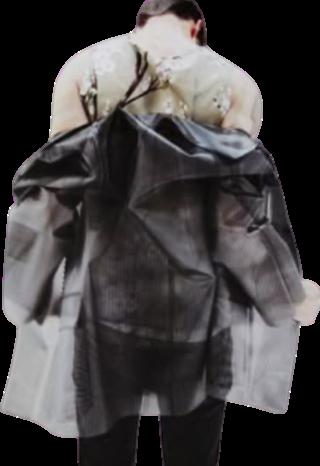
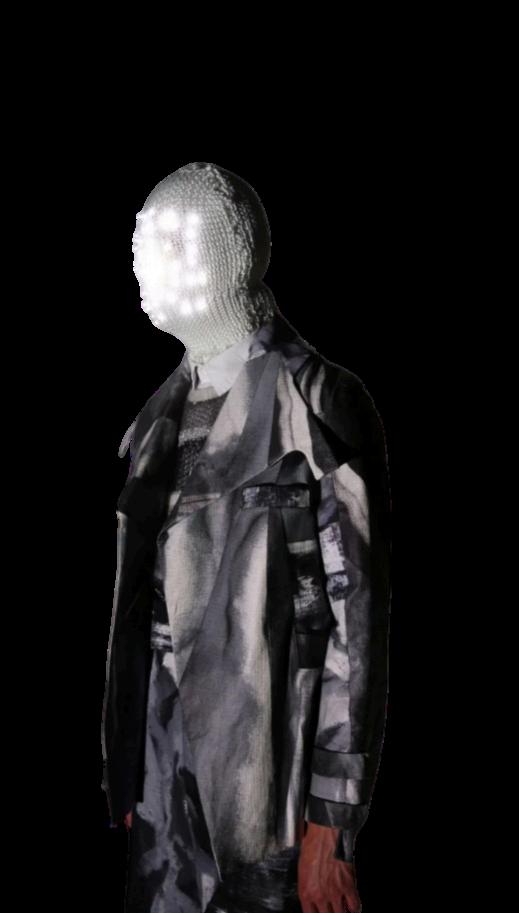
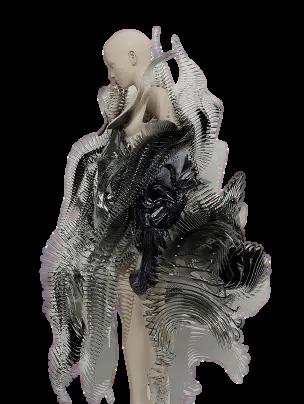

BRAND ME - NOTES
2. Finding the WHY
- Why do you see the world the way you do?
- What shapes your taste, your instincts, your visual decisions?
- What emotions or experiences drive your creative choices?
- What do you want your work to mean?
- What do you want people to feel when they see yo visuals?
This is about uncovering your internal compass th thing that makes your perspective different.
3. Finding the HOW
- How do you communicate visually?
- How do you build concepts?
- How do you use graphics, narrative, and menswear references?
- How do you turn messy, instinctive ideas into structured creative direction?
This is your creative methodology your process. Notes

- How do you approach social media, storytelling, and continuity?
Notes

4. Finding the WHAT
- What is your identity as a creative?
- What are your codes (visual, emotional, stylistic)?
- What do you want your brand to stand for?
- What market level do you sit in (diffusion / brid menswear)?
- What is the branding system that represents you? of your brand.

BRAND ME - NOTES


Notes
COMPONENT
A. Taste Mapp
- What you like
- What you do
- What feels “y
- What feels w
- What you’re
- What repels
This becomes
B. Social Refle
- What do frien
- What influenc
- How do peop presence?
- What do peo This helps def internal identit
BRAND ME - NOTES


Notes

BRAND ME - NOTES
C. Identity Writing
- Writing your name within words
- Exploring typography, symbolism, and meani
- Understanding how your name becomes a lo
- Masculine, graphic, conceptual direction
- Light green as your signature colour (balance calm)
This becomes the foundation of your visual ide
D. Codes

- What are your current codes?
- What do you want your future codes to be?
- Graphic, narrative, conceptual, menswear‑dri
- Messy, imperfect, human — not polished or c
- Storytelling as a core value
- Diffusion‑level menswear references
- Masculine graphic energy
- Green as a psychological anchor (gro calm)
Your codes = your brand DNA.

Notes
Thinking asking “why?”
es this represent me?
es this visual matter?
colour, this shape, this referenc market level?
s depth and intention.
uity Within Socials
nt tone
nt visual language
- No writing on posts
- No writing on slides (except mind maps)
- Showing the process, not just the o
- Documenting, not performing
- Rebranding your Instagram to mat identity
BRAND ME - NOTES

Notes
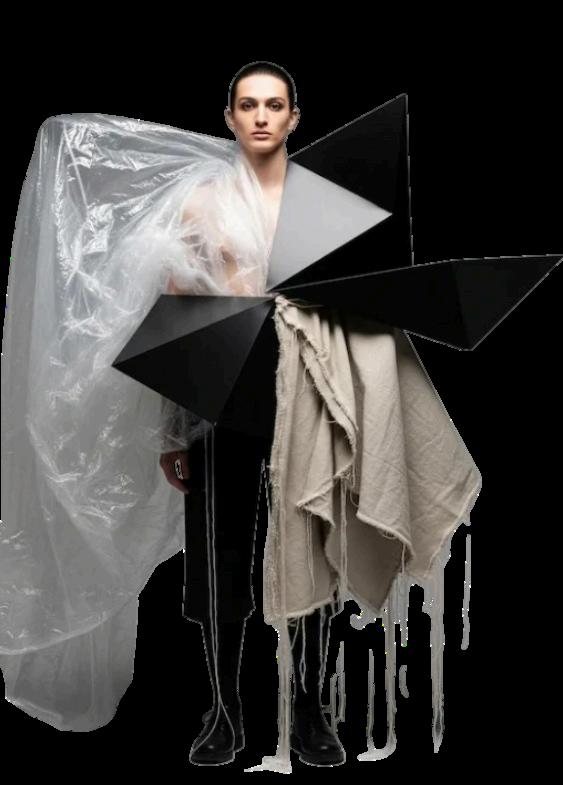
BRAND ME - NOTES
7. Personal Foundations
- Family morals
- Childhood → school → uni → work
- How these shaped your identity
- How they influence your taste, values, and creative direction
- What you carry forward and what you leave behind This adds emotional grounding.
8. Strengths & Weaknesses
Five strengths: - Creativity - Conceptual thinking
- Visual instinct
- Narrative building
- Emotional intelligence
Five weaknesses: - Perfectionism
- Overthinking
- Taking on too much
- Difficulty simplifying
- High expectations of self
These help shape your brand st


BRAND ME - NOTES
Notes
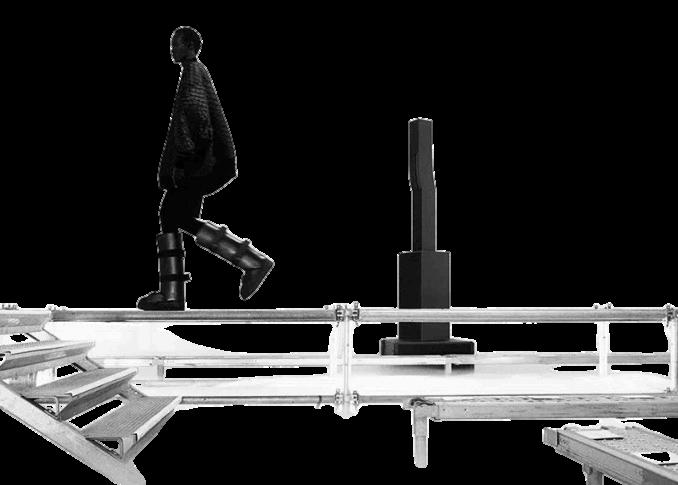
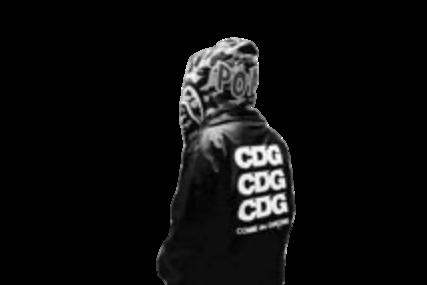
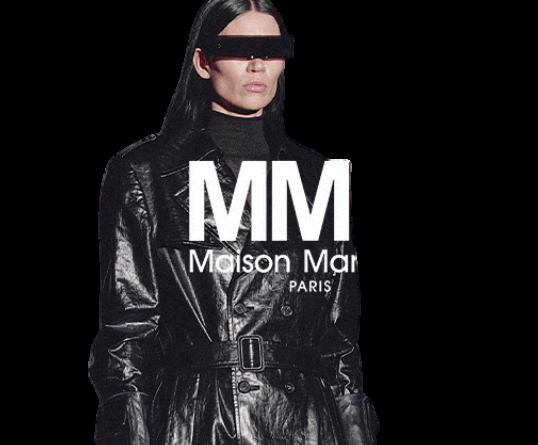
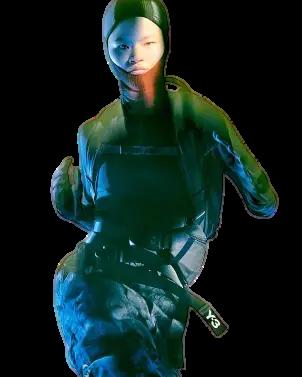
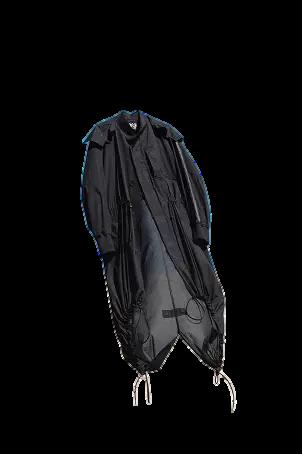
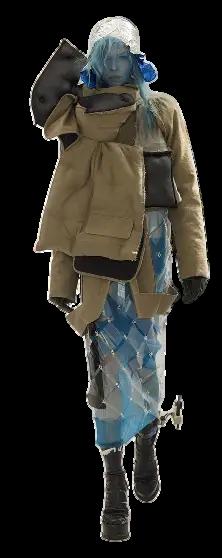
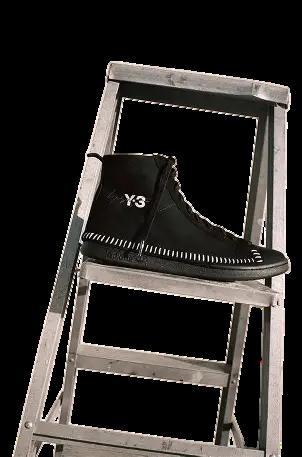
A. Menswear Diffusion Brands (4 examples) - Y‑3 - MM6 - AAPE - CDG (You can expand or swap depending on y direction.)
B Market Levels bridge ary n where you sit: high luxury dif ith graphic conceptual storyte


10. AI Market Research
- Where AI in fashion is heading
- Hyper‑personalisation
- AI‑driven styling
- Automated content creation
- AI as co‑designer
- What’s next?
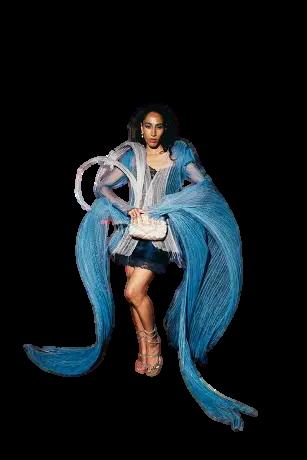
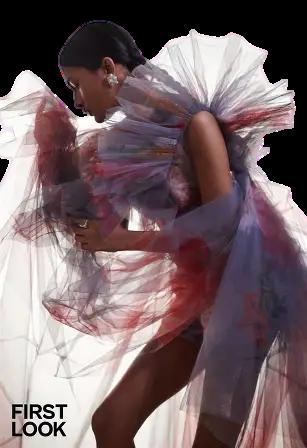
- How does this influence your brand? This positions you as forward‑thinking.
11. Influences & Research
- Nick Knight (SHOWstudio)
- Graphic editorial photographers
- Conceptual fashion directors
- Designers who use narrative + graphics
- Societal pressures and how they shape identity
- Psychology of green (balance, growth, calm) This builds your creative lineage.


12 Vi l R i ents
eople images onse grid
unnecessary writing sculine, conceptual direction nally, not decorative ual output.
BRAND
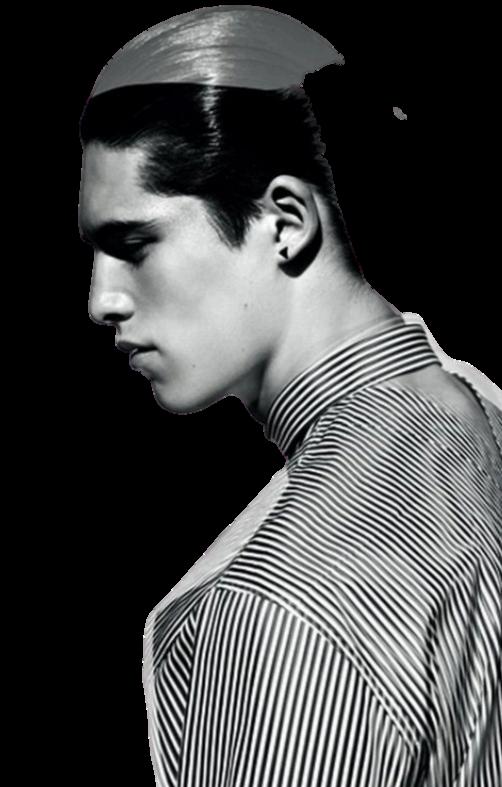

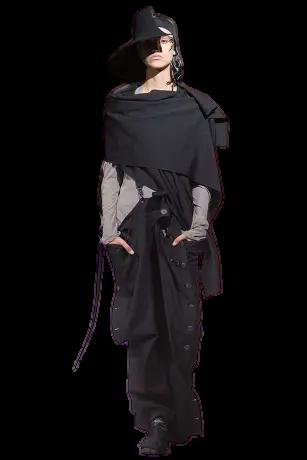
Component 2 — Case Study: Refined + E
Brief
1. Brand Selection & Investigation
Identify two or more contemporary fas brands.
Conduct a deep investigation into eac
Ethos and founding intention
Creative direction (past + present)
Visual identity and storytelling
Consumer base and market positionin
Cultural relevance and contemporary Your written component must be supporte research, including your own primary images Avoid catwalk imagery — focus on brand en stores packaging, social media, camp points.

BRAND ME - NOTES


Notes
rch Structure —
50/50 Primary &
ary
Research
n photography
its
er observation
edia analysis
/packaging studies
ary Research
Substack essays, intervie
chives
c sources
eports
commentary
ery article into a research
hensive evidence base.

BRAND ME - NOTES

Notes
3. Critical Question: What’s
Your case study must identif
What the brands are not
What they should be doing
Where the gap in the market sits
Which generation or demographic they
reach
Whether exclusion is intentional or acc
This is where your analytical voice comes
nterrogating the brand, not just describing
3. Critical Question: What’s Missing?
Your case study must identify:
What the brands are not doing
What they should be doing
Where the gap in the market sits
Which generation or demographic they
reach
Whether exclusion is intentional or acc
This is where your analytical voice comes
nterrogating the brand, not just describing
Notes
3. Critical Question: What’s Missing?
Your case study must identify:
What the brands are not doing
What they should be doing
Where the gap in the market sits
eneration or demographic they’re fa
r exclusion is intentional or accidenta
e your analytical voice comes in. You
g the brand, not just describing it.
uestion: What’s Missing?
tudy must identify:
e brands are not doing
ey should be doing
he gap in the market sits
eneration or demographic they’re failing to
r exclusion is intentional or accidental
e your analytical voice comes in. You’re
g the brand, not just describing it.