

Ray Gibson
City Manager

Ray Gibson
City Manager
The City Manager is responsible for:
• Working with elected officials to develop sound approaches to community challenges.
• Helping the governing body develop a long-term vision for the community that provides a framework for policy development and goal-setting.
• Administrative Leadership: Overseeing day-to-day operations of all city departments, offices, and agencies.
• Policy Implementation: Executing laws, ordinances, and policies adopted by the city council.
• Budget & Finance: Preparing and submitting the annual operating and capital budgets to the council.
• Personnel Management: Hiring, disciplining, and dismissing department heads and staff.
• Council Advisory: Advising the mayor and council on the city's financial condition and future needs.
• Community Relations: Responding to citizen concerns, managing public relations, and conducting meetings.

Mayor and Council identified fifteen (15) priority projects at the 2025 Council Retreat that were as follows:
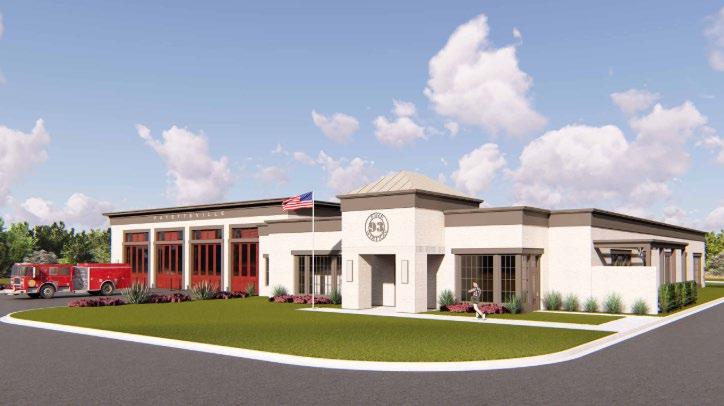
• Construct Fire Station 93.
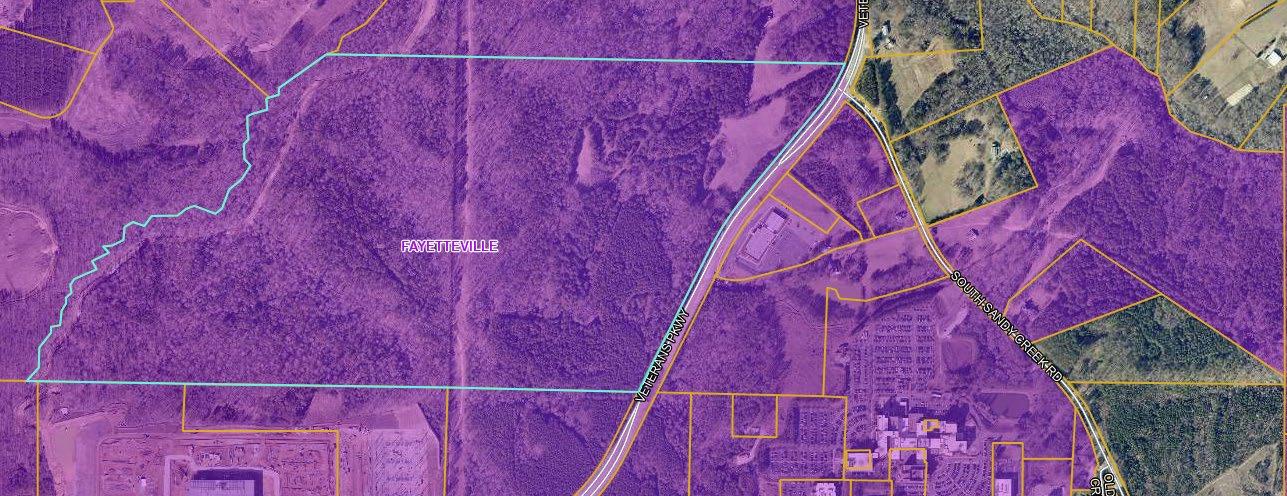
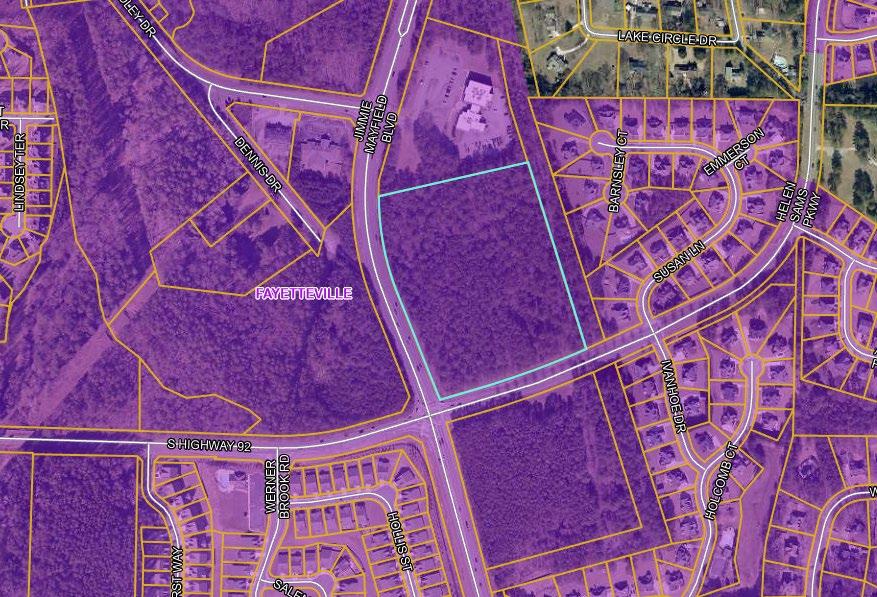
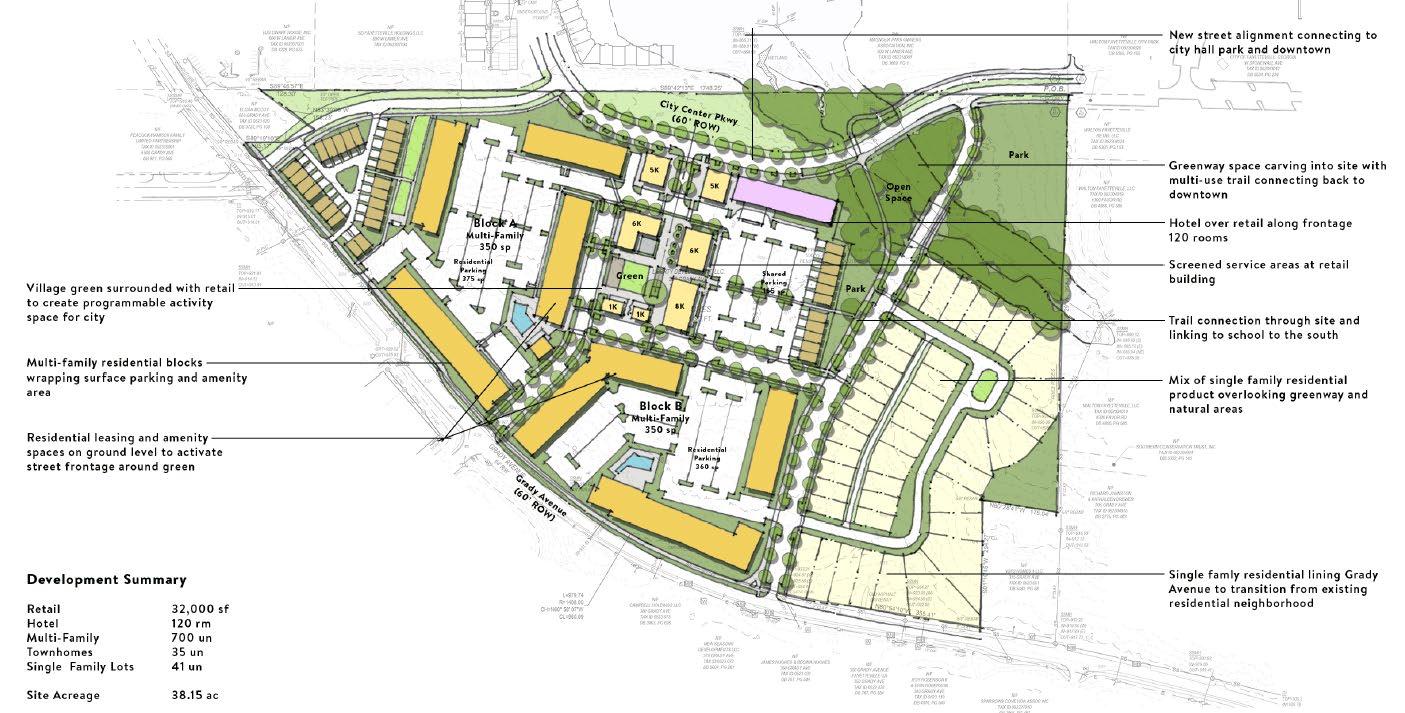
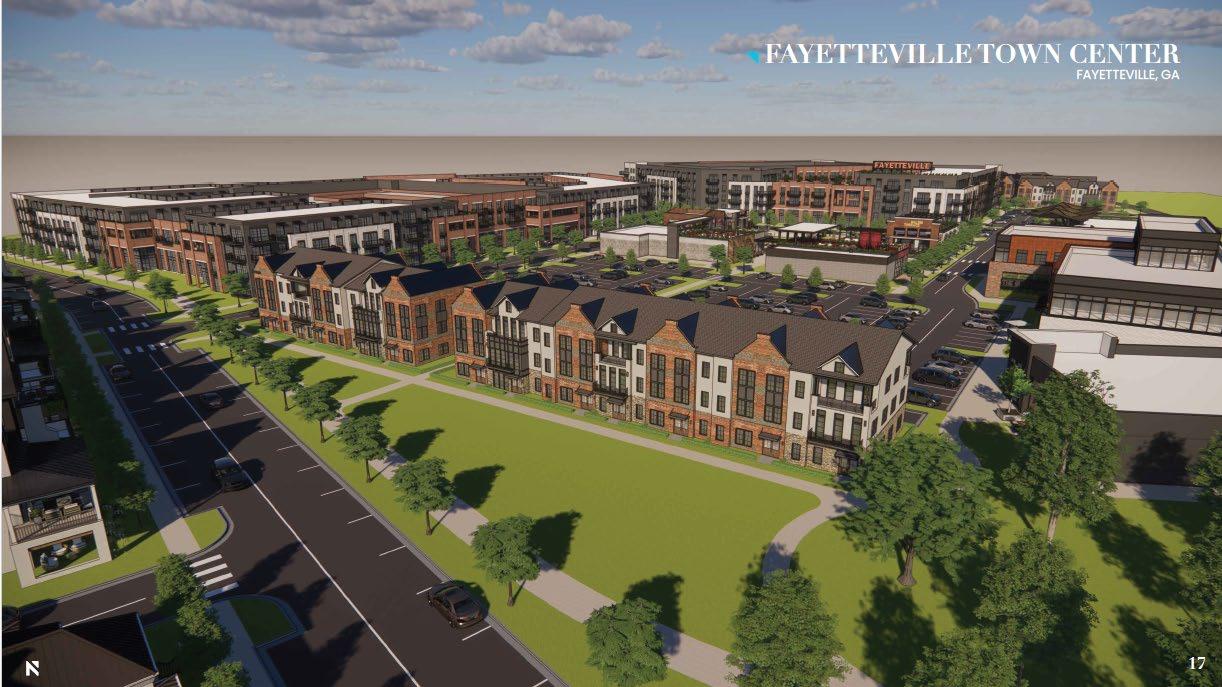
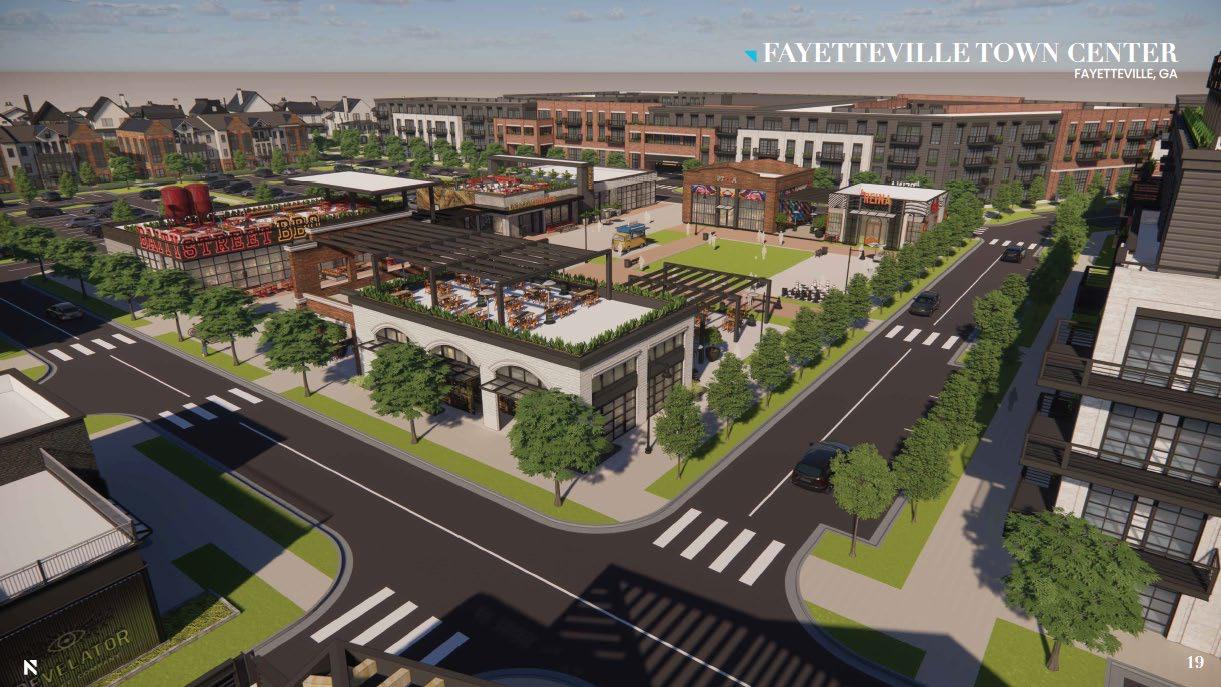
• Develop a plan for the City-Owned 38-acres and move forward with implementation.
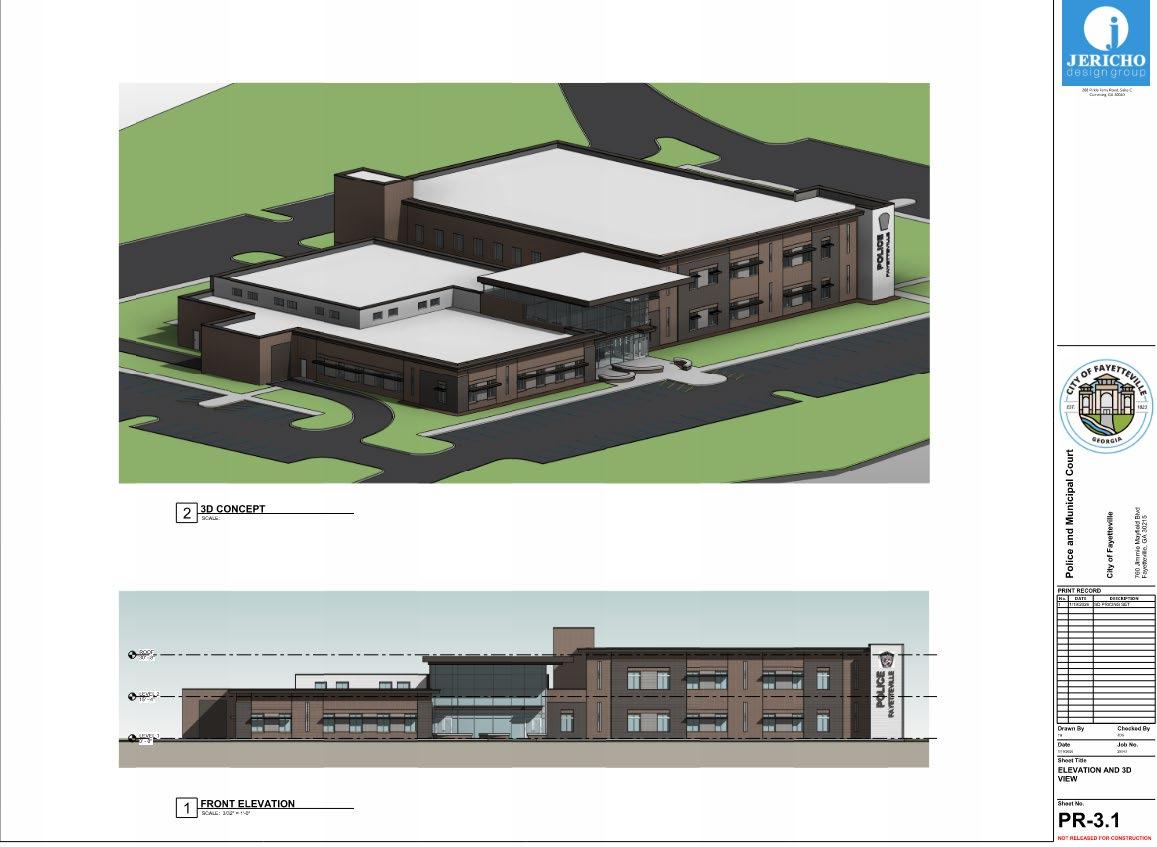
• Develop a plan for a new Police Headquarters, Municipal Court and move forward with implementation.
• Develop an annexation strategy.
• Update our Multi-Use Trail Plan and begin implementation.
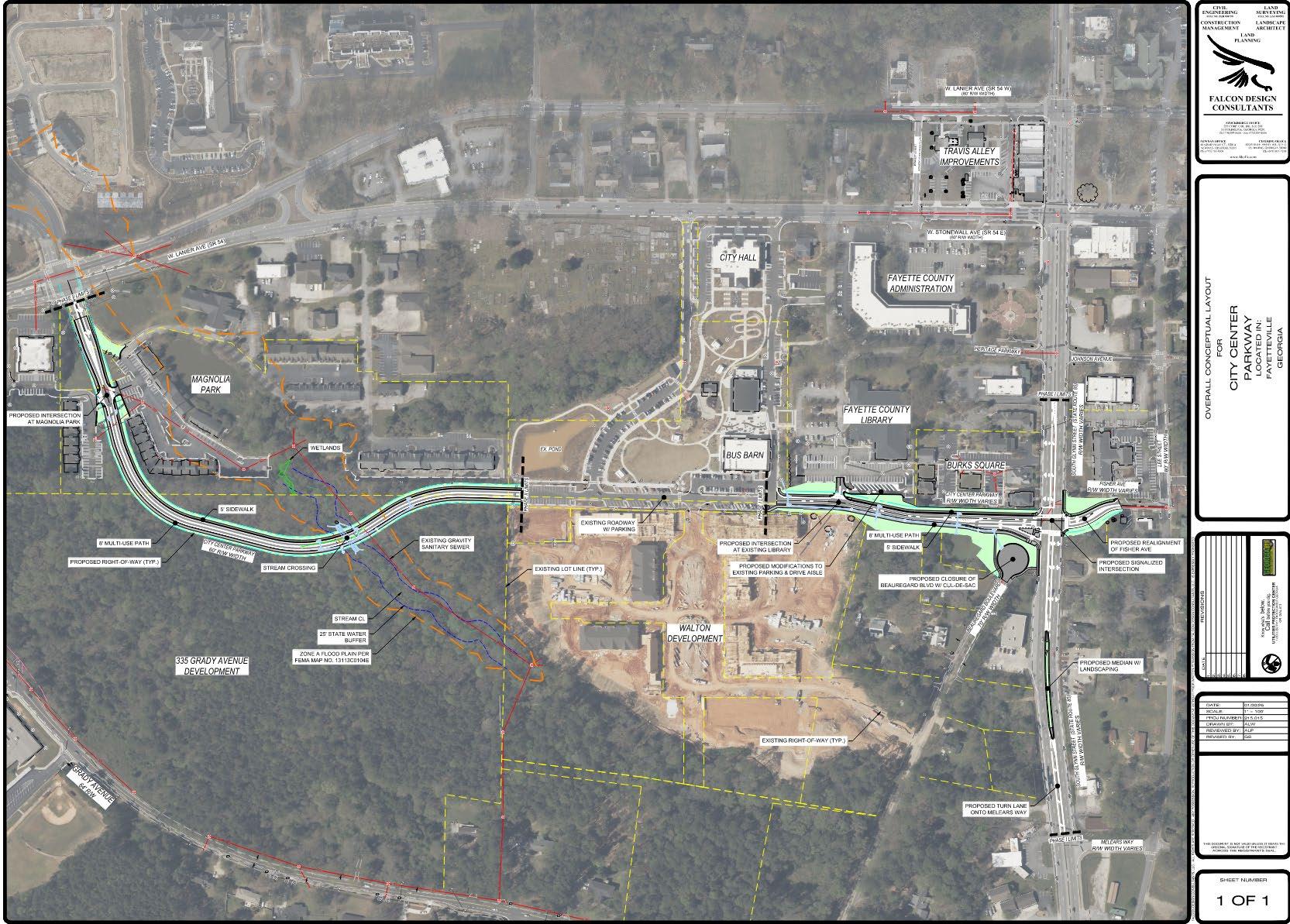
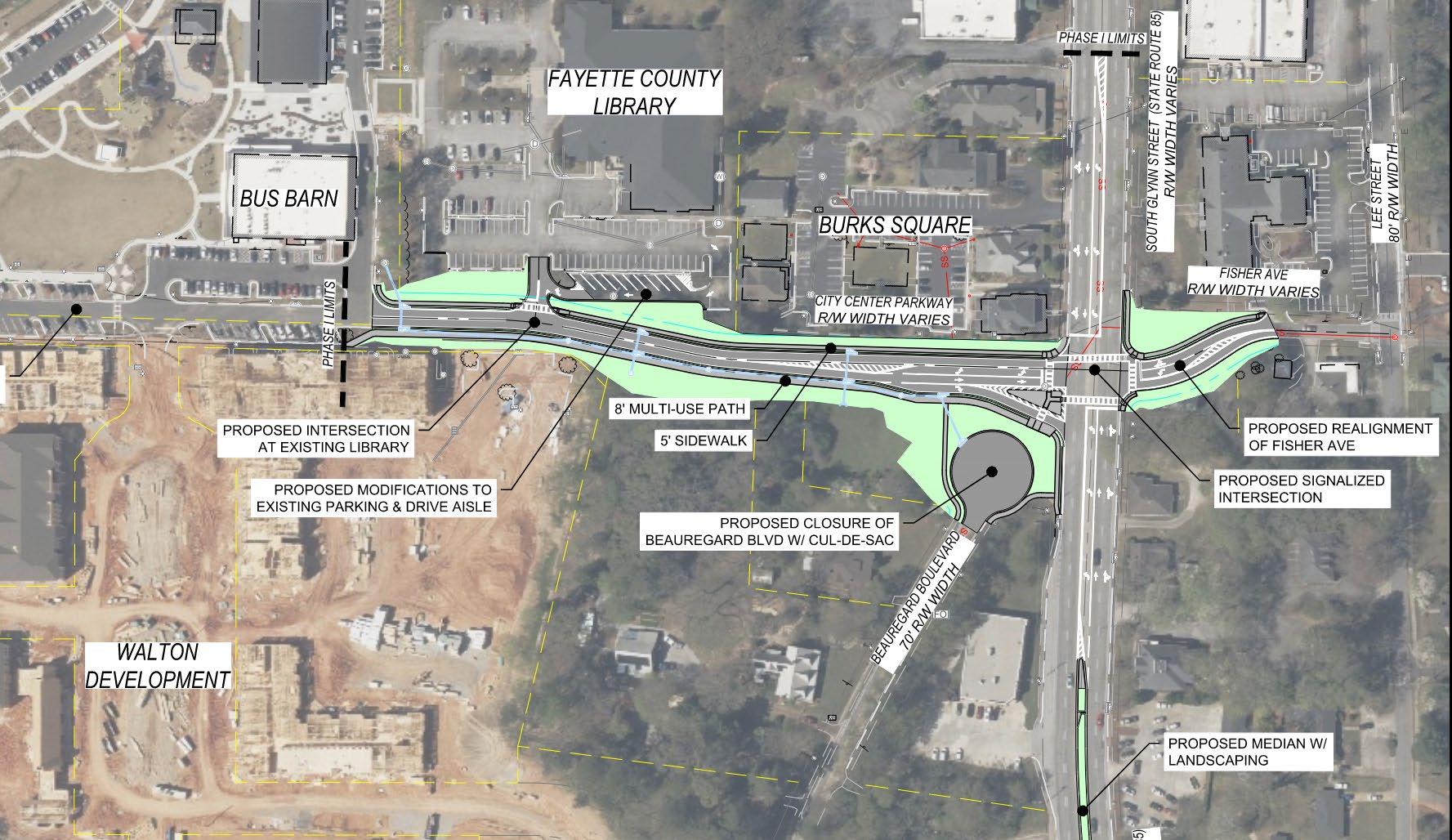
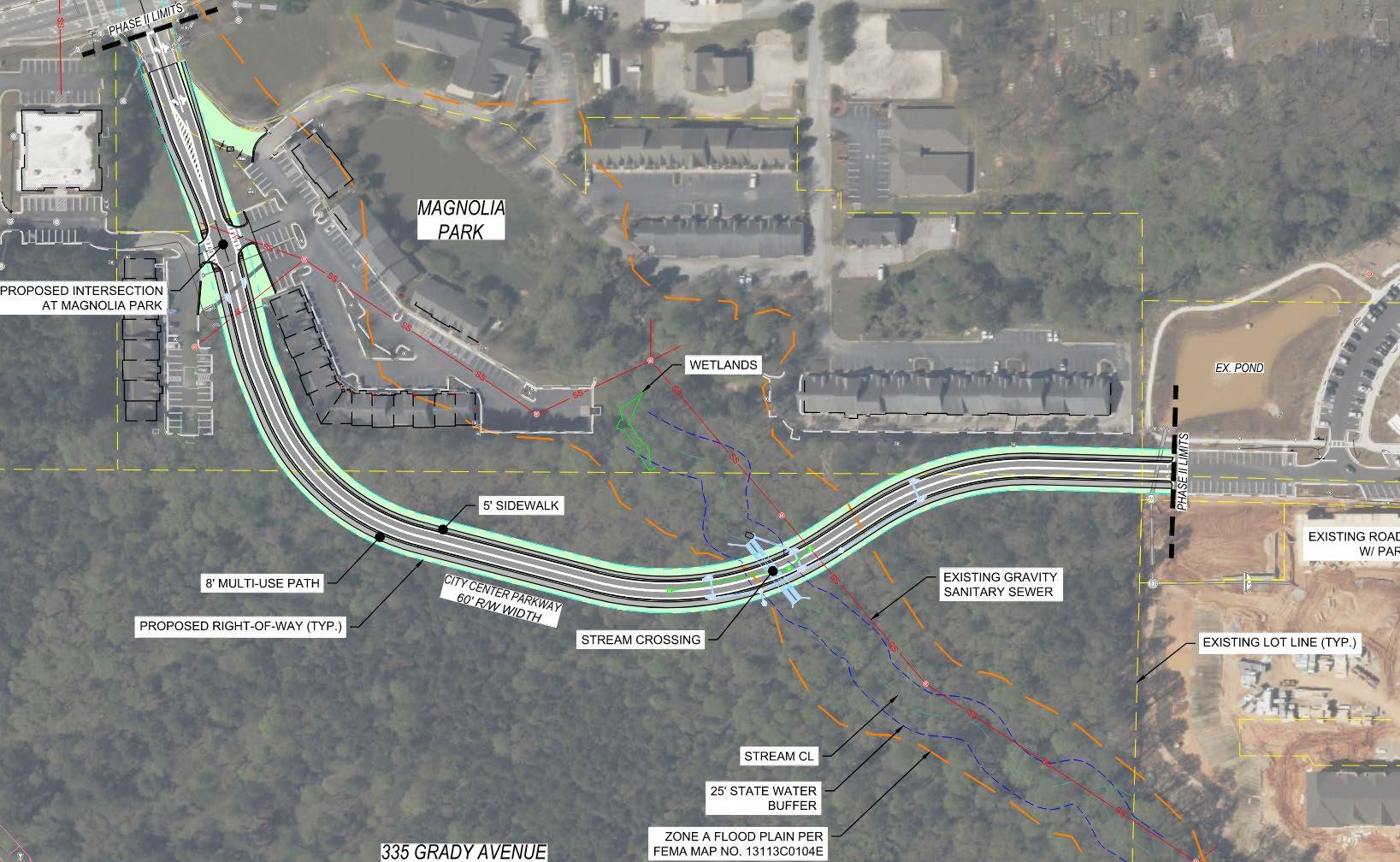
• Plan for and construct the eastern and western portions of City Center Parkway.
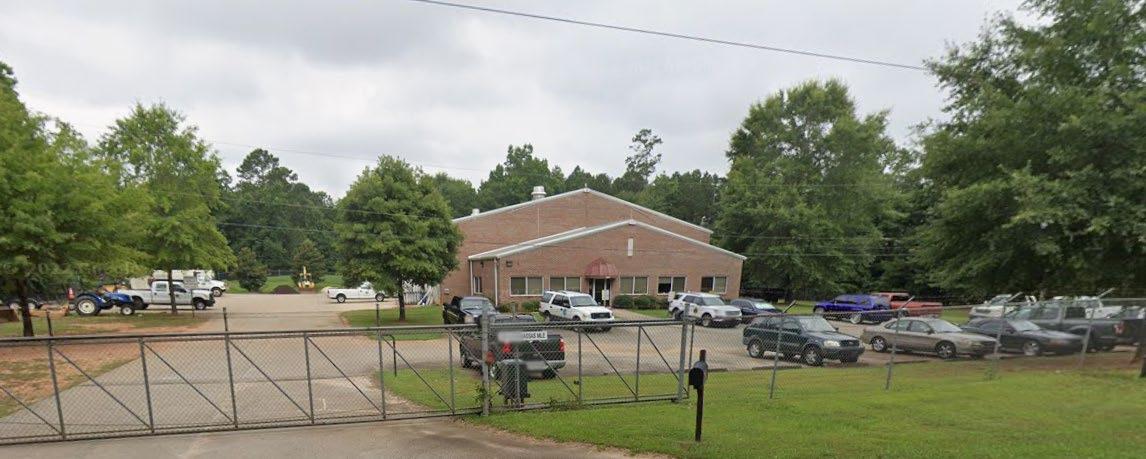
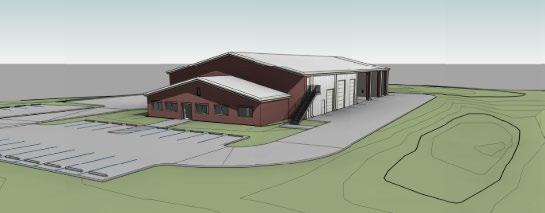
• Renovate the Public Services Headquarters.
• Develop and implement a story-telling strategy. (Completed)
• Develop a plan for gateway signage and move forward with implementation.
• Develop small area plans throughout the City.
• Coordinate with Fayette County to develop and construct the First Manassas Mile Road connection to Highway 54.
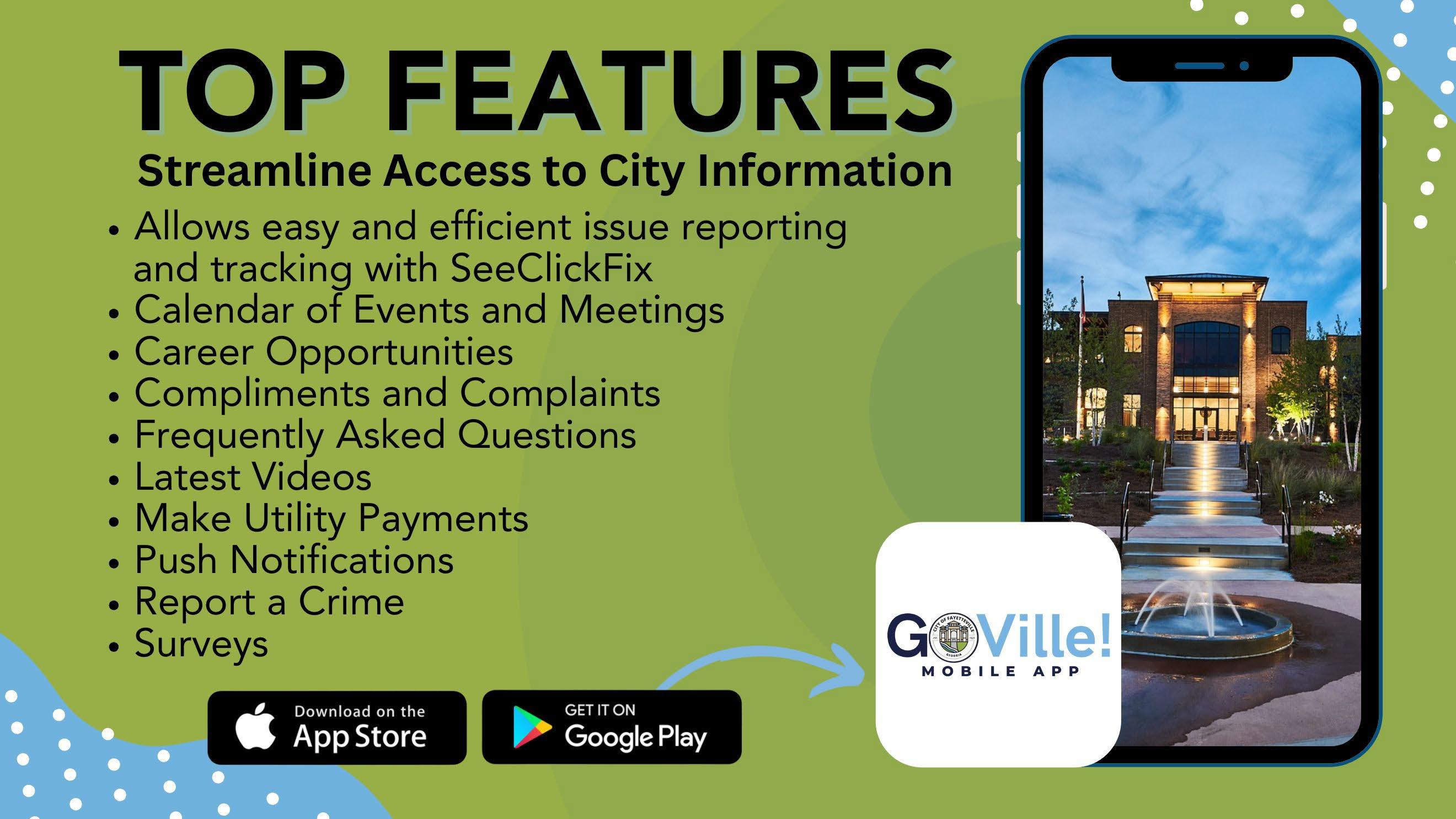
• Check on the feasibility of launching a City App. (Completed)
• Develop and implement improvements to the Biergarten area.
• Develop and implement a park warning system. (Completed)
• Look into the feasibility of underground power lines in the downtown area.



● This bill was introduced last session on 1/15/25. The bill was put in the House Governmental Affairs Committee and has had no movement since.
● Provides requirements for board members for condominium associations and property owners' associations
● Provides for allocation of votes, proxies, quorums, residency for board members, provide for size requirements for boards, provide for board elections, filing, and certification
● Provides for contests of election results
● Provides for annual registration requirements for such associations
• This bill was introduced last session on 2/11/25. The bill was put in the House Judiciary Committee, withdrawn and then put in the House Energy, Utilities, and Telecommunications committee. There has been no movement since.
• Prohibit condominium associations, property owners' associations, and homeowners' associations from preventing property owners from installing solar energy devices on common roofs or roof structures
• Provide for the burden of costs for removal and reinstallation of solar energy devices; to allow for repair of common roofs or roof structures
● This bill was introduced last session on 2/20/25. The bill was put in the House Ways and Means Committee and has had no movement since.
● The bill is related to preferential assessment for bona fide conservation use property and bona fide residential transitional property
● This bill permits the combination of multiple covenants of a single owner into a single, new, ten-year covenant; to provide for exceptions.
Georgia Homeownership Protection Act of 2026
• No more foreclosures for unpaid bills
• Homes cannot be foreclosed upon or sold for unpaid utilities, HOA fees, trash services, or other non-tax bills.
• These unpaid charges would become regular debts that can only be collected through lawsuits.
• This would apply to HOAs, condos, utilities, and local governments.
• Cities and utilities can’t use tax sales against a home.
• Cities would not be to add unpaid water, sewer, or trash charges to your tax bill to force a sale.
• Utilities cannot foreclose on your home for unpaid electricity or water bills.
• Your home is protected from any forced sale based on these service charges.
• Passed full Ways & Means Committee on Thursday, February 26th and is moving to House Rules
● This bill gives homeowners living in HOA- or POA-governed communities the right to force a binding referendum to decide whether their association should continue to exist.
● It also limits an association’s power by prohibiting foreclosure or forced sale of owneroccupied homes for unpaid dues or fines, raising the minimum lien amount for foreclosure to $2,000, increasing transparency requirements, and spelling out what happens if an association is dissolved—including how shared infrastructure is handled.
● Introduced on January 25th, 2026 and has had no movement since
● Prohibits a property owners' association from exercising enforcement authority over traffic laws and ordinances passed by local governments
● Secretary of State shall develop and implement or approve a training program of at least four hours in duration for members of the board of directors or other governing body of a property owners' association which shall include instruction on the following topics:
○ Member roles and fiduciary duties including financial literacy
○ Best practices for record keeping, document retention, and meetings
○ Conflicts of interest
○ Compliance with this article and association instruments, articles of incorporation, and bylaws, voting requirements, quorums, and enforcement of provisions within such instruments, articles, and bylaws
○ Contract procurement and oversight
○ Effective communication and conflict resolution.
● No movement on bill since introduced
● Establishes new regulations for property owners' associations (POAs), which are defined as nongovernmental organizations of homeowners in a development with recorded covenants.
● Requires POAs to register with the Secretary of State, providing information such as their name, address, officers, and a recent financial statement, with an annual renewal and a $100 fee.
● POAs that do not register are considered "nonregistered property owners' associations" and are prohibited from collecting fines or fees.
● The bill also creates a State Board for Review of Complaints Regarding Property Owners' Associations, composed of five members appointed by state officials, to investigate complaints and conduct hearings.
● Importantly, the bill outlines specific rights for property owners, including access to records, notice of meetings, and the ability to challenge discriminatory practices, and mandates that payments made by owners to POAs must be applied first to dues, then fees, and finally fines.
● Moved from committee to Rules Committee for calendar date to return to the Senate.