Industrial Hose Safety Best Practices:
Insights from Leading Suppliers

Industrial hose failures can lead to serious workplace accidents, equipment damage, and operational interruptions. Leading industrial hose suppliers highlight that safety issues often arise from incorrect hose selection, poor installation, or neglecting routine inspections. Implementing proper safety practices ensures consistent system performance and protects both personnel and machinery.
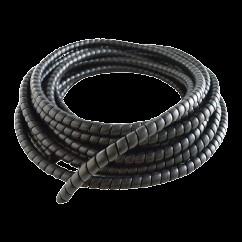
• Incorrect hose selection for pressure or fluid type
• Poor installation and routing
• Lack of regular inspection and preventive maintenance
• Using worn, damaged, or incompatible hoses and fittings
• Ignoring manufacturer safety guidelines
Choosing the correct hose based on pressure rating, temperature range, and application requirements is the foundation of industrial safety.
Experienced industrial hose suppliers like Unique Hydraulics assist customers in selecting certified hoses that comply with industry standards and perform reliably under real operating conditions. With expert guidance and quality products, proper hose selection reduces mechanical stress, prevents leaks, and significantly improves long-term system reliability and workplace safety.
Correct installation significantly impacts hose life and safety. Hoses must be routed to avoid twisting, sharp bends, heat sources, and moving parts.
Using proper clamps and supports minimizes vibration and abrasion, ensuring stable performance and reducing the risk of unexpected hose failure.
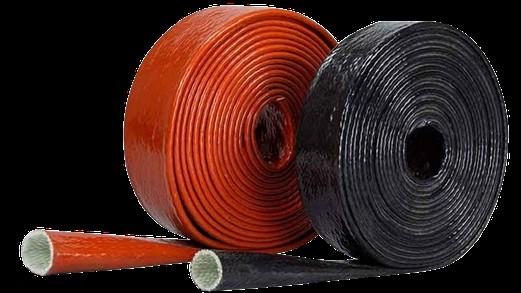

Low-quality hoses increase the risk of leaks and sudden bursts
Certified industrial hose suppliers offer tested, traceable, and compliant products
Quality hoses and fittings improve pressure stability and system efficiency
Trusted suppliers support long-term safety and reliability
Routine inspection and preventive maintenance are essential to detect early signs of wear and damage. Regular checks for leaks, surface cracks, corrosion, and loose fittings help prevent sudden breakdowns. Preventive maintenance extends hose service life and improves overall system safety.
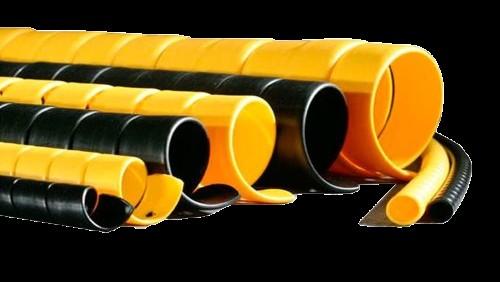
Proper training ensures that operators and maintenance teams can identify hose-related risks and respond effectively. Many industrial hose suppliers provide technical guidance, safety documentation, and training support to help industries maintain safe hose handling and maintenance practices, reducing workplace incidents.
Adopting industrial hose safety best practices leads to fewer accidents, improved equipment uptime, reduced maintenance costs, and longer hose service life. A safety-focused approach also ensures compliance with industry standards and enhances overall operational efficiency.