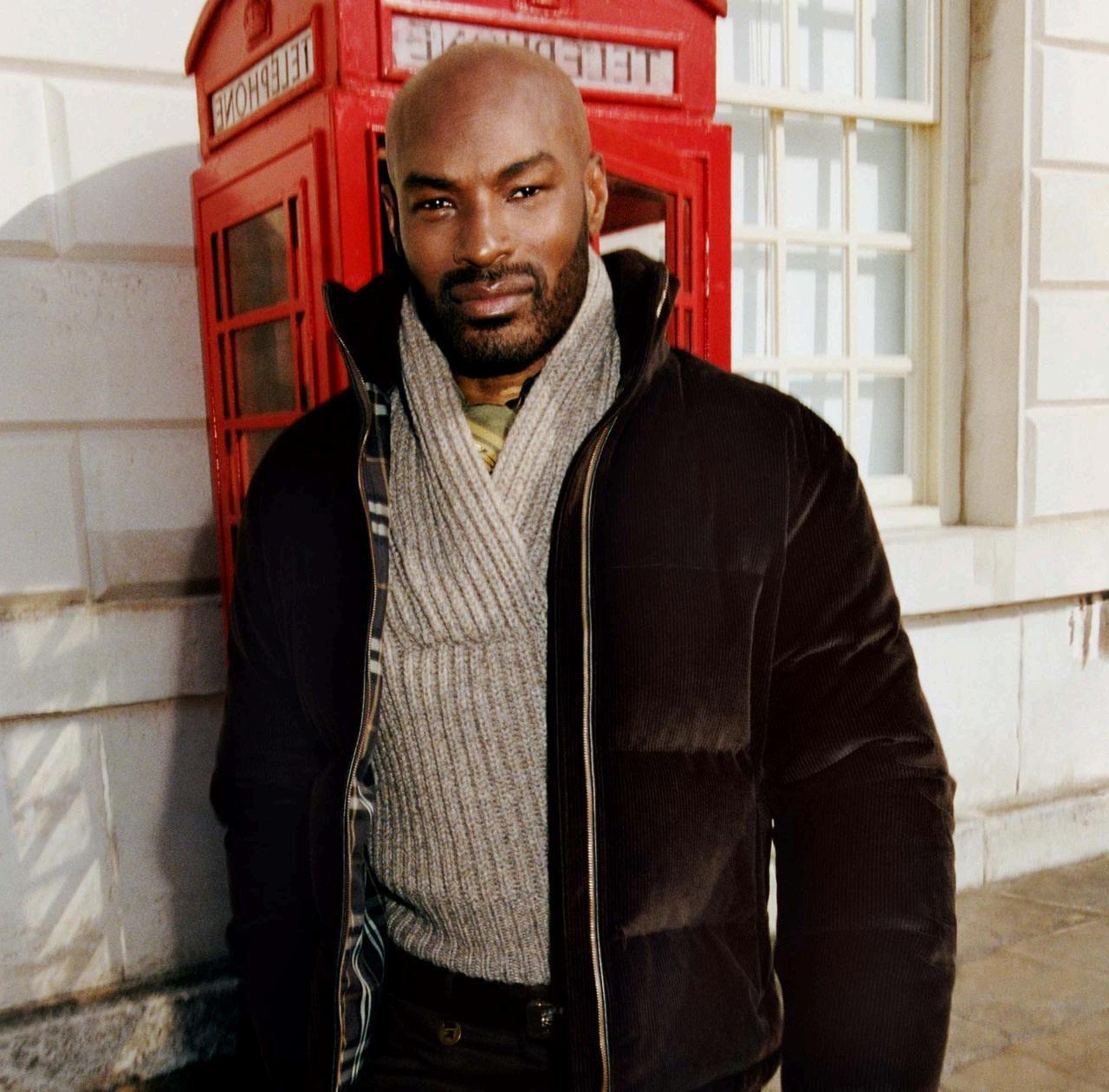
Figure 4. Back to the City Bus Aunty and Nora Attal
Figure 5. Back to the City London Bus
6. Back to the City London Street
7. US PESTLE Analysis
8. US Porters 5 Forces
9. Japan PESTLE Analysis
Figure
Figure
Figure
Figure
Figure
Introduction
This report presents a strategic market analysis for Burberry, a British luxury fashion house renowned for its heritage, craftsmanship and innovation (Burberry 2025). As a global marketing consultant, the objective is to assess Burberry’s external environment and internal capabilities across three global territories, Western Europe & the US, Latin America, and South East Asia
The analysis applies PESTLE and Porter’s Five Forces to evaluate external opportunities and challenges, while the BCG Matrix examines Burberry’s internal market position. Insights from this analysis will underpin strategic recommendations for global expansion
Brand Overview
Burberry is a British luxury fashion house founded in 1856, globally recognised for there heritage craftsmanship, iconic trench coat and distinctive check pattern. Positioned in the luxury market, the brand operates across multiple product categories including outerwear, ready-to-wear, accessories, leather goods and beauty (Burberry 2025)
Burberry’s current strategic plan, “Burberry Forward,” aims to reignite brand desire, enhance performance and drive long-term value creation. Reconnecting the brand with its original heritage and purpose, while appealing to a broader base of luxury consumers across global markets (Burberry 2024) In recent years, Burberry has increasingly engaged Millennial and Gen Z consumers alongside its established affluent luxury customer base, reflecting a strategic focus on cultural relevance, digital innovation and experiential retail. (Goat Agency 2025)
Burberry maintains a global footprint with over 460 retail touchpoints worldwide, including standalone stores, concessions, outlets and franchises, demonstrating there wide international reach. In the Q3 FY25 trading update, the company reported retail revenue of £659 million, a 7% year-on-year decline, with store sales down 4%. Performance varied significantly across regions, the Americas grew 4%, while EMEIA fell 2% and Asia Pacific declined 9%, highlighting uneven demand conditions (Burberry 2025b). These fluctuations, underscore the need for Burberry to reassess it’s international market strategy. This report evaluates the dynamics through external and internal strategic frameworks.
External Environment
United States
The U.S., particularly California, represents a key market for Burberry, with the luxury goods sector valued at over $112 billion in 2025, reflecting a highly affluent consumer base (Mordor Intelligence, 2025). California is especially strategic due to it’s concentration of luxury consumers, prominent retail locations, and status as a global technology hub (Maguire, 2021). This combination of economic importance and technological innovation offers Burberry opportunities to leverage AR/VR, digital personalisation, and heritage storytelling to enhance brand engagement and capture market share.
Donald Trump won the recent election for the second time as US President There are current tensions between the US and China with Trump announcing higher tariffs on Chinese Imports
There has also been tightened border control measures and increased military budget (‘ United StatesSantandertrade com’ 2025)
The GDP per capita in the United States is 63,206.5 USD in 2020 The Median Household Income is $77,719 (Bureau
n d ) Interest payments on public debt grew 34% to USD 949 billion in 2024 The US is the largest economy globally ahead of China.(‘ United StatesSantandertrade.com’ 2025)
The United States luxury goods market is valued at USD 112 68 billion in 2025 and is projected to reach USD 127.93 billion by 2030 (Mordor Intelligence 2025)
Consumer attention span on digital fashion ads dropped to 1 3 seconds on average (McKinsey 2024)
Gen Z and Millennials now make up 57% of luxury purchases in the U S (Bain & Co , 2024)
Influencers make up 5.45% of its California population (representing 30 37% of Instagram users in the state) (Influencity 2020)
Technological Legal Environmental
California, a global tech hub, offers Silicon Valley partnerships for fashion brands to implement AR/VR and immersive shopping experiences. (Maguire 2021) Personalisation and curation are key differentiators in luxury e‐commerce, especially in the U S market where competitors are using tech to tailor experiences (Bain and Kennedy 2024)
Free-trade zones are called foreign trade zones(more than 250 foreign trade zones) The U S is the world's largest importer and second-largest exporter of goods(‘ United States - Santandertrade com’ 2025)
California’s Proposition 65 requires warnings for chemicals in products or packaging that could cause cancer or reproductive harm, affecting materials, packaging, and product components , Burberry need to be compliant with all laws. (OEHHA 2020)
Surveys indicate that over 60% of U.S. luxury buyers consider a brand’s sustainability credentials before purchasing (McKinsey & Company 2024). California regulators demand sustainable materials, circular fashion initiatives and carbon transparency, impacting luxury product design and packaging (OEHHA 2020)
The PESTLE analysis highlights macro-environmental factors shaping Burberry’s operations Economically, the U S luxury market is valued at $112 68 billion in 2025, with strong GDP per capita and household incomes supporting high purchasing power (Mordor Intelligence 2025). Socially, Millennials and Gen Z account for 57% of luxury purchases but attention spans are declining, requiring personalised and engaging digital strategies (Bain & Co. 2024; McKinsey 2024). Technologically, Silicon Valley enables AR/VR adoption and immersive shopping experiences, while e-commerce personalisation is critical to staying competitive (Maguire 2021; Bain & Kennedy 2024). Legally, compliance with California’s Proposition 65 ensures safe materials and packaging (OEHHA, 2020). Environmentally, consumers and regulators demand sustainability, circular fashion initiatives and carbon transparency (McKinsey & Company 2024)
Porter’s Force Pressure level
Bargaining Powers of Suppliers
LowMedium
Threat of Substitutes
Threat of New Entrants
Medium
Bargaining Powers of Buyers
Competitive Rivalry
Low
MediumHigh
High
Points
The U.S. luxury market is dominated by European giants, with intense competition among brands (Bain 2025). California alone ranks as the 5th largest economy in the U S, making it a highly strategic but competitive region (Newsom 2024)
High brand-switching occurs due to trend-driven consumers; purchasing decisions are influenced by multiple factors, reducing long-term brand loyalty (Adams & Alldredge 2025).
The rise of “quiet luxury”, understated, logo-free styles, challenges Burberry’s heritage-focused positioning and logo-centric products (‘Quiet Luxury’ 2024)
“Aspirational premium” brands such as Ralph Lauren, Coach, and Michael Kors offer more affordable alternatives to luxury goods
The resale and second-hand luxury market (e.g., The RealReal, Vestiaire Collective) is growing rapidly, particularly among Gen Z consumers (WTVR CBS 6 2025)
Experiences, such as travel and entertainment, compete for the same discretionary spending, as consumers increasingly prioritise memorable experiences over material purchases (Harper 2025).
High capital investment is required for retail stores, logistics, and marketing, particularly in California where prime fashion retail rents are among the highest in the U S (CBRE 2025)
The luxury sector is dominated by powerful conglomerates (LVMH, Kering), creating high barriers to entry for new brands.
US consumers are price-sensitive and accustomed to promotional offers and online comparisons leveraging purchase decisions(Adams et al. 2025)
Celebrity endorsements and influencer trends can rapidly shift consumer demand, increasing pressure on luxury brands to stay relevant (Influencer 2024)
The U S luxury market is dominated by European giants, with intense competition among brands(Bain 2025) California alone ranks as the 5th largest economy in the U S , making it a highly strategic but competitive region (Newsom 2024)
High brand-switching occurs due to trend-driven consumers; purchasing decisions are influenced by multiple factors, reducing long-term brand loyalty (Adams & Alldredge 2025)
The rise of “quiet luxury”, understated, logo-free styles, challenges Burberry’s heritage-focused positioning and logo-centric products (‘Quiet Luxury’ 2024).
The US is a critical market for Burberry, with California serving as a hub for luxury retail and technological innovation. Porter’s analysis indicates very high competitive rivalry, driven by European luxury fashion giants, alongside a trend-driven, brandswitching consumer base and the rising popularity of “quiet luxury,” which challenges Burberry’s logo-focused heritage positioning (Bain, 2025; Adams & Alldredge 2025; ‘Quiet Luxury’ 2024). Barriers to entry remain high due to significant capital requirements for stores, logistics and marketing, particularly in high-rent California locations, as well as the dominance of conglomerates like LVMH and Kering. While direct new entrants are limited, substitute threats include aspirational premium brands, the growing resale market, and competition from experiential spending, particularly among Gen Z consumers (WTVR CBS 6 2025; Harper 2025). Buyers hold medium-high bargaining power, amplified by price sensitivity, online comparisons and rapidly shifting influencer trends (Adams et al. 2025; Influencer 2024), while supplier power remains low.
Japan
Japan remains one of the world’s most established and culturally unique luxury markets, with consumers who value high quality, craftsmanship, and attention to detail, supported by a stable political and economic environment (One Step Beyond 2024).The continued weakness of the yen has fuelled inbound luxury tourism, contributing to record visitor numbers in 2024 and strengthening luxury sales nationally (Ballentine & Du 2024; Nippon 2025) For Burberry, Japan presents a high-potential market where heritage storytelling, precision craftsmanship and elevated service standards are crucial to meeting consumer expectations and sustaining long-term brand loyalty.
Government focus on addressing the rising cost of living and the declining birth rate. (Foreign & Commonwealth Office 2021)
Japan is a key member of major global political and economic organisations including the G7, G20, APEC and ASEAN+3 (Foreign & Commonwealth Office 2021)
Strong alliance with the United States, which maintains a significant military presence and provides extended security guarantees. (Foreign & Commonwealth Office 2021)
The yen depreciated to its lowest level in 34 years in 2024, boosting inbound luxury tourism and spending. (Ballentine & Du 2024)
Japan welcomed a record 36 9 million international visitors in 2024, a 47.1% year-on-year increase, surpassing prepandemic levels (Nippon 2025)
Japan remains the third-largest economy in the world, with GDP per capita three times that of China, and is a major high-tech economic powerhouse. (Foreign & Commonwealth Office 2021)
Former success of Burberry’s Japan-exclusive Blue Label line (1996–2015) demonstrates strong cultural alignment and longstanding brand resonance (Craik 2000)
Japan faces a rapidly ageing and shrinking population, projected to fall from 125 million to below 100 million by 2056 (Foreign & Commonwealth Office 2021)
Japan has one of the fastestgrowing luxury markets in Asia, supported by high disposable income and demand for premium craftsmanship. (‘About Luxury Goods | EU-Japan’ n d )
Technological Legal Environmental
Japan has extremely advanced retail technology adoption, including AR, VR, RFID, and smart store systems
The retail sector is undergoing rapid transformation towards AI-powered, frictionless shopping experiences, improving both customer engagement and operational efficiency. (Yongsy 2025)
Japan’s FOIP framework promotes free trade, multilateral cooperation, and a rules-based international order (Foreign & Commonwealth Office 2021) Active progression of free trade agreements, including the UK–Japan CEPA (2020), membership in RCEP (2021), and participation in the CPTPP, which the UK is acceding to These agreements aim to strengthen economic growth and regional integration. (Foreign & Commonwealth Office 2021)
Japan is heavily dependent on imports of energy, food, and raw materials, a reliance intensified after the closure of nuclear reactors following the 2011 tsunami Ten reactors had restarted by June 2023. (Foreign & Commonwealth Office 2021) Japan’s sustainable packaging market reached $16 2 billion in 2023, reflecting increasing regulatory and consumer pressure for environmentally responsible materials (Dabo 2025)
The PESTLE analysis highlights Japan’s stable political framework, strong international alliances and commitment to free-trade partnerships, which support predictable and open market conditions (Foreign & Commonwealth Office 2021) Economically, the weak yen has increased luxury tourism and boosted spending, while Japan’s position as the world’s third-largest economy ensures high purchasing power among domestic consumers (Ballentine & Du 2024). Socially, the success of Burberry’s former Blue Label line demonstrates strong cultural alignment, although demographic challenges persist due to an ageing and shrinking population (Craik 2000; FCO 2021) Technological adoption in retail is advanced, with AI-driven, frictionless shopping environments becoming standard (Yongsy 2025). Legally, Japan promotes free trade and regulatory stability through multiple international agreements (FCO 2021). Environmentally, increasing expectations for sustainable packaging align with Burberry’s ESG commitments (Dabo 2025)
Porter’s Force Pressure level
Bargaining Powers of Suppliers
Points
Low Burberry’s global manufacturing network, primarily in Europe and select Asian regions,limits dependence on Japanese suppliers and reduces supplier bargaining power (Burberry 2018)
Japan has one of the world’s most reliable logistics systems, reducing supply chain risk and preventing any single supplier from gaining influence. (World Bank 2023)
Threat of Substitutes LowMedium
Threat of New Entrants Low
Bargaining Powers of Buyers
Competitive Rivalry
Japanese “quiet luxury” brands such as Issey Miyake offer refined, minimalist alternatives to European heritage brands. (Matsumoto 2025)
Younger consumers increasingly value experiential spending (travel, dining, entertainment), which competes with discretionary spending on luxury goods (Why 2025)
Retail regulations and leasing costs in Japan are extremely high, with rents in Ginza and Shibuya reaching record levels and forecasted to continue rising. These areas remain highly sought-after, particularly by fashion brands targeting affluent and younger consumers (Staff Reporter 2025)
The market is highly competitive, with strong domestic players and established foreign brands; new entrants require a clear value proposition and premium positioning to compete. (Comms8 2024)
Medium Japanese luxury consumers are highly discerning and expect flawless craftsmanship, precision, and consistency in product quality. (McKinsey & Company 2024)
Strong emphasis on heritage, craftsmanship, and storytelling creates a highly selective consumer base with clear preferences. (EU–Japan Centre n.d.)
Luxury spending is supported by both domestic demand and a surge in tourism, which broadens buyer options and strengthens consumer influence (Linh 2024)
High Japan is one of the world’s largest luxury goods markets and continues to experience steady growth despite wider economic fluctuations (One Step Beyond 2024)
Competition is intense, with luxury groups such as LVMH and Kering reporting 57% and 22% sales growth respectively, strengthening their dominance in the market (Barron’s 2024)
Japan is one of the world’s largest luxury goods markets and continues to experience steady growth despite wider economic fluctuations. (One Step Beyond 2024)
Competition is intense, with luxury groups such as LVMH and Kering reporting 57% and 22% sales growth respectively, strengthening their dominance in the market (Barron’s 2024)
Argentina
Argentina represents a strategically important niche market for Burberry, where British heritage and cultural resonance, particularly through polo and luxury fashion traditions, align closely with the brand’s identity (Marshall 2022). Despite economic volatility and import restrictions, the market is expected to grow by annually by 4.86% (Statista Market Insights 2025). This makes Argentina a valuable territory for brand presence, high-value sales and luxury storytelling, offering insights into operating in complex emerging markets without relying solely on scale.
Political Economic Social
Argentina is Latin America’s second-largest country and continues to face significant political dysfunction. Although it has achieved relative democratic stability, the nation still struggles with persistent institutional weaknesses and deep political polarisation (Roy 2024)
Argentina is the region’s thirdlargest economy but has long faced chronic economic instability (Roy 2024). The country has defaulted on its sovereign debt nine times and remains heavily dependent on financial support from international institutions, as well as from China and the United States (Roy 2024). President Javier Milei has introduced sweeping economic reforms aimed at tackling inflation, debt, and fiscal imbalance However, Buenos Aires continues to face difficulties rebuilding foreign exchange reserves and meeting existing debt obligations, even as the government secures new loan programmes to stabilise the economy (Roy 2024)
Polo forms an important part of Argentina’s cultural identity, introduced by British settlers and later becoming a national symbol of prestige and sporting elegance Accessories such as the traditional colourful polo belt illustrate the enduring influence of British heritage within Argentine fashion culture (Marshall 2022).
Technological Legal Environmental
Argentina demonstrates strong digital adoption, supported by widespread internet and mobile usage, a dynamic fintech sector, and government-backed innovation initiatives (International Trade Administration 2024).
As of late 2025, more than 90% of the population uses the internet, reflecting a highly connected consumer base (International Trade Administration 2024)
Argentina’s labour laws are firmly pro-employee and designed to safeguard workers’ rights through strict public-order provisions. These regulations cannot be waived or overridden by private agreements, applicable law clauses or jurisdictional arrangements, creating a highly regulated employment environment (L&E Global 2024).
Argentina faces significant environmental challenges including soil erosion, salinisation, deforestation and industrial pollution Water resources are increasingly threatened by the uncontrolled dumping of pesticides, hydrocarbons and heavy metals Despite having a renewable water supply of 276 cubic km, environmental management remains a concern (‘Pestle Analysis of Argentina’ n d ) An environmental policy milestone was the creation of the Metropolitan Area Ecological Belt State Enterprise in 1977, which established a 150-km greenbelt around Buenos Aires to regulate emissions, effluents and building density (‘Pestle Analysis of Argentina’ n d )
The PESTLE analysis highlights a complex operating environment for luxury brands in Argentina. Politically, Argentina faces institutional weaknesses and polarisation despite democratic stability, creating uncertainty for long-term investment (Roy 2024). Economically, instability, repeated debt defaults and reliance on international financial support restrict consumer spending and complicate imports, despite reform efforts under President Milei (Roy 2024). Socially, Argentina’s strong cultural ties to British heritage, particularly through polo, reinforce Burberry’s symbolic appeal among affluent consumers (Marshall 2022). Technologically, high digital adoption and internet penetration present opportunities for engagement, even where physical retail is limited (International Trade Administration 2024). Legally, strict pro-employee labour laws increase operational rigidity and compliance costs (L&E Global 2024). Environmentally, ongoing pollution, deforestation and regulatory controls, particularly in Buenos Aires, highlight growing sustainability expectations Burberry must navigate (‘Pestle Analysis of Argentina’ n.d.)
Porter’s Force Pressure level Points
Bargaining Powers of Suppliers
Threat of Substitutes
Threat of New Entrants
Bargaining Powers of Buyers
Competitive Rivalry
Medium Luxury brands rely on global manufacturing and sourcing networks, limiting the influence of Argentine suppliers (Burberry 2024c).
Local logistics providers hold moderate operational power due to customs delays and import quotas(World Integrated Trade Solution 2023)
High Grey-market imports and parallel sellers are widespread due to limited official supply and high domestic prices (Illicit Trade 2025)
Buenos Aires districts such as Barrio Once and La Salada are identified as major hubs for counterfeit clothing and luxury goods, offering lower-cost substitutes (‘2024 Review of Notorious Markets of Counterfeiting and Piracy’ 2024)
Low Strict import controls, high customs duties, and foreign exchange restrictions make market entry costly and complex (World Integrated Trade Solution 2023; Roy 2024) Ongoing economic instability discourages new international luxury brands from entering the market (Roy 2024)
High Wealthy consumers frequently purchase luxury goods abroad in cities such as Miami, Madrid, and London, increasing access to global price comparison (Martin 2023). Limited domestic availability strengthens buyer power and reduces dependence on local retailers
High European heritage brands remain most desirable among high-income consumers, with competition occurring largely at a global rather than domestic level (Martin 2023; Roy 2024)
Limited number of official luxury retail stores due to import restrictions and economic volatility, reducing direct in-market competition (Wikipedia Contributors 2025)
Porter’s analysis indicates Argentina’s luxury fashion market is shaped more by structural and external pressures than domestic competition. Competitive rivalry is medium, as European heritage brands dominate consumer preference, but limited retail presence reduces direct competition (Martin 2023; Roy 2024). Threat of new entrants is low due to strict import controls, high duties, foreign exchange restrictions and economic volatility (World Integrated Trade Solution 2023; Roy 2024). Threat of substitutes is high, driven by grey-market imports, counterfeits and informal retail hubs, offering lower-cost alternatives (‘2024 Review of Notorious Markets of Counterfeiting and Piracy’ 2024). Buyer power is high, as affluent consumers frequently purchase abroad, enabling global price comparison and reducing reliance on domestic retailers (Martin 2023). Supplier power remains low due to global sourcing strategies, though local logistics providers exert moderate influence due to regulatory bottlenecks and import delays (Burberry 2024c; World Integrated Trade Solution 2023).
Internal Capability
BCG Matrix
Accessories are Burberry’s strongestperforming and highest-growth product category, generating the largest share of revenue in both 2023 and 2024 (Burberry 2024c) Growth has been driven by continued demand for leather goods, handbags, and small accessories, supported by elevated craftsmanship and refreshed seasonal collections The Burberry Check cashmere scarf introduced in the 1970s, remains one of the brand’s most iconic and best-selling products (‘The Cashmere Scarf’ 2024) With strong global demand and sustained strategic investment, accessories function as a high-growth, highmarket-share Star category
Outerwear, particularly the iconic Burberry trench coat, forms the foundation of the brand’s heritage and remains one of its most established categories Although growth is slower compared to accessories, outerwear provides steady and reliable revenue due to Burberry’s strong reputation for craftsmanship and heritage appeal Programmes such as ReBurberry Repair and Care extend product longevity and reinforce customer loyalty (Burberry 2024c) This positions outerwear as a mature, highshare but lower-growth Cash Cow category
The global footwear market is expanding rapidly, especially among Gen Z and Millennial consumers who are increasingly involved in sneaker culture and lifestyle footwear trends According to RunRepeat, younger consumers own multiple pairs of shoes, with global shoe ownership continuing to rise as footwear becomes a key fashion driver (Andersen 2023) Despite this, Burberry holds a relatively small share of the luxury footwear market compared to competitors with more established sneaker portfolios Although the category offers significant growth potential, Burberry’s current position is limited. This places footwear in the Question Marks quadrant, representing a highgrowth market where Burberry must invest and differentiate strategically to increase market share.
Childrenswear is Burberry’s lowest-performing category and contributes a small proportion of total revenue (Burberry 2024c) While the category supports Burberry’s wider lifestyle positioning, it experiences limited market growth and faces strong competition from both luxury and premium children’s apparel brands With relatively low consumer demand and weaker differentiation, childrenswear fits within the Dogs quadrant, characterised by low growth and low market share
BCG Matrix
The BCG Matrix highlights the need for Burberry to balance investment between highgrowth opportunities and its core heritage strengths Accessories, positioned as Stars, should continue to receive significant creative and marketing investment to sustain momentum and capture further market share. Outerwear, as a Cash Cow, remains central to Burberry’s brand equity and should be leveraged to generate stable revenue that can help fund growth in other categories. Footwear, identified as a Question Mark, represents a strategic opportunity, with the global growth of sneaker culture especially among younger consumers (Andersen 2023). Burberry could enhance competitiveness through innovation, stronger branding and targeted collaborations. In contrast, the Childrenswear category, placed in the Dogs may require a more selective, efficiencyfocused approach, ensuring it supports brand image. Together, these insights help clarify how Burberry can prioritise investment across its portfolio to drive sustainable, long-term growth.
Conclusion
The market analysis demonstrates the diverse opportunities and challenges Burberry faces across the United States, Japan, and Argentina. In the U.S., California serves as a high-value, tech-driven hub, supporting luxury growth and digital engagement, despite intense competition and the rise of “quiet luxury ” Japan offers a mature, culturally aligned luxury market with highly discerning consumers, though demographic decline limits long-term growth. Argentina, while economically volatile and limited in official retail infrastructure, provides strategic brand presence through cultural resonance and a concentrated affluent segment, offering insights into operating in complex emerging markets
Internally, the BCG Matrix indicates that Burberry’s accessories are high-growth Stars, outerwear and heritage styles function as Cash Cows, footwear represents a highpotential Question Mark and childrenswear remains a low-share Dog. This highlights the need to prioritise investment in high-growth categories while leveraging mature, high-revenue products. Combined with external PESTLE and Porter’s insights, these findings provide a robust foundation for defining Burberry’s global marketing strategy in Part 2.
rising-profits-unlocking-japans-market-potential
Text References
CRAIK, Laura 2000 ‘Burberry Blue Label’ The Guardian [online] Available at: https://wwwtheguardian com/lifeandstyle/2000/jun/16/fashion3
DABO, Mohamed 2025 ‘Sustainable Packaging Growth in Japan’ Packaging Gateway [online] Available at: https://wwwpackaging-gatewaycom packaging-growth-japan/
EU-JAPAN CENTRE n d ‘EU-Japan’ wwweu-japan eu [online] Available at: https://wwweu-japan eu/
FOREIGN & COMMONWEALTH OFFICE 2021 ‘Overseas Business Risk – Japan’ GOVUK [online] Available at: https://wwwgovuk/government business-risk-japan/overseas-business-risk-japan
GOATAGENCY 2025 ‘Mastering Luxury: Burberry’s Digital Marketing Strategy’ The GoatAgency [online] Available at: https://goatagencycom marketing-strategy/
HARPER, George 2025 ‘The Luxury Equation: Status, Scarcity and the Shifting Consumer’ LGTWealth Management [online] Available at: http en/insights/lifestyle/the-luxury-equation-300064
ILLICITTRADE 2025 ‘Mapping Global Trade in Fakes 2025’ OECD [online] Available at: https://wwwoecd org/en/publications/mapping-globa 2025 94d3b29f-en html
INFLUENCER 2024 ‘The State of Influencer Marketing in the Fashion Industry’ Influencer com [online] Available at: https://wwwinfluencer c hub/the-state-of-influencer-marketing-in-the-fashion-industry
INFLUENCITY 2020 ‘The Largest Influencer Study in the United States 2020’ Influencity [online] Available at: https://influencitycom/resourc influencer-study-of-the-united-states
ROY, Diana 2024 ‘Argentina’s Struggle for Stability’ Council on Foreign Relations [online] Available at: https://wwwcfr org/backgrounder/arg
Text References
STAFF REPORTER 2025 ‘Here’s What’s Driving Japan’s Retail Leasing Demand’ Asian Business Review [online] Available at: https://asianbusinessreviewcom/news/heres-whats-driving-japans-retail-leasing-demand [accessed 11 Dec 2025]
STATISTA MARKET INSIGHTS 2025 ‘Luxury Goods - Argentina | Statista Market Forecast’ Statista [online] Available at: https://www.statista.com/outlook/cmo/luxury-goods/argentina?currency GBP [accessed 16 Jan 2026].
THE WORLD BANK 2023 ‘Logistics Performance Index’ World Bank [online] Available at: https://lpi worldbank org/
WHY 2025 ‘Why Japan’s Luxury Market Is a Rising Investment Opportunity’ OliverWyman [online] Available at: https://wwwoliverwyman com expertise/insights/2025/nov/japan-luxury-market-investment-opportunityhtml
WIKIPEDIA CONTRIBUTORS 2025 ‘Patio Bullrich’ Wikipedia [online] Available at: https://en wikipedia org/wiki/Patio Bullrich
WORLD INTEGRATED TRADE SOLUTION 2023 ‘Argentina Trade Summary 2023’ World Bank [online] Available at: https://wits.worldbank.org/CountryProfile/en/Country/ARG/Year/2023/Summary.
WTVR CBS 6 2025 ‘Luxury for Less: These Secondhand Shops Making Designer Brands Affordable’ YouTube [online] Available at: https://www v zRYVPc JU3k [accessed 11 Dec 2025]
YONGSY 2025 ‘Lawson X CloudPick: Transforming Japan’s Retail with AI-Powered Smart Stores’ CloudPick [online] Available at: https://wwwcloudpick ai/company/news/data 167 html [accessed 11 Dec 2025]
Figure References
Figure 1. Weather Guard: Amelia Gray
Figure 2. Back to the City Libby Bennet
Figure 3. Back to the City Ruben Bilan-Carroll
Figure 4. SWOT Analysis
Figure 5. Ansoff’s Matrix
Figure 6. Marketing Mix
Figure 7. Hofstede’s Comparison Chart
Figure 8. Bartlett and Ghosal
Introduction
This section defines Burberry’s global strategic direction by identifying key opportunities across selected international markets and outlining how Burberry adapts to local consumer expectations. Burberry is leveraging it’s British heritage and nostalgia, elements strongly associated with the brand internationally, while ensuring relevance across regions
The US, Japan and Argentina were selected to meet the brief’s regional requirements and provide strategic value within Burberry’s global luxury portfolio.
California functions as a commercially critical, innovation-led market, supporting experiential retail, personalisation and immersive technologies that strengthen market penetration and global brand visibility. Japan offers a culturally aligned luxury market where craftsmanship, heritage and service excellence are highly valued, reinforcing brand credibility and long-term loyalty rather than rapid growth. Argentina represents a strategic niche market, where affluent, globally mobile consumers and strong cultural links to British luxury support brand presence and storytelling over scale-driven expansion.
Collectively, these markets support a globally coherent, yet locally responsive marketing strategy supported by British heritage
SWOT
Heritage & Craftsmanship: Iconic British luxury brand with a globally recognised trench coat and check pattern, resonating strongly in culturally aligned markets (Burberry 2025a)
Product Range & Quality: Broad portfolio across outerwear, accessories, leather goods, and beauty, supporting diversified revenue streams.
Global Presence: Over 460 retail touch-points worldwide enhance brand visibility and enable consistent delivery of the luxury retail experience (Burberry 2025b).
Innovation & Personalisation: Advanced digital engagement through AR try-on technology and personalised services, including customisation and repair of trench coats, strengthens customer connection and long-term loyalty (‘Burberry Services’ 2025)
Opportunity
Leveraging British Heritage & Nostalgia: Cultural alignment in Japan and Argentina can strengthen brand storytelling and emotional engagement (Nickerson 2023)
Digital & Experiential Marketing: California’s techsavvy luxury consumers and Japan’s advanced retail adoption offer opportunities for immersive brand experiences (Bain and Kennedy 2024; yongsy 2025)
Growth in Accessories & Footwear: High-growth categories like accessories (Stars) and expanding footwear segments among Gen Z and Millennials can increase market share (Burberry 2024c)
Emerging Markets & Niche Segments: Argentina’s affluent, globally mobile consumers present strategic opportunities for targeted luxury positioning (International Trade Administration 2024)
High Price Sensitivity: Premium pricing may limit accessibility in price-conscious or volatile markets (e g , Argentina)
Dependence on Mature Markets: In 2025, Burberry's revenue was led by the Asia Pacific region (around 42%), with significant contributions from EMEIA (Europe, Middle East, India, Africa) and the Americas, though Asia Pacific saw a decline in revenue compared to previous years as the company focused on brand strategy (Burberry 2024b)
Economic & Political Volatility: Argentina’s financial instability, import restrictions, and currency fluctuations can disrupt operations (Roy 2024)
Shifting Consumer Preferences: Rise of “quiet luxury” and experience-driven spending may reduce demand for heritage-led, logo-centric products (Matsumoto 2025)
Counterfeiting & Grey Markets: Particularly in emerging markets like Argentina, grey-market goods and replicas threaten brand exclusivity (Illicit Trade 2025
SWOT
Burberry’s strategic position is underpinned by strong brand heritage, craftsmanship and a globally recognised design identity. It’s diverse product portfolio and revenue stability, enable consistent delivery of the luxury experience across regions Investment in digital innovation, including AR-enabled try-on technology and product personalisation, further strengthens customer engagement and brand loyalty, particularly in technologically advanced markets such as California and Japan. However, Burberry’s premium pricing structure increases sensitivity in economically volatile markets, while reliance on mature regions exposes the brand to fluctuating demand, as evidenced by recent performance declines in Asia Pacific. Slower growth in footwear and childrenswear also limits expansion within emerging categories.
Externally, opportunities lie in leveraging British heritage and nostalgia to enhance emotional brand connection, expanding high-growth accessories and footwear segments, and targeting niche affluent consumers in emerging markets. These opportunities are counterbalanced by competition from dominant European luxury groups, shifting consumer preferences towards understated luxury and experiences and ongoing threats from economic instability, counterfeiting and grey-market activity, particularly in Argentina
Route to Market
Pop-up formats also function as live market research tools, allowing B consumer responses, test product assortments, pricing tolerance and preferences before committing to permanent retail investments. Follo pop-up performance, Burberry may transition into concessions or pe locations within established luxury department stores and shopping d approach enables Burberry to scale selectively, preserve brand equity sustainable long-term growth across diverse global markets.
Route to Market
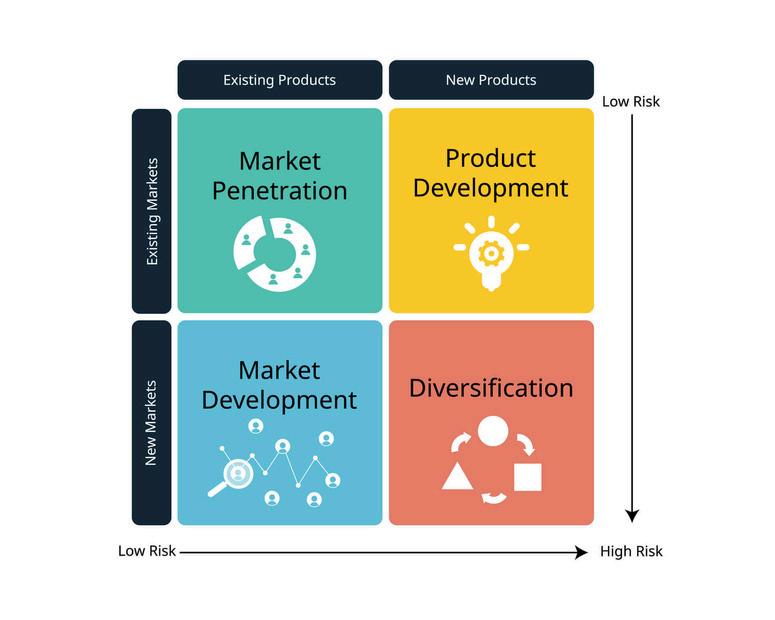
The Ansoff Matrix, developed by Igor Ansoff in 1957, is used to evaluate Burberry’s global growth opportunities across the United States (California), Japan, and Argentina (Peterdy 2024). Burberry will adopt a phased market entry approach, prioritising lowerrisk strategies before progressing to more adaptive growth options.
Market Development represents the most appropriate initial strategy for Argentina. Burberry can introduce its existing core products, such as trench coats, scarves and accessories into these international markets, leveraging strong global brand recognition while minimising product risk. Products will be adapted/ shifted to to match Argentina’s season climate. This approach is particularly suitable given Burberry’s established luxury positioning and consistent demand for British heritage products.
Product Development may follow at a later stage, allowing Burberry to introduce limited, localised adaptations that reflect regional fashion preferences, climate conditions, or cultural expectations, while preserving its British identity.
Market Penetration is most relevant for California (US) and Japan, where Burberry already has brand awareness. Here, the focus should be on strengthening market share through enhanced digital engagement, experiential retail, and loyalty-building initiatives rather than introducing new products.
Product
Marketing Mix
Burberry will lead with its existing core products, including trench coats, scarves, outerwear and accessories, which strongly embody British heritage and craftsmanship It will also include limited addition hertigate pieces, encouraging consumers to visit the new location due to exclusivity This supports a market development strategy under the Ansoff Matrix, allowing Burberry to enter new markets with minimal product risk.
Over time, limited product development may be introduced to reflect local preferences, such as climate-appropriate materials or region-specific capsule collections, while maintaining British design codes and brand identity.
Burberry will maintain premium pricing across all markets to protect brand equity and reinforce its luxury positioning Prices will be adjusted only to reflect local currency and import-related costs, particularly in Argentina, where duties and inflation increase retail prices (Roy 2024).
Price
Place
Rather than discounting, Burberry may offer introductory luxury experiences, such as private viewings or exclusive launch events to attract high-value consumers without diluting the brand luxury Postioning.
Burberry will prioritise pop ups in high-end retail locations to deliver its signature British boutique experience. To ensure consistent luxury service, retail staff across California, Japan and Argentina will be trained to align with UK service standards
In California, English-language labelling will be retained, while in Japan and Argentina product information will be adapted to local languages for clarity and compliance, with branding remaining in English to reinforce British authenticity Digital channels will complement physical retail, particularly in markets where store numbers are limited
Promotional strategy will centre on British nostalgia and heritage storytelling, using consistent visual and narrative themes across all markets. Burberry will utilise a mix of online and offline marketing, combining organic and paid media to maximise reach.
To enhance local relevance, Burberry will collaborate with carefully selected local celebrities and fashion influencers, ensuring brand messaging remains aspirational while culturally resonant. They will also utlise well know British celebrity’s that are recognisable.
Promotion
Promotion will align closely with Burberry’s existing global marketing strategy, using consistent visual storytelling centred on British heritage and there new strategy Burberry 2025. The brand will also host various emmersive popup events that tap into the British culture, such as Visual campaigns or pop-ups referencing British seaside culture in a stylised, luxury way A combination of online and offline channels, organic and paid media, will be employed. In addition, partnerships with carefully selected local celebrities and fashion influencers will help Burberry connect authentically with fashion-conscious consumers in each market
From a communication perspective, English will remain the primary branding language in California. In Japan and Argentina, product labelling and informational materials will be translated to ensure consumer understanding and regulatory compliance, while brand identity elements will remain in English, reinforcing Burberry’s British heritage
Marketing Mix
Burberry’s marketing mix is designed to leverage its British heritage while tailoring the brand experience to each target market. The product strategy prioritises core items such as trench coats, scarves, outerwear and accessories, reflecting craftsmanship and brand authenticity. Premium pricing maintains exclusivity and brand equity, while introductory experiences and events attract high-value consumers without discounting. Place strategies focus on Pop ups stores, high-end locations and trained staff to deliver a consistent luxury experience, complemented by digital channels where physical retail is limited Promotion emphasises heritage storytelling, immersive events and collaborations with local and British celebrities to engage consumers emotionally and culturally, ensuring the brand remains aspirational yet locally relevant across California, Japan, and Argentina.
Burberry’s global marketing strategy integrates both digital and physical touchpoints to deliver a consistent yet locally responsive luxury experience. Market research insights, including cultural analysis and consumer behaviour frameworks, inform decisions around localisation, experiential retail and influencer partnerships. Digital channels, including social media, AR-enabled try-ons and online storytelling, support brand discovery and engagement, particularly in California and Japan, where digital adoption is high. Offline channels, such as pop-up activations, reinforce brand heritage, craftsmanship and exclusivity. This integrated approach ensures alignment with local consumer expectations while maintaining a unified global brand identity.
Hofstede Cultural Dimensions
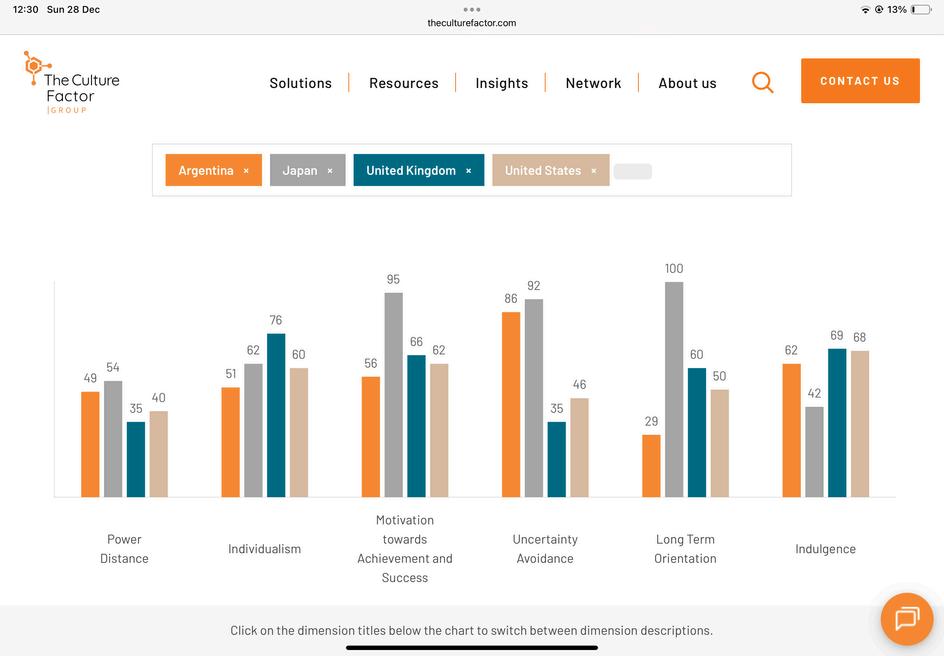
The Hofstede cultural dimensions framework provides an insight into cross-cultural differences, enabling Burberry to adapt its global marketing and retail strategies to local consumer expectations (Hofstede 1994). Figure 7 presents a comparative analysis of the UK, US, Japan and Argentina, highlighting significant variations. These differences support the strategic use of experiential pop-up formats in premium retail districts, offering Burberry a low-risk entry, that preserves exclusivity while allowing the brand to tailor engagement, service and storytelling in line with culturally driven consumer behaviours.
The US’s, high individualism and indulgence indicate strong demand for personalised, experience-led consumption. This supports immersive pop-ups that emphasise digital innovation, AR try-ons and customisation, reinforcing market penetration through enhanced brand engagement.
Japan’s very high uncertainty avoidance and long-term orientation suggest a preference for trust, quality and controlled retail environments. Pop-ups in prestigious districts such as Ginza enable Burberry to deliver highly curated, service-led experiences that reinforce heritage and craftsmanship, supporting gradual market penetration while minimising perceived consumer risk.
Argentina’s higher indulgence alongside economic volatility highlights the need for emotional brand connection balanced with operational flexibility. Pop-ups provide an appropriate market development strategy, allowing Burberry to maintain premium positioning and exclusivity while limiting long-term financial exposure.
Bartlett & Ghoshal
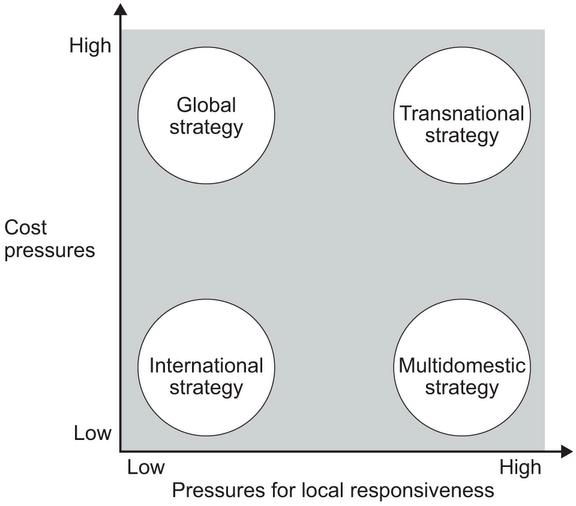
Burberry’s international expansion aligns with Bartlett and Ghoshal’s (1989) transnational strategy, which balances global integration with local responsiveness (AQA 2020). While Burberry maintains strong central control over brand identity, product design and heritage-led storytelling, it simultaneously adapts retail formats, communication and experiential marketing to meet local market expectations.
In California, the emphasis is on global integration, reflecting high brand awareness, cultural similarity to the UK luxury market and strong digital adoption. Standardised product ranges, global marketing campaigns and advanced digital experiences allow Burberry to achieve economies of scale while supporting a market penetration strategy under Ansoff.
In contrast, Japan and Argentina require greater local responsiveness. High uncertainty avoidance in Japan and economic volatility in Argentina requires tailored retail formats, language localisation and climate-appropriate product adjustments. Experiential popups enable Burberry to adapt, while minimising risk, aligning with market development strategies.
Overall, Burberry’s transnational approach allows the brand to preserve British heritage as a unifying global identity while flexibly responding to cultural, economic and consumer differences across international markets.
Diffusion of Innovation
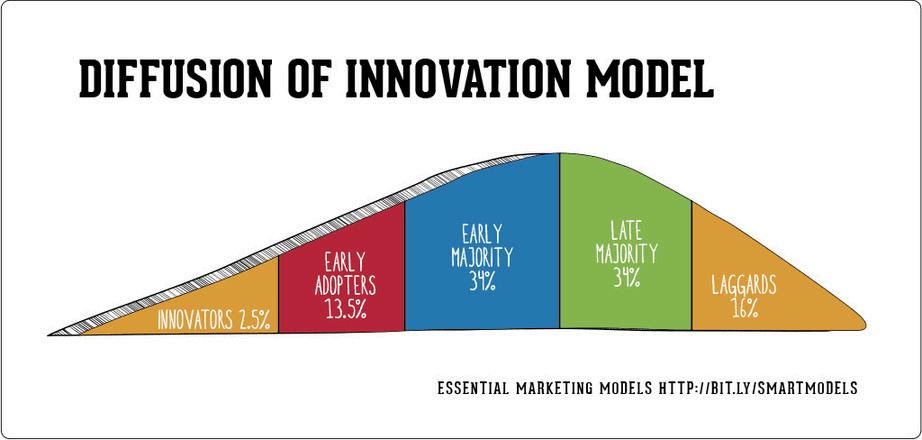
From market characteristics identified in the SWOT and Ansoff analysis, Rogers’ Diffusion of Innovation Theory, explains how consumers adopt new products, services or brand experiences over time, making it relevant when introducing an existing luxury brand into new international markets. The model categorises consumers into five adopter groups, enabling Burberry to target those most likely to influence wider market acceptance. (Hanlon 2020)
Burberry’s international expansion relies primarily on innovators and early adopters to establish brand credibility in new territories. In California, digitally savvy Millennials and Gen Z act as innovators, rapidly adopting immersive luxury experiences such as AR try-ons and personalised retail, supporting a market penetration strategy. In Japan, early adopters are more likely to be opinion leaders and high-net-worth individuals, whose endorsement accelerates diffusion within a high uncertainty-avoidance culture In Argentina, globally mobile affluent consumers function as both early adopters and brand advocates, transferring brand legitimacy from mature luxury markets.
Sustainability & ESG Considerations
Sustainability is increasingly critical for luxury consumers, particularly in Japan and California, where environmental responsibility influences purchase decisions and brand perception (Business 2020). Burberry’s official ESG strategy under its Burberry Beyond framework demonstrates a long-term commitment to environmental sustainability across product, planet, people and community dimensions (Burberry 2023).
Environmentally responsible materials, sustainable packaging, and transparent supply chains support Burberry’s premium positioning and help differentiate the brand from competitors. Compliance with local urban sustainability and waste management standards will be essential for experiential pop-ups and future retail formats. Incorporating sustainability into the luxury experience not only strengthens brand loyalty and consumer trust but also enhances market legitimacy and reduces potential regulatory and operational risks in diverse international territories.
Risk Mitigation & Contingency Planning
Each market presents distinct challenges, which Burberry addresses through a phased and adaptive strategy:
Risks
California (US)
Intense luxury competition and rapidly evolving consumer trends
Japan
Argentina
Extremely high service expectations and low tolerance for inconsistency
Economic volatility, currency fluctuation, import restrictions, and grey-market activity
Continuous digital innovation, influencer collaborations, and experiential retail formats. Regular market research and KPI monitoring enable agile strategy adjustments to maintain relevance and market penetration.
Rigorous staff training, controlled pop-up environments, and high service standards ensure brand integrity. Temporary retail formats allow insight gathering without long-term operational commitment.
Pop-up formats minimise fixed costs while maintaining exclusivity. Pricing strategies reflect inflation and import duties to protect margins, enabling flexible market for change if needed.
Key Performance Indicators
To measure the effectiveness of international expansion, Burberry can adopt the following KPIs:
KPI Category
Retail Perfromance
Digital Engagement
Brand Perception
Category Perfromance
Sustaianbility
Key Metrics
Pop-up footfall, conversion rate, average transaction value (ATV)
AR/VR interaction rate, social media reach, influencer-driven engagement
Consumer brand perception surveys, local luxury brand rankings
Sales growth in accessories, footwear, and heritage outerwear
Percentage of sustainable materials used, compliance with local environmental regulations
Strategic Relevance
Measures effectiveness of experiential retail and market response in each territory
Evaluates success of immersive experiences and digital-led market penetration
Assesses brand equity, credibility, and long-term positioning
Aligns performance with BCG Matrix priorities and growth categories
Ensures ESG alignment while minimising regulatory and reputational risk
These metrics enable Burberry to assess it’s strategy, adapt to market feedback, and optimise resource allocation while maintaining global brand standards.
Justification
The selection of California, Japan, and Argentina is informed by both commercial potential and strategic brand alignment. California offers high spending power, global cultural visibility and advanced digital adoption, making it an ideal market for immersive, technology-led luxury experiences that support market penetration and brand visibility. Japan provides a culturally aligned luxury environment where heritage, craftsmanship, and service excellence are highly valued, reinforcing Burberry’s premium positioning and supporting long-term brand loyalty rather than short-term volume growth. Argentina, while economically volatile, represents a strategically valuable niche market, where a concentrated segment of affluent, globally mobile consumers and strong cultural associations with British luxury support heritage-led storytelling and selective market development beyond scale-driven expansion.
Together, these markets form a balanced global portfolio that enables Burberry to diversify risk by combining mature, high-revenue regions with strategically important niche territories, while preserving brand integrity and cultural authenticity A phased market entry strategy through experiential pop-ups, followed by selective concessions or flagship stores, allows Burberry to adapt execution to local market conditions while maintaining British heritage as a unifying global identity. Supported by clear KPIs and targeted risk mitigation strategies, this approach enables Burberry to deliver a globally coherent yet locally responsive luxury marketing strategy that enhances engagement, supports sustainable growth and protects longterm brand equity across California, Japan, and Argentina.
In the future, e-commerce is another avenue for expansion, enabling Burberry to reach a broader audience beyond physical retail locations. Once established in the regions, Burberry could expand into other potential markets
NICKERSON, Charlotte 2023 ‘Hofstede’s Cultural Dimensions Theory & Examples’ Simply Psychology [online] A https://wwwsimplypsychologyorg/hofstedes-cultural-dimensions-theoryhtml