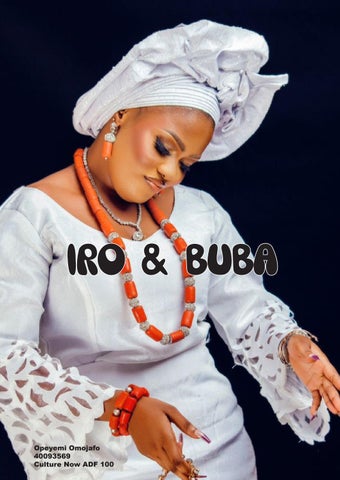
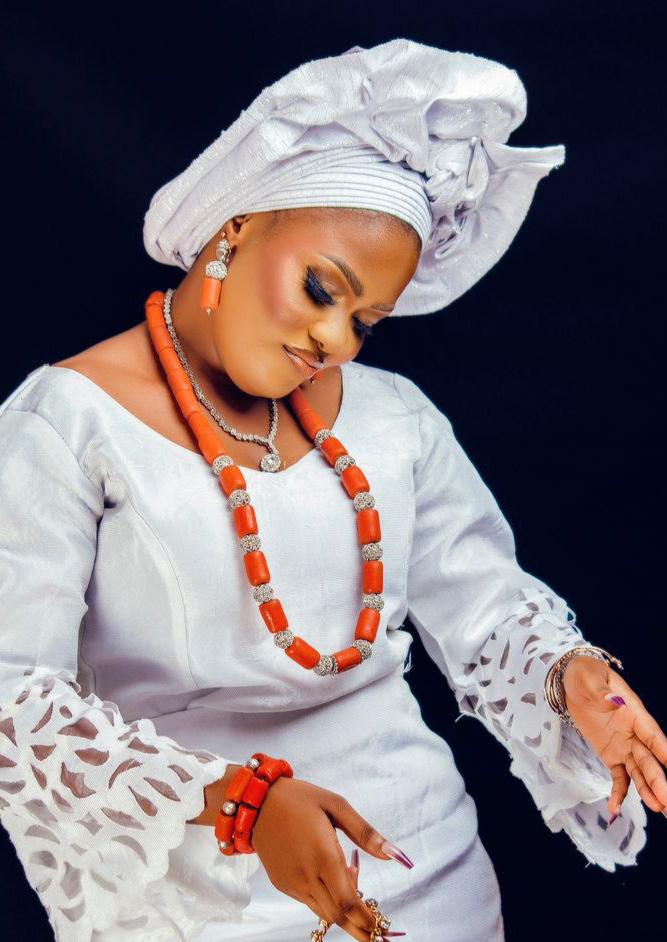
Iro & Buba
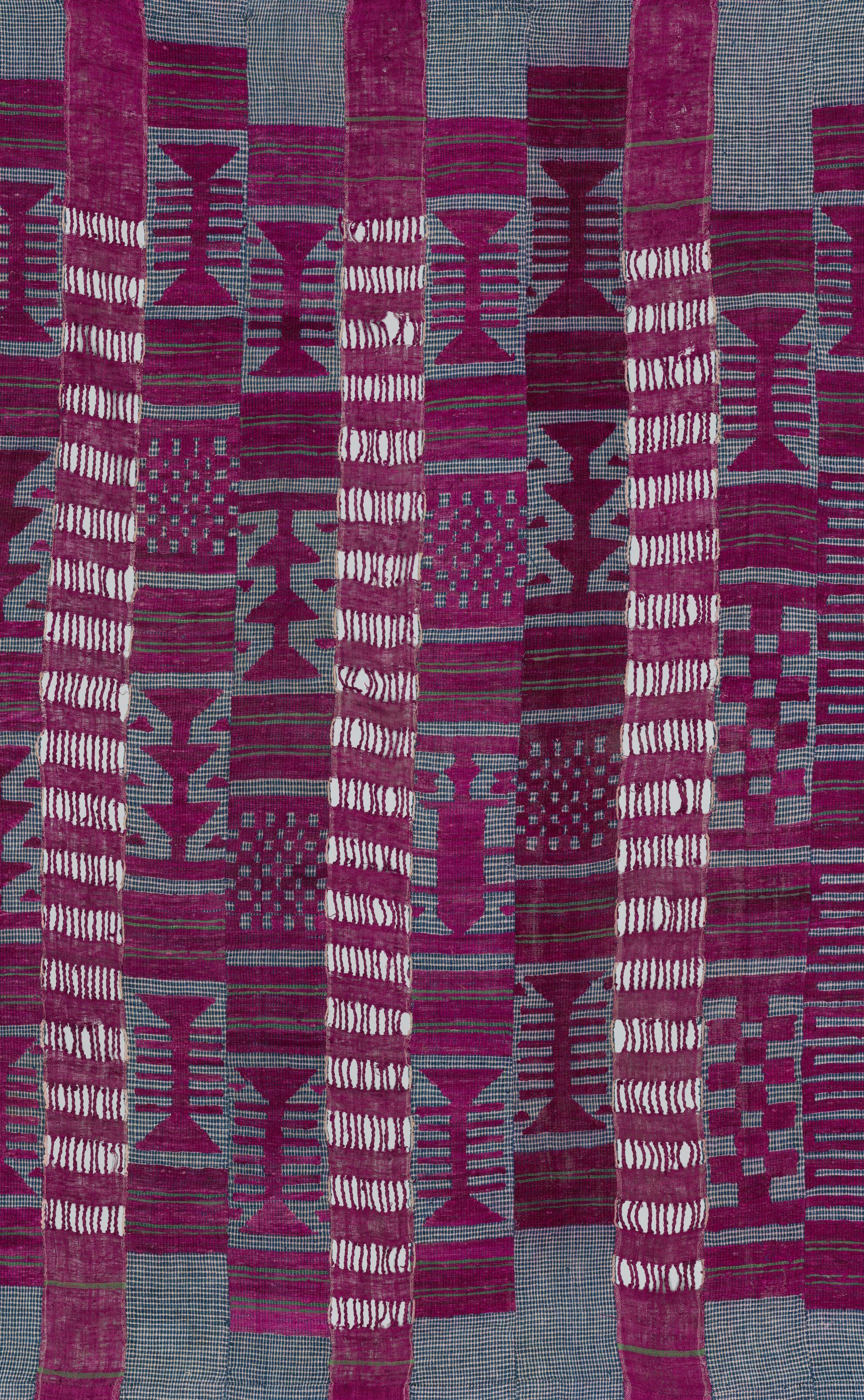
A contemporary interpretation of classic & traditional silhouetts for a modern generation
The desire for traditional Nigerian garments has waxed and waned over time, but it has remained a constant within both Nigeria and the Nigerian Diaspora. Historically, garments such as Iro and Buba were consider as everyday wear as well as approprite attire for special events, the only thing differentiating the two being the material used. However, due to changing social, political, and economic influences, their use shifted overtime towards more ceremonial contexts. Despite this shift, the cultural desire for traditional wear has remained. Today, a renewed interest in heritage and nostalgia among Gen Z presents an opportunity for items like Iro and Buba to re-emerge as everyday fashion again, but for a new genrations of Nigerians. By levering modern technology and retail innovations, the commonly complex process of having garments made (Obepro 2026); finding a tailor, negotiating prices,refining designs, and waiting weeks for production; could be streamlined. A contemporary e-commerce or hybrid retail platform could simplify access to made-to-order traditional war, making these cultural garments more accessible, efficient, and relevant for modern consumers.
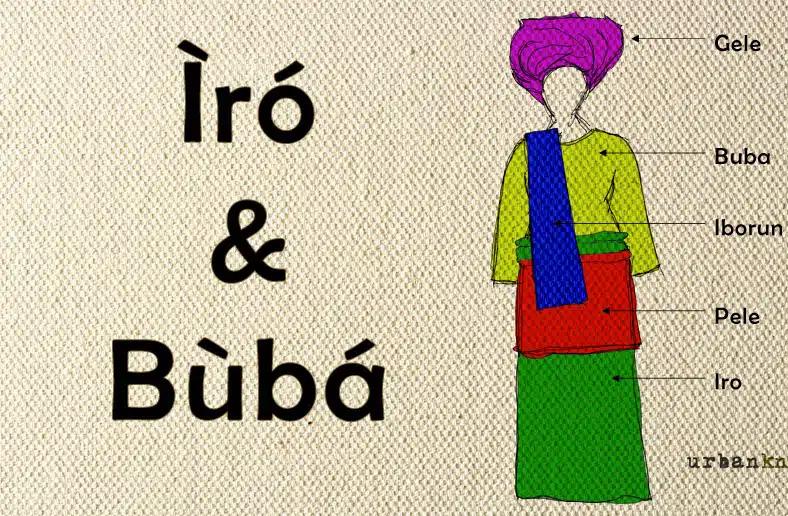
Pronounced “ee-roe” and “boo-bah”, this style of dressing is synonymous with Nigerian heritage. It is considered to be a niche fashioin micro trend that has years years of historical and cultural importance.
Iro - Large Rectangular piece of fabric (Peter 2018)
Bùbá - Loose-fitting blouse (Peter 2018)
The word Iro means “the act of wrapping,” which shows the garment’s method of construction. Unlike a traditional skirt, an Iro is wrapped around the wearer’s waist and secured tightly with a knot or by tucking in the ends; this technique allows for slight variations in the silhouette depending on the fabric and the way it is folded, layered, or tied (Kelani Bashiru Omotoyosi 2025). The wrapper’s fullness and length signified respectability and maturity, reinforcing ideals of modest presentation within Yoruba society. The bùbá, in contrast, is a structured yet voluminous blouse traditionally cut in a straight, boxy silhouette with wide sleeves. Early versions were loose and modest, covering the upper body fully - sleeve lengths varied, but the actual blouse usually featured a simple round neckline and
Past
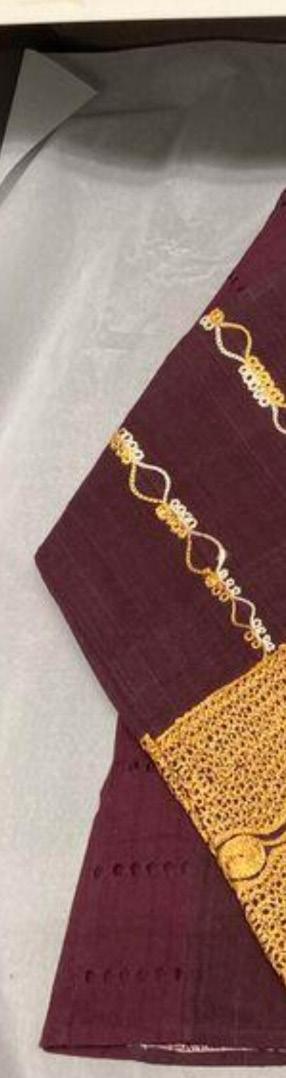
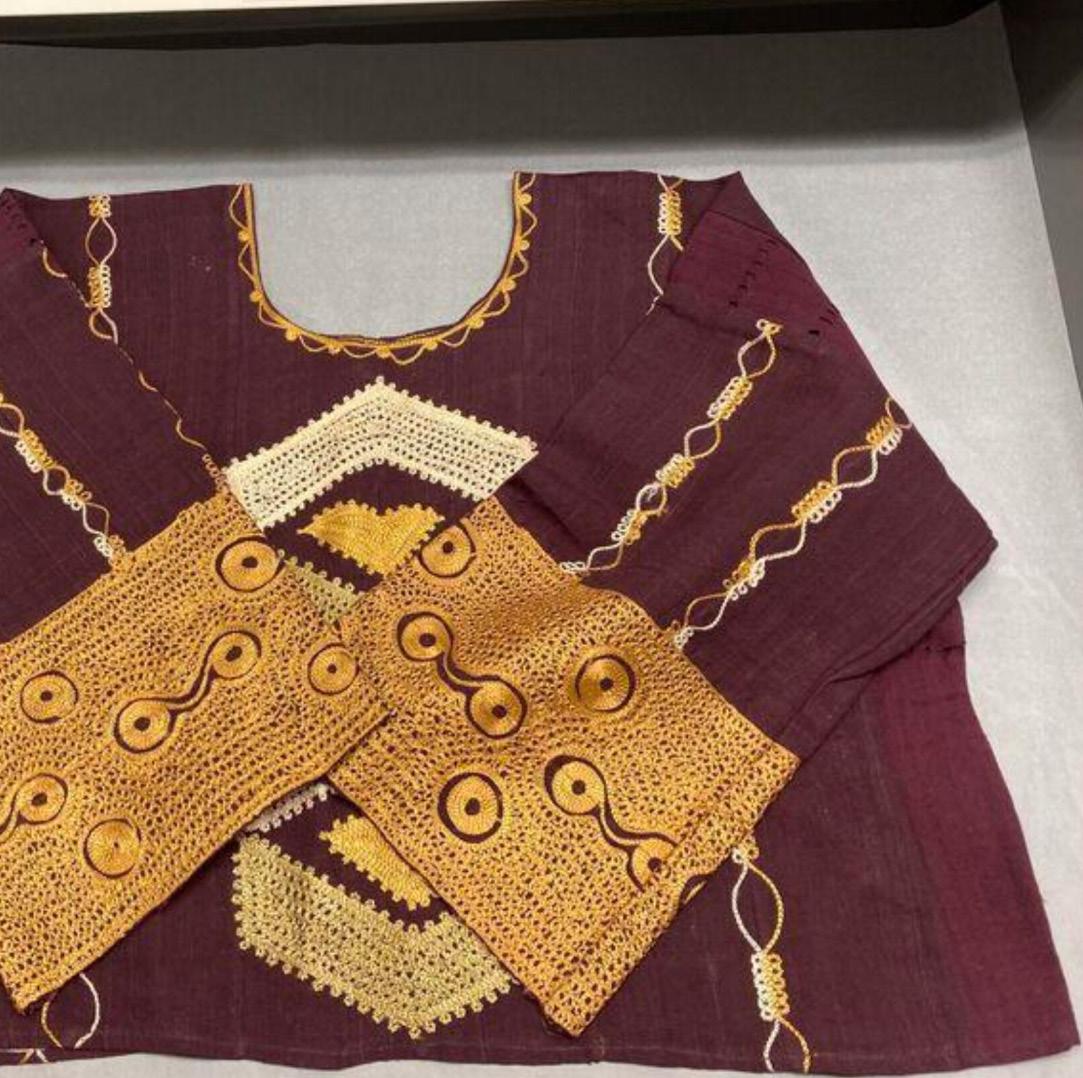
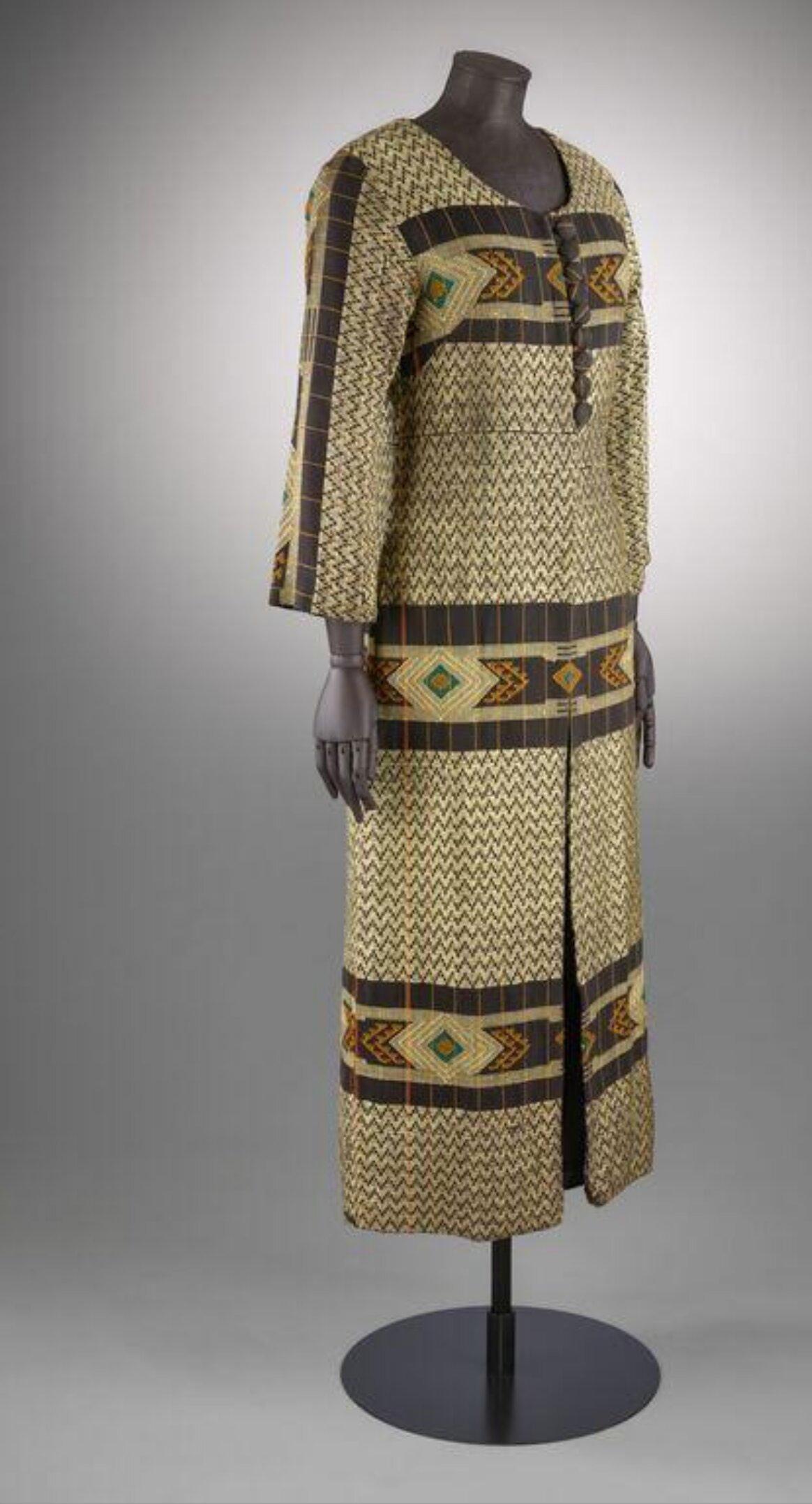
Fahm. 1970. Bùbá [photograph].
Cultural
Popularised in the 1950s, the style represented modesty, femininity and cultural pride. Towards the 1960’s, cotton fabric options became more commonly available, whereas elaborate fabrics such as lace were typically reserved for special occasions. Nigeria’s first fashion designer, Shade Thomas-Fahm, also played a key role in popularising the style with her innovative designs and adaptations (V&A South Kensington 2022).
During the 60s, the adire style of fabric had a resurgence, marking a vibrant time in Nigerian women’s fashion. Many variations of iro and bùbá appeared during this time; the one that became the most recognisable was the oleku style, characterised by its shorter bùbá and wrapper. The playful and youthful interpretation of the garment can be partly attributed to Nigeria gaining its independence in the 1960 (BBC News 2019), which pushed more cultural expression and experimentation with fashion.
Fabric choice has always had a big role in defingn the meaning and status of the iro and bùbá. The clothing was traditionally produced from handwoven aso-oke, indigo-dyed adire (Moses, 2024), cotton, and later ankara and lace. Aso-oke, a prestigious hand-loomed fabric, was usually reserved for special occasions and it signified wealth or high social status. Adire, was especially prominent during the mid-20th century, connected the garment to indigenous textile traditions and artistic expression (another byproduct of Nigerias new found independence). Towards the end o f the decade, cotton versions were commonly worn for everyday use , while more intrecate fabrics wer rssevred for ceremonial occasians.
Iro and bùbá were worn by Yoruba women across southwestern Nigeria, regardless of age or class, although styling often reflected marital status and social standing. Married and older wommen would often opt for a ore conservative look choosing a longer style wrapper that covered the knees, this weas seen as a signe of maturity and respectability, whereas younger women would go for the shorter more fitted oleku style. THis reinforced ideals of modest presentation within yoruba society. Later historical events also shaped the social and economic context surrounding Nigerian fashion. The Nigerian Civil War erupted in 1967, significantly affecting the country’s cultural and economic landscape (BBC News 2019). In the 1980s, the mass expulsion of West African migrants from Nigeria led to the well-known “Ghana Must Go” phenomenon, named after the distinctive checked bags widely used during the migration (BBC News 2019).
Cultural Peak
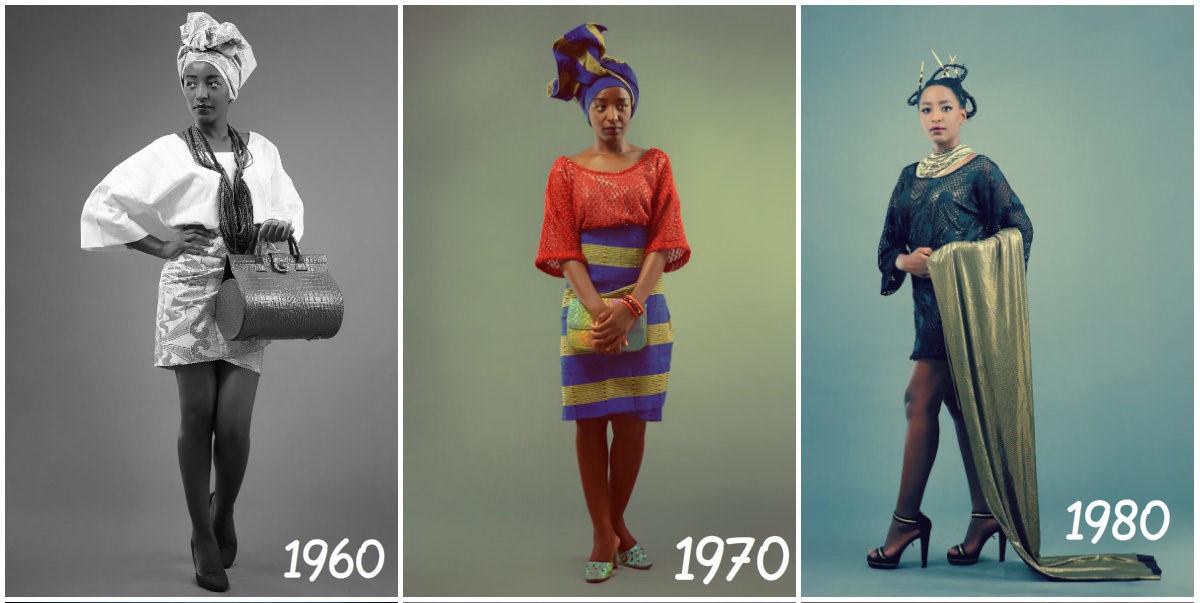
Adoukè. 2022. The Evolution of Iro and Buba [online image].
ADOUKÈ, Doria. 2022. ‘The Evolution of Iro and Buba’. Doria Adoukè [online]. Available at: https://doriaadouke.com/the-evolution-of-iro-and-buba/ [accessed 23 Mar 2026].
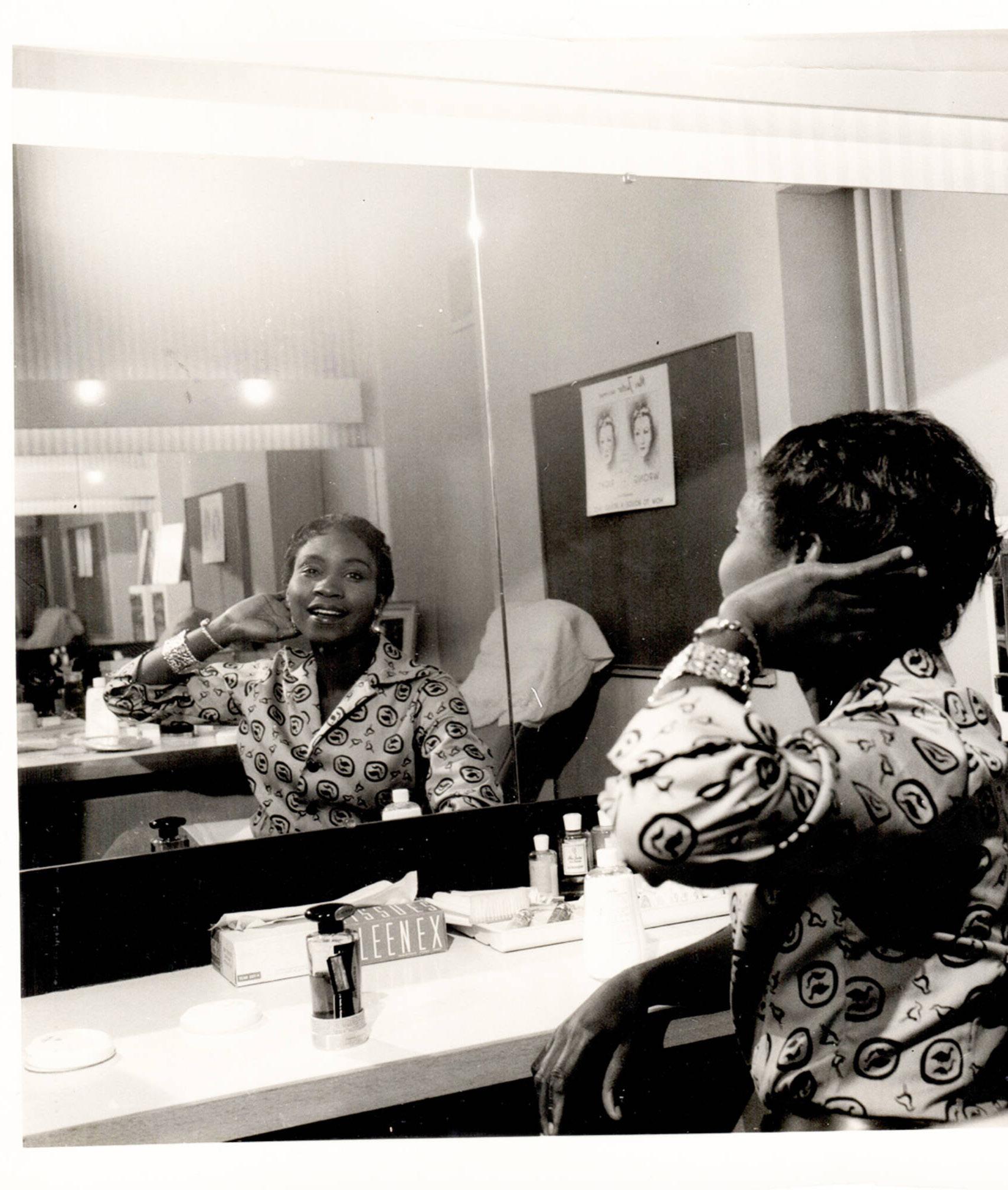
Thomas-Fahm
Having your clothes made by a tailor or seamstress was and is normal practice in Nigeria, and now across the diaspora, one particular seamstress who helped popularise and reimagine the iro and bùbá was Nigeria’s first fashion designer: Shade Thomas-Fahm. She originally came to England in 1953 to become a nurse, but changed paths and studied fashion at St Martin’s School of Art in London (V&A, 2024). Championing Nigerian fabrics and silhouettes, Thomas-Fahm designed for the cosmopolitan, working woman. Her boutiques were the place to be for stylish people of Lagos. She would use aṣọ-òkè, àdìrẹ, akwete and okene in her designs, and reimagine traditional styles such as Iro and Buba but for a modern woman. Pre-tied gele(headwrap) and zippers were added to her designs and garments to make getting ready slightly easier. Originally a wrapped garment, the new style of ìró allowed cosmopolitan women to move around with ease (V&A, 2024).
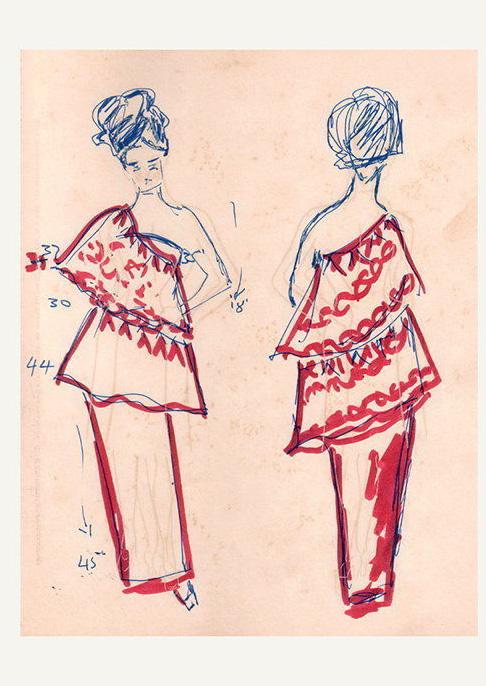
2022. Sketch [drawing].
Cultural 1990-2000
The 1990s highlighted an important turing point in Nigeria’s political and cultural Landscape. In 1990, the country shifted towards democratisation, which alsocame with a shift in social values and a growing sens of conservatism within the country (BBC News 2020). These broader societal changes influenced many areas of everyday life, including fashion.
During this period, the popularity of the Oleku era began to decline. Oleku styles, which had previously dominated women’s fashion and celebrated the elegance of the iro and bùbá, slowly faded from mainstream wear. As Nigeria became more and more exposed to global media and cultural exchange, Western and American influences started to shape local fashion choices.
The incline of American pop culture in the 90s brought about new aesthetic trends such as retro styling, pop culture imagery, and hip-hop style fashion (Nigeria Everywhere 2025). These influences pushed a shift away from strictly traditional garments towards more globally recognised styles. Ultimately, nigerian women began experimenting with various silhouettes and clothing combinations that reflected these international trends.
Consequently, the everyday use of the iro and bùbá ensemble began to disappear. The style stayed culturally significant, but in different settings. Instead, garments such as boubous, skirts paired with blouses, and western style trousers became more common. These different options were often seen as more practical for modern lifestyles and better aligned with contemporary fashion movements. This shift did not signify the disappearance of the iro and bùbá, but instead a difference in how and when it was worn. By the end of the decade, the garment had begun transitioning from everyday attire to clothing more commonly reserved for special occasions and cultural celebrations
Cultural Decline
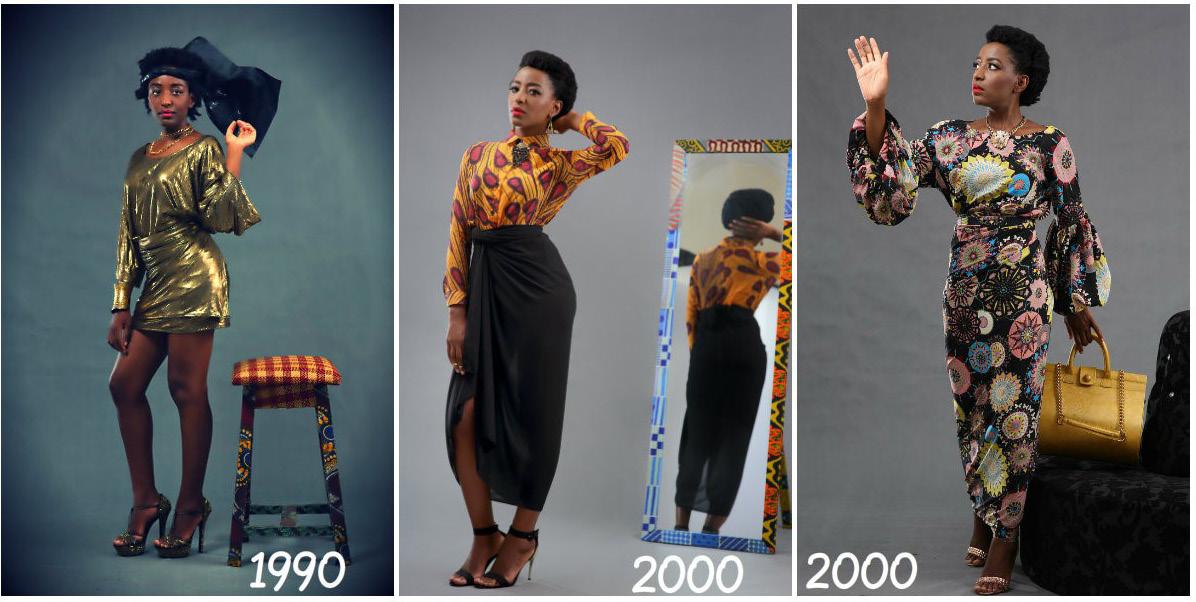
Adoukè. 2022. The Evolution of Iro and Buba [online image].
Present

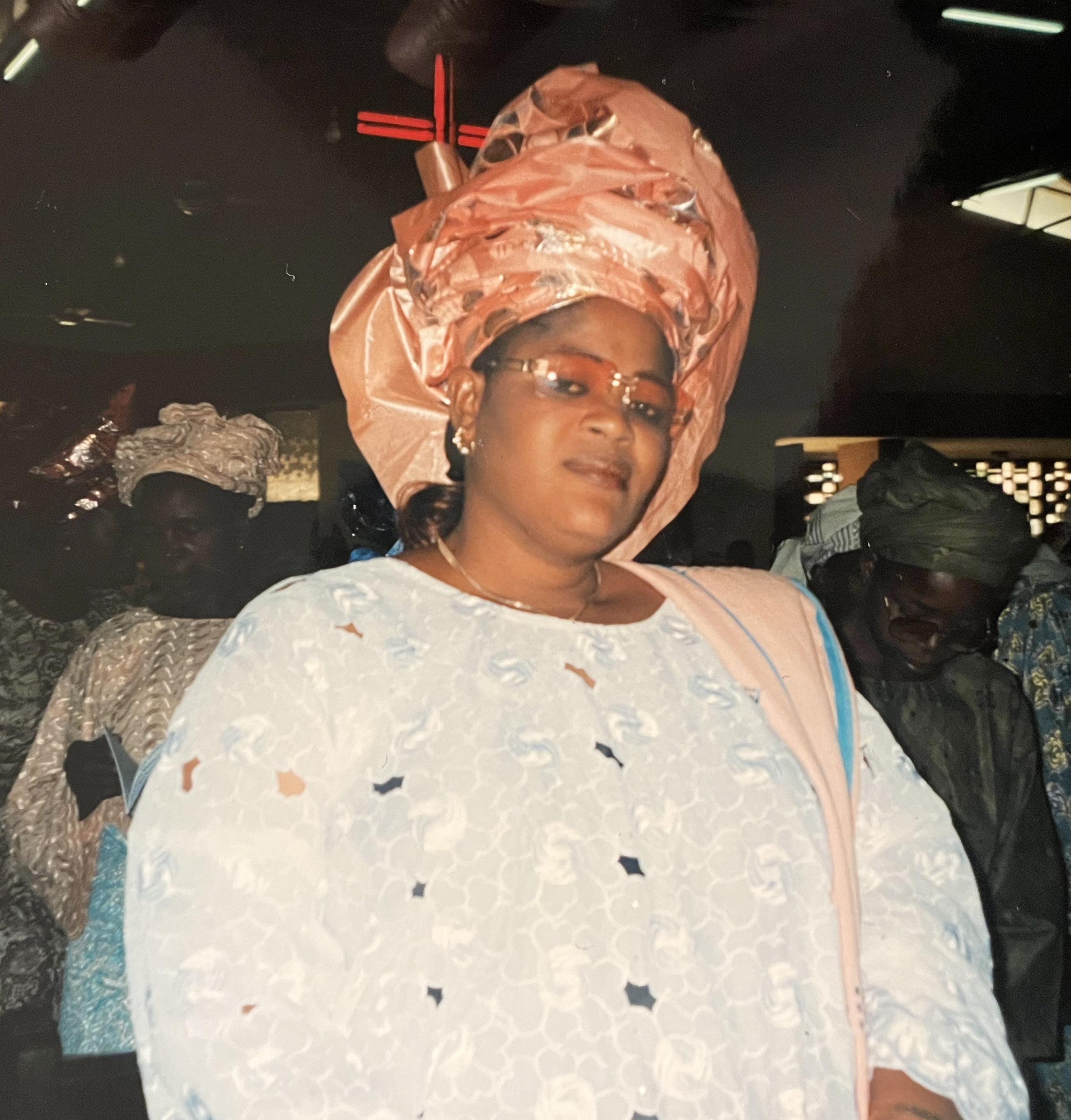
Omojafo. 2026. Family at my grandad’s funeral [Photograph]
From the early 90s to present day, Nigerian women’s fashion choices have more so reflect western influences, particularly from Amrica culture (Awodipe 2021), compared to traditional cultural norms. While heritage clothing remains a key aspect of cultural identity, the way it is worn and integrated into everyday life in the 21st century has changed significantly over time.
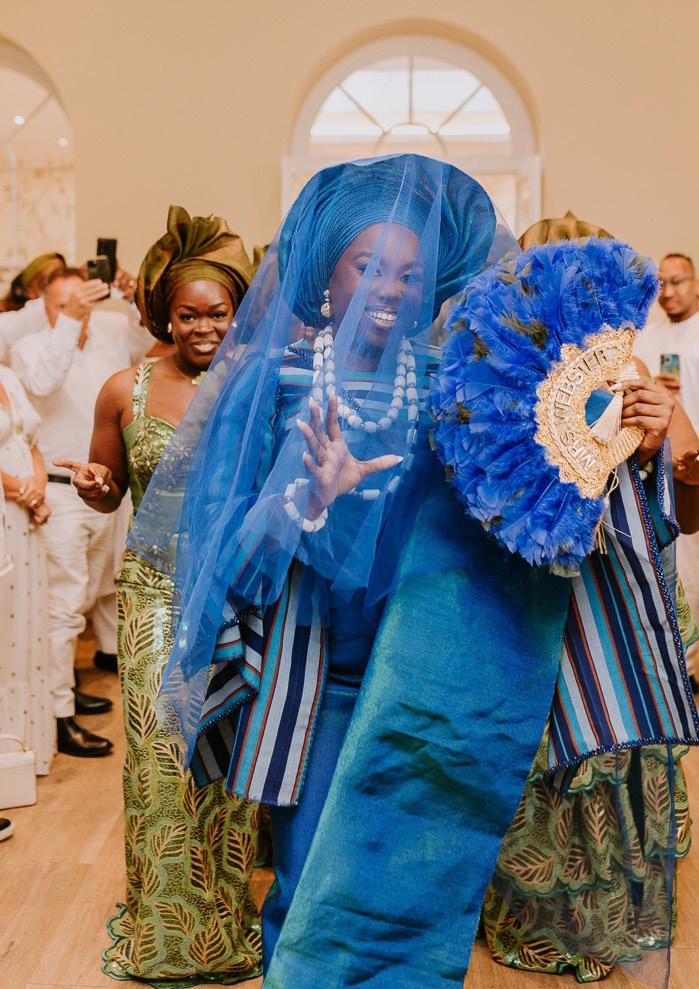
In contemporary Nigeria and within the diaspora, the role of these garments has transitioned slightly. Although Iro and Buba continue to maintain strong cultural and symbolic value, its everyday use has had a steep decline. Instead, it is now mainly worn for special occasions like weddings, birthday celebrations, naming ceremonies, and funerals (Okafor, 2023, pp. 1–12). These types of events often serve as important moments for cultural expression, where traditional attire becomes a visible marker of heritage and identity.
This shift is mainly noticeable among second-generation Nigerians and members of the diaspora, who often associate garments like the Iro and Buba with formal events and celebrations rather than everyday wear. For many individuals living outside Nigeria, traditional clothing functions as a way to reconnect with their cultural roots and publicly express their heritage during important gatherings (Clothing, Culture, and Identity, 2022).
One of the major elements contributing to this change is the growing influence of Western fashion. Globalisation, media exposure, and the expansion of global fashion markets have encouraged the adoption of Western-style clothing for daily use. Subsequently, garments such as the Iro and Buba are no longer commonly worn for routine day to day activities or in professional environments. Alternatively, many Nigerian women now prefer Western-inspired outfits for everyday wear, such as blouses paired with short skirts, jeans or trousers. These garments are often made from widely available fabrics like cotton or polyester and are seen as more practical for modern work and social settings (Adelaja et al., 2016, pp. 169–175).
Despite these changes, the continued presence of Iro and Buba at important cultural events demonstrates that the garment still plays a meaningful role in preserving Nigerian identity and tradition within both local communities and the global diaspora.
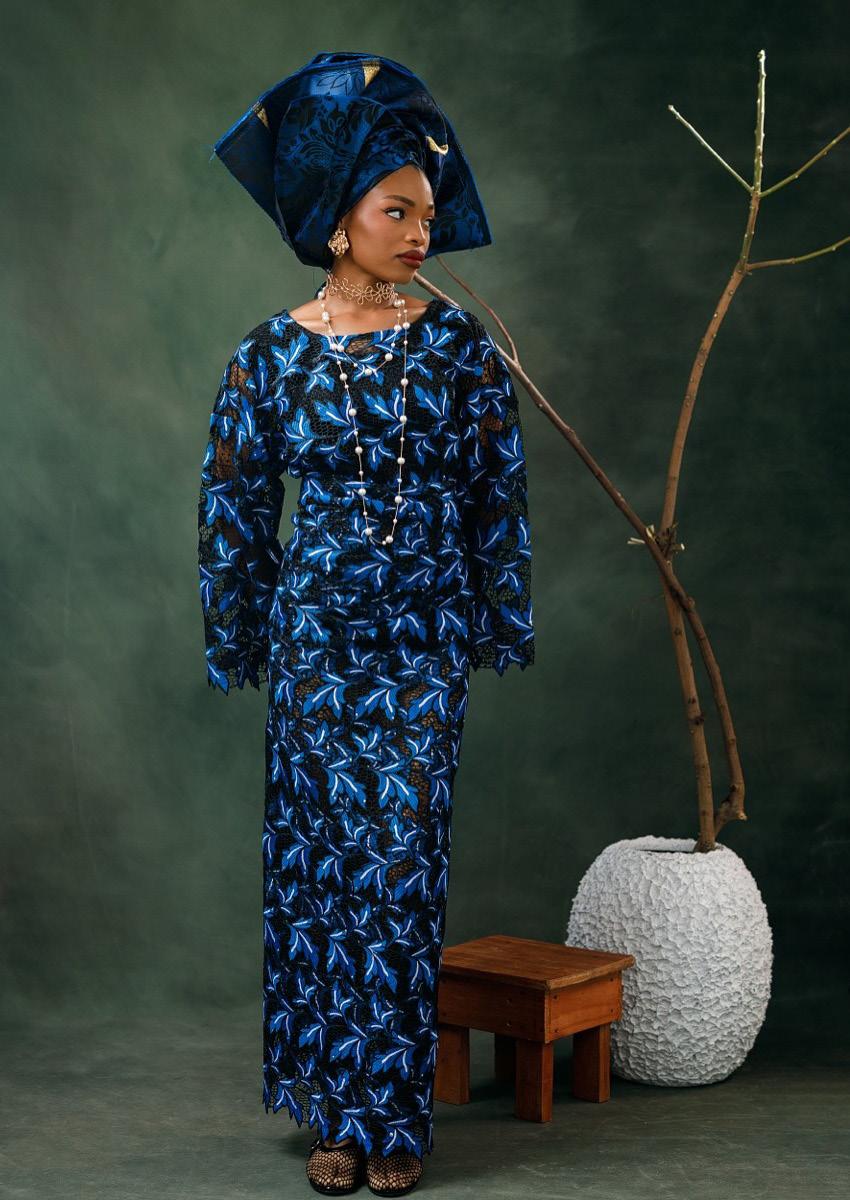
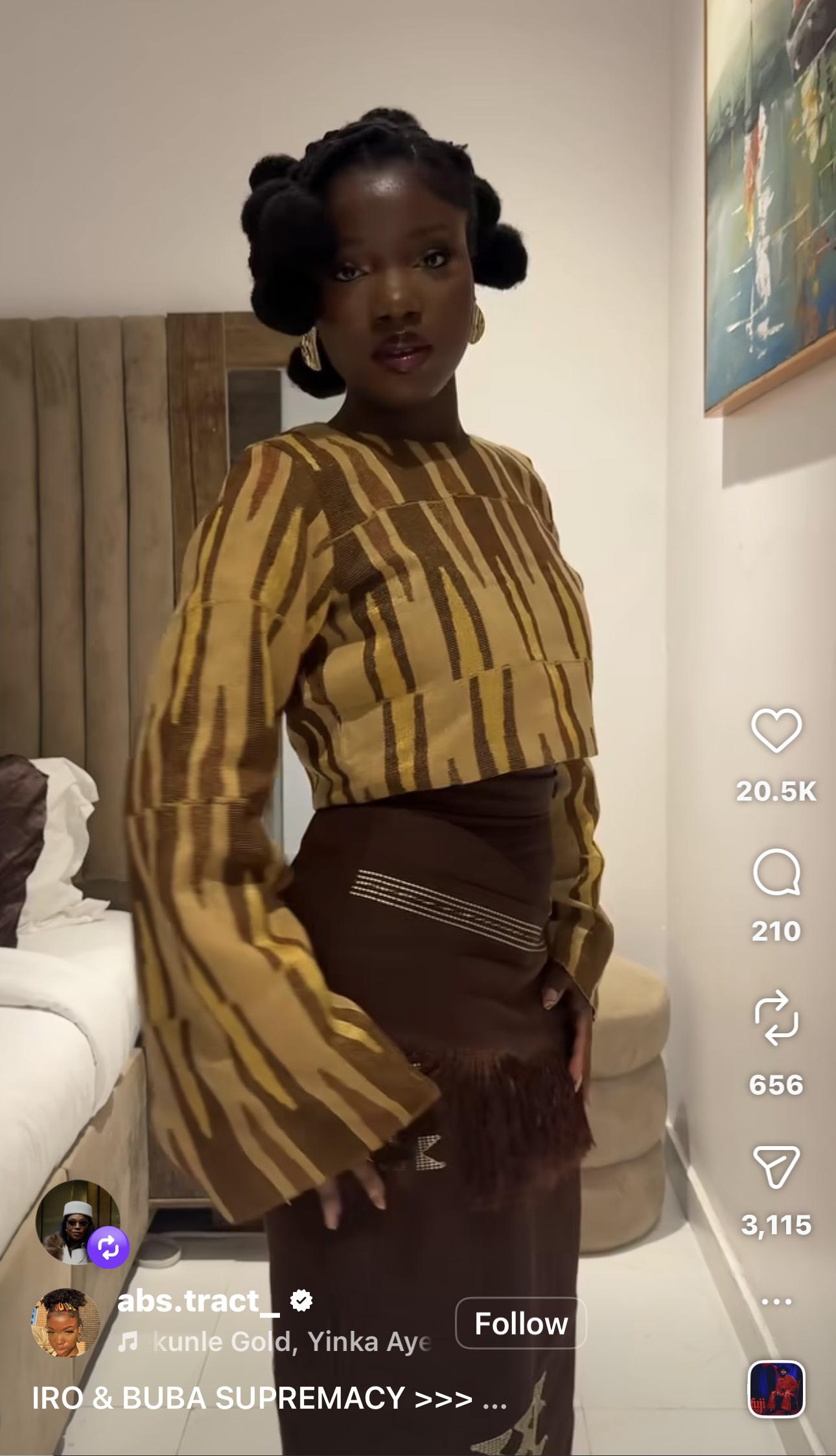
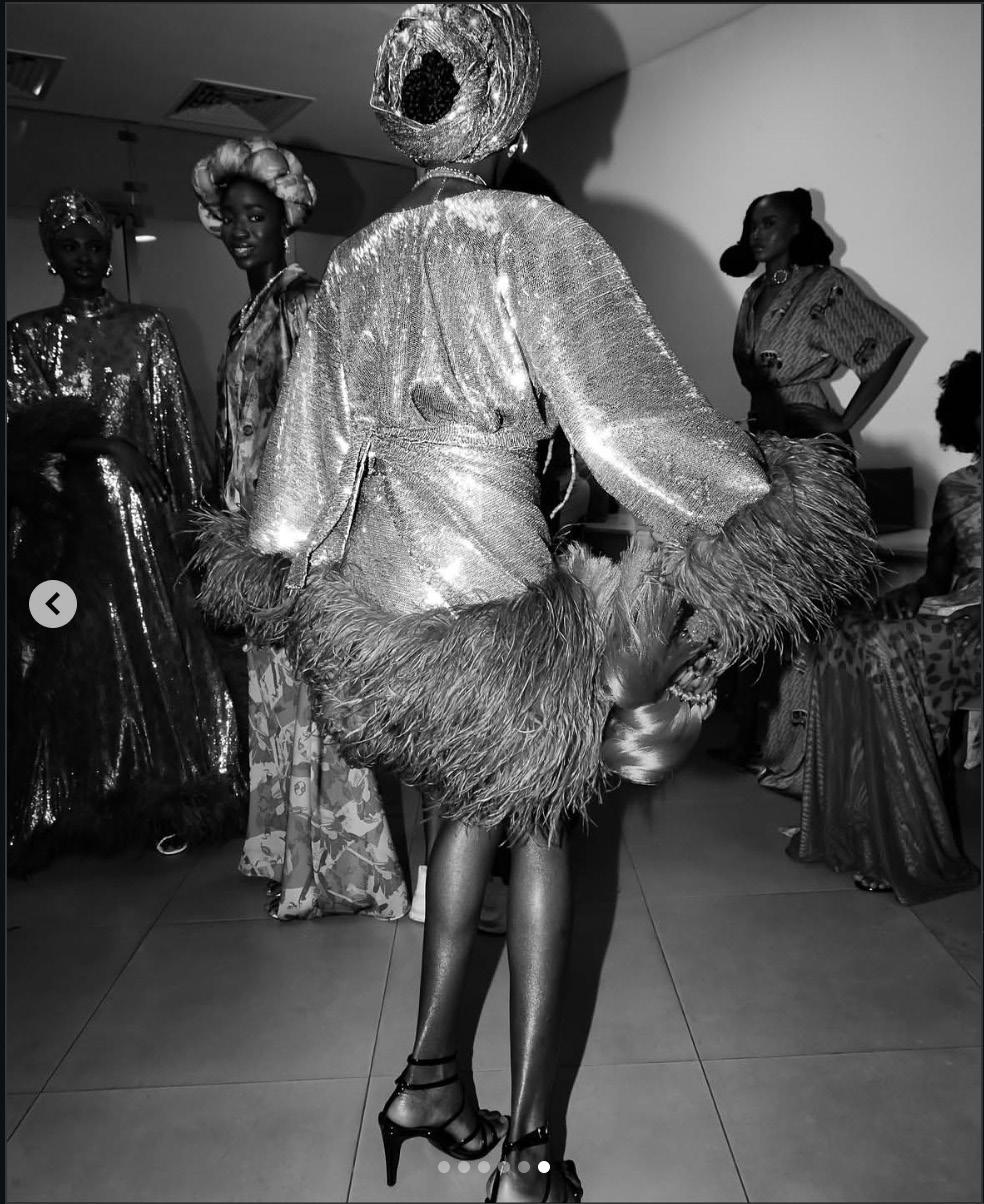
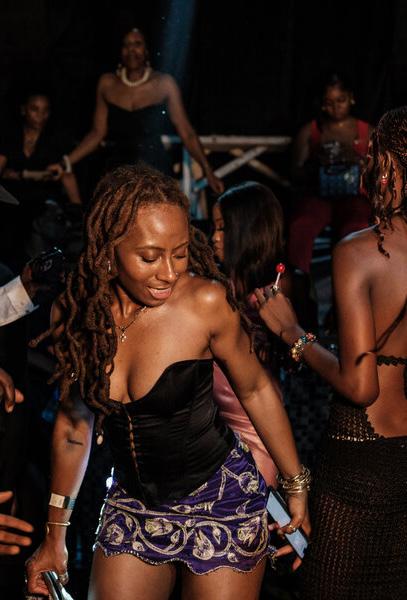
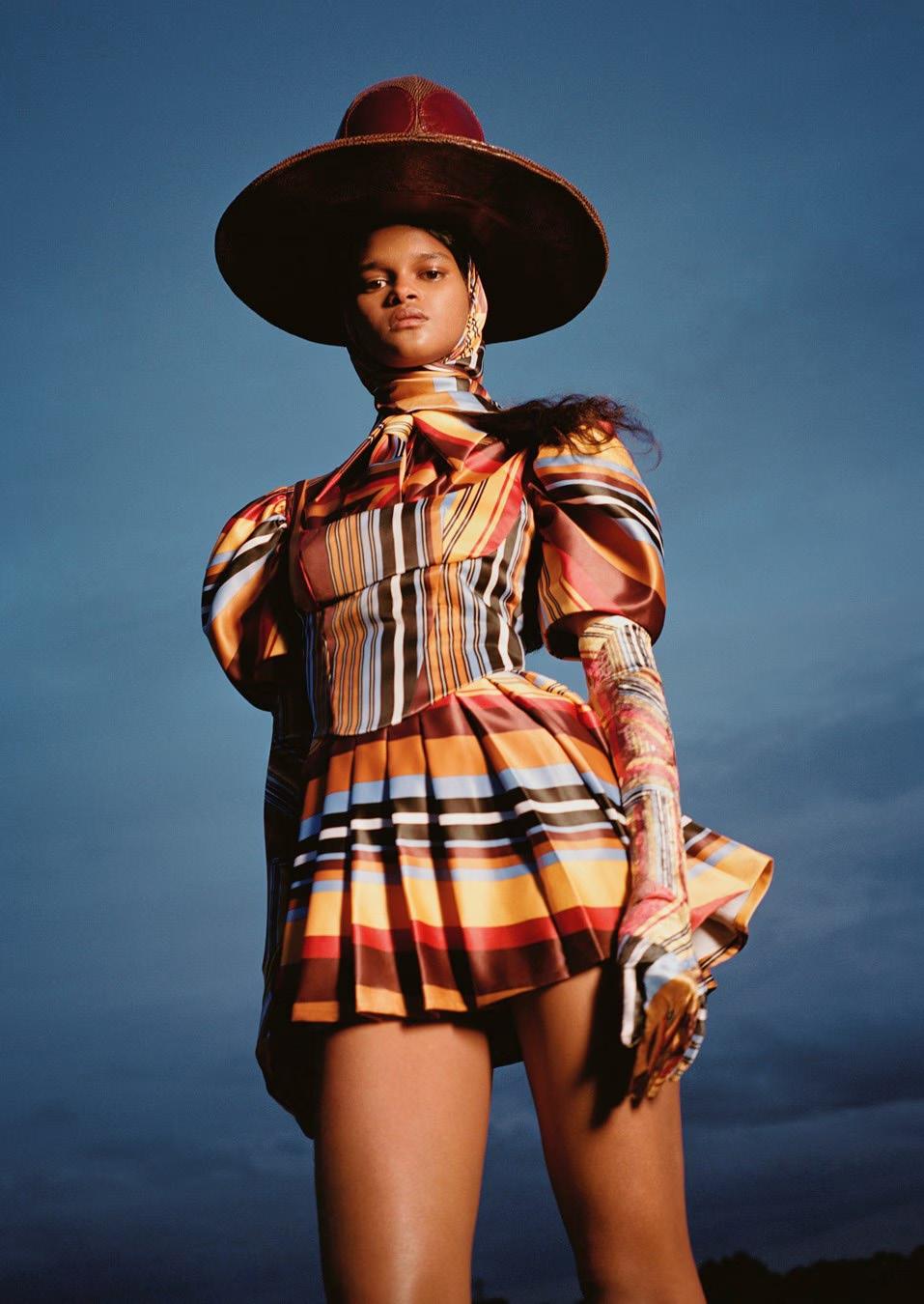
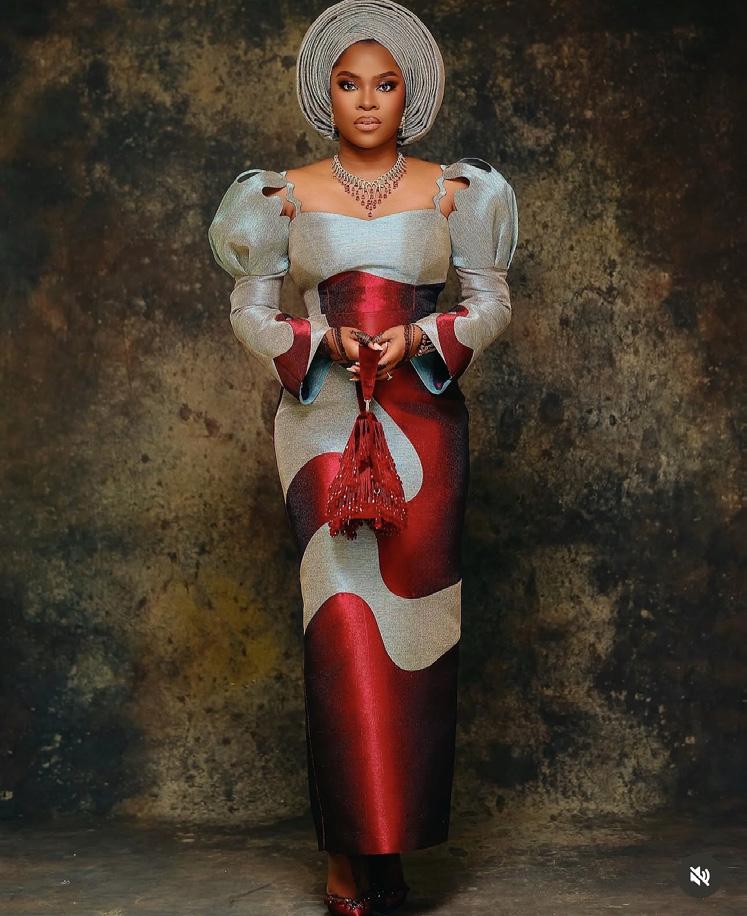
A lot of the traditional wear now blends Western trends and silhouetts in the garments (Awodipe 2021)
More interesting fabric choices
Corseted garments
Designer accessories
Exotic embellishments
Different styles modern styles of iro and buba included vibrant bright monochrome colour looks with heaveyly corseted lookes and more structured hourglass silhouettes. some people call this the bblification of traditional wear
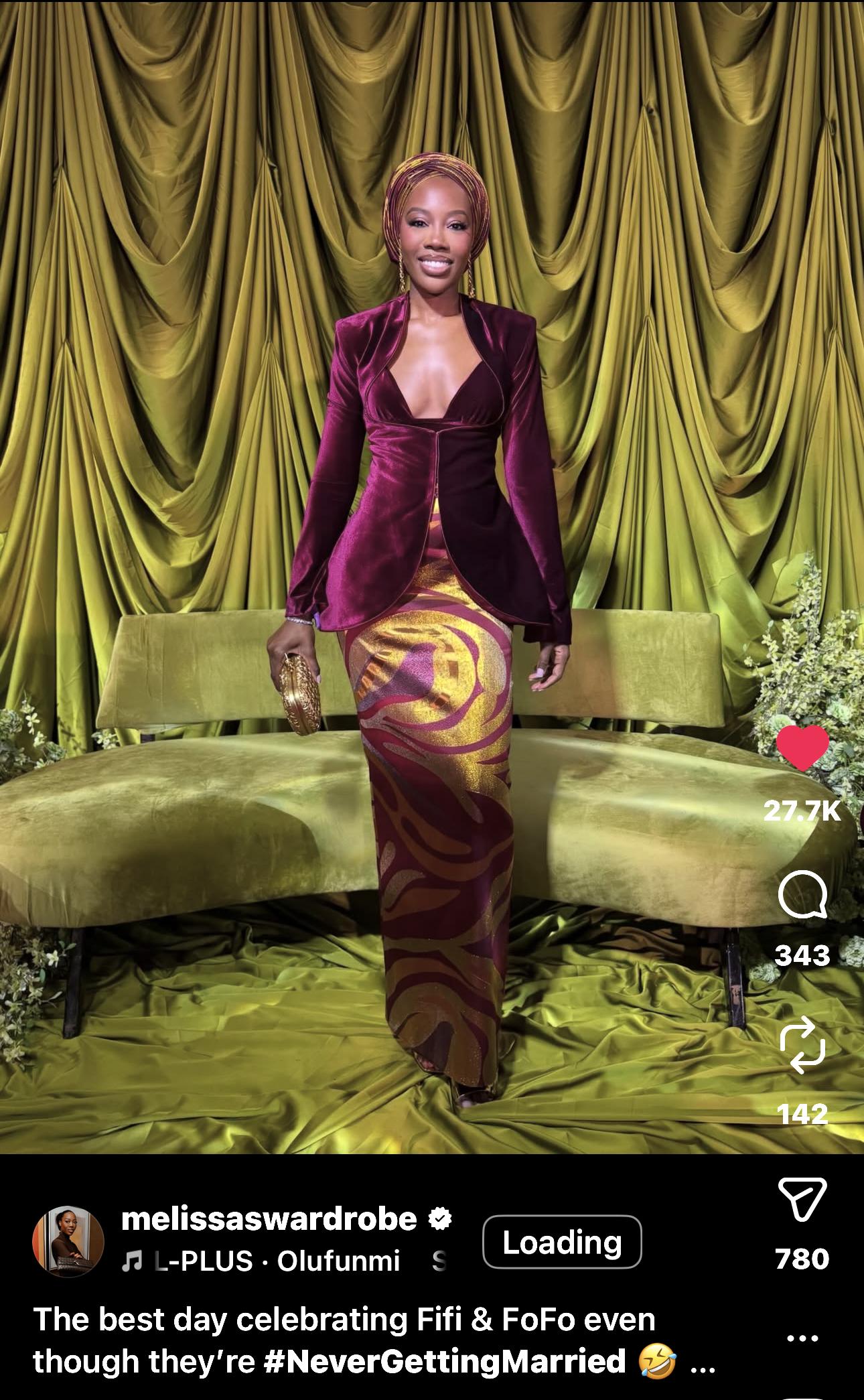
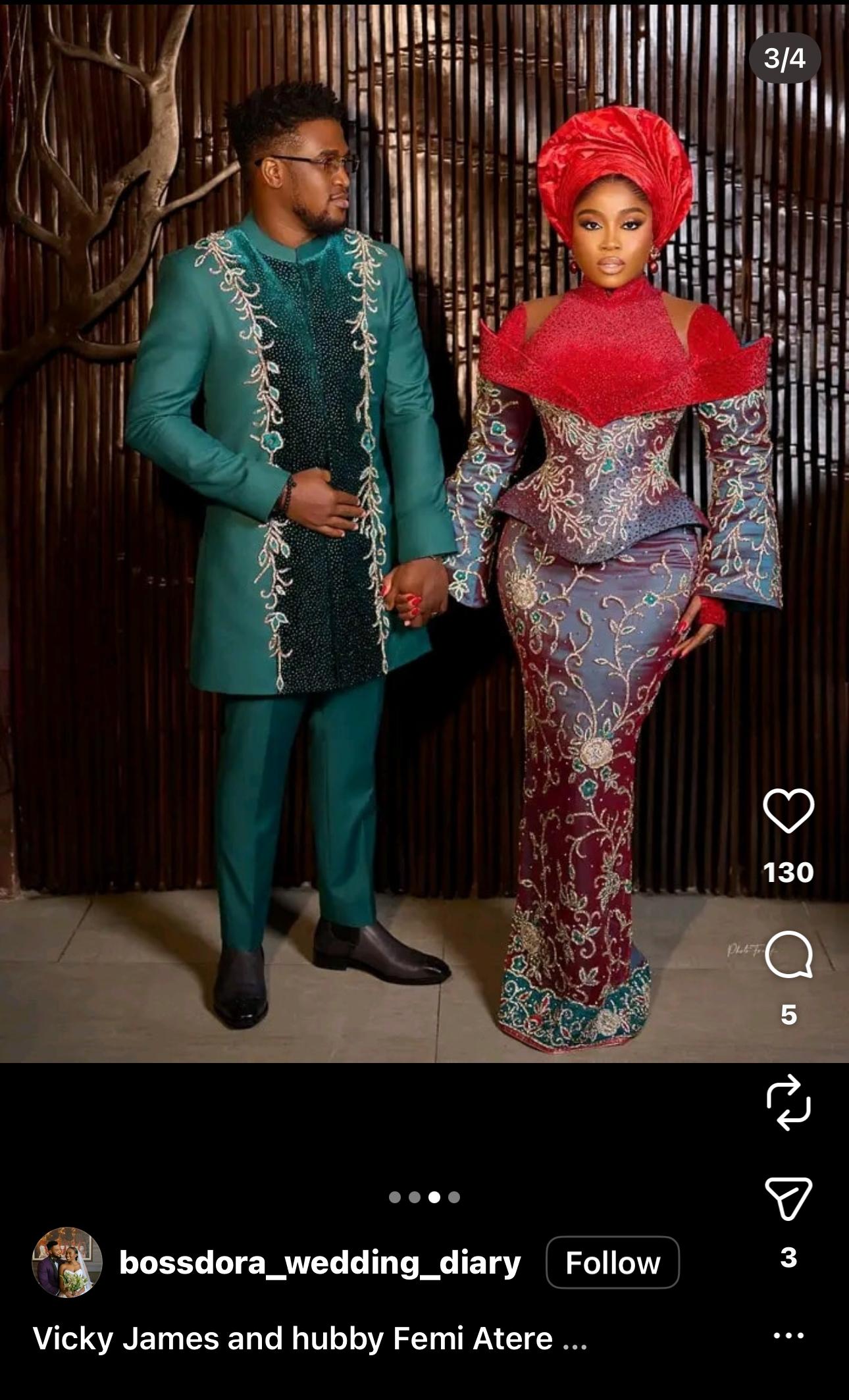
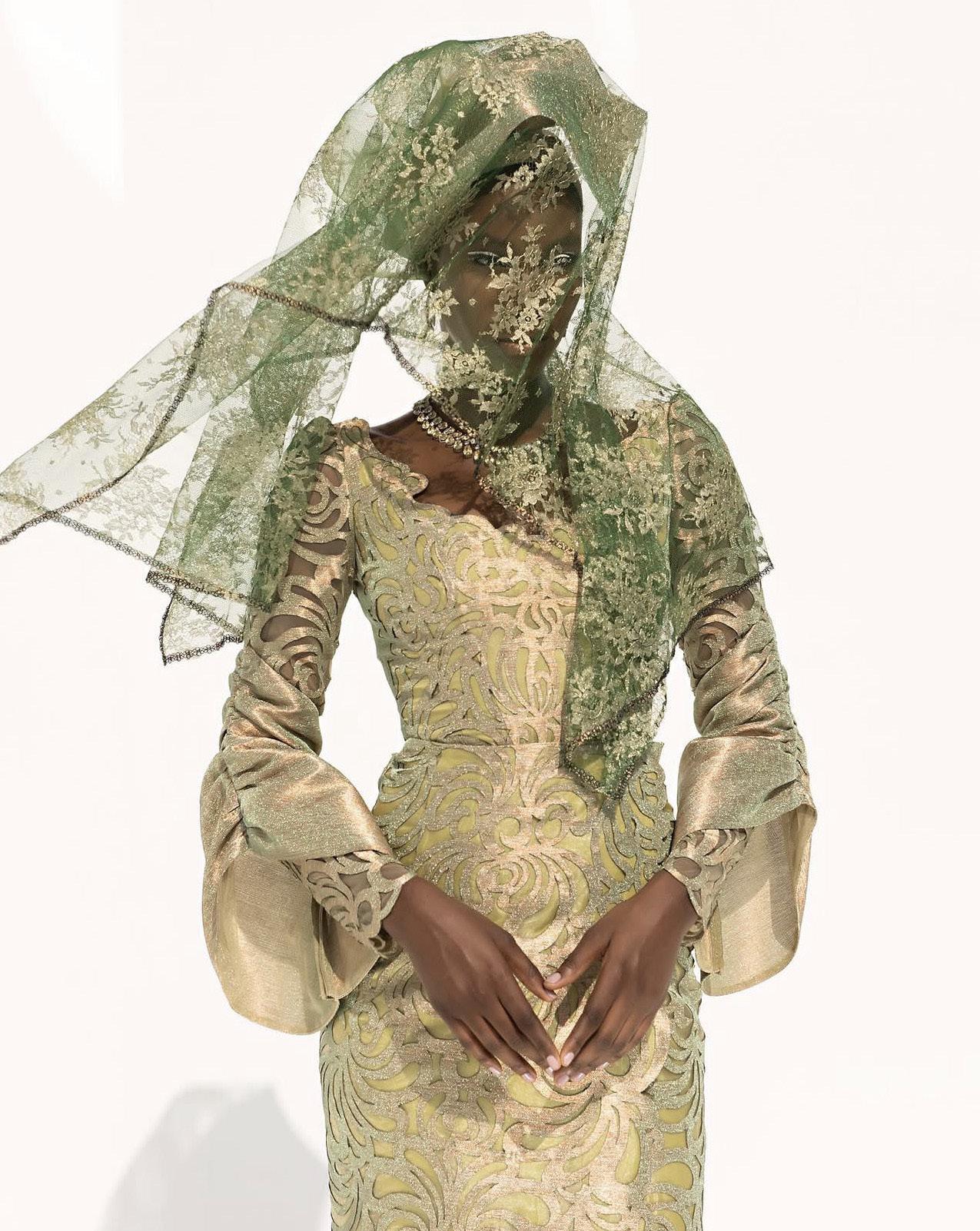
Deola
Deola Sagoe is a well-known Nigerian fashion designer known for reimagining traditional Yoruba clothing through innovative techniques. Born in Ondo State, Nigeria, she began designing in the late 1980s and quickly gained recognition for combining indigenous textiles with contemporary fashion design (Precious 2026). Her work often incorporates traditional fabrics such as aso-oke and adire, transforming them into modern silhouettes while preserving their cultural significance.
Sagoe is especially known for reinventing the classic iro and bùbá. Through collections such as the Komole range, she modernised the style using structured tailoring, intricate embroidery, and luxurious fabrics, elevating the garment into high-fashion bridal and occasion wear (Agorye 2019).
Her designs show how traditional Nigerian dress can evolve while staying culturally rooted. By combining craftsmanship, innovative construction, and heritage textiles, Sagoe has helped bring Nigerian fashion to an international audience, showcasing her collections at events such as New York Fashion Week.
Through her work, Deola Sagoe has played a key role in redefining the iro and bùbá for contemporary women in the 21st century.
Sagoe
Opportunity
Western fashion continues to dominate everyday wardrobes, with the majority of young Nigerians and members of the diaspora seeking new ways to reconnect with their cultural heritage. The Nigerian diaspora is spread across countries such as the UK, US, Canada and across Europe. Despite this, they still maintain an emotional and cultural tie to their identity, often expressing this through fashion during key social and ceremonial moments. Since traditional garments like the iro and buba have taken a back seat, this creates a cultural tension between the desire for visible cultural identity and the practicality of modern lifestyles. There is a clear gap that has emerged in the market for traditional garments adapted for contemporary wear. This present a growing opportunity for Nigerian brands to serve globally connected audiences looking for heritage-driven fashion that fits their day to day life.
Future


Forcast
In the next 10–15 years, fashion trends amongst Young Nigerians and diaspora Nigerians are expected to shift as younger generations redefine their relationship with tradition and style. Gen X embraced more flashy, status-driven aesthetics and more obviouse class distinction, Millennials and Gen Z are showing mored preference for authenticity, and timeless design elements.This cultural shift suggests a revival of traditional silhouettes, particularly the Oleku style, but reimagined for contemporary lifestyles.
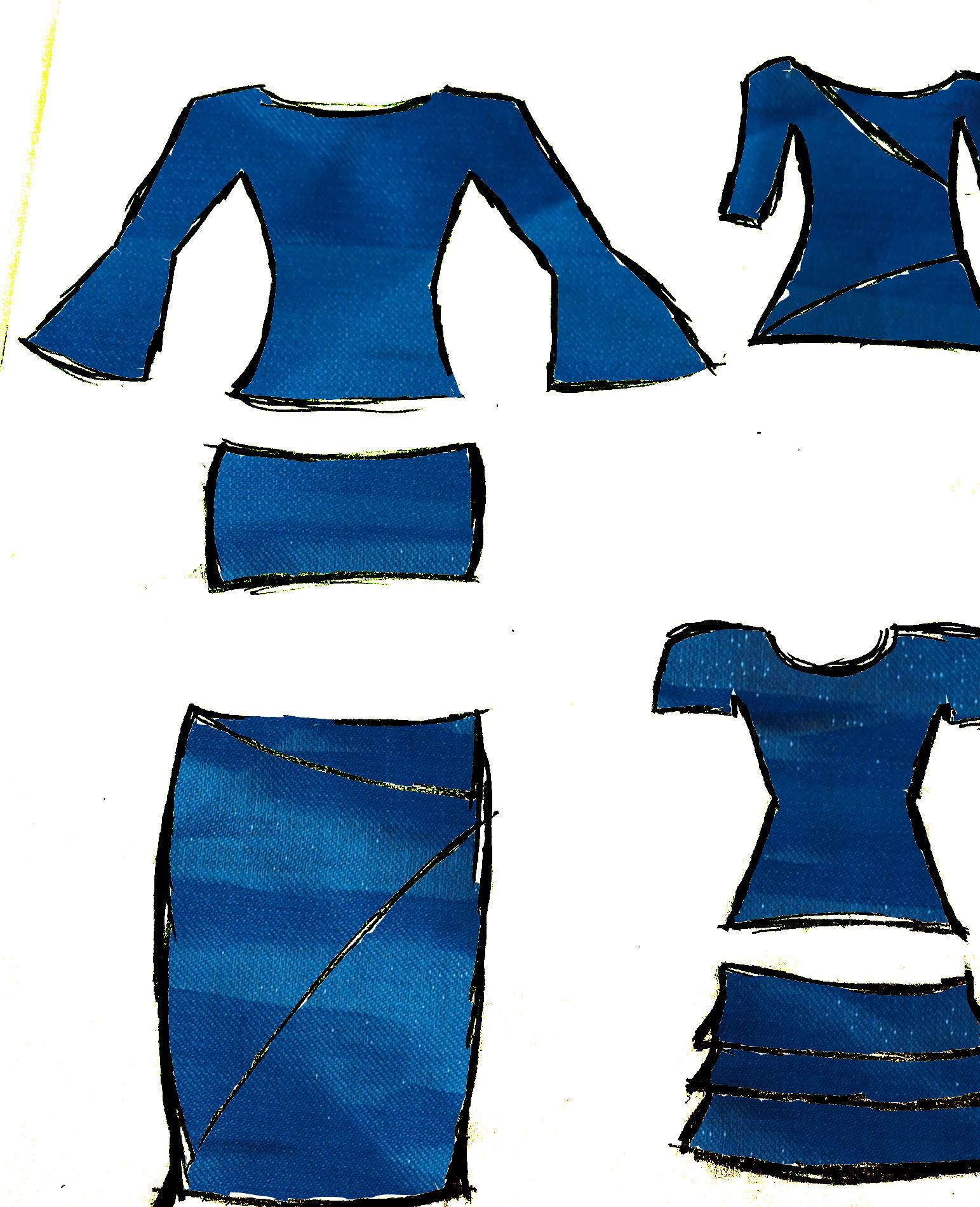
Rather than a return to strictly traditional dress, the Oleku is likely to turn into a hybrid type of styling; paired with modern staples like denim jeans, structured polyester blouses. This reflects a slow increasing demand for versatility and everyday functionality while maintaining cultural identity. Designers and influencer tailors are already responding to this demand by experimenting with made-to-order pieces that blend heritage aesthetics with modern wearability.
Gen Z’s strong engagement with nostalgia fashion, including the “rich auntie” aesthetic and wedding-inspired dressing, reinforces this trend. Bright colours, bold prints, and traditional fabrics will stay central, but will be reworked into co-ord sets and mix-and-match wardrobes designed for everyday use.
Ultimately, the future of Oleku style lies in adaptability, functioning as both cultural expression and modern fashion statement, influenced heavily by social media, influencer tailors.
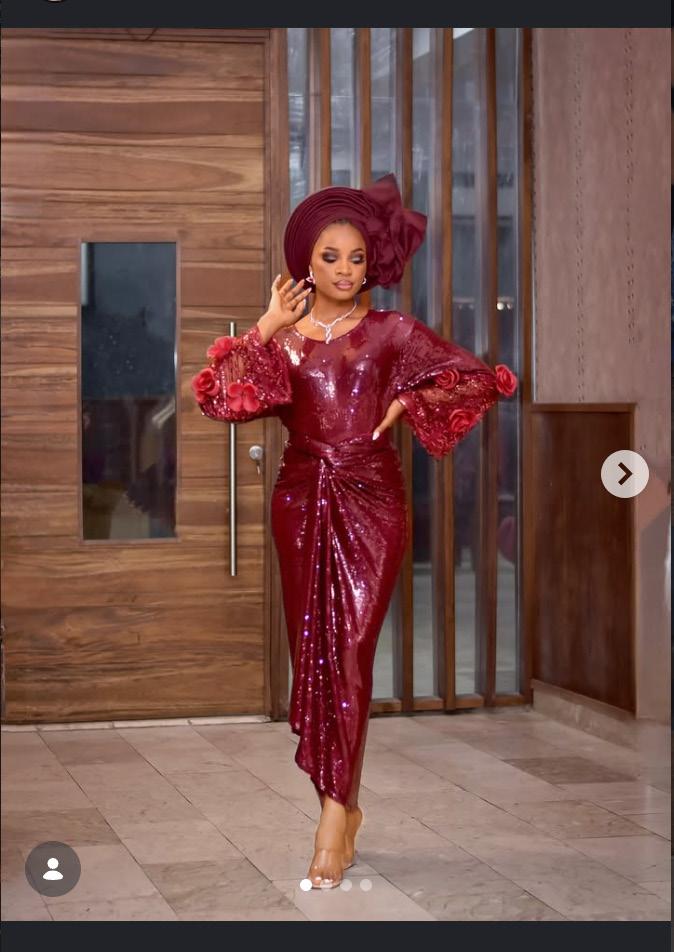
Capsule collection
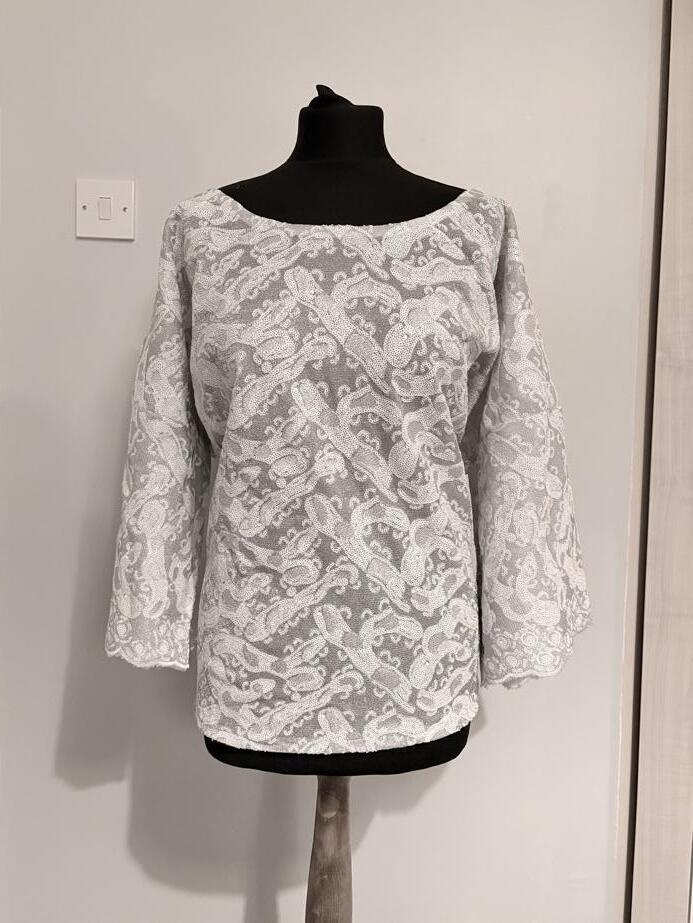

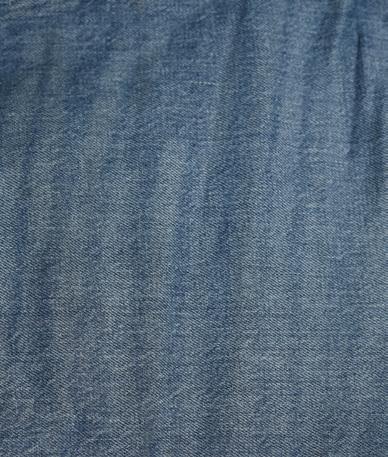
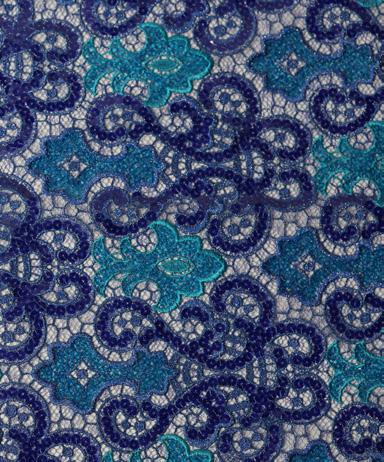
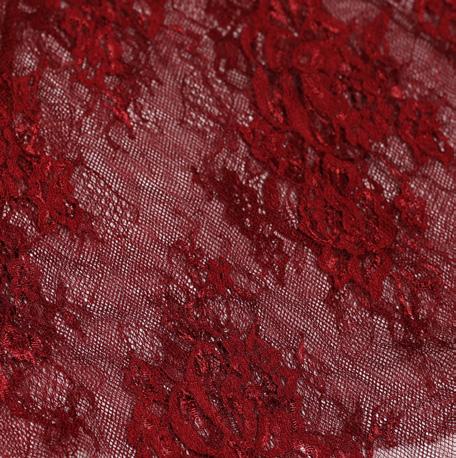
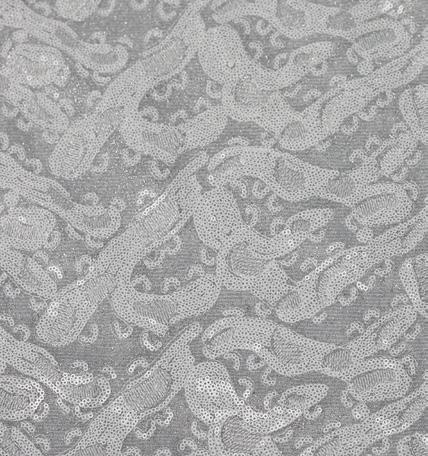
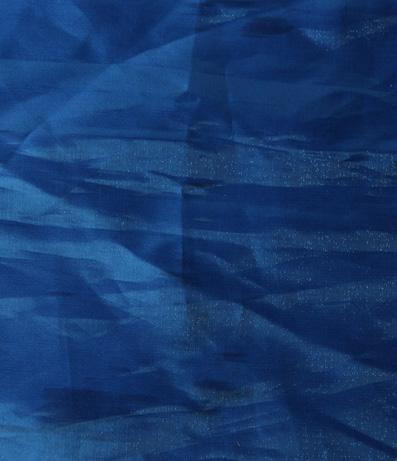
collection
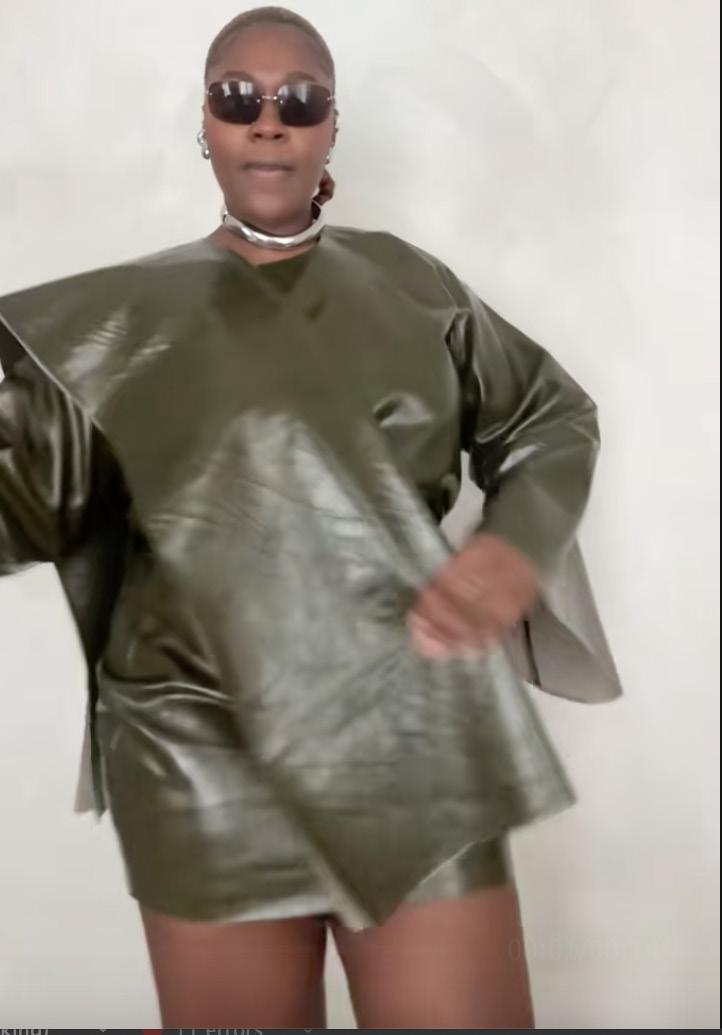
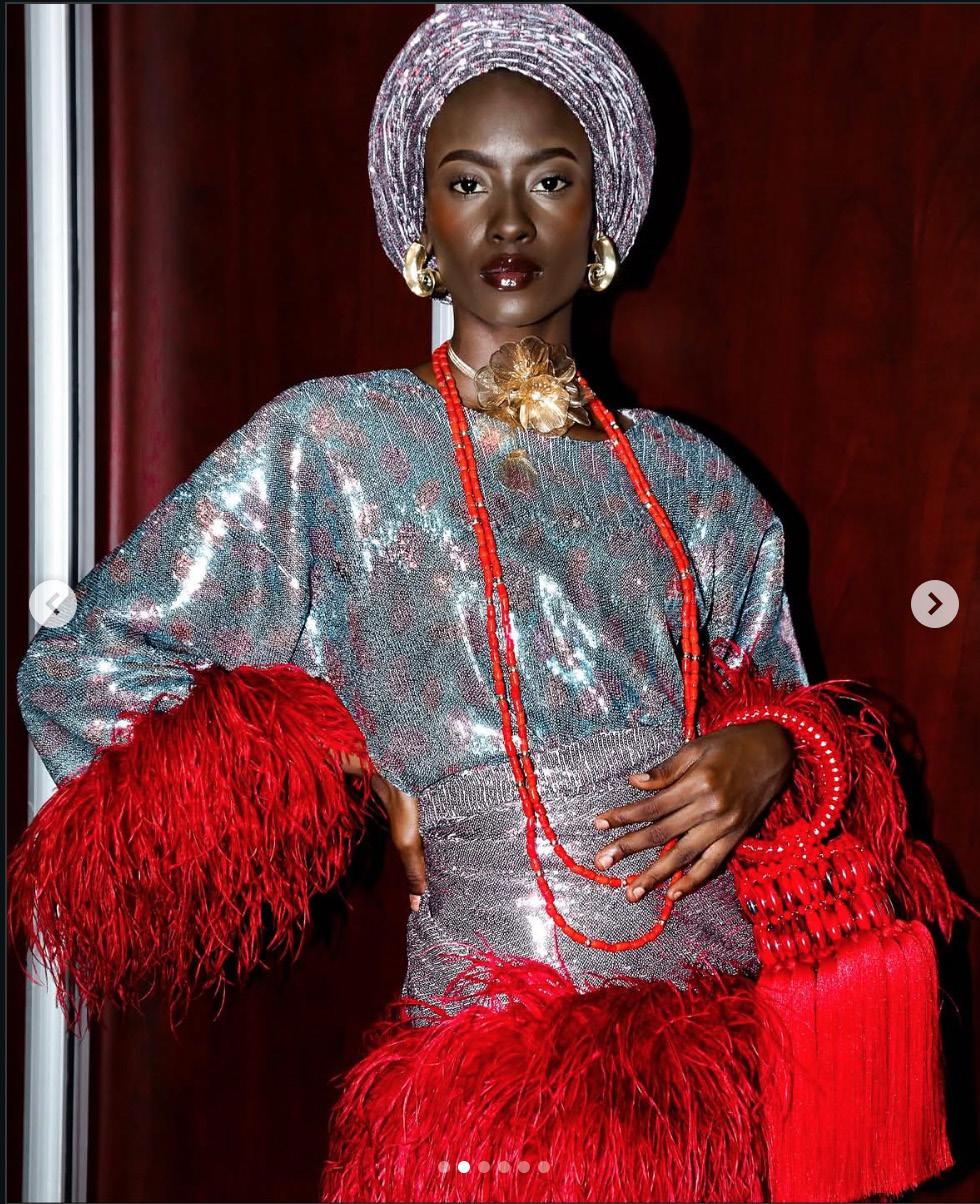
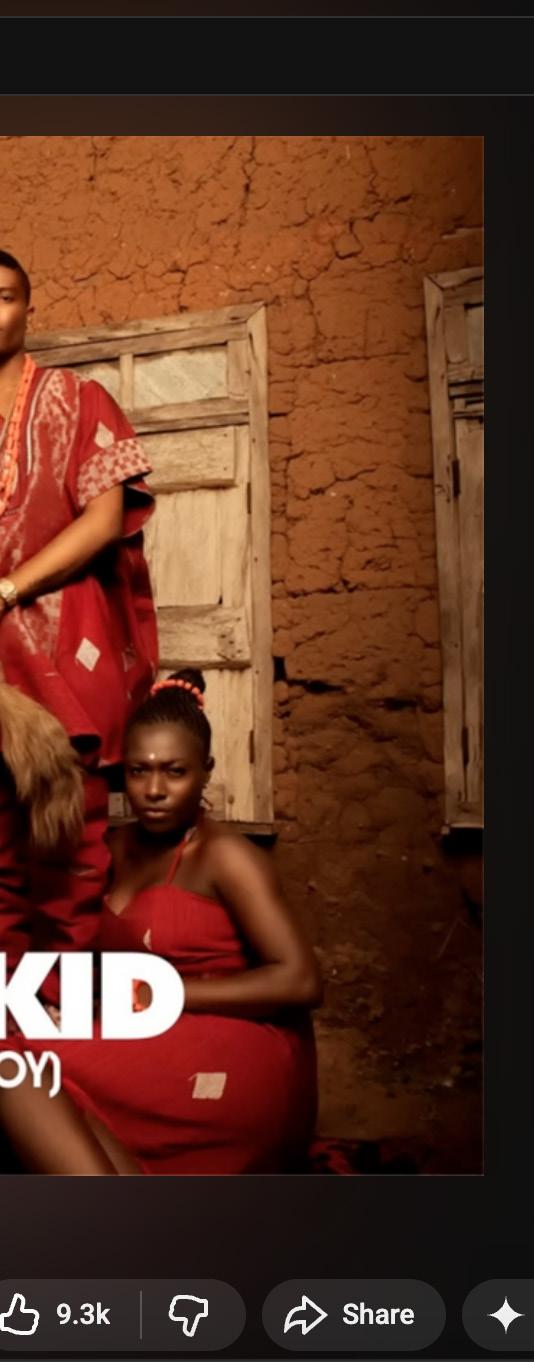
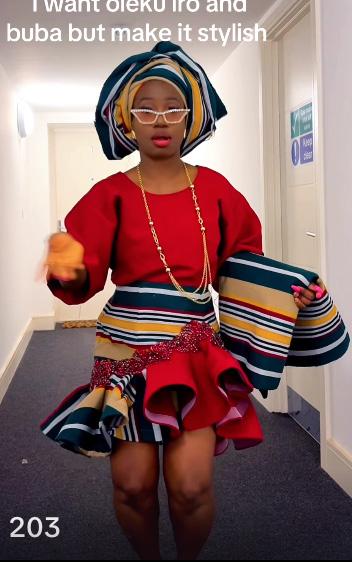
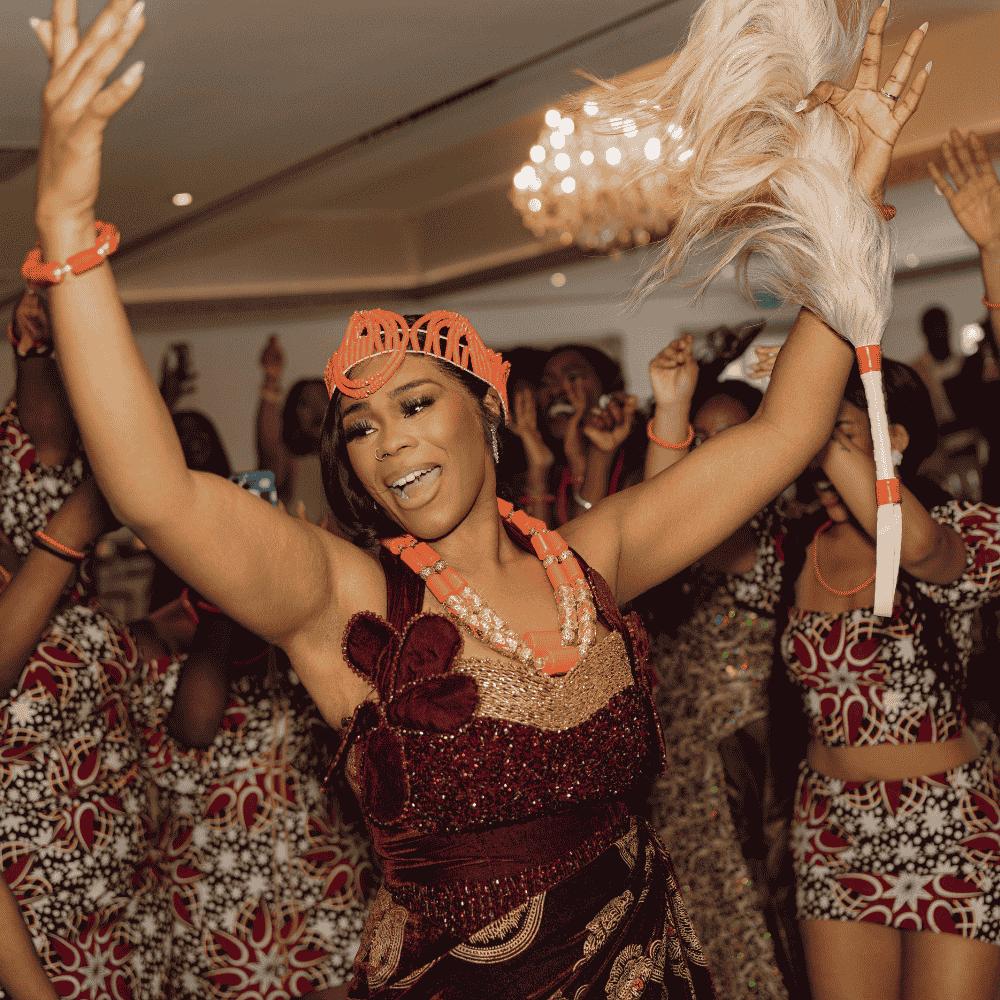
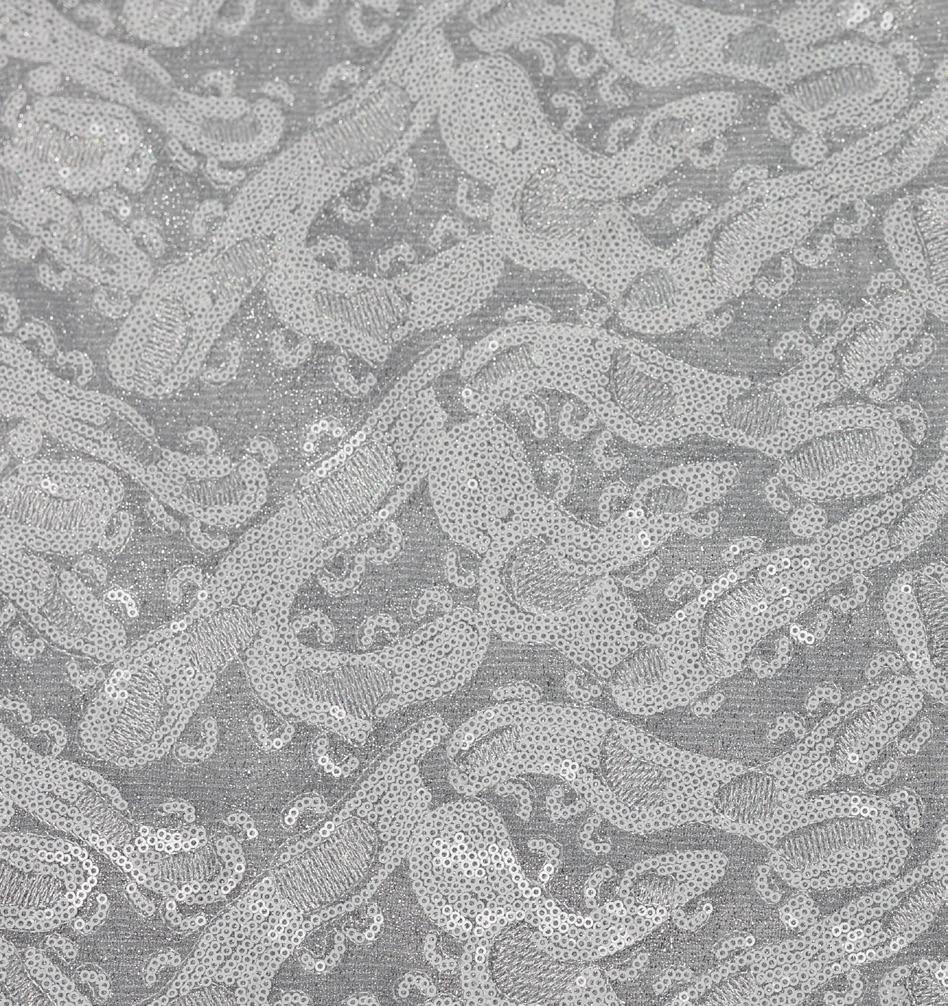
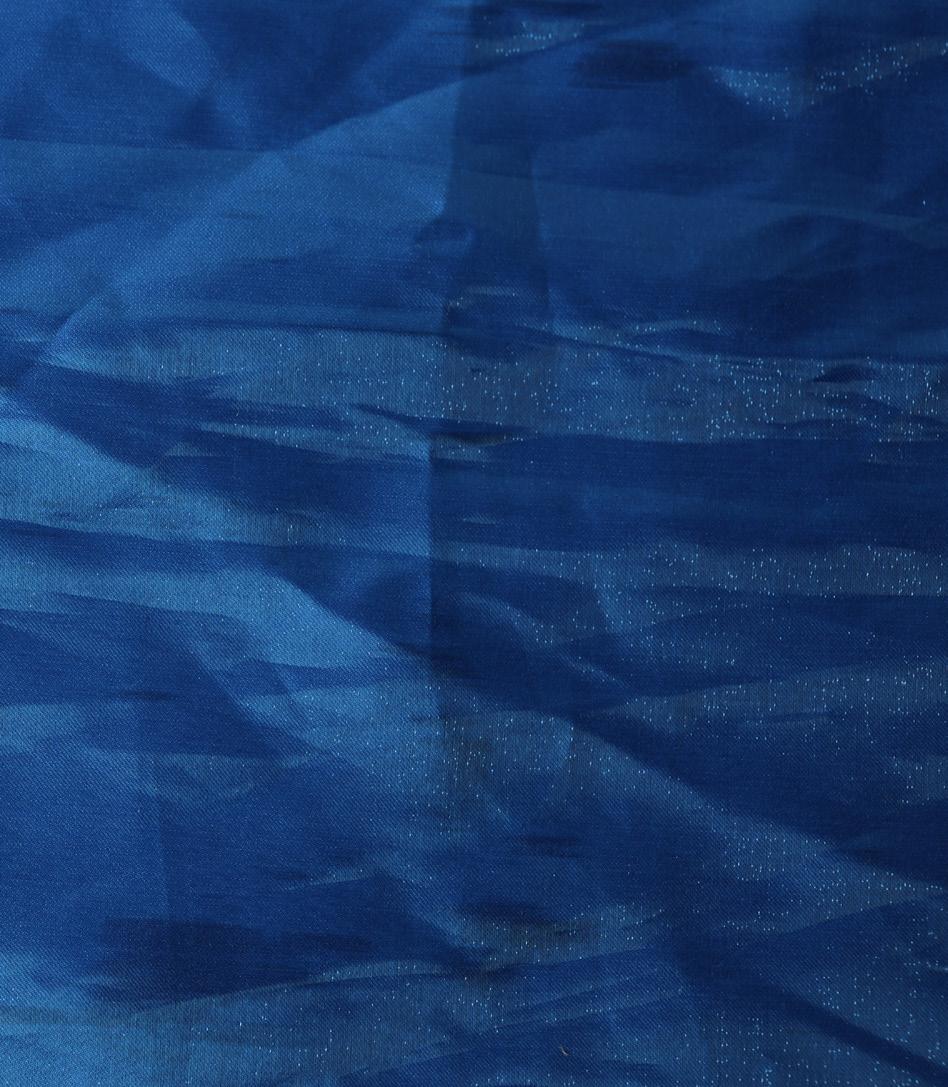
Playing on Gen Z’s desire for nostalgia, I aim to create a made-to-order modern everyday-wear Oleku style that you can mix and match with pieces in your wardrobe or wear as a co-ord.
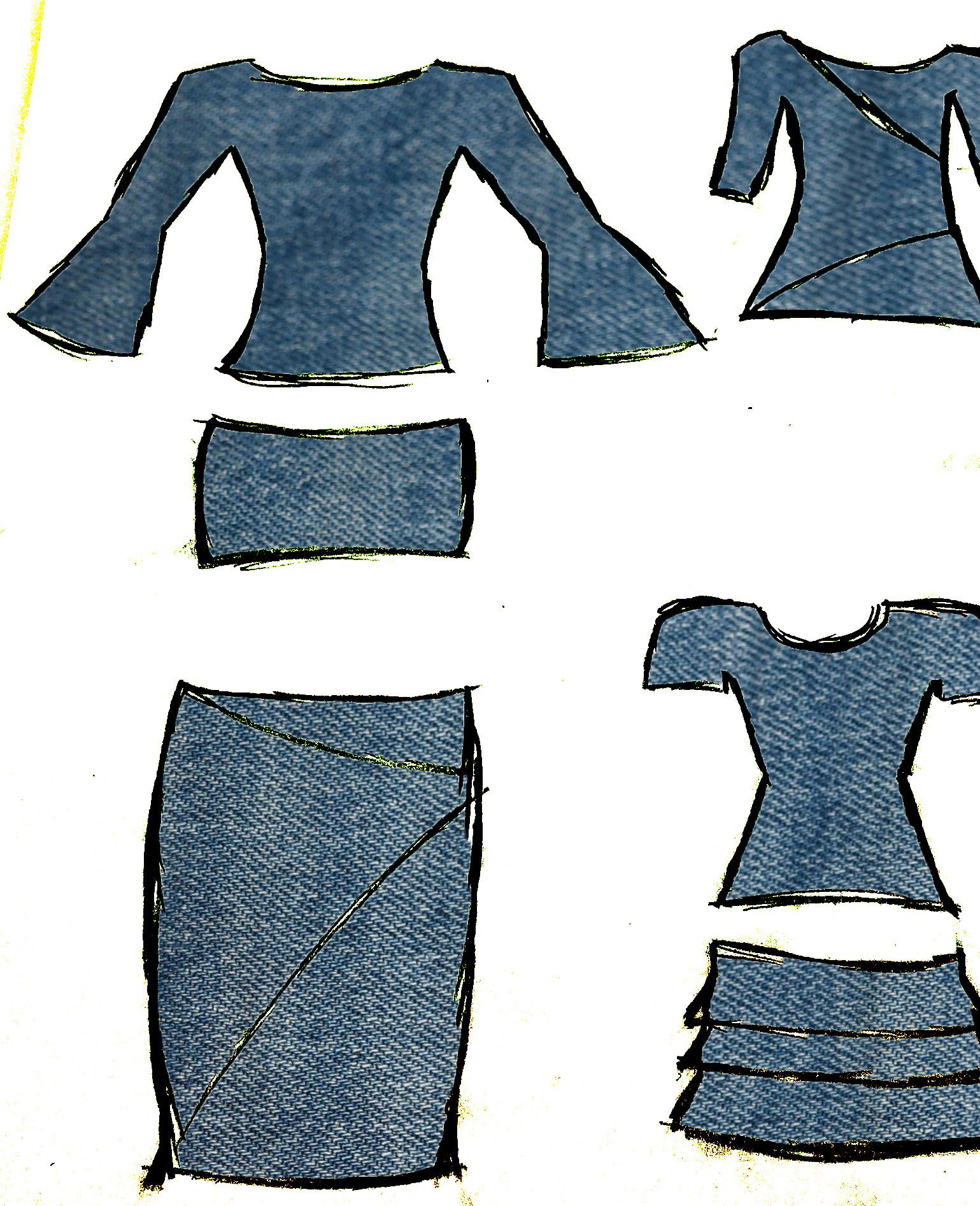
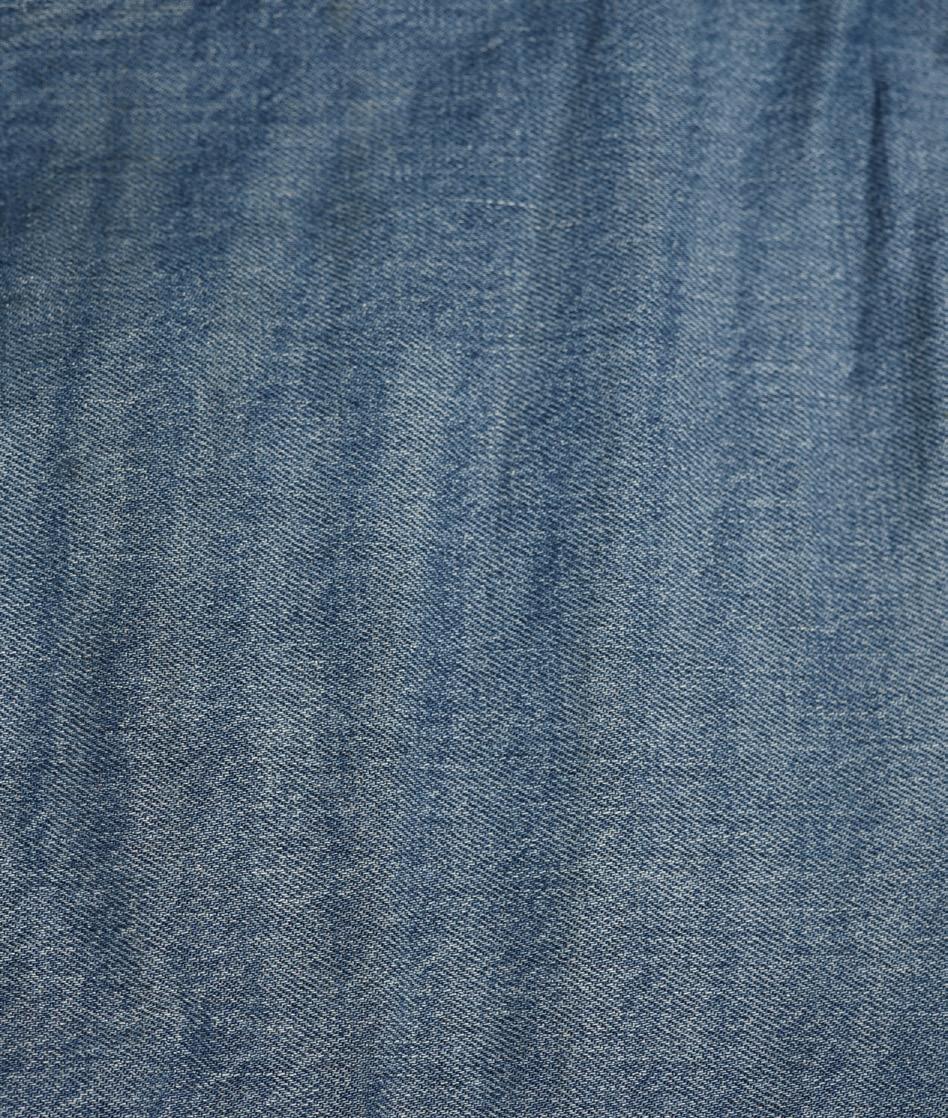
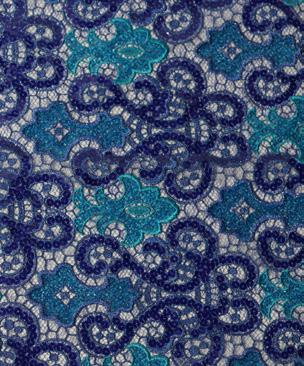
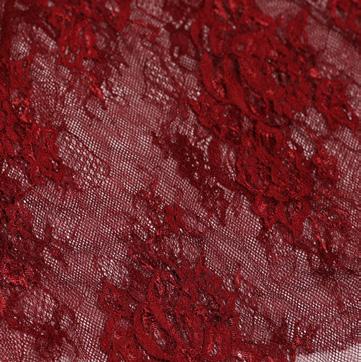
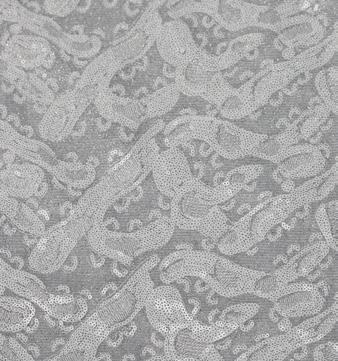
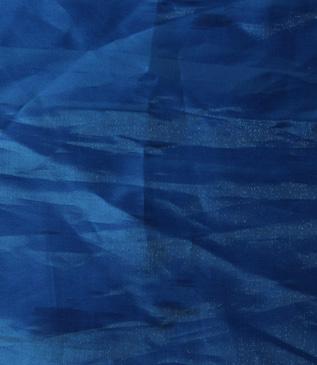
BLue sequin
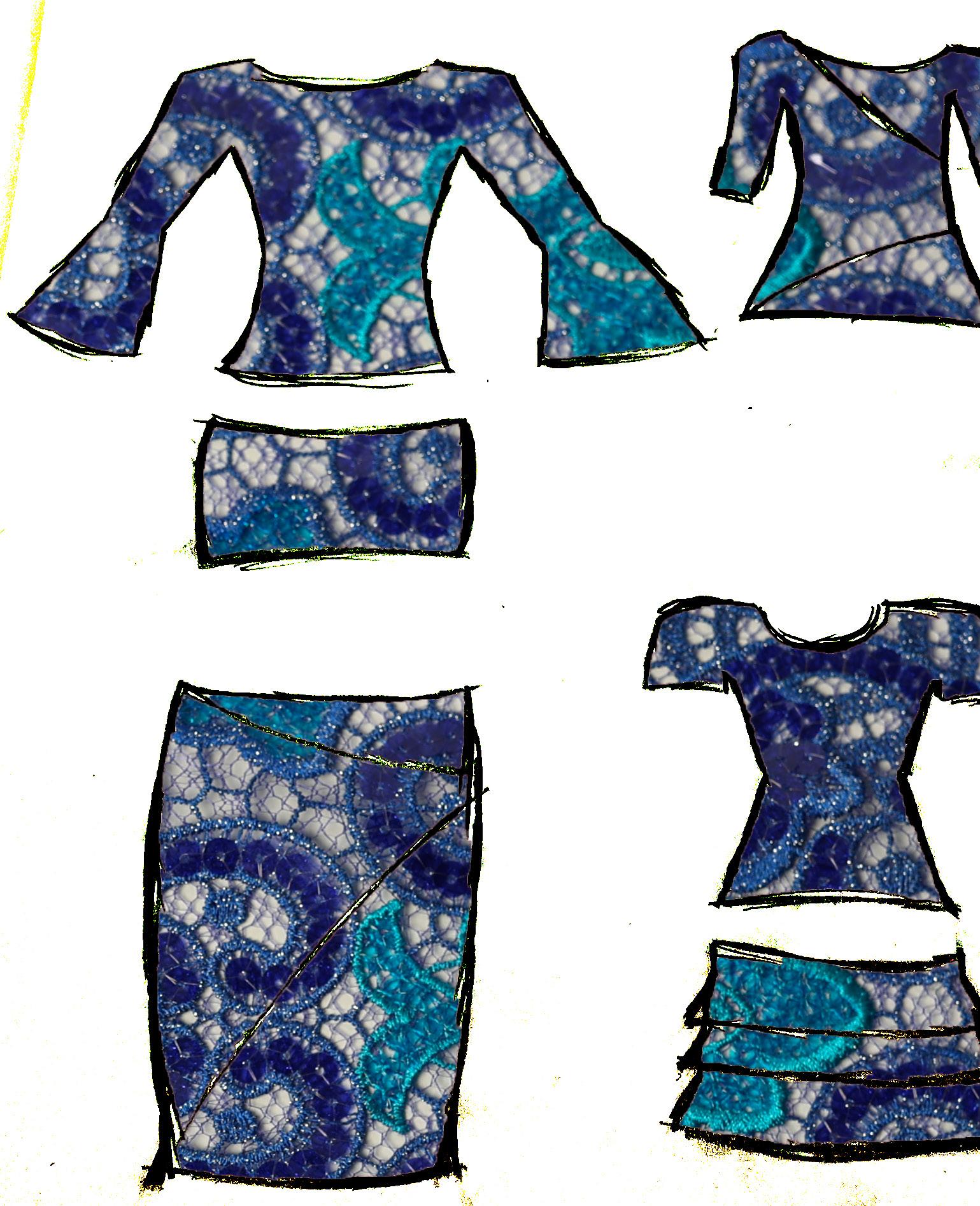
sequin Edit
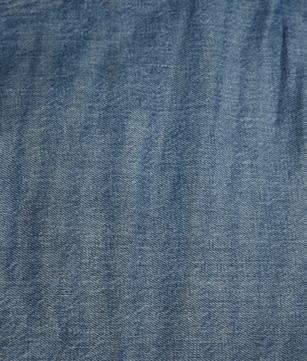
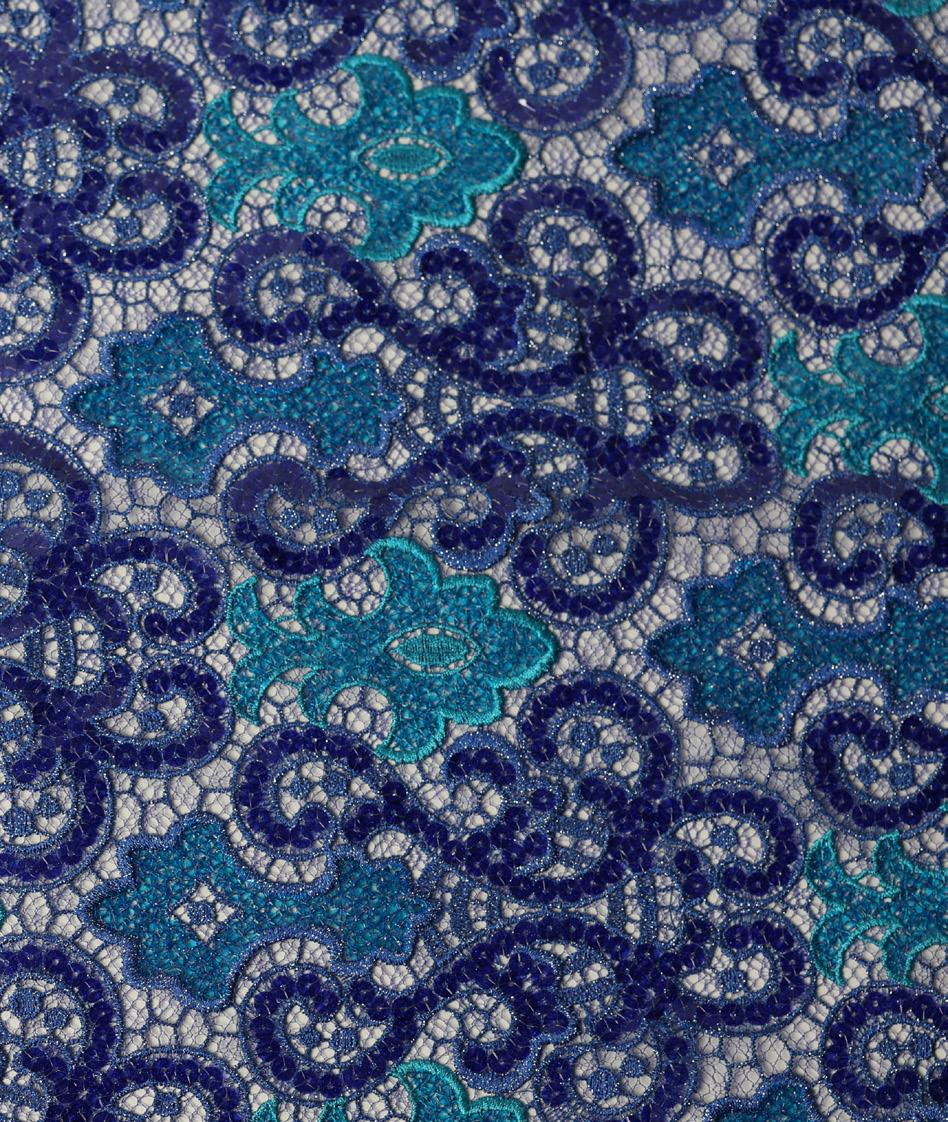
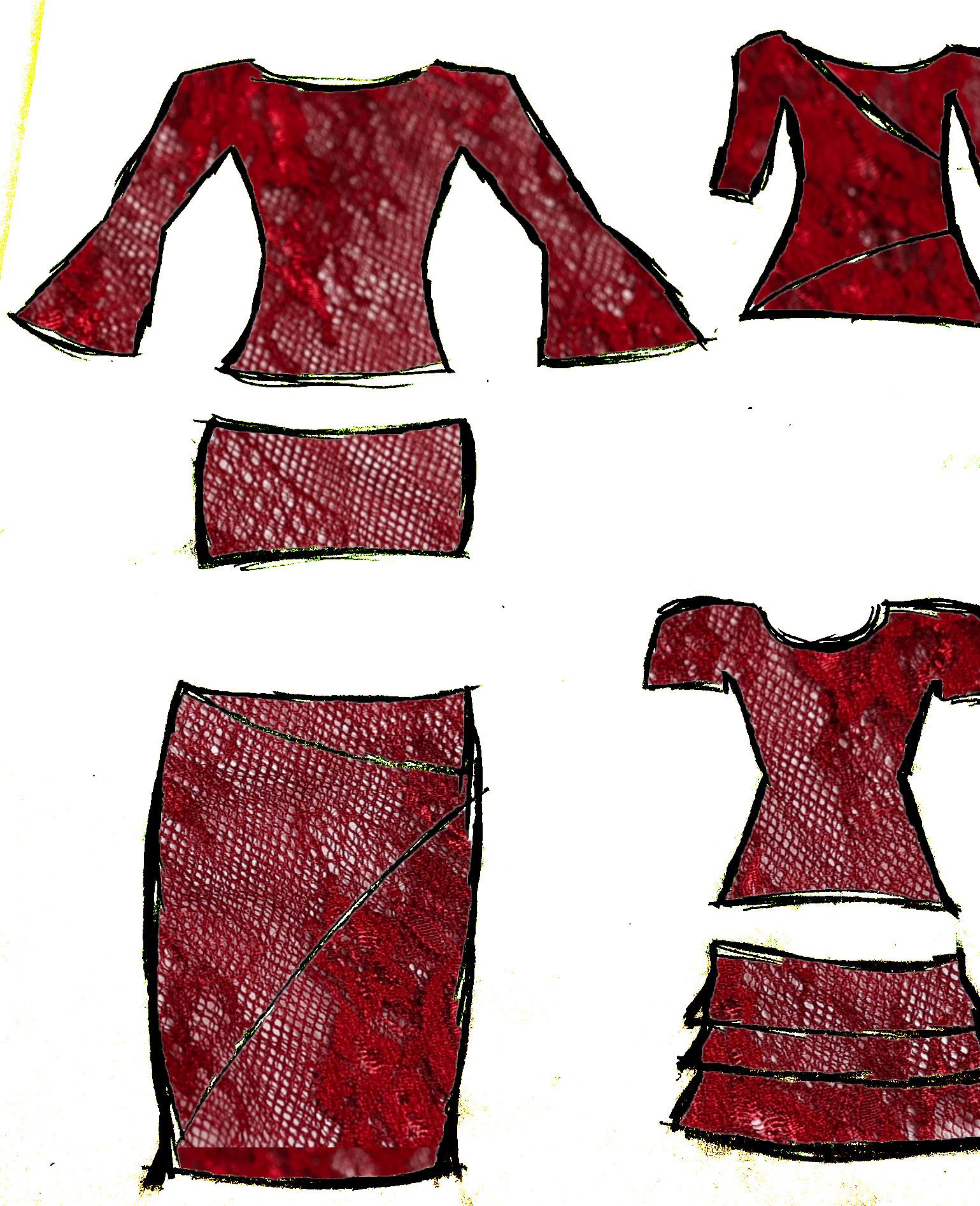
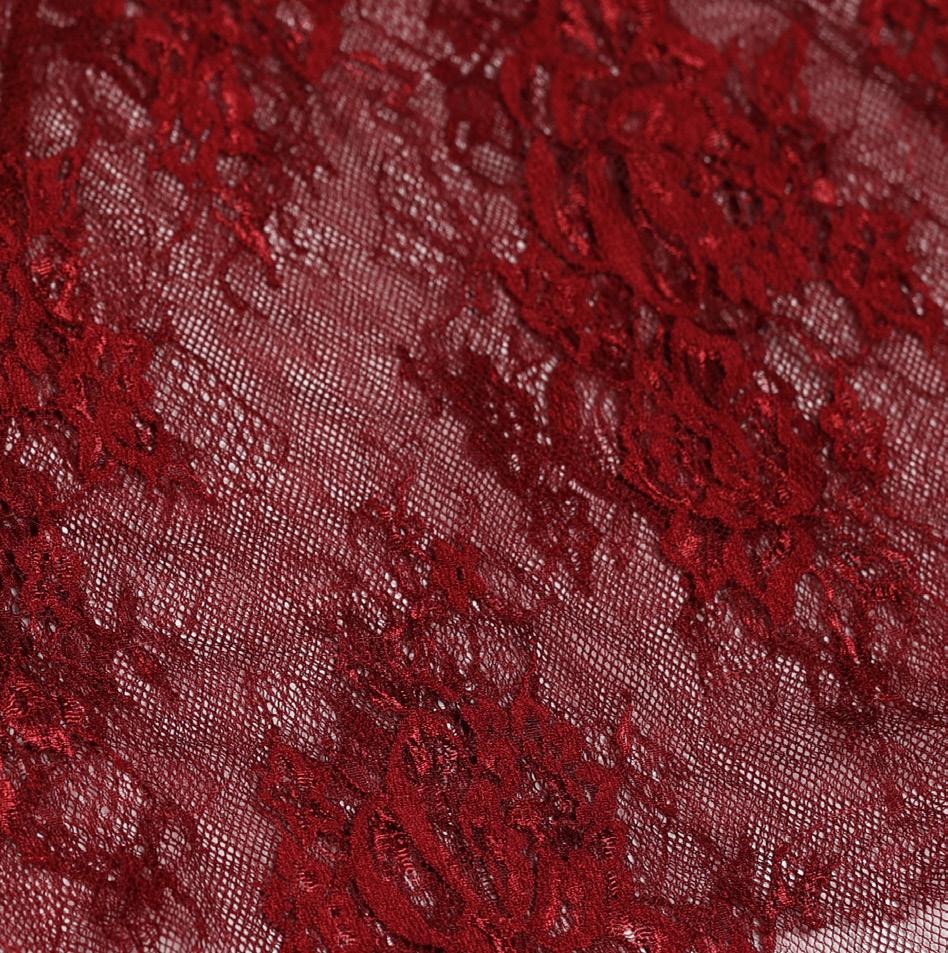
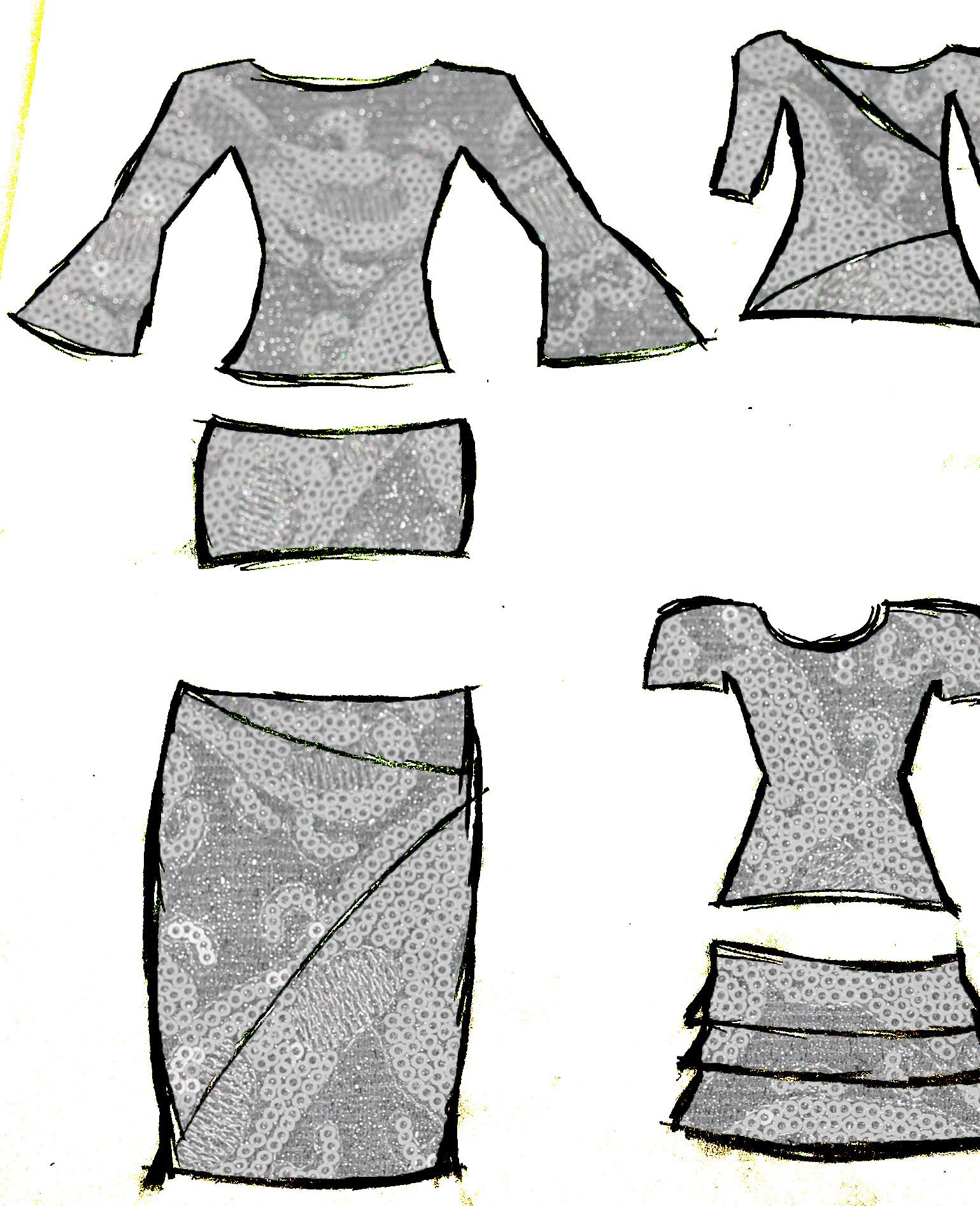
Sequin Edit
Packaging
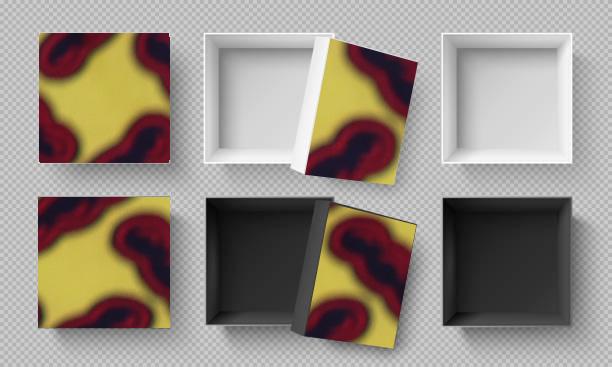
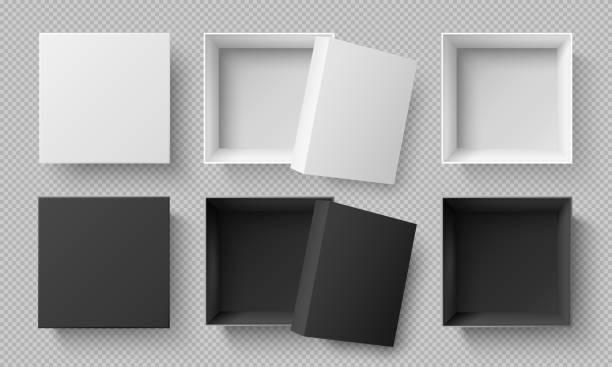
Packaging
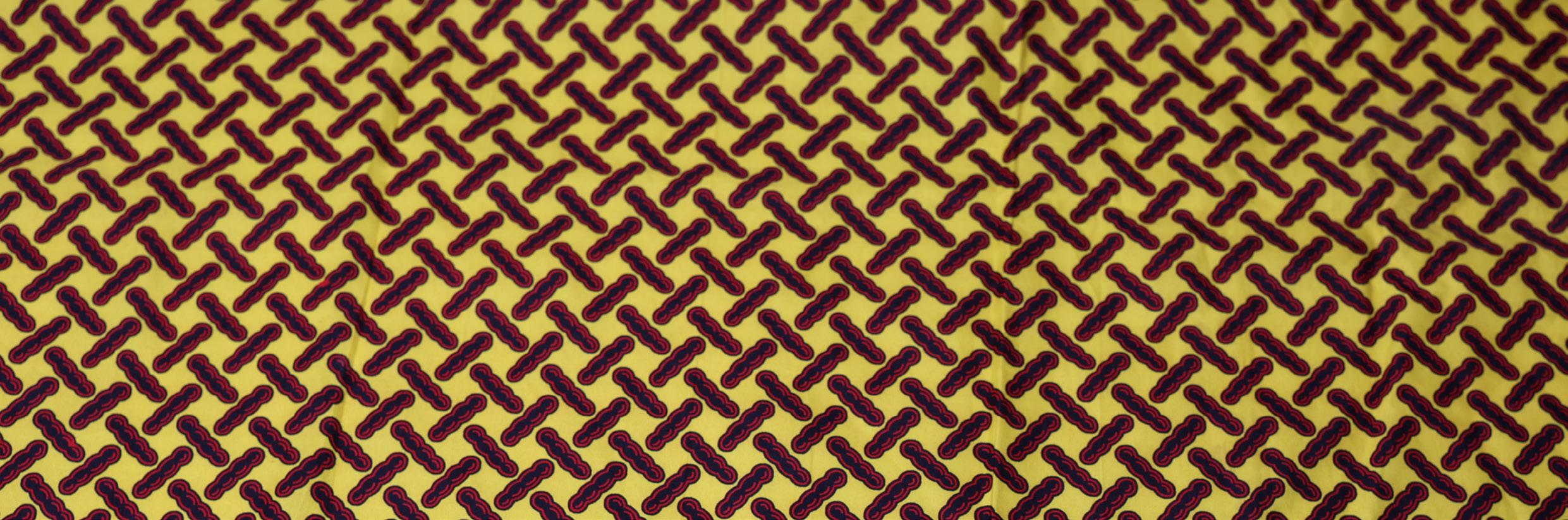
THe packaging incoperates and yellow, red and black adire print with my initials as the logo. The pacakging reflects the fun playfulness of Oleku dressing it is simple with two main elements, the box and the lid, and the playfulness comes with with the print and the Faaji font logo on top.
ADOUKÈ, Doria. 2022. ‘The Evolution of Iro and Buba’. Doria Adoukè [online]. Available at: https://doriaadouke.com/the-evolution-of-iro-and-buba/
AGORYE, Jessica. 2019. ‘Style Rave’. Style Rave | The Ultimate Style Guide [online]. Available at: https://www.stylerave.com/iro-x-buba-deola-sagoes-luxury-komole-range/?utm_source=chatgpt.com
AWODIPE, Tobi. 2021. ‘The Evolution of Nigerian Fashion since Independence’. The Guardian Nigeria News - Nigeria ence/ [accessed 25 Mar 2026].
BBC NEWS. 2019. ‘Nigeria Profile - Timeline’. BBC News, 18 Feb [online]. Available at: https://www.bbc.co.uk/news/world-africa-13951696
BBC NEWS. 2020. ‘Nigeria’s Independence: Six Images from Six Decades’. BBC News, 29 Sep [online]. Available at:
FALADE, Tomi. 2024. ‘Cultural Significance, Evolution of Iro and Buba in StellaOkoro’s Elegance of Tradition’. Independant ros-elegance-of-tradition/ [accessed 12 Mar 2026].
FIOLABOMI. 2025. ‘Bring Back Oleku’. Instagram [online]. Available at: https://www.instagram.com/p/DQGrjjjAm3H/?img_index=5
FOR STYLE SAKE. 2025. Sisi Presenting the Lace Buba & Wrapper Set [Photograph ]. Available at: https://www.instagram.com/p/DPRDORqjP21/?img_index=1
KELANI BASHIRU OMOTOYOSI. 2025. ‘Ìró and Bùbá: The Historical Revolution from Tradition to Trend’. Medium torical-revolution-from-tradition-to-trend-44c18d158a62 [accessed 23 Mar 2026].
LAMPARSKA, Nicole. 2025. [Photograph]. Available at: https://junebugweddings.com/wedding-blog/two-cultures-one-beautiful-summer-celebration-traditional-nigerian-wedding-ceremony/
MET MUSEUM. 2012. Aṣọ Òkè Ìró (Woman’s Wrapper) [Photograph ]. Available at: https://www.metmuseum.org/art/collection/search/321217
NIGERIA EVERYWHERE. 2025. ‘Nigeria Everywhere’. Nigeriaeverywhere.com [online]. Available at: https://nigeriaeverywhere.com/explore/fashion/nigerian-fashion-through-the-decades-tradition-trends-global-fame Mar 2026].
OBEPRO. 2026. ‘Latest Fashion and Tailoring Trends in Nigeria (2025 Edition)’. Obepro.com.ng [online]. Available at:
PASTA, Piink. 2026. ‘TikTok - Make Your Day’. Tiktok.com [online]. Available at: https://www.tiktok.com/@piink.paasta/video/7619315275782966550?_r=1&_t=ZN-94zNfYMbPvi
PETER, Ijeoma. 2018. ‘Iro and Buba, African Fashion and Its Beautiful Styles’. Hub Pages [online]. Available at: https://discover.hubpages.com/style/African-Fashion-and-Styles
PRECIOUS, Aimiton. 2026. ‘Deola Sagoe: The Nigerian Couture Icon Who Took Aso Oke to the World Stage | Historical com/deola-sagoe-the-nigerian-couture-icon-who-took-aso-oke-to-the-world-stage/?utm_source=chatgpt.com [accessed
PRINCE, Ice and BRYMO. 2011. Oleku (Feat. Brymo0. Chocolate City Music. Available at: https://open.spotify.com/track/35YJyASvtvRfLJi6lKLZkP?si=6a107d4be5c14ba9&nd=1&dlsi=08d5d06cc2684970
STAFF, Ranks. 2024. Yoruba Party Arrives in Ibadan July 7, Promises Unique Cultural Experience [Photograph ]. Available cessed 23 Mar 2026].
THE ECONOMIST and Shade THOMAS-FAHM. 2022. Sketch [Drawing]. Available at: https://www.economist.com/culture/2022/07/18/shade-thomas-fahm-transformed-nigerian-fashion
V&A. 1970. Bùbá [Photograph ]. Available at: https://collections.vam.ac.uk/item/O1680742/buba-shade-thomas-fahm/b%C3%B9b%C3%A1-shade-thomas-fahm/
V&A SOUTH KENSINGTON. 2022. ‘Àdìrẹ – “Tied and Dyed” Indigo Textiles · V&A’. Victoria and Albert Museum [online]. EN37Ni1BAk-u0y1uuIH0UmPklJkw3xWOK4JSoIAZFNkqY [accessed 25 Mar 2026].
Bibliography
https://doriaadouke.com/the-evolution-of-iro-and-buba/ [accessed 23 Mar 2026].
https://www.stylerave.com/iro-x-buba-deola-sagoes-luxury-komole-range/?utm_source=chatgpt.com [accessed 19 Mar 2026].
Nigeria and World News [online]. Available at: https://guardian.ng/life/the-evolution-of-nigerian-fashion-since-independ-
https://www.bbc.co.uk/news/world-africa-13951696 [accessed 24 Mar 2026].
https://www.bbc.co.uk/news/world-africa-54241944 [accessed 25 Mar 2026].
Independant [online]. Available at: https://independent.ng/cultural-significance-evolution-of-iro-and-buba-in-stellaoko-
https://www.instagram.com/p/DQGrjjjAm3H/?img_index=5 [accessed 22 Mar 2026].
https://www.instagram.com/p/DPRDORqjP21/?img_index=1 [accessed 23 Mar 2026].
Medium [online]. Available at: https://medium.com/@kelanitoyosi/%C3%ACr%C3%B3-and-b%C3%B9b%C3%A1-the-his-
https://junebugweddings.com/wedding-blog/two-cultures-one-beautiful-summer-celebration-traditional-nigerian-wedding-ceremony/ [accessed 22 Mar 2026].
https://www.metmuseum.org/art/collection/search/321217 [accessed 23 Mar 2026].
https://nigeriaeverywhere.com/explore/fashion/nigerian-fashion-through-the-decades-tradition-trends-global-fame [accessed 20 at: https://obepro.com.ng/fashion-and-tailoring-trends-in-nigeria/?v=b024d0941faa [accessed 23 Apr 2026].
https://www.tiktok.com/@piink.paasta/video/7619315275782966550?_r=1&_t=ZN-94zNfYMbPvi [accessed 25 Mar 2026].
https://discover.hubpages.com/style/African-Fashion-and-Styles [accessed 22 Mar 2026].
Historical Nigeria’. Historical Nigeria | Nigerian History & Cultural Heritage [online]. Available at: https://historicalnigeria. [accessed 26 Mar 2026].
https://open.spotify.com/track/35YJyASvtvRfLJi6lKLZkP?si=6a107d4be5c14ba9&nd=1&dlsi=08d5d06cc2684970 [accessed 25 Mar 2026].
Available at: https://ranksafrica.com/yoruba-party-arrives-in-ibadan-july-7-promises-unique-cultural-experience/ [ac-
https://www.economist.com/culture/2022/07/18/shade-thomas-fahm-transformed-nigerian-fashion [accessed 15 Mar 2026].
https://collections.vam.ac.uk/item/O1680742/buba-shade-thomas-fahm/b%C3%B9b%C3%A1-shade-thomas-fahm/ [accessed 2 Mar 2026].
[online]. Available at: https://www.vam.ac.uk/articles/adire-tied-and-dyed-indigo-textiles?srsltid=AfmBOop3fTX-