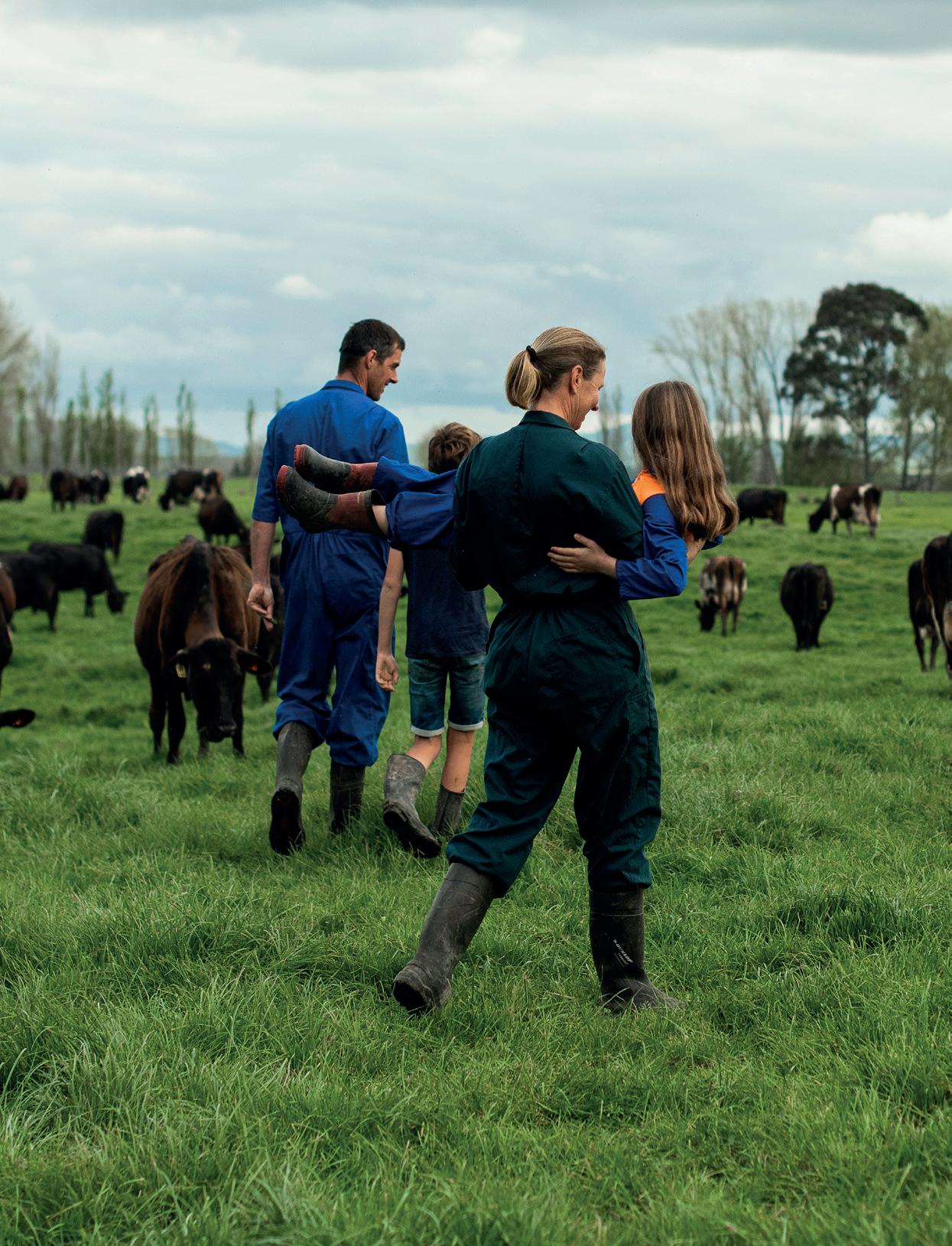
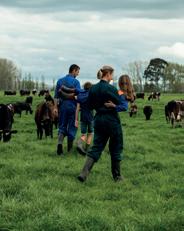
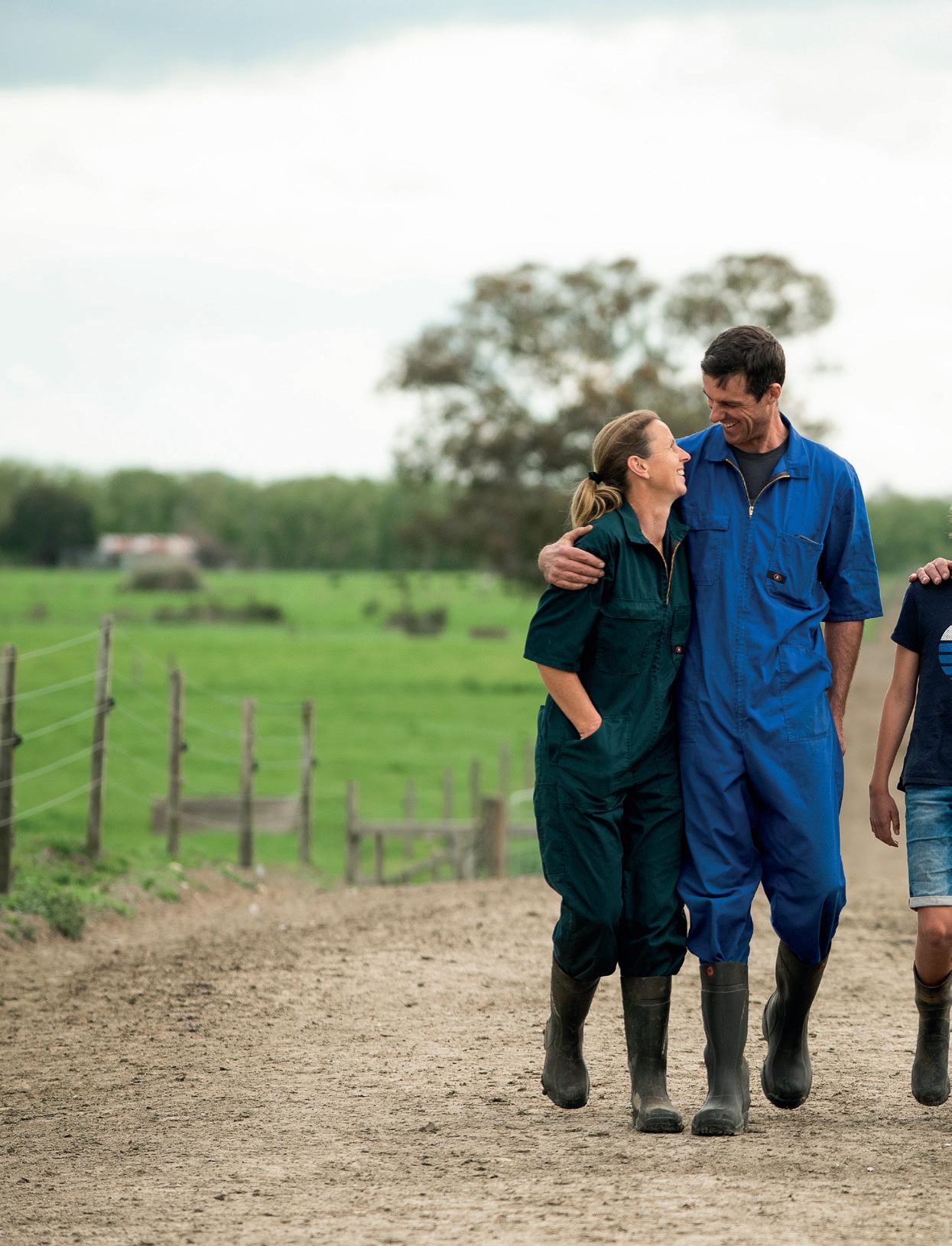
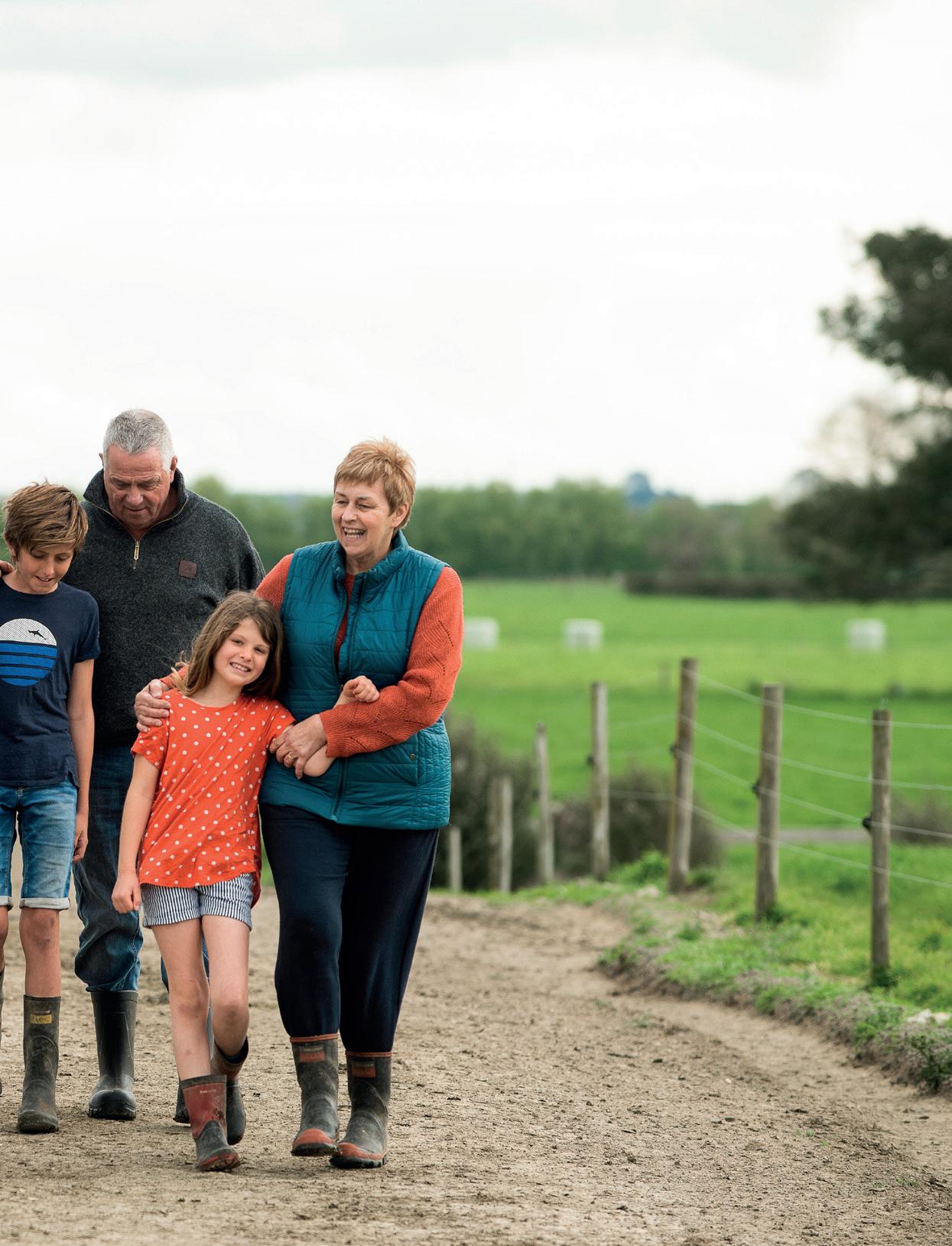
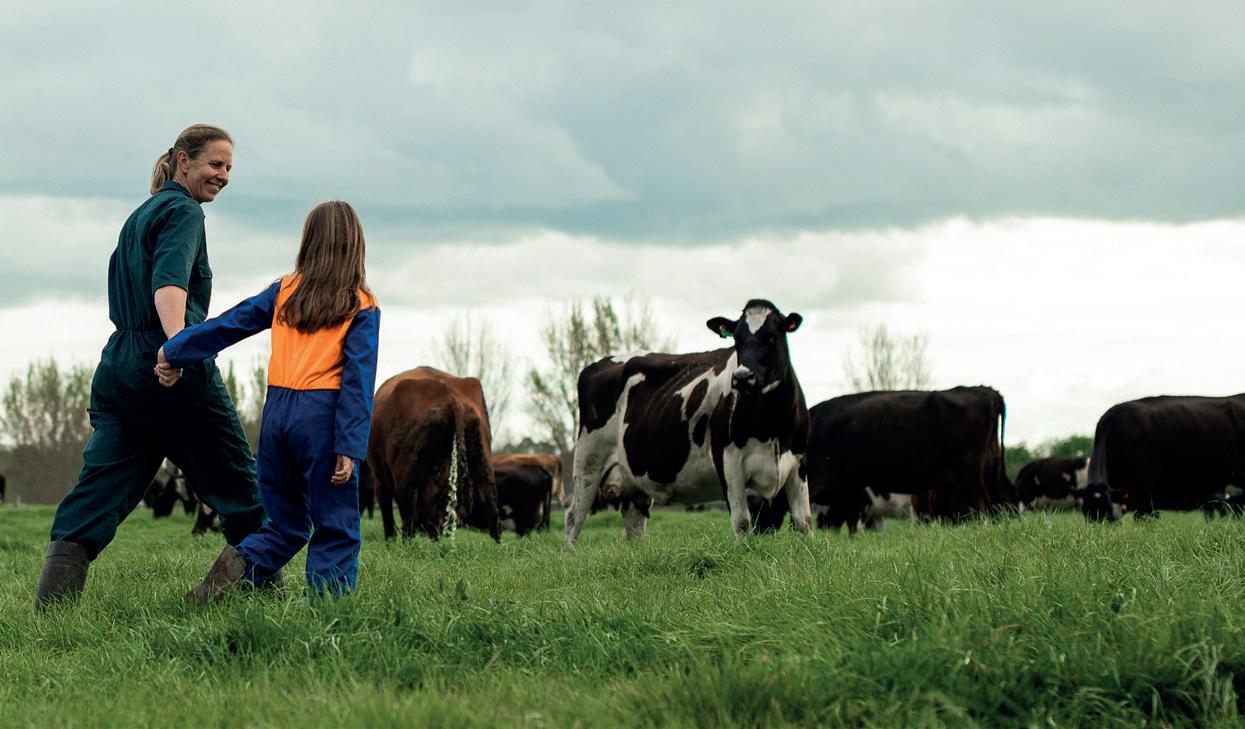
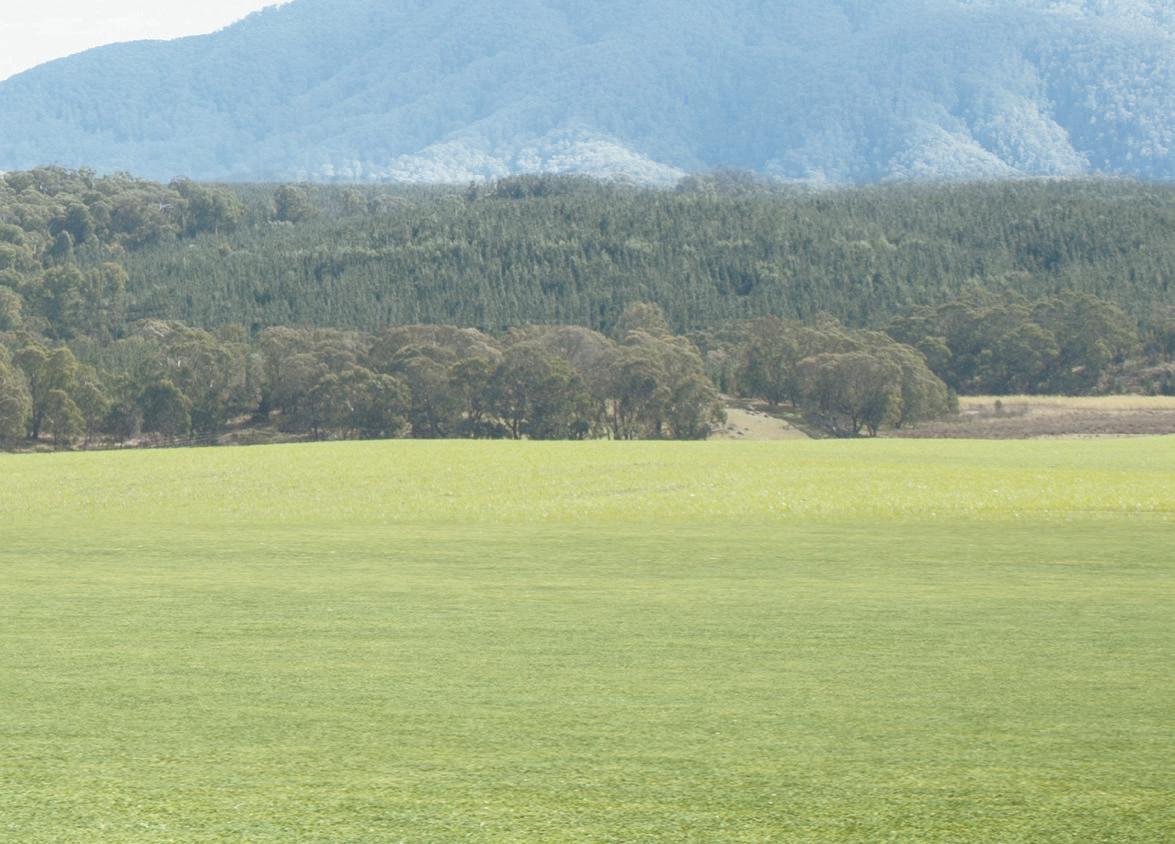
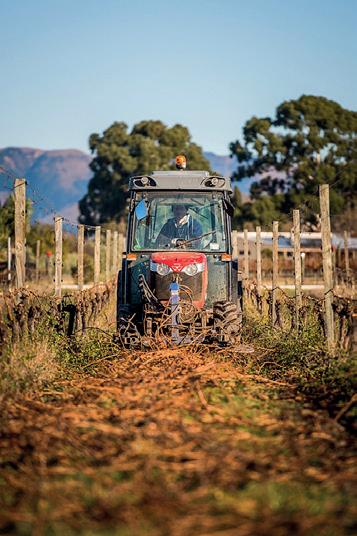
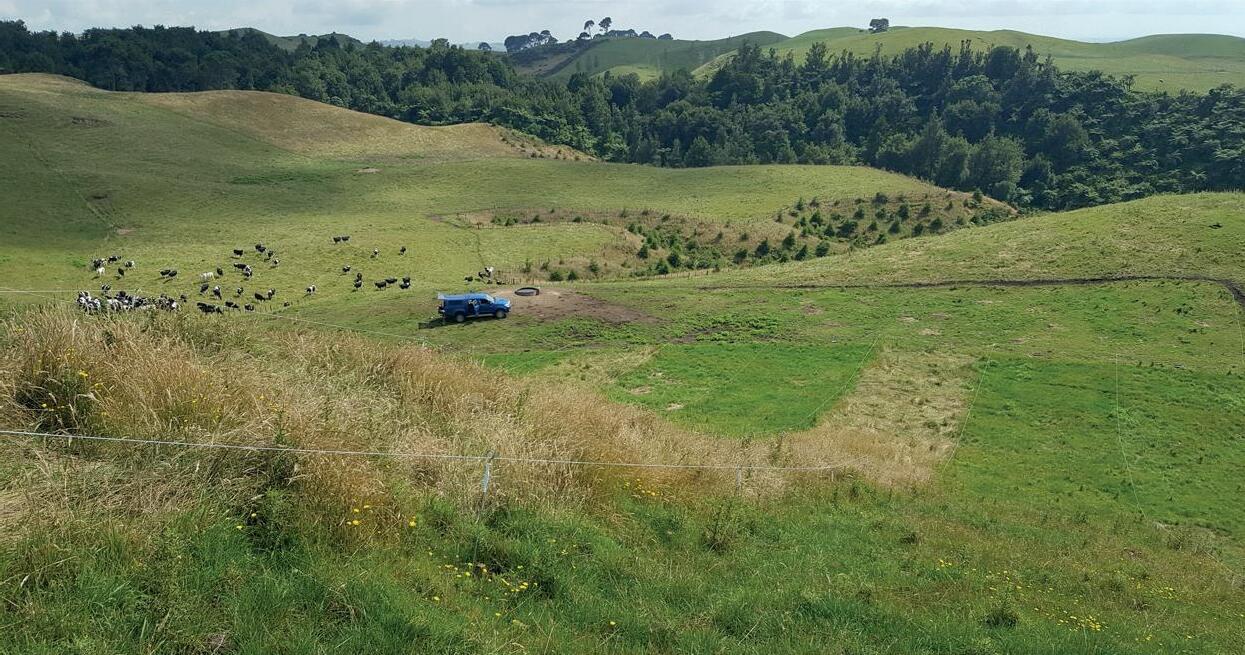
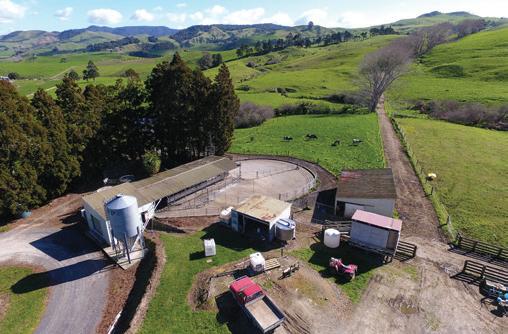
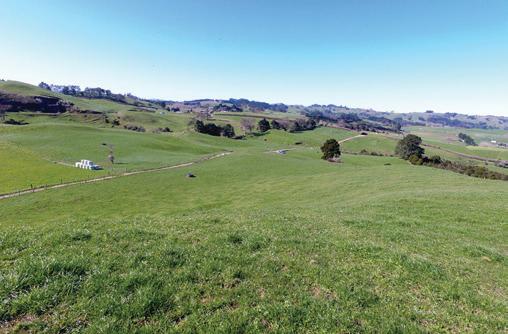
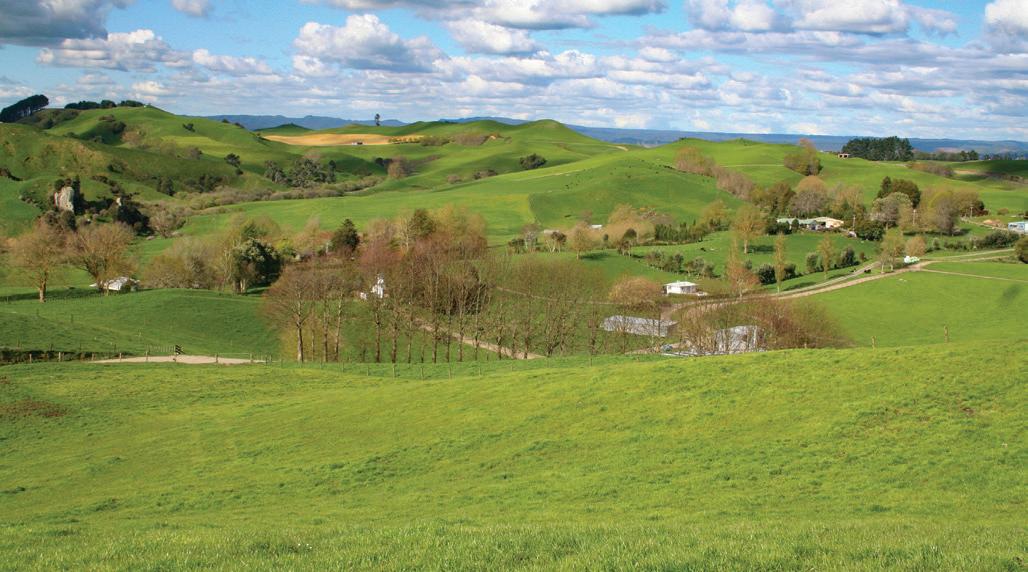
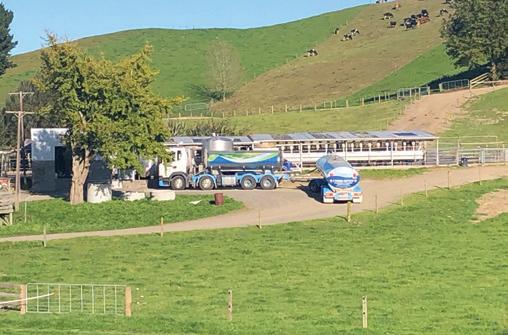
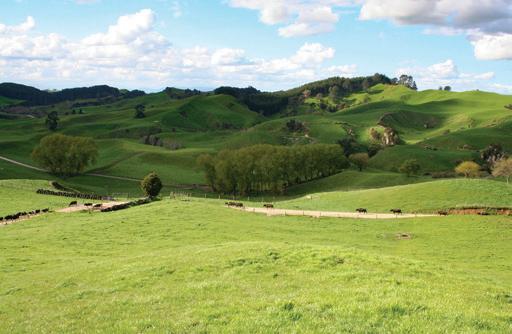
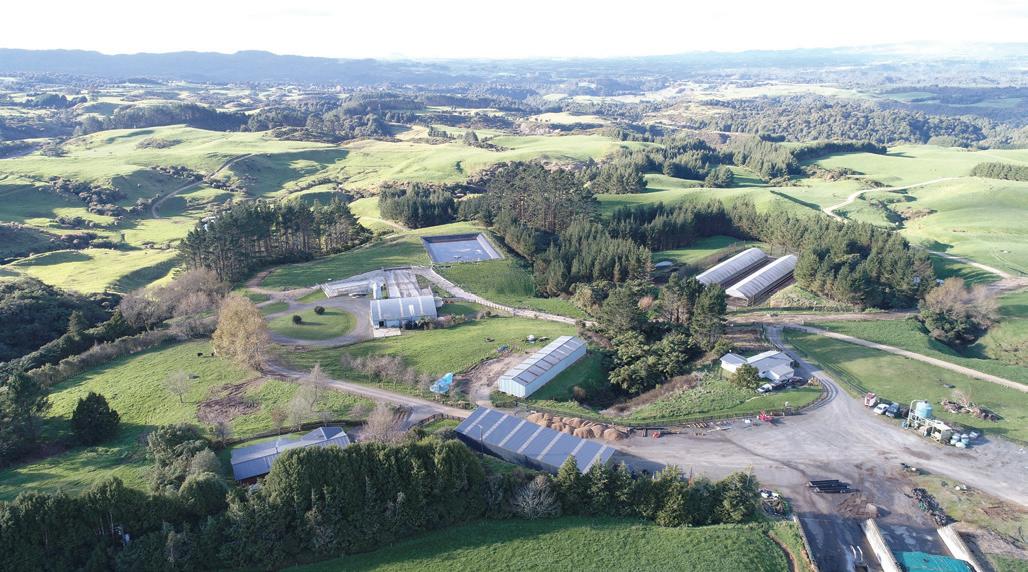
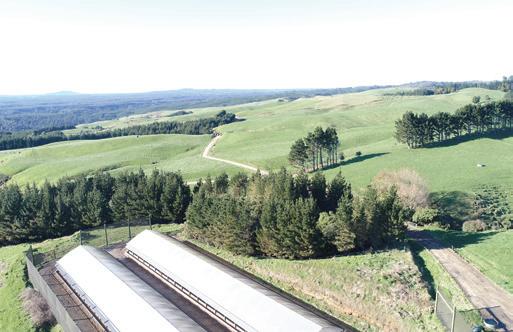
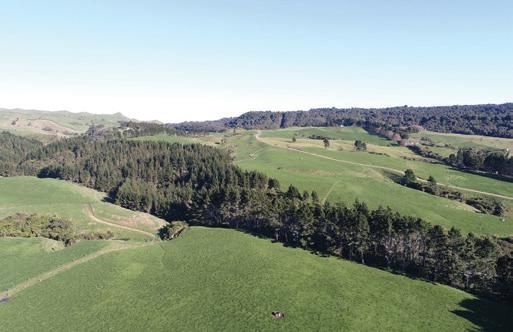
The van Ras family were named 2021 Regional Supreme Award winners in the Waikato Ballance Farm Environment Awards.
Beef + Lamb New Zealand Awards
Farmlands is on board as a platinum sponsor of the inaugural Beef + Lamb New Zealand Awards. COVID-19 permitting, the winners will be announced at a gala showcase in Napier.
29 - 31
OCTOBER
Equifest
Check out the Farmlands site at Equifest in Taupo, the festival where all things equine come together. Education, competition, shopping and night shows.
Subject to COVID-19 restrictions. For updates go to www.farmlands.co.nz.
Sam Fell Assistant Business Manager Hastings Branch
Q: How did you come to be working at Farmlands?
A: My journey with Farmlands started in 2013 while I was still at high school. My father, who was the Business Manager at the Waipukurau Branch, dragged me along in school holidays to help out, usually to pull out weeds. Thanks Dad! From there I finished high school and moved to Wellington. When I moved back from Wellington in 2017 our local Farmlands Branch, Dannevirke, was advertising a fixed-term position so I went, saw the local Manager and ended up getting the role. Since then I have worked across three other branches, ending up in Hastings.
Q: What do you enjoy most about your job?
A: Room to grow. In Farmlands there's lots of room to grow and with that comes plenty of opportunities. I have been selected for the Farmlands emerging leaders' course, which is both challenging and enjoyable. Nobody loves hitting a glass ceiling!
Q: Tell us about your family?
A: I have four siblings – two older brothers and two older sisters. I'm the youngest! My father also works in Farmlands and my mother works for the Police.
Q: What is one of your goals in life?
A: From a work perspective one of my goals is to keep learning and continue to get outside my comfort zone. Work aside, I plan on doing the odd bit of travelling and starting a family.
Date
Scones
Ingredients
• 3 cups flour
• 6 tsp baking powder
• ¼ tsp salt
• 1 tbsp white sugar
• ½ tsp cinnamon
• 75g butter
• ¾ cup chopped dates
• 1 to 1½ cups milk, approximately
• extra milk
Method
1. Preheat the oven to 220ºC. Grease or flour a baking tray.
2. Sift the flour, baking powder, salt, sugar and cinnamon into a bowl. Rub in the butter with your fingers until the mixture resembles fine breadcrumbs. Add the dates.
3. Add the milk and quickly mix with a round-bladed table knife to a soft dough. The mixture should be quite soft and a little sticky. Scrape the dough onto the baking tray and flour the top.
4. Working quickly, pat the dough out to 2cm thickness and with a floured knife cut it into 12 even-sized pieces, then separate the scones to allow 2cm space between them. Brush the tops with milk and sprinkle with a mix of cinnamon and sugar if desired.
5. Bake for 10 minutes or until golden brown. Place on a wire rack to cool, wrapped in a clean tea towel to keep them soft.
Kia ora everyone, Welcome to the October issue of The Farmlander magazine.
For those who may not be aware, I was fortunate enough to start at Farmlands a few weeks earlier than planned. As we all headed into Alert Level 4 in late August, I felt the best way I could help would be to join the team and provide support to the Farmlands’ response. Over this period where our “normal” ways of working have had to adjust, our entire team has worked hard to ensure customers and shareholders are up to date with how to shop with us, how to gain access to our specialist teams and how to best access the products they require for spring.
Starting my role at the start of a lockdown certainly produced some challenges. It also has helped identify plenty of opportunities. In the months before I started, I was fortunate to spend time engaging directly with our team, shareholders, suppliers and the general public, to gaining insights on what Farmlands means to them. There was positive and constructive feedback which has helped me to hit the ground running. This is a crucial time of year for everyone that interacts, associates and trades with our co-operative. As we thought about how best to adapt to provide support in different ways, we found it beneficial to focus on three key areas:
• Safe and Engaged People. Keeping our people healthy, regardless of Alert Level, is always our top priority. If we achieve this, we’re going to be able to deliver services and supplies to you. This focus doesn’t just relate to COVID-19 – it relates to being on the road, in-store, on the farm and outside of work hours as well. Thank you for adapting with us as we change our ways of working to ensure the health and safety of the Farmlands team and our customers.
• Customer Experience. You choose us for a reason. We need to give you an experience that makes it easy to do business with us and makes sure we are supplying the products you need when you need them – our eCommerce store is an example of this. Our team swarmed around the online store over Alert Level 4 lockdown, adding hundreds of products and technology improvements to make sure you could get what you needed. We need to earn trusted partner status. That drives our intent around every interaction with you.
• Deliver spring. It’s all go at this time of year! Farmlands needs to have the products you need and we want you to get them at the right time. Our online store has supported this over the changing Alert Levels and while there is plenty of noise around supply chain constraints, we are singularly focused on ensuring we are best placed to meet your supply needs. For any direct questions on supply, I suggest you contact your local team.
Keep safe and take care.
Ngā mihi, Tanya
5 Minutes with Tanya
Tanya Houghton started with Farmlands as Chief Executive Officer in late August. The Farmlander caught up with Tanya to reflect on her first few weeks.
You joined Farmlands a few weeks earlier than expected, when Alert Level 4 was announced. What were the first few weeks spent doing?
Alert Level 4 certainly caught me by surprise. I was just getting ready to
spend a few weeks moving into our new home in Christchurch when lockdown hit. With moving off the cards in L4, we made the call for me to start early and support the team supporting our shareholders and customers.
The immediate priority was to ensure our customers and our people were aware of our trading protocols under Alert Level 4. I appreciate that many of you would have been receiving information from every business you traded with! It had been a while since there had been a lockdown in many parts of the country, so after the initial reminders we now have the ability to be more seamless in changing between Alert Levels. The key message
We need to be better at doing what we were created to do – providing an outstanding customer experience, delivering on being a trusted advisor, bringing true competition to the market.”
is no matter the Alert Level, you are able to access your supplies from us. The other focus was on connecting with the Farmlands team and having regular interactions, in particular with our northernmost branches, who have endured stricter measures for longer. Regular video calls (where the Farmlands team grew accustomed to the ‘big blue door’ of my motel room) helped keep everyone updated.
You’ve now had more than a month in the role. Where do you see the biggest opportunities for Farmlands?
The biggest opportunity for Farmlands is to solidify who we are. There’s an old saying – ‘get your own house in order before looking outside’. When our co-operative is delivering our core business well – rural services and supplies – our ambitions in other areas will become possible. We need to be better at doing what we were created to do – providing an outstanding customer experience, delivering on being a trusted advisor, bringing true competition to the
market. There’s plenty of ways we can do that – first we need to look within our own four walls, identify the areas for improvement and action them.
Spring is always a busy time for the primary sector – what is Farmlands doing to make it less hectic for shareholders and customers?
We’ve focused on the basics – what you need and when you need it. I’m incredibly proud of the way our team responded during lockdown to handle orders coming in from all directions – online, via phone and email. While lowering of Alert Levels means we will move back to face to face in branch visits, we are mindful that these alternative channels that played an important role during L4 and L3 will become increasingly active options. Providing you with the ability to interact with us in the ways that suit you best has been a priority for us and we’ve been focused on making sure our email communication is directly suited to your needs and wants, so you don’t end up with unnecessary stuff in your inbox. All good primary sector relationships are built on trust. As farmers, growers, contractors and primary sector experts, you know what you need for each season. As the rural supplies experts, we are here to provide those products, alongside advice, guidance and support. When it comes to innovation in products and practice, our role is to provide you with the information you need to make informed decisions.
Will there be opportunities to get out and meet shareholders in the coming months?
I hope so! My first few months in the role were scheduled to be full of travel to meet and speak with people from all touchpoints of our co-operative. While (at the time of writing) I do not know when that is going to be, I’m optimistic that at some stage soon I’ll be able to get up farm driveways,
I’m interested in learning more from our shareholders and customers about what trusted partner status looks like to them.”
talk to shareholders at events and hear directly from you on what needs to happen for us to deliver improved levels of customer experience.
What can shareholders and customers expect from Farmlands in the year ahead?
Shareholders and customers can expect two things. The first is a focus on fundamentals. By doing the basics better, we have an opportunity to build on the strong relationships that exist throughout our co-operative. Sharper timing and simpler interactions will make it easier for you to do business with us. This includes a core focus on having products available for you. This is becoming increasingly challenging, given the global situation with COVID-19 and supply chain issues and our team has worked hard to order ahead of
time wherever possible to try and avoid product shortages on key inputs. The second thing that will become apparent is Farmlands being more disruptive in the market by identifying where we can create pressure that results in better options for our customers. I mentioned earlier “trusted partner status”. It’s interesting that a lot of shareholder feedback I have received since starting has come from shareholders who choose not to put all of their inputs through Farmlands. Our job is to make Farmlands your first choice. I’m interested in learning more from our shareholders and customers about what trusted partner status looks like to them. I can be emailed directly at ceo@farmlands.co.nz –I look forward to hearing your thoughts.
| Tanya and husband Richard on the Tora Coastal Walk, Wairarapa.
FAMILY STRIKES
THE BALANCE
In the quest to lessen their environmental impact, the van Ras family balances sustainability with profitability on their Morrinsville dairy farm.
Embracing technology and the efficiencies it creates is the key to land optimisation for a Waikato dairy farming family.
The van Ras family’s approach, combined with a drive to continuously improve, has resulted in their intensive farming operation functioning more sustainably, with benefits for the land, environment and animal health.
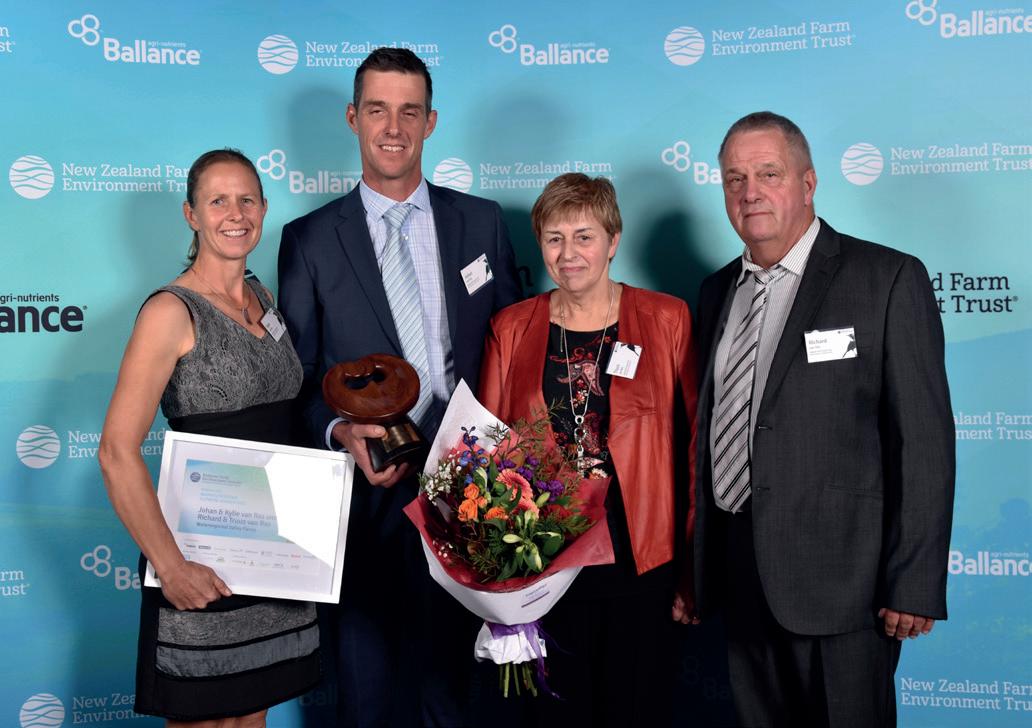
The Farmlands shareholders’ efforts were recognised when they were named 2021 Regional Supreme Award winners in the Waikato Ballance Farm Environment Awards.
Their journey began in Holland nearly 40 years ago when Richard and Truus van Ras decided to move their young family to New Zealand in search of opportunity. Richard had a brother and sister here and while initially he continued working as a plumber, the couple’s goal was always to go dairy farming. They began as farm workers and through hard work climbed the ranks through to sharemilker, eventually buying a 42ha dairy farm in Te Aroha 25 years ago.
Son Johan remembers his parents did it tough. “Dad was also working as an AI technician and Mum cleaned houses to get by. They did the hard yards while also putting my sister and myself through university.”
By this stage Johan had started university, initially wanting to become a vet and ending up completing a Bachelor of Applied Science in Agriculture. From university he worked for Ballance as a nutrient specialist. Through his job he began meeting farming people and hearing and seeing their stories and realised that was the life he wanted.
In a twist of fate, the opportunity arose to lease the dairy farm across the road from his parents’ farm, with Johan starting out milking 170 cows.
Johan had already met wife-to-be Kylie, who was at Massey University completing her vet degree. The two van Ras couples lived across from each other for about 5 years before Richard and Truus decided it was time to sell up and moved to town. The idea of being off the farm didn’t gel with Richard and Truus and with Johan’s lease due to be reviewed the family decided to buy a property together.
They looked at a lot of properties and in 2010 bought a 76ha farm just down the road in Tatuanui, about 10 minutes from Morrinsville on SH27. The location also meant the opportunity to supply milk to the nearby Tatua Dairy Company, an independent co-operative specialising in value-added products.
The predominantly flat farm is long and narrow with a 66ha milking platform and a 1.8km stretch from the cowshed to the back of the farm. The family named the property Waiorongomai Valley Farms after the Te Aroha area they had been living in.
Johan took his own herd to the new property. He runs a KiwiCross breed to provide the best qualities of both Friesian and Jersey, he says, which suits their family practice.
Around 50-55 replacements are kept on-farm until late summer when they are then sent off-farm to graziers who have been rearing the van Ras’s stock for decades.
Around 8ha of maize silage is grown on-farm annually, re-grassing as they go. While the average rainfall is 1,200mm, there is no irrigation, so the farm is at the mercy of the weather.
Palm kernel is used in early spring for mating and to top up in a dry summer.
Johan says the feed pad, put in around 2013, is a game changer.
“Our wet winters meant a huge wastage of feed, which stock trampled into the ground.
“We’ve seen huge benefits. The first day I fed out on the pad I gave the cows as much as I had been giving them in paddock and the amount of feed they left behind showed me how much they were wasting.
As we’ve learned what the property is capable of, we’ve actually destocked and now milk 215 cows.”
“When we moved here, we pretty much followed what the previous owners had done and started off milking 245 cows. But as we’ve learned what the property is capable of, we’ve actually destocked and now milk 215 cows and have gone from producing 77,000 kilograms of milksolids to an average of 100,000 kilograms of milksolids a year.”
Johan and Richard are always keen to hone their operation. Early on they installed a UV disinfection system for their bore-sourced drinking water. This was followed by a trial to introduce a water filtration system that addressed the iron, manganese and hardness in the water.
“We had been using a sand filter but the new system used two different types of media and chlorine to take the iron and manganese out and soften the water, which has had a big impact for us, both across the cows and domestic supply.”
Investing in this unique water treatment system includes the use of Halo Systems and Monitoring, which uses state-of-the-art technology to run systems tailored for specific needs. “It’s an awesome system and as well as managing our water we added our effluent management and then our vat monitoring.
“Dad’s coming up 70 this year but has always been keen on the technology side. Once he could see the benefits of technology he was converted and now he’s all for it. We have also focused on nitrogen management and significantly reduced our nitrogen loss.”
Johan used to do the nitrogen spreading himself from a tractor with 2 tonne bags of urea but knew his method wasn’t efficient. “I started using Tracmap which is GPS-based and
narrows down the area of the farm the urea is being spread, such as gateways, troughs and drains. I also switched to a bulk spreader to ensure there is no overlap. This approach immediately took out 3 hectares of land we weren’t fertilising.
“Tracmap has become a huge part of our nutrient management and provided the knowledge of how much we are spreading and where the nutrients are going. We still apply nitrogen but have reduced from around 240 kilos of N per ha down to around 163 kilos per hectare, and that includes what we use on our maize crops.”
While the efficiency tweaks have not changed production levels, Johan says there are noticeable cost efficiencies around fewer inputs.
For farmers wanting to optimise their land, Johan believes the catchphrase ‘Know your numbers’ is key. “There’s no need to spread effluent or apply fertiliser where it is not needed. If you are spending over $100,000 on a tractor then I would recommend spending that bit extra on a GPS, which provides so much data and improved accuracy.”
The property has a farm environment plan, which was the catalyst for planting 8,000 natives on a 4.5ha wetland area at the back of the farm. They have also fenced off major drainage waterways that run through the farm and recycle their plastics and scrap metal.
“We like to think to the future. As neighbouring communities, we are all linked by waterways. If we all do our bit along the way we are helping out the bigger waterways. There is a lot more focus on sustainability now and on our farm we just try to do the best we,” Johan says.
Dad comes down to the cowshed every morning... He’s awesome, he’s my No. 1 go-to essential worker.”
“We didn’t enter the farm environment awards to win. We knew the calibre of the judges and feedback and we wanted the experience and to learn about new initiatives and get a fresh perspective on what we were doing.
“We were quite shocked to win the supreme award because there were some exceptional finalists who had done some pretty amazing things on their properties. I think our selection was based on a combination of what we do and that we are constantly looking to improve our environmental impact and to balance sustainability with profitability.”
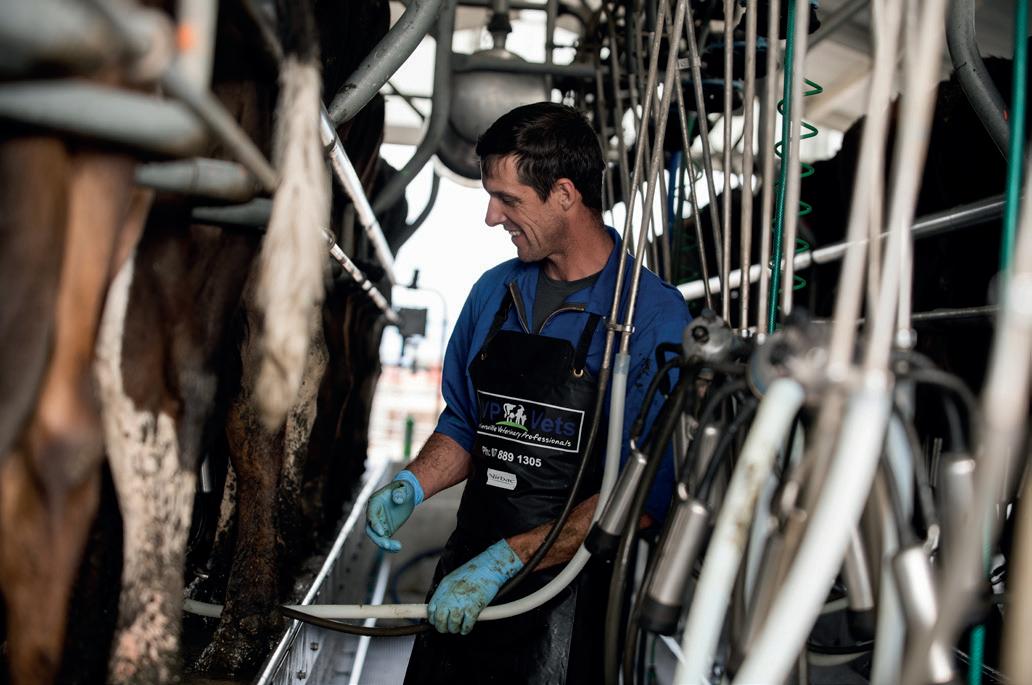
Johan admits life can get hectic, especially for Kylie, a large-animal vet who is with MVP Vets in Morrinsville. “Being married to a vet means she sees everything, so I’ve got to make sure I’m on the ball.
“Plus our children, Blake 12, and Dana 9, keep us busy, although having grandparents on the job is handy and Kylie’s parents also live close by and lend a hand. We have a strong family bond and all live and work on the farm. Our family enjoys working together across the generations and working towards a successful family business. We have some good discussions and we always end up agreeing – we’ve never not been invited back for dinner. Everything we do we talk about first.
“Dad comes down to the cowshed every morning, we have a yarn, work through the ins and outs and make any decisions we need to. He’s awesome, he’s my No. 1 go-to essential worker, out there mowing and topping paddocks with his clogs on. Dad is part of why we are doing what we are doing. It’s about a legacy. We have targets so we can improve the environment for future generations to come.”
Photos courtesy Diprose Miller Limited, Chartered Accountants, Morrinsville, Te Aroha
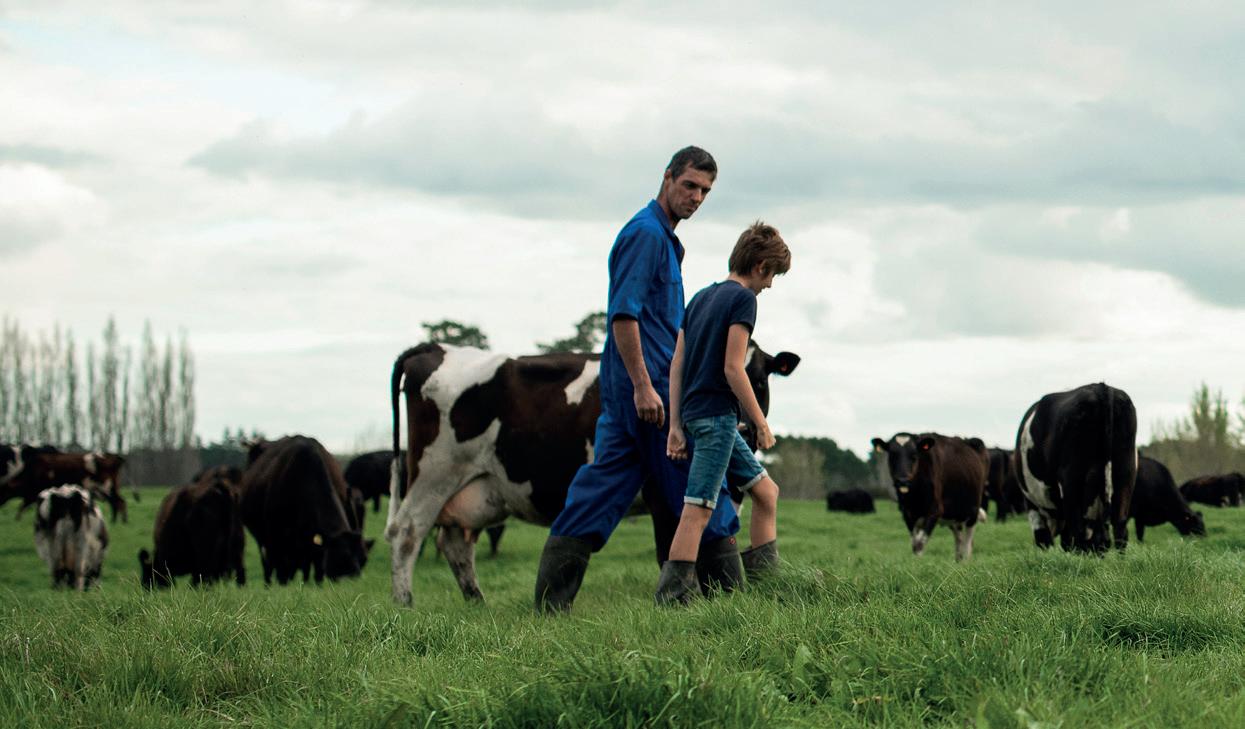
| Johan took his KiwiCross herd to the new property.
Judges praise teamwork
The Ballance Farm Environment Awards, run by the New Zealand Farm Environment Trust, champion sustainable farming and growing.
As well as the Waikato Regional Supreme Award, the van Ras family received the Ballance Agri-Nutrients Soil Management Award, DairyNZ Sustainability and Stewardship Award, WaterForce Integrated Management Award and Synlait Future Leaders Award.
In their comments, the awards’ judges said the family were good adopters of technology and understood the value of using accurate data to inform good management practice and sustainable business decisions. They described the van Ras family as humble, understated and high achievers who value their community. “They have come a long way on their journey, pacing themselves with well researched decisions achieving a high standard of development. They have a great thirst for information and knowledge on how to improve on current practices and plans while being aware of their farm limitations and stock accordingly to maintain good stock performance and wellbeing.
“It is evident that the van Ras family work well as a team and have an excellent succession plan across three generations. We believe that this farm business offers many industry leadership opportunities for the van Ras family,” the judges said.
| Kylie, Johan, Truus and Richard van Ras on awards night.
NOTICE OF ANNUAL GENERAL MEETING
You’re invited to the fifty-eighth Annual General Meeting of shareholders of Farmlands Co-operative Society Limited.
Shareholders are invited to join the Directors and Executive of the Society for refreshments at the conclusion of the meeting.
WHEN:
Thursday 18th November, Doors open 12.00pm Event starts 12.30pm
WHERE:
RSVP:
Farmlands Co-operative Support Office, 535 Wairakei Road, Christchurch
Or livestreamed on the Farmlands website
By 4th November 2021 at www.farmlands.co.nz/agm To attend in person or online
Parking available onsite and will be signposted.
Head start for NZ in sustainability drive
First up, what is agronomy? Great question! Behind the word is a really broad definition encompassing many different aspects, but in simple terms agronomy considers how to grow crops effectively, profitably and while caring for our natural resources and environment.
What attracted you to it as a field of study?
I fell into agronomy during university days because it seemed a lot easier to earn money by driving combine and pea harvesters than shearing and farm labouring! From there I started to pay attention to the crops I was harvesting and how they are grown.
Do you think agronomy and farming systems are becoming more sustainable?
Yes. From a New Zealand perspective, with only a few exceptions, our farm systems are pasture-based (even our arable systems generally have a pasture/livestock component) and have always had the advantage of being based on sustainable practices.
Farmlands’ Head of Agronomy and Farm Systems, Sam Lucas, says our natural advantages put NZ farmers in pole position in the global race to greater agricultural sustainability.
I am really enjoying the current discussions and focus towards the environment, including carbon and regenerative agriculture, that have shaken the industry. It has challenged us to think about how we can be better and potentially do things differently. Generally New Zealand farmers have been and will continue to be excellent custodians of the land. The farming industry has also been quick to adopt new technologies and change when needed and the modern farming business of today is a far more complex and evolved business from only 10-20 years ago. I am excited to think how farming will continue to evolve to meet the new challenges and be better for it.
What do you think are the key components of a sustainable farming system?
Our understanding of sustainable continues to evolve as well. We now have a far broader focus of what sustainable means. Previously our focus was on efficiently producing product with consideration for the environment; we now consider the environment before we produce. It’s a subtle shift in words but a big shift in attitude. We firstly need to consider that sustainable farm systems need to
be profitable – if they’re not profitable they aren’t sustainable. Coupled with that is preserving or improving our natural capital/resources, e.g. soil and water and also our people and wellbeing, something that has previously not been well recognised. The Maori philosophy of kaitiakitanga really resonates with me, I love the concept of people, land and environment all being connected.
You must have come across some inspirational stories of farm turnarounds?
I’m inspired all the time and love hearing the DairyNZ stories of farmer-led catchment groups and the good work being done. I have a special affinity with the high country and have been lucky to have had some long-term involvement with the Rakaia Gorge area in the Canterbury foothills, an amazing place of natural beauty. They all do a wonderful job and there are a number of inspiring farms doing fantastic things in terms of care for their environment and continually looking for improvement, particularly incorporating regenerative philosophies to their farm systems.
Chris and Jo at Glenthorne Station and Paul and Prue Ensor at Glenaan Station are a couple that come to mind.
There are a number of inspiring farms doing fantastic things in terms of care for their environment and continually looking for improvement.”
What advice do you have for any farmers hesitant about taking the leap into greater sustainability?
It can be overwhelming for farmers at the moment with the talk of change and new challenges such as greenhouse gas emissions. However, it is important to put it into context and realise it is more a hop than a leap. Our farm systems are based on good historical sustainable practices and it’s important to recognise the good work farmers have done. A farm environmental plan (FEP) is an important document going forward. An FEP is an environmental risk management tool. It helps farmers and landowners recognise on-farm environmental risks, and then sets out a programme of action to manage those risks. Most of the content of an FEP is all the good practices that are done on the farm – we just need to verify it by putting it in a document. Incorporated in the FEP is having a measure of your nutrients used and lost. The new one is a measure of greenhouse gas emissions – all farms will have to provide this by the end of 2022. There are several ways
you can do this. Beef + Lamb, DairyNZ, HortNZ, FAR, Fonterra, Synlait etc all have approved FEPs and tools to calculate greenhouse gas emissions. Overseer, although being reviewed, also can provide both nutrient and greenhouse gas gains/losses.
Are you hopeful for our farming future?
Absolutely. I am excited to think how farming will continue to evolve to meet the new challenges and be better for it. A natural product will always be competitive against the challenge of synthetic products and New Zealand is in the box seat to provide a free-range, environmentally and welfare-responsible product. However, I sympathise with the farming community as inherently farmers want to do the right thing and that is difficult at the moment as new legislation is forever changing and new regulations have been unpractical and costly. It’s a challenging time but I think the industry organisations are doing a good job lobbying Government and I am optimistic that policies will mature out.
What’s your favourite way to spend the day? What do you do for time out?
I love following my kids’ achievements, be it sporting or academic. But if it’s me, general fitness and outdoors. We’re blessed in Aotearoa with natural landscapes and fresh air so a run, bike, ski, surf, tramp or hunt is the best medicine for the soul. Catching up with good friends also.
Is there a book, author or speaker you have found particularly helpful in your life or career?
I enjoy a good book. Career-wise, I have recently read Nicole Masters’ For the love of soil and really enjoyed it.
More generally, Can’t Hurt Me by David Goggins is great, it definitely motivates me to go on that run or bike when I’m not quite feeling it.
If you could give people one piece of advice, what would it be?
I’m not sure I should be giving anyone advice but I often tell my kids to do what you enjoy and whatever you do, do it well.
Connections central to innovation park's vision
Adding value to the land of the Far North has inspired the cultivation of an innovation and enterprise park with a special interest in local employment and sustainability.
The 240ha site of the Ngawha Innovation and Enterprise Park, about 3km east of Kaikohe in Northland, was purchased in 2018 after community consultation. Far North Holdings, the commercial and development arm of the Far North District Council, purchased the land on behalf of the community and began the feasibility and business case to develop the greenfields site. Now partnered with central government, local and national businesses, education and training agencies, research and development providers and a local hapū, the park in 2020 had six education and horticulture-based tenants signed on to begin construction. Opportunities are open for emerging crops, processing and value-added businesses to join the park as a centre of excellence for ingredients for the health and skincare market.
Designed to create employment and provide education for the community and to enhance skillsets, particularly in horticultural and agricultural practices, Ngawha is growing into an example of the land diversification opportunities
available to farmers and growers both within Northland and throughout the rest of the country.
Stage one of the park’s infrastructure development began in November 2020. Farmlands’ shareholder Kaikohe Berryfruit LLP has 10ha of hydroponic tunnels going in, with plans for additional crops and manuka honey and oil processing. Olivado, the world’s largest producer of extra virgin and organic avocado oil, is due to start construction soon. An Education and Innovation Centre and Regent Training Centre are due to be finished in September 2022 and NorthTec’s Mid North campus will be operating in February 2023.
Sue Dobbie, the “chief connector” for the park, has been involved since the get-go and has been part of the team behind making the park an attractive place to set up businesses.
“Northland, particularly the Mid North, has a good climate, high-quality soils and a lot of things can be grown there. One issue is a lack of water so the Matawii Dam has been implemented as the first part of the Mid North water storage scheme,” Sue says.
Just across the road from Top Energy, the park will also enjoy a cheaper
electricity supply. Provincial Growth Fund money has funded infrastructure costs to open up the site.
For Sue, a priority has been increasing employment rates within the community and making sure the businesses are getting the skillsets needed to succeed.
“We are very focused on bringing in education and training based on what the businesses need. Instead of offering courses willy-nilly, the employers just need to tell us what they require in their workforce so that we can ensure their people are trained specifically for them. As well as standard NZQA qualifications, people will receive micro-credentials in recognition of their skills and training for their industry, for example horticulture,” Sue says.
“We have a skills and employment coordinator on-site that works with businesses to get the information on who they are needing and then keeps an eye out for locals who can grow into those roles. There is active engagement between the community and the park.”
Training opportunities will start with Regent Training Centre and NorthTec.
Regent Training Centre, a private training organisation with campuses throughout Northland, will train 15 to 19-year-olds in trades on-site, while NorthTec will offer
We are very focused on bringing in education and training based on what the businesses need.” Sue Dobbie
higher-level trades courses and training in horticulture, automotive, welding and more. Regent Training students will aim to build six houses a year to be used as social housing within the community.
“There is a lot of seasonal work associated with horticulture so we are also working on how to keep seasonal workers employed full-time by training them and connecting them to different employers across different crops as the seasons change,” Sue says.
A centrally based Education and Innovation Centre will support a coworking space for businesses, regional economic development agency Northland Inc, Crown researchers and universities. ‘Hot desks’ will be available for staff needing to work within the Far North.
“The Education and Innovation Centre will have access to meeting rooms, video conferencing and café spaces — it will be the beating heart of the park,” Sue says. While upping the employment rates in Northland, Ngawha will also support inmates transitioning from the Northern
Regional Corrections facility through release-to-work programmes and eventually into permanent work upon release.
“Released inmates are some of the most reliable workers so we have a relationship with Corrections to make sure they are meeting the needs of the employers so they can go into full-time work,” Sue says. Ngawha’s commitment to sustainability is a drawcard for attracting businesses. The park will run on a circular economy, with all waste being recycled for other uses. Olivado will run an anaerobic digester alongside their factory, creating a source of biomethane, heat and energy to run their trucks and factories. Green waste from the horticulture element of the park will also move through the digester and be recycled as liquid fertiliser with minerals added in.
With more closed-loop manufacturing opportunities in the park, less raw produce from Northland will need to travel over the Auckland Harbour Bridge to be processed.
“The central reason for the park is to encourage more value-add manufacturing. We don’t have much manufacturing infrastructure in Northland so are really starting from scratch but it means we can show farmers and growers how to grow the value of crops from scratch as well,” Sue says.
“Ngawha is also not your typical industrial site. There has been very sensitive development amongst the native trees and wetlands in the area. Of the 67 endangered tree species in Aotearoa, we have 63 species on-site. Before any trees were felled, mana whenua have collected seeds, raised them in a nursery at the Corrections centre and they will be planted back on-site.
“Local whānau are closely involved and Ngawha is designed to be a place of wellbeing for everyone who works there – it needs to feel like it belongs to the community.”
Farmlands has embraced the chance to connect farmers and growers to the land diversification and value-add opportunities. Northland Technical Advisor Matt Punter has worked closely with Northland Inc. and farmers in the region through the Kaipara Kai programme and was a catalyst to cultivating the relationship with Ngawha Park.
“Farmlands have partnered with Kaikohe Berryfruit LLP offering technical support and product stewardship. It's great to be part of a sustainable innovation and the future proofing of the horticultural sector. Farmlands are committed to offering sustainable and more eco friendly solutions," Matt says.
“Our technical expertise offers a support network to farmers and growers taking on the diversification opportunity – Ngawha can show that your ideas can be a reality.”
With stage one due to be completed by the end of 2022 and stage two still to come, the Ngawha Innovation and Enterprise Park is a glimpse into the future and of exciting opportunities to come.
Growers in good heart over hazelnuts
Talk of growing hazelnuts in Canterbury may have seemed visionary at best 20 years ago but those that took the step are now reaping the rewards.
For Farmlands shareholder Peter Barrowclough, planting hazelnuts on his 10ha property in Canterbury was born of a desire to fill his land with a crop that provided a good return, was environmentally friendly and easy to manage.
That was 12 years ago. The Chair of the Hazelnut Growers’ Association of New Zealand (HGANZ), Peter is now being rewarded with strong and consistent yields of a nut that most will associate with Nutella chocolate spread or Ferrero Rocher chocolates.
“I needed something that I could manage while still working full-time and hazelnuts are relatively bulletproof – they aren’t too frost sensitive and do their pollination during the middle of winter,” Peter says.
“I purchased the trees from a local nursery and planted 3,000 on approximately 3ha. I have the Whiteheart variety – it is a smaller tree than the other varieties but produces a high-quality nut but lower yields per tree than some of the larger varieties like Barcelona.”
Introduced 20 years ago by Lincoln University’s Professor David McNeil, the Whiteheart variety fits well into the cooler Canterbury climate and offers strong disease resistance.
“They start producing after 4 years of growth and then there is a delay before they hit peak production after 10 years. From there you’re getting 20 years plus of production,” Peter says.
“It’s a consistent crop but does have some biennial bearing tendencies. Other varieties that can grow in New Zealand are Barcelona and Ennis but the Whiteheart is the mainstay for the industry.”
Hazelnut trees are not favoured by many pests in New Zealand, adding to the ease of care.
“We get the occasional rabbits but don’t have a lot of problems. While the Australian orchards have trouble with kookaburras, the trees themselves don’t generally suffer from pest and disease and I haven’t had to use sprays on the canopy,” Peter says.
“The real bonus is not having to harvest straight away – the nuts start falling in early March and if I can’t get to them straight away they’ll be fine for a couple of weeks.”
For domestic hazelnut growers, most of their produce is sold locally. Peter supplies to a commercial processing facility but many growers process the nuts themselves to sell at local markets or to bakeries.
Farmlands’ Category Specialist for Horticulture, Kasia Henderson, stumbled into the industry when she and her husband bought a plot of land outside Christchurch that had an existing hazelnut orchard.
“Hazelnuts grow wildly where I grew up in Poland so I was familiar with them. We started with a small orchard of 10-year-old trees when we purchased our property and found very quickly that there was a market for fresh hazelnuts. As demand for our products grew we started harvesting nuts from a neighbouring orchard of 1,800 Whiteheart trees.
“We have been able to build a small business from it. We harvest and process nuts to make a variety of products from roasted and raw kernel to oil, dukkah, butters and flour to sell at local markets and boutique retail outlets.
“Hazelnuts are relatively easy to grow, hardy and don’t have big input requirements so you can have them as part of a lifestyle block to provide an extra income stream.
“However they can be quite labourintensive during harvest and for processing so you do need to have a significant amount of trees to justify the purchase of harvesting machinery
and processing equipment. If you don’t want to process the nuts yourself, there are commercial factories purchasing locally grown produce,” Kasia says.
New Zealand doesn’t have a significant hazelnut export industry and imports a lot of nuts to meet local demand.
“The nuts are imported from Turkey but by the time they reach NZ they can be old and even rancid due to their high oil content,” Peter says. “Bakers and food producers prefer to substitute NZ nuts as they are fresher.”
Kasia is also frustrated with the quality of the nuts being imported and sold here.
“The hazelnuts we grow are fresh and of a premium quality. In order to keep the kernel fresh we crack them on a regular basis. The imported nuts are cracked and processed overseas so after several months in shipment, by the time they get to New Zealand they are dark and can look awful,” she says.
“People buy them in the supermarket, taste them and aren’t very impressed so when we try to market our premium nuts, customers have already decided that they don’t like the taste. When they do try locally grown nuts however, they are often pleasantly surprised.”
Peter believes opportunity in the local market is substantial as the crop has a good environmental footprint – you’re not getting any of the nitrate issues that are an
The nuts start falling in early March and if I can’t get to them straight away they’ll be fine for a couple of weeks.”
aspect of some other farming systems.
“In order to grow the industry however, we need to get more genetic material into the country. There are varieties being developed at Oregon State University and the climate there is similar to Canterbury,” Peter says.
“Getting new material through New Zealand’s quarantine system is slow. It’s currently a 3-year wait to get options into system plus longer for the quarantine. We don’t have any major diseases of hazelnuts in NZ at the moment so have to be careful we don’t let any in as our trees wouldn’t be resistant.”
With opportunities for growth and the easy-care nature of the crop offering an option for land diversity, hazelnuts are
on the rise. “There are a lot of benefits from eating locally produced nuts, they’re a healthy option,” Peter says.
“The demand for hazelnuts is growing worldwide so should production in NZ grow beyond the domestic market I think there will be an opportunity to export.
“Our nut genetics need to improve to make sure we are getting more returns per hectare but as there is more attention coming onto the environmental footprint of the agriculture and horticulture industries, hazelnuts are becoming a good option for farm diversity,” Peter says.
“Just don’t plant them on a hill,” Kasia says with a laugh. “Otherwise nuts will drop off the trees and just roll to the bottom!”
Photos courtesy of Lincoln Agritech Ltd, Peter Barrowclough and Kasia Henderson
| The trees hit peak production after 10 years and then continue to crop for another 20.
| Peter Barrowclough of the Hazelnut Growers’ Association says global demand is growing.
Restoring the magic on marginal land
When Henry Whyte looks back at some of the practices he encountered growing up on a Bay of Plenty sheep and beef farm in the 1980s, he cringes. Things like lighting fires with an old tyre full of diesel, dumping rubbish into a hole in the ground and unapproved disposal of industrial chemicals.
Now he wants to help farmers improve their farm environment by turning marginal agricultural land into sustainable natural assets. To that end, the ecologist and Farmlands shareholder has founded EcoResto, a business that works with landowners and stakeholders to revert any pockets of land that are degraded, unproductive or unprofitable to native ecosystems.
“Our mission is to make things better today than they were yesterday and better tomorrow than they are today. It’s that simple,” Henry says.
To find out more, we asked Henry some questions about EcoResto and its work.
Where did the idea for EcoResto come from?
When it comes to New Zealand, Fred Dagg said it best: “We don’t know how lucky we are!” My appreciation and respect for the environment stems from growing up on a farm and being an avid outdoorsman. After studying ecology, for me, restoration was the next logical step.
With the push for increased sustainability, it’s like an idea whose time has come?
It’s a no-brainer. If we want the future generations to enjoy the lifestyle we currently have, we must reach our financial, environmental and social/ cultural sustainability goals. There really isn’t any other option. Our model hits all of those key targets.
What are some projects you have been particularly proud of?
In Te Puke we excluded stock from old-growth bush, worked with our local
iwi to register a pa site with Heritage NZ and, with help from the One Billion Trees Fund, replanted low-productivity erosion-prone slopes, the maintenance of which previously caused all sorts of issues for our friendly horticulture neighbours. It’s a win all round. The views were pretty good too.
What should landowners look for when choosing land for restoration? Really, it’s the low-yield parts of your farm that cause the headaches. A steep, hard to access, gorse-infested gully with a watercourse at the bottom would be perfect. If you restore those areas then you’ll have more time to focus on your highly productive land for better yield.
A steep, hard to access, gorse-infested gully with a watercourse at the bottom would be perfect.”
Do you have a vision for the difference your work can make?
Our vision is to restore the environment and increase on-farm productivity while tapping into various programmes that reduce the expenses and even generate income for the landowner. We’re ecologists now but we were farmers first so we understand the big picture.
www.ecoresto.co.nz
| Henry Whyte sees a win-win in his work, for farmers and the environment.
| EcoResto intern Taj clears a patch of ivy from riparian vegetation.
When biodiversity thrives the environment thrives
Biodiversity has become one of modern agriculture’s bywords. What does it mean though, and why is it important? It’s easy to get overwhelmed by the words, the regulations and the changes but bringing it back to your farm or business can make it easier to get a handle on.
Farmers are some of the best conservationists. They know that biodiversity is essential for a healthy ecosystem, farm, region and community. They are in an excellent position to manage significant native biodiversity on their land as they know the outcomes vary within farms, across districts and between regions.
When we conserve biodiversity, we are protecting evolutionary potential.”
Thought leadership from Farmlands’ Head of Sustainability and Land Use, Katie Vickers, on the importance of biodiversity on and off-farm.
It’s vital for farmers to understand the part we can play in building resilience. Economic viability and biodiversity are inextricably linked so our role is to work with industry to make sure we have the capability and products to support our custodians of the land. We owe it to upcoming generations to ensure the biodiversity within our environment is thriving. One person dedicated to supporting and engaging landowners with biodiversity is David Norton, a Canterbury University Professor and passionate ecologist and conservationist. I spoke to him about the importance of biodiversity and what farmers can do to build it into their management plan.
What is biodiversity?
David: Biodiversity can be understood in three ways. In New Zealand, we have both exotic (introduced) and native biodiversity. Native biodiversity encompasses species that grow naturally in New Zealand, for example tōtara trees and kiwi.
Biodiversity is also about genetic variation within those species, so not just having one individual kiwi or tōtara is important. It’s about having populations that are genetically diverse and therefore able to cope with change. When we conserve biodiversity, we are protecting
evolutionary potential. It’s also about the systems in which those species live. Those systems must provide the right environment for the species to survive and thrive.
Genetic diversity, species diversity and ecosystem diversity are the three key factors to keep in mind. Species first, then thinking about their adaptability through genetic variation, making them resilient and able to cope with change, and then the ecosystem for them to survive in.
About 85 percent of our plants, most of our land birds and freshwater fish and all of our reptiles and frogs only occur here in New Zealand so we can’t conserve
them anywhere else in the world. Native species are different to gorse and broom and rats and possums, which are exotic and have been introduced. If we lose our native species, they’re gone everywhere.
Why do farmers need to be interested?
Biodiversity encompasses the variety of living things, whether they are plants, animals or fungi, As well as being important for its own sake, native biodiversity provides essential services as inputs to commercial production in the forms of nutrient cycling, pollination, natural pest control etc. Three reasons farmers need to be interested in biodiversity are:
Generational Farmers have roots in the land. We all love this environment and this is a big driver for protecting and encouraging biodiversity. It is a win-win for you and your property, and we owe it to our subsequent generations to support a thriving planet, being good ancestors.
Market There is growing awareness within the market through programmes like The New Zealand Merino Company’s ZQRX that encouraging biodiversity is a key part of our story,
and of course healthy biodiversity also contributes to healthy waterways and carbon sequestration.
Regulatory We have many native species that are unique to our country. Some of these, along with their ecosystems, are under threat of extinction. The Government is proposing a National Policy Statement for Indigenous Biodiversity that will impose requirements on farmers.
How do you build biodiversity into your farm management plan?
Enhancing biodiversity on your farm also goes hand in hand with sustainable land management practices. For example, planting a shelterbelt that includes native trees will not only offer habitats and food for birds, bees and spiders but also prevent soil erosion and provide shelter for livestock from the elements.
Beef + Lamb NZ has developed a biodiversity module as part of its new Farm Plan that can help you incorporate biodiversity into your farm management. The first step is to understand what biodiversity you have (e.g. forest, wetland and grassland remnants, and
their constituent species). On your farm map, draw lines around areas of native biodiversity (e.g. remnant forest) and if you know what the species are, write them down. Reach out to your local catchment group or other knowledgeable people (NZ Landcare Trust, QEII National Trust etc) who can help you learn more about biodiversity in your area. Once you have described what you have, set your vision for what you want the biodiversity on your property to look like in the future and then set some goals towards achieving this. Write down what you want the farm to look like in say the next 30 years, then work backwards in 5-year increments, working through each of the “to-do” steps to make it more realistic to achieve. It’s not ecologically or economically possibly to implement biodiversity work all at once so make it realistic within your farming system. And set up some photo monitoring so you can track the changes that occur from your management.
WHERE TO GET YOUR PLANTS
These nurseries are also Farmlands Card Partners:
• Norfolk Road Nursery – 7.5% rebate.
• Greenmachine – 5% rebate.
• Southern Woods Nursery
• Midland Horticulture – 5% rebate.
• Kauri Park – 2.5% rebate.
• Orari Nursery/Garden Gloves – discount at point of sale up to 70%.
At Swanndri, we’re proud to support New Zealand farmers and wool growers. From the first bushshirt ever produced back in 1913, right through to the Swanndri garments we make today, high quality, locally grown wool has always been a part of who we are.
It’s not only because wool is nature’s miracle fibre, it’s because it is one of the most sustainable. Wool regenerates naturally, requires minimal processing, and is completely biodegradable. But of course, you already knew that.
What you may not know is that, here at Swanndri, we source the wool for our outerwear from ZQ certified New Zealand wool growers. ZQ is a wool certification standard that stands for better quality – for the animals, for the planet, for us all. Established in 2007, ZQ is the world’s leading sustainable, ethical, and traceable wool.
This way, we know we’re getting the best of the best, from farmers who share the same values and commitment to quality and sustainability. And now, we’re working with these same local New Zealand growers to take the next step in sustainable wool through ZQRX. ZQRX is all about helping wool growers give back. Using a regenerative index, it enables farmers to measure and improve how they do things like restore waterways, protect native species, offset carbon, and enhance local communities.
Importantly, ZQRX also recognises all the incredible work many farmers and wool growers are already doing. As a company that’s been working alongside Kiwi wool growers for over a century, we see first-hand the dedication, passion, commitment and care they have for their animals and their environment – not to mention the investments in time and money that have already been made.
With this in mind, ZQRX gives us – and other brands – a platform to champion and celebrate our growers’ efforts and achievements on a daily basis. Ensuring that wool – and wool growers – get the rewards and recognition they deserve for making the world’s most sustainable natural fibre even more sustainable. ZQRX is an ongoing journey, we’re proud as punch to have signed on along with a growing number of local wool growers and other world-leading brands.
We know that sustainability is increasingly important to everyone, and we know it’ll take all of us to achieve genuine positive outcomes for the people, animals, environment and communities we work with. That’s why, here at Swanndri, we’re committed to continuing and building on our sustainability journey. We know there’s lots more to do and a long way to go – ZQRX is just one of the ways we’re getting things moving.
NZ dairying leads in lowering emissions
New Zealand dairy farmers continue to lead the world in sustainable dairying but it’s important they not rest on their laurels.
Research commissioned by DairyNZ and independently produced by AgResearch confirms New Zealand dairy farmers have the world’s lowest carbon footprint, at half the average emissions of other international producers.
The country’s dairy sector is committed to remaining the most efficient producer of low-emissions milk in the world, driving emissions down through science, innovation and hard work. To maintain their top spot, dairy farmers need to continue to adapt their practices and adopt new technology and knowledge to reduce environmental impact.
DairyNZ chief executive Dr Tim Mackle says his organisation is focused on maintaining success in a global market
where consumers and communities are increasingly seeking sustainably produced food.
“New Zealand is known internationally for its low carbon footprint of dairy product, which is supported by this research. However, there is still potential to improve and achieve lower emissions and we are well aware other countries are also reducing the footprint of their dairy sectors.
“Our global competitors are never far behind and while we are world-leading at emissions-efficient milk production, we must continue to adapt and implement new technologies and knowledge. It is the right thing to do for our environment, our consumers and humanity as a whole.”
DairyNZ, the industry organisation that represents all New Zealand dairy
farmers, aims to support farmers through investing in research, resource development, extension and advocacy to ensure they lead the world in sustainable dairy farming. The organisation is involved in a wide range of research, investing dairy farmers' levies in climate change solutions developed through science.
The AgResearch analysis demonstrates that New Zealand has retained its outstanding position in low-emission dairy milk production, with an on-farm carbon footprint 48 percent less than the average of 18 countries studied. The research analysed 55 percent of global milk production, including major milk-producing countries. New Zealand is the most efficient producer at 0.77kg CO2e per kg FPCM (fat and protein
corrected milk), which is 48 percent less than the average of the countries studied. The average is 1.47kg CO2e per kg FPCM.
Dr Mackle says New Zealand has a natural advantage with a temperate climate and high-quality soil that is ideal for growing pasture. This advantage is preserved through New Zealand’s commitment to sustainable farming.
“Our carbon footprint is low due to good pasture and animal management that ensures high pasture quality and high feed conversion efficiency, with low use of imported and supplementary feed.
“The differences between New Zealand’s farm system and overseas farming systems are mainly management practices. For example, some farming systems overseas keep animals indoors during the winter, thereby increasing emissions from manure management and feeding. Also, some overseas systems have high milk production per head associated with increased use of concentrate/supplements. This leads to more emissions from production of brought-in feed.”
Dr Mackle says the research is vital in understanding how New Zealand dairy farms stack up and informs how our farmers can be even more efficient.
He says while a February study by AgResearch, ‘Mapping the carbon footprint of milk for dairy cows’, reinforced New Zealand’s world-leading status with science-based evidence, it is important New Zealand dairy farmers continue to adapt their practices and adopt new technology.
“Leading the world in sustainable dairy farming is testimony to New Zealand dairy farmers’ hard work and investment over decades. Our grassbased, outdoor grazing system is unique globally and is critical to our success, combined with the huge
amount of work under way to support farmers to reduce emissions.
“By continuing to deliver sustainable products, New Zealand dairy farmers will deliver for consumers, customers, communities, the environment and future generations.”
Innovations to reduce emissions are a priority. For more than a decade, DairyNZ has invested heavily in research and development and science to support farmers to reduce their environmental footprint and greenhouse gas emissions.
DairyNZ leads several research programmes and is partnering with others such as AgResearch, LIC and CRV in other projects.
The organisation invests about $1 million a year on research into climate change emissions reduction, mainly through the Pastoral Greenhouse Gas Research Consortium (PGgRc), and works closely with the New Zealand Agricultural Greenhouse Gas Research Centre (NZAGRC).
PGgRc conducts research on behalf of eight New Zealand agricultural sector partners, with government support, to find ways to reduce methane emissions through animal and forage breeding programmes, use of methane inhibitors and looking for potential vaccines to reduce methane emissions.
The primary sector, including DairyNZ, has established an innovative 5-year plan – He Waka Eke Noa – to work constructively and collaboratively with Government and Māori to make meaningful farm changes to reduce emissions.
A 5-year DairyNZ programme has also been introduced. Step Change is designed to equip farmers to act to reduce their environmental footprint while increasing their profitability. It is helping dairy farmers understand their greenhouse gas emissions
Leading the world in sustainable dairy farming is testimony to New Zealand dairy farmers’ hard work and investment over decades.”
DairyNZ's
Dr Tim Mackle
footprint and how to reduce it, while improving profitability.
Through Step Change, DairyNZ, along with other sector organisations, will deliver information, resources and support to help dairy farmers lift profit while contributing to better water quality and reducing greenhouse gas emissions. This includes sharing information from projects where farmers have already achieved these gains as well as access to tailored science-based solutions.
Celebrating all things organic
Organic Week celebrated the growth of the organic industry from the 11th-19 th September, culminating in the Organic Awards on the 17th September.
As COVID-19 disrupted the in-person events, Organic Week moved online, offering attendees the opportunity to discover from the comfort of their homes how organic practices help health, communities and the planet.
Farmlands was a Gold Sponsor of the Organic Awards for the first time as the Awards paid tribute to the hard work put in by essential workers throughout New Zealand and the agriculture industry.
Farmlands’ Head of Future Land and Food, Gaz Ingram is a familiar face within the organic industry and now plays a fundamental role in evolving Farmlands’ organic offering to the rural sector.
“The world is a changing place and organics is becoming more embraced and commonplace amongst the Farmlands team and branches,” Gaz says.
“It seemed appropriate to show support and love to the organic industry across all sectors and become a sponsor.”
Growing awareness of organics amongst the agriculture sector is something the Farmlands’ technical
field team are conscious of as they acknowledge the increasing consumer demand for healthy, spray-free produce, both domestically and internationally.
Based in the Bay of Plenty, Senior Technical Advisor Mark Loeffen has seen a surge in organic practices within the kiwifruit industry, particularly after Zespri released 50 hectares of gold kiwifruit licence per year, over the last 5 years, specifically for growing the fruit organically.
“Consumers are wanting softer chemistry and no pesticides as they become more conscious about what they eat,” Mark says.
“Organic practices have different challenges to conventional growing but right now, the returns on organics are higher which helps if you produce a little less.
“Most chemical companies in the horticultural sector are moving towards soft biological-type products and I’m predicting that in the next 10 years or so, even if you stay conventional, you’ll be using near organic products.”
The Organic Awards acknowledged and celebrated those who had done exceptional work within the industry over the year. The Organic Beverage
of the Year Award was presented by Farmlands and this year went to Carmen and Joop Verbeek from IncaFé Organic Coffee. Farmlands’ shareholder Bostock NZ also took out the Organic Brand of the Year Award and vendor Roots, Shoots & Fruits' Rootella left the night with the Organic Non-food Product of the Year Award. While the industry goes from strength to strength, Farmlands’ Manawatu Technical Field Officer Hamish Hogg encourages farmers thinking about converting across to organics to go in with an open mind.
“Do it because you believe in it and the health benefits involved. It’s about being proactive rather than reactive in terms of animal health and soil health,” Hamish says.
“It is a long-term game and you don’t have ‘quick fixes’ so if you look after your soil, pasture and stock the rewards will follow.”
To learn more about the organic industry or conversion, have a chat to your local Technical Field Officer or Technical Advisor, pop into your local Farmlands store or visit www.farmlands.co.nz/organic
Using seatbelts first step to saving lives
October brings the highest number of injuries related to on-farm vehicles. On average, 706 people are injured in such vehicle accidents during the month. October also brings the highest number of injuries caused by being trapped between a moving and stationary object.
“This is despite the fact that a few very simple measures dramatically reduce the risk of a farm vehicle accident becoming a fatality,” says Al McCone, Agriculture Lead for WorkSafe NZ.
“These are installing rollover protection on quads, wearing a helmet on farm bikes or quads and in side-by-sides and, simplest of all, always wearing a seatbelt where one is available.”
There were 14 vehicle-related fatal accidents on farms during 2020. Of the four farm workplace deaths in the first half of 2021, all were vehicle-related, with one quad rollover, one tractor rollover, one unspecified vehicle rollover and one crash on a twowheeled farm bike.
Analysis by WorkSafe in 2020 found that of vehicle-related fatalities, nearly half those that occurred on-farm could have been avoided if a seatbelt was being used. Of every 10 fatalities where seatbelt use may have been relevant, nine people were not wearing them.
“We have to stop perpetuating the myth that you are better off not wearing a seatbelt and ‘jumping free’ from a rolling farm vehicle,” says Al. “Many farm deaths occur when people jump or are thrown from a vehicle and it rolls on them. Don’t listen to anyone who tells you otherwise.
“Installing crush protection devices on quad bikes or side-by-sides is also a very simple way of improving vehicle safety on your farm.
WorkSafe and ACC are working together to ensure this is affordable for farm businesses.”
If you are self-employed or own a small to medium-sized farming business with up to 99 employees, you may be eligible for an ACC cashback offer of $180 plus GST on the Quadbar, Quadbar Flexi and Lifeguard crush protection devices. Tragically, children feature strongly in quad bike accidents and fatalities. ACC figures show that dozens are admitted to hospital due to quad bike injuries each year.
DEADLY TOLL
There were 14 vehicle-related fatal accidents on farms during 2020.
• Seven people died as a result of quad bike rollovers, falls from quads or being struck by a rolling quad.
• One fatality was a result of being hit by a side-by-side.
• Three were a result of a tractor roll or being struck by a rolling tractor.
• One was an unspecified farm vehicle rollover.
• One was a tractor-related crushing injury.
• One was a car-related crushing injury.
“You should not allow anyone under 16 years of age to ride a quad bike with an engine capacity of over 90cc,” Al says. “Children and young people often lack the strength or weight to effectively handle a quad bike or ATV and no matter how sensible you believe that young person to be, they may not have the maturity either.
“The bottom line for any farmer is that they are busy people doing physical work so they will get fatigued and sometimes they will make a mistake due to that fatigue. They can’t rely on doing things right every time. Seatbelts and crush protection provide a layer of insurance that will make the difference between life and death.”
Article supplied by WorkSafe
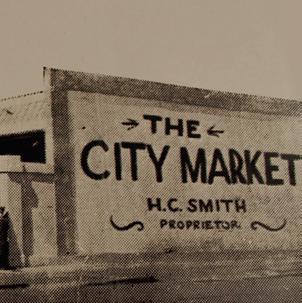
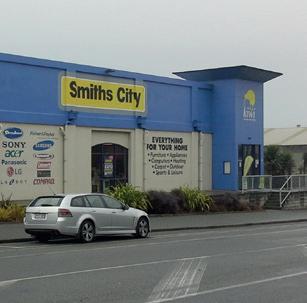
Smiths City is a leading New Zealand-owned homeware retailer with 24 stores nationwide and its head office based in Christchurch. Smiths City has been looking after Kiwis for 103 years. It is proud of its history as a pioneer in New Zealand retail and it has built a loyal customer base. With the help of new owners and management last year, Smiths City has been breathing new life into its store network and a refreshed brand. It’s an exciting time for the business, with lots of changes and a real focus on service, partnerships, technology and growth.
While the products it sells have evolved, Smiths City still holds on to those old school, regional values that have brought success and longevity over such a long time. The firm prides itself on having friendly face-to-face conversations with people and really understand its consumers’ wants and needs. ‘Do the right thing’ is one of its values and makes it stand out from some of its more pushy competitors. Smiths City wants you to feel just as comfortable instore as you do in your own home, helping Kiwis kit out their own homes.
The new marketing tone of voice was brought to life when the brand was refreshed in November, focusing on bringing to life the values of being a good honest local Kiwi retailer. Smiths City’s aim is to make it as easy as possible for the customer. It has a carefully curated range of quality products and doesn’t sell anything it doesn’t believe in. It gives expert advice in an
understandable and practical way. With top quality brands like Fisher & Paykel, Sleepyhead, Phil & Teds, Samsung and Apple, Smiths City has a product mix with strong brands and a great range.
Smiths City is a major sponsor of all five Super Rugby teams and has taken the prominent jersey sleeve position for the 2021 and 2022 seasons. The tagline for 2021 was ‘Proud supporters of your NZ Super Rugby team. And all the others, sorry’. Smiths City has a presence all around the country, which is why it makes sense to take on a national sponsorship that is important to a lot of Kiwis not only in cities but the regions also.
Smiths City has had a relationship with Farmlands over many years, with Farmlands being a key partner. Tony Allison, Smiths City chief executive, explains the importance of the partnership: “It’s a great synergy. Just like Farmlands we make sure we look after our rural customers. It’s a critical partnership for future growth.”
Smiths City offers exclusive shareholder pricing on a wide range of products. Using your Farmlands Card at Smiths City will not only save you money, it will save you time with one monthly consolidated bill. Head to Smiths City, present your card and ask the team for Farmlands Card pricing today!
Keep an eye out for exclusive Farmlands shareholder promotions throughout the year.
We all need them but don’t want to spend hours dealing with the
By switching to one of your essential service Card Partners or switching your payment method to bill through your Farmlands Account, you’ll get one consolidated bill each month that will save you time and might even save money in the process.
Find out how easy it is to go from this to that by visiting farmlands.co.nz/essentialservices
Articles in the Plan365 section allow Farmlands suppliers to share best practice and the latest advances in rural technology, to help shareholders with their farming needs all year round.
Flexibility needed in feeding broodmares
A broodmare’s nutritional requirements change throughout the stages of reproduction and it is important to adopt a flexible feeding programme to ensure nutrient requirements are being met at each phase.
Reproduction can be separated into early pregnancy, which is first and second trimester or 0 to 7 months gestation; late pregnancy, which is third trimester or 7 months gestation through to foaling; and lactation, which generally lasts for 5 to 6 months post foaling.
In early pregnancy the mare’s energy and nutritional requirements are similar to maintenance. While it is tempting for owners to increase feed when they discover the mare is pregnant, the ‘eating for two’ rule does not apply unless the mare has a foal at foot and is lactating as well. Increasing feed at this time can often lead to weight gain and associated problems, especially if the mare is generally a ‘good doer’. At this stage of pregnancy, 1.5 percent body weight in forage and a balancer pellet such as NRM Mare Balancer or NRM Progress is usually sufficient.
Energy requirements in third trimester are about 15 percent greater than in early pregnancy. Protein, amino acid and mineral requirements also increase significantly. Foetal nutrient requirements exceed mare’s maintenance requirements at this time and the mare’s diet must be adjusted accordingly.
The most important nutrients for third trimester are the trace minerals zinc, manganese, iron, selenium and copper as these are found at low levels in the mare’s milk. Therefore the foal needs to store these in the liver in the last 3 months of pregnancy to compensate for the low levels they will be receiving once they are born. Regarding diet, 1.5 percent body weight in forage and a balancer pellet such as NRM Mare Balancer or Progress or a well-fortified feed such as NRM Evolve or McMillan Broodmare is ideal. Additional energy can be supplied in the form of grain or the high fat stabilised rice bran KER Equi-Jewel, if needed for weight maintenance.
When the foal is born, the demands of lactation lead to large increases in requirements for energy, protein, calcium and phosphorus. Mares produce milk at a rate of 3 percent of their body
weight daily and weight loss will occur if energy needs are not met. It is important not to underfeed in lactation and always provide adequate calories to prevent weight loss. As well as increasing energy sources in the form of concentrates, lucerne hay provides additional energy over grass hay types as well as a source of protein and calcium. NRM Evolve or McMillan Broodmare are ideal for lactating mares and additional grain or Equi-Jewel can also be included in the diet to increase calories if required.
The overall goal of broodmare feeding should be to provide adequate energy to maintain optimum body condition while ensuring protein, vitamin and mineral requirements are appropriate for her stage in the reproductive cycle. For assistance with feeding plans for mares for conception through to pregnancy and lactation, consult an experienced equine nutritionist.
For further information, contact your Farmlands Technical Field Officer or the friendly team at your local Farmlands store.
Article supplied by Luisa Wood, Equine Nutritionist
| When the foal is born, the demands of lactation lead to large increases in requirements for energy, protein, calcium and phosphorus.
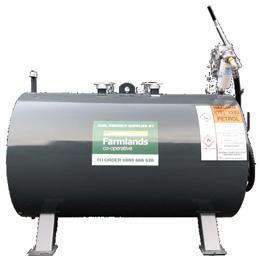
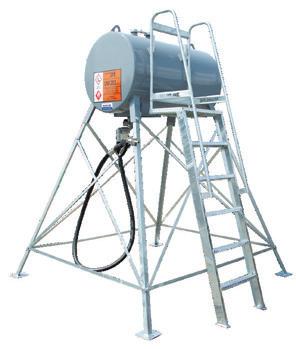
IS YOUR FUEL TANK COMPLIANT?
FROM JANUARY 1ST 2022, FUEL COMPANIES WILL NO LONGER BE ALLOWED TO DELIVER TO TRIPOD TANKS.
Purchase your new tank from Farmlands and save with exclusive purchase offers. Plus, you could win a Choices Rewards prize pack valued at $1,000 when you buy a fuel tank.*
Visit farmlands.co.nz/tripod-tank-replacement
*Terms and Conditions apply.
RESULTSVISIBLEWITHIN1 HOUR ON MOST WEEDS
Smooth weaning puts calves on good path
When rearing calves, the transition from nursery to grower phase can be critical. The nursery phase is when a young calf is monogastric, relying on the milk feed for all its nutritional needs. It then moves into the transition phase, when milk is being taken away but the calf may struggle to perform solely on grass. The grower phase then has the calf relying on a grass-only diet.
Calves reach transition at 10-12 weeks. This critical time coincides with the growing calf facing stresses and possible relocation, all of which affect its performance.
Some key factors can help the transition go smoothly and without major growth checks. How the calves were reared influences options but with all systems, increased growth comes with a greater appetite. Calves produced under a high-volume twicea-day milk system could potentially have had a slower rumen development. Those produced under a lower-volume or restricted milk system such as oncea-day tend to have a quicker uptake of a premium high-starch calf feed.
Abruptly weaning high-volume calves will have a detrimental effect. Best practice is to gradually decrease milk volume over 1-2 weeks and never water the milk down.
Decreasing the milk over time will help with transitioning as well as increasing grass and pellet intake. Weaning fully off milk should not happen till each calf is eating 1-1.5kg of a well-balanced premium calf feed per day for at least 3 consecutive days.
Weaning weights and weight gains are also key indicators to help wean successfully. The genetic potential of the individual calf should be taken into the equation, including whether you are rearing for a lifetime of milk production or for beef markets.
Well-grown calves are more profitable because they have a higher lifetime yield, achieve better mating targets, have fewer health extremes and are not rushed through weaning. Taking time weighing will pay dividends to your overall calf development and performance. Attention to detail will see a steady lift in weight gains, decreasing the chances of calves that get left behind and are less tolerant of disease, parasites or nutritional challenges. Post weaning, continue with pellet feeding for at least 21 days. Even if the animal has reached target weaning weight it will help during the transition. Ensure weaned calves always have the best quality pasture and access to clean, reachable water.
Weaned calves are at extreme risk during changes of weather, pasture quality, travel and mob size. A calf that can’t compete in a group will be well off target, with the gap between the good and poor doers just getting wider without intervention.
Monthly weighing, drenching, adding vitamins, minerals and a coccidiostat in a high-energy and higher-protein quality calf feed will keep the freshly weaned calf in optimum health as well as document its overall gains, taking away the guesswork.
Small changes during the transition phase eventually add up to huge results that will have health benefits and financial gains all the way.
For further information, contact your Farmlands Technical Field Officer or the friendly team at your local Farmlands store.
Article supplied by Karen Fraser, Technical Specialist
| Post weaning, continue with pellet feeding for at least 21 days.
FIRST IN ANIMAL CARE
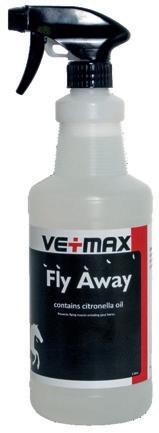
Fly Away
Tried and proven as an effective fly repellent.
Available in 1 litre and 2 litre refill
$52.50, $79.50 1023866, 1032434
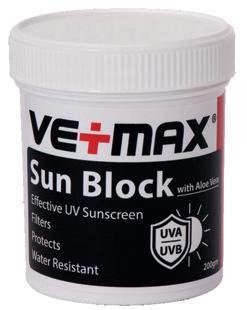
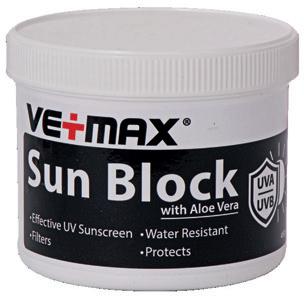
Sun Block Cream
Protective, soothing cream. Available in 200gm and 450gm
$35.50, $60.50 1035800, 1035786
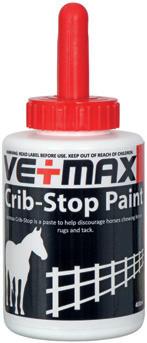
Crib-Stop Paint
A paint to help discourage horses chewing fences rugs and tack.
Available in 400ml
$66.50 1023630
Fly Stoppa
With DEET, tea tree oil and glycerine. A high performance dual action fly repellent with the antibacterial benefits of tea tree oil.
Available in 500ml and 1 litre Sprayers
$41.50, $60.95 1049801, 1049802
Fly Repellent Gel
Contains DEET for a powerful action against flies and midges, repels flies for up to 5.5 hours
Available in 400gm
$42.50 1041899
Louse Powder
An effective and long lasting repellent.
Available in 500gm $39.95 1023629
Cohesive Bandage
Flexible and breathable. Colours: Black, Blue, Green, Red, White, Yellow
$4.60 1014536
Elastotape
Heavy duty elastic adhesive bandage. Zinc oxide and latex free based adhesive.
Available in 75mm and 100mm
$12.50, $16.50 1040968, 1040964
Variety the spice in pig genetics recipe
Selective livestock breeding has resulted in many benefits including increased profitability and productive performance, with faster growth rates, heavier carcass weights and improved milk yields.
However, such artificial selection pressures can unwittingly induce undesirable outcomes. For example, drench resistance leads to poorer health and slower growth rates, with corresponding higher feed costs; pesticide resistance supports increased disease-carrying flies; and overzealous use of disinfectant favours superbugs. Research has identified that consequent upon human selective breeding, the European pig population has less genetic variability than its Asian counterparts. Various heritagebreed populations provide an invaluable reservoir of slightly different genetic material. This aids biodiversity and adaptability for resisting disease and surviving harsher environmental conditions. For example, the Tamworth’s physique enabled efficient foraging in oak and beech forests and walking considerable distances for food, while longevity rested on good mothering and vigorous piglet survivability. Their ginger coat provides them sunburn protection and better climate adaptability compared with paler or black-skinned breeds. The major influences on growth are nutrition and genetics, followed by health, housing and the environment. With a feed conversion efficiency of 2.1, young growing housed pigs in optimal conditions efficiently convert
feed into meat, but this drops away as their growth rates slow. Access to fresh, clean drinking water 24/7 is a must for pigs to grow efficiently and produce good quality meat.
Pigs are social animals, so keeping at least two together helps provide them with company and warmth. Provision of adequate dry, warm bedding and draught-free housing with enough space for lying is essential, as outlined in MPI’s Code of Welfare for Pigs 2018. It is estimated that pigs housed outdoors require 15 percent more dietary energy compared with those housed indoors. Keeping pigs on smaller blocks also has potential for lower greenhouse gas emissions compared with some other livestock species.
Because feed scraps and pasture are of variable quality and do not contain essential amino acids like lysine, they cannot provide a balanced diet that supports efficient and rapid growth rates. A good option for a smaller-sized operation is feeding NRM Little Pig Tucker Pellets through until 15-17 weeks of age and then NRM Big Pig Nuts until slaughter. These diets provide sufficient energy, protein, vitamins and minerals for disease prevention.
Food normally accounts for over 50 percent of pig-farming costs, making feed-use efficiency an important indicator of farm productivity and profitability. It can be very rewarding to know what you have fed your pigs and that you have blanketed them with good care while satisfying their wellbeing during growth prior to their providing you with meat for your family.
LIVEWEIGHT GAIN TARGETS
• Weaning to 15kg – 450g/day
• 15-40kg – 600g/day
• 40-70kg – 850g/day
• 70kg to slaughter (about 115kg) – more than 1kg/day
These targets are subject to variables owing to feeding system, nutrition, environment, health and genetics. Different pig breeds perform differently at different weights, but these weights are a good guide.
For further information, contact your Farmlands Technical Field Officer or the friendly team at your local Farmlands store.
Article supplied by Tiffany Menzies, Farmlands Technical Product Manager
| The Tamworth’s ginger coat provides sunburn protection and better climate adaptability.
Lifestyle blocks offer path to biodiversity
The vision for tomorrow of celebrated naturalist Sir David Attenborough sees food-producing areas becoming more efficient and productive while wild areas are allowed to regenerate. Lifestyle blocks in New Zealand could become a microcosm of this utopia by interspersing efficient food production with areas for native birds, insects, animals and plants.
Rather than being a Jack of all trades and master of none, the modern lifestyler has Google at their fingertips and can hope to be pretty good at lots of things without having served a long apprenticeship in each. For those who have chosen a lifestyle block over an inner-city
apartment, they could be tapping into stock husbandry and cropping skills buried in their DNA and easily rekindled to deliver great outcomes.
So far, small blocks have escaped attention from land and water reforms. There are clouds on this horizon though. Freshwater reforms are likely to affect every water user right down to domestic consumption. Also, He Waka Eke Noa – Primary Sector Climate Action Partnership, set up between the Government, representatives of the food and fibre industries and a cross-section of businesses represented by the Federation of Māori Authorities, is developing a pricing system for on-farm emissions.
Lifestylers can feed their whānau – and perhaps a few more – without turning their entire block into an intensive market garden or paddy field.”
This will apply from January 2025 and may encompass smaller farms. These examples and more make preparing for the future worthwhile. Anyone with their own block of land or power of use for a block of land has an exciting opportunity to make positive changes to secure the health and productivity of their block for generations to come. Monoculture and continuous cropping are known to have disadvantages for soil health and sustainability. Carbon farming forestry with no intention of harvesting the wood seems as bad for rural communities as it is for the soil ecosystem. which does not flourish under radiata pine. Lifestylers can feed their whānau – and perhaps a few more – without turning their entire block into an intensive market garden or paddy field. The term Golden Hoof recognises the value of sheep in the crop rotations of the 17th century both for the value of their produce and their effects on soil fertility. They could have as big a role in the carbon-sequestrating, selfsufficient block of the future as they did before artificial fertilisers and chemical pesticides came along. Pasture can be sown with complex mixes that provide variety for grazing stock and a range of tolerances to increasingly
extreme weather. Some hardwood trees and native planting can provide shade and shelter for stock, birds and insects without the hassle they present to a centre pivot or modern combine harvester. Such spaces need not be large to provide refuge for native species such as skinks – we don’t have elephants so we don’t need spaces the size of the African savannah.
Any conversation about sustainability increasingly includes regeneration and biodiversity as desirable attributes. None of the farmed livestock or poultry in New Zealand got here by accident and they represent a huge pool of genetic diversity. The modern and traditional breeds and strains we have available are testimony to the passion and enthusiasm of people that imported stock, semen or embryos over long distances and established and developed bloodlines.
Just a few years ago, shedding sheep breeds such as the Wiltshire were seen as an easy-care option for lifestyle farmers. Now they are gaining popularity on commercial farms, where the cost of shearing can exceed
KNOW YOUR NUMBERS
If you have a farm over 80ha, a dairy farm with a milk supply number or a cattle feedlot, you will need to meet the following requirements:
• By December 2022, you will need to know your farm’s annual methane and nitrous oxide emissions.
• By January 2025, you will need to have a written plan for measuring and managing those emissions.
the value of the fleece. Conversely, commercial sheepmilk operations have been busy importing milking sheep genetics from the Lacaune, East Friesian and Awassi breeds. These could one day filter onto lifestyle blocks, where milk production is often considered the peak of self-sufficiency. The lifestyle block of the future could include an insect house to supplement the diet of poultry, a pond of fish that turn vegetable material into animal protein, some well-fed, grazing ruminants and perhaps even a pig or two.
| Native planting can provide shade and shelter for stock, birds and insects.
Article supplied by Dr Rob Derrick, Farmlands Head of Nutrition and Animal Health
2.5% REBATE on all purchases in-store and online. www.cyclenation.co.nz
Save time, shop online today.
2.5% REBATE on all fresh produce, groceries, health/beauty products and more. www.brydonewholefoods.co.nz
You may receive a text or email from Farmlands when you make an online purchase. Don’t worry, we’re just checking that it was you.
Mating’s trifecta: bulls, heat and AI
Heat detection, artificial insemination practices and bull management are three pieces of the framework for good reproductive performance in dairy cows.
Tail paint is a good tool in the heat detection kit but only if used properly. Some farmers do it well but some are a bit haphazard. Correct placement is a strip of tail paint applied to the rear portion of the backbone of each cow, not too far up and not too far down the tail and not too wide. Deviation from this may lead to confusion and misinterpretation of a cow being on heat.
A cow is on heat and ready to be mated when she stands to be mounted by a herd mate or a bull; the tail paint will be rubbed off as the animal dismounts. If a cow walks away while being mounted, she may not be fully on heat even if some of the paint has been rubbed. Other sources of confusion could be during wet weather when cows prefer to stand with their backs to the rain rather than being mounted by a herd mate, or if a cow is on heat for a particularly short period and only some paint is removed.
Therefore it is critical to look for other signs of heat to confirm the optimal timing of artificial insemination. Using tail paint with another heat mount detector along with paddock observations will help achieve this. In addition, there are several secondary signs such as delayed milk let-down, being restless or mucus around the vulva that can help with decision-making.
Managing cows that have been drafted out for insemination should be stress-
free. Provide access to quality food and water and do not leave them standing on the yard for extended periods. Move the cows into the yard for insemination quietly and without rushing. Once inseminated, return the cows to the herd as soon as possible and avoid them standing at a back fence waiting to get to the break.
Carefully consider how many bulls you require for the natural mating period. Just because you had eight bulls last year does not mean eight bulls will be enough this year. Consider your submission rate and non-return rate to determine an estimate of non-pregnant cows at the end of AI. Determine the number of bulls required by using a ratio of one bull to 30 non-pregnant cows with the same number of bulls resting. Always round up numbers to the nearest bull and never run fewer than two bulls per herd. Bulls should be in teams and rotated regularly between resting and working.
Reviewing your heat detection processes, AI systems and bull numbers
HEAT DETECTION
Tail paint should be applied:
• No more than 20cm long.
• No more than 5cm wide over the rear segment of the backbone.
• No further back than the start of the tail.
• Sufficiently thick to cover the skin with some hair fibres still visible.
will contribute to optimal conception rates and in-calf rates, leading to a good mating outcome. Speak to your local Farmlands or Donaghys TFO about Donaghys tail paint and how this can benefit your herd.
For further information, contact your Farmlands Technical Field Officer or the friendly team at your local Farmlands store.
Article supplied by Donaghys
| Move the cows into the yard for insemination quietly and without rushing.
Angus breeders embrace tissue sampling advances
Susan and Roger Hayward, owners of Twin Oaks Angus Station, Te Akau, are proud Angus Pure breeders. While some of their previous ventures included a long stint sharemilking down south, Roger has always had a keen interest in breeding, starting when he bought a few Angus cows when he was 15.
He and wife Susan have since found their passion lies in breeding high-quality Angus cattle. They certainly don’t miss the early morning wake-up calls to milk the cows or the arduous task of shifting kale breaks.
Four years before Susan and Roger moved their 300 Angus cows from Canterbury to Waikato in 2016, they completed a verification sire parentage trial over the entire bull drop. The results revealed 6 percent were wrong. “We were horrified,” Susan says. Although much less than the industry average of 10-15 percent, it was still a surprise and something Susan and Roger agreed needed to be improved. It reinforced the importance and value of tissue sampling to their Angus stud
farm and kickstarted their journey with Allflex Tissue Sampling Units.
The Haywards have just finished calving 400 cows, all calves of which were sampled within 24 hours of being born. During calving, the duo visit the paddocks once or sometimes twice a day. They tag, weigh and take a tissue sample of each calf.
“The blister packs which Allflex introduced are a game changer,” Susan says. The packs contain the visual tag, EID button and TSU all matched and bundled together on a plastic tray. There is no need to manually label the TSU sample, reducing the chances of a labelling error. “Tagging, weighing and sampling each calf can be a stressful and time-consuming task but having the TSU bundled together means you no longer worry there’s going to be mistakes.”
Last year the Haywards didn’t know until the results came back that two cows had swapped calves. The testing provides reliable parent verification to help avoid mix-ups and interbreeding. This has allowed the Haywards to find “accurate, true breeders”.
AT A GLANCE
Roger and Susan Hayward
Location: Te Akau, Waikato
Calve 400 Angus Pure cows
Challenges
DNA recording accuracy.
Previous sampling method was time consuming and difficult.
Benefits
TSU blister pack, visual tag, EID button and TSU all matched and bundled together.
Improve recording accuracy. Easy to use TSU applicator. Sample stays viable for longer.
Once calving is complete Susan sends all samples off to be HD50K-tested. The samples remain viable for 12 months. The HD50K is used to read the genomic make-up and that information is then fed into the EBV (estimated breeding value), giving better reliability and accuracy. “Before we used genomes it was a 50 percent calibration – 50 percent
was from mum, 50 percent from dad. But we all know that’s not exactly how it works. We can now have a complete breakdown of the traits they have inherited from previous generations as well,” Susan says.
These first-generation Angus breeders work with Angus Pure, sharing their interest in providing a great paddockto-plate experience. “Improving the eating experience could be done through traceability and it’s very accurate, reliable technology. You could attach
a QR code to a steak in New York and trust you know where the meat is from. Only through DNA could you accurately provide this traceability and ensure the quality. Paddock to plate is so important,” Susan says.
After the cows are mating to AI, Susan and Roger split their herd into six mobs of 60 cows, with three bulls in each mob, meaning three potential fathers in each mob. “Management wise, knowing we take TSU samples means we don’t have to record what bull was in what mob at
Tagging, weighing and sampling each calf can be a stressful task but having the TSU bundled together means you no longer worry there’s going to be mistakes.”
what time. The females have one cycle of AI followed by 5 weeks with the bulls, before pulling the bulls out just in time for Christmas,” Susan says.
Susan and Roger agree the Allflex TSU sampling unit is proving a huge success for their stud farm operation in the Waikato. “TSU is a clean, simple, accurate process and certainly a massive improvement on other sampling methods such as pulling hairs,” Susan says. Susan and Roger would like to increase the number of bulls they sell each year and increase their consistency in breeding high value, quality animals across the board.
For further information, contact your Farmlands Technical Field Officer or the friendly team at your local Farmlands store.
Article supplied Allflex
| Roger and Susan Hayward breed Angus cattle on their Te Akau station.
Could you be a rural leader of the future?
Kellogg broadened my perspective and made me think about purpose. It’s also highlighted the importance of understanding change and being able to frame it in the right way to get the most out of it”
Jonny Dingle Senior Rural Manager, FMG
Applications are now open for the Kellogg Rural Leadership Programme.
The programme is designed for people who are motivated and passionate about leading change in their community or sector. It is for those who aspire to learn more about their leadership style, while building industry wide networks.
Find out more about the Kellogg Rural Leadership Programme, by visiting ruralleaders.co.nz
Applications close 14th November
New research proves deferred grazing works
The benefits of deferred grazing observed by a group of hill-country farmers have been scientifically proven and quantified, with some impressive results.
When the farmers deferred grazing by dropping some paddocks out of rotation from mid-spring to late summer or early autumn, they saw improved overall pasture quality and increased production from the deferred area the following year. They also gained a valuable source of late summer feed. None of these benefits had been scientifically proven or quantified, however, so the farmers and researchers initiated a 3-year Sustainable Farming Fund project to do just that.
The project compared deferred grazing and rotational grazing on three different sheep and beef hill-country farms: two summer wet farms in the Bay of Plenty and one summer dry north-western Waikato farm.
In terms of livestock performance and farm profitability, Farmax modelling on the summer dry farm showed an 8 percent increase in total farm and per hectare gross margins when 15 percent of the farm was deferred.
The project’s results indicate that deferred grazing has several effects that collectively improve pasture performance.
First, it allows ryegrass and other desirable species to produce new tillers and to reseed and produce new plants the following autumn. This increases tiller density of desirable pasture species and can increase pasture persistence. When grazing was deferred, the amount of mineral nitrogen potentially available for plant uptake was also significantly higher, probably due to higher levels of litter content enhancing mineralisation of organic matter.
Deferred grazing also reduced weed content and facial eczema spore counts and increased topsoil moisture at the summer dry site.
Although the deferred grazing treatment produced a similar amount of growth to the grazed treatment, it altered the timing of feed supply and created a feed wedge at the end of summer or early autumn. This is particularly useful in drought years.
The pasture nutritive value in the deferred paddocks declined during the deferred period but pastures rapidly recovered so it was not enough to
offset the overall farm-scale profitability of deferred grazing.
Deferred grazing also helps to maintain overall pasture quality. As some paddocks are removed from grazing, stocking rate increases elsewhere and the spring feed surplus is better used and pasture quality maintained. Research has also shown that when deferred pastures are grazed in late autumn, the content of clover can increase.
An easy-to-use handbook for farmers or consultants with a summary of the project’s results and instructions on implementing deferred grazing is available at beeflambnz.com/news-views/ deferred-grazing-handbook-released.
The project was funded by the Ministry for Primary Industries’ Sustainable Farming Fund with co-funding and support from Ballance Agri-Nutrients, Beef + Lamb New Zealand, Environment Bay of Plenty, Waikato Regional Council, Plant & Food Research and AgResearch.
For more information, contact your Ballance Nutrient Specialist, your Farmlands Technical Field Officer or the friendly team at your local Farmlands store.
Article supplied by Ballance Agri-Nutrients
| The research indicated that deferred grazing has several effects that collectively improve pasture performance.
Daniel Nichol, Waimate, Canterbury
Wise product choices do two jobs at once
If you look at the challenges farmers face in protecting their crops, there are several solutions to most of them. Comparative trial results show the options have similar efficacy. That’s why you sometimes have to dig a little deeper to find the important advantages of one product or method over another.
From packaging that reduces waste and risks to human health to new molecules that can control target weeds or pests or diseases with much lower application rates, there are benefits that go beyond what any graphs show.
Often the more innovative solution does double duty, solving the immediate issue plus protecting the long-term profitability of your crops.
We all know the importance of introducing new chemistry to the rotation to help keep the older chemistry viable too. That helps keep the levels of control up and overall input costs down, because the cheaper options don’t get run into the ground and can be used for maintenance control once the more advanced products have done the heavy lifting.
Another factor rapidly growing in importance is the superior marketability of ‘cleaner, greener’ produce. It has been a slow build over the decades but ‘eco-friendly’ positioning has now jumped into the mainstream. Both local consumers and our export markets are more insistent that produce come with minimal use of chemistry and a low environmental impact.
New Zealand farmers are better placed than almost anyone to deliver on those expectations and there are plenty of industry partnerships working to reinforce our green credentials.
BASF, for instance, has been a strong supporter for many years of Agrecovery, New Zealand’s solution for the safe disposal of unwanted agrichemicals and the recycling of empty containers, drums and IBCs.
Now the company has introduced Eco-Packs for selected products that take the war on waste another step forward. The polyethylene containers have 25 percent less plastic than standard drums and are recyclable. They are also designed to reduce handling, prevent ‘glugging’ during pouring and eliminate the need for foil seals, all of which reduce the risk of spills and hazardous waste.
So when barley growers are considering the best product to use against Ramularia, BASF’s Revystar ticks an extra box. As well as introducing an innovative DMI
molecule that will control pathogens no longer susceptible to older DMIs, it reduces packaging waste by at least 25 percent.
What next? Poncho VOTiVO seed treatment’s suppression of nematodes using beneficial bacteria points the way. Integrated pest management already uses ‘softer’ chemistry to complement the introduction of beneficial species. BASF and other companies are developing more and more biological solutions that can replace chemicals for part of the rotation for both pest and disease control.
As you put together your crop protection programmes for next season, why not consider the environmental dimension as well?
For further information, contact your Farmlands Technical Field Officer or the friendly team at your local Farmlands store.
Article supplied by BASF
Time to get busy in the garden
Whether you have a dedicated vegetable patch or make the most of a small space with pots and containers, the time is right to prepare your soil, sow seeds and plant seedlings.
Before you plant your chosen spring crops, it's important to ensure your soil is in the right condition so your plants get off to the best possible start. If you are starting with an existing garden bed, dig in organic matter like Tui Compost to your soil. This essential garden ingredient will replenish your soil with nutrients used during the growing season as well as help break up heavy or clay soil; improve drainage in compacted soil; and increase waterholding capacity in sandy soil. It’s also great for increasing microbial activity and encouraging earthworms – your garden’s best friend!
Once you’ve dug in compost, add a layer of Tui Vegetable Mix and a starter fertiliser to provide instant nutrients. Tui Vegetable Mix is a high-quality naturalbased planting mix formulated with sheep pellets to condition your soil and encourage earthworm activity. It will give your garden the best possible start and sustain growth throughout the season.
When your soil is prepared, plant spring favourites including lettuce, capsicum, tomatoes, parsley, courgette and cucumber; or for cooler regions carrots, broccoli, herbs, spring onions, beetroot, broad beans, leeks and silver beet. If you’re not sure what to plant, check out
what is available at your local garden centre as that should reflect what is suitable to plant in your area.
If you’re a first-time gardener you may find it easier to grow from seedlings rather than seed, although seeds can be a more economical option. If you’re sowing vegetables from seed, you’ll need to plan ahead to make sure they’re ready to plant when you want them. Generally speaking, the best times to plant are early in the morning or late in the day, so your plants aren’t exposed to the hot sun straight away. It’s important to remember to water your plants well before and after planting to help them get settled in their new patch.
Before planting, soak seedlings in a bucket of Seasol to prevent transplant shock, stimulate strong root growth and help plants cope with heat, drought or frost. It can also be used throughout the season to promote flowering, fruiting and a healthy garden all round. As plants grow, they use up nutrients from the soil, so replenishing those nutrients ensures your plants will grow to their full potential. Vegetables can be particularly hungry crops, so feeding them every 4 weeks during the growing season will help ensure you maximise your crops.
Visit your local Farmlands store to shop the range of Tui Products.
Happy spring gardening!
HOW TO ENTER:
▶ Purchase a minimum of 1 tonne of Calcimate between 1 August and 30 November 2021
▶ One entry permitted per tonne of eligible product purchased (Calcimate in 25kg bags only)
▶ TXT and your full name to 226 to enter the draw
▶ And for one extra chance to win, complete the quick Calcimate survey by visiting calcimate.co.nz
▶ Open to New Zealand residents only
▶ Proof of purchase required
‘Blanket’ keeps lid on open-stored water
While many parts of New Zealand seem to be experiencing flooding and above-average rainfall, in only a few months this could change to long dry spells.
Available information about the effects of climate change to our seasons has made water management and planning somewhat of a lottery. With good foresight there is still a lot that can be done to mitigate the effects of available open-water storage for both stock and irrigation.
The effects of evaporation on openwater storage reserves are immense and often underestimated. A single square metre of water surface can easily lose up to 8 litres to evaporation every day in summer, and a 1ha dam can lose up to 80,000 litres of water that is essential for animals and growing crops.
These water loss figures have been largely meaningless to the industry to date, with limited management options
available to reduce the water loss. It has become accepted that a large percentage of open-stored water will be lost to evaporation. This is not too significant if the volume of fill is greater than the net loss through usage or evaporation. Once a dry spell sets in this can change very rapidly and the net loss then becomes hugely significant. You can now reduce the effects of evaporation on a surface area of any size. New product WaterGuard can be simply poured on to any water surface, usually by just walking along a length of the dam while pouring. A product that is safe on crops and stock and reduces evaporation by up to 60 percent has the potential to be a game changer.
It does not need to be applied around the full perimeter. For very small dams, it can be applied at a single point. For large reservoirs or dams WaterGuard can be applied from several points along the edge of the water storage or even by air or boat. As with smaller
SAVINGS IN EVAPORATION
water bodies, it should be applied from locations along the edge such that the prevailing wind will assist it to spread. WaterGuard is produced from polymers that strongly repel each other when they come in contact with water. This results in a strong spreading action across the surface, forming a liquid ‘blanket’ to reduce evaporation. Once the film is in place, it is very resistant to disturbances. It will move around slowly over the surface but will not build up at one end of the water body. In the event of rain, the blanket will not be affected as it will allow the rain to go through without disturbing the film.
WaterGuard will be available from early November in 5L and 20L containers.
For further information, contact your Farmlands Technical Field Officer or the friendly team at your local Farmlands store.
Article supplied by Key Industries
This example shows the effect of WaterGuard on a 0.5ha body of water over the 3 months of summer.
Area m² Litres of WaterGuard applied at 21day intervals
Evaporation without WaterGuard (megalitres)*
Evaporation with WaterGuard (megalitres)**
* Assuming typical daily evaporation rate of 10mm ** Assuming 60 percent savings in evaporation
Evaporation saving (megalitres)**
From field tiles to smooth-wall pipes
The benefits of land drainage are tacitly understood by farmers, who rely on managing their water table to maximise production outcomes. Farm inputs such as fertiliser and herbicides bring incremental benefits. Soil structure is improved with greater worm activity, less soil compaction and better-quality pasture with reduced pugging. Better root system development and warmer soils over winter months increase pasture production, while dryer soils allow stock to graze wetter winter paddocks for longer periods and vehicle access around the farm is improved. The predominant land drainage pipe 50 years ago was field tiles. These short lengths of earthenware pipe had lugs on the end, so when butted together a gap was left for the groundwater to enter the pipe. It was time-consuming, backbreaking work to lay these tiles on grade, so when Novaflo, a lightweight coiled corrugated pipe with slotted holes, became available in the mid 1970s, it quickly became the product of choice. Massey University led the way in New Zealand in assessing the benefits of land drainage and providing practical information on best practice installation. Understanding soil structures, the use of imported backfill material, where mole-drains were effective and the use of laser level technology saw a quantum increase in land drainage effectiveness.
In the late 1990s, Iplex Pipelines introduced the next generation of land drainage pipe under the brand name Nexus. Using twin-wall technology, two pipe extruders operated on a single manufacturing line to produce a pipe with a corrugated external wall and smooth inner wall. This was a game changer in many respects for the performance of polyethylene land drainage pipes.
With the smooth-bore 110mm Nexus producing a laminar, less turbulent flow of water through the pipe, the water flowed faster, delivering an impressive 49 percent better flow than the 110mm corrugated-bore Novaflo. These test results were confirmed by the then Ag Engineering Department of Massey University. Faster removal of excess water from the soil profile amplified all the benefits of land drainage. Other positives became apparent to land drainage contractors, who took to using Nexus immediately. It could be laid on
a much flatter gradient, 1:1,000 rather than 1:400 for 110mm Novaflo. This was a huge benefit on flat land with little fall, allowing longer lateral drainage lines into open culverts, negating the need to use larger bore, more expensive drainage pipe or in some cases the necessity to create more open culverts. The faster water flow through the Nexus also had the effect of flushing out dirt that had entered the pipe, stopping blockages, maintaining the full-bore drainage performance and extending the life of the drainage network. With 160mm Nexus delivering 69 percent greater flow than 160mm corrugated bore Novaflo and the addition of a new 200mm Nexus diameter, land drainage systems became easier to design and install with maximised performance. How times have changed!
For more information on land drainage or other rural pipeline matters, contact your Farmlands Technical Field Officer or the friendly team at your local Farmlands store
Article supplied by Iplex
| Land drainage has improved considerably with the development of better pipe technology.
| The corrugated walls of the original Novaflo, above, created a turbulent flow. The smooth walls of Nexus produce a faster flow.
Technology helps take strain out of fencing
Ranfurly farmers Karl and Ro McDiarmid run 5,000 ewes and 1,500 hoggets and finish
700-800 bulls a year on 1,330ha in the Maniototo. It is a busy operation. Recently the couple put in two new pivots and converted 150ha into intensive techno grazing.
On average the couple replace between 1 and 5 kilometres of fenceline annually, using seven-wire fencing for existing fences and netting for added security on all new fencelines.
Keeping fences up to scratch is important on the farm. Karl says poor fencing can undo some of the processes they have put in place.
“If a fence fails, mobs can box up. Depending on the time of year, that might mean twins and singles getting back together after they’ve just been scanned and drafted.”
Karl and his one other staff member manage most new farm fencing and fencing maintenance. He estimates they do 95 percent of all fencing jobs using existing farm labour, only calling in a contractor when they are under the pump.
To speed things up they bought a Stockade ST400i cordless power
stapler. Karl says it has lived up to its promise of speed and reliability. “It’s quick and light – anyone can use it. It’s awesome gear and pretty easy to change over from a hammer to power.
You get a lot more done in a day and you can keep going for a lot longer. You don’t get a sore arm after doing a kilometre of staples. You can keep going the whole day.”
The ST400i and the insulator guide attachment has also helped increase power around the property, adding a single electric wire with ease.
Karl says the whole family has had a go. He’s even talked about the tool with his mountain-biking mates.
“I told one of the guys ‘You need one of these if you are doing any fencing’. He bought one. He must have been happy with it because he’s now recommended it to someone else.”
Karl says the cordless stapler is also good for keeping farmers engaged.
“Most of those older fellas don’t like using technology. They can be reluctant to take on something that’s new,
whereas something like the ST400i makes their life so much easier.”
After 50 years on the land, Grant Geddis from Waipiata is exactly one of those farmers keen to stay hands-on, with a couple of hundred acres to “keep him out of mischief”. Not to be outdone by osteoarthritis, Grant has picked up a ST400i to tidy up old fences and run more netting and hot wire across the farm.
“We have used it a fair bit. I have to keep it off the young fella. He thinks it is a toy for him. I got it for myself. It is ideal because I couldn’t hammer like I used to. Put in place, pull the trigger and ‘Wow’ the staple is in, even in hardwood. It is a great invention.”
Karl says you don’t need to be a contractor to get value out of the ST400i. “It is quite an investment but it pays itself off pretty quickly. You have to be able to justify it. If you are doing a week of fencing or longer a year, it is going to pay itself off, and it is so easy to use.”
For further information, contact your Farmlands Technical Field Officer or the friendly team at your local Farmlands store.
Article supplied by Stockade
| Maniototo farmer Karl McDiarmid says good fencing can ensure good results when the pressure comes on.
STRONG, DURABLE AND RELIABLE
Z2 NO TEAR TAGGER
NAIT TAGS
Cattle and Deer Birth or Replacement RFID tags
Available in FDX and HDX frequencies
Apply with Z2 no tear tagger™ or universal tagger
Flexible male tag aids retention
• No ripped or torn ears with unique dual action snap back jaw and flip-out pin
• Applies all Z two piece tags so no need to change tagger between VID & EID’s
Clean water storage reaches new heights
At 40,00 hectares, Mt White Station is a long way across and a long way up. First settled in 1873, this classic highcountry station runs sheep, cattle and deer. In the Upper Waimakariri Basin near Arthur’s Pass, the station is as isolated as it is iconic.
From the front gate down on the Riversdale Flats right up to the Puketeraki and Dampier ranges in the Upper Waimakariri catchment, there’s a lot to Mt White – and much of it is as remote as you can get. If you wanted to get away from everything, this is where you’d do it. Of course, being a long way from anywhere does not make you immune to the nation’s lawmakers in Wellington. For example, with the introduction of new clean waterways regulations, the owners of Mt White needed a more dependable and hygienic supply of water to gravity
feed to their stock troughs. Stock health was a high priority for the owners, as was the requirement to comply with those more stringent waterways laws, but all those hectares, all those hills and all that height presented a steep challenge.
To achieve their lofty objectives, new water tanks were required on Mt White Station. But on a Canterbury high-country farm covering tens of thousands of hectares, many of them vertical, that is easier said than done. A lot of tanks had to be installed over a vast area and most of those sites were up in the hill country that makes Mt White one of the most imposing stations in New Zealand, if not the world. Transporting and setting up heavy concrete tanks in such a rugged and mountainous place was expensive and not practical. A lightweight solution was required.
Mt White’s owners reached out to Promax, a tank manufacturing company with factories in Kerikeri and Rangiora. Promax had won acclaim for their XPRESS water tanks made from highgrade polyethylene plastic. Compared with conventional concrete tanks, XPRESS water tanks were a much lighter option, making transportation to Mt White Station a far more affordable and viable exercise. The one-piece construction also reduced costs and maintenance, which was an important consideration as getting to a tank needing a repair or replacement was hardly a walk in the park. Promax worked with their suppliers at Farmlands and Boyes Contracting in Darfield to supply and install 15 30,000 litre tanks at Mt White Station. As a result, this remote station can better look after their stock with cleaner drinking water while complying with those allimportant waterways regulations. In every way possible, they have taken their water storage to new heights.
For further information, contact your Farmlands Technical Field Officer or the friendly team at your local Farmlands store.
Article supplied by Promax
hygienic
THE TOUGHEST TYRES IN TOWN AND COUNTRY *
COMPETITOR BRAND B
Punctured at 19.98kN 9.20cm
Punctured at 18.29kN 8.60cm
Puncture test proves Dueler outperforms competitors
Bridgestone Dueler A/T 697
Competitor Brand B
Competitor Brand C
0 200 400 600 800 1000
Plunger energy required to puncture tyre
*Testing was conducted as per the Tyre Strength (Breaking Energy) Test as specified in FMVSS119 (US National Highway Traffic Safety Administration - Federal Vehicle Safety Standards 119) where a cylindrical steel plunger with a hemispherical end and a diameter of 19mm is forced perpendicularly into the tread. Tyre Size was LT265/75R16 mounted to a 7.5J rim and inflated to 550 kPa.
COMPETITOR BRAND C
Punctured at 14.35kN 7.40cm
Extensive testing on the A/T 697 tyre has shown that compared with other popular brands the Dueler A/T 697 has the deepest distance of penetration when undergoing puncture testing.*
That means it takes more to puncture these tyres than many other all-terrain tyres on the market.
The New Zealand Century Farm and Station Awards aim to capture and preserve the history of our country’s farming families. Each month we will share stories from Farmlands shareholders who have worked their land for 100 years or more.
Five generations call farm home
When Isaiah Gallagher bought part of the Valetta Run in 1917, a legacy was launched.
On 9th April 1871, Robert and Elizabeth Gallagher arrived from County Tyrone, Ireland, on the ship Zealandia. They settled at Brookside and had five surviving children.
The family moved to the Mayfield area around 1887 and 10 years later their son, Isaiah married Florence Emmaline Bean. They had eight children.
In 1899, Isaiah and his brother, William Glassey (known as WG) formed Gallagher Brothers partnership and purchased and leased various farms around Mid Canterbury. In 1917, the partnership purchased 849 acres of the original Valetta Run, with 421 acres of this land then being purchased by Isaiah and named “Grassmere”. The Valetta Run consisted of 9,228 acres in total, and a large portion of the land was in virgin state with very little cropping done.
Gallagher Brothers also purchased 2,215 acres of land at Clearwater, up the South Ashburton gorge, and farmed it for 10 years.
William married his neighbour, Elizabeth Lamb in 1924 and they had three children. In 1945, William purchased the 421 acres from his father, Isaiah.
In 1952, William’s eldest son, Allan married Shirley Jaine and they lived in a new house, which they named “Bentower ”. They had three sons, Struan, Grant and Philip. Allan took over Grassmere in 1966 and farmed it alongside Bentower, running Romney sheep and growing mixed crops; mainly wheat, barley and peas.
In 1983, Grant married Tessa Hayward and they raised three children, Jasmine, Dean and Garth. Grant purchased Grassmere in 1984, renaming it “Antrim” and then farmed Bentower and Antrim in partnership with Allan and Philip for three years.
In 1987, Antrim was then carrying about 1,800 stock units, mainly sheep, but diversified into deer – raising stags for their velvet and venison, and
breeding hinds for replacements. From the mid-1980s, no plough has been used on the farm, with a move to minimum, then vertical tillage. Mechanical stone picking replaced manual in the 2000s, de-stoning the entire farm, making cultivation more sustainable, with better soil structure and moisture retention. Extensive planting of trees and shelter belts was also undertaken and over the 100 years, various small forestry blocks were milled.
In 2004, the family partially diversified again into dairy support, winter grazing of cows on kale, barley straw and grass baleage. Fattening of summer and winter store lambs and growing feed barley has complemented this. Antrim Apiaries is the latest diversification. In 2015, groundwater irrigation through a hard hose gun was commenced on 40ha of the farm’s better soils, giving further drought insurance. Jasmine, Dean and Garth are now the fifth generation of Gallaghers on the farm.
| Isaiah and Florence with their children at Grassmere, 1924. William at the back right.
| Allan and Grant preparing to shift the Valetta goods shed across the farm on a sledge they built, 1995.
| Antrim, 2012. Built in 1924 and renovated in 1996, the home features heart rimu from the Valetta shed floor and oregon milled from the farm.
Rural market update
Dairy farm sales across the country over the last 12 months have shown the biggest rebound in a decade.
Annualised NZ dairy farm sales to the end of June 2021 equalled 249 sales, up 233% on the same time last year, with total sales by value equalling $1.1b to 30 June, again 247% up on last year.
The rebound over the last 12 months has been faster than any other time over the last decade.
This time last year, the dairy real estate market was at a very low ebb, despite year-on-year gains in the dairy commodity cycle. In fact, it equalled the period immediately post GFC (June 2010) with only 104 sales for the entire season (12 months to June 2020) and a median sale price of $3.2m. This June, the median sale price is $3.7m, up 16% on the previous 12 months on 2.3x the value of annual dairy sales ($1.1b) on the prior year.
We ran an investment seminar in Auckland last November, encouraging those considering a dairy investment opportunity to weigh it up sooner rather than later. Our view was that the market offered exceptional value against proven returns. We still hold this view, particularly if the investment horizon is 10 years plus.
Despite significant swings in the commodity cycle post–GFC rural land values, and notably dairy, have stood up to the volatility well. ln tough times farmers dig in. While external pressures may lead to farmers contemplating a sale, their ability to shut the farm gate, keep costs down and repay debt whilst absorbing compliance costs has been a real feature of the last decade.
Our view is that this season 21/22 will be stronger again for dairy farm sales, as supply better matches demand, particularly as investor appetite favours dependable investment returns that can beat the cost of capital over the longer term.
We also expect to see greater numbers of dairy farmers buying and selling dairy farms, given the billions of dollars of repaid rural debt over the last three seasons.
Property Brokers’ leadership position in the NZ dairy real estate market has been built around trusted advice and our True Team approach up and down the country.
Our success in connecting vendors with purchasers through disciplined marketing campaigns is something we take considerable pride in.
For rural and lifestyle property advice from a national team of committed salespeople, supported by our expert marketing team, right across New Zealand, call 0800 367 5263 or visit pb.co.nz
Conrad Wilkshire, GM Rural for Property Brokers Ltd conrad@pb.co.nz
National Dairy Sales 20ha+ rolling 12 months to June 2021
$1,200,000,000
$1,000,000,000
$800,000,000
$600,000,000
$400,000,000
$200,000,000
$-
Waihi 729 Waihi Whangamata Road
Retiring vendors - intend to meet market
77 hectare (more or less) dairy unit located 7 minutes north east of Waihi township. The contour of the farm is gentle rolling to rolling with some steeper sidlings with approx 2.6 hectares been retired and planted in native bush. Currently milking 200 Jersey cows, producing 77,217 kgMS per year, this farm grows an average of 18T dry matter (DM)/ha/yr with supplements brought on farm include 100T of palm kernel, 100T of soybean hull which is fed in the shed and 40T of hay which is fed in paddocks. Farm buildings include a 16 aside herringbone dairy, implement shed, 2 bay calf shed and tractor shed. The homestead is a four bedroom, one bathroom with a large kitchen and open plan living and dining area. This property offers an excellent opportunity for those purchasers looking for a farming investment located in a desirable and affordable dairy farming district.
Our instructions are this property will be sold.
Auction 1.00pm Thursday 11 November 2021, Morrinsville Property Brokers, 78 Studholme Street, Morrinsville (unless sold prior).
View By appointment
Web pb.co.nz/MAR93582
lan Morgan
M 027 492 5878
Chelly Aitchison M 022 697 8779
Putaruru 645 Overdale Road
A Very Sound Business
Tender
125 ha (more or less) System 2 dairy unit, north of Putaruru in two titles. This property is currently farmed as part of a 189 ha dairy farm milking 400 cows, once a day from Christmas/ New Year. Mixed contour with well serviced lanes, giving good options on stock movement. Farm buildings include a 40 aside herringbone dairy with in-shed feeder and Klip Tank, 3 and 5 bay implement sheds, plus two more sheds on farm. High quality water from a bore supplying over 90 troughs. There is a four bedroom home in nice surrounds, plus a two bedroom cottage. This property is well presented and maintained, great location with superior Tirau ash soils with good fertility levels.
Lower Kaimai Tauranga 2731 State Highway 29 Auction
Large self-contained dairy opportunity in Bay of Plenty
An exciting opportunity presents itself with this large Bay of Plenty dairy farm of 363 hectares in five titles. This property has a mix of gentle rolling to rolling contour with some steeper contour of which 12 hectares has been retired and planted in natives and a further 24 hectares of pine. The dairy platform is approximately 230 hectares, milking 575 cows with a six year production average of 198,083 kgMS with all young stock on farm. Farm building structures are very good and include a 50-bail rotary cowshed, in-shed meal and molasses system, 2 x Herd Homes, 7 bay implement shed, 8 bay calf shed, 2 bay round calf shed, old converted woolshed with covered calf pens attached, a separate chemical shed and 2 x 220 tonne concrete bunkers. This dairy farm is well developed and is a great investment proposition in a generally summer safe rainfall area. With quality farm infrastructure future capital expenses are minimal.
Auction 1.00pm Thursday 2 December 2021, Morrinsville Property Brokers, 78 Studholme Street, Morrinsville (unless sold prior).
View By appointment
Web pb.co.nz/MAR93444
lan Morgan M 027 492 5878
Chelly Aitchison M 022 697 8779
Exclusive Farmlands Partner Deals with Honda.
For over 50 years Honda has provided generations of Kiwi farmers with products which have helped keep their farm operations running. A rich history of innovation and highly developed engineering qualities have proven to make Honda products incredibly reliable and highly suited to New Zealand farming conditions. Now in partnership with Farmlands, Honda is pleased to be able to provide Farmlands shareholders with access to exclusive offers at our nationwide network of over 50 dealers. Not only do Farmlands shareholders have access to Honda’s Number 1 selling farm bike range, but an extensive network of qualified technicians, proven genuine parts, a wide range of accessories and superior customer support including on-farm servicing to ensure your bike is safe, reliable and fit-for-purpose.
In addition not only does your local Honda dealer have NZ’s largest range of farm bikes, but an extensive range of Honda Power Equipment products. This includes a complete range of generators, post hole borers, lawncare products, handheld line trimmers, multitools and water pumps to get any job on farm completed. Sharing Honda’s proven 4-stroke platform and offering the reliability and performance to get the job done no matter the conditions. Your local Honda motorbike dealer has some great power equipment offers in store for October, available nationwide and exclusively to Farmlands shareholders.
3 KVA MULTI PURPOSE FARM INVERTER GENERATOR EU30IS
Ultra quiet portable generator capable of running up to 4 appliances at once.
• 12 amp/12 volt DC max 3000W/240V
• Portable, weighs only 59kg
• Silent Inverter AC/DC Series
• Up to 20 hrs continuous operation
• Battery included (Acid Gel Pack)
• GX200 Engine, electric start
$ 4,599 INC GST SAVE $500*
POST HOLE BORER PHB50
Benefits of 4 stroke torque for better digging and easier handling.
• GX50 4-stroke engine
• Nett power 1.47kW (2hp) @7000rpm
• Speed 160-200rpm
• Gear 40:1 reduction
• Dry weight 10.9kg
PUSH MOWER HPM18
• Powerful 160cc engine
• 18” cast alloy cutting deck
• Single lever height adjustment10 positions
• Mulch and catch standard (comes with mulch plug)
• High density plastic 45 litre catcher
• 4 swing back blades on a disc
• Recoil start
3 INCH TRANSFER WATER PUMP WB30XT
Ideal for large water movements.
• Honda GX160 engine
• Maximum pumping 1100L/min
• 3” diameter
• Total head (push height) 23m
• Suction head (pull height) 7.5m
• Weight 27.0kg
• Framed for easy standalone usage, handling and transporting
• 1.47kW(1.97hp) @ 7000rpm
• Makes tough jobs easy with a 3-tooth metal blade
• Safety goggles and full operator harness included