Welcome to the February edition of Growing Success. As usual, this publication presents the latest relevant technical information on practices and products for New Zealand horticulturists.
Articles include an overview of the newly formed Farmlands Growth and Innovation team that has formed to identify the trends and industry innovation required to help our shareholders grow their future success.
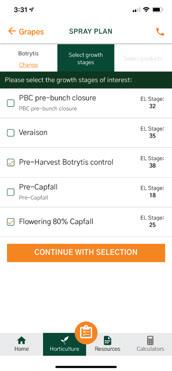
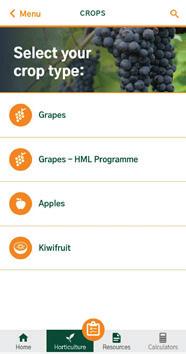
In our last edition of Growing Success, we featured the Farmlands GrowGuide app, the latest one-stop app for information on horticulture, pasture and cropping requirements. Incorporating the only app-based crop programmes for New Zealand apples, wine grapes, and kiwifruit, we have received extremely enthusiastic feedback about this unique and innovative tool.
If you have not yet downloaded GrowGuide, it is available free of charge.
Crop programmes are driven off the user’s selection of growth stage and the pest or disease concerned. It also includes drill through to all product information, labels and safety data sheets — all the required information at your fingertips. Watch out for updates on further horticulture crop programmes to come.
We whole-heartedly congratulate New Zealand growers on their tenacity through the last year of massive uncertainty and challenge. It is a testament to the horticulture industry that despite the many challenges, the industry continues to grow and thrive through a constant focus on meeting international consumer’s needs.
For the many of you who are approaching your critical harvest period, Farmlands wishes you the very best possible finish to your growing season.
Mark Daniels Head of Horticulture
K-Bomber 56 KIWI
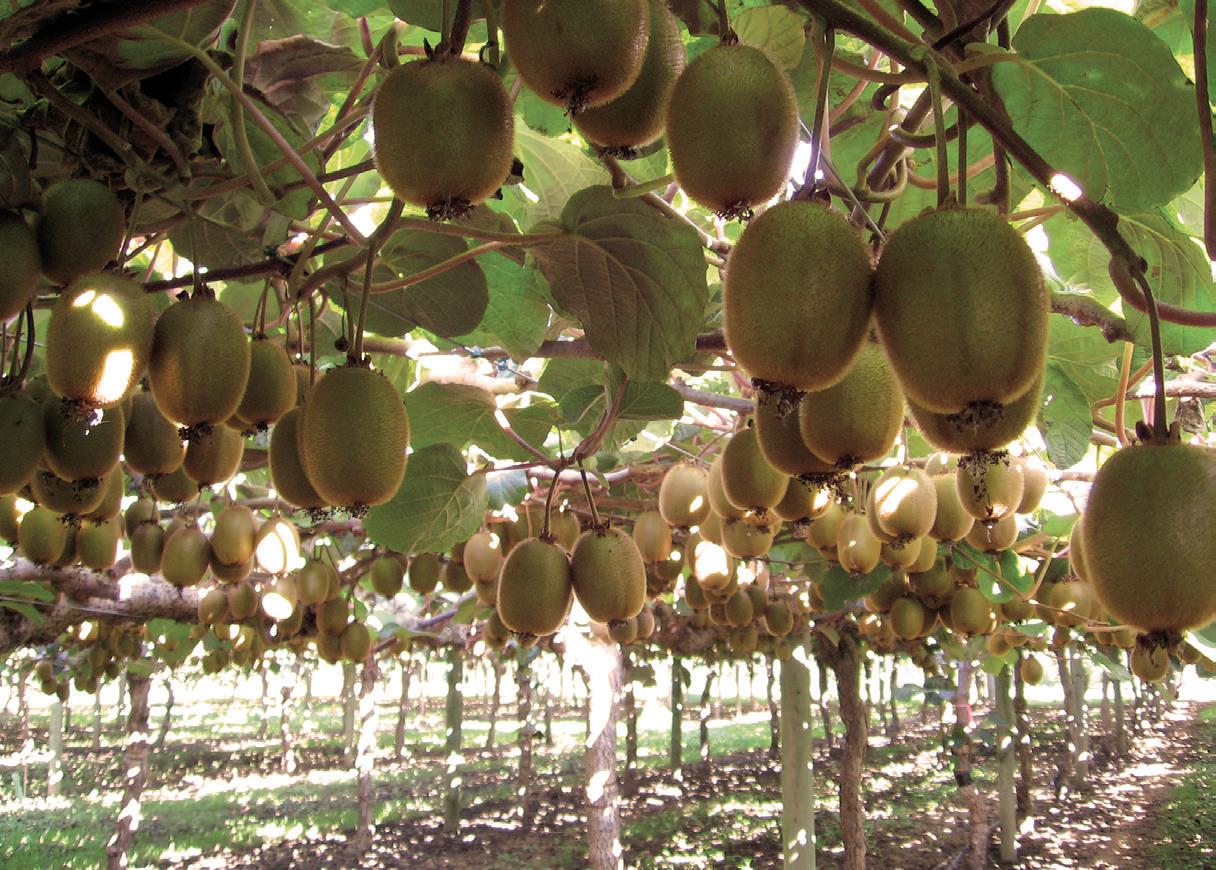
Biolchim, a leading supplier of nutrition and bio stimulants to the kiwifruit industry has designed K-Bomber 56 KIWI specifically for the kiwifruit industry.
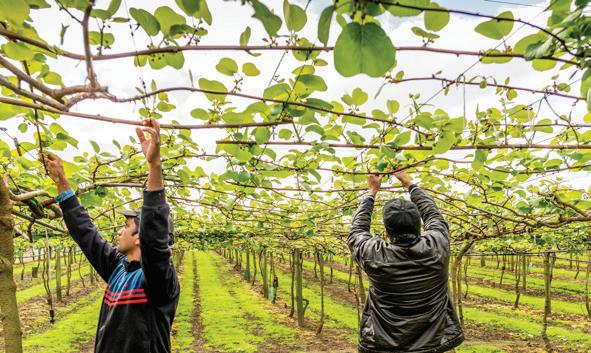
Kiwifruit nutrition is an important aspect of orchard management for maintenance and fruit quality. Research over the years indicates that good vine nutrition can have major benefits in fruit quality and yield.
Through technical knowledge and extensive research of kiwifruit nutrient uptake demands, Biolchim have been able to select the best fertiliser sources to create K-Bomber 56 KIWI.
Coupled with over 20 years’ experience in the global kiwifruit industry Biolchim has perfected the nutrient contents, rates and timing of applications required to achieve optimal results.
K-Bomber 56 KIWI is a formulation very high in potassium and aids the
development of fruit sugar and acid brix. The product is also involved in transpiration mechanisms and regulating stomatal opening and closing.
The inclusion of adjuvants and the complexing agent EDTA, K-Bomber 56 KIWI is highly soluble and readily penetrates to be absorbed by the leaves. When applied in the appropriate phenological stages, K-Bomber 56 KIWI slows excessive vegetative growth. It also helps the plant to improve water use efficiency.
Potassium also acts in a range of transportation and accumulation processes within the plant, including the translocation of nitrates and the activation of some key enzymes. It should be noted that K-Bomber 56 KIWI contains no chloride.
K-Bomber 56 KIWI is supplied in a handy 2.5kg bag which is the recommended application rate per
hectare, making it easy for growers to handle and use. The recommended water rate is 1,000L/hectare. Application of K-Bomber 56 KIWI should commence from fruit enlargement through close to fruit harvest (note 7-day pre harvest interval), with a total of 2-4 applications recommended.
K-Bomber 56 KIWI is approved for use on the Zepsri Allowed Other Compound (AOC) List.
Kiwifruit leaf analysis is recommended for the assessment of potassium, particularly when tracking crop loads. An ideal window for growers to undertake sampling is 70 days post bud break.
Talk to your local Farmlands Technical Advisor about a tailored nutrition program for your valuable kiwifruit crop.
Article supplied by Biolchim.
Armoured Scale – insect pest in kiwifruit
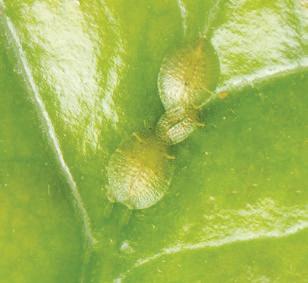
Armoured scale is an ongoing pest issue in New Zealand kiwifruit, and populations can slowly build unbeknown to the grower. Export market access can be challenging as many markets, particularly Asian countries, have a zero tolerance for scale.
With a tendency to populate in sheltered areas, scale can be difficult to control. Growers now have fewer chemical options available and narrower spray windows to operate within. It is therefore essential that growers are aware of scale to ensure populations are kept at low levels.
Scale are only mobile once hatched. Referred to as crawlers, the juvenile scale finds a suitable spot to “limpet” onto a plant surface and build a wax protective covering. On reaching the third instar, scale start laying eggs, and the cycle repeats.
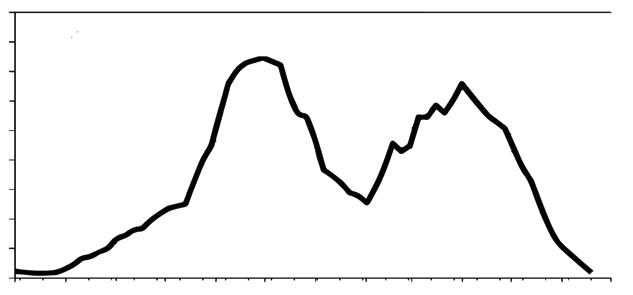
With two distinct generations per season, crawler release starts in late October and peaks in December (figure 1). Targeting chemical covers during generation 1 will impact crawler numbers emerging in generation 2. Pre-flower cover spray options are straight forward, however the post flowering period creates challenges. Growers need to determine if spraying is required, the product options, timing, and possible risks.
Growers of conventional Hayward and Gold cultivars rely heavily on
Scale life cycle
pre-flower applications of Movento (spirotetramat). Unable to be used after flowering it is often the only cover spray used. Growers should consider if this provides control right into the second generation and be aware of post flowering spraying windows available to break multiple scale life cycles.
The post flowering period provides some specific windows for both conventional and organic growers. Excel Oil, applied at 1% up to 14 days post fruit set, works through a smothering action. Other studies have shown that oils can also discourage crawler settlement. Oils should be applied before fruit become too sensitive to marking. NB: organic growers must ensure products are Biogro certified.
As fruit develops, second generation control for gold kiwifruit growers is limited due to a high risk of fruit marking. Nevertheless, Plant and Food Research have identified a window to safely use a 1% Excel Oil application in the second and third week of February. The trials showed that during this period Sungold skin is less sensitive to fruitlet marking, and that no significant increase in fruitlet drop occurred. Hayward growers can safely apply 1% Excel Oil, while being aware of the
14-day PHI, drying conditions, and humidity on the day of application. Packhouse pest monitoring centres are a great source of data and can potentially identify scale hotspots. Monitoring also identifies populations leading up to harvest, allowing assessment of spraying programmes, if a second or third generation is present and post-harvest control options — these range from Movento through to winter oil applications.
Plant and Food Research showed that Movento applied post-harvest had a detrimental effect to the next season’s scale population. Adding a penetrant such as Kwickin improved the plant uptake. Alternatively using Hywet will improve spread and uptake. Good leaf condition is essential for efficacy. The earlier harvest of gold and earlier picked Hayward crops may provide the opportunity for a post-harvest cover spray. Possible spray residue issues should be considered in blocks or maturity areas yet to be harvested.
For further information please contact your Farmlands Technical Advisor.
Source: McKenna. C, Dobson. S, Rogers. P, Herrick.J, McKenzie.C, Tuck. H; Pest Day Presentation Oct 2020.
| Armoured scale can be difficult to control.
Figure 1: Scale Control in Spring and Summer
Passionvine Hopper
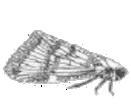
As summer approaches increased levels of Passionvine Hopper (Scolypopa australis) build in kiwifruit orchards. The incidence of sooty mould on fruit also increases at this time. Commonly known as PVH, this phloem feeding insect secretes a sugary substance called honey dew, which sooty mould then grows on. Sooty mould is largely a cosmetic problem but a major cost burden to the kiwifruit industry. A 2019 Kiwifruit Journal article by Wilson & Tozer stated that sooty mould affected approximately 2.49% of the national crop, equating to $44 million that season.
PVH is a single generation insect. Nymphs appear from early November and adults from late December. Both nymphs and adults feed on plant phloem, leading to vine stunting and damage when large populations are present. Being full of sugars, phloem contains the principle food source for PVH. Sugars and unutilised water are excreted under pressure by the PVH to form honeydew.
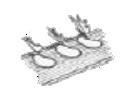
Honeydew is an issue, being the food media that supports sooty mould fungi growth. There is a strong correlation between the population of PVH nymphs and adults and the incidence of sooty mould on fruit. PVH egg laying starts from February, peaks in March and can continue well into May. Each female can lay hundreds of eggs, usually in rows predominantly in dead or dying plant stems. Egg rafts can be visible on the stems of the kiwifruit stalks.
The key to controlling PVH and subsequently sooty mould is to control the nymphs early thus minimising the honeydew expression. Growers should focus on removing host plants around the orchard in the winter. However, the odd host plant can be of some benefit as an early season indicator of pest populations. Buffer zones outside the orchard boundary should be created through spraying. Some contractors have invested in spray cannons to target gullies potentially hosting PVH. Calypso is the recommended product for this spraying and should be applied before December to minimise insect dispersal. During summer growers are limited to using pyrethrum products such
as Pylon (conventional) and Pyganic (organic). The addition of Wetcit or Oroboost (organic) surfactants will increase the persistency of pyrethrum. These should be added at 200ml per 100L of water.
The bio-fungicide product TripleX provides another option for honey dew control, with both antagonistic and competitive properties towards sooty mould. TripleX is also a preventative and should be used in combination with pyrethrum as part of a management plan.
To maximise the benefit of TripleX, regular monitoring is recommended for assessment of PVH infiltration and requirement for further preventative insecticide applications. Once PVH is observed, fortnightly applications of TripleX are recommended until insect pressure reduces. Hywet should be added to improve the performance of Triple X. For improved rain fastness Hywet SprayTite is recommended.
For more information please contact your local Farmlands Technical Advisor.
Source: Wilson.V and Tozer. P; NZ Kiwifruit Journal Aug/Sept 2019
| PVH egg laying starts in February and peaks in March.
Figure 1. PVH life cycle.
Marlborough innovation vineyard update
The Innovation Vineyard Project (IVP) is a collaboration between Farmlands Co-operative and the Marlborough Group Grape Growers Co-operative that commenced in 2017. The project aims to implement and ground truth current “best practice” management systems. In addition, blue-sky technologies are overlaid to demonstrate process and outcomes to Farmlands Co-operative and Marlborough Grape Grower Co-op shareholders.
Dissemination of information is managed through field days and on the Innovation Vineyard website: www.innovationvineyard.co.nz.
Current projects:
1. Simonit & Sirch Pruning Concepts
Following the pruning workshop in August 2019 an area of vines was pruned at the Innovation Vineyard using Simonit & Sirch principles and subsequently shoot thinned. The aim is to observe possible improvements in the vine’s vascular system, thereby reducing trunk disease pressure.
2. “Tandem” Block Development:
(The block named in recognition of the two co-operatives involved). Hi-Stem® and Ultra vines from Ormond Nurseries were planted in the winter of 2020 in combination with conventional vines to monitor and compare performance.
Recycled plastic Future-Posts™, Steel Eco-Posts® and timber
SuperPost® have been installed to provide trellising support systems. Individual features and benefits will be monitored over time.
The Tandem block has underground irrigation installed (as opposed to above ground on wire) to improve water use efficiency, improve the vine’s root system and minimise under vine weed growth. These aspects will be monitored and compared.
3. AgVita Analytical Nutrient Uptake Test
Plant available nutrients are being monitored through analysis of sap extracted from petiole samples during the growing season. The testing regime is proving invaluable for monitoring immediate nutrient availability in the plant. This allows the fine tuning of nutrient requirements long before visible symptoms appear in the grapevine canopy.
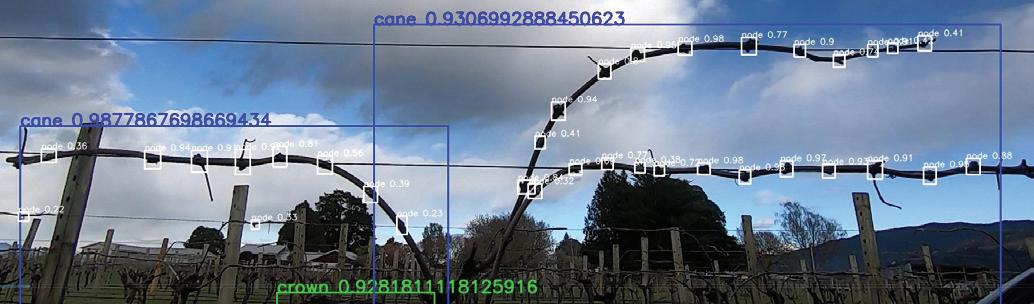
4. Imagery Using Bitwiseagronomy.com
Crop imagery is being captured using a tractor mounted camera to ascertain cane and bud numbers. This information is being used to make informed decisions regarding vine management and yield. This tool is under continuous development to provide data
during critical phenological stages throughout the growing season.
• Looking After the Number One Priority - The Soil Several projects are in place:
· Soil improvement through use of compost products.
· Introduction of regenerative farming principles.
· Under-vine mulching.
· Inter-row cropping e.g. legumes.
· Biological activators.
Further updates on these projects are being provided at field days throughout the season and on the Innovation Vineyard website.
Article provided by Mart Verstappen, Technical Leader – Viticulture, Farmlands Co-operative.
| The next generation Farmlanders already looking after the soil.
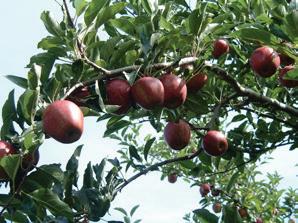
Soil testing for optimising apple crop potential
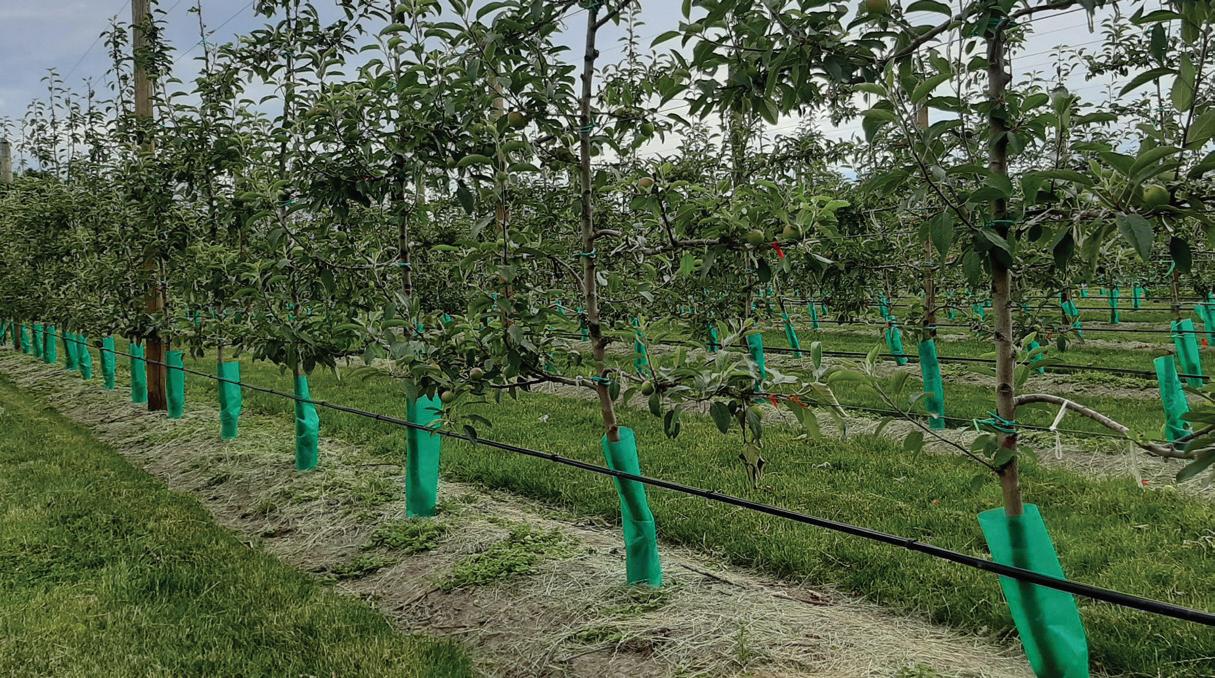
Soil testing is the single most important tool available for making decisions on applying fertiliser and lime in a profitable and responsible way. Using soil testing and soil nutrition management, growers can maintain or increase yields, improve crop quality and spend fertiliser budgets more efficiently.
Although apples are often considered a moderate feeding crop, new growing styles, dwarfing root stocks and plantings in less fertile regions have changed how soil nutrition should be viewed. Such agronomic changes require a more thorough understanding of soils and their nutrient capacities. This is particularly relevant now with growers seeking high quality returns in today’s competitive markets.
It is generally accepted that a plant’s genetic potential is limited by the nutrient in the shortest supply. Although this concept was popularised over 150 years ago the “law of minimum” still applies to many of the challenges that growers face today. Until it is known which nutrient factor is holding back potential, it cannot be addressed.
A robust soil testing regime is the first step to building knowledge of what is occurring under our feet. So where should a grower start? One
soil test or ten? One test covering a ten-hectare block will not provide sufficient information for an informed decision to be made. Conversely, 50 tests on the same block will confuse growers into inactivity.
Consulting traditional regional soil maps or NDVI maps will help to ascertain the appropriate number of samples to represent the soil types and variability within a block. Knowledge of soil types will also assist in making decisions on testing frequency. Your Farmlands Technical Advisor can advise on suitable sites for testing and facilitate collecting, submitting, and analysis of your samples.
Soil test results provide important information about nutrient status, eliminate guesswork and allow growers to work with known factors. While the test results provide the basis for applying nutrients, it must be understood that soil attributes will often be variable.
Knowledge of individual blocks is extremely important when analysing soil test results. It is important to consider trends in test results over time and to be aware that only the area where tree feeder roots are present is sampled. Apple tree roots often extend
well below the sampling depth, so overall tree health and performance should also be considered when making fertiliser decisions. Previous and expected crop loads, drainage, vigour, leaf test results, seasonal weather, post-harvest fruit storability, soil condition and previous soil test results should also all be considered. To be truly successful in interpreting soil test results a knowledge of soil science is essential (e.g. understanding soil nutrients, the interactions they have with one another and what this means for the potential of apple trees). Taking the time to learn more about the soil types on their blocks is critically important for growers. Getting up close and personal by digging holes and inspecting soil profiles and properties is certainly a great way to learn more.
Farmlands Technical Advisors who work with apple growers are trained to interpret soil test results and recommend the best course of action to growers.
For more information please contact your local Farmlands Technical Advisor.
Article supplied by Andy Davis, Technical Leader – Pip and Stone Fruit, Farmlands Co-operative
Future focus at Farmlands
Farmlands has recently pulled together key experts into a new Growth and Innovation team tasked with identifying the trends and industry innovation required to help our shareholders grow their success. Technical leadership is a key component of the new team. “We have plenty of technical expertise in our business – including industry leaders in their respective fields. Pulling these experts into one team allows us to harness the full capability of our collective knowledge to benefit our shareholders,” Andrew Horsbrugh – Director of Growth and Innovation says.
The team is tasked with helping solve the problems our shareholders face in the future, by staying abreast of relevant sector and product strategies, and developing expertise and educational material to upskill our organisation.
The Growth and Innovation team will introduce to Farmlands staff and shareholders what best practice looks like now through to what is needed in 5 years time. There are six key areas of focus:
• Agronomy and Farm Systems which champions arable and pastural, through our offer and extension services in seed, fertiliser and chemical. Sam Lucas leads the in-house expertise of farm planning, agronomy, regenerative agriculture, and integrated pest management.
• Horticulture is an important facet of the portfolio we deliver to our shareholder base. Mark Daniels leads our horticulture technical leaders, the future strategies and introduction of new innovations for our grower shareholders.
• Sustainability and Land Use is a sizeable area of growth for us. Katie Vickers leads our knowledge and solutions for new legislation, compliance, sustainability and optimal land use. Katie will provide clear direction on evolving freshwater legislation, productive land, emissions, carbon management, and riparian planting, ultimately delivering effective solutions to our shareholders. Researching everything from forestry solutions to alternative proteins, Sustainability and Land Use champions meat, fibre, and forestry.
• The Future of Land and Food led by Gaz Ingram focuses on new and alternative ways to current traditional practices. This consumerfocused role challenges the norm and leads behaviour change regarding whole food, healthy food and Taiao product offers. Future of Land and Food champions the consumer, Te Ao Maori, lifestyle, organics, regenerative agriculture, biologicals, and soil health.
• Nutrition & Animal Health leads our offer and extension services in nutrition and animal health. Dr Rob Derrick, as Head of Nutrition & Animal Health, provides considerable technical expertise which is invaluable in helping shareholders make informed decisions. Rob continues his work in developing new products that improve stock performance. The Growth and Innovation Nutrition team also champions dairy, goat, and sheep milking.
• Enabling Technology encompasses our offer in onfarm technology. Leading this, John Arrell helps develop how we use FarmIQ, SafeFarm, SafeVisit, oversight of the “Internet of Things”, innovative tools, and farmer/ grower software. With focus on traceability, block chain, farm data integration with our GrowGuide, Enabling Technology puts us at the forefront of precision farming and evolving digital platforms.
Shareholders will be kept regularly updated on the activity and solutions from the Growth and Innovation Team.
| Andrew Horsburgh, Director - Growth and Innovation.
Kiwifruit Against Psa-V.
ACTIGARD is a systemic plant activator, which triggers the plant’s natural self-defense against Psa-V.
Now with a full label claim against Psa-V in kiwifruit, ACTIGARD is best applied preventatively as a foliar spray during active spring growth (pre-flowering) and post-harvest (prior to leaf-fall).
Applied at 21 day intervals up to 4 times per season, ACTIGARD offers the opportunity to reduce the amount of copper applied, but can also be mixed with copper during periods of high risk.
Activate your Kiwifruit with ACTIGARD – from Syngenta.
For more information call 0800 333 336 or visit www.syngenta.co.nz
ACTIGARD is the trademark of a Syngenta Group Company. Registered pursuant to the ACVM Act 1997, No. P8487. Always read the label completely before use.
Farmlands’ expert team of Technical Advisors are on hand to help you make the most out of your crop this year.
Our unbiased technical advice and support will help you manage the mayhem and reap the rewards through:
• Delivering the latest products and technology
• Crop health and spray programs
• Advice and support all year round
Talk to your local Farmlands Technical Advisor Today.