Staff reporter MARKETS
Beef
NEW Zealand’s beef producers are likely to continue a “golden run” of top farmgate prices until 2025 on the back of tight global beef supplies, according to a new Rabobank report.

However, new ideas and strategic investment will be needed to address the upcoming challenges of greenhouse gas emissions and bobby calf processing requirements, the report warns.
In the report, “Capitalising on tailwinds through to 2025”, Rabobank says the beef industry has performed exceptionally well over recent years.
“The New Zealand beef industry has grown exports by 94,000t or 21% over the last five years and enjoyed a golden run of pricing during this period,” said report author Rabobank agricultural analyst Genevieve Steven.
Growing demand from China has been the key factor, with its share of export beef almost doubling from 20% to about 40% in the past five years.
Steven said the outlook for New Zealand beef exports over coming seasons remains strong, despite the prospect of increased competition.
“Although beef production in Australia and Brazil is forecast to increase, we expect global beef production will remain tight
through to 2025 due to the re-build of the US beef cow herd,” she said.

“We also expect consumption of ground beef in the US will grow as consumers trade down to lowervalue beef cuts, in response to economic tightening. And this will play into New Zealand’s favour as we’re a key supplier of lean trimmings into the US for ground beef production.”
While the outlook remains positive, the beef industry needs to prepare for change.

The Paris Agreement is driving global markets to reduce supply chain emissions – the majority of which occur at the farm level.
“New Zealand farmers are experiencing these market signals via increased regulatory pressure. And afforestation plus emissions and freshwater regulations are also expected to drive a decrease in New Zealand beef production by 4% over the next three years.”




On top of regulatory challenges, the report says, the sector will also have to find ways to manage the increased need for bobby calf processing.
Fonterra is set to bring in new rules in mid-2023 that specify all non-replacement calves must enter a value stream such as dairy beef finishing, veal production or the pet food industry.
FMG and Melanoma New Zealand recently visited rural locations around the country with the FMG Spot Check Roadie, sharing life-saving information and giving FREE skin cancer spot checks. Thank you rural New Zealand for booking out every stop on the roadie, here are the surprising results.
Melanoma New Zealand checked 759 spots. Of those spots, 113 suspicious lesions were identified and referred for further analysis that’s 15% of all the spots checked.


14 potential melanomas were referred on for clinical review. Check out the stat map to see how many families now have the information they need to act.
It just shows how important it is to keep up to date with your skin checks. To find out more, head to fmg.co.nz/mnz or go to melanoma.org.nz/book-a-consultation
THESE RESULTS MIGHT SURPRISE YOU. 113 SUSPICIOUS LESIONS IDENTIFIED & REFERRED TOTAL 759 213 47 SPOTS CHECKED 216 17 SPOTS CHECKED 132 31 SPOTS CHECKED 198 18 SPOTS CHECKED WE BROUGHT THE FMG SPOT CHECK ROADIE TO TOWN. 1
must build on
run One country,
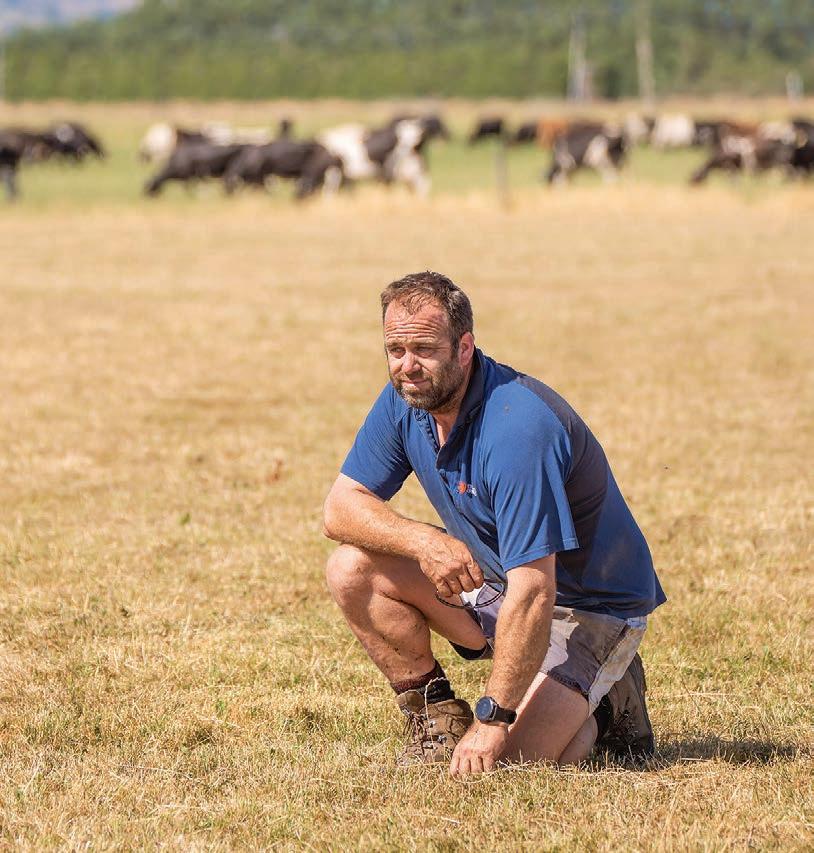
summers While the North Island mops up, South Island farmers like Jon Pemberton of Edendale could use some rain.
Beef
golden
two
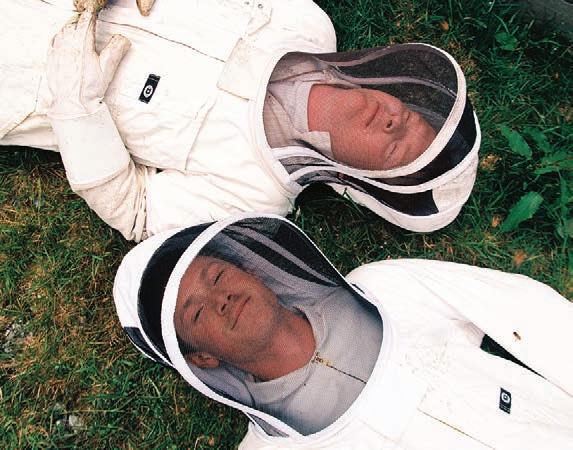
Bee booze with a side of biodiversity Two mates set out to show New Zealand and the globe that all of NZ’s native honeys – and not just mānuka – can make premium products. PEOPLE 20 Vol 21 No 2, January 23, 2023 View online at farmersweekly.co.nz $4.95 Incl GST Down does not mean out 9 District’s new farmer buys top animals for ‘farm that is not going to trees’. NEWS 7 Insect pest fall armyworm found on West Coast after jumping the strait. NEWS 13 Premium fibre, say promoters of cashmere relaunch, is the G.O.A.T. NEWS 15
Photo: Natwick
NEWS 5
Continued
page 5
EDITORIAL
Bryan Gibson | 06 323 1519
Managing Editor bryan.gibson@agrihq.co.nz
Craig Page
Deputy Editor craig.page@agrihq.co.nz
Claire Robertson
Sub-Editor claire.robertson@agrihq.co.nz
Neal Wallace | 03 474 9240
Journalist neal.wallace@agrihq.co.nz
Gerald Piddock | 027 486 8346
Journalist gerald.piddock@agrihq.co.nz
Annette Scott | 021 908 400
Journalist annette.scott@agrihq.co.nz
Hugh Stringleman | 09 432 8594

Journalist hugh.stringleman@agrihq.co.nz
Richard Rennie | 027 475 4256
Journalist richard.rennie@agrihq.co.nz
Nigel Stirling | 021 136 5570 Journalist nigel.g.stirling@gmail.com
PRODUCTION
Lana Kieselbach | 027 739 4295 production@agrihq.co.nz
ADVERTISING MATERIAL
Supply to: adcopy@agrihq.co.nz
SUBSCRIPTIONS
0800 85 25 80 subs@agrihq.co.nz
SALES CONTACTS
Andy Whitson | 027 626 2269 Sales & Marketing Manager andy.whitson@agrihq.co.nz
Steve McLaren | 027 205 1456 Auckland/Northland Partnership Manager steve.mclaren@agrihq.co.nz
Jody Anderson | 027 474 6094
Waikato/Bay of Plenty Partnership Manager jody.anderson@agrihq.co.nz
Donna Hirst | 027 474 6095
Lower North Island/International Partnership Manager donna.hirst@agrihq.co.nz
Omid Rafyee | 020 4087 9489
South Island Partnership Manager omid.rafyee@agrihq.co.nz
Debbie Brown | 06 323 0765
Marketplace Partnership Manager classifieds@agrihq.co.nz
Grant Marshall | 027 887 5568
Real Estate Partnership Manager realestate@agrihq.co.nz
Andrea Mansfield | 027 602 4925
National Livestock Manager livestock@agrihq.co.nz
PUBLISHERS
Dean and Cushla Williamson Phone: 0800 85 25 80 dean.williamson@agrihq.co.nz cushla.williamson@agrihq.co.nz
Farmers Weekly is Published by AgriHQ PO Box 529, Feilding 4740, New Zealand Phone: 0800 85 25 80 Website: www.farmersweekly.co.nz
ISSN 2463-6002 (Print) ISSN 2463-6010 (Online)
News in brief
Dry ice runs dry
New Zealand exporters are unable to source enough liquid carbon dioxide and dry ice, used to keep exports such as seafood and dairy fresh, following the closure of the Marsden Point refinery.
The Northland refinery produced CO2 as a byproduct of its refining operations.
Todd Energy’s Kapuni plant was the sole domestic producer of food-grade CO2 but it was shut down last month.
Gallagher expands
The Gallagher Group has expanded into Australia, purchasing Norton Livestock Handling Solutions.
Norton LHS, founded in 1989, offers Australian-made high-quality sheep and cattle handling equipment, under its family-values brand.
The purchase was finalised at the end of 2022, when the Norton team of about 45 people joined Global Gallagher.
SFF slots open
Applications for Silver Fern Farms’ next two farmer-elected directors are now open.
Incumbents Richard Young and Dan JexBlake both retire in May after completing their maximum three terms. Candidates must be a current shareholder of the cooperative and have supplied a minimum of 400 stock units to Silver Fern Farms for each of the past two years.
Scholarship win
Lincoln University student and AgriHQ cadet Emma Blom has been named as the first recipient of the Align Farms agriculture scholarship.
The scholarship covers one year’s worth of tuition in a food and fibre-related undergraduate program. Blom grew up in rural Southland and is studying for a Bachelor of Environment and Society at Lincoln University.
Need Help? Give us a call on 0800 787 254 www.rural-support.org.nz Rural people Supporting rural people 2 Contents New Zealand’s most trusted source of agricultural news and information Contents Advertise Get in touch HELPING HAND: Inspector Paul Carpenter, strategic adviser with New Zealand Police Operations Group, says the rural policing model is not broken but can be improved to support rural officers so they can do their job better. STORY P14 News . . . . . . . . . . . . . 1-15 Opinion . . . . . . . . . 16-19 People . . . . . . . . . . . . . 20 Technology . . . . . . . . . 21 World . . . . . . . . . . . . . . 22 Real Estate . . . . . . 23-31 Marketplace . . . . . . . . 32 Livestock . . . . . . . . . . . 33 Markets . . . . . . . . . 34-39 Weather . . . . . . . . . . . . 40
PRINTER Printed by Stuff Ltd Delivered by Reach Media Ltd
Labour woes may cost meat industry $600m
Neal Wallace NEWS Meat industry
MEAT processors expect to lose $600 million of export income this season by not being able to fully process carcases due to a second consecutive year of labour shortages.
The sector needs about 2000 workers, a situation processors describe as chronic, similar to last year and compounded by staff absenteeism due to covid.
Companies have recruited about 1000 staff from abroad for this season with more arriving, but this is already causing delays for farmers wanting stock processed.
The Meat Industry Association and Federated Farmers said more meat workers must be allowed into New Zealand.
“Ultimately, we will need overseas workers to make up the shortfall,” association chief executive Sirma Karapeeva said.
Alliance Group manufacturing manager Willie Wiese said low unemployment and insufficient labour in the regions where it operates means it cannot run plants at the desired capacity or meet all its customer orders.
This is especially significant in filling its chilled lamb programme
from page 1
“This will result in a significant jump in the number of bobby calves to process annually from mid-2023, and the meat industry is concerned about its ability to process increased volumes of bobby calves due to labour constraints and the highly condensed bobby calf season,” Steven said.
She said industry participants will need to keep an open mind
to the United Kingdom and Europe.
“We are leveraging our processing network to reduce the impact on capacity and have recruitment plans underway to help make up the shortfall, including promoting opportunities to work at the co-operative in our local communities and employing approximately 200 migrant workers from the Philippines, Indonesia and China,” Wiese said.
Silver Fern Farms has redeployed some North Island staff to its Finegand plant in South Otago to alleviate the shortage, as well as recruiting 360 offshore workers so far in addition to 250 already working here.
Delays in processing visas and uncertain flight availability has hindered their arrival, but they will be deployed to where there is the greatest demand.
A further 265 offshore workers will be joining Silver Fern Farms in the coming months.
Karapeeva also wants changes to immigration settings to address the shortage along with more timely processing of visas to ensure workers arrive at the right time of the season.
Halal butchers have been added to the government’s immigration Green List work-to-residency tier, but Karapeeva would like a special halal butcher visa category established.
to different solutions aimed at addressing these issues.
The report identifies two strategies that could reduce both emissions and bobby calf processing requirements – closer integration of the dairy and beef industries and capturing more value through net-zero carbon attributes.
“One benefit of closer integration is it would allow the beef sector to capitalise on the lower emissions profile of dairy
“The system needs to be significantly more aligned and responsive to the needs of our businesses,” she said.
Karapeeva said despite recruitment campaigns, investment in attracting and retaining talent and supporting training and development opportunities, companies are still finding it difficult to attract people.
SFF’s chief supply chain officer, Dan Boulton, said contrasting weather patterns mean higher numbers of animals are coming off farms earlier than previous seasons, which has been compounded by the labour shortage.
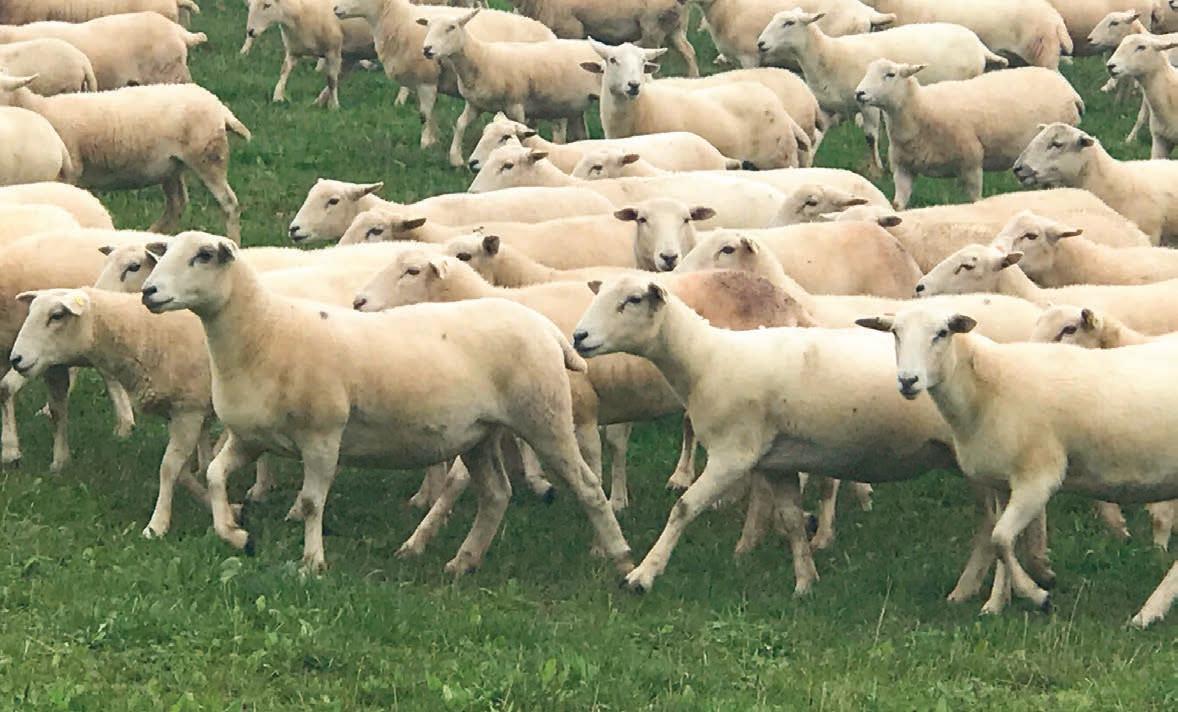
“Most of our processing sites are now running at planned capacity, and we will be moving livestock across our network to maximise the available capacity,” said Boulton.
“It will however take some time to work through the backlog from disruption over the past few months, and we will be prioritising areas affected by the dry conditions and our fully shared and loyal suppliers.”
Federated Farmers board member Toby Williams also wants a loosening of the border restrictions so more workers can be recruited abroad.
“From a farmer’s perspective, opening the borders is crucial to
beef cattle. Dairy beef cattle have significantly lower emissions per kg CWT than straight beef cattle, due to dairy cow emissions attributed to milk production,” she said.
Another opportunity, Steven said, is to more closely align dairy beef genetics with market premiums for beef.
“Improved feedback loops between the beef and dairy industries will help to ensure that the beef genetics being used
get workers in and it means more money for the country at a time when we need it,” he said.
AgriHQ senior analyst Mel Croad said demand for killing space will increase in the coming months, and this could
in the dairy industry align with market premiums, and that dairy beef animals meet finishers’ requirements,” she said.
A further opportunity, Steven said, was the development of a rose veal industry for New Zealand.
“Rose veal – the term given to beef cattle slaughtered at age 8-12 months – is a niche industry in New Zealand, with veal not commonly consumed domestically,” she said.
be accentuated by the staffing shortages.
A wet summer means North Island farmers have options but the South Island is starting to dry, which could create pressure for space.
Steven said the first step in developing a rose veal industry would be to find customers who are prepared to pay a premium for New Zealand veal over that of European competitors.
In addition to greater industry collaboration, the report says, there is an opportunity to capture more value across the carcase, particularly with regard to the development of net-zero carbon products.
www.wairererams.co.nz | 0800 924 7373
release! Wairere Nudie Auction March 1, Masterton 1pm Solway Showgrounds From the best hair sheep flocks in the UK 80 ram lambs, 30 first cross. February 1, Pahiatua Viewing day by private appointment. Rob Stratton 027 271 0206 Andrew Herriott 027 240 0231 Wairere Office 06 372 5784 News 3 FARMERS WEEKLY – farmersweekly.co.nz – January 23, 2023 News 3
First
Continued
CUT: Alliance Group manufacturing manager Willie Wiese says a lack of workers in the regions means the company cannot run plants at the desired capacity or meet all its customer orders.
O’Connor seeks rethink on weather relief
current environment”, O’Connor said in a recent cabinet paper.
MORE frequent adverse weather events have racked up pressure on the Ministry for Primary Industries’ relief funds –and Agriculture Minister Damien O’Connor is calling for a rethink.
“With climate change, severe weather events are becoming both more frequent and intense, and these have tested the resilience of rural communities. We want to front-foot this as much as possible,” he said.
“I have asked my officials for advice on what and how we best respond to adverse events in rural communities in the future, including what funding needs to be in place, and continue to encourage rural proofing across government.”
That would include a suitable suite of support measures with appropriate funding arrangements in place so the Ministry for Primary Industries (MPI) could be responsive in future years, he said.
The current budget appropriation is “inadequate in the
Budget 2022-23 had an appropriation of $530,000 for response and recovery assistance, which was used up in the first two months of the financial year, he said.
Funds were used after the August 2022 Nelson, Tasman, Marlborough and Northland flood events as well as for ongoing recovery from events of the previous year.
According to O’Connor, over the past two years MPI had reprioritised an average of $4.6 million baseline appropriation each year towards response and recovery.
“This is not sustainable,” O’Connor said.
According to the minister, the $530,000 appropriation was set by the cabinet 15 years ago and is now “inadequate” to respond to adverse events which are happening more regularly and with greater severity.
Once funding is exhausted, any extra money has to be sought either from the cabinet or reprioritised from baseline funding.
“This delays my ability to get timely financial assistance and welfare support to communities and industries where it is needed,” O’Connor said.
Cyclone Hale – which hit earlier this month – was classified as a medium-scale adverse event in the Tairāwhiti/Gisborne district, unlocking $100,000 in government support.
O’Connor extended the classification to include the Wairarapa, which unlocked another $80,000.
The storm left waterlogged fields, slips, flood debris and silt,
fallen trees and surface water in its wake.
“The debris on farms, hill slippage, road closures and damage to culverts, farm tracks and other infrastructure, means farmers and growers will face many months of work to get back on track,” he said.
In the paper, dated November 10, O’Connor sought cabinet approval for an additional $1.5m for the rest of this financial year for small and medium events, noting that “funding for larger-scale events that require a high level of support will still be sought from cabinet”.
However, a longer-term solution is needed because the $1.5m was a one-off and the appropriation will stay at $530,000.
“New Zealand has faced many adverse events in recent years ... The high number of events needing recovery support has put the MPI adverse event recovery programme under significant pressure.
“There is a pressing need to increase response agencies’ overall capacity to help communities respond to, and recover from, future adverse events,” O’Connor said.
Soggy soils plague East Coast fruit, vegetables
NEWS Horticulture
VEGETABLE growers on the river flats around Gisborne have been saturated for spring and summer and are heartily sick of the problems caused, the chair of the Gisborne Growers Association, Calvin Gedye, says.
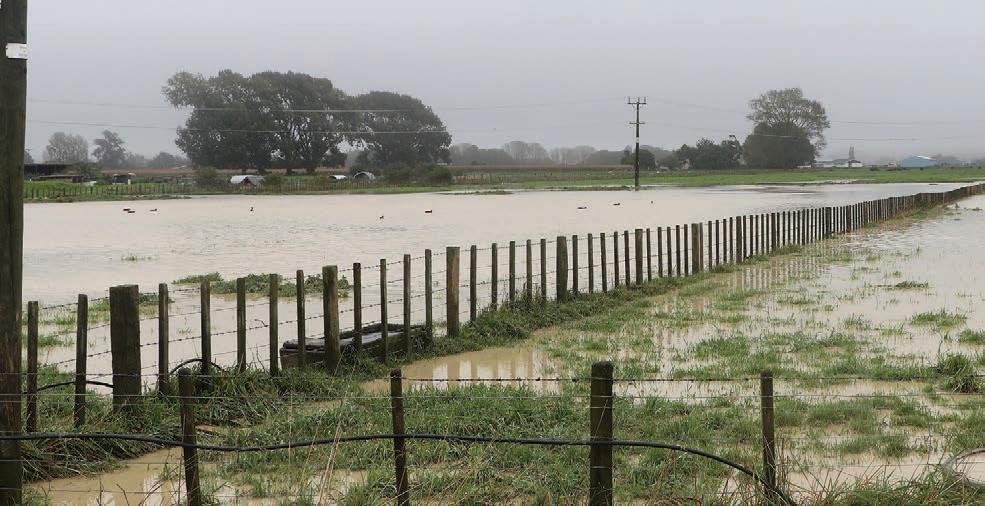
“The prolonged wet weather and lack of sunshine are taking their toll and crops are not growing as they should,” Gedye said.
“We have produced perhaps half of what we planned, being both plant failures and lack of bulk and quality.

“Even the weeds look sick in some of the crops and we haven’t been able to side-dress nitrogen.”
Longer-growing vegetables like
cucurbits, tomatoes and egg plants haven’t grown properly and the fruits are unformed.
After a La Niña season last year Gedye said fellow growers were joking that they have had five winters in a row suffering a chronic lack of sunshine and cooler-than-normal temperatures.
Gisborne growers’ problems might not have an impact on national vegetable availability, because industry giant Leaderbrand has diversified geographically and is using a 10ha glasshouse.
Growers of field crops for processing have been impacted by the near-continuous soil saturation and inability to use machinery.
Ex-tropical cyclone Hale did not flood the Gisborne flats but every
10mm of rain that falls tops up field saturation, Gedye said.
But “Gisborne growers will survive; they always have”, he said.
About 50 kiwifruit growers on the East Coast have nagging problems from continual wet weather and lack of sunshine, local Kiwifruit Growers Incorporated representative Tim Tietjen said.
Some have lost up to 10-20% of vines through waterlogging and these will have to be replanted, probably with a Bounty rootstock that is more resistant to wet feet.
Fruit is sizing well, because of the additional moisture, but taste will be a concern without plenty more sunshine, Tietjen said.
Growers on the Gisborne flats have not been able to work machinery for spraying or orchard maintenance.
Tietjen had not heard from two growers further north in the Tologa Bay and Whāngārā districts as to the extent of flood damage.
Chair of NZ Apples and Pears Richard Punter said there is no question that the weirdness of the summer is going to produce mixed results for Hawke’s Bay growers.
“Lack of sunshine is a concern for fruit colour, and we have rather too much water everywhere in the orchards,” Punter said.


“The weather is not our friend right now.
“Growers are concerned that the bad outcome for last season now has the potential to be two seasons in a row.”

Citrus NZ spokesperson Matt Carter, a grower and marketer of citrus and persimmons in
Gisborne, said so far the fruit has been unaffected by storms and sizing is good in the lead-up to the start of harvesting in autumn.
However, trees are putting out a lot of new, soft growth – a haven for white fly, mealy bugs and thrips – and growers are battling to get insecticides sprayed because of wet ground conditions.
Fungicides to combat skin diseases are also overdue.


Gisborne is the centre of citrus growing, with 120 orchards supplying Carter’s company Fruit Fresh for export and the local market, and up to 250 growers out of New Zealand’s 300.
Harvesting of mandarins and lemons begins in mid-to-late April, followed by oranges, grapefruit, tangelos, limes and persimmons.
27 March, Christchurch Town Hall.
Earlybird rate $395+GST. (valid until 31 Jan 2023).
Learn more or book at ruralleaders.co.nz/forefront/

Platinum Gold
4 FARMERS WEEKLY – farmersweekly.co.nz – January 23, 2023 News 4
RURAL LEADERS WISH TO ACKNOWLEDGE THE SUPPORT OF FONTERRA FARM SOURCE AND CLAAS, PLATINUM SPONSORS OF THE 2023 RURAL LEADERS AGRIBUSINESS SUMMIT.
BusinessDesk NEWS Weather
Hugh Stringleman
TRYING TIMES: The increasing number of weather events needing recovery support has put the MPI adverse event recovery programme under signi cant pressure, says Damien O’Connor.
One country, two summers
Neal Wallace NEWS Weather
NEW Zealand is experiencing a summer of contrasts – wet throughout much of the North Island and what many in the South Island are describing as the best summer in years.
The NIWA soil moisture deficit map as at last Wednesday highlights the contrast between the two islands: most of North Island soil at or close to field capacity and the south at or below capacity.
Rain has been regular for most parts of the South Island, but farmers west of Nelson and in Otago and Southland would welcome a shower.
A lack of rain and continued forecast dry weather has prompted warnings from Environment Southland that water take restrictions could be imposed within a month.
A parade of cyclones have saturated the upper and eastern parts of the North Island but rain has been variable in the
southern half of the island, with coastal Taranaki, Tararua and Horowhenua getting dry.
Thunder-associated downpours have been a feature of summer, but rainfall totals have been distorted and isolated.
Manawatū Federated Farmers chair Murray Holdaway said a recent downpour near Hunterville caused flooding but further south it is dry.
Feed supplies in the Manawatū are adequate and there is plenty of supplementary feed.
His Taranaki counterpart, Mark Hooper, said 10 days of heat and wind have dried parts of the province.
“For this time of year crops are looking good and pasture is good but we are heading down the track of getting dry.”
Marlborough feds chair Evan White said parts of the province recently had a deluge of 139mm and others none or just a few millimetres.
White said there are concerns that as abundant growth dries off, it could create a heightened fire risk.
Soil moisture levels are high through Canterbury, creating
abundant supplementary feed.
Mid Canterbury president David Acland said it has been a favourable season for cropping farmers, but growers are looking for sunshine to complete the maturing and as the first crops are harvested.
Environment Canterbury reports that the alpine-fed Waimakariri and Rakaia rivers are flowing about half the long-term average for January but others, such as the Selwyn, are flowing at twice the January rate.
It has been a fickle summer in Otago and Southland, with most areas enjoying an abundance of pasture growth, but farmers in some areas would welcome some rain.
The Otago Regional Council reports the region’s rivers are approaching traditional summer low levels, but that could change without rain in the next month.
Lloyd Brenssell, who farms at Moa Flat in West Otago, describes the season as surreal and, in terms of growth, one of the best he has experienced, with parts of his farm dry and others quite wet.
One area had a rain event in which 120mm fell taking out a
fence and farm track, but a few kilometres away it was dry.
Southland Feds president Chris Dillon agreed, saying the normally summer-dry northern part of the province is relatively
wet compared to eastern and southern parts, which are drier.
“The province has a lot more feed than at this time last year but it’s got dry quite quickly.”
‘Don’t blame forests for flood havoc’, says NZFOA
THE NZ Forestry Owners Association has hit back at calls for a review of forestry practices in the wake of extensive flood damage on the East Coast, calling such demands “way out of line”.
The region was battered by heavy rain earlier this month, causing damage to property, roads and infrastructure. Some have laid blame on the forestry industry, a major player in the region, as log debris, or slash, blocked streams and rivers and added to the flooding woes. The government, which classified the cyclone as a medium-scale event, has made $100,000 available to help farmers and growers in the
region recover from the cyclone. The Environmental Defence Society (EDS) is demanding a commission of inquiry into forestry industry practices, and environmental forestry company Ekos says there is a need to move away from clear-cut forestry to continuous cover forestry methods.
EDS chief executive Gary Taylor said the flood damage is “yet again the consequences of inadequate controls over exotic plantation forestry operations, with massive inundation of private property by slash and debris from upstream forestry land”.
“It is time for a full-blown, independent commission of inquiry to take a fresh look at the sector, the rules that govern it, whether clear-felling with its adverse consequences should
continue, and where liability should lie for any and all off-site damage such has occurred at Tolaga Bay.”
NZ Forest Owners Association (NZFOA) president Grant Dodson said his heart goes out to those affected by the flooding but said Taylor’s claims “are way out of line”.
“This isn’t happening all over the country. It is the East Coast, north of Gisborne, and Separation Point at Motueka,” Dodson said.
It is “a legacy problem” on highly erodible land that has been cleared of native forest to make way for sheep and beef farming, he said. The land was returned to forestry 30-40 years ago to try to stabilise it, but erosion has continued.
Dodson said forestry companies are trying to address the forestry
slash issue by improving road access to sites and removing more debris. Forests are valuable assets and no one wants to see them washed down rivers.
The reality is, this was a cyclone and the government has recognised it a medium-scale event.
Dodson NZFOA
Dodson said forestry is an easy target, but it is important to note public roading and other farmland also failed during the latest storm. “Should we be reviewing public roads, as well? The reality is, this was a cyclone and the government
has recognised it as medium-scale event.”
Dr Sean Weaver, chief executive of Environmental forestry company Ekos, said the industry needs to stop clear cutting on erodible lands and transition to continuous cover forestry and permanent forests in vulnerable parts of New Zealand.

He said continuous cover forestry for erodible lands is common practice in many countries and undertaken on a small scale in NZ. Continuous cover forestry involves a range of practices, from single tree extraction to patch or strip felling, through to not harvesting timber at all.
Dodson, however, said continuous cover forestry is unrealistic in NZ’s economic environment.
Follow us

Be a part of NZ’s biggest agricultural community and help create a better future

5 FARMERS WEEKLY – farmersweekly.co.nz – January 23, 2023 News 5
farmersweekly.co.nz
GETTING DRY: It has been a bumper summer for most of the South Island but parts such as Jon Pemberton’s Edendale dairy farm in Southland would welcome a shower. Photo Natwick
Craig Page NEWS Forestry
Grant


































































RAV23JAN-FW 0800 73 73 73 www.hawkeye.farm Start ordering with HawkEye
With increasing national regulations and compliance, knowing where and when your nutrients have been applied on-farm is vital. From ordering to recording to reporting, we have you covered. Ensure you have the data you need when you need it. Order your fertiliser nutrients through HawkEye today. Order your Ravensdown fertiliser nutrients Record your proof of placement and activities Reporting made simple for nutrient tracking and compliance 6
HawkEye by Ravensdown
Ewes stay around as farm goes to trees
Stringleman MARKETS Beef and
COOPWORTH-Romney capital ewes sold at premium prices in the Dannevirke Ewe Fair and more than half the 4000 featured offering will be staying in Central Hawke’s Bay.
The vendor was the Te Maire equity partnership of farming leader Sam Robinson and Jason Wyn-Harris, son of Farmers Weekly columnist Steve WynHarris, also principal of Marlow Coopworths, Waipukurau.
The purchaser of the largest number of Te Maire ewes was a new farm owner in the district, who had stock agent Roger Watts buying on his behalf.
“The purchaser has shown his faith in sheep farming by paying for top quality sheep and taking on a farm that is not going to trees,” he said.
Watts said he was the underbidder on the two highest-priced lots – $245 for 300 two-tooths in very good condition, and
$250 paid for 500 four-tooths.
In total he bought 2438 ewes, concentrating on the younger lines of two-tooths, four-tooths, sixtooths and four-years.
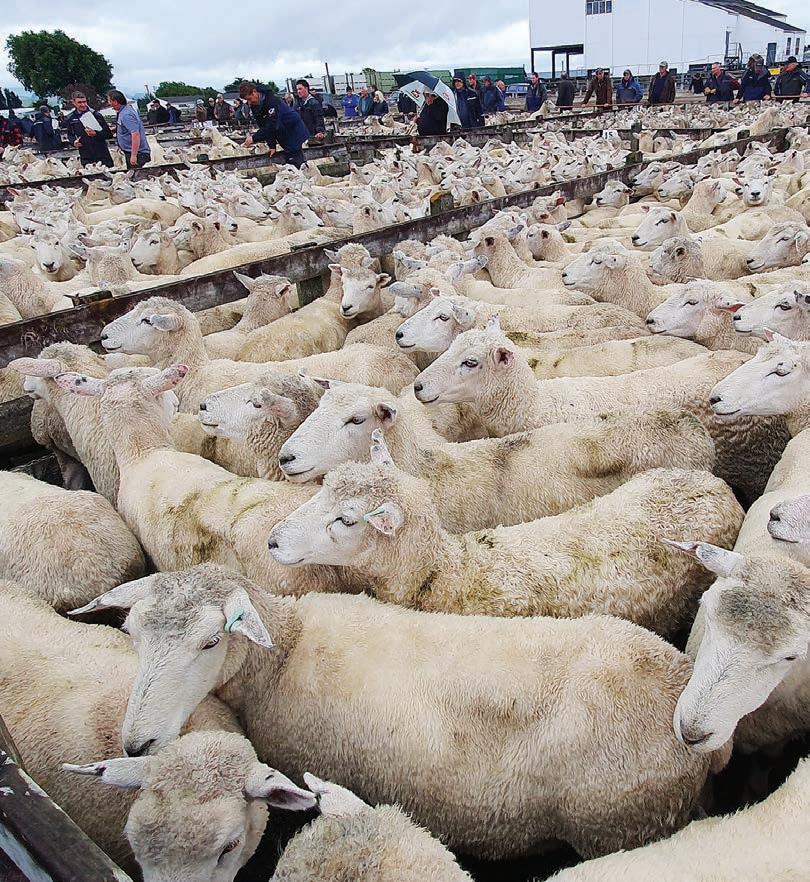
Premiums of $20 to $40 over recent ewe values were paid at Dannevirke, the highlights being $240-$245 for two-tooths and $180-$195 for five-year ewes.
Buyers came from many districts of the North Island but competition for most lots of Te Maire sheep came down to two bidders, one represented by Watts.
“Before Christmas few would have picked such an intense clamour for what was admittedly a top-quality line up of ewe, the majority carrying strong reputations for their breeding potential.”
The Robinson family Te Maire property of more than 1000ha at Flemington, near Waipukurau, has been sold to Ingka Investments Forest Assets NZ, a foreign buyer that is largest franchisee of Ikea stores in the world.
The Hawke’s Bay market had strengthened by $20 at Stortford earlier in the week and Dannevirke added a further $20, Watts figured.
AgriHQ analyst Reece Brick, who attended the Dannevirke fair, said the top cut of four-tooths that made $250 went to the King Country.
Ingka told Land Information it proposes to subdivide and sell off the house and 280ha suitable for pastoral farming, and plant approximately 570ha with rotation forest during the 2023 and 2024 planting seasons.
The property already has 63ha of forestry.
The remaining 147ha will be unplanted, comprising native bush, buffer land, setbacks,
VALUE: The top cut of 2-tooth RomneyCoopworth ewes from the capital stock consignment at Dannevirke last week sold for $245.
Blackdale ram tops out the Texels
Neal Wallace MARKETS Livestock
A TEXEL ram bred by the Black family’s Blackdale Stud at Riverton topped this year’s Gore Ram Sale, selling for $15,500.
Callum McDonald, PGG Wrightson genetics livestock representative for the lower South Island, said the purchasers were Brian and Nola Howden from Waikaka in Southland and Sam Holland from Culverden in North Canterbury.
The next highest price fetched by a Texel ram was $9200 for a sire bred by the Busby family from Cromarty Texels, Invercargill. It was sold to Nathan and Joy Dodd from Glenvale Texels.
All 13 Texels offered at the fair sold, at an average price of $4146.
The top-priced Perendale ram was $12,000, bred by David and Malcolm McKelvie of the Kylemore Stud Wyndham.
It was bought by a syndicate of breeders, Gowan Braes, Snowden and Mt Guardian studs.
The next highest price for a Perendale was $10,500 for a Hinerua Stud ram bred by Julie Wilson and Peter Christie from Gore.
There were 33 Perendale rams offered, of which 27 sold for an average of $3404, $130 less than last year.
Quality sheep were chased, which is great to see people investing in top genetics.
McDonald said the prices paid for the top rams was refreshing, given the uncertain climate for sheep farming.
“Quality sheep were chased, which is great to see people investing in top genetics,” he said.
About 90 rams were offered, including Romney, Poll Dorset, Dorset Down and South Suffolk.
riparian areas, roads and tracks, Land Information said in releasing its overseas investment decision in August last year.
At the same time Land Information released another Ingka investment decision covering 285ha for forestry in adjoining Wanstead district.
Ingka purchased over 15,000ha of farm land and existing forestry in seven consents by the Overseas Investment Office during 12 months from August 2021 onwards.
In addition to the two properties near Waipukurau, there are two at Porangahau, Central Hawke’s
Bay, two stations totalling over 6000ha on the East Coast (Huiarua and Matanui), 5500ha on Wisp Hill Station, Owaka, in the Catlins, and 1120ha at Waimumu, near Gore.
After the Wisp Hill purchase, Ingka forestry manager Andriy Hrytsyuk told the Otago Daily Times that the company’s objective was production forestry, not carbon farming.
“Our approach to responsibly managed forestry provides jobs and economic growth on the same land while also making a positive impact on the climate, through carbon sequestration and biodiversity.”
Grass helps fatten lamb clearance rates in Te Anau
Neal Wallace MARKETS Lamb
AN ABUNDANCE of grass in Southland helped ensure a full clearance of 14,000 lambs from on-farm auctions at three properties in Te Anau in Northern Southland earlier this month.
PGG Wrightson agent Andre Yule said prices for lambs from the Plains Station, Cheviot Downs and Whare Creek were stronger than expected, with demand assisted by abundant feed.
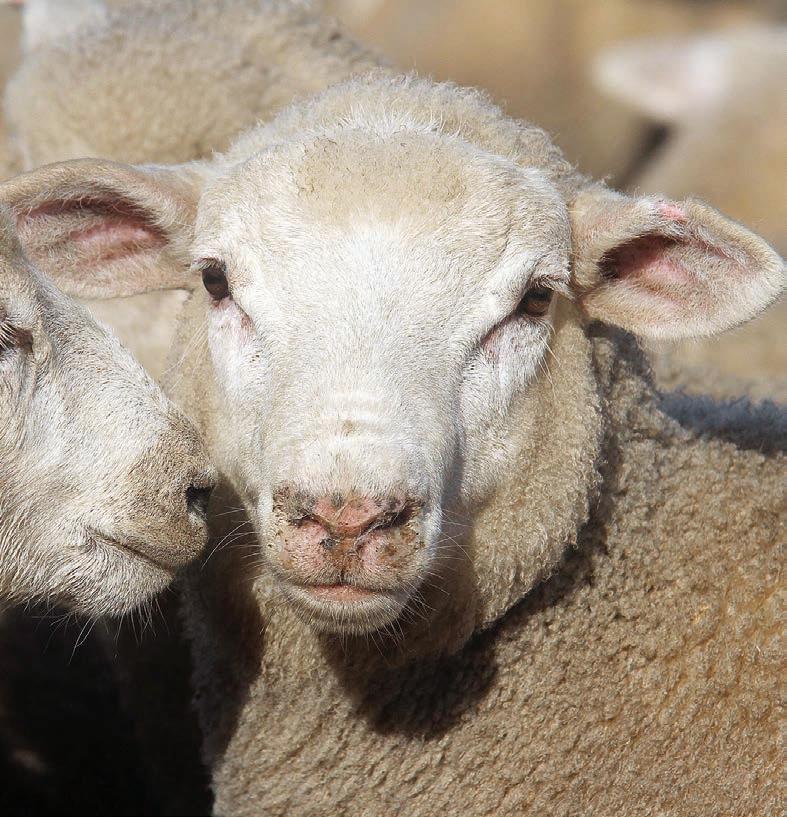
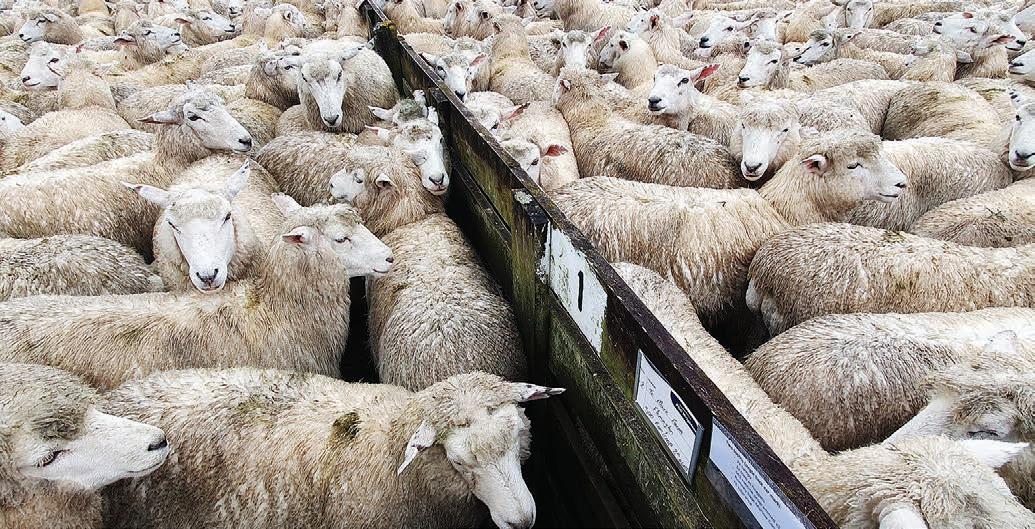
The best lambs sold from $118$138, better stores $100-$115 and small to medium $78-$95 with most sold to Southland buyers.
Prices were back on last year but Yule said not as much as expected.
There are fewer store lambs on the market this year with some traditional sellers taking advantage of the abundant feed to finish lambs they would previously have sold.
7 FARMERS WEEKLY – farmersweekly.co.nz – January 23, 2023 News 7
Hugh
sheep
The purchaser has shown his faith in sheep farming by paying for top quality sheep and taking on a farm that is not going to trees.
Roger Watts Stock agent
SELL-OFF: The second cut of 4-tooth Romney-Coopworth ewes from a capital stock consignment at Dannevirke, in the nearest pen, made $242.
Callum McDonald PGG Wrightson
APPETITE: Prices for lambs from the Plains Station, Cheviot Downs and Whare Creek were stronger than expected, with demand assisted by abundant feed.
Wool may fill a need in soft upholsery
Annette Scott NEWS Wool

ANEW wool product could fill a hole in farmers’ pockets and provide an alternative to soft upholstery.
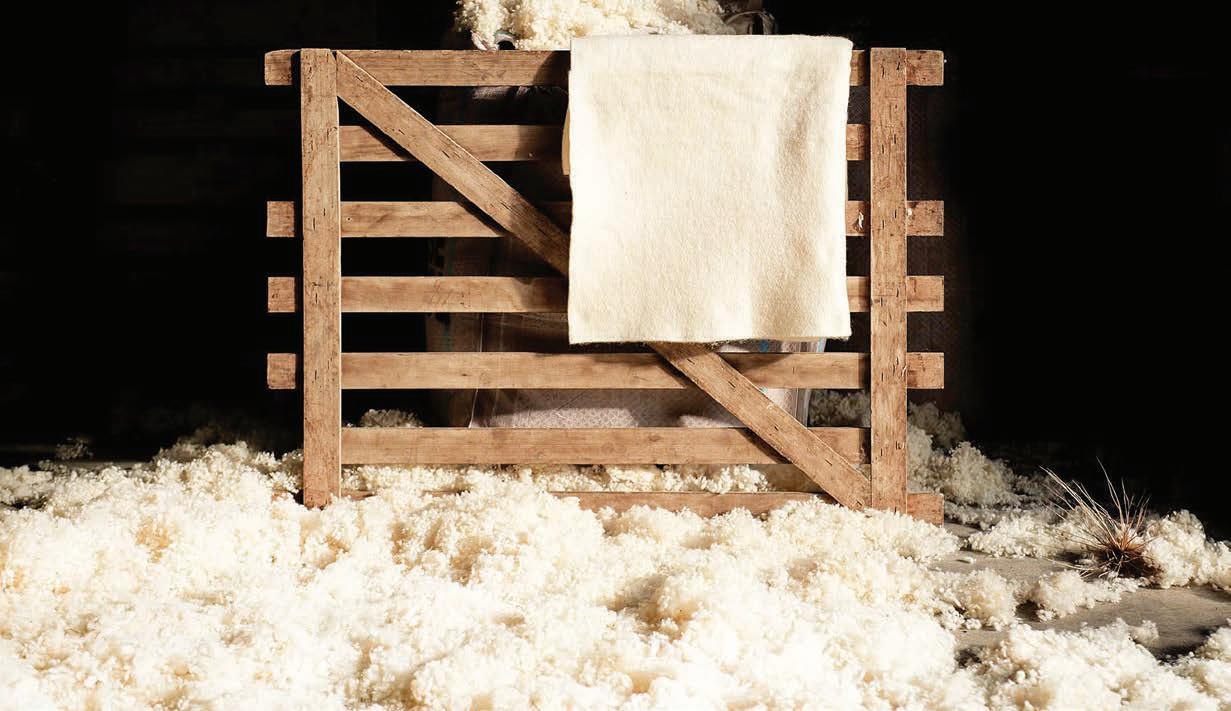
A project seeking an alternative to synthetic fillers has earned government backing via the Ministry for Primary Industries (MPI) Sustainable Food and Fibre Futures (SFFF) fund, which has committed $790,000 over three years to the project aimed at increasing the market potential of woollen knops – the small, light fluffy balls used as a furnishing filler ingredient.
Wisewool was established in April 2021 by the Gisborne Wool Company, a fifth-generation, family-owned business that brokers and procures wool from 200 growers in the greater Te Tai Rāwhiti region.
Through SFF Futures, MPI has invested more than $14.69 million in 15 strong wool projects to date, from strong wool acoustic wall panels to strong wool-based adhesive bandages.
It has also helped to set up the industry organisation Wool Impact, which is charged with driving innovation and demand for NZ strong wool.
“This project has the potential

to improve returns to our strong wool producers and provide an environmentally friendly alternative to existing products made from synthetic materials,” MPI director of investment programmes Steve Penno said.
“Woollen knops can be used in baby bedding and insulated clothing, as well as mattresses, so it’s a versatile product with plenty of scope.
“Wisewool will also conduct research and development of needle punched wool blanketing, which can be used in residential and commercial furniture upholstery, insulation for the apparel industry, bedding and futon markets.”
Wisewool chief executive Henry Hansen said the woolly knop project will predominantly focus on working out the right components and blends to create a range of woollen knops for different products.
“We’ve discovered that when
SUDDEN DEATH:
Five ewes and seven lambs were killed by lightning on a Central Otago farm earlier this month.
See the wood for the trees
used in large quantities as a filler ingredient, woollen knops increase the bounce-back and compression resilience of the fibre.
“We’ll continue researching and comparing the compression resilience of both wool and synthetic fibres and will adjust our carding machines to produce various wool knop blends.
“We’ll also conduct an environmental impact analysis and in-market testing,” Hansen said.
Penno said one of the main drivers for funding the project was its potential to provide an alternative, high-value use for NZ strong wool.
“We’ve asked Wisewool to research consumer price preferences to see if the knops can be sold at a price that gives a good return to farmers.
“The project also aligns with the goals of the sector and the government’s Fit for a Better
World roadmap, which aims to boost sustainability, productivity and jobs over 10 years.
“This includes finding high value uses for NZ strong wool and new industries to boost the earnings of our food and fibre producers.
“By working together with industry leaders and innovators and thinking outside the box, we have the opportunity to turn our homegrown wool industry around,” Penno said.
Lightning kills Naseby sheep
Neal Wallace NEWS Weather
TWELVE sheep were killed and tree bark scattered up to 10m when lightning struck a tree on a Central Otago farm earlier this month.
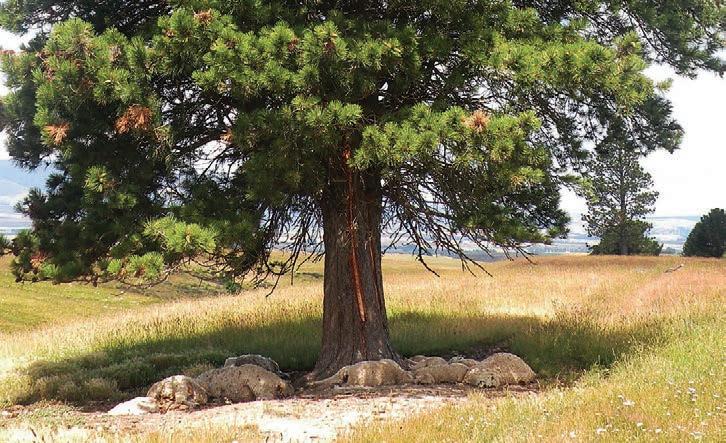
Naseby farmer Phil Smith said the five ewes and seven lambs were sheltering fromthe storm under the tree when it was struck by lightning on the afternoon of January 6.
“It must have been a hell of whack,” Smith said.
The strike ripped the bark from the tree and scattered
it. This is the first time Smith has had lost stock in this manner, but a neighbour told him lightning had killed stock on their farm in the past.
Smith said it has been a busy season for thunder and lightning in Central Otago, but he has not heard of it killing livestock.
FORESTRY
8 FARMERS WEEKLY – farmersweekly.co.nz – January 23, 2023 News 8
REPORTS Subscribe from only $100* per month agrihq.co.nz/our-industry-reports
Be across domestic & international markets by subscribing to NZ’s most authoritative forestry analysis. * Prices are GST exclusive
By working together with industry innovators we have the opportunity to turn our homegrown wool industry around.
Steve
Penno MPI
INNOVATION: Wisewool woolly knops will put a sustainable bounce back into soft upholstery and woolgrowers’ bank accounts.
Down does not always mean out, says study
Richard Rennie PEOPLE Community

GROUNDBREAKING social research in rural New Zealand has identified that just because a rural community is deprived, it does not always mean it lacks the inner strength and resilience to help it rise above its outwardly difficult situation.
Research by NZ Institute for Economic Research economist Bill Kaye-Blake and former AgResearch social scientist Margaret Brown, for an Our Land and Water project, has helped identify communities that can take the punches even if they may appear already down, and brought out lessons for those needing to become more resilient in coming years.
For many years policymakers have tapped into New Zealand’s well-established Deprivation Index to get a profile of those communities most at risk, and in need of proportionately greater government input to help them improve their lot.

The researchers agreed that trying to define “resilience” can seem hopelessly vague, compared to the empirical, defined metrics used in the Deprivation Index.
But Kaye-Blake said it has proven possible to turn resilience into a meaningful metric, one they defined using an index similar in methodology but differing in content to the Deprivation Index.
“We included aspects of the community’s profile like the rate of volunteering, religious affiliation and identification as a Māori, for example,” he said.
The team applied their index across 300 rural communities nationally, typically with populations ranging from 1000 to 5000 people. They found by simply comparing deprivation values against resilience values, there was often a close correlation.
“However, when we went into communities, we found the statistics did not always align with how community members felt about their communities, often the view from inside differed from that outside.”
Volunteer participation often goes hand in hand with religious affiliation, between them becoming the “glue” that underpins community resilience. Including Māori identity captures iwi’s tendency to offer nonmonetary koha for payment or support, and the big part extended families play in community contribution.
“Wairoa is one community that really highlights how the indices and reality can be quite different.
When we went into communities, we found the statistics did not always align with how community members felt about their communities. Often the view from inside differed from that outside.
Bill Kaye-Blake NZIER

“Outwardly the level of deprivation is quite high, but when you talk to them, we find a whole informal economy, a volunteer economy that is paid in kind or in koha with strong social networks that are not captured by the numbers.”
With volunteering comes leadership within communities, and the researchers identified champions who were prepared to pick up the mantle on big projects, inspiring others to follow.
But this alone has a life limited by the enthusiasm, commitment and energy of those individuals, and requires a sustained succession plan to keep momentum up for the many years often needed on projects.
“You can see those projects fall over after that person moves on, so there is a need to have others coming through to continue that leadership after the original leader moves on,” said Brown.
Policymakers touting programmes need to be aware, too, that the people championing projects can be subject to burnout after a couple of years.
Succession plans are even more important when funding for community projects is only for a limited time. They require momentum and proof of commitment to take to the government when seeking further funds beyond that time frame.
The government’s Rural Community Hubs programme, backed by $1.12 million in funding, is aiming to build resilience in remote and deprived rural communities, with allocation already made to 20 hubs around NZ.


“So there is money there, communities just need to put their hands up for it, but it relies on champions, and with some funding it is only there for two years,” said Brown.
She said women had often played a key role in voluntary type community work, but this has changed with many more heavily involved in daily farm operations, or with their own careers in town.
“You have got to have time, and we all know that is increasingly challenged today.”
She noted in some of the larger communities’ funding provisions can also bring their own tensions, with disparate groups having their own ideas on where the money needs to be spent.
“It is the smaller communities that seem to be able to get a better consensus, and work through their priorities.”
Kaye-Blake cited one small community that had drawn up a list of dream projects back in 2007.
“They have managed to
National Open Farm Day
Sunday 12 March, 2023
We’re bridging the urban-rural divide. One open day at a time. Host an open farm day.

consistently work through that list for the past 15 years, and the success of one project builds on the success of the last.”
The next challenge is to try to move the dial in those highly deprived/low resilience communities identified by the research.
Brown said she is optimistic,
but pragmatic about the reality of turning some rural communities around.
“Every community has the potential, but some need a lot of hand-holding and financial support. Others can be more standalone. If we truly want some rural communities to remain, then we will have to work harder at it.”
Visitor registrations open soon Nationwide Numbers Your weekly update on Open Farms events and visitor numbers. 21 Farms hosting an open day Sign-up to host at WWW.OPENFARMS.CO.NZ Ministry for Primary Industries Manatū Ahu Matua Agriculture & Investment Services OUR LAND AND WATER Toitū te Whenua, Toiora te Wai 9 FARMERS WEEKLY – farmersweekly.co.nz – January 23, 2023 News 9
INNER STRENGTH: Work by Bill Kaye-Blake (pictured) and Margaret Brown found that deprived communities can have a resilient core.
Safety caution as farm accidents rise
Craig Page NEWS Safety
FOUR people have died in farm vehicle accidents in New Zealand in the past month and WorkSafe says variable weather conditions could be a factor.
WorkSafe confirmed it has been notified of seven incidents in NZ during the past


month involving farm vehicles, where people have died or been injured.
These involved quad bikes, a tractor, a side by side, a front-end loader and a harvester. “Sadly there have been four deaths,” said WorkSafe spokesperson Paul West.
“We have initial inquiries underway, and part of these inquiries will establish whether each incident occurred at a workplace or as a result of work activity.”
The fatalities occurred in Southland, Taumarunui, Tokoroa and Opotiki.
According to WorkSafe statistics, 11 people died in agriculture-related incidents between November 2021 and October 2022. Six of those deaths involved vehicles.
West said the latest accidents are a reminder for those working on farms to make health and safety a priority.
Protecting your ewes against abortion storms takes two vaccines.
Farmers are trying to do more and more in less time, and when you add the labour shortage it’s not helping.
Wayne Langford Federated
Farmers
“This is a time of year where we are experiencing variable weather and growth, and variable ground surface conditions.
“Slope surfaces can be especially problematic at this time of year.”

West said farm work consists of “a never-ending list of tasks and constant reprioritisation as weather, commodity prices and other factors within the farmer’s influence change”.
He said some farmers will be doing work that usually a contractor might do with equipment better suited to the task.
“We cannot let these challenges contribute to loss of life or injury. The people with the most power to influence this are those on the ground each day doing the work.”
Federated Farmers national vice-president Wayne Langford echoed calls to make health and safety a priority on the farm.
Recent weather conditions in some regions have put added pressure on farmers and at times only provided small windows for harvesting and planting crops.

“Farmers are trying to do more and more in less time, and when you add the labour shortage it’s not helping.”
Langford, who has responsibility for the Feds health and safety portfolio, said it is vital that health and safety remain “front of mind”, no matter how busy farmers were.
Safety tips
WorkSafe recommendations for reducing harm on farms include:


CONTROL THE RISK OF

Toxoplasma and Campylobacter are widespread on New Zealand farms1. These diseases can cause abortion storms with losses up to 30%, or more, of lambs2,3


Preventing them takes two vaccines. Maiden ewes require 1 dose of Toxovax ® and 2 doses of Campyvax ® 4 ahead of mating. Mixed age ewes require an annual booster of Campyvax4 prior to mating.
Protect against abortion storms, and improve flock performance.


ORDER TOXOVAX AND CAMPYVAX4 FROM YOUR VET TODAY.




• Choose the right vehicle for the job and ensure the operator is competent to drive it.
Think about safety outside of work activities. Farms can be dangerous for visitors and during recreation activities. Prioritise tractor and machinery maintenance. This should include attachments, good tyres and brakes.

• Tired people make mistakes. Do difficult things earlier in the day – save the easy stuff for later.
If your vehicle is fitted with a seatbelt, use it. Consider installing crush protection on your quad bike.
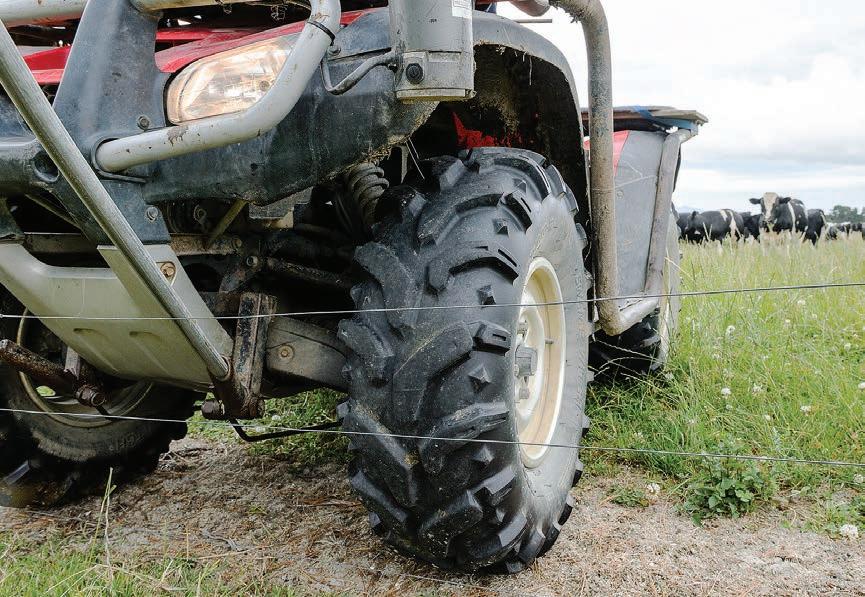

• Ensure the vehicle is safely stopped and brakes are fully engaged before leaving the vehicle.

CONTROL THE RISK OF CAMPYLOBACTER AVAILABLE ONLY UNDER VETERINARY AUTHORISATION. ACVM No’s: A4769, A9535. Schering-Plough Animal Health Ltd. Phone: 0800 800 543. www.msd-animal-health.co.nz NZ-CVX-220900001 © 2022 Merck & Co., Inc., Rahway, NJ, USA and its affiliates. All Rights Reserved. 1. Dempster et al (2011), NZ Veterinary Journal 59:4 155-159. 2. Wilkins et al (1992) Surveillance, 19:4, 20-23. 3. Sahin et al (2017) The Annual Review of Animal Biosciences. 5: 9.1-9.22 VAXIPACK® RECYCLING LEARN MORE
TOXOPLASMA
10 FARMERS WEEKLY – farmersweekly.co.nz – January 23, 2023 News 10
are
SAFETY
FIRST: A spate of recent accidents
a
reminder for those working on farms to make health and safety a priority.
Five Star stands empty for M bovis clean-up
Annette Scott NEWS Disease
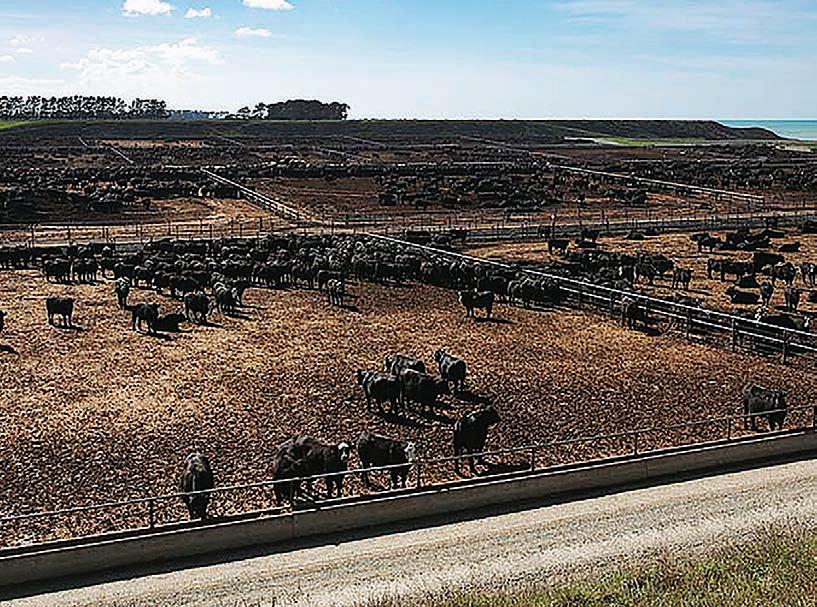
NEW Zealand’s largest commercial cattle feedlot is empty and in a stand-down period for a Mycoplasma bovis cleaning and disinfecting process.
As part of the Ministry for Primary Industries’ (MPI) eradication programme for M bovis, Five Star Beef was empty of cattle by the end of 2022.
From the start of January the operation has been subject to a stand-down cleaning and disinfecting process.
The cleaning process is expected to be complete by mid-March.
ANZCO general manager systems, supply and sustainability Grant Bunting said ANZCO Foods has worked closely with MPI since M bovis was found at the Five Star Beef feedlot near Ashburton in 2018, a year after the disease was first found in NZ on a farm in South Canterbury.
He said Five Star Beef has followed all MPI’s advice and implemented and complied with all MPI’s biosecurity requirements, always knowing that eventually the feedlot would be emptied to clear the disease.
MPI said Five Star Beef practises a high standard of biosecurity that is well managed.
MPI made the decision to hold off depopulating the feedlot until close to the end of the eradication programme based on the risk of reinfection at the feedlot, which had been able to continue operating because from there all cattle go directly to slaughter.
The feedlot depopulation started on October 13.
Bunting said Five Star Beef has an important role in the community and this was considered when developing the depopulation and repopulation plans.
To minimise the impact on its suppliers, Five Star Beef has continued to buy cattle and is finishing them on grass on contract-grazing properties to help with the repopulation process when it takes place from mid-March.
Established in 1989 to finish Angus steers for the Japanese market, Five Star Beef is the single largest supplier of chilled beef exports, with up to 20,000 cattle at any one time.
“Five Star Beef is part of a significant supply chain and the depopulation will have widespread impact on the feedlot’s business, its many cattle and feed suppliers
US exec to headline Rural Leaders summit
 Staff reporter NEWS Leadership
UNITED STATES-based global food executive Devry Boughner Vorwerk (pictured right) will head this year’s Rural Leaders Agribusiness Summit.
The theme of the event, to be held on March 27 at the Christchurch Town Hall, is “Forefront”, focusing on businesses making change and those that provide solutions to the sector’s and the world’s biggest agribusiness challenges and opportunities.
“The summit will discuss and debate the topical agribusiness challenges globally and locally with a solution-based case studies and learnings,” summit chair Murray King said.
“The day is designed for farmers, growers and associated industries with a focus on real and practical answers.”
Morning Report co-host Corin Dann will host the event and the keynote speaker is Vorwerk, a global food executive and corporate officer, sustainability entrepreneur, international business development and diplomacy strategist, and an expert in international trade relations.
Other guest speakers include Lain Jager (Te Puna Whakaaronui chair), Volker Knutzsch (Cawthron CEO), Vangelis Vitalis ( Trade and Economic Group deputy secretary), Tom Sturgess (Lone Star Farms), Traci Houpapa MNZM (company director and business advisor), and Angus Brown (CEO and co-founder of Ārepa).
as well as the wider community,” Bunting said.
The business is a key part of the local Ashburton economy, being directly responsible for 300 jobs, with 30 people employed at the operation and the others involved in processing the niche product at nearby ANZCO Foods Canterbury.
The operation annually takes up to 40,000 head of cattle from farms all over the country as well as 50,000t of grain and 18,000t of maize from local suppliers.
This accounts for 90% of South Island maize and 8% of NZ’s grain production.
Meanwhile M bovis programme director Simon Andrew said the programme remains on track to eradicate the disease from NZ with the current focus targeting a sole pocket of confirmed infection in Mid Canterbury.
A Controlled Area Notice (CAN) was declared in the Wakanui area of the Mid Canterbury district from October 13 2022, restricting the movement of cattle in an effort to stop M bovis circulating in the area.
The CAN defines two areas: a high-risk area of properties immediately surrounding the feedlot and an at-risk area, taking in properties immediately outside of the high-risk area.
To date, no infection has been
found in the at-risk area and therefore at present none of these properties require depopulation.
“We are making good progress towards clearing infection from the high-risk area of the controlled area,” Andrew said.
The high-risk area of the CAN is expected to be free of cattle by mid-January.
All confirmed properties in the high-risk area will undergo cleaning and disinfection as well as a stand-down period as part
of removing infection from the controlled area.
The CAN will remain in place until about mid-March, or until testing confirms infection is not present in the area.
“Although we are at the tail-end of this outbreak it is possible we may find other infected properties in other parts of the country in the future and so we must remain vigilant and maintain our nationwide surveillance programme,” Andrew said.
Robot boosts biosecurity testing
Annette Scott TECHNOLOGY Biosecurity
THE arrival of an Explorer G3 robot is set to boost animal disease testing in the event of a biosecurity emergency.
The $580,000 high throughput diagnostic robot is the first of its kind in New Zealand and will increase testing accuracy and consistency during future biosecurity responses.
The robot is set up and in action now at the Biosecurity NZ Animal Health Laboratory.
Animal Health laboratory manager Joseph O’Keefe said the Mycoplasma bovis outbreak provided useful insights into how the laboratory could increase its capacity during a response.
In particular, it highlighted the need for automation.
“If an exotic disease such as foot and mouth disease (FMD) arrived here, our people could need to test some 3000 and up to 7000 samples a day.
“Automating this process will speed
our delivery of results making the whole process faster for farmers, better for the wellbeing of our people and for the animals involved too.”
The Explorer G3 workstation was manufactured in Germany and is designed to test samples for antibodies to FMD and other exotic diseases.
NZ’s international markets,” O’Keefe said.
“If there is an exotic disease outbreak in NZ’s animals, automation will allow us to recover faster.”
The 750kg robot took a week to set up, with each part individually delivered safely into the biosecure containment area.
Once it was assembled, the team ran it through stringent testing and calibration to ensure the tests were as accurate as the current manual process.
Joseph O’Keefe Animal Health Laboratory
The robot doesn’t require frequent attention or intervention, freeing up the animal health laboratory staff for other testing, and providing stability throughout intense response periods.
The robot can even run tests overnight without staff present.
“Testing delays can affect our economy as antibody testing is essential for maintaining the access and security of product exports to
Now that this has been confirmed, the robot has begun day-to-day diagnostic testing, O’Keefe said.
The machine achieves its efficiency through moving test plates around. Each plate can contain about 90 samples and the robot manages up to 40 plates at once.

Simultaneously it adds samples and different reagents, washes and incubates the test plates.
Outside of responses, the robot is used to perform antibody tests for surveillance programmes and for testing groups of animals for import or export purposes.
11 FARMERS WEEKLY – farmersweekly.co.nz – January 23, 2023 News 11
IN THE WINGS: Five Star Beef has continued to buy cattle and is nishing them on grass on contract-grazing properties in anticipation of the eventual repopulation process.
If there is an exotic disease outbreak automation will allow us to recover faster.
TOP TECHNOLOGY: The Explorer G3 robot is set up and in action at the Biosecurity NZ Animal Health Laboratory.
Wanted: sunny days to get the harvest in
Annette Scott NEWS Arable
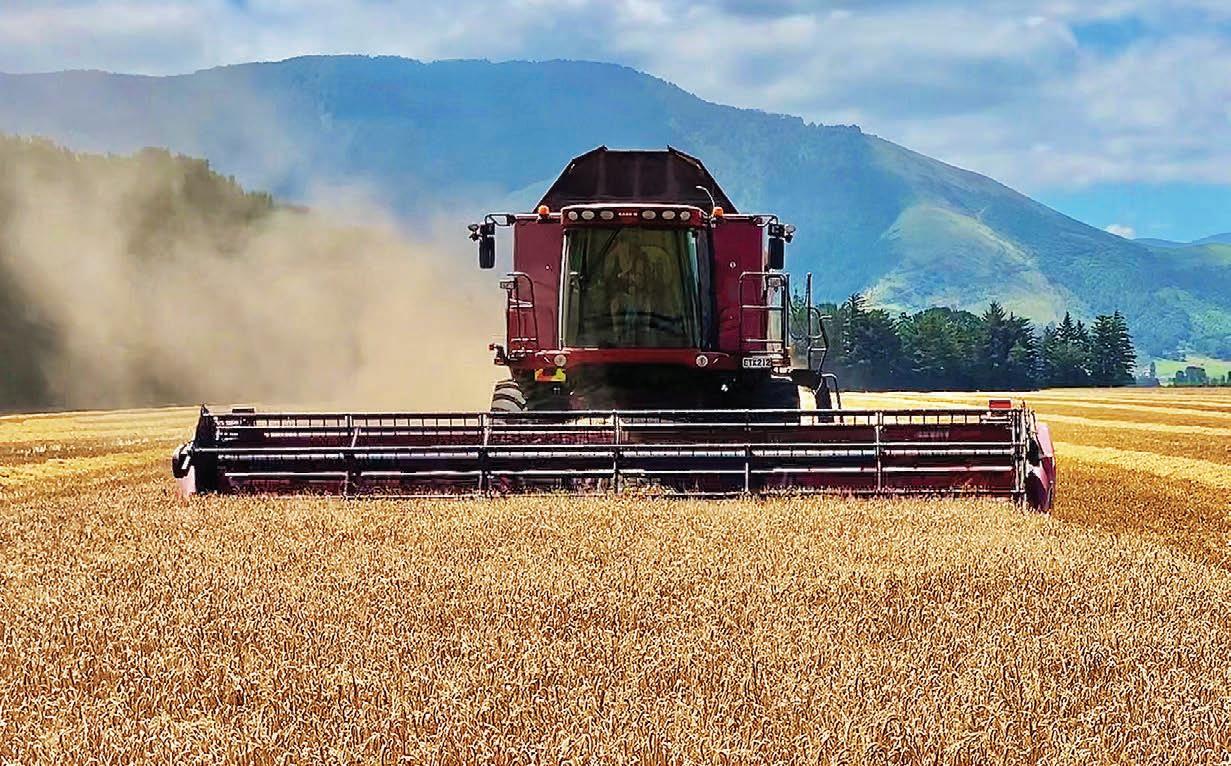
CROPS are slow to come off this season as harvest drags the chain and arable farmers look to the weather gods for a run of sunny summer days.
Across New Zealand, harvesting is being hampered by the lack of sunshine and, while crops are generally looking good, farmers fear a repeat of last season’s disastrously wet harvest.
Up until the past couple of weeks summer conditions had helped crops across the country with optimism in the North Island and promising crops in the South, where the weather had set up Canterbury and Southland for a good season.
“We need some settled weather now. The crops don’t need any more rain and we don’t want to end up in a harvest season like last year,” Mid Canterbury Federated Farmers arable chair Darrell Hydes said.
“Last year’s harvest was a disaster, it was a tough season with the rain right through and this year crops are doing well and generally looking all right but we want settled weather to get them in.”
Early cereal crops are ripening but the region is not alive with harvesters yet.
Clover crops are beginning to suffer the effect of recent rain with bulky foliage smothering the flowers, but Hydes said grain is holding up so far.
With rapeseed harvested this week, Hydes, like many farmers, is now cutting grasses. Fescue and cocksfoot are the first to go down.
“After a tough one last year we really need a good harvest this season as we are all battling the forever rising input prices especially with seed, fertiliser, diesel and ongoing compliance costs.
enough to cover the extra costs this season.
“There is a worry that grain might go the same way depending on the Australian harvest and international pricing,” Hydes said.

and is expected to increase output from the previous forecast of 13 million tonnes to a record 16 million tonnes.
to farmers and add competitive prices to whatever is left for NZ domestic spot contracts.
Darrell Hydes Feds arable
“Hopefully grain will hold up, we know the northern hemisphere has had a really good [herbage] seed harvest in ryegrasses and while we are in a better position here now with the seed companies given a lot of work that has been done there, we are not likely to get
The latest Grain and Feed Insight reports Australia’s harvest for the 2022-23 season has yet again been forecast up and is anticipated to break records with the nation set for significant yield increases.
Australia’s wheat production forecast has increased another 5.4 million tonnes to a record 42 million tonnes.
Agribusiness economists at National Australia Bank said the harvest’s increase can be attributed to higher yield. Western Australia, the largest exporting state, has “performed very well”
It is being reported that ports are preparing for the exports, with many ports reportedly fully booked for wheat shipments in March through April, pushing buyers into the months further ahead.
Despite the increased yield, heavy rain through much of the nation, particularly the east coast, has led to many growers reporting a decrease in wheat quality, pulling away from milling wheat into average or below average feed wheat.
With much of NZ’s grain already contracted out for the upcoming harvest, this will be welcome news
Profarmer’s current price for H1 milling wheat sits at AU$412/t, AU$78/t lower than October’s price.
In comparison, prices for feed wheat have remained unchanged since December at AU$305/t.
NZ grain prices are holding up with Canterbury milling wheat last week sitting on a high of $680/t, with feed wheat at $660 in Canterbury, $640 in Southland and $680 in Manawatū.
Feed barley is holding highs of $650/t in Canterbury, $680 in Southland and $760 in Manawatū.
Maize grain has climbed to $800/t in Manawatū and $639 in Waikato.
Dodgy news erodes GM uptake in Africa
period from January 2019 to collate 535 articles on the technology.
COUNTRIES that could benefit the most from genetically modified crops are also those most likely to be subject to mistruths about it, according to research on the level of misinformaton clouding the technology.
In a study published in the journal GM Crops and Food, researchers used a two-year
They found 9% of the articles published in that time were factually inaccurate. These had a potential readership audience of a quarter of a billion. The angle of the misinformation tended to be largely negative-neutral in sentiment.
The proportion of misinformation exceeded even that about covid-19 vaccines,
the subject of earlier work by the researchers.
In the vaccine work, they found only about 0.1% of articles in mainstream media contained misinformation, but had the capacity to reach large numbers of readers and affect the conversation about it.
But John Caradus, CEO of Grasslanz, said what is of even greater concern is that a disproportionately high level of misinformation is published in Africa.
Researchers found that almost a fifth of Africa’s GMO content consists of misinformation.
“That compares to 5% in North America and 7% in Europe,” he said.
The study focused only on mainstream media publications, rather than social media postings that have proven so problematic for spreading covid-19 vaccination misinformation.
Caradus has been researching global and domestic perceptions of GMO and highlighting the overarchingly positive impact the technology has delivered in the 20-plus years of use. He has other papers on GMO uptake and regulatory challenges in the pipeline.
Of the misinformation published,
the greatest amount related to “human health” topics, at 40% of the volume of articles published. This was followed by 25% each for “environment” and “pesticides” related articles.
“A lot of the information in Africa is not just false information, but also reflects an attitude separate countries are taking towards GM, particularly out of Europe,” Caradus said.
While GM technology’s use is approved and ramping up in South and North America, Australia and parts of Asia, Europe continues to remain ambivalent about its application.
A number of countries, including Germany and France, are choosing not to run with the technology.
Caradus said there is irony in the level of misinformation, given the benefits developing countries have experienced from the technology.
The report’s authors highlight how the adoption of “Bt brinjal” (eggplant or aubergine), a transgenic crop resistant to some insects, has contributed to a six-fold increase in profits to smallholder farmers in Bangladesh, while also significantly reducing the use of pesticides by them. Similar claims have been attributed to farmers in India and Pakistan.
Caradus said despite “human health” stories being highest on the list of misinformed articles, this is one area where the technology has proven to be safe. His earlier meta review of GM technology across over 800 studies found no proven human health impacts over the past 25 years from ingestion of GM foods.
The use of the technology has also contributed to 37% lower use of pesticide use over GM crop area. GM crops have a 23% lighter environmental footprint due to significantly lower pesticide use and less tillage area requirements.
He takes heart from another finding by the researchers – the high level of factual information that was published over the period under review. “So, I don’t think this is completely damning,” he said. In New Zealand there are 90 GM foods approved under NZ and Australia food safety regulations for consumption. There is a gap between what NZ consumers can buy and the techniques NZ farmers may and may not use in the absence of GMO production being allowed in the country.
“It comes back to a balance between benefit and risk, and I don’t think we have had that discussion in a sensible way here,” Caradus said.
12 FARMERS WEEKLY – farmersweekly.co.nz – January 23, 2023 News 12
After a tough one last year we really need a good harvest this season.
Richard Rennie NEWS GMO
QUALITY CONCERNS: Heavy rain through much of Australia has led to a decrease in wheat quality – welcome news to New Zealand farmers as it should add competitive prices to whatever is left for NZ domestic spot contracts.
FAKE NEWS: John Caradus, CEO of Grasslanz, says poorer nations in Africa could bene t greatly from GMO but are often subject to the greatest levels of media misinformation.
Fall armyworm crosses to South Island
 Gerald Piddock NEWS Pests



FALL armyworm has been found in the South Island for the first time, with the Foundation for Arable Research confirming it has been discovered in three locations on the West Coast.

Early this week a find was confirmed in a paddock of maize near Hokitika, and since then other finds in the region suggest several maize crops are affected.

Members of a FAR and Seed and Grain Readiness and Response team, along with Dr Scott Hardwick from AgResearch/B3, visited the Hokitika property on January 12 to assess crop damage and the efficacy of control.
Nationally, the Ministry for Primary Industries has received 117 inquiries about the insect pest since September 1. The total number of confirmed positives is now at 56, up 11 from last week. Three of these finds were on the West Coast of the South Island.

The worm is thought to have been carried on storm fronts from Australia and arrived in New Zealand around February 2022.




FAR general manager of business operations Ivan Lawrie said most of the finds so far have been larvae feeding on maize crops.

Going forward now, the main thing is to continue reporting. We need growers to be walking their fields and finding any signs of damage and reporting any finds to the MPI.
Ivan Lawrie Foundation for Arable Research






Primary sector groups with government support have installed 200 traps on farms within the affected area to capture the insect in its moth stage, he said.

“We have had a few moth detections so far but mostly what we observed in the lead-up to Christmas was direct damage from caterpillars in paddocks,” Lawrie said. This has led him to believe the insect survived the winter due to mild weather conditions, which has been backed up by modelling.
Those insects at the moth stage will also be travelling south, seeking warmer temperatures.
“The earlier sown maize crops will have a certain degree of escape because as the season progresses and the crop outgrows the presence of the pest you have less of a chance of getting severe economic damage.”
Lawrie said there was concern that the wet conditions in the upper North Island and subsequent delay in maize being sown this season meant the early development stages of the crop could be at higher risk from the insect.



One positive development is the approval of the insecticide spinetoram, commercially known as SpartaR, which can be used to control fall armyworm.
There are also promising signs that a native parasitic wasp is attacking fall armyworm. While research is still in its early stages, it could mean a degree of natural control available to farmers in the near future, Lawrie said.
The worm has been found in all of the areas discovered last season including Northland, Waikato, Bay of Plenty and Taranaki. Lawrie said they are processing reports from other regions where it is

suspected the insect has spread.



“Going forward now, the main thing is to continue reporting. We will continue to collect the data from the moths from the traps but we need growers to be walking their fields and finding any signs of damage and reporting any finds to the MPI.”
This helps FAR build a better picture for modelling and understanding the insect.
“There is no downside for a grower to report any finding, only an upside. There’s no chance of the crop being destroyed or notices being put on paddocks. There should be no fear in reporting a new find.”

With our new E Series Hybrid Rotaries you can milk safely and efficiently with one operator. IS I T T I M E TO MILK SOLO? Upgrade Specialists Talk to the 0800 222 228 delaval.com 13 FARMERS WEEKLY – farmersweekly.co.nz – January 23, 2023 News 13
STORM TOSSED: The worm, which arrived in New Zealand this time last year, is thought to have been carried on storm fronts from Australia.
New rural policing strategy launched
Neal Wallace NEWS Community
THE launch of a new rural policing strategy aims to better support the 165 officers responsible for maintaining law and order over more than half of New Zealand.
NZ Police has launched its Rural Policing Enhancement Project (RPE) to ensure rural policing is fit for purpose, responsive to changing rural needs and to improve support for rural officers.
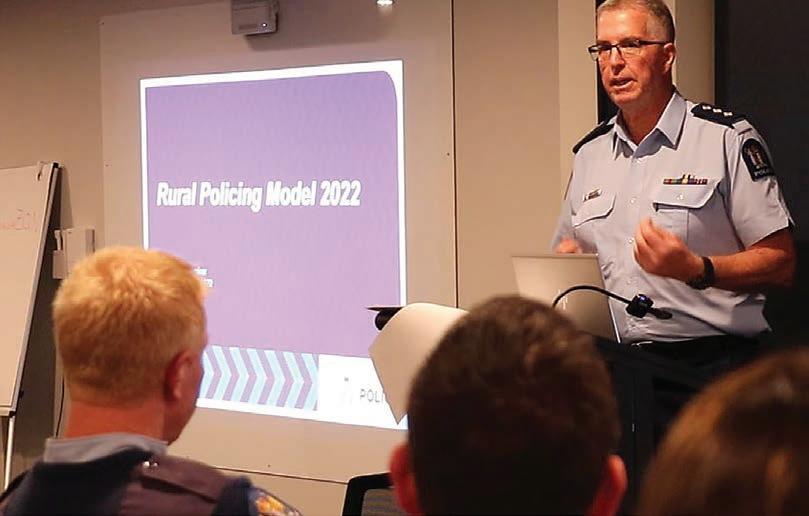

This includes appointing Inspector Karen Ellis as NZ Police’s first rural manager, with responsibility for providing a rural perspective at governance level at national headquarters.
Currently a senior sergeant and the victims manager with the prevention group, Ellis will be conduit for the flow of information between on-the ground rural police officers in the 12 police districts, and police headquarters.
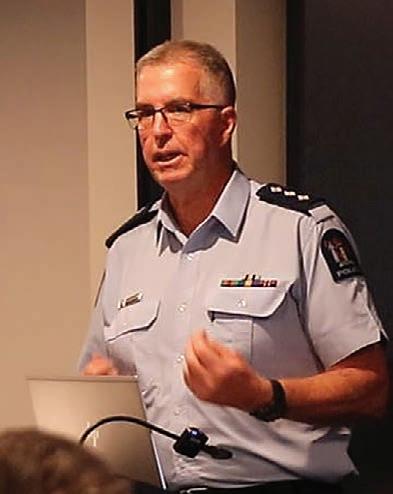
Inspector Paul Carpenter, the strategic adviser with NZ Police Operations Group, says the model is not broken but can be improved to support the isolation of rural police officers so they can do their job better.
“Tangibly the public may not
see anything different but police officers involved will feel better supported and knowing they are backed up whether it be with specialist units or when dealing with an incident or accident,” Carpenter said.
He says there are 104 stations in NZ manned by between one and three officers.
Those 165 officers are responsible for policing half the country’s land mass, an environment that covers forestry, bush, coast, alpine and farming.
“They require different types of policing, they each have a different dynamic.”
Recruiting officers to work in these stations is not usually a challenge, but he says those keen to work there require certain qualities and need to know what the role involves.
“They have to deal with isolation, remoteness so we need to make sure when they go into these rural environments they understand they are often working on their own.
“So they need to be able to build relationships and be good communicators.
“The majority of the time they’re going to be attending incidents on their own.”
This plan is designed to ensure they have adequate support or
back up depending on the nature of the incident.
“It’s always been there, but we want to improve it,” Carpenter said.
In 2018 the Independent Police Complaints Authority (IPCA) launched a review into policing of small communities, but Carpenter said before this was released, NZ Police initiated its own review into the topic.

It was prepared jointly and the recommendations were agreed by both entities.

One issue was the pressure and expectations of spouses or partners of rural officers who often have to in deal with the public when police are away from the station.
“We don’t expect partners to be pseudo police officers and we want them to be safe.”
A Rural Police Families Induction Booklet has been prepared for spouses or partners outlining what to expect when based in a rural station, what is expected of them, how to deal with situations and what support is available.
Carpenter said they similarly want the public to feel safe but to also engage with police and to remove the perception that minor crime is not important.
He said there have been


occasions where victims have waited until their local police officer returned from leave to report an incident rather than deal with a reliever.
Carpenter said rural people prefer talking to police officers in person, so a challenge for the strategy is having new ways for the public to communicate with their local police officers, such as using social media.
This means giving users the confidence that when using those avenues, it will reach local police officers.

RESULTS
“We want to make sure rural communities know how to contact police whether the medium is social media or an emergency line, that it will reach their police officer.”
For officers, the initiative also includes regular interaction, including speakers, between rural police so they can learn from the experiences of each other, changes to relief policies so staff can more easily have time off and to extend and upgrade of communication technology to reduce black spot areas.
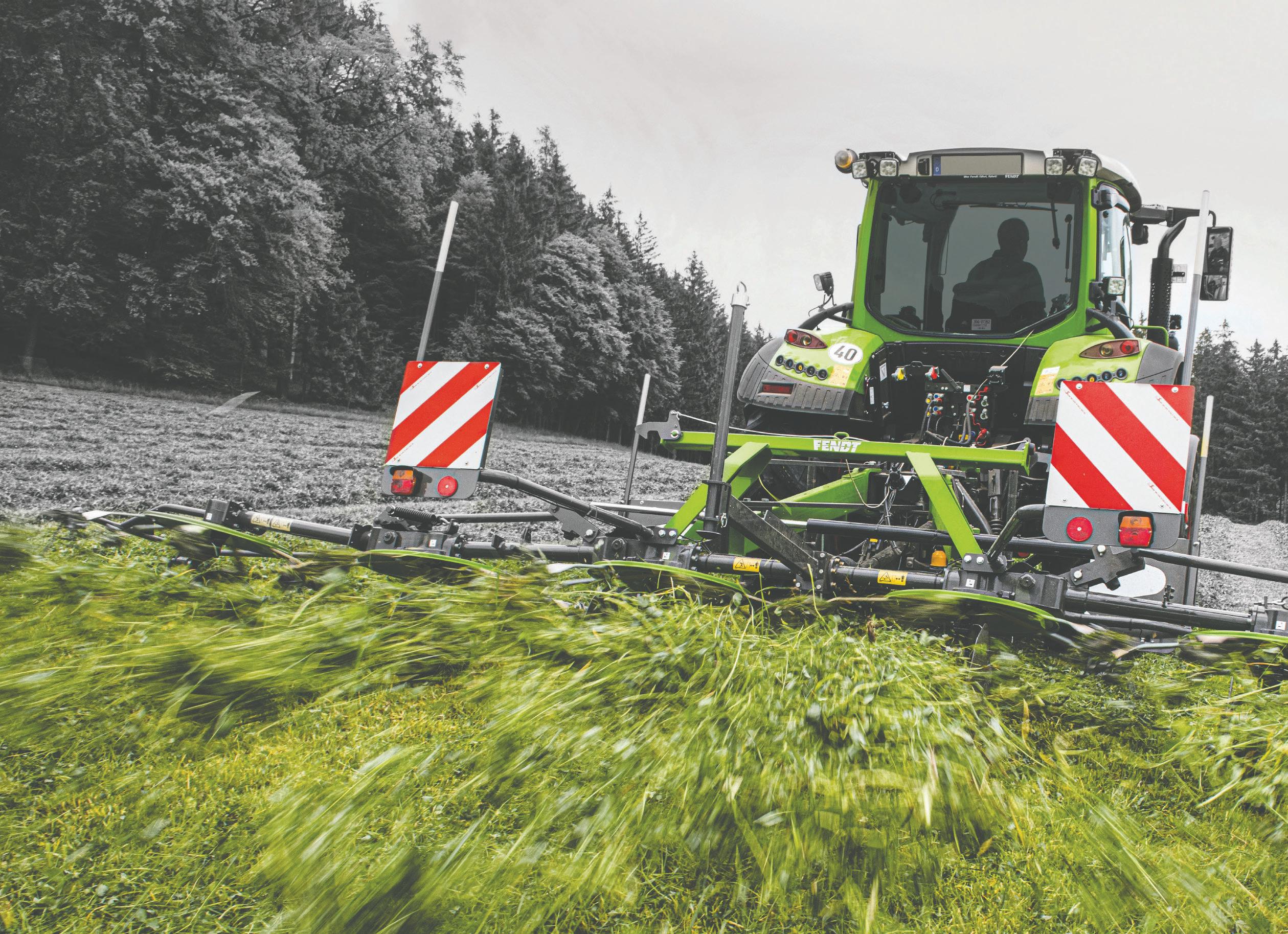
Right now, with a finance rate starting from 0.99%*, there has never been a better time to invest in the quality and performance of Fendt. It is an acquisition that pays dividends when it comes to reliability and return on investment. And right now, you’ll also enjoy exclusive deals on haytools. Now is the time to talk to your local Fendt dealer.





*Offer ends April 14th, 2023 while stocks last. Finance with an interest rate of 0.99% p.a available on a Hire Purchase agreement based on a minimum 30% deposit cash deposit, the GST component repaid in the fourth month and 12 equal monthly repayments in arrears, or 1/3 deposit, 1/3 payment after 6 months and 1/3 payment after 12 months. Fees and lending conditions apply to approved GST number holders who use the equipment for business purposes. Finance is approved by AGCO Finance Pt Ltd, GST number 88-831-861.
www.fendt.com/au


It’s bold – It’s Fendt.

Now BIG
0.99%
RATE 14 FARMERS WEEKLY – farmersweekly.co.nz – January 23, 2023 News 14
Early Order Program On
SMALL
HELPING HAND: Inspector Paul Carpenter, the strategic adviser with NZ Police Operations Group, says the model is not broken but can be improved to support the isolation of rural police officers so they can do their job better.
Calling all farmers keen on cashmere
Annette Scott MARKETS Fibre
ATHREE-year ultrapremium fibre project calling for farmers keen to explore the potential of the $2 billion global cashmere industry has attracted overwhelming interest.
Sustainably Beautiful, a programme to restart the cashmere industry, is led by New Zealand Cashmere and backed by the government, which has committed $900,000 over three years through the Ministry for Primary Industries’ Sustainable Food and Fibre Futures fund.
NZ Cashmere has partnered with Woolyarns to create the industry, which is essentially in a start-up phase.
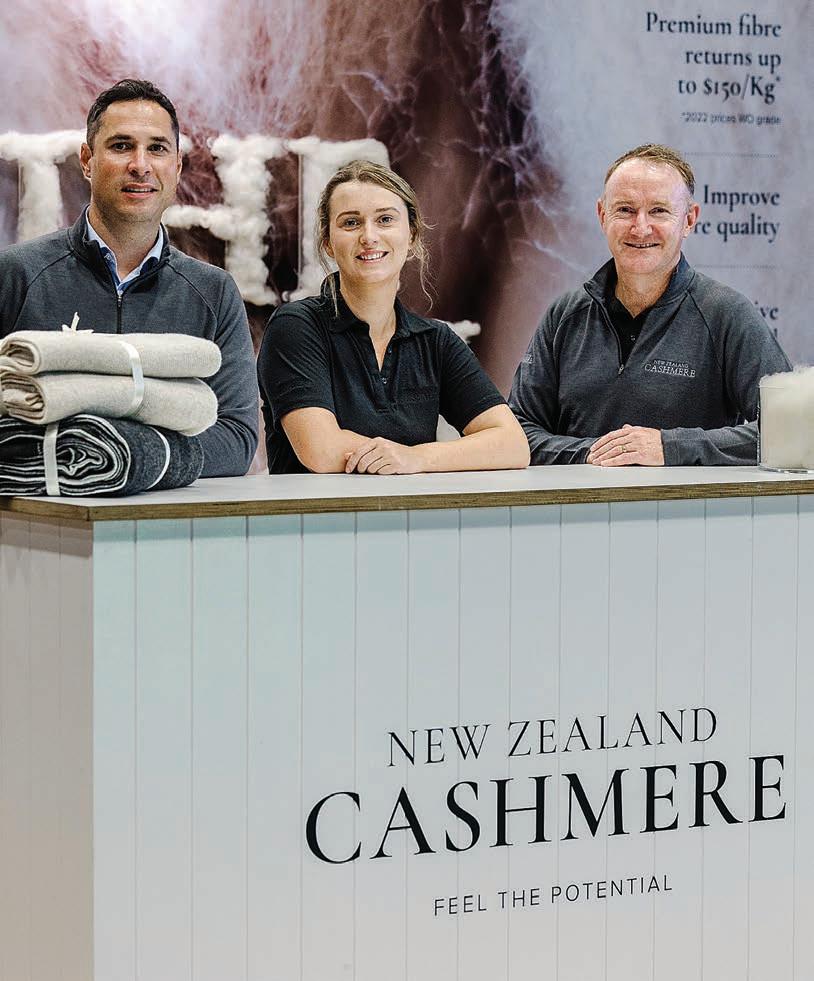
underpins the $150m possum fibre industry in NZ today.
“We’re excited by innovation and the opportunity to be doing something similar again.
“This programme aims to help farmers as they enter the industry so they can sustainably farm cashmere-producing goats within their existing farm systems.”
A multimillion-dollar cashmere processing facility has been commissioned at Woolyarns’ Lower Hutt operations, the first of its kind.
“We know this is a long game, we’re investing now and we will support farmers to supply this special fibre,” May said.
NZ Cashmere business development manager Olivia Sanders is working with farmers keen to take part in the establishment of herds as part of their farm systems.
“This is an exciting time for farmers to be part of the start of a high-value industry which is backed by a company with more than 75 years of processing and marketing expertise.
“There are opportunities for farmers to get on board early as breeding properties, pilot farms and growers, and to be a pioneer in NZ’s ultra-premium luxury fibre industry,” Sanders said.
interest forms and for us now it’s about finding the right farmers to join the Foundation Flock programme.”
The selected farms will be supported by NZ Cashmere with technical on-farm support to become breeding properties supplying quality animals as seed stock to grow the industry, while enjoying the raft of benefits cashmere goats bring to their wider farming system, Sanders said.
The benefits of introducing the animals into farm systems go beyond diversification of revenue.
“They include improved pasture utilisation and up to 30% improvement in clover cover, which benefits other stock classes.
“They are also a good form of biological weed control, reducing the use and costs of chemical sprays; an alternative to blanket forestry and a low-impact agricultural diversification for environmental compliance – all topped off with secure long-term fibre contracts at $100-$150 a kilogram.”
Farmers will be required to integrate up to 200 breeding does into their farming system with a commitment of three years to the programme.
the luxury fibre market, it has a long-standing, loyal customer and consumer following.
“At Woolyarns we have relationships with leading European fashion houses who are looking to source sustainably produced ultra-high end cashmere fibre from NZ farmers.
additional value in the market. NZ Cashmere is working with NZ Cashmere Genetics Ltd, which has been breeding cashmereproducing goats for more than 35 years.
NZ Cashmere director and Woolyarns general manager Andy May said the programme focuses on assisting farmers with advice and support structures.
“We know this is a long-term investment for us. We have been here before and are committed to creating value for farmers.
“Through Woolyarns we pioneered the globally successful Perino yarn brand, which
Expressions of interest closed on December 22, but opportunity is still open for interest in the flock programme.
“Interest has been really solid, overwhelming really. We have had particularly good interest in the South Island with lots of people, sheep and beef farmers mainly, looking for an optional revenue stream.
“I’m making my way through more than 40 expression-of-
Ownership models, including share farming, are available to a limited number of farmers.
Woolyarn’s international marketing manager, Jimad Khan, said cashmere fibre has strong, long-term global demand at the ultra-premium end of the market.
“Cashmere is not a commodity fibre, it historically returns between $110 and $150NZD/kg and, sitting right at the top end of
“These relationships have enabled us to offer long-term fibre contracts through NZ Cashmere so farmers can learn how to produce cashmere to take advantage of this global market demand.
“This is a very stable high-end market,” Khan said.
Key workstreams of the programme include the development of traceability processes so the unique sustainability story and product attributes of the fibre can generate
As part of the project, NZ Cashmere Genetics’ David Shaw is working with researchers from AbacusBio on the genetics programme to support the growth of the industry.
The NZ cashmere goat has seen 35 years of genetic gain to produce a resilient, highperforming and hardy animal that can now be farmed in a variety of different areas around NZ, and has a particularly good constitution for underproductive hill country – “all the time lifting the quality of this high-value fibre”, Shaw said.
Farm Source to invest in more technical horsepower
informing them on the everbroadening spectrum of key performance factors they are being monitored on.
A HUNGER among Fonterra shareholders for more informed advice in the face of more regulatory and policy demands on farm busineses is compelling the co-operative’s retail diving to rap up its offering of expertise, alongside farm products and inputs.
Anne Douglas, Fonterra’s group director for Farm Source, said the division heads into the new year lifting investment in skilled, technical advisors within its team.
SOURCED: Anne Douglas of Farm Source says the company is ramping up its skills capacity in the face of the more complex challenges that farmer shareholders face, including rising input costs and compliance.
“Shareholders are telling us there is a lot going on around areas of compliance, greenhouse gases and water quality that is requiring more help on the farm,” said Douglas.
She said the company’s Farm Insight reports are proving a good starting point for many farmers to help build more efficiency into their farm business, while also
Fonterra started in 2020 to use data available on farm greenhouse gas emissions reports. It took this a step further in 2021 by offering broader individualised farm insight reports to farmers, including information on milk quality, sustainability and animal health. They also receive information on their farm’s performance under the Co-operative Difference premium programme, a greenhouse gas report and a nitrogen risk score card – as well as reports on milking efficiency, somatic cell and lameness.
“We have been investing in our internal capacity, and seem to be attracting good people, including a number of ex-farmers keen to retain contact with the sector,” she said.
While cost categories have remained relatively unchanged in recent years on farm, the focus
on them has intensified as dairy farm inflation sweeps upward of 15% per annum, one of the highest increases for any sector in the country.
“Farmers are starting to prioritise spend. It is not just about getting a product, but seeking a solution behind the product, and that often requires a greater level of advice, including citing some case studies versus just buying a product that may do the job.”
Post-covid, she said, there are some trends developing in farmers’ expenditure patterns, with online purchases again coming to the fore.
“Obviously during covid they were ordering online and then either doing click and collect or having products dropped off.
“Then, almost as a social activity, they were coming into stores more, catching up with staff and each other. Now we are seeing a move back to more online purchasing again.”
As the full implications of New
Zealand’s agricultural gas policy become clearer, Douglas said, Fonterra will be working closely with farmers in the new year.

Where things are heading has already been heralded by the Fieldays announcement of the Fonterra-Nestlé partnership to establish a carbon-zero dairy trial in Taranaki.
This multi-year project will see enrolled Fonterra-supplying farms get additional support to implement changes aimed at lowering their on-farm emissions, which could include solutions such as improved management of feed and pasture, and enhanced milk production efficiency.
The opt-in pilot will start with about 50 farms and be scaled up over the next three years.
“Even on the day the announcement was made we had farmers come to us interested in being part of it. They see this as an amazing opportunity that they can lead the world with,” Douglas said.
15 FARMERS WEEKLY – farmersweekly.co.nz – January 23, 2023 News 15
EXCITING YARN: Sitting at the top end of the luxury bre market, Jimad Khan, Olivia Sanders and Andy May are excited about the restart programme for New Zealand Cashmere.
Richard Rennie NEWS Dairy
There are opportunities for farmers to get on board early and be a pioneer in NZ’s ultrapremium luxury fibre industry.
Olivia Sanders New Zealand Cashmere
From the Editor
The
Bryan Gibson Managing editor
AGRICULTURE Minister Damien O’Connor is doing the rounds in Europe, firstly in Davos, Switzerland, for the World Economic Forum, before heading to a major agriculture summit and bilateral trade talks.
The annual WEF event brings together heads of state, 200 cabinet ministers and 1500 business leaders to form a global response to the big issues.
O’Connor is highlighting trade stability, agricultural emissions mitigation and innovation in farming as his priorities this year.
The forum meets at a time of turmoil, and the event’s tagline – Co-operation in a fragmented world – speaks to the devolution of geopolitical relationships recently.
Nonetheless, if we’re to solve the big
issues of climate change, food security and the cost of living – all while the fourth industrial revolution continues at pace –we’ll need all hands on deck.
The pace of change we’re experiencing right now is relentless and it’s often difficult to stay positive as each new thing comes along.
Maybe that’s the problem. What if we normalised change instead, ensuring our people, communities and economy were equipped with the knowledge and resilience to not only ride the waves of change, but use that momentum to our advantage?
Luckily for us there are smart people looking to do just that.
If you want reassurance that New Zealand agriculture is in good hands, the scholar reports at Rural Leaders are an excellent way to find it.
Each scholar looks at one of the big, or not so big, challenges in food production and, having picked the brains of global leaders, comes up with a home-grown solution.
The Rural Leaders Agribusiness Summit is being held in March and promises to be equally inspiring.

This year’s keynote speaker is United States-based global food executive Devry Boughner Vorwerk, who is the founder and CEO of DevryBV Sustainable Strategies.
She’s had leadership roles at US red meat giant Cargill and at Grubhub, an American online and mobile prepared-food ordering and delivery platform.
In New Zealand the concept of environmental, social and corporate governance, or ESG principles, is still in its infancy.
But Boughner Vorwerk has firm views on what the future holds in this space.
“ESG is a condition of competition,” she says. “Some businesses … are ‘ostriches’ with their heads buried in the sand and will only advance on ESG through crisis. [But] ESG policies have an impact on the ability to access capital, insurance, top talent and customers.”
Factoring ESG into a business model may sound simply like more cost and bureaucracy at first blush.
But what it actually does is give assurance to the business, the regulator and the consumer that a product is fit for the modern world.
By recognising and accounting for the human and environmental impacts from the outset, a business becomes more agile and can roll with the waves of change more easily.
As Boughner Vorwerk warns, it’s a condition of competition.
This is a warning everyone in our farming sector needs to hear.
The pace of change we’re experiencing right now is relentless.
Letters of the week
Frightening but oh so true
Bernard Lilburn Feilding
FINALLY someone who has the intestinal fortitude to tell it like it is. I vote Cameron Bagrie for prime minister!
What a great article, “No benefits in a divided New Zealand” (November 21).

He isn’t part of the whoosy liberal ideological intellectual woke brigade that is sending our country down the proverbial outdoor dunny.
His comments on the state of EnZed Inc are actually quite frightening. But oh so true. We contribute 0.09% of world methane emissions. But we feed more than 40 million people.
The rest of the world contributes 99.91% of emissions. Go figure!
He Waka Eke Noa and the Three Waters legislation are sending New Zealand down a very murky and dangerous path.
The greatest methane emitter in NZ is fresh-cut tree stumps and rotting slash.

It is nothing to do with climate change. It is just to bleed farmers dry.
Are tourism and forestry, which are far greater emitters, in the gun sights like farmers? Hell no!

Air New Zealand is out on its own as the country’s greatest polluter. Google it.
And the peripheral damage of forestry is far worse than that of livestock farming.
Damage to roads and infrastructure, slash and pollution on beaches and the destruction of rural communities will never be recovered. The greatest methane emitter in NZ is fresh-cut tree stumps and rotting slash. Again, ask Dr Google.
And all the electric vehicles on our roads – they are coal-fired cars, because 74% of the world’s electricity is still coal produced, and none are made here. EVs pay no fuel tax or road user charges.
The economy will tank, and who will you thank?
New Zealand – not the way I want it, and not the values I grew up with.
16 Editorial
Best letter WINS a quality hiking knife Send your letter to the Editor at Farmers Weekly P.0. Box 529, Feilding or email us at farmers.weekly@agrihq.co.nz FARMERS WEEKLY – farmersweekly.co.nz – January 23, 2023 Opinion 16
price of entry to the game
Subscribe on YouTube Meet the people behind the farm gate On Farm Story is a celebration of farmers and farming - told in under five minutes.
Seeing NZ through eyes of global customer
WE BOUGHT our first farm in 1990 and while things have changed a lot since that time, we’ve taken a long-term view on farming.
First of all, family is fundamental to us. We have two of our children on the farm now, each managing a block of their own. Some time ago we were advised to write down a vision for the future of the farm. Ever since then, we’ve involved our children in major decisions and discussions about things like succession. We’re guided by the end consumer as well. At the end of the day, without consumers, farming won’t survive. We need to change and adapt to satisfy consumer demand, and we’ve always been focused on understanding what consumers want.
When we found out we’d won Silver Fern Farms’ (SFF) Plate to Pasture Award last year, we were a bit stunned and humbled because we came up against some amazing farming operations. What we also hadn’t fully appreciated was that the award involved a tour of Silver Fern Farms international markets as well.

Like most farmers, most of what we know about the markets comes from reading rural newspapers or company updates, and so naturally we leapt at the chance to see what was happening in person.
Our first stop was New York City, and after meeting up with longtime SFF customers Marx Foods and receiving presentations from the local SFF sales team,
we were straight into the supermarkets to see some of our branded product on shelves.
What’s immediately obvious is that we need to keep finding ways to stand out. Pretty quickly we realised that New Zealand red meat really is just a small drop in a global ocean, and in these huge butchery cabinets filled with meat from countries all around the world, we actually only get a small window.
If we don’t have a point of difference, we’ll always be beholden to the ebb and flow alongside everyone else, and after talking with customers, our grassfed promise is a bottom line for that.
As we toured the supermarkets, we often took the time just to watch customers as they went about their shop, and it was apparent that shoppers are making decisions very quickly about what to put in their basket. Being able to tell our story simply and clearly though our products is fundamental if we’re going to get any cut through.
The other thing that stood out was the hardline focus
from the supermarkets on the consistency of the cuts on shelf, especially compared to what we get in NZ. For us, that really reinforced the importance of having actual staff in-market to have those interactions with the supermarkets and properly understand their nuances and requirements. It also gave some perspective and validated the need for in-spec livestock to meet these expectations.
From New York we headed down to Philadelphia, where, among other things, we visited the Port of Philadelphia.
Like many of us back here in God’s Own, we’ve been hearing about the difficulties in our supply chain, but hearing directly from the port managers really drove that home. The sheer scale and complexity of what happens on port was fascinating for mere mortals like us, and underscored all the things that can go wrong.
That said, all the logistic businesses did surprise us on how positively they looked at each problem. Every crisis creates an opportunity for new ways of thinking. It’s important we keep a finger on the pulse of what’s happening in our supply chain as it’s clear that when times are tight there are plenty of people who will take advantage of any available storage space. We need to be in the right global partnerships to ensure we make the most of that.
In South Korea and Japan,
while we noted the different cultural nuances, some things were consistent with the US, like a small window for shelf space and a big focus on consistent product.
Again, we spent a lot of time watching customers, and while many tended to be shopping on price there were some customers who would spend more time picking up the more expensive product and reading through the packaging.
The visual experience in the Japanese supermarkets was a standout, with videos and posters being displayed and plenty of opportunity to showcase our provenance story directly with customers making their purchasing decisions in the supermarket.

It’s good to know we’re not alone in our global markets and comforting to know we have dedicated staff in our markets now helping to manage interactions with the customer and provide insights back to NZ. We’re also getting good support in the market from government agency NZ Trade & Enterprise, and it was noted we were one of the largest NZ delegations to visit South Korea in recent times.
Like many, we’ve always wondered if the amount of paperwork and regulation we have to do on farm nowadays is actually worth it, but coming away from the trip we realised that we’re going to have to keep validating to
the markets why we stand out and deserve to be the product that’s picked up rather than passed by.
We also took a lot of confidence in the grass-fed claim. The strong indication we got from the tour is that grass-fed is essential for us to remain at the table, with future opportunities around Net Carbon Zero and NZFAP Plus adding further potential, and that’s going to be great for the long-term outlook for our sector.
We’ve always believed that if the meat companies aren’t doing well, the farmer isn’t doing well. It’s clear that it takes time to build relationships in the market and as farmers we’ve got to place more trust in what the meat companies are doing and build more loyalty to enable them to maintain those relationships going forward.
We’re grateful to have had the opportunity to see this for ourselves.
In my view 17
In my view ...
farmers.weekly@agrihq.co.nz Phone 06 323 1519 FARMERS WEEKLY – farmersweekly.co.nz – January 23, 2023 Opinion 17
Got a view on some aspect of farming you would like to get across? We offer readers the chance to have their say. Contact us and have yours.
What’s immediately obvious is that we need to keep finding ways to stand out. Pretty quickly we realised that New Zealand red meat really is just a small drop in a global ocean.
Silver Fern Farms’ 2022 Plate to Pasture Award winners, Alan and Cathy Donaldson of Taumarunui,
write
about their market tour to the United States, Korea and Japan.
REGULATION: Alan and Cathy Donaldson, on farm with son Tom, say they’ve always questioned the amount of paperwork and regulation on farm, ‘but coming away from the trip we realised that we’re going to have to keep validating to the markets why we stand out’.
PROVENANCE: The visual experience in the Japanese supermarkets was a standout, says Alan and Cathy Donaldson, ‘with videos and posters and plenty of opportunity to showcase our provenance story directly with customers’.
Look to cruise ships and coal before cows
Alternative view
Then there’s the hypocrisy of the debate.
Politicians and the media are happy to berate the agriculture industry but completely ignore, for example, the Tiwai Point smelter that uses 13% of our hydroelectricity, has a considerable GHG footprint and pollutes.
Global aluminium production produces 0.8% of total GHGs – and that is considerably more than NZ does.
Alan Emerson Semi-retired Wairarapa farmer and businessman: dath.emerson@gmail.com


IAM GETTING heartily sick of the ignorant calling for agricultural GHG emissions to be taxed. I totally disagree with the concept.
Further, the hypocrisy of the discussion is appalling.
Farm animals burp and fart on the way to producing food. There’s a world food shortage that’s about to become worse. Do we want to make that worse by punitive taxes on food production in New Zealand?
In addition NZ is the world’s most efficient when it comes to GHG production per kilogram of meat and milk.
Do we want to curb farming here, thereby encouraging some less-efficient producer to increase production, thus damaging the climate to a larger degree?
If a methane tax reduces sheep and beef farms by 20% the effect will be massive as odds-on those farms that go out of business will be on the less-productive hill country. That country breeds animals for fattening so without those farms the entire system is screwed.
The smelter also has two major effects. First, it increases the price of electricity to all New Zealanders, which is important with our current cost of living crisis. Second, it makes us import coal to generate the power used by the smelter.
We use 2.5 million tonnes of coal a year, of which 1.8 million is imported. As the burning of 1t of coal generates almost 3t of GHGs, that increases our emissions just from burning coal to 7.5 million tonnes. That’s equal to the emissions from 341,000 beef cattle.
What annoys me is that we don’t have politicians wanting to ban, limit or even tax flying. They’d sooner tax food production, which is farcical.
It gets worse, with Tourism Minister Stuart Nash boasting we are going to have 500,000 tourists over just two months.
Flying, which is exempt from any form of carbon tax, is equal to 2% of all global GHG emissions. International tourism accounts for about 8% of global emissions – many times the .085% of NZ agriculture – but we’re encouraging tourism while
trying to tax food production. What annoys me is that we don’t have politicians wanting to ban, limit or even tax flying. They’d sooner tax food production, which is farcical. That’s especially true when considering that eating meat two to three times a week has less of an impact on the environment than a person flying from Christchurch to Auckland.
The final act in our current stupidity is our welcoming of cruise ships to NZ. We’re told that there will be 50 coming to Auckland over the summer break. Cruise ships are the arch polluters and we’re welcoming them – not to mention the caustic cauldron of covid that they brew plus the huge biosecurity threat they pose.
We’re told cruise ships have a carbon footprint equal to 15,000 cars. That means 50 will have the same effect as 750,000 cars. As our car ownership is 767 light vehicles per 1000 people, our cruise ship pollution is a little more than that caused by cars over a population
base roughly equal to that of the South Island.
The numbers are increasing: back in 2010 we had 100,000 tourists visit on cruise ships. In the 2018/19 year that number was 347,000, so the pollution is increasing, not that any politician, bureaucrat or environmental group seems remotely interested.
Further, according to Friends of the Earth, cruise ships harm everything they come into contact with. We’re told that includes “air and water quality, fragile habitats, coastal communities and wildlife”.
If agriculture did that we’d be pilloried, yet cruise ships are given a get-out-of-jail-free card and welcomed to our shores.
In addition, as many are flagged in Iberia or Panama, they can basically do what they like.
Internationally it’s just as bad, with the United Nations flying youth to an international conference in Geneva and we had the massive environmental impact
of the recent COP conference in Egypt, which no-one seemed concerned about.
Finally, we’re told King Charles wants a big, traditional coronation.

In my opinion there’s absolutely no point in him speaking up about the threat of climate change and then having a celebration with a cast of thousands, many flying in business class or on private jets, all with a massive carbon footprint.
I also have difficulty accepting the guilt dumped on food-producing farmers by organisations like the Greens and Greenpeace when they’re quite happy to ignore the real problems.
So effectively what we’re saying in NZ is that we want to reduce food production during a food crisis while supporting the shareholders of wealthy Australian multinationals, wealthy tourists and outdated pomp and ceremony.
That’s not a good look internationally.
Logging debris only adds to pile of woe
From the ridge
LAST week I ruminated on the effect that the Tongan volcanic eruption may have had on our weather and climate, and the record rainfall many of us have experienced.
Of course, there are many other influences. The unprecedented run of three years of La Niñas in a row certainly has had an effect.
After that huge El Niño in 1982/83 that blew the water out of the dams for eight months and a nasty drought, we concluded that El Niño bad, La Niña good.
That hasn’t turned out to be the case. Seems every third or so El Niño can be a very wet one and La Niñas can certainly bring droughts as in the two-in-a-row a couple of years ago.
This ongoing La Niña was expected to be waning by now but has made a comeback and is continuing to cause flooding events for Queensland and eastern New South Wales. And possibly here as well.
And then there are other weather events that can bring turmoil and devastation. Such as cyclones.
The first cyclone of the season to make an unwelcome visit to our shores was Cyclone Hale a couple of weeks ago.
By the time it reached us, it was labelled an ex-tropical cyclone, but it has caused a great deal of damage and suffering to many people.
A substantial amount of rainfall within a day or so has caused
widespread flooding, particularly in Gisborne, Coromandel, some areas here in Hawkes Bay, Taraua and Wairarapa.
But what has once again been highlighted is the destruction that has been wrought by the enormous amount of forestry slash that has been washed down the upper reaches of creeks and rivers onto other people’s properties, taking out fences, bridges, roading and homes.
For some, this is not the first time, and it is soul destroying after having cleaned up and rebuilt from previous events.
Pictures of the coastline once again littered with forestry slash and trees from other sources show that this can’t be allowed to
continue happening.
Areas such as Hawkes Bay, Tararua and Wairarapa are looking at their own future problems given the copious amounts of coastal plantings for production forestry and carbon.
At the time of writing there is another event developing; on top of Hale’s destruction it will cause ongoing difficulties. And of course, there will be more cyclones and weather events in the future.
This problem of slash entering waterways and destroying other people’s properties needs to be addressed now.
If those images of logs on Tairāwhiti beaches were instead in
18 Opinion FARMERS WEEKLY – farmersweekly.co.nz – January 23, 2023 Opinion 18
GOLD RUSH: How can King Charles speak out about climate change and then plan a coronation with a cast of thousands and a massive carbon footprint, asks Alan Emerson.
Continued next page
Steve Wyn-Harris Central Hawke’s Bay sheep and beef farmer:
swyn@xtra.co.nz
OCR rise means costlier debt for a while
Straight talking
of globalisation is being replaced by nationalism. Climate change adds to costs and inflation. Will governments rein in spending?
The era of low and declining inflation is being replaced by a huge battle to contain it.
The Reserve Bank is flagging shifts.
The neutral OCR can be expressed in nominal or real (inflation adjusted) terms and expressed in the long run or short run.
Cameron Bagrie Managing director of Bagrie Economics and a shareholder and director of Chaperon

WHERE is the neutral Official Cash Rate?
The neutral OCR is where the Reserve Bank has the foot on neither the accelerator nor the brake.
It is an important number. It is where the OCR should sit on average to achieve stable inflation and helps define an average level for borrowing rates.
It also helps define the stance of monetary policy and the degree to which they are tapping the brake or have the foot on the accelerator.
It is also unobservable. We do not know what the number is. There is some evidence it is now rising. If this is the case, borrowing rates will sit higher across the economic cycle in a sustained fashion, not just temporarily higher because the Reserve Bank is fighting inflation.
According to the Reserve Bank, the neutral OCR has trended down over several decades.
Back in 2000, the neutral OCR was estimated to be around 5%.
By 2019 it had fallen to 2%. Other countries saw similar shifts. Interest rates did not need to be as high to achieve inflation objectives.
A fall in the neutral OCR helped shift longer term interest rates (think of a 10-year bond yield) and borrowing interest rates lower and lower over time. Falling bond yields saw investors chasing yield, which drove up asset prices. Why?
A lot of global research notes that estimates of global neutral interest rates have been declining since the 1980s.
The Reserve Bank pointed to a range of factors in its November Monetary Policy Statement, including “demographic change,

Auckland or Wellington harbours, one might expect a prompter response from the legislators and regulators.
Our farming business is only a small one, but we carry $2 million of public liability in case a fire I light ends up burning down a neighbour’s forest or I might cause some other negative impact to someone else.

Surely the forestry companies or whoever has been involved in these harvests that have contributed the slash must have their own public liability which can be called upon to remedy this damage and make sure it doesn’t happen again?
I see Forestry Minister Stuart Nash says an inquiry isn’t needed, rather forestry companies must sit down with key stakeholders and accept that there is an issue and that they need to work together to produce solutions.
He is taking some flak for this approach, but he may be right as these commissions of inquiry can take forever and may just end up kicking the can down the road. It is clear what is happening and why,
so if everyone agrees on this then it would be better to quickly move to how to prevent this happening in the future. And how to help those affected.
This of course is of little help to those farmers and householders who are battling with the impacts of this recent event, but it needs to start now.
Forestry will always have a place in this part of the world but the scale that is developing due to the carbon influence is reducing biodiversity, increasing the risk of landslides and debris and of course the big worry, widespread fires.
Those of you affected by this recent event are in our thoughts and hopefully the assistance offered helps to some extent to get things back to some sort of order.
Pictures of the coastline once again littered with forestry slash and trees from other sources show that this can’t be allowed to continue happening.
lower productivity growth, and changes in consumers’, businesses’, and governments’ attitudes towards savings and investment”.
We had a global surplus of capital and abundant saving. Think of it as a global savings glut. Declining inflation expectations over a long period also played a role. The neutral OCR did not need to be as high.
Many investors are waiting for interest rate hikes to be followed by cuts as central banks return interest rates to a more neutral setting in years to come.
Some argue that secular stagnation or a sustained period of persistently slower growth is here. That argues for continued low
neutral interest rates and actual interest rates returning lower after the battle against inflation.
Some say the neutral interest rates will rise if productivity growth increases. They point to the need for investment and note that the full benefits of technologies such as artificial intelligence hasn’t yet appeared.
With inflation elevated and well above 2%, it seems inconceivable the neutral OCR in New Zealand or other countries could be 2% percent. The real or inflationadjusted OCR would be hugely negative!
Covid-19 and the war in Ukraine are large structural shifts that could shift the global economy in many ways. The era
They give different answers. Long-run estimates using the inflation target of 2% say not much has changed; the neutral OCR is still 2%. Conversely, short-run measures using nearterm inflation expectations suggest the neutral OCR is a lot higher than 2%.
A combination of the two (the Reserve Bank call this a forecast horizon neutral OCR) has risen from 2.1% to 2.9% with a confidence bound around those numbers. That is a big shift.
The bottom line is that actual borrowing rates fell over time in part because neutral interest rates declined. They declined to levels that implied the real or inflation-adjusted level was basically zero (2% OCR less 2% inflation).
Among all the economic wizardry to justify lower rates than we have seen for the past two decades, maybe we just got lucky on the inflation front and that defined where the likes of the neutral OCR ended up. Our luck on the inflation front has now run out.
Our luck on the inflation front has now run out. We face a battle to contain it, and I expect to see estimates of neutral interest rates rise. That will define the degree to which interest rate hikes can be followed by cuts.
IN THE EVENT: Steve Wyn-Harris once thought that El Niño was bad and La Niña good, but that hasn’t turned out to be the case as every third or so El Niño can be a very wet one.
19 FARMERS WEEKLY – farmersweekly.co.nz – January 23, 2023 Opinion 19
HARBINGER: Do not just watch the actual OCR, think about it where it might need to sit on average to contain inflation, writes Cameron Bagrie. Factors that define average borrowing costs such as neutral interest rates are rising and suggest borrowing rates will sit higher in a sustained fashion, not just temporarily higher because the Reserve Bank is fighting inflation.
Continued from previous page
Bee booze with a side of biodiversity
Two mates on a mission, Wilbur Morrison and Edward Eaton, set out to show New Zealand and the globe that all of NZ’s native honeys – and not just mānuka – can make premium products. They talked with Annette Scott

NEW Zealand’s diverse native flora treats beekeepers across the country to a range of native Aotearoa honeys: kāmahi, pōhutukawa, rewarewa, rātā ... the list goes on.
But a singular focus on mānuka, say Wilbur Morrison and Edward Eaton, means beekeepers with rich natural native plant diversity walk away from their unprofitable hives.
And because native honeys that aren’t mānuka are being forgotten, NZ apiculture is becoming less sustainable.
By sourcing and growing awareness of a range of native honeys for their recently established business, Buzz Club, the two young men say they are supporting beekeepers across the country and creating a more sustainable industry.
Supporting a range of native honeys not only builds a diversified and sustainable industry but contributes to the healthy pollination of NZ’s most pristine environments.
“Now that’s the Buzz,” they say.
Mates since primary school days, the pair went their own ways in their careers until Wilbur decided to do something about the bee in his bonnet.
He had had a fascination with bees ever since a primary school trip to a neighbour’s farm. His first memory of bees is of a frame being taken from the beehive. Each kid poked a finger through the honeycomb to get a big scoop of fresh honey.
The sweet honey and/or sugar rush sealed Wilbur’s interest in bees.
Fast-forward to 2016 and an
opportunity to start beekeeping popped up. He was all in and his next summer was spent on the West Coast of the South Island learning from local beekeepers.
“My spare time was spent reading about bees, talking about bees, or convincing mates to come to give a hand for a few days working with the bees,” Wilbur says.
He learnt a lot and the next year he took over management of the hives.
What hooked him most was the symbiotic, perfect relationship between plants and bees.
“The bees received nectar and pollen from the plants and in return ensured the plants were pollinated and germination could occur.
record prices locally and internationally, honeys from 187 other native plants that rely on pollination from bees, such as kāmahi, rātā and kānuka, had been forgotten about.
“As a result, market prices for these had plummeted and keepers producing these honeys were having to walk away from their hives.
“Fewer keepers meant fewer bees and less of our native environments benefiting from pollination,” Wilbur says.
He became determined to create a new value chain for the forgotten native honeys.
Around this time he started experimenting with fermentation and called up his lifelong friend, Edward, who had pursued a career in design and marketing and was digital marketing with a retail brand.
“Wilbur and I had complementary skill sets, we could use one another’s brain and we were looking with two sets of eyes. It was the start of the journey,” Edward said.
Buzz Club’s mission had started. The name was nine months in the making.
At the office there was a room with a heat pump, perfect for keeping the constant temperature needed to control the fermentation, and a small kitchenette – “everything we needed”.
The odd days spent brewing soon became every Saturday, then every weekend, then every opportunity they got outside of work.
After hundreds of trials they decided to put it to the test and approached a local craft brewery in Christchurch to help them scale up.
“We are committed to working towards the goal of working alongside bees in creating the world’s most environmentally sustainable alcohol.”
Buzz Club creates awardwinning mead – alcohol brewed from honey – from native NZ honeys.
The light, sparkling session meads are brewed dry from native NZ honey and paired with iconic Kiwi fruits.
“This made sure there was biodiversity in our forests and more plants for the future, for the bees to receive food and plants could live on.”
What amazed him even more was the amazing byproduct of all this – honey.
After a few years’ beekeeping, issues in the industry became more and more clear.
While mānuka was fetching
“We had a few Sheffield pies [from the famous Sheffield pie shop in North Canterbury] while brewing at the old house. It was like old friends hanging out again, a lot of fun.
“We had been working on it for about nine months then one day, over a Sheffield pie, we both just popped into it – that’s it, Buzz Club,” Edward said.
The “old house” was where the pair started brewing in Wilbur’s dad’s back office.
The transition from homebrewing to a commercial batch size presented some challenges, but nothing at this point could deter them.
They gathered all of their friends and family and put the mead to the test, getting the feedback they needed to continue on to their next batch.
While supporting their honey producers and native tree pollinators, it is vital for Buzz Club not to sacrifice other areas of the environment in the process.
Based in Canterbury, Buzz Club sources a range of local honeys and combines the ancient principles of mead making with modern brewing techniques to bring the world’s oldest alcohol into the present.

“The result is a range of carbonated, lower-alcohol meads with a distinctly Kiwi touch,” the pair say.
“So that’s what happens when a beekeeper and lifelong mate see an opportunity to help support the NZ beekeeping industry.”
A year on from the rebranding in 2021, last year the honey-based drink startup launched a pop-up bar in Christchurch’s specialty Riverside market.
The bar opening came just a few months after expanding the operation with a move into a stateof-the-art solar powered brewery and taproom at the Two Thumb brewery in central Christchurch.
Buzz Club is now supplying five different meads to selected supermarkets and exclusive bars and restaurants from Auckland to Invercargill.
The two mates have no plans to slow down anytime soon.
“It’s awesome how we are growing and we can’t believe how much people also back the mission behind mead.
“Demand for mead has doubled, our brew volumes have tripled and we can barely make mead fast enough,” they say.
In the near future there will be more flavours and expansion into more bars and restaurants.
The young entrepreneurs also have their sights set on launching into the Australian market, maybe even before the end of 2023.
20 people FARMERS WEEKLY – farmersweekly.co.nz – January 23, 2023 People 20
BEE WORKERS: Buzz Club founders Wilbur Morrison, top, and Edward Eaton, say their brew volumes ‘have tripled and we can barely make mead fast enough’.
IN THE CAN: Buzz Club’s founders have set themselves the goal of ‘working alongside bees in creating the world’s most environmentally sustainable alcohol’.
So that’s what happens when a beekeeper and lifelong mate see an opportunity to help support the NZ beekeeping industry.
Wilbur
Morrison, Edward Eaton Buzz Club founders
Seeing over the horizon for pest threats
A predictive tool developed by biosecurity experts enables biosecurity agencies to cast a digital eye around the globe, identifying areas where pests or diseases could emerge to affect New Zealand. Richard Rennie spoke to scientist Craig Phillips about it.
IN TRUE reserved scientific parlance, AgResearch/Better Border Biosecurity senior scientist Craig Phillips says he is “cautiously enthusiastic” about the climate-matching tool now available online for open use in New Zealand.

The modelling app, developed by Phillips and collaborators at EpiInteractive and the Ministry for Primary Industries, has three main purposes.
The first is to provide results from climate-matching comparisons for the NZ agencies to compare our climate with others globally under a range of current and future climate scenarios.
The second is to identify how well the climate a species inhabits overseas matches NZ’s.
The third is to provide climatematching results between about 1000 overseas locations to help analysts take a more nuanced approach to evaluating biosecurity risks along international supply chains.
This will help identify future risks like facial eczema (for example) in regions that may not have it now, giving farmers the heads-up on the need to consider breeding for resistance.
Craig Phillips AgResearch
Its most immediate use with MPI is as a tool to help identify risk pathways for biosecurity purposes. This is on the basis that countries with similar climatic conditions to NZ have species more likely to establish here, either now or under future climates.
“Future work will be looking at adding functionality to the app that maps the locations within
New Zealand where those species would find climatic conditions similar to the ones they live in overseas,” Phillips says.
The tool can also provide a means of looking back down a supply chain for imported products and taking a more nuanced approach to assessing risk of incursions from those products.
“It could be products are being imported via Dubai, and the climate is not like NZ’s and pests from there are unlikely to survive here. However, Dubai may, for example, have solid trade with southeast France, where pests from there could well survive here, and you need to also assess that climate for incursion risk.”
The tool calls on comparisons between 1000 weather stations around the world, and developers hope to increase this closer to the 10,000 that are currently active globally.
The app also displays climates classified using the Koppen-Geiger method, with categories across five main climate types based on precipitation and temperature patterns.
Much of NZ, for example, is a Group Cfb “temperate, no dry season, warm summer” climate type, as is much of southeast Australia.
The tool’s algorithmic engine also links into other projects relying upon predictive capacity including Whitiwhiti Ora, run through the National Science Challenge.
The project, which has attracted $9 million in funding, aims to develop a profile of future land use opportunities in NZ under climate change scenarios.
“This will help identify future risks like facial eczema, for example, in regions that may not have it now, giving farmers the heads-up on the need to consider breeding for resistance.”
The beauty of the model is its ability to provide researchers and agencies with a relatively quick,
accessible means of sketching climatic risk profiles, compared to more complex ones that may provide higher levels and layers of data, but are harder to operate.
Phillips says the ability to integrate it with other data sets highlights this.
“For example, you could take the brown marmorated stink bug, a very real biosecurity risk for NZ.
“By downloading its registered occurrences as reported in the Global Biodiversity Information Facility (GBIF), then loading those results into the climate model, you will get an indication of how likely something like the stink bug would be to survive NZ’s climate. The answer, as we know, is very likely. It provides a very good starting point for risk assessment.”
Early indications from users including MPI have been positive
and AgResearch is also working to develop it as a predictive tool for future weed incursions.
Working with weed ecologists Graeme Bourdot and Shona Lamoureaux at Lincoln, and Christopher Buddenhagen at Ruakura, the climate-matching algorithm is being used to analyse the 20,000 non-native plants present in NZ. It will help determine which could become the weeds of the future under different climate change regimes.
“This could then help better inform the likes of regional councils, putting them on alert before they become prevalent, still in their early population stages.”
It is also helping inform Phillips’ work on which weeds could be “knocking on the door” at NZ’s border in the future.
“Of course, this is an area many growers and farmers are interested in. Like MPI they can also use the climate-matching ability to identify offshore localities that are particularly risky for pests.
“There is also the ability to identify what crops could also hold some potential based on similar climatic regions – for example, if ryegrass and clover can’t grow under hotter conditions, what are other countries already under those conditions growing that may be an alternative?”
With all countries grappling with climate change impacts upon food production, Phillips says interest in this type of modelling is strengthening with him and his colleagues in dialogue with ASEAN parties and the United States Department of Agriculture.
Capsule rethink puts focus on planning
Staff reporter TECHNOLOGY Feed
A POPULAR sheep drench capsule is likely to be unavailable this year, prompting a warning to farmers to start planning for alternative parasite management programmes.
Boehringer Ingelheim, the distributor of the Bionic Plus controlled release anthelmintic capsule, has said the adult sheep product will probably not be available for lambing in 2023.
“Farmers need to begin planning now,” said Dr Ginny Dodunski, veterinarian and manager of the
Beef + Lamb NZ-funded Wormwise programme.
“There are plenty of farmers around New Zealand who get great ewe performance and excellent lamb weaning weights without the use of any pre-lamb worm treatment for ewes – but the key is ewe body condition and feed planning.
“Getting this right for lambing starts the day you wean.”
Last year, issues with the Bionic Plus Hogget capsule saw the product recalled, and an extended meat withholding period applied to sheep already treated with the capsule. While investigations are continuing, it appears the capsules
were not releasing product at the correct rate.
Boehringer has advised vets that out of an abundance of caution, it is “highly unlikely” that either capsule will be available in 2023.
Dodunski said other long-acting products are available, but this could provide an opportunity for farmers to look at a “reset” of their breeding flock management.
“We know from previous trial work that the factor that comes closest to explaining why some farms see big responses to capsules is feed on offer at lambing.
“This is something that every farmer has some control over. It’s a mix of lambing date, stocking
rate, autumn and winter sales policies, grazing management and fertility.
“However, you can’t wake up on the 10th July and decide to increase the amount of grass on offer at lambing. This process starts now and relies on hitting appropriate pre-winter feed targets and then managing that feed through to have good covers to set stock multiple ewes onto.”
Farmers who would like training in any aspect of feed planning, body condition management and sustainable drench use are encouraged to contact their local B+LNZ extension manager for workshops in their area.
There are plenty of farmers around New Zealand who get great ewe performance and excellent lamb weaning weights without the use of any prelamb worm treatment for ewes.
Dr Ginny Dodunski Wormwise
Tech 21 FARMERS WEEKLY – farmersweekly.co.nz – January 23, 2023 Technology 21
NAILED: Craig Phillips of AgResearch says the newly developed algorithm tool will help not only identify possible future pests, but also alternative crops that could be better suited to NZ as the climate changes.
US a key target for British lamb exports
EXPORTS of sheepmeat from the UK reached £407 million (about $777m) in the first 10 months of 2022, with more than 63,000t shipped across the globe.
According to the latest data from HM Revenue & Customs, between January and October both the volume and value of sheepmeat exports were up year on year, rising by 10.3% and 17.8% respectively.
In 2022, lamb from the UK returned to the United States after a 20-year absence.
The US has been a key target market for the export team of Britain’s Agriculture and Horticulture Development Board (AHDB), with market access estimated to be worth £37m to the sheep sector in the first five years of trade.

“The US is a potentially important market for our sheep sector, which is why AHDB has been hosting events and attending trade shows, to ensure millions of US consumers are able to enjoy our world-renowned lamb,” AHDB international market development director Dr Phil Hadley said.
“This year, as well as exploring new markets, a top priority for AHDB will be to work with our exporters to help support additional commercial trade to this important region and get more of our lamb on US plates.”
While most shipments of UK sheepmeat were destined for the European Union, developing country markets in Africa and the Middle East helped bolster the strong results.
Kuwait increased its imports from 184t to 742t, worth £6.4m. This marked a fourfold increase on the previous year.
Phil Hadley Agriculture and Horticulture Development Board
Shipments to Ghana rose 4.4% in volume to 988t, worth £1.2m. The EU continues to be an important market for the sheep sector, with shipments up 12.6% to more than 59,000t, worth £384m.
Looking ahead, Hadley said he expects both the domestic and EU markets to remain challenging given the current inflationary pressure, which will be particularly tough for the sheepmeat sector
given that lamb is a premium product.
“The US offers a wealth of opportunities now the UK has gained market access.
“The first shipments to the US were a highlight of 2022 and we expect to grow our exports to this important market in the year ahead.
“But it is hugely important that
we can continue to explore other new markets and build on last year’s impressive export figures. We anticipate that we will see growth over the coming year in the Middle East and Asian regions, where consumption of lamb is on the rise.
“Expanding into new markets around the world is crucial to
Meat substitutes ‘may throw balance out’
INCREASING the amount of meat substitutes in processed products is likely to have “perverse” environmental consequences, according to a top academic.
Professor Sir Charles Godfray, who is director of the Oxford Martin Programme on the Future of Food, told the Oxford Farming Conference in the UK that he expects most of the meat going into patés and sausages to be replaced by substitutes from nonanimal sources over the next 10 years.


“I may be wrong, but there are people who are far more bullish about it and think we will be producing textured meats such as real steaks,” he said.
“I do not think this is something industry can hide from.”
Asked whether he believed such a shift would have an impact on carcase balance, he said it could and acknowledged it is a worry.
“Companies trying to reduce their emissions could cause wastage, but they will not get charged for it, so it will work okay for their carbon balance.
“But if you looked more broadly, that could cause perverse outcomes which would make it harder for the sectors involved to meet their own net zero targets.
“I do not have a straight answer to that. It is one of those things which is not thought of very clearly by people outside the industry.”
Sir Charles called for the global food system to be “stress tested”
Companies trying to reduce their emissions could cause wastage, but they will not get charged for it, so it will work okay for their carbon balance. But if you looked more broadly, that could cause perverse outcomes.
in a desk exercise, in the way the banks are, for future crises.
“It would have to include the companies involved, like the Cargills and the Archers [Archer-
Daniels-Midland Company],” he said.
“They would have to have trust in the process, because it would require them to disclose information they do not legally have to disclose.
“The type of things I would want to know would be that they had the economic flexibility and the logistical flexibility to respond to a major perturbation.”
Though Sir Charles said the pandemic and the war in Ukraine have been “serious tests” that the system has so far passed, he warned there is still a risk that farmers in middle- and high-income countries will not be able to afford fertiliser as a result of the conflict, leading to “relatively low” food production next year.
maintaining the profitability of farm businesses, which is why the value of overseas trade cannot be overstated. AHDB will continue to work with the government and wider industry in the year ahead to identify new markets in which our exporters can sell their products.”
‘Look to market to reward sustainability’
FARMERS in the United States should not expect to be rewarded by the government for adopting more sustainable practices, because there is not “enough money”, a top American official has said.
Jason Hafemeister, who works at the US Embassy in London and is an expert on ag trade policy, also told the Oxford Farming Conference in the UK that the American administration does not believe it is possible for regulation to make farming more sustainable.
“We spent $30 billion to mitigate
the trade war with China to help US farmers deal with their income issues,” he said.
“We are not going to have the money to subsidise all the things we want. We are going to have to use that market to encourage the right kind of practices.”
Hafemeister went on to say that “creating a global market” is the only way to secure continued investment in the farming sector.
“We know seed companies are not going to commercialise new seeds and animal breeders are not going to create new animal breeds
if they cannot sell them to large markets,” he said.
“We know farmers are not going to adopt new practices if the new techniques they are using are banned on the world market. We need trade to create the incentives for farmers to adopt these new ways of doing things.
“And we need trade rules that are not going to discriminate based on regional differences when we are all pulling in the same direction.”
Farmers Guardian
We know farmers are not going to adopt new practices if the new techniques they are using are banned on the world market. We
22 World FARMERS WEEKLY – farmersweekly.co.nz – January 23, 2023 World 22
Farmers Guardian
WE’RE BAAACK: British lamb returned to the United States market last year after an absence of 20 years.
Expanding into new markets around the world is crucial to maintaining the profitability of farm businesses. AHDB will continue to work in the year ahead to identify new markets in which our exporters can sell their products.
STRESS: Oxford’s Sir Charles Godfray has called for the global food system to be ‘stress tested’ in a desk exercise.
Sir Charles Godfray Oxford Martin Programme on the Future of Food
need trade to create the incentives for farmers to adopt these new ways of doing things.
Jason
Hafemeister US Embassy, London
TRADE: Jason Hafemeister, who works at the US Embassy in London, says creating a global market is the only way to secure continued investment in the farming sector.
Farmers Guardian
Rural market update
Rural market resets as we lead into 2022/23.
Nationally, for the five months July to November 2022, rural property sales (20ha+) at $1.079 billion are back a third ($514m) on the same period last year. The number of farm sales at 327 is back 35% on the same time last year too.
These numbers are significant, and while REINZ December sales results at the time of writing are still updating, the number of farm sales appears similar to December 2021. However, the size of properties and premiums paid are back, particularly for dairy in the larger farming regions like the Waikato.
While farmer confidence surveys are at an all-time low and the commodity cycle continues to moderate on last season, the most significant factor impacting buy/ sell decision-making appears to be the cost of finance.
The cost of borrowing now typically exceeds the return from the land and when combined with double-digit farmgate inflation, is influencing more and more vendor decisions to deleverage. The ongoing pressure to stay ahead of ever-increasing operating costs and labour management challenges has always been part of farming. These last 12 months, however, have taken these challenges to an altogether new level. Most farmers and growers will opt to shut the front gate, keep costs to a bare minimum, and farm through. Others, however, are looking to capitalise on the very favourable trading results of the last few seasons and take the opportunity for a business exit now rather than wait out the uncertainty of another economic cycle.
While our business has the vantage point of dealing with 1 in 3 rural transactions this season, it does not make us fortune tellers but what we do know is interest rates have a big impact on our rural market. But it does tend to lag, given the seasonality of rural real estate. Over the past year, the Reserve Bank has lifted the Official Cash Rate (OCR) from its all-time low of 0.25% to 4.25% - a level not seen since before the GFC, in 2008.
The RBNZ is projecting further OCR increases to settle around 5.5% this year. Under any scenario, this is going to put additional downward pressure on our rural real estate market.
Our industry has managed high interest rates in the past and will again, but valuations as a ratio of farm earnings are much higher this time around. The good news for those looking to exit the industry is the return you can get at the bank is now ahead of what most are generating from the land. It’s likely to be that way for some time, given the turnaround required to change the current economic outlook.
So, what’s our advice for the balance of this season? For dairy operations, the marketing window to take advantage of an autumn campaign is closing fast, not least because many have their employee labour contracts under review, and these are often firmed up by 31st March. We continue to see demand for large-scale, well-located dairy businesses nationally, and this often involves canvassing opportunities from outside of the district, a considerable strength of our national coverage and strong dairy capabilities.
New Zealand Rural Sales (20ha+) July - November 2021 vs 2022
$184,711,957
Otago 50 $123,842,900 26 $102,091,000
Southland 47 $140,636,186 36 $67,822,856
Total 502 $1,593,748,202 327 $1,079,316,811
There continues to be two markets for sheep and beef production systems: properties suited to alternative land use options and normal arm’s length farmer-to-farmer sales. Both have been strong in recent seasons. While alternative land use has captured many of the headlines, we have seen significant farmer-to-farmer activity this season too, and in some instances setting new levels as cashed-up buyers secure highly sought-after farm holdings that can finish stock. Given the political uncertainty with respect to alternative land use options, to what extent current demand continues remains uncertain. Equally, higher and higher interest rates will impact farmer-to-farmer buy/sell decision-making too.
For our growers, the impact of ongoing labour constraints has been massive. Like all sectors, pressure on borrowing will be a factor too, particularly for those with ongoing commitments to new orchard development, should returns not meet grower expectations for a second season over 2023/24.
The opportunity for buyers of primary sector assets in 2023 remains significant, exports for the current season are still tracking ahead of MPI’s previous forecasts and are now predicted to hit $55 billion this June, which would be 15% up on two years ago.
We have seen some exceptional farm sales confirm heading into the New Year as vendors make pragmatic decisions on the money being offered. From a buyer’s perspective the effort of doing the hard yards now and getting around the table has seen very positive results for all concerned. Buyers with a clear strategy for the future will continue to take opportunities as and when they present, but there is no shortcut for the due diligence required in today’s very regulated environment. Many vendors are now prepared to negotiate long-dated duediligence clauses to accommodate this reality.
Our advice is, if there is a strategic need for a business exit, this autumn offers an excellent marketing window. On balance, we expect vendor sales results to be more favourable this autumn compared to deferring a decision into next season. This view reflects the ongoing uncertainty in the forward economic outlook, specifically interest rates, further compounded by an election year.


Talking of “outlooks”, the opportunity to be part of our autumn marketing program is still available; see your local agent before the end of February and grab the opportunity to showcase your property online and to 75,000 rural letterboxes nationwide.
For rural and lifestyle property advice from a national team of committed salespeople, supported by our expert marketing team, right across New Zealand, call 0800 367 5263 or visit pb.co.nz.

Conrad Wilkshire
General Manager Rural, Property Brokers Ltd










New Zealand Dairy Sales (20ha+) July - November 2021 vs 2022
Region
Northland 4 $10,735,000 4 $20,600,000
Auckland 3 $17,295,000 0 $-
Bay of Plenty 4 $14,045,000 4 $14,400,000
Waikato 33 $166,752,400 14 $74,146,500
Hawke’s Bay & Gisborne0 $- 2 $15,100,000 Taranaki 9 $35,342,500 8 $33,297,800


Manawatu - Whanganui3 $11,870,000 2 $10,150,000 Tararua 2 $6,670,000 1 $3,300,000
Wellington 1 $8,000,000 0 $-
Nelson & Marlborough 0 $- 0 $West Coast 1 $1,604,000 0 $-
Canterbury 8 $76,215,300 7 $70,573,400
Otago 3 $20,440,000 4 $31,011,000
Southland 9 $53,978,357 2 $8,850,000 Total 80 $422,947,557 48 $281,428,700



Region No. Sales 2021Sales Value 2021 No. Sales 2022Sales Value 2022 Northland 57 $92,855,000 38
Auckland 28
8
Bay of Plenty 22
12
Waikato 88
50
Hawke's Bay & Gisborne
$66,425,988
$88,016,500
$19,338,300
$105,643,500
$30,927,110
$333,369,360
$178,913,000
32 $161,281,229 25 $129,298,500 Taranaki 22 $76,462,500 19 $49,413,300
Manawatu - Whanganui32 $73,333,000 36 $143,756,000 Tararua 14 $25,728,000 12 $35,171,000 Wellington 20 $74,636,000 8 $33,338,200 Nelson & Marlborough 15 $47,878,000 8 $26,610,600 West Coast 5 $3,139,000 11 $11,499,000 Canterbury 70 $246,927,027 38
No. Sales 2021Sales Value 2021 No. Sales 2022Sales Value 2022
Property Brokers Ltd Licensed REAA 2008 PB065243
Data source: REINZ Real Estate 23
Eureka 964 State Highway 26
In the heart of the Waikato
• 43 ha currently run as a very tidy dairy unit
• 10 ASHB and a comfortable home
• All flat land with silt and sandy loam soils
• Centrally located - midway between Hamilton, Cambridge and Morrinsville.
No one ever regrets buying quality. Contact the agents for details.
Tender
3 1 2
Tender closes 4.00pm, Thu 16th Feb, 2023, Property Brokers, 78 Studholme Street, Morrinsville, 3300 or PRL Rural, 308 Pickering Road, Tamahere, 3283
View Tue 24 Jan 11.00 - 12.00pm
Tue 31 Jan 11.00 - 12.00pm
Web pb.co.nz/TWR113840
John Sisley
M 027 475 9808 E john.sisley@pb.co.nz
Tender
Real heartland Waikato
• 32.3 ha in a very central Waikato location
• Currently run as a bull finishing unit
• A dairy support option for all local farmers
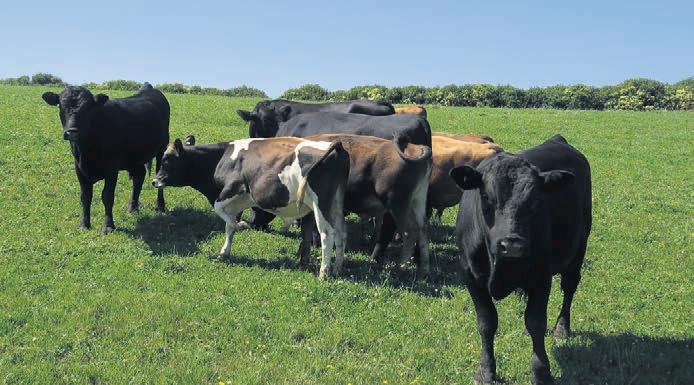
• Three bedroom home
• Contact the agents for details
3 1
Tender closes 4.00pm, Thu 16th Feb, 2023, Property Brokers, 78 Studholme Street, Morrinsville, 3300, or PRL Rural 308 Pickering Road, Tamahere, 3283
View Tue 24 Jan 12.30 - 1.30pm
Tue 31 Jan 12.30 - 1.30pm
Web pb.co.nz/TWR113841
John Sisley
M 027 475 9808 E john.sisley@pb.co.nz
 Tauwhare 958 Victoria Road
Property Brokers Ltd Licensed REAA 2008 | pb.co.nz Proud to be here 24
Mature forest block - Prime location
This 40.26 ha block is located just 2.5 km from the centre of town, 33 km from Whangamata and 63 km from Tauranga and therefore has a distinct 'location advantage' over most other forestry blocks.
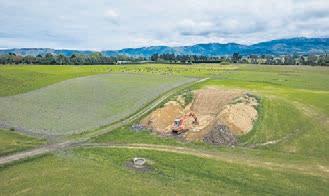
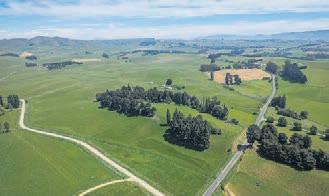
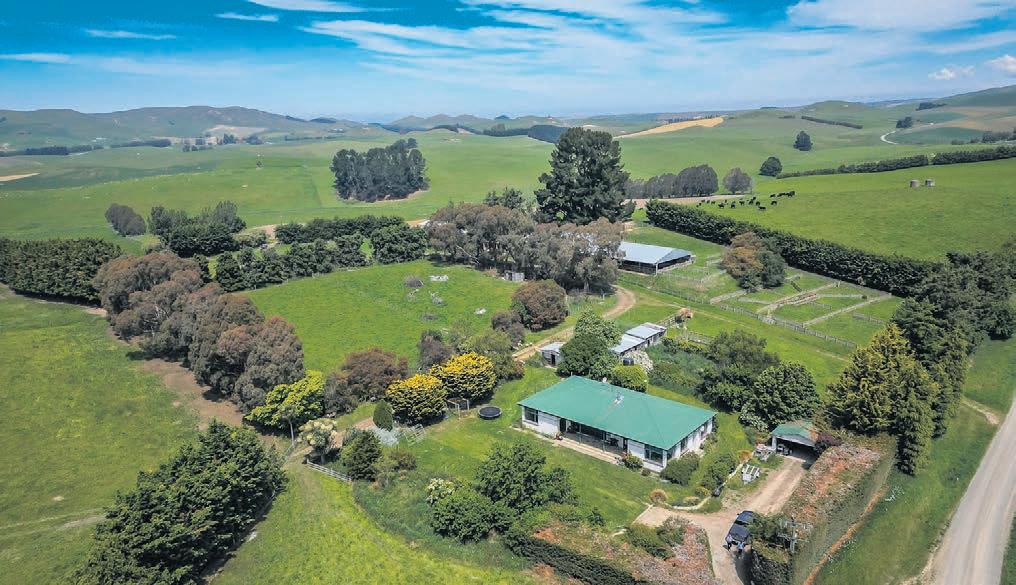
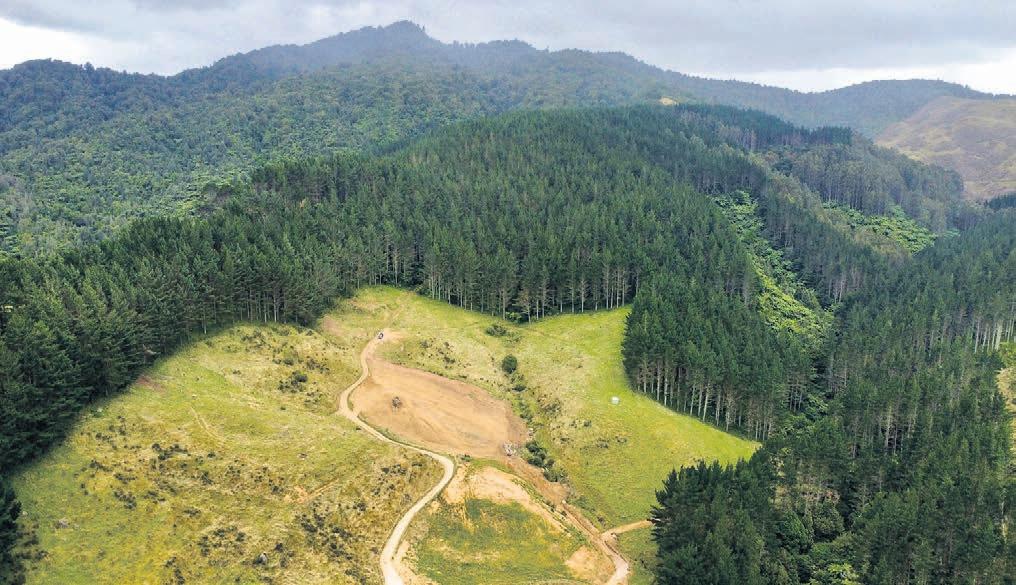
• Planted in a variety of species over approximately 30 ha
• Most of the trees are Pinus Radiata (approximately 22 ha) planted 1994-1996
• Purchase of this property will include approximately 3,900 NZU's (Carbon Units)
This property is a prime candidate for investors who see sustainability, both environmentally and financially, as the prerequisites to their investment decisions.
Auction
Waimate 447 Serpentine Valley Road
Auction 12.00pm, Thu 9th Feb, 2023, Mount Maunganui Golf Club, 15 Fairway Avenue, Mount Maunganui View Wed 25 Jan 10.30 - 11.30am Wed 1 Feb 10.30 - 11.30am Web pb.co.nz/WTR109043
Serpentine Valley
This is a 177 ha sheep and beef farm with approximately 50 ha under K-line and 104 ha under pivot from the Waihao Downs irrigation company. The farm is now run as an all-grass farm with modern grasses, and excellent access from some all-weather tracks but now it is time to downsize. There are two homes on separate blocks. Good shearing sheds with covered yards, as well as cattle yards, plus plenty of outbuildings.
Options to purchase this as a whole or as two separate blocks.
Tender closes 2.00pm, Thu 23rd Feb, 2023 (unless sold prior), Property Brokers Timaru, 83 Sophia Street, Timaru
View By appointment Web pb.co.nz/TMR102785
Phillip Berry M 027 478 8892
Michael Richardson M 027 228 7027
204.20 ha - Crouch Farm
Crouch Farm, is situated only 4 km from the township of Waimate offering a comfortable three bedroom home.
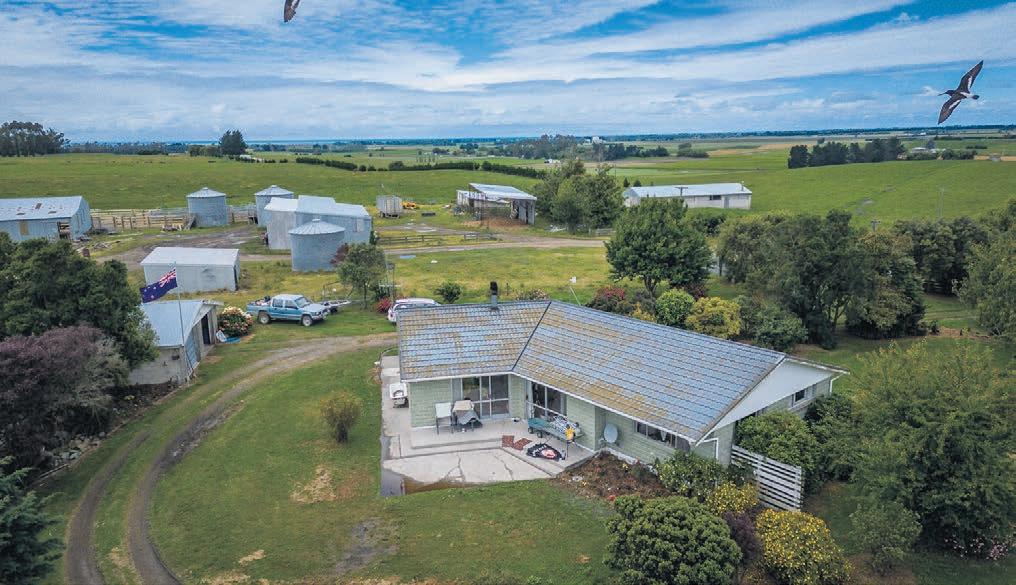
The property has historically been wintering 1,000 dairy cows, 300 R2 heifers, 300 R1 heifers, 120 calves beef up to 100 kg, plus 40 extra cattle. The farm has good access from mainly all-weather connecting to most paddocks. Good array of farm buildings, and two silage pits. Currently, full dairy support farm growing grass, Fodder Beet, and Kale. Own wells for irrigation and stock water including 190 ha irrigated via K-line.
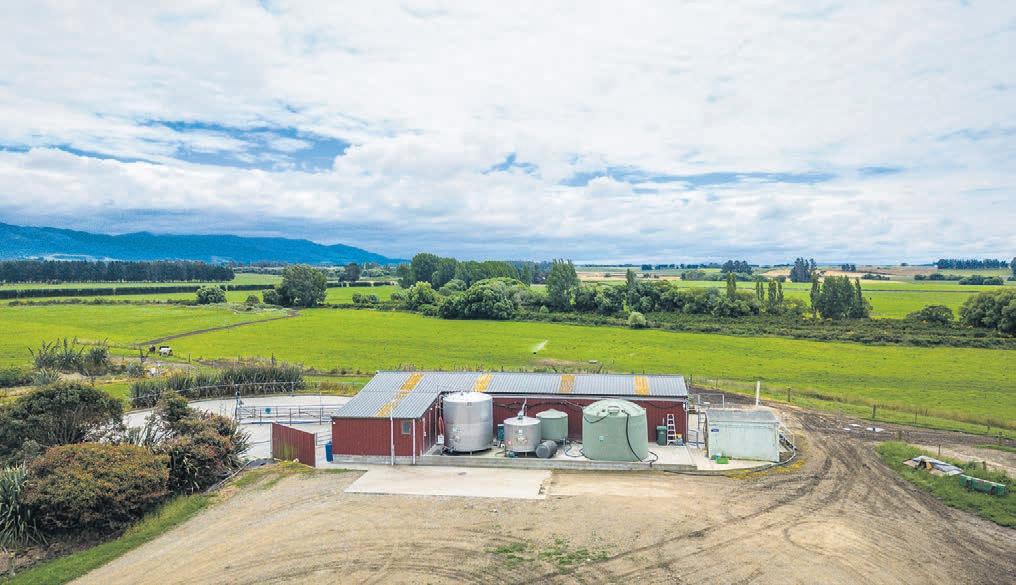
Tender closes 2.00pm, Thu 23rd Feb, 2023, Property Brokers, 83 Sophia Street, Timaru
View By appointment Web pb.co.nz/TMR107179
Michael Richardson M 027 228 7027
148.13 ha - Hook Farm
This 148.13 ha farm could be your start in the dairy industry or an add-on to your portfolio, currently milking 430 cows through a 30 ASHB shed, supplying Oceania Dairy Factory. Fully irrigated from own wells via K-line. There are two good four bay calf rearing sheds plus a two bay workshop and implement shed plus other sheds. The home is a three bedroom, 16 year old, warm home with a large shed and a fully self-contained sleepout. Located only 9 km from Waimate and coming to the market in mid January 2023.
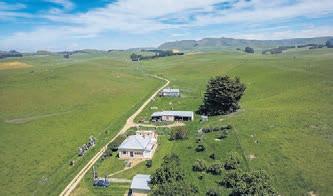
Tender closes 2.00pm, Thu 23rd Feb, 2023, Property Brokers, 83 Sophia Street, Timaru
View By appointment
Web pb.co.nz/TMR107176
Michael Richardson M 027 228 7027

 Waihi Waitete Road
Tender
Waimate 33 Crouch Road
Tender
Makikihi 413 Lower Hook Road
Tender
Waihi Waitete Road
Tender
Waimate 33 Crouch Road
Tender
Makikihi 413 Lower Hook Road
Tender
Property Brokers Ltd Licensed REAA 2008 | pb.co.nz Proud to be here 25
Well balanced Middlemarch property

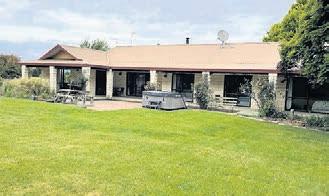
'Kelvin Grove' is now on the market. The combination of fertile paddocks and excellent hill blocks gives Kelvin Grove great balance as a genuine breeding and finishing property. All improvements including dwelling, woolshed, covered yards and additional farm buildings are of an excellent standard.
Areas - options below in total or separately.
Option 1 - Total area, 848 ha, includes all below.
Option 2 - Bareland, 748 ha, includes approx. 300 ha paddock and 440 ha of hill country.
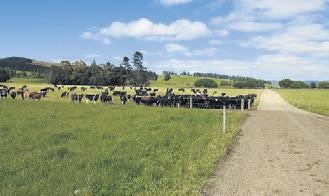
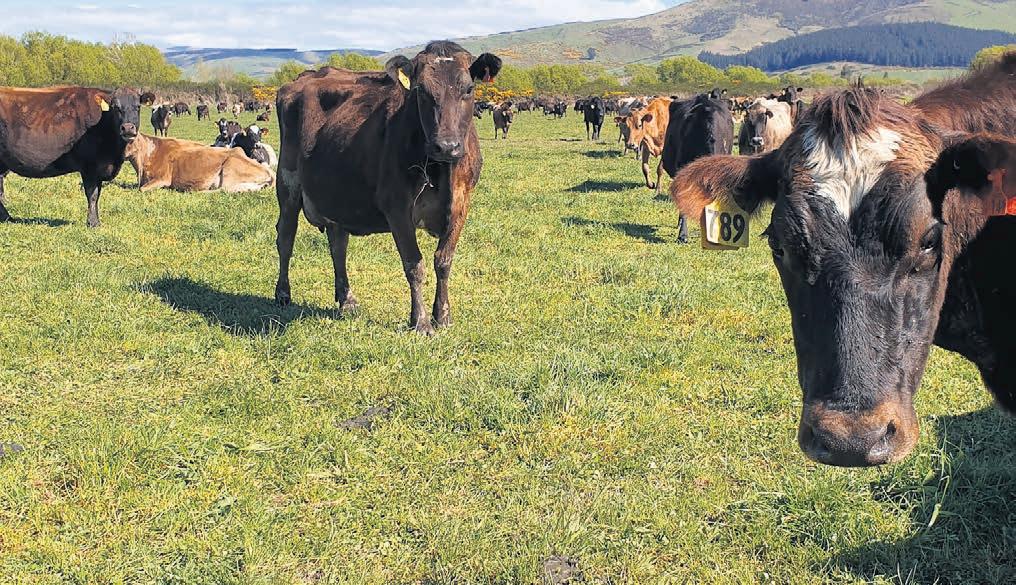
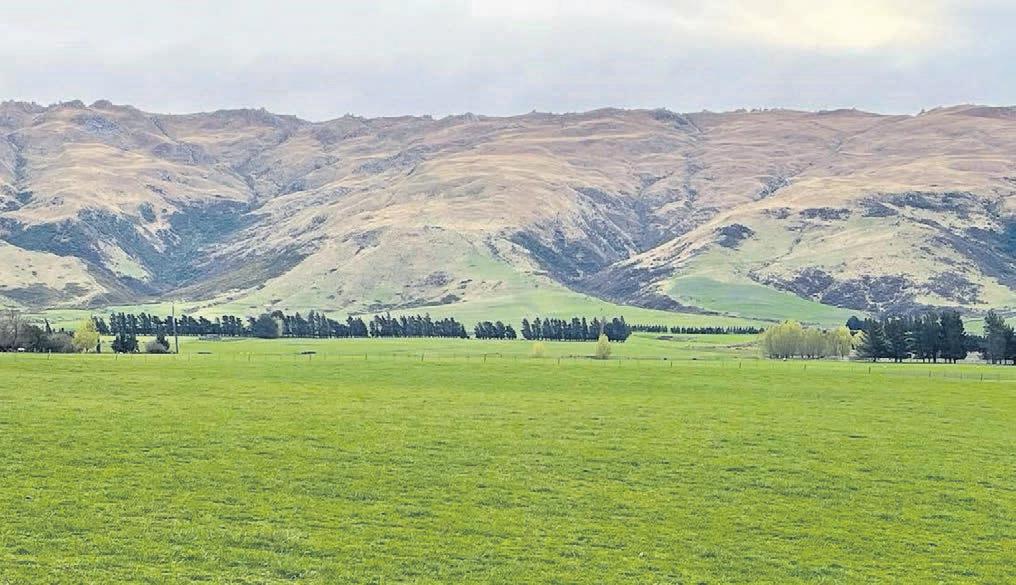
Option 3 - Approx. 120 ha excellent flat paddocks, which also includes the improvements.
Currently running in excess of 4,500 SU.
4 2 Deadline Sale closes Thursday 16th February, 2023 at 1.00pm, (unless sold prior), 21 Macandrew Road, South Dunedin
View By appointment Web pb.co.nz/DNR114091
Ray Kean M 027 435 7478





Willy Rathbone M 021 701 968
Southland


A self-contained unit with strong profit 253 ha freehold + 98.3 ha in an 18 year lease and an additional 44.55 ha in a six year lease, of which 145 ha is irrigated. This property features heavier to medium to lighter soils with a flat contour. A self-contained dairy unit that winters 650 cows including the R2 heifers and all replacement yearling livestock. Past production was 279,800 kgMS for the 2021/22 season, milked through a 23 ASHB twin pit shed with Protrack and farmed under a pasture only farming system. The main four bedroom homestead just had a new kitchen installed. There is also a recently modernised three bedroom cottage and two single persons staff units. Vendors are very motivated and wish to retire from farming.
For Sale By Negotiation + GST (if any)

View By appointment Web pb.co.nz/IR105474
Dallas Lucas M 027 432 5774
Wayne Clarke M 027 432 5768

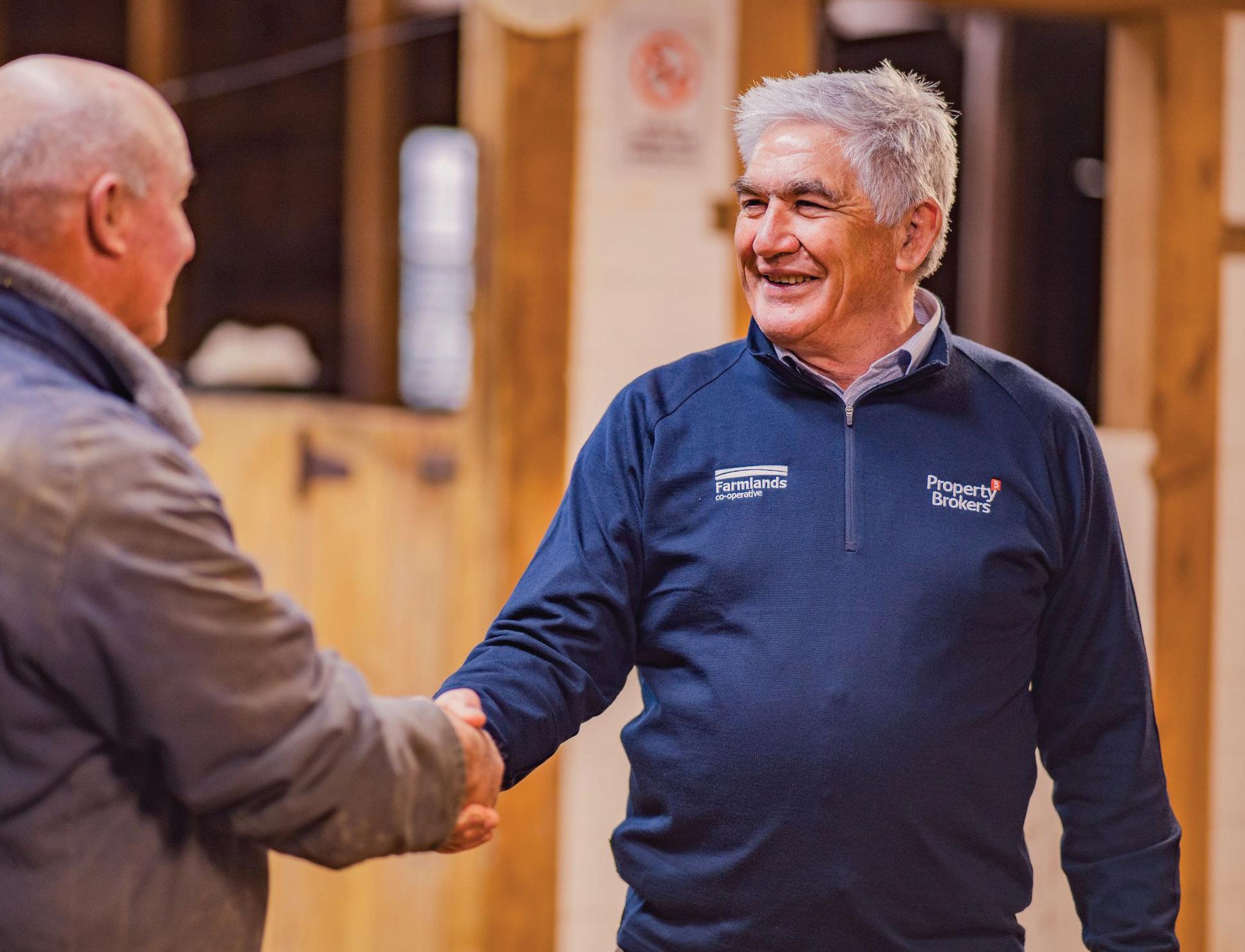


Road
Middlemarch 626 Gladbrook
Deadline Sale
Together Stronger Property Brokers Ltd Licensed REAA 2008 PB053815 Our combined strengths complement each other, creating more opportunity for our customers and Farmlands shareholders across provincial New Zealand. • A nationwide network from Northland to Southland • Sound, trustworthy advice from market-leading experts • Shareholder benefits and preferential commission rates means • more money in your pocket Bigger networks, more buyers, better results For more information call 0800 367 5263 or visit pb.co.nz/together Property Brokers Ltd Licensed REAA 2008 | pb.co.nz Proud to be here 26
Tokoroa 62 Newell Road
Auction
Simply stunning!
Superb quality buildings compromised of 339 m2 house and apartment with commanding view of the professionally designed stable complex, 336 m2 of stables includes 10 loose boxes, four covered foaling pens, twin hot water wash down bays, tack rooms and vet rooms PLUS 450 m2 high-stud building designed to accommodate all weather equestrian training.
Simply stunning South Waikato stud potential. The 1 km all-weather training track in good repair is an added bonus. 11.34 ha. Our vendors farming policy is finishing cattle for the prime beef market. In the past this property supported 60 brood mares each season.
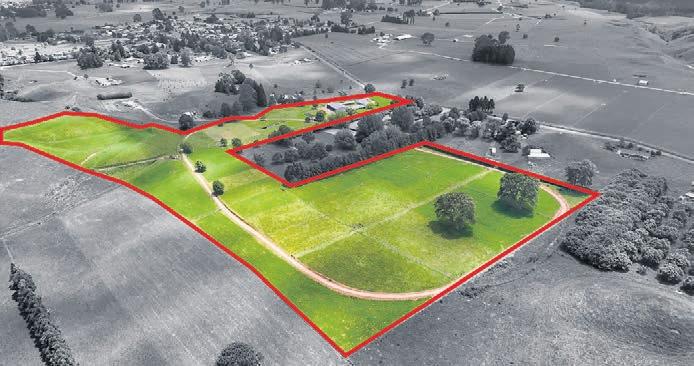
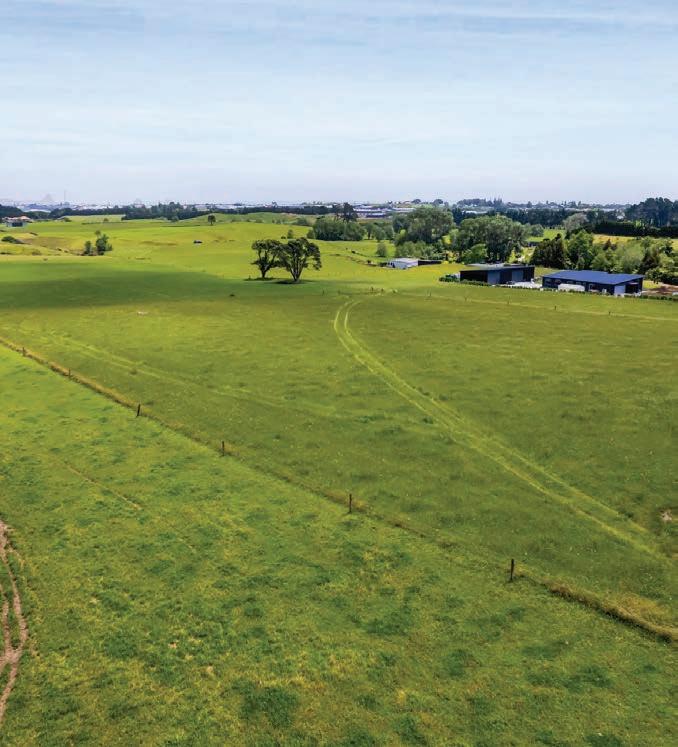
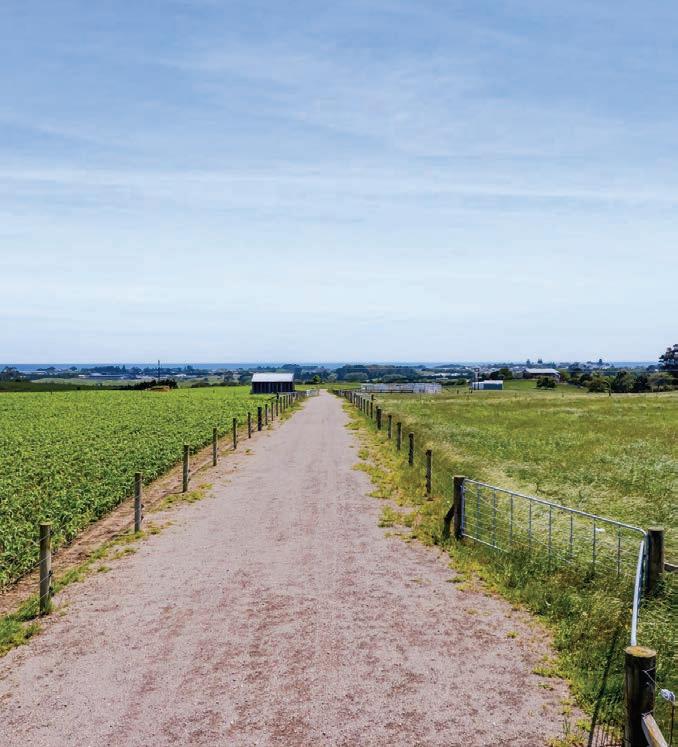
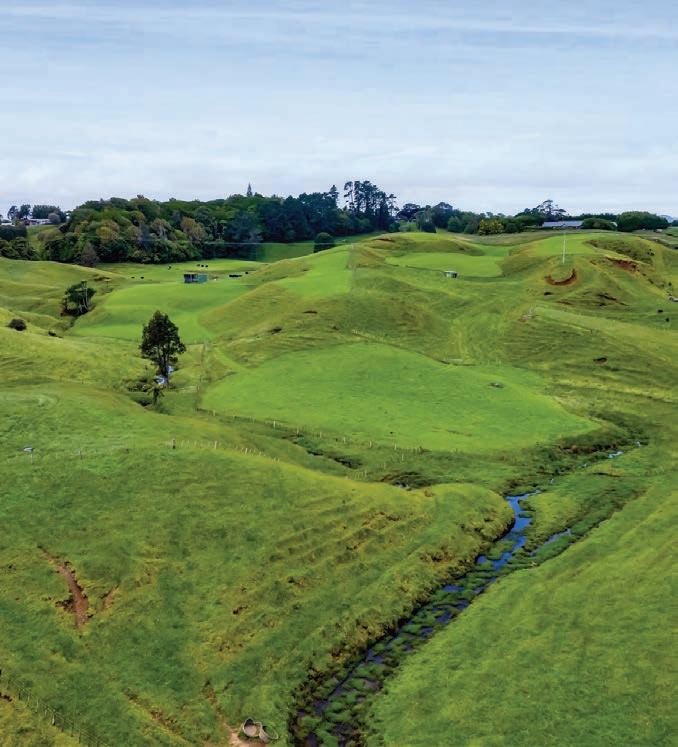
4 3


Auction 1.00pm, Fri 10th Feb, 2023, (unless sold prior), Property Brokers Ltd, 19 Swanston Street, Tokoroa
View By appointment Web pb.co.nz/TOR114128
Paul O'Sullivan M 027 496 4417 E paulo@pb.co.nz


Sjaan Sikking M 027 746 3940 E sjaan@pb.co.nz
Bell Block 132, 216b, 310 Henwood Road
Bell Block 132, 216b, 310 Henwood Road
Block 1 - 132 Henwood Rd 14.42 ha $3.5m plus GST (if any)
Block
For Sale
Three grazing blocks located on Henwood Rd, Bell Block. Property Brokers and Robert Angus Real Estate are pleased to bring to the market these three great blocks of land. All three blocks are ideal for grazing of dairy heifers or beef cattle.
Henwood Road - Bell Block
Henwood Road - Bell Block
Three grazing blocks located on Henwood Rd, Bell Block. Property Brokers and Robert Angus Real Estate are pleased to bring to the market these three great blocks of land. All three blocks are ideal for grazing of dairy heifers or beef cattle.
For Sale $8,000,000 + GST (if any)
Three grazing blocks located on Henwood Rd, Bell Block. Property Brokers and Robert Angus Real Estate are pleased to bring to the market these three great blocks of land. All three blocks are ideal for grazing of dairy heifers or beef cattle.
Block 1 is suitable for land banking / potential subdivision and both blocks (1 & 2) are suitable for growing maize or harvesting hay and silage.
Block 2 has great building sites plus a new set of cattle yards and small hayshed.
For Sale $8,000,000 + GST (if any)
View By appointment Web pb.co.nz/NPR114361
View By appointment Web pb.co.nz/NPR114361
Block 1 is suitable for land banking / potential subdivision and both blocks (1 & 2) are suitable for growing maize or harvesting hay and silage.
Block 1 is suitable for land banking / potential subdivision and both blocks (1 & 2) are suitable for growing maize or harvesting hay and silage.
Block 3 has an older three bedroom house and sheds. It also adjoins block 2.
Block 2 has great building sites plus a new set of cattle yards and small hayshed.
Block 2 has great building sites plus a new set of cattle yards and small hayshed. an older three bedroom house and sheds. It also adjoins block 2.
If you are looking for land with possibilities and close to New Plymouth, contact the agents for further details.
Block 3 has an older three bedroom house and sheds. It also adjoins block 2.
View By appointment Web pb.co.nz/NPR114361 Property
If you are looking for land with possibilities and close to New Plymouth, contact the agents for further details.
If you are looking for land with possibilities and close to New Plymouth, contact the agents for further details.

Greg O'Byrne M 027 598 3000 E greg.obyrne@pb.co.nz
Greg O'Byrne
Greg O'Byrne M 027 598 3000 E greg.obyrne@pb.co.nz
M 027 598 3000 E greg.obyrne@pb.co.nz

Darrel Nicholas - Robert Angus Real Estate 027 248 4011 E darrel@robertangus.co.nz

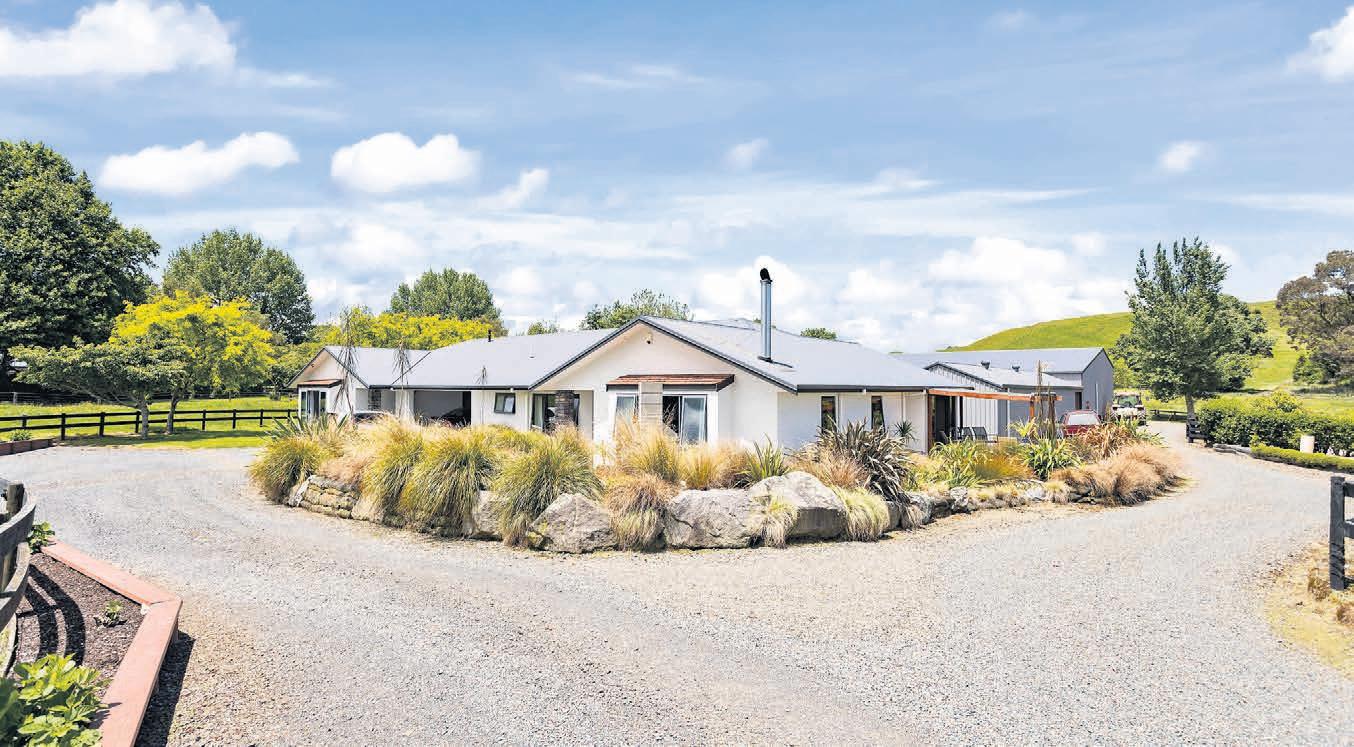
Property Brokers Ltd Licensed REAA 2008 pb.co.nz
Property Brokers Ltd Licensed REAA 2008 pb.co.nz
Bell Block 132, 216b, 310 Henwood Road
Brokers Ltd Licensed REAA 2008
pb.co.nz
2 - 216b Henwood Rd 15.37 ha (subject to final survey) $2.5m plus GST (if any)
Block 3 - 310 Henwood Rd 16.76 ha $2m plus GST (if any)
Property Brokers Ltd Licensed REAA 2008 pb.co.nz
27 FARMERS WEEKLY – farmersweekly.co.nz – January 23, 2023 Real Estate 27
•
•
•
•
•
•
•
•
•
•
•
•
•
•
•
•



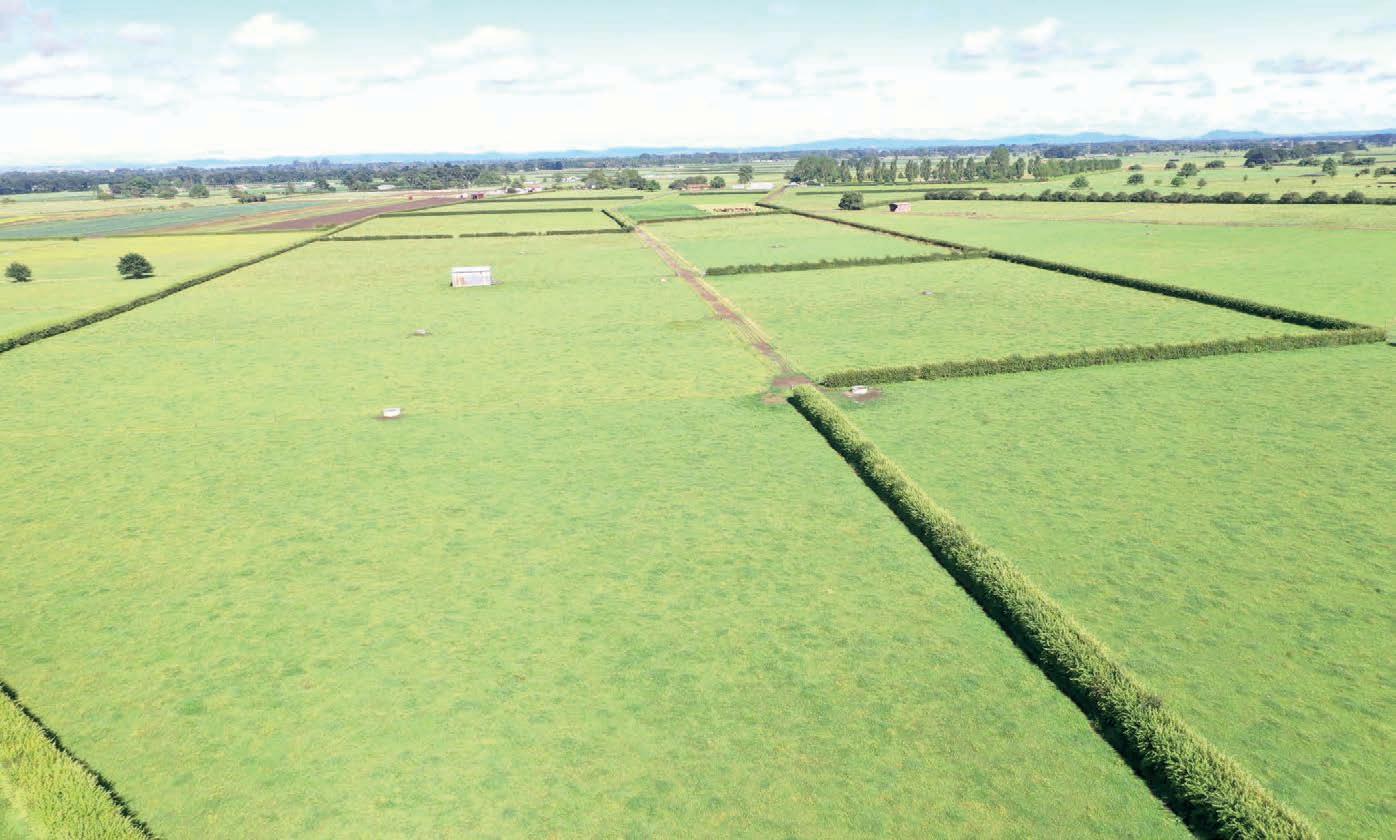
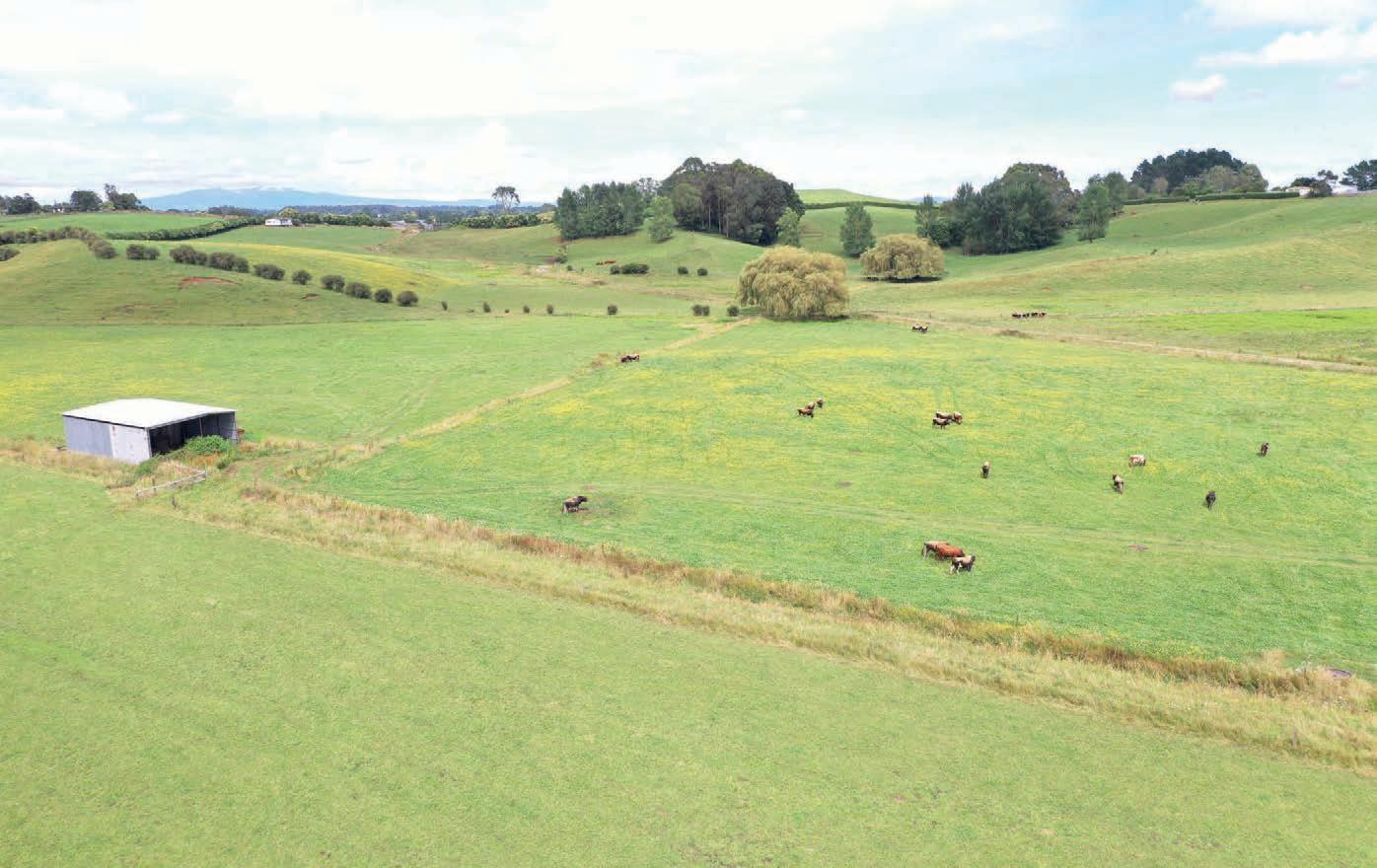
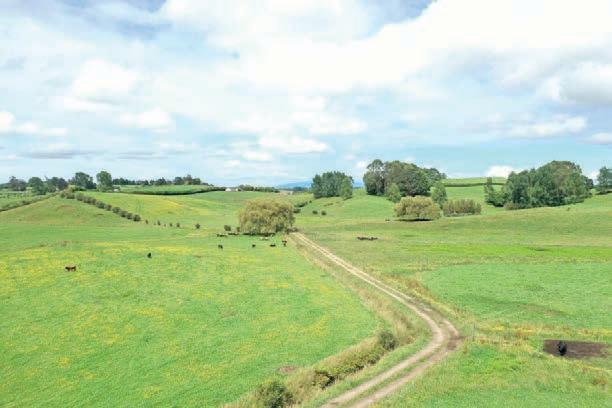
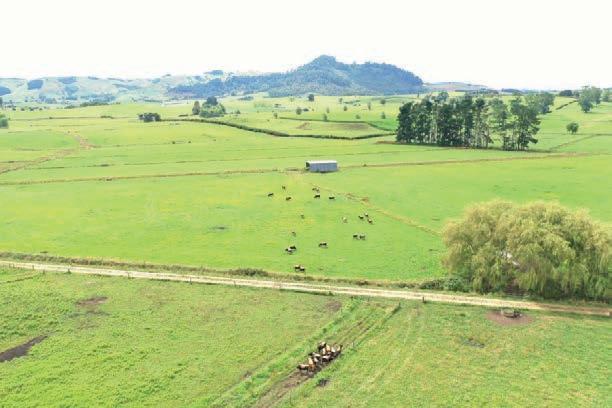
dairy
An excellent small
unit, nicely presented and well farmed, situated in a high profile main road location in the Eureka district, approx. 18 kms north of Cambridge, 15 kms from Morrinsville and 10 kms from Hamilton.
964 State Highway 26, R D 6, Hamilton
42.9 hectares
flat contour
sandy loam and silt loam soils
well raced and subdivided
water from shallow well and district supply
135 140 cows producing 3 year average of 52,678 kgs milk solids
10 aside herringbone farm dairy
large enclosed lockable implement shed with workshop
very good fertiliser bin with roll back roof
quality, low maintenance brick homestead, 3 bedrooms; ensuite; open plan living; double garage attached; in ground pool
021 373 113 (in conjunction with
# R1420 Sale by
16
4.00pm
Circle Gem PRL Enterprises Ltd t/a PRL Rural Licensed REAA2008 MREINZ 021 373 113 bjp@prl308.co.nz TENDER TENDER OPEN DAY OPEN DAY Dairy Support Unit Central Location Open Day: Tues, 24 Jan 12.30pm 1.30pm A well located dairy support property offering a variety of land use options, situated in the Central Waikato district of Tauwha re, approx. 16 kms from Morrinsville, 12 kms from Hamilton and 10 kms north of Cambridge.
Ph Brian Peacocke
Property Brokers Ltd) TradeMe search
Tender: Thurs,
February
Dress
958 Victoria Road, R D 7, Hamilton
32.38 hectares
flat to easy rolling contour
clay loam and silt loam soils
central race accesses multiple paddocks
on farm water supply
versatile farming with variations of dairy heifers, beef cattle & bulls
basic stock handling facilities
3 bedroom dwelling with garaging situated on elevated north facing site giving views over the property Ph Brian
021 373 113 (in conjunction with Property Brokers Ltd) TradeMe search # R1419 Sale by Tender: Thurs, 16 February 4.00pm 28
•
•
•
•
Peacocke
• disused 12 a/s h.b. farm dairy with in shed feed system
•
• 31.3 hectares
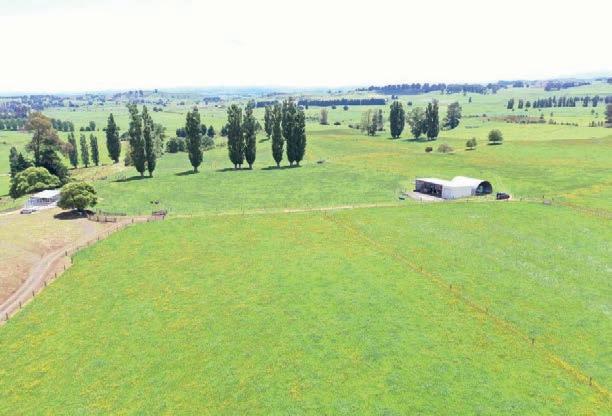
• versatile land use options
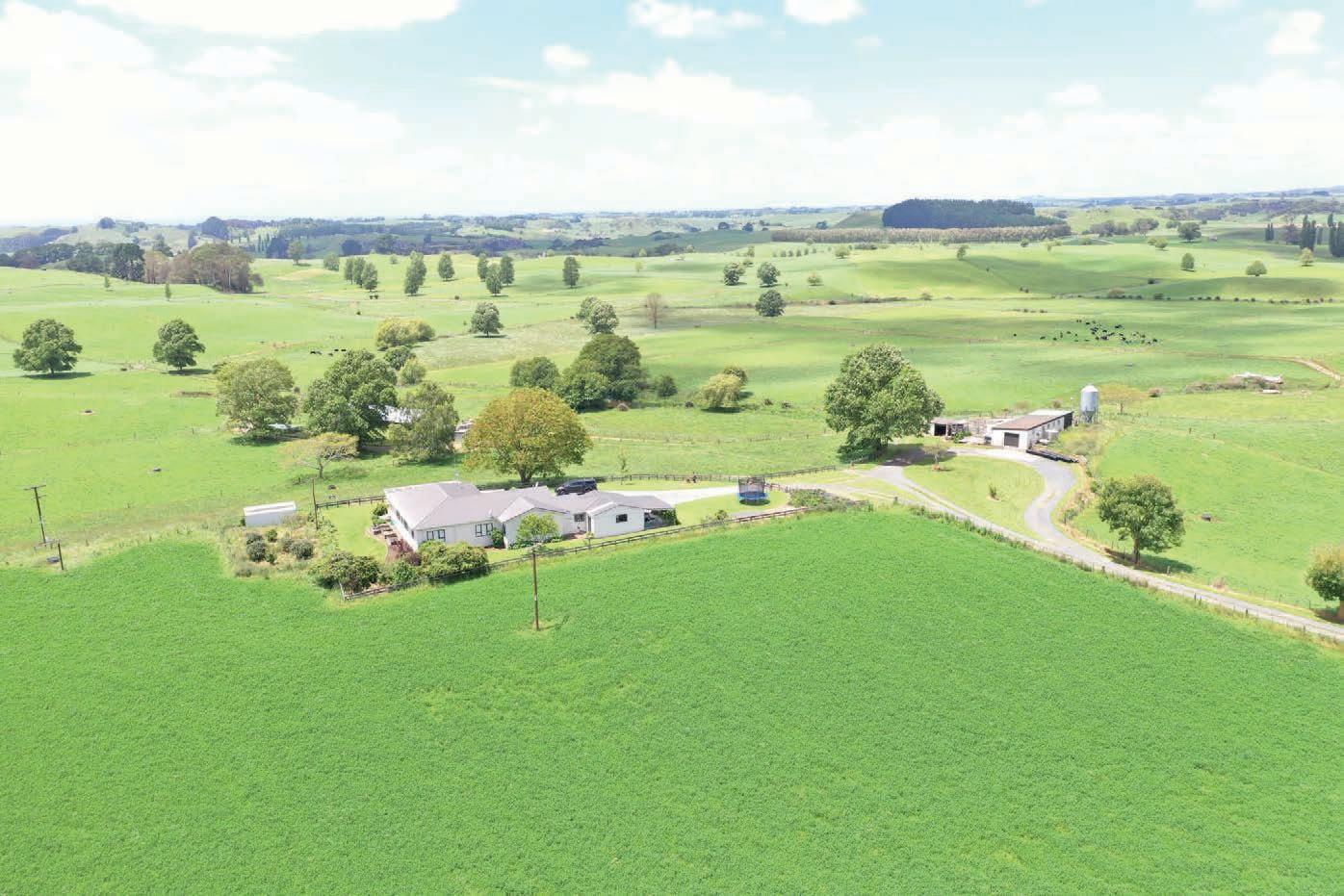
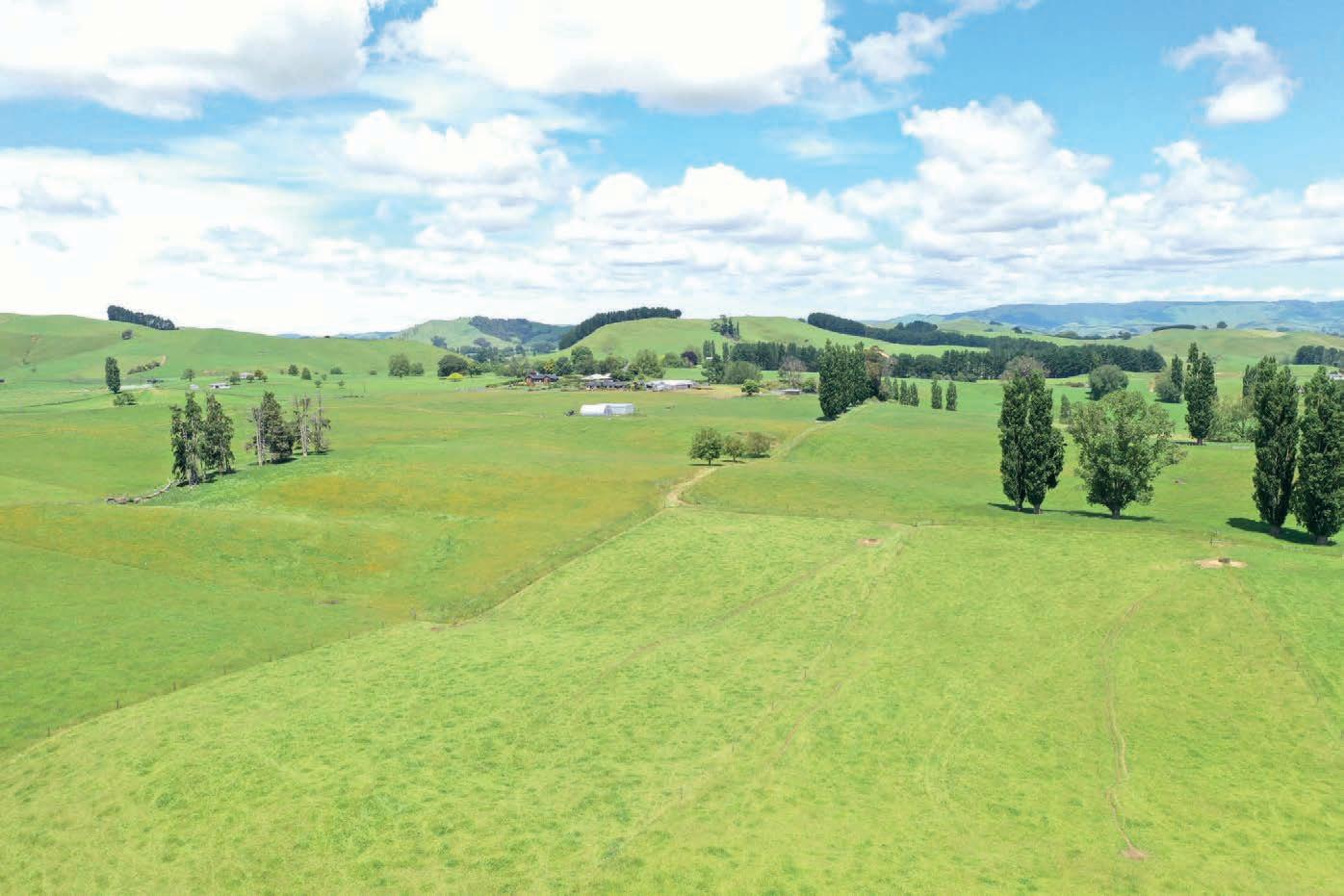

• easy rolling contour; predominantly mairoa ash soils
• well subdivided with good access races
•
•
• 34.2 hectares
•
•
•
•
• large combination hayshed/implement shed
• spacious 4 brm homestead with ensuite off the master bedroom; open plan living areas opening onto outdoor decking area; nicely situated on an elevated site with sunny, picturesque views across the property; good garaging
• a competitive range of options for schooling
•
•
An attractive and well presented finishing / dairy support unit, enhanced by a scattering of mature specimen trees , situated in the Wharepuhunga district, approx. 27 kms south east of Te Awamutu.
847 Bayley Road, R D 3, Te Awamutu
021 373 113
Ph Brian Peacocke
TradeMe search # R1418 Sale by Auction: Wed, 8 February 2023 1.00pm Well Located Heifer/Beef Finishing Unit
912 Ngahape Road, R D 3, Te Awamutu
lovely flat to gentle rolling contour
free draining volcanic ash soil
currently farming dairy heifers ideal also for beef finishing or growing maize
very well subdivided with well located races
very good near new galvanised steel cattleyards with roof covering over cattle crush / headbail / drenching race; very good loading race
new 4 bay implement shed; one bay lockable workshop; 4 bay ½ round hayshed
021 373 113
no dwelling but great options for a building site Ph Brian Peacocke
TradeMe search # R1417 Sale by Auction: Wed, 8 Februar y 2023 1.00pm
PRL Enterprises Ltd t/a PRL Rural Licensed REAA2008 MREINZ 021 373 113 bjp@prl308.co.nz AUCTION AUCTION OPEN DAY OPEN DAY Quality Dairy Support Te Awamutu District Open Day: Wed, 25 Jan 1.30pm 3.00pm 29
A
top quality, versatile, dairy
support property situated in the Ngahape district, 22 kms southeast of Te Awamutu, and 19 kms north east of Otorohanga.
NEW LISTING
NEW LISTING
Hawke’s
270ha grazing block with forestry/carbon, hunting
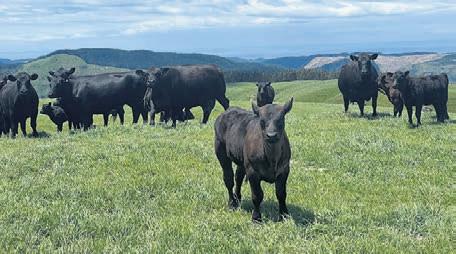
Located only 40km north of Napier city is this desirable 270ha farm providing several land use options and potential income streams with house sites providing panoramic views in a good rainfall zone. Currently a sheep and cattle grazing block with excellent natural water sources, there are good areas of hay country near the top and extensive tracking through the property.
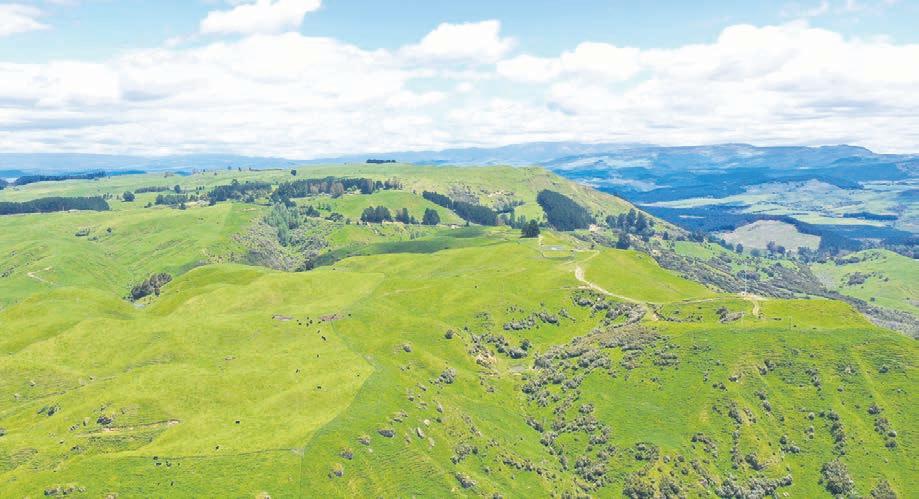
The Waikoau river provides trout fisherman with their own slice of private fishing paradise and deer hunters will enjoy the opportunity that the native bush and kanuka provides. A well located property with options as a forestry/carbon investment. bayleys.co.nz/2853181
270.6652ha
Tender
Closing 4pm, Thu 2 Mar 2023
17 Napier Road, Havelock North View by appointment Tony Rasmussen 027 429 2253 tony.rasmussen@bayleys.co.nz Monty Monteith 027 807 0522 monty.monteith@bayleys.co.nz
EASTERN REALTY LTD, BAYLEYS, LICENSED UNDER THE REA ACT 2008
Hawke’s Bay 3986 Puketitiri Road, Patoka
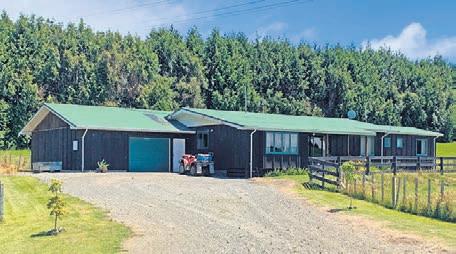
Quality dairy farm and herd

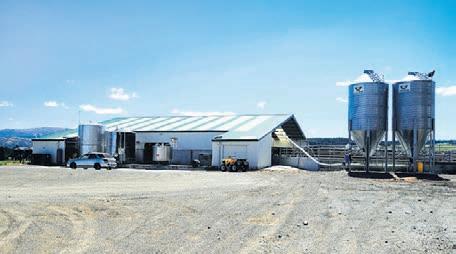
Are you looking for summer safe farming on fantastic free draining fertile ash soils? Then look no further. Ben Alpin, a 351ha dairy farm, located in the premium Hawke's Bay farming district of Patoka. Boasting approximately 200ha of mainly flat and easy milking platform with 90ha of support land and a further 51ha of QEII bush for recreation, this well set up dairy unit must tick all the boxes, and with a quality herd, the combination provides an amazing opportunity. Improvements include two dwellings, staff quarters, a 2009 built 60 bail rotary shed with cup removers and in shed feeding, excellent housed calf rearing facilities for 350 calves and numerous implement sheds. An ideal self contained unit providing an excellent return on investment.
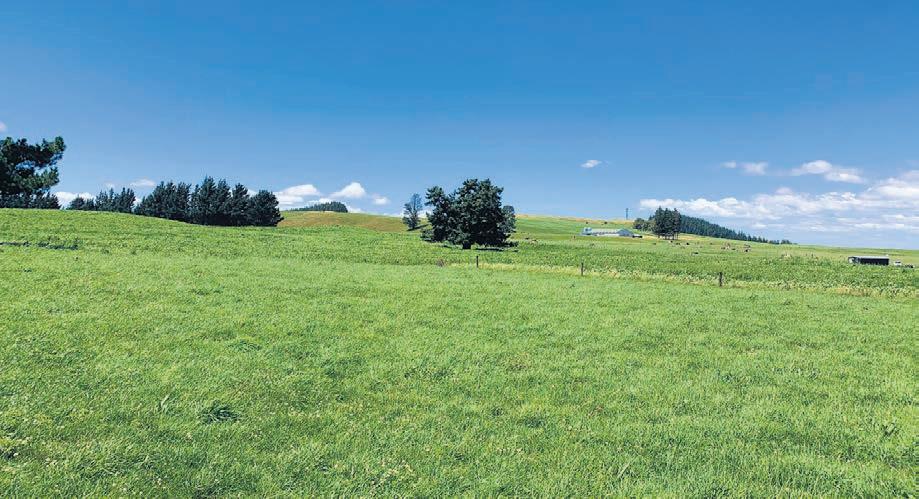
bayleys.co.nz/2853182
351.8563ha
Tender Closing 4pm, Wed 1 Mar 2023
17 Napier Road, Havelock North View by appointment Tony Rasmussen 027 429 2253 tony.rasmussen@bayleys.co.nz Monty Monteith 027 807 0522 monty.monteith@bayleys.co.nz
Bay 168 Darkys Spur Road, Tangoio
REALTY LTD, BAYLEYS, LICENSED UNDER THE REA ACT 2008
EASTERN
30 FARMERS WEEKLY – farmersweekly.co.nz – January 23, 2023 Real Estate 30 Subscribe on YouTube Meet the people behind the farm gate On Farm Story is a celebration of farmers and farming - told in under five minutes.

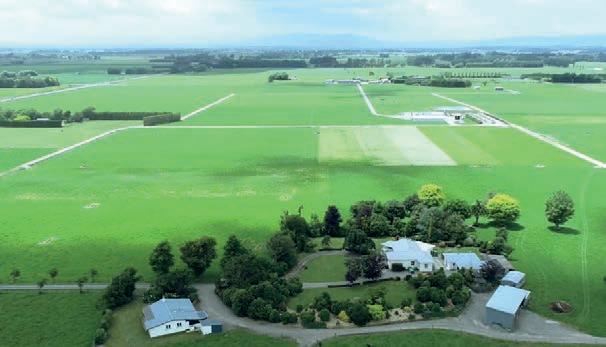
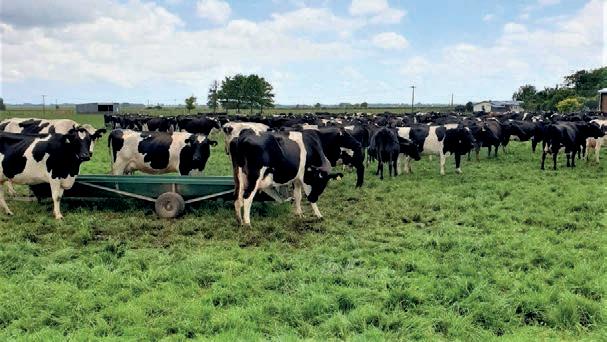
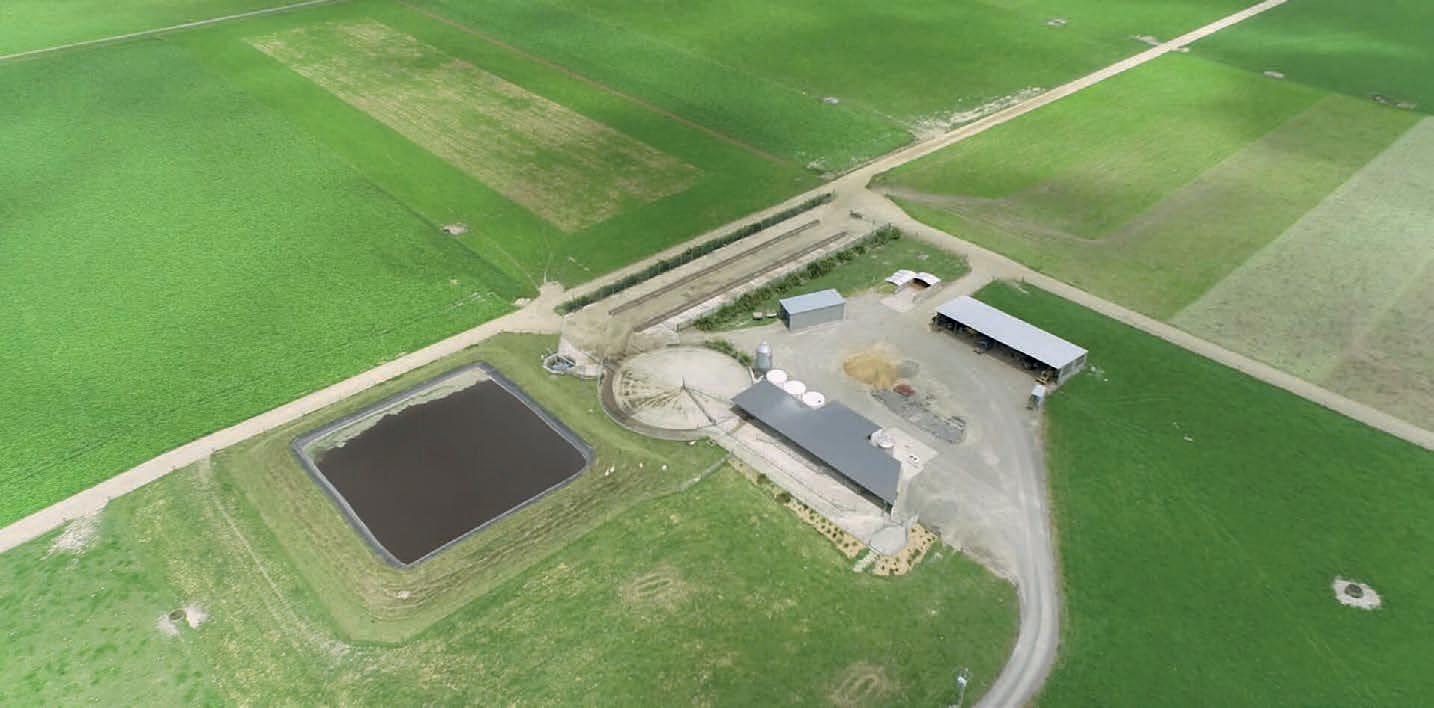


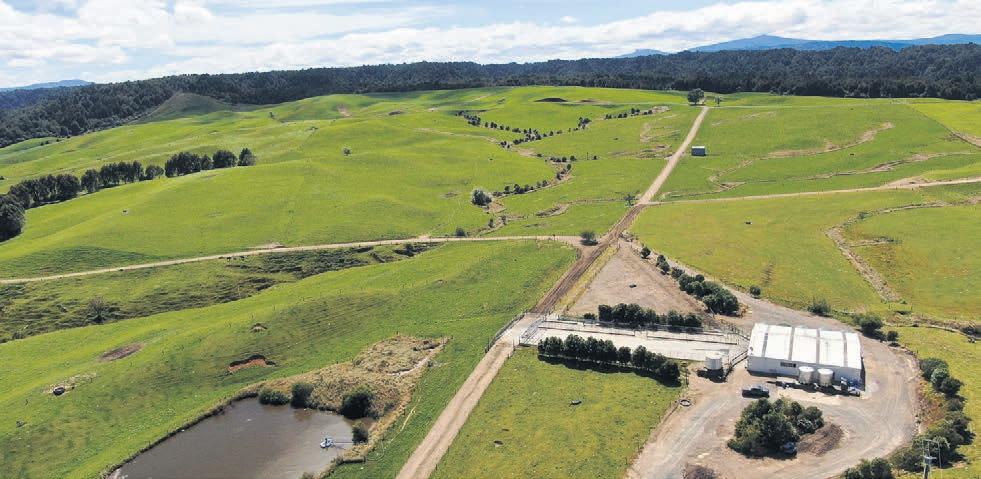
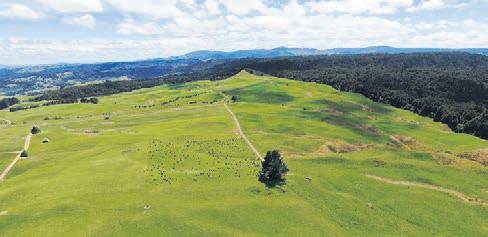


Rural and Lifestyle Sales.com Ltd Licensed REAA 2008 ruralandlifestylesales.com Farm For Sale By Tender When Only The Best Will Do -102.7370 hectares Open Farm • Situated on State Highway 56 opposite Number One Line at an intersection affectionately known as the Rocket sits this 102.7370 hectare dairy farm, with its exceptional soils and infrustructure
35 aside herringbone shed with in-shed feeding
Excellent supporting infrastructure for calf rearing and machinery storage
Two homes - 4 bedroom main house set in attractive grounds plus sleepout and 3 bedroom cottage
Artesian free flowing bore supplies water to the dairy shed and farm
Located only 8kms from Palmerston North, plenty of options for schooling Tenders Close: 4.00pm 23rd February 2023 at 56 Stafford Street, Feilding Open Farms: Thursday 26th January & 2nd February 11.00am - 1.00pm Property ID RAL970 Richard Anderson 027 543 1610 richard@rals.co.nz Robert Dabb 027 255 3992 robert@rals.co.nz 1658B State Highway 56 / Jackeytown Road, Palmerston North PGG Wrightson Real Estate Limited, licensed under REAA 2008 Helping grow the country pggwre.co.nz/TEK37300 NEW LISTING WAITOMO, WAIKATO Tapuwae - Picture Perfect 302ha • Consistent pasture renewal & high fertility • Five-year average production 188,477kg MS • Two x newly built 'Golden Homes' in 2009 and the other being the original dwelling Located some 14km south of Benneydale and 49km southeast of Te Kuiti Great opportunity to purchase a large-scale, easycontoured land package. Converted to dairy in 08/09, held within two adjoining titles with a milking platform of 248ha plus support land (18ha) balance being native bush/riparian. Modern 54-bail rotary cow shed centrally located with good infrastructure. $7.4M Plus GST (if any) VIEW By Appointment Only E tony.foreman@pggwrightson.co.nz M 027 654 7434 Tony Foreman E pwylie@pggwrightson.co.nz M 027 473 5855 Peter Wylie RURAL |LIFESTYLE|RESIDENTIAL 31 FARMERS WEEKLY – farmersweekly.co.nz – January 23, 2023 Real Estate 31 Advertise with us Reach hundreds and thousands of rural New Zealanders every week Call Grant 027 887 5568
•
•
•
•
•
ATTENTION DAIRY FARMERS
GOATS WANTED
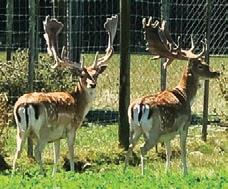
GOATS WANTED. All weights. All breeds. Prompt service. Payment on pick up.
HORTICULTURE
NZ KELP. FRESH, wild ocean harvested giant kelp. The world’s richest source of natural iodine. Dried and milled for use in agriculture and horticulture. Growth promotant / stock health food. As seen on Country Calendar. Orders to: 03 322 6115 or info@nzkelp.co.nz
LEASE
LAND
WANTED DAIRY OR GRAZING. Rangitīkei / Manawatū through to HB. Regenerative farming practiced. Open to developing land in partnership. Phone Michael 027 223 6156.


ASSOCIATE DIRECTOR






’The board observer role was an excellent opportunity to become part of an operating board and test my skills and attributes whilst learning from some excellent directors from different backgrounds’ – Will Grayling (previous Associate Director).

Time to Take the Leap in Your Governance Journey Ballance have a governance structure consisting of six shareholder elected Board members, three appointed Board members and an Associate Board Member. We are inviting applications for an Associate Director to join our Ballance Board of Directors for a 15-month term.
Associate Director Vacancy

As an Associate Director, we are offering you a development opportunity to grow your knowledge and experience in one of New Zealand’s leading primary sector organisations.
As a New Zealand farmer-owned co-operative we love the land as much as you, so we are committed to working alongside our communities and customers to create a strong, sustainable future for all New Zealanders.
The Opportunity
As a Ballance shareholder, this role offers you an opportunity to enhance your skills in primary sector governance. You will contribute equally to all discussions but will hold no voting rights on Board decisions. The position is voluntary (unpaid) however travel and accommodation for Board meetings is provided.

We offer a supportive environment and are focused on helping you grow your knowledge and understanding of good governance practice. We provide a full induction into the role, along with training and coaching to support you to achieve your career objectives.
We are looking for the following attributes:
• An active Ballance shareholder



• A team player with the ability to disseminate a wide range of views

• An independent thinker who actively contributes ideas

• Excellent relationship building skills
• Demonstrated experience in community leadership or active involvement in the community
• Governance training is preferred, but not essential
If you are motivated, enthusiastic and have a vision for a successful and progressive rural sector, come and make your place with us – “Together, creating the best soil and food on Earth“. It’s a big ambition, but we can‘t think of a better one for the good of our customers and our country.
Your CV and cover letter should be submitted to the email address below no later than Friday 27th
LK0114388© THINK PREBUILT NEW HOMES SOLID – PRACTICAL WELL INSULATED – AFFORDABLE Our homes are built using the same materials & quality as an onsite build. Easily transported to almost anywhere in the North Island. Plans range from one bedroom to four bedroom First Home – Farm House Investment – Beach Bach JW114497© Call or email us for your free copy of our plans Email: info@ezylinehomes.co.nz Phone: 0800 399 546 (EZYLINE) Web: www.ezylinehomes.co.nz Get in early to secure your trailer. Call us now! • Farm, Commerical, Private, Flatdeck or Custom Design Trailers • Over 50 years experience of building quality, durable trailers for New Zealand conditions. • Our professional staff can build one for you at competitive prices. 0800 888 323 www.prescotttrailers.co.nz JW114319© GO THE MOA! To find out more visit www.mowermaster.co Phone 0800 422277 or 028 461 5112 Email: mowermasterltd@gmail.com Towable Flail Mower 14.5HP. Vanguard Briggs & Stratton Motor. Electric start. 1.2m cut 3 year Briggs and Stratton Commercial Warranty. 2 year Mower Master Warranty JW114501© $4400 GST INCLUSIVE MOWER MASTER TOWABLE MOWERS Assembled by Kiwis for Kiwi conditions – built to last. Heavy duty, long lasting incinerators Three sizes available Phone 021 047 9299 irontreeproducts.co.nz JW114362© Check out Poll Dorset NZ on Facebook Nuspace Painters TOWN & COUNTR Y • Exterior & Interior • Free Quote • Work Guaranteed • Over 25 years experience • Canterbury area Phone Kerry 027 303 2196 nuspacepainter@outlook.com LK114480© DOLOMITE For a delivered price call .... NZ’s finest BioGro certified Mg fertiliser 0800 436 566 32 marketplace FARMERS WEEKLY – farmersweekly.co.nz – January 23, 2023 Marketplace 32 SAWN SHED TIMBER including Black Maire. Matai, Totara and Rimu etc. Also buying salvaged native logs. Phone Richard Uren. NZ Native Timber Supplies. Phone 027 688 2954. WANTED TO BUY RURAL MASSAGE RELAXING FULL BODY massage in rural Ohaupo. Unwind. De-stress. www. ruralmassage.co.nz or call 027 529 5540. HAIR SHIRE® Low input meat rams! www.organicstud. nz 027 225 5283. tim@ organicstud.nz RAMS FOR SALE 2T FULL SHEDDING Wiltshire Rams for sale. All rams brucellosis tested negative. For more information please ring Kevin New 07
How to Apply
January 2023 Directors@Ballance.co.nz
878 4758.
THINKING ABOUT RETIRING but don’t want to sell the family farm? Looking to expand our drystock property. Northland drystock / nishing farms of 100ha or more preferred. If bigger than 500ha then further away would be considered. Five year lease with option to extend to 10 years preferred. Enquiries ring Marty Vermeulen 09 439 0004.
farm prices will not
beaten.
or
Feral
mustered
basis.
My on
be
Phone David Hutchings 07 895 8845
0274 519 249.
goats
on a 50/50 share
HEADING DOG PUP 9 weeks. Phone 06 328 6902. YOUNG HUNTAWAYS and YOUNG Heading dogs, ready to start. Phone 027 243 8541. Taihape.co.nz YOUNG HEADING DOGS, top bloodlines, starting to work stock. Checkout our website www. ringwaykennels.co.nz Ringway Kennels. Phone 027 248 7704. BUYING / SELLING. Huntaways. Heading dogs. Deliver NZ wide. www.youtube.com/user/ mikehughesworkingdog/ videos 07 315 5553.co.nz 12-MONTH HEADING dog and bitch. Fast, strong, good stop, pulling sides. Station and trial potential. Nolan Timmins. Phone calls only 027 932 8839. HEADING DOGS AND BITCHES 6 to 12 months. Well Bred. Ring Lindsay Schmidt 06 928 6723 evenings. wordads@globalhq.co.nz DOGS FOR SALE GORSE AND THISTLE SPRAY. We also scrub cut. Four men with all gear in your area. Phone Dave 06 375 8032. CONTRACTORS FLY OR LICE problem? Electrodip – the magic eye sheepjetter since 1989 with unique self adjusting sides. Incredible chemical and time savings with proven e ectiveness. Phone 07 573 8512 www.electrodip.com ANIMAL HANDLING CRAIGCO SHEEP JETTERS. Sensor Jet. Deal to y and Lice now. Guaranteed performance. Unbeatable pricing. Phone 06 835 6863. www.craigcojetters.com COWSHED PAINTER AVAILABLE. Experienced. Old and new sheds. Herringbone and Rotary. Southland / Otago. Phone 027 517 9908 or email: raymond.d@slingshot.co.nz
ARE YOU OR a loved one battling the e ect of alcohol or drugs? The Retreat NZ is a discreet residential facility o ering a 30 programme to recovery. Set in 7 hectares of native bush it o ers a private and healing place to be. Phone 0800 276 237 or email: reception@theretreatnz.org. nz Website: https://www. theretreatnz.org.nz ATTENTION FARMERS ZON BIRDSCARER electro-tek@xtra.co.nz Phone: 06 357 2454 ELECTRO-TEK ENGINEERING Farmers/Woodlot owner Tired of waiting for someone to harvest your trees? We are not committed to one buyer that is how we get our customers the most profit we can. Set up to do the smaller, trickier wood lots. No job too big or too small. Buyers of Woodlots and Forest. JW114512© Free quotes • Markets for all species Email: BTZforestry@gmail.com BTZ Forestry Marketing and Harvesting (Obtaining the best profits for our customers) BOOK AN AD. For only $2.30 + gst per word you can book a word only ad in Farmers Weekly Classi eds section. Phone Debbie on 0800 85 25 80 to book in or email classi eds@agrihq.co.nz LIVESTOCK FOR SALE 40years breeding. Manawatū area. Phone 021 886 065. TOP TROPHY STAGS To find out more visit www.mowermaster.co Phone 0800 422277 or 028 461 5112 Email: mowermasterltd@gmail.com Topper / Finishing Mower Genuine 11.5HP Briggs & Stratton Motor. Electric start. Belt driven. Cutting Height 30mm - 300mm LK0114514© $4200 GST INCLUSIVE MOWER MASTER TOWABLE MOWERS
SALE TALK
For a high school dance, the head boy of the school asked out the girl he liked. Happily for him, she said yes.
To get flowers for her, he had to travel across town to the florist. Unfortunately, he had to stand in a line outside the florist for over an hour.
To make things worse, when he went to pick up his suit, he had to wait another hour in a line outside the tuxedo shop.
Finally, he manages to get everything sorted , picks her up and goes to the dance.
After a few dances the girl wanted to have some apple punch so the boy went to get it, but to his surprise, there was no punch line.
Here at Farmers Weekly we get some pretty funny contributions to our Sale Talk joke from you avid readers, and we’re keen to hear more! If you’ve got a joke you want to share with the farming community (it must be something you’d share with your grandmother...) then email us at: saletalk@agrihq.co.nz with Sale Talk in the subject line and we’ll print it and credit it to you. Conditions apply

– Capital Stock Meat Goats


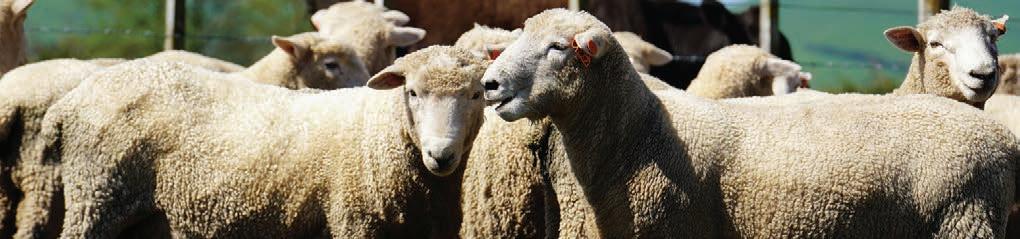

New Zealand Meat Goat Genetics offer an opportunity to farmers who are interested in farming meat goats for local or export trade. NZMGG (Branded as Mana Meat Goat & Shingle Creek Chevon) have been breeding a composite meat goat. This herd has had significant selection pressure from a large breeding base targeting sound constitution, fertility, worm resilience, good feet, weight gains, DNA testing and some breeding records available.
Offer available
To purchase Capital Stock 400 Does, made up with 43 Pure Boer Does MA, 307 Does Mana Meat Goats MA, 50 Does Mana Meat Goats hgts, 18 Pure Boer & Mana Meat Goat bucks to pick from.
Minimum number to purchase is 50 does. A fixed meat price schedule is also an option. Also available for sale – 250 wether kids & 260 female kids born Sept/Oct 2022. Deadline date to have expressions in by is 4pm 31 January 2023 Email john@scholefield.co.nz - or cell phone Dougal Laidlaw 021 339 055
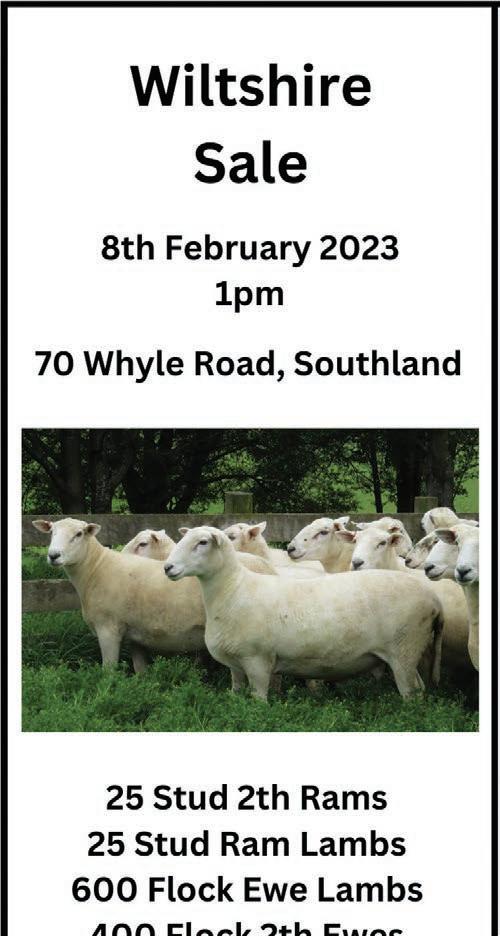

Wiltshire Dispersal Sale Stortford Lodge Saleyards 7th Feb 2023 at 11.30 Approximately 28 years of breeding This sale will be livestreamed and online bidding offered on bidr.co.nz Vendor Mary Taylor – Ph: 06 855 5322 Email: taylors@glenbraestud.co.nz www.glenbraestud.co.nz Enquiries: Simon Smith – 027 444 0733 Tom Sutter – 027 446 9967 Sam Wright – 027 247 9035 450 2th ewes 300 4th ewes 300 6th ewes 500 MA ewes 100 C.F.A. ewes 1000 ewe lambs 20 Ram lambs 6 M.A Rams JW114083© Dairy Cows Wanted to lease 80-100 Autumn Calving cows required. North Island preferred. Will consider lease with guaranteed purchase at end of lease term. Ph 027 526 5994 LK0114427© Clevedon Cattle Corporation Limited We are offering joint venture grazing to interested parties. – We buy them – You graze them – 50/50 on all profits Large to small scale. South Auckland & Waikato regions. Call Hugh Green Jnr on 021 888 412 or email admin@clevedoncattle.co.nz for all enquiries. LK0114412© Booroola sheep for sale We have been breeding Booroola sheep for 8yrs and have stock available for sale. Booroola Ram’s used over conventional sheep breeds have shown a 20%+ increase in lambing percentages. We are happy to discuss the advantages of using these high fertility, eczema and parasite tolerant animals. Phone Relda 07 870 2706 Or email reldamarienz@gmail.com JW114463© Upcoming Auctions TUESDAY 24 JANUARY 1pm Southern Shedding Sheep & Strathallan Run Genetics Ram Sale WEDNESDAY 25 JANUARY 7pm NZ Dairy Event Summer Sensation Sale 7pm Mangapiri Downs Organic Stud Shire Hair Ram Sale SATURDAY 28 JANUARY 2pm St James Horse Sale TUESDAY 7 FEBRUARY 11.30am Glenbrae Farming Wiltshire Flock Dispersal Sale WEDNESDAY 8 FEBRUARY 1pm MT & SM Day Ltd, Tarata Hills Wiltshire Ram & Ewe Sale Regular Livestream coverage of seven North Island Saleyards. bidr.co.nz
EXPRESSIONS OF INTEREST
Livestock 33 FARMERS WEEKLY – farmersweekly.co.nz – January 23, 2023 Livestock 33
LK0114295©
Subscribe to ‘EVERYDAY’ farmersweekly.co.nz/everyday Helping grow the country MATAWHERO CATTLE SALE, GISBORNE Tuesday, 14th February 2023, 11am Special Entry : A/c Morunga Stn, Matawai Comprising: • 385 2.5yr Ang Strs • 175 2.5yr Hfd/Ang Strs • 220 2.5yr Exotic Strs • 20 2.5yr Hfd Strs Contact: Jamie Hayward 027 434 7586 Steve Hickey 027 444 3570 UPCOMING 2023 MATAWHERO SALES
Markets
It’s not how you start, it’s how you finish
With this much grass waving in the paddocks, there is bound to be a knockon effect down the line – and it’s already showing up at the processing end of things.



 Reece Brick MARKETS Beef and sheep
NEW Zealand’s livestock markets are hugely dependant on the amount of grass in paddocks. Usually the second half of summer ranges from average to poor in terms of pricing because of this, but this year has been quick to flip in the opposite direction.
All the North Island and parts of the South Island are wellpositioned in terms of pasture covers for this point in the year, often to the point where the challenge is in keeping pasture quality under control. The main exception to this rule is around coastal and central Otago and Banks Peninsula, which is starting to move into drought territory according to NIWA maps.
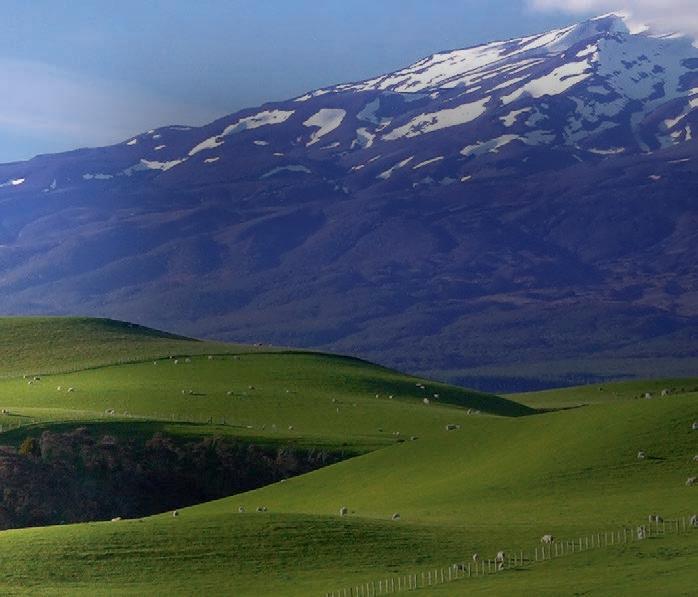
The amount of feed around is obvious when talking to meat companies. Before Christmas both cattle and sheep bookings
easily exceeded the amount they could process on a given week. This generated long wait times for prime cattle, ewes, and lambs. Yet in the North Island holes are starting to appear on processing chains already and slaughter prices have almost stabilised for the first time since October. It’s less noticeable, but similar, in the South Island too.
But the biggest change has hit the store markets, with feed availability fuelling prices and driving concerns about future margins. Lambs have often been trading in the mid-$3/kg range. In isolation this doesn’t seem all that impressive, but considering the amount of money being paid by processors currently, this makes them among the strongest selling we’ve seen for this time of the year.
Last week store lambs around 32kg were trading at 48-49% of schedule in the paddock. This is the second-highest level recorded in January over the past 10 years.
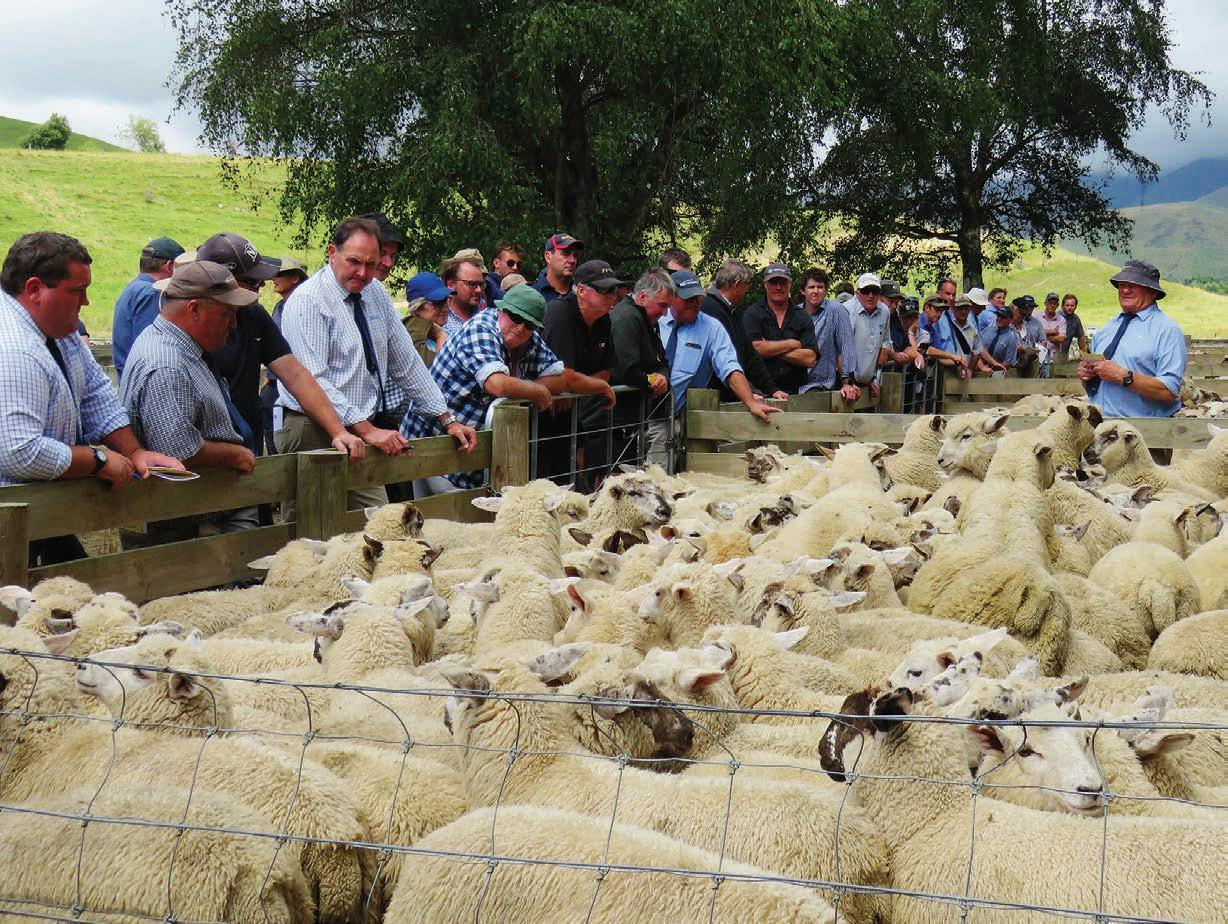
There is a big disconnect between store and slaughter prices right now, with little consideration as to where that slaughter market might be at finishing.
This means that, on average, those purchasing a 32kg lamb are paying $8-$9/hd more than you’d expect, relative to current slaughter prices. There is a big disconnect between store and slaughter prices right now, with little consideration as to where that slaughter market might be at finishing.

Considering slaughter prices are rarely over $7/kg and are likely to ease further through the rest of summer, that’s going to mean buyers will either have to accept a smaller margin or balance the books by holding onto these lambs for longer to weight-gain per head prices. Which begs the question how this will influence markets going forward. In all likelihood we’re on track to have another big late-peak season/off season kill. The store market could get warped a little, too, through autumn if usual buyers are instead inactive due to pushing lambs bought now to bigger weights.
It’s not just store lambs that are flying high. The paddock market for heavy R2 steers is going strong too. Last week these were trading
at 61-63% of schedule on straightbeef types, a good four percentage points above what is typical for this point in the year.
If anything these figures are slightly undercooked too, since the yards and on-farm sales have posted much stronger results, and limited volumes are moving via the paddock currently.
Again, this could have a big influence further down the line. Plenty of these cattle will have to be taken to big weights if finishers want to make a meaningful dollar on their trade.
It’s not been uncommon for some R2 store cattle to trade for more per head than current prices being paid out by processors for 300kgCW steers.
result for the sale of your property.


Call 0800 BAYLEYS or visit bayleys.co.nz/country-portfolio


Residential / Commercial / Rural / Property Services 2023 bayleys.co.nz/country-portfolio Bayleys’ Country is New Zealand’s premier rural property portfolio showcasing quality farms, orchards, vineyards, forestry and lifestyle properties for sale throughout the country. For over 23 years, we have provided our customers with more audience reach, more qualified and engaged buyers, and ultimately more sales all in highly cost-effective model. Be part of Bayleys’ next Country campaign, New Zealand’s leading multi-channel rural property portfolio and we will deliver an altogether better result. CONNECTING PEOPLE WITH PROPERTY Secure your space in the upcoming Bayleys’ Country portfolio, New Zealand’s multichannel campaign showcasing the latest rural and lifestyle properties for sale. Get in front of motivated buyers and have a well-seasoned nationwide team of rural agents put in the hard yards for you. For over 23 years, Bayleys has delivered our customers an extensive network of qualified buyers, more audience reach and ultimately better results in a highly cost-effective marketing campaign. That’s why we’re New Zealand’s #1 rural real estate brand. If it’s time to turn over a new leaf and sell your farm, orchard, forestry block, vineyard or lifestyle property, or grow your rural property portfolio, securing your spot in Country will ensure your property is among the pick of the bunch this autumn. We’re altogether better at rural real estate – so put your stake in Country to get the best
LICENSED UNDER THE REA ACT 2008
TURN OVER A NEW LEAF WITH BAYLEYS
34 Markets
COUNTRY 2023
Proudly sponsored by
FAT AND HAPPY: Good interest followed the Albury and Fairlie on-farm lamb and ewe sales, pushing prices above expectation. Photo: Annette Scott
Weekly saleyards
The current weather patterns are creating a country of two halves, with the North Island wetter than normal while central to lower South Island heads towards the other extreme. However, low volume and a late run of grass is helping keep competition in the marketplace for now. Store lambs are the focus for many in the North Island as they are kinder on sodden ground, and a large yarding of nearly 13,000 sold at Feilding on Friday, January 13. These showed a significant preference for shorn lines and good cryptorchid lambs that had managed to make it into the shearing shed sold for $122-$140, compared to $105-$115 for woolly lines.
Wellsford | January 16 | 522 cattle $/kg or $/hd
2-year Hereford-Friesian steers, 488kg 3.30
2-year dairy-beef steers, 537-584kg 2.88-2.89
2-year dairy-beef heifers, 460-480kg 2.83-2.90
Yearling Angus steers, 440-443kg 3.43-3.49
Yearling Hereford-Friesian steers, 409-418kg 3.37-3.45
Yearling dairy-beef steers, 283-353kg 3.56-3.64
Yearling Angus heifers, 391kg 3.32
Yearling dairy-beef heifers, 323-334kg 3.13-3.20
Weaner Speckle Park-cross steers, 142kg 655
Weaner Hereford-Friesian heifers, 130-165kg 615-650
Pukekohe | January 14 $/kg or $/hd
Aut-born yearling heifers 3.27-3.42
Yearling crossbred steers 3.43-3.75
Weaner dairy-beef steers 590-760
Weaner Hereford heifers 820
Prime steers 2.96-3.04
Prime bulls 2.56-2.83
Prime heifers 2.92-3.00
Boner cows 1.85
Store ewes 68-154
Store ram lambs 132-177
Store lambs 68-112
Prime lambs 130-156
2-year dairy-beef steers, 450-500kg 3.24-3.37
Yearling dairy-beef steers, 390-450kg 3.30-3.63
Store lambs, all 97-111
Prime hoggets, all 124-160
Prime ewes, all 65-114
Tuakau
Prime steers, 625-730kg 2.90-3.00
Prime bulls, 520-700kg 2.82-3.18
Prime heifers, 490-550kg 2.91-3.02
Boner cows, 460-600kg 1.90-2.24
2-year Angus steers, 455kg 3.27
Yearling dairy-beef steers, 343-387kg 3.01-3.23
Weaner Friesian bulls, 130-153kg 435-560
Weaner Hereford-Friesian heifers, 100-139kg 470-510
Prime steers, 655-676kg 3.08-3.09
Boner cows, 442-471kg 1.82-1.92
Store lambs, all 50-81
Prime lambs, all 115-127.50
Frankton | January 17 | 350 cattle
$/kg or $/hd
2-year exotic-cross steers, 386-471kg 2.88-2.93
Aut-born yearling dairy-beef steers, 453-458kg 3.09-3.21
Aut-born yearling heifers, 400-447kg 3.02-3.09
Yearling Hereford-Friesian steers, 317-344kg 3.43-3.53
Yearling Hereford-Friesian heifers, 289-318kg 3.35-3.45
Yearling Hereford-Friesian heifers, 321-393kg 3.01-3.17
Weaner Charolais-cross mixed-sex, 146-159kg 560-620
Prime Hereford-Friesian steers, 546-605kg 2.93-3.10
Prime traditional bulls, 542-691kg 3.14-3.20
Boner Friesian cows, 438-541kg 1.88-2.08
Frankton | January 18 | 224 cattle
$/kg or $/hd
Yearling Angus-cross steers, 308-319kg 3.41-.342
Yearling steers, 392-410kg 3.07-3.16
Yearling heifers, 373-386kg 3.03-3.10
Yearling bulls, 389-437kg 1260-1270
Aut-born weaner dairy-beef heifers, 251-267kg 800-900
Prime Hereford-Friesian steers, 589kg 3.03
Prime Hereford-Friesian heifers, 560kg 3.00
Prime bulls, 576-637kg 3.02-3.12
Boner cows, 403-574kg 1.71-1.93
Matawhero | January 13 | 1613 sheep
$/kg or $/hd
Store male lambs, good 96-111
Store blackface male lambs, medium 84-100
Store ewe lambs, medium 85-86
Prime ewes, all 80-114
Taranaki | January 18 | 240 cattle
$/kg or $/hd
2-year dairy-beef steers, 451-461kg 3.12-3.19
2-year Hereford heifers, 389kg 3.03
Yearling Fleckvieh steers, 366kg 1245
Yearling dairy-beef steers, 305kg average 3.15
Yearling Charolais-cross heifers, 425kg 1310
Prime Hereford-Friesian steers, 580kg 3.10
Stortford Lodge | January 16 | 478 sheep
$/kg or $/hd
Prime ewes, very good to very heavy 110-125
Prime ewes, light-medium to medium-good 80-100
Prime 2-tooth adult males, medium-good to very good 80-113
Prime lambs, very heavy 150-160
Prime lambs, good to heavy 121-144
Stortford Lodge | January 18 | 243 cattle, 853 sheep $/kg or $/hd
Yearling Angus heifers, 300-306kg 3.26-3.33
Yearling beef-cross heifers, 250-307kg 3.12-3.16
Weaner Simmental-Friesian bulls, 112kg 655
Store lambs, heavy 143
Store lambs, medium 80-100
35
$/kg or $/hd
Tuakau | January 12 | 300 cattle
or
Tuakau | January 16 | 300 sheep $/kg
$/hd
| January 18 | 280 cattle $/kg or $/hd
Rangiuru | January 17 | 392 cattle, 257 sheep $/kg or $/hd
FARMERS WEEKLY – farmersweekly.co.nz – January 23, 2023 Markets 35
5-year Romney ewes, annual draft, shorn, good - very good 183-190
4-year Romney-Coopworth ewes, capital stock, shorn, very good 202-203
6-tooth Romney-Coopworth ewes, capital stock, shorn, good 226-232
4-tooth Romney-Coopworth ewes, capital stock, shorn, good 242-250
2-tooth Romney-Coopworth ewes, capital stock, good 240-245
2-year traditional steers, 451-549kg 3.41-3.57
2-year Friesian bulls, 578-581kg 3.10-3.17
2-year straight-beef heifer, 412-476kg 3.40-3.51
Yearling Simmental & Charolais steers, 428-527kg 3.54-3.76
Yearling traditional steers, 390kg average 3.91
Yearling dairy-beef steers, 372-425kg 3.49-3.69
Yearling straight-beef heifers, 309-429kg 3.40-3.63
Yearling dairy-beef heifers, 257-330kg 3.56-3.73
Store male lambs, shorn, good 121.50-140.5
Store male lambs, woolly, good 105-115
Store male lambs, shorn, medium 100-123
Store terminal-cross mixed-sex lambs, woolly, medium 90-113
Feilding |
16 | 149 cattle, 2624 sheep
$/kg or $/hd
Prime Angus cows, 455kg 2.30
Prime Hereford bulls, 684-718kg 3.35-3.36
Prime Friesian bulls, 550-590kg 3.10-3.15
Prime Jersey bulls, 470-480kg 2.71-2.73
Boner Friesian cows, 475-546kg 1.71-1.79
Prime ewes, heavy 140.50
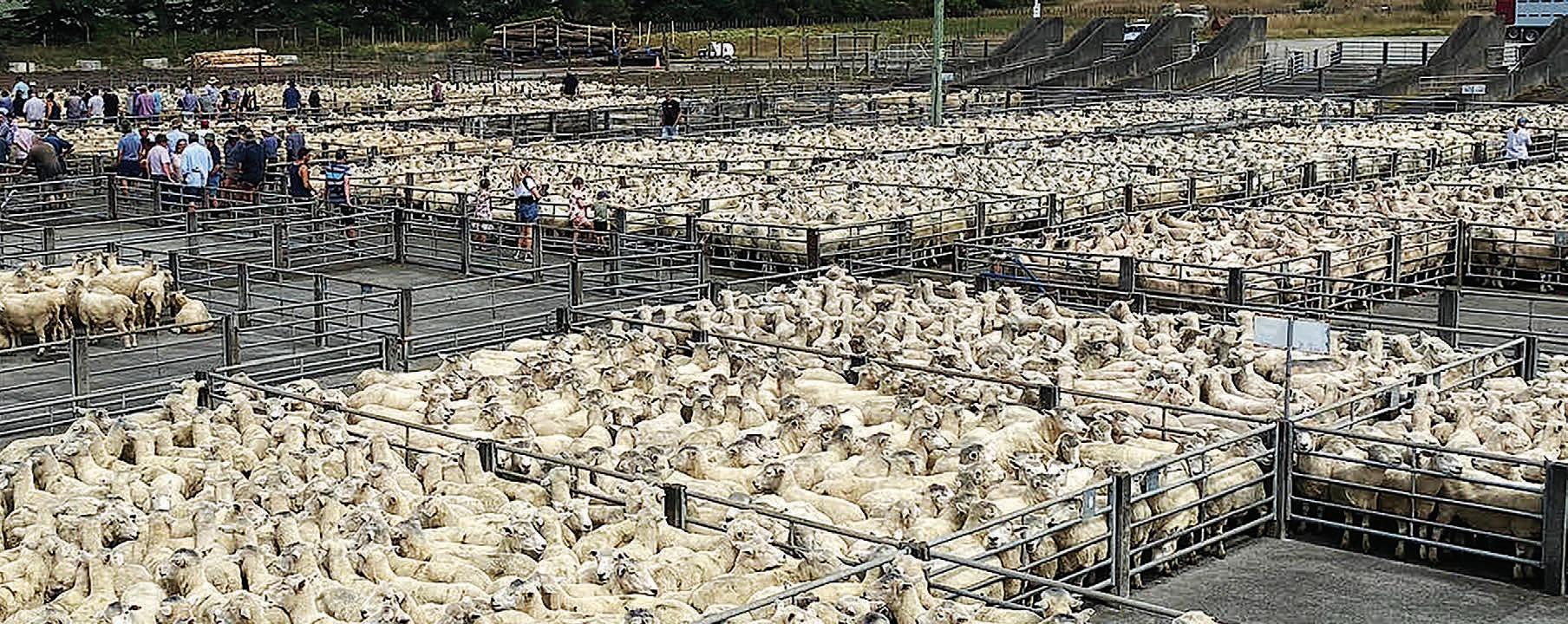
Prime ewes, good 101-110
Prime ewes, medium-good 76-93
Prime mixed-sex lambs, very heavy 160-170
Prime mixed-sex lambs, heavy 135-150
Prime mixed-sex lambs, good 117-122
5-year ewes, tops 203
5-year ewes, good 180-200
5-year ewes, medium 155-175
4-tooth and 6-tooth ewes 180-203
2-tooth ewes, tops 246 2-tooth ewes, most 220-240
36 FARMERS WEEKLY – farmersweekly.co.nz – January 23, 2023 Markets 36
Dannevirke
| January 12 | 6468 sheep $/kg or $/hd
Feilding | January 13 | 1912 cattle, 12,915 sheep $/kg or $/hd
January
Masterton | January 18 | 7700 sheep
$/kg or $/hd
Get ahead of the market Keep track of saleyard data, key market indicators, and livestock news from across the country with the only reports that have people on-site collecting data daily. Subscribe from only $35 per month agrihq.co.nz/livestock-reports
SHORT SLEEVES AND SUN HATS: Masterton put on a fine summer’s day for the annual ewe fair, which featured 7700 ewes. Buyer interest mostly came from Hawke’s Bay, Manawatū and locally.
Coalgate
Yearling Hereford-Friesian steers, 371kg, one line 2.96
Weaner Hereford-Friesian heifers, 141kg 520
Prime Hereford-Friesian steers, 568-644kg 2.95-3.00
Prime dairy-beef heifers, 525-595kg 2.84-2.99
Store whiteface mixed-sex lambs, small 68-79
Store finewool-cross mixed-sex lambs, good 91-94
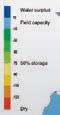
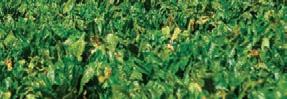

Prime ewes, most 61-114
Prime lambs, all 94-158
Canterbury Park | January 17 | 185 cattle, 2248 sheep $/kg or $/hd
Yearling Hereford steers, 283-326kg 3.07-3.19
Prime Charolais-cross steers, 563-625kg 2.90-3.11
Prime beef-cross heifers, 420-630kg 2.69-2.89
Store finewool wether lambs, good 72-96
Store mixed-sex lambs, medium 75-86
Prime ewes, most 70-137
Prime lambs, top 60% 124-149
Temuka | January 12 | 495 cattle $/kg or $/hd
2-year heifers, 417-437kg 2.70-3.00
Yearling dairy-beef steers, 332-381kg 3.01-3.08
Yearling Friesian bulls, 366-443kg 1130-1240
Yearling Hereford-Friesian heifers, 236-334kg 700-980
Temuka | January 16 | 602 cattle, 3659 sheep $/kg or $/hd

Prime Friesian steers, 552-631kg 2.62-2.72
Prime Hereford bulls, 512-765kg 2.71-2.81
Prime Murray Grey heifers, 490-550kg 2.64-2.66
Boner Jersey cows, 443-530kg 1.96-2.02
Store mixed-sex lambs, good 99-118
Store Corridale mixed-sex lambs, all 95-116
Prime ewes, heavy 100-140
Prime mixed-sex lambs, medium 130-150
Lorneville | January 17



$/kg or $/hd
Yearling Hereford-cross steers, 300kg 840
Yearling Hereford-cross heifers, 285kg 730
Weaner exotic bulls, 120-170kg 380-480
Weaner Hereford-cross bulls, 110-150kg 450-550
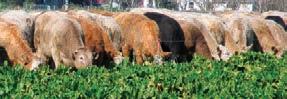
Prime traditional steers, 500kg 2.70
Prime beef-cross bulls, 550-650kg 2.80-2.90
Prime bulls, 460-500kg 2.45-2.55
Store lambs, all 60-115
Prime ewes, all 80-96
Prime lambs, all 114-164
Dairy-Beef Weaner Fairs | January 12 - January 13
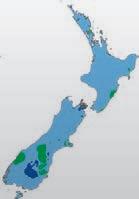


Frankton | January 12 | 894 cattle
$/kg or $/hd
Weaner Hereford-Friesian bulls, 100-146kg 570-700

Weaner Friesian bulls, 132-159kg 580-650
Weaner Friesian bulls, 101-123kg 465-555
Weaner Jersey bulls, 109-157kg 595-640
Weaner Hereford-Friesian heifers, 108-137kg 530-605
Weaner Hereford-Friesian heifers, 80-107kg 355-505
Taranaki | January 12 | 1133 cattle
$/kg or $/hd
Weaner dairy-beef steers, 125kg average 615
Weaner Hereford-Friesian steers, 140-159kg 670-710
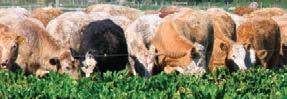
Weaner Friesian bulls, 120kg average 570
Weaner dairy-beef bulls, 130-152kg 680-750
Weaner Hereford-Friesian heifers, 133-158kg 570-600
Temuka | January 13 | 2248 cattle $/kg or $/hd
Weaner dairy-beef steers, 112-131kg 530-690
Weaner Hereford-Friesian bulls, 115-157kg 450-570
Weaner Friesian bulls, 127-164kg 420-585
Weaner Hereford-Friesian heifers, 110-150kg 420-590
+64 6 323 6393 info@agrihq.co.nz agrihq.co.nz LIVESTOCK OUTLOOK KEY POINTS SOUTH ISLAND JULY 2022 M2 BULL -JUL P2 STEER JUL M COW JUL LAMB JUL NZD:USD $/KG $/KG $/KG $/KG 20KGCW 6.05 6.15 4.65 9.20 0.61 Export prices follow traditional trends Processing numbers head to winter levels Chinese demand for lamb softer Confidence in beef job remains solid VIEWPOINT prices is a little less black and white. Lamb prices have been teetering at the top for most of the season, having bottomed out at $8.10/ kg. Prior to late 2019 that was considered almost peak money. Being a niche product also increases the risk profile for lamb, especially when global food inflation is rampant, and consumers are starting to downgrade protein choices. Procurement will continue to drive farmgate prices, but that has a limited life span. Re-energised export market activity will be key to keeping pricing strong. A good old-fashioned winter has returned this year, making life a little busier on-farm. Many are being quickly reminded about the amount of feed stock require when the wet weather doesn’t give up. It’s early days but if these winter weather patterns continue, then chances are it could dampen store spirits and potentially create some pressure at a processing level, especially for those with extra trade lambs on. That has certainly been the case in the North Island in recent weeks where feed reserves have disappeared and a more cautious approach to taking on any more mouths has developed. Due to timing the beef job is likely to be less impacted. A solid store market still exists which is beneficial given these are making up the bulk of cattle trading lately. Stable market conditions this year have created confidence in the beef job. Bull and prime beef prices have tracked in tight range all year and are now starting to find momentum. The lack of negativity in market direction has been welcoming. Although the US imported beef market has headed in the wrong direction, we have yet to truly feel any downside with the NZD supporting returns. There is still some fat in the beef game according to our latest forecasts. This will continue to support the store market whilst still allowing for decent margins at the other end. The likelihood of further upside seems more plausible for beef than lamb. While supplies are ample in key markets now – its coinciding with our offseason. As our spring kill gets underway, in-market demand is expected to pick up as markets look for supply. Confidence in the direction of lamb As our spring beef kill gets underway, in-market demand is expected to pick up as markets look for supply. Mel Croad plausible for beef than lamb. While supplies are +64 6 323 6393 info@agrihq.co.nz agrihq.co.nz LIVESTOCK INSIGHT KEY POINTS July beef AEV up again The beef AEV for July moved in the opposite direction to lamb and was up 34c/kg month on month to $10.84/kg. This is also $2.45/kg higher than the beef AEV in July 2021. In US dollars, the average export values from almost all our key export markets were either up slightly or equal to June values. But in NZ dollar terms the lift is much more significant due to the weaker NZ dollar over the month of July. The NZD:USD exchange rate averaged 0.62 over July compared to 0.64 in June and 0.70 in July last year. US dollar values from Taiwan and Canada were up 8-9% but due to the smaller volumes it hasn’t had a big effect on the overall AEV. Are lamb AEV's back to old trends? VIEWPOINT Cattle prices lift in the paddocks Lamb space freeing up Contract drives demand for store lambs M2 BULL P2 STEER LAMB US IMPORTED 95CL NZD:USD $/KG $/KG $/KG US$/LB 6.30 6.70 9.50 2.71 0.620 Are lamb values on the way down due to the global recessionary environment or could it be that lamb values are returning to old trends? July’s lamb average export value (AEV) was $12.50/kg, down 60c/kg compared to June’s AEV; however, it is still almost $1/kg higher than July 2021’s AEV. Lower values from China is the key reason for the decline and with China being our largest export market (the country took 46% of NZ lamb exports in July) it’s made a significant impact to the overall AEV. Lamb is more of a winter dish in China. With it being summer in China, as well as some major areas having been in and out of lockdowns, it’s understandable that values have dropped off in July. But at $8.16/kg, export values from China are $1.20/kg lower than July last year. The average export value into the US was up significantly month on month in US dollar terms and due to a weaker NZ dollar over July it lifted the values 16%, or NZ$3.52/kg, to NZ$25.06/kg in July. The US purchases higher priced cuts of lamb, so given that values from the US remain strong it could indicate that the recessionary environment has yet to impact lamb values. Looking at data for the last ten years, it’s not uncommon for the AEV to decline from June to July. But from 2019 the lamb AEV has experienced some significant lifts. The African Swine Fever (ASF) outbreak began in China in mid-2018 and it was in 2019 when lamb values started to see larger lifts particularly from China as demand for lamb, as an alternative protein, grew stronger. Then in 2021 it had another significant lift due to strong demand from all our key export countries as food service recovery lifted the demand for lamb. The US and Europe were the key markets driving this increase. While the July lamb AEV is almost $1/kg higher than last year, average farmgate prices for lamb in July were just 30c/kg above July last year in the North Island and 68c/kg higher in the South Island. Last year the lamb AEV lifted by nearly $2/kg from April to September and this good lift boosted confidence and supported increases in farmgate prices. We haven’t seen that this year and the current economic environment in China and around the world is likely to be keeping farmgate prices flatter. A weaker NZ dollar is propping up the NZD values as well. In US dollar terms the lamb AEV is at the lowest level since June last year. WEATHER AND FEED Currency NZD:USD 0.620 0.623 0.695 NZD:GBP 0.525 0.523 0.507 to 9am Thur Soil Temp °C, 9am, 10cm Approx. Grass Growth kgDM ha Day, medium fertility NORTH ISLAND AUgUS T 26, 2022 Hayley O'Driscoll Sara Hilhorst Mel Croad NZD:EURO 0.622 0.618 0.591 NZD:AUD 0.891 0.903 0.960 This Week Last 4wks vs. LY This Week Last 4wks vs. LY This Week Last 4wks vs. LY Dargaville/Whanga. 19 77 Wet 14 12 - 22 18Pukekohe Hamilton 34 93 Similar 14 11 Warm 14 16 n/c Rotorua/Te Puke 43 99 Wet 12 9 Warm 17 17 -1 - - - - -Taumarunui 76 119 Similar 13 9 Similar 9 15 n/c Stratford 230 413 Wet 13 10 Warm 11 12 -6 Gisborne Similar Similar Napier/Hastings 13 54 Wet 12 9 V. Warm 17 15 -5 Waipawa/Takapau 23 74 Wet 11 8 Warm 14 -Dannevirke 123 9 9 13 Palmerston Nth 76 114 Similar 12 9 Warm 8 14 -3 Masteron/Martinb. 1 69 Dry 12 10 V. Warm 11 12 -4 +64 6 323 6393 info@agrihq.co.nz agrihq.co.nz LIVESTOCKEYE Spring market has sprung VIEWPOINT A strange glowing ball has been spotted in the Manawatu skies the past few days apparently it’s called “the sun” which added more fuel to the flames that have powered the store cattle market since the start of August. Or maybe it was the official rolling of the calendar into spring that has awoken even more buyers. Either way, there were plenty of punters having a shot at cattle this week. Vendors were clearly feeling optimistic about their odds as the yarding shot up to the biggest in eight weeks. This was mostly due to a wave of yearlings coming out of the woodwork, who ended up being the main stars of the show. Not that the 2-year lines didn’t go well. Despite their big numbers, there were few special entry consignments through the 2-year steers, but the market wasn’t affected by this. Almost everything with traditional breeding was bought between $3.55/kg and $3.76/ kg, a subtle increase on a week ago. The less standard lines were where the main gains were made though, especially the 360-425kg dairybeef pens which paid essentially the same per kilo rate as above, while some light Hereford from the Wairarapa got up to $3.89/kg. It would have been quiet on the 2-year heifers if it weren’t for two vendors. One from Blenheim sold two pens of 450kg traditional heifers for $3.58-$3.61/kg, while a southernTaranaki vendor sold a single, large line of 370kg Angus for $3.66/kg. Few 2-year bulls were offered, but the 533kg Friesian were at least a good benchmark at $3.62/kg. Demand for yearling cattle was strong from the beginning and never really slowed through the rest of the sale. Bidding was so competitive that it was rare for any buyer to take home more than two pens in each section. For those wanting steers, anything with a bit of quality was out of reach unless they were willing to go above $4/kg. The obvious highlights were three 315-335kg traditional pens at the start, all going to different homes for $4.24-$4.37/kg. Four back-to-back lines of 252-307kg Hereford-Friesian followed too long afterwards, again each pen finding a different buyer at $4.04/kg to $4.34/kg. Yearling bulls were out in force but that only seemed to attract even more buyers who added more onto last week’s money. Good quality throughout helped prices too. A dozen lines of Friesian were auctioned at consistent prices, heavy cuts performing especially well at $3.61-$3.64/kg for 327-391kg. Almost all others of the same breed were $3.44-$3.64/kg for 250kg and above. Weights were generally on the lower-side through the yearling heifers but anything that wasn’t too mixed-bred looking sold well regardless. Traditional pens at 190-246kg were all $3.56-$3.75/kg. Heavier dairy-beef options, 264-296kg, were only a little off that pace at $3.49-$3.59/kg. FEILDINg STORE CATTLE SEPTEMBER 2, 2022 Reece Brick Average Sale Prices Age/Class Breed Ave. $/hd Ave. $/kg 2-year Steer Traditional 460 1680 3.67 2-year Steer Dairy-beef 400 1445 3.61 2-year Heifer Traditional 385 1375 3.55 2-year Heifer Dairy-beef 395 1300 3.30 Yearling Steer Traditional 290 1230 4.27 Yearling Steer Dairy-beef 270 1030 3.82 Yearling Heifer Traditional 220 805 3.64 Yearling Heifer Dairy-beef 250 810 3.26 Yearling Bull Friesian 295 1055 3.58 MA Cow Traditional 520 1325 2.54 0 1000 12-Aug 26-Aug 9-Sep 23-Sep Store cattle tallies 5-yr ave Last year This year 3-Aug Traditional steer 425-475kg ($/kg) 5-yr ave Last year This year 3-Aug Friesian bull 325-375kg ($/kg) 5-yr ave Last year This year Store cattle tallies Wnr/R1 1yr/R2 2yr + Total Steer - 237 314 551 Heifer 7 240 108 355 Cow - - - 39 Total 12 705 461 1239 2-YEAR STEER 2-YEAR STEER YEARLING STEER YEARLING HEIFER YEARLING BULL 540 555KG 385 470KG 315 330KG 215 240KG 325 390KG 3.69 3.59 4.32 3.67 3.62 37 FARMERS WEEKLY – farmersweekly.co.nz – January 23, 2023 Markets 37
| January
|
12
151 cattle, 3225 sheep $/kg or $/hd
+64 6 323 6393 info@agrihq.co.nz agrihq.co.nz LIVESTOCK OUTLOOK KEY POINTS SOUTH ISLAND JULY 2022 M2 BULL -JUL P2 STEER JUL M COW JUL LAMB JUL NZD:USD $/KG $/KG $/KG $/KG 20KGCW 6.05 6.15 4.65 9.20 0.61 Export prices follow traditional trends Processing numbers head to winter levels Chinese demand for lamb softer Confidence in beef job remains solid VIEWPOINT prices is a little less black and white. Lamb prices have been teetering at the top for most of the season, having bottomed out at $8.10/ kg. Prior to late 2019 that was considered almost peak money. Being a niche product also increases the risk profile for lamb, especially when global food inflation is rampant, and consumers are starting to downgrade protein choices. Procurement will continue to drive farmgate prices, but that has a limited life span. Re-energised export market activity will be key to keeping pricing strong. A good old-fashioned winter has returned this year, making life a little busier on-farm. Many are being quickly reminded about the amount of feed stock require when the wet weather doesn’t give up. It’s early days but if these winter weather patterns continue, then chances are it could dampen store spirits and potentially create some pressure at a processing level, especially for those with extra trade lambs on. That has certainly been the case in the North Island in recent weeks where feed reserves have disappeared and a more cautious approach to taking on any more mouths has developed. Due to timing the beef job is likely to be less impacted. A solid store market still exists which is beneficial given these are making up the bulk of cattle trading lately. Stable market conditions this year have created confidence in the beef job. Bull and prime beef prices have tracked in a tight range all year and are now starting to find momentum. The lack of negativity in market direction has been welcoming. Although the US imported beef market has headed in the wrong direction, we have yet to truly feel any downside with the NZD supporting returns. There is still some fat in the beef game according to our latest forecasts. This will continue to support the store market whilst still allowing for decent margins at the other end. The likelihood of further upside seems more plausible for beef than lamb. While supplies are ample in key markets now its coinciding with our offseason. As our spring kill gets underway, in-market demand is expected to pick up as markets look for supply. Confidence in the direction of lamb As our spring beef kill gets underway, in-market demand is expected to pick up as markets look for supply. Mel Croad certainly plausible for beef than lamb. While supplies are direction +64 6 323 6393 info@agrihq.co.nz agrihq.co.nz LIVESTOCK INSIGHT KEY POINTS July beef AEV up again The beef AEV for July moved in the opposite direction to lamb and was up 34c/kg month on month to $10.84/kg. This is also $2.45/kg higher than the beef AEV in July 2021. In US dollars, the average export values from almost all our key export markets were either up slightly or equal to June values. But in NZ dollar terms the lift is much more significant due to the weaker NZ dollar over the month of July. The NZD:USD exchange rate averaged 0.62 over July compared to 0.64 in June and 0.70 in July last year. US dollar values from Taiwan and Canada were up 8-9% but due to the smaller volumes it hasn’t had a big effect on the overall AEV. Are lamb AEV's back to old trends? VIEWPOINT Cattle prices lift in the paddocks Lamb space freeing up Contract drives demand for store lambs M2 BULL P2 STEER LAMB US IMPORTED 95CL NZD:USD $/KG $/KG $/KG US$/LB 6.30 6.70 9.50 2.71 0.620 Are lamb values on the way down due to the global recessionary environment or could it be that lamb values are returning to old trends? July’s lamb average export value (AEV) was $12.50/kg, down 60c/kg compared to June’s AEV; however, it is still almost $1/kg higher than July 2021’s AEV. Lower values from China is the key reason for the decline and with China being our largest export market (the country took 46% of NZ lamb exports in July) it’s made a significant impact to the overall AEV. Lamb is more of a winter dish in China. With it being summer in China, as well as some major areas having been in and out of lockdowns, it’s understandable that values have dropped off in July. But at $8.16/kg, export values from China are $1.20/kg lower than July last year. The average export value into the US was up significantly month on month in US dollar terms and due to a weaker NZ dollar over July it lifted the values 16%, or NZ$3.52/kg, to NZ$25.06/kg in July. The US purchases higher priced cuts of lamb, so given that values from the US remain strong it could indicate that the recessionary environment has yet to impact lamb values. Looking at data for the last ten years, it’s not uncommon for the AEV to decline from June to July. But from 2019 the lamb AEV has experienced some significant lifts. The African Swine Fever (ASF) outbreak began in China in mid-2018 and it was in 2019 when lamb values started to see larger lifts particularly from China as demand for lamb, as an alternative protein, grew stronger. Then in 2021 it had another significant lift due to strong demand from all our key export countries as food service recovery lifted the demand for lamb. The US and Europe were the key markets driving this increase. While the July lamb AEV is almost $1/kg higher than last year, average farmgate prices for lamb in July were just 30c/kg above July last year in the North Island and 68c/kg higher in the South Island. Last year the lamb AEV lifted by nearly $2/kg from April to September and this good lift boosted confidence and supported increases in farmgate prices. We haven’t seen that this year and the current economic environment in China and around the world is likely to be keeping farmgate prices flatter. A weaker NZ dollar is propping up the NZD values as well. In US dollar terms the lamb AEV is at the lowest level since June last year. WEATHER AND FEED Currency NZD:USD 0.620 0.623 0.695 NZD:GBP 0.525 0.523 0.507 to 9am Thur Soil Temp °C, 9am, 10cm Approx. Grass Growth kgDM / ha Day, medium fertility NORTH ISLAND AUgUS T 26, 2022 Hayley O'Driscoll Sara Hilhorst Mel Croad NZD:EURO 0.622 0.618 0.591 NZD:AUD 0.891 0.903 0.960 This Week Last 4wks vs. LY This Week Last 4wks vs. LY This Week Last 4wks vs. LY Dargaville/Whanga. 19 77 Wet 14 12 - 22 18Pukekohe Hamilton 34 93 Similar 14 11 Warm 14 16 n/c Rotorua/Te Puke 43 99 Wet 12 9 Warm 17 17 -1 - - - - -Taumarunui 76 119 Similar 13 9 Similar 9 15 n/c Stratford 230 413 Wet 13 10 Warm 11 12 -6 Gisborne Similar Similar Napier/Hastings 13 54 Wet 12 9 V. Warm 17 15 -5 Waipawa/Takapau 23 74 Wet 11 8 Warm 14 -Dannevirke 123 9 9 13 Palmerston Nth 76 114 Similar 12 9 Warm 8 14 -3 Masteron/Martinb. 1 69 Dry 12 10 V. Warm 11 12 -4 +64 6 323 6393 info@agrihq.co.nz agrihq.co.nz LIVESTOCKEYE Spring market has sprung VIEWPOINT A strange glowing ball has been spotted in the Manawatu skies the past few days apparently it’s called “the sun” - which added more fuel to the flames that have powered the store cattle market since the start of August. Or maybe it was the official rolling of the calendar into spring that has awoken even more buyers. Either way, there were plenty of punters having a shot at cattle this week. Vendors were clearly feeling optimistic about their odds as the yarding shot up to the biggest in eight weeks. This was mostly due to a wave of yearlings coming out of the woodwork, who ended up being the main stars of the show. Not that the 2-year lines didn’t go well. Despite their big numbers, there were few special entry consignments through the 2-year steers, but the market wasn’t affected by this. Almost everything with traditional breeding was bought between $3.55/kg and $3.76/ kg, a subtle increase on a week ago. The less standard lines were where the main gains were made though, especially the 360-425kg dairybeef pens which paid essentially the same per kilo rate as above, while some light Hereford from the Wairarapa got up to $3.89/kg. It would have been quiet on the 2-year heifers if it weren’t for two vendors. One from Blenheim sold two pens of 450kg traditional heifers for $3.58-$3.61/kg, while a southernTaranaki vendor sold a single, large line of 370kg Angus for $3.66/kg. Few 2-year bulls were offered, but the 533kg Friesian were at least a good benchmark at $3.62/kg. Demand for yearling cattle was strong from the beginning and never really slowed through the rest of the sale. Bidding was so competitive that it was rare for any buyer to take home more than two pens in each section. For those wanting steers, anything with a bit of quality was out of reach unless they were willing to go above $4/kg. The obvious highlights were three 315-335kg traditional pens at the start, all going to different homes for $4.24-$4.37/kg. Four back-to-back lines of 252-307kg Hereford-Friesian followed too long afterwards, again each pen finding a different buyer at $4.04/kg to $4.34/kg. Yearling bulls were out in force but that only seemed to attract even more buyers who added more onto last week’s money. Good quality throughout helped prices too. A dozen lines of Friesian were auctioned at consistent prices, heavy cuts performing especially well at $3.61-$3.64/kg for 327-391kg. Almost all others of the same breed were $3.44-$3.64/kg for 250kg and above. Weights were generally on the lower-side through the yearling heifers but anything that wasn’t too mixed-bred looking sold well regardless. Traditional pens at 190-246kg were all $3.56-$3.75/kg. Heavier dairy-beef options, 264-296kg, were only a little off that pace at $3.49-$3.59/kg. FEILDINg STORE CATTLE SEPTEMBER 2, 2022 Reece Brick Average Sale Prices Age/Class Breed Ave. $/hd Ave. $/kg 2-year Steer Traditional 460 1680 3.67 2-year Steer Dairy-beef 400 1445 3.61 2-year Heifer Traditional 385 1375 3.55 2-year Heifer Dairy-beef 395 1300 3.30 Yearling Steer Traditional 290 1230 4.27 Yearling Steer Dairy-beef 270 1030 3.82 Yearling Heifer Traditional 220 805 3.64 Yearling Heifer Dairy-beef 250 810 3.26 Yearling Bull Friesian 295 1055 3.58 MA Cow Traditional 520 1325 2.54 0 1000 12-Aug 26-Aug 9-Sep 23-Sep Store cattle tallies 5-yr ave Last year This year 3-Aug Traditional steer 425-475kg ($/kg) 5-yr ave Last year This year 3-Aug Friesian bull 325-375kg ($/kg) 5-yr ave Last year This year Store cattle tallies Wnr/R1 1yr/R2 2yr + Total Steer - 237 314 551 Heifer 7 240 108 355 Cow - - - 39 Total 12 705 461 1239 2-YEAR STEER 2-YEAR STEER YEARLING STEER YEARLING HEIFER YEARLING BULL 540 555KG 385 470KG 315 330KG 215 240KG 325 390KG 3.69 3.59 4.32 3.67 3.62
AgriHQ market trends

Sheep Meat
Venison
North Island P2 steer (300kg) 5.75 6.15
North Island M2 bull (300kg) 5.65 6.15
North Island M cow (200kg) 4.10 4.60
South Island P2 steer (300kg) 5.35 6.00
South Island M2 bull (300kg) 5.10 5.90
North Island lamb (18kg) 6.95 8.80
North Island mutton (25kg) 3.70 6.10
South Island lamb (18kg) 6.65 8.40
South Island mutton (25kg) 3.40 5.90 Export markets (NZ$/kg) China lamb flaps 9.37 13.28 Wool
38 FARMERS WEEKLY – farmersweekly.co.nz – January 23, 2023 Markets 38
Slaughter price (NZ$/kgCW) Last week Last year
ago Last year
(NZ$/kg clean) Two weeks
Coarse crossbred ind. 2.66 2.55 37 micron ewe - 2.55 30 micron lamb - -
Last
Beef Slaughter price (NZ$/kgCW) Last week
year
South Island M cow (200kg) 4.05 4.50 Export markets (NZ$/kg) US imported 95CL bull 8.03 10.17 US domestic 90CL cow 8.63 9.03
Last
Last
9.00 7.05
NZ average (NZ$/tonne) Last week Last year DAP 1794 1308 Super 442 368 Urea 1240 1190 Urea (Coated) 1189Exports NZ Log Exports (thous. Tonnes) Nov Last year China
Rest of world
Carbon price (NZ$/tonne) Last week Last year NZU 73.9
Cattle Sheep Deer Fertiliser Forestry Steer slaughter price ($/kgCW) Lamb slaughter price ($/kgCW) NZ lamb exports (Oct - Dec, thous. tonnes) Stag Slaughter price ($/kgCW) NZ beef exports (Oct - Dec, thous. tonnes) Data provided by Follow us Be a part of NZ’s biggest agricultural community and help create a better future farmersweekly.co.nz 5.0 5.5 6.0 6.5 7.0 Jan Mar May Jul Sep Nov North Island South Island 6.0 7.0 8.0 9.0 10.0 Jan Mar May Jul Sep Nov North Island South Island 6.5 7.0 7.5 8.0 8.5 9.0 9.5 Jan Mar May Jul Sep Nov North Island South Island 0 10 20 30 40 50 60 China Japan S. Korea Rest of Asia US Other Last year This year 0 10 20 30 40 China EU Mid. East UK US Other Last year This year
Slaughter price (NZ$/kgCW)
week
year North Island AP stag (60kg) 8.90 6.90 South Island AP stag (60kg)
Fertiliser
1,730,802 1,427,212
146,696 252,969
75.0
NZX market trends
Listed
Company
ArborGen Holdings Limited 0.21 0.23 0.21
The a2 Milk Company Limited 7.54 7.77 7.31

Comvita Limited 3.38 3.41 3.25
Delegat Group Limited 10.05 10.2 9.6
Fonterra Shareholders' Fund (NS) 3.32 3.34 3.23


Foley Wines Limited 1.36 1.36 1.33
Greenfern Industries Limited 0.09 0.113 0.09


Livestock Improvement Corporation Ltd (NS) 1.25 1.25 1.25
Marlborough Wine Estates Group Limited 0.158 0.16 0.156
NZ King Salmon Investments Limited 0.22 0.22 0.205
PGG Wrightson Limited 4.5 4.67 4.37
Rua Bioscience Limited 0.199 0.22 0.198
Sanford Limited (NS) 4.24 4.24 4.1
Scales Corporation Limited 4 4.18 3.8
Seeka Limited 3.35 3.4 3
Synlait Milk Limited (NS) 3.51 3.65 3.43
T&G Global Limited 2.31 2.37 2.31
39 FARMERS WEEKLY – farmersweekly.co.nz – January 23, 2023 Markets 39
YTD High YTD Low
Close
S&P/NZX 10 Index
S&P/NZX Primary Sector Equity Index 12816 12870 12664 S&P/NZX 50 Index 11920 11920 11587
11879 11879 11486
Close of market
Agri shares Grain Dairy Dairy Futures (US$/t) Nearest contract Last price* Prior week 4 weeks prior WMP 3175 3155 3500 SMP 3130 3125 3200 AMF 5850 5850 5650 Butter 4800 4800 4960 Milk Price 8.56 8.67 9.00 * price as at close of business on Wednesday Data provided by Canterbury feed wheat ($/tonne) 5pm, Wednesday Milk price futures ($/kgMS) Canterbury feed barley ($/tonne) Waikato palm kernel ($/tonne) WMP futures - vs four weeks ago (US$/tonne) S&P/NZX 10 INDEX 11879 S&P/FW PRIMARY SECTOR EQUITY 12816 S&P/NZX 50 INDEX 11920 so they can udderly take on anything Learn online with a Dairy Assistant course getmilking.co.nz Grow your team’s skills 350 400 450 500 550 600 650 700 Jan Mar May Jul Sep Nov Jan 300 350 400 450 500 550 Jan Mar May Jul Sep Nov Jan 2900 3000 3100 3200 3300 3400 3500 3600 3700 3800 Jan Feb Mar Apr May Jun Latest price 4 weeks ago 7.0 8.0 9.0 10.0 11.0 Jan Mar May Jul Sep Nov Sep-2023 Sep-2024 350 400 450 500 550 600 650 700 Jan Mar May Jul Sep Nov Jan
Weather
NZ battered, bowled by bipolar weather
Richard Rennie NEWS
 Weather
THE bipolar summer conditions that have delivered such incessant wet weather to the North Island and sunshine to the south may start to resemble something more normal in coming weeks.
Weatherwatch director Phil Duncan said the northern Tasman Sea came to resemble a cyclonic bowling alley over early summer, with New Zealand being hit or grazed by low pressure systems as they rolled south.
The worst of these has been ex-tropical cyclone Hale, which has laid waste to parts of Tairāwhiti – and locals are nervously contemplating the approach of another system.
“New Zealand really has been like a traffic island in past weeks for these systems to run past. But we have also had this stream of highpressure weather systems
from Australia that have protected the lower North Island and South Island,” Duncan said.
Looking out to the end of January, weather models start to predict more stable weather as those large blocking highs come to dominate weather
patterns across the entire country.
Duncan anticipates most of the North Island will turn drier than average, with the high pressure systems tending to squash out lower air pressure systems.
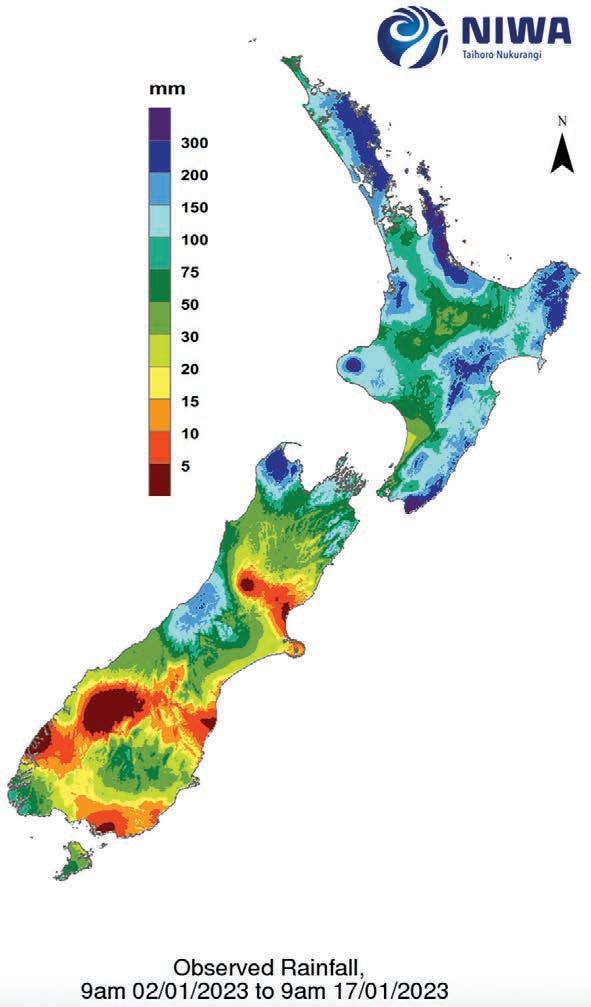

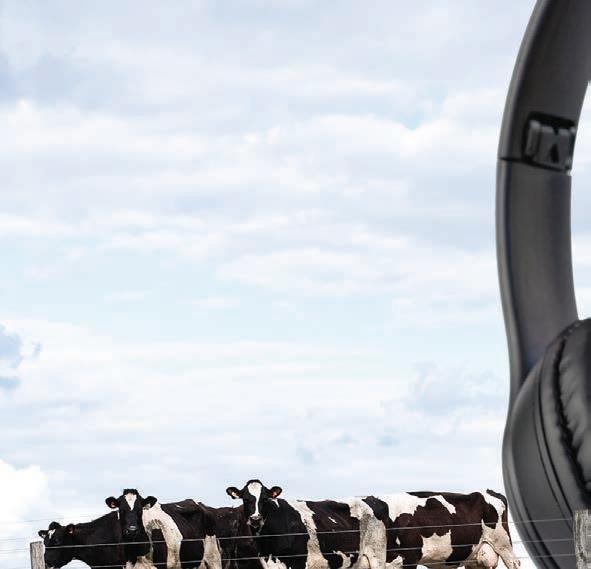
“It really is looking like a battle between air pressure systems and the highs are likely to win.”
This week, Duncan said, most of the country will have high pressure on Monday but leftover cloud may bring a few light showers or drizzle patches to eastern regions minus the lower South Island, while it’s dry out west with sun.
“A big high pressure system sits over us on Tuesday and Wednesday, bringing dry weather for most. Isolated showers may crop up in the afternoon for inner parts of the North Island on Wednesday however, leading to the chance of a downpour there,” he said.
“Thursday is quite dry again but a front about the lower
South Island brings a chance of rain or showers there. Friday is not totally clear-cut but mainly dry weather looks likely apart from the risk of afternoon showers for some inland areas.
“On Saturday it’s mainly dry but afternoon showers about some inland areas again, and on Sunday it’s dry for the South Island while wet weather is possible further north.”
Meantime, in its latest La Niña update released this week, the Australian Bureau of Meteorology has highlighted that the event is continuing, albeit weakened from its peak in spring 2022.
A change towards more neutral conditions is likely to follow in February, although the agency cautions its accuracy may be lower at this time of the year.

Sea surface temperatures remain warmer than average throughout the Pacific, resulting in greater evapotranspiration, humidity, cloudiness, and rainfall.
RaboTalk ourGrowing future Listen to the new RaboTalk ‘Growing our future’ podcast Making sense of the changing farming environment. Search RaboTalk podcast or visit rabobank.co.nz
TRACTA65458 40 Weather
ruralweather.co.nz
Fresh
perspectives,
robust discussions, informed opinions We bring them to you
DODGEMS: Weatherwatch director Phil Duncan says New Zealand is something of a traffic island this summer, for weather systems to either hit or dodge.