
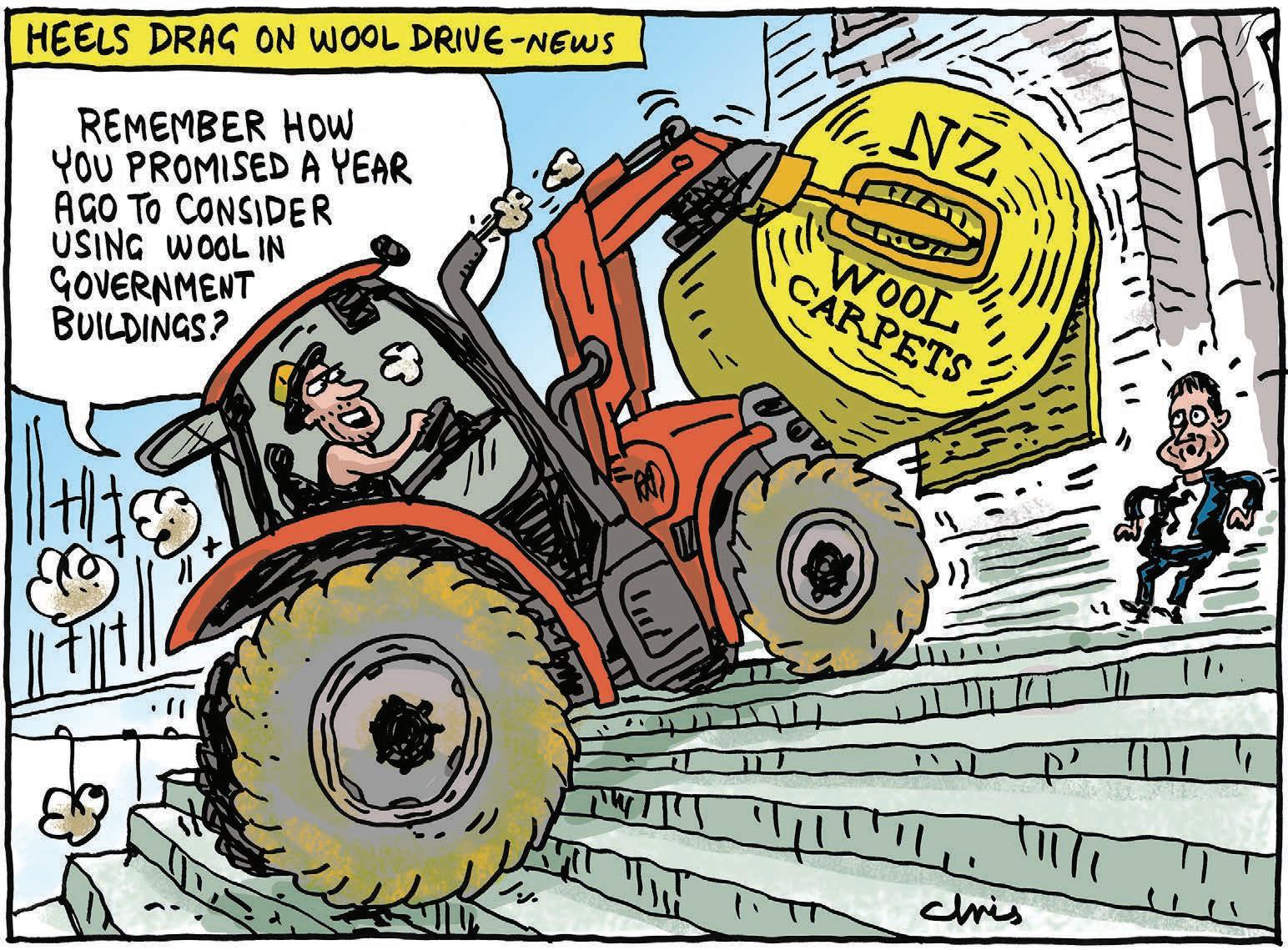
Heels drag on govt’s wool carpet drive

THE transition to using wool in government buildings has not been as smooth as hoped for.
Associate Minister for Agriculture Mark Patterson told Farmers Weekly he received feedback from some in the industry that the transition hasn’t been seamless.
The government announced last year that from July 1 2025 government agencies would be expected to use woollen fibre products in the construction and refurbishment of government buildings, where practical and appropriate.
“Some of the departments have not been taking it as seriously as they should have been in terms of giving wool a fair crack,” Patterson said.
“We’ve been working proactively with the Ministry of Business, Innovation and Employment [MBIE] procurement team to make sure they’re giving effect to the policy,” Patterson said.
“It’s a clear wish from the government that wool be used in buildings.”
Patterson said there have been some wins, such as the announcement by Kāinga Ora last year that it will transition to also using wool carpet in new social housing, and projects in the Ministry of Education.


“We’re trying to quantify whether that’s been picked up across full public service, where the gaps might be, or where the uptake mightn’t have been as we anticipated,” he said.
Patterson did not say which departments are slow to adopt wool.
A spokesperson from MBIE said New Zealand Government Procurement, which sits within MBIE, is responsible for supporting the implementation of the government procurement framework, but individual agencies are responsible for making their own procurement decisions within these settings.
The cabinet agreed that agencies will be required to report to MBIE on an annual basis if they have chosen not to use woollen fibres, and give reasons why woollen fibres were not practical or appropriate.
The first annual reporting is due from July 1 2026, the spokesperson said.
Big names in the wool industry feel the transition to using wool is going as well as can be expected.
Anna Crosbie, navigator at Wool Impact, said because of the commercially sensitive nature of projects, Wool Impact cannot disclose how many agencies it is working with.
An education pack by Wool Impact about the uses of wool in buildings has examples of 10
Continued page 3
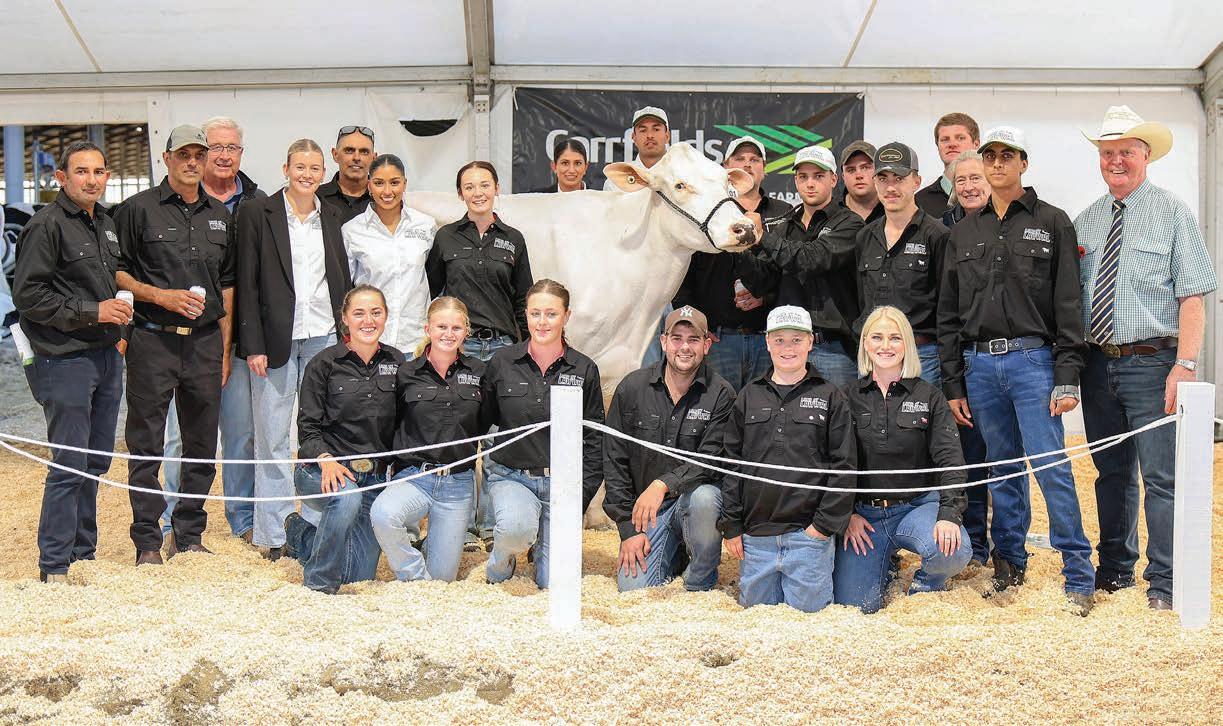
Singh family set sale record
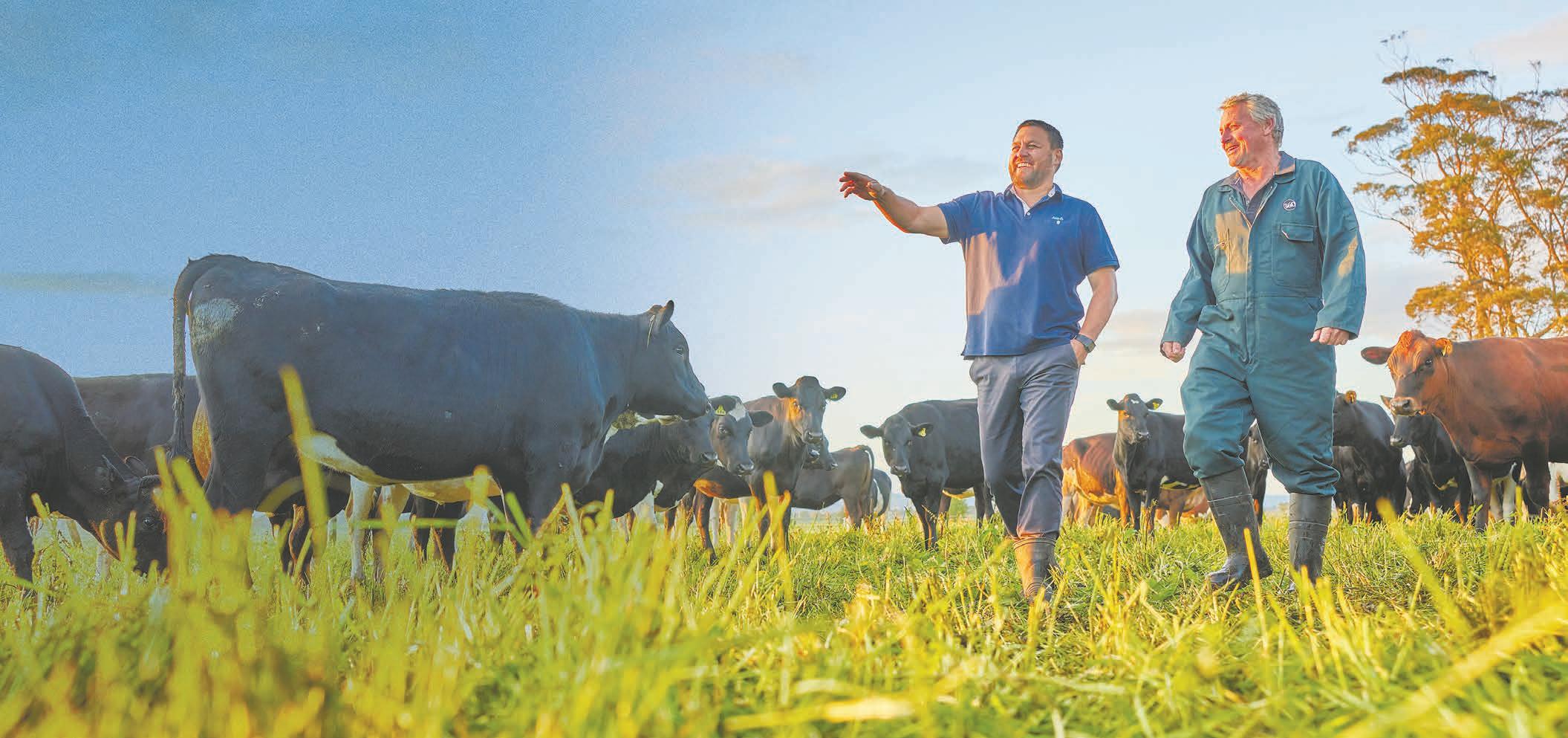
Waikato Holstein Friesian breeders Arjun, Anjena and Amreeta Singh have achieved a new Australasian record for the highest sale average at a single vendor sale, which was $12,330. The Singhs own and operate Lawwal Holsteins and had their Land at Lawwal Sale last month. The top price of $40,000 was for Lawwal A2P2 Miranda P-ET VG89 max (pictured).
Ex-farmers and growers adding kiwifruit to investment portfolios.
NEWS 3
Photo: Supplied
Armchair farming on the horizon
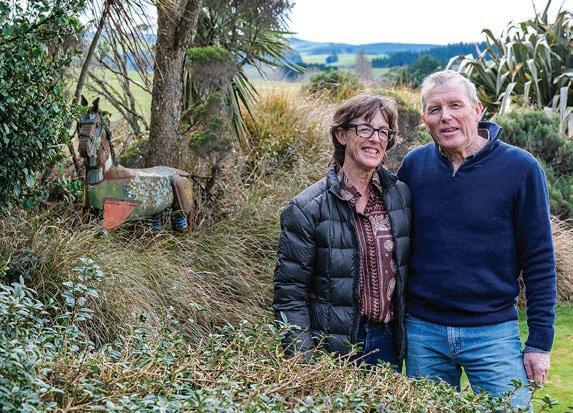
Almost 160 years of family farm ownership and 42 years of stud cattle breeding have all but come to an end for South Otago’s Garry and Julene McCorkindale.
Global protein demand will keep markets bouyant, says SFF.
NEWS 5
Carbon forestry a threat to our wellbeing, writes Alan Emerson.
OPINION 13



Gerhard Uys NEWS Wool
Get in touch
EDITORIAL
Bryan Gibson | 06 323 1519
Managing Editor bryan.gibson@agrihq.co.nz
Craig Page | 03 470 2469
Deputy Editor craig.page@agrihq.co.nz
Claire Robertson
Sub-Editor claire.robertson@agrihq.co.nz
Neal Wallace | 03 474 9240
Journalist neal.wallace@agrihq.co.nz
Gerald Piddock | 027 486 8346 Journalist gerald.piddock@agrihq.co.nz
Annette Scott | 021 908 400 Journalist annette.scott@agrihq.co.nz
Hugh Stringleman | 027 474 4003 Journalist stringleman@outlook.co.nz
Richard Rennie | 027 475 4256 Journalist richard.rennie@agrihq.co.nz
Gerhard Uys | 027 239 4388 Journalist gerhard.uys@agrihq.co.nz
Nigel Stirling | 021 136 5570
Journalist nigel.g.stirling@gmail.com
Isabella Beale | 027 299 0596
Multimedia Journalist isabella.beale@agrihq.co.nz
PRODUCTION
Lana Kieselbach | 027 739 4295 production@agrihq.co.nz
ADVERTISING MATERIAL Supply to: adcopy@agrihq.co.nz
SUBSCRIPTIONS & DELIVERY 0800 85 25 80 subs@agrihq.co.nz
PRINTER
Printed by NZME Delivered by Reach Media Ltd
Advertise
SALES CONTACTS
Andy Whitson | 027 626 2269
Sales & Marketing Manager andy.whitson@agrihq.co.nz
Janine Aish | 027 300 5990
Auckland/Northland Partnership Manager janine.aish@agrihq.co.nz
Jody Anderson | 027 474 6094
Waikato/Bay of Plenty Partnership Manager jody.anderson@agrihq.co.nz
Palak Arora | 027 474 6095
Lower North Island Partnership Manager palak.arora@agrihq.co.nz
Andy Whitson | 027 626 2269
South Island Partnership Manager andy.whitson@agrihq.co.nz
Julie Hill | 027 705 7181
Marketplace Partnership Manager classifieds@agrihq.co.nz
Andrea Mansfield | 027 602 4925
National Livestock Manager livestock@agrihq.co.nz
Real Estate | 0800 85 25 80 realestate@agrihq.co.nz
Word Only Advertising | 0800 85 25 80 Marketplace wordads@agrihq.co.nz
PUBLISHERS
Dean and Cushla Williamson Phone: 027 323 9407 dean.williamson@agrihq.co.nz cushla.williamson@agrihq.co.nz
Farmers Weekly is Published by AgriHQ PO Box 529, Feilding 4740, New Zealand Phone: 0800 85 25 80 Website: www.farmersweekly.co.nz
ISSN 2463-6002 (Print) ISSN 2463-6010 (Online)

News in brief
Fert prices up
Ballance Agri Nutrients has increased its fertiliser prices due, it says, to firming global commodity prices.
As of May 5, urea and SustaiN have increased by $100 a tonne to $1175/t and $1224/t respectively. DAP and SOA have both increased by $50/t to $1653/t and $650/t, Sulphurgain 90S by $120\t to $1297/t and Sulphurgain 30S is up $25/t to $703/t. Rival co-operative Ravensdown’s prices have remained unchanged since April 8.
The a2 Milk Company has recalled three batches of infant milk formula from the United States market after testing by the Ministry for Primary Industries detected cereulide.
The batches amount to 63,078 tins of a2MC’s Platinum USA-label infant milk formula with an estimated 16,428 sold to consumers. David Bortolussi, a2MC managing director and chief executive officer, said the probable source of cereulide was an ingredient in the product.
Formula recalled EPA appointments
Lisa Tumahai and Professor Nicola Shadbolt have been appointed to the board of the Environmental Protection Authority for threeyear terms.
Tumahai has extensive governance and leadership experience in iwi, commercial and public sector organisations. Shadbolt has over 30 years’ governance experience spanning government, industry and commercial boards.
Illegal slaughter
A 68-year-old Auckland man has been fined $6000 after an illegal pig slaughter operation was exposed by undercover investigators. Robert Ngaru Kururangi was sentenced on three charges under the Animal Products Act following a prosecution by New Zealand Food Safety. As part of the investigation, an undercover officer purchased pigs from the property for between $250 and $300 and witnessed a farm employee slaughtering a pig on site.


Landed investors lay out orchard dollars

Richard Rennie NEWS Horticulture
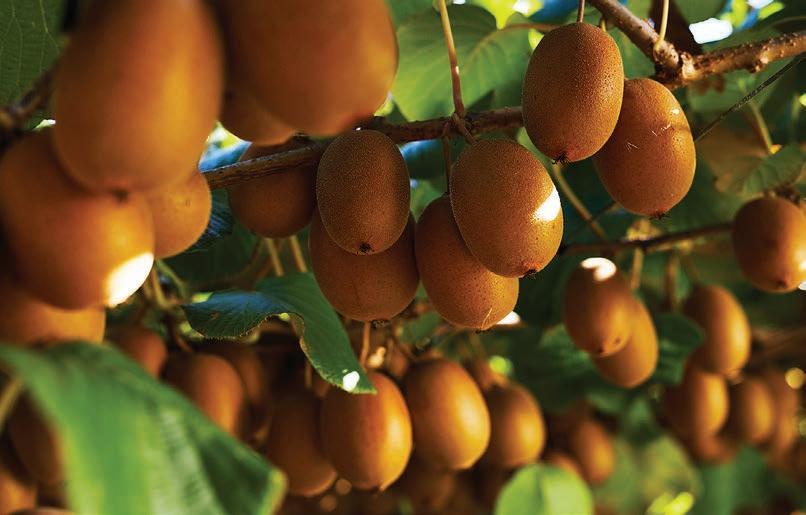
RETIRED farmers, ex-growers and dairy farmers looking to diversify are among the growing number of investors keen to make kiwifruit part of their investment portfolio.
The industry received a boost of confidence earlier this month when the first commercial auction for 50 hectares of Red80 fruit licences fetched an unprecedented $457,000/ha.
Its sister crop, Gold, also maintained its high value, with 416ha selling for $684,000/ha for new planting area.
Dominic Jones, managing director of Origin Capital Parters in Tauranga, is overseeing his company’s third fund-raising round in five years for syndicated investment in kiwifruit orchards, focusing on SunGold fruit.
Origin is targeting a capital raise of $70 million over coming months.
“In terms of investor profile most of our clients are generally New Zealanders over 50, looking to invest $200,000 to $500,000.
“They tend to be people who have connections to the primary
Continued from page 1
projects at educational facilities that are using wool in buildings.
Crosbie said because of the nature of government tenders, companies receive contracts as preferred providers for a long period, and those contracts have to run out before they can change tack to new policies.
This creates an adoption lag, she said.
She said conversations with procurement teams in the government have shown they are keen to honour the policy.
The CEO of Wool Impact, Andy Caughey, said there are time
sector, and understand the risk profile they are taking on. We are getting a lot of interest from investors and families in the dairy sector who are looking to diversify their investments a bit.”
He confirmed Origin had been a successful bidder at this month’s Gold licence auction.
His company has investments in 160 canopy hectares either in or under construction. That includes a 16ha avocado orchard recently cleared for planting in western Bay of Plenty, which Origin acquired sufficient Gold licence area to plant in the latest auction.
“Our focus is on Gold and the main priority is that it is high quality land, largely in western Bay of Plenty, relatively close to existing orchards if possible.”
Jones said Origin is taking a “wait and see” approach to the Red fruit, still in its early commercial phase.
“We feel the sector, however, is in good shape, and there is a need and interest to invest in it.
Every 400ha allocated required investment of about $500 million a year to accompany that.”
Andrew Watters, managing director of MyFarm, said his company has been raising capital for further kiwifruit investment over the past few months to
challenges to transitioning to specific procurement practices.
There is an education and awareness phase, an adoption phase and tender timelines, he said.
Manufacturers also take time to understand government procurement rules.
“The announcement was made in April last year, but the policy wasn’t implemented until July,” he said.
Caughey said Wool Impact has a database that lists the different manufacturers who are suitable for tendering for government contracts.
Once a project is announced
FUNDED: Origin Capital director Dominic Jones says investor interest in kiwifruit is strong among older investors keen to have funds in quality land-based investments.
expand its portfolio of SunGold kiwifruit orchards. The targeted raise was $35m.
“The Red licence value was very strong. There is a scarcity of supply there and high demand with strong prices.”
His company has one commercial Red block and another developing block in Kerikeri. MyFarm also recently bought a 9ha SunGold orchard in Pukekohe.
He believes the Fonterra capital payment to dairy farmers in April added to investor interest as those farmers sought out other
those tendering have to select products and make sure they are tried and tested and perform well before contracts are placed, he said.
The government announcement last year is a clear message to other wool-producing nations that the New Zealand government is leading in this respect, Caughey said.
He said it is also a signal that the government takes the health and wellness of people seriously, particularly with the growing awareness around indoor air quality.
The CEO at Wools of New Zealand, John McWhirter, said

investment options with the cash.
While not specific on crop type, Reserve Bank data indicates bank finance into the horticulture sector lifted to $1.36 billion in March, compared to $1.2bn of lending in March 2025.
Rabobank’s GM for country banking, Bruce Weir, said while there was no specific shift in kiwifruit lending, the sector is looking particularly promising and existing growers are also continuing to invest and expand.
“That positive outlook has been helped by growers being happy
they are currently busy with “a couple of dozen” government building projects.
McWhirter said high-ranking architects in government departments have told him they are positive about wool, but also have budgets to stick to.
There are fewer wool products on the market compared to synthetic products, and it will take time to scale up wool product ranges, he said.
It takes time to communicate the availability of new products.
“It’s going at the pace you can reasonably expect the government to change,” McWhirter said.
Every 400ha allocated required investment of about $500 million a year to accompany that.
Dominic Jones Origin Capital
with Zespri’s 10-year strategy, and the FTA just signed with India is also a big plus for this sector.”
Gavin Haworth, ANZ’s regional manager, said the healthy level of confidence within the sector is backed by a Zespri growth strategy that has solid grower approval.
“We have seen a bit more consolidation go on in the orchard market, but that is not so new.
“We went through a period where not many orchards were selling, so it was hard to get a valuation on them, but we are seeing more now with that lift in confidence.”
Bayleys has reported a top value SunGold orchard in Te Puke fetching $1.7m a canopy hectare recently.
Haworth said “mum and dad” growers remain very much part of the grower sector, while corporate or syndicated identities oversee most of the large greenfields conversions.


BoP trust manager named top dairy woman

Gerald Piddock PEOPLE Community
BAY of Plenty leader and general manager of Te Tawa Kaiti Lands Trust
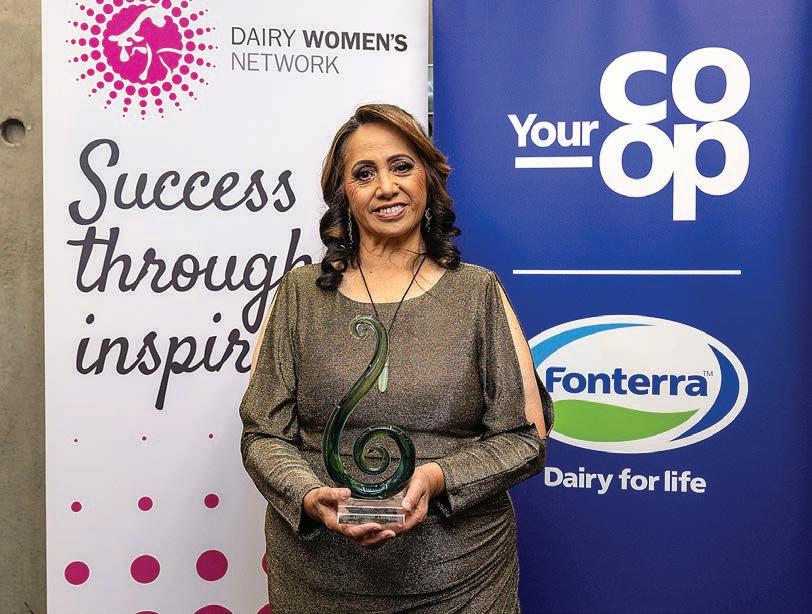
Hinehou Timutimu is this year’s Fonterra Dairy Woman of the Year.
The award was announced at the Dairy Women’s Network 2026 Conference in Christchurch.
Timutimu (Tūhoe, Whakatōhea, Te Ātiawa) said the totality of winning had yet to sink in.
It brought the realisation that the work that the trust has been doing over the past few years is starting to come into fruition, she said.
It was also recognition of all the people who had worked with her, Timutimu said.
“The work that I do is on the backs of others and the award for me is around the collective. Everyone that’s worked together along the journey, it belongs to everyone.”
It is an opportunity for her to inspire others and open that pathway for them, she said.
The award celebrates women who demonstrate leadership and a
commitment to the dairy industry.
Timutimu was recognised for her outstanding leadership, her deep connection to people and whenua, and her transformational impact across the dairy sector and Māori agribusiness.
She credited her mother as a huge influence in her personal development, saying she was a very humble and giving person.
“She was a midwife and brought life into the world for over 50 years and she nurtured the mums and the young ones and applied that in many different aspects.”
The award for me is around the collective. Everyone that’s worked together along the journey, it belongs to everyone.
Hinehou Timutimu
Fonterra Dairy Woman of the Year
Trying to fill those shoes was hugely challenging, she said.
“I’m the youngest of five and I was always the naughty one, the one that doesn’t listen, the feisty one. As an adult, I’m the same. I’m very driven and when I set myself goals, I’m striving to achieve and
there’s no other outcome for me.”
Timutimu leads a dualenterprise model combining dairy farming and maize at Te Tawa Kaiti Lands Trust on around 400 hectares near Rūātoki, south of Whakatane.
The maize is grown both for grain for food products sold in New Zealand and to feed their stock.
It has 1100-1200 beneficiaries and the trust gives back to its three marae in dividends, grants and in meat packs sourced from dairybeef cattle grown on the farm.
Timutimu’s leadership philosophy – guided by the whākatāukī “Ka ora ai te whenua, Ka ora ai te tangata” (When the land thrives, the people thrive) – is woven through every initiative she leads.
Her work includes Project Te Aroha, which accelerates dairy productivity and emissions reduction through herd genomics and regenerative farming; He Whāriki mō Paekoau, a catchment restoration programme engaging schools and hapū; and Kua Āmio ki Tōna Tīmatanga, which creates bilingual resources embedding cultural knowledge into environmental action.
Last year, she represented New Zealand as an expert speaker at the APEC Technical Cooperation Workshop in Bangkok, contributing to international discussions on women’s economic empowerment and sustainable agriculture.
She holds governance credentials spanning the IoD Company Directors’ Course, Fonterra Governance Development Programme, LIC leadership programmes, and MPI Governance Essentials, and has been selected for the Kellogg Rural Leadership Programme 2026. She is also Ballance Farm Environment Awards vice-chair.
Timutimu will receive a scholar-
ship to be part of the Kellogg Rural Leadership Programme.
Also recognised was North Otago farmer Leilani Lobb, who was named this year’s DWN Regional Leader of the Year.
Based near Kurow, Lobb is a contract milker alongside her partner, Ben, while dedicating significant time to her role as a DWN Regional Leader. She has also contributed to the wider sector as a member of the 2026 South Island Dairy Event organising committee and as cofounder of the Canterbury Dairy Young Leaders group.
She will receive a scholarship for a leadership development programme of her choice.
ACT targets empty seats on rural school buses

Isabella Beale POLITICS Education
ACT has made an election promise to address inefficiencies in rural school transport, including new rules aimed at ensuring buses do not pass waiting children while carrying empty seats.
Speaking at Kiwitea, Manawatūbased MP Andrew Hoggard said ACT would introduce an Open Seat Rule so any child living along
an existing school bus route can use it, if there’s space available, regardless of which school they attend.
“In my neck of the woods, in places like Opiki and Tokomaru, I’ve been hearing a common story: a school bus drives past with empty seats while a parent follows behind in a ute, burning fuel to get their kid to school. There are similar situations in Hawke’s Bay and the east coast,” he said. Under existing rules, to qual-
ify for funded school transport, students generally must attend the nearest school to their home and live more than 3.2km away for
Money should be getting kids to school, not tied up in Wellington bureaucracy.
Andrew Hoggard ACT MP
primary or intermediate, or 4.8km for secondary. In some cases, the Ministry of Education may grant exemptions under special circumstances, such as for students attending Māori-medium schools.
Hoggard said the current “nearest school” rule is out of step with how rural communities actually live.
“We’re spending money on a bus, on diesel. Whether it’s half empty or full, the cost is roughly the same, so we might as well make
sure it’s as full as possible.”
The policy will not require additional spending, in most cases, as it makes better use of existing capacity. Where demand on specific routes increases, additional buses can be provided.
“If a route fills up, we’ll put on more buses and fund it from within the Ministry of Education’s existing budget by cutting waste. Money should be getting kids to school, not tied up in Wellington bureaucracy,” he said.
NATIONAL WINNER: Hinehou Timutimu is this year’s Fonterra Dairy Woman of the Year.
Global turmoil may temper red meat bonanza

GLOBAL customers still want protein and, other than the impact of global dynamics, there is little on the horizon to suggest an imminent major market correction, says Silver Fern Farms chief executive Dan Boulton.
Boulton told the company’s annual meeting last week that, given international disruption, farmers should base next season’s income forecasts on 2025 stock values.
SFF paid $70/head more for stock in the first quarter of this year compared with the first quarter of 2025.
The impact on fuel, packaging and supply chain disruption from the Iran conflict, United States tariffs and Chinese beef quotas forcing product into other markets are issues for producers and exporters.
On the plus side, Boulton said global production of red meat is declining, the rebuilding of the US beef herd is expected to take longer than initial forecasts, and demand for SFF grass-fed primal beef cuts in the US has grown 30% and venison 48% in the past year.
“We don’t have a problem selling red meat, there’s no shortage of buyers out there.”
The company’s strategy is to focus and prioritise markets and customers that value the quality and provenance of SFF meat. Concern stemming from global disruption has customers worried about food security with Boulton saying some large SFF customers want to investigate long-term relationships to secure supply.
This would require a shift from the current transactional business model with a replacement system that works for farmer suppliers and customers.
SFF staff are heading offshore
shortly to meet with a large multinational customer to discuss how such a system could work.
Boulton said the business needs to be more financially resilient by improving its working capital position and it has set a target of achieving $1 billion in cumulative EBITDA (earnings before interest, tax, depreciation and amortisation) by 2030 and annual revenue of $5bn.
That level of earnings would allow increased capital expenditure, and investment in research and development, people and the market.
“We’re not there yet,” said Boulton.
In 2024 EDITDA was $32.7m and in 2025 it was $114.2m.
A key to achieving that is differentiating SFF products and Boulton said 17.5% of its sales are currently high-value cuts. By 2030 he wants that to be 33%.
Every 1% of product sold higher up the value chain generates an extra $250m in revenue.
SFF Co-op chair Anna Nelson told the conference improved meat prices have created a material lift
in confidence across rural NZ and allowed farmers to plan for the future.
“That is our shared ambition [with SFF Ltd] – for the red meat sector to more decisively go back to a growth mindset.”
The co-op owns 50% of SFF Ltd and 12.5% of WoolWorks, where it is one of three shareholders.
Nelson said no dividend will be paid to co-op shareholders.
Asked about the financial performance of WoolWorks, Nelson said that is commercially sensitive but it is operating profitably and meeting expectations.
Director Adrian Ball said the stake in WoolWorks was taken in order to secure primary stage wool
processing, provide farmers with access to future innovation and ensure the country’s largest wool scour remains in
SFF to pour $100m into Finegand
SILVER Fern Farms Ltd is investing $100 million in its Finegand sheep and beef processing plant in south Otago.
Announcing the investment at the company’s annual meeting in Dunedin last week, chief executive Dan Boulton said it will be spent on replacing or renewing areas and facilities including freezing, cold storage and automation.
“It will deliver new freezing capacity, automated cold storage, sorting and modern loadout infrastructure,” he said.
Boulton said while $100m is a large investment, the payback will come from greater efficiency and better product quality, which will assist the company’s competitiveness.
Some infrastructure, such as blast freezers, is at the end of its life while proposed new technology such as automated palletisation and loadout systems will reduce manual handling and forklift movements and has shown
its worth on industrial sites around the world.
“Customers will see tangible benefits including improved carton presentation through reduced handling and damage, and greater shelf-life utilisation through more accurate, responsive order fulfilment,” he said.
Customers will see tangible benefits, including improved carton presentation through reduced handling and damage.
Boulton said planning is underway for significant long-term capital expenditure at its other plants and said such investment is only possible when the company is financially resilient.
Earlier, Silver Fern Farms Ltd reported a $41m net profit before tax for the year to December 31 2025.
This compares with losses for the two previous financial years, including a $29.7m loss in 2024.
The transformation was attributed to more confidence across the red meat sector, improved farmgate returns and strong global demand.
The net profit after tax was $29.1m, compared to a $21.8m loss in 2024.
As one of its two joint shareholders in SFF Ltd, Silver Fern Farms Co-op reported a $14m profit after tax compared to an $11m loss for 2024. It’s net profit after tax was $14.2m ($10.9m loss).
Boulton said the Finegand investment is expected to deliver operating savings and a more resilient earnings base.
Construction will be staged to minimise disruption to existing operations, with commissioning planned in 2027.
The original Finegand plant, owned by the South Otago Freezing Company, was opened in 1912.
It was bought by Waitaki in 1973 and in 1988 by PPCS, as Silver Fern Farms was then known.

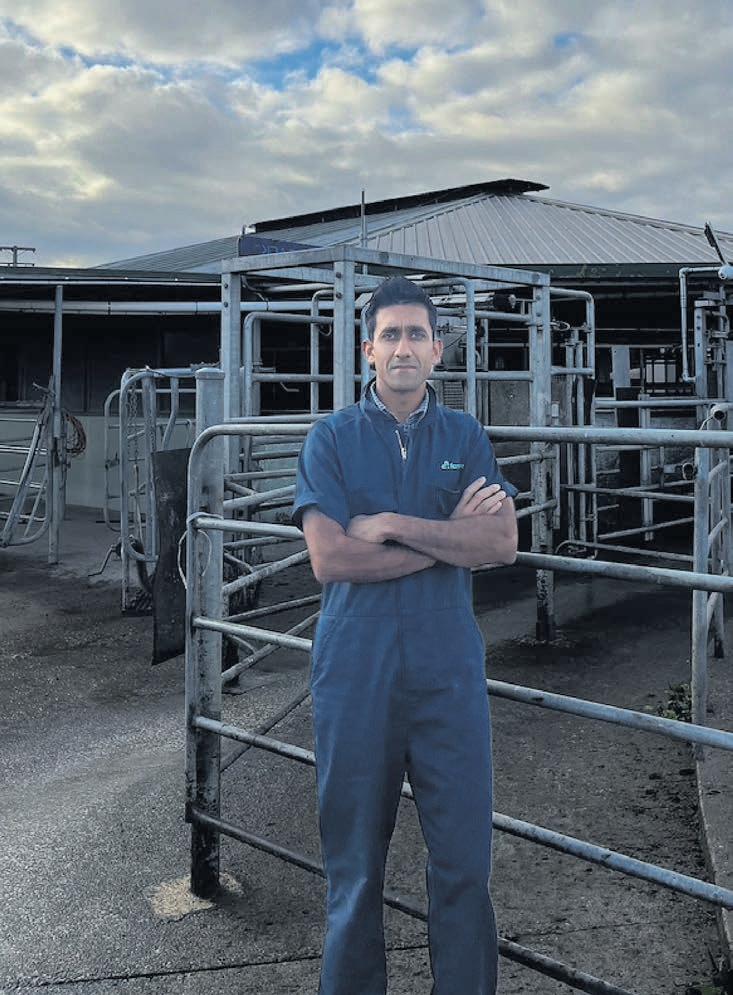
Krispin KannanVeterinarian, Farmfirst Veterinar y
Neal Wallace MARKETS Red meat
Neal Wallace NEWS Sheep and beef
CONFIDENCE: High meat prices have renewed confidence in the sector, says Silver Fern Farms chair Anna Nelson.
RELATIONSHIPS: Silver Fern Farms Ltd chief executive Dan Boulton says food security concerns have prompted customers to seek an enduring commercial relationship with the company.
Dan Boulton Silver Fern Farms
NZ.
Nelson and fellow director Rodney Booth both retired by rotation but were re-elected unopposed.
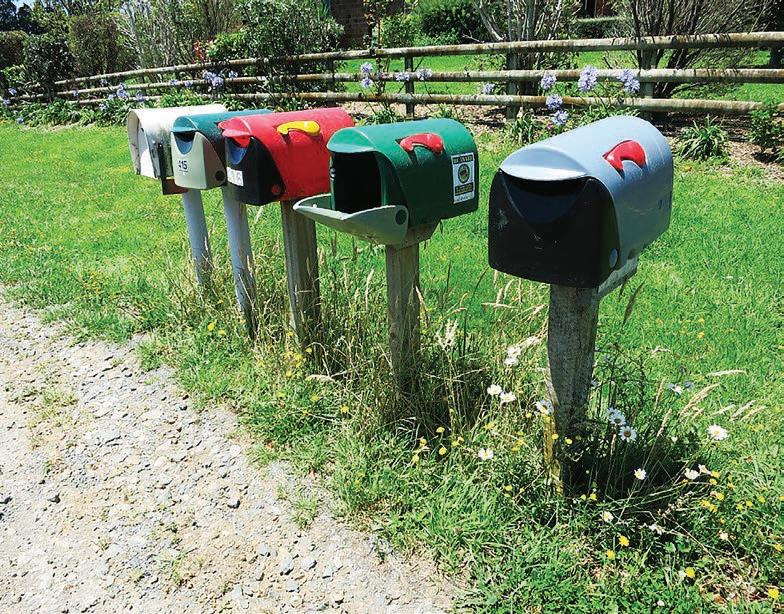
No cuts to rural mail in pipeline, says NZ Post
POSTAGE prices are increasing but NZ Post said it has no plans to alter rural delivery services.
NZ Post recently announced that from July 1 the price of delivering unaddressed mail will increase 19% and letters by 70c, which mail manager Matt Geor said reflects postage costs catching up with actual costs.
Geor said the integrated rural delivery model is being implemented to urban services, where mail and parcel services are currently separate.
“We will genuinely have one network in all areas,” he said.
The deed of understanding between NZ Post and the government allows a reduction in mail delivery from five to three days a week, but Geor said that proposal is “not on our radar”.
Drivers are already delivering freight and parcels to rural homes, so the continued
reduction in mail is not a factor in the service’s viability.
“Rural is already in the space where it needs to be.”
Geor said the volume of letters continues to decline. Twenty years ago there were 1.2 billion letters delivered each year but the volume today is about 10% of that.
Within five years the number of parcels delivered each day will almost match the number of letters, he said.
The 19% increase in the cost of delivering unaddressed mail reflects the structural decline in volume, rising costs and also NZ Post not acting earlier to increase delivery charges.
It initially responded to falling letter volumes by making structural business changes while the government provided some temporary funding for mail services to give NZ Post time to work out its future model.
That has now ended.
Craig Young, the chief executive of Tech Users Association of NZ (TUANZ) said there are still parts of the country that cannot get
Rural is already in the space where it needs to be.
digital services, but the bigger issue for rural people is capacity and quality.
Broadband provides urban users with reliable, unlimited digital connectivity at low prices, a service not available to all rural users.
Rural people are connecting with satellite providers such as Starlink and Young said at this
stage there are few satellite options.
There are small satellite companies, wireless internet service providers and mobile operators but Young said next week Amazon Leo, an international satellite service, is addressing the TUANZ conference.
He hopes they will announce their arrival in the NZ market, which will provide further competition.
The government initially invested in the rolling out of rural broadband but Young said that initial investment needs continued upgrading and improvement to stay current.

GDT buyers race to beat freight hikes

Hugh Stringleman MARKETS
Dairy
after two consecutive declines during April, led by milk powders and mozzarella.
Skim milk powder rose 3% and, at US$3547/tonne, the average price is nipping at the heels of whole milk powder, up 2.2% to $3741.
NZX dairy analyst Rosalind Crickett highlighted the narrowing price gap between WMP and SMP, down to $80/t for NZ contract period two offerings.
She said protein demand has boosted non-fat dairy milk powder and that NZ medium grade is $225 over European Union products. Anhydrous milk fat rose in price by 1.1% while butter was down 2.6% and mozzarella was up 4.7% while cheddar fell 3.6%.
Crickett said a drop in buying by China and the Middle East was countered by increased demand from southeast Asia and Oceania.

$23,651 + gst
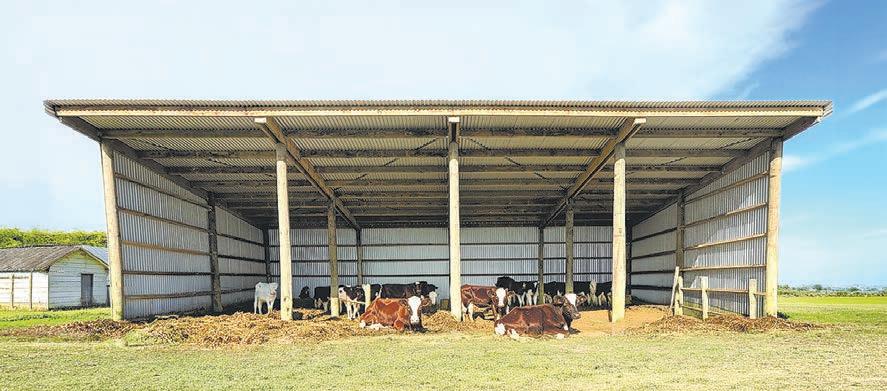
NO PLANS: New Zealand Post has no plans to change rural delivery services, says the organisation’s mail manager, Matt Geor.
Matt Geor NZ Post
Neal Wallace NEWS Infrastructure
US refund means more tangling with tariffs

NMARKETS Trade
EW Zealand exporters are not getting too far ahead of themselves as they join thousands of companies staking their claim to a share of the US$170 billion in tariff refunds owed by the United States government.
In February the US Supreme Court ruled that President Donald Trump’s Liberation Day tariffs were illegal.
The judgment said nothing about refunds but following challenges from US importers the US Court of International Trade a month later instructed customs authorities to set up a system for processing refund applications.
On April 20 US Customs and Border Protection’s Consolidated Administration and Processing of Entries (CAPE) system went online.
By April 26 it had received 75,000 refund requests.
Significant sums are at stake for NZ primary exporters.
Up to $300m of Liberation Day tariffs are estimated to have been collected on NZ meat exports to the US between April and November last year.
Not all of those will have been paid by exporters, however.
The US importer is sent the tariff demand in the first instance.
After that, negotiation between the importer and the exporter they were buying from typically decided how the cost would be shared.
Some of NZ’s largest exporters will have paid the tariff directly to US Customs via their own US importing businesses.
Greenstone Meats (formerly the Lamb Company) is owned by Silver Fern Farms, Alliance Group, ANZCO and Australian meat exporter WAMMCO, and is the importer of record for a large share of NZ’s lamb exports to the US and some beef.
ANZCO’s general manager of sales and marketing, Rick Walker, said Greenstone had continued to pay NZ exporters “as though the tariff did not exist” and prices for lamb especially were relatively unscathed.
The tariff paid by Greenstone was passed on to shareholding exporters through a lower dividend.
Likewise any refunds are likely to be returned via higher future dividends.
In the case of the largest buyers of NZ beef – hamburger chain McDonald’s and discount giant Costco – they paid the tariff directly as importers of record.
Much of that cost was passed

on through lower prices to NZ exporters but retrospectively assessing how it had been split –and how any refund would now be shared – would be difficult, Walker said.
“There was no ‘here is the price and we will take 7.5% as our share of the tariff’.
“It just became a natural part of negotiation where those buyers were saying we are not paying more for your product because we are paying more at our end.”
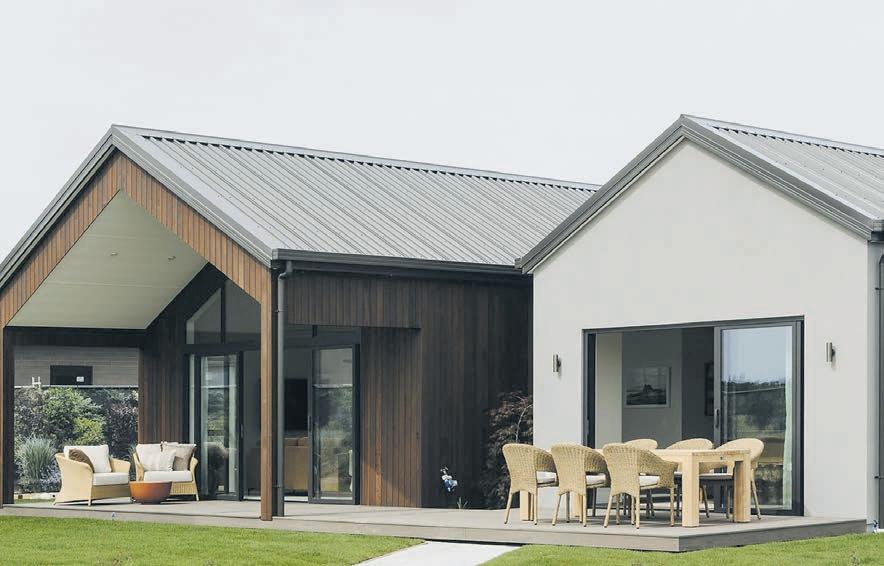


When the Liberation Day tariffs were announced, Babich Wines chief executive David Babich wrote to his company’s US distributors. He is hopeful of avoiding disputes but accepts it is a possibility.
“There is an agreement around the management of a refund should it come to pass but the second part is enforcing it with these guys because they are all hungry for money and are going to have a variable reluctance on
It just became a natural part of negotiation where those buyers were saying we are not paying more for your product because we are paying more at our end.
Rick Walker ANZCO
a case-by-case basis of giving it back,” he said.
Exporters are also not discounting delaying tactics from the Trump administration.
A US-based executive at one large NZ primary exporter said that US Customs could hold up refunds by either appealing the US Court of International Trade’s orders or dragging out its assessments of claims.
So far applications for only a fraction of the Liberation Day tariffs had been called for.
US Customs was still “programming” the CAPE system to accept applications for the rest.
“No one knows how long that is going to take but they are incentivised to do that programming because they are racking up interest and the longer it takes the bigger the bill is going to get for them,” the exporter said.
BE PART OF SHAPING SOME THING NE W.
Come along to our Open Days at Ar vida’s newest communit y in Lincoln Step inside our brand -new showrooms and discover what makes this exciting new communit y so special. Whether you want to retreat to the comfor t of your modern villa, take in views of the Southern Alps over a coffee, or mix and mingle with other like -minded residents, you can be the orchestrator of your own retirement.
With our first villas priced from $625,000 (license to occupy)* already under contract and strong interest building, now is the per fect time to explore our t welve villa st yles and secure your favourite before someone else does.


Nigel Stirling
LIBERATED: Up to $300 million of Liberation Day tariffs are estimated to have been collected on NZ meat exports to the US between April and November last year. Photo: Wikimedia Commons
Strong wool clearly headed in right direction

Annette Scott NEWS Wool
AFTER years of sustained pressure, weak prices, and growing uncertainty about wool’s place in the farm system, the New Zealand strong wool sector is showing clear signs of change.
Over the past four years the value of the NZ strong wool clip has doubled, signalling a shift in confidence and a renewed sense that wool can again play an important role in on-farm returns.
Industry leaders say the direction of travel is encouraging, with stronger market signals and growing momentum pointing to a more positive outlook for the sector.
Wools of NZ chief executive John McWhirter said the sector turnaround in the past four years has the national clip value now at $500 million.
“At the lowest price drop, in 2020, to $2.50 a kilogram (clean) the national strong wool clip was about 100 million kilograms of wool; multiply that across the price drop then the actual clip value was $250m, of which about
10% was sold inside NZ and the rest exported.
“The auction last week reached $5.90/kg but wool volume has continued to decline since 2015 so if forecast through to 2030 at a rate of decline about 4% per annum, the production of wool will look higher, so by 2026 getting $6/kg clean, while producing less wool, down to about 800,000kg, means in reality the clip is now worth half a billion dollars.
Essentially the value of the clip has doubled in five years even though we are producing less.
John McWhirter Wools of NZ
“The key is, essentially the value of the clip has doubled in five years even though we are producing less.”
McWhirter said new business accounts for the growth.
Wools of NZ has secured a supply partnership with international carpet manufacturer Kalida Hali, which will see NZ wool used in the company’s high-quality woven carpets exported to 69 countries around the world.
The partnership highlights the growing international demand for premium NZ wool and creates new opportunities for local wool growers.
Kalida Hali has been making woven carpets since 2005, exporting from Türkiye to markets around the world including the United Kingdom, Europe, the Middle East and North America.
“They have built a strong reputation for producing durable, high-performance carpets using advanced weaving and yarn technologies.
“So what we are seeing around the world and where we’re making headway is Kalida Hali has increased their production of wool and I guess at the expense of synthetics.”
Wool Impact chief executive Andy Caughey said the sector is now showing clear signs of change with a renewed sense that wool can once again play an important role in on-farm returns.
“The direction of travel is encouraging, with stronger market signals and growing momentum, from innovation and new product development to partnerships and initiatives that are strengthening demand and building resilience.
“Together, they signal a sector

that is evolving with purpose and pace.”
Domestically, growing brands have celebrated export success. Do Not Disturb bedding products incorporating Wisewool secured new distribution in the United States.
Floc, a NZ-developed wool acoustic solution, is entering the Australian market. Terra Lana’s Dagmat is in high demand in Australia, Wool Source is supplying ingredients to Japan, and Lanaco filters flew to the moon and have recently landed in Havelock Wool home filtration systems in the US.
“For growers, these projects signal real, tangible demand for wool in construction, and show wool
Red bull gives stud wings as semen heads abroad

Hugh Stringleman NEWS Genetics
HEMINGFORD Sheep and Cattle Genetics, North Canterbury, has sold semen from a Red Charolais bull called Undertaker into the United States, Canada and Australia.
Hemingford stud principal Sam Holland believes the sale is a first for a New Zealand Red Charolais and hopes that it will result in
further semen export deals.
V-A-L Charolais in Oregon in the US and Valley’s End Charolais in Saskatchewan, Canada, have purchased the Undertaker semen exclusive rights for one year while the Palgrove Stud in Australia rights have a longer term.
Hemingford has sold semen to Valley’s End and Palgrove before.
Holland hopes that more demand will be generated by Undertaker calves on the ground, leading to 50:50 future deals for
his semen in the US and Canada.
Semen has been collected, tested and certified by veterinarians Reuben Brown and Jo Scott at Targeted Breeding Centre, Oamaru, and is on its way to the buyers now.
As well as having the red coat, often called tan in the US and Canada, the rising three-yearold Undertaker has the perfect temperament, feet and structure, along with good balance across terminal and maternal traits.
Undertaker’s sire is Hemingford Rockafeller, a very consistent bull, and his red-coated dam is by Palgrove Hallmark.
Hemingford will have 350 calves on the ground this spring and about 45 of them will be by Undertaker, perhaps half with a red coat.
The 17th annual bull sale will be on June 11 on the property at Culverden when 80 bulls will be for sale. The first Undertaker sons will feature in next year’s sale.
moving beyond traditional carpet use into insulation, acoustics and textiles that offer comfort, and wellbeing indoors,” Caughey said.
Floc business development manager Tom O’Sullivan said the move into Australia is expected to see 5500 square metres of Floc roll installed across Australian projects in the first 12 months.
“This is the point where the work we’ve done in NZ starts to scale, we’ve spent the last few years getting the product right and proving it in real projects. Australia is about building on that and creating long-term demand.
“With Australia’s population seven times that of NZ, the scale of the opportunity is significant.”
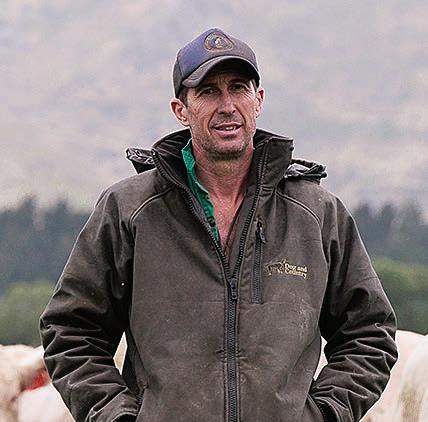


MOSQUE: Wools of New Zealand fibre will soon feature in carpets produced by the Turkish manufacturer of carpets such as those used in Istanbul’s famous Blue Mosque.
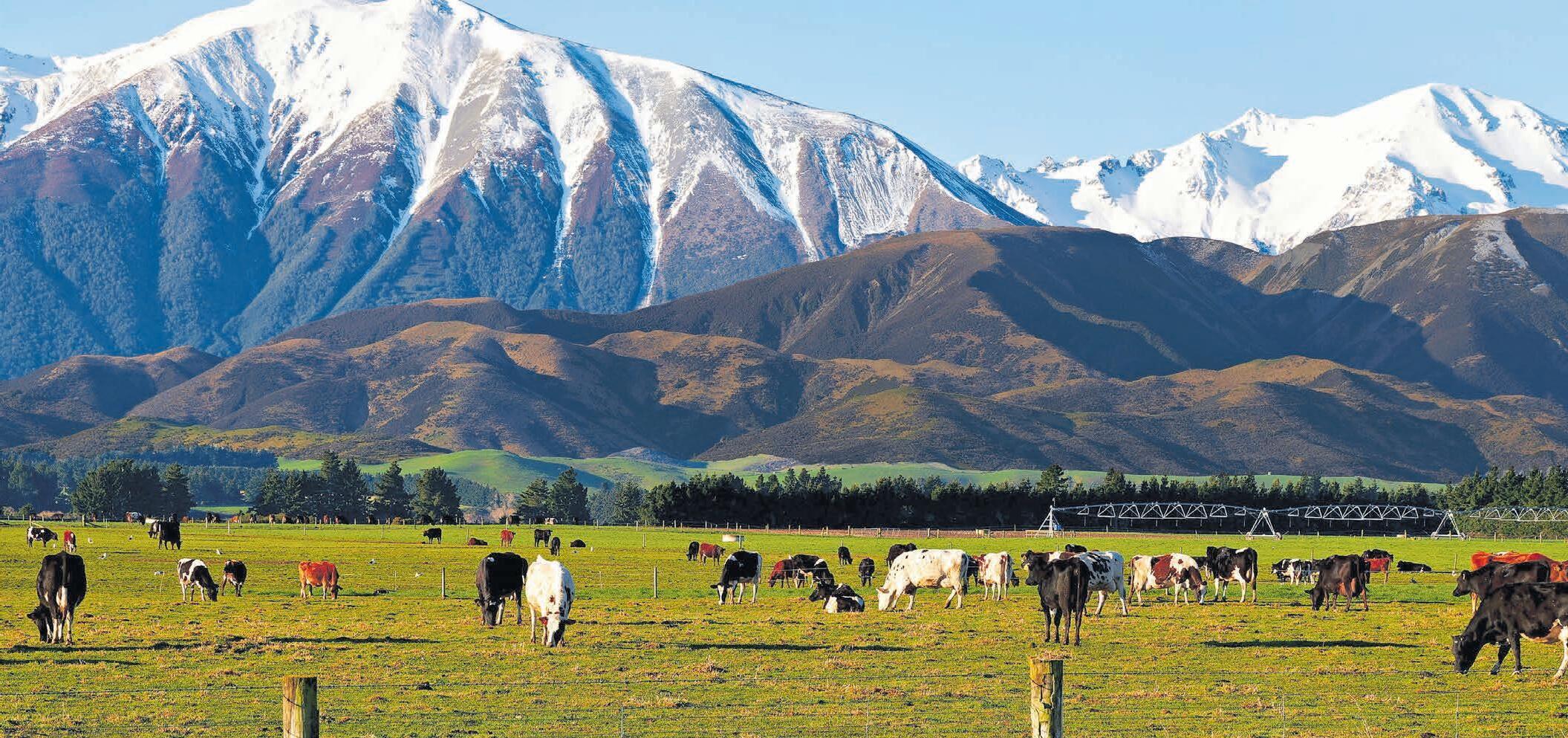
EXPORTER: Charolais NZ president Sam Holland has sold semen from red bull Undertaker to three countries. Photo: Supplied
Red tape to be cut for smaller solar systems
Neal Wallace TECHNOLOGY Solar
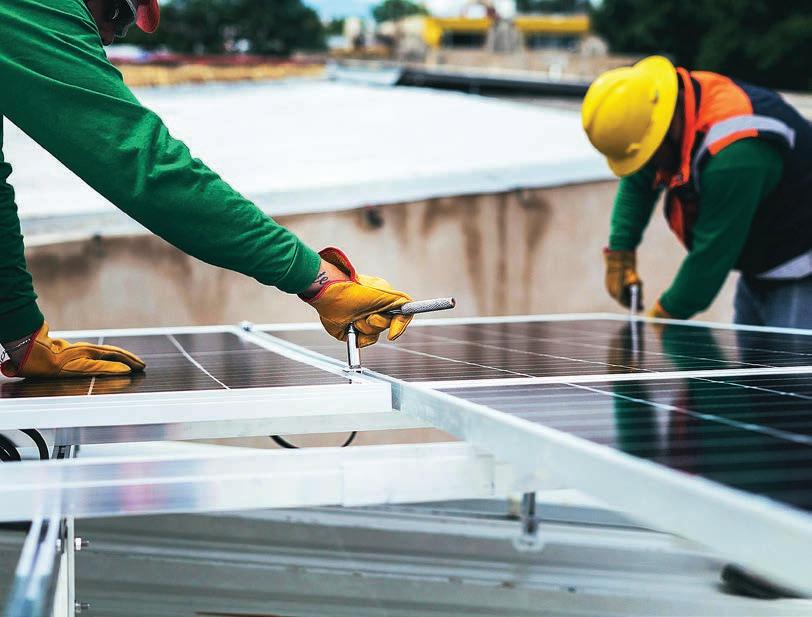
THE government is streamlining the consenting process for installing residential and small to medium solar systems with the aim of making it the simplest in the developed world.
Regulation Minister David Seymour announced in central Otago last week that the current consenting process takes months to traverse up to eight layers of regulations, compared to parts of Australia, where consent be granted in 24 hours.
“This review will make solar an easy option in New Zealand,” Seymour said.
Between 3% and 4% of NZ households have solar power, compared to 30% of Australian households.
“Solar installation in New Zealand is a red tape nightmare. Just getting it approved can take months.
“In parts of Australia, approval of similar low risk solar can be done in just 24 hours.”
In the Australian state of Victoria, there is one layer of sign-off for small-scale solar installation where the installation process is managed and carried out by the chosen installer.
Solar installation in New Zealand is a red tape nightmare. Just getting it approved can take months.
David Seymour Regulations Minister
Standard installations are inspected by a licensed electricity inspector without a site visit, with photographs used to show compliance.
“A site visit is only carried out in person if something unusual or noncompliant is identified in the photos,” he said.
In comparison, New Zealand has up to eight layers of sign-off
before even a small-scale solar system can be switched on.
That could require up to five separate site visits from four separate entities, he said.
“For example, during installation the installer often cannot turn off or reconnect the fuse, update the meter, or carry out the required independent electrical inspection.
“These tasks must be done by other entities, requiring additional site visits.”
The decision to streamline the process follows concerns by solar advocates and Federated Farmers about what they saw as inconsistent consenting requirements between councils.
Farmers Weekly recently reported that Waikato dairy farmer Andrew Lord faced a $2895 consenting charge from the Waipa District Council to install solar panels on his shed.
Mike Casey, the chief executive of Rewiring Aotearoa, said he’s fielding similar concerns from farmers all over New Zealand.
Casey, a Cromwell cherry
grower, said the Central Otago District Council does not require a consent for solar panels, but the neighbouring Queenstown Lakes District Council does, and it can cost thousands of dollars.
Seymour said concern about solar installation rules was raised through the ministry’s Red Tape Tipline.
He wants common sense regulations.
“Common sense says that if something is low risk, the
The robots are coming – to NZ farms
Gerhard Uys TECHNOLOGY Robotics
HUMANOID robots are expected on New Zealand farms in the next 10 years.
Speaking at Thriving Southland’s Everything to Gain event in Invercargill, the chief insights officer at the Ministry for Primary Industries, Jarred Mair, said there are about 15 humanoid robot companies across the world, with three expected to go live this year.
Mair said Tesla’s Optimus gen 3 robot, and robots from Figure and Atlas are important because they
give artificial intelligence (AI) a physical form.
Such robots can teach each other. They can replace their own batteries and carry heavy loads.
The robots will initially work in car manufacturing plants and operate in environments designed for humans, Mair said.
An ageing population will mean a reduced labour base, he said.
He predicted seeing robots in milking sheds, and pruning and picking in orchards, freeing up humans to do other tasks.
Mair said the only reason we might not see humanoid robots on farms will be if demand for them outstrips supply.
He said the business model for robots will likely be a rent-to-use model.
Mair said the technology means we have to think about how we redeploy and maximise our resources.
Speaking on a panel at the event, Emma Crutchley from Puketoi Station said she often hears robots will replace her dogs, but working dogs is a big reason she likes to farm, so she won’t employ robots soon.
Steven Nichols from Makarara Station responded to Crutchley, saying one of the difficulties of finding labour on sheep and beef farms is finding people who want
to live in isolated areas, and are prepared to do mundane jobs like drenching.
There is a need to find solutions for that so people can focus on things they’re emotionally connected with, like running their dogs, Nichols said.
Global Sales director at Alliance
James McWilliam said there will be a tipping point when society might reject robots, but equally, businesses and communities will have to decide on the adaptation of robotic technology.
“We’ve got robotic technology in our Lorneville facility. Where you deploy robotic technology, you are often pigeonholed into a set of
rules should reflect that. Every unnecessary requirement pushes up costs and puts people off doing sensible things like generating their own power.”
He said solar panels could save most New Zealand households more than $1000 a year on electricity costs.
At an estimated installation cost of between $8500 to $11,500 for a small to medium system, that cost could be repaid after about 10 years.
Where you deploy robotic technology, you are often pigeonholed into a set of processes or systems that are fairly defined.
James McWilliam Alliance
processes or systems that are fairly defined. I’ve been all over the world [seeing] the same processes from end to end without human intervention, but they are typically in value chains where they don’t have things like breed specificity, carcase confirmation, or variants [like] climate, or an agri system which has varying outputs across its whole value chain.”

STREAMLINED: The government is launching a review to streamline the consenting process for residential, small and medium solar systems, Regulations Minister David Seymour says.
Photo: Pexels
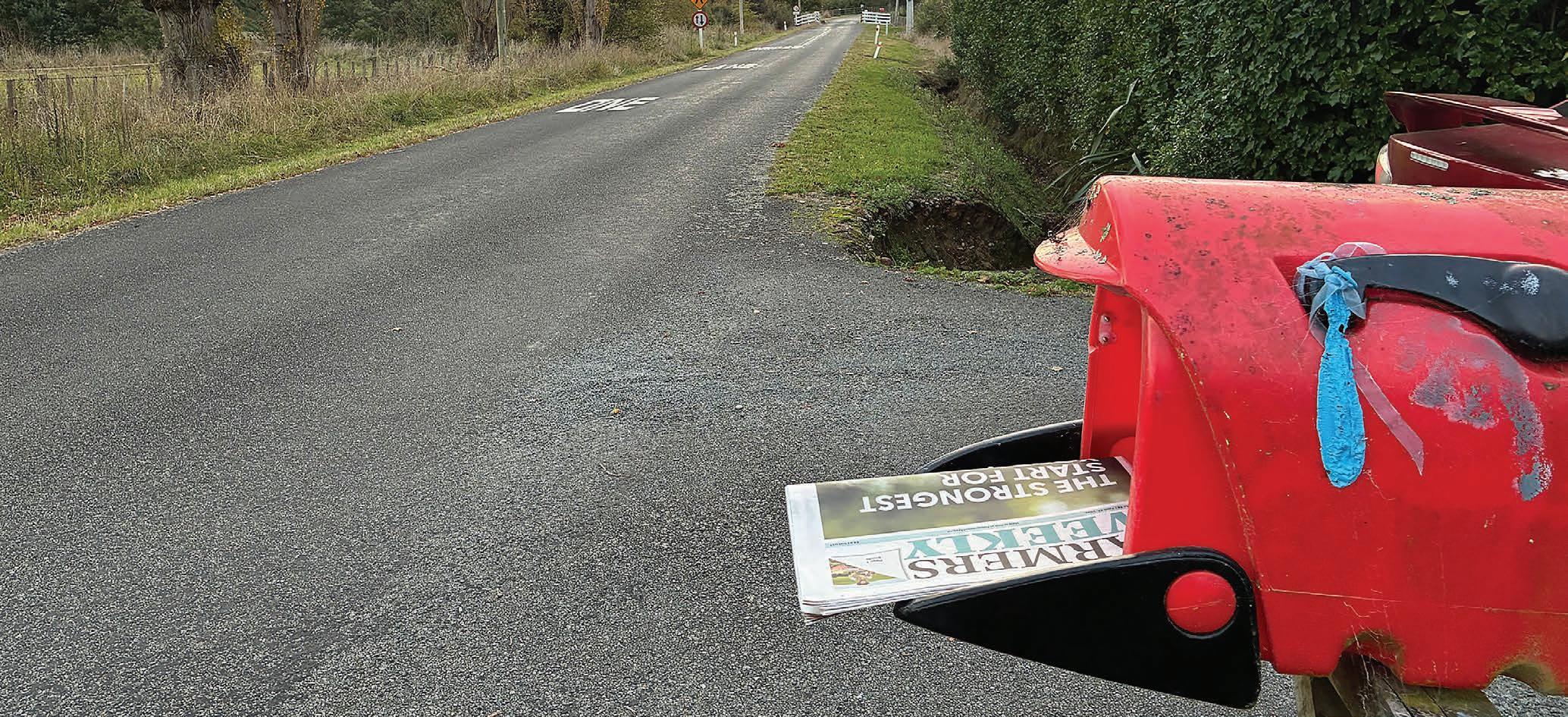
Rural post just got more expensive.
Delivering Farmers Weekly to every farmer in the country every week isn’t cheap, and the price is about to go up 19%. That’ll add another six-figure sum to our cost line.
We have three options:
1. Cut costs.
2. Raise advertising costs.
3. Grow our voluntary subscriber numbers.
We are not going to cut our editorial capacity, and we are not going to put up advertising rates in response to this.
We’re grateful to have so many advertisers backing us so strongly. Thumping them with a price rise would
drive more marketing spend to digital spaces like social media (where the money leaves New Zealand, going to companies that don’t even pay tax here).
So, we’re asking you, as a reader of Farmers Weekly, to consider starting a voluntary subscription: $15 a month, $120 a year, or whatever value you put on the content in this publication.
Dean Williamson. CEO and publisher. 027 323 9407 | dean.williamson@agrihq.co.nz
BECOME A VOLUNTARY SUBSCRIBER

Support us with a voluntary annual subscription to Farmers Weekly. $120 for 12 months. This is a voluntary subscription for you, a rural letterbox-holder already receiving Farmers Weekly every week, free, and for those who read us online.
Scan the QR code or go to www.farmersweekly.co.nz/donate
Email your name, postal address and phone number to: voluntarysub@farmersweekly.co.nz and we’ll send you an invoice.
Call us on 0800 85 25 80
Note: A GST receipt will be provided for all voluntary subscriptions.

The latest rural postage price rise will increase Farmers Weekly’s delivery costs by 19%.
From the Editor
Ready to ride the wool wave

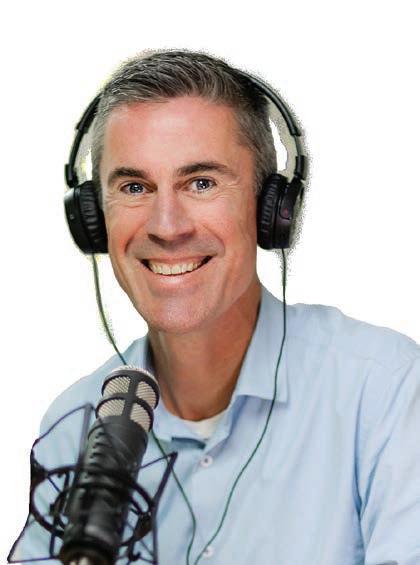
Craig Page Deputy editor
IT HAS been almost a year since the government instructed its agencies to start using more wool when building or refurbishing properties.
The jury is still out on how successful the directive has been. Depending where you sit, the wool bale is either half empty or half full.
The plan, unveiled in April 2025 and coming into effect from July 1 of that year, instructed government agencies to start using woollen products like flooring, insulation, acoustic panels and furnishings.
It applies to government-owned buildings with new construction works valued at $9 million at most, and $100,000 at most for refurbishments.
Associate Minister for Agriculture Mark Patterson, one of the ministers behind the announcement, told Farmers Weekly the move has not gone as smoothly as they would have liked.
“Some of the departments have not been
taking it as seriously as they should have been in terms of giving wool a fair crack,” Patterson said.
“We’ve been working proactively with the Ministry of Business, Innovation and Employment [MBIE] procurement team to make sure they’re giving effect to the policy.
“It’s a clear wish from the government that wool be used in buildings.”
At the time of the announcement, Patterson touted wool as a natural product that was less toxic and more naturally fireretardant than synthetic or petroleum-based alternatives used in construction.
MBIE is unable to provide figures on how widespread the uptake of wool by the agencies has been until July 1, when the first annual reporting is due.
In reality, it was always going to be a tough ask to get these agencies to suddenly change the way they have operated for years. They, like any business, are operating within budgets and, as taxpayer-funded organisations, will be looking to save costs wherever they can.
Despite Patterson’s frustrations, those in the wool business still see positives from the government directive and say any change was always going to take time to bed in.
It is clear wool groups have been in discussions with agencies, although there was a reluctance from some to say which ones or how many.
Wools of New Zealand chief executive John McWhirter said they are involved
with “a couple of dozen” government building projects. High-ranking architects in government departments have told him they are positive about wool, but also have budgets to stick to.
McWhirter pointed out there are fewer wool products on the market compared to synthetic products, and it will take time to increase wool product ranges.
It was always going to be a tough ask to get these agencies to suddenly change the way they have operated for years.
The upside is that the wool industry is in a positive position with new international market opportunities appearing.
Last week Wools of NZ announced it has secured a supply partnership with international carpet manufacturer Kalida Hali, and will use NZ wool in the company’s high-quality woven carpets, which exported to 69 countries around the world.
Wool Impact chief executive Andy Caughey, who was recently in India for the signing of the free trade agreement, said there is a renewed sense that wool can once again play an important role in on-farm returns.
That international momentum should help encourage New Zealand’s government agencies to catch the wool wave.
This week’s poll question (see
Should the government be pushing its agencies harder to ensure wool is used in new construction jobs?
Have your say at farmersweekly.co.nz/poll
LAST WEEK’S POLL RESULT
More than 70% of those who took the poll believe cameras should be compulsory in all shearing sheds throughout the country.
“If there is nothing to hide, the industry should welcome accountability and begin installing cameras in every single shed,” said one voter.
“Yes, cameras should be used to monitor animal welfare in all shearing sheds,” said another. “They can help increase transparency, deter mistreatment, and ensure animals are handled according to proper welfare standards.”
Another added: “No animal should suffer, and people who harm them need to be held accountable.”
“The videos I’ve seen clearly indicate that they should be used to prevent abuse of animals,” said one voter.
Of the 29.9% who did not believe cameras were necessary, several said the scrutiny was likely to deter people from getting into the industry.
“We will end up with no shearers and that would be a massive animal welfare disaster. We just need farmers and shearers together to root out unacceptable behaviour.
“Good shearers are a proud group of people who like to do a professional job and take pride in their chosen profession.”
Last week’s question: Should cameras be used to monitor animal welfare in all shearing sheds?



Carbon forestry a threat to our wellbeing
Alternative view
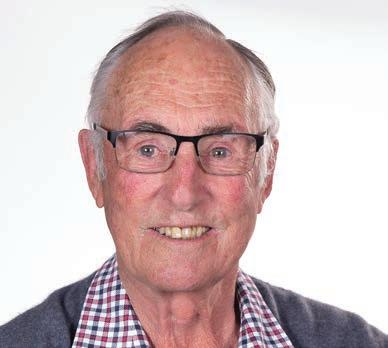
Alan Emerson
Semi-retired Wairarapa farmer and businessman: dath.emerson@gmail.com
‘
LAND change gutting rural NZ – study” was the front page headline in Farmers Weekly on April 20.
The story by Neal Wallace was sobering to say the least. It dealt with the effect of exotic forestry on rural communities and quoted from a study by Kathryn Wright of Otago University. Ms Wright is married to a farmer and is a rural mental health counsellor based in Te Anau. She is in a prime position to know and develop the issues.
She told me that in a lot of her interviews the effect of forestry is “insidious over time”.
“There are little lights going out everywhere.”
She said that the “biggest problem is the lack of communication” by forestry. That “people need to be taken seriously”. That “the forestry approach is defensive and attacking”.
“The forestry industry needs to
talk and engage with people. They need to understand and know how forestry is affecting everyday lives and communities.”
I would agree with her.
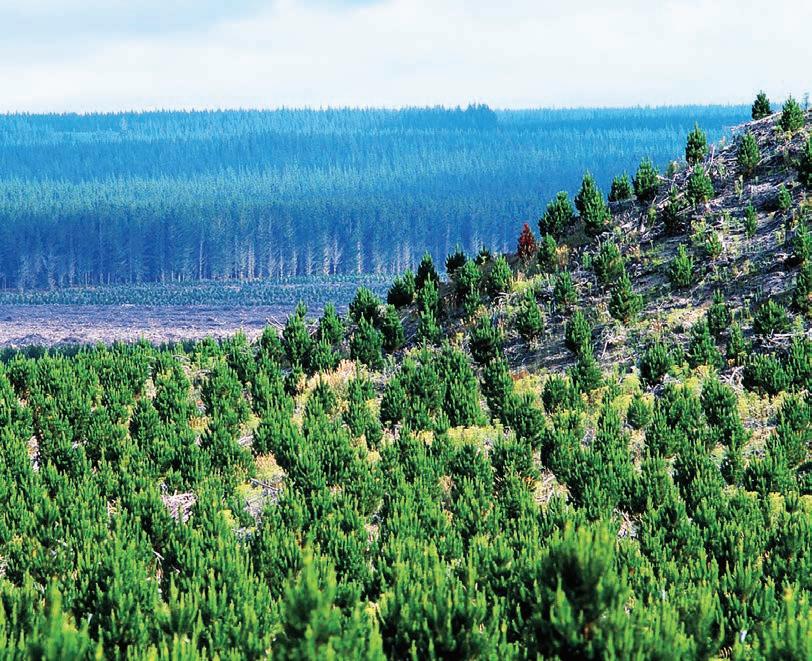
Since 2017 at least 300,000 hectares of farmland have been converted to forestry and that is considerable.
A massive 86,000ha was planted in 2022 alone, the largest planting since 1994 – and the 1994 figure was pre any carbon planting.
Research in NZ has shown that for every 1000ha of farmland converted to forestry, 7.8 full time equivalent workers lost their jobs. They are replaced by .6 of a worker with carbon forestry. With production forestry the figure is 2.5 workers for each 1000ha.
Using the 300,000ha figure that means by my maths 2340 fewer jobs replaced by, in the case of carbon farming, 240.
Putting the 2100 loss in perspective, the total population of Methven is 2170, Woodville is 1680 and Hunterville 378.
My concern is not production forestry but carbon farming and, with it, our Emissions Trading Scheme.
The ETS came into being in 2008. Since that time 650,000ha have been planted and registered. Back in 2008 our sheep numbers were 34.1 million and beef cattle 4.1 million.
In 2026 we had 23.4 million sheep and 3.8 million beef cattle.
So we’ve lost around 10 million sheep and 300,000 beef cattle since the ETS was introduced, not to mention over 5000 jobs on farms.
The loss of workers on farms is one thing, the loss of those servicing the industry is another.
I’m told that a chain in a freezing works can process 20,000 lambs in a day. That means we’ve lost 500 days of a chain processing sheepmeat since 2008. With beef the figure is nearer 400 days.
It’s little wonder we currently have excess meat processing capacity, plants closing and many unemployed meat workers.
It gets worse.
New Zealand has pledged to reach carbon zero by 2050. Minister Simon Watts told us that it could be achieved “as early as 2044”.
Some reports say that to achieve carbon zero we need to plant an additional 380,000ha of pine trees. Others claim the figure is closer to 700,000ha.
So the ETS is likely to be responsible for the removal of between 1 and 1.4 million hectares of productive farmland and for what?
Since 2017 at least 300,000 hectares of farmland have been converted to forestry and that is considerable.
In 2020 our emissions were 20.8% above 1990 levels. So we haven’t helped the climate and we’ve taken out 650,000ha of productive farmland.
It’s crazy.
The statement by the carbon farmers that the land wasn’t worth much is spurious. In Wairarapa we’ve had some almost flat farms converted to forestry. In addition people aren’t thinking long term.
Much of the hill country that has been converted produces store
stock. Reducing land used for breeding means farmers on the flat don’t have animals to fatten. The breeding stock has gone.
Our future wellbeing as a country is threatened, and for what?
New Zealand’s net emissions are 55 million tonnes annually.
In the United States the figure is 5 billion metric tonnes and the US has left the Paris agreement with President Donald Trump describing climate change as “a hoax”.
Over four years the war on Ukraine has emitted 311 million tonnes of CO2 equivalent.
In the first 14 days of the war on Iran, 5 million tonnes were emitted.
Our answer is to plant productive farmland into pine trees.
We subsidise our biggest polluters so they can keep
polluting and we allow fuelinefficient cars into the country to further pollute.
I will acknowledge the coalition government has tightened the rules regarding carbon forestry but would humbly suggest it doesn’t go anything like far enough. There are three issues I hold all of our parliamentarians responsible for.
The first is letting a crazy scheme run rampant in the NZ economy.
The second is the gutting of our farming population, not dissimilar to the Highland Clearances of the 18th century.
The third is condemning future generations to poverty as a result of our inability to produce food.
Indian FTA a big step forward for NZ wool
In my view
IT WAS a privilege to be part of the trade delegation to India with Trade Minister Todd McClay, and to witness the signing of the New ZealandIndia Free Trade Agreement. For me, the signing was more than a formal trade moment. It was a clear signal that New Zealand wool, and especially strong wool, has a real opportunity in one of the world’s largest and fastest-growing economies. India is already an important market for our wool. It takes around NZ$77 million worth of New Zealand wool exports, and the new FTA gives us a stronger platform to grow that relationship over the long term. Once the agreement enters into force, tariffs on wool will be eliminated from day one, helping remove cost and friction for exporters and customers. This will be welcomed by

the many New Zealand wool businesses that have invested in India, and their Indian counterparts. In 2025 these businesses worked together to raise the profile of New Zealand wool at Bharat-Tex New Delhi, one of the world’s largest textile shows.
At the same show this year,
wool producing nations will form a “wool street” amid the 5000 exhibitors further grow wool’s voice.
India is not just another export market, it is a country with scale, ambition, manufacturing capability, and a clear strategy for growing its textile sector.
India’s Farm to Fibre to Factory to
Fashion to Foreign approach is a natural fit for New Zealand wool.
Our fibre starts on farm, is grown by people who care deeply about land, animals, and producing quality wool that has the performance attributes that modern consumers are increasingly looking for: natural, renewable, durable, traceable, and versatile.
That gives New Zealand wool a good story to tell, but more importantly, it gives India’s textile, carpet, homeware and apparel sectors a high-quality natural fibre to build into their own premium products.
India manufactures for its own domestic market, but also for global brands and international customers. That means NZ wool can travel further through Indianmade carpets, home textiles, interiors, apparel and other finished products.
As consumers and brands around the world demand greater transparency about where materials come from, how they are grown, and the impact they have, we need to form solid partnerships with businesses through the value chain. NZ wool
has strong certification platform and sustainability credentials that can add value in support of Indian brands and the companies and consumers they supply.
Of course, the FTA won’t magically lift wool prices by itself, and it does not remove the need for hard work in market. We still need relationships, investment, product development, branding and a clear focus on value. But it does present an opportunity to build greater demand in a market already purchasing 20% of total NZ strong wool exports.
For growers, this is important as every new pathway to market matters. Every opportunity to position our wool as a premium, natural, sustainable fibre also matters. Every agreement that helps reduce barriers for NZ wool gives us more options for the future.
The signing of this FTA is a positive step for strong wool and for the wider wool sector. It gives us confidence to build with India, not just sell to India.

Read weekly articles from Alan Emerson
LOSS: Research in NZ has shown that for every 1000 hectares of farmland converted to forestry, 7.8 full time equivalent workers lose their jobs.
Andy Caughey
Caughey is chief executive of Wool Impact
FUTURE: Andy Caughey says the New Zealand-India Free Trade Agreement gives New Zealand wool, and especially strong wool, a real opportunity in one of the world’s largest economies.
Sector Focus
Elite sheep deliver on both meat and wool

Olivia Caldwell ON FARM Sheep and beef
WILLIAM McDonald was training to be a doctor, but three years in, he pulled the pin and followed his dream to go high country sheep farming instead.
In 1930 he bought Ben Lomond Station above Queenstown, and farmed it for 20 years.
The McDonald family have been involved in farming since 1876, and in that time have owned 15 farms and stations across the south, so they know a thing or two about farming and sheep breeding.
The family who owns Snowline, an elite ram and sheep breeding line, are now in their fifth generation of farming and are keeping it in the family with father John and his three sons Scott, Jason and Glen all playing a part in the business.
John and Joy McDonald started their farming career at Five Rivers, Southland in 1968, and developed a Coopworth stud for their meat and wool.
“They started breeding
Coopworths in 1969, so Dad has been in the game for a long while. Then because the wool market started to soften we concentrated more on meat,” said eldest son Scott.
As time went on, they shifted to Kelso sheep, a high performance easy-care composite breed out of the North Island.
We need to put them on land where they are all facing the same conditions and stresses, so the best will rise to the top and the worst to the bottom, then we can cull them off.
Scott McDonald Snowline
In 1999 the family got the opportunity to manage Cone Peak Station, which sits between the Remarkables ski field and Chard Farm winery.
This is where they started to experiment with sheep genetics and develop one of their genetic lines, Ranger.
This is what they call a terminal
breed, as the ram is bred with often mixed-aged ewes and has a dominant gene that shows up as a black-faced lamb. This helps the farmer clearly identify which of the lambs are to be culled.
The Snowline ram is the gene the business thrives on, however, with the top Platinum rams selling for $2450.
They have worked on perfecting this for 20 years, through the process of “population genetics”, which is exactly as it sounds. Each year they will grab 1100 lambs at weaning time from the two younger brothers’ farms, Jason’s Elgin Farm in Moa Flat and Glen’s Kinaston Run near Roxburgh, Central Otago.
From the 1100, 70% will not make the cut and be sent to the freezing works. Roughly 350 ram lambs are grown out and go to clients across the country.
What makes the Snowline breed so sought after is it is high yielding and quick fattening and also has between 26 and 30 microns in its hogget wool content, which is finer than most crossbreds.
“We need to put them on land where they are all facing the same conditions and stresses, so the best
will rise to the top and the worst to the bottom, then we can cull them off,” said Scott.
While the finer wool is sold for a premium price, the meat is the real selling point, he said.
The growth rate per day is high, so buyers can guarantee the lambs will fatten at a quick rate.
The Snowline range is doing other unique things such as running the Carla gene marker through their whole flock.
“This means that even if they have internal parasites, it doesn’t affect their growth rate, as they are more tolerant to the presence of worms.”
A majority of the Snowline lambs also have a bare rump, meaning no wool on the tail making tailing optional, and reducing crutching – all saving time for the on-buying farmer.
“It is keeping us at the cutting edge of this sheep genetics breeding programme. We are getting and doing things that a lot of other people can’t do. With population genetics, you can make incredible progress when you have big numbers,” Scott said.
“I think everyone is chasing high yields, high growth rates and the breed that is going to take them to the final objective.”
Armchair farming ahead for top cattle breeder
ALMOST 160 years of family farm ownership and 42 years of stud cattle breeding have all but come to an end for South Otago’s Garry and Julene McCorkindale.
Their Glenside Simmental stud was recently dispersed with 160 mixed age cows and bulls averaging $6050, the top priced bull making $18,000, the top cow $17,000 and her daughter $12,000. Buyers came from Kaitaia to Southland.
Garry McCorkindale said without any family keen to continue farming, the 750ha Waitahuna property has been sold to a neighbour and he and Julene will move to a small farm at Bannockburn in Central Otago.
They plan to take 22 in-calf Black Simmental cows and 10 yearlings to the partially irrigated property, and continue breeding.
“I’m going to put collars on them and monitor them from my La-Z-Boy chair,” he said.
A self-confessed details and data man, McCorkindale said it had been inevitable that he would become a stud breeder.
In the early 1980s the family were running sheep and 200 commercial breeding cows on their Waitahuna farm. At the same time there was an influx of exotic stud cattle breeds.
McCorkindale recalled going to a bull sale at Owaka where Charolais and Simmental bulls were sold.
He headed home having bought a Charolais bull, but he couldn’t help but notice the higher prices paid for Simmentals and that it was a breed on the rise.
It prompted him to investigate the merits of Simmentals and once satisfied, he started sourcing pedigree cows.
Because there weren’t any clearing sales, McCorkindale was confined to buying other breeder’s discards.
Through using technology such as artificial insemination and data to manage his breeding programmes, progress was made
pursing desirable genetics.
“I was always confident with data especially when BREEDPLAN started and we could compare animals across different farms in different locations and get a handle of genetic merit.”
McCorkindale said he loved the detail of managing breeding at an individual animal level.
“Stud breeding was made for me.”
He takes the view that breeders have the responsibility to produce the next generation of commercial beef cattle – and loyal buyers will follow.
“We have always been lucky to have top, loyal farmers who did well with our bulls.”
The McCorkindales started
selling bulls through the Southern Simmental Breeders Club, which gave him a benchmark to compare his stud’s performance.
I’m going to put collars on them and monitor them from my La-Z-Boy chair.
Garry McCorkindale South Otago
Eventually he was running about 130 stud cows and selling about 20 bulls a year.
In the 1990s a Glenside bull set a New Zealand record for a Simmental of $32,000 at the
National Bull Sale, only to be usurped five lots later by a bull that sold for $38,000.
McCorkindale has retired after 18 years on the Simmental Council and will now focus on Black Simmentals, which have been bred for carcase characteristics in the United States for 40 years, albeit on a smaller scale.
Garry and Julene will work with fellow Simmental breeders David and Jayne Timperley of Opawa Downs at Cave to help grow out the bull calves.
It has been a wrench selling a longstanding family farm, but McCorkindale said they had little choice.
“You don’t ever think you would sell it.”
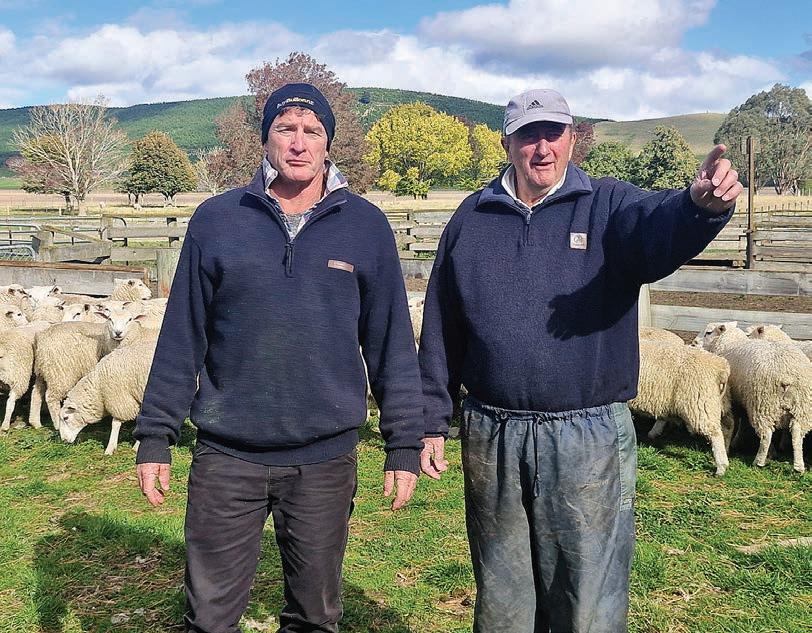
GENES: Scott and John McDonald, part of five generations of Southland farming heritage, continue to drive Snowline genetics. Photo: Supplied
Neal Wallace PEOPLE Sheep and beef
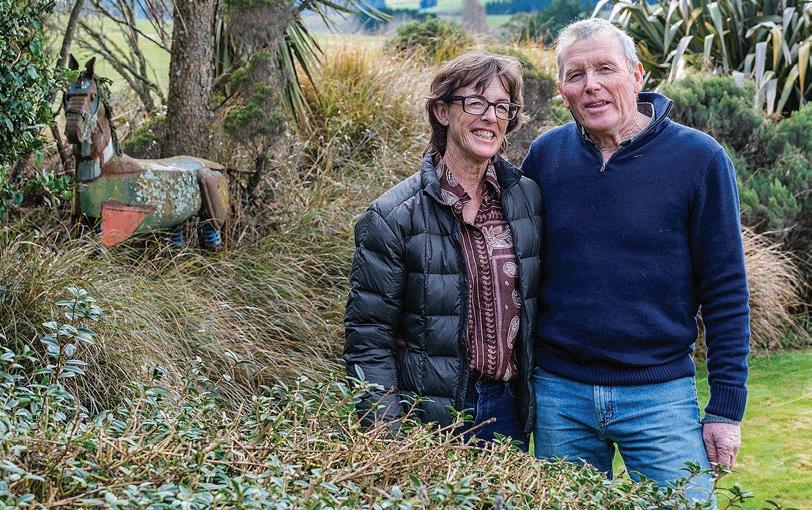
STEPPING BACK: Garry and Julene McCorkindale from Glenside Simmentals.
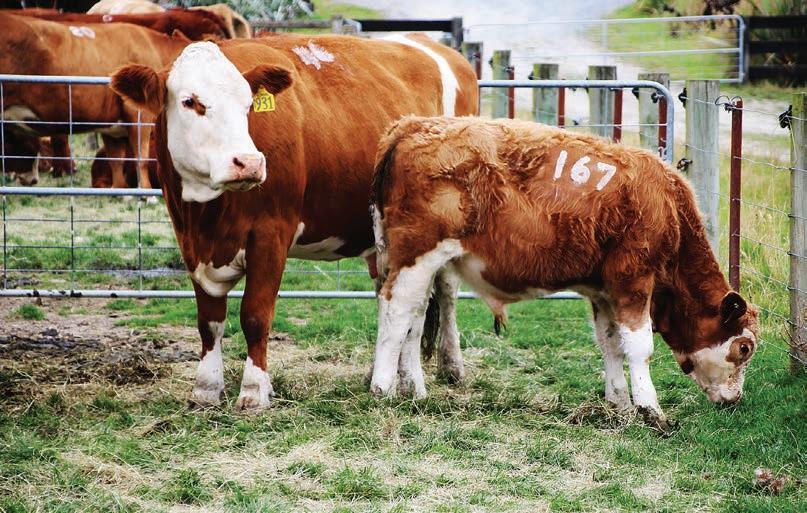
DISPERSAL: Stud Simmental cattle sold to buyers from far and wide at the recent Glenside dispersal sale.
Hybrid vigour piles on the kilograms
Neal Wallace NEWS Sheep and beef
CATTLE farmers could increase by 23% the volume of beef produced by using hybrid vigour.
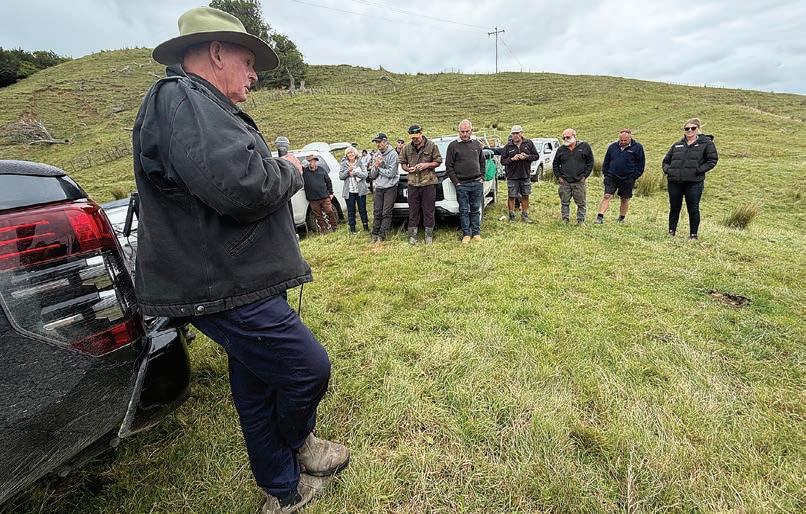
So says Dave Warburton, an animal production vet with Vet Services Hawke’s Bay, who told a Power of the Cow field day that hybrid vigour gains come from the crossbred calf, with the maximum benefit of heterosis delivered from the first cross maternal female.
The Power of the Cow field day was hosted by Beef+Lamb NZ and NZ Herefords on Peter and Christine Reeves’ Mokairau Station at Whangara, north of Gisborne.
The Reeves family run four properties between Whangara and Tokomaru Bay, consisting of Mokairau, Waihapua, Mangaroa and Mangaone stations, totalling 2288 hectares and carrying about 22,000 stock units.
Warburton told the field day that growth rates from a crossbred
calf are 8.5% higher than from a straight bred calf.
“It’s an easy win, nice and simple.”
He gave the example of two Matawhero steer calves to illustrate the contribution of hybrid vigour.
A 250kg Angus steer at $7/kg was worth $1750/head while a Hereford-Angus cross steer calf
was 8.5% heavier at 271kg and worth $1897/head.
“For the Angus calf to make the same money as the Hereford/ Angus cross calf, then there would need to be a 59c/kg premium on Angus,” Warburton said.
NZ and international research has shown that breeding from crossbred cows is where the greatest gains are possible.
A terminal sired calf from an Angus/Hereford cow is on average 23% heavier at weaning, at 307kg compared to 250kg for a straightbred Angus calf.
Warburton said a crossbred cow mated to a terminal sire will produce in extra calf in her lifetime over a straightbred mating.
This comes from increased fertility, extra milk, higher growth rates and the cow lasting longer.
Depending on the feeding regime, gains from the two hybrid vigour initiatives equate to about 23% over straightbreds.
“The current beef schedule is all about weight.
“You don’t have to do anything different on farm.”
Warburton said crossbreeding should not be an excuse for using low-performing genetics within a breeding programme.
“Regardless of hybrid vigour, the performance of the crossbred herd will depend largely on the genetics of the parent, the management level and the environment that is used.”
The Reeves are enthusiastic supporters of crossbreeding, using Hereford bulls over Angus cows, with Sam Reeves implementing a crossbreeding programme when he took over farming operations at the family’s Mangaroa Station.
He told the field day that the addition of hybrid vigour produces steers that are on average 24kg/ head carcase weight heavier than a straight Angus, which returned them on average an extra $182/ animal when calculated on the same schedule.
The family run a 260-cow registered Hereford herd at Mokairau Station, which covers 989ha and was established in 1954 by Peter’s father David.
Mokairau Station is described as having a temperate climate with a reliable 1400mm annual rainfall, which means droughts have been rare in recent years.
Peter’s grandfather Stan purchased Mokairau in 1927 with his father David taking over in the 1960s. Peter and Christine took over in 1997.
Two-year cadetship to launch on Moeangiangi Station

Rebecca Greaves NEWS Training
THE basic foundations of farming he learned as a cadet at Waipaoa Station are something Lochinver Station manager James Alford carries with him to this day.
An ex-cadet of the Waipaoa programme, which closed in 2023 after the station was sold, Alford values the basics, attention to detail and work ethic that were instilled in him and his fellow cadets.
Now the Waipaoa legacy is set to live on, with the launch of the new Moeangiangi Station Cadet Training Trust, which opens applications for its 2027 intake following an open day in June.
Trust chair Marcus Bousfield said that total immersion in big station farm life will be coupled with support from industry leaders who have a desire to create a new generation of future leaders who can adapt in an ever-changing farming landscape.
Alford, who is now managing a large portion of the iconic Lochinver Station, said the Waipaoa experience shaped his career, giving him the foundations to progress and, most importantly, taught him how to do the basics of farming to an extremely high standard.
“The competitive environment, always wanting to be better than the guy next to you, and culture were second to none. Learning to do the basics well, attention
to detail and work ethic are key things that I still carry with me to this day. If I didn’t have that base I probably wouldn’t be where I am.”
It’s the James Alfords of the future that Bousfield hopes the new programme will attract.
Owned by the Joan Fernie Charitable Trust, Moeangiangi Station is one of three farms Fernie left as a legacy to the people of Hawke’s Bay and New Zealand.
The trustees saw an opportunity to contribute to the primary sector in helping to upskill the next generation.
“Moeangiangi is the perfect station for young people to experience station life. It has the big country, where you can train dogs on the long head, get
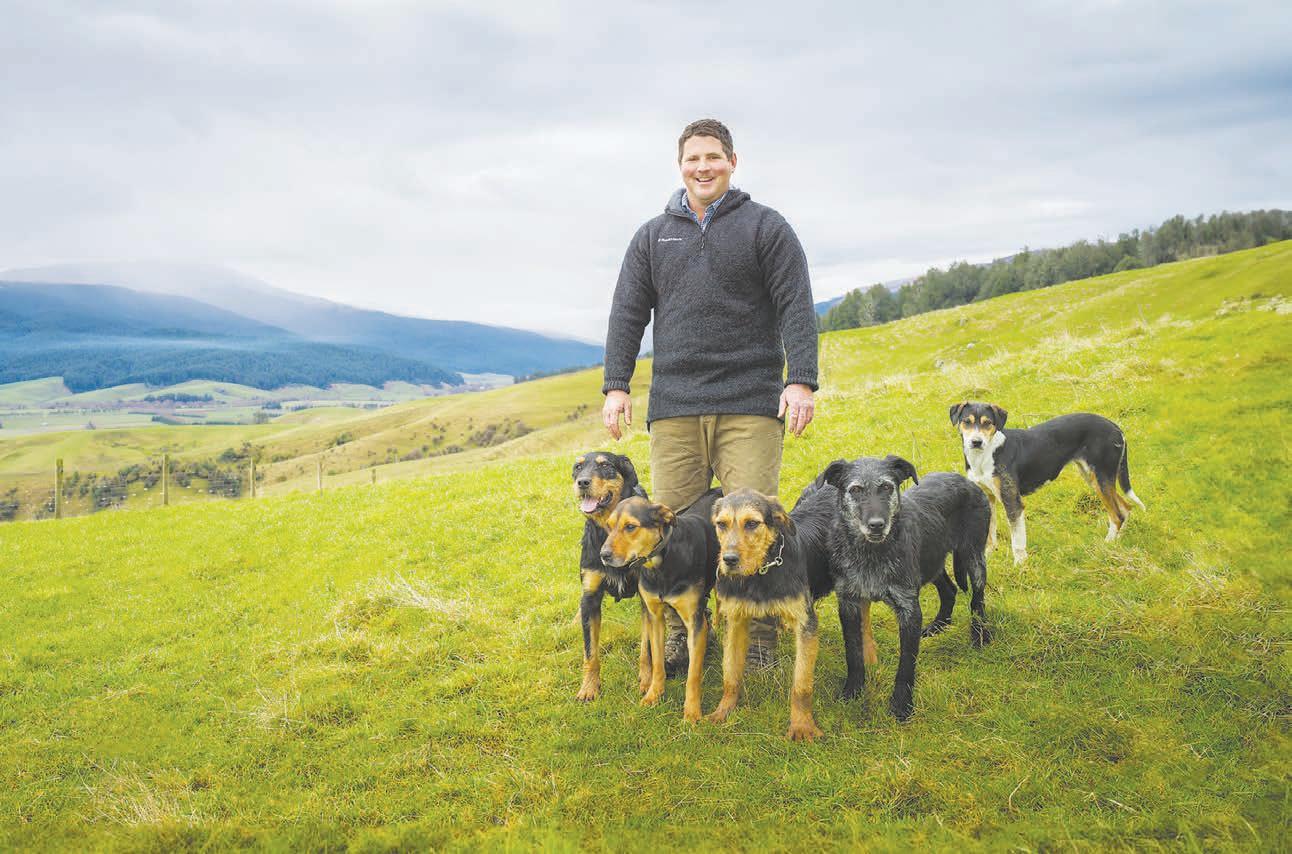
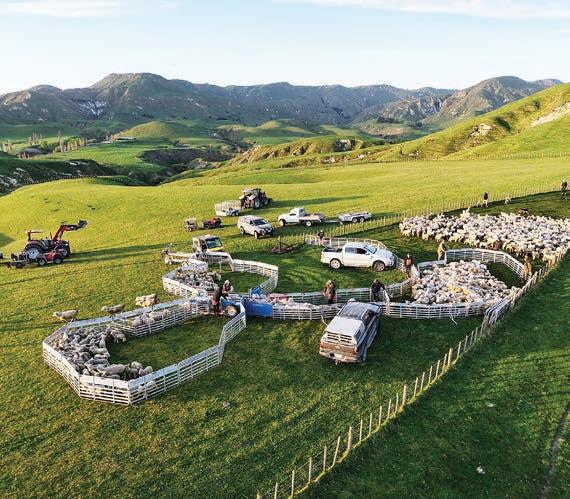
out on a horse and learn from senior shepherds and managers. There’s also an element of really productive land. The asset base is there, and we saw a need to bring
EXPERIENCES: Moeangiangi Station Cadet Training Trust chair Marcus Bousfield says Moeangiangi is the perfect station for young people to experience station life.
The programme will take five cadets annually, for a two-year cadetship.
With the right food, you can rely on your dogs every day.
Cam Bain was born and raised on a sheep and beef farm He knows only too well how uncertain farm life can be Black Hawk® Working Dog has been developed specifically for New Zealand working dogs Packed with 32% real meat proteins and 22% high quality fats, the formula supports strong, lean muscles and provides sustainable energy throughout the day
Farm life is unpredictable

Since Cam has been feeding Black Hawk Working Dog to his dogs, he’s noticed a real difference - “When it comes to fuelling my working dogs, Black Hawk is the real deal I’ve been feeding Black Hawk for about 2 years now, and there s never any left in the bowls - they really enjoy it! They bounce out after a hard day’s work and I can tell they’ve recovered faster Their muscle tone is impressive, especially in my heading dog Black Hawk speaks for itself; it’s worth a shot ” Available at your rural vet clinic.
POWER: Peter Reeves of Mokairau Station at Whangara north of Gisborne, which recently hosted a Power of the Cow field day.
people along with us,” Bousfield said.
Cros Spooner retires from Beef + Lamb NZ

Annette Scott PEOPLE Sheep and beef
AFTER 23 years Cros Spooner has called time on a long career with Beef + Lamb New Zealand and its precursors.
The long-time manager leaves a legacy with the organisation he has played a big part in shaping over a period of huge change for the sheep and beef sector – one that has required the industrygood organisation to respond to the evolving needs of farmers.
As chief operating officer of BLNZ, his work was not always visible to farmers as they benefited from his efforts to establish clear and consistent business processes.
With strong links to the rural sector as a chartered accountant,
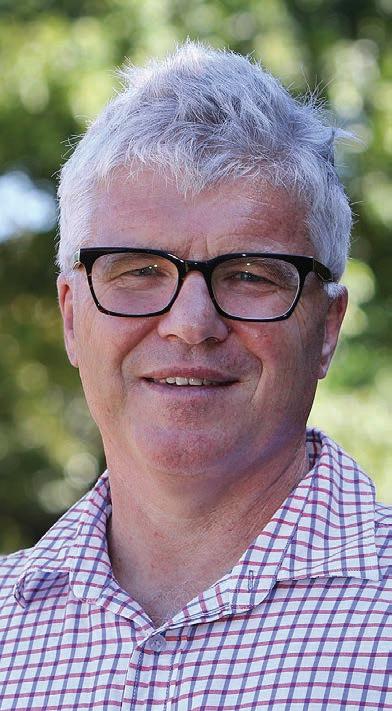
he held senior finance and management roles with Wrightson, Regal Salmon and Riverlands (now ANZCO) before being appointed as general manager quota and economics for Meat and Wool NZ.
This was following the August 2003 referendum that paved the way for the establishment of the single industry-good organisation in 2004.
His initial focus on improving quota management methodology proved to be a three-year project to review allocation mechanisms, to improve process and communication with quota holders and exporters, and ensure quota holders funded quota administration activities operated by the NZ Meat Board
He introduced a more rigorous process for new entrants wanting to access quotas, requiring a detailed business plan to ensure any allocations were used.
Spooner said this was a tense period but one that reinforced for him the importance of process management.
“The result was a much more settled and transparent quota regime including a new way to earn a quota through recording production history.”
He also led a major innovation to merge the Meat and Wool Boards’ Economic Service, established in 1954 as a stand-alone business unit, back into the new industrygood organisation, Meat and Wool NZ.
In 2007 he took over finance, corporate services and human resources as well management of the research consortia Pastoral Greenhouse Gas Research Consortium (PGgRc), and Ovita, which evolved into B+LNZ Genetics. He also handled finance for Deer Industry NZ.
The 2009 referendum was one of his more challenging times as it
was clear that any continuation of the wool levy was at risk.
Wool funded 50% of all sheep-related activities so the organisation needed to prepare for major changes to its structure.
“As a result, Meat and Wool planned for four years of levy increases, which was a big ask of meat farmers at the time but was successfully adopted.
“Losing the wool levy was tough,” but it paved the way for many changes, including a name change to Beef + Lamb NZ in 2010 to reflect the new way of doing business as a meat-only organisation.
There were also improvements in how the organisation worked with farmers including the establishment of the extension team network.
Another change was the devolution of budgets to the regions where the spending could be directed by Farmer Councils.
It was during this period that Spooner oversaw the move to bring technology provision in-house, followed by the 2014 transition to the Cloud.
By the time of the 2015 referendum, Spooner said, BLNZ was in a good place, with farmers endorsing the value of its activities.
While he has enjoyed the variety of work, he said the time is now right for his retirement.
“The long-term outlook for sheep and beef is better than it’s ever been.
“While it will need to be resilient to withstand geo-political shocks, as we are currently experiencing, and climate change impacts, the fundamentals are strong.”
Retirement plans include a trip to Japan, then a winter break planting trees on his Wairarapa block, fishing, duck shooting, and spending time with his family.
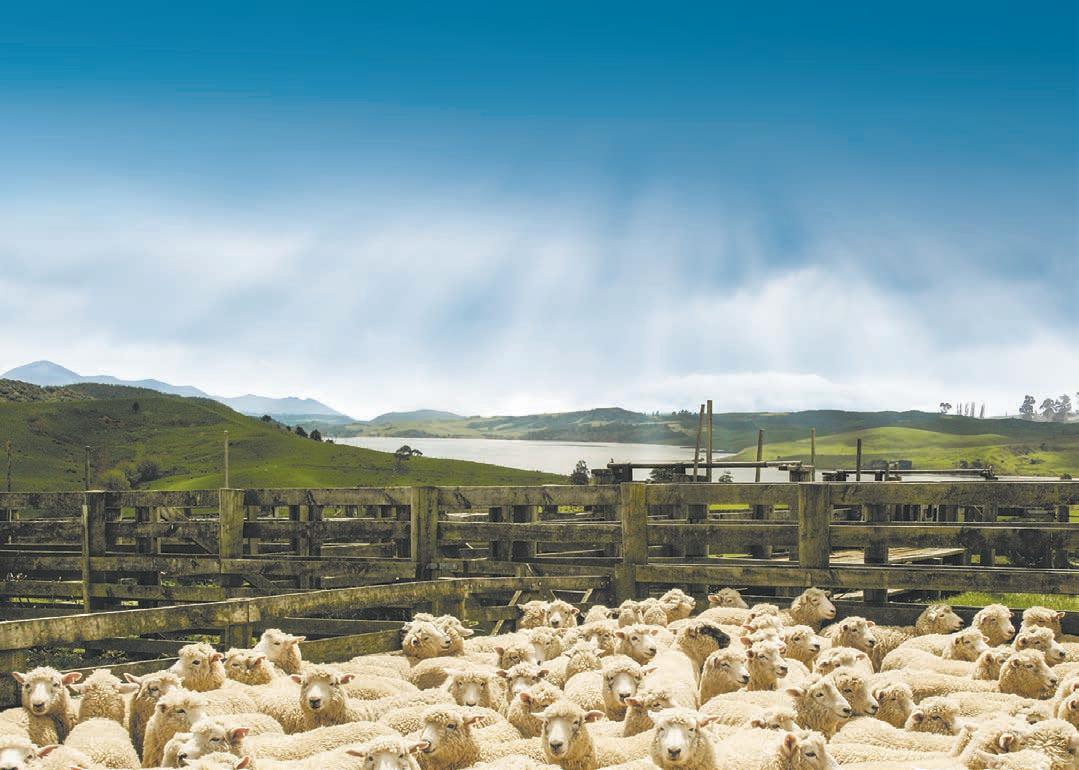
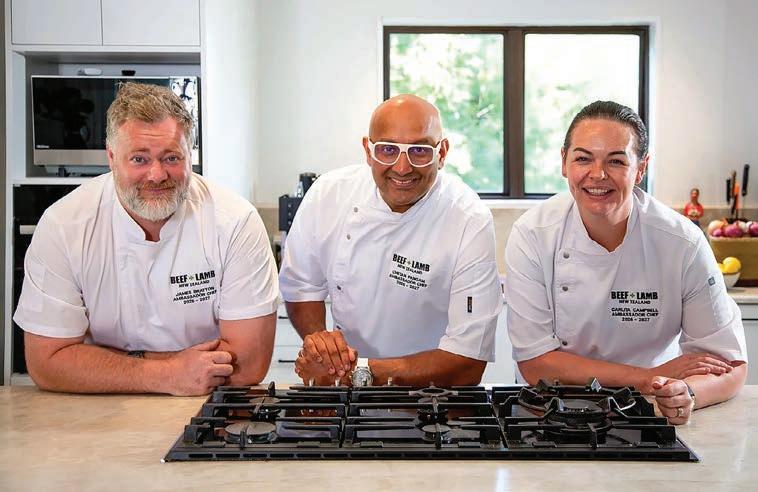
Chefs ready to promote NZ beef and lamb
Staff reporter NEWS Beef and lamb
CHEFS from Auckland, Wellington and Hastings have been named the 2026-27 Beef + Lamb NZ Ambassador Chefs.
The latest intake of James Bratton, Moxie Restaurant Auckland, Carlita Campbell, Cellar 495 Hastings and Chetan Pangam, Bellbird Eatery Wellington, recognises their advocacy for grass-fed New Zealand beef and lamb.
The Ambassador Chef programme has been running for nearly 30 years and BLNZ Foodservice manager Lisa Moloney said this year’s intake brings a range of culinary styles. In addition to championing New Zealand grass fed beef and lamb on their menus, Ambassador Chefs are tasked with sharing their knowledge, tips and recipes with home cooks.
Bratton has been the owneroperator of Auckland-based Moxie Restaurant for almost a decade and said he was keen to learn more about the provenance of beef and lamb.
“I believe cooking should be fun. If I can help break down a few barriers and share some simple tips to make it more enjoyable for home cooks, then that’s really what I’m here for.”
Hastings chef Campbell has been head chef at Cellar 495 for nearly four years and wants to use the role to encourage home cooks to use beef and lamb in their everyday meals.
“It’s something I’m really passionate about and can’t wait to share my ideas that make it easier for families to enjoy these ingredients.”
Wellington-based chef Pangam is returning for his second term as an ambassador, this time as owner-operator of Bellbird Eatery in Lower Hutt. He described the experience as rewarding.
“This time I’m really looking forward to building on what I learned in my first term –collaborating more with fellow chefs, working closely with suppliers and farmers, and continuing to share the New Zealand beef and lamb story through my own restaurant,” said Pangam.



SPREADING THE MESSAGE: Beef + Lamb NZ’s latest intake of ambassador chefs are, from left, James Bratton from Auckland, Chetan Pangam, Wellington, and Carlita Campbell from Hastings.
ROLE: Cros Spooner has played a big part in re-shaping the sheep and beef sector as Beef + Lamb NZ responded to the evolving needs of farmers.
Works urged to account for guts, glands
Richard Rennie NEWS Processing
GLANDS and guts may not be top of the menu for every Western carnivore, but a Kellogg scholar’s research has found farmers are also often in the dark about what these high-value components are worth.
Northland farmer Geoff Crawford delved into the valuable non-prime parts of a carcase, or “fifth quarter” of farmers’ returns. He has challenged the lack of transparency from meat companies on what the true returns from them are.
Crawford has interests in both dairy and red meat production.
While dairying has long worked to split off milk components for payment, he said he has always been frustrated at lack of transparency from meat companies about the valuable components.
“And we are now supplying an industry where barely anything goes to waste, pretty much the entire animal has a use. This generates a total component value of about $2 billion a year, more than our wine industry,” he said.
He emphasises he wanted to highlight the value of “co-products” intentionally recovered and commercialised, compared to “byproducts” that often have lower incidental value.
The types of products he considered included offal for casings, collagens for pharmaceuticals and lanolin for cosmetics.
Trawling through red meat export data, Crawford was able to determine the values and volumes of co-products over years, finding that, despite increases in export volume, the co-product value has remained almost static in real terms.
In 1990 total co-product exports of about 23,000 tonnes earned $2.16 billion. By 2024, despite exports reaching 38,000t, they earned only marginally more at $2.4bn.
Key factors contributing to growth in component value include a growing “snout to tail” eating trend and greater culinary innovation among chefs.
Globalisation of cuisine has seen previously distinct local dishes become internationalised, like Eastern Europe’s tripe soup, or Scotland’s black pudding.
“When you break down in detail the coproducts like beef tongue, tripe and cheeks, they can exceed the per-kilo value of prime cuts in some cases.
“In a single animal it suggests selected coproducts alone generate over $200 in local market value per animal, well over blood and hide value.”
Beef tongue, for example, is priced to butchers at $18/kg, tails at $14, beef cheeks similar, and tripe at $11.40/kg, all now regarded as highly valued cuts.
But Crawford said these values are not reflected directly in farmgate returns, or broken out as earning items on company kill sheets.
“As a farmer, you can rightly be left to wonder where exactly that value is going. It is certainly not transparently returning to you whose stock generated that income for the company.”
The research found a recurring theme from processors was the complexity and costs of handling the non-prime elements, including specialised packaging and compliance requirements.
However, many also acknowledged a lack of transparency on value, suggesting better information sharing could improve trust along the supply chain.
Crawford said more transparency and detail of the fifth quarter’s value is critical,
not just to immediate farmer returns but to the next generation of farmers who will demand greater transparency.
“We are a generation who have pretty much just put up with this, but I doubt the next will.”
Along with a clearer breakout of true value at payment time to farmers, he recommends fostering greater collaborative research and innovation and strengthening local value branding.
“There is a need there to shift the mindset, from viewing co-products as secondary outputs, to being central to industry’s economic and environmental success.”
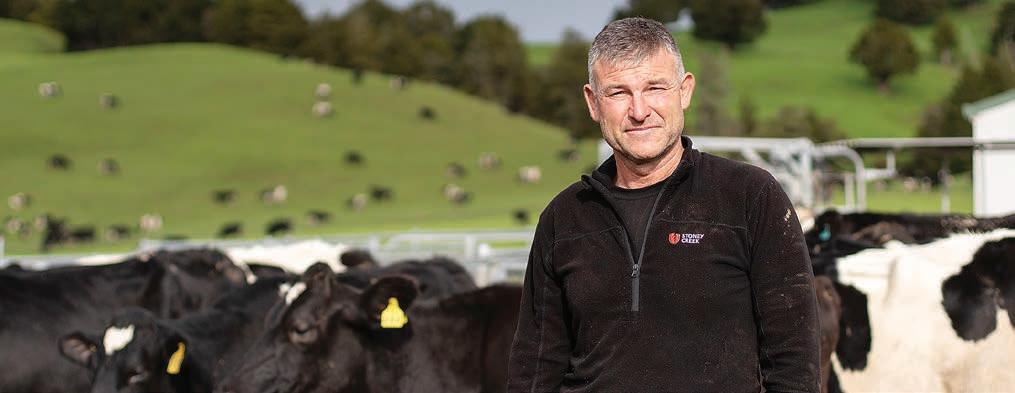
GUTS: Northland farmer Geoff Crawford’s Kellogg research has called for greater transparency in how meat processors signal the value of the ‘fifth quarter’.


Priest reaping programme rewards
WHEN Summer Priest took part in the Rural Women New Zealand (RWNZ) Leadership Programme, she didn’t realise how many doors it would open for her.
Having left school at 16, it was the first time she’d taken up any opportunities for personal or professional development, and felt privileged to have been chosen.
“It was held over three months in Wellington, for two days each month, and was run by No8HR,” says the former dairy farmer.
“It was fully funded by Rural Women, which was really awesome. It was so cool, with lots of learning.
“We covered so much about leadership and I especially found what we learned about personality types and communication really interesting. Discovering more about my own personality type and then everybody else’s, and how to have effective conversations was especially valuable.”
The busy mum of three found the course a real eye-opener and hadn’t anticipated the networking opportunities it would create.
“There were people from all different paths and we all stay in touch just about every day on our WhatsApp group. It’s a really good support network
“Most of us are mums, so there’s a little bit of advice here and there if we need it, and we have a nurse in our group, and a relationship coach, so lots of different perspectives and knowledge. So I’m continually getting extra tips and advice as a result of being on the course, and the conversations vary a lot, for instance they could be about anything from fuel prices to opportunities for rural women.” Priest, 30, had heard about the

Leadership Programme through the RWNZ newsletters.
“I applied because I wanted to be a better leader in the business, and also in my personal life.”
She’s found the confidence she’s gained through taking part has helped greatly with the enterprise she runs with her husband Tim, an agri-banker at Rabobank.
They built their agri-tourism operation, Moonlight Peak, from scratch on 65ha they’d purchased in the Wairarapa. The luxurious 1-bedroomed cabin – an architecturally designed, off-grid escape 500m above sea level – is a 10-minute drive from Carterton and gives views across the Tararua Ranges and even a glimpse of the Cook Strait.
The build was completed in April 2021.
“For the first three years we were fully booked - it definitely exceeded all our expectations. Last year, out of 101 weekends, only 5 were empty and that was due to late cancellations,” she adds.
“Taking part in the leadership course has helped me with the business, especially where I’ve needed to have some courageous conversations.”
Guests emphasise how much they love the isolation, stunning scenery, and sense of privacy.
Having stepped away from dairy farming after the birth of their first child, Priest runs the day-to-day operations of the business herself. Her role includes transporting people to the accommodation, often with a child in tow, or two, or three, depending on school holidays.
I applied because I wanted to be a better leader in the business, and also in my personal life.
Summer Priest Moonlight Peak
The 40-minute drive from their home in Gladstone has become more challenging since the rise in fuel costs, but Priest’s been happy to be able to provide the service.
“It’s four-wheel-drive access only, so for health and safety reasons we decided to transport people there ourselves,” she says.
“It gives me a chance to meet interesting people from all over the world though.”
Seeing the success of the accommodation, her grandmother suggested she look to enter the Rural Women Business Awards.
“My nana’s not a member of Rural Women, and doesn’t live rurally, but she’d heard about it through friends. I thought there was no harm in trying, and I’m really glad I did.”
To enter the awards, Priest gathered information including financial statements, details of how the business supports the rural community, and goals.
“When I initially entered we’d been open 18 months and it was the first time we’d really reflected on how it was going because we don’t stop a hell of a lot and don’t celebrate the wins very much either. Filling out the paperwork was a good prompt as well to focus on setting more goals for the future.
“We were shortlisted and I enjoyed the process because it was really neat to sit back and look at all the community groups we’ve supported.”
As part of RWNZ she’s also greatly appreciated having her business listed under the organisation’s Country Women’s

Summer
says the confidence she’s gained through taking part in the leadership programme has helped with the enterprise she runs with her
Collective, the directory of enterprises run by entrepreneurial rural women.
As part of their long-term plan, two years ago the couple sold off four titles on the land adjoining Moonlight Peak, retaining the 35ha with the hillside on which the luxury accommodation sits, and instead buying a 170ha block alongside Tim’s family farm.
A keen hunter, as her children get older, Priest’s plans for the future include possibly starting a guiding business.
“We have lots of deer where we live so hunting is a good form of pest control but also a good way to bring some meat home for the family,” she says.
“I enjoy taking other people out too and I think it could be a good way of helping empower other women.
“In future I could be tempted to apply for the Rural Women Activator Programme that supports women with business ideas. I’d totally recommend joining Rural Women New Zealand. The opportunities offered are just so valuable, as well as the connections you get through being a member.”
Fiona Terry
SUPPORT:
Priest
husband Tim.
FEDERATED FARMERS

Time running out to fix freshwater
Federated Farmers says the Government is rapidly running out of time to fix a broken freshwater system – and farmers are starting to get worried.
Freshwater spokesperson Colin Hurst says while progress has been made repealing or replacing some of the previous Government’s unworkable freshwater rules, far too many of the rules still sit idle on the books.
“Former Environment Minister David Parker brought in a swag of poorly written freshwater rules in mid-2020,” Hurst says.
“The current Government came into office promising to unwind them and put things right for farmers.
“What’s worrying though is that, with only six months to go until the election, a number of those promises haven’t been fulfilled.
“The clock is really ticking now and we’re getting genuinely concerned that they’ll run out of time.”
When elected, the Coalition Government said it would replace Labour’s freshwater targets with rules that allow more flexibility.
However, two-and-a-half years on, Parker’s National Policy Statement for Freshwater Management 2020 remains law.
“It’s good the Government has hit pause on regional councils coming up with new rules to achieve the unachievable freshwater targets.
“Early drafts of these plans showed huge areas of farmland would need to be retired to even come close to the targets.
“But in the background, David
STILL WAITING: With only six months until the next election, farmers want to know when – or even if – the Government will fulfil its promises to put freshwater rules right.
Parker’s policy still sits on the books, which means resource consents must be tested against it and Environment Court decisions will also consider it.
“It continues to cause real headaches across the country.
“There’s also the risk that any change in Government would mean it can be immediately turned back on and implemented.”
Hurst says the current Government also promised changes to make vegetable growing and on-farm water storage permitted activities –but again, that’s yet to happen.
New Freshwater Farm Plan regulations also haven’t been completed, he adds.
“The truth is that a lot of this hinges on the Government deliver-
ing an improved replacement to the Resource Management Act – a replacement that actually works.
“Yet the Natural Environment Bill released last year was so poorly drafted that it risked making things even worse for farmers than the current RMA.
“We’ve been very vocal about some major flaws in that bill.”
Hurst says credit must go to the Government for moving quickly to repeal Labour’s replacement RMA in 2023, and make fixes to stock exclusion rules and winter grazing rules.
“Farmers also breathed a sigh of relief at last year’s law change to roll over existing resource consents into a promised new resource management system.
“Those are all good things – but the job is far from done.”
Hurst says the complexity of the system – including national policy statements, regulations, regional plans and court decisions – is part of the problem.
“You’ve got acronyms flying around everywhere, like NPS-FM, NES and RMA, and farmers are expected to just make sense of it.
“It’s completely baffling. How are farmers meant to know what to do when even the experts struggle to interpret some of these rules?”
He says Federated Farmers is continuing to push for a more practical approach, centred on farmlevel solutions.
“We’ve always said freshwater risks are best managed through site-
specific farm plans, not one-size-fitsall rules made in Wellington.”
There’s been some recent movement, with non-intensivelygrazed cattle and deer no longer needing to be excluded from wetlands.
“That’s a step in the right direction, but it doesn’t solve the bigger problem that the underlying system is still too complicated and uncertain,” Hurst says.
He says there’s some cautious optimism about new Environment Minister Nicola Grigg, who comes from a strong farming background.
“For Nicola Grigg, I think there’s a real opportunity here to cut through the noise and deliver what farmers have been waiting for.
“She’s shown she understands the issues, but I guess the challenge now is whether she can turn that into action.”
The urgency is particularly clear in regions like Southland, where national rules and regional planning processes are colliding.
“Farmers down there are under some real pressure, with deadlines looming and rules coming at them from all directions,” Hurst says.
“They need clear, workable rules they can actually follow.”
With only months left in the Government’s term, Hurst says time is running short.
“The window to fix this is closing fast. Farmers are watching closely, because what happens next will shape how this works on the ground for years to come.
“The Government needs to get cracking.”
Breman takes farm insights on board
Farmers will be front of mind when Anna Breman heads into her next Official Cash Rate decision, following her first on-farm visit in New Zealand.
Federated Farmers hosted the new Reserve Bank governor on two Waikato farms on 29 April.
Breman, who moved to New Zealand from Sweden late last year, said visits like this directly inform monetary policy decision-making.
“For us to get to meet the people who invest in our economy and get to know how they’re thinking about the future, that matters.
“When we go into the next monetary policy meeting, we’ll have a sense of how farmers are thinking about the economy over the next few months and years.
“That is real information we take into the next meeting.”
Breman visited the Waikato with Hayley Gourley, an experienced agribusiness executive who sits on the bank’s Monetary Policy Committee.
The pair met local business owners, including Gallagher Group, before heading to two farms in Te Pahu, west of Hamilton.
The first stop was Andrew Lord’s dairy farm, a system five operation using technology like Halter and Halo, automatic teat spraying, and a new solar array to power his milking shed.
Breman said seeing farming up close added an important layer to
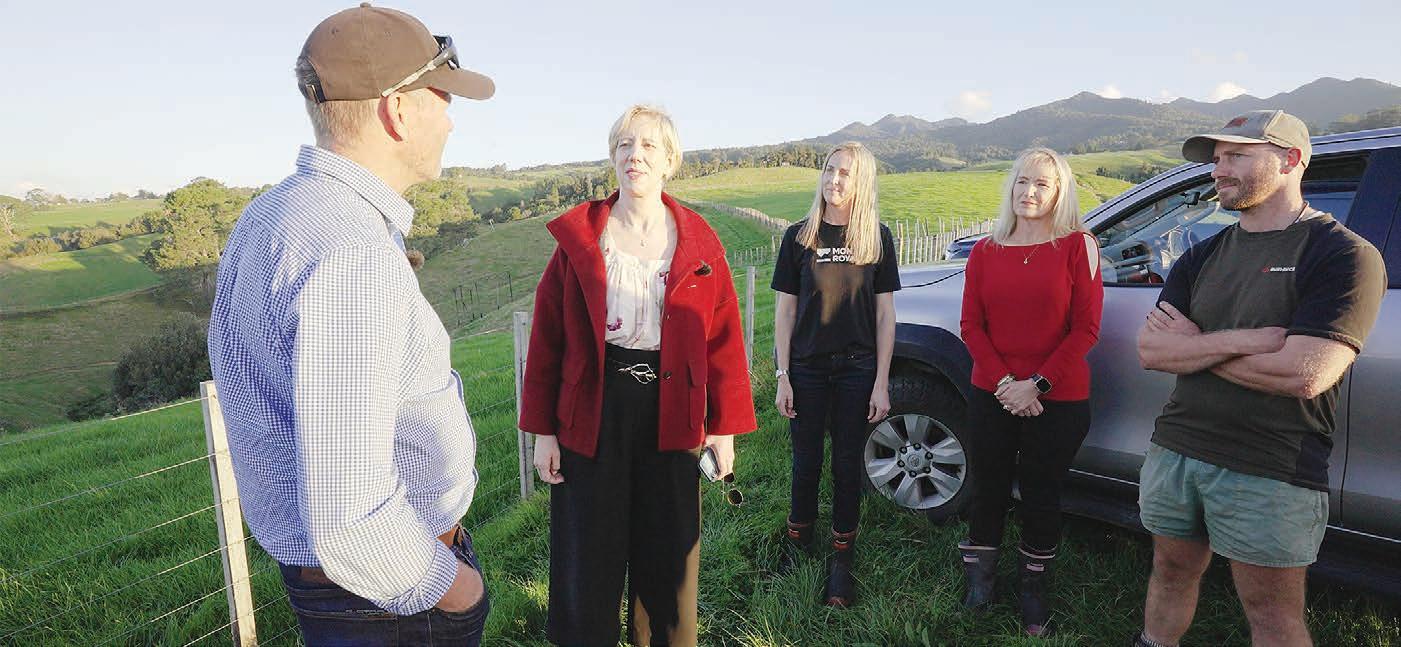
the economic data she works with every day.
“I’ve been in the country now for a few months and I know a lot of the numbers on the detail level.
“But getting to see how it works in reality – meeting the people who do the work every day, how much they care about the land, how much they invest in their businesses – that is the most important thing for me to see, given I am new to this country.”
The group then travelled to Phil and Megan Weir’s sheep and beef farm in the foothills of Mt Pirongia.
From a high vantage point, Breman was shown a QEII covenanted native bush block established by Megan’s
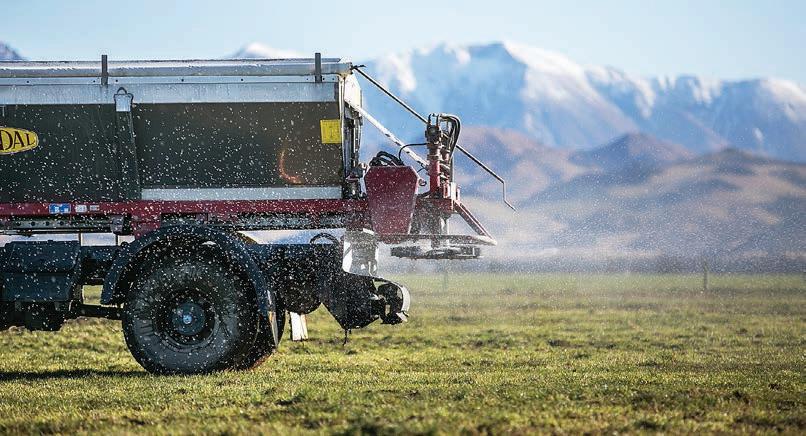
late father, Alan Livingston, who passed away in early April.
Federated Farmers board member and banking spokesperson Mark Hooper said the block showed what farmers can achieve without heavy regulation.
“This is a classic example – Alan’s legacy here – of an unregulated process that’s been so effective,” Hooper said.
“People have been living here for generations, caring for the land. That intergenerational concept nullifies the argument that farmers need heavy regulation to do the right thing.”
He said the same thinking applies to innovation on farm.
“It’s the same concept in the hill country. How do you make best use of some of these areas? This place is an example of how that’s been done so well.”
Economic pressure was another key theme, and Lord spoke about the impact of rising on-farm costs.
“Since Russia invaded Ukraine, I’ve put the bare minimum of fertiliser on this farm. It is just absolutely barebones maintenance,” he said.
“That inevitably leads to mining nutrients from the soil, and it’ll ultimately leave us growing less pasture.
“Some of this is offset with nutrients coming through the farm gate in the form of supplementary feed instead.”
Breman said she heard both the challenges and a sense of cautious optimism.
When we go into the next monetary policy meeting, we’ll have a sense of how farmers are thinking about the economy over the next few months and years.
Dr Anna Breman Reserve Bank governor
“I also heard how important the OCR and interest rates are for farmers in terms of the ability to invest going forward.”
She also acknowledged the role farming has played in supporting the wider economy.
“Farming has had a few good years now, but even though there are challenges in our economy, this is something that has been sustaining the economy. It’s been growing.”
Hooper said stability in the domestic economy is key to unlocking further investment.
BANKING KNOWLEDGE: Reserve Bank governor Anna Breman asked plenty of questions during her farm visit in April. From left are Feds board member Mark Hooper, Dr Breman, sheep and beef farmer Megan Weir, Hayley Gourley from the bank’s Monetary Policy Committee, and dairy farmer Andrew Lord.
“At the moment we’re on a bit of a high in terms of the commodity cycle, but we know things will change at some point.
“If we can have stability within our own economic environment, that will help to stimulate a lot more confidence and a lot more investment.”
He said the opportunity to grow
New Zealand’s economy sits within the primary sector.
“If we want to turn the economy around, it’s our primary sector that will lead that. We need to be looking across all the subsectors, like wool, and asking: what are the opportunities, and what are the barriers?
“If you look at what’s been accomplished here, with relatively low-cost infrastructure but smart investment in the right places, it shows what’s possible.”
For Breman, her first taste of New Zealand farming left a strong impression.
“Meeting the families who have been here living on this land for generations, growing their farms, investing in new technology, being a central part of the New Zealand economy – it’s been really special.
“I also just learned how absolutely gorgeous this part of the country is.”

MINIMUM: Dairy farmer Andrew Lord says since Russia invaded Ukraine he has put the bare minimum of fertiliser on his farm.
First shots fired in pest crackdown
Arifle with a thermal scope for hunting deer at night is an essential farming tool for Federated Farmers Wairoa branch president Allan Newton.
“It’s not uncommon in our district to see mobs of 20 or more deer munching through the grass on farmed paddocks next to forests.
“I used to grow a lot of maize and without that thermal scope to help me keep numbers down, feral deer would have cost us between $50,000 and $100,000 each season,” Newton says.
“They’d have eaten our profit.”
Night shooting with spotlights became ineffective.
“They’re easily spooked now. You’ve only got seconds to get your shot away.”
Through his thermal scope, Newton says he’s watched wild deer wreck fencelines.
“When they’re running scared they’ll easily leap a farm fence. But otherwise they walk up to it, get their front legs over and flop on it with their belly.”
Newton says too many forest operators, often owned by out-ofdistrict shareholders, are doing little or nothing to keep deer, pigs and possums under control.
Some allow hunters in their forests but they’re not culling deer.
“They’re selective in what they shoot at. They want the trophy head.
“I know of one forest that put out hunting permits but it specified females were not to be killed. They were deliberately increasing the feral deer population for recreational hunting.”
Federated Farmers meat and wool chair Richard Dawkins says the same sort of feedback comes from landowners up and down the country.
The Department of Conservation (DOC) estimates the feral deer population is growing at about
30% a year, far outstripping current control efforts.
On the back of the Federated Farmers’ 2024 pest survey that showed feral animals were costing farmers at least $213 million a year, the organisation last year launched a campaign for a national pest strategy.
Crown agencies like DOC are exempt from paying rates and we’re asking hard questions about how pest management should be enforced and funded when it comes to non-rateable land.
Richard Dawkins Federated Farmers meat and wool chair
The response from the Government was to set up the Feral Browsing Animal Programme, led by the Ministry for Primary Industries.
Deer control trials are being held with three farmer-led catchment groups to test what approaches work best.
Other work includes building a centralised information system,
commissioning a cost-benefit analysis on the payback from increased funding, research on pest distribution and densities, and putting together information to help farmers better manage feral deer impacts.
“They might not be calling the programme a national strategy but these are really positive steps in the right direction,” Dawkins says.
“Testing the effectiveness of a variety of approaches at catchment level before making any decisions on scaling up, and then turning attention to feral goats, pigs and other pests, makes good sense.”
Meanwhile, Federated Farmers is putting in work to make sure regional council pest management plans are up to scratch, starting with Horizons, Otago and West Coast.
Dawkins says the objective is to ensure all property owners and occupiers take responsibility for pest control.
“Pest management laggards need to be pursued to bring everyone up to the same rigorous standards.
“The Good Neighbour Rules in council plans should apply evenhandedly and to everyone, and that includes forest operators, Crown
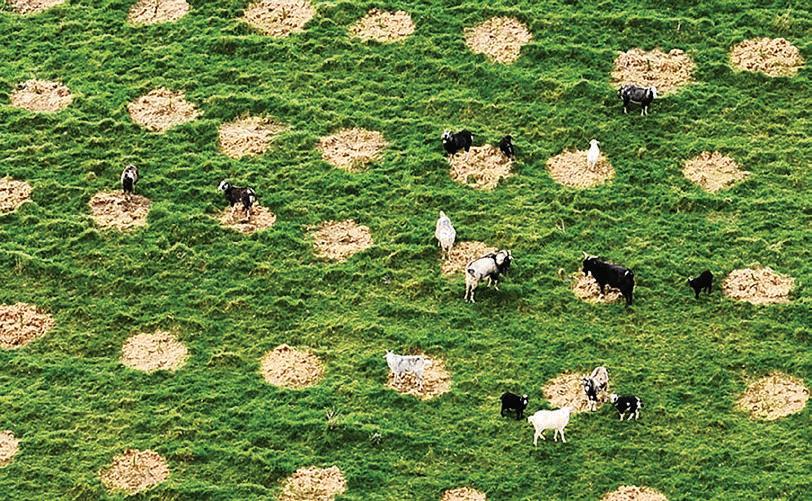
EXPENSE: The Federated Farmers’ 2024 pest survey showed feral animals were costing farmers at least $213 million a year.
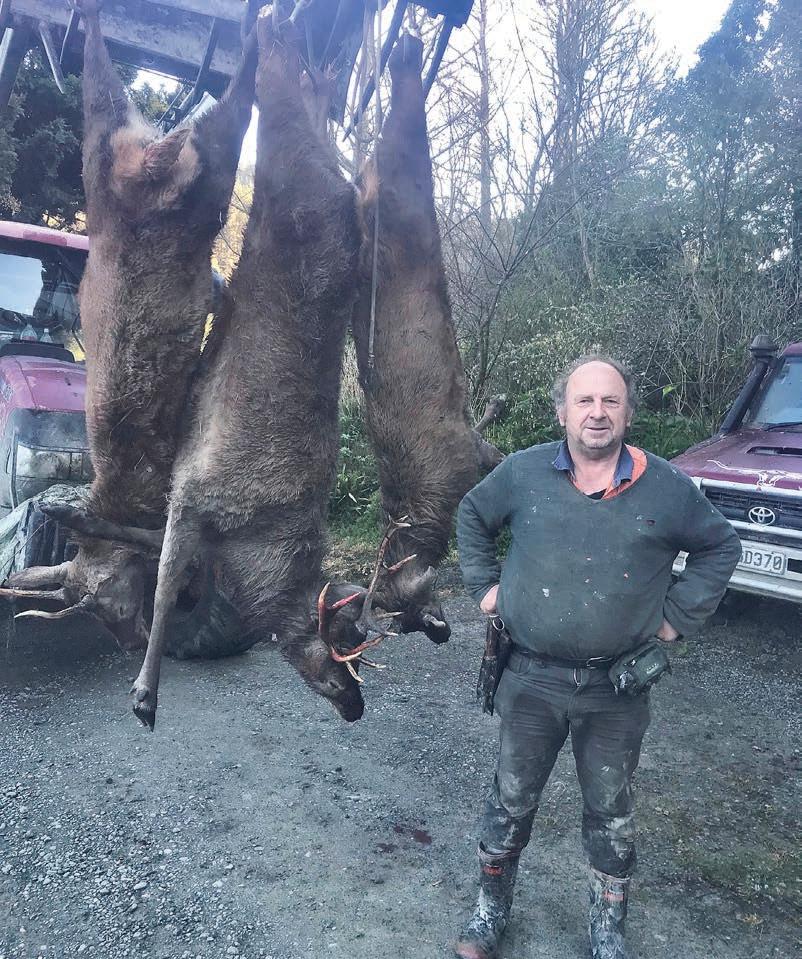
agencies, and local authority reserve land.
“Those who don’t do their bit are creating more of a pest management burden for everyone else.”
Farmers often pay twice – once for control work they do themselves, and again through council pest management rates.
“Crown agencies like DOC are exempt from paying rates and we’re asking hard questions about how pest management should be enforced and funded when it comes to non-rateable land,” Dawkins says.
The DOC estate makes up roughly one third of the entire Horizons district.
“On Crown land, proactive pest control seldom happens at the level required,” Dawkins says.
“It’s often only done when an obvious problem develops, by which stage it’s often more difficult and expensive to get on top of it.
“We’ve called on the Horizons
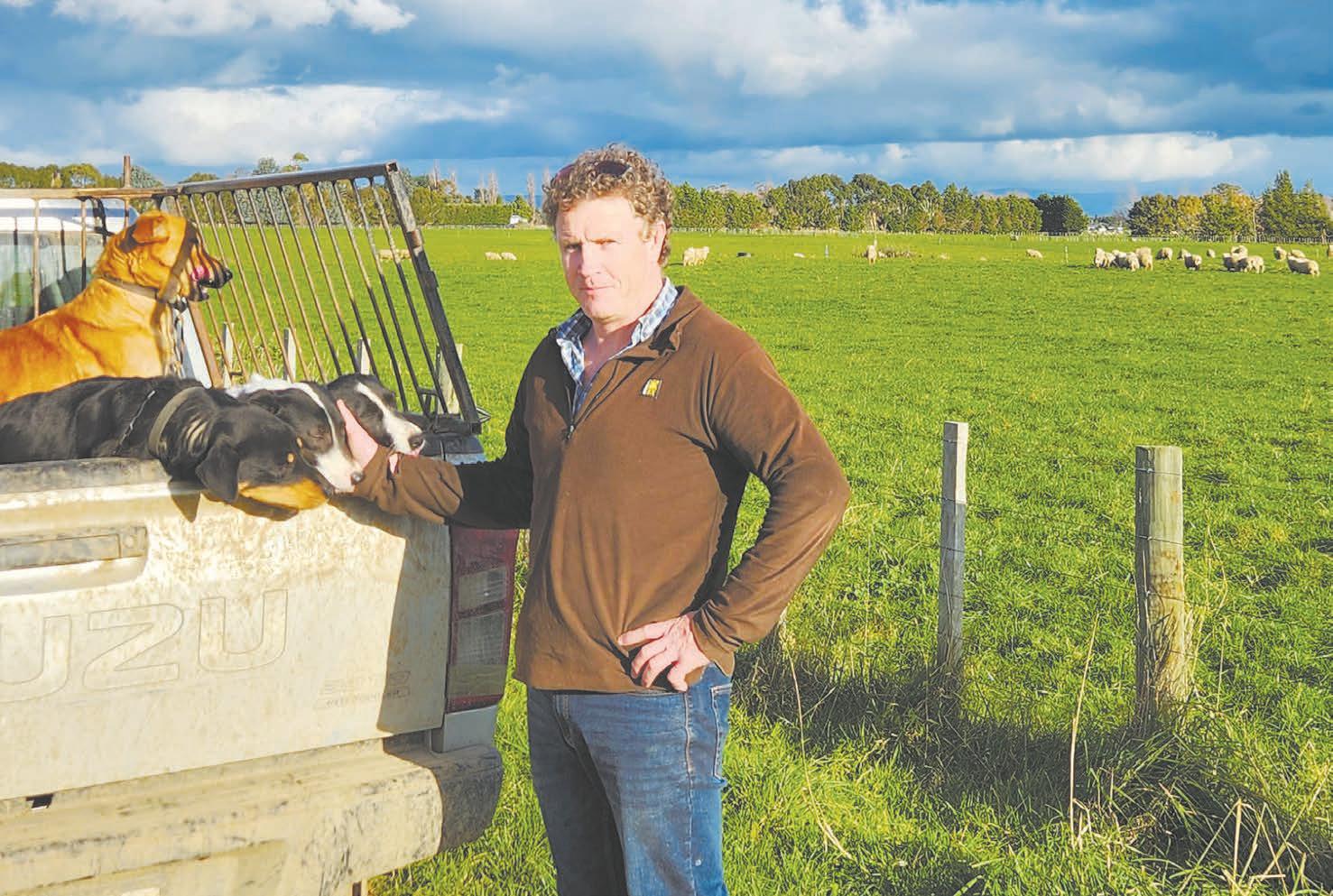


council to increase the severity of sanctions against non-rateable landowners who don’t exercise responsible pest control.”
He says ratepayers can’t afford to carry the burden for enforcing pest management on non-rateable land.
Larger game such as deer are managed under the Wild Animal Control Act 1977, recognising they have a value for hunters and for venison.
But the Government is reviewing the Biosecurity Act to address the definition of ‘pests’. Deer may come under that legislation under certain circumstances, such as where their numbers have exploded.
“Pest animals are a major headache for farmers and we’re proud to have got the ball rolling on a number of fronts,” Dawkins says.
“Federated Farmers will keep driving for co-ordinated pest management systems that deliver for both production and biodiversity.”
Farming by the numbers
Manawatū farmer Ian Strahan discusses growing up with an All Black dad, running a 100% finishing operation, and building a system based on detail and constant improvement.
on Spotify,

COSTING DEERLY: Allan Newton says night shooting with the thermal scope on his rifle is his best tool for cutting down on feral deer coming onto his farm from forests.
Dillon returns to lead Southland Feds
Federated Farmers Southland has turned to a familiar hand, with experienced arable farmer Chris Dillon stepping back into the provincial president role.
Dillon was elected to the top role earlier this month after Jason Herrick stepped down to stand for New Zealand First in November’s general election.
He says despite the Government making good progress tackling issues that have frustrated farmers, there’s no shortage of challenges ahead.
“First among those is to reform the Resource Management Act properly, in line with their original aims.
“That means fewer resource consents, pruned-back planning processes and less intrusion on private property rights.
“Streamlining the local government sector should be the next cab off the rank.”
While the Local Government Commission is still investigating options to merge Southland’s councils, Dillon – like Herrick before him – says the case for change is clear.
“There’s no doubt we’re overgoverned,” Dillon says.
“Having four councils, all with their separate bureaucracies and coststructures, creates way too much duplication and unnecessary cost for farmers and other ratepayers.”
Federated Farmers wants to see new unitary councils take on the work of both cities/districts and the current regional councils – halving
Having four councils, all with their separate bureaucracies and coststructures, creates way too much duplication and unnecessary cost for farmers and other ratepayers.
Chris Dillon
Federated Farmers Southland president
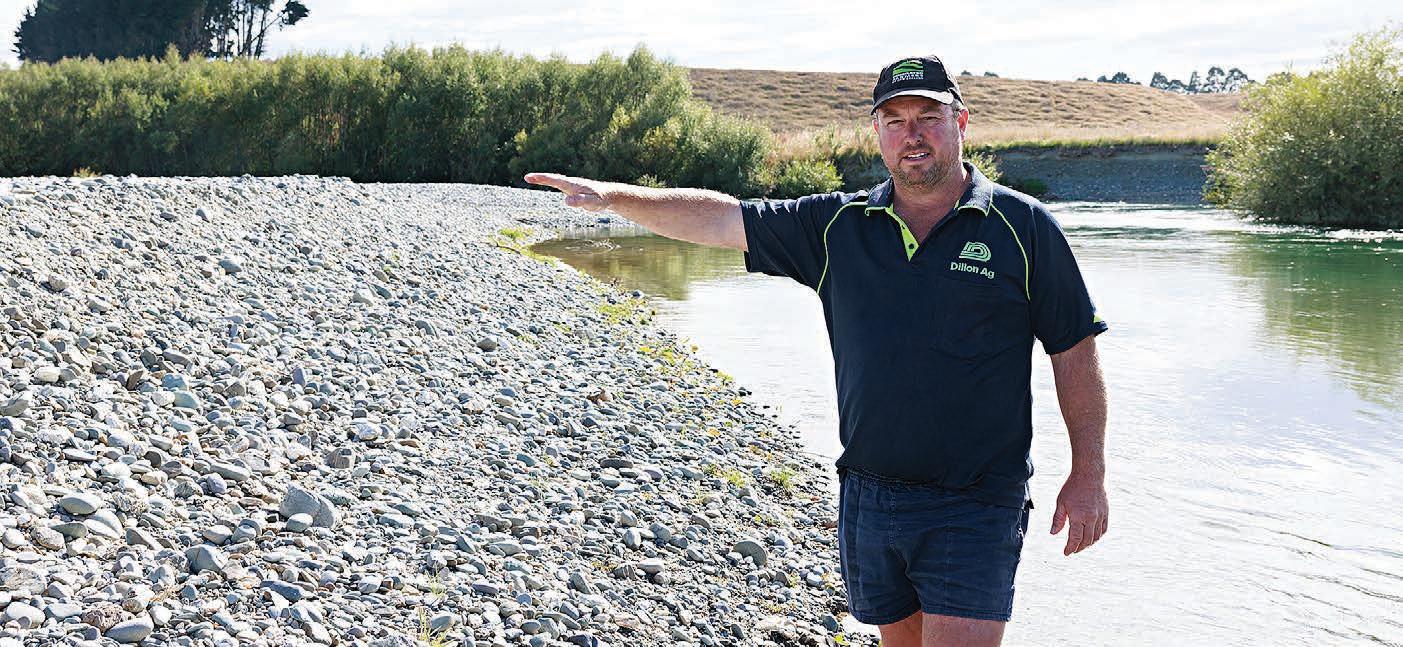
the number of New Zealand’s local authorities.
“In Southland, that would mean we’d merge our four existing councils into two unitary authorities, one for Invercargill and one for the rest of Southland,” Dillon says.
“Our rural communities would be far better served by that rural council.”
Meanwhile, it annoys Dillon greatly that the Southland Land and Water Plan is nearly a decade old but parts of it are still tied up in the Environment Court.
“How was it written so poorly in the start?
“These plans are supposed to serve for 10 years. It’s not even fully operative and yet we’re coming around to having to review it again.
“That’s a huge cost, never mind the uncertainty caused. There must be better ways to do these things.”
This is Dillon’s second stint as Federated Farmers Southland president but his time in the hot seat may be short-lived.
Dillon is on the Federated Farmers arable executive and intends putting his hand up to be national chair when David Birkett finishes in that role later this year.
Under the organisation’s constitution, a current provincial
president is not allowed to be on the national board.
Dillon praises Herrick for lifting the profile of Federated Farmers, not just in Southland but nationwide.
“He’s never backed down from defending the interests of farming and rural communities, and he’s made massive progress on a number of fronts.
“I want to keep that momentum going with an approach that’s a bit more low-key but no less staunch
in the fight against red tape and unnecessary costs.
“I’ve got good relationships with a lot of people on the councils through my community and farming involvement. My first choice is to try and thrash out those tough issues in private before escalating things to the press.”
The Dillons have farmed at Ardlussa, on the banks of the Mataura River, for three generations.
The farm has grown to 800
BOOST: Chris Dillon says former Southland president Jason Herrick lifted the profile of Federated Farmers, not just in Southland but nationwide.
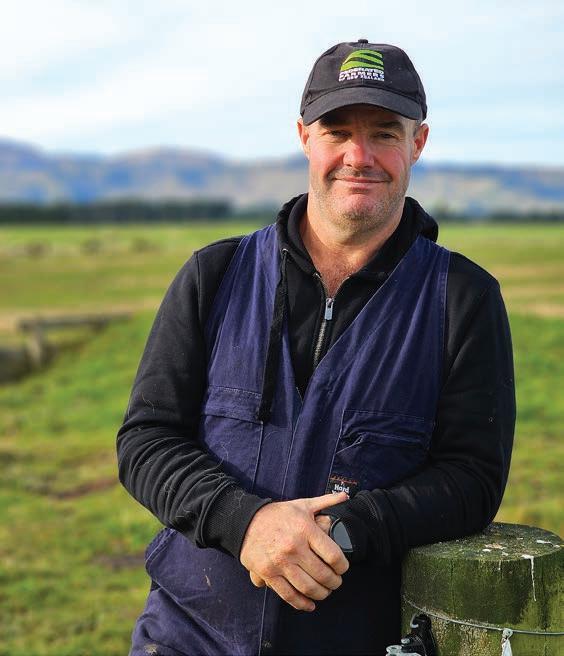

NO STONE UNTURNED:
Riverbed gravel removal as a flood control measure is an issue Chris Dillon has campaigned on before, and is consistent with his wider message of the need for councils to rein in costs through greater efficiency.
hectares, with Chris and his wife
Rochelle growing wheat, barley and vegetable seeds, as well as grazing lambs and fattening beef.
Arable farmers have taken a pounding of late, with skyrocketing fuel prices from the Iran conflict adding to the pain.
The potential for fertiliser shortages in spring may prove even more dire, Dillon warns.
“The fuel hikes sneaked up on us at the worst possible time, with harvesting and then autumn planting underway.
“Unlike transport companies that can pass the extra costs on, ours are locked in.
“We can’t just go to the seed or grain contractor and say we need another $10 a tonne to cover fuel.”
Federated Farmers did work last year to build in flexibility with arable contracts to cater for unforeseen contingencies.
“We need to pick up on that and take it further,” Dillon says.
“With farmers under the pump, it also highlights the need for discipline from councils on rates and anyone else that loads costs on the productive sector.”
Dillon was previously Federated Farmers Southland president from 2021 to 2024.
Aurora Dairies
First Class Dairy Farming Portfolio
Property Brokers is delighted to bring to the market this large-scale dairy farming portfolio consisting of five very well-developed dairy farms primarily in Canterbury with one located at Puketoi, Otago, on the Maniototo Plain.
This is an outstanding opportunity for both owner/operators or investors, seeking to acquire individual scale assets, or a complete portfolio Highly desired locations, first class infrastructure, maintained to a high standard, underpinned by reliable and efficient scheme irrigation water, all farmed to ‘industry best’ code of practice, these properties offer the complete package.
Portfolio summary
Canterbury 803 Ardlui Road, Te Pirita
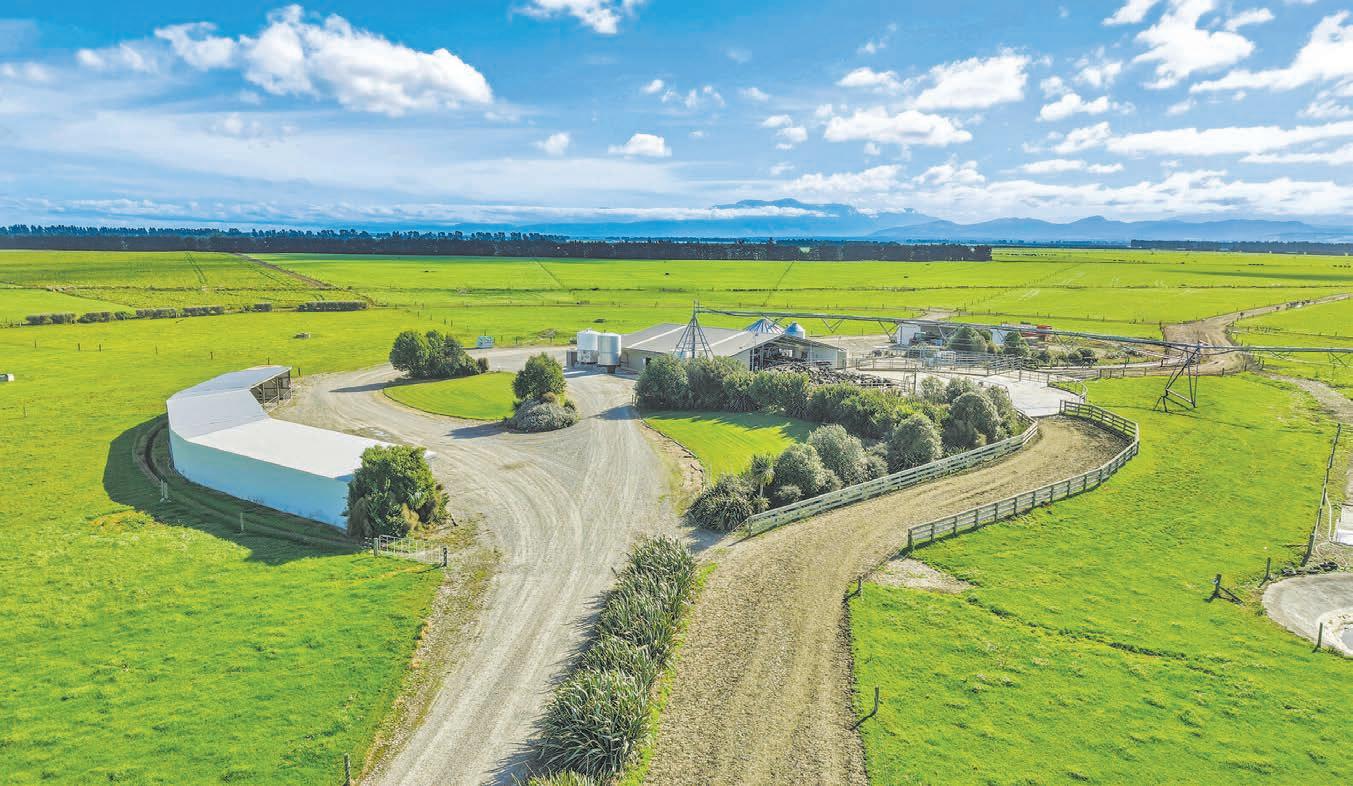
First Class Dairy + Premier Location
407 ha property in the renowned Te Pirita district, milking 1,150 cows and producing 531,990 kgMS (2024/25 season), supported by a proven system including on-farm wintering
High-quality infrastructure with a 54-bail rotary shed with in-shed feeding, ACR’s, Protrack drafting and modern effluent system, complemented by a full range of farm improvements including a large calf rearing facility.
Reliable irrigation via the Central Plains Water Scheme, delivered through centre pivots and fixed grid supporting strong, consistent pasture growth.
Well-presented accommodation including a four-bedroom brick homestead and four additional modern staff homes. A top-tier dairy unit delivering scale, quality infrastructure and consistent high performance
Properties are available individually or in any combination, inclusive of livestock, plant & machinery and consumables, at valuation.
For more information please contact:
Gareth Cox 021 250 9714 | gareth@pb.co.nz
John Faulks 027 452 5800 | john.faulks@pb.co.nz
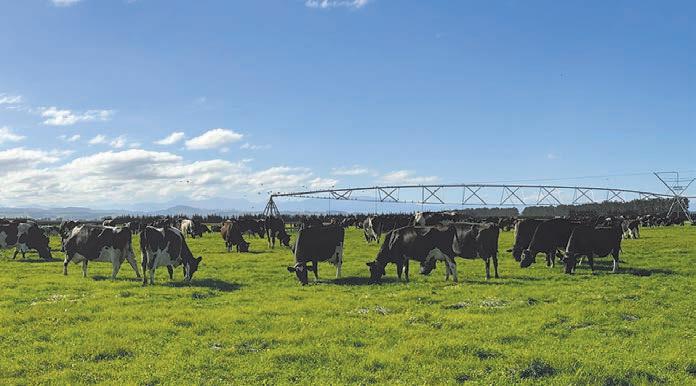
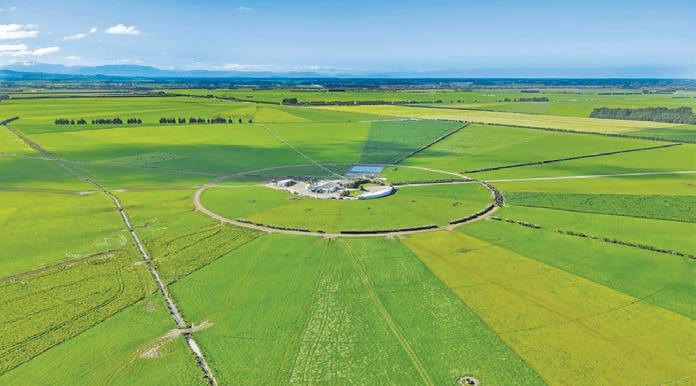


Canterbury 263 Domain Road, Oxford
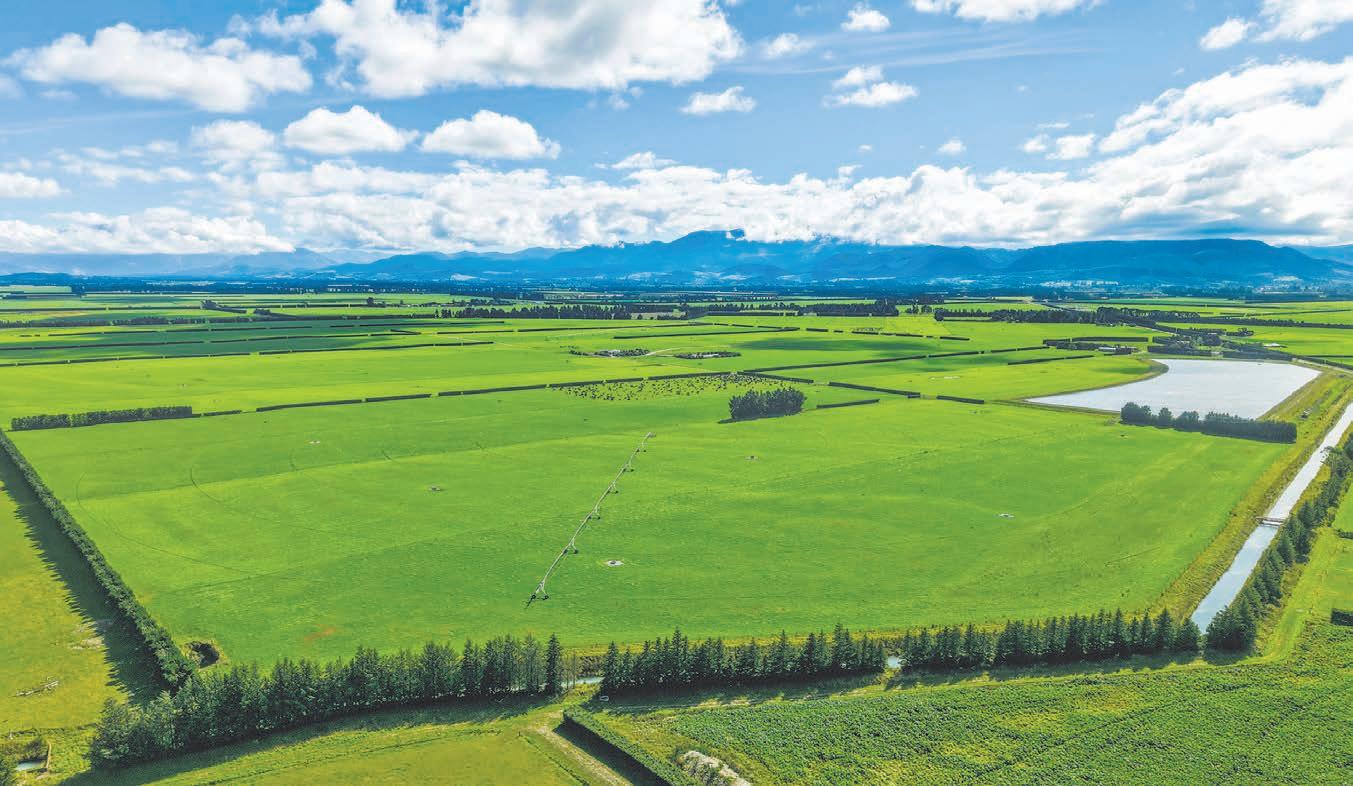
Tender Tender
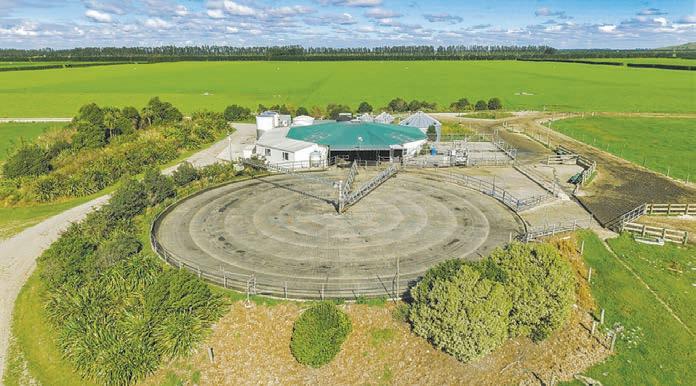
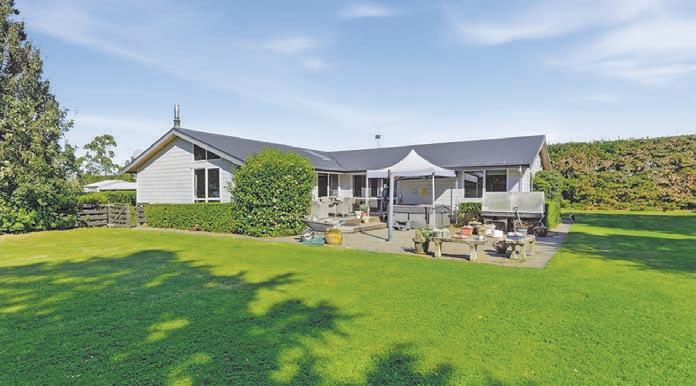
Significant Scale + Established Performance in Oxford
357ha dairy platform in the tightly held Oxford district, currently peak milking 1,130 cows and forecast to produce approximately 485,000 kgMS (2025/26 season)
Excellent farm infrastructure with a well-positioned 60-bail rotary shed with Waikato milking plant, in-shed feeding, ACRs, Protrack drafting and modern effluent system, complemented by multiple calf sheds, implement storage and workshop facilities.
Reliable water supply via Waimakariri Irrigation Limited (WIL) scheme supported by a 300,000m³ storage pond, applied via centre pivots and fixed grid across highly productive Lismore, Balmoral and Darnley soils. Well-configured farm layout with good subdivision and laneway network, plus accommodation including a Lockwood manager’s home and four additional dwellings.
Excellent opportunity to secure a well improved, large scale dairy unit
Canterbury 357 Woodstock Road, Oxford
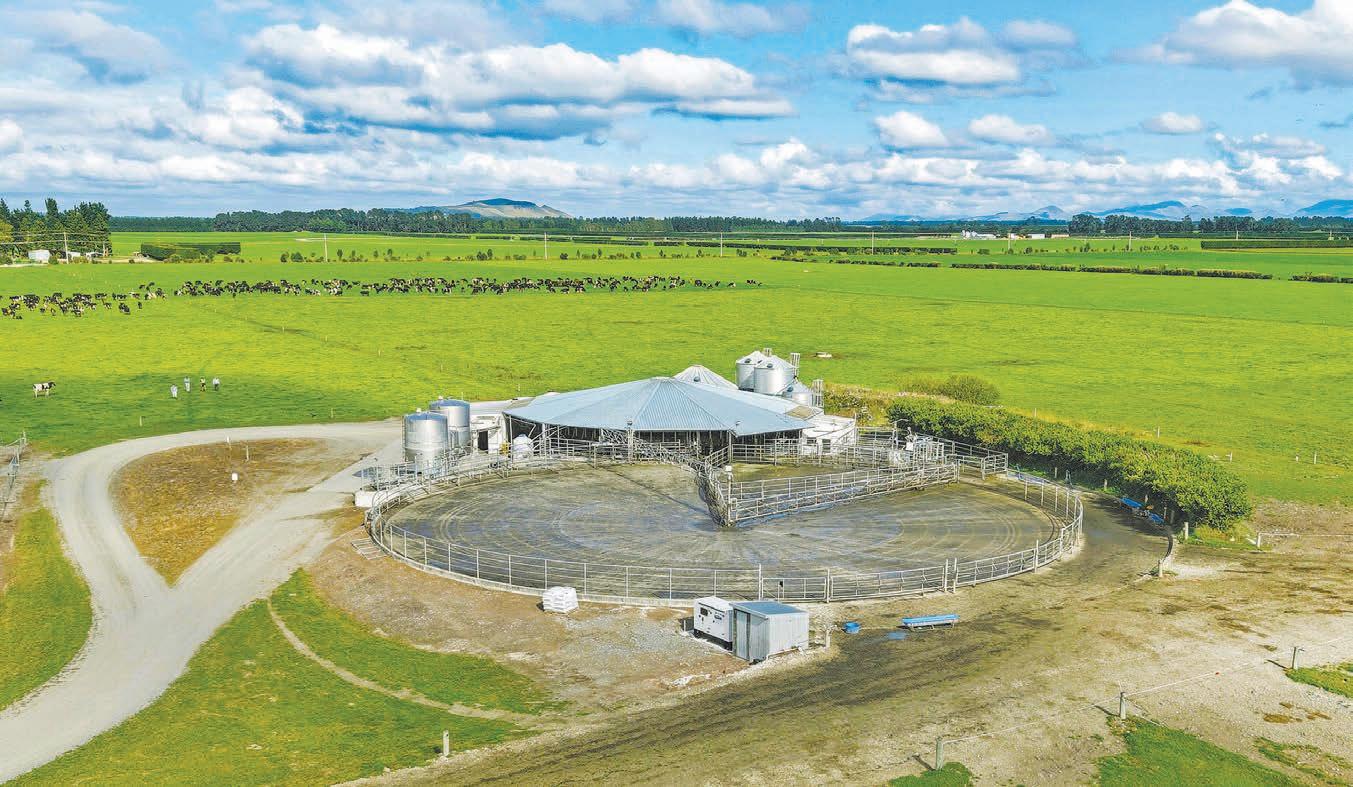
Perfect Balance of Infrastructure, Water & Soils
280 ha dairy platform in the well-regarded Oxford district, currently peak milking 890 cows and producing 403,000 kgMS (2025/26).
Well-developed infrastructure with a 70-bail rotary shed with in-shed feeding, Protrack drafting, ACR’s, upgraded milk cooling and modern effluent system, complemented by calf rearing, implement storage and workshop facilities.
Reliable water supply via Waimakariri Irrigation Limited scheme and a groundwater take, supported by a 113,000m³ storage pond, applied through centre pivots and fixed grid across productive Darnley and Mayfield silt loam soils. Practical farm layout with well-presented accommodation, including a three-bedroom managers homestead and three additional staff homes.
A rare opportunity to secure a dairy platform delivering scale, water reliability and proven production.
Tender Non-binding expressions of interest by 12pm, Friday 5th June 2026
View By appointment
Web pb.co.nz/DFR226691

Gareth Cox M 021 250 9714 E gareth@pb.co.nz
Matt Collier M 027 205 6626 E mattc@pb.co.nz
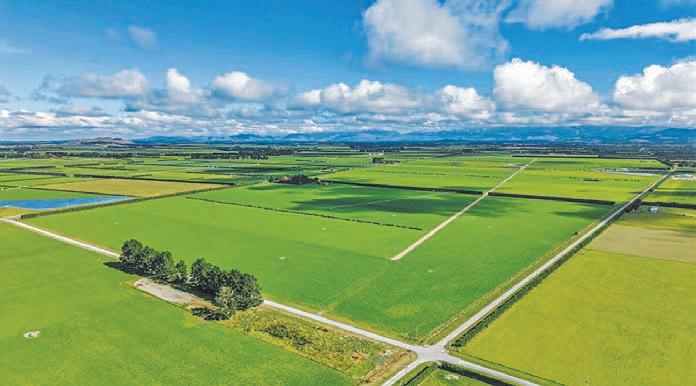
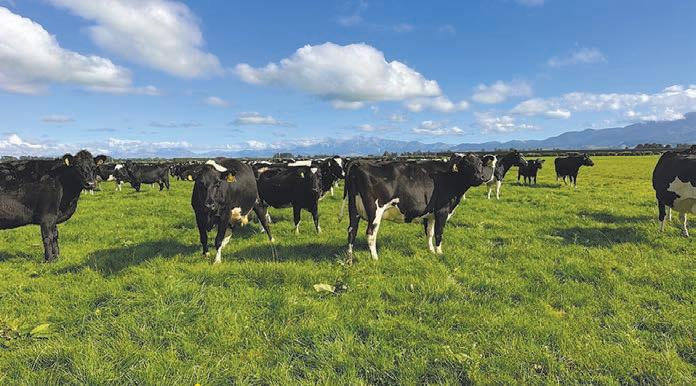
Tender Non-binding expressions of interest by 12pm, Friday 5th June 2026
View By appointment
Web pb.co.nz/DFR226692
Gareth Cox M 021 250 9714 E gareth@pb.co.nz
Matt Collier M 027 205 6626 E mattc@pb.co.nz
Mid Canterbury 108 Klondyke Terrace, Mayfield
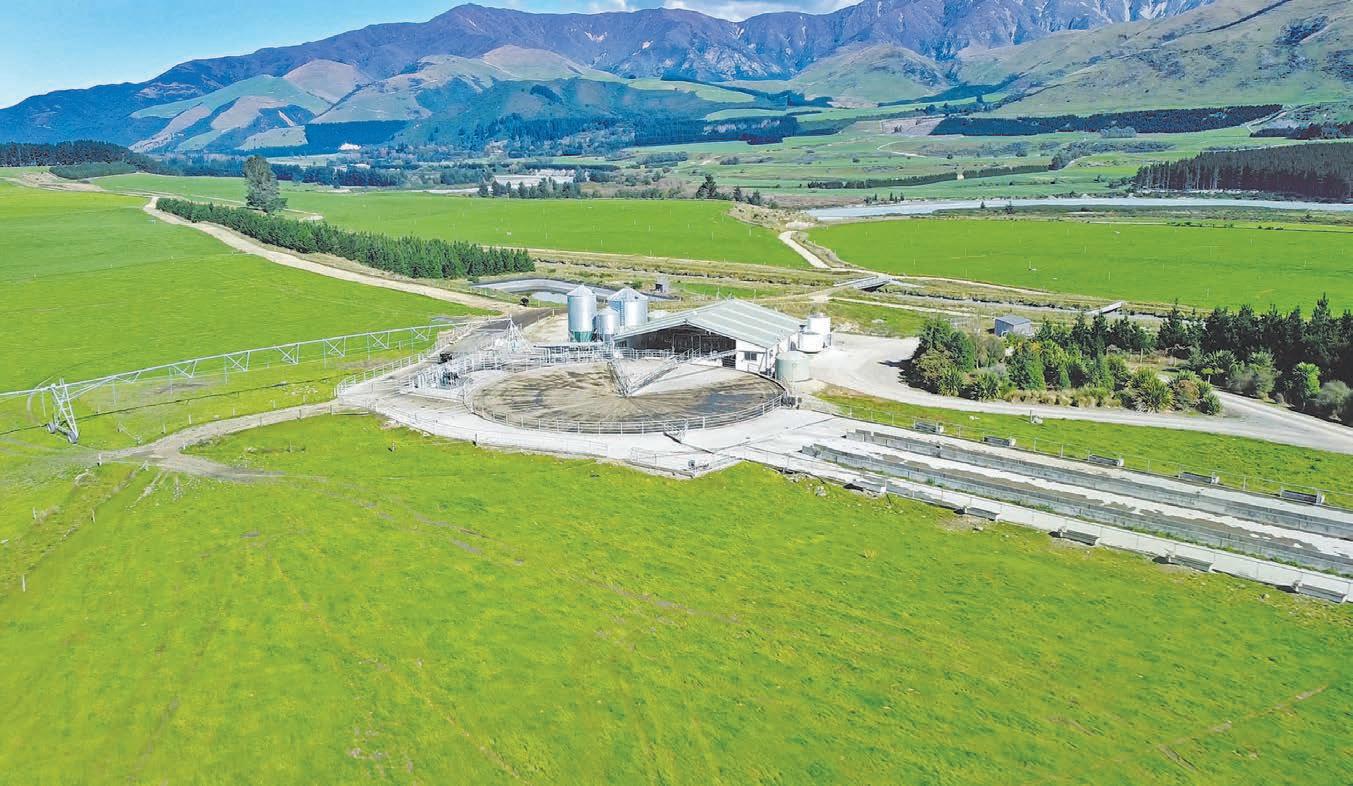
Scope, setting & potential
Tender Tender
964.38 ha
Covering approximately 715 ha of dairy platform and a further 56 ha of support land in the sought-after Canterbury district, currently peak milking 2,450 cows and on track to produce 955,000 kgMS in 2025/26
Comprising three modern dairy sheds, the operation includes an 80-bail rotary, a 54-bail rotary, and a 60-bail rotary, all with a high level of automation The farm has a range of supporting infrastructure throughout, including calf rearing facilities, implement storage and workshop space
Reliable water supply via the MHV and BCI schemes supported by on-farm storage ponds and a consented high flow Rangitata River take, applied through centre pivots, fixed grid, and sprinkler systems servicing a diverse range of fertile soils Well laid-out farm with quality accommodation across the 3 dairy units, comprising managers homes and staff dwellings
A genuine turnkey opportunity Cumberland Dairy represents an impressive opportunity for investors or operators looking to expand
Otago 263 Puketoi Runs Road, Puketoi
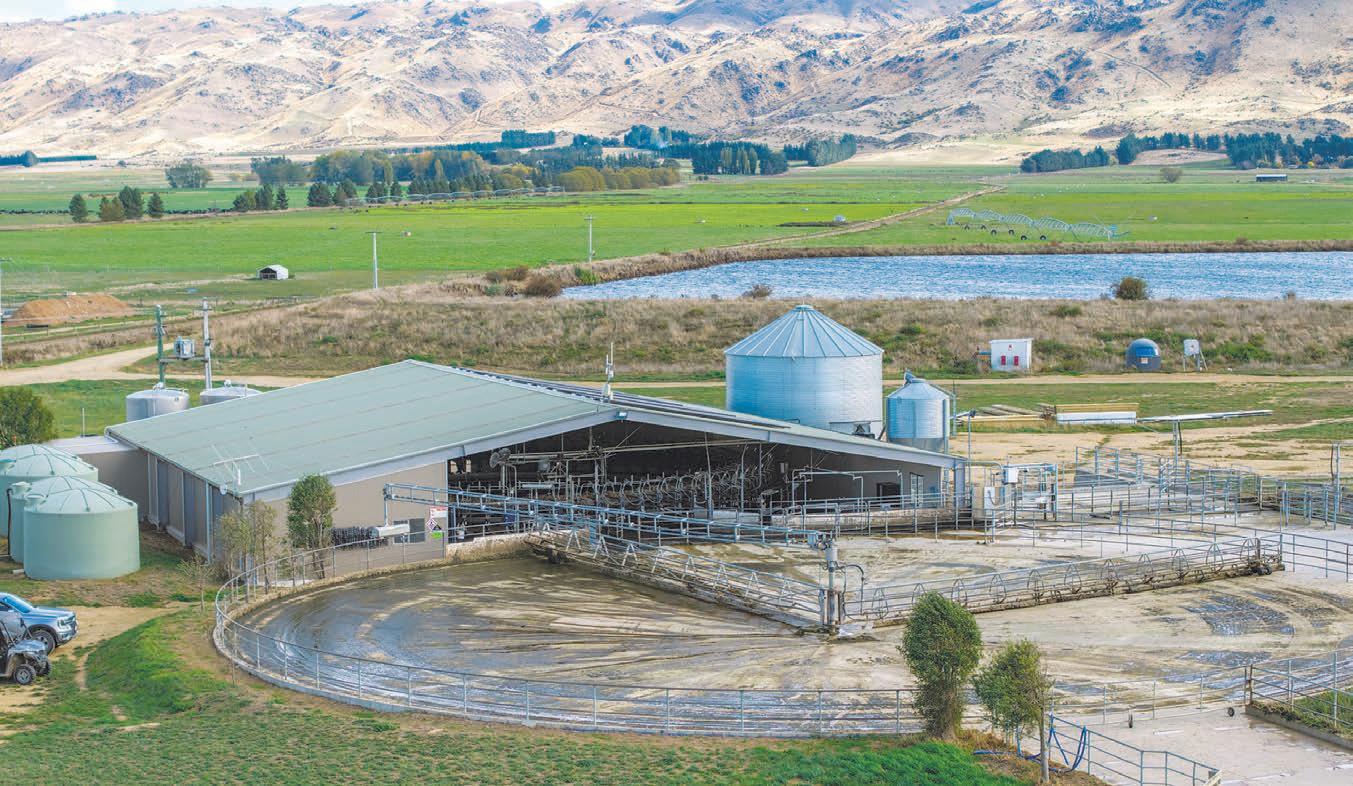
Large Scale Irrigated Dairy + Support Unit
Tender Tender
Substantial 829 ha dairy and support operation in the Maniototo Basin, milking 1,250 cows and producing 505,525 kgMS (2024/25 season), with all stock wintered on High-quality infrastructure with a 80-bail rotary shed, in-shed feeding, ACRs and Protrack drafting complemented by extensive cattle yards two-pond effluent system large calf rearing facility and a wide range of multi-use sheds
Reliable, low-cost irrigation via the Maniototo Irrigation Company (Westside Company), supported by two storage dams and applied through eight centre pivots across a predominantly irrigated platform Accommodation includes a manager ’ s home three staff dwellings and additional housing supporting scale and operational requirements
A large-scale irrigated dairy and support unit that has the ability and flexibility to operate different systems to suit intending purchasers, rarely available in Otago
Tender Non-binding expressions of interest by 12pm, Friday 5th June 2026
View By appointment Web pb.co.nz/AR226673


Jason Rickard M 027 245 8495 E jason.rickard@pb.co.nz
Greg Jopson M 027 447 4382 E gregj@pb.co.nz
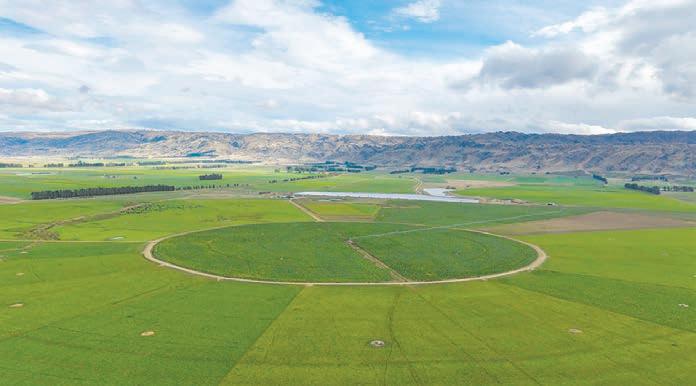
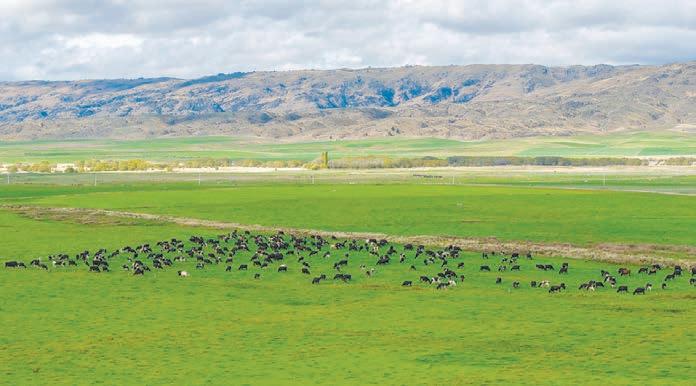
829.29 ha
Tender Non-binding expressions of interest by 12pm, Friday 5th June 2026
View By appointment
Web pb.co.nz/DNR226660


John Faulks M 027 452 5800 E john.faulks@pb.co.nz
Ray Kean M 027 435 7478 E ray.kean@pb.co.nz
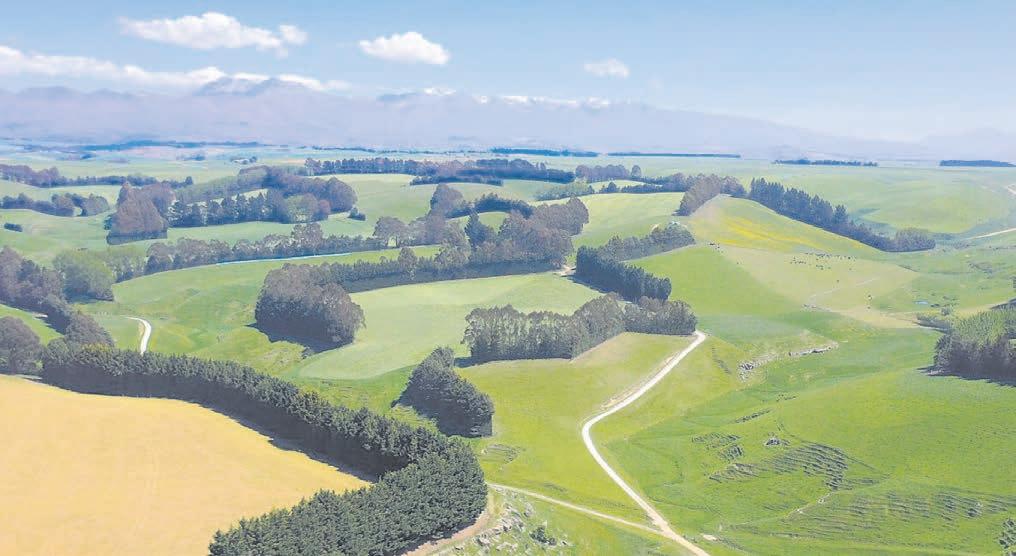
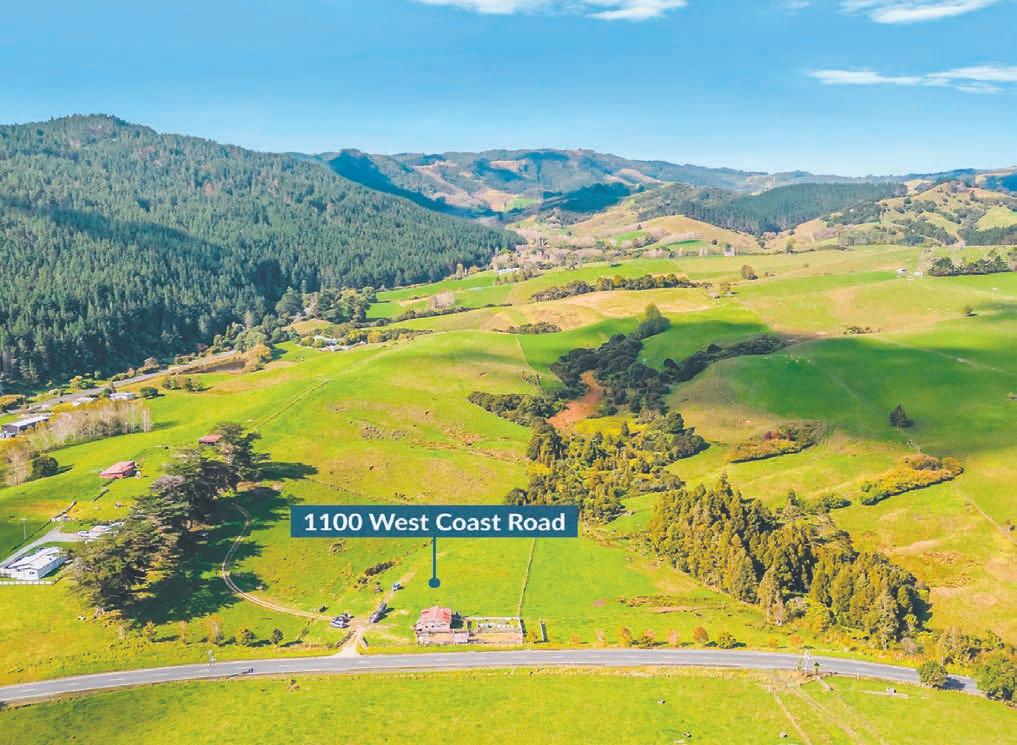
GlenFalloch - scale, location and quality
Glenfalloch presents an outstanding opportunity to secure a very tidy, well-farmed 395 ha property - proudly farmed by the current vendors for the last 55 years. Well subdivided into around 105 paddocks, the farm features approximately 5km of gravelled lanes strong pasture renewal and approx. 40 km of excellent stock shelterbelts. The property is fully electrified, with reliable stock water supplied to every paddock via the Tokarahi Water Scheme8 points. Infrastructure is a real strength, including large wooden cattle yards with a Technifarm cattle crush, scales, steel gates, a 4-stand raised board shearing shed with 500 sheep holding capacity and two hay barns.

Jeff Wright M 027 228 8774

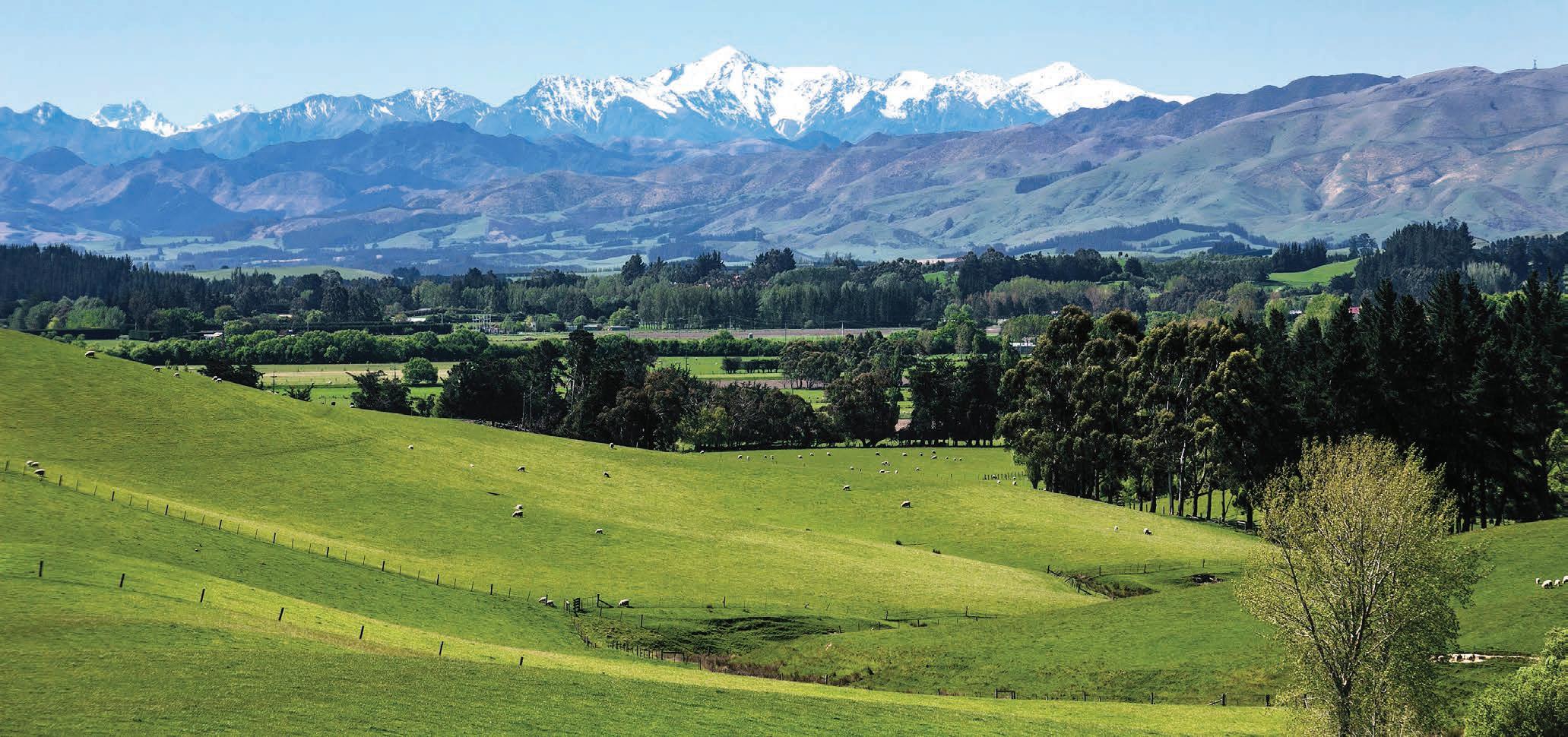


Rancho Radiata Farm
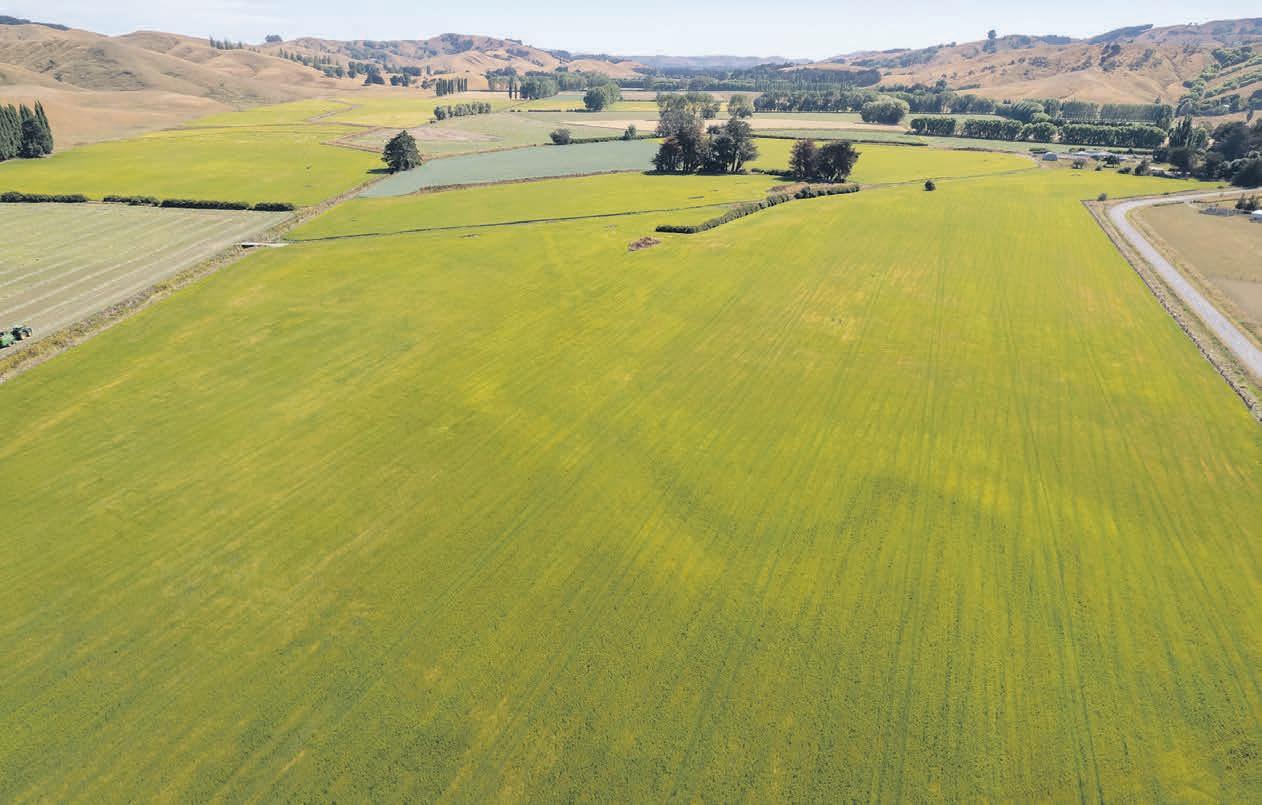
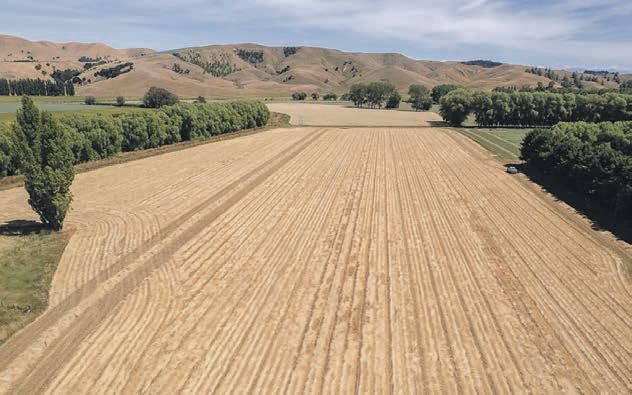
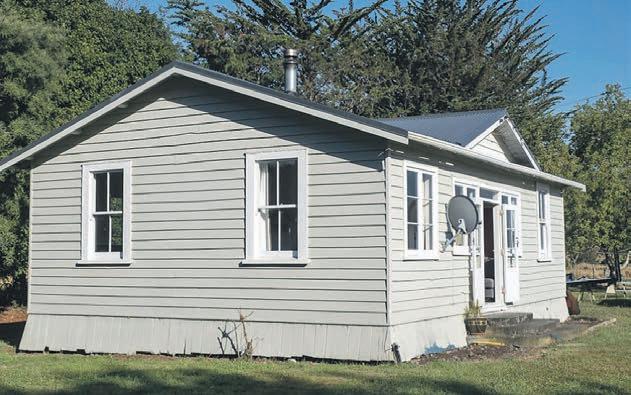
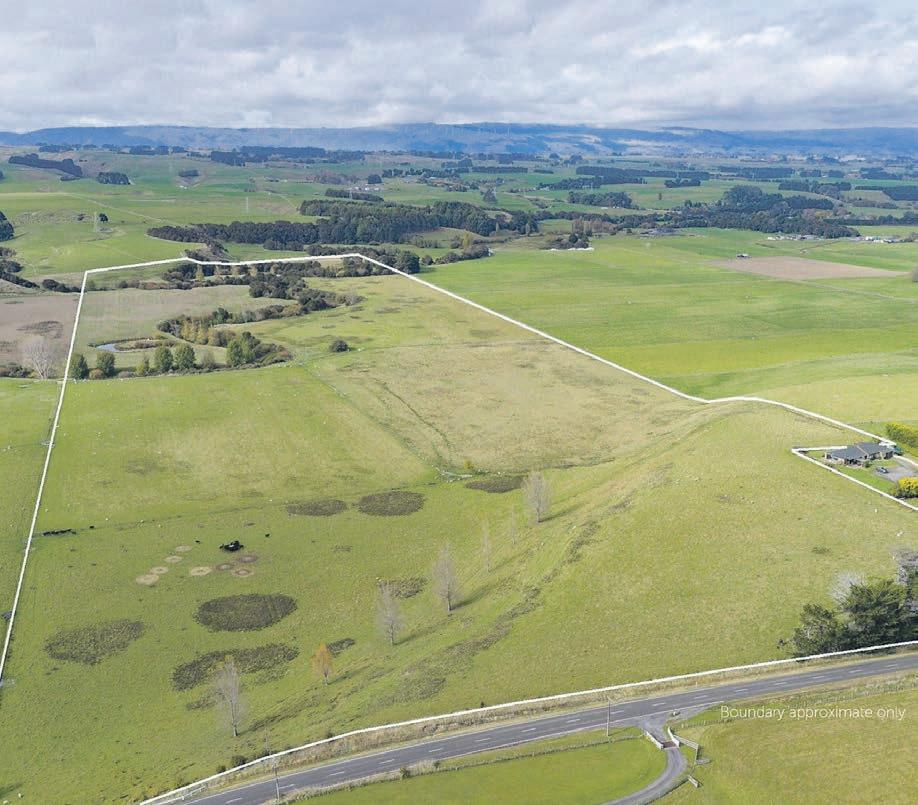
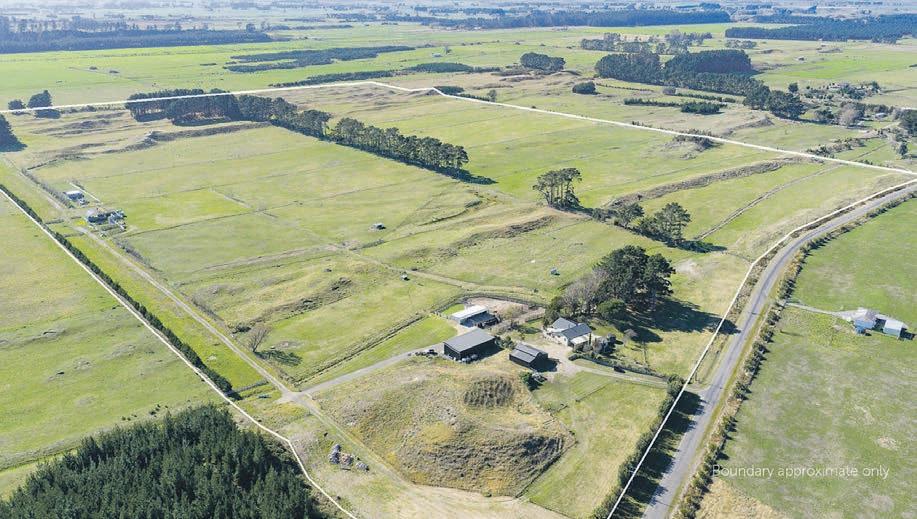
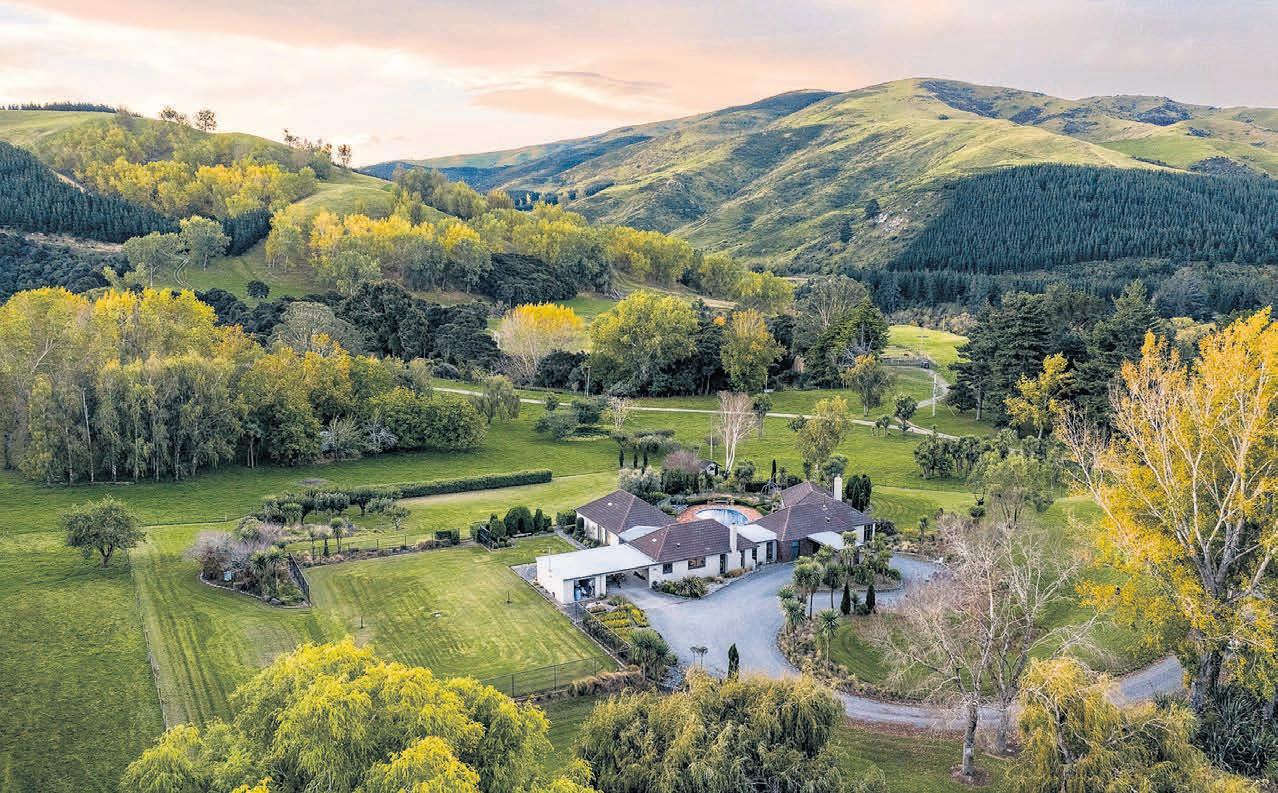
Greta Valley 1463 Greta Road
The Acheron
A significant North Canterbury landholding The Acheron spans 803ha (more or less) combining scale aesthetics location and genuine future upside A mix of farming forestry and carbon complemented by strong recreational appeal including hunting fishing and native bush Well tracked with reliable access with established infrastructure and scope to lift production Existing forestry blocks including areas nearing harvest provide both immediate and long-term income A substantial homestead is set within a park-like setting, with a secondary dwelling providing additional accommodation The Acheron is quality landholding, offering scale, versatility, and recreation in a truly special setting A genuine opportunity to secure an outstanding holding in a well-regarded location
bayleys co nz/5530358
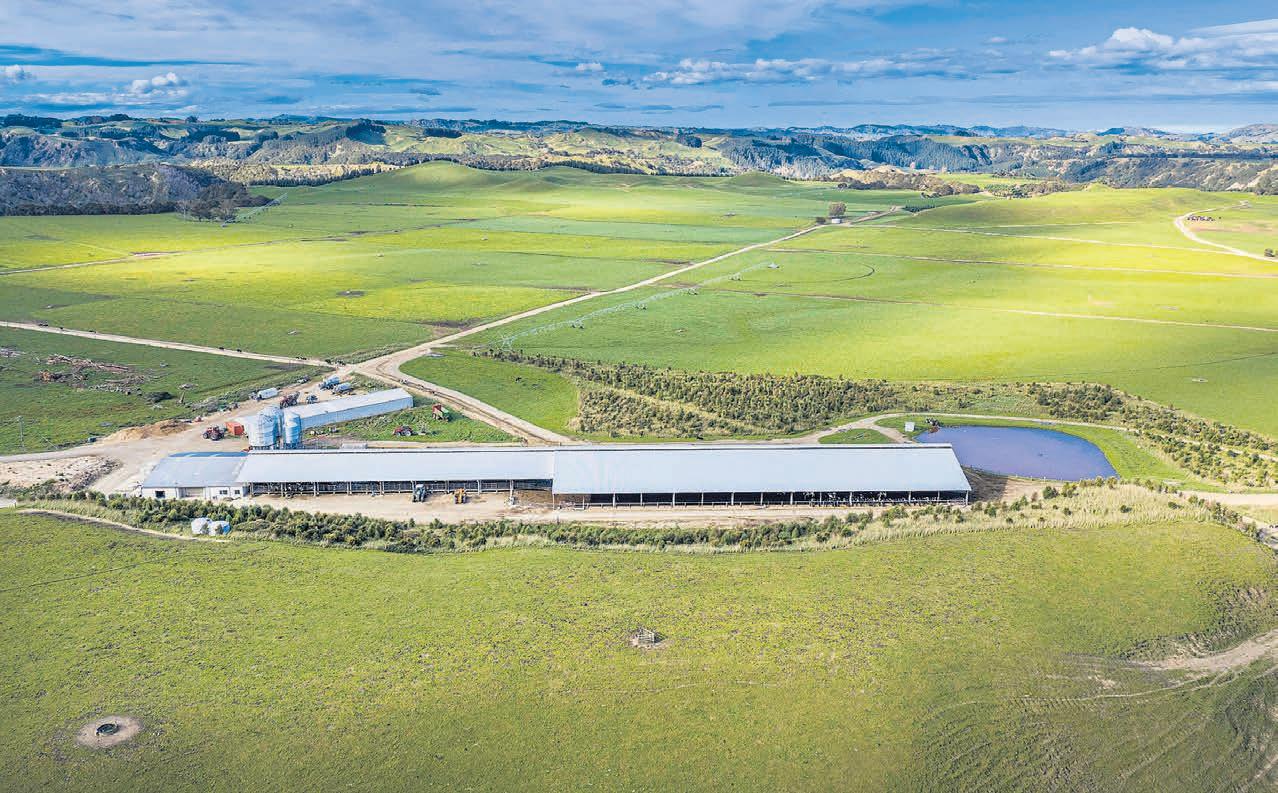
Hawke's Bay 500 Willowford Road, Waiwhare
Scale dairy unit with carbon, hunting and fishing
Located 50km west of Hastings, the sale of Kaweka Dairy Limited provides a fantastic opportunity to acquire scale with potential to continue lifting production beyond the 632,000kgMS peak This diversified, low cost operation boasts a 350ha consent to irrigate, cut and carry lucerne stands, as well as a 400 cow feed yard and composting barn Consented to milk 1,600 cows with a winter milk contract to supply 1,000kgMS per day A 60 bail rotary is set up for the large Friesian cows, with cup removers, in shed feeding and the latest cell sense technology Other farm improvements include a large calf rearing complex, four large feed silos, four hay barns, supporting implement sheds and multiple accommodation 59ha of mainly Pinus radiata planted sidelings registered in the ETS also provide great cashflow A must view for the discerning dairy investor bayleys co nz/2854499
803 9537 ha
Deadline Sale (unless sold prior)
12pm, Fri 12 Jun 2026
View by appointment
Ben Turner 027 530 1400
ben turner@bayleys co nz
Craig Blackburn 027 489 7225
craig blackburn@bayleys co nz
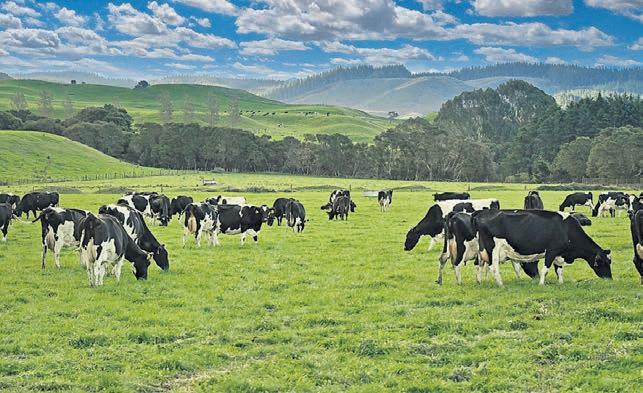
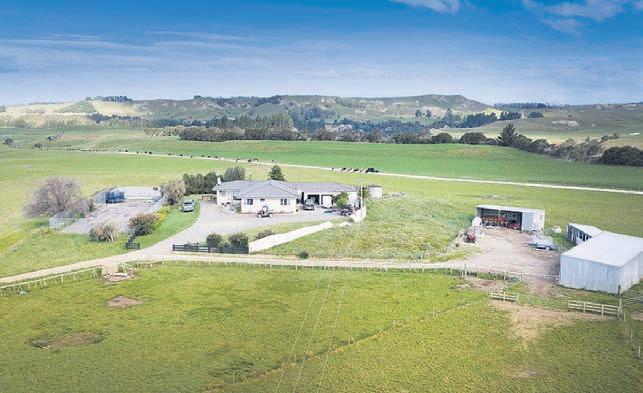
656.3 ha
Tender Closing 4pm, Wed 10 Jun 2026
15 Havelock Road, Havelock North
View by appointment
Tony Rasmussen 027 429 2253
tony rasmussen@bayleys co nz
Chris Heenan 027 599 3527
chris heenan@bayleys co nz
Real Estate
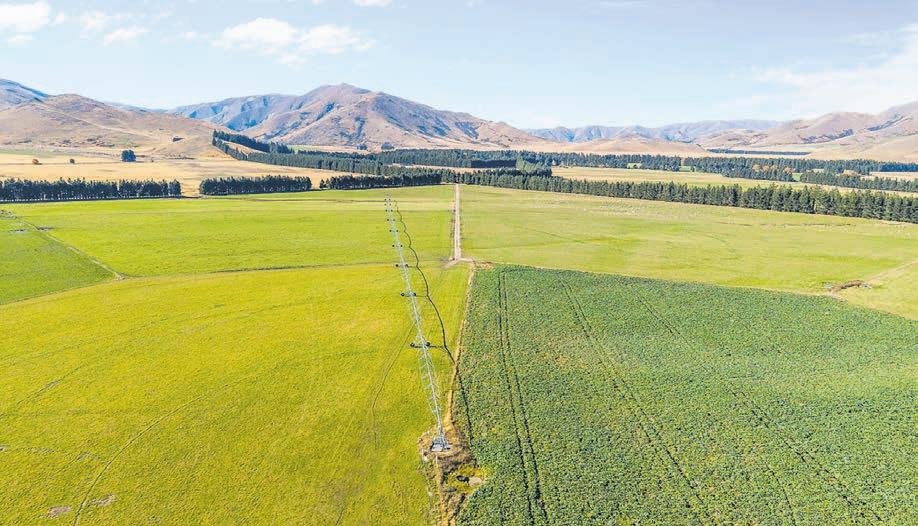
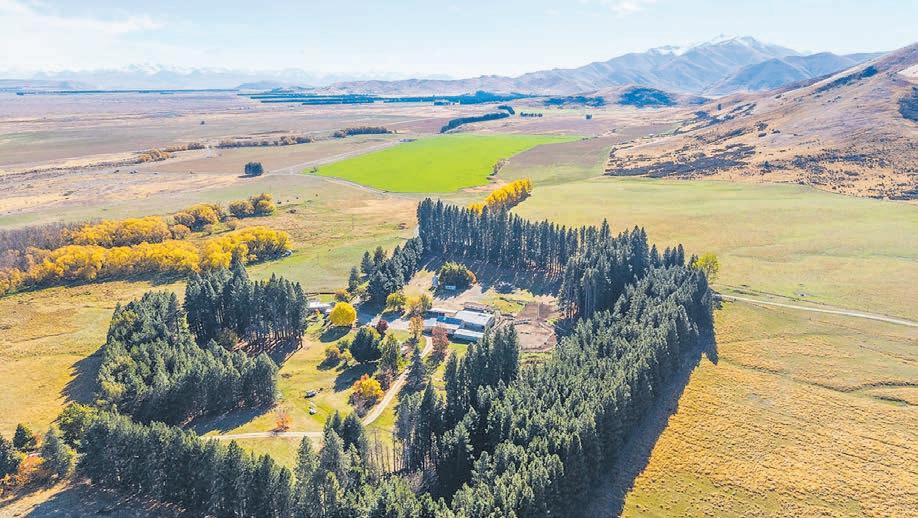
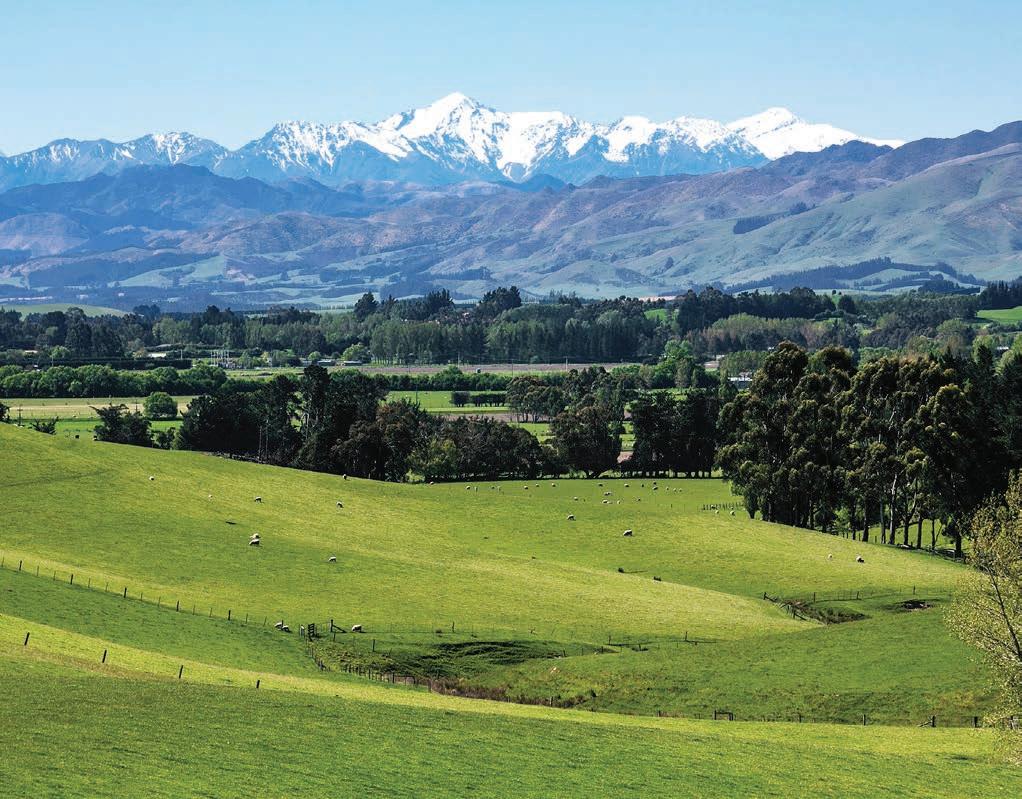
The property is a consistent performer due to balance of contour and the addition of pivot irrigated land The tourism opportunities are also plentiful in this location and add another dimension to this already impressive property
Richard
027 292 3921 Ruth Hodges 027 309 0334
















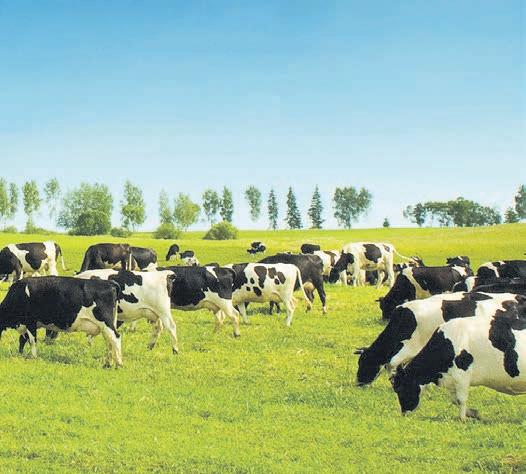










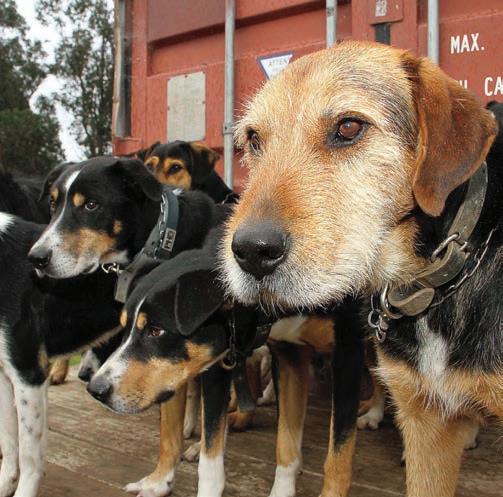
BULL SALES
Saturday 23 May | 10:30am On




Monday 18 May | 11:30am
A/C John Armstrong Family Trust
– Te Aroha
Morrinsville Saleyards
Comprising:
110 XBred / Jersey X / Jersey Incalf Cows

BACKED BY GENETICS, BUILT ON TRUST

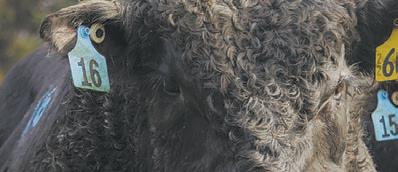





PGG Wrightson is NZ’s only Livestock agenc y with a dedicated team of genetics specialists
Scan here to visit our Genetics Hub


BW 157, PW 185, RA 95%
40 x XBred / Jersey X / Jersey Incalf Heifers
BW 263 PW 253
Dairy platform of farm sold
Herd tested – 3 letter herd code
56 years ownership
• This is a computer split of Herd /Heifers offered for Auction
Auctioneer’s Note
This herd is milked at the base of the ranges on a flat to hilly farm close to Mt Te Aroha They have produced 347 m/solids per cow, AV SCC
106,000 – System 3 Due to calve from 25th July to LIC Predominantly Xbred for 5 weeks – some wagyu (first light contract), Hereford Tailed Hereford bulls (bulls out 24/12) The 2Yr Incalf
Heifers are due 23rd July to LIC Xbred (easy calving) for 2 weeks Tailed Jersey bulls (bull out 13/1) Rotovirus / BVD vacc, EBL neg, Lepto
Vacc and tested for Johnes, TB status C10
Farmers without access to new properties untill
1/6, there is grazing at your trucking cost & risk back to Johns farm available by arrangement
Contact:
Allan Jones 027 224 0768
Regan Craig 027 502 8585
PGG Wrightson Livestock – Waikato


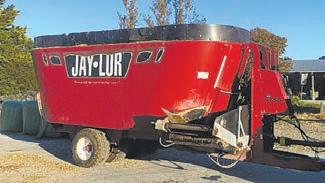
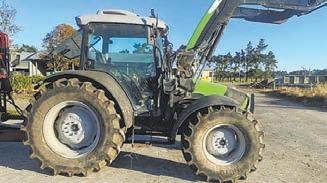
19 M AY | 9A M TO 12PM Orari Gorge Hereford Geraldine Robert Peacock 03 692 2893
S O U T H C A N T E R B U RY | T U E S DAY 19 M AY | 10A M TO 4PM Meadowslea Angus, Fairlie David Giddings 03 685 8027
S O U T H & M I D C A N T E R B U RY | T U E S DAY 19 M AY | 1PM TO 4PM
• Okawa Hereford, Mayfield Nick France 027 567 8019
• Kakahu Angus & Charolais, Geraldine Tom Hargreaves 03 697 4979 Stern Angus, Pleasant Point James Fraser 03 614 7080
M I D C A N T E R B U RY | W E D N E S DAY 20 M AY | 9A M TO 12PM
• Mt Possession Angus, Mt Somers Ryan Hussey 027 303 0168
• Cleardale Angus Rakaia Ben Todhunter 021 140 3670
C E N T R A L C A N T E R B U RY | W E D N E S DAY 20 M AY | 12PM TO 4PM
Glen-R Angus, Darfield Peter Heddell 027 436 1388
• Burtergill South Devon, West Melton Richard Van Asch 021 1915584
Sudeley Angus Irwell Andrew Laing 03 329 1709
Silverstream Charolais & Hereford, Greenpark Brent Fisher 027 251 4791
N O RT H C A N T E R B U RY | T H U R S DAY 21 M AY | 10A M TO 4PM
• Richon Hereford, Amberley Rob Stokes 027 757 1673
Beechwood Hereford Amberley Rob Burrows 027 263 3582
Red Oak Angus, Weka Pass Mike Townshend 027 631 9349
• Grampians Angus, Culverden Jono Reed 027 258 0732
Hemingford Charolais Culverden Sam Holland 021 181 4868
• Kaiwara Angus, Culverden George Johns 022 198 3599
• Grassmere Hereford & Riverlands Angus Cheviot Chris Jeffries 027 460 8849
Te Mania Angus, Conway Flat Will Wilding 027 826 4015
• Jandoc Hereford, Hawarden Doc Sidey 03 314 4277
N E L S O N M A R L B O RO U G H B U L L WA L K | F R I DAY 22 M AY | 10A M TO 4PM
Leefield Station Angus Waihopai Valley Tim Salter 027 551 1011
Blacknight Angus, Rai Valley Ben Maisey 03 571 6271
• Taimate Angus, Ward Paul Hickman 021 575 155 Martin Farming Hereford & Angus Wakefield Richard Martin 027 230 3098
• Brackenfield Angus, Seddon Angus Peter 022 428 7906
• Woodbank Angus, Clarence Bridge Ben Murray 027 449 4409
Matariki Herefords, Clarence Bridge Jack Murray 027 381 2300
Further enquiries:



2022 John Deere 290R T Tractor & Front Linkage
– StarFire 6000 GPS (4150 hrs), 2021 Merlo TF
35 7 Telehandler (1254 hrs), 2024 JCB 55Z-1 Digger AZ Tilt Hitch Twin Ram Trenching & Rock Buckets (121 hrs), 2023 Massey Ferguson 2635 Tractor 4x4 (230 hrs), 2022 Mitsubishi Triton
2 4L GLX Extra Cab & Service Bin (110000 km), 2021 Honda 190 XL Motorbike (14389 km), 2023 Honda 150 XL Motorbike, 2023 Honda TRX 520 4x4 Auto (3572 hrs), 2021 Honda TRX 520 4x4 Manual (6424 hrs), 2019 John Deere 2994R Diesel Zero-Turn RideOn Mower 60” cut (613 7 hrs), 2008 Ford Territory Ghia (not regd 316557km), 2019 John Deere F350R Mower Conditioner, 2018 John Deere R990R Mower Conditioner, 2013 Robertson Mega Comby XL 24 Cube & Scales, 2023 Kockerling Allrounder Profiline EM Cultivator 2014 Strautmann Verti-Mix 2401 Double Auger Extensions & Digi-Star scales 2021 Amazone Pegasus BGG 301 Ripper, SAM Fertiliser Tandem Axle Spreader Holds 10T Lime, VKP 210 Nobili Mulcher, 2015 Helmack Tandem Trailer & Crate, 2 × Motorbike Trailers & Crates, Bertolini 650 Spray Unit, Portable Alloy Cattle Yard & Head Bale, 3 x Stallion MTF 60 Mixing Stations with Honda Motor, 6 × Stallion 80-teat Milk Feeders, 2 × Stallion 50-teat Milk Feeders, Stallion 40-teat Milk Feeder, Milkbar 40-teat Milk Feeder, 30 × Calf Feeders, 3 × 6M PK Trailer Feeders, 6 × 4M PK Trailer Feeders, Hay Feeders (Lots), Bateman 34-Head Trailer Feeder, 4 × Ag Plasback Recover Bins, Kärcher Hot Water Blaster, Petrol Tank Stand 1300 L (twin tank), Ensol Fuel Tank Stand
(twin tank), 8T Tradefog White Magnesium Chloride, 3T Tradefog Magnesium Oxide, 8T Heavy Roller, Quick Hitch, 2 x Cow Covers, 2 x Motorbike Ramps, Agri Spread Fert Spreader, Cow Lifter, Loadbar & Scales, Hay Covers (Lots),Merlo Safety Cage, Rata Euro Front Attachment Tanco Bale Cutter Treemane Silage Grab, Ryetec Front Weight IT & Toolbox, Rata Softhands Bale Clamp, 3 x John Deere Forks, Bucket for Merlo, Backtray, Water Trough, Lincoln Electric MIG Welder, Air Compressors, Toolshed Workshop Compressor, Stihl MS 381 Chainsaw Workshop Tools Pipe & Fittings 12 × Battery Fence Units, Standards, Pigtail Standards, Reels, Wire, Fencing Gear, Stayfix Fence Unit, Herbicides, Numerous Workshop Tools & Sundries
Sale will be signposted from Rakaia Barrhill Methven Road onto Backtrack Road and Lauriston Barrhill Road onto Backtrack Road
This sale will be a hybrid sale with Bidr on major items
Sale will be conducted purchase price plus 15% GST Cash or EFTPOS on day of sale unless you have a current Hazlett or PGW account There will be a light luncheon available for purchase Contact: Matt Walker ( Vendor) 027 201 0011 John Farrell (PGW ) 027 590 8069 Marty Amos (Hazlett) 027 462 0122
Helping grow the country
R2YR Exotic or Ex x Hfrs 400-450kg
R2YR Angus Steers 340-380kg
R2YR Fries or Beef Bulls 450-480kg
2YR Beef Bulls 530-600kg STOCK FOR SALE 100 R1YR Fries Bulls 180kg
FRSN & FRSN X HERD DISPERSAL SALE
THURSDAY 21ST MAY 2026 @ 12 NOON
RONGOTEA SALEYARDS
A/C Cammock Dairying Ltd – Hunterville
Comprising:
200 Frsn & Frsn x M/A Cows
Herd BW75 PW124 RA% 78

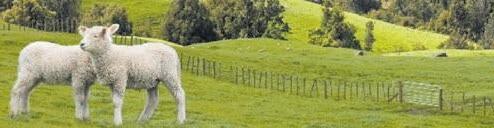
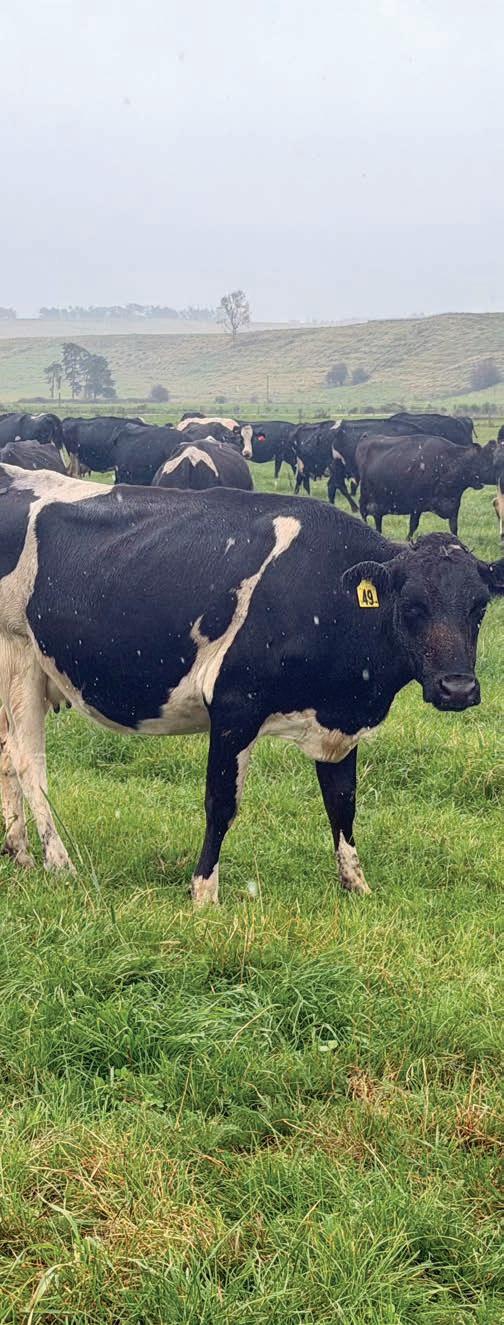
“NZ Farmers Livestock in conjunction with Redshaw Livestock are pleased to offer this quality herd for auction. After 18 years, our vendors have made the difficult decision to exit sharemilking. This well-established herd has proven excellent shiftability, having been successfully farmed from Dannevirke through to the Central North Island, and most recently near Hunterville. Production has remained consistent, averaging 380-400MS, currently under a Level 4-5 System in a more challenging dairying environment where supplement feeding has been required to maintain performance. If you are seeking genuine, hardworking cows that can adapt to a range of conditions and locations, this is an opportunity not to be missed.”
Herd details
G3 profiled for most of the herd.
C10 ad EBL Free. Lepto vaccinated. All cows scanned to dates.
Calving from 25th July to 26th Sept 2026.
Herd will have Blanket Dry Cow & Teat Seal.
Mating details
I/C to PS & Sexed Semen 18/10-21/11
NM to Tuson Hereford Bulls from 21/11-9/12
I/C to SGL Hereford & KiwiX Semen 9/12-20/12
Payment & trucking
Payment due 14 days from sale day. For clients moving farms delivery can be arranged by 1st June if required at purchasers cost.
Viewing available by arrangement. Catalogue available early May.
Contact our Vendors Agents NZ Farmers Livestock
Matt Muggeridge 027 237 8661 Redshaw Livestock
Clint Worthington 021 209 2236
This sale will be online with

REDSHAW LIVESTOCK LTD
CAMMOCK DAIRYING CLEARING SALE
SATURDAY 23RD MAY 2026 @ 11AM
ON-FARM @ RATA, HUNTERVILLE
A/C Cammock Dairying Ltd
Andrew & Fiona Cammock
D/N 44114 Putorino Road, Rata, Hunterville
Comprising: TRACTORS
Claas Arion 520m loader & bucket, scales, gps, 125hp, 10,000hrs. Claas ARES697 AT2, 6845hrs
FARM EQUIPMENT
Bertolini sprayer, 1000 litres with 12mtr hydraulic boom; Samm 8 tonne tip trailer; Fella mower; Paddon hay rack; Hustler bale feeder; Ensol fuel tank, 700/300 split; PK trailer; Celli Spike rotor with air seeder; Vogal Mag spreader; C-Dex 650 fert spreader; 3 metre leveler; Honda XRM 125, 3931kms; McHale bale grab; Rata silage grab; Rata bale forks; Rata pellet forks; Rata quick hatch; Nissan Xtrail, farm rego; Stallion 50 teat single axle feeder; Stallion 50 teat twin axle feeder; Mix of rail calf feeders; Electric fence reels & standards; Batt latch; Spot sprayer; 2 x 1000 litre tanks; 2 x Dosatrons; 200 litre Bloat oil (full); Calving Jack & Hip lifters; Milk pump; 2 x hydraulic top links; 1000 litre colostrum tank; 4 x plastic meal troughs; Plasback bin; Pride boat; Assorted dairy shed products; Plus farm sundries.
Payment terms
Eftpos on the day of sale unless hold 14-day account with NZFLL or Redshaw Livestock.
Viewing from 9am – Sale starts 11am
BBQ fundraising for Hunterville Fire Brigade
Contact our Vendors Agents
NZ Farmers Livestock
Matt Muggeridge 027 237 8661 Redshaw Livestock
Clint Worthington 021 209 2236
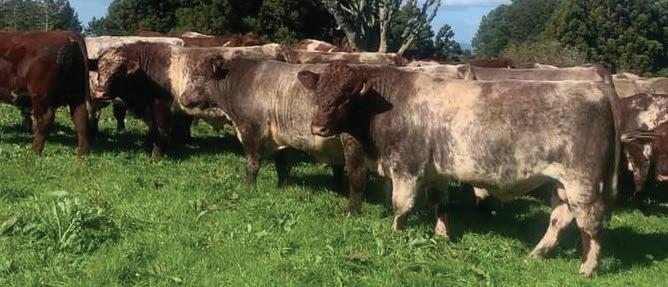


“Progeny
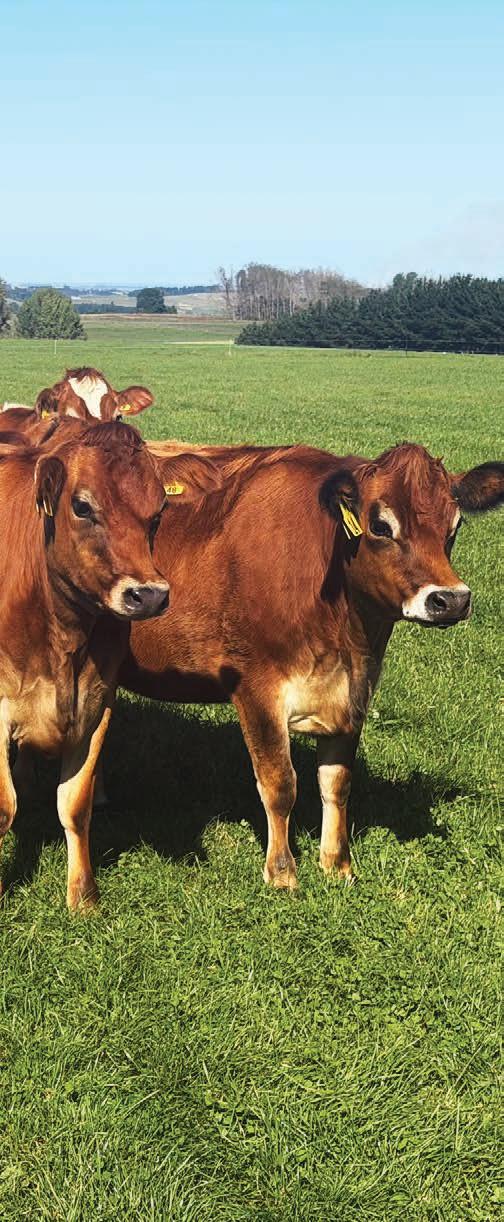
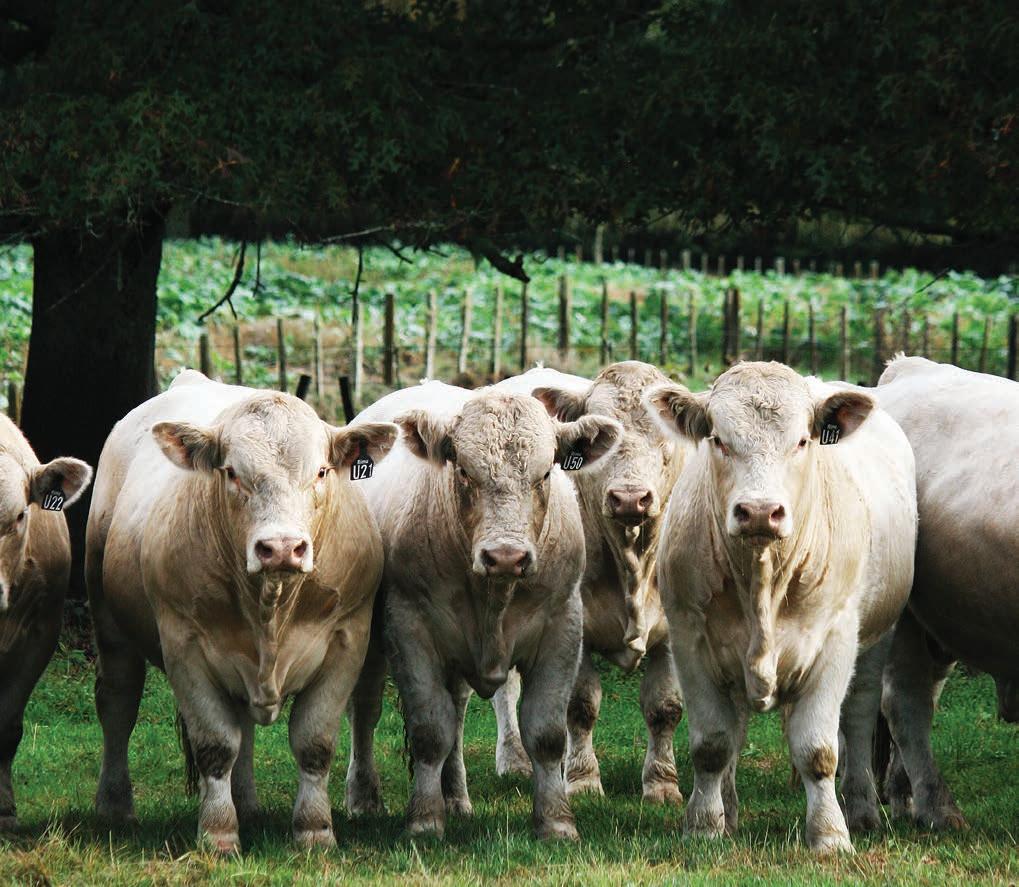








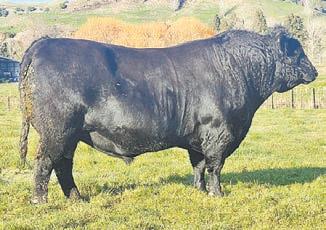



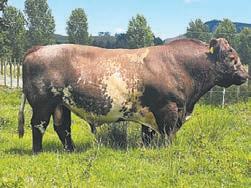



p:
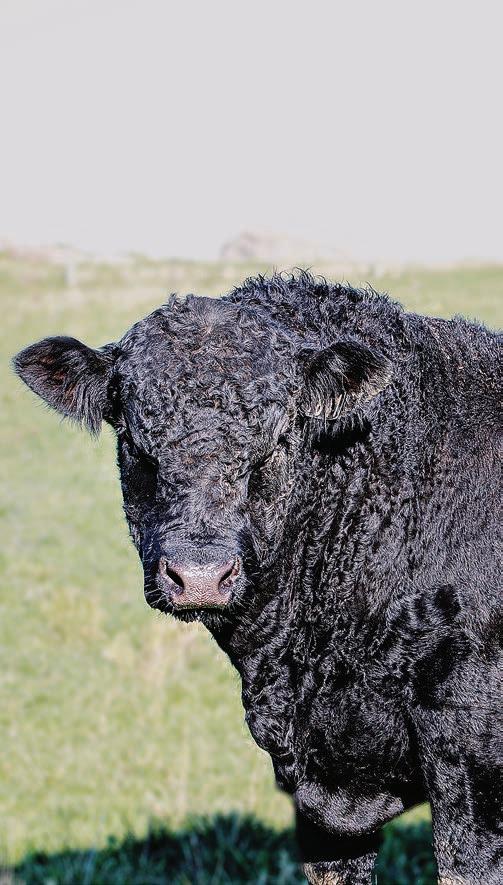
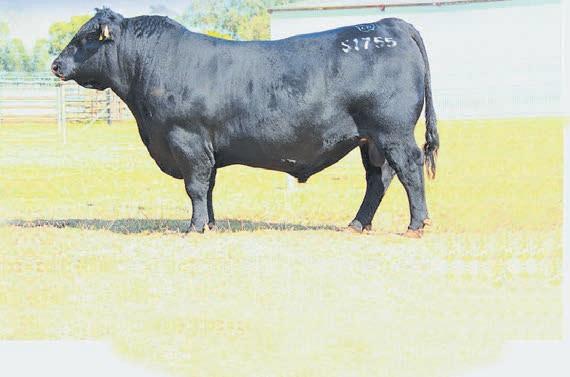

ELITE INCALF HEIFER AUCTION
A/c Faraway Ltd (David Van Bysterveldt)
Date: Wednesday 14th May 2026
Address: Matamata Sale Yards Dairy Pavilion

Start time: 11:30am will be available for online bidding
DETAILS:
76 x Strong Frsn C/O cows BW40 PW108
DTC 6/7 – 30/8 to AI Frsn or Char (53 July calvers)
81 x Frsn C/O cows BW99 PW112
DTC 20/7 to AI Char 20 (7 weeks)
110 x Samen Bred Frsn Cows
DTC mid-July to AI Frsn, tailed with Hfd
These are genuine cows, not carryovers.
AUCTIONEERS NOTE:
A strong, well-balanced offering of Friesian carryover cows, supported by a quality line of Samen-bred Friesian cows. The carryover lines are genuine working cows, milked through and mated for spring calving, with a good spread of July / August calvers. The Samen-bred Friesian cows are a genuine line, well managed and mated for spring calving.
All cows are presented in forward condition, fully dry and dry-cow treated. All cows are guaranteed sound and in-calf by the vendor. Profiles to follow.
PAYMENT TERMS:
14 days after the auction, Immediate delivery
OUR VENDOR:
David Van Bysterveldt: 021 189 9888
CARRFIELDS LIVESTOCK AGENT:
Reuben Wright: 027 2846384
Or your local Carrfields agent
A/C Bellamy Farms Ltd Wednesday 20th May, 11:30am
Matamata Saleyards Dairy Pavillion
COMPRISING:
170x Elite In-Calf Northland Heifers, including 22x LIC Contract Heifers
10x Embryo Recipient Cows, ETs produced from Generate Program
41 years of LIC breeding, BW186 (boasting to BW481), PW148, AB Mated heifers, DTC 25/06 onwards. 22 LIC contract heifers sell with 4 heifers holding generate contracts with LIC. An additional 10 ET Recip cows carrying embryos from the generate program sell. All heifers come forward in excellent condition and are exceptionally well grown.
Bellamy is well known in the industry, breeding Bellamys DM Galant, a very successful LIC bull.
Opportunities like this do not come available often.
Visit www.carrfieldslivestock.co.nz
to see the catalogue of profiles and more information.
FOR ALL ENQUIRIES CONTACT:
Luke Gilbert – 027 849 2112
Karl Chitham – 027 207 4767



BEEFIT SIMMENTAL STUD
7th Annual Bull Sale
Address: Kaikohe Sale Yards
Date: Wednesday 14th May
Start Time: 11.00am will be available for online bidding COMPRISING:
42 Top Quality 2-yr-old Simmental Bulls
DETAILS:
Beefit produce structurally correct, docile bulls that will produce a moderate birth weight for easier calving, have explosive growth rates and mature early, suitable for both the beef and dairy industries.
All Bulls
• Guaranteed for structural soundness and fertility
Tested for EBL and are BVD negative (have had 2 BVD vaccinations) Scanned and beef classed by Austins Ultrasound Ltd, on the 23rd March 2026
• Fertility tested on the 15th April 2026 by Darren Williams from bull testing Hamilton Viabull Ltd.
• Performance recorded with Helical. DNA tested for the genes - Horned/ Polled, Dilution, Black/Red coat and parent verification
All enquiries: CARRFIELDS LIVESTOCK AGENTS:
Bruce Orr 027 492 2122
Reuben Wright 027 284 6384
Dan Sweetapple 021 046 0755
Neil Miller 027 497 3492
After Hours 09 406 7128
BEEFIT SIMMENTALS:
Aaron & Bernadette Gubb P: 09 4019 692
M: 021 590 915 - Aaron Email: milkit1@outlook.com LK0124423©




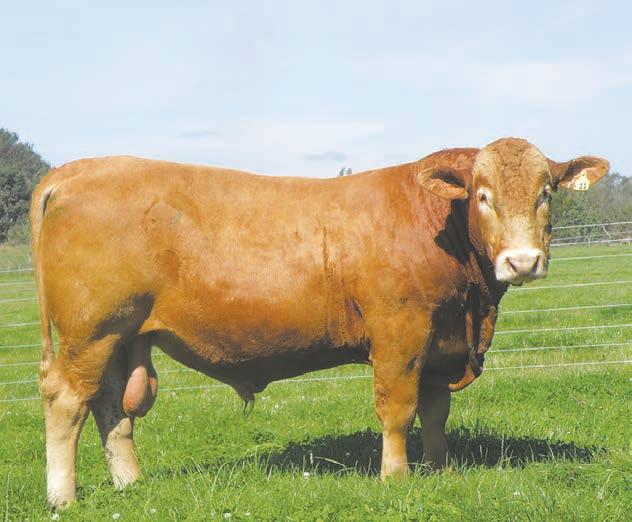

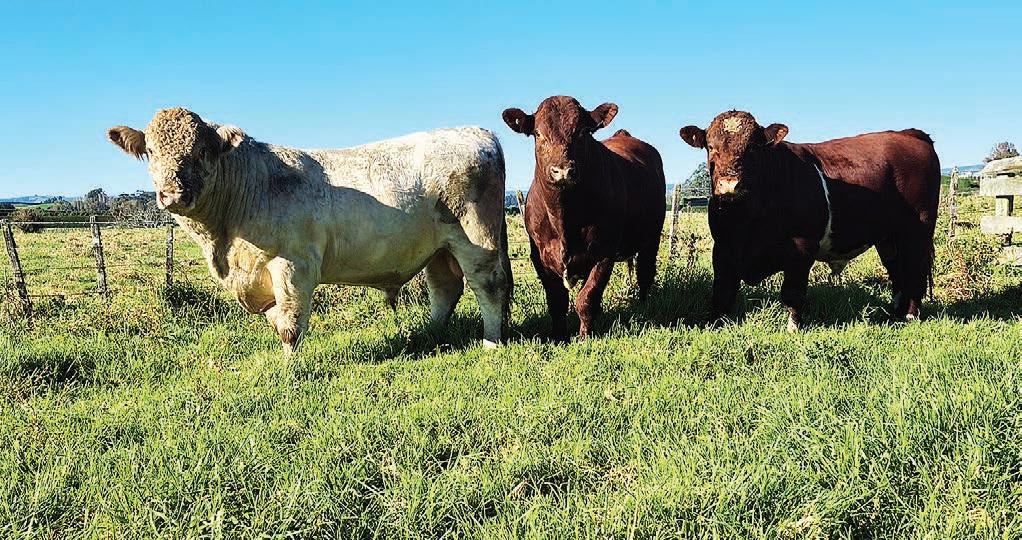
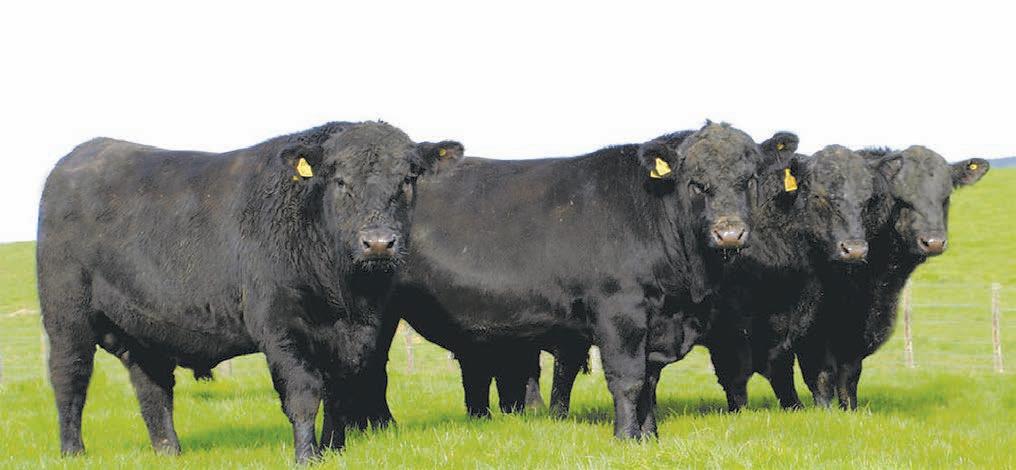
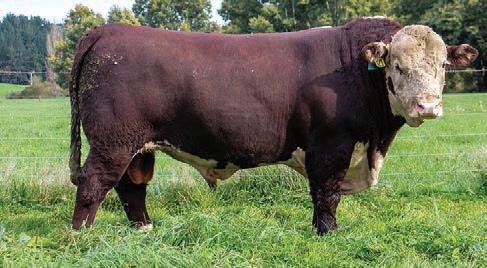
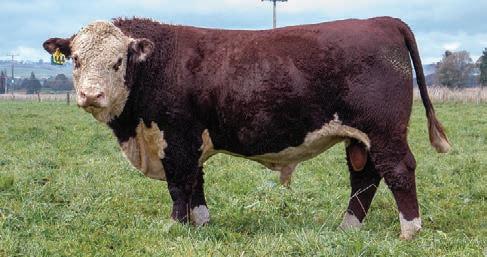
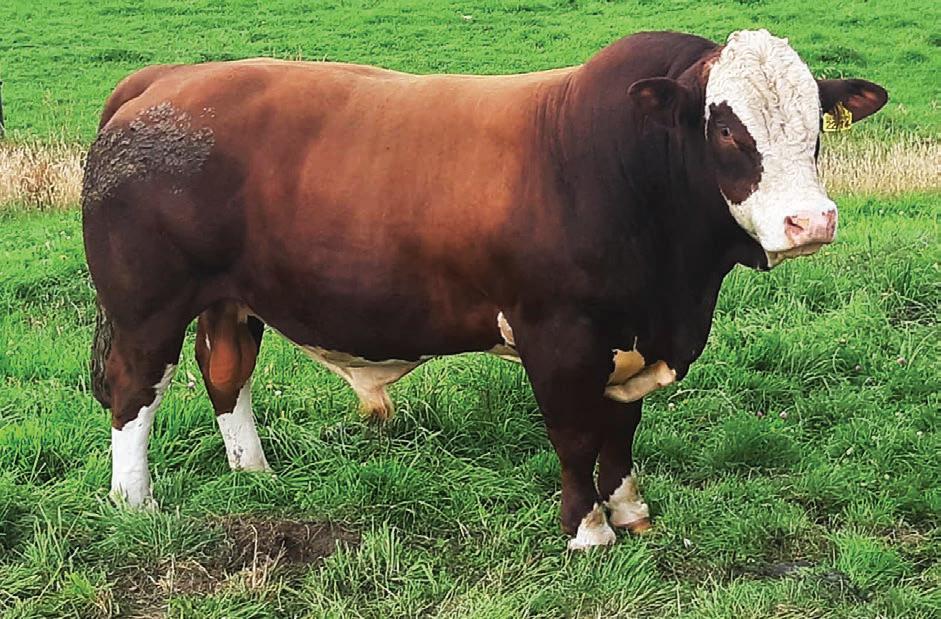

FOULDEN HILL GENETICS BULL
FRIDAY 22ND



ANNUAL BULL SALES
MAY/JUNE 2026
> Thursday 14th May
SUNNYVALE BULL, Fairlie
In conjunction with PGGW
20 Black Hereford Bulls
> Wednesday 20th May
KERRAH, Wairoa
In conjunction with PGGW
80 Simmental Bulls
> Friday 22nd May
FOULDEN HILL - Bluestone
Middlemarch
16 Hereford Bulls
4 Santa Gertrudis Bulls
1 Braford Bull
1 Charolais Bull
> Thursday 28th May
OKAWA, Mt Somers
In conjunction with PGGW
50 Hereford Bulls
> Friday 29th May
CLEARDALE, Rakaia Gorge
30 Angus Bulls
> Wednesday 3rd June
STORTH OAKS, Otorohanga
In conjunction with PGGW
70 Angus Bulls
> Thursday 4th June
HALLMARK, Tutira
In conjunction with Redshaw Livestock
70 Angus Bulls
MAUNGAHINA, Masterton
In conjunction with PGGW
45 Hereford Bulls
15 Speckle Park Bulls
> Friday 5th June
TWIN OAKS Te Akau
In conjunction with PGGW
55 Angus Bulls
> Sunday 7th June
GLENGYLE Dannevirke
26 Angus Bulls
> Monday 8th June
MT POSSESSION, Ashburton Gorge
In conjunction with PGGW
27 Angus Bulls
NEWVENUE
> Wednesday 10th June
SILVERSTREAM Lincoln
In conjunction with RLL
66 Charolais Bulls
18 Hereford Bulls
> Thursday 11th June
HEMINGFORD, Culverden
In conjunction with PGGW
77 Charolais Bulls
> Friday 12th June
GRAMPIANS Culverden
75 Angus Bulls
RED OAK, Weka Pass
In conjunction with PGGW
34 Angus Bulls
> Tuesday 16th June
WOODBANK, Clarence
In conjunction with PGGW
75 Angus Bulls
> Wednesday 17th June
MEADOWSLEA, Fairlie
75 Angus Bulls
> Sunday 21st June
TURIROA, Wairoa
In conjunction with PGGW
60 Angus Bulls
RATANUI Tuai
In conjunction with PGGW
50 Angus Bulls
> Wednesday 24th June
KENHARDT, Nuhaka
In conjunction with PGGW
50 Angus Bulls
Please


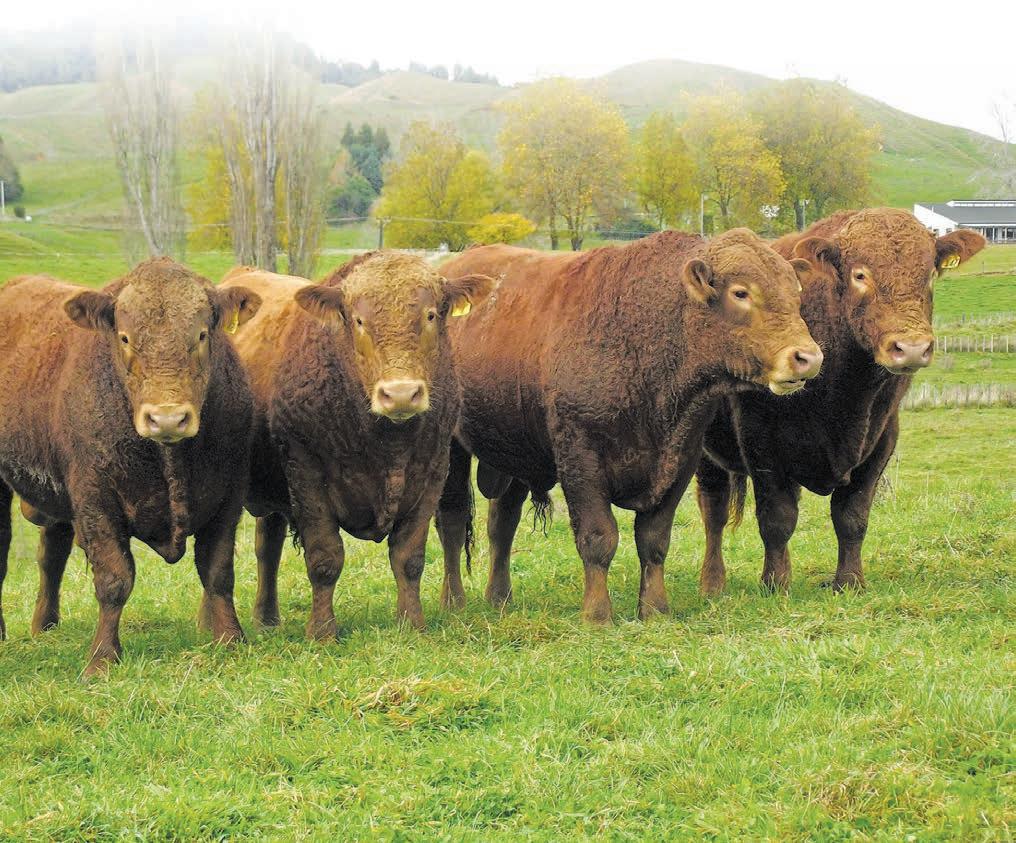


Markets
Cattle are offloading into a strong beef market
Those who are not signed onto contracts may now be questioning their potential margins.

Sara Hilhorst MARKETS
MAY, typically a month with plenty of cattle movement, is underway. Farmers are adjusting their winter stocking rates in response to the cool change and progression to winter.
For dairy farmers, Moving Day is just around the corner now too, and therefore, cull dairy cow offloading is starting to grow.
While the increased offload at this point of the season is normal, what isn’t quite so normal is the strength in the market.
The beef market has been strong all season, and, combined with a good growing season, dairy farmers have held on to their cull cows longer, especially as the payout has been good.
However, through March and April the pressure started to come on, pushed by some short weeks, and the need to offload to avoid wait times became apparent.
In Canterbury, the five-year average for throughput for cull dairy cows through the saleyards
in March and April is just over 3200-head. Aside from the spike of 4700-head in 2024 when conditions were dry, and scanning results were poor, numbers were typically around 3000-head. This year, total tallies for March and April were 4100-head.
Kill statistics for the season to April show the South Island cow kill was down 16% or 23,000-head year on year.
While it is likely to balance out a bit through May, it is the buy-in
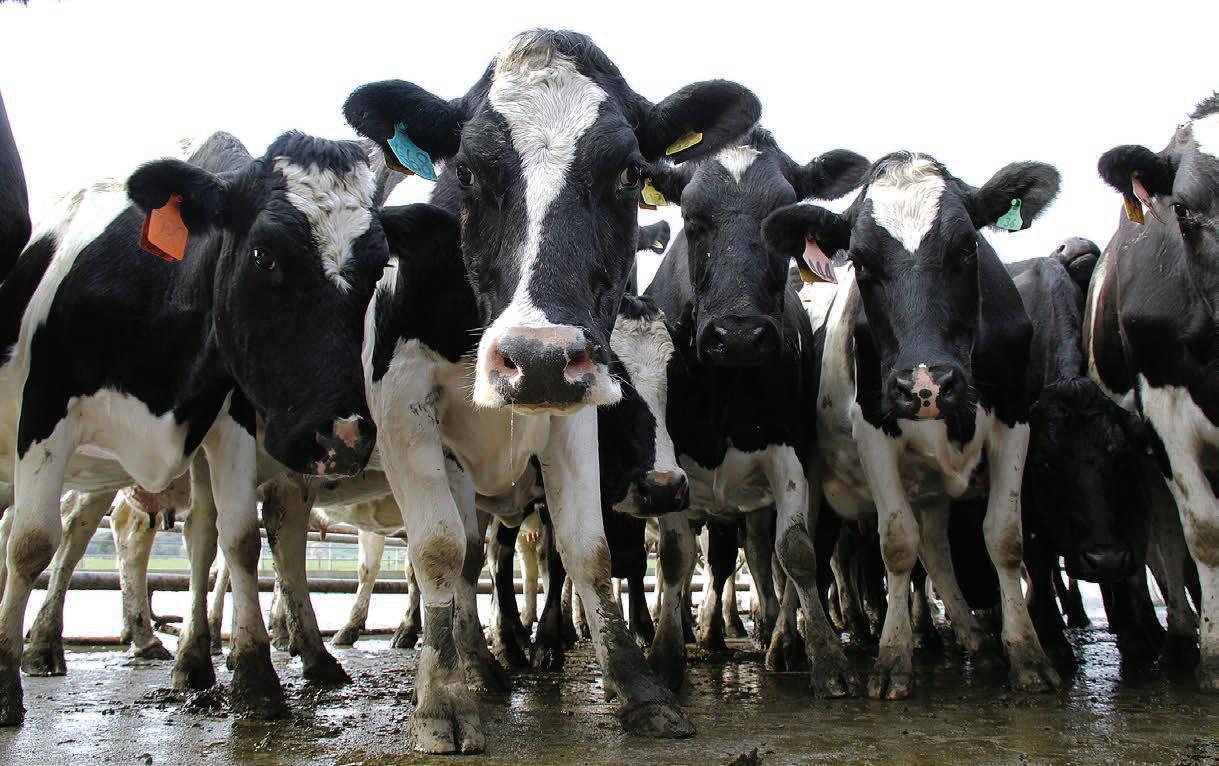
price for grazers that has some baffled.
Processor competition for cull dairy cows at the South Island saleyards in the early autumn kept schedules strong, as there wasn’t the typical oversupply, but they eased not long after. Market pricing through April averaged
$2.73/kgLW, with many heading to grazing to fatten for winter. Despite competitive contracts, those who are not signed onto contracts may now be questioning their potential margins.
Most cows purchased in April will be processed around July and August.
AgriHQ’s South Island Outlook report forecasts the kill price to be at a base level of $7.25-$7.40/ kg. While this excludes premiums, this is a starting point to work from.
A 500kgLW dairy cow purchased in April at the above price ($2.73/ kg) would typically average around 210kgCW in August. At $7.40/kg, a margin of $95 would be made.
This is only a fraction stronger than in 2023. Excluding this, the range of returns has been $241$380 on an identical trade.
Last season, margins on a similar set-up were around $241. It is worth noting that this was a

somewhat warped result as the market was still finding its new level.
However, the new level hasn’t budged, even with the recent increased throughput. If farmers secured winter contracts in the low-$8 range, then winter trade looks much better, and margins should be more in line with five-year averages, if not slightly improved.
With volume building, Temuka hosted a special cull cow sale on Wednesday to help manage the recent uptick in cows coming out. This came two weeks earlier than last year and is always a solid gauge of the market’s true level. Cow after cow flowed into the yards, and despite the earlier timing and large throughput, the sale was consistently where the market has been. Friesian cows averaged $2.91/kg for 525kg. Just over 670 of the 1020 dairy cows offered, returned within 5c/kg of this.


Livestock
ON THE MOVE: For dairy farmers, Moving Day is just around the corner and therefore cull dairy cow offloading is starting to grow.
DEMAND: With volume building, Temuka hosted a special cull cow sale on Wednesday to help manage the recent uptick in cows coming out.
Photo: File
Cattle Sheep Deer

Weekly saleyard results
These weekly saleyard results are collated by the AgriHQ LivestockEye team. Cattle weights and prices are averages and sheep prices are ranges. For more detailed results and analysis subscribe to your selection of LivestockEye reports. Scan the QR code or visit www.agrihq.co.nz/livestock-reports
Frankton | May
Frankton | May 6 | 460 cattle






Polar boundary surges into NZ this week

Philip Duncan NEWS Weather
ACOLDER southerly flow kicks off this week, and it’s all ahead of the next powerful high pressure zone moving very slowly towards New Zealand.
The polar boundary, which is colder air that normally hugs closer to Antarctica, will surge into NZ this week bringing colder weather, especially to southern and eastern parts of the country. This means frosty weather is likely for sheltered areas, especially inland.
At the time of writing this, some modelling had picked this polar boundary to move into the upper North Island for a time too, perhaps as a southeasterly flow. It will feel a lot more like we’re heading into winter this week than last week did; that had plenty of northerlies and even subtropical airflows for a time.
By later this week the powerful high is expected to move into the South Island, while some lower pressure
exists northeast of NZ – this set-up usually produces a brisk southeasterly flow for the North Island.
This high-pressure zone is likely to have air pressure at the centre of around 1040hPa by the time we get to Friday. Rainfall won’t be big in most places but there will be plenty of showers in some parts of the country (check your local forecast for more details).
At this stage it looks as though this high will be around for the upcoming weekend – but may still be bringing coastal showers to eastern parts of the North Island (although a bit too far out to lock in).
Either way, high pressure is creating the colder weather this coming week. Our mountains and ranges will also break up the cloud/showers, bringing some really sunny days to various regions.
Going into next week we see more high pressure over the Tasman Sea, but there’s life around it. Long-range models out to May 20 suggest low pressure may be north of NZ and also moving into the southeast of Australia, which backs up the fact
we’re still in a neutral weather pattern and not yet El Niño, but it certainly does look like high pressure is the main feature for New Zealand over the next week or so.
A number of regions have been colder than usual over the past couple of weeks, from Waikato to Wellington and in the South Island around Nelson, Marlborough and Canterbury.
At the same time, northern Auckland and Northland, along with Southland and coastal Otago have been leaning warmer than usual for this time of year. Many regions have also enjoyed more sunshine and less cloud.
But rainfall has been down nationwide. Earth Sciences New Zealand shows that rainfall was well below normal in the 15 days leading up to May 5 (that obviously changed at the end of last week and over the weekend in some regions).
Australia’s southern coastline is firmly in an autumn weather pattern, and that’s good for NZ if we want changeable weather. But for now, high pressure with colder air, frosts and coastal showers looks to be our main weather feature.
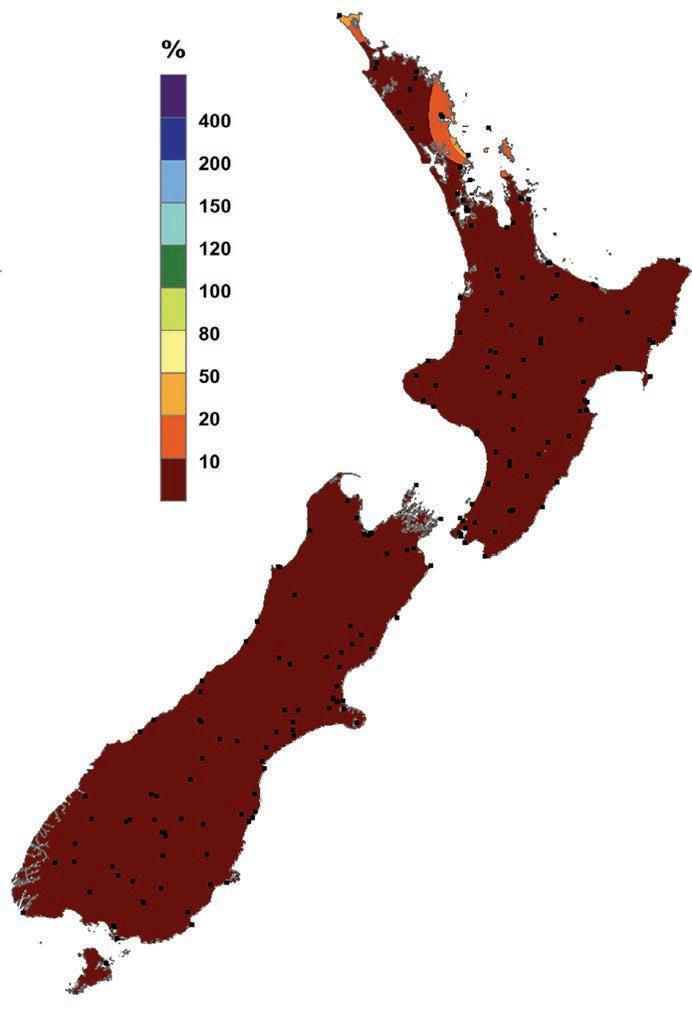
Rainfall Anomaly 9am 01/05/2026 to 9am 05/05/2026
DRIER DAYS: This rainfall anomaly map shows all of New Zealand has had drier weather ending April and starting May.
Image: Earth Sciences NZ