Exports bank on dollar to deliver relief
war continues and is protracted,” he said.
AFALL in the value of the New Zealand dollar could come to the rescue of underpressure farmgate meat prices if the war in the Middle East drags on, say analysts.
Global shipping costs continue to rise on the back of a doubling in fuel costs in the past month, as well as soaring insurance charges following Iranian attacks on ships that have closed the Strait of Hormuz and access to oil and markets in the Persian Gulf.
A currency analyst said the whipsaw action in currency markets means the recent falls in the Kiwi might not be enough to forestall a signalled easing in meat schedules in the short term.
The exchange rate sunk to a low of US$0.578 in New York trading on March 14 after reaching a near six-month high of US$0.602 on February 26 – two days before Israel and the United States began bombing Iran.
On Thursday the Kiwi was at US$0.579.
BNZ senior economist Doug Steel said the exchange rate is under pressure as global investors pare back their appetite for riskier currencies like the Kiwi as the conflict drags on.
“The Kiwi dollar already has been reassessed downwards, but it could become more material if the
“The US is a net energy exporter and is going to be a net beneficiary of that relative price shift and that is supportive of their dollar.”
He said a fall in the Kiwi relative to the US dollar acted as a buffer to falling returns for exporters, boosting the number of NZ dollars exporters received for payments in US dollars from overseas customers.
Meanwhile shipping costs continued to soar as crude oil last Thursday reached US$111 a barrel and alternative trade routes were disrupted by rebel groups loyal to the Iranian regime.
Joshua Tan, the executive director of Export NZ, said marine fuel has doubled in price since February and a container surcharge, which reflects higher insurance costs and the risk to ships operating in and around the gulf, has reached NZ$6568 (US$3800) a container.
He said an attempt to divert shipping into the Red Sea and through the Suez Canal proved too risky when Yemen-based, Iranianbacked Houthi rebels threatened to attack vessels.
Ships have diverted around the Cape of Good Hope, adding two weeks’ sailing and greater fuel usage.
The BBC reports 3000 ships a month usually pass through the Strait of Hormuz. Since the start of
Continued page 3
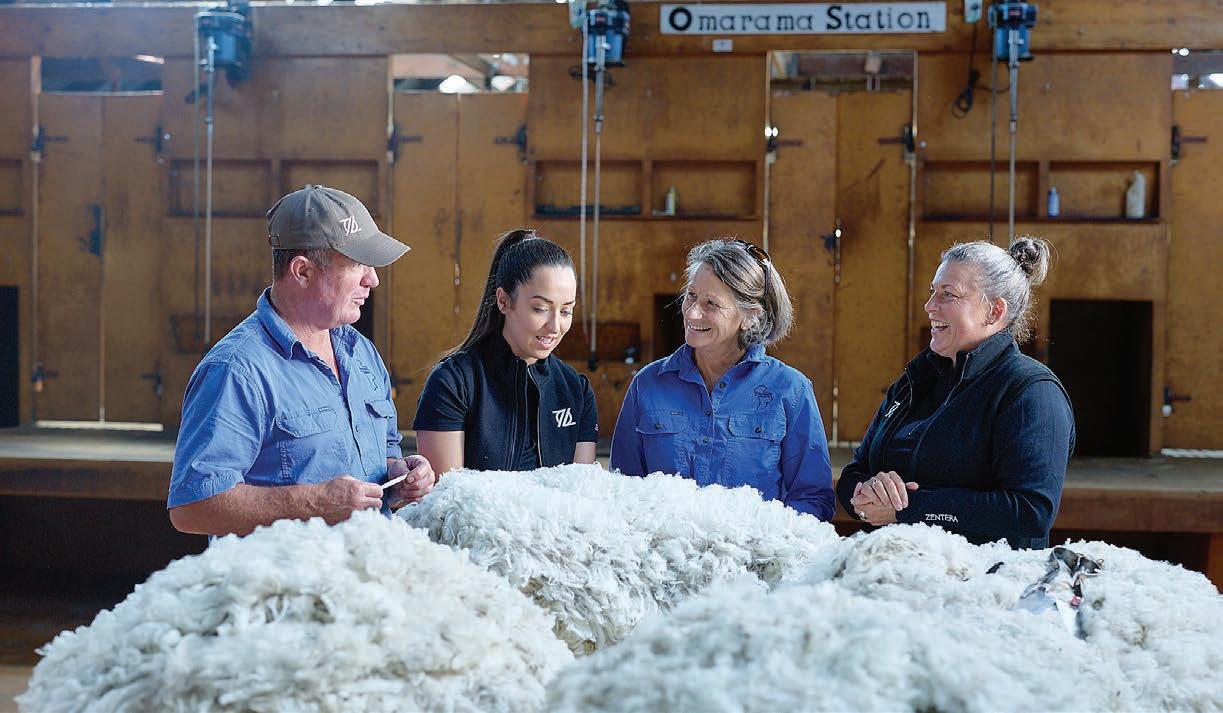
New name, same focus for NZ Merino
The New Zealand Merino Company has changed its name to the Zentera Wool Company, reflecting the fact it’s now a global wool procurement company. Pictured inspecting Merino wool at Omarama Station are station owner and Zentera board director Richard Subtil, Cassidy Gray of Zentera, station owner Annabelle Subtil and Nic Blanchard from Zentera. NEWS 12
Dairy farming leaders full of praise for outgoing Fonterra CEO.
3
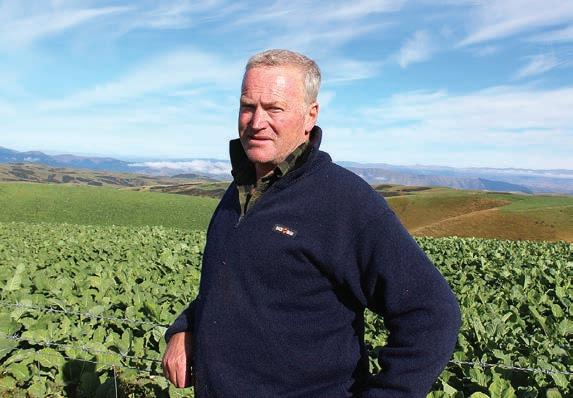
Nothing stands still and Beaumont Station is no exception. Owner Richard Hore says the 28,000 hectare Otago property is diversifying in order to be sustainable in changing times. ON FARM 10
Catchment Communities Aotearoa finally secures govt funding.
5
Nothing good happens in war-rattled markets, writes Allan Barber. OPINION 17








Nigel Stirling & Neal Wallace NEWS Trade
Get in touch
EDITORIAL
Bryan Gibson | 06 323 1519
Managing Editor bryan.gibson@agrihq.co.nz
Craig Page | 03 470 2469 Deputy Editor craig.page@agrihq.co.nz
Claire Robertson
Sub-Editor claire.robertson@agrihq.co.nz
Neal Wallace | 03 474 9240
Journalist neal.wallace@agrihq.co.nz
Gerald Piddock | 027 486 8346
Journalist gerald.piddock@agrihq.co.nz
Annette Scott | 021 908 400 Journalist annette.scott@agrihq.co.nz
Hugh Stringleman | 027 474 4003
Journalist stringleman@outlook.co.nz
Richard Rennie | 027 475 4256
Journalist richard.rennie@agrihq.co.nz
Gerhard Uys | 027 239 4388
Journalist gerhard.uys@agrihq.co.nz
Nigel Stirling | 021 136 5570
Journalist nigel.g.stirling@gmail.com
Isabella Beale | 027 299 0596
Multimedia Journalist isabella.beale@agrihq.co.nz
PRODUCTION
Lana Kieselbach | 027 739 4295 production@agrihq.co.nz
ADVERTISING MATERIAL
Supply to: adcopy@agrihq.co.nz
SUBSCRIPTIONS & DELIVERY 0800 85 25 80 subs@agrihq.co.nz
PRINTER
Printed by NZME
Delivered by Reach Media Ltd
Advertise
SALES CONTACTS
Andy Whitson | 027 626 2269
Sales & Marketing Manager andy.whitson@agrihq.co.nz
Janine Aish | 027 300 5990
Auckland/Northland Partnership Manager janine.aish@agrihq.co.nz
Jody Anderson | 027 474 6094
Waikato/Bay of Plenty Partnership Manager jody.anderson@agrihq.co.nz
Palak Arora | 027 474 6095
Lower North Island Partnership Manager palak.arora@agrihq.co.nz
Andy Whitson | 027 626 2269
South Island Partnership Manager andy.whitson@agrihq.co.nz
Julie Hill | 027 705 7181
Marketplace Partnership Manager classifieds@agrihq.co.nz
Andrea Mansfield | 027 602 4925 National Livestock Manager livestock@agrihq.co.nz
Real Estate | 0800 85 25 80 realestate@agrihq.co.nz
Word Only Advertising | 0800 85 25 80 Marketplace wordads@agrihq.co.nz
PUBLISHERS
Dean and Cushla Williamson Phone: 027 323 9407 dean.williamson@agrihq.co.nz cushla.williamson@agrihq.co.nz
Farmers Weekly is Published by AgriHQ PO Box 529, Feilding 4740, New Zealand Phone: 0800 85 25 80 Website: www.farmersweekly.co.nz
ISSN 2463-6002 (Print) ISSN 2463-6010 (Online)
News in brief
McRae elected
Southland farmer Matt McRae has been elected to the Beef +Lamb New Zealand board as a farmer director.
McRae, who runs a sheep, beef and dairy support business alongside a sheep stud at Mokoreta, received 5104 weighted votes.
Glen McDonald received 1552 weighted votes and Simon Davies received 811 weighted votes.
McRae is currently chair of BLNZ’s Southern South Island Farmer Council.
Confidence climbs
Rabobank’s first rural confidence survey for 2026 says farmer sentiment has inched higher, extending a lengthy run of elevated farmer confidence.
It found that more farmers expect conditions to improve than expect them to worsen. The latest survey found 39% of New Zealand farmers are now expecting the performance of the broader agri economy to improve in the year ahead (down from 40% in the previous quarter).
Credit platform
Financial consultant NZAB has launched a new credit platform designed to support farmers who fall outside traditional bank lending criteria.
The new platform, NZAB Capital, will provide first mortgage transitional lending solutions, typically over a three- to fiveyear term. This will help farmers execute on their development, expansion, or restructuring strategies before returning to conventional bank funding.
Levy to continue
Dairy farmers have voted to persist with the milksolids levy that funds DairyNZ, with 66% of participating levy payers supporting its continuation.
The result shows farmers support the work DairyNZ delivers on behalf of New Zealand dairy farmers, DairyNZ chair Tracy Brown said. Forty-seven percent of eligible voters participated in the levy vote.



Hurrell legacy: tough calls, transparency

DAIRY farming leaders say Miles Hurrell’s time at the helm of Fonterra will be remembered for the turnaround of the co-op after it found itself in a dire economic position.
He became CEO in 2018, and last week his resignation from the role was announced.
“Eight years ago, the co-operative was not looking pretty and there were concerns we were going to end up losing it,” said Federated Farmers dairy chair Karl Dean.
“Eight years ago, it was looking like it was going to have to be sold.”
In 2018 the co-operative reported a $196 million loss – the first in its history.
This was largely the result of paying out $232m to French food company Danone and writing down $439m on its investment in the Chinese infant formula company Beingmate.
He brought a “no bullshit” attitude to the role when communicating with farmers and was transparent and honest, Dean said.
Continued from page 1
the war at least 21 have been hit or targeted by Iran.
Emma Parsons, the chief executive of global freight company Kotahi, said schedules are being continually adjusted as shipping lines suspend services.
“Vessels are either being diverted to alternative ports or remaining at safe anchorage outside the conflict zone while carriers finalise their plans.”
In some cases, Kotahi’s customer cargo is being offloaded at regional hubs in Malaysia, China and India, while exporters decide how to get it to destination markets.
Parsons and Tan said container availability is not yet an issue.
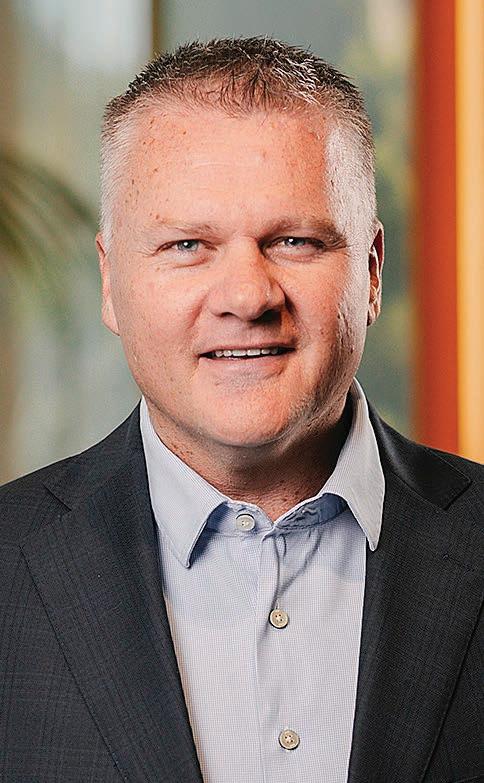
eight years and with the consumer sale finalised, now is a good time to step away.
“The stars were aligning from my perspective. We had a clear strategy and now was the time to have a think about it.”
He also cited family reasons and the chance for the new CEO to have a fresh look at the organisation. He said he intends to stay in New Zealand.
He was philosophical about the criticism of the consumer sale and his resignation announcement from New Zealand First leader Winston Peters.
“That’s the role he plays and he’ll pick up a couple of votes as a result.”
He might have lost a few votes as well because of his personal attacks, he added.
“When things weren’t good, he was honest about it. When the payout’s going down, he would tell us straight away, we don’t get dragged along. He didn’t try and hide anything.”
Speaking to Mike Hosking on NewstalkZB, Hurrell said he had not intended to be in the role for
Parsons said New Zealand’s container supply comes from Asia, Australia and the US.
Last week the Farmers Weekly reported Silver Fern Farms chief executive Dan Boulton signalling an “easing” in farmgate prices as exporters grapple with spiralling shipping charges.
The Kiwi dollar already has been reassessed downwards, but it could become more material if the war continues and is protracted.
Doug Steel BNZ
Peters was factually incorrect in claiming there are bonuses attached to the sale completion, he said.
“There are no bonuses attached to the sale process.”
The sale was the right thing to do and was overwhelmingly supported by Fonterra farmers, he said.
Fonterra Co-operative Council chair John Stevenson said
AgriHQ senior analyst Mel Croad agreed the currency moving lower is a tailwind for exporters but said the day-to-day volatility in the exchange rate makes it difficult to lock in any gains.
“At the moment, around 57-58 cents US, it might be enough to halt the decline in prices being signalled by the meat exporters.
“However, the key is the continued volatility.
“The exchange rate is swinging daily and until this levels out, it is hard to rely on it for pricing direction,” she said.
Croad said a “sustained” drop in the exchange rate to US$0.55 is probably what it will take for exporters to “provide some pricing support” to farmgate prices.
Hurrell had taken on the job at a challenging time for the co-operative.
“Things certainly in those first few years weren’t easy. As farmers and as owners we were hurting and there were some pretty tough conversations that were had and tough decisions that needed to be made.”
When things weren’t good, he was honest about it. When the payout’s going down, he would tell us straight away, we don’t get dragged along. He didn’t try and hide anything.
Karl Dean Federated Farmers
Hurrell’s leadership in making tough decisions and turning Fonterra around will be a big part of his legacy, Stevenson said.
While the announcement took him by surprise, the timing makes sense, he said. Hurrell has been in that demanding role for eight years and is leaving Fonterra in a strong position as it heads into a new direction after the sale of its
consumer arm to Lactalis.
“Miles felt like it was the right time and, on reflection, it’s hard to disagree with that.”
Hurrell’s ability to connect and communicate with farmers was another of his strengths, Stevenson said.
“Our farmers are now a lot closer to their co-operative. Miles has been available and I feel like he has built that connection and trust between farmers and their co-operative.”
The fundamentals of the business are in an extremely strong position as he steps down.
Dean said he hopes that level of transparency remains with whoever steps into the role after Hurrell’s departure.
“Farmers will want to see someone very similar to Miles.”
Fonterra chair Peter McBride said Hurrell had given a six-month notification of him stepping down to enable an organised leadership transition.
“Board and management regularly discuss succession as part of good governance practices. We are confident we can run a robust selection process and appoint a new CEO in the coming months.”



BONUS: A fall in the Kiwi relative to the US dollar acts as a buffer to falling returns for exporters, says BNZ senior economist Doug Steel.
Gerald Piddock PEOPLE Fonterra
TOUGH: Fonterra CEO Miles Hurrell’s leadership was defined by making tough decisions, dairy farming leaders say.
War flags need for NZ food security plan

Gerhard Uys NEWS Food and fibre
THE United StatesIsrael war on Iran is accelerating the need for a national food security plan in New Zealand, says Eat New Zealand CEO Angela Clifford. Clifford told Farmers Weekly that concerns around access to fuel and fertiliser are real, but it would be a mistake to frame food security as just our ability to access and store fuel and fertiliser.
She said the inability of Kiwis to access our own food seems to have accelerated recently, and referred to the proposed closure of Heinz Wattie’s factories and recent media reports about US butter sold on local shelves.
“We are hollowing out our capacity to be food secure by not producing our own food.
“We’re exporting high quality protein and importing lower quality food.”
She said shipping woes during the covid pandemic, when
exported products were returned to NZ shores, highlighted our inability to find supply chains for food into the domestic market.
The same is now occurring with produce being turned back or having to be redirected to alternative markets.
Supermarkets should find avenues to use such food in home brands, she said.
New Zealand’s reliance on fossil fuels has been highlighted by the war, but it shows us that there are opportunities to invest in the electrification of farm systems to create resilience.
In the short term politicians will find it hard to look beyond the immediate crisis to topics like food security, but voters’ views of what they find important in the long-term shift during a crisis, and this could play out during the elections, she said.
We need long-term thinking and should stop lurching from crisis to crisis, she said.
Asked about concerns around getting food to market, a Woolworths NZ spokesperson
told Farmers Weekly the company is watching the situation in the Middle East closely.
“At this stage our stock levels and pricing have not been affected but we continue to monitor it.”
Chief executive of Horticulture
New Zealand Kate Scott said the conflict in the Middle East concerns growers because it affects access to fuel and fertiliser and increases prices.
It also adds costs to getting produce to market, Scott said.
She said growers can take on additional costs for only so long and then increased costs will flow on to consumers, a real concern given cost of living issues in New Zealand.
“Domestic food security is heightened in times of global disruption, because New Zealand is a long way from markets.
“If shipping and supply is impacted and we can’t provide that food from locally grown sources then our ability to access it only becomes harder and often more expensive,” Scott said.

Are you comfortable with Kiwis buying imported butter because it is cheaper than NZ-made?
Global dairy market reflects cautious buying
Staff reporter
THE 400th Global Dairy Trade auction had a small 0.1% lift in the price index, suggesting cautious buying behaviour in the continuation of heightened global uncertainty and ongoing disruption around the Strait of Hormuz, rising oil prices and freight availability.
NZX head of dairy insights Cristina Alvarado said the auction showed a shift in regional demand composition.
North Asia reduced its
participation to 23% of total purchases – down from 32% at the previous auction. This is despite persistently low SMP inventories in China.
Instead, demand rotated towards Oceania, South/Central America
With ongoing geopolitical instability influencing trade flows, buyer behaviour is becoming more tactical.
Cristina Alvarado NZX
and the Middle East, all of which increased their share of purchases and played a key role in supporting prices across several product categories, Alvarado said.
“From a commodity perspective, this divergence was clearly reflected. SMP emerged as the standout performer, rising 5.2% across all contracts despite a 20.7% increase in Fonterra offer volumes.”
Strong bidding indicated firm demand, aligning with broader global dynamics where United States non-fat dry milk markets are also trading at elevated levels.

In contrast, WMP declined 4%, with losses across all contracts.
While early bidding activity was relatively firm, demand softened more quickly, suggesting that key buyers – particularly north Asia –were less active, she said.
“This is consistent with the regional shift observed, where traditional WMP-driven demand was replaced by more diversified buying across other regions.”
The result also came in below derivatives expectations, highlighting weaker than anticipated follow-through from futures pricing.
The exception was milk fats, with
AMF surging 6.4%, significantly outperforming expectations, with the Middle East accounting for over 40% of purchases.
This suggests active restocking behaviour, likely driven by both logistical uncertainty and disrupted trade flows into the region, Alvarado said.
Butter, however, eased 0.9%, indicating a degree of divergence despite similar underlying drivers.
The auction reinforced the theme of price direction being increasingly shaped by regional demand shifts and logistical risk, rather than purely by supply fundamentals.
ACTION: Eat New Zealand CEO Angela Clifford says we should stop lurching from crisis to crisis and focus on a national food security plan.
Photo: Pexels
Dollars unlocked for catchment groups

Richard Rennie NEWS Environment
ALMOST eighteen months after forming, Catchment
Communities Aotearoa
has finally secured the $12.5 million funding needed to help catchment groups around the country keep functioning.
For many groups, funding is due to run out in June, and in some cases funding is already exhausted.
Catchment Communities
Aotearoa (CCA) chair Ben Ensor acknowledged the significant length of time that has passed since the CCA was formed expressly to oversee the management of funding out to groups.
He still has reservations about how the money will be distributed.
“The $12.5m is about what we had asked for to keep the lights on for groups.
“However, for several groups this
will still represent a considerable cut, compared to the funding they have received in the past.”
Between 2020 and end of Labour’s term, over $47m was committed expressly to catchment group formation and projects through the Ministry for Primary Industries and the Jobs for Nature funding programme.
This included Thriving Southland regional catchment collective receiving $2.4m. It now has 37 catchment groups under its wing, providing back-room and administrative support.
Ensor said there are also reservations about how the $12.5m will be allocated around groups, with the government leaving little time to establish funding formula and processes.
“This is running on a case-bycase basis. MPI are working to talk to groups about funding needs, but longer term we want to see a more formulaic process for allocation set up.”
He said he has had undertaking from the minister for agriculture
and MPI that there will be further operational funding beyond the first year for a similar amount.
“A positive is that the funding will now be advanced through MPI alone, whereas before it was run through MPI and Ministry for the
Covid reset farm costs for worse: report
formers continued to widen, pointing to significant untapped productivity potential on New Zealand farms.
THE cost of running a New Zealand farm is 27% higher than before covid – a permanent shift in the economics of farming, ANZ research says.
The bank’s latest Agri Insights report shows that price increases in labour, fertiliser and other core inputs has driven these costs up and farmers have had to lift productivity just to stand still.
The report analysed the financial performance across more than 4000 dairy, red meat, kiwifruit, arable and pipfruit customers and compared the 2020-2024 period with the previous five years.
It found that the gap between average farms and the top per-
It found that productivity, not scale, is the defining separator between average and top-performing farms, with leading operators consistently generating materially higher earnings per hectare through system optimisation rather than expansion.
Across all major sectors, the strongest financial outcomes were linked to disciplined reinvestment through the cycle, with top farms maintaining cash generation and balance-sheet capacity even as cost pressures rose.
ANZ NZ’s managing director of business and agri, Lorraine Mapu, said the higher costs now associated with farming do not




unwind when inflation cools.
“The standout performers aren’t necessarily expanding or taking bigger risks – they’re the ones who know their system well, time their spending carefully, and keep finding small productivity gains year after year.”
Rising costs have not been even across the sector. Kiwifruit and dairy recorded the largest increases, reflecting their labourintensive nature and the impact of wage pressure during and after covid.
Despite this, both sectors were able to offset higher costs through strong revenue growth and productivity improvements.
Kiwifruit delivered the strongest revenue growth of all sectors, with total farm income rising 59% between the two periods, driven
Environment, which should make it a lot more straightforward. This is the arrangement we had always wanted.”
With more than 250 catchment groups around the country and 220 represented through the CCA,
Ensor said there is still potential for more to be established.
“But I would suggest this is the absolute minimum amount groups can work with. If government wants them to grow faster, they will need to put more money into them.”
CCA is still on the hunt for a further $12m to invest into special projects – and Ensor said there is no indication this funding is in the pipeline.
“It is something we will continue to keep talking about with government.”
Richard Kyte, group leader for the Thriving Southland catchment collective, said his group could not have gone far beyond June without further funding.
Thriving Southland employs eight full time staff who needed to know their wages were covered.
“For me the biggest challenge from here is to keep the groups’ momentum going, and that is where project funding comes in. A key focus will need to be finding that.”
largely by maturing post-PSA plantings and higher orchard productivity.
Dairy farms also delivered solid gains, with higher earnings per hectare achieved through improved milk production per cow and better herd performance, rather than expansion.
Red meat farms saw more
modest income growth, with rising costs largely offsetting revenue gains and leaving median earnings slightly lower than pre-covid levels.
The gap between average and top-performing red meat farms remained pronounced, with leading operators earning around 80% more per hectare.













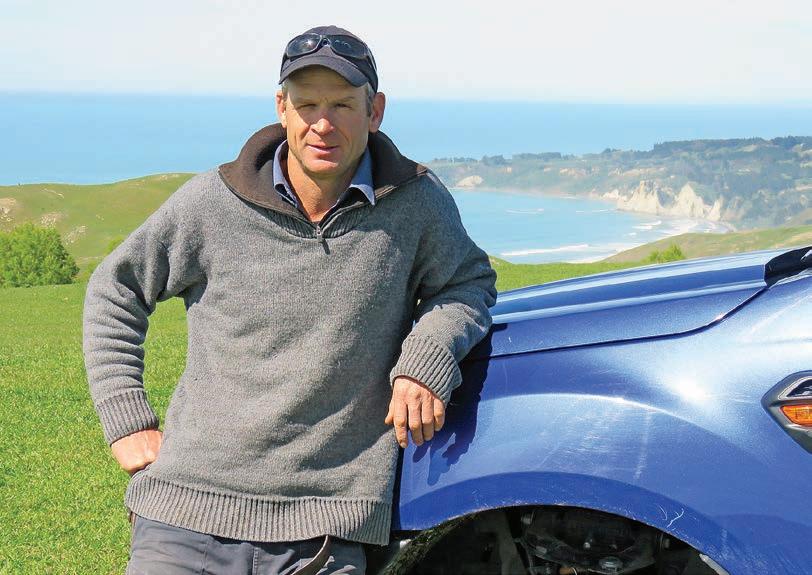
INJECTION: CCA chair Ben Ensor says the $12.5 million secured for catchment group allocation is welcome, but still only just enough to keep groups functioning, with project funding still needed.
Staff reporter NEWS Agriculture
NORM: An ANZ report shows that the high farm costs seen during and after covid have become the new normal.
Cattle as a Grazing Tool for a High-Performing Sheep System
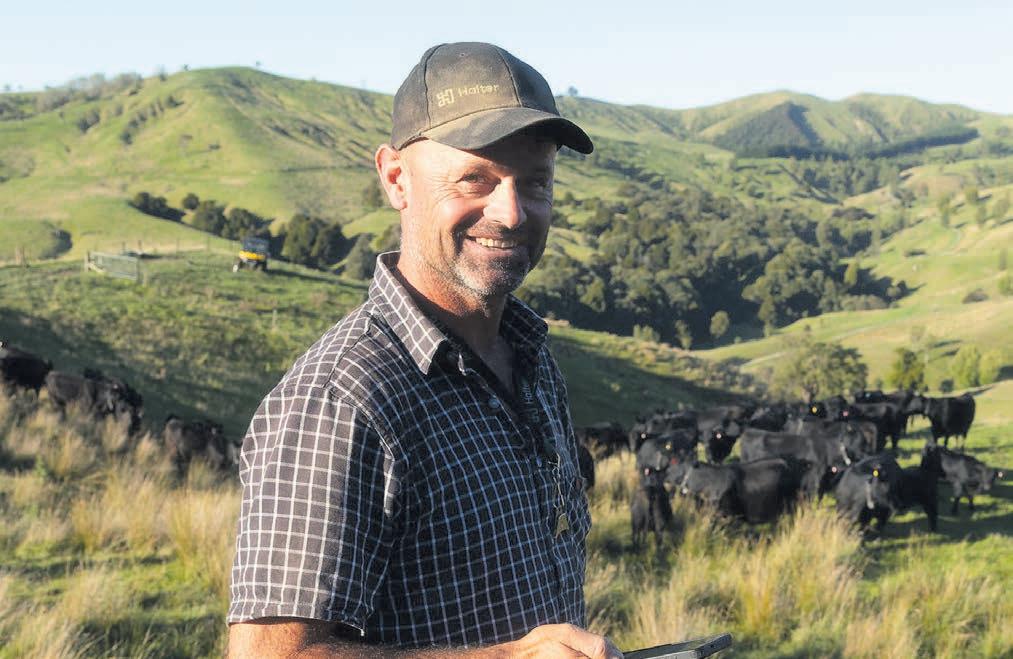
Halter has brought precision grazing control, grooming pastures for sheep and enabling more targeted feeding of the right animal at the right time for Wairarapa sheep and beef farmer Richard Tosswill.
Farming Te Awaawa at Gladstone in the Wairarapa, the property thrives off the back of the profit-making machine – a high performing ewe flock But cattle play a key role in creating the right feed for the sheep
At 646 hectares (622ha effective) the farm is predominantly hill country with about 40ha cultivatable They run 2700 Romney Texel breeding ewes and mate ewe hoggets annually There are 110 Angus breeding cows and 25 replacement heifers currently wearing Halter collars
Each year they run 150-250 trade cattle, which are not wearing collars, but in a perfect world Richard says he would have all his cattle on Halter
system that minimises the impact of a dry season and puts them on the front foot heading into summer
The drought factor is always in the back of Richard’s mind and, over the years, they have dropped capital ewe numbers to accommodate more flexible trading stock The sheep to cattle ratio has gone from 80:20 to about 65:35 This move has made the business more resilient, Richard says For Richard, the real gains are in his pasture management He’d always dreamed of being able to back fence hill country Now that is a reality
“Every farmer would love to be able to back fence hills You do it on the flat because you know you can grow

Intensively grazing his early country, using the right mouths to clean up resulted in “clover for Africa” and, while it has only been one season, lambs this season have been impressive
“The more we can get on top of the pasture, it’s critical to getting pasture nice and open for the autumn rains, it’s important for sub clover ”
Richard didn’t factor in a huge upside in cattle income by using Halter but conservatively estimates that he can put an extra 10-20kg on weaners through the use of ‘creep grazing’
It’s about this time of year that he mobs cattle up and puts them to work in 10ha paddocks. Now he has the ability to hold them in 1-2ha breaks.
Every farmer would love to be able to back fence hills. You do it on the flat because you know you can grow more grass behind; that’s the thing I have loved about Halter. It makes you look at your paddocks differently and ask, how can I get better grazing out of that area?
Te Awaawa is a high performing property, Richard and wife Becks are past winners of both the Ballance Farm Environment and the Wairarapa Farmer of the Year awards, and Richard has never been afraid to think outside the square and challenge the norm The return on investment with Halter lies in the whole farm pasture performance and better pasture management, using cattle as a grooming tool. While it is early days, as they have only been running Halter since May last year, Richard is loving it so far
For the Tosswills, they farm for their biggest risk factor, which is the summer dry They have worked to create a farm
more grass behind; that’s the thing I have loved about Halter It makes you look at your paddocks differently and ask, how can I get better grazing out of that area?”
Sheep generate the lion’s share of the income at Te Awaawa and lamb performance is the priority He admits he was initially somewhat sceptical about the return on investment of Halter
They worked conservatively on the fact Halter would enable them to grow more grass, leading to better condition stock and hopefully flowing through to a higher weaning weight The modelling gave him the confidence to try Halter
“They are strip grazing paddocks really, and we are back fencing behind them.
Whatever we have just grazed well then has the chance to spell.
Come autumn time you see a feed wedge building behind them.”
Creep grazing means the collared cows are confined to their 1-2ha strip working, while weaners are free to wander ahead, taking the best pick of the grass.
“They’re going quite far, then at breakfast and dinner time they’re back on mum for a drink.”
He believes farming is about allocating the best feed to the right animal, and Halter allows him to do that
“By holding the cows back to do what a cow is bred to do in this environment I’m able to provide the best feed to the weaner, which is
satisfying For example, I have some new grass paddocks but there’s areas the tractor can’t get over and hill faces that remain rough Now I just ring fence the hills for the cows and the weaners are all on the new grass ”
It also means he can easily keep cattle out of sensitive areas, such as waterways, new trees and limestone swamps, which cattle can make a mess of and turn into death traps for sheep
He believes there are safety benefits in using Halter for first calvers, which he used to calve behind a wire Instead of having to wind up a reel to let the heifer and calf through, a potentially dangerous situation, he now simply pauses the collar, allowing the heifer to walk off with her calf
Halter has also got him fizzing about new possibilities of running cattle as part of a hill country operation
Richard is already considering potential applications, like using virtual fencing to replicate a techno system, but on the hills.
“It’s a whole new opportunity on the hills, who’s to say we can’t have bulls or finish steers on hill country ? We could have some form of cell system, if we can get the water right, which is quite exciting.
“A breeding cow is naturally quite inefficient; there’s a long period she’s not doing a lot. If you could have a finishing animal go through, but do the same sort of job grooming, it’s got to be more profitable I think of all these things we can and will potentially unlock over the next few years.”
Words by Rebecca Greaves


Richard Tosswill
Te Awaawa , Wairarapa
Acland highlights turning point for sector

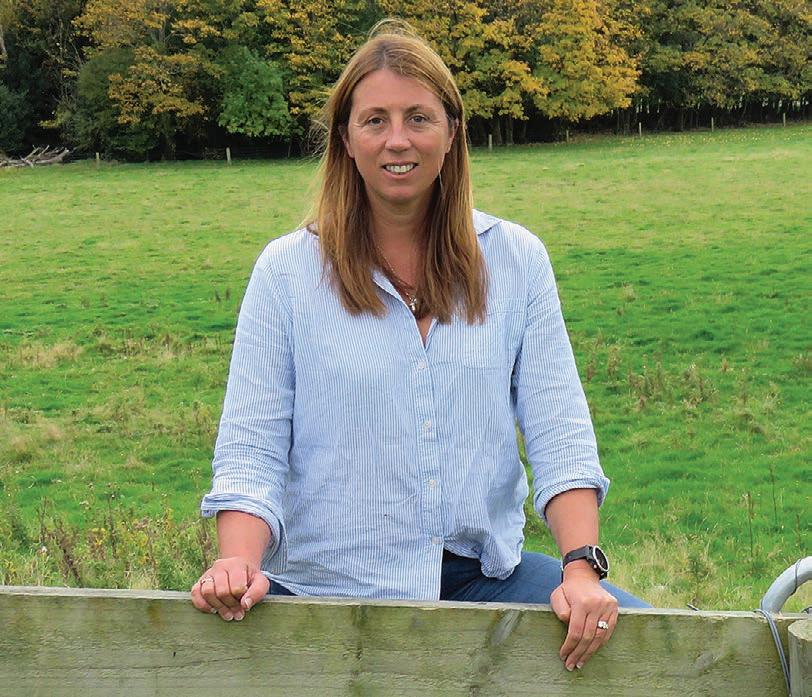
THE past year has marked a significant turning point for New Zealand’s sheep and beef sector with sentiment among farmers and rural communities making a notable shift.
“It’s safe to say a look back at the 2024-2025 financial year is significantly different to the previous year moving from profitability challenges, the impact of declining sheep numbers, and a weaker Chinese economy. The year marked a real turning point,” Beef + Lamb NZ chair Kate Acland told the annual general meeting in Timaru.
“The conversations I’ve been having with my fellow farmers have been quite different, instead of being all about day-to-day challenges, there’s more talk of planning for and investing in the future.
“It has been heartening to see confidence return, driven by prices and global exports rebounding strongly with growth across most major markets.”
Factors such as on-farm inflation and reduced input costs have also contributed to improved sentiment.
Another factor Acland highlight-
ed was the regulatory environment farmers operate within.
“This financial year saw a degree of certainty return with some positive developments.”
Advocacy also proved “incredibly important” to farmers.
“In our regular surveys it consistently tops the list of functions farmers think BLNZ should be focusing on.
“The past year has been marked by a more balanced conversation about environmental policy with greater recognition that productive, profitable farming and strong environmental outcomes must go hand in hand with the farmer voice critical to informing those conversations. We influenced a lot of decisions.”
Looking ahead, Acland said strong demand combined with constrained global supply suggests more stable pricing for the foreseeable future.
“The international trading environment remains volatile but I’m confident our exporters’ long-term investment in strong diversified trading relationships will stand us in good stead.
“This year I set the board and staff the challenge of thinking about our longer-term ambitions for the sector.
“We’re looking ahead to 2035 and how we can ensure a thriving, sustainable sheep and beef sector.
“We know that our most profitable hill country farmers consistently outperform land uses such as forestry and carbon farming over the long term.
“We’re therefore focused on building opportunities to shift the dial on profitability so sheep and beef remain the land use choice for our hill country and enhances out sector’s status as NZ’s second largest export sector.
Future-ready systems are about
















turbo-charging data and insights where there are transformative opportunities afforded by technology to drive genuine adoption ensuring the regulatory headroom needed to grow and succeed.
“When farmers have the confidence to invest in innovation, new technologies, sustainable practices and the long-term growth of their businesses, that can only mean good things for their communities and for NZ.”
Instead of being all about day-to-day challenges, there’s more talk of planning for and investing in the future.
reflected on his first full year in the role and provided more detail on achievements across the breadth of BLNZ’s work.
“My focus has been on ensuring BLNZ is operating at its best for farmers and I’m pleased to say that we’ve seen farmer satisfaction rise.
“We know small group learning has the biggest impact, so we launched focus groups and hub farms while we’re also harnessing technology to revolutionise the way farmers find the information they need.”
Thomson noted the 75th anniversary of BLNZ’s Sheep and Beef Farm Survey, the gold standard for independent farm performance insights, as a particular source of pride.
Chief operating officer Cros Spooner was acknowledged for his 22 years with the organisation as he presented the financials for the last time ahead of his retirement.



BLNZ chief executive Alan Thomson
Annette Scott NEWS Sheep and beef
CONFIDENCE: Kate Acland says it has been heartening to see confidence return, driven by prices and global exports rebounding strongly.
Kate Acland BLNZ
Rural wellbeing gets $4m helping hand

AGRICULTURE Minister
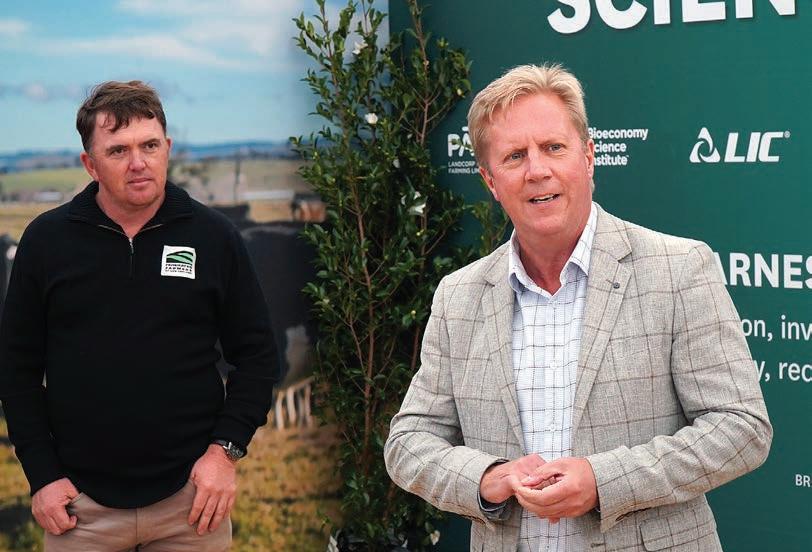
Todd McClay has announced almost $4 million in funds for a range of rural wellbeing initiatives.
Speaking at Central Districts Field Days last week, McClay said the 18 community-based initiatives will be supported through the Rural Wellbeing Fund, which was established last year.
“These initiatives will ensure farmers and growers have the support they need to thrive,” McClay said, announcing the $3.97m funding package.
Mental Health Minister Matt Doocey said the government is committed to delivering faster access to mental health support, including for the one in five people who live in rural communities.
“We’ve focused on supporting proposals that can have the greatest impact on the ground, as
well as new initiatives targeting gaps.
“Partnering with grassroots organisations enables the government funding to go further and make a real difference.”
New Zealand Young Farmers board chair Kate Denholm said the funding boost will help the 60 NZYF clubs around New Zealand to continue to support young people.
Craig Wiggins from Lean on a Gate, Talk to a Mate said many organisations providing mental health services spend a lot of time worrying about funding, and this boost will allow them to focus on what really matters – helping those who really need it.
“Instead of waiting for them to fall off the cliff and catching them at the bottom of the cliff, with this Lean on Gate Talk to a Mate campaign we can actually catch them inside the farm gate and take them to the likes of the Rural Support Trust, or wherever they may need help from.
“This will make a difference in rural New Zealand.”
Wiggins said the organisation will use the investment to train those rural professionals who have relationships with farmers already, giving them a toolkit to identify when someone is in need and steps to take to link them with the appropriate help.
“If you’re a stock agent, you don’t actually have a professional relationship until you have a personal one. They are in a trusted space. They are the ones that get to have these conversations. However, it’s become quite apparent that a lot of them say, ‘I’m not geared up for this’.”
Wapiti, sika herd plan popular
Gerhard Uys NEWS Environment
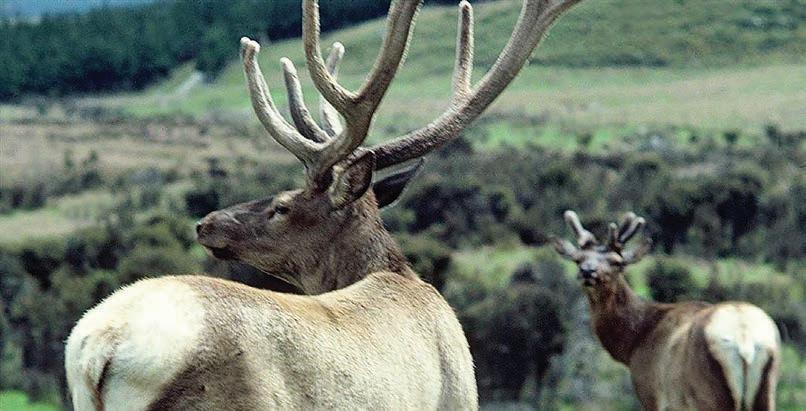
PUBLIC submissions on Herds of Special Interest have been overwhelmingly positive.
Minister for Hunting and Fishing
James Meager said a summary of submissions made on the proposed sika and wapiti draft herd management plans released by the Department of Conservation showed that more than 60% of submissions supported plans for both wapiti and sika Herds of Special Interest (HOSI).
More than 700 submissions were made.
A HOSI is a herd of game animals on public conservation land that’s formally designated by the Minister for Hunting and Fishing to be managed for hunting, while ensuring conservation values continue to be protected.
Meager said next options will be developed to revise the draft plan based on submissions, along with ongoing conversations and follow up engagement with key agencies.
He would consider the feedback
and updates before making any decisions on the plans, and whether to designate the two proposed HOSI.
He expects to decide on the matter by July.
The general manager of the Fiordland Wapiti Foundation, Roy Sloan, told Farmers Weekly that for the HOSI management plans to be passed, the Game Animal Council Amendment Bill also still needs Royal Assent.
Sloan said if HOSI gets the
green light then it still needs to be decided whether the Game Animal Council or DoC will oversee it.
The Fiordland Wapiti Foundation and the Sika Foundation will implement management for whatever department oversees it, he said.
A HOSI is overall positive because it puts environmental and forest health front and center, with the science to measure forest health also being compulsory, Sloan said.
A

of
more than


Bryan Gibson NEWS Community
PACKAGE: Federated Farmers president Wayne Langford and Agriculture Minister Todd McClay announced a $3.97 million funding package for rural wellbeing at Central Districts Field Days.
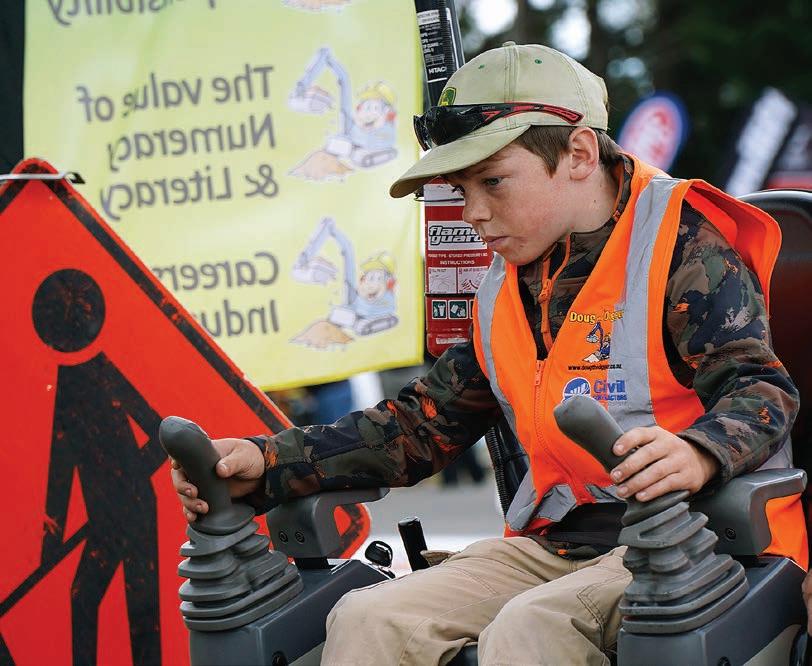
EASY DOES IT: Earl Jaspers, 11, from Martinborough, learns the finer points of digger handling at Central Districts Field Days.
Photos: Bryan Gibson
DRAFT:
summary
submissions made on the proposed sika and wapiti draft herd management plans released by the Department of Conservation showed that
60% of submissions supported plans for both wapiti and sika Herds of Special Interest.
Photo: DoC
Consultants, farmers hit if Overseer fails
Richard Rennie TECHNOLOGY Software
FARM consultants are warily eyeing Overseer’s future – and the risk they may be the biggest losers if the software system runs out of funds.
The nutrient management software company has posted three consecutive six-digit annual losses and has embarked on a $140,000 search with PwC to identify new revenue sources to pull it back into the black.
Overseer runs on a subscription basis with farmers in the Lake Taupō and Rotorua Lakes district catchments among those compelled to subscribe to the $750-a-year service as part of their compliance with regional council nitrogen limiting regulations.
Rotorua-based farm consultant Dr Alison Dewes said the compulsory subscription is a private business cost farmers are incurring for a software service delivering a public good, in terms of nutrient information and knowledge.
“And they are not the only farmers, there are also farmers in catchments including Horizons required to pay.”
But alongside farmers’ subscriptions are those of rural professionals also using the service.
She estimated about 2000 had trained to use and deliver it to farmer clients, at a cost of $20,000$30,000 to those consultants.
“There is very much a case there for greater public funding to support it. It remains a significant repository of farm data over a long period of time and can give a progress report on a farm’s progress in managing nutrients.”
The Ministry for Primary Industries as an overseeing agency for Overseer has shown little appetite for investing funds to boost Overseer’s ability to remain viable and upgrade its nitrogen modelling capacity.
After last year’s loss was announced, Minister of Agriculture
Todd McClay told Farmers Weekly that, as with many organisations the Crown has a stake in, Overseer is compelled to live within its

means while seeking additional revenue sources.
Farmers Weekly understands that with over two-thirds of the financial year behind it, Overseer is creeping towards a near breakeven outcome by year end June.
Rob Macnab, a Waikato farm consultant and Institute of Rural
Professionals board member, said he had to complete a two-stage nutrient management course to use Overseer effectively and believes the $20,000-plus price tag for consultants is “about right”. He said it is time for regional councils to kick in funding to keep Overseer a valid tool.
Signs of welcome trade shift as WTO meets

A STRING of recent major trade deals is giving some cause for optimism ahead of a meeting of global trade ministers later this week.
Ministers from the 166 members of the World Trade Organisation will meet in Cameroon, Central Africa, to try to make progress on everything from reducing tariffs on farm exports to abolishing fishing and agricultural subsidies.
Trade Minister Todd McClay will have a key role as one of three vice-chairs, following on from his efforts brokering a moratorium on duties on transnational
e-commerce transactions at the last WTO meeting two years ago in Abu Dhabi.
Extending the moratorium is one of the few tangible results from more than a decade of WTO meetings, which have become hostage to the global body’s consensus-based decision-making.
At the Abu Dhabi meeting efforts to rein in a trillion dollars in global agricultural subsidies were blocked by India after members refused to support its bid for a permanent exclusion from WTO limits for subsidies paid to its farmers for the purposes of building the country’s food reserves.
Labour’s trade spokesperson, Damien O’Connor, who will accompany McClay to the
Cameroon meeting, said United States President Donald Trump’s tariffs had undoubtedly been a setback for the global trading system.
But a string of recent trade deals by previously staunch protectionists in India and the European Union indicated the ground could be shifting as countries search for alternatives to trade with the US.
O’Connor is hopeful this newfound enthusiasm for free trade could reignite negotiations at the WTO.
“Despite the turmoil there has been some good progress on international trade agreements as the reality hit that we are interdependent across many nations,” he said.
“Overseer is often imposed upon farmers in catchments, and the data informs councils’ nutrient flows in their catchment in general.
“But I suspect they will plead poverty if required.”
AgFirst chair and farm environmental consultant Erica van Reenen said Overseer has had significant public investment over the years with farmers and consultants already feeling they are paying twice by also subscribing to it.
“The challenge is who should pay for it. Is it about a collective good?
“It’s not a 100% public service, farmers should internalise some of its cost, but it is a reliable blend of private and public funding that delivers good outcomes. It is whether it’s regional or central government.”
Regional council input to Overseer funding is one source its CEO has confirmed in the past to be considered as an option.
The PwC report commissioned to examine new revenue streams is due out in the coming month.
O’Connor said as a small country that sells most of what it produces overseas, New Zealand is heavily dependent on the global system of trade rules agreed at the WTO and has little option but to get behind the global body despite its lack of progress in lowering trade barriers in recent years.
That includes support for efforts to bring the WTO’s dispute settlement system back online after it was derailed by the US’s refusal to approve judicial appointments under president Barack Obama.
A back-up system is in play but does not cover the entire membership, which O’Connor said is not ideal for NZ.








COSTS: Farm consultant Dr Alison Dewes says the compulsory subscription is a private business cost farmers are incurring for a software service delivering a public good.
Nigel Stirling MARKETS Trade
SYSTEM: Labour’s trade spokesperson, Damien O’Connor, says US President Donald Trump’s tariffs have undoubtedly been a setback for the global trading system.
Diversifying to meet changing times
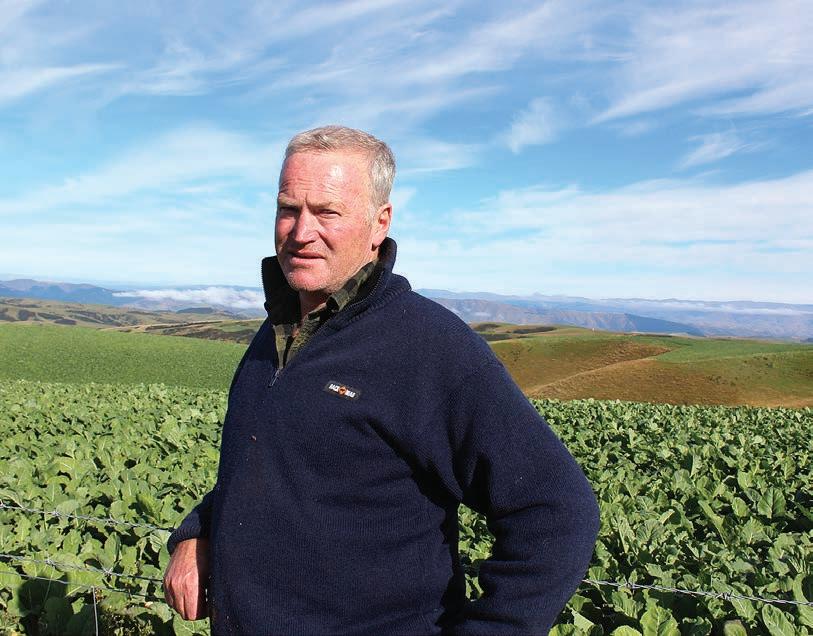
Nothing stands still and Beaumont Station is no exception. Owner Richard Hore tells Neal Wallace the 28,000ha Otago property is diversifying in order to be sustainable in changing times.
FOR more than 50 years the Hore family have tamed Beaumont Station, turning it into an extensive hill country station with the productivity of a lowland farm.
The family bought the 28,000 hectare Otago hill country station and Richard’s parents, Alan and Jean, moved there in 1972.
For the next 50-plus years they successfully applied a recipe of breeding, fencing, applying fertiliser, developing lanes, and pasture renewal to achieve production comparable with a lower altitude property.
Richard has been working on the farm for as long as he can remember.
For the past couple of decades he and wife Abby have actively managed the station and driven improvements alongside Alan and Jean.
Two years ago Richard and Abby took over ownership, bringing with them a philosophy of watching costs, focusing on quality, maximising production off fewer animals, and introducing technology and diversification such as forestry.
Beaumont sits above the Clutha River on the boundary between south Otago and central Otago, providing a mix of the warm central Otago climate and reliable south Otago rainfall.
“We’ve never had to destock because of drought,” Richard said.
The station ranges in altitude from 100m above sea level in the Clutha River valley at the southern end of the property, to 1200m above sea level in the Lammerlaw Range, which sits above the Maniototo basin to the north.
It is 35km in a direct line from the homestead to the Taieri River, the northern boundary.
In between is a mix of forestry above the river, native bush and developed rolling paddocks and native tussock blocks.
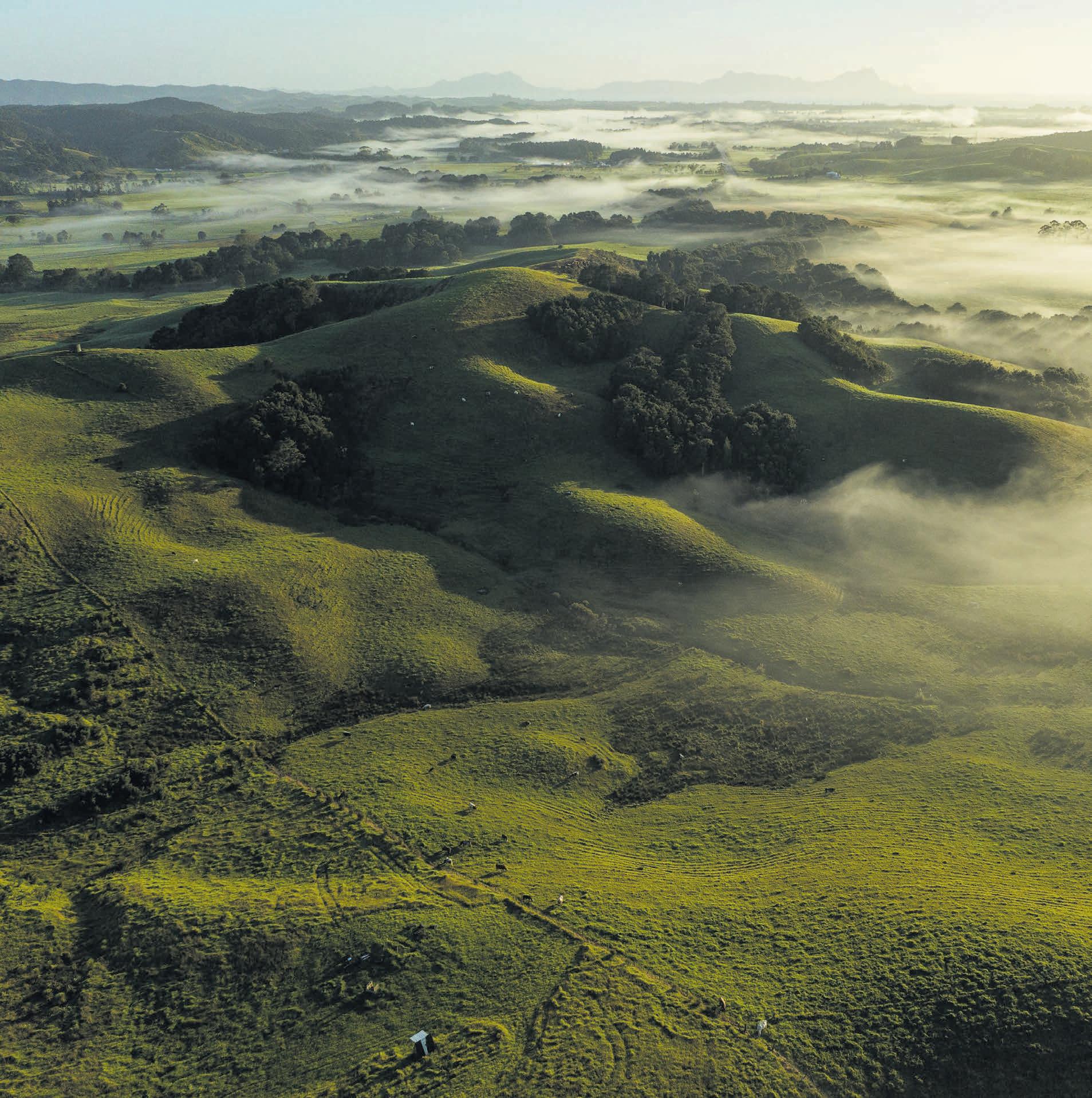
About 6500ha is freehold and the balance pastoral lease. Almost a third of the property has been cultivated or oversown and top-dressed.
Beaumont runs 2500 breeding cows and about 17,000 breeding ewes, the sheep a mix of 9000
halfbred and quarter-bred mid micron ewes and the balance crossbred Romdales and Romneys.
The station employs 10 fulltime staff and some casuals.
It also breeds and produces its own horses, some used for station work and others sold for sport horses.
Abby and their daughters Jessica, 18, and Grace, 16, pursue showjumping, with Jessica this year winning the Gallagher Insurance 1.3m Horse Memorial Championship National showjumping title on Beaumont Casanova.
We have had to diversify to be sustainable in changing times.
Hore
Jessica has recently stepped him up to Grand Prix showjumping level (1.4-1.5m level).
Richard and Abby also have a son Tom, 13, who is already showing an interest in farming.
Ewe numbers on Beaumont have been reduced due to the introduction of forestry and a change in sheep breeds, steps Richard said were needed to be economically sustainable.
He will focus on getting the same or more production off fewer ewes at lower cost and requiring fewer staff hours.
A significant proportion of
finishing stock is fattened on Beaumont, and since 1993 they have owned Marydale, a 460ha intensive downland property near Balclutha which is used for finishing.
About 3000 lambs and 900 cattle are finished at that property in late summer and autumn.
About 10,000 mid micron lambs are shorn then killed in spring at 22-25kg carcase weight.
Fine wool, ranging from 21 micron to about 24, and is sold through the NZ Merino Company, now Zentera, for various contracts.
Keen to keep a lid on costs, Richard is conscious that producing mid micron wool accounts for more than two-thirds of his wool cheque.
That concern reflects his broader philosophy.
“We have cut back on ewe numbers to focus on quality and production instead of numbers,” he said.
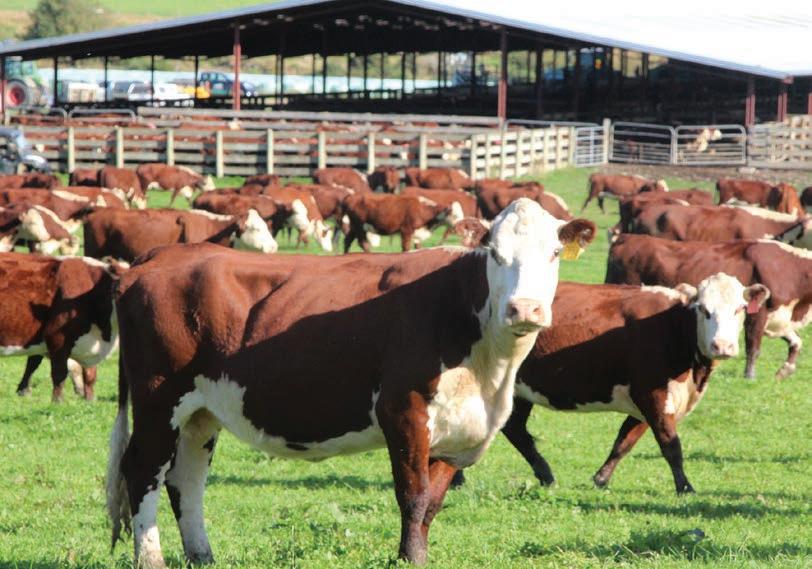
Hereford cattle have traditionally been a significant part of Beaumont Station.
Steer calves are kept on the station through the first winter before being trucked to Marydale and killed from 18 months to two and a half years of age, at about 330kg carcase weight.
Those taken through a second winter are fed fodder beet at Marydale.
Richard said the cattle are now killed a year younger than previously due to the benefits of
improved genetics, pasture species and crops.
Surplus heifers are sold as rising yearlings at an on-farm sale in November and are sought around the country for their genetics and ability to shift.
Beaumont also has its own pedigree Hereford herd from which it breeds its own bulls.
In another shift to improve productivity, heifers are calved using low birth weight Angus bulls.
An Angus is also used over older cows.
“The hybrid vigour is paying dividends,” he said.
The station intends retaining the foundation Hereford base.
Two fulltime tractor drivers are employed, driving two 360 horsepower Fendt tractors, and each year about 600-700ha of kale is grown for wintering stock.
Together with regrassing, they cultivate about 1000ha of ground and make about 3000 bales of baleage and hay each year.
As well as striving for more production from fewer sheep, Richard is also embracing technology and systems that ease management.
While horses are used for the main musters, Richard assists with his own helicopter, while a network of lanes is being extended to ease stock movement.
Beaumont has for many years been part of the voluntary New Zealand Farm Assurance Programme-plus (FAP+), which sets standards to be met for the management of people,
environment and biosecurity, and which is audited every three years.
His meat company, Silver Fern Farms (SFF), has a dedicated OnFarm Sustainability Team which support farmers with FAP+, and Richard said he is an enthusiastic user of the system.
He uses the Resolution app to record the relevant material such as animal health treatments, trucking documents, farm maps, farm environment plans and winter grazing plans.
These can be updated by staff and the information sent to his auditors before they visit the farm.
Some of the environmental initiatives FAP+ supports are recognised by Richard’s bank, which provides lower interest rates on borrowing.
About 1000ha was recently planted in carbon forestry and some native areas allowed to regenerate in moves to control weeds, utilise steep terrain and provide diversification.
Lake Onslow, touted by politicians and academics as a pumped hydro scheme to provide backup electricity generation during dry years, is also part of the station and could offer some opportunities, should it go ahead.
“We have had to diversify to be sustainable in changing times,” he said.
Richard and Abby recently visited China as part of a SFF market tour and returned home realising NZ cannot feed the world and that globally it is a tiny supplier of food.
It reinforced the need to focus on what they can control, such as the type of stock farmed, farm management and farming systems, using technology and avoiding fads.
“We need to do what we do well,” he concluded.
Like their forebears before them, Richard and Abby realise they are caretakers of Beaumont Station.
“That comes with the responsibility of caring for it and its environment for future generations and something we want to be proud of,” he said.
• This article was made possible by Silver Fern Farms.
HISTORY: Richard Hore, who farms Beaumont Station with wife Abby, says he has been working on the farm for as long as he can remember.
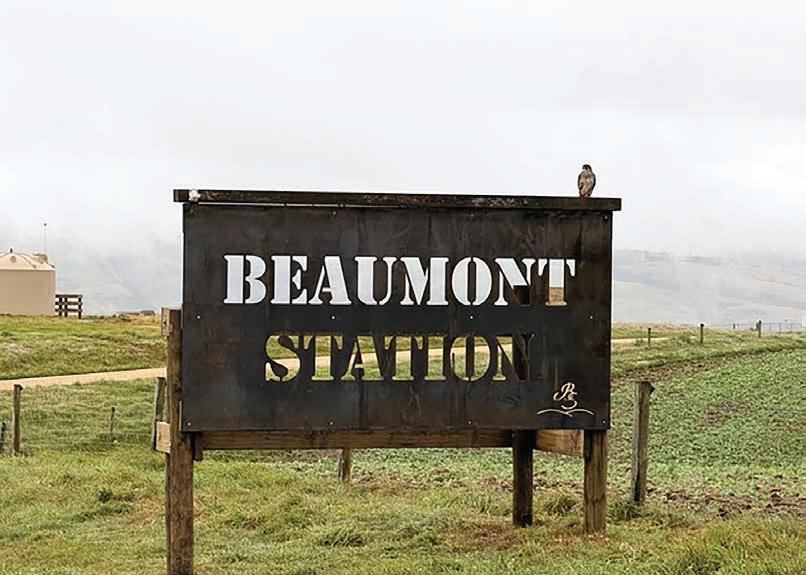
HAWKEYE: A falcon keeps watch, perched on the entrance to Beaumont Station in Otago. COW COUNTRY: Hereford cows with Beaumont Station’s cattle yards in the background.
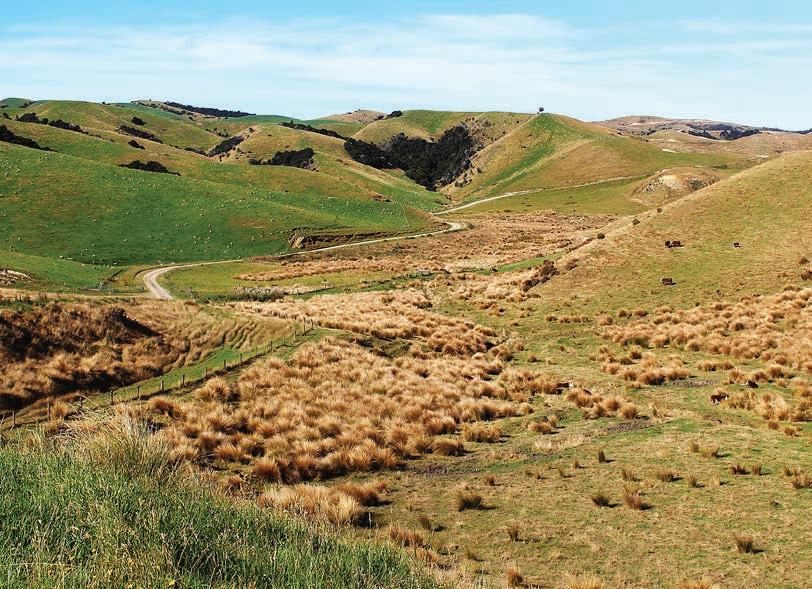
DEVELOPED HILL COUNTRY: A third of Beaumont station has been cultivated or oversown and top-dressed.
Richard
Beaumont Station
THE PERFECT VANTAGE TO BUILD THE FUTURE F





Take control of your wealth, create of f-farm income, and protec t your family ’ s future. Sharesies has the investing technology to help you reach your wealth goals .
Fund managers you know and trust
Access funds from prominent managers like Milford, Fisher Funds, Pie Funds, Harbour, Smart Mercer and more, for the same management fee.
Access the market s on your terms
Over 8000 investment options across the NZX , ASX , and US exchanges Features to keep it simple or get sophisticated.
Build your business and personal por t folio
Proud partner of Fonterra and LIC, helping farms manage their business assets and personal investments from a mobile.
Build resilience on and off-farm
Unite your wealth to work as one
‘Winter Olympics’ a galloping success

Rebecca Greaves PEOPLE Equestrian
FROM humble beginnings, a tiny practice jumping day held at a central Hawke’s Bay farm has become a highly anticipated event on the equestrian circuit, and raised close to half a million dollars for charity.
Claire Wilson is the driving force behind what is known as the Winter Olympics, which has raised $432,000 for charity. The event is held annually at Mt Herbert farm on the outskirts of Waipukurau. The working sheep and beef farm is also home to more than a few horses.
Wilson started off by donating $300 the first year to CatWalk, which funds research to cure spinal cord injury. Last year, they raised $80,000 total and the Hawke’s Bay Rescue Helicopter received $55,000 of that. This year Wilson has set the goal of raising $60,000 to buy a new rapid response vehicle needed by the organisation.
Claire and her husband Simon both competed at the top level of showjumping in New Zealand, and she sees the event as a way to give back to the sport at grassroots level.
“We’ve had a lot of fun in the sport ourselves, and seeing that buzz of the younger generation, or even adults who are newcomers to the sport, encouraging them is what it’s all about. The sport has been good to us; it’s been a lifetime involvement at all levels really.”
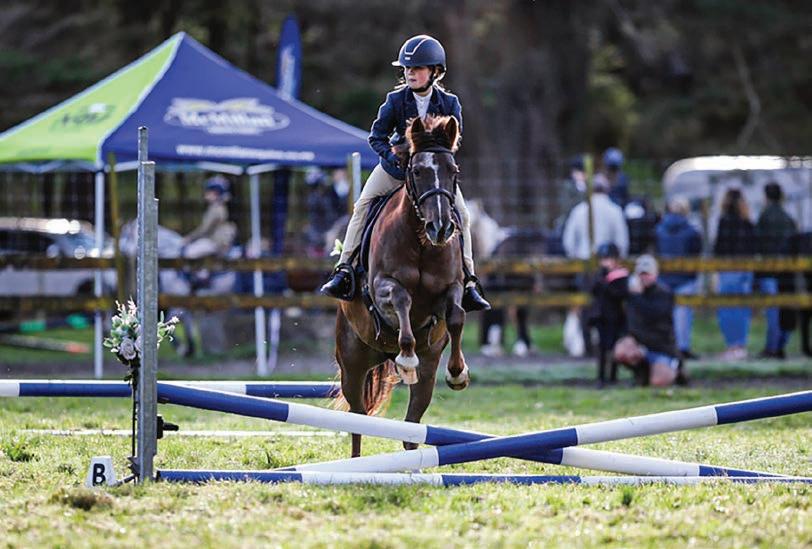
From 30 people attending the first practice day, the event is now in its 17th year and attracts 200 riders.
The farm is bulging at the seams to accommodate everyone, but Wilson said moving to a bigger
It just shows one little idea, if enough people jump on board, look at the magic that can come out of it.
Claire Wilson Winter Olympics
venue would lose the backyard community feel that is so important to her.
She said it is a massive team effort to run what has morphed into an enormous event. Every year the volunteers, sponsors and competitors turn up with enthusiasm.
“While it’s not the Olympics, to a little kid or someone new to the sport, it has all the same qualities. It’s about encouragement and fun. Everyone and anyone can be involved, from a hairy farm hack to a posh little show pony.”
The prizes, rugs, trophies and garlands on offer are just one thing that gives the event the X factor. The other secret to success is the community feel.
“I think the event does have a little special edge. It’s in our home backyard and it’s not pretentious or fancy. We have a lot of farming fathers in the area come along for the banter and networking. It’s very much a community catch-up, the horses and ponies are just a good excuse to get together, have a barbecue lunch, and the kids have a fun day.”
Along the way, the Winter Olympics has supported Flemington School, where the couple’s children Tim and Anna were students, and organisations like Rural Support Trust, the Cancer Society and KidsCan. It is now one of four top sponsors of the Hawke’s Bay Rescue Helicopter – the other three are corporate giants.
“We really hit it off with the team at the helicopter, they realise how special the event is.
“They want to upgrade their rapid response vehicle and that’s something we want to do singlehandedly as the Winter Olympics and get our name on the door.
I think it’s do-able, I’m really excited to see if we can pull it off.”
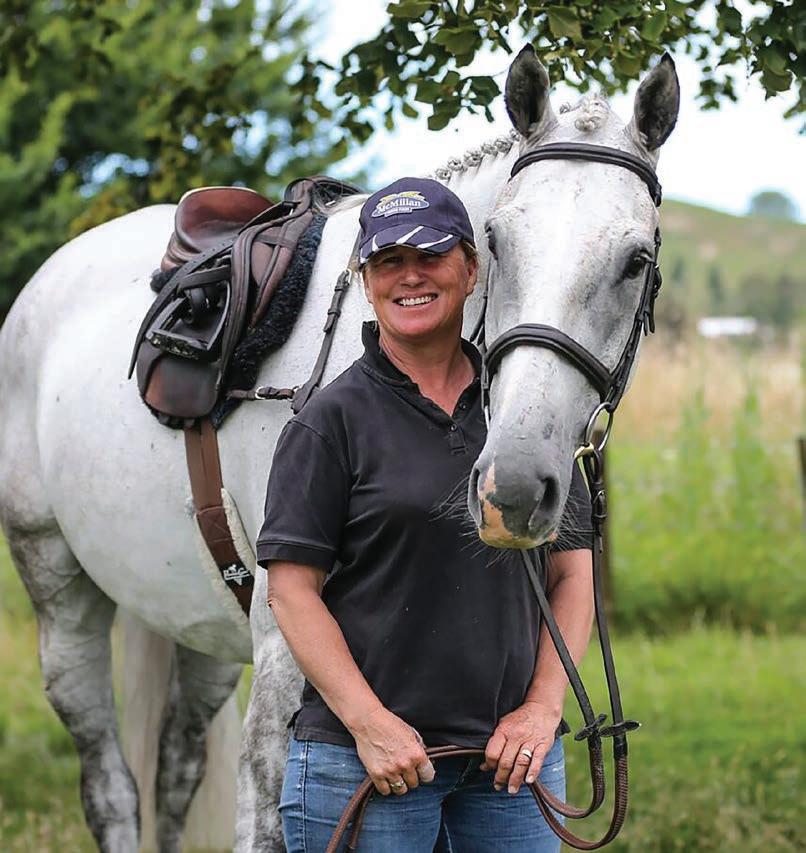
Not only does the Winter Olympics donate huge chunks of money to charity, it has become so big that it also provides a fundraising opportunity for four local clubs and groups, who help run the event.
It’s fair to say there is something for everyone at the Winter Olympics, from traditional showjumping events to cowboy challenge obstacle courses.
No horse, no problem – the hobby horse section is for you.
There’s even a fun zone with a bouncy castle and craft corner, as well as a secondhand shop full of donated horse gear from around the country.
This year’s event will be held on April 27 and the highly anticipated
kindy ring fancy dress class will feature an ANZAC theme.
“I hope it inspires the next generation of riders, maybe this could be a career. But equally, we have seen shepherds or adult riders have their first go at show jumping at the age of 50 because it’s an encouraging setting where people feel brave enough to have a go. I’ve seen people tick things off their bucket list. To say they have competed at the Winter Olympics is an achievement for young and old,” Wilson said.
“It just shows one little idea, if enough people jump on board, look at the magic that can come out of it. If we can purchase a vehicle that saves lives, that blows me away.”
NZ Merino changes its name to Zentera

THE New Zealand Merino Company is now the Zentera Wool Company.
The name change announced last week reflects the fact that the company is now a global wool procurement company that sources certified Merino, mid micron, crossbred and strong wool from more than 600 growers in New Zealand, Australia and South Africa.
“The NZ Merino Company as a name is no longer fit for purpose,” said Matt Hand, the supply manager for Zentera Wool.
Thirty years ago the NZ Merino Company was formed to procure and market Merino wool, and now procures fibre ranging from 12 micron through to 38 micron.
Hand said 85% of the wool it handles comes from NZ and 45% of that is crossbred.
After 18 months of research
and speaking with hundreds of suppliers and customers, Hand said, they settled on the name Zentera.
The name combines Zen, a symbol of balance and harmony, and Tera, derived from the Latin for earth. It stands for being in harmony with the land.
“We feel the name encompasses where we have come from and where we are going,” he said.
He said an overwhelming number of growers had said they understood the need for a name change.
Hand said renaming also enables it to relaunch its two wool quality standard brands – ZQ, for which growers must meet production standards, and ZQRX, to be relaunched as ZQ+, which applies to wool that meets regenerative production standards.
He said Zentera will work with manufacturers and retailers to promote these two quality standards, such as by providing explanations on clothing and product swing tags.
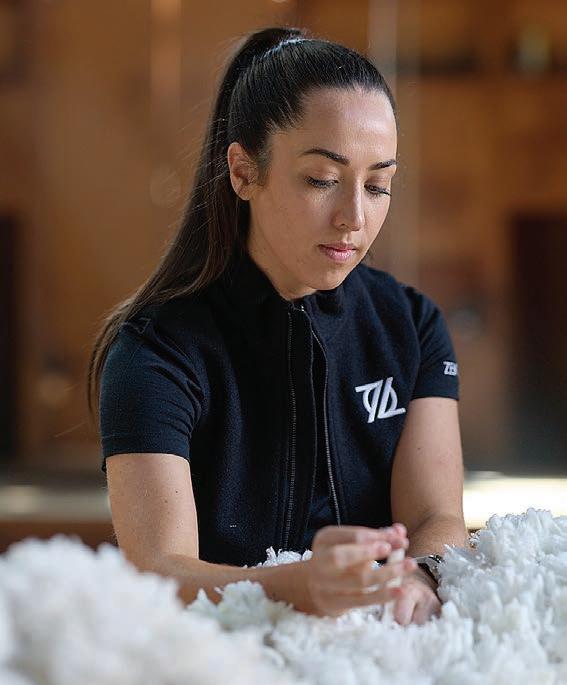
PICKING THE BEST:
Cassidy Gray, a commercial specialist at Zentera, checks a fleece.
“Brands and our supply chain partners want to show that they’re doing their bit to improve outcomes for animals and the planet, and our ZQ and ZQ+ products help them achieve exactly that.
“We’re building a platform giving
us even greater ability to connect with consumers as they preference ZQ, Zentera Quality Wool.”
Hand said on a day-to-day basis growers should not notice anything different with the same people doing the same jobs.
We feel the name encompasses where we have come from and where we are going.
Matt Hand Zentera Wool
But in the market Zentera should have an increased presence at the consumer level and its strategy should increase demand, he said.
Zentera chief executive Angus Street said he expects other wool marks and wool standards will make changes in the coming year to meet the changing regulatory environment.
This creates an opportunity for ZQ and ZQ+.
“By partnering with growers who champion ethical, sustainable and regenerative farm practices, we’re able to sell our Zentera Quality and ZQ+ wool as a premium fibre that global customers are actively seeking.”
FUNDRAISER: Claire Wilson’s backyard Winter Olympics has become a highlight of the equestrian calendar while raising hundreds of thousands for charity. Photos: Supplied
Neal Wallace NEWS Wool
COMMUNITY: Competitors of all ages take part in the Winter Olympics, an event known as much for its community feel as its competition.


Dear Farming Families,


We Need Your Support More Than Ever
For years, you’ve been the quiet backbone connecting rural and urban New Zealand - your livestock donations supplying up to 80% of rural food banks’ protein and put nourishing milk and mince on the tables of families doing it tough
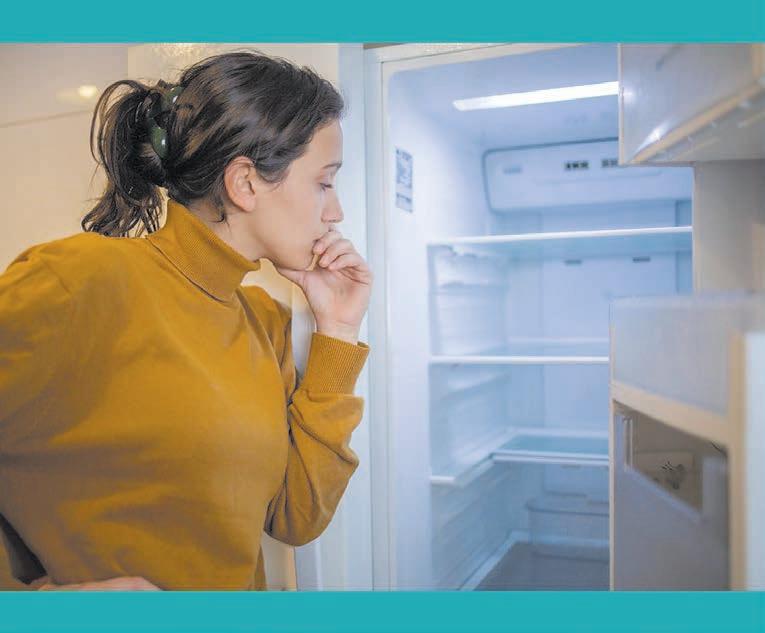
But right now, there are children who haven’t had mince for months There are families surviving on the basics, going without the protein many of us take for granted
Today, we face an honest reality: Demand is higher than ever, and donations have slowed significantly More than 150 organisations are currently waiting for support
This is a critical moment To continue feeding families who depend on us, we need you more than ever Your donation becomes more than food. It becomes strength, dignity, and hope for families facing real hardship If you can donate livestock, give financially, or help spread the word - now is the time
Together, we can make sure no family goes without nutritious protein
Nick Fisher
Board
Chair
Meet the Need

Suport us today:
A win for agri
journalism.
Last week Gerhard Uys, one of our part-time, freelance contributors, signed on as a full-time reporter, based in Invercargill.
Gerhard brings over 20 years of journalism experience, including time as a reporter for the South African Farmers Weekly.
This is a win for the sector as we add reporting capacity to the farming powerhouse of Southland – a region that, like all others, needs quality agrijournalism, and we think growing our editorial team plays a part in that.
While other media organisations are shrinking their newsrooms, and foreign-owned media companies swallow up what would have been that income, we’re committed to strengthening ours.
And the part our supporters play in making that happen is invaluable.
Starting a voluntary subscription goes directly into strengthening that team – $120 a year, $15 a month, or whatever value you put on agri-journalism.
Charlie Williamson Community Manager



Farm plans on the right track: Hoggard
Neal Wallace NEWS Environment
THE minister overseeing the introduction of farm plans is comfortable with the direction they are headed.
Andrew Hoggard, the associate minister of agriculture and environment, said the intent of the new farm management plans is to ensure they are relevant to the risk profile of each property.
The plans require farmers to identify environmental risks and the mitigation being taken, information Hoggard said most farmers already know but which needs to be recorded in a document.
Those who intensively wintergraze stock, or who manage a large irrigated dairy farm with an effluent discharge system would require very different farm plans to an extensive hill country sheep and beef property.
“I feel very positive about the track we are on,” he said.
Speaking at a Farmers Forum at the recent Wānaka A&P Show, Hoggard said risk should also be
a factor in the frequency with which farm plans are audited and certified.
The government has said Resource Management Act reform should halve the total number of resource consents currently required.
The introduction of farm plans would require changes in legislation.
I feel very positive about the track we are on.
Andrew Hoggard Associate Environment Minister
A farmer questioned Hoggard on the Gore District Council’s District Plan, which requires that resource consents be assessed against Ngāi Tahu cultural values.
Hoggard said such requirements, along with obligating landowners to identify significant natural areas and significant natural landscapes, will be addressed by the RMA reforms.
“What is happening in Gore is not what we want in the new RMA,” he said.
“It should not be up to farmers
to determine what spiritual values are.”
He was also asked about a recent Environment Southland report that found elevated nitrate contamination across multiple groundwater management zones.
He said the report lacked context.
“I’m not against the data, but it’s how you present the picture.
“There was no information about the length of time this has happened, is it worse or is it the same, or what positive changes farmers can make.”
The easiest solution to such issues is often to remove dairy cows or reduce farming intensity but there are other techniques, such as aquifer recharge, engineered wetlands or a bioreactor, where microorganisms, cells or enzymes are grown that break down contaminants.
He said the current RMA has made it costly and time-consuming to implement solutions such as wetlands.
At the same forum, Beef + Lamb New Zealand chair Kate Acland urged farmers to use the current period of prosperity to invest in the future of their businesses.
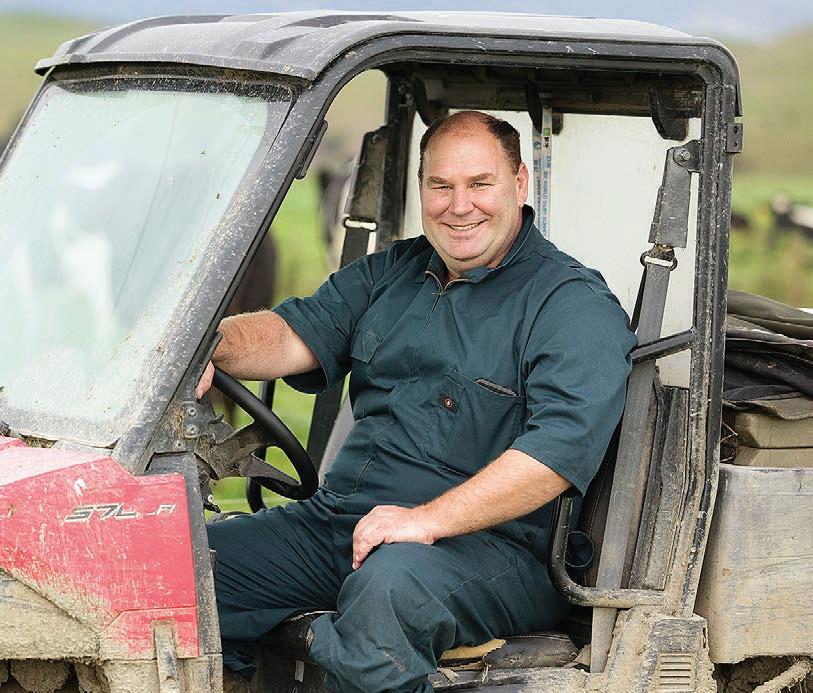
plans.
Her organisation is doing just that, looking for the next generation of technology such as genomics, data transfer and artificial intelligence.
Acland shared concerns raised by a questioner about the level
of investment in publicly funded science, saying research required a long-term view.
The development of AR37 endophyte, now widely used in ryegrass cultivars, was the result of decades of research, she said.
Fonterra farmers take up fixed price options
Gerald Piddock NEWS Fonterra
FONTERRA farmers applied for nearly 35 million kilograms of milk solids across all services in the co-operative’s first price risk management event for the 20262027 season.
The fixed milk price of $9.60/kg MS for next season was the most popular choice, however there was also good interest in the milk price range option of $9.15-$10.15/kg MS.
The early uptake reflects the value farmers place on greater price certainty for a portion of
their milk and flexible tools to help manage milk price volatility, Fonterra milk supply director Lisa Payne said.
“Farmers want practical ways to create more certainty in their business, especially when global dairy markets can move quickly.
“The response to this first event for the 2026-2027 season shows farmers are engaged and looking for options that suit their different farm systems and risk appetites.”
Farmers would be aware of the situation in the Middle East and the potential for global events to influence commodity markets, she said.
“But farmers are also used to op-
erating in a volatile environment, which is why we introduced these tools to give them an option to gain greater certainty over a portion of their revenue each season.
The response to this first event for the 20262027 season shows farmers are engaged and looking for options that suit their different farm systems and risk appetites.
Lisa Payne Fonterra
“While these application numbers are a strong start for 2026-2027, they’re also consistent with what we’ve seen in previous years where uptake is traditionally higher in the opening events for the season.”
Interest in the milk price range service continues to build as farmers look to balance price protection with the ability to retain some upside and it appealed to farmers who want some level of predictability without needing to lock in a single fixed price, she said.
The service includes the fixed milk price, fixed milk price additional season (for example,
2027-2028), a minimum milk price and milk price range tools.
Strong participation in the programme also helps deliver benefits beyond the farmers who choose to take part, she said.
“These tools help the co-op give customers greater pricing certainty, which supports stronger contract outcomes.
“That can generate premiums that ultimately contribute to earnings, which can then be returned to farmer shareholders through dividends.”
Fonterra’s next price risk management event will open Monday, April 13.


RIGHT DIRECTION: Associate Environment Minister Andrew Hoggard says he is happy with progress on the soon to soon-to-be-introduced farm
From the Editor
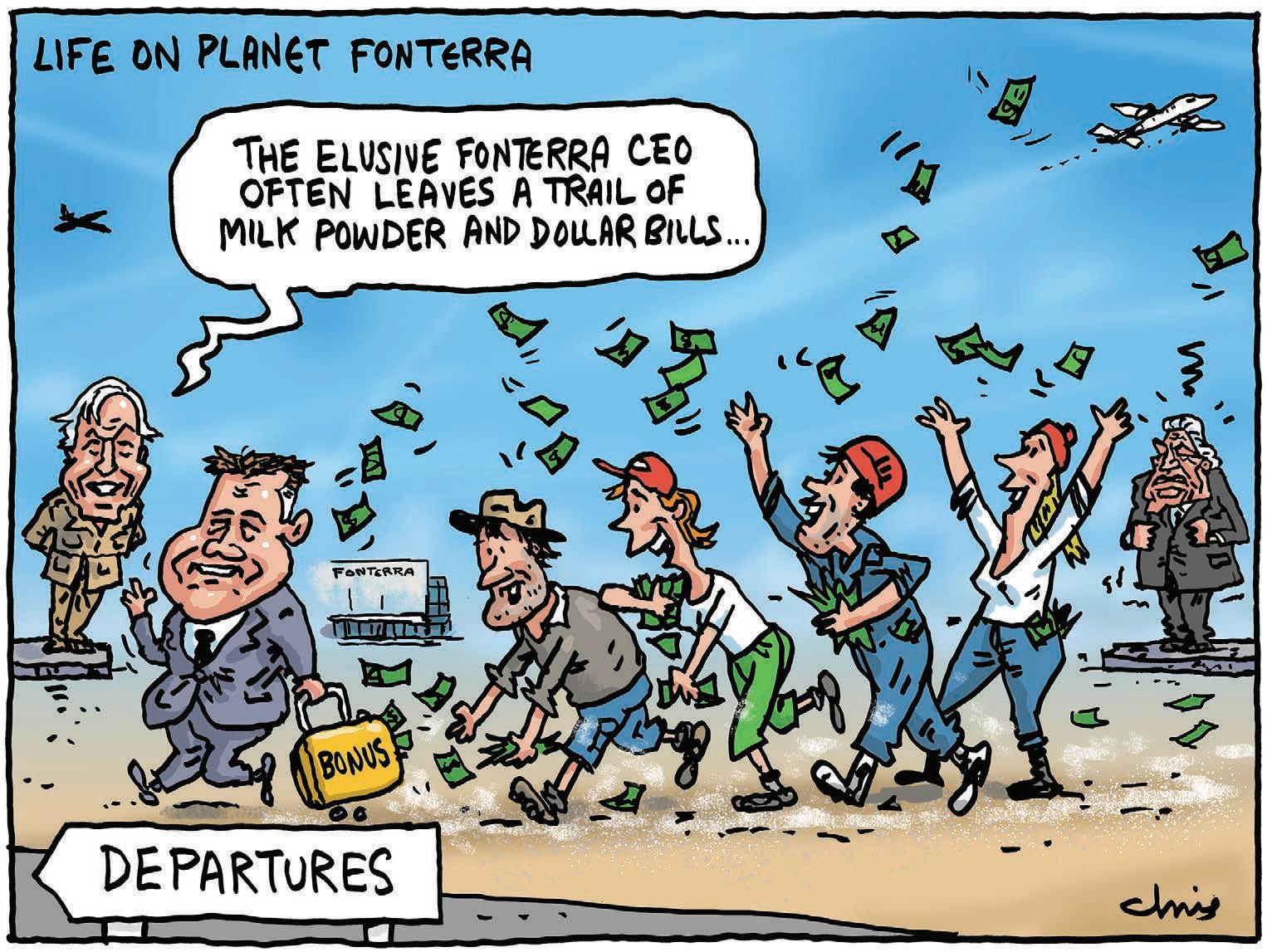
Taking stock of Hurrell’s stint at Fonterra

Craig Page Deputy editor
WHEN Miles Hurrell was appointed Fonterra CEO in 2018, he asked to be judged on his “performance over time”.
That time is approaching.
Hurrell announced last week he is resigning after eight years in the role and 25 years with the co-op.
While this caught some by surprise, there are plenty of people, including Hurrell, who believe the timing is perfect.
Earlier this month Fonterra confirmed that the sale of Mainland Group to Lactalis has gone unconditional and that shareholders and unitholders would receive their payout on April 14.
With dairy farmers celebrating strong farmgate returns, and eyeing the pending payout, the mood in the sector is positive.
LAST WEEK’S POLL RESULT
Given the co-op will soon adopt a new strategic direction, the time is right to part ways, Hurrell said.
Farmers spoken to by Farmers Weekly last week were quick to praise Hurrell’s impact since taking over as CEO, at a time when things did not look so rosy. “Transparent” and “honest” are words being used to describe his time in charge.
Hurrell was promoted to the position on the back of his down-to-earth approach and history working with farmer-suppliers, which gave him an insight into the business.
In an interview with Stuff at the time of his appointment, Hurrell described his management style as “inclusive. I’m prepared to listen, take stock of situations and act accordingly. I should be judged on the performance over time.”
Last week, Hurrell said he has always felt a sense of responsibility to do what is right for farmers and he believes the co-op is now in a good place.
But, as is the case with most people in positions of authority, not everyone is enamoured with Hurrell.
New Zealand First leader Winston Peters was quick to wade in, saying Hurrell had “sold off” almost every consumer brand since he started, “leaving Fonterra as a commodity price taker, not a market maker”.
The comments will surprise no one, given Peters has been a vocal critic of Fonterra and Hurrell.
MORE than 80% of those who took the poll said rising fuel costs will impact their business – and almost half of that number said the impact will be significant.
Last week Farmers Weekly reported that the surge in global oil prices on the back of the United States and Israel’s war with Iran has come at the worst possible time for rural contractors and transporters, in the middle of their summer crop harvest.
“An initial hit for a short time can be mitigated, however the longer this price hike continues the more deeply it will bite in to all aspects of life. Just as we think we are getting on top of all the issues we have faced over the last seven years, we now have to battle our way though this globally induced situation, which is not fair,” said one.
Another said “delivery and supply” are bigger concerns than pricing. Of the 18.7% of voters who did not think it would impact their business, more than half said it was too early to gauge the full impact.
“CEO Miles Hurrell has resigned and will leave once his bonuses are paid,” Peters said on social media.
“We said this exact thing would happen in our open letter to farmers last year – he of course denied it.”
It was also clear not everyone is happy with the decision to sell Mainland, but those people are in the minority.
Hurrell was promoted to the position on the back of his downto-earth approach and history working with farmer-suppliers.
Let’s not forget that, in October last year, an 88.47% majority of the co-operative’s shareholders voted in favour of the sale via a virtual special meeting. The vote saw 80.59% of shareholders participate, based on milk solids voted.
Time will tell whether selling Mainland is a good strategy, although it is hard to argue against that voter support.
Plenty more will be said about Hurrell before he leaves his office for the final time.
But perhaps we won’t truly be able to judge his performance until years down the track – the time Fonterra has forecast it will take to make up the revenue lost in the Mainland sale.
Last week’s question: Do you expect fuel prices to significantly affect your profitability this year?
Letters of the week Welcome aboard
Judith Yeatman Darfield
I’VE been farming in the rural zone on the outskirts of Darfield for 23 years. Before I started farming, I already belonged to several farming groups. I knew that farming was in my DNA.
When I arrived here, I filled in Rural Post’s form giving my details and saying that I was a farmer. I eagerly waited to start receiving some of the free farming papers that I’d previously glimpsed and knew existed. All I received was supermarket and department store advertising junk mail and, sadly, no farming papers. Then someone from Rural Post in Hamilton wrote to tell me that I was NOT a farmer and that I needed to fill out and sign a new form saying I was something different. I refused.
Over my years here, I’ve bought and sold animals at the Canterbury saleyards, farmed and bred cattle, sheep, goats and pigs, grown nut and fruit crops, eradicated thousands of thistles, cleared gorse and broom, maintained a water race, built fences, and planted hundreds of trees, including lots of tree lucerne for stock food. I received more of the same letters from Hamilton and still no farming papers.
A couple of weeks ago, my current Rural Delivery people put a note in my letterbox actually asking me if I’d like to receive Farmers Weekly. Of course I said YES. Last week I received my first issue of FW and a couple of other free farming papers for good measure. Thanks for your part in finally making this happen.
Petunias: a potted history
Dr William Rolleston Life Sciences Network
CLAIRE Bleakley of GE Free NZ reassures us that there is no evidence of genetically modified petunias growing in New Zealand, in “Premature petunias” (Letters, February 23).
The facts are that between 2014 and 2017, genetically modified petunias (“African Sunset”) were unwittingly sold through garden centres across the country.
Their exotic orange flowers were very popular with gardeners.
When the Ministry for Primary Industries found out the petunias were GM they stopped further sale but a full trace and destroy was never undertaken.
So, either there are GM petunias growing in New Zealand or GE Free NZ needs to stop claiming that “once the GM genie is out of the bottle you can’t put it back”. They can’t have it both ways.
This week’s poll question (see page 4):
Are you comfortable with Kiwis buying imported butter because it is cheaper than NZ-made?
Have your say at farmersweekly.co.nz/poll
Trump throws spanner in the works
Meaty matters
Meat industry commentator: allan@barberstrategic.co.nz, http://allanbarber.wordpress.com
WHETHER or not the decision to bomb Iran turns out to be as successful as United States President Donald Trump proclaims, there is no doubt Operation Epic Fury has seriously damaged the global outlook. It has also almost certainly stalled New Zealand’s fragile economic recovery, made Nicola Willis’s job as finance minister even harder, and quite possibly sounded the death knell for National’s hopes of winning the election later this year.
The party’s only hope is for the conclusions of the covid report to remind people just how profligate the last Labour government was, blowing $30 billion of taxpayer money on monetary stimulus which was no longer necessary. This caused inflation to rise, reflected in a massive gain in house values funded by low-
interest borrowings, followed by a surge in unemployment and rising interest rates.
Fortunately agricultural exports have soared at the same time; resulting in unprecedented returns to farmers. Without this major contribution to GDP, New Zealand’s balance of payments would be in dire straits.
Inflation in farm inputs had already robbed farmers of even higher profits from the commodity upturn, but the Iran campaign has made it certain the cost of fertiliser and fuel will reduce margins even more.
It has also suddenly halted exports of dairy and red meat to the Gulf states, worth $3.4 billion annually. We can only hope it doesn’t depress global demand, which would inevitably damage market prices.
The online dairy auctions appear to be holding firm despite higher production volumes in most countries, and this year’s payout was largely guaranteed before the war in Iran.
The one-off injection of money into dairy farmers’ bank accounts from the shareholder distribution from the sale of Mainland is one bright spot.
Next year’s payout will be subject to volatility from global uncertainty and a downturn in trade, especially if the present conflict drags on longer than predicted. Rabobank’s analysts consider New Zealand’s strong dairy price to be an outlier and therefore there is a strong chance it won’t last in any case.
Meat processors are already
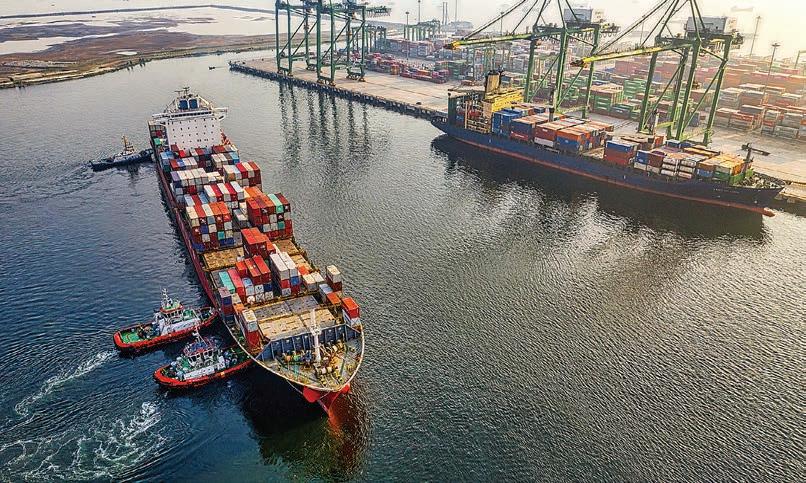
suffering the effect of high procurement prices and weatherinduced lack of throughput.
In the past the industry’s goal was to maximise volume, hence overpayment for livestock. In contrast this season the schedule is justified by the market price, but the volumes aren’t sufficient to satisfy customer orders or optimise plant capacities.
The industry will be hoping for a late rush of livestock in the last two months of autumn, even an extension into July, to compensate.
But high beef prices and good grass growth are encouraging retention of prime beef and dairy cows on farm, while the number of bobby calves is likely to be lower for the same reasons. Year to date the cattle kill is 6% down on last year, with both prime and dairy showing a similar trend.
High lamb prices have been predicted to continue, which
Pāmu proceeds could fund catchment groups
In my view
Donal ‘Bush’ Macky Macky, a retired dairy farmer living near Paterangi, Waikato, is the founder and co-chair of the Maungatautari to Pirongia Ecological Corridor Incorporated Society
IN A recent Farmers Weekly Opinion article Allan Barber argued against the privatisation of Pāmu, “So you want to privatise Pāmu ...” (March 9).
He explained that this asset, which is worth around $2 billion, not only provides experimentation and leadership to the rural community (and some profit at last in the recent season), but that there would be problems when it came to disposing of the many farms involved.
These include Treaty claims, long-term management contracts, and unsatisfactory ballot-style allocation that muddies the water when it comes to actioning a selldown of Pāmu, with the process taking years to complete.
Barber suggested that the capital raised would be frittered away – “successive governments’ track records don’t give much reassurance that the money realised will be spent wisely”.
I can’t argue with that.
I think a much better idea, if it is sold, would be to use the proceeds to create a $2bn fund specifically for rewilding New Zealand.
On a 10% return, this would free up $200 million a year, and this money would be managed by the Department of Conservation and the Ministry for the Environment.
A trust would keep the funding out of the reach of whims of the different political philosophies as they come and go.
The allocation and employment of these funds would be through distribution to the many catchment groups and restoration societies throughout the country, which are proving to be excellent vehicles for rewilding of New Zealand.
The reason for the fund to be put into and held in a trust is that it is then out of the reach of whims of the different political philosophies as they come and go.
This project would be multigenerational and would still be adding ecological benefits to our country 100 years from now.
Rewilding is more than just the riparian fencing and planting of the thousands of kilometres of rivers, streams, lakes and drains that make up the freshwater drainage and catchments of our country.
It would include re-foresting the relevant steep country to build a fence at the top of the cliff to help stop the erosion of New Zealand back into the oceans.
When you add the long-term savings from not having to spend millions each year on storm recovery, the increase in our marketing, added-value agricultural produce and tourist dollars and the employment that a project of this size would create, then it is very fair to suggest that there would definitely be payback for the investment.
In fact, I challenge you to come up with any better investment for
oil to South Korea, which is one of our suppliers of refined oil products. Korea will almost certainly give priority to its domestic needs.
Meat Industry Association chair Nathan Guy has highlighted industry concern about congestion in the Gulf, although he emphasises NZ exporters’ agility when finding ways to circumvent obstacles and find alternative markets.
But other options will involve extra cost – freezing down chilled shipments and double handling –and potentially lower prices than desired.
will mean the ewe kill is down as farmers rebuild flocks. Meanwhile supply of lambs to the works is lower than last year, both because of good feed supplies, which enables good weight gain, and buying of lambs by farmers who met Christmas chilled orders and didn’t replace them in anticipation of dry conditions.
However, the effect on demand from the current geopolitical situation is likely to be felt beyond the Gulf states, as other economies are hit by higher oil prices and shipping costs.
A major concern is the potential impact of the war and the closure of the Strait of Hormuz on China’s economy.
China obtains a large part of its oil from Iran and supply will be hit by the US bombing campaign on the oilfield defences.
New Zealand will also suffer from delayed shipments of crude
ANZCO general manager for sales and marketing Rick Walker told me their European shipments take the longer route round the Cape of Good Hope, which is still fast enough for chilled product to reach its final destination in a saleable state.
China is paying slightly more for beef, driven by demand and the impact of the recently imposed quotas. Brazilian beef is shipped to China via the Gulf and it now has access into the US, both of which will reduce its share of Chinese beef imports.
Walker said the industry’s main problem from the war on Iran is the state of uncertainty it has created, but the longer it goes on, the greater the damage that will be felt by our exporters.
At this stage there is no sign that Trump and his Minister of War, Pete Hegseth, have any idea how to finish what they have started. From here it seems anything could happen, none of it good.
our country on a whole than what this long-term investment would provide.
Within the Catchment Groups Collective, we are repeatedly told by the politicians that there is no funding available – times are tough and priority has to go to health, education and social welfare.
Buy-in and motivation to do this work by these groups has well and truly arrived. This mood did not exist five years ago, and the recent catastrophic weather events have certainly helped in drawing attention to the necessity of this work.
We must now swing into action and capitalise on this re-wilding of New Zealand. There is a saying that the best time to plant a tree was 20 years ago. Well, the next best time is now. I am saying that due to the longevity of a project such as this, the best time to get started is now. Can the government afford to establish a $2bn trust to get on with this absolutely essential project? It can – and it can’t afford not to.

Allan Barber
DAMAGE: ANZCO general manager for sales and marketing Rick Walker says the longer the war on Iran goes on, the greater the damage that will be felt by exporters.
Photo: Pexels
FUND: If Pāmu is to be sold, the proceeds should be used to create a $2 billion fund that ‘would still be adding ecological benefits to our country 100 years from now’, says Donal ‘Bush’ Macky.
Sector Focus
Market for bio products is green and growing
Gerhard Uys NEWS
Regen ag
THE market for biological farm products and services is steadily growing.
Conan Moynihan, who cofounded Groundshift, an independent farm advisory that focuses on biologically driven high-performing farms, told Farmers Weekly there is an increase in people wanting to go the biological route.
Speaking at the regenerative agriculture Underground Festival in Canterbury, Moynihan said farmers are now looking at lowerinput systems and want to use biology in those farm systems to create resilience.
Phil Gray, owner of Soil
Foodweb, said there is a steady progression in uptake of biological products in the market.
Soil Foodweb goes onto farms to measure how well a farm’s soil biology is doing and advises farmers on how to improve it.
He said when he started farming organically almost 20 years ago there were limited options, but the spectrum of organic fertilisers and biostimulants has grown.
Fonterra’s move to open up the South Island for organic dairy farming will create more demand for biologically driven products and services, Gray said.
Canterbury-based farm consultant Findal Proebst said the regenerative curiosity of how nature works is coming closer to the practical side of farm systems, with farmers asking more questions around what inputs
they really need and whether their systems are efficient or not.
This means the need for advisory services around soil health is growing, he said.
TM Ag distributor Will Perriam-Lampp, an exhibitor at Underground, said the market for biological products is slowly growing.
TM Ag sells organically certified biostimulants that can be used in spray programmes.
If they do not have at least three years of data to show its efficacy, many farmers still see biological products as snake oil, he said, although farmers who do use these products anecdotally attest to its efficacy.
The overseas market for biological products is big, he said. Organics product specialists at Living Earth Victoria Henry and
Charlotte Cotter also see more uptake of biological products.
Henry said Living Earth takes organic waste from businesses and councils, amongst other places, and so removes it from landfills and gets it into composting facilities.
Once it is turned to compost they push it out into the market
to reduce the use of synthetic fertilisers.
Many farmers are starting to realise that they don’t need to rely just on synthetic fertilisers and that their soils need organic matter, Henry said.
Cotter said they are seeing increased uptake in horticulture, especially the kiwifruit market.
Reform of food production starts with ethical buying
Gerhard Uys NEWS
Food and fibre
FOOD procurement decisions can reshape how food is grown, says Eat New Zealand CEO Angela Clifford.
Eat New Zealand has launched the Food for Good Programme, working with Compass Group NZ to build a food procurement system that has local economies, environmental outcomes, animal welfare and nutrition at its centre.
Compass Group NZ serves 150,000 meals across the country every day, working across government contracts, special
care meals, events and vending solutions.
The programme will start by
measuring how Compass’s current procurement incorporates aspects such as local procurement or
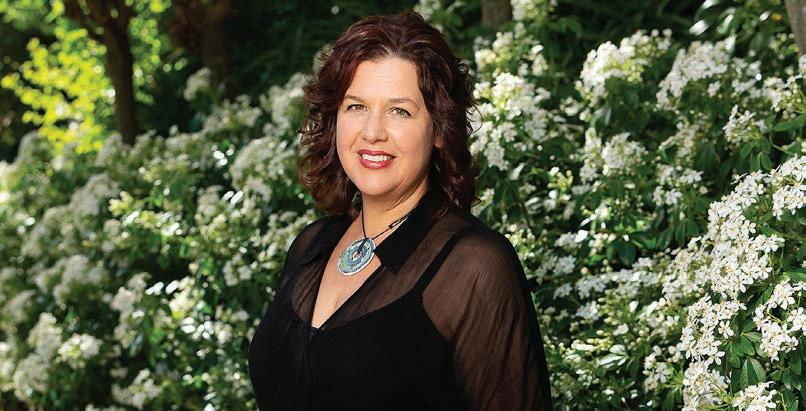
animal welfare, among other measures.
After a baseline of the supply chain is established, they will look at making improvements along the supply chain. They will measure these and try to show what impact changes are having.
Changes could take the form of asking suppliers to make changes on, for example, their farm, or finding producers who produce food based on specific production values.
Clifford said purchasing decisions shape production, with who that buy at scale being able to influence at scale.
She said New Zealand-grown grains are a good example.
“Can they make sure they’re sourcing more New Zealand-grown grains as part of their supply chain and what impact that is having?”
In February Clifford called on the government to give preferential pricing for moving wheat from one island to another and to create long-term resources for extension programmes and research in nature-driven farming and fishing. The idea is based on a United States initiative, the Center for Good Food Purchasing, which helps US companies procure locally produced food that is healthy and grown with environmentally sustainable methods. It also measures the impact those decisions have.
BACKING: TM Ag distributor Will Perriam-Lampp says if a biological product does not have at least three years of data to show its efficacy, many farmers still see it as snake oil.
Photo: Gerhard Uys
SCALE: Eat New Zealand CEO Angela Clifford says purchasing decisions shape production, with those who buy at scale being able to influence at scale.



Youngest show president loves tradition
India Grigson
AT 28, Sophie Holst became the fifth generation of her family and youngest female in show history to serve as president of the Helensville A&P Show.
Sophie grew up attending the show, she spent sunny days and often rainy ones too competing in livestock sections, spending hardearned prize money on games, sliding down the hill on cardboard and soaking up the atmosphere of the day.
Her family, five generations deep in the history of the show, fostered her connection to the event with every year she attended.
“For us, the show is part of our family rhythm. It’s not just an annual event, it’s a tradition that has shaped who we are. A family history that goes right back to my great-great grandfather Nicholas William Rimmer (Bill), serving as president in 1918-1919,” said Sophie.
She is also vice president of the Royal Agricultural Society of New Zealand and is a technical field representative for PGG Wrightson. Her work sees her build and maintain connections with those in her community.
“Stepping into the role of
president was both incredibly special and humbling. I felt a strong sense of responsibility, not just for the show itself, but to the generations of my family and community who have been part of it before me.
“The show is important to me because it represents everything I love about rural life. Community, agriculture, tradition and connection,” she said.
Rural communities thrive when leadership reflects the people within them.
Sophie Holst Helensville A&P president
Sophie also broke ground as the youngest female president in the show’s 122-year history, helping promote a cultural shift and normalise women in similar leadership roles.
“Women are already driving so much of the work behind the scenes, volunteering, mentoring and supporting local initiatives. Leadership positions simply give us the platform to shape, influence and strengthen the community even further,” she said.
Sophie worked throughout

the year to help guide, plan and execute the show. With on the day tasks including the official opening, handing out awards and ensuring everything ran smoothly.
“It’s a celebration of rural heritage, community and pride in the land and animals we care for. Like many areas across New Zealand, we’ve seen an increase in people moving from urban areas into lifestyle blocks.
“That brings new perspectives and opportunities, but it also means that there’s sometimes a gap in understanding between urban and rural life,” she said.
She believes events like the Helensville A&P Show are the solution to maintaining engaged and connected rural communities.
“Events like this are more important than ever because they bring everyone together, old and new, town and country, to celebrate shared values and rural excellence,” she said.
Sophie hopes her visibility as
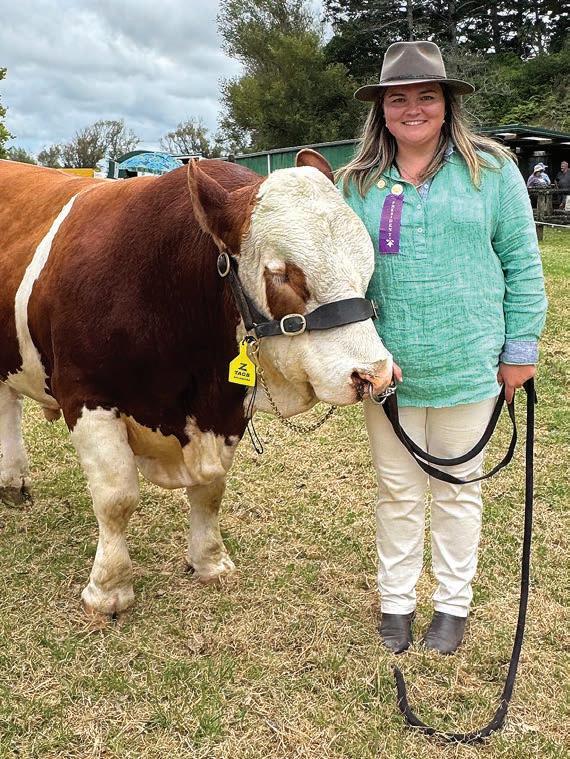
president will help encourage other women to consider leadership roles within their rural community.
“Rural communities thrive when leadership reflects the people within them. There is so much value in having diverse voices helping guide these organisations into the future.
“If future generations of my family and others in our community
CONNECTION:
events like the
Show are the solution to maintaining engaged and connected rural communities.
continue to volunteer, compete, and show up for the event, then the show will keep thriving for generations to come. And that’s ultimately what matters the most,” she said.
MORE:
PGG Wrightson recently donated $40,000 to Rural Women New Zealand through their Growing the Country programme.
Fun, fitness and friendship challenge in Oamaru
India Grigson
THIS month over 40 rural women from across the South Island gathered in Oamaru for the Triple F Challenge weekend.
The Triple F Challenge has been forging friendships between Rural Women New Zealand members and supporting the organisation’s charitable endeavours since 2007. It stands for Fun, Fitness and
Friendship, and is a four-day retreat for rural women. Designed to allow attendees to go at their own pace, selecting extra activities which interest them most.
This year it was hosted by the Lower South Island Region One of Rural Women New Zealand. Regional leader Lynda Perniskie helped organised and run the event.
“The cold front on Friday
evening meant guests were greeted at the Old Bones Lodge with a roaring fire. But from Saturday onwards, the weather was a real showcase of stellar autumnal Otago,” she said.
This year’s itinerary highlighted local history, businesses and produce. It included a Totara Estate tour, picnic at Elephant Rocks and a dinner prepared by local RWNZ Branches. The retreat ended with
members attending the Otago branch’s centennial celebration.
“There was a lot of networking, shared stories and plenty of laughter,” said Perniskie.
Interim chair Nicole Oliver said it’s a welcome break from the busy lives rural women lead.
“Rural women often quietly take on extra loads to support their businesses, families, and communities. It is more important
than ever for them to be taking time out. The Triple F creates an emotional sanctuary, removing women from their busy lives and allowing them to connect with others as well as themselves,” she said.
Every Triple F Challenge chooses a charity to support. North Otago Branches have raised $3110 to date in support of the Otago Southland Rescue Helicopter Trust.

Sophie Holst says
Helensville A&P
FEDERATED FARMERS

Farmers worse off in RMA overhaul
If the new resource management laws get passed in their current form, farmers will be far worse off than they are under the current system.
That was the blunt message Federated Farmers leaders delivered to MPs this month when they gave feedback on legislation proposed to replace the Resource Management Act (RMA).
Federated Farmers president Wayne Langford painted a grim picture of what the Natural Environment Bill could mean for him and wife Tyler on their Golden Bay dairy farm.
“At best, I’ll need to spend tens of thousands of dollars on consultants to try and get consents,” he told the Environment Select Committee
“At worst, I lose my right to farm and I face walking off the land.
“That’s the hard truth facing New Zealand’s farmers. If they can’t get consent to farm, that means the loss of their livelihood and a life’s work.
“For banks, that means mortgages not paid. For rural communities, it means more ghost towns.”
Langford said Federated Farmers fully supports the intent of the Government’s Planning Bill and Natural Environment Bill.
“The Government says it wants to grow primary sector productivity by reducing the need for resource consents, reducing the scope of the RMA system, and having a system that respects property rights.
“We’re right behind that but, unfortunately, the legislation as currently drafted won’t deliver on it.
“If the proposed laws go through as they are, farmers may well need more resource consents than under the current RMA.”
The Langfords run 220 dairy cows on a 125-hectare farm, of which 35ha is retired native bush.
“We run a low stocking rate, a quarter of our farm is in native biodiversity, our catchment is A band, and I have a Farm Environment Plan.
“I don’t currently need a resource consent to farm, and by all measures our farm represents what most urban Kiwis want farming to look like.”
Under the Natural Environment Bill, Tasman Council would need to set an environmental limit for freshwater.
That limit is already known because the local catchment is subject to a Water Conservation Order (WCO).
Under the bill, the WCO limit will prevail over any national or regional rule, meaning the catchment will immediately be beyond its environment limit.
Any land use becomes a discretionary activity.
“This will mean we’ll have to spend tens, if not hundreds, of thousands of dollars on reports to get a consent to farm – and even after going through all that, I still might not get consent,”
Langford said.
“I’ll also need consents to maintain drains, build a wetland or change land use. And I may be subject to input controls down the line.”
Feds RMA reform spokesperson
Mark Hooper told the select committee the Langfords’ situation is not
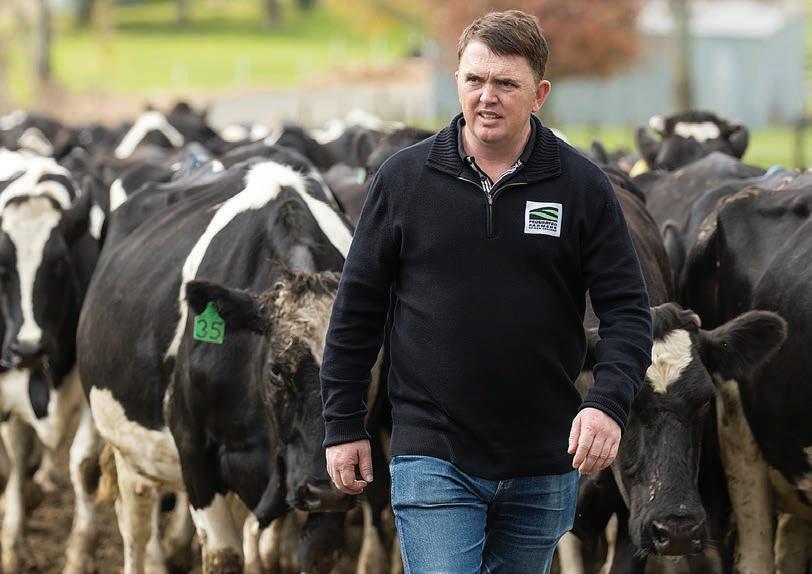
BACKWARD STEP: Without changes to proposed new resource management legislation, Wayne Langford says he and tens of thousands of other farmers will be buried in resource consent costs and delay.
definition environmental limits are breached.
If we get the architecture of the legislation right, we can have both environmental improvement and economic growth.
Mark Hooper Federated Farmers RMA reform spokesperson
unique because of the WCO.
“It’s likely this will be the situation for virtually all farmers in New Zealand under this bill.”
Most communities will want to set standards for water quality to improve beyond current levels.
As soon as they do, by the bill’s
“If catchments sit beyond their environmental limit, all farms will need a resource consent. They’ll struggle to get one and it won’t be possible to use national standards for farming activities,” Hooper says.
“This goes completely against Cabinet’s intention. It’s a fundamental flaw in design of the legislation.”
Setting water quality targets is fine, but it shouldn’t mean all activity stops until that target is achieved, Hooper says.
“If we wanted to improve air quality in cities, standards could be set for improved motor vehicle engine performance. We don’t ban all cars.
“Water quality is the same. We
improve water quality by improving the performance of all farmers over time.
“We don’t need expensive resource consents; we already have a tool –farm plans.”
Farm plans steer farmers down a path of improved performance, and better water quality, over time, Hooper says.
“We can also do this by setting national standards for farm activities like drain maintenance, vegetable growing or aerial fertiliser application.
“As each catchment will have a different target, standards need to flex up or down for catchment context. That’s a feature already built into farm plans.”
Federated Farmers’ written submission outlines many other changes needed to achieve a better resource management system.
In particular, the bill’s goals, definitions and environmental limits need to be rewritten to ensure councils can make sensible, balanced decisions.
“Scope should be limited to physical effects on the natural environment,” Hooper says.
“That means specifically excluding greenhouse gas emissions – which are dealt with in other legislation – and spiritual impacts such as the mana of the water.
“If we get the architecture of the legislation right, we can have both environmental improvement and economic growth.
“If we get it wrong, we risk simply rebuilding the RMA – and making it worse for farmers.”
Feds propose major shake-up
New Zealand’s local government structure has become an increasingly messy patchwork, and Federated Farmers says it’s time to clean it up.
“The way councils are currently organised is a major factor in how effectively they serve their communities,” Federated Farmers local government spokesperson Sandra Faulkner says.
“The number and type of councils – and the logic behind their boundaries – can really make or break their ability to deliver quality services at a reasonable cost.
“With dedicated water organisations being formed because of three waters reform, things are even more complicated and messy and the structure is failing ratepayers.
“We think the time is ripe to streamline and modernise the sector.”
Federated Farmers has just laid out its blueprint for local government reform in a white paper.
“Preserving a strong local say on council matters while driving better efficiency is at the heart of our proposal.
“Our model will likely also halve the current number of councils.”
Late last year the Government proposed abolishing the country’s 11 regional councils.
Mayors would take over the work of regional councillors and be tasked with putting together reorganisation plans in each region.
Federated Farmers, which has a long history of engaging with councils on rates, infrastructure investment and district plan red tape, stepped up with a simpler and less disruptive way forward, Faulkner says.
“City and provincial areas have different priorities, infrastructure and land use.
“We’re saying the most effective way to streamline local government is by separating provincial governance from governance of urban areas with populations of around 50,000-plus.”
The country already has six unitary authorities, which perform the functions of both district or city and regional councils.
“We’d like to see that model expanded across New Zealand,” Faulkner says.
Under Federated Farmers’ proposal, councils would take on responsibilities currently held by regional councils, which would no longer exist as separate entities.
Many district councils would amalgamate but to maintain strong local input, a second tier of properly empowered community boards and catchment committees could help bring decision-making closer to residents and draw on local knowledge.
“Councils consolidated along regional and city lines would be better able to focus on local, placebased decisions.
“It would also simplify relationships with central government on issues like roading, public transport, environmental management, and emergency management.”
Attracting and retaining highquality elected councillors and paid
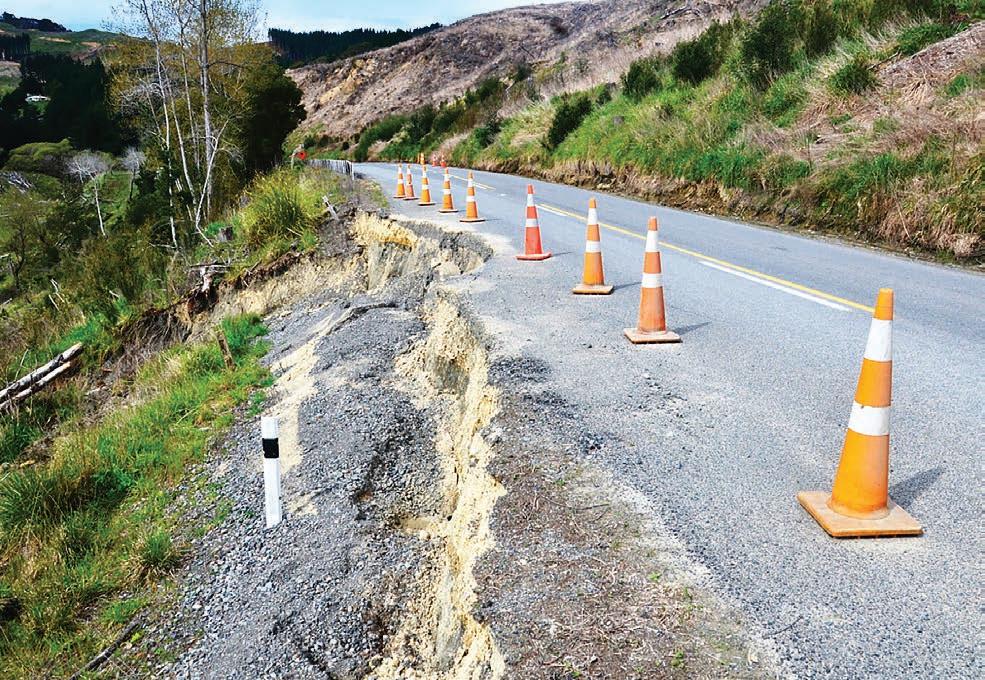
council staff can be challenging under current settings, especially for smaller councils.
“We think the increased scale and clearer core responsibilities with our model could help tackle this.”
Faulkner says environmental and natural hazard workloads benefit from scale, with unitary authorities better able to plan and deliver flood management, drainage, and environmental infrastructure more consistently.
Preserving a strong local say on council matters while driving better efficiency is at the heart of our proposal.
Sandra Faulkner
Federated Farmers local government spokesperson
“Exposure to climate-driven extreme weather highlights the fragility of the current system,” she says.
The provincial/city-separated unitary council structure also makes sense in terms of geography, predominant land use, and the types of services residents and businesses want.
“It fits well with the ‘communities of interest’ concept that drives Local Government Commission (LGC) reorganisation decisions.
“Instead of substantial upheaval, re-writing legislation, and mayors taking over regional council responsibilities during a lengthy transition, our approach fits with the LGC’s existing way of managing and investigating amalgamations,” Faulkner says.
“During that tried and tested process, issues such as the service relationships between metropolitan and provincial councils, treatment of debt and assets, and crossover matters can be addressed.”
Fewer, more logically aligned councils would also make government co-funding arrangements for roads, bridges, public transport and urban growth simpler, with lower compliance costs.
City and regional deals with central government could be easily negotiated.
With new water organisations taking over storm, drinking and wastewater services, many district councils are left with local roads as their only major infrastructure task.
“That’s risky. Councils will have fewer cost centres to allocate
SMOOTHER PATH: Fewer, more logically aligned councils would make government co-funding arrangements for road and bridge renewal, public transport and the like simpler, with lower overheads and compliance costs.
overheads, and balance sheet downsizing as water assets are taken out may cause other disruptions,” Faulkner says.
“There’s a clear case for consolidation to achieve economies of scale and prevent local roads from deteriorating.”
Federated Farmers’ white paper also suggests shifting compliance and enforcement, and state-ofthe-environment monitoring, from councils to government or centralised science and regulatory agencies.
“That would ensure consistency, objectivity and efficiency,” Faulkner says.
“Regulatory enforcement should not be political once policy is set.
“Its role is to enforce the rules and standards fairly, consistently and predictably.”
While the debate may unsettle current councils, Faulkner is struck by the broad agreement that reorganisation is now essential.
“The challenges are now too significant, too persistent, and too widely acknowledged to be solved by incremental change,” she says.
“New Zealand needs a more coherent and unified structure – and our model delivers that.”

DOWNSIZE: Federated Farmers local government spokesperson
Sandra Faulkner says their model for reform would likely halve the number of councils.
Arable sector ‘in crisis’ as growers exit and margins collapse
New Zealand’s arable sector is in crisis and major changes are needed to restore profitability and keep growers in the industry if the country wants to maintain a resilient food system, Federated Farmers leaders say.
Federated Farmers national arable chair David Birkett says the number of growers leaving the sector is a clear warning sign.
“When you’re seeing farmers converting to dairy or going back into livestock and leaving arable –and potentially not coming back – that’s a crisis,” Birkett said on the Federated Farmers Podcast.
“The pressures have been building for years, with rising costs and stagnant grain prices continuing to squeeze profitability.
“The industry needs a critical mass of growers, and we’re probably getting close to losing that now.”
Southland arable farmer Chris Dillon says wheat prices today are similar to what farmers were
receiving two decades ago, despite dramatic increases in costs.
“Meanwhile, land is probably three times what it was back then, machinery is far more expensive, fertiliser costs more and wages have gone up,” Dillon says.
“Everything has crept up on us, but the grain price hasn’t.”
Because grain prices are linked to global markets and import parity, growers have little ability to lift prices domestically.
“When dairy goes backwards, grain prices tend to come back down as well, so there’s really no upside,”
Dillon says.
Birkett says inflation since the Covid-19 pandemic had made the situation worse.
“Machinery prices have risen dramatically, and you can’t farm without that equipment. Commodity prices simply haven’t kept up with inflation.”
At the same time, New Zealand growers are increasingly competing directly with imported grain.
“In the past we might have received a premium over imported product if the domestic industry was strong.
“These days we’re essentially pricetakers on the global market,” Birkett says.
“That’s a real challenge when you’re competing against countries like Argentina or Australia, which have lower land costs and much larger scale.”
Weather has also compounded the financial pressure on growers.
Many farmers started the most recent season optimistic about crop yields, only to see those hopes dashed by severe weather.
“When you’ve had two or three years like that in a row, it puts huge financial pressure on farmers,” Birkett says.
“Last year we saw a number of arable farms convert to dairy, and we’re hearing that at least a similar number – possibly more – could convert this year.
“That might open opportunities
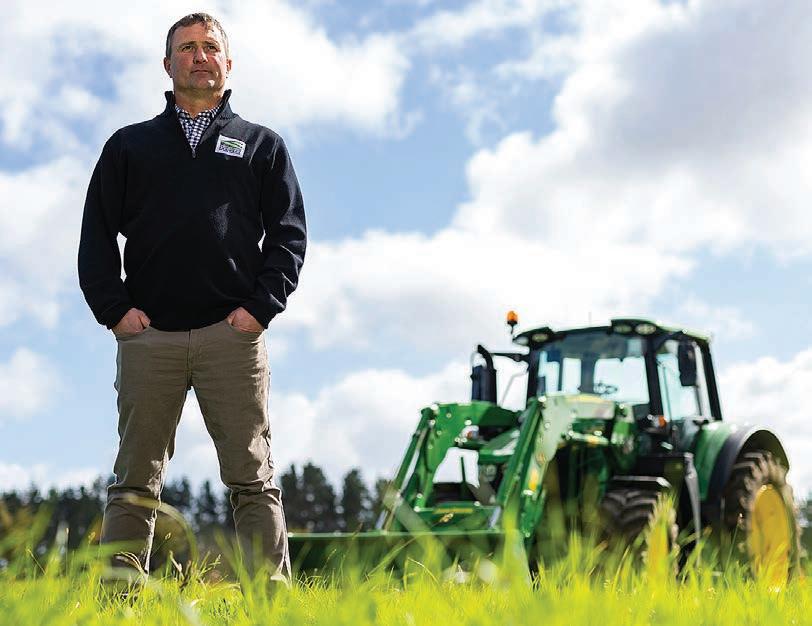
for those who remain, but it also puts pressure on the infrastructure the industry relies on, such as seed dressing plants and processing facilities.”
The challenges facing the sector matter far beyond arable farmers themselves, Dillon says.
“The whole livestock sector is linked to arable in many ways.
“A lot of the supplementary feed comes from us, a lot of the wintering happens on arable farms, and the pasture seed for livestock systems is produced by arable growers.
“The health of one sector directly affects the other.”
up to 12 months before harvest.
“That means you’re committing to a price without knowing what the weather will do, what your yields will be, or what your input costs will look like,” he says.
“It’s a risky approach, and we need to have discussions as an industry about whether those systems are still fit for purpose.”
Dillon says improving returns to growers will also be critical.
STATIC: Southland arable farmer
Chris Dillon says wheat prices today are similar to what farmers were receiving two decades ago, despite dramatic increases in costs.
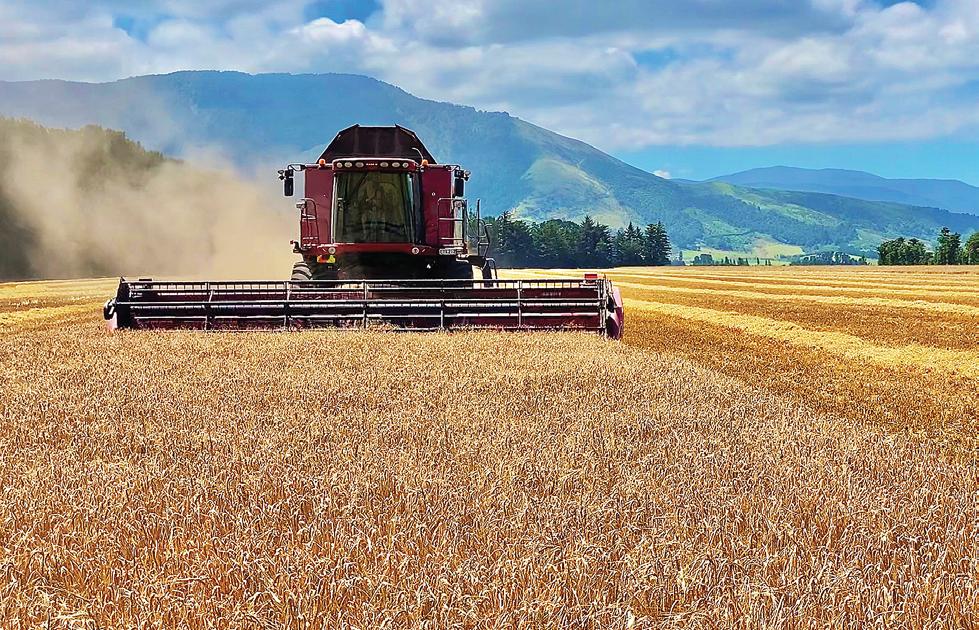
Birkett says the sector also punches well above its weight internationally.
“For a small group of farmers, we produce a significant amount of seed on the global stage.
“More than half of the world’s carrot seed is grown in New Zealand, more than half of the world’s radish seed, and around 40 to 50% of the world’s white clover seed.”
Looking ahead, both farmers say significant changes will be needed to restore the sector’s long-term viability.
One area under scrutiny is the way crops are contracted.
Birkett says many growers sign production contracts long before crops are planted, locking in prices
“In some cases, the grower covers all the costs of producing and processing seed, but the margins between what the grower receives and what the product eventually sells for can be huge.
“There’s no real payment for the risk that growers take.”
Both men say stabilising the sector is essential not just for arable farmers, but for the resilience of New Zealand agriculture as a whole.
“If we lose too much arable production, it will have ripple effects across the entire farming system,” Birkett says.
“That’s why we need to get the industry back on the front foot.
“We’ll need the whole arable sector to work together on this, though, or we won’t be able to get there.”
MORE:
Hear the interview in full at fedfarm.org.nz/podcast


ACTION: Fixing the arable sector will require farmers, seed companies, and the wider industry to work together on long-term solutions, David Birkett says.
Feds double down on Ngāi Tahu claims
Federated Farmers is doubling down on its criticism of new rules in Gore that require farmers to consider Ngāi Tahu cultural values when applying for resource consents.
Jason Herrick, the organisation’s Southland president, says anyone who takes the time to actually read the proposed plan will be shocked by how confusing, impractical and vague it is.
“Ngāi Tahu have come out saying we’re scaremongering, but I’m not having a bar of it. We’ve raised some legitimate concerns on behalf of local farmers that need to be addressed.
“As it’s currently written, the plan expects farmers to assess the impact of farming activities against cultural values that are difficult, if not impossible, to quantify or apply in practice.”
Gore District Council’s proposed plan identifies a wide range of Ngāi Tahu cultural values that must be considered in many situations where a resource consent is needed.
These include kaitiakitanga, whakapapa, mauri, manaakitanga, wairua, whanaungatanga, utu, mātauranga, te reo Māori, ki uta ki tai, wai, whenua and mahinga kai.
The meaning of these values is outlined in the Mana Whenua chapter of the plan.
Herrick says a big part of the problem is the fact the plan provides little guidance on how an everyday farming activity might affect these values.
“For most rules, the plan simply says you need to consider the cultural values – but what does that mean in practice?
“It doesn’t explain which values are relevant, what an impact might look like, or how you’re supposed to demonstrate that you’ve considered them.
“That’s about as clear as mud. Most of us are just trying to get on with farming. How are we supposed to know what we can and can’t do?
There’s huge uncertainty.”
Some everyday farming activities
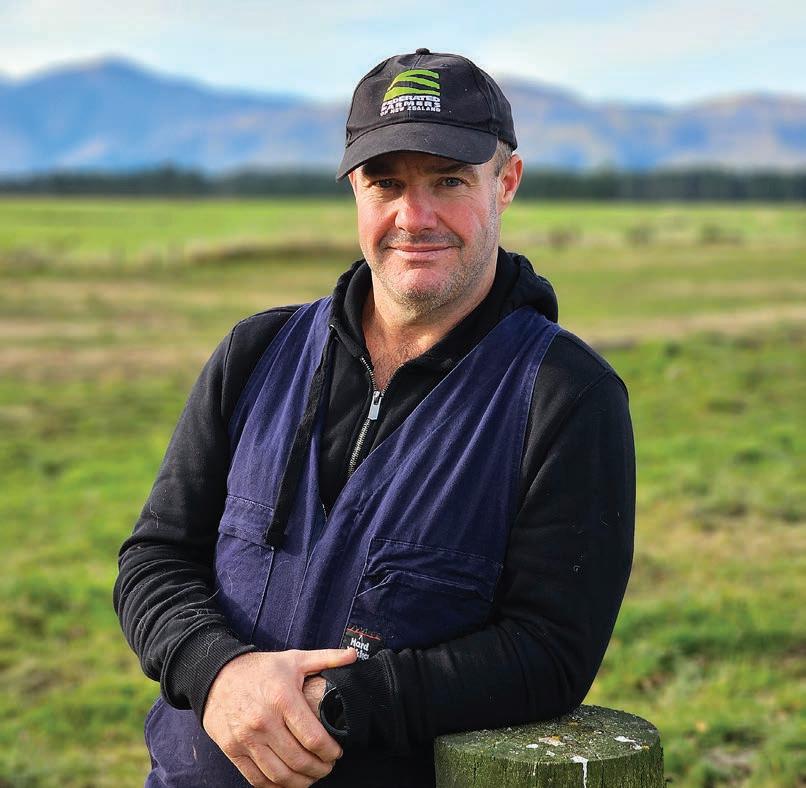
remain permitted under the plan, and by definition don’t need a resource consent or an assessment of cultural impacts.
But where activities do trigger the need for a resource consent, including earthworks, subdivision, work in riparian areas and larger farm buildings, there will be a requirement to consider cultural values.
“Even relatively minor activities can fall into this category,” Herrick says.
“If you want to dig a silage pit or build a shed that’s just outside permitted thresholds, you may need to assess impacts on Ngāi Tahu cultural values.
“If you don’t, your application could be returned incomplete.”
Part of the plan states that the impact of activities on Ngāi Tahu cultural values is determined in partnership with Hokonui Rūnanga.
Herrick says this creates significant uncertainty.
“It’s not clear when Rūnanga
input is required, what level of engagement is needed, or what it will actually cost.
“I don’t know if the council even realises how big a problem that is for farmers. You can’t expect any kind of
business to invest and grow when they face such a lack of clarity.”
The plan also allows the Rūnanga to advise whether a Cultural Values Report is required and states the cost falls on the applicant.
Federated Farmers says this provision could create a thriving consultancy business for the Rūnanga if engagement is routinely required across a wide range of activities.
We’ve raised some legitimate concerns on behalf of local farmers that need to be addressed.
Jason Herrick Southland Federated Farmers president
Herrick says, in practice, engagement is often disproportionate to the potential impact.
“Some activities, like small earthworks, may have very limited or no effect on cultural values, but the plan still requires some level of engagement.
“This really risks becoming a boxticking exercise that adds cost and delay without actually protecting cultural values at all.”
There are also practical issues with the scale of engagement the plan
could require, Herrick says.
“We’re concerned that Hokonui Rūnanga aren’t staffed to handle the potential volume of applications.
“That could mean farmers end up facing weeks or even months of delays and additional costs, even when the chance of cultural effects is minimal.
“It’s unclear whether they have the technical expertise to assess the wide range of farming activities that could require consent.
“If the plan doesn’t clearly define thresholds, what counts as an effect, or how Rūnanga input is applied, everyone is left guessing.
“That’s not fair to farmers, and it’s not good resource management.”
Federated Farmers has lodged an appeal with the Environment Court, seeking clarity around the consent process and expectations.
Herrick says the goal is to make the requirement to consider cultural values proportionate to the scale and likelihood of effects.
“We support genuine engagement where there’s a real potential for cultural impact – but it needs to be practical, clear and predictable.
“Farmers shouldn’t have to navigate a vague, open-ended and potentially very expensive system just to get on with their everyday work.”
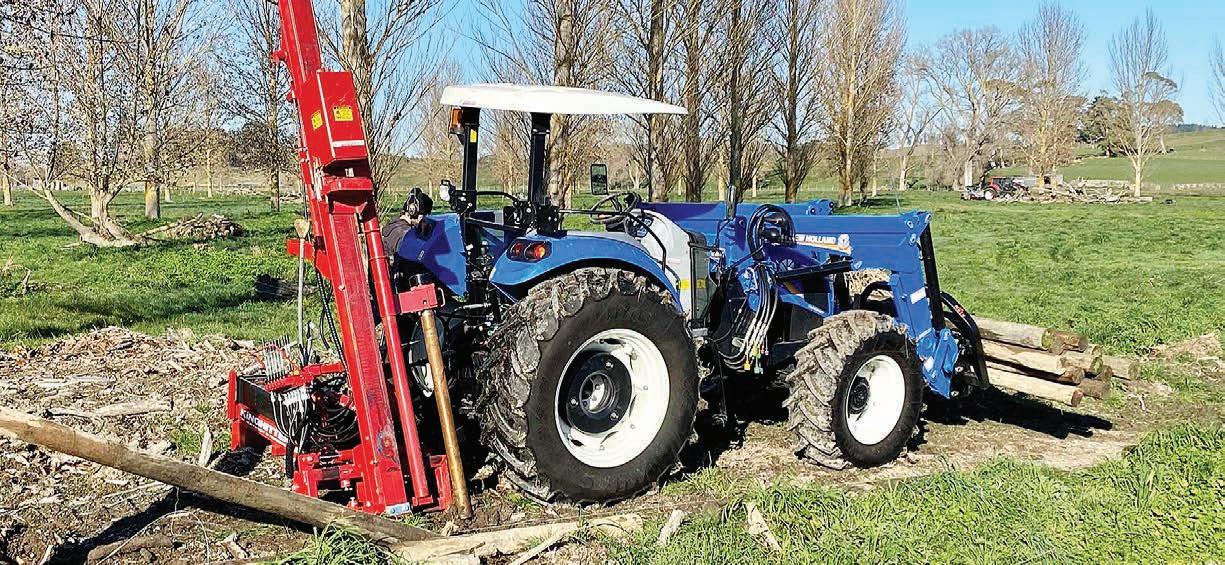



Fresh
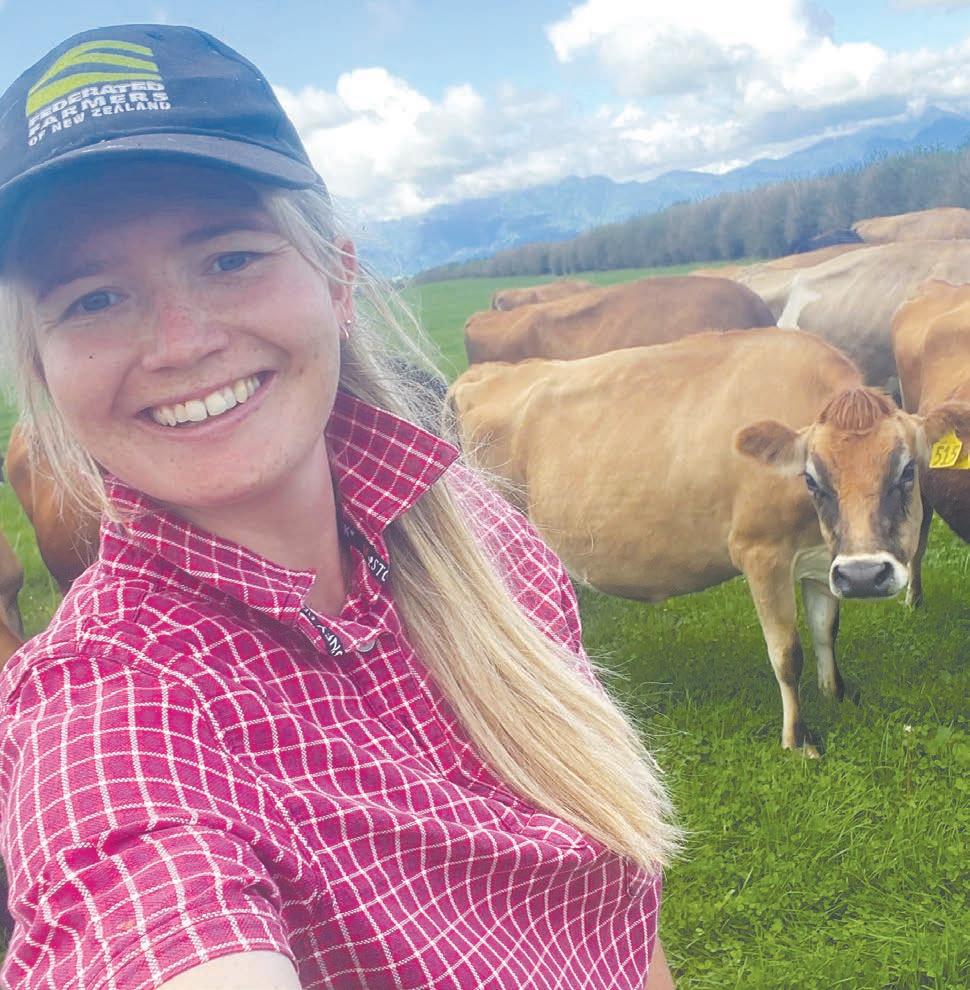






From South Africa to the Waikato, Carla de Wet shares her story of settling nto New Zealand farming and building her career in dairy.

CLEAR AS MUD: Jason Herrick says Gore’s proposed iwi ‘cultural values’ rules are confusing, impractical and leave farmers with more questions than answers.
DETAIL: Some activities, like small earthworks, may have very limited or no effect on cultural values, but the plan still requires some level of engagement, Jason Herrick says.



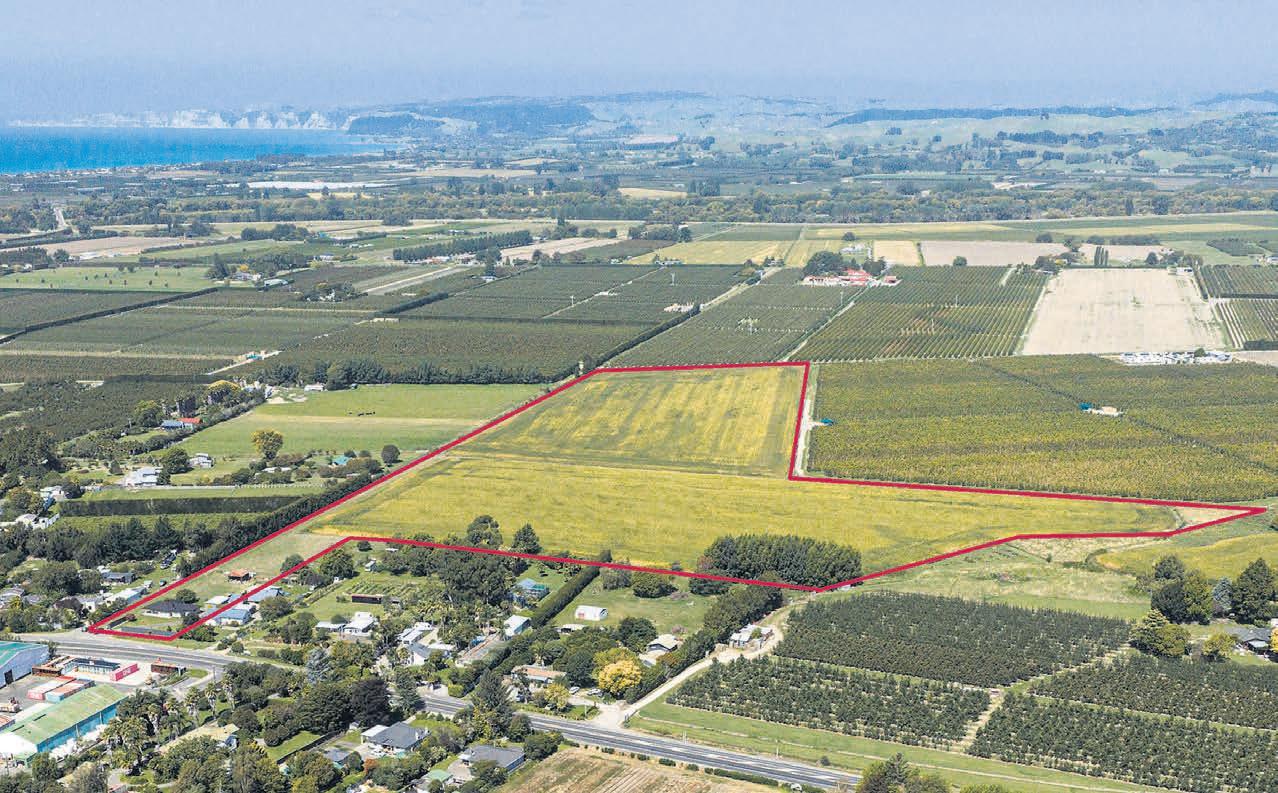
Lifestyle, location and income
2854448
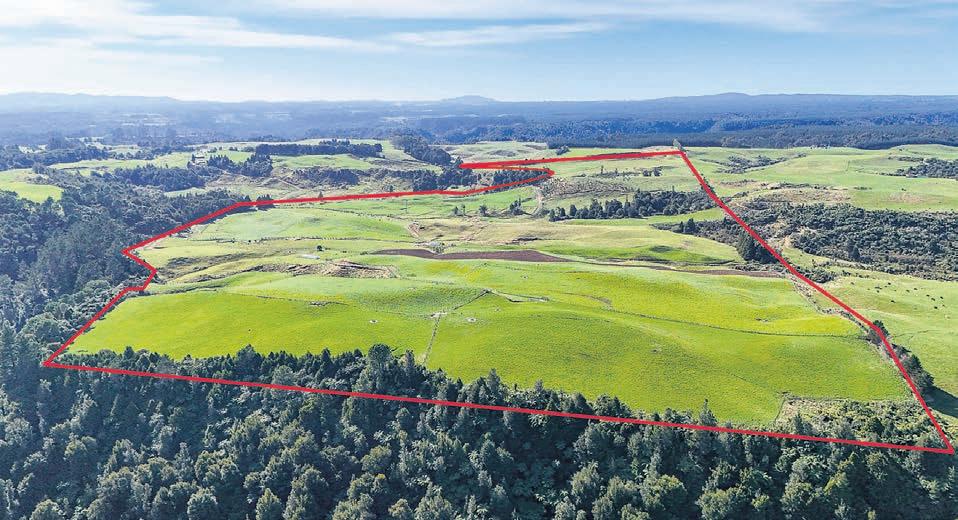





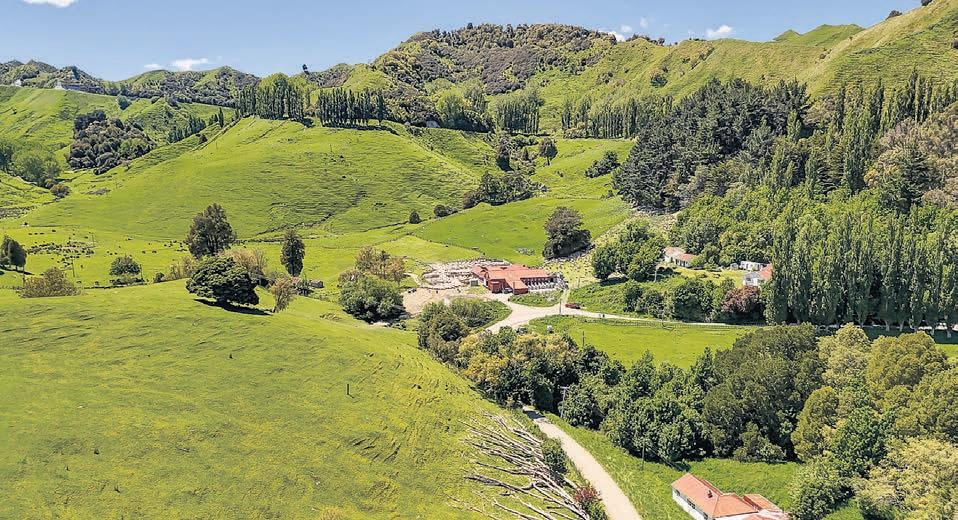
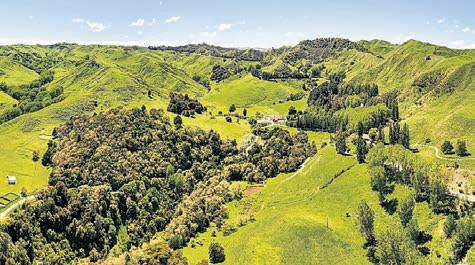
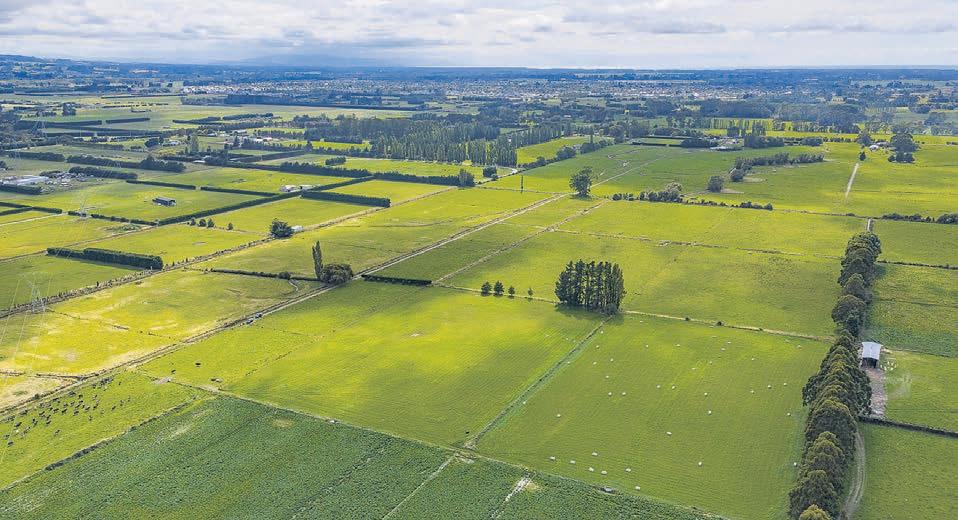
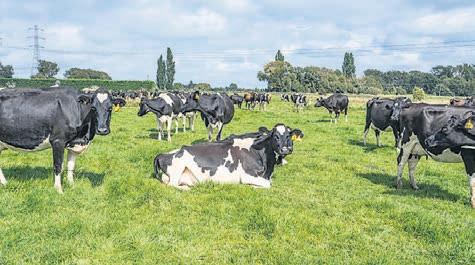
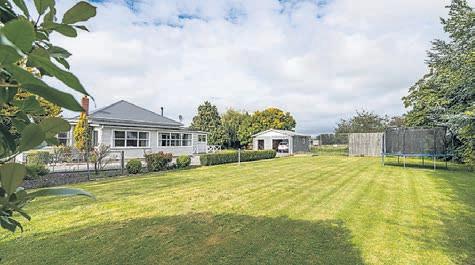
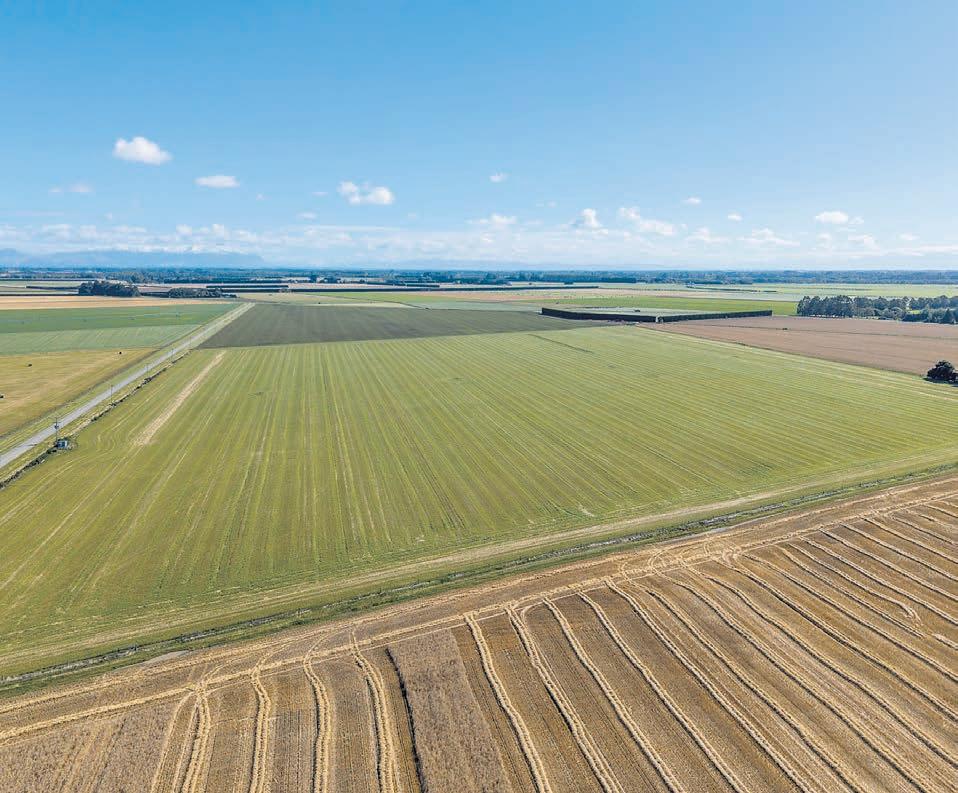
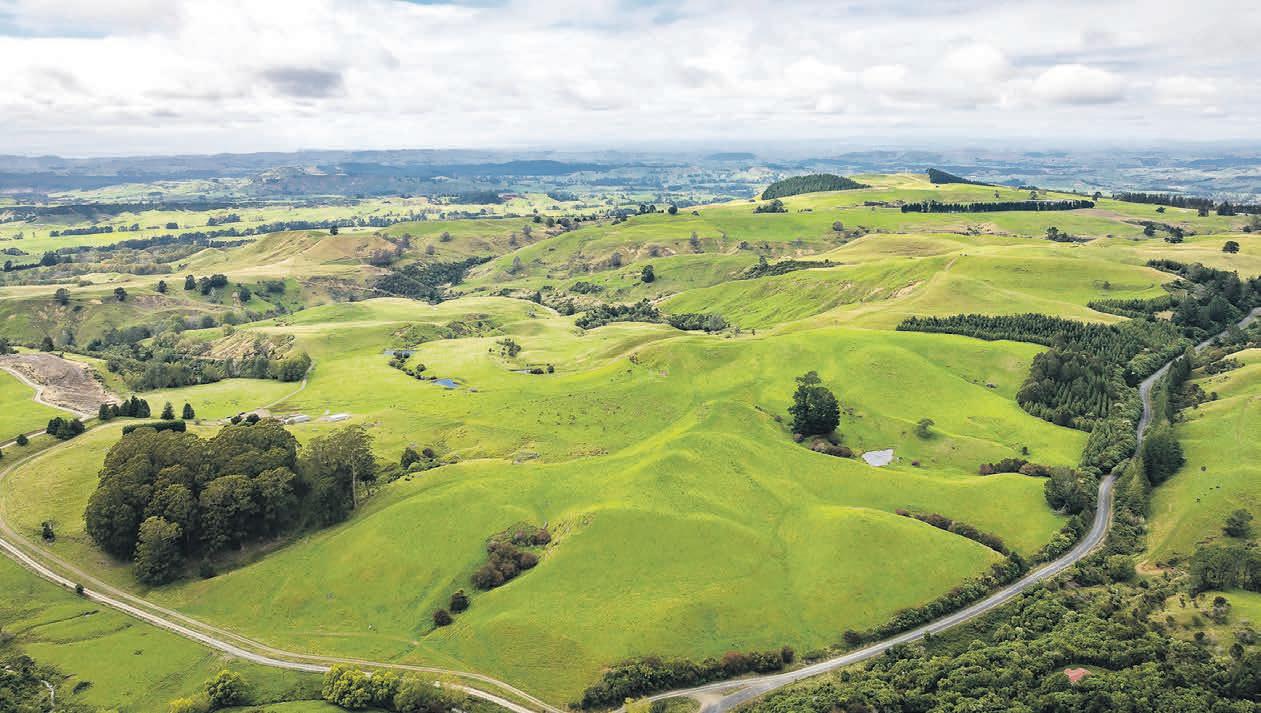
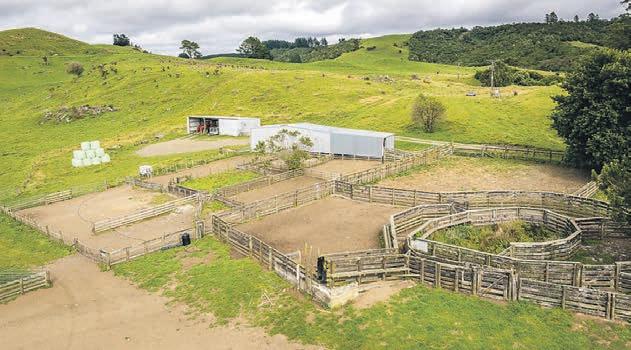
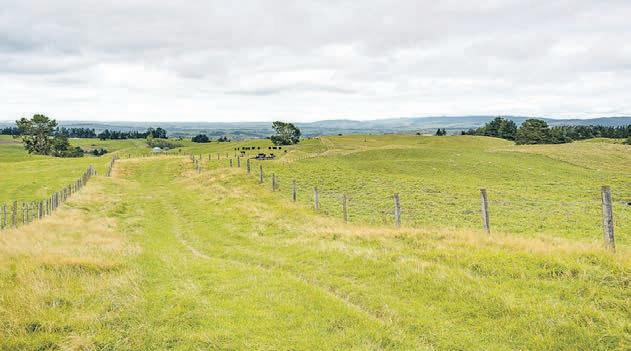
Accelerating success.
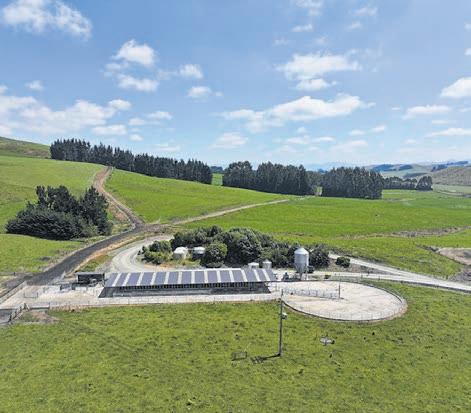
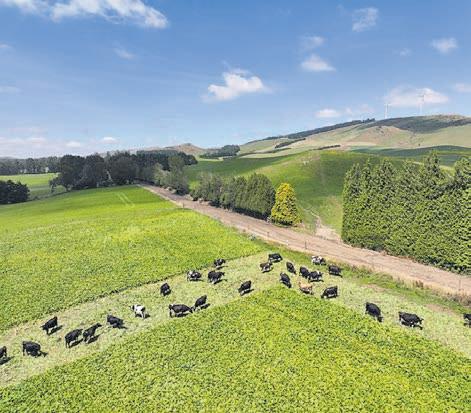
90 Rosemarkie Road, Ferndale, Southland
For Sale, Enquiries Over $9,000,000 + GST (if any) $24,400 per/ha
• Self-contained dairy unit
• Available for take over June 2nd, this year Stock and Plant as a going concern
• Consented for 650 cows, milking 590 cows
• Estimated 260,000 kgMS in the 2025/26 season
• Modern, efficient 48-aside herringbone shed with automatic cup removers, automatic plant and silo wash, Milfos plant, and a 600-cow circular yard
• Balance of flat to rolling contour with very good topsoils and some steeper, grazable hill
• Opportunity and scope with production potential
• Reliable rainfall; bore with reticulated water scheme
• Very good support buildings: calf sheds, implement workshop, and exbeef wintering barn used for springers in calving
• Key feature: modern, well-appointed homes, including two 4-bedroom homes and one 3-bedroom home
For Sale
600 Cow Dairy Unit | $24,400 per/ha
2109 Okau Road
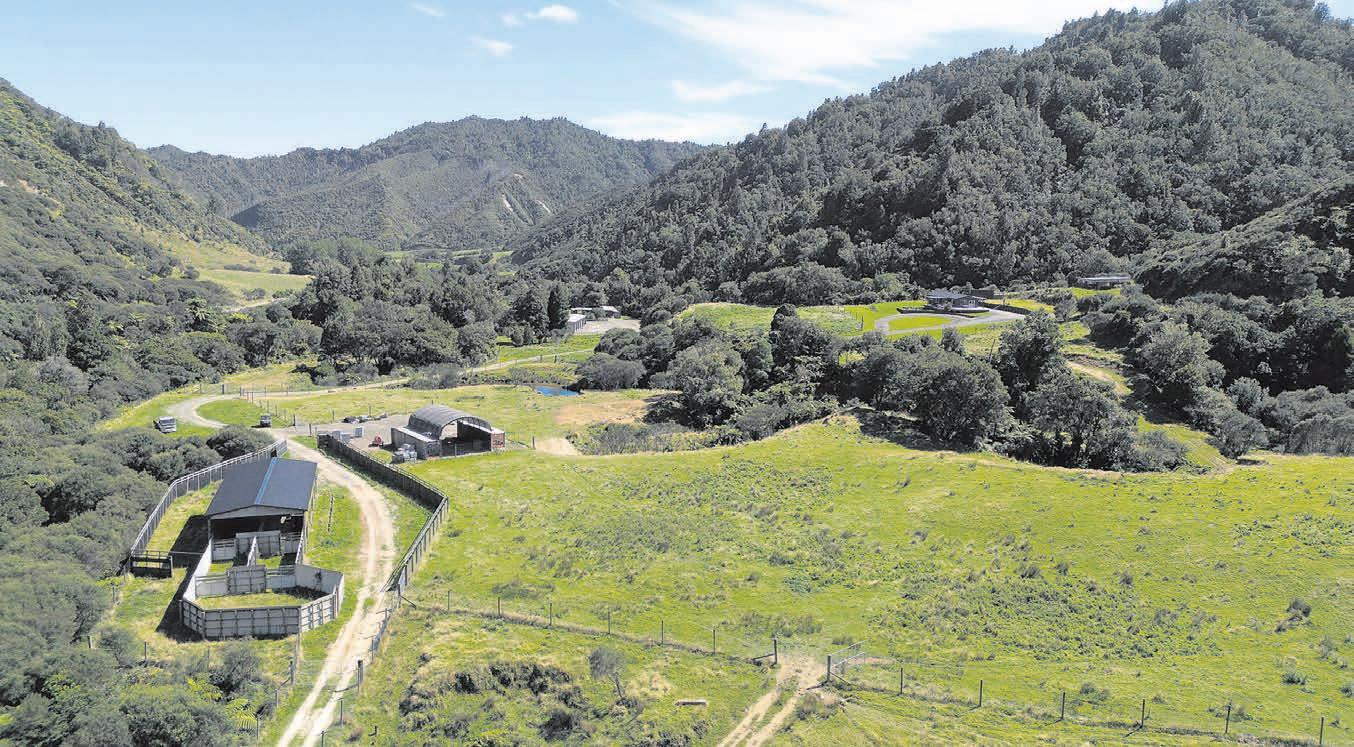
Large scale investment & lifestyle
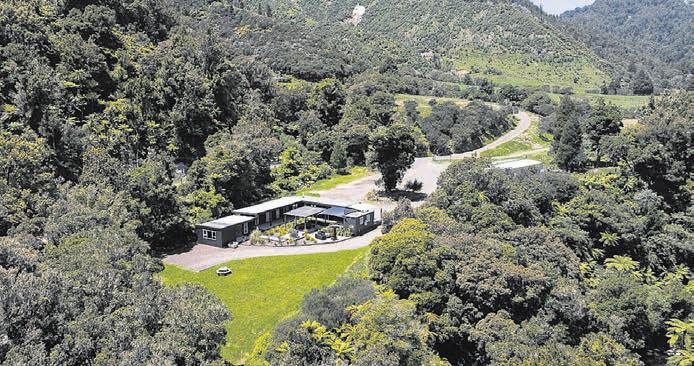
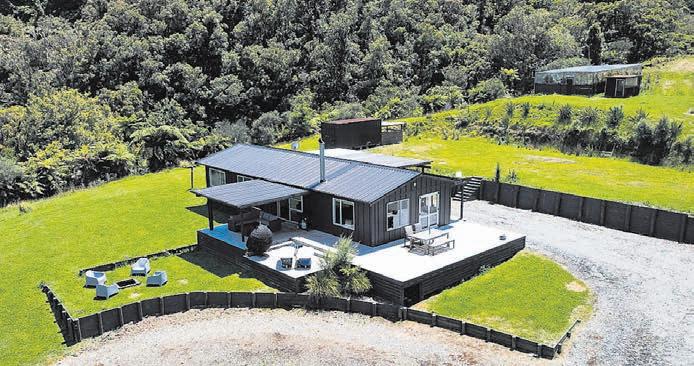
Are you searching for your next significant investment? If so, bring your vision and explore what is on offer here Located in North Taranaki, this expansive 1,082 ha property presents scale, diversity, and genuine multiple income streams. The land is predominantly made up of approximately 300 ha of Manuka, 680 ha of established native bush, complemented by 32 ha of deer fenced land and 44 ha of grazing Improvements include Kotare Cottage - a modern four bedroom dwelling - and Kotare Lodge, offering bunk-style accommodation for up to 20 guests. A covered outdoor social hub with wood fired hot tub enhances the experience, while on-site hydro and solar generation (with generator backup) provide self sufficient power - an exceptional platform for adventure tourism. Income is generated from Manuka honey production, deer and beef farming, carbon credits, and hunting, including fallow and red deer with potential for trophy stag operations. 4 1 1 Tender closes 4.00pm, Wed 22nd Apr, 2026 (unless sold prior),

Finishing, dairy support
This
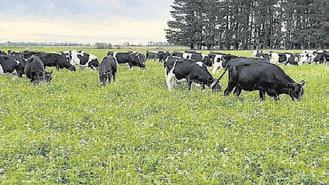
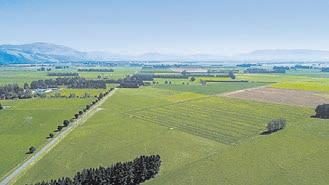


Brokers, 37 Hobson Street, New Plymouth
Greg O'Byrne M 027 598 3000 E greg.obyrne@pb.co.nz
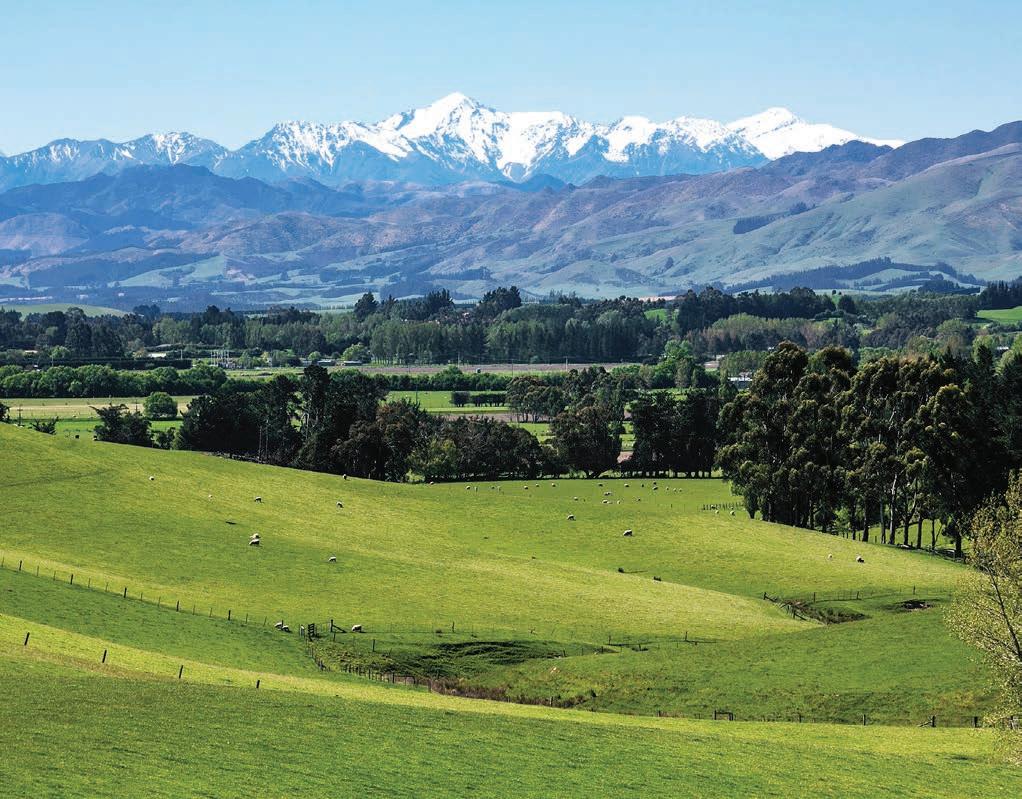
Your agent may suggest you advertise in their
We suggest you remind them that this is the publication you, and every


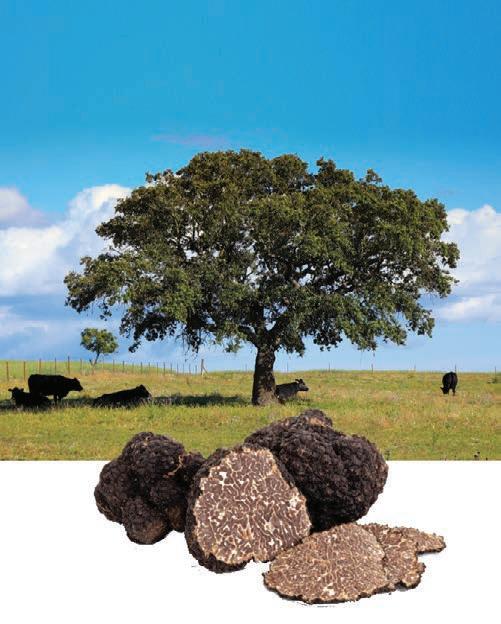

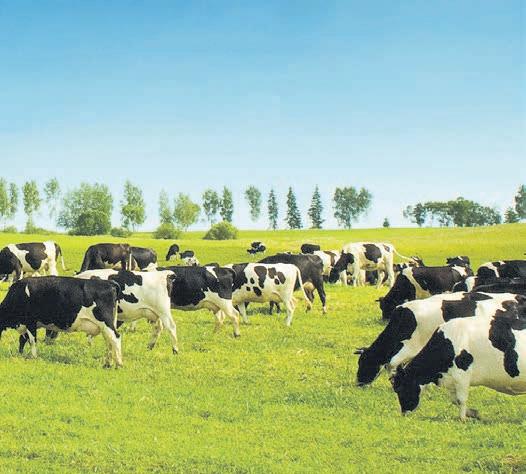







CARPENTER/FOREMAN
• Work in the Great Outdoors
• Build in Central Otago
• Diverse Projects
• Team Environment








Farmbuild South is a specialist rural building company with the farming community at the forefront. Projects ranging from housing to shearing shed, hay barns, workshops and more, It is a 4th generational company, servicing the South in the rural sector.
We are currently seeking a skilled Carpenter/ Foreman to join our team on a number of projects in the Otago area.
We are looking for the following qualities:
• Must be able to work out of town Monday-Friday (when required)
• Work as a team or independently
• Be physically fit
• Health and Safety conscious
Farmbuild South will offering the following:
• A competitive rate of pay based on experience for the right person
• Staying away allowance
• Food and accommodation supplied when working away
• Great work conditions with a wide range of projects
• Opportunities to advance your career and move up the ladder
Please check out our FarmBuild website: https://farmbuild.co.nz to see the type of work and what you could be part of.
Email your application to pat@farmbuild.co.nz or call Pat McCarthy 027 244 4824
Applicants for these positions must have a current work visa or New Zealand Residency.
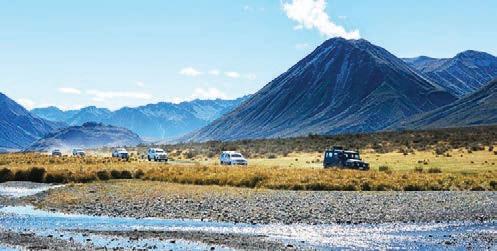






LIFESTYLE BLOCK FOR SALE
RAMMED EARTH fourbedroom house. Ensuite, 2 lounges, double garage, 6,000sqm, food forest, Tauranga. Phone Alwyn 027 208 1414. Licensed under the RA 2008.
PUMPS
HIGH PRESSURE WATER PUMPS, suitable on high headlifts. Low energy usage for single/3-phase motors, waterwheel and turbine drives. Low maintenance costs and easy to service. Enquiries phone 04 526 4415, email sales@hydra-cell.co.nz
RAMS
FOR SALE
HILL COUNTRY 2-tooth Perendales. Quality sires. Good wool and easy care lambing. $300 - $600. Phone 021 133 7533.
SOUND TERMINAL SIRES
458 2727.
jobs

BUSINESS OPPORTUNITIES
INVESTOR WANTED for sheep and beef Sharefarming venture. We have the stock and experience, you have the equity. ghcmustering@ gmail.com
GOATS WANTED
FERAL GOATS WANTED. Pick-up within 24 hours. Prices based on works schedule. Phone Vicky Le Feuvre 07 893 8916 or 027 363 2932.
GOATS WANTED. All weights. All breeds. Prompt service. Payment on pick up. My on farm prices will not be beaten. Phone David Hutchings 07 895 8845 or 0274 519 249. Feral goats mustered on a 50/50 share basis.
HORTICULTURE
NZ KELP. FRESH, wild ocean harvested giant kelp. The world’s richest source of natural iodine. Dried and milled for use in agriculture and horticulture. Growth promotant / stock health food. As seen on Country Calendar. Orders to: 03 322 6115 or info@nzkelp.co.nz
LIVESTOCK FOR SALE
WILTSHIRES-ARVIDSON. Self shearing sheep. No1 for Facial Eczema. David 027 2771 556.
Suffolk Southdown X and Southdown rams for heavy lambs. Suit ewes or hoggets. $300 - $600. Phone 021 133 7533.
SALE TALK
A FRIENDSHIP AMONG
WOMEN: A woman didn’t come home one night. The next day she told her husband that she had slept over at a girlfriend’s house. The man called his wife’s 10 best friends. Not one of the knew anything about it.
FRIENDSHIP AMONG
MEN: A man didn’t come home one night. The next day he told his wife that he had slept over at a mate’s house. The woman called her husband’s 10 best friends. Eight of them confirmed that he had slept over, and two claimed that he was still there.
SAWN SHED TIMBER including Black Maire, Matai, Totara, Rimu, Mac, Redwood, Western Red Cedar etc. Also buying salvaged native logs. Phone Richard Uren. NZ Native Timber Supplies. Phone 027 688 2954. WANTED TO BUY WHAT’S SITTING IN your barn? Ford, Ferguson, Hitachi, Komatsu, JD. Be it an excavator, loader or tractor, wherever it is in NZ. Don’t let it rust. We may trade in and return you a brand new bucket for your digger or cash for your pocket. Email admin@loaderparts.co.nz or phone Colin 0274 426 936.
MACROCARPA AND PINE TREES. Plantations, Shelterbelts, Farm lots, Big or small, Lower North Island, Good $$$ paid. No obligation free quote. Call Grant 021 246 4329 HSF Ltd.


David Giddings 027 229 9760 giddingsfamily@xtra.co.nz
George Giddings 027 656 3323 george@yourbid.org
COMPRISING
• 105 x Incalf In-milk Cows
D.T.C 29th July to Friesian & Brown Swiss
• 6 x MT In-milk Cows
• 28 x R2yr In-calf Heifers
D.T.C 29th July to Jersey
• 3 x MT R2yr Heifers
• 27 x R1yr Heifers
TB C10 as at 16.3.2026. Lepto vaccinated. BVD undetected. Herd consistently produces 380-400kgms farmed on System 3 being milked OAD. R2yr Heifers are very well grown and have great temperament.
R1yr Heifers are Sired predominately by Friesian being a great first cross.
This is a top quality Brown Swiss Herd and replacements with great temperament which has been bred to Samen & Semex Swiss Genetics for 21 years. 50% of the Herd are registered with the Brown Swiss Association. A rare opportunity for the passionate Brown Swiss Breeder to secure some excellent Capital Stock.
The cows will be sold as in-milk with immediate delivery or 1st June by prior arrangement. OPEN DAY for viewing Tuesday 31st March.
VENDOR: Gerben



Call Julie Hill 027 705 7181 classifieds@agrihq.co.nz







•
•
•
•
Cows
BW
STOCK REQUIRED
kg
18MTH Ang & AX Hfrs 300-380kg
18MTH Angus Steers 360-430kg 2YR Beef Bulls 500-600kg
info@dyerlivestock co nz www dyerlivestock co nz Ross Dyer 0274 333 381

ELITE XBRED HERD, YOUNG STOCK AND MACHINERY DISPERSAL
A/c Wainaki Trust (Chris and Helen Brown)
Date: Friday 10th April 2026
Address: 325 Taukoro Road, Morrinsville

Start Time: Machinery & Sundries 10:00am, Cows 11:00am will be available for online bidding (stock only)
COMPRISING:







A complete herd of 250 x XBred/Jersey In-Milk Cows (DTC 16 July) BW211, PW251, BWs up to 563 PWs up to 864 17 x owner bred Carryover cows BW 247 PW 331 8 x In-Milk empty cows BW 191 PW 228 63 x CRL In-Calf Heifers BW 262 PW 249 DTC 10th July to Jrsy bulls 65 x R1 Yr Heifers BW 290 PW 274 (to be sold in 3 computer split groups)
DETAILS:
A genuine XBred/Jersey herd and young stock developed over 20+ years by Chris & Helen Brown under a proven breeding and management programme, milked OAD this season due to winter/ spring conditions, a low empty rate, sound udders; previously milked TAD. Rotary shed milked, with a strong age profile including 145 rising 2-3yr olds and 222 cows aged 5yrs and under. TB C10 and BVD negative. 2025-born heifer weights available pre-auction.
MACHINERY: A full list will be published here on 6th April, available now on-line.
PAYMENT TERMS: 14 days for stock, machinery and sundries for approved Carrfields account holders. Sale day payment required for non-account holders (EFTPOS available).
DELIVERY: No delivery sale day. Deliveries from Sat 11th April. R1 heifers from 1st May or earlier by arrangement. 1 June deliveries available by prior arrangement.
CARRFIELDS LIVESTOCK AGENTS: Jack Kiernan 027 823 2373 Stewart Cruickshank 027 270 5288
www.carrfields.co.nz Contact us 0800 141 545



Markets
Stakes rise with cost of weaner buy-in
Prices are still pushing well beyond expectations, but there are challenges on the horizon.

Alex
Coddington MARKETS Livestock
RADITIONAL weaner
Tsteer prices in the North Island through March pushed well beyond pre-sale expectations, lifting into the 75-80% of schedule range and effectively resetting the market for store cattle relative to recent finishing prices.
While this has created strong opportunities for vendors, it has also significantly increased the stakes for buyers.
Historical benchmarks provide some context for just how far the market has moved. Looking back at AgriHQ data to 2010, traditional weaner steers through March in the past have, at best, traded up to 69-70% of schedule.
Applying this to the current farmgate prices would have seen 250kg traditional steers sit at roughly $6.65/kg, or about $1660 per head.
However, in reality the early market dynamics clearly outpaced the already bullish projections.
The combination of a thriving grass market, competition for supply and confidence in the export prices drove prices to $7.00-$7.50/kg for 250kg
traditional steers or $1760 per head.
At these levels, managing cash flow has become front of mind, alongside a new set of questions: how do buyers justify these numbers, and where to from here?
When looking at the cost to purchase weaners relative to last year’s finishing prices, it is fair to say that despite much higher buy-in costs, strong returns through November and December generated a very healthy margin. This goes some way toward justifying the top end prices seen for early weaners.
The AgriHQ average farmgate price through November and December in the North Island was $9.40/kg, based on a 300kg cwt steer, equating to an average return of $2800 per head. This represents an unprecedented return for finished cattle, and still sits below the very top end returns achieved by some finishers once further breed and accreditation premiums are applied.
For buyers re-entering the market in March, this made purchasing weaners at $1760 very achievable.
With strong cashflow from cattle finished late last year, many buyers could remain competitive while still generating
Proudly sponsored by
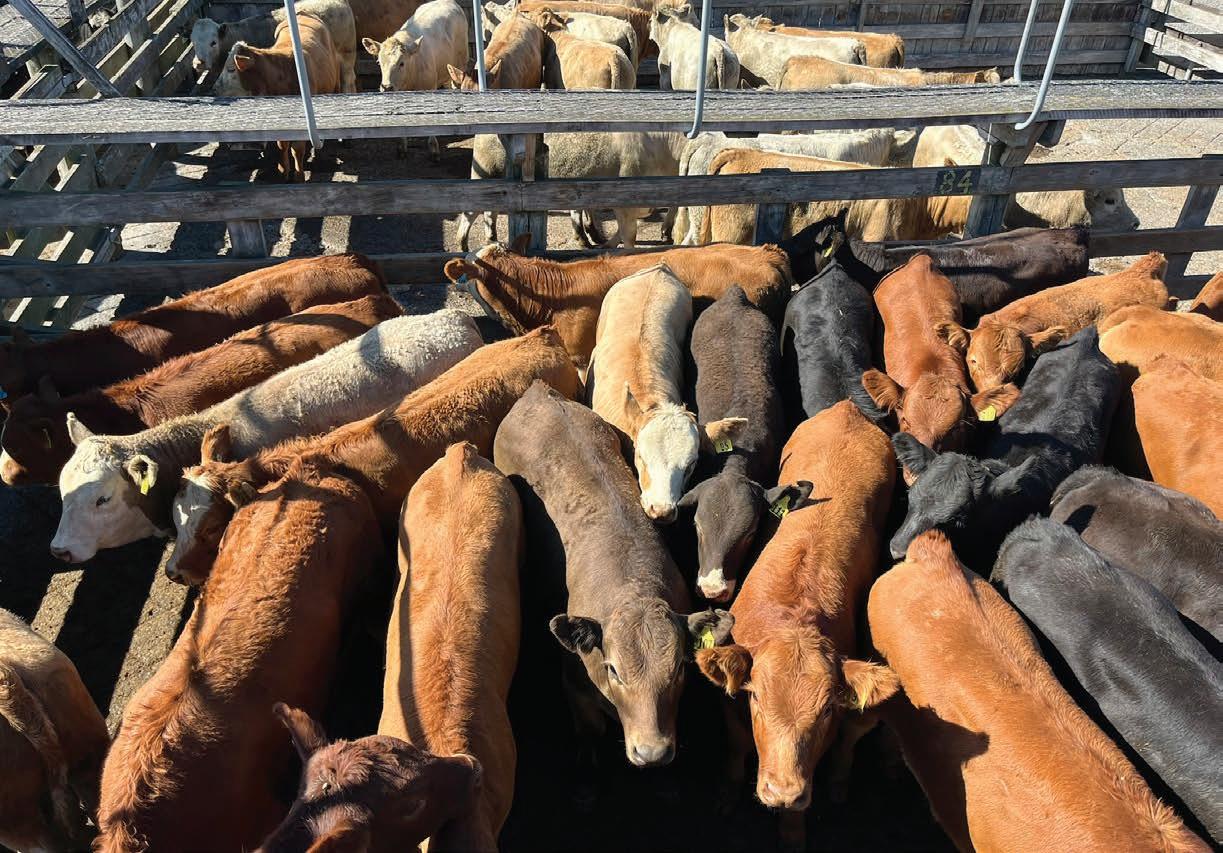
Significant external factors are starting to create challenges within markets, and there is still considerable risk at these price levels.
a replacement margin of $1047 per head.
Compared to last season, this is an increase of more than $200 per head and represents the strongest margin for weaner trading seen in the last 10 years. Typically they have been closer to $730 per head. That said, there are different ways to calculate margins, and this is the version that usually presents the most favourable outcome.
Looking ahead, the key drivers that have underpinned beef prices are expected to continue through
the remainder of the season. However, significant external factors are starting to create challenges within markets, and there is still considerable risk at these price levels.
While high slaughter prices have supported confidence, paying close to $2000 for a six-month-old calf increases buyer exposure to market shifts.
While the war in Iran is far away from New Zealand domestic cattle markets and the fundamentals of global beef demand, the impacts of sky-high fuel costs and global trade logistics uncertainty creates a unique background for buyer sentiment that can’t be underestimated.
Compared to just a month ago, the market is already showing signs of shifting towards a more conservative buyer mindset. This has the potential to flow through
into softer cattle prices, even if the underlying beef export outlook remains strong. This will potentially bring values closer in line with original schedule based expectations.
There is likely to be some seasonal pressure on weaner calf prices in the coming months as the supply of calves typically increases through April. This is not necessarily a bad thing as buyers who missed out at the early fairs may feel more comfortable to purchase on a less heated market, or closer to 60-70% of schedule, which in this case would be somewhere near $1400-$1650 per head.
However, at the same time, changing feed conditions could further influence the supply/ demand balance and potentially create further downside for weaner prices.

MARGINS: When looking at the cost to purchase weaners relative to last year’s finishing prices, it is fair to say that strong returns through November and December generated a very healthy margin, says Alex Coddington.
Cattle Sheep Deer

Weekly saleyard results
These weekly saleyard results are collated by the AgriHQ LivestockEye team. Cattle weights and prices are averages and sheep prices are ranges. For more detailed results and analysis subscribe to your selection of LivestockEye reports. Scan the QR code or visit www.agrihq.co.nz/livestock-reports






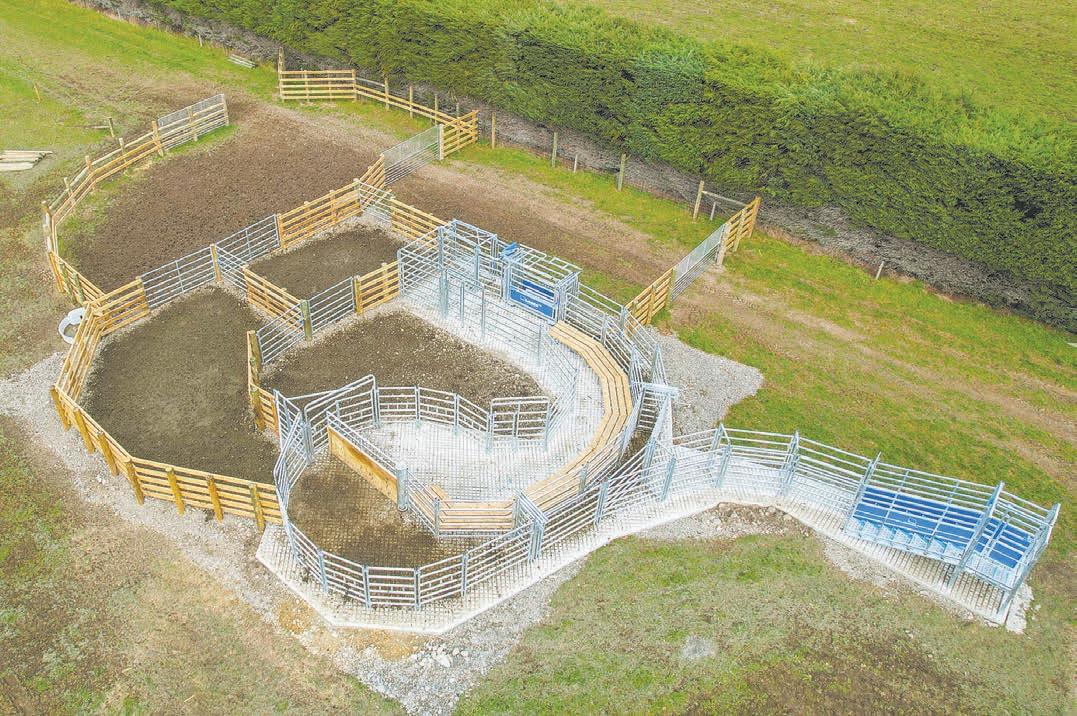


Marching towards a neutral weather pattern

AUTUMN is (usually) all about summer slowly fading away and hints of winter slowly coming in.
The orderly nature of the weather pattern this month is certainly bringing a “second summer” to some regions, as warm, dry, calm days stretch on –and the ground and soil continues to dry out.
Compared to this time a year ago New Zealand has had a much wetter summer this year, meaning we have more soil moisture capacity in most regions than we did exactly 12 months ago.
But our country is drying out fast now and a subtropical low last week missed most regions, delivering 100mm east of the North Island at sea – but not over land itself (other than the northeast corner of the North Island where the low brushed).
The driest regions at the moment are the Far North, Auckland, Hauraki/Thames Valley, Manawatū/Horowhenua, Nelson, Marlborough, Hawke’s Bay (around Napier and Hastings), South Canterbury and parts of north/ central Otago.
Other areas are dry too, but not as dry as those I just mentioned.
Our country is drying out fast now and a subtropical low last week missed most regions.
Wettest areas (from a soil moisture point of view) are Northland (around Whangārei/Bay of Islands area), Ruapehu district, some parts of north Canterbury (around Kaikoura), Banks Peninsula and the West Coast south of Hokitika.
What is the weather pattern coming up?
Short term: This week kicks
off with more high pressure and mostly dry weather.
In fact the anticylcone over the country (and drifting east of us) is the most powerful we’ve had so far in 2026 for New Zealand. By Wednesday air pressure could be over 1036hPa – centred south-east of Dunedin by Thursday.
At the same time a tropical low (which may be a storm or excyclone) is forecast to drift into the Tasman Sea.
This has rainfall potential for some of those dry regions I listed above – but it will depend on how quickly that strong anticyclone gets out of the way further south, to let that tropical rain sink southwards – but powerful highs don’t move fast.
At the time of writing this column long range rain maps for this week showed the chance of northern and western regions in NZ getting rain – possibly heavy late week – while southern and eastern areas of both main islands (south of Gisborne) missed out on the same totals. One to monitor.
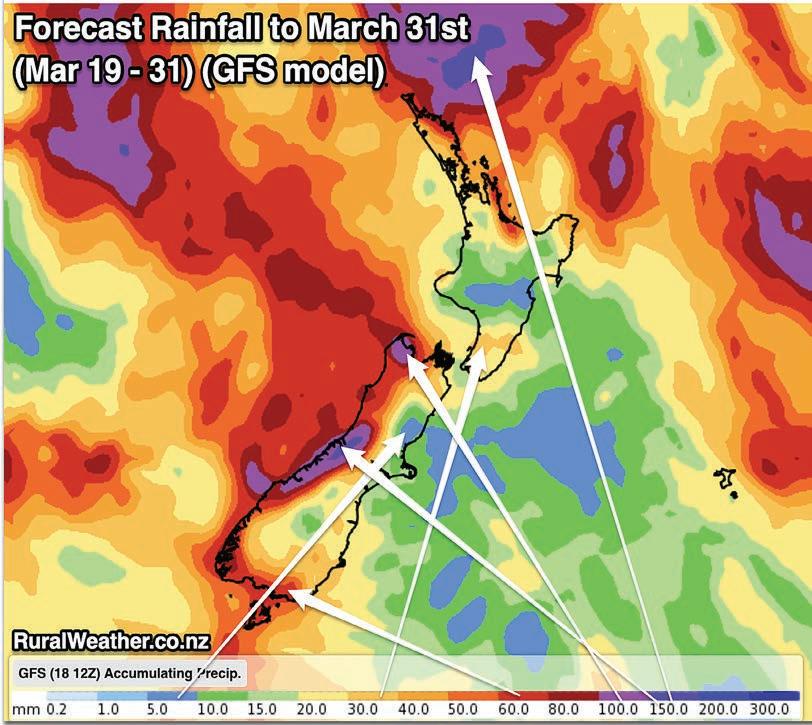
INCOMING: The expected rainfall map for the end of March shows rain coming in from the north and west of New Zealand, meaning it will be drier for inland and eastern areas. Image: RuralWeather.co.nz
Long term: Longer range and the latest from Australia’s Bureau of Meteorology is that La Niña is officially still just clinging on – but there is increasing chatter about El Niño next on the way. You can’t get from La Niña to El Niño without first going to neutral – so that is what we have next, and to be honest the weather pattern
we’ve seen so far this month has been quite benign and orderly.
Neutral brings our prevailing westerly back in – but can also bring rainmakers in from all directions.
So yes, El Niño is on the cards for later this year, but neutral is our next phase.


Philip Duncan NEWS Weather