War surcharge racks up Gulf shipping costs
at a time when arable farmers and contractors are at peak harvesting.
DISRUPTION to supply chains and rising fuel and shipping costs from the Iranian conflict could cause an easing in farmgate meat prices, say sector leaders.
Silver Fern Farms chief executive Dan Boulton said the conflict between the United States, Israel and Iran is pushing up prices for fuel while shipping lines have imposed a “war surcharge” of NZ$2500 to NZ$6700 per container.
According to a United States export logistics company, a war risk surcharge is an additional charge applied by shipping companies to cover increased insurance costs and potential risks from transporting goods through areas deemed high risk due to war, civil unrest or piracy.
Shipping schedules have also been disrupted, and meat displaced from suddenly inaccessible Gulf markets is being sent to countries like China, putting pressure on prices.
Boulton said fortunately global demand and prices for meat remain strong.
“It’s very fluid at this stage but there are costs being incurred which could be reflected in farmgate schedules,” he said.
The surge in global oil prices due to disrupted oil exports from the Gulf pushed up diesel prices by nearly 51c/litre last week –
Agricultural contractors have called it “a disaster”, saying they have no choice but to increase their rates.
The conflict has effectively closed the 33km-wide Strait of Hormuz and therefore access for shipping to Persian Gulf countries.
This has severely disrupted NZ exports to the region, which are worth about $3.4 billion a year, mostly dairy at $2.4bn and meat at $330 million.
About 22% of NZ’s fertiliser requirements come from Persian Gulf countries, with NZ co-ops warning those prices are also rising.
Boulton said even if the Iranian conflict were resolved today, global supply chains could remain disrupted for several months from heightened costs, congested shipping and ports and containers needing to be repositioned.
“The shorter the time it goes on the faster the recovery, but it won’t be an immediate return to normal.”
Dairy and meat exporters are working with logistic partners to find alternative routes via ports and overland routes not impacted by the conflict, to get some product to Gulf markets.
Boulton said route changes add to transport times and require the approval of officials and new documentation.
Continued page 3
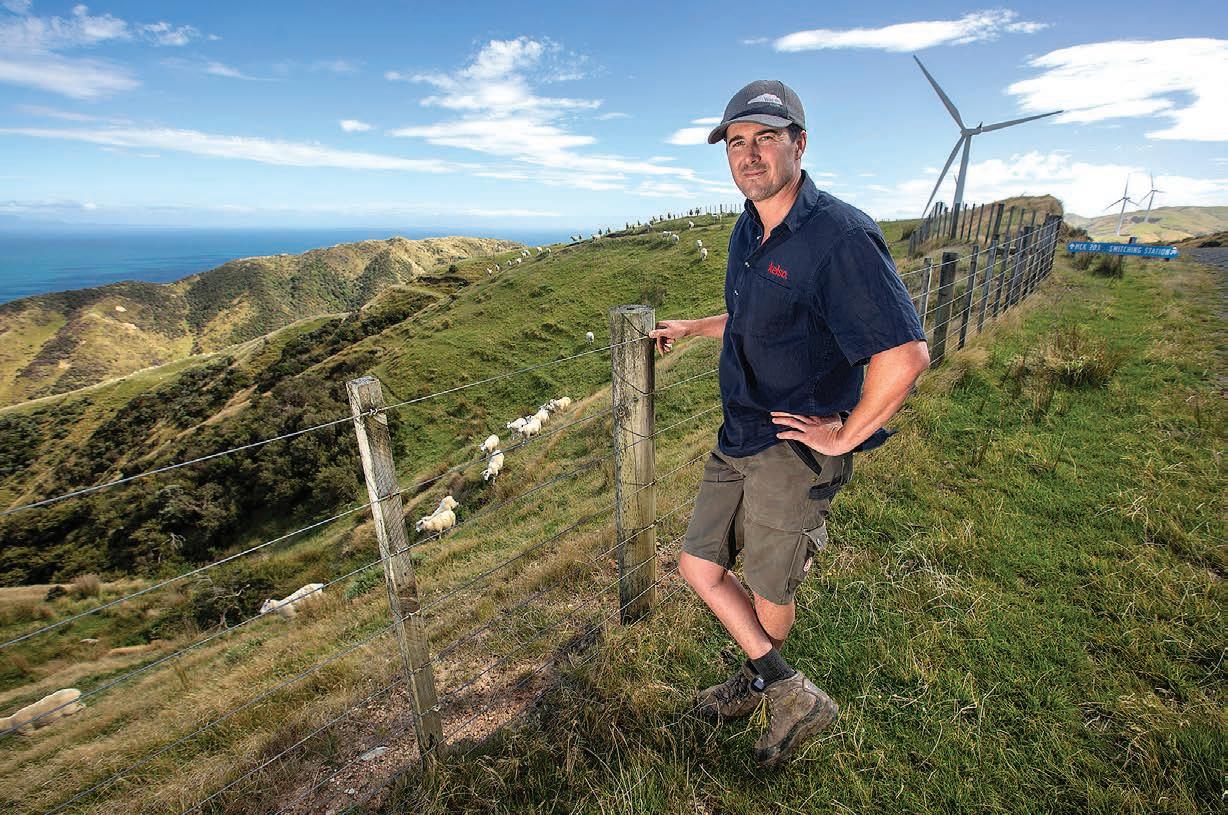
Second wind for hill country farm
Harnessing the gales of the Cook Strait has meant a stable additional income stream for Hamish Best, the sixth generation of his family to farm the Ohariu Valley property in Wellington.
ON FARM 10
Overseer likely to have looked offshore for funding support.
NEWS 4
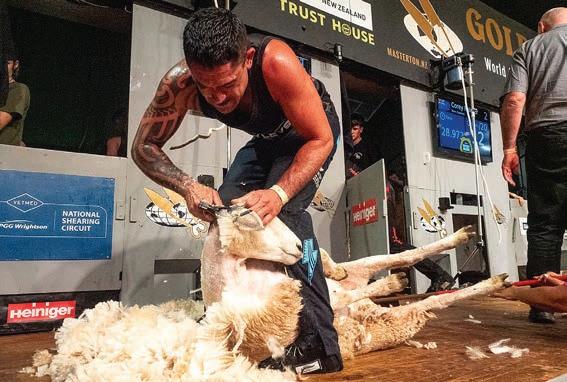
Golden weekend for Henderson
Toa Henderson competed at his first Golden Shears as a 13-year-old. Now the 35-yearold has defended his Golden Shears Open title in Masterton.
PEOPLE 5
‘Supercharged’ weaner calf prices up almost $700 on last year.
NEWS 9
NZ’s No 8 wire mentality replaced with inertia, writes John Foley.
OPINION 17


Photo: Tim Cuff
Neal Wallace & Nigel Stirling NEWS Trade
News in brief
EDITORIAL
Bryan Gibson | 06 323 1519
Managing Editor bryan.gibson@agrihq.co.nz
Craig Page | 03 470 2469
Deputy Editor craig.page@agrihq.co.nz
Claire Robertson
Sub-Editor claire.robertson@agrihq.co.nz
Neal Wallace | 03 474 9240
Journalist neal.wallace@agrihq.co.nz
Gerald Piddock | 027 486 8346 Journalist gerald.piddock@agrihq.co.nz
Annette Scott | 021 908 400 Journalist annette.scott@agrihq.co.nz
Hugh Stringleman | 027 474 4003 Journalist stringleman@outlook.co.nz
Richard Rennie | 027 475 4256
Journalist richard.rennie@agrihq.co.nz
Gerhard Uys | 027 239 4388 Journalist gerhard.uys@agrihq.co.nz
Nigel Stirling | 021 136 5570
Journalist nigel.g.stirling@gmail.com
Isabella Beale | 027 299 0596
Multimedia Journalist isabella.beale@agrihq.co.nz
PRODUCTION
Lana Kieselbach | 027 739 4295 production@agrihq.co.nz
ADVERTISING MATERIAL
Supply to: adcopy@agrihq.co.nz
SUBSCRIPTIONS & DELIVERY 0800 85 25 80 subs@agrihq.co.nz
PRINTER
Printed by NZME
Delivered by Reach Media Ltd
SALES CONTACTS
Andy Whitson | 027 626 2269
Sales & Marketing Manager andy.whitson@agrihq.co.nz
Janine Aish | 027 300 5990
Auckland/Northland Partnership Manager janine.aish@agrihq.co.nz
Jody Anderson | 027 474 6094
Waikato/Bay of Plenty Partnership Manager jody.anderson@agrihq.co.nz
Palak Arora | 027 474 6095
Lower North Island Partnership Manager palak.arora@agrihq.co.nz
Andy Whitson | 027 626 2269
South Island Partnership Manager andy.whitson@agrihq.co.nz
Julie Hill | 027 705 7181
Marketplace Partnership Manager classifieds@agrihq.co.nz
Andrea Mansfield | 027 602 4925 National Livestock Manager livestock@agrihq.co.nz
Real Estate | 0800 85 25 80 realestate@agrihq.co.nz
Word Only Advertising | 0800 85 25 80 Marketplace wordads@agrihq.co.nz
PUBLISHERS
Dean and Cushla Williamson Phone: 027 323 9407 dean.williamson@agrihq.co.nz cushla.williamson@agrihq.co.nz
Farmers Weekly is Published by AgriHQ PO Box 529, Feilding 4740, New Zealand Phone: 0800 85 25 80 Website: www.farmersweekly.co.nz
ISSN 2463-6002 (Print) ISSN 2463-6010 (Online)


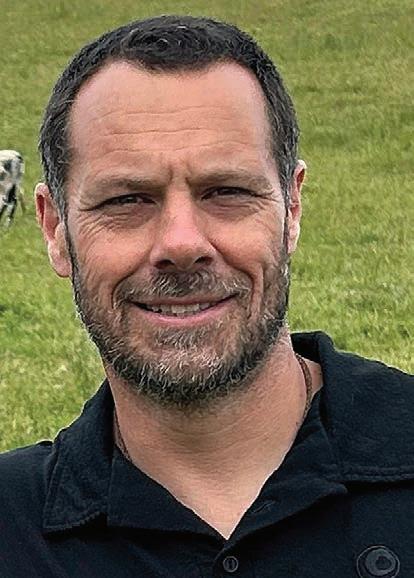


Two multi-generational, family-owned agribusinesses, Fergus Rural and Hazlett, are joining forces in the Gisborne region to create a new organisation, Fergus Hazlett Limited. From April 1 2026, all Fergus Rural staff will become part of Fergus Hazlett Limited. Fergus Rural founder Rob Fergus said joining Hazlett will allow the company to give its clients access to greater reach, more expertise and new opportunities.
A Kaikōura dairy farmer has been fined $35,000 for failing to fulfil his NAIT responsibilities on nearly 1000 animals.
Trevor Ronald Bolton, 59, was sentenced in the Kaikōura District Court on three representative charges under the NAIT Act, laid by the Ministry for Primary Industries. An investigation found he had failed to register 269 NAIT animals, failed to declare 571 NAIT animals that were being moved off his farms and failed to declare movements of 83 NAIT animals onto his farms
Teaming up Farmer fined Safety champions
Safer Farms has named its first regional champions, who will be tasked with spreading the Farm Without Harm message in rural communities.
Wairarapa sheep and beef farmer Roger Barton, 2022 Ahuwhenua Young Māori Award winner Chloe Butcher-Herries, and 2024 Young Farmer of the Year George Dodson will be sharing their safety experiences, practical tips and lessons learned with other farmers.
Pāmu observer
Pāmu has appointed Dave Nuku as an associate director, joining the Pāmu board as an observer.
Nuku currently serves as general manager of Ngamanawa Corporation, a Māori entity with a portfolio across forestry, kiwifruit, horticulture, energy and conservation interests. Board chair John Rae said Nuku’s appointment is about developing future governance talent while also ensuring the board benefits from a wide range of perspectives.


Fuel hikes hit summer harvesters hard
THE surge in global oil prices on the back of the United States and Israel’s war with Iran has come at the worst possible time for rural contractors and transporters, in the middle of their summer crop harvest.
Brent Crude rose 18% to US$110 a barrel on March 9. It eased to US$92.72 on March 12.
Waikato contractor John Austin said it is “a disaster” that is having a huge impact during one of the busiest times of the year, with farm machinery usage at its peak during the maize harvest.
His supplier sells fuel to Austin weekly, meaning every delivery has a different price – and he directly bears the brunt of the lift in diesel prices – up 50.9 cents on March 9.
“We can’t absorb it and we’ll have to put our rates up,” Austin said.
For every 10,000 litres bought, it costs Austin an extra $5000 based on that March 9 price.
“We go through at least 10,000 litres a day, so that’s a lot of extra money.”
Other contractors he has spoken to are in a similar situation, he said.
Continued from page 1
Fonterra’s director of global supply chain, Santiago Aon, said options include dropping cargoes at Omani ports on the south side of the Arabian Peninsula and
It’s very fluid at this stage but there are costs being incurred which could be reflected in farmgate schedules.
Dan Boulton Silver Fern Farms
“We’re all shocked about it. We’re also worried about supply, we’re nervous that we can’t get supply as well of diesel.”
He said they will try to be as efficient as possible, keep communicating with suppliers and do everything they can to keep their costs down.
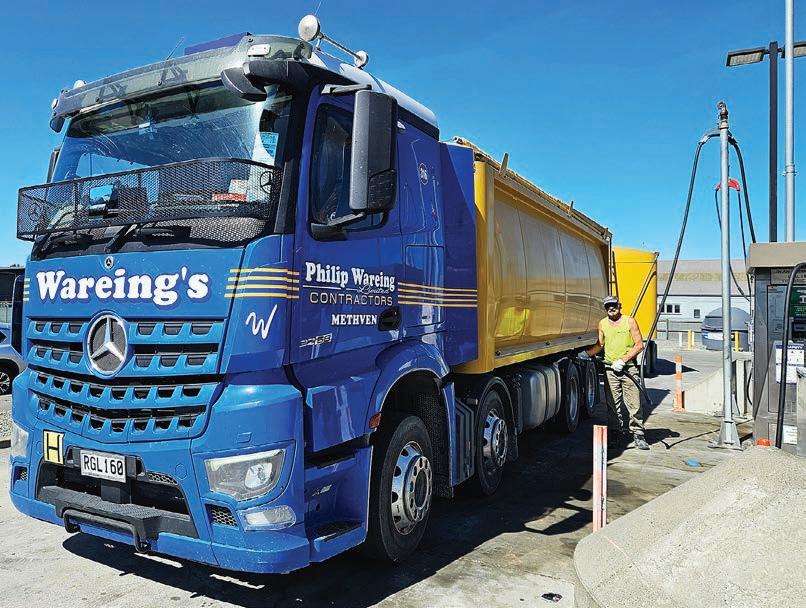
The price hike has led to a 40% increase in fuel costs for Methvenbased rural road transport company Philip Wareing Ltd.
“This a very bad time of the year
using a combination of trucks and coastal shipping to access the United Arab Emirates, Kuwait, Qatar and eastern Saudi Arabia.
Reaching customers in Jordan and on the western side of Saudi Arabia is an even bigger logistical challenge because of the continued closure of the Red Sea due to the threat to shipping from rockets from Iran-backed Houthis in Yemen.
For these markets, ships sail around Africa, entering the Suez Canal from the north, before dropping their cargoes at the western Saudi port of Jeddah –adding 25 days to what would
We can’t absorb it and we’ll have to put our rates up.
John Austin John Austin Ltd
for us, one of the busiest amidst a cropping region where the arable sector is already hurting. This 40% is significant for everyone it impacts,” Philip Wareing Ltd
normally be a 40-day trip.
Aon said undertakings by US President Donald Trump to provide insurance backstops and naval escorts to ships passing through the Strait of Hormuz had so far not been taken up by shipping lines.
“The shipping lines deem those options higher in risk than the existing alternatives,” he said.
A delay in the return of containers to Asia from the Middle East is looming as another potential headache for exporters –and one that is potentially more damaging than fuel price spikes.

transport director Mark Wareing said.
It has a huge bearing on their operation.
“Fuel is 18% of our overall costs, the second largest component after labour.
“This is 40% of 18%, work that one out, it’s huge.”
The Wareing fleet burns up 7 million litres of fuel a year across its South Island business, which includes bulk grain cartage, livestock, logging, spraying, fertiliser and general freight cartage.
Rural Contractors New Zealand president Clinton Carroll said the reaction from its members is “bugger”.
Everyone will be affected at some level by the price hike and it will have to be passed on to farmers who would not have budgeted for this when their crops were planted.
“That will be a kick in the guts for them too,” he said.
A contractor’s machine typically uses 100-150 litres of fuel an hour and the fuel price hike is a significant jump in their costs.
The big unknown is how long this will last, he said.
“That’s the question. This is only the start of it and there’s going to be a flow-on from it.
“I saw on the news that freight’s
“It all depends on how efficient the new routes are in catching up with the flow of goods and how long the conflict extends but I would not be surprised if we see a disruption similar to covid 19,” Aon said.
Meat Industry Association chair Nathan Guy said exporters are dusting off lessons learned during covid, and government officials are also assisting companies through the current difficulties.
Guy, who was recently appointed the Special Agricultural Trade Envoy, said Gulf states import about 90% of their food and the longer the conflict continues, the
going up and once that goes up everything else goes up.”
That could see farmers reduce contracting services if these costs linger on.
The vice-president of Rural Contractors New Zealand Southland and managing director of Thompson Contracting in Southland, Daryl Thompson, said the fuel price hike is a “hell of a shock”.
Thompson told Farmers Weekly that, on a busy six-day week, the hike will mean an extra $35,000 on top of their existing fuel costs.
This week’s poll question:
Have your say at farmersweekly.co.nz/poll Will rising fuel prices have a significant impact on your business?
greater the risk to food security in the region.
Once the conflict is over the volume of ships needing to discharge cargo will create congestion, worsened by the cumbersome paper documentation process used in Gulf countries. He hopes the war will not impact future free trade negotiations.
“Demand will still be there and the Gulf states still need food so I hope we will not lose the opportunity to land a free trade agreement, which has been bubbling along for the last five years.”
FUELLING UP: Philip Wareing Ltd driver Andre Fonternel fills his truck with fuel last week. The Wareing fleet burns up 7 million litres of fuel a year across its South Island business. Photo: Annette Scott
Is Overseer looking offshore for lifeline?

Richard Rennie TECHNOLOGY
Animal nutrition
THE likelihood Overseer has looked beyond New Zealand for income or investment to shore up its bottom line has emerged in responses to a Farmers Weekly Official Information Act inquiry.
It was also confirmed by CEO Jill Gower that the nutrient software company had explored its options with a potential United Kingdom client.
Farmers Weekly requested funding and investment details from the company’s government owners about pulling Overseer out of the red. The nutrient software company is owned by the Ministry for Primary Industries and Bioeconomy Science InstituteAgResearch, and in part by the NZ Phosphate Company, a joint identity of Ravensdown and Ballance.

OPTIONS: Overseer CEO Jill Gower confirmed the organisation had been in discussion with potential clients in the UK, but did not take the work any further.
Late last year Farmers Weekly reported on Overseer’s third consecutive six-figure loss – and that auditors were sounding the alarm over the entity’s continuing viability.
A $648,000 loss was posted for the year ended June 2025, on the heels of a $701,000 loss the year before. The software company has been tasked with generating additional income to offset its losses.
Faced with a specific question about whether overseas activity, funding and investment had been sought for Overseer’s salvation, MPI’s director of on-farm support, Vanessa Winning, refused to say.
Citing Section 9 of the Official Information Act, she said this was on grounds that making this information available would likely unreasonably “prejudice the commercial position of the person who is the subject of the information”.
For its part, AgResearch withheld internal papers relating to the future direction and opportunities for Overseer, also on grounds that making them available would “be likely unreasonable to prejudice the commercial position of Overseer”.
Overseer CEO Jill Gower told Farmers Weekly there had been an industry rumour Overseer was shopping around overseas for investors.
“But what we had done was engage with a UK entity to see if they were interested in becoming a customer. A proof of concept was conducted, which they were delighted with, but we became nervous about the way they may have used it.”
She said this was mainly
due to the need for calibration and testing to make the software applicable to a UK soil environment.
She said getting overseas clients, particularly from the UK, could not be ruled out.
“The UK would be a great partner with similar pastoral systems but it’s not about investment, it’s about customers.”
She doubted there would be much interest in seeking overseas investment in Overseer, given the significant New Zealand taxpayer dollars put into it.
“It’s a bit fraught, and certainly not something we are talking about at the moment.”
The OIA request has provided an insight to a review being conducted by consulting firm PwC
The UK would be a great partner with similar pastoral systems but it’s not about investment, it’s about customers.
Jill Gower Overseer
as it explores pathways to try to generate more revenue for the cash-strapped entity.
At an estimated cost of about $140,000, PwC was signed off last November to embark on its “future pathways project”.
In its project outline, PwC has assigned 11 weeks to recommend a solution to the Overseer board,
presenting a suite of options and a recommended one.
Funding for the project includes up to $57,000 from Overseer funds, with each of Overseer’s ownership organisations – namely MPI, AgResearch and the NZ Phosphate Company – providing up to $28,000 each.
A Ballance spokesperson referred queries to Overseer, and a Ravensdown spokesperson said it supported an independent review to make sure Overseer has appropriate shareholder support into the future.
“We are awaiting the outcome of the review to help us with that.”
Gower said she anticipates a recommendation from PwC in late March-early April on a future funding pathway.
‘Opportunity knocks for Overseer overseas’
Richard Rennie TECHNOLOGY
Animal nutrition
AN ANIMAL nutrition consultant says New Zealand risks missing out on the opportunity to take Overseer software global to a market hungry for a system capable of monitoring farm nutrient losses and their impact on drinking water quality.
Dr Lucy Waldron was engaged with a United Kingdom water authority last year to help try integrate Overseer into its water quality monitoring programme. Waldron was bought on board to identify where the software could be modified to better fit the UK conditions but said a lack of funding and a loss of technical staff stymied the changes and eventual uptake.
However, her experience left her convinced that despite its faults, Overseer has the potential to be upgraded and made compatible with multiple farming systems overseas.
“If the flexibility was built into it to cope with feed systems including feedlots and in-out grazing systems, it could be quite
suitable, and there is nothing else as integrated out there in countries including the UK and United States right now.”
She estimated that “$2 million and a decent number of coders” would be all it would take to make Overseer compatible with overseas farming systems.
“And we must remember, it is only a model, it does not need to be capable of predicting exact levels of losses and reductions. Farms are biological systems and it’s hard to get anything 100% exact.”
Her global hope for the software comes as Overseer’s CEO confirmed to Farmers Weekly that some contact had been had with UK entities for using the software, but the decision had been made not to proceed further.
Under an Official Information Act request from Farmers Weekly, further details were unavailable due to potential commercial sensitivities.
It also comes at a time when the cash-strapped company is compelled to seek more revenue pathways to survive after three years of six-figure losses.
In a broader sense, Waldron
said the software could also find a champion in the United Nation’s Food and Agriculture Organisation, tasked with monitoring nutrient loss and impact on human drinking water supplies globally.
She also noted the rapid scaling up likely to happen to agriculture with NZ’s FTA partner India, and the recognised need there to deal
with major water quality nitrate issues.
Furthermore, in 2023 a European Union directive took effect requiring member states to adhere to updated, stricter standards tackling drinking water contamination.
“There is a need out there for a standard means of measuring and reporting on things like nitrate
There is a need out there for a standard means of measuring and reporting on things like nitrate levels. This is missing right now.
Dr Lucy Waldron LWT Animal Nutrition
levels. This is missing right now across the world,” Waldron said.
Software in the US monitors only certain aspects of farm nutrient flows.
“This compares to Overseer, which now has about 18 years of data behind it, which is immensely valuable. It just needs the tech expertise to drive it to be suitable for other farm systems.”
She estimated NZ has only two years before current funding issues in the UK are sorted and the Brits get on with their own system, or US entities develop one.
“If we could keep our lead there is real potential here for Overseer to be like Xero is for accounting systems globally.
“It just requires us having the vision and foresight to make it happen.”
CHARGE: Overseer is owned by the Ministry for Primary Industries and Bioeconomy Science InstituteAgResearch, and in part by the NZ Phosphate Company, a joint identity of Ravensdown and Ballance.
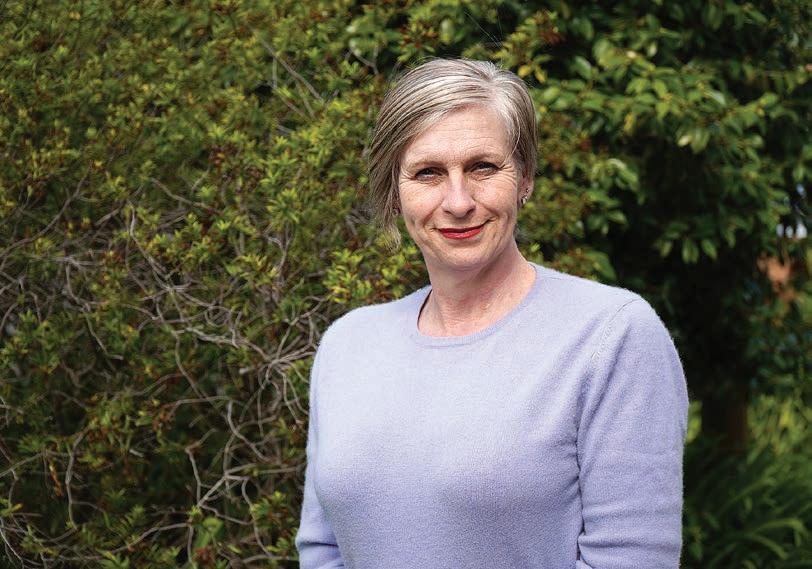
POTENTIAL: Animal nutritionist Dr Lucy Waldron says Overseer offers NZ Inc the potential of a revenue-generating software system akin to what Xero is for accounting globally.
Golden weekend for Toa Henderson at Shears

Neal Wallace PEOPLE Skills
TOA Henderson competed at his first Golden Shears as a 13-year-old.
Last weekend the 35-year-old defended his Golden Shears Open title and was runnerup in the World Machine Shearing title to Rowland Smith at the event held in Masterton.
It was a busy weekend for the Northland-based shearer, but one he said went pretty much to plan.
“I couldn’t have asked for a better weekend.”
Henderson’s father Mike had a shearing run in Northland, so as a youngster Toa was exposed to the industry, learning to shear when he was aged 13 and virtually shearing full time by age 15.
During those formative years
Henderson said he was surrounded by champions such as Matt and Rowland Smith, who worked for his father.
Henderson said his initial driver
to become a shearer was financial but when he saw the skill and professionalism of his mentors, his approach changed and he started shearing competitively.
He learnt that to succeed as a competitive shearer requires discipline and a determination to win.
I couldn’t have asked for a better weekend.
Toa Henderson Golden Shears
Discipline for Henderson means being focused on winning so he can advance to the next round.
Losing means being knocked out of the competition.
Henderson followed that blueprint to the letter at this year’s Golden Shears event.
“Every sheep I shore was judged either first or second. Even in the World Championship round, they were first or second all weekend.”
Henderson was first off the board
in the World Championship round, 37 seconds ahead of Rowland Smith.
But a higher quality score saw Smith secure his second individual world machine shearing title by 2.683 points from Henderson.
New Zealand-based Scotland international Gavin Mutch was third ahead of Welsh shearers Llyr Jones and defending champion Gwion Evans, and Denis O’Sullivan, of Ireland.
An hour later Henderson was back on centre stage competing in the 20-sheep Golden Shears Open final, finishing his run in second place, 14 seconds behind Mutch.
In a reversal of the world title, superior quality meant Henderson defended his open title by about half a point from Mutch.
Last year Henderson was the first debut finalist to win the Golden Shears Open title.
He credited shearing legends Sir David Fagan and Paul Avery for providing guidance and sharing their experience to help him reach the top of his profession.
DEFENDING
“You surround yourself with people you want to be like.”
A piece of advice from Fagan resonates with him.
“He told me the one thing judges cannot take away from you is speed.”
His advice to young shearers wanting to reach the top?
“Stick at it and if you are disciplined enough, you will make it one day.”
Henderson runs his own shearing
run and tree planting business from Kaiwaka, and said he intends continuing to shear competitively.
Toa and his wife Phoebe have five boys: Tama, Tapihana, Tahi, Te Haeata and Tewhainga. There may one day be a new generation picking up the handpiece, as fiveyear-old Tewhainga had for several weeks followed his father as he prepared for the Golden Shears and Henderson said his son is showing an interest in shearing.
NZ notches up five out of six wins in Masterton
individual machine-shearing title.
BLACK singlets, black T-shirts and red ribbons mixed like streamers on election night as New Zealand claimed an unprecedented five wins in six events at the Golden Shears World Shearing and Woolhandling Championships in Masterton.
The only event not won by the Kiwis was the blade-shearing title successfully defended by South African Bonile Rabela.
dominating the five preliminary rounds.
was won by Sam Lawson, of Ongaonga.
Following a clean sweep of the teams machine shearing, blades shearing and woolhandling titles on March 6, Joel Henare completed a third teams and individual titles double, and Rowland Smith, of Maraekakaho, claimed a second
In the other two major events on the final night, Saturday March 7, Northland shearer Toa Henderson successfully defended the Golden Shears Open shearing title, and Motueka-based Joel Henare, from Gisborne, won a 12th Golden Shears open woolhandling title, in an unbeaten sequence that started in 2013.
New Zealand blades shearers Allan Oldfield and Tony Dobbs won the team title, and in the woolhanding individual final it was a New Zealandresident first three.
Zealand-resident first three, with Henare’s win, Cook Island representative Keryn Herbert the runner-up and Charis Morrell placed third, representing Switzerland.
Fagan finished in 17min 15.213sec, a time advantage of almost four points, which Nathan Stratford pegged back to some degree with the better quality, but Fagan still won by 1.378 points, to secure a place in the 20262027 New Zealand trans-Tasman shearing and woolhandling series team.
In other Golden Shears shearing title finals, Senior honours went to Taylor Tarrant, of Taumarunui.
Lucy Elers, of Mataura, retained the Senior woolhandlig title, the Junior woolhandling winner was Leah Tamainu, of Nuhaka, and the Novice title was won by Isabelle Joiner, of Canada.
The North Island Woolhandling Circuit final was won by Ngaio Henson, of Eketahuna, retaining her place in the trans-Tasman series team..
Jeremy Goodger, of Masterton, won the Golden Shears Men’s woolpressing title for a 14th time, and the Women’s title was won for the first time by Mollie Moffett, of Fernhill, Hawke’s Bay. Staff
New Zealand blades shearers Allan Oldfield and Tony Dobbs won the team title, and in the woolhanding individual final it was a New
Earlier in the day, Jack Fagan, of Te Kuiti, won the National Shearing Circuit final, after
The new Intermediate champion is Joseph Scahill, of Ireland, the Junior title was won by Sreffan George, of Wales, and the Novice
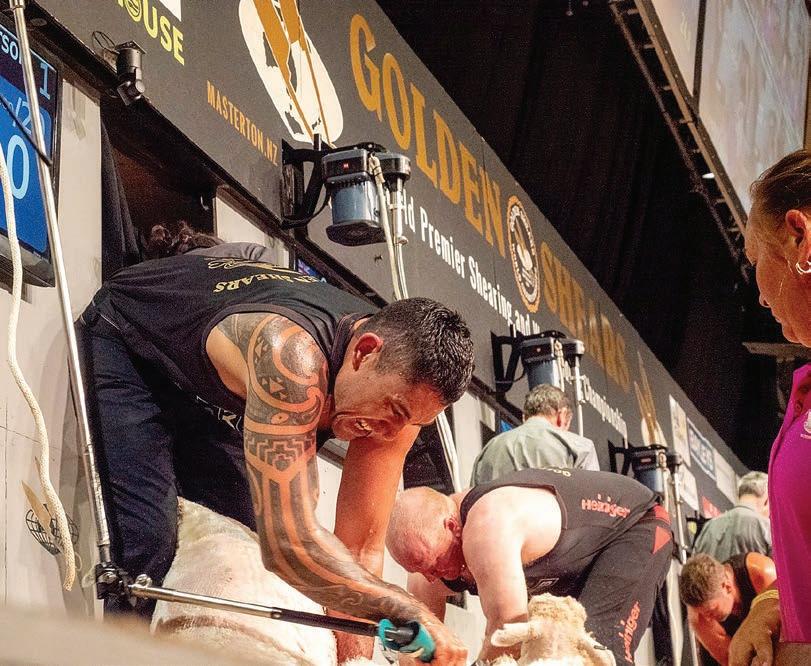
CHAMPION: Northland shearer Toa Henderson defending his Golden Shears Open title at Masterton last weekend.
Time to invest beyond the farm gate?
For farmers focused on day-to-day operations, receiving a capital return or achieving strong profits can be a valuable opportunity to strengthen financial security While reinvesting in the farm or reducing debt may seem like the obvious path, it’s worth taking a moment to consider other options on the table Off-farm investments can offer a valuable way to diversify income, reduce exposure to agricultural risks, and build long-term financial resilience
The case for off-farm investing
Diversify assets and income
Investing a portion of funds off-farm can help to diversify both opportunity and risk Investment options like listed equities bonds and alternative assets can provide exposure to other sectors and importantly other geographies that are not affected by the New Zealand economy interest rates legislation and weather A Craigs investment adviser can provide tailored investment advice and guidance regarding the types of investments that are best suited to your specific needs, objectives and risk appetite
Protect against inflation
One of the most compelling reasons to invest is to maintain the spending power of your savings and protect against inflation Investing off-farm can help your capital keep pace with rising costs, preserving your ability to spend and invest in the future
Liquidity and flexibility
Off-farm investments generally offer greater liquidity than farm assets which can be difficult and time-consuming to sell Listed shares managed funds and exchange-traded funds (ETFs) can typically be sold quickly, providing access to cash when needed This flexibility can be especially valuable in times of uncertainty or when farm income is seasonal or volatile
Low entry cost
Unlike large-scale farm investments that require significant capital many offfarm investments have low barriers to entry You can start with modest amounts in diversified portfolios This accessibility allows for gradual investment over time, making it easier to build wealth without disrupting farm operations or cash flow
Low maintenance
Off-farm investments don’t require feeding fertilising or frequent maintenance
Once a portfolio is set up it can grow quietly in the background, with your investment adviser handling the day-to-day administration, reporting, and compliance This means you can focus on what matters most – your farm and your family

Build a base for retirement income
Off-farm investments can create a reliable income stream to support your lifestyle after stepping back from day-to-day farm operations This can provide greater financial independence in retirement, allowing the next generation to take over the farm with less financial pressure
Help facilitate succession planning
Investments can support succession planning by creating financial flexibility
Off-farm assets can be used to provide for children or relatives who aren’t part of the farming business helping to ensure fairness and avoid conflict during asset division
The Craigs way
At Craigs Investment Partners, we’ve been helping Kiwis navigate the investment landscape for over 40 years We have boots on the ground, with a network of advisers in over 20 locations across the country, experienced in providing investment guidance and advice to rural clients
Our advisers can play an important part of your off-farm support team, ready to help with investment decisions and tailored advice or to connect you with the right people in our network of financial professionals
Our team of advisers is backed by: Expert investment research, and In-depth analysis of macroeconomic trends, markets, sectors, and companies
Craigs is 50% owned by current and former employees and directors which makes our commitment to delivering superior service personal Our clients are at the heart of everything we do - and that’s what makes us different
Let’s talk
To discuss investment options and plan for your future beyond the farm, contact a Craigs Investment Partners adviser near you We’re here to help
Speak with us today 0800 272 442 CRAIGSIP COM


Date set for Fonterra’s Mainland payday
FONTERRA expects to pay out its shareholders and unit holders on April 14 with cash from the sale of Mainland Group to Lactalis.
That date is based on the completion of the sale at the end of March. The record date – the date Fonterra uses to confirm its list of shareholders that will receive the capital return from the sale – is April 9. All required regulatory approvals
have been received, the separation of Mainland Group from Fonterra is complete and it confirmed the transaction is now unconditional.
Fonterra and Lactalis will proceed to complete the transaction now that all conditions of the sale are satisfied.
In February, Fonterra shareholders voted to approve a capital return of $2 per share to shareholders and unitholders following completion of the $4.22 billion transaction.
In October last year, an 88.47% majority of the co-operative’s shareholders voted in favour of
the sale via a virtual special meeting.
The vote saw 80.59% of shareholders participate, based on milk solids voted.
Fonterra said the sale enables it to single-mindedly focus on advanced dairy ingredients and business-to-business sales.
Advanced ingredients include higher value milk powders, milkfat products and milk proteins.
These have specifications and tailored properties that make them sought after when compared with commodities from other major dairy exporting countries.
Fonterra lays out fixed price offer for new season
in the milk price range introduced for the 2025-2026 season has been growing as farmers look to balance
FONTERRA is offering its farmers
a fixed milk price of $9.60/kg MS as part of its price risk management services for the new milking season.
These services are also offering a minimum milk price of $8.79/ kg MS and a price range of $9.15$10.15/kg MS.
It is also offering a fixed milk price for the 2027-2028 season of $8.94/kg MS.
While fixed milk price remains the most popular service, interest
certainty with added flexibility in their businesses, Fonterra said.
Fixed milk price allows farmers
to secure a price for a specific portion of their milk supply. This means they receive the agreedupon price, regardless of how the market fluctuates.
A fixed milk price additional season enables farmers to secure a price for a specific portion of the following season’s milk supply, allowing for longer term financial planning.
Minimum milk price secures a price floor for a portion of their milk supply.
Milk price range gives a balanced approach where farmers can secure a price floor (minimum) and a price cap (maximum) for

a portion of their milk supply, creating a price band for more income control and predictability.
Fonterra’s milk supply director, Lisa Payne, said the service gives farmers more certainty over a portion of their milk revenues.
“Farmers are seeking tools that offer some certainty through milk price volatility and greater control over their financial planning,” she said.
Around 20% of Fonterra farmers use some form of price risk management each season. Last year, 114 million kg MS was applied for across the four price risk management services.

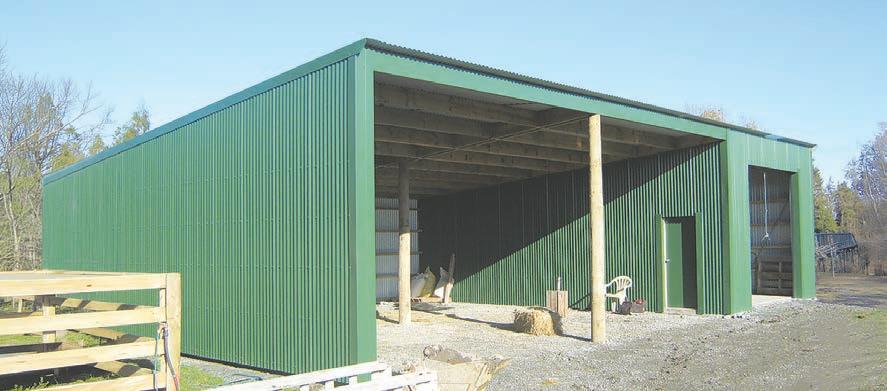
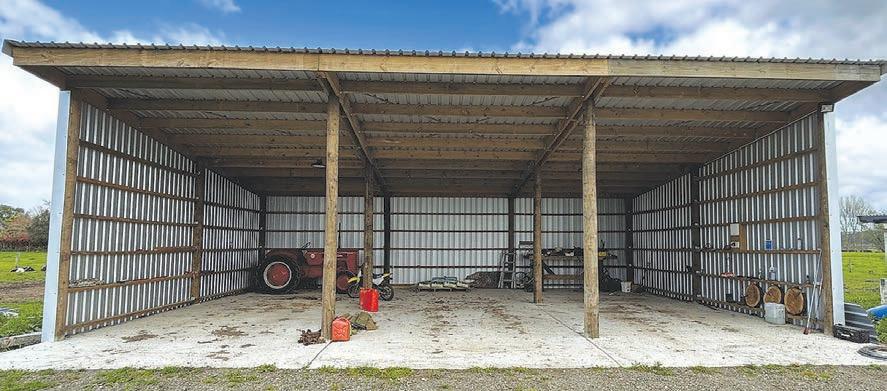
KA-CHING: Fonterra shareholders and unit holders should see the proceeds from the Mainland Group sale on April 14.
OFFER: The dairy-co-op is offering its farmers a fixed milk price of $9.60/ kg MS for the 2026-2027 season.
‘Arable sector in crisis’ as growers quit

Annette Scott NEWS Arable
EW ZEALAND’S arable
Nsector is warning that it is at crisis point as growers exit and margins collapse with no light at the end of the tunnel for resurgence.
Federated Farmers arable chair David Birkett said the industry has reached crisis point and major change is needed to restore profitability and keep growers in the industry.
“The pressures have been building for years with rising costs and stagnant grain prices continuing to squeeze sustainability.”
At the same time NZ growers are increasingly competing directly with imported grain.
“We are essentially price takers on the global market and that’s a real challenge when you are competing against countries like Argentina or Australia with much lower costs and much larger scale.
“Farmers are reacting. We have a lot of people leaving arable for other sectors.
“The industry needs a critical mass of growers and we’re probably getting close to losing that now.”
Southland cropping farmer Chris Dillon said with current wheat prices the same level as 20 years ago, and grain prices linked to global markets and import parity, growers have little ability to lift prices domestically.
“Everything has crept up on us, but the grain price hasn’t.”
He said the close relationship between arable and livestock farming means the health of one sector directly affects the other, but for arable, “there’s no upside”.
“Stabilising the sector is essential not just for arable farmers, but for the resilience of NZ agriculture.”
Feds herbage seed chair John McCaw said the mood is “not great”.
“There is negative activity particularly around contract pricing going forward.
“There is some reduction and tightening of contracts transferring more risk onto growers, making it very challenging after a physically and mentally demanding harvest.”
Looking forward, McCaw said, a refresh of the Feds cost of production spreadsheet shows a profitability deterioration in growing grasses.
“For the same grass three years
ago at $2.90, this year it’s $2.70. It’s pretty difficult to commit.
“The firms we have spoken to understand but it’s not translating into pricing.
“On farm there’s options in crops and livestock and that’s the positive for arable – it’s a one-year cycle, we can turn around change in 12 months.
“I do think there is still a positive future for arable and it’s important
Kiwifruit enzymes tenderise tougher meat cuts: study

Bryan Gibson TECHNOLOGY Food and fibre
RESEARCHERS have found that tough cuts of meat can be cooked faster and more easily digested after being treated with kiwifruit enzymes.
Dr Lovedeep Kaur of the Riddet Institute and Massey University told the Meat Industry Association and Bioeconomy Science Institute Meat Innovation Workshop in Palmerston North that trials had shown brisket treated with the kiwifruit enzymes cooked much faster than cuts with no treatment.
Sensory trials are also carried out to see if the process has a negative impact on eating quality, but Kaur said participants preferred the treated meat, as it was more succulent than the traditionally prepared cut.
“The consumers preferred the kiwifruit-treated meat because they said that it’s not dry, it’s juicier in comparison and there was no off flavor.”
The sous vide method of cooking was used, and researchers found the cooking time could be reduced from 20 hours to half an hour if kiwifruit enzyme pre-treatment was used.
Kaur said the findings had implications for processors by reducing power consumption and increasing throughput of these tougher cuts.
The research is part of a larger project looking into ways of improving protein digestibility.
“It is possible to modify the
between sectors that we don’t talk each other down.”
PGG Wrightson Seeds chief operating officer David Green acknowledged production requirements have gone up, partly driven by the residual inventories for seed around the world slowly getting dissolved.
“We are trying to bring more options to growers and we’re cognisant that when we do so,
We are trying to bring more options to growers and we’re cognisant that when we do so, those need to have appeal and profitability on farm.
David Green PGG Wrightson Seeds
those need to have appeal and profitability on farm.
“We operate in a global market so there are always constraints in what you do and what we can pay; the markets dictate that.
“We are in better shape in terms of contracts than we have been in the past couple of years.”
Harvests like this season’s create frustrations and inefficiencies at every point.
“While it’s obvious that yields are back on what everybody planned, there’s still a lot of water to go under the bridge in terms of understanding on what we do get in volumes and quality of that seed, and quite frankly it’s just too early to know that yet.
“From a grower perspective, considering options is understandable.”
Fert in good supply but hikes on their way

Gerald Piddock NEWS Fertiliser
FERTILISER supply and prices look to be stable in the short term with autumn spreading front of mind for farmers despite soaring global input prices caused by the conflict in Iran.
But both Ravensdown and Ballance Agri-Nutrients expect those prices to rise over the coming months.
Ravensdown chief operating officer Mike Whitty said the conflict in Iran had no impact on domestic pricing and autumn supply was also secure.
and Christchurch.
“And all of that product comes out of Canada, Australia and Africa.
“Clearly what is happening in the Middle East is adding volatility and increasing energy costs and fertiliser prices. But we’re still a long way off for needing to make decisions for the spring.”
Ballance Agri-Nutrients
CEO Kelvin Wickham said the company is confident it has enough product to meet its customers’ autumn needs.
We do a lot of R&D to plan for the future, to plan about how we can continue to keep producing the best products.
Edwina Toohey Australian Meat Processor Corporation
structure of the protein through processing to achieve optimum digestibility,” Kaur said.
“Therefore, it matters not just what you eat but how it is made.”
Other methods being investigated include microwave, ultrasound and shockwave treatments.
A number of Australian meat industry leaders attended the workshop, including Australian Meat Processor Corporation chief executive Edwina Toohey.
While Australia and New Zealand compete in export markets, Toohey said, the two countries collaborate on research and development as both face the same challenges.
“I think, too, geographically, we have a lot of complementary issues. So it’s great to be able to attend the conference and understand some of what New Zealand is working on, but also be able to share what we’re working on at Australian Meat Processor Corporation as well.”
While global markets are volatile right now, both countries are focused on the things that are in their control.
“So we do a lot of R&D to plan for the future, to plan about how we can continue to keep producing the best products. So yes, we are competitors in so many ways, and we have slightly different production cycles as well.”
We have already seen significant price increases leading into this conflict and given this latest escalation, we anticipate more.
Kelvin Wickham Ballance Agri-Nutrients
While the international price of urea has gone up, the cooperative had purchased its autumn fertiliser prior to the outbreak of the conflict, so it is not buying on that new price, he said.
A lot of its product does not come from the Middle East with around 45% of its sales coming from superphosphate manufacturing plants in Napier
“While we have supply volumes secured over the short term from other regions, we don’t know what impact this escalation will have on price.
“We have already seen significant price increases leading into this conflict and given this latest escalation and the market’s reaction, we anticipate more.”
Significant volumes of nutrient commodities are shipped through the Strait of Hormuz by Qatar, the United Arab Emirates, Saudi Arabia, Bahrain and Iran.
Further disruptions to Middle East shipping routes can affect shipping times and freight costs, and drive increased demand for nutrients from other regions. Chinese export controls for urea, NPK and DAP/MAP remain in place until mid-2026. All of these factors impact prices across the sector, he said.
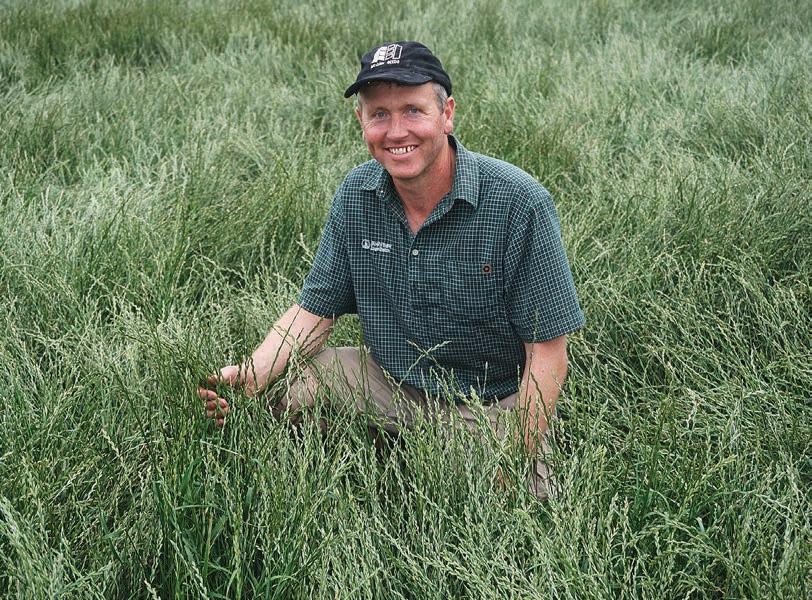
RISK: John McCaw says there is negative activity around contract pricing going forward, with reduction and tightening of contracts transferring more risk onto growers.
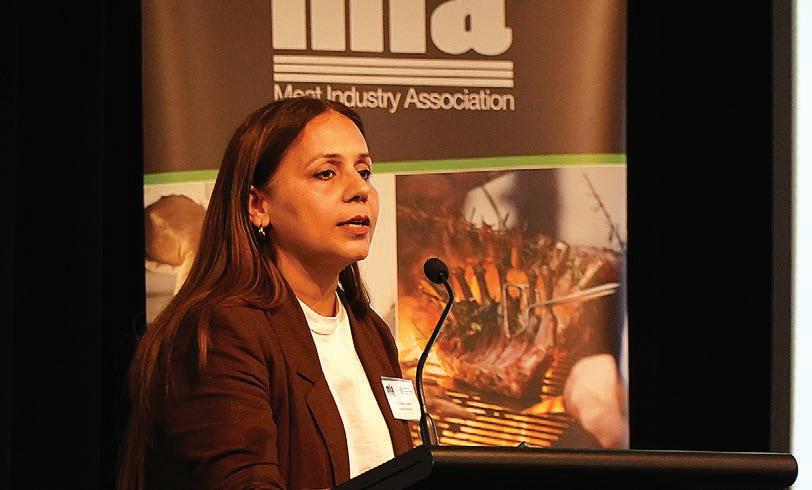
TENDER MOMENT: Dr Lovedeep Kaur says novel treatments during meat processing can vastly improve its digestibility, adding value to tough cuts of meat.
Supercharged values at autumn weaner fairs
Neal Wallace MARKETS Livestock
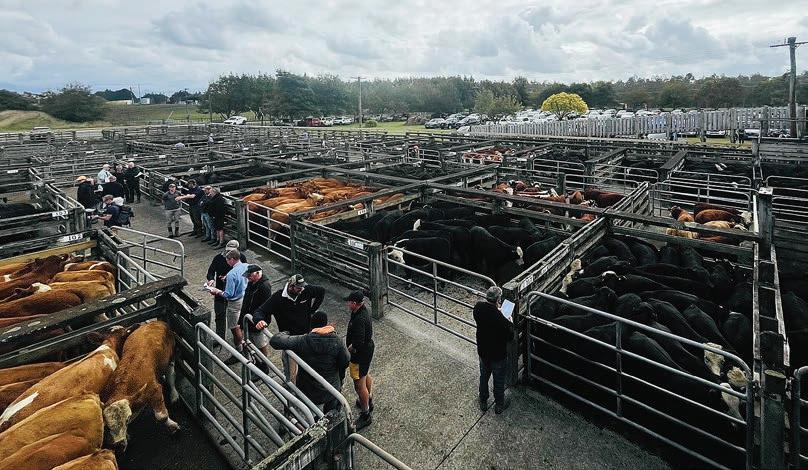
PRICES at early autumn weaner calf fairs are $500 to $700 a head higher than last year, values described by AgriHQ senior analyst Suz Bremner as “supercharged”.
Bremner said prices this season had been expected to be $200 to $300/head higher than last year but after two weeks of sales, those expectations have been easily exceeded.
Exotic and traditional steers that last year averaged $1100 to $1200 were this year making $1800. Heifer prices have increased by
similar margins, attracting interest from those unable to buy steers.
Steers are making $7-$8/kg and heifers $6-$7/kg, prices similar to those paid for 18-month-old cattle.
Bremner said the prices paid reflected profit margins achieved
It is incredible to see these values but they are in line with a grass market, and with the margins people are making on finished cattle.
Suz Bremner AgriHQ
from returns for prime stock, and abundant grass.
“It is incredible to see these values but they are in line with a grass market, and with the margins people are making on finished cattle.”
Several lines of weaner calves sold at Stortford Lodge exceeded $2000. The top weaner Angus steer price was $2325 from vendor JK Farm of Maraekakaho.
The top weaner exotic steer price was $2290 for a line of SimmentalGelbvieh sold by the Rangiora Trust, Tutira.
While prices have started strongly, Bremner doubts they will increase further due to global uncertainty and the fallout from
the Iranian conflict, especially for fuel prices.
“Even if there is an easing, prices will still meet budgets of what vendors want to sell their stock for.”
Calf quality has been exceptional, she said, with some 300kg or more reflecting breeding pro-
grammes but also the abundance of grass.
Dairy-beef cross calves are also selling strongly, with feeder bull calves selling for up to $600/head.
The South Island fairs start in the coming week.
MORE: See page 36
Dairy Beef Opportunities programme a boost for farmers
A JOINT government-industry initiative has been launched on a Waikato farm with the aim of at furthering revenue opportunities in the dairy-beef sector.
Called the Dairy Beef Opportunities (DBO) programme,
it is an initiative between DairyNZ, Beef + Lamb New Zealand, the Meat Industry Association and members of the Dairy Companies Association of New Zealand, with support from the Ministry for Primary Industries via the Primary Sector Growth Fund.
The government has invested $10.49 million in the programme. It is designed to unlock the value
of non-replacement dairy calves by developing innovative approaches that suit the country’s farming system.
The programme focuses on improving efficiency through genetics and systems; smarter breeding and lactation strategies; and developing new pathways and value chains.
DBO Governance Group
chair Simon Limmer said the programme reflects the commitment of the dairy and beef sectors to work together to deliver practical, on-farm change that benefits farmers, processors and rural communities.
“The DBO programme will strengthen integration between dairy and beef systems, enhance supply chain efficiency, and open
new revenue streams for farmers, helping the pastoral sector continue to drive New Zealand’s economic and primary sector success.
“It will support New Zealand’s reputation for producing premium, sustainable, and ethically raised food, while creating tangible economic benefits for those working in the pastoral sector.”

















IN DEMAND: Prices paid for weaner calves are $500 to $700/head higher than last year. Tuesday’s Masterton weaner sale, pictured, attracted 2100 calves.
Second wind for hill country operation

Fiona Terry ON FARM Diversification
IT’S been 25 years since a neighbour of sheep and beef farmer Greg Best first suggested harvesting the value of something he and other farmers in the region had in abundance – wind power.
Farming the hill country sandwiched between Wellington city and the Cook Strait meant dealing with the gales for which the area is renowned.
The Perendale ewes Greg and wife Jude raised there coped well with the elements, and the 420 hectare property was highly productive, but an additional income stream was an attractive prospect to keep the farm viable.
I didn’t realise how much of an extra motivator it would be as a farmer to have direct contact with customers.
An initial yarn over a beer with neighbours gradually grew into regular meetings, the monitoring of wind speeds, and a serious proposal to energy companies.
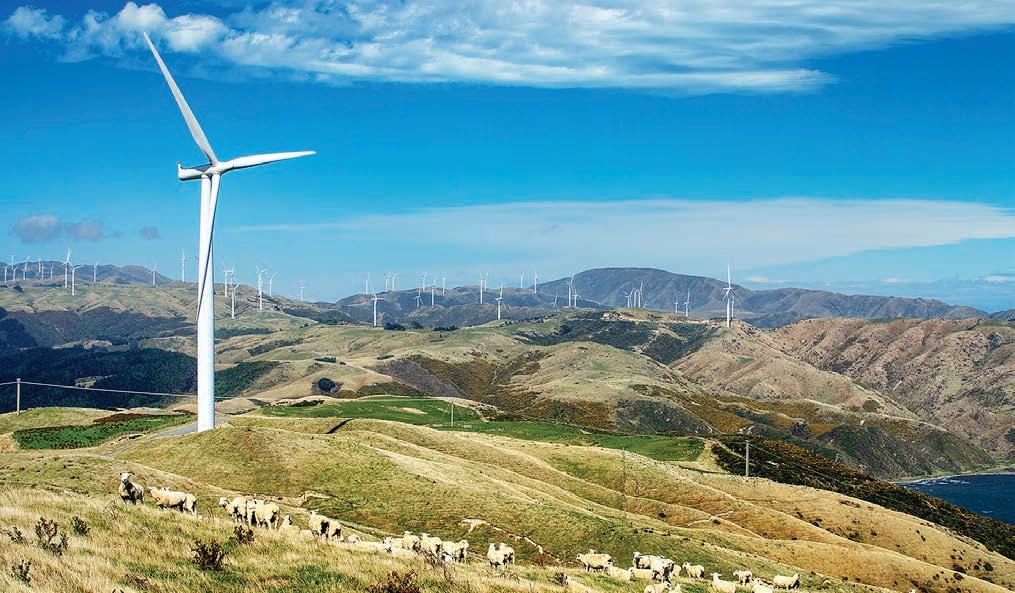
In 2012 development began on what became a 26-turbine wind farm across four properties in the Ohariu Valley.
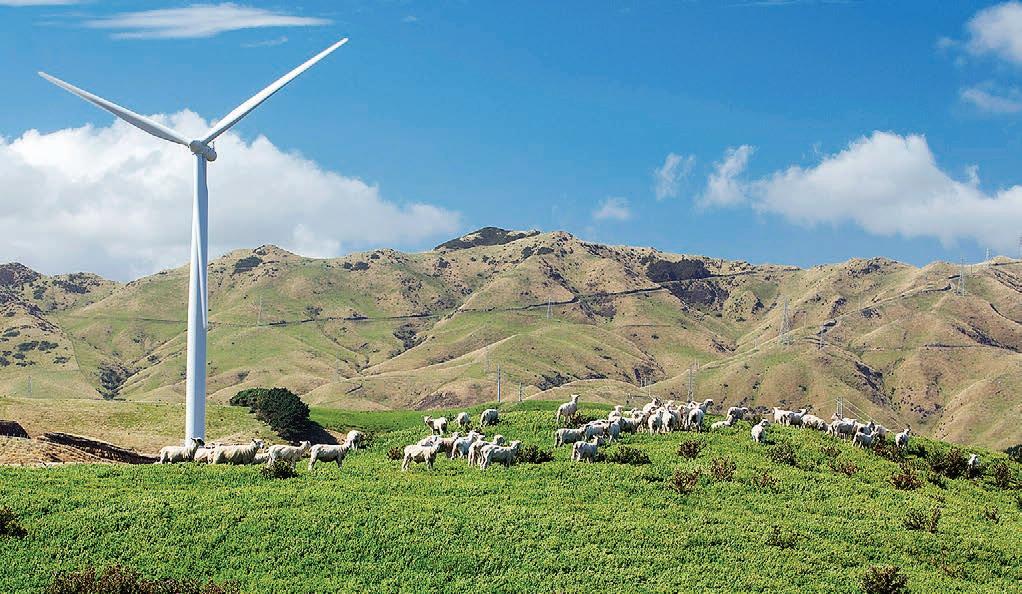
Greg is grateful they pursued what initially had seemed a pipe dream. The turbines now form a mesmeric feature on the landscape beneath the path of flights into and out of Wellington Airport, and the income generated from diversification by leasing the land to Meridian was a welcome boost for the Bests, especially in more challenging times.
“We’ve been through some difficult years of farming and this has kept us on the land,” said Greg, who retired three years ago when son Hamish and his partner Caroline Flood took over the farm.
“The income has been very helpful, especially during droughts and when lamb prices have been low. It’s meant we’ve been able to keep the valley green and
beautiful and that we’re still farming it, so the land didn’t need to be chopped up.”
He’s proud that with the next generation has come another diversification – direct sales to consumers.
When Hamish and Caroline took over they decided to cut out the middleman to enable others to really appreciate the unique offering they had, as well as maximise returns from the farm.
“Nowhere else in the world that I’d travelled had lamb tasted like ours because the flavour’s so unique,” said Hamish. “It’s quite sweet, not too strong.”
He puts it down partially to the conditions in which the pastures grow, dusted by minerals during nor’westers as they churn up the Cook Strait.
“Last year we entered the lamb into the Outstanding NZ Food Producer Awards, and our products won gold medals – and other awards too. We thought that was pretty cool.”
The couple lamb over 1400 Romtex ewes and 250 hoggets, as well as 60 cattle – Angus x Speckle Park – plus their progeny
“Our goal is that finishing cattle have no more than two winters here and we winter 400 lambs to get us through from July to Oct until the new-season lamb kicks in.
“We want the maternal traits and productivity of high-performing Romneys, but need the carcase quality and yield from the Texel. We’ve started using a Kelso
eating quality ram because we’re selecting for marbling in the sheepmeat, and also the right shear tension, so we put those terminal sires over our Romtex ewes.”
Under the Conscious Valley brand they sell direct to chefs and also the public via their butchery cart at the Sunday Harbourside Market alongside Te Papa, just a 25-minute drive away.
Hamish has found not only does this make good business sense,
but as an extrovert he values regularly meeting his customers, including the weekly deliveries to the those in hospitality who proudly list the brand on their menus.
“I didn’t realise how much of an extra motivator it would be as a farmer to have direct contact with customers.
“Seeing them week in, week out, you become a part of their community, so even though it’s a very isolating job by myself with the dogs, I feel really connected to the Wellington community, which is amazing.”
The abattoir is just 10 minutes down the road, en route to the city. Lambs go to the works weekly, with the goal to sell out of meat every week.
“The low food miles are really important to our customers – from our house to our market stall spot is 8km as the bird flies.
“This year we’re on track to process and sell all of our lambs through Wellington. We’re already doing 100% of our homegrown beef into Wellington.”
The family has continued to diversify to make the land work.
Jude and Greg, who still live on the farm, run not just a holiday home on a separate title nestled within
it, but also a wedding venue, with Jude a registered celebrant.
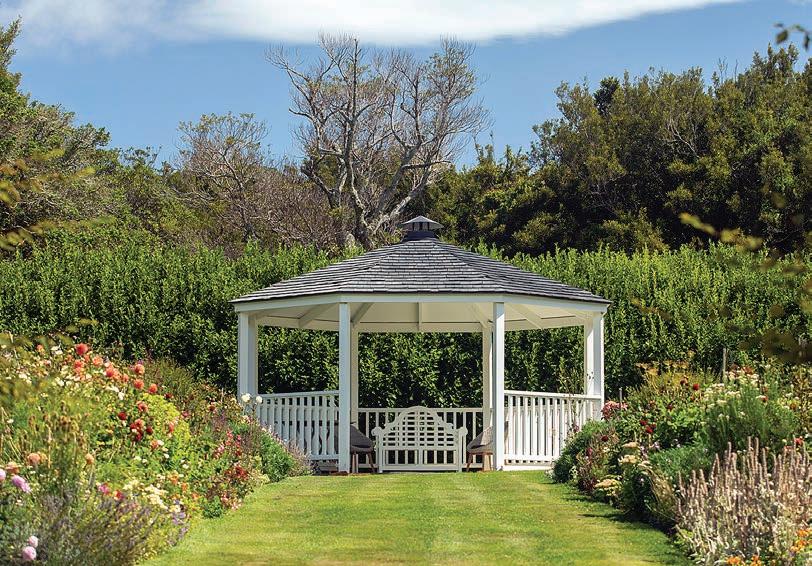
Greg – who’s still very good with a handpiece and helps out with dagging and shearing – is chief gardener, nurturing the beautifully tended flower beds that line a manicured lawn leading to a gazebo for wedding ceremonies. The family will continue to diversify and adapt to help sustain farming in such a unique spot.
Hamish, the sixth generation of his family to farm in the Ohariu Valley, has made the farm “summer safe” to ensure he can fulfil the high expectations of meat quality all year that his foodie customers have come to rely on.
“We’ve developed about 30ha into lucerne, which gives us a massive advantage in the summer, being able to deliver consistent quality lamb, which is why people are happy to pay a premium for it.
“Compared to the supermarkets, we’ll never be the cheapest meat but we’ll always be the most consistent and best quality. If we win the customer on price, we’re going to lose that customer on price, but if we win them on the eating experience and value proposition, customer loyalty wins through.”
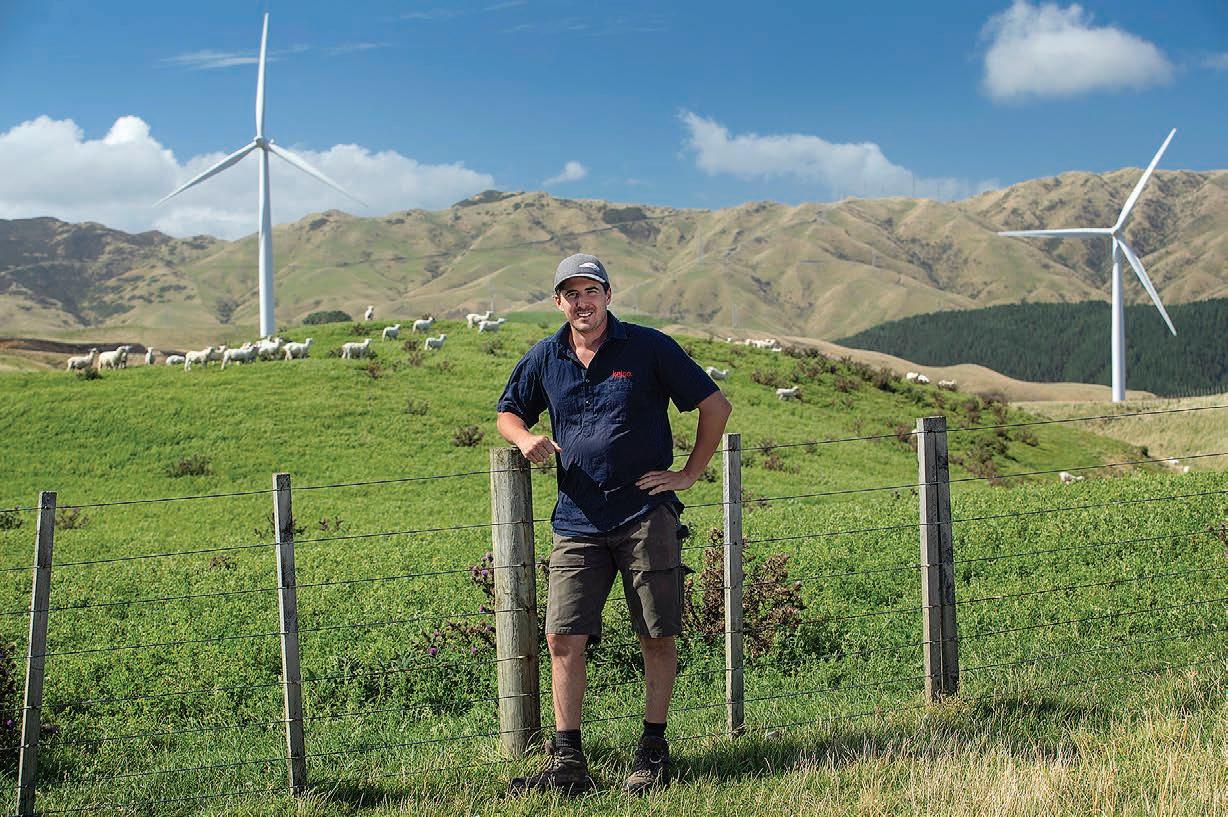
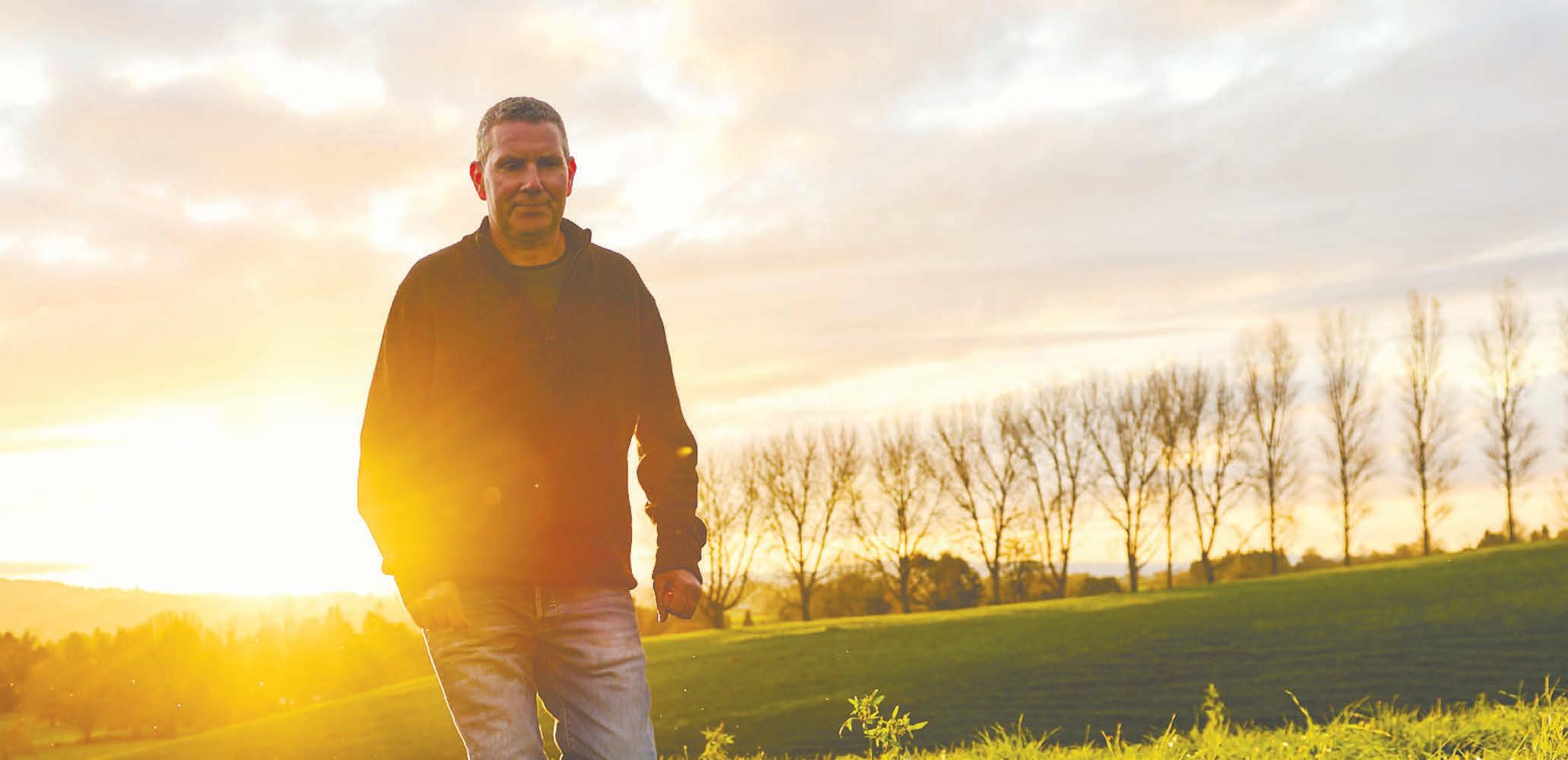
SECURITY: Hamish Best, the sixth generation of his family to farm in the Ohariu Valley, has made the farm ‘summer safe’ to ensure he can fulfil the high expectations of meat quality all year.
Photos: Tim Cuff
PUBLIC: Under the Conscious Valley brand, the Bests sell lamb direct to chefs and also the public via their butchery cart at the Sunday Harbourside Market alongside Te Papa.
WIND BENEATH WINGS: The wind turbines are a mesmeric feature of the landscape beneath the path of flights into and out of Wellington Airport.
Hamish Best’s mother Jude and father Greg, who still live on the farm, run not just a holiday home on a separate title nestled within it, but also a wedding venue, with Jude a registered celebrant.
Hamish Best Wellington
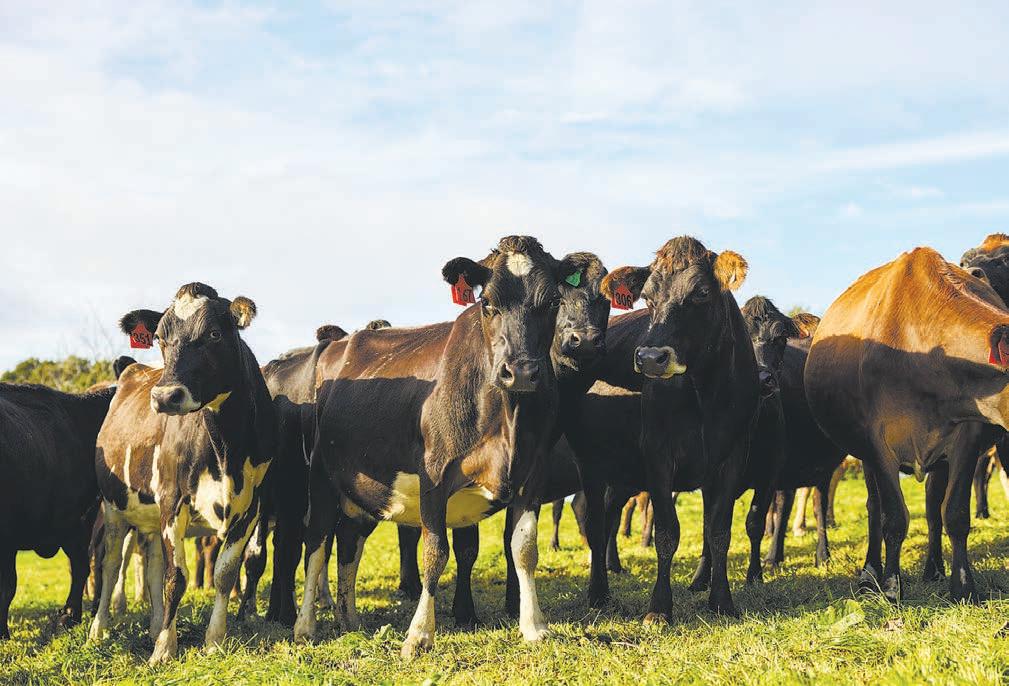
van Straalen, Dair y Farmer
Turbulence ahead if EU ushers in GE regs
Richard Rennie MARKETS Genetics
THE European Union is poised to make changes to allow gene editing technology in midMay that, if passed, would put New Zealand out of step with its major trading partners on the technology’s use, says a leading researcher.
Late last year the EU moved to mandate a new framework for the use of new genomic techniques (NGTs), with a breadth that has taken many in the scientific community by surprise.
We risk disharmony with our trade partners, including those we have signed FTAs with.
Dr Revel Drummond
BSI-Plant & Food
The proposal, which still must be formally ratified, is to move away from the trade bloc’s previously strict blanket ban on the use of gene editing to a more selective science-based approach,
albeit with some political considerations.
The regulations have split genetically edited plants into two categories of NGT, namely NGT 1 and NGT 2.
Those organisms falling into the NGT 1 category are most easily described as those with changes that could also occur naturally or through traditional or advanced breeding techniques.
They would be exempt from mandatory risk assessment under the old rules and may not need consumer labelling.
The NGT 2 category includes plants with more complex changes and particularly those that may carry traits like herbicide tolerance. These will continue to be regulated as strictly as transgenic plants.
Bioeconomy Science Institute –Plant and Food molecular biologist
Dr Revel Drummond told Farmers Weekly that in some respects the decision by the EU extends further, and is more flexible, than may have been expected.
“When it comes to the definition of what falls into the permissible category, NGT 1, they have proven to be surprisingly permissive.”
But he said there are some
equally surprising, and strangling, definitions in the proposal.
“A plant will be categorised as NGT 2 if it has been edited, for example, to make an insecticidal compound. Even with a simple edit it would be regarded as NGT 2, making it much more difficult to get over the line for approval.”
He said there are “definite” tones of political accommodation coming from a scientific basis, which is inevitable in the real world.
The unexpected progress in the EU’s regulations come as NZ’s own genetic technology Bill remains stalled in Parliament, thanks to NZ First unexpectedly withholding its support for the Bill, subject to major changes.
NZ First maintains NZ risks losing any GE-free premium that may be attached to that status in international markets.
But Drummond said NZ’s failure to progress its legislation from the restrictive 30-year-old HSNO Act risks putting this country at odds with almost all its trading partners, now the EU has moved.
“We risk disharmony with our trade partners, including those we have signed FTAs with.”
In 2022 India, for example, eased
Dairy a standout as farm sales pick up
Staff reporter NEWS Real estate
THE market for dairy farms last year was the best in a decade, says REINZ Rural spokesperson Shane O’Brien.
He was commenting on sale trends for the year to December 31 2025, saying the dairy market was driven by strong farmgate returns, lower interest rates and favourable growing conditions.
Farm buyers in general last year favoured properties that delivered consistent performance and had reliable water, proven production and established infrastructure.
O’Brien said the number of farms sold last year increased from 2024, which returned the market to more normal levels.
Dairy was a standout for the year with sales higher year on year in the key dairy regions, including Canterbury, up 18.2% to 26, Manawatū-Whanganui, up 84.6% to 24, Southland, up 84.6% to 48, and Taranaki up 104.0% to 51.
The median price per hectare was $39,660, up 1.7% on 2024.
O’Brien said the Otago region had the most sales of grazing properties for the year, up 50% to 48, followed by Northland, at 42, up 27.3%.
Other regions also reported increased sales of grazing land, with Taranaki up 62.5% to 13 and Canterbury up 57.1% to 22.
Nationally the medium price was $13,360 a hectare, up 2.7%.
“In both dairy and grazing, properties that combine scale, infrastructure and sound environmental management are commanding attention,” said O’Brien.
“The market is operating in a
The market is operating in a more stable environment than a year ago.
Shane O’Brien REINZ
more stable environment than a year ago, suggesting steady momentum into 2026 for welldeveloped, productivity-focused farms.”
The number of finishing farms sold last year increased slightly from 226 to 259 with ManawatūWhanganui up 23, Wellington 12 and Otago five recording increases, boosted by confidence from stronger lamb and beef schedules.
The median price per hectare was $31,040, down 3.2%.
There were 117 sales of horticulture properties, up from 84 a year earlier, with the greatest
its restrictions around genetic technology, particularly on geneedited plants that contain no foreign DNA.
“If we don’t change our own GE laws, we won’t be able to trade freely under the FTA. We are doing ourselves a disservice.”
The Mercosur trade block, consisting of Argentina, Brazil, Paraguay, Uruguay and Bolivia, has also reached a collective agree-
ment on genetic technology to ensure enabling and coordinated approval of the tech’s use.
Nonetheless there are a few countries left that have rules like NZ’s.
These include South Africa and South Korea.
Drummond said careful consideration of how our exports interact with these countries is required.
Beef + Lamb Award finalists named
• Bioeconomy Science Institute Emerging Achiever Award
THE finalists have been found for this year’s Beef + Lamb New Zealand Awards.
“We have been very impressed by the quality of entries across all award categories and, while this made judging particularly challenging, it has highlighted the depth of talent and innovation in the red meat sector,” said BLNZ CEO Alan Thomson.
growth in the Bay of Plenty at 58 sales, up 107.1%.
As sales increased, so did the median price per hectare, up 9.7% to $271,170.
The viticulture sector faced a challenging year, with margins compressed and weak global demand for wine.
There was a slight increase in arable farms sales at 52 across New Zealand, up from 50 the year prior, but prices were well back, down 16.3% to $39,150/ha.
Canterbury recorded 22 sales, up 29.4%, and Waikato 12 sales, up 50%. Forestry sales increased 22.2% at 66 nationwide, but the market suffered from weather events, rising harvest costs, and global log volatility.
O’Brien said heading into 2026, the agricultural market is expected to remain steady, with buyers focused on operational performance, efficiency and longterm resilience.
Twenty-four finalists across eight categories have been named.
Thomson said the judging team of farmers and industry professionals had a difficult job selecting the finalists from such strong entries as all the finalists were making a positive contribution to the sheep, beef and dairy-beef sector.
The winners will be announced at the BLNZ Awards dinner at Te Pae in Christchurch on Wednesday, May 20.
For the first time, the dinner will be part of BLNZ’s flagship two-and-a-half-day Out the Gate event, and Thomson is encouraging farmers and rural professionals to make the most of the full programme on offer.
“Out the Gate is about setting farmers up to be future-fit –hearing from global voices, diving into new research, and exploring what’s coming next.”
The BLNZ Awards Finalists for 2026 are:
Ben Dawson (Patoka), Graham Johnson (Waikato), Alice Wilson (Wairoa).
• Rabobank People Development Award
Lone Star Farms (Nelson), Shane and Lynnette McManaway, Ongaha (Wairarapa), ADB Williams Trust (Dannevirke).
• Alliance Significant Contribution Award Phil Journeaux (Waikato), Dr Stewart Ledgard (Ruakura), Dr William Rolleston (South Canterbury).
• FMG Rural Champion Award
Mark Harris (Hawke’s Bay), Kristy McGregor (Horowhenua), Hauora Taiwhenua Rural Health Network.
• Ballance Agri-Nutrients Science & Research Award
Dr Gale Brightwell and AgResearch Food Integrity Team, Paul Kenyon (Palmerston North), Garth Riddle (Northland).
• Datamars Livestock Technology Award
GenomNZ (Dunedin), Helical (Rotorua), Super Air (Waikato).
• Gallagher Innovative Farming Award
FE Gold (Waikato), Jon and Fiona Sherlock (Waikato), Tairāwhiti Whenua Charitable Trust (Gisborne).
• PGG Wrightson Market Leader Award
Conscious Valley (Wellington), Green Meadows Beef (New Plymouth), Rob and Mandy Pye (Northland).
DRAGGING: The EU’s approval of new gene tech rules puts NZ further out of step with its major trading partners, says Dr Revel Drummond.
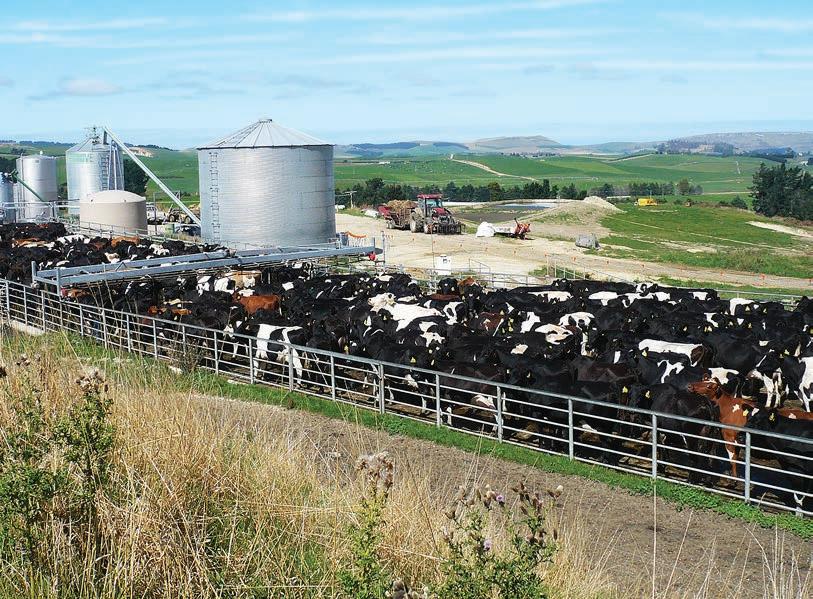
STANDOUT: Dairy was a standout for the year with sales higher year on year in the key dairy regions, including Canterbury, up 18.2% to 26.
No fair: NZ missing from food events

NEW Zealand is not doing enough to use international food fairs to sell local provenance and help smaller producers sell unique products, says Daniel Carson, the man behind the Mīti beef snack.
Carson recently attended Gulfood in Dubai, one of the world’s biggest food events, having received a Meat and Livestock Australia award for Mīti and attending as a guest of the Australian industry.
He said many other countries had large spaces dedicated to their countries’ food production, but New Zealand had no country-specific representation.
Irish company Dawn Meats, which recently acquired a stake in Alliance, had a stall under the Irish banner, he said.
The Australian Red Meat industry sees Gulfood as its biggest sale event of the year, he said.
Country representation gives smaller companies an opportunity to showcase the unique things they do, he said.
“That’s really what’s being missed out on.” Lithuania, with a population of about 3 million, had an entire section dedicated to just its red meat, he said.
Too many large companies block local innovation, but are seen as the voices of local industries, Carson said.
Chris Stroud, New Zealand Winegrowers market manager for Europe, said this year for the first time the country had a dedicated pavilion at Wine Paris.
Wine Paris included 6500 exhibitors from 63 countries spread out over 62,000 square metres of exhibition space.
The New Zealand Pavilion spanned over 200 sqm and showcased wines from 23 exhibitors, with a further 18 companies exhibiting independently.
“Events like this offer high access to and engagement with trade customers that may otherwise be out of reach.
“One of our members told us they met with 90% of their customers at Wine Paris, reinforcing the fact that this is currently the biggest event of its kind in the world,” Stroud said.
Silver Fern Farms (SFF) chief customer officer Nicola Johnston said the company sees food fairs, such as Anuga, held in Germany, as an important lever in key markets.
However, fairs are becoming too expensive, costing as much as $500,000 for an exhibition stand, with the returns generated often not justifying costs, Johnston said.
To maximise value, SFF will often have an off-site customer event for “deeper conversations”, but at significantly lower cost.
Johnston said a unified New Zealand
umbrella stand could be valuable to amplify New Zealand’s story.
Sector co-operation in the red meat industry could prove difficult because companies have different market orientations.
However, the red meat industry did get commercial return from collaborative initiatives such as the Taste Pure Nature or deer industry marketing working group.
The red meat industry also does not have the same pool of funds that Livestock Australia, for example, has, Johnston said.
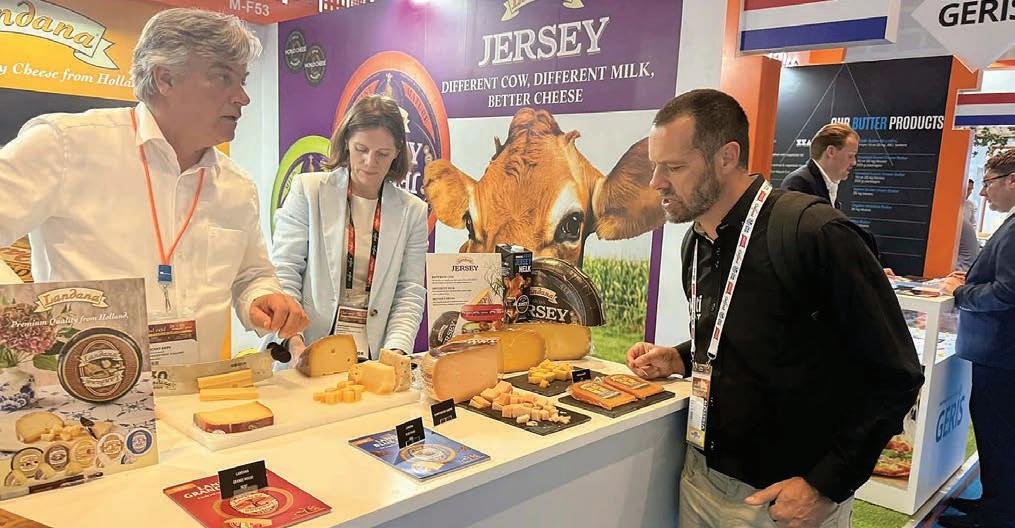




STALL: Daniel Carson, right, who makes the Mīti beef snack, says New Zealand should have a unified front at international food fairs to sell local provenance and help smaller producers sell unique products.
Gerhard Uys NEWS Food and fibre
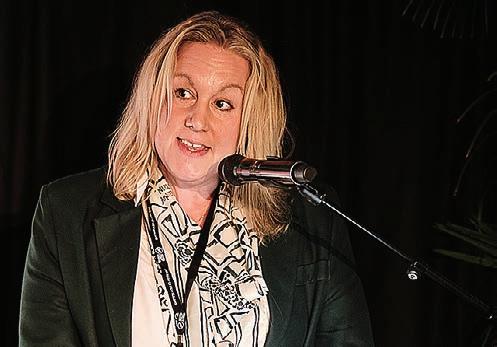
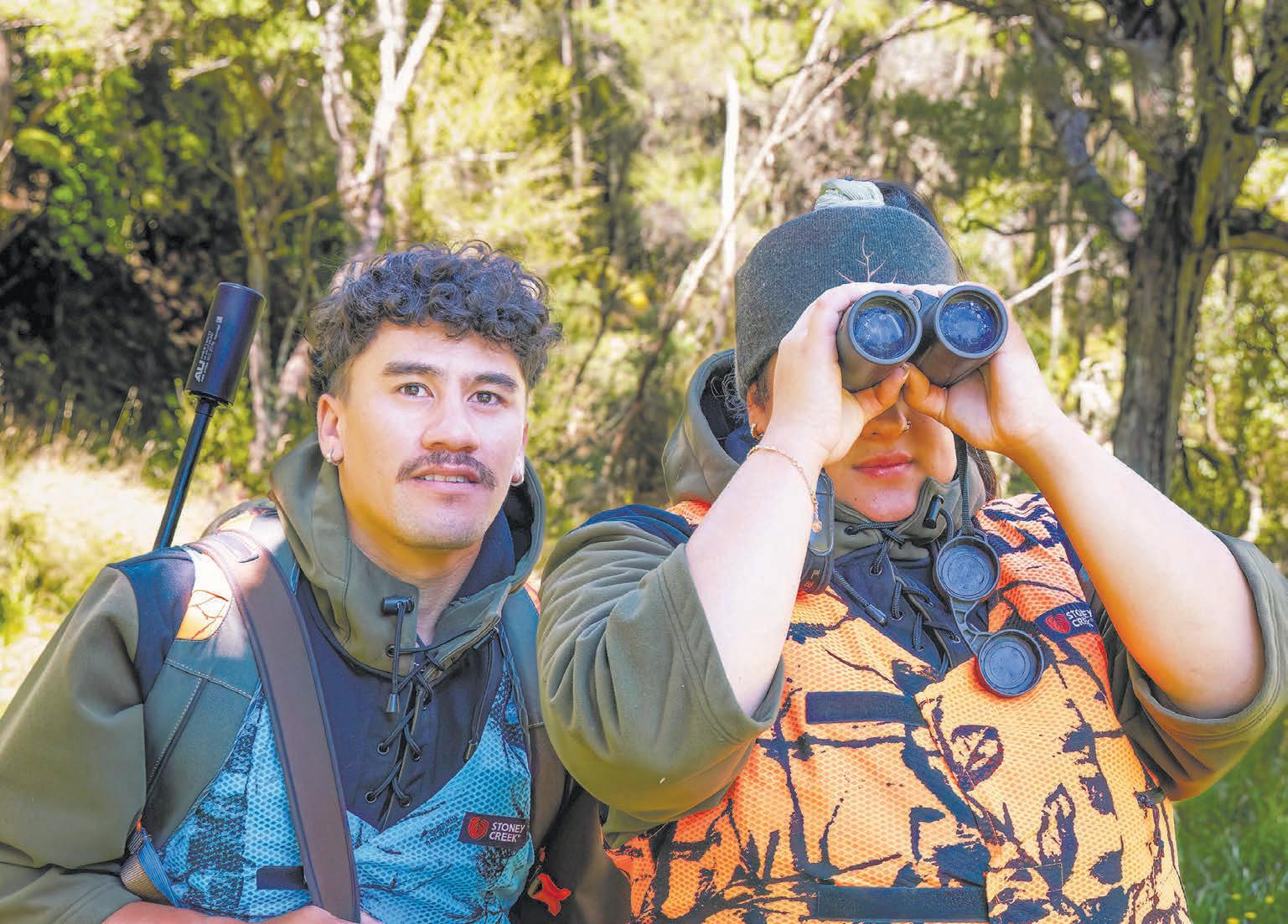
STORY: Nicola Johnston, Silver Fern Farms acting chief customer officer, says food fairs could be a way for New Zealand to sell its sustainability story.
War makes wood a better energy option
WITH the Iran War making shipping links more perilous and gas supplies
more expensive, the government is being urged to consider how domestic forest waste from farm and forestry blocks could provide a more secure, lower cost energy option.
The recent events in the Gulf come as the government advances its plans for a liquid natural gas (LNG) terminal by late 2027-early 2028 to help provide fuel for power generation over dry hydro years.
But Brian Cox of the Bioenergy Association of New Zealand said the events demand a solution closer to home by using forestry waste as a heat energy source, leaving more gas capacity without the high infrastructure costs the terminal is likely to incur.
Estimates are the LNG terminal will cost over $1 billion to construct.
Cox said he believes Energy Minister Simon Watts is highly focused on the LNG solution and his group had “not even a reply” when it made its proposal in November for a NZ integrated bioenergy programme to the government.
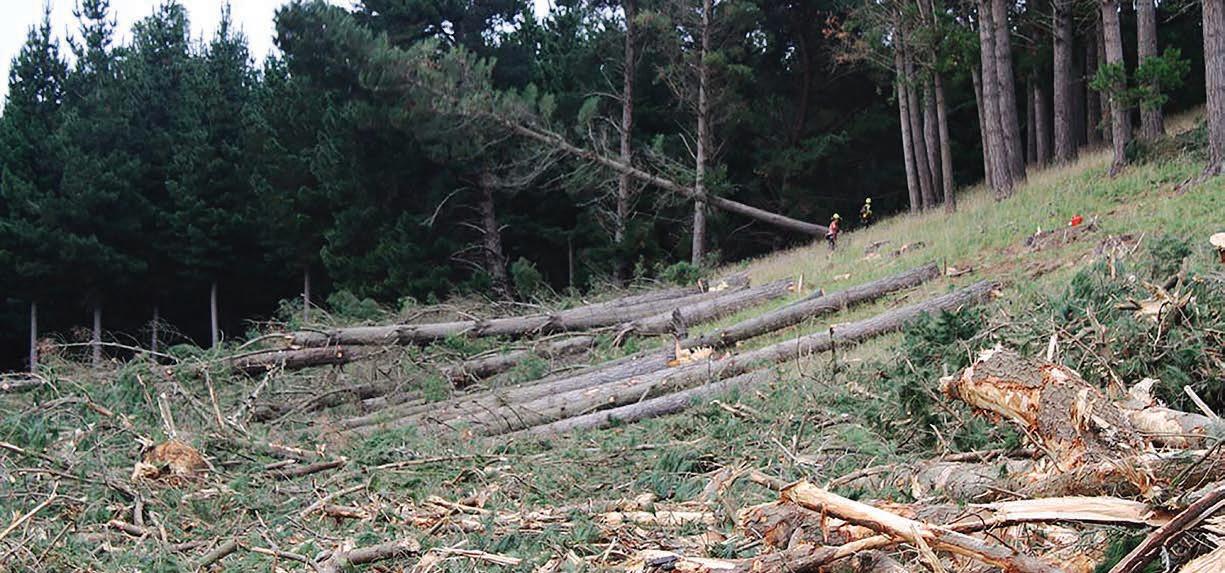
Estimates by the association are that integrating wood biofuel as a replacement for gas in heat processes could save the country about 13.5 pJ (petajoules). This is about a quarter of the country’s annual natural gas consumption used by industry, excluding urea and power production.
“The wood fuel sector, using residuals from forestry and processing offcuts, can deliver some of the lowest cost heat energy in the country,” he said.
Typical comparisons at present are wood fuels costing about $16/ giga joule (Gj), compared to $40$80/Gj for retailed gas.
“And it is far more price stable because it is domestically sourced from existing wood supplies, and no new infrastructure has to be built.”
Cox estimated the South Island is already about 15 years ahead of the North Island in its uptake of wood waste for energy, driven in part by the switch out of coal used for many years due to the absence of reticulated natural gas supplies.
Karen Boyes, executive director of the Major Energy Users Group said the proposed gas terminal is in response firstly to shoring up electricity generation, rather than for heat generation.
Her group represents some of the country’s largest energy users, with primary sector processors including ANZCO, Visy and Fonterra.
“But there is definitely a role here for renewables. If government looked to pursue wood biomass that would be great, the thing is there is a need for a supply chain. It often depends on where the wood sits with relation to the market needing it.”
Energy consultant Lloyd McGinty of Whirika cautioned bio energy is not a fit for all processors.
“It does make sense when you have a consistent level of demand
The wood fuel sector, using residuals from forestry and processing offcuts, can deliver some of the lowest cost heat energy in the country.
Brian Cox BioEnergy Association
for energy.
“It is a case of looking at ‘who can we get off gas to free it up?’”
He cited specific parts of the country where wood biofuel is a highly viable energy source.
“Hawke’s Bay is a great example of somewhere where supplies and demand for the energy match well, there is about 400,000 tonnes of wood there that could be utilised.”
Southland has some big energy users suited to consuming wood biofuel, which could be in turn sourced from Otago, with greater supply but fewer processors needing it.
“And Gisborne would have even greater supplies than Hawke’s Bay.”
The Energy Efficiency and Conservation Authority is currently offering co-funding for wood aggregation projects in regions around NZ specifically for forestry and wood waste to use as a biofuel.
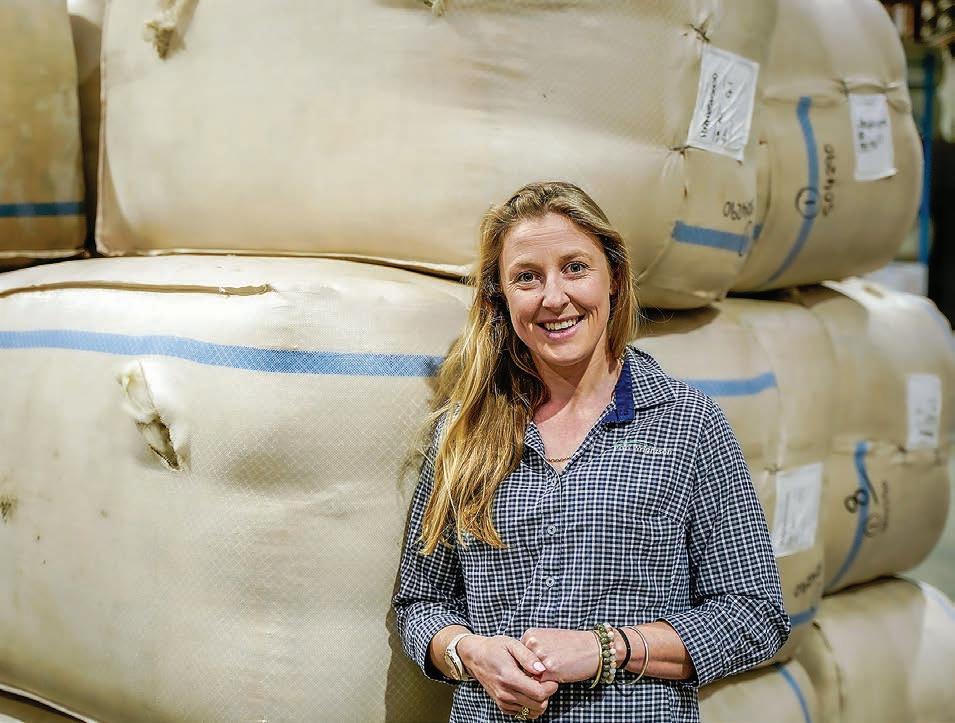
STEADY: PGG Wrightson appraisal and procurement coordinator Annabel Busby says buyer interest remains consistent across the main wool types.
Napier wool auction holds the line

Annette Scott MARKETS Food and fibre
THERE was no change to the North Island strong wool indicator with the Napier auction sale last week holding firm as the wool market remains steady.
Across the board the sale broadly favoured buyers compared to the previous North Island auction.
PGG Wrightson appraisal and procurement co-ordinator Annabel Busby said buyer interest remained consistent across the main wool types, with good style fleece and low vegetable matter wool again receiving the strongest support.
“While an increase in poorerstyle shears was evident within the catalogue, despite this, these lines held their own and met the market well.”
These results highlight the underlying stability in the market.
Annabel Busby PGG Wrightson
The North Island strong wool indicator was unchanged on the sale, with 100% of the offering sold.
“These results highlight the underlying stability in the market
with steady demand continuing across the main categories.”
Good style crossbred fleece sold at an average $5.54 a kilogram (clean) while average style was at $5.47/kg and poorer types $5.30/kg.
Crossbred second shear 75mm100mm saw no change selling from $5.50-$5.54/kg while shorter 50mm-100mm softened 1% to sell from $5.38-$5.45/kg, while good style 50mm-75mm lifted 1% to $5.44/kg.
Crossbred lambs’ wool held steady with mid-micron-27-29 selling at $5.55/kg; 30-31.5micron $5.30/kg and 31.5 and higher micron $5.26/kg
The next North Island sale will be held on March 19 2026.
Farm visit a walk in the Park for city folk
Staff reporter NEWS Community
AUCKLAND’S Cornwall Farm Park is opening its gates for a week of activities this month.
From March 14 to 22, Cornwall Park Farm is hosting Farm Week – seven days of activities centred on farming, agriculture and the farm’s heritage on the site.
Cornwall Park Farm manager
Peter Maxwell said a working farm has been operating on the site since 1844.
“The farm is integral to the park and what makes it unique. We’re confident that having a working farm in the middle of a city is rare around the world. We haven’t found many examples in our research so far – certainly not one as long standing as Cornwall Park Farm.
Maxwell said Farm Week is an extension of the popular annual farm walks.
“We know by the numbers
coming to our farm walks that there’s a strong interest in the farm and how it works. Given we’re a primary producing country – and rural life is the backbone of New Zealand – it’s no surprise people are interested in the farm.”
Cornwall Park chief executive
Murray Reade said he’s keen to contribute to creating greater understanding of the park’s agricultural heritage and build opportunities in agricultural education.
“Cornwall Park Farm Week aims to strengthen our connection to agriculture via education and learning. Education has always been one of the core principles set out in the trust deed established by Sir John Logan Campbell, Cornwall Park’s founder.
“We’re also keen to help people understand the pre-colonial history of agriculture in the park because the land now holds the archaeological remnants of the early farming practices of Māori as well, which shapes its lines and forms.”
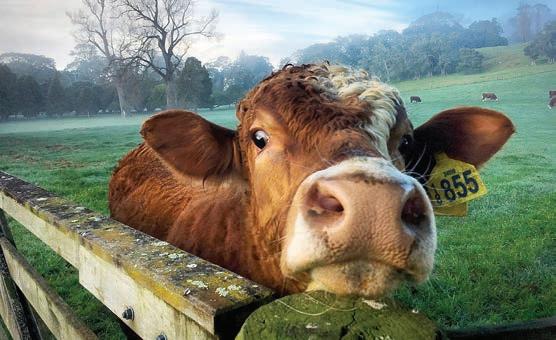
is hosting Farm Week.
Photo: Supplied
Richard Rennie NEWS Energy
WASTE NOT: Brian Cox of the BioEnergy Association of NZ says the volatility of offshore energy costs demands that the government look harder at what can be used onshore from wood waste.
CITY SLICKERS: Auckland’s farm in the city, Cornwall Farm Park,
Connections, crafts on offer at second Muster
Isabella Beale attended the Shepherdess Muster in Southland, sampling a range of workshops and events.
FOR many rural women, stepping away from the farm for a weekend can feel almost impossible. But that’s exactly what many chose to do when they gathered in Southland for the Shepherdess Muster, a festival designed to help wāhine reconnect, recharge, learn from others, and tell their stories.
This year, I attended the secondever muster on March 6-8 to see what the festival was all about. The event is held every two years, with this year marking the first time it has been held in the South Island.
The event is a gathering aimed at rural women, and a big part of the weekend is the variety of workshops on offer, with attendees able to choose what interests them most. Over the three days I found myself trying things I’d never done before, including the
fly fishing workshop held by South Stray fishing founder Kristina Placko, learning the “10 to 2” reel technique, and a workshop to create a taonga pūoro, a traditional Māori instrument, held by Māori artist Rangihuatake Sharne Parkinson.
Other workshops covered topics such as menopause, nutrition, how to find funding for projects, planning for the future for yourself and future generations, pottery making, fetū laufala weaving, being a good haumi or bridge between cultures, and parenting in a digital era.
Keynote addresses included a chat on women’s sports from Carol Hayes, a former Black Ferns rugby player, and Alice Soper, women’s sports activist and Wellington Rugby player. Jo Robertson, a seasoned sex therapist with a Master’s of Science in Medicine,
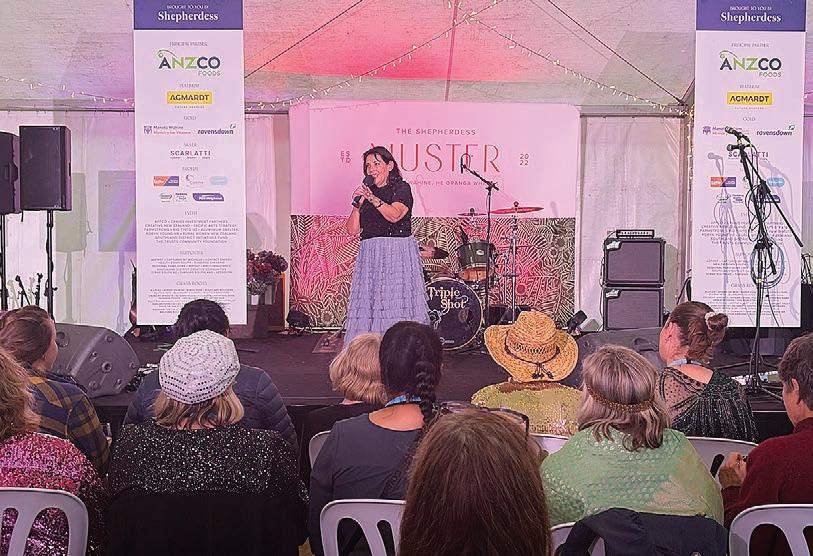
discussed what we need to know about our bodies, our minds and our relationships.
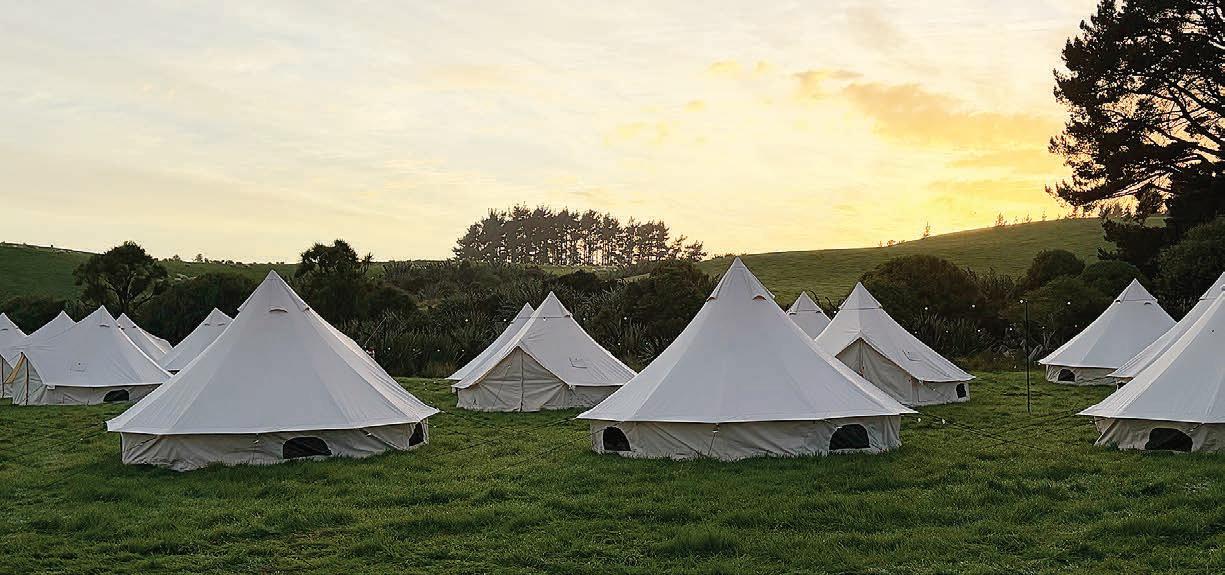
Accommodation was an option of either BYO camping or staying in pre-set-up yurt-style tents, which allowed double, triple, or quad occupancy. These provided those coming to the event alone a way to connect before the activities began.
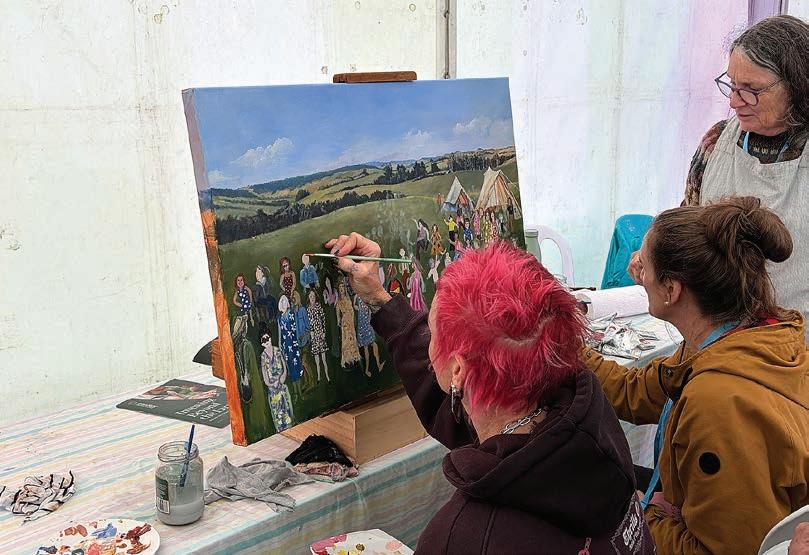
A community canvas painting was created, led by artist Lindy Mclachlan. Attendees had the opportunity to paint themselves onto the canvas, which came together as a beautiful art piece.
The piece went up for auction on
Saturday night, selling for $1250.
All of the proceeds are put back into the Shepherdess Muster to ensure the ongoing sustainability of the event in future years.
Over the three days I found myself trying things I’d never done before.
I asked attendees what their highlights and takeaways from the event were; there was a common thread of meeting new women and hearing their stories.
“Just meeting these amazing
women and hearing their stories. I’ve loved hearing all the different stories and where people have come from and what they’ve achieved, and that we all have the same struggles,” said Carmen Andrews, who works for the Ministry for Primary Industries in on-farm support in Pinebush.
“Connecting with other women who have stories like mine or have walked paths like mine, that’s been amazing. I don’t have a lot of women friends in my day-today life, so this has been a real game-changer for me,” said Jane Foley, who farms sheep and beef in Oxford.
Andrews met South Stray fishing founder Kristina Placko at the event. “I’m going to go fly fishing. I’ve always wanted to do it, and I’ve finally found somebody here at the Muster that does it, and she’s going to take me on a trip,” she said.
What stood out most to me was the diversity of skills and stories in the room. Women travelled from across the country, from different walks of rural life, but all with a shared willingness to learn something new and connect with others. The weekend was a reminder that while rural women may live far apart, many face the same challenges, and supporting one another through them matters.

EARLY ON: Mornings started with group fitness sessions including yoga, nature walks or Zumba as options.
Photos: Isabella Beale
COMEDY: Comedian Michèle A’Court kicked off the event with a comedy show on Friday night over dinner.
AUCTION: Attendees had the opportunity to paint themselves on a canvas that went up for auction on Sunday night.
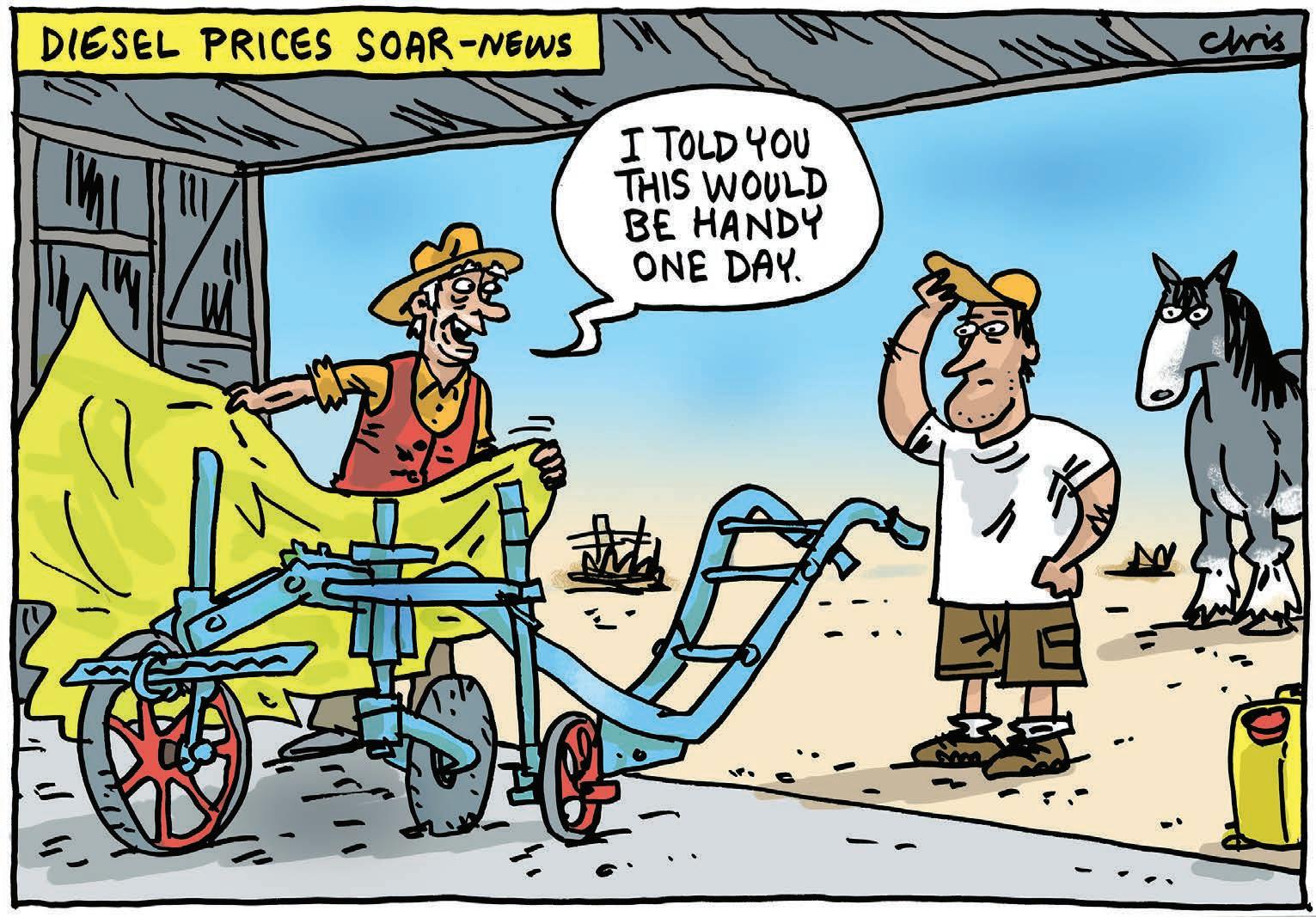
From the Editor
Brace for more trade turmoil
Neal Wallace Senior reporter
NEW Zealand’s economy is being smacked on all sides by the Iranian conflict.
Millions of dollars in exports to the Persian Gulf states are in limbo or being returned, and oil and fertiliser prices are soaring – putting pressure on inflation and placing our tentative economic recovery in doubt.
After rising sharply, at the time of writing Brent crude oil prices had eased, but regardless, the uncertainty created by the conflict will have repercussions for a small exporting nation at the bottom of the South Pacific.
United States President Donald Trump has said the war his country and Israel have waged on Iran since February 28 will be over quickly, a statement most hope will be true.
Should the conflict be prolonged, our economy will be hit by inflation and pricing
LAST WEEK’S POLL RESULT
pressure in our markets and will mean weaker demand for our exports.
It could also lead to increased market and financial volatility, heightening the cost of borrowing, and weakening the NZ dollar.
That is already being felt through disrupted dairy and meat exports to Persian Gulf markets, with product diverted or returned home to be repackaged and resold as frozen.
The issue for importers of oil from Gulf nations and those exporting to those countries is the shipping bottleneck in the 33km wide Strait of Hormuz between Iran and the United Arab Emirates (UAE).
Our exporters have already demonstrated their flexibility and will be required to do so again.
Iran has vowed to attack any ships passing through the crucial passageway, stranding ships on either side.
Some product is being railed from ports outside the Gulf, but it is not an option available to all.
New Zealand exports $3.4 billion worth of goods to Gulf states, about 3% of our total exports, and including $2.4bn in dairy and $331m of red meat.
About $2.9bn of exports is sold to the UAE and Saudi Arabia.
OF THE 56.3% who voted yes, many said using KiwiSaver to purchase dairy herds is a solid investment for farmers and would hold or increase their value should they later opt to sell.
“The average herd is also a significant investment that can take years to build up the equity required to secure a loan, therefore the use of KiwiSaver would significantly aide the progression of aspiring farmers. Herds are a relatively safe investment because they regenerate themselves as part of a share-farming agreement,” said one.
Of the 43.7% who voted no, a common view was that KiwiSaver should keep on being what it was established to be, support in retirement.
“The purpose of KiwiSaver has been eroded regularly since its inception – it was a mistake to allow it to be used for first home purchases, it is a mistake to extend it to agricultural workers and it most definitely should not be relaxed further to dairy herd purchasing. KiwiSaver needs to remain a protected vehicle for retirement savings,” said one voter.
Another said: “This sets a precedent which may allow future governments to tinker with KiwiSaver for political gain.”
Last August NZ signed a free trade agreement with the UAE.
While exporters have the obvious logistical challenges of getting product to market, they also face high transport costs, disrupted shipping schedules and getting container stocks replenished.
New Zealand no long sources crude oil from the Gulf – but Asian countries from which we import refined products do.
As we report this week, future fertiliser prices are expected to rise sharply.
New Zealand sources 22% of its fertiliser products from the region, which is a large producer of urea, Sulphur 90 and sulphate of ammonia.
Our exporters have already demonstrated their flexibility and will be required to do so again.
For several years shipping has been threatened by attacks by Houthi rebels operating off the Yemeni coast, the entrance to the Red Sea and the Suez Canal.
This has meant ships have had to divert around the Cape of Good Hope, adding sailing time and costs, but it has worked.
The world is interconnected as never before, and our relative isolation does not provide a buffer from global geopolitics.
When a global superpower sneezes we tend to catch a cold. The hope is that the symptoms are mild and will not confine us to bed.
Last week’s question: Should KiwiSaver rules be relaxed even further to include dairy herd purchasing?
Letters of the week Farming fails laid on forestry
David Field Rotorua
THE article by Richard Dawkins about forestry policy and accountability, (Federated Farmers, March 9) showed a photo of forestry slash.
It was clearly of slash concentrated by water. I was a forester for 30 years and we used to burn logged areas to make it easier to replant with genetically superior trees, and avoid the regeneration of the previous crop. Burning is not now favoured nor practical for various reasons.
It is clear that the slash in the photo will have been swept there by a significant amount of water, most likely shed from adjoining farmland.
Most of the flooding issues we have experienced in recent years derive from conversion of the original native forest cover and establishing our farms.
Our pioneering forefathers, keen to create a “little England”, would not have realised how vulnerable our sedimentary and volcanic soils are to heavy rain. In 1861 the area of farmland was reckoned to be around 69,000ha and by 1901 was about 4.5 million hectares.
Subsequent introduction of deer species, rabbits, mustelids and others compounded the problem.
Dissolution of the first NZ Forest Service in 1987 and sale of state plantation forests by Roger Douglas and co hardly helped as the state no longer cared for these sites. It’s all very well for farmers to complain about forestry slash but it’s also time for farmers to understand and accept their own role in watershed, flooding and soil erosion.
Treeloads of trouble
Gerard Pain Hinerua
THE WorkSafe warning in “There’s danger in a downed tree, WorkSafe warns” (March 2) could have elaborated about why they are so dangerous – which is due to more than branches being under compression and there being a lot of hidden forces.
For instance, they can suddenly stand back up once some of the weight comes off the head, if it is decided to tackle the problem from that end.
Tree experts could no doubt teach us a whole list of things we should be aware of if we decide to do the job ourselves. The article was a missed opportunity.
This week’s poll question (see page 3):
Have your say at farmersweekly.co.nz/poll Will rising fuel prices have a significant impact on your business?
Living in the age of apathy
Eating the elephant
IN 1938 the British colonial service employed just over 8000 people to run an empire encompassing 25% of the world’s population and 28% of the world’s trade.
In the modern era, the successor to the British colonial service, the United Kingdom’s Foreign Office, employs more than 17,000 people; there is no empire, just the UK with approximately 1% of the world’s population and 3.4% of its GDP.
Many more people, required to do much less.
This an example of the complexity paradox, where systems
or structures intended to deliver better outcomes or better decision-making often result in the opposite – doing more but achieving less.
More consultation, more committees and working groups, more reports, more spin and a type of paralysis in decision-making.
In New Zealand, the clutter of compliance and the clutter of regulation is our own complexity paradox; well-intentioned polices aimed at solving issues make everything more complex and more expensive, and slow everything down.
In agriculture, increasing complexity is not imagined. It shows up as overlapping freshwater plans, duplicated reporting requirements, moving methane targets, along with increasing compliance costs. None of these things grows a single blade of grass.
Is it a coincidence that a proliferation of unwieldy complexity in our governance structures has emerged since the adoption of mixed member proportional representation, or MMP?
MMP is 30 years old this year. The first election held using this voting system was in 1996; Jim Bolger was the prime minister entering this election and once all the negotiations finished, he was leading a coalition government made up of National and New
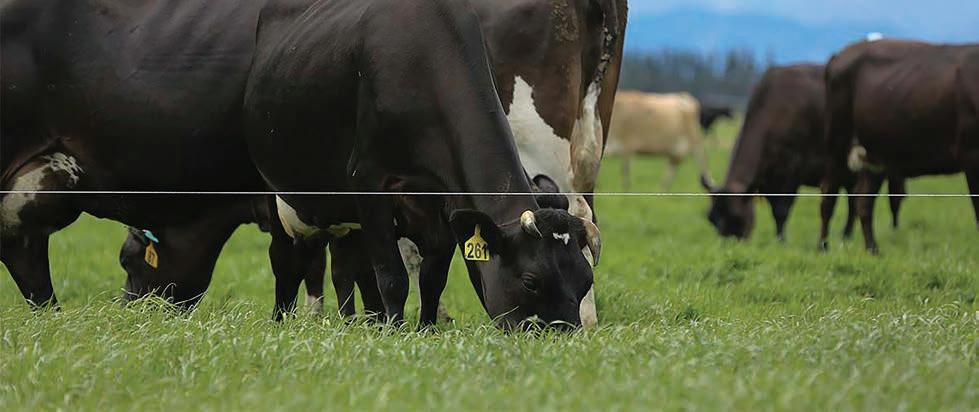
Zealand First. For those who can remember, it took almost three months of negotiations to flesh out the agreements – this was new territory for the country.
The first MMP election delivered on one of its core principles, creating a broader, more representative parliament than those formed under the old first-pastthe-post system. But, while MMP may be a fairer system, it is also, by its nature, more collaborative with compromise a key tenet. Looking back across 30 years, it appears to have made decision-making slower and more cautious and has lowered the ambitions of governments.
Instead of action we get polished political performance. Think the John Key government’s referendum on changing our flag. We often get lofty ambitions without the political longevity to execute – remember the Clark-era New Zealand Emissions Trading Scheme?
Governing for long-term gain now seems incompatible with our MMP electoral system, not to mention our hyper-connected, clickbait society.
Politically, we don’t do the
things essential for a better society because they don’t resonate with key sectors of the electorate and probably won’t win elections.
This includes science, tertiary education, defence, infrastructure, climate change or anything that has long-time horizons.
This affects our productivity and ultimately our wealth.
Even if a government develops policies for the longer term, they tend to get relitigated at each election and frequently dumped with a change in government.
Our horizon on almost everything is one parliamentary term.
In this respect the numbers do not lie – New Zealand’s ranking among OECD countries for productivity has sunk over the past 30 years and we are now close to the bottom of the list. Ireland and Norway, with similar populations, occupy the top positions.
A common lament of MMP is “we never voted for that!” It usually relates to a minor party’s policy becoming government policy.
Think Charter schools or the Treaty Principles Bill.
Over time voter mistrust leads to apathy and disengagement. Are we now living in an age of apathy?
FENCED IN:
Our short-term thinking and complex systems have constrained our ability to innovate and flourish, John Foley says.
Is near enough now good enough? Have we moved on from an era where we used to aim far higher and were bold and sure of our direction?
The proverbial punching above our weight seems likes a thing of the past. If you look back on what New Zealand achieved with a far smaller population than that of today, it is a truly remarkable legacy.
But here is the uncomfortable truth: we aren’t what we used to be. We no longer have that muchcelebrated No 8 wire mentality. It has been replaced with inertia –tinkering around the edges of our society’s biggest challenges and kicking the proverbial can down the road.
As a consequence, we have very few examples of collective excellence in the last 30 years. In spite of all the political hyperbole, manoeuvrings and attempts to change direction, New Zealand remains dependent on the things we have always done well: growing grass to feed to cows.

Shear magic as Masterton hosts the world
Alternative view
Alan Emerson Semi-retired Wairarapa farmer and businessman: dath.emerson@gmail.com
IT’S good to see wool prices increase and it is great to see the enthusiasm of the wool-harvesting brigade –the shearers, wool handlers and pressers.
Earlier this month in Masterton saw the 64th Golden Shears and the 20th World Shearing Championship. They were spectacles and augur well for the future of farming. They also augur well for our international profile.
For a start, many of the competitors have been in New Zealand for some months learning the Kiwi
way. They will have interacted with locals and learned about New Zealand farming and our country.
There were competitors from 27 countries. All of the United Kingdom countries were there as well as a sizeable portion of Europe and Scandinavia. The United States and Canada attended as did competitors from South America and Africa. We also had teams from Japan, Mongolia and the Cook and Falkland Islands.
It was an event with a huge international profile. It also didn’t lack passion, with supporters loud in their encouragement.
Locally, shearers came from the Far North, Deep South and everywhere in between.
The entire event was colourful with traditional dress proudly displayed. It was a great showcase for our rural sector.
You had male and female competitors, from those in their teens to those collecting the pension.
There were children from preschool to senior students being shown the ropes. Many local senior students were part of the Shears support team. It was a family function with Mum, Dad and the kids, many in pushchairs.
There were all the international colours with visitors enthusiastically mixing with the locals.
The Novice event had two winning students from Napier Boys
High, and both Sam Lawson and Sam Whiteside were impressive to watch. They were part of a group of 11 learner shearers from Napier Boys. There were three women among the six finalists.
The Novice event impressed me. It bodes well for the future of the industry.
The tickets to the stadium were sold out last year so the organisers started a fan zone. It was extremely well done with several large marquees, a huge screen with a clear picture and dialogue and many displays promoting wool.
The local spinners and weavers were of particular interest, ably demonstrating to what was at times a large audience.
Masterton is a small town by New Zealand standards, with fewer than 30,000 people. There are 51,000 in the greater Wairarapa area.
Putting those numbers in perspective, it has less than half the population of Palmerston North and a third of that of Napier Hastings, yet it successfully ran a national and international event.
There are no professional event organisers employed but 250 dedicated volunteers led by the Golden Shears Committee plus a part-time administrator.
Many of the volunteers take part of their annual holidays to support the event.
It’s not easy to organise, with 560 competitors from around NZ and internationally.
The competition starts at 7am and continues well into the night.
There were 2500 visitor nights in Wairarapa last year, bringing in around $360,000 in accommodation alone. Their total spend in the province would have been several times that amount.
I’m also aware of competitors and spectators travelling from Wellington and Palmerston North.
Golden Shears president Trish Stevens leads a committed and hard-working committee. She was ebullient.
“It was an amazing four days and nights hosting 26 countries,” she told me. “The weather was amazing, the atmosphere was amazing and we had amazing support from around NZ.
“We had a fantastic bunch of volunteers who put their heart and soul into the event for four days and nights. Everyone –MCs, commentators, judges and shepherds – were all volunteers.”
The event also brought politicians into the Wairarapa countryside and many of them. We had Prime Minister Christopher Luxon and Leader of the Opposition Chris Hipkins. The two local politicians, Mike Butterick and Kieran McAnulty, were highly visible. I also saw Labour’s
agricultural spokesperson, Jo Luxton, and National’s Grant McCullum.
The Associate Agriculture Minister responsible for wool, Mark Patterson, spent a lot of time talking to participants and mixing with the locals.
Patterson raised the question as to why it wasn’t on live television and I would wholeheartedly agree.
We did have quite a lot of international media interest and the live-streaming of the Shears was available internationally. It was highly professional with superb commentary.
I was disappointed, with some exceptions, with the NZ media coverage.
Here we had a competition involving a New Zealand staple, wool.
We had more competitors than you would have at a rugby tournament, with 30 teams participating.
There were 27 international teams, more than at the Rugby World Cup.
Next year I’ll confidentially tell SAFE the locals are killing sheep to harvest their wool. They’ll create a massive hue and cry and the media will be in Masterton in their droves. Read weekly articles from Alan Emerson at
More of your favourite opinion pieces now online farmersweekly.co.nz/opinion
John Foley Foley lives near Lincoln in Canterbury and works in the seed industry
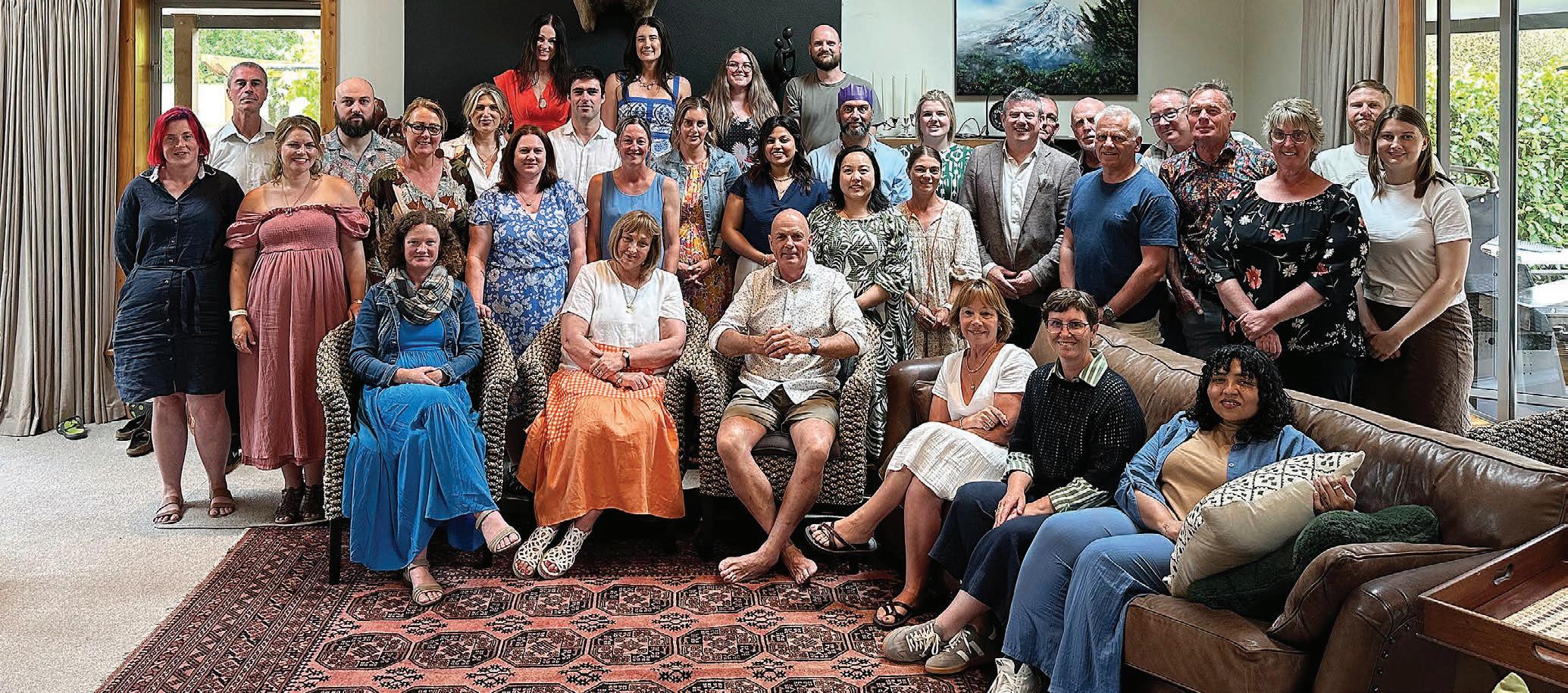
end of the bargain.
Publishing this newspaper, maintaining the website, running the social media channels, taking on graduates, supporting and sponsoring industry events and local initiatives - in fact, everything we do is a team effort.
We’re incredibly proud, and privileged, to be part of this team.
While the world throws challenges at all our business models - farming and media - those of us who have worked together, innovated in measured ways and doubled down on our strengths, are being rewarded with long term success.
You’ve seen media retrenchment everywhere in the last 10 years, except at Farmers Weekly.
Cutting costs and reducing scope are not options. It’s not in our DNA. We’re determined to grow and deliver more, but we need subscribers.
Our promise to you is that Farmers Weekly will remain independent, continue to train new reporters, and support your work in every way we can. Forever, through good times and bad.
Thank you to the 1150 voluntary subscribers so far. You get it and we think you’re great. For everyone else who reads Farmers Weekly, please join now - that’s your end of the bargain.
Details below, or call us directly at any time.
Dean, Cushla and Charlie Williamson


Sector Focus Sheep & Beef
Breeding’s in the genes for neXtgen expert

Samantha Taylor PEOPLE Genetics
IT MAY feel as though the sheep breeding sector is a few years behind dairying in terms of data, but people like Dr Emma Pettigrew are working hard to help farmers make the most of their genetics.
As with dairy, with fewer numbers around and tougher economics to navigate, the sheep sector has placed greater emphasis on quality to drive efficiency. As Pettigrew explains, genetics can help drive that.
She is a senior livestock consultant for neXtgen Agri, based in Manawatū and covering the whole North Island. She stepped
into the role after four and a half years in the breeding programme at Wairere Rams in Masterton.
Pettigrew’s interest in genetics started early.
“Growing up, I never knew what I wanted to do, but my parents had a stud sheep and beef farm, which got me interested in genetics,” Pettigrew said.
“Mum was always so passionate about sheep breeding and genetics, so it was only natural that I picked up that passion too.”
After her first year at Massey University, Pettigrew switched majors from medlab science to animal science and included a minor in genetics.
She took on an honours project in her final year, focusing on using breeding data to select rams. The
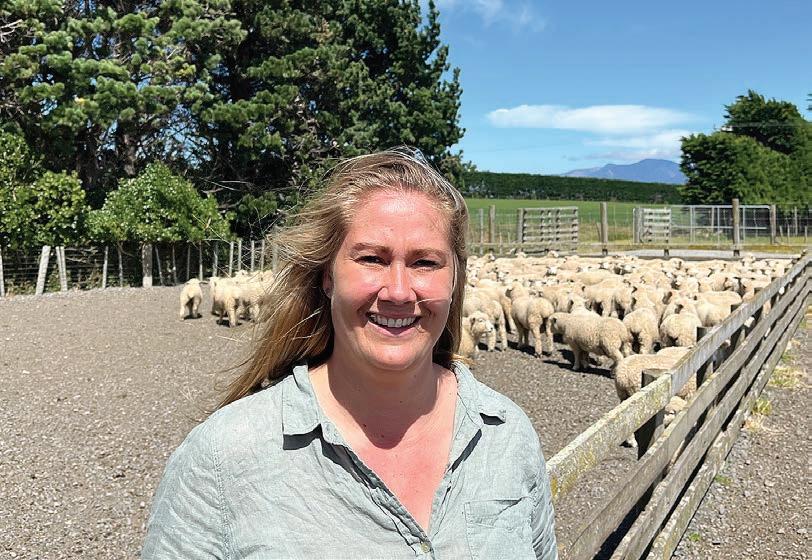
EFFICIENCY: Dr Emma Pettigrew says better use of genetics and data is helping sheep breeders lift efficiency as the sector navigates tighter margins and fewer numbers.













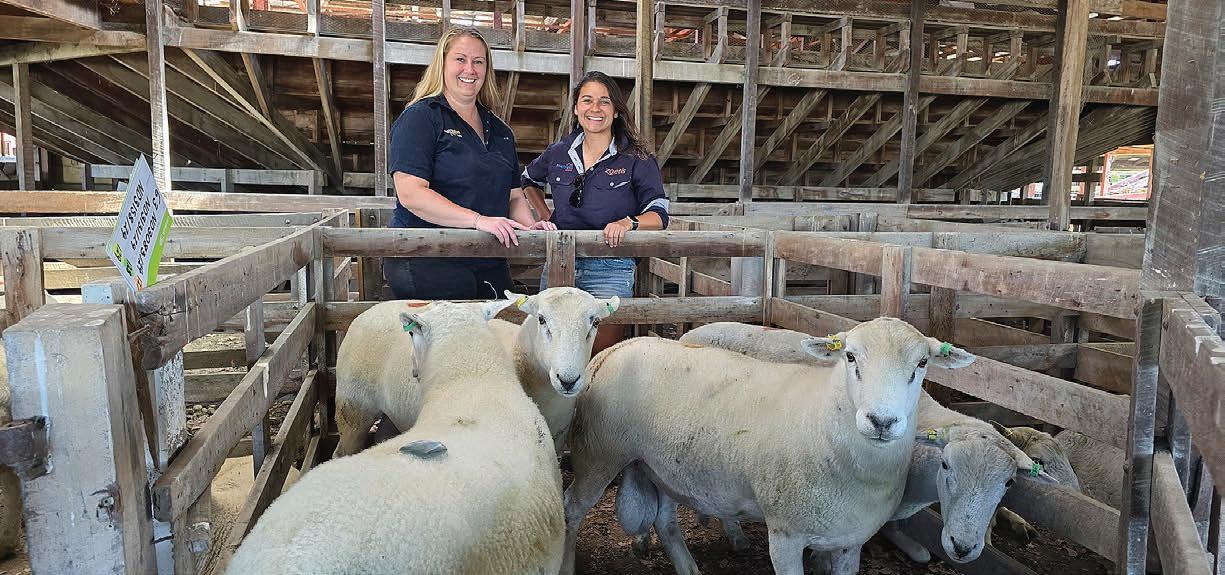
trial, Data Drives Dollars, was conducted in collaboration with Massey University and Focus Genetics.
Still unsure what she wanted to do after finishing her studies, Pettigrew took the opportunity to complete her PhD with a project on selecting replacements born to ewe hoggets.
That led to her next step into the stud breeding world.
After completing her PhD, she moved to Masterton.
“It was Sam O’Fee, the manager at Wairere Rams at the time, who got me into the job. He was a friend from school and knew my passion for genetics.”
A major highlight of her time there was her involvement in a large-scale embryo and artificial insemination programme that brought Nudie sheep into New Zealand.
“We did close to 1500 embryos and inseminated just over 3000 straws from the United Kingdom over a three-year period. And my role was coordinating it all.”
Now at neXtgen, Pettigrew works with both stud and a handful of commercial breeders.


Some have been breeding for a long time, while others are establishing new studs and breeding programmes.
She’s helping them understand what data to record and when, and neXtgen is a certified bureau for Sheep Improvement Ltd (SIL), which means they can enter data into the national database.
SIL is part of Beef + Lamb New Zealand Genetics and aims to improve the profitability of sheep farming in New Zealand.
I’m keen to see where technologies are taking us; there’s so much being developed out there.
Dr Emma Pettigrew neXtgen Agri
“I really enjoy working with our farming clients, setting them up to record the things they want and need to record for the traits and goals that they have.”
At neXtgen, they also have a few tools that aren’t available in SIL yet, including additional breeding values (BVs) and an indexing
Formulated to provide ultimate parasite protection and performance for your cattle ECLIPSE offers the ability to withstand the elements, ensuring reliability in all conditions, much like this 90 L Gear Bag yours with qualifying purchases of ECLIPSE products this season
tool that creates custom indexes for flocks, which can be used to develop breeding plans.
Her time is split between office work and travelling to farms, which she thoroughly enjoys. There are a few key times of the year when she’s on the road more, helping assess and score animals with farmers.
There is a big focus at the moment on feet and structure across the sector.
Mating is another key focus.
“Mating is about setting up the next generation, making decisions on which sires to use and helping with selecting replacements.”
Looking ahead, Pettigrew said she’s excited about continuing to evolve her role, seeing the progress studs make over time, and bringing more farmers into structured breeding programmes. “And I’m keen to see where technologies are taking us; there’s so much being developed out there.”
When she’s not working, she spends time on her parents’ farm near Kimbolton or at their beach house in Mahia, where she enjoys fishing and diving.



PRACTICAL: With a background spanning university research and large-scale stud breeding programmes, Dr Emma Pettigrew – pictured here with Dayanne Almeida from Zoetis – works with breeders across the North Island to turn data into practical breeding decisions. Photos: Supplied
Bringing out the beauty in wool
Samantha Taylor PEOPLE Skills
FASHION on the Farm was the name of Rebecca Robbie’s entry in the wearable arts competition in Year 10. She remembers finding a shaggy coat on a class trip to Savemart and adding an arrangement of wool pompoms. It scored second place.
After school, she studied a diploma in fashion technology and entered a fashion show in Auckland called Cult Couture. Her dress, Woollen Warrior, made from hand-felted Merino wool batting, won a category award in 2012.
Since then, Robbie has found other ways to share her love of wool using her artistic talents, and has created a business, NZ Wool Art.
It started with a wool fadge of Wisewool knops lying around,
and Robbie and her dad, Douglas, wondering how to use them. The Wisewool product is usually used for stuffing furniture or toys, and while they initially considered designer beanbags, Robbie began experimenting with dye and canvas instead.
“I started experimenting, dyeing wool knops and putting them on a canvas – I could see the potential in the texture that was forming,” Robbie said.
“As I was getting into it, it started looking really cool, and I was perfecting the technique.”
Many of the pieces she has been creating lean towards a minimalist style. She’s also branched out into using pre-felted Merino wool sheets to create different textures, using pattern-making and cut-and-sew techniques, and experimenting with different colours.
“With the felt I’ve been creating different 3D textural styles, and

everyday wool products into contemporary art pieces.

while sewing the felt sheets is a bit faster than working with knops, the felt itself is more expensive to purchase.”
Robbie has been slowly building relationships with galleries across New Zealand. She has pieces in the Auckland Quay Gallery and in the Kiwi Art House in Wellington. She also has a guest exhibition at Greytown Art Gallery and has exhibited at Rinitawa Gallery in Woodville.
But her favourite is commission pieces for people who share her passion for wool.
Wool acts as a natural air purifier by absorbing, trapping, and chemically binding hazardous volatile organic compounds (VOCs) – such as formaldehyde, nitrogen dioxide, and sulphur dioxide – from indoor air
“Just like carpet, the other benefit to having wool artwork in your home is that wool naturally absorbs VOCs and toxins,” Robbie said.
“I’ve got a deep appreciation for wool as a natural, sustainable fibre,
APPRECIATION:
Growing up on a sheep and beef farm near Eketāhuna shaped Rebecca Robbie’s appreciation for wool as a natural, sustainable fibre –now central to her work through NZ Wool Art.
Photos: Supplied
and my inspiration started from my roots, growing up in a wool shed.”
She spent her childhood on a sheep and beef station, 30 minutes east of Eketāhuna.
Robbie’s dad runs Otapawa Station with her uncle, Stuart Robbie, and her cousin, James Robbie.
It has been in the family for over 131 years, and operates a Hereford
I started experimenting, dyeing wool knops and putting them on a canvas – I could see the potential in the texture that was forming.
Rebecca Robbie Eketāhuna
stud that was started by her grandparents.
Today, Robbie splits her time between town and the family farm, crafting her work during the week while her son, Cairo, attends kōhanga. They head back to Otapawa Station on weekends, in a rhythm that keeps her closely connected to both her art and her roots.
She’s enjoying the way her work continues to evolve – experimenting with new textures, techniques and colours – while staying grounded in a fibre she knows intimately. She hopes more people will see not just the beauty of wool artwork, but its value too, as a natural, sustainable material that brings warmth, texture and a quiet sense of place into homes and workplaces.

Castle Ridge wool rep awarded scholarship in Aus
Annette Scott NEWS Education
CANTERBURY wool representative
Samantha Harmer is preparing to wing her way to Australia to further her career in fine wool production.
Harmer headed off a strong field of applicants to be named the 2026 PGG Wrightson – Otago Merino Association Monaro Scholar, recognising her deep roots in the Merino industry and her commitment to fine wool production.
The scholarship will see her spend time in Monaro, in one of Australia’s major fine wool regions, in southeast New South Wales, where she is looking forward to gaining further insight into breeding principles, bloodlines and farm management, as well as furthering her knowledge in wool exporting and brokering.
“I am very excited to be accepted into this scholarship as it recognises my commitment to the industry and supports my continual learning as I work to contribute to the future of New Zealand wool,” Harmer said.
Having grown up on Castle Ridge, an Ashburton high country station, Harmer, 24, has built a career across sheep and wool.
“From an early age I was immersed in the shearing shed and, on the farm, developing a strong appreciation for both the work and the lifestyle.
“I’ve built my career across shepherding, wool handling and Merino wool classing with a strong focus on genetics and wool quality.”
Harmer is a fully fledged woolclasser and has spent the past five years classing Merino wool and working in the wider wool industry.
In 2022 she received the NZ Wool Classers Association Merit Award.
Now working as a wool representative across Mid and South Canterbury, she helps support growers improve their wool quality and production, alongside building strong relationships within the industry.
As well as furthering her knowledge in wool exporting and brokering, the scholarship is about investing in people who care deeply about the future of Merino and fine wool.
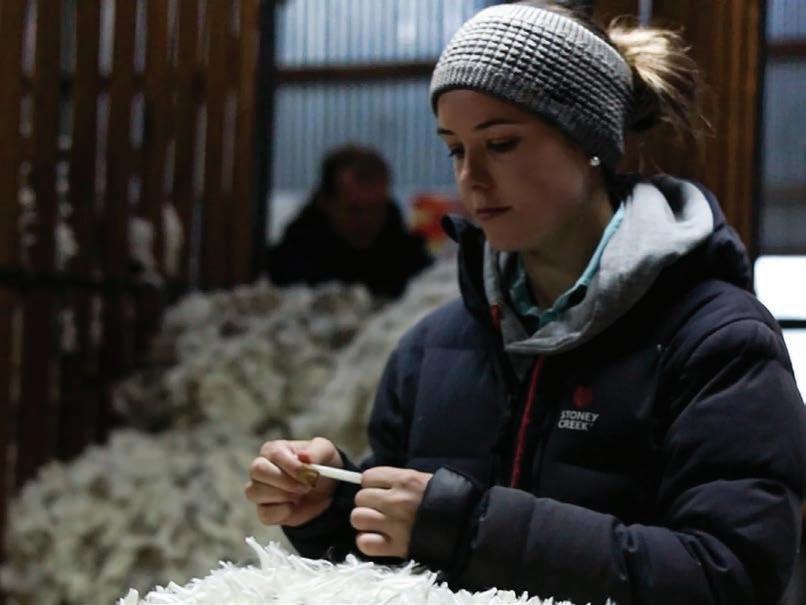
“My goal from this scholarship is to broaden my knowledge in the Merino industry.
“Gaining knowledge around wool exports and markets will help me in my role in NZ as I continue to better myself as a wool rep.”
While her time in Australia is still being finalised it will begin at the Sydney Royal Show in April.
“That will be an exciting start
and then I will head down to the Monaro region but the rest is not all determined.”
When there is opportunity Harmer is back on Castle Ridge helping out in the family’s farming operation, especially come shearing time.
Castle Ridge is a 6000 hectare high country property running a 15,000 Merino ewe breeding
operation alongside Angus beef cows and red deer hinds.
Sheep are the mainstay of the farming with a dual focus on growing sustainable fibre and food.
The recent annual on-farm lamb sale was reflective of the breeding programmes at Castle Ridge with the 7000 Poll DorsetMerino cross mixed sex lambs topping all on-farm sales this season with a $281 top price and sale average of $212.
“This was absolutely exceptional, the top of all sales ” Hazlett livestock manager Ed Marfell said.
While the lamb cheque has often made up more than half the farm income the Harmers remain equally passionate about their wool clip.
A long-time supplier to the NZ Merino Company and in a 10-year Icebreaker contract, its wool is selected on fibre length, strength, diameter, consistency, colour and cleanliness, and that’s where Samantha Harmer comes in.
“I understand the whole supply chain and when you’re classing you know where the product is going and what is it going to be used for. That’s not only at home but with all the farmers I work with.”
TRANSFORM: Working with wool knops and felted fibre, Rebecca Robbie has developed a distinctive textural style that turns
BEAUTY: Rebecca Robbie hopes her wool art encourages people to see wool not just as a product, but as a material with beauty, function and a place in modern homes.
GOING FOR BROKERING: Furthering her knowledge in wool exporting and brokering is a key goal for Samantha Harmer as she takes up the Monaro scholarship.
Helping you stay on top of your farm’s pressure points
Updated Beef + Lamb New Zealand resources designed around real farm systems and real challenges.
Running a sustainable farm means staying in front of the challenges that put pressure on your business. B+LNZ’s refreshed Hill Country Futures and Eliminating Facial Eczema Impacts (EFEI) webpages bring together practical, farmer tested solutions to help you do just that. Both pages focus on what works – clear information, proven approaches, and tools shaped by research, farmer input, and real world conditions
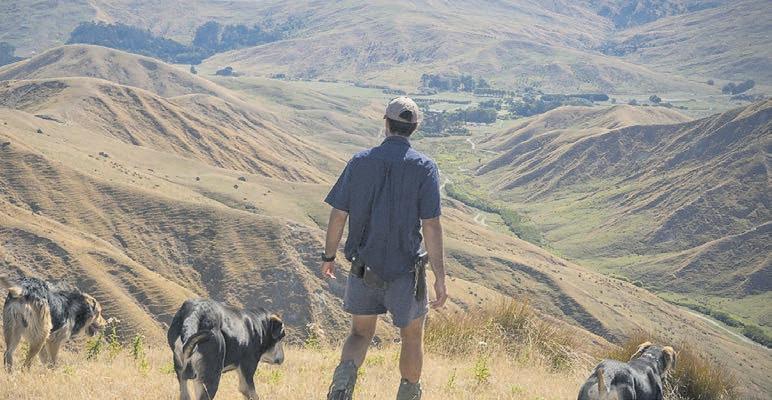

Hill Country Futures
Hill Country Futures worked alongside farmers to develop practical, science-backed tools and resources that strengthen resilience on hill country farms. The programme focused on better forage decisions, sharing farmer stories, and creating long-lasting support to help farmers manage diverse landscapes and future challenges
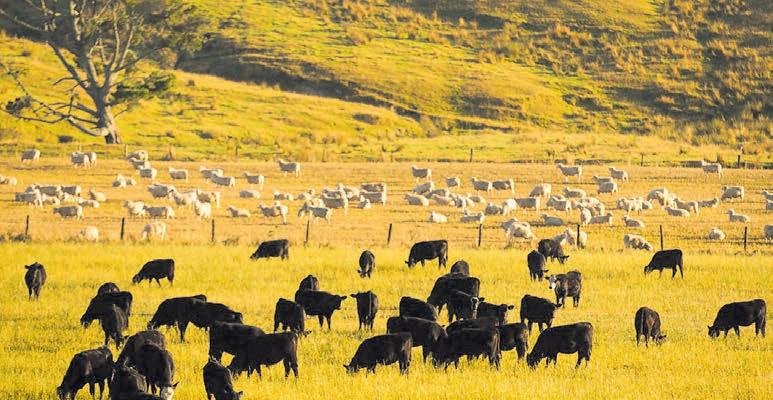

Working to reduce the impact of facial eczema, with clear guidance on identifying risk, monitoring spore counts, and choosing management options that work for your farm As FE pressure increases in more regions, reliable information is essential for protecting stock and maintaining productivity EFEI
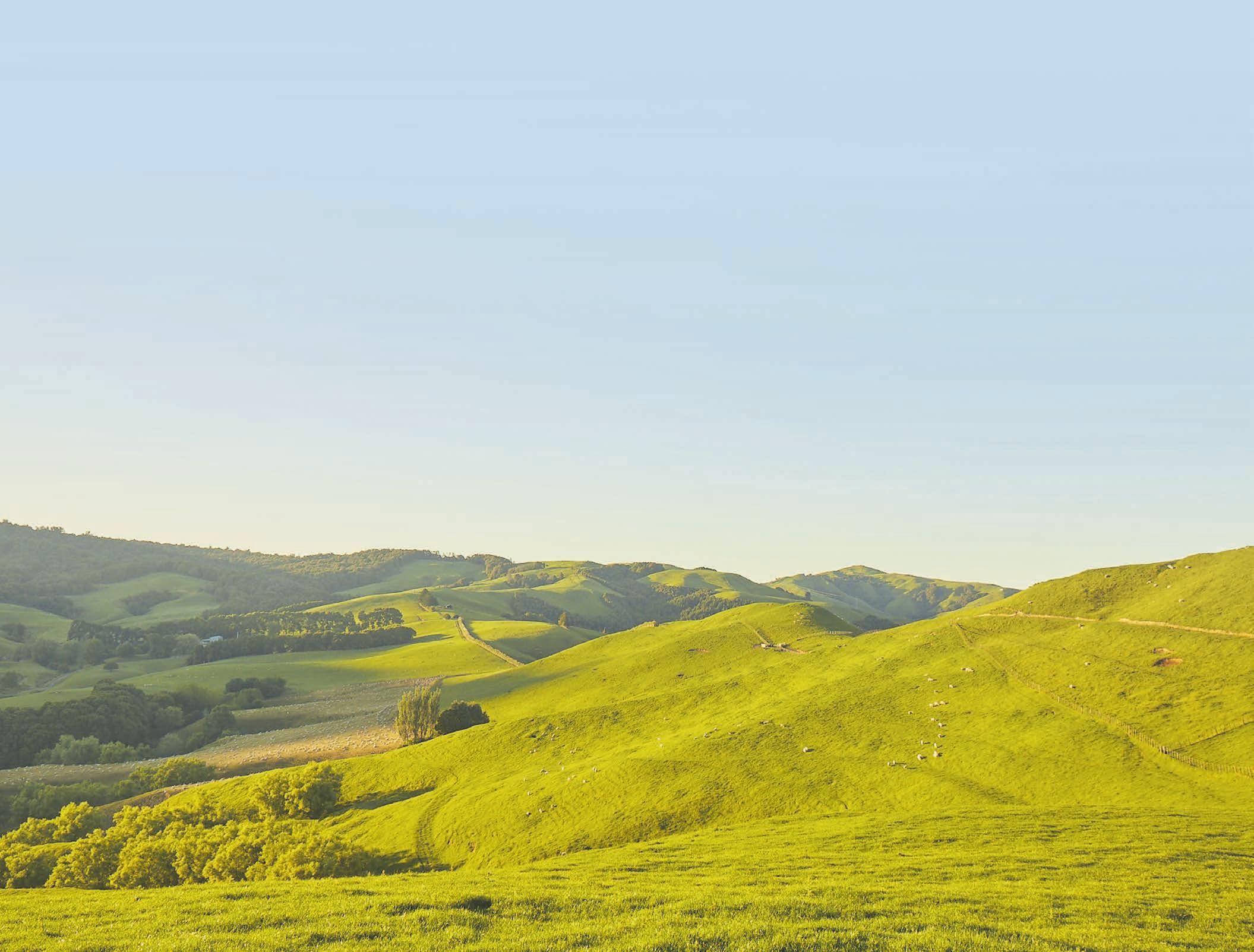


Visit beeflambnz com to explore these and other refreshed pages



RWNZ fund helping weather the storm
RURAL Women New Zealand has seen a rise in the number of applications for its Adverse Events Relief Fund following months of severe weather events.
Records on the Civil Defence website show nine declared states of emergency in 2026 alone, relating to flooding or severe weather.
Rural Women New Zealand has an Adverse Events Relief fund to support a one-off payment of up to $1000. This financial year 26 grants have been approved and distributed to rural households across the country, the previous year saw only 14.
Rural Women New Zealand membership manager Fiona Pohlen said the impacts of severe weather events are devastating for communities and the fund is there to provide support for rural households.
“We have heard stories from our members who’ve not only lost their productive farmland, but food stores for their families and their animals. Orchards, vege gardens wiped out, baleage and household appliances ruined.
“Then there is the impact on wellbeing and mental health. What the applicants to our Adverse Events Relief Fund have had to cope with is heartbreaking.
“The fund is set up to provide support for non-farming related claims, whether that’s new clothing, travel, replacing appliances damaged by floodwaters and more,” said Pohlen.
The most recent weather events impacting the East Coast, Manawatū, Whanganui, Wairarapa and further south came as the organisation submitted on the Emergency Management Bill (No 2).
The Bill, which will replace the Civil Defence Emergency
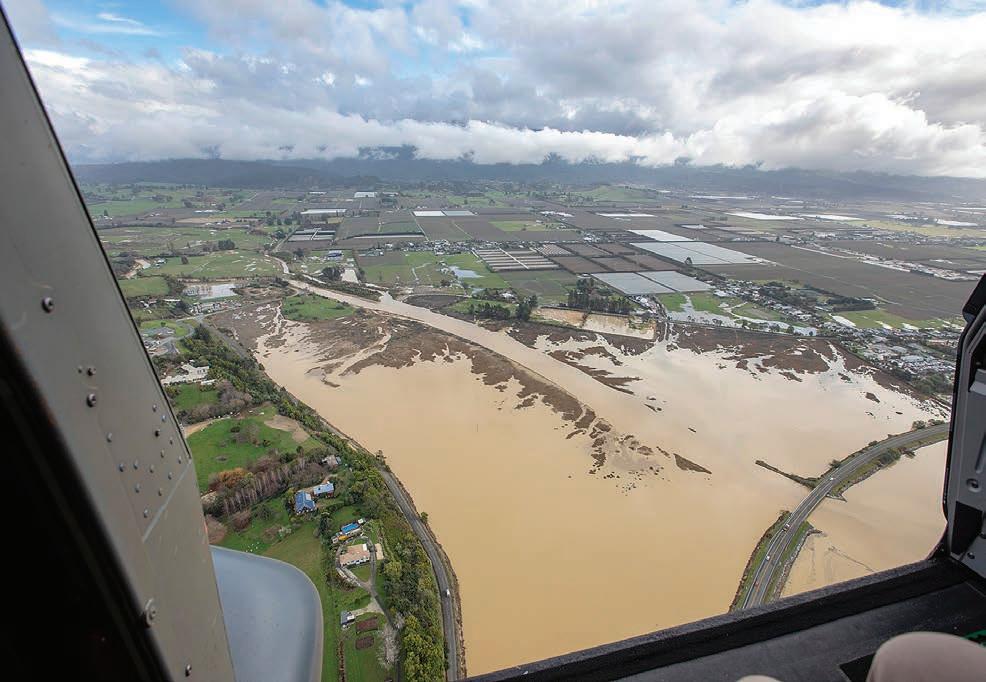
We have heard stories from our members who’ve not only lost their productive farmland, but food stores for their families and their animals.
Fiona
Pohlen Rural Women New Zealand
Management Act 2002, sets out a new emergency management legal framework for New Zealand.
In their submission, they called for regional emergency plans to include a process for accepting and coordinating offers of help, so that local effort is recognised and used effectively rather than overlooked.
“New Zealand’s increasing number of extreme weather events has revealed a consistent pattern of rural communities responding, it’s your neighbours and community that rally around.
“Locals know the roads, they know how what methods of
communication work locally when the phones go down and who to check on, they clear the roads, mobilise generators, share resources and hold things together.
“But there is a toll that this takes on the community. Following Cyclone Gabrielle volunteers experienced burnout, exacerbated by agencies arriving without coordination, duplicating efforts already underway, and failing to acknowledge what rural communities had already achieved,” said Rural Women New Zealand chief executive Sandra Kirby.
Farmers and contractors often deploy their own equipment, fuel and time over extended periods to assist with rescue, recovery and relief efforts.
The Bill does not address the question of compensation for labour costs incurred by community volunteers during emergency response.
“Rural volunteers are using their own equipment, their own fuel, their own time, sometimes for

FLOODED: Rural Women New Zealand has an Adverse Events Relief fund to support a one-off payment of up to $1000. This financial year 26 grants have been distributed to rural households compared to 14 the previous year.
Photo: Tim Cuff
calling a friend with access to a helicopter. Problem solved,” she said.
Leadbeater said the response from local communities, rural women members and farmers always amazes her.
“In the Waikato region alone, we have gone from one state of emergency to another this summer, similarly so have our friends in other regions. We’ve had short gaps but had multiple states of emergencies in quick succession.
“There’s been working bees cleaning up farms in the Coromandel when we get the call there’s farmers flooded in Otorohanga, the other side of the region.
weeks on end. We’re not expecting the government to compensate everyone, but there needs to be recognition of what communities contribute,” said Kirby.
Recent examples of how Rural Women members get stuck in to support their community when the weather gets in the way, are from the Bay of Plenty and Waikato.
In February, RWNZ member Wanda Leadbeater was sitting in a response meeting when she heard about someone trying to get access to a helicopter to support two families.
“I recalled a conversation I had with Bronwyn Main months earlier and thought she might know someone who could help, so picked up the phone,” she said.
RWNZ board member Bronwyn Main said she got a call about the situation and got to work.
“This is what being a member of rural women is all about – and our ‘service simply given’ values. We hear about a problem and get to work finding a solution. In this case that solution looked like me
“There are examples like the helicopter story across the board, another one is a local farmer who just donated his 14-tonne digger, a truck and a driver to farms that needed help cleaning up in Otorohanga. Then there’s the volunteers who turn up in their gumboots with a spade to muck in.
“I don’t want to use the word resilient, but farmers are so resourceful and can often handle the situation by themselves. But having a group of people turning up to support you, knowing you aren’t alone is so valuable,” she said.
Leadbeater talks down her key role in response efforts, saying she just makes the phone calls. But she has also helped numerous people apply for Rural Women’s Adverse Event fund over the years.
“If you’ve got a genuine need, it is such a straightforward process and can be approved and dealt with so quickly, she said.
MORE:
Applications to the Rural Women Adverse Events fund are open. Apply by visiting ruralwomennz.nz
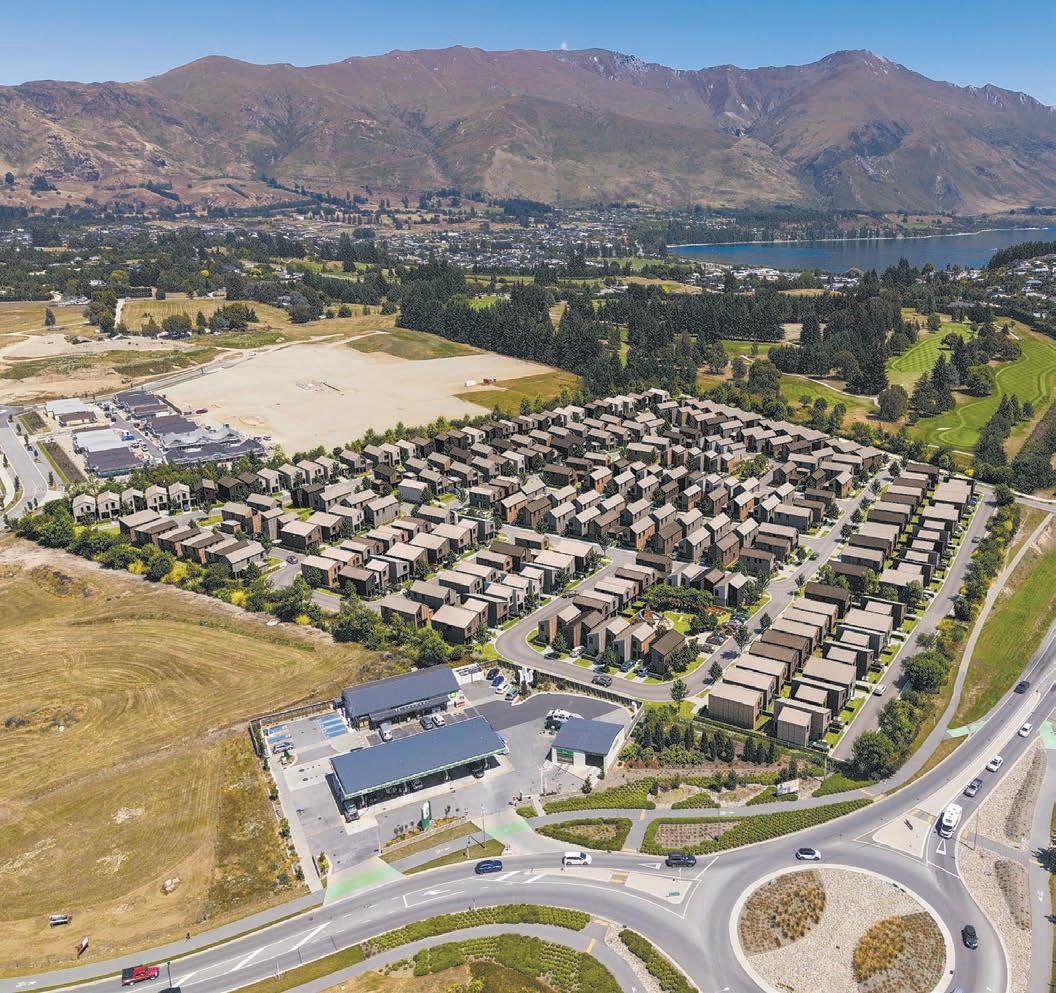


FEDERATED FARMERS

Landowner overlay compensation needs certainty
Otto Dogterom’s confidence new legislation will force councils to be more cautious and selective about placing restrictions on private property has been dented.
But small amendments at Select Committee could mean Resource Management Act (RMA) replacement legislation delivers on Government commitments to respect property rights.
“All the Government talk was about replacing the RMA with laws based on property rights,” the Federated Farmers North Otago president says.
“If district plan overlays like Outstanding Natural Landscapes (ONLs) or Significant Natural Area (SNAs) put restrictions on farm activities, compensation would be due.”
Dogterom, like thousands of other landowners, deeply resents overlays.
In one version of Waitaki’s proposed district plan, just 25 hectares of his 450ha dairy farm escaped the overlay noose.
Overlays can mean for something as simple as putting in a new fence or culvert, a farmer faces the delay and costs of getting a resource consent. Building a new house or shed might be near impossible.
Dogterom had to pay a consultant $15,000 to help him with a consent application to get permission to shift a small shed from one part of his farm to another.
“The penny dropped for me then just how much cost and hassle these kinds of overlays can create for the most basic farming activities.”
Property values can take a serious hit from such restrictions as well.
Dogterom had an estimate that the overlays and restrictions on his two farms devalued them by as much as $4 million.
It’s not just a rural issue. An economic assessment found the cost to landowners of SNAs that Wellington City Council was pursuing was $66 million.
Federated Farmers RMA reform spokesperson Mark Hooper agrees there’s sometimes a case for protecting truly outstanding and significant landscapes, natural areas, heritage buildings and sites and areas of significance to Māori (SASMs).
Where such protection is put in place, it’s for a public good – it’s done for everyone’s benefit.
“As such, the cost, in terms of lost value and ability of the landowner to use their own property as they wish, shouldn’t fall on that individual.
“They should be compensated – in planning jargon that’s called regulatory relief.
“It’s really no different to situations where the government wants to put powerlines or other infrastructure through land. It is an investment for the public good, but landowners are compensated for loss in property value.”
Compensation will also sharpen the minds of councillors making decisions about where to place overlays.
“We are increasingly seeing a tendency for councils to place huge swathes of districts under Outstanding Natural Landscape overlays, especially in the South Island hill and high country and central North Island,” Hooper says
“When it is costless for councils to create these restrictions, they can be fairly loose in what they think needs protecting.
“If councils are required to compensate for infringing property rights, they’re much less likely to willy-nilly slap restrictions across many thousands of hectares, as has happened in some places.
“Instead, they’ll prioritise, and protect the truly significant areas of nature and heritage.”
Some environmental groups are claiming regulatory relief will force councils to compensate landowners for basic regulations on things like effluent management or slash from forestry.
“Claims regulatory relief will prevent councils from regulating those sorts of external impacts simply aren’t true,” Hooper says.
“The Bills limit regulatory relief to specified instances where rules regulate landscape, heritage, sites and areas of significance to Māori or natural areas.
“Federated Farmers’ key concern
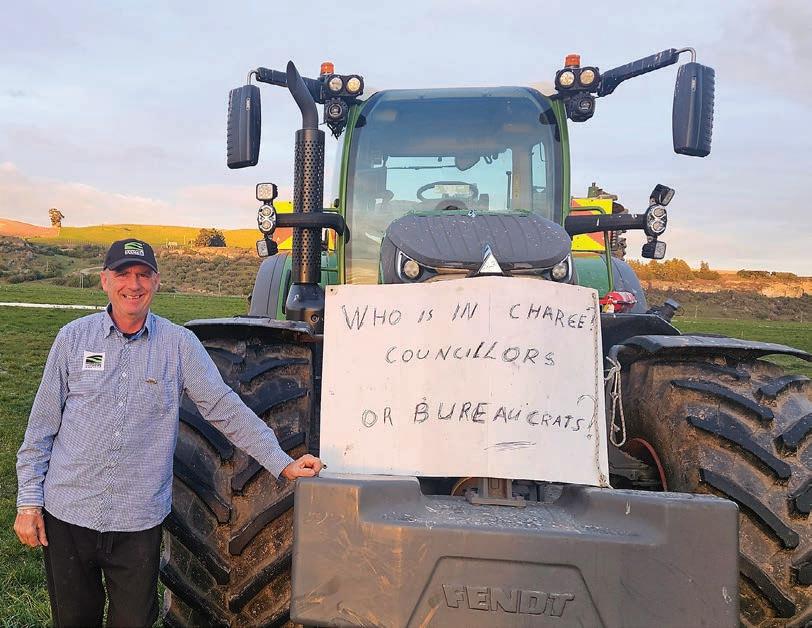
with the proposed laws is the way compensation is limited to when there is ‘significant impact on the reasonable use of land’.
“This wording creates uncertainty and risks arguments over whether things like ONLs significantly impact the use of land or not,” Hooper says.
“This isn’t really the right test. When powerlines go over a property they reduce land value and come with restrictions, but farmers can usually still use land for grazing and the like.
“ONLs are somewhat the same, although if anything, the restrictions are more severe.
“Federated Farmers is arguing this
significant use of land test needs to go. Leaving it in will no doubt lead to costly litigation over what the words mean and risk the intent of the regulatory relief framework not being fulfilled.”
Hooper says these topics are just one aspect of Federated Farmers’ comprehensive submission on the Natural Environment and Planning Bills.
“We will be vigorous on behalf of farmers in front of the select committee to get these bills back in line with the commitments given by Government Ministers for less red tape, lower cost and less interference with property rights.”

DRIVING CHANGE: Otto Dogterom, who has driven his tractor to the Waitaki District Council building several times to protest overlay restrictions, says the new legislation needs to get better compensation criteria locked in.
New awards spotlight rural women and communicators
New Zealand’s leading rural women, communicators and journalists will be recognised this year, with three new categories added to the Primary Industries New Zealand (PINZ) Awards.
The new awards – Agricultural Communicator of the Year, Rural Woman of the Year, and the Excellence in Agricultural Journalism Rongo Award – are expected to be fiercely competitive.
Nominations for the 2026 awards are open now, with winners to be announced at the prestigious PINZ Awards ceremony at Cordis Hotel in Auckland on 23 June.
Federated Farmers president Wayne Langford says the expanded offering is all about bringing the entire primary sector together under one roof to celebrate the best of rural New Zealand.
“This is the flagship awards
TALK THE TALK: The Agricultural Communicator of the Year has been added to the Primary Industries New Zealand Awards this year. Last year’s winner was WeatherWatch’s Philip Duncan.
ceremony for the primary sector.
Being recognised on this stage really means something and carries a lot of weight,” Langford says.
“It’s one thing to be recognised for your work, but to be recognised by your own sector and the wider rural community in front of a huge blacktie audience really is something else.
“What I love most about these awards is the kind of person who tends to win, because often they haven’t been expecting any sort of recognition.
“They’re just salt-of-the-earth people who are working hard, making a difference, and contributing to the success of our primary sector in their own way.”
The awards are presented by
Federated Farmers and Brightstar as part of the annual two-day PINZ Summit, which brings together sector and community leaders from across the country.

Langford says he’s excited to be working with Rural Women New Zealand and the Guild of Agricultural Journalists & Communicators to deliver the three new categories.
“The Agricultural Communicator of the Year Award and the Rongo Award for Excellence in Agricultural Journalism both have long and prestigious histories,” Langford says.
“It’s incredibly important to recognise the role that quality journalism and communication play in our rural communities and the wider agricultural sector.
“When I look back at some of the previous winners, it’s like reading a list of the ‘who’s who’ of New Zealand agriculture. There are some extremely influential names on that list.
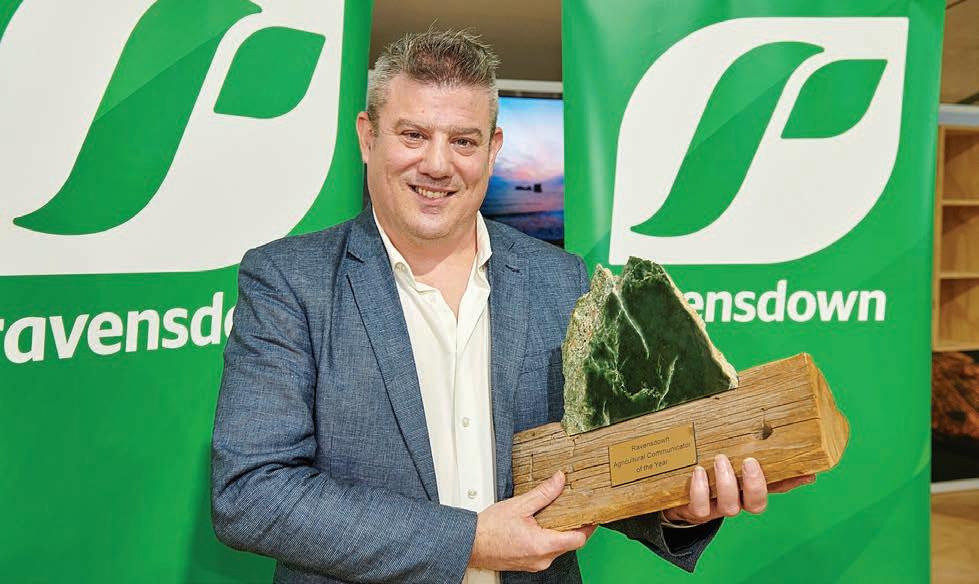
“That’s why I’m so proud to be working collaboratively alongside the Guild to put these awards on the biggest stage in agriculture and make sure they get the recognition they deserve.”
Nominations for the Agricultural Communicator of the Year, sponsored by Ravensdown, require endorsement from the Guild of Agricultural Journalists & Communicators.
Langford says working in partnership with Rural Women New Zealand to launch the inaugural Rural Woman of the Year Award has also been hugely rewarding.
“Launching this award is all about creating a platform to recognise our rural women and really celebrate their huge contribution,” he says.
“Our rural communities are absolutely overflowing with talented women doing amazing things across the industry in farming, advocacy, grassroots leadership, and within their community.
“We want to shine a bright light on the work they’re doing to lead, inspire, connect and strengthen New Zealand’s rural communities and the wider agricultural sector.
“This award isn’t just for one industry – it’s open to all our rural women whether you’re milking cows in Morrinsville, shearing sheep in Gore, or working for Fonterra in central Auckland.”
Langford says being the inaugural year, the award is expected to be highly sought-after and hotly
EXCELLENCE: Three new categories have been added to the Primary Industries New Zealand Awards, joining highlights such as the Emerging Leader Award, which was won by Claire Williamson in 2024.
contested, with no shortage of outstanding rural women vying for the prestigious title. Together, the new categories add to an already wide-ranging awards programme that celebrates leadership, innovation, collaboration and stewardship across New Zealand’s primary industries.
What I love most about these awards is the kind of person who tends to win, because often they haven’t been expecting any sort of recognition.
Wayne Langford Federated Farmers president
Other categories include the Emerging Leader Award, Team & Collaboration Award, Technology Innovation Award, the Guardianship & Conservation Award, and others.
To view the full awards list, or to make a nomination, you can visit the Primary Industries New Zealand Awards website.
Nominations are open now and close on Wednesday, 1 April. Finalists will be announced on Tuesday, 12 May, with winners revealed at the awards ceremony on 23 June. Individuals, teams and organisations from across the primary sector are encouraged to submit nominations.
Wheels falling off rural school transport
Changes to rural school bus routes in Gisborne have sparked a fresh outcry from parents and schools, and Federated Farmers says the situation highlights a much bigger problem.
More than 100 students in the Gisborne region could be affected after bus routes were altered or removed as part of the Ministry of Education’s ongoing review of its school transport network.
Federated Farmers president Wayne Langford says the changes in Gisborne are just the latest example of a system that’s increasingly failing rural communities.
“Every time we see these route reviews happen, we hear the same stories from farming families who suddenly find the transport they’ve relied on for years is no longer there,” Langford says.
“For people in town, losing a bus route might mean a slightly longer walk or a short drive. For rural families, it can mean hours of extra driving just to get kids to school each day.
“It’s simply not good enough.”
Langford says the core issue is that the current school transport rules were designed a century ago and haven’t kept pace with how rural communities operate today.
Under current policy, routes must meet strict eligibility rules.
These include minimum student numbers, distance requirements, and the expectation that students attend their nearest state or stateintegrated school.
“For many rural families, those rules just don’t match up with the realities of life in the countryside,” Langford says.
“They might look tidy on paper for people sitting in Wellington, but it’s just another example of rural communities facing poorer services than their urban counterparts.”
Langford says the school bus system was created to ensure rural children had the same access to
education as those in towns and cities.
“That’s become even more important over time because, as country schools have closed due to falling rolls, more rural kids have had to travel into town for their education.
The school bus isn’t a convenience – it’s the only realistic way kids can get to school.
Charlie Reynolds
Federated Farmers Gisborne president
“Farming families were promised their children would have equal access to a good education, but that promise seems to be falling apart.”
Langford says Federated Farmers has a clear request.
“We’re asking that before the Ministry or Minister decides to change or remove any bus route, they consult with us to properly evaluate the risks to affected rural communities.
“The people making these decisions need to understand the real impact on families – and on the future of rural communities.

“Also, we’re aware the Ministry of Education has started a review of the school transport assistance policy, but we need that to speed up – before more farming families lose their school buses.”
Federated Farmers Gisborne president Charlie Reynolds says the proposed route changes in his area have left many local families extremely worried.
“In parts of our region, there simply isn’t another option.
“The school bus isn’t a
STRANDED:
Federated Farmers Gisborne president Charlie Reynolds says the proposed route changes in his area have left many local families extremely worried.
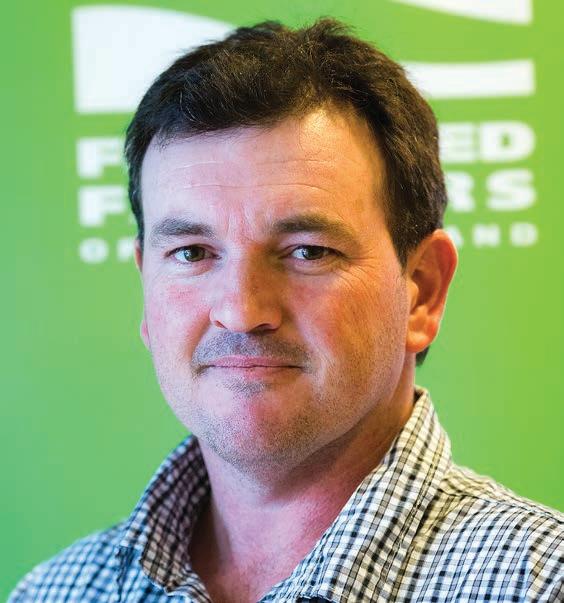
convenience – it’s the only realistic way kids can get to school,” Reynolds says.
“When those services disappear, families are left scrambling to figure out how they’re going to make it work.
“This can mean kids spend hours more getting to school each week, and a massive disruption to the farm business if parents are having to drive their children.”
Langford says that sort of situation highlights the broader economic impact of school transport decisions.
“Farmers need a practical and reliable way to get their kids to school so they can get on with running their businesses,” he says.
“When you’re trying to milk cows, shear sheep, manage staff, or get crops in the ground, adding hours of extra driving into the day isn’t workable.”
Reynolds says the impact goes beyond individual households and can affect the viability of rural schools and communities.
“If families start feeling like they can’t access basic services like education, it becomes much harder to attract and retain people in rural areas,” he says.
“That has a devastating flowon effect for local schools, local businesses, and the wider community.
“It’s clear that New Zealand needs its rural sector to be humming, so the Government should be doing everything it can to make that happen.”
Langford says the current rules risk undermining wider government goals around productivity and school attendance.
“If the Government is serious about doubling exports and strengthening the rural economy, we need to make sure farming families can live and work in these communities,” Langford says.
“Education is a fundamental part of that.”
He says the conversation needs to shift toward a more practical, long-term approach to rural school transport.
“Everyone understands the Government has to manage costs, but the current system is creating a lot of fear and uncertainty for rural families,” he says.
“We need a model that provides reliable access to education for rural kids without constantly shifting the goalposts.”
BROKEN DOWN: Federated Farmers says the school bus changes in Gisborne are just the latest example of a system that’s increasingly failing rural communities.
Feds challenge new iwi ‘cultural values’ rules
Federated Farmers say controversial new requirements for every farmer in Gore to have resource consents assessed against Ngāi Tahu cultural values are excessive and unworkable.
“Creating a parallel approval process will just increase cost, complexity, uncertainty and delays,” the organisation’s Southland president Jason Herrick says.
“It’s the council’s job to manage resource consents, not Ngāi Tahu’s. Creating a parallel process through local iwi complicates the situation and divides the community.”
It’s unclear to Federated Farmers how Ngāi Tahu cultural values are expected to be understood by farmers or practically applied behind the farm gate.
These values include mauri (life force), wairua (spiritual connections), whakapapa (defined as relationships between all life forms), and utu (restoring balance).
“This is going to be a total disaster for local farmers who are just trying to get on with farming. All it’s doing is adding unpredictability, cost and delay to the process,” Herrick says.
“In a practical sense, if I want to dig a silage pit in a way that’s different to
OPTIONS:
Federated Farmers RMA reform spokesperson Mark Hooper says at least with mapped SASMs, a landowner has the option of locating a building or activity on another part of their property.
what’s permitted in the plan, I’ll have to do an assessment against Ngāi Tahu cultural values.
“How on earth am I supposed to assess whether my earthworks are going to affect the mauri, wairua or whakapapa of the soil?
“The only way to assess impacts is to seek input from Hokonui Rūnanga, and if their input is that the impacts aren’t acceptable, that will be the end of the road.”
Federated Farmers say they’ve been left with no option but to lodge an appeal with the Environment Court on behalf of their local members.
Gore District Council released decisions on its Proposed District Plan at the end of January.
The plan sets the framework for how Gore District will grow and develop over the coming decades, while protecting environmental, cultural and community values.
Herrick says the recognition and application of cultural values has been a bone of contention since a review of the Gore plan began in 2021.
Controversially, Gore District Council’s proposed plan released in 2023 didn’t include any maps
designating particular Sites and Areas of Significance for Māori (SASMs).
Instead, it described the entire district as a SASM, sparking outcry from farmers.
“We were quick out the gates to sound the alarm about the cost and complexity this would add for absolutely no gain,” Herrick says.
Federated Farmers identified 91 rules or standards in that 2023 plan where impacts on Ngāi Tahu’s values would need to be assessed when applying for a consent.
These included everything from building a new farm structure such as a shed or herd home, through to earthworks for silage pits and the construction and maintenance of farm tracks.
Herrick says the rules wouldn’t just affect farmers either.
“People would need a cultural assessment for subdivision – including in the urban zones where development is anticipated - and things like cycling and walking tracks, smallscale wind and hydro turbines, and installing a septic tank.”
Faced with fierce public backlash, the Gore District Council made changes and decided the entire
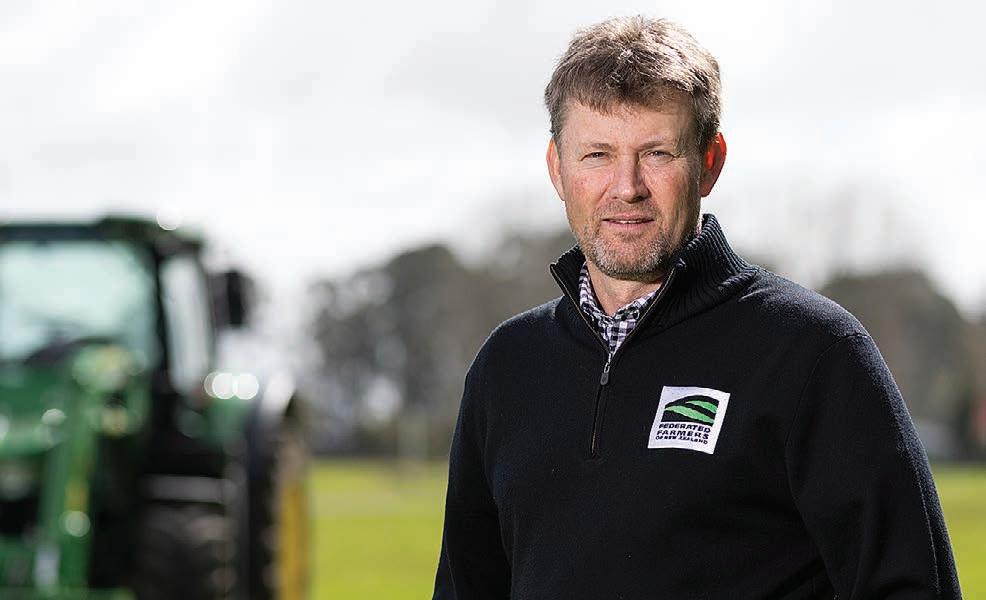
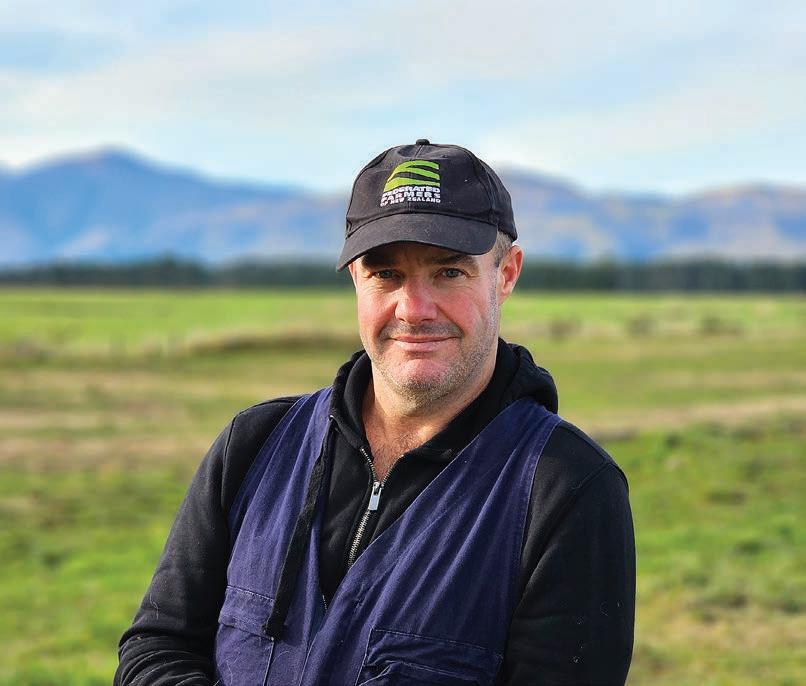
district was not a SASM after all – but then they go and do this.
“The whole district may not have been declared a SASM, but it may as well have been, because the impact will be almost identical.
“There has been absolutely no meaningful reduction in the 91 rules or standards that would require a cultural impact assessment.
“If I need a resource consent for a silage pit, I’ll still need to ask Hokonui Rūnanga to assess how those earthworks affect cultural values.”
Federated Farmers RMA reform spokesperson Mark Hooper says at least with mapped SASMs, a landowner has the option of locating a building or activity on another part of their property.
“What Gore’s proposing will apply a blanket approach to the entire district. It sets a very concerning precedent for the rest of New Zealand.”
Federated Farmers’ position is that cultural impacts need to be clearly identified and set when a district plan is formulated – when everyone gets a say and elected councillors make final decisions –not assessed at individual consent by consent.
“It shouldn’t be that any group –
iwi or otherwise – gets such wide discretion in deciding whether such a broad scope of activities should or shouldn’t occur, especially when they can charge for such assessments.
“We have seen these rules tried in places like the Whanganui River catchment and the resource consenting process has quickly become slower, more unpredictable and more expensive.
It’s the council’s job to manage resource consents, not Ngāi Tahu’s. Creating a parallel process through local iwi complicates the situation and divides the community.
Jason Herrick
Federated Farmers Southland president
“Often iwi engagement will lead to debates on how resources should be used that seem to go way beyond cultural interests,” Hooper says.
“This is also a clear warning that a new replacement RMA needs to clearly rule these systems out as we can’t rely on local councils to not go down these strange paths.”
UNWORKABLE: Faulty planning that requires farmers and other landowners to go through a parallel consent process with iwi left Federated Farmers no choice but to appeal, Jason Herrick says.
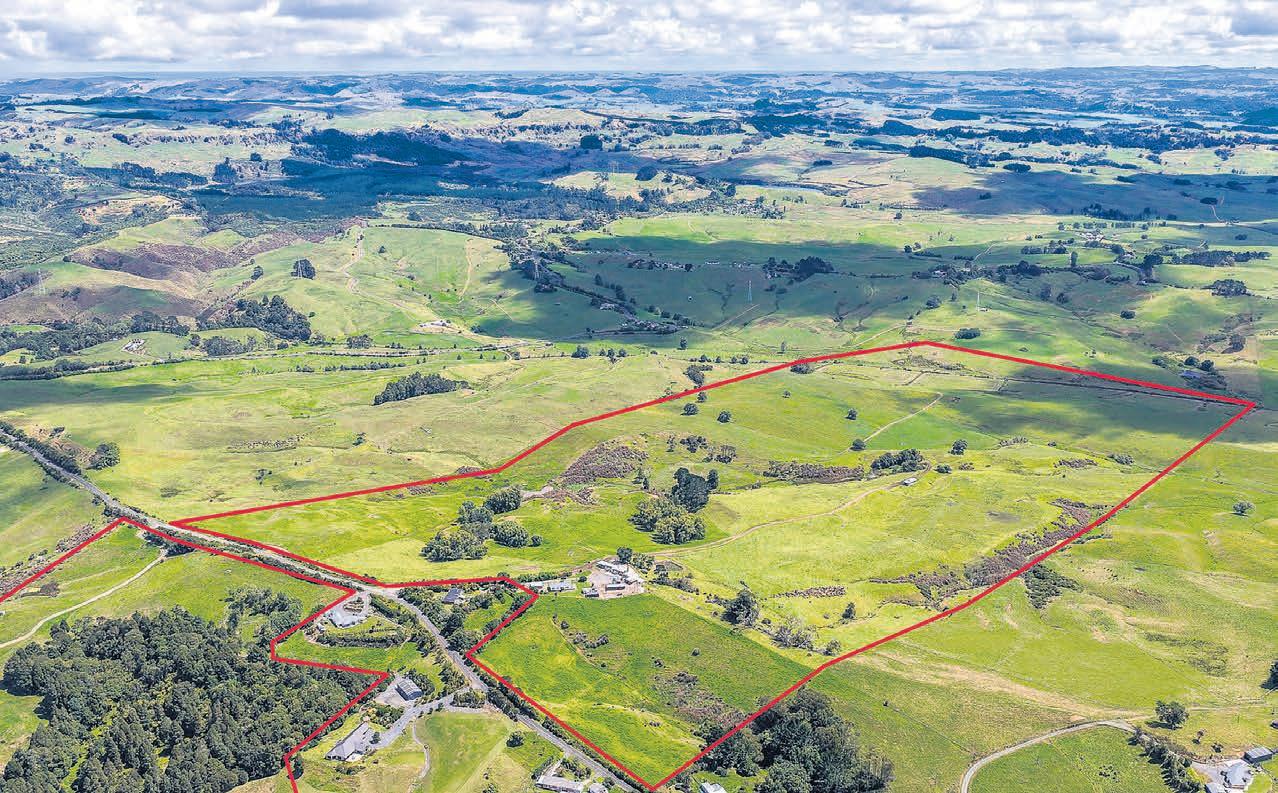
Consistent performer, central location
This well-established dairy presents an opportunity to secure scale strong infrastructure and affordability in a strategic location The 184ha (more or less) property spans three titles with an effective 170ha milking platform currently supporting 440 cows through a 34 ASHB cowshed supplying Fonterra Production is forecast at around 115 000kgMS reflecting the farm’s productive land and efficient low-cost system Infrastructure includes multiple hay barns, calf and implement sheds, a workshop, and an effluent pond system with cannon and pod irrigation The farm features easy to rolling contour, good fencing, central races and reticulated water A modern three-bedroom home adds lifestyle appeal, complemented by native bush and ponds Located 12km from Huntly and commuting distance to Hamilton, on offer is performance and future flexibility bayleys co nz/2630215
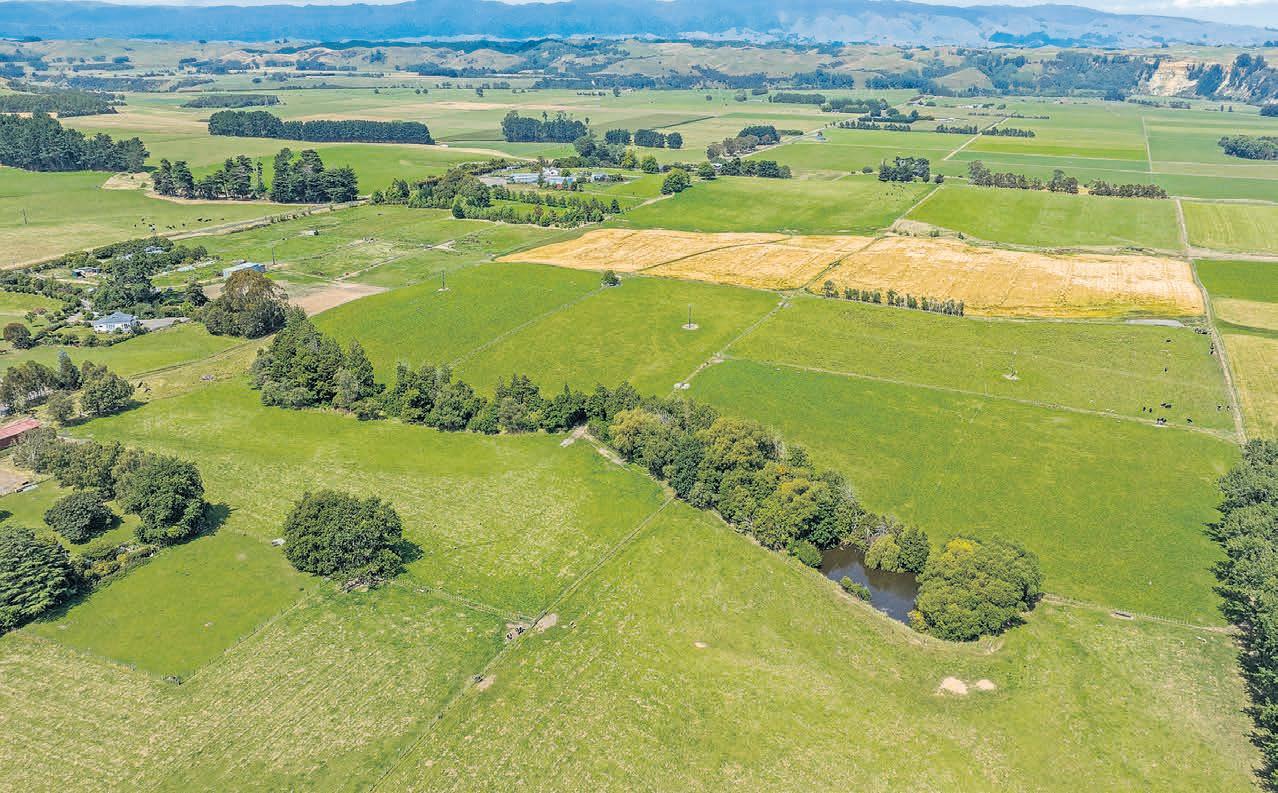
Fertile cropping and livestock finishing block
This well-structured finishing and mixed cropping property provides an excellent opportunity to purchase a quality block of land in a highly regarded farming location
The 39 58ha (more or less) property has produced various cash crops and been used for finishing bulls steers and lambs Loam soils in this area are renowned for their productivity supporting strong pasture and crop production The property is well fenced into fifteen paddocks with traditional post and batten fencing; most fences have electric outriggers in place Stock water is available from the Kiwitea District water scheme with troughs in all paddocks There are older sheep yards and solid cattle yards, and an array of supporting implement sheds and a woolshed that could be restored to former glory bayleys co nz/3053275
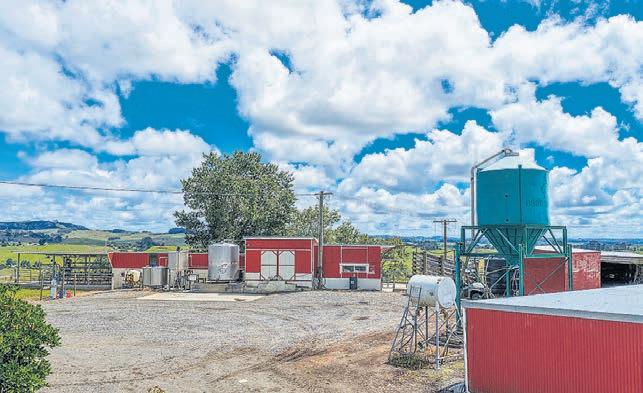
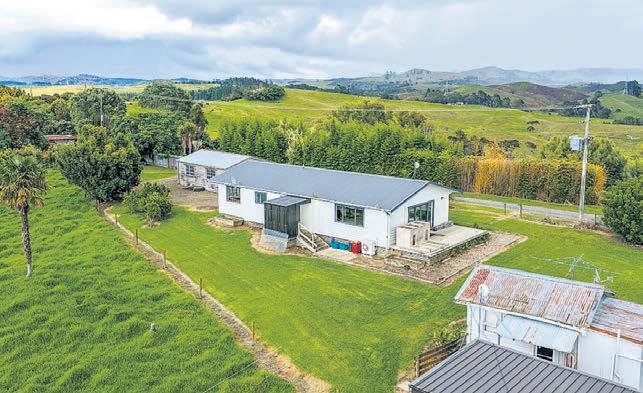
184 93 ha
Asking Price $3,999,000 + GST (if any)
View 1-2pm Wed 18 Mar or by appointment
Karl Davis 027 496 4633
karl davis@bayleys co nz
Sam Aislabie 027 429 5410
sam aislabie@bayleys co nz SUCCESS
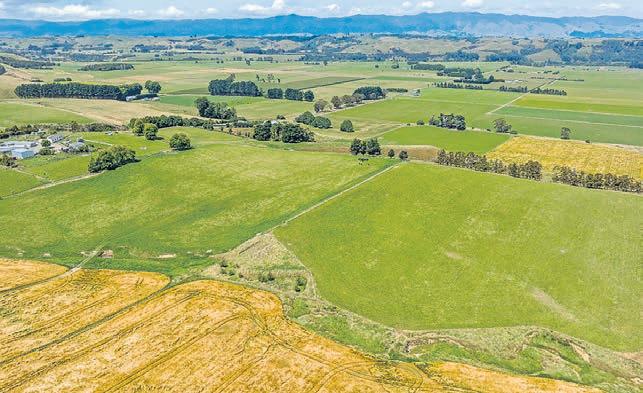
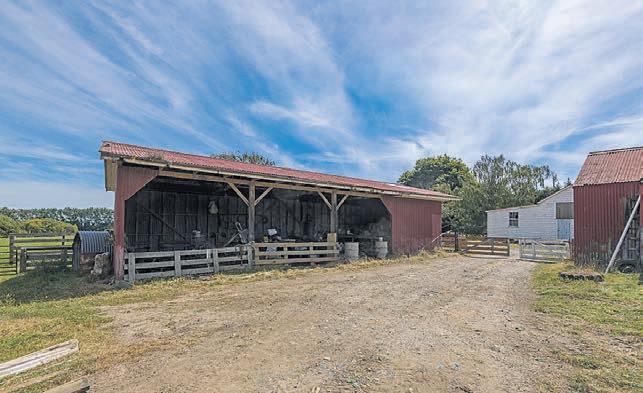
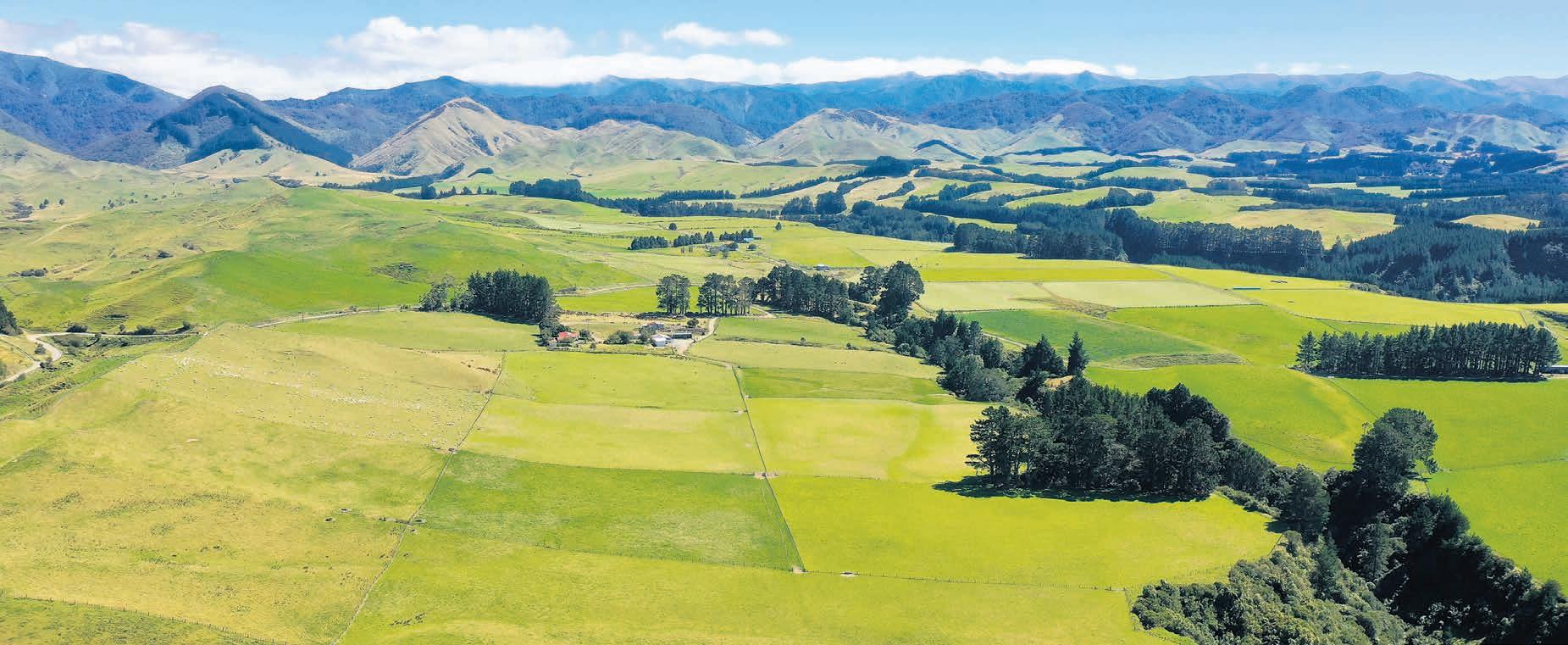
Prime opportunity of 132 hectares
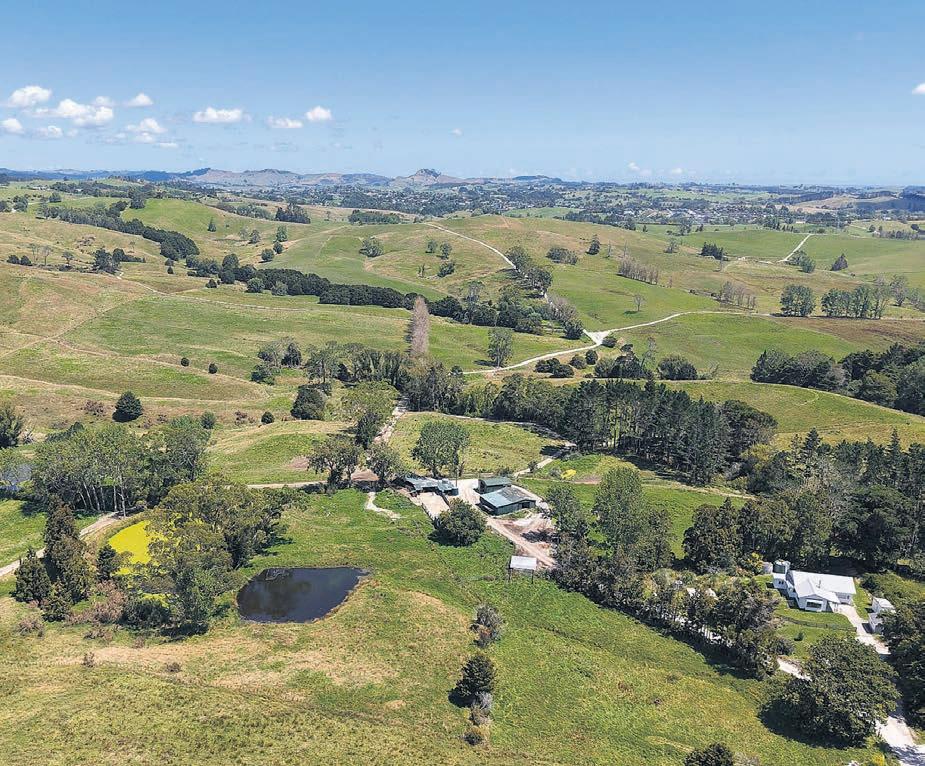
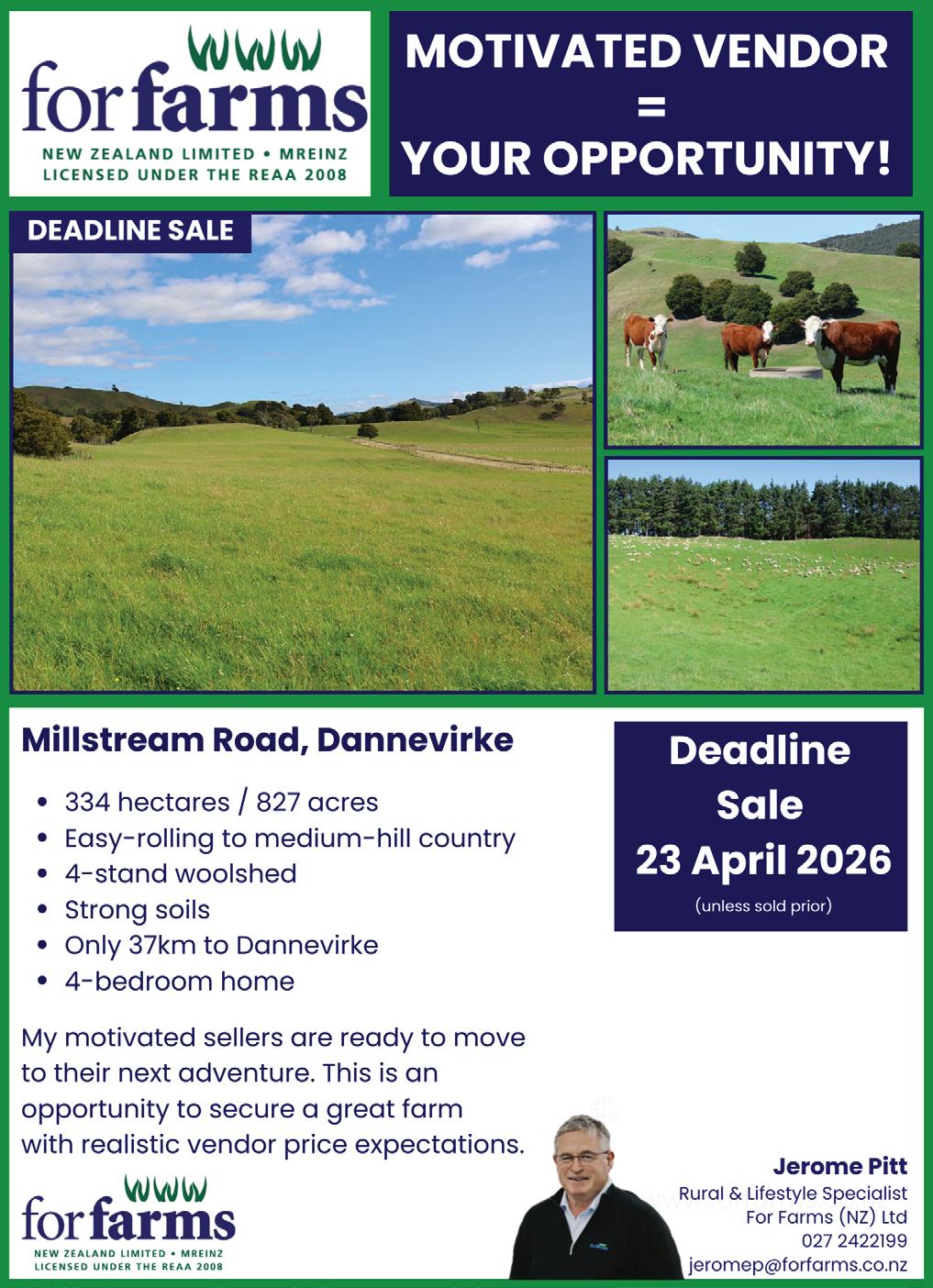

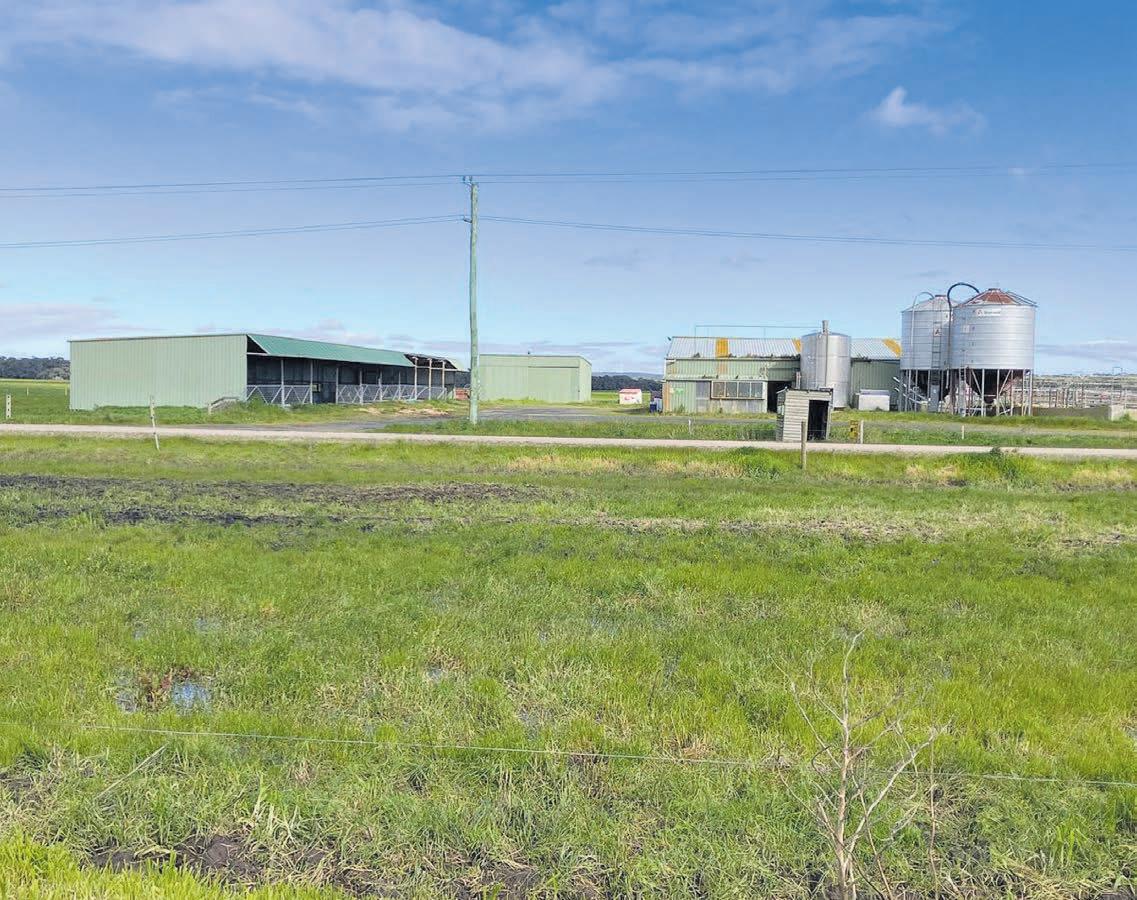
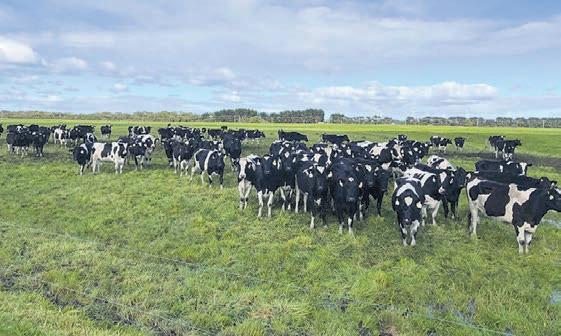
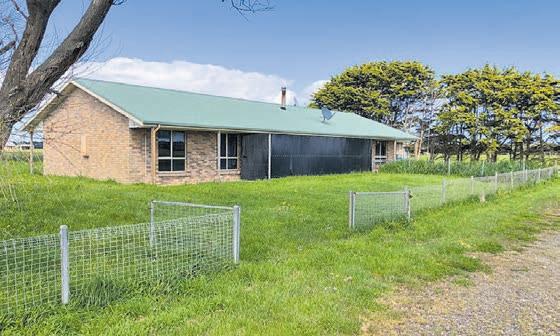
‘Cygnet Dairy’ Woolnorth TAS
• Large dairy/grazing opportunity in Tasmania’s North West
• This approx 1,170 acre dairy farm is part of the Woolnorth aggregation
• An ideal autumn calving property with well-developed infrastructure, including 3 brick veneer homes, 50 unit rotary dairy, calf/machinery shed and workshop
• Subdivided with good laneways, fencing and reticulated bore water
• With its coastal aspect, it attracts a mild winter temperature and with humped and hollowed sandy loam soils it makes for an ideal winter milking farm
• The farm has previously milked 940 cows
• Dairy closed in 2024 and presently running dairy heifers on agistment
• Situated within 30 minutes of the major Circular Head township of Smithton, which has all services provided including abattoirs and Saputo milk factory
• School bus for primary, secondary and TAFE travels daily past the farm
With a bright outlook forecast for the dairy industry now is the time to investigate this opportunity
10/6 48 West Montagu Road, Woolnor th, TA S, 7330
Land Size: 475 ha
For Sale: Expressions of Interest
Proper ty ID: nutrien harcour t s net/L 3728946 4

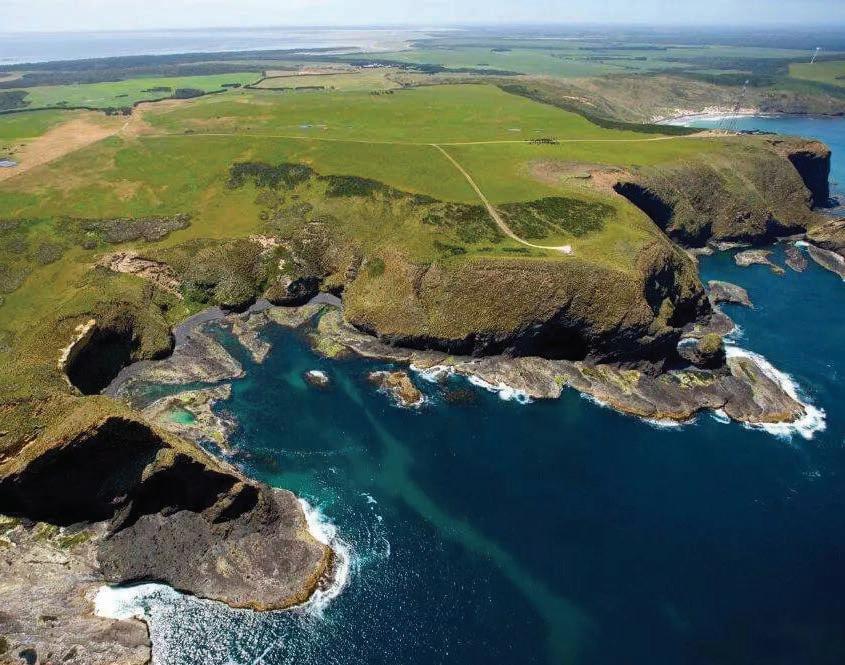
Woolnorth Homestead Title, Woolnorth TAS
A rare chance to own an historic part of Tasmania’s rich agricultural legacy awaits the buyer of this iconic 3,800 acres.
The Tasmanian Woolnorth property was settled in 1826, before the city of Melbourne was born.
Possessing some of Tasmania’s iconic coastal landscape, coupled with quality soils and reliable temperate climate, makes “Woolnorth” an appealing addition to any rural portfolio.
Infrastructure includes six homes, an executive western red cedar homestead with commanding views, a 13-stand shearing shed, 24-unit accommodation building, workshops and numerous outbuildings including historic cottages.
There is also the potential if required, to secure adjoining high quality farmland.
The opportunity exists for the Purchaser to begin the next chapter in Woolnorth’s remarkable history and capitalize its vast potential for agriculture and tourism.
1907 Woolnorth Road, Woolnorth, TAS, 7330
Land Size: 1537 ha
For Sale via Expressions of Interest
Property ID: nutrien.harcourts.net/L35844249
Maguire
30 King Street, Smithton
30 King Street, Smithton

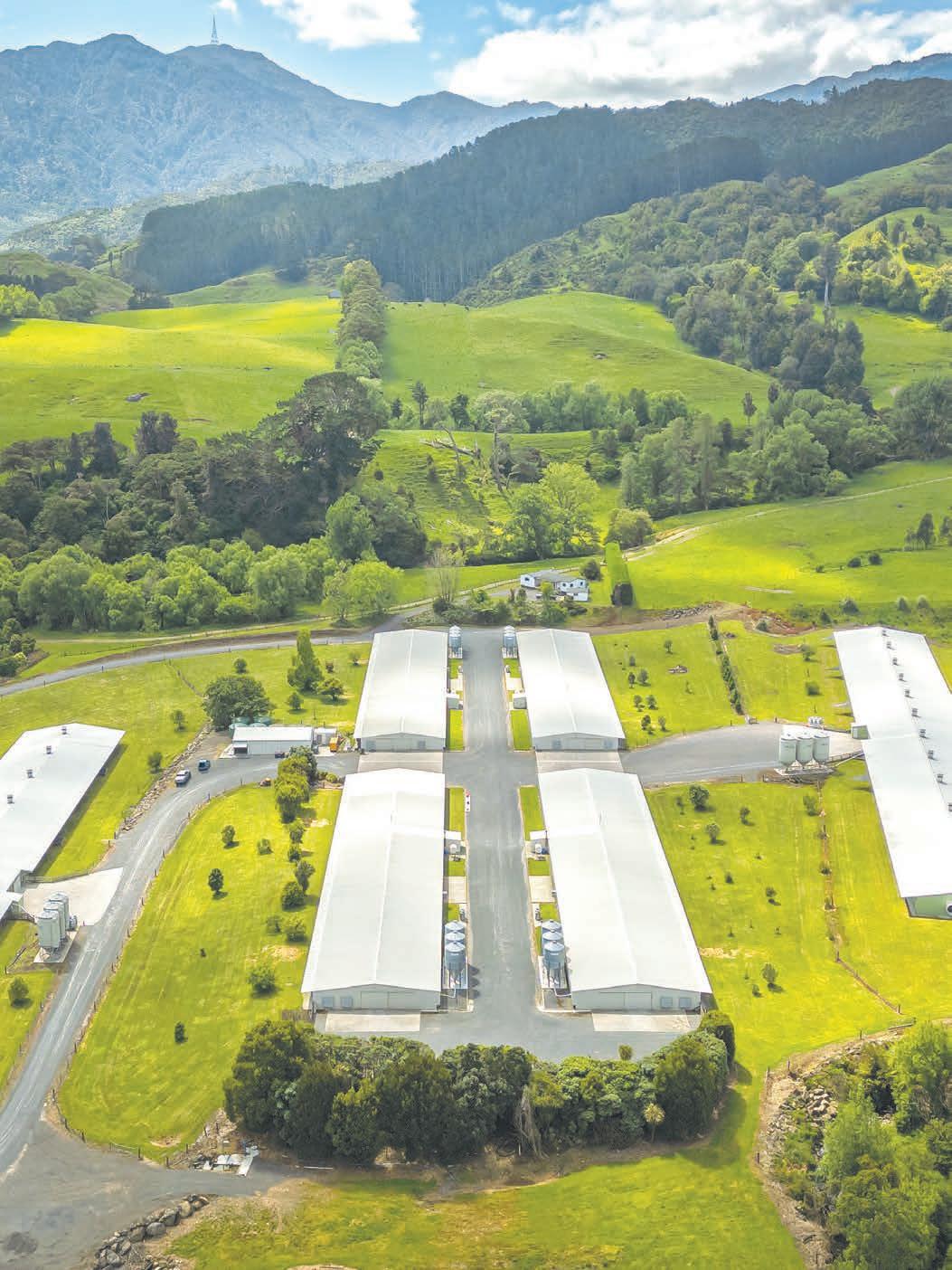
g barn- d broil
Hig rmin raise er operation positioned bet atamata and Cambridge This efficiently managed, low-labour asset delivers predictable, contract-backed income insulated from seasonal, climatic, and commodity-price volatility The property includes modern broiler infrastructure, excellent support buildings, and three quality homes
A proven large-scale enterprise offering strong cashflow, operational resilience, and long-term value for agri-investment portfolios
Closes Thurs 26 Mar, 4pm th (unless sold prior)
Step into a secure, low-risk agricultural investment delivering stable, long-term returns and lifestyle flexibility Inghams supplies the birds and feed you manage the operation within a fully integrated, high-performance system Enjoy Index-adjusted contracts, predictable overheads, and ethically reared SPCAaccredited chickens Backed by Inghams, this reliable agrib usiness offers peace of mind and future security
Closes Thurs 26 Mar, 4pm th (unless sold prior)
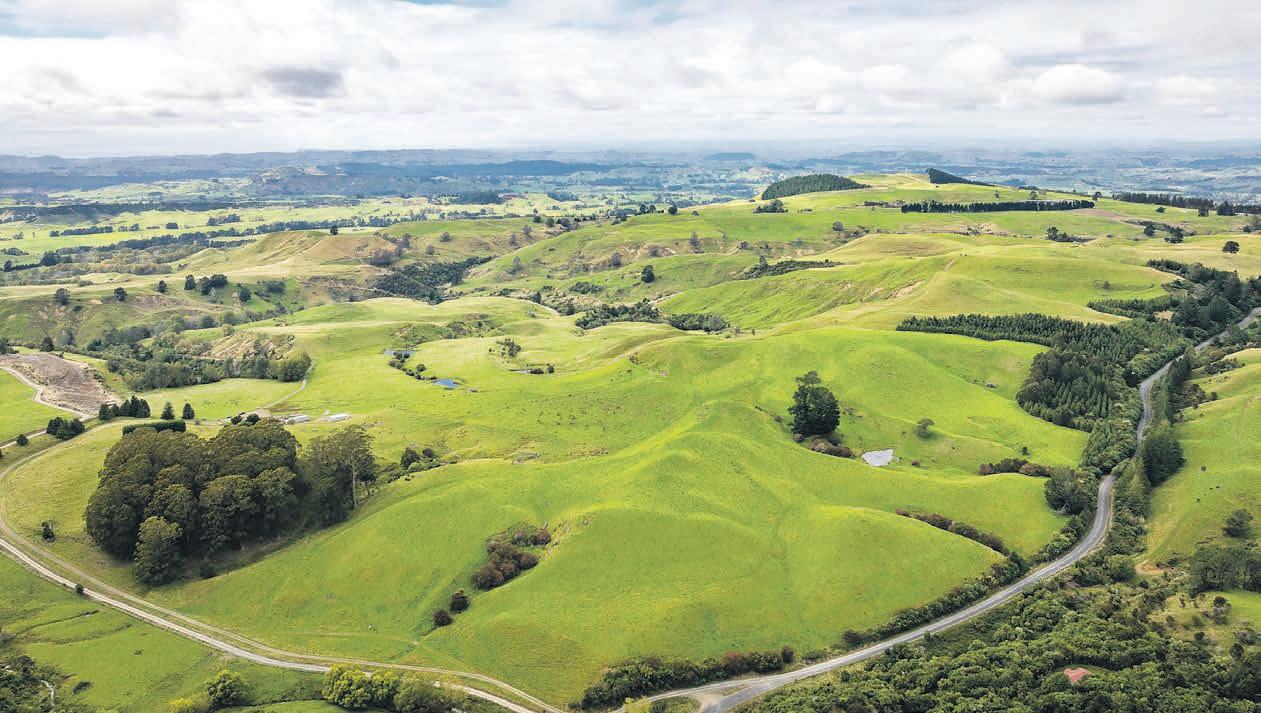
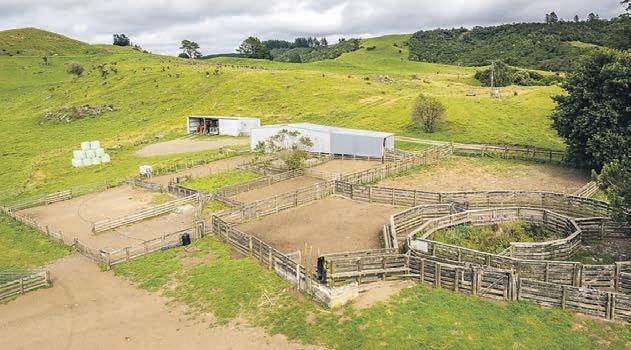
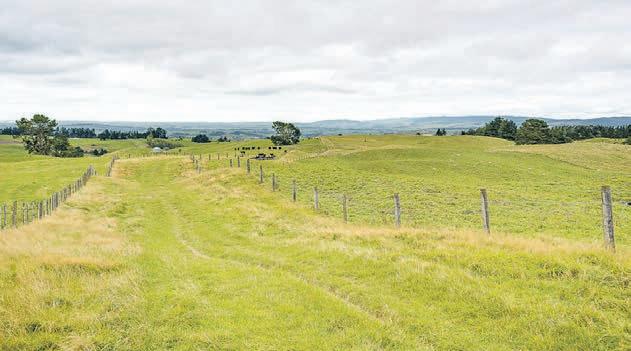
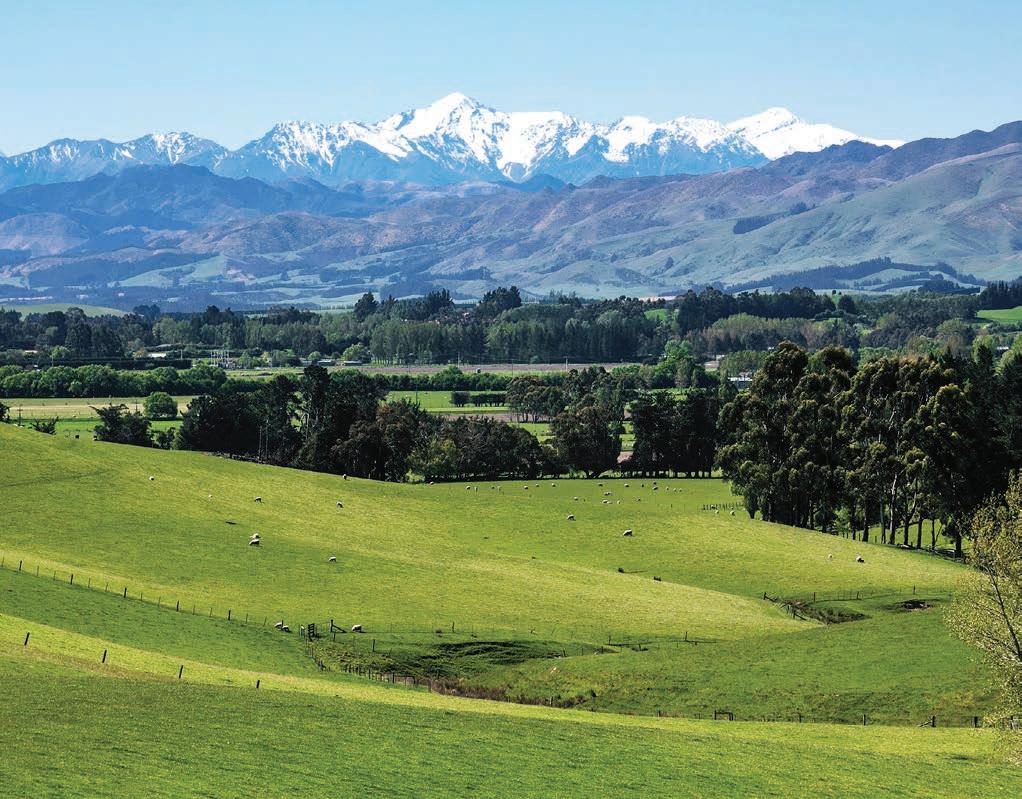
Your agent may suggest you advertise in their
We suggest you remind them that this is the publication you, and every other farmer you know, reads.

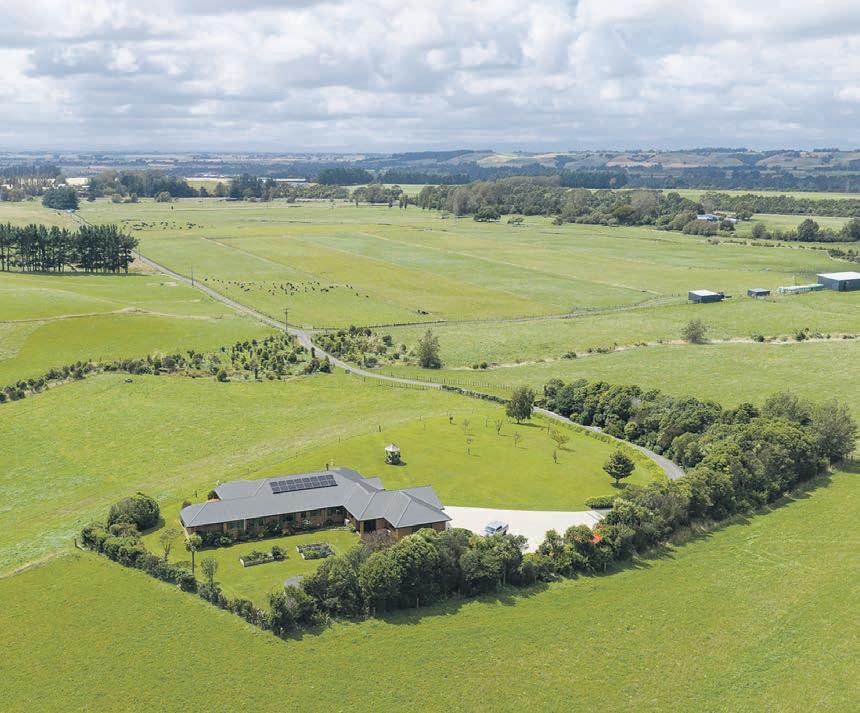






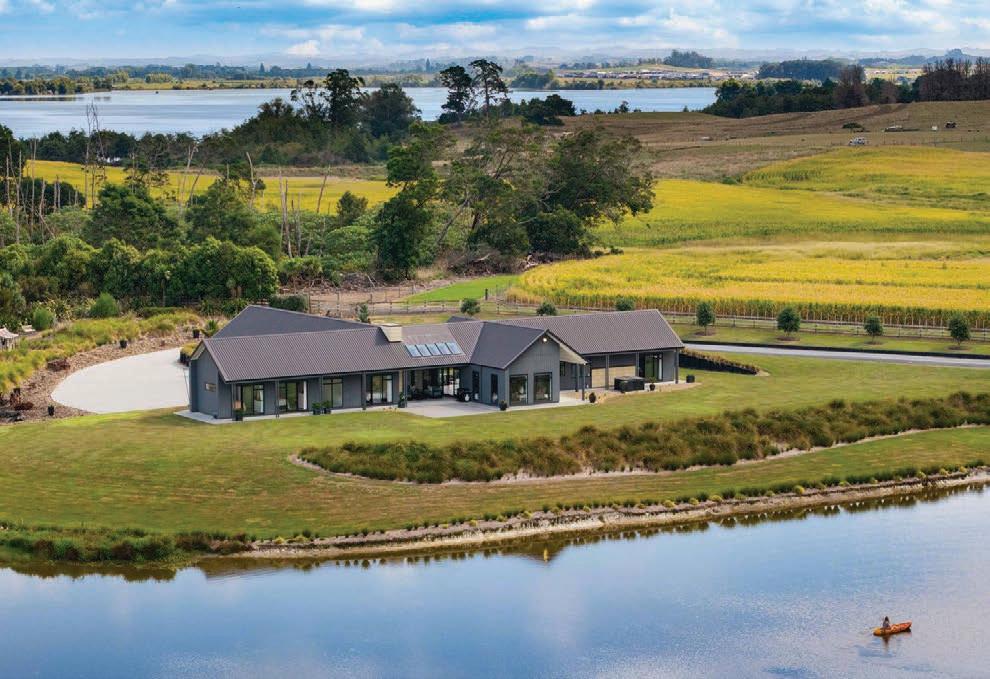











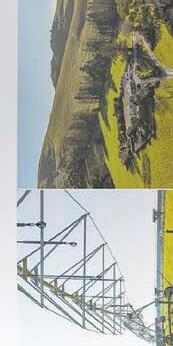


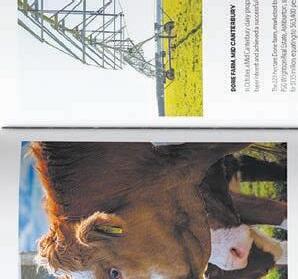
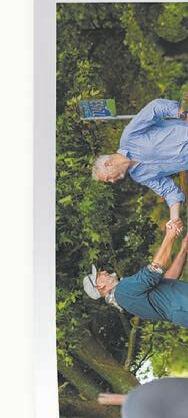
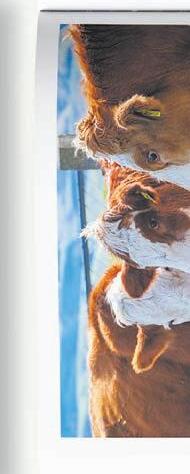



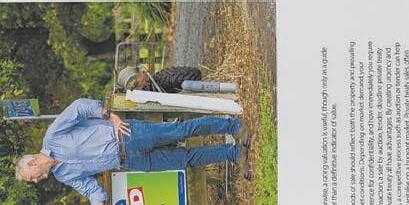
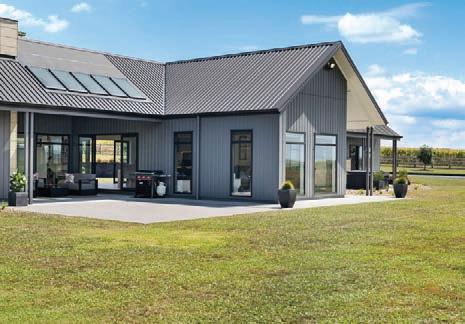













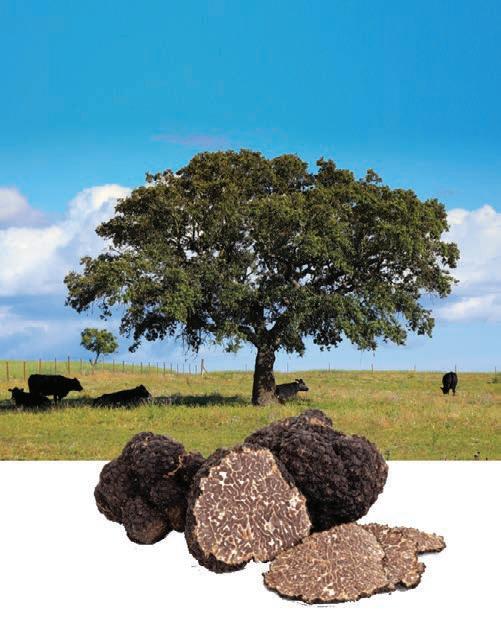


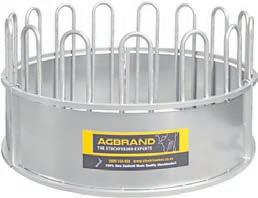
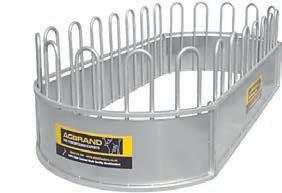































STOCK REQUIRED
Shorn
Angus





Tuesday 24 March, 11:30am
Comprising approx. 1200 Weaner Steers
• 80 Weaner Bulls
• 450 Weaner Heifers
Horoeka Station
• 100 Angus Steers
40 Angus Heifers
For further enquiries
Steve Wilkinson 027 4594 5110
Te Awaiti Station
• 100 Angus Steers
Kaiparoro Livestock
• 60 Angus Steers
• 60 Angus Heifers
For further enquiries
Rihi Brown 027 404 7514
White Rock Station
• 160 Angus Steers
For further enquiries
Elvis Jennings 027 594 6820


ANNUAL STORE LAMB & EWE SALE, ATHOL
•
•
Lambs:
is strictly an indication only of their weight
Contact:
Barry McAlister (PGW) 0274 416 432
James Hore (Vendor) 021 301 797
FEILDING WEANER FAIR
Wednesday 25th March 11.30am Feilding Saleyards
Comprising of:
• 300 Traditional Steers
• 100 Exotic Steers
200 Traditional Bulls
• 200 Exotic Bulls
• 200 Traditional Heifers
• 150 Exotic Heifers
Annual Lines:
Bremner Pastoral, Craft Land Holdings, P Fitzherbert Hillbrae Hopelands Farm Hughes
Family Trust, Rangitoto Farm Partnership, Ruahine
Downs Tawhiti-Ariki Ltd Te Tumu Station
Contact:
Maurice Stewart 027 246 9255
Tony Gallen 027 590 1711
ON FARM COMPLETE HERD DISPERSAL AND MACHINERY SALE
Thursday 26th March 2026
Machinery - 10:00am, Herd – 10:30am
457 Endowment Road, Otway, Te Aroha
A/C David Nola Ltd
Comprising of:
380 Friesian/Friesian X Inmilk Incalf Cows
BW 40, PW 54, RA 75%
After 55 years of farming David and Cathy have sold the farm with settlement on 1st April and are retiring to town As a result, they are offering their entire dairy herd and machinery for dispersal 3 letter herd code Currently producing 1 45M/S per cow Last year cows produced just over 400 M/S per cow and 1137 M/S HA farmed under system 2 5 Milked twice a day current SCC 140 000 Last season SCC Ave 120 000 Cows are due to calve from 22nd July for 4 weeks to Samen nominated Friesian (4 Bulls used), then tailed with Purebred Easy Calving Angus Bulls Bulls out 5th January, Vetted to dates Herd TB C10, EBL Free, BVD bulk milk clear, HB Shed
This herd has not previous been offered for sale and represents a genuine opportunity to secure a well managed, hard working herd with strong production history
Tuesday 31st March at 7pm on BIDR
A/C Mark & Suzy Riddington, Atiamuri
Comprising of:
• 20 In Milk Jersey Cows
• 13 In Milk Friesian Cows
• 7 In Calf Friesian Heifers
Average BW 312, PW 408
Top BW 478, PW 825
Mark & Suzy Kaahu Jerseys & Friesians have been passionate breeders of Jersey cows their entire farming career more recently their interest extended to Friesian
cows The Riddington’s have spent wisely on top individual cows from leading cow families to establish a fabulous base within the herd
In establishing their current herd they purchased 80 of
NZ’s Virtual Saleyard bidr.co.nz
Machinery:
2018 Case 110CL Tractor with Stoll FEL with Scales, International 885XL Cab 2WD Tractor, Cambridge Roller x 2, Stallion Calf Feeder (50 Teat) x 2, King Hitter Post Rammer (Side Mounted), Sam 5T Spreader ATV Trailer Auger Bucket Levelling Bar x 3, Agmech Tip Trailer, Grader Blade, Giltrap MX100 Silage Wagon, Aitchison Seeder, Silage Forks x 2, Meal/PKE Trailers, Gallagher EID Reader, Bale Clamp, PTO Generator, Scales, Pallet Forks, GMM Topper, Walco Spreader x 2 Chiller Welder Electric Fence
Reels and Standards, plus Numerous Farm Sundries
Delivery: No delivery of cows on sale day
Immediate after sale day
Payment: On sale day or 14 days for full PGGW account holders
Online bidding available for livestock ONLY, via BIDR Please visit www bidr co nz to register Catalogues available, please visit www agonline co nz/upcomingsales
Contact:
Regan Craig 027 502 8585
Ray Colebrooks Marsden Jerseys best cows Big open framed cows with excellent udders as well as other Elite genetic cows from other prominent breeders throughout the country means the cows on offer today will be a great asset to your farming operations
Preforming well on steep country and milked on a OAD system, these girls have “MOOveability” there is an exciting blend of NZ and overseas genetics on offer
Hard copies of catalogue will be available on open day
OPEN DAY - Tuesday 24th March 11am - 2pm On Farm - 875A Ohakuri Road, Atiamuri 3078
Contact:
Andrew Reyland 027 223 7092
Bill Moore 027 825 7505
NATIONAL HIGH INDEXED ELITE NZ JERSEY GENETICS IN - MILK AUCTION
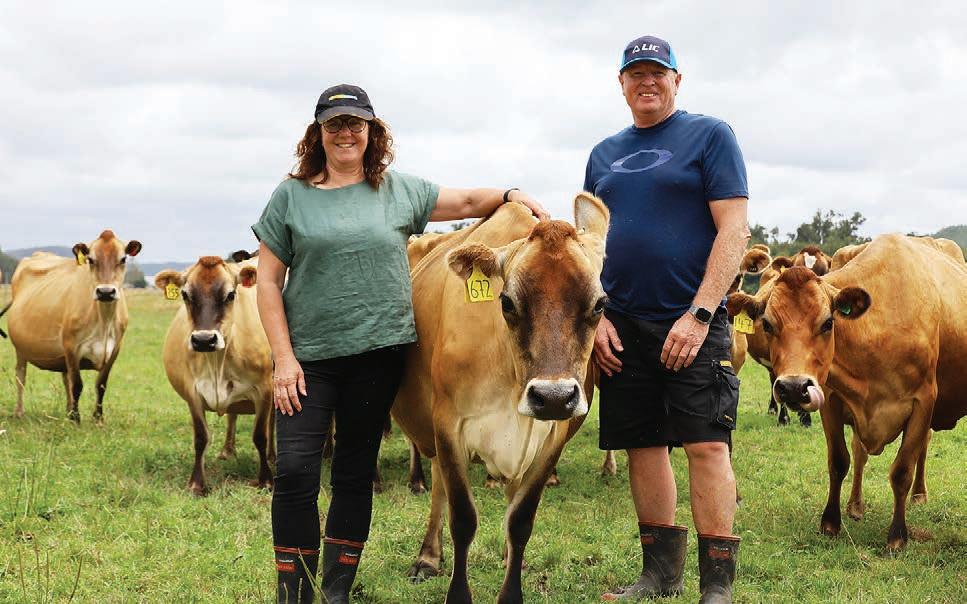
Monday 23rd March – 11.30am
2244 S/H 30 Rotoma. RD 4 Rotorua DN 21713
This herd is currently ranked No 2 Nationally for Indexes and was originally established in 1965 as the Awatui Jersey Stud. Faithfully farmed by the Wright Family for 60yrs.
COMPRISING
350 Cows. D.T.C 22nd July. 85% in calf to AI. BW 320 PW 351. 120 R2yr Heifers. D.T.C 12th July. 90% in calf to AI. BW 366 PW 323.
• 100% Recorded G3 Profiled with RKT Participant Code
• 3 Generation Pedigrees available
• 22 Dams are in calf to an LIC Contract
• 12 Dams have been offered a Spring 2026 LIC Contract
• 27 Dams have been offered a Spring 2026 LIC Sexed Semen Viking Genetics Contract
• The Herd has an immaculate Animal Health Record.
• Lepto Vaccinated 4th Feb 2026
• BVD Vaccinated
• BVD Bulk Milk Undetected 10th Nov 2025
• TB C10 Last Test 21st Nov 2025
• Johnes Tested Clear 10th Feb 2026
12% of the sale animals are chocolate coloured. 85% of the Herd are A2A2.
Consistently producing 420kgms on a hard dry farm with young cows milked OAD all season and balance from 1st January. Feb 10th H/T 1.80kgms. Avg. 56 SCC.
Payment: 14 days from sale.
Delivery: From 26th March 2026 or 1st June by prior arrangement.
NZ Farmers Livestock are privileged to bring the Team Wright Herd & R2yr Heifers to the market after 60yrs of passionate Nominated Breeding. This is an exceptionally well bred NZ Genetic Herd with exceptional Dairy Type to match the Indexes.
Jersey Breeders this is a rare opportunity to purchase Jersey Genetics of such a high calibre.
VENDORS: Phil & Sandra Wright 027 277 1612
NZFL Agent: Michael Conwell 027 226 1611
Catalogues available online or by contacting your local NZFL Agent. The sale will be livestreamed on MyLivestock. Please ensure your registration on MyLivestock 72hrs prior to sale.
Phil and Sandra Wright have spent 35 years breeding one of New Zealand’s top dairy herds.
K AAHU FRIESIAN & JERSEY ELITE SELECTION SALE
Markets
Doing the ROI sums on autumn-born calves
There is no escaping the fact that the higher calf purchase price has already put pressure on margins.

Sara Hilhorst MARKETS Livestock
IT HAS been an incredible start to the year for pasture covers, and markets for both sheep and cattle have maintained the record levels set in 2025.
The dairy-beef weaner market has demanded no less than $900 for quality steers and bulls around the 100kg mark, and beef weaner sales have stepped up another level to heights even the most optimistic vendors were not expecting.
Returns recently skyrocketed and traditional and exotic calves averaged: steers $7.40/kg, $1805 and 245kg, heifers $6.45/kg, $1475 and 230kg, and bulls $7.40/kg, $1810 and 245kg.
This has put a big question mark over the small but traditionally strong autumn-born feeder calf market.
While this market is substantially smaller than spring in terms of throughput, tallies so far have been at a similar level to previous years. However, like the remainder of the store cattle market, values have been anything but similar.
Historically, the autumn-born feeder calf market has been at least $100 stronger per calf than the spring calf market, simply due to the lower volume available. But few people would have expected an autumn calf to sell for $500$600, the value that was once
considered a reasonable return on a 100kg spring weaner.
At Waikato sales last week, Hereford-Friesian and exoticdairy bulls hit the market at $550-$630, with over $700 paid on calves a few weeks old. While the top heifers were also within this range, they were more commonly priced at $490-$550. Friesian bulls have been making $400-$570. On average, these values are $150$250 higher than 2025 results.
Some buyers are sitting on their hands, waiting for more supply to come forward and the market to soften.
On the conservative side, the total cost to rear a calf to 100kg, including the purchase price, has increased by at least $250.
However, that was also the thinking heading into spring, and values never eased; in fact, in some instances, they lifted. While it is well known that autumn-born calves are generally more expensive to buy, this year rearing costs are also looking higher. Milk powder quotes for a 20kg bag have reached up to $190, $20-$60 more expensive than in 2025. Labour costs have also lifted since April last year.
On the conservative side, the total cost to rear a calf to 100kg, including the purchase price, has increased by at least $250.
While this can vary depending on the rearing system, there is no escaping the fact that the higher calf purchase price alone has already put pressure on margins. Ultimately, the decision to rear calves comes down to the return at weaning.
The security of contracts at this time of year is also less common than spring, and at this early stage, they are few and far between. As a result, autumn calf rearers are weighing their options. Those rearing calves to sell into the spring market may find they can achieve similar returns by purchasing a 100kg spring weaner instead, with less time, cost, and risk involved.
For those who rear to 100kg, early Waikato calves hit the market as early as May in 2025. Last year, Hereford-Friesian steers were commonly $850-$950, with heifers typically $150-$200 behind, depending on weight.
This market continued into June, and it was not until late August and early September that returns pushed into four-figure territory.
The expectation this year would be to reach that level around weaning in order to generate a worthwhile margin.
Although the beef market appears solid, at least for the near future, there is some caution beginning to creep in with the conflict in the Middle East. While this does not directly impact the New Zealand beef market, the flow-on effects of rising fuel
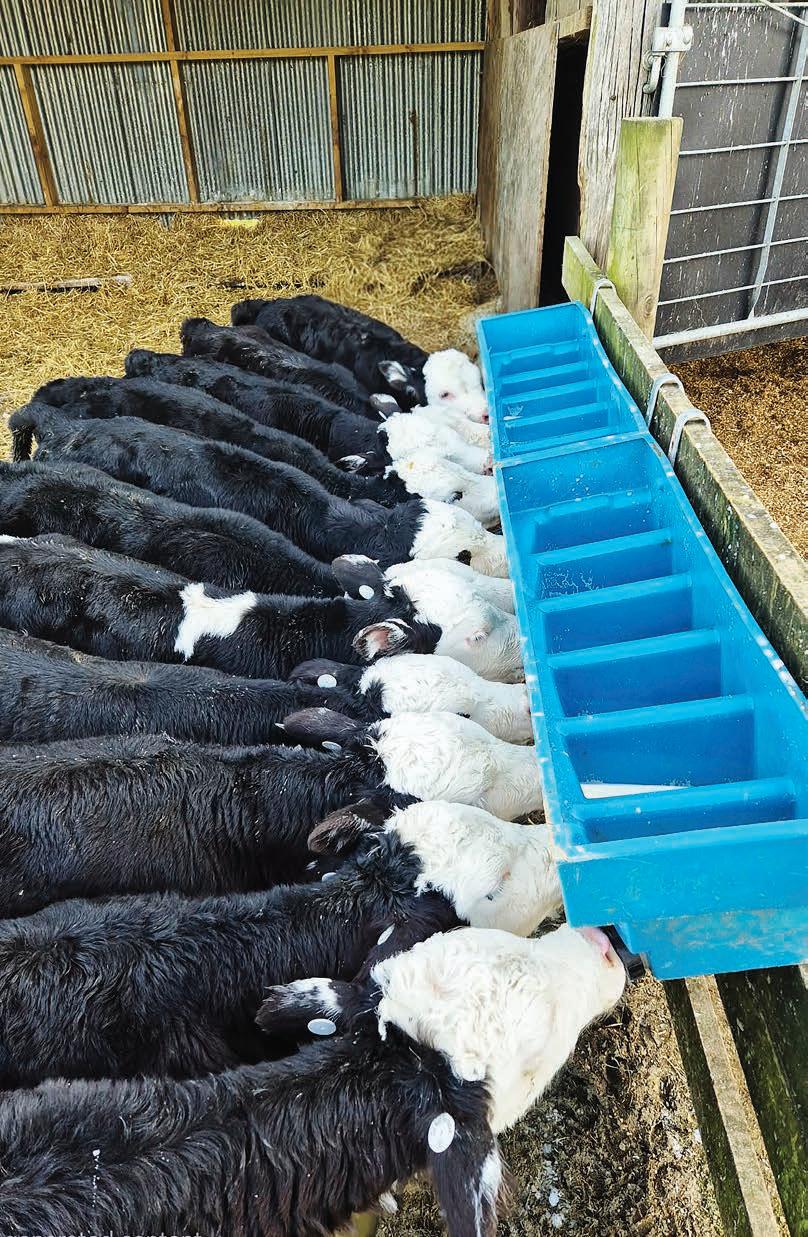
prices, inflation, and broader global uncertainty may linger in farmers’ minds over the coming months.
Transport costs are already under pressure, and while transport companies are keen to avoid price increases, they may ultimately prove unavoidable. Whether or not this caution develops further, it seems certain
that 100kg autumn-born calves will need to demand at least $9/kg. With the current market recently seeing returns of up to $10/kg for dairy-beef spring calves in the early-100kg range, this is not out of the question.
However, the high upfront cost and increased risk may result in fewer calves being reared this autumn.

HIGHER: While it is well known that autumn-born calves are generally more expensive to buy, this year rearing costs are also looking higher, says Sara Hilhorst.
Cattle Sheep Deer

Weekly saleyard results
These weekly saleyard results are collated by the AgriHQ LivestockEye team. Cattle weights and prices are averages and sheep prices are ranges. For more detailed results and analysis subscribe to your selection of LivestockEye reports. Scan the QR code or visit www.agrihq.co.nz/livestock-reports
| March 7
Tuakau | March 9 | 900 sheep
Frankton | March 11 | 366 cattle
1.5-year dairy-beef steers, 410kg
Weaner dairy-beef steers, 215kg
Prime dairy-beef steers, 615kg
Rangiuru | March 10 | 430 cattle, 49 sheep
1.5-year traditional steers, 435kg
1.5-year dairy-beef steers, 435kg
1.5-year dairy-beef heifers, 390kg
Weaner dairy-beef steers, 135kg
Weaner dairy-beef heifers, 120kg
traditional cows, 545kg
dairy-beef steers, 610kg
Boner crossbred cows, 470kg
Taupo | March 9 | 1076 cattle
Tuakau | March 11 |
Frankton | March 10 | 891 cattle
1.5-year
Weaner dairy-beef bulls, 145kg 1065
Weaner dairy-beef heifers, 135kg
Prime dairy-beef steers, 545kg 4.73
Boner Friesian cows, 550kg 3.09
Taranaki | March 5 | 603 cattle
Weaner
Taranaki | March 11 | 470
Bioeconomy Science Institute Emerging
Achiever Award
• Ben Dawson (Patoka)
Ballance Agri-Nutrients Science & Research Award

• Graham Johnson (Waikato)
• Alice Wilson (Wairoa)
Rabobank People Development Award
• Lone Star Farms (Nelson)
• Shane and Lynnette McManaway, Ongaha (Wairarapa)
• ADB Williams Trust (Dannevirke)
Alliance Significant Contribution Award
• Phil Journeaux (Waikato)
• Dr Stewart Ledgard (Ruakura)
• Dr William Rolleston (South Canterbury)
FMG Rural Champion Award
• Mark Harris (Hawke’s Bay)
• Kristy McGregor (Horowhenua)
• Hauora Taiwhenua Rural Health Network

• Dr Gale Brightwell and AgResearch Food Integrity Team
• Paul Kenyon (Palmerston North)
• Garth Riddle (Northland)
Datamars Livestock Technology Award
• GenomNZ (Dunedin)
• Helical (Rotorua)
• Super Air (Waikato)
Gallagher Innovative Farming Award
• FE Gold (Waikato)
• Jon and Fiona Sherlock (Waikato)

• Tairāwhiti Whenua Charitable Trust (Gisborne)
PGG Wrightson Market Leader Award
• Conscious Valley (Wellington)
• Green Meadows Beef (New Plymouth)
• Rob and Mandy Pye (Northland)

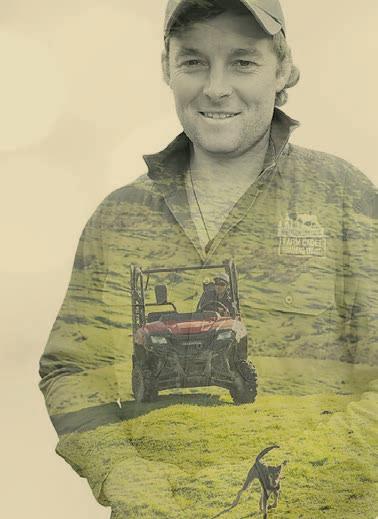







Feilding | March 9 | 142 cattle, 5007 sheep
or $/hd Prime traditional cows, 670kg 4.06
Boner Friesian cows, 525kg 3.39
Boner crossbred cows, 470kg 3.37
Prime ewes, most 121-211
Prime male lambs, all 220-275
Prime ram lambs, all 206-259
Prime ewe lambs, all 170-241
Prime mixed-sex lambs, most 181-293 Rongotea | March 10 | 253 cattle, 71 sheep $/kg or $/hd
2.5-year dairy-beef heifers, 405kg 4.64
Aut-born yearling dairy-beef heifers, 255kg 5.49
Weaner dairy-beef heifers, 125kg 830
Prime traditional cows, 535kg 3.51
Coalgate | March 5 | 428 cattle, 1664 sheep $/kg or $/hd
1.5-year dairy-beef heifers,
Store ewe lambs, all
Store mixed-sex lambs, all
Prime ewes, most
Prime lambs, most
Temuka | March 5 | 700 cattle
1.5-year traditional steers, 435kg 5.71
1.5-year
•
•
•
•

Temuka | March 9 | 982 cattle, 4756 sheep
Prime traditional steers, 625kg
Prime dairy-beef steers, 570kg
Prime traditional bulls, 600kg
Prime dairy-beef heifers, 540kg
Boner Friesian cows, 515kg
Boner Friesian heifers, 425kg
Store wether lambs, most
Store mixed-sex lambs, most 155-195
Prime ewes, most 180-200
Prime mixed-sex lambs, most
Charlton | March 5
Store lambs, all
Prime ewes, all
Prime lambs, all
Southern Man | March 5 | 640 cattle
1.5-year traditional heifers, 400kg
Southern Man | March 6 | 1385 cattle
1.5-year dairy-beef steers, 420kg
1.5-year dairy-beef heifers, 395kg
Lorneville | March 10
Aut-born 2-year dairy-beef steers, 420kg
Aut-born 2-year dairy-beef
ewes, most
Kaikohe | March 11 | 1298
or $/hd






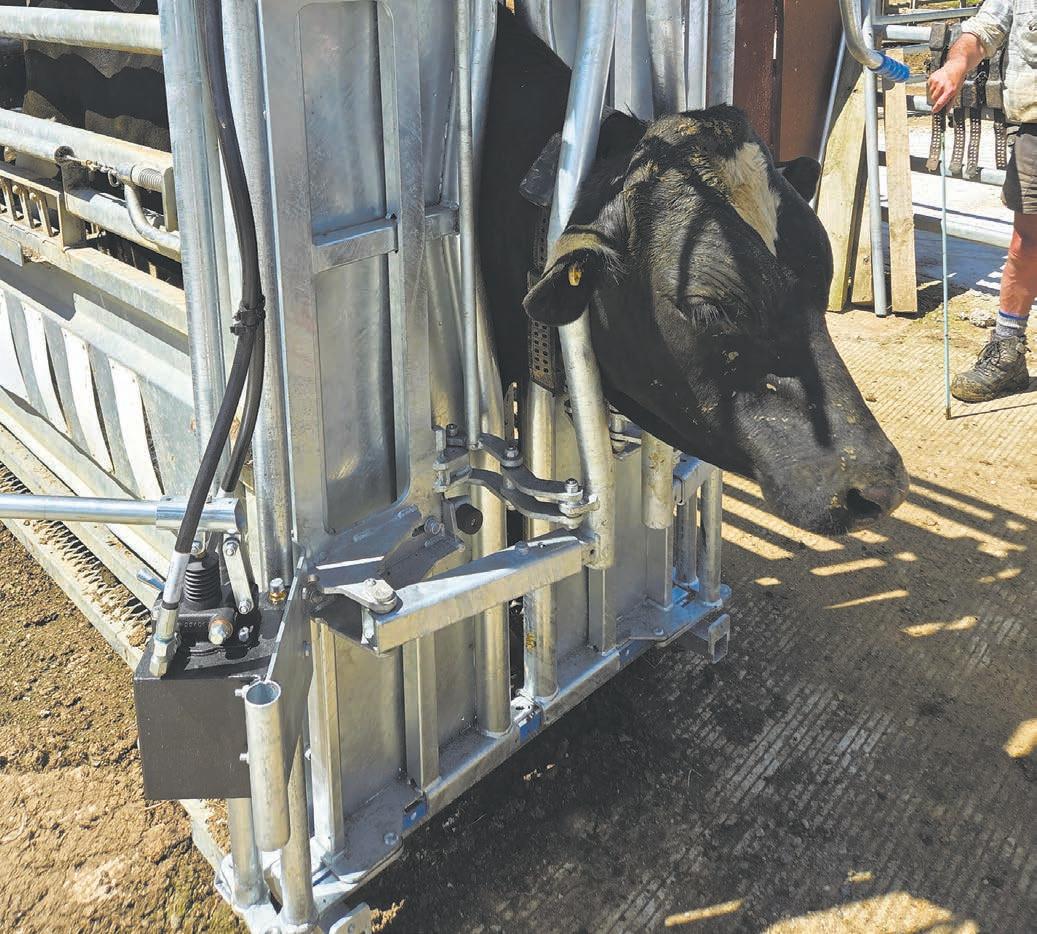
March has been cooler and drier so far

Philip Duncan NEWS Weather
THIS weekend is the autumn equinox –specifically, at 3:46am on Saturday March 21 – and after that the nights will be longer than the days.
With a quarter of the year almost behind us already, I thought it would be good to see how conditions generally are around New Zealand this month – and what may be around the corner.
SOIL MOISTURE
More and more regions are becoming drier underfoot despite the flood events over summer.
High pressure ticked up over the past month or longer and has led to a number of regions needing more rain. Mostly: the Far North, Auckland, Waikato, parts of Taranaki, Whanganui, Manawatū, Horowhenua, parts of Hawke’s Bay (with some places like northern Hawke’s Bay leaning wetter than usual), Nelson, Marlborough, South Canterbury and parts of Otago.
Areas that are wetter than usual tend to be in regions leaning to the
east of both main islands (with the exception of Bay of Plenty).
15-DAY RAINFALL
The Far North, Auckland and Waikato have had the lowest rainfall over the past couple of weeks, although some rain late last week did help from that subtropical low, but compared to other regions these places have had the lowest rainfall in March so far (at the time I wrote this column it was below 5mm in 15 days, although the subtropical low boosted that before we published this). Heaviest rain was where it should be – Fiordland and south Westland – with 200 to 300mm-plus.
LAST 15 DAYS SUNSHINE
Following a gloomy end to January and start to February, we’ve seen sunshine hours tick up closer to normal in many places thanks to all the high pressure. Cloudiest weather has been around Hawke’s Bay and Stewart Island. Sunniest in Waikato, South Auckland, Coromandel Peninsula, coastal Bay of Plenty and East Cape.
10-DAY TEMPERATURES
March has not been hot for
most places. Compared to usual, March has been well below normal in the North Island, with most regions averaging about 2degC (or more) below normal (compared to historically what we get in March). Absolutely nowhere in the North Island was warmer than usual. In the South Island only Fiordland, South Westland and Stewart Island leaned a little warmer than usual –everyone else was normal to below normal with the top half of the South Island around 1 to 2 degrees colder than usual, while other places were normal or just slightly below.
WHAT IS NEXT?
We have some powerful high pressure zones exiting Australia for the rest of March, bringing more stretches of dry weather. But we’re in the peak of the cyclone season right now – and a tropical cyclone may well be northwest of NZ this week for us to monitor (over the Coral Sea). We also see a few cold fronts in the mix too. The second half of March may have more severe weather risks than the first half of the month did – but still, some decent settled stretches are on the way.
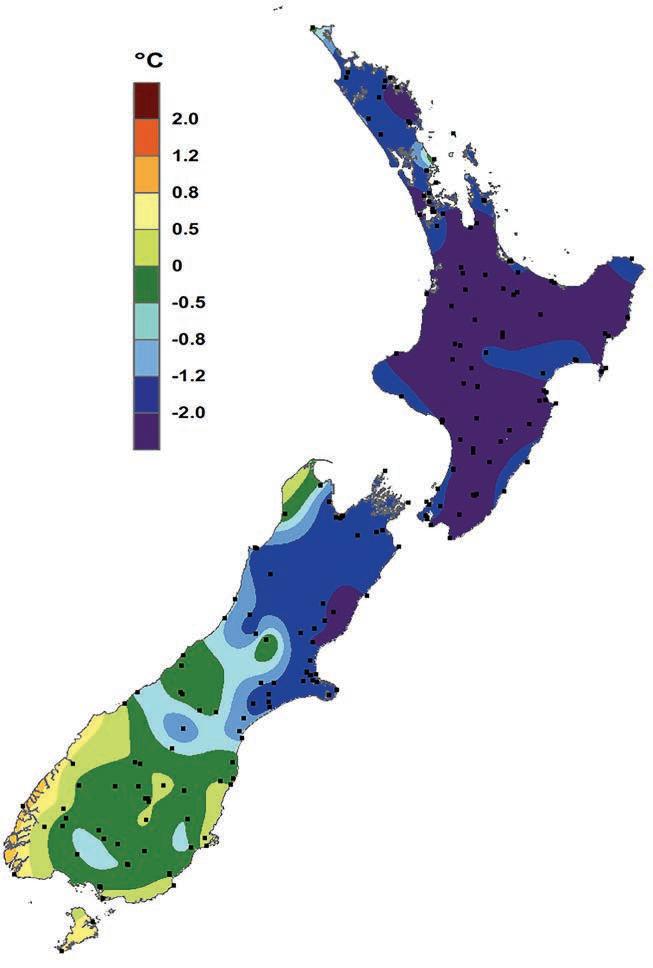
Mean Temperature Anomaly 9am 01/03/2026 to 9am 10/03/2026
TRENDING: The 10-day temperature trend shows most of NZ colder than usual recently. Image: Earth Sciences NZ
We’re proud to partner with FMG to grow world-class rural leaders.
Rural Leaders have proudly partnered with FMG since 2017.
For more than 120 years, FMG has stood alongside farmers and growers, taking a long-term view to strengthen rural communities.
FMG share our commitment to grow confident, capable leaders equipped with the skills, resilience, and networks to navigate change and drive innovation.
The impact? A stronger sector and thriving rural communities.





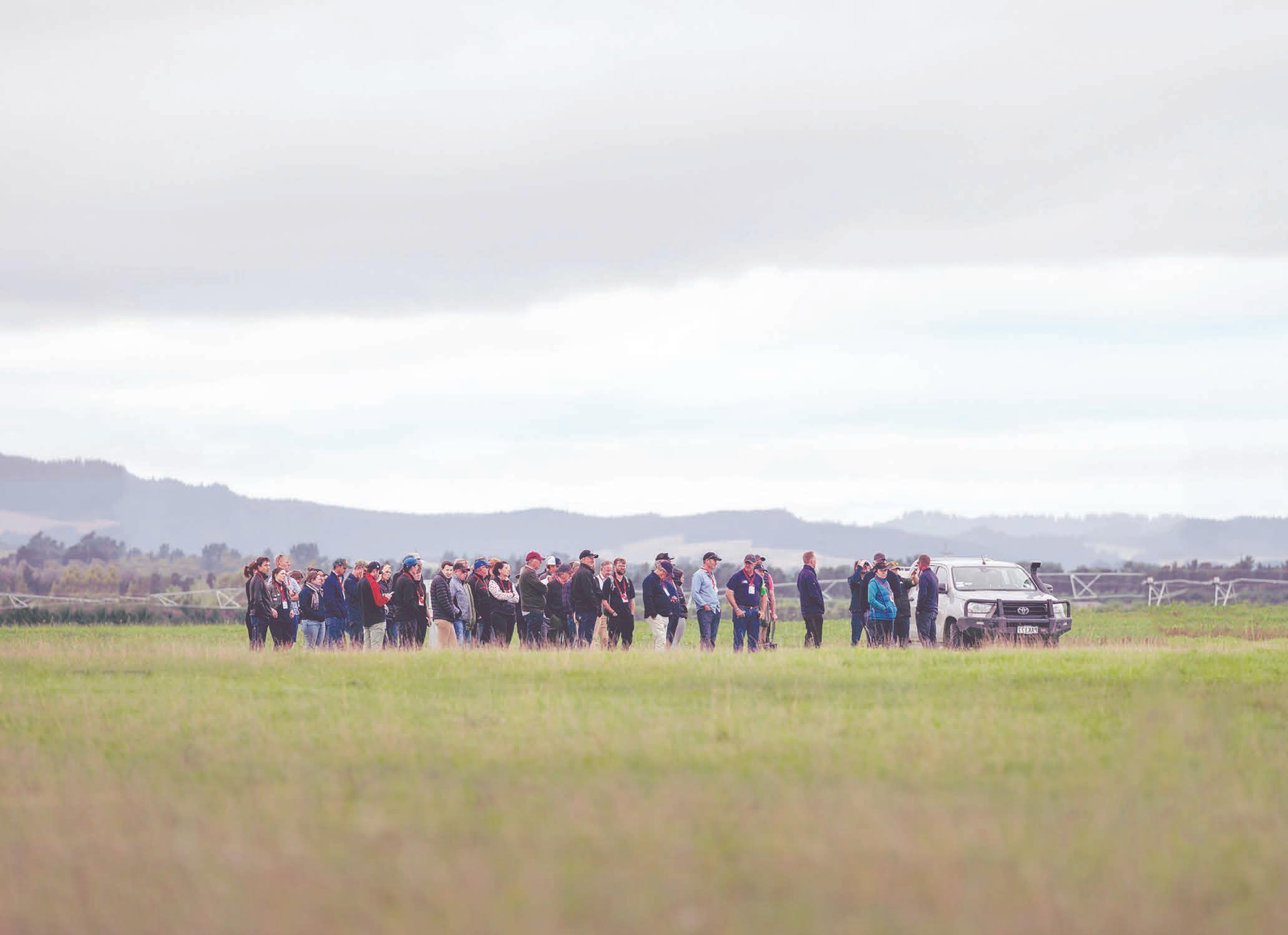
Rural Leaders, together with FMG since 2017