


Hugh Stringleman and Neal Wallace
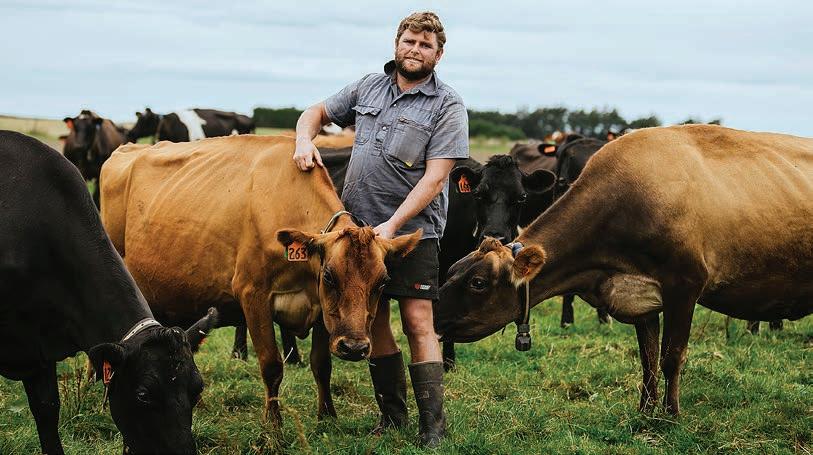
FARMER shareholders say they will repay debt and strengthen balance sheets after overwhelmingly supporting Fonterra’s proposal for returning capital following the sale of the co-op’s global consumer business to Lactalis.
At a virtual meeting last week, 98.85% of Fonterra shareholders supported the process of paying shareholders $3.2 billion or $2 for every supply share and unit in the Fonterra Shareholders’ Fund.
We’re not throwing out the baby with the bathwater but refocusing on where we can get the best return on our capital.
Brent Schrider
Shareholders spoken to by Farmers Weekly said the $4 billion sale of Mainland Group to French dairy giant Lactalis reflected prudent management of Fonterra’s investment portfolio.
The sale process is expected to be completed by March 31.
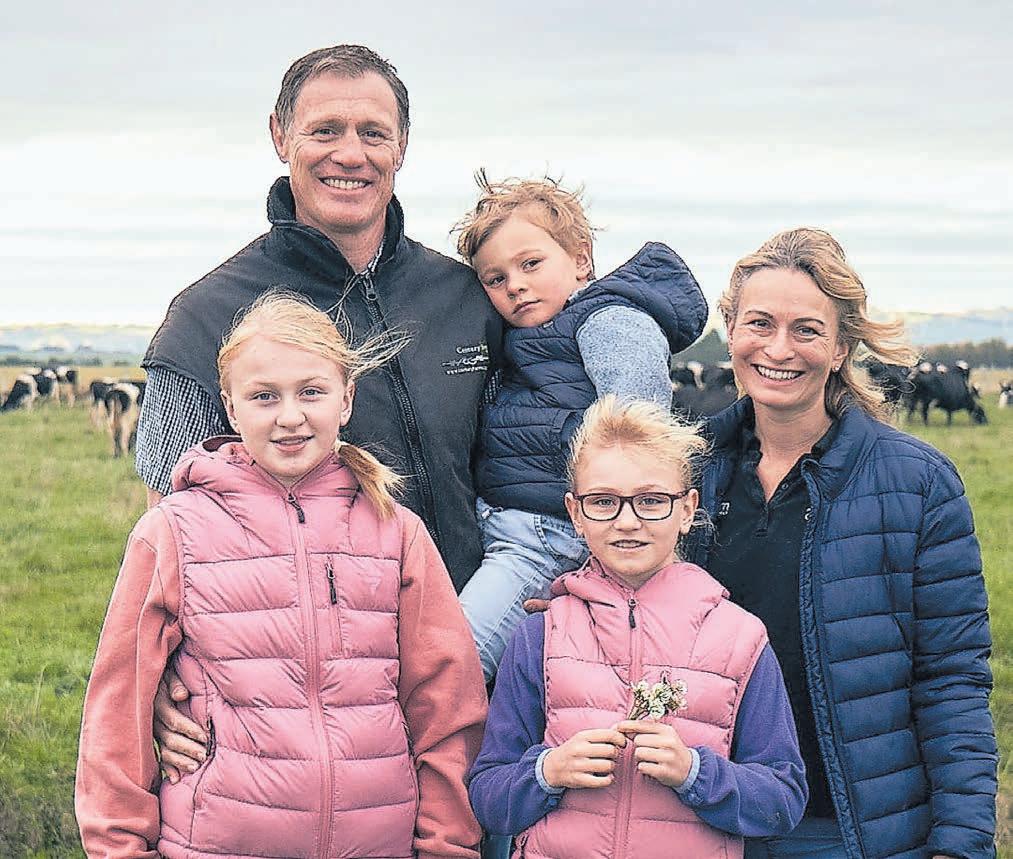
“We’re not throwing out the baby with the bathwater but refocusing on where we can get the best return on our capital,”

said south Canterbury shareholder Brent Schrider.
He was referring to recent investments into the production of butter and high quality proteins.
Farmers said annual dividends have been inconsistent due in part to exposure to the highly competitive branded product business.
While future annual dividends will be lower following the sale, Fonterra has set a goal of restoring them over the next few years.
Waikato Federated Farmers vicepresident Mike Garrud said the degree of shareholder support was an endorsement of how the board handled the sale process.
“If it had been lower the board would most like have gone ahead, but the level of support shows shareholders believe the board is doing the right thing.”
Garrud, whose family business is a shareholder, speculates Fonterra may not remain the sole milk provider to Lactalis.
When the current milk supply contract comes up for renewal, he said, both companies may look to spread risk and therefore reliance on each other.
“We need to back ourselves in the quality of milk we send and if we do it well then it shouldn’t be an issue, but for Lactalis, they won’t want all their eggs in one basket.
“I think it is unlikely Fonterra will supply all their milk in the future.”
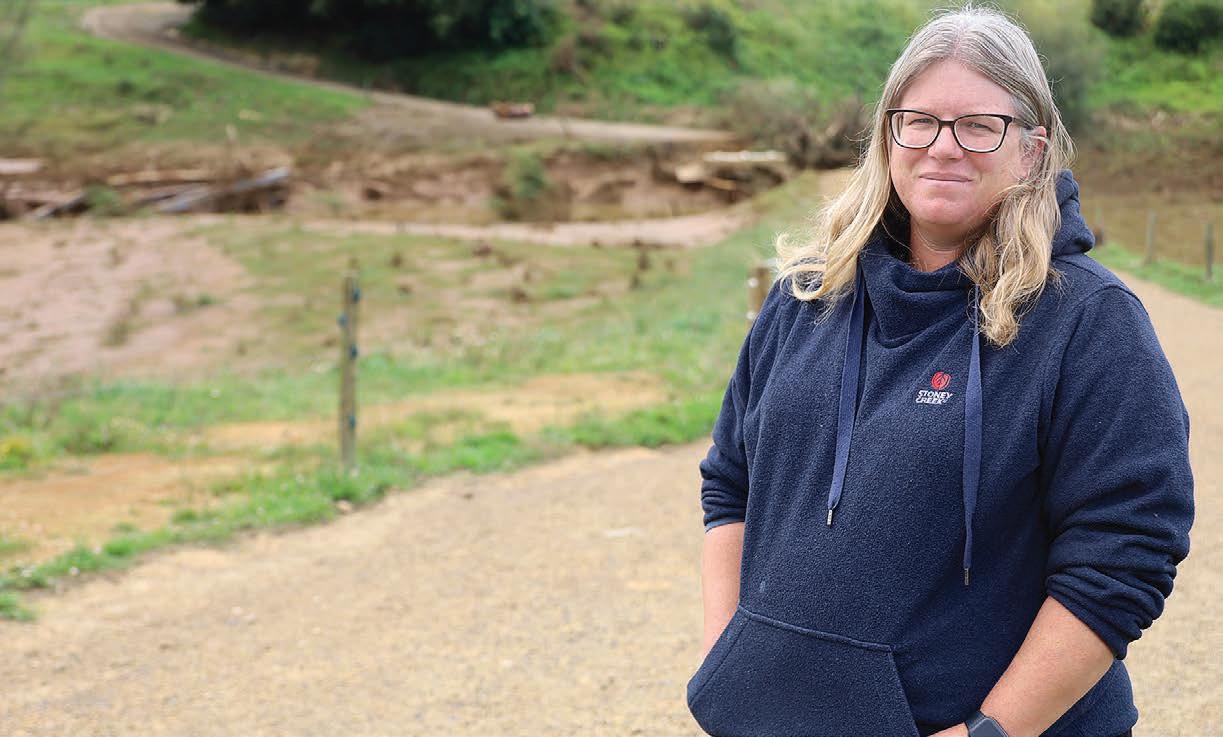
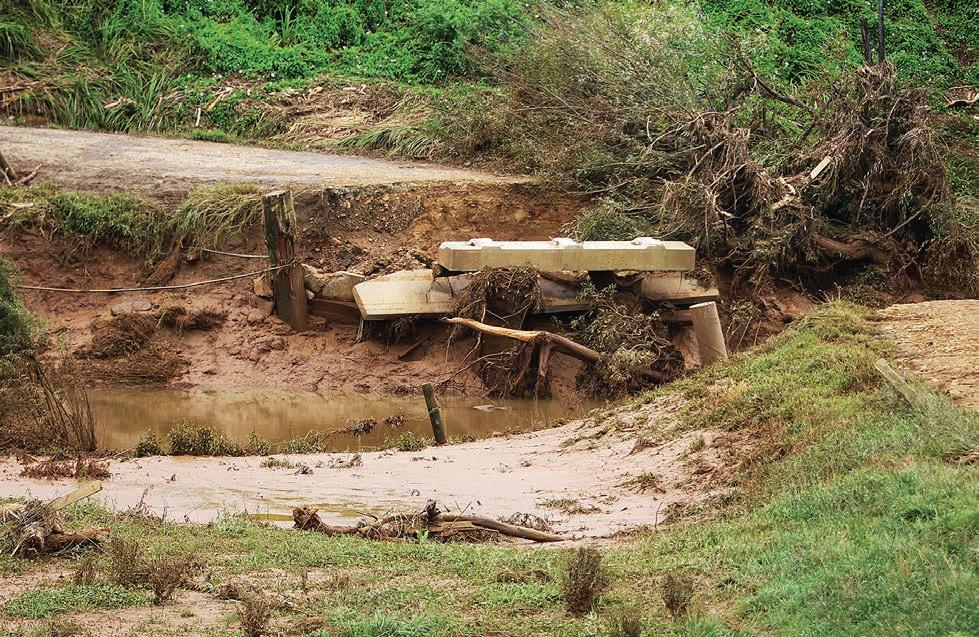
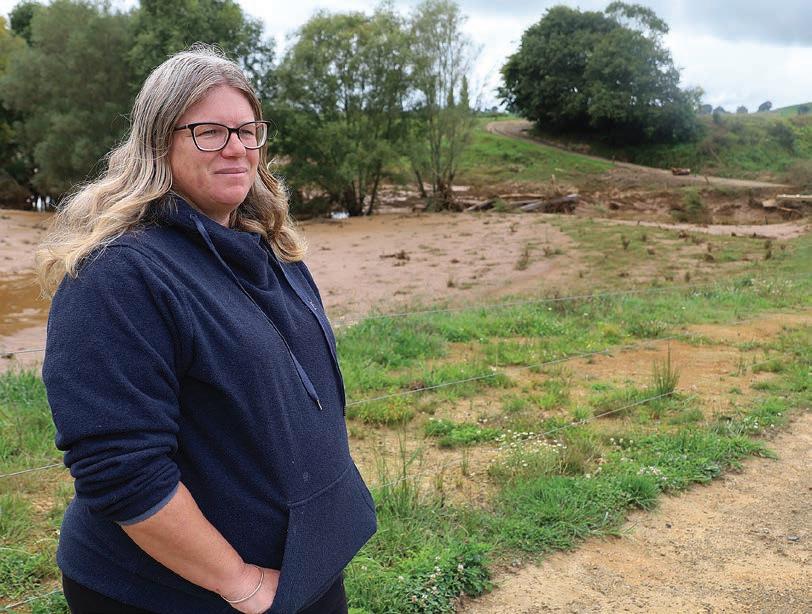
Jo and Michael Earwaker are facing a six- to seven-figure repair bill on their Pirongia farm as they count the clean-up costs following the heavy rain that lashed parts of Waikato last week. A bridge used to access half of their 400 hectare, 1050-cow dairy farm has been destroyed.
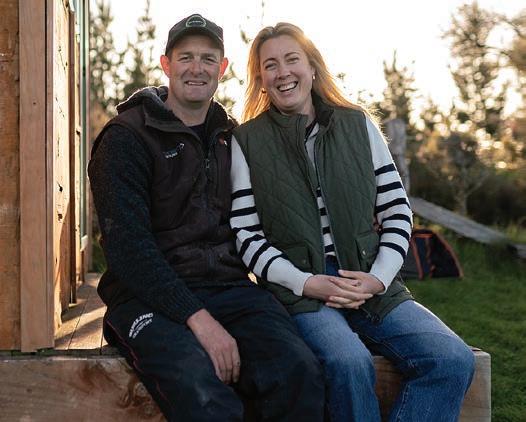
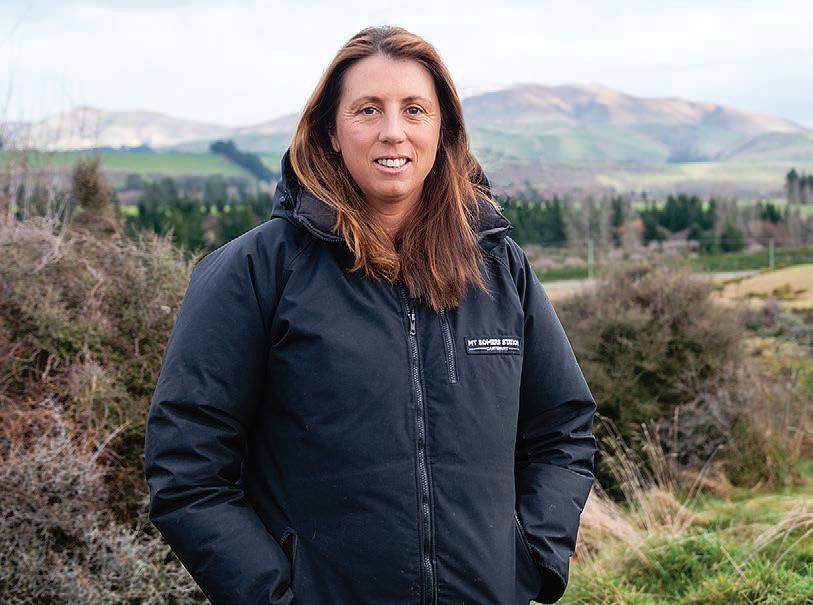
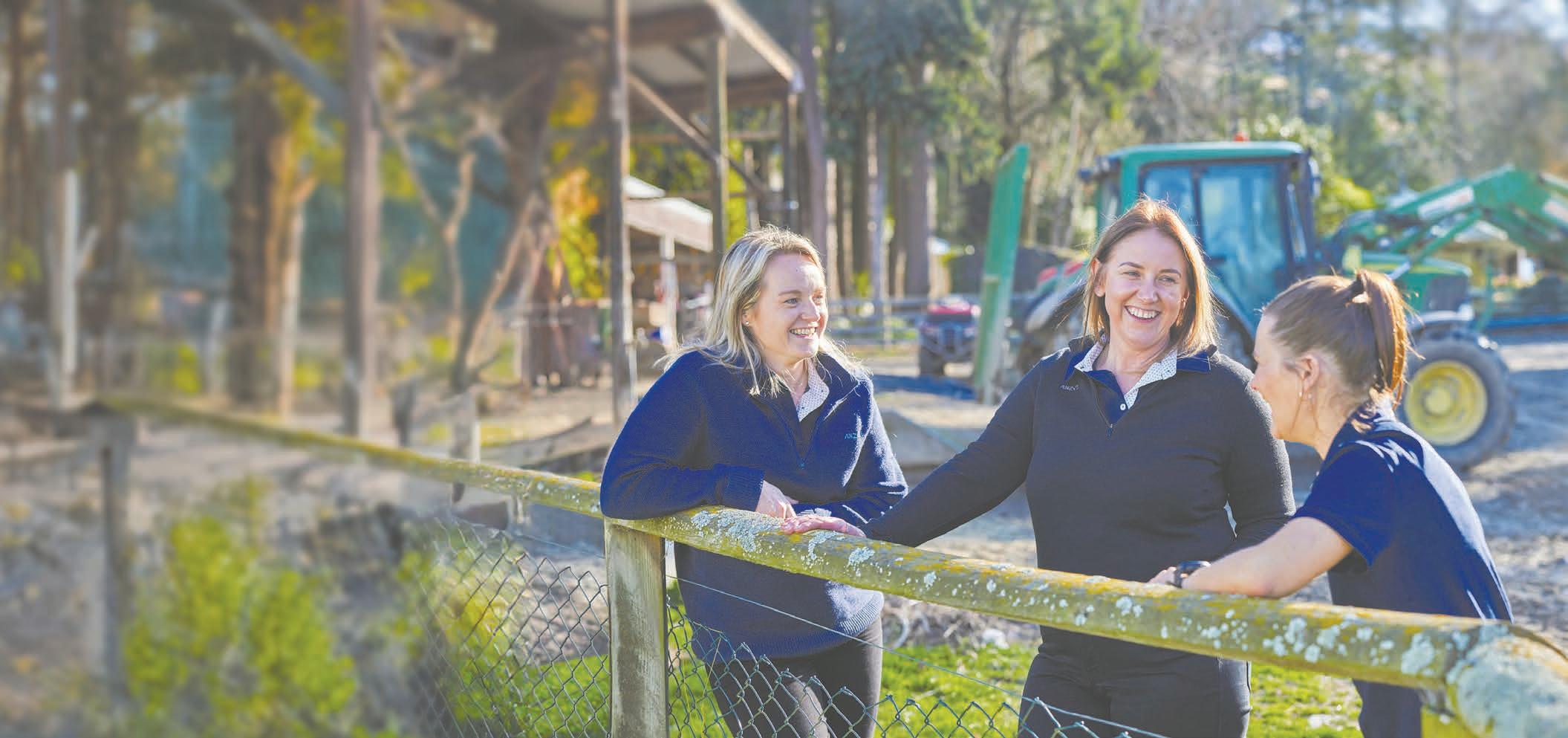
After spending most of their adult careers overseas, Julia Broughton and husband Tom moved from Hong Kong to Riversdale five years ago and now run Pōhatu Farm, a 1700ha coastal sheep, beef, forestry and tourism business.




























EDITORIAL
Bryan Gibson | 06 323 1519
Managing Editor bryan.gibson@agrihq.co.nz
Craig Page | 03 470 2469 Deputy Editor craig.page@agrihq.co.nz
Claire Robertson
Sub-Editor claire.robertson@agrihq.co.nz
Neal Wallace | 03 474 9240 Journalist neal.wallace@agrihq.co.nz
Gerald Piddock | 027 486 8346 Journalist gerald.piddock@agrihq.co.nz
Annette Scott | 021 908 400 Journalist annette.scott@agrihq.co.nz
Hugh Stringleman | 027 474 4003 Journalist stringleman@outlook.co.nz
Richard Rennie | 027 475 4256 Journalist richard.rennie@agrihq.co.nz
Nigel Stirling | 021 136 5570 Journalist nigel.g.stirling@gmail.com
Isabella Beale | 027 299 0596 Multimedia Journalist isabella.beale@agrihq.co.nz
PRODUCTION
Lana Kieselbach | 027 739 4295 production@agrihq.co.nz
ADVERTISING MATERIAL
Supply to: adcopy@agrihq.co.nz
SUBSCRIPTIONS & DELIVERY 0800 85 25 80 subs@agrihq.co.nz
PRINTER
Printed by NZME
Delivered by Reach Media Ltd
Andy Whitson | 027 626 2269
Sales & Marketing Manager andy.whitson@agrihq.co.nz
Janine Aish | 027 300 5990
Auckland/Northland Partnership Manager janine.aish@agrihq.co.nz
Jody Anderson | 027 474 6094
Waikato/Bay of Plenty Partnership Manager jody.anderson@agrihq.co.nz
Palak Arora | 027 474 6095
Lower North Island Partnership Manager palak.arora@agrihq.co.nz
Andy Whitson | 027 626 2269 South Island Partnership Manager andy.whitson@agrihq.co.nz
Julie Hill | 027 705 7181
Marketplace Partnership Manager classifieds@agrihq.co.nz
Andrea Mansfield | 027 602 4925 National Livestock Manager livestock@agrihq.co.nz
Real Estate | 0800 85 25 80 realestate@agrihq.co.nz
Word Only Advertising | 0800 85 25 80 Marketplace wordads@agrihq.co.nz
Dean and Cushla Williamson Phone: 027 323 9407 dean.williamson@agrihq.co.nz cushla.williamson@agrihq.co.nz
Farmers Weekly is Published by AgriHQ PO Box 529, Feilding 4740, New Zealand Phone: 0800 85 25 80 Website: www.farmersweekly.co.nz
ISSN 2463-6002 (Print) ISSN 2463-6010 (Online)
Focus
Women
. 1-15
16-17
18-19
20
Farmers . 21-24
25-30
31-32
32-33
34-37
38
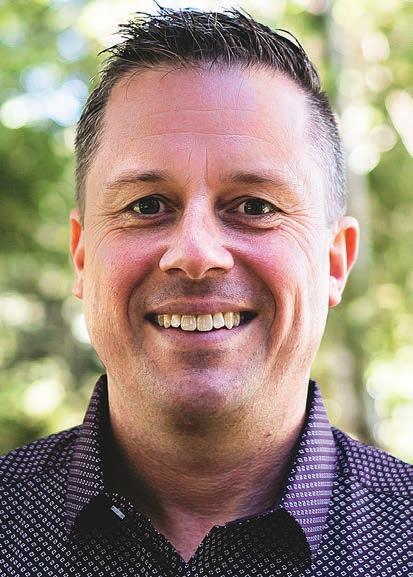
GAP: Andrew King says the New Zealand Rural School Leadership Association is helping bridge the isolation gap many principals are exposed to when it comes to professional learning. STORY P11
Global Dairy Trade prices continued their rally with another index increase, of 3.6%, in the latest 2026 auction, the second for February.
The GDT price index has now risen 19% during four events since the beginning of the year. This represents a $766/tonne increase in the average winning price, which has now reached US$4028/tonne. Among the main commodities, butter rose 10.7% last week, followed by lactose, up 7.8%.
The A2 Milk Company has reported strong interim results with revenue up 18.8% to just under $1 billion and net profit after tax up 9.4% to $112 million.
Directors have declared an interim dividend of 11.5c compared with 8c in the previous corresponding period and that will be a payout of 74% of NPAT, approximately $83m in total.
Strong global demand and tight supply contributed to red meat and fifth quarter exports from New Zealand reaching a record $11.7 billion last year.
It’s a 19% increase on 2024, according to the Meat Industry Association. The United States was the largest market for the year, up 17% to $3.2bn, followed by China up 2% to $2.5bn. Exports to the European Union increased 42% to $1.8bn, to the United Kingdom by 64% to $858 million and Canada by 52% to $644m.
The South Island wool sale delivered another exceptional result, with the market continuing its strong upward run.
PGG Wrightson’s Dave Burridge said exporter demand remains highly competitive with the South Island Strong Wool Indicator lifting a further 47 cents and 100% of the sale offering sold. Crossbred fleece types posted solid increases across all styles, while second shear and lambs’ wool lines also experienced significant lifts.




BTECHNOLOGY Livestock
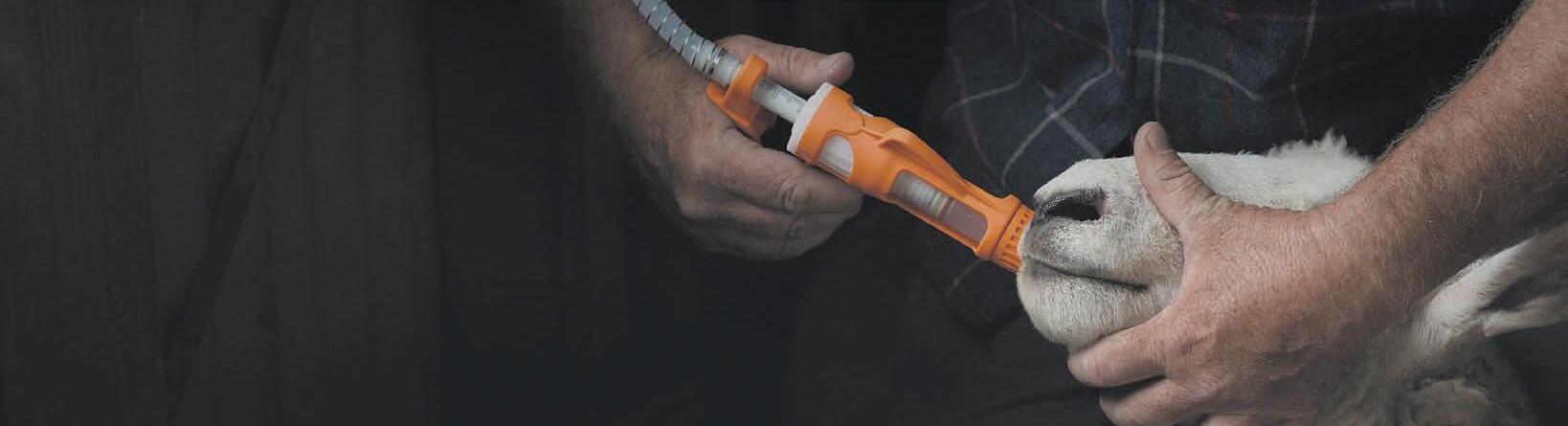
EEF + Lamb New Zealand has thrown its weight behind moves to have all sheep and pig farmers provide animal status declarations in electronic form.
The Ministry for Primary Industries wants rapid traceability for the movement of sheep and pigs in the event of an animal disease outbreak such as foot and mouth disease and has started consulting on three options to track their movement.
The option favoured by BLNZ would require mob-level electronic animal status declaration (eASD) forms, removing the option of filing such transactions by paper.
This option also includes an additional requirement for saleyard movements to be electronically recorded.
The MPI is consulting on two other options: retaining the status quo, where sheep and pigs continue to be traced through paper ASDs, or including sheep and pigs as part of the National Animal Identification and Tracing (NAIT) system.
BLNZ chair Kate Acland said traceability is crucial to respond to
Continued from page 1
Southlander Luke Templeton said on his farm the payment will be used to repay debt from newly built staff accommodation.
He welcomed the overwhelming voter support, saying it was an endorsement of the process.
Last week’s vote was another step in finalising the $4bn sale with attention now turning to securing High Court approval of the capital repayment scheme. This is expected in mid-March, and completion of the divestment is expected before March 31.
Fonterra said that payment of
potential animal health incursions.
She said reviews on New Zealand readiness for disease responses have highlighted the need for improved traceability, especially of sheep.
“The response to Mycoplasma bovis showed how important it is to quickly trace animal movements to find, contain and control infectious diseases.”
The sector favours practical, cost-effective traceability.
“We believe the best way to achieve this is via option two,
$3.2bn in total to shareholders would follow promptly.
“Subject to the scheme being approved by shareholders, completion of the sale, and final court orders, the payment process will happen in the background,” chair Peter McBride said in his address to the special meeting.
“As previously indicated, the payment should be tax-free, although it is recommended that shareholders and unit holders obtain independent tax advice.”
Once these steps have been completed, the co-operative will confirm the record date for the capital return, which will be within

making eASDs mandatory, as it builds on existing requirements and will require fewer legislative changes to implement,” said Acland.
Electronic mob-based tracing, rather than individual electronic tagging, is considered efficient and cost-effective. It recognises the lower disease risk profile of sheep and that they are moved less frequently than cattle.
Paper ASDs slow investigations when responding to a fast-moving disease because tracing every
the five business days prior to the capital return payment being made to shareholders and unit holders.
The second special meeting of shareholders in the divestment process was solely to approve the scheme of arrangement, a replay of the process used when 50c a share was returned after the sale of Soprole in Chile in 2023.
The first special meeting in late October resulted in 88.47% approval of the Mainland Group sale.
The additional 10% approval from the second meeting reflected the “done deal” nature of the Lactalis purchase.
movement relies on a physical paper trail.
“Recent experience has shown that many farmers and meat processors already using eASDs find them efficient and easy to use and the costs of this system are substantially lower than for NAIT,” said Acland.
The MPI says in its discussion document that eASDs would clarify obligations and create easily accessed data sources.
“An eASD platform should also verify ownership and location data, including saleyards, which would be an improvement over the status quo, reducing time spent in the initial stages of a response to source and confirm location data.”
It would come at cost for farmers and the MPI that has yet to be determined.
Australia, Canada, the United Kingdom, the European Union and Uruguay all require individual traceability of sheep movements, some since 2004.
An ASD is required for all production animal movements between properties, but the MPI said anecdotal evidence suggests compliance is high only on commercial farms that need to demonstrate food safety and suitability.
The non-commercial movements of animals that do not need to
This week’s poll question:
Have your say at farmersweekly.co.nz/poll Should electronic animal status declaration forms be used to record sheep and pig movements, rather than traditional paperwork?
meet food safety and suitability requirements are less likely to be provided, the document said.
The commercial pig farming system has robust traceability of pigs through ASDs due to its small size and simpler supply chain model.
There are approximately 70 commercial pig farms and six pork processing companies. The MPI estimates there are 6000 semicommercial or non-commercial pig farms with approximately 230,000 pigs at any one time.










Gerald Piddock NEWS Weather
JO EARWAKER is facing a sixto seven-figure repair bill on the Pirongia farm she had husband Michael operate as they count the cost of the clean-up following the heavy rain that lashed parts of Waikato.
The deluge on February 13-14 destroyed a bridge that is used to access half of their 400 hectare, 1050-cow dairy farm.
The bridge is the main access route to 180ha of the farm over a tributary of the Waipa River and while it has flooded before, Jo Earwaker said it was the worst flooding she had seen.
“We effectively have half of the milking platform for our cows,” she said.
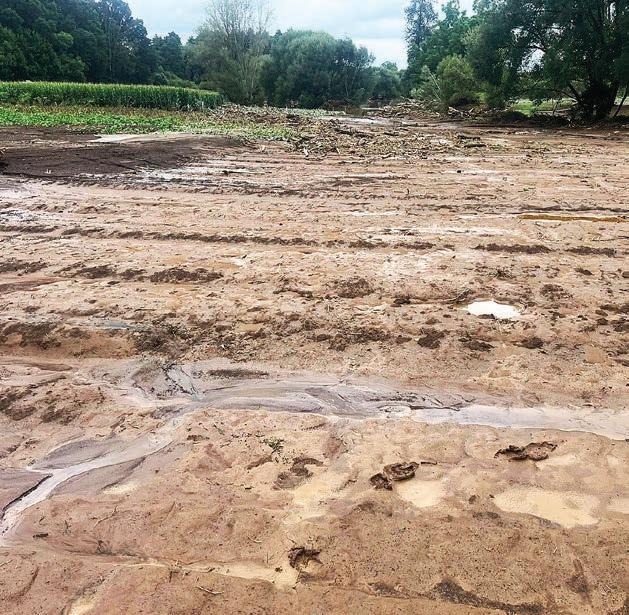
Around the remains of the bridge are tonnes of silt, bits of logs, trees, turnips from a neighbouring summer feed crop and silage bales from other farms.
The silage bales came from a stack of about 100 from a
TURNIPS: Around the remains of the bridge on the Earwakers’ farm are tonnes of silt, bits of logs, trees, turnips from a neighbouring summer feed crop and silage bales carried down from other farms.
neighbouring farm up the road and floated down, causing a lot of damage, she said.
“They shot down like bullets, and you can see them all on the side of the road.”
It could be one to six months before the bridge is replaced, Earwaker said.
“The cost is anywhere from $250,000-$1.5 million, we’ve been quoted, and our insurance is $20,000.”
Part of the herd were grazing that area prior to the flood and the Earwakers managed to get all of the cows back onto the accessible side of the farm that has the main cowshed.
This was done with the help of the neighbours by clearing and
It happened so fast. The water went from knee deep to silage bales floating by.
Jo Earwaker Pirongia
repairing a bridge on nearby Kiwi Road, and walking the herd down State Highway 39 on Saturday morning.
“Seven or eight neighbours came on with chainsaws and motorbikes and people lined the side of the road with a fence for the cows, and we could bring them home.
“It happened so fast. The water went from knee deep to silage bales floating by.”
Losing the bridge meant they had to quickly sell 200 of their cows, reducing the herd to just over 900. This is so their herd matched the farm’s reduced feed supply now that those paddocks can no longer easily be accessed.
The Earwakers are in their first season operating a split calving system and their 250-cow autumncalving herd is due to calve shortly.
With the bridge no longer usable, they will use an old, disestablished milking shed to ease the pressure on the rest of the farm and milk the autumn-calving herd using this older shed.
It also wiped out a ford that is





used to access a 10ha maize crop. It damaged the farm’s fencing, culverts and races, and Earwaker estimated 7-8ha down the back of the farm is still flooded.
Fencing contractors are on the farm, repairing the 12km of fencing that was damaged and making the farm stock-proof again.
“I talked to the people that were on this farm years ago and he said the last time the water came this high was 1958 when Ōtorohanga flooded.”
Luckily, their home, along with the staff housing and the milking shed, were undamaged and while they temporarily lost power, it was restored later that day and they were able to milk the cows and have the milk collected.
Some of the neighbouring farms are not so fortunate with one having to dump its milk because the flooding had damaged tanker access, Earwaker said.
Further south, Manawatū Federated Farmers president Ian Strahan said initially they had feared the region would receive rain levels similar to the devastating floods that hit Manawatū in 2004.
Instead, the region received about half of the rain that was predicted and he feels like they dodged a bullet.
“What we did get was a lot more wind than was forecast – that’s caused the main issues. There is a bit of isolated flooding in pockets – but there’s a lot of branches and trees down.”
Strahan said the wind roared all night and only eased on the morning of February 16.
“If it was soaking wet, we would have got some real carnage, but there’s a lot of branches and trees down, a lot of power cuts, a lot of fences to fix and a lot of chainsaw work.”
Strahan said it had caused some milking disruptions, but most farmers are equipped with generators and had managed to get by until power was restored.
While he has yet to hear any reports of major infrastructure damage, the region’s springplanted cereal and maize crops may take a battering.
“It’s been a bit niggly with the damage, but it could have been worse.”
The Horizons Regional Council is urging farmers isolated by the storm to manage uncollected milk carefully.
It said if milk is unable to be collected it should be dealt with in accordance with the farm’s dairy effluent resource consent conditions, where possible.





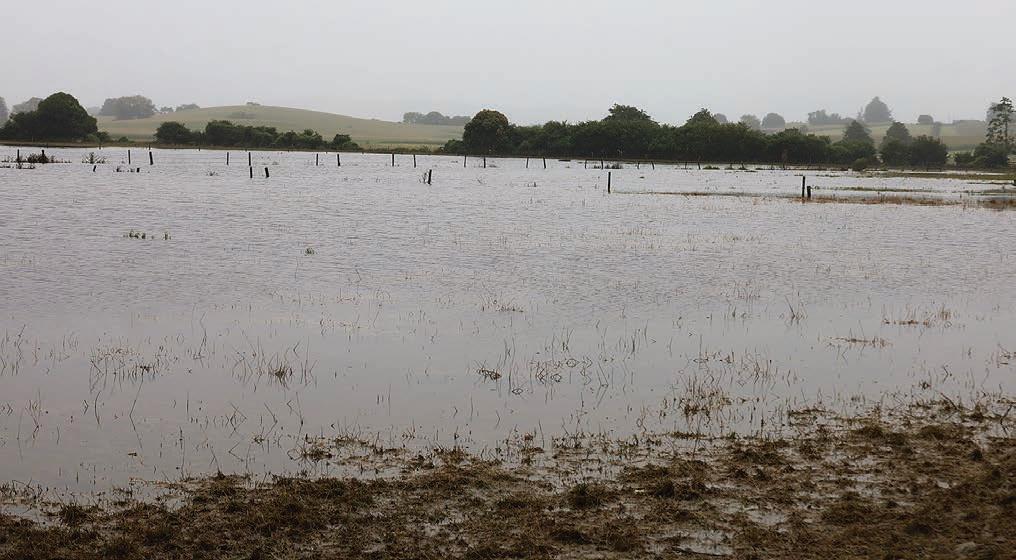
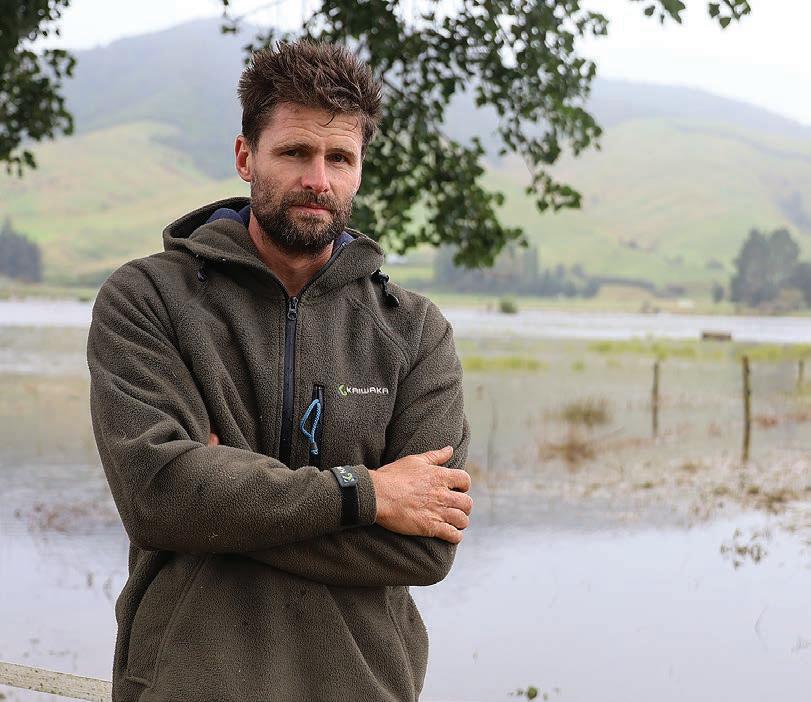
MORE than half of Zach Mounsey’s Waikato dairy farm was submerged by what some have described as the worst flooding in 50 years, but he would still rather be dealing with that than a drought.
Mounsey went out in the rain on the early hours of February 14 to move his dairy herd to a safer paddock on his 220 hectare farm southwest of Te Awamutu after noticing earlier that evening that the drains around the paddock the cows were in were starting to swell.
But it is a large paddock that had never flooded before and he left the herd in there based on that past experience.
While it had been raining that day, there was also little warning in the weather forecast of what was to come, he said.
“I could see it swelling, but I thought it would be okay. But luckily enough I naturally woke up
and thought I better go and have a look.”
He was shocked when he looked out the window to see the flooded paddock reflecting in the moonlight. He got dressed and drove down to the paddock and found the cows huddling en masse at the corner of the paddock nearest the race to escape the water.
What is not underwater is still growing exceptionally well.
He described the flooding as “nothing short of biblical”: “There was frogs and rats and mice all coming out of the paddock as the water was rising.”
He said most of the farm was inaccessible – “and even the bits that aren’t flooded, the races to those bits are flooded”.
The rain left 60% of his farm underwater. Fortunately for Mounsey, the paddocks he had planned for his cows to graze were
at the front of the farm and were safe for his herd to feed on. He also still had access to his milking shed and tankers could still access the property.
In the 48 hours since the flooding, the water is slowly subsiding and he is starting to get a better assessment of its impact.
Mounsey has been on the farm since 2019 and it is the worst damage he has seen since being there.
“But the neighbour across the stream has been there for 50 years and he said it’s the worst he has seen.”
The neighbouring farmer counted 280mm in their rain gauge for that Friday night, he said.
He said the one silver lining was that the majority of the flooded paddocks had recently been grazed, so he had not lost a lot of pasture and it would have not been required again for at least a month.
But the concern now is the condition of those post-grazed paddocks and whether the grass on them has survived or is rotting from the wet.
If that was the case, he would




have to re-grass that area.
He believes he will be okay for feed for the remainder of the season despite the damage with maize crops still to be harvested and production up for the season so far.
“If you ask me if I would rather have this than a drought, I think I would still rather have this. What is not underwater is still growing exceptionally well.”
The intense rain on February 13-14 led to 80 people evacuating
their homes and a motorist died when his vehicle became submerged at Puketotara on Saturday night.
Flooding and slips closed State Highway 3 between Te Awamutu and Ōtorohanga, State Highway 39 – Pirongia to Ōtorohanga, and State Highway 31 – Kawhia to Tihiroa, as well as dozens of local roads, according to RNZ. It prompted Ōtorohanga and Waipā districts to declare states of emergency.
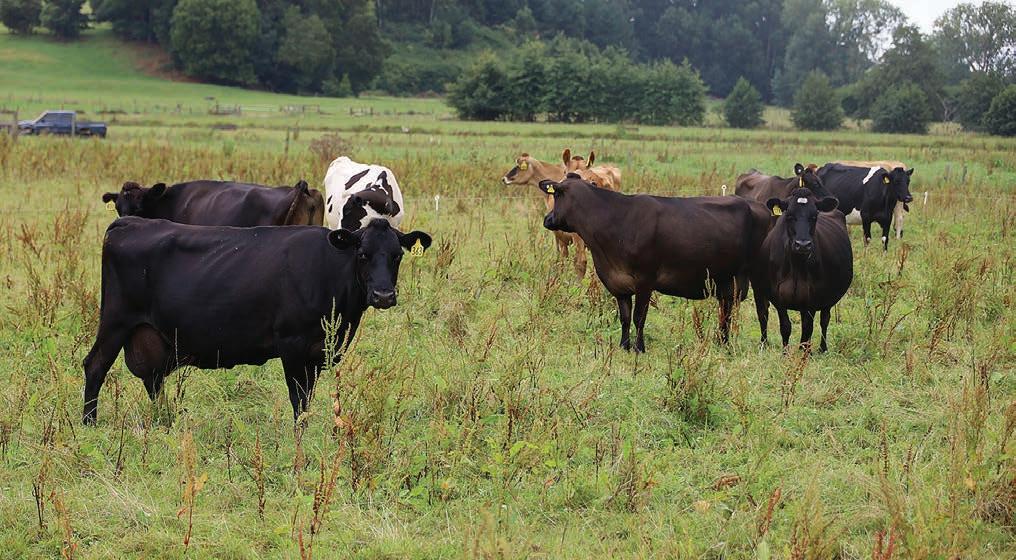



















Data has always been king at Jana and Mat Hocken’s Grassmere Dairy operation, but introducing Halter has elevated their data game to the next level.
Progression and innovation are hallmarks of their expanding Manawatu-based dairy operation, which takes in three farms, milking 1600 cows and employing a team of nine fulltime staff
Jana is well known for The LeanFarm Project, applying ‘lean’ principles of continuous improvement, learned from her time working at Toyota, to farming. Lean management is practiced on all the Hocken’s farms, and Halter is a perfect fit.
She explains that ‘lean’ is an operational or management tool for any business. Lean is based on a foundation of continuous improvement through the identification and elimination of waste “It gives you really good systems and processes and, importantly, a culture and mindset that enables you to be more productive, and develop engaged and accountable people Reducing waste and cost improves your farm performance, results and profitability,” Jana says.
“That means you can re-invest, grow and be successful and sustainable ” Halter was introduced three seasons ago and the couple describe it as a game changer The value of Halter goes far beyond the obvious savings in things like labour, fuel and increased feed utilisation, they say There are less tangible but significant benefits, particularly around staff and
They needn’t have worried In the first season alone, Halter resulted in a net positive $150,000 added to the bottom line (after the cost of Halter) Feed utilisation increased by 4 35%, their six-week performance at mating improved and their empty rate was down, lameness dropped to a third of their pre-Halter levels, they saved $15,000 on vehicles and fuel and dropped 1 5 full time labour equivalents
“Then there are the non-cash benefits, like building resilience in our team and greater transparency It was a winner from the get-go and we have continued to build on that,” Mat says
In terms of staff, using Halter has built more flexibility and resilience into their team It’s much easier to cover if staff members are absent as everyone is on the same page, with information at their fingertips
“We can have someone away on holiday and then someone off sick and still operate It’s given us a huge amount of flexibility ”
The Hockens aim to have a modern business in a pasture-based system, one that is attractive and enjoyable to work in “It creates a leading business with 21st century technology, and that makes you an attractive employer I think a lot of our team would never go back to a team that didn’t have Halter, to be honest.”

to understand a new farm, where the grass is growing, what the pasture wedge is, maps,” Mat explains.
For a strategic point of view, Halter was a perfect marriage with their Lean management system, removing non value add activities (waste) from the business – things like winding up and setting up reels, cows sitting at gates stressing and people following cows to the shed.
“We saw Halter would enable us to eliminate a lot of that waste Our people now spend time on actual value-add activities, like capturing and analysing data
“Lean is also about having an open, transparent and data focused business. We have visibility of what’s happening across pasture, animal welfare, feed management, and stock location 24/7 And everyone in the
It gives you really good systems and processes and, importantly, a culture and mindset that enables you to be more productive, and develop engaged and accountable people. Reducing waste and cost improves your farm performance, results and profitability.
building resilience into their team.
But it’s the data that they really love “We already kept good data across how our farms operate We had a good baseline but we believed we could improve a number of key aspects of how we operate,” Mat says
They have found Halter is a great tool for training and building capability in new staff members When they took over a new farm last year, they discovered that Halter also helped everyone get up to speed, and quickly “It’s a quick way
team has access to that information, that’s the key ”
Halter delivers ultimate health for their cows, every minute of the day, something Jana describes as transformational
While they already had high standards
of animal welfare, Halter has taken it to the next level. Immediate, real-time data means they are monitoring animals around the clock
“It’s taken a heap of stress out of our animals They’re calmer and more relaxed, there are no vehicles driving around, they move at their own pace and are not stressing waiting at a gate to be shifted.”
The couple emphasise that all the data in the world won’t necessarily fix underlying problems on a farm, data needs to be captured, analysed and used to support good decision making.
Additionally, Halter is aligned with their three core values of building a legacy, becoming good farmers and making their community proud
“It’s about building a growth business, being open and welcoming the community in and being ethical and sustainable for our people, animals and environment. We want to achieve great results while also seeing our people develop and achieve their own goals in life ”
They say Halter is extremely userfriendly, Halter support staff are “a breath of fresh air” and they wouldn’t be without the technology on their farms now
“Technology like Halter helps us do the basics, but to another level. It’s really precision agriculture for pastoral farming. We absolutely love Halter, we’re big fans.”
Interview by Rebecca Greaves.


Gerald Piddock NEWS Weather
AWAIKATO horticulture business is counting the cost of the recent heavy rain that caused widespread flooding through greater Ōtorohanga and destroyed one of its crops.
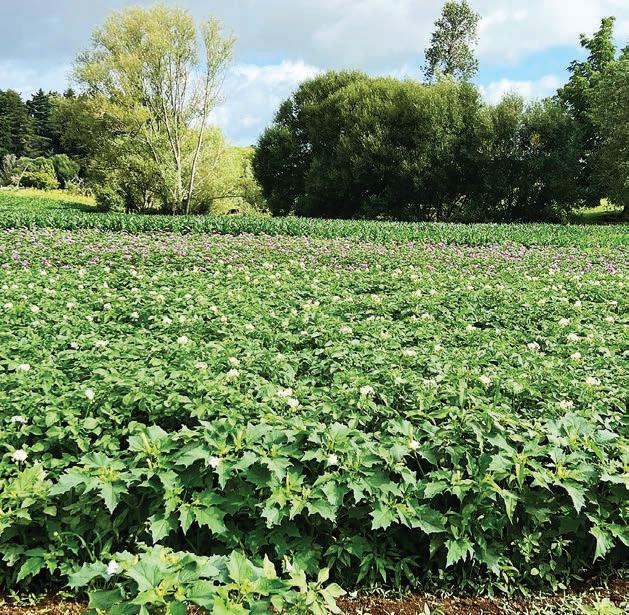
The deluge on February 1314 wiped out a large part of Pirongia Mountain Vegetables’ winter root vegetable crop programme.
The business’s owner, Tony Cato, said they were familiar with flooding, and their paddocks were planted above the historic high-water mark.
Above the farm are dams that hold water to supply homes around Te Awamutu and the surrounding area. These dams overflowed from the rain and resulting wave hit the farm and took away the crop and the top soil.
“The mountain, her streams
and rivers simply couldn’t handle what the sky threw at her. She let it go, and all hell broke loose below.
“Where that leaves us right now is uncertain. The financial impact on our small business is still hard to quantify, but gut feeling tells me this could be a track too hard to navigate,” Cato said on Facebook.
He estimated the cost of the flooding will be at least six figures for the business.
“There’s two things that’s happened here, there’s the devastation from the landslide and that’s taken away the soil that’s been there for years –that’s gone as well as the crop.”
The business, located near Pirongia, grows a wide range of vegetables that are sold at three farmers markets.
The crops are all chemical spray free with the garlic and cabbages sold to GoodBugs Hamilton, where it is made into sauerkraut and kimchi products that are sold online and at farmers markets.

LIVESTOCK farmers are being urged to keep their animals well fed and circulated to avoid the spread of moisture-loving parasites.
Downpours and gusts that lashed the country in recent weeks have left farmers grappling with keeping stock fed and dry as paddocks turned into lakes.
Heavy rainfall and warm conditions create an optimal habitat for parasites like worms and their larvae to spread in pasture.
Wormwise manager Ginny Dodunski said the worm larvae that animals ingest when they are grazing live in droplets of water.
“[The larvae] are pretty good at clinging onto the grass blades, so unless you’ve actually had land move down a hill or you have heaps of water flowing through your property, they’re still going to be there.”
Dodunski said sheep and cattle are subject to different worm species, but all will thrive in pasture during wet and warm conditions.
“The conditions that we’ve got at the moment definitely favour larvae survival,” she said.
“So we’ve got to get around that with really good feeding and then thinking about how we can use our different stock classes on our farms to clean up behind each other.” She said stock rotation and grazing management are key to preventing further spread. Farmers can also capitalise on good lamb prices and focus more on fattening up the ewes, to buffer any pasture production knocks that might come with pests and diseases this summer.
She urged farmers to monitor for any sudden deaths and consider spore and faecal counts.
When you inves t in pas ture, you’re inves ting in your future. Nothing delivers returns like proven, per sis tent Maxsyn and Array.
Ma xsyn, New Zealand ’s top - selling perennial r yegras s, jus t got even be t ter – now superc harged wi th NE A12 endophy te for inc reased resilience and produc tivi t y Don’t forge t A rray, the environmen tal all - rounder delivering high yield plus ni trogen e f ficienc y It ’s the comple te pac kage! A s k you r Resel ler, or lea rn more at ba renbrug.co.n z

Gerald Piddock NEWS Dairy
THE New Zealand Dairy Expo’s focus on being an event exclusively for the dairy industry is paying off, with farmers and industry people increasingly making it a permanent fixture on their calendar.
The annual event at Bedford Park in Matamata is starting to forge its own identity as being a more relaxed and commercial event where dairy farmers can access the information and people they need when making spending decisions – without having to contend with the crowds and parking stress of larger agricultural events.
“It’s getting more credible every year,” NZ Dairy Expo event coordinator Amanda Hodgson said, speaking at the start of the second day.
As for exhibitors, Hodgson said, the organisers try to make it as low cost and as easy as possible for them to set up a site.
Hodgson said she is really pleased with how the event has gone so far.
“It’s starting to get a little more recognition around the sector. There’s been heaps of farmers and I’m pumped about that.”
This year’s event had 180
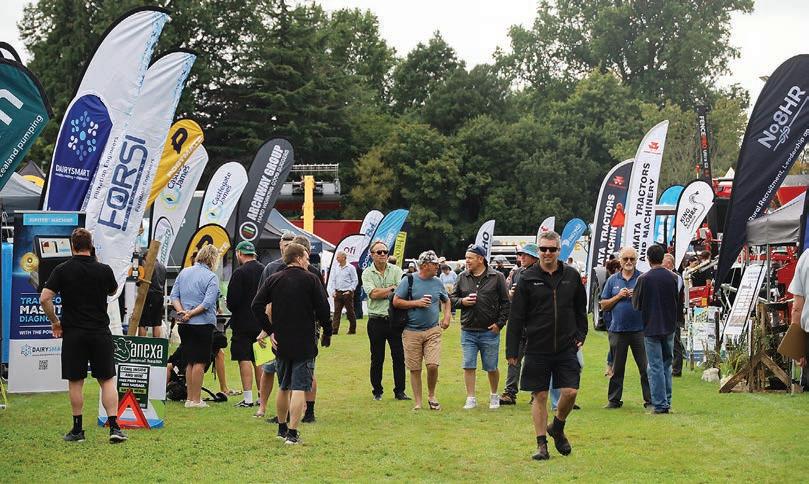
IT OUT: Crowds
exhibitors, having doubled in size over the past three years. In all, 1200 farmers registered prior to the event.
Farmer numbers tended to swell from mid-morning as they arrived after morning milking, and peaked in the early afternoon.
“There’s a lot of positive energy and everyone is quite specific about what they are trying to achieve when they get here.”
The expo has placed an emphasis on technology and dairy genetics, running seminars throughout the two days on these two subjects, emceed by agri-commentator Julia Jones.
Those had been really well
attended, Hodgson said.
Halter account manager Michael Booth said the first day had been
busy and there was lots of interest in the technology from both dairy and, increasingly, beef farmers.
“That was unexpected at a dairy expo.”
Beef farmers have seen the technology working in dairy and are asking how they can use it in their system, he said.
“We’re at the Dairy Expo and half of the guys I spoke to yesterday were beef farmers.”
Cow Manager commercial operations manager Olivia Osborne said farmers are increasingly seeing technology like collars as the future.
People had come to the event solely to look at wearables, she said.
Osborne said she was seeing a lot of optimism towards the sector from farmers.
EasyMat sales manager Richard Morgan was happy with how the expo had gone.
The business sells rubber matting for dairy sheds and yards and he said they were getting a lot of work at the moment.
There’s been heaps of farmers and I’m pumped about that.
Amanda Hodgson NZ Dairy Expo
It had been very positive.
“It was definitely busier than the last couple of years and it’s all dairy farmers.
“It’s not like the Fieldays, where there are a lot of tyre-kickers.”
WOOLS of NZ Ltd Partnership has recorded a $167,000 net profit for 2025, almost identical the result reported a year earlier.
The entity is jointly owned by Wools of New Zealand Holdings and Primary Wool Co-operative, and chair Richard Young said
the result follows a year when farmgate prices were higher and wool volumes were lower.
Revenue for the year under review was $29.1 million, up $1.5m on 2024. The net profit in the 2024 year was $165,000.
The market for strong wool strengthened through 2025 with the average clean auction price increasing about 32% over the past 18 months, reflecting tightening

supply and renewed buyer interest.
Young described the profit for 2025 as modest but said it showed the business is on a sustainable footing with disciplined cost management.
Chief executive John McWhirter said the partnership’s performance was notable given the ongoing decline in wool volumes, driven by land-use change and the rise of wool-shedding breeds.
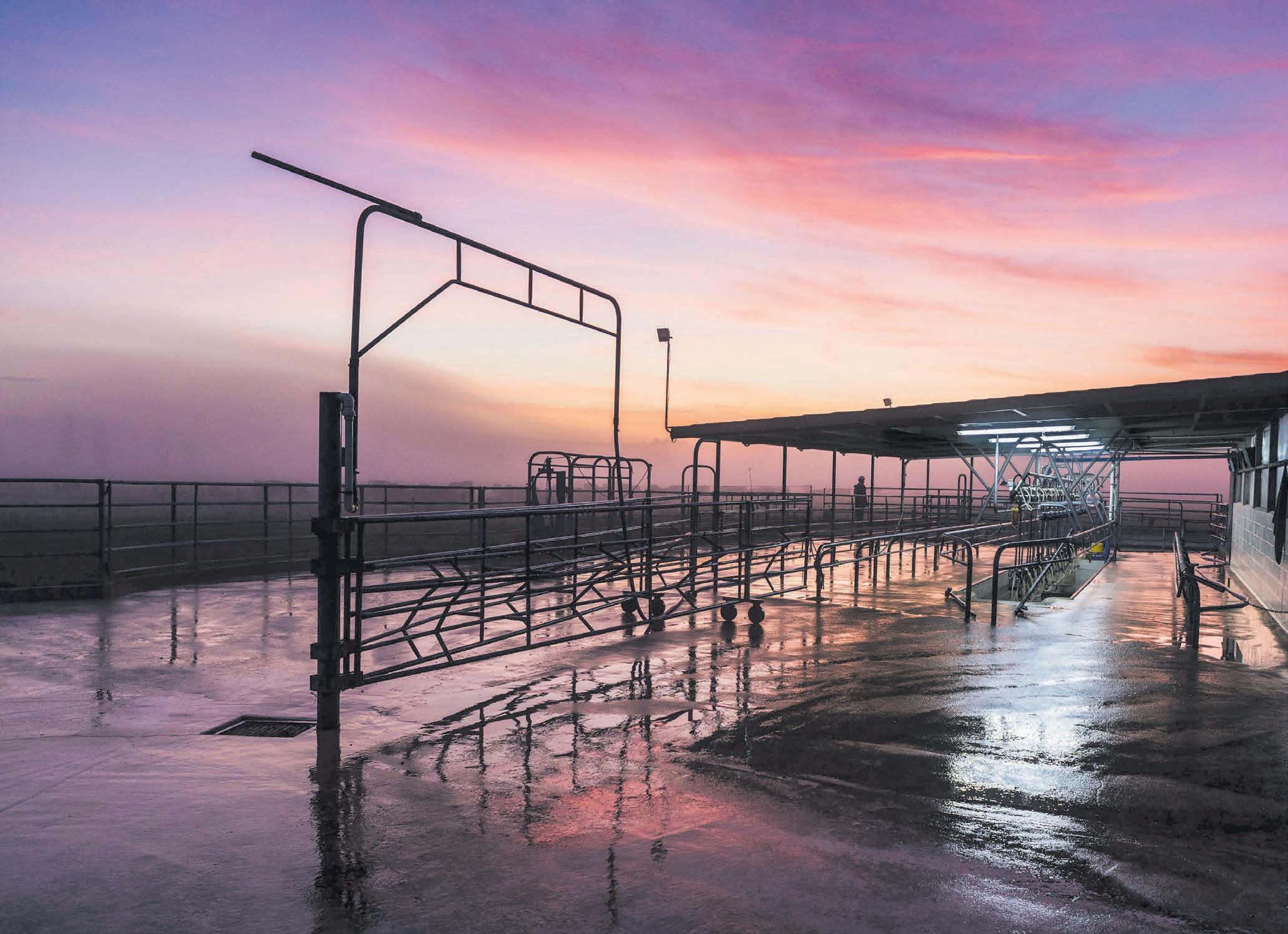
BEING a principal at a rural school in New Zealand means being multitalented both inside and outside the classroom.
Rural schools are typically smaller than their urban counterparts and that leads to the job having a lot more diversity in the tasks it involves, Ōropi School principal Andrew King said.
“In one day, you might be teaching a class, fixing a burst water pipe, mowing the lawn, doing a bit of caretaking, answering the phone in the office and even driving the school bus – you’re a jack of all trades,” he said.
It makes for a great place to begin to train rural educators, he said.
“You learn about everything that happens in a school.”
King has been principal of the school on the outskirts of Tauranga since 2010 and has been in the teaching profession for the past 20
years. He is president of the New Zealand Rural School Leadership Association (NZRSLA) – a group with more than 500 members nationwide that supports rural principals across the country.
The flipside of having a job that involves such multiple roles means rural principals do not get a lot of time to devote to professional development including upskilling themselves so they are up to speed with changes to the curriculum.
That is where the NZRSLA plays a key role, King said.
“We support them with the needs of the rural communities for themselves and their teachers and for the children in their schools advocating in professional development.”
The organisation works with the Ministry of Education to give advice around the complexities of teaching in multilevel classrooms.
“Often in a rural school, when delivering the curriculum, you might have a class with quite a large age range compared to an urban school.
“You might have a class full
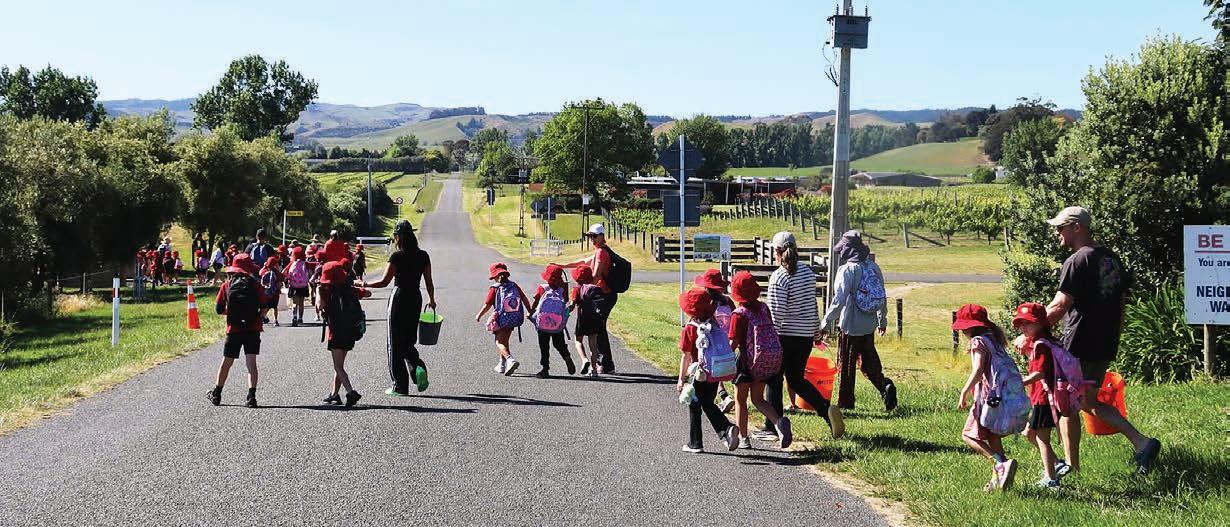
of five- to eight- and nine-yearolds and another with seven- to 12-year-olds in it.
When you are applying this new curriculum, the ministry needs to think about resources to support teachers.”
The NZRSLA also helps bridge the isolation gap many principals are exposed to when it comes to professional learning and development around curriculum changes and accessing resources.
“Because rural principals and teachers are often isolated and can’t easily get to face-to-face meetings, we set up professional learning groups and we have teachers and learning professionals in small learning groups that meet online together to discuss needs and issues they might be dealing with.”
The NZRSLA also runs webinars to keep educators up to date with school operational issues and
bring in experts when necessary, he said.
In another example, the association worked with the Water Services Authority – Taumata Arowai to help with ensuring that water services are healthy and safe as most rural schools have their own water supply rather town supply.
The NZRSLA also collects data for the ministry around recruitment and retention of staff to help with staffing solutions – such as the teacher bonding scheme and the Go Rural programme to attract trainee teachers.
The NZRSLA provides advice to the ministry on this, King said.
The NZRSLA is funded in part by the ministry with the rest coming from sponsorship and membership subscriptions.











































Richard
Rennie TECHNOLOGY Regulation
THE head of AgriTechNZ says Australia’s efforts to set national strategies for primary sector investment, resilience and development are feeding into its agritech sector, providing lessons New Zealand could well learn from.
Brendan O’Connell told Farmers Weekly at the annual Australian evokeAg conference in Melbourne that Australia is setting policies and plans that recognise some of the real challenges the country faces.
These include the likes of the recently announced national food security policy, its future drought fund resilience investment fund, and its AgriFutures development and research corporation.
“They are acknowledging some of the issues to be dealt with. We could learn from that. We seem instead to just be seeking ‘economic growth’ for growth’s sake, without defining where it will come from.
“There is no common vision there.”
He said the grouping of sector investment through AgriFutures into 13 identified primary industry sectors has played a big role in helping encourage innovation and confidence to invest from the private sector.
Agritech is not identified as a specific sector of those 13, but has benefited through the programme.
Via the growAG platform, over AU$150 million of investment into Australian agritech has been facilitated in only three years from overseas venture capital investments.
A producer uptake programme has also aided extension and adoption of new tech, including producer group trials of emerging technology. The evokeAg conference itself is also funded through AgriFutures as a showcase for startup and emerging businesses seeking funds.
O’Connell also mentioned the efforts of Ireland, where the goal is not “picking winners” , but rather to broadly identify emerging investment opportunities that the market has an interest in, and

then encourage future investment in them. He cited Ireland’s pharmaceutical industry as an example.
“New Zealand could do something along the lines of AgriFutures even by identifying

Richard Rennie TECHNOLOGY
News
DESPITE having an enviable level of research funding at a state and federal level, Australian agritech industry leaders at this year’s evokeAg conference agreed the sector still has plenty to improve upon.
Perhaps surprisingly – given the Aussie reputation of being confident and extraordinarily talented in almost any sports arena – it is often stymied beyond that, being overly conservative and risk averse, said Dr Kate Cornick, CEO of LaunchVic, the state startup agency.
“We really need to lean more into our big bold persona. We can do it with our sporting heroes but are not doing it in our tech area,” she said.
Dr Jen Taylor, head of CSIRO’s future industries division, said there was an undue expectation
for scientists (the “R” in R&D) to also be entrepreneurial and provide the “D”, or development.
This is, she said, naive.
“This is quite a different skill to have.”
AgriTechNZ CEO Brendan O’Connell said the challenge in moving from research to development is one NZ shares with Australia, and funding limitations can make the challenge even greater in moving out of the lab.
Cornick pointed to only 10% of startups spinning out of university research environments in the United States, while Victoria’s is about 4%.
“So, there is work to be done, but it is not the main source for startups to come from ...
“We need the two (research and development) to co-exist. It is not a linear path from one to the other. Some of the startup talent could come from universities, but not much.”
She said despite a 200% increase in startups out of Victoria in the past two years, there is still plenty of work to be done.
SwarmFarm Robotics co-founder Andrew Bate said there is a need to have a conversation about whether Australia is really backing the “development” side of R&D properly.
“If we don’t, we won’t progress.”
He attributed part of the problem to a university system that failed to adequately separate the role of research from development.
Taylor pointed to a system that measures university research by the amount of publication a researcher may have had of their work.
“It may be a way to make that work accessible, but there are other ways.
“We need to think again about how to make it more collaborative and end to end. No one professional sector can do that on its own.”
He called for a bipartisan, enduring agritech accord. It was something referenced in the early days of the current government but not mentioned since, he said.
PLANNED: AgriTech NZ CEO Brendan O’Connell admires Australia’s efforts to face its problems with national strategies and investment programmes.
horticulture as a sector to begin with that has high growth, high value opportunity.
“But we tend to be just a loose collection of companies, no one is prepared to make a commitment at government level to it.”
Meantime the agritech investment landscape has shifted in tone from the last evokeAg conference held in Melbourne six years ago.
At that time the sector was awash in Silicon Valley cash, pushing hard on the likes of altproteins and rapid development of app-based software systems.
“There are less deals being done but the players are more committed these days to the sector itself, compared to maybe trying to pick up a cheap asset opportunity a few years ago. There is more quality and knowledge there now,” he said.
O’Connell said rather than seeing startup funding into firms that may envisage themselves to be $100 million firms, they are tending to fall more into the $10m to $25m category.
• Rennie’s visit to evokeAg is partly funded by Food HQ.
Richard Rennie NEWS Food and fibre
AUSTRALIA’S agricultural sector is doubling down in coming months on its contribution to the country’s proposed national foods security strategy, tagged to be included in this year’s federal budget.
Julie Collins, Australia’s minister for agriculture, outlined the latest stages of the proposed strategy to delegates at this year’s evokeAg conference in Melbourne.
Industry workshops are kicking off this week, tapping into the AU$3.5 million allocated for the development of a plan aimed to make Australia’s ability to feed itself more secure.
“The strategy, Feeding Australia, aims to include entire food supply chain security, from irrigation, disease control and resistance [to] increasing efficiencies in the supply chain,” she said.
Estimates are about 1.3 million households are affected by food insecurity in Australia, most recently because of the cost-ofliving crisis but exacerbated by the continual impacts of climate change.
The policy also has a wider global vision, aiming to reinforce supply lines to other foodproducing countries at a time when geopolitical tensions are only increasing.
The government also has one eye on reducing the reliance upon the likes of imported fertilisers, delivering more robust, locally
sourced input suppliers to support food growers.
The strategy addresses the “four pillars” of food security: availability, access, utilisation, and stability, aiming to ensure food is available and accessible, not just produced.
The strategy will incorporate a national food council, joining the likes of Japan, Singapore, the United Kingdom and Canada, which have all developed strategies to secure food supplies. Collins said Australian farmers will have an increasingly positive story to tell as they reduce emissions and become some of the lowest fertiliser input users in the world.
The strategy comes at a time when Australia’s primary sector is experiencing continuing strong growth in value and output, and the country now has the ability to feed itself twice over.
What was only a decade ago hailed as a AU$60 billion-a-year sector has already grazed its 2030 AU$100bn target his year, touching AU$99.5bn.
But despite those production gains, Australia is 22nd on the global food security index ranking for 2022, compared to New Zealand’s 14th place.
Any further investment into the strategy has been promised to benefit farmers at the sharp end of the supply chain, already grappling with the effects of climate change.
This year Victoria is roasting for the second consecutive year in a drought that has contributed to the worst bush fires since the 2019-2020 summer.

Gerhard Uys NEWS Production
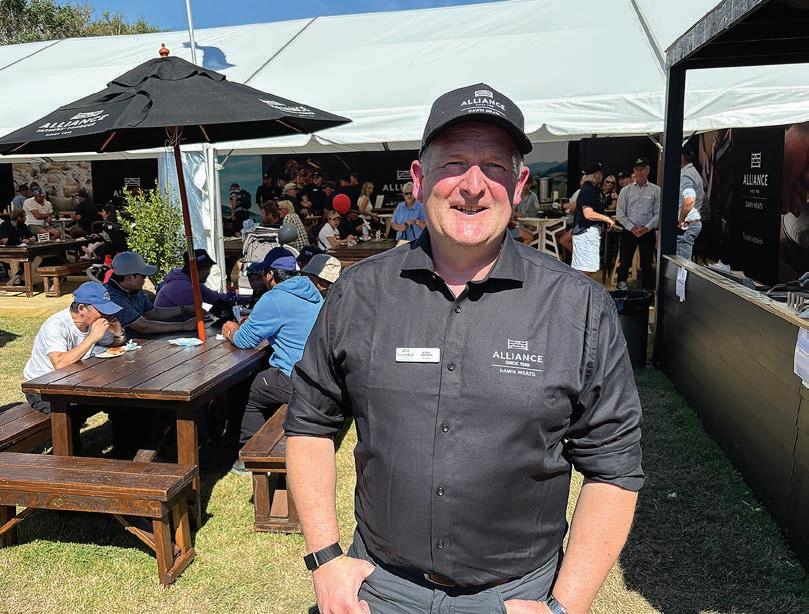
CHANGES are coming to Alliance, but they will happen over time, says Niall Browne, chief executive of Dawn Meats.
Browne spoke to Farmers Weekly at the Alliance stand at Southern Field Days while having a meetand-greet with shareholder farmers.
After the Dawn Meats deal in October last year, Browne told Farmers Weekly he would be visiting New Zealand fairly often.
A lot of senior Dawn Meats managers are now visiting New Zealand.
The managers are from many business sections, such as livestock procurement, human resources, IT, sales, quality and food safety.
“By the end of February or into March we’ll have a better idea of where the opportunities lie for us to improve the business for
REBUILDING: New Zealand Meat
Board chief executive Nick Beeby says the board is rebuilding its quota management system, replacing it with a more secure and modern digital platform.
our farmer shareholders and our staff, and the company in general,” Browne said.
He said there are multiple differences between the Irish and New Zealand red meat industries.
New Zealand farms are much bigger than Irish farms and hold more stock.
The mood is still positive, but there are a number of headwinds that would make us slightly cautious.
Niall Browne Dawn Meats
He said Irish farms are close to their markets, with the majority of Dawn Meats’ customers within a 12- to 48-hour truck drive from a processing site.
This means that in Ireland they can react quickly to market requirements – “we’ll adjust our step even midweek”.
By contrast, in New Zealand more long-term strategic thinking is needed and picking the right customers is key.
Trying to make the right commitment on price that can carry through the cycle of shipping around the world is also a challenge in New Zealand, he said.
In NZ there are more generic specifications for livestock procurement, whereas in Europe there are specific confirmation and fat level requirements for different European markets that procurement teams are buying for, he said.
The sentiment among farmer shareholders he has met seemed good, he said, with their general reaction being that they are looking forward to changes that will improve the business.
The closure of Smithfield means Alliance is well balanced.
He could not say what the rest of the industry will do but said it’s inevitable that there will have to be changes.
The market is at an exceptional
price level, but there were already indications of consumer resistance in Europe, creating downward pricing.
“The mood is still positive, but there are a number of headwinds that would make us slightly cautious.”
Alliance shareholder and Gore sheep and beef farmer Paul Clement told Farmers Weekly it seems to be business as usual after the Dawn Meats deal.
The deal allows Alliance to
stay strong, he said. Fellow shareholders he spoke to were hesitant about the deal in the early days, but are now more positive.
Scott Clark, sheep and beef farmer from Moa Flat in Southland, said the Dawn Meats deal was probably the best outcome shareholders could have asked for.
He said Dawn Meat seems to be the kind of partner that wants to be in the venture with Alliance for the long run.
ALMOST $1.4 billion was saved in tariff charges last year from managing New Zealand red meat exports to markets that operate import quotas.
The New Zealand Meat Board (NZMB) managed $4.2bn of red meat exports to 10-countryspecific quotas such as the European Union, United Kingdom and United States, it reported at its annual meeting earlier this month.
Board chair Kate Acland reported that, based on free on
board (FOB) returns for the year ended September 30 2025, this represented a 35.5% increase for export values and a 59.2% increase in tariff savings compared to the same period in 2024. She said the NZMB has provided stability and confidence for the sector, in what remains a highly unpredictable global environment.
“Market volatility, shifting demand patterns and strong pricing in key export markets have again highlighted the importance of NZ’s high-quality market access and the robust systems that sit behind it,” Acland said.
“Exports of red meat to quota
markets managed by the board represent a 46% share of New Zealand’s total red meat exports by value in the seasonal year to 30 September 2025, up 40% from 2024.”
For the year under review, Acland said, the Chinese market weakened – which showed the importance of having diversified markets.
“Stronger use of lamb quotas and higher demand in NZ’s traditional markets largely offset the reduced demand in China.
“Demand for New Zealand beef in the US again reinforced the value of this longstanding quota market, along with strong interest
developing in the UK and the EU markets for New Zealand beef.”
NZMB chief executive Nick Beeby said the board is rebuilding its quota management system, which includes replacing aging infrastructure with a more secure and modern digital platform. Beeby said quota utilisation increased in the year to December 31 and began strongly in 2026.
“This increasing utilisation shows the importance of NZ maintaining our current market access conditions in times of global trade volatility and the benefit that optionality of markets provides to our sector.”

WHITE-tail deer are more susceptible to eating 1080-laced bait pellets than other wild deer, according to research by the Bioeconomy Science Institute, formerly Landcare Research.
The research on Stewart Island was in conjunction with an aerial predator control operation run by the Department of Conservation (DoC) last August. It targeted feral cats, rats and possums over 40,000 hectares of the Rakiura National Park to reduce pressure on nesting southern NZ dotterels.
The study found Stewart Island white-tail deer were susceptible to eating a lethal dose of 1080 bait pellets and that the use of deer repellent only slightly reduced the impact.
The study on the impact on white-tail deer was commissioned by Predator Free Rakiura in consultation with stakeholders, experienced local hunters and national hunting groups.
A DoC statement said that bait pellets containing deer repellent were used over four hunting blocks while standard 1080 bait pellets were used elsewhere in the operational area.
A network of 242 movement-
activated trail cameras monitored deer before, during and after the predator control operation.
On average there was a 75% reduction in deer detections by cameras in the deer repellent area and a 97% reduction where standard 1080 bait pellets were used.
Death rates were described by researchers as higher than observed in other deer monitoring studies.
The impact was higher than anticipated [but] deer will gradually re-enter and repopulate the operational area.
In an additional statement provided by the DoC, the proportion of deer deaths usually expected from predator control operations using 1080 was described as “highly variable”.
It depended on factors such as the type of deer species, sowing rates, the treatment history of the site and food availability.
The study attributed the deaths of white-tail deer on Stewart Island to low food availability, meaning the deer were hungry and more likely to eat the bait
pellets. The small size of the animals makes them more susceptible to eating a lethal dose of 1080.
Another probable factor was a lack of previous exposure to 1080 bait pellets, meaning the population was less cautious than in areas where there have been multiple predator control operations.
DoC director of biodiversity national programmes Ben Reddiex said some by-kill of white-tail deer was expected.
“The impact was higher than anticipated, however the large majority of the Rakiura white-tail deer population was unaffected, and deer will gradually re-enter and repopulate the operational area.”
Adam Fairmaid, the president of the Rakiura Whitetail Trust, said a viable white-tail population is needed on Stewart Island.
“The DoC has assured us that they will work with us to find a solution.”
It is estimated the population will recover to pre-poison levels in three to four years.
Reddiex said the operation successfully reduced predator numbers with 37 dotterel chicks and 80 eggs counted across 36 nests.
Last year bird numbers were down to 105 due to feral cat predation.
Gerhard Uys NEWS Food and fibre
STRONG grower relationships
are a key factor to ensure food security, says Glenn Bewley, Woolworths merchandise manager for vegetables and horticulture.
Bewley told Farmers Weekly the supermarket chain is conscious of food security and the need to build a strong supply foundation for the future.
Woolworths’ preference is to buy local, although Bewley said this is not always possible where there are seasonal gaps in some lines, such as fruit, which then needs to be imported.
To maximise local procurement, Woolworths works with growers to extend production seasons.
Local strawberries, for example, are in stores for longer than in the past, he said.
Imported products still play a role, helping keep specific items on customers’ shopping lists and drawing them into the local season.
While Woolworths continues to procure some produce through wholesale markets, the chain has dealt directly with many growers for the past decade.
That direct engagement helps both Woolworths and growers plan for the long term.
From a food security perspective, one of the biggest challenges growers face is guaranteed demand.
Bewley said security of demand
is essential if growers are to invest with confidence.
Direct communication gives growers a clearer understanding of customer behaviour and what Woolworths requires in terms of volume and quality.
It also helps Woolworths better understand the pressures growers are under, including rising input costs and labour challenges, he said.
Growers have to be financially sustainable. There’s no point having good prices today, but a grower not being here in a few years time, he said.
“We have to reach a mutually beneficial position for the longevity of the relationship, but also the security of supply.”
Strong relationships with growers help lift the industry over the long term, Bewley said.
With assured demand, growers can invest in initiatives such as new crop varieties that are more resilient to disease.

Hugh Stringleman TECHNOLOGY Fertiliser
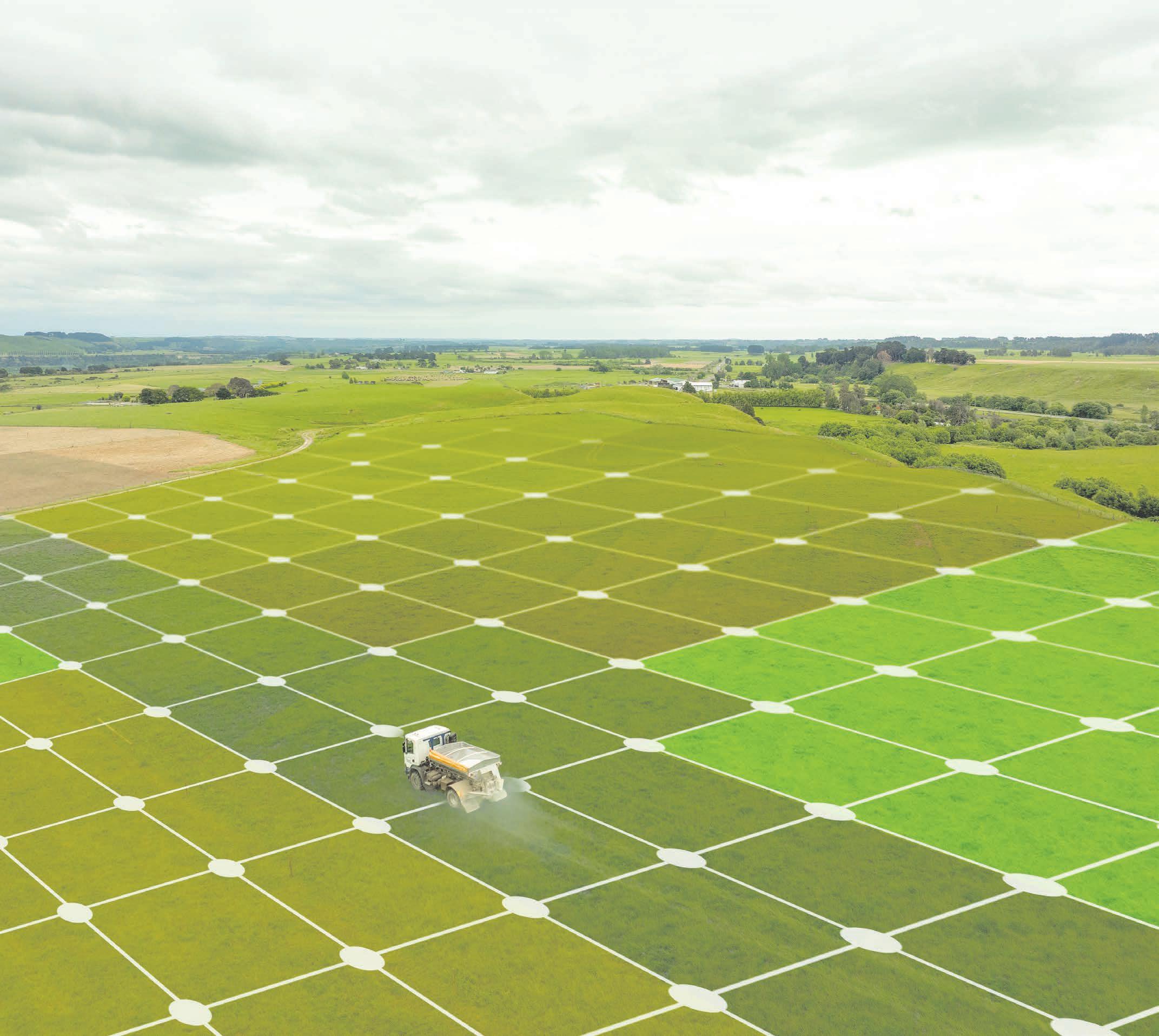
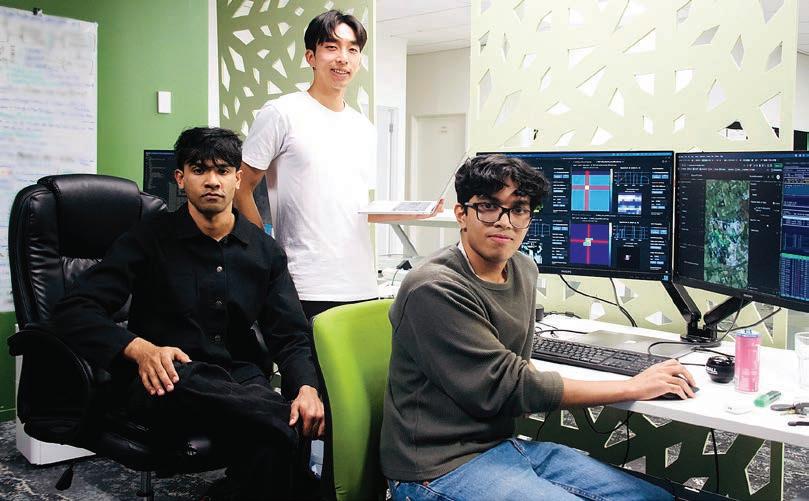
AN AUCKLAND start-up founded by university graduates has developed hyperspectral satellite imaging for precise applications of nitrogen fertiliser on farms.
Using the cameras in orbiting satellites recording wavelengths of light invisible to the human eye, new company Hyades can map nitrogen in pastures down to a resolution of five metres by five metres.
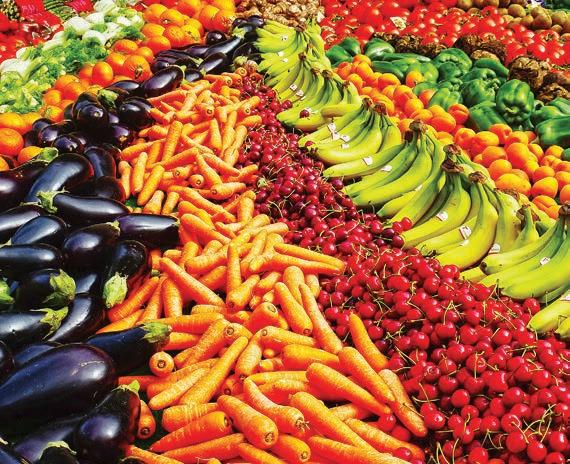
PLANNING: Growers who know their products are in demand can plan for the future and help build a resilient New Zealand food system, says Glenn Bewley.
Photo: Pexels
Woolworths is also leaning into sustainability by collaborating on regenerative agriculture trials with LeaderBrand and the Ministry for Primary Industries.
The project focuses on improving soil health and reducing inputs, while maintaining yield.
Changing weather patterns are a concern, due to the risk of supply disruption and the potential financial consequences for growers following severe weather events, when they may have no product to sell.
Many growers are leaning into climate resilience, with LeaderBrand, for example, expanding covered crop operations to ensure security of supply and others growing crops in multiple regions to ensure supply is not concentrated in one region and open to weather shocks.
This also ensures consistency of supply for customers and stabilises the market as a whole, Bewley said.
“Farmers can see what’s happening in different corners of their paddocks with unprecedented precision,” chief operating officer Jimin Seo said.
Paddock-specific data has never been available at this scale before.
The Hyades executives believe there is no commercially available solution designed specifically to map nitrogen levels of pasture from space, much less at a 5m x 5m resolution.
Even using the Hyades data for spread maps at 10m x 10m or even 20m x 20m resolution (for aerial) would still be a step change improvement to how fertiliser is being applied now.
Hyades has developed a massive Vision transformer-based model running 240 million parameters, established partnerships with
global commercial and public satellite data providers and is now ready to put the system to the test on real farms.
“We have built this from the ground up, solving problems that would make most start-ups pack it in,” said chief technical officer Samuel Kurian.
“But when you’re tackling something that could genuinely change how New Zealand farms, you find a way to make it work.”
Founder and chief executive Ashin Alex is a physics graduate, Kurian a computer software engineer and Seo has a Bachelor of Law and Global Studies degree.
The team is actively seeking farmers in North and South Islands willing to put the technology through its paces in real working conditions.
“Every trial helps us prove to stakeholders that this is a technology that can make a truly positive impact in our communities,” Seo said.
“We have built something we believe can take NZ dairy farming into the next generation of precision agriculture, but we need farmers willing to partner with us to prove it.”
MORE:
Interested farmers can contact Hyades at j.seo@hyades.space to learn more about participating in field trials.
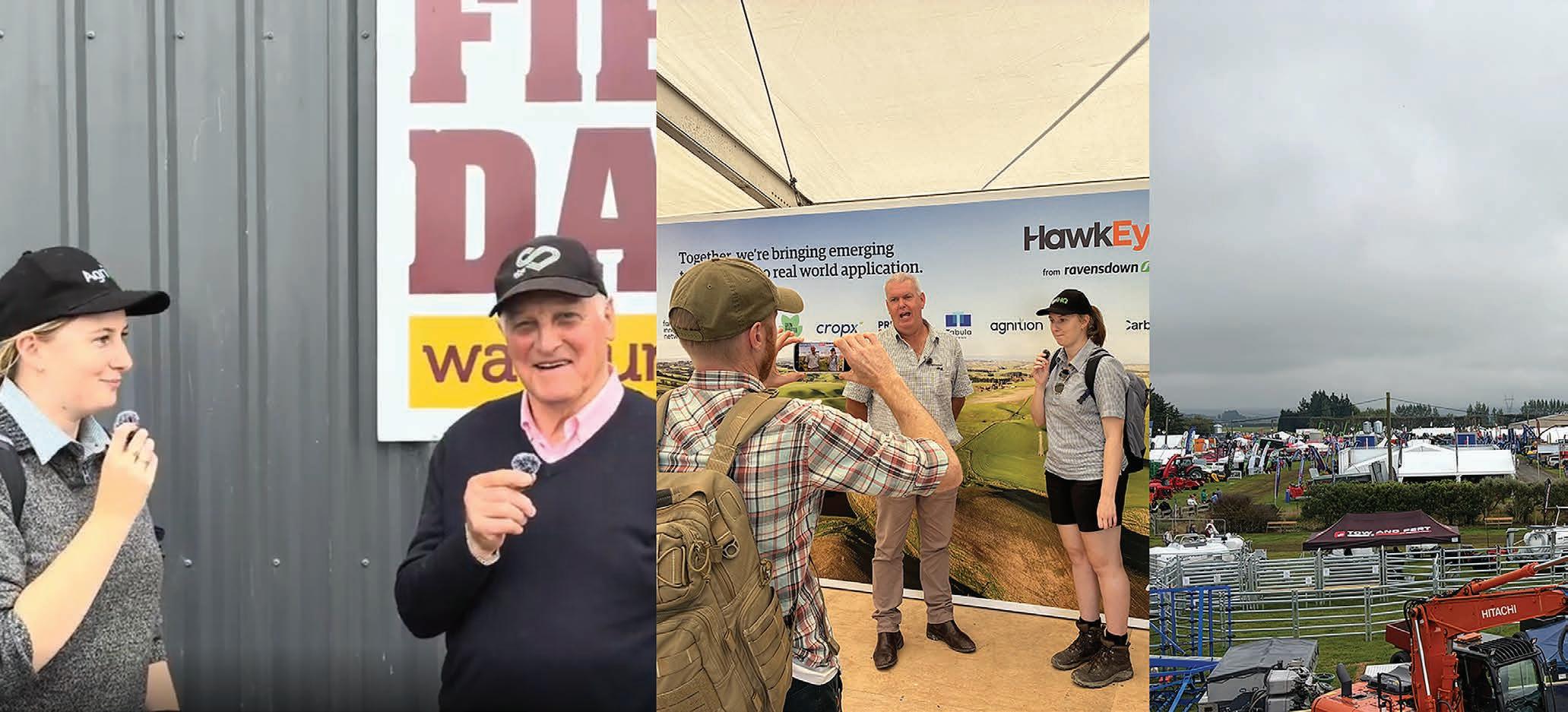
Last week Farmers Weekly attended the Southern Field Days in Waimumu, near Gore. Through the many great conversations had by being there on the ground, you could sense a feeling of optimism in the air.
What was also clear was the value of having the team there at the event, talking with attendees. It gave us a sense of how a region, hit hard by a series of weather events, has come out the other end of it with a real spring in their step.
Our multi-media journalist, brought on thanks to
the support of our voluntary subscribers, talked with a handful of locals who reinforced this.
We believe there is nothing better than having real people, with boots on the ground at these industry events, reporting back to the industry how they see it.
If you agree, please help us keep it real with a voluntary subscription. $120 a year, or $10 a month.
Dean and Charlie Williamson


Neal Wallace Senior reporter
IT IS a relief to see crossbred wool prices lifting, but still too early to break out the champagne and celebrate a complete recovery.
Last month the FUSCA strong wool indicator broke the $5/kg mark for the first time in a decade, and in the case of hogget wool recently auctioned in Melbourne by NZ Merino, prices were up to $9/kg.
Earlier this month the strong wool indicator price was 538.38c/kg.
The last time it was above 500c/kg was June 2016, before slumping to a low of 162.72c/kg in January 2021.
The improved prices have been driven by falling wool volumes and users looking to replenish stocks.
Many growers are once again earning enough to cover shearing costs and, in some cases, wool returns are contributing to a farm’s bottom line.
Since farmers voted to disband the Wool
Board in 2003, wool prices and the industry more generally have been in decline.
There were justified questions back then about how much the Wool Board was costing and what it was contributing, but the replacement structure, devised by consultants McKinsey & Company, failed to meet even the lowest expectations.
Farmers with more than 250 sheep were allocated redeemable preference and ordinary shares in Wool Equities Ltd for crossbred growers, or Merino Grower Investments Ltd, for Merino growers.
Wool Equities was formed to improve grower returns but from 2006 to 2016 it racked up cumulative losses of $24.6 million without achieving its primary goal.
SheepCo, a non-profit organisation, was formed to fund research and development with funding from a commodity wool levy.
The all-important function of promoting and educating consumers about wool simply fell through the cracks, a reason we have had 20 years of falling prices.
A generation of consumers have never heard of wool, and nor do they understand its merits, and in that absence fossil-fuelmade carpets strengthened their hold.
Something needed to change and Wool Impact was formed in 2022 by the government and industry to grow demand and prices for strong wool.
Together with concerted efforts from
More than 78% of those who took the poll believe the government should not have invested $30 million in the MethaneSAT satellite project.
Several voters labelled support for the satellite a Labour government vanity project.
“Technical challenges aside, it was posturing for the sake of being seen to be doing the right thing, as opposed to tackling the on-farm, land-use and mining methane challenges that are already known to exist,” said one voter.
“A solution looking for a problem. Spend the money on health and education,” said another.
“This is a complete farce! A total waste of taxpayers’ money running after climate alarmists and their continued milking of public money to fund themselves.”
Of the 21.7% of voters who backed the investment, one questioned if there was something more sinister about the satellite’s disappearance.
“Given the competing interests against the mission – has anyone seriously investigated the possibility of sabotage?”
wool companies, the complete demise of the strong wool industry just may be averted.
Wool Impact has dubbed wool the fibre of the future and the entity has been charged with educating consumers on its well-known attributes of being natural, fire resistant, breathable and with a low carbon footprint.
Along with commercial companies, relationships have been nurtured with those developing new products – brand owners and entities such as building designers who can influence products used in interiors. Existing fibre users have been encouraged to switch to wool.
Visit an event where the wool sector is promoted and there will be displays of new and traditional products, such as blankets, bedding, pigments, dyes and wall tiles.
These are all important uses for crossbred wool, but with about 130,000 tonnes produced in NZ each year, the 1.52kg per square metre absorbed in carpet manufacturing remains a crucial outlet, at least in the short to immediate term.
How wool has reached this point is a vivid reminder of the need for greater critiquing of structural change proposed to entities.
There was much frustration at the performance of the Wool Board but maybe not enough consideration of the alternative.
In hindsight it may have been better to retain the Wool Board.
Last week’s question: Should the government have invested $30 million in the MethaneSAT satellite project?
Dr Nic Lees
Lincoln University
MUCH of the discussion around Fonterra’s proposed capital return has focused on the sale of its consumer business as a standard corporate divestment. That misses an important point: Fonterra is a farmer-owned co-operative, not a listed consumer goods company, and its purpose and measures of value are different.
As a co-operative, value is returned through a combination of dividends and the milk price. Ownership is therefore as much about managing risk as it is about maximising profit.
A core function of the co-operative model is to provide a secure market and price stability for milk supply, which can reduce risk at the farm gate.
Consumer dairy businesses can appear attractive, but they are capital-intensive and highly competitive. When a co-operative invests heavily in consumer brands, that risk ultimately sits with its suppliers.
Returning capital shifts that risk decision back to individual farm businesses. Capital can be redeployed into debt reduction, productivity improvements, resilience investments, or longer term business planning. From this perspective, returning capital is not a retreat from value creation, but a reallocation of capital to where risk and returns may be clearer.
Seen this way, the vote is less about brand ownership and more about capital discipline, risk management, and the purpose of a farmer-owned co-operative.
Claire Bleakley
GE Free NZ
IN OCTOBER last year, farmersweekly. co.nz quoted Dr William Rolleston as saying that he “disputed Peters’ claim about New Zealand’s GE-free status, saying there are GM petunias growing wild in Northland”, in “Organic groups renew opposition to GE Bill”.*
GE Free NZ wrote to Biosecurity asking for more information on this illegal incursion. Biosecurity contacted Dr Rolleston, who replied that he was referring “to a theoretical possibility that GE petunias could be growing in the wild”. This is very different to the original statement and highly misleading.
We have been assured that there is no evidence to suggest that GE petunias are growing in the wild in Northland or elsewhere in New Zealand.
* The article was updated to remove the claim that GE petunias were growing wild in Northland.
This week’s poll question (see page 3):
Should electronic animal status declaration forms be used to record sheep and pig movements, rather than traditional paperwork?
THE international business editor of London’s Daily Telegraph, Ambrose Evans-Pritchard, says the United States economy is at risk of a massive bubble by the end of this year.
He writes that “all the levers of economic stimulus are pushed to the maximum, which sets the conditions for torrid overheating and an unstable boom”.
The factors influencing this are bank deregulation, credit expansion, lower interest rates, a weakening US dollar and quantitative easing, further exacerbated by Trump’s US$2000 tariff dividend to each American before the mid-term elections.
As Pritchard says, this is either a courageous experiment in running
the economy hot or an insane mix of the worst policies since the 1970s, when my namesake Anthony Barber, who was UK Chancellor of the Exchequer, engineered a huge boom with corporate tax cuts. The boom lasted 18 months to be followed by a horrendous bout of “stagflation” or runaway inflation without growth, the worst of all worlds.
On a much smaller scale, this scenario bears a strong similarity to the decisions of the Labour/ NZ First coalition in 2020 to encourage lower interest rates, a loosening of credit restrictions and printing of money by the Reserve Bank, otherwise known as quantitative easing.
To be fair, those decisions were driven by a desire to save businesses and jobs threatened by the pandemic. But the conditions went on for far too long – and it is hard to argue with the result over the past four years: stubborn inflation and minimal growth, an economic state of affairs that appears perilously close to “stagflation”.
An inquiry into the Reserve Bank is totally justified by New Zealand’s mediocre performance since covid, although delaying it for nearly three years seems bizarre.
A prompt inquiry in 2024 may well have been more beneficial to the present government than leaving it so close to the next election. By then the public’s ability to link the Reserve Bank’s,
and by implication the Labour/ NZ First coalition’s, actions and decision making to the state of the economy will have faded.
The healthy position of both those parties in the opinion polls suggests the public is no longer interested in blaming them for the recession, which is incredible, considering the damage their policies wrought.
Meanwhile the agriculture sector continues to bolster New Zealand’s export earnings. The Ministry for Primary Industries’ Situation and Outlook Report forecasts growth in exports of all commodities except seafood for 2025/26.
An inquiry into the Reserve Bank is totally justified by New Zealand’s mediocre performance since covid.
The forecast is for a 3% increase in value to $62 billion with greater volumes of dairy, forestry and horticultural products and higher value of meat exports.
The dairy price was forecast to fall because of higher volumes chasing lower demand but the latest online auctions have posted an increase after several lower results. Time will tell how sustainable this uptick proves to be.
In calendar year 2025, meat exports rose 19% to $11.7bn and are expected to reach $13.2bn for

the June year, based on higher demand from all the main markets. The US took 17% more product, up to $3.2bn despite the tariffs, while China was relatively flat at $2.5bn, followed by the European Union, 42% higher at $1.8bn. Exports to the UK went up 64% and to Canada 52%.
In total the five main markets bought $9bn, equivalent to more than three quarters of all exports. There were some standout performances within these markets – the value of beef sales to the UK rose by 378%, which is entirely attributable to the NZ/ UK free trade agreement, while sales of frozen sheepmeat to Saudi Arabia reached almost $100 million. Lamb sales to the EU, the most valuable market, rose by 50%, mainly because of a shortage of domestic lamb, which was 3.4% lower than the previous year.
The unpredictability of global affairs makes it almost impossible to foretell what will happen
beyond later this year, but if the US economy continues at its present rate, the New Zealand economy and our exports should perform positively.
One cloud on the horizon for NZ’s US beef exports is US President Donald Trump’s decision to lift Argentina’s tariff free quota from 20,000 to 100,00 tonnes, specifically to enable supplies of lean beef trimmings to ensure “affordable beef for the American consumer”. This move will cut directly across our most important beef market.
Furthermore, if the dire predictions of an overheated US economy turn out to be correct, we need to brace ourselves for a challenging economic and geopolitical environment.
Farmers will hopefully benefit from at least one more year of strong demand but I’m not sure either prospective government will have an easy three-year term up to 2029.
IN REPLY to Colin Jacobs, “Forestry is not the enemy of agriculture” (February 2): Mr Jacobs is correct: forestry should not be the enemy of agriculture; both have their place. If we are to have good relations, it is essential that both sides present all the most recent facts and do not resort to half-truths. People in Wairoa have been supplied with many half-truths over the years, from the Butcher report in 1995 to the PwC report in 2020.
The Butcher report indicated a huge increase in employment under a transition to forestry. There was no problem with the author’s work; however, Scion (the Crown Research Institute for forestry at the time) instructed the author he was to assume 100% of the logs produced would be processed in Wairoa.
This was not likely as even then, nationally, 35% of logs were exported whole and less milling occurred in Wairoa compared to the whole country. The reality today is 90% of logs are exported unprocessed from Wairoa (65% nationally).
The PwC report achieved a similar half-truth. When calculating sheep & beef employment numbers, they left out 4000 shearers, and 26,000 other service jobs shared between sheep & beef, dairy and fishing. These two omissions resulted in a grossly underestimated number of jobs.
They then spread the resulting employment numbers over an inflated area that included 2.1 million hectares of tussock –extensively farmed land that employed very few people, which further reduced employment density for sheep & beef in the
report. Land that no one wishes to ever see planted in forestry.
Unfortunately, Mr Jacobs follows the precedent.
He is correct: a 1.3% (29,000ha) reduction in forest area occurred between 2008 and 2018, largely due to conversion of central plateau forest to dairy. Since 2018, forestry area has increased, wiping out the previous decrease.
However, his numbers are out of date. In a 2025 report, StatsNZ says: “New Zealand’s exotic forest area increased by 3.5% (74,062 hectares) between 2018 and 2023. This net increase was driven by 81,430 hectares of exotic forest converted from other land cover, of which 89% was previously exotic grassland.”
We can see that forestry has indeed converted a large area of sheep pasture to trees.
Mr Jacobs complains of a Wairoa rates bill. Over a 30-year harvest cycle, forestry generates more than 40 times the tonnage of road freight compared with sheep & beef.
Foresters had ample time to submit to the Wairoa District Council (WDC) review of rating differentials in 2022. Based on road tonnage, the rates differential
should have been far greater, but WDC feared costly litigation by the powerful forestry lobby.
The increases were certainly not “simply because the local authority does not like forestry”. If we are to survive weather events such as Cyclone Gabrielle, it is essential that all parties pay their share of increased road damage from heavy vehicles on a sodden landscape.
People in Wairoa have been supplied with many half-truths over the years.
Mr Jacobs mentions spending several million dollars on pest control in the past five years. What he does not mention is that now his trees are established, very little will be spent until the next planting event in 25 years’ time.
Certainly, there are responsible forest owners who continue controlling possums (but not other pests) over the whole forestry cycle, but it is misleading to imply that millions will continue to be spent.
Farmers lobby to restrict excessive forestry earnings from the Emissions Trading Scheme to
re-establish a fair land market, to ensure the next generation of farmers have a property to buy.
There are also plenty of nonfarmers who see that the ETS is not reducing emissions as its designers promised.
They see that forestry expansion (along with free government allocations to some industries) is reducing the price of a tonne of CO2 by oversupply.
There is also the issue of the ETS essentially being a tax on emissions that could be spent on green infrastructure, but is ending up as private profit in the forestry sector.
I do not believe that farmers see forestry as the enemy; no one is calling for existing forests to be disestablished.
What farmers do see as a threat is those in the forest sector who want to keep expanding the total area of forest.
The whole country should see this as a threat: all the increase in log production since 2008 has been exported, with no increase in added value employment in New Zealand.


Isabella Beale NEWS Food and fibre
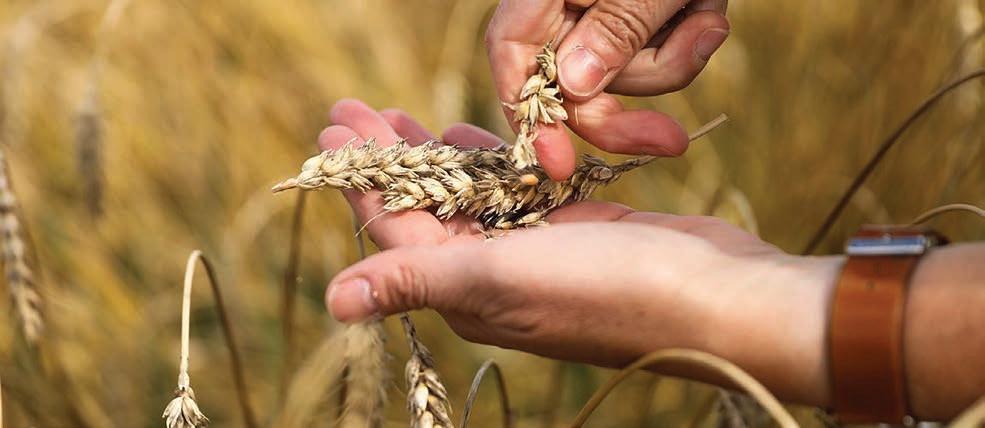
DURUM wheat isn’t a crop typically found in New Zealand paddocks, and until recently, there hasn’t been any pasta made entirely from home-grown durum on supermarket shelves.
A South Wairarapa business led by Monty and Jess Petrie, working alongside Wairarapa Grains Collective, is set to change that.
The Petries started their company in September last year, positioning Monty & Sons as NZ’s first commercially available dried pasta made from 100% Kiwi-grown durum wheat.
Their focus is on regenerative farming systems and keeping more of the food value chain at home.
Monty Petrie grew up on his family’s beef and sheep farm in
Wairarapa, before he went on to study viticulture and oenology at the University of Lincoln. During his university years, he worked offshore to fund his studies, including on large-scale cropping operations in Australia.
It was there that he first questioned industrial food production systems. Petrie noted the heavy use of agrichemicals and the vast volume of water drawn per day for flood irrigation, much of which would be channeled straight back into the Darling River.
“On our first day, it was like 48degC. It was in the middle of nowhere. We jumped in the water, and we all got covered in rashes, and, oh my goodness, what’s going on here? A local farmer said, ‘You haven’t been swimming in the river, have you? What an idiot. Mate, that thing’s got so much agrichemic on it you’ll probably die when you’re 40’.”
After graduating, Petrie spent
a decade working and managing vineyards and wineries around the world and in New Zealand. While the experience left him well-versed in horticultural management, he wanted a change from the saturated market of wineries in NZ.
The search for something different ultimately led him and Jess to pasta.
emissions, and protect the soil’s natural biomes.
“We export our best food overseas and import cheaper, lower quality alternatives back,”
Petrie said.
“I think a healthy population is a population that eats well.”
PASTA: The 500g bags are set to launch in select supermarkets, and on the website.
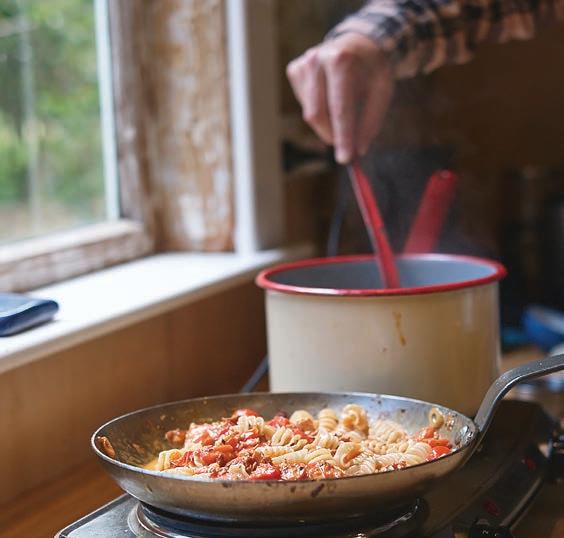
Monty and Son’s point of difference lies in its processing and production. The pasta is bronzeextruded rather than pushed through Teflon dies – a method widely used in manufacturing; it’s non-stick but not as healthy due to chemicals.
Bronze extrusion is typically associated with slower artisanal pasta making. It produces a rougher surface on the pasta, allowing it to better hold sauce.
Equally important to the Petries is how the durum wheat is grown. The grain is supplied by Wairarapa Grains Collective, whose farmers use a no-till, soil-first approach to reduce erosion, lower carbon
Richard Rennie TECHNOLOGY Arable
NEW Zealand’s long-lamented slow approval times for new crop treatments now face the added complexity of trying to also approve emerging, complex biological treatment options.
Delegates at NZ’s inaugural biological symposium, organised by agritech consultancy Wharf42, heard about NZ’s approval delays from Tanya Cornwell, Animal and Plant Health NZ (APHNZ)’s principal adviser on plant health.
She reiterated the challenge NZ’s five- to eight-year approval time on new products is placing on agri-chem companies when compared to the two to three years in Australia.
“In 2019 NZ was successful in getting a new product through in only 17 months. It is now five-plus years. How can we improve today’s system to get to where we need to be?”
The complex web of chemical treatment approval has been subject to ministerial review, which last year made 16 recommendations about how the process could be accelerated.
Cornwell acknowledged the efforts made since then by the likes of Agricultural Compounds and Veterinary Medicines (ACVM) staff.
But she said results needed to be seen on the ground sooner or “companies will pull the plug on NZ”.
Bayer Crop Science announced last year it is withdrawing its research facilities from NZ, citing NZ’s challenging regulatory landscape as a key reason.
APHNZ has provided a threepillar plan for moving approvals processes through quicker. But Cornwell said it is hoping the HSNO Omnibus Bill that aims to streamline approvals will be wholly successful passing through Parliament. The Bill is scheduled for cabinet approval on February 25.
Livia Esterhazy, programme director for the A Lighter Touch biologicals initiative, said approvals are complicated by the emergence of this new treatment type.
“Training (for approval agents) is based upon chemical and synthetic treatments, quite different mode of actions from the likes of many biologicals. The European Union has recognised this lack of capability as biological treatment applications mount.”
It has pledged to significantly increase funding to skill more staff in understanding biologicals’ chemistry and action.
“It would be great if our government also decided to put more money into this.
“The sheer workload on the likes of ACVM staff, and that need for more knowledge, are real issues, and the 16 recommendations from the ministerial review are likely to only increase the workload.”
Karen Booth, ACVM’s newly appointed director, confirmed NZ’s total of 40 registered biological
The growth of durum wheat in the region is closely tied to changes from 2016 to 2020, when a significant ban was placed on growing peas in the Wairarapa region in an effort to break the pea weevil life cycle. The ban was ultimately successful.
While discretionary payments helped to offset some financial loss for affected growers, during this period many growers had to turn to alternative crops to grow.
In 2019, the Wairarapa Grains Collective was founded. Four farmers make up the collective with their farms based in Kahutara, Gladstone, East Taratahi, and Te Ore Ore.
FAR research helped the four to trial and test plantings and they soon found that durum wheat
thrived in the region’s long, dry summers.
Monty & Sons originally had a few challenges with getting the product right due to gluten balance in forming the rigatoni shape in particular.
“Obviously, there’s just no expertise in NZ. It’s been a good year of research, how to get it right. You’d think that making dried pasta was very simple, but I’ll tell you what, it’s complicated, which I just didn’t think it would be.”
They have since perfected their recipe and are already selling the locally sourced pasta to restaurants. Currently, there are four shapes in production: short rigatoni, gigli, which was renamed to trumpets, radiatori and fusilli. They will launch their 500g bags into Farro Fresh, Moore Wilsons and other retailers nationwide. An online shop will feature a buildyour-own subscription box option. Already, they are selling bulk bags to subscription boxes, refilleries, and cafes around the country.
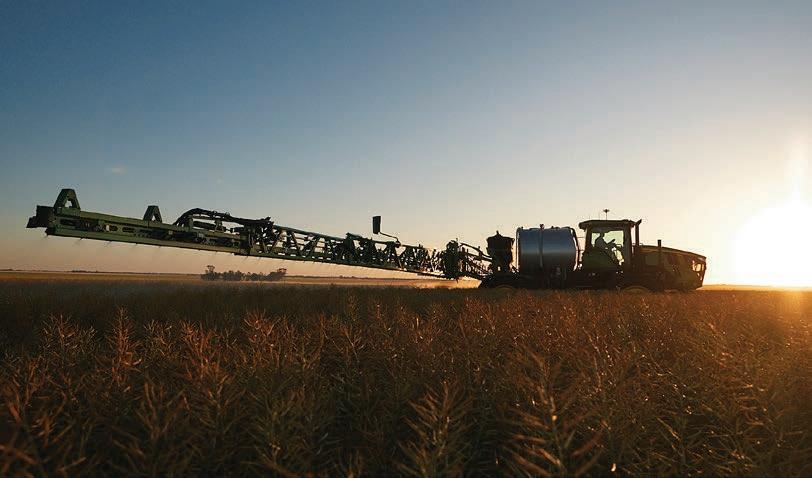
GRINDING: APHNZ is hoping the HSNO Omnibus Bill passing through Parliament will definitively streamline the approvals pathway for new chemicals, including biological treatments.
treatments is small compared to other countries. She also confirmed work is being ramped up to update the agency’s 10-yearold database of approved microbial biological agents.
Esterhazy said biologicals are proving a problematic treatment for agencies around the world.
“No one globally has a biological approval pathway, although some South American countries are working on building one.”
She said NZ’s situation is complicated by its ability to grow such a diverse range of crops in a small country. This makes testing
In 2019 NZ was successful in getting a new product through in only 17 months, it is now five-plus years.
Tanya Cornwell
APHNZ
and contamination risk analysis critical.
“No one has got it right, but we can take what is working and bring that into NZ to use.”
Richard Rennie TECHNOLOGY Arable
THE hourglass is running out for New Zealand’s first and only biological crop treatment initiative, with little prospect that its funding will be extended beyond next March’s end date.
The seven-year, nationwide collaborative project has been working to trial existing biological treatments and to help growers move away from increasingly problematic synthetic crop treatments. It has been funded 40% by the government and 60% by industry, receiving $27 million over its lifespan.
The initiative was formed in response to growers’ increasing problems with synthetic treatment resistance, and growing moves by overseas markets to move to softer biological-type chemicals and treatments.
A Lighter Touch programme director Livia Esterhazy told Farmers Weekly at this year’s
inaugural Biological Symposium that, despite producer groups being keen to continue the initiative, other priorities have come to dominate funding allocations for many.
The symposium was organised by Tauranga-based agritech consultancy Wharf42.
“The government will support us, but only if the industry itself also continues to contribute,” Esterhazy said.
She noted that, after some tough years across many horticultural sectors, groups are under intense financial pressure.
“But the issues A Lighter Touch was set up to address remain, like climate change’s impact on pest levels, trade partners’ expectations including the European Union’s Green Deal, and growing chemical resistance.
“None of these have gone away and, if anything, have increased.”
Over the past six years the initiative has trialled 121 crop protection solutions around the country, of which 39% are biological products. Trials
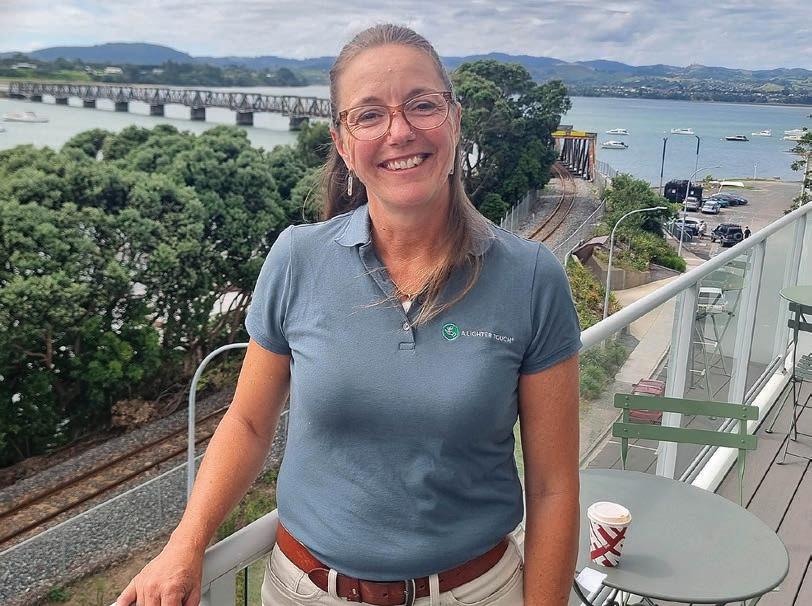
have been undertaken in most horticulture crops, arable crops and wine grapes. Treatments using a range of alternative biological crop products have also been integrated into growing programmes.
Examples of successful programmes that have reduced conventional spray use include a citrus programme on the east coast that incorporated pesteating insects ahead of spray use. Another high-profile success
has been in the tomato-growing sector. After struggling to combat the tomato-potato psyllid, integration of biological controls developed with A Lighter Touch mean the pest programme is now chemistry free.
Esterhazy said the end of funding comes as global investment in biological R&D is ramping up. The sector is expected to be worth US$30 billion by 2030, and more than the synthetic chemical market by 2040.
Zespri’s orchard services manager, Melanie Walker, said more overseas customers are seeking certifications that include lower synthetic chemical use, with Zespri fruit now subject to 300 residual tests.
Her industry regards Aureo Gold as a good example of a biological success story. It is a bio-bactericide for Psa treatment now regularly used by over 50% of Zespri’s 4500 growers.
“But there are a lot of products that will go nowhere if we don’t have funding to get them over the line in NZ.”
SOUTHLAND scientist Chris Smith has retired after 50 years of helping to improve New Zealand pastures.
The Bioeconomy Science Institute said Smith started his career as a field technician with the Ministry of Agriculture and Fisheries after relocating to Southland.
When many nationwide monitoring trials were discontinued in the 1980s due to funding cuts, Smith fought hard to keep the Southland trial alive – and succeeded.
“His persistence has created a dataset that not only tracks
pasture growth, but also records climate conditions, providing farmers and researchers with invaluable information,” the institute said.
Smith told Farmers Weekly that over the next few years the industry will likely battle with maintaining productivity while still meeting environmental requirements.
“Overall productivity has plateaued. We don’t know where the next increase in productivity is going to come from. In the last few years it’s come from improved animal genetics and increased nitrogen and fertiliser use, but now there’s limits being put on the nitrogen.”
The impact of climate change on productivity is another unknown
the industry will have to face, he said.
A lack of research funding will likely also impact productivity.
“A lot of the productivity gains we’ve had over the last 20 years came from the research done in the 20 years before that. I’m not sure where the research for the next 20 years is going to come from, mainly due to funding shortfalls.
“Research into productivity increases doesn’t seem to be flavour of the month.”
Smith said he will miss the people, and the challenge of deciding what research to do to answer questions he’s been asked.
“Research was never a job, but a passion,” said Smith, who will
now spend a lot of his free time fly fishing the Oreti River from his base in Invercargill.
Overall productivity has plateaued. We don’t know where the next increase in productivity is going to come from.
Chris Smith Bioeconomy Research Institute
The institute said Smith’s contribution to agricultural science extends far beyond leading the country’s second-longest pasture measurement project.
“Over the decades, he has worked on everything from grass
grub mitigation to nutrient management and environmental impacts.
“His work has shaped farming practices and informed industry decisions across New Zealand.” Smith said research priorities had shifted over his career.
“The first 20 years of my career were largely focused on research that helped increase productivity, and the last 30 years have been researching the effects of that on the environment. Now, it’s about maintaining productivity within environmental limits.”
Smith isn’t entirely leaving the scientific field, but will keep contributing by working as an associate editor of the Journal of New Zealand Grasslands.


PŌHATU Farm, a family run agri-tourism business in coastal Wairarapa is in the middle of its second summer season.
Founder Julia Broughton recently joined Rural Women New Zealand’s The Sharing Shed webinar series to discuss the lessons she’s learned, how her corporate skillset set their tourism operation up for success and having the confidence to get started.
Pōhatu Farm is a 1700ha coastal sheep, beef, forestry and tourism business, five minutes from Riversdale Beach.
They offer farm walks, e-bike tours, wellness retreats, horse treks and are about to launch a Roar Tour experience.
After spending most of their adult careers overseas, Julia moved from Hong Kong to Riversdale with husband Tom, five years ago.
The duo took over their family farm in 2025 and knew they wanted to help bridge the gap between urban and rural New Zealand, so began planning ways to utilise Julia’s international marketing, advertising and client relations skills.
“I love to chat, I get a lot of energy out of other people, so my own need for connection was also a huge driver for us opening up the farm gates.
“It’s really tough, and can be isolating for rural mums who have had corporate careers moving back to the farm, you need that mental stimulation and want to be more than; mum, wife and farm help,” says Julia Broughton.
So Pōhatu Farm was born, and Julia would recommend anyone
else considering diversifying their farming business to go for it.
“I really want to encourage people to just start, you don’t need a huge offering or a big luxury accommodation lodge.
“We started with the farm walk, utilise the Air BnB offerings locally at Riversdale Beach, partner with local businesses and have grown from there,” she says.
I love to chat, I get a lot of energy out of other people, so my own need for connection was also a huge driver for us opening up the farm gates.
Julia Broughton Pōhatu Farm
Agri-tourism and the secrets to success
Thinking of starting an agritourism enterprise on your farm, but not sure where to begin?
Agritourism New Zealand supports businesses across the country launching or supercharging different on-farm experiences.
Chief Executive Marijke Dunselman joined Rural Women’s latest Sharing Shed webinar series to share her insights.
Marijke’s Five Keys to success are:
• Love what you do and make sure your family and team is on board.
• Learn! Have a willingness to learn about a new industry and trends, join the Agritourism Academy or regional network.
• Develop a plan, put together
an agritourism business and marketing planning.
• Innovative product development to meet customer demand, get your pricing right, collaborate and connect with other operators.
• Use digital technology to transform your operations and customer experience.
MORE:
You can listen to Julia’s full story and hear Marijke’s expertise on The Sharing Shed, visit www.ruralwomennz.nz and become a member today.

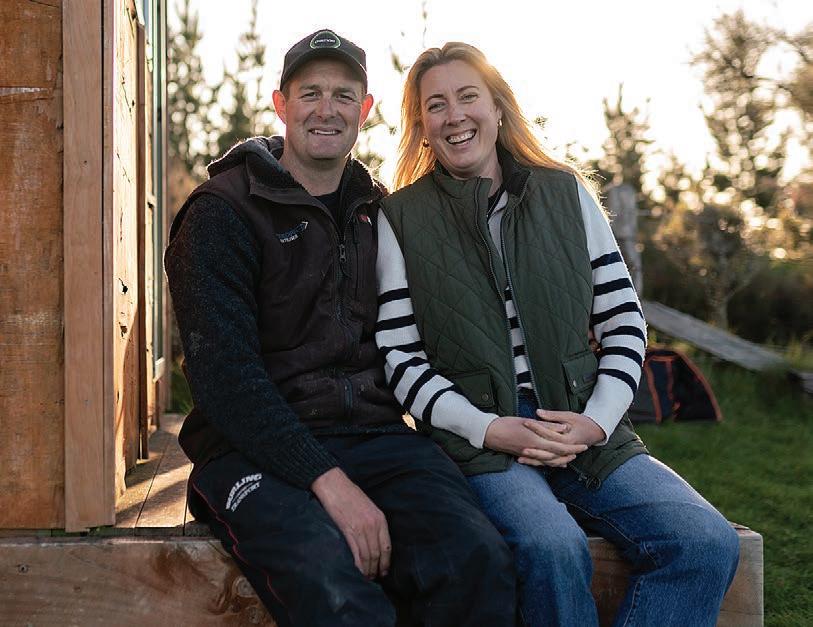
RURAL Women New Zealand has welcomed Pharmac’s decision to fund emergency medicines for rural communities, highlighting the organisation’s century-long advocacy for equitable healthcare access.
“Access to the right emergency medicine, when you need it, is simply lifesaving,” says Sandra Kirby, Chief Executive of Rural Women New Zealand.
“To fund these medicines removes a barrier that’s existed for too long between rural communities and the emergency care they need.”
From the 1st of March, Primary Response in Medical Emergency (PRIME) services will have funded access to critical medicines used in community emergency care.
The changes will be implemented through Practitioner Supply Orders, enabling rural health
professionals to stock medicines in advance.
The funding allows authorised health professionals to stock and administer droperidol, glucose, ketamine, methoxyflurane, enoxaparin and intravenous tranexamic acid for postpartum haemorrhage.
Rural Women New Zealand submitted in support of Pharmac’s proposal in December 2025, as part of their ongoing advocacy for better rural health services,
These medicines mean rural health professionals can now provide the same standard of care, whether you live in Auckland or rural Southland.
Sandra Kirby Rural Women New Zealand
and has been eagerly awaiting the decision.
“When a mother has a postpartum haemorrhage after birth, or someone needs urgent pain relief in their final days, minutes matter.
“These medicines mean rural health professionals can now provide the same standard of care, whether you live in Auckland or rural Southland.
“From the get go, our members have been clear that access to emergency healthcare shouldn’t depend on your postcode,” says Kirby.
The fight for rural health access has been central to the organisation since its formation in 1925. Not long after establishing, they developed a programme where bush nurses travelled on horseback to remote areas, providing postnatal care to new mothers and babies.



In a major win for farmers and growers, Federated Farmers has moved quickly to block any possibility of a water tax in the Government’s proposed resource management reforms.
“Our expert policy advisors and lawyers spent the summer break trawling through all 744 pages of the Natural Environment Bill,” Federated Farmers spokesperson Mark Hooper says.
“They went line-by-line and were alarmed to find easily overlooked clauses giving Ministers sweeping powers to tax water and other resources.
“The concept of taxing water is totally unacceptable to Federated Farmers, so we went out hard and fast demanding the Government immediately take it off the table.
“It looks like our message hit the mark because, within hours, Minister Chris Bishop was on the radio ruling out the possibility of this Government introducing a water tax.”
Hooper says he’s pleased the Minister has responded by putting a line through the water tax during an interview on Newstalk ZB – but serious concerns remain.
“Based on every conversation we’ve had with the coalition Government, we don’t believe it was ever their intent to impose a water tax on farmers.
“Unfortunately, it seems bureaucrats snuck this one past Ministers,
because that’s exactly what these provisions enable – it’s all there in black and white.
“This begs the question: if the Government has no plans to tax water, why does their RMA replacement include wording that suggests otherwise?”
The Natural Environment Bill clearly states Ministers can auction, tender, and manage demand for natural resources like freshwater through a competitive pricing process.
The concept of taxing water is totally unacceptable to Federated Farmers, so we went out hard and fast demanding the Government immediately take it off the table.
supports the objectives of the Government’s RMA reforms: growing productivity and making it easier to get things done.
“We’re in total alignment that there needs to be a stronger focus on property rights, a tighter scope, fewer resource consents, and far less expensive litigation.
“The Government’s messaging has been bang-on but, unfortunately, we don’t think the legislation as currently drafted matches the political rhetoric.”
Hooper says Federated Farmers’ work identifying the rogue clauses – and calling the Government to scrap them – shows the value of a membership.
“This kind of work is why Federated Farmers exists. We spot legislative fishhooks and act fast, protecting farmers and growers.
“We’re fortunate to have the backing of thousands of loyal Kiwi farmers, who understand the importance of our grassroots advocacy work.
“This is an example of what we can do when we stand together.”
It also allows for the introduction of ‘natural resource levies’ at a level that allows for restoring ecosystems, managing demand, or enabling more efficient use of the resource.
“Even if Chris Bishop doesn’t want to tax water right now, the legislation would make it alarmingly easy for a future Minister to do so,”
Hooper says.
He says Federated Farmers strongly
He says Federated Farmers has other concerns about the draft legislation, which it will be taking to the Government over the coming weeks.
“You’ll hear more from us on that soon, but for now our focus is on killing the possibility of a water tax.
“We need to see Minister Bishop’s assurance flow through into action.
“The coalition Government needs to give farmers and growers a rock-solid commitment that they’ll be removing this alarming and problematic wording from the Natural Environment Bill.
“We won’t relax until those clauses are gone.”
Hooper says there’s absolutely no way Federated Farmers would support any laws that open the door to taxing water, auctioning water, or forcing farmers through a tender process.
“That would be a disaster for farmers and growers, undermining confidence in our productive sectors and pulling a handbrake on economic growth.
“It wouldn’t just hit farmers either. There’d be huge impacts on kiwifruit orchardists, vegetable growers, and other primary industries.
“We’ve seen previous National Party Prime Ministers like John Key and Bill English rule out water taxes, and we need to see the same from the current leadership.”

Politicians and high-country farmers will gather in Southland next month to see innovation in action on one of the country’s largest stations.
This year’s Federated Farmers High Country Field Day will take place on March 27 at Glenaray Station, a 68,000-hectare sheep, beef and deer property in northern Southland.
High Country Committee co-chair Jim Ward says the aim is to give Ministers, MPs, officials, and sector leaders a first-hand look at what’s happening on the ground for highcountry farmers.
“It’s an election year and we need decision-makers to understand not just the challenges facing high-country farmers, but also the solutions we’re coming up with.
“No one is doing that better than Glenaray – they’re really at the forefront in so many areas.
“The focus of this field day is on how the team at Glenaray are confronting challenges through innovation and a strong culture.”
Ward says Glenaray is using technology and systems that challenge traditional assumptions about high-country farming.
“They’re using Halter on their cattle, and they’ve also got a whole
new system with different forages they’re finishing stock on.
“There’s a huge deer problem on the property – massive. But they’ve now become part of a system where they supply venison to a game works.
“They’ve also had a lot of crops decimated by possums, so they’ve brought in specialists who’ve taken out thousands of possums.
“There’s a lot happening on that place, and people will really be surprised at what they see.”
Glenaray’s team culture is secondto-none, Ward says.
“The culture on that property, and the guardianship of the land they display, is absolutely incredible.
“What people will get to see on the day is how manager Simon Lee brings his staff into the discussions and decision-making. That’s a huge part of how they operate.
“Simon is next level in every aspect of his farming operation. He does it in such an inclusive way that people gravitate towards him.
“He doesn’t expect anything of others that he won’t do himself.”
The field day will tackle the realities high-country farmers face, including wilding conifers, pest management, public access, DOC grazing concessions, retired land and
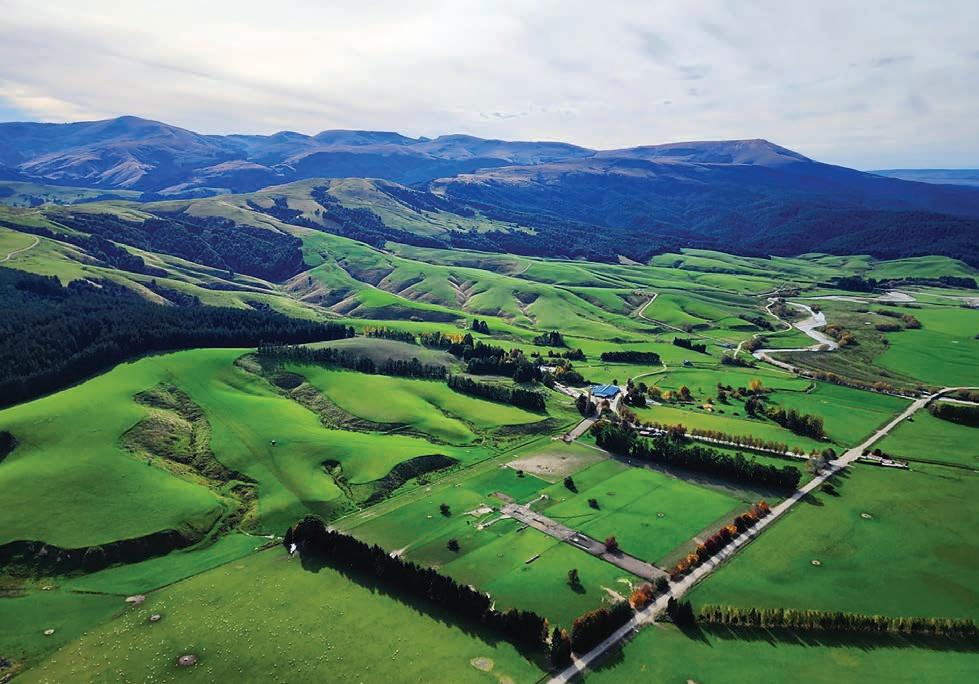
the 10-year review, and biodiversity initiatives suited to high-country systems.
Ministers who’ve already confirmed they’re attending are Mark Patterson, Tama Potaka, Simon Watts and Andrew Hoggard, alongside a number of MPs from across the political spectrum. For politicians and officials, the format remains unchanged from last year – intentionally so.
“They liked it last year because they didn’t have to turn up with a speech written by someone else,” Ward says.
“They can just stand, listen and engage. It’s an event where farmers get one-on-one time with politicians.”
The day is designed to be solutions-focused, Ward says.
“At the end of the day it’s not just problem-listing – we want to present solutions.
FIRST-HAND: High Country Committee cochair Jim Ward says the aim is to give Ministers, MPs, officials, and sector leaders a first-hand look at what’s happening on the ground for high-country farmers.
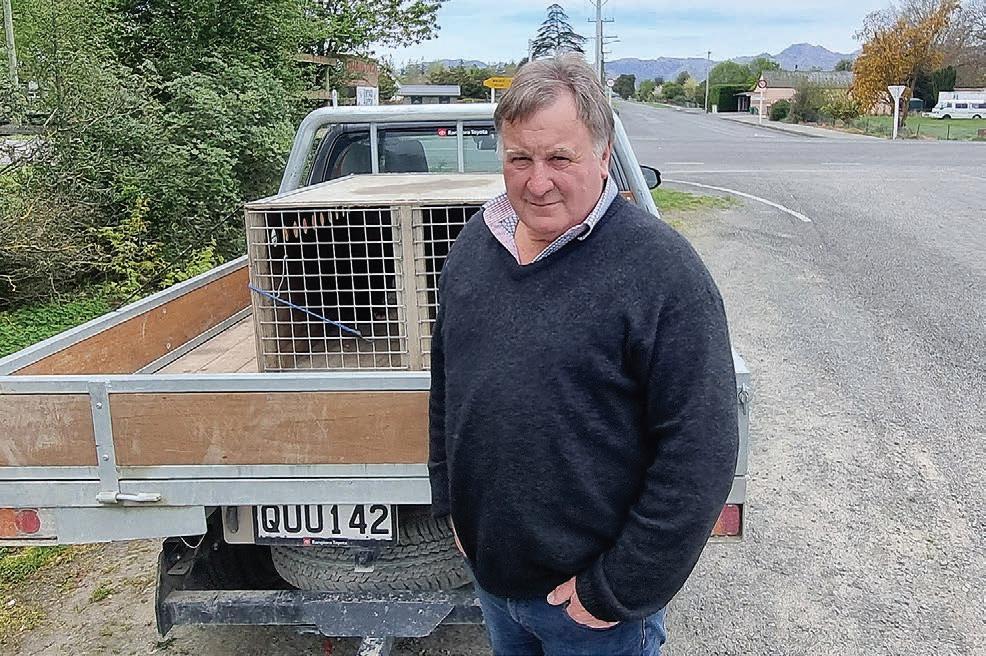
“Glenaray is a property that already has a lot of those answers.”
Manager Simon Lee says he, his team and the farm’s Board are looking forward to showcasing the property.
“We want to share this special place with a whole range of different visitors, and we want to create a really interactive conversation around the issues we have in the industry.
“We’ll be able to discuss the daily challenges we all deal with as highcountry farmers, but also celebrate the highs.
“For me personally, this is as much about showcasing the land as it as about showcasing the people working on it.”
Lee says those attending will get to
BIG COUNTRY: Stretching across 68,000ha in Northern Southland, Glenaray Station is as good as it gets when it comes to New Zealand’s high-country farming.
The culture on that property, and the guardianship of the land they display, is absolutely incredible.
Jim Ward
Federated Farmers High Country co-chair
see a “hidden gem” of Southland.
“It is quite a magnificent area with the scale and the size of the properties down here and the stocking rate.
“It’s good farming land even though we have a range of land, from flat to rolling to hill to a lot of high country.”
The field day will be MCed by Jamie Mackay, host of The Country, with contributions from Feds High Country Committee members, Lee, and farm owner David Pinckney.
Guest speakers include Bernadette Hunt, Eric Roy, Mark Inglis and Matt Tayler.
Attendees will tour the station in 4WD vehicles, visiting carefully planned stops that showcase the operation’s scale, diversity, and innovative approaches.

This month Wellington’s Moa Point wastewater treatment plant failed catastrophically, sending an estimated 70 million litres of untreated sewage straight into the ocean each day.
Mayor Andrew Little called it an environmental disaster and Wellingtonians have been told it could be months before the south coast waters are swimmable again.
This is a major stuff-up, but one question keeps coming back to me: will those responsible be held to the same standards we demand of Kiwi farmers?
As farmers, we’re no strangers to regulation. Our businesses must comply with strict environmental rules, and we know there are consequences for non-compliance.
Breaches can carry hefty fines, legal action, reputational damage – and in some cases, a criminal conviction against a farmer’s name for life.
We take this seriously, as we should, because farmers have a responsibility to protect waterways and communities.
CONSISTENCY:
If a dairy farmer had pumped raw effluent into a local waterway, such as happened with the failed Moa Point wastewater treatment plant, criminal charges would likely be laid, says Karl Dean.
Wellington Water
But is what we’re seeing in Wellington a glaring example of a double standard in environmental accountability?
If a dairy farmer had pumped raw effluent into a local waterway, even by accident, there’d be no debate.
Resource consent conditions would have been breached, immediate investigations would follow, and criminal charges would likely be laid.
So, will we see the same scrutiny of large, publicly managed infrastructure?
Will the manager of the wastewater treatment plant be held personally responsible?
Will Wellington’s mayor, councillors or chief executive be held accountable for long-term underinvestment in critical water infrastructure?
Will there be enforcement action against the council or contractors involved?
It’s fair to assume the answer will probably be a resounding no – or at least, not in a timely or visible way.
I commend Nick Leggett for resigning as chair of Wellington Water following the sewage crisis. He’s done the right thing, but real
accountability shouldn’t stop with one resignation when the failure runs far deeper.
Andrew Little has called for an independent inquiry, which is promising, but I highly doubt we’ll see any individuals held to account.
Much was made of The Water Services Authority - Taumata Arowai being the three waters regulator, which includes wastewater.
The Three Waters Review raised system-wide concerns about whether the regulatory regime was fit for purpose.
Taumata Arowai was presented as a key part of the fix, yet they’ve been strangely silent throughout this debacle, effectively saying: ‘It’s not our job’.
They say it’s Greater Wellington Regional Council’s (GWRC) role to be the primary regulator when it comes to wastewater overflows or breaches of wastewater consents.
That means it’s GWRC’s job to take enforcement action, but the council is a one-sixth shareholder in Wellington Water, the company responsible for the discharge.
That seems like self-regulation to me and doesn’t inspire a great deal of confidence.
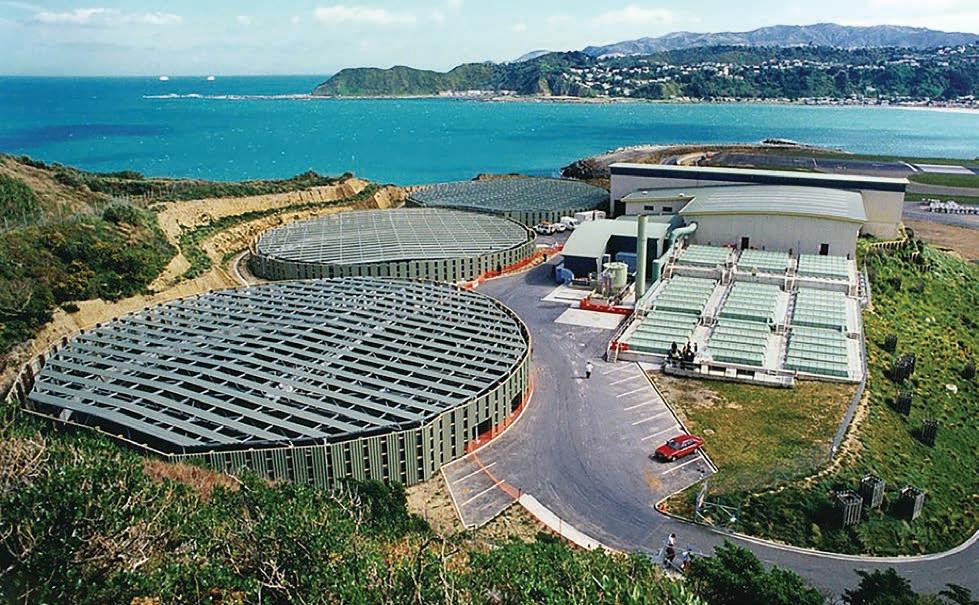
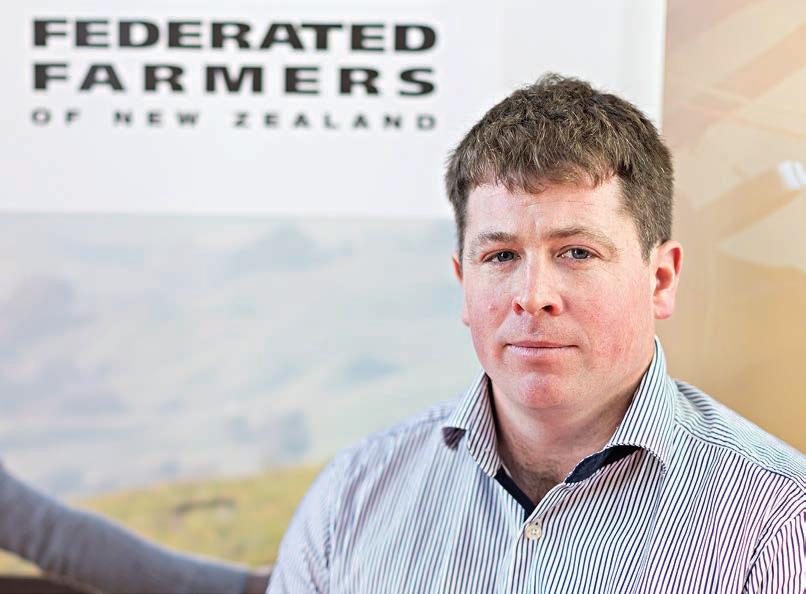
If we’re going to demand one sector follows strict rules under threat of penalties, those standards must apply to everyone.
Let me be clear: this isn’t about farmers versus councils. It’s about fairness and consistency.
If we’re going to demand one sector follows strict rules under threat of penalties, those standards must apply to everyone.
Anything less erodes trust in our environmental system.
There are plenty of cases where individual farm employers or managers have been prosecuted for breaches of resource consent or environmental regulations, when the consent is in the name of a company. That same logic should apply here.
If a publicly managed facility can discharge untreated sewage – millions of litres a day, for an extended period – without consequence, what message does that send? That the rules are good for some, but not for all?
It also raises serious questions about advocacy and media coverage.
Activist groups usually quick to
criticise farmers for environmental missteps because it suits their political narrative have been notably quiet.
Greenpeace, for example, haven’t said a thing about the millions of litres of untreated human waste flowing into the ocean each day in Wellington.
Yet they somehow found time to vandalise a salmon statue in Rakaia this week while ranting and raving about the evils of the dairy sector. Why the silence? Because this disaster doesn’t align with their preferred villains.
New Zealanders care about clean water, and so do farmers.
We work hard every day to meet our obligations, often under challenging conditions, knowing the consequences of failure are real and enforceable.
But accountability must be universal; environmental laws and consent conditions can’t be selectively enforced.
If we want the public to trust that environmental protections are fair and effective, we must apply the same standards to all operators –farm or council, private or public.
The Wellington sewage spill is a clear reminder that environmental stewardship is everyone’s responsibility.
Farmers are already doing our part – but we also expect the same of every other sector.
Longer-term thinking is needed to break the wasteful cycle of temporary repairs to roading infrastructure on the East Cape, Charlie Reynolds says.
“We’re stuck in this loop of storm damage, severe traffic disruption, getting a temporary fix, and then limping on to the next weather event that takes out roads and bridges,” the Federated Farmers Gisborne-Wairoa president says.
“The Tairāwhiti region collectively holds its breath each time the forecast is for heavy rainfall, with residents wondering who’s going to lose their access this time.
“Pretty much everyone agrees we need a Plan B.”
Finding other, less vulnerable routes north to the Bay of Plenty and south to Hawke’s Bay isn’t easy, he says, but it’s high time alternative options get proper investigation.
Federated Farmers transport spokesperson David Birkett says a national conversation is needed about roading resilience and the changing climate.
“The East Cape, with its hilly topography, is one hotspot – but there are plenty of others too.
“There’s often weather-related damage and disruption to key roads in Northland and ThamesCoromandel, and the Wairarapa gets hit badly too.
“Councils face the additional problem of how to pay for maintenance and upgrading of rural roads that were never designed or built for the size of today’s logging trucks.”
Sometimes it just seems to be an approach of caution and arse-covering for every single potential scenario, including aliens turning up.
Charlie Reynolds Federated Farmers GisborneWairoa president
Birkett, a Canterbury arable farmer, says while work is finally underway on a second bridge at Ashburton, questions are being raised about the 87-year-old Raikaia Bridge – New Zealand’s longest – and when it will need replacement.
“We keep getting told we’re going
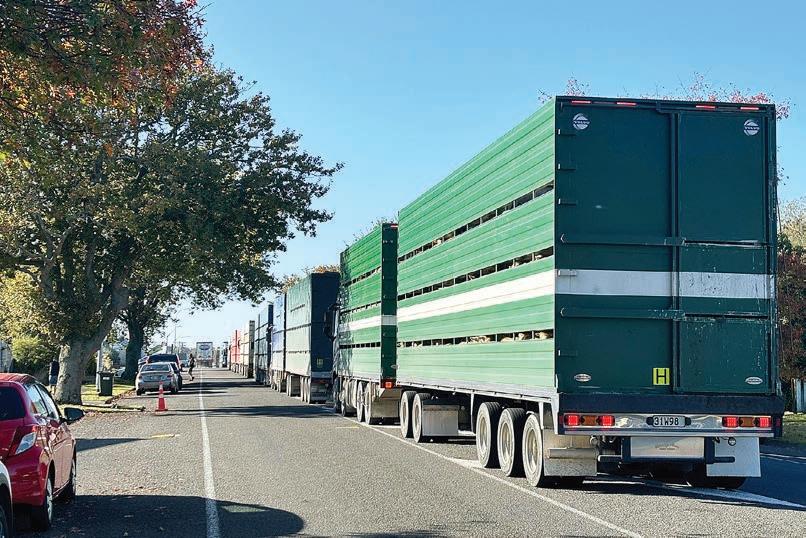
STRESSED:
are
to get more storms, and of greater intensity,” Birkett says.
“I’ve got sympathy for the government and the NZ Transport Agency. There isn’t a bottomless pot of taxpayer and road-user money.
“But Federated Farmers does really question the lack of priority being given to rural and provincial roads.”
Birkett says there appear to be a significant number of largely urban-centric and expensive new highway expansions underway or planned, with the aim of shaving a few minutes off travel times.
“But roads and bridges that are an absolute lifeline for rural communities – often their only access, and key to getting primary produce to processors and ports –just don’t get the investment.”
Heavy rain on 16 January caused around 40 slips along the Waioweka Gorge, which connects Gisborne to the Bay of Plenty.
After being closed for a week while work crews dealt with the damage, it re-opened to limited traffic under escorted convoy.
The detour adds 211km to the trip and Transporting NZ estimates that results in over half a million dollars in extra freight costs for each week the gorge is closed.
As well as cost, Reynolds says farmers are deeply concerned about animal welfare issues.
“Closed roads add many hours to how long animals are on trucks, stressing them out and messing with their conditioning.
“So, it’s a triple whammy for farmers: animal welfare concerns, higher freight costs, and loss of stock condition.”
Heavy traffic is typically only 1020% of the traffic stream, so there’s a lot of other drivers – tourists included – who get caught out too.
Reynolds says New Zealand shouldn’t hesitate to look to expertise in China and some European
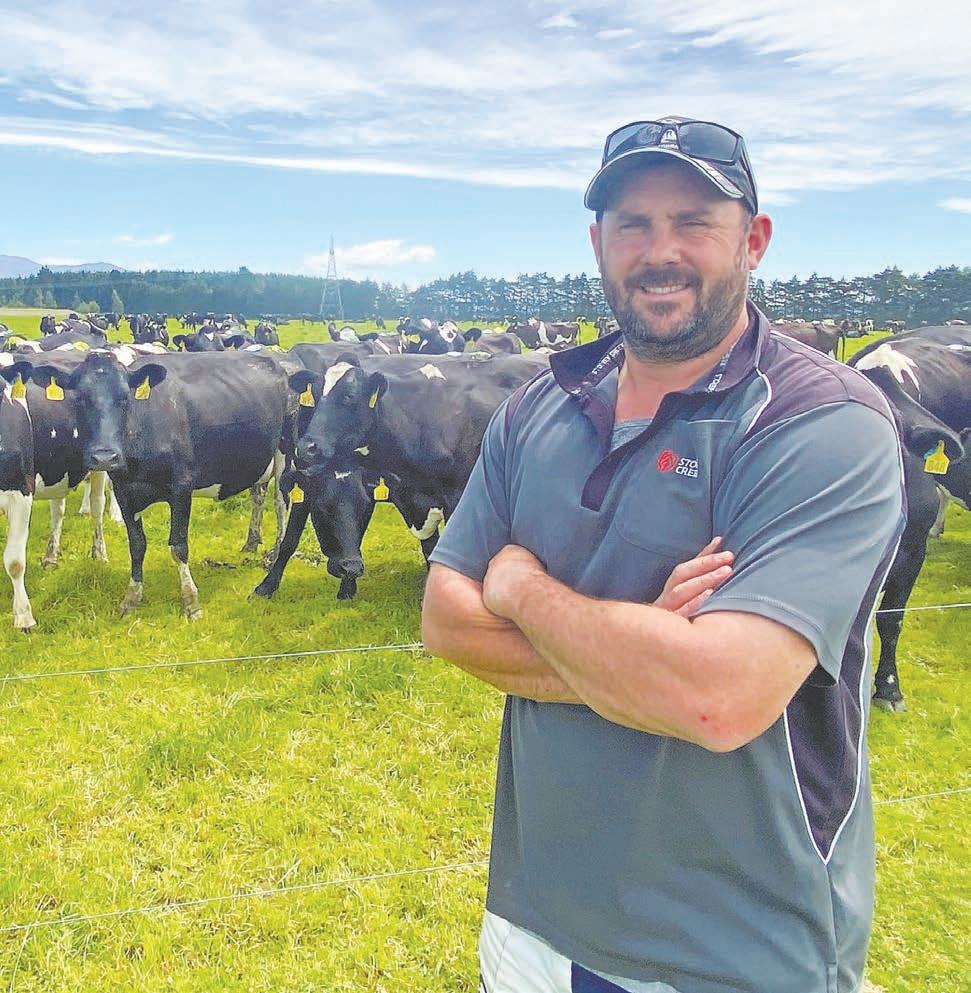
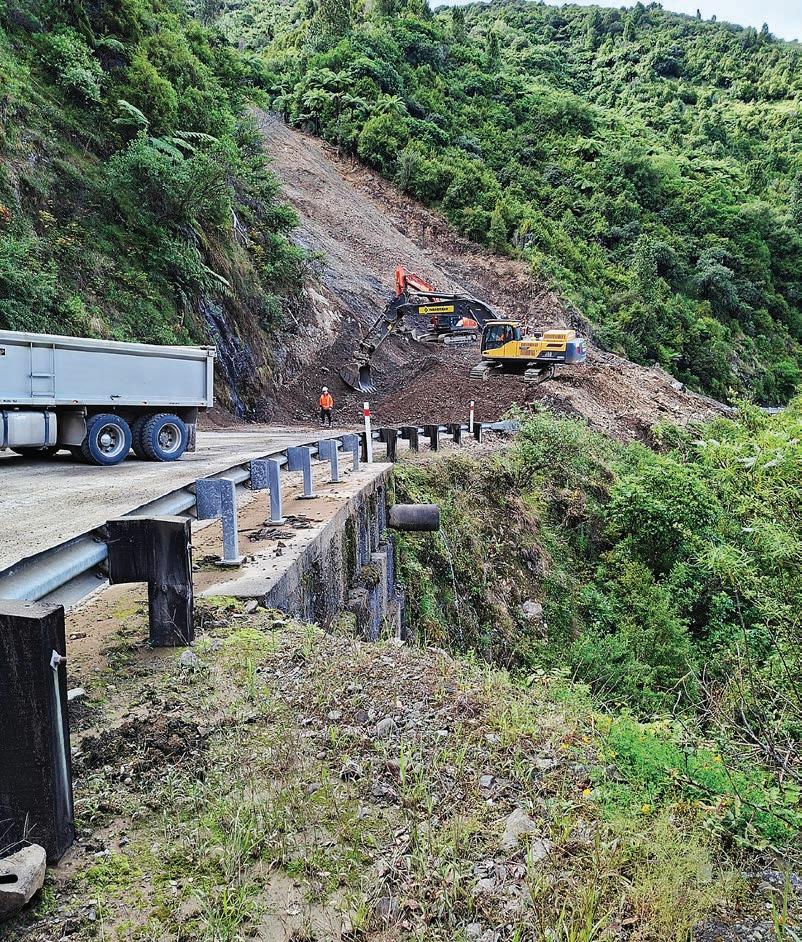
nations, where roads are built in terrain as hilly and landslip-prone as ours.
While he salutes the road crews who worked long hours to get the Waioweka Gorge re-opened earlier than originally estimated, Reynolds believes NZTA can be overly timid and bureaucratic in their repair approach.
“For example, they’re super careful not to push any material into the Waioweka River for fear of getting some stick from an environmental group or iwi, never mind that heaps of stuff is falling in from landslips on the other side anyway.
“Sometimes it just seems to be an approach of caution and arsecovering for every single potential scenario, including aliens turning up.
“But as we saw at the Hikuwai Bridge site in 2023, local company Kuru Contracting just got stuck
in after the January rain and cleared an absolutely enormous slip near Te Araroa township in four days.”
Reynolds agrees with former LeaderBrand chief executive Richard Burke that the greatest cost for Tairāwhiti from regular road closures may be loss of confidence.
“Businesses are going to hesitate about investing in expansion or new plant in our region given the frequent headlines about access being compromised or cut off.”
Birkett, who’s on the Federated Farmers board, says the organisation is still finalising the priorities it will put in front of political parties in the lead-up to the general election in November.
“However, it’s a fair bet that investment in resilience and rural infrastructure – roads, bridges, telecommunications, water storage –will feature very strongly.”



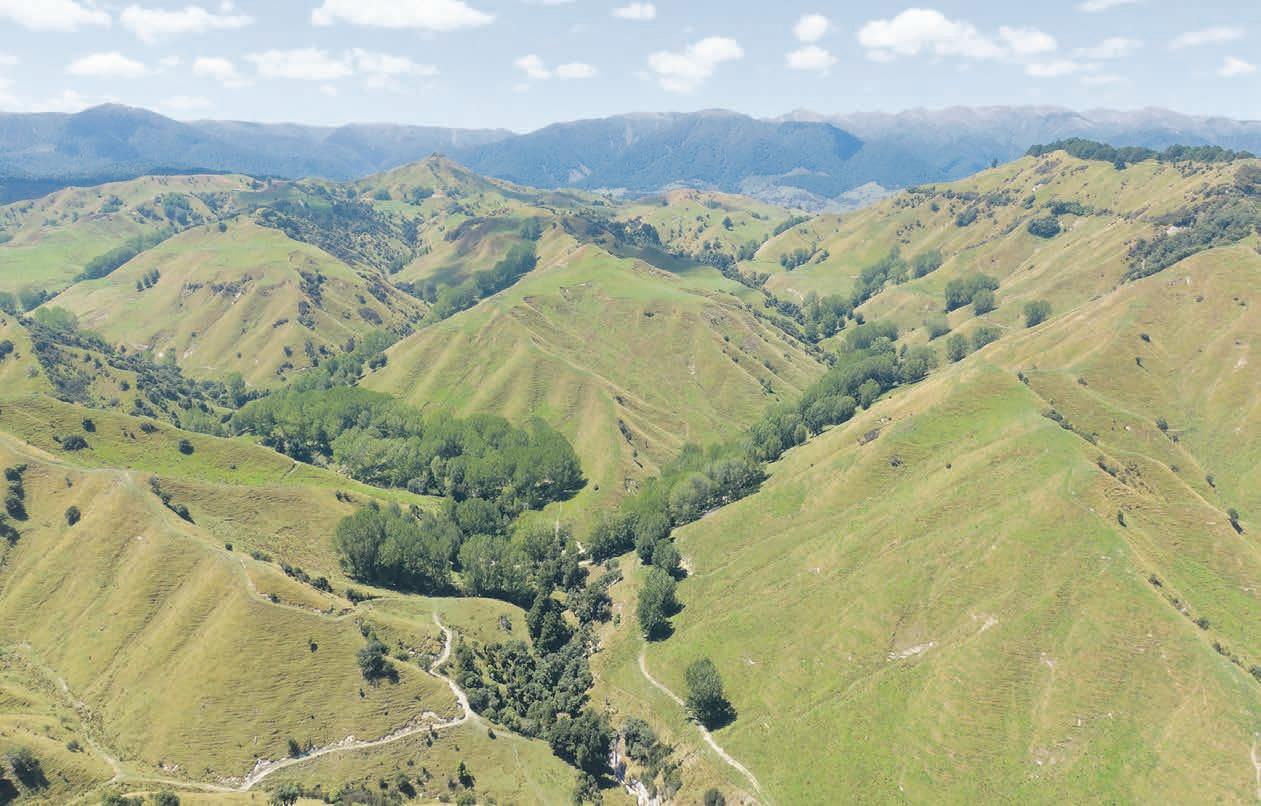
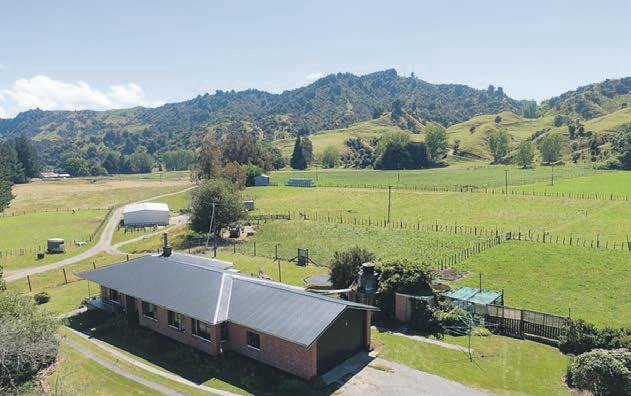
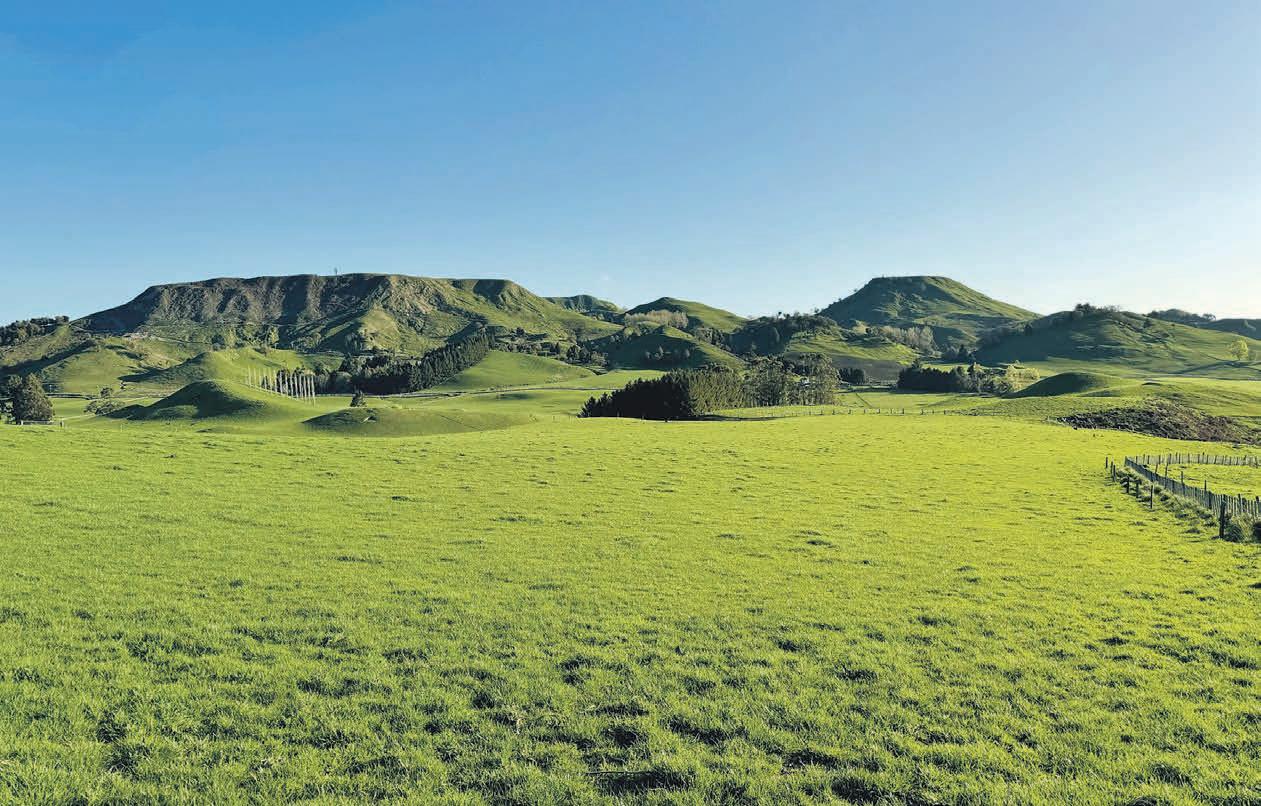
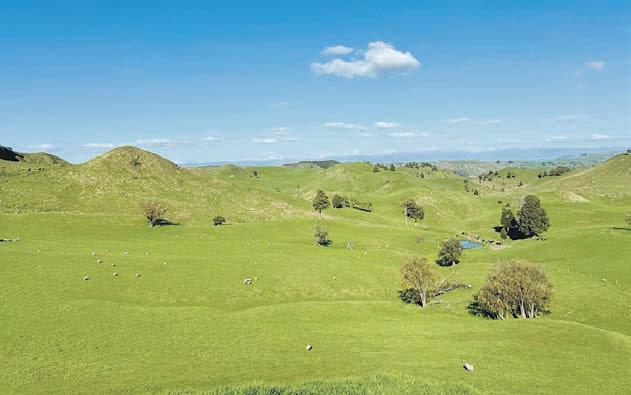
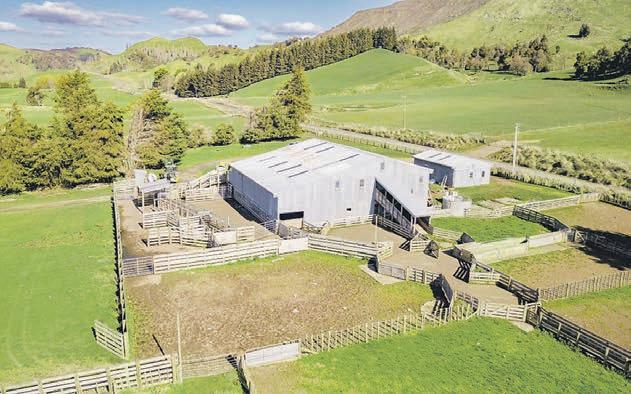
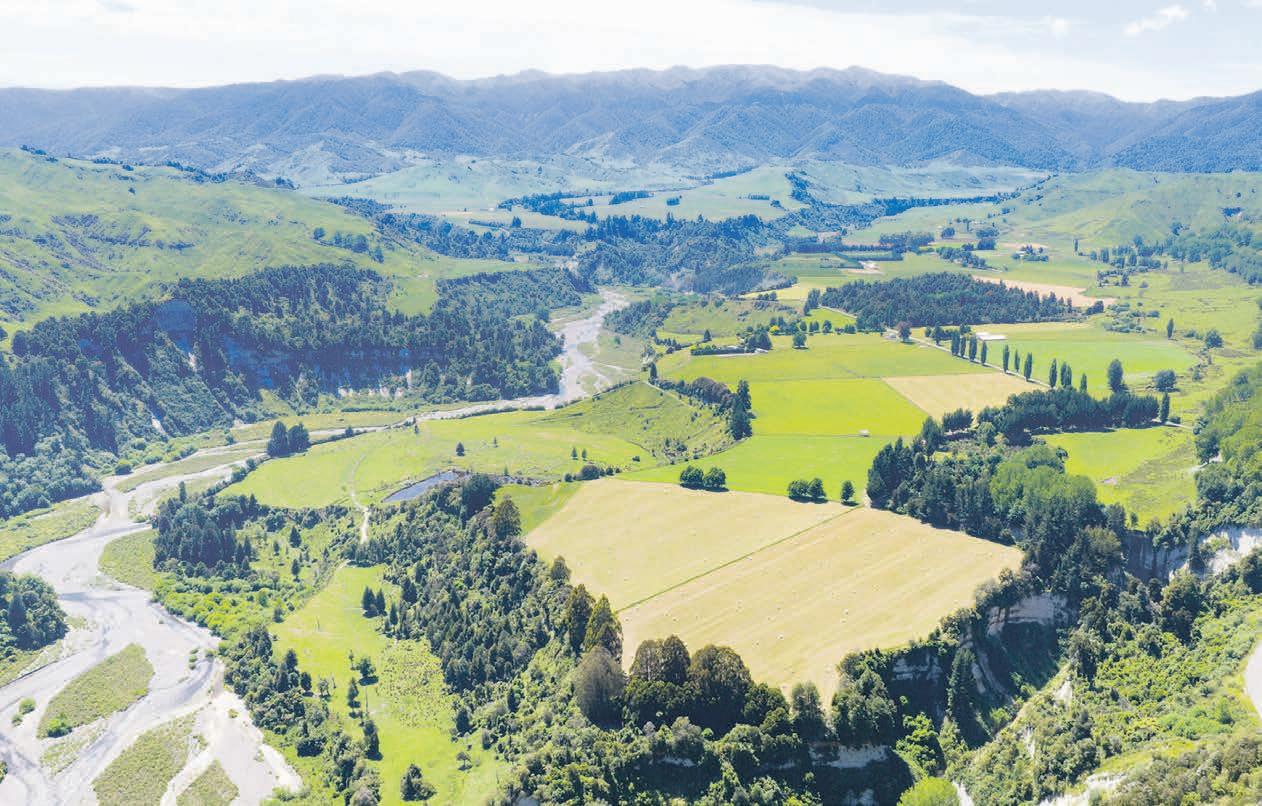
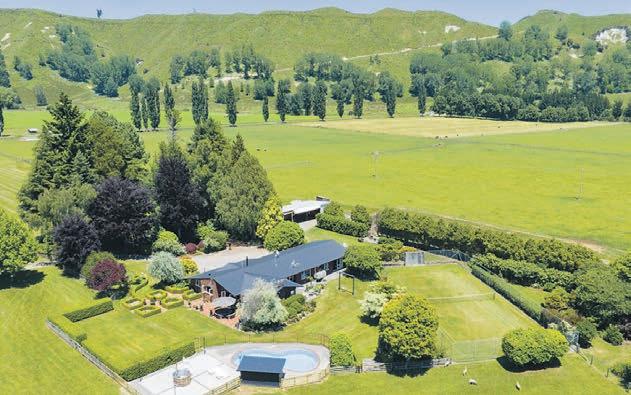
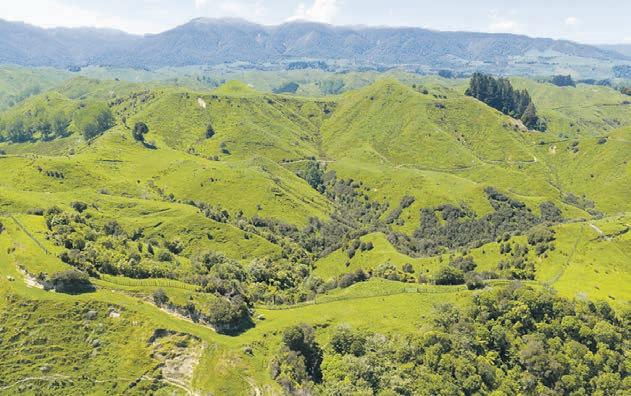
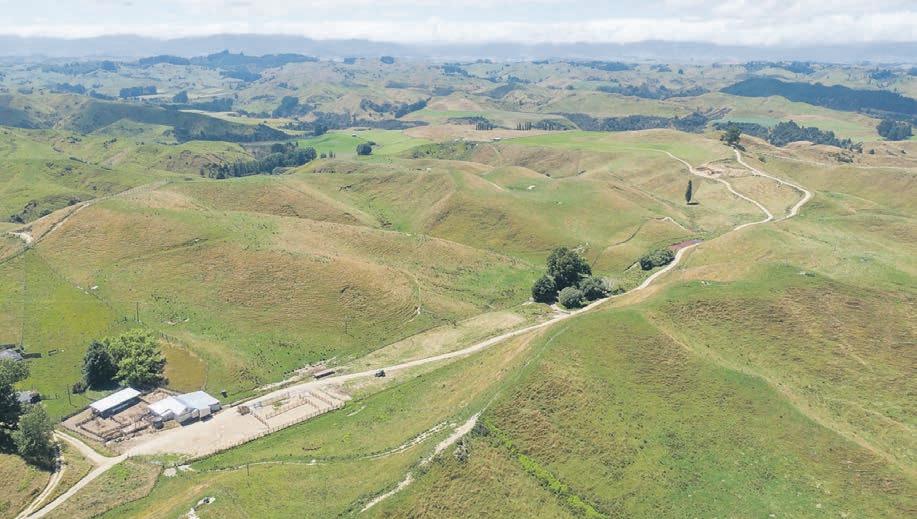
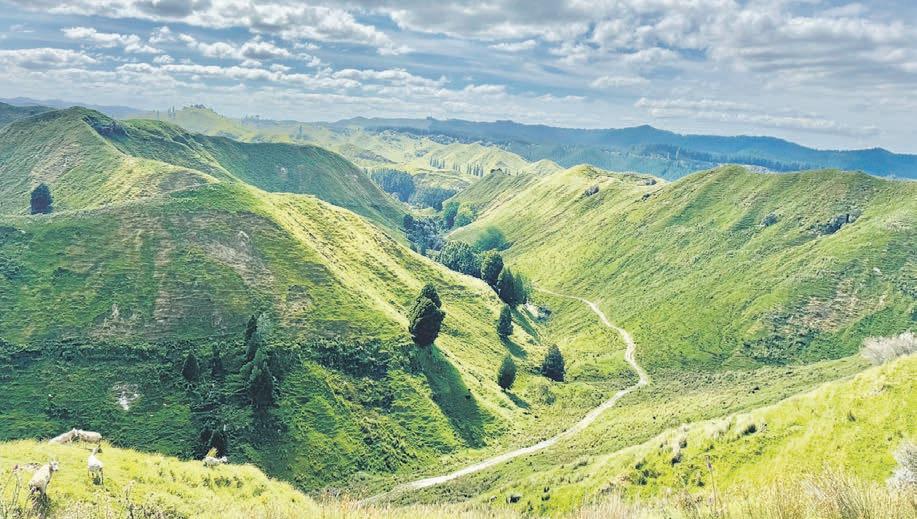
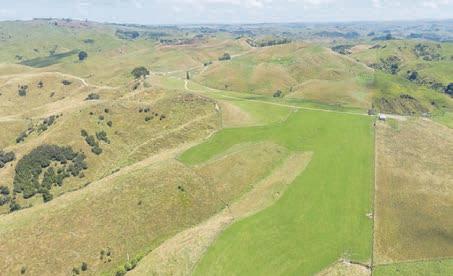
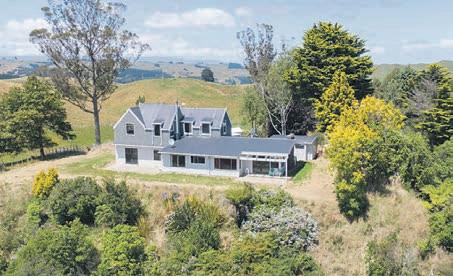

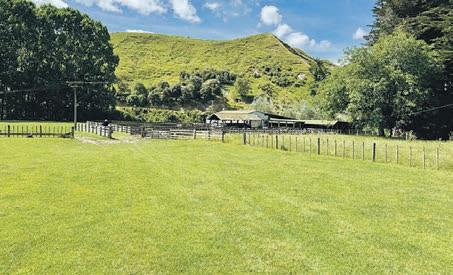
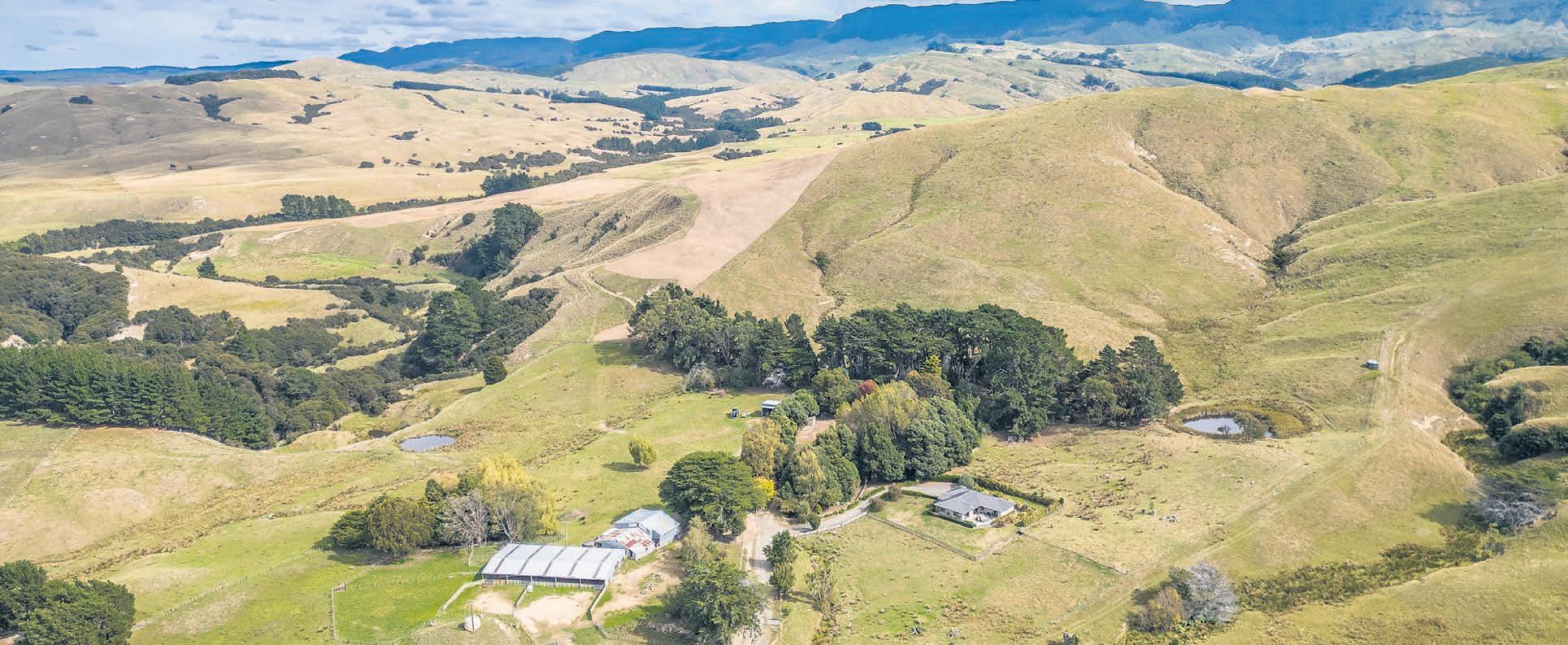
Pukerua spans 716 hectares across multiple titles offering purchase options and a well balanced mix of cropping breeding and finishing opportunities The property has benefited from consistent investment in fencing and infrastructure presenting in excellent condition The farm is well set up with a combination of productive rolling and steep hill country alongside cultivatable flats and contour-friendly areas suited for crops/supplementary feed A standout elevated near new homestead compliments the farm along with the infrastructure including a four-stand woolshed with extensive covered yarding second woolshed three bay implement shed and two welldesigned cattle yards An operationally efficient layout to support a full-scale sheep and beef operation with purchase options and potential to split bayleys co nz/2871140 Timaru 47 Wilson Road
Tender Closing 2pm Thu 5 Mar 2026 Monty Monteith 027 807 0522 monty monteith@bayleys co nz Jim Crispin 027 717 8862 jim crispin@bayleys co nz
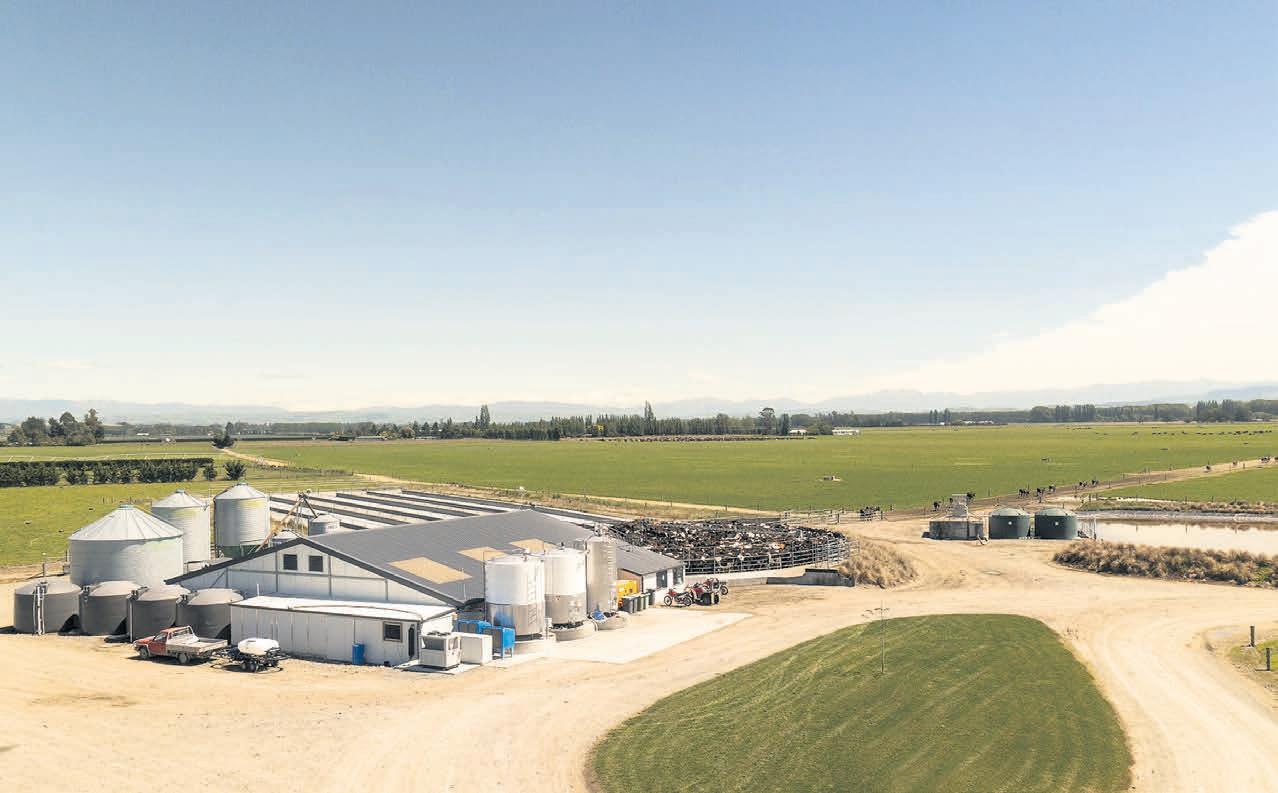
Scale, location, quality soils and attached support land ensure this well-established dairy farm is positioned for a solid future Productive advantage is driven by soil types and low altitude and combined with multiple titles provides future upside for purchasers Following an upcoming subdivision, the operation totals 526ha (more or less), comprising the Dairy farm 392ha (subject to survey), Scotts block 42ha (more or less), and Arowhenua block 92ha (more or less) Consented for 1,400 cows and operating under an A-grade audit, Riverton Farm includes a thoughtfully positioned 60-bail rotary shed, plus a 600-cow yard and feed pad Supported by calf sheds, effluent system, irrigation storage and extensive shedding Modern housing provides quality living for staff Purchasing options are available individually or as a whole bayleys co nz/5529139
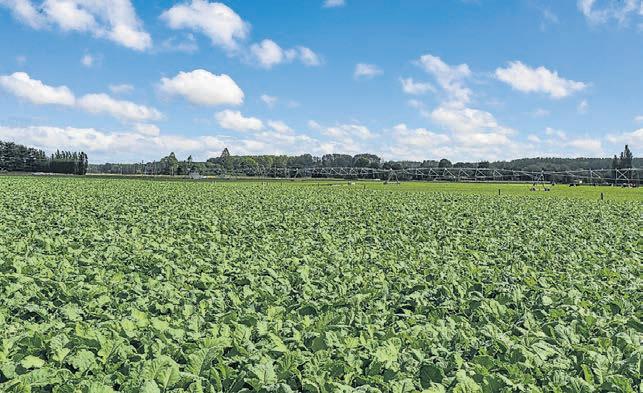
ha
Sale (unless sold prior) 12pm, Fri 6 Mar 2026
by appointment
Turner 027 530 1400 ben turner@bayleys co nz Craig Blackburn 027 489 7225
blackburn@bayleys co nz
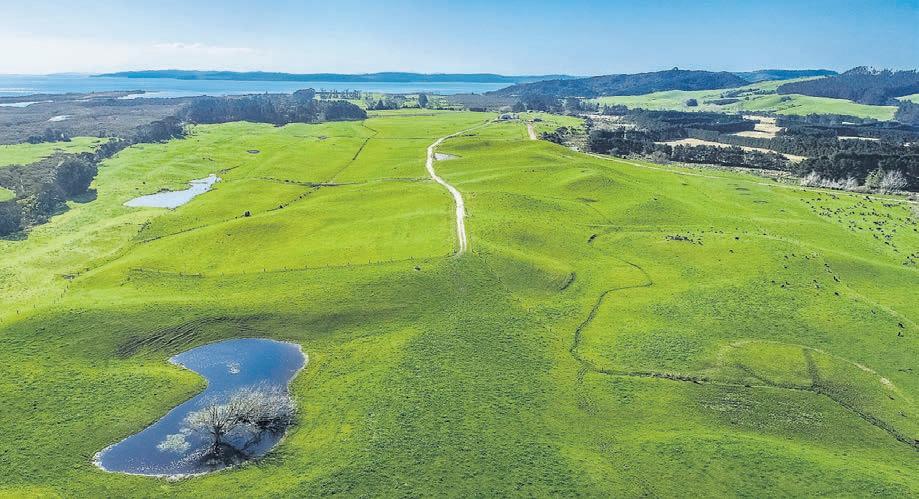
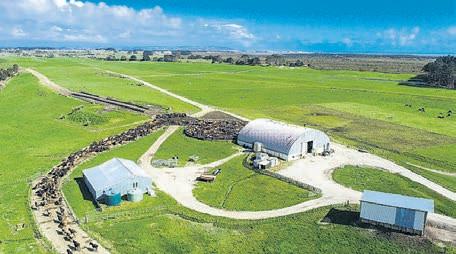
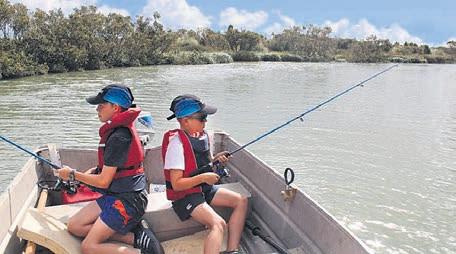
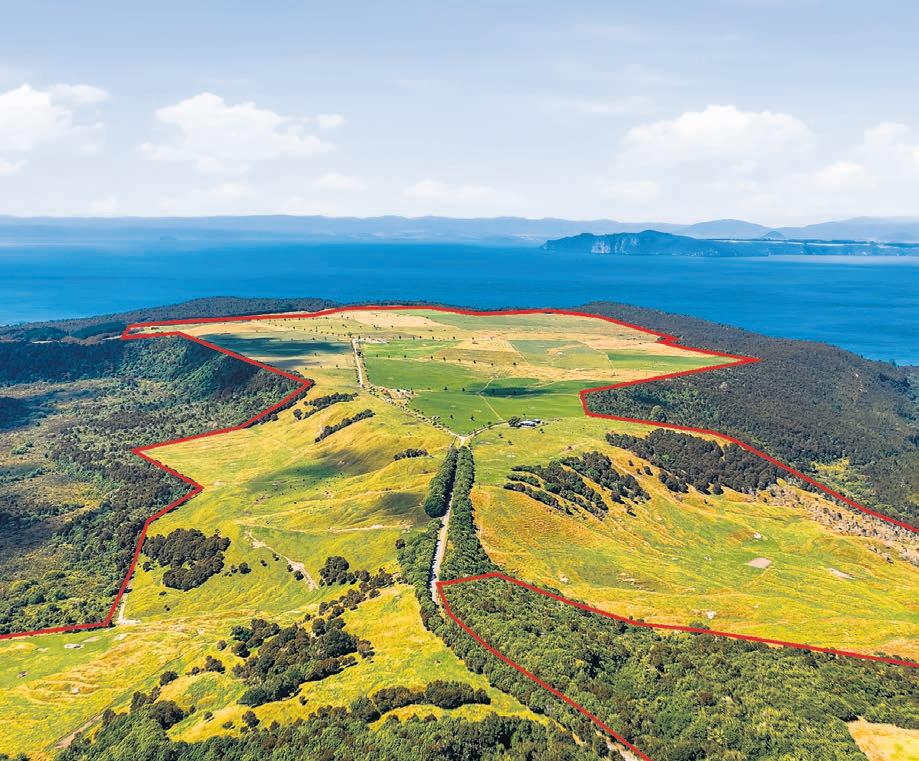
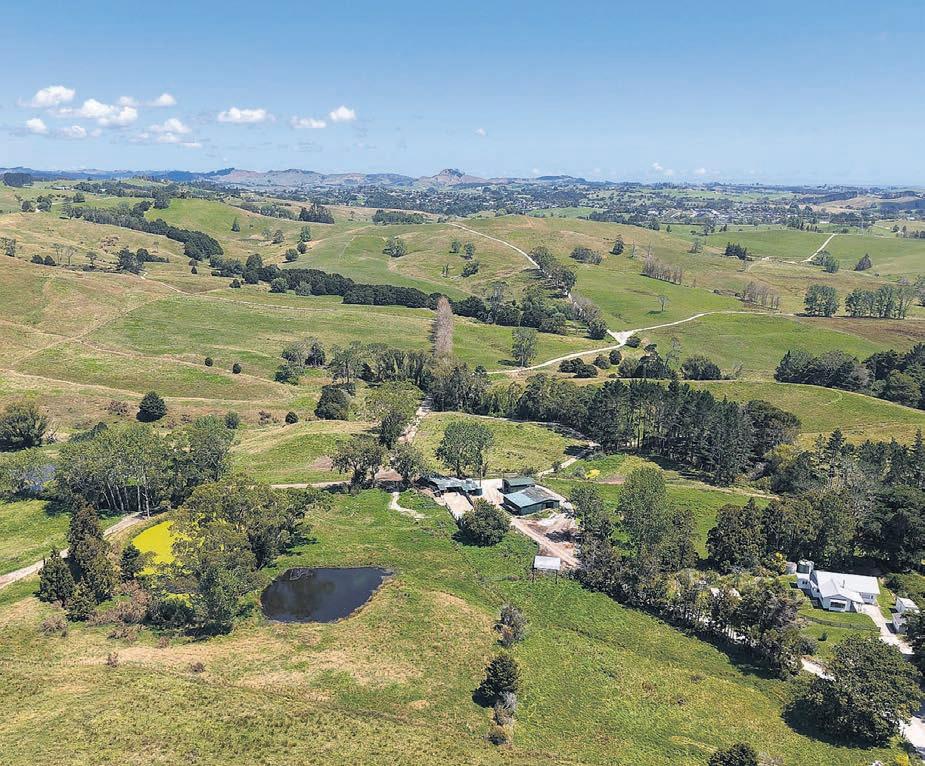
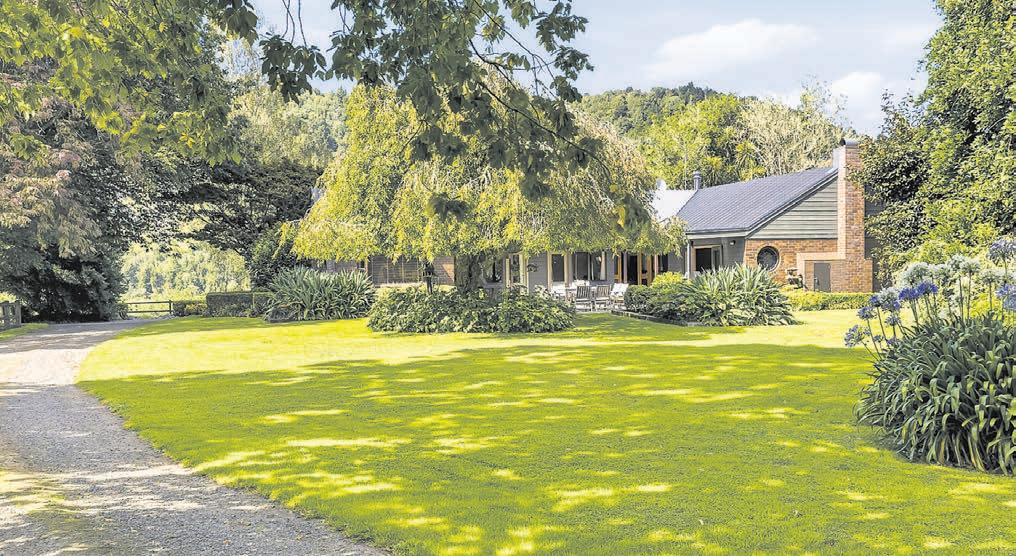
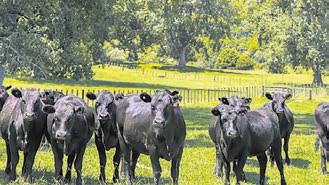



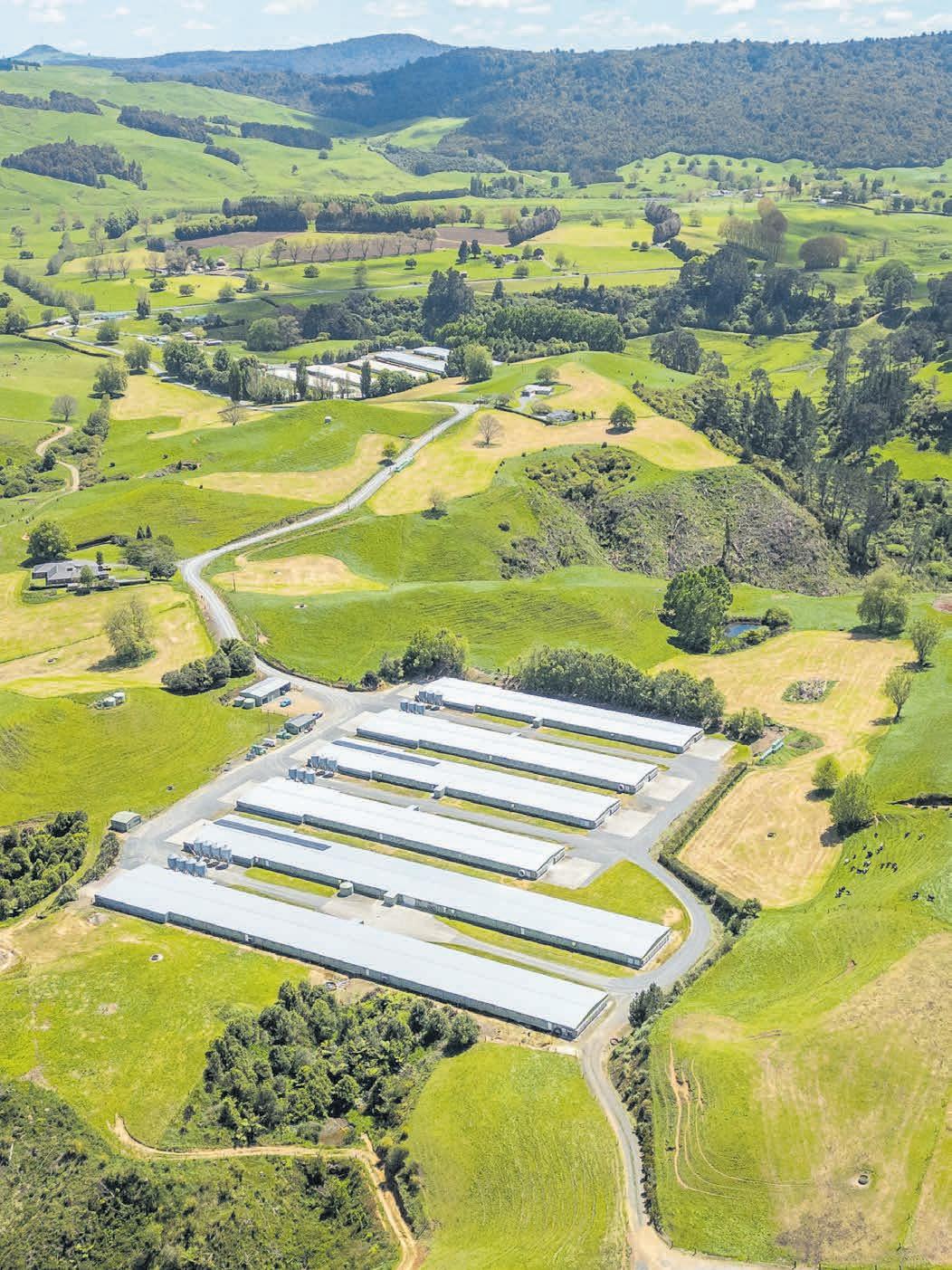
h-perfo g barn- d broil ween M m m
Hig rmin raise er operation positioned bet atamata and Cambridge This efficiently managed, low-labour asset delivers predictable, contract-backed income insulated from seasonal, climatic, and commodity-price volatility
The property includes modern broiler infrastructure, excellent support buildings, and three quality homes
A proven large-scale enterprise offering strong cashflow, operational resilience, and long-term value for agri-investment portfolios
Closes Thurs 26 Mar, 4pm th (unless sold prior)
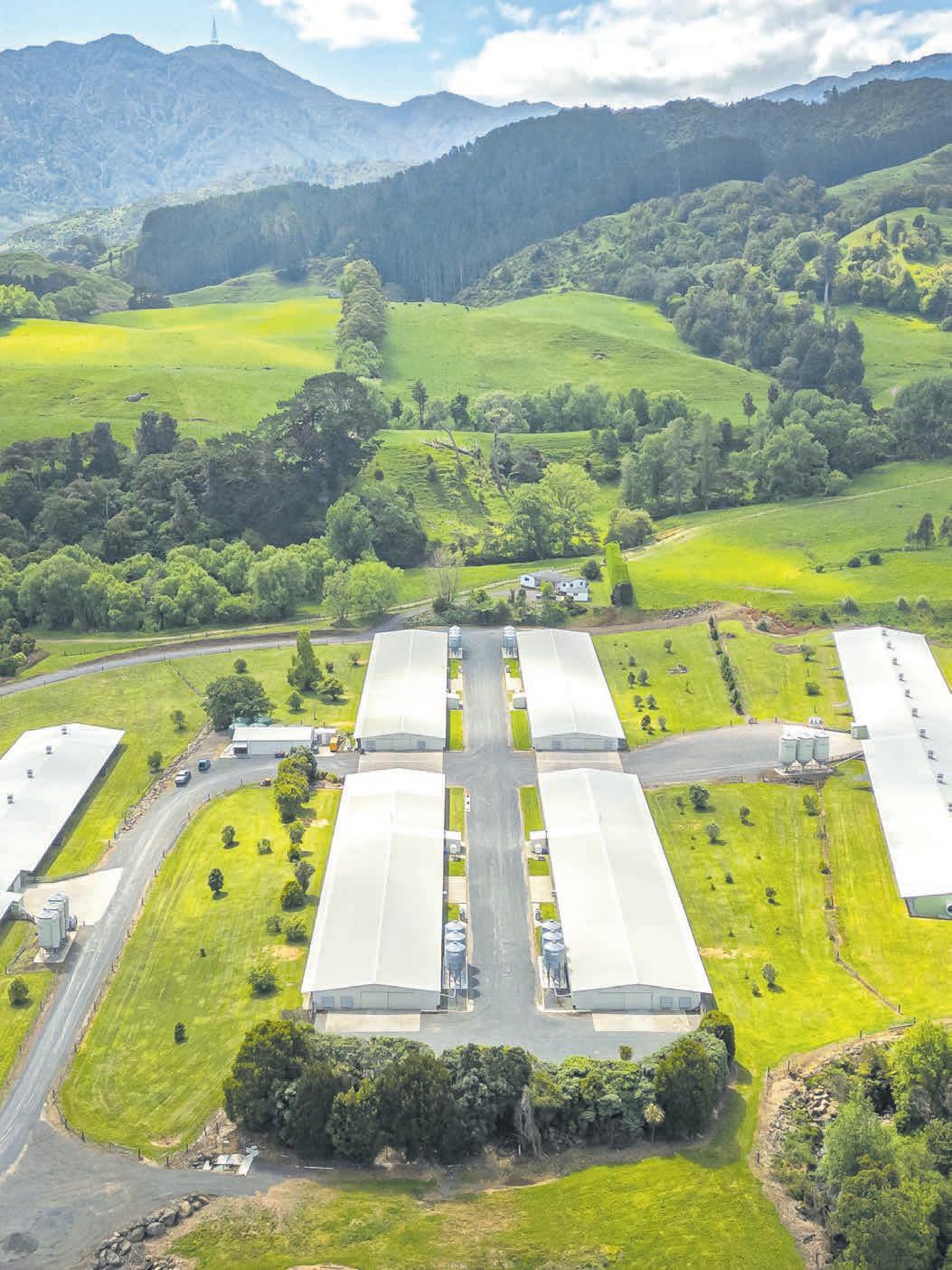
Step into a secure, low-risk agricultural investment delivering stable, long-term returns and lifestyle flexibility Inghams supplies the birds and feed you manage the operation within a fully integrated, high-performance system Enjoy CPI-adjusted contracts, predictable overheads, and stronger returns than commercial property Backed by Inghams, this reliable agribusin ess offers peace of mind and future security

For sale only minutes from town is an impressive home occupying what is arguably the very best location anywhere around the lake. Positioned in the most sheltered spot imaginable, with all day sun; making it the warmest spot in Taupo. And with no road noise or close neighbours, there is a sense of peacefulness.
Aside from spectacular lake views, a bonus is the nearby boat launching ramp. With excellent fishing right at your doorstep. Add to that the popular swimming beach with a diving pontoon, and you have the ultimate lakeside location. Check it out at: TAUP2620
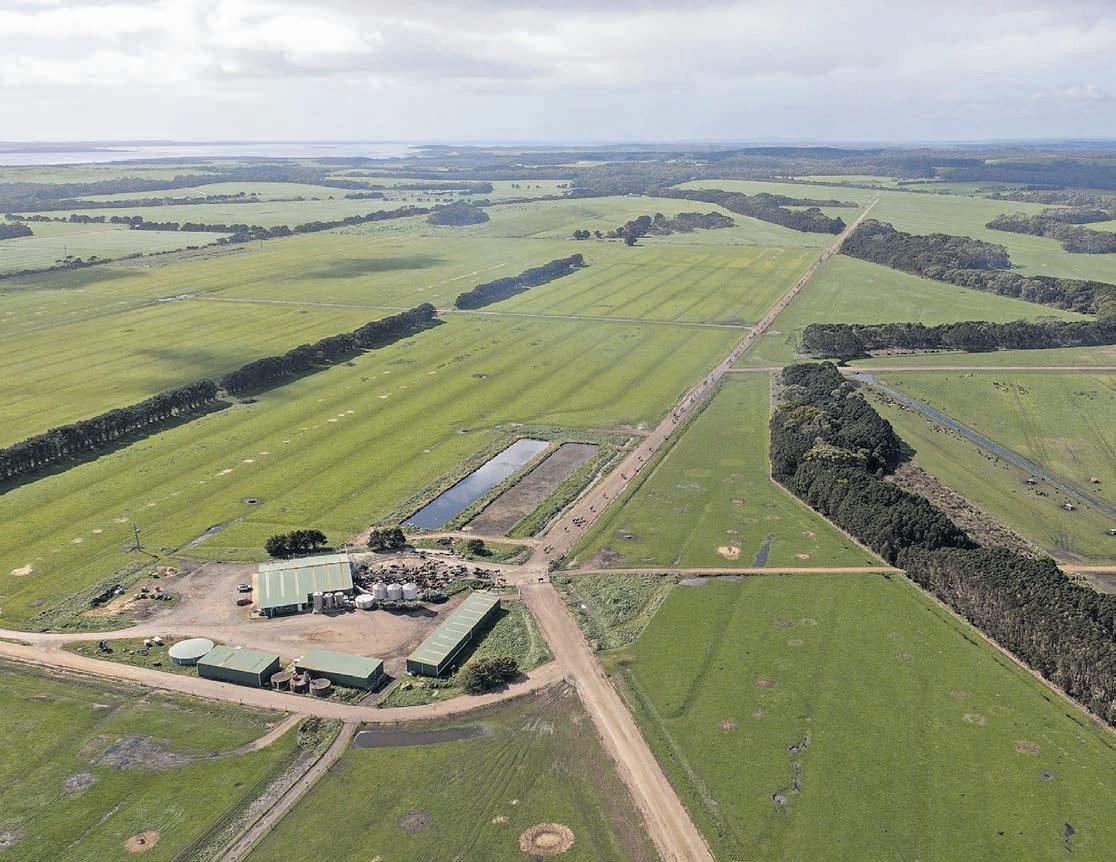
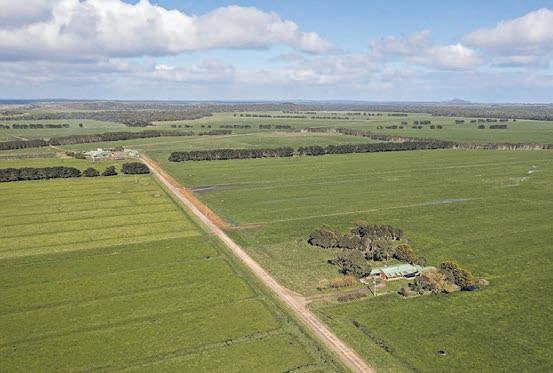
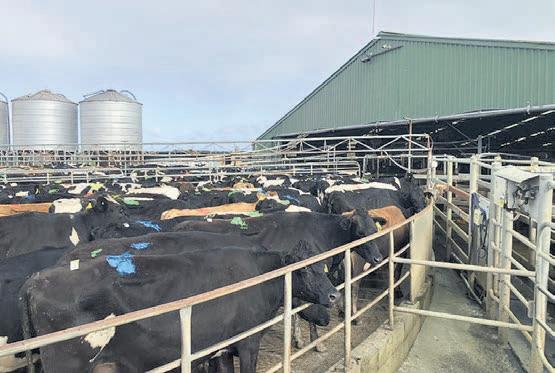
Key Investment Highlights
• Originally part of the iconic Van Diemen’s Land Company holdings and converted to dairy in the 1990s, Harcus Dairy continues to serve as a cornerstone of the region’s agricultural production landscape.
• Comprising approximately 901.6 hectares (2,227 acres), the property is currently operated as a highly productive dairy enterprise.
• Currently leased to an A-grade dairy operator (expiring February 2027), generating a passing annual rental income of $1,140,090 (including GST).
• A demonstrated history of large-scale dairy operations, historically milking up to 2,100 cows at a stocking rate of 2.0-2 5* cows per arable hectare.
• Current operations are milking approximately 900 cows and surplus pasture is effectively utilised for dairy support
• The current herd averages 430* kilograms of milk solids (MS) per cow, with a March-April calving system, strategically implemented to optimise winter feed efficiency
• Situated within one of Australia’s key dairy regions and close to major dairy processing facilities including Saputo (Smithton), Fonterra (Wynyard) and Cadbury’s (Burnie).
301 Woolnor th Road, Woolnor th, TA S
Land Size: 901 6 ha For Sale Contact Agent
Proper ty ID: nutrien harcour t s net/L 36 481607 Nutrien Harcourts and LAWD are pleased to present for sale Harcus Dairy, a largescale premium dairy operation located in the Circular Head region of north-west Tasmania, one of Australia’s most productive agricultural regions.
Tony Maguire
M 0417 101 392
tony maguire@nutrien com au Nutrien Harcour t s Tasmania
Danny Thomas
M 0439 349 977
danny thomas@lawd com au
L AWD - Melbourne
In conjunction with:


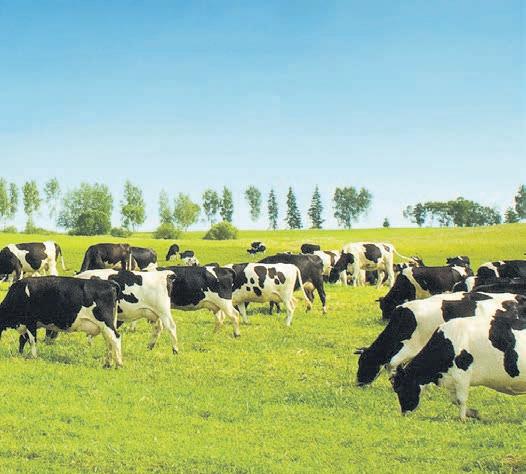





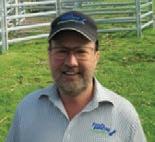
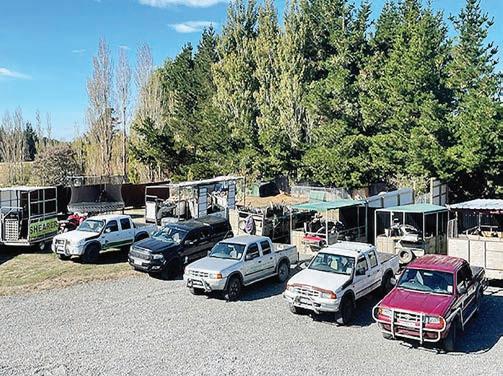





















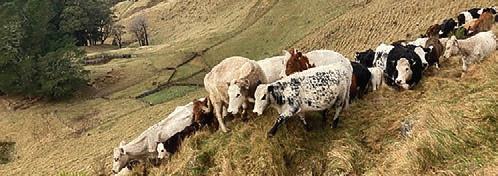

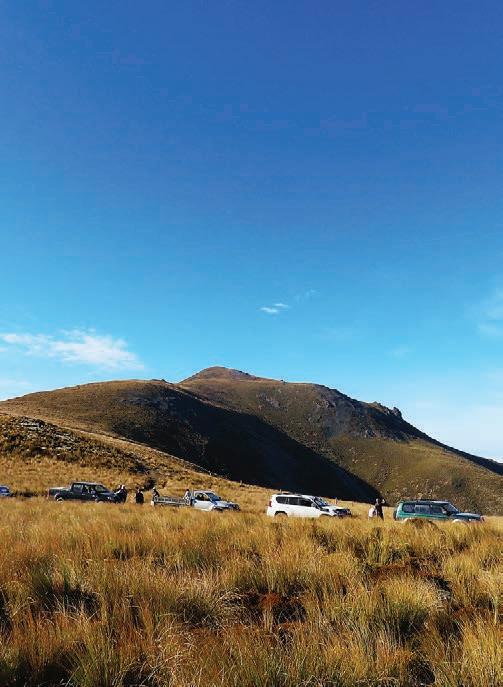





POLL DORSET RAM hogget sires. $650. Phone 027 919 7150. WILTSHIRES-ARVIDSON. Self shearing sheep. No1 for Facial Eczema. David 027 2771 556.
BOOK AN AD. For only $3.30 + gst per word you can book a word only ad in Farmers Weekly Classifieds section. Phone 0800 85 25 80 to book in or email wordads@agrihq.co.nz
BEAUTIFUL SINGLE COUNTRY lady! 5’3 with emerald green eyes and a happy disposition. Interests include swimming, the outdoors and cooking. She has good old-fashioned values. Seeking an honest and genuine gentleman to share outings and fun times. Call 0800 315 311 to make contact today
HIGH PRESSURE WATER
PUMPS, suitable on high headlifts. Low energy usage for single/3-phase motors, waterwheel and turbine drives. Low maintenance costs and easy to service. Enquiries phone 04 526 4415, email sales@hydra-cell.co.nz
BOB WAS SUED by his neighbor for defamation of character. She claimed that during an argument he had called her a pig. Bob was found guilty and fined $100. After the trial he approached the judge and asked, “Does this mean that I can no longer call Mrs. Johnson a pig?” The judge confirmed that that was true.
“Well, then would I be allowed to call a pig, ‘Mrs. Johnson’?” he then asked. The judge replied that he could indeed call a pig ‘Mrs. Johnson’ with no fear of legal action. Content with that answer Bob started to walk out of the courtroom, turned to his neighbor and said “Good day, Mrs. Johnson.”
WHAT’S SITTING IN your barn? Ford, Ferguson, Hitachi, Komatsu, JD. Be it an excavator, loader or tractor, wherever it is in NZ. Don’t let it rust. We may trade in and return you a brand new bucket for your digger or cash for your pocket. Email admin@loaderparts.co.nz or phone Colin 0274 426 936.
SAWN SHED TIMBER including Black Maire, Matai, Totara, Rimu, Mac, Redwood, Western Red Cedar etc. Also buying salvaged native logs. Phone Richard Uren. NZ Native Timber Supplies. Phone 027 688 2954.
Advertise your birth, death and family notices with us
Contact Julie 027 705 7181

15MTH H ere & Ang Bulls 350 –450kg (Quiet as for dairy sector)
15MTH Fries Bulls 360–450 kg
15MTH Angu
Okare Station, 226A Okare Road, Wairoa Thursday 5th March – Commencing 11am
• 6500 Romney Crypto Lambs
• 1500 Romney Ewe Lambs
• 4000 B/F M/S Lambs
• 500 x 5yr ewes
Freshly shorn, homebred Romney Lambs. 30 – 45kg weight range. Lambs will be sexed and drafted to suit all intending purchasers. GAP accredited.
1.5% rebate to purchasing agents.


Light lunch and refreshments available. Allow 1 hour from Wairoa. Further enquiries Daryl Fergus 027 209 2787



14th
R1yr Heifers
A top quality Brown Swiss Herd which has been bred to Samen & Semex Swiss Genetics for 21yrs. 50% of the Herd are registered with the Brown Swiss Association. The Cows will be sold in-milk & delivery can be immediate or 1st June.
A rare opportunity for the passionate Brown Swiss breeder to secure some excellent capital stock.
VENDORS: Gerben & Biancia Sterkenburg 0272 099 006 NZ Farmers Agent: Michael Conwell 0272 261 611
Neville & Dianne Greenwood
375 Corbetts Road, Ellesmere Tuesday 24th February - 12pm
70 Southdown Ram Lambs > Suitable for hogget mating > Well grown
Further enquiries: Callum Dunnett 027 462 0126
Further enquiries: Callum Dunnett (Hazlett) 027 462 0126 Neville Greenwood (Vendor) 027 431 1431


Tuesday 3rd March - 11am Start
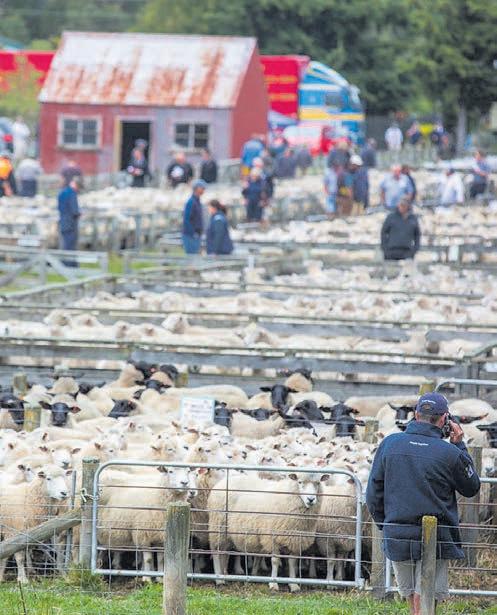





TUESDAY 10TH MARCH, 11AM
3RD ANNUAL SALE, AN EXCELLENT OFFERING OF STOCK INCLUDING APPROXIMATELY: 1221 TAIHAPE-NAPIER ROAD & ONLINE VIA R
8,800 SHORN ROMNEY WETHER LAMBS 900 SHORN ROMNEY EWE LAMBS

JOIN US FOR REFRESHMENTS AT 10AM & LUNCH FOLLOWING THE CONCLUSION OF THE SALE


A/c Multi Vendors
Date: Tuesday 3rd March 2026
Address: Cambridge Saleyards
Dairy Pavilion

Start Time: 1pm will be available for online bidding
COMPRISING:
56 x Frsn/FrsnX Mixed Age
In-Milk Cows
BW95 PW173
36 x Frsn/FrsnX Mixed Age
In-Milk Cows
BW70 PW132
DETAILS:
• Due to calve from 12th July to Hereford bulls.
• Mated 4 weeks only – nothing calving after 11th August
AUCTIONEERS NOTE:

IN-MILK SPRING CALVING FRIESIAN COW AUCTION
A/c Plainvue Farms Ltd
A/c Multiple vendors
Date: Wednesday 25th February 2026
Address: Matamata Saleyards
Dairy Pavilion
Start Time: 11:30am will be available for online bidding
COMPRISING: A/C Faraway Farms Ltd (David Van Bysterveldt)
• 70 x Mixed Breed & Age Autumn Calving Cows. BW122, PW186
• 17 x Mixed Breed & Age A2/A2 Autumn Calving Cows. BW132, PW187
• 34 x Mixed Age Jersey A2/A2 Autumn Calving Cows. BW158, PW210
March & April calving, blanket dry cow. TB Tested. All in-calf to AI Charolais only, no bulls used.
A/C A & A Carter
• 35 x Friesian Mixed Age Autumn Calving Cows
Date: Monday 2nd March 2026
Address: Matamata Saleyards Dairy Pavilion Start Time: 12.30pm will be available for online bidding
COMPRISING:
64 x Friesian In-Milk Cows
9 x Friesian In-Milk Empty Cows
• System 4, In-shed feeding, HB shed, 450 MS/COW
• HT (10th Feb) ltrs 16.6, m/s 1.38, SCC 98
• DTC from 20th July, Scanned to date
• Mated with ST Genetics (100 straws)
• A2 sires for the past 10 years
• Tailed with Hereford Bull, (out 7th Jan)
• TB: C10, BVD tested (nothing detected)
• Lepto Vaccinated
AUCTIONEERS NOTE:
All cows will come forward in great condition & in-milk.
Cows mated to spring out of an autumn calving herd.
AN EXCITING OPPORTUNITY TO PURCHASE EXCEPTIONALLY WELL BRED STOCK FARMED ON THE RENOWNED OHINEWAIRUA STATION HILL COUNTRY PASTURE AND RECOGNISED FOR THEIR SHIFTING ABILITY


PAYMENT TERMS: 14 days after the
DELIVERY: Immediate delivery
CARRFIELDS LIVESTOCK AGENT: Matt Hancock 027 601 3787




DTC from 20th March to AI Charolais, tailed with G3 Frsn bulls (BVD tested). Herd Test available.
A/C Vendor
• 40 x Mixed Breed & Age Autumn Calving Cows. March April Calving.
AUCTIONEERS NOTE:
Your last chance to buy quality Autumn calving cows. All cows will come forward in excellent condition.
PAYMENT TERMS: 14 days after the auction, Immediate delivery.
CARRFIELDS LIVESTOCK AGENT: Reuben Wright: 027 2846384
Owned for 36 years by innovative and highly respected dairy farmers Tony and Marlene Walters, recognised for their long-standing service to the dairy industry. This offering represents the spring-calving portion of a split-calving herd, made available following the appointment of a sharemilker who will be introducing their own spring cows. Originally an LIC herd, breeding transitioned to CRV eight years ago to enhance capacity and udder confirmation, with ST Genetics utilised over the past two seasons. The cows will be presented in excellent condition, offering the ability to be milked through to the end of the season.
PAYMENT TERMS: 14 days after the auction
DELIVERY: Immediate delivery
CARRFIELDS LIVESTOCK AGENT: Paul




Alex Coddington MARKETS Livestock
THE beef weaner sales season is just around the corner. Based on the strength of current store markets, there is plenty of head scratching already occurring as to where prices will land this year.
Stortford Lodge’s first beef weaner fair is set down for March 3. This is a fairly iconic event that often sets the tone for the selling season. The yarding of calves is always a showcase of some of the country’s most sought-after earlier-born calves and, as a result, the rostrum is consistently filled with loyal and competitive buyers.
Looking at how the market behaved last year is often a useful benchmark, but should be viewed in the context of the feed situation at the time. Last year, traditional steer calves at the first Hawke’s Bay fair averaged 240kg and about $1150 per head. This was considered a good result compared with previous years but fell somewhat short of expectations off the back of a dry Hawke’s Bay summer.
When forming expectations based purely on market funda-
mentals, it is often helpful to strip out inflation assumptions driven by schedule confidence and instead compare prices with current schedules.
Taking a look back over AgriHQ data to 2010, weaner steers in March typically sit at around 66% of the schedule, or closer to 6970% in a year when feed levels are good.
If we apply that to a $9.50 schedule, this could equate to around $6.65/kg, or approximately $1660 per head for a 250kg average weight steer in March. For heifers, expectations would sit closer to $5.75/kg, or about $1250 per head.
If competition at those first sales heats up, prices could easily push beyond those levels.
However, from an expectations standpoint, it is important not to get caught up in market highs, as there are likely to be plenty of them.
Over the previous two autumns, North Island buying power has been constrained by patchy feed and drought pressure. However, this year we’ve seen exceptional grass growth in every corner of the country.
It is therefore fair to assume this sale will attract an extensive line-up of buyers, but Hawke’s Bay
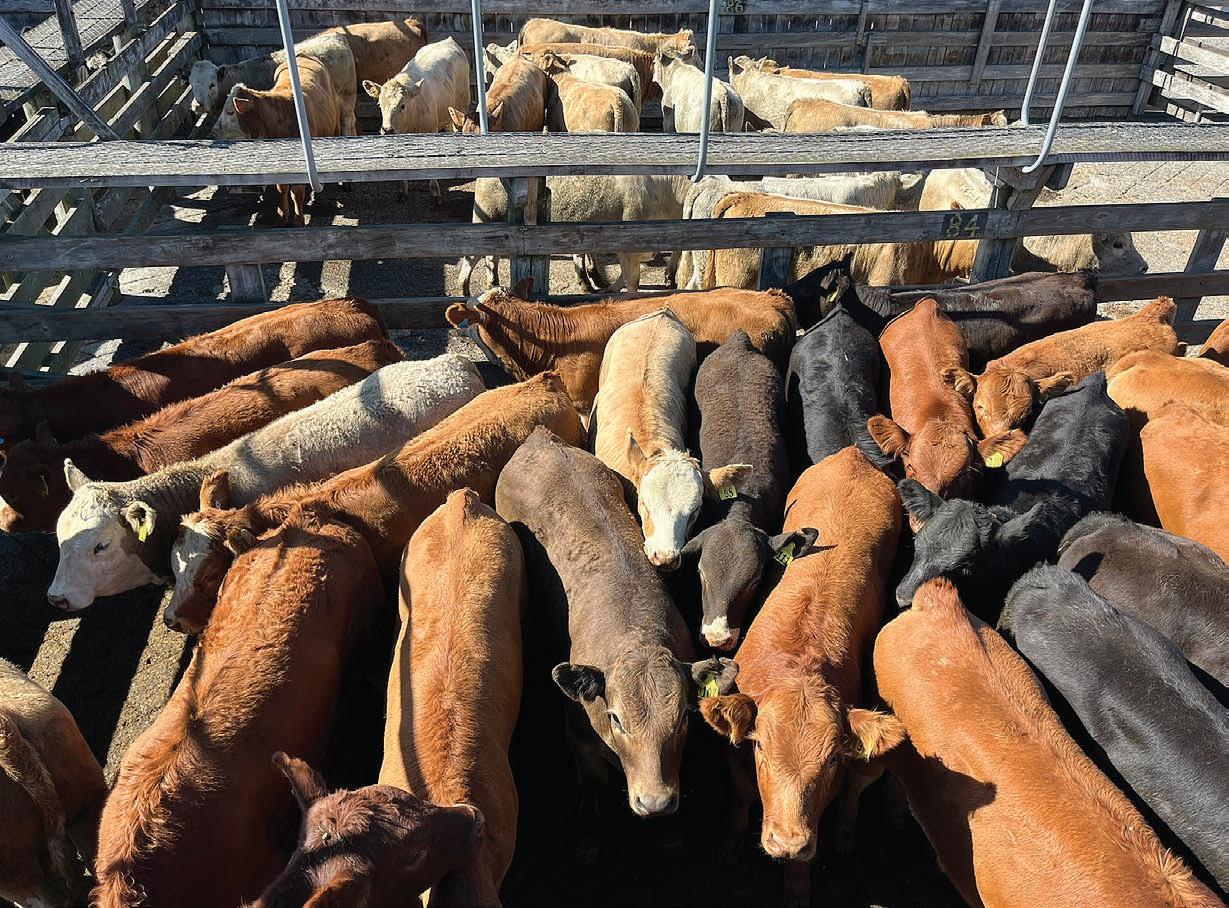
market, there is the expectation of greater availability this season.
The most recent stock number survey from Beef + Lamb New Zealand pointed to an increase in breeding cow numbers and high conception rates, suggesting a larger 2025 calf crop.
in particular remains relatively understocked. So these prospective shoppers will be facing a local buying bench wielding serious firepower in the form of surplus feed and finance.
A lot of the expectations for beef weaner prices are based on recent store cattle returns. However, it’s worth considering how much of that current inflation is being driven by short supply.
It’s also highly possible that farmers might opt to offload more calves to take advantage of the expected surge in prices. Whether that’s enough to dampen prices given the expectation of strong demand remains to be seen. But its highly likely prices will settle as more sales get underway through the peak selling weeks of mid-autumn.
Another factor to consider in a better growing season is the
calves and far fewer feedrestricted types coming to market. Higher average weights will add directly to per head prices, and buyers waiting for a cheaper, lower-weight calf may be left empty handed – or at least met with overwhelming competition.
The outlook for the price of beef is buoyant. Overarching supply and demand factors from the world’s largest beef producers all point to higher prices for beef moving forward.
While confidence is warranted, no market is without risk so it will be important this beef weaner season to stick to grounded expectations based on market fundamentals and margins alongside the grass-driven demand for stock.


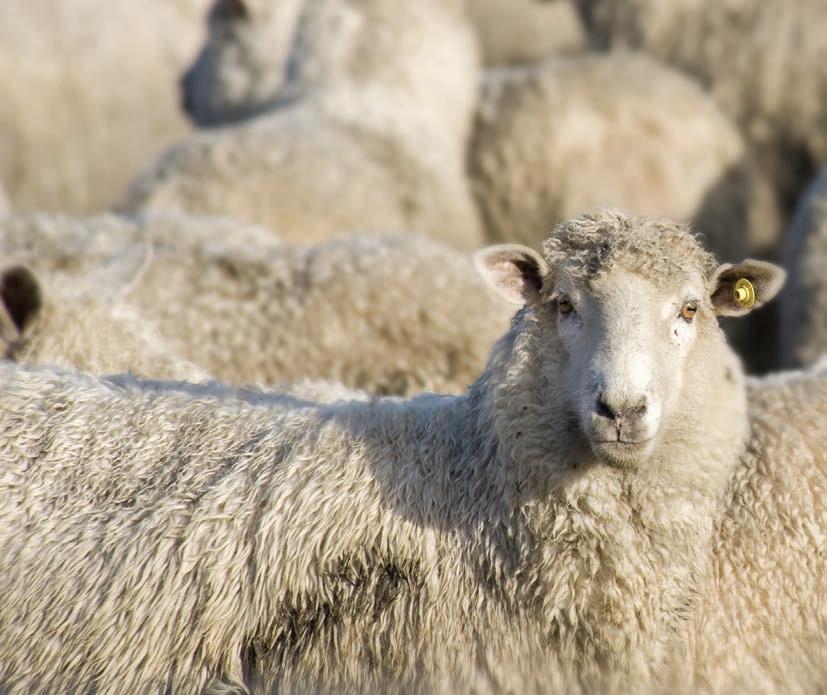


These weekly saleyard results are collated by the AgriHQ LivestockEye team. Cattle weights and prices are averages and sheep prices are ranges. For more detailed results and analysis subscribe to your selection of LivestockEye reports. Scan the QR code or visit www.agrihq.co.nz/livestock-reports HOT
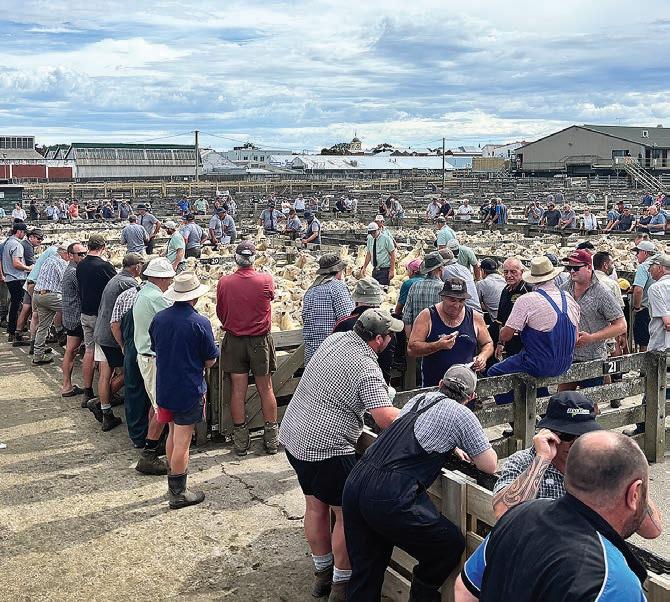








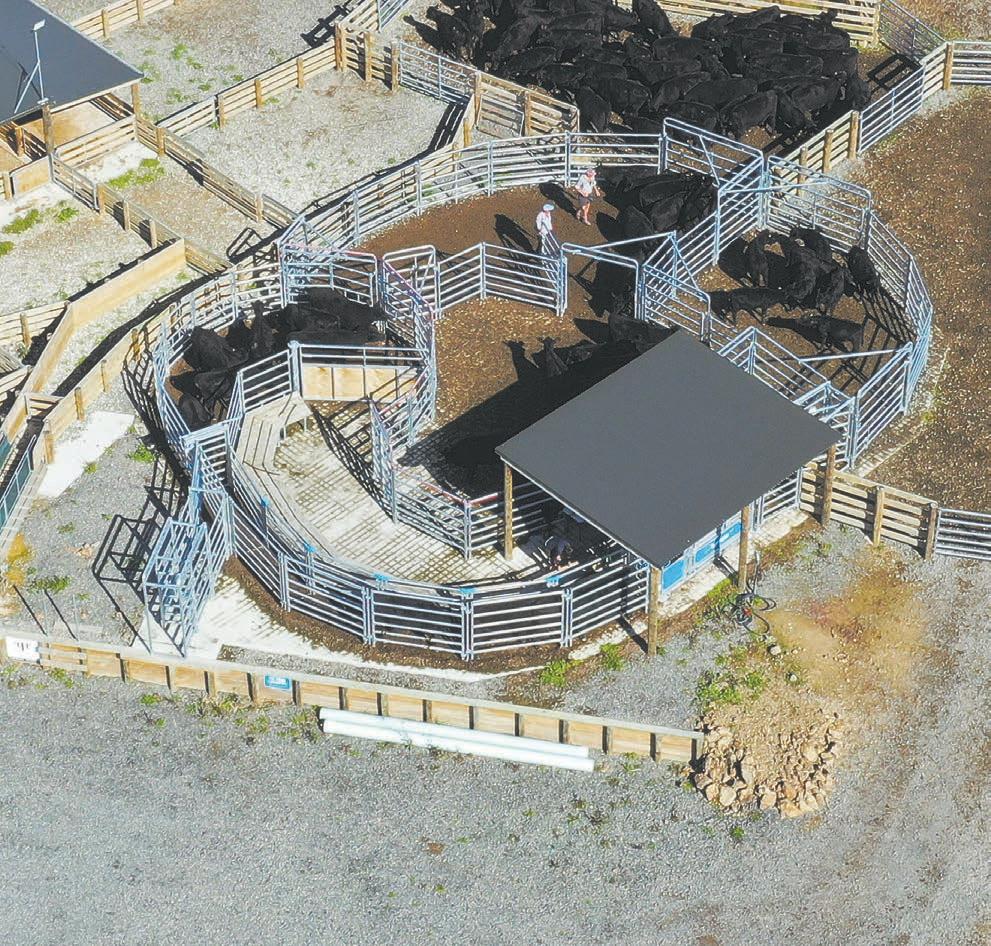
Boner Friesian cows, 525kg
Sheffield | February 13 | 12,437 sheep
2-tooth Romney, Romney-cross ewes, most
5-year Perendale ewes, all 232-260
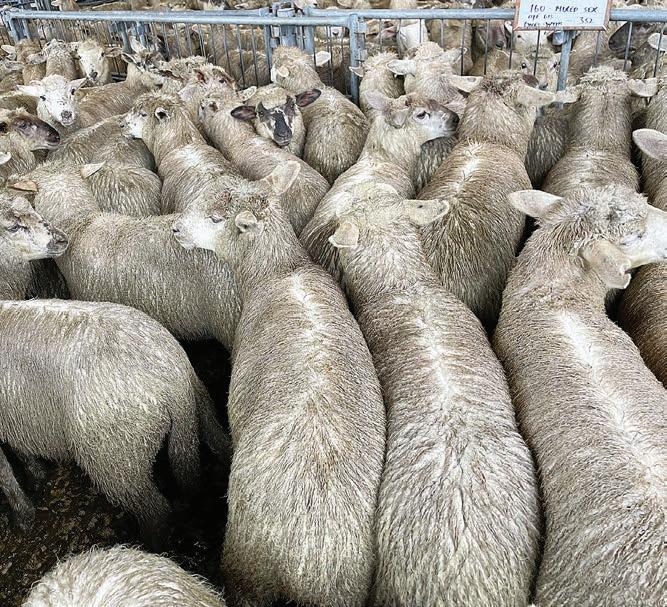
Boner Friesian heifers, 445kg
Store mixed-sex lambs, all
Store mixed-sex
5-year
6-year











JANUARY and February have served up heat, cold, wind, rain, sunshine and gloom –
it’s almost as if New Zealand were two mountainous islands in the middle of nowhere and half inside the roaring forties. Each summer, our location on Earth means we don’t have a “set pattern” like some larger nations do. We can have a summer of highs, or a summer of lows. It depends on the southern hemisphere set-up of anticyclones each year – sometimes highs stream over us bringing drought, other years we get low after low. Lately we’ve had a bit of both, but some big lows.
There are always subtropical storms forming and drifting southwards – each time NZ goes into drought I don’t know how many times I see a major storm (like the east coast one we had last week) tracking just east of the Chatham Islands, instead of
bringing rain relief to NZ.
But when we get a few lows in a row it does make people question what is broken – whereas I see it as highs and lows simply lane-changing.
It’s worth noting that despite our uptick in damaging and deadly weather events in NZ this year, there have been no named tropical cyclones named by the Fiji Met Service since the cyclone season started back on November 1 2025. (The South Pacific tropical cyclone season ends on April 30, so we’re not in the clear yet.)
But as I look at the weather maps for the rest of February I still see that word “variety”. High pressure is definitely in the mix, exiting Australia and moving through the NZ area – but each high is different in strength and power (some years they are just strong and slow moving). This brings us variety in wind directions, air flows, and rain events – mixed in with dry days.
Despite the subtropical storms in NZ over January and February, the two-week maps hint at more
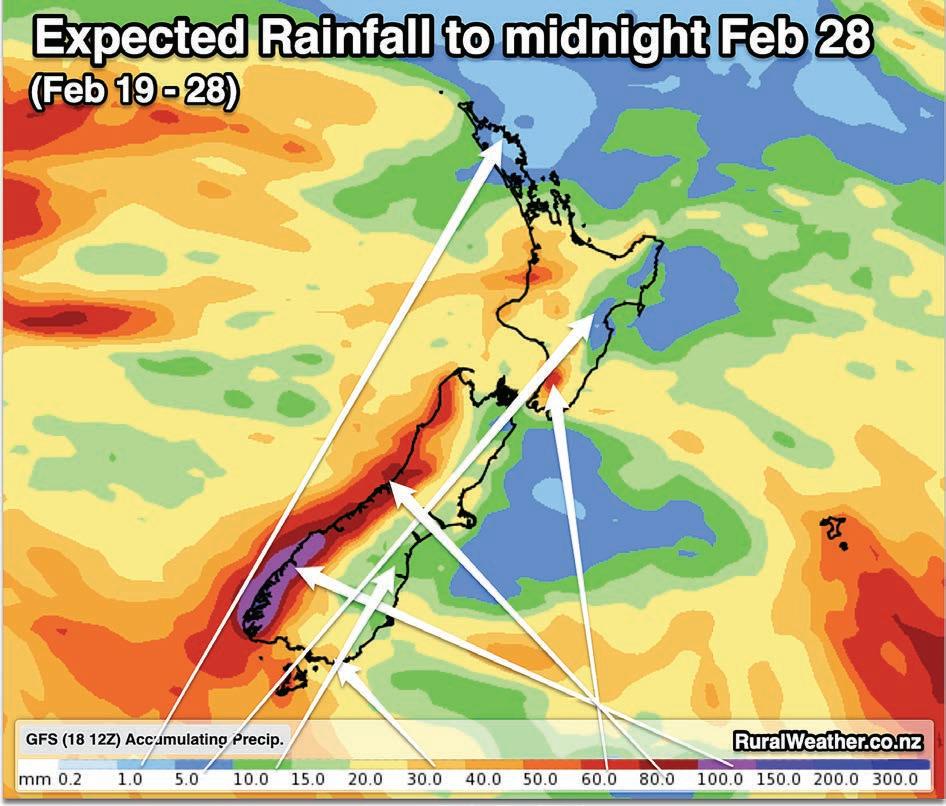
of an autumnal weather pattern emerging. We can measure this by seeing more lows growing south of NZ (and maybe over us) – along with an uptick in westerly winds. Sometimes an early start to autumn can herald some hot, sunny, windy, days in the east. But for westerners it can bring more gloomy weather. Every time I say “we’re not done with summer
yet” I get someone replying that “summer never started where I am”. I’ve heard that a lot this summer!
The final week of February has high pressure around – especially for the upper North Island – while weak cold fronts (at least three of them) brush the South Island (and maybe the North Island) as they pass from west to east –
DRIVER: Rainfall for the rest of February is mainly westerlydriven wet weather, especially for the West Coast.
fuelled by lows south of NZ. Because these incoming high aren’t very powerful, they can sometimes have large lows that form between them. That may well be possible on March 1, followed by more “hit and miss” highpressure zones.
Variety and a hint of autumn –that sums up our weather over the next two weeks.