Future focus as farmers open wallets

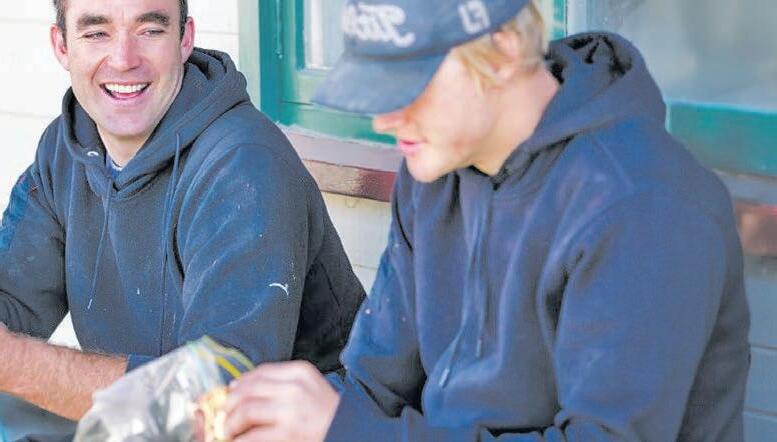
FARMERS are looking to the future before they commit to spending more on new farm equipment, according to those at last week’s Southern Field Days.
With sheep fetching record prices, wool prices rising and the dairy sector strong, expectations were high that those attending the three-day event at Waimumu, near Gore, had come to spend.
Peter and Tania Dobbie, dairy farmers from Clinton, placed an order for a generator. Peter said overall farm resilience influenced the decision to buy.
They are also using Waimumu to scope out the market for large items they need to buy for the farm in the next year, such as a new spray unit, and are looking at technology that will align with future farm planning.
The manager of New Zealand agribusiness at financial advisory service Findex, Mark Wilson, told Farmers Weekly his clients are spending less money on farm growth or capital investment, and are having more conversations around diversification, wealth management, investing in their children’s businesses, or investing in a rental property.
The market seems to have matured, with farm clients not wanting all their eggs in one basket, Wilson said.
Alistair Horrocks, GM for DeutzFahr at Power Farming, said he has seen a shift in sentiment, with farmers who previously stood back, trying to assess politics and the economy, now getting serious about buying.
General inquiries across their entire portfolio, which includes the lifestyle market and a professional customer base, have increased.
“Those sitting on the fence a year ago are now willing to commit to buying,” he said.
He said there is a lot of competition in the finance space, with deal-sweeteners, such as extended warranties, used to push sales over the line.
Pete Leonard, a sales rep with Southland Farm Machinery, spoke to Farmers Weekly at the John Deere stand, saying people do their homework before visiting Waimumu and already know what the trade-in value for their second-hand machinery is before buying something new.
Duncan Cook farms sheep and beef, and grazes dairy in Curio Bay. He just bought a new fusion baler, and he and his wife are still deciding whether they will also buy a new rake.
He said he used to bale for his own needs alone, but has recently started contracting, doing 8000 bales per year.
He is basing his decision to spend on farm needs.
All roads lead to Matawhero
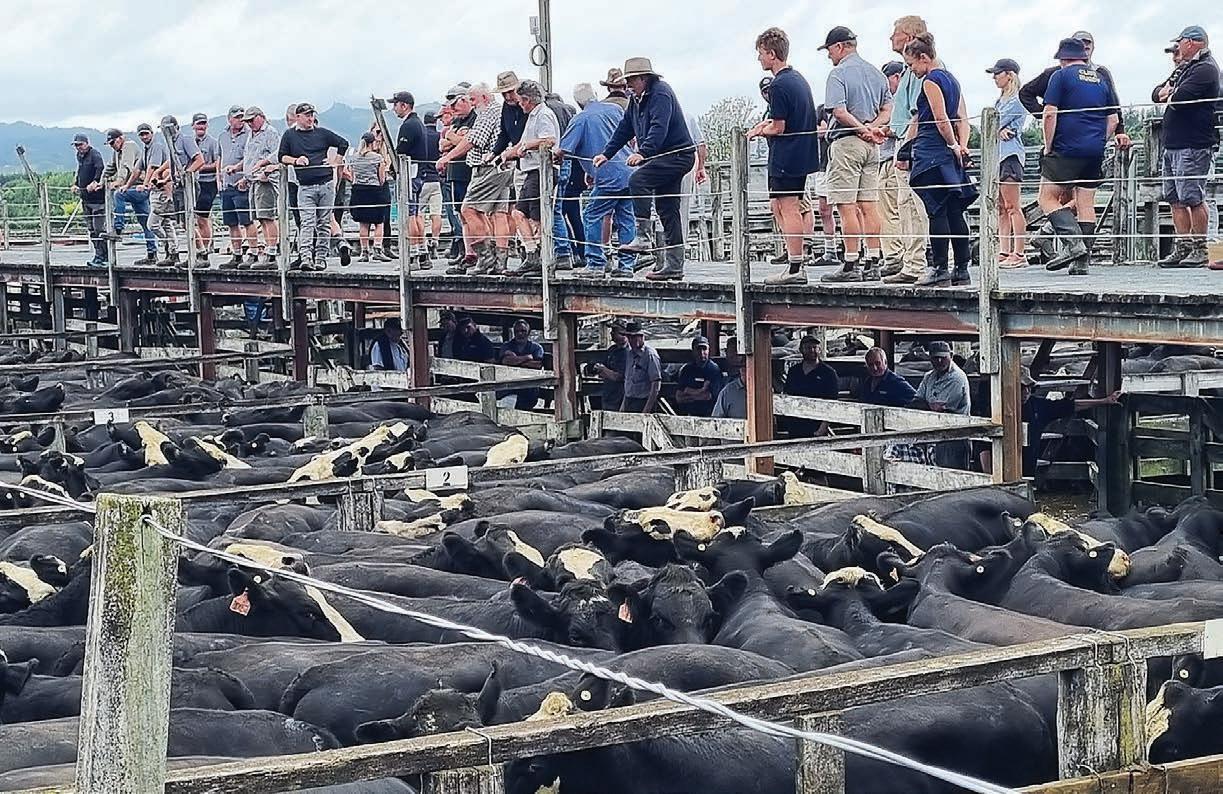
The closure of the Waioweka Gorge meant an annual draft consignment of 950 shortterm traditional and exotic-beef steers from Morunga Station, Matawai, headed to the Matawhero saleyards last week. The crowd was stacked upstairs and down, and witnessed a record sale result for the top quality offering.
MARKETS 36
Lamb Day festivities get cooking
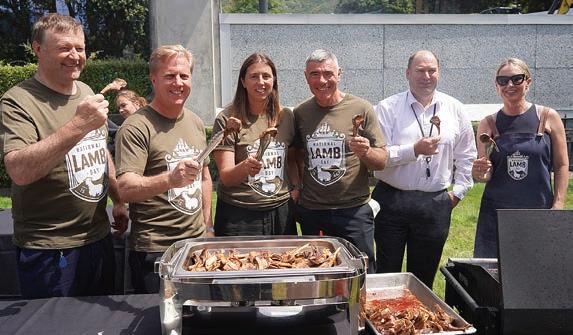
About 250 people attended a National Lamb Day barbecue at Parliament on Wednesday, starting several days of celebration of the first shipment of frozen lamb 144 years ago. Associate Minister of Agriculture Mark Patterson, Agriculture Minister Todd McClay, BLNZ chair Kate Acland, Meat Industry Association chair Nathan Guy, and associate agriculture ministers Andrew Hoggard and Nicola Grigg enjoyed lamb chops.
Govt snub of Tairāwhiti plan baffles Alan
Gerhard Uys MARKETS Field days
Get in touch
EDITORIAL
Bryan Gibson | 06 323 1519
Managing Editor bryan.gibson@agrihq.co.nz
Craig Page | 03 470 2469 Deputy Editor craig.page@agrihq.co.nz
Claire Robertson
Sub-Editor claire.robertson@agrihq.co.nz
Neal Wallace | 03 474 9240 Journalist neal.wallace@agrihq.co.nz
Gerald Piddock | 027 486 8346 Journalist gerald.piddock@agrihq.co.nz
Annette Scott | 021 908 400 Journalist annette.scott@agrihq.co.nz
Hugh Stringleman | 027 474 4003 Journalist stringleman@outlook.co.nz
Richard Rennie | 027 475 4256 Journalist richard.rennie@agrihq.co.nz
Nigel Stirling | 021 136 5570 Journalist nigel.g.stirling@gmail.com
Isabella Beale | 027 299 0596 Multimedia Journalist isabella.beale@agrihq.co.nz
PRODUCTION
Lana Kieselbach | 027 739 4295 production@agrihq.co.nz
ADVERTISING MATERIAL
Supply to: adcopy@agrihq.co.nz
SUBSCRIPTIONS & DELIVERY 0800 85 25 80 subs@agrihq.co.nz
PRINTER
Printed by NZME
Delivered by Reach Media Ltd
Advertise
SALES CONTACTS
Andy Whitson | 027 626 2269
Sales & Marketing Manager andy.whitson@agrihq.co.nz
Janine Aish | 027 300 5990
Auckland/Northland Partnership Manager janine.aish@agrihq.co.nz
Jody Anderson | 027 474 6094
Waikato/Bay of Plenty Partnership Manager jody.anderson@agrihq.co.nz
Palak Arora | 027 474 6095
Lower North Island Partnership Manager palak.arora@agrihq.co.nz
Andy Whitson | 027 626 2269
South Island Partnership Manager andy.whitson@agrihq.co.nz
Julie Hill | 027 705 7181
Marketplace Partnership Manager classifieds@agrihq.co.nz
Andrea Mansfield | 027 602 4925 National Livestock Manager livestock@agrihq.co.nz
Real Estate | 0800 85 25 80 realestate@agrihq.co.nz
Word Only Advertising | 0800 85 25 80 Marketplace wordads@agrihq.co.nz
PUBLISHERS
Dean and Cushla Williamson Phone: 027 323 9407 dean.williamson@agrihq.co.nz cushla.williamson@agrihq.co.nz
Farmers Weekly is Published by AgriHQ PO Box 529, Feilding 4740, New Zealand Phone: 0800 85 25 80 Website: www.farmersweekly.co.nz
ISSN 2463-6002 (Print) ISSN 2463-6010 (Online)
News in brief Record
profit
1-13 Opinion
14-15 Sector Focus
Women
16-20
. 21 Federated Farmers . 22-25
26-32
33
34-35
36-39
40

ACCREDITATION: Andy Caughey addressed the IWTO Congress in France last year, saying global engagement is making it easier for brands to buy wool, making accreditation requirements a door opener rather than an obstacle. STORY P16
Skellerup has posted a record net profit after tax of $28.9 million, up 20%, in its interim results for the six months to end December 2025.
It has also raised the full-year net profit guidance to be in the range $57m to $62m, compared with $54.5m in FY2025. Revenue in the Agri division was up 21% with increased sales of rubberware consumables in dairy markets and footwear in domestic and international markets.
Dedoncker to Elders
René Dedoncker is resigning as Fonterra’s managing director of global markets consumer to take up a position as CEO of Elders.
Dedoncker has been with Fonterra since 2005 and has held several global leadership positions in that time, including leading its Mainland Group business since March last year.
Trying times
Difficult trading conditions have trimmed the prospective payments to Bremworth shareholders from the planned sale of the carpet manufacturer to multinational flooring company Mohawk Industries. Bremworth has reduced the likely capital return range to $14 million-$21m, representing 20-30c a share, down by 10c. In addition to the 75c purchase price offered by Mohawk subsidiary Floorscape, Bremworth now says the estimated total consideration for the scheme implementation agreement will lie between 95c and $1.05.
Erosion support
The government is seeking applications for a share of a $28 million fund for erosion control.
The Hill Country Erosion Programme fund is a four-year partnership between the Ministry for Primary Industries, councils.


Weather woes take a bite out of cherries

Neal Wallace NEWS Horticulture
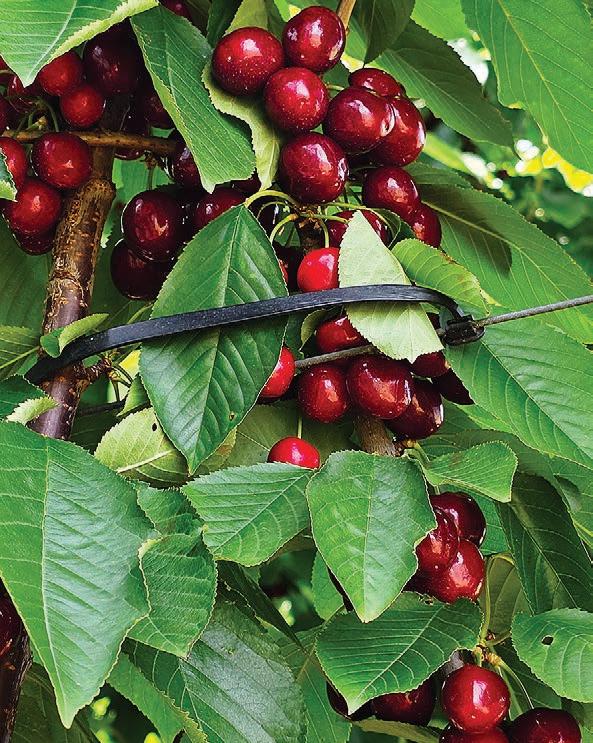
EXPORTS of this season’s cherries could be 2 million kilograms below last year’s record crop, the fruit volume and quality impacted by cool, wet and windy weather in central Otago.
This season’s cherry exports up to February 8 totalled 3.140 million kg while for the 2024-25 season a record 5.157 million kg were exported worth $124 million.
Summerfruit NZ chief executive Dean Smith said the cherry picking season is in its last week with the reduced volume reflecting what has been a challenging season.
The quality of what has been exported has been high so we have preserved our international reputation.
Dean Smith Summerfruit NZ
In 2023-24 4.4 million kg of cherries were exported and 4.2 million kg in 2022-23.
Smith said central Otago cherry growers have been struggling, from pollination through to harvest, due to a lack of sunshine, heat, frequent rain and wind causing fruit rub.
Having to employ helicopters to dry cherries to retain quality after rain has been an additional cost.
Hawke’s Bay cherry growers had a much better season with warm, dry weather. While yields are back, he said, fruit quality is high.
Smith said growers have not compromised on grading standards, so while less was exported, quality has been maintained.
“The quality of what has been exported has been high so we
Continued from page 1
He said it was fairly easy to spend money on a baler because the contracting side of the business pays for itself, and is off-farm income, which in the long run allows him to have new equipment for his farm.
Tom Denton, general manager for the CLAAS Harvest Centre retail business in the South Island, said farmers generally spend because of need, such as needing to make a change in the farm system or upgrading equipment.
He said Southern Field Days is historically a selling field day, with farmers approaching his team knowing what they are in the market for right after gates open on Day 1 of event.
He said sentiment is mixed across sectors, but is mostly good.
have preserved our international reputation.”
One saving grace has been the lateness of the Chinese New Year, which runs from February 17 to March 3 and is a key market for cherries.
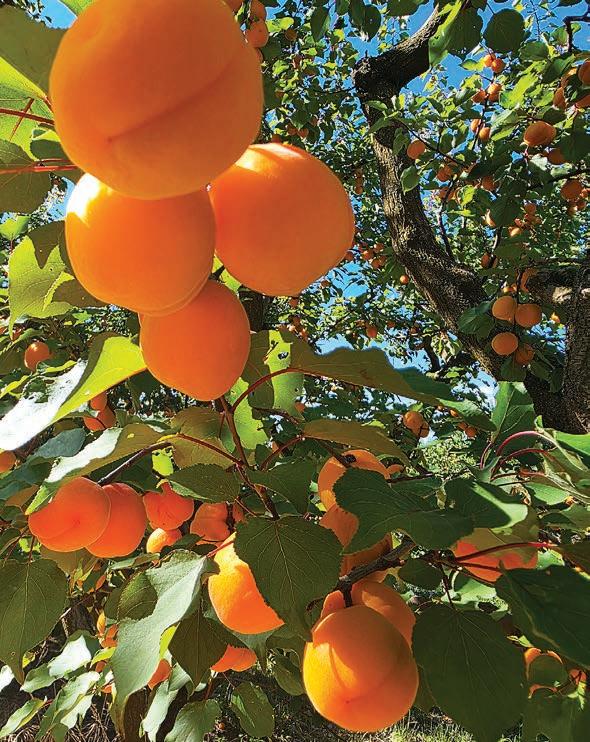
Attention is now turning to the harvest of other summerfruit varieties and while it has also been a challenging season, Smith said there have been areas such as Roxburgh in central Otago where apricots are of high quality.
The yield and quality of all summerfruit has been similarly impacted by those same challenging climatic conditions.
Up to February 8, 40,450kg of apricots and 33,327kg of peaches were harvested compared to 183,000kg and 79,020kg respectively for the whole of the 2024-25 season.
Early forecasts indicate a standout apple and pear season, with fruit quality described as exceptional and pack-out rates high.
New Zealand Apples and Pears acting manager Danielle Adsett said it is a welcome return for an industry that has endured several challenging years from covid 19 disruptions and extreme weather events.
“The fruit looks and, most importantly, tastes fantastic.
“Growers are reporting excellent quality, early pack-outs are tracking really well and there’s a real sense of optimism across the industry,” she said.
Yields are high and are “tracking in the right direction”.
The season reflects a warm and dry spring in key growing regions, with high growing degree days and high levels of solar radiation, which has resulted in large fruit with vibrant colour of excellent eating quality.
“Apples and pears from all growing regions are expected to store superbly for export markets,” she said.
High-end India sheepmeat hopes may be hollow

Nigel Stirling MARKETS Beef and lamb
EXPORT data for the Australian sheep industry suggests there is hard work ahead for New Zealand meat exporters in the Indian market, even with the tailwind from a free trade deal.
NZ sheepmeat exporters currently face tariffs of 33% but would match their Australian rivals on zero on the first day
of the free trade agreement with India, if and when it is confirmed.
However, three years after their own free trade agreement began at the end of 2022, Australian exporters are still to make significant inroads into the Indian market.
In 2024, Australia managed to sell just 50 tonnes of lamb and 205 tonnes of mutton to India.
And while the latest figures from the Australian Department
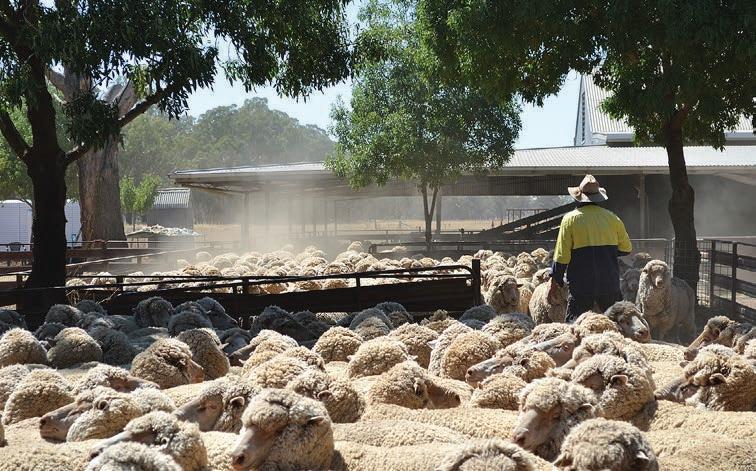
of Agriculture, Fisheries and Forestry show significant increases in percentage terms in 2025, with 215 tonnes of lamb and 490 tonnes of mutton sold, sales to India remained a very minor component of Australia’s total sheepmeat exports of 559,162 tonnes last year.
The potential for lucrative sales to five- and six-star hotels in major Indian cities has been hyped for at least a decade by some industry players as a major opportunity for NZ lamb exports.
That potential was supposedly being held in check by high tariffs.
But one major NZ meat exporter spoken to by Farmers Weekly said the latest Australian statistics show exporters there are hardly having any more success in higher-value parts of the Indian market, even with the tariffs gone.
“Fifty per cent of the trade is mutton, manufacturing trim and carcases.
“Hardly a massive value-added opportunity,” the exporter said.
NZ’s favourite farm bike says goodbye
Gerhard Uys TECHNOLOGY Transport
THE two-wheeler that could be New Zealand’s all-time favourite farm bike, the Suzuki DR200SE, is saying its goodbyes.
Jared Brown, parts manager and sales at Powerzone Motorcycles in Balclutha, told Farmers Weekly at Southern Field Days that their shop sold its last one over the weekend after a farmer from Canterbury phoned multiple dealers until he found the bike. Brown said a last shipment of about 20 bikes is on its way, but it is mostly presold.
Although the motorbike is used extensively across New Zealand,
the rest of the world does not use it. The jigs used to make the bike are coming up for renewal and it is not financially viable to remake them, he said.
The bike is also based on old-school technology, and “unfortunately it’s the end of the line”.
Suzuki will still service the bikes, he said.
“It’s the best farmbike out there, they’ll keep going”.
The DR200SE will likely be replaced with a 190cc, which will be more “commuter looking” but set up for farm work.
It’s a bulletproof workhorse that you jump on in the morning and you can just get out and go, he said.
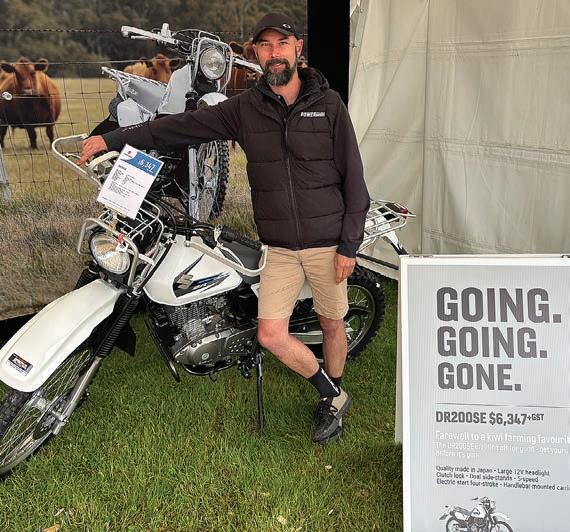
“As long as you keep up the maintenance it will last forever.”
The Suzuki DR200SE will now likely be a sought-after piece of equipment, he said.
VALUED: The Suzuki DR200SE will become a sought-after piece of gear because the bike will no longer be made, says Jared Brown, parts manager and sales at Powerzone Motorcycles in Balclutha.
Photo: Gerhard Uys
CHALLENGES: This season’s central Otago cherry crop has been hit hard by a cool, damp summer.
PROMISING: This year’s apricot harvest is looking promising in parts of central Otago.
NOT A LOT: In 2024, Australia managed to sell just 50 tonnes of lamb and 205 tonnes of mutton to India.
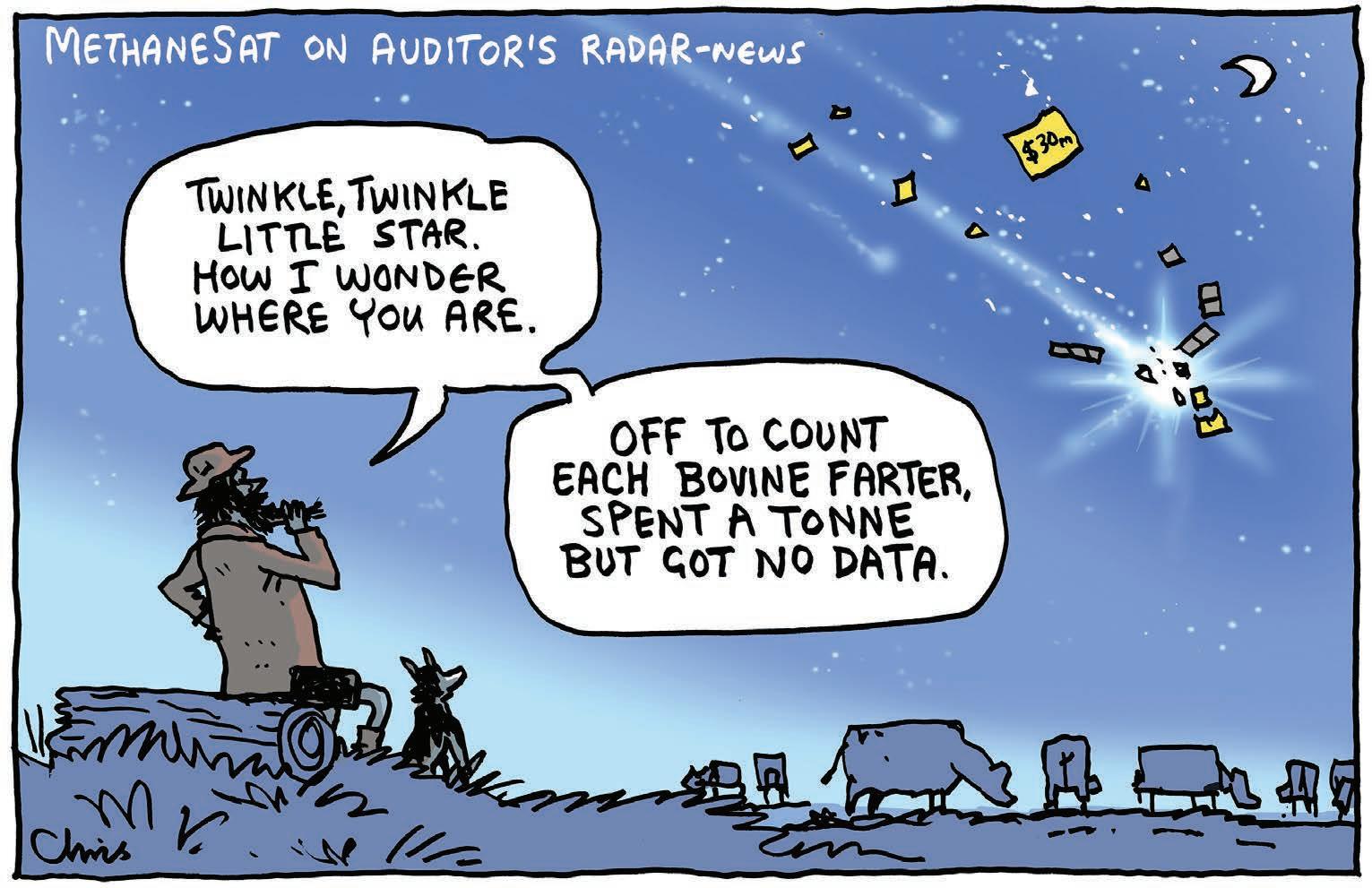
Methane satellite on auditor-general’s radar

Richard Rennie TECHNOLOGY Methane
THE Office of the AuditorGeneral has confirmed it is considering an investigation into the loss of $30 million of science funds invested in the ill-fated MethaneSAT satellite project.
Initiated in 2018 and beset with delays prior to its launch in March 2024, the satellite was designed to monitor methane losses from oil and gas fields, but $6 million of the investment also went to NIWA specifically for farm emissions monitoring.
The project received $29m in government funding.
The high-profile project was the first launch for the NZ Space Agency, a division of the Ministry of Business, Innovation and Employment overseen by Minister for Space Judith Collins.
The auditor-general’s office told Farmers Weekly it is aware of the matter and is considering it through its standard inquiry review processes.
This week’s poll question:
Should the government have invested $30 million in the MethaneSAT satellite project?
Have your say at farmersweekly.co.nz/poll
Even prior to its failure while in orbit in June last year, the MethaneSAT project had a history of dissent from the scientific community about the amount spent and the value of the mission.
A review of the failed mission was conducted by MBIE and released in late November.
That report absolved MBIE of any responsibility for the failure, stating there was no action or inaction that NZ partners could have taken to prevent the loss of contact with the satellite.
NZ Space Agency director Andrew Johnson said the facts were clear, with failure occurring in hardware outside NZ’s control.
“The novel sensor hosted on the satellite performed extremely well and delivered useful data that researchers at Earth Sciences New Zealand are using today,” he said.
Auckland University physics professor Dr Richard Easther has long expressed his concerns about the project, initially challenging whether the project itself was a wise use of taxpayers’ money.
He said MBIE’s November investigation report answered the wrong questions when exonerating the agency of any fault in the mission’s failure.
“No one is saying they should have identified the technical problems this mission clearly had. My biggest concern over the project was the lack of transparency that has prevailed since its inception.”
He has added his support to calls from NZ Association of Scientists head Troy Baisden and the Taxpayers Union for the auditorgeneral’s office to investigate the project’s failure more thoroughly.
“The Space Agency was asked by RadioNZ in October 2024 about the spacecraft’s performance. The project’s response had been there were no ‘notable or particular
complications outside the realm of what would be anticipated’.”
But it turned out to have multiple problems, to the extent that control of the satellite was returned to its maker Blue Canyon in February to allow it to address them.
“Meantime cabinet ministers were being told about these problems. When things were going wrong, MBIE should have said so publicly.”
He said the MBIE should have exercised its rights to challenge the MethaneSAT company over its technical problems through its Memorandum of Understanding disputes clause, where open, honest communication is required.
Johnson said any future missions would manage expectations with mission partners around public communications about the challenges faced during missions.
Easther is also critical about the opportunity cost of investing so much scientific funding in a single project, buoyed more by political optimism than informed scientific opinion on where dollars could be best spent.
Baisden has also challenged the level of accountability behind the project, with no traceable blame being laid for the loss of $30m. Easther said there is a need for greater transparency.
He notes the Auckland now has a gold-plated satellite centre built to control the non-functioning $100m satellite, and that MBIE might shape future smaller projects to use it, so it didn’t look like a complete loss.
“Any scientist taking $29m in taxpayers’ money and concealing major project problems would find themselves in very deep trouble. But with MBIE we have not seen anything near a serious investigation, just a report that dodges the issues.”

SI forestry losses mount after Oct storm
Neal Wallace NEWS Forestry
BETWEEN 1500 and 2000 hectares of forestry in Otago and Southland were damaged in last October’s windstorm.
The figures are based on the latest assessment by the New Zealand Forest Service of the impact of the 150kph winds that buffeted southern forests on October 23.
City Forests, which manages a 25,000ha estate in OtagoSouthland, estimates it has lost about 500ha, mostly on its south Otago coast estate.
This follows estimates from another large southern forest company, Wenita Forest Products, that it lost 250ha in the same coastal region.
City Forests chief executive Grant Dodson said the region has until now not had the extreme weather events of parts of the North Island.
“We always lose a few trees but nothing out of the ordinary.”
Dodson said the winds lasted less than an hour but left a trail of damage that was confined to pockets within a forest as opposed to broad areas.
“There were runs down gullies, pockets on ridges, it was all very random.”
Many of those trees would have been harvested in the next five years, so crews have been redirected to focus on recovering windthrown trees.
Dodson expects it to take about a year to return to business as usual.
He said having fully mechanised logging crews has made recovery much safer, saying farmers need to be aware of the dangers of dealing with toppled trees.
Wenita chief executive David Cormack said damage was primarily confined to two blocks south of Dunedin, Berwick and Otago Coast.
He describes the damage as random with pockets of destruction while adjacent areas were largely unaffected.
Cormack said radiata pine trees that had broken off the stem were the priority to be recovered before they decline in quality, while those still connected to the stem can survive longer.
He said salvage work would continue for the next few months instead of scheduled harvesting.







OFFLINE: The MethaneSAT project had reported delays and issues from its inception that culminated in it going offline last June.
Image: MethaneSAT
EMS reviews generator charges after outcry
Neal Wallace NEWS Weather
EMERGENCY Management
Southland is reviewing charges levied to farmers for the hire of generators following last October’s windstorm.
A farming leader described the invoices as “astronomical”.
October’s storm, which generated gusts of up to 150kph, is estimated to have caused more than $50 million in damage, prompting 5000 insurance claims after it cut electricity to about 50,000 households and farms in Otago and Southland.
Farmers have started receiving invoices for the hire of generators organised by Emergency Management Southland but are baulking at charges of up to $14,000 for five days’ hire. EMS arranged the hire of 34 generators.
Lucy Hicks, the group controller at EMS, said the invoices did not include any extra charges, but farmers and insurance companies want a breakdown on how those charges were calculated.
Hicks says she has written to those who have been invoiced asking they delay any action until a review is complete.
“We acknowledge that questions have been raised about the basis for associated charges and as a result, EMS is undertaking a review of the generator-related costs.
“We will be asking those who received invoices to hold off on taking any action on the invoices they received while this review is underway.”
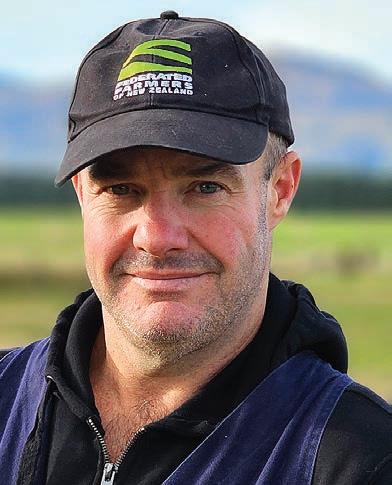
Southland Federated Farmers president Jason Herrick welcomed the review, describing the accounts as “astronomical”, adding that insurance companies require a breakdown of costs and charges.
Wyndham dairy farmer Lindsay Maxwell was charged $14,000 for the five-day hire of a generator that was used across two sheds and operated for 20 hours a day
“Nothing is free, but it is a lot of money,” he said.
Since the storm, he has bought two generators at a total cost of more than $30,000.
Bevan Collie from Tuatapere was charged $8500 for two days’ hire and said EMS’s insistence that it collect the generator rather than accept his offer of returning it, extended by two extra days the time it was on his farm.
He has decided to buy a generator, saying the cost more than covers the 2000 litres of milk
lost immediately after the storm and production that has not fully recovered since.
Hicks said costs were allocated “as equitably as possible”.
“This cost-recovery approach ensures that Southland ratepayers are not subsidising expenses for those who are ineligible for central government funding support.”
For generators sourced locally by the Emergency Coordination Centre, the charges covered the cost of the hire, transport and security services.
For generators transported from outside the region, costs included driver time, truck hire, loading equipment, fuel, security hire and the return travel time for drivers.
“As many of these services were delivered over a long weekend, a number of charges included after-hours or public holiday rates, including Labour Day,” she said.
Mike Cameron, head of claims, transactional at FMG, said clients were not expecting those hire costs and he urged farmers to provide as much information as possible such as the generator’s size, the length of time it was hired and any associated transport costs
“We use this information to ensure costs are fair, reasonable and consistent with policy cover.”
New pain protocols offer wider
Neal Wallace NEWS Health
A DECISION by the health buying agency Pharmac to fund access to selected trauma and pain relief drugs for rural health practices will reduce inequities faced by those living in provincial areas, say health professionals
Rural Health Network clinical director Rebekah Doran said the move gives unwell rural people quicker access to emergency trauma and pain relief that is currently available only in
hospitals and ambulances.
Pharmac’s director of strategy, policy and performance, Michael Johnson, said from March 1 specially trained doctors, nurses and midwives will be able to issue emergency medicines for heavy bleeding after childbirth or severe pain.
“Getting fast emergency care can be especially challenging for people living in rural areas of New Zealand, where ambulances can take longer to arrive and hospitals may be further away,” he said.
The funding will allow authorised health professionals to
stock and administer droperidol, glucose, ketamine, methoxyflurane, enoxaparin and intravenous tranexamic acid for postpartum haemorrhage.
Doran said access to methoxy-
It reduces inequity between people from urban areas and people from rural and remote areas.
Rebekah Doran Rural Health Network
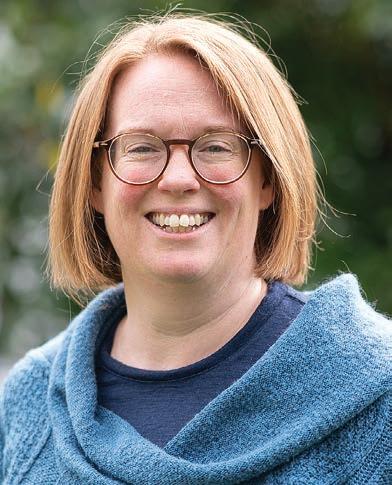
REVIEW: Emergency Management
Southland group controller Lucy Hicks says she has written to those who have been invoiced asking they delay any action until a review is complete.
He estimates the October storm caused more than $50m in damage, resulting in 5000 insurance claims.
Southland was hardest hit with over $25m in claims costs, followed by Canterbury at over $12m and Otago at more than $10m.
Cameron said that claims data did not give a full picture of the true impact experienced by farmers and growers.
This cost-recovery approach ensures Southland ratepayers are not subsidising expenses for those who are ineligible for central government funding.
Lucy Hicks Emergency Management Southland
rural access to relief
flurane, commonly known as the green whistle, would provide instant pain relief following trauma.
It will be administered only by those who are trained in its use.
Doran also welcomed the inclusion on the list of intravenous tranexamic acid for postpartum haemorrhage.
This can now be administered by midwives to women who experience heavy bleeding after giving birth.
Previously it could only be administered by ambulance officers, meaning patients would have to wait until they arrived.
She also welcomed access to ketamine, which would provide pain relief to those in palliative care who may want to spend time with their family away from care.
It is currently funded for palliative care in hospitals but not in the community.
Doran said the decision to extend use of these drugs addresses some of the current inequities faced by those living in rural and remote regions.
“It reduces inequity between people from urban areas and people from rural and remote areas.”





















































COSTLY: Southland Federated Farmers president Jason Herrick described the invoices for generator hire as ‘astronomical’.
Time to invest beyond the farm gate?
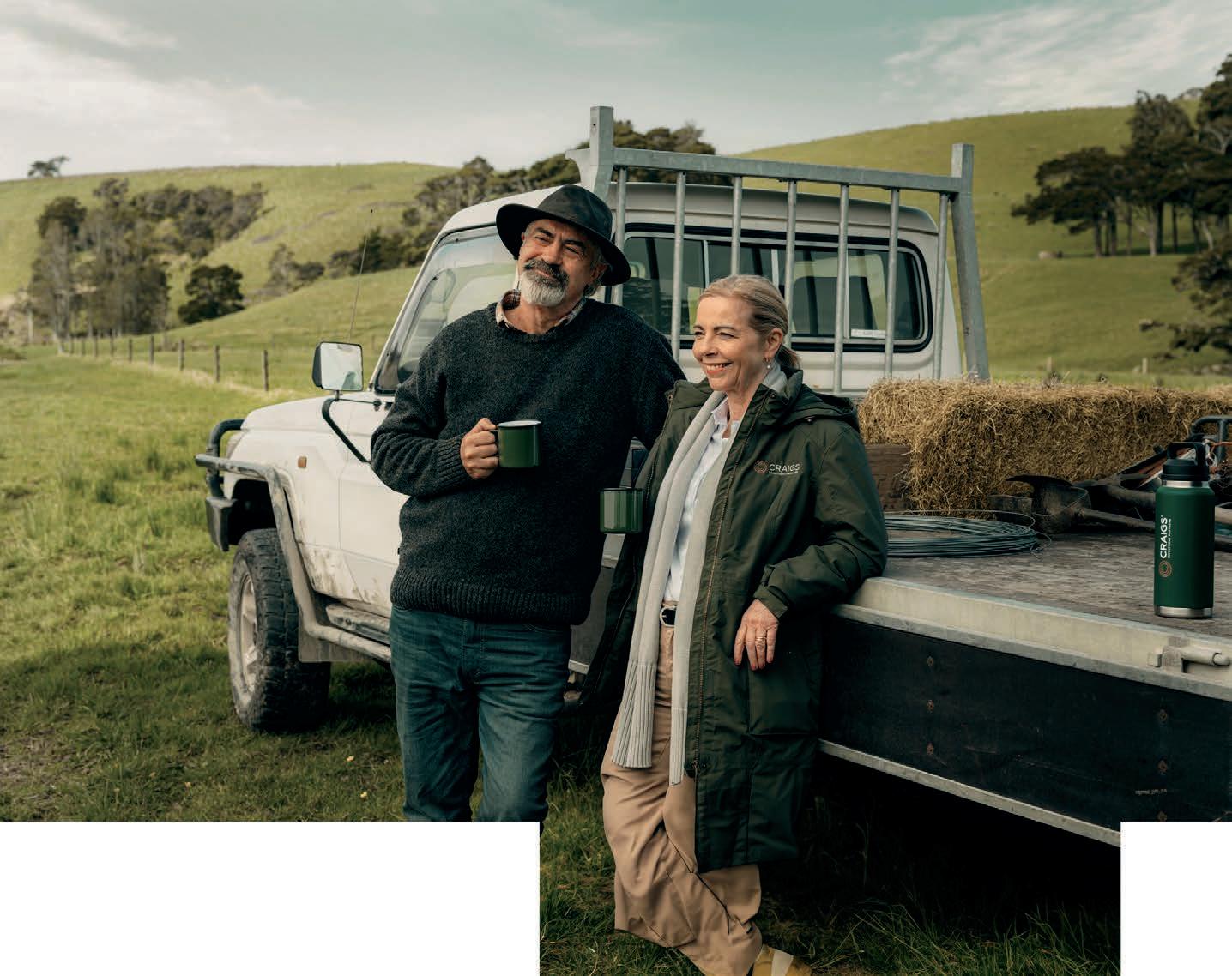
For farmers focused on day-to-day operations, receiving a capital return or achieving strong profits can be a valuable opportunity to strengthen financial security While reinvesting in the farm or reducing debt may seem like the obvious path, it’s worth taking a moment to consider other options on the table Off-farm investments can offer a valuable way to diversify income, reduce exposure to agricultural risks, and build long-term financial resilience
The case for off-farm investing
Diversify assets and income
Investing a portion of funds off-farm can help to diversify both opportunity and risk Investment options like listed equities, bonds, and alternative assets can provide exposure to other sectors and importantly, other geographies that are not affected by the New Zealand economy, interest rates, legislation and weather A Craigs investment adviser can provide tailored investment advice and guidance regarding the types of investments that are best suited to your specific needs objectives and risk appetite
Protect against inflation
One of the most compelling reasons to invest is to maintain the spending power of your savings and protect against inflation Investing off-farm can help your capital keep pace with rising costs, preserving your ability to spend and invest in the future
Liquidity and flexibility
Off-farm investments generally offer greater liquidity than farm assets, which can be difficult and time-consuming to sell Listed shares, managed funds, and exchange-traded funds (ETFs) can typically be sold quickly, providing access to cash when needed This flexibility can be especially valuable in times of uncertainty or when farm income is seasonal or volatile
Low entry cost
Unlike large-scale farm investments that require significant capital, many offfarm investments have low barriers to entry You can start with modest amounts in diversified portfolios This accessibility allows for gradual investment over time making it easier to build wealth without disrupting farm operations or cash flow
Low maintenance
Off-farm investments don’t require feeding, fertilising or frequent maintenance
Once a portfolio is set up it can grow quietly in the background, with your investment adviser handling the day-to-day administration, reporting, and compliance This means you can focus on what matters most – your farm and your family

Build a base for retirement income
Off-farm investments can create a reliable income stream to support your lifestyle after stepping back from day-to-day farm operations This can provide greater financial independence in retirement, allowing the next generation to take over the farm with less financial pressure
Help facilitate succession planning
Investments can support succession planning by creating financial flexibility
Off-farm assets can be used to provide for children or relatives who aren t part of the farming business, helping to ensure fairness and avoid conflict during asset division
The Craigs way
At Craigs Investment Partners, we’ve been helping Kiwis navigate the investment landscape for over 40 years We have ‘boots on the ground,’ with a network of advisers in over 20 locations across the country experienced in providing investment guidance and advice to rural clients
Our advisers can play an important part of your off-farm support team, ready to help with investment decisions and tailored advice, or to connect you with the right people in our network of financial professionals
Our team of advisers is backed by: Expert investment research and In-depth analysis of macroeconomic trends, markets, sectors, and companies
Craigs is 50% owned by current and former employees and directors, which makes our commitment to delivering superior service personal Our clients are at the heart of everything we do - and that’s what makes us different
Let’s talk
To discuss investment options and plan for your future beyond the farm contact a Craigs Investment Partners adviser near you We re here to help
Speak with us today 0800 272 442 CRAIGSIP.COM


‘In a happy spot’: dairy job market steady

Gerald Piddock NEWS Dairy
THE employment market for the dairy industry is relatively stable for the 2026-2027 season with slightly fewer jobs advertised than normal.
This is indicative of both the weaker employment market across the country and a high level of job satisfaction among share and contract milkers thanks to the high dairy payout, industry experts say.
There are around 550 jobs currently being advertised on the Fonterra-run Farm Source website.
In a typical year there would be around 650 jobs advertised on this site, DairyNZ senior people specialist Jane Muir said.
If you’re wanting to look for employment long term in the meat industry, you wouldn’t do it in those conditions.
Daryl Carran Meat Workers Union
Statistics NZ’s latest unemployment rate is 5.4%, the highest in a decade. The lower number of jobs could be a sign that people are wary of leaving their current employment.
“People are more likely to hold onto a position, to stay because the job market outside of rural New Zealand is not as strong.”
Farm assistant roles are still the most common, but there are also people looking for staff at the higher level in positions such as managers, contract milkers and sharemilkers.
The jobs are also spread across
the country, with the dairy-heavy regions of Waikato and Canterbury having the most positions available, Muir said.
Job ads are also being better written, indicating that farmeremployers are organised, proactive and that the market for good staff is a competitive one.
Many of the job ads specifically say they are looking to hire New Zealanders because the employer is not an accredited employer, Muir said.
“Hopefully its shaping up for a good season where people know what they are looking for.”
Federated Farmers sharefarmer chair Sam Ebbett said it looks like a quiet year for sharemilkers and contract milkers shifting to different jobs.
At this stage of the season, most of these jobs for the new season will have been signed and secured.
Many sharemilkers are still in the middle of their three-year contract cycle so are committed to staying.
Generally, when the payout is good, there is less movement with share and contract milkers because there is often a high level of job satisfaction.
“Everyone’s in a happy spot at the moment,” Ebbett said.
For contract milkers, the high payout and pending Fonterra consumer sale mean their employer have often invested back into the farm, which has improved their working conditions.
The high cow prices mean there are fewer people going herdowning sharemilking, but he is not too concerned about this, believing those prices will eventually ease.
Meanwhile in the meat industry, falling stock numbers and overcapacity mean an uncertain future for processing plant workers, Meat Workers Union national secretary Daryl Carran said.


Most of the country’s processing facilities have been operating at one day less per week or have shorter kill days because of the reduced numbers.
These are generally among the larger companies with multiple plants with both sheepmeat and beef processing affected, he said.
“It’s not confined to sheep, it’s beef as well. In fact, there are beef plants that have only been operating three days a week.”
Despite the fall in stock numbers, only one plant – Alliance Group’s Smithfied in Timaru – has
closed in the past 15 years.
“But we have had overcapacity red lights showing up among different companies, so meatworkers are not getting the length of season they were getting, they are not getting full week’s [work] and they are not
experiencing peak seasons.
“What it’s saying is that the industry isn’t right sized for the numbers it’s got today. If you’re wanting to look for employment long term in the meat industry, you wouldn’t do it in those conditions.”
Labour nears decision on India FTA
Nigel Stirling MARKETS Trade
THE Labour Party is close to disclosing whether it will give the government the support it needs to get its trade agreement with India over the line.
Labour’s position will be set out in a letter to Prime Minister Christopher Luxon as early as this week, according to the party’s trade spokesperson, Damien O’Connor.
“We had another discussion at caucus this morning and [Labour leader] Chris Hipkins will write to Christopher Luxon in the near future just with a couple of queries and our position,” O’Connor told Farmers Weekly on Tuesday.
The National-led government is counting on Labour’s votes after coalition partner NZ First said it would not support enabling legislation that must be passed before the agreement can enter into force and tariff reductions commence.
O’Connor said Labour has had “many” of its questions answered in multiple briefings from Trade
Minister Todd McClay and his officials since the agreement was announced on December 22.
Those that remain relate primarily to the ability of future governments to regulate immigration from India.
“We are already a low-wage economy and we don’t want to exacerbate that problem through migration,” O’Connor said.

NZ First leader Winston Peters has fought a running battle with his National Party coalition partners since the deal was announced – claiming it removes the ability of NZ to cap visas for Indian students. Last week McClay clarified that the agreement did allow for a cap on student visas –although it could not target Indian students specifically.
O’Connor said the Labour Party needs further clarification.
“Winston Peters is saying a whole lot of things and from what we have been briefed we believe most of them are inaccurate, but we need more clarity on them,” he said.
O’Connor said briefings revealed an agreement shorn of the sorts of protections for the environment, women and workers’ rights and the Treaty of Waitangi that Labour would have insisted on had it been leading the negotiations.
However, this is unlikely to derail Labour’s support for the deal.
Asked how locked in any support from Labour could be when it still has queries outstanding, O’Connor agreed there is still room for it to withdraw its backing.


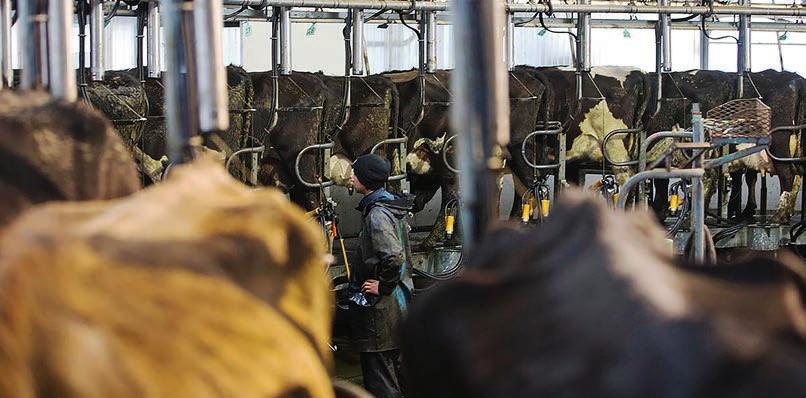
HELP WANTED: There are around 550 jobs being advertised on Farm Source by dairy farmers looking for staff for the new season.
ANSWERS: Damien O’Connor says Labour has had ‘many’ of its questions answered in multiple briefings from Trade Minister Todd McClay and his officials.
Gabrielle still delivering lessons years on
Richard Rennie NEWS Weather
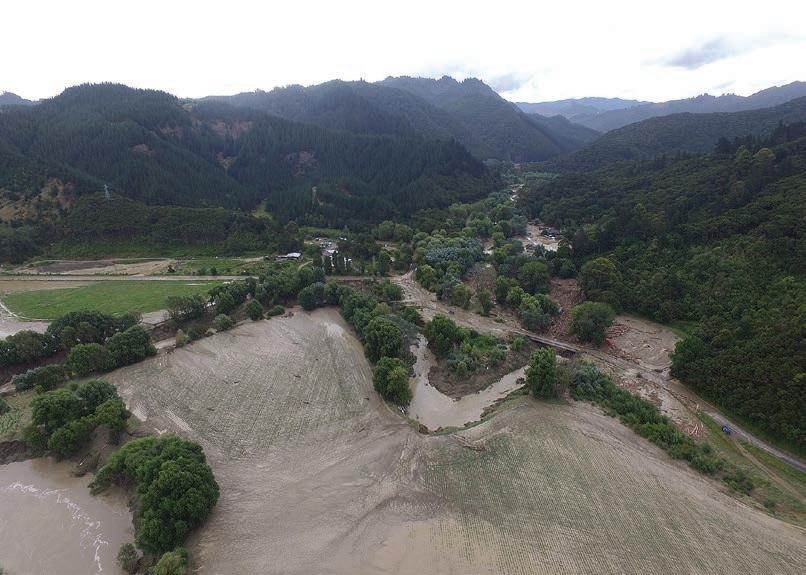
AREPORT on landowners’ responses to Cyclone Gabrielle two years after it cut a swathe through the east coast highlights lessons for enduring the aftermath of similar future events.
Lincoln University senior lecturers in agribusiness Dr Nic Lees and Dr Sharon Lucock’s report Weathering the Storm documents farmer resistance and recovery in the Gisborne region.
Lees said coming into the region two years post Gabrielle to conduct the study helped challenge the usual view of what makes locals “resilient” in the face of major events.
“Often, at least initially, the idea you are ‘resilient’ is simply because you don’t have a choice.
“Two years after the event, you get a more reflective look at what that means. By then people that could have gone would have gone, yet no one walked away from their farm.”
He said perhaps surprisingly none of the interviewees were despairing. All had a positive attitude, and remained committed
to the land they were on.
While government funding at a farm level obviously helped landowners get back on their feet post-Gabrielle, Lees said it was a community’s social infrastructure or network that played an equally strong role in individual’s endurance.
Some interviewees reported being isolated for weeks on end from road networks, with informal networks of neighbours, iwi and farm discussion groups often mobilising ahead of official agencies to help them out.
Rugby clubs, schools and marae become support hubs, with rural women in many cases stepping into roles to organise logistics and provide emotional support to keep communities functioning.
“Where isolation was greater, emotional recovery was much harder. Informal conversations, community meals, and a shared effort made a crucial difference.”
The role of rural professionals was also heightened in the months post-Gabrielle, particularly in helping farmers navigate paper work when seeking support for their farm business.
Some Māori landowners missed out on funding partly due to a reluctance to furnish the level of
paper work required, driven in turn by a lack of trust in government departments.
Lees said the east coast’s high level of Māori land ownership complicated damage claims and highlighted the lack of understanding many officials posted there from outside the region had about those complexities.
“They needed people who had their trust and could navigate the system on their behalf.”
Turnbull set to steer Yili’s

Annette Scott PEOPLE Dairy
FORMER Mānuka Health CEO Alex Turnbull has been appointed chief executive of Chinese dairy giant Yili Group’s New Zealand business division.
The experienced NZ agribusiness executive will lead all five Yili Oceania business division companies in NZ in the role of chief executive of Westland Milk Products, Oceania Dairy, Canary, EasiYo and Pure Nutrition.
Reporting to the director of the Yili Oceania Business Division of Yili in NZ, Zhiqiang Li, Turnbull will start in the role on February 16.
Li said Turnbull’s strong track record across NZ dairy and food sectors makes him the ideal person to build further on the global gains made by Yili’s NZ companies in recent years.
“Alex brings with him more than three decades of senior leadership experience with a strong NZ focus across the global dairy and food sectors, spanning ingredients, consumer brands
and foodservice,” Li said.
He singled out respected agribusiness advisor Hilton Collier as someone instrumental in helping many Māori farmers gain funding access.
While forestry had a high-profile role in the damage from storms leading up to and during Gabrielle, Lees said locals concede the role it has to play in their community and as part of their livelihoods.
“They still see a place for planting forestry, but not on the
NZ ship
“He has a mandate to strengthen performance, deepen farmer and customer partnerships, and support the long-term success of Yili’s NZ businesses.’’
Turnbull was most recently chief executive of Mānuka Health, where he led a significant business turnaround and delivered sustained improvements in profitability, cashflow and operational performance.
Previously, he held senior executive and board roles at Fonterra, including managing
director for Latin America, and leadership positions across global ingredients, nutrition and consumer businesses.
Turnbull said he looks forward to joining a company “so wellplaced” to play a major role in furthering the reputation of NZ dairy with global consumers.
“NZ plays a unique and important role in Yili’s global portfolio. I’m excited to be joining the business and to work closely with our farmers, customers and teams to build on the strong foundations already in place and create enduring value together.”
really steep country, which may require native re-forestation.”
Carbon credits have proved a game changer for many landowners seeking alternative land-based income in the region.
While calls have been made for a complete “recloaking paptatuanuku” with native plantings, there is recognition that such a move demands equal attention to the region’s burgeoning pest population and particularly deer, before that could be achieved.
Gisborne District Council is seeking $359 million in funding to aid the region’s transition away from forestry on its steepest land.
“I think the mosaic land use pattern really came through as a successful one, matching land capacity with a clear agreement that certain areas should returned to bush.”
But this also demands central or local government support for farmers planting and retiring land, given the catchment-wide downstream benefits of such work.
Lees aims to distribute the report to local authorities and government agencies, and hopes to revisit the landowners regularly and see the report become a longitudinal study of recovery.

STRENGTHEN: Chief executive Alex Turnbull was appointed to strengthen performance and support the longterm success of Yili’s NZ businesses.


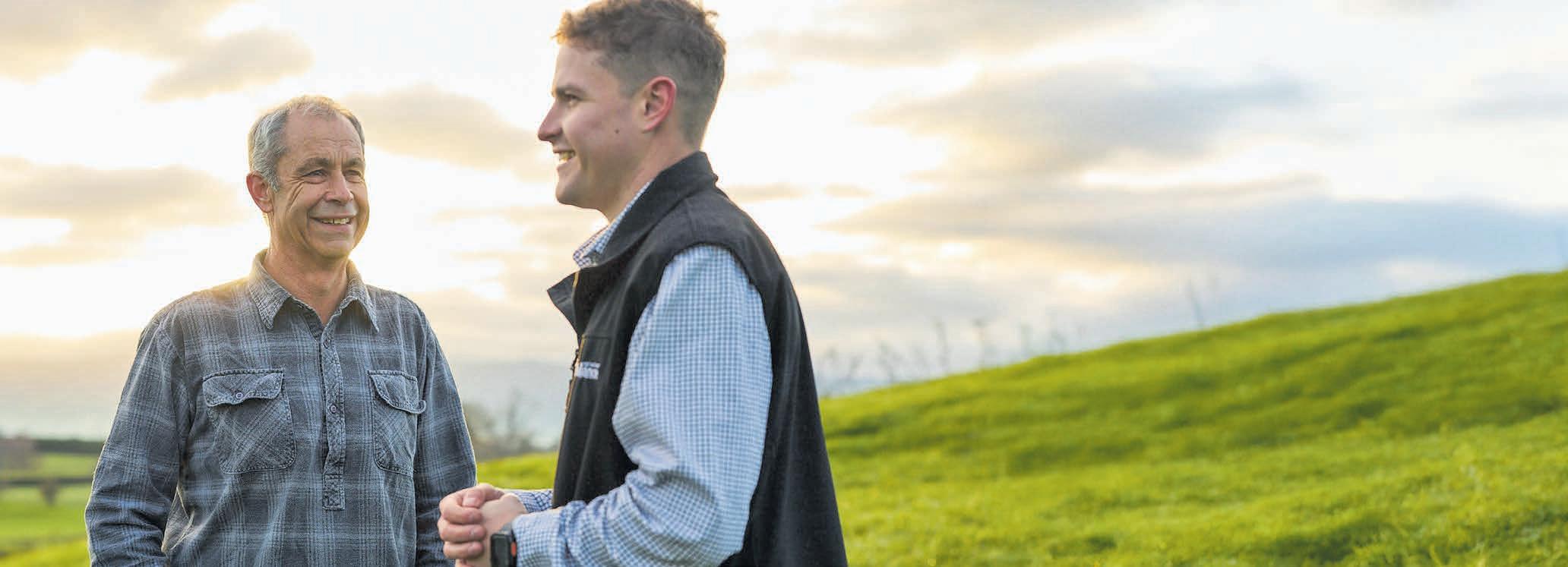
TOUGH: Two years after Cyclone Gabrielle cut through the east coast, landowners had proven to be surprisingly upbeat and optimistic, says Lincoln University senior lecturer Dr Nic Lees.
We asked our farmers:
How do you make it count?
At Ballance , we get to know you and your farm goals to create a tailored plan. Working together to make sure you get ever y thing you need, and nothing you don’ t .
Talk to your Nutrient Specialist today, and make this season count.
ballance .co.nz/make -it-count
0800 2 2 2 090
“ Through regular soil testing to remove the guess work . ”
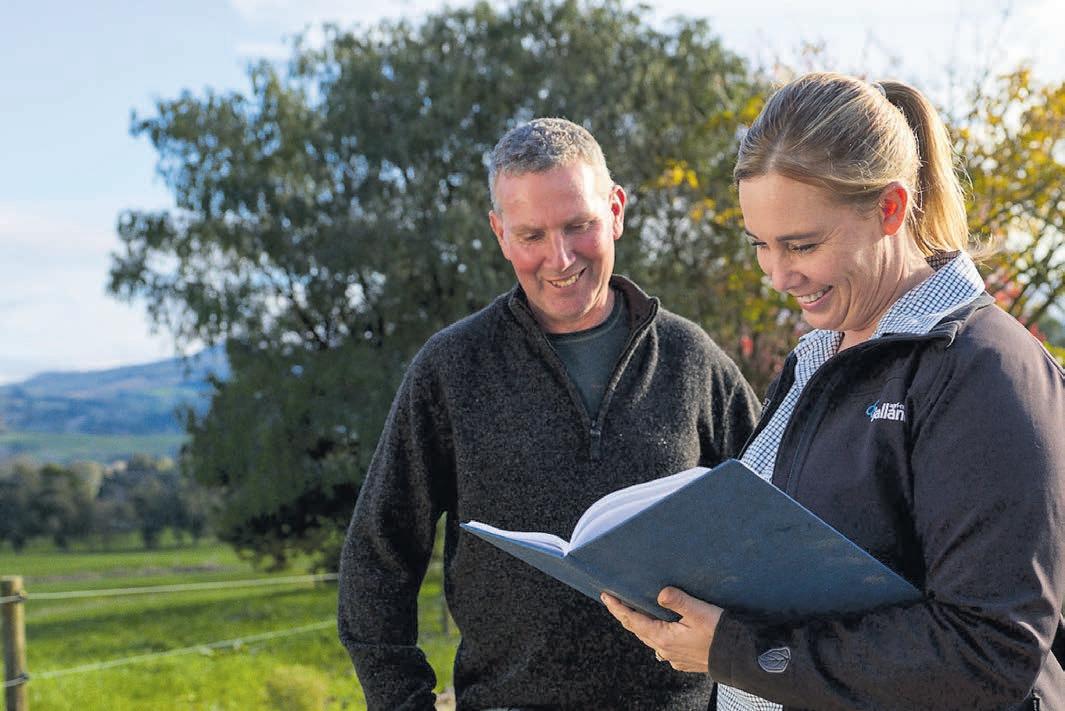
“By tailoring the best plan for my farm.”
David, Dair y Farmer
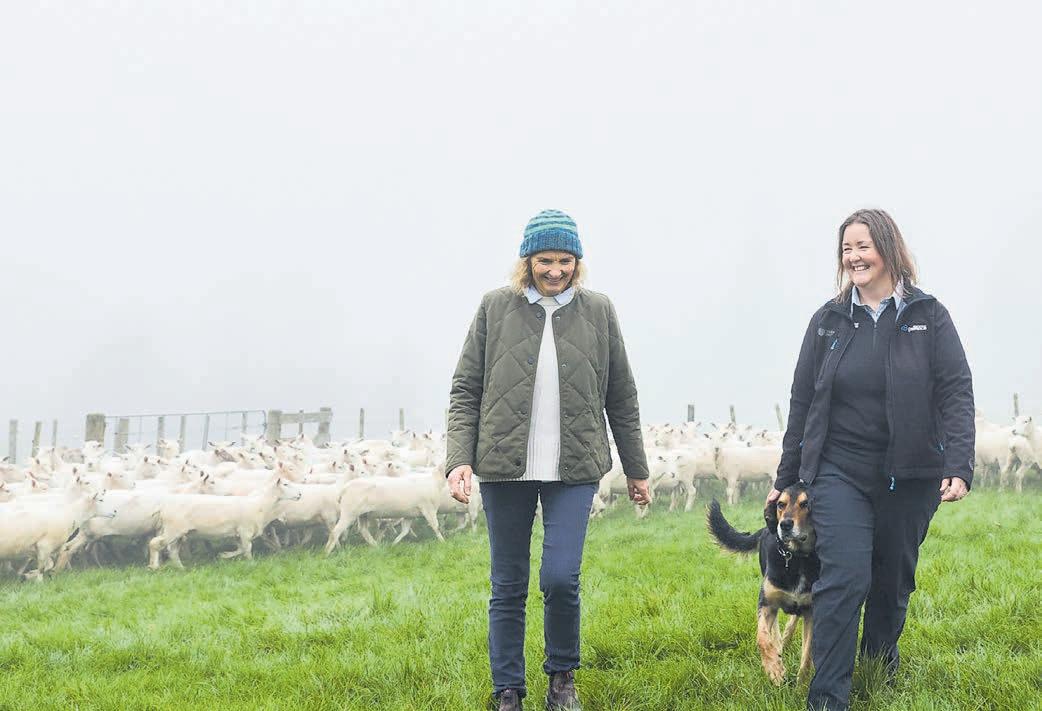
“By making good decisions early in the season.”
Louise, Sheep & Beef Farmer
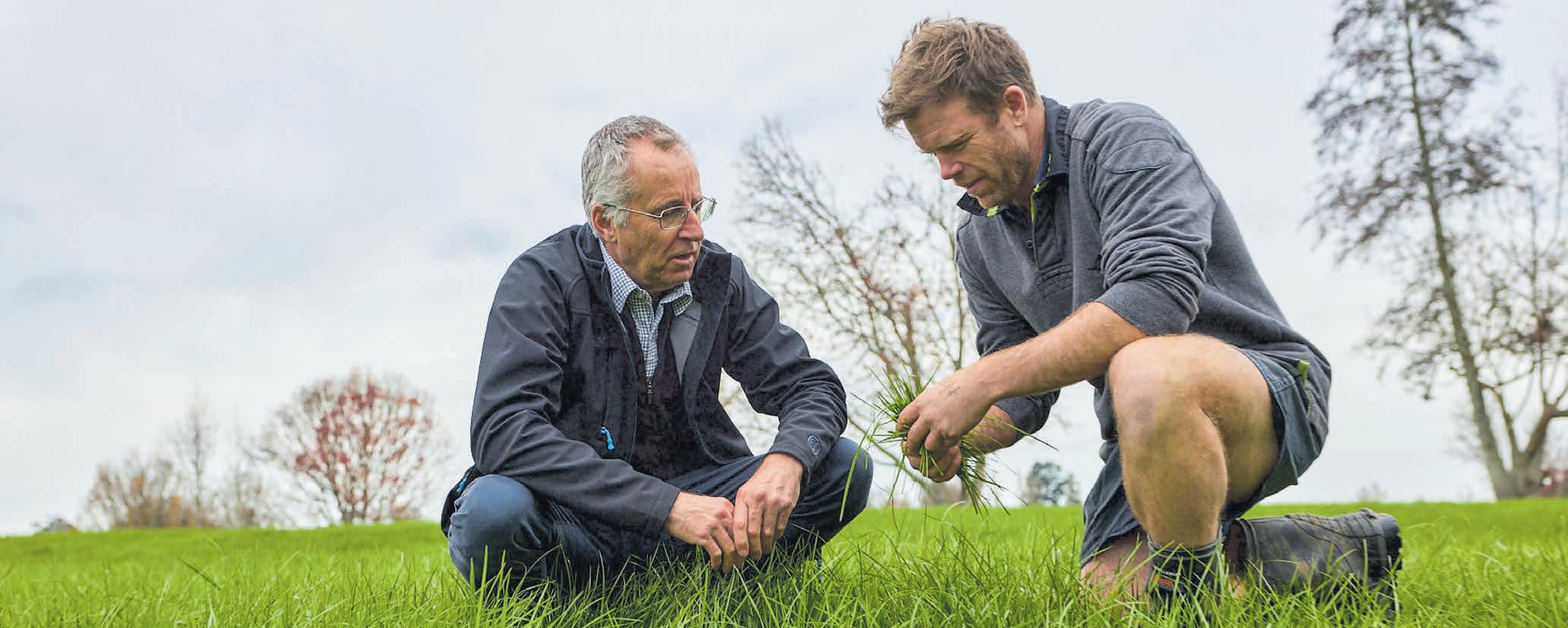
“ When you trust your gut , and the advice you get.”
Dan, Dair y Farmer
Cornel, Dair y Farmer





Crossbred hogget wool crests $9 in Aus sale
Neal Wallace MARKETS
Food and fibre
NEW Zealand crossbred hogget wool prices hit NZ$9.24/kg at an auction held by the NZ Merino company in Melbourne on February 5, with all other lines making above NZ$7/kg.
It was the company’s first sale of NZ crossbred hogget wool in Melbourne.
Matt Hand, manager of global sales at the NZ Merino Company (NZM), said the sale showed the benefits of promoting certified crossbred wool and creating competition through managing supply onto the market.
Keith Ovens, NZM’s commercial manager, said the company has been selling fine and mid micron wool through Melbourne for many years but has sold its client’s crossbred wool direct to customers.
Young agri staff to get trans-Tasman heads up
Richard Rennie NEWS Agribusiness
BROADACRE farming, technology and innovation will be in the sights of young agribusiness professionals visiting Victoria, Australia, this month as part of a Food HQ initiative.
Melbourne’s Evoke Ag agri conference, from February 17-19, will be a centerpiece for 10 young agri professionals from Rabobank, Fonterra, Plant & Food, Tatua, KPMG and Silver Fern Farms. They will also visit leading Australian cropping and livestock operators in the state.
Food HQ CEO Dr Victoria Hatton said she is hoping the initiative, aided by AGMARDT and employer funding, will mark the start of a regular trans-Tasman visit based around the annual conference.

“Australia is often bypassed by New Zealanders when we are looking at overseas opportunities.
“But it has a vast agricultural sector that faces many similar problems to NZ, but also an internal domestic market quadruple the size of our own, and broadacre scale on farms.
“It makes great sense to build deeper partnerships and understandings with Australia, and Evoke Ag is a good opportunity to base that around.”
She agreed that young NZ agribusiness professionals lack opportunities to get beyond NZ’s boundaries and observe the advances in tech and innovation other countries are making in their agri sectors.
“Often by the time they get to mid level in their career they are likely to have had little experience offshore. That is a missed opportunity coming from a small island nation quite vulnerable to global shocks and not always experienced enough to respond.”
The week-long trip includes visiting large family-owned lamb-rearing and graingrowing and processing businesses, and a regenerative cropping operation.
• Rennie will be attending Evoke Ag partly funded by Food HQ.
Ovens said the decision to auction crossbred wool was in response to requests from customers looking for the fibre.
NZM offered 350 bales from wool certified as meeting NZM’s welfare, environmental and production standards.
A further 750 bales of certified wool have so far been traded directly with customers at similar prices, with more sales pending, he said.
“It took the auction to create competition and price level.”
He said prices could collapse if the market is flooded with wool, so NZM has managed supply to sustain these price levels.
“If the entire country’s clip were certified
tomorrow and offered in traditional domestic auctions, we risk eroding these hard-to-obtain premiums,” Ovens said.
At the Melbourne sale crossbred 33 micron hogget fleece sold from $7.80/kg up to a top price of $9.24/kg for a line of 30 micron fleece sold by James and Sharron Scott from Otago.
This was closely followed by Charles, Pip and William Reid of Traquair Station, Otago, with a 24-bale line of 31 micron fleece reaching $8.55/kg clean.
Adult wool, 34 to 36 micron, sold from $7.08 to $7.35/kg.
NZM is yet to decide if it will hold another auction.
BIDDING UP: Keith Ovens, NZM’s commercial manager, says it took the dynamics of an auction to create competition and the price level reached.


Dr Victoria Hatton
Fonterra farmers to vote on capital return

Hugh Stringleman NEWS Fonterra
FONTERRA’S farmers will be in front of their computer screens or devices on Thursday morning, February 19, when they are expected vote themselves a handsome capital return of $2 a supply share.
Many others will have cast postal votes ahead of time, taken part in advance voting online or appointed a proxy to vote on their behalf.
The special, virtual meeting at 10.30am on Thursday has only one resolution: that shareholders approve the scheme of arrangement to return capital to shareholders
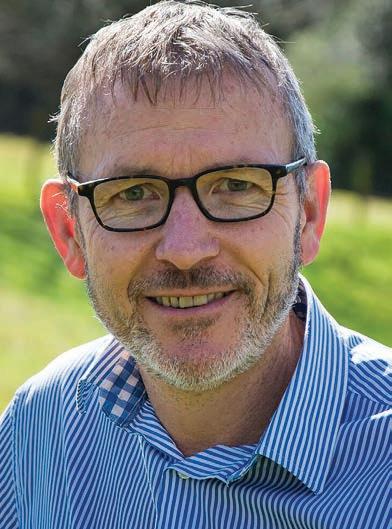
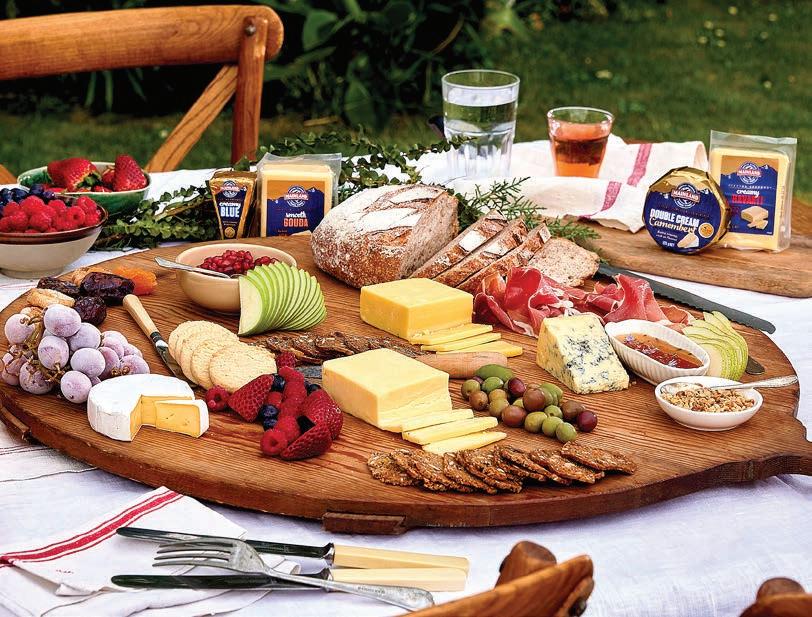
PROMOTION: Dr Nic Lees said global brand owners like Lactalis operate large portfolios and spend heavily on marketing.
following the sale of Mainland Group to Lactalis.
The approval of 75% of votes cast is required before Fonterra can apply to the High Court to make payment, now expected around end-March.
On the median individual shareholding of 180,000, farmers will receive an average $360,000 each from the $3.2 billion capital return at $2 for 1.6 billion shares on issue.
But there is a wide range of potential payouts, from $120,000 to more than $1 million.
Under Fonterra’s flexible shareholding regulations, farmers may hold as little as one-third of their share standard (based on the milksolids supplied in a season) or a maximum of four times the standard.
The record date for the capital return will be within five business days prior to payment.
A flurry of share market action may be experienced in the lead-up to the payment date.
The current share-owning distribution includes approximately 4700 farms at between 80% and 120% of their standards.
It also contains 17% with holdings greater than 120% and 25% below 80%.
Over 9% of shares are owned by ceased farmers, including retirees and investors who can remain up to 10 years on the register and may have acquired these “dry” shares at lower prices in the past.
The current share market price for Fonterra supply shares is $6
and this will likely fall to $4 after the capital repayment.
Fonterra Shareholders Fund units, tradable among nonfarmers, are at $8 with a strong speculative bias.
Unitholders will also receive the $2 capital return but cannot vote on the scheme of arrangement.
Farmer-shareholders have already voted 88.5% in favour of the divestment of Mainland Group to Lactalis for approximately $4bn. The second special meeting is to approve the scheme of arrangement, structurally a repeat of the Soprole capital repayment in 2023.
Capital should sit where it works hardest for farmers and in many cases that is back on the farm rather than tied up in a higher-risk, lower-return consumer business.
Dr Nic Lees Lincoln University
Assuming Lactalis cements the sale, Fonterra will exit all consumer-facing brands around the world but retain consumer brands in China.
Agribusiness and markets senior lecturer at Lincoln University Dr Nic Lees said the broader lesson for farmers from the Fonterra divestment – and the lack of Synlait profitability disclosed last week – is that value-added dairy
isn’t automatically more profitable than commodities.
“Branded dairy through supermarkets is one of the toughest places in the value chain to earn consistent returns.
“Retailers have the power, promotions are constant and brands require ongoing investment just to hold shelf space.
“Consumer businesses are more complex and have greater overheads.
“Ingredients and foodservice are simpler, can operate at scale and tend to use capital more efficiently, which shows up in better returns over time.”
Lees said global brand owners like Lactalis operate large portfolios, spend heavily on marketing and have large home markets to give them scale and pricing power.
“Mainland doesn’t have that same scale or a large domestic market to anchor an international brand.”
In the future, brand building
for Fonterra may support highervalue ingredients, not consumer products.
“Strong business-to-business brands can often deliver better returns with far less marketing spend.”
Lees said the values that Fonterra and Lactalis have placed on parts of the $4bn Mainland Group have not yet been disclosed.
“In deals like this, you are often buying market access and brands as much as bricks and mortar.
“A significant share is typically allocated to brands, customer relationships and goodwill.”
Whether farmers can make better returns on capital with the $3.2bn disbursement, Lees said on-farm investments that lift productivity may have relatively low risk and clear returns.
“The key point is that capital should sit where it works hardest for farmers and in many cases that is back on the farm rather than tied up in a higher-risk, lowerreturn consumer business.”
Creditors stung in Rockit orchard failure
UNSECURED creditors to MyFarm’s Rākete Orchards Limited Partnership are unlikely to see any of the money owed to them as the business passes through voluntary administration.
The first formal report from the administrators BDO has confirmed what many in the sector feared, with a recommendation that the company be passed into formal liquidation.
Auckland-based Rees Logan and George Bannerman were appointed administrators in October last year when it became apparent that the entity was unable to remain solvent.
The partnership was formed between MyFarm and Rockit Global in 2017, when 55 hectares of land were leased and planted with 55ha of Rockit apples across six orchards in three growing areas of Hawke’s Bay, at a total investment cost of $17.39 million. Overall, creditors are owed $12m by the partnership.
The company’s key assets include 62 canopy hectares of Rockit apple orchards with 8ha owned and the balance leased.
They include this year’s fruit crop due to be harvested from this month. It also owns Rockit apple licences and a very small holding in shares of Rockit Global Ltd.
Liabilities include $4.4m owed to BNZ as a secured creditor and a further $716,000 to unsecured trade creditors, $3.349m to unsecured loan note holders, and $3.553m to Rockit Apple Grower Trust.
In a statement from the directors, giving reasons for the entity’s failure, they cite the major drop in Rockit’s 2025 orchard gate return from $1.30-$1.55 per tube (five apples) to 60c-$1.00 as the point where concerns escalated.
The drop represented a decline of $2.5m in revenue.
Bank support had dried up, and Rockit Global was unable to assist. The directors had been offered the opportunity to graft over Rockit variety apples to their own commercial varieties, but this would not provide the cashflow necessary to meet current creditors.
Efforts to raise further funds, including through MyFarm investors, also proved unsuccessful.
After they were appointed, Rākete’s administrators commenced a sale process seeking
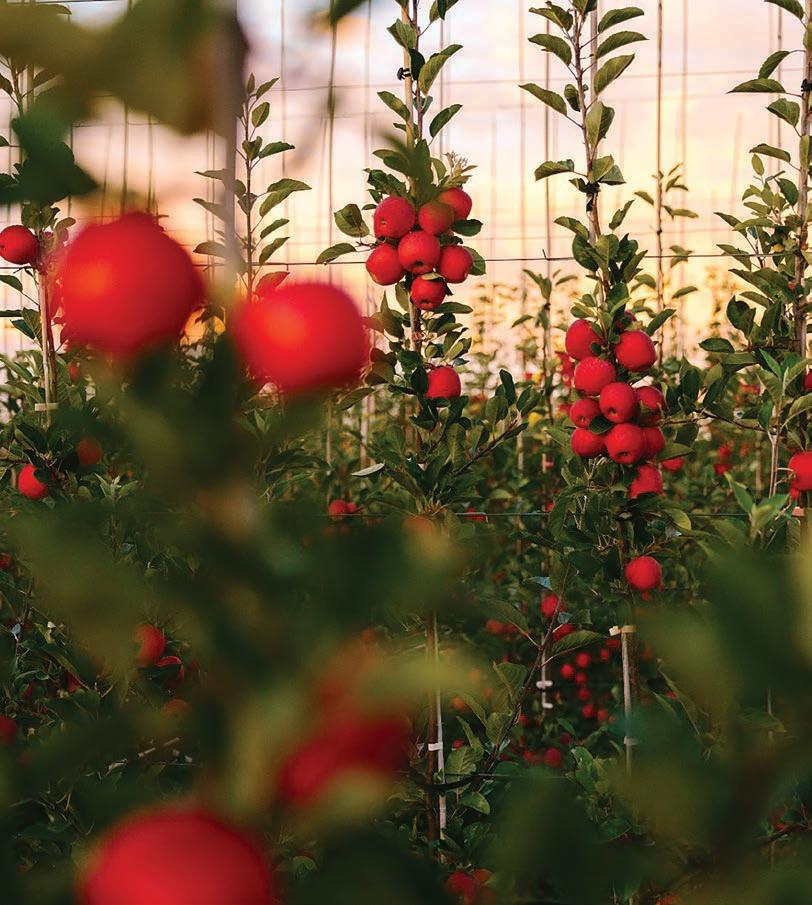
tender offers. Sales agreements have been entered into, subject to lease assignment over all orchards,
with settlement due post-harvest. The administrators note that despite this, sales are not at a level
The company’s key assets include 62 canopy hectares of Rockit apple orchards with 8ha owned and the balance leased.
that will see the secured creditor (BNZ) paid in full, so no funds will be available to unsecured creditors.
Industry insiders believe other Rockit orchardists will be taking a “wait and see” approach until their crop is harvested, before recommitting to Rockit. Growers need to generate at least $1.00/ tube to break even on their operations.
Rākete’s failure marks ongoing issues with Rockit orchard liquidity throughout Hawke’s Bay, on the back of two years of lowerthan-breakeven returns on the specialty apple crop.
In November Mana Orchards GP was placed into liquidation, owing $6.65m to BNZ. Cash flow pressure from reduced revenue was cited as the main reason for its failure. MyFarm’s exposure to Rockit includes a further 20ha in Tairāwhiti and 13ha at Heretaunga in Hawke’s Bay.
LESSONS: Value-add in dairy is a tough place to make money, Lincoln University’s Dr Nic Lees says.
Richard Rennie NEWS Horticulture
DOWN THE TUBES: The Rākete Orchards enterprise owes $12 million, with little prospect of unsecured creditors receiving any money back.

Help us keep it real.
Every morning the team of Farmers Weekly journalists and analysts meet at 9am to discuss the pressing issues that matter to farmers.
Out of this meeting comes the ideas for the content that you’ll find in this paper every week, and every day online – real people, with years of industry experience coming together to serve you.
In a polarised world, where information has become difficult to trust, we believe this service is important.
Whether you believe that too, is your decision.
And if you do, that team would appreciate your support, so they can continue getting up every morning to do what they love.
All we ask for that service is $120 a year, $10 a month, or whatever value you put on real content made by real people.
Dean and Charlie Williamson



From the Editor
Rural communities have got your back

Craig Page Deputy editor
NEW Zealanders are famed for their No 8 wire mentality –that ability to use ingenuity, resourcefulness and a “can-do” attitude to address a problem.
A report into rural recovery following Cyclone Gabrielle illustrates just that, showing how determined farmers and communities are to protect their families and livelihoods through tough times.
Lincoln University senior lecturers in agribusiness Dr Nic Lees and Dr Sharon Lucock produced the report, Weathering the Storm, which looks at farmer resistance and recovery in the Tairāwhiti region two years after the devastating cyclone.
Lees told Farmers Weekly that coming into the region two years after Gabrielle for the study helped challenge the usual view of what makes locals “resilient” in the face of major events.
“Often, at least initially, the idea you are ‘resilient’ is simply because you don’t have a choice,” he said.
“Two years after the event, you get a more reflective look at what that means. By then people that could have gone would
LAST WEEK’S POLL RESULT
More than 55% of those who took the poll believe the sheep and beef sector can sustain the record stock prices that are currently being experienced.
But one voter said high prices were reliant on farmers backing the industry: “We are still behind what the rest of the world has been receiving for several years, but farmers need to commit and supply and special deals need to stop. The fifth quarter work also needs progressed.”
Many voters felt the drop in lamb supply worldwide would work in local farmers’ favour.
“It’s a quality product with excess demand over supply. National herd and flock sizes have decreased and it seems the same internationally.”
Another said it was vital prices stayed high.
have gone, yet no one walked away from their farm.”
The government poured money into helping landowners get back on their feet but Lees said it was a community’s social infrastructure or network that played an equally strong role in the endurance of individual farmers.
Some farmers were isolated for weeks, and it was informal networks of neighbours, iwi and farm discussion groups that were often the first to get up and running and offer support, ahead of official agencies.
Not surprisingly, traditional crowd gathering venues, such as local rugby clubs, schools and marae, were transformed into support hubs where people could get food, shelter, or some sound advice. In many cases rural women stepped into roles to organise logistics and provide support to keep communities functioning.
The impact of that local support was clear to see in the report’s findings. None of those interviewed for the study were despairing. All had a positive attitude, and remained committed to the land they were on.
“Where isolation was greater, emotional recovery was much harder. Informal conversations, community meals, and a shared effort made a crucial difference,” said Lees
“We have had so many bad years. It’s no good having one good, then four bad years, you just can’t get ahead, pay off debt or anything actually. Even to have the money to spend to meet regulatory requirements.”
Of the 44.6% who voted no, one believed the market’s up and down nature would remain.
“History proves that boom and bust cycles have always existed. Supply and demand pressures are never consistently sustained for any length of time with abnormally high returns to primary producers.”
Another said: “The question should be current prices not record prices. We have had record prices numerous times over the last 70 years along with record low prices during the same 70 years. Record prices, either high or low, never last.”
Letters of the week Incentivise wool sales
Rick Cameron Otago
OH DEAR, how sad the regenerating word was missing from wool brokers’ vocabulary in the 1990s, when they quite simply could have saved the industry, and its quality demise, we have endured the last 30 years with two choices put to them by a researchdriven wool grower. Another case of an idea discarded because it came in a pair of overalls.
Firstly, consider the Dutch flower industry’s price discovery mechanism, which has old software and a falling clock needle from high to low where the bidder who recognises quality bids first.
That price quality signal goes to the grower immediately and they respond positively in their management choices. Easily adapted to the existing wool types and data presented in the outcry or the online sales system we have now. Secondly, have brokers paid on commission as in livestock and real estate instead of per kilo volume currently. This changes their incentives and creative thought to grow what wool is used for, how it is presented to the end user and encourages better breeding choices and presentation on farm.
There have been plenty of instances in recent years when communities have mobilised to offer support in the wake of disastrous events.
Several weeks ago Farmers Weekly reported on two major flooding events in the Motueka Valley, which extensively damaged 18 hectares of blueberries at Mill Creek Orchard.
The owners, Don and Nicola Heckler, faced an uncertain future until the local community pitched in to help get the orchard back up and running.
Their seven full-time employees, as well as many volunteers, and the support from organisations such as Enhanced Taskforce Green, MG Group, Foodstuffs South Island and Farmlands, enabled them to return to full production.
“Everyone rallied around. The community was incredible,” said Don Heckler.
“We had 70 to 80 people here cleaning off the plants. We even had food donations. It was pretty bloody heartwarming to be perfectly honest.”
That’s the community spirit rural New Zealand is renowned for, and long may it continue.
It is heartening to know that when all else fails, the local community has got your back.
Last week’s question: Can the sheep and beef sector sustain record stock prices?
These two changes could deliver a higher level of efficiency in preparation training, lifting the quality of the delivery and growing the confidence in the processors and new customers.
As a solution-seeking producer, having been in the wool-growing game longer than any of these broker managers, proving with evidence and support of multiple farmers that strong wool returns can be lifted fiveto tenfold auction price only to be ignored by the status quo or the “industry solutions money pot” is all part of the journey. One continues to observe from those who profit from selling the problem.
These broker managers are using other people’s money and hence the divide-andrule mentality of the status quo remains their choice. Nobody takes individual responsibility, and yet the glory days of a pound sterling for a pound of wool in 1951, equalling $176 a kilo today, becomes a fairy tale without the above-mentioned incentives.
Send your letter to the Editor at Farmers Weekly P.0. Box 529, Feilding or email us at farmers.weekly@agrihq.co.nz

This week’s poll question (see page 4):
Should the government have invested $30 million in the MethaneSAT satellite project?
Govt snub of Tairāwhiti plan baffles me
Alternative view
Alan Emerson
Semi-retired Wairarapa farmer and businessman: dath.emerson@gmail.com
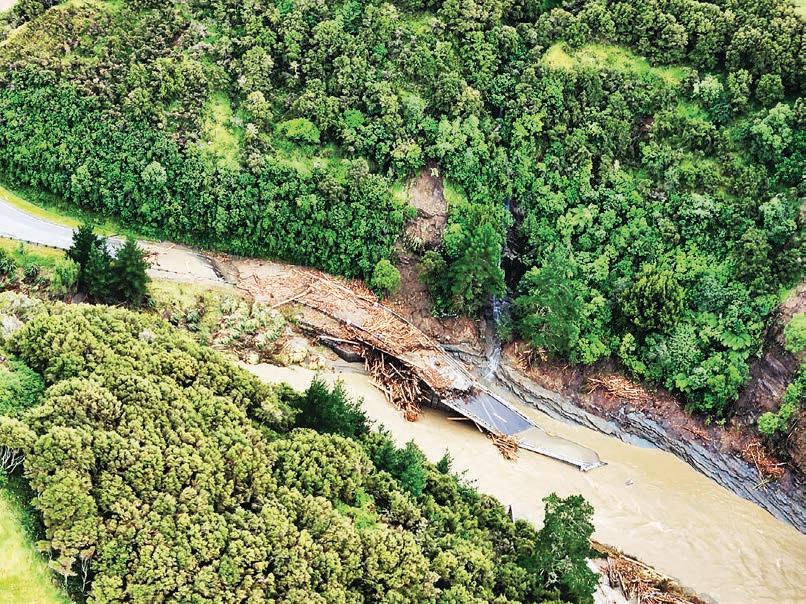
IWAS surprised to read that the government had rejected plans developed by all the players in the Tairāwhiti region to make the area more resilient to climate disasters.
The province has been hammered over the past few years and it is a credit to the community that it has come together to prepare a roadmap for the future.
The Gisborne District Council encouraged the sectors to get together and develop a sustainable, credible and fully costed strategy.
The government has effectively given it the two fingers.
Charlie Reynolds is the president of Gisborne Wairoa Federated Farmers. He was involved in developing the resilience plan.
“It was a good functioning group,” he told me. “It was really diverse, everyone was on board.
“We worked hard, farmers,
foresters, iwi, the entire community.”
He said that in some instances property rights could be affected but that they wanted “a large carrot and a small stick”.
He added that some land could be locked up but with other areas you had the option of planting poplars and willows.
“That’s a real win-win as they prevent erosion, you can graze under them and they can provide good feed in times of drought.”
Reynolds said that he couldn’t figure why the government turned it down but that it had been picked up by Labour list MP, spokesperson on agriculture and local Labour candidate Jo Luxton.
Luxton told me that she “isn’t going to let go. We’re talking about an entire community expressing concerns and coming up with a solution.”
She has written to Agriculture Minister Todd McClay urging him to reconsider his decision to reject the community’s plan.
“This strategy is a meaningful way forward. It’s about what’s best for the Gisborne Tairāwhiti community,” she said.
The 85-page document estimates the costs of the transition programme at $600 million over 10 years, which, although substantial, is a drop in the bucket when compared to the costs of climate disasters.
The $600m would require $359m from central government with an additional $241m coming from the local community, landowners and the business sector.
Putting that $600m figure in perspective, in the 2023-24 year the cost of climate disasters to the
area was $1069m. That’s almost twice the cost of the long-term resilience project.
Currently 97% of the money the government spends on extreme weather events is on the disaster itself, with just 3% on minimising future disasters.
That doesn’t seem smart.
A 2024 document from the NZ Institute of Economic Research, Incentivising Resilience to Adverse Climate Change Events, quotes a Ministry for the Environment report from 2023 which told us that “climate disasters are predicted to become bigger and more frequent”.
It points out that in the nine months from January to September 2023, insurance damage amounted to $3.56 billion.
In 2023 the Treasury estimated weather events had cost the
country between $9bn and $14bn.
Additional estimates put the national costs of severe weather events at $5.5bn a year.
That puts the Tairāwhiti projected $600m for long-term resilience in perspective. It is a no-brainer.
Considering the logic, the government reaction to the Tairāwhiti initiative seems crazy.
Here you have an area that has been absolutely hammered by severe weather events. It hasn’t just been a one-off issue but a long-term problem.
The locals came together from all sections of the community and developed a comprehensive resilience strategy. Having read the document, it makes good sense to me. I don’t think that anyone could argue with the logic.
It isn’t just a document for the
Tairāwhiti area, although that’s where it comes from. I believe it can be a blueprint for other areas as well.
Adapting the plan for areas outside Tairāwhiti wouldn’t be difficult. The strategy is simple and logical.
What has astounded me is that just-released cabinet papers told me that government bailouts for storm- and flood-damaged properties are on the way out.
What that means is that in the case of future extreme weather events, it will be all up to the property owner.
That problem is severely exacerbated by the fact that insurance companies are refusing to cover properties in some areas of the country.
That leaves the property owner with nowhere to go. They can’t get insurance and the government won’t support them.
The answer is to build resilience as suggested by a well-researched, detailed Tairāwhiti strategy that has buy-in from the entire community and took 18 months to develop.
They make the point that every dollar invested in resilience saves at least four dollars in response and recovery.
The additional point is that the government gives major polluters, big international companies around $600m annually to pollute. Why they won’t support a local, long-term climate resilience project for a lot less than that defies gravity.
Reading into the US dollar doldrums
Straight talking
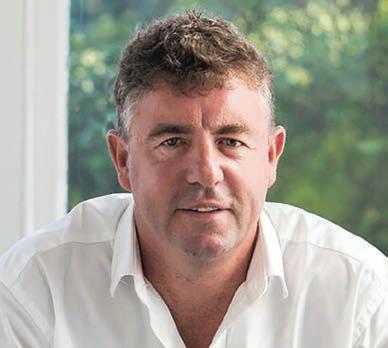
Cameron Bagrie
Managing director of Bagrie Economics and a shareholder and director of Chaperon
CLICKBAIT journalism is rampant. Says one New Zealand media organisation’s headlines: “Trump is tanking the US dollar: what it means for your back pocket.”
We know that export and farming returns are hugely impacted by the NZD/USD.
Looking at my screen, the NZD/ USD is 0.6050 at the time of writing, broadly the average of the past
three years and hardly a number that would scare exporters. Should the NZD/USD still be 0.55-0.58? No. The US dollar is being questioned and NZ’s growth credentials are returning and with that expectations the Reserve Bank of NZ will have to hike the OCR in 2026 rather than 2027.
With that comes a move up in the currency, but a move up is a far cry from currency strength. NZ does not have the productivity performance to validate that. Yes, the US dollar has weakened of late. When the US dollar goes down others go up. Currencies are two-sided coins.
The finger can be pointed at Washington’s policy direction, maybe less investor confidence in US assets, fiscal largesse and concerns over US government debt levels, renewed trade tensions, a president that has brushed off the greenback’s weakness, which questions faith in the perceived strong dollar policy, the Federal Reserve’s independence being questioned, de-dollarisation as shown by the run in gold (which hit $5000), and a “yen” squeeze with the Bank of Japan upgrading its inflation outlook and rates moving up too.
People are talking about erratic policy in the United States, leading to a “credibility discount”.
Investors like certainty; US economic policy is no longer certain. “Politically stable” is not a phrase to describe the US at present.
So once again we appear on the precipice of another debate about the longevity of the US dollar as the world’s reserve currency.
Central bank reserve holdings of US dollars have been declining for some time, but the US dollar has been backed by broader demand, supported by strong growth, productivity, equity performance and demand for US Treasuries, the most liquid bond market in the world.
Betting against the US economy has not been a winning trade very often. The US dollar remains the world’s reserve currency, the currency in which most international transactions are handled.
It is amusing that foreign investors still want to own US bonds (Treasuries) and stocks, yet they just don’t appear to like the dollar at present.
This suggest some of the US dollar move has been normalisation, and simply the
backing off of some of the extreme safe-haven premium the dollar commanded.
Normalisation is distinct from weakness or “tanking”.
Is there a real candidate to replace the US dollar as the world’s reserve currency? I do not see one.
The euro? The regions bond market is fragmented across 19 nations, reducing market depth and liquidity. Sub-par military might, weak productivity and lacklustre growth are hardly benchmarks for sustained currency strength or replacing the US dollar as the world’s reserve currency.
China’s economy (and currency) is under pressure, has capital controls, and its financial markets lack the depth and openness required of a reserve currency.
The price of gold has doubled in 12 months. This is potentially a sign investors are detecting a change in the operating model by which monetary policy has operated and the US dollar has been a part of. Gold has challenges, though, including transportation, storage, liquidity and supply. Crypto-based currencies? Can’t see it.
Maybe the BRICS, a group of emerging countries covering Brazil, Russia, India, China and
South Africa, flex their might in the form of a common currency.
There is a lot more talk and action with digital currencies rapidly rewriting the rules of international trade and payments.
Monetary policy regimes and the whole currency system will face more questions over the coming year with the persistence of inflation and trade tension. Society (nor politicians) do not like inflation, neither will they like the solution if interest rates move up.
The bottom line is that a rerating of the US dollar has bought the NZD/USD into a new zone which looks similar to the zone of 2024, which saw a range around 0.58-0.63. That is still south of what I call fair value, so export- as opposed to import-friendly. Could continued and sustained NZD/USD strength beyond that be on the cards? A host of things can drive currencies temporarily but for that to be a sustained move the US economy needs to slip and NZ address its productivity problem. Possible but not what I would say is immediately probable.

PLANNING: Tairāwhiti has been hammered over the past few years and Alan Emerson says it is a credit to the community that it has come together to prepare a roadmap for the future.
Sector Focus Sheep & Beef
New wool body begins to take shape
Scott NEWS Food and fibre
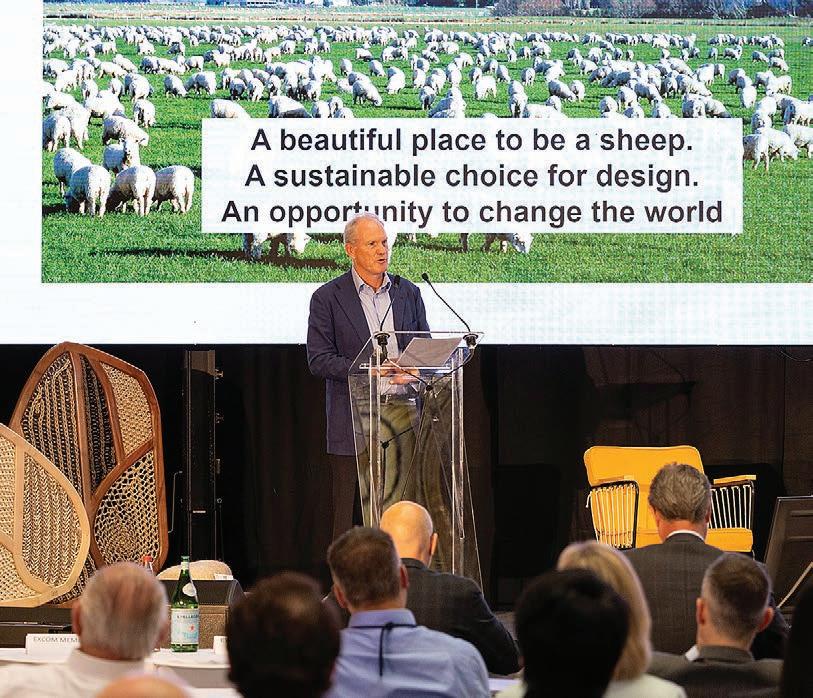
AWOOL Impact report highlights reasons to believe in a positive and profitable future for New Zealand strong wool with plans afoot to stand up a new organisation by 2027.
Wool Impact chief executive Andy Caughey said market conditions are improving, and product innovations are being launched and are gaining traction with deeper collaboration building a stronger sector.
“Solid progress is being made in securing a profitable future for wool; however a consistent and collaborative effort is required.”
Caughey said Wool Impact’s work will continue for up to two more years, offering a crucial runway to deepen brand engagements, transfer transactional value to commercial entities and transfer the knowledge and relationships to a new enduring organisation.
“Wool Impact remains focused on supporting leading brands globally to use wool as a sustainable choice for design sourced through more direct relationships with wool growers in a way that creates value behind the farm gate.
“There is an abundance
of opportunities provided we participate in in-market engagement and meet changing market demands.
“Over the last three years we’ve laid the groundwork for meaningful, lasting change in the way NZ wool is valued and we are encouraged by the lift in wool price, by over 80% during this three-year period.
“We now have confidence and
optimism going forward as we pick up better pricing.
“We are at the stage now there are opportunities arising for growers to sign up to contracts and in sourcing fibre, manufactures want to get closer to growers.
“We are discussing commercial opportunities for brands and growers to meet market demand.”
Acting as a facilitator chain, Caughey said, Wool Impact – as
BLNZ census the survey that counts
Annette Scott NEWS Sheep and beef
SINCE 1950, Beef +Lamb New Zealand’s sheep and beef farm survey has been helping farmers make informed decisions.
Now, as the survey celebrates its 75th anniversary, more farmers are being encouraged to join in.
General manager of insights at BLNZ Julian Ashby said the survey is a statistically robust, nationally representative picture of more than 9000 commercial sheep and beef farm businesses.
It captures real data from real farms, reflecting the diversity of systems, regions, and business goals across the sector, providing independent farm performance insights, helping farmers make informed decisions, strengthening the sector’s story, and supporting policy shaped by real world evidence.
“This work is only possible because farmers continue to voluntarily share their information, and BLNZ acknowledges the trust and commitment shown by those who take part,” Ashby said.
The survey relies on strong relationships between BLNZ and farmers, working closely with participants, bringing deep farming knowledge and the ability to interpret complex data from
a wide range of systems. The survey’s strength lies in how the data is used.
“This isn’t just a record of what’s happening on farms, it’s a tool for lifting performance across the sector.”
The survey underpins a wide range of BLNZ’s work, from policy and advocacy to science, farm systems analysis, and environmental reporting. It is also widely used by researchers and industry partners.
“High quality, independent data is essential for credible advocacy.
“When we sit at the table on behalf of farmers, this survey gives us the evidence we need to represent the sector accurately and confidently.”
For farmers, the survey provides a trusted benchmarking tool.
Participants can compare their performance with others in the same farm class and region,
helping guide business decisions and identify opportunities for improvement.
Over the years the survey has tracked major shifts in the sector, including steady improvements in sheep productivity, changes in beef supply linked to dairy trends, and evolving farm systems.
As BLNZ looks to the next 75 years, the organisation is encouraging more farmers to take part.
“Ongoing participation keeps the dataset credible, representative, and useful for the whole sector.”
The survey is central to the industry body’s activities, also providing a sound base for the Economic Service’s forecasts of meat and wool production and trends in the sector, by linking physical production together with financial returns and the capital structure of farms.
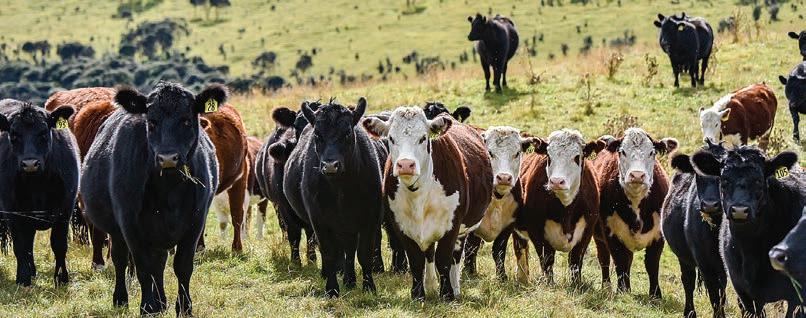
part of the newly formed Wool Alliance – is sharing knowledge as part of the transition to stand up a new single-voice, market-driven organisation to continue the work of both Wool Impact and Wool Alliance to secure the future for NZ’s strong wool sector.
We’ve laid the groundwork for meaningful, lasting change in the way NZ wool is valued and we are encouraged by the lift in wool price.
Wool Alliance is a cross-sector body launched through a formal agreement between Campaign for Wool NZ, Wool Impact, Beef and Lamb NZ and the Wool Research Organisation of NZ (WRONZ).
“The work of Wool Impact will continue and we will transition into the new entity, with expectation by 2027 we will have a representative organisation for growers.
“The model we worked on has good momentum now with underlining drivers to reposition strong wool.”
A basic version of the new levying body, with the working title of NZ Wool, is expected to be
in place by the middle of this year, with a fully operational version by 2027.
NZ Wool will be non-profit, transparent and accountable and have a budget of about $5 million a year.
This would come through several funding lines, including suggestion of a possible levy around $200 per farm, equating to about two cents per kilo greasy wool, and contributions from industry and growers.
Former Fonterra chair John Monaghan heads the Wool Alliance as the inaugural and independent chair.
In a webinar presenting the proposed model to growers, Monaghan said while significant progress has been made, ongoing efforts and improved collaboration are still required.
A number of key areas of work have been identified by an initial steering group, including standards and certification, communication within the industry, vocational training, advocacy and funding.
Early indications are that Wool Impact and Campaign for Wool NZ will both consolidate into the new organisation and their work continue under the new structure.
BLNZ and WRONZ will not sit within the new organisation but would work with it.
Study recalculates wool’s carbon footprint
Neal Wallace NEWS
Food and fibre
A NEW life cycle study of wool says it has a significantly lower carbon footprint than previously understood.
The new study included the impact of biogenic carbon, the natural earth cycle in which carbon stored in living organisms such as plants, animals and in the soil is absorbed through photosynthesis.
Dalena White, secretarygeneral of the International Wool Textile Organisation (IWTO), said previous studies have used industrial processes to assess wool’s life cycle.
She said the model used in the new study to calculate wool’s life cycle is internationally recognised and could be applied to more accurately assess the carbon footprint for other ruminant- and photosynthesisbased industries.
“For too long, wool has been assessed using methods designed for factories, not biological systems,” she said.
The peer-reviewed research looked at six previously published wool production case
LOWER: Wool has a lower carbon footprint than was previously calculated, says Dalena White, secretary-general of the International Wool Textile Organisation.
studies that measured wool’s carbon footprint.
When re-calculated to include biogenic carbon factors, they found wool’s carbon intensity, compared to previous studies, was reduced by between 39% and 102%, depending on the scenario.
White said the inclusion of biogenic carbon in life cycle assessments gives a truer, more balanced understanding of emissions.
Annette
ACCREDITATION: Andy Caughey addressed the IWTO Congress in France, saying global engagement is making it easier for brands to buy wool, making accreditation requirements a door opener rather than an obstacle.
Andy Caughey Wool Impact
ROBUST: The survey is a statistically robust, nationally representative picture of more than 9000 commercial sheep and beef farm businesses, says BLNZ.

Celebrating 10 years of success, B+LNZ’s Generation Next programme has supported 466 graduates, equipping them with the skills, confidence, and industry connections they need to thrive in the red meat sector.
Ready to grow your farming career?
Generation Next combines practical, on-farm learning with personal development and strong networking opportunities Participants gain skills in areas like farm financial management, team leadership, and adopting new farm technologies.
Programme locations: Waikato, Manawatū, Lower North Island, Canterbury, Otago, and Southland.
How it works
The programme consists of four workshops delivered over six months, focusing on:
• Understanding farm business fundamentals, including financial basics and management
• Personal development: goal setting, leadership skills, and mentoring
• Strengthening decision-making for farm business systems
• Learning new technologies and ideas to apply on-farm
• Building strong workplace culture and effective team environments
• Understanding wider industry goals and direction
• Continuing learning and networking through the Alumni programme after graduation
Apply for the 2026 programme at beeflambnz.com/gennext
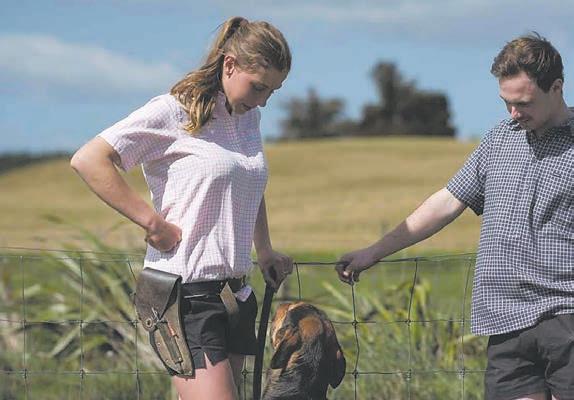
Graduate spotlight: Saskia Rupp – 2024 North Island intake
“I can confidently recommend the programme to anyone looking to expand their understanding, skills, and confidence across the board It covers a wide range of topics, from financial literacy to understanding the demands of the international meat export market – gained through a walkthrough of a meat processing plant, followed by a conversation with the company CEO ”
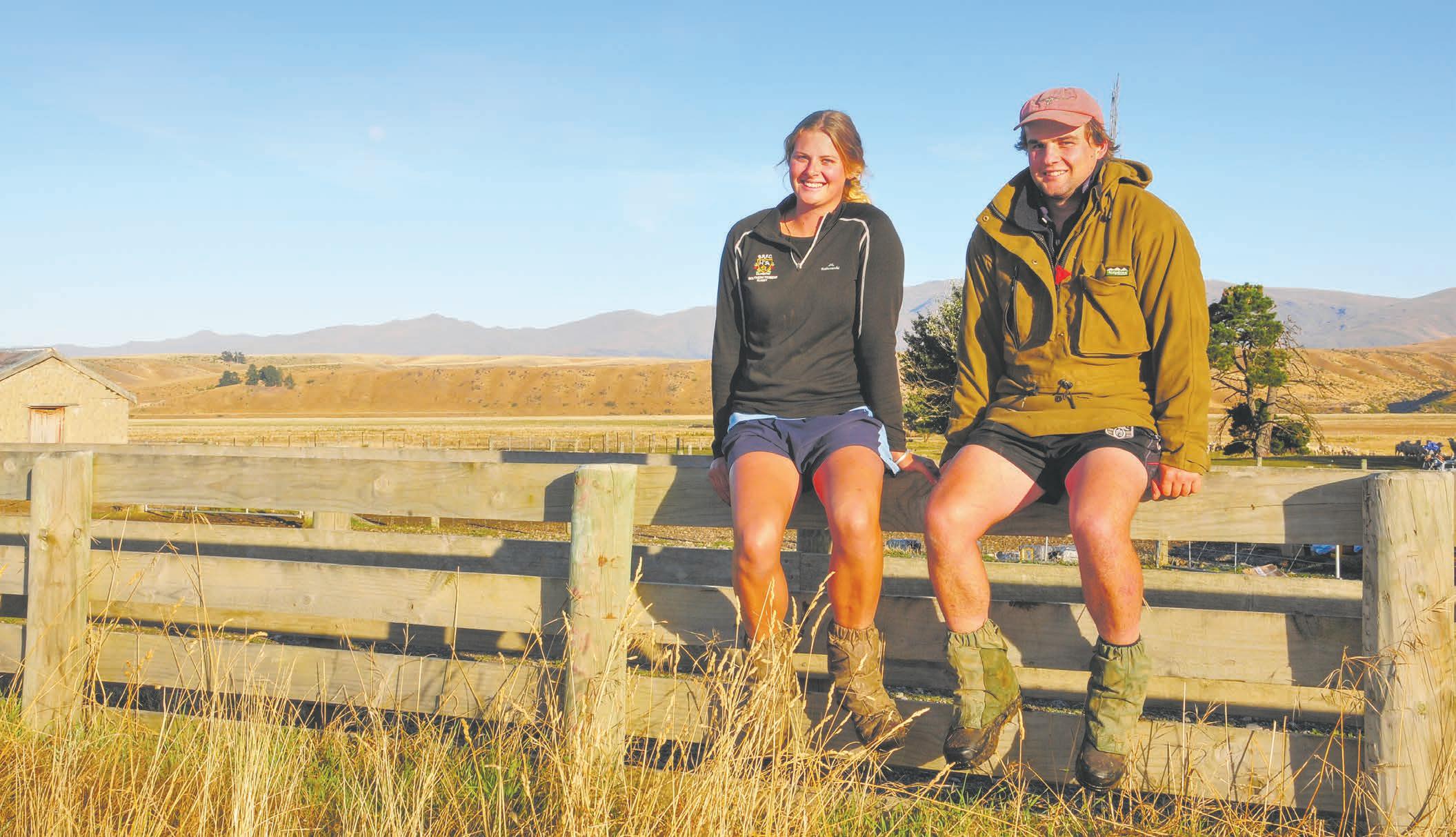


APPLICATIONS CLOSE SOON


Applications close 20 February
Rear calves for beef ?
We are running a nationwide survey to better understand how calves are being reared for beef across the country.
Calf rearing is a growing opportunity for Kiwi farmers, but the sector is still not well understood. Your insights will help build a clearer national picture of current practices –and support future industry development
Everyone who completes the survey goes in the draw to win $2,000 worth of NZAgBiz calf-rearing products.
Who can take part?
All calf rearers are welcome, including:
• Sheep, beef, and mixed-livestock farmers
• Dairy farmers rearing calves for beef
• Operations of any size
Survey details:
• Time required: 15 minutes
• Closes: 28 February
Take the survey today and help shape the future of New Zealand’s calf-rearing sector



& Beef
Familiar fight for fibre’s UK farmer fans
Like many farmers in New Zealand, in England fifthgeneration farmer Paul Boulden and his wife Kristina have needed to diversify to help keep their farm viable, including creating value from their flock’s wool.

Fiona Terry PEOPLE Food and fibre
KEEN to help turn the tide on the falling value of fleeces in the United Kingdom, Kristina Boulden – who has a background in corporate sales and marketing for high-profile national food and beverage businesses – set up Romney Marsh Wools in 2008, in partnership with her husband, Paul.
Fifth-generation farmer Paul Boulden has 1200 hectares on Romney Marsh in England, with a business that includes 1000 indigenous Romney ewes.
“At that point there was a lot of noise being made about farmers discarding their fleeces because they were just not seeing the return on them after shearing,” Kristina said.
Initially the sideline was a hobby that Kristina juggled with Paul’s support, in conjunction with being a first-time mum. A test batch of 100kg of fleece from the farm in the heart of the Marsh, near Aldington, was transformed into fabric through a traditional mill in Wales, the closest she could find that would enable smaller runs.
“We had some curtains made for our own house, which we’re still using, and with a business in mind, we asked if they could do an extra run of fabric.
“We started off with throws and blankets, and then my motherin-law – who’s an amazing seamstress – used some of the material to start making seat
cushions and other bits. And it just evolved from there.”
Having come from a corporate background based in cities, Kristina realised urban people didn’t necessarily understand or appreciate the provenance and value of wool.
“The more I looked into wool’s properties, the more passionate I became about it,” she said.
“It’s natural, renewable, sustainable, strong, naturally hypoallergenic, a fire retardant ... it has an exhaustive list of benefits, and yet it’s worth 1% of the world fibres. That’s bonkers!
“The government here has put a lot of money behind wind farms and solar panels, and yet wool is completely overlooked, despite the fact we produce an awful lot of it in the UK.”
To address the disconnect and lack of understanding about the benefits of wool, she’s been active in taking the products on the road, attending craft fairs, Christmas markets and agricultural shows throughout the year, as well as Royal Horticultural Society shows and events at castles and other attractions.
“I suppose my mission is to educate people back into the
use of wool and also top-grade lanolin, which as well as keeping the skin soft and hydrating it, acts as a natural barrier against the elements.”
By 2011 Kristina had moved into the business full-time, scaling up two years later to process a tonne of wool, which opened opportunities to also work with larger mills in Yorkshire handling greater volumes. That enabled their business to become a more serious player, she said, branching out from exclusively direct sales to also include wholesale.
Romney Marsh Wools now produces and markets over 50 products using the fleeces of sheep from the Boulden’s farm – mainly Romneys, but with the addition more recently of 60 Merinos after rehoming them for a couple who wanted to retire.
The range includes throws, waistcoats and tweed hats, lanolin-based toiletries, Christmas decorations, and even slug pellets for the garden.
From shearing to usable material is a journey that takes nearly a year.
“What we’ve done through the processing and marketing has definitely added value,” said Paul,
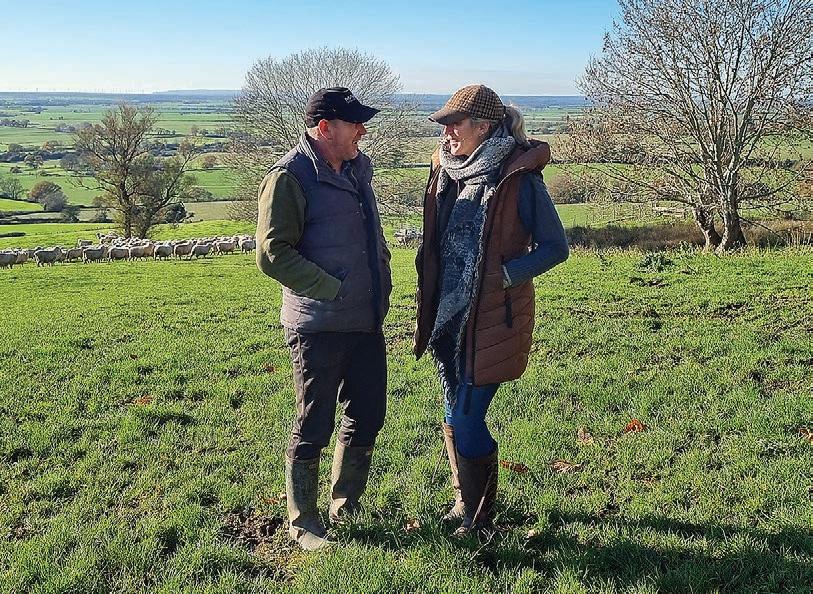
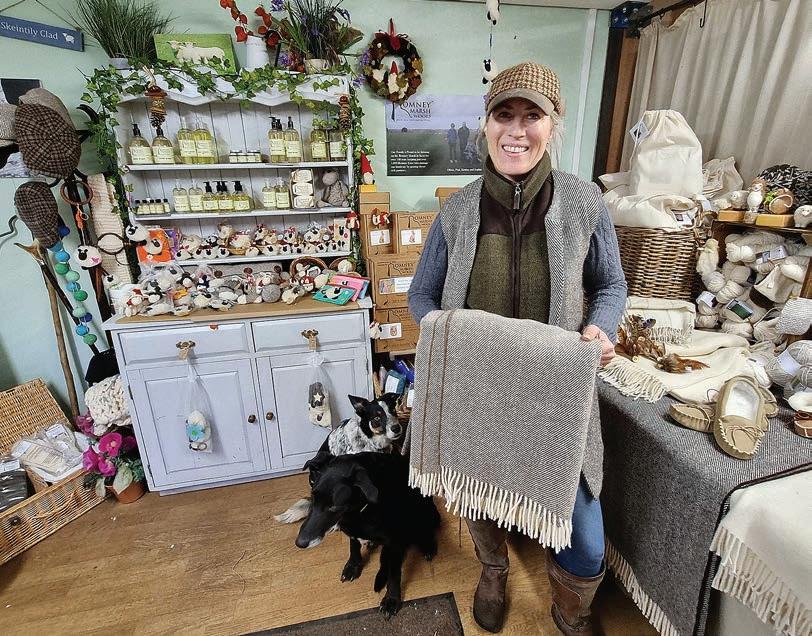
who shears the flock himself together with a colleague, and who’s always been interested in improving sheep breeds and fibres.
“We produce between five to six tonnes of wool a year on the farm and Kristina uses up to about half of that.”
The rest is sold to other outlets through the British Wool Marketing Board, which announced recently that for the first time in many years it has seen an increase in interest in wool.
“Only about 10% of flocks in the UK produce five tonnes or more of wool, and flock numbers are typically so much smaller than in New Zealand, so there’re no real shearing sheds, which surprises Kiwis when they come over here,” said Paul
When initially considering their diversification options with wool, the couple visited mills throughout the UK to understand the processes.
Increasingly Romney Marsh Wools’ customers wanted to visit the farm, which sparked the couple’s ecotourism venture, with three luxurious shepherd’s hut
accommodations in a paddock alongside their farmhouse, decked out with their products and other local goods.
“Traditionally, you would have had shepherd’s huts around for the looker [shepherd] to come and tend to their sheep,” said Kristina.
“Our huts were built using plans from the 1900s and have original wheels, but inside everything’s luxury.
“People love the transparency from field through to product, and it’s good to have this as a different income stream because traditional farming is tough.”
Support for the industry has also come through Woolmark, as well as The Campaign for Wool, which was launched in 2010 to educate consumers about the benefits of wool and help support and grow the wool industry. Run by a coalition of industry groups convened by King Charles (when he was the Prince of Wales) the campaign works to engage consumers through activities – including those focusing on fashion and interiors – to coincide each year with Wool Month.




























PRODUCTS: UK farmer Kristina Boulden with some of the wool-based products at the shop on her Romney Marsh farm, Kent, England.
Photos: Fiona Terry
DIVERSIFY: UK farmers Paul and Kristina Boulden have needed to diversify to help keep their farm viable.
Ewe do the math as Temuka outlook adds up

Annette Scott MARKETS Sheep and beef
AN ABUNDANCE of grass coupled with ongoing strength in the market have buoyed farmer confidence, notching sheep up a gear and driving ewe prices to exceptional levels.
“There’s positivity in the industry. People have had time to reflect that and are happy to pay the price for good breeding sheep given they can see a future. Six months ago they weren’t confident to do that,” PGG Wrightson livestock manager Joe Higgins said at the recent Temuka adult ewe fair.
“The other positive is rain has buoyed the market. Grass is giving people confidence right across all livestock: sheep, in-store lambs, cattle and calves. We’ve never seen so many calves reared.” What is disappointing Higgins said is the number of capital stock sheep still coming to the sales.
“People just seem to want to get out of sheep. It’s been happening for the past 20 years and even now it’s still happening.
“Trading is big business in Mid Canterbury but the sheep flock is running short.”
Auctioneer Rod Sands said the total of 13,000 sheep sold at Temuka was up on last year, as were the prices – up $100-$130 comparable to the 2025 ewe fair.
“Buyers secured some good stock and vendors were happy.
We can’t complain too much about paying top dollar for good ewes when we can actually see $200 lambs.
Bennett
David
Mid Canterbury
“Notable this year was the number of sheep that went to North Canterbury as farmers looked to re-stock having destocked in the dry late last year, and now with the rain in January and the grass growing, putting numbers back on.
“It sure is a good time to be a sheep farmer.”
Generally the market across all age groups was strong, with
most of the 2-shear ewes selling from $310-$360 with the top end of the 3-shear ewes going under the hammer at the $330 mark. Romneys topped the 4-shear market at $300 while Coopdales topped the 5-shear and mixed age annual draft ewes at $318. Romneys sold from $268 to $288 with a line of mixed age hill country Romneys selling at $286.
Mid Canterbury sheep farmer David Bennett well knows the ups and downs of the industry and is confident the current buoyancy looks promising longer term.
“I’m not at the start of my sheep career; I know the high and low spikes and they’re certainly too hard to manage. We needed more stable lamb pricing, that comeback has been long awaited, and it’s come this year.
“At the moment I can see beyond season to season. Previously I could not see that far out. When you would get winter trading lambs away and then come spring the slide starts, but not this year –schedules held up and they’re still going up with the outlook looking very stable.
“We can’t complain too much about paying top dollar for good
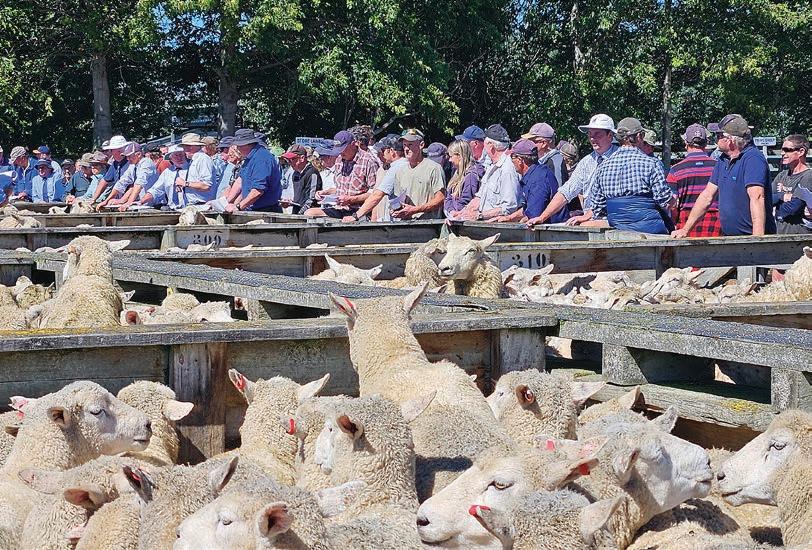
says the total of 13,000 sheep sold at Temuka was up on last year, as were the prices, up $100-$130 comparable to the 2025 ewe
ewes when we can actually see $200 lambs.”
Paying around the $300-mark for good proven production 3-5-shear ewes at the Temuka ewe fair he said is “investment in the longer-term”.
“There’s money in production ewes, mine this year scanned 190-200%.
“I have brought some good sheep here and yes, that reflects my confidence in the industry longer term.”
Self-described “sheep farmer forever”, South Canterbury farmer Keith Livingston was doing the math ahead of buying at the Temuka adult ewe fair.
went down on the 4-shear Romney ewes that he purchased at $300.
“It comes back to lamb price, and it’s looking to hold up or get better; it’s promising to look into the medium term, you just have to meet the market.
“What I pay for the ewes now and given the way the industry is headed, I’m confident that it’s a good investment in the current and foreseeable future.”
Meanwhile Hazlett livestock manager Ed Marfell said a good yarding of quality ewes was well sought after at the annual Hawarden ewe fair.
CONFIDENT: Mid Canterbury sheep farmer David Bennett knows the ups and downs of the industry and is confident the current buoyancy looks promising longer term.
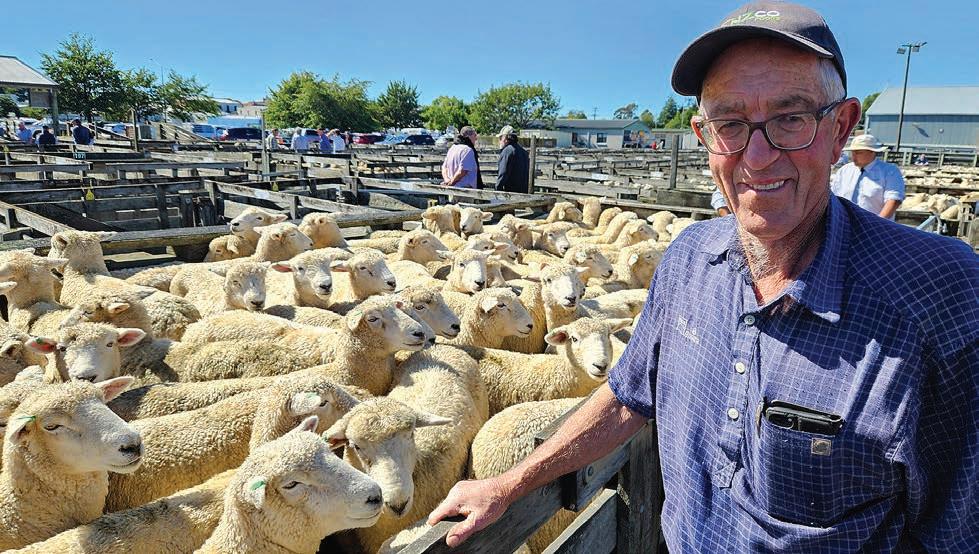
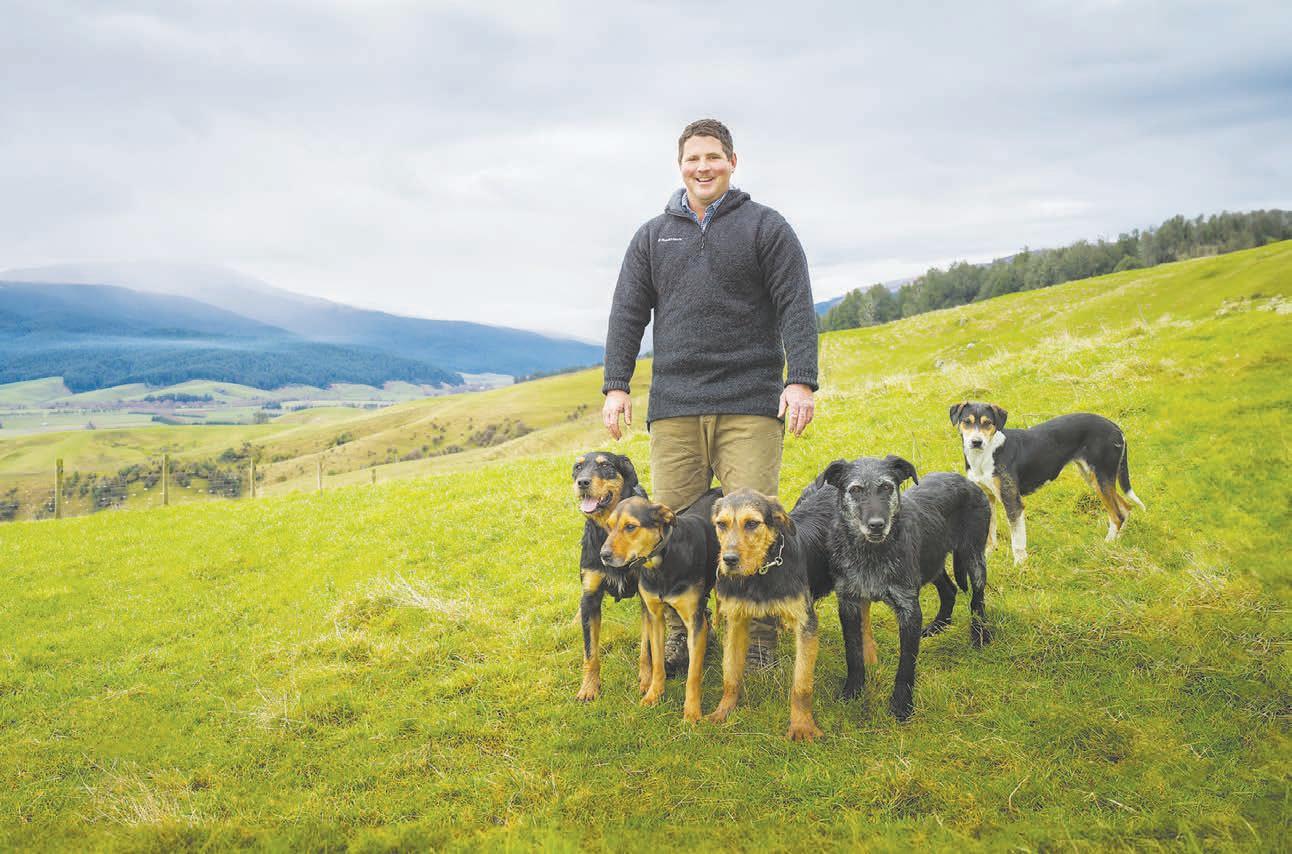
“I’ve been farming over 55 years. Started in dairy but at 25 years old I sold up dairy and went into sheep.
“I’m not fazed by the current ewe prices as the lambs will pay for them.”
When Livingston started bidding, he knew the dollars he would spend would reap returns.
“The money is out of the ewe, good production ewes brought at $330, at 160% lambing, 80% away off the mother, over two to two and half years could be three, four, five, six, lambs looking at $200 a lamb. Add that up, that’s where the money is; there in each of those 100 ewes.”
Jeff Martyn was looking 12 months out when the hammer
“While not quite making the prices of Temuka, a small line of 76 2-shear Romneys on behalf of the Jonah Trust did get to $388, taking took out the top price of the day and to be fair that was good money as we don’t have the Border Leicesters there.”
The next price down was another line of Romneys at $362 sold by Peter Boag, who took out the Jim Forester Silver tray for the highest price 2-shear ewes for a line of 80 or more. Halfbred 2-shear ewes made $190-$268 and Corriedale 2-shear $268.
In the older ewes, 4-shear Romneys sold from $265-$276 while 5-shear and mixed age Romneys sold from $250-$268. Quarterbred annual draft ewes made $168-$230.
With the right food, you can rely on your dogs every day.
Cam Bain was born and raised on a sheep and beef farm He knows only too well how uncertain farm life can be Black Hawk® Working Dog has been developed specifically for New Zealand working dogs Packed with 32% real meat proteins and 22% high quality fats, the formula supports strong, lean muscles and provides sustainable energy throughout the day
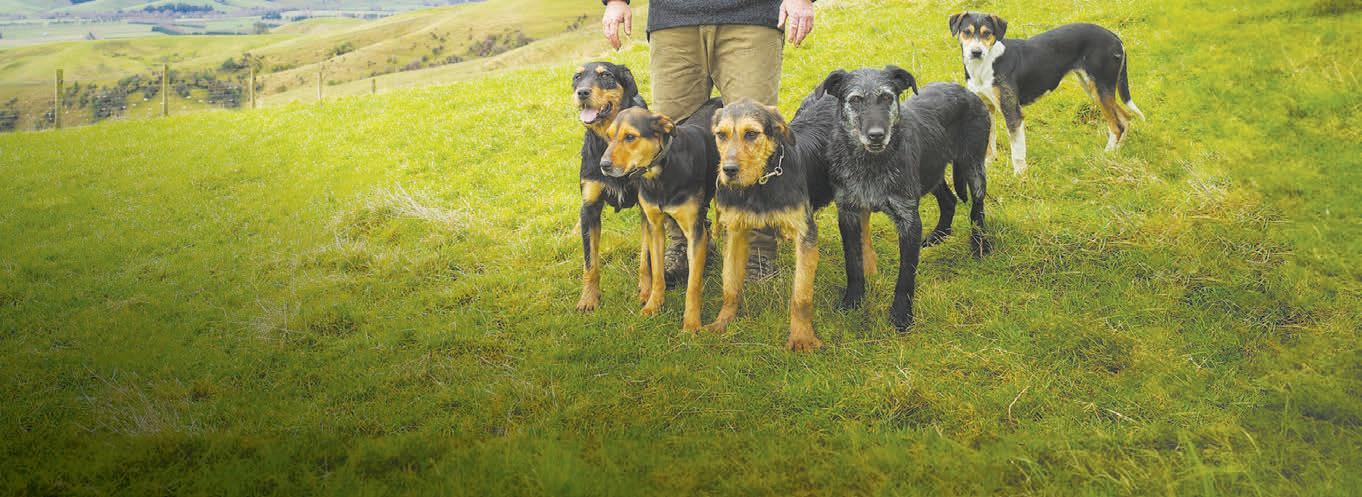
Since Cam has been feeding Black Hawk Working Dog to his dogs, he’s noticed a real difference - “When it comes to fuelling my working dogs, Black Hawk is the real deal I’ve been feeding Black Hawk for about 2 years now, and there s never any left in the bowls - they really enjoy it! They bounce out after a hard day’s work and I can tell they’ve recovered faster Their muscle tone is impressive, especially in my heading dog Black Hawk speaks for itself; it’s worth a shot ” Available at your rural vet clinic.

Cam Bain, West Otago, New Zealand
INTEREST: Auctioneer Rod Sands
fair.
Photos: Annette Scott


Skincare start-up a soothing success
WHEN Sarah Kirkland’s newborn was struggling with severe eczema, a suggestion from her husband to use the “liquid gold” in their front paddock grew into skincare startup Elm Lab.
Elm Lab is a skincare company that uses A2 colostrum for baby products such as body wash and moisturiser, as well as hand cream for adults. It’s the first of its kind in New Zealand, made with colostrum from the Kirkland’s family dairy farm Elm Grove, and is manufactured in the South Island.
Founder Sarah has just returned from a week in Australia showcasing their baby skincare products at the Syndey Baby Expo and has big plans for the next six months.
A former property and commercial lawyer and mother of three, Sarah says the business grew from a desperate search for a solution.
“Charlie was suffering from eczema on his cheeks and shoulders – we’re talking red
and raw skin, I spent hours and many late nights searching for something gentle to soothe it rather than steroids.
“A nurse at a skin clinic suggested I use my left-over colostrum from prenatally expressing, but I hadn’t saved any. Then Will said, why not try the colostrum from the cows?” she says.
Fast forward a few years, countless hours working with cosmetic formulators, testing samples and refining the products, and Elm Lab was launched last year.
“A2 colostrum is a really magic product, liquid gold people call it, this is because of what it contains and how it behaves.
“It’s got peptides and growth factors – that help support the skin barrier and keep sensitive skin feeling calm and comfortable. All our products are dermatologically patch tested and they’ve also been paediatrician tested, which has been really reassuring for parents. For Charlie, we saw a real improvement in how his skin looked and felt and I’m just
pleased we can share this with other mums,” says Sarah.
Sarah and husband Will were expecting to start small, first in their own backyard, in the South Island, then the North Island and maybe a push into Australia.
A2 colostrum is a really magic product, liquid gold people call it, this is because of what it contains and how it behaves.
“But we’ve actually had amazing traction, we’ve already had meetings with some premium retailers – hopefully I can share more on that soon, but we’ve got a lot more Australian sales than we expected, and have had orders from the US, UK, Hong Kong and even India.
“We have certainly learned a lot, and yeah made mistakes along

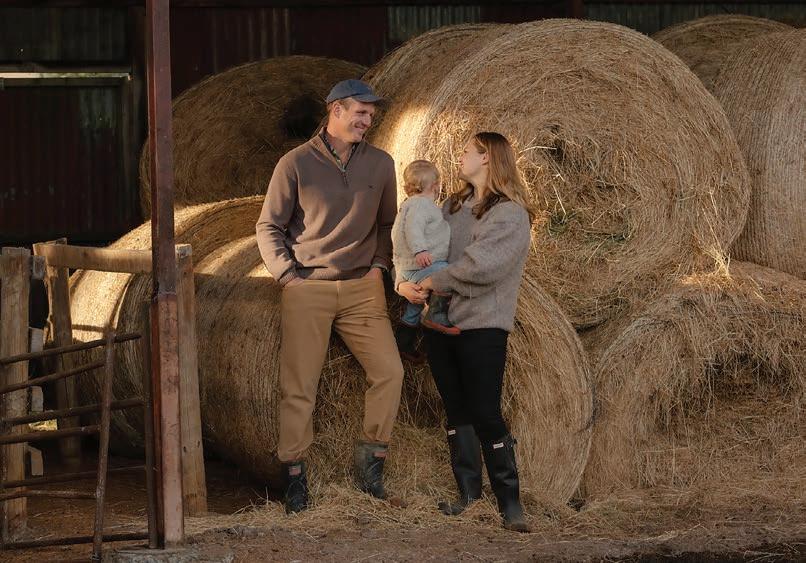
the way, one of the biggest things is we’ve been overwhelmed with people wanting adult face product. So we’ve got plans to expand into an adult range and hopefully launch that at the end of the year.
“The adult range wasn’t really a pivot we were expecting, but there is just this huge demand for gentle, natural products,” she says.
Sarah is a relatively new member of Rural Women New Zealand, she joined last year ahead of the Inspiring Wāhine conference in Gore. Sarah joined to connect with other female entrepreneurs living rurally who were also
ConnectHER pilot reaches halfway point
A PILOT programme aimed at connecting rural women and families with support services has hit its six-month halfway point.
Called ConnectHER and funded by the Ministry for Primary Industries (MPI), the pilot is delivered by Rural Women New Zealand and employs two women in Wairoa/ East Coast and Southland.
Sue Wilson and Victoria Pemberton use their networks, attend events and travel hundreds of kilometres across the regions to reach those in need, and spread
the word about the service.
Rural Women Chief Executive Sandra Kirby says in just a few months it’s clear there’s a need.
“Sue and Victoria have already supported a number of women and families with mental health and counselling support, housing and accessing healthcare.
“We are pleased to know the pilot is already making a difference, because it can be so hard to know where to turn when you need an extra hand especially when rural towns and centres are seeing
vital services close,” she said.
In rural communities, a lack of face-face-service, distances to town, limited access to healthcare and poor connectivity add an extra layer of difficulty.
“To have a number to call to be answered by a local who gets it, knows where to go and can cut through the barriers is simply life changing,” says Sandra Kirby.
They also take confidential referrals, so people can ring up to suggest a friend or colleague who might be in need.
ConnectHER was launched in July 2025 and received $250,000 from MPI as part of Budget 2025 for the 12-month pilot.
Rural Women New Zealand is looking at options to extend the service.
Need support or know someone in Southland or Wairoa/East Coast who does? Contact ConnectHER.
Wairoa/East Coast: Sue Wilson
0800 256 468 or 027 376 1768
Southland: Victoria Pemberton
0800 256 469 or 027 390 6155
juggling businesses, life on the farm and motherhood. As well as the educational resources and business support Rural Women offers.
Sarah and Will are the sixth generation to farm at Elm Grove in Mosgiel on the Taieri Plain. Elm Grove is 333 hectares, they milk 500 cows on a 185ha milking platform on the historic farm that was purchased by Will’s family in 1853.
MORE:
Like what you read? Visit ruralwomennz. nz and become a member today.
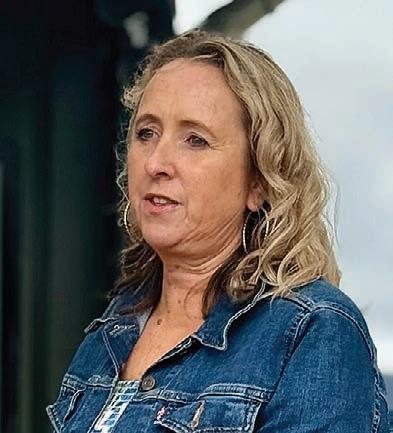



SOLUTION: Sarah Kirkland and husband Will founded their A2 colostrum skincare company after their son Charlie struggled with severe eczema.
SUPPORT: Registered counsellor Kathryn Wright addresses the audience at a recent ConnectHER event in Southland.
Sarah Kirkland Elm Lab
FEDERATED FARMERS
Rates cap potential and pitfalls needs more scrutiny
At Federated Farmers, we’re all in favour of greater local government spending restraint.
We’re not in favour of so severely straight-jacketing council budget decisions that vital infrastructure upgrades and maintenance are delayed or cancelled.
That might sound like Federated Farmers wants a bob each way on the Government’s proposed 2-4% cap on council rates.
In reality, it reflects the tricky balance between calls for fiscal discipline and the unavoidable cost pressures councils face.
I think all of us, even councils, agree on one thing – that the trajectory of rates hikes is unaffordable for increasing numbers of families and businesses.
But the 2-4% rates cap the Government wants in place by 2029 is a blunt tool that could have unintended consequences.
Exempt from the proposed cap are charges for waste, drinking and
stormwater services. With an estimated network renewal backlog of as much as $47.9 billion because of previous under-investment, the Government knows we have to catch up on this vital work.
Work on other infrastructure particularly vital to rural areas –roading, bridges, drainage, flood protection – is also plagued by significant council (and central government) under-investment in many districts.
When councillors factor in paying interest on rising council debt, never mind soaring costs for contractors and raw materials, a rates cap will create temptation – even necessity – to delay or delete important capital works.
Federated Farmers believes there should be a rates cap exemption for targeted road and infrastructure rates, just as is proposed for three waters charges.
The Government’s thinking is that a rates cap will force councils to prioritise ‘must haves’ and pare back on ‘nice to haves’.
As a generalisation, smaller rural councils probably spend less on nice to haves.

owner’s share of total rates is determined by capital (or land) value.
In three-yearly revaluations, if your property value has risen more than the average for the district, you’ll pay more in rates – and vice-versa.
Two other ideas Feds will raise in our submission on the rates cap proposal relate to referenda and benchmarking.
We think councils should need residents’ consent for large spends on commercial facilities and ventures, like stadiums and conference centres.
A referendum would be required, for example, where the spend is greater than $500 per resident.
This would allow councils to provide community well-being services and activities, while restrain them from destroying their balance sheets through risky investments beyond their core purpose.
A rates cap, including on district councils already grappling with costs of providing for high numbers of visitors and tourists, could end up cutting into budgets for ‘must haves’.
Faced with a rates cap, councils might also look to offset revenue shortfalls by hiking other charges or selling assets.
Rates are the largest source of income for local authorities, making up on average 57% of total operating revenue.
Other revenue comes from council-owned trading entities like ports and airports, but these tend to be owned by metropolitan councils rather than smaller district councils.
Councils also charge fees for everything from swimming pool entry to parking, building consents and liquor licences.
These services are often subsidised by general rates. To offset a rates cap, these fees could be raised.
Lots of people like the notion of ‘user pays’ – unless they’re a user.
Perhaps farmers would welcome higher council fees for rubbish collection, swimming pools, sports playing surfaces, food outlet inspections and other services they don’t get to use as much as town residents.
But they’re less likely to be happy with fee hikes for compliance inspections, resource consents and dog registration.
There’s a common misconception the rates cap will mean no property owner’s rates bill can increase by more than 4% in any year. But the restriction is on a council’s total revenue from rates.
Just as is the case now, a property
If we’re serious about driving council costs down, there’s also a case for much improved nationwide benchmarking of council costs.
Armed with detailed information on average costs for road maintenance, playground installation, reserves mowing and so on, councillors could drill down into spending – and challenge officers’ reports.
With council rates bills now one of the biggest household costs – and one of the most prominent lines in a farm’s budget – the rates cap and related issues deserve solid debate in the run-up to the general election.
Federated Farmers will be vocal in the debate, just as we have been in talk of council restructuring and amalgamation, to make sure the rural voice and priorities are prominent.
WRONG SIGNAL: Faced with a rates cap, and also grappling with debt interest and soaring costs for contractors and raw materials, councils could feel forced to delay or cancel important capital projects, Sandra Faulkner says.
Sandra Faulkner
Federated Farmers local government spokesperson
Colin Hurst: why water scarcity isn’t the problem
With new legislation set to make it easier to build water storage,
Federated Farmers vice president Colin Hurst says New Zealand has a chance to move beyond scarcity thinking.
After four decades farming, Hurst says the real challenge isn’t lack of water – it’s failing to capture it when it’s abundant.
“New Zealand’s water focus needs to shift from managing scarcity to investing in abundance,” he says.
“There’s plenty of frustration and planning battles in catchments where water takes are overallocated, but in truth we don’t have a water shortage – we’ve got a storage problem.
“We need to capture more water in the months when its plentiful, to be used when it’s not.
“If we can get stuck in developing better water storage and distribution, that’s really going to support communities, agriculture, the environment, and the country’s longterm economic resilience.”
Hurst is Federated Farmers freshwater spokesperson, a tough and busy portfolio – but he has the credentials to lean into it.
As well as nearly 40 years as a hands-on arable and livestock farmer, he’s served Federated Farmers at national, regional and branch level.
He’s dedicated countless hours as a volunteer to the South Canterbury Rural Support Trust, United Wheatgrowers and the Foundation for Arable Research, and as a staunch advocate for farmers at the Seed Quality Management Authority and on the Fertiliser Quality Council.
In some of those roles, Hurst has helped and advised farmers whose livelihoods have been severely tested by drought, as well as impractical regulation.
“It’s a real step forward that, under the current Government, water
storage projects of national and regional significance can be fasttracked,” he says.
“Too often in the past, storage schemes have foundered not because of construction cost, but the expense and delay of tortuous planning processes.
“The new resource management legislation also takes an approach that, if a farmer wants to put a dam or storage pond on their farm, and there are limited or no effects on anyone else, they should be able to get on with it.”
New Zealand’s water focus needs to shift from managing scarcity to investing in abundance.
Colin Hurst Federated Farmers vice president
Federated Farmers strongly opposes levies on water as a way of managing demand, Hurst says.
“It’s unbelievable the Government is proposing to tax water.
“There should only be charges for reasonable cost of infrastructure and administration of consents.
“Water trading also isn’t needed, as storage is always the preferred option.
“But transfer of allocation by agreement could be allowed.”
Hurst says farmers and growers aren’t looking for hand-outs for water storage and aquifer recharge.
But when these projects strengthen the wider community and local economy, it makes sense for central and local government to co-invest.
As for allocation, Hurst says the new Natural Environment Act needs to be explicit that water can be taken for stock drinking at all times, as a permitted activity, even in overallocated catchments.
“For animal welfare and production
certainty reasons, that’s a bottom line for us.”
Hurst always wanted to be a farmer but, on the advice of his dad to get a qualification, he completed an engineering apprenticeship in Timaru.
He was soon back on the family farm at Makihikihi, South Canterbury, and with the help of his parents bought a neighbouring property at age 23.
Other farm purchases followed and now the Hurst’s 700ha farm includes 450ha in arable crops such as wheat, grass seed, plantain and turnips, and the rest for grazing cattle. Around 250ha is irrigated.
“We’ve been buying-in rising twoyear-olds in the autumn and we bought some calves just recently.
“We also graze a neighbour’s dairy cows – so about 500 of them will come over in winter.
“The neighbours are going to introduce Halter to set their winterfeeding breaks. I’m really keen to see that in action.”
With the help of Colin and his wife Janis, their son Nick and his partner Alice recently bought the original farm block from Colin’s mum. Alice delivered a baby girl last November.
“It’s a good feeling to have four generations on a farm that mum and dad got underway with in 1963.”
Hurst, the 2019 Arable Farmer of
the Year, says it’s a tough time for arable returns of late – especially for those whose crops were pounded by hail.
“But I’m confident it’s just part of a cycle that will come right again.”
With his own family’s new generation continuing a farming tradition, Hurst says he has added impetus to continue his work with Federated Farmers.
“Agriculture will always be a big part of New Zealand’s future, and I’ll always fight for policies to help it succeed.
“Getting water right – storing it, using it wisely, and cutting through the red tape – is one of the most important ones.”
TAPPING THE FUTURE: Production and resilience hinge on water security but too often storage projects have foundered because of tortuous planning processes, Colin Hurst says.
Sheep farmers are finally seeing wool prices that stack up, and two industry insiders say the recent lift in strong wool returns isn’t just a short-term spike.
Breanna Hayes, supply growth manager at The New Zealand Merino Company (NZM), and Nathan Watt, trading manager at New Zealand Wool Services International, say strong wool prices now breaking $4 and $5 should be seen as a genuine reset.
“It’s hard not to be positive when wool prices have gone up arguably 40% in the last six months – and that looks set to continue,” Watt said on the Federated Farmers Podcast.
“Prices are now covering costs and growers are making a little bit of money. I think this is just the start.
“There is a new normal, and that new normal is in the fours and fives,
and potentially sixes and sevens moving forward.”
That optimism follows what Watt describes as “tough years” for wool growers, driven by falling demand, competition from synthetic fibres, and a shrinking domestic supply chain.
Now, both supply and demand dynamics are shifting.
“We’re probably losing 4-5% of the wool clip every year,” Watt says.
“At the same time, new products are being developed all the time, particularly in China, and that’s creating real demand.”
One unexpected example is tennis balls. Wool felt is a key component, and with tennis now a compulsory school sport in China, demand has surged.
“In the last three years, the amount of New Zealand wool going into tennis balls has jumped from about
1500 tonnes to around 3500 tonnes,” Watt says.
“It’s just one example, but it’s a genuinely positive story for growers.”
While prices are improving, Hayes says many farmers still don’t fully understand what happens to their wool once it leaves the farm.
“I personally believe most growers don’t understand the supply chain very well at all, and that’s no fault of their own,” she says.
“Wool’s been something we produce that’s had no value, so there’s been no interest. Why learn about something that’s giving you no return?”
That lack of understanding has fuelled a common misperception that too many middlemen are clipping the ticket, Hayes says.
“Every step in the wool supply chain is necessary.

brands visiting New Zealand farms to better understand wool and farming systems.
IMPORTANT:
Breanna Hayes says the story behind New Zealand’s wool is becoming increasingly important as overseas brands and consumers focus on sustainability, product passports, and full life-cycle impacts.
“You can’t just shear a sheep and suddenly you’ve got a carpet or a shoe. Scouring, spinning, dyeing – all of it has to happen. You can’t take parts out of the supply chain.”
Exporters, in particular, play a critical role, Watt adds. They aggregate wool from across the country, finance processing and shipping, and carry the risk until the final product is delivered.
“The idea that the supply chain is making huge margins just isn’t true,”
Watt says.
“If anything, a lot of players have disappeared because they’ve gone out of business.”
Both Hayes and Watt say one of the most significant changes underway is stronger connections between wool growers and global brands –something NZM has focused heavily on.
“As the industry becomes smaller and supply tightens, end users are going to try and connect directly to raw material,” Watt says.
“That’s definitely the way the industry is moving.”
Hayes points to international
“It builds understanding on both sides,” she says.
“Brands learn what wool really is and what it can do, and farmers get a better sense of where their product goes and why certain standards matter.”
It’s hard not to be positive when wool prices have gone up arguably 40% in the last six months – and that looks set to continue.
Nathan Watt NZ Wool Services trading manager
That storytelling is becoming increasingly important as consumers, particularly in Europe, focus on sustainability, product passports, and full life-cycle impacts.
“They want to know where a product came from, what it’s made of, and what happens at the end of its life,” Hayes says.
“Wool fits that really well, but we need the data to back it up.”
Work is already underway to reassess wool’s life-cycle footprint, including how methane is accounted for.
Despite the positive outlook, both are blunt about the need for growers to lift standards.
“Our reputation is definitely getting worse, not better,” Hayes says.
“We see towels, shoes, bricks, cigarette butts turning up in bales. Contamination causes huge issues right through the supply chain.”
Watt says better prices should prompt renewed attention to wool on farm, from genetics and preparation through to shed practices.
“If growers ask more questions, they’ll have more knowledge and make better decisions,” he says.
“The market is fluid, demand changes, and conversations need to be happening all the time.”
Looking five to 10 years ahead, both are firmly optimistic.
“There are real change-makers in the industry now,” Hayes says. “We’re finally showing what wool can do.
“This feels different,” Watt says. “Better wool prices aren’t a spike –they’re here to stay.”

Photo: Pexels
Farmers pay price for generator hire
Southland farmers surprised by hefty bills for hired generators could have bought new equipment for a similar cost – if a Federated Farmers initiative had been given the green light.
Last October’s storm wreaked havoc in the province, cutting power to many rural districts for days, and leaving scores of dairy farmers unable to milk cows.
In desperation, and without cost details being nailed down, some took up offers of hired generators organised by Emergency Management Southland.
“Now they’ve been posted astronomical bills – well in excess of $10,000 in some cases – for less than a week’s generator hire,” Federated Farmers Southland president Jason Herrick says.
“You can get a new tractor-driven 80KVA generator for around $16,000-$18,000.
“Not only would they have been sorted for their milking sheds until electricity came back on, they’d also have a generator of their own for future power cuts.”
Herrick says he secured from Minister for Emergency Management and Recovery Mark Mitchell a commitment for the Air Force’s Hercules to fly down new generators from
Auckland that stranded farmers could purchase.
“It was all sorted,” Herrick says.
“All that was needed was a tick from NEMA (National Emergency Management Agency) representatives and Emergency Management Southland (EMS) – and that’s where it stalled.”
Herrick says the two agencies wouldn’t provide sign-off because, at that early stage, they hadn’t heard from any farmers. They took the view that they could sort it out themselves if requests for generators came in.
They’re
willing to pay a fair cost, but they weren’t expecting these astronomical bills. Someone is taking the p***.
Jason Herrick
Federated
Farmers Southland president
“I told them farmers would need generators. Trees had fallen, taking out power all over the place.
“It was incredibly frustrating.
“They hadn’t heard from farmers because they were flat-out frantic trying to sort things on farm, and
cellphone and internet systems were down.
“Farmers had told us they were in trouble, and I knew from my experience of the Christchurch earthquakes when I was farming there that generators would be top of the priority list.”
Herrick says Southland Feds built up a list of 64 farmers who needed generators and passed that information on to EMS.
EMS group controller Lucy Hicks, who was stationed at the Emergency Co-ordination Centre as the storm first hit, disputes the suggestion their failure to sign-off on the Hercules flight grounded that deal.
The Hercules did bring down some very large generators but they were to enable cell towers and other communications systems to be restored.
“We found out from NEMA that there was an additional source of generators that could be mobilised (but) it wasn’t a direct offer that was coming from Federated Farmers.
“In terms us not ticking something off, that isn’t my recollection.”
Hicks says the co-ordination centre, Rural Support Trust and NEMA were all dealing with requests for, and sourcing, generators.
“We didn’t have good comms at
CAUGHT OUT: Lessons need to be learned from last October’s storm –both by responding agencies and farmers, Jason Herrick says.
the beginning, so communication was fraught.”
Farmers requesting generators were told there would be an invoice later but exact cost details were not available, she says.
HELP: Jason Herrick says Southland Feds built up a list of 64 farmers who needed generators and passed that information on to EMS.
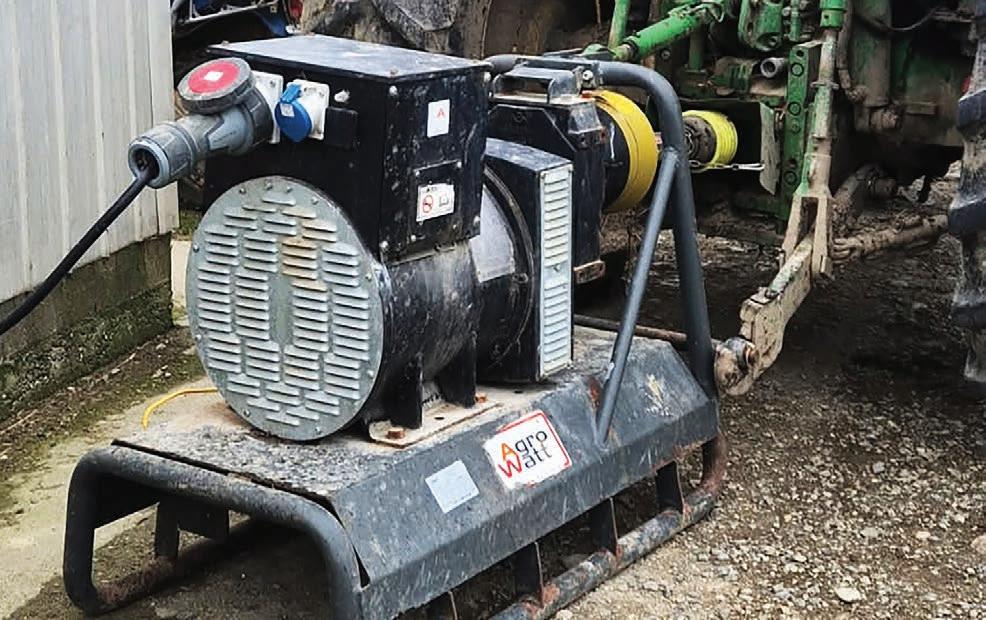


Herrick agrees most of the farmers who accepted generators eventually sourced by EMS and other agencies from across the lower South Island, and some from the North Island, knew there would likely be a cost.
“It’s an animal welfare issue – cows have to be milked. They were caught out, without an alternative power supply.
“They’re willing to pay a fair cost, but they weren’t expecting these astronomical bills. Someone is taking the p***.”
Southland Times reports sighting bills of $8457 for four days’ use and $14,297 for five days’ use of an 80KVA generator.
Herrick says he’s seen a bill to another farmer for $17,500, and has been told of another case where a farm was charged $21,000 for having a generator for seven days.
The farmers may have recourse to
business continuity insurance, but their insurers are also disputing the size of the invoices.
“I’m worried about what message this debacle sends to farmers when there’s a future emergency.
“We tell people in emergency situations to reach out for help. How many are going to be put off doing that for fear of being hit with a massive bill further down the line?”
Herrick says there are lessons to be learned from the October storm – for the various response agencies, and for farmers.
“In my view, the initial response from Emergency Management Southland was poor. Contacts tell me the storm response was much smoother and calmer in Otago.
“The chief executive of PowerNet wasn’t even invited to Southland’s initial emergency meetings. I sorted that.”
But it should also be a wake-up for farmers, Herrick says.
“We all need to think about resilience in a changing climate. That means generators, or solar with battery back-up.”

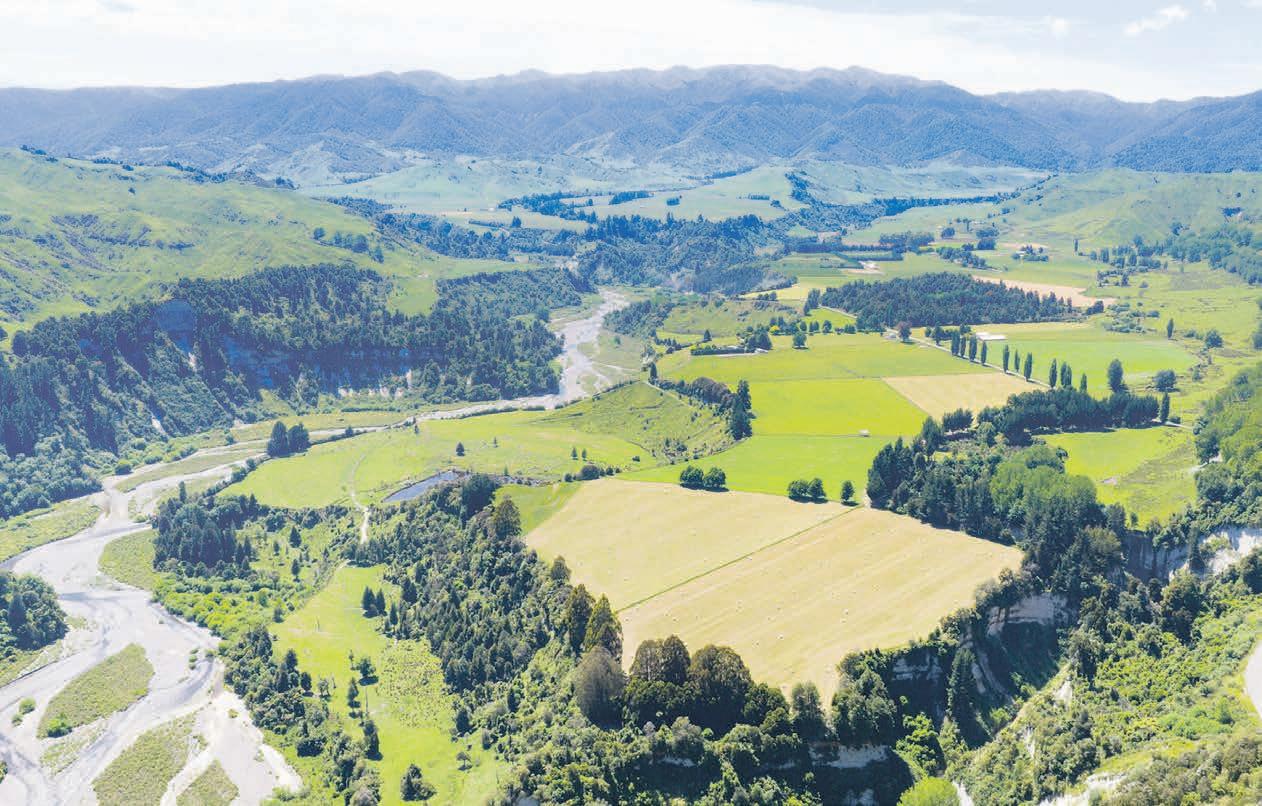
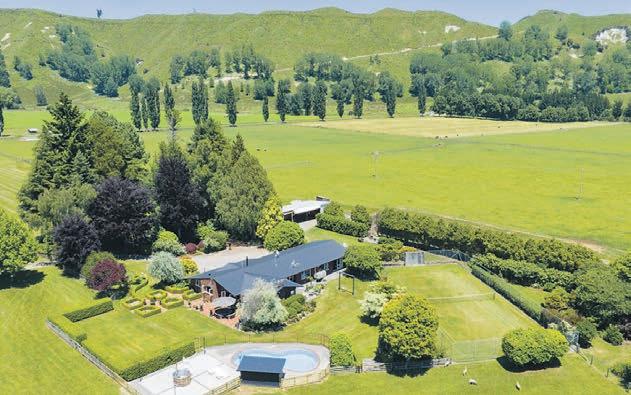
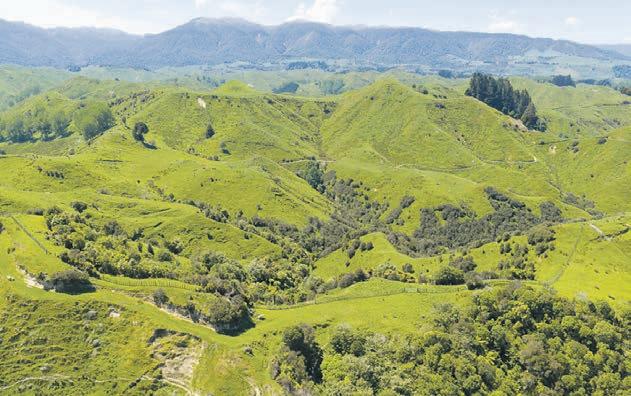
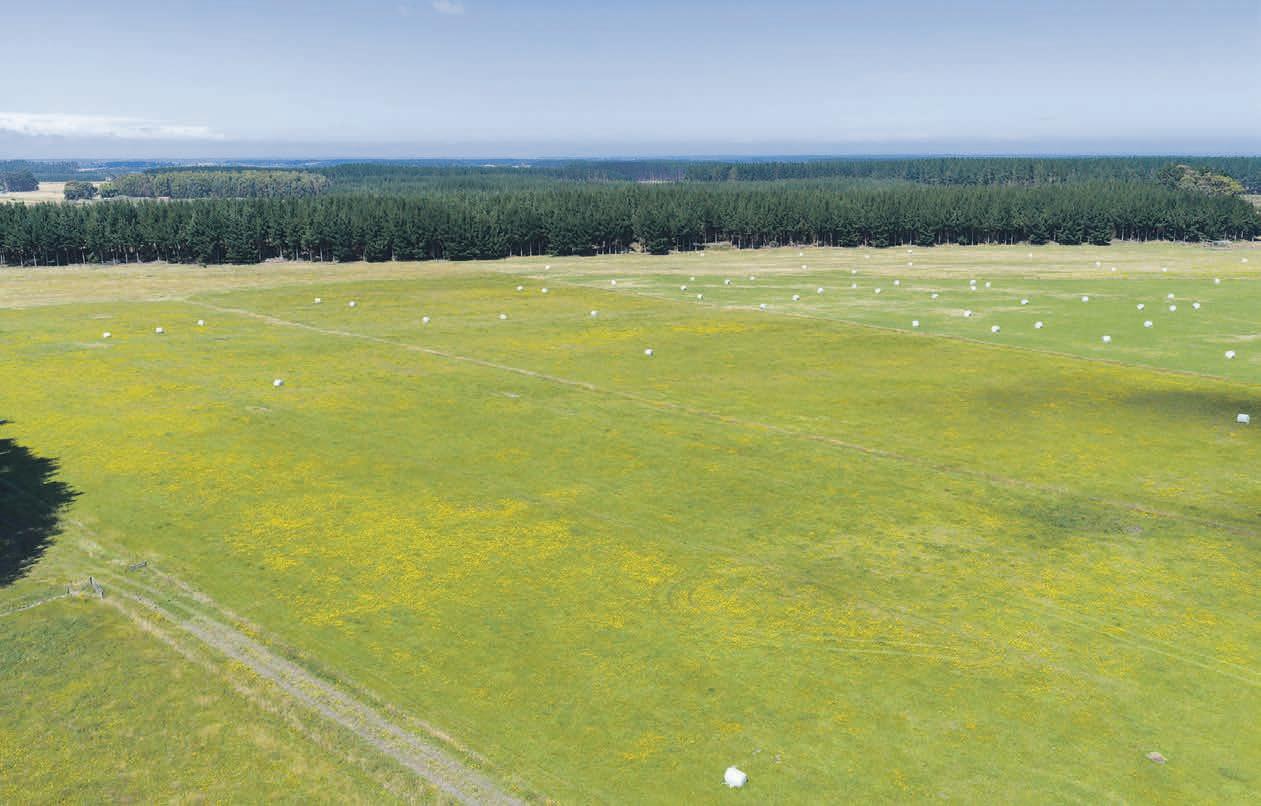
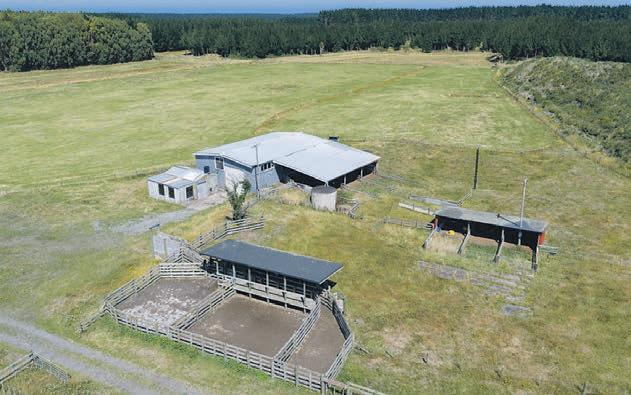
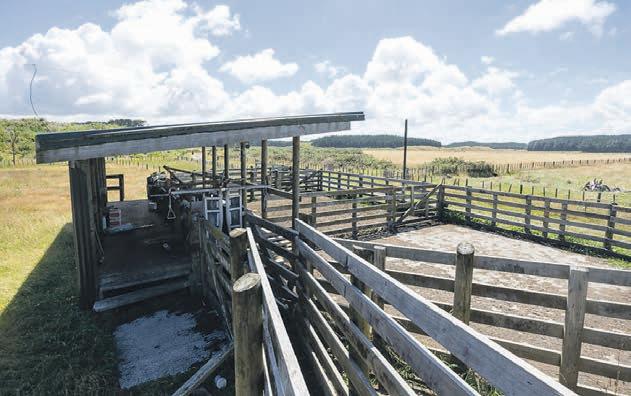
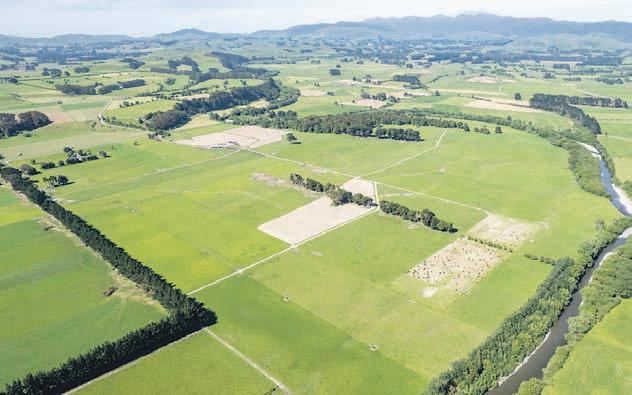
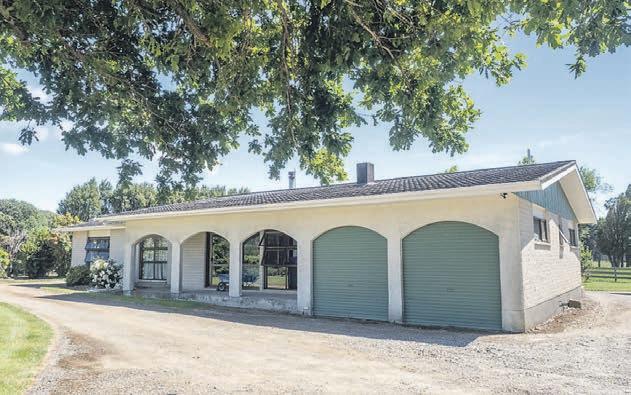

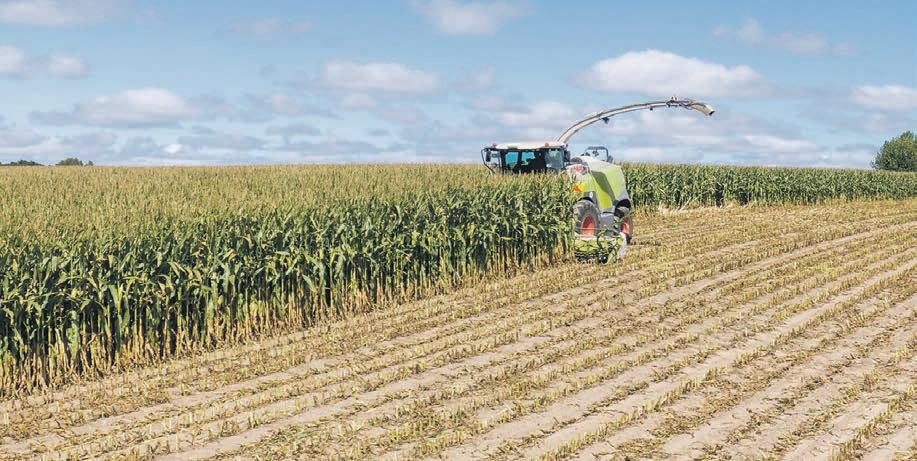

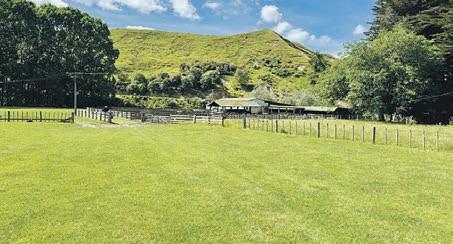
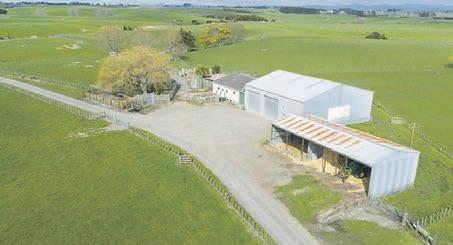
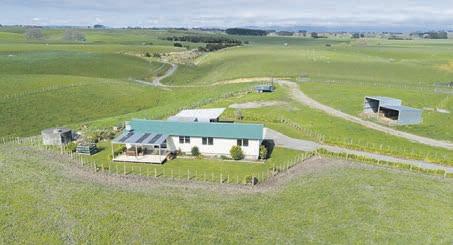

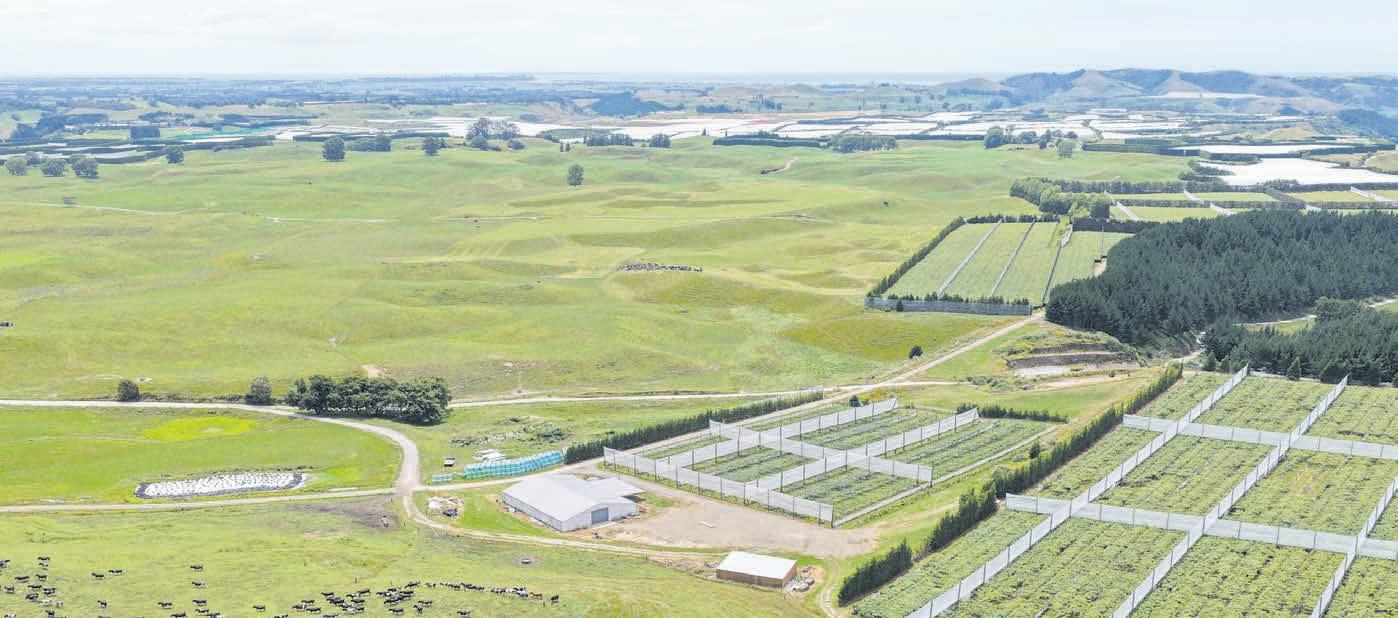
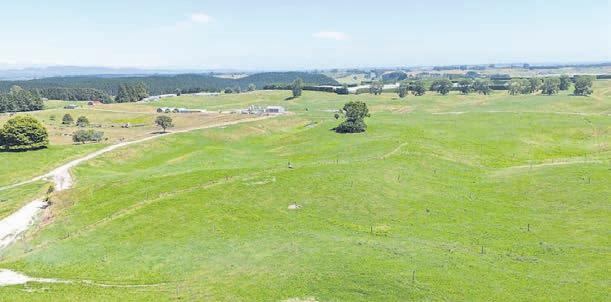
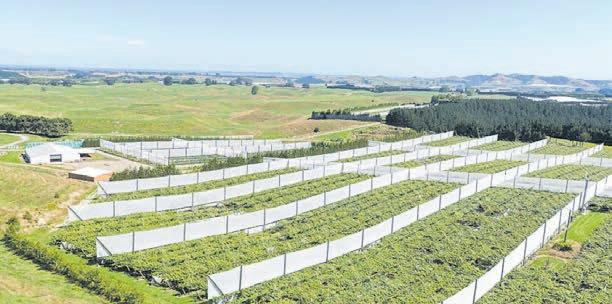


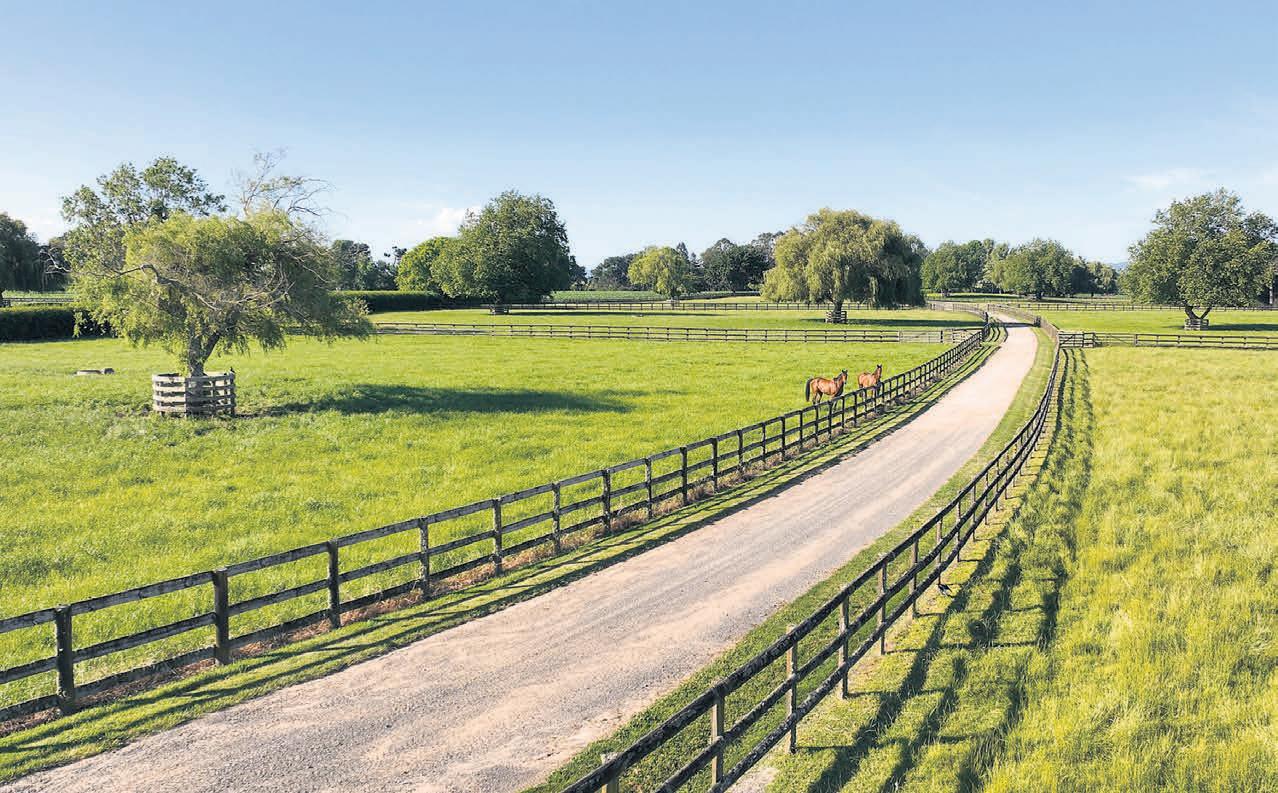

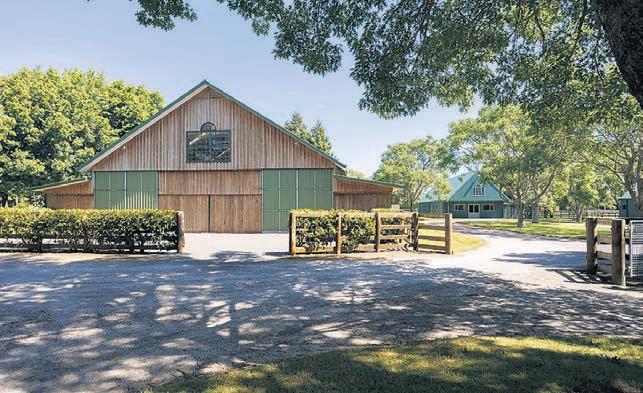
Prime Waikato estate - productivity and prestige
Maraetotara magic
This is more than a farm; it is a sanctuary of enduring quality Secluded at the end of a private no-exit road the property is bordered by two trout-filled waterways creating a picturesque setting Established in the late 1980s as a premier equine stud its elite heritage remains evident Superior contour premium soils and strong aesthetics provide flexibility for equine mixed farming or tourism ventures Infrastructure includes a 44-box stable complex and comprehensive support buildings, with the land fully equine-fenced and divided into 80 paddocks Currently operated as a productive mixed farming enterprise, it demonstrates proven versatility The elevated main residence enjoys sweeping views with landscaped grounds, tennis court and swimming pool Centrally located within an easy commute to Hamilton bayleys co nz/2310207
For those serious about farming in the picturesque Maraetotara Valley, this ascetically pleasing 472 hectare sheep and beef property is an easy 26 kilometre drive via sealed roads to Havelock North Originally an amalgamation of two farms, the offering provides for parties to purchase as 231 hectare or 240 hectare blocks Located in a district regarded as summer safe, the farm is a compact shape, of mostly easy to medium contour and well subdivided A spring fed, solar powered water system has recently been reticulated to much of the farm, complementing good streams and dams A set of buildings and yards at each end of the farm provides for excellent workability and stock handling Other improvements include a main dwelling, a two bedroom with sleepout Lockwood home, and a four stand Woolaway style woolshed and covered yard bayleys co nz/2854275
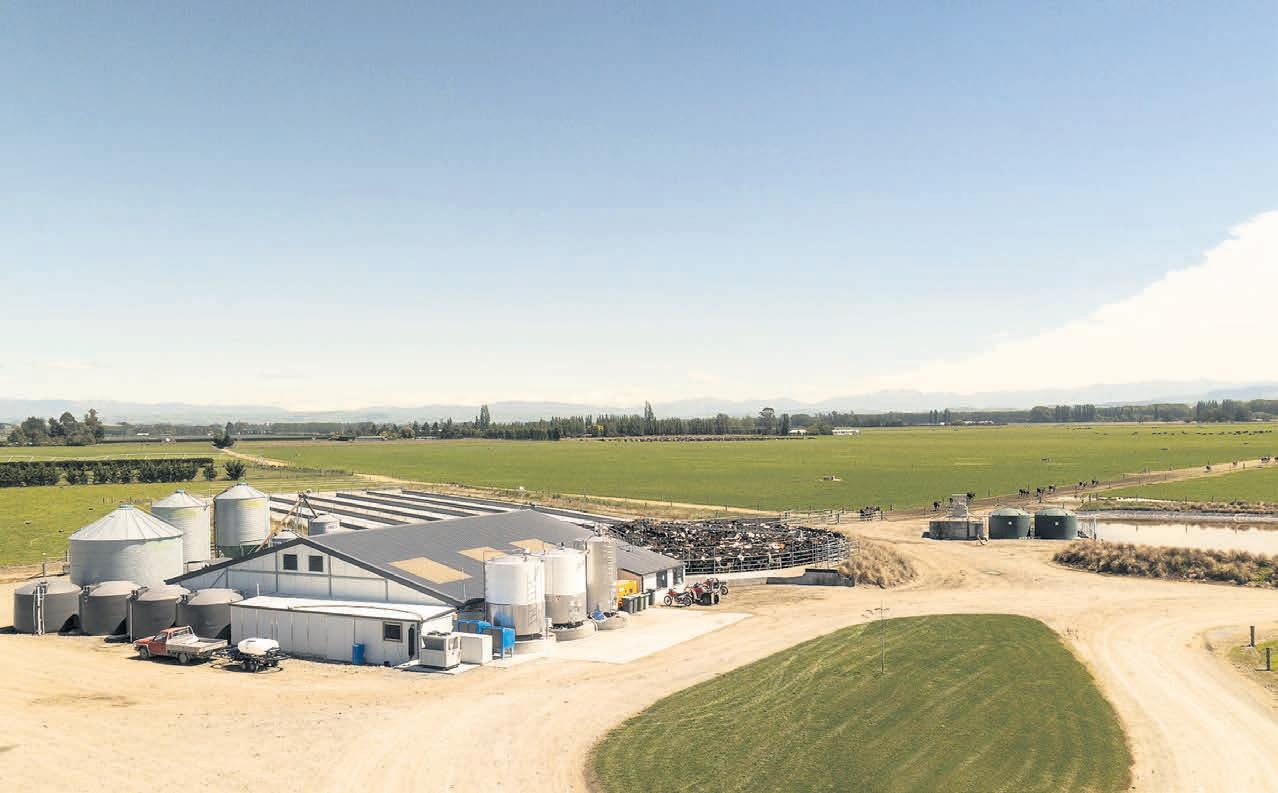
Excellent hill country breeding and finishing farm
Scale, location, quality soils and attached support land ensure this well-established dairy farm is positioned for a solid future Productive advantage is driven by soil types and low altitude and combined with multiple titles provides future upside for purchasers Following an upcoming subdivision, the operation totals 526ha (more or less), comprising the Dairy farm 392ha (subject to survey), Scotts block 42ha (more or less), and Arowhenua block 92ha (more or less) Consented for 1,400 cows and operating under an A-grade audit, Riverton Farm includes a thoughtfully positioned 60-bail rotary shed, plus a 600-cow yard and feed pad Supported by calf sheds, effluent system, irrigation storage and extensive shedding Modern housing provides quality living for staff Purchasing options are available individually or as a whole bayleys co nz/5529139
Whether you are looking for a balanced hill country farm with potential as a stand-alone breeding and finishing farm or an additional property to compliment a larger hill country breeding operation, this property will not let you down This 376 96 hectare (more or less) farm located in the Ohingaiti area of the Northern Manawatu/Rangitikei districts has been run in conjunction with a larger hill country breeding farm The property has benefitted from a solid fertiliser history It has an estimated 114 hectares of crop able country, which has been utilised over the years for growing a variety of fodder crops for livestock finishing One of the outstanding features is a fully reticulated stock water system fed to all 55 paddocks There is a three-bedroom home and two woolsheds with covered yards and all the required stock handling facilities bayleys co nz/3053217
132 79 ha
472 3 ha
Tender (unless sold prior)
Closing 4pm, Wed 17 Dec 2025
For Sale by Deadline Private Treaty (unless sold prior)
2pm, Tue 10 Mar 2026
15 Havelock Road, Havelock North
View by appointment
65 Arawa Street, Matamata Sam Troughton 027 480 0836
sam troughton@bayleys co nz
Tony Rasmussen 027 429 2253 tony rasmussen@bayleys co nz
Mike Fraser-Jones 027 475 9680
James Macpherson 021 488 018
SUCCESS
james macpherson@bayleys co nz EASTERN
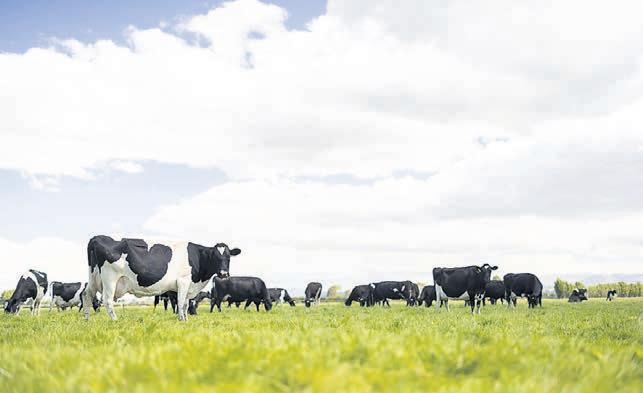
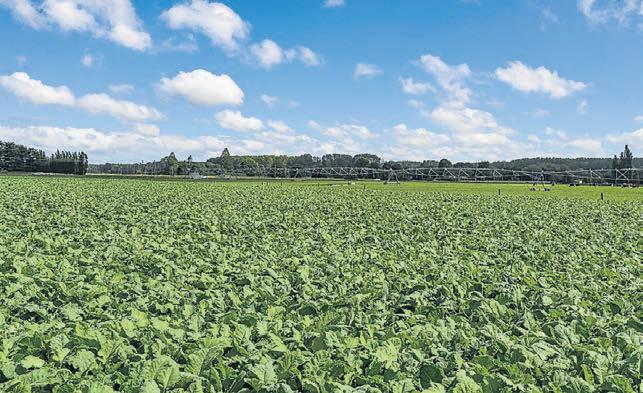
526.8581 ha
Deadline Sale (unless sold prior) 12pm, Fri 6 Mar 2026
View by appointment
Ben Turner 027
Matamata 136 Wells Road
Timaru 47 Wilson Road
Riverton Farm
Hawke's Bay 1262 - 1520 Maraetotara Road, Waimarama
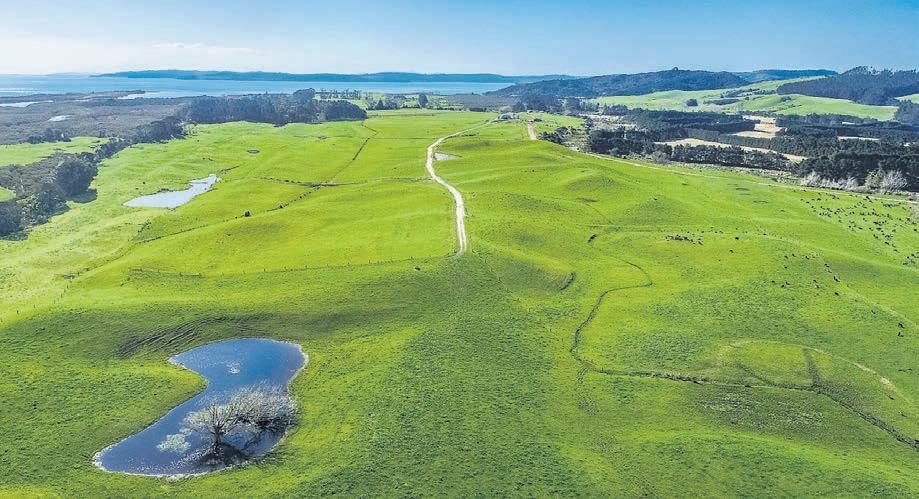
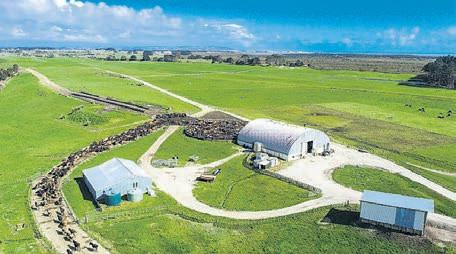
Ruakituri riverfront farming estate
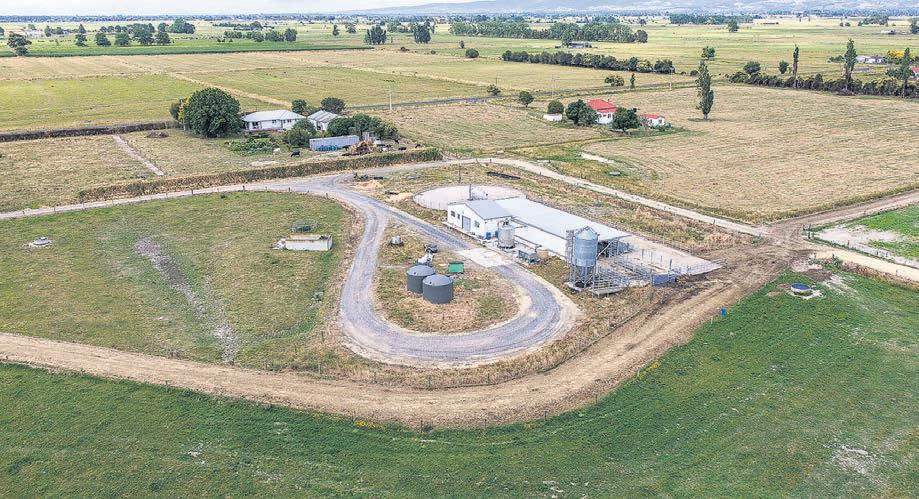
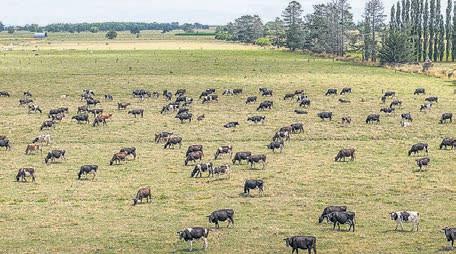
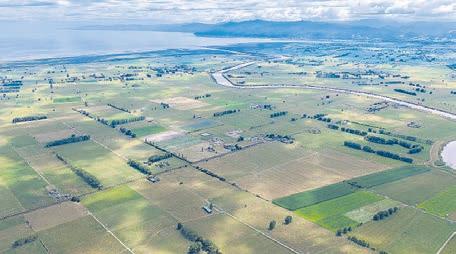
1,225
Norana Station offers 1,225ha (1,110ha effective) on the edge of the Ruakituri River combining scale reliable rainfall and proven performance With a 5-year average of 9,850 SU, the station is a traditional
unit selling fat and forward store stock Strong infrastructure includes a modern woolshed with covered yards, five satellite yards extensive laneways sheds a stable and two homes Native bush trout fishing and
reserves add to the recreational and tourism potential Scale, stock performance and trophy location bayleys co nz/2753797
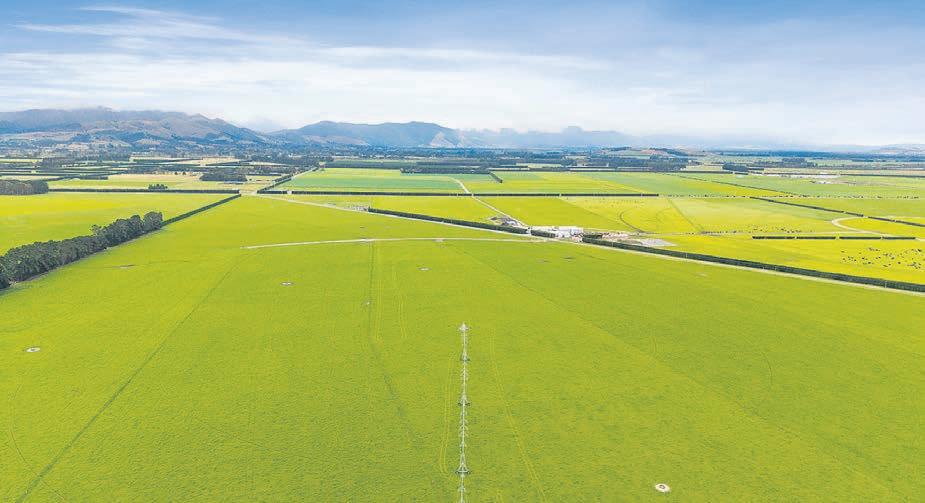

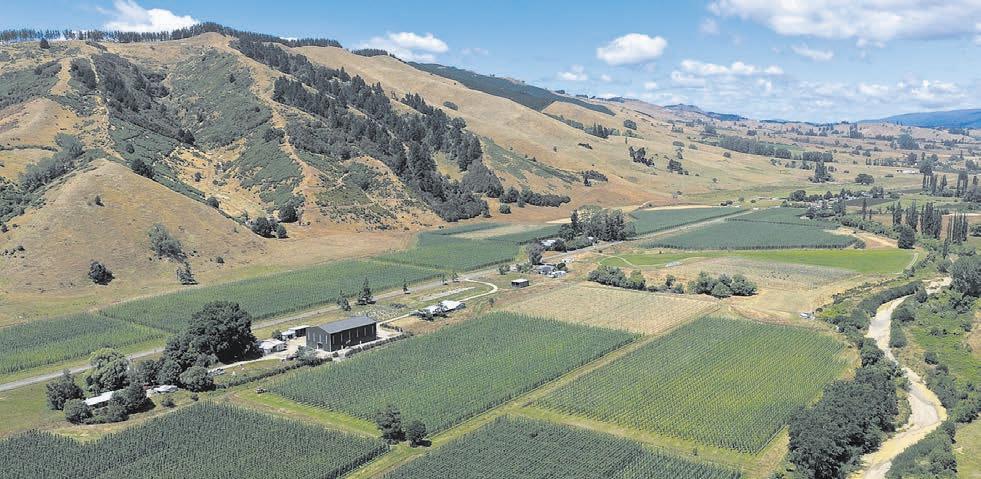
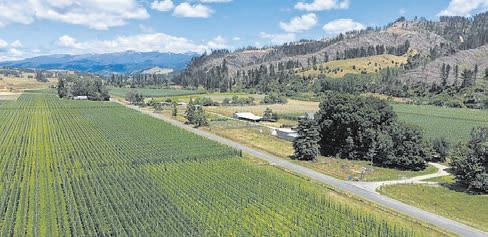
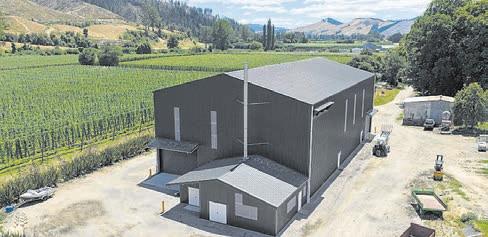


Ruakituri Norana Station, 696 Papuni Road
Open Home

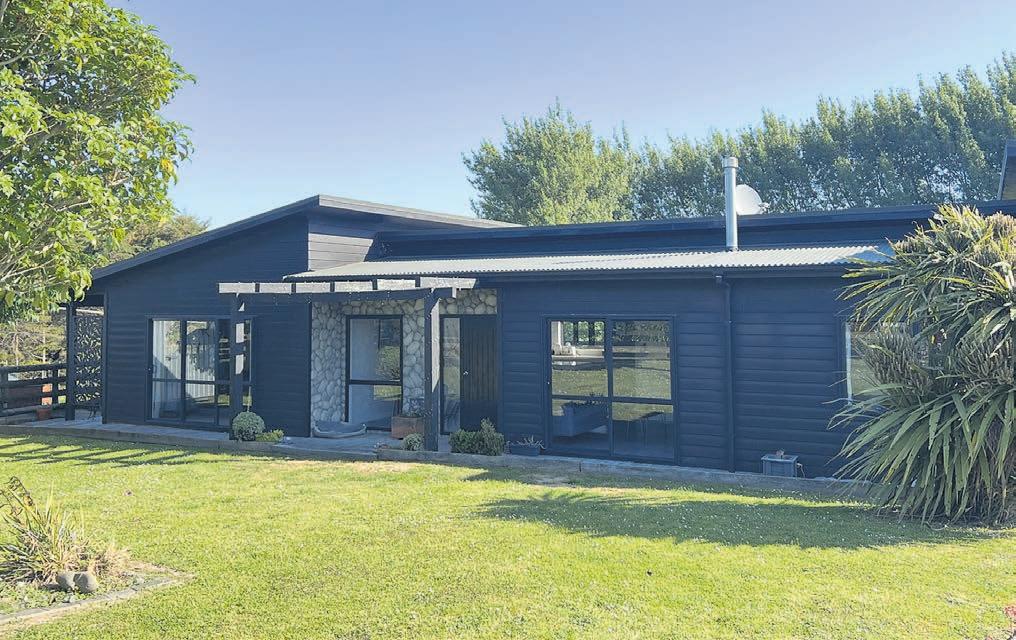
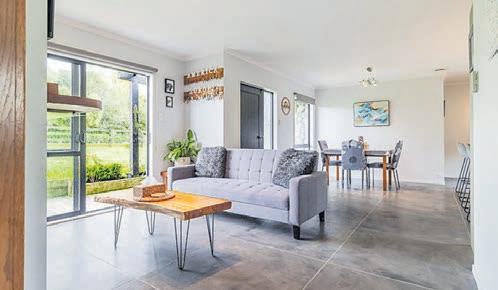




Accelerating success Deadline Sale
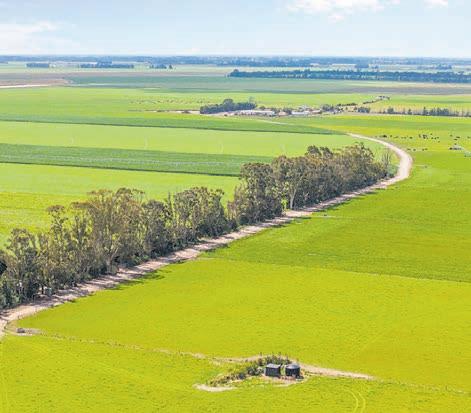
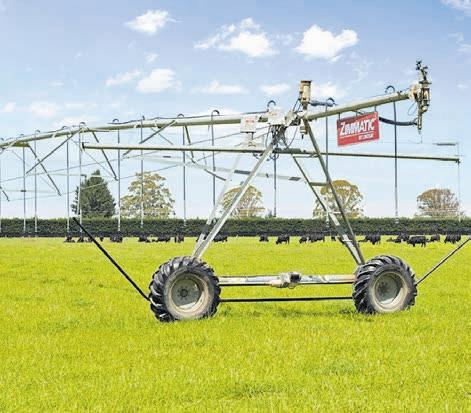
734 Maronan Ealing Road, Lismore, Mid Canterbury For Sale by Deadline Private Treaty closing 2pm Wednesday 11 March 2026 (unless sold

Reliable low cost water, irrigation storage and further groundwater take present a fantastic opportunity to secure a productive property with scale, balance, extensive infrastructure, and a unique recreational asset Harwood Farm represents a versatile and well-located agricultural holding within one of Canterbury’s strongest farming regions

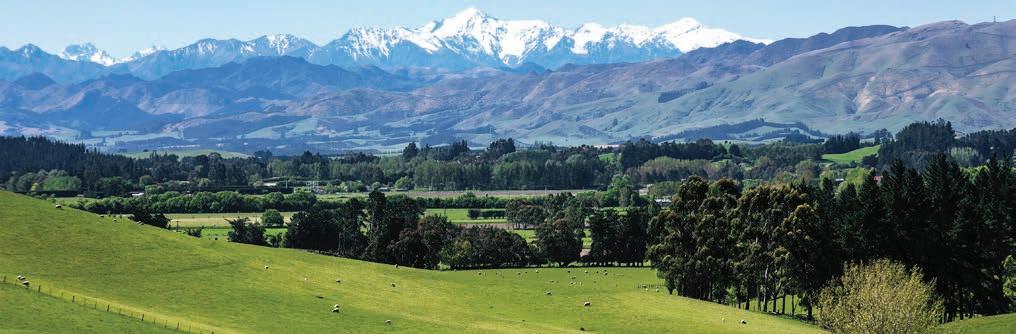
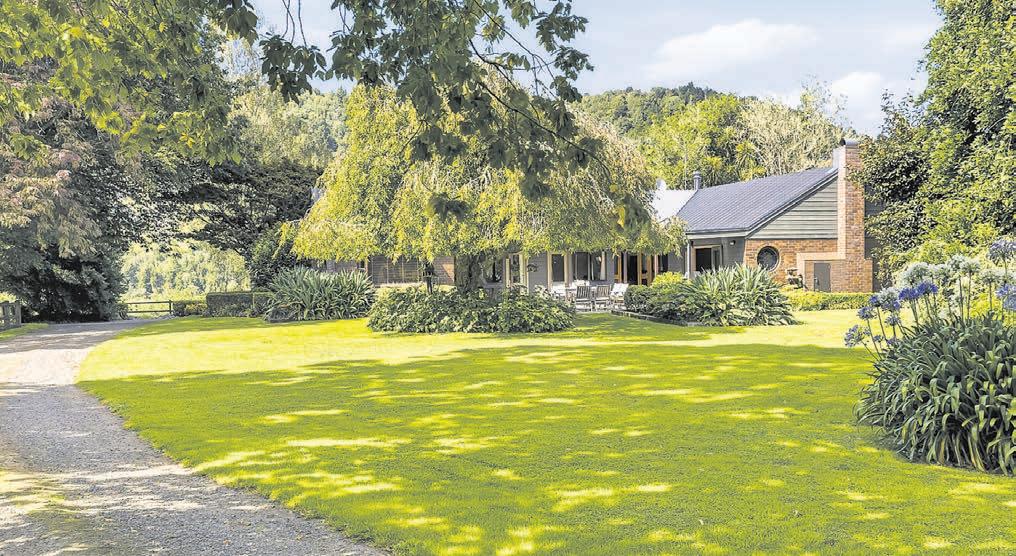

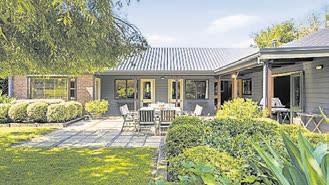
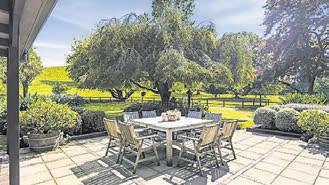
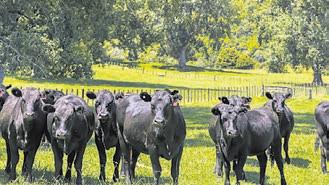




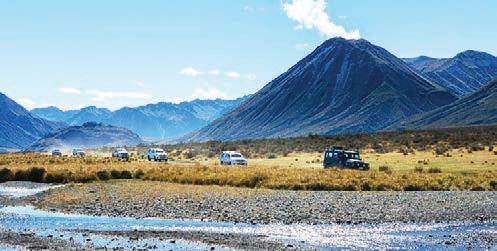

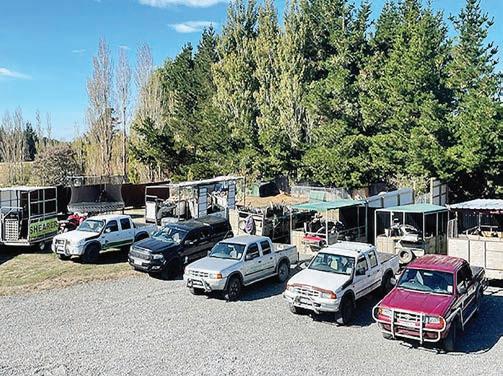



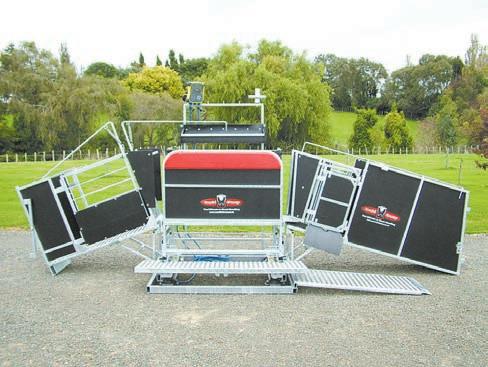
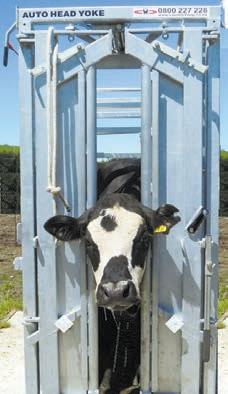

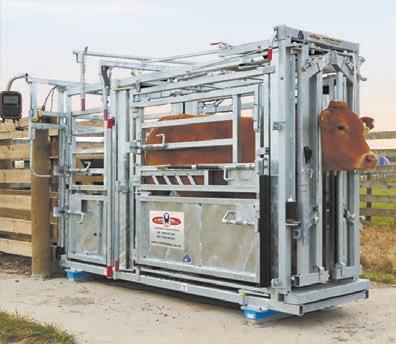





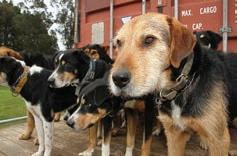








Purebreds (8), Suffolk Cross (30), Texel Cross (8), Cheviot Cross (18) VIEWING FROM 11AM, SALE

•
•
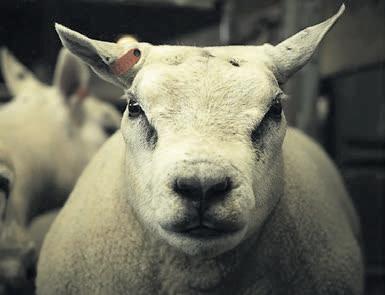
•
• 1000x Ewe Lambs
• 500x 4yr Ewes
Luscombe Farming 400x Ewe Lambs
Belmont Wiltshires
• 300x Ewe Lambs

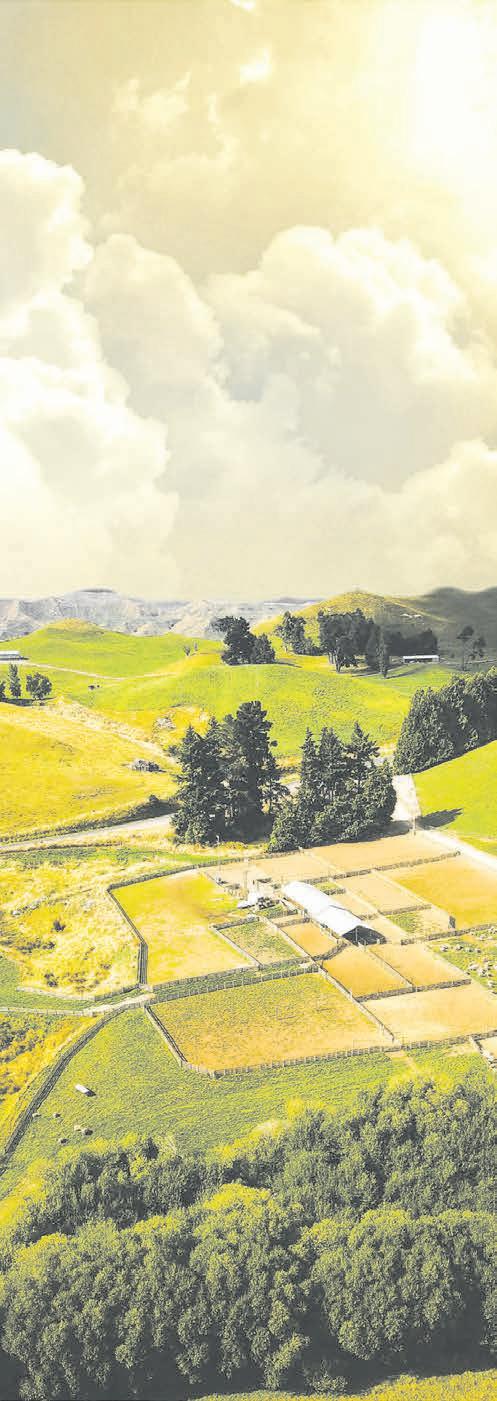






OHINEWAIRUA STATION

TUESDAY 10TH MARCH, 11AM
1221 TAIHAPE-NAPIER ROAD & ONLINE VIA BIDR
3RD ANNUAL SALE, AN EXCELLENT OFFERING OF STOCK INCLUDING APPROXIMATELY:

TURIHAUA ANGUS BRED R2 STEERS 250 TURIHAUA ANGUS BRED R2 HEIFERS
JOIN US FOR REFRESHMENTS AT 10AM & LUNCH FOLLOWING THE CONCLUSION OF THE SALE


REBATE:



FOR SALE

NZ Highest Producing Jersey Herd 24/25 Season
CARTREF JERSEY STUD A/c Christine Frecklington
Not just mooing it, they are doing it!
707kgs milk solids 24/25 season And they are doing it again.
The following lines are available for paddock sale:
• 134x Spring calving Jersey cows (DTC 20/07/26)
• 43x MT Jersey cows
• 34x Spring in-calf heifers (DTC 14/07/26)
• 23x Autumn born heifer calves
• 38x Spring born heifer calves
These Jersey cattle are big, bred and fed for high production, mostly by North Amercian sires over NZ base cows and will be available for delivery following the May herd test.
CREAM OF THE BREED A GOLDEN OPPORTUNITY
For more information contact Ross Riddell 027 211 1112


IN-MILK SPRING CALVING FRIESIAN COW AUCTION
A/c Plainvue Farms Ltd
Date: Monday 2nd March 2026

Address: Matamata Saleyards Dairy Pavilion Start Time: 1pm will be available for online bidding COMPRISING:
78 Friesian In-Milk Cows
• System 4, In-shed feeding, HB shed, 450 MS/COW
• HT (21st Oct) ltrs 24.92, m/s 1.90, SCC 77
• Mated early to calve from 20th July
• Mated with ST Genetics (100 straws)
• Tailed with Hereford Bull, (out 7th Jan)
• TB: C10, BVD tested (nothing detected)
• (HT and DTC data will be updated prior to the auction)
AUCTIONEERS NOTE:
Owned for 36 years by innovative and highly respected dairy farmers Tony and Marlene Walters, recognised for their long-standing service to the dairy industry. This offering represents the spring-calving portion of a split-calving herd, made available following the appointment of a sharemilker who will be introducing their own spring cows. Originally an LIC herd, breeding transitioned to CRV eight years ago to enhance capacity and udder confirmation, with ST Genetics utilised over the past two seasons. The cows will be presented in excellent condition, offering the ability to be milked through to the end of the season.
PAYMENT TERMS: 14 days after the auction
DELIVERY: Immediate delivery
CARRFIELDS LIVESTOCK AGENT: Paul Kane: 027 286 9279
www.carrfields.co.nz Contact











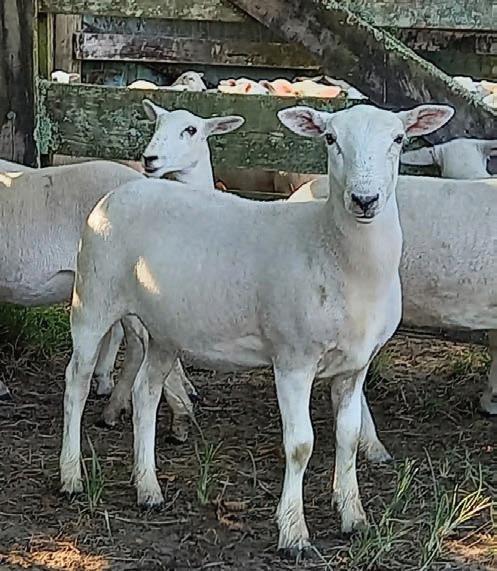
On Farm Lamb Sale
Okare Station, 226A Okare Road, Wairoa Thursday 5th March – Commencing 11am
• 6500 Romney Crypto Lambs
• 1500 Romney Ewe Lambs
• 4000 B/F M/S Lambs
• 500 x 5yr ewes
Freshly shorn, homebred Romney Lambs. 30 – 45kg weight range. Lambs will be sexed and drafted to suit all intending purchasers. GAP accredited.
1.5% rebate to purchasing agents.
Light lunch and refreshments available. Allow 1 hour from Wairoa.
Further enquiries Daryl Fergus 027 209 2787


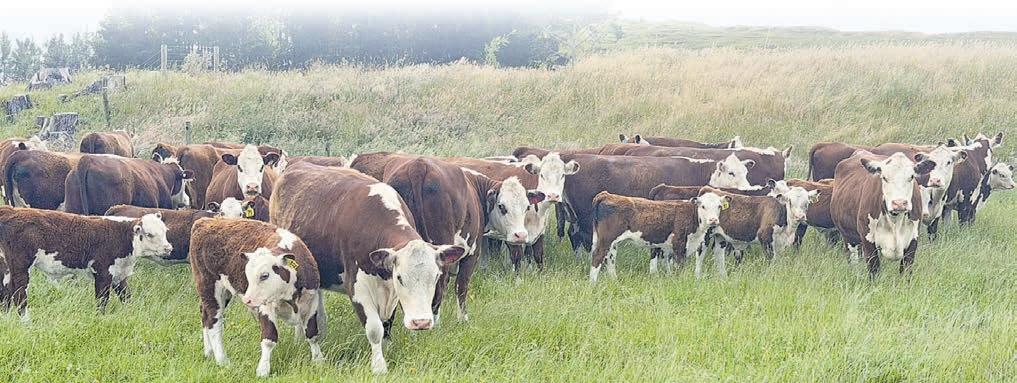
AUCTION!
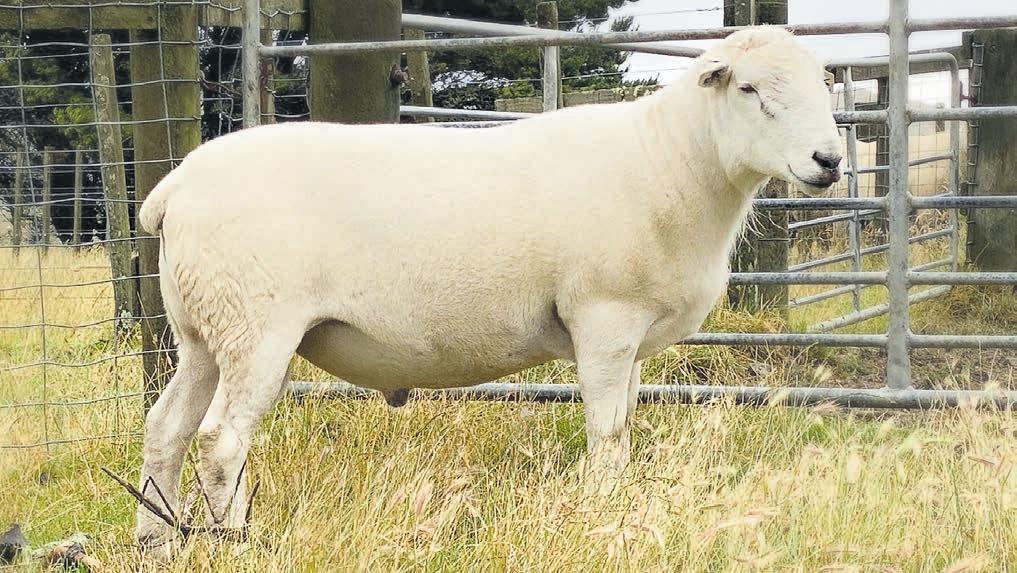




What do Wairere Nudies offer you? After three years of transplanting 1,600 Easycare embr yos and using around 3,000 semen straws from five flocks in the UK and Ireland, Wairere has 800 purebred and Brazilian (3/4 Nudie) ram lambs available for purchase this year
y “ The Nudie cross lambs have a better sur vival rate We scanned 246% out of Coopwor th ewes, docked 212%. Lambs weaned at 30kg versus 27kg out of the main flock ”
y “Bearings are a rarity Ewe sur vival is high ”
y Nudie cross lambs grow faster Hybrid vigour helps, it ’s a free lunch. “ We are averaging 19-20kg on our works lambs from a consistent 160% lambing over the past three years ’”
y “Out of 5,000 lambs at weaning we dagged only 20-30.”
y “78% of the Brazilian ewe hoggets didn’t need shearing Transition to no shear sheep is fast ”
y Greater tolerance to internal parasites has been measured by FEC comparison and the Carla test
y “Nudie struc ture is good We culled only 6 out of 800 two tooth ewes ”
y “In a comparison of ram lambs we measured Streakers (half Nudie) against Wairere Romney ram lambs from weaning in December to slaughter from Januar y to March.”
Markets
Store cattle market the gift that keeps giving
Road damage keeps Matawai steers closer to home, where they help to notch up the highest grossing sale in AgriHQ records.

Suz Bremner MARKETS Livestock
THE store cattle market is the gift that keeps on giving, with no room for buyers with short arms and deep pockets. Around the country, all types of cattle are selling exceptionally well relative to what they are, as grass demand, strong schedules, positive outlooks and a general shortage of stock available pushes budgets.
One sale that was not short on cattle in the past week was the monthly Matawhero cattle sale, which had the honour of hosting an annual draft consignment
of 2.5-year/R3 traditional and exotic-beef steers from Morunga Station, Matawai. A total of 1800 cattle were offered at Matawhero, and of that tally 950 were part of the consignment.
Weather-related road conditions have caused no end of issues in the wider Tairāwhiti region, but for this sale at least it worked in the locals’ favour as, in the past few years, these cattle have headed to the Rangiuru saleyards to be sold.
This year, however, the closure of the Waioweka Gorge meant the logical option was to send them to Matawhero, boosting not only the tally, but the atmosphere of the sale.
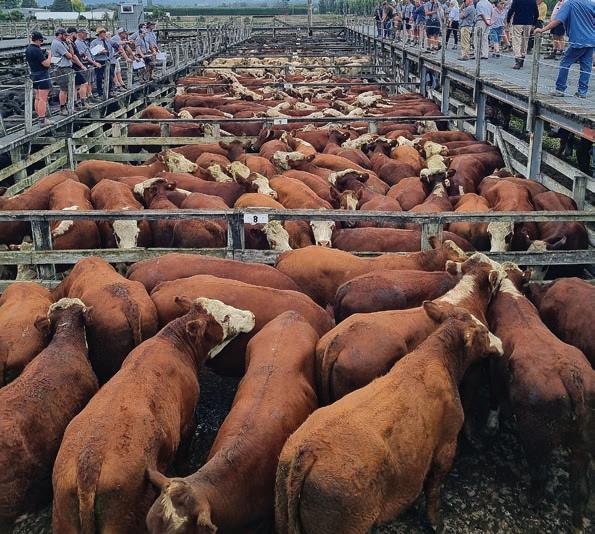
The steers are part of a large number of steers and heifers bought mainly out of the South Island as calves, and farmed in Waikato for the first year, before heading to Morunga Station, where they are farmed in large mobs on hill country.
PGG Wrightson Waikato agent in charge Stephen Hickey was on hand to see his charges sold, and said the sale exceeded expectations.
“These cattle are an absolute credit to the vendor, David Short and family. They select the best calves and grow them out exceptionally well to target this time of year for sale. Repeat buyers turned up, and it was an
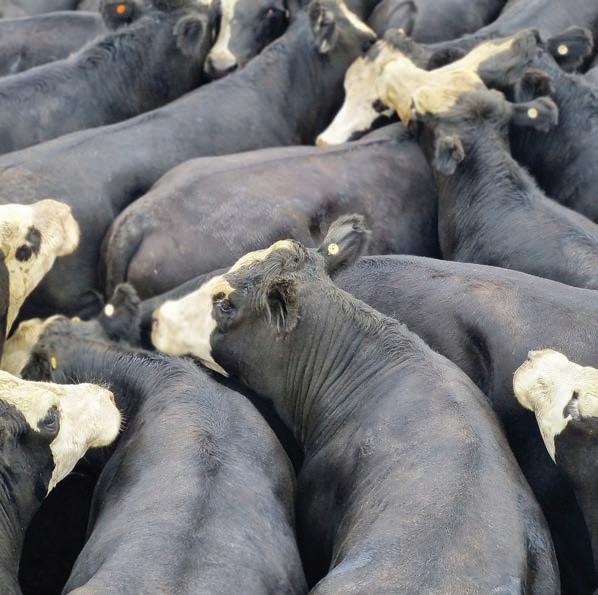
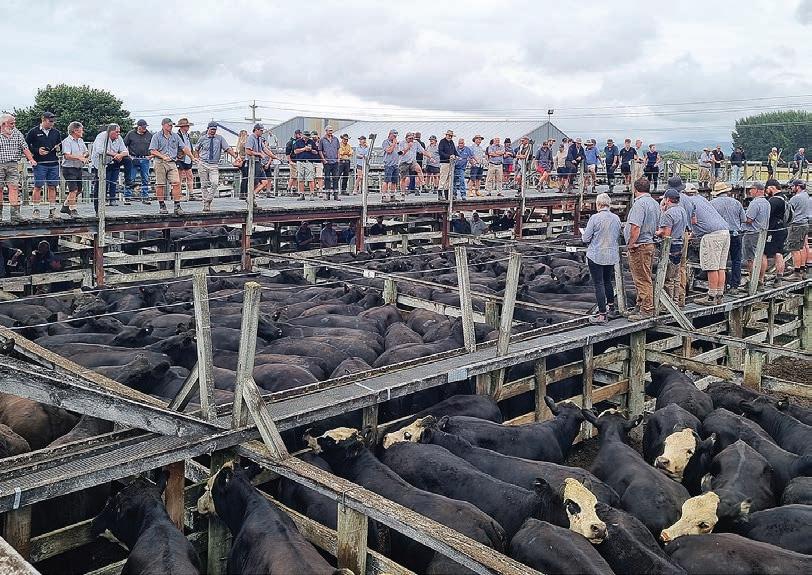
exciting sale to be part of.”
The vendor certainly has the recipe for success – offering wellbred, top-quality, short-term beef cattle in large volumes is an opportunity few large-scale cattle buyers would pass up, and as a result five repeat buyers made the journey to Matawhero, while another was online via bidr.
Most came from Manawatū, central Hawke’s Bay and Waikato, with all regions successful with bids by the end of the day.
These cattle are an absolute credit to the vendor, David Short and family ... it was an exciting sale to be part of.
Stephen Hickey PGG Wrightson
Values over the past two years have crept up, with 2025 prices up $350-$400 per head, or 50-60c/kg, on 2024 levels. But that result was blown out of the water this year as 2026 results lifted again, and the lowest price exceeded last year’s highest by $300 per head.

Accurately
or 5 way options available Trailer options available

Overall, the value of the lift in price would once have fit a whole cattle beast in, with the market up $630-$1245 per head, or $1.97$2.30/kg. Angus steers accounted for 62% of the offering and sold almost entirely in lines of 50-head weighing 429-561kg. Buyers were pushed to $2570-$3220 per head to secure lines, and all bar one line sold over $6/kg. The highest perkilogram price paid was $6.36/kg for a line just over 500kg. Angus-Hereford weighed 489-553kg and sold for $2900$3350, $5.93/kg to $6.30/kg, with Hereford returning similar values. The remainder of the consignment were exotic-beef steers, which also punched well above their expected values. A line of red exotic-beef topped the sale on a per head basis at $3510 for 591kg, and consistent weights of 511-576kg meant the balance sold over a tight range of $3010-$3360, $5.76/kg to $6.12/kg.
This was the highest grossing sale in AgriHQ records, surpassing a Feilding store cattle sale held late last year. Simply put, this was an exceptional result and a proud moment for the New Zealand beef industry.




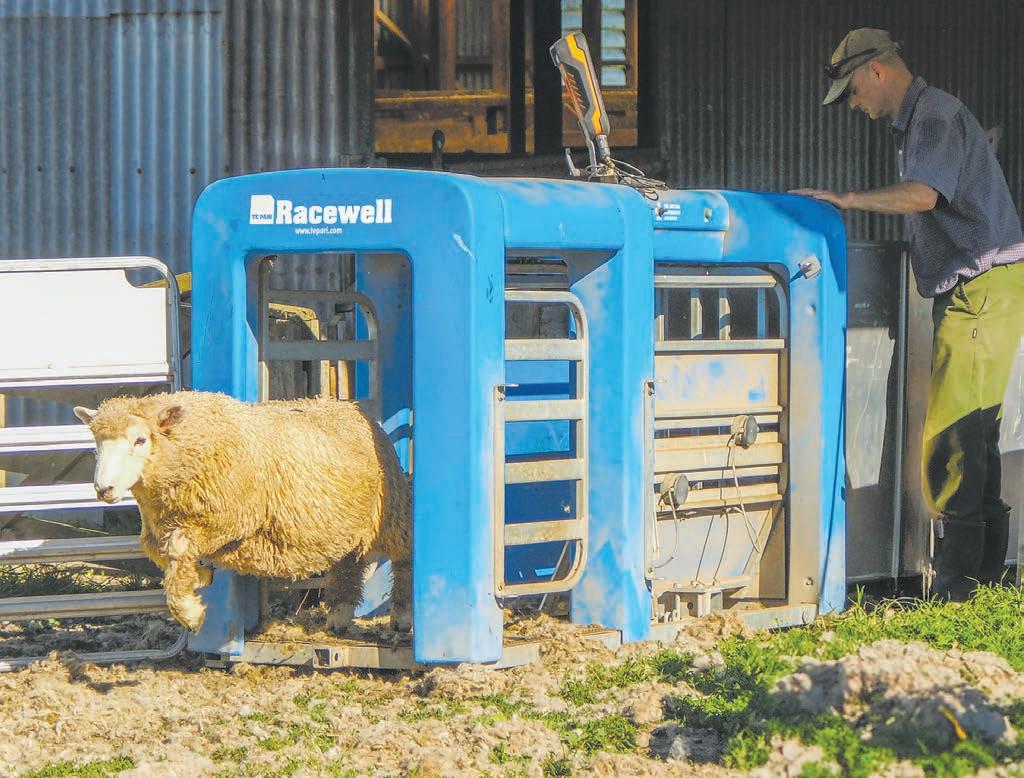


KEENLY CONTESTED: In the big crowd at the Matawhero cattle sale were return buyers for the Morunga Station traditional and exotic-beef steers.
RED CATTLE TAKE TOP SPOT: Among the sea of black steers from Morunga Station, Matawai, was this run of Hereford and exotic-beef cattle to add a splash of colour. The line in the foreground was the top-selling pen of the day on a per head basis, making $3510, $5.94/kg.
QUALITY FROM NOSE TO TAIL: The consignment of nearly 950 traditional and exotic-beef steers from Morunga Station, Matawai were a sight to behold at the Matawhero saleyards.
Cattle Sheep Deer

Weekly saleyard results
These weekly saleyard results are collated by the AgriHQ LivestockEye team. Cattle weights and prices are averages and sheep prices are ranges. For more detailed results and analysis subscribe to your selection of LivestockEye reports. Scan the QR code or visit www.agrihq.co.nz/livestock-reports
1.5-year

Friesian cows, 510kg



1.5-year
Store mixed-sex lambs, most 177.50-234
Feilding | February 4 | 820 cattle
Weaner dairy-beef steers, 135kg 1085
Weaner dairy-beef bulls, 125kg
Weaner Friesian bulls, 140kg
Weaner dairy-beef heifers, 125kg
Feilding | February 5 | 119 cattle, 5189 sheep
1.5-year dairy-beef steers, 460kg
1.5-year
Store cryptorchid lambs, shorn, all
Store cryptorchid lambs, woolly, all
Store ram lambs, shorn, all
Store ewe lambs, shorn, all
Feilding | February 9 | 175 cattle, 3452 sheep
Rongotea | February 10 | 278 cattle, 23 sheep






Weather
We’re on the final stretch of summer

Philip Duncan NEWS Weather
ALOT of people have told me this has been one of the worst summers in decades – but I’m not getting so many complaints from farmers, especially those who rely on good grass growth.
Summer has had major flooding and landslides, a mixture of hot and cold days, and some decent dry, but often cloudy, stretches of weather.
Facial eczema is starting to tick up and high pressure has also increased since January with more anticylones crossing the country, or being parked right next to us.
At the time of writing this I was focused on a stormy low expected east of the country; probably by the time you’re reading this it will be there, and might drive in further eastern rain –although it’s bit borderline.
The low formed by merging both subtropical low pressure and lower South Island low pressure. It signals that forces around us are still trying to push low tropical pressure southwards into New Zealand and Southern Ocean lows northwards towards us – and the only thing mostly separating this is
the uptick in high pressure tracking in from our west.
Often referred to as the “high pressure belt”, it’s perhaps more like a mesh wire fence around a tennis court that has a few holes in it. These “holes” in the high pressure belt allow for lows, like this east coast low this week, to break through and reach us, or get close to us.
This is nature’s balancing act to complete our ‘summer of variety’ as we head closer towards autumn.
The high pressure belt looks fairly sturdy going through the rest of February, but still with these low pressure zones around our nation trying to break through it – and they can only do that when there is a weakness in that high pressure belt.
Put short, we’re not done with summer weather yet. This is nature’s balancing act to complete our “summer of variety” as we head closer towards autumn.
There have been so many headlines about floods, landslides and rain that it’s easy to think NZ needs a lot more dry weather – but we’re still seeing some regions very keen for more rain
based on the soil moisture maps. The top contenders for wanting rain are the Far North, western Northland, Manawatū, Horowhenua, parts of the West Coast and even Southland.
These regions (or parts of these regions) currently have below-normal soil moisture readings – meaning some rain would be welcome. Even the regions badly flooded in January are showing some signs of being “less wet”, although soil moisture levels are still leaning wetter than normal for late summer.
Things will continue to dry out for most regions by the time we reach March, unless one of these random lows (like the one to our east this week) sneaks in some slow-moving heavy rain. But long range maps still show plenty of highs.
In summer-ry, the drier balancing act in February is perhaps making up for the much wetter January – and while any low can break this, it seems many farmers are likely to go into autumn with fairly good conditions.
RAINFALL: This 15 Day Observed Rainfall Map (From Jan 26 to Feb 10) shows regions most saturated in January have had some of the least rainfall over the past couple of weeks. Image: Earth Sciences NZ