
Grants Special
Second brow Section here
A focus on farmers’ preparations for the Sustainable Farming Incentive, Environmental Land Management, capital grants, organic options and the ADOPT scheme.
25 CAPITAL GRANTS
Prepare now for the next round
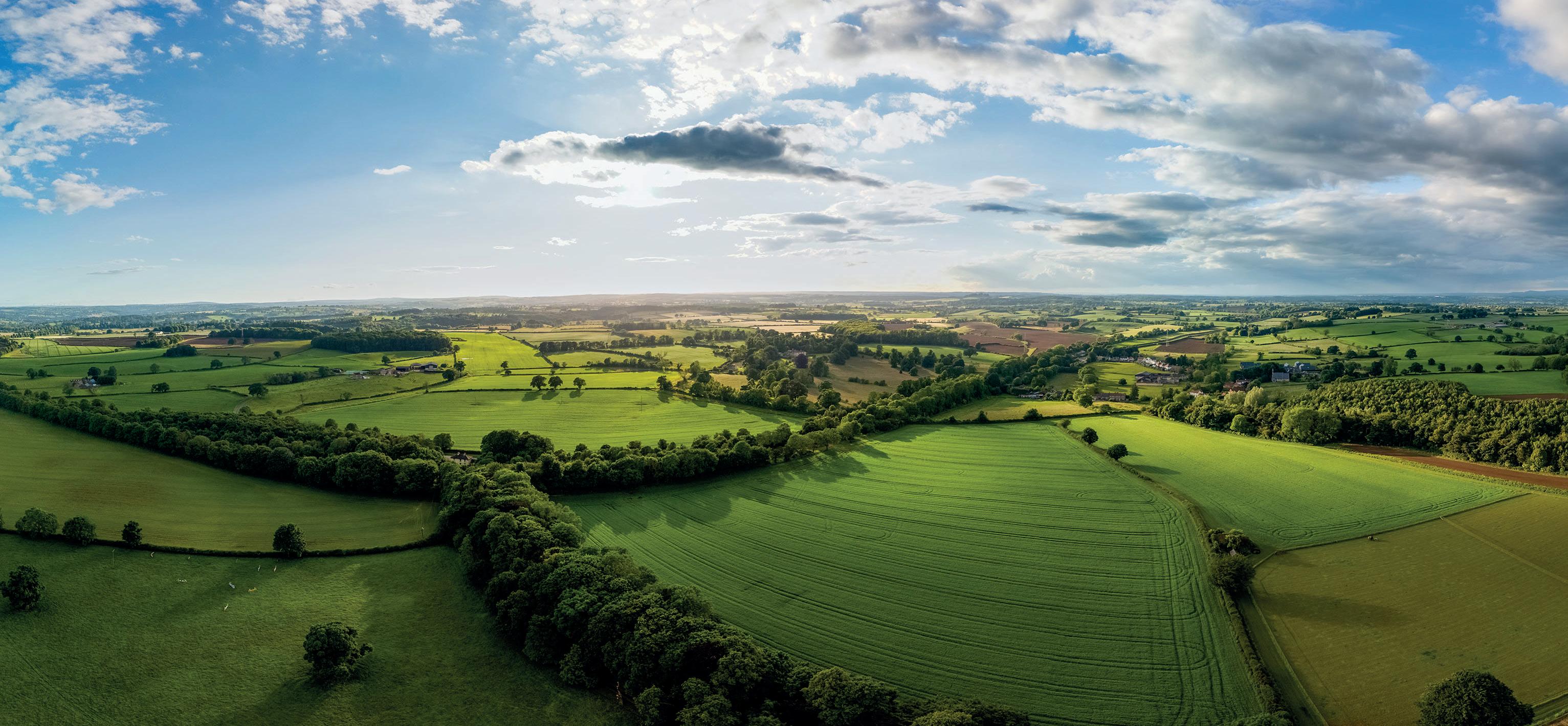
The first application period
Applications for the latest round of the Sustainable Farming Incentive (SFI) will open in June, with hopes that changes to the scheme will make it more accessible for smaller farmers.
Changes to the scheme were announced at February’s NFU conference, with the number of actions being cut from 102 to 71, and a cap on agreements of £100,000.
Budgets will be set for each application window and there will be regular updates so farmers know when funding is close to being fully allocated. The application windows will not close without warning, Defra said, after the fiasco of the last round closing at short notice.
The first application window in June will be for farms from three to 50 hectares and those who do not
Small farms await SFI opening in June
have an existing Environmental Land Management (ELM) scheme in place.
The second window will open in September for all farmers. This includes those with small farms and those without an existing ELM agreement who did not apply in the first window.
Defra said the changes would help achieve the Government’s target of doubling the number of farms
providing sufficient year-round resources for farm wildlife by December 2030, compared with 2025.
Following the announcement, Martin Lines, chief executive of the Nature Friendly Farming Network, said: “Moves to simplify the application process are welcome, as smaller farms have often found it difficult to secure funding compared to larger ones with more resources.
“Concentrating initially on farms that do not have any ELM agreements, along with the promise of more support for upland farmers, is also positive news.”
However, he said the funding being offered fell ‘considerably short’ of what was required for the fullscale transition to nature-friendly farming required for meeting the UK’s goals on climate mitigation and nature’s restoration.
of the refreshed SFI will be open to farms covering three to 50 hectares. PICTURE:

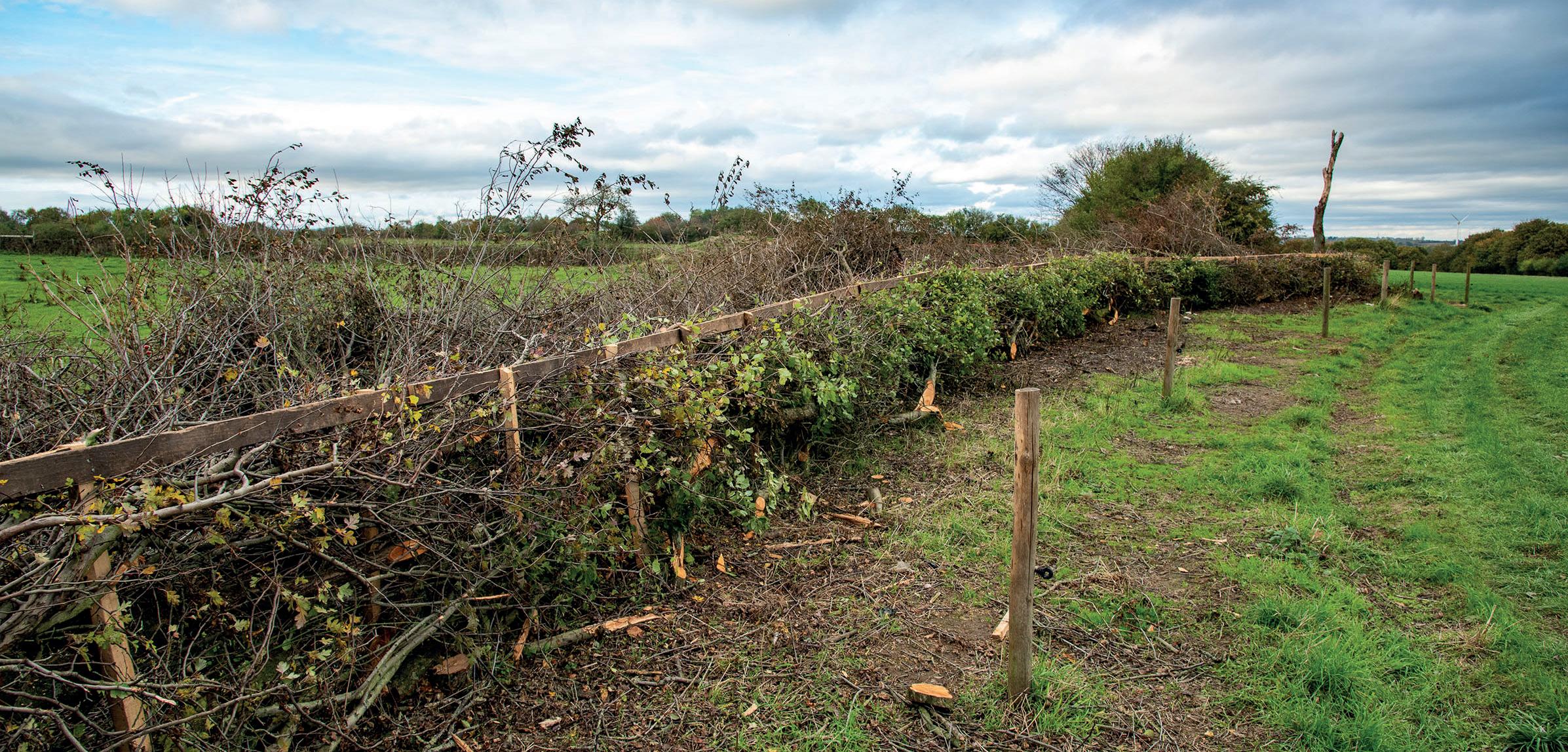
Previous schemes have supported a wide range of improvements, including hedge laying.
With increased funding available, farmers and landowners are being encouraged to begin preparing for the next round of Environmental Land Management Capital Grants, which are set to reopen in July.
Demand for the scheme is expected to be high so ‘early preparation could prove crucial’, according to Alice Fawcett, a rural surveyor based in the Carlisle office of H&H Land and Estates.
“The upcoming round of Capital Grants will see funding increase significantly to £225 million, up from £150m,” said Ms Fawcett.
“This level of investment shows the continued importance that the
Prepare for Capital Grants reopening
scheme places on practical environmental improvements across farms and rural businesses.”
These grants provide funding for one-off capital works that support environmental outcomes.
These include water quality improvements, air quality measures, natural flood management, and boundary and habitat enhance-
HSBC UK WIDENS SUSTAINABLE FARMING PATHWAY
HSBC UK is expanding access to its Sustainable Farming Pathway scheme, enabling more UK farmers to transition to sustainable farming practices.
Following a successful launch with Leaf in 2024, the pathway now includes additional eligible third parties. First Milk, Soil Association, Cefetra and Soil Capital each provide their own sustainability schemes, frameworks and certifications.
Eligible farmers can receive discounted loan arrangement fees on term lending between £25,001-£25 million, including flexible business loans, commercial mortgages and property development loans.
Martin Hanson, head of agricultural banking at HSBC UK, said: “HSBC UK plays an important role in financing the transition towards more sustainable food production. Our Sustainable Farming Pathway is one way we support UK farmers on that journey.
“We are pleased to announce we are now working with the Soil Association, Cefetra, Soil Capital and First Milk, alongside Leaf, to help eligible farmers access finance with discounted loan arrangement fees on applicable products.
“This is just the start – we expect additional schemes and frameworks to join the pathway in the coming months.”
ments such as hedgerows and tree planting.
Previous schemes have supported a wide range of farm infrastructure and land management improvements. These have included hedging and hedge laying, stone walling, importing stone from a quarry, sheep netting, water trough installation, wooden field gates, yard concreting and roofing projects.
Roofing grants have also supported farm infrastructure, such as covering muck middens, livestock handling systems and silage pits. These have been aimed at helping farmers to improve compliance while protecting water quality.
Higher Tier
Alongside the main round opening in July, the Higher Tier Capital Grant scheme remains open. These run for three years and provide funding for items that are not available in the standard capital grant scheme, where they are essential for ensuring that existing Higher Tier Countryside Stewardship or Higher Level Stewardship agreements meet their environmental objectives.
To help to ensure a smooth application process, Ms Fawcett said farmers should begin reviewing their land par-
cels and existing scheme commitments, to clear any outstanding works.
“One of the issues we sometimes encounter is land parcels already being tied up in existing agreements or unclaimed options.”
She added: “In these cases, the parcels may need to be released before a new Capital Grants application can proceed smoothly.”
Larger infrastructure improvements, such as concreting yards or roofing over silage pits and muck middens, will require Catchment Sensitive Farming Officer (CSFO) approval in advance.
“A CSFO visit can help to demonstrate that the proposed works deliver environmental benefits, particularly around water quality. Having that advice in place can strengthen an application considerably.”
With interest expected to be strong for these grants, the message to farmers from H&H Land and Estates is to ‘begin the groundwork now’.
This could involve starting mapping boundary works, reviewing land parcels and preparing draft applications in advance.
Ms Fawcett said: “By getting organised early, you can ensure that you are in the strongest possible position when the scheme opens.”
PICTURE: JOHN EVESON

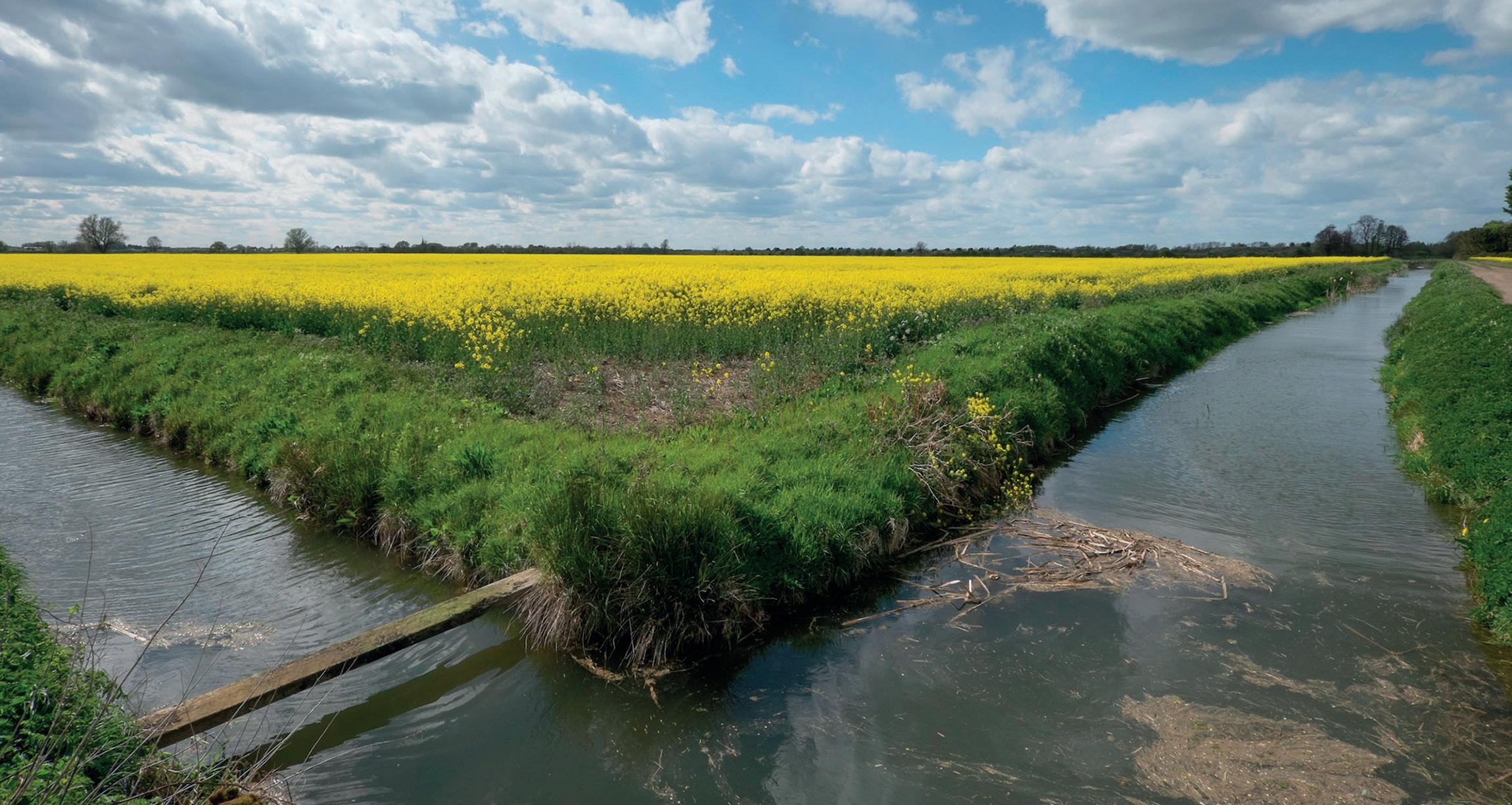
Grant schemes designed to improve water quality are available to farmers.
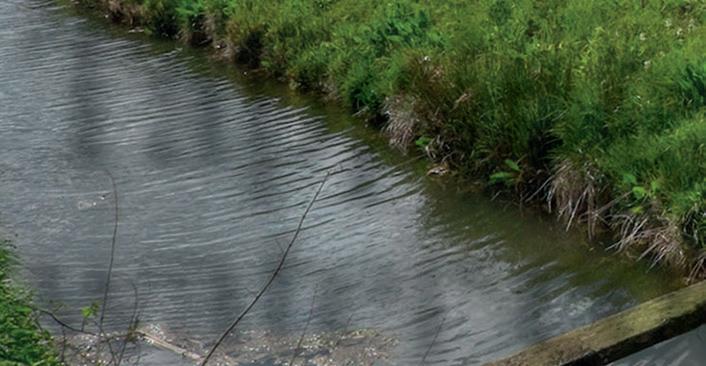
Tapping into water company grant schemes
Grant schemes run by water companies are a useful opportunity for some farmers to access funding for practical steps to enhance water quality and improve business resilience.
Lauren Clarke, a natural capital adviser based in the Exeter office of Strutt and Parker, said while schemes such as the Sustainable Farming Incentive (SFI) attract the headlines, farmers may want to take advantage of wider opportunities for grants to support environmental work.
She said: “Although many of the schemes offered by the water companies are much narrower in their
ing this summer – we know that farmers are keen to explore if there are alternative sources of funding.
We know that farmers are keen to explore if there are alternative sources of funding LAUREN CLARKE
focus than the SFI – and we eagerly look forward to SFI 2026 reopen-
“The water company schemes tend only to be available to farmers in priority catchments, but they can provide useful funding for land management measures that buffer watercourses and reduce soil erosion, as well as for a range of capital items.”
Farmers need to monitor the websites of their relevant water company for the grants, as the application windows are different for each of them.
Exactly what is on offer and the payments attached to the various options can also vary widely, al-
Welsh farmers to access low-interest green loans
WELSH farming businesses will be able to access affordable finance to modernise their operations and cut carbon emissions, under a new loan scheme from the Welsh Government and delivered by the Development Bank of Wales later this year.
The Sustainable Agriculture Loan Scheme (SALS) will offer incentivised loans at a fixed 3% interest rate, repayable over up to 15 years, to help small and medium-sized farms invest in energy efficiency, waste management and productivity improvements.
Up to £5 million will be available during the 2026/27 financial year, with the potential to extend the scheme depending on demand.
Farms will be able to borrow
between £25,000 and £1m per project. A six-month repayment holiday at the start of the loan gives businesses time to see the benefits of their investment before repayments begin.
Seasonal payment options are also being considered.
Sustainable SALS makes a clear policy choice: public finance should be used as a repayable, targeted tool to drive sustainable farming practices — complementing existing Welsh Government grants.
Deputy First Minister with responsibility for Climate Change and Rural Affairs, Huw Irranca-Davies, said: “I
am pleased that we are able to work with the Development Bank of Wales on this new scheme which will be another way of supporting Welsh farming businesses to modernise and remain financially sustainable.”
The scheme will be aligned to the Welsh Sustainable Land Management duties as well as working in a complementary way with the rollout of the Sustainable Farming Scheme.
The pilot scheme will initially run for 12 months.
MORE INFORMATION For further information and to express an interest, visit developmentbank.wales/sustainableagriculture-loan-scheme
though grants worth up to £25,000 are available in some instances. In some catchments, farmers may also be able to benefit from free advice on issues such as nutrient management planning.
EXAMPLES OF WATER COMPANIES WHICH OFFER SCHEMES
■ Anglian Water: The 2026 round of the Farming Innovation Grant Scheme has recently closed, but it provides grants of up to £7,500 per holding for projects and equipment that will address water quality issues
■ South West Water: Operates an Upstream Thinking programme, which is delivered by a range of partners. The scheme provides a mix of advice and access to capital grants for actions such as fencing off watercourses that will protect water quality
■ Severn Trent Water: Provides a Farming for Water Programme which includes capital grants
■ South East Water: Grants available for up to 50% of the cost of capital items, to a maximum of £15,000, and an additional £10,000 grant available for land management measures
■ Wessex Water: Financial support and advice provided to farmers to encourage the adoption of practices that reduce phosphorus inputs, prevent soil erosion and buffer watercourses
Network gets grant funding to support farm businesses
By Alex Black
Farms across Yorkshire are to be offered fresh support from the Farmer Scientist Network to embrace artificial intelligence (AI) and sustainable farming practices.
A series of events and training opportunities for farmers and rural businesses will be available throughout 2026, thanks to a £7,500 grant awarded to the Farmer Scientist Network by Anglo American as part of its Thriving Communities programme.
The Farmer Scientist Network is supported through the Yorkshire Agricultural Society, a registered charity, and exists to seek new ways for science and technology to underpin agricultural innovation.
The network’s first event funded by Anglo American, and specifically for farmers and rural business owners, will explain how AI can support day-to-day farming operations and will share advice on how to protect farm and rural businesses from cyber security risks.
Connected
‘The Connected Farm: Staying Safe and Getting Ahead with Artificial Intelligence’ is free to attend at Malton and Norton RUFC from 6.30pm on Thursday, April 16.
More activities are planned by the Farmer Scientist Network, thanks to the grant from Anglo American.
Working with The Allerton Project at the Game and Wildlife Conservation Trust this Spring, the Network will be offering fully funded training
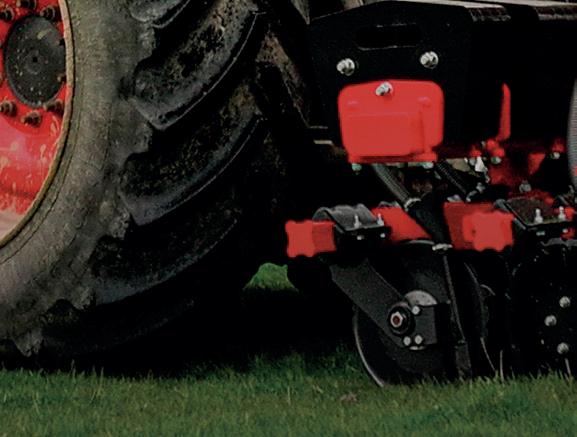
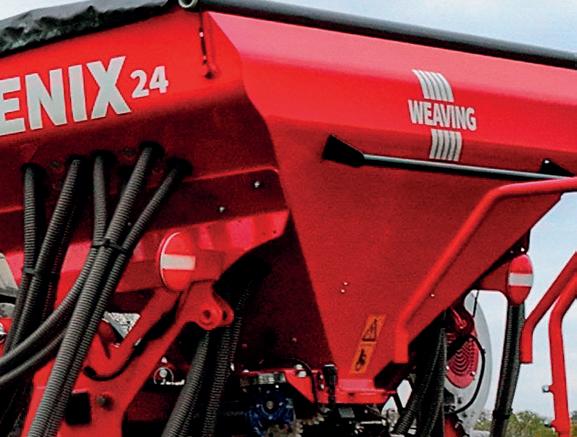
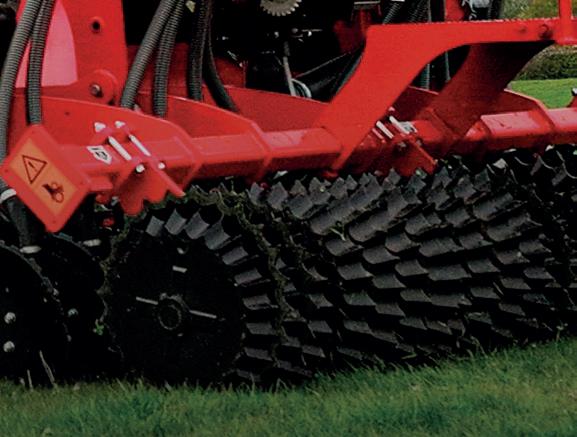
Fenix Drill
to farmers in sustainable land management. Part of this training will be to encourage farmers to share what they learn across their networks in the Yorkshire region.
In autumn, a hands-on interactive event will look at what the latest Sustainable Farming Incentive and Biodiversity Net Gain offer means for farms.
Vicky Bolton, social programmes manager at Anglo American, said: “We are committed to supporting social and economic development across the region through our Thriving Communities programme.
“Food and farming are central to that mission and we are delighted to be working with the Yorkshire Agricultural Society to create meaningful opportunities for farmers across Yorkshire.”

A series of opportunities are being staged in 2026 by the Farmer Scientist Network.
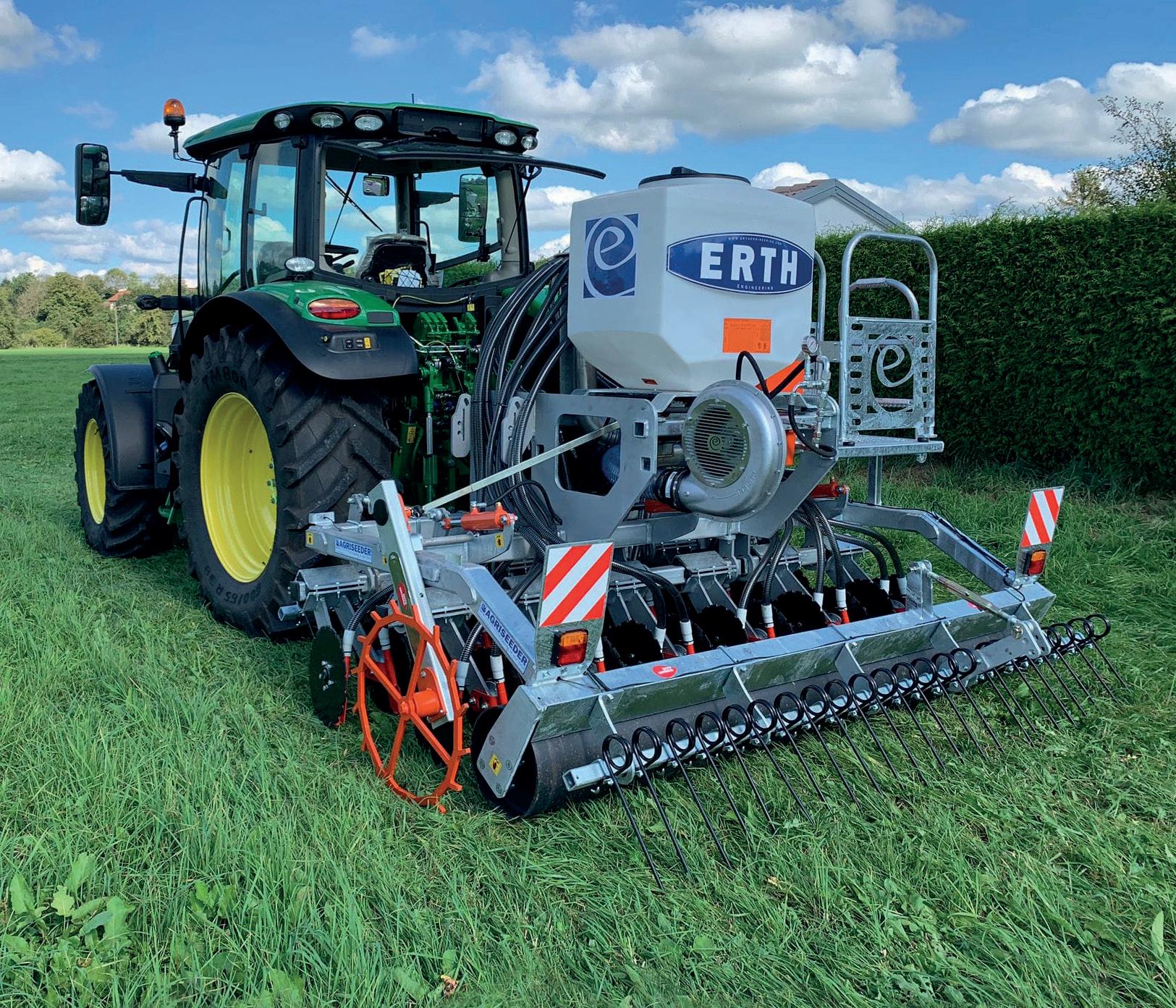
One pass for grassland rejuvenation








Differing levels of Government support for organic farming are creating a postcode lottery for UK farmers. Farmers Guardian speaks to OF&G’s Steve Clarkson.
Level playing field needed for organic
The disparity between Government support schemes for organic agricultural production is stifling investment in the sector in some parts of the UK, warns organic certification body Organic Farmers and Growers (OF&G).
Steve Clarkson, chief executive of OF&G, said financial support to aid the transition from conventional to organic production was a key driver for farmers making the switch. But a lack of support in England

WALES
IN Wales, support for conversion to organic farming is primarily delivered through the Organic Conversion Scheme as part of the Sustainable Farming Scheme (SFS), with 41 farms recently securing funding via this route.
Moreover, organic farming has secured the backing of Welsh Ministers as a crucial part of the wider agricultural economy.
According to the Welsh Government, the Organic Conversion Scheme is an areabased support scheme available to all existing agriculture producers in Wales who wish to convert from conventional to organic production.
It is a five-year grant and, following the two-year conversion period, farmers may be eligible to claim support for maintaining organic certification.
A contribution towards certification costs of £500 per year for the two-year conversion period is offered, alongside differing conversion rates for those first two years, provided farmers commit to staying organic for the full five-year duration of the scheme.
means the aspiration to increase the amount of organically farmed land from 3% to 10% currently remains out of reach.
He said OF&G was seeing more interest from farmers in Scotland and Wales.
“This highlights the role that these schemes play in encouraging conversions and why all Governments across the UK should be incorporating organic farming into their post-Brexit subsidy support schemes, if they are not already doing so,” Mr Clarkson added.
This year’s conversion payment rates have not been published yet but last year’s rates were: £640 per hectare for horticulture, £250/ha for enclosed land with rotational crops/temporary grassland, £130/ha for enclosed land with permanent crops/grassland, £430/ha for enclosed land with permanent and temporary grassland with a dairy enterprise, and £18/ha for land above the upper limit of enclosure and other specified land.
The Welsh Government has committed £3 million to all eligible farmers with organic certified land over the next two years.
Steve Clarkson, chief executive of Organic Farmers and Growers, praised the Welsh approach and said proper recognition of the benefits of organic farming was key to instilling confidence in the sector, both from existing organic farmers wishing to expand and conventional farmers considering a switch to organic production.
He added: “It is encouraging to see the Welsh Government give proper recognition to the benefits of organic farming, not just for the environment but for all of society.”

ENGLAND
FARMING and environmental organisations are calling for similar support in England to that seen in Scotland and Wales, through an Organic Action Plan for England (OAPE).
The action plan, which is being developed in consultation with Defra Ministers, highlights the significant opportunity for growth in the organic sector in England.
Steve Clarkson, chief executive of Organic Farmers and Growers (OF&G), said: “As an established, proven model for both food production and environmental stewardship, organic should be central to the next phase of farming policy.
“It is a goal we have been collaboratively working towards with the development of OAPE.”
However, while changes to the Sustainable Farming Incentive (SFI) unveiled at the NFU conference provided an opportunity to extend the commitment to organic farming in England, he said further clarity was needed.
Questions remained unanswered about whether the new £100,000
cap would limit those converting to organic, or potentially stifle existing organic farmers, while OF&G also called for clarity on how applications in both the June and September windows for SFI in 2026 would work, as organic rotations are planned and implemented year-round.
It would be counterproductive if farmers could not apply for payments covering actions already undertaken, according to Mr Clarkson.
He added research showed organic systems could play a key role in achieving the UK’s policy ambitions for biodiversity and could reduce pesticide and nutrient pollution, while also being a more profitable and naturefriendly food and farming system. But this would only happen if the Government put the right support in place, he warned.
“Key to this will be a firm commitment from the UK Government to the organic sector, backed by the resumption of financial support for farmers wishing to convert to organic production,” said Mr Clarkson.
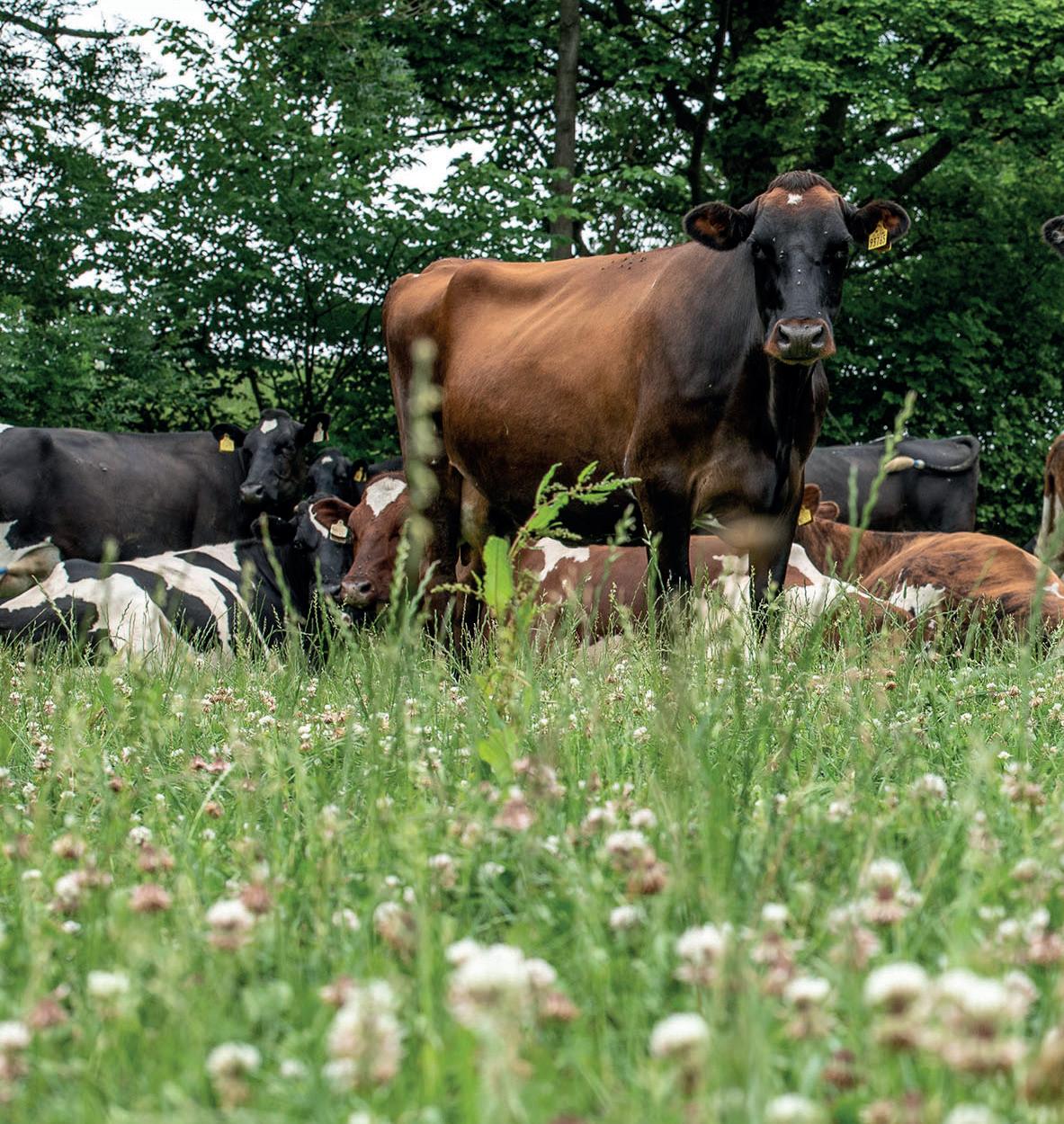

The Governments of the UK’s nations have different schemes for rewarding organic practices.
PICTURE: JOHN EVESON

SCOTLAND
SUPPORT for organic farming in Scotland is primarily delivered by the Agri-Environment Climate Scheme.
According to the Scottish Government, this supports land management practices that ‘protect and enhance Scotland’s magnificent natural heritage, improve water quality, manage flood risk, and help to mitigate and adapt to climate change’.
Delivered jointly by the Scottish Government’s Rural Payments and Inspections Division and NatureScot, the scheme has two specific organic options for farmers to apply for: organic farming conversion and organic farming maintenance.
The conversion option provides financial support towards the cost of converting land for five years.
For the first two years, the following support rates are available: £280 per hectare for arable, £140/ha for improved grassland, £12.50/ha for unimproved grassland/rough grazing, and £400/ha for fruit and vegetables.
The rates for years three to five reduce to £65/ha for arable, £55/ha for improved grassland, £8.50/ha for unimproved grassland/rough grazing, and £200/ha for fruit and vegetables.
Meanwhile, the maintenance option provides support to farmers and groups of farmers to maintain –
and also encourage the expansion of – organic methods in Scotland.
It offers a single maintenance rate over five years of £65/ha for arable, £55/ha for improved grassland, £8.50/ha for unimproved grassland/rough grazing, and £200/ha for fruit and vegetables.
Steve Clarkson, chief executive of Organic Farmers and Growers, said figures in the Scottish Organic Action Plan for 2026-2029 showed the positive impact of financial support.
The plan, which was published towards in January, said the amount of fully organic land in Scotland increased by 17.2% between 2021 and 2024, to a total of 105,000ha.
When land currently in conversion was accounted for, the figures changed to an increase of 26.6% over the four-year period to 131,500ha, and the proportion of agricultural land in Scotland farmed organically increased from 1.8% to 2.6%.
“These figures clearly show how organic production can increase with the right support in place for farmers,” said Mr Clarkson.
“It is also encouraging to see a dedicated action plan for the organic sector in Scotland, backed by £200,000, which aspires to grow the sector in line with an increasing number of consumers seeking out organic produce.”
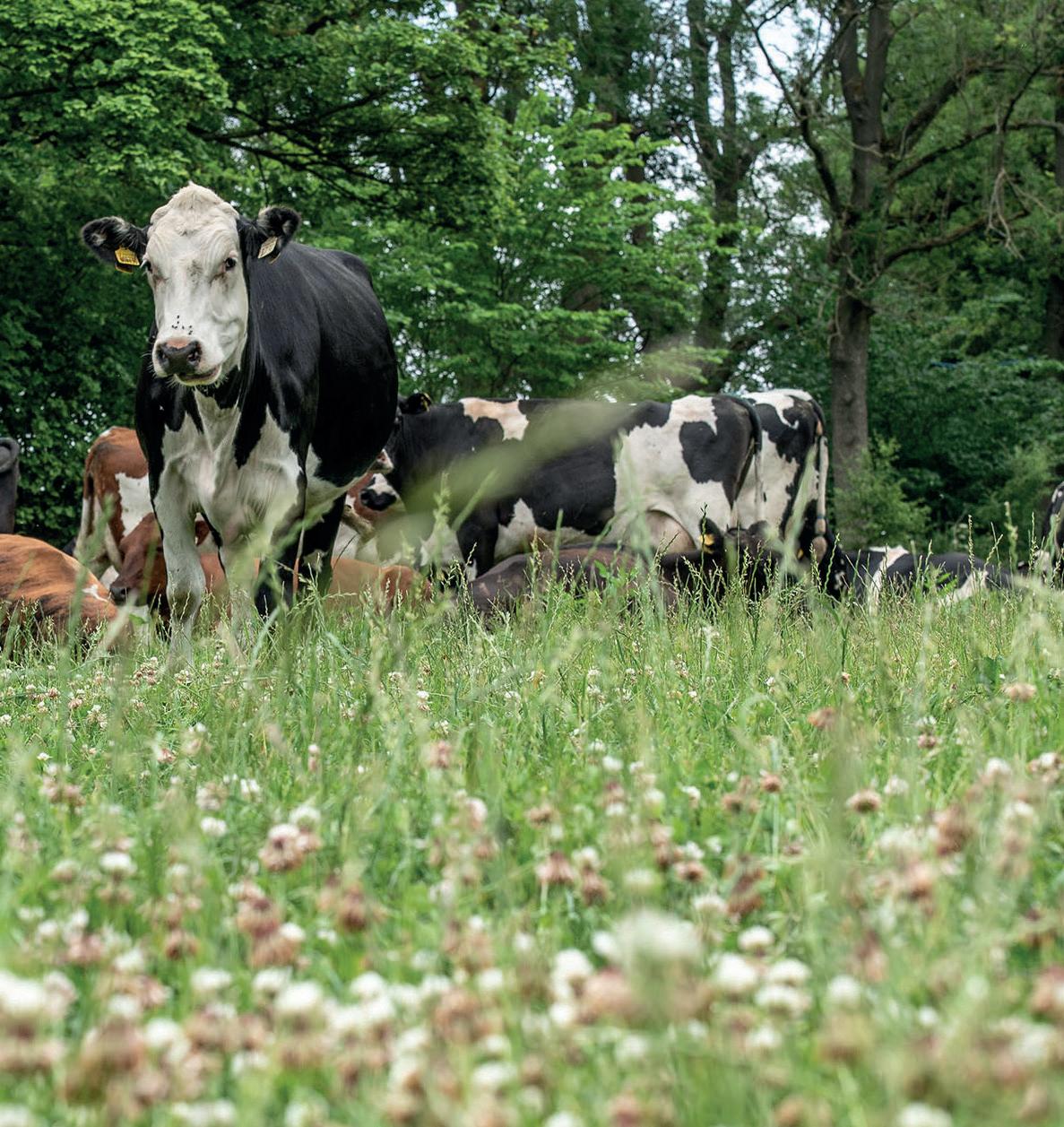





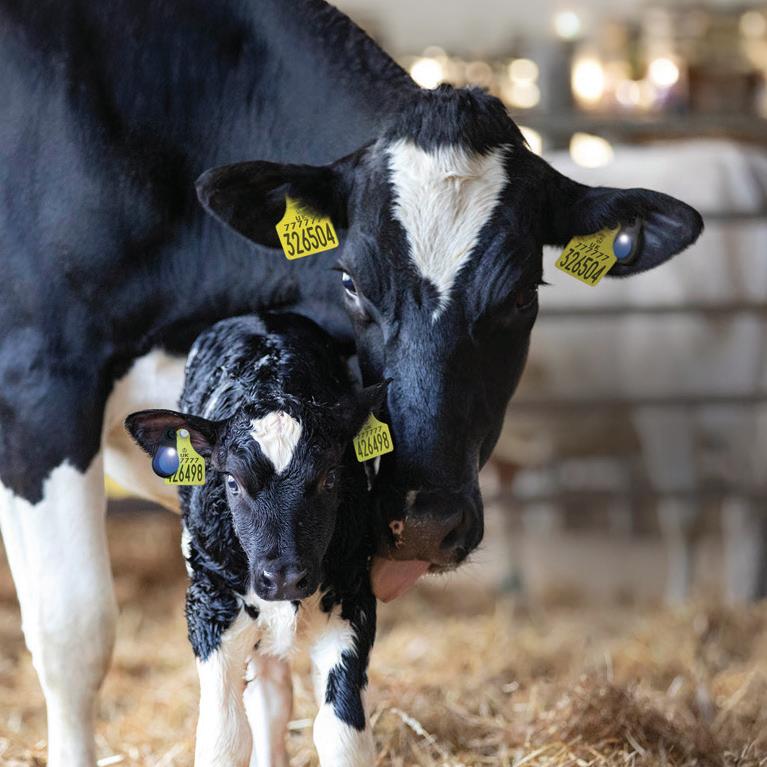

Farmers with ideas which they would like to try without the financial risk could find support from the Accelerating Development of Practices and Technologies (ADOPT) programme.
As part of Defra’s wider Farming Innovation Programme and delivered by Innovate UK, it funds on-farm trials but with a firm focus on being led by farmers working with other farmers.
Thomas Slattery, engagement lead at the UK Agri-Tech Centre, said many good ideas were not tested as farmers did not have the time, headspace or support to navigate the funding process.
Support is provided free of charge by the ADOPT Support Hub, from talking through an idea and finding collaborators or sense-checking whether a project is suitable. The hub draws on a wealth of experience from agriculture consultant ADAS, the UK Agri-tech Centre and The Soil Association, and continues through the application, the project and beyond to help share learnings.
He said farmers did not need to do it alone, with ADOPT able to help find suitable project partners.
ADOPT helps farmers bridge ideas and action
Paperwork could also be handled by a professional facilitator.
Mr Slattery said: “The facilitator’s role is to handle the administrative and reporting side of the grant so farmers can stay focused on testing their ideas and running their farm.”
ADOPT grants of up to £100,000 are fully funded, with an additional grant of £2,500 for facilitator support. The grants are made available on a rolling basis. Round 6 closed earlier this week (April 8), with Round 7 open until early June and another three scheduled until mid-November. Facilitator grants are planned until mid-August, with both grants expected to continue beyond current schedules.
Funding is open to farmers, growers and foresters, with the lead farmer based in England.
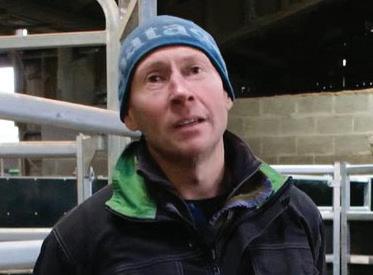
Essex arable farmer Bryony Graham

CATTLE HANDLING MADE

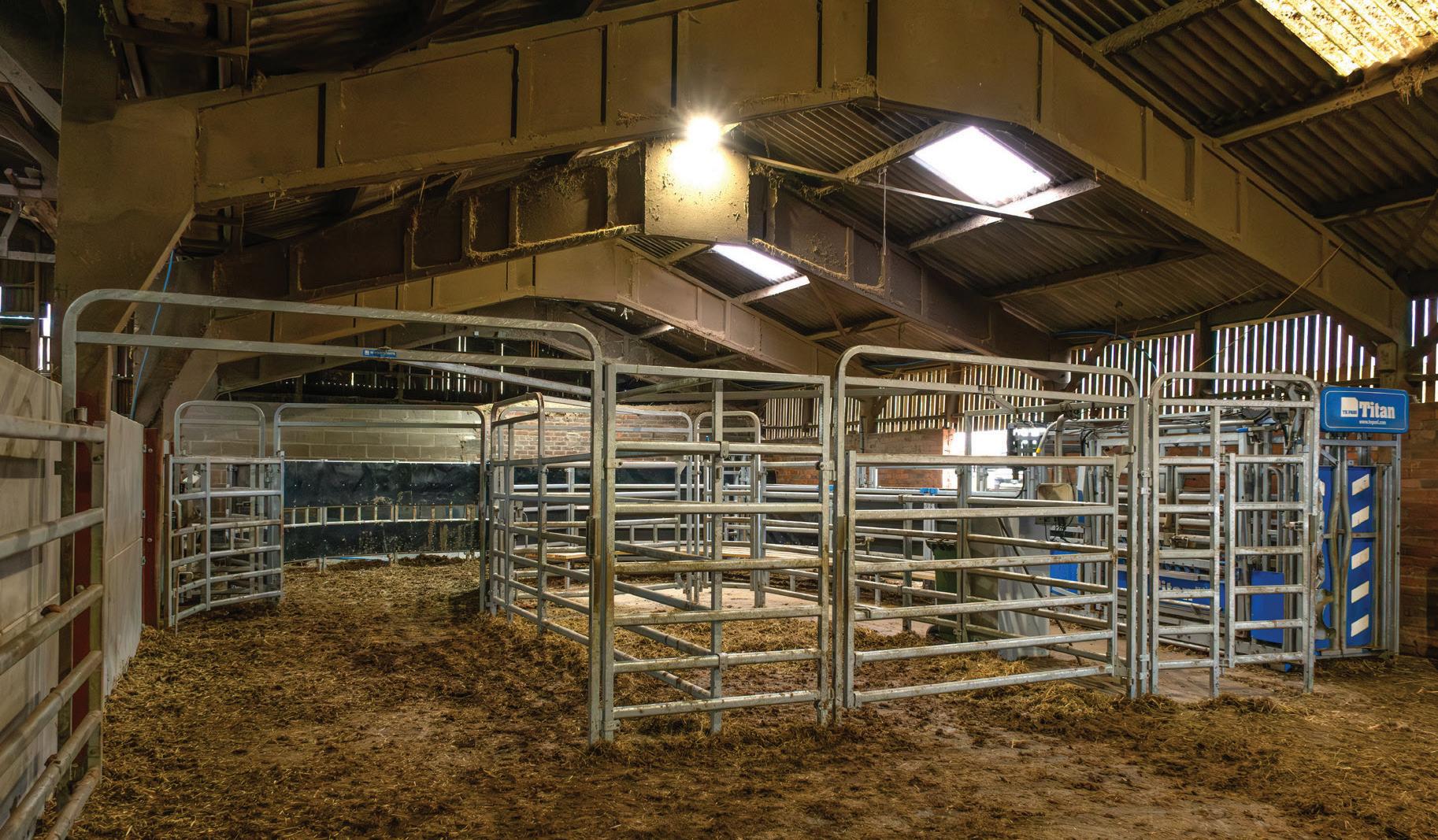
Why choose Te Pari?
• Proven designs plus custom options
• Great range of cattle crushes & drafting systems
• Built to last with quality hot dip galvanised steel
• Knowledgeable team with professional service & reliable after sales support




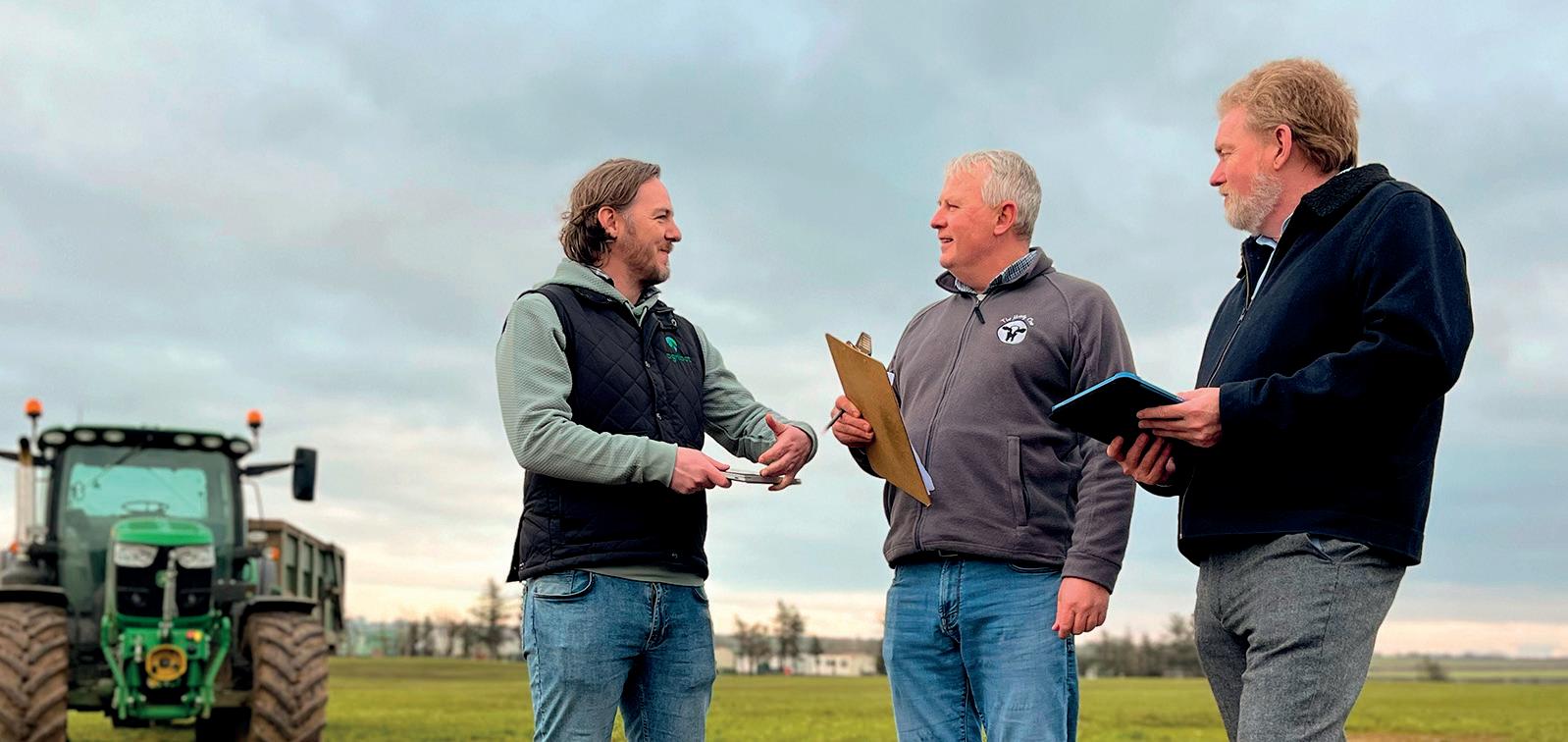
Assistance is provided free of charge by the ADOPT Support Hub.
has been leading a project with her brother looking at producing peat-free composts for horticulture. She said: “We were looking for sources of revenue and support to explore different cropping options on our farm. We are the lead farmer, but working with Jamie Rickerby from
Willow Energy, who is very experienced in biomass energy crops.
“It is about using a methodology that is reproducible on-farm with normal equipment and no special kit.”
She added the scheme was the bridge between scientific expertise and practical elements.



Johnathan


Livestock Equipment


























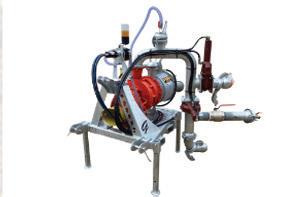



































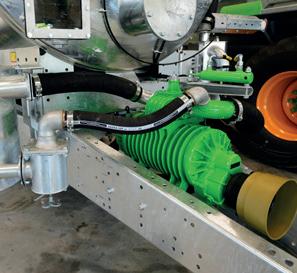






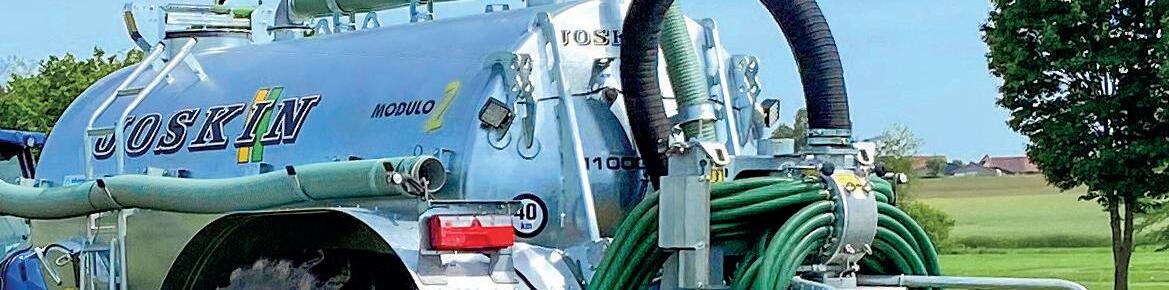

Vacuum pump (11,000 l/min), sight glass, Ecopump



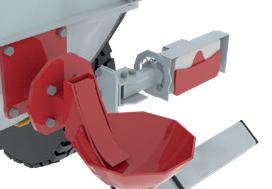
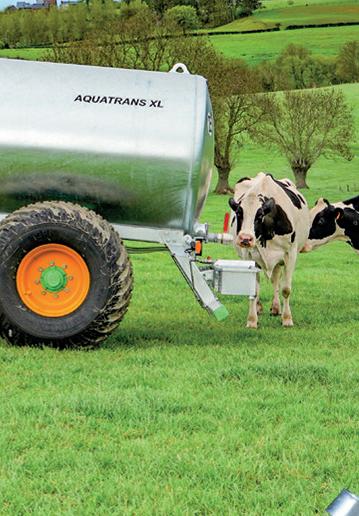
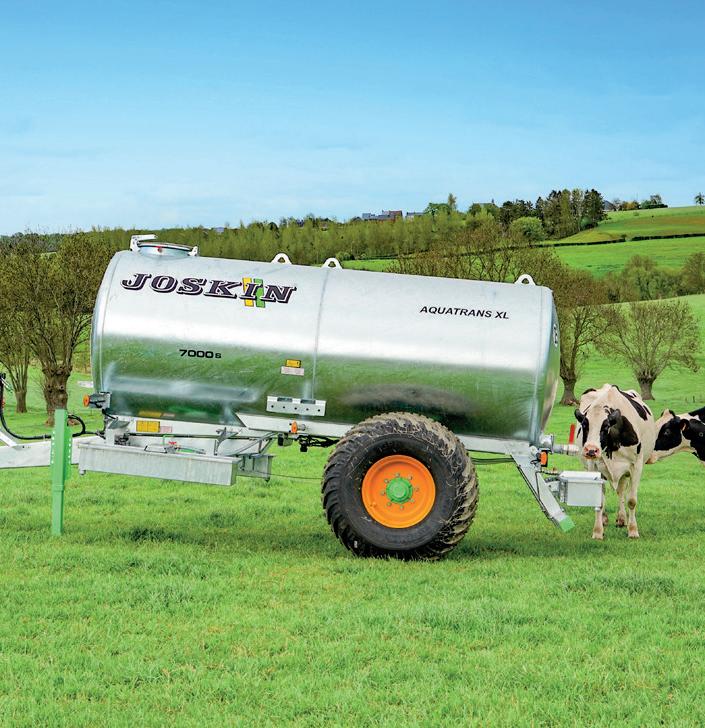


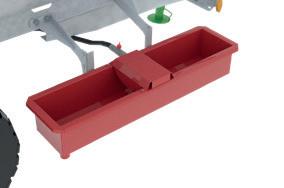
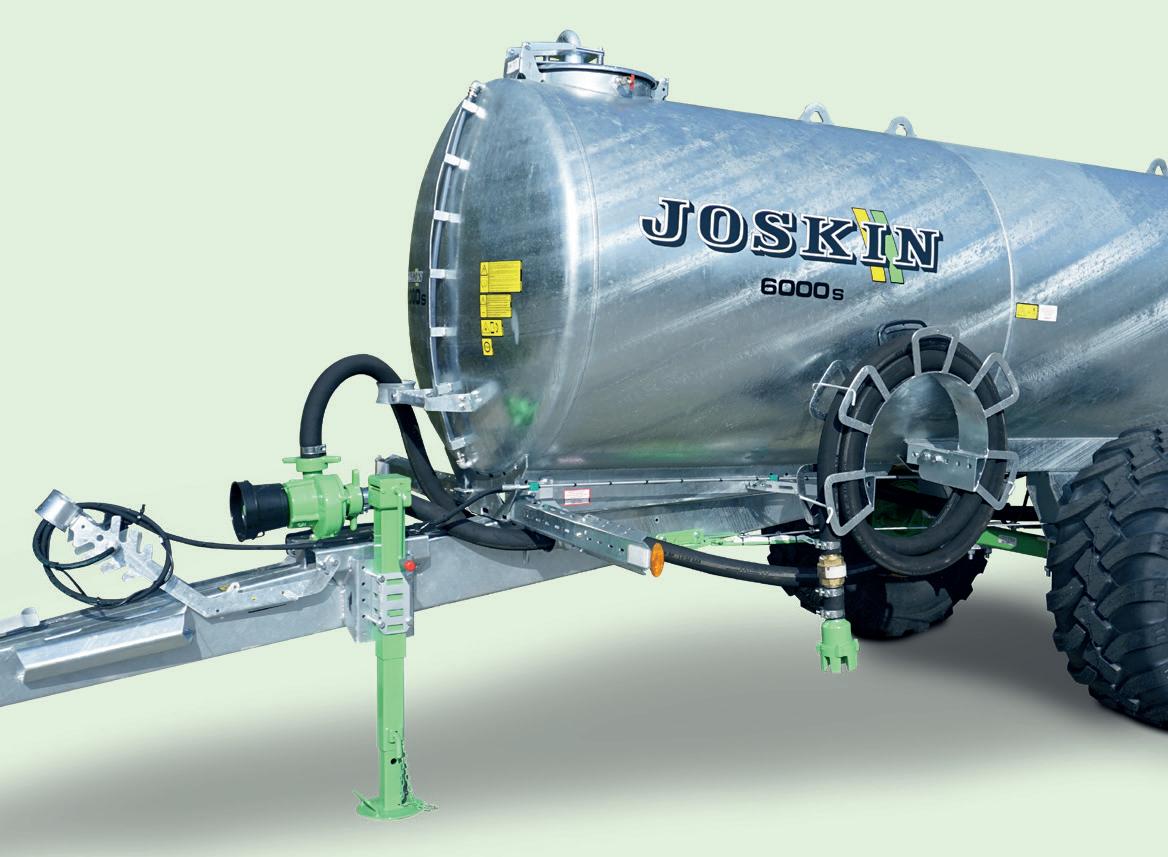
50 l constant-level drinking trough with 1" valve (for closure during transport), in rear or side position, with height adjustment, for cattle and sheep Drinking trough for 1 animal equipped with a mechanism connected to a feeding valve



•
•
•