A Letter From the Education Team A Letter From the Education Team A Letter From the Education Team
Dear Reader,
Welcome to Farm Sanctuary’s 2026 Youth Leadership Zine! This magazine was envisioned, created, revised, and edited completely by our amazing Youth Leadership Council students. We invite you to explore their work, reflect upon what you learn, and truly see and feel their passion for advocacy and their desire to make a difference in their schools, communities, and the world!
Farm Sanctuary’s Youth Leadership Council (YLC) is designed for passionate advocates aged 13-18 who are hoping to create a more just, compassionate, and sustainable food system for people, animals, and the planet. This program is a wonderful opportunity to develop leadership skills, grow an understanding of issues related to the food system, and join a community of advocates motivated to change hearts and minds.
The Youth Leadership Council provides the opportunity to connect with likeminded student peers from across the country. YLC offers education on food systems, farmed animal welfare and law, environmental impacts, farm worker rights, and food justice, as well as support for school and community-based advocacy that aligns with students’ personal interests.
Young people interested in joining Farm Sanctuary’s Youth Leadership Council can find the application on our website at https://www.farmsanctuary.org/newsstories/join-farm-sanctuarys-youth-leadership-council/. You can also reach out at any time to education@farmsactuary.org for more information!
Thank you for supporting and celebrating the inspirational voices of our 2026 Youth Leadership Council students!
Warm regards, Mercy Mize and Julia Marotto
Table of Contents
Table of Contents Table of Contents
Youth Leadership Council | Page 3
A Letter From the Editors | Page 4
Educational
Farm Animal Fun Facts | Page 5-6
Lab-Grown Meat | Page 7
Plant Proteins | Pages 8-10
Veganism | Page 11
Ways to Help Animals | Page 12
Fish Loss | Page 13
School Meals | Page 14
Recipes
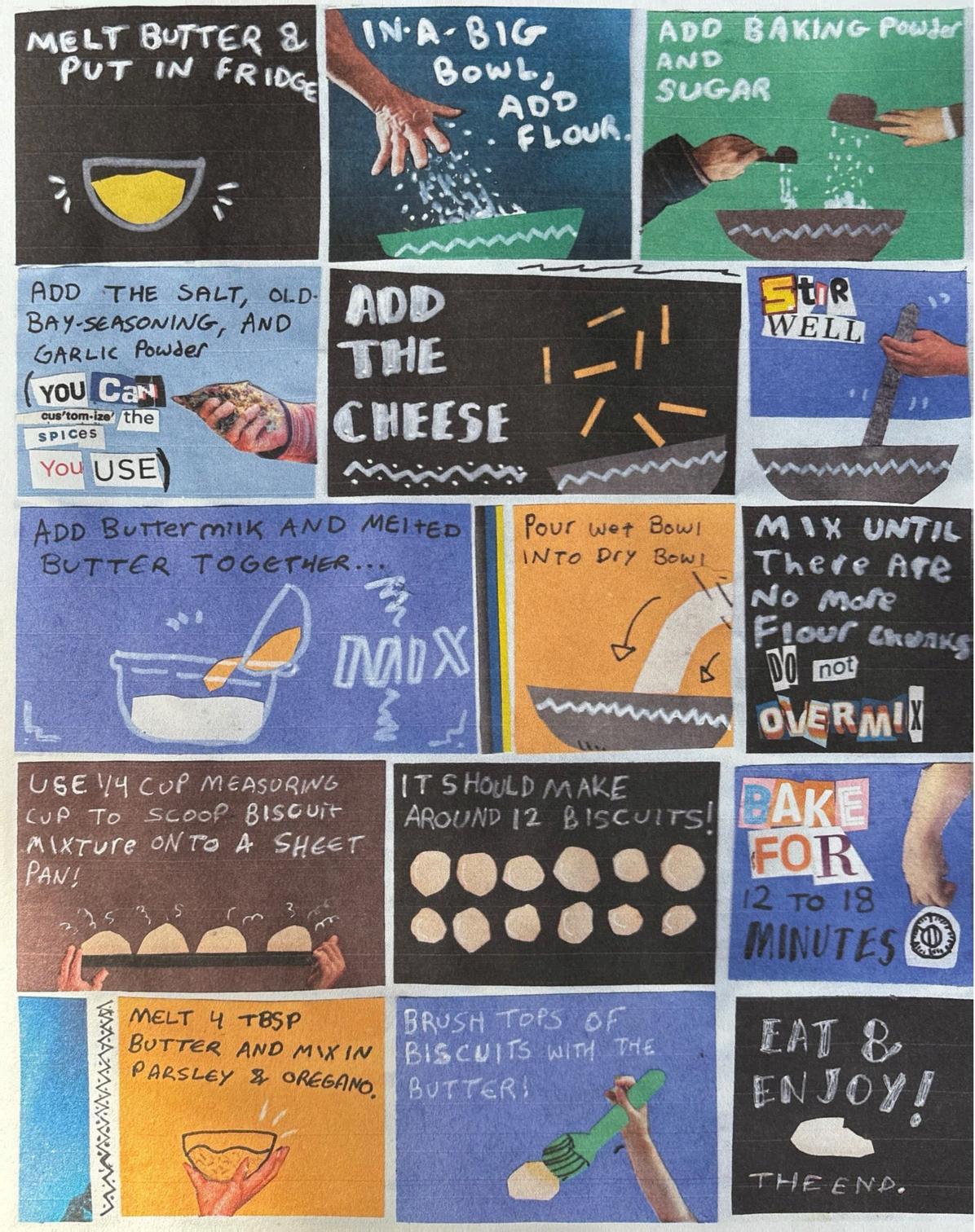
Vegan Cheddar Biscuits | Pages 15-16
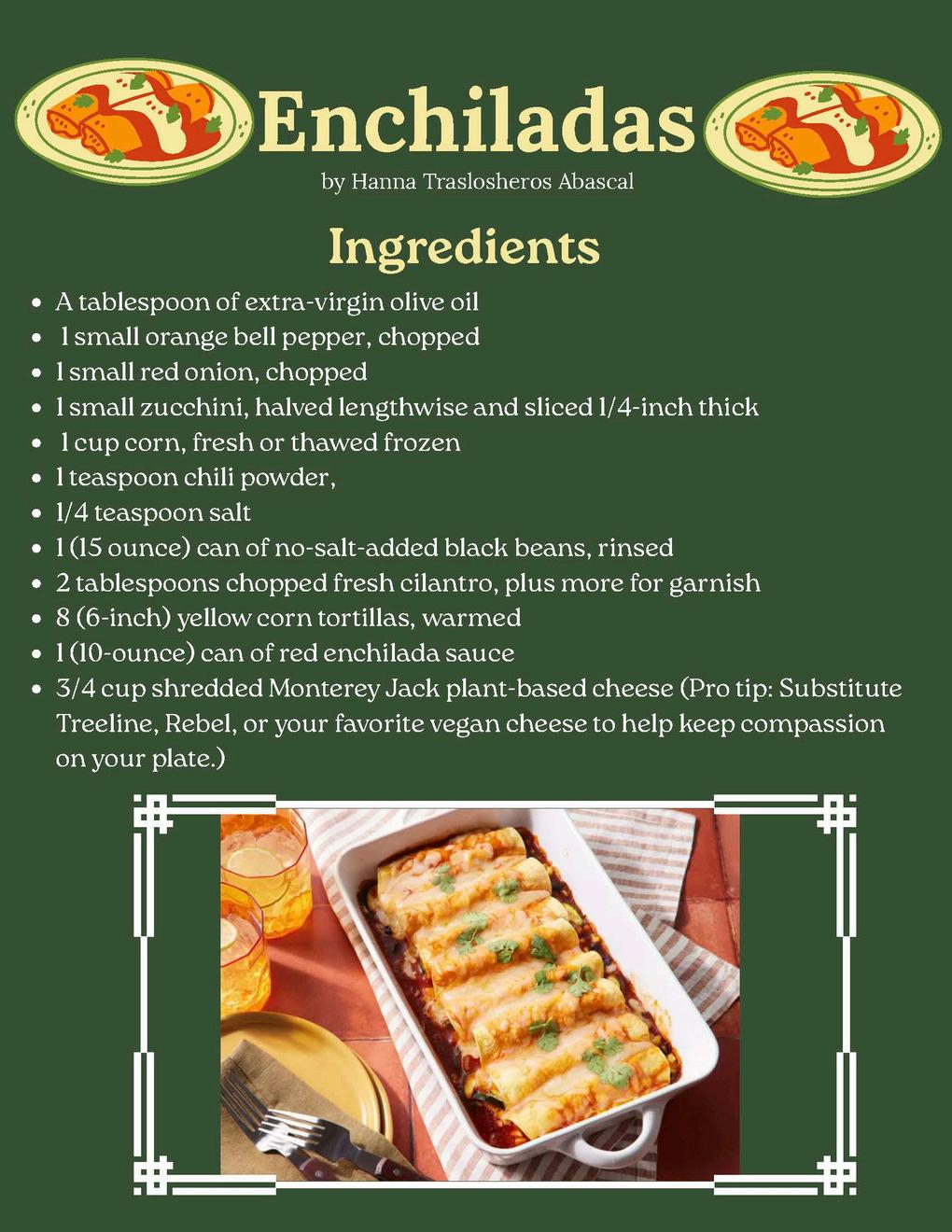
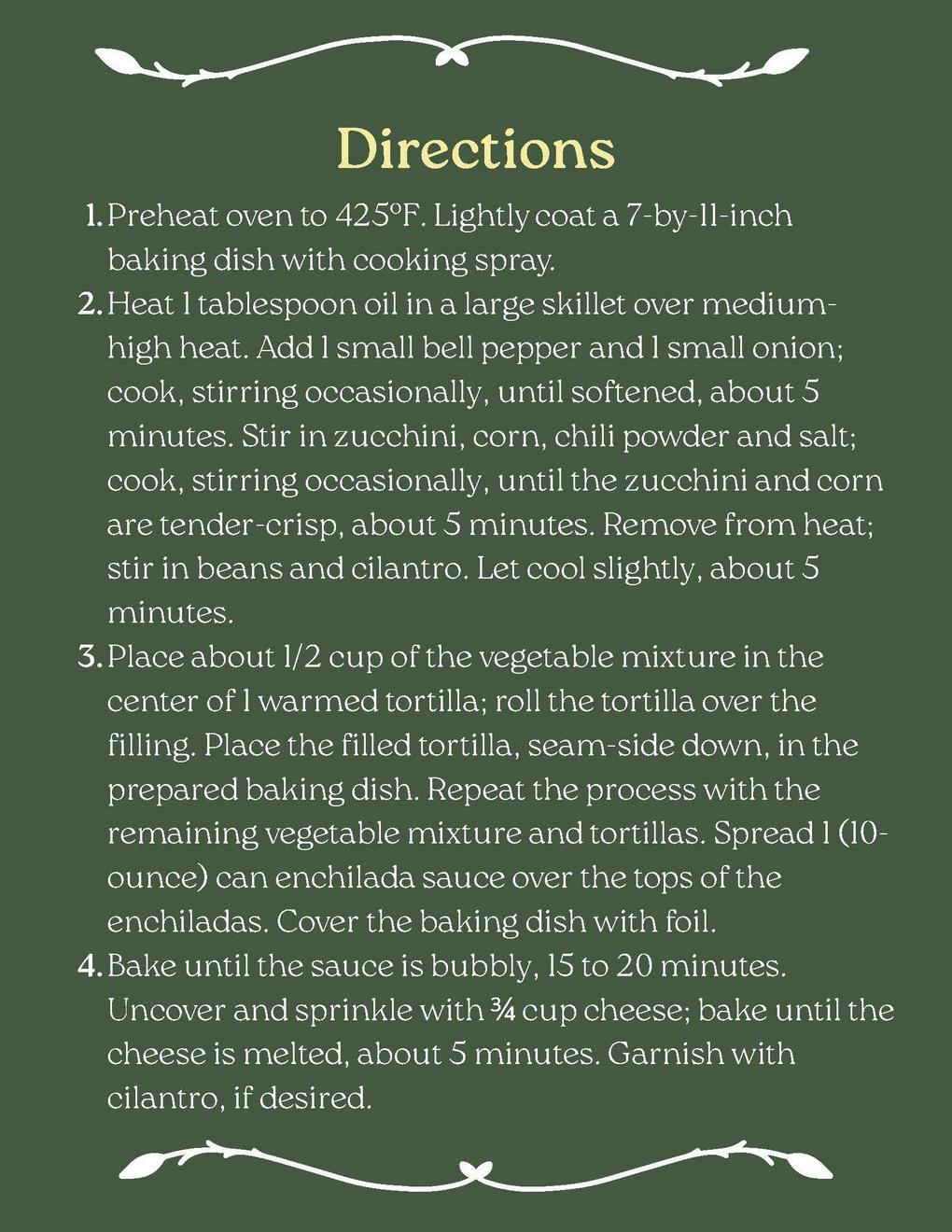
Vegetarian Enchiladas | Pages 17-18
Written work
Animal Rights Ally | Pages 19-20
Speciesism | Pages 21-22
YLC Call To Action | Page 23
Meet


IL
TX



For youth ages 13-18 who are interested in creating a more just, sustainable, and compassionate food system, Farm Sanctuary’s Youth Leadership Council provides a sense of community and the chance to connect with like-minded student peers from across the country.
Jack Nguyen WA
Avika Goel NY
Emilia Markhoff PA
Juliette Furet CA
Emily Lin CA
Nathanial Lowe FL Leah Schierman NY Liv Hourihan CO
Hanna Traslosherros
Saige Ruback
Torsten Rainer WA
Katie Cherek VA
Abby Vatty OH
A Letter From the Editors A Letter From the Editors A Letter From the Editors
Dear Reader,
We are the editors of the 2026 Farm Sanctuary Youth Leadership Council (YLC) Zine. Each part of this magazine was created by a member of the YLC. Please enjoy this year’s issue, which includes many ways to help animals and the environment. And of course, this magazine wouldn’t be possible without our amazing YLC director, Mercy Mize!
Best wishes, Nathan, Emily, Leah, Liv
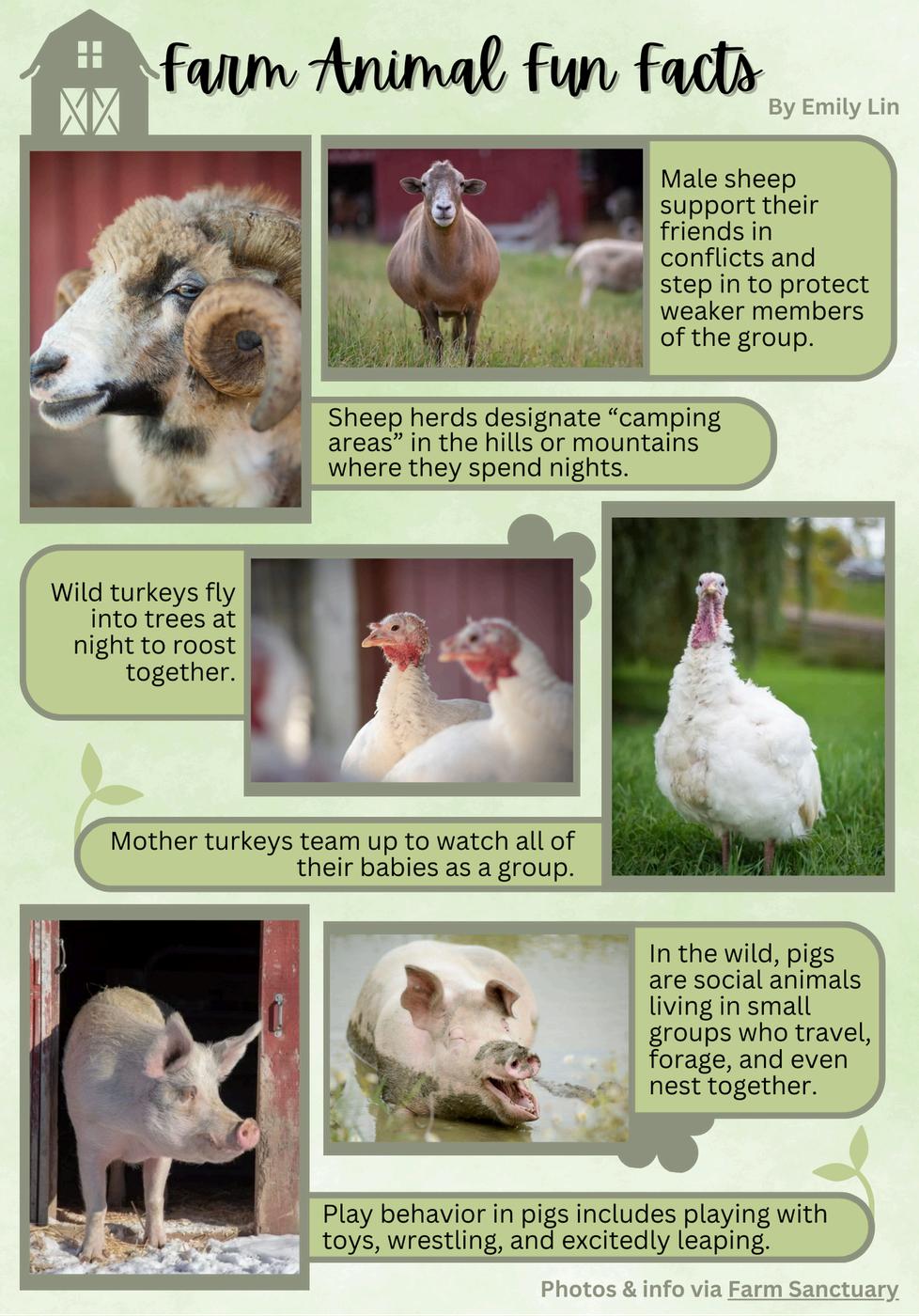
By Emily Lin
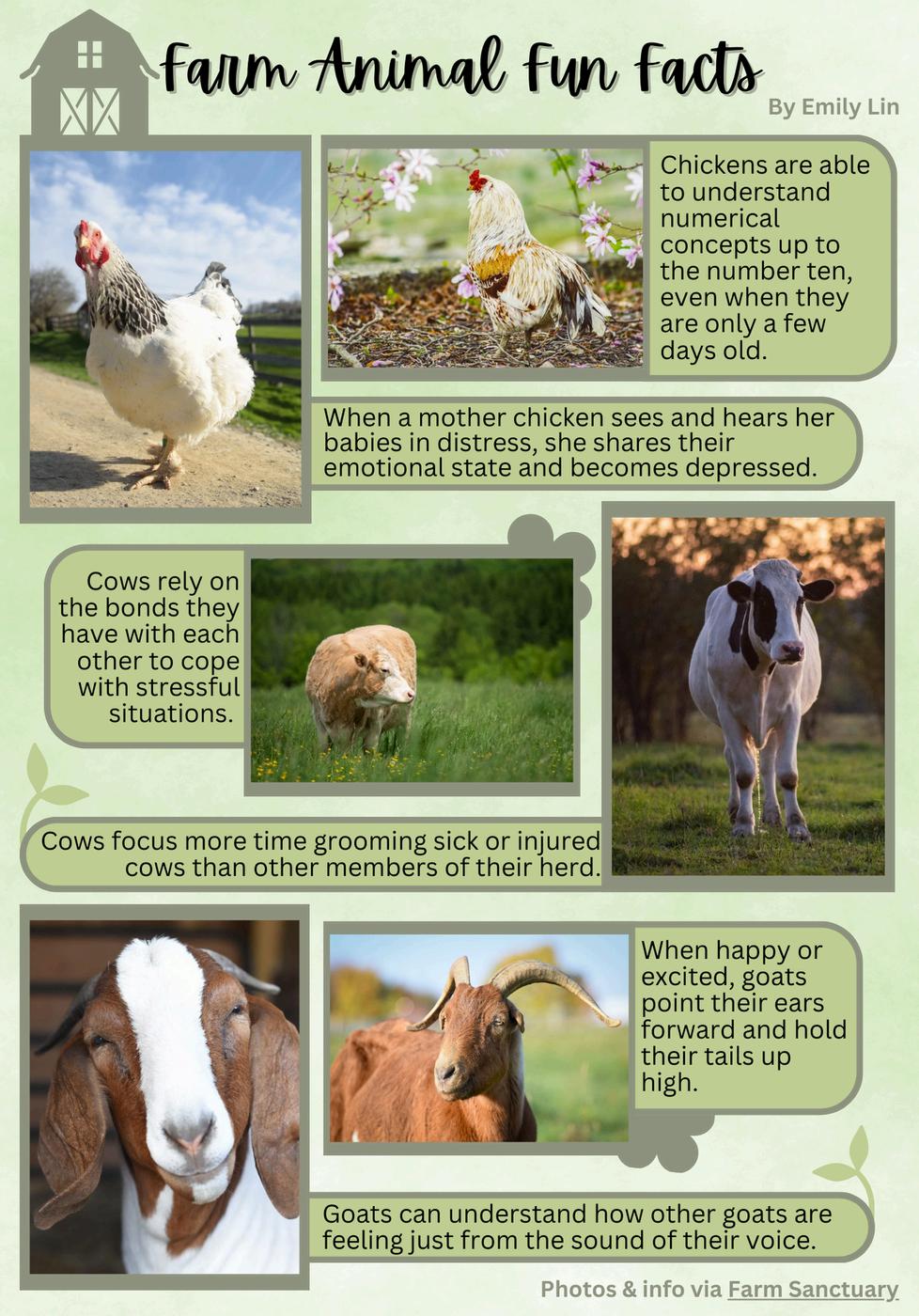
By Emily Lin
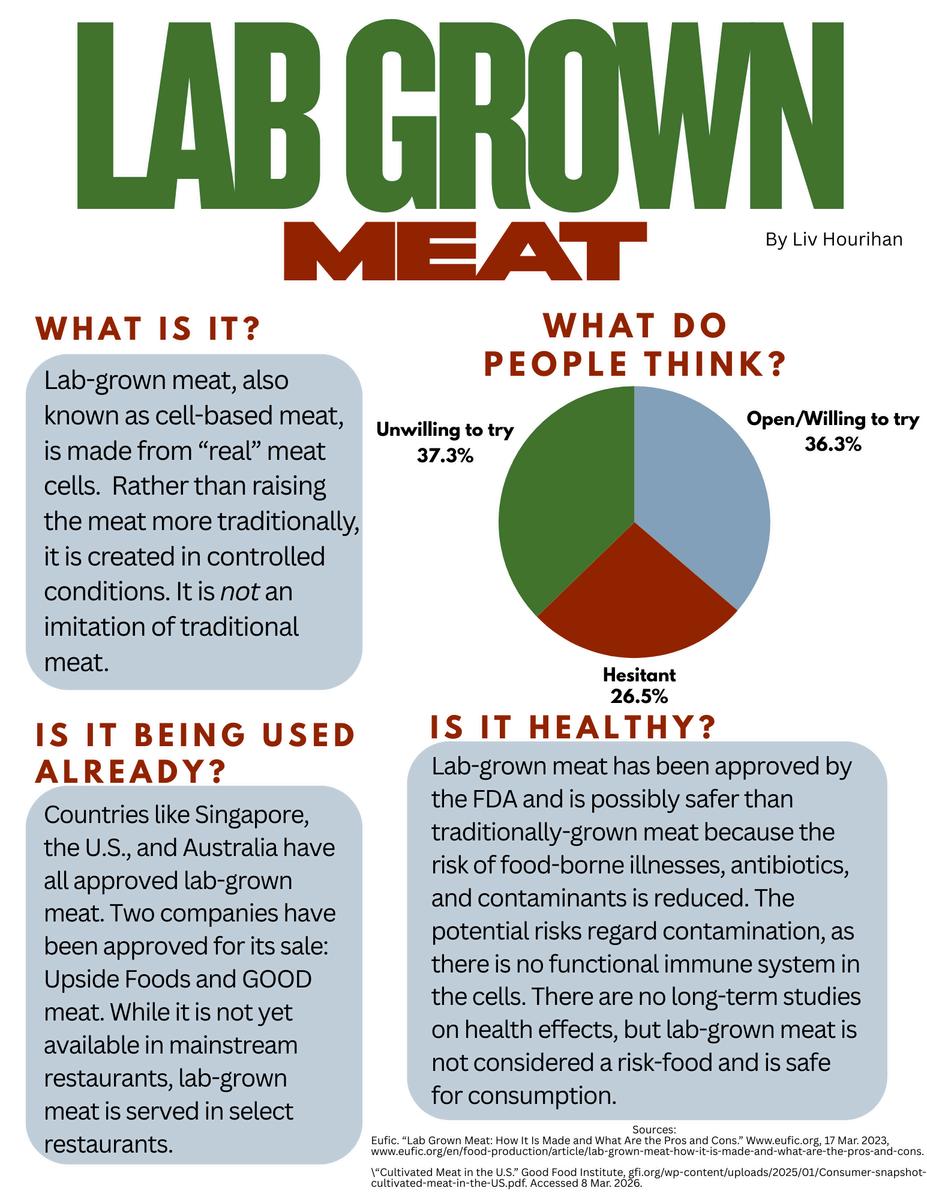
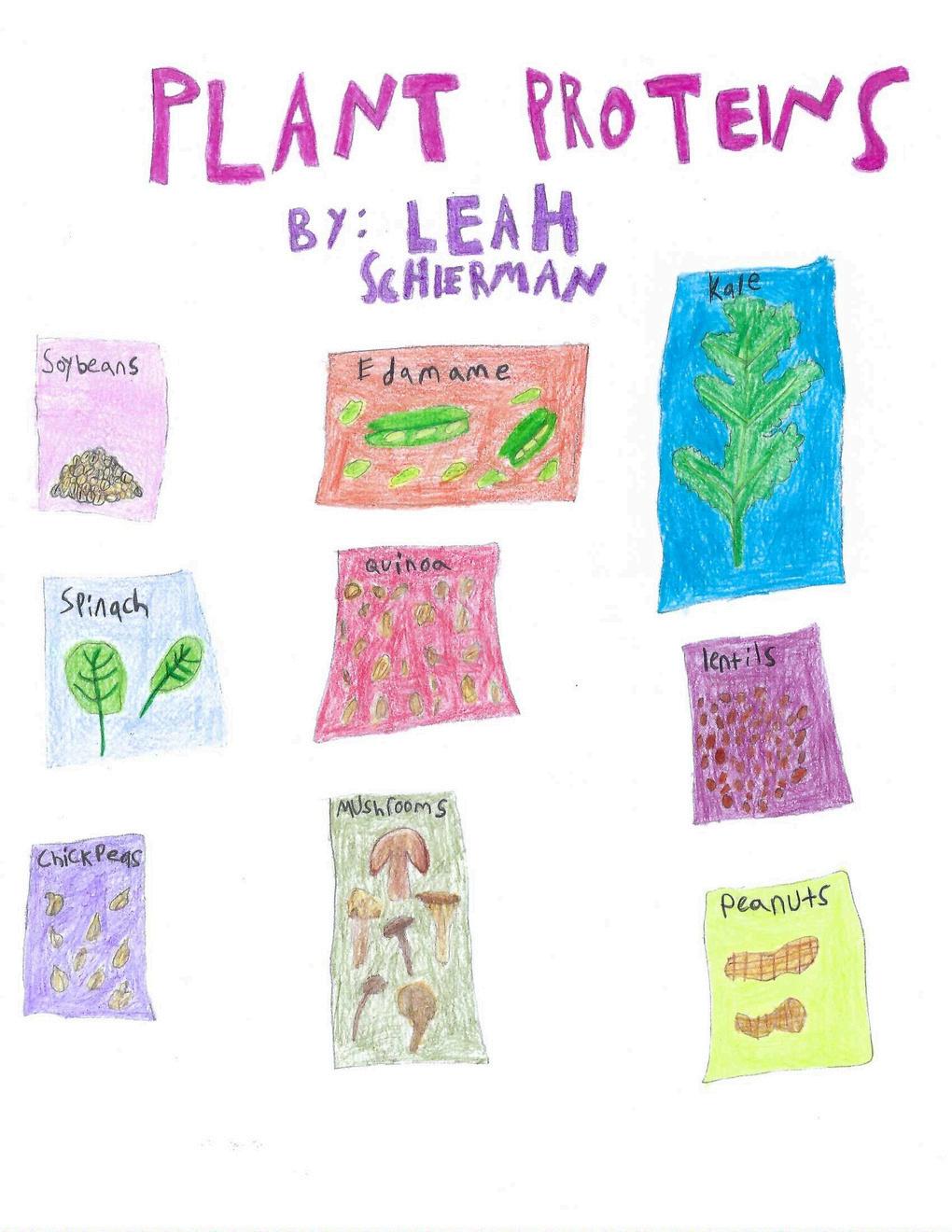

By: Leah Schierman


By: Leah Schierman

5WAYSTO TOHELP ANIMALS

By: Juliette Furet



Fueling for Performance While Being an Animal Rights Ally
By Saige Ruback
There are many misconceptions about nutrition in athletics. Maintaining and improving your physical performance is stressful enough without worrying if you are eating the right kinds of foods. Six years ago, I adopted a vegan diet lifestyle and I have personally been able to perform at an elite level while staying true to my values. I hope my experiences offer some inspiration in your own plant-based athletic journey.
As a student athlete, I am constantly thinking ahead to my next meal. I am an ice hockey goalie, skating at least six times a week with added daily off-ice training. Fueling properly is a big part of my success throughout the nine-month hockey season. Athletes are constantly bombarded by different food advice, and it can be very overwhelming. Getting enough carbs, protein, and electrolytes is very important when you are constantly in motion. I religiously eat three big meals a day, focusing on spacing them out around my workouts. These meals are comprised of fruits, vegetables, legumes, grains, seeds, and nuts. When I am on the ice or in the gym, I also need to be replenishing my energy stores. My preferred way is through consuming electrolyte gummies and energy gels. This not only meets my carb intake goals but also provides me with electrolytes that I lose through sweat while playing. I like SaltStick energy gummies (which have 36g of fast-acting carbohydrates and 170mg of sodium + potassium) and Huma energy gels (which have 21-25g carbs and 100g of calories per packet). The combination of these two supplemental energy sources keeps me feeling consistent throughout a long workout.
Even though I have been a vegetarian since birth, further eliminating inflammatory foods like dairy and eggs has helped me recover faster, reduce injury, and perform better during multiple weekend games. I also try to eat plenty of berries, because studies have shown that blueberries can turn off inflammation genes. Dr. Greger from nutritionfacts.org has a lot of videos on this topic that are supported by peer-reviewed studies. It is important when you are adjusting your diet that you research and learn as much as you can.
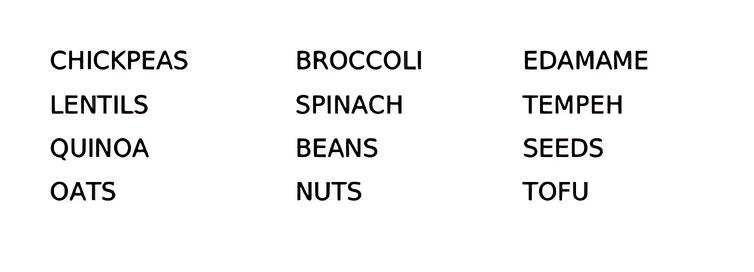
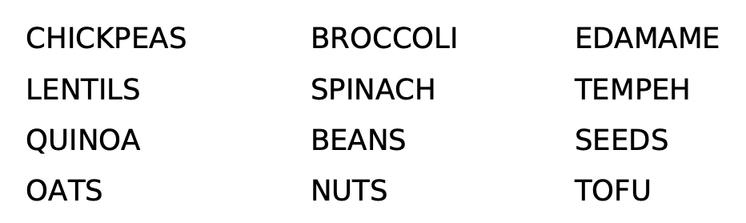
Where do you get your protein? is probably the most common question I get. While all food contains amino acids, the building blocks of proteins, I try to aim for 1.6-2.2g of protein per kg of my body weight daily by eating enough calories. Very rarely do I supplement with a protein shake. I mostly focus on consuming nutrient-dense foods like tofu, lentils, seitan, chickpeas, and tempeh. My mom owns a lot of vegan cookbooks,
but my favorite authors are Ann Crile and Jane Esselstyn. I like the recipes in their book, Plant Strong Women Warriors , and the videos they produce on YouTube.
Although a vegan diet has significantly improved my athletic performance and health overall, it was not the only reason I went vegan. I do not eat animal products because of the negative effect it has on our planet and the suffering of the animals from which they are derived. Factory farming of animals leads to greenhouse gas emissions, deforestation, pollution, and the spread of disease (Farm Sanctuary, 2024).
It was very important to me to find a way to protect animals and our environment while keeping my body in top performing condition. More people than ever have been questioning the sustainability of our food system, but the main problem is that people do not know where to start when they want to make a change. I hope that you are now inspired and have some more knowledge and confidence as you continue actively moving through life while being an animal rights advocate.
Work Cited
Farm Sanctuary. “So You Want To Help The Environment? Change Your Diet.” Farm Sanctuary, https://www.farmsanctuary.org/news-stories/help-the-environment-change-your-diet/, 2024.
Speciesism: The Crime of our
Time?
By: Abigail Vatty
We are told from a young age that certain animals serve certain purposes. Society teaches us to group animals into categories such as companions, food sources, work animals, or even pests. Interestingly, other cultures group animals differently. For example, in parts of Europe it is not considered taboo to eat horse, unlike in America where it is used for work or a beloved pet. With all the variations in social conditioning and norms, one might begin to wonder about who is right?
What is Speciesism?
Speciesism is the discrimination against an animal based on its particular species. It also involves a lack of consideration of an animal's own interests such as its right to life and the freedom from suffering. Treating one animal as a commodity while another is treated as a pet would be one example of speciesism. Speciesism is a form of discrimination that all people have without realizing it. When I interviewed people, about 87.5 % had never heard of speciesism. Why, if speciesism is so widespread, does no one know what it actually is?
Common Misconceptions Over the past few months I have interviewed many people about the concept of speciesism and few common misconceptions emerged.
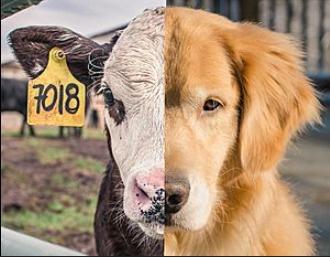
The first misconception was about the ability for farm animals to feel complex emotions such as happiness, joy, sadness, and despair. There has actually been much research however that dispels this myth. There is a whole branch of science (animal sentient science) that has proven that animals are deeply sentient creatures that are capable of feeling joy, pleasure, and pain. In fact, pigs are known to have the emotional intelligence of a 3 year old, and cows are known to exhibit the emotional intelligence equivalent to a dog. These animals have real emotions so putting them in horrible conditions such as factory farms affects them mentally. They feel hunger, pain, and more importantly, fear, despair, and loneliness. We should ask ourselves, “If we wouldn't do it to a child, what makes it morally justified to do to an animal?”
Another misconception that emerged from my interviews was that farm animals aren't as loving and don't bond with humans as deeply as dogs and other companion animals. Studies
show that farm animals are as loving and seek human attention just as much as common pets. The difference is in how the animal is raised. Farm animals usually aren't raised to be pets; they are raised for food. If an animal isn't treated like a pet, it won't act like one. Farm animals are also known to be very socially intelligent. It has been shown that cows, which are herd animals, have lifetime best friends with other cows in their herd. They can get so attached that being apart pains them. This is critical in understanding how deeply cows suffer in the dairy industry. When calves are stripped away from their mother, research has shown mother cows and their calves show many signs of distress, including bellowing, pacing, and not eating. This begs the moral question, is the consumption of dairy products worth the pain and suffering inflicted upon dairy cow mothers and their babies?
Sources:
Conclusion
Throughout history there have been many horrible atrocities that were normalized and common practice in society during those times. Some examples include slavery
, child labor, and a lack of women’s rights. It is hard for us to believe that these things were normalized at one time, and some very brave people had to stand up to speak out against these cultural norms to inflict change My hope in writing this article is that I can inspire thought about speciesism. Could speciesism and our exploitation of animals be the crime of our time?
https://www worldhorsewelfare org/what-we-do/our-positions/equine-meat-labelling?srsltid=AfmBOoooF CaaV8AyAXvwFO3bJ-VerAQ QXBR9-eP0bu1so98rE0IAOkS
https://www animal-ethics org/speciesism/
https://www newrootsinstitute org/articles/pig-intelligence
https://onlinelibrary wiley com/doi/10 1002/aro2 65
https://www newrootsinstitute org/articles/pig-intelligence
https://www psychologytoday com/us/blog/animal-emotions/202407/a-scientists-journey-from-dogs-mind s-to-cows-hearts
Change starts Change starts with
Change starts with
you.
you. with you.
You do not have to be perfect to have a positive impact on the world. Whether you choose to buy a cruelty-free product, bake a plant-based recipe, or simply order a vegan protein at a restaurant, you can make the world a better place.
Actively choose to do the right thing, even if you cannot directly see your impact. Anyone can make a difference. Let your values reflect what you buy, eat, and stand for.