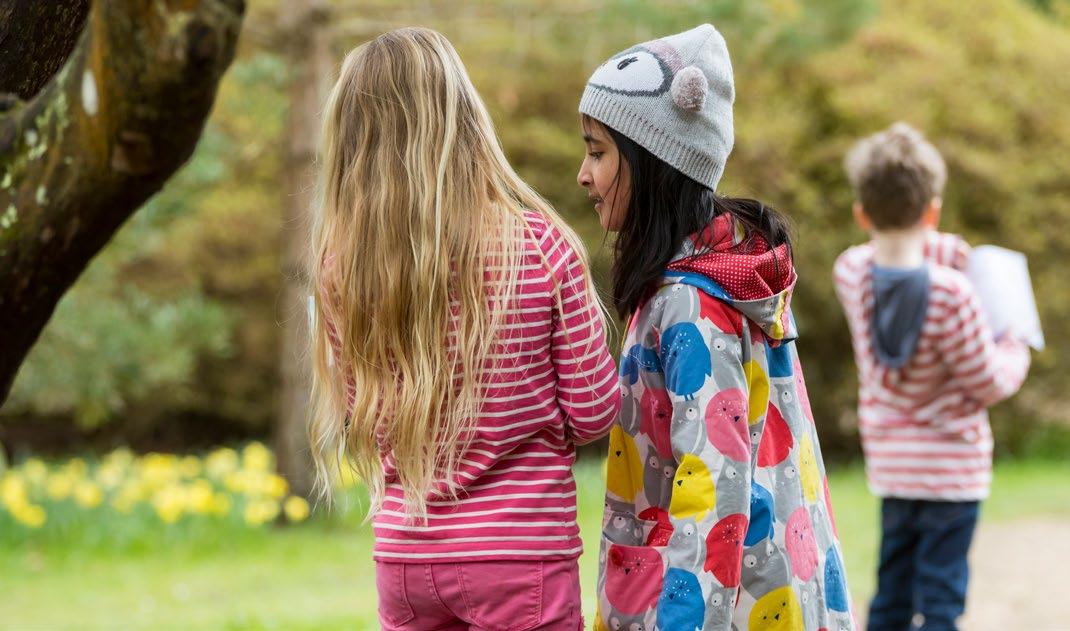
Soon grey skies and rain will (hopefully) start to give way to the occasional mild, sunny spring day – the sign that winter is coming to an end. Embrace the new season by planning some family activities outside. Locally, you’ll find a range of outdoor activity options in our What’s On guide.
And Easter isn’t far away, so there are school holidays and a long weekend to plan. And if you’re looking for an Easter-themed indoor activity for the kids, check out our step-by-step guide to making naturally dyed Easter eggs.
How much have you thought about what the coming AI future will demand of your kids and of their education? Find out more in our Education section. In this issue, we also cover how stories can teach kids to love solutions and the different ways that schools engage children with homework; we also ask ourselves: are we are rushing our kids into the rat race?
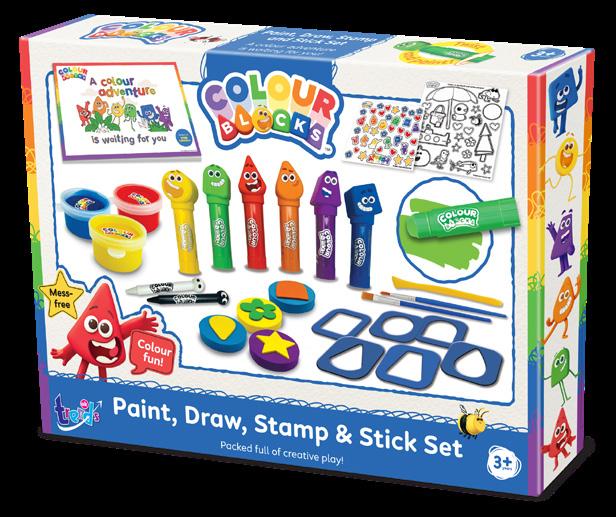
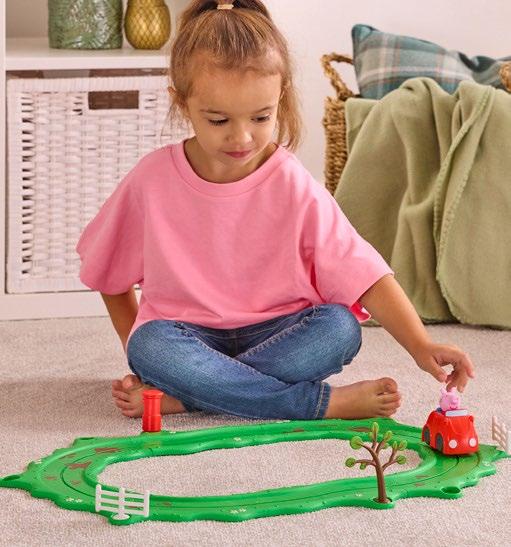
Finally, in this issue, we have three giveaways including Peppa Pig Whizz Around Cars! Apply inside. By doing so, you’ll also ensure you receive our newsletter and digital magazine with lots more content and goodies on offer.
Linda
Editor,
Families Upon Thames
November/December issue competition winners Congratulations to all our winners. You can find a list at www.bit.ly/ND25recipients
Families Upon Thames is a franchise of Families Print Ltd of 75 Lisbon Avenue, Twickenham, TW2 5HL. Families is a registered trademark of Families Print Ltd. All franchised magazines in the group are independently owned and operated under licence. The contents of Families Upon Thames are fully protected by copyright and none of the editorial or photographic matter may be reproduced in any form without prior consent of Families Upon Thames. Every care is taken in the preparation of this magazine but the franchise owner and Families Print Ltd cannot be held responsible for the claims of advertisers, nor for the accuracy of the contents, or any consequence thereof.
Stories teach children to love solutions
By Sarah Tucker
We’ve trained children to love the chaos in stories, not the calm that follows. When I once asked a Year 2 class their favourite part of a story, every hand shot up for the problem part: Goldilocks breaking chairs, the wolf blowing houses down. ‘The solution’s the boring bit,’ one girl said. But real growth, in stories and in life, begins when we start solving things. Those ‘what next?’ moments can teach resilience, creativity and confidence. Solutions give children tools they can carry into maths, friendships and everyday decisions.
Flip the script
What if the solution was the most exciting part? Kids love the drama of ‘uh-oh’ but it’s time they saw the ‘what next?’ as just as fun, with problem-solving an adventure in itself. Encourage children to pause mid-story and predict solutions. Their often wild, funny or clever ideas are exactly what trains flexible thinking.
A spark from Edward de Bono Researching Edward de Bono, the father of ‘lateral thinking,’ taught me that adults often fall into fixed patterns. But five-yearolds? They’re natural innovators. When de Bono asked children to improve a broken wheelbarrow, their wild ideas outshone those of CEOs and engineers. The youngest thinkers are our boldest problem-solvers, if we let them remain that way.
Curiosity and play aren’t distractions from learning; they’re the engine behind original solutions. Thinking sideways strengthens their ability to approach problems with confidence and creativity.
Storytime experiment: Little Red Riding Hood
Pause the story right before the woodcutter saves the day and ask: ‘What else could Red Riding Hood do?’ You’ll get chaospoison apples and superheroes - but then, something magical: ‘She could trick the wolf!’ or ‘She could turn him vegetarian!’ Suddenly, your child isn’t just reading a story, they’re rewriting it with imagination.
Breaking the parent loop
Many children inherit their parents’ patterns: fear of failure, perfectionism, even ‘I’m just not good at maths.’ Storytelling lets children imagine new family scripts. It’s a gentle way of saying: you can rewrite more than just fairy tales. By modelling curiosity instead of frustration, parents show that every problem has more than one path forward. The earlier children experience this freedom, the sooner they internalise a growth mindset that will help them both in school and life.
Solutions classroom: small wins
It doesn’t have to be a grand plot twist. Even small, everyday problems offer opportunities for children to exercise lateral thinking. When a child figures out a new way to organise their desk, solve a tricky arithmetic problem or negotiate roles in a group activity, celebrate it. These micromoments of problem-solving build confidence and encourage risk-taking. By valuing these ‘little victories,’ we signal that solutions are as exciting as the preceding dramas. Over time, children begin to approach challenges with curiosity rather than fear.
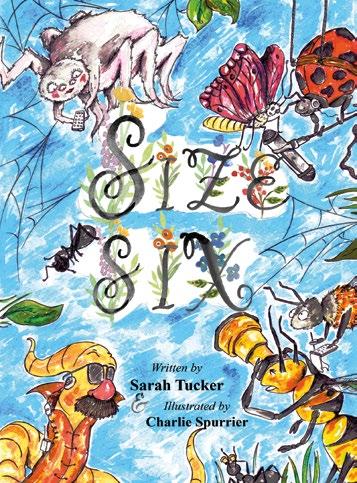
Sarah Tucker is the author of Size Six, Size Seven and Size Eight (Cambridge Children’s Press), a trilogy of playful, illustrated chapter books helping children think creatively about problem-solving. These books are available from www.cambridgechildrensbooks.com
Making mistakes a playground
Children often fear getting it wrong, so they stick to what’s ‘safe.’ Stories can help them see mistakes as invitations rather than punishments. Pause a tale when a character errs and ask: ‘How could this be fixed differently?’
Encourage three or four possibilities, even absurd ones. Soon, pupils learn that failure isn’t final - it’s a springboard for creativity. Turning errors into play fosters resilient, imaginative and willing problem-solvers, able to tackle challenges both in and outside the classroom.
How schools engage children with homework
By Zuzu Jordan
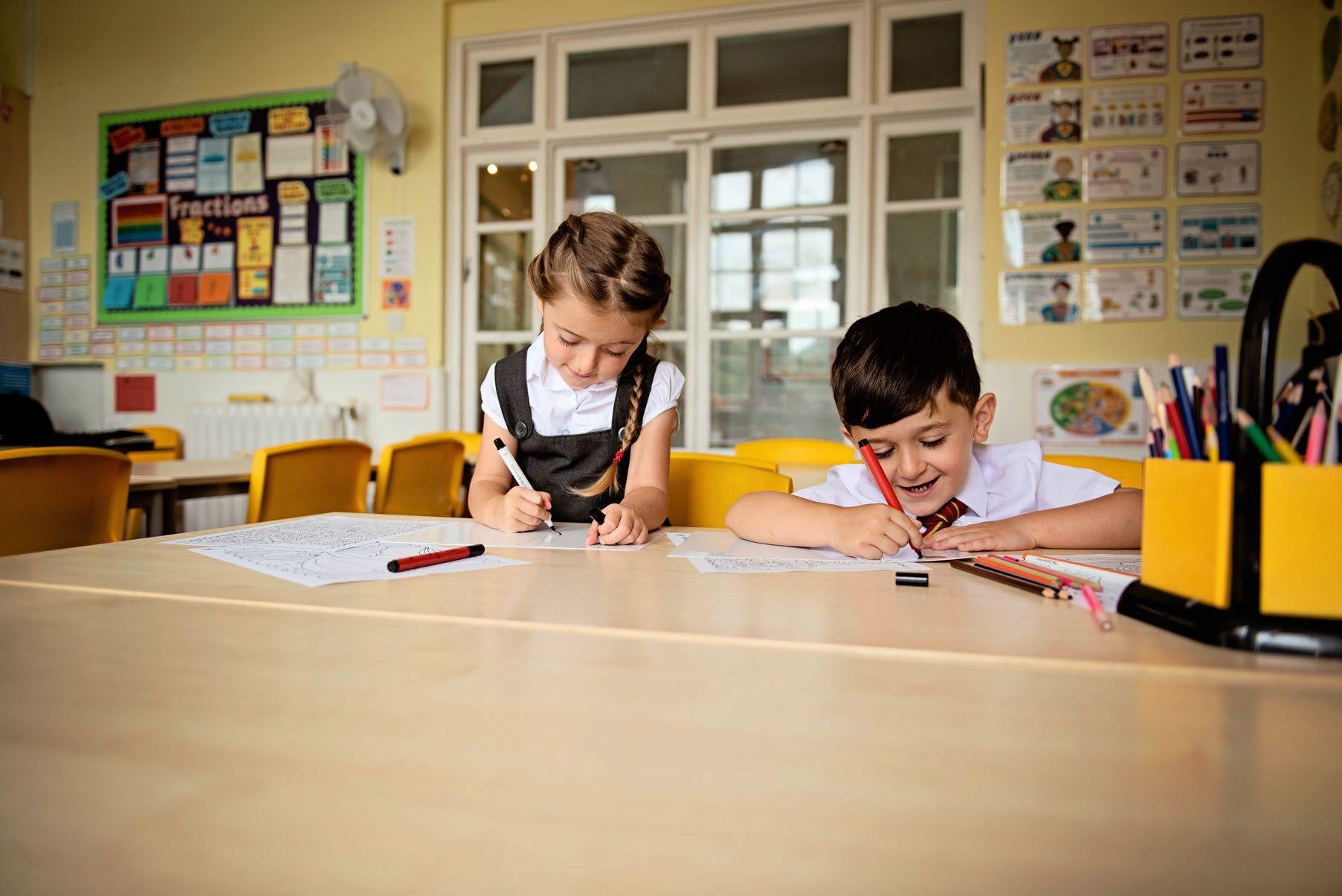
Your child’s school will understand that homework does not have to mean pages of writing or worksheets every time. In fact, varying how children record and present their learning can make homework more engaging, accessible and enjoyable for the whole family. When children are given choice and creative freedom, they are often more motivated and prouder of what they produce.
One simple and effective approach is using drawing and diagrams. Younger children or those who find writing challenging, can show their understanding through pictures, labelled drawings or storyboards. A child learning about plants might draw and label parts of a flower or design a comic strip showing the main events. This supports understanding without the pressure of long written answers.
Hands-on and practical tasks are another excellent option. Your child’s homework could involve building a model, cooking a recipe linked to maths or measuring and sorting objects at home. For example, children might create a model of a landmark, use Lego to show number problems or organise household items into groups. These activities make learning feel real and
Using technology opens up many creative possibilities too. instead of carrying bulky projects into school. This is especially useful experiments. A short video explaining what they did or learned can be just as valuable as written work. Older children might create a simple slideshow, record a voice note or type a short
reflection. Technology also supports children who communicate better verbally than on paper.
Scrapbooks or learning journals are another flexible way to present homework. Children can mix writing, pictures, photos, tickets and drawings all in one place. This works particularly well for topic-based homework or holiday projects and allows children to personalise their learning.
Finally, many schools do see the value of talk-based homework. Asking children to discuss a topic with an adult, interview a family member or explain what they have learned builds confidence and understanding. Parents can jot down a few notes or the child can record their ideas using a voice app.
By offering different ways to record and present homework, schools help children play to their strengths. This reduces stress at home and encourages families to see homework as a chance to explore, create and talk together rather than just complete a task.
Zuzu is a Mastery for Maths Specialist who has taught primary for eighteen years and is Director of Arnett International. For FREE resources and tips, find her on Instagram @edumate_uk
Educating for the age of AI
By Issy Butson
Most people familiar with the AI space will tell you something that’s hard to hear and equally hard to believe - AI will likely replace a very significant amount of global entry level whitecollar jobs within the next five years. In the scale of our children’s lives, that’s effectively tomorrow.
As parents, we need to get our heads round the fact that the jobs that will be replaced will not be just low skilled jobs on factory lines, at cash registers or repetitive manual work.
We must also recognise that our education system is designed to train children for the world we have been used to - in other words, to teach them things that, now, technology has also mastered.
Preparing children for this future
Companies are already losing faith in education pipelines that aren’t producing adaptable, job-ready people. In their place, there is a rise in skill-based hiring and project portfolios that actually show what a person can do.
The future won’t care about qualifications. It will care whether you can think, build, solve problems, adapt and contribute in ways that a machine can’t.
Within the next ten years, the gap between what children are being trained for and what they’ll actually face in adulthood will just become too big to ignore.
So how do we guide children in a world that’s no longer structured around graduations, qualifications, employment, performance reviews, entry level roles and corporate ladders?
What do we build instead?
There is a tendency for our current education system to unintentionally stifle the qualities our children will most need in future – originality, independent thinking, risk taking and deep knowledge, rather than the broad, shallow knowledge needed to pass exams. We need to get serious about a different kind of preparation for adult life. One that accepts, fully, that the future will not reward people for what they memorised but for what they can build, navigate, initiate and solve.
Get involved with British Science Week
British Science Week (6-15 March) is an annual event which offers activities, experiments and events aimed at sparking curiosity and excitement about science. It brings together schools, community groups and science enthusiasts across the UK.
This year’s theme is Curiosity: what’s your question and encourages children to discover how they might find answers to the questions they’re most curious about.
To find a local event or download a free activity pack, visit www.britishscienceweek.org
Here are five real-world capabilities which form a much more deliberate and demanding kind of education.
Self-management and personal agency
In a world where job structures and set working hours are far less prevalent, your child will need to know how to manage themselves - not just their time but their energy, attention, output and emotion. These are skills most adults were never taught. Your child should start learning them now.
Deep work and independent problem-solving
Surface-level knowledge is everywhere. What matters is the ability to go deep - to focus without distraction, to stay with complexity and to work through problems that don’t have obvious answers.
Real-world skill development
Instead of ticking boxes, help your child build tangible, functional skills. Not just academic ones - practical, creative, technical and interpersonal. The kind that lead to useful output, adaptability and confidence. A lot of those skills won’t actually be needed for employment but all the good stuff they develop internally while building them will absolutely serve them well.
Relationship-building and collaboration
The most resilient people in the future will be the ones who know how to find their people, build things together and communicate across difference.
Identity development and direction-finding
In a world of almost infinite choice and no fixed paths, children are going to need a strong sense of who they are, what they care about and how to move toward it. That kind of direction doesn’t come from outside. It gets built, internally, over time. Make sure they develop that deep, strong sense. A child raised this way will build the muscles they’ll actually need in this changing world:
Motivation without any external pressure.
Adaptability when things change, because they will, over and over again.
Confidence to try things they’ve never done before.
Patience to get good at something hard.
I believe we’re approaching one of the most fascinating periods of human history. But that we are woefully unprepared. So this is a call to parents who want to give their children a real head start. A call to step into this big unknown space and spend the next decade helping their children develop the resilience, confidence, adaptability and purpose that will serve them well regardless of where all this goes.
Issy Butson is the parent, home educator, blogger and podcaster Stark Raving Dad, as well as Head of Go To Market for a software company. To listen to Issy’s full podcast episode What every parent MUST know about the AI Generation, visit www.starkravingdadblog.com/what-every-parent-mustknow-about-the-ai-generation
Are we rushing children into the rat race?
By Dr Sasha Hall
As soon as a child reaches primary school, the race is on. From SATs at age 7 to weekly spelling tests and endof-primary exams at age 11, the system is structured for one purpose: measure, compare and sort. The stakes are presented as high from the start - and parents feel it.
This pressure can spill into family life. Many parents now choose extracurricular activities for their children with an eye on the future rather than the present. Enrol them in golf, one day it might help them network in business. Teach them Mandarin, a future asset in the global market. Pick piano over drums because it looks impressive on a university application. On the surface, it is strategic. But is it really about the child’s passions and needs or about shaping them into the adult we imagine?
The irony is that research suggests real growth comes when activities build on a child’s own interests and strengths. A shy child might gain confidence in theatre; a physically restless one might thrive in sport. When choices are made for a ‘future CV,’ we risk missing the chance to nurture who our children actually are right now.
Even inside the classroom, not everything we do is supported by evidence. Spelling tests are a weekly fixture in many schools but UK research shows they do little to improve long-term spelling ability. Yet we persist, perhaps because they are easy to mark, easy to compare and they produce numbers as a result.
Even by Year 2, children age 7 are made to sit in silence during SATs tests, with teachers encouraged to cover up supportive displays on the walls and the children being told their performance matters. It is hard to imagine a more developmentally inappropriate environment. We know from child development research that learning thrives in calm, connected and supportive spaces. But the education system and increasingly, our parenting, is geared towards speed, productivity and measurable output.
This is the contradiction at the heart of modern education. We say ‘it’s the process, not the product’ that matters. We know deep learning comes from exploration, mistakes and reflection. Yet the moment the assessment measures the product with a grade or a score, this principal is sidelined. Children learn quickly
Visit Bishop Perrin School
Bishop Perrin C of E Primary School in Twickenham invites parents and carers of those starting Reception in September 2027 to visit the school from September 2026 to mid-January 2027 for a tour.
If you’re considering the school for an in-year transfer application, please enquire about vacancies on 020 8894 1447 or email info@bishopperrin.richmond.sch.uk
‘Pupils feel safe and happy at this welcoming school.’ ‘Kindness and respect are at the heart of the school.’
Ofsted Report 2024
More information at www.bishopperrin.richmond.sch.uk
that the goal is to get it right, not to understand it deeply.
Parents are not immune to this mindset. In a culture where school league tables and social media updates make other people’s children’s achievements visible, it is tempting to feel behind if your own child is not ‘achieving’ in the same way. Productivity becomes a proxy for worth: theirs and ours.
We cannot change the national curriculum overnight. But we can decide whether we let it dictate every aspect of our child’s life. That means questioning whether an activity is for their benefit or our peace of mind. It means resisting the urge to overload evenings and weekends with the development of ‘useful’ skills at the expense of rest, play and family connection.
A childhood crammed with targets and timetables might produce impressive portfolios but it risks producing stressed, disconnected and risk-averse young adults. The true measure of education should be more than test results, it should be the ability to think, to connect and to adapt. Because a child’s school experience should not be a training ground for university or the job market. It is a crucial, unrepeatable stage of life in its own right and we owe it to our children not to rush them through it.
Dr Sasha Hall is an HCPC-registered Senior Educational and Child Psychologist and founder of Hall & Co Educational Psychology Services (www.hallandcoeps.co.uk).
Replacing spelling tests
Research shows weekly spelling tests do little to help children retain spellings long-term. Instead of rote memorisation, schools could focus instead on active teaching strategies: embedding new words into engaging writing projects, playing word games and exploring patterns and meanings.
Spelling can be taught in context, noticing tricky words in shared reading, using them in stories and revisiting them over time. This approach turns spelling into a skill children use naturally, rather than a performance they prepare for and quickly forget.
Independent School Open Events
FEATURED SCHOOLS
Claremont Fan Court School
Co-ed, ‘through school’, ages 2-18, Esher
Get a feel for the school at one of its Open Mornings.
Senior School Working Open Morning
Fri 13 Mar (9.00am–11.00am)
Year 3 to 5 Entry Working Open Morning
Fri 20 Mar (9.00am–10.30am)
Book at www.claremontfancourt.co.uk/newsletter-and-events
Claremont Drive, Esher, Surrey, KT10 9LY
Ibstock Place School
Co-ed, Prep & Senior, ages 4-18, Roehampton Tour the school and meet its wonderful pupils and staff.
Pre-Prep and Prep School Open Morning
Tue 17 Mar & Tue 9 Jun
Senior School Open Morning
Tue 10 Mar & Wed 6 May
Senior School Open Morning
Sat 9 May
Small group tours also available for 2027 entry. Book at www.ibstockplaceschool.co.uk/visit-us
Clarence Ln, London SW15 5PY
Newland House School
Co-ed, Nursery & Prep, ages 3-13, Twickenham Tour the school, observe lessons, hear from the Head and meet pupils and teachers.
Open Morning
Fri 24 Apr
Whole School (9.00am)
Prep School (10.15am)
Individual tours also available. Book at www.newlandhouse.net
Waldegrave Park, Twickenham TW1 4TQ
Radnor House Prep School
Co-ed, Prep, ages 4-11, Richmond Room on the Broom Open Morning
Sat 14 Mar (9.30am-12.00pm)
Encourage curiosity in your child as you explore the specialist classrooms and facilities at Radnor House Prep School at this Room on the Broom inspired event.
Book by emailing admissions@rhprep.com or at www.bit.ly/RHPRoom
41 Kew Foot Rd, Richmond TW9 2SS
Rokeby School
Boys, Prep & Pre-Prep, ages 4-13, Kingston Tour the school with Year 7 and Year 8 boys, hear from the Head of Lower School and meet the passionate teaching team plus current parents.
Reception Open Morning
Tue 10 Mar (9.30am-11am)
4+ Coffee Morning
Thu 5 May
7+ Coffee Morning
3 Mar & 9 Jun
Stay and Explore Sessions (ages 2-4)
13 Mar, 1 May
Book at www.rokebyschool.co.uk/admissions/visit-us
Individual tours also available.
Email admissions@rokebyschool.co.uk
George Road, Kingston KT2 7PB
Staines Prep School
Co-ed, Nursery & Prep, ages 2-11, Staines Meet the teachers, hear from the school’s Headmistress and tour the school with a member of the Pupil Leadership Team. Alternatively, book a personal tour.
Open Mornings
Fri 13 Mar (9.30am-11.30am)
Sat 9 May (9.30am-11.30am)
Book at www.stainesprep.co.uk/admissions/visit-us
3 Gresham Road, Staines upon Thames, TW18 2BT
Surbiton High School
Separate boys and girls Prep, girls Senior, ages 4-18, Kingston/Surbiton Go on a pupil-led guided tour and hear from the Heads who will also be available to answer questions.
Would you like to host and teach English to a foreign student in your home ?
We are currently recruiting hosts who can offer a spare bedroom, 3 meals per day and the required lessons and activities
You choose when to host and who to host !
Payment from £500 to £800 per week
Get in touch to find out more:
www.influentme.com host@influentme.com
ASK THE EXPERT
Could making my child clean their plate at mealtimes be doing more harm than good?
Catherine Morgan, Communications Officer and trained nutritional therapist from the Institute of Optimum Nutrition (ION) offers her advice.
For many parents, encouraging children to finish everything on their plate comes from a place of love and good intentions - they want their child to be nourished, eat their vegetables, grow well and not waste food that takes time, money and effort to prepare. For some, it’s also a habit passed down from their own childhoods and there’s undeniably a sense of satisfaction when a plate returns empty. However, pushing children to eat ‘just one more mouthful’ can set the stage for unhealthy eating habits.
Nutritional therapists often work with adults who feel compelled to clear their plate even when they’re no longer hungry - a habit often rooted in childhood mealtime rules. This disconnect from natural appetite signals can contribute to overeating, weight struggles or guilt around food. Using guilt (‘there are starving children in the world’) or rewards (‘eat this and you can have dessert’) can further complicate a child’s relationship with food, making eating emotionally charged rather than intuitive. Bribing children with sweet foods may even increase their appeal, reinforcing the idea that sweet treats are rewards while vegetables are something to endure.
Top tips for avoiding ‘clean your plate’ pitfalls
Set realistic expectations. Portions and meals today differ from those of previous generations and piling plates too high can create unrealistic expectations and stress. Allowing children to serve themselves - even just part of their mealcan foster a sense of control, encourage self-regulation and even reduce food waste.
Veg first approach. Offering a small plate of vegetables, even raw options like carrot and cucumber sticks and peppers., taps into natural hunger and ensures children get key nutrients early, reducing pressure to ‘clear the plate’ later, especially for those who leave veg until last.
Limit snacking. If children fill up on snacks, they’re less likely to arrive at meals hungry and may not eat as much.
Focus on daily intake. Looking at nutrients consumed over the whole day, rather than each meal, reduces pressure, allows flexibility and accounts for natural fluctuations in appetite.
Remember the goal isn’t perfect eating but a positive mealtime. By trusting children’s appetites, keeping meals calm and pressure-free and establishing healthy habits early, you lay the foundation for a balanced, happy relationship with food that lasts into adulthood.
The Institute for Optimum Nutrition (ION) is a leading educational charity, celebrating over forty years of training professionals in personalised nutrition and lifestyle medicine. Find out more at www.ion.ac.uk
Additional help for families with complex medical needs
WellChild has relaunched its digital platform In Your Area (www.wellchild.org.uk/in-your-area) with additional help for families to find relevant local services and support through a simple postcode search.
Users can now use enhanced filtering options to refine results based on their child's specific accessibility requirements. This helps families identify genuinely suitable services rather than relying on generic listings. WellChild believes it's the first UK digital resource offering this level of tailored, accessibilityfocused search for families with complex medical needs.
The improved platform addresses parent feedback that finding appropriate support can feel overwhelming and time-consuming alongside caring responsibilities. It also supports healthcare professionals who signpost families to local services but may lack access to up-to-date, area-specific information needed to match families with suitable support.
ADHD drugs don’t work the way we thought
A new study from Washington University School of Medicine challenges long-held beliefs about how ADHD medications like Ritalin and Adderall work.
Traditionally thought to directly enhance brain regions responsible for attention, the research found that these stimulants primarily activate brain systems tied to reward and wakefulness, rather than attention networks. Using brain imaging data from nearly 5,800 children, the study showed that stimulants make tasks feel more rewarding and help children feel more alert, which indirectly helps them focus.
The study found that children with ADHD who took stimulants and were sleep deprived performed better on cognitive tests and had higher school grades than those who did not take medication. However, the researchers warn that masking the effects of poor sleep with stimulants could have long-term consequences and they urge clinicians to consider sleep quality when evaluating and treating ADHD.
More info at www.sciencedaily.com
Cow’s milk allergy and the Milk Ladder
By Emma Shafqat
I have both professional and personal experience with cow’s milk allergies; when my daughter was twelve months old, we made our first attempt to climb the Milk Ladder.
Unfortunately, once past steps one and two, we couldn’t get any further. Lots of crying and vomiting prompted us to take a break. After two more attempts and feeling like there would be so many food related occasions we could never enjoy together as a family, we finally reached the top of the ladder when my daughter was three and a half… although - between you and me - she still flatly refuses cow’s milk, claiming she can’t have it, despite happily eating ice cream and drinking chocolate milkshakes!
What is a cow’s milk allergy?
Cow’s milk protein allergy (CMPA) is an abnormal response by the body’s immune system in which the proteins in cow’s milk are recognised as a potential threat. It is estimated to affect around 7% of babies under the age of one, although most children grow out of it by the age of five (NHS, 2019).
The two main types of CMPA
IgE-mediated: typically rapid onset (within minutes and up to two hours after ingestion)
Non-IgE-mediated: typically delayed onset (usually two to 72 hours after ingestion)
These two different types of allergies come with similar but slightly different signs and symptoms. They can include itchy skin, a rash, atopic eczema, abdominal pain, vomiting, diarrhoea, coughing, chest tightness, wheezing or shortness of breath. IgE-mediated can also cause acute flare up, swelling of the lips, face or around the eyes, nausea, sneezing and congestion. NonIgE mediated can also cause gastro-oesophageal reflux disease (GORD), loose or frequent poos, constipation, redness around the anus, blood and/or mucus in the poo, colic, tiredness, food
Free nutrition online clinic
Feeling low on energy? Struggling to juggle family life and your own wellbeing?
Why not sign up for two free online consultations with a student nutritional therapist through The Institute for Optimum Nutrition. You’ll receive:
• Personalised nutrition and lifestyle guidance
• A tailored plan within 48 hours
refusal or aversion and faltering growth with at least one or more gastrointestinal symptoms.
If your child has other symptoms, that does not mean they don’t have a food allergy. If you think your little one is having a reaction to cow’s milk, see your GP. Make sure you get medical advice before taking cow’s milk out of your child’s diet.
What is the Milk Ladder (sometimes known as the Dairy Ladder)?
The Milk Ladder is a six-step technique of reintroducing your child to cow’s milk slowly so that their tolerance builds gradually. It is only suitable for children with mild to moderate non-IgEmediated allergies and you should always seek medical advice first. I recommend referring to the official iMAP Guide for details.
Put simply, the Milk Ladder starts with more broken-down forms of milk, like biscuits or pancakes and builds up to things like yoghurt and cheese, until eventually your child can have fresh milk. This is because when milk is heated or baked, the protein changes so it is less allergenic.
If your child has a reaction at any of the steps, stop and contact your health care professional before starting again. Once you have reached the top of the ladder, switch to cow’s milk in all food and cereals at breakfast.
Use the QR code to see the iMAP guide with the six steps on the Milk Ladder. If you are struggling with CMPA and would like more support, visit www.dietitianwithadifference. co.uk and book a customised cow’s milk reintroduction plan. With thanks to Bespoke Family (www.bespokefamily.co.uk) for this article.
“I found the whole experience positive and helpful; my health issues were researched extensively, and my personal advice was tailored to me” — Training Clinic Client Find out more: Book your free place! www.tinyurl.com /3b8vezne
Step ahead with Step on Stage
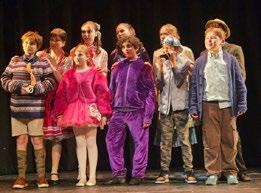
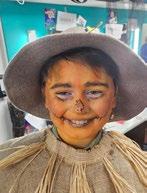
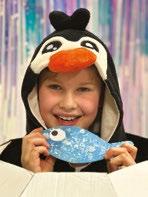
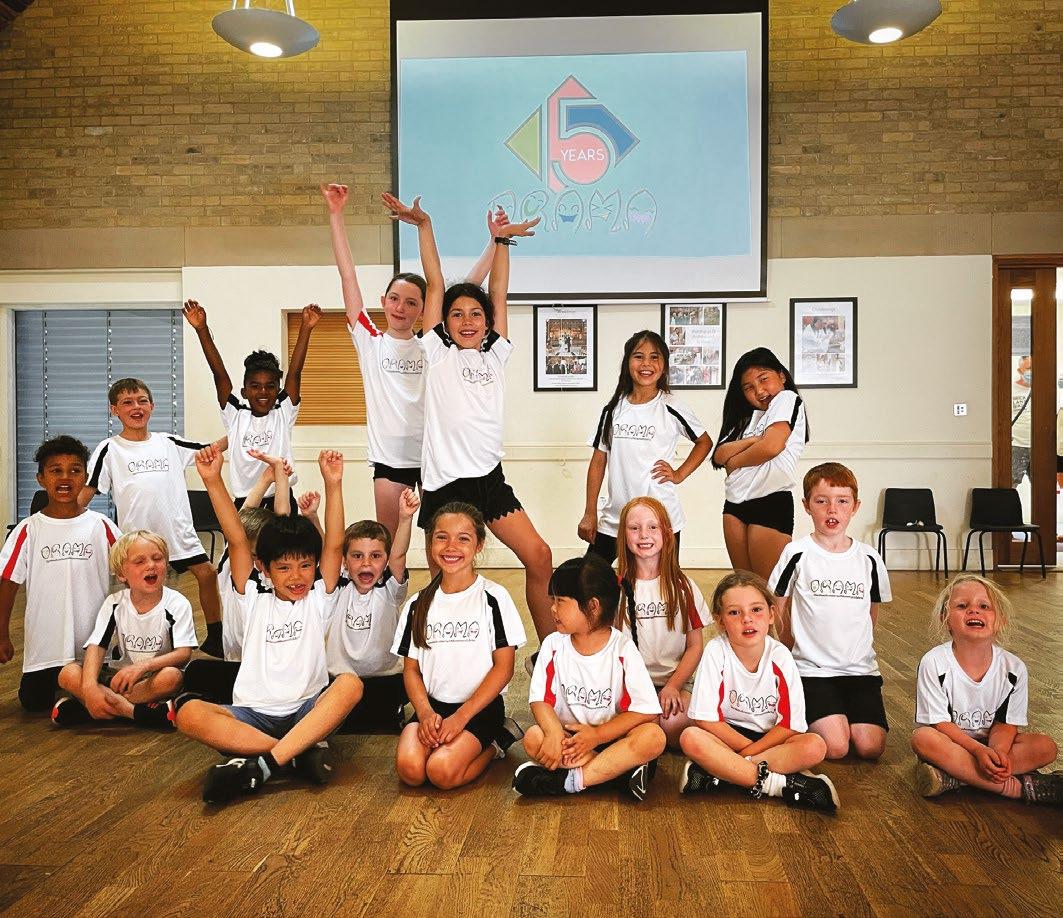
Step on Stage Academy is an award-winning, independent performing arts school based in Twickenham, Hampton Hill and Sunbury.
Founded in 2005, the school offers professional training in acting, dancing, singing, piano and musical theatre for children (3-18), as well as youth theatre, holiday workshops, show choir, performances and LAMDA, ABRSM, Trinity exams (100% pass rate). Step on Stage develops annual lesson plans and performance opportunities that cater specifically for its mix of students.
More at www.steponstageacademy.co.uk
Weekly singing, dancing, music and acting classes for 3 to 18 years
Events and performances for all ages, youth theatre & Show Choir
Holiday workshops and Masterclasses with industry professionals LAMDA, ABRSM and Trinity exams with a 100% pass rate for 25 years
Past pupils working in TV, West End, Film & International tours
Current pupils in National Youth Choir & Royal Opera House Youth Company
@steponstageuk @steponstage
How performing arts boosts oracy skills
Oracy – the ability to express oneself clearly and confidently – is essential for learning, communication and building relationships. Not only do music, movement, drama, poetry, storytelling and teamwork help young learners build confidence, they also increase fluency and, in our experience, result in a remarkable development in communication skills.
Developing oracy skills
Music and movement help children develop rhythm, projection and confidence. Singing explores pitch, tone and pace, while dance links movement with speech. These activities make speaking and performing enjoyable and memorable.
Drama and role-play let children step into different perspectives, practising tone, body language and improvisation. They build empathy, critical thinking and confidence in speaking to others.
Poetry strengthens fluency and expression. Reciting and performing poems improves memory, articulation and the ability to convey emotion. It encourages playful and imaginative use of language.
Expressing themselves becomes easier through creative activities, as it offers children a safe space to be themselves. Through discussion, reflection and performance, they gain confidence and ownership of their ideas.
Storytelling helps learners structure ideas and engage with classmates as their audience. Sharing stories develops clarity, structure, listening and collaboration skills. It also builds confidence in expressing complex ideas.
Teamwork and group activities improve listening, turn-taking and communication. Children learn to respond thoughtfully and speak effectively in a group.
Bringing oracy into family life
Special equipment or plentiful spare time aren’t required to nurture oracy skills. Turn everyday moments into performingarts moments:
Daily routines. Instructions can become rhymes or a call-andresponse, keeping communication lively and helping younger children practise clarity and rhythm.
Storytelling at dinner. Each person adds a line to a made-up story, building confidence and creativity.
Mini performances. Performing a poem, a short dance or a roleplay boosts self-belief and encourages children to speak out. Music on the go. Singing in the car or while walking to school supports projection, breath control and emotional expression.
Oracy isn’t just about speaking – it’s about feeling heard. And the performing arts gives children exactly that: a voice that feels strong, expressive and truly their own.
With thanks to Artis Foundation for this article. Artis is a creative-learning charity working with primary schools across the UK, with their mission to nurture creativity in every child. More information at www.artisfoundation.org.uk
Highly regarded, family-run swim school for 25 years
Reception to GCSE age
Highest standard of teaching from fully qualified teachers
Rapid progression
Would you like to earn extra money?
Capital Focus Groups are looking for people who enjoy giving their opinions. Are you willing to share views on the products and services you use for many of the country's largest companies and well-known products?
Online and face to face sessions are available.
It's FREE to take part, it's fun and you will be financially rewarded as a thank you for taking part! Register now to earn extra money.
Call Liz on 07761 128059 or email e.dahlgren@btinternet.com
Would you like to advertise your clubs or class in our next issue?
BOOK TODAY
Call Amanda on 07835 848066 or email: amanda.biggs@familiespublishing.co.uk
Enjoy a day of immersive outdoor adventures from the Field Studies Council with bushcraft, fire lighting, campfire cookery, nature exploration and crafts. Led by expert tutors, perfect for curious kids. Ages 5-11. www.field-studies-council.org
Camp England
30 Mar-10 Apr
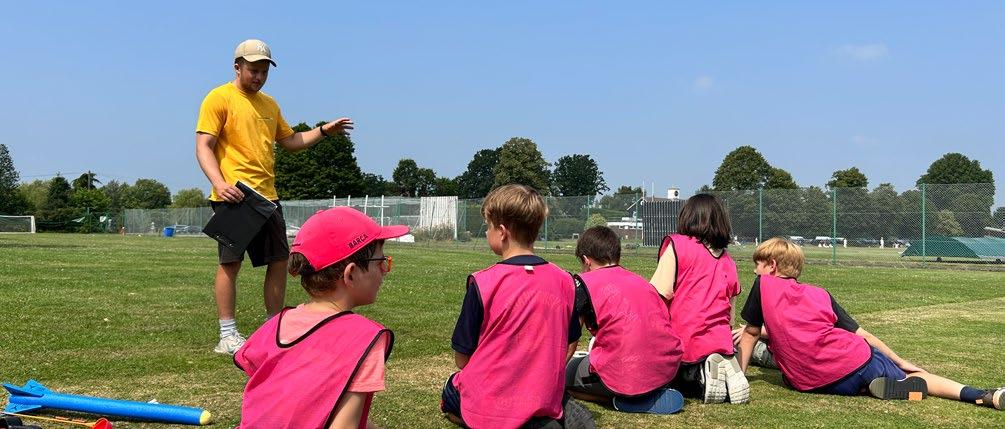
Various styles of camp including multi-sports, gymnastics, dance and drama and tennis for ages 5+. Run Mon-Fri 8.30am-5.00pm in Chertsey, East Molesey, Richmond, Twickenham and Kingston. Also Early Years Camp and Total Teen Camp available. Visit www.englandsports group.com for details of activities in your area and booking.
Ultimate Activity Camps
30 Mar-10 Apr
Ultimate fun for ages 4-14 running Mon-Fri 8.00am6.00pm in Surbiton, Kew and Kingston. Children can enjoy a range of over forty sports, games and craft activities each week, led by inspiring staff in superb facilities. Take the stress out of childcare and join these outstanding school holiday camps! Staff, facilities and activities meet rigorous Ofsted standards. Book by day or week at www.ultimateactivity.co.uk
Muddy Boots Camps
30 Mar-10 Apr
Cobham
Active camps for ages 3 to 8 in Cobham. The only camp which
keeps siblings and friends together and offers an exciting blend of learning, adventure and fun. Find out more and book at www.muddybootscamps. co.uk
Perform 8-10 Apr (Twickenham)
30 Mar-1 Apr (Richmond)
Children will bring The Jungle Book to life, meeting Baloo, Bagheera and Shere Khan in five hour fun-packed drama, dance and singing classes over three to five days. Ages 4-10 www.perform.org.uk/holidaycourses
Step on Stage Performing Arts
15-17 Apr
Hampton Hill
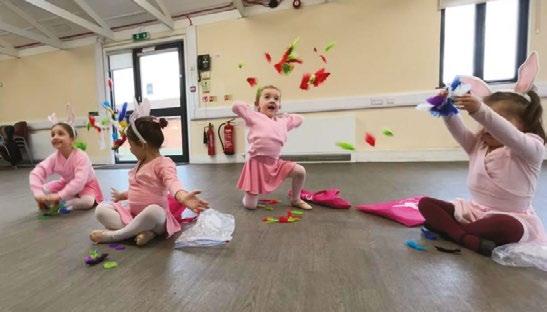
Learn singing, dancing, and acting from West End stars in fun, creative workshop on the theme of Wind in the Willows. Master musical numbers and scenes in an inspiring environment. Choose one session or all three days. Ages 3-7. Find out more and book at www.steponstageacademy. co.uk
Springboard Swimmers
Holiday Course
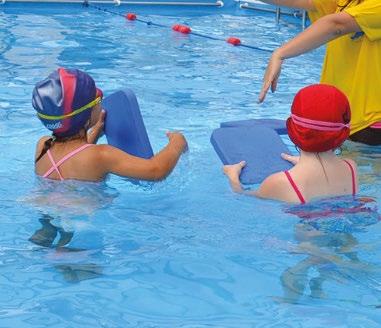
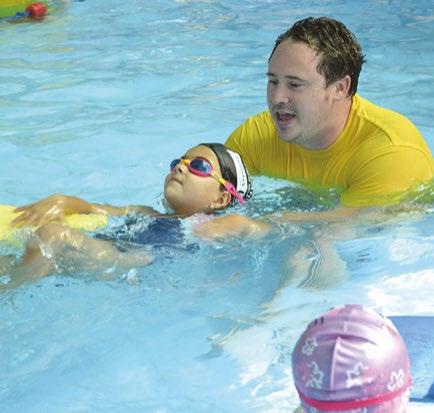
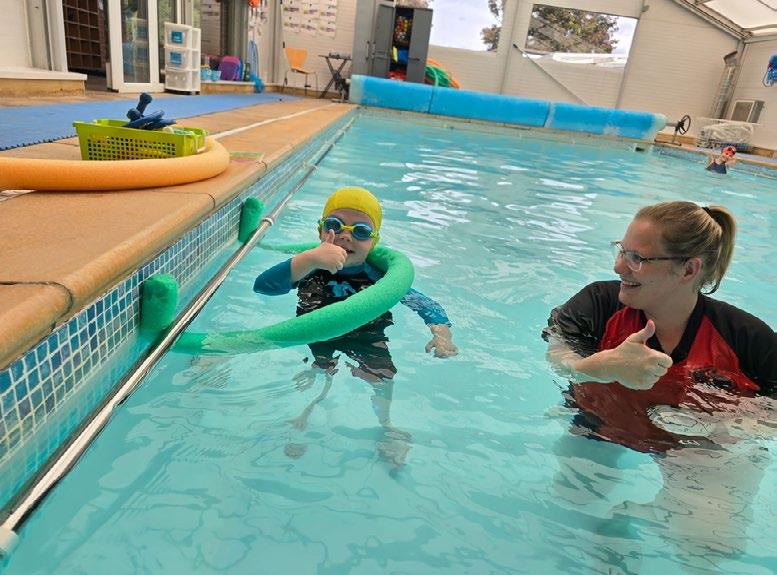
Check website for dates Ham, Hampton, Twickenham 1:1 and group lessons available (max 1:3). Runs 9.00am to 11.30am daily in Ham for children ages 3+ who are either non-swimmers or swimming with doggy paddle. Warm pool with teachers in the water. Find out more and book at www.springboardswimmers. co.uk
Try Camp England’s MultiSports Camps in Surrey
Looking for an active and exciting way to keep the children entertained this Easter? Camp England’s popular MultiSports Camps return across Chertsey, East Molesey, Kingston, Richmond and Twickenham, welcoming children aged 5+.
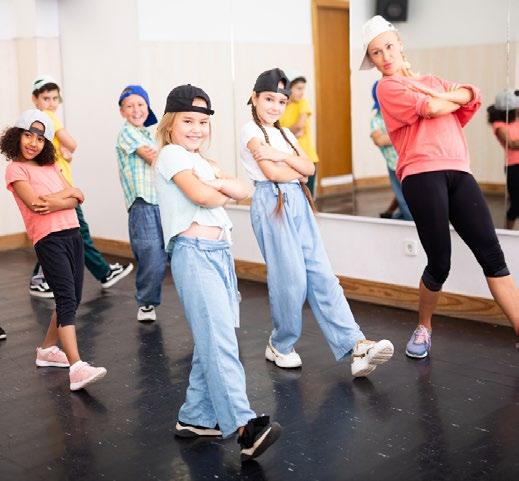
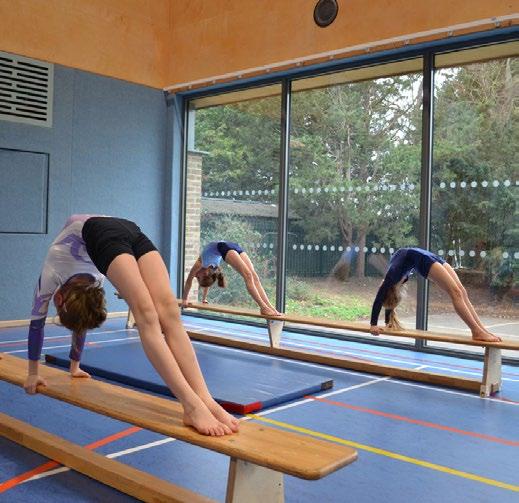
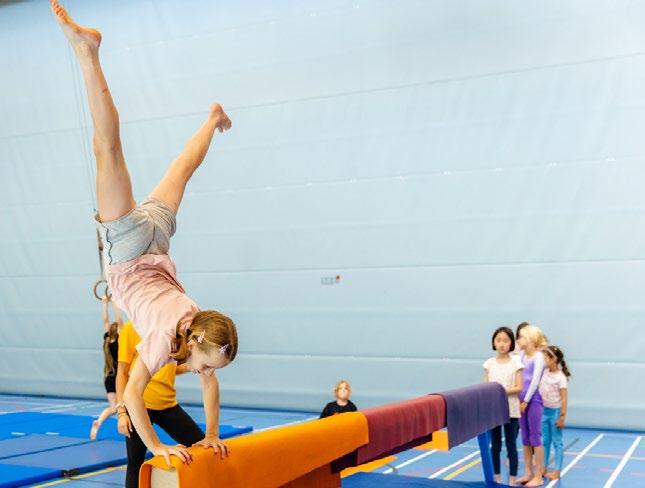
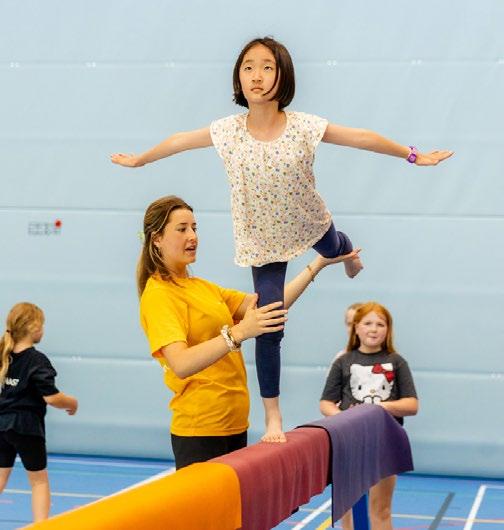
These energetic camps run 30 March to 10 April are a brilliant opportunity for youngsters to try a wide variety of sports and activities, make new friends and enjoy a rewarding day outdoors. For those with a specific passion, Camp England also offers specialist Tennis, Gymnastics and Dance & Drama camps.
Tennis Camps help children develop technically, tactically and physically in a fun, supportive environment. Gymnastics Camps encourage fitness, creativity and confidence, catering for both beginners and experienced gymnasts. Budding performers will love the Dance & Drama Camps, featuring themes inspired by favourites such as Matilda and Wicked. Camps run from 10am–4pm, with complimentary extended hours from 8.30am–5pm (8am drop off - additional costs).
Visit www.englandsportsgroup.com, where you’ll find more info and details of camps for under 5s and teenagers.
Top local kids’ classes
Supersharks in Surbiton, New Malden and Cobham
Supersharks is an established familyrun, small group swim school offering lessons across Surrey. It teaches thirty minute weekly, term time lessons, for beginners to club swimmers ages 3.5-16 yrs.
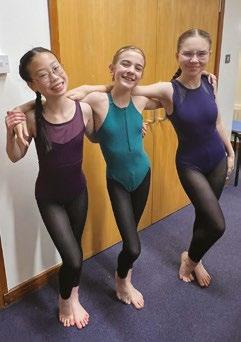
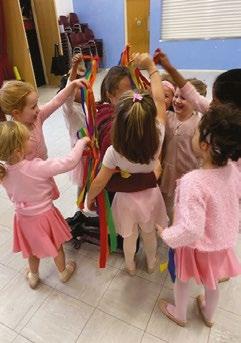
Magical dance classes for ages 18 months to 6 years. Learning through play with props, instruments and teddies, little ones learn ballet basics in a fun and joyful way and build confidence and co-ordination.
Contact: Laura 07587 013274 walton@babyballet.co.uk www.babyballet.co.uk/babyballet-school/ walton-on-thames-staines
Dance Education Centre in Weybridge
Nurture a lifelong love of dance through joyful, imaginative and confidencebuilding classes, tap, modern, ballet, conditioning and acrobatics from primary age to vocation grades, plus adult tap. Enjoy learning, musicality and self-expression in a welcoming, supportive environment.
Contact: Amanda admin@danceeducationcentre.co.uk
www.danceeducationcentre.co.uk
Ballet Buds & Ballet Blossoms in Kingston
Ballet Buds (18mths-3yrs) and Baby Blossoms (3-4yrs) classes from Danceforce School of Dancing allow little ones to grow from budding beginners to blossoming dancers. Classes combine creative storytelling, musical exploration and gentle ageappropriate ballet technique in a warm, supportive and joyful environment.
Contact: Carol office@danceforceschoolofdancing.com
www.danceforceschoolofdancing.com
Step on Stage Academy in Hampton Hill, Twickenham & Sunbury
Leading, award-winning independent performing arts school for 25+ years. Classes in singing, dancing, acting, musical theatre, piano for children 3-18. Show choir, youth theatre, LAMDA/ ABRSM/Trinity exam opportunities. Contact: Emma 07973 100196 steponstage@yahoo.co.uk
www.steponstageacademy.co.uk
Jump Drama Stories in Kingston
Immersive storytelling at Wacky Kingdom, Kingston. Go on a storytelling adventure with Jump Drama Stories and jump into a story through drama, movement, music and sensory play. Classes every Thursday. Babies: 11am11.30am and Toddlers: 10am-10.40am. Book at Happity (URL below)
Contact: Jo jumpdramastories@gmail.com
www.happity.co.uk
Don’t forget to say you saw them in Families Upon Thames magazine
Ray Stevens Martial Arts in New Malden
Learn Judo, Brazilian Jiu Jitsu, Kickboxing and more at Ray Stevens Martial Arts Academy. All ages and levels welcome. Classes help build confidence, focus and strength, through fun engaging martial arts training. FIRST CLASS FREE.
Help your baby develop a love for the water while learning essential skills with Little Dippers’ renowned water safety programme. Classes take place in a fun and nurturing environment held in lovely, private warm water pools in Chertsey and Oxshott.
Operating from venues in Ham, Hampton and Twickenham, Springboard Swimmers is a not-for-profit swim school which offers technique focused lessons at reasonable prices, without compromising on quality. Established for over twenty years, Springboard offers small group lessons from ages 3 to adult. Contact: Heather 020 8239 0081 admin@springboardswimmers.com www.springboardswimmers.co.uk
Calmer bedtimes for toddlers and preschoolers
By Helen Davies
Bedtime during the toddler and pre-school years can feel like a completely different world compared to the days of getting your baby sleep. Even children who previously settled well can suddenly need ‘one more story,’ ‘one more cuddle’ or ‘one more drink’ the very moment the lights go out. Although it can feel frustrating or confusing for parents, rest assured most of these behaviours are rooted in normal development.
Between 18 months and age 5, children go through huge leaps in language and imagination development, independence, emotional awareness and physical ability. With all this progress comes new bedtime challenges. Many toddlers discover the power of ‘no’ while pre-schoolers become highly conversational and imaginative. Separation anxiety often reappears and a child who was once content to settle independently may suddenly now need a parent close by.
Much of this behaviour comes down to emotional regulation. Young children are still learning how to manage big feelings and bedtime is the moment the day slows down enough for everything to catch up with them. They may ask for extra cuddles not because they are being ‘difficult’ but because connection helps them switch off and feel safe enough to fall asleep. Sleep pressure also changes as children grow, meaning naps may need adjusting or bedtime may need shifting slightly later.
Parents can support calmer evenings by creating a consistent wind-down routine that meets both the child’s need for connection and their own need for boundaries. Predictability
Why little ones resist bedtime
Many parents assume bedtime battles are behavioural but they are usually developmental. Around 18 months of age, children gain a new sense of autonomy and begin asserting independence. Their use of the words ‘no,’ ‘my turn’ and ‘I do it’ are about exploring control in the safest place they know.
At the same time, emotional regulation is still developing. Young children cannot simply switch off after a busy day. They rely heavily on connection with parents to feel secure enough to settle. Asking for another cuddle or story is often their way of topping up closeness rather than manipulating the situation.
Pre-schoolers add another layer: imagination. This is the age of shadows, monsters and busy little minds. As their world expands, so can their worries and bedtime becomes a moment when those thoughts surface.
Understanding these developmental drivers helps parents respond calmly. With firm but gentle boundaries, a steady routine and a few minutes of meaningful one-to-one connection before bed, children feel more secure and settle more easily.
helps children feel safe, while gentle limits prevent bedtime from stretching indefinitely. Responding calmly, keeping routines simple and using language that’s clear and warm can make a noticeable difference.
It is also helpful to understand that bedtime delays, protests and multiple ‘get ups’ are often a sign of a child seeking reassurance or testing where the limits are. Neither is a sign of poor parenting. With a steady routine, plenty of connection and realistic expectations, most families find the bedtime wobbles pass.
The toddler and pre-school years are busy, emotional and full of growth. When parents understand the ‘why’ behind bedtime behaviour, evenings become easier to navigate and far less stressful. With calm consistency and the right support, bedtime can become a peaceful part of the day again.
Helen Davies runs Essential Parenting (www.essentialparenting.co.uk), a trusted, private health visiting service providing expert support with sleep, behaviour and early childhood development. At Knowle Green the warm and welcoming environment ensures that your child’s individual needs are prioritised, and their interests nurtured.
Make naturally dyed Easter Eggs
Use plants to make beautiful earthy colours in this simple Easter project. It uses the hob, hot liquids and vinegar so do make sure an adult can help and supervise the kids - and make sure they understand the eggs are to decorate and not to eat!
You will need:
Per dye colour:
• 3 cups (750ml) water
• 2 tsp vinegar
• Pinch of salt
Natural dye ingredients (choose one):
Blue: 2 cups (500ml) chopped red cabbage
Red: 2 cups (500ml) red onion skins
Yellow: ¼ cup ground turmeric
Green: dye in blue first, then dye again in yellow
Plus:
• Eggs (hard-boiled or hollowed out)
• Saucepan
• Sieve/strainer
• Heatproof bowl or jug (for the dye)
• Glasses or small jars (one per egg)
• Spoon or tongs
• Paper towel
Optional: a little vegetable oil (for shine), apron/old clothes (turmeric stains!)
Step 1:
Prepare your eggs: hard-boil your eggs (about 10 minutes), then leave them to cool completely. For long-lasting decorations, use hollow eggs instead of hard boiled.
Step 2:
Make your dye: put your chosen dye ingredient into a saucepan. Add 3 cups (750 ml) water. Bring to the boil, then simmer for 10 minutes. Turn o the heat. Stir in 2 tsp vinegar and a pinch of salt (this helps the colour stick). Leave the dye to cool, then strain it into a bowl or jug.
Step 3:
Dye the eggs (for red, blue or yellow eggs): pour in enough dye to fully cover the egg. Leave to soak for at least 2 hours or overnight for deeper colour. Lift the egg out carefully and pat dry with paper towel. If you rinse, rinse very gently, too much water can wash o the colour. Leave the eggs to dry completely.
andCutout Keep
QUICK COLOUR GUIDE
Red onion skins → deep rust / burgundy
Red cabbage → soft blue-grey tones Turmeric → sunny yellow / golden orange
Blue + yellow → mossy green
Step 4:
Make green eggs (two-dye method): dye your egg in the blue (red cabbage) dye overnight. Let it dry, then dye it again in the yellow (turmeric) dye for about 2 hours. Pat dry and leave to dry fully.
DID YOU KNOW?
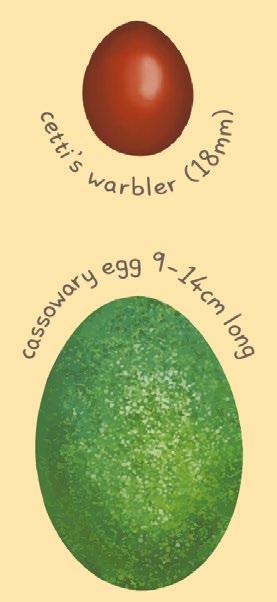
Most bird eggs start white because the shell is made mainly from calcium carbonate. As the egg is formed inside the mother bird, special pigments are added to the outside of the shell, creating the colours and patterns we see.
Step 5:
Add a beautiful shine (optional): once your egg is totally dry, rub on a tiny drop of vegetable oil with your fingertips or a soft cloth.
With thanks to the makers of Curiosity Club (7-12yrs) & Curiosity Crew (4-6yrs) for this project. The Curiosity Club & Crew is a monthly subscription pack, filled with beautifully illustrated story-led science, hands-on investigations and creative prompts, which build knowledge, nurture creativity and grow confidence through real-world learning.
More information at www.arcanaliving.com/curiosityclub and www.arcanaliving.com/curiositycrew
What is stimming in children?
By Usha Patel
As autism develops more awareness and acceptance in mainstream society, more different behaviours are observed and noted. Examples such as rocking, spinning, flapping hands, repetitive phrases and vocal sounds. These repetitive movements are all categorised as stimming.
Generally, stimming is not just performed by those with autism. We can all have bouts of stimming in certain situations, even those who consider themselves to have neurotypical brains.
What is stimming?
Most commonly, stimming is described as self-regulatory behaviour.
Dr Temple Grandin, who was born with autism, talks openly about stimming. She says in a YouTube clip: ‘As a child, I would spend hours dribbling sand through my hands to calm myself down because loud sounds hurt my ears. I was stimming to shut out the outside world.’ She goes on to say: ‘But the problem is, if a young child with autism is allowed to stim all the time, the brain becomes shut off from the world.
‘What you need to do is get the child into a quieter environment and help them take in information. ‘I was allowed an hour after lunch, where I could stim and veg out but I was not allowed to do that type of stuff at the dining room table. It’s okay to stim in private but if you let them (children with autism) stim for eight hours a day, they will not develop.’
Most definitions of stimming say it is a behaviour that regulates a child with autism and Dr Grandin is not refuting this claim at
Which therapies help with stimming?
To assess your child’s needs, seek an expert in Reflex Integration Therapy for a professional evaluation. This will provide a clear picture of any neurological and developmental challenges your child may be facing. Various sensory factors can also impact the nervous system, affecting further developmental issues. Both immature reflexes and sensory needs result in behaviours including stimming, which are coping mechanisms in an effort to bring order to a disordered nervous system. The order being sought is never achieved but the child will keep trying.
Over time, if these developmental concerns aren’t addressed, stimming can become deeply ingrained – a pattern hard to break. The nature of the most suited therapies will have gentle rhythmic movements as part of the intervention. The idea is to create a sense of regulation, building the correct motor pattern that can be used to move to the next developmental level independently. Allowing the child who stims the opportunity to unlearn rigid behaviour and incorrect motor patterns helps remove the need to stim in the first place.
all. She is just saying it needs to be limited. She did not talk until she was almost four years old and it was through her mother’s determination to find ways to help her that she gained the skills of other neurotypical children.
In the 1950s, Carl H. Delacato, EdD, director of the Autistic Unit at the Centre for Neurological Rehabilitation, suggested that the stimming behaviour exhibited by autistic children was a clue to what their neurological system was deficient in. Dr Delacato was the first doctor to see stimming behaviours as a way to treat a child.
As a therapist deeply interested in functional neurology, my goal is to understand what is happening in a child’s brain and how to neutralise the surrounding environment to help, especially in situations where stimming appears to be self-harmful, such as banging one’s head on a hard wall.
Usha Patel is a Neurocognitive Therapist at Raviv Practice London. For advice on any of these issues, visit www.ravivpracticelondon.co.uk
Becoming knowledgeable about autism
I often tell parents to try to understand the multiple factors that shape their child’s needs. Such as: the gut can influence the brain, just as environmental factors including bright lights and loud sounds, can have an impact. However, every child is unique so there’s no one-size-fits-all approach when it comes to autism.
I recommend reading up on the Polyvagal Theory, which explains how humans can feel safe and regulated within their own bodies. There’s also a wealth of valuable literature on topics like the gut, reflexes and the nervous system, written by qualified professionals. Before seeing a so-called specialist, make sure to ask them for references. The more knowledge you have, the easier it will be to find the right help that truly aligns with your child’s needs.
Dr Temple Grandin advises providing a child with ‘as many different experiences as possible. These experiences offer opportunities for learning, just as they would with any other child.’ I would suggest reading all her books on autism; she is a first-hand expert.
What’s on
All listings are correct at the time of publication. Please check with the venue before you visit in case anything has changed.
bricks provided, 1-3pm. www.museumofrichmond.com
Every Mon-Sat
Get Crafty at Museum of Richmond
FREE arts and crafts from 1pm each weekday and Saturday the museum is open. www.museumofrichmond.com
Every Wed
Baby Brunch Club at The Walton Village
Relaxed parents and nippers club with free hot drink, kids’ movie on cinema screen, bean bags, colouring activities, 11am-1pm. www.thewaltonvillage.com
Every Thu Story & Rhyme Time at The Alligator’s Mouth, Richmond
Staff read at least two picture books, often followed by a poem or song at 11am, ages 0-4. www.thealligatorsmouth.co.uk
Every Sun Junior Parkrun
FREE 2k event for ages 4-14 at Bushy Park, Laleham, Hanworth, Osterley, Surbiton & Twickenham. www.parkrun.org.uk
Every Sun (from 15 Mar)
Steam Train Rides at Hampton Kempton Waterworks Railway Train rides every half hour and picnic area open (not every Sat). Booking required. www.hamptonkemptonrailway. org.uk
MARCH
Fri 6 Mar, Fri 20 Mar, Fri 17 Apr, Fri 1 May
Museum Monkeys at Chertsey Museum
Join Charlie the Chimp for singing, stories and crafts for under 5s. www.chertseymuseum.org
Sat 7 Mar & Sat 4 Apr
Kids Saturday Sewing Circle at Chertsey Museum
Learn a new stitch each month and take home your handsewn creations. Ages 7-12. www.chertseymuseum.org
Lego Club at Museum of Richmond
FREE monthly mash-up of colour, creativity and connection with
Sun 8 Mar & Sun 12 Apr
Let’s Get Creative at Orleans House Gallery
Creative sessions for families with children ages 4-11 years, FREE drop-in. www.orleanshousegallery.org
Mon 9 Mar
Bring Your Baby Pub Quiz at The Turk’s Head, St Margarets Fun, brain-stimulating daytime socials for parents of babies and young children. www.bringyourbaby.org
Fri 13 Mar
Time Travel Tots: Messy Play at National Archives Kew
A supervised messy play session for children ages 2-5. www.nationalarchives.gov.uk
Fri 13 Mar & Fri 27 Mar
Play:Make:Art at Orleans House Gallery Drop-in session for creative activities with an artist, for children ages 2-5.
www.orleanshousegallery.org
Sat 14 Mar
Let’s Get Creative at Orleans House Gallery
Creative sessions for families with children ages 4-11 years, FREE drop-in. www.orleanshousegallery.org
Tue 17 Mar, Tue 31 Mar, Tue 14 Apr, Tue 29 Apr
Curious Tots at Orleans House Gallery
Sensory musical session uses puppets, instruments and creative activities www.orleanshousegallery.org
Thu 19 Mar
Toddler Concert at St Mary’s Barnes
A colourful musical adventure where toddlers discover sounds from across the globe. www.barnesmusicfestival.com
Thu 19 Mar & Fri 27 Apr
Sensory Storytelling at the National Archives Kew
Dani the Storyteller will use music, play and toys for a fantastic adventure for ages under 0-2 & 2-5s. www.nationalarchives.gov.uk
Sat-Sun 21-22 Mar & Sat-Sun 18-19 Apr
Steaming Weekend at Kempton Steam Museum
Watch the unique and enormous ancient steam engines in action. www.kemptonsteam.org
Sat 21 Mar
Mum2mum Nearly New Sale in Chessington
Buy quality second hand baby and children’s stuff at pop up market at St Catherine of Siena Church Hall. 12.00-2.00pm. www.mum2mummarket.co.uk
Sat 21 Mar & Sat 18 Apr
Family and Children’s Tour at The Musical Museum, Brentford
An interactive tour designed especially for children, enjoy a sing along with The Mighty Wurlitzer. www.musicalmuseum.co.uk
Sun 22 Mar
Mum2mum Nearly New Sale in Ashford
Buy quality second hand baby and children’s stuff at pop up market at Ashford Community Association. 12.00-2.00pm. www.mum2mummarket.co.uk
Wed 25 Mar
Musical Storytelling at the National Archives Kew Paul will use music, songs and movement to take you and your child on an exciting adventure into an archive document, ages 2-5. www.nationalarchives.gov.uk
Wed 25 Mar & Wed 22 Apr
Bring Your Baby Pub Quiz at The Anglers Teddington Fun, brain-stimulating daytime socials for parents of babies and young children. www.bringyourbaby.org
Fri 27 Mar & Fri 17 Apr
Bach to Baby Festive Concert at Twickenham
Easter holiday themed programme of classical music for the whole family to enjoy at St Mary’s Church. www.bachtobaby.com
Sat 21 Mar-Sun 12 Apr
Easter Adventures at Claremont
Landscape Garden
Step right up for Claremont's great Victorian Circus Easter trail. Find the strongman, tightrope walker, fortune teller and other circus acts in the Garden and help Bunny the Showman open the show. Prices are £3.50 per trail which includes trail sheet, bunny ears and chocolate egg. Normal admission applies.
www.bit.ly/NTClaremont
Easter Adventures at Winkworth Arboretum
It’s time to get competitive as the ducks and bunnies battle it out on an Easter trail for all the family. Pick a side and challenge friends and family to activities around the Arboretum. Prices are £3.50 per trail which includes trail sheet, bunny ears and chocolate egg. Normal admission charges apply. www.bit.ly/NTWinkworth
The Lindt Gold Bunny Hunt at Hampton Court Palace Embark on a captivating adventure finding the elusive Lindt Gold Bunny statues and receive a treat. www.hrp.org.uk/hampton-courtpalace
Sat 21 Mar-Tue 14 Apr
Easter Adventures at Polesden Lacey
Join Grizwald the Griffin for Easter fun in the grounds at Polesden Lacey. Follow the family trail, join in the activities and receive a gift at the end. No booking required, Trail costs £3.50 per person. Normal property admission charges apply. www.bit.ly/NTPolesden
Sun 22 Mar
Mini Day at Brooklands Museum Popular family event day. www.brooklandsmuseum.com
Wed 25 Mar-Sun 12 Apr
Easter Egg Hunt at Box Hill
Follow the Easter trail through the wooded play trail at Box Hill with lots of activities and games along the way. FREE entry, trail £3.50 (includes a chocolate or vegan and free from Rainforest Alliance Easter egg), www.nationaltrust.org.uk/box-hill
Sat 28 Mar
The Enchanted Cinema at the National Archives Kew Embark on a cinematic adventure and help bring classic animated films to life as part of a family orchestra. Ages 4-12. www.nationalarchives.gov.uk
Sat 28-Sun 29 Mar
Steam Up at London Museum of Water and Steam
Discover the history behind water and steam in London and marvel at the amazing working pump engines. www.waterandsteam.org.uk
Sat 28 Mar-Mon 6 Apr
Easter Egg Hunt at Ham House
Make your way along our trail inspired by the British Civil Wars and enjoy activities for the whole family. £3.50 per trail which
The Lindt Gold Bunny Hunt at Hampton Court Palace
includes an Easter trail sheet, bunny ears and dairy or vegan and Free From chocolate egg. Normal admission charges apply.
https://bit.ly/NTHam
Sat 28 Mar-Sun 12 Apr
Easter Egg Hunt at Hatchlands Park
One of the largest country estates in Surrey, Hatchlands Park is a glorious place to scamper along woodland paths about on an Easter adventure. Enjoy challenges and games for all the family including egg-racing and welly-wanging, trail £3.50 per trail (includes a chocolate or vegan and free from Rainforest Alliance Easter egg). Normal admission charges apply. www.nationaltrust.org.uk/ hatchlands-park
Easter Egg Hunt at Hindhead Commons & Devil’s Punch Bowl
Enjoy an adventure in nature at Hindhead Commons with activities and challenges for all the family to enjoy on the Easter trail. Don’t forget to look out for the Exmoor ponies along the way. FREE entry, trail £3.50 (includes a chocolate or vegan and free from Rainforest Alliance Easter egg).
www.bit.ly/NTHindhead
Easter Adventure at Osterley Park & House
Make your way along the trail and find activities for the whole family. £3.50 per trail with chocolate or vegan free from Easter egg. Normal admission charges apply. www.bit.ly/NTOsterley
Easter Detectives at RHS Wisley
Become an Easter Detective. Find the clues, solve the crime and rescue the Easter bunny to get a small chocolate reward (£3). www.rhs.org.uk
Octonauts Above & Beyond at Kew Gardens
This interactive trail invites young explorers to complete fun challenges, ages 3-6. www.kew.org
Easter Holidays at London Museum of Water and Steam Take part in an Easter egg hunt, crafts, Splash Zone water play and more. www.waterandsteam.org.uk
Easter Holidays at London Wetland Centre, Barnes Enjoy wetland activities based on the Macmillan children’s book Gozzle including pond dipping and Gozzle Vet Check. Children do a health check on a goose and learn through imaginative, interactive play. www.wwt.org.uk/wetlandcentres/london
Future London at London Transport Museum Covent Garden
Imagine London one hundred years from now with hands-on crafts, art stations and creative activities for the whole family. Build futuristic vehicles and design tomorrow’s skyline. Drop-in fun for all. Ages 3+. www.ltmuseum.co.uk
100th Anniversary of the Grand Prix at Brooklands Museum
Build your own racers, search for racing flags in a new Scavenger Hunt, find the racing themed eggs in an Easter trail, plus car rides, a Concorde family tour or vintage bus ride. www.brooklandsmuseum.com
Sun 29 Mar
Sensory Friendly Sunday at Kempton Steam Museum
A special opening designed for visitors who prefer a quieter, more relaxed experience at the museum. www.kemptonsteam.org
Mon 30 Mar
Kids Nature Photography at Claremont Landscape Garden
Children will learn how their camera works and which camera settings to use in different situations. Ages 7-11. www.bit.ly/NTClaremont
Tue 31 Mar-Fri 3 Apr
Easter Egg Decorations Workshop at Museum of Richmond
Let your creativity bloom as you design and decorate your very own decoupage eggs to take home www.museumofrichmond.com
Get ready for an egg-stra special trail at Morden Hall Park spotting signs of spring and new life emerging around the park. Perfect for little chicks and grown up bunnies alike, this egg citing adventure is a whisk taking way to enjoy the great outdoors. Prices are £3.50 per trail which includes trail sheet, bunny ears and (dairy or NOMO) chocolate egg. FREE entry to park.
www.bit.ly/NTMorden
Thu 2 Apr
Family Soap Making Workshop at West Horsley Place
Create beautiful, handmade soaps together and make lasting memories.
www.westhorsleyplace.org
Thu 2 Apr & Thu 9 Apr
Craft Cart at Osterley Park & House
Activities include colouring, cutting and sticking to produce a variety of art and craft creations all of which are FREE.
www.bit.ly/NTOsterley
Fri 3 Apr-Mon 6 Apr
Easter Egg Hunt at Dapdune Wharf
Join in energetic adventure activities for creative, active and nature loving young visitors. £3.50 per trail sheet and prize. Includes an Easter trail sheet, a take-home activity card, bunny ears and dairy or vegan and Free From chocolate egg. FREE entry to wharf. www.bit.ly/NTDapdune
Sat 4 Apr
One World Animals at Thames Ditton
Meet, hold and learn about many precious and beautiful creatures in an interactive seventy five minute encounter. Booking required. www.oneworldanimals.com
Easter Classic Gathering at Brooklands Museum
Expect fun for all the family, with hundreds of classic vehicles, supercars, live music, food stalls and a BBQ. www.brooklandsmuseum.com
Sun 5 Apr
Miniature Railway at Staines Park
Take a ride on the miniature trains running in Staines Park from 1-5pm. www.stainessocietyofmodel engineers.co.uk
Sun 5-Mon 6 Apr
Thames Ditton Miniature Steam Railway Open Day
Take a ride on one of the miniature railways. www.malden-dsme.org
Mon 6 Apr
Irvin’s Funfair at Hampton Court Palace Green Annual funfair with loads of rides and entertainment. www.irvinleisure.co.uk
Tue 7-Fri 10 Apr
Brilliant Butterflies Workshop at Museum of Richmond
Learn about these amazing insects, then get creative and make your very own flying butterfly toy to take home. www.museumofrichmond.com
Fri 10 Apr & Fri 24 Apr
Play:Make:Art at Orleans House Gallery
Drop-in session for creative activities with an artist, for children 2-5. www.orleanshousegallery.org
Sat 11 Apr
Model Railway at Dapdune Wharf
Have a go at operating a model railway and learn how they are built and operated. FREE entry. www.bit.ly/NTDapdune
Tue 14 Apr
Bach to Baby Festive Concert at Surbiton Easter holiday themed programme
of classical music for the whole family to enjoy at St Mark’s Church. www.bachtobaby.com
Fri 17 Apr
Storytime with Little Supernovas at Richmond Theatre
Theatrical adventure storytelling sessions for ages 18mths-5 years. www.atgtickets.com
Sat 18 Apr
Quacky Races at Morden Hall Park
Join in one of the Park’s most popular traditions and help raise valuable funds for its care. Your £2.50 entry sponsors a numbered plastic duck in the race down the River Wandle. Pick your duck, cheer it on and see if it crosses the finish line first.
www.bit.ly/NTMorden
Sat 18-Sun 19 Apr
Regency Revels Living History Festival at West Horsley Place
Step back into the elegance of the Regency era with immersive dance workshops, authentic period food, hands-on activities and more. www.westhorsleyplace.org
Sun 19 Apr
London Bus Museum Spring Gathering at Brooklands Museum
The South East’s biggest bus show with children’s activities, stall and workshop tours. www.brooklandsmuseum.com
Sat 25 Apr
Mustangs Supercharged at Brooklands Museum
Popular family event day at the Museum. www.brooklandsmuseum.com
Spring at Brooklands Museum
Celebrate the 100th anniversary of Britain’s first Grand Prix at Brooklands Museum in Weybridge this year! From 28 March to 12 April, enjoy centenary celebration family fun, building your own racers in Mini Mechanics family workshops and search for the racing flags around the museum in a new Scavenger Hunt.
Find the racing themed eggs in an Easter trail, enjoy car rides, take a Concorde family tour or hop on a vintage bus for a ride around the local area.
Plus don’t miss popular family event days including Mini Day (Sunday 22 March), Easter Classic Gathering (Saturday 4 April), London Bus Museum Spring Gathering (Sunday 19 April), Mustangs Supercharged (Saturday 25 April), Italian Day (Saturday 2 May) and Chryslers at Brooklands Day (Sunday 24 May).
And later in the spring, Paddington™ will be a special guest at The Best of British on Bank Holiday Monday 25 May. Kids entry from £10.15* (ages 4-17 when booked in advance online). Under 4’s go FREE.
The full length version of Disney’s Frozen The West End Musical performed by Cast Youth Theatre.
Legally Blonde 20-22 Mar
The iconic West End and Broadway smash hit musical comedy performed by a youth cast.
DORKING HALLS
www.dorkinghalls.co.uk
Tom Gates Epic Stage Show 30 Mar
With catchy tunes and hilarious performances, this new stage show brings the best of Tom Gates into one live show. Ages 5+
The Dinosaur that Pooped 2 Apr
The whole family will have a poopy good time enjoying a brand, new story for the stage. Ages 3-9.
Rude Science 5 Apr
High-tech, highly-explosive new show, packed with outrageous science stunts. Ages 8+.
THE ELECTRIC THEATRE, GUILDFORD www.electric.theatre
TeachRex Live 31 Mar
Uses life-like dinosaurs to teach children about one the most mesmerising creatures that have ever roamed our planet.
THE EXCHANGE, TWICKENHAM www.exchangetwickenham.co.uk
The Zoo that Comes to You 1 Apr
A joyous journey featuring puppetry, live music and playful characters. Ages 5+.
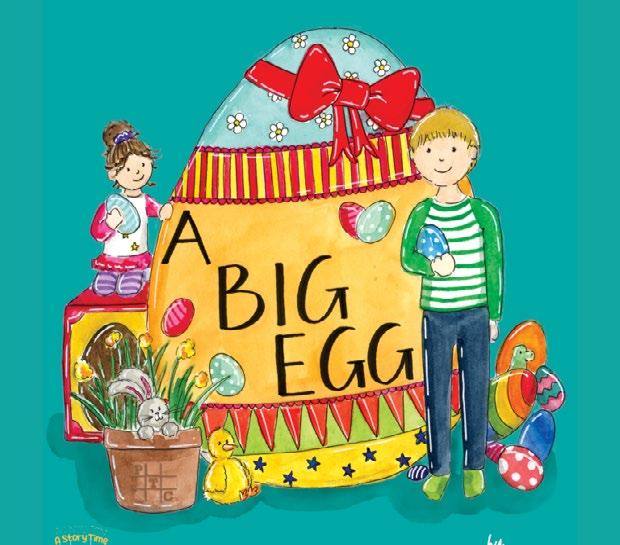
A Big Egg 10 Apr
A playful, vibrant musical adventure packed with puppetry, singalong songs, and award-winning animation. Ages 2-8.
THE LYRIC HAMMERSMITH www.lyric.co.uk
Last Unicorn Airways 7 Mar
Join two playful baggage handlers
as they unpack a globe-trotting adventure. Ages 5-10.
Exciting Science 14 Mar
With fun and fact filled experiments this show is packed with whizzes, bangs, pops and splurts. Ages 4+.
Hickory Dickory Dock 21 Mar
A slapstick glove puppet adventure with that wonderful song you’ve all been waiting for. Ages 3-8.
The Tale of he Loneliest Whale 28 Mar
An exciting deep-sea adventure with beautiful puppets, funny sea creatures, original songs and audience interaction. Ages 4+.
NEW WIMBLEDON THEATRE www.atgtickets.com/newwimbledon-theatre
The Princess and the Pea 1-2 Apr
A gorgeous production combining clear storytelling, fantastic dancing, costumes and music to delight children and families. Ages 2-14.
The 25th Annual Putnam County Spelling Bee 9-11 Apr
A funny, heartfelt musical capturing the chaos, charm and awkwardness of youth at a spelling competition.
The Karate Kid The Musical 28 Apr-9 May
Heartfelt coming-of-age story reimagined with music, inventive choreography and energetic, unforgettable storytelling.
OSO ARTS CENTRE, BARNES Mr Sleepybum’s Dream Machine 24-25 Apr
An award-winning interactive show with sketches and slapstick, ensuring fun for families with kids. Ages 3–8.
POLKA THEATRE, WIMBLEDON www.polkatheatre.com
Kish Kush 13-15 Mar
A gentle show which celebrates the joy of connecting and embracing cultural differences. Ages 3-8.
Cinderella Ice Cream Seller 18-29 Mar
An exciting fairytale musical with storytelling, live music and theatrical magic to delight and enchant all ages. Ages 5-10.
Midnight in the Toyshop arrives in London
This April, Midnight in the Toyshop arrives in the West End for a limited run of magical family fun. As midnight strikes, the toyshop bursts into life and an unforgettable adventure unfolds.
Packed with catchy songs, dazzling dances and heartwarming storytelling, Midnight in the Toyshop is a delightful musical the whole family will adore.
Running during the Easter holidays from 7 to 12 April at St. Martin's Theatre, WC2H 9NZ. Duration: 1 hour. Suitable for ages 3+.
Book at toyshop.show
We’re Going on a Bear Hunt 25 Mar-12 Apr
Little Angel Theatre brings Michael Rosen’s funny adventure to life with puppetry, music and Barb Jungr’s lyrics. Ages 3-7.
The Shivers 1-12 Apr
With live video, explosive dance, and bold characters, The Shivers is an adventure about trusting instincts. Ages 7-11.
Laaaunch! 22-26 Apr
Offers babies a comfy, interactive set with music, comedy, and nonverbal performance to explore freely. Ages 0-12 mths.
A Tale of Us 29 Apr-3 May
A relaxed, beautiful space blends drama and sensory play, celebrating the joys and challenges of new parenthood. Ages 0-18 mths.
RIVERHOUSE BARN ARTS CENTRE, WALTON ON THAMES www.riverhousebarn.co.uk
Suddenly 8 Mar
Traditional tales get a twist with storytelling, PSHE, history, adventure and interactive fun - no princesses required. Ages 6+.
Flyaway Katie 5 Apr
An inspiring, colourful show about imagination’s power, featuring lively puppetry, music and delightful surprises. Ages 2-7.
The Bag that went BOO! 3 May Join a magical journey with a little red bag, featuring mime, clowning, puppetry and whimsical adventures by Garlic Theatre. Ages 3+.
GIVEAWAY
THE HAMMOND THEATRE, HAMPTON www.thehammondtheatre.co.uk
Snow White, Rose Red, Brown Bear 25 Apr
Join Snow White and Rose Red in a magical puppet-filled forest adventure with music, storytelling, and whimsical characters. Ages 4+.
THE ROSE THEATRE, KINGSTON www.rosetheatre.org
The Enormous Crocodile 1-12 Apr
A mischievous musical with catchy tunes, witty lyrics, lively puppets and playful, colourful design. For all ages.
Inventive, interactive and above all, creative play for your little onesenjoy. Ages 0-4.
Dinosaur Adventure Live: Danger on T-Rex Mountain 29 Mar
An interactive stage show immerses all ages in the thrilling, realistic world of dinosaurscaptivating and unforgettable fun. For all ages.
K-Pop Party 9 Apr
Sing, dance and celebrate K-pop with electrifying performances, iconic choreography and non-stop hits for all ages.
The Littlest Yak 10-12 Apr
A musical adaptation with puppets, catchy tunes and an uplifting selfacceptance story for all the family.
Easter fun at the National Trust
It’s time to enjoy Easter egg trails at a National Trust property near you!
Trails run at Winkworth Arboretum and Claremont Landscape Garden from 21 March to 12 April. At Winkworth, Easter adventures get competitive as the ducks and the bunnies battle it out. Pick a side and challenge friends and family to fun activities. Meanwhile, discover the great Victorian Circus Easter Trail at Claremont. Find the strongman, tightrope walker, fortune teller and other circus acts in the Garden and help Bunny the Showman open the show.
Over at Hatchlands Park, the trail runs from 28 March to 12 April and the Easter egg hunt includes family challenges and games like egg-racing and welly-wanging.
Head to Polesden Lacey between 21 March and 14 April to join Grizwald the Griffin for Easter fun in the grounds. Follow the family trail, join in activities and receive a gift at the end.
Hunt for Easter eggs at Box Hill from 25 March to 12 April on a trail that runs through the wooded play trail with lots of activities and games along the way. Between 3 and 6 April you can also take part in the grand old tradition of egg rolling down the big hill. Bring your own fabulously decorated hard-boiled egg to roll down the hill. Best decorated egg wins a prize.
Also between 3 and 6 April at Dapdune Wharf, join an art eggshibition, take a little eggsercise and eggsperiment with sowing a seed on an energetic Easter adventure trail for creative, active and nature-loving young visitors.
Elsewhere, at Hindhead Commons and the Devil’s Punchbowl, it’s time to look out for the Exmoor ponies as you enjoy an Easter trail adventure in nature with activities and challenges, running from 28 March to 12 April.
Spot signs of spring on the egg-stra special trail at Morden Hall Park between 1 and 6 April. It’s perfect for little chicks and grown up bunnies alike, this egg citing adventure is a whisk taking way to enjoy the great outdoors. And don’t mess the Quacky Races on 18 April. It’s one of the Park’s most popular traditions and helps raise valuable funds for its care. Your £2.50 entry sponsors a numbered plastic duck in the race down the River Wandle. Pick your duck, cheer it on and see if it crosses the finish line first!
All National Trust Easter trails are £3.50 per trail plus normal property admission (Hindhead Commons, Box Hill and Dapdune Wharf have free admission). Easter trails include a trail sheet, bunny ears and a chocolate or vegan and free from Rainforest Alliance Easter egg. No booking required.