Nestled in between Sunningdale, Chobham and Windlesham GU24
8TE
Thames Valley East
7 Ask the Parents: St George’s Windsor Castle
8 Supporting digital literacy at home
9 Why AI in education is about the learner, not the technology
11 Top tips for learning times tables PARENTING
12 Why words matter when we talk to children about food
13 Evidence based resources for raising confident kids CAMPS, CLUBS & CLASSES
14 Getting kids swimming
15 Holiday day camp essentials
16-17 Summer camps, clubs and activities
18-19 WHAT’S ON
Families Thames Valley East is a franchise of Families Print Ltd of 75 Lisbon Avenue, Twickenham, TW2 5HL. Families is a registered trademark of Families Print Ltd. All franchised magazines in the group are independently owned and operated under licence. The contents of Families Thames Valley East are fully protected by copyright and none of the editorial or photographic matter may be reproduced in any form without prior consent of Families Thames Valley East. Every care is taken in the preparation of this magazine but the franchise owner and Families Print Ltd cannot be held responsible for the claims of advertisers, nor for the accuracy of the contents, or any consequence thereof.
From the editors...
We hope you are all enjoying Spring and now we are here to help you start planning your summer. Make sure you check out our What’s On suggestions on pages 18 and 19 to see what local events are on.
Also if you need to get your May half-term or Summer childcare sorted, we have a few ideas in our camps listings on pages 16 and 17. Plus, on pages 13 and 14, we look at getting kids swimming and evidence-based resources for raising confident kids.
We hope you find these and our other articles useful. Here at Families we strive to bring you the best articles that make a difference to your parenting journey. We hope final school term is good for all our readers and then we can all enjoy a bit of sunshine!
Until the summer issue,
Editors: Anna Collins and Rachel Bailey 07753 414605 (Anna) 07867 514138 (Rach) editor@familiestveast.co.uk www.familiesonline.co.uk
Rosie's Rainbow Fund launches a joyful new conga song and dance to raise awareness of music therapy for seriously ill children.
The Thames Valley charity, dedicated to supporting hospitalised children and their families, has set its sights on making Rosie’s Rainbow Conga. Fund founder Carolyn Mayling has been busy working on bringing the song to life. It has been composed by Dean Amer with lyrics by Dean Amer and Carolyn Mayling. Fifteen young singers have been successfully auditioned at Redroofs School for the Performing Arts in Maidenhead with music producer and musical director Colin Zammitt.
The single will be available on Spotify and YouTube to accompany the launch of Carolyn’s new children’s storybook, Rosie’s Rainbow Conga, to be published in June. The song will be performed together with a reading of the book for the first time on stage at the Wycombe Swan Rosie’s Rainbow Gala on June 14. www.rosiesrainbowfund.co.uk
Singing, dancing and acting classes for 4 - 18 year-olds
stagecoach.co.uk/ascot 07368 482058
HENLEY AND MARLOW
stagecoach.co.uk/henleyandmarlow 07539 753718
WINDSOR AND LANGLEY stagecoach.co.uk/windsor 01932 988086
NORTH stagecoach.co.uk/bracknellnorth 07368 849169
WYCOMBE stagecoach.co.uk/highwycombe 07539 753718
Growing with Leighton Park
Pupils from Leighton Park are growing their creativity and sustainability skills at Kew Gardens on their Year 8 art trip. The group was inspired by the Marianne North Gallery’s exotic paintings and by the vibrant mandalas of the Singh Twins before exploring the iconic Palm House and the Treetop Walkway.
While immersed in nature, students created circular poems inspired by the sounds and sights around them, took part in a fun origami challenge, crafting paper parrots before heading to The Hive, an immersive outdoor installation highlighting the essential role of bees in sustaining biodiversity.
As previous winners of the ISA Award for Pupil Personal Development, Leighton Park offers an extensive programme of trips across all years ensuring opportunities for holistic education. Next Open Morning is 1 May. www.leightonpark.com
Upcoming Open Days
Please call the school to check the Open Day or Evening is still going ahead.
Children of the World Montessori, Dedworth, Windsor: Sat 16 May 01753 833771 www.cotwmontessori.co.uk
Coworth Flexlands Prep School and Nursery Chobham: Fri 8 May 01276 855707 www.coworthflexlands.co.uk
Eton End Datchet: Open Afternoon & EYFS Social: Sat 6 June 01753 541075 www.etonend.org
Heathfield School Ascot: Meet the Head Fri 1 & Tue 12 May; Tue 2 & Fri 19 June 01344 898342 www.heathfieldschool.net
Leighton Park School Reading: Fri 1 May 0118 987 9608 www.leightonpark.com/visit-leighton-park
St George’s School Windsor Castle: Fri 15 May 01753 865553 www.stgwindsor.org/joinus
St Piran’s School Maidenhead: Fri 8 May 01628 594300 www.stpirans.co.uk
Upton House School Windsor: Tues 9 Jun 01753 862610 www.uptonhouse.org.uk
Perform weekly drama, dance and singing classes
Confidence-building drama classes for ages 4-7s and 7-12s in Ascot, Maidenhead, Marlow, Virginia Water and Windsor. A unique mix of fun drama games, dance and singing designed to boost confidence, communication, concentration and co-ordination.
To book a FREE class visit www.perform.org.uk/try
Upton House School celebrates NACE challenge award third accreditation
Upton House School, Windsor, has been accredited for the third time with the prestigious NACE Challenge Award by The National Association for Able Children in Education (NACE). A whole-school project, the Challenge Award is given for high-quality work in challenging all children, particularly more able learners, to achieve their best.
The assessment report stated: 'Upton House is a highly aspirational and successful school… It seeks new opportunities to enable an increasing number of more able pupils to follow their passions and interests.'
To achieve reaccreditation, a school must demonstrate that it continues to develop outstanding teaching and learning, a high level of challenge for all, a culture of high expectations and aspirations, and the understanding that ability can be revealed across a range of specific domains and not only in traditional academic subjects.
To find out how your child can thrive at Upton House or to book a personal tour, call 01753 862610 or visit www.uptonhouse.org.uk
Extra curricular and a diverse range of activities open to all at Monkey Puzzle
The nursery is proud to offer a diverse weekly schedule featuring Hartbeeps’ sensory storytelling, interactive French lessons and high-energy Shakers kids’ sessions, alongside uSports coaching, cooking club and a hands-on woodworking workshop.
By including these premium activities within the nursery’s standard rates, the nursery provides an equal opportunity for every child to discover new passions, develop vital motor skills and build confidence alongside their peers.
Prerna Shah, owner of Monkey Puzzle Maidenhead commented: “At our nursery, we believe that every child deserves a world-class early years experience without the 'add-on' price tag, which is why our extensive extra-curricular program is fully integrated into our curriculum and completely inclusive of fees.” www.monkeypuzzlemaidenhead.co.uk
Making learning magical
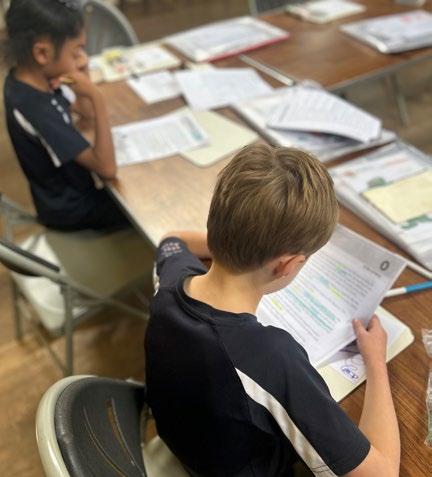
Struggling to get your child to engage with 11+ practice? Magical Minds Tuition brings enjoyment and makes learning magical by motivating, challenging and inspiring their pupils.
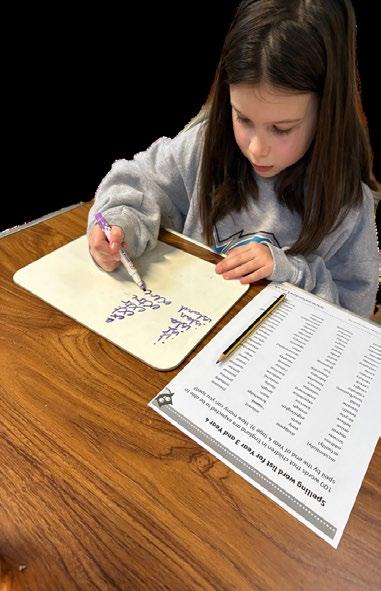
From sensory spelling practice and their book of ‘Magic Tricks’ for revising key concepts to their ‘Magical Mindfulness’ and welcoming Book Club, they have plenty of tricks up their sleeves to not only challenge pupils with our comprehensive 11+ courses but also to re-ignite their love of learning. Their warm, nurturing and confidence-building classes are always led by a qualified teacher who truly appreciates the wondrous, creative and magical minds of their pupils. www.magicalmindstuition.com
Arguably best known for her Littlest Yak series, picture book author Lu Fraser finally gave into her writing dream years after first realising it and her very successful and heartwarming stories, are the proof that this was exactly what she was supposed to do. This issue, Lu talks to Rachel Bailey about writing for young children, fostering a love of reading and taking advice from a yak.
@lu.fraser www.lufraser.com
Your debut book, The Littlest Yak, has had enormous success. What is it about Gertie that resonates with readers?
remainder of the story in whatever order feels right (but never from start to finish!) and, finally, I sew the whole thing together. After edits and page layouts, the book goes to my brilliant illustration partner, Sarah Warburton, to start the gigantic task of creating the art.
What led you from a career in licensing to becoming a prolific children’s author? Did you always know you wanted to be a writer?
local bookshops, speak to other parents and, of course, there’s a wealth of brilliant reading recommendations online (for all ages and genres), so do check out organisations such as Read for Good, Book Trust, Books for Topics and The National Literacy Trust.
When you’re not writing (or reading), what’s your favourite family pastime?
ADVERTISEMENT PROOF
Always! But, I didn’t really think being an author was a career option. When it became clear that I wasn’t going to be a ballerina or Indiana Jones, I ended up in Brand Licensing, but I never stopped writing my own stories. One day my husband pointed out that the wardrobe had enough manuscripts in it ‘to lag a loft’ so would I please do something about it! A couple of months later I had an agent, and I was on my way!
Please find below a proof of your advertisement for the Jan/Feb 2020 issue (No. 106) of Families T VE.
How does being a writer build resilience?
Please CHECK ALL INFORMATION IS CORRECT especially dates, telephone numbers and addresses
I think we can all see a little bit of ourselves in Gertie, no matter what age we are! Our youngest readers recognize their own hopes and dreams in Gertie’s adventures, grownups remember what it’s like to see the world through a child’s eyes and parents often tell me they really connect with Mummy Yak’s heartfelt thinkings. (Plus, illustrator Kate Hindley has done a wonderful job of creating a character who is so wonderfully woolly, you just want to hug her!).
Any changes need to be made at this stage Any further amendments will be charged for
Much to my constant surprise, I’m now the mum of a grown-up, so carving out quality time to spend with my daughter is my absolute favorite pastime! We’re a family of dog lovers, too (we have a Great Dane and a Beagle) so taking them out-and-about in the countryside where we live is something we all enjoy. I’ve always loved to cook, as well, so getting everyone together around the table is one of my greatest pleasures in life…and I love a good family movie night, too!
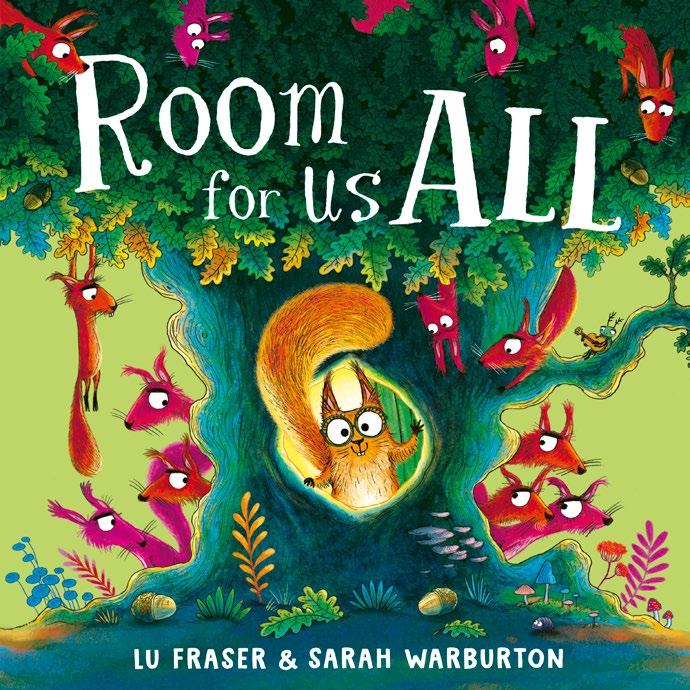
Room for Us ALL is available from 7 May priced £7.99.
Thames Valley East
WIN
a copy with Families!
07867 514138 / 07753 414605
Your stories often carry an important, underlying message and your new book, Room for Us ALL, is no different, as it reminds us that ‘everything's better when no one's left out’. What is your writing process? Do you start with the big theme, or do you weave that into your story once you have an idea of the plot and the characters?
The path to being published is unbelievably tough for most writers. If you’re fortunate enough to get to the point of signing a publishing contract you’ve probably already spent years being told ‘No!’ and weathering rejections from both agents and publishers. And, if you write for children, your audience is not afraid to tell you if they like your book…or not! Resilience needs to be in a writer’s DNA!
Please contact us by return either to amend or approve your advertisement
With all the distractions modern life offers, it can be hard to foster a love of reading in children. As an ambassador for Read for Good, can you recommend any resources that might help parents/ children choose the right books for them?
People Media, 29 Furrow Way, Maidenhead SL6 3 NY
For your chance to win a copy, all you have to do is answer the question below and email your answer to: editor@familiestveast.co.uk
What is the name of Lu’s new book?
For me, it’s always the message first. Next comes the creation of the hero, followed by a rough plot and then I write the key emotional moments. I approach the
Get yourself into your local library (librarians are full of wonderful advice!), chat to teachers, make friends with your
We are an Ofsted rated ‘Outstanding ’ nursery providing high quality day care for children from three months to five years. Set within bright, modern Windsor Leisure Centre, our setting includes a large toddler room, pre-school room, a new snuggly baby room, and spacious outdoor garden.
Closing date for entries is 30 June
Open 51 weeks a year – Accepts 30 hours funding – Highly trained team
Come and look around today: Call: 01753 855543 or email: info@theriversidedaynursery.co.uk www.theriversidedaynursery.co.uk
Year 4 11+ Preparation Class – Build strong foundations
Year 5 11+ Preparation Class – Master exam techniques
Led by a qualified teacher
Fun, nurturing and engaging classes
Regular assessments and feedback Mindfulness
Exclusive monthly book club
Personalised bag for each child
Mock Exam Days
Creative Writing Workshops
ABBOTSBROOK HALL , BOURNE END, BUCKINGHAMSHIRE
QUALIFIED
What the parents say….
This issue, Families spoke to parents of children at St George’s School Windsor Castle to discover what makes the school stand out. The parents we spoke to have children currently in school years 4, 5 and 7.
It is important for children (and parents) to feel supported and happy in a school environment and when asked to describe the school in three words, all parents picked nurturing first. The other chosen adjectives all demonstrate how highly thought of the school is, with parents opting for inspiring, creative, individual, supportive, genuinely happy and all-rounded. One parent posed the question to her children who responded with friendly, fun and fantastic!
When asked what formed the basis for their choice of school, all parents highlighted the importance of supportive teachers, for children to be nurtured in a safe environment and exposed to a wide range of opportunities. One parent said she wanted teachers who were willing to ‘get to know my child and adapt their teaching approach accordingly’ What mattered to her was the balance; knowing when to challenge and when to take a gentler approach. This goes beyond recognising that different children need different support, but also that one child might have different needs in different subjects. Another parent found the primary years programme approach attractive, as she believes it encourages children to explore their own interests, alongside a broad curriculum.
Engaging teachers, great friends, the ability to inspire and the variety of activities on offer, all seem to be instrumental in ensuring children are happy at the school. To hear a mum report that her year 7 child, who has been at the school since Reception, hates to miss a day of school, speaks volumes about how happy she is at St George’s. The International Baccalaureate programme is also thought to be beneficial as it allows children to learn in a way that has meaning for them.
St George’s encourages strong and varied friendships, is ‘excellent at finding that thing a child excels at’, celebrates
achievements both in and out of school and the school ‘creates an environment where trying new things and stepping outside your comfort zone is encouraged as part of everyday learning’. All of these things, as well as the opportunity to board, and the care that all parents reported their children receive from the teaching (and other) staff, help children to grow in confidence and know that they are valued as individuals.
Also applauded are the facilities the school has to offer and the advantages that come with being a town school. Use of the King’s grounds means sports days and fixtures are set against the backdrop of Windsor Castle, swimming galas are held at Eton, weekly assemblies are held in St George’s Chapel, art is exhibited in the Dean’s Cloister and pupils have the use of the town centre tennis courts and an off-site hockey pitch. The school years at St George’s are reportedly ‘a unique and enriching experience’.
Parents report a wide range of extra-curricular clubs and activities on offer at the school, so there really is something that caters for every interest and ability. Perhaps most wellknown is the exceptional music provision, however, according to one parent, there ‘is an excellent mix of sporting, creative and classroom-based clubs’.
A fundamental role of a prep school is to prepare children for the move to the right senior school for them. St George’s start gradually encouraging independence from year 3 when they begin working with specialist teachers in certain subjects and even moving between lessons, as will be the norm in secondary school. In addition, children are encouraged to take on leadership roles and parents believe they are well prepared academically to take senior school entrance exams. For those who choose to board, they are also well prepared for taking that next step towards independence. One St George’s parent stated, ‘I’ve watched my children grow from nervous toddlers to independent and confident young people, willing to take on whatever challenges are offered up!’
Praise for St George’s school is high. It reportedly ‘prepares children to be confident, well-rounded, and ready for the real world. Education is both broad and thorough. The unique setting enriches the children’s experience in a meaningful way and creates a truly special environment for learning. As a family we feel privileged to be part of such an exceptional school’ says one parent. With another exclaiming ‘I would absolutely recommend the school. In fact, friends’ children and a niece have already joined based on our recommendation. My daughter has been at STG since Reception and plans to stay through to Year 8, which speaks for itself’.
St George’s School Windsor Castle is a co-educational nursery and prep school for children ages 3-13 years.
For more information or to join their next Open Day on Friday 15 May, visit www.stgwindsor.org
Supporting digital literacy at home
By Erin Miller
In an era where banning children from smartphones is becoming increasingly normalised, the idea of actively promoting digital literacy at home can seem counterintuitive. However, digital literacy is about far more than simply knowing how to operate a device. It goes beyond technical skills to encompass the ability to engage with digital technologies safely, critically and thoughtfully. This includes knowing how to find and evaluate information online, communicate effectively in digital spaces, protect personal data and privacy and recognise risks such as misinformation, manipulation and harmful content.
Just as parents and schools teach children how to stay safe in the physical world, they must also teach them how to think critically about what they see in order to stay safe in the digital world.
Getting your child to think critically. To help children begin evaluating online information critically, teach them how to:
Check the source. Show your child how to find who created the content and whether it comes from a trusted organisation, a qualified expert or an unknown account. Teach them to look for an About page and to be wary of anonymous profiles.
Tell fact from opinion. Help them look for evidence such as facts, data or reliable links. Explain the difference between evidence and personal belief.
Recognise emotional manipulation. Teach them to notice when content triggers strong emotions like fear, anger or excitement and encourage them to pause before reacting or sharing.
Set clear boundaries and model healthy habits
Clear boundaries help children feel secure and develop self-control. Agree on rules around screen time, appropriate apps, online behaviour and where devices can be used in the home. Involving children in these discussions makes expectations more likely to be respected. Boundaries should be consistent, age-appropriate and reviewed regularly. Smartphones are designed to be addictive, so children benefit from seeing healthy behaviour in action. Use app time limits and screen-free times, particularly during meals or before bed, explaining why these boundaries matter. Show your child that you take regular breaks from your own phone. Children are far more likely to adopt balanced habits when they see them modelled consistently.
Try to model purposeful and creative uses of technology, not just passive scrolling. Let your child see you using devices for learning, problem-solving, communication or creativity, such as researching topics or planning projects. This helps them understand that technology is not just a source of entertainment.
Question headlines. Show them that headlines are often exaggerated and that they should read beyond the title.
Check the date. Teach them how to spot outdated content that is reshared as if it were new.
Cross-check information. Encourage them to look for the same story on other reputable sites and to be cautious if only one unfamiliar source is reporting it.
Have open conversations at home
It is unrealistic to pretend technology will not play a major role in your child’s world. Talk about it: ask your children what they enjoy online and what they find challenging. By building trust it’s more likely they will seek support if something goes wrong.
It is also important to discuss how algorithms work. Help children understand that their devices are tracking their behaviour and using that information to shape what they see.
Erin Miller is a teacher with a keen interest in how research can be used in the classroom to improve learning.
Teaching children to protect their privacy
Here are some practical tips.
Names. Show your child how to choose usernames that do not include their real name, birthday, school or location. Personal details in photos. Teach them to check images for clues like school logos, street signs, house numbers, car number plates or landmarks before posting photos. Turn off location sharing. Show them where location settings are on their device and in apps and teach them to keep location services off unless there is a reason to use them. Limit who can contact them. Teach them how to set accounts to private, restrict messaging to friends only and avoid accepting requests or messages from people they don’t know. Use passwords properly. Teach them how to create strong passwords, avoid reusing the same password across apps and understand why passwords should never be shared. Check app permissions. Teach them to review what an app needs to work, eg camera, microphone, contacts, photos –and tell them to turn off anything the app doesn’t require.
Why AI in education is about the learner, not the technology
By Stephanie Holt & Alexander Harris
In all the buzz about AI in education, it feels like there’s a race to acquire the flashiest edtech with some schools proudly announcing their use of AI platforms, chatbot tutors or algorithmic grading tools. Yet as we enter a seismic shift in how students engage with knowledge, the truth is that AI in education is less about the technology and all about how students learn to use it.
The focus must shift from learning to use AI, to using AI for learning.
At its best, AI should function like a compass, not a crutch. When students use generative AI responsibly to draft essays, analyse historical trends or solve mathematical problems, they’re not outsourcing thinking. They’re enhancing it.
The key lies in guided, purposeful use. Research reveals that students given structured support significantly out-perform peers who use AI unguided or uncritically (Holt & Harris, 2024). When incorporated into a structured learning journey, AI prompts deeper enquiry rather than being a shortcut.
The Traffic Light System: teaching ethical and effective use
The Traffic Light System categorises AI use into three bands, providing clarity for students and teachers alike in the difference between collaboration and collusion:
Green. Enhances learning without replacing it eg brainstorming prompts, language practice, data analysis.
Amber. Risks displacing the learning process and needs monitoring eg using AI to paraphrase or summarise without reflection.
Red. Replaces learning or violates academic integrity eg full AIgenerated assignments.
AI is a method of teaching, not a product
We need to frame AI as a way of teaching students to explore possibility. Learning objectives drive AI use, not the other way around. The most meaningful AI integration happens when:
• Teachers ask not just ‘what did you write?’ but ‘how did AI shape your thinking?’
• Students are encouraged to interrogate AI outputs, question accuracy and add their own insights, developing digital and critical literacy simultaneously.
Assessment isn’t just about measuring what students know. It’s about helping them learn through the process of enquiry, revision and reflection - with AI as a thinking partner, not a ghostwriter.
Stephanie Holt is Director of Teaching and Learning, DSB International School, India and Alexander Harris is Deputy Head Academic, Sanford International School, Ethiopia. They are co-authors of AI for Learning: 101 Assessments K-12 Unlocking Mastery of AI (Belgravia Press, 2024).
in sport, swimming, languages, music and drama, alongside woodland learning and weekly visits to
and engaging
Top tips for learning times tables – and why it’s still important
By Zuzu Jordan
In an age of AI, calculators and voice assistants, it is easy to question whether children still need to memorise times tables. After all, technology can provide an instant answer. However, fluency in multiplication remains one of the most important foundations in mathematics. When children know their times tables automatically, they free up brainpower for reasoning, problem-solving and tackling more complex concepts such as fractions, division and algebra.
In England, children begin exploring multiplication in Key Stage 1 through grouping, sharing and repeated addition. By Year 2, they learn the two, five and ten times tables. In Year 3 and Year 4, they extend this knowledge to all tables up to twelve x twelve, with the national Multiplication Tables Check taken at the end of Year 4. Schools now combine conceptual understanding with recall practice, using arrays (visual models organising objects into equal rows and columns to represent multiplication equations), practical resources and pattern spotting, alongside short, regular retrieval exercises.
Even with AI, instant recall matters. A child who quickly knows that 6 × 8 = 48 can focus on solving a multi-step problem instead of getting stuck at the first calculation. Technology should enhance learning, not replace core knowledge.
One of the most effective ways to support learning is to match practice to your child’s preferred way of learning.
For those who prefer to listen and learn, rhythm and repetition are powerful. Multiplication songs, chants and short rhymes can make facts stick. Creating a simple poem for tricky tables or setting facts to a familiar tune can transform learning into something memorable. Voice assistants such as Alexa or similar devices can also be used to fire quick questions for a fun, quizstyle challenge.
For those who like to learn by doing, try times tables snap cards, scavenger hunts where children shoot a Nerf dart at the correct answer or stick multiplication questions on the stairs so they solve one on each step. Jumping to the correct answer written in chalk outside or building arrays with Lego can also reinforce understanding through action.
For those who are drawn to colour and layout, use coloured multiplication charts, highlight patterns and encourage children
to notice number relationships. For example, all multiples of five end in zero or five and the digits in the nine times table follow a clear pattern. Seeing these connections reduces the need to memorise each fact separately.
AI can also be a creative ally. Parents can use AI tools to generate personalised resources that reflect a child’s interests. For a football fan, create times tables cards featuring their favourite team colours or badge alongside multiplication facts. For a child who loves animals or space, design themed quizzes or printable posters. Personal relevance increases engagement.
Whatever the method, short and frequent practice is key. Five focused minutes each day is more effective than a long weekly session. Isolate tricky tables for a few days before mixing them back in.
Encourage children to explain how they know an answer, not just say it.
Most importantly, keep it positive. Confidence builds fluency. Times tables are not about racing against a machine; they are about equipping children with mental tools that will support them throughout their education. In a world shaped by AI, foundational knowledge is what enables children to use technology thoughtfully and independently.
Zuzu is a Mastery for Maths Specialist who has taught primary for eighteen years and is Director of Arnett International. For FREE resources and tips, find her on Instagram @edumate_uk
833 771
and play from 17 months to 5 years old within a friendly and nurturing environment
• 2½ - 5 year old classes
• 17 months – 2½ year old toddler class
St Mark’s Hall, Dedworth Road, Windsor SL4 4JS
Why words matter when we talk to children about food
By Alicia Eaton
Most parents spend a lot of time thinking about what their children eat and far less time thinking about how they talk about it. Yet the words we use around food often shape a child’s relationship with eating far more powerfully than the food itself.
Children don’t just learn about food from what’s on their plate. They absorb the surrounding emotional tone, meaning and messages long before they understand nutrition. Over time, those messages quietly influence how they feel about food and how they listen to their own bodies.
Much of the language we use around food is inherited. Phrases such as ‘finish everything on your plate,’ ‘that’s a treat’ or ‘you can have pudding if you eat your dinner.’ They’re often said automatically, in busy family moments, with good intentions.
But language has an impact. Children’s developing minds are designed to absorb everything in their environment - not just language and manners but beliefs, fears, behaviours and emotional responses. So they don’t just hear our words, they internalise our attitudes as blueprints for life. Many adults who struggle with weight and relationships with food can pinpoint episodes in their childhood that left a mark and persistently contribute to the problem.
Which means that if we joke about our weight, skip meals, obsess over calories or equate food with guilt or control, we’re teaching those same scripts to our children, even if we never say them out loud.
Growing up in an environment where food is repeatedly linked to behaviour, reward, comfort or control, children can start to lose touch with their own internal signals. Hunger becomes something to override, negotiate or ignore. Fullness becomes something to push past and eating becomes driven by habit, emotion or expectation.
Labels matter too. Calling a child ‘fussy,’ ‘greedy’ or ‘difficult at mealtimes’ can quickly become part of how they see themselves. Children are remarkably quick to live up to labels, even when they don’t truly fit.
Another common issue is pressure. Even gentle pressure: ‘just one more bite,’ ‘eat it for mummy,’ ‘you liked it yesterday’ can interfere with appetite awareness. Children become less able to tune into what their body is telling them. This can lead to power struggles at the table, anxiety around food or eating that feels disconnected from genuine hunger.
What helps instead is neutrality. Neutral language keeps food emotionally calm. It separates eating from behaviour and removes moral judgement from meals. This doesn’t mean being permissive or giving up structure - quite the opposite. Children thrive on predictability. Knowing when meals and snacks will happen helps them relax and trust that food is reliably available, without needing to negotiate or graze constantly.
Neutral language also supports curiosity. Instead of persuading or labelling, parents can describe, observe and invite reflection: ‘how does your tummy feel?’ or ‘does that taste how you expected?’
A healthy relationship with food isn’t created through rules or restriction but through the unconscious messages we pass on when we shop, cook, sit and eat round the family dinner table.
Today’s families face challenges that previous generations never had to navigate. With ultra-processed foods dominating the supermarket shelves and diet talk reaching our children at ever younger ages, it’s going to be even more important that the conversations we have at home foster healthy eating habits for life.
Alicia Eaton (www.aliciaeaton.co.uk) is a Harley Street-based behaviour change psychotherapist and the author of Mind How Your Kids Eat, which explores how everyday habits and language shape children’s long-term relationship with food.
Beneficial words and phrases
This is what we’re having today – tomorrow will be different; Let’s see how that tastes; I can see you’re starting to enjoy tasting new foods now; Let’s listen to our tummies and stop when we’re full; You can eat what your body needs for now; Some foods are ‘everyday’ foods; Sweet, sugary foods are what we eat ‘sometimes;’ Different foods do different jobs.
Evidence-based resources for raising confident kids
By Ann Magalhaes
There is so much information about parenting today - books, social media, podcasts, websites - much of which is excellent. But how do you choose practical, trustworthy guidance that truly supports you at every stage of parenting?
Over the years, my colleagues and I have encountered and valued many resources, including newer tools we believe are especially helpful. The following resources are research-based, practical and easy for parents to apply in everyday life.
Books
How to Talk So Kids Will Listen and Listen So Kids Will Talk by Adele Faber and Elaine Mazlish has become a classic - and for good reason. In an accessible, practical way, the authors present a third path: not shouting, not giving in but listening with empathy, validating feelings, speaking respectfully, setting clear boundaries and encouraging co-operation. This approach reflects authoritative parenting, balancing warmth, connection and clear expectations.
Mindset: The New Psychology of Success by Carol Dweck introduces the powerful concept of the growth mindset. Her research shows that people who believe their abilities can grow through effort, learning and persistence are more resilient, motivated and successful than those who believe talent is fixed. For parents, this means praising effort and improvement rather than outcomes; fostering perseverance, confidence and longterm success. You can find a concise and helpful summary of Dweck’s work by neuroscientist Andrew Huberman on YouTube.
The Whole-Brain Child and The Power of Showing Up by Daniel Siegel and Tina Payne Bryson translates neuroscience into everyday parenting strategies. These books help parents understand how children’s brains develop and how responsive caregiving supports emotional regulation, resilience and secure attachment. Practical tool suggestions help manage big emotions, strengthen connection, improve communication and support healthy brain development - for kids and parents.
Parents often seek guidance specific to raising boys and girls. Decoding Boys by Cara Natterson offers valuable insights into boys’ physical, emotional and social development, helping parents nurture healthy growth, confidence, resilience and communication. For girls, we love anything by Lisa Damour. Her book Untangled beautifully explains typical girls’ development, especially during adolescence. She has a gift for clear, memorable language that helps parents understand emotional shifts and challenges. For parents of tweens and teens, she offers practical insights and tips on Instagram @Lisa.Damour.
We always recommend Tanith Carey’s What’s My… Thinking? series to parents. With titles covering babyhood through to teenage years, these books explain common behaviours, emotions and developmental challenges. Carey explores why behaviours happen and provides research-based strategies to respond effectively. These practical tools empower parents to support emotional development, encourage adaptive behaviour and strengthen family relationships.
Apps
Vroom Parenting is a free app we recommend to all new parents. Enter your child’s birth date to receive daily, sciencebased tips and simple activities that transform everyday moments into learning opportunities. Vroom supports children’s language, social, emotional and cognitive development from birth to age 5, making early brain-building easy and fun.
The Mood Meter supports emotional awareness and selfregulation; essential both for parents and children. By tracking emotions, identifying patterns and offering management tools, the app helps parents build emotional intelligence and wellbeing. As parents become more aware of their own emotions, they model healthy emotional regulation and teach their children lifelong skills.
Social media
We also follow and recommend these thoughtful, evidencebased accounts: @6secondseq, @readysetparent, @parentfocus, @jasonschnitzercoaching (especially helpful for dads), @dramen, @earlychildhood and @drcamcaswell.
Podcasts
Podcasts are an easy way to access expert advice on the go. We especially recommend Unruffled by Janet Lansbury, which offers calm, practical guidance for common parenting challenges. Alongside solutions, it reassures parents that they are not alonewhich makes a world of difference.
We also love the Mindful Motherhood Podcast for parental wellbeing and emotional awareness. Since parental stress deeply impacts family dynamics, this podcast provides valuable tools for managing emotions while learning how to support children’s emotional lives.
Ann Magalhaes is co-founder of The Parent Team (www.theparent.team), parenting educators offering classes, workshops and private sessions, teaching evidence-based parenting skills and offering parents practical, effective support.
Getting kids swimming: tackling the barriers
By Dr Meredith Elkins
According to Sport England, less than half of children meet the recommended sixty minutes of daily activity recommended by the Chief Medical Officer, highlighting the need to build movement habits in children from an early age. Options for organised sport are limited before the age of 5 with the National Curriculum for PE setting basic skills expectations (running, throwing, catching) between 5 and 7 years. Yet swimming is accessible from infancy, filling that gap and establishing lifelong, healthy habits early.
Swimming is the perfect activity for all children, from infancy onwards. Experts agree that swimming improves cognitive functioning and water confidence, strengthens key muscle groups, supports better co-ordination, sleep and appetite and all the while boosts bonding between parents and children.
Yet if swimming is the ideal activity for young children, why can only twenty seven percent of Year 1 and 2 children swim twenty five metres unaided?
What is stopping parents signing up to classes?
Time pressures, travel, childcare and lost work hours are key obstacles. With the average UK working week at more than forty hours plus commutes, finding time is tough.
Cost is another big barrier. Lesson fees, childcare for siblings, kit expectations and cancellation fees - especially when illness strikes - add up quickly, according to many parents on forums like Mumsnet.
Then there’s availability. A recent Total Fitness survey of over two thousand UK adults found that one third of parents struggle
to find pre-school swimming lessons and suitable facilities for their children.
Dean Zweck at Total Fitness says: ‘Fitting swimming into a busy schedule can feel hard but building water confidence early lays the foundation for lifelong fitness and wellbeing. Checking out classes early helps set children up for a positive relationship with movement for life.’
Swimming for life
Swimming helps children stay active, social and confident and offers a valuable screen-free alternative for later years. Campaigns like National Learn to Swim Day and #LoveSwimming are useful to remind busy parents that helping little ones dive into swimming early is one of the best gifts you can give them. It is also the only sport which could one day save your child’s life.
Many swimming schools provide free assessments and baby swim programmes often have expert-run programmes in warmer water, designed to build confidence gradually, both for little ones and their parents.
With thanks to Total Fitness (www.totalfitness.co.uk) for this article. Total Fitness runs health clubs across the country, offering free swimming assessments and Family Pool Passes.
Baby swimming: be prepared
Before taking your baby for their splash class:
Arrive ready: wear your swimsuit under your clothes and prep baby in their swim nappy - try the Happy Nappy brand for brightly coloured, leak-proof swim nappies.
Pack your swim kit in advance: you will need: a towel, changing mat, nappy bag and dry clothes, plus a snack and drink for afterwards - babies burn lots of energy swimming.
Plan ahead: use a simple family timetable or a shared calendar app to manage busy weeks.
Buddy up: where possible and carpool.
Tips to reduce any anxiety
Play splashy games in the bath to prepare your baby for getting their face and head wet.
Practise having time in the water with a friend and their child if possible.
Be ready for fussiness; it’s part of the adjustment process. Ask your swim teacher for more tips to help turn each class into a happy occasion.
Holiday day camp essentials
By Tanni Haas
You’ve found a great camp for your kids, signed them up and are getting them ready for all the fun ahead. But what should you pack for them every day? Drawing on my own experiences as a seasoned parent of day campers, I’ve compiled the following list of things.
Bag
Buy a lightweight yet durable and roomy bag pack, made of fabric or nylon. It’s useful if it has many compartments, so that you can put different items in different places, including an outside pocket for the water bottle.
Hat, sunglasses and sunscreen
If they’re spending much or all of the day outside, shades and a hat will keep them cool and comfortable. Teach your kids how to apply sunscreen properly without getting it in their eyes, ears or mouth. Apply it in the morning before they leave for camp and encourage them to reapply during the day.
Food and snacks
Pack one or two sandwiches and some healthy snacks in case they get hungry before and/or after lunch. Put all the food in a thermal bag so that it stays cool and fresh all day.
Hand sanitiser and wet wipes
Let’s face it: kids get dirty, especially if they’re spending a lot of time outside. Pack some hand sanitiser and wet wipes and instruct them on how to use them properly and frequently.
Plastic or Ziploc bags
Pack a couple of plastic bags or, even better, Ziploc bags - great for any wet items like swimsuits or towels.
Prescription medication
If your kids are young, give the camp organisers any prescription medication they need. Older kids may be happy to carry the medication themselves.
Swimming gear
Many day camps include trips to the pool or other ‘wet’ activities. Always have swimming gear packed.
Water bottle
Pack a reusable water bottle, ideally in an easily accessible compartment. Put the bottle in the freezer overnight so that it stays cool.
Hoody or light rain jacket
It can get chilly – and, of course, it may rain. Pack a lightweight windbreaker or a hoody, depending on the weather forecast.
… and a little surprise
Put a little surprise item (a favourite snack or an I-love-you note) in a place where you know your kids will look, like in their lunch box. It’ll put a smile on their faces and ensure they have a great day.
Tanni Haas, Ph.D. is a Professor in the Department of Communication Arts, Sciences and Disorders at The City University of New York.
Try family camp this year
Family camps typically offer residential accommodation in cabins or tents, with sports, crafts or outdoor activities for all; including aunts and uncles, cousins and grandparents too! They’re great places to wake up together to a day of fun activities with no tight schedules, worries or distractions. What to expect
A wide range of activities for all interests and abilities and a no-electronic device policy - perfect for focusing on enjoying each other’s company.
Making it work: top tips
Plan your extended family break together as a group.
Think about the best time for all of you to go away and talk about the kinds of activities that you all would enjoy. Agree ahead on how mealtime shopping and prepping will work.
Factor in ‘me’ time for family members who are less gung-ho or need a quieter adult break.
Finally, look for a family camp that you can all afford and get to without too much trouble.
Summer camps, clubs and activites
With summer just around the corner, here at Families we’ve picked out a selection of local holiday clubs and workshops booking now for the May half-term and/or school summer holidays.
Ace Kids
Ascot Heath Primary School, Winkfield Row, SL5 8PN inspires your child to explore the world around them through learning and play. www.ace-kids.co.uk/summer-holiday-clubs
Animal Ranger Days
Heroes Farm, Holyport, SL6 3SXB
Become a ranger and look after the animals. www.animalrangers.co.uk
Artemis Studios
White Grove Community Centre, Bracknell, RG42 3JP
Theatre holiday camps for ages 4-12 years. www.artemis-studios.co.uk
Barracudas
St. Piran's School, Gringer Hill, Maidenhead, SL6 7LZ
Get active, try new things, make new friends whilst developing key life skills and building confidence. www.barracudas.co.uk/camps/maidenhead
Busy Buttons
St Agnes Church, St Leonards Road, Windsor SL4 3DX
Creative camps for ages 5-15 years during the holidays. www.busybuttons.org/creativecamps
Bray Lake Watersports
Monkey Island Ln, Windsor Rd, Bray, Windsor SL6 2EB
Book up for their watersports camps! www.braylake.com
Dance Inspired
St Edmund Campion Primary School, Maidenhead, SL6 4PX
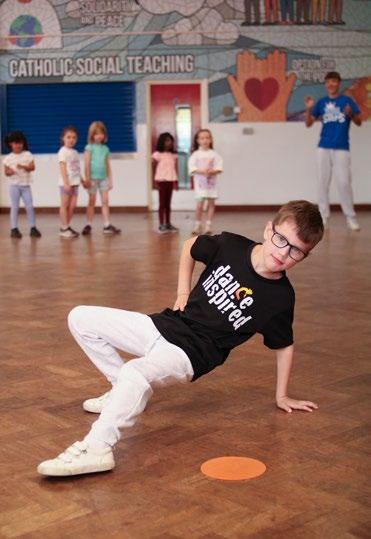
Learn some amazing authentic street dance moves and dance routines whilst making new friends.
Tuesday 11-Thursday 13 August from 9.15am-12.15pm, join the Mini Groovers Dance Camp for 4–7-year-olds. Includes workshops in breaking (break dance), hip hop, contemporary and commercial dance routines. £55 for a 3-day pass or £20 per day.
Tuesday 4-Thursday 6 August from 9.30am-4.00pm, join the Let's Dance Camp for 7–18-year-olds. The three day event will include workshops in hip hop, locking and waacking. Dance Inspired will bring in some top dancers and choreographers currently performing and competing in the street dance scene. £110 for a 3-day pass or £40 per day. www.danceinspired.co.uk/workshops
STREET AND CONTEMPORARY DANCE CLASSES
based in
Maidenhead and Windsor
Termly classes
Workshops
Holiday camps
Sign up today for a trial class
Delgado Tennis
Braywick Leisure Centre, Maidenhead, SL6 1BN
Don’t forget to say you saw these listings in Families!
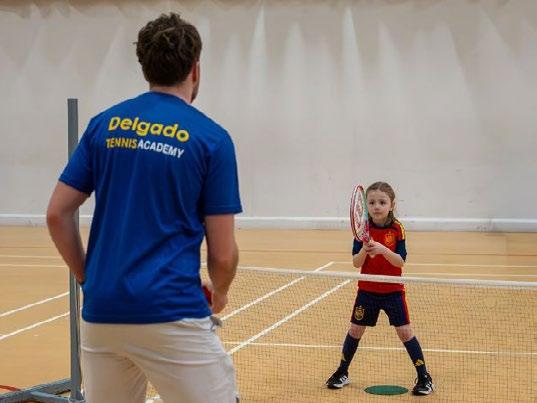
If tennis is your child’s game, what about trying Delgado Tennis? Whether they are an absolute beginner or a budding superstar, these camps will give your children the opportunity to improve their tennis, while having lots of fun too. Their holiday camps run all year round and offer flexibility with daily (half day/full day) or weekly bookings. Groups are arranged according to age and ability. Sign up to secure your child’s place during May half term or the Summer holidays. www.delgadotennis.co.uk
Dinton Activity Centre
Sandford Lane, Hurst, Wokingham, RG10 0SU
Watersports, adventures, activities for children and up to age 16. www.wokinghamcountryside.co.uk/welcome-dinton-activitycentre/holiday-clubs
Heathfield School Summer Activities Camp
Heathfield School, London Road, Ascot, SL5 8BQ
Sunday 12 July-Saturday 8 August
Running for over 30 years for girls aged 7 to 15. Places can be booked as weekly boarding, weekly day or individual days. All camps are grouped by age and run by qualified and experienced teachers and group leaders offering a fun-packed and educational programme which varies throughout the four-week period, balancing creative, artistic and sporting skills. On three afternoons each week, Summer Camp girls join the International Summer School girls in their chosen ‘Academy’ option. Girls who attend the Performing Arts Academy for example, put on a show for their families at the end of their course. Boarders join the extensive evening social programme. A cooked lunch with delicious options and salad bar is provided as part of the camp fee, as are drinks and snacks at morning and afternoon breaks. There is an early drop off breakfast and late stay option for day girls, providing greater flexibility for families. summerschool@heathfieldschool.net www.heathfieldsummerschool.co.uk
Iver Environmental Centre Kids Activity Days
Slough Rd, Iver SL0 0EB
Thursday 28 May
Environmental activity days from 10am-4pm for ages 7-11 years. £40 per child (and £35 for additional siblings). www.iverenvironmentcentre.org/what-we-do/event-listings
Let’s Play
Braywick Leisure Centre, Braywick Road, Maidenhead SL6 1BN
Not for profit Ofsted registered camp. Includes sports, arts & crafts, performing arts. www.lets-play.org.uk
Do you run kids’ classes, camps or holiday clubs?
Get in touch to advertise with us in the July/August issue!
Call Anna 07753 414605, Rach 07867 514138 or email editor@familiestveast.co.uk
Little Aces
Marlow venues
Tennis, Art and Yoga camps or Tennis only camps for kids. www.littleacestennis.co.uk/holiday-camps
Logiscool
Marlow venues
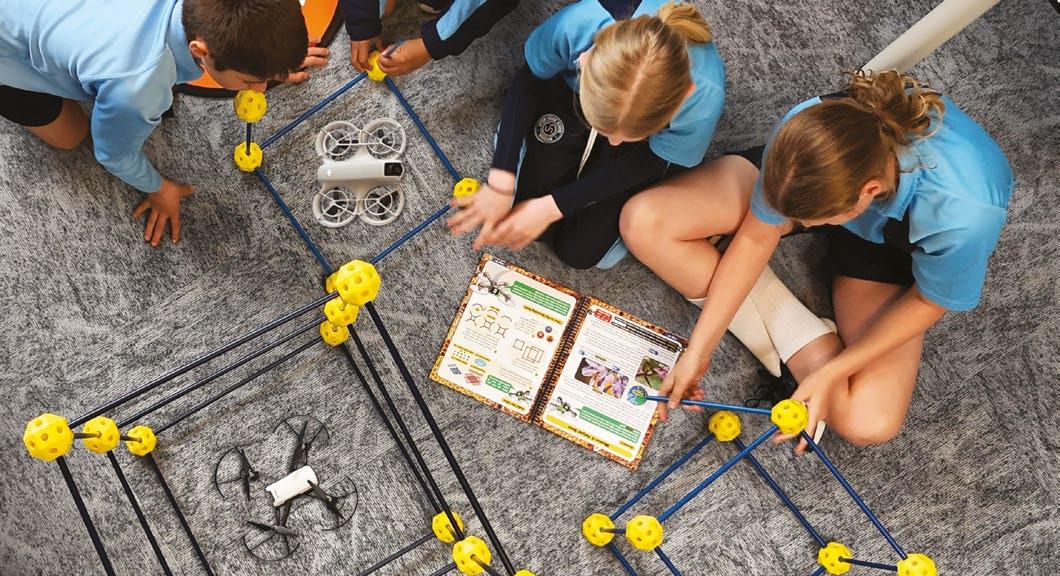
AI, tech and coding camps for kids. www.logiscool.com/gb/locations/marlow
Longridge Activity Centre
Quarry Wood Road, Bucks, SL7 1RE Holiday Activity Days for 5-16 year olds. www.longridge.org.uk
Magical Minds Mock Exams
Abbotsbrook Hall, Bourne End, SL8 5PQ
Offer Year 5 pupils an opportunity to experience a full 11+ mock exam. Attending 11+ mocks will help pupils feel prepared and confident in the real exam. Magical Minds provide detailed feedback to parents as well as another full mock to practice at home. They teach exam techniques as well as mindfulness activities to help with nerves and prioritise well-being in the run up to the exam. They offer morning mocks from 9am-12noon and afternoon mocks from 1pm-3pm. The mock exam dates are: Saturday 30 and Sunday 31 May, Saturday 1 and Sunday 2 August. On Saturday 29 and Sunday 30 August, 4 different mocks (A, B, C and D) are available to ensure a wide coverage of 11+ exam questions. www.magicalmindstuition.com
Magpies in the Community Maidenhead and Windsor Football and multisports camps. www.ethicalticketing.org/maidenhead-united-in-thecommunity/events
Norden Farm Centre for the Arts Altwood Road, Maidenhead, SL6 4PF Creative course for children, often including circus skills, theatre and arts weeks. www.nordenfarm.org
12 JULY TO 8 AUGUST 2026
PQA Performing Arts
Maidenhead Community Centre, Maidenhead, SL6 7HY
Tuesday 10 -Thursday 14 August
PQA are running a week-long summer school Make a Musical. Subject to availability. www.pqacademy.com/academies/maidenhead
Stagecoach Performing Arts Workshops
Ascot, Bracknell North, Henley, High Wycombe, Langley, Marlow, Windsor
Your children will make new friends, learn exciting new skills, and gain confidence in their holiday workshops, designed to nurture young talent. The workshops focus on singing, dancing and acting, culminating in a final performance for friends and family to enjoy. A perfect way for your child to express themselves creatively while having a fantastic time during the school holidays.
Please visit your local Stagecoach website for detailed information about specific workshops, locations and booking options: www.stagecoach.co.uk/windsor (covers Langley too) www.stagecoach.co.uk/ascot www.stagecoach.co.uk/bracknellnorth www.stagecoach.co.uk/henleyandmarlow www.stagecoach.co.uk/highwycombe
uSports Holiday Camps
Maidenhead, Slough Football and multisports holiday clubs. www.u-sports.co.uk
Wise Owls Holiday Clubs
Maidenhead
Junior club (3-6yrs) and Discovery Club (7-14yrs). www.wiseowlschildcare.co.uk/clubs/holiday-club
Woolley Firs
Cherry Garden Lane, Maidenhead, SL6 3LJ
Tuesday 18, Wednesday 19 and Thursday 20 August. The Teddy Bear’s picnic survival trail is running from 10am-2pm for the younger age group (2-6 years). For all events book in advance. www.bbowt.org.uk/events
Details correct at time of going to press (April 2026).
For Girls aged 7 to 15
SUMMER CAMP
VISIT OUR WEBSITE FOR FURTHER DETAILS: https://heathfieldsummerschool.co.uk/summer-camp/ OR USE THE QR CODE TO BOOK YOUR PLACE NOW!
WHAT'S ON What's On Your family guide to
Please email editor@familiestveast.co.uk with any events. Event times and dates do change, please try and check that an event is still going ahead before you head out.
Ongoing
Toddler Takeover at Bekonscot Model Village and Railway Mondays in May and June
Term time only. Lots of games and craft ideas for your under 5s. FREE as part of your entry ticket. Warwick Road, Beaconsfield, Bucks HP9 2PL www.bekonscot.co.uk/seasonal-events
Quiz Night at Bardo Lounge
Tuesdays in May and June
Pop along to Quiz night at 7pm. High Street, Maidenhead, SL6 1BX https://waterside-quarter.co.uk/Locations/ bardo-lounge
Story and Rhyme Time at Maidenhead Library
Tuesdays in May and June
Term time only - story fun Maidenhead Library, St Ives Road SL6 1QU www.rbwm.gov.uk
Active Bounce and Play at Wycombe Leisure Centre
Tuesdays and Thursday in May and June
Under 8s. Sessions are 9.30am, 10.30am and 11.30am (SEN). Pre-book. Wycombe Leisure Centre, Handy Cross, High Wycombe HP11 1UP www.placesleisure.org/centres/wycombeleisure-centre
Rhyme Time at Reading Museum Wednesdays in May and June
Songs and signing for babies and toddlers. 10.30am-11am. Drop-in for FREE. Reading Museum, Blagrave Street, RG1 1QH www.readingmuseum.org.uk
Story and Rhyme Time at Windsor Library Thursdays in May and June
Little Starters Support Group at Larchfield Family Hub Fridays in May and June
Tailored support sessions 10.00am-11.30am designed to encourage child development, social interaction and early learning. Booking essential via email or 01753 572958. Larchfield Family Hub, Bargeman Road, Maidenhead, SL6 2SG office@homestartberkshireeast.org
Silent Book Club at Cocoba Chocolate Cafe Fridays in May and June
Bring a book and enjoy some peace from 7.308.30pm Cocoba Chocolate Café, 2B High Street, Maidenhead, SL6 1QJ www.waterside-quarter.co.uk/Events/silentbook-club-at-cocoba
Roller Disco at Braywick Leisure Centre Saturdays in May and June
Scoot and Skate: 3pm-4pm (Beginners) Family and Friends Roller Disco:
Early Session: 4:15pm-5:15pm Late Session: 5.30pm-7:30pm Braywick Leisure Centre, Braywick Rd, Maidenhead, SL6 1BN www.leisurefocus.org.uk
May
Bumps to Tots Breakfast Club at Other Space Arts Fridays in May
Relaxed weekly meet-up for expectant parents, new parents and little ones, with weekly guest speakers. 10am-12pm. Kardelton House, Vansittart Estate, SL4 1SE www.otherspacearts.com
Spring Family Fun at The Southbank Centre Fri 1 May-Sun 31 May
Find super shows, musical adventures, amazing puppetry and lots of free fun in May half-term. Southbank Centre, Belvedere Road, SE1 8XX www.southbankcentre.co.uk/events/springfamily-fun
Dawn Chorus at Woolley Firs
Sat 2 May
Age 18+ years. 4.30am-7.30pm. Dawn chorus including a light breakfast. £15.
Big Bank Holiday Family Day at Royal Windsor Racecourse Mon 4 May
Enjoy thrilling horse racing, free entertainment and guaranteed fun day out with the kids. Under 17s go FREE. Maidenhead Rd, Windsor SL4 5JJ www.windsor-racecourse.co.uk
Playtime Playgroup at St John’s Church Egham
Fri 8 May
Playtime for under 5s and carers. Term time Fridays 9.30-11.15am
St John’s Church, Manor Farm Lane, Egham, TW20 9HR www.stjohnsegham.com/playtime
Nature Tots at Woolley Firs Fri 8 May and Mon 11 May
From 10am-11.30am.
A monthly morning toddlers’ and guardians’ club. £8 per child.
Tiny Talk Time at Wycombe Museum Fri 8 May and Fri 22 May
Come along for stories, crafts and museum fun in this special time for 2–5 year olds
Wycombe Museum, High Wycombe, HP13 6PX www.wycombemuseum.org.uk/ttt
Ranger’s Club at Woolley Firs
Sat 9 May
Age 8-11 years from 10am to 12pm; Teen Rangers age 11-17 years from 1 to 3pm (now with an option to block-book up to 3 months together or book individual sessions). £8+ booking fee.
Get ready to sing, dance, laugh and cheer in ‘My First Concert’. A magical live musical adventure for young children and their grown-ups! The Wycombe Swan Theatre, HP11 2XE www.trafalgartickets.com
Wonderland Afternoon Tea at The Story Museum
Sun 10 May
Step into Wonderland with Alice-inspired afternoon teas, hosted in a beautiful Alice-themed room.
The Story Museum, Oxford, OX1 1BP www.storymuseum.org.uk/whats-on/ wonderland-tea-experience
Bippo’s Circus Adventure at South Hill Park Sun 10 May
With jaw-dropping plate spinning, dazzling juggling and all kinds of mischievous antics, Bippo’s larger than life personality will have both kids and adults in stitches.
South Hill Park, Ringmead, Bracknell, RG12 www.southhillpark.org.uk/shp-events/bipposcircus-adventure
Bat Walk and Talk at Woolley Firs Thu 14 May
Age 18+ years. 7.30-9pm. Talk followed by use of specialist equipment around the reserve to locate bats.
Woolley Firs Environmental Education Centre, SL6 3LJ www.bbowt.org.uk/events
We’re Going on a Bear Hunt at The Vyne Sat 16 May-Sun 28 Jun
Swish, splash and squelch your way through this new sensory trail as you search for the bear. Sherborne St John, Basingstoke, RG24 9HL www.nationaltrust.org.uk/visit/hampshire/thevyne/events
Oak Apple Day at Windsor Castle Sat 23-Sat 30 May
Running Monday, Thursday, Friday, Saturday during the half term holiday. Pug Yard Learning Centre, SL4 1NJ. www.rct.uk
Half Term Hoedown at Odds Farm Park Sat 23-Sun 31 May
Enjoy welly-wanging and tons of Wild West fun! www.oddsfarm.co.uk
Nathan’s Petting Farm at Chalfont St Giles Sat 23-Sun 31 May
Another fantastic half-term idea, but is open most of the year, daily from 10-4pm.
Nathan's Farm, Chalfont St. Giles, HP8 4BT www.nathansfarm.co.uk
A Tribute to Miss Rachel at The Wycombe Swan Mon 25 May
Get ready for singing, dancing, giggles and nonstop fun as the magic of Ms Rachel comes to life on stage in an interactive, high-energy live tribute performance
The Wycombe Swan Theatre, HP11 2XE www.trafalgartickets.com
Football Mania Family Fun Day at Windsor Racecourse
Mon 25 May
Make the most of the Spring Bank Holiday 2026 with a brilliant family day out at Windsor Racecourse!
An interactive musical show for all the family Norden Farm, Altwood Rd, Maidenhead, SL6 4PF www.nordenfarm.org
Terrific Tuesdays at Chiltern Open Air Museum
Tue 26 May
Nature themed family crafts & activities. Newland Park, Chalfont St Giles, HP8 4AB www.coam.org.uk/terrific-tuesdays
The Magic Faraway Tree at Norden Farm Wed 27-Sat 30 May
Follow Polly and Tim and their children Beth, Joe and Fran – a modern family who find themselves forced to relocate to the remote English countryside. Cinema showing.
Norden Farm, Altwood Rd, Maidenhead, SL6 4PF www.nordenfarm.org
Comedy Club for Kids at Norden Farm
Thu 28 May
It's just like a normal comedy club, but kids age 6+ can join in too. Norden Farm, Altwood Rd, Maidenhead, SL6 4PF www.nordenfarm.org
Basil Brush Family Magic show at South Hill Park Fri 29 May
Basil Brush is cheeky, irreverent, charming, naughty, quick-witted, scheming and foxy, but at the same time he’s kind, caring and affectionate. South Hill Park, Ringmead, Bracknell, RG12 www.southhillpark.org.uk/shp-events/basilbrush-family-magic-show
Comic Club at The Story Museum Sat 30 May
Awesome comic artist, Neill Cameron, will be on hand to offer helpful advice. For age 8-10
The Story Museum, 42 Pembroke Street, OX1 1BP www.storymuseum.org.uk/whats-on/comicclub-2021
Magical Minds 11+ Mock Exam at Abbotsbrook Hall
Sat 30 and Sun 31 May 11+ Mock exam, exam techniques and mindfulness. Abbotsbrook Hall, Bourne End, SL8 5PQ www.magicalmindstuition.com
June
Ibiza Rewind at Windsor Racecourse Mon 1 Jun
Sizzling BBQs, live music & thrilling racing. Maidenhead Rd, Windsor, SL4 5JJ www.windsor-racecourse.co.uk
Listen to this Story: From History to Our Story at The Story Museum Tue 2 Jun- Fri 17 Jul
A time-travelling pop-up that explores how Black lives have been pictured, imagined and celebrated in children’s books.
The Story Museum, 42 Pembroke Street, Oxford, OX1 1BP www.storymuseum.org.uk
Tiny Talk Time at Wycombe Museum Fri 5 Jun and Fri 19 Jun
Come along for stories, crafts and museum fun in this special time for 2–5 year olds Wycombe Museum, High Wycombe, HP13 6PX www.wycombemuseum.org.uk/ttt
Dino Day at Buckinghamshire Railway Centre Sun 7 Jun
The dinosaurs will be appearing on the grass outside the visitor centre throughout the day. Plus, enjoy steam train rides, visit the Railway Museum and visit their stunning glass-roofed visitor centre.
Bucks Railway Centre, Quainton, HP22 4BY www.bucksrailcentre.org/events/dinosaur-day
Nature Tots at Woolley Firs Fri 12 Jun and Mon 15 Jun
From 10am-11.30am. A monthly morning toddlers’ and guardians’ club. £8 per child.
8-11 years from 10am to 12pm; Teen Rangers 11-17 years from 1 to 3pm (now with an option to blockbook up to 3 months together or book individual sessions). £8+ booking fee.
Fun and a great atmosphere for racers and spectators! Racing starts at 10am.
Lower Pound Lane, off Pound Lane, Marlow. www.marlowtownregatta.org/dragon-boats
The Tiger Who Came to Tea at South Hill Park Sun 14-Mon 15 Jun
The doorbell rings just as Sophie and her mummy are sitting down to tea. Who could it possibly be? What they certainly don’t expect to see at the door is a big, stripy tiger!
South Hill Park, Ringmead, Bracknell, RG12 7PA www.southhillpark.org.uk/shp-events/the-tigerwho-came-to-tea
Marlow Rock Bottom at Marlow Bottom Sat 20 Jun
An open air family concert, food and family fun. Marlow Bottom Playing Fields, Burford Close, Marlow, Buckinghamshire SL7 3NF www.marlowrockbottom.com
West End Live at Trafalgar Square Sat 20 and Sun 21 Jun
Live performances from top West End musicals. FREE www.westendlive.co.uk
WIN a family day out to Odds Farm Park
Odds Farm Park has teamed up with Families Thames Valley East for one lucky reader to win a family day ticket for four (must include one adult and one child) to the attraction.
Coopers Markets at Stubbings Sun 27 and Mon 28 Jun
A vibrant two-day market celebrating the very best of summer. 10-4pm
Historic swimming event for the over 15s Ray Mill Island, Maidenhead SL6 8PE https://boulterstobrayswim.org
Annie at The Kenton Theatre
Thu 9-Sat 11 Jul
With equal measures of pluck and positivity, little orphan Annie charms everyone’s hearts despite a next-to-nothing start in 1930s New York City. 19 New Street, Henley-on-Thames, Oxfordshire, RG9 2BS www.thekenton.org.uk/whats-on/rareproductions-annie
FiFest, Fifield
Fri 10-Sat 11 Jul
Local music festival with kids zone. Forest Green Road, Fifield, Berkshire, SL6 2NS www.fifest.co.uk
Don't forget to say you saw these events in Families Thames Valley East Magazine!
Visitors heading to the farm park near Beaconsfield this May half term can mosey on down for a Wild West-themed week as the Bucks-based attraction hosts its annual Half Term Hoedown. This nine-day bonanza kicks off on Saturday 23 May and runs until Sunday 31 May. Headlining the event with their Hoedown Showdown performance will be entertainers Outlaw Oddsocks and Stocking Foot Sal, as the desperadoes enter a line-dancing duel to find the best barn dancer in Buckinghamshire. These brand-new shows take place five times a day throughout the week.
As part of the frontier fun, guests can enjoy Wild West crafts, including decorating cowboy hat headbands and making their own sheriff’s badges. There will also be welly wanging and traditional outdoor games for young sheriffs to enjoy. Sheep shearing demonstrations return daily as the resident flock loses their woolly coats for the warmer weather. And with cows, pigs, goats, rabbits, guinea pigs and donkeys there are plenty of animals for the whole family to meet at the rare breeds farm. www.oddsfarm.co.uk
ENTER by 30 2026June * Giveaway *
To be in with a chance of winning this fabulous family prize, simply answer the following question: What animals will be sheared at Odds Farm Park during May Half Term?
Please email your answer to editor@familiestveast.co.uk quoting ‘Odds Farm Park’. Terms and conditions apply.