


Work flexible hours from home around your family!

Become part of a growing, supportive network! Full training provided

Families Families North Yorkshire is the premium free magazine for parents of children ages 0 to 12 in North Yorkshire and it’s now looking for a new owner!
Families Families North Yorkshire magazine is part of the brand-leading Families Magazine franchise group, which was established in 1990 and has 40 local titles around the UK.
If you are interested in - running your own business and - learning the skills of print publishing, copy writing, design, sales, social media and business management
Then call us today for more information 07734 690020 or email with your post code and telephone number to editor@familiesnorthyorkshire.co.uk



Carla Finlayson, editor
E: editor@familiesnorthyorkshire.co.uk
T: 07734 690020

@FamiliesNYMag


@FamiliesNYMag
@familiesnorthyorkshiremagazine
There’s a lot to enjoy in this issue as we head into early summer. If you are planning to travel, take a look at some apps that will save you money on your holiday and, in anticipation of some long, balmy summer evenings ahead, get inspired by some perfect family activities to enjoy when they come around.
In Education, discover tips for learning times tables (and, yes,they are still important!) and find out more about supporting digital literacy at home.
Worried about your child seeing something upsetting on their friend’s screen when you are not around? Check out how to negotiate screen free playdates and sleepovers. You may also want to browse our guide to evidence-based resources for raising confident kids.
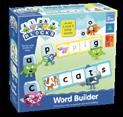
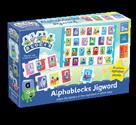
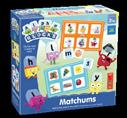
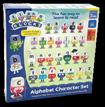
Finally, in this issue, we have no less than four giveaways, including Alphablocks and Peppa Pig toy bundles. Apply inside. By doing so, you’ll also ensure you receive our digital magazine and email newsletter with lots more content and goodies on offer.
This product is made of material from well-managed, FSC®certified forests and other controlled sources.
January/February issue giveaway winners Congratulations to all our winners. You can find a list at www.bit.ly/JanFebGiveaways
Families Magazine is a franchise of Families Print Ltd of 75 Lisbon Avenue, Twickenham, TW2 5HL. Families is a registered trademark of Families Print Ltd. All franchised magazines in the group are independently owned and operated under licence. The contents of Families Magazine is fully protected by copyright and none of the editorial or photographic matter may be reproduced in any form without prior consent of Families Magazine. Every care is taken in the preparation of this magazine but the franchise owner and Families Print Ltd cannot be held responsible for the claims of advertisers, nor for the accuracy of the contents, or any consequence thereof.
Sat 23 – Sun 31 May
Let the good times grow
Join us this May Half Term for fun, laughter and friendly competition. Let the games begin! Book online and save

By Zuzu Jordan
In an age of AI, calculators and voice assistants, it is easy to question whether children still need to memorise times tables. After all, technology can provide an instant answer. However, fluency in multiplication remains one of the most important foundations in mathematics. When children know their times tables automatically, they free up brainpower for reasoning, problem-solving and tackling more complex concepts such as fractions, division and algebra.
In England, children begin exploring multiplication in Key Stage 1 through grouping, sharing and repeated addition. By Year 2, they learn the two, five and ten times tables. In Year 3 and Year 4, they extend this knowledge to all tables up to twelve x twelve, with the national Multiplication Tables Check taken at the end of Year 4. Schools now combine conceptual understanding with recall practice, using arrays (visual models organising objects into equal rows and columns to represent multiplication equations), practical resources and pattern spotting, alongside short, regular retrieval exercises.
Even with AI, instant recall matters. A child who quickly knows that 6 × 8 = 48 can focus on solving a multi-step problem instead of getting stuck at the first calculation. Technology should enhance learning, not replace core knowledge.
One of the most effective ways to support learning is to match practice to your child’s preferred way of learning.
For those who prefer to listen and learn, rhythm and repetition are powerful. Multiplication songs, chants and short rhymes can make facts stick. Creating a simple poem for tricky tables or setting facts to a familiar tune can transform learning into something memorable. Voice assistants such as Alexa or similar devices can also be used to fire quick questions for a fun, quizstyle challenge.
For those who like to learn by doing, try times tables snap cards, scavenger hunts where children shoot a Nerf dart at the correct answer or stick multiplication questions on the stairs so they solve one on each step. Jumping to the correct answer written in chalk outside or building arrays with Lego can also reinforce understanding through action.
For those who are drawn to colour and layout, use coloured multiplication charts, highlight patterns and encourage children

The language surrounding multiplication is crucial for children’s understanding. Words such as groups of, lots of, times, multiplied by and product, all describe the same operation in different contexts.
Children also need to recognise related vocabulary including factor, multiple and array. Understanding that 3 x 4 means three groups of four helps build conceptual clarity.
Precise mathematical language supports reasoning, problemsolving and explaining answers.
When children confidently use and understand multiplication vocabulary, they develop deeper number sense and stronger mathematical communication skills overall.

to notice number relationships. For example, all multiples of five end in zero or five and the digits in the nine times table follow a clear pattern. Seeing these connections reduces the need to memorise each fact separately.
AI can also be a creative ally. Parents can use AI tools to generate personalised resources that reflect a child’s interests. For a football fan, create times tables cards featuring their favourite team colours or badge alongside multiplication facts. For a child who loves animals or space, design themed quizzes or printable posters. Personal relevance increases engagement.
Whatever the method, short and frequent practice is key. Five focused minutes each day is more effective than a long weekly session. Isolate tricky tables for a few days before mixing them back in.
Encourage children to explain how they know an answer, not just say it.
Most importantly, keep it positive. Confidence builds fluency. Times tables are not about racing against a machine; they are about equipping children with mental tools that will support them throughout their education. In a world shaped by AI, foundational knowledge is what enables children to use technology thoughtfully and independently.
Zuzu is a Mastery for Maths Specialist who has taught primary for eighteen years and is Director of Arnett International. For FREE resources and tips, find her on Instagram @edumate_uk

A well-stocked times table homework grab bag should include quick, practical resources that make learning easy and engaging.
Add a set of flashcards, a small, laminated multiplication chart and a whiteboard with pen for quick practice. Include times table snap cards or simple dice for multiplication games.
A printed list of key facts for focus tables is helpful, along with coloured pens for highlighting patterns.
Finally, add a small reward chart to celebrate effort and consistent progress.
By Erin Miller
In an era where banning children from smartphones is becoming increasingly normalised, the idea of actively promoting digital literacy at home can seem counterintuitive. However, digital literacy is about far more than simply knowing how to operate a device. It goes beyond technical skills to encompass the ability to engage with digital technologies safely, critically and thoughtfully. This includes knowing how to find and evaluate information online, communicate effectively in digital spaces, protect personal data and privacy and recognise risks such as misinformation, manipulation and harmful content.
Just as parents and schools teach children how to stay safe in the physical world, they must also teach them how to think critically about what they see in order to stay safe in the digital world.
Getting your child to think critically. To help children begin evaluating online information critically, teach them how to:
Check the source. Show your child how to find who created the content and whether it comes from a trusted organisation, a qualified expert or an unknown account. Teach them to look for an About page and to be wary of anonymous profiles.
Tell fact from opinion. Help them look for evidence such as facts, data or reliable links. Explain the difference between evidence and personal belief.
Recognise emotional manipulation. Teach them to notice when content triggers strong emotions like fear, anger or excitement and encourage them to pause before reacting or sharing.

Here are some practical tips.
Names. Show your child how to choose usernames that do not include their real name, birthday, school or location. Personal details in photos. Teach them to check images for clues like school logos, street signs, house numbers, car number plates or landmarks before posting photos. Turn off location sharing. Show them where location settings are on their device and in apps and teach them to keep location services off unless there is a reason to use them. Limit who can contact them. Teach them how to set accounts to private, restrict messaging to friends only and avoid accepting requests or messages from people they don’t know. Use passwords properly. Teach them how to create strong passwords, avoid reusing the same password across apps and understand why passwords should never be shared. Check app permissions. Teach them to review what an app needs to work, eg camera, microphone, contacts, photos –and tell them to turn off anything the app doesn’t require.

Question headlines. Show them that headlines are often exaggerated and that they should read beyond the title.
Check the date. Teach them how to spot outdated content that is reshared as if it were new.
Cross-check information. Encourage them to look for the same story on other reputable sites and to be cautious if only one unfamiliar source is reporting it.
Have open conversations at home
It is unrealistic to pretend technology will not play a major role in your child’s world. Talk about it: ask your children what they enjoy online and what they find challenging. By building trust it’s more likely they will seek support if something goes wrong.
It is also important to discuss how algorithms work. Help children understand that their devices are tracking their behaviour and using that information to shape what they see.
Erin Miller is a teacher with a keen interest in how research can be used in the classroom to improve learning.

Clear boundaries help children feel secure and develop self-control. Agree on rules around screen time, appropriate apps, online behaviour and where devices can be used in the home. Involving children in these discussions makes expectations more likely to be respected. Boundaries should be consistent, age-appropriate and reviewed regularly. Smartphones are designed to be addictive, so children benefit from seeing healthy behaviour in action. Use app time limits and screen-free times, particularly during meals or before bed, explaining why these boundaries matter. Show your child that you take regular breaks from your own phone. Children are far more likely to adopt balanced habits when they see them modelled consistently.
Try to model purposeful and creative uses of technology, not just passive scrolling. Let your child see you using devices for learning, problem-solving, communication or creativity, such as researching topics or planning projects. This helps them understand that technology is not just a source of entertainment.

A perspective from Mr. Joe Masterson, Head of Brackenfield School
Choosing a school for your four-year-old is an important step. At this age, children are shaped less by academics and more by the relationships they form, the confidence they build, and the curiosity they are encouraged to explore.
At Brackenfield School, we believe early education should nurture both hearts and minds. Central to this is our team of highly experienced, knowledgeable staff, whose loyalty and genuine care create a warm, stable environment where every child feels known and valued. These strong relationships are the foundation for confident, happy learners.
Play-based learning is essential at this stage. Through imaginative play, outdoor exploration, and creative activities, children naturally develop language, resilience, and problem-solving skills.
Social development is equally important. Learning to share, collaborate, and build friendships helps children grow in confidence and empathy. A rich outdoor programme supports wellbeing and curiosity, while a language-rich environment encourages children to express themselves.
Ultimately, the right school is one where your child feels happy, secure, and inspired, supported by caring adults who help them grow in confidence and develop a lifelong love of learning.
We warmly invite families who are looking for a place in Reception in September and beyond to join us for a personal tour to meet Brackenfield’s dedicated team. Visit www.brackenfieldschool.co.uk/families or email admissions@brackenfieldschool.co.uk to book.

The Baby Band Family Music Festival is back – and it’s bigger, louder, and more joyful than ever! Taking place on Sunday 19th July at the stunning Lotherton Hall in Leeds, this vibrant one-day event brings together incredible live music, family fun, and festival magic for all ages.
At the heart of Baby Band is the belief that music is for everyone, regardless of age. Their mission is to introduce the magic of live music to children from the earliest age possible and create moments where families can bond over the joy of a shared beat. This isn’t your typical nursery rhyme affair – it’s a musical extravaganza featuring the best live bands that will have everyone, from toddlers to grandparents, tapping their feet.
Book your tickets now at www.babyband.co.uk and join the fun!

This summer, why not get involved in National Children’s Gardening week?
Taking place from 23-31 May in the ‘warm’ half term at the end of May means that pretty much throughout the UK, children can plant all their favourite plants with less fear of weather damage or the need for complicated protective growing.
As well as simply good outdoor fun, gardening has been shown to have many benefits to health and wellbeing including being more physically active and feeling happier and more connected with the natural world.
There are many ways to get involved with National Children’s Gardening Week from DIY activities at home, to attending an event at a local garden centre. More info: www. childrensgardeningweek.co.uk
Foster Care Fortnight is running from 11–24 May and is shining a spotlight on foster carers, kinship carers and the wider fostering community under the theme This is Fostering.
Organised by The Fostering Network, the campaign combines local events, social media toolkits, a Foster Walk and an art competition to celebrate positive outcomes and share everyday fostering stories. Campaigners will use the fortnight to press for practical reforms, highlighting pressures such as low allowances, inconsistent support and carers feeling excluded from decisions about children’s lives.
The initiative frames celebration and campaigning together, urging government and local authorities to commit to sustained funding, better training and clearer support pathways so more children can thrive in stable homes. More info: www.thefosteringnetwork.org.uk
Artificial intelligence is reshaping almost every professional service, and family law is no exception. Divorce is one of the most emotionally and administratively demanding experiences a person can face. When used thoughtfully, AI can help clients feel more informed, more organised, and more in control — while enabling solicitors to deliver a more personalised, efficient, and strategic service.
At Hartlaw we understand that AI can be a starting point for clients to gather information, organise and feel ready to approach a solicitor. We also understand that, for some clients, having control of some elements of the case will be important and may help to keep costs down.
The key is collaboration. AI doesn’t replace the solicitor or the value of taking legal advice. AI can, when used carefully enhance the solicitor–client relationship. It gives clients tools to participate more actively in their case, and it can in some cases free legal professionals to focus on the nuanced, technical and human-centred work that truly matters.
Client empowerment
AI tools can help clients:
• Understand legal terminology in plain language
• Organise financial information more efficiently
• Draft timelines, summaries, or questions for their solicitor
• Explore likely procedural steps
• Prepare emotionally by clarifying what to expect
This doesn’t replace legal advice — it simply means clients are able to feel better prepared, with clearer priorities and more focused questions. We are happy to support this and work with where you are at, however you have arrived there.
Truly bespoke service
The combination of client-side AI preparation and solicitor-side expertise creates a more tailored experience. Instead of generic advice, we as lawyers can respond to highly specific client insights, documents, and goals.
• AI can be powerful, when used correctly and carefully but it has limits. It can support clients with:
• Information gathering
• Drafting and summarising
• Scenario exploration
• Organisation and planning
But it cannot:
• Provide legal advice
• Replace professional judgment and experience
• Understand the emotional nuance of a family breakdown
• Negotiate or advocate on a client’s behalf
• Carry out expert valuations of assets sometimes required in a case; or
• Be relied upon to give a prediction on the outcome of a case
This is where solicitors remain indispensable. They interpret the law, are familiar with local procedure and practice, protect the client’s interests, and provide the human insight that no algorithm can replicate.
By Katie Audsley, family lawyer, Hartlaw LLP
AI isn’t about replacing solicitors — it’s about elevating the solicitor–client relationship. When clients use AI to prepare, organise, and understand their case, solicitors can focus on what they do best: applying legal expertise, offering judgment, and supporting clients through one of the most challenging periods of their lives to get the best result.
The result is a divorce process that is:
• More efficient
• More transparent
• More personalised
• More empowering
• And ultimately, more humane.
If you require any advice or assistance in relation to any aspect of family law, please do not hesitate to contact us. Kate or Katie in our family team offer a free initial consultation. Please do contact us by calling 01937 547000 or by emailing info@hartlaw.co.uk



My First Ballet - Cinderella Grand Opera House, York
Meet the nature-loving Cinderella, who lives on the edge of an enchanted forest where she once gardened and sang with her mother. After loss and silence settle over her home, she’s left with a sharp-tongued stepmother, two noisy stepsisters, and a house full of chores and shadows. But when a letter arrives, inviting all to a Garden Ball, Cinderella’s journey to find her true self begins –guided by the spirit of her mother and the magic of the forest.
Pop Hunters: Live!
Thornton Hall Country Park
A brand-new live family show bursting with energy, music and adventure! Join a team of young heroes as they set out on an unforgettable quest filled with surprises, laughter and plenty of pop power. Expect dazzling performances, catchy beats and moments that will have everyone on their feet.
Castle Kitchen: Prison
Food
York Castle Museum
The museum is housed in a former prison and as well as visiting the recreated cells on your visit you can watch demonstrations of prison food being made. Gruel anyone?!
Bridlington Kite Festival
Sewerby near Bridlington
From big, beautiful bears to swaying, slithering snakes, dozens of interesting inflatable kites will add a splash of colour to the cliff tops at Sewerby, Bridlington, on the East Yorkshire coast.
Unicorn Live!
Bridlington Spa
Harmony, Melody and Starlight are the best of unicorn friends... Join them as they use their magical unicorn powers to save the show and conjure up the magical fourth band member. Watch in amazement as they use the power of song and dance to create the band, Unicorn Live!
Knights and Fairytales
Thornton Hall Country Park
Get ready for a fairytale family day out at Thornton Hall Country Park! Knights & Fairytales brings three enchanting days of dragons, knights, jesters and magical performances. From live shows and mythical encounters to a foam-tastic finale, it’s going to be a legendary adventure for the whole family!
Week!
Eden Camp
Get ready to feel the ground shake beneath your feet as Tank Week comes to Eden Camp! This May half term, they are bringing history roaring back to life with a full week dedicated to the power, engineering, and legacy of some of the most iconic armoured vehicles in military history. Whether you’re a dedicated enthusiast, a curious learner, or planning an unforgettable family day out, Tank Week is your front-row seat to history in motion.
The Great Garden Gameathon
RHS Garden Harlow Carr
Prepare for some giant fun! Grab your friends and family, bring your competitive spirit and try a range of garden games, including giant Jenga, quoits, dominoes and four-ina-row.
Love your Zoo week
Lotherton Hall
Explore the animal trail, where curious minds can discover fascinating facts about all the amazing animal friends. Pick up a trail sheet and see how many creatures you can spot!


23 - 31 May
Various locations across York York Festival of Ideas promises to spark children’s imaginations with a wide variety of mostly FREE family events and activities.
Don’t miss our Michael Morpurgo Celebration Day, featuring two fabulous free events with the acclaimed children’s author – Songs of Nature: An evening of words and music and a live online event for schools and home educator groups, All Aboard the Storytime Express.
You can also enjoy a day of high-speed discovery at York’s National Railway Museum, immerse yourself in the world of 3D animation and get crafty making origami figures.
Why not step into nature on a guided walk, giggle your way through York’s most ridiculously named streets or learn how to create a book at a graphic novel workshop.
Visit the Festival website to find out about Discovery Zone, the Festival Fringe Family Fun Afternoon and other free interactive events.
Website: yorkfestivalofideas.com
York Festival of Ideas social media: Facebook: YorkFestivalofIdeas
Instagram: yorkfestivalofideas
Bluesky: yorkfestofideas.bsky.social
X: @YorkFestofIdeas #YorkIdeas
Brilliant Bugs Play Trail
Nunnington Hall
Follow the 8 points around the garden for bug inspired games. Learn the waggle dance like a bee, hop like frogs over the hurdles or try caterpillar yoga to name a few of the fun things in store for all the family. Head to the creative hub for a little calmer time and make yourself a bug bookmark.
Find your Happy!
Temple Newsam
Step into a world of joy and creativity at Temple Newsam, where happiness is just around the corner. Enjoy a family visit with lots to lift your spirits and spark your imagination.


Whitby Abbey
A top-secret message has gone missing at Whitby Abbey – and they need you to find it before it falls into the wrong hands! Your mission, if you choose to accept it, is to follow the trail, track down the clues and crack the codes to uncover the secret message. Keep your eyes peeled for the mysterious secret agent, who’ll be roaming around the site. If you’re lucky, they might just be able to help you complete your mission...
Professor Toadstool & the Missing Red Squirrel
Danby Lodge National Park Centre
Join this fun packed immersive and interactive storytelling nature trail where you’ll help Professor Toadstool search for clues to find Rosie, one of the last surviving tiny red squirrels who is lost somewhere in Crow Wood! On the way you (and your adult) will discover hidden clues, hunt for woodland items for an “Emergency Red Squirrel Rescue Pack”, hear the story of the Wise Old Oak Tree, learn how to identify trees and perhaps sing the odd song or two! But don’t forget…you need to help Professor Toadstool find Rosie before it’s too late!
27 May
The Wild Wild Quest
Danby Lodge National Park Centre
A top-secret message has Bring the whole family and explore the amazing plants, insects, birds, and mammals that call these beautiful locations home. You’ll learn how to spot and record wildlife, use identification guides, and understand the importance of biodiversity in our national parks.
The Wild Wild Quest
Sutton Bank National Park Centre
Bring the whole family and explore the amazing plants, insects, birds, and mammals that call these beautiful locations home. You’ll learn how to spot and record wildlife, use identification guides, and understand the importance of biodiversity in our national parks.
Flower Painting and Floral
Art Lotherton Hall
Inspired by their exhibition ‘Botanically Beautiful: Art and Design Inspired by Nature’, you will be creating and making using natural materials in a family workshop suitable for ages 6 and above, although all ages are welcome.

TractorFest
Newby Hall & Gardens
With over 1,600 exhibitors and a host of entertainment, crafts, food & drink Tractor Fest is a great day out for anyone, of any age
Great Knaresborough Bed Race
Knaresborough
Bed Racing is a muchloved annual pastime in Knaresborough, combining as it does a gruelling athletic contest with a spectacular fancy dress parade of decorated beds and runners. This year’s theme is ‘The Swinging Sixties!’.
The dinosaur that Pooped A Rock Show!
Grand Opera House, York
When Danny and Dino’s favourite rock band are playing their last ever concert, they go on a quest to get the last two tickets. But with a villainous band manager lurking, nothing goes to plan. Will the band perform? Will Danny rock out? Or will Dino’s rumbling tummy save the day?
The Tiger who came to Tea Harrogate Theatre
The doorbell rings just as Sophie and her mummy are sitting down to tea. Who could it possibly be? What they certainly don’t expect to see at the door is a big, stripy tiger! Join the tea-guzzling tiger in this delightful family show; packed with oodles of magic, sing-along songs and clumsy chaos. Don’t miss this stunning stage adaptation of the classic tale of teatime mayhem… expect to be surprised!
Castle Kitchen
York Castle Museum
See how cold cream, lip salve and toothpowder were made over 100 years ago and even try a sample! You can also find out about some of the weird and wonderful folklore ‘cures’ for common ailments.
The Enormous Crocodile: The Musical
York Theatre Royal
The Enormous Crocodile is weaving his way through the jungle to York Theatre Royal in search of delicious little fingers and squidgy podgy knees… Only the other jungle creatures can foil his secret plans and clever tricks, but they’re going to have to find a large amount of courage to stop this greedy brute.





When you call, please don’t forget to say you saw them in Families North Yorkshire Magazine.

Number Train is a fun and interactive introduction to maths for preschool children designed and delivered by an experienced primary maths specialist. With a different theme each week, sessions keep your child engaged with games, action songs, arts and craft.
Call 07852 989523 / numbertrain@hotmail.com
2PRU Gymnastics Club is an inclusive community where fun, family and a sense of belonging thrive. Whether you are a beginner or an experienced gymnast, their expert guidance and positive attitude will help you succeed. 2prugymnasticsclub.co.uk
Interactive music session for children who are independently sitting to interactive music session for children who are independently sitting to 3 years old www.babyband.co.uk
Award-winning forest school connecting children with nature through outdoor play. www.bornoftheforest.co.uk

Classes for babies and toddlers from 6 weeks old. Your little ones will have a great workout, singing and playing through our structured awards programme to build water confidence and progress to a confident swimmer.
info@babyswimmers.co.uk
Hands-on art and craft classes, holiday clubs, and parties for children in York. craftyfoxkidsclub.com
Children’s aerial and circus skills classes in Harrogate, from toddlers upward. www.urban-circus.co.uk
Children’s Yoga York Perfect Pitch Stars Youth Theatre with York
Fun yoga classes for toddlers and kids, taught through stories and crafts. childrensyogayork.co.uk
Performing arts school offering music, drama, and dance for ages four to adult. perfectpitchstars.com
Compass Martial Arts Sunshine Sensory
Family-run karate and kickboxing academy welcoming children and adults of all abilities. compassmartialarts.co.uk
•
•
•
Sensory story sessions for babies, toddlers, and children with additional needs. sunshinesensory.co.uk
Weekly drama sessions for young people aged 5–19, building confidence and performance skills. www.yorktheatreroyal.co.uk/ be-part-of-it/ children-and-young-people

• Learning in a warm family atmosphere with guidance from a
• Excellent wrap around
Families are welcome to join us for a personal tour! See the school in action and meet our wonderful team.
Scan to book your place here:

By Dr Meredith Elkins
According to Sport England, less than half of children meet the recommended sixty minutes of daily activity recommended by the Chief Medical Officer, highlighting the need to build movement habits in children from an early age. Options for organised sport are limited before the age of 5 with the National Curriculum for PE setting basic skills expectations (running, throwing, catching) between 5 and 7 years. Yet swimming is accessible from infancy, filling that gap and establishing lifelong, healthy habits early.
Swimming is the perfect activity for all children, from infancy onwards. Experts agree that swimming improves cognitive functioning and water confidence, strengthens key muscle groups, supports better co-ordination, sleep and appetite and all the while boosts bonding between parents and children.
Yet if swimming is the ideal activity for young children, why can only twenty seven percent of Year 1 and 2 children swim twenty five metres unaided?
What is stopping parents signing up to classes?
Time pressures, travel, childcare and lost work hours are key obstacles. With the average UK working week at more than forty hours plus commutes, finding time is tough.
Cost is another big barrier. Lesson fees, childcare for siblings, kit expectations and cancellation fees - especially when illness strikes - add up quickly, according to many parents on forums like Mumsnet.
Then there’s availability. A recent Total Fitness survey of over two thousand UK adults found that one third of parents struggle

to find pre-school swimming lessons and suitable facilities for their children.
Dean Zweck at Total Fitness says: ‘Fitting swimming into a busy schedule can feel hard but building water confidence early lays the foundation for lifelong fitness and wellbeing. Checking out classes early helps set children up for a positive relationship with movement for life.’
Swimming for life
Swimming helps children stay active, social and confident and offers a valuable screen-free alternative for later years. Campaigns like National Learn to Swim Day and #LoveSwimming are useful to remind busy parents that helping little ones dive into swimming early is one of the best gifts you can give them. It is also the only sport which could one day save your child’s life.
Many swimming schools provide free assessments and baby swim programmes often have expert-run programmes in warmer water, designed to build confidence gradually, both for little ones and their parents.
With thanks to Total Fitness (www.totalfitness.co.uk) for this article. Total Fitness runs health clubs across the country, offering free swimming assessments and Family Pool Passes.



Before taking your baby for their splash class:
Arrive ready: wear your swimsuit under your clothes and prep baby in their swim nappy - try the Happy Nappy brand for brightly coloured, leak-proof swim nappies.
Pack your swim kit in advance: you will need: a towel, changing mat, nappy bag and dry clothes, plus a snack and drink for afterwards - babies burn lots of energy swimming.
Plan ahead: use a simple family timetable or a shared calendar app to manage busy weeks.
Buddy up: where possible and carpool.
Tips to reduce any anxiety
Play splashy games in the bath to prepare your baby for getting their face and head wet.
Practise having time in the water with a friend and their child if possible.
Be ready for fussiness; it’s part of the adjustment process. Ask your swim teacher for more tips to help turn each class into a happy occasion.
By Andrew Campbell
Travelling during the school summer holidays can get expensive, especially if you have a big family. Luckily there are plenty of apps to help you save money, whether you’re going overseas or planning a more modest road trip in the UK.
Everyone knows about Airbnb, TripAdvisor and Uber but there are loads of other brilliant travel apps worth downloading. Best of all, they’re free to use so get them before your next trip.
AirHelp (Apple App Store; Google Play)
Flying can be stressful if flights are delayed, cancelled or overbooked. AirHelp checks if you’re owed compensation for flight issues, including lost or damaged luggage. Just upload your boarding pass and see if you’re eligible for up to £350 per passenger (EU rules).
JustPark (Apple App Store; Google Play)
A UK-based app that lets users find, reserve and pay for parking spaces in advance. It connects drivers with private driveways, commercial car parks and on-street parking. The app provides real-time availability, pricing and directions, helping users save time and often money. JustPark operates across the UK and in some European cities.

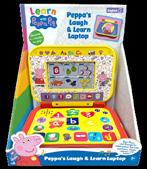
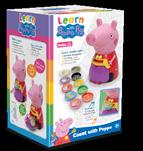
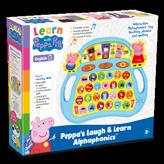
Includes Peppa’s Laugh & Learn Laptop
Peppa’s Laugh & Learn Alphaphonics

Count With Peppa
Peppa’s Phonic Alphabet

A UK-focused app that helps drivers find the cheapest fuel near their location. Users can compare petrol, diesel and premium fuel prices at thousands of stations nationwide. The app provides upto-date pricing, map views and directions to the selected station. PetrolPrices also allows users to receive alerts when prices drop in their area, helping save on fuel costs.
HotelTonight (Apple App Store; Google Play)
Ideal for booking last-minute hotel accommodation. Users can search for hotels, compare prices and access exclusive discounts on unsold rooms. Filters allow sorting by price, location, rating or amenities. Listings include ratings, reviews and photos. The app is available in the UK and major cities across Europe, Asia and North America. Payment and booking happen within the app, with customer support for reservations.
Rome2rio (Apple App Store; Google Play)
A comprehensive travel planning app and website that helps users find the best ways to get from one place to another, anywhere in the world. It compares flights, trains, buses, ferries and driving routes, showing estimated times and costs for each option. The app includes maps, booking links and detailed connections, making multi-modal journeys easy to plan.
Hiyacar (Apple App Store; Google Play)
A UK-based peer-to-peer car sharing app that connects drivers with local car owners for short-term rentals, much like Airbnb for accommodation. Users can search for nearby vehicles, book instantly and unlock cars using the app’s keyless technology. Insurance is included for every rental and the platform covers many UK cities. It’s a flexible, cost-effective alternative to traditional car hire companies.
Citymapper (Apple App Store; Google Play)
Save money by using public transport efficiently. Citymapper is a public transport app that helps users plan journeys in cities around the world. It provides real-time information on buses, trains, trams, subways, walking, cycling and ride-hailing options. The app compares routes, shows travel times and disruptions and offers step-by-step navigation. Citymapper covers major cities in the UK, Europe, North America and other regions.
Answer Peppa’s questions about letters, numbers, shapes, musical instruments, colours and her family and friends
Includes music and songs from the shows and a wide variety of fun activities
Use

WiFi Map (Apple App Store; Google Play)
Whether you’re travelling at home or abroad, using your phone without WiFi can rack up hefty roaming charges. That’s where WiFi Finder comes in. This app helps you locate free WiFi hotspots across Asia, Europe, North America and South America. Even if your phone plan doesn’t hit you with roaming fees, it’s still incredibly useful - you’ll know exactly where you can connect your tablet or laptop without paying a penny.
By Alicia Eaton
Most parents spend a lot of time thinking about what their children eat and far less time thinking about how they talk about it. Yet the words we use around food often shape a child’s relationship with eating far more powerfully than the food itself.
Children don’t just learn about food from what’s on their plate. They absorb the surrounding emotional tone, meaning and messages long before they understand nutrition. Over time, those messages quietly influence how they feel about food and how they listen to their own bodies.
Much of the language we use around food is inherited. Phrases such as ‘finish everything on your plate,’ ‘that’s a treat’ or ‘you can have pudding if you eat your dinner.’ They’re often said automatically, in busy family moments, with good intentions.
But language has an impact. Children’s developing minds are designed to absorb everything in their environment - not just language and manners but beliefs, fears, behaviours and emotional responses. So they don’t just hear our words, they internalise our attitudes as blueprints for life. Many adults who struggle with weight and relationships with food can pinpoint episodes in their childhood that left a mark and persistently contribute to the problem.
Which means that if we joke about our weight, skip meals, obsess over calories or equate food with guilt or control, we’re teaching those same scripts to our children, even if we never say them out loud.
Growing up in an environment where food is repeatedly linked to behaviour, reward, comfort or control, children can start to lose touch with their own internal signals. Hunger becomes something to override, negotiate or ignore. Fullness becomes something to push past and eating becomes driven by habit, emotion or expectation.
Labels matter too. Calling a child ‘fussy,’ ‘greedy’ or ‘difficult at mealtimes’ can quickly become part of how they see themselves. Children are remarkably quick to live up to labels, even when they don’t truly fit.

There’s a good boy or girl; Finish everything on your plate; Just try…; One more bite;
Open your mouth: here comes the aeroplane/steam train; Eat it for me; You liked it yesterday; You never eat your vegetables; No dessert until you’ve eaten your dinner; You can have pudding if…; No snacks until you behave; Stop asking for snacks – you’re always hungry.

Another common issue is pressure. Even gentle pressure: ‘just one more bite,’ ‘eat it for mummy,’ ‘you liked it yesterday’ can interfere with appetite awareness. Children become less able to tune into what their body is telling them. This can lead to power struggles at the table, anxiety around food or eating that feels disconnected from genuine hunger.
What helps instead is neutrality. Neutral language keeps food emotionally calm. It separates eating from behaviour and removes moral judgement from meals. This doesn’t mean being permissive or giving up structure - quite the opposite. Children thrive on predictability. Knowing when meals and snacks will happen helps them relax and trust that food is reliably available, without needing to negotiate or graze constantly.
Neutral language also supports curiosity. Instead of persuading or labelling, parents can describe, observe and invite reflection: ‘how does your tummy feel?’ or ‘does that taste how you expected?’
A healthy relationship with food isn’t created through rules or restriction but through the unconscious messages we pass on when we shop, cook, sit and eat round the family dinner table.
Today’s families face challenges that previous generations never had to navigate. With ultra-processed foods dominating the supermarket shelves and diet talk reaching our children at ever younger ages, it’s going to be even more important that the conversations we have at home foster healthy eating habits for life.
Alicia Eaton (www.aliciaeaton.co.uk) is a Harley Street-based behaviour change psychotherapist and the author of Mind How Your Kids Eat, which explores how everyday habits and language shape children’s long-term relationship with food.

This is what we’re having today – tomorrow will be different; Let’s see how that tastes; I can see you’re starting to enjoy tasting new foods now; Let’s listen to our tummies and stop when we’re full; You can eat what your body needs for now; Some foods are ‘everyday’ foods; Sweet, sugary foods are what we eat ‘sometimes;’ Different foods do different jobs.
By Ann Magalhaes
There is so much information about parenting today - books, social media, podcasts, websites - much of which is excellent. But how do you choose practical, trustworthy guidance that truly supports you at every stage of parenting?
Over the years, my colleagues and I have encountered and valued many resources, including newer tools we believe are especially helpful. The following resources are research-based, practical and easy for parents to apply in everyday life.
Books
How to Talk So Kids Will Listen and Listen So Kids Will Talk by Adele Faber and Elaine Mazlish has become a classic - and for good reason. In an accessible, practical way, the authors present a third path: not shouting, not giving in but listening with empathy, validating feelings, speaking respectfully, setting clear boundaries and encouraging co-operation. This approach reflects authoritative parenting, balancing warmth, connection and clear expectations.
Mindset: The New Psychology of Success by Carol Dweck introduces the powerful concept of the growth mindset. Her research shows that people who believe their abilities can grow through effort, learning and persistence are more resilient, motivated and successful than those who believe talent is fixed. For parents, this means praising effort and improvement rather than outcomes; fostering perseverance, confidence and longterm success. You can find a concise and helpful summary of Dweck’s work by neuroscientist Andrew Huberman on YouTube.
The Whole-Brain Child and The Power of Showing Up by Daniel Siegel and Tina Payne Bryson translates neuroscience into everyday parenting strategies. These books help parents understand how children’s brains develop and how responsive caregiving supports emotional regulation, resilience and secure attachment. Practical tool suggestions help manage big emotions, strengthen connection, improve communication and support healthy brain development - for kids and parents.
Parents often seek guidance specific to raising boys and girls. Decoding Boys by Cara Natterson offers valuable insights into boys’ physical, emotional and social development, helping parents nurture healthy growth, confidence, resilience and communication. For girls, we love anything by Lisa Damour. Her book Untangled beautifully explains typical girls’ development, especially during adolescence. She has a gift for clear, memorable language that helps parents understand emotional shifts and challenges. For parents of tweens and teens, she offers practical insights and tips on Instagram @Lisa.Damour.
We always recommend Tanith Carey’s What’s My… Thinking? series to parents. With titles covering babyhood through to teenage years, these books explain common behaviours, emotions and developmental challenges. Carey explores why behaviours happen and provides research-based strategies to respond effectively. These practical tools empower parents to support emotional development, encourage adaptive behaviour and strengthen family relationships.
Apps
Vroom Parenting is a free app we recommend to all new parents. Enter your child’s birth date to receive daily, sciencebased tips and simple activities that transform everyday moments into learning opportunities. Vroom supports children’s language, social, emotional and cognitive development from birth to age 5, making early brain-building easy and fun.
The Mood Meter supports emotional awareness and selfregulation; essential both for parents and children. By tracking emotions, identifying patterns and offering management tools, the app helps parents build emotional intelligence and wellbeing. As parents become more aware of their own emotions, they model healthy emotional regulation and teach their children lifelong skills.
We also follow and recommend these thoughtful, evidencebased accounts: @6secondseq, @readysetparent, @parentfocus, @jasonschnitzercoaching (especially helpful for dads), @dramen, @earlychildhood and @drcamcaswell.
Podcasts
Podcasts are an easy way to access expert advice on the go. We especially recommend Unruffled by Janet Lansbury, which offers calm, practical guidance for common parenting challenges. Alongside solutions, it reassures parents that they are not alonewhich makes a world of difference.
We also love the Mindful Motherhood Podcast for parental wellbeing and emotional awareness. Since parental stress deeply impacts family dynamics, this podcast provides valuable tools for managing emotions while learning how to support children’s emotional lives.
Ann Magalhaes is co-founder of The Parent Team (www.theparent.team), parenting educators offering classes, workshops and private sessions, teaching evidence-based parenting skills and offering parents practical, effective support.

Nearly half of parents spend less than an hour playing with their children during the working week, despite many wishing they had more time to do so, new research by CBeebies Parenting suggests.
A survey of 575 UK parents with children age 6 and under found that forty eight percent spend under an hour a week playing with their child between Monday and Friday. Around forty four percent said they struggle to find enough time for play, while eighty three percent said they wish they could spend more time playing together.
More than half of parents said they would like more ideas for activities and one in four admitted they are unsure what their role should be during playtime.
Despite time pressures, most parents recognise the benefits of play with some reporting improvements in imagination, speech and confidence after spending time playing together.
Experts say even short, simple play sessions can help strengthen family bonds and support children’s development.
By Daisy Greenwell
Sleepovers and playdates should be about real-world connection, laughter and fun - not worrying about what your child might see on someone else’s smartphone. This is a real concern for many parents and it can feel awkward bringing it up with others. Here’s how to set some boundaries without the whole discussion feeling awkward.
Start with curiosity, not judgement Before a sleepover or playdate, have a chat with the host family. Something like: ‘We’ve been thinking a lot about kids and smartphones. It’s so tricky, isn’t it - what’s your approach?’ This opens up a conversation rather than a lecture. You might be surprised; many families share your concerns but haven’t figured out how to talk about them yet.
If you’re hosting, set expectations When hosting, set a ‘phone-free playdate’ expectation for all kids, not just your own. Let other parents know beforehand with a simple: ‘I hope it’s okay for you but we prefer to do phonefree playdates: no smartphones or tablets.’ Saying: ‘Yes, I’m that technophobe parent!’ keeps it light-hearted. Alternatively, ask the kids you’re hosting to put their devices into your family tech drawer/box on arrival. Tell them you want them to get up to some fun, not just stare at screens. They can let you know if they need to make a phone call.
If someone else is hosting, set a boundary If your child is going to someone else’s house, don’t be afraid to let the other parents know your approach before you arrive. It helps to have a simple, non-preachy way to explain. For example: ‘We’re keeping her smartphone-free for now, so I’d prefer if she

A generation ago, seventy percent of us walked to school –now it’s less than half. So Walk to School Week was started to encourage more kids to get out of the car and walk to school.
Walk to School Week is held from 18 to 22 May and is organised by the UK charity Living Streets to celebrate the health and wellbeing benefits of walking.
Families will be encouraged to walk, cycle, scoot or Park and Stride to see the big differences that can come from small steps; from healthier and happier children who arrive refreshed, fit and ready to learn to less congestion and fewer cars outside the school gates.
Download the Family Walk to School Kit, designed to help parents, carers and children make the walk to school work for them.
Visit www.livingstreets.org.uk/walk-to-school

doesn’t go on any devices while she’s with you – I hope that’s okay.’
Share an anecdote that illustrates your concern
Sometimes real-life parenting stories say everything that needs to be said and help to avoid a lengthy explanation of your views on smartphones. Mention accounts of children being genuinely traumatised by seeing violence or porn online - no parent wants this to happen to their child. Express your fears around how easy it is to stumble across unregulated online content, along with widespread warnings from experts. This should be enough to help you agree on protective measures.
Talk to your child ahead of time
No matter what, kids will encounter smartphones at some point. Have ongoing conversations about what they might see and how to handle it. Teach them phrases like: ‘I don’t want to watch that’ or ‘Can we do something else?’ so they feel equipped to walk away from anything that doesn’t sit right with them.
Give your child an exit strategy
If they end up uncomfortable at a friend’s house, make sure they know they can always call or text you (on a simple phone or someone else’s phone) for a pick-up - no questions asked. Agree on a simple code phrase. Something like: ‘Hey, did you find the missing shoe?’ which can be a discreet way for them to escape an uncomfortable situation.
Find your allies
The more families who set these boundaries, the easier it gets. If you know other families with similar views, chat with them. You might even suggest a ‘phone-free playdate’ rotation so kids can hang out without screens being an issue.
Daisy Greenwell is Co-Founder and Director of Smartphone Free Childhood (www.smartphonefreechildhood.org), a movement of families standing together to delay access smartphones and social media for children.

Smart phone-free play gives kids space to just be kids. Away from the algorithms, they get to fully engage with each other, be creative and make real-life memories. That’s a goal that most parents (and kids) can get behind. Remember you’re not alone in this. Childhood is changing fast and we’re all figuring it out together. By approaching conversations about these issues with warmth, understanding and a little humour, we can create spaces where kids can thrive. And that’s something worth standing up for.
By Ellie Malt
Long summer evenings in the UK are a gift, offering extra daylight and warm air just begging to be enjoyed. What better time to banish screens and replenish with some wholesome outdoor activity? Try some of these ideas and make your summer evenings memorable this year.

Den building adventure
Transform your garden, backyard or nearby park into a den-building wonderland. Gather old sheets, blankets, cushions and ropes and let your children create secret hideouts or mini ‘clubhouses’. Once complete, their den can become the perfect spot for reading or enjoying a snack in the fading sunlight. For extra pazazz, string up fairy lights or lanterns.

Go on a family bike ride
Long summer evenings are perfect for a gentle cycle around your neighbourhood or a nearby trail. The temperature is cooler than mid-afternoon and the roads are often quieter. Stop for a game of shadow tag in the local park. Pack a small rucksack with water and snacks and let the kids discover new routes or just enjoy the thrill of riding as the sun dips.

Go on an ice cream or gelato adventure
Cap off a hot summer evening by visiting a local ice cream parlour. Walk, scoot or cycle there with the kids, enjoy choosing flavours and perhaps wander home via a scenic route. This simple treat feels indulgent and celebratory, making it a perfect way to end a long, sun-filled day.

Play tennis at a local court
Head to your local tennis courts. Many clubs and public courts allow booking in the early evening and it’s a fantastic way to get everyone moving. Try a doubles match with parents versus children or a mini-version of Wimbledonthe gentle pop of the tennis ball offers the perfect soundtrack to a summer evening.

Try story chaining
Gather together in a circle in your garden and start a story chain. One person begins with a sentence, then each person adds the next line, letting the tale grow in unexpected directions. It’s a fun way to spark creativity and older children can be encouraged to weave in characters, twists or even magical elements inspired by the summer evening. This activity also works on long walks.

Swim at your local lido or wild swimming spot
Take a refreshing dip at a local lido, outdoor pool or a safe wild swimming spot as the sun begins to set. Evening swims are magical in summer. The crowds have usually thinned and the golden light makes it feel like a mini adventure. Bring floats for the children or simply cool off and make the most of the long daylight hours.

Extended opening at the zoo or botanical garden
Take advantage of the extended open hours by visiting a nearby botanical garden or zoo. Many stay open later during summer months, allowing families to wander among colourful flower beds, watch exotic animals in calmer evening hours and enjoy a picnic. Lie back on a blanket and spend some time cloud watching with the kids - spotting shapes, making up stories as the sky changes colour. Soak up the natural beauty before it’s time to head home.

Hold an alfresco movie night
Turn your garden or driveway into an outdoor cinema for an alfresco film night. A portable projector, a white sheet or wall and a few cushions or deck chairs can create a magical atmosphere. Pick familyfriendly favourites or classic films to enjoy under the stars. Don’t forget the popcorn and blankets for when the temperature dips.
Ellie is a writer and mum of two girls, living in Surrey.