


Thinking of a staycation this summer? Here are two of our top picks for family-friendly escapes, from city stays close to home to countryside retreats worth the journey.
Perched high above the vibrant streets of Marylebone, Treehouse Hotel London offers a staycation that feels playful, imaginative and unmistakably urban, where the buzz of the city meets the warmth of a hidden hideaway in the sky.
From the moment you arrive at this reimagined city landmark on Langham Place, there’s an immediate sense that this is not a typical London hotel. Inspired by the nostalgia of childhood treehouses, interiors are layered with reclaimed textures, botanical details and whimsical touches that soften the pace of the capital. It feels like stepping into a world designed to spark curiosity, even while you’re surrounded by one of the busiest cities in the world.
For families, the experience is refreshingly thoughtful. Rooms and suites offer flexible layouts, including connecting options ideal for larger families, while clever design details make even compact spaces feel comfortable and considered. The hotel’s ‘Family Tree’ experience transforms a simple city stay into something memorable for children, with in-room
Tucked away in the unspoilt landscape of West Norfolk, Great Barn Farm offers a staycation that feels calm, grounding and deeply connected to nature, where wide open countryside meets the comfort of a thoughtfully designed retreat.
From the moment you arrive, there’s a sense that life naturally slows down. Surrounded by open fields and big skies, the setting invites families to step away from routine and settle into something simpler.
Days are shaped by fresh air and freedom, with space for bird spotting, den building and gentle walks that encourage children to explore and play in their own way. It feels easy, unstructured and quietly restorative,


milk and
board games and cosy touches designed to make younger guests feel completely at home.
What makes Treehouse truly stand out is its sense of play woven into everyday moments. Evenings feel special without effort, whether it’s settling in for a movie
night, or waking up to skyline views stretching across London’s rooftops. Parents can enjoy the hotel’s elevated dining spaces and rooftop atmosphere, while children are quietly entertained by the thoughtful in-room extras. The morning breakfast at Madera is a visit it itself. The menu is varied enough to suit little appetites and grown-up tastes alike, with fresh, colourful dishes and plenty of options for sharing.
Step outside and London becomes your playground. From Regent’s Park to ZSL London Zoo and the bright lights of Oxford Street, everything is within easy reach, making it an ideal base for a family city break.
Treehouse Hotel London is more than just a place to stay. It’s a perspective shift, proof that even in the heart of the city, you can still find space for imagination, connection and a little bit of wonder.
To take advantage of the Family Tree experience, visit www.treehousehotels. com/london/offers/family-tree
Treehouse London, W1B 2QS Call 0800 917 1141 www.treehousehotels.com
with thoughtfully curated children’s discovery packs encouraging little ones to engage with nature at their own pace.
For families, the experience is both relaxed and well considered. At the heart of the farm is the beautifully designed Sheep Dip barn, home to a heated indoor swimming pool, jacuzzi and steam room. It creates a rare balance, where children can splash and play while parents unwind in a calm, spa-like setting, without ever feeling separate from the moment.
Accommodation is designed with togetherness in mind, making it particularly well suited to larger families or multi-generational groups.
The spacious Cattle Shed offers generous open-plan living and room to gather, while smaller barns such as The Stables and The Piggery provide flexibility for those travelling together but wanting their own space. Each room benefits from its own en-suite, adding comfort and privacy, while interiors blend rustic character with soft, refined touches to create a warm, welcoming home-from-home.
Step beyond the farm, and the surrounding area opens up effortlessly. The parkland of Sandringham Estate,

the wide sandy stretches of the Norfolk Coast and the historic charm of King’s Lynn are all within easy reach, making it simple to balance countryside stillness with gentle days out.
Great Barn Farm is more than just a place to stay. It’s a chance to slow down, reconnect and enjoy the kind of time together that often feels just out of reach in everyday life.
Great Barn Farm, Norfolk, PE32 1FU Call 07776158659
holidays@greatbarnfarm.co.uk www.greatbarnfarm.co.uk
Next issue: July/August
Book by: 3 June
Cover image: www.depositphotos.com

There’s so much to enjoy in this issue as we head into the early days of Summer.
With long, balmy evenings just around the corner, we’ve put together a collection of inspiring family activities to help you make the most of them. And with the school holidays not far off, now is the perfect time to start thinking about summer camps for your children, as well as exploring fresh staycation ideas for memorable days closer to home.
In our Education section, you’ll find practical tips for helping your child master their times tables (yes, they’re still important!) alongside ideas to support and strengthen their digital literacy. We also share advice on adjusting to early starts, helping the whole family ease into new routines with less stress.
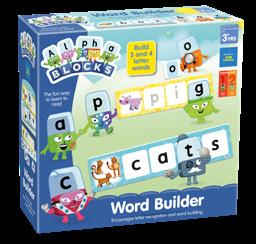
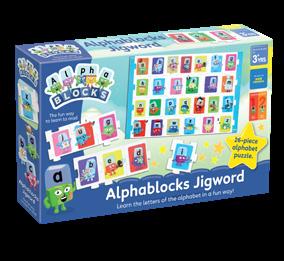
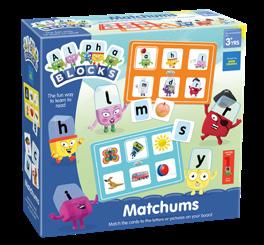
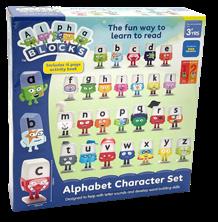
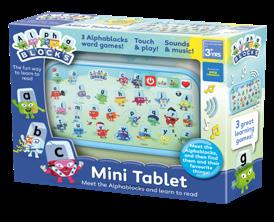
Looking for inspiration for playtime? Discover our families’ favourite toys, along with exciting giveaways, including Alphablocks and Peppa Pig toy bundles, so there’s plenty to keep little ones entertained.
We also explore how the language you use around food can shape your child’s long-term relationship with it, what to say, and what to avoid. Plus, discover strategies for navigating screen-free playdates and sleepovers with ease.

And to help you plan your days out, don’t miss our handy what’s on listings, packed with ideas for family fun in the weeks ahead. Don’t forget to sign up to our e-newsletter, packed with even more content and exclusive offers.
Families North West London is a franchise of Families Print Ltd of 75 Lisbon Avenue, Twickenham, TW2 5HL. Families is a registered trademark of Families Print Ltd. All franchised magazines in the group are independently owned and operated under licence. The contents of Families North West London are fully protected by copyright and none of the editorial or photographic matter may be reproduced in any form without prior consent of Families North West London. Every care is taken in the preparation of this magazine but the franchise owner and Families Print Ltd cannot be held responsible for the claims of advertisers, nor for the accuracy of the contents, or any consequence thereof.

By Stephanie Holt & Alexander Harris
In all the buzz about AI in education, it feels like there’s a race to acquire the flashiest edtech with some schools proudly announcing their use of AI platforms, chatbot tutors or algorithmic grading tools. Yet as we enter a seismic shift in how students engage with knowledge, the truth is that AI in education is less about the technology and all about how students learn to use it.
The focus must shift from learning to use AI, to using AI for learning.
At its best, AI should function like a compass, not a crutch. When students use generative AI responsibly to draft essays, analyse historical trends or solve mathematical problems, they’re not outsourcing thinking. They’re enhancing it.
The key lies in guided, purposeful use. Research reveals that students given structured support significantly out-perform peers who use AI unguided or uncritically (Holt & Harris, 2024). When incorporated into a structured learning journey, AI prompts deeper enquiry rather than being a shortcut.
The Traffic Light System: teaching ethical and effective use
The Traffic Light System categorises AI use into three bands, providing clarity for students and teachers alike in the difference between collaboration and collusion:
Green. Enhances learning without replacing it eg brainstorming prompts, language practice, data analysis.
Amber. Risks displacing the learning process and needs monitoring eg using AI to paraphrase or summarise without reflection.

Another urgent issue is equity. If AI tools are only accessible to students whose families can afford subscriptions or devices, we risk deepening existing achievement gaps. We recommend school-led solutions: centralised subscriptions, in-school access and parent workshops to ensure that AI becomes a bridge, not a barrier.
Education leaders must ask: are we equipping all students, not just the privileged few, to harness AI responsibly and reflectively?
Assessing the learner, not the output
Traditional assessment often focuses on the final product. But when AI is in the mix, educators need to shift the lens. Did the student understand how to refine the AI output? Did they cross-check the facts? Did they integrate their voice, their argument, their evidence?
To support this shift, assessments shouldn’t be about just checking AI usage; they should be about checking learning through AI usage. Quality over quantity.

Red. Replaces learning or violates academic integrity eg full AIgenerated assignments.
AI is a method of teaching, not a product
We need to frame AI as a way of teaching students to explore possibility. Learning objectives drive AI use, not the other way around. The most meaningful AI integration happens when:
• Teachers ask not just ‘what did you write?’ but ‘how did AI shape your thinking?’
• Students are encouraged to interrogate AI outputs, question accuracy and add their own insights, developing digital and critical literacy simultaneously.
Assessment isn’t just about measuring what students know. It’s about helping them learn through the process of enquiry, revision and reflection - with AI as a thinking partner, not a ghostwriter.
Stephanie Holt is Director of Teaching and Learning, DSB International School, India and Alexander Harris is Deputy Head Academic, Sanford International School, Ethiopia. They are co-authors of AI for Learning: 101 Assessments K-12 Unlocking Mastery of AI (Belgravia Press, 2024).

Ultimately, schools need to prepare students not just to use AI but to thrive in a world shaped by it. This necessitates a fundamental change in how we define success in school.
We must begin by asking students if they can:
Show what they’ve learned with AI; Reflect on how they got there; Demonstrate the ability to distinguish AI’s voice from their own and use that difference to grow.
That’s what fluency looks like. It starts not with the tech but with the trust we build - in our learners’ ability to engage, critique, create and reflect.
Schools that treat AI as an add-on will never unlock its power. Schools that treat AI as a thinking partner, a means to deepen learning, will transform education. Not because of the tools but because of the thinkers they help shape.
Let’s teach our students to lead - not follow - their tools.
By Erin Miller
In an era where banning children from smartphones is becoming increasingly normalised, the idea of actively promoting digital literacy at home can seem counterintuitive. However, digital literacy is about far more than simply knowing how to operate a device. It goes beyond technical skills to encompass the ability to engage with digital technologies safely, critically and thoughtfully. This includes knowing how to find and evaluate information online, communicate effectively in digital spaces, protect personal data and privacy and recognise risks such as misinformation, manipulation and harmful content.
Just as parents and schools teach children how to stay safe in the physical world, they must also teach them how to think critically about what they see in order to stay safe in the digital world.
Getting your child to think critically. To help children begin evaluating online information critically, teach them how to:
Check the source. Show your child how to find who created the content and whether it comes from a trusted organisation, a qualified expert or an unknown account. Teach them to look for an About page and to be wary of anonymous profiles.
Tell fact from opinion. Help them look for evidence such as facts, data or reliable links. Explain the difference between evidence and personal belief.
Recognise emotional manipulation. Teach them to notice when content triggers strong emotions like fear, anger or excitement and encourage them to pause before reacting or sharing.

Question headlines. Show them that headlines are often exaggerated and that they should read beyond the title.
Check the date. Teach them how to spot outdated content that is reshared as if it were new.
Cross-check information. Encourage them to look for the same story on other reputable sites and to be cautious if only one unfamiliar source is reporting it.
Have open conversations at home
It is unrealistic to pretend technology will not play a major role in your child’s world. Talk about it: ask your children what they enjoy online and what they find challenging. By building trust it’s more likely they will seek support if something goes wrong.
It is also important to discuss how algorithms work. Help children understand that their devices are tracking their behaviour and using that information to shape what they see.
Erin Miller is a teacher with a keen interest in how research can be used in the classroom to improve learning.

By Zuzu Jordan
In an age of AI, calculators and voice assistants, it is easy to question whether children still need to memorise times tables. After all, technology can provide an instant answer. However, fluency in multiplication remains one of the most important foundations in mathematics. When children know their times tables automatically, they free up brainpower for reasoning, problem-solving and tackling more complex concepts such as fractions, division and algebra.
In England, children begin exploring multiplication in Key Stage 1 through grouping, sharing and repeated addition. By Year 2, they learn the two, five and ten times tables. In Year 3 and Year 4, they extend this knowledge to all tables up to twelve x twelve, with the national Multiplication Tables Check taken at the end of Year 4. Schools now combine conceptual understanding with recall practice, using arrays (visual models organising objects into equal rows and columns to represent multiplication equations), practical resources and pattern spotting, alongside short, regular retrieval exercises.
Even with AI, instant recall matters. A child who quickly knows that 6 × 8 = 48 can focus on solving a multi-step problem instead of getting stuck at the first calculation. Technology should enhance learning, not replace core knowledge.
One of the most effective ways to support learning is to match practice to your child’s preferred way of learning.
For those who prefer to listen and learn, rhythm and repetition are powerful. Multiplication songs, chants and short rhymes can make facts stick. Creating a simple poem for tricky tables or setting facts to a familiar tune can transform learning into something memorable. Voice assistants such as Alexa or similar devices can also be used to fire quick questions for a fun, quizstyle challenge.
For those who like to learn by doing, try times tables snap cards, scavenger hunts where children shoot a Nerf dart at the correct answer or stick multiplication questions on the stairs so they solve one on each step. Jumping to the correct answer written in chalk outside or building arrays with Lego can also reinforce understanding through action.
For those who are drawn to colour and layout, use coloured multiplication charts, highlight patterns and encourage children

The language surrounding multiplication is crucial for children’s understanding. Words such as groups of, lots of, times, multiplied by and product, all describe the same operation in different contexts.
Children also need to recognise related vocabulary including factor, multiple and array. Understanding that 3 x 4 means three groups of four helps build conceptual clarity.
Precise mathematical language supports reasoning, problemsolving and explaining answers.
When children confidently use and understand multiplication vocabulary, they develop deeper number sense and stronger mathematical communication skills overall.

to notice number relationships. For example, all multiples of five end in zero or five and the digits in the nine times table follow a clear pattern. Seeing these connections reduces the need to memorise each fact separately.
AI can also be a creative ally. Parents can use AI tools to generate personalised resources that reflect a child’s interests. For a football fan, create times tables cards featuring their favourite team colours or badge alongside multiplication facts. For a child who loves animals or space, design themed quizzes or printable posters. Personal relevance increases engagement.
Whatever the method, short and frequent practice is key. Five focused minutes each day is more effective than a long weekly session. Isolate tricky tables for a few days before mixing them back in.
Encourage children to explain how they know an answer, not just say it.
Most importantly, keep it positive. Confidence builds fluency. Times tables are not about racing against a machine; they are about equipping children with mental tools that will support them throughout their education. In a world shaped by AI, foundational knowledge is what enables children to use technology thoughtfully and independently.
Zuzu is a Mastery for Maths Specialist who has taught primary for eighteen years and is Director of Arnett International. For FREE resources and tips, find her on Instagram @edumate_uk

A well-stocked times table homework grab bag should include quick, practical resources that make learning easy and engaging.
Add a set of flashcards, a small, laminated multiplication chart and a whiteboard with pen for quick practice. Include times table snap cards or simple dice for multiplication games.
A printed list of key facts for focus tables is helpful, along with coloured pens for highlighting patterns.
Finally, add a small reward chart to celebrate effort and consistent progress.
By Helen Zimprich
When my little son started pre-school, his world changed completely - especially the first part of the day.
Our mornings were previously slow, full of connection and precious. We had time to play, cuddle and read stories, time to fill our hearts before the day properly began.
But pre-school started at 9am. Suddenly, there was barely time to wake up, get dressed and rush out the door. I could see the difference in my son: he was less calm, less joyful and more tired.
I know many mothers don’t have the flexibility to adjust their mornings and I felt deeply grateful that, at that time, I did. His setting was understanding and so for the first few weeks, I decided to keep him home in the mornings. We continued our little routine of cuddles, stories and laughter. Dropping him off at pre-school around 10am gave him space to adjust at his own pace.
About eight weeks later, something shifted. One morning, he looked at me and said: ‘Mum, all my friends go to school early. They ask me why I come late. Can I please go early too?‘
That was it. From one day to the next, he was ready. It was his decision, not mine. He wanted to start the day with his friends. But there was one thing he still asked for: ‘Can we keep our cuddling time?‘
So I adjusted again, setting my alarm thirty minutes earlier. Before waking his siblings, I gently woke him up and we cuddled
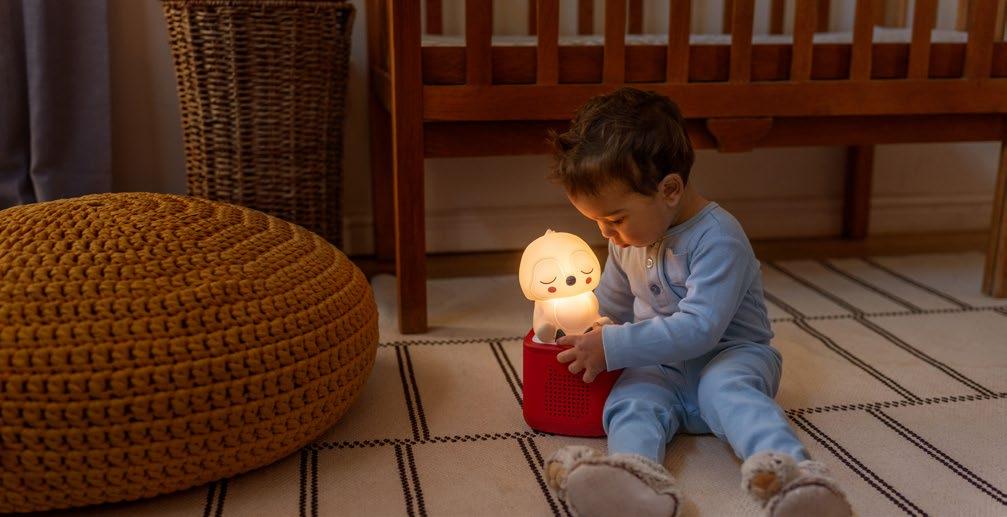
New research by Opinium (March 2026) highlights the importance of bedtime routines in supporting children’s wellbeing and school readiness. Four in five UK parents (80%) say listening to stories, music or audio helps their child relax before bed, with children using screen-free audio an average of 3.7 nights per week.
This rise in ‘calm audio’ reflects a shift away from screens. Findings show 73% of parents say listening helps children calm down, 78% say it supports smoother bedtime transitions, and 75% report reduced stress. Notably, 74% would prefer audio over screens before sleep.
With screen time exceeding two hours daily, tools like Tonies are increasingly popular.
The Toniebox 2 is designed for ages 1+, offering a durable, child-friendly, screen-free way to enjoy stories, music and learning. Features such as a sleep timer, gentle light, and sunrise alarm support healthy bedtime routines, while intuitive controls encourage independent, calming listening.

under a warm blanket, reading stories and sharing quiet moments together.
By the time he left for school, his emotional cup was full. He was ready to face a long day away from home.
That’s what parenting is truly about: understanding what our children need to feel safe and loved and finding creative ways to make it happen.
Not every mother can stay home until 9am but maybe it’s possible to find just ten or fifteen minutes to reconnect before the day begins. These little moments aren’t small at all. They fill your child’s heart with love, security and confidence to face the world.
Helen Zimprich is a certified Parenting Coach who helps working mothers to set healthy boundaries by saying the single word no. She supports women in creating strong connections with their kids through calm, conscious parenting. Learn more at www.helenzimprich.com or follow her on Instagram.
By Tanni Haas
You’ve found a great camp for your kids, signed them up and are getting them ready for all the fun ahead. But what should you pack for them every day? Drawing on my own experiences as a seasoned parent of day campers, I’ve compiled the following list of things.
Bag
Buy a lightweight yet durable and roomy bag pack, made of fabric or nylon. It’s useful if it has many compartments, so that you can put different items in different places, including an outside pocket for the water bottle.
Hat, sunglasses and sunscreen
If they’re spending much or all of the day outside, shades and a hat will keep them cool and comfortable. Teach your kids how to apply sunscreen properly without getting it in their eyes, ears or mouth. Apply it in the morning before they leave for camp and encourage them to reapply during the day.
Food and snacks
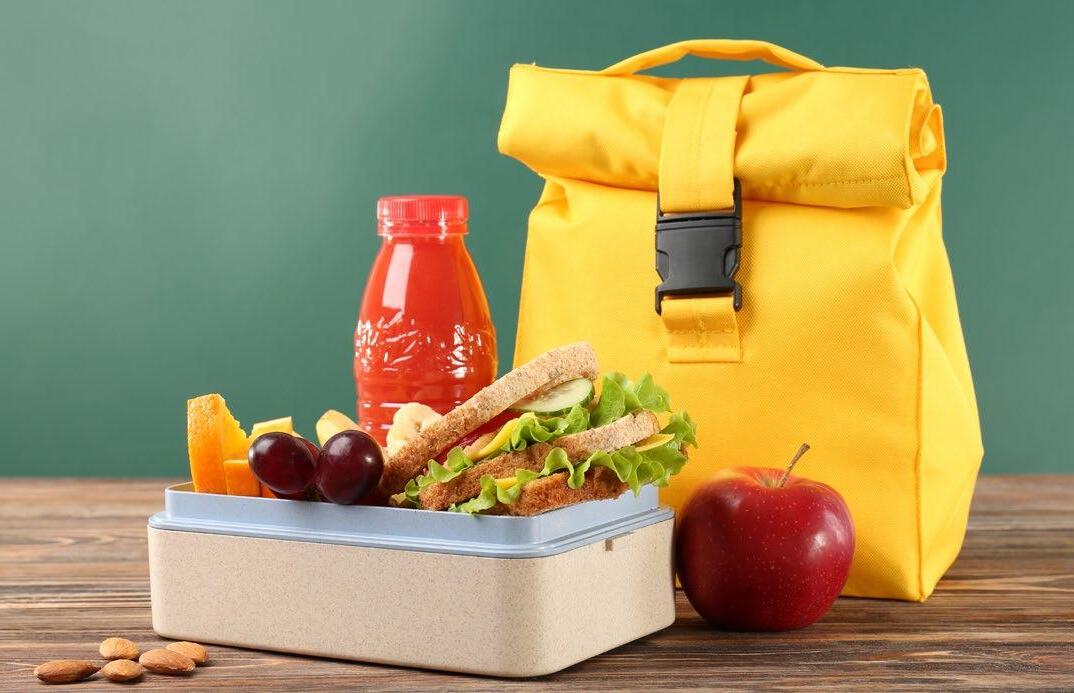
Pack one or two sandwiches and some healthy snacks in case they get hungry before and/or after lunch. Put all the food in a thermal bag so that it stays cool and fresh all day.
Hand sanitiser and wet wipes
Let’s face it: kids get dirty, especially if they’re spending a lot of time outside. Pack some hand sanitiser and wet wipes and instruct them on how to use them properly and frequently.
Plastic or Ziploc bags
Pack a couple of plastic bags or, even better, Ziploc bags - great for any wet items like swimsuits or towels.
Prescription medication
If your kids are young, give the camp organisers any prescription
medication they need. Older kids may be happy to carry the medication themselves.
Swimming gear
Many day camps include trips to the pool or other ‘wet’ activities. Always have swimming gear packed.
Water bottle
Pack a reusable water bottle, ideally in an easily accessible compartment. Put the bottle in the freezer overnight so that it stays cool.
Hoody or light rain jacket
It can get chilly – and, of course, it may rain. Pack a lightweight windbreaker or a hoody, depending on the weather forecast.
… and a little surprise
Put a little surprise item (a favourite snack or an I-love-you note) in a place where you know your kids will look, like in their lunch box. It’ll ensure they have a great day.
Tanni Haas, Ph.D. is a Professor in the Department of Communication Arts, Sciences and Disorders at The City University of New York.
Make this summer exceptional with St Helen’s School’s curated programme of holiday camps.
We host a standout mix of sports academies, theatre camps, swimming crash courses, and specialist workshops delivered by expert partners. Open to boys and girls of various ages, our programmes are safe, engaging, and designed to nurture every child’s potential. Discover the ideal summer experience.
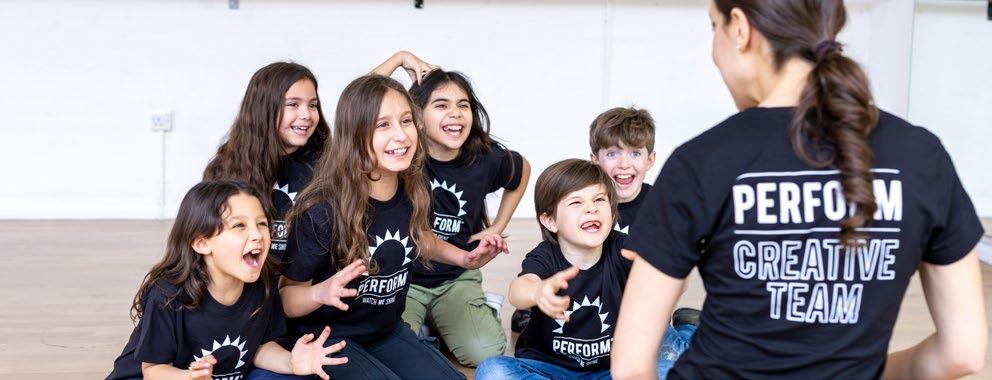
This summer term, help your child build confidence, creativity and social skills with Perform weekly drama, dance and singing classes. Children have the chance to shine in a magical end-of-term performance: Mermaids & Pirates for ages 4 to 7 and The Dream for ages 7 to 12, a modern adaptation of A Midsummer Night’s Dream. Every child is welcome to try a FREE class in Harrow, Ickenham, Pinner, Queen’s Park, Ruislip, Stanmore and Watford.
Visit www.perform.org.uk/try to book.

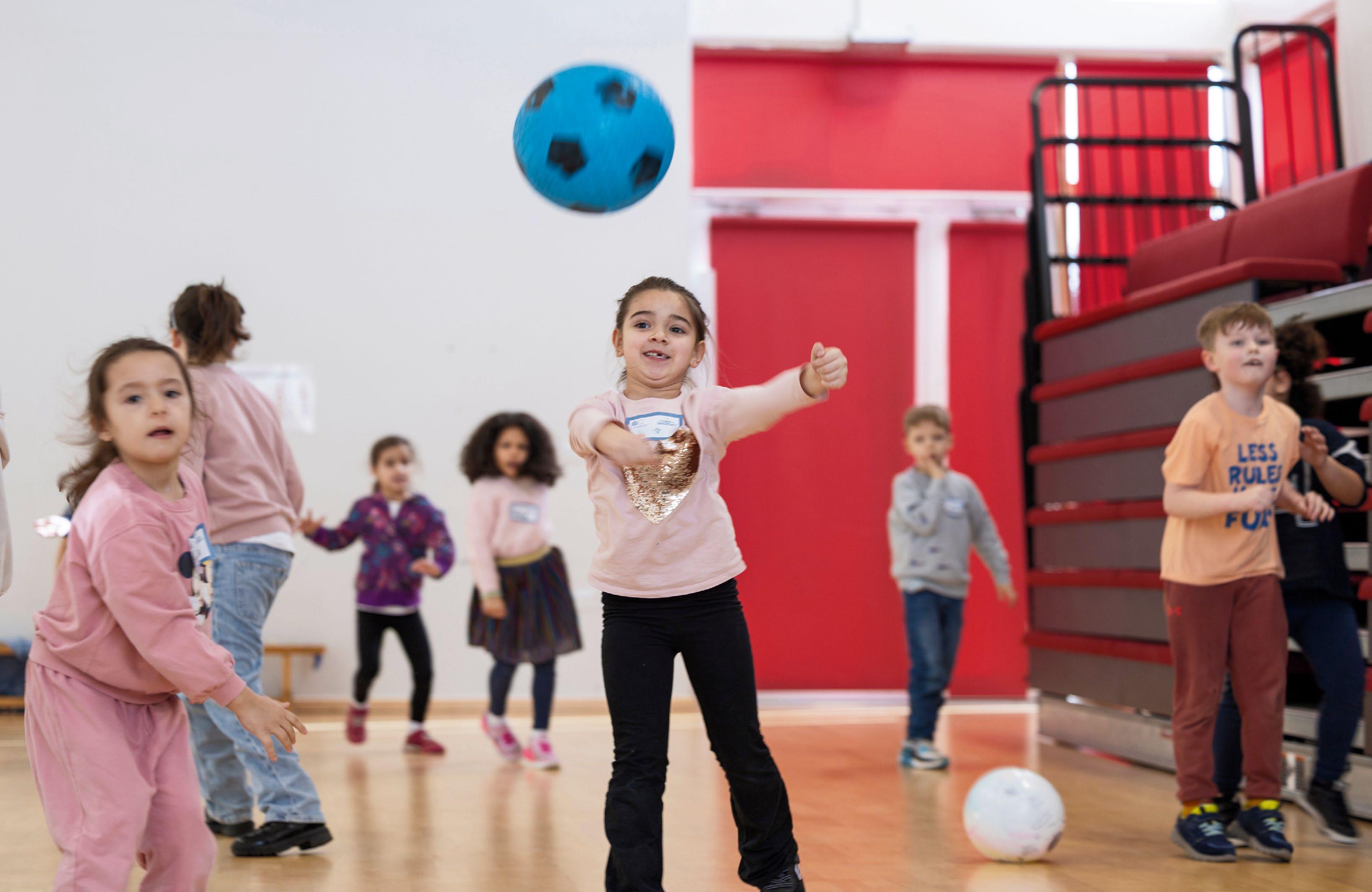
For ultimate fun during the summer holidays, children ages 4½ to 14 years can enjoy a range of over forty sports, games and craft activities each week on the multi-activity camps, led by inspiring staff in superb facilities.









Take the stress out of school holiday childcare and join these outstanding school holiday camps. Ofsted Registered, Pay by childcare vouchers.
Running from 20 July-21 August at Merchant Taylor’s School, Northwood (Monday-Friday, 8am-6pm).
Visit www.ultimateactivity.co.uk to book.










Holiday time After school club ispart of Activetime Children’s Activities Limited (HA1)
Pick up from four local schools at the end of the school day, then take the children back to the club for a snack and the daily activity. Open Mon-Fri 3-6pm at The Cadet Centre, Harrow, HA1 2QA. Call 07575801623, email holidays@ activetime.co.uk www.activetimedaynursery.co.uk
Cygnets Art School Ruislip
From Age 5 to adult! Children’s classes: Wednesday 4-5pm, Thursday 4-5pm, Saturdays 10-11am and 11am-12.30. Holiday camps, birthday parties for up to 8 children, scholarship preparation. Adult Art Night last Wed of the month. Contact Louise at ruislip@ cygnetsartschool.com or call 07944596725
Free Readers (Various)
Free Readers offers enrichment or extra help for children aged 3-11 yrs in Reading, Maths and English, homework and test preparation. Individual teaching and attention in small groups is the preferred way to help children. They encourage them how to learn, enabling them to reach their full potential. Call 07385 258007 or email office@freereaders.co.uk www.freereaders.co.uk
Street Dance Academy (Various)
Teach children aged 5-18 yrs every weekend during school term time, with clubs in and around London, Hertfordshire and Surrey. Street Dance Academy also teach Adult Street Dance and Zumba Classes in Twickenham every Wednesday. Call 0800 0236 236. www.streetdanceacademy.co.uk
Little Voices
Led by the inspiring Coleen Mann, Little Voices Harrow & Hillingdon offers small-group drama and singing classes for children aged 4-18 that build confidence, communication skills and creativity. With no pressure to perform, every child is supported to find their voice in a safe, nurturing space. Classes run during term time in Harrow, Hatch End and Ickenham – book your free trial lesson today by calling 07787 535506 or emailing coleen@littlevoices.org.uk.

Elina Patrou Academy of Dance (HA7) Elina Patrou Academy of Dance offers exceptional ballet training for children and teens aged 2½–18. Following the Royal Academy of Dance syllabus, classes nurture confidence, creativity and discipline in a joyful, supportive environment. Led by RAD-qualified teachers and ex-professional ballerinas, we teach both recreational and vocational ballet, including Discovering Repertoire - a unique programme where students learn classical variations from iconic ballets. Classes are held in Canons Park in spacious, fully equipped studios.
Gymboree Play & Music Watford
Sensory classes for babies, art and music classes, as well as Play & Learn classes for little ones who are on the move. They also offer a range of fabulously fun birthday parties. Find them upstairs in the Atria shopping Centre at the top of the Queens Car Park. https://gymbo.co.uk/locations/watford
Monkey Music (Various)
Award-winning Monkey Music, trusted by parents since 1992, introduces babies and young children aged 3 months to 4 years to music with a unique four-stage curriculum tailored to each age group. Classes run 6 days a week, in Uxbridge, Eastcote, Northwood, Ickenham, Harrow, Stanmore and Watford. Call 020 8427 6595. www.monkeymusic.co.uk
Harrow Arts Centre Youth Theatre (HA5)
Are you passionate about performing, writing, or directing theatre? Our weekly HAC Youth Theatre is your chance to develop professional skills in theatrical performance while boosting confidence and creativity in a supportive learning environment. Ages 7-11 years. www.harrowarts.com





Perform (Various)
Help your child shine with a free Perform class. Perform weekly classes for 4-7s and 7-12’s use a mix of drama, dance and singing to bring out a child’s natural ability. Run by professional actors, our classes focus on developing confidence, communication, coordination and concentration. We put child development at the heart of our classes which means we don’t worry about whether children get their lines or moves exactly right. All abilities are welcome! The curriculum is packed with fun, using a mix of drama games, catchy songs and funky dances. Classes in Harrow, Ickenham, Northwood, Pinner, Ruislip, Stanmore, and Watford. Every child is welcome to try a noobligation FREE class, visit www.perform.org. uk/try to book your local class
Stagecoach (Various)
Training in three disciplines: drama, dance and singing. Great for building confidence, making new friends and beginning to hone talent and enthusiasm for performing, by having fun! Call Harrow 020 3504 0100, Harrow on the Hill & Sudbury Hill 01923 248 294, Stanmore & Harrow Weald 020 3504 2154, Watford 01727 768 738, Queen’s Park 020 7723 5861 or Northwood 01442 263 599. www.stagecoach. co.uk
TISKA Karate
Learn the art of Karate. Classes held weekly in Harrow, Northwood and Wembley. Families welcome, Ages 4+. 2 week free trial (07739 572487) hpatel@tiskakarate.com www.tiskakarate-harrow.co.uk www.tiskakarate-northwood.co.uk www.tiskakarate-wembley.co.uk
DiscoG Coding Academy (HA3)
Run weekly term-time classes and holiday courses and workshops for students aged 6 to 18. Join in to learn Computer Science, Coding, Robotics, AI and Machine Learning. Contact Gerard & Kat on 07767 300940, email: info@ discogcodingacademy.com www.discogcodingacademy.com
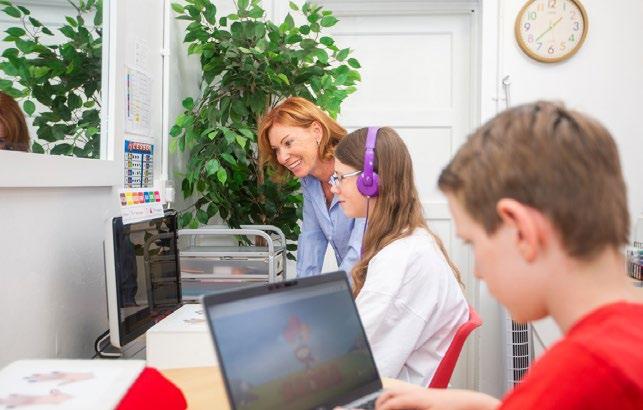
Essential Touch-Typing Courses for ages 8 to 18. Our online courses are Tutor Supported 95% of our students complete the course in 10 lessons, achieving 95% accuracy and words per minute! Invest now for your child’s future. Keyboard confidence, Accurate typing, Faster work speed, Improved spelling. Empower your child with this lifelong skill! Contact us to find out more. https://touchtypeit.co.uk
By Alicia Eaton
Most parents spend a lot of time thinking about what their children eat and far less time thinking about how they talk about it. Yet the words we use around food often shape a child’s relationship with eating far more powerfully than the food itself.
Children don’t just learn about food from what’s on their plate. They absorb the surrounding emotional tone, meaning and messages long before they understand nutrition. Over time, those messages quietly influence how they feel about food and how they listen to their own bodies.
Much of the language we use around food is inherited. Phrases such as ‘finish everything on your plate,’ ‘that’s a treat’ or ‘you can have pudding if you eat your dinner.’ They’re often said automatically, in busy family moments, with good intentions.
But language has an impact. Children’s developing minds are designed to absorb everything in their environment - not just language and manners but beliefs, fears, behaviours and emotional responses. So they don’t just hear our words, they internalise our attitudes as blueprints for life. Many adults who struggle with weight and relationships with food can pinpoint episodes in their childhood that left a mark and persistently contribute to the problem.
Which means that if we joke about our weight, skip meals, obsess over calories or equate food with guilt or control, we’re teaching those same scripts to our children, even if we never say them out loud.
Growing up in an environment where food is repeatedly linked to behaviour, reward, comfort or control, children can start to lose touch with their own internal signals. Hunger becomes something to override, negotiate or ignore. Fullness becomes something to push past and eating becomes driven by habit, emotion or expectation.
Labels matter too. Calling a child ‘fussy,’ ‘greedy’ or ‘difficult at mealtimes’ can quickly become part of how they see themselves. Children are remarkably quick to live up to labels, even when they don’t truly fit.

There’s a good boy or girl; Finish everything on your plate; Just try…; One more bite; Open your mouth: here comes the aeroplane/steam train; Eat it for me; You liked it yesterday; You never eat your vegetables; No dessert until you’ve eaten your dinner; You can have pudding if…; No snacks until you behave; Stop asking for snacks – you’re always hungry.

Another common issue is pressure. Even gentle pressure: ‘just one more bite,’ ‘eat it for mummy,’ ‘you liked it yesterday’ can interfere with appetite awareness. Children become less able to tune into what their body is telling them. This can lead to power struggles at the table, anxiety around food or eating that feels disconnected from genuine hunger.
What helps instead is neutrality. Neutral language keeps food emotionally calm. It separates eating from behaviour and removes moral judgement from meals. This doesn’t mean being permissive or giving up structure - quite the opposite. Children thrive on predictability. Knowing when meals and snacks will happen helps them relax and trust that food is reliably available, without needing to negotiate or graze constantly.
Neutral language also supports curiosity. Instead of persuading or labelling, parents can describe, observe and invite reflection: ‘how does your tummy feel?’ or ‘does that taste how you expected?’
A healthy relationship with food isn’t created through rules or restriction but through the unconscious messages we pass on when we shop, cook, sit and eat round the family dinner table.
Today’s families face challenges that previous generations never had to navigate. With ultra-processed foods dominating the supermarket shelves and diet talk reaching our children at ever younger ages, it’s going to be even more important that the conversations we have at home foster healthy eating habits for life.
Alicia Eaton (www.aliciaeaton.co.uk) is a Harley Street-based behaviour change psychotherapist and the author of Mind How Your Kids Eat, which explores how everyday habits and language shape children’s long-term relationship with food.

This is what we’re having today – tomorrow will be different; Let’s see how that tastes; I can see you’re starting to enjoy tasting new foods now; Let’s listen to our tummies and stop when we’re full; You can eat what your body needs for now; Some foods are ‘everyday’ foods; Sweet, sugary foods are what we eat ‘sometimes;’ Different foods do different jobs.
By Daisy Greenwell
Sleepovers and playdates should be about real-world connection, laughter and fun - not worrying about what your child might see on someone else’s smartphone. This is a real concern for many parents and it can feel awkward bringing it up with others. Here’s how to set some boundaries without the whole discussion feeling awkward.
Start with curiosity, not judgement
Before a sleepover or playdate, have a chat with the host family. Something like: ‘We’ve been thinking a lot about kids and smartphones. It’s so tricky, isn’t it - what’s your approach?’ This opens up a conversation rather than a lecture. You might be surprised; many families share your concerns but haven’t figured out how to talk about them yet.
If you’re hosting, set expectations When hosting, set a ‘phone-free playdate’ expectation for all kids, not just your own. Let other parents know beforehand with a simple: ‘I hope it’s okay for you but we prefer to do phonefree playdates: no smartphones or tablets.’ Saying: ‘Yes, I’m that technophobe parent!’ keeps it light-hearted. Alternatively, ask the kids you’re hosting to put their devices into your family tech drawer/box on arrival. Tell them you want them to get up to some fun, not just stare at screens. They can let you know if they need to make a phone call.
If someone else is hosting, set a boundary
If your child is going to someone else’s house, don’t be afraid to let the other parents know your approach before you arrive. It helps to have a simple, non-preachy way to explain. For example: ‘We’re keeping her smartphone-free for now, so I’d prefer if she
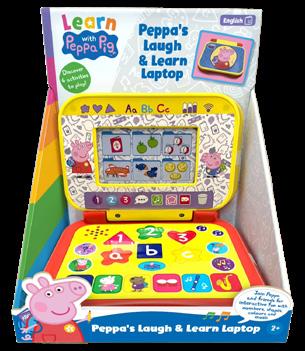
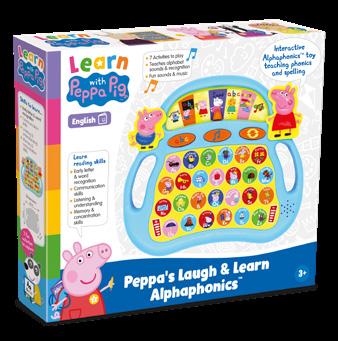
Includes Peppa’s Laugh & Learn Laptop
Peppa’s Laugh & Learn Alphaphonics
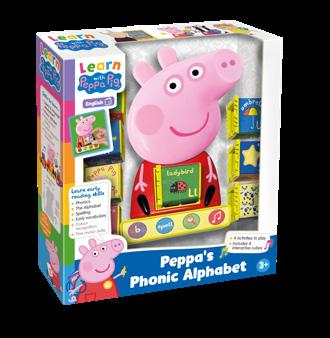
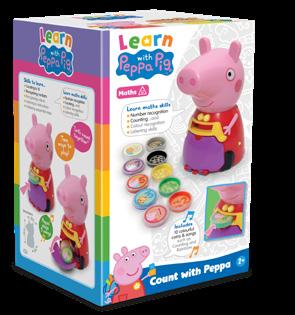
Count With Peppa
Peppa’s Phonic Alphabet
Answer Peppa’s questions about letters, numbers, shapes, musical instruments, colours and her family and friends
Includes music and songs from the shows and a wide variety of fun activities

doesn’t go on any devices while she’s with you – I hope that’s okay.’
Share an anecdote that illustrates your concern
Sometimes real-life parenting stories say everything that needs to be said and help to avoid a lengthy explanation of your views on smartphones. Mention accounts of children being genuinely traumatised by seeing violence or porn online - no parent wants this to happen to their child. Express your fears around how easy it is to stumble across unregulated online content, along with widespread warnings from experts. This should be enough to help you agree on protective measures.
Talk to your child ahead of time
No matter what, kids will encounter smartphones at some point. Have ongoing conversations about what they might see and how to handle it. Teach them phrases like: ‘I don’t want to watch that’ or ‘Can we do something else?’ so they feel equipped to walk away from anything that doesn’t sit right with them.
Give your child an exit strategy
If they end up uncomfortable at a friend’s house, make sure they know they can always call or text you (on a simple phone or someone else’s phone) for a pick-up - no questions asked. Agree on a simple code phrase. Something like: ‘Hey, did you find the missing shoe?’ which can be a discreet way for them to escape an uncomfortable situation.
Find your allies
The more families who set these boundaries, the easier it gets. If you know other families with similar views, chat with them. You might even suggest a ‘phone-free playdate’ rotation so kids can hang out without screens being an issue.
Daisy Greenwell is Co-Founder and Director of Smartphone Free Childhood (www.smartphonefreechildhood.org), a movement of families standing together to delay access smartphones and social media for children.

Use QR code or apply at www.familiesmag.co.uk/go

Smart phone-free play gives kids space to just be kids. Away from the algorithms, they get to fully engage with each other, be creative and make real-life memories. That’s a goal that most parents (and kids) can get behind. Remember you’re not alone in this. Childhood is changing fast and we’re all figuring it out together. By approaching conversations about these issues with warmth, understanding and a little humour, we can create spaces where kids can thrive. And that’s something worth standing up for.
All listings are correct at the time of publication. Please check with the venue before you visit in case anything has changed.
Mundo Pixar Experience
Until Jun
Step inside life-size sets from beloved Pixar films in this immersive walk-through experience for all ages. Explore iconic worlds like Toy Story, Monsters, Inc. and Cars, with detailed scenes, surprises and photo moments that bring Pixar’s most magical stories to life.
www.mundopixar.com/en
Horizon 22 Viewing Platform
Daily
London’s highest free viewing platform offering stunning 360-degree skyline views. A quick, memorable experience with a highspeed lift and no cost to visit. www.horizon22.co.uk
Our Yard at Clitterhouse Farm
Daily
Discover a vibrant community hub offering a wide range of monthly events for adults and families. From arts and crafts to gardening, music and food workshops, enjoy creative sessions in the studios, café, greenhouse and gardensperfect for learning, making and connecting with others. www.ouryard.org/events
Top Golf Nights, Top Golf Watford
Every Fri
£25 for 2 games, 1 meal and 1 drink. This is an ongoing deal available from 5pm till close, every Friday. With demand expected to be high during the school holidays and long weekend, guests are encouraged to book in advance!
www.topgolf.com/uk/promo/ nights-uk
McDonald’s Football Sessions
May Fun, coach-led football sessions focusing on skills and confidence for children aged 5–11. Booking required due to limited spaces. www.mcdonalds.co.uk/football
Apple Store Kids Workshops
May
Hands-on sessions teaching coding, filmmaking, music and digital art using Apple devices. Great for beginners, but booking is required as spaces are limited. FREE.
www.bit.ly/Applekids
Kings Cross Super Nature Trail
Until 31 May
Embark on a family nature trail around King’s Cross. Until 31 May, explore plants, birds and wildlife. Maps available for curious explorers of all ages. FREE. www.kingscross.co.uk/supernature-at-kings-cross
Minigolf at Canary Wharf
1 May–27 Sep
A colourful 9-hole minigolf course that’s completely FREE to play.
Perfect for all ages and ideal for a quick, fun activity during a day out in Canary Wharf. FREE. www.canarywharf.com/whats-on
LEGO Star Wars Giveaway at Smyths Toys
2 May
Children can receive a FREE LEGO Star Wars polybag in-store while stocks last. Expect queues, so it’s best to arrive early for this popular giveaway event. www.smythstoys.com/uk/en-gb/ in-store-events
Tuff Nutterz Returns to Wembley Park 2–4 May
Tuff Nutterz returns to Wembley Park this Bank Holiday with the UK’s biggest indoor inflatable obstacle course. Bounce, climb and tackle challenges for all ages-rain or shine. New for 2026: hit the giant football target to win prizes and bragging rights.
www.tuffnutterz.co.uk/wembley
Crayola World of Creativity PopUp
2–4 May
A FREE , drop-in creative popup packed with colouring, crafts and hands-on activities designed to spark imagination. Ideal for younger children and an easy, loweffort outing over the Bank Holiday weekend. www.coinstreet.org/events
May Day at Headstone Manor
4 May
A lively family festival featuring dance workshops, medieval encounters and traditional fairground rides. Perfect for a fun outdoor day out with children of all ages in a historic setting. www.headstonemanor.org/events
Traditional Spinning in Demonstrations at Chiltern Open Air Museum
9 May
See this historic craft brought to life as raw fleece is transformed into yarn. www.coam.org.uk
Sensory Workshop at the V&A Museum
9 May
A calm, creative session with art activities and sensoryfriendly spaces. Designed for neurodivergent children, with optional booking recommended. FREE. www.vam.ac.uk/events
Dawnosaurs at Natural History Museum
9 May
Early access for neurodivergent children and families in a calm, quiet setting. Includes activities and support. Booking required. FREE. www.nhm.ac.uk/events/ dawnosaurs.html

Traditional Baking at Chiltern Open Air Museum 10 May
Watch as traditional bakers shape and bake a magnificent harvest loaf. www.coam.org.uk
Nesquik Pink Cereal Café Pop-Up 9–10 May
A fun, immersive, pink-themed café serving strawberry cereal in a playful setting. A quirky, Instagramfriendly experience for families. www.bit.ly/NesquickPP
Covent Garden May Fayre & Puppet Festival 10 May
A unique festival celebrating puppetry with performances, workshops and street entertainment. A fun and slightly different family day out in the heart of Covent Garden. FREE. www.coventgarden.london/events
Drop-in and Draw at Dulwich Picture Gallery 16 May
Relaxed drawing and collage sessions for families. A simple, creative activity in a calm gallery setting. FREE. www.dulwichpicturegallery.org.uk
Vauxhall May Fair 16–17 May
A relaxed, family-friendly spring fair with live music, workshops, farm activities, performers and more. Most activities are FREE, making it an easy and enjoyable day out for families. www.vauxhallcityfarm.org/events
Moth Trap Opening at Chiltern Open Air Museum 17 May
Discover hidden wildlife as the Buckinghamshire Invertebrate Group opens moth traps. www.coam.org.uk





Chelsea in Bloom 18–24 May
A FREE floral festival transforming Chelsea with creative displays and installations. Perfect for a relaxed wander with the kids. www.chelseainbloom.co.uk
IKEA World Bee Day Craft Day 20 May
Celebrate World Bee Day at Smaland! Kids can create a cute bee using a toilet roll. Fun, creative and perfect for little hands. FREE. www.ikea.com/gb/en/stores/ events/ikea-wembley/world-beeday-craft
Family Station at the British Library 23–29 May
A relaxed drop-in space for reading, drawing and creative play, making it ideal for families during half term. FREE. www.bl.uk/events
Pets at Home Workshops 23-31 May
Interactive sessions where children learn about pet care, meet animals and take part in simple activities. Booking required. FREE. www.community.petsathome. com/events/child-workshop
Star Wars Bounty Bear at Hamleys 23–31 May
Interactive Star Wars-themed challenges and role-play sessions for kids. Held at set times, making it a fun activity for younger fans visiting central London. FREE. www.hamleys.com/events
Victorian Activities at London Museum Docklands 23–31 May
Hands-on crafts and entertainment inspired by Victorian times. A slower-paced, educational activity ideal for curious children. FREE. www.museumoflondon.org.uk/ docklands
Cavalry and Cannons: The Napoleonic Experience at Chiltern Open Air Museum 24-25 May
Experience Napoleonic battles, cavalry, weaponry displays, living history camps, and meet actor
Jason Salkey at this thrilling event. www.coam.org.uk/napoleonic
Family Film Club at Fulham Pier 25–26 May
Relaxed film screenings where kids can move around freely. A great low-pressure cinema experience for younger children. FREE. https://fulhampier.com
Family Portraits Workshop
26 May
A creative session where families can design playful portraits using costumes and art materials, inspired by gallery collections. FREE. www.npg.org.uk/whats-on
Terrific Tuesdays: Themed Family Crafts & Activities at Chiltern Open Air Museum
26 May
Enjoy themed family activities, creative crafts, and enchanting storytelling every Tuesday during Bucks school holidays. www.coam.org.uk
Art Studio at National Gallery 26–28 May
A drop-in creative workshop where children can paint, print and explore textures inspired by artworks. First come, first served. FREE. www.nationalgallery.org.uk/ events
Virtual Orchestra at Southbank Centre 27–28 May
An immersive VR experience where children can join a virtual orchestra and play along. Fun, interactive and perfect for music-loving kids. FREE. www.southbankcentre.co.uk
Nature Roadshows in Royal Parks 27-28 May
Hands-on outdoor activities including nature trails, crafts and mini investigations. Regent’s Park, Kensington Gardens and Primrose Hill. FREE. www.royalparks.org.uk
SEND Bugs From The Bin Family Workshop, Harrow Arts Centre 29 May
Join in this half term for a fun, hands-on craft session using recycled materials. With paper,

cardboard, bottle tops and tape, create your own imaginative bugs and creepy-crawly creations in this playful, sustainable workshop. www.harrowarts.com/events/ lh-send-bugs-from-the-binworkshop
Games Through the Ages at Chiltern Open Air Museum 6 Jun
Check the website for details of this event. www.coam.org.uk
English Civil War Weekend at Chiltern Open Air Museum 13-14 Jun
Immerse in the 1640s English Civil War with soldiers, crafts, firepower, and interactive history activities for all ages. www.coam.org.uk
Taste of London, Regents Park 17-21 June
Enjoy a delicious day out at Taste of London, where Regent’s Park transforms into a vibrant food festival full of flavours, fun and discovery. With dishes from top restaurants, live entertainment, interactive workshops and plenty to explore, it’s a relaxed, familyfriendly summer experience for all ages. www.london.tastefestivals.com
Cavalry and Cannons: The Napoleonic Experience at COAM
Father’s Day at Chiltern Open Air Museum 21 Jun
Celebrate Father’s Day with classic Jaguars, live folk and country music, and countryside fun for car lovers of all ages. www.coam.org.uk
Vikings: The Immersive Experience
The Immersive Experience in London is a large-scale interactive exhibition at Canada Water where visitors explore Viking mythology through VR, 360° projections, lifesize sets and a forest walkthrough. It tells the saga of Queen Kraka, blending history, storytelling, and cutting-edge immersive technology. www.vikings-immersive.co.uk/ london
The Paradox Museum
Step into a world of illusion at the Paradox Museum London, where interactive exhibits, mindbending rooms and optical tricks challenge reality. Explore, play and snap unforgettable photos in this immersive, family-friendly experience blending science, art and pure imagination. www.paradoxmuseum.com/ london
Chiltern Open Air Museum is an outdoor museum with a collection of historic buildings spanning 2000 years offering a captivating journey through time.

Cavalry horses, cannon blasts, gunfire and epic battles are all part of Chiltern Open Air Museum’s spectacular Cavalry and Cannons event taking place on Saturday 24 and Sunday 25 May. This family-friendly event will see over 150 re-enactors and 15 cavalry horses taking part in spectacular displays and living history camps.
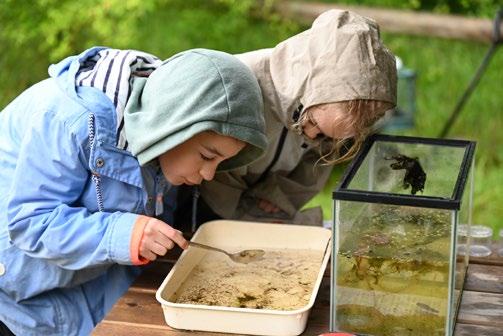
The fun continues on 26 May with Terrific Tuesday, a hands-on nature themed activity day that includes pond dipping, crafts and clay modelling.
and more information available at www.coam.org.uk
of A Matter of Loaf and Death make it unmissable family fun.
ARTS DEPOT, FINCHLEY
THE ALBAN ARENA, ST ALBANS www.everyonetheatres.com
Natural History Museum: Dinosaurs Live!
Sat 16 May
Journey through the Triassic, Jurassic and Cretaceous as lifelike dinosaurs’ roar on stage in this thrilling, educational family adventure.
The Sooty Show
Sun 17 May
Izzy Wizzy, let’s get busy! The Sooty Show brings Sooty, Sweep and Soo to town for magical mayhem. Expect music, mess, magic and giggles galore, plus a chance to meet Sooty after the show!
Tom Gates’ Epic Stage Show
Sat 6 June
Based on Liz Pichon’s bestselling books, Tom Gates EPIC Stage Show brings the Brilliant World of Tom Gates to life with catchy tunes, hilarious performances and live illustrations. Fun for ages 7+.
Aardman in Concert
Sat 27 June
Celebrate 50 years of Aardman with Wallace & Gromit, Shaun the Sheep and friends in this big-screen spectacular with live orchestra. Classic clips, iconic characters and a full performance
www.artsdepot.co.uk
Young MacDonald Wants a Farm Sun 17 May
Young MacDonald is all grown up and starting a farm of his own!
A joyful musical adventure for ages 2–6, featuring electronic music, gentle clowning and playful interaction for little ones and grown-ups alike.
Tales from Acorn Wood Fri 22–Tue 26 May
Songs, puppetry and beloved characters make this charming, interactive show perfect for young audiences and families.
There’s a Monster in Your Show
Wed 27–Sat 30 May
Join Little Monster and friends for songs, chaos and comedy in this high-energy 50-minute adventure for young audiences.
HARROW ARTS CENTRE www.harrowarts.com
The Cat in The Hat Sat 23-Sun 24 May
Experience the mischief of The Cat in the Hat in this lively stage adaptation. When he appears, Sally and her brother are swept into a rainy-day adventure full of tricks, surprises and fun - an engaging first theatre experience for ages 3+.
For families seeking a lively twist on a traditional British treat, the Peppa Pig Afternoon Tea Bus Tour by Brigit’s Bakery offers an experience that leans as heavily into entertainment as it does indulgence.

Join Peppa Pig for a funfilled London adventure. Hop aboard the afternoon tea bus for sightseeing, sing-along-songs, enjoy tasty treats and giggle along with games and surprises for the whole family. Enjoy a Peppa Pig themed afternoon tea with a choice of teas and coffees (traditional, vegan, vegetarian, gluten-free and halal options available). There are games, activities and giggles with the onboard entertainment team and every guest receives a Peppa Pig travel cup to take home.
Tickets and more information at www.b-bakery.com/london/ bus-tours/peppa-pig-afternoon-tea
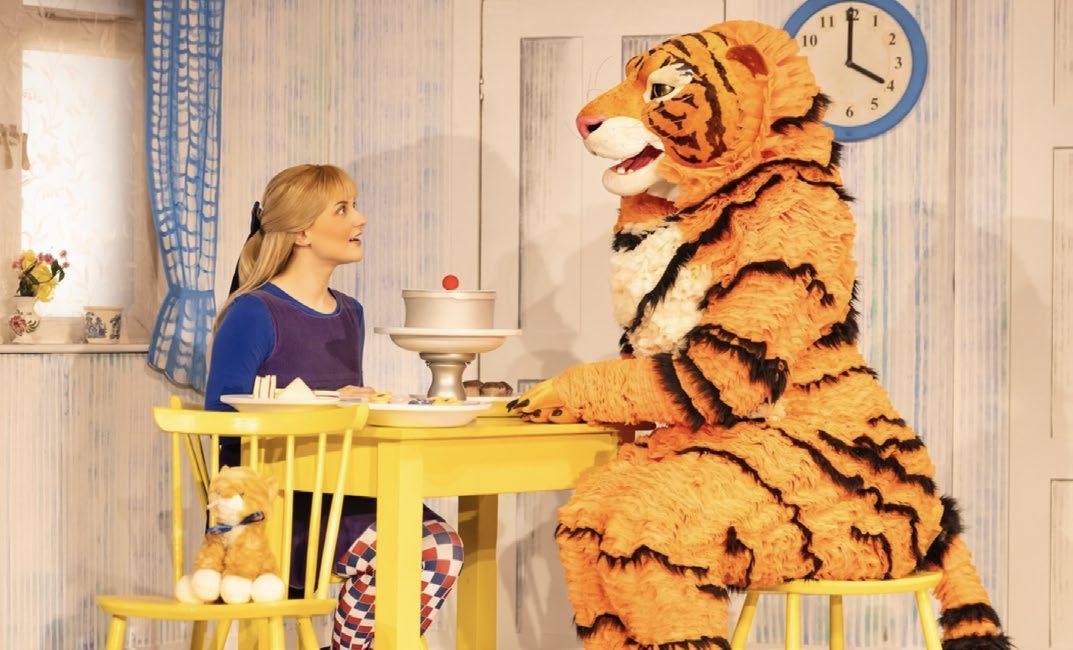
The Tiger Who Came to Tea
Sat 30–Sun 31 May
When a big stripy tiger interrupts Sophie’s tea, chaos follows in this magical, song-filled family show.
LITTLE ANGEL THEATRE, ISLINGTON www.littleangeltheatre.com
The Flying Bath Sat 2 May–Sun 12 Jul
Julia Donaldson and David Roberts’
The Flying Bath splashes onto the stage in this playful adventure for ages 2–5. Join magical bath toys on heroic missions with catchy songs, quirky characters and watery fun.
Toto the Ninja Cat and the Great Snake Escape 17 May–19 Jul
Meet Toto, the ninja cat with a big heart and a nose for adventure. An action-packed, musical stage adaptation. Ages 5+ with relaxed performances available.
PUPPET THEATRE BARGE, LITTLE VENICE www.puppetbarge.com
The Enormous Turnip Sat 2-Mon 4 May
A puppet retelling of a classic tale for young audiences. Full of humour, music and colourful characters, this show celebrates cooperation and storytelling magic.
The Ugly Duckling Sat 16-Thu 21 May
A beautiful shadow theatre retelling for ages 4–10. Set to Vivaldi and Max Richter, it uses light, shadow, and simple props to explore identity and belonging.
Suitcase Circus
Sat 13 June
Welcome to a wildly entertaining world where everyday objects come alive with attitude, charm and chaos.
Videk’s Shirt
Sat 6-Sun 7 June
Videk’s Shirt is an intimate, interactive show for ages 2–6, blending puppetry, storytelling and live music.
The Three Little Wolves Sat 20-Sun 21 June
The Three Little Wolves is a lively musical adventure set on the Puppet Barge. Featuring glove puppets and an electrifying score, it includes dancing mice, slippery eels and a lion-taming pigeon in this playful new production.
RADLETT THEATRE, WD17 www.radlettcentre.co.uk
Tom Gates’ Epic Stage Show
Sun 3 May
Tom Gates EPIC Stage Show brings the illustrations and music to life. Packed with catchy tunes and hilarious performances, this lively show captures the series’ playful spirit.
WATFORD PALACE THEATRE, WD17
www.watfordpalacetheatre.co.uk
Fireman Sam Live: The Lost Pirate Treasure
Thu 28 May
Join Fireman Sam and friends in this action-packed adventure for ages 2+. When a hidden pirate treasure is discovered, seaside chaos unfolds with songs, surprises and heroic rescues perfect for little adventurers.
Baby Broadway Thu 4 June
Sing, dance and sway along in this joyful interactive concert for ages 0–7.
Enchanted: The Ultimate Princess Concert Sun 28 Jun
Step into a magical candlelit concert where beloved fairytale songs sparkle to life. With stunning live vocals and enchanting music.
WATERSMEET THEATRE, WD3 www.watersmeet.co.uk
Unicorn Live! Fri 29 May
Join magical unicorn friends as they sing, dance and conjure a dazzling new band, with pop hits, glittering costumes and a real unicorn- plus a chance to meet the stars after the show!
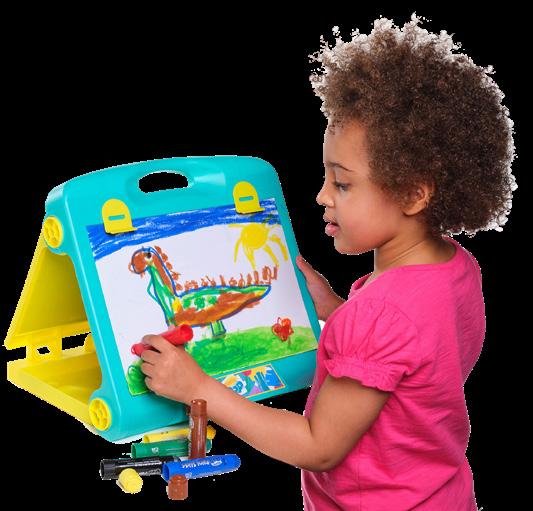
table-top easel that helps your mini artist create masterpieces
Double sided 6 chunky Paint Pop sticks and paper Worth £20 each Ages 3+
By Emilia Orviss
Outdoor play is essential for children’s development. It not only provides a healthy break from indoor routines but also offers numerous benefits that contribute to their holistic growth. Here is a selection of top-rated outdoor toys from the Good Play Guide. Each guarantee fun while also helping children to learn and grow in different ways!
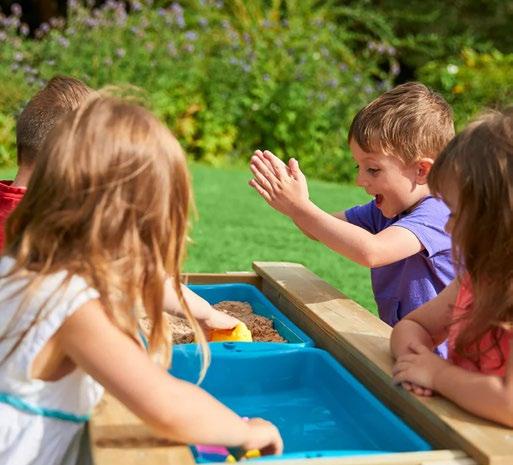
A versatile table that allows children to explore water and sand using two sturdy play bowls. The wooden tabletop easily fits over the bowls, converting it into a standard picnic table for snack time or other activities. Offering endless opportunities for sensory play, the table also encourages social interaction as children gather around and play together. £129.99.
BENEFITS
PHYSICAL HEALTH
Outdoor play can develop stronger muscles, improve co-ordination and build healthy hearts. Running, climbing and jumping are great for boosting fitness and reducing the risk of health issues later on.

This innovative and awardwinning seesaw not only goes up and down but also spins 360°, with clever counterbalancing so kids of different weights can play together. Height-adjustable and with padded ball seats for comfort, it’s perfect for years of fun. £129.99.
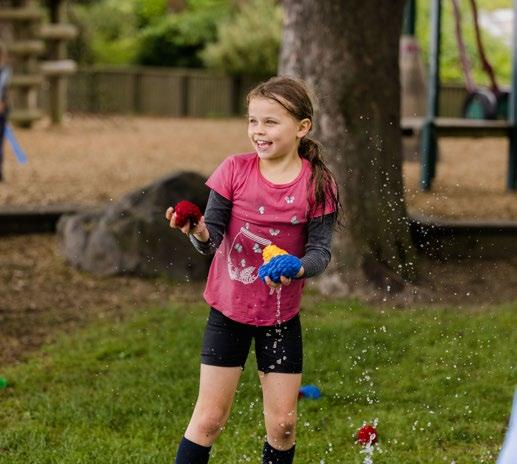
EcoSplat Reusable Water Balloons
With EcoSplat Reusable Water Balloons, kids and teenagers (and adults!) can splash and play all afternoon - no refilling hassles, no tricky tying and no rubbish to clean up. Developing hand-eye co-ordination and encouraging physical and imaginative play, these fun balloons make water fights longer, mess-free and better for the planet! £14.
COGNITIVE DEVELOPMENT
Being outside sparks curiosity and encourages problemsolving. Nature inspires children to think creatively, explore and discover decisionmaking skills.
When playing outdoors, children learn to share, take turns, solve disagreements and work as a team - all essential for making friends and building relationships.
And these are some of Families’ favourites….
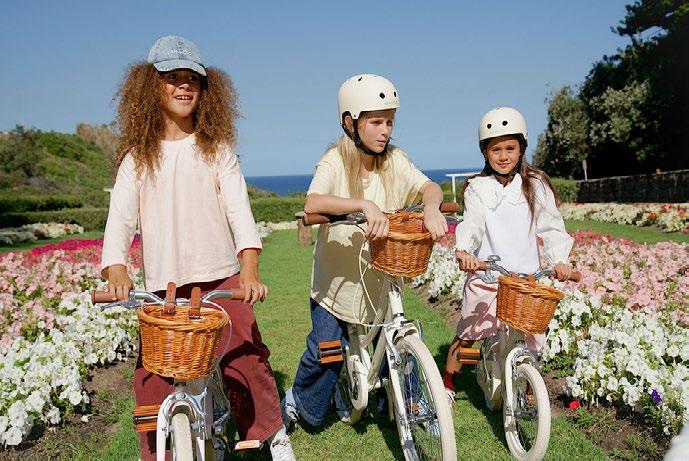
Banwood Classic Bike Banwood is expanding its popular Classic Bicycle range just in time for summer, introducing new 14” and 20” models to complement the much-loved 16” size. Designed to grow with your child, the extended range now caters to riders aged 3 to 10. Known for its timeless, Scandinavianinspired design, Banwood pairs style with practicality. Signature wicker baskets add a nostalgic touch while offering space for toys and essentials. RRP from £269. www.banwood.co.uk
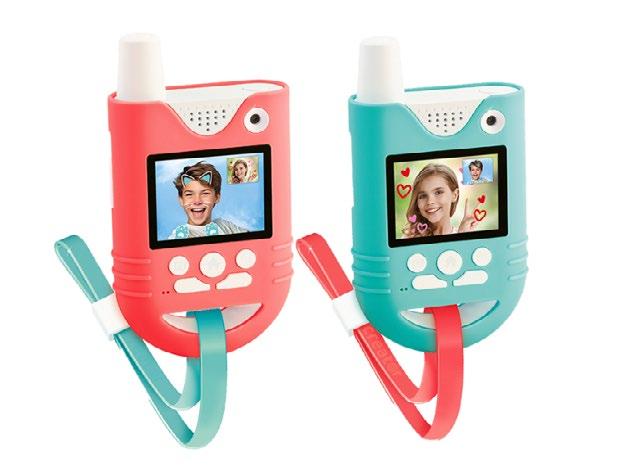
Creator’s Video Walkie-Talkies
As families look for outdoor toys that keep children active and engaged, Creator’s Video Walkie-Talkies bring a modern twist to a classic favourite. Combining voice communication with close-range video, they let kids see and speak to friends during play, then switch to long-range mode for bigger adventures. Designed for durability and ease of use, they include fun extras like video filters and voice changers to spark imaginative games. Best of all, they work entirely offline. RRP £39.99. www.very.co.uk

A lightweight, inflatable ball perfect for the park, beach or garden. For added fun, children can colour in the unique cover, turning it into a personalised toy. Easy to pack and take anywhere, Ollyball guarantees lots of active play and fun for children of all ages. £16.
Being free in calming, natural surroundings reduces stress.

The Maxi Micro Foldable LED Scooter is the ultimate everyday ride for kids who’ve outgrown their Mini. Designed with growing riders in mind, it combines durability, smooth handling and fun LED-lit wheels for extra visibility and style. The foldable design makes it easy to carry and store - ideal for school runs, park trips, or family outings. A premium, lightweight, foldable, light-up scooter that grows with pre-schoolers and keeps them safe. RRP from £159.95. www.micro-scooters.co.uk