


By Ellie Malt
Long summer evenings in the UK are a gift, offering extra daylight and warm air just begging to be enjoyed. What better time to banish screens and replenish with some wholesome outdoor activity? Try some of these ideas and make your summer evenings memorable this year.

Den building adventure
Transform your garden, backyard or nearby park into a den-building wonderland. Gather old sheets, blankets, cushions and ropes and let your children create secret hideouts or mini ‘clubhouses’. Once complete, their den can become the perfect spot for reading or enjoying a snack in the fading sunlight. For extra pazazz, string up fairy lights or lanterns.

Go on a family bike ride
Long summer evenings are perfect for a gentle cycle around your neighbourhood or a nearby trail. The temperature is cooler than mid-afternoon and the roads are often quieter. Stop for a game of shadow tag in the local park. Pack a small rucksack with water and snacks and let the kids discover new routes or just enjoy the thrill of riding as the sun dips.

Go on an ice cream or gelato adventure
Cap off a hot summer evening by visiting a local ice cream parlour. Walk, scoot or cycle there with the kids, enjoy choosing flavours and perhaps wander home via a scenic route. This simple treat feels indulgent and celebratory, making it a perfect way to end a long, sun-filled day.

Play tennis at a local court
Head to your local tennis courts. Many clubs and public courts allow booking in the early evening and it’s a fantastic way to get everyone moving. Try a doubles match with parents versus children or a mini-version of Wimbledonthe gentle pop of the tennis ball offers the perfect soundtrack to a summer evening.

Try story chaining
Gather together in a circle in your garden and start a story chain. One person begins with a sentence, then each person adds the next line, letting the tale grow in unexpected directions. It’s a fun way to spark creativity and older children can be encouraged to weave in characters, twists or even magical elements inspired by the summer evening. This activity also works on long walks.

Swim at your local lido or wild swimming spot
Take a refreshing dip at a local lido, outdoor pool or a safe wild swimming spot as the sun begins to set. Evening swims are magical in summer. The crowds have usually thinned and the golden light makes it feel like a mini adventure. Bring floats for the children or simply cool off and make the most of the long daylight hours.

Extended opening at the zoo or botanical garden
Take advantage of the extended open hours by visiting a nearby botanical garden or zoo. Many stay open later during summer months, allowing families to wander among colourful flower beds, watch exotic animals in calmer evening hours and enjoy a picnic. Lie back on a blanket and spend some time cloud watching with the kids - spotting shapes, making up stories as the sky changes colour. Soak up the natural beauty before it’s time to head home.

Hold an alfresco movie night
Turn your garden or driveway into an outdoor cinema for an alfresco film night. A portable projector, a white sheet or wall and a few cushions or deck chairs can create a magical atmosphere. Pick familyfriendly favourites or classic films to enjoy under the stars. Don’t forget the popcorn and blankets for when the temperature dips.
Ellie is a writer and mum of two girls, living in Surrey.
Editor Linda Stone info@familiesmagazine.co.uk 020 8241 0423
Next issue: July/August
Book by: 3 June
Cover image: www.depositphotos.com
Follow us on social media
www.facebook.com/FamiliesUK www.instagram.com/familiesuk
There’s a lot to enjoy in this issue as we head into early summer. If you are planning travel, take a look at some apps that will save you money on your holiday and, in anticipation of some long, balmy summer evenings ahead, get inspired by some perfect family activities to enjoy when they come around. Looking ahead to the long school summer holidays, it’s not too early to start planning summer camps for your kids either. Check out our feature.
In Education, discover tips for learning times tables (and, yes, they are still important!) and find out more about the school readiness crisis.
Worried about your child seeing something upsetting on their friend’s screen when you are not around? Check out how to negotiate screen free playdates and sleepovers. You may also want to get up to speed on the pros and cons of AI toys.
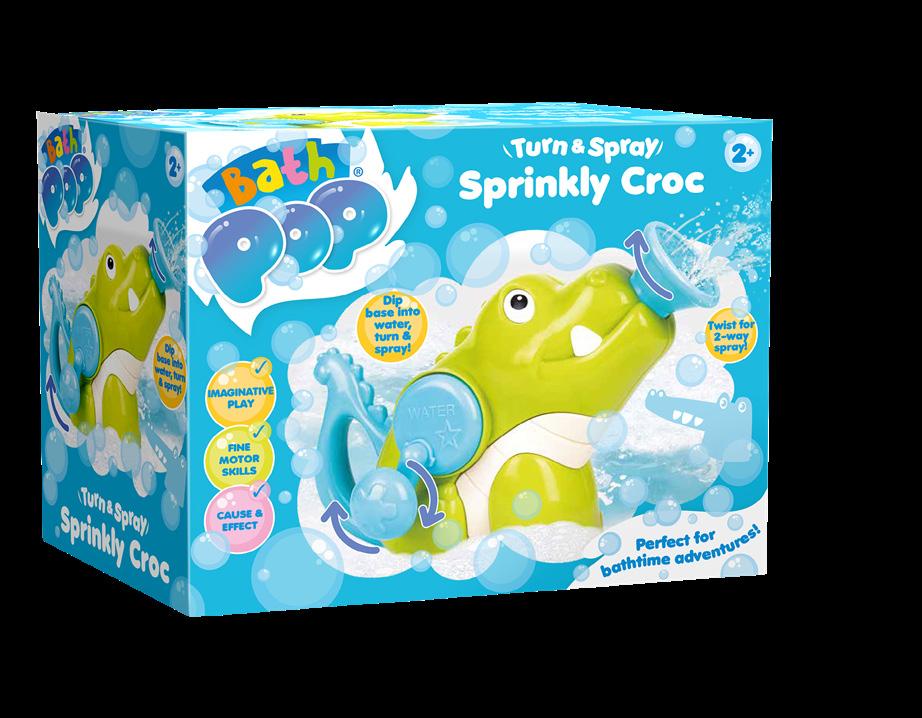
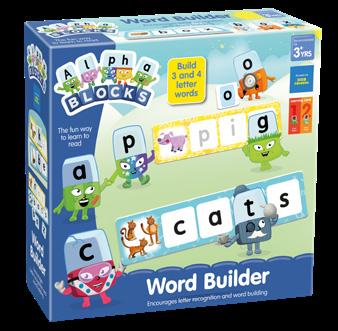
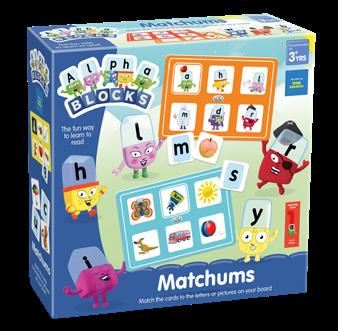
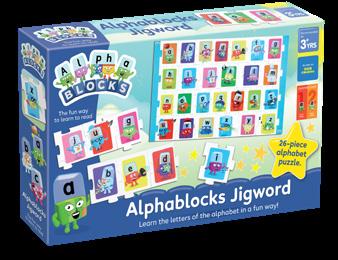
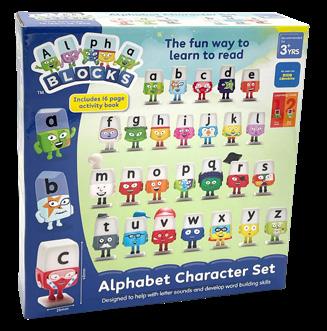
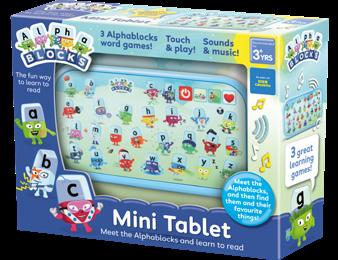
Finally, in this issue, we have no less than four giveaways, including Alphablocks and Peppa Pig toy bundles. Apply inside. By doing so, you’ll also ensure you receive our digital magazine and email newsletter with lots more content and goodies on offer.
This product is made of material from well-managed, FSC®certified forests and other controlled sources.
January/February issue giveaway winners Congratulations to all our winners. You can find a list at www.bit.ly/JanFebGiveaways
Magazine is fully protected by copyright and none of the editorial or photographic matter may be reproduced in any form without prior consent of Families Magazine. Every care is taken in the preparation of this magazine but the franchise owner and Families Print Ltd cannot be held responsible for the claims of advertisers, nor for the accuracy of the contents, or any consequence thereof.


By Stephanie Holt & Alexander Harris
In all the buzz about AI in education, it feels like there’s a race to acquire the flashiest edtech with some schools proudly announcing their use of AI platforms, chatbot tutors or algorithmic grading tools. Yet as we enter a seismic shift in how students engage with knowledge, the truth is that AI in education is less about the technology and all about how students learn to use it.
The focus must shift from learning to use AI, to using AI for learning.
At its best, AI should function like a compass, not a crutch. When students use generative AI responsibly to draft essays, analyse historical trends or solve mathematical problems, they’re not outsourcing thinking. They’re enhancing it.
The key lies in guided, purposeful use. Research reveals that students given structured support significantly out-perform peers who use AI unguided or uncritically (Holt & Harris, 2024). When incorporated into a structured learning journey, AI prompts deeper enquiry rather than being a shortcut.
The Traffic Light System: teaching ethical and effective use
The Traffic Light System categorises AI use into three bands, providing clarity for students and teachers alike in the difference between collaboration and collusion:
Green. Enhances learning without replacing it eg brainstorming prompts, language practice, data analysis.
Amber. Risks displacing the learning process and needs monitoring eg using AI to paraphrase or summarise without reflection.

Another urgent issue is equity. If AI tools are only accessible to students whose families can afford subscriptions or devices, we risk deepening existing achievement gaps. We recommend school-led solutions: centralised subscriptions, in-school access and parent workshops to ensure that AI becomes a bridge, not a barrier.
Education leaders must ask: are we equipping all students, not just the privileged few, to harness AI responsibly and reflectively?
Assessing the learner, not the output
Traditional assessment often focuses on the final product. But when AI is in the mix, educators need to shift the lens. Did the student understand how to refine the AI output? Did they cross-check the facts? Did they integrate their voice, their argument, their evidence?
To support this shift, assessments shouldn’t be about just checking AI usage; they should be about checking learning through AI usage. Quality over quantity.

Red. Replaces learning or violates academic integrity eg full AIgenerated assignments.
AI is a method of teaching, not a product
We need to frame AI as a way of teaching students to explore possibility. Learning objectives drive AI use, not the other way around. The most meaningful AI integration happens when:
• Teachers ask not just ‘what did you write?’ but ‘how did AI shape your thinking?’
• Students are encouraged to interrogate AI outputs, question accuracy and add their own insights, developing digital and critical literacy simultaneously.
Assessment isn’t just about measuring what students know. It’s about helping them learn through the process of enquiry, revision and reflection - with AI as a thinking partner, not a ghostwriter.
Stephanie Holt is Director of Teaching and Learning, DSB International School, India and Alexander Harris is Deputy Head Academic, Sanford International School, Ethiopia. They are co-authors of AI for Learning: 101 Assessments K-12 Unlocking Mastery of AI (Belgravia Press, 2024).

Ultimately, schools need to prepare students not just to use AI but to thrive in a world shaped by it. This necessitates a fundamental change in how we define success in school.
We must begin by asking students if they can:
Show what they’ve learned with AI; Reflect on how they got there; Demonstrate the ability to distinguish AI’s voice from their own and use that difference to grow.
That’s what fluency looks like. It starts not with the tech but with the trust we build - in our learners’ ability to engage, critique, create and reflect.
Schools that treat AI as an add-on will never unlock its power. Schools that treat AI as a thinking partner, a means to deepen learning, will transform education. Not because of the tools but because of the thinkers they help shape.
Let’s teach our students to lead - not follow - their tools.
By Felicity Gillespie
In primary schools across the country, a quiet but profound shift has occurred, one that military strategists might call ‘mission creep.’ Along with teaching phonics and foundational literacy, Reception teachers are increasingly functioning as a frontline social service, back-filling a widespread lack of basic toddler-level skills.
Currently, one in three children arrives at the school gate assessed as underprepared to benefit from the education provided. The statistics are stark*: one in four children starting school is not toilet-trained and many cannot hold a pencil, follow basic instructions or feed themselves independently. Twenty eight percent are unable to use a book, tapping and swiping at the pictures.
This lack of readiness is a massive drain on educational resources. On average, teachers lose over two hours of teaching time every day supporting children who lack basic independence. When ninety percent of teachers report having at least one child in class not toilet-trained, the education of every child in nearly every classroom suffers. Over eighty percent of teachers report that this lack of readiness has a moderate or major impact on the progress of the entire class.
The stakes are incredibly high because the Early Years are uniquely consequential. The brain doubles in size in the first year of life alone, creating the foundation and scaffolding for all future academic and emotional success. Research indicates that a child’s development score at twenty two months can serve as an accurate predictor of educational outcomes at age 26. Forty percent of the attainment gap we see at age 16 is evident by the time a child starts school at age 5.

The summer before a child starts Reception provides a critical opportunity to develop simple, practical milestones to ensure children are not starting behind.
Self-care. Encourage your child to start putting on coats and shoes and using cutlery without help, to foster their independence in school.
Potty training. Medical evidence suggests children should be out of nappies between 18-30 months for optimal bladder and bowel health. Outside a clinical condition, nappies and pullups don’t belong in school.
Communication. Ensure your child can express basic needs, such as feeling hungry or sad. Two-way conversations build their vocabulary and listening skills.
Screen time awareness. The World Health Organisation recommends zero screen time for children under age 2. Excessive screen time is linked to developmental delays, so increase reading, singing and conversation instead.
Clear, concise government-backed advice, developed by Early Years organisations can be found at www.startingreception. co.uk
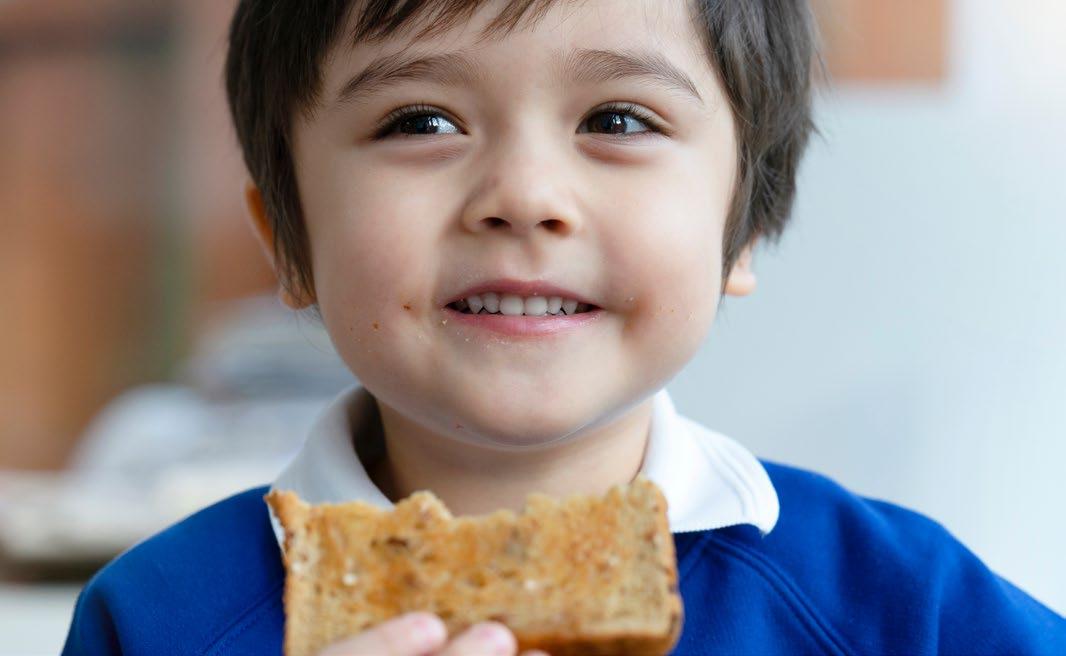
While ninety percent of parents believe their child is ready for Reception, teachers report a ‘startling disconnect.’ The current government has set a target to increase school readiness to seventy five percent by 2028 but hitting this target requires a cultural shift.
We must stop looking to schools to provide the basics that should be established at home. Parents are a child’s first and most important educators and the summer months before a child starts Reception offer a vital window to focus on foundational skills. Preparing a child for school is about basic life skills, not academic rivalry; it is about ensuring they don’t start at the back of the pack. By reclaiming their role as educators, parents can ensure their children are ready to learn from day one.
Felicity Gillespie is Chief Executive of Kindred Squared (www.kindredsquared.org.uk), a charitable foundation working collaboratively with partner organisations to improve early education and early child development.
* www.kindredsquared.org.uk/school-readiness-survey

Research suggests that every £1 invested in quality early care and education saves taxpayers up to £13 in future costs*. So investing more in early childhood could save the nation an estimated £16 billion annually.
The long-term social costs of not investing in early childhood are high. Children with poor vocabulary at age 5 are, as adults, four times more likely to have reading difficulties and twice as likely to be unemployed. They are also three times more likely to experience mental health problems. The link to the justice system is particularly sobering: over £4 billion is spent on prisons annually and sixty five percent of offenders have significant language difficulties.
Governments of all parties have acknowledged the importance of the Early Years in preventing disadvantages and ensuring every child has a fair start. Investing in families with pre-school children is arguably one of the most effective ways to tackle social inequality.
* https://bit.ly/govschreadiness
By Zuzu Jordan
In an age of AI, calculators and voice assistants, it is easy to question whether children still need to memorise times tables. After all, technology can provide an instant answer. However, fluency in multiplication remains one of the most important foundations in mathematics. When children know their times tables automatically, they free up brainpower for reasoning, problem-solving and tackling more complex concepts such as fractions, division and algebra.
In England, children begin exploring multiplication in Key Stage 1 through grouping, sharing and repeated addition. By Year 2, they learn the two, five and ten times tables. In Year 3 and Year 4, they extend this knowledge to all tables up to twelve x twelve, with the national Multiplication Tables Check taken at the end of Year 4. Schools now combine conceptual understanding with recall practice, using arrays (visual models organising objects into equal rows and columns to represent multiplication equations), practical resources and pattern spotting, alongside short, regular retrieval exercises.
Even with AI, instant recall matters. A child who quickly knows that 6 × 8 = 48 can focus on solving a multi-step problem instead of getting stuck at the first calculation. Technology should enhance learning, not replace core knowledge.
One of the most effective ways to support learning is to match practice to your child’s preferred way of learning.
For those who prefer to listen and learn, rhythm and repetition are powerful. Multiplication songs, chants and short rhymes can make facts stick. Creating a simple poem for tricky tables or setting facts to a familiar tune can transform learning into something memorable. Voice assistants such as Alexa or similar devices can also be used to fire quick questions for a fun, quizstyle challenge.
For those who like to learn by doing, try times tables snap cards, scavenger hunts where children shoot a Nerf dart at the correct answer or stick multiplication questions on the stairs so they solve one on each step. Jumping to the correct answer written in chalk outside or building arrays with Lego can also reinforce understanding through action.
For those who are drawn to colour and layout, use coloured multiplication charts, highlight patterns and encourage children

The language surrounding multiplication is crucial for children’s understanding. Words such as groups of, lots of, times, multiplied by and product, all describe the same operation in different contexts.
Children also need to recognise related vocabulary including factor, multiple and array. Understanding that 3 x 4 means three groups of four helps build conceptual clarity.
Precise mathematical language supports reasoning, problemsolving and explaining answers.
When children confidently use and understand multiplication vocabulary, they develop deeper number sense and stronger mathematical communication skills overall.

to notice number relationships. For example, all multiples of five end in zero or five and the digits in the nine times table follow a clear pattern. Seeing these connections reduces the need to memorise each fact separately.
AI can also be a creative ally. Parents can use AI tools to generate personalised resources that reflect a child’s interests. For a football fan, create times tables cards featuring their favourite team colours or badge alongside multiplication facts. For a child who loves animals or space, design themed quizzes or printable posters. Personal relevance increases engagement.
Whatever the method, short and frequent practice is key. Five focused minutes each day is more effective than a long weekly session. Isolate tricky tables for a few days before mixing them back in.
Encourage children to explain how they know an answer, not just say it.
Most importantly, keep it positive. Confidence builds fluency. Times tables are not about racing against a machine; they are about equipping children with mental tools that will support them throughout their education. In a world shaped by AI, foundational knowledge is what enables children to use technology thoughtfully and independently.
Zuzu is a Mastery for Maths Specialist who has taught primary for eighteen years and is Director of Arnett International. For FREE resources and tips, find her on Instagram @edumate_uk

A well-stocked times table homework grab bag should include quick, practical resources that make learning easy and engaging.
Add a set of flashcards, a small, laminated multiplication chart and a whiteboard with pen for quick practice. Include times table snap cards or simple dice for multiplication games.
A printed list of key facts for focus tables is helpful, along with coloured pens for highlighting patterns.
Finally, add a small reward chart to celebrate effort and consistent progress.
By Erin Miller
In an era where banning children from smartphones is becoming increasingly normalised, the idea of actively promoting digital literacy at home can seem counterintuitive. However, digital literacy is about far more than simply knowing how to operate a device. It goes beyond technical skills to encompass the ability to engage with digital technologies safely, critically and thoughtfully. This includes knowing how to find and evaluate information online, communicate effectively in digital spaces, protect personal data and privacy and recognise risks such as misinformation, manipulation and harmful content.
Just as parents and schools teach children how to stay safe in the physical world, they must also teach them how to think critically about what they see in order to stay safe in the digital world.
Getting your child to think critically. To help children begin evaluating online information critically, teach them how to:
Check the source. Show your child how to find who created the content and whether it comes from a trusted organisation, a qualified expert or an unknown account. Teach them to look for an About page and to be wary of anonymous profiles.
Tell fact from opinion. Help them look for evidence such as facts, data or reliable links. Explain the difference between evidence and personal belief.
Recognise emotional manipulation. Teach them to notice when content triggers strong emotions like fear, anger or excitement and encourage them to pause before reacting or sharing.

Here are some practical tips.
Names. Show your child how to choose usernames that do not include their real name, birthday, school or location. Personal details in photos. Teach them to check images for clues like school logos, street signs, house numbers, car number plates or landmarks before posting photos. Turn off location sharing. Show them where location settings are on their device and in apps and teach them to keep location services off unless there is a reason to use them. Limit who can contact them. Teach them how to set accounts to private, restrict messaging to friends only and avoid accepting requests or messages from people they don’t know. Use passwords properly. Teach them how to create strong passwords, avoid reusing the same password across apps and understand why passwords should never be shared. Check app permissions. Teach them to review what an app needs to work, eg camera, microphone, contacts, photos –and tell them to turn off anything the app doesn’t require.

Question headlines. Show them that headlines are often exaggerated and that they should read beyond the title.
Check the date. Teach them how to spot outdated content that is reshared as if it were new.
Cross-check information. Encourage them to look for the same story on other reputable sites and to be cautious if only one unfamiliar source is reporting it.
Have open conversations at home
It is unrealistic to pretend technology will not play a major role in your child’s world. Talk about it: ask your children what they enjoy online and what they find challenging. By building trust it’s more likely they will seek support if something goes wrong.
It is also important to discuss how algorithms work. Help children understand that their devices are tracking their behaviour and using that information to shape what they see.
Erin Miller is a teacher with a keen interest in how research can be used in the classroom to improve learning.

Clear boundaries help children feel secure and develop self-control. Agree on rules around screen time, appropriate apps, online behaviour and where devices can be used in the home. Involving children in these discussions makes expectations more likely to be respected. Boundaries should be consistent, age-appropriate and reviewed regularly. Smartphones are designed to be addictive, so children benefit from seeing healthy behaviour in action. Use app time limits and screen-free times, particularly during meals or before bed, explaining why these boundaries matter. Show your child that you take regular breaks from your own phone. Children are far more likely to adopt balanced habits when they see them modelled consistently.
Try to model purposeful and creative uses of technology, not just passive scrolling. Let your child see you using devices for learning, problem-solving, communication or creativity, such as researching topics or planning projects. This helps them understand that technology is not just a source of entertainment.
By Usha Patel
We have three midlines that divide our bodies: dividing left/ right, top/bottom and lastly, front/back. Most talked about is the invisible midline which defines our symmetry from left to right. Many things are affected when a child cannot cross the midline of their body.
They may not be able to write from the margin of a page, ride a bike or play sports well; they may find themselves tripping and appearing clumsy.
Before a child can cross their midline, they need to be able to move both sides of their bodies well. A baby crawling using one knee and dragging the other would indicate that the other side of the body is not fully developed.
The brain is divided into two halves. The right side controls the motor movement of the left side of the body while the left side controls the motor movement of the right side of the body. The brain controls symmetry in ability, strength and movement.
Body asymmetry stems from brain asymmetry and this asymmetry needs to be corrected. This can be done through primitive reflex integration exercises.
It is worth remembering that the neural pathways for all academic learning are first created when an infant moves and learns through movement. New brain connections are not made for academic work; they are the same connections. This is why correcting motor co-ordination in the early years, positively impacts the building blocks of learning at school.
Once a child is able to use their motor and sensory systems well on each side, they seamlessly progress to the next level of crossing the midline. The brain is now able not only to control a single side but is also bouncing information from one side to the other to collect differing bits of information.
Crossing the midline
The visual midline is crossed when the child is sitting still and can move their eyes from left to right. If a child cannot cross the midline of their visual field, they will move their head when reading.

Try each of these activities for a sustained period of sixty to ninety seconds. Perform each movement slowly, then fast.
Opening and closing the hands; Scrunching toes, open and closed; Blinking the eyes; Arm circles; Rotating ankles clockwise and anti-clockwise; Leg circles (whilst seated); Moving eyes (whilst seated) from left to right, without moving the head.

A child who is able to cross the midline with their arms will be able to place their left hand on their right shoulder and their right hand on their left shoulder. If a child cannot do this, they will attempt to touch the shoulder on the same side.
A child who can cross the midline with their feet and legs can side-step by crossing one leg over the other. If they can’t cross the midline, they will just shuffle their feet to side-step.
When babies roll on the floor, they cross the midline of the front and back of their bodies. Those who struggled to roll as babies will show weakness in understanding how to pass an object around their bodies.
In everyday life, we cross many midlines throughout the entire day; when brushing teeth, using cutlery or putting on a seatbelt. We use multiple midline crossings while swimming, playing sports or playing the piano.
Importantly, even when we are not doing physical things, we are still crossing the interhemispheric midlines across the brain. Each brain hemisphere has strengths and specific skills, so information is passed back and forth for thinking, reading and talking throughout our entire waking day.
Children with neurodivergent conditions will exhibit more traits of brain and body asymmetry. As a therapist, I see patterns where a certain diagnosis will imply a particular set of traits in body and brain asymmetry.
Usha Patel is a Neurocognitive Therapist and runs Raviv Practice London. She has in-person and remote interventions to suit many children with diagnosed or suspected neurodivergent conditions. More information at www.ravivpracticelondon.co.uk

Try:
Clapping songs which cross the midline; Playing tennis (lots of hitting backhand); Learning to play the piano; Swimming (breaststroke and freestyle); Playing football and team sports; Skipping with a rope; Outdoor games such as hopscotch.
By Alicia Eaton
Most parents spend a lot of time thinking about what their children eat and far less time thinking about how they talk about it. Yet the words we use around food often shape a child’s relationship with eating far more powerfully than the food itself.
Children don’t just learn about food from what’s on their plate. They absorb the surrounding emotional tone, meaning and messages long before they understand nutrition. Over time, those messages quietly influence how they feel about food and how they listen to their own bodies.
Much of the language we use around food is inherited. Phrases such as ‘finish everything on your plate,’ ‘that’s a treat’ or ‘you can have pudding if you eat your dinner.’ They’re often said automatically, in busy family moments, with good intentions.
But language has an impact. Children’s developing minds are designed to absorb everything in their environment - not just language and manners but beliefs, fears, behaviours and emotional responses. So they don’t just hear our words, they internalise our attitudes as blueprints for life. Many adults who struggle with weight and relationships with food can pinpoint episodes in their childhood that left a mark and persistently contribute to the problem.
Which means that if we joke about our weight, skip meals, obsess over calories or equate food with guilt or control, we’re teaching those same scripts to our children, even if we never say them out loud.
Growing up in an environment where food is repeatedly linked to behaviour, reward, comfort or control, children can start to lose touch with their own internal signals. Hunger becomes something to override, negotiate or ignore. Fullness becomes something to push past and eating becomes driven by habit, emotion or expectation.
Labels matter too. Calling a child ‘fussy,’ ‘greedy’ or ‘difficult at mealtimes’ can quickly become part of how they see themselves. Children are remarkably quick to live up to labels, even when they don’t truly fit.

There’s a good boy or girl; Finish everything on your plate; Just try…; One more bite; Open your mouth: here comes the aeroplane/steam train; Eat it for me; You liked it yesterday; You never eat your vegetables; No dessert until you’ve eaten your dinner; You can have pudding if…; No snacks until you behave; Stop asking for snacks – you’re always hungry.

Another common issue is pressure. Even gentle pressure: ‘just one more bite,’ ‘eat it for mummy,’ ‘you liked it yesterday’ can interfere with appetite awareness. Children become less able to tune into what their body is telling them. This can lead to power struggles at the table, anxiety around food or eating that feels disconnected from genuine hunger.
What helps instead is neutrality. Neutral language keeps food emotionally calm. It separates eating from behaviour and removes moral judgement from meals. This doesn’t mean being permissive or giving up structure - quite the opposite. Children thrive on predictability. Knowing when meals and snacks will happen helps them relax and trust that food is reliably available, without needing to negotiate or graze constantly.
Neutral language also supports curiosity. Instead of persuading or labelling, parents can describe, observe and invite reflection: ‘how does your tummy feel?’ or ‘does that taste how you expected?’
A healthy relationship with food isn’t created through rules or restriction but through the unconscious messages we pass on when we shop, cook, sit and eat round the family dinner table.
Today’s families face challenges that previous generations never had to navigate. With ultra-processed foods dominating the supermarket shelves and diet talk reaching our children at ever younger ages, it’s going to be even more important that the conversations we have at home foster healthy eating habits for life.
Alicia Eaton (www.aliciaeaton.co.uk) is a Harley Street-based behaviour change psychotherapist and the author of Mind How Your Kids Eat, which explores how everyday habits and language shape children’s long-term relationship with food.

This is what we’re having today – tomorrow will be different; Let’s see how that tastes; I can see you’re starting to enjoy tasting new foods now; Let’s listen to our tummies and stop when we’re full; You can eat what your body needs for now; Some foods are ‘everyday’ foods; Sweet, sugary foods are what we eat ‘sometimes;’ Different foods do different jobs.
By Andrew Campbell
Travelling during the school summer holidays can get expensive, especially if you have a big family. Luckily there are plenty of apps to help you save money, whether you’re going overseas or planning a more modest road trip in the UK.
Everyone knows about Airbnb, TripAdvisor and Uber but there are loads of other brilliant travel apps worth downloading. Best of all, they’re free to use so get them before your next trip.
AirHelp (Apple App Store; Google Play)
Flying can be stressful if flights are delayed, cancelled or overbooked. AirHelp checks if you’re owed compensation for flight issues, including lost or damaged luggage. Just upload your boarding pass and see if you’re eligible for up to £350 per passenger (EU rules).
JustPark (Apple App Store; Google Play)
A UK-based app that lets users find, reserve and pay for parking spaces in advance. It connects drivers with private driveways, commercial car parks and on-street parking. The app provides real-time availability, pricing and directions, helping users save time and often money. JustPark operates across the UK and in some European cities.


A UK-focused app that helps drivers find the cheapest fuel near their location. Users can compare petrol, diesel and premium fuel prices at thousands of stations nationwide. The app provides upto-date pricing, map views and directions to the selected station. PetrolPrices also allows users to receive alerts when prices drop in their area, helping save on fuel costs.
HotelTonight (Apple App Store; Google Play)
Ideal for booking last-minute hotel accommodation. Users can search for hotels, compare prices and access exclusive discounts on unsold rooms. Filters allow sorting by price, location, rating or amenities. Listings include ratings, reviews and photos. The app is available in the UK and major cities across Europe, Asia and North America. Payment and booking happen within the app, with customer support for reservations.
Rome2rio (Apple App Store; Google Play)
A comprehensive travel planning app and website that helps users find the best ways to get from one place to another, anywhere in the world. It compares flights, trains, buses, ferries and driving routes, showing estimated times and costs for each option. The app includes maps, booking links and detailed connections, making multi-modal journeys easy to plan.
Hiyacar (Apple App Store; Google Play)
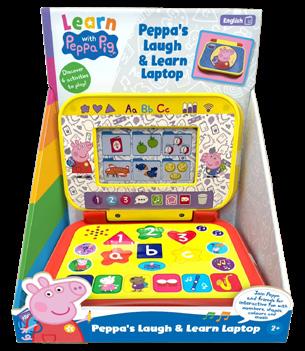
Includes Peppa’s Laugh & Learn Laptop
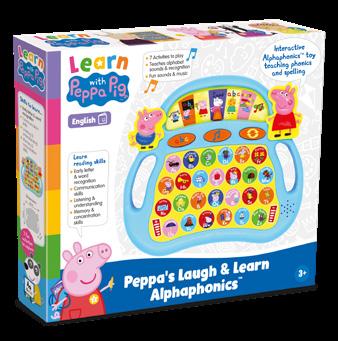
Peppa’s Laugh & Learn Alphaphonics
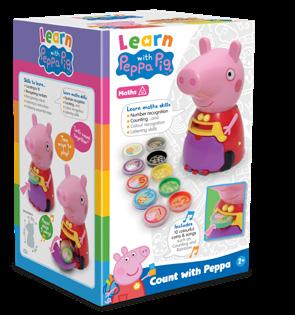
Count With Peppa
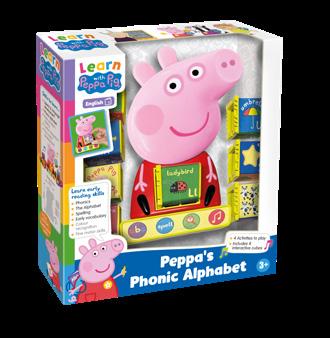
Peppa’s Phonic Alphabet
Answer Peppa’s questions about letters, numbers, shapes, musical instruments, colours and her family and friends
Includes music and songs from the shows and a wide variety of fun activities
Use
A UK-based peer-to-peer car sharing app that connects drivers with local car owners for short-term rentals, much like Airbnb for accommodation. Users can search for nearby vehicles, book instantly and unlock cars using the app’s keyless technology. Insurance is included for every rental and the platform covers many UK cities. It’s a flexible, cost-effective alternative to traditional car hire companies.
Citymapper (Apple App Store; Google Play)
Save money by using public transport efficiently. Citymapper is a public transport app that helps users plan journeys in cities around the world. It provides real-time information on buses, trains, trams, subways, walking, cycling and ride-hailing options. The app compares routes, shows travel times and disruptions and offers step-by-step navigation. Citymapper covers major cities in the UK, Europe, North America and other regions.
WiFi Map (Apple App Store; Google Play)
Whether you’re travelling at home or abroad, using your phone without WiFi can rack up hefty roaming charges. That’s where WiFi Finder comes in. This app helps you locate free WiFi hotspots across Asia, Europe, North America and South America. Even if your phone plan doesn’t hit you with roaming fees, it’s still incredibly useful - you’ll know exactly where you can connect your tablet or laptop without paying a penny.
By Tanni Haas
You’ve found a great camp for your kids, signed them up and are getting them ready for all the fun ahead. But what should you pack for them every day? Drawing on my own experiences as a seasoned parent of day campers, I’ve compiled the following list of things.
Bag
Buy a lightweight yet durable and roomy bag pack, made of fabric or nylon. It’s useful if it has many compartments, so that you can put different items in different places, including an outside pocket for the water bottle.
Hat, sunglasses and sunscreen
If they’re spending much or all of the day outside, shades and a hat will keep them cool and comfortable. Teach your kids how to apply sunscreen properly without getting it in their eyes, ears or mouth. Apply it in the morning before they leave for camp and encourage them to reapply during the day.
Food and snacks
Pack one or two sandwiches and some healthy snacks in case they get hungry before and/or after lunch. Put all the food in a thermal bag so that it stays cool and fresh all day.
Hand sanitiser and wet wipes
Let’s face it: kids get dirty, especially if they’re spending a lot of time outside. Pack some hand sanitiser and wet wipes and instruct them on how to use them properly and frequently.
Plastic or Ziploc bags
Pack a couple of plastic bags or, even better, Ziploc bags - great for any wet items like swimsuits or towels.
Prescription medication
If your kids are young, give the camp organisers any prescription medication they need. Older kids may be happy to carry the medication themselves.
Swimming gear
Many day camps include trips to the pool or other ‘wet’ activities. Always have swimming gear packed.
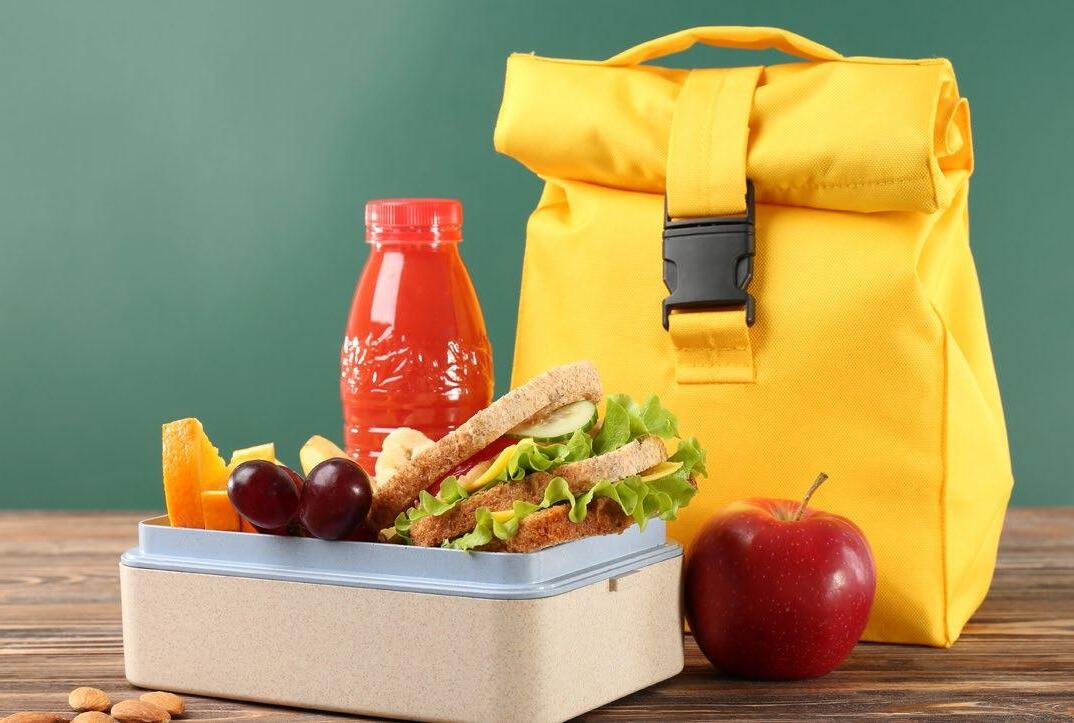
Pack a reusable water bottle, ideally in an easily accessible compartment. Put the bottle in the freezer overnight so that it stays cool.
Hoody or light rain jacket
It can get chilly – and, of course, it may rain. Pack a lightweight windbreaker or a hoody, depending on the weather forecast.
… and a little surprise
Put a little surprise item (a favourite snack or an I-love-you note) in a place where you know your kids will look, like in their lunch box. It’ll put a smile on their faces and ensure they have a great day.
Tanni Haas, Ph.D. is a Professor in the Department of Communication Arts, Sciences and Disorders at The City University of New York.

Universal free breakfast clubs are expanding across England. Another 500 schools joined the scheme in April meaning more than 1,250 schools are now offering free morning meals, benefiting an estimated 300,000 children.
The government says a further 1,500 schools will join in September, bringing the total to around 2,750 and extending provision to roughly 680,000 children by the autumn.
The expansion of free breakfast clubs aims to reduce stigma around targeted support, giving children a calmer start to the day and saving families up to £450 a year through reduced morning costs.
Early evaluations point to benefits for attendance, behaviour and attainment.
As the scheme rolls out in May, campaigners say the priority is ensuring schools have the staff, space and funding to scale up without compromising quality.
Family camps typically offer residential accommodation in cabins or tents, with sports, crafts or outdoor activities for all; including aunts and uncles, cousins and grandparents too! They’re great places to wake up together to a day of fun activities with no tight schedules, worries or distractions. What to expect
A wide range of activities for all interests and abilities and a no-electronic device policy - perfect for focusing on enjoying each other’s company. Making it work: top tips
Plan your extended family break together as a group. Think about the best time for all of you to go away and talk about the kinds of activities that you all would enjoy. Agree ahead on how mealtime shopping and prepping will work.
Factor in ‘me’ time for family members who are less gung-ho or need a quieter adult break.
Finally, look for a family camp that you can all afford and get to without too much trouble.
By Dr Meredith Elkins
According to Sport England, less than half of children meet the recommended sixty minutes of daily activity recommended by the Chief Medical Officer, highlighting the need to build movement habits in children from an early age.
Options for organised sport are limited before the age of 5 with the National Curriculum for PE setting basic skills expectations (running, throwing, catching) between 5 and 7 years. Yet swimming is accessible from infancy, filling that gap and establishing lifelong, healthy habits early.
Swimming is the perfect activity for all children, from infancy onwards. Experts agree that swimming improves cognitive functioning and water confidence, strengthens key muscle groups, supports better co-ordination, sleep and appetite and all the while boosts bonding between parents and children.
Yet if swimming is the ideal activity for young children, why can only twenty seven percent of Year 1 and 2 children swim twenty five metres unaided?
What is stopping parents signing up to classes?
Time pressures, travel, childcare and lost work hours are key obstacles. With the average UK working week at more than forty hours plus commutes, finding time is tough.
Cost is another big barrier. Lesson fees, childcare for siblings, kit expectations and cancellation fees - especially when illness strikes - add up quickly, according to many parents on forums like Mumsnet.
Then there’s availability. A recent Total Fitness survey of over two thousand UK adults found that one third of parents struggle

to find pre-school swimming lessons and suitable facilities for their children.
Dean Zweck at Total Fitness says: ‘Fitting swimming into a busy schedule can feel hard but building water confidence early lays the foundation for lifelong fitness and wellbeing. Checking out classes early helps set children up for a positive relationship with movement for life.’
Swimming for life
Swimming helps children stay active, social and confident and offers a valuable screen-free alternative for later years. Campaigns like National Learn to Swim Day and #LoveSwimming are useful to remind busy parents that helping little ones dive into swimming early is one of the best gifts you can give them. It is also the only sport which could one day save your child’s life.
Many swimming schools provide free assessments and baby swim programmes often have expert-run programmes in warmer water, designed to build confidence gradually, both for little ones and their parents.
With thanks to Total Fitness (www.totalfitness.co.uk) for this article. Total Fitness runs health clubs across the country, offering free swimming assessments and Family Pool Passes.

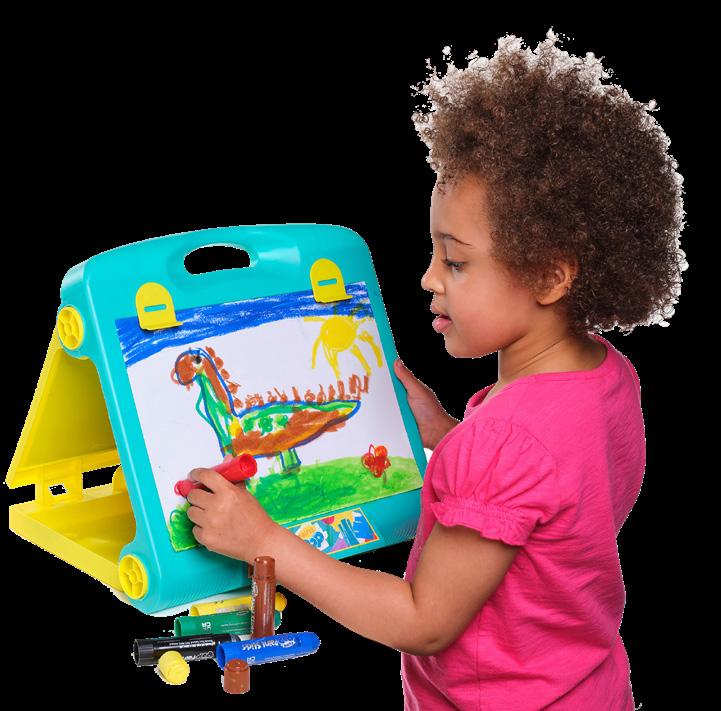
Before taking your baby for their splash class:
Arrive ready: wear your swimsuit under your clothes and prep baby in their swim nappy - try the Happy Nappy brand for brightly coloured, leak-proof swim nappies.
Pack your swim kit in advance: you will need: a towel, changing mat, nappy bag and dry clothes, plus a snack and drink for afterwards - babies burn lots of energy swimming.
Plan ahead: use a simple family timetable or a shared calendar app to manage busy weeks.
Buddy up: where possible and carpool.
Tips to reduce any anxiety
Play splashy games in the bath to prepare your baby for getting their face and head wet.
Practise having time in the water with a friend and their child if possible.
Be ready for fussiness; it’s part of the adjustment process.
Ask your swim teacher for more tips to help turn each class into a happy occasion.
By Ann Magalhaes
There is so much information about parenting today - books, social media, podcasts, websites - much of which is excellent. But how do you choose practical, trustworthy guidance that truly supports you at every stage of parenting?
Over the years, my colleagues and I have encountered and valued many resources, including newer tools we believe are especially helpful. The following resources are research-based, practical and easy for parents to apply in everyday life.
Books
How to Talk So Kids Will Listen and Listen So Kids Will Talk by Adele Faber and Elaine Mazlish has become a classic - and for good reason. In an accessible, practical way, the authors present a third path: not shouting, not giving in but listening with empathy, validating feelings, speaking respectfully, setting clear boundaries and encouraging co-operation. This approach reflects authoritative parenting, balancing warmth, connection and clear expectations.
Mindset: The New Psychology of Success by Carol Dweck introduces the powerful concept of the growth mindset. Her research shows that people who believe their abilities can grow through effort, learning and persistence are more resilient, motivated and successful than those who believe talent is fixed. For parents, this means praising effort and improvement rather than outcomes; fostering perseverance, confidence and longterm success. You can find a concise and helpful summary of Dweck’s work by neuroscientist Andrew Huberman on YouTube.
The Whole-Brain Child and The Power of Showing Up by Daniel Siegel and Tina Payne Bryson translates neuroscience into everyday parenting strategies. These books help parents understand how children’s brains develop and how responsive caregiving supports emotional regulation, resilience and secure attachment. Practical tool suggestions help manage big emotions, strengthen connection, improve communication and support healthy brain development - for kids and parents.
Parents often seek guidance specific to raising boys and girls. Decoding Boys by Cara Natterson offers valuable insights into boys’ physical, emotional and social development, helping parents nurture healthy growth, confidence, resilience and communication. For girls, we love anything by Lisa Damour. Her book Untangled beautifully explains typical girls’ development, especially during adolescence. She has a gift for clear, memorable language that helps parents understand emotional shifts and challenges. For parents of tweens and teens, she offers practical insights and tips on Instagram @Lisa.Damour.
We always recommend Tanith Carey’s What’s My… Thinking? series to parents. With titles covering babyhood through to teenage years, these books explain common behaviours, emotions and developmental challenges. Carey explores why behaviours happen and provides research-based strategies to respond effectively. These practical tools empower parents to support emotional development, encourage adaptive behaviour and strengthen family relationships.
Apps
Vroom Parenting is a free app we recommend to all new parents. Enter your child’s birth date to receive daily, sciencebased tips and simple activities that transform everyday moments into learning opportunities. Vroom supports children’s language, social, emotional and cognitive development from birth to age 5, making early brain-building easy and fun.
The Mood Meter supports emotional awareness and selfregulation; essential both for parents and children. By tracking emotions, identifying patterns and offering management tools, the app helps parents build emotional intelligence and wellbeing. As parents become more aware of their own emotions, they model healthy emotional regulation and teach their children lifelong skills.

We also follow and recommend these thoughtful, evidencebased accounts: @6secondseq, @readysetparent, @parentfocus, @jasonschnitzercoaching (especially helpful for dads), @dramen, @earlychildhood and @drcamcaswell.
Podcasts
Podcasts are an easy way to access expert advice on the go. We especially recommend Unruffled by Janet Lansbury, which offers calm, practical guidance for common parenting challenges. Alongside solutions, it reassures parents that they are not alonewhich makes a world of difference.
We also love the Mindful Motherhood Podcast for parental wellbeing and emotional awareness. Since parental stress deeply impacts family dynamics, this podcast provides valuable tools for managing emotions while learning how to support children’s emotional lives.
Ann Magalhaes is co-founder of The Parent Team (www.theparent.team), parenting educators offering classes, workshops and private sessions, teaching evidence-based parenting skills and offering parents practical, effective support.

Nearly half of parents spend less than an hour playing with their children during the working week, despite many wishing they had more time to do so, new research by CBeebies Parenting suggests.
A survey of 575 UK parents with children age 6 and under found that forty eight percent spend under an hour a week playing with their child between Monday and Friday. Around forty four percent said they struggle to find enough time for play, while eighty three percent said they wish they could spend more time playing together.
More than half of parents said they would like more ideas for activities and one in four admitted they are unsure what their role should be during playtime.
Despite time pressures, most parents recognise the benefits of play with some reporting improvements in imagination, speech and confidence after spending time playing together.
Experts say even short, simple play sessions can help strengthen family bonds and support children’s development.
By Daisy Greenwell
Sleepovers and playdates should be about real-world connection, laughter and fun - not worrying about what your child might see on someone else’s smartphone. This is a real concern for many parents and it can feel awkward bringing it up with others. Here’s how to set some boundaries without the whole discussion feeling awkward.
Start with curiosity, not judgement Before a sleepover or playdate, have a chat with the host family. Something like: ‘We’ve been thinking a lot about kids and smartphones. It’s so tricky, isn’t it - what’s your approach?’ This opens up a conversation rather than a lecture. You might be surprised; many families share your concerns but haven’t figured out how to talk about them yet.
If you’re hosting, set expectations When hosting, set a ‘phone-free playdate’ expectation for all kids, not just your own. Let other parents know beforehand with a simple: ‘I hope it’s okay for you but we prefer to do phonefree playdates: no smartphones or tablets.’ Saying: ‘Yes, I’m that technophobe parent!’ keeps it light-hearted. Alternatively, ask the kids you’re hosting to put their devices into your family tech drawer/box on arrival. Tell them you want them to get up to some fun, not just stare at screens. They can let you know if they need to make a phone call.
If someone else is hosting, set a boundary If your child is going to someone else’s house, don’t be afraid to let the other parents know your approach before you arrive. It helps to have a simple, non-preachy way to explain. For example: ‘We’re keeping her smartphone-free for now, so I’d prefer if she

A generation ago, seventy percent of us walked to school –now it’s less than half. So Walk to School Week was started to encourage more kids to get out of the car and walk to school.
Walk to School Week is held from 18 to 22 May and is organised by the UK charity Living Streets to celebrate the health and wellbeing benefits of walking.
Families will be encouraged to walk, cycle, scoot or Park and Stride to see the big differences that can come from small steps; from healthier and happier children who arrive refreshed, fit and ready to learn to less congestion and fewer cars outside the school gates.
Download the Family Walk to School Kit, designed to help parents, carers and children make the walk to school work for them.
Visit www.livingstreets.org.uk/walk-to-school

doesn’t go on any devices while she’s with you – I hope that’s okay.’
Share an anecdote that illustrates your concern
Sometimes real-life parenting stories say everything that needs to be said and help to avoid a lengthy explanation of your views on smartphones. Mention accounts of children being genuinely traumatised by seeing violence or porn online - no parent wants this to happen to their child. Express your fears around how easy it is to stumble across unregulated online content, along with widespread warnings from experts. This should be enough to help you agree on protective measures.
Talk to your child ahead of time
No matter what, kids will encounter smartphones at some point. Have ongoing conversations about what they might see and how to handle it. Teach them phrases like: ‘I don’t want to watch that’ or ‘Can we do something else?’ so they feel equipped to walk away from anything that doesn’t sit right with them.
Give your child an exit strategy
If they end up uncomfortable at a friend’s house, make sure they know they can always call or text you (on a simple phone or someone else’s phone) for a pick-up - no questions asked. Agree on a simple code phrase. Something like: ‘Hey, did you find the missing shoe?’ which can be a discreet way for them to escape an uncomfortable situation.
Find your allies
The more families who set these boundaries, the easier it gets. If you know other families with similar views, chat with them. You might even suggest a ‘phone-free playdate’ rotation so kids can hang out without screens being an issue.
Daisy Greenwell is Co-Founder and Director of Smartphone Free Childhood (www.smartphonefreechildhood.org), a movement of families standing together to delay access smartphones and social media for children.

Smart phone-free play gives kids space to just be kids. Away from the algorithms, they get to fully engage with each other, be creative and make real-life memories. That’s a goal that most parents (and kids) can get behind. Remember you’re not alone in this. Childhood is changing fast and we’re all figuring it out together. By approaching conversations about these issues with warmth, understanding and a little humour, we can create spaces where kids can thrive. And that’s something worth standing up for.
By Dr Amanda Gummer
Artificial intelligence (AI) is now appearing in more and more children’s toys. From talking dolls and interactive robots to learning apps, AI toys promise to make play more personalised and engaging by responding to a child’s actions, remembering preferences and adjusting over time. While AI toys can offer real benefits, they also come with challenges, making it important to think carefully about how they are chosen and used.
One of the main advantages of AI toys is that they can respond to a child’s individual needs and abilities. Some toys adjust their difficulty level based on how a child is doing during play, offering extra help when a task is hard or introducing new challenges as confidence grows. This kind of personalised feedback can support learning in areas such as language development, problem solving, early digital skills and more.
For children who enjoy technology, AI toys can feel particularly exciting and motivating, which will encourage longer periods of focused play. Many AI toys also include accessibility features, such as voice commands, simple controls and adaptable settings, which can help children with additional needs to play more independently and confidently.
However, there are also downsides to consider. Many AI toys tend to lead the play by giving instructions, asking set questions or deciding what happens next. This can limit imaginative, open-ended play, where children create their own ideas, characters and stories. Free play is especially important for developing creativity and confidence.
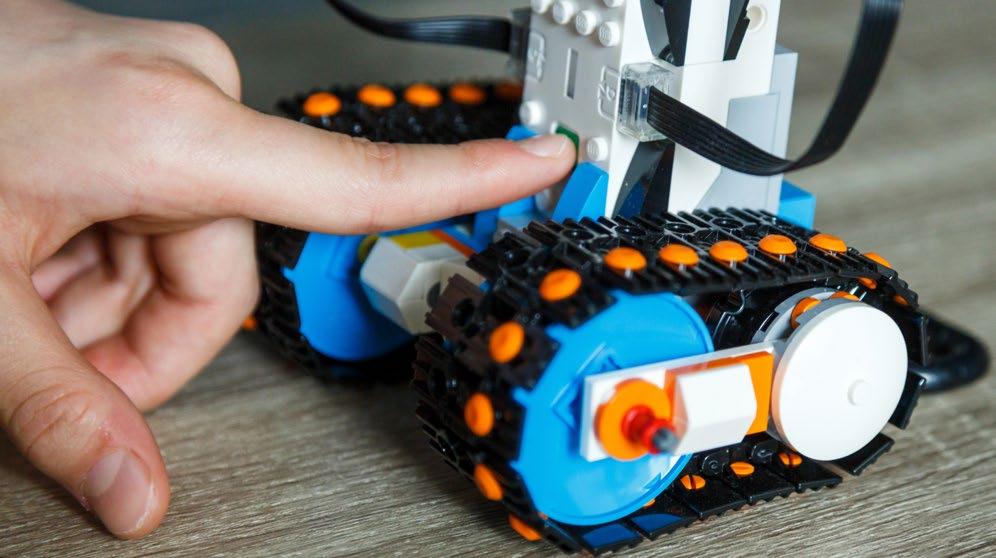
When choosing an AI toy, it helps to think about what it really offers your child. Ask yourself: ‘Does this toy encourage my child to think and explore or does it just tell them what to do?’ The best AI toys support active play, where children make choices, solve problems or create something themselves. If a toy simply asks children to tap, repeat or guess, it isn’t teaching them much and will quickly lose its appeal.
Age ratings are especially important. Many AI toys look suitable on the surface but are actually too complex for younger children. If your child needs constant help to understand what to do, the toy may not be a good match developmentally.
It’s also important to check privacy and safety settings. Find out whether the toy connects to the internet, stores personal information or uses voice recording and make sure you’re comfortable with this before allowing your child to use it independently or regularly.

Another concern is screen time. Many AI toys are app-based or heavily screen-led and excessive screen use can take time away from physical activity, face to face social play and hands-on experiences. Young children in particular, learn best through real world play that involves movement, touch and interaction with others.
AI toys are not good or bad in themselves. The key is for parents and carers to choose products that genuinely support children’s development and to use them thoughtfully as part of a balanced mix of play experiences.
AI toys should sit alongside traditional toys, outdoor play and time with family and friends - not replace them. Their value ultimately depends on how they are used by children and supported by adults.
Dr Amanda Gummer is widely considered the UK’s go-to expert on play, toys and child development. She created The Good Play Guide in 2012 to provide an independent, expert accreditation service for children’s products. More at www.goodplayguide.com
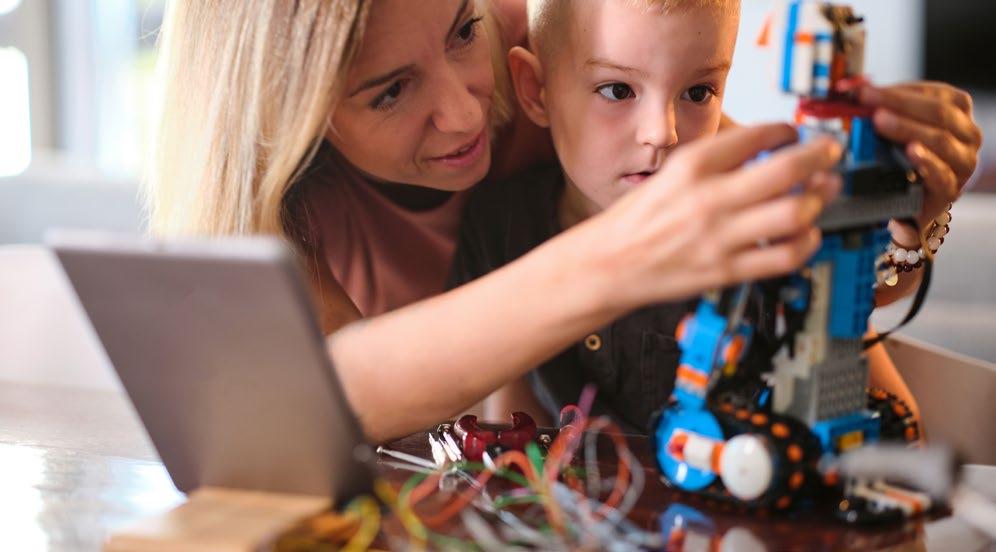
AI toys often promise independence but adult involvement remains crucial, especially for younger children. Adults play an important role in explaining how the toy works, setting limits and talking about what they are learning.
Asking open-ended questions about a child’s choices or encouraging them to explain their thinking can provide a more meaningful experience. This helps children understand and remember what they’ve learned.
Adults also play an important role in helping children understand AI. Kids may see AI toys as ‘knowing everything’ or even as friends. Talking openly about how the toy works helps them develop healthy attitudes towards technology. Setting clear boundaries around when and how long AI toys are used can help prevent overuse and keep play balanced.
When used thoughtfully, with guidance and limits, AI toys can be a really useful addition to playtime, as long as they support children’s development, rather than distract from it.
By Jodie Herron
Planning a children’s birthday party is all about creating a fun, exciting atmosphere and the right decorations can completely change the look and feel of a room. Whether your child loves colourful characters, sporty set-ups or a bit of sparkle, there are so many creative options to choose from. Here are some ideas.
For children who love magic and musicals, a Wicked-inspired theme brings a touch of drama and sparkle. Go for deep green and pink colour schemes, glittery stars and whimsical props to create an enchanted party setting. With themed tableware and decorations like broomsticks and witch hats, you can design a scene that feels theatrical and imaginative; perfect for games and fantasy fun! WICKED


One of the sweetest trending party themes lately is Hello Kitty. Adorable decorations like Hello Kitty foil or printed latex balloons, colourful banners and matching tableware create a cute, co-ordinated setup. Featuring her classic design (including her iconic bow!), along with her equally adorable friends, the decorations for this theme deliver a fun, cute feel that’s perfect for birthday celebrations.

For sports fans, a footballthemed party creates instant excitement. Use green table runners to mimic a pitch, add football banners and cluster balloons in team colours for a stadium feel. Scatter football confetti across tables and include matching plates and cups to complete the look. This theme works indoors or outdoors and pairs perfectly with simple games like penalty shootouts or target challenges to keep the fun active.
HARRY STYLES/ DISCO THEME
Combine pop star flair with retro disco style for a party full of music and movement. Think sequins, metallic fringes, disco balls and bold colour splashes to transform your space into a mini dance floor. Star-shaped balloons and shimmering banners add glamour, while neon accents keep the vibe playful. This theme works brilliantly with a party playlist, Harry Styles cutout and simple dance games, encouraging guests to show off their moves and celebrate in sparkling style.

A Paw Patrol-themed party is always a hit, especially with a brand-new movie arriving later this year. Complement the theme by featuring favourite pups like Chase, Marshall and Skye on hanging decorations, banners and more. For a brilliant focal point among matching balloons and cardboard cut outs? Try a Paw Patrol piñata.

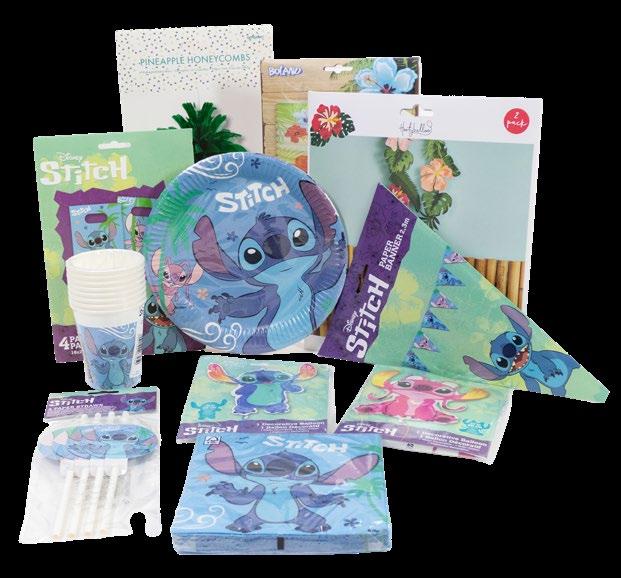
For a tropical twist, Stitch decorations bring playful island vibes to any birthday. Bright colours, Hawaiian-style garlands, palm leaves and bold banners set the scene. Consider creating a themed backdrop with floral details and character cut-outs for a fun photo area. Co-ordinated plates, cups and balloons tie everything together and you can use small themed favours to complete the look. This theme works especially well for summer parties but can bring sunshine to indoor celebrations all year round.
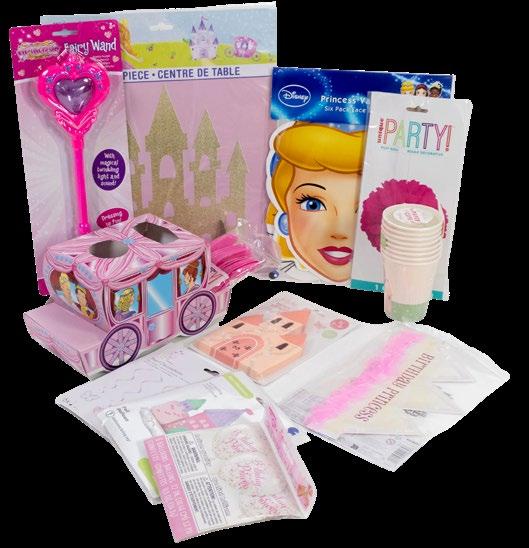
A princess and fairy tale theme instantly transforms any space into a magical kingdom. Soft pastel colours, gold accents and plenty of sparkle create a dreamy atmosphere. Castle backdrops, crown-shaped balloons and glittery banners make eye-catching decorations, while themed plates and cups tie everything together. Add tulle table skirts, star confetti and a throne-style chair for the birthday child to create a perfect photo spot. Wand or tiara party favours double as fun accessories and keepsakes, making this a theme full of enchantment.
For all these decorations, accessories and many more, visit www.partyrama.co.uk
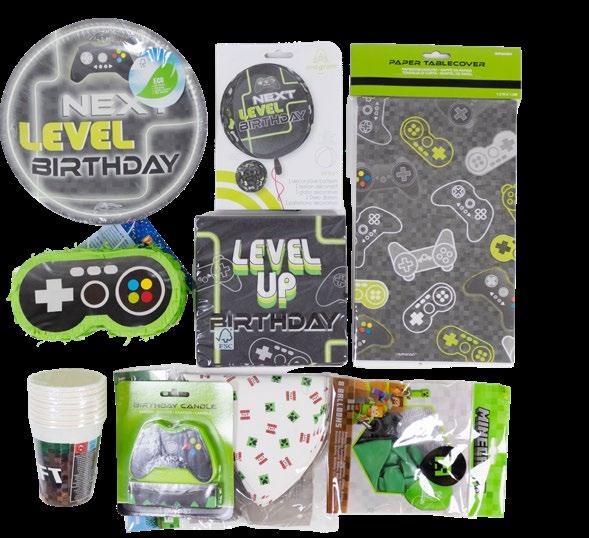
Gaming-themed decor is a favourite for older kids. Pixel-style banners, bright colour blocking and LED string lights can create an immersive atmosphere inspired by popular video games. Add controller-printed tableware or character posters to complete the setup. You can even feature a leaderboard-style photo backdrop or host a mini tournament to tie decorations and activities together.