Features: Summer fun, holiday clubs, What’s On and much more.
Contents
Top tips for learning times tables
Why AI in education is about the learner, not the technology
Stimming
Walk to School Week
A generation ago, seventy percent of us walked to school – now it’s less than half. So Walk to School Week was started to encourage more kids to get out of the car and walk to school.
Walk to School Week is held from 18 to 22 May and is organised by the UK charity Living Streets to celebrate the health and wellbeing benefits of walking.
Families will be encouraged to walk, cycle, scoot or Park and Stride to see the big differences that can come from small steps; from healthier and happier children who arrive refreshed, fit and ready to learn to less congestion and fewer cars outside the school gates.
Download the Family Walk to School kit, to help make the walk to school work.
Visit www.livingstreets.org.uk/walk-to-school
Playground Festival comes to Kent this May
Playground Festival is an exciting new international early years festival designed for babies and young children in Kent, celebrating the creativity of babies, young children and their families.
From Friday 22 to Sunday 31 May, more than 150 FREE events will take place across 20+ venues including libraries, cultural spaces and outdoor locations.
The ten-day programme brings together inspiring work from artists across the UK, Spain, Mexico, Norway, Sweden, Finland and more - all created especially for babies and young children.
Expect performances, installations, workshops, talks and discussions designed to spark imagination and creativity.
Tickets are available to book at www.playgroundkent.co.uk/ playground-festival
Clean Air Day 2026
Participating in National Clean Air Day on 18 June allows your family to contribute to the collective effort of improving air quality and creating a healthier environment. Here are some impactful ways to get involved:
Reduce vehicle emissions: Choose alternative modes of transportation such as walking, cycling or using public transport whenever possible.
Support clean energy: Advocate for and support the transition to cleaner energy sources. Use energy-efficient appliances, promote renewable energy options and explore opportunities to reduce energy consumption in your home.
Plant trees and green spaces: Participate in tree-planting initiatives or support organisations that focus on creating and maintaining green spaces in urban areas. Trees act as natural filters, absorbing pollutants and improving air quality.
Raise awareness: Spread the word through social media, local community groups and schools.
Find free resources to help you get involved at www.actionforcleanair.org.uk/campaigns/clean-air-day
Free breakfast clubs are expanding
Universal free breakfast clubs are expanding across England. Another 500 schools joined the scheme in April meaning more than 1,250 schools are now offering free morning meals, benefiting an estimated 300,000 children.
The government says a further 1,500 schools will join in September, bringing the total to around 2,750 and extending provision to roughly 680,000 children by the autumn.
The expansion of free breakfast clubs aims to reduce stigma around targeted support, giving children a calmer start to the day and saving families up to £450 a year through reduced morning costs.
Early evaluations point to benefits for attendance, behaviour and attainment.
As the scheme rolls out in May, campaigners say the priority is ensuring schools have the staff, space and funding to scale up without compromising quality.
Spotlighting carers and calling for action
Foster Care Fortnight is running from 11 to 24 May and is shining a spotlight on foster carers, kinship carers and the wider fostering community under the theme This is Fostering.
Organised by The Fostering Network, the campaign combines local events, social media toolkits, a Foster Walk and an art competition to celebrate positive outcomes and share everyday fostering stories.
Campaigners will use the fortnight to press for practical reforms, highlighting pressures such as low allowances, inconsistent support and carers feeling excluded from decisions about children’s lives.
The initiative frames celebration and campaigning together, urging government and local authorities to commit to sustained funding, better training and clearer support pathways so more children can thrive in stable homes.
Visit www.thefosteringnetwork.org.uk for more information.
A family-friendly work opportunity
We have a fantastic opportunity for someone based in Kent, who is striving for flexible, home-based work which can be performed during school hours and largely outside of school holidays to take over the running of this magazine.
No previous editorial/magazine experience is necessary, but interested individuals should be business-minded, selfmotivated and energised by the idea of growing a communityfocused business. Full training will be provided.
Families Magazine has been established for over 35 years and is a well-respected brand with over 25 titles currently published across the UK. The Kent magazine is now established with a current team of sales, distribution, design, a loyal readership and customer base so you can start earning from day one. This opportunity would suit someone on their own or a couple, either as friends or a husband/wife or partnership team. Interested? Email rebecca at editor@familieskent.co.uk with some brief introductory details and background about yourself in the first instance. Serious candidates only please!
Is your child finding it hard to make friends?
The award-winning makers of The Dog House are casting for a brand-new BBC series about friendship
We are looking for children aged 5 to 8 from all over the UK who need a little help navigating the world of friendship Over three days, a team of child psychologists will help them build the social skills and confidence to make real, lasting connections with other kids
If you'd like to help your child make a new friend (with no pressure to take part), please apply at:
Top tips for learning times tables – and why it’s still important
By Zuzu Jordan
In an age of AI, calculators and voice assistants, it is easy to question whether children still need to memorise times tables. After all, technology can provide an instant answer. However, fluency in multiplication remains one of the most important foundations in mathematics. When children know their times tables automatically, they free up brainpower for reasoning, problem-solving and tackling more complex concepts such as fractions, division and algebra.
In England, children begin exploring multiplication in Key Stage 1 through grouping, sharing and repeated addition. By Year 2, they learn the two, five and ten times tables. In Year 3 and Year 4, they extend this knowledge to all tables up to twelve x twelve, with the national Multiplication Tables Check taken at the end of Year 4. Schools now combine conceptual understanding with recall practice, using arrays (visual models organising objects into equal rows and columns to represent multiplication equations), practical resources and pattern spotting, alongside short, regular retrieval exercises.
Even with AI, instant recall matters. A child who quickly knows that 6 × 8 = 48 can focus on solving a multi-step problem instead of getting stuck at the first calculation. Technology should enhance learning, not replace core knowledge.
One of the most effective ways to support learning is to match practice to your child’s preferred way of learning.
For those who prefer to listen and learn, rhythm and repetition are powerful. Multiplication songs, chants and short rhymes can make facts stick. Creating a simple poem for tricky tables or setting facts to a familiar tune can transform learning into something memorable. Voice assistants such as Alexa or similar devices can also be used to fire quick questions for a fun, quizstyle challenge.
For those who like to learn by doing, try times tables snap cards, scavenger hunts where children shoot a Nerf dart at the correct answer or stick multiplication questions on the stairs so they solve one on each step. Jumping to the correct answer written in chalk outside or building arrays with Lego can also reinforce understanding through action.
For those who are drawn to colour and layout, use coloured multiplication charts, highlight patterns and encourage children
Mathematical language
The language surrounding multiplication is crucial for children’s understanding. Words such as groups of, lots of, times, multiplied by and product, all describe the same operation in different contexts.
Children also need to recognise related vocabulary including factor, multiple and array. Understanding that 3 x 4 means three groups of four helps build conceptual clarity.
Precise mathematical language supports reasoning, problemsolving and explaining answers.
When children confidently use and understand multiplication vocabulary, they develop deeper number sense and stronger mathematical communication skills overall.
to notice number relationships. For example, all multiples of five end in zero or five and the digits in the nine times table follow a clear pattern. Seeing these connections reduces the need to memorise each fact separately.
AI can also be a creative ally. Parents can use AI tools to generate personalised resources that reflect a child’s interests. For a football fan, create times tables cards featuring their favourite team colours or badge alongside multiplication facts. For a child who loves animals or space, design themed quizzes or printable posters. Personal relevance increases engagement.
Whatever the method, short and frequent practice is key. Five focused minutes each day is more effective than a long weekly session. Isolate tricky tables for a few days before mixing them back in.
Encourage children to explain how they know an answer, not just say it.
Most importantly, keep it positive. Confidence builds fluency. Times tables are not about racing against a machine; they are about equipping children with mental tools that will support them throughout their education. In a world shaped by AI, foundational knowledge is what enables children to use technology thoughtfully and independently.
Zuzu is a Mastery for Maths Specialist who has taught primary for eighteen years and is Director of Arnett International. For FREE resources and tips, find her on Instagram @edumate_uk
Times tables grab bag
A well-stocked times table homework grab bag should include quick, practical resources that make learning easy and engaging.
Add a set of flashcards, a small, laminated multiplication chart and a whiteboard with pen for quick practice. Include times table snap cards or simple dice for multiplication games.
A printed list of key facts for focus tables is helpful, along with coloured pens for highlighting patterns.
Finally, add a small reward chart to celebrate effort and consistent progress.
Why AI in education is about the learner, not the technology
By Stephanie Holt & Alexander Harris
In all the buzz about AI in education, it feels like there’s a race to acquire the flashiest edtech with some schools proudly announcing their use of AI platforms, chatbot tutors or algorithmic grading tools. Yet as we enter a seismic shift in how students engage with knowledge, the truth is that AI in education is less about the technology and all about how students learn to use it.
The focus must shift from learning to use AI, to using AI for learning.
At its best, AI should function like a compass, not a crutch. When students use generative AI responsibly to draft essays, analyse historical trends or solve mathematical problems, they’re not outsourcing thinking. They’re enhancing it.
The key lies in guided, purposeful use. Research reveals that students given structured support significantly out-perform peers who use AI unguided or uncritically (Holt & Harris, 2024). When incorporated into a structured learning journey, AI prompts deeper enquiry rather than being a shortcut.
The Traffic Light System: teaching ethical and effective use The Traffic Light System categorises AI use into three bands, providing clarity for students and teachers alike in the difference between collaboration and collusion: Green. Enhances learning without replacing it eg brainstorming prompts, language practice, data analysis. Amber. Risks displacing the learning process and needs monitoring eg using AI to paraphrase or summarise without reflection.
Red. Replaces learning or violates academic integrity eg full AIgenerated assignments.
AI is a method of teaching, not a product We need to frame AI as a way of teaching students to explore possibility. Learning objectives drive AI use, not the other way around. The most meaningful AI integration happens when:
• Teachers ask not just ‘what did you write?’ but ‘how did AI shape your thinking?’
• Students are encouraged to interrogate AI outputs, question accuracy and add their own insights, developing digital and critical literacy simultaneously.
Assessment isn’t just about measuring what students know. It’s about helping them learn through the process of enquiry, revision and reflection - with AI as a thinking partner, not a ghostwriter.
Stephanie Holt is Director of Teaching and Learning, DSB International School, India and Alexander Harris is Deputy Head Academic, Sanford International School, Ethiopia. They are co-authors of AI for Learning: 101 Assessments K-12 Unlocking Mastery of AI (Belgravia Press, 2024).
Supporting digital literacy at home
By Erin Miller
In an era where banning children from smartphones is becoming increasingly normalised, the idea of actively promoting digital literacy at home can seem counterintuitive. However, digital literacy is about far more than simply knowing how to operate a device. It goes beyond technical skills to encompass the ability to engage with digital technologies safely, critically and thoughtfully. This includes knowing how to find and evaluate information online, communicate effectively in digital spaces, protect personal data and privacy and recognise risks such as misinformation, manipulation and harmful content.
Just as parents and schools teach children how to stay safe in the physical world, they must also teach them how to think critically about what they see in order to stay safe in the digital world.
Getting your child to think critically. To help children begin evaluating online information critically, teach them how to:
Check the source. Show your child how to find who created the content and whether it comes from a trusted organisation, a qualified expert or an unknown account. Teach them to look for an About page and to be wary of anonymous profiles.
Tell fact from opinion. Help them look for evidence such as facts, data or reliable links. Explain the difference between evidence and personal belief.
Recognise emotional manipulation. Teach them to notice when content triggers strong emotions like fear, anger or excitement and encourage them to pause before reacting or sharing.
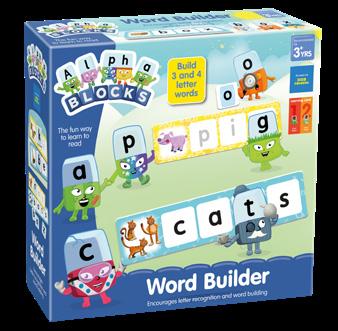
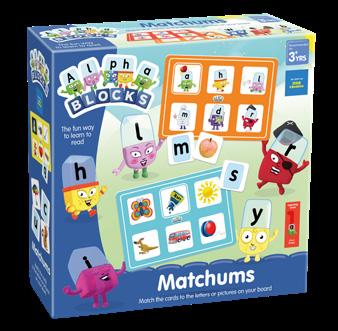
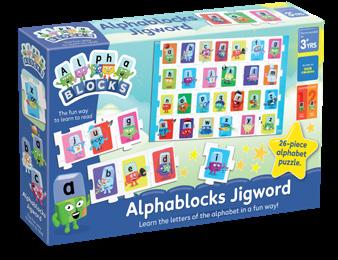
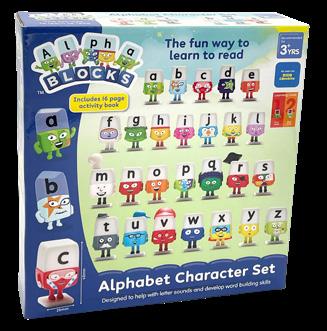
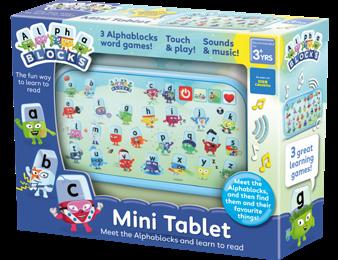
Alphablocks Bundles Giveaway
Question headlines. Show them that headlines are often exaggerated and that they should read beyond the title.
Check the date. Teach them how to spot outdated content that is reshared as if it were new.
Cross-check information. Encourage them to look for the same story on other reputable sites and to be cautious if only one unfamiliar source is reporting it.
Have open conversations at home
It is unrealistic to pretend technology will not play a major role in your child’s world. Talk about it: ask your children what they enjoy online and what they find challenging. By building trust it’s more likely they will seek support if something goes wrong.
It is also important to discuss how algorithms work. Help children understand that their devices are tracking their behaviour and using that information to shape what they see.
Erin Miller is a teacher with a keen interest in how research can be used in the classroom to improve learning.
Teaching children to protect their privacy
Here are some practical tips.
Names. Show your child how to choose usernames that do not include their real name, birthday, school or location. Personal details in photos. Teach them to check images for clues like school logos, street signs, house numbers, car number plates or landmarks before posting photos. Turn off location sharing. Show them where location settings are on their device and in apps and teach them to keep location services off unless there is a reason to use them. Limit who can contact them. Teach them how to set accounts to private, restrict messaging to friends only and avoid accepting requests or messages from people they don’t know. Use passwords properly. Teach them how to create strong passwords, avoid reusing the same password across apps and understand why passwords should never be shared. Check app permissions. Teach them to review what an app needs to work, eg camera, microphone, contacts, photos –and tell them to turn off anything the app doesn’t require.
Stimming is not a problem to solve
By Chloe Farahar
Stimming - rocking, hand-flapping, humming, spinning or any other repetitive movement or sound - is not a behaviour to be eliminated. It is, for many autistic people, a vital and meaningful part of how we experience, regulate and communicate.
What stimming actually is
Research by Kapp et al., (2019), based directly on autistic people’s own accounts, found that stimming helps with regulating emotions, coping with sensory overload, selfexpression, communication and pleasure. The same research found that attempts to suppress stimming - particularly through behavioural interventions - were associated with increased distress, anxiety and a damaged sense of self.
Stimming is also a form of language. As autistic researcher and advocate Julia Bascom (2012) writes, stimming can express what words cannot: joy, comfort, connection, overwhelm. Within the autistic community, it is understood and respected as communication.
NHS guidance now explicitly recognises self-stimulatory behaviour as a form of sensory seeking that ‘may be communicative to express feelings or can be calming’ and does not frame stimming as a behaviour to be reduced.
What about harmful stimming?
Most stimming is regulatory, communicative and deeply personal. The appropriate response to a child rocking, flapping or humming is to make space for it - not to redirect, limit or ‘treat’ it.
However, some autistic people do engage in stims that cause physical harm – such as head-banging, skin-picking to the point of injury or self-biting. These are clinically distinct from regulatory stimming and emerging autistic-led research is beginning to map this distinction carefully (Marsden et al., 2025; Farahar & Sanderson, forthcoming).
Evidence tells us that harmful stimming is almost always a sign of unmet need and unaddressed distress; it’s important to then understand what is causing this distress.
That means:
Adjusting the sensory environment - reducing noise, light, unpredictability and sensory overload.
Adjusting the social environment - including the behaviour and expectations of the people around the autistic person.
Improving communication access - so the person has meaningful ways to express pain, overwhelm or need before distress reaches a crisis point.
Listening to the autistic person - or where spoken or otherwise verbal communication is limited, to advocates who know them well.
This is the SPELL framework: Structure, Positive approaches, Empathy, Low arousal and Links - an approach developed with the autistic community and a far more ethical foundation than any approach focused on behaviour management alone.
The people in the room are part of the environment
This point is worth dwelling on, because it is often the hardest to sit with.
Environment + autistic person = outcome – Dr Luke Beardon
When an autistic person is distressed and when harmful behaviours emerge, the question must always be: what in this environment, including the people in it, is contributing to this?
Demands that feel unreasonable. Communication that is unclear or unpredictable. Sensory conditions that are painful. Expectations of masking (suppressing autistic behaviours to appear more neurotypical) that, over time, are associated with significant mental health harms including suicidality (Hull et al., 2019).
The research is consistent: when autistic people are in environments that understand and accommodate them and when they are not asked to perform neurotypically, distress reduces and with it, the frequency of harmful behaviours (Kapp et al., 2019; Marsden et al., 2025).
A message to families
If your autistic child stims, they are not broken and the stim does not need to be fixed.
If the stim is joyful – if they are flapping because they are excited, rocking because it is calming, humming because it helps them think – celebrate it.
If the stim is causing physical harm, ask yourself: what is my child trying to tell me? What in their world is too much right now? What do they need that they are not getting? The correct professional to support with this might be an occupational therapist, who will look at the environment and its effect on your young person. The answers will come from listening, deeply, without judgement, to the autistic person in front of you.
Chloe Farahar holds a doctorate in Social Psychology and publishes on autistic identity and experience, bringing both professional expertise and lived experience as an autistic person to her work.
Complaint and clarification What is stimming in children?
Some members of the autistic community have expressed complaint that the above article in our March/April issue suggests that stimming is a problem that should be reduced or unlearned.
Chloe Farahar holds a doctorate and publishes on autistic identity and experience as well as serving as Project Manager for Learning Disability and Autism at Kent and Medway Mental Health NHS Trust.
Chloe clarifies that current evidence does not support that stimming is a problem that should be reduced or unlearned. Instead, stimming services vital regulatory, communicating and emotional functions for autistic people. (Kapp et al., 2019). Attempts to eliminate stimming, without addressing the distress that drives harmful forms, could risk psychological harm.
Families would like to thank Chloe for her clarification and extend an apology to any members of the autistic community that may have been concerned or upset by this article.
Holiday day camp essentials
By Tanni Haas
You’ve found a great camp for your kids, signed them up and are getting them ready for all the fun ahead. But what should you pack for them every day? Drawing on my own experiences as a seasoned parent of day campers, I’ve compiled the following list of things.
Bag
Buy a lightweight yet durable and roomy bag pack, made of fabric or nylon. It’s useful if it has many compartments, so that you can put different items in different places, including an outside pocket for the water bottle.
Hat, sunglasses and sunscreen
If they’re spending much or all of the day outside, shades and a hat will keep them cool and comfortable. Teach your kids how to apply sunscreen properly without getting it in their eyes, ears or mouth. Apply it in the morning before they leave for camp and encourage them to reapply during the day.
Food and snacks
Pack one or two sandwiches and some healthy snacks in case they get hungry before and/or after lunch. Put all the food in a thermal bag so that it stays cool and fresh all day.
Hand sanitiser and wet wipes
Let’s face it: kids get dirty, especially if they’re spending a lot of time outside. Pack some hand sanitiser and wet wipes and instruct them on how to use them properly and frequently.
Plastic or Ziploc bags
Pack a couple of plastic bags or, even better, Ziploc bags - great for any wet items like swimsuits or towels.
Try family camp this year
Family camps typically offer residential accommodation in cabins or tents, with sports, crafts or outdoor activities for all; including aunts and uncles, cousins and grandparents too! They’re great places to wake up together to a day of fun activities with no tight schedules, worries or distractions.
What to expect
A wide range of activities for all interests and abilities and a no-electronic device policy - perfect for focusing on enjoying each other’s company.
Making it work: top tips
Plan your extended family break together as a group.
Think about the best time for all of you to go away and talk about the kinds of activities that you all would enjoy.
Agree ahead on how mealtime shopping and prepping will work.
Factor in ‘me’ time for family members who are less gung-ho or need a quieter adult break.
Finally, look for a family camp that you can all afford and get to without too much trouble.
Prescription medication
If your kids are young, give the camp organisers any prescription medication they need. Older kids may be happy to carry the medication themselves.
Swimming gear
Many day camps include trips to the pool or other ‘wet’ activities. Always have swimming gear packed.
Water bottle
Pack a reusable water bottle, ideally in an easily accessible compartment. Put the bottle in the freezer overnight so that it stays cool.
Hoody or light rain jacket
It can get chilly – and, of course, it may rain. Pack a lightweight windbreaker or a hoody, depending on the weather forecast.
… and a little surprise
Put a little surprise item (a favourite snack or an I-love-you note) in a place where you know your kids will look, like in their lunch box. It’ll put a smile on their faces and ensure they have a great day.
Tanni Haas, Ph.D. is a Professor in the Department of Communication Arts, Sciences and Disorders at The City University of New York.
Summer holidays in Neverland with Perform
Children ages 4 to 10 can join an adventure to Neverland with Perform this summer.
Filled with drama, dance and singing, storytelling and arts and crafts, children will join Peter Pan, Tinker Bell and friends for 3, 4 or 5 days of confidence-building fun, ending with a joyful performance for family and friends.
Courses take place at:
Sevenoaks: The Parish Church of St Luke, TN13 1XT 27-31 July 2026
Tunbridge Wells: Christ Church Centre, TN1 1UT 17-21 August 2026
Visit www.perform.org.uk/peterpan to book.
Getting kids swimming: tackling the barriers
By Dr Meredith Elkins
According to Sport England, less than half of children meet the recommended sixty minutes of daily activity recommended by the Chief Medical Officer, highlighting the need to build movement habits in children from an early age.
Options for organised sport are limited before the age of 5 with the National Curriculum for PE setting basic skills expectations (running, throwing, catching) between 5 and 7 years. Yet swimming is accessible from infancy, filling that gap and establishing lifelong, healthy habits early.
Swimming is the perfect activity for all children, from infancy onwards. Experts agree that swimming improves cognitive functioning and water confidence, strengthens key muscle groups, supports better co-ordination, sleep and appetite and all the while boosts bonding between parents and children.
Yet if swimming is the ideal activity for young children, why can only twenty seven percent of Year 1 and 2 children swim twenty five metres unaided?
What is stopping parents signing up to classes?
Time pressures, travel, childcare and lost work hours are key obstacles. With the average UK working week at more than forty hours plus commutes, finding time is tough.
Cost is another big barrier. Lesson fees, childcare for siblings, kit expectations and cancellation fees - especially when illness strikes - add up quickly, according to many parents on forums like Mumsnet.
Then there’s availability. A recent Total Fitness survey of over two thousand UK adults found that one third of parents struggle
Perform weekly drama, dance and singing classes
Confidence-building drama classes for ages 4-7s and 7-12s in Ebbsfleet, Faversham, Hempstead, Maidstone, Sevenoaks, Tonbridge and Tunbridge Wells.
A unique mix of fun drama games, dance and singing designed to boost confidence, communication, concentration and co-ordination.
To book a FREE class visit www.perform.org.uk/try
to find pre-school swimming lessons and suitable facilities for their children.
Dean Zweck at Total Fitness says: ‘Fitting swimming into a busy schedule can feel hard but building water confidence early lays the foundation for lifelong fitness and wellbeing. Checking out classes early helps set children up for a positive relationship with movement for life.’
Swimming for life
Swimming helps children stay active, social and confident and offers a valuable screen-free alternative for later years. Campaigns like National Learn to Swim Day and #LoveSwimming are useful to remind busy parents that helping little ones dive into swimming early is one of the best gifts you can give them. It is also the only sport which could one day save your child’s life.
Many swimming schools provide free assessments and baby swim programmes often have expert-run programmes in warmer water, designed to build confidence gradually, both for little ones and their parents.
With thanks to Total Fitness (www.totalfitness.co.uk) for this article. Total Fitness runs health clubs across the country, offering free swimming assessments and Family Pool Passes.
•
Ebbsfleet, Faversham, Hempstead, Maidstone, Sevenoaks, Tonbridge or Tunbridge Wells
Drama, dance & singing classes designed to help 4–12 year olds shine To book visit perform.org.uk/try
Cow’s milk allergy and the Milk Ladder
By Emma Shafqat
I have both professional and personal experience with cow’s milk allergies; when my daughter was twelve months old, we made our first attempt to climb the Milk Ladder.
Unfortunately, once past steps one and two, we couldn’t get any further. Lots of crying and vomiting prompted us to take a break.
After two more attempts and feeling like there would be so many food related occasions we could never enjoy together as a family, we finally reached the top of the ladder when my daughter was three and a half… although - between you and me - she still flatly refuses cow’s milk, claiming she can’t have it, despite happily eating ice cream and drinking chocolate milkshakes!
What is a cow’s milk allergy?
Cow’s milk protein allergy (CMPA) is an abnormal response by the body’s immune system in which the proteins in cow’s milk are recognised as a potential threat. It is estimated to affect around 7% of babies under the age of one, although most children grow out of it by the age of five (NHS, 2019).
The two main types of CMPA
IgE-mediated: typically rapid onset (within minutes and up to two hours after ingestion)
Non-IgE-mediated: typically delayed onset (usually two to 72 hours after ingestion)
These two different types of allergies come with similar but slightly different signs and symptoms. They can include itchy skin, a rash, atopic eczema, abdominal pain, vomiting, diarrhoea, coughing, chest tightness, wheezing or shortness of breath.
IgE-mediated can also cause acute flare up, swelling of the lips, face or around the eyes, nausea, sneezing and congestion. NonIgE mediated can also cause gastro-oesophageal reflux disease (GORD), loose or frequent poos, constipation, redness around
the anus, blood and/or mucus in the poo, colic, tiredness, food refusal or aversion and faltering growth with at least one or more gastrointestinal symptoms.
If your child has other symptoms, that does not mean they don’t have a food allergy. If you think your little one is having a reaction to cow’s milk, see your GP. Make sure you get medical advice before taking cow’s milk out of your child’s diet.
What is the Milk Ladder (sometimes known as the Dairy Ladder)?
The Milk Ladder is a six-step technique of reintroducing your child to cow’s milk slowly so that their tolerance builds gradually. It is only suitable for children with mild to moderate non-IgEmediated allergies and you should always seek medical advice first. I recommend referring to the official iMAP Guide for details.
Put simply, the Milk Ladder starts with more broken-down forms of milk, like biscuits or pancakes and builds up to things like yoghurt and cheese, until eventually your child can have fresh milk. This is because when milk is heated or baked, the protein changes so it is less allergenic.
If your child has a reaction at any of the steps, stop and contact your healthcare professional before starting again. Once you have reached the top of the ladder, switch to cow’s milk in all food and cereals at breakfast.
Use the QR code to see the iMAP guide with the six steps on the Milk Ladder. If you are struggling with CMPA and would like more support, visit www.dietitianwithadifference.co.uk and book a customised cow’s milk reintroduction plan. With thanks to Bespoke Family (www.bespokefamily.co.uk) for this article.
Must-visit UK petting farms
Compiled by Andrew Campbell
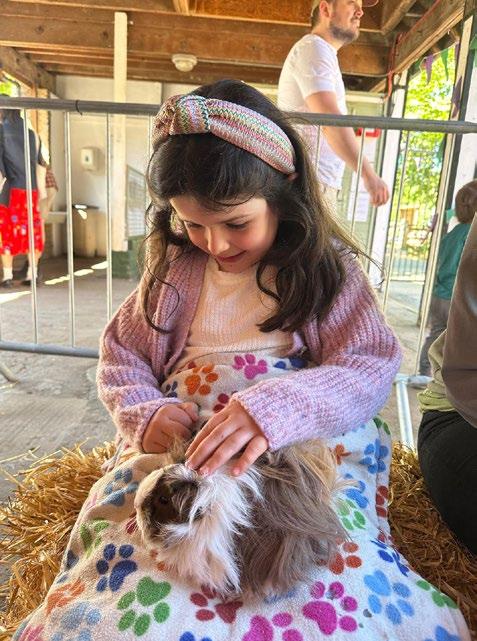
Spring across British farms means one thing: baby animals. Meet lambs, piglets, kid goats and calves. Bottle-feeding, farm tours and knowledgeable staff make these spots unmissable this season.
Rare Breeds Centre, Kent
Families can watch piglets, goat kids and calves up close. Staff introduce family farming life and animal welfare, with trails and an adventure playground for burning off energy. From 2-4 May enjoy Woolly Weekend - a BAA-RILLIANT weekend full of sheep themed fun and activities. A farm café serves local flavours and keeps the rural experience relaxed and accessible. www.canterburyoasttrust.org.uk/rare-breeds-centre
Vauxhall City Farm, London
Vauxhall City Farm offers a springtime escape in central London, with friendly goats, sheep, alpacas, pigs, rabbits, guinea pigs and birds. Children can watch staff care for young animals and join Meet the Animals sessions. Knowledgeable staff explain how the farm raises its residents, while the Old Dairy Café and outdoor spaces make it an easy, family-friendly visit. www.vauxhallcityfarm.org
Chobham Adventure Farm, Surrey
Chobham Adventure Farm blends animal encounters with extensive indoor and outdoor play. Families can meet friendly farm animals in the Animal Barn, while children explore large soft play zones and outdoor adventure areas. Spring visits offer a mix of hands on learning and energetic play, with staff on hand to guide young visitors. With cafés, spacious play areas and a relaxed rural setting, it’s an easy, full day outing. www.chobhamadventurefarm.co.uk
Baylham House Rare Breeds Farm, Suffolk
Baylham House’s farm is popular with children and adults alike, with a wide range of activities to enjoy. You can enjoy a Highland Cow Experience, walking trails, picnic lawns and informative displays, all are great to explore between animal sessions. It’s an authentic taste of a working Suffolk farm in its busiest season. www.baylham-house-farm.co.uk
Enjoy Open Farm Sunday
Open Farm Sunday on 7 June will be celebrating 20 years providing a unique opportunity for families to explore real working farms and learn more about the countryside. Managed by LEAF (Linking Environment and Farming), this annual event allows families and individuals to witness daily farm activities, engage with passionate farmers and learn about sustainable practices. Visitors can enjoy tractor-trailer rides, farm tours, nature trails, bug hunts and farmers’ markets. It’s a day that celebrates the hard work behind our food production and offers free access to farm experiences. To find a farm to visit at www.farmsunday.org
Children’s Gardening Week
This summer, get involved with some family fun in National Children’s Gardening week, taking place from 23-31 May. As well as simply good outdoor fun, gardening has been shown to have many benefits to health and wellbeing including being more physically active and feeling happier and more connected with the natural world. There are many ways to get involved with National Children’s Gardening Week from DIY activities at home, to attending an event at a local garden centre.
Find out more at www.childrensgardeningweek.co.uk
Chobham Adventure Farm
Rare Breeds Centre
Baylham House Rare Breeds Farm
Six things to do on a hot summer’s evening
By Ellie Malt
Long summer evenings in the UK are a joy, offering extra daylight and warm air to be enjoyed. What better time to banish screens and replenish with some wholesome outdoor activity? Try some of these ideas.
Den building adventure
Transform your garden, backyard or nearby park into a den-building wonderland. Gather old sheets, blankets, cushions and ropes and let your children create secret hideouts or mini ‘clubhouses’. Once complete, their den can become the perfect spot for reading or enjoying a snack in the fading sunlight. For extra pazazz, string up fairy lights or lanterns.
Go on a family bike ride
Long summer evenings are perfect for a gentle cycle around your neighbourhood or a nearby trail. The temperature is cooler than mid-afternoon and the roads are often quieter. Stop for a game of shadow tag in the local park. Pack a small rucksack with water and snacks and let the kids discover new routes or just enjoy the thrill of riding as the sun dips.
Extended opening at the zoo or botanical garden
Take advantage of the extended open hours by visiting a nearby botanical garden or zoo. Many stay open later during summer months, allowing families to wander among colourful flower beds, watch exotic animals in calmer evening hours and enjoy a picnic. Lie back on a blanket and spend some time cloud watching with the kids - spotting shapes, making up stories as the sky changes colour. Soak up the natural beauty before it’s time to head home.
Swim at your local lido or wild swimming spot
Take a refreshing dip at a local lido, outdoor pool or a safe wild swimming spot. Evening swims are magical in summer. The crowds have usually thinned and the golden light makes it feel like a mini adventure. Bring floats for the children or simply cool off and make the most of the long daylight hours.
Hold an alfresco movie night
Turn your garden or driveway into an outdoor cinema for an alfresco film night. A portable projector, a white sheet or wall and a few cushions or deck chairs can create a magical atmosphere. Pick family-friendly favourites or classic films to enjoy under the stars. Don’t forget the popcorn and blankets for when the temperature dips.
Go on an ice-cream adventure
Cap off a hot summer evening by visiting a local ice-cream parlour. Walk, scoot or cycle there with the kids, enjoy choosing flavours and perhaps wander home via a scenic route. This simple treat feels indulgent and celebratory, making it a perfect way to end a long, sun-filled day.
Summer holiday money saving apps
By Andrew Campbell
Travelling during the school summer holidays can get expensive, especially if you have a big family. Luckily there are plenty of free apps to help you save money, whether you’re going overseas or planning a more modest road trip in the UK.
AirHelp (Apple App Store; Google Play)
Flying can be stressful if flights are delayed, cancelled or overbooked. AirHelp checks if you’re owed compensation for flight issues, including lost or damaged luggage. Upload your boarding pass to see if you’re eligible for up to £350 per passenger (EU rules apply).
JustPark (Apple App Store; Google Play)
A UK-based app that lets users find, reserve and pay for parking spaces in advance. It connects drivers with private driveways, commercial car parks and on-street parking. JustPark operates across the UK and in some European cities.
PetrolPrices (Apple App Store; Google Play)
A UK-focused app that helps drivers find the cheapest fuel near their location. Users can compare petrol, diesel and premium fuel prices at thousands of stations nationwide.
HotelTonight (Apple App Store; Google Play)
Ideal for booking last-minute hotel accommodation. Users can search for hotels, compare prices and access exclusive discounts on unsold rooms. The app is available in the UK and major cities across Europe, Asia and North America.
Rome2rio (Apple App Store; Google Play)
A comprehensive travel planning app and website that helps find the best ways to get from one place to another, anywhere in the world. It compares flights, trains, buses, ferries and driving routes, showing estimated times and costs for each option.
Hiyacar (Apple App Store; Google Play)
A UK-based peer-to-peer car sharing app that connects drivers with local car owners for short-term rentals. Users can search for nearby vehicles, book instantly and unlock cars using the app’s keyless technology. Insurance is included for every rental and the platform covers many UK cities.
Citymapper (Apple App Store; Google Play)
Save money by using public transport efficiently. Citymapper is a public transport app that helps users plan journeys in cities around the world. It provides real-time information on buses, trains, trams, subways, walking, cycling and ride-hailing options. Covers major cities in the UK, Europe, North America.
WiFi Map (Apple App Store; Google Play)
This app helps you locate free WiFi hotspots across Asia, Europe, North America and South America. Even if your phone plan doesn’t hit you with roaming fees, it’s still incredibly useful - you’ll know exactly where you can connect your tablet or laptop without paying a penny.
What’s on
All listings correct at the time of going to print. Please check with the venue before visiting to ensure events are still going ahead.
With thanks to our contributor Bella Wrigley
Pawfest at Betteshanger Park 9-10 May
Room on the Broom Trail at Bedgebury National Pinetum and Forest Daily
The interactive family trail brings the much-loved Room on the Broom story to life in the heart of the forest. www.forestryengland.uk/room-onthe-broom
The Gruffalo Trail at Bedgebury National Pinetum and Forest Daily
Covering some 128 hectares, can you find Gruffalo and his friends in the National Pinetum? Open from 8am-5pm. Parking charges apply. www.forestryengland.uk/ bedgebury/forest-walkies
Nature Trail at Bluewater Daily
Bluewater Nature Trail is made up of beautiful parkland, lakes and fun family activities. It begins on the bridge opposite Zizzi. The trail is approximately 45-minutes long. www.bluewater.co.uk/en/playlisting/bluewater-nature-trail
Conservation Volunteering in the Ashford District
Every Wed
Join the KSCP team on volunteer task days carrying out practical habitat management throughout the Ashford area. Work takes place in woods, rivers, meadows and other green spaces. Tools, training and biscuits are provided. Email stour@kent.gov.uk for more details. https://bit.ly/4txHeCc
The Garden at The Beany House of Art & Knowledge Until 5 Jul
Explore the world of ‘The Garden’ through the eyes of a child. This beautiful interactive installation offers you and your child the opportunity to enter a magical world of wonder and discovery among plants, flowers, birds, insects and animals. Under 5s. www.canterburymuseums.co.uk/ events/the-garden
Weald of Kent Country Craft Show at Penshurst Place, Tonbridge 2-4 May
A delightful weekend filled with artisan shopping, delectable street food, traditional crafts and familyfriendly activities. Kids go FREE. 10am-5pm. www.thecraftshows.co.uk/wealdof-kent-country-craft-food-show
Faversham Artisan Crafts and Gift Market at The Alexander Centre 2, 16-17, 30 May
A selection of the best of Kent’s craft and gift products, including jewellery, homeware, artwork, photography, candles, soaps, clothing, beauty, food and more. 10am-3pm. FREE. www.thealex.org.uk/events/ category/fairs-markets
Get ready for a tail-wagging good time at Pawfest. This fun-filled day is dedicated to our furry friends and includes a variety of activities for dogs of all breeds and sizes. www.betteshanger-park.co.uk/ event/pawfest
Family Hub Fridays at PowellCotton Museum, Birchington 15 May
For parents and carers with young children under 5. Each session is designed to spark curiosity and encourage imagination. 11am-2pm. From £1, drop-in. www.powell-cottonmuseum.org/ whats-on
1940s Weekend on Kent & East Sussex Railway 16-17 May
Take a step back in time with a visit to the annual 1940s weekend and experience the 40s lifestyle as the railway turns back the clock to wartime Britain. Pre-book online. www.kesr.org.uk/1940s-weekend
Kent Tribute Festival at Quex Park, Birchington 22-24 May
Showcasing the very best tribute artists, this family-friendly festival has something for everyone including family camping. Pre-book. www.kenttributefestival.co.uk
Playground Festival 22-31 May
Kent’s first international early years festival, celebrating the creativity of babies, young children and their families with over 150 FREE events across 20+ venues. www.playgroundkent.co.uk/ playground-festival
The Queen’s Joust at Leeds Castle 23-25 May
Join Leeds Castle for a medieval jousting event with an exhilarating display of combat and action, elegant and unusual equestrian and medieval living and feasting. www.leeds-castle.com
Plant Hunters: Tales & Trails at Hever Castle 23-31 May
Discover the fascinating stories behind the explorers who travelled the globe in search of rare and extraordinary plants. Follow the trail through the beautiful castle grounds and uncover hidden botanical treasures along the way. Young explorers can also enjoy Tales of the Plant Hunters, lively interactive storytelling sessions on the Half Moon Lawn. www.hevercastle.co.uk/whats-on/ may-half-term
Fun Down on the Farm at Kent Life Maidstone 23-31 May
Get ready for a day of farmyard fun and adventure. Meet friendly animals in Critter Corner, feed the pigs and explore the farm up close. Booking essential. www.kentlife.org.uk/event/greatoutdoors
Mystery Mission at Dover Castle 23-31 May
A top-secret message has gone missing at Dover Castle – and you need to find it before it falls into the wrong hands. Follow the trail, track down the clues and crack the codes to uncover the secret message. www.english-heritage.org.uk/visit/ places/dover-castle
Half-Term at Leeds Castle 23-31 May
Enjoy a day packed with fun, exploration and unforgettable experiences. From the famous maze and three exciting playgrounds to breathtaking woodland walks and thrilling falconry displays. www.leeds-castle.com/events/ may-half-term
Mystical Magical May at COT’s Rare Breeds Centre 25-31 May
Step into a world of wonder and mystical magic this half term. Get
ready for a spellbinding day out packed with magical moments for all the family. Meet enchanting characters and get hands-on with themed crafts and activities as you explore the farm. Also, on 25 May enjoy a Dog and Duck Showtalented rescue dogs’ team up as a coordinated pack, showcasing their incredible communication skills as they herd a flock of ducks with precision. Book online. www.canterburyoasttrust.org.uk/ rare-breed-centre
Bee Safari at Brogdale Collections, Faversham 26 May
Go on a Bee Safari Hunt! Search and identify different types of pollinators and learn more about the many Bee varieties. Pre-book online. www.brogdalecollections.org/ event/bee-safari
Discover the best of Kent at the Kent County Show
Celebrate the best of Kent at the county’s showcase of farming, food production and rural life in the Garden of England as the Kent County Show returns on 3, 4 and 5 July 2026.
Over three days, livestock, horses, vintage vehicles, local producers and more, will converge onto the Kent Showground in Detling for a festival of the best of Kent. Discover fascinating aspects of rural life as you make your way around the Showground.
From incredible live entertainment to stunning animal displays and more, there is something for all the family to discover at the Kent County Show.
Book your tickets today to take advantage of the pre-booking discount (adults £23, children £6 for ages 5-15), Under 5s FREE. Family Ticket (2 adults + 3 children) £55.
Visit www.kcas.org.uk/kent-county-show to book.
Enjoy family-friendly American Speedfest at Brands Hatch
American SpeedFest thunders back to Brands Hatch for a super-sized weekend of fun for all ages on Saturday 6 and Sunday 7 June. This star-spangled extravaganza is the circuit’s ultimate family weekend.
High-octane thrills come from the Live Action Arena, including blockbuster monster truck content. Further entertainment comes courtesy of the new-for-2026 live wrestling, Transformers character meet and greets, inflatable assault courses and other family fun in the Lil’ Legends Adventure County area. Beyond that, the cinema corner, themed food and drink, fairground rides, big American car displays and much more will all add to the festival feeling.
The SpeedFest Music Festival returns too, featuring headline country stars, touring artists and cover acts. There’s loads of on-track entertainment as well, headlined by EuroNASCAR! Tickets are available at discounted prices now and with extra reductions for ages 13-15. Under 13s are FREE.
Visit www.speedfest.co.uk to book.
Code Breaking at Dover Castle 30 May
Do you have what it takes to crack the code? Join Commander Thorne and help find the clues hidden around Dover Castle. Ages 7+. www.english-heritage.org.uk
Cliftonville Farmer’s Market at The Walpole Green, Palm Bay 31 May
Award-winning farmers market with 40+ stalls selling bread, cheese, honey, fruit and juices, vegetables, fresh meat and wild game and more. 10am-1pm. FREE. https://cliftonvillefm.co.uk
JUNE
Bluey Visits Kent Life, Maidstone 6 Jun
Bluey will be at Kent Life and making personal appearances throughout the day. Pre-book a time slot online. www.kentlife.org.uk
American SpeedFest at Brands Hatch 6-7 Jun
American SpeedFest thunders back to Brands Hatch for a super-sized weekend of fun for all ages. Book online. Under 13s are FREE. www.speedfest.co.uk
Faversham Artisan Crafts and Gift Market at The Alexander Centre 6, 13, 20 Jun
A selection of the best of Kent’s craft and gift products. 10am-3pm. FREE. www.thealex.org.uk
Glorious Gardens Weekend at Penshurst Place 12-14 Jun
A three day celebration of historic gardens. Expect live music, captivating floral installations and lots of activities for children to enjoy. Included in general admission. www.penshurstplace.com
Pick Your Own Fruit Weekend at Brogdale Collections, Faversham 13 Jun
A unique opportunity to pick your own unusual variety of cherries, plums, gages, apples and pears, plus there will be lots of family fun. Under 16s FREE. Book online. www.brogdalecollections.org
Hever’s Home Front Father’s Day Weekend at Hever Castle 20-21 Jun
Step back in time to wartime Britain at Hever’s Home Front at this 1940s event. Treat Dad to a Father’s Day he won’t forget as you meet a variety of enthusiastic reenactors who tell the story of the era through living history. www.hevercastle.co.uk/whats-on/ hevers-home-front-1940s-event
Bricktacular Adventures at PowellCotton Museum 20-21 Jun
The hugely popular LEGO® brick building weekend is back for two exciting days packed with creativity, colour and hands-on creative fun for all the family. Ages 4+. www.powell-cottonmuseum.org/ event/bricktacular-adventures
The Gruffalo & Gruffalo’s Child Visits Kent Life!
21 Jun
The Gruffalo and Child will be making special appearances throughout the day, giving you the chance to meet them up close, say a big ‘hello!’. Booking is required. www.kentlife.org.uk/event/see-thegruffalo
Family Hub Fridays at PowellCotton Museum, Birchington 26 Jun
For parents and carers with young children under 5, each session is designed to spark curiosity and encourage imagination. 11am-2pm. From £1, drop-in. www.powell-cottonmuseum.org
Chilli Hop Cider Festival at Betteshanger Park 26-28 Jun
A new family focused fun packed festival with street food, music, dancing, competitions and more. Book online. www.betteshanger-park.co.uk
Cherry Fair at Brogdale Collections, Faversham 27-28 Jun
Celebrate the many different flavours of cherry season. Enjoy picking your own fruit tasting as many different varieties as possible straight from the tree, guided tours of the National Fruit Collection, food, drink and kids’ orchard crafts and more. Book online. www.brogdalecollections.org
Kent County Show at Kent Showground, Detling 3-5 Jul
The Kent County Show is a weekend of farming, agriculture and food production. The show gives people a look into how agriculture and farming in Kent has worked for many years. Run by the Kent County Agricultural Society, the three days are packed with plenty of animals, rafts of vintage vehicles and retail stands to get some countryside wares! Bring the family along for the weekend and see how farming works, with a particular focus on Kent’s heritage. Book tickets online. www.kcas.org.uk/kent-countyshow
ASSEMBLY HALL THEATRE, TUNBRIDGE WELLS www.assemblyhalltheatre.co.uk
Peppa Pig’s Big Family Show 2-3 May
This show is packed full of music, adventure and surprises for little ones. Ages 2+.
Rude Science 31 May
Brace yourselves for Stefan Gates’ revolutionary, high-tech, highly explosive new show, packed with outrageous science stunts. Ages 6+.
GULBENKIAN, CANTERBURY www.thegulbenkian.co.uk
Stories in the Dust 10 May
Two intrepid explorers travel across a mysterious landscape. With live music and puppetry, Stories in the Dust is a funny, heartfelt and hopeful eco-fable that takes you to another world. Ages 5-12.
The Singing Mermaid 30-31 May
A fun adventure story for little ones. Ages 3+.
The Cat in The Hat 23-25 Jun
Experience the mischief with the acclaimed stage adaptation of Dr Seuss’ The Cat in the Hat - a lively and engaging first theatre experience for young children.
Set in 1930s New York, brave young Annie is forced to live a life of misery at Miss Hannigan’s orphanage. Her luck changes when she’s chosen to spend Christmas with famous billionaire, Oliver Warbucks. Meanwhile, spiteful Miss Hannigan has other ideas and hatches a plan to spoil Annie’s search for her true family… All ages.
THE CENTRAL THEATRE, CHATHAM www.medwayticketslive.co.uk/ info/central-theatre
Dinosaurs Live! 17 May
The world-renowned Natural History Museum has teamed up with Mark Thompson Productions to take you on a dinosaur adventure like no other. Ages 3+.
THE GRANVILLE THEATRE, RAMSGATE www.thegranvilletheatre.com
The Dinosaur That Pooped 23 May
Adapted from the number one best-selling book by Tom Fletcher and Dougie Poynter, the whole family will have a poopy good time enjoying a brand-new story for the stage. Featuring new songs, a lot of laughs and a whole lot of poo!
THE ORCHARD THEATRE, DARTFORD www.orchardtheatre.co.uk
My First Concert 27 Jun Get ready to sing, dance, laugh and cheer in My First Concert, a magical live musical adventure for young children and their grownups. Ages 2-7.
A high-energy adventure featuring lively original music. Expect plenty of playful fun for your littlest ones as their favourite characters come to life in a show that is packed with interactive fun to enjoy. Ages 2+.
WiFi Wars 25 May
From classic TV game shows to Zen-like word puzzles, from retro video games to modern firstperson shooters, WiFi Wars has something for everyone in its truly original whistlestop tour of all the ways you can have fun. Ages 6+.
The Detective Dog 26-27 May
Tiny & Tall Productions, brings Julia Donaldson and Sara Ogilvie’s well-loved story on stage for deaf and hearing family audiences. Expect captivating puppetry, surprising smells and toe-tapping music. Ages 3+.
The Cat in the Hat 12-13 Jun
A lively and engaging first theatre experience for young children. Ages 3+.
Build, play and explore at Powell-Cotton Museum
The much-loved LEGO® event Bricktacular Adventures returns to Powell-Cotton Museum on Saturday 20 and Sunday 21 June, offering a brilliant family day out filled with creativity and hands-on fun.
Children can dive into thousands of LEGO® bricks, design colourful LEGO® DOTS mosaics, explore an exciting display of brick-built models, or take on speedy building challenges. Younger visitors won’t miss out either, with plenty of LEGO® Duplo ready for little hands.
Sessions for ages 4+, run throughout the day and families can enjoy free-flow play within their hour-long slot.
Every ticket also includes access to the museum and the beautiful Quex Gardens from 10:30am–4pm, making it a full day of discovery, imagination and outdoor adventure.
Viist www.powell-cottonmuseum.org/event/bricktacularadventures to find out more.
Plant Hunters: Tales & Trailshalf-term fun at Hever Castle
Children’s Gardening Week
This May half term, families are invited to step back in time and embark on a globe-trotting botanical adventure at Hever Castle and Garadens .
Inspired by the daring explorers of the past who travelled the world in search of rare and wonderful plants, this immersive event brings history, nature and storytelling together across Hever Castle’s beautiful grounds.
At the heart of the experience, from Saturday 23 to Sunday 31 May is the Plant Hunters: Tales & Trails, running daily throughout the gardens and included with standard admission. Younger explorers can also take part in Tales of the Plant Hunters, a series of lively and interactive daily storytelling sessions, lasting approximately 30 minutes. With hands-on activities, captivating stories and plenty to discover outdoors, Plant Hunters: Tales & Trails offers a perfect half term day out for curious minds and budding explorers alike.