Soon grey skies and rain will (hopefully) start to give way to the occasional mild, sunny spring day – the sign that winter is coming to an end. Embrace the new season by planning some family activities outside. Locally, you’ll find a range of outdoor activity options in our What’s On guide and we also have suggestions for gardening projects for kids of all ages, as well as eight must-visit UK petting farms in this issue.
And Easter isn’t that far away, so there are school holidays and a long weekend to plan. To get the most out of the Easter season, don’t miss our recipes for yummy Easter treats to make with the kids.
We have a bumper Education section. In this issue, we look at how stories can teach our kids to love solutions, tips for your child’s first residential school trip and details of the different ways in which schools try to engage children with homework..
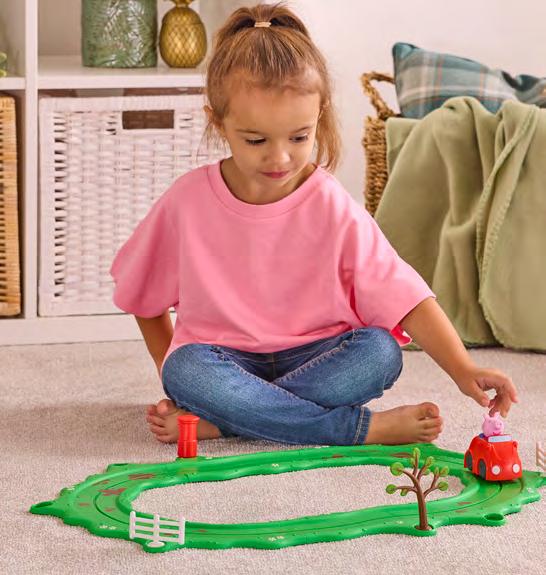
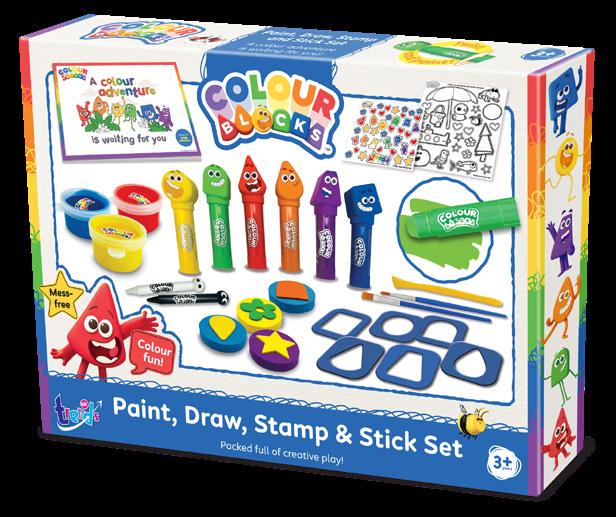
Finally, in this issue, we have three giveaways including Peppa Pig Whizz Around Cars! Apply inside. By doing so, you’ll also ensure you receive our newsletter and digital magazine with lots more content and goodies on offer.
Email:
Must-visit UK petting farms
Compiled by Andrew Campbell
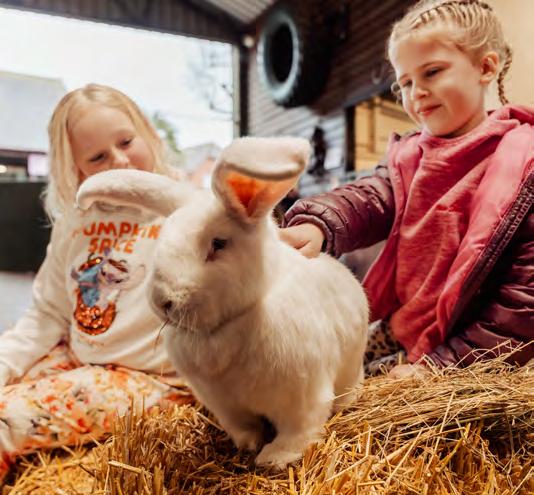
Spring across British farms means one thing: baby animals. March opens lambing season at family-friendly petting farms, where families can meet lambs, piglets, kid goats and calves. Bottle-feeding, farm tours and knowledgeable staff make these eight spots unmissable this season.
Baylham House Rare Breeds Farm, Suffolk Baylham House’s lambing weekends give families the chance to see newborn lambs up close and help with bottle-feeding rare breeds. Staff describe animal births and conservation efforts, while piglets and calves add to the farmyard action. Walking trails, broad picnic lawns and informative displays are great to explore between animal sessions. It’s an authentic taste of a working Suffolk farm in its busiest season. www.baylham-house-farm.co.uk
Reddish Vale Farm, Greater Manchester
As spring begins, Reddish Vale Farm is alive with new arrivals. Watch or help bottle-feed lambs, while goat kids, piglets and calves complete the nursery menagerie. Staff happily answer questions about the care of young animals and pony and tractor rides are available for extra fun. With indoor barns and a lively play area, this is a superb, reliable family day out whatever the weather. www.reddishvalefarm.co.uk
The Big Sheep, Devon
Beetle Bank Open Farm, North Yorkshire
At Beetle Bank, spring means lambs, piglets and goat kids taking centre stage. In the lambing barn, children can meet new arrivals and bottle-feed under staff supervision. Daily sessions cover animal care and explain how the newborns are kept healthy. There’s also fun with tractor-trailer rides, a giant sandpit and picnic and café options on site. It’s a classic Yorkshire rural experience - perfect for early spring outings. www.beetlebankopenfarm.co.uk
Ash End House Children’s Farm, Staffordshire Ash End House is a favourite for hands-on lambing. Children can bottle-feed lambs, hold goat kids and see piglets nursing. Each child receives a bucket of feed and tips from the team on how to treat new arrivals gently. Egg-collecting and animal talks enrich the day and covered barns offer shelter from unpredictable spring showers. A small but welcoming café provides refreshments after animal encounters. www.ashendchildrensfarm.co.uk
At The Big Sheep, lambing shows run daily in spring, giving children the chance to bottle-feed lambs and participate in hands-on sessions. Staff happily answer questions about animal births and routine care. Piglets and baby goats also feature, while indoor and outdoor play zones, including tractor rides and live animal races, make this a lively and educational family day out in North Devon. www.thebigsheep.co.uk
Rare Breeds Centre, Kent Lambing is the highlight at the Rare Breeds Centre. As well as Meet the Lambs bottle-feeding activities, families can watch piglets, goat kids and calves up close. Staff introduce family farming life and animal welfare, with trails and an adventure playground for burning off energy. A farm café serves local flavours and keeps the rural experience relaxed and accessible. www.canterburyoasttrust.org. uk/rare-breeds-centre
Vauxhall City Farm, London
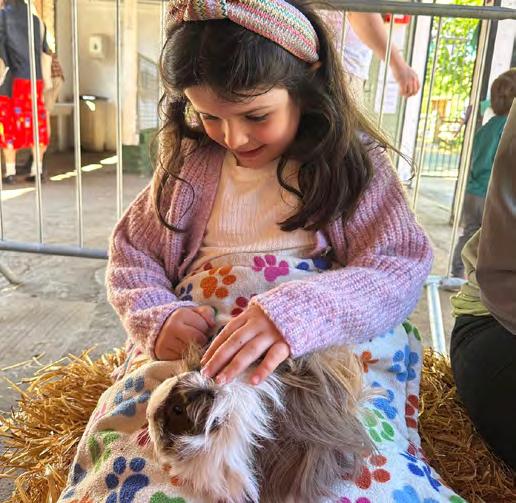
Vauxhall City Farm offers a springtime escape in central London, with friendly goats, sheep, alpacas, pigs, rabbits, guinea pigs and birds. Children can watch staff care for young animals and join Meet the Animals sessions. Knowledgeable staff explain how the farm raises its residents, while the Old Dairy Café and outdoor spaces make it an easy, family-friendly visit. www.vauxhallcityfarm.org
Chobham Adventure Farm, Surrey
Chobham Adventure Farm blends animal encounters with extensive indoor and outdoor play. Families can meet friendly farm animals in the Animal Barn, while children explore large soft play zones and outdoor adventure areas. Spring visits offer a mix of hands on learning and energetic play, with staff on hand to guide young visitors. With cafés, spacious play areas and a relaxed rural setting, it’s an easy, full day family outing. www.chobhamadventurefarm.co.uk
Beetle Bank Open Farm
Baylham House Rare Breeds Farm
The Big Sheep
Rare Breeds Centre
Vauxhall City Farm
Great British Spring Clean
The next Great British Spring Clean, organised by Keep Britain Tidy, is scheduled for 6-22 March. This annual campaign encourages individuals, schools, businesses, and community groups across Hertfordshire and the UK a to take action against litter by volunteering to clean up their local areas. Participants can pledge to pick up as much litter as they can, either solo, with family and friends, or as part of larger community events. The campaign emphasizes the positive impact even small actions can have on the environment and local pride.
The Great British Spring Clean 2026 aims to inspire even more people to get involved and help create cleaner, safer green spaces for everyone to enjoy. More info: www.keepbritaintidy.org
What is art psychotherapy?
Have you ever felt something you couldn’t quite find the words for? A heaviness or a loss, sitting just out of reach of language?
Art psychotherapy offers a different way in. Sessions involve talking, and if that’s all you need, that’s absolutely enough. But alongside conversation, creative materials are available too: paint, clay, sand and other forms. Not because you need to be artistic, but because sometimes feelings and experiences find form more easily through making than through words.
This isn’t about producing something beautiful. It’s about process. Many of our most significant experiences, particularly around trauma, anxiety and the seismic shifts of parenthood are held in the body, beyond language. Art gives those experiences a voice.
Sessions take place in a confidential, non-judgemental space where you set the pace. The relationship between therapist and client is central to the work and so is feeling genuinely safe enough to explore. No artistic experience is needed.
For more information on psychotherapy or to book a session, contact Debi Magonet (pictured) at debi@theartpsychotherapist.com, visit www.theartpsychotherapist.com or call 01442 509736
Art-making helps us express what the body remembers and the voice cannot yet say.
Art psychotherapy offers a gentle way to express and understand feelings when words alone are not enough. Through imagination, materials and symbol, new meanings can emerge helping you reconnect with yourself and others.
Art psychotherapy can:
• Build emotional understanding
• Support recovery from trauma
Spring Market fun at Pioneer Nursery
Spring is in the air and Pioneer Nursery is celebrating in style with its Spring Market 2026 on Saturday 25 April (11am to 3pm).
With families at its heart, the Spring Market is a joyful celebration of spring, creativity and the great outdoors. Visitors can browse a variety of food and craft stalls, perfect for discovering handmade gifts, delicious treats and unique finds. Little ones will love meeting the animals, while budding green fingers can get involved with the Little Gardeners Club, encouraging children to learn, grow and explore.
Whether you’re looking for a relaxed family day out, a chance to shop local or simply an excuse to enjoy the spring atmosphere, this event offers something for everyone. Gather your friends, bring the family and join the fun in full bloom.
Taking place at Pioneer Nursery, Baldock Lane, Willian, Letchworth, SG6 2AE, this vibrant community event promises a wonderful afternoon of family fun –and entry is completely free. www.pioneerplantnursery.co.uk
Be transported back in time to the Tudor world this Easter at Chiltern Open Air Museum as Tudors: Life, Falconry and Folk brings history to life from 3 to 6 April.
Families can enjoy falconry displays, get close to magnificent birds of prey, and explore Tudor daily life with The Companye of Merrie Folke – experienced re-enactors who know how to bring history to life.
Get up close to some incredible birds of prey and enjoy a thrilling, educational display that the whole family will love.
From craft demonstrations to colourful characters, this immersive event offers fun, learning and adventure for all ages in a unique outdoor setting.
More information at www.coam.org.uk
Forming a united front
Have you ever said ‘no’ to your child, only to hear that their other parent said yes? Whether parenting together or apart, differing opinions are common. In an ideal world, everyone raising a child would share similar values, expectations and goals. In reality, we all bring our own experiences, beliefs and ideas into family life.
What helps children most is a united, authoritative parental front; one grounded in shared values, clear and realistic expectations and a warm, connected relationship. How adults handle disagreements matters far more than whether they agree on every issue.
A united front is built through solution-focused conversations rather than blame. It relies on mutual respect, appreciation for each other’s contributions and a commitment to consistency. When adults communicate calmly and stay on the same page, children feel safer and learn how to manage differences. So, the next time you’re put on the spot, try a holding statement such as: ‘I’m glad you told me. I’ll check with dad/ mum and we’ll talk about it again after that.’
By Ann Magalhaes
Major overhaul in UK Employment Law boosts parents’ rights
The UK’s Employment Rights Act is now law, marking the biggest overhaul of workplace protections in decades. For the first time, new parents will gain day-one rights to paternity leave, unpaid parental leave, sick pay, and bereavement leave, including for early pregnancy loss.
The Act strengthens legal protections for women during pregnancy and extends safeguards after maternity leave, aiming to close gaps that have pushed many mothers out of work.
The legislation also tackles insecure employment, ending exploitative zero-hours contracts by introducing guaranteed hours, pay for cancelled shifts, and more predictable schedules. These changes promise greater stability and security for families balancing work and childcare.
Most reforms will take effect from 2026 to 2027. Campaigners hail the Act as a historic milestone for parents’ rights but emphasize that further steps are needed to eliminate workplace discrimination and achieve true equality for all working families.
Curiosity: what’s your question?
British Science Week 2026 is set to run from 6 to 15 March, bringing together schools, community groups, and science enthusiasts across the UK for a nationwide celebration of science, technology, engineering, and maths (STEM).
Organised by the British Science Association, the annual event offers a packed programme of activities, experiments, and events aimed at sparking curiosity and excitement about science among people of all ages. This year’s theme ‘Curiosity: what’s your question?’ puts participants at the centre, encouraging everyone - especially children - to ask the questions they’re most curious about and to discover how they might find answers.
The event celebrates curiosity as the driving force behind all scientific discovery, highlighting that it’s not just essential to science, but also to understanding and improving our everyday lives.
To find a local event in Hertfordshire or to download a free activity pack, visit www.britishscienceweek.org
Your child’s first residential school trip
By Erin Miller
Your child’s first residential school trip is a significant milestone both for them and you. You may have questions, a few reservations or might simply be looking forward to a quieter house for a couple of days.
Here is what you should know, the key questions you may want to ask and how you can help your child prepare.
There is no youngest legal age for residential trips in UK state schools, although most schools begin offering them around Year 3 or 4. As good practice, schools should hold a meeting with parents ahead of the trip. This meeting should cover key information such as the itinerary, supervision arrangements, behaviour expectations, safeguarding procedures, medical and dietary needs, emergency contact protocols, phone policies, room-sharing arrangements and how parents will be kept informed during the trip.
The most-often raised issues are the school’s phone policy and room-sharing arrangements. Even if the school permits children to take mobile phones, I would still advise you to consider not sending your child with one. Even knowing that a phone is nearby can be distracting and can detract from your child’s overall experience of the trip.
On the issue of room-sharing, many schools will not release details until the day of the trip or even the evening of departure. I would urge you to support this process, as children spend very little time in their rooms and tend to settle quickly once activities begin.
Questions to ask
Hopefully your child’s school will have been forthcoming with all the key information relating to the trip but there are still some sensible questions you may wish to ask. One of the most common is about the staff-to-student ratio. Schools are required to ensure supervision is adequate and appropriate to the age, needs and behaviour of the pupils, as well as the nature, location and duration of the trip.
For Key Stage 2 residential trips, a ratio of around one adult to every ten to fifteen children is typical, although this may be higher for younger pupils or more demanding activities.
Other important questions include who the trip leader is, how safeguarding is managed away from school and what procedures are in place for medical needs, including medication and allergies. Parents may also wish to ask about communication from the school during the trip and which contingency plans are in place if activities have to be cancelled or altered due to bad weather, travel disruption or other unforeseen circumstances.
If your child has special educational needs or requires adjustments for a school trip, schools have both a legal and moral duty to plan for their full inclusion. This involves identifying individual needs in advance, carrying out appropriate risk assessments and making reasonable adjustments so that the child can participate safely and meaningfully. Schools should consult closely with parents and where appropriate, the child, to understand medical, behavioural, sensory or mobility needs.
Additional support may be put in place, such as increased staff supervision, adapted accommodation, medication plans or alternative arrangements for certain activities. These provisions ensure that trips are accessible, safe and enjoyable for all students, in line with equality legislation and good practice.
Finally, remember that no news is good news. Enjoy the break and don’t forget to thank the teachers! As a teacher myself, I can confirm that school trips are fun and valuable but exhausting in the extreme. Oh, and don’t forget to label absolutely everything.
Erin Miller is a teacher with a keen interest in how research can be used in the classroom to improve learning.
Preparing your child
Hopefully your child is excited about the school trip but if they are feeling nervous or you anticipate potential worries, there are several simple steps you can take to help them feel more secure.
Begin talking about the trip early and encourage your child to share any concerns they may have, such as meeting new people, sleeping away from home or using the toilet at night. Reassure them calmly and realistically, emphasising that teachers are always nearby and that many children feel the same way. If staying away from home is a particular concern, organising a short sleepover with family or friends can help to normalise the experience.
Pack your child’s bag with them, not only so they know what they have brought but also to build a sense of independence and responsibility. This helps them feel more in control and confident about managing their own belongings. Finally, be mindful of your own emotions. Even well-intentioned anxieties can be picked up by children, so aim to model confidence and positivity.
How stories teach children to love solutions
By Sarah Tucker
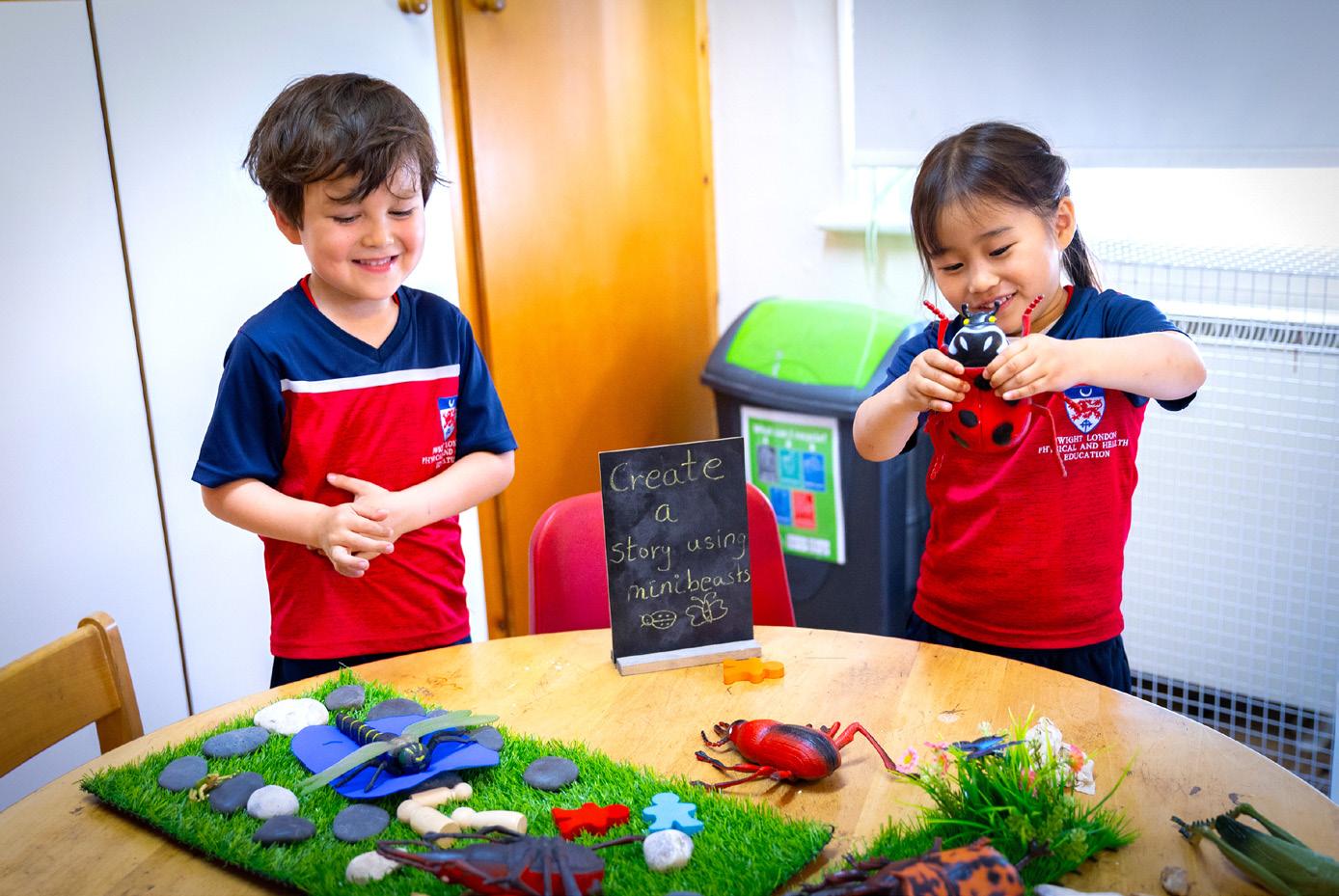
We’ve trained children to love the chaos in stories, not the calm that follows. When I once asked a Year 2 class their favourite part of a story, every hand shot up for the problem part: Goldilocks breaking chairs, the wolf blowing houses down. ‘The solution’s the boring bit,’ one girl said. But real growth, in stories and in life, begins when we start solving things. Those ‘what next?’ moments can teach resilience, creativity and confidence. Solutions give children tools they can carry into maths, friendships and everyday decisions.
Flip the script
What if the solution was the most exciting part? Kids love the drama of ‘uh-oh’ but it’s time they saw the ‘what next?’ as just as fun, with problem-solving an adventure in itself. Encourage children to pause mid-story and predict solutions. Their often wild, funny or clever ideas are exactly what trains flexible thinking.
A spark from Edward de Bono
Researching Edward de Bono, the father of ‘lateral thinking,’ taught me that adults often fall into fixed patterns. But fiveyear-olds? They’re natural innovators. When de Bono asked children to improve a broken wheelbarrow, their wild ideas outshone those of CEOs and engineers. The youngest thinkers are our boldest problem-solvers, if we let them remain that way. Curiosity and play aren’t distractions from learning; they’re the engine behind original solutions. Thinking sideways strengthens their ability to approach problems with confidence and creativity.
Storytime experiment: Little Red Riding Hood
Pause the story right before the woodcutter saves the day and ask: ‘What else could Red Riding Hood do?’ You’ll get chaospoison apples and superheroes - but then, something magical: ‘She could trick the wolf!’ or ‘She could turn him vegetarian!’ Suddenly, your child isn’t just reading a story, they’re rewriting it with imagination.
Breaking the parent loop
Many children inherit their parents’ patterns: fear of failure, perfectionism, even ‘I’m just not good at maths.’ Storytelling lets children imagine new family scripts. It’s a gentle way of saying: you can rewrite more than just fairy tales. By modelling curiosity instead of frustration, parents show that every problem has
Making mistakes a playground
Children often fear getting it wrong, so they stick to what’s ‘safe.’ Stories can help them see mistakes as invitations rather than punishments. Pause a tale when a character errs and ask: ‘How could this be fixed differently?’
Encourage three or four possibilities, even absurd ones. Soon, pupils learn that failure isn’t final - it’s a springboard for creativity. Turning errors into play fosters resilient, imaginative and willing problem-solvers, able to tackle challenges both in and outside the classroom.
more than one path forward. The earlier children experience this freedom, the sooner they internalise a growth mindset that will help them both in school and life.
Solutions classroom: small wins
It doesn’t have to be a grand plot twist. Even small, everyday problems offer opportunities for children to exercise lateral thinking. When a child figures out a new way to organise their desk, solve a tricky arithmetic problem or negotiate roles in a group activity, celebrate it. These micro-moments of problemsolving build confidence and encourage risk-taking. By valuing these ‘little victories,’ we signal that solutions are as exciting as the preceding dramas. Over time, children begin to approach challenges with curiosity rather than fear.
Try this at home:
Lateral thinking doesn’t need worksheets. Ask:
‘What’s another way to see this?’
‘What would the villain say?’
‘Can you invent three solutions, even silly ones?’
At first it feels like play - but play is the training ground for flexible thinking. Before long, your child sees every problem as an invitation, not a wall.
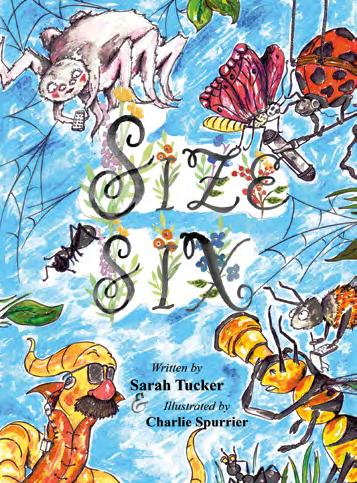
Sarah Tucker is the author of Size Six, Size Seven and Size Eight (Cambridge Children’s Press), a trilogy of playful, illustrated chapter books helping children think creatively about problem-solving. These books are available from www.cambridgechildrensbooks.com
A quiet revolution in storytime
Beneath the laughter lies a quiet mission: to teach children that solving problems can be joyful, creative and brave. Every resolution plants a seed of agency, showing that change begins with thought, not luck. When stories honour effort over rescue, children learn to trust their own ideas. If they grow up loving solutions as much as stories, they’ll outthink us all.
And wouldn’t that be rather wonderful?
How schools engage children with homework
By Zuzu Jordan
Your child’s school will understand that homework does not have to mean pages of writing or worksheets every time. In fact, varying how children record and present their learning can make homework more engaging, accessible and enjoyable for the whole family. When children are given choice and creative freedom, they are often more motivated and prouder of what they produce.
One simple and effective approach is using drawing and diagrams. Younger children or those who find writing challenging, can show their understanding through pictures, labelled drawings or storyboards. A child learning about plants might draw and label parts of a flower or design a comic strip showing the main events. This supports understanding without the pressure of long written answers.
Hands-on and practical tasks are another excellent option. Your child’s homework could involve building a model, cooking a recipe linked to maths or measuring and sorting objects at home. For example, children might create a model of a landmark, use Lego to show number problems or organise household items into groups. These activities make learning feel real and meaningful.
Using technology opens up many creative possibilities too. Children may be asked to take photos of their work instead of carrying bulky projects into school. This is especially useful for practical tasks such as baking, gardening or science experiments. A short video explaining what they did or learned can be just as valuable as written work. Older children might create a simple slideshow, record a voice note or type a short
Homework policy and the curriculum map
Understanding a school’s homework policy and curriculum map can be very helpful for families. These documents are usually available on the school website and give a clear overview of how learning is organised across the year.
The homework policy explains how often homework is given, how long it should take and the types of tasks children may be asked to complete. It may also include guidance on reading, spellings, times tables and the role of parents and carers. Knowing this information can reduce confusion and help families feel confident about what is expected.
The curriculum map shows the topics children will be covering in each subject and when they will be taught. In many cases, it also outlines the key objectives and skills children are expected to develop. This can help parents support learning and make sense of the homework their child brings home. Taking a few minutes to read these documents can improve communication between home and school and support children more effectively throughout the year.
reflection. Technology also supports children who communicate better verbally than on paper.
Scrapbooks or learning journals are another flexible way to present homework. Children can mix writing, pictures, photos, tickets and drawings all in one place. This works particularly well for topic-based homework or holiday projects and allows children to personalise their learning.
Finally, many schools do see the value of talk-based homework. Asking children to discuss a topic with an adult, interview a family member or explain what they have learned builds confidence and understanding. Parents can jot down a few notes or the child can record their ideas using a voice app.
By offering different ways to record and present homework, schools help children play to their strengths. This reduces stress at home and encourages families to see homework as a chance to explore, create and talk together rather than just complete a task.
Zuzu is a Mastery for Maths Specialist who has taught primary for eighteen years and is Director of Arnett International. For FREE resources and tips, find her on Instagram @edumate_uk
Big Ambitions Small Classes Amazing Progress
Our primary classes are intentionally kept small to ensure every student receives the individual attention they deserve. We don’t just teach a curriculum; we mentor every child. Our teachers know every student's strengths & personality to provide the tailored support that leads to extraordinary progress in literacy, numeracy, and confidence.
Easter treats to make with the kids
By Charlotte Stirling-Reed
I LOVE Easter and all of the fun that comes around this time of year. Days are longer and warmer - and there’s all that delicious food! Here are two simple, family-friendly Easter recipes for you to enjoy making (and eating) together.
Easter Eggs
Ingredients
Dark or milk chocolate depending on your preference; small or large chocolate egg moulds.
Method
Chop the chocolate into small pieces and melt in a heatproof bowl over a small pan half full of boiling water.
Pour into Easter egg moulds, tilting so the chocolate covers the surface.
Place in the fridge until set.
Repeat the process a few times until the chocolate layer is about 1/2cm thick.
Optional: add a toy for older children (be careful with younger children and ensure they are supervised).
Brush melted chocolate around the rim before sticking both halves together.
Leave to set again - and enjoy!
With thanks to Charlotte Stirling Reed for these recipes. Charlotte is an award-winning nutritionist, author and podcaster who works with brands, celebrities and parents to share positive, evidence-based advice on giving children a healthy start in life.
More information at www.srnutrition.co.uk
Carrot Cake Hot Cross Buns
A twist on traditional hot cross buns, these are sweetened with a combination of orange juice, carrots and raisins or sultanas. They are dairy free too! And great toasted…
Prep: 10 minutes + 2-2 ½ hours proving time
Cooking: 20 mins
Makes: about 12 buns
Ingredients
250ml plant-based milk alternative
50g plant-based spread
500g strong bread flour
50ml orange juice
7g sachet fast-action dried yeast
1½ teaspoon ground cinnamon
½ teaspoon ground nutmeg
Flour for dusting
2 medium carrots, peeled and grated (dab off excess moisture if you can, using kitchen roll)
200g raisins or sultanas
Method
In a small saucepan, warm the milk and then add the fat spread. Once the fat spread has melted, turn off the heat and leave it to cool slightly.
Add the flour, yeast and spices to a large bowl.
When the milk has cooled to lukewarm, make a well in the centre of the flour mixture, then pour in the warm milk mixture along with the orange juice.
Mix well with a wooden spoon, then use your hands to bring everything together into a sticky dough. Now add the peeled and grated carrots and all of the raisins. Combine into the dough. Tip: If your mixture seems too dry and is not coming together, add more milk gradually. Or if your mixture seems to wet, then add some flour gradually until you can form a dough.
On a lightly floured work surface, knead the dough until smooth, about 5 minutes by hand (or in a stand mixer with a dough hook if you have one).
Lightly dust a bowl with flour and add the dough. Cover the bowl with a tea towel and leave to rise in a warm place until doubled in size (around 1-1 ½ hours).
Heat the oven to 200C/400F and line two baking trays with baking parchment.
Divide the dough into 12 equal-sized pieces and shape into small round buns. Place them onto baking tray, leaving space for them to expand. Leave to rise again until doubled in size (approx 1 hour).
Use a knife to slice a cross in each bun.
Bake for 20 mins or until golden brown then allow to cool on a wire rack.
Optional: To add a traditional white cross, before baking, gradually mix together 70g flour with 1 tbsp of water to create a thick, pipeable paste. Spoon into a piping bag and use a small round nozzle to pipe crosses on the buns.
Spring gardening projects children will love
By Ellie Malt
With the promise of spring all around, we don’t need science to remind us that getting hands-on in the garden is a fantastic, sensory-rich antidote to device time, which helps children reconnect with nature.
There is, actually, plenty of evidence to show how simply having access to green spaces reduces emotional dysregulation in children and teenagers. Gardening can help reduce stress, improve cognitive functioning, build self-esteem and improve physical health.¹
While the specific claim that simply touching soil is a direct ‘cure’ for mental health problems is not fully established, some studies do show associations and plausible mechanisms like serotonin release and microbiome effects.²
Keen to get them out there and digging in the dirt? The key is choosing projects and plants that suit their interests and their age while tweaking your involvement. Gardening with children isn’t about perfection. Plants will fail; seedlings may be overwatered and fairy gardens might be repeatedly rearranged. What matters is shared time, learning and the joy of watching children grow alongside their garden.
Sources: ¹ Bowler, et al., 2010; Hartig, et al., 2014; ² National Wildlife Federation, 2012.
Veggie plot
Growing food is not only biology in action but it is also a very satisfying experience. In our culture of immediate gratification, it is particularly good for teaching how rewarding a longer-term commitment can be. It can also be a great way to help younger children physically connect with where their food comes from.
Raised beds, grow bags or large containers are ideal for little gardeners. Under 5s can sow large seeds, water plants, watch for growth and taste what they harvest, with supervision. Those ages 5+ can help choose crops, plant seeds at the correct depth, label rows and maintain watering and weeding schedules. Children ages 9+ can manage a small plot independently, plan crop rotation, troubleshoot pests and take responsibility for harvesting.
PLANTS TO TRY
Under 5s: Broad beans, peas, radishes: large seeds, fastgrowing, easy to harvest.
5-8s: Lettuce, spring onions, courgettes: quick-growing, simple to care for, visually satisfying.
9-12s: Runner beans, potatoes, strawberries, tomatoes: more complex crops that teach planning, spacing and responsibility.
Sensory garden
A sensory garden involves touch, sight, smell and sound. This gentle exposure outdoors is especially helpful for those who are sensitive to textures or flavours. It instinctively appeals to children who enjoy hands-on exploration and is perfect for small spaces, containers or raised beds.
Under 5s can pat soil, water and smell herbs. Keep sessions very short and playful. Slightly older children can help choose plants, space seedlings and water on a routine. Ask them to observe and note changes.
Tweens can get involved in planning garden layout, researching pollinator-friendly plants and taking responsibility for deadheading and recording growth.
PLANTS TO TRY
Under 5s: Lamb’s ear, mint, lemon balm: soft, fragrant and safe to handle.
5-8s: Sunflowers, cosmos, lavender: colourful, easy from seed, great for observation.
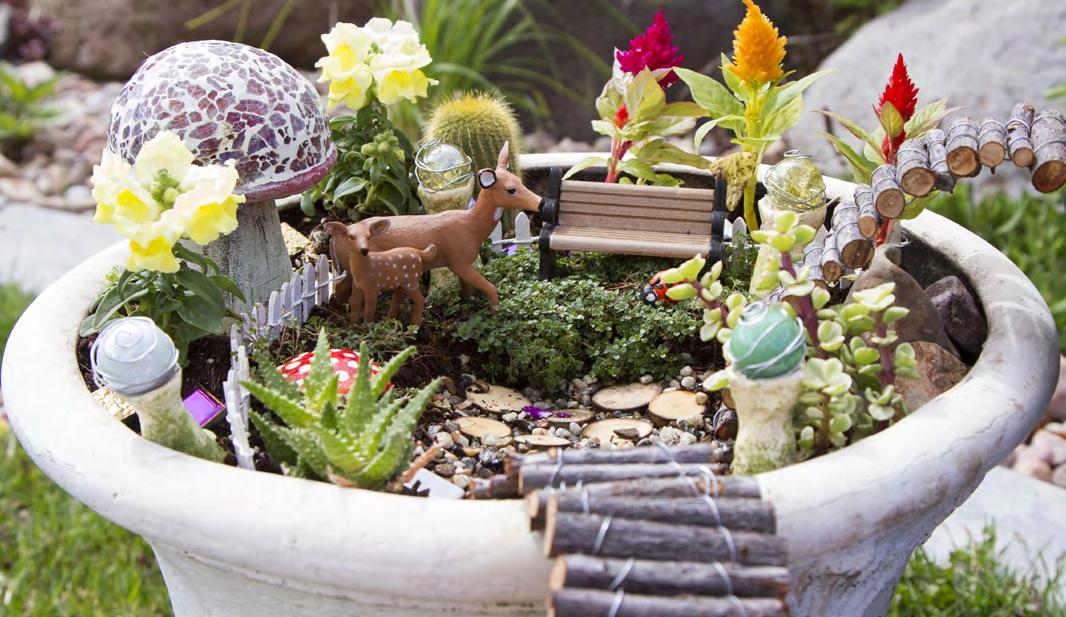
Combining horticulture with imaginative play, fairy gardens are perfect for children who enjoy storytelling and craft. They work well in pots, old containers or even sheltered corners. Let the youngest children arrange the fairy figures and natural decorations. Supervise gently to protect plants. Children can talk about their ideas, explain their garden and often play collaboratively, supporting vocabulary and co-operation.
Children ages 5+ can start designing small structures, planting, watering and adding storytelling elements as the ‘fairy garden carers.’ Tweens can branch out into planning themed gardens (not necessarily fairy-themed), learn plant requirements for shade and water and build miniature structures from natural materials.
PLANTS TO TRY
Under 5s: Moss, thyme, small hardy flowers: easy to handle and ideal for arranging miniatures.
5-8s: Nasturtiums, marigolds, violas: colourful and edible, perfect for hands-on planting.
9-12s: Miniature ferns, cosmos, dwarf grasses: great for themed designs and more complex maintenance.
Fairy garden
Ellie Malt is a mum of two daughters living in Surrey.
Cow’s milk allergy and the Milk Ladder
By Emma Shafqat
I have both professional and personal experience with cow’s milk allergies; when my daughter was twelve months old, we made our first attempt to climb the Milk Ladder.
Unfortunately, once past steps one and two, we couldn’t get any further. Lots of crying and vomiting prompted us to take a break. After two more attempts and feeling like there would be so many food related occasions we could never enjoy together as a family, we finally reached the top of the ladder when my daughter was three and a half… although - between you and me - she still flatly refuses cow’s milk, claiming she can’t have it, despite happily eating ice cream and drinking chocolate milkshakes!
What is a cow’s milk allergy?
Cow’s milk protein allergy (CMPA) is an abnormal response by the body’s immune system in which the proteins in cow’s milk are recognised as a potential threat. It is estimated to affect around 7% of babies under the age of one, although most children grow out of it by the age of five (NHS, 2019).
The two main types of CMPA
IgE-mediated: typically rapid onset (within minutes and up to two hours after ingestion)
Non-IgE-mediated: typically delayed onset (usually two to 72 hours after ingestion)
These two different types of allergies come with similar but slightly different signs and symptoms. They can include itchy skin, a rash, atopic eczema, abdominal pain, vomiting, diarrhoea, coughing, chest tightness, wheezing or shortness of breath.
IgE-mediated can also cause acute flare up, swelling of the lips, face or around the eyes, nausea, sneezing and congestion. NonIgE mediated can also cause gastro-oesophageal reflux disease (GORD), loose or frequent poos, constipation, redness around the anus, blood and/or mucus in the poo, colic, tiredness, food refusal or aversion and faltering growth with at least one or more gastrointestinal symptoms.
If your child has other symptoms, that does not mean they don’t have a food allergy. If you think your little one is having a reaction to cow’s milk, see your GP. Make sure you get medical advice before taking cow’s milk out of your child’s diet.
The Milk Ladder is a six-step technique of reintroducing your child to cow’s milk slowly so that their tolerance builds gradually. It is only suitable for children with mild to moderate non-IgEmediated allergies and you should always seek medical advice first. I recommend referring to the official iMAP Guide for details.
Put simply, the Milk Ladder starts with more broken-down forms of milk, like biscuits or pancakes and builds up to things like yoghurt and cheese, until eventually your child can have fresh milk. This is because when milk is heated or baked, the protein changes so it is less allergenic.
If your child has a reaction at any of the steps, stop and contact your health care professional before starting again. Once you have reached the top of the ladder, switch to cow’s milk in all food and cereals at breakfast.
Use the QR code to see the iMAP guide with the six steps on the Milk Ladder. If you are struggling with CMPA and would like more support, visit www.dietitianwithadifference. co.uk and book a customised cow’s milk reintroduction plan. With thanks to Bespoke Family (www.bespokefamily.co.uk) for this article.
Calmer bedtimes for toddlers and preschoolers
By Helen Davies
Bedtime during the toddler and pre-school years can feel like a completely different world compared to the days of getting your baby sleep. Even children who previously settled well can suddenly need ‘one more story,’ ‘one more cuddle’ or ‘one more drink’ the very moment the lights go out. Although it can feel frustrating or confusing for parents, rest assured most of these behaviours are rooted in normal development.
Between 18 months and age 5, children go through huge leaps in language and imagination development, independence, emotional awareness and physical ability. With all this progress comes new bedtime challenges. Many toddlers discover the power of ‘no’ while pre-schoolers become highly conversational and imaginative. Separation anxiety often reappears and a child who was once content to settle independently may suddenly now need a parent close by.
Much of this behaviour comes down to emotional regulation. Young children are still learning how to manage big feelings and bedtime is the moment the day slows down enough for everything to catch up with them. They may ask for extra cuddles not because they are being ‘difficult’ but because connection helps them switch off and feel safe enough to fall asleep. Sleep pressure also changes as children grow, meaning naps may need adjusting or bedtime may need shifting slightly later.
Parents can support calmer evenings by creating a consistent wind-down routine that meets both the child’s need for connection and their own need for boundaries. Predictability
Why little ones resist bedtime
Many parents assume bedtime battles are behavioural but they are usually developmental. Around 18 months of age, children gain a new sense of autonomy and begin asserting independence. Their use of the words ‘no,’ ‘my turn’ and ‘I do it’ are about exploring control in the safest place they know.
At the same time, emotional regulation is still developing. Young children cannot simply switch off after a busy day. They rely heavily on connection with parents to feel secure enough to settle. Asking for another cuddle or story is often their way of topping up closeness rather than manipulating the situation.
Pre-schoolers add another layer: imagination. This is the age of shadows, monsters and busy little minds. As their world expands, so can their worries and bedtime becomes a moment when those thoughts surface.
Understanding these developmental drivers helps parents respond calmly. With firm but gentle boundaries, a steady routine and a few minutes of meaningful one-to-one connection before bed, children feel more secure and settle more easily.
helps children feel safe, while gentle limits prevent bedtime from stretching indefinitely. Responding calmly, keeping routines simple and using language that’s clear and warm can make a noticeable difference.
It is also helpful to understand that bedtime delays, protests and multiple ‘get ups’ are often a sign of a child seeking reassurance or testing where the limits are. Neither is a sign of poor parenting. With a steady routine, plenty of connection and realistic expectations, most families find the bedtime wobbles pass.
The toddler and pre-school years are busy, emotional and full of growth. When parents understand the ‘why’ behind bedtime behaviour, evenings become easier to navigate and far less stressful. With calm consistency and the right support, bedtime can become a peaceful part of the day again.
Helen Davies runs Essential Parenting (www.essentialparenting.co.uk), a trusted, private health visiting service providing expert support with sleep, behaviour and early childhood development.
Practical strategies for calmer evenings
A smoother bedtime routine starts long before you switch off the lights. Young children feel safest when they know what comes next, so introduce a consistent wind-down sequence and stick to it. Think bath (optional), pyjamas, books, cuddles, sleep. Avoid adding too many steps, as this can make it harder for both child and parent.
Connection is a key ingredient. Even five minutes of focused, one-to-one time before bed helps reduce the bedtime clinginess many families experience. This might be a cuddle, a chat about their day or looking at a book together.
Set clear limits around the common ‘stalling’ tactics. Let your child know you will answer one more question or read one extra page, then gently stick to it. A calm and predictable response prevents bedtime from spiralling.
Finally, check sleep timings. If your child is resisting bedtime, waking in the night or taking a long time to fall asleep, they may need slight adjustments to nap lengths or bedtime itself. Small shifts often make a big difference.
What’s On
If you would like to feature a listing in a future issue email
Don’t forget to sign up for our digital magazine for more content at
Places to Go
Harpenden Farmers Market –22 Mar, 26 Apr (10am-2pm)
The market hosts an array of artisan and local traders selling home-made or locally sourced goods and produce. With approximately 70 stalls, the market runs northbound along the Lower High Street from Sainsbury’s Supermarket to Strutt & Parker.
Home-Start’s Got Talent!
28 Mar
Royston
A family fun-filled afternoon of entertainment at Home -Start’s Got Talent, the community’s very own version of Britain’s Got Talent! Enjoy singers, dancers, musicians, and special acts at King James Academy (senior site), 2pm–4:30pm (doors open 1:30pm). With a licensed bar, raffle and sweet treats, it’s set to be a great afternoon for the whole family. Visit www.hsrsc. org.uk/event/home-startsgot-talent-hsgt or call 01763 262262 for tickets. All proceeds help Home -Start to be there for families when they need them most.
Family Saturdays at Stevenage Museum 14 Mar & 11 Apr
Stevenage stevenage.gov.uk/stevenagemuseum
Free drop-in family craft activities. Henri Matisse cutouts (14 Mar), April Showers (11 April). 11am-12noon.
Chiltern Open Air Museum
Chalfont St Peter www.coam.org.uk
31 Mar, Terrific Tuesday –Easter themed family activities and clay modelling; 3-6 Apr, Tudors: Life, Falconry and Folk – Historical falconry displays and Tudor living history camp; 7 Apr, Terrific Tuesday – Spring themed crafts, clay modelling and activities; 3 & 4 May, Roman
Gladiators – Watch Roman gladiators battle!; 24 & 25 May, Cavalry and Cannons – A spectacular Napoleonic living history display with muskets, cavalry, artillery and an epic battle!; 26 May, Terrific Tuesday – Nature themed crafts, clay modelling and activities.
Royston Museum
Royston
www.roystonmuseum.org.uk
Printing Press Demonstration Day - 7 Mar (10am-4pm)
Step back in time and experience the magic of print making! They’ll be a demonstration of the historic printing press – the very one that once printed the Royston Crow. Watch the process in action and have a go at creating your own print to take home. Free, drop-in. Tapestry Weekend 21 & 22 Mar (10am-4pm)
Discover the beauty and craftsmanship of the Royston Tapestry! Drop in and explore this piece of local heritage, rich with stories and intricate detail. Free entry. Donations welcome.
Royston Museum
Royston
www.roystonmuseum.org.uk
Come and Create 2-5 Apr, 9-12 Apr (10am-4pm)
Unleash your imagination! This fun, family-friendly event is all about getting hands-on with crafts and creative activities. From colourful collages to quirky inventions, there’s something for everyone to enjoy. Drop in, make something marvellous, and take home your own masterpiece!
£3.50 per child.
Anglo Saxon Day, 26 Apr
Travel back in time and experience life in the AngloSaxon era! Meet costumed re-enactors, hear captivating stories from the past, and try your hand at traditional crafts. From hands-on activities to fascinating demonstrations, it’s a day full of history, creativity, and discovery for all ages. Free, drop-in.
Family Fun Discovery Trail at St Alban’s Cathedral 1 Apr
St Albans www.stalbanscathedral.org
Take your family on an immersive discovery trail through the cathedral! Wander through its beautiful spaces while children enjoy hands-on activities including dressing up, art-making,
storytelling, and mini challenges. Free, 1.30pm-3pm, for ages 5 – 11.
Easter Holiday: Animal Action! at Stevenage Museum 8 Apr Stevenage stevenage.gov.uk/stevenagemuseum
Teaching Talons are back at the museum with their fabulous array of small animals and informed and entertaining staff! 11am12noon and 12.30pm-1.30pm.
Easter Eggstravaganza at Willows Activity Farm 28 Mar to 6 Apr
St Albans willowsactivityfarm.com
Easter Egg Hunt, Easter Grotto, Easter arts and crafts, adorable animals, pig racing and lamb bottle feeding demonstrations. There’ll be an Easter Bunny outdoor stage show too. And 7-12 Apr it’s Jemima’s Jamboree: there’s an egg hunt with chocolate eggs, arts & crafts, animal demonstrations, Jemima Puddle-Duck shows, meet & greets and lots more.
Easter Party at Caledon Community Centre 8 Apr
London Colney www.londoncolney-pc.gov.uk
An interactive Easter themed show, meet and greet with the Easter bunny, balloon modelling, an Easter egg to take home and crafts. For children 4-8. Visit website for tickets.
Easter Bunny Hunt 8 Apr
Highfield Park, St Albans highfieldparktrust.co.uk/event/ easter-bunny-hunt/
Collect your quiz sheet from the Visitor Centre to take part in the Easter themed treasure hunt (10:30am-2:30pm).
Harpenden Easter Egg Hunt 3 Apr
Harpenden Common / Lourdes
Lots of Easter fun, including cracking the code on an egg hunt, creative activities for older children, glitter tattoos, face painting, and a bouncy castle. And a cool Lego-themed bar where kids can play with the bricks while grown-ups can enjoy a drink! 11am-4pm.
Verulamium Museum www.stalbansmuseums.org.uk Mosaic Making Workshop, 30 Mar Create your own Easter themed
mosaic. Various time slots. For ages 5+, children must be accompanied throughout. Adults without children also welcome. £12.50 per participant.
Old Fashioned Toys, 8 Apr
Have a look at the small display of toys from the past and make your own simple traditional toy using craft materials. For children aged 5-11.
SPRING MARKET 2026
Spring Market at Pioneer Nursery 25 Apr Baldock Lane, Letchworth www.pioneerplantnursery. co.uk
Pioneer Nursery hosts its Spring Market 2026, 11am–3pm. This free family event features food and craft stalls, animals to meet and the Little Gardeners Club. Visitors can also enjoy the onsite coffee shop and explore the newly revamped nursery shop, ready for spring. More info here: www.pioneerplantnursery.co.uk
Tapir and Capybara Weekend at Hertfordshire Zoo 11 & 12 Apr
Broxbourne hertfordshirezoo.com
A weekend dedicated to celebrating Tapir and Capybara, with funds raised going towards vital animal conservation. Hertfordshire Zoo is home to lots of wild animals including lions, tigers, snow leopards, and zebras. Plus, dinosaurs, soft play, playgrounds and more!
A charming event promising a magical experience for families
and fans of the much-loved bear. Join Paddington for a delightful, narrator-led storytime session, where guests can listen to tales of his adventures and mishaps.
Kids Crafts at South Mill Arts 31 Mar to 9 Apr (various dates) Bishop’s Stortford southmillarts.co.uk
Create amazing spinning art that you can take home. Fun drop-in sessions (10am-2pm) for ages 3-11. Visit website for tickets.
Laser Tag at Hatfield Kids FunZone Hatfield www.funzonehatfield.co.uk
Light up the fun, for an unforgettable adventure! Laser Tag Parties are available at Hatfield Kids FunZone on weekday evenings and weekends. With parties made up of a mix of solo and team games, the FunZone can be enjoyed in a whole new way as party guests climb and swing their way to victory throughout 90 minutes (weekdays) and 120 minutes (weekends) of highenergy fun! For 6-14 year olds. Party cost: Mon-Fri (£250), SatSun: (£330).
The Hub on Verulam St Albans thehubonverulam.com
This fresh, multi-layered entertainment and leisure venue is a mainstay of the St Albans social scene. From live music to community events and independent cinema, there’s always something different going on. The venue hosts popups too and Toddler/Baby Club screenings showing Disney and Pixar classics. Food served all day.
Apollo Activities Centre St Albans springfielduk.co.uk
Includes children’s crossbow experience for ages 4 to 9. Also offers birthday parties.
The Snow Centre Hemel Hempstead thesnowcentre.com
Hosting a range of skiing and snowboarding lessons for adults and children from 3 years old, lift passes, freestyle sessions and the ultimate sledging experience.
Gosling Sport Park
Welwyn Garden City better.org.uk/leisure-centre/ welwyn/gosling-sports-park
Wide range of facilities for all the family including indoor play area, skiing, cycling, tennis, and gym activities for all ages.
Rye House Hoddesdon rye-house.co.uk
A popular destination for families with young children. Karting, laser combat, nerf wars and Rye-Assic Adventure Park, an indoor and outdoor play area for 0-12 year olds. Soft play, arcades, trampolines and more!
With two epic adventure golf courses, pool tables, plus a fantastic bar and restaurant, there’s something for all the family.
Family Entertainment at Campus West
Welwyn Garden City campuswest.co.uk
Discover Welwyn Garden City’s premier family entertainment destination at Campus West. Enjoy movies, soft play, roller skating, bouncy castles, and Humphrey’s café lounge.
Hatfield Kids FunZone
Hatfield funzonehatfield.co.uk
Large multi-level children’s soft play. Also offers create and play sessions and children’s parties, including laser tag.
Woody’s Play Barn
Ware woodysplaybarn.co.uk
Vibrant play area with an array of slides, ball pits, an interactive floor, a mini football pitch and cannons! Outdoor area with swings, slides and an outdoor musical panel. Plus crazy golf, splash pad, bungee trampolines, a skyrider and electric go karts.
Laser Quest Hatfield laserquesthatfield.com
Stalk your opponents and unleash a searing volley of laser fire in the Laser Quest battle zone of the 21st century.
Cloud 9 Leisure Inflatable Park
Hemel Hempstead cloud9leisure.com
Indoor inflatable park with huge selection of gladiator/ total wipeout and ninja warrior activities for all ages. Also offers parties and school holiday deals.
Gravity Active Stevenage gravity-global.com/active/ stevenage Trampoline park suitable for all ages and abilities from 18 months up. Parent and toddler, and SEN sessions.
Planet Ice Hemel Hempstead planet-ice.co.uk
Fun indoor ice-skating arena with skate hire and push along penguins for little ones. Lessons, shows, discos and children’s parties.
Lamb Bottle Feeding at Ardeley Church Farm Nr Stevenage churchfarmardeley.co.uk
A unique and memorable experience for people of all ages across spring. Feed the lambs, access the farm trail, woodland play, bear hunt and more.
Aldenham Country Park Radlett aldenhamcountrypark.co.uk
Explore Aker Wood, go on a nature trail. Adventure playground is open weekends during school term and daily during bank and school holidays.
Standalone Farm Letchworth standalonefarm.com
A delightful, small working farm with animals, adventure playground, adventure trail and indoor play barn.
Shepreth Wildlife Park Shepreth, Nr. Royston sheprethwildlifepark.co.uk
Lots of amazing animals, daily keeper talks, outdoor and indoor play areas.
Oaklands Zoo St Albans oaklands.ac.uk/oaklands-pluscommunity/oaklands-zoo/ Fantastic, value-for-money wildlife experience for families. Fun day out with lemurs, meerkats, and other exotic animals.
Lovely area of woodland with numerous footpaths, family cycle trail, meadows and a natural play area. Perfect for a day’s exploring!
Mother’s Day Champagne Carriage Tour at Hatfield Park, 15 Mar hatfield-house.co.uk
Go on a tour of Hatfield Park, all while enjoying a delightful one-hour horse-drawn carriage ride. It’s the perfect gift for that very special person in your life.
Knebworth House, Park and Gardens knebworthhouse.com
Open daily across the Easter holidays Knebworth House is the perfect setting for a family day out. Explore the woodland
paths and the Dinosaur Trail in the Wilderness Garden. Beautiful gardens with loads of space for children to run around and explore. Adventure playground and maze. Easter Wreath Making (22 March) and Signs of Spring Trail (3-6 April).
Explore Hertfordshire’s many nature reserves and enjoy a family adventure in the great outdoors.
Fairlands Valley Park
Stevenage stevenage.gov.uk/fairlandsvalley-park
Enjoy 120 acres of parkland, sailing centre, children’s play area, outdoor activity centre three lakes and a woodland to explore.
British Schools Museum Hitchin britishschoolsmuseum.org.uk Interesting museum about primary education and the social history of childhood.
Museum at One Garden City Letchworth Garden City letchworth.com/museum
Beautifully designed, welcoming, interactive and vibrant micro-museum exploring the social history of Letchworth.
Spring Gala at East Herts Miniature Railway 2 & 3 May Ware ehmr.org.uk
EHMR is an independent Miniature Railway located in the Hertfordshire countryside, within the grounds of Van Hage Garden Centre in Great Amwell (near Ware).
Pots of Art
Hitchin and St Albans potsofart.co.uk
Fun pottery painting. Create your own colourful pottery masterpiece. Children’s parties.
Glazed Creations
Royston glazed-creations.co.uk
Glazed Creations is a pottery painting studio providing a friendly, relaxed environment to enjoy painting, pottery and create homewares, gifts and treasures. Children’s parties.
There are regular Baby Rhyme Time and Storytime sessions as well as LEGO clubs at many libraries throughout Hertfordshire. See website for full timetable.
Theatre
The Eric Morecambe Centre Harpenden the-emc.co.uk
Ministry of Science Live - 8 Apr Dive deep into the world of science and look at how science shapes the modern world we live in with a few loud bangs along the way!
Tales from Acorn Wood –16 & 17 Apr
Julia Donaldson and Axel Scheffler’s beloved stories are brought to life on stage for the first time in an enchanting experience.
Alban Arena
St Albans everyonetheatres.com/ theatres/the-alban-arena/ Peppa Pig’s Big Family Show –11 & 12 Mar
Peppa Pig and friends are back in their brand-new live stage show! Packed full of music, adventure and surprises for little ones, and is the perfect introduction to theatre. For ages 6 months+
K-Pop Fantasy – 28 Mar
KPOP Fantasy is a high-energy theatrical celebration of the global phenomenon that is K-pop. Blending electrifying choreography with outstanding live vocals. Ages 3+
Gordon Craig Theatre Stevenage
gordon-craig.co.uk
Ice Age Adventure Live - 11 Apr Brace yourselves for a mammoth mission in the frozen world of Ice Age Adventure Live! Journey back in time to meet incredible prehistoric animals in the coolest family show this side of the arctic circle!
Wyllyotts Theatre Potters Bar wyllyottstheatre.co.uk
Snow White Rose Red Bear Brown - 2 Apr
Snow White and Rose Red –sisters, twins, best friends – have lived in the forest since they were Babes in the Wood. When their quiet life is interrupted by a friendly bear a new chapter begins. Suitable for ages 4+.
Dinosaur Adventure Live - 12 Apr
Join the intrepid rangers on a quest to recover the data crystal, restore power to the island and save the Dinosaurs!
The Radlett Centre Radlett radlettcentre.co.uk
We’re Going on a Bear Hunt10 & 11 Mar
Based on the book, Little Angel Theatre brings Michael Rosen’s
thrilling and funny adventure to life with puppetry and music. A show the kids will never forget! Ministry of Science Live - 1 Apr
Dive deep into the world of science and look at how science shapes the modern world we live in with a few loud bangs along the way!
K-POP Party – 11 Apr
Get ready to sing, dance, and party like never before with the K-POP icons – the ultimate live concert starring the UK’s first virtual K-Pop band and a sensational live dance crew delivering a world-exclusive experience.
Gruffalo – 28-30 Apr
Tall Stories’ much-loved magical, musical adaptation of the classic picture book by Julia Donaldson and Axel Scheffler returns by popular demand.
The Spotlight Venue Hoddesdon thespotlightvenue.com Flowers and Friendship Bracelets – 27 Mar
Get ready for a dazzling explosion of music, dance, and excitement as Flowers and Friendship Bracelets takes to the stage! Celebrate the biggest hits from the hottest artistes of the moment. The ultimate pop concert.
The Three Billy Goats Gruff –29 Mar
With lots of catchy songs, funky dances to clap along to and a rapping troll to boot. Lost The Plot Theatrical present this smash-hit children’s show!
Fun for Little Ones - Live Tribute to ‘Ms Rachel’ - 31 Mar
Get ready for singing, dancing, giggles and non-stop fun as the magic of Ms Rachel comes to life on stage in an interactive, high-energy live tribute performance!
The Very Hungry Caterpillar –7 & 8 Apr
Created by Jonathan Rockefeller, the critically acclaimed show features a menagerie of over 75 magical and larger-than-life puppets.
South Mill Arts
Bishop’s Stortford southmillarts.co.uk
The Very Hungry Caterpillar –19 & 20 Mar
The Very Hungry Caterpillar show has been dazzling audiences around the globe for over ten years. Created by Jonathan Rockefeller, the show features a menagerie of over 75 magical and larger-than-life puppets.
The Cat in the Hat – 30 Mar
The Cat in the Hat is a lively and engaging first theatre experience for children aged 3+.
Clubs & Classes
Tappy Toes
St Albans and Harpenden, Hertford and Ware, Hitchin and Stevenage
Active and energetic dance and movement classes for children aged 6 months to 5 years, tailored to support early development.
Friday Play Morning at The Nest
St Albans
This 75-minute mixed-age session welcomes babies and young children (0-5 years) into a calm, beautiful, carefully prepared play environment where they can explore freely while parents can sit with a cup of tea or coffee and take a breather. The Nest is at 17 Central Drive.
Southern Maltings
Ware
southernmaltings.co.uk
Stay & Play every Thursday from 9.30am. Fun, free drop-in session for 0-5 years; Master Builders (Lego for Y2-Y6) every Thursday 4pm-5pm; DancePro Academy - ballet, jazz and tap lessons. danceproacademy.com.
Baby Massage, Babe Club, Mum and Baby Yoga sadiecentre.org
Offers range of sessions for parents and babies, living in Letchworth, Hitchin, Baldock, Stevenage and Welwyn Garden City.
Perform weekly drama, dance and singing classes perform.org.uk
Confidence-building drama classes for 4-7s and 7-12s. A unique mix of fun drama games, dance and singing specially designed to boost confidence, communication, concentration and coordination. Venues at Bishops Stortford, Sheering (new), Borehamwood, Broxbourne, Harpenden, Hertford, Hitchin, Knebworth, Letchworth, Radlett, St Albans and Welwyn Garden City. To book a FREE class visit www.perform.org.uk/try
Code Ninjas
Hemel Hempstead codeninjas.co.uk
Master the secrets of Redstone –Minecraft’s engineering marvel, or perfect your Roblox Development skills at the Code Ninjas Dojo in Hemel. All hardware and software included.
Monkey Music
Music classes for babies and toddlers across Herts. A supportive
and nurturing environment with interaction and music.
KMDT
Hatfield, Harpenden kmdt.co.uk
Krav Maga is a tactical mixedmartial art and self-defence system. KMDT is an all-inclusive, friendly club, encouraging families, juniors and adults to train together (and earn grading belts, if you choose). Learn and train in the skills to keep you safe, including techniques to defend and evade an attacker. You’ll learn life skills from an expert team of friendly and supportive instructors. Many of the students have been with the club for many years as there’s always new things to learn or skills to hone. Participants learn at their own pace, with sessions lasting 1 hour.
Sapphire Gymnastics - Pay & Play
Hemel Hempstead sapphiregymnastics.co.uk
From crawlers up to 6 years. With lots of soft play equipment and Olympic apparatus, you and your little one will have free roam of the gymnasium.
Musicale Holiday Music Courses/Lessons Harpenden musicale.co.uk
Engaging music sessions for 5 to 18 year olds at Easter and Summer. A complete centre for music making and development.
Cha Char Chimps
St Albans and Redbourn ccchimps.com
Weekly entertainment shows for pre-school children. Fri 10am in St Albans, Mon 10am in Redbourn.
Imagination Dance
Stevenage, Hitchin, Welwyn Garden City, Hertford imaginationarts.co.uk
A range of sensory and creative dance classes specifically aimed at those with suspected or diagnosed additional needs. Imagine and Move class for ages 3+, Magic Movers class for ages 7+.
Play Pickleball
St Albans
Ever tried the racket/paddle sport pickleball? Play the game in a fun, safe and friendly environment at Westminster Lodge Leisure Centre (Wednesdays). For 7-15 year olds. For more info email moirahutton@ everyoneactive.com