Editorial and comments or suggestions: editor@familieschiltern.com
To advertise and reach 40,000 local readers, call: 01494 689098 or email us. Next issue: July/August 2026. What's On listings: claire@familieschiltern.co.uk Follow us on social @ Families Chiltern. With thanks to Rebecca Fitch Photography for the lovely cover image of Annabelle, taken in Chalfont St.
Peter.
Enjoy Open Farm Sunday
Open Farm Sunday on 7th June will be celebrating 20 years of providing a unique opportunity for families to explore real working farms and learn more about the countryside.
Managed by LEAF (Linking Environment and Farming), this annual event allows families and individuals to witness daily farm activities, engage with passionate farmers and learn about sustainable practices.
Visitors can enjoy tractor-trailer rides, farm tours, nature trails, bug hunts and even shop at farmers’ markets. The event bridges the gap between consumers and farmers, emphasising the importance of British agriculture.
It’s an educational, community-focused day that celebrates the hard work behind our food production and offers access to farm experiences. To find a farm opening their gates near you, visit �� farmsunday.org
Trapdoor Performing Arts Offer FREE Trial to Celebrate 20 Years
Is your living room the permanent stage for ‘impromptu’ performances? Celebrating its 20th birthday this month, Trapdoor Performing Arts, in Chalfont St Giles, is looking for the next generation of young performers. Whether your child wants to tread the boards, or simply feel more confident speaking in class, there is a spotlight ready on Saturday mornings just for them.
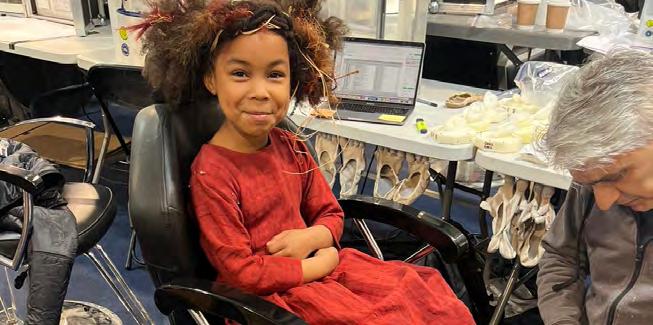
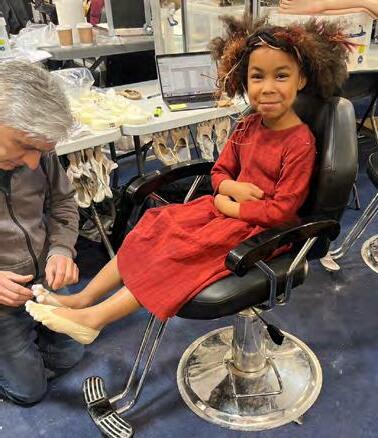
Trapdoor’s students regularly appear in blockbuster films and TV series, where the excitement starts with the very first costume fitting, like playing a Hobbit-child in Amazon’s Lord of The Rings, Rings of Power. Amelle, aged 11, told us this was her favourite on-set experience so far as: “We all got fitted with giant prosthetic ears and hairy feet. I even got to wear a flower garland that was made just for me.” Isaac, who is known for his long-term TV role playing Mackenzie in Eastenders, really loved working with the cast and crew on the blockbuster film, Project Hail Mary, where he appeared on his own in a scene opposite Ryan Gosling.
If your child would like to the opportunity to experience life on a film set and be taught by expert teachers who really care, click here to email Katrina for a FREE trial.
The Kidswear Loop Opens in High Wycombe
A new local business is launching in High Wycombe with a mission to make children’s clothing more sustainable and community-focused. The Kidswear Loop, founded by local mum Victoria Rogers, offers families an easier way to buy and sell quality pre-loved kidswear while reducing waste.
Through a simple drop-off system and monthly in-person markets, parents can refresh their children’s wardrobes affordably while supporting other local families. Victoria said, “There was nowhere local to sell children’s clothes in person and it took so much time to price up, photograph and sell with online marketplaces. I knew there had to be a better way, so I decided to create something better for busy families like mine.” For more info, click HERE to email Victoria, or scan QR code below.
Amelle’s getting costume fitted at Amazon’s Bovingdon Airfield Studios
Chiltern Open Air Museum Marks 50 Years
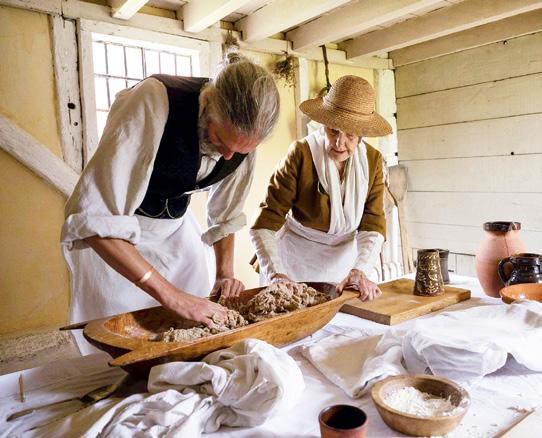
Chiltern Open Air Museum (COAM) in Chalfont St Giles is celebrating 50 years of living history. Since 1976, the museum has rescued and rebuilt historic buildings across its 45-acre site, creating a unique place where visitors can step back in time. This milestone year will feature a range of special events alongside the museum’s much-loved living history experiences, including re-enactments, traditional crafts and hands-on family activities.
Highlights include the spectacular Cannons and Cavalry event on 24th and 25th May, where cavalry horses, cannon blasts, gunfire and epic battle displays will bring history to life. With over 150 re-enactors and 15 cavalry horses, plus immersive living history camps, it promises a thrilling family day out.
The celebrations continue on 26th May with Terrific Tuesday, offering naturethemed activities such as pond dipping, crafts and clay modelling. Find out more at: �� coam.org.uk
Autistic Pupil Numbers in UK State Schools Rise by 20%
The number of autistic children in state schools across the UK has increased by more than 20% in the past three years, according to new government data.
Analysis by the children’s mental health charity ‘Let’s Talk Well,’ found significant growth in the number of pupils with autism across both primary and secondary education since 2022.
Primary schools have seen a rise of around 23% in autistic pupils, while the number in secondary schools has increased by more than 30%.
Experts say the increase reflects greater awareness of autism and improved diagnosis, but it also highlights the growing demand for specialist support in classrooms. Many autistic pupils receive additional help through Education, Health and Care (EHC) plans, which provide tailored support for children with special educational needs and disabilities (SEND).
The figures come as the government has pledged £200 million to train teachers and improve support for pupils with SEND, as schools continue to face rising demand for specialist resources and staff training.
Join in Walk to School Week
A generation ago, seventy percent of us walked to school – now it’s less than half. So Walk to School Week was started to encourage more kids to get out of the car and walk to school.
Walk to School Week is held from 18th to 22nd May and is organised by the UK charity Living Streets to celebrate the health and wellbeing benefits of walking.
Families will be encouraged to walk, cycle, scoot or Park and Stride to see the big differences that can come from small steps - from healthier and happier children who arrive refreshed, fit and ready to learnto less congestion and fewer cars outside the school gates.
Download the Family Walk to School Kit, designed to help parents, carers and children make the walk to school work for them. Visit �� livingstreets.org.uk/
enrolling for the neW term
Singing, dancing and acting classes for 4 - 18 year-olds
Giving children and young people the Creative Courage to stand up on stage for over 35 years.
AMERSHAM 07887 500788 stagecoach.co.uk/amersham
AYLESBURY 01525 790795
stagecoach.co.uk/aylesbury
HIGH WYCOMBE 01494533202 stagecoach.co.uk/highwycombe
HENLEY AND MARLOW 07539 753718 stagecoach.co.uk/henleyandmarlow
Days Out Reviews
Amersham Field Centre
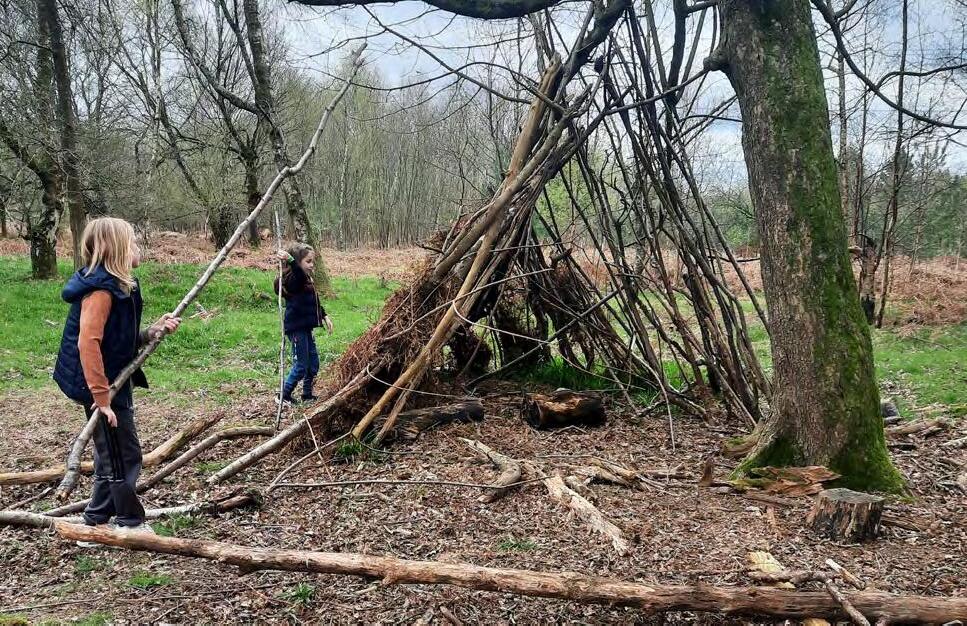
We recently enjoyed Amersham Field Centre’s ‘Family Nature Day.’ My boys absolutely loved pond dipping and were thrilled to find a tadpole newt along with lots of tiny pond creatures to observe. They also had a fantastic time climbing trees, collecting sticks for play fights, and adding to an already-built den.
Minibeast hunting was a hit! My youngest accidentally added a millipede to his collection, and my eldest quickly rescued the others before it turned into a buffet. We finished the day with a relaxing picnic, followed by some lovely nature crafts – the boys especially enjoyed making sun-catchers for our windows.
It was wonderful having the Field Centre team there, demonstrating and teaching the children about each area they explored. My eldest in particular, was full of questions and even joined in with the crafts – something he doesn’t usually go for. We’ll definitely be returning in the summer, hopefully with friends next time.
Sat Nav: Mop End, HP70QR.
Note: Book online to avoid disappointment.
Pitstone Memorial Hall
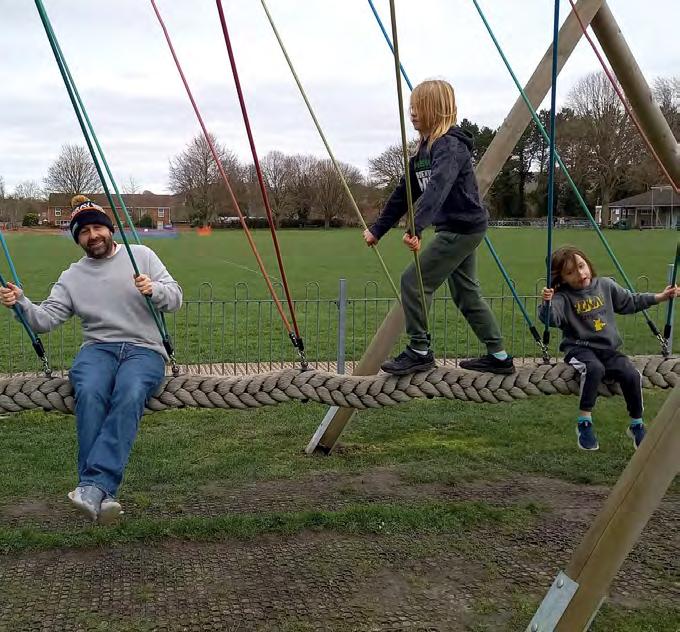
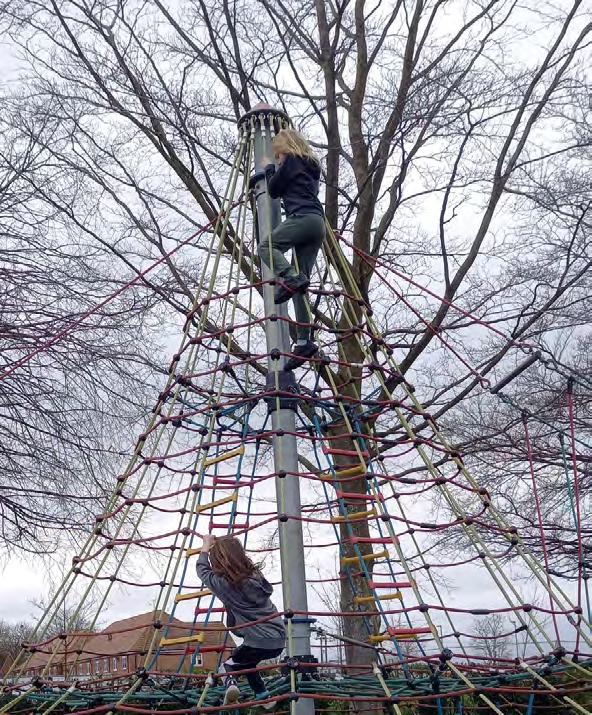
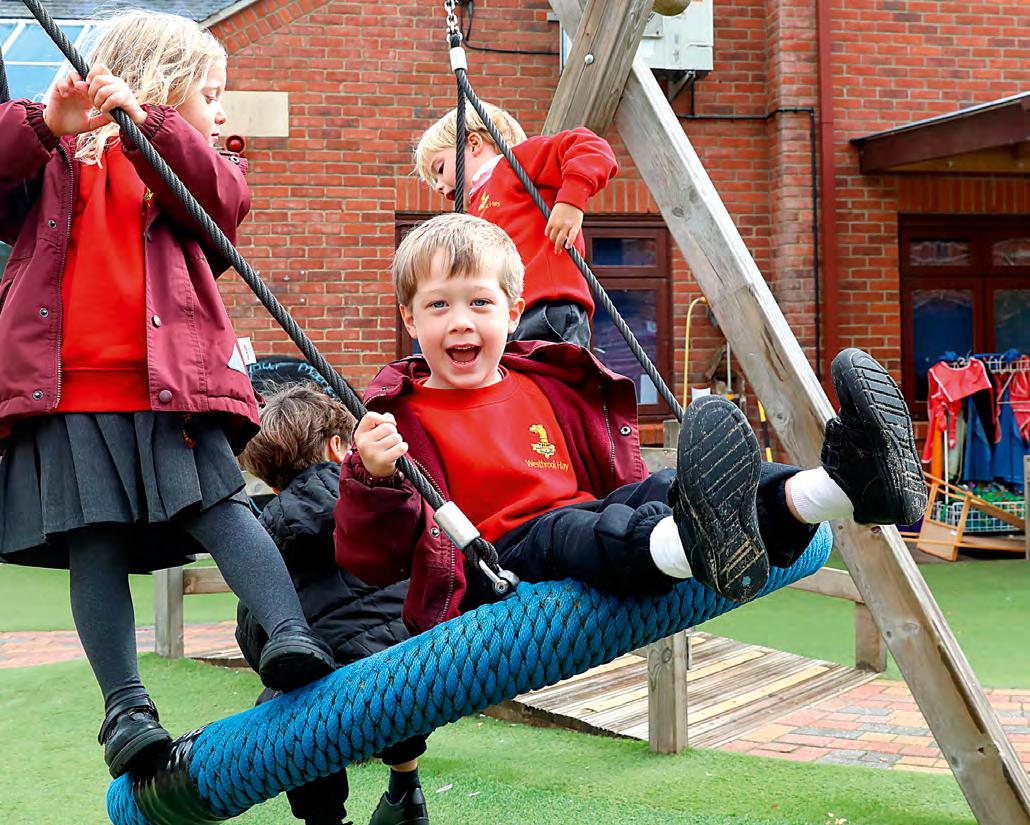
This wonderful park was a new find for us and despite a freezing and rainy day, we all had a blast. The kids enjoyed the scooter park, with a fair few different challenging ramps to enjoy; I even tried my hand at (badly) scooting – admitting defeat before injury. The playground was fun for the kids, with climbing, swings and a zip-wire. Even us adults got on the long snake rope swing for a ride! There are different sized frames, with toddler and young child sized equipment (alongside bigger kids ones) as well as a hiding tunnel and trees!
The football/basketball area was a great source of entertainment (and sweatiness!), with the whole family enjoying a few games. The Curiositea rooms had a lovely cup of tea to take away the chill of the day and some lush looking cakes. From a walk around the field, it looked like there was a bar area and (closed at the time) cricket club – it’s worth checking out to see what events are happening in summer.
By Claire Lockie Williams
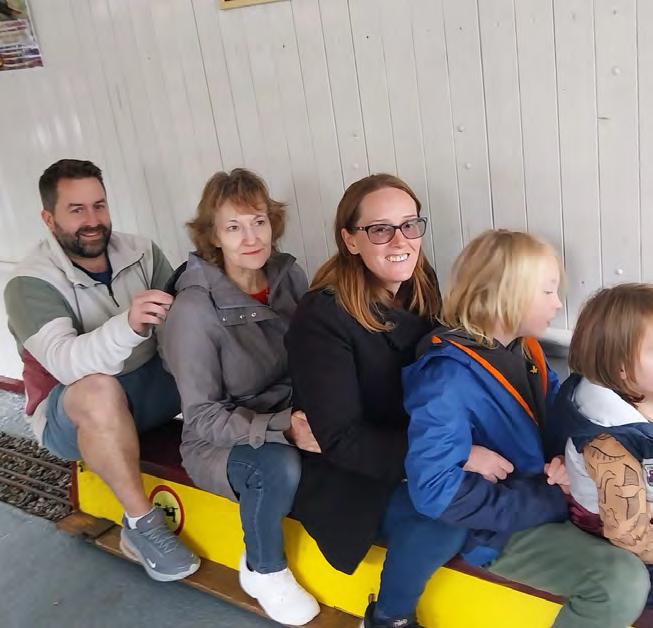
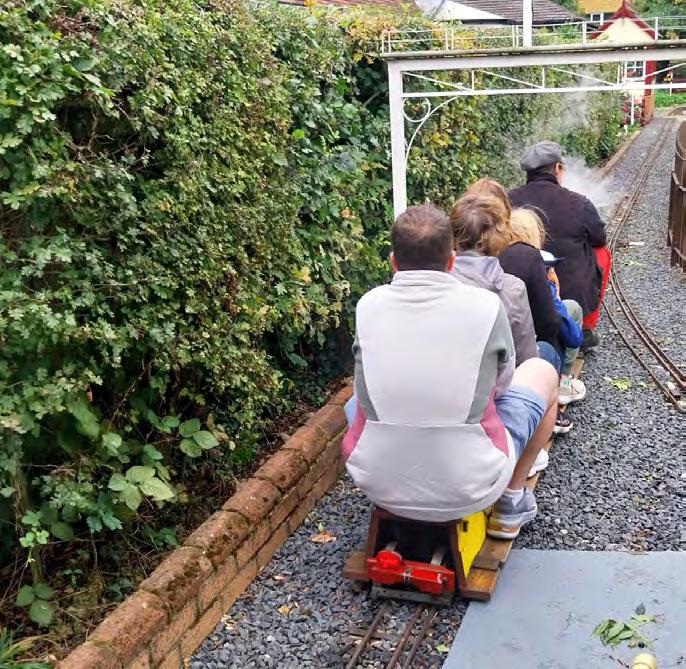
Ickenham Mini Railway
This was such a lovely little gem to discover and share with my children. It has been running since 1948, yet somehow I’d never realised it was there until very recently.
It was such a special experience, particularly for my youngest who absolutely loves trains and anything railwayrelated.
After picking up our tickets from the quaint ticket office, we briefly queued before watching the trains gently chug in and out of the station. The boys especially loved seeing the trains on the turn-table as they changed direction – it was fascinating to watch. My youngest was over the moon to sit right at the front for the ride. He spent most of the journey excitedly pointing things out, shouting “choo choo!” and taking in the tunnels and little guard station along the way.
Such a simple but memorable outing, we’ll definitely be back again.
Sat Nav: Ickenham, UB10 8SD.
Note: Parking is in the Coach and Horses (pub) car park and you must check the ticket info.
Definitely have a little pit stop at Pitstone Memorial Hall and sample the Curiositea Rooms!
Sat Nav: Leighton Buzzard, LU79EY.
Note: Parking is free, be careful not to park in the ‘Resident’s Area.’
The Roald Dahl Museum & Story
Centre
By Lilly Grice
When I walked in, I was not very warmly welcomed by an actor dressed as Miss Trunchbull, so I asked her, “How did you become so unkind and nasty?” She replied, “I was fine until someone introduced me to children!” Then she stormed off, leaving me to look round the Roald Dahl Museum and Story Centre in Greater Missenden.
The first room I looked in was ‘Boy’. This room was about Roald Dahl when he was a child. I learnt that he hated school and pulled silly tricks. One of these tricks was that one day he and his friends wanted to get revenge on the owner of their sweet shop because she was always mean to them. So he found a dead mouse and, when the owner’s back was turned, he put it in one of the sweet jars! Apparently, he thought, “I felt like a hero! It was marvellous to be so popular!”
But the next day his triumph ended. The shop was closed. He thought the owner must have had a heart attack from finding the mouse but, when he got to school he realised
she was there, to pick him out and make sure he was caned!
The walls of this room were made of fake chocolate and there was the aroma of chocolate too! Roald and his dog, Chopper, loved chocolate so much that they both had smarties every day after dinner!
The Museum has several rooms. There is a room where little children can listen to a story, sitting on cushions. You can do arts and crafts, dress up as Roald as a schoolboy, and see his shed where he used to write all his stories. It is the actual shed that was moved from his garden to the Museum. On the table was a ball of silver foil. Roald made this by squishing together the wrappers of chocolate he ate every single day when he was writing.
I sat in a replica of his chair and pretended to be Roald Dahl writing a story. It was a very fun trip!
Drama, dance & singing classes designed to help 4–12 year olds shine
Amersham, Beaconsfield, Berkhamsted, Gerrards Cross or Wendover
Opening Soon: Great Missenden
To book visit perform.org.uk/try
Party Tips From the Experts
By Tamsin Ryan
Throwing kids’ parties can be challenging as there are often so many elements. These tips from party experts will help you ensure your child’s celebration is a success, without you tearing out your hair.
BOOK EARLY: Don’t leave it until the week before and hope everything will be available when you want it. Most bookings at our attraction are made six weeks ahead of the date. Booking early ensures you can get exactly what you want. Oh and relax –the party will be fine! (Rock It Inflatables)
OUTSIDE PARTIES: If you are hosting a party outside, a gazebo can be really useful to offer shade on a hot day and a drier space for activities on drizzly days. If it looks like it is going to be sunny, ask parents to apply suncream before they drop the children off at the party. (Rachel, Buttercup Learning)
ADMIN: Pay your balances before the party. It will give you one less thing to stress over when you’re already trying to co-ordinate the chaotic end-of-party cake cutting, party bag distribution and thanking guests.
(Heather, Rainbow Tiger Face Painting)
CUTTING THE CAKE: It takes a lot longer than you think to cut the birthday cake! Blow out the candles early so you have time to cut and wrap for the party bags. I’ve seen too many parents trying to get it done before the kids leave. (Danielle, Red Beau)
BIGGER ISN’T ALWAYS BETTER: Small parties are fine! Kids will have just as much fun with ten friends as they do with thirty. (Heather, Rainbow Tiger Face Painting)
PLAN AHEAD: For late August/early September birthdays, send out a headsup before schools break up for summer, so that parents can add the date to their diaries. Follow up with an ‘official’ invitation a couple weeks before. (Ashleigh, Photo Party London)
JOINT PARTIES: A great way to share the workload and the costs. You can even get a joint birthday cake! (Adrienne, Oh Crumbs Cake Couture)
GET THE SET-UP RIGHT:
Following my sleepovers, most parents tell me just how much the kids enjoyed just being inside the tent itself. So if you’ve looked at sleepovers thinking they might be boring, I’d think again. My tip? Make sure the tents point to the TV so they can have a movie night inside their tents.
(Sarah, Just Jim Jams)
SUPPLIERS: Check that entertainment services are compatible before you book multiple suppliers. For example, if you are going to book a bouncy castle, check that they allow kids to bounce if they have face paint on, before you book the face painter too! (Heather, Rainbow Tiger Face Painting)
LESS IS MORE: Keep it simple. For a two hour party, plan for one or two activities and some food. Anything more will likely be ignored or wasted. (Holmes Chapel Waste-Free Party)
KEEP IT SIMPLE: Never underestimate the value of simple things like colouring in and games like Musical Statues and Pass the Parcel. Sometimes it’s easy to over-complicate parties but I’ve realised that children really love the classics just as much as we did when we were younger!
(Tring Pamper Party)
Fun Party Games
For Outdoors or Large Indoor Venues
GIANT JENGA
You can hire Giant Jenga or you could buy it second hand. You can find the rules of play online.
PÉTANQUE/BOULES
Reasonably cheap to purchase, this is a team game. If you have a large number of children you may want more than one set of boules. Find the rules online.
BALLOON ON A STRING
Each child ties a balloon to their ankle with a piece of string (about 50cm long). While the music plays, the children walk around trying to burst the other kid’s balloon and protect their own. The winner is the last child left with a balloon
UNDER/OVER
Each team stands in a line and passes the balloon from the first child down the line to the last child. The first child passes the balloon through their legs, the next passes it over their head and the next through their legs and so on.
CROSS THE LAVA
Split the children into teams and give each team an equal number of ‘stepping stones’ (these could be something like placemats from IKEA). The children have to work together in their teams to get from one side of the room/ field to the other, just stepping on the stepping stones.
FANCY DRESS RELAY
At one end there is a basket for each team. One at a time each child has to run to the basket, put all the clothes on and then off again and run back and tag the next team member and so on. You could also do this in fancy dress outfits, particularly if it’s a themed party.
CAPTURE THE FLAG
Form two teams. Divide the room into two halves. Each team hides a flag in their half and also has a ‘jail’, which could be a hula hoop. The aim is for each team to try and grab the other’s flag. If a child from one team enters the other team’s half of the field and gets tagged, then they go to ‘jail’ and have to remain there until one of their team members tags them. The winning team is the first one to capture the opposition’s flag.
The Importance of Music in Child Development
By Lisa Wander and Catherine Noble
“Music is a more potent instrument than any other for education, because rhythm and harmony find their way into the inward places of the soul.”
This quote, often attributed to Plato, highlights the profound impact of music on a child’s emotional and intellectual development, emphasising its ability to engage the soul in a way that other subjects may not. A core creative subject, it fosters creativity, engagement, cognitive and emotional skills, social skills and self-esteem. Excellent music education opens opportunities that stay with children and shape their lives.
Playing a key role in brain development and impacting various areas of cognitive function, music engages both sides of the brain, thereby improving learning and memory, as well as supporting language acquisition and literacy development.
Songs with rhymes and repetition help develop vocabulary and phonemic awareness. Listening to music and melodies exposes children to a wider range of words and phrases and trains memory skills and recall. Did you know that music is the only thing that stimulates your entire brain? When children can’t hear you because they are concentrating on something else, try singing to them!
Music can have a huge impact on a child’s social and emotional development. It allows children to creatively
Positive effects of music on the brain
Music offers children a unique lens through which to explore cultures, traditions and even history, helping broaden their perspective and understanding of the world around them.
Musical rhythms introduce basic mathematical concepts, for example sequencing and analysing patterns. Research shows a strong correlation between musical training and improved mathematical abilities.
Activities like clapping, dancing and playing musical instruments require the integration of hand, eye and auditory co-ordination which improves fine and gross motor skills.
Musical improvisation, composition and interpretation all foster innovative thinking and problem-solving skills, crucial for overall intellectual growth.
Performing music nurtures self-confidence and provides a sense of achievement, particularly when children have the opportunity to perform in front of an audience.
express emotions which may be difficult to articulate through words alone. As Hans Christian Andersson wrote: ‘Where words fail, music speaks.’ This emotional outlet works on developing empathy and emotional intelligence. In addition, exposure to music has been proven to reduce stress and anxiety in children. It creates a calming, positive and engaging environment that enhances overall mental well-being and readiness to learn.
Touching hearts and minds, music is a cornerstone of the broad and balanced education that every child should receive; it celebrates and challenges, it connects and moves us. In the same way that we teach children literacy and numeracy to prepare them for adult life, we must give them the musical tools they need for a lifetime of music-making and enjoyment. For some, music will be the foundation of a career in one of the country’s most important and globallyrecognised industries. For others, it will provide experiences and skills which develop their creativity. For many, music will simply be a source of joy, comfort and companionship throughout their lives.
Lisa and Catherine are co-founders of Emparenting (�� emparenting.co.uk), supporting children, parents and families with the insights, skills and tools needed to nurture the development and well-being of the next generation.
Encouraging a love of music at home
It’s easy and fun to make music a daily part of home life.
Play music regularly: Perhaps as a cue for transitions such as bedtime or mealtimes. Set the musical mood for different activities, showing an interest in your child’s musical preferences.
Explore various genres: As well as nursery rhymes, mix up the genres and moods. Make up songs together.
Move to the music: Encourage your child to dance, clap or stomp to the rhythm.
Make your own instruments: Use household items to create instruments, for example shakers and homemade guitars. If your child shows an interest, consider exploring real instruments.
Attend concerts or performances: Live music can be a powerful way to inspire and deepen a child’s appreciation of music.
TRING PARK
Step Outside: Fun, Fresh Air & Learning
Spending time outdoors is a wonderful way to embrace the beauty of nature with your children. The trees, birds and wildlife around us offer endless opportunities to explore, learn and connect with the natural world. Whether you have a sprawling garden, a small balcony or just a window box, there are plenty of ways to create a thriving mini ecosystem. Here are six ideas from Ellie Malt to inspire outdoor fun for your family. Each project offers a mix of hands-on creativity, learning and discovery.
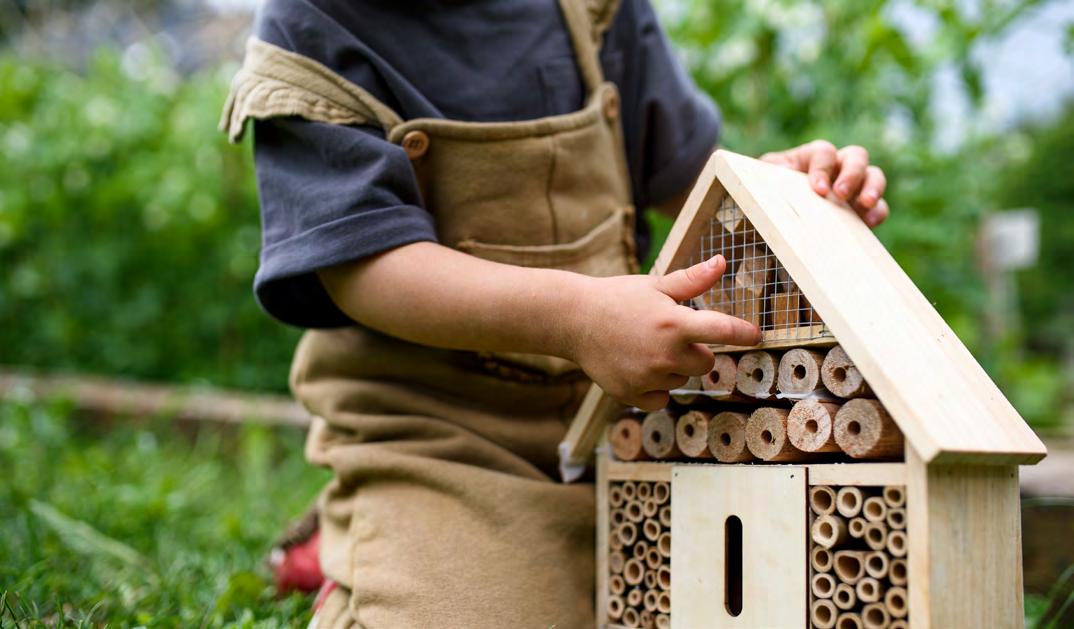
Bug hotels are fantastic for biodiversity and providing shelter for insects, including beetles, ladybirds and solitary bees. They’re also a brilliant hands-on project for children. Start by gathering natural materials like twigs, pinecones, bark, bamboo canes and dry leaves. Use an old wooden box or stack pallets to create the structure, filling the compartments with these materials. You can also recycle everyday items like bricks with holes, cardboard tubes or broken terracotta pots.
To make your bug hotel even more appealing to solitary bees, create a ‘bee hotel’ section by bundling together hollow bamboo canes or drilling holes of varying sizes into wooden blocks. This provides ideal nesting spots for these important pollinators. Position this section in a sunny, sheltered spot, as solitary bees prefer warmth and dryness.
Encourage kids to monitor their creation regularly. Buglife (buglife.org) has a fantastic bug directory to help you identify your tiny new visitors and find out more about them. Remind children to visit the hotel at different times of the day and observe which insects prefer which areas of the hotel.
Dom Higgins, Head of Health and Education at The Wildlife Trusts (wildlifetrusts.org) says encouraging children’s natural curiosity can instil a lifelong love of nature that brings physical benefits. He also believes that getting hands-on can help prevent or dispel fears about creepie-crawlies.
Need more ideas for bug hotels? Famly (famly.co) has an excellent guide to creating different kinds of bug hotels from a really simple ten-minute project to the mega-complex. so there’s something for every age group.
Create a butterfly garden
Hedgehogs are nocturnal wonders with a crucial role in maintaining garden health by eating pests like slugs and snails. To welcome our prickly friends, leave a small gap in your garden fence for them to pass through. Avoid using slug pellets as they can harm hedgehogs.
You can also make or purchase a hedgehog house. Position it in a quiet, shaded area and fill it with dry leaves or hay. Providing fresh water and food such as meat-based cat or dog food (not milk or bread) can encourage regular visits. Involve your children in setting up and checking the hedgehog house and teach them to observe from a distance to avoid disturbing these shy creatures.
Go on a minibeast hunt
Transform your garden or local park into a treasure trove of discovery by organising a minibeast hunt. Equip children with magnifying glasses, notebooks and a checklist of insects to find, such as ants, worms, spiders and centipedes. Look under logs, leaves and stones for hidden creatures, taking care to return everything to its original position.
This activity teaches kids about the diversity of life and the importance of even the smallest creatures in the ecosystem. Encourage them to sketch their discoveries or write down fun facts about each species.
Pollinators like butterflies are vital for the ecosystem and attracting them to your garden is easier than you might think. Plant a variety of nectar-rich flowers such as lavender, marigolds and buddleia. Herbs like thyme, mint and oregano are also excellent choices for window boxes or small spaces.
Children can help plant and care for these flowers, learning about the life cycles of pollinators in the process. A butterflyfriendly garden can also include flat stones where butterflies can bask in the sun and shallow water dishes for drinking.
Build a bug hotel
Create a hedgehog haven
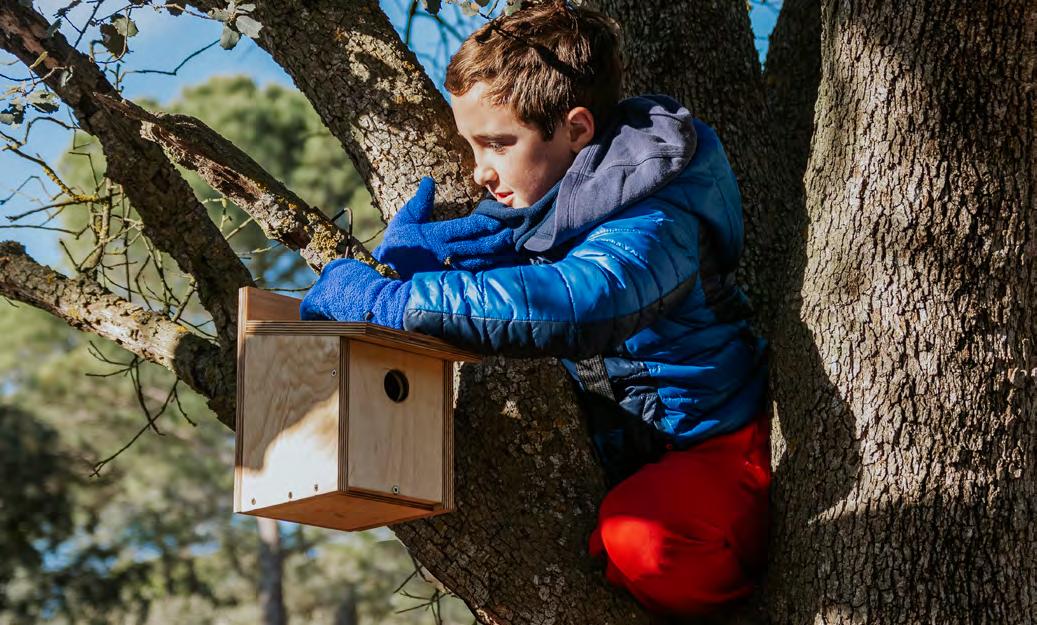
A bird box offers a safe space for birds to nest and raise their young. Instead of using traditional wooden designs, try upcycling something from around your home to create a unique nesting spot. An old teapot, for example, can be securely mounted with the spout angled downward to keep it dry. An unused wooden drawer or even a sturdy cardboard box coated in weatherproof paint can also work well. Get creative, let your children decorate the bird box with non-toxic paints to make it truly one-of-a-kind.
Position the box at least two metres above the ground in a sheltered spot, away from direct sunlight and predators. Monitor it discreetly: watching birds nest and raise their chicks is a magical experience for the whole family.
To deepen your connection with the wildlife, consider setting up a small camera near the bird box to observe the activity inside without disturbing the birds. Alternatively, create a simple bird hide using branches, camouflage netting or an old blanket to watch birds from a distance. This can turn your garden into a mini wildlife observation station, sparking curiosity and teaching patience.
Composting is an awesome way to teach children about the natural cycle of decomposition. A simple compost heap or bin can provide a habitat for worms, woodlice and other decomposers while producing nutrient-rich soil for your garden.
Get children involved by letting them add fruit and vegetable scraps, eggshells and garden clippings to the compost. Add torn up plain cardboard to provide carbon and recycle household packaging. Explain how the materials break down over time and why composting is essential for reducing waste.
Checking the compost heap regularly can reveal fascinating insect activity and foster a deeper understanding of nature.
Build a bird box and bird hide
Education
Mastering Times Tables
Teacher Tips that Work!
By Zuzu Jordan
In an age of AI, calculators and voice assistants, it is easy to question whether children still need to memorise times tables. After all, technology can provide an instant answer. However, fluency in multiplication remains one of the most important foundations in mathematics.
When children know their times tables automatically, they free up brainpower for reasoning, problem-solving and tackling more complex concepts such as fractions, division and algebra.
In England, children begin exploring multiplication in Key Stage 1 through grouping, sharing and repeated addition. By Year 2, they learn the two, five and ten times tables. In Year 3 and Year 4, they extend this knowledge to all tables up to twelve x twelve, with the national Multiplication Tables Check taken at the end of Year 4. Schools now combine conceptual understanding with recall practice, using arrays (visual models organising objects into equal rows and columns to represent multiplication equations), practical resources and pattern spotting, alongside short, regular retrieval exercises.
Even with AI, instant recall matters. A child who quickly knows that 6 × 8 = 48 can focus on solving a multi-step problem instead of getting stuck at the first calculation. Technology should enhance learning, not replace core knowledge. One of the most effective ways to support learning is to match practice to your child’s preferred way of learning.
For those who prefer to listen and learn, rhythm and repetition are powerful. Multiplication songs, chants and short rhymes can make facts stick. Creating a simple poem for tricky tables or setting facts to a familiar tune can transform learning into something memorable. Voice assistants such as Alexa or similar devices can also be used to fire quick questions for a fun, quiz-style challenge.
For those who like to learn by doing, try times tables snap cards, scavenger hunts where children shoot a Nerf dart at the correct answer or stick multiplication questions on the stairs so they solve one on each step. Jumping to the correct answer written in chalk outside or building arrays with Lego can also reinforce understanding through action.
For those who are drawn to colour and layout, use coloured multiplication charts, highlight patterns and encourage children to notice number relationships. For example, all multiples of five end in zero or five and the digits in the nine times table follow a clear pattern. Seeing these connections
reduces the need to memorise each fact separately. AI can also be a creative ally. Parents can use AI tools to generate personalised resources that reflect a child’s interests. For a football fan, create times tables cards featuring their favourite team colours or badge alongside multiplication facts. For a child who loves animals or space, design themed quizzes or printable posters. Personal relevance increases engagement.
Whatever the method, short and frequent practice is key. Five focused minutes each day is more effective than a long weekly session. Isolate tricky tables for a few days before mixing them back in.
Most importantly, keep it positive. Confidence builds fluency. Times tables are not about racing against a machine; they are about equipping children with mental tools that will support them throughout their education. In a world shaped by AI, foundational knowledge is what enables children to use technology thoughtfully and independently.
Zuzu is a Mastery for Maths Specialist who has taught primary for eighteen years and is Director of Arnett International. For FREE resources and tips, find her on Instagram @edumate_uk
Times Tables Grab Bag
A well-stocked times table homework grab bag should include quick, practical resources that make learning easy and engaging.
Add a set of flashcards, a small, laminated multiplication chart and a whiteboard with pen for quick practice. Include times table snap cards or simple dice for multiplication games.
A printed list of key facts for focus tables is helpful, along with coloured pens for highlighting patterns.
Finally, add a small reward chart to celebrate effort and consistent progress.
We make maths make sense
Keep your child’s maths skills sharp over the summer with Mathnasium Amersham’s Summer Programme. Whether they need to catch up, keep up or get ahead, our personalised learning plans help children build understanding, confidence and momentum.
Choosing the Right State Secondary School for your Child
Choosing a secondary school is one of the biggest decisions you’ll ever make for your child. Very likely, your two priorities are whether your child will reach their academic potential and whether they will be happy there. Here are Melanie Sanderson’s tips on what to look for.
Hot-house or Greenhouse?
Is the school educationally aspirational and how does this manifest? Look for relaxed and respectful teacher-pupil relations. They are key to successful learning. Is the library well-stocked and busy? Teacher recruitment and retention is challenging all schools. Ask pupils how often they have cover teachers.
Are pupils regularly assessed? Performance measures such as Progress 8 (see gov.uk) are good indicators of how a school adds value as they measure academic attainment rates over time. Are there programmes to stretch the more academic children? What about those with special educational needs and disabilities?
Breadth of Curriculum
The best state schools offer and value a broad liberal arts education beyond the standard curriculum. For instance, Bohunt School in Hampshire ‘blew the socks off’ the Good Schools Guide with immersion classes in Mandarin. Some of the best state schools invest in top notch sports facilities and coaching, others have outstanding creative or performing arts spaces. Pick a school that suits your child’s strengths. Check out school notice boards and the school’s social media for co-curricular activities and trips the children are doing outside the classroom too.
Pastoral
Good schools have clear systems. Every child is known; nobody slips through the net. Ask if reports and open evenings include pastoral updates. Does the school’s
praise/discipline system flex to meet individual needs and align with your family values? Ask pupils what they do at break and lunch. Good schools include spaces for children to seek quiet reflection when needed.
Communication
Good schools also communicate well with parents. The tone of school newsletters and social media feeds can tell you a lot, while an active PTA is a sign of an engaged parent community. If you can, pass by the school at home time and observe pupil behaviour as they leave the site. Another top tip is to talk with pupils higher up the school. Would you be happy for your children to turn out like them?
Melanie Sanderson is Managing Editor of The Good Schools Guide (goodschoolsguide.co.uk), which contains frank, impartial reviews of schools. Its writers visit thousands of schools annually, speaking to Heads, teachers, pupils and parents.
When Considering Secondary School Options, DON’T…
Judge a school entirely by its Ofsted report: a report can quickly fall out of date and one word judgements cannot paint a full picture. Look for more nuanced information. Other local parents with children already at the school are a great place to start.
Take too much notice of social media community group grumbles about a school. These are usually led by a singular disgruntled parent.
Be swayed by dinner party bragging rights. The superduper academic grammar school that everyone’s talking about may or may not be the best place for your child to flourish. Equally, don’t choose a school based on what YOU would have liked as a child.
Lie, cheat or change your religion to get your child into a particular school!
Be put off by a school that isn’t pristine. Look instead for cleanliness and orderliness.
FOR MORE INFO CONTACT:
DANCE CLASSES for Children & Adults
Disco Freestyle & Rock n Roll Ballroom & Latin American Ballet Acro In Prestwood & Little Missenden Building confidence, making friendships and creating memories whilst learning to dance. mandy@honour dancecompany.co.uk honourdancecompany.co.uk 07713551160
Don’t Be Afraid To: Ask About a Bursary
By Tanya Freeman
My husband and I have always been committed to state education. We both thrived at state school and believed our son, Freddy would too. Besides, school fees were out of the question for our family. So how did it happen that Freddy actually ended up being educated privately?
The answer is, quite by chance. After crossing fingers that Freddy would be offered a state school place in Reception at one of our top three choices, we were really disappointed to be offered our sixth school choice option. It wasn’t a bad school, but it was very large. Freddy, an only child, was reserved and more comfortable with adults than children and we thought he would feel overwhelmed by so many small peers.
At this time, I was acting as a consultant to a small preprep school – the equivalent of an infant school - and the day after we received Freddy’s school offer, I happened to mention this in a meeting with them.
A few days later, I was astonished to receive an email from this school asking whether I would be interested in a fully funded school place for Freddy. Nothing like this had ever happened to my husband or I before. We are not people who are serendipitously in the ‘right place at the right time’ – in fact, if there’s any kind of sale, you can guarantee we’ve just bought the item full price the day before! So we were quite incredulous at this offer and felt that it really was too good to miss.
Did we have reservations? Yes. We weren’t sure if our son would ‘fit in’ (or whether we would). We were concerned about what would happen when Freddy turned 8 and returned to the state system. Would he get a place? The school reassured us that Freddy would take the 7+ (an exam for entry to prep school which I was hardly aware of) and that there was every likelihood that we would find a prep school willing to help assist us financially at the next stage of his education too.
Freddy thrived at this small school and received offers from four prep schools at 7+. We discussed financial assistance with each of them. Disclosing our income at one of these
meetings, we were asked whether the figure we had mentioned was our total income or what we each earned individually. It was our total income. We wondered whether we might still have been eligible for financial support even if we had earned that amount each and whether perhaps you didn’t have to have an exceptionally low income to be considered for financial assistance.
We were offered a partial bursary by the prep school we all liked best where Freddy had an absolutely fabulous four years. He was able to take advantage of so many opportunities that otherwise wouldn’t have been available to him, grew massively in confidence and made firm friends.
It was only when it was time to consider secondary school choices that we fully reviewed Freddy’s experience (and ours too) of the independent schools he’d attended and realised that it had been so positive overall that we would like to explore whether he could continue his educational journey in the independent sector.
Admittedly, we were lucky. Freddy is academic and was offered a place at a number of schools at 11+. Lucky too that the school we all preferred offered bursaries; and that, again we were accepted. This time though, the bursary application was a much more formal process which involved scrutiny of our income and expenditure in reasonable detail. Even so, we were astonished to actually be asked by the independent financial assessor what percentage of bursary we would like!
Many of our peers, who are earning above the average UK family income but can’t afford school fees (at least not in their entirety), don’t realise that a private school bursary could be an option for them too. So my advice to anyone unhappy with their state school offer or wanting to cast the school net a little wider, is: ‘don’t be afraid to ask.’ The old adage, if you don’t ask, you don’t get has never been more salient.
Why Autism in Girls
is So Often Missed…
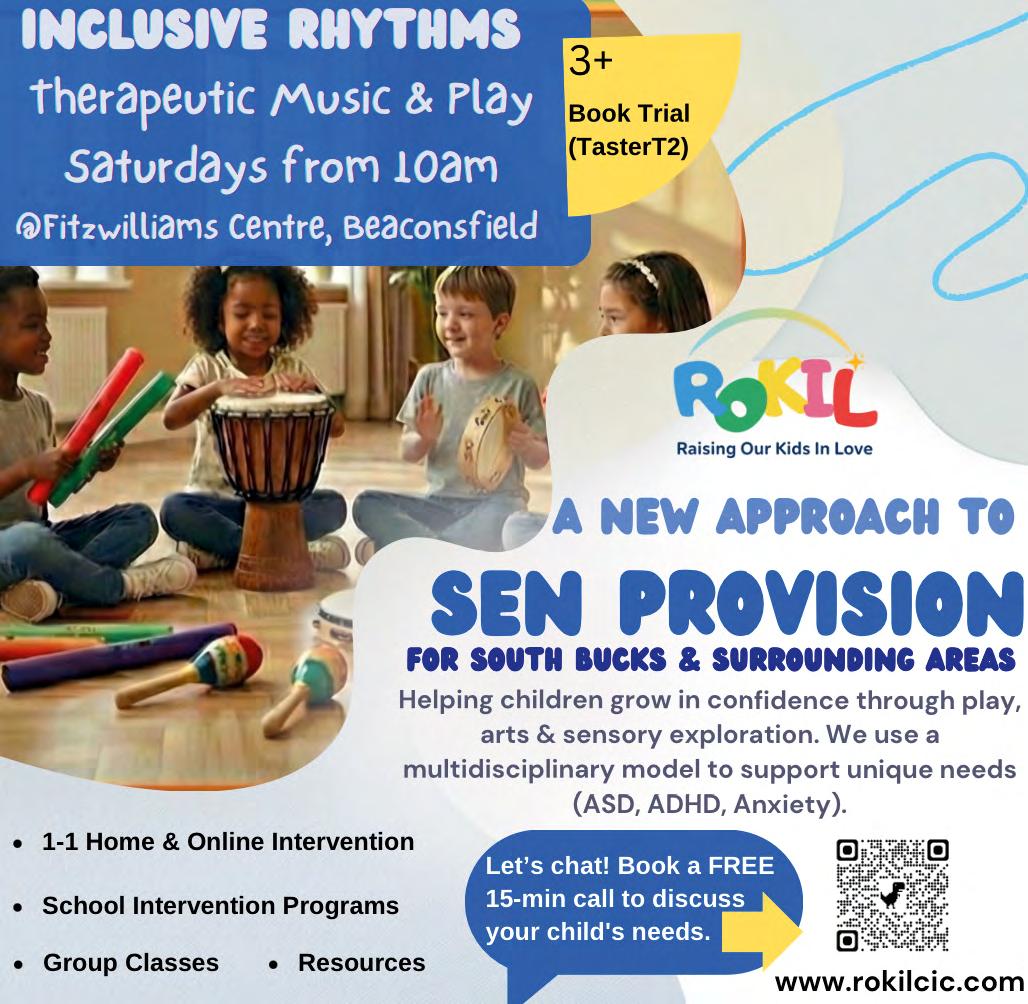
By Jen Staunton, SEND teacher in Beaconsfield
Autism is still often understood through a very male lens. For many years, the typical picture of autism has been based largely on how it presents in boys. But for autistic girls, the experience can look quite different.
Increasingly, parents and professionals are recognising that many autistic girls are missed, or identified later, than boys. Some girls are described as ‘shy,‘sensitive’ or ‘perfectionist’. Others work incredibly hard to copy what their peers are doing so they can fit in. Teachers may see a child who is quiet, polite and coping well in the classroom, while at home parents might see the real impact of how much effort that takes.
Many autistic girls spend the school day masking. This means working hard to hide their natural autistic traits and trying to behave in ways that help them blend in socially. While this can help them navigate school life, it often comes at a cost.
Parents may notice that after school their child is completely exhausted. Some children become tearful or irritable. Others withdraw and need lots of quiet time to recover. This is often a sign that a child’s nervous system has been under strain all day.
Early understanding can make a powerful difference. When children learn that their brain simply works differently, it can reduce confusion and self-doubt. With the right language and support, autistic girls are far more likely to develop confidence and strong self-esteem.
Autistic thinking also brings many strengths. Autistic girls are often deeply empathetic, passionate about fairness and able to focus intensely on topics they care about. Many also show wonderful creativity, determination and attention to detail. Yet resources that help younger autistic girls understand themselves are still surprisingly rare, which is why representation at this age matters so much.
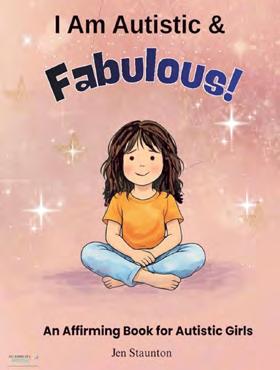
As a SEND teacher supporting neurodivergent children and as a parent of an autistic girl myself, I recently wrote a children’s book called ‘I Am Autistic and Fabulous’. The book was created to help primary-aged autistic girls understand their autistic identity in a neurodiversity-affirming way, and is designed to be read with parents, teachers or other supportive adults. It explores common experiences such as masking, sensory differences and emotional overwhelm, while also celebrating the strengths that can come with an autistic brain and helping children put words to their experiences.
Jen Staunton is a SEND teacher supporting neurodivergent children at Kickstart Learning in Beaconsfield. She is also the author of ‘I Am Autistic and Fabulous: An Affirming Book for Autistic Girls’ available on Amazon. More resources and further support for neurodivergent children can be found at: �� allkindsofminds.org.uk
Signs of Autism in Girls
There are many ways parents can support autistic girls to feel confident and understood.
Autism can look different in girls than many people expect. While every child is unique, there are some patterns parents sometimes notice.
Some autistic girls appear socially confident but may in fact be highly skilled at copying what others do, rather than instinctively understanding social situations. They might carefully observe how their peers behave and try hard to imitate them so they can fit in.
Other signs parents sometimes notice include:
• Becoming extremely tired after school.
• Being very sensitive to noise, clothing textures or busy environments.
• Repetitive behaviours, such as hair twirling, chewing hair or biting nails.
• Intense interests in particular topics, like popstars or animals.
• Perfectionism or anxiety about making mistakes.
• Needing routines and finding changes difficult to manage
• Difficulty navigating friendships or feeling left out socially
• Headaches, tummy aches or emotional overwhelm after busy days.
• Many autistic girls are highly empathetic and care deeply about fairness and other people’s feelings Because of this, they may try especially hard to meet expectations, which can make their autistic traits less visible to adults.
If parents feel that their child experiences the world a little differently, it can be helpful to speak with a GP, school or specialist professional to explore whether autism might be part of the picture.
Getting Back to Work
Practical Ways to Restart
By Mandy Garner
So you’ve not been doing paid work for a while, maybe a long while. Understandably, your confidence may be at a low ebb. You may be thinking the world of work has moved on apace and you are way out of the loop on what is happening in your profession, particularly given the speed of technological change. So how can you prepare to return to the workplace?
Firstly, think broadly about what you want out of paid work. You’ve had time off, had a child or multiple children. You decided not to go back to work after your maternity leave. Have your motivation and interests changed?
Many career coaches deal with transitions and returning to work and can assist if you are considering switching careers. They can help tease out the things that motivate you, discuss your concerns about returning to the workplace and equip you with the tools you need. It pays also to do your own research of professions you might be considering, for instance, if you are making a jump from a long-hours profession to one you think might offer more family-friendly hours.
As jobs are changing fast, you may want to look at researching new professions. In his book, Life’s Work: 12 Proven Ways to Fast-Track Your Career, jobs expert James Reed highlights how you can identify fast-growing industries, sectors or job roles such as Fintech, artificial intelligence or mental wellbeing, through reading, keeping your eye on the ball and talking to people.
His advice for those coming back from redundancy is applicable to anyone who is attempting to return to work after a break. He says: “It’s going to be OK. Your achievements will follow you wherever you go – you just need to gather your wits and plan your next steps.”
Whilst you may find it hard to see how your resume can be enhanced by listing a period of full-time parenting, you will have gained many skills and vital experience during this period. What parent is not a supreme multi-tasker? Draw these out in your resume and give concrete examples of how they relate to any job you apply for.
Consider any courses you can do to update your qualifications, where applicable. In terms of technology, local colleges sometimes offer short courses which can help you to update your skills, although many returners say that technology is changing so fast that what you need essentially is not specific skills but, rather, an ability to learn new systems on an ongoing basis. Adaptability to change is parenting 101!
Be the difference: Train to Teach. Astra trains and nurtures the next generation of teachers to make a difference for young people. Based at Dr Challoner’s Grammar School in Amersham, Astra works closely with over 80 partner schools in Bucks.
Astra offers one year full-time and two year part-time courses leading to Qualified Teacher Status and a PGCE, taught in partnership with Bath Spa University. Find out more below and online: �� astra-alliance.com
Astra is a school based teacher training route to gaining QTS (Qualified Teacher Status) and a PGCE from Bath Spa University.
Early Years
Managing Challenging Behaviour
By Broadcaster and Journalist, Kate Silverton
When I finally became a mother, after many years of trying, I wanted to learn more about how to support my own children’s mental well-being, as much as their physical health. As new parents, we all aspire to do the best we can, ‘get it right’ and ensure that our children are growing up feeling valued, safe and loved.
But it seems that in recent decades, much of the advice on raising young children has been designed with frazzled parents in mind rather than what might necessarily work best for the child. For example, we have seen the advent of the ‘naughty step’ and ‘banishing to rooms,’ or even leaving our children to ‘cry it out’ alone. All done with good intentions, to help timepoor parents trying to stay afloat.
As a journalist, I’ve been fortunate to have access to brilliant clinical professionals, who have educated me in why our children behave the way they do and, most importantly, how we, as parents can best respond.
With this understanding of child brain development, I came to see my children’s behaviour in a totally different light. I discovered I could tackle tantrums and meltdowns with ease, solve squabbles in seconds and saw how sibling rivalry has its roots in fear. I found parenting SO much easier – and my children were happier, too.
The Soothing Stair
Unlike the Naughty Step, the Soothing Stair is not a punishment. If your child is just overwhelmed and will not do as you are asking them to, ask if they want to sit with you for a while, side by side.
Hold them close or just sit with them and allow yourselves to calm down. Use a soothing voice saying: ‘It’s okay. Mummy/Daddy understands ...’ (even if at this stage you don’t). And: ‘It’s okay, let it all out.’ Repeating this over and over and rocking backwards and forwards will help to soothe the part of their brain that’s overwhelmed.
When practised over and over, with love, compassion and empathy, your child will soon trust that Mummy/Daddy really understands them and how they are feeling and that you can help make them feel better. This will bring them back from the brink of a tantrum far quicker than you could with force, scolding or punitive measures.
It also means your child will be more eager to please you and do as you ask!
Stress is hard enough for adults to manage – now imagine navigating it as a child, without the same bank of experiences to make sense of what’s happening, or even the ability to fully rationalise it. For many children, stress responses can be triggered more often than we realise, and what happens in the brain doesn’t stay there –it affects the whole body. If constant stress sits in the body, it isn’t healthy for children or adults.
Adults, however, have coping mechanisms – we go for a run or chat with a friend. Our children haven’t developed these coping mechanisms yet. It’s our job as parents to help them express their big emotions safely, and to release the ‘physiological stress’ they feel inside.
Every parent deserves to know the secret to raising emotionally healthy children. Not only does it serve our children well for the future but it makes our lives easier and much more fun.
Kate Silverton is a journalist and broadcaster. She shares what she has learned in her book, There’s No Such Thing as ‘Naughty (Piatkus £14.99). Because it seems too important not to.
STOP SN-O-T!
Try this technique, when faced by a tantrum in public or at home.
First of all: STOP! Take a breath and pause.
Remind yourself this is not personal, this is not your child being a dark arts master! And they are NOT being ‘naughty’, manipulative, stubborn, testing ... etc, or whatever old school parenting might try to tell you. They are not capable of that.
Then remember that it’s:
S’Not about you - this is NOT personal - your child may be in the middle of a stress response triggered by something else entirely.
O – OBSERVE: so what else could be going on?
T - TURN IT AROUND – THINK about the situation from the perspective of your child.
(Doing this will also engage your own wise owl brain, rather than see you steaming into battle with your own baboon).
Tackling the Crisis in School Readiness
By Felicity Gillespie
In primary schools across the country, a quiet but profound shift has occurred, one that military strategists might call ‘mission creep.’ Along with teaching phonics and foundational literacy, Reception teachers are increasingly functioning as a frontline social service, back-filling a widespread lack of basic toddler-level skills.
Currently, one in three children arrives at the school gate assessed as underprepared to benefit from the education provided. The statistics are stark*: one in four children starting school is not toilet-trained and many cannot hold a pencil, follow basic instructions or feed themselves independently. Twenty eight percent are unable to use a book, tapping and swiping at the pictures.
This lack of readiness is a massive drain on educational resources. On average, teachers lose over two hours of teaching time every day supporting children who lack basic independence. When ninety percent of teachers report having at least one child in class not toilet-trained, the education of every child in nearly every classroom suffers. Over eighty percent of teachers report that this lack of readiness has a moderate or major impact on the progress of the entire class.
The stakes are incredibly high because the Early Years are uniquely consequential. The brain doubles in size in the first year of life alone, creating the foundation and scaffolding for all future academic and emotional success. Research indicates that a child’s development score at twenty two months can serve as an accurate predictor of educational outcomes at age 26. Forty percent of the attainment gap we
Practical steps to build school readiness
The summer before a child starts Reception provides a critical opportunity to develop simple, practical milestones to ensure children are not starting behind. Self-care. Encourage your child to start putting on coats and shoes and using cutlery without help, to foster their independence in school.
Potty training. Medical evidence suggests children should be out of nappies between 18-30 months for optimal bladder and bowel health. Outside a clinical condition, nappies and pull-ups don’t belong in school. Communication. Ensure your child can express basic needs, such as feeling hungry or sad. Two-way conversations build their vocabulary and listening skills. Screen time awareness. The World Health Organisation recommends zero screen time for children under age 2. Excessive screen time is linked to developmental delays, so increase reading, singing and conversation instead. Clear, concise government-backed advice, developed by Early Years organisations can be found at: �� startingreception.co.uk
see at age 16 is evident by the time a child starts school at age 5. While ninety percent of parents believe their child is ready for Reception, teachers report a ‘startling disconnect.’ The current government has set a target to increase school readiness to seventy five percent by 2028 but hitting this target requires a cultural shift.
We must stop looking to schools to provide the basics that should be established at home. Parents are a child’s first and most important educators and the summer months before a child starts Reception offer a vital window to focus on foundational skills. Preparing a child for school is about basic life skills, not academic rivalry; it is about ensuring they don’t start at the back of the pack. By reclaiming their role as educators, parents can ensure their children are ready to learn from day one.
Felicity Gillespie is Chief Executive of Kindred Squared (�� kindredsquared.org.uk), a charitable foundation working collaboratively with partner organisations to improve early education and early child development. * �� kindredsquared.org.uk/school-readiness-survey
The Invisible Mental Load of Motherhood
Why Rest Isn’t a Luxury!
By Dr Sasha Hall
As a psychologist and a parent of two young children, I have seen both professionally and personally how easily the invisible mental load builds up. This load is the ongoing, often unseen mental effort required to keep family life functioning. It includes not only the physical tasks of daily life but also the constant background thinking that ensures these tasks happen at the right time and in the right way. It is the invisible spreadsheet running quietly in the mind, updated in real time as family needs change.
For many parents (generally mothers), this mental load can feel like carrying an endless list of responsibilities in their minds. It might include planning meals, remembering school events, booking appointments, checking that uniforms are ready and ensuring everyone has what they need for the day ahead. Alongside this are seasonal or longer-term considerations such as holidays, birthdays or preparing for school transitions. Even positive events, such as planning a family outing or helping with a costume for school, can add to the mental noise. These are all small, individual thoughts that combine into a continuous mental hum.
In homes shared with partners or older children, there can also be what psychologists call cognitive unloading, where others rely on one person to hold or manage the shared mental information. Questions such as: ‘Where are my keys?’ or ‘What are we having for dinner?’ might seem trivial, but they represent moments where someone else is temporarily renting space in a parent’s mind.
Over time, these repeated small intrusions can add to feelings of exhaustion and reduce the sense of mental clarity that is essential for wellbeing. When this happens frequently, the parent may begin to feel as though they are the project manager of the household, responsible for doing, remembering, prompting and anticipating.
Research shows that cognitive rest is just as important as physical rest. Rest is not merely the absence of doing; it is the presence of mental recovery. When we rest effectively, the brain has the opportunity to consolidate memories, regulate emotions and restore executive functioning. These
Make the invisible ‘visible’
Much of the mental load remains unseen because it is carried silently. Psychological research shows that when cognitive effort is invisible, others are less likely to appreciate its weight.
Externalising these thoughts can help make them visible. This might involve sharing responsibilities through open discussion, writing down tasks that occupy mental space or gently drawing attention to how much co-ordination is involved in daily life. When the invisible becomes visible, families can develop a greater appreciation of one another’s mental and emotional contributions.
are the higher-order skills that allow us to plan, problemsolve and make decisions. Just as muscles need recovery after exertion, our brains also need space to decompress and reorganise.
Without sufficient rest, the brain’s capacity for emotional regulation and attention control diminishes. This can lead to increased irritability, forgetfulness and a sense of being mentally overloaded. For parents, especially mothers carrying multiple invisible demands, this may mean feeling less patient with children or partners and finding it harder to remain present in moments that should bring connection and enjoyment.
The psychology of rest reminds us that rest is not indulgence but maintenance. It allows us to sustain the very skills that underpin both parenting and professional life. Creating even small opportunities for rest throughout the day can help regulate the nervous system and restore emotional balance. This might include brief moments of quiet reflection, mindful breathing or simply allowing the mind to wander without purpose.
When rest is prioritised, parents often describe feeling more grounded, more able to engage meaningfully with their children and more confident in managing the continuous mental load. Recognising and sharing the invisible work that goes on in our minds is the first step toward valuing rest as a psychological necessity rather than a luxury.
Dr Sasha Hall is an HCPC-registered Senior Educational and Child Psychologist and founder of Hall & Co Educational Psychology Services (�� hallandcoeps.co.uk).
The science of mental rest
Mental rest does not always require sleep or silence. Research into attention restoration suggests that simply engaging in gentle, absorbing activities such as walking outdoors, listening to music or spending time in nature allows the brain to recover from focused thought. During rest, neural pathways related to creativity and problem-solving become more active. This helps restore a sense of clarity and perspective, enabling a parent to return to their daily roles with improved focus, emotional balance and a stronger sense of self.
Caring for a Loved One with Dementia
By The Orders of St John Care Trust
Dementia is a life-changing condition that touches countless families and friends across the UK. Each person’s experience of living with dementia is unique, requiring a tailored approach to care. For families or friends facing the challenging decision of finding the right care for a loved one with dementia, understanding the support and resources available can make all the difference.
The Orders of St John Care Trust (OSJCT), a not-forprofit charity, is a leading name in dementia care. Driven by compassion, their experienced teams are committed to providing outstanding support, ensuring the wellbeing of their residents as well as families and friends. From expert teams to therapeutic approaches, OSJCT offers a comprehensive, individualised approach to dementia care. In this guide from a series on care, you might find helpful information on dementia care at OSJCT.
Understanding dementia
Dementia is an umbrella term for conditions affecting memory, thinking, and communication, including Alzheimer’s disease. Dementia impacts every individual differently, underscoring the importance of personalised care plans. OSJCT employs skilled dementia specialists, including Admiral Nurses and Dementia Leads, to guide families, friends as well as colleagues through the complexities of dementia care with empathy and expertise.
Introducing Admiral Nurses: skilled dementia specialists OSJCT is one of only ten care providers in the UK with a dedicated team of Admiral Nurses, supported by the charity Dementia UK. These specialist nurses provide emotional support, practical advice, and in-depth assessments to meet the needs of OSJCT residents and their families as well as employees. Admiral Nurses also develop and lead dementia-specific training programmes for care teams at OSJCT, ensuring that every resident receives the highest quality care. Angie Williams, Lead Admiral Nurse at OSJCT, explains: “Our skilled employees work closely with Admiral Nurses to stay up to date on best practices in dementia care. This collaborative approach enhances the wellbeing and quality of life for all those who live and work in our homes, or who visit.”
Therapeutic approaches and care home design
Effective dementia care goes beyond medical support. OSJCT incorporates therapeutic approaches such as sensory activities, including gardening, music and art, as well as reminiscence sessions to enhance residents’ emotional wellbeing and mental health. Many of their care homes are also thoughtfully designed to support residents with dementia, featuring clear signage, calming colour schemes and lighting, and accessible layouts to promote independence and reduce anxiety.
Life Story: the heart of personalised care
One of OSJCT’s standout initiatives is their “All About Me” Life Story work - a personalised record of a resident’s history, their interests, and significant relationships. This invaluable tool underpins care as well as helps residents maintain their sense of identity and fosters trust and deeper connections with caregivers and loved ones.
Life Stories take various forms, including scrapbooks, videos, or memory boxes. They can include details such as childhood memories, career milestones, favourite foods, and daily routines. By understanding the past and integrating these personal stories into care plans, OSJCT ensures that every resident is treated as an individual with unique preferences and needs.
With organisations like OSJCT at the forefront of dementia care, families and friends can find the support they need to navigate later life with understanding, dignity, and love.
The Orders of St John Care Trust offers dementia care across Buckinghamshire. Visit: �� osjct.co.uk/ buckscarehomes or call: 0333 22 0418 to find out more.
When ‘Fun’ Feels Hard
Supporting Children with ADHD Through School and Social Life
By Jean Gibson
There was a moment I will never forget. My grandson was thirteen-years-old, standing in a room full of children who had chosen to be there. It was his birthday party. Not a school event. Not a family gathering. His party, with friends who wanted to celebrate with him. It was joyful, ordinary, and quietly extraordinary
Because for many years before that, parties had been a source of anxiety, disappointment, and heartache. Invitations didn’t always come. Social situations often ended early. And like so many parents and grandparents, we carried the unspoken question, will it always be this hard?
If you are parenting a child with ADHD, particularly in the primary years, this story may feel uncomfortably familiar. The meltdown or sadness you see in your child at not being invited, again, can cut deeply.
The hidden challenges beyond the classroom
When we think about education, we often focus on classrooms, learning and attainment. But for children with ADHD, some of the biggest challenges show up outside formal lessons. Birthday parties, school discos, sports days, transitions between activities, and unstructured time with peers all demand skills that are still developing, emotional regulation, sensory tolerance, impulse control and social timing.
When these environments feel overwhelming, children can stand out, not because they are misbehaving, but because they are struggling. For parents, this can be deeply painful. There is the anxiety before an event, the guilt when things don’t go well, and the fear of being judged by other parents, by schools, and often by yourself. Many parents quietly ask, am I doing something wrong? You are not.
What children with ADHD need most Children with ADHD don’t lack effort or care. What they often lack is predictability in unpredictable situations. Noise, crowds, unclear expectations and sudden changes can push their nervous system into overload. When that happens, behaviour is communication, not defiance. One of the most important shifts parents can make is moving from reacting, to responding. And that starts with giving yourself permission to pause.
The power of PAUSE
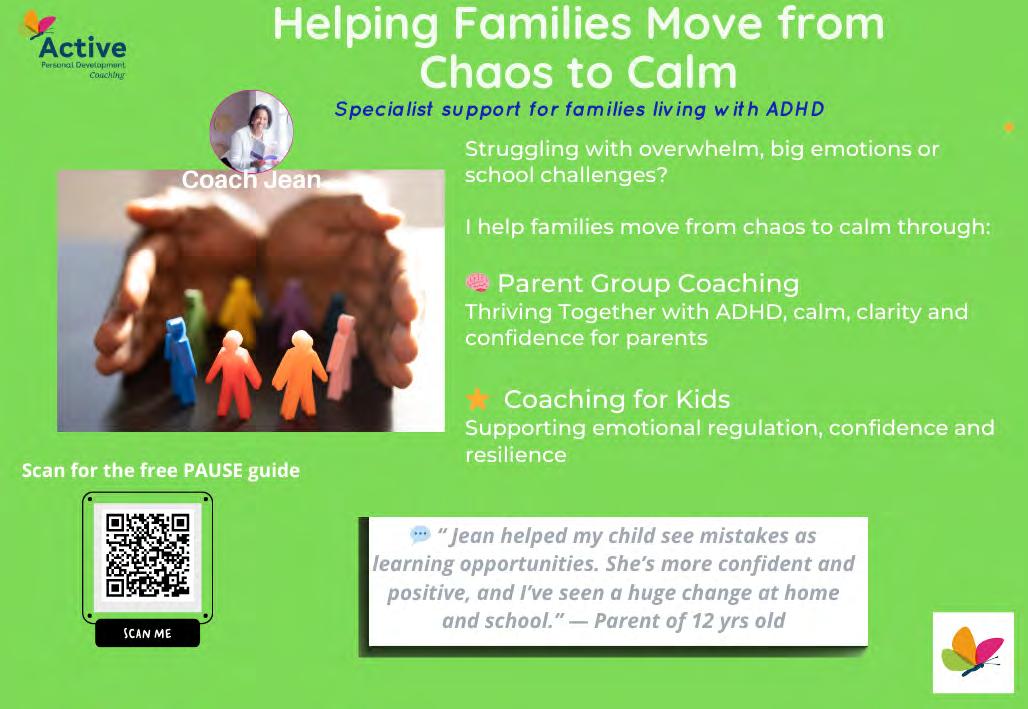
In my work with parents, particularly within my Thriving Together with ADHD programme, the PAUSE technique is often described as a revelation. Not because it stops meltdowns instantly, but because it changes how parents show up in the moment and how repair happens afterwards.
A common example shared by parents is arriving at school and realising their child has not been signed up for an event. When the child sees they are not going, a meltdown follows. The parent feels guilty and panicked, tries to explain why it happened, talks through reasons, apologises repeatedly and blames themselves. This pattern can repeat again and again.
Learning to pause creates space. Space to remember that a child with ADHD may struggle with self regulation. Space to replace self blame with compassion. Space to say less, slow down, and focus on connection rather than explanation. The situation may not disappear, but the relationship stays intact. Repair becomes possible. And repair matters far more than getting it right every time.
Hope that grows with time
I share this not only as a coach, but as a mother and grandmother in a neurodivergent family. I have seen children who struggled deeply in their early years grow into teenagers and adults who are learning, working, driving and navigating life in ways that suit who they are.
The path is not always easy. There are times we get it wrong. What matters most is how we move forward, with reflection, compassion and support.
Children remember the adults who stayed. They remember being believed in.
They remember being supported, even when things were hard. Every small win is progress.
About the Author:
Jean Gibson is an ADHD Coach and the author of The ADHD Support Handbook. She supports parents and families living with ADHD to move from chaos to calm through coaching, education and compassionate, practical strategies. Jean runs the Thriving Together with ADHD parent group programme and supports families across Buckinghamshire and beyond.
Facebook group: The ADHD Revolution. Thriving Together with ADHD: Free consultation. Website: �� activepersonaldevelopment.co.uk
A simple way to pause
When emotions run high, try this:
• Pause your response.
Stop. Take one breath. You don’t need to solve this yet!
• Acknowledge what’s happening.
• Name the feeling, not the behaviour. “This feels really hard right now.”
• Support before solving. Connection first, solutions later.
What’s On
By Claire Lockie-Williams
Weekly Classes
PERFORM WEEKLY DRAMA, DANCE AND SINGING CLASSES
Confidence-building drama classes for 4-7s and 7-12s. A unique mix of fun drama games, dance and singing specially designed to boost confidence, communication, concentration and coordination. Venues: Amersham, Beaconsfield, Berkhamsted, Gerrards Cross or Wendover, (Great Missenden coming soon!)
To book a FREE class visit: perform.org.uk/try
Saturday 28 March – 1 November
THE SAXONS
Discover Bucks Museum, Aylesbury. Three lives. Three burial sites. Three extraordinary stories.
A major exhibition bringing early medieval Buckinghamshire to life with real artefacts, interactive displays, and digital storytelling designed for visitors of all ages. An ideal day out for curious minds and young explorers!
For opening times and to book: discoverbucksmuseum.org
Monday 4 May
HERITAGE PARK OPEN DAY
Pitstone Green Museum, Leighton Buzzard.
Step back and explore a time before the digital age. 10.30am-4.30pm. Also on 25th May and 14th June. Tickets on door. pitstonemuseum.co.uk
Wednesday 6 May
STAY AND PLAY CAFÉ
Discover Bucks Museum, Aylesbury. Pop into their Stay & Play Café for a safe play space for under 5s. Free tea and coffee and chance to meet other parents and carers. £2 per child, adults free. 10am–12 noon. Wednesdays, term time. discoverbucksmuseum.org
ROMAN GLADIATORS
Chiltern Open Air Museum, Chalfont St Giles.
Watch Roman Gladiators battle! 10am-5pm. Under 4s FREE. coam.org.uk
Friday 8 May
BEHIND THE SCENES TOUR
Waddesdon Manor, Aylesbury. A 60-minute behind the scenes tour exploring the rooms where the servants lived and worked and how they use these areas of the house to-day. £15 plus grounds admission. Multiple dates. waddesdon.org.uk
LITTLE ART CLUB
Bagnall Centre, Chesham. Make art, play and learn through different crea-tive activities. 0-4yrs with their caregivers. Fridays, term time. Booking essential Makeplaydo.com
Saturday 9 May
DISABILITY FAMILY DAY
Thomley, Worminghall. Thomley offers days for disabled visitors
and their families to come and play, meet new people and find muchneeded support. 10.30am-3.30pm. thomley.org.uk
MAY FAYRE
Newtown Infant School, Chesham. Annual May Fayre in support of the school with Maypole dancing and more! 11.30am-1.30pm. newtown.education
WHO LET THE DADS OUT?
Holmer Green Baptist Church. Great space for Dads, Grandads and male carers to spend the morning with their kids. 9.30-11am. Also, 13th June. holmergreenbaptist.org.uk Saturday 9- Sunday 10 May
ROALD DAHL CHILDREN’S GALLERY
Discover Bucks Museum, Aylesbury.
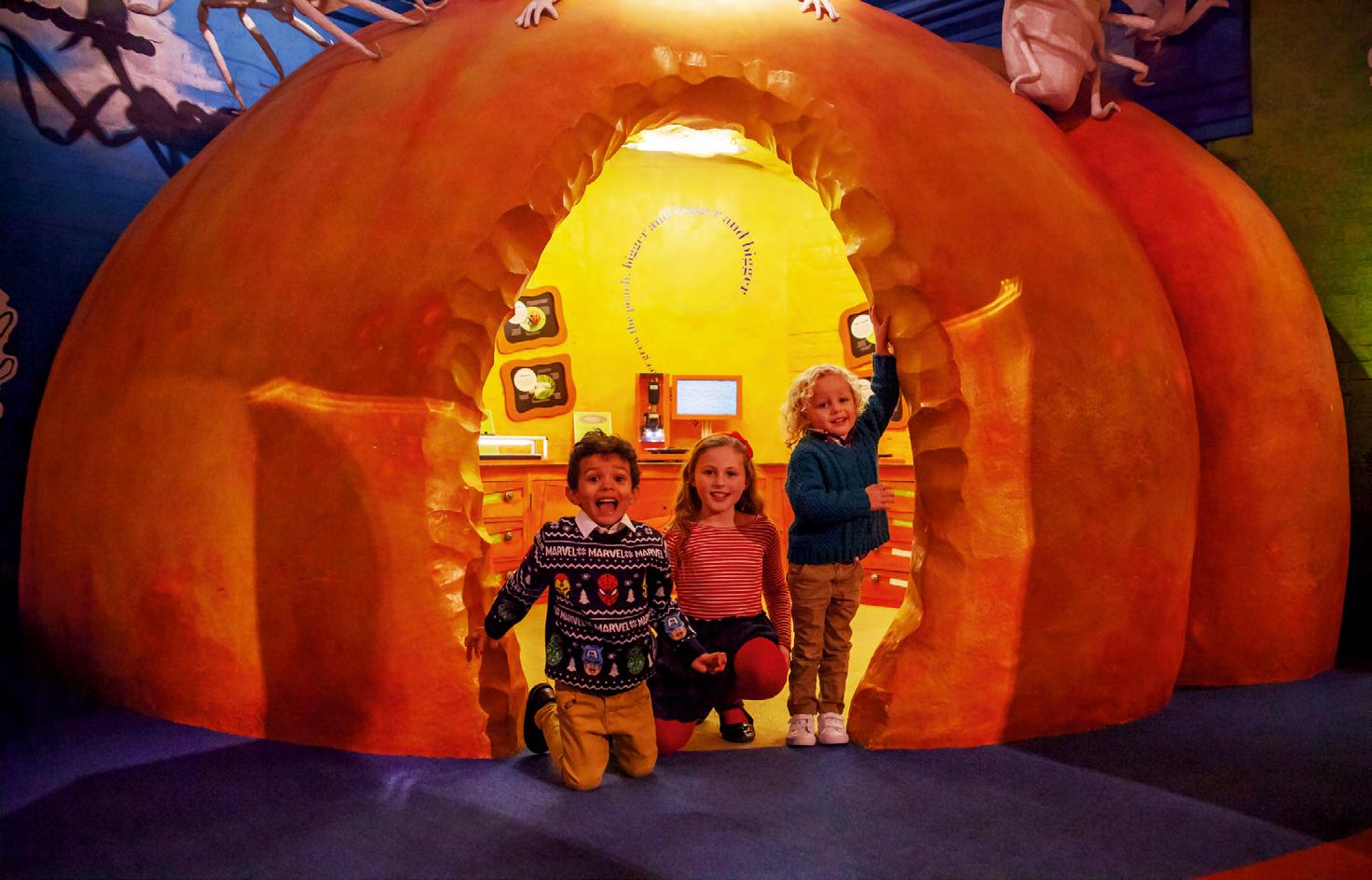
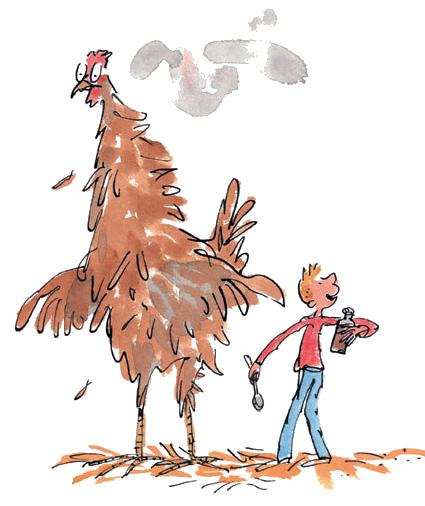
Step into the magical world of Roald Dahl’s stories. Crawl through Fantastic Mr Fox’s tunnel, investigate minibeasts inside the Giant Peach, and explore sound with the BFG in this much-loved, hands-on gallery. Open weekends and Bucks School Holidays. Drop-in. discoverbucksmuseum.org
Sunday 10 May
MY FIRST CONCERT
Wycombe Swan, High Wycombe. Packed with favourite nursery rhymes, fun characters, audience interaction and big concert moments. trafalgartickets.com
Thursday 14 May
DISCOVER DUCKS
Discover Bucks Museum, Aylesbury. A fun play session for under 5’s and their parents/carers that include a story, song, games, play, craft activity
What’s On
and museum trail. An exciting different theme each month. May: Bugs, Junevehicles. 10am-12pm. Also, on 21st May, 11th and 25th June. Book online: discoverbucksmuseum.org
KINDRED COUNTRYSIDE
Road Farm, Great Missenden. An intergenerational farm club, welcoming people to enjoy hands-on farming and countryside activities. Start of block of 4 sessions. roadfarmcountryways.com
Thursday 14 – Saturday 16 May
HORRIBLE HISTORIES
Aylesbury Waterside Theatre, Exchange Street.
Two shows live on stage: Terrible Tudors and Awful Egyptians. Book online: atgtickets.com
Friday 15 May
A ROTHSCHILD TREASURY: GUIDED TOUR
Waddesdon Manor, Aylesbury. Discover the stories of the rare and precious objects on display and learn about the tradition of treasure rooms. £15 plus grounds admission. Multiple dates, check website. waddesdon.org.uk
Saturday 16 May
ALEX HORNE’S COMEDY FOOTBALL TROPHY
Chesham United F.C, Chesham. The Greatest Comedy Football Match at the Greatest Non-League football venue you will ever need! 12.30pm onwards. visitchesham.org.uk
EXPLORE YOUR WAY-SEND RELAXED DAY
Roald Dahl Museum, Great Missenden. Explore your way on a special relaxed day! Great for visitors with SEND and their friends and families. 10am-4.30pm. Standard Museum entry applies roalddahlmuseum.org
RELAXED HOUSE OPENING
Waddesdon Manor, Aylesbury. A relaxed house opening for anyone who would appreciate a calmer visit to the historic house, including neurodivergent adults and children and their family, friends or carer. Free with grounds admission. Multiple dates, see website.waddesdon.org.uk
Sunday 17 May
CHILTERN HILLS RALLY
Weedon Park, Aylesbury. Fun family day with classic cars, dog show, children’s rides and much more. 10am-5pm. Under 12s FREE. chilternhillsrally.org.uk
PRE-LOVED CLOTHES MARKET
Piddington Village Hall, High Wycombe.
Shop high quality, branded, pre-loved children’s clothes for 0-12yrs. 9am-5pm. Also, on 14th June. Register as a seller or pre-book free buyer ticket via eventbrite, link on instagram and Facebook. Scan QR code on page 4. @thekidswearloop
RIDE CHARTRIDGE
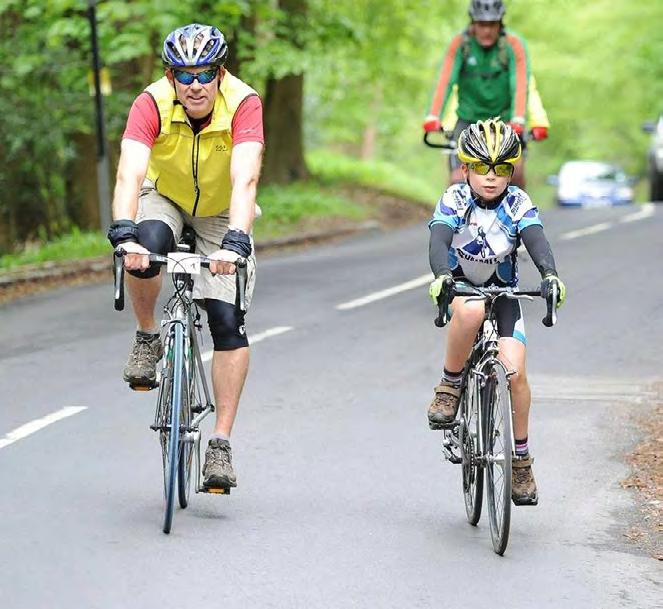
Chartridge Combined School, Chesham. Get on your bike for Ride Chartridge, the annual charity cycling event through the scenic Chiltern Hills. Multiple routes for all abilities. All profits going to Chartridge School. ridechartridge.com
Friday 22– Sunday 24 May
CHESHAM FRINGE FESTIVAL
Multiple venues in Chesham Music, comedy, theatre, poetry & more. visitchesham.org.uk
Saturday 23 May
OLAF FALAFELS STUPIDEST SUPER STUPID SHOW
The Elgiva, Chesham. 12.30pm.Book online:elgiva.com
SUNFLOWERS
Holmer Green Baptist Church. An inclusive, safe space for children with hidden disabilities. 7-14yrs 10am-12pm. Also, on 27th June. holmergreenbaptist.org.uk
Saturday 23 – Monday 25 May
BIRDS OF PREY
Bekonscot Model Village, Beaconsfield. Jan from JRCS Falconry demonstrates his amazing collection of birds of prey. See website for details and booking, bekonscot.co.uk
Saturday 23 – Sunday 31 May
ART IN NATURE
Waddesdon Manor, Aylesbury. Art in Nature with James Brunt makes a welcome return to the grounds. Free with grounds admission. waddesdon.org.uk
Sunday 24 May
BEER AND MUSIC FESTIVAL
Watchet Lane, Holmer Green. 26th annual Beer and Music Festival. hgsa.co.uk
BUCKINGHAM LIVE
Buckingham Football club, FREE community music festival. 1-10pm. discoverbuckingham.uk
Ride Chartridge, Sunday 17 May
Half Term
THE ROALD DAHL MUSEUM AND STORY CENTRE
The Roald Dahl Museum & Story Centre, Great Missenden.
Special FREE (with entry) events:
• George’s Marvellous Medicine Storytelling in the wonderous woods (2pm session on Monday 25 May is BSL signed).
• Marvellous LEGO® Menagerie– pop up LEGO animal making
• Jackanory Drawings – see marvellous illustrations and make your own.
Discover Bucks Museum, Aylesbury. Step into a world of legend! Explore the world of Anglo-Saxon myths and legends with a week of mythical and magical crafts, get ready for dragons, wizards and giants inspired by The SAXONS exhibition! Discover the Saxons in their immersive exhibition, plus extend the fun and explore the Roald Dahl Children’s Gallery. To discover more and to book: discoverbucksmuseum.org
HALF TERM AT BLETCHLEY PARK
Bletchley Park, Milton Keynes. Enjoy a family day out with family activities, tours, guides and interactive exhibits. Tickets are annual passes (under 12yrs FREE). bletchleypark.org.uk
BUSY LIVING HOLIDAY CLUBS
St Joseph’s, Chalfont St Peter and Green Ridge School Aylesbury. Build dens, learn new skills such as martial arts, enjoy off-site trips to the woods and make new friends. 8am-6pm, 5-11yrs. Book for summer holidays too. More info below & online: busyliving.co.uk
ART CLUB – PRINTMAKING WORKSHOPS WITH MAKE, PLAY, DO
The Bagnall Centre, Chesham. Day workshops exploring different mono-print techniques for ages 8-13, running each day. All materials included. 10am-3pm. Art Club will be held on Tuesday to Friday during Half Term. Booking essential online: Makeplaydo.com
EDEN SHOPPING CENTRE
There’s plenty to explore at Eden, in the heart of High Wycombe, with a great mix of eateries and shops to browse. Families can also dive into a world of fun, from bowling at Hollywood Bowl, climbing at Clip ‘n Climb, mini golf at Carnival Golf and Games, electric karting at Teamsport or catching the latest film Cineworld –there’s something for everyone! edenshopping.co.uk
HALF TERM HOEDOWN
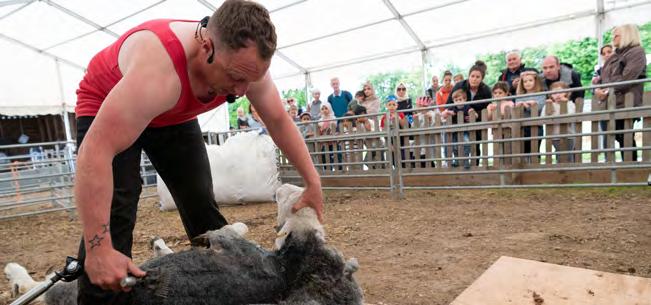
Odds Farm Park, near Beaconsfield. Saddle up for a Wild West adventure. Enjoy the Hoedown Showdown live shows.Little ones can get creative with cowboy crafts, including hat decorating and sheriff’s badges, plus join in with welly wanging and traditional games. Daily sheep shearing demonstrations & plenty of friendly farm animals to meet. oddsfarm.co.uk
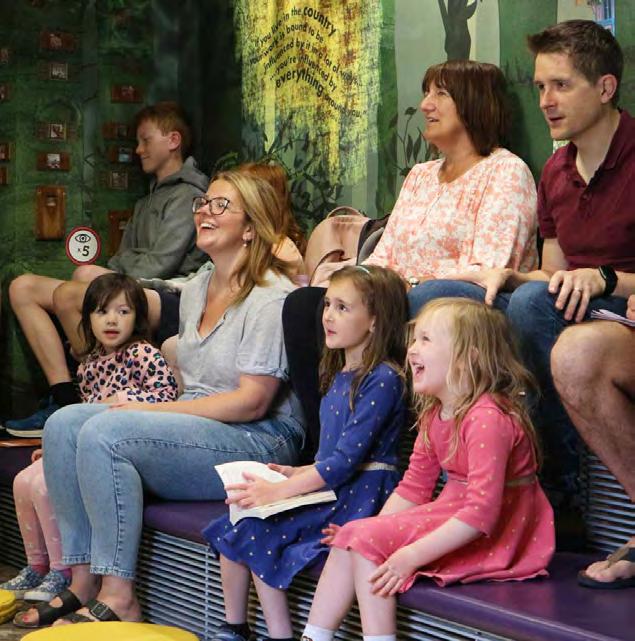
Storytelling at The Roald Dahl Museum
What’s On
Sunday 24 – Monday 25 May
CAVALRY AND CANNONS
Chiltern Open Air Museum, Chalfont St Giles. Cavalry horses, cannon blasts, gunfire and epic battles. This family friendly event will see over 150 re-enactors and 15 cavalry horses taking part in spectacular displays and living history camps. 10am-5pm. U4’s FREE. coam.org.uk
DAY OUT WITH THOMAS
Bucks Railway Centre, Quainton.
The day out that Thomas fans’ dreams are made of! Ride with Thomas and Percy, meet Mavis, Trevor, Sir Topham Hatt, Rusty and Dusty, enjoy Thomas & Friends-themed activities and much more!! 10.30am-5pm. Book online: bucksrailcentre.org
Monday 25 May
BSL SIGNED MARVELLOUS MEANDER
Roald Dahl Museum, Great Missenden. Head out on a guided walk around the very village that inspired so many of Roald Dahl’s stories. 5yrs+. 11.45am & 2.15pm. £5 pp plus Museum entry. roalddahlmuseum.org
ILLUMINATED BOOK BOXES
Discover Bucks Museum, Aylesbury. Decorate a personalized book box to take home & make up your own magical story! 4-11yrs (younger children welcome with adult support). 10am-2.30pm. £5. To book: discoverbucksmuseum.org
STONE VILLAGE FETE
Stone Recreation Ground, Aylesbury. Free, 12-4pm, drop-in. visitaylesbury.co.uk
Tuesday 26 May
DRAGON MARIONETTES
Discover Bucks Museum, Aylesbury. Learn how to make a fire-breathing dragon marionette to take home. 4-11yrs, 10am-2.30pm. £5. To book: discoverbucksmuseum.org
WIN
a
Tuesday 26 May (Cont’)
TERRIFIC TUESDAY
Chiltern Open Air Museum, Chalfont St Giles. Nature themed crafts, clay modelling & activities. 10am-5pm. Under 4s FREE. coam.org.uk
Tuesday 26 – Wednesday 27 May
GEORGE’S MARVELLOUS MINIATURE FARMYARD
Roald Dahl Museum, Great Missenden. Be inspired by the farmyard in George’s Marvellous Medicine and make a smallreplica. 5yrs+. 11am, 12pm, 2pm& 3pm. Also on 29th May. £5 pp in addition to Museum entry. roalddahlmuseum.org
Wednesday 27 May
MERLIN’S POTION JARS
Discover Bucks Museum, Aylesbury. Make a magical potion jar to take home. 4-11yrs (younger children welcome but will need some support with their craft). 10am 2.30pm, £5. Book online: discoverbucksmuseum.org
Thursday 28 May
ANIMAL ANTICS WITH JUNGLE JUNIORS AND MARVELLOUS MINI’S
Roald Dahl Museum, Great Missenden. Animal handling session. 5yrs+. Plus, a special led session for littlest visitors 6months-4yrs. Multiple times. £5pp for each workshop plus Museum entry. roalddahlmuseum.org
NATURE SPRITES
Discover Bucks Museum, Aylesbury. Make an Anglo-Saxon nature sprite puppet out of clay. 4-11yrs. 10am-2.30pm, £5. To book: discoverbucksmuseum.org
Friday 29 May
AWESOME ANIMALS VILLAGE TRAIL
Roald Dahl Museum, Great Missenden. A guided walk around the village of Great Missenden, inspired by George’s
Family Day Out at Odds Farm Park!
Odds Farm Park has teamed up with Families Chiltern for one lucky reader to win a family day ticket for four to the attraction, (must include one adult and one child).
Visitors heading to the farm park near Beaconsfield this May half term can mosey on down for a Wild Westthemed week as the Bucks-based attraction hosts its annual Half Term Hoedown. This nine-day bonanza kicks off on Saturday 23rd May and runs until Sunday 31st May.
Headlining the event with their Hoedown Showdown performance will be entertainers Outlaw Oddsocks
and Stocking Foot Sal, as the desperadoes enter a line-dancing duel to find the best barn dancer in Buckinghamshire. These brand-new shows take place five times a day throughout the week.
As part of the frontier fun, guests can enjoy Wild West crafts, including decorating cowboy hat headbands and making their own sheriff’s badges. There will also be welly wanging and traditional outdoor games for young sheriffs to enjoy.
Sheep shearing demonstrations return daily as the resident flock loses their woolly coats for the warmer
Marvellous Medicine .6yrs+. 11.45am and 2.15pm. £5pp and Museum entry. roalddahlmuseum.org
BEYOND DISTRACTIONS- A MAGIC SHOW
Queens Park Arts Centre, Aylesbury. Become part of the magic. 8-9.30pm. visitaylesbury.co.uk
NATURE DISCOVERY DAYS
Amersham Field Centre, Mop End. Drop in any time and join an expert learning team as they run a range of exciting nature-inspired activities for families. 10.30am-3pm. Book online: fsc.cinolla.com
SPY CRAFT! WITH MARK CREASY
Discover Bucks Museum, Aylesbury. Become a spy with local author Mark Creasy, who’ll be leading super-secret code-breaking and cipher activities. 5-11yrs. 10.30-11.30am & 1-2pm. £3. discoverbucksmuseum.org
June
Saturday 6 June
PARTY IN THE PARK 2026
QE II Playing Field, Stoke Mandeville. Fun for all ages! 12-9pm. stokemandevillecommunitycentre.org
Saturday 6 – Sunday 21 June
BUCKS ART WEEKS
Multiple locations. Pop up exhibitions all over Bucks exploring artworks. bucksartweeks.org.uk
Sunday 7 June
OPEN FARM SUNDAY
Lacey’s Farm, High Wycombe. 10am-4pm. Milking demos, tractor & trailer rides, meet the animals. £5pp, u5s free.
farmsunday.org
weather. And with cows, pigs, goats, rabbits, guinea pigs and donkeys there are plenty of animals for the whole family to meet at the rare breeds farm.
To enter and view our terms and conditions, CLICK HERE.
The closing date for entries is 9th June 2026.
Sunday 7 June (Cont’)
DINO DAY
Bucks Railway Centre, Quainton. Meet a whole herd of life-size dinosaurs! Plus, steam train rides. 10.30am-5pm. Book online: bucksrailcentre.org
Saturday 13 June
ASTON CLINTON FAMILY FESTIVAL
Aston Clinton Park.
12-5pm, drop-in, free. astonclinton-pc.gov.uk
SCHOOLS OF CHESHAM CARNIVAL
Chesham High Street
Fabulous community carnival in aid of all of Chesham’s school, this year’s theme 100 years of David Attenborough.12pm, drop-in free. visitchesham.org.uk
Saturday 13 – Sunday 14 June
ENGLISH CIVIL WAR WEEKEND
Chiltern Open Air Museum, Chalfont St Giles.
Re-enactments, living history camp & battle displays. 10am-5pm. coam.org.uk
1940’S WEEKEND
Bletchley Park, Milton Keynes. Music, dancing, vintage family fun. bletchleypark.org.uk
Sunday 14 June
DENS CASTLE WALK
Berkhamsted Castle. Step up for a stunning summer walk, with your choice of 5 or 10-mile routes. Sign up and support local people facing crisis. dens.org.uk/event/castle-walk
Thursday 18 June
A MIDSUMMER NIGHT’S DREAM
St Mary’s School, Gerrards Cross. Shakespeare in the Garden. A family perfor-mance and picnic for girls 9-10yrs. stmarysschool.co.uk/booknow
Sunday 21 June
FATHER’S DAY: MOTORS AND MUSIC
Chiltern Open Air Museum, Chalfont St Giles.
See a display of over 100 Jaguars and listen to the Hemley Hillbillies play Bluegrass Country and Western Hillbilly rock. Under 4s FREE. coam.org.uk
Roald Dahl Museum, Great Missenden. Treat Dad to a walk in the woods, with cake and coffee afterwards! The perfect activity for kids and adults alike. 11.30am and 2pm. £11 per person in addition to Museum entry roalddahlmuseum.org
Saturday 27 June
KING JOHN VS KING RICHARD
Chiltern Open Air Museum, Chalfont St Giles.
Learn about these Medieval Kings, combat, weapons and watch some combat displays. Under 4s FREE. coam.org.uk