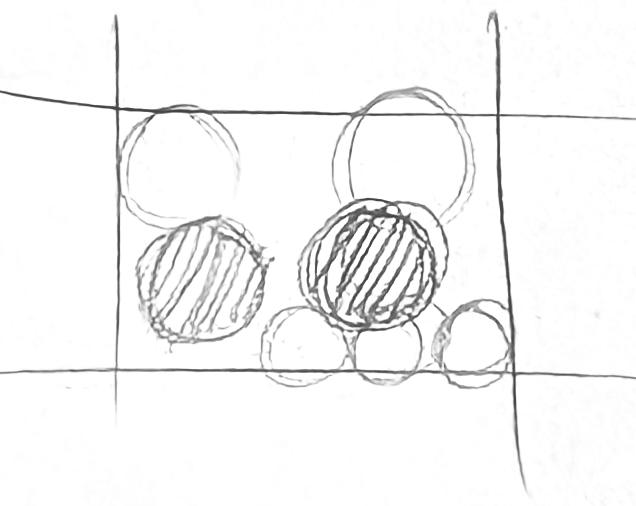
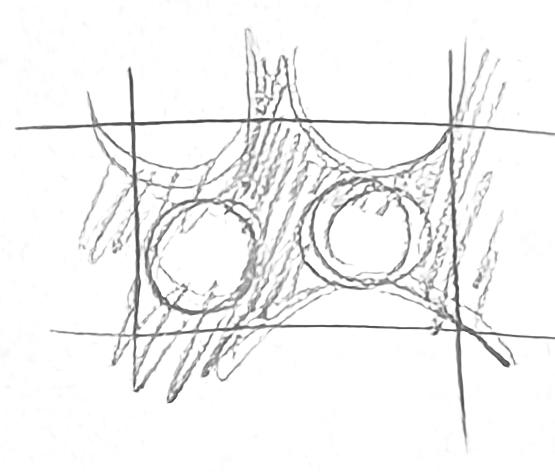
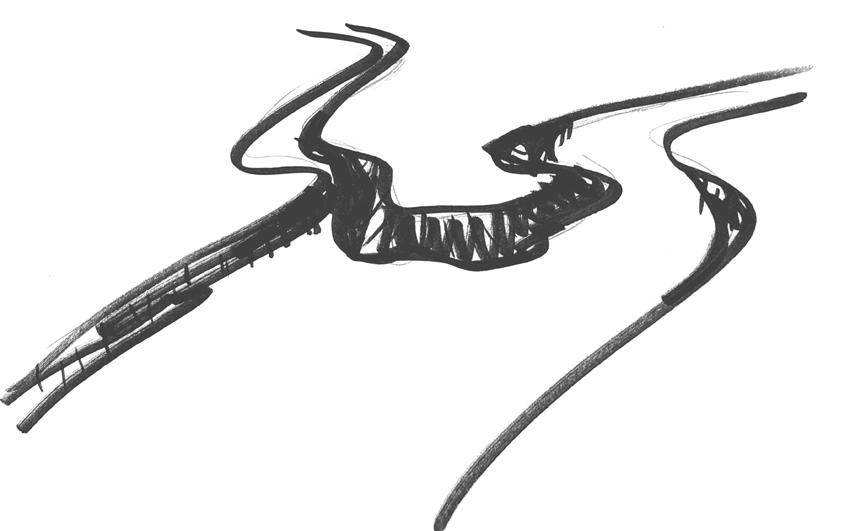
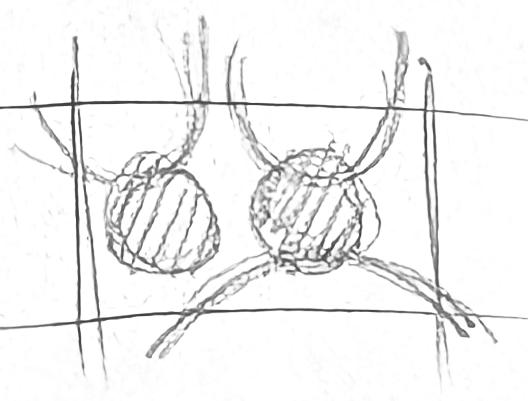
I am an Interior Architecture student at the University of California, Davis, focused on designing spaces that create moments of pause within environments. My work explores how form, material, and spatial transitions create moments.
Across projects, I translate conceptual ideas into clear and balanced intention with technical resolution. I am particularly interested in how small shifts including light and undulations can redefine how space is experienced. Alongside architecture, I explore furniture design and hand sketching to study the intimacies of interaction.
01.
02.
Common Ground
redesign of a community center
Confluence Equanimity
spatial design of a library forum
03.
04.
Bathroom Renovation
commercial bathroom renovation
Undivided
siting within a “third space”
COMMON GROUND
redesign of a community center
Status: Academic Project
Location: Oak Park, California
Site Context
Located between the UC Davis Medical Center and Oak Park, one of Sacramento’s historically Black neighborhoods, the site marks a boundary between institutional expansion and a long-established community shaped by disinvestment and gentrification. This condition results in uneven access to shade, resources, and spatial quality.
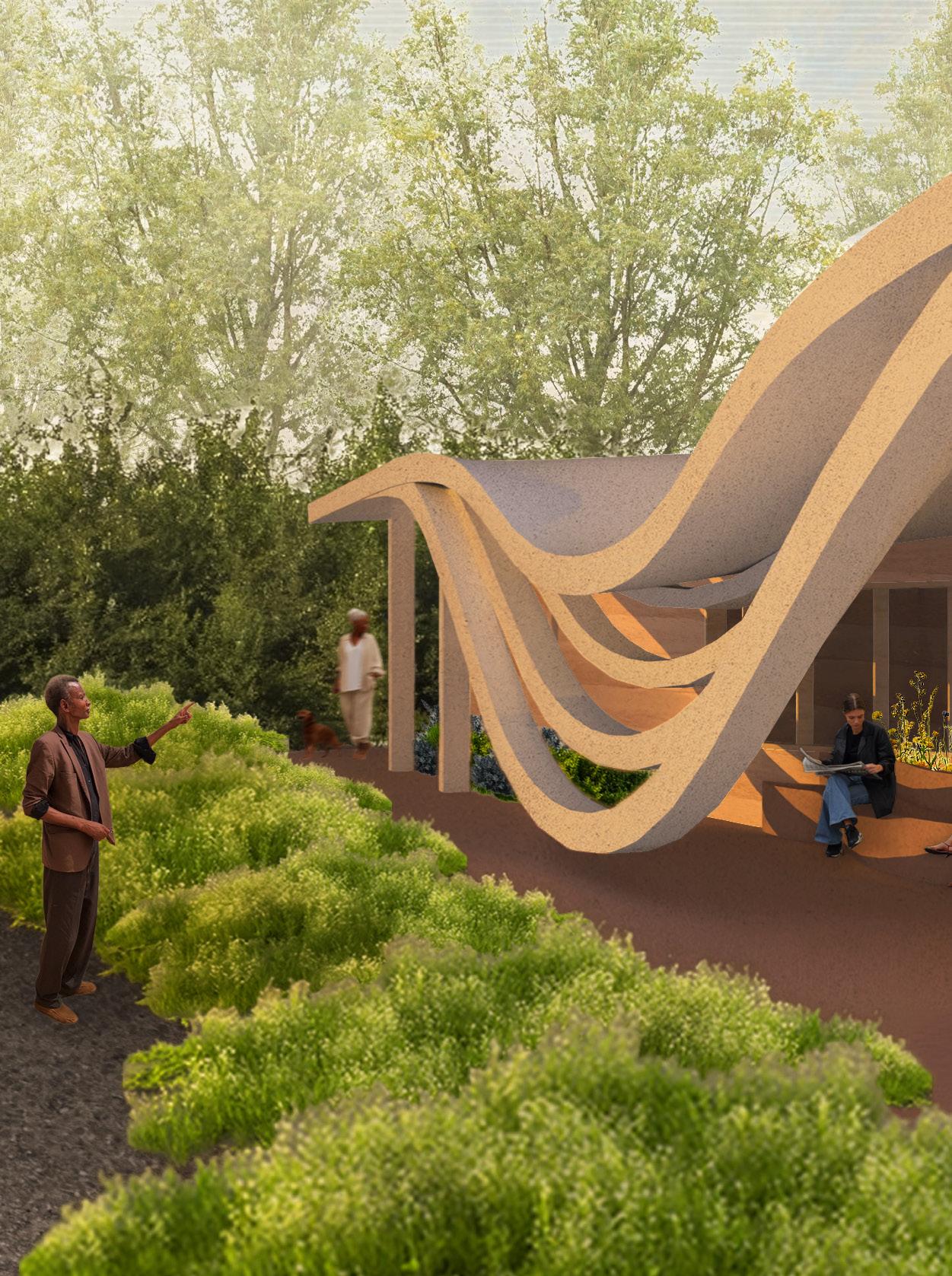
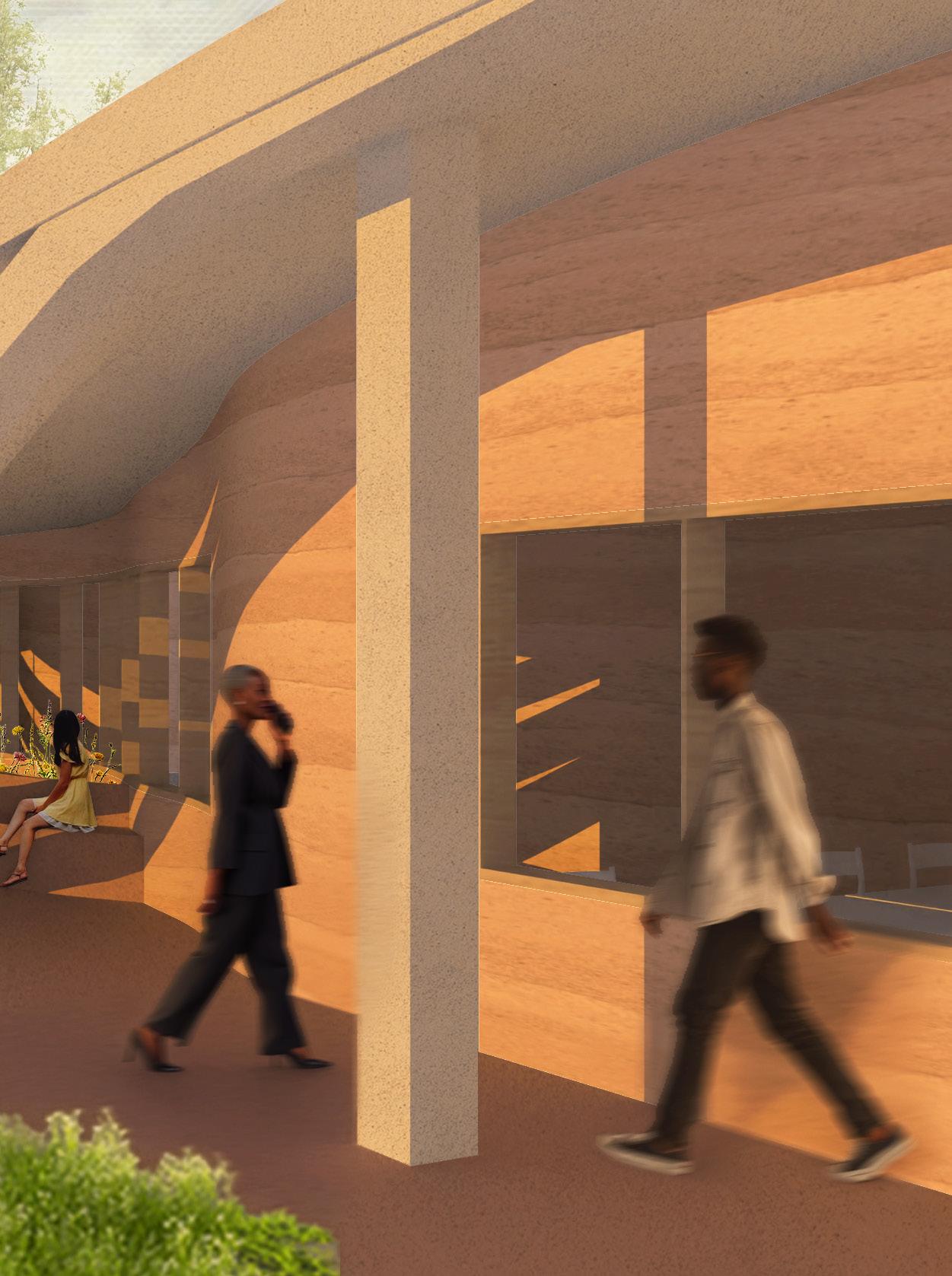
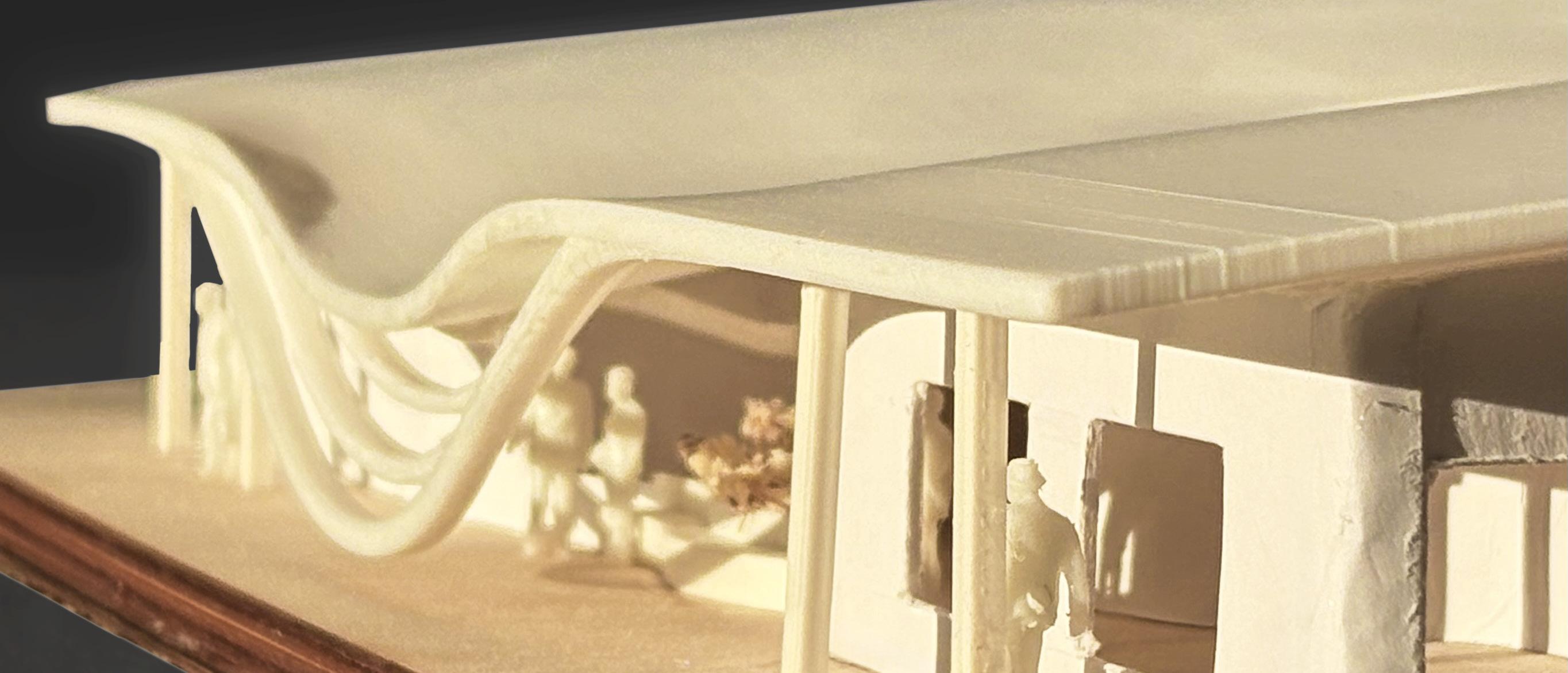
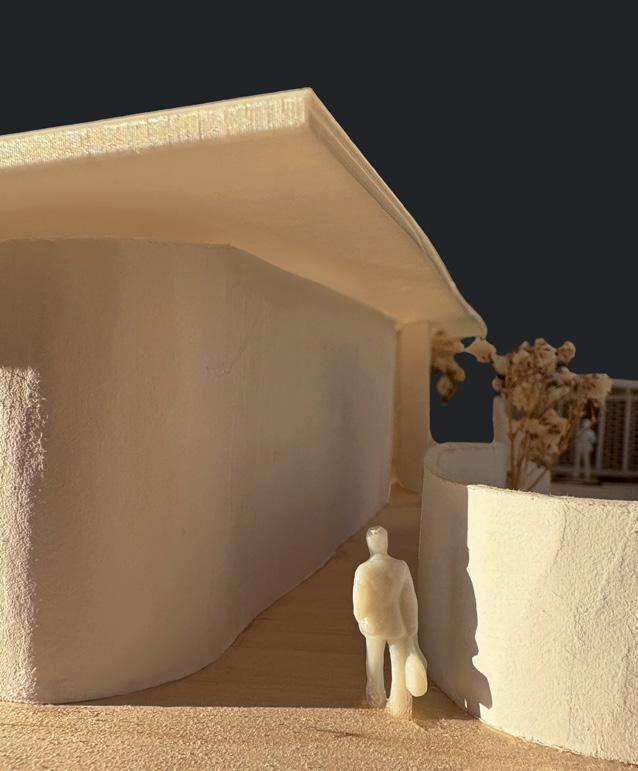
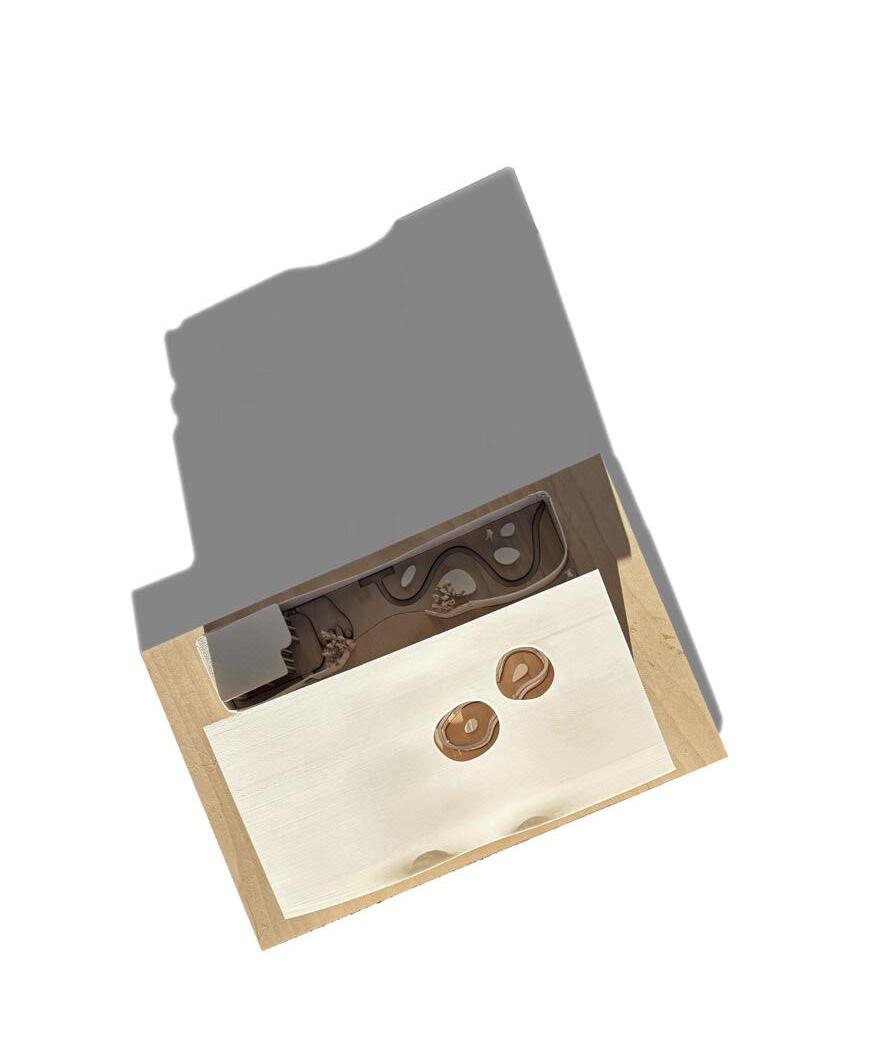
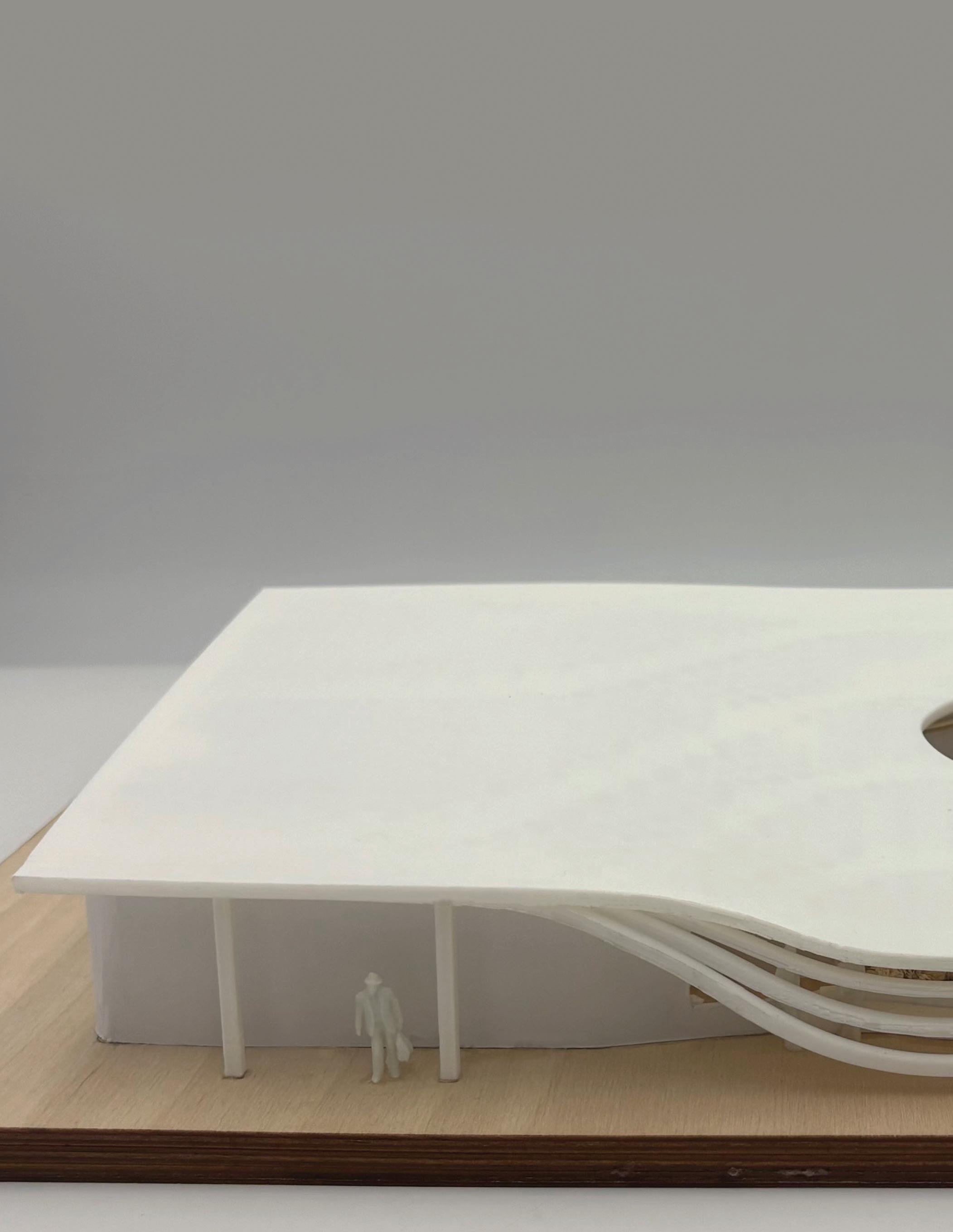
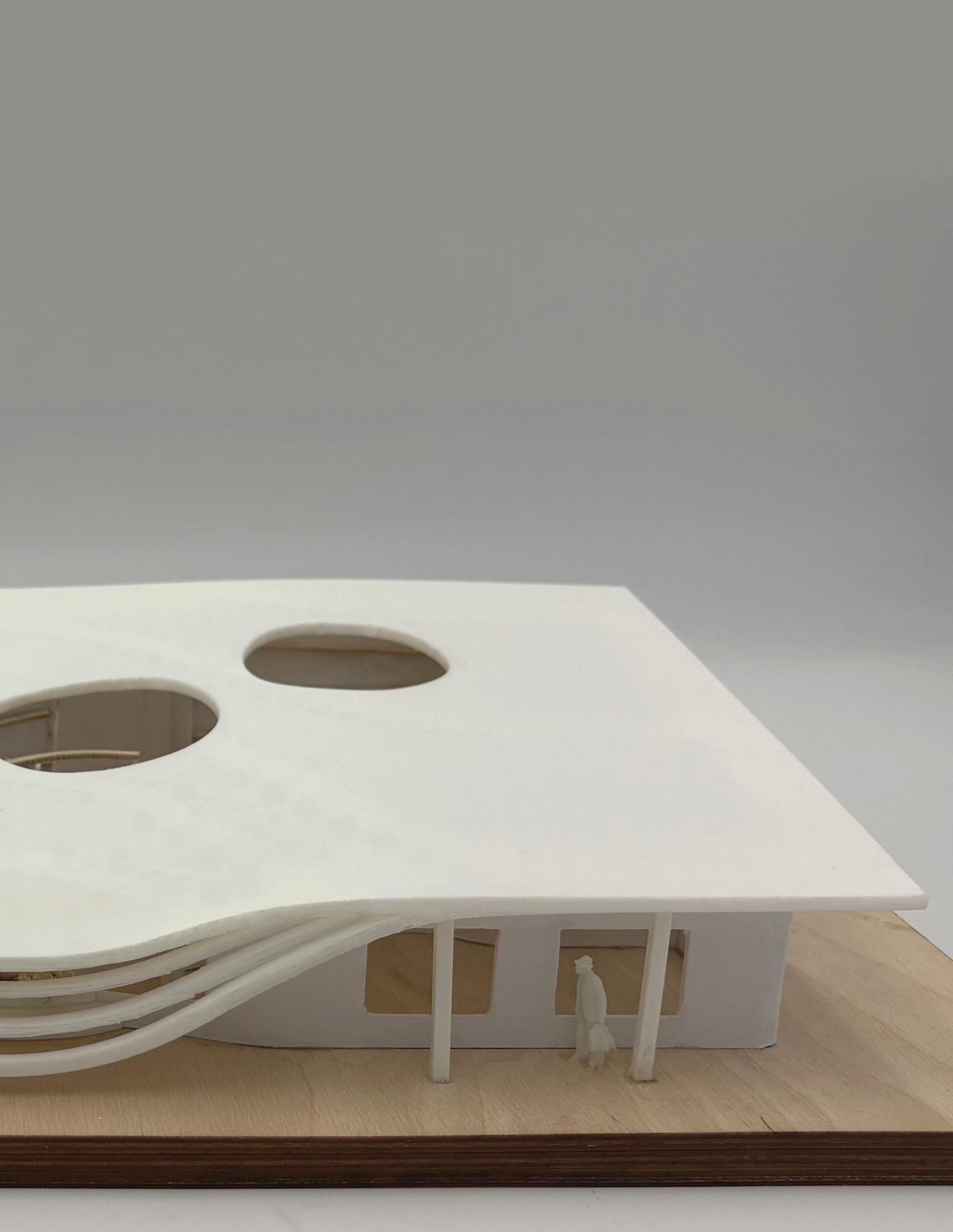
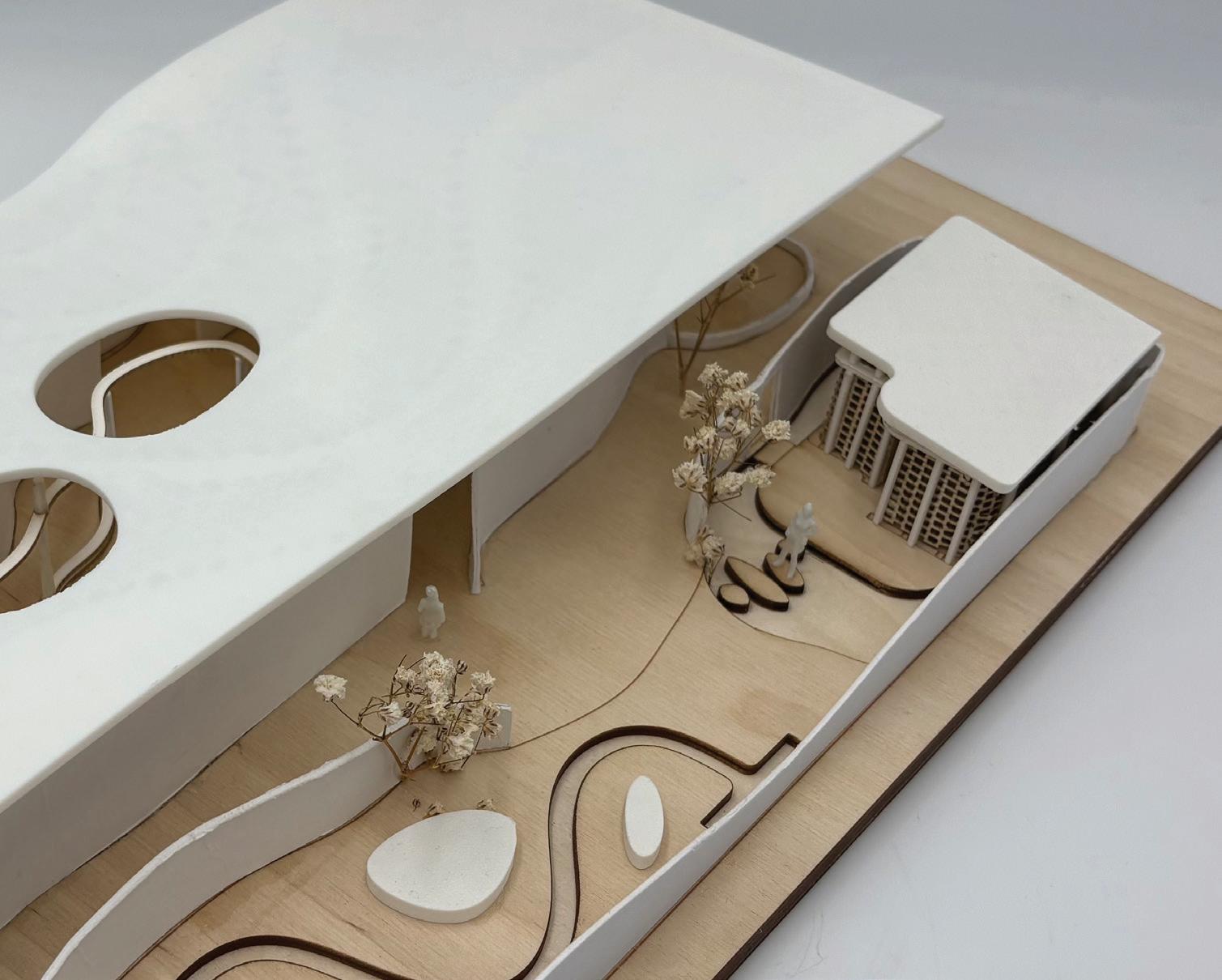
The project uses rammed earth, sourced from Central Valley soil, to form a shared civic space defined by a scooped, shaded facade that organizes movement and use across the site.
Material Grounding
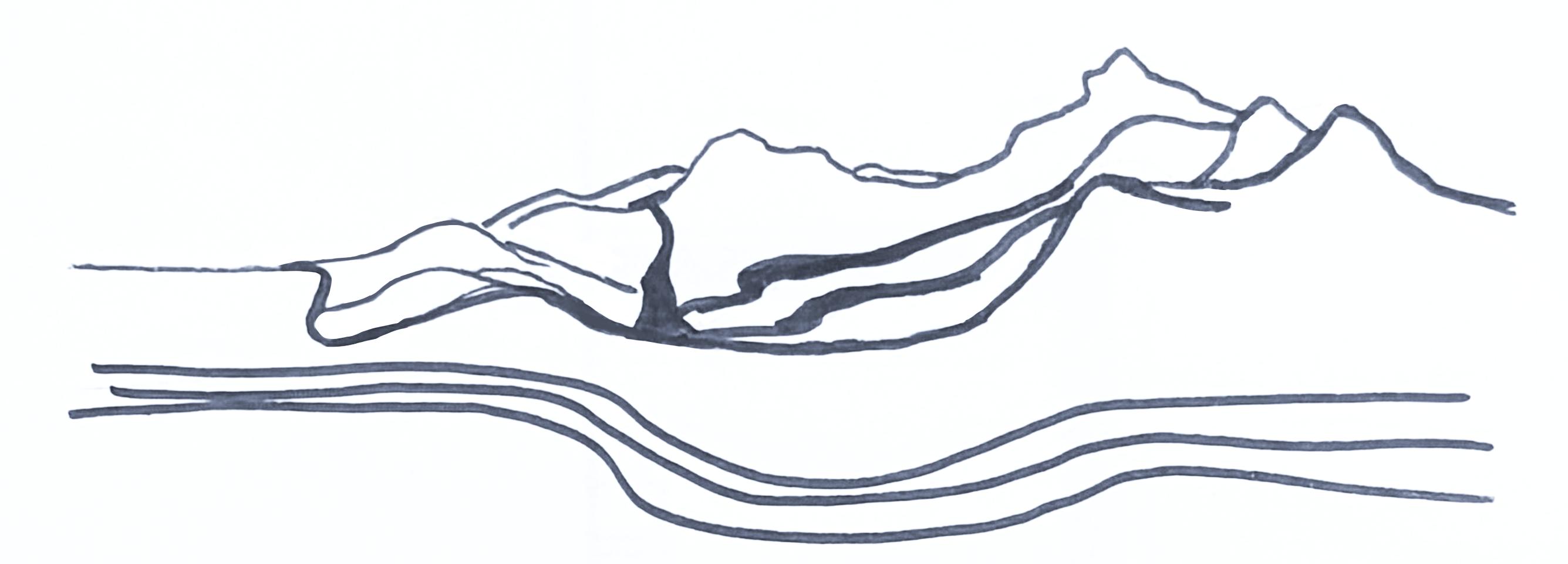
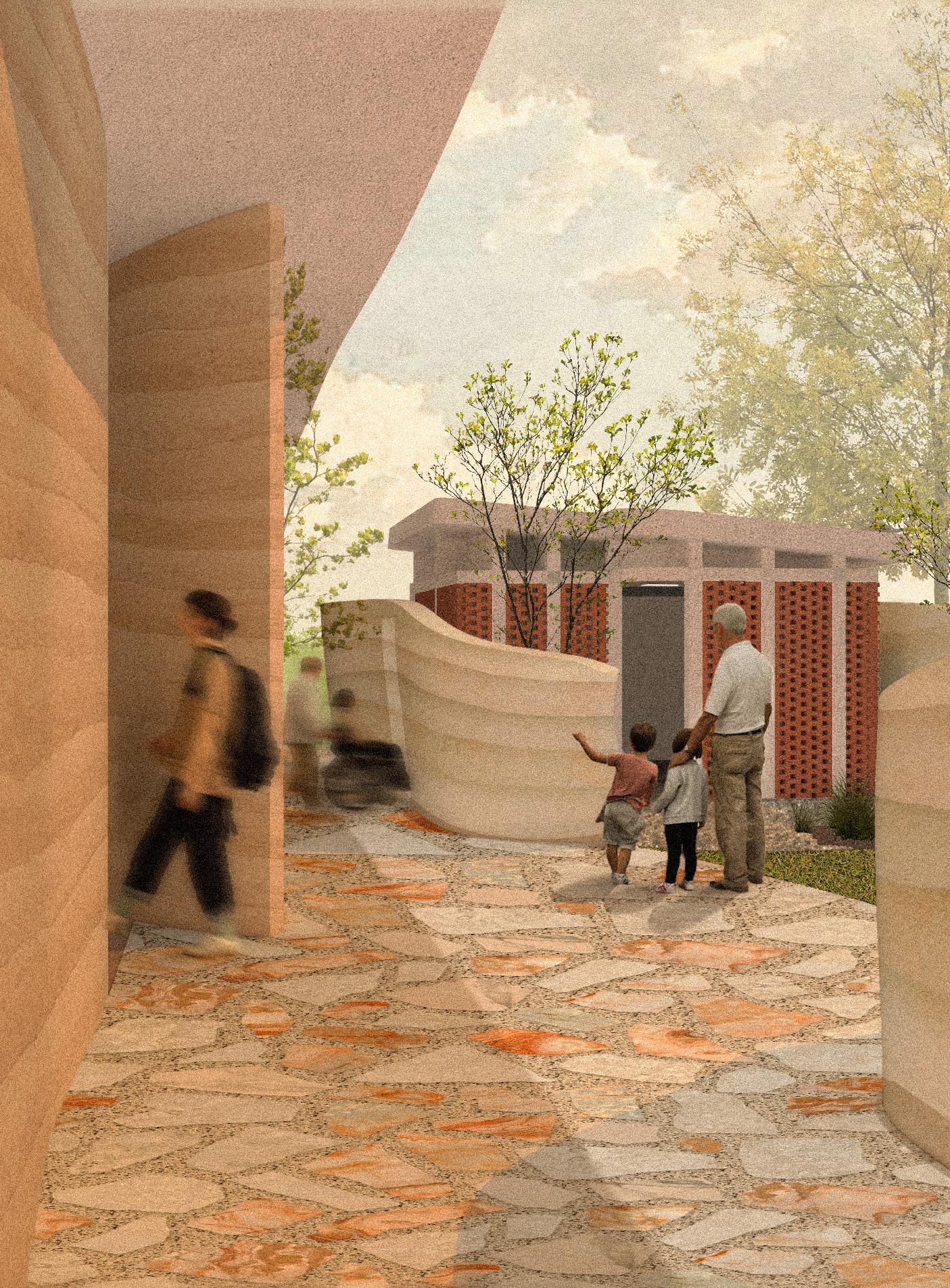
Central Valley soil, enriched by sediment from surrounding mountains and rivers, is among the most productive in the world. Rammed earth translates this material into a structure, reducing heat gain while serving as a sustainable building system. It links Oak Park’s history of food production with UC Davis’s agricultural research through shared material.
Urban Contrast
Oak Park Neighborhoods
UC Davis Medical Center
Sun & Form
The building form responds to Sacramento’s intense sun through a scooped facade and courtyard that blocks direct exposure and filters daylight. This reduces heat gain and creates shaded zones for movement and rest.
Sun Path
Spring Equinox
Time: 13:00
Central Facade
The primary facade faces east, south, and west, limiting solar exposure during peak heat hours. Its sloped surface supports sitting, circulation, and shade, serving as both an enclosure and a pathway. The form references the Central Valley basin, directing movement inward.
Illuminated Library
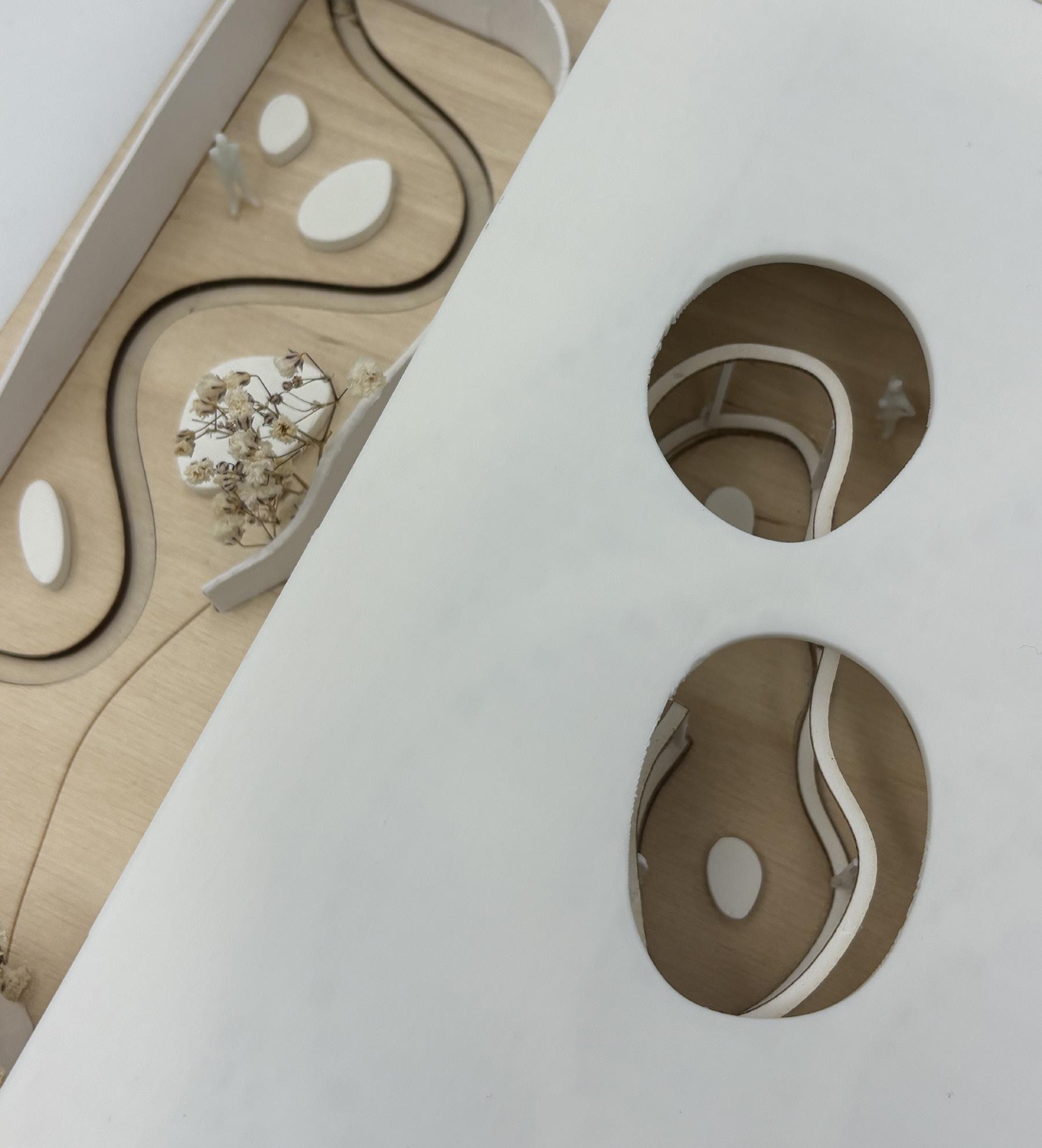
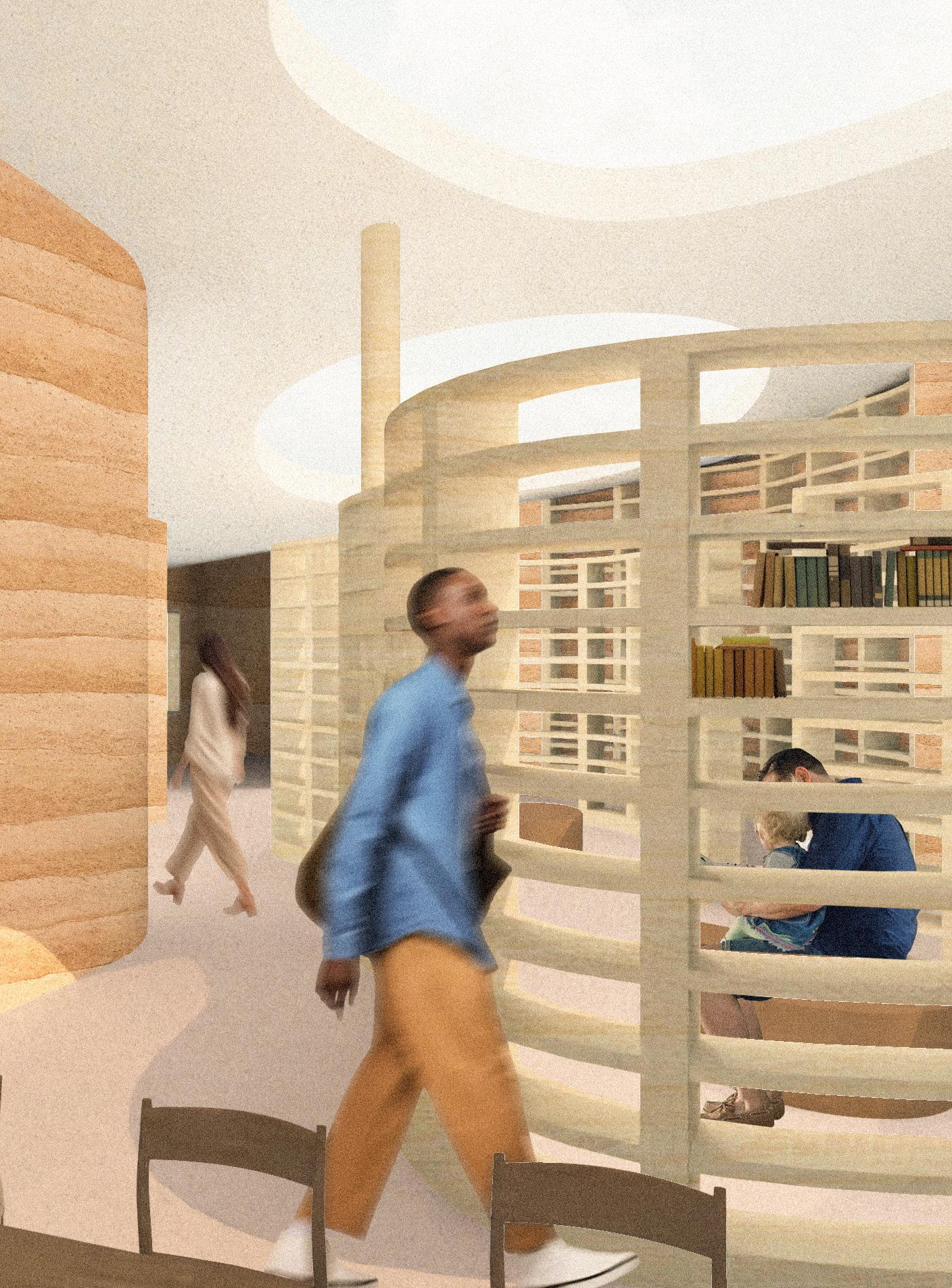
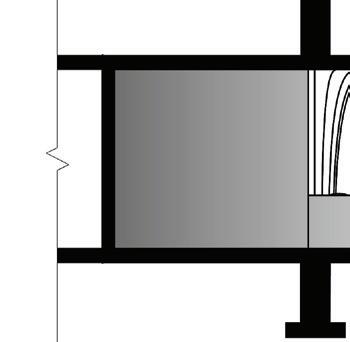
The interior shifts from open to compressed through a concave section and lowered roofline. Walls guide movement toward central reading areas, where overhead daylight concentrates. This creates a controlled, quiet environment for focused use.
Grounded Nourishment
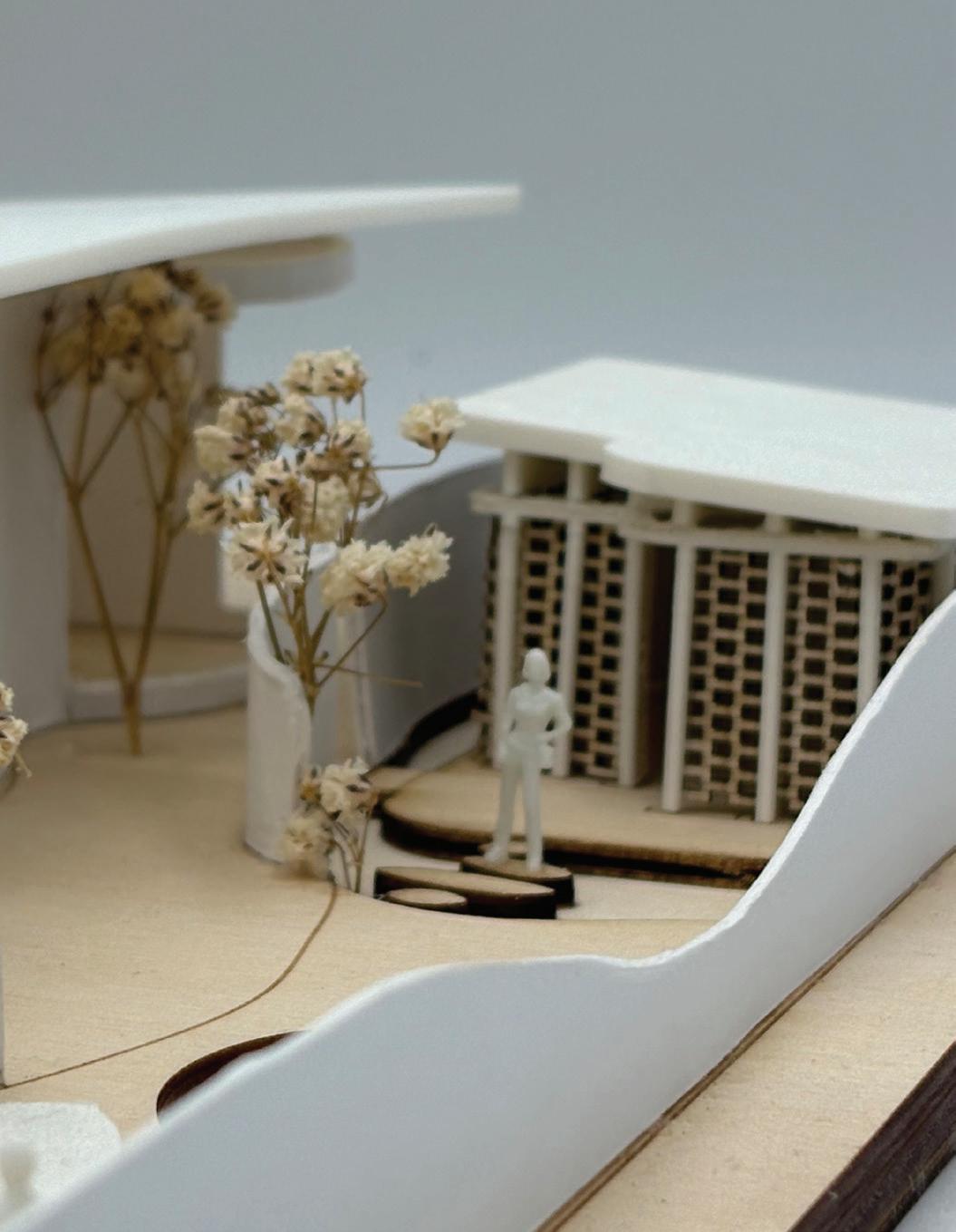
The courtyard extends the material system into an open kitchen. Rammed earth forms the enclosure, while hit-and-miss brick allows air and light to pass through, maintaining natural ventilation. The space supports cooking and shared use, directly linking soil to food production.
02.CONFLUENCE EQUANIMITY
Redesign of a library forum
Status: Academic Project
Type: Group Project: Ailani Miramontes, Seth Esteves, Hailey Allen
Location: Peter J. Shields Library | UC Davis, CA
Site Context
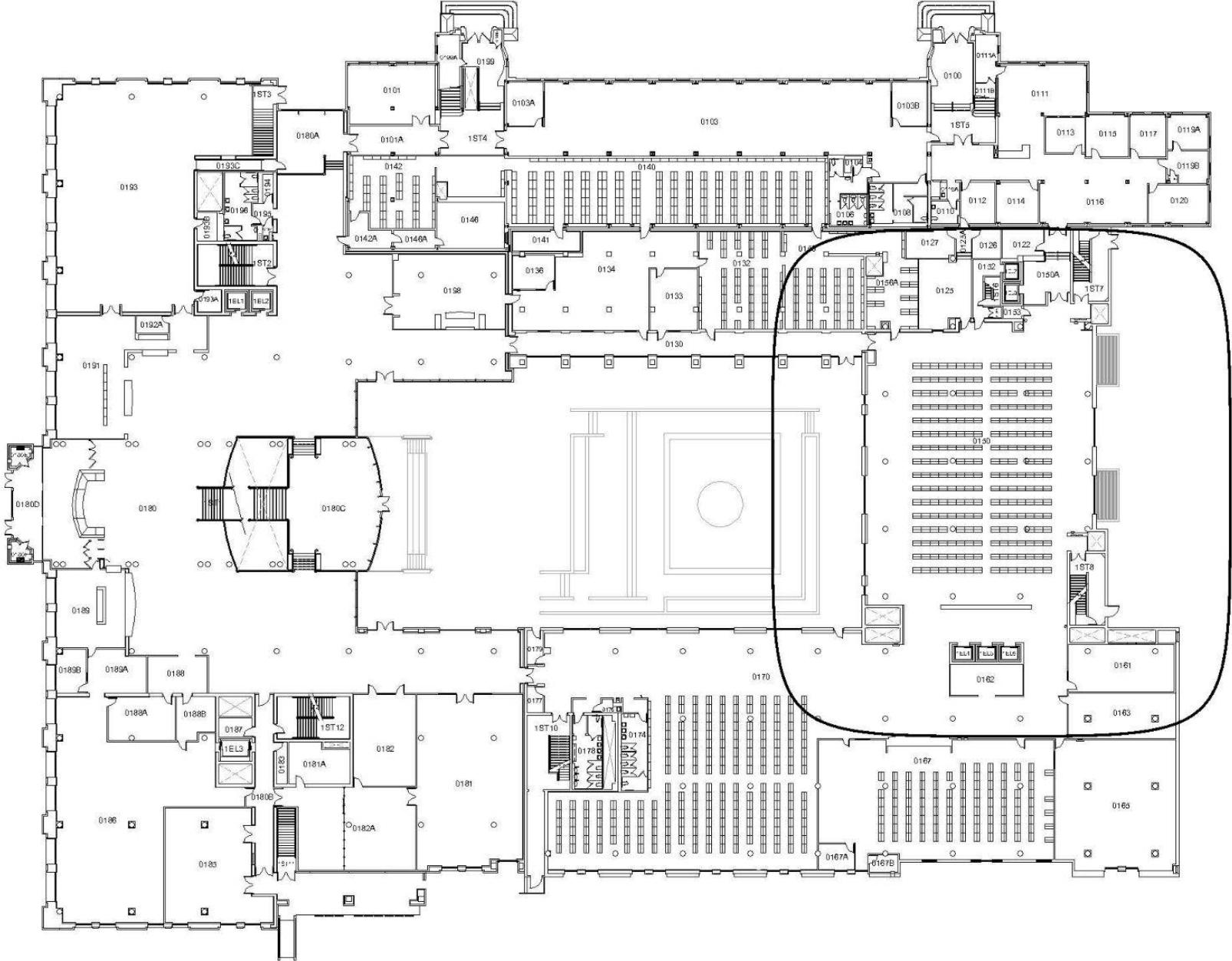
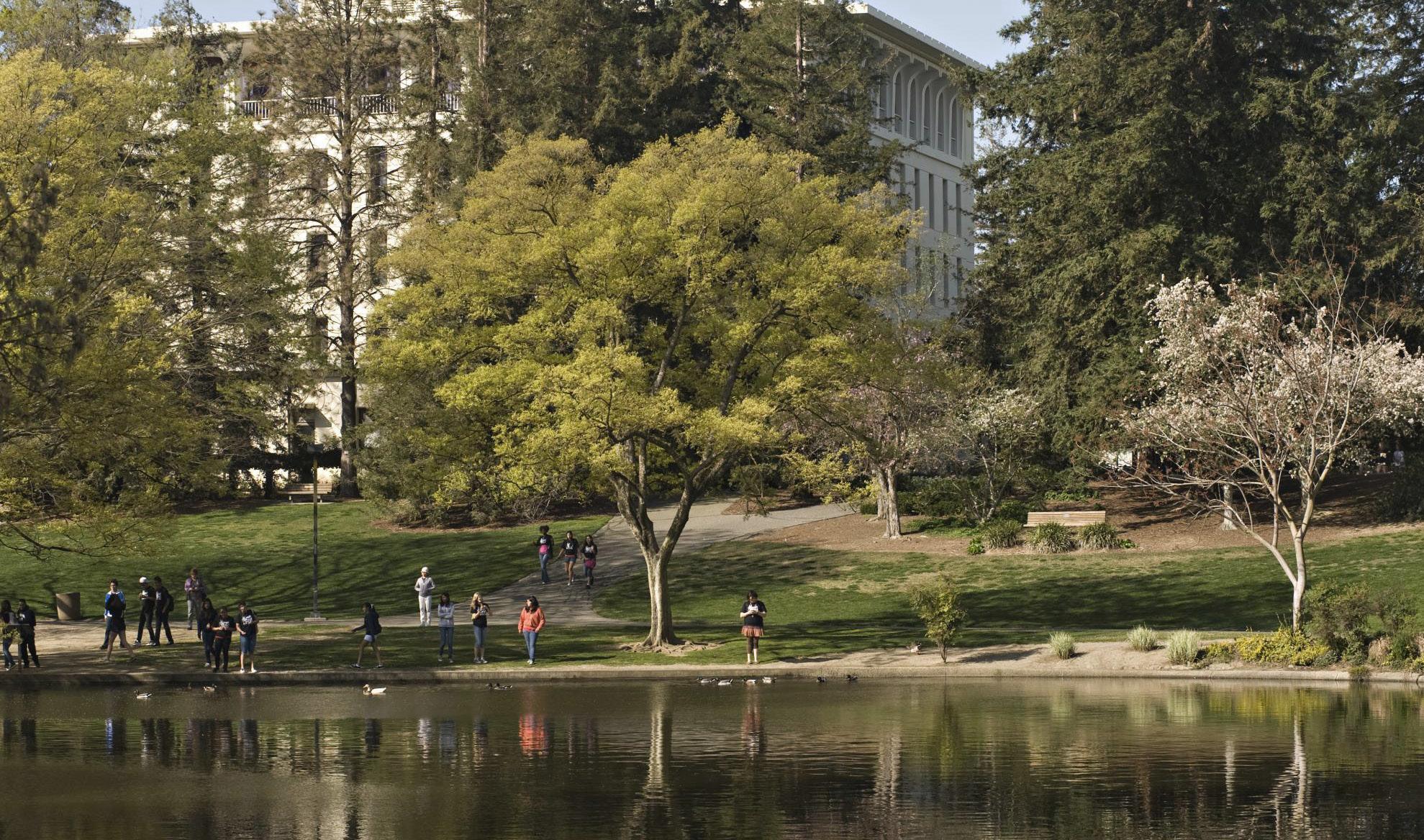
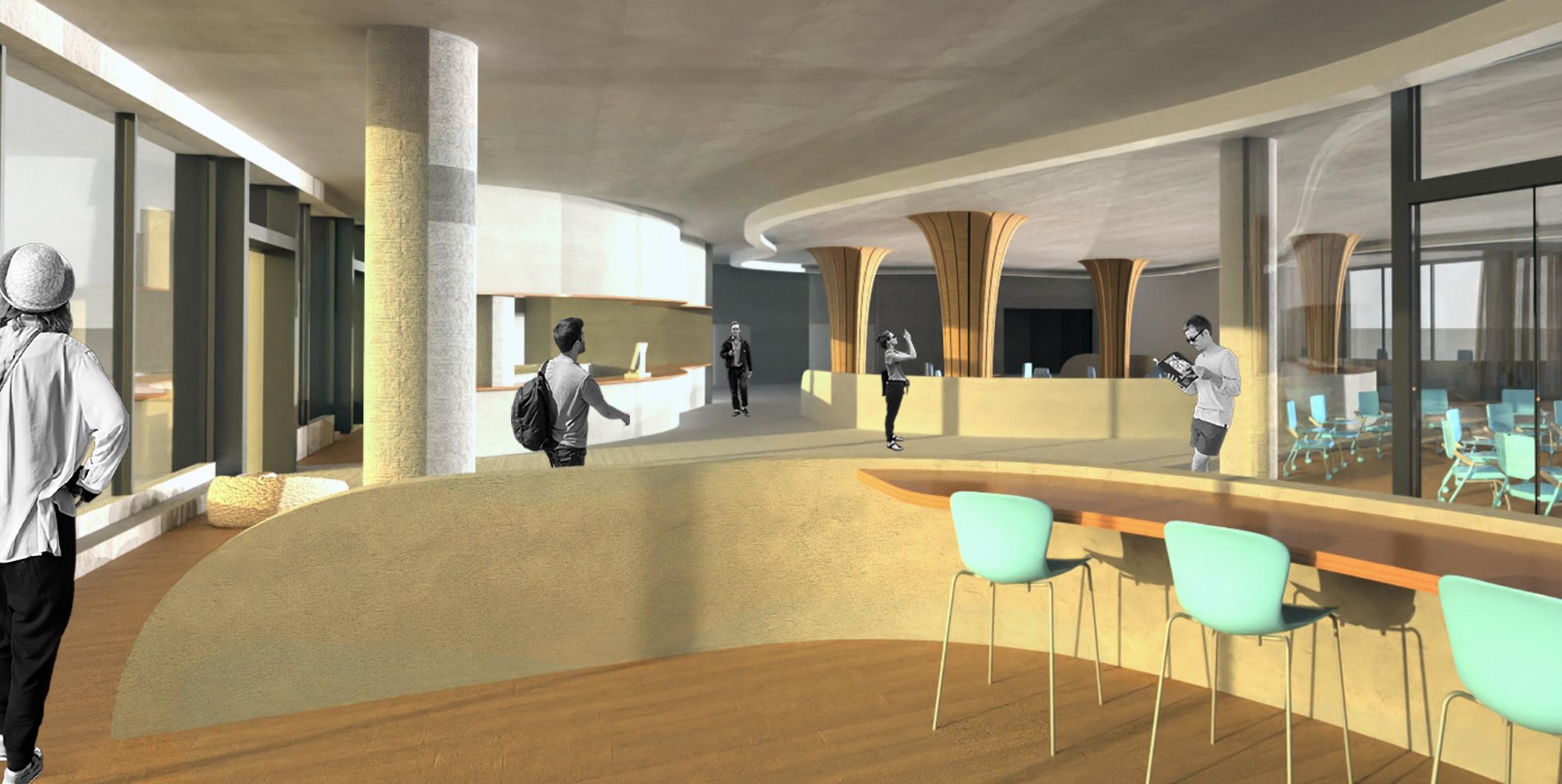
Located at the entry of the Peter J. Shields Library, the forum sits where campus circulation meets interior study space, near the UC Davis Arboretum. It serves students between classes, visitors, and faculty, resulting in heavy foot traffic and informal use. The open layout, with no defined walls, allows sound and circulation to spread freely, creating overlap between movement, noise, and occupation.
Concept Statement
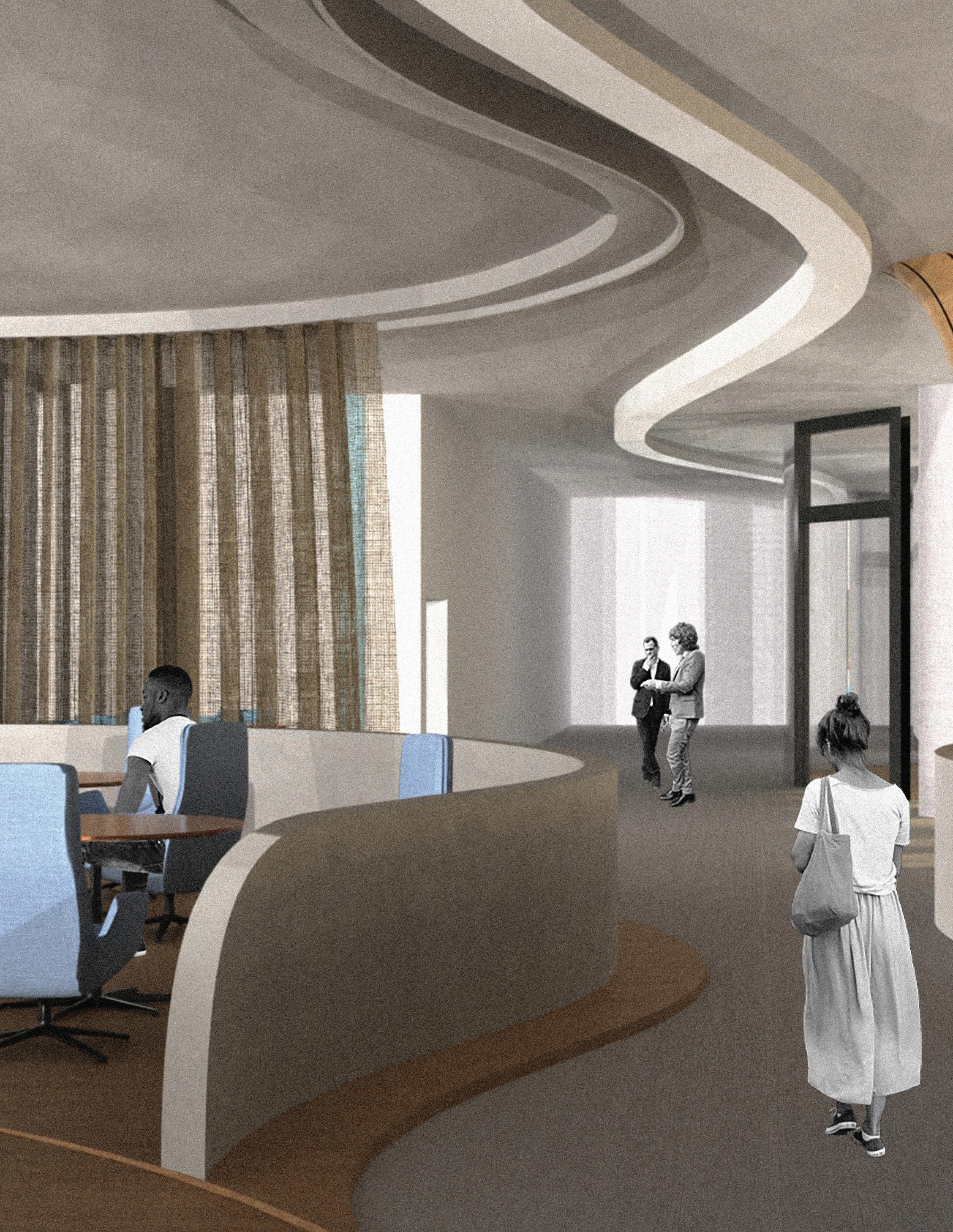
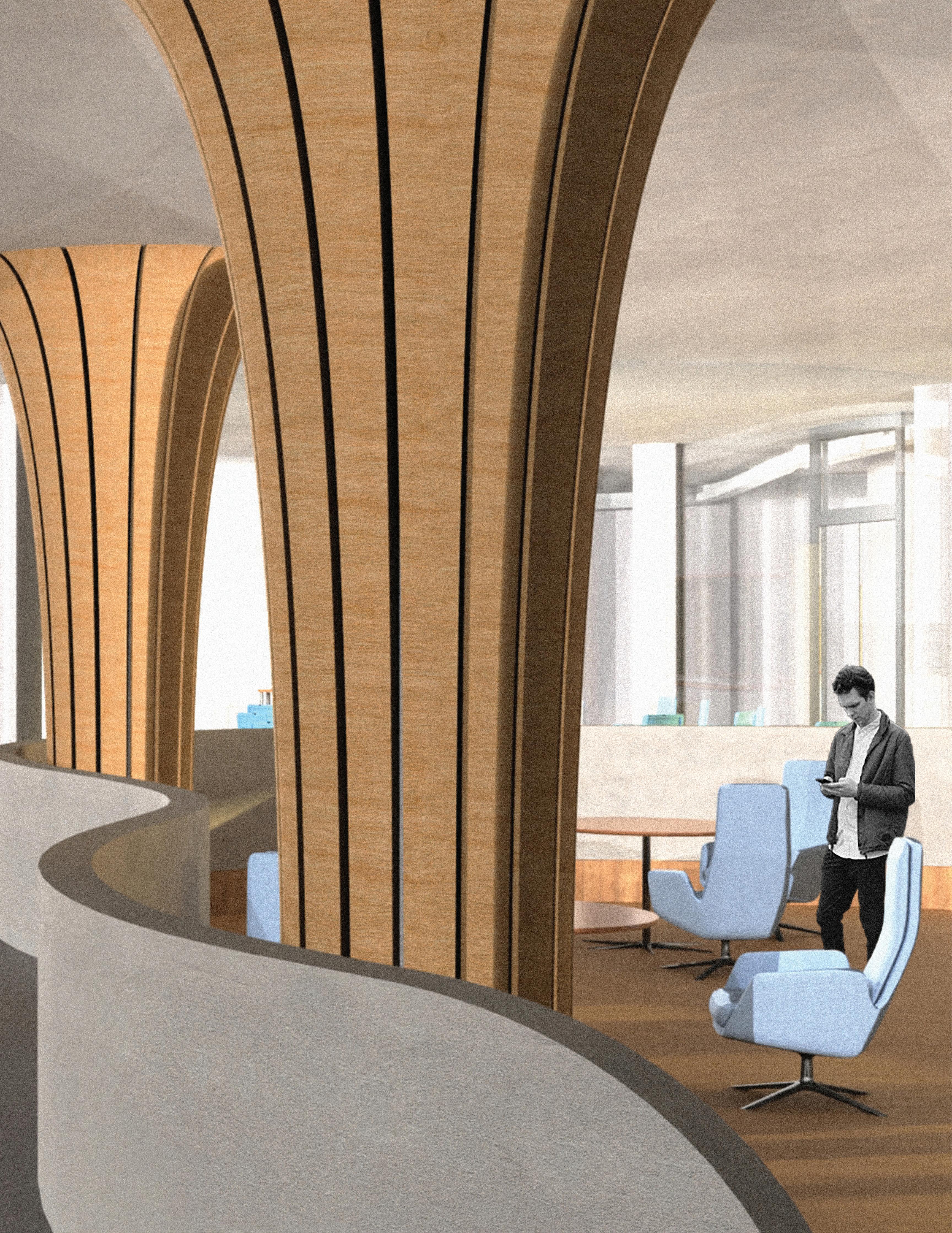
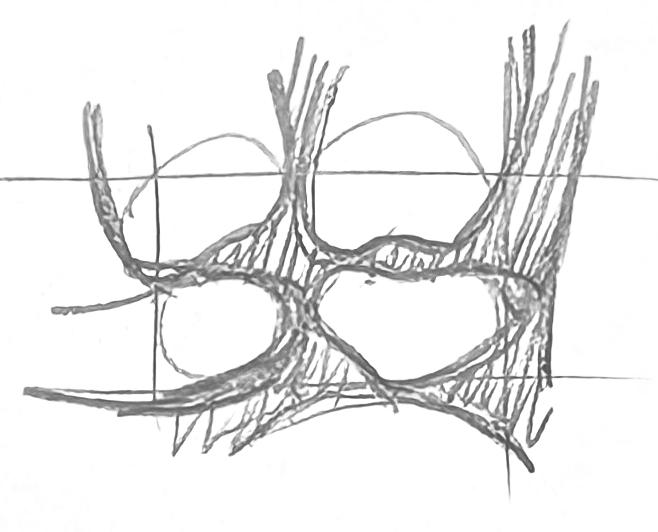
In response, the forum draws on the Arboretum as a sanctuary, translating its tranquility and organic qualities through an undulating form. This organizes space and reduces sound, creating a setting that evokes equanimity and supports calm, focus, and shared use.
Arboretum undulations showing congregation in lower areas for conversation.
Undulations & Spatial Congruence
Undulations organize space through variation in height, derived from the Arboretum’s landscape, where elevation shapes movement and gathering. Taller volumes support quiet, reflective, and observatory use, while lower areas encourage collaboration, liveliness, and communication. These shifts draw movement into a central forum, establishing spatial congruence through form.
Concept Diagrams
Programs are positioned by use, then shaped by circulation paths. These paths generate organic geometries that reflect movement.
FLOW DIAGRAM
FLOOR PLAN
The plan guides movement through expanding and contracting paths, with collaborative programs at the center and quieter study areas along the south edge near the trees. It includes study spaces, conference rooms, open work areas, and a multi-use auditorium. A café at the main entrance connects to an interior courtyard, allowing indoor–outdoor use and quick access without disrupting the forum.
EAST VIEW
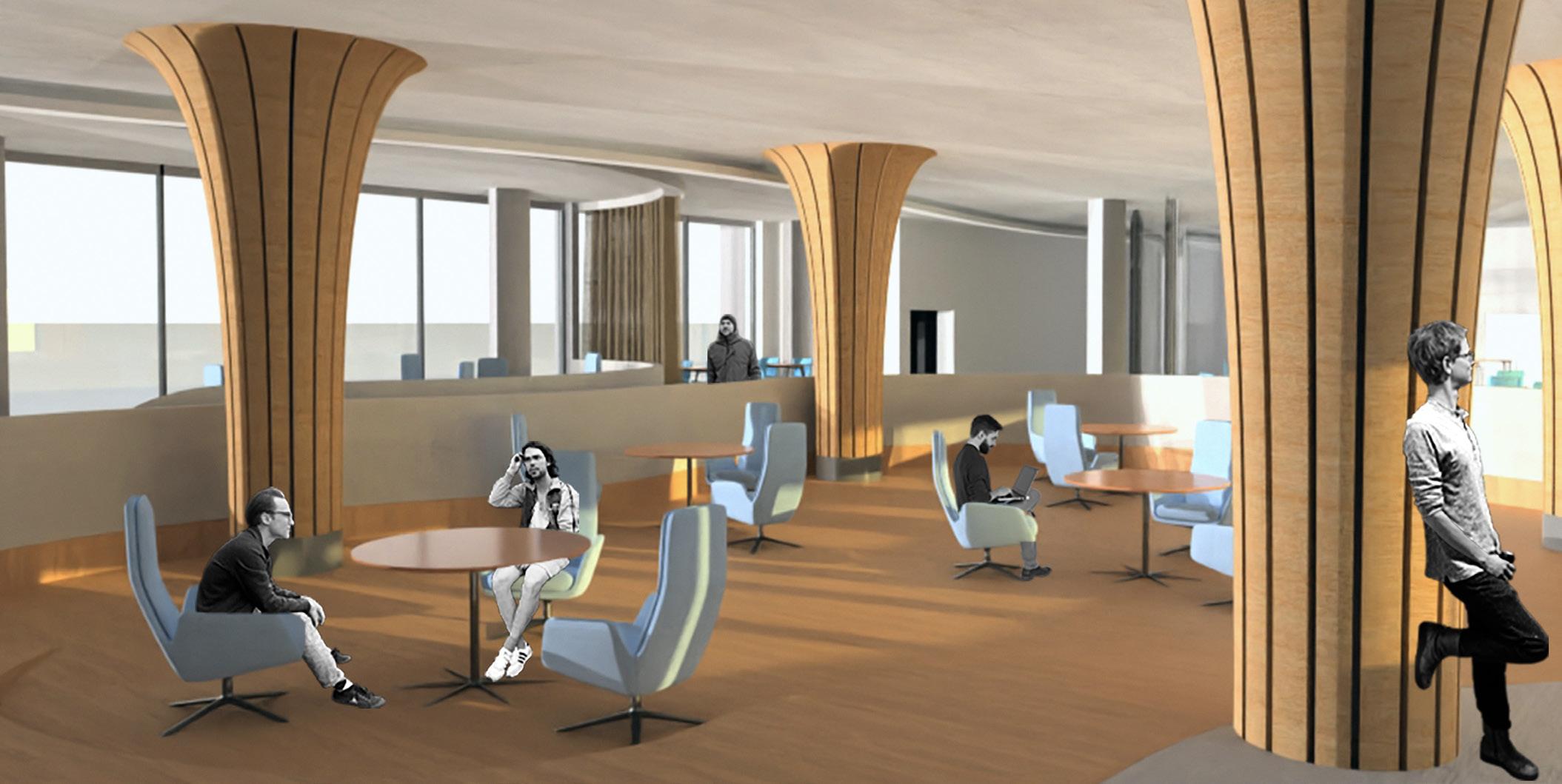
View shows the north Quiet Study overlooking the lower Cafe, Auditorium, and Collaborative Study Pit.
SOITHWEST VIEW
View shows the Collaborative Study Pit with the Conference Space & Study in the distance.
Sectional Undulations
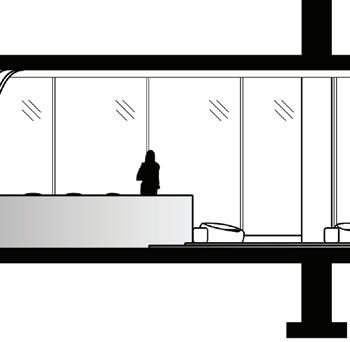
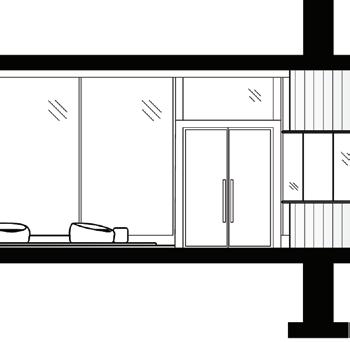
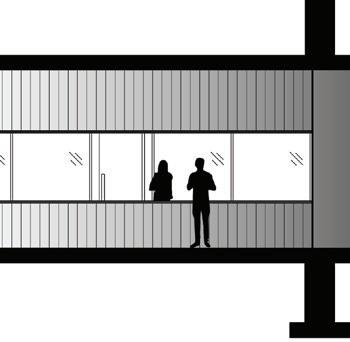
Undulations organize space through changes in height, creating compression and expansion. Taller volumes support quiet, reflective use, while lower areas encourage collaboration. These shifts also help contain sound and guide movement across the forum.
03. Bathroom Renovation
Commercial Bathroom Renovation
Status: Internship
Location: Design & Build Residential Firm | Davis, CA
ADJACENT TENANTS
ADJACENT TENANTS
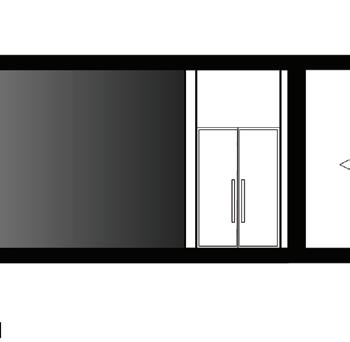
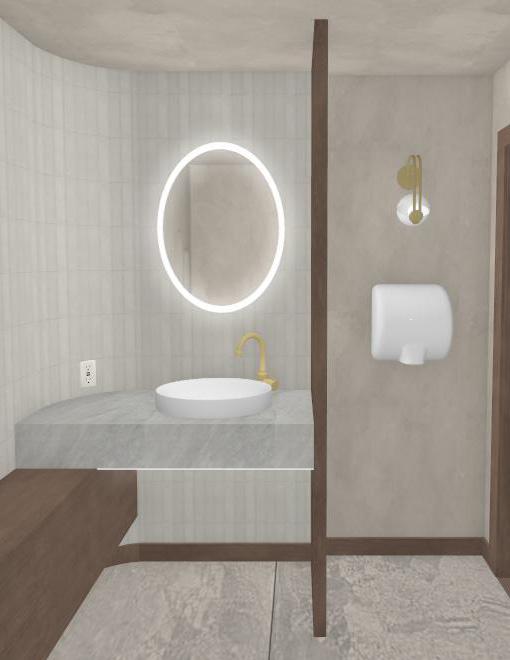
Developed demolition and proposed drawings from site measurements, with clear dimensions, codes, and specifications for construction. Produced coordinated visuals
to communicate design intent. Bathroom remodels showcase material applications while meeting ADA standards and supporting aging in place.
PR OP OS ED FL OO RP LA N
PR OP OS ED FL OO RP LA N
SC AL E: 1/2" =1 '0 "T OR OU GH FR AM E
SC AL E: 1/2"
04. UNDIVIDED
sitting within a “third space”
Status: Academic Project
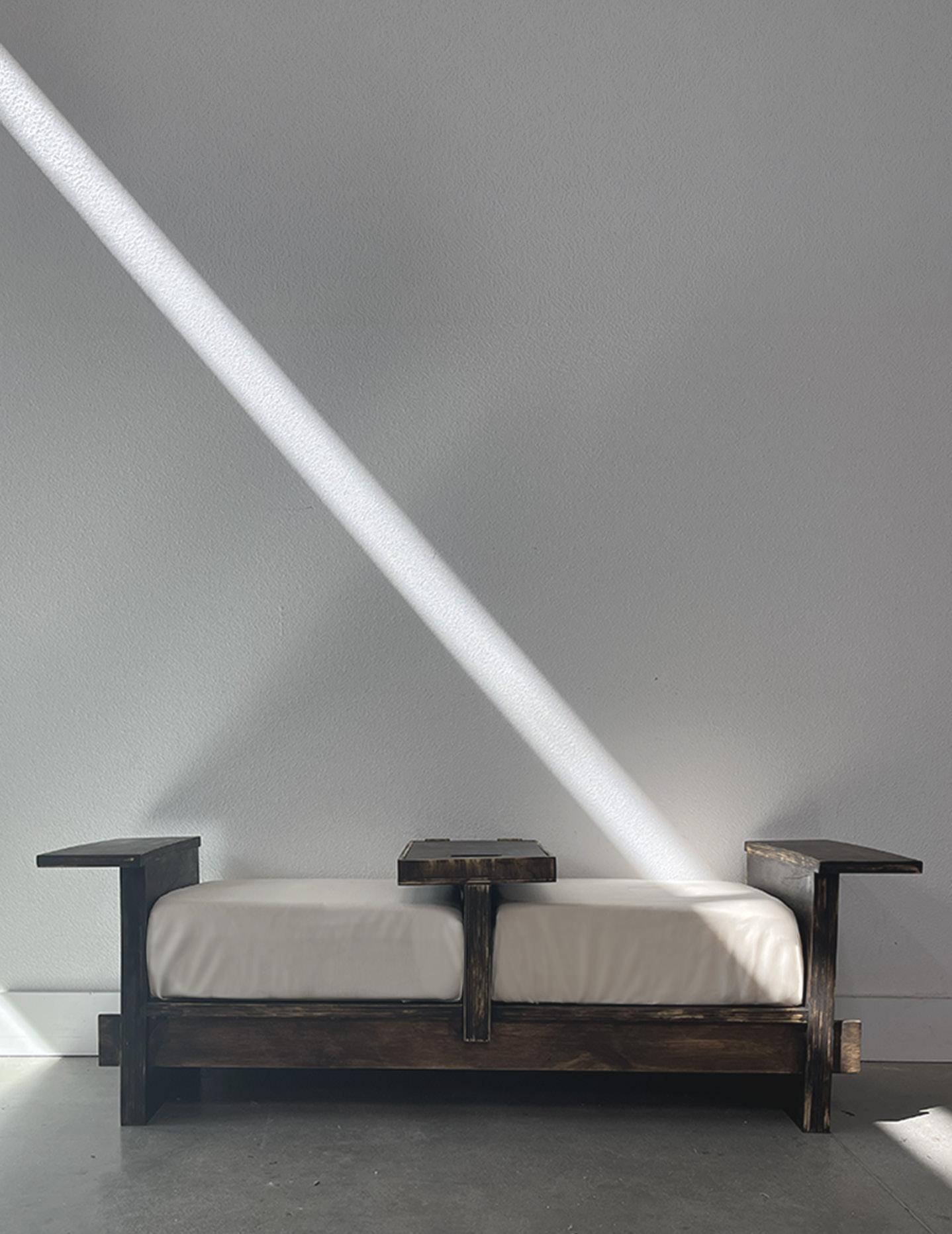
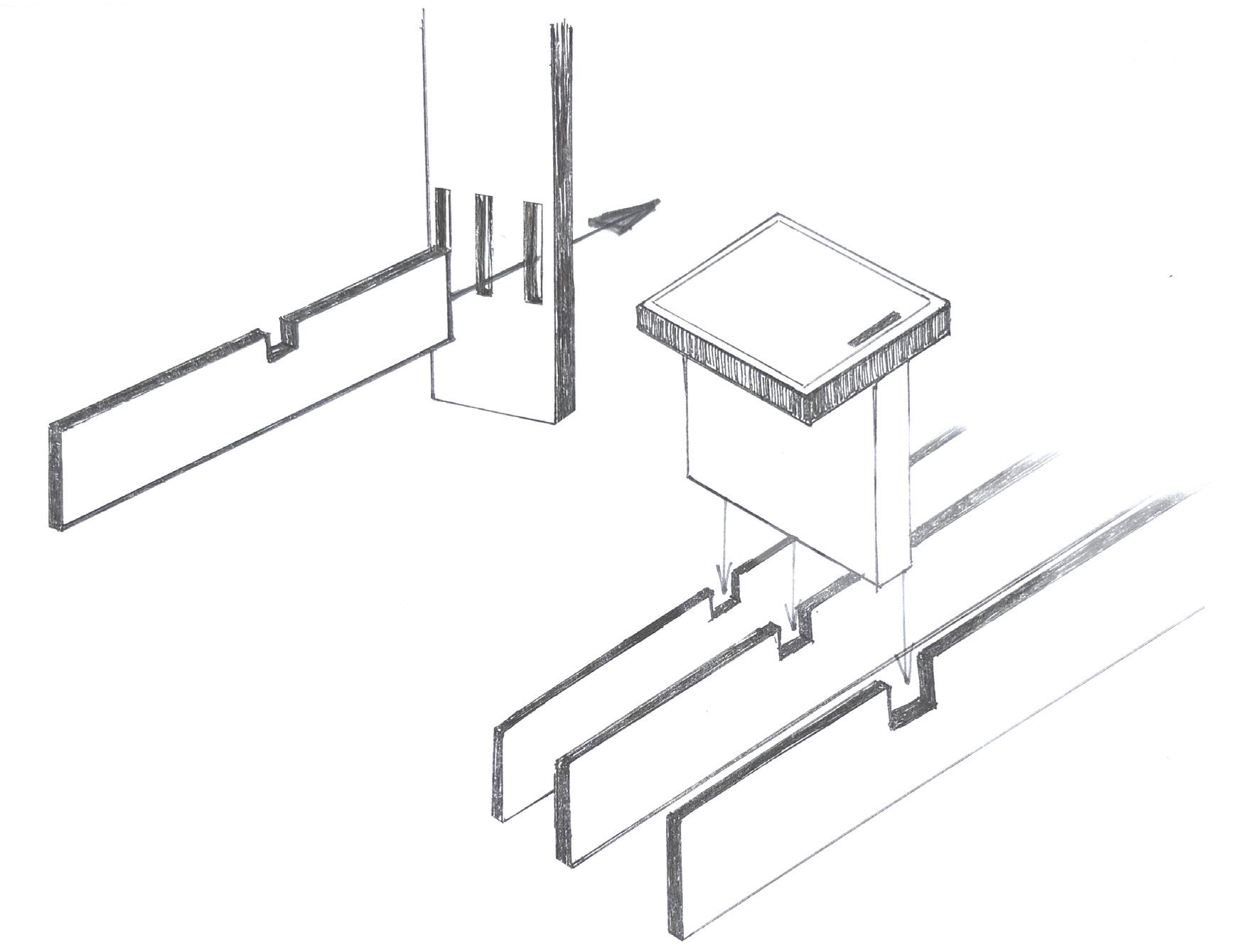
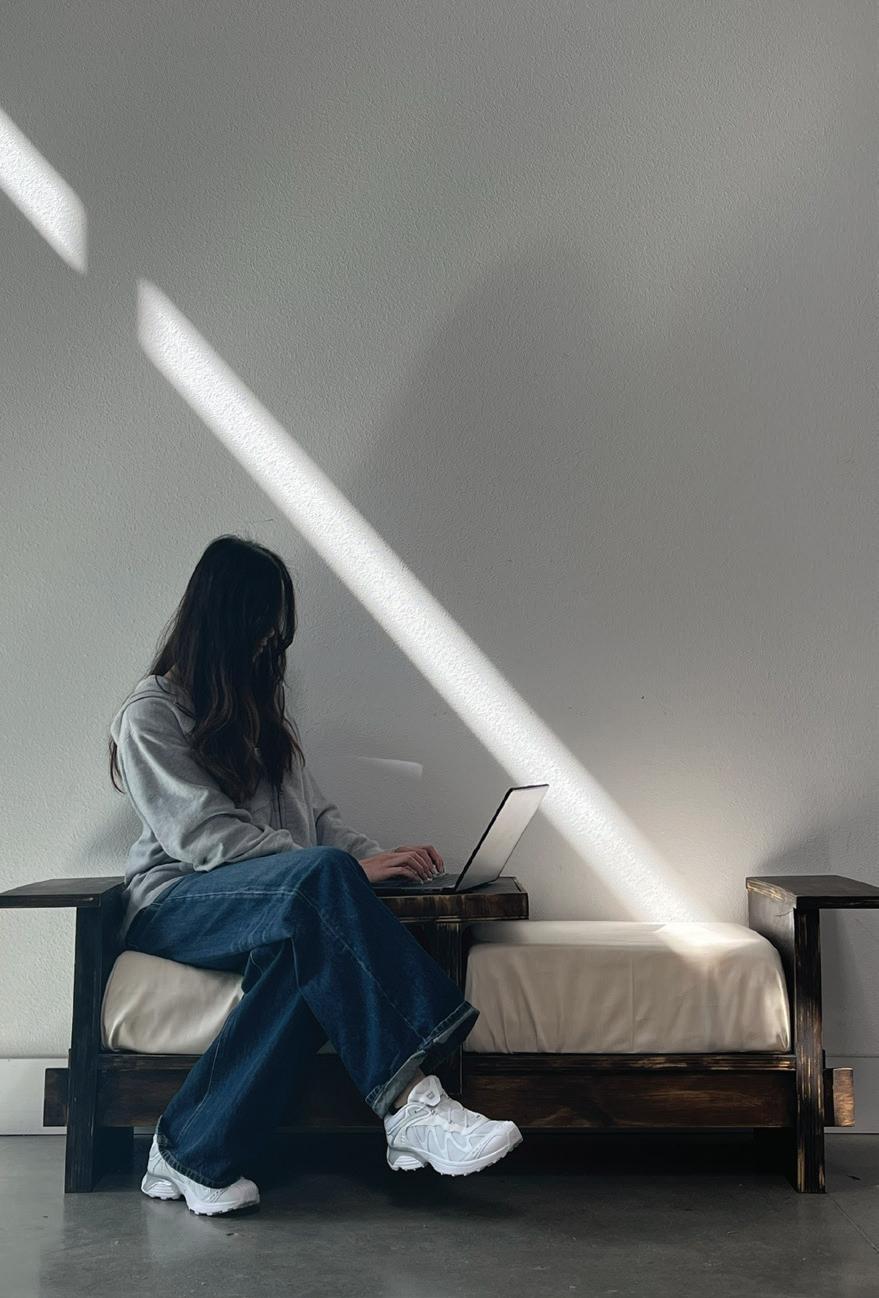
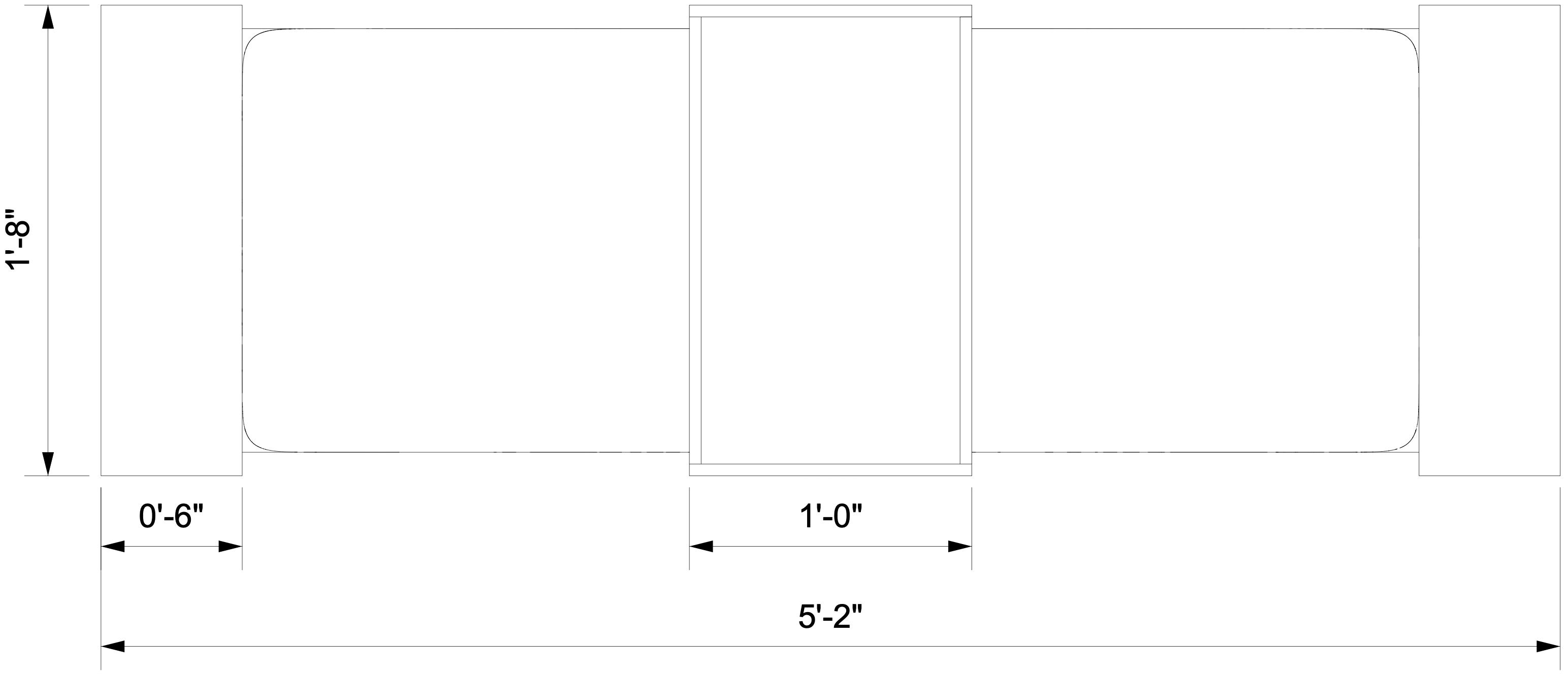
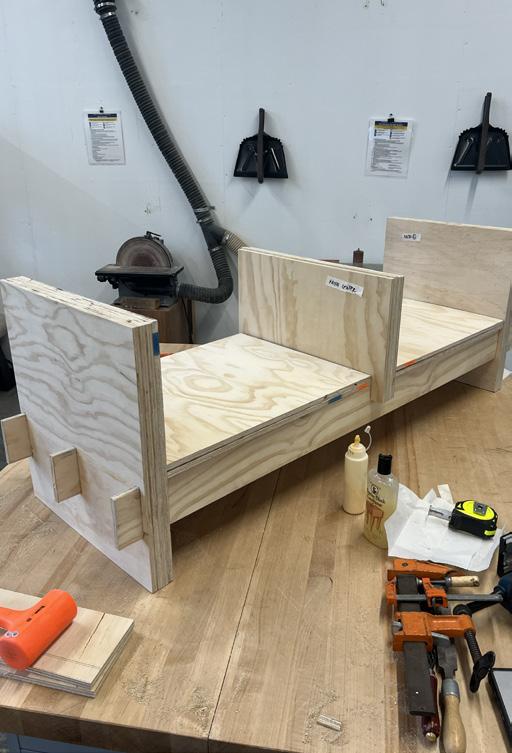
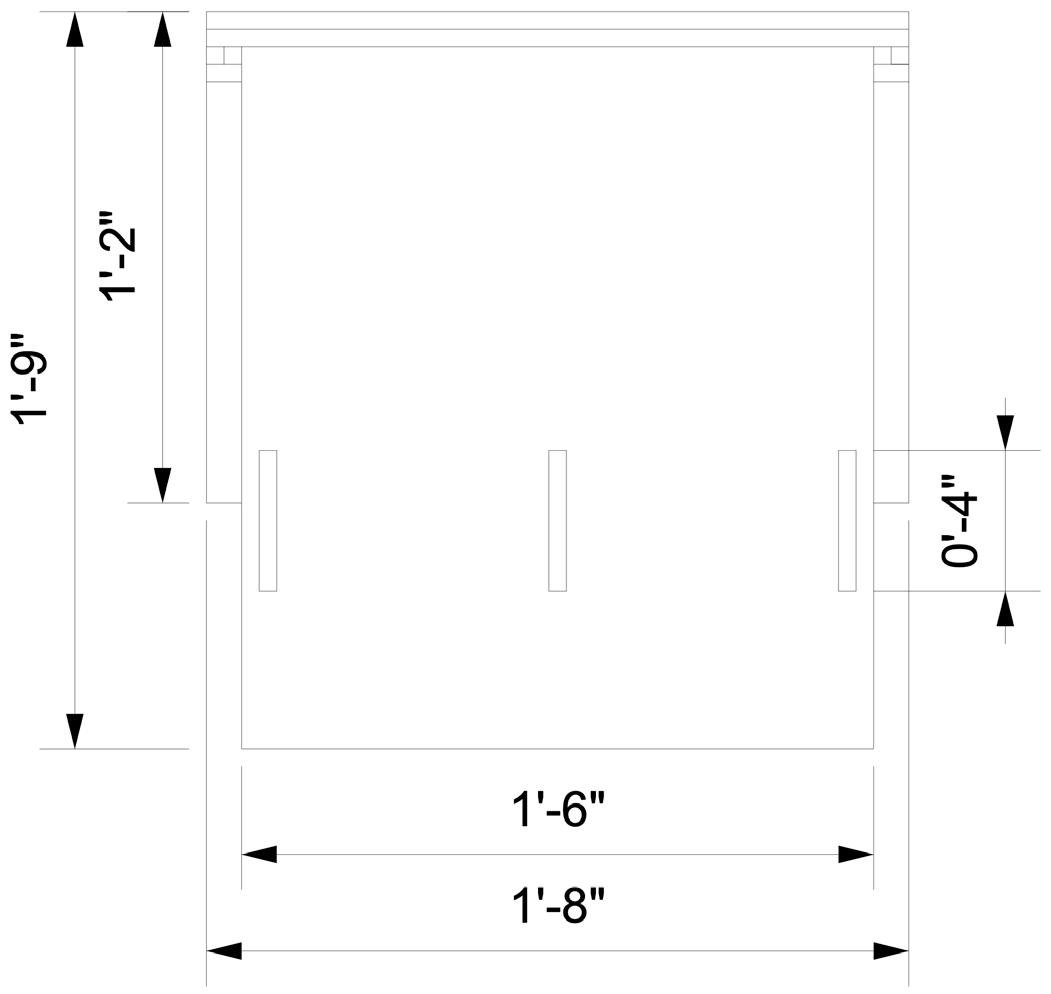
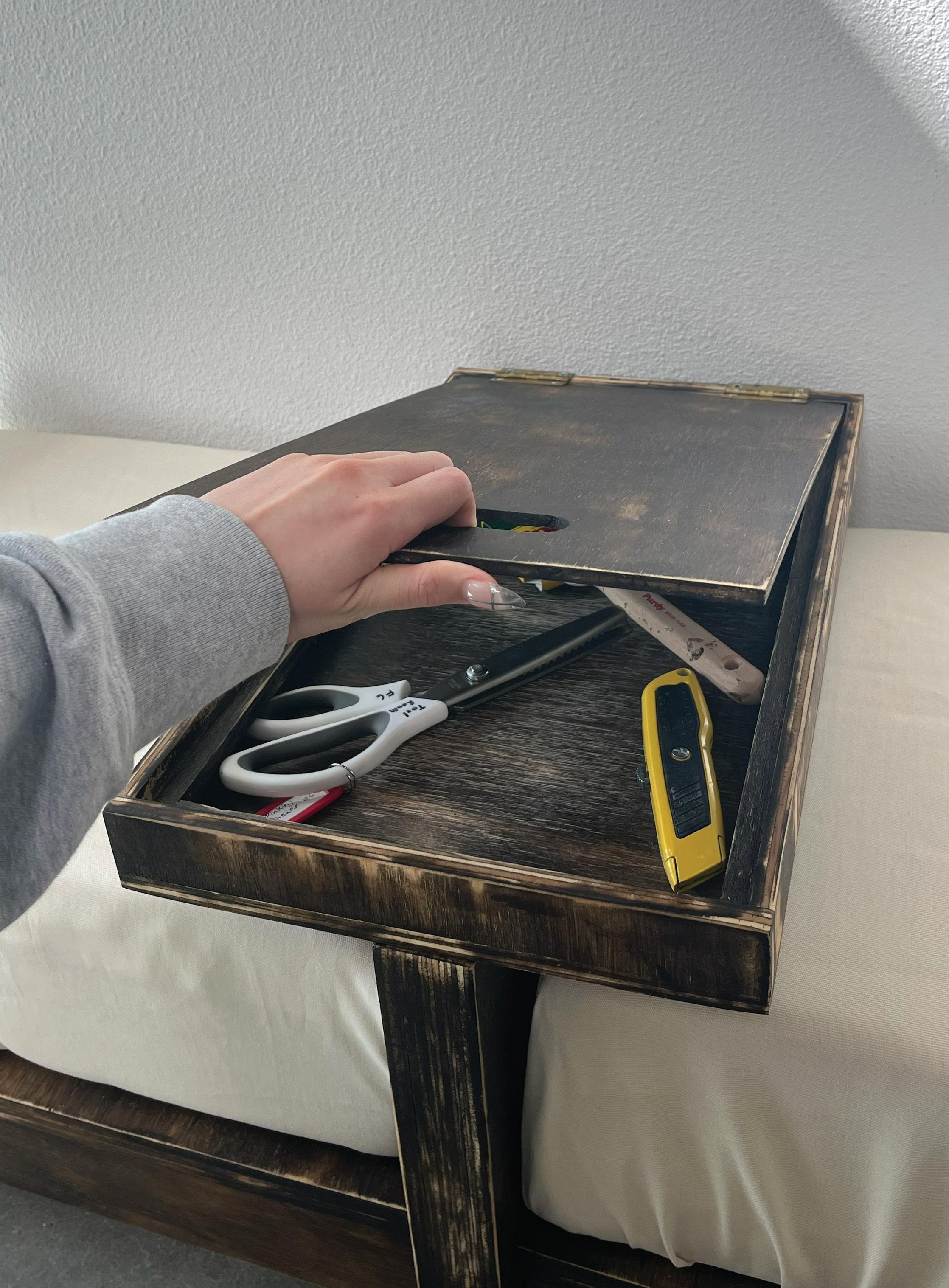
Designed as a functional furniture piece for waiting environments, the bench supports both pause and productivity within transitional spaces. It operates as a “third space,” accommodating use before class, in offices, or within cafés.
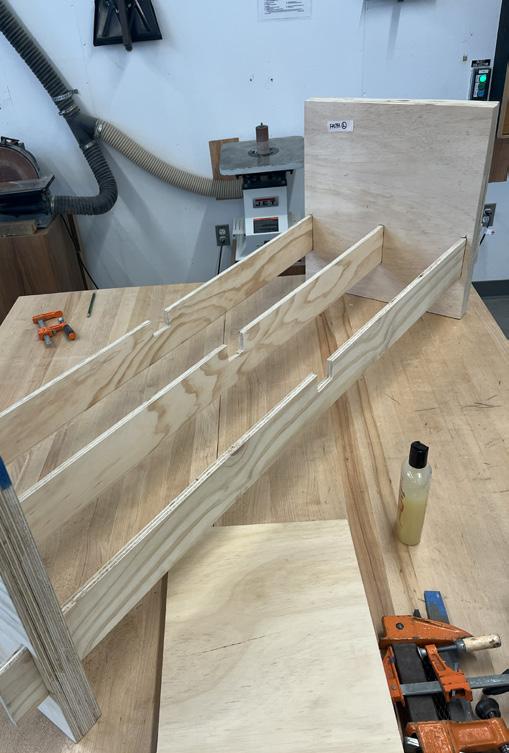
The design defines personal space without restricting flexibility. A removable table with integrated storage creates an adjustable boundary, while floating armrests maintain a lightweight presence. Soft, curved forms and an aged material finish introduce comfort and familiarity in shared settings.