FROM THE DESK OF THE HEALTHCARE MANAGER
Dear Residents, Families, and Friends,
As we step into a new year, we extend our warmest wishes to our Tokai community. Our team remains dedicated to providing a safe, supportive, and caring environment, and we are grateful to continue this journey alongside our residents and their loved ones.
We are also pleased to welcome our new village sister, Jennifer Kleyn, to the Tokai family. Jennifer is a valuable addition to our nursing team, and we look forward to the positive impact she will bring to our residents and community.
The start of the year provides an opportunity to reflect and refocus on our shared goals. During the first quarter, our key priorities are centred on maintaining high standards of resident-centred care, strengthening collaboration across our interdisciplinary team, supporting staff
NEWS FROM OUR DOCTORS
In caring for older adults, we are often reminded that illness does not always present in obvious or dramatic ways. Often the earliest sign that something is wrong is a small change like a resident who is “not quite themselves”.
One of the most important and most misunderstood conditions in frail care is delirium. Delirium is a sudden change in brain function that causes confusion, disorientation, changes in attention, and altered behaviour. It often develops over a few hours or several days. It can be frightening for residents, distressing for families, and challenging for staff, yet it is also one of the most treatable causes of sudden decline in older adults if recognised early.
Dementia is a chronic, slowly progressive condition affecting memory, reasoning, and daily functioning, but it is not the same as delirium. While dementia typically develops over months to years, delirium is acute and is often classed as a medical emergency because it usually
development, and enhancing communication with residents and families. As we move into the autumn season, we will continue to focus on resident wellness through seasonal health monitoring and engagement activities.
Thank you for your continued trust and support. We look forward to working together to make 2026 a positive and fulfilling year for our Tokai community.

Leanne Dixon Healthcare Manager
hcmanagersouth@faircapehealth.co.za
signals that something has gone wrong in the body and needs attention.
It is also important to know that delirium can occur in people who have dementia, as well as those who don’t. In fact, dementia is one of the strongest risk factors for delirium, as it results in a fragile brain that is at risk of deterioration.
Delirium does not always look like agitation.
Many people associate delirium with someone who is restless, aggressive, or hallucinating. This is known as hyperactive delirium, and it is the form most people notice. However, there is another form called hypoactive delirium. This is often missed because it looks like quietness, sleepiness, withdrawal, or just being tired. A resident may become unusually drowsy, less interactive, less interested in meals, or simply not themselves. This form is just as serious and sometimes more dangerous because it is easier to overlook.
Delirium is common in frail older adults
Delirium is particularly common after hospital admissions, surgery, infections, dehydration, or medication changes. It can also occur during periods of pain, constipation, poor sleep, or emotional stress. In many cases, delirium has more than one cause, which is why it requires careful assessment rather than assumptions.
Common triggers for delirium include infections like urinary tract infections or pneumonia; dehydration or poor oral intake; constipation or urinary retention; and pain that is under-treated or poorly controlled.
Some side effects from medication can also be a trigger, especially sedatives, sleeping tablets, strong pain medication, or anticholinergic drugs. Electrolyte abnormalities or kidney impairment and poor sleep, sensory deprivation, or sudden environmental change, like moving rooms or returning from hospital can also be triggers.
Is it permanent?
This is an understandable fear. Delirium can feel like a sudden loss of the person you know, as it may cause memory lapses, paranoia, tearfulness, irritability, or frightening hallucinations. It can come and go throughout the day, often worsening in the evening, a phenomenon known as sundowning.
The reassuring news is that delirium is often reversible, but recovery can take time. In frail individuals, the brain may take days to weeks to settle, even after the trigger is treated. In some cases, delirium can unmask an underlying dementia that was previously mild or unnoticed.
What can families do to help?
Families are often one of the most powerful tools in delirium care. Familiar voices, calm reassurance, and gentle orientation can make a significant difference.
Helpful actions include speaking slowly and calmly and reminding your loved one of the date, time, and where they are. Always ensure that they have their glasses and hearing aids on and bring familiar items such as photographs or a favourite blanket for them to see.
Encourage hydration and meals if appropriate, and help maintain a normal sleep-wake routine. Avoid arguments if the person is confused or convinced of something untrue.
It is important to understand that delirium is not a character change, nor is it stubbornness or intentional behaviour. It is a sign that the brain is under stress.
How do we treat delirium?
The most effective treatment is identifying and correcting the underlying cause. This may involve treating an infection, correcting dehydration, relieving constipation, improving pain control, adjusting medication, or addressing sleep disruption.
Medication is not the first-line treatment for delirium. Sedating a delirious person can sometimes worsen confusion, increase the risk of falls, and prolong recovery. In rare cases where someone is severely distressed or unsafe, medication may be used carefully and temporarily, but the primary approach remains supportive and medical.
Why this matters in frail care
Delirium is associated with an increased risk of falls, pressure injuries, hospital transfers, and long-term functional decline. Recognising delirium early can prevent unnecessary suffering and improve recovery outcomes. In many ways, delirium is one of the clearest examples that frail care works best through teamwork, observation, prevention, and calm communication.
When should you raise a concern?
Please alert the nursing team if you notice any sudden change, like new confusion or disorientation; unusual sleepiness or withdrawal; new agitation, restlessness, or hallucinations; or a sudden decline in mobility or eating. A dramatic change in mood or personality is also a sign of delirium.
Even if it turns out to be something minor, early recognition is always safer. In frail care, the goal is not only to treat illness but to protect dignity, function, and quality of life. Understanding delirium empowers families and residents to respond early, and it helps us provide safer and more compassionate care.
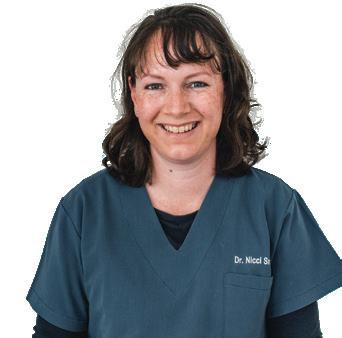
By Dr Nicci Snyders Family Physician
tokaidoctor1@faircapemedical.co.za
A CHRISTMAS LUNCH TO REMEMBER
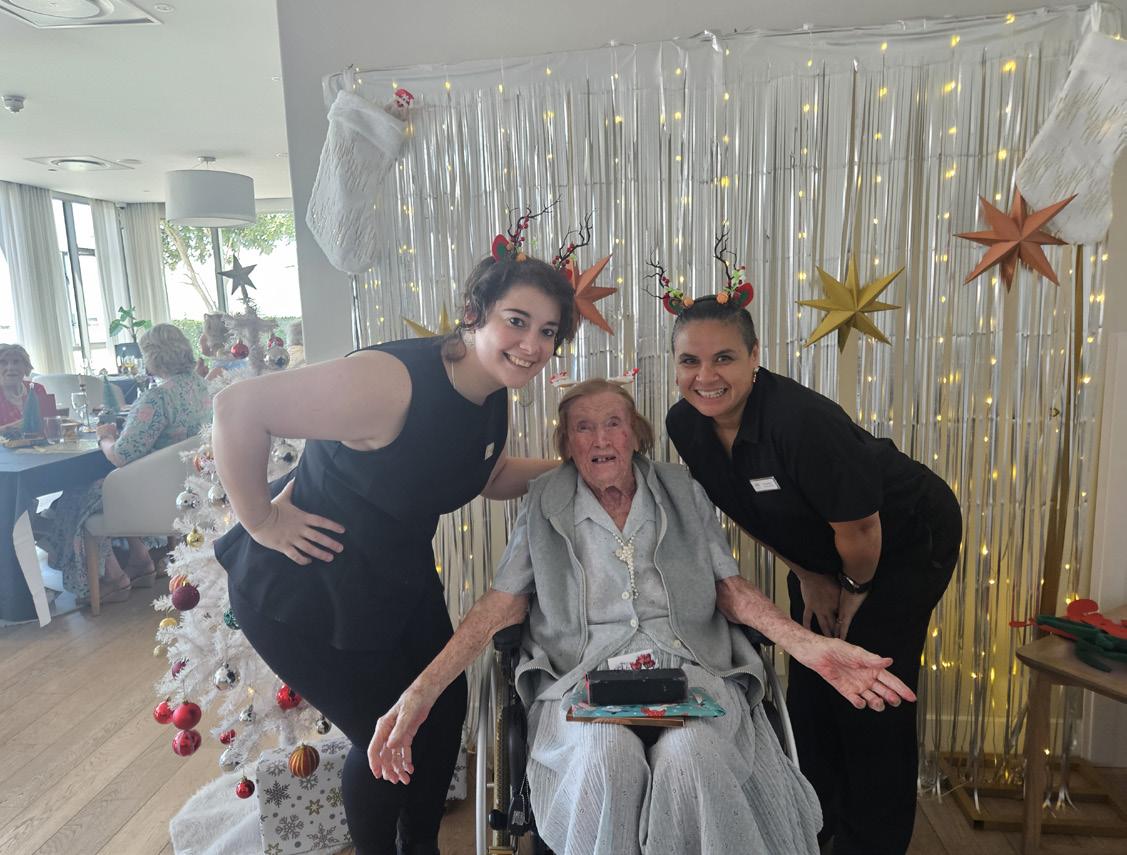
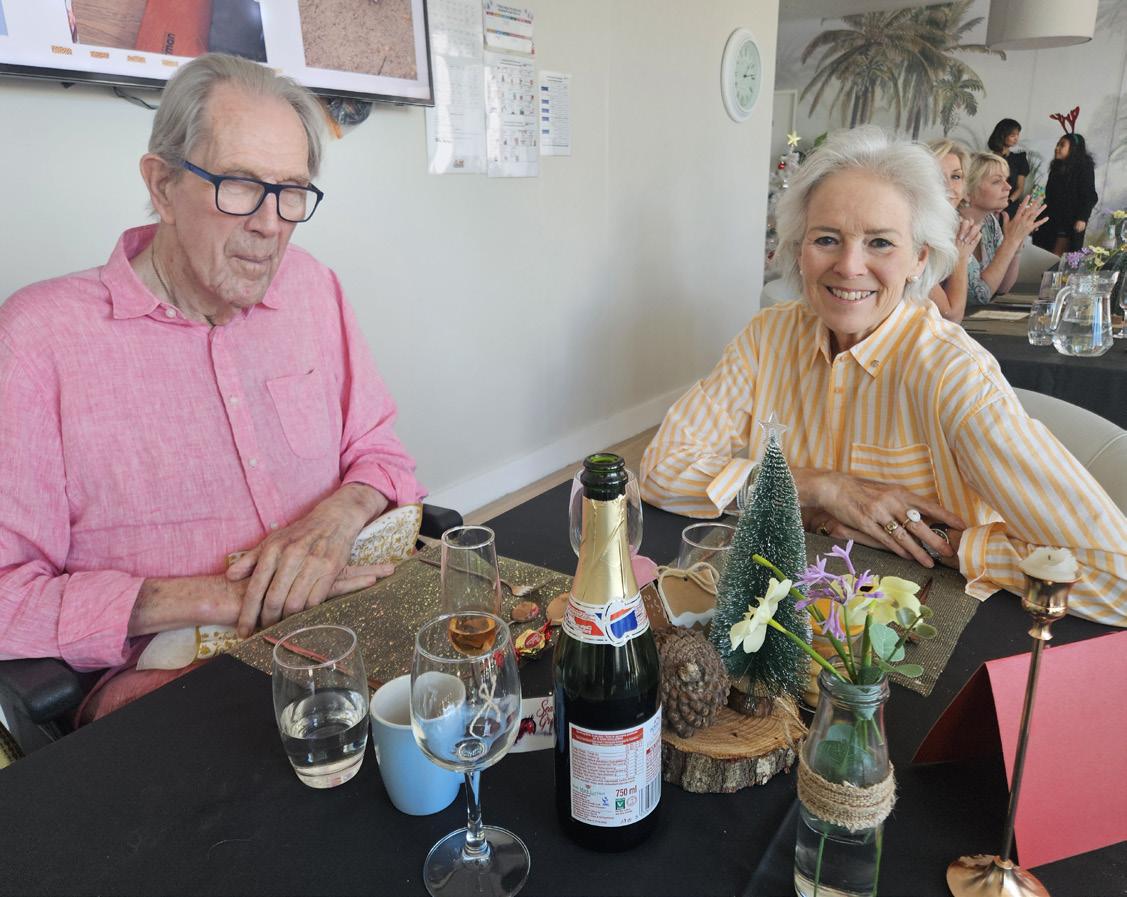
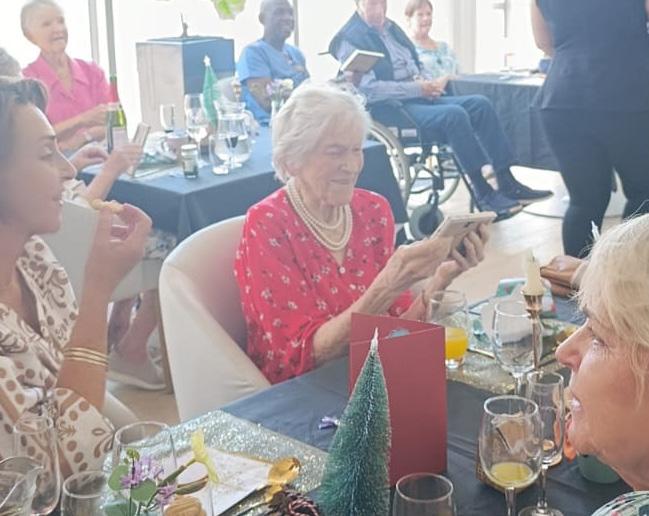
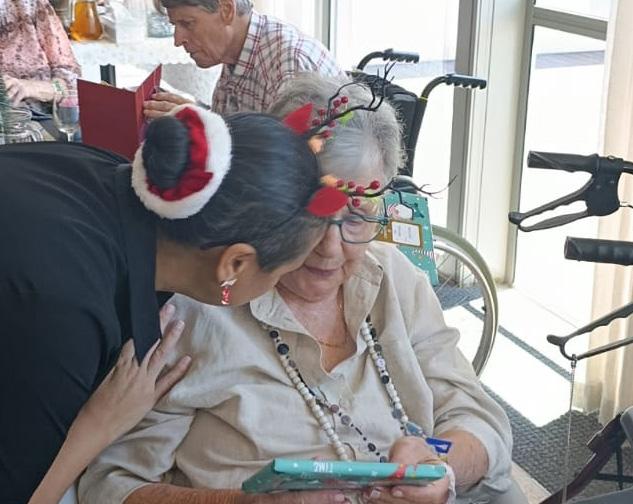
Christmas at Faircape Health Tokai was marked by a special Christmas lunch that brought warmth, connection, and a deep sense of home to our long-term geriatric residents.
The beautifully-prepared meal was a reminder of family tables, shared traditions, and the familiar comfort of Christmases past. As residents gathered together, the room filled with conversation, smiles, and laughter, and moments that echoed the joy of being surrounded by loved ones. For many, the meal stirred cherished memories of cooking, hosting, and celebrating with family and friends, reminding everyone that the spirit of Christmas lives in togetherness.
Adding to the atmosphere was the gentle presence of a violinist and pianist, whose classical music filled the space with elegance and calm. The music created a peaceful and uplifting backdrop, touching hearts in a way that words often cannot. For our residents, the melodies evoked emotion, memories, and a sense of celebration that made the day feel truly special.
At Faircape, we believe that meaningful moments are at the heart of quality care. Events like this Christmas lunch are carefully created to honour our residents not just as individuals receiving care, but as people with rich life stories, traditions, and emotional needs. These shared experiences support well-being, connection, and a sense of belonging, especially during a season that holds such personal significance.
We extend our heartfelt thanks to the dedicated staff, families, and loved ones who contributed their time, effort, and presence to make this day so memorable. Your involvement brought joy, comfort, and a sense of home to our residents, and it did not go unnoticed.
We carry forward the warmth of this celebration, grateful for the community we share and the meaningful moments we are privileged to create together.
GROWING JOY IN SMALL SPACES
With our new miniature gardening group
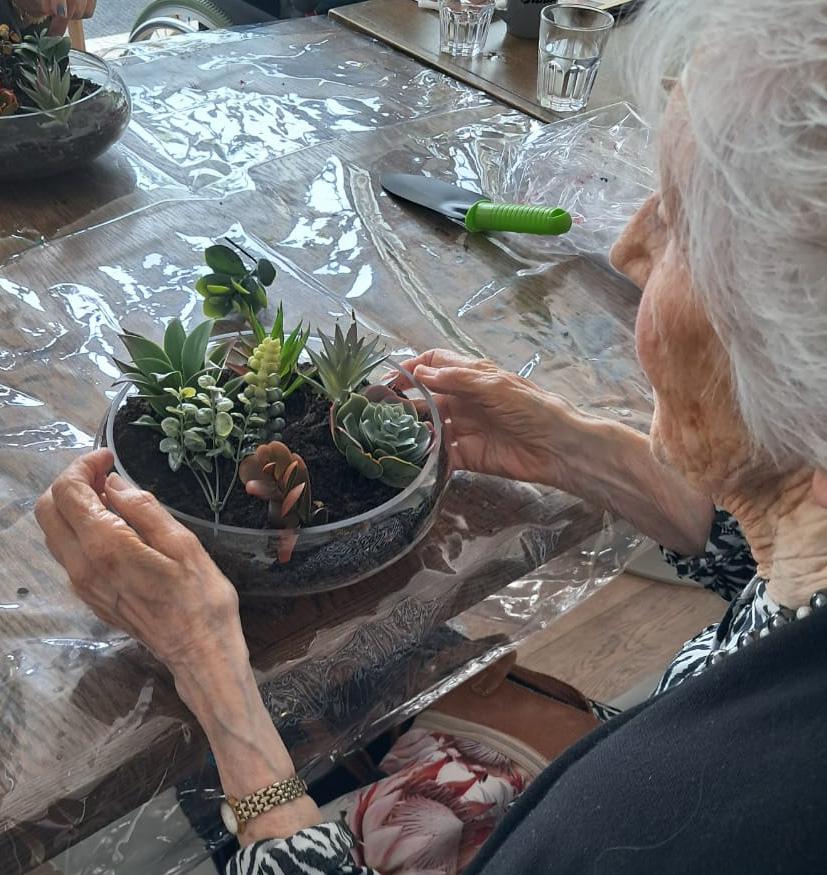
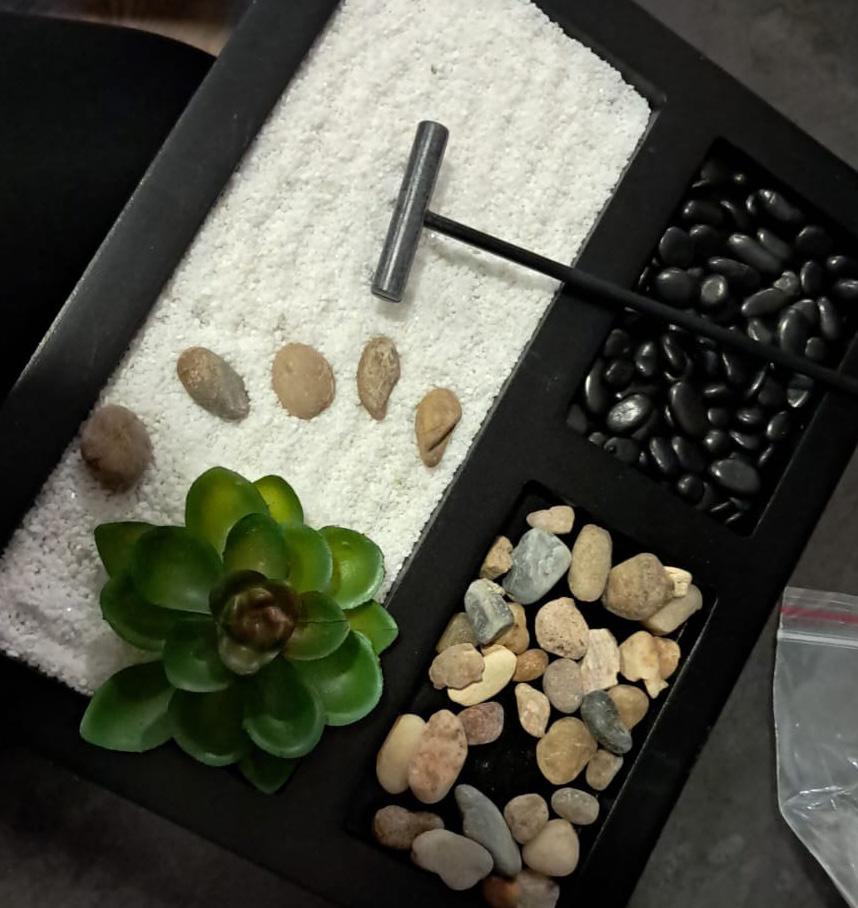
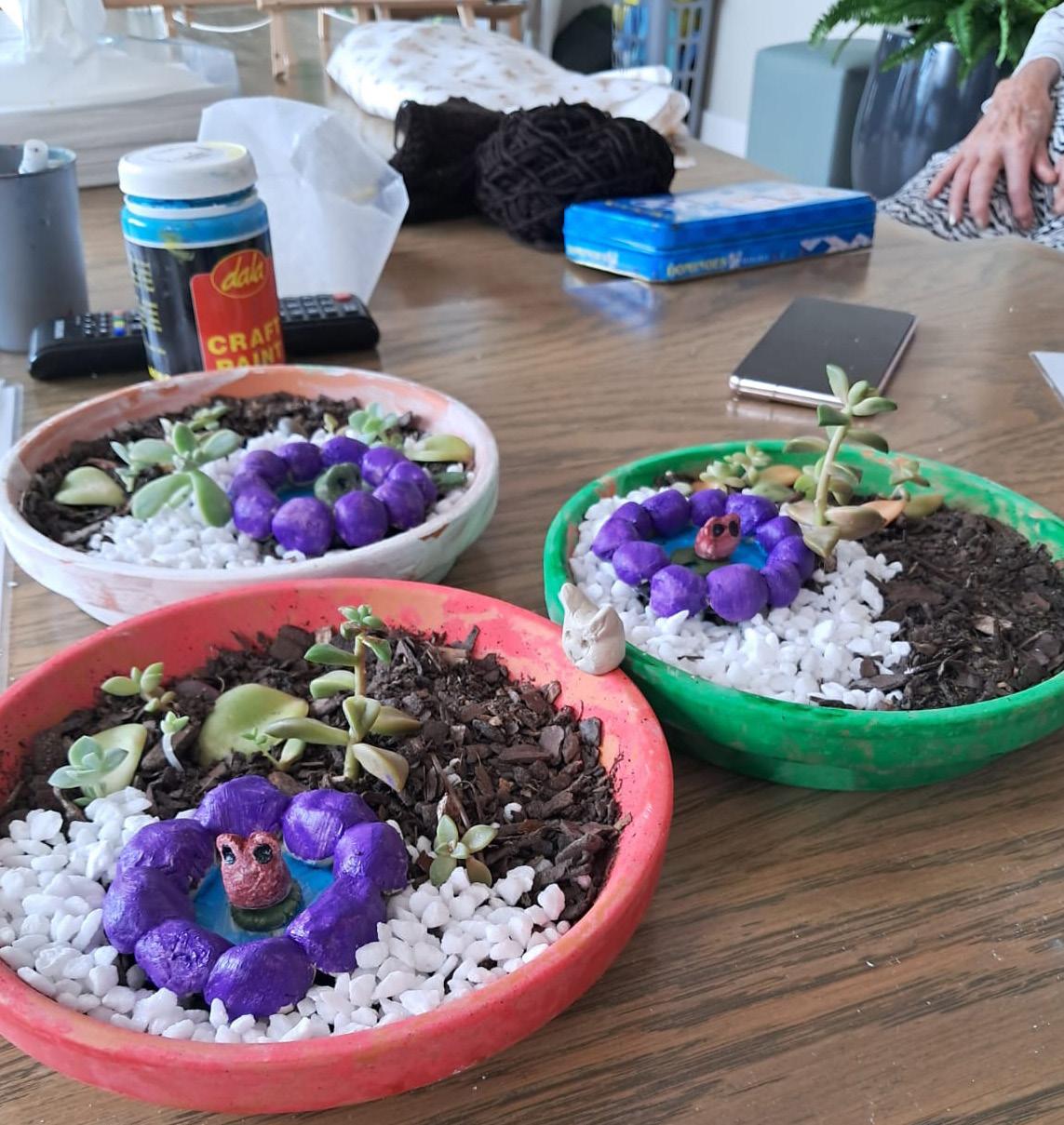
We are delighted to introduce a new occupational therapy group activity that has already begun to bring calm, creativity, and a sense of purpose to our long-term residents. As part of the group, residents have been building a garden in a glass bowl, also known as a terrarium, and this gentle gardening activity invites residents to explore their miniature gardening abilities in a way that is both meaningful and accessible.
Each resident begins by planning their own small garden, choosing where plants, mosses, and decorative elements will be placed. Preparing the soil, layering materials, and arranging the space encourages problem-solving, creativity, and fine motor skills, all while enjoying a peaceful, hands-on experience.
For many residents, gardening evokes fond memories of tending to gardens in earlier years, and working with soil and plants provides rich sensory input. The feel of the earth, the scent of greenery, and the visual satisfaction of seeing something take shape are experiences that can be grounding, calming, and deeply rewarding.
One of the special aspects of this activity is that the terrarium can be kept and enjoyed in the resident’s own room. It becomes a living project and something personal to nurture and take pride in. Caring for the terrarium involves only simple steps, such as occasional watering and gentle observation, making it manageable and enjoyable for residents of varying ability levels.
Beyond the plants themselves, this activity supports emotional well-being, a sense of routine, and feelings of responsibility and accomplishment. Watching the garden grow over time can be a source of daily joy and connection to nature, even within a healthcare setting. We look forward to seeing these miniature gardens flourish and to the many conversations, smiles, and moments of calm they continue to bring. Sometimes, the smallest gardens grow the greatest sense of well-being.

Lauren van Eck Long Term Occupational Therapy Manager groupotmanager@faircapehealth.co.za
ALL THINGS NURSING
The Nursing Recognition Programme: Celebrating our nursing team
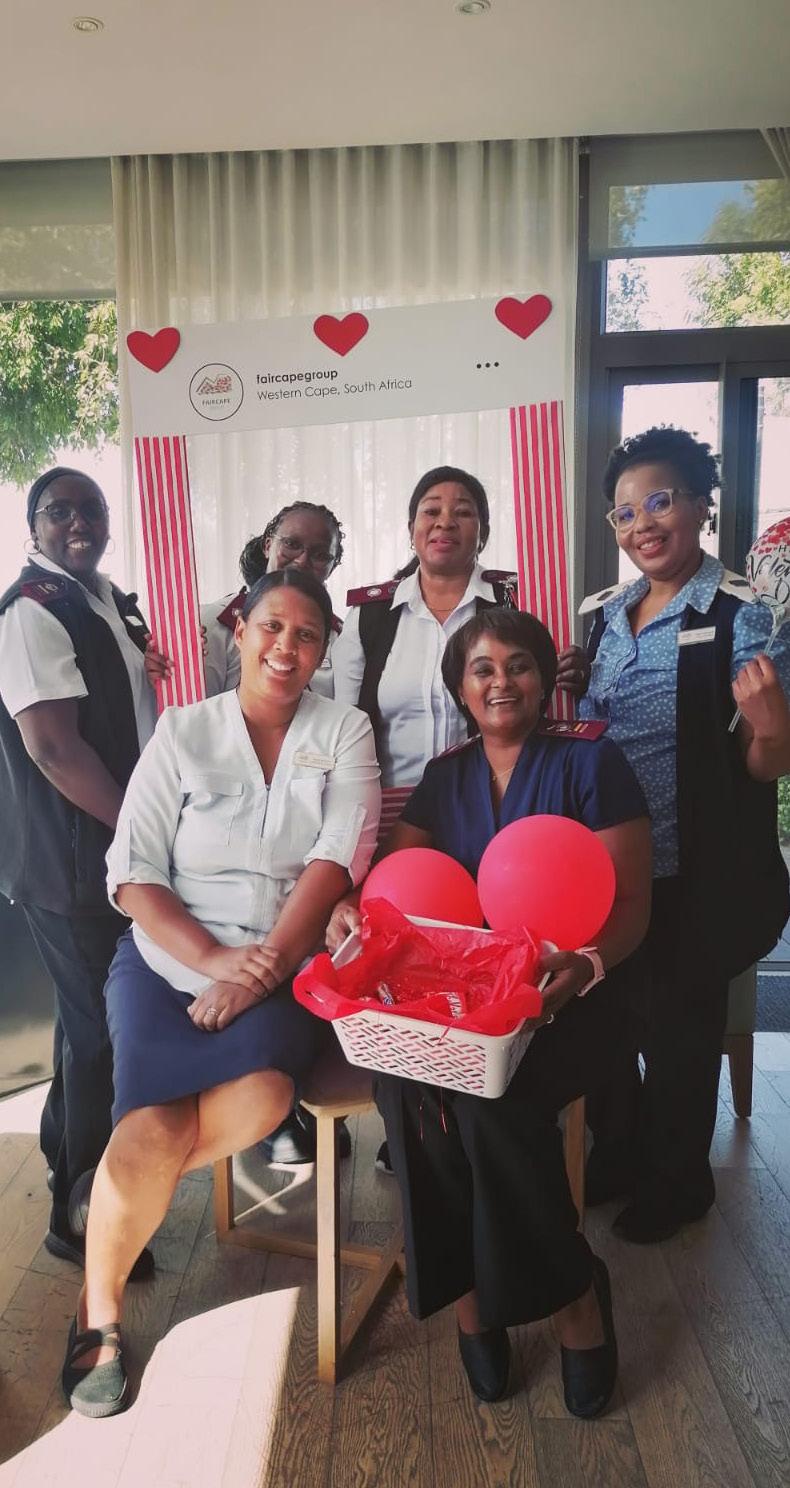
As part of our Nursing Recognition Programme, we intentionally create monthly moments to allow our nursing teams to pause, breathe, and step away briefly from the demands of their clinical responsibilities.
In February, in celebration of Valentine’s Day, we took the opportunity to send heartfelt appreciation and gratitude to an exceptional and dedicated team of nurses. Their compassion, professionalism, resilience, and unwavering commitment to patient care does not go unnoticed. The kindness they extend to patients and families each day reflects the true spirit of nursing.
With appreciation and respect, we say a sincere and heartfelt thank you. We are proud of you, we value you, and we celebrate you.
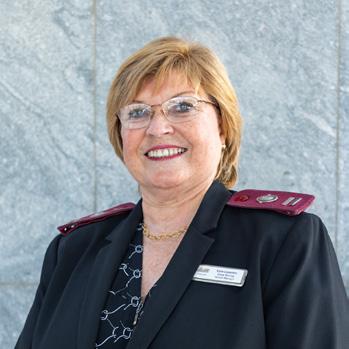
Sr. Karin Louwrens Group Nursing Service Manager groupnsm@faircapehealth.co.za
HOW TO KEEP YOUR BRAIN SHARP AT ANY AGE
At Faircape Health, we strive to promote lifelong cognitive well-being through holistic care. As the nursing team, we believe that healthy ageing is about supporting the whole person and not just managing an illness.
Brain health plays a vital role in independence, confidence, and quality of life, and research shows it can be nurtured at any age through simple, consistent habits. The encouraging news is that small everyday choices, supported by a caring environment, can help the brain remain active, adaptable and resilient throughout life.
Here are a few points to help achieve this: Staying Curious: The Power of Mental Engagement
Curiosity keeps the mind engaged and the brain adaptable. The brain thrives when it is gently challenged. Learning new things helps strengthen neural connections and supports memory and problem-solving skills.
This doesn’t require formal study or complex tasks. Reading, engaging in conversation, trying a new activity or revisiting a favourite hobby all stimulate the brain.
Movement as Medicine for the Mind
When the body moves, the brain benefits. Physical movement is essential not only for physical strength but also for brain health. Regular activity improves blood flow to the brain and supports focus, memory, and emotional well-being.
Gentle, guided movement, such as walking, stretching, or balance exercises, can be highly effective when practised consistently. A supportive care environment encourages safe movement that respects individual ability and comfort.
Rest and Routine: Why Sleep Matters
Quality sleep plays a crucial role in memory, concentration, and emotional regulation. During sleep, the brain processes information and restores itself. Consistent routines and a calm, supportive environment help promote better sleep, an important part of holistic care and overall well-being.
Connection and Community
Connection supports not only emotional health but also cognitive strength. Social interaction is a powerful
contributor to brain health. Meaningful connection stimulates multiple areas of the brain and supports emotional resilience. At Faircape, community, shared experiences, and positive relationships form an essential part of caring for cognitive and emotional well-being.
Nourishing the Brain Through Balanced Nutrition
The brain depends on good nutrition to function well. A balanced, varied diet supports mental clarity and longterm cognitive health. Rather than focusing on restriction, promote nourishment, enjoyment and balance and recognise that food supports both physical health and quality of life.
A Holistic Approach to Brain Health
Healthy ageing is about supporting the whole person including mind, body and spirit. Brain health is not shaped by one habit alone, but by the combination of movement, connection, purpose, rest and compassionate care.
Supporting cognitive well-being means respecting individuality, promoting independence and creating environments where people can continue to thrive at any age.

NEWS FROM OUR PHARMACY
I grew up in a small town in the Eastern Cape, where community was a way of life. That foundation guided me to pursue my Bachelor of Pharmacy degree at Rhodes University, and it continues to shape the way I practise today.
During my community service year, I had the privilege of running pharmacies across six rural clinics in the Free State. It was there, working closely with patients who truly depended on accessible and reliable healthcare, that my passion for service took root. I realised that pharmacy is not only about medicines but also about people, trust, and care.
I have always felt a deep sense of purpose in serving others through safe, responsible pharmaceutical care and thoughtful guidance. I see myself as more than just a pharmacist. I see myself as a partner in my patients’ health journeys.
Today, as the responsible pharmacist at Tokai Health Pharmacy, I am proud to lead a team that shares this commitment. We are passionate about what we do and dedicated to providing expert, compassionate service to every patient and customer who walks through our doors.
One of our cornerstone services is our monthly blister packing programme. We carefully dispense, pack, and deliver your medication according to your most up-todate prescription. This service is designed to simplify medication administration, support adherence, and give you and your loved ones greater peace of mind.
Each blister pack is meticulously prepared by a pharmacist’s assistant and undergoes thorough inprocess checks by a pharmacist. We also liaise directly with your doctors to ensure your treatment remains accurate and up-to-date, and we promptly adjust your blister packs should any changes be made to your prescription.
When it comes to your medication, you deserve care you can trust. At Tokai Health Pharmacy, your health is always in good hands.
Please feel free to contact us at any time if you would like to learn more about our blister packing service or discuss how we can support you. We’re here to help.

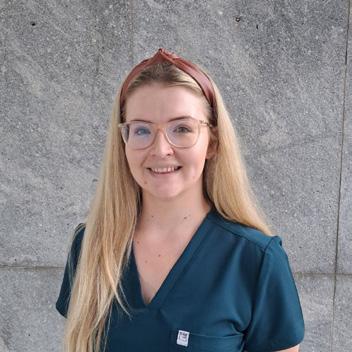
Frances Knoetze Responsible Pharmacist pharmacist@tokaihealthpharmacy.co.za
NEWS FROM OUR SOCIAL WORKERS
At Faircape, quality care starts with well-supported, well-trained carers. Our residents deserve care that is not only safe and professional but also kind, respectful and deeply human. This is why the social work department continues to invest in regular carer training and professional development.
Carer training ensures that our care teams are equipped to meet the evolving needs of residents, particularly as health conditions change with age. It also helps carers feel confident, supported and valued in the important role they play every day.
Current training topics include:
• Healthcare staff guidelines for supporting residents living with dementia: This training focuses on understanding dementia, responding with patience and empathy, and using practical strategies that reduce distress while promoting dignity and independence.
• Reporting of elder abuse: Carers are trained to recognise signs of abuse or neglect and to understand their responsibility in reporting concerns promptly and appropriately. This protects residents and reinforces Faircape’s commitment to safety and accountability.
• Treating residents with dignity and respect: This cornerstone of care emphasises respectful communication, consent, privacy and honouring each resident’s individuality, life story and preferences. Importantly, our training approach is supportive and uplifting, not punitive. It is designed to be accessible and practical while acknowledging the emotional and physical demands of caregiving. Carers are encouraged to share experiences, ask questions and grow together as a team.
At Faircape Health, we recognise that carers are more than staff members. They are trusted companions, advocates and everyday heroes, so by investing in their growth and wellbeing, we strengthen the entire community.
A well-equipped, supported and valued carer group creates a safer, warmer and more compassionate environment for everyone who calls Faircape home. Because when carers feel respected and empowered, care is delivered with heart, and that makes all the difference.

Alzita Van Der Merwe-De Wet Social Worker
socialworker4@faircapehealth.co.za
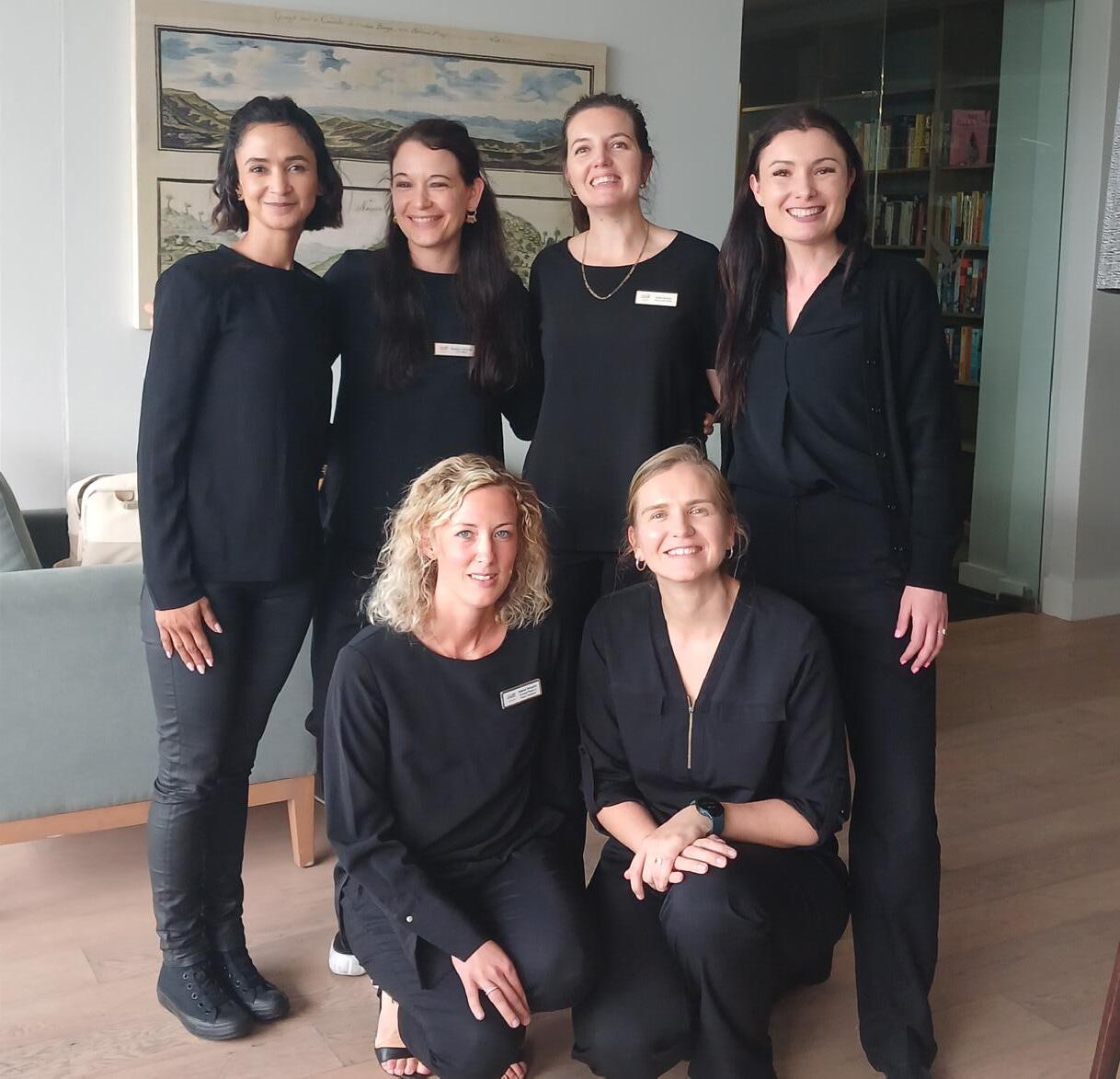
Supporting Those Who Care: Ongoing Carer Training at Faircape Health

DEMENTIA SUPPORT GROUP
For families with a loved one living with Dementia
Tokai | Clé du Cap
Enhance your understanding of Dementia and explore effective approaches to managing the challenges faced by both you and your loved ones.
These groups also offer meaningful connections with others who share similar experiences.
Dates for 2026
• Friday 20 February
• Friday 20 March
• Friday 17 April
• Friday 22 May
• Friday 19 June
• Friday 17July
• Friday 21 August
• Friday 18 September
• Friday 23 October
• Friday 20 November (Final Group)
Facilitated by
Alzita Van Der Merwe-De-Wet: Tokai Long Term Social Worker (socialworker4@faircapehealth.co.za) & Lauren van Eck: Group Occupational Therapist (groupotmanager@faircapehealth.co.za)
To join, email one of the facilitators who will confirm your attendance.

Please take a moment to rate us on Google. We appreciate your feedback!
Simply scan the QR code. If you are unsure how to scan a QR code, please ask a staff member to assist you.
Please do not hesitate to contact Faircape Health Tokai for more information: enquiries@faircape.co.za or 021 001 8291 Stay In Touch | @FaircapeHealth Cnr Vans Rd & Windsor Place, Dreyersdal, Cape Town, 7945