
FROM THE DESK OF THE HEALTHCARE MANAGER
Dear Residents, Families, and Friends,
As we step into a new year, we extend our warmest wishes to our Faircape Health Noordhoek community. Our team remains dedicated to providing a safe, supportive, and caring environment, and we are grateful to continue this journey alongside our residents and their loved ones.
We are also pleased to welcome our new village nurse, Rensche du Plessis, to the team. Rensche is a valuable addition to our nursing services, and we look forward to the positive impact she will bring to our residents and community.
The start of the year provides an opportunity to reflect and refocus on our shared goals. During the first quarter, our key priorities remain centred on maintaining high standards of resident-centred care, strengthening collaboration across
our interdisciplinary team, supporting staff development, and enhancing communication with residents and families.
During this quarter, we also acknowledge Human Rights Day in March, and as we move into the autumn season, we will continue to focus on resident wellness through seasonal health monitoring and engagement activities.
Thank you for your continued trust and support. We look forward to working together to make 2026 a positive and fulfilling year for our Noordhoek community.

Leanne Dixon Healthcare Manager
hcmanagersouth@faircapehealth.co.za
NEWS FROM OUR DOCTORS
In caring for older adults, we are often reminded that illness does not always present in obvious or dramatic ways. Often the earliest sign that something is wrong is a small change like a resident who is “not quite themselves”.
One of the most important and most misunderstood conditions in frail care is delirium. Delirium is a sudden change in brain function that causes confusion, disorientation, changes in attention, and altered behaviour. It often develops over a few hours or several days. It can be frightening for residents, distressing for families, and challenging for staff, yet it is also one of the most treatable causes of sudden decline in older adults if recognised early.
Dementia is a chronic, slowly progressive condition affecting memory, reasoning, and daily functioning, but it is not the same as delirium. While dementia typically develops over months to years, delirium is acute and is often classed as a medical emergency because it usually
signals that something has gone wrong in the body and needs attention.
It is also important to know that delirium can occur in people who have dementia, as well as those who don’t. In fact, dementia is one of the strongest risk factors for delirium, as it results in a fragile brain that is at risk of deterioration.
Delirium does not always look like agitation
Many people associate delirium with someone who is restless, aggressive, or hallucinating. This is known as hyperactive delirium, and it is the form most people notice. However, there is another form called hypoactive delirium. This is often missed because it looks like quietness, sleepiness, withdrawal, or just being tired. A resident may become unusually drowsy, less interactive, less interested in meals, or simply not themselves. This form is just as serious and sometimes more dangerous because it is easier to overlook.
Delirium is common in frail older adults
Delirium is particularly common after hospital admissions, surgery, infections, dehydration, or medication changes. It can also occur during periods of pain, constipation, poor sleep, or emotional stress. In many cases, delirium has more than one cause, which is why it requires careful assessment rather than assumptions.
Common triggers for delirium include infections like urinary tract infections or pneumonia; dehydration or poor oral intake; constipation or urinary retention; and pain that is under-treated or poorly controlled.
Some side effects from medication can also be a trigger, especially sedatives, sleeping tablets, strong pain medication, or anticholinergic drugs. Electrolyte abnormalities or kidney impairment and poor sleep, sensory deprivation, or sudden environmental change, like moving rooms or returning from hospital can also be triggers.
Is it permanent?
This is an understandable fear. Delirium can feel like a sudden loss of the person you know, as it may cause memory lapses, paranoia, tearfulness, irritability, or frightening hallucinations. It can come and go throughout the day, often worsening in the evening, a phenomenon known as sundowning.
The reassuring news is that delirium is often reversible, but recovery can take time. In frail individuals, the brain may take days to weeks to settle, even after the trigger is treated. In some cases, delirium can unmask an underlying dementia that was previously mild or unnoticed.
What can families do to help?
Families are often one of the most powerful tools in delirium care. Familiar voices, calm reassurance, and gentle orientation can make a significant difference.
Helpful actions include speaking slowly and calmly and reminding your loved one of the date, time, and where they are. Always ensure that they have their glasses and hearing aids on and bring familiar items such as photographs or a favourite blanket for them to see.
Encourage hydration and meals if appropriate, and help maintain a normal sleep-wake routine. Avoid arguments if the person is confused or convinced of something untrue.
It is important to understand that delirium is not a character change, nor is it stubbornness or intentional behaviour. It is a sign that the brain is under stress.
How do we treat delirium?
The most effective treatment is identifying and correcting the underlying cause. This may involve treating an infection, correcting dehydration, relieving constipation, improving pain control, adjusting medication, or addressing sleep disruption.
Medication is not the first-line treatment for delirium. Sedating a delirious person can sometimes worsen confusion, increase the risk of falls, and prolong recovery. In rare cases where someone is severely distressed or unsafe, medication may be used carefully and temporarily, but the primary approach remains supportive and medical.
Why this matters in frail care
Delirium is associated with an increased risk of falls, pressure injuries, hospital transfers, and long-term functional decline. Recognising delirium early can prevent unnecessary suffering and improve recovery outcomes. In many ways, delirium is one of the clearest examples that frail care works best through teamwork, observation, prevention, and calm communication.
When should you raise a concern?
Please alert the nursing team if you notice any sudden change, like new confusion or disorientation; unusual sleepiness or withdrawal; new agitation, restlessness, or hallucinations; or a sudden decline in mobility or eating. A dramatic change in mood or personality is also a sign of delirium.
Even if it turns out to be something minor, early recognition is always safer. In frail care, the goal is not only to treat illness but to protect dignity, function, and quality of life. Understanding delirium empowers families and residents to respond early, and it helps us provide safer and more compassionate care.
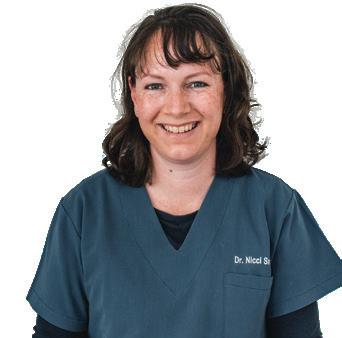
By Dr Nicci Snyders Family Physician
tokaidoctor1@faircapemedical.co.za
MEET YOUR OCCUPATIONAL THERAPY TEAM AT NOORDHOEK
From the OT’s Desk: Sensory Stimulation, Dementia, and Behaviour. In dementia care, behaviour is often a response to the sensory environment. As memory and language decline, people rely more on how things feel. Noise, lighting, touch, movement, and smell can all influence mood, comfort, and behaviour.
Busy or noisy environments can overwhelm the nervous system, leading to agitation, resistance to care, or distress. On the other hand, too little sensory input can result in restlessness, calling out, or withdrawal. These behaviours are not deliberate but rather attempts to cope or communicate an unmet need.
Gentle, familiar, and predictable sensory input can help people feel calm and safe. Music from earlier life, familiar scents, time outdoors, slow movement, or respectful touch can reduce distress and support engagement, even in later stages of dementia.
CREATIVE HANDS AT WORK
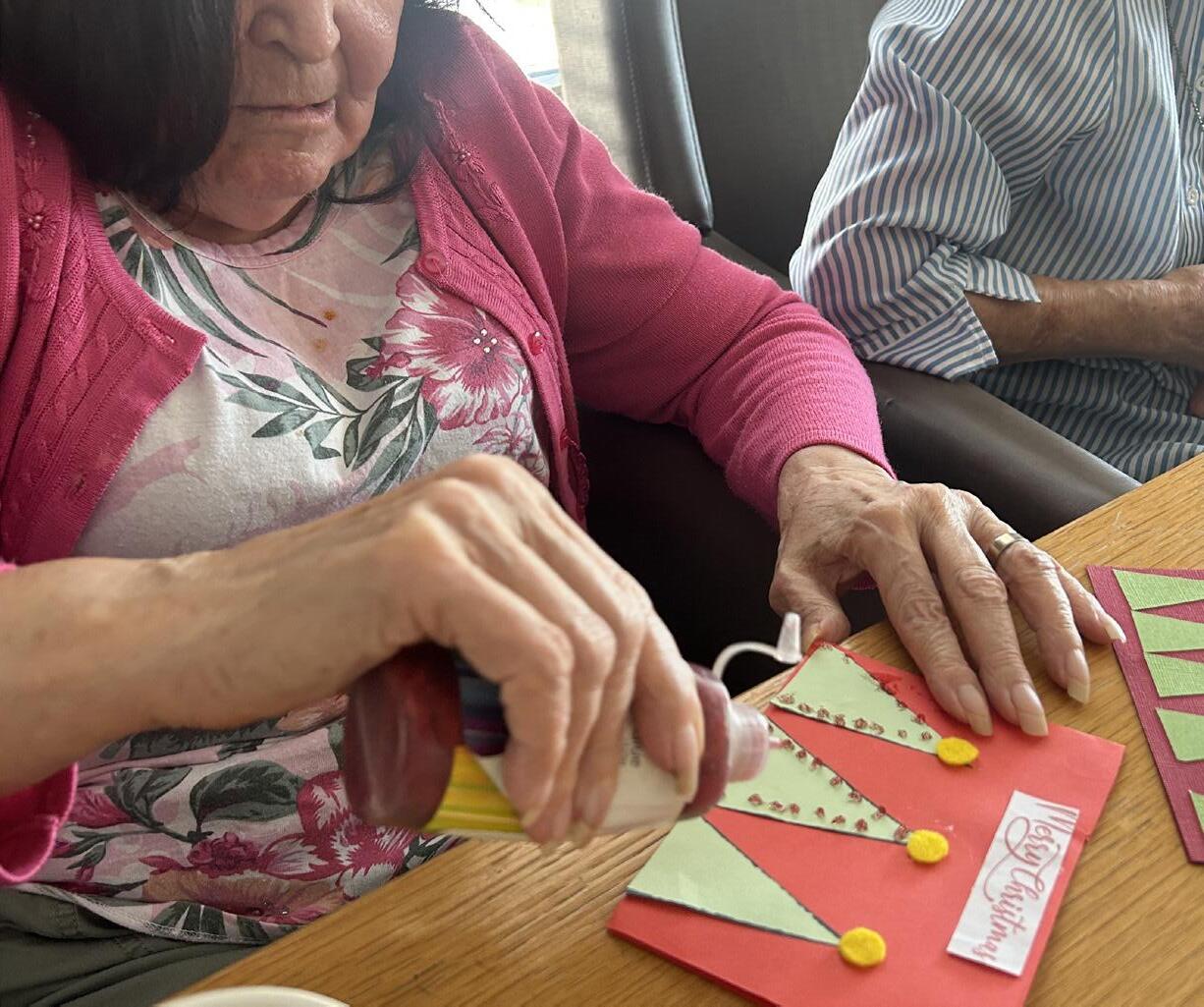
Arts and crafts are fun, but they also play an important role in supporting independence and well-being in our healthcare centres. Through activities like card making, flower arranging, painting, and biscuit decorating, residents are gently exercising their hands while enjoying moments of creativity and connection.
These activities are excellent for improving hand dexterity and fine motor skills. Simple actions such as cutting with scissors, squeezing glue, arranging flowers, or carefully decorating biscuits help strengthen the small muscles in the hands and fingers. Feeling different textures, the cool paint, soapy water, soft petals, or sticky Pritt, also provides valuable sensory stimulation.

Demi Southgate Occupational Therapist
NoordhoekOT@faircapehealth.co.za
When we view behaviour through a sensory lens, the focus shifts from managing behaviour to creating environments and interactions that better support the person.
Sensory Support: Do’s & Don’ts
Do
• Approach calmly and interact slowly
• Reduce background noise and visual clutter
• Use familiar music, scents, and routines
• Offer gentle, respectful touch
• Observe what calms or unsettles the person
Don’t
• Rush care or give multiple instructions
• Assume behaviour is intentional
• Overstimulate busy environments
• Ignore signs of distress or withdrawal
• Use a one-size-fits-all approach
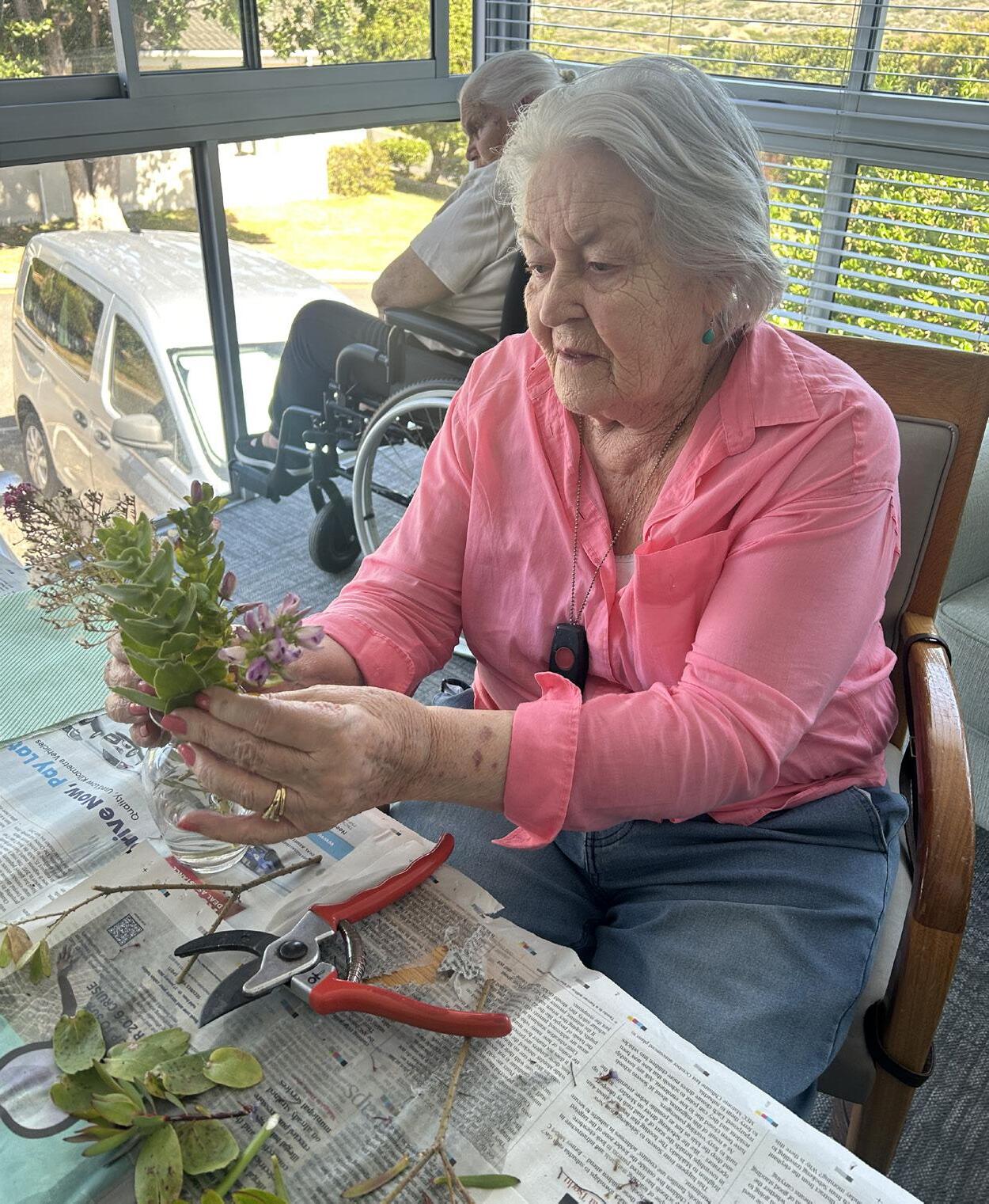
Following instructions, choosing colours, and completing a task step-by-step all support concentration, co-ordination, and confidence. These skills directly translate into everyday activities such as buttoning clothes, holding cutlery, writing, and personal care tasks.
Most importantly, arts and crafts bring joy. They encourage self-expression, spark conversation, and give residents a sense of achievement, proving that a little creativity goes a long way in keeping hands (and minds) active.
CHRISTMAS AT FAIRCAPE HEALTH NOORDHOEK
The festive season at Faircape Health Noordhoek was filled with warmth, joy, and meaningful connection. Our residents enjoyed a variety of Christmas activities designed to encourage creativity and social engagement, including arts and crafts such as cardmaking and decorating festive Christmas cookies.
These shared activities play an important role in supporting emotional well-being and helping prevent the feelings of isolation that can sometimes accompany institutional living, especially at Christmas time.
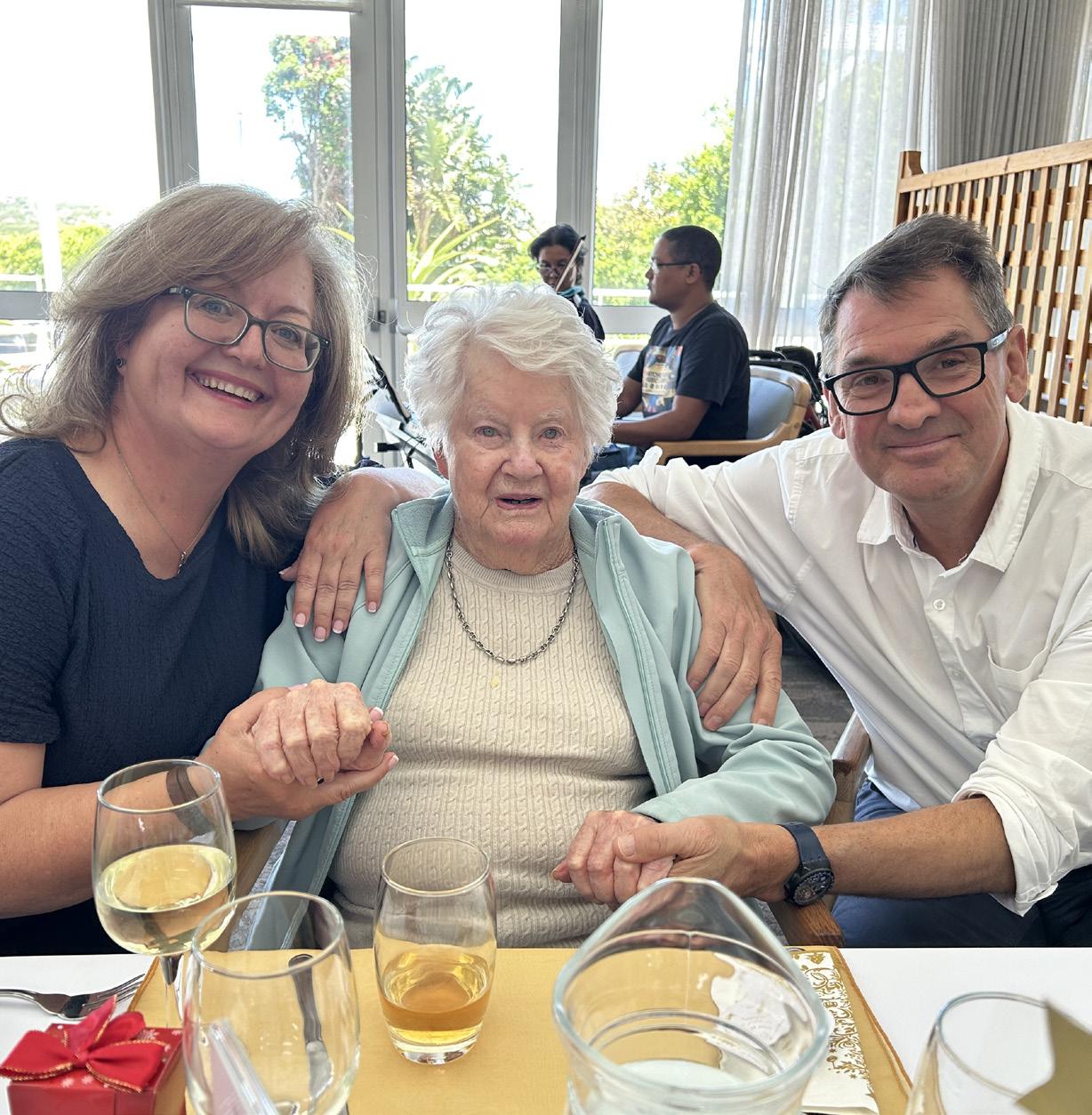
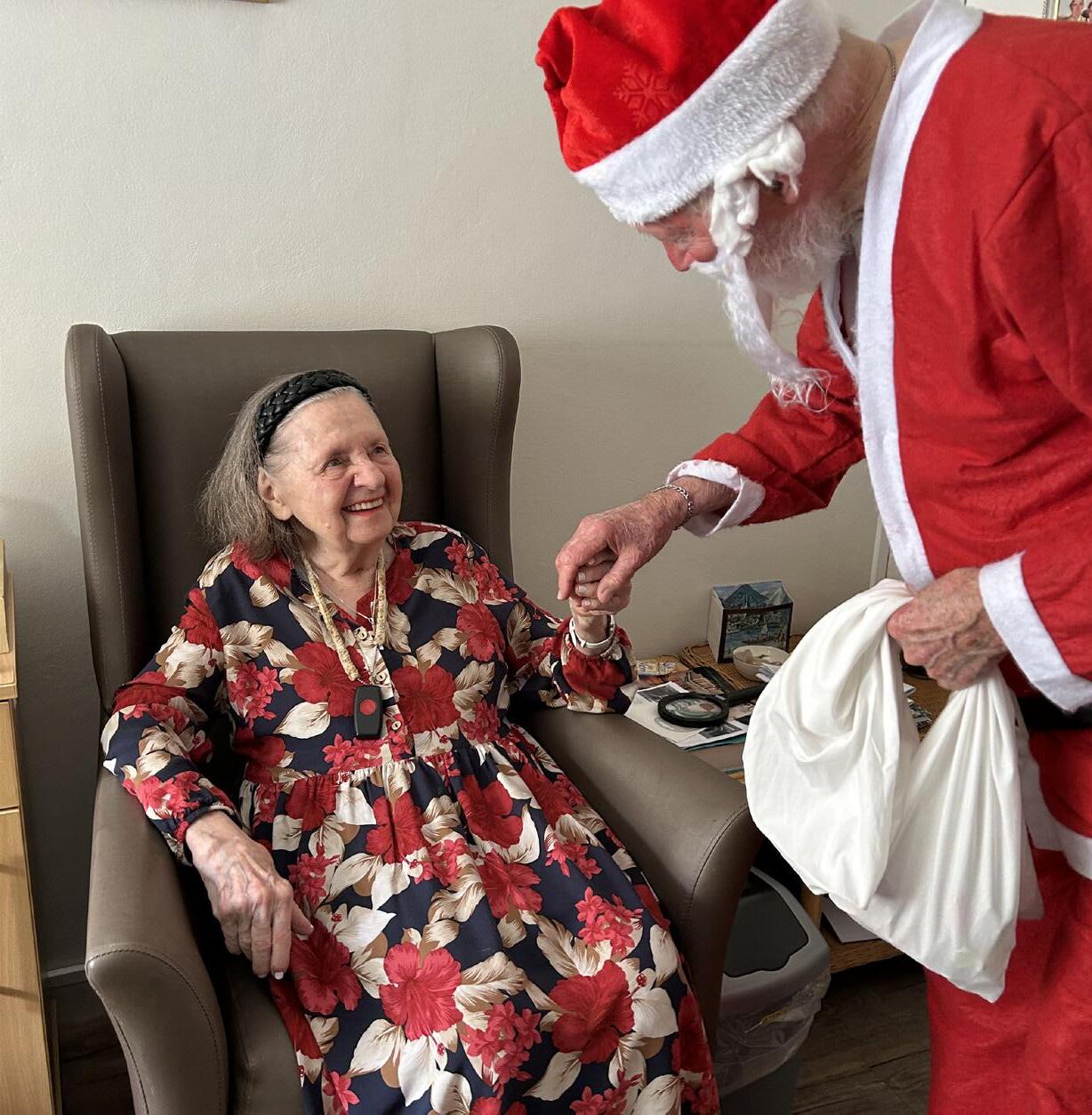
We were especially delighted to welcome Santa for a special visit, followed by a memorable Christmas lunch shared by residents and their families. Having loved ones present is so valuable for our residents, reinforcing a sense of belonging, continuity, and community. Thank you to all the families and friends who joined us and helped make the afternoon so pleasant and uplifting.
Our celebrations were beautifully rounded off with a carol sing-along, accompanied by the Conolly Band. Moments like these highlight the importance of community involvement and social interaction in enhancing quality of life for our elderly residents, and we are grateful to everyone who contributed to making this festive season so special.
FUN IN THE SUN
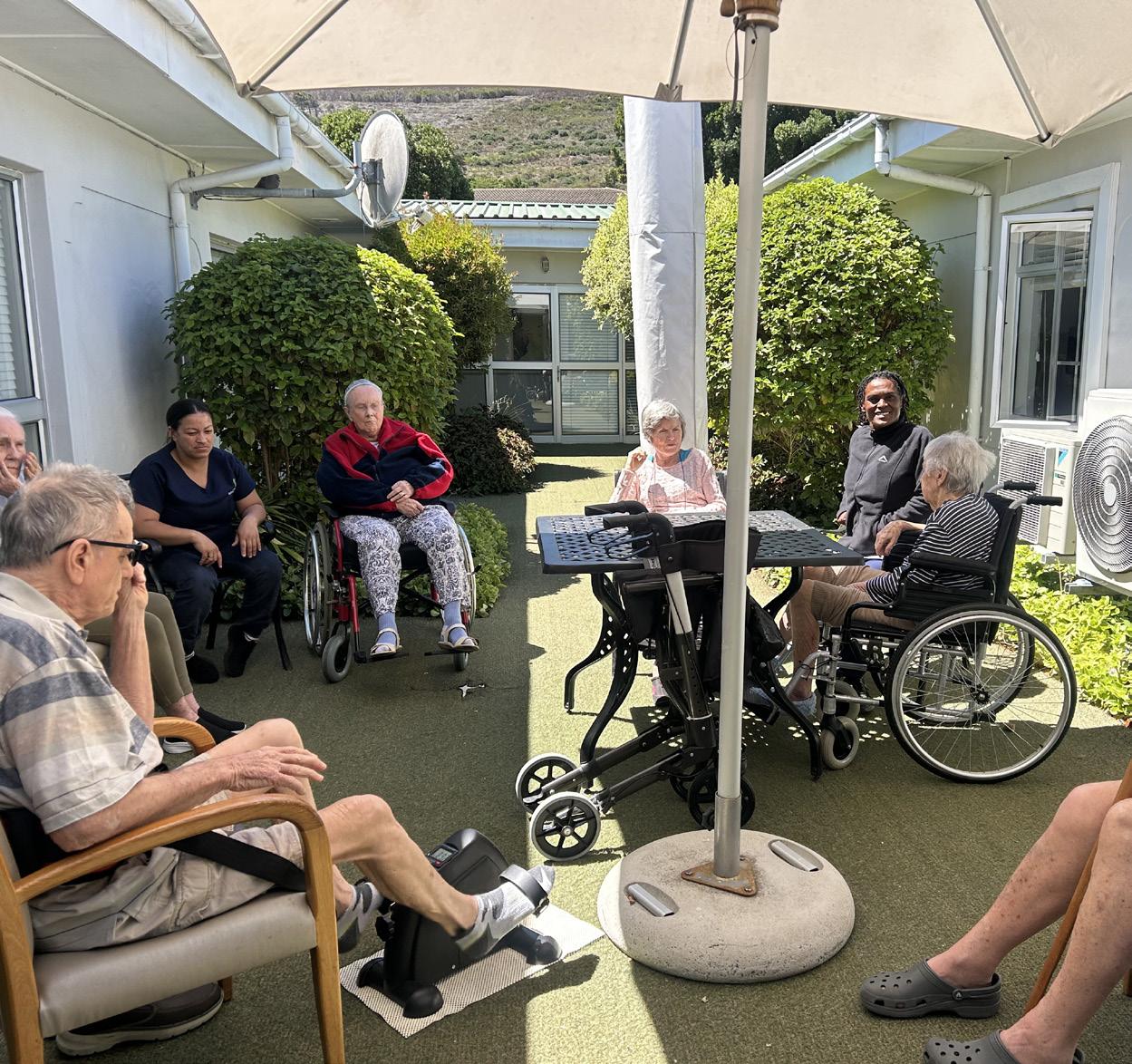
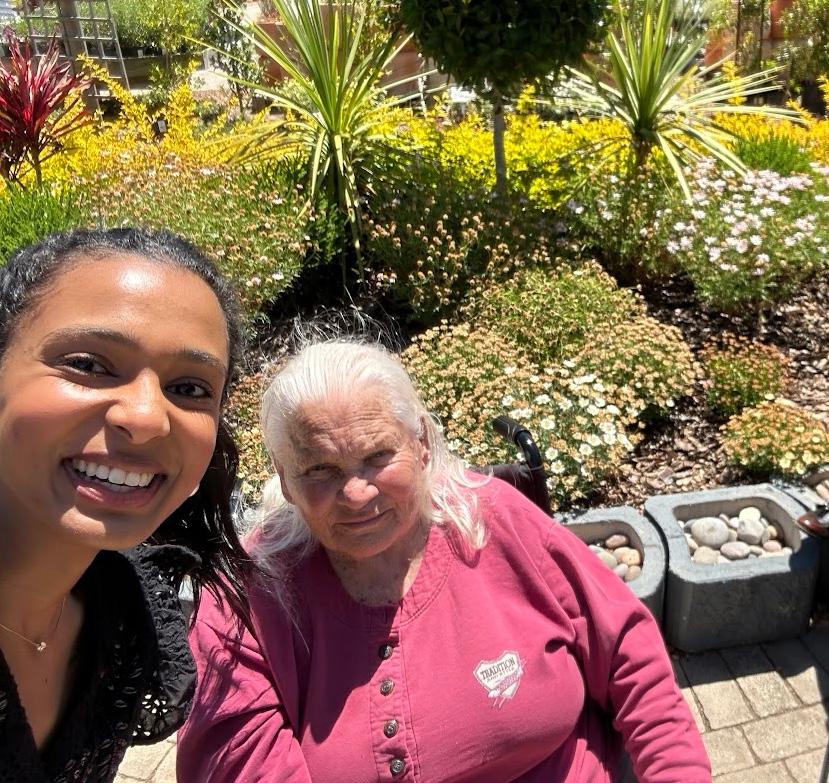
Spending time outdoors is one of life’s simple pleasures, and it’s also incredibly beneficial for our health, especially as we age. At Faircape Health Noordhoek, we are always looking for meaningful ways to keep residents active, engaged, and smiling, and there’s nothing quite like a bit of sunshine to do just that.
One of the greatest benefits of being outdoors is vitamin D. Often called the sunshine vitamin, it plays an important role in maintaining strong bones, supporting muscle function, and boosting the immune system. For older adults, adequate vitamin D can also help reduce the risk of falls and support overall mobility. Even short periods in the sun, with appropriate protection, can make a real difference.
Beyond the physical benefits, the outdoors offers wonderful sensory stimulation. Feeling the warmth of the sun, hearing birds sing, breathing in fresh air, and taking in the colours of nature all help to stimulate the senses. These experiences can improve mood, reduce stress, and support emotional well-being, sometimes sparking memories and conversations that bring joy and connection.
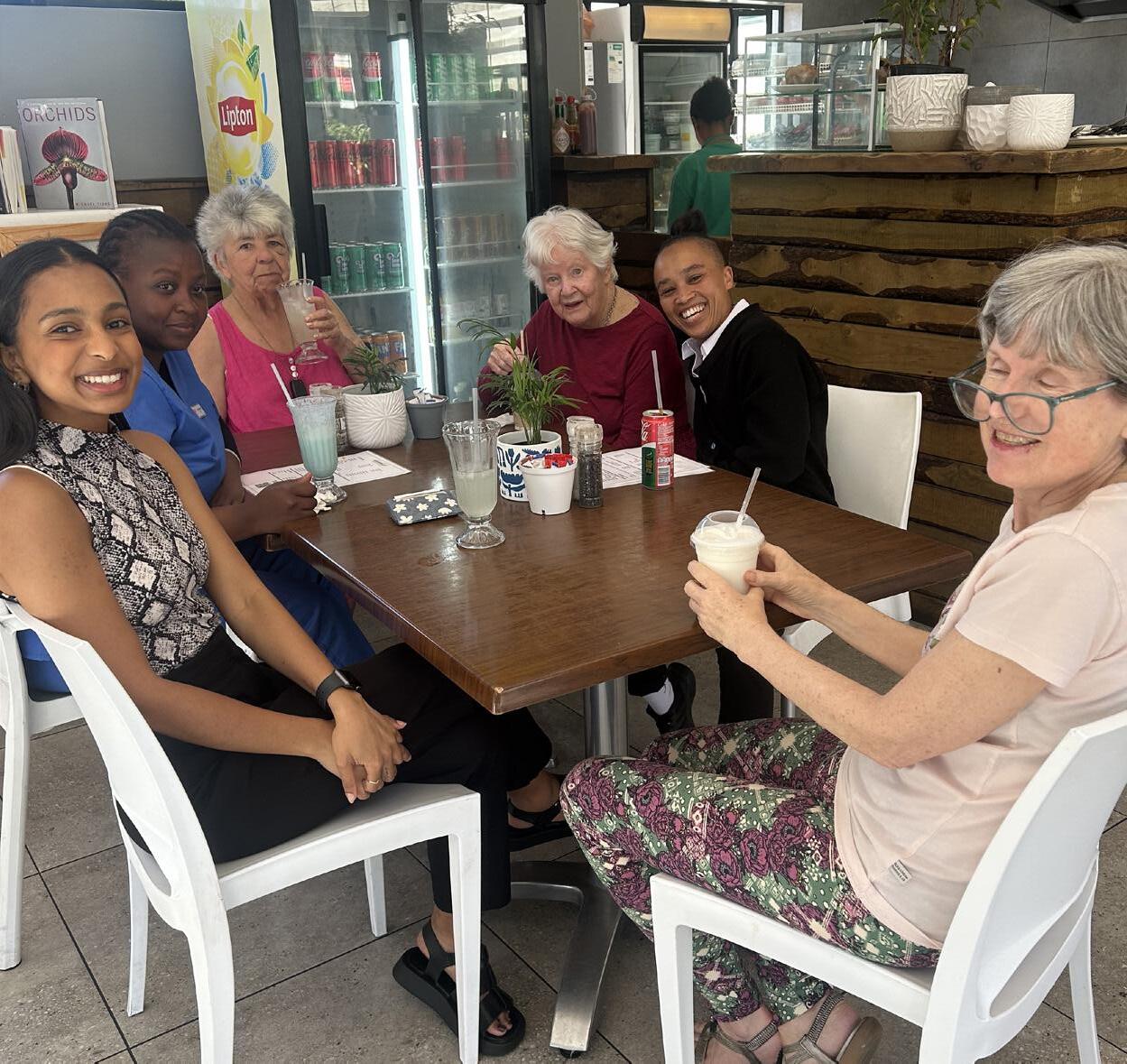
A recent highlight was our outing to Stodels Nursery, which was a delight from start to finish. Residents enjoyed strolling through the garden paths, admiring the flowers and plants, and soaking up the peaceful atmosphere. The gentle exercise benefits of walking in nature are significant, helping to maintain strength, balance, and circulation, while being far more enjoyable than exercise indoors.
Walking outdoors also encourages social interaction, whether it’s stopping to chat, pointing out a favourite plant, or simply enjoying the moment together. These shared experiences are just as important as the physical activity itself.
At Faircape, we believe that health is about maintaining quality of life as well as medical care. Time spent outdoors combines movement, stimulation, and joy, reminding us all that sometimes the best therapy really is a little fun in the sun.
ALL THINGS NURSING
A Night of Teamwork and Quick Thinking!
On Friday, 16 January, at approximately 21:30, what began as a calm evening quickly turned into an unexpected challenge. A sudden gush of water poured through the roof, flooding the frail-care passage and threatening serious damage.
Without hesitation, Sr Masuku immediately contacted Reuben, our maintenance manager. While awaiting his arrival, the team sprang into action, placing containers to catch as much of the heavy water spillage as possible. Their swift thinking helped minimise the immediate impact.
Reuben arrived promptly and located the faulty geyser valve, successfully shutting off the water supply and preventing further damage. In true superhero fashion,
NURSING RECOGNITION PROGRAMME
Celebrating our Nursing Team
As part of our Nursing Recognition Programme, we intentionally create monthly moments to allow our nursing teams to pause, breathe, and step away briefly from the demands of their clinical responsibilities.
In February, in celebration of Valentine’s Day, we took the opportunity to send heartfelt appreciation and gratitude to an exceptional and dedicated team of nurses. Their compassion, professionalism, resilience, and unwavering commitment to patient care do not go unnoticed. The kindness they extend to patients and families each day reflects the true spirit of nursing.
With appreciation and respect, we say a sincere and heartfelt thank you. We are proud of you, we value you, and we celebrate you.
he tore through the ceiling tiles to access the source, even taking an unexpected shower as cool water cascaded over him.
The carer supervisor and team worked tirelessly to mop up the water that had begun to meander along the passage, protecting the brand-new vinyl flooring that was recently installed. The following day, Reuben arranged for plumbers to replace and install a brand-new geyser, ensuring the system was fully restored without delay.
Once again, the strength of teamwork, quick thinking, and dedication turned a potential crisis into a success story. Well done to everyone involved. Your prompt action truly saved the day!

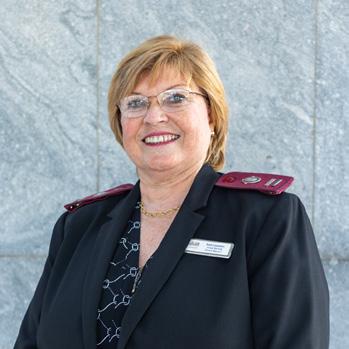
Sr. Karin Louwrens Group Nursing Service Manager groupnsm@faircapehealth.co.za
NEWS FROM OUR SOCIAL WORKERS
The Power of Routine in Dementia Care
In a world that can sometimes feel confusing or unpredictable, routine becomes a comfort, not just a schedule. For individuals living with dementia, consistent daily rhythms provide a sense of security, reduce anxiety, and support overall well-being.
Why Routine Matters
As dementia progresses, changes in memory and processing can make new or unexpected situations feel overwhelming. A predictable daily flow helps individuals know what to expect, even if they cannot clearly express it. The comfort of familiar faces, regular mealtimes, and consistent activity patterns can significantly reduce agitation and restlessness.
Routine also supports physical health. Regular sleep schedules, hydration, meals, and movement all contribute to improved mood and energy levels. When the body feels regulated, emotions often follow.
Structure with Flexibility
While routine is important, so is honouring individuality. No two people experience dementia in exactly the same way. Some prefer a slower start to the morning, while others are early risers. Some find peace in quiet activities, while others thrive in social engagement.
Paying attention to lifelong habits can make a meaningful difference. Was your loved one always an early coffee drinker? Did they enjoy reading the newspaper each afternoon or watching a favourite evening programme? Preserving familiar rituals helps maintain identity, autonomy, and dignity.
Daily Moments That Create Stability
Simple, repeated activities often bring the greatest comfort. These include morning greetings and consistent wake-up times, meals served at regular intervals, music played at a familiar time each day,
scheduled walks or gentle exercise and evening wind-down routines with soft lighting and calming conversation. These patterns help anchor the day. Even when short-term memory is affected, emotional memory often remains strong, and emotional memory responds beautifully to consistency.
Supporting a Loved One Through Routine
For carers and family members, establishing predictable rhythms can ease stress for everyone involved. Try introducing changes gradually, keeping the environment calm, and offering gentle reminders about what comes next in the day.
Visual cues such as calendars, clocks, labelled drawers, or written schedules can also help reinforce structure. Most importantly, approach each day with patience and flexibility. Some days will flow smoothly, while others may require adjustment.
Creating Calm in a Changing Journey
Dementia brings change, but routine provides a steady foundation. By creating consistent patterns while remaining responsive to individual needs, carers/family can foster a sense of safety, belonging, and comfort.
Routine is not about rigidity but more about creating stability where moments of joy, connection, and meaning can still flourish. Even small, familiar rituals can make a profound difference in helping someone feel grounded and supported along the way.
*Full citations available on request

Sherae Swart Social Worker socialworker3@faircapehealth.co.za

Dementia Support Group
For Families & Loved Ones


This group offers a supportive space to share experiences, ideas, and strategies for navigating life with a loved one who has dementia. We aim to enhance your understanding of dementia, explore effective coping approaches, and foster meaningful connections with others facing similar challenges.
Session Dates
Thursday 5 March 2026
Thursday 2 April 2026
Thursday May 2026
Thursday June 2026
Thursday 2 July 2026
Thursday 6 August 2026
Thursday September 2026
Thursday October 2026
Thursday 5 November 2026
Thursday December 2026
How do I sign up for this group?
Send us an email today!