FROM THE DESK OF THE HEALTHCARE MANAGER
Dear Residents, Families and Friends,
As we find ourselves well into 2026 and entering a new season, I have been reflecting on a simple but important question. What makes a place feel like home?
It is not the building, the walls, or the schedules and routines. It is how you are treated, especially in the ordinary, everyday moments. The quiet comfort and feeling safe, respected, and valued.
The transition into long-term care is rarely simple. It carries emotion, adjustment, and, at times, uncertainty. Ageing itself is complex. It requires resilience, adaptation, and courage.
At Faircape Health Bridgewater, we recognise that behind every resident is a lifetime of stories, achievements, relationships, and identity. Our responsibility is not only to care for health needs but also to honour the person who has lived that life and continues to live it still.
At Faircape Health, long-term care means more than meeting clinical standards. Those standards are expected and foundational. True care goes further. It means noticing the small things, protecting independence wherever possible and stepping in gently where support is needed.
It means recognising that behind every file, chart, medication blister pack, or seating arrangement is a human being whose life still holds meaning, contribution, and moments to be lived well.
Clinical excellence, resident satisfaction, preventative measures, and interdisciplinary oversight remain central
to our daily practice. Governance, quality review, and accountability continue consistently behind the scenes.
These processes are not visible to all, but they are constant. They exist to ensure safety, stability, and confidence in the care provided here. Yet beyond policies and procedures, what truly defines this community is the consistency of compassion and the dignity with which care is delivered.
I remain deeply appreciative of our staff who show up each day with professionalism, patience, and heart. Their steady presence is what transforms standards into lived experience.
To our residents, you are the heart of this community. To our families and friends, your trust remains our greatest responsibility. As we enter this new quarter, our commitment is clear. We will remain present, responsive, and unwavering in our standards. We will listen carefully; we will improve continuously, and we will ensure that Faircape Health Bridgewater remains not simply a facility but a place of warmth, stability, and belonging.
Because in the end, home is not defined by walls but by how we care for one another within them. Thank you for walking this journey with us.

Dane Nagel Healthcare Manager
hcmanagernorth@faircapehealth.co.za


NEWS FROM OUR DOCTORS
One of the most important concepts in geriatric medicine is something we call frailty. Frailty is not simply ageing. It is a medical syndrome that reflects reduced strength, endurance, and physiological reserve.
In practical terms, this means that the body becomes less resilient to stress. A minor infection, a medication change, or even a small fall can have a greater impact than it would have years earlier.
Understanding frailty allows us to provide better, more individualised care. Frailty often presents gradually. It may begin with a slower walking speed, weight loss, increased fatigue, reduced grip strength, or greater dependence on daily tasks. It does not mean that someone cannot live well. It means that we must approach care thoughtfully and proactively.
At Faircape Health Bridgewater, our focus is not only on treating illness but also on preserving function. Maintaining mobility is central to this. Even small amounts of regular movement help preserve muscle mass and balance. Physiotherapy input, safe walking support, and encouragement to remain as independent as possible in daily activities all play an important role.
Nutrition is equally important. Adequate protein intake supports muscle strength. Hydration supports cognition and circulation, and small dietary adjustments can make a significant difference in resilience.
Medication review is another critical area. As we age, the body metabolises medications differently. Regular review ensures
that treatment remains appropriate and that unnecessary medications are reduced where possible.
Polypharmacy can increase the risk of falls, confusion, and hospitalisation, and careful oversight protects against this. Falls prevention is a natural extension of frailty care, and while not every fall can be prevented, many risk factors can be modified. Appropriate footwear, environmental adjustments, mobility aids, and strength exercises all contribute to safety.
Frailty does not define a person. It informs how we plan care. Our goal remains to always maintain dignity, maximise independence, and support quality of life for as long as possible. These conversations are important, and I welcome them.
If you would like to better understand your own health trajectory, discuss medication review, or explore ways to preserve function, please feel free to arrange an appointment through the nursing team.
Ageing is inevitable, and frailty can be managed. With the right support, individuals continue to live with meaning, autonomy, and connection.
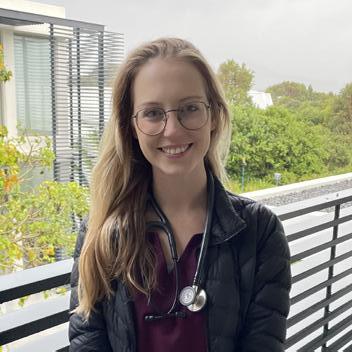
Dr Nicole Jacka
Faircape Health Doctor (GP) northdoctor@faircapemedical.co.za
MEET YOUR OCCUPATIONAL THERAPY TEAM
The Importance of Group Activities for Well-Being and Quality of Life
Group activities play a vital role in promoting overall wellbeing and enhancing quality of life within our healthcare community. These sessions offer far more than simple enjoyment. They provide meaningful opportunities for sensory and cognitive stimulation, social interaction, and a strong sense of purpose and belonging.
Activities such as bingo, word games, and reminiscence sessions help to stimulate thinking, memory, and concentration in a relaxed and supportive environment. Armchair travel encourages imagination and conversation, allowing participants to explore new destinations or revisit familiar places, often sparking joyful memories and shared stories.
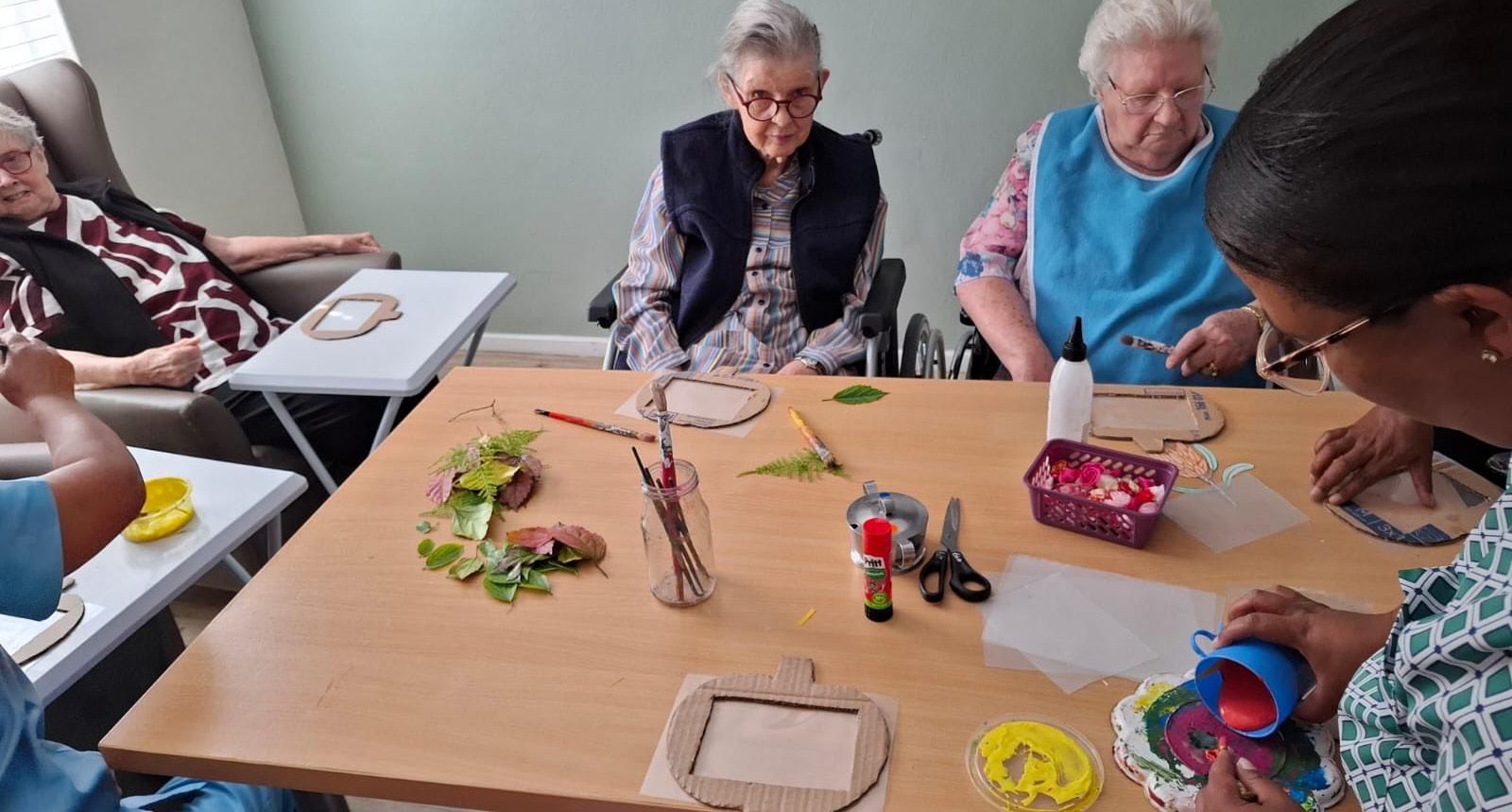
Creative sessions like arts and crafts and baking engage multiple senses through touch, sight, smell, and taste, while also promoting creativity, self-expression, and a sense of achievement.
Outdoor walks form an important part of our activity programme, offering fresh air, gentle movement, and valuable sensory experiences. Spending time outside allows
participants to enjoy nature, observe seasonal changes, and engage in relaxed conversation, all of which contribute positively to mood, mobility, and overall well-being.
Music and sing-along sessions are especially powerful, as familiar songs can lift spirits, encourage participation, and create moments of connection that often go beyond words. Participation in group activities also supports emotional well-being by reducing feelings of isolation and fostering positive social interaction with peers and staff.
Together, these activities form an essential part of a holistic approach to care, nurturing the mind, engaging the senses, encouraging gentle physical activity, and strengthening social connections. By offering regular, meaningful group sessions, we aim to create moments of joy, stimulation, and connection that enrich daily life and support overall wellbeing for everyone involved.
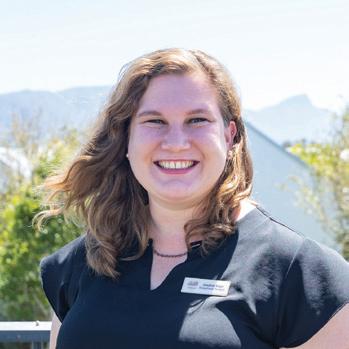
Annaleen Voges
Occupational Therapist
bridgewaterot@faircapehealth.co.za
ANIMAL-ASSISTED THERAPY
A Gentle Boost to Well-Being
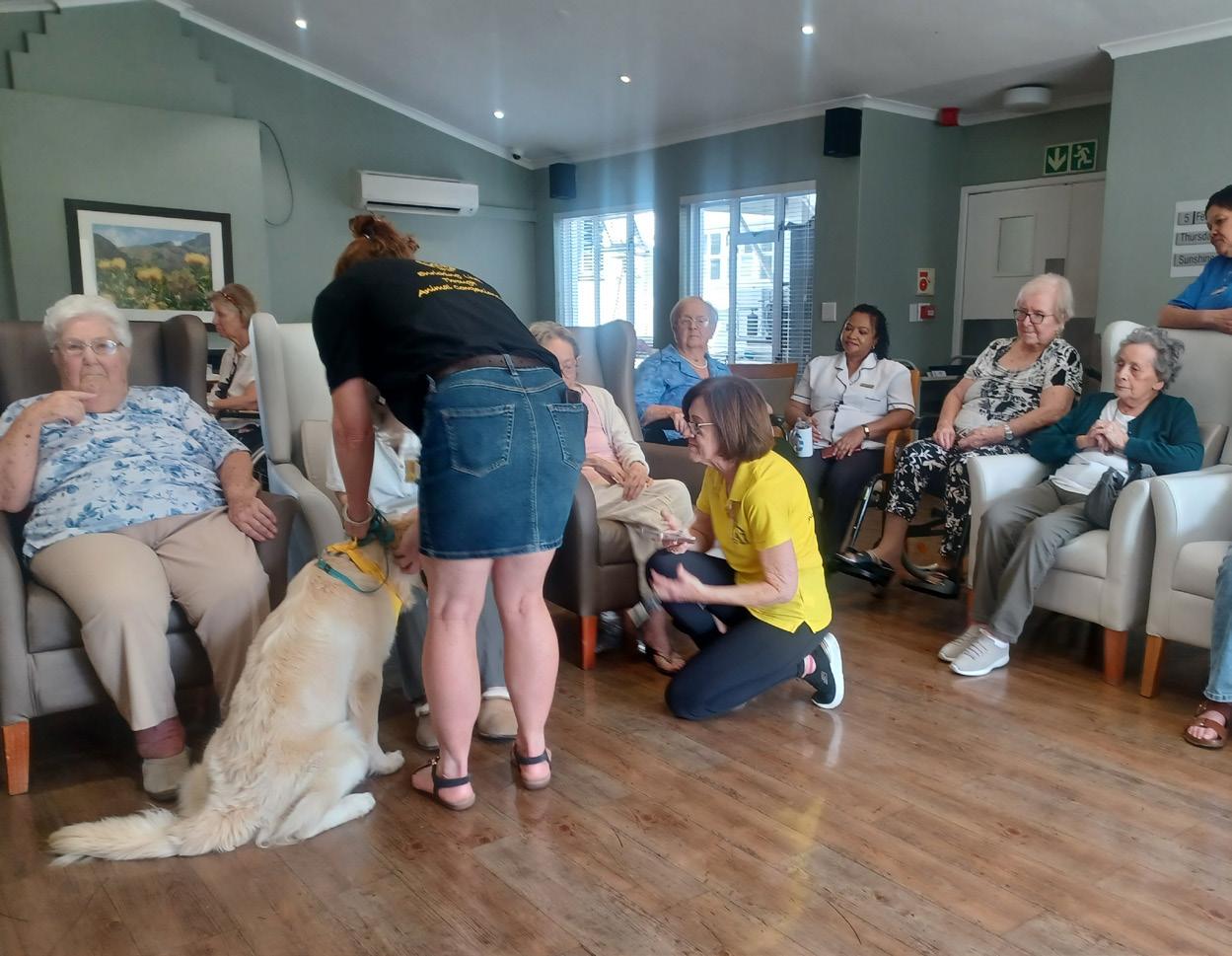
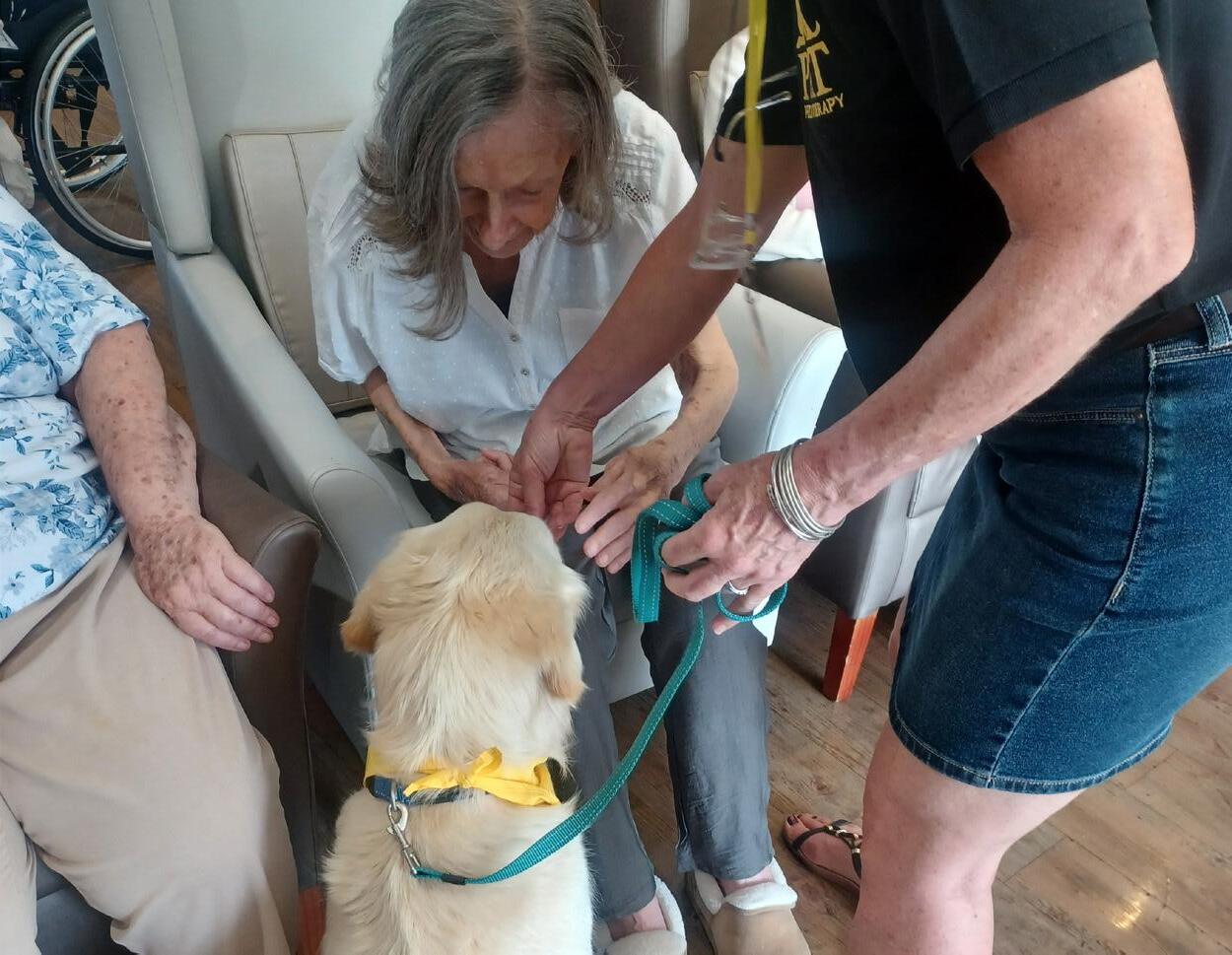
Animal-assisted therapy plays a valuable role in enhancing the quality of life of our elderly residents, especially for those who have a lifelong love for pets. In a calm and pet-friendly environment, interactions with animals can bring comfort, joy and a sense of companionship that is often deeply meaningful.
The presence of animals has been shown to reduce feelings of loneliness, anxiety and stress, while encouraging emotional connection and positive mood. For many residents, spending time with a friendly animal can spark memories, promote conversation and provide a sense of purpose and routine. These interactions support physical activity, cognitive stimulation and emotional well-being in a natural and enjoyable way.
By embracing animal-assisted therapy, we create meaningful moments that nurture connection, comfort and overall well-being, helping our residents feel more at home, valued and engaged each day.
CHRISTMAS LUNCH AT BRIDGEWATER
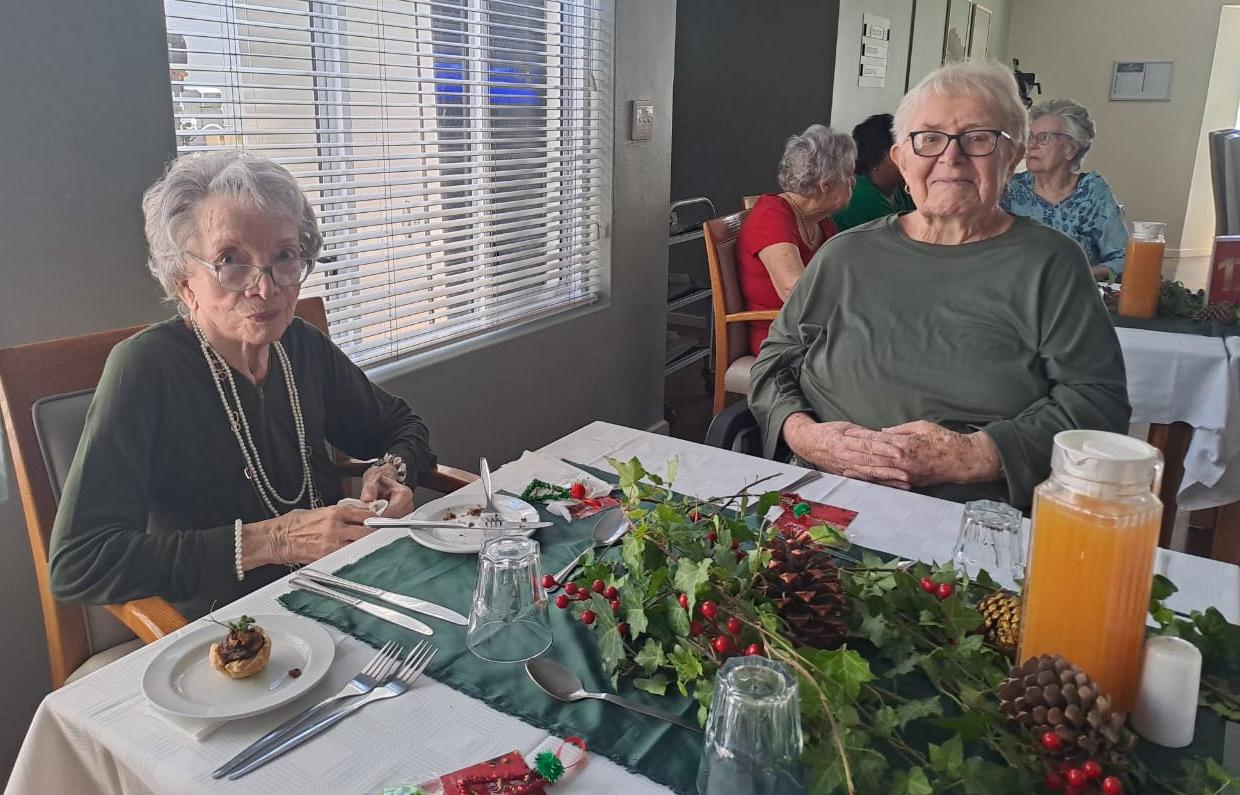
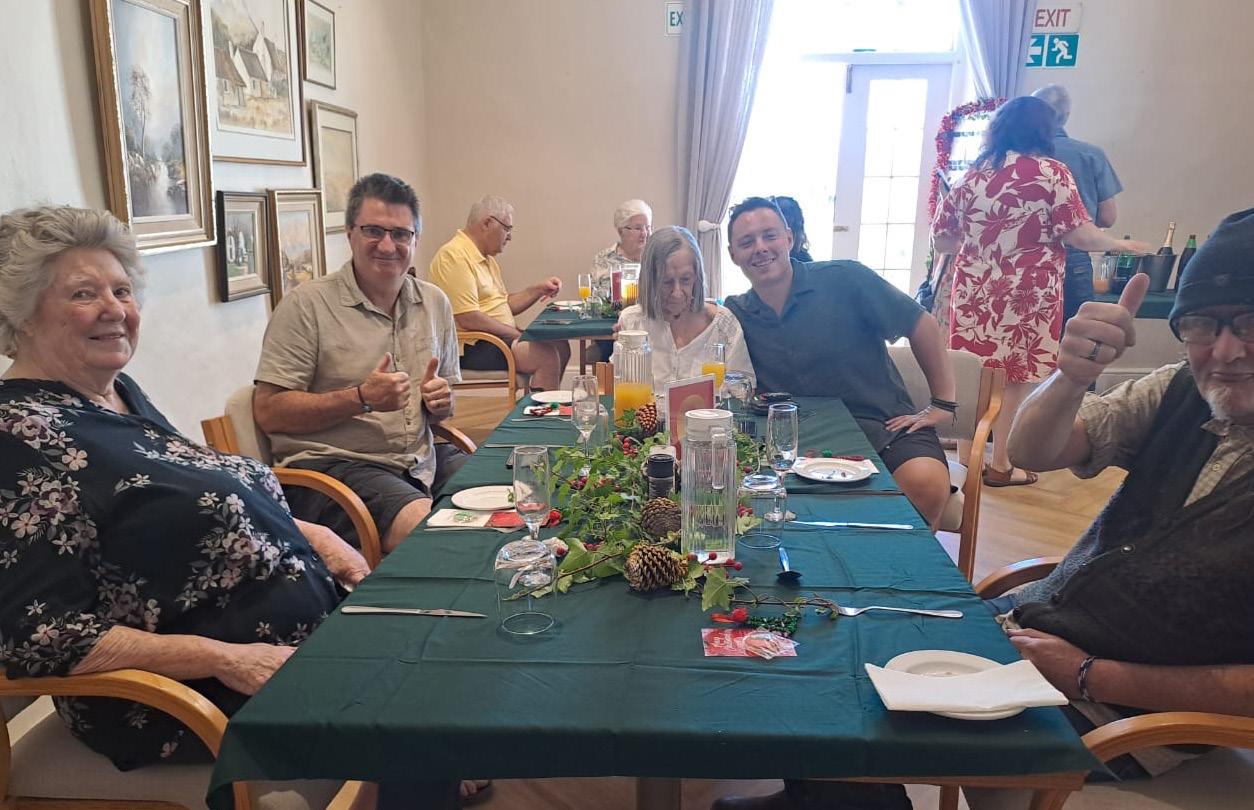
Our Christmas function in 2025 was a beautiful celebration of togetherness, shared moments, and the true spirit of the festive season. Residents were joined by their family members and friends for a special lunchtime gathering.
The tables were filled with delicious food, festive décor, and smiling faces, creating an atmosphere of warmth and celebration.
For many, it was not just about the meal but about the comfort of familiar faces, the sharing of memories, and the sense of belonging that comes from spending time with loved ones. The Christmas function reminded us all of the importance of connection and companionship, making it a heartfelt and memorable occasion for everyone who attended.
ALL THINGS NURSING
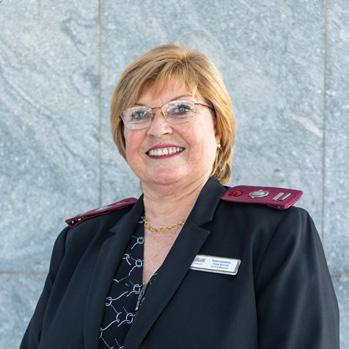
The Variable Roles the Nursing Staff Plays in
Frail Care
Frail care nurses play highly variable, multifaceted roles that span clinical monitoring, personal assistance, emotional support and care and coordination for the elderly residents with often very complex needs.
Fortunately, at Faircape Health Bridgewater, we are intertwined with assistance from the very accomplished carer teams, making the caretaking tasks lighter and manageable. The specialised care needed for most of our residents includes management of the behavioural symptoms, like sundowning, wandering and sometimes anger outbursts.
The nursing staff are well equipped to deal with the cognitive care as well as other medical management of diabetes, including providing wound care, as we are trained to recognise any subtle changes in residents’ conditions to prevent unnecessary hospitalisation.
We act as a central hub liaising between doctors, families and other allied therapists to implement personalised plans. Beyond physical health care, we provide companionship, mental stimulation and emotional support.
Palliative care and end-of-life care are also part of the roles we fill to ensure dignity and comfort for the residents in their final hours.
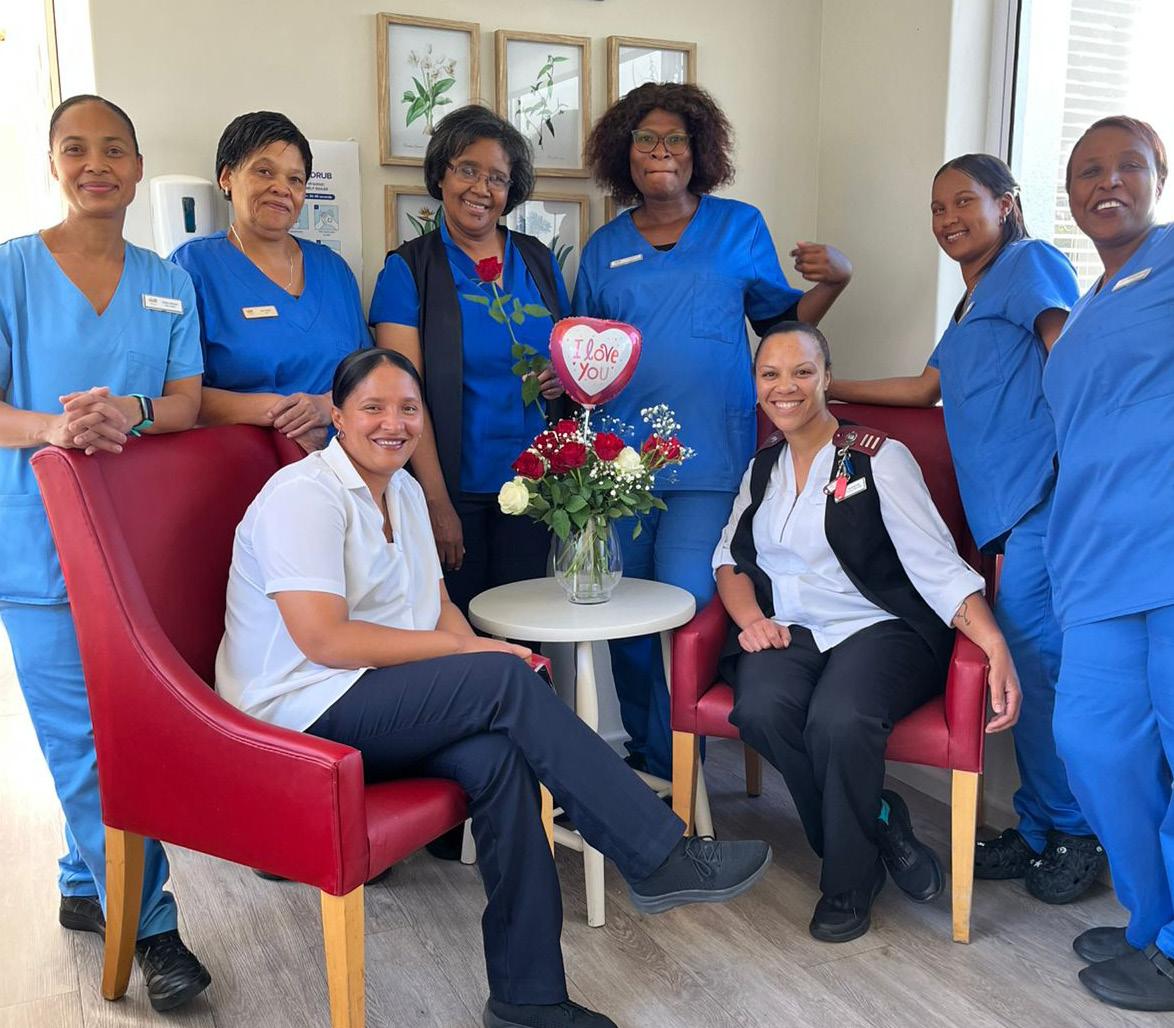
Valentine’s weekend at Bridgewater
Being united as a team is what makes the workplace fulfilling. There will be tough days, but knowing you are carried with love by the ones around you gives you courage.
When the residents see the love, strength and unity in our team, it puts them at ease knowing they are loved and well taken care of.
Sr. Karin Louwrens Group Nursing Service Manager groupnsm@faircapehealth.co.za
Here at Faircape Health Bridgewater, we take the combination of roles very seriously, as it is imperative that each role player is well-versed in the needs of the residents at all times.
What has further enhanced the roles will definitely be the advantage we enjoy of doing most of the reports and other activities on Healthware programmes. This creates a continuum of data and required information to improve the status of residents.
The additional information is captured by all allied units doing any activities with the residents and, in turn, creates a full-bodied report which gives insight to the reader. It’s been a very interesting process to interact and integrate different perspectives in one report.
The residents are sure to get the best of the added-value processes, and the standard of care goes beyond the normal practice, giving a very personal experience to all who enjoy Frail care.
We also encourage personal growth and extra learning, as, in our experience, it in turn assists in the well-being of the staff and residents.
Well-trained staff make for excellent work and mental health. Less absenteeism has been noted. A happy team makes for light work and good quality care for the residents of Faircape Health Bridgewater.
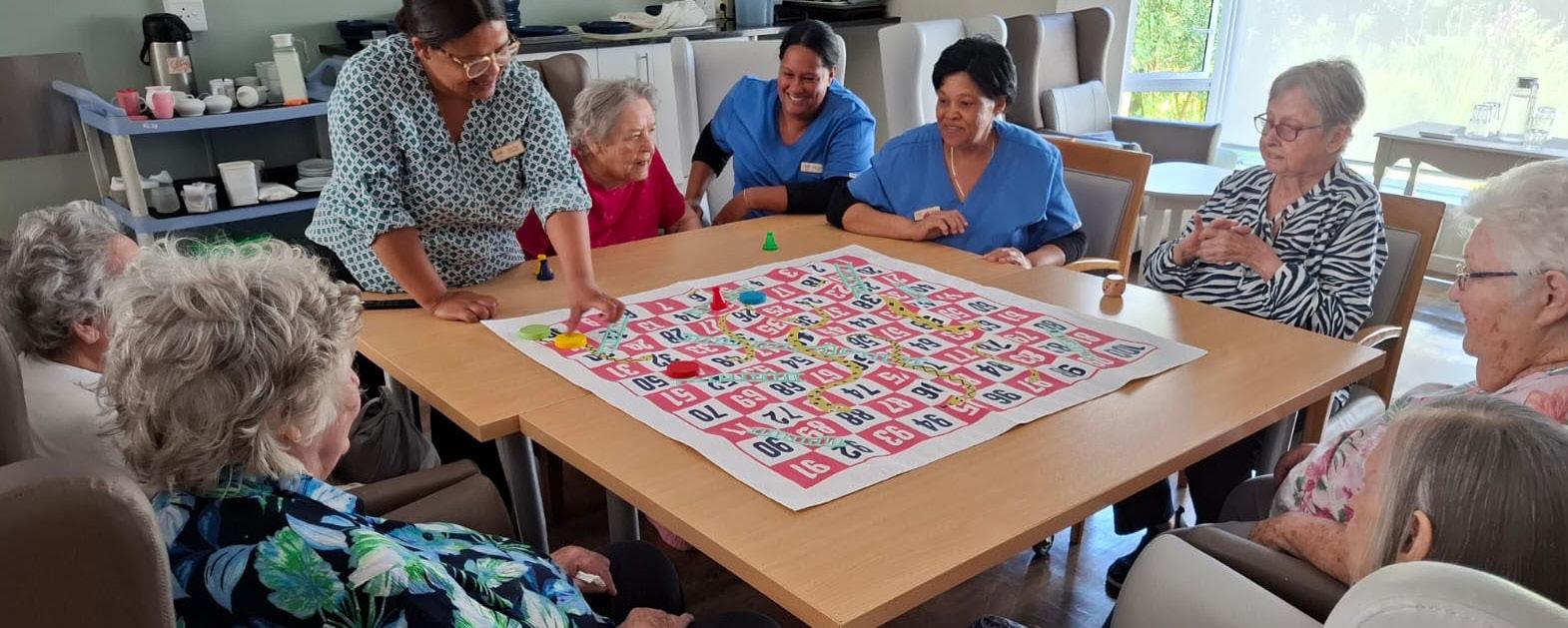
How to Keep Your Brain Sharp at Any Age
At Faircape Health, we strive to promote lifelong cognitive well-being through holistic care. As the nursing team, we believe that healthy ageing is about supporting the whole person and not just managing an illness.
Brain health plays a vital role in independence, confidence, and quality of life, and research shows it can be nurtured at any age through simple, consistent habits. The encouraging news is that small everyday choices, supported by a caring environment, can help the brain remain active, adaptable and resilient throughout life.
Here are a few points to help achieve this:
Staying Curious: The Power of Mental Engagement
Curiosity keeps the mind engaged and the brain adaptable. The brain thrives when it is gently challenged. Learning new things helps strengthen neural connections and supports memory and problem-solving skills. This doesn’t require formal study or complex tasks. Reading, engaging in conversation, trying a new activity or revisiting a favourite hobby all stimulate the brain.
Movement as Medicine for the Mind
When the body moves, the brain benefits. Physical movement is essential not only for physical strength but also for brain health. Regular activity improves blood flow to the brain and supports focus, memory, and emotional well-being.
Gentle, guided movement, such as walking, stretching, or balance exercises, can be highly effective when practised consistently. A supportive care environment encourages safe movement that respects individual ability and comfort.
Rest and Routine: Why Sleep Matters
Quality sleep plays a crucial role in memory, concentration, and emotional regulation. During sleep, the brain processes information and restores itself. Consistent routines and a calm, supportive environment help promote better sleep, an important part of holistic care and overall well-being.
Connection and Community
Connection supports not only emotional health but also cognitive strength. Social interaction is a powerful contributor to brain health. Meaningful connection stimulates multiple areas of the brain and supports emotional resilience.
At Faircape, community, shared experiences, and positive relationships form an essential part of caring for cognitive and emotional well-being.
Nourishing the Brain Through Balanced Nutrition
The brain depends on good nutrition to function well. A balanced, varied diet supports mental clarity and long-term cognitive health. Rather than focusing on restriction, promote nourishment, enjoyment and balance and recognise that food supports both physical health and quality of life.
A Holistic Approach to Brain Health
Healthy ageing is about supporting the whole person: mind, body and spirit. Brain health is not shaped by one habit alone, but by the combination of movement, connection, purpose, rest and compassionate care.
Supporting cognitive well-being means respecting individuality, promoting independence and creating environments where people can continue to thrive at any age.
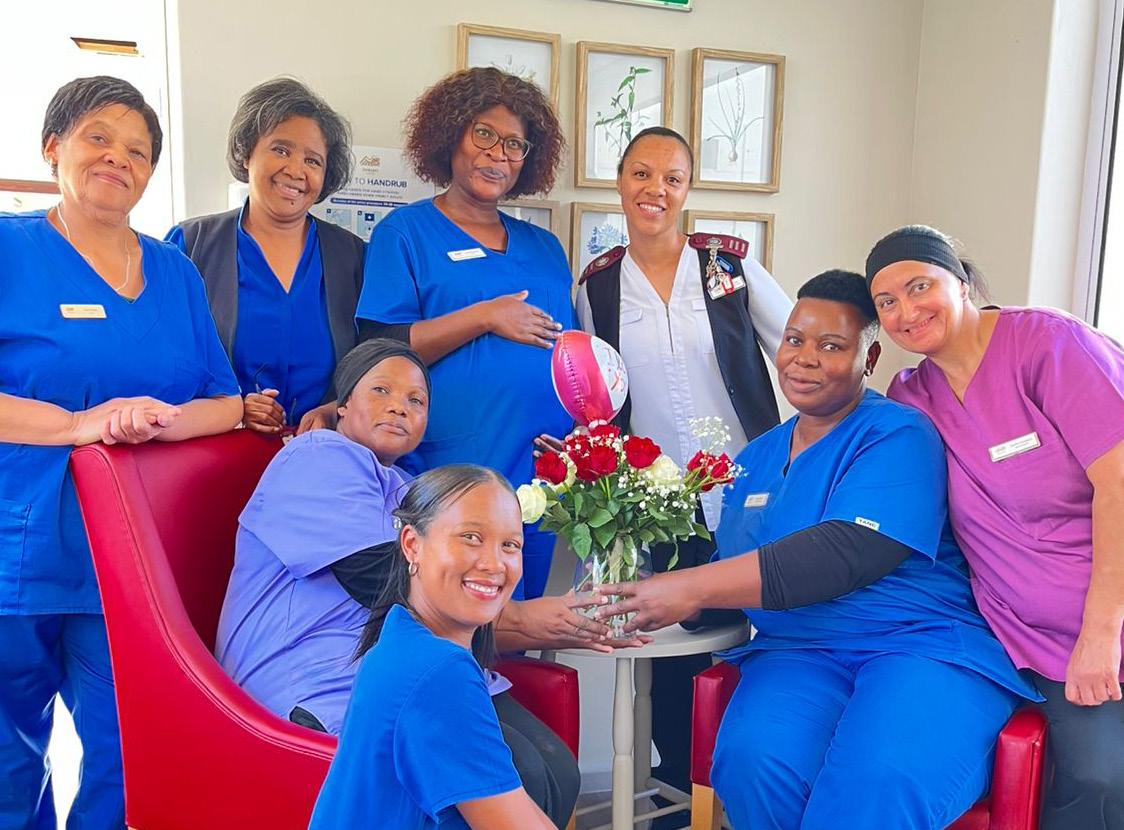
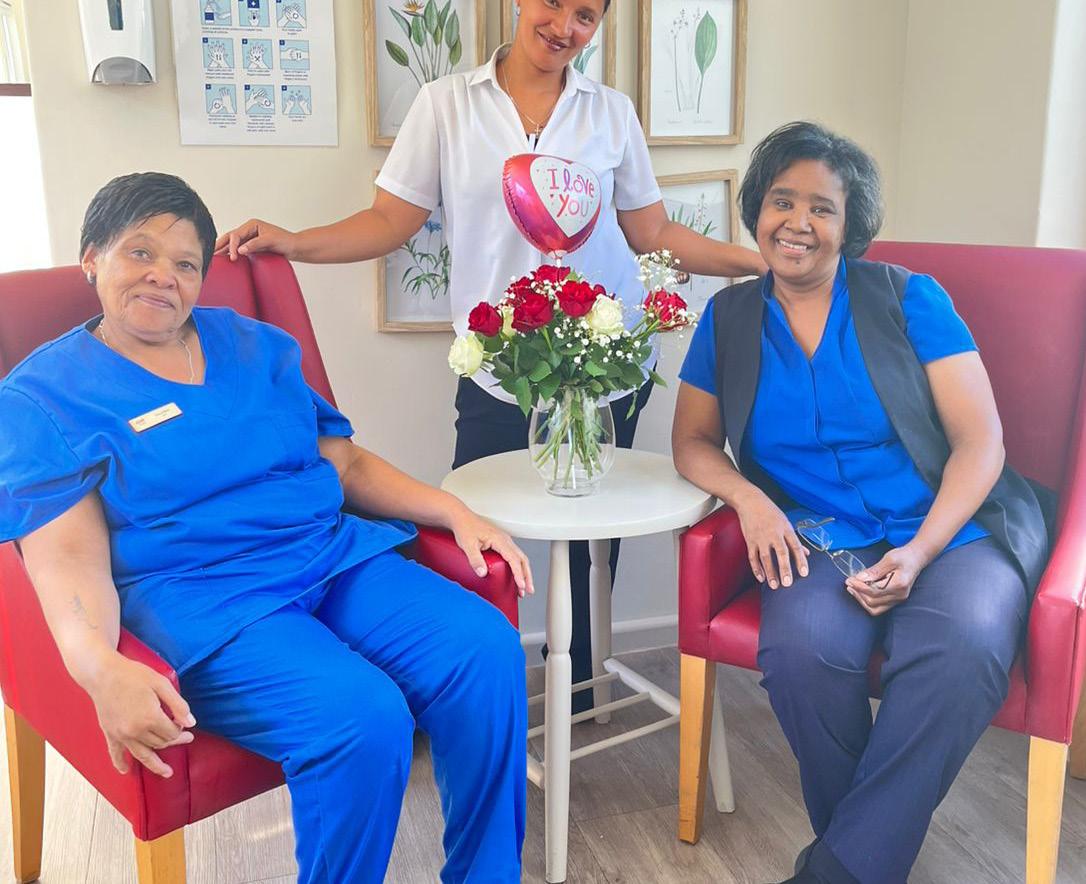
The Nursing Recognition Programme: Celebrating our Nursing Team
As part of our Nursing Recognition Programme, we intentionally create monthly moments to allow our nursing teams to pause, breathe, and step away briefly from the demands of their clinical responsibilities.
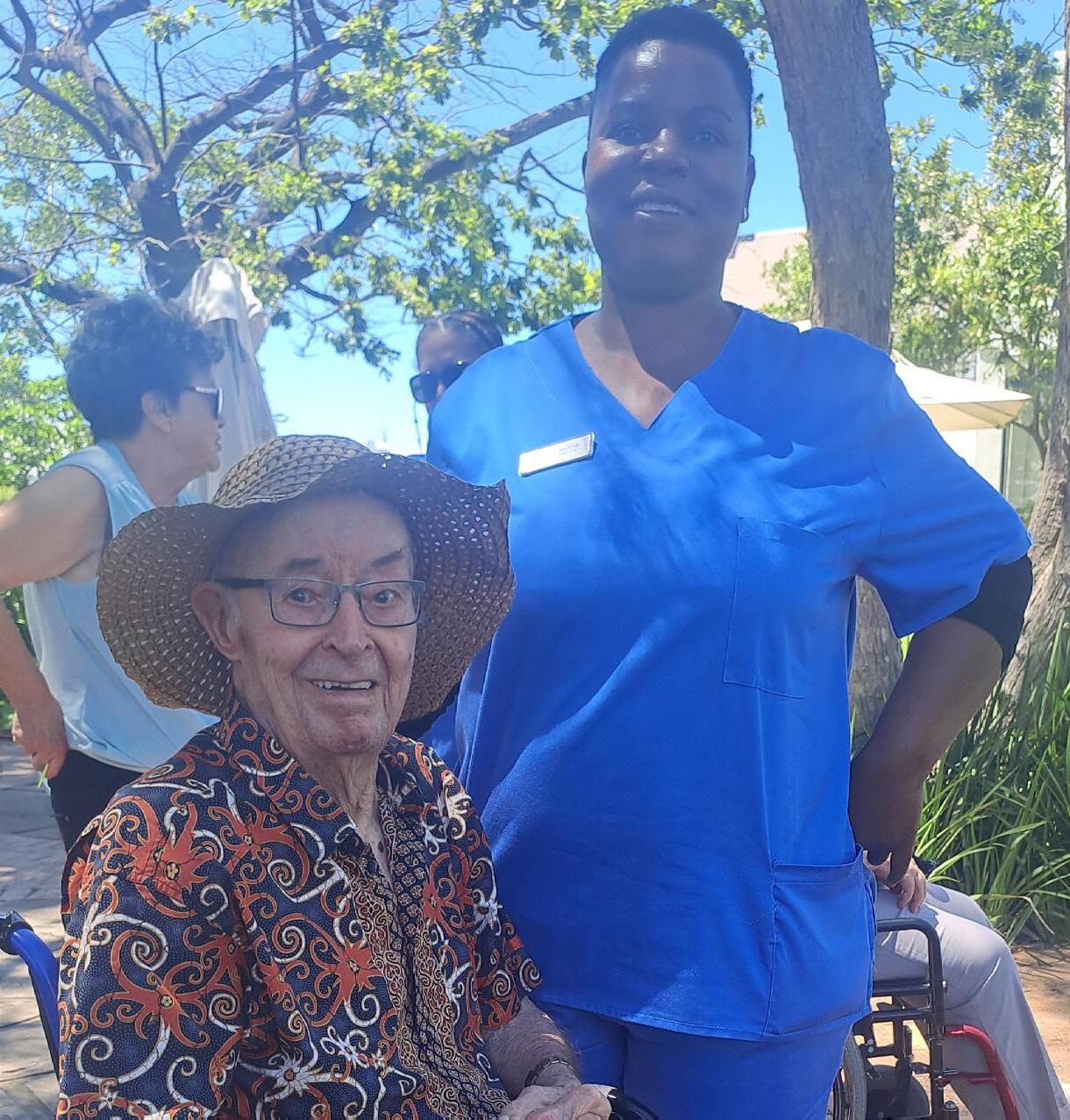
In February, in celebration of Valentine’s Day, we took the opportunity to send heartfelt appreciation and gratitude to an exceptional and dedicated team of nurses. Their compassion, professionalism, resilience, and unwavering commitment to patient care do not go unnoticed. The kindness they extend to patients and families each day reflects the true spirit of nursing.
With appreciation and respect, we say a sincere and heartfelt thank you. We are proud of you, we value you, and we celebrate you.
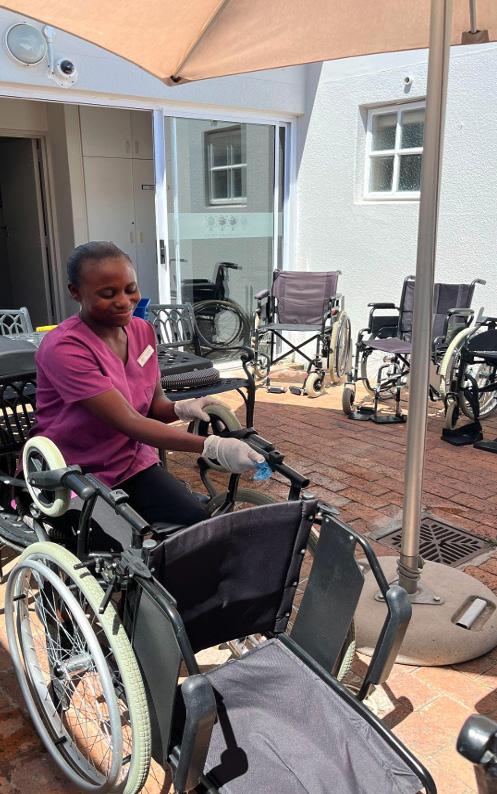
A Huge Thank You to Glenda Makiseni
Observing such dedication to her task, I was truly moved to capture this moment. Glenda Makiseni, one of our devoted housekeeping team members, was carefully carrying out her weekly responsibility of ensuring that all our residents’ wheelchairs are cleaned, checked, and maintained in top condition.
It was not just a routine duty; it was performed with pride, attentiveness, and genuine care. Glenda’s commitment reflects the quiet excellence that so often happens behind the scenes. By ensuring our residents’ mobility equipment is safe and well-maintained, Glenda plays an essential role in their comfort, dignity, and well-being.
Thank you, Glenda, for your diligence, reliability, and the heart you bring to your work. Your dedication does not go unnoticed. It is team members like her who strengthen the foundation of quality care in our facility.
NEWS FROM OUR SOCIAL WORKERS
Ageing with Grace: Lessons From Our Residents
Working in a healthcare environment offers a rare and profound opportunity to care for people whose lives span eight, nine, and sometimes even ten decades. Our residents carry with them rich life stories shaped by love and loss, joy and grief, hope and disappointment, resilience and gratitude.
These are lives fully lived, and they continue to teach us if we are willing to listen to them. I spent some time speaking with several residents about the lessons that have guided their lives, as well as with staff members who walk alongside them each day. What emerged was a shared wisdom that reaches far beyond age or illness.
Doug, who recently celebrated his 90th birthday, reflected on the renewed awareness of what truly matters. His family surprised him with a celebration with his children, grandchildren and their partners, all making the effort to be present. For Doug, this moment reaffirmed a lifelong truth about the importance of family and faith.
For Doug, family and spirituality remain the foundation that gives his life meaning. “Unbeknownst to you, the Lord uses you throughout your life to reach others. Seek the guidance of the Lord and trust in Him. Get involved in life around you. Be part of society and community,” he said.
Rozetta spoke with deep gratitude about the life she has shared with her husband, their children, extended family and friends. She described a life lived with intention, pursuing her passions for nature, music, and travel, and sharing these experiences with the people she loves most. What brings her joy today are not only those cherished memories but also gratitude for her current health and the relationships that continue to sustain her.
Lesley shared a quieter but equally powerful sense of fulfilment. She lives with the comfortable satisfaction of knowing she raised her three children to follow their passions. She spoke with pride about their accomplishments – a lawyer, a banker, and a pilot – and expressed peace in knowing she supported them in becoming who they were meant to be. She is thankful for where she is now and that she is generally healthy and still maintains a lifelong friendship with a friend she has known since primary school.
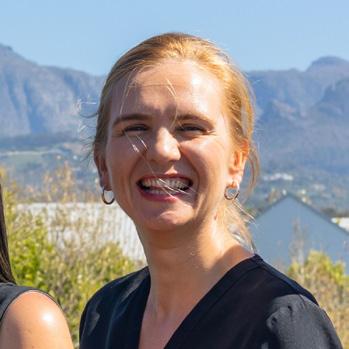
Liesel de Kock
Social Worker
socialworker1@faircapehealth.co.za
When staff members were asked what they had learnt from working with our elderly residents, many spoke about patience in caregiving, but also patience with life itself. Slow down. Take time. Don’t rush. Sr Muller shared how she has witnessed remarkable resilience in the face of sudden and unexpected health changes and how the strength of family support can make all the difference. She has also become aware of how short life is and how we must make the best of each moment, as we don’t know what tomorrow will bring.
It is always amazing to see how people can be open to and accept joy in the moment. These reflections remind us that ageing is not merely a medical process but a deeply human one. Even in times of vulnerability, older adults continue to find meaning, connection, purpose, and growth. Their stories call us to practise care that honours dignity, values relationships, and recognises the whole person, not just their diagnosis.
Ageing with grace, it seems, is less about avoiding hardship and more about embracing life with gratitude, patience, faith, and connection. These are lessons our elders offer us every day, quietly, generously, and with profound wisdom.
850 2251