


FIND THE HOME THAT FITS YOUR LIFE
















FIND THE HOME THAT FITS YOUR LIFE

P.24
Akheem Mesidor
Akheem Mesidor on becoming Ottawa’s first first-round NFL Draft pick, his rise through local football, and the mindset driving his next chapter with the Los Angeles Chargers.
P.36
Wesley Bailey
Wesley Bailey looks back on the Ottawa roots and experiences that shaped his rise in football.
P.44
Gwyneth Philips
Gwyneth Philips on Olympic gold, her time with the Ottawa Charge, and the moments, on and off the ice, that continue to shape her game.
P.52
The Sōma Effect
Sōma Pilates founder Shima on scaling her Ottawa studio, building a loyal community, and expanding east with a new Orléans location.






P.48
New In Ottawa
Two Fresh Destinations Worth Discovering
P.57
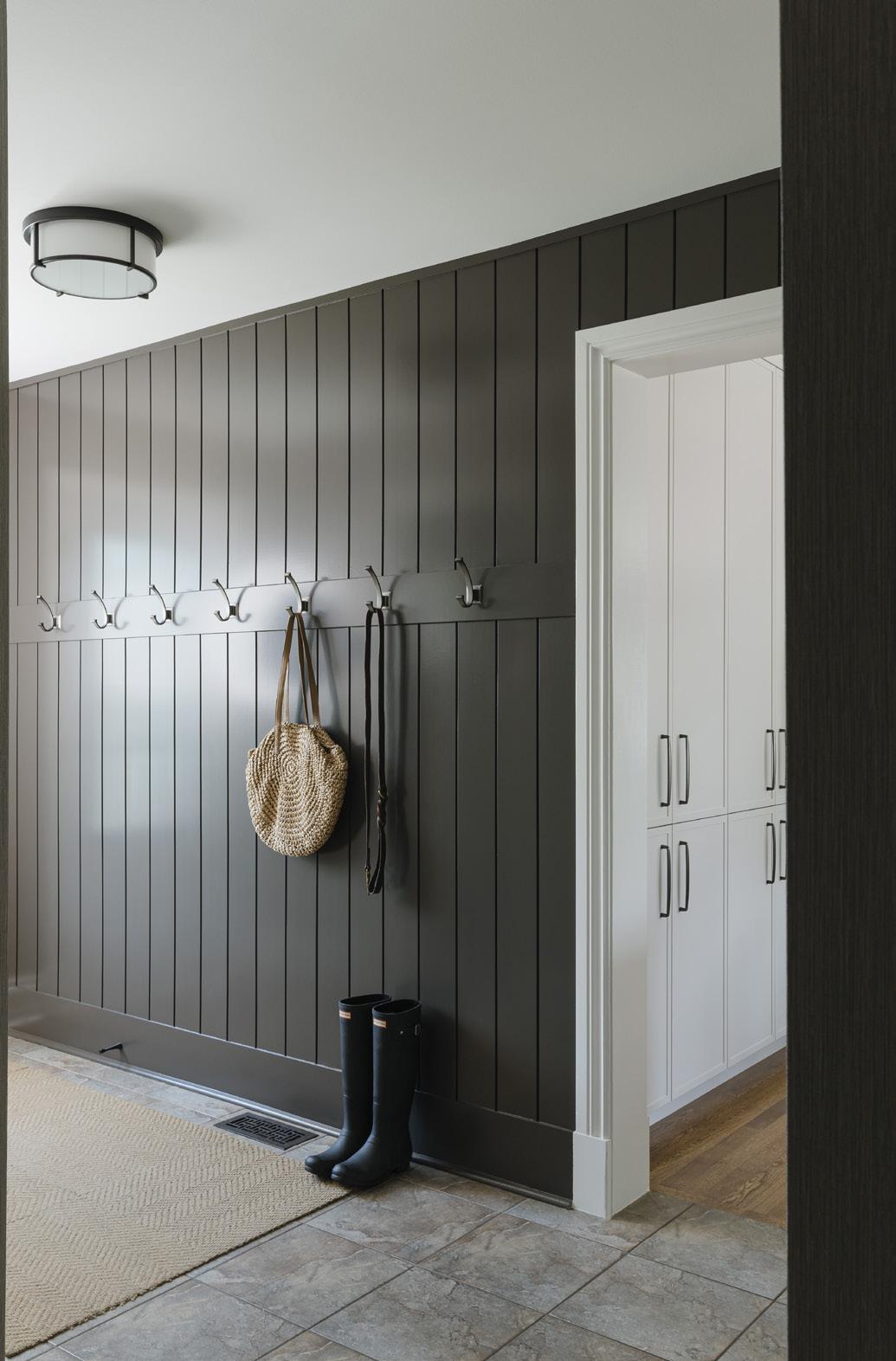
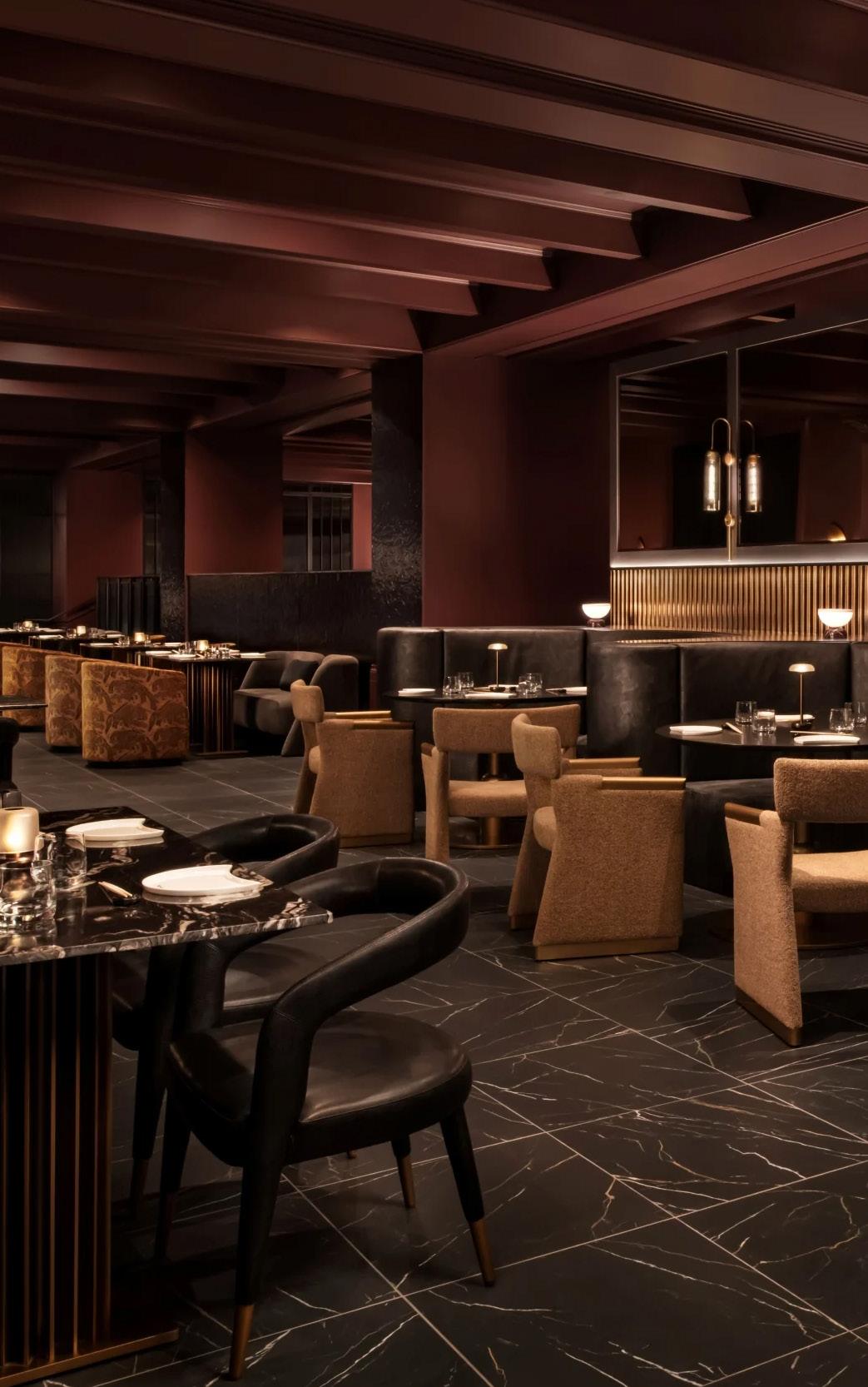
From clean-lined architecture to softened textures, a look at the interior shifts shaping early spring spaces.
P.56
At The Table
These five restaurants highlight different corners of the city’s food culture, each with its own approach to great dining.
P.64
Case for the Whiskey Sour
Why the Whiskey Sour continues to anchor modern cocktail menus.


Faces Magazine is distributed bi-monthly and offered free at select locations across Ottawa and in cities across Eastern Ontario. Full issues are also available online.
Faces Magazine is a non-traditional print medium with a strong brand presence on social media.
Editor In Chief
Evan Childerhose
Publisher
Justin MacKinnon
Hank’s Paw Publishing (A Division of 8624771 Canada Inc.)
Creative Director
Catheryn Wheeler
Accounting/Finance
Linda Zhang
Managing Editor
Alex Feeney
Sales Manager
Quinn Valters

info@facesmag.ca

CONTRIBUTING PHOTOGRAPHERS
facesmag.ca/awards
To request our event sponsorship packages, please email info@facesmag.ca
For all other information regarding our events, please call or visit our event website facesmag.ca
Suite 101-105 Schneider Road Kanata, ON | K2K 1Y3 CONTACT
echilderhose@facesmag.ca
info@facesmag.ca
Steve Warne
Dan Lalande
Orion Taylor
Alex Feeney
Michelle Li
Jordan Palleck
Corey Stone
Christopher Lord
Molly Burke
Garry Thom
Mark Steele
Ryan Bova
Eric MacIsaac
Kenzie Murphy
Jamie Brown
Robert Smith
Kate Wright
Meaghan Vincent
Guillaume Dubois
Connor Khonick
Todd Hamilton
Marc Paul
Lindsay Risto
Morris Miller
Hugo Tremblay
Neil Jeffrey
Michael Smith
Daniel Harrison
Cover: Nicolai Gregory
Sean Sisk
Jessica Thomas
Lenz Studio
Chris Tanouye
John E. Sokolowski
Jana Chytilova
David Maman
Leah Huebner
Andre Ringuette
Connor Armstrong
Taylor Condon
Peter Wright
Yana Klaiz

Parkdale Night Market
Begins June 3rd, Wednesdays
Parkdale Market
Orleans Craft Beer Festival
June 5th - 6th
Centrum Plaza
Doors Open Ottawa
June 6th - 7th
Multiple Locations
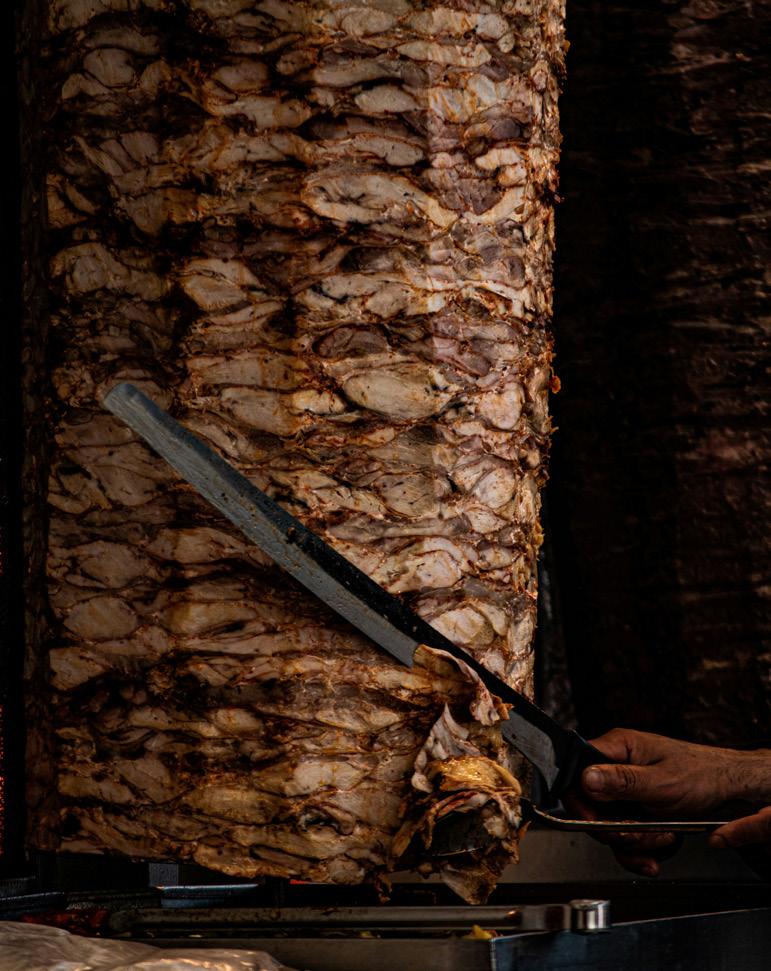
Ottawa Shawarmafest
June 7th
Byward Market
City of Om
June 12th - 14th
RA Centre
Ottawa Dragonboat Festival
June 19th - 21st Mooney’s Bay Park
Ottawa Italian Festival
June 19th - 21st Preston Street

Ottawa Ferrari Festival
June 19th - 21st
Preston Street
19-21
Ottawa Jazz Festival
June 19th - 28th
Confederation Park
Ottawa Summer Solstice Indigenous Festival
June 20th - 21st
Wesley Clover Parks
Art in the Park
June 13th - 14th Central Park
Escapade
June 26th - 28th
RA Centre

and
as the first player from Ottawa ever selected in the first round of the
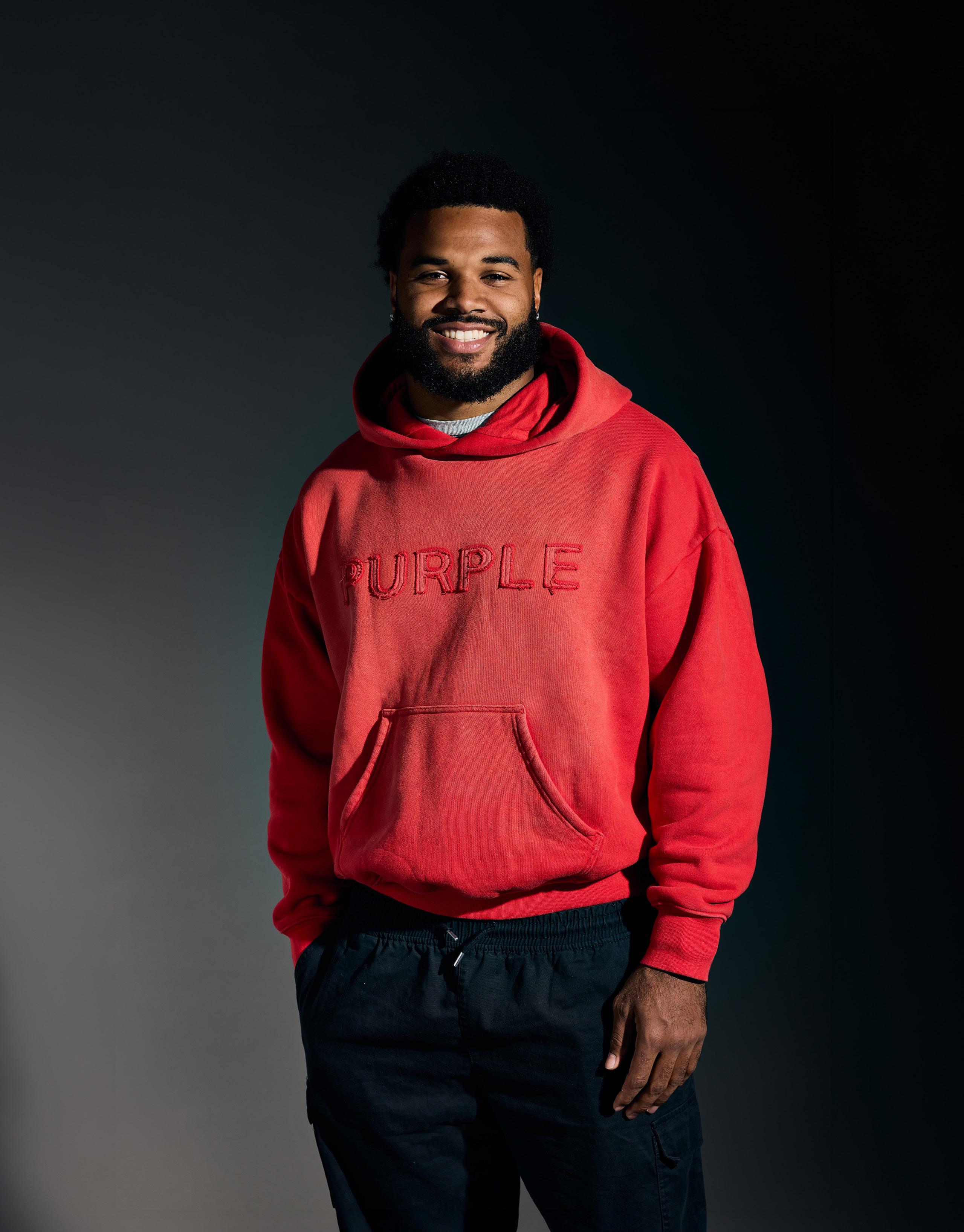
By Steve Warne | Photography by Nicolai Gregory
“I’m going to remember all my friends being there. My friends, family, the young kids from Gridiron Academy and the North Gloucester Giants, and everybody’s faces, happy and taking pictures.”
Akheem Mesidor just accomplished something no one from Ottawa has ever done before.
No one.
On April 23, surrounded by family and friends, the University of Miami edge rusher got the call he had been waiting his entire life for. Mesidor was selected in the first round of the 2026 NFL Draft, becoming the first player in Ottawa football history to reach that milestone.
At his draft day party in Ottawa, Mesidor was front and centre, seated beside his mom, Carole, and everyone was mesmerized by the TV coverage. 21 teams had already made their selections and the Los Angeles Chargers were on the clock.
When Mesidor’s phone rang, the room went silent.
Sure enough, the call was from the Chargers’ war room. On the line was Chargers general manager Joe Hortiz, head coach Jim Harbaugh, and owner John Spanos, who passed the phone around to congratulate him. When Harbaugh grabbed it, he identified himself and then hollered two simple words at his newest player.
“LET’S GO!” Harbaugh yelled with a smile.
During the brief chat with his three new bosses, Mesidor’s mom, Carole, was seated beside him excitedly whispering “Is that the call? Is that the call? I think it’s the call.”
Mesidor set down the phone and paused, rubbing his face and reflecting on the moment. His biggest fans were still breathlessly waiting to officially get the news.
Victor Tedondo, his former coach from Ottawa’s Gridiron Academy couldn’t stand the suspense and asked him, “Are you a Charger?”
As Mesidor nodded, Tedondo quickly slipped his prize pupil a Chargers ball cap and his draft party officially kicked into high gear on a night he’ll never forget.
“I’m going to remember all my friends being there,” Mesidor told Faces. “My friends, family, the young kids from Gridiron Academy and the North Gloucester Giants, and everybody’s faces, happy and taking pictures.”
Back at the Chargers’ war room, the celebration was just as big. After they set down the phone, the entire room of scouts, coaches
“Very excited. All the hard work that I’ve put in throughout years and years and years, a decade plus of training and preparing for this moment, and it finally came to life.”
and executives broke into applause with fist bumps, hand shakes and hugs, as if they’d won a playoff game.
And there’s good reason for excitement.
In his final year of school at Miami, he started 15 games and registered 63 tackles with 12.5 sacks and four forced fumbles. Mesidor also helped lead Miami to the National Championship game where he had three tackles and two sacks in a heartbreaking 27-21 loss to Indiana.
In this Q and A with Faces, shortly after the NFL Draft, Mesidor was a happy young man.
How does it feel to be a first round NFL Draft pick and joining the LA Chargers?
I feel great. It’s an awesome opportunity. I can’t wait to get out to LA, live there, compete my butt off, produce, and make some plays.
What did it mean to you to realize the dream you’ve been chasing for so long?
Very excited. All the hard work that I’ve put in throughout years and years and years, a decade plus of training and preparing for this moment, and it finally came to life.
Who were you most excited to share the moment with?
I was excited to share the moment with my mom. It was one of the most important days for her. She’s sacrificed a lot to put me in this situation. So the day was really about her.
Ottawa has become a football hotbed. What does it mean to now be one of the players to lead the new wave?
It’s awesome because I remember being a young kid, 10 years old, 11 years old, playing for the Giants. I looked up to the older guys, and saw them go off and do great things. And now that I’m doing the same thing for the younger generation, that means the world.
Do you feel like younger players back home in Ottawa are starting to look at your path as something that they can follow?
100 percent. And I try to go see as many players as I can. I go to different schools, different football teams. I talk to the players just so they can see me, hear from my mouth, hear my words, understand my story, and just know that no matter your circumstances, you can follow my footsteps and you’ll be better than me.
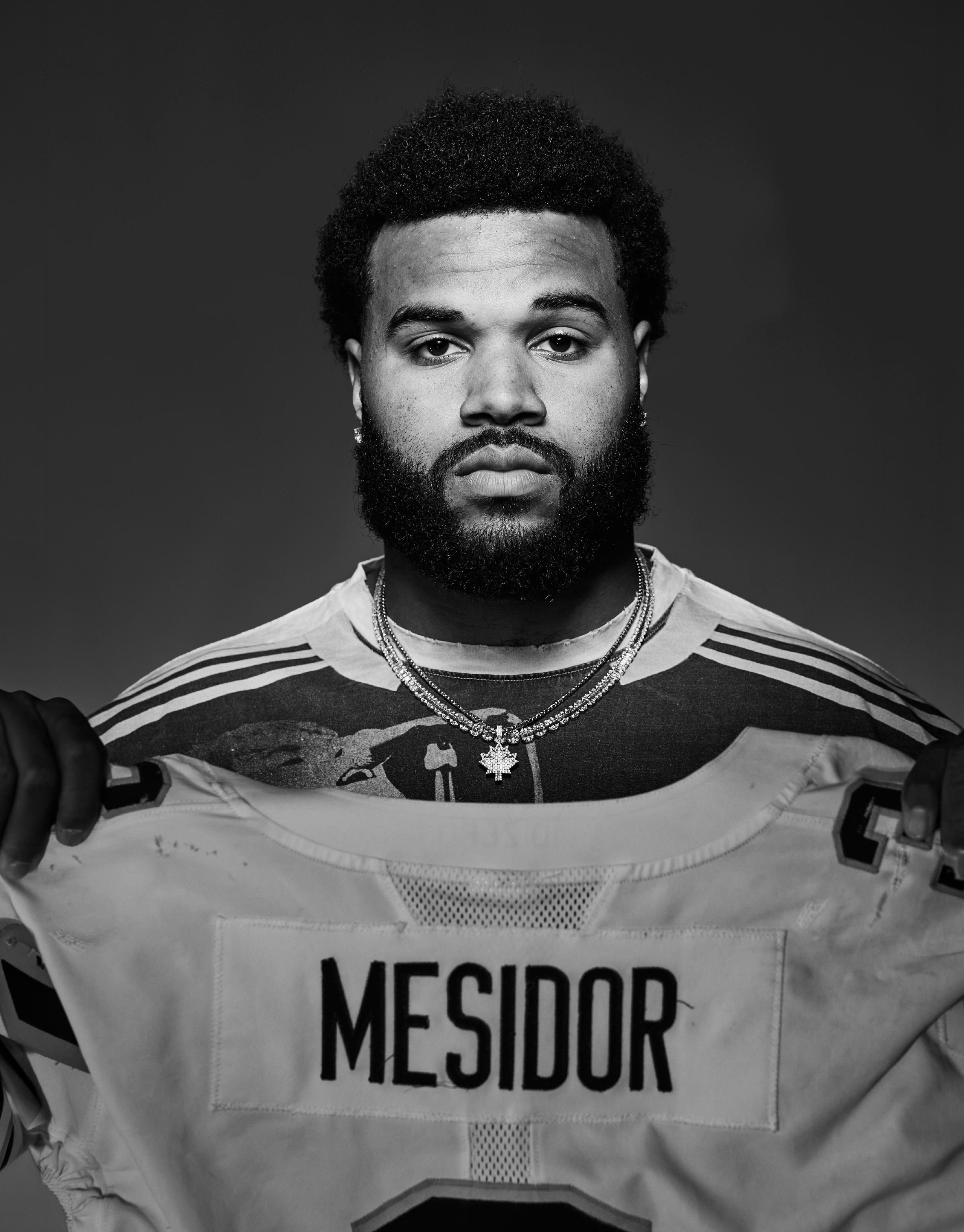
MCan you tell us more about your football roots in Ottawa and the team you played for?
I played for eight years with the North Gloucester Giants. Gridiron Academy is really what helped me develop the most in terms of the person I am today.
How are you handling all the new attention and expectations that comes with being a first round pick?
I think I’m handling it fine. I really ignore most of it because I still remember last year or the beginning of this year, nobody wanted to talk to me. I was really just, I was a nobody in a lot of people’s eyes. So I keep that same energy.
I know that if you’re not doing well, you’ll be forgotten. And if you do well, you’ll get a lot of love. So a lot of it might not be as genuine as people think it is, but I just keep my circle small and trust in the people I have in my corner.
What’s it like to make it to the National Championship Game?
Making it to the National Championship Game was truly a blessing, mainly because of, you know, how the program was when I first got there in 2022. We were a losing team, so to be able to be a part of growing that program and flipping it back around to where we’re national championship contenders... it truly meant the world and I’ll never forget it.
Until the interception at the end, you guys had enough time to go down and win the game. What was the excitement on this sideline like?
There was no excitement. We were all nervous, stressed. You know, that’s what comes with the game of football when the game is on the line. We couldn’t get it done, but still, it was an unforgettable season and an amazing game.
How long did it take to get over that game?
It didn’t take long. It probably took a few days, maximum a week. In my head, we weren’t even supposed to be there. Like, I let everybody count us out. So the fact that we got there and we were able to compete, that’s what the most important thing was.
Last time we connected for a Faces article, you said you hadn’t shown your true self on tape. Do you feel like you have done that now?
I feel like I’ve shown people what I’m capable of, but a complete full season, my true self, I think the best is yet to come.
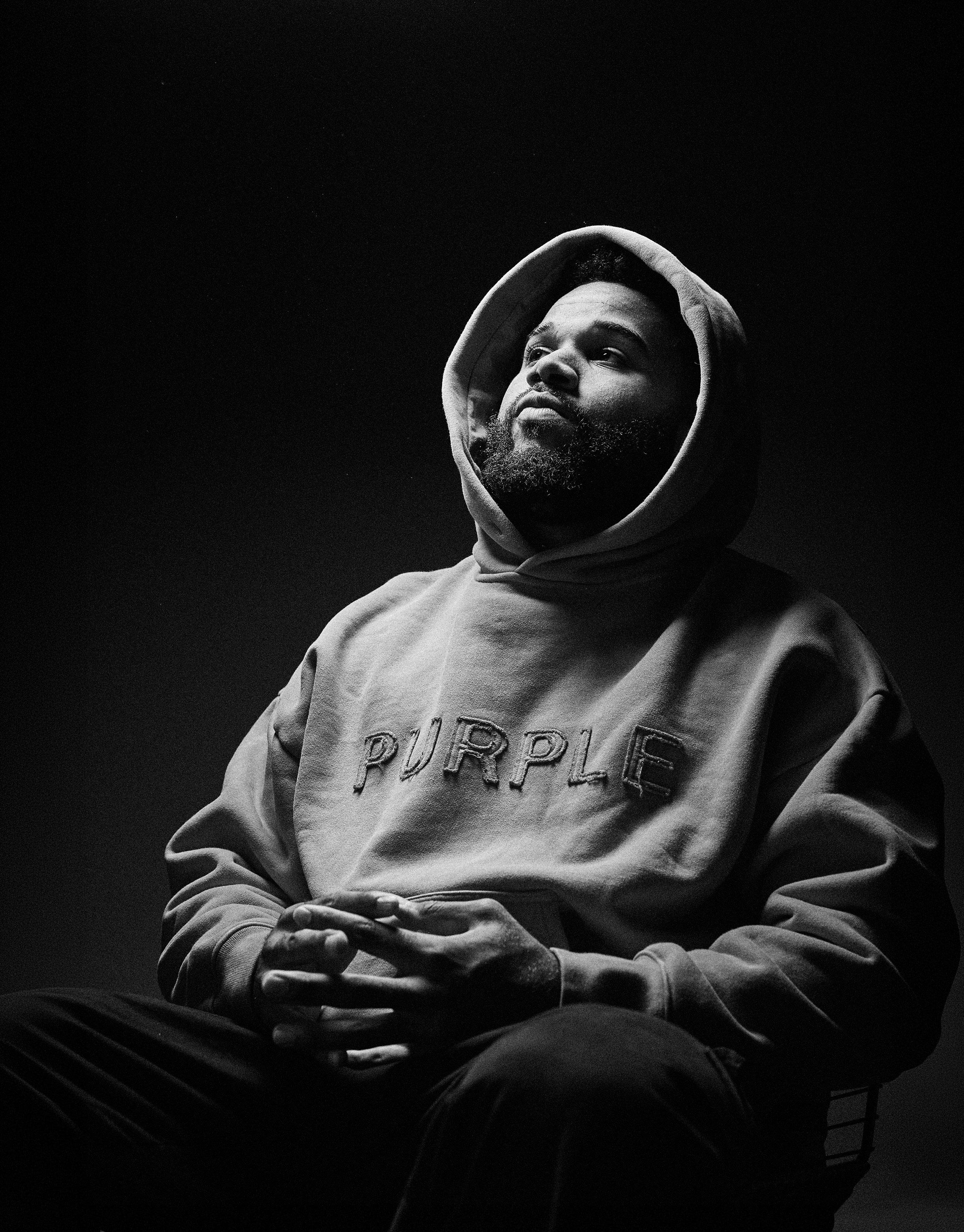
“I just keep my circle small and trust in the people I have in my corner.”

After everything you went through, the injuries, how did that experience change you?
I’m very grateful, very grateful for the ability to play this game. It humbled me. But the biggest thing is it helped me realize that this game can be taken from you in an instant. So you’ve got to cherish the moments that you have, not only during the games, but during practice, training, and falling in love with the process.
You put up 12.5 sacks, forced four fumbles last season and made it to the title game. Did you surpass your expectations?
No, I actually met my expectations. Before the season, I told myself I wanted to get 12.5 sacks and that’s exactly what I did. I’m actually disappointed in the ones that I missed. I could have finished with 15, 16, but stuff happens and you just miss sacks sometimes. But I matched my expectations.
What kind of player do you believe you can be in the NFL?
I think I can be a productive player and end up being an elite player. I want to produce, I want to get on a team, get sacks, help my team win. But I think I can become an elite NFL prospect.
Akheem Mesidor’s historic NFL Draft Day call came with two simple words: “Let’s go!” The perfect way to begin something great.


Coffee remains Canada’s drink of choice, with new national consumption data showing that about 71% of Canadians reported drinking coffee the previous day. The findings confirm coffee continues to outpace other beverages in daily consumption, from tea to soft drinks. Researchers say rising café prices are shifting some habits toward brewing at home, but the national’ love of coffee remains firmly intact.
Often described as Canada’s answer to Wordle, the Ottawa-created puzzle game Canuckle has now been played more than 240 million times by over 12 million unique users worldwide. Created by Ottawa brothers Mark and Jeff Rogers, the daily word game challenges players to guess five-letter words connected to Canadian history, geography, and culture. Since launching during the global Wordle craze, Canuckle has grown into a widely shared daily ritual for players across Canada and beyond. In 2025, the City of Ottawa officially proclaimed February 7 as Canuckle’s 1000th Puzzle Day in recognition of the milestone.


Ottawa ranks among the most book-loving cities in Canada, according to national library usage data that places the capital near the top for book borrowing and library visits per capita. The city’s extensive public library system and highly educated population continue to drive strong reading engagement, with thousands of residents regularly using local branches and digital lending services. The findings highlight Ottawa’s enduring reputation as a city that values books, learning, and lifelong reading.

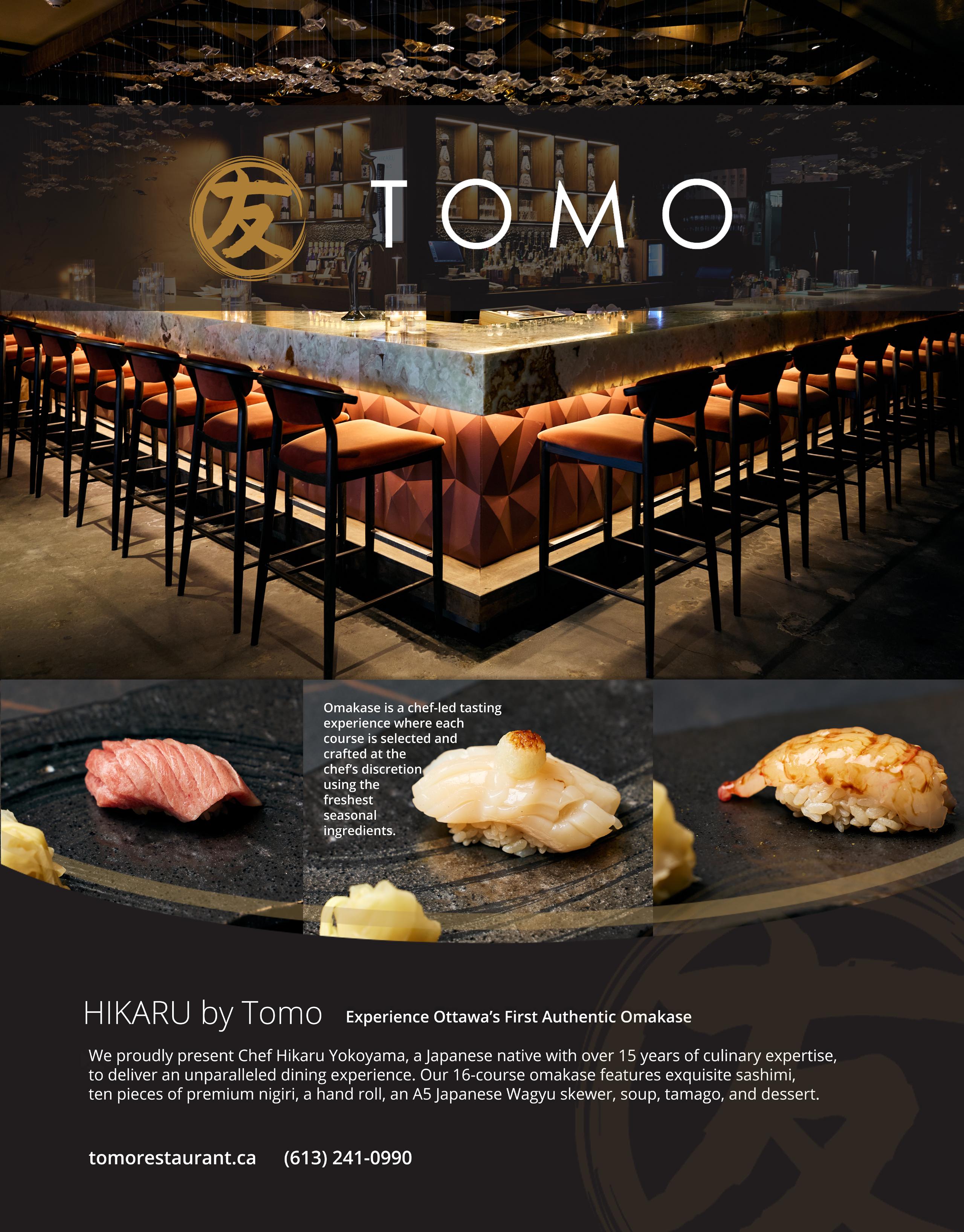
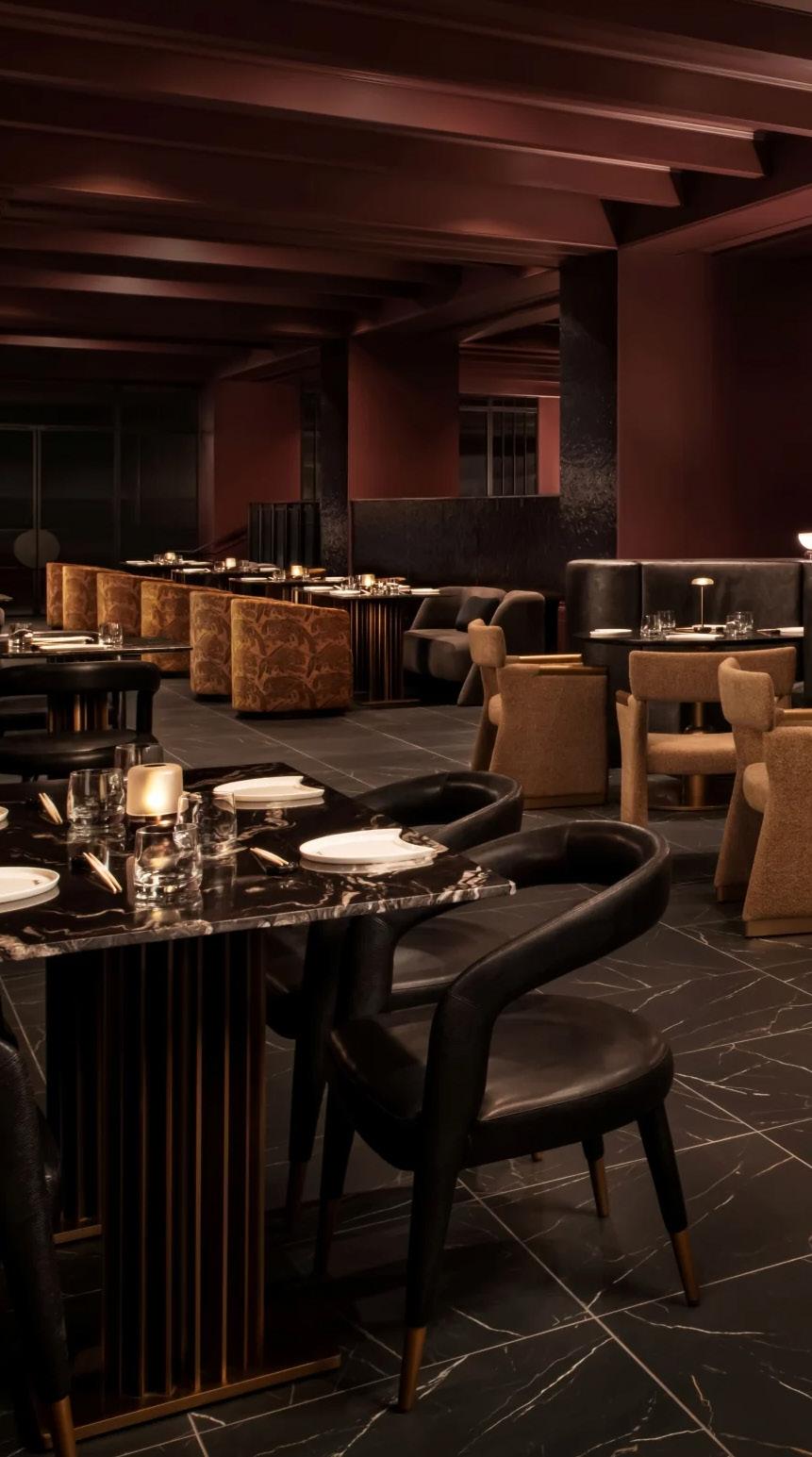
Two Fresh Destinations Worth Discovering
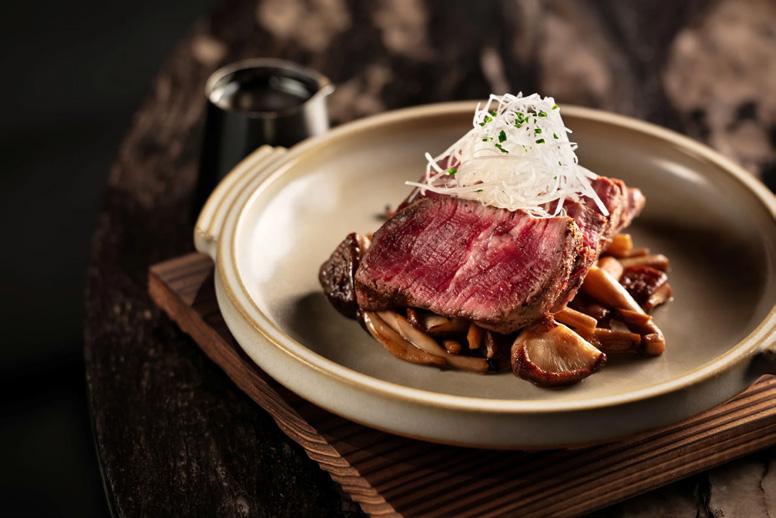
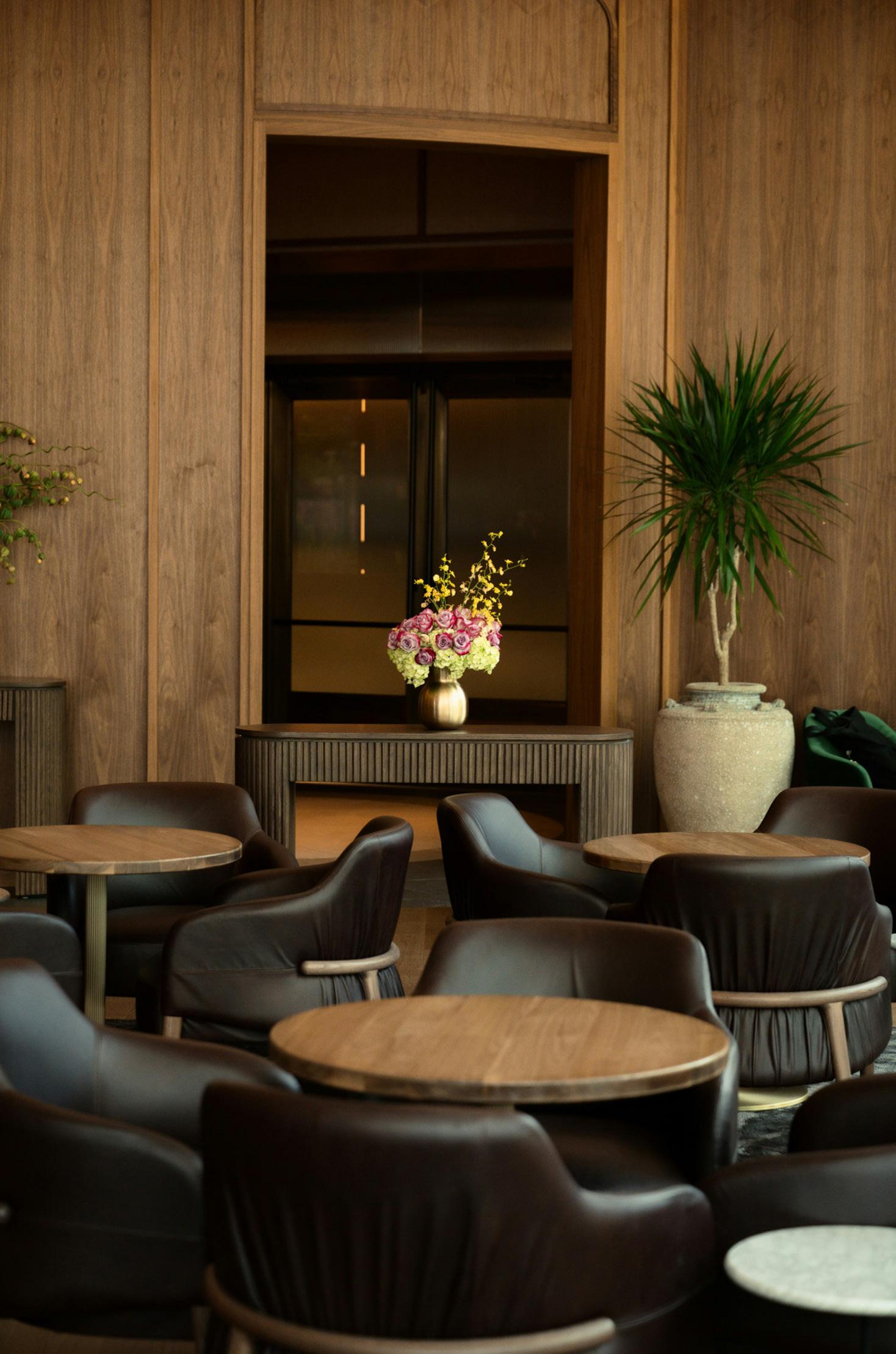
Internationally acclaimed chef Akira Back has officially opened his namesake restaurant inside the Fairmont Château Laurier, bringing his signature style of modern Japanese cuisine with global influences to the capital. Opened March 21, the restaurant offers an energetic, shareable dining experience with standout dishes such as Tuna Pizza, Salmon Tataki, and the popular “Brother from Another Mother” sushi roll, alongside premium mains like Wagyu Picanha and Seared Seabass. The space also features bold artwork created by Chef Back’s mother, Young Hee Back, while a curated sake list and cocktails such as the Lychi-tini and Wise Samurai round out the experience.

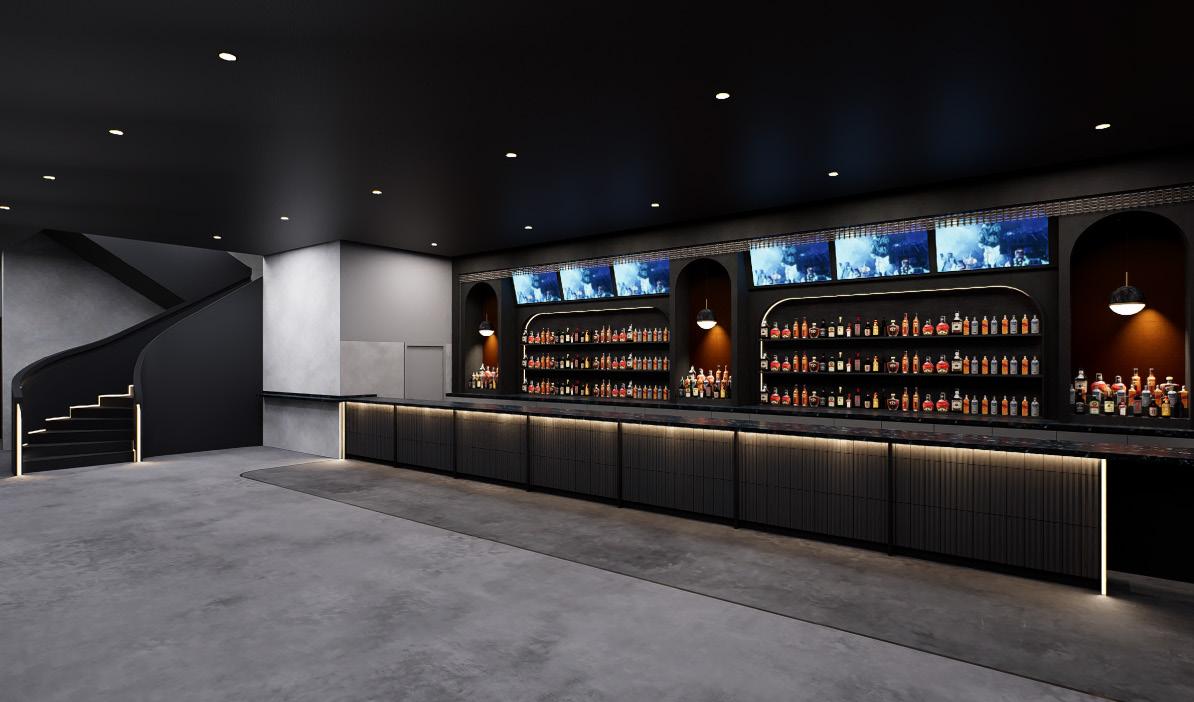
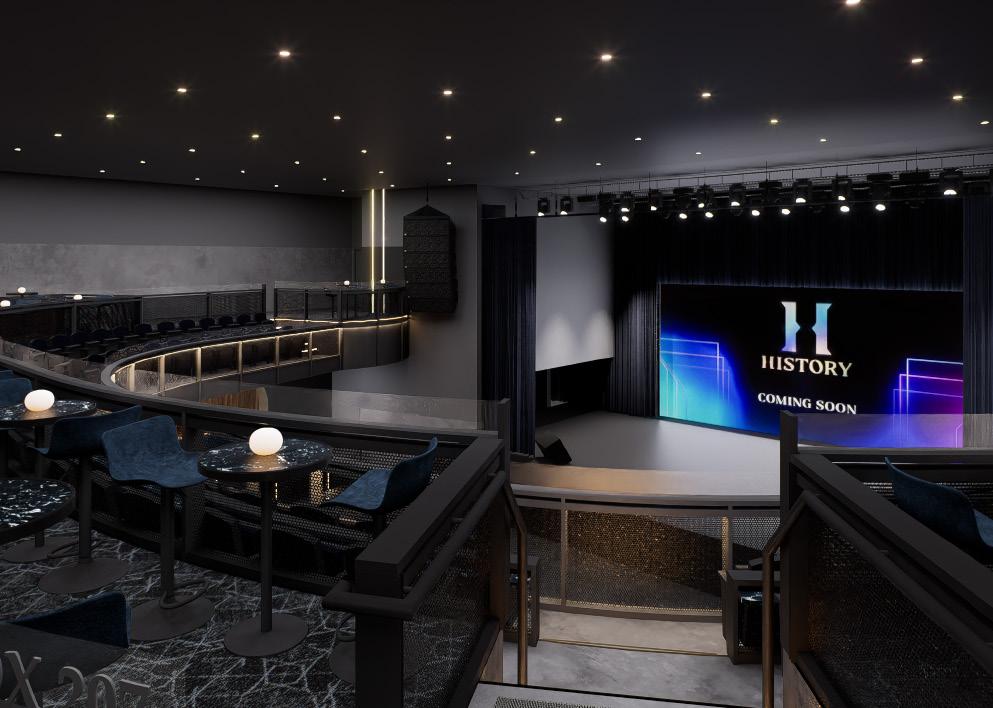
A new live music destination is coming to downtown Ottawa with the launch of History Ottawa on Rideau Street. The 2,000-capacity venue, developed by Live Nation, will host concerts and special events in a two-level space featuring state-of-the-art sound and lighting.

Trusted support. IT smart.
Microsoft 365 powers your business, but without the right configuration, it can leave you exposed.
Overlooked security settings and missing backups can quickly lead to data loss and operational risk. WHAT OUR COMPREHENSIVE
ح Microsoft 365 security audit (users, access, policies)
ح Email backup verification & gap analysis
ح Multi-Factor Authentication (MFA) review
ح Threat protection & phishing vulnerability check
ح Data protection & compliance review
ح Overall cybersecurity health score


Reduce risk. Protect your data. Ensure business continuity. SCAN TO GET STARTED


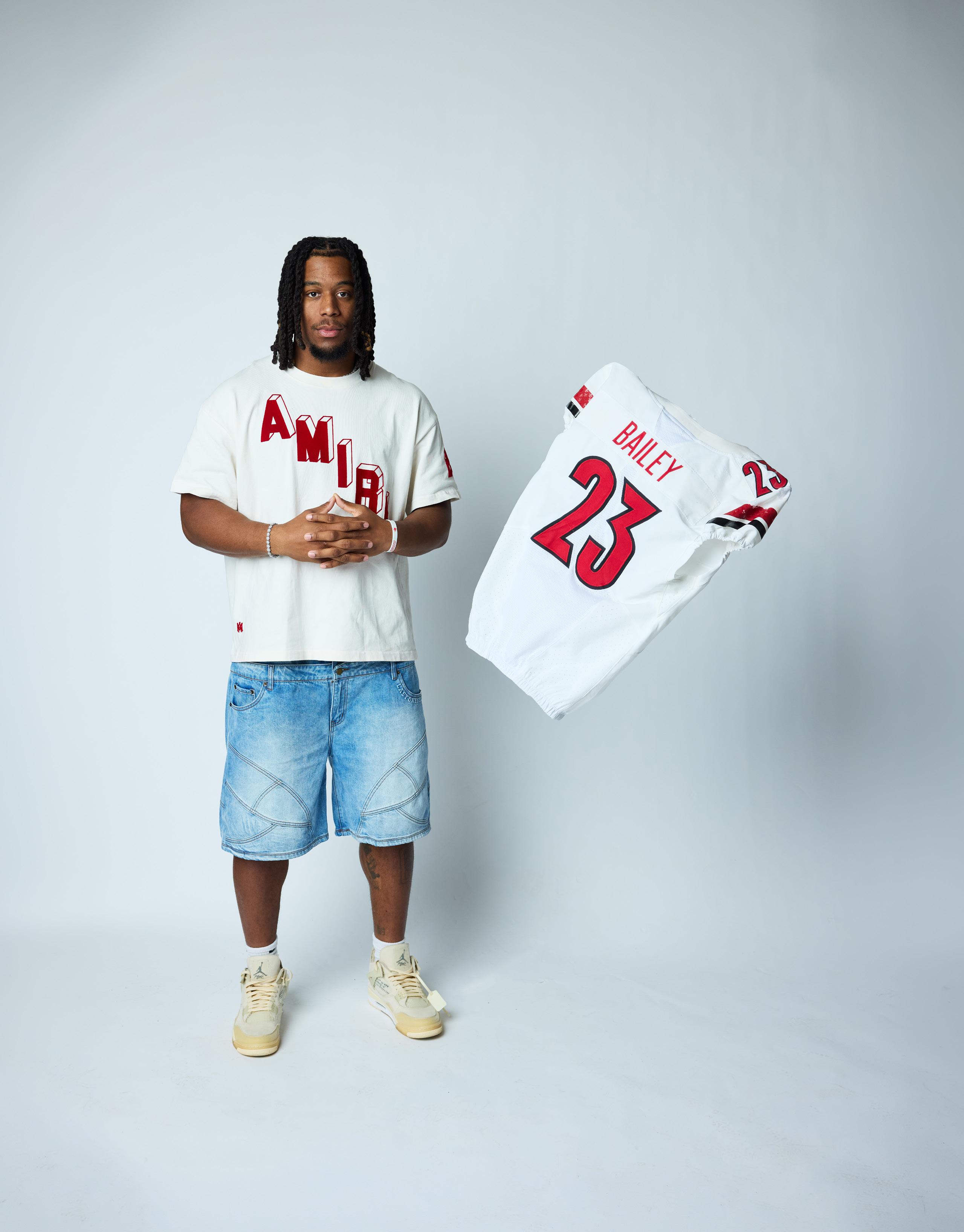
Wesley Bailey, an Ottawaborn defensive lineman who developed through local programs like the Cumberland Panthers and Gridiron Academy, continued his career at Rutgers before finishing at the University of Louisville, emerging as a pro prospect.
By Steve Warne
Wesley Bailey knows his life is about to change.
After years of development, sacrifice, and steady progression, the Ottawa native finds himself on the verge of the professional game, with football opportunities on both sides of the border.
For many players, the leadup to the NFL and CFL Drafts can be a stressful time, filled with combines, meetings, and general uncertainty about what comes next.
For Bailey, a star defensive lineman out of the University of Louisville, it’s something else entirely.
“It’s exciting,” Bailey said. “You don’t necessarily know. You could end up anywhere. You just embrace it and keep working.”
At 6-foot-5, 265 pounds, Bailey’s speed, power and compete level have him on several NFL teams’ radar, and leading into the CFL Draft, he was expected to go in the first or second round.
Bailey’s football road to the pros began in Orleans, playing in the early days as a receiver and running back with the Cumberland Panthers. Over time, as his frame developed and his skill set evolved, he transitioned to the defensive line and eventually made his way to college ball, first at Rutgers, then last season at Louisville.
His years of training, like so many of this city’s elite young pro football prospects, included Ottawa’s Gridiron Academy under the tutelage of owner and coach Victor Tedondo.
But it’s his family backstory, long before football was on his radar, that makes his achievements all the more remarkable.
Bailey grew up with his three sisters, Shanel and Shanti, and his twin sister, Wesley-Ann. His mom had moved here from Jamaica, and in the early days for the family, Bailey said things were challenging with 12 people living in a two bedroom apartment.

But those early challenges were only part of the story. Tragically, when Bailey was just 5, his mom was killed while visiting family back home in Jamaica.
In the years that followed, as Bailey grew old enough to realize the full scope of her absence, he was able to lean on his sisters and extended family for love and support. Today, that foundation remains a big part of everything he does, even when he’s on the field.
Every time he gets a sack now, he honours them during his celebration, holding up his hands over his head in the shape of a heart. It’s his way of thanking the people who helped him reach this point, including the mother he lost.
“Everything I do is for them,” Bailey said. “Every time I go to work or step on that field, I always give a tribute to them to say I appreciate them, because there’s different people in my life that made sacrifices for me. And so anytime I’m tired or feel like quitting, it’s like you don’t have that choice.
“Because you’ve come too far, and overcome too much.”
In this Q and A, Wesley Bailey looks back on life in football, growing up in Ottawa, and the next chapter.
Tell us about growing up in Ottawa and what you enjoy about the city.
I grew up on the east side of Ottawa, an Orleans kid, and I’d say I love the food selection we have because Ottawa is a diverse city. We have so many different cultures, whether it’s Jamaican, Haitian, Nigerian, Lebanese, Japanese, whatever type of food you wanna get into.
What have you been doing since your season at Louisville ended?
We had to go to the combine and pro day training. So me and one of my Louisville teammates, Rene Konga, who’s also from Ottawa, went to Orlando and did combine training and positional work. And
then we had pro days, March 16th, did well there, stayed there for a little bit, worked out, trained, and then came back here to Ottawa.
How were you feeling about either being drafted or signing with an NFL team?
Excited. One thing about this process? You never know. At the end of the day, you can either be drafted or become an undrafted free agent. So I’m excited to know where I’ll be in a couple weeks, I could be in LA, or could be in Florida, could be in Denver. So I’m just embracing the process.
Tell us about your early days in football. What position did you play at first?
I played for the Cumberland Panthers most of my life, from about grade five and on. And most of the time I was either a receiver or a running back. I obviously had a lot of fun playing receiver and going for touchdowns.
When did you move to the defensive line?
When I started taking football more seriously, I started training with Coach Victor Tedondo at Gridiron Academy. He felt like it’d be the best move to go from the offensive side to the defensive side and play D-line.
What is Tedondo’s secret formula for helping develop so many elite football prospects?
That’s a great question. He’s a great person, a personable guy. And he also has a great mindset when it comes to attacking things. He takes the time to instill that into kids at a young age, guys like me and Akheem Mesidor (drafted 22nd overall by the LA Chargers in the 2026 NFL Draft).
As a kid, you don’t wanna do all this extra work, you don’t wanna do all those extra sprints, or you don’t wanna be overly exhausted, because you don’t necessarily know how to work yet, and that’s okay. But he takes the time to get you over that hump and turn you into a hard worker. And a shout out to him because he took the time to drive guys across the border to different north-
ern states, whether it’s Indiana, Ohio, Pennsylvania, or New Jersey just to get exposure.
What league did you follow growing up, NFL or CFL?
Yeah, so funny enough, I didn’t actually watch that much sports growing up.I didn’t watch NFL, I played Madden, I played football on PlayStation, and I would use guys like Calvin Johnson. But I wouldn’t say I watched too much NFL or CFL growing up. Maybe the Super Bowl here and there.
So how did the football attraction start in the first place?
Yeah, so with my mom, I was playing baseball a little bit. But at the time, I didn’t know when you’re on base, you can’t run past other people. So as a little kid, I kept doing that, so we switched sports and I started playing soccer. I didn’t like soccer as much. I love soccer now. I don’t play it, but I love soccer now. But back then, it didn’t work out, so I tried football and stayed with it.
What’s the best advice you’ve ever been given?
I would say, on the field, have the next play mentality. And it’s something so simple, but in this game of football, it’s a long game. Games can be three and a half hours. You can make a really good play, but if you get full of yourself and you think that you’re this and that, you’ll get humbled.
There’s gonna be plays where you get put in the dirt, flat on your back. Next play, next play, just having that ability to stay in the moment is a huge thing in football. You can’t get too high, you can’t get too low, because anything can happen in a football game and all it takes is one play.
And then off the field, I would say just making sure you’re consistent, having enough sacrifices, because everyone is guaranteed the same 1,440 minutes in a day. What are you gonna do with them? What are you willing to do with the time that’s given to you?
After four years at Rutgers and a final season at Louisville, the next chapter is here for Wesley Bailey. And if his approach to this point is any indication, it’s pretty clear that none of his minutes will ever go to waste.
Wesley’s World: Top Five Favourite music?
My favourite artist is Rod Wave, but he’s been lacking lately. Maybe even two years, but he’s my favourite artist for sure. Currently, a guy named Hurricane Wisdom, he’s from Florida. And if you ever had the free time, and want to tap into new music, definitely tap into Hurricane Wisdom.
What about TV shows?
Game of Thrones. I’m currently watching House of Dragons, but a lot of my friends say that Knight of the Seven Kingdoms is insane.
If they made a movie of your life, what actor do you choose to play you?
Damson Idris.
Game day superstitions?
I FaceTime my sister before every game.
Favourite food that you know isn’t good for you?
Apple pie with vanilla ice cream. That’s gonna hit every time.
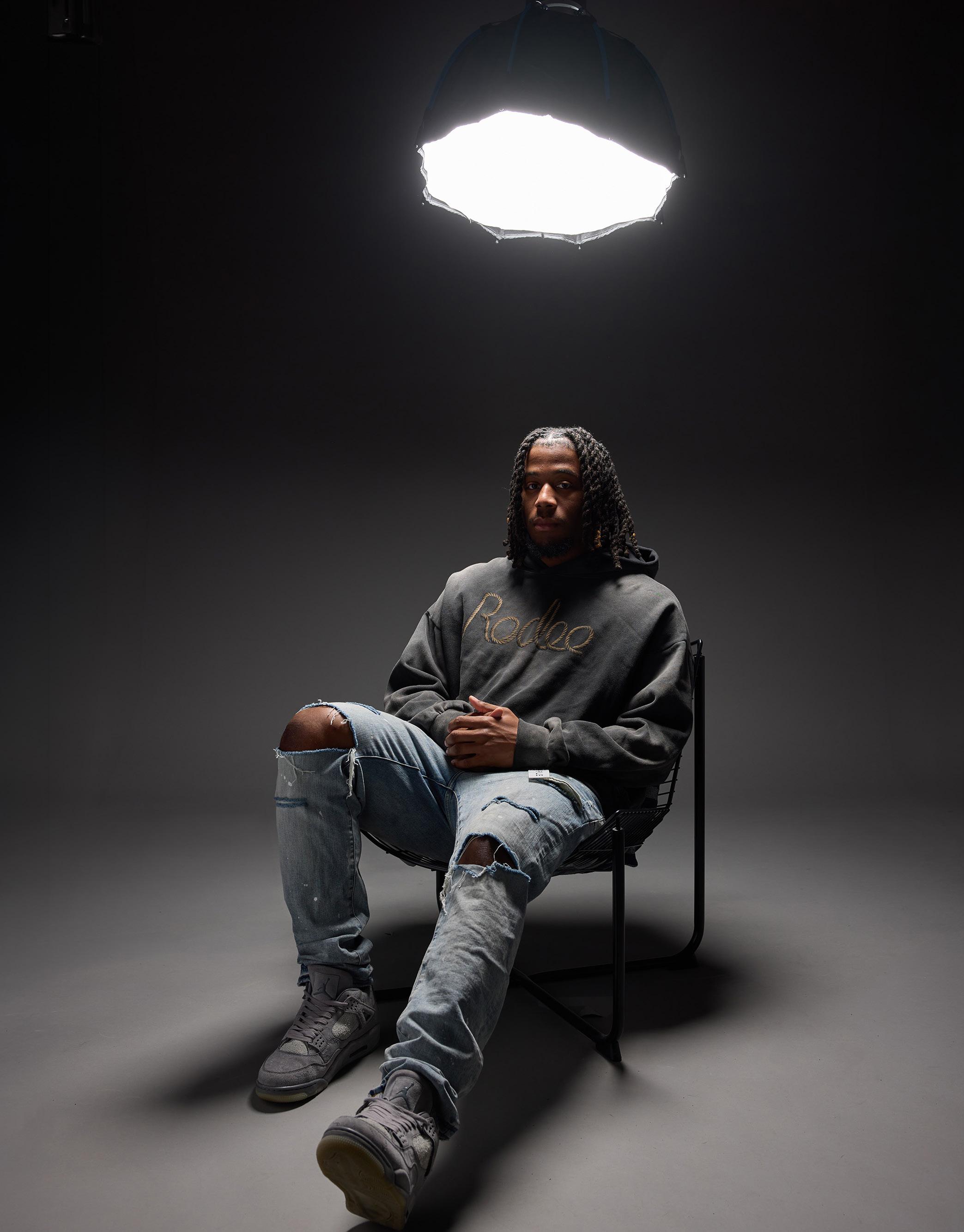
“Everyone is guaranteed the same 1,440 minutes in a day. What are you gonna do with them? What are you willing to do with the time that’s given to you?”
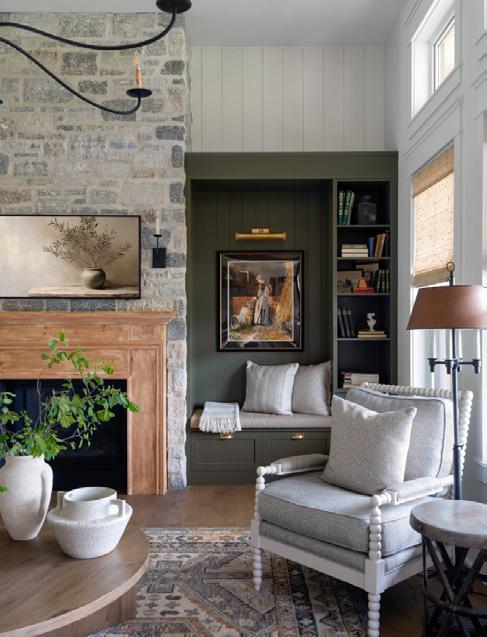
As late spring arrives, interiors begin to feel brighter, lighter, and more expressive. The shift is less about dramatic reinvention and more about thoughtful updates that bring freshness into everyday spaces.
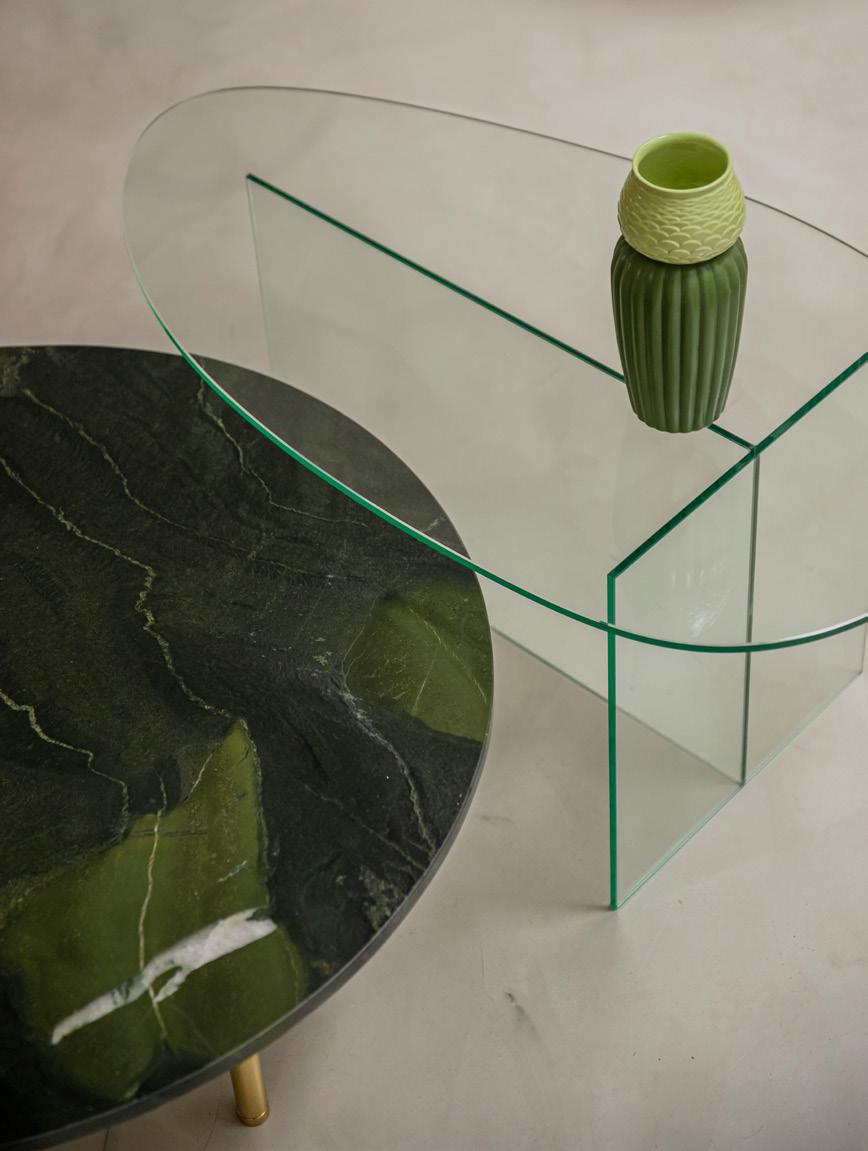

Statement Stone
Stone is stepping into the spotlight this year, especially in kitchens and bathrooms. Instead of subtle surfaces, designers are embracing bold veining, dramatic slabs, and sculptural stone pieces that act as focal points within a room. From marble tables to quartzite islands, these natural materials bring texture, permanence, and visual depth.
Nature-Inspired Greens
Soft greens are becoming one of the defining colours of 2026 interiors. Shades like sage, olive, and eucalyptus are appearing on walls, cabinetry, and textiles, creating calm spaces that echo the outdoors. Designers are pairing these tones with warm woods, stone, and linen to create interiors that feel relaxed and grounded.







Ottawa Charge Goalie Gwyneth Philips
Gwyneth Philips is the starting goaltender for the Ottawa Charge of the Professional Women’s Hockey League and a member of the United States national team that captured Olympic gold in 2026. Drafted by Ottawa in 2024 after a standout career at Northeastern University, she helped lead the Charge to the PWHL Final in her rookie season and has quickly become one of the league’s rising stars.
BY STEVE WARNE PHOTOGRAPHY
BY SEAN SISK


“Winning gold still feels like a bit of a fever dream. It was the ultimate goal I’d been chasing, and to achieve it with that group of amazing women was incredibly special.”
Fresh off an Olympic gold medal in February, Ottawa Charge goalie Gwyneth Philips is still trying to put the experience into words.
“Winning gold still feels like a bit of a fever dream. It was the ultimate goal I’d been chasing, and to achieve it with that group of amazing women was incredibly special. Having my friends and family there made it even more meaningful.”
For Philips, winning the most important title in women’s hockey made her reflect on just about everything that led her to Milan. The incredibly long drives, the early mornings, and the people in her life who shared her road to gold. Many of those people were in Italy with her to share the moment, which Philips says made it even more meaningful.
“It really made me reflect on the village that helped me get there. It felt like my way of saying thank you to everyone who supported me along the way.”
While the first modern Olympic Games were held in Athens, Greece, Philips’ story began in her hometown of Athens, Ohio, a small, tightly-knit community where she was encouraged to explore everything from sports to theatre and art.
She wasn’t always a goalie, and she wasn’t always the starter. In fact, there were years at Northeastern University where she found herself behind one of the best goaltenders in the game, and trying to stay positive in limited opportunities while learning how to stay ready for the ones that did come.
Those experiences, unseen and unappreciated by most, helped shape her perspective.
Now in Ottawa, Philips is the star goalie for a Charge team she helped lead to the final last season as a PWHL rookie. This season, she’d love nothing more than a chance to get back there this spring and close the deal for a city that’s been a perfect fit for her, on and off the ice.
Since being drafted by the Charge in 2024, she’s been an open book on social media, taking fans and followers along for the ride on her outdoor adventures, and in her “Gorging with Gwyn” series, where she rates her favourite local restaurants. It’s a little glimpse behind the mask, and part of what’s made her one of the most interesting personalities in the league.
Philips looks back on growing up, her hockey career so far, and the things she’s passionate about away from the game.
Can you tell us about your hometown of Athens, Ohio, and a few of your favourite things about childhood?
It’s a small, close-knit community in southeast Ohio. The city is brought to life by Ohio University and the eclectic mix of people known as “townies.” One of my favourite things about my childhood was that I was always encouraged to be who I wanted to be. I wasn’t just a hockey player. I played multiple sports, was involved in school plays and art club, and spent a lot of time being adventurous and independent. I was never put in a box, and that really came from how supportive my family and community were.
What can you tell us about family?
My family has always been my biggest support system. Growing up, I looked up to my brother, who is six years older than me. I wanted to do everything he did. If he played hockey, I wanted to play hockey; if he played for a certain team, I wanted to be on that team too.
That included playing on a team two hours away, which meant my parents were driving us to Columbus four times a week, two hours each way, and often getting home around 1 a.m. That doesn’t even include all the weekend travel for games. They made huge sacrifices to help us chase our dreams, and now, my brother and my parents are still my biggest supporters.
Were you a goalie right away? Were you good right away?
I wasn’t a goalie right away, even though I always wanted to be. My dad was pretty against it at first, but over time I wore him down. I started playing goalie here and there, and by about age 12, it became my primary position.
I had the athleticism, and maybe a bit of quirkiness, but I definitely lacked structure early on. Fortunately, someone saw potential in me and convinced my dad to invest more time, energy, and coaching into my goaltending career.
What’s the best moment of your childhood hockey career?
It’s hard to pick just one, but U16 Nationals stand out. We really had no business making it to the championship game, but we were having so much fun and really bonding as a group that everything just clicked. It showed me early on how important team culture is to success.
What’s the biggest obstacle or challenge you’ve had to overcome in hockey?
During my first three years of college, I was the backup to Aerin Frankel, now with the Boston
“It’s been amazing to watch the growth of the PWHL. Hitting two million fans and seeing the support in home markets has been incredible to be part of.”s.”
Fleet. I played maybe 15 games during that time, and it was tough to navigate that role, especially at a young and immature age. The other challenge was staying ready, whether it was for those limited opportunities or eventually stepping into the starting role, and learning how to grow through that process.
How would you describe the success of the PWHL and the support you feel from the fans?
It’s been amazing to watch the growth of the PWHL. Hitting two million fans, the success of the takeover tour games, and the support from home markets. It’s all been incredible to be part of. You can really feel it in Ottawa. The support here has been unbelievable, and it’s helped make everything feel very real. We truly have the best fans in the league and the way the city has embraced us has been unmatched.
Can you tell us about your love of hiking and your recent cross country journey in a camper you bought?
I’ve always loved hiking and camping, so with summers off, I wanted to reconnect with that. I bought a 12-foot trailer and towed it with my two-door Jeep from Ohio to Southern California, up the coast, and back.
I camped mostly on dispersed land, couldn’t go faster than 55 mph, and stopped at a ton of national parks. It was a slow, intentional trip, just a chance to rest and reset. I was able to do hikes that had been on my bucket list for years,

like Half Dome & Angels Landing. I’m hoping to do something similar this summer, this time over to the Pacific Northwest and into Canada.
Was there a moment from the trip you’ll never forget?
Hiking Half Dome in Yosemite National Park was unforgettable. It had been on my bucket list for years. I didn’t have a permit at first, but since I had no real schedule, I stayed in the park until I got one through the lottery. It ended up being one of the hardest day hikes I’ve ever done, but completely worth it.

“I think the best way to get to know a city is through its food and neighbourhoods.”

You’re very active on social media. Can you tell us more about “Gorging with Gwyn?”
“Gorging with Gwyn” started as a way for me to connect with Ottawa. I think the best way to get to know a city is through its food and neighbourhoods. It’s helped me explore different parts of the city and really build an appreciation for it. That, and I’m not much of a cook, so I like eating out.
Can you tell us about Paris, your trusty sidekick?
Paris is my nine-year-old French bulldog, though you’d never guess it. I got her as a puppy in 2017, and in 2022 she came with me to school during my senior year of college. She joins me on a lot of my outdoor adventures, camping, hiking, and even bike rides in a backpack.
What are some of your favourite things to do in Ottawa?
Summer in Ottawa is completely different from winter, and I’ve really enjoyed experiencing that. I love spending time in Gatineau Park. There’s great hiking and gravel biking. I also like to climb, and there’s a great community for that here. Honestly, just being able to walk around the city in the sun is a big win.
After her 2026 Olympic gold medal experience, Ottawa Charge goalie Philips knows exactly what big wins look like in hockey. But with her positive, balanced view on life, it’s no surprise that she also sees them in the everyday, like a simple walk on a sunny afternoon.
Noun.

RESEARCH-BACKED HACKS TO BOOST LIFE AND WORK.
Studies on food and leisure experiences suggest that highquality dining experiences can contribute to greater life satisfaction and well-being. Research examining employees and experiences in fine-dining environments found a positive
relationship between leisure satisfaction and overall life satisfaction. Researchers believe the combination of sensory enjoyment, social interaction, and novelty makes dining out a particularly powerful happinessboosting activity.
A 2025 study from the University of Missouri found that hope may be the emotion most strongly linked to a meaningful life, even more than happiness or gratitude. Researchers discovered that people who reported higher levels of hope also felt a stronger sense of purpose and long-term direction. Unlike happiness, which often reflects short-term pleasure, hope helps people believe their future can improve and motivates them to pursue meaningful goals.
Researchers from Washington University in St. Louis found that meetings held while standing are shorter and more efficient than seated meetings. In controlled experiments, standing meetings were about 34 percent shorter on average, yet produced similar decision quality. Scientists suggest that standing naturally increases a sense of urgency and keeps participants more focused, helping teams move through discussions more quickly.

Research from Keele University found that swearing can actually increase a person’s tolerance to pain. In the study, participants who repeated a swear word while holding their hand in ice water were able to withstand the discomfort significantly longer than those who repeated a neutral word. Researchers believe swearing triggers a mild fight-orflight response that raises heart rate and temporarily dulls pain signals.
Research published in 2025 found that structured blink training significantly improved dry eye symptoms in people who spend long hours on screens. In the study, participants used guided blinking exercises for 30 days and showed measurable improvements in tear-film stability, blink rate, and eye comfort compared to a control group. Scientists say modern screen use often leads to incomplete blinking, which dries the eye surface.


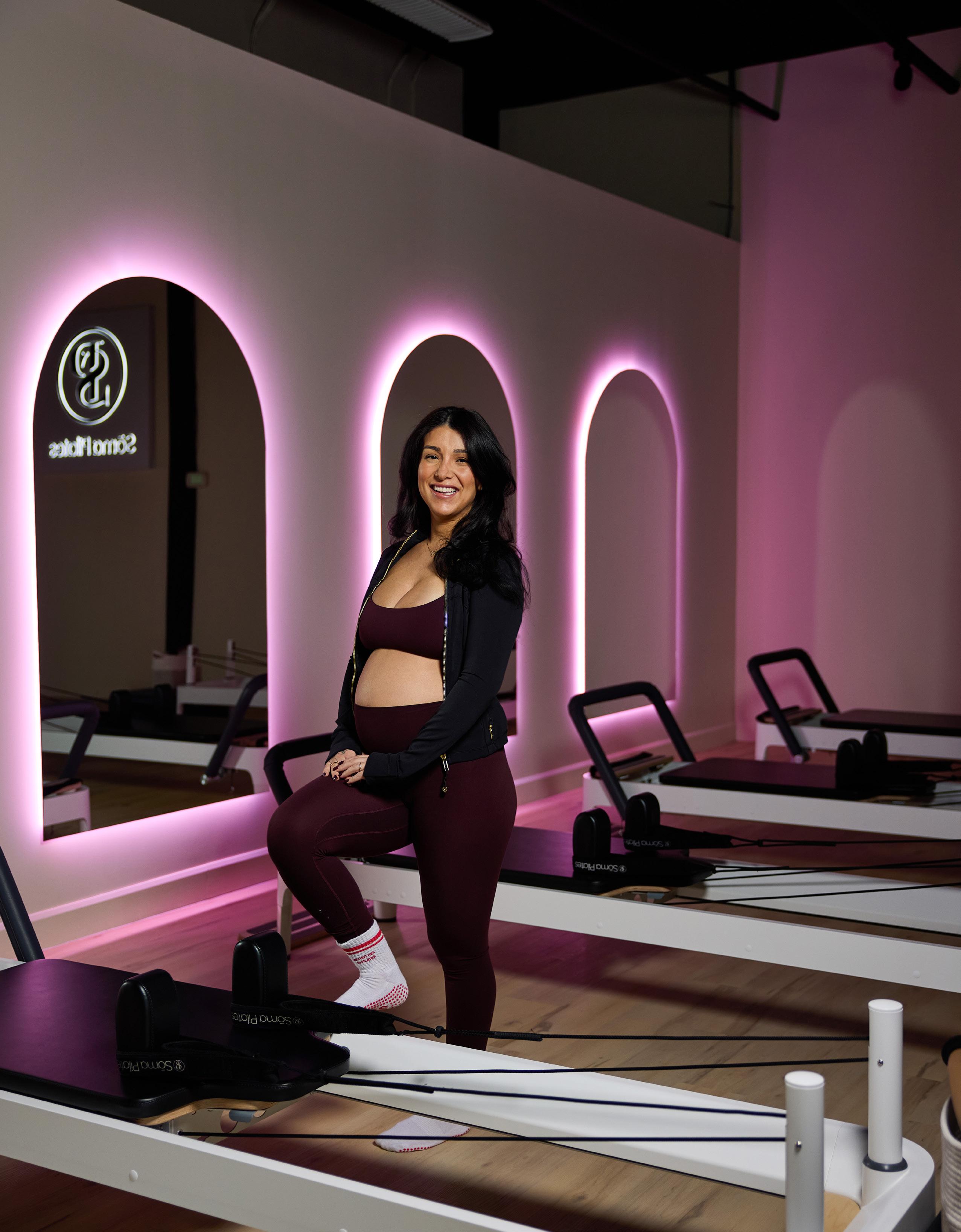
Shima Taheri, founder of Sōma Pilates, opened the studio’s first location in Ottawa’s west end and has since grown the brand into a three-studio community with locations in Kanata, Manotick, and Orléans. A former competitive athlete with a passion for movement and wellness, she built Sōma around purposeful Pilates and a strong sense of community.
Ottawa’s
Photography by Nicolai Gregory
When Sōma Pilates first opened its doors in Ottawa’s west end, founder Shima Taheri had a simple goal: create a space where movement felt empowering and personal.
What began as a single studio built from passion has quickly grown into one of the city’s most recognizable reformer Pilates brands.
Now, just a few years after launching, Sōma is celebrating another milestone with the opening of its third location in Orléans.
For Shima, the studio’s growth reflects something deeper than the popularity of Pilates itself.
“I think what people are really responding to is the community we’ve built at Sōma,” she explains. “Coming here isn’t just a workout. It’s a space where people feel seen, supported, and encouraged.”
That sense of belonging has become one of the studio’s defining qualities. Clients arrive for the reformer classes but often stay for the environment that surrounds them. Instructors learn names, celebrate progress, and create an atmosphere that blends discipline with encouragement.
“We genuinely care about every single person who walks through our doors,” Shima says. “Watching our clients grow stronger, more confident, and more connected to themselves is what it’s all about.”
From the beginning, that philosophy shaped what the Sōma experience would be.
“The Sōma experience is rooted in authenticity,” she says. “People can feel the difference between something built from passion versus something that’s just following a trend.”
Each instructor shares that same commitment. Classes combine classical Pilates principles with contemporary movement, with an emphasis on meeting clients where they are.

“Coming here isn’t just a workout. It’s a space where people feel seen, supported, and encouraged.”
Whether someone is stepping onto a reformer for the first time or returning as a longtime member, the focus remains the same: purposeful movement in a welcoming environment.
As Sōma has expanded, maintaining that feeling has remained a priority.
“Growth was always part of the vision,” Shima says. “But never at the expense of what makes Sōma special.”
Many clients are surprised to learn the studio isn’t backed by a large corporate fitness group. Behind the brand is a small team that has grown alongside the community it serves.
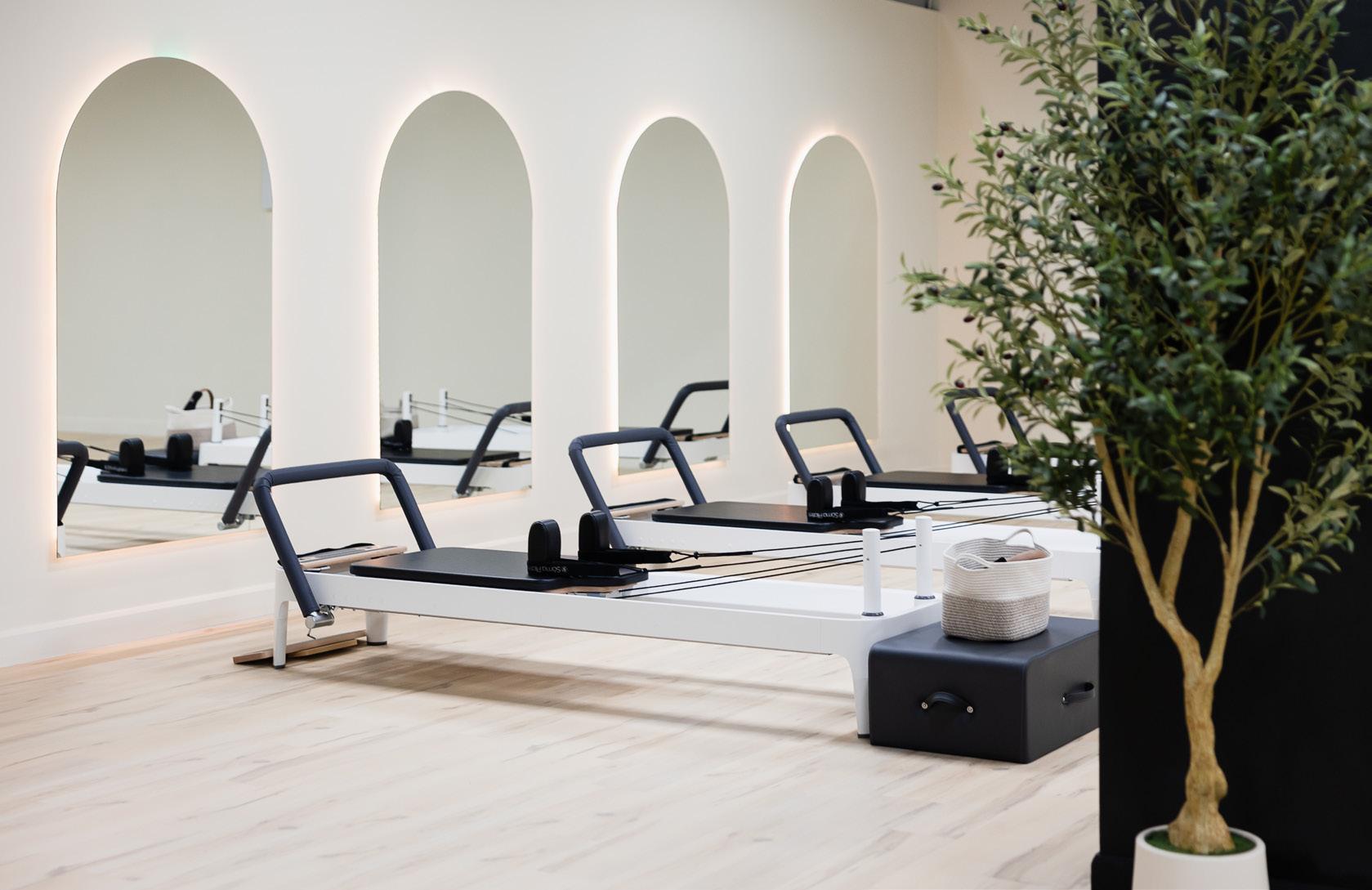
Each location is designed to feel like a natural extension of the original studio. The aesthetic remains soft and modern, while the atmosphere stays warm and personal.
The journey hasn’t been without challenges.
Shortly after opening the first studio, and the birth of her first baby, Shima discovered a clause in the lease allowing the landlord to terminate the agreement with just 60 days’ notice. Within seven months of opening, she had to find a new location, renovate it, and move the studio without interrupting classes.
S“It was extremely stressful,” she recalls. “But it ended up being a blessing. We found a bigger and better location.”
The experience reinforced the importance of the community that had formed around the studio.
With two successful locations now operating, expanding east felt like the natural next step.
“We’ve had so much demand from that side of the city,” Shima says. “Orléans aligned perfectly with our goal of making Sōma more accessible to our community.”
The new studio also carries a bit of history. Shima had originally viewed the space the previous year but lost it to another tenant. When the opportunity came around again, it felt like a full-circle moment.
While each Sōma location develops its own energy, certain elements remain constant.
“The experience, our instructors, the level of care, and the feeling you get when you walk into the space,” Shima says. “That’s always the priority.”
As the studio continues to grow, Shima is also preparing for another personal milestone: welcoming her second child.
Looking ahead, she defines success simply.
“If we can continue to build a strong community, create meaningful experiences for our clients, and stay true to our values,” she says, “then that’s success.”
At Sōma, Pilates has always been about more than movement. It’s about helping people reconnect with themselves, and with each other.


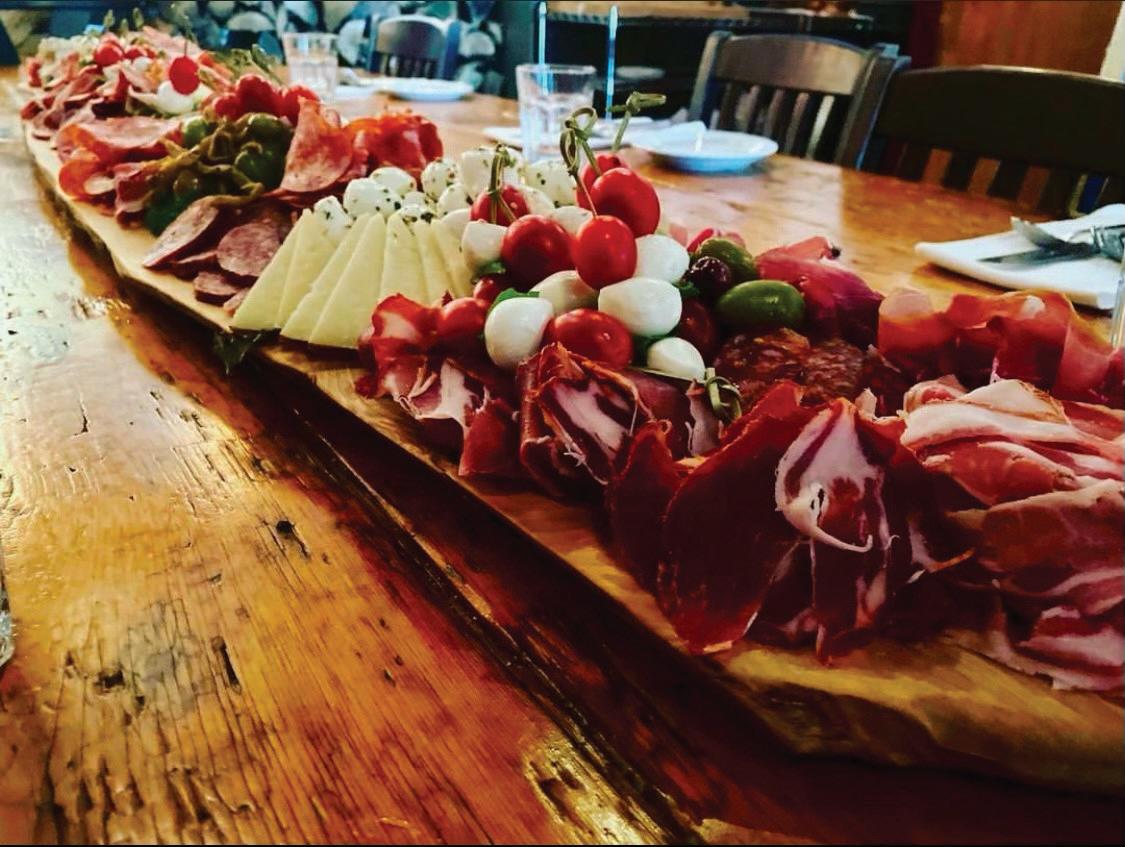
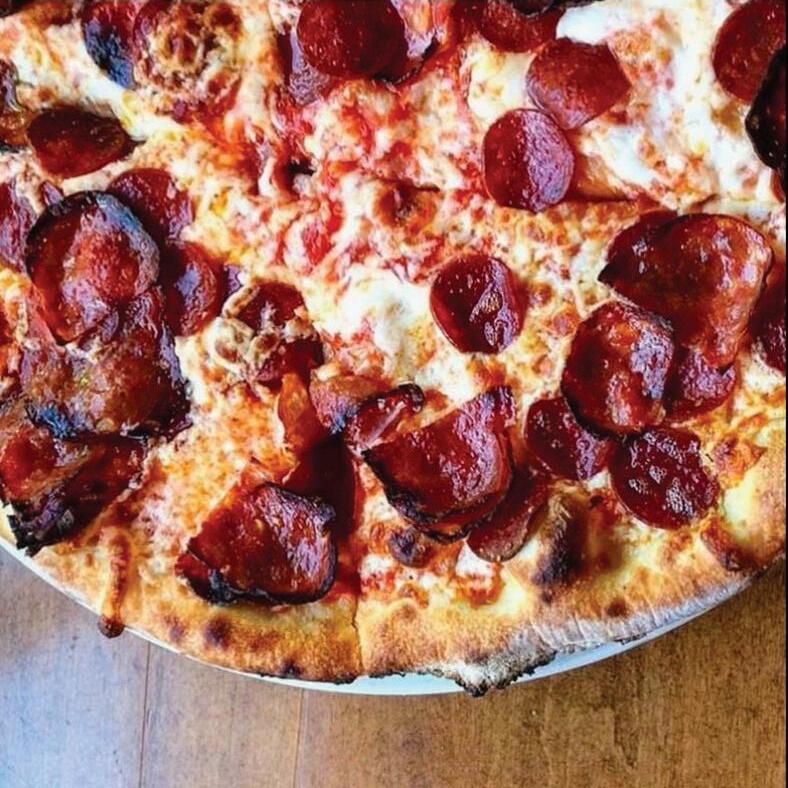
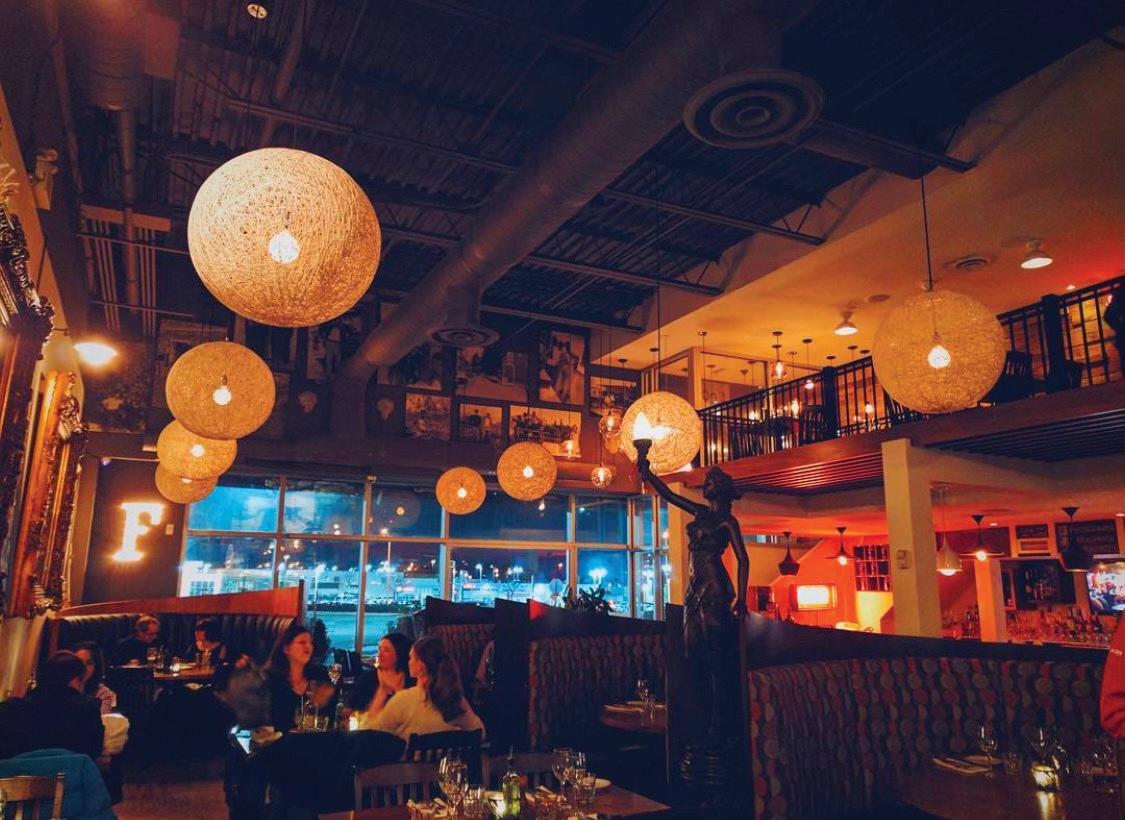
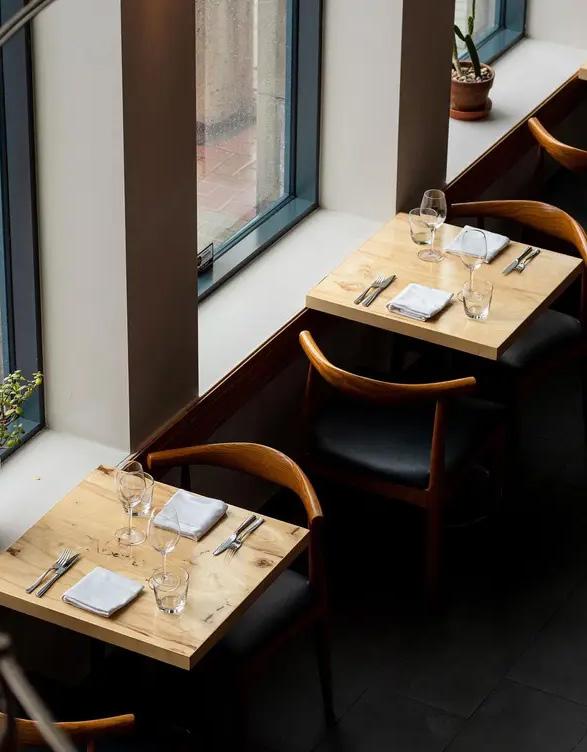
Ottawa’s dining scene offers something for every kind of appetite. These five restaurants highlight different corners of the city’s food culture, each with its own approach to great dining.
Dante Restaurant
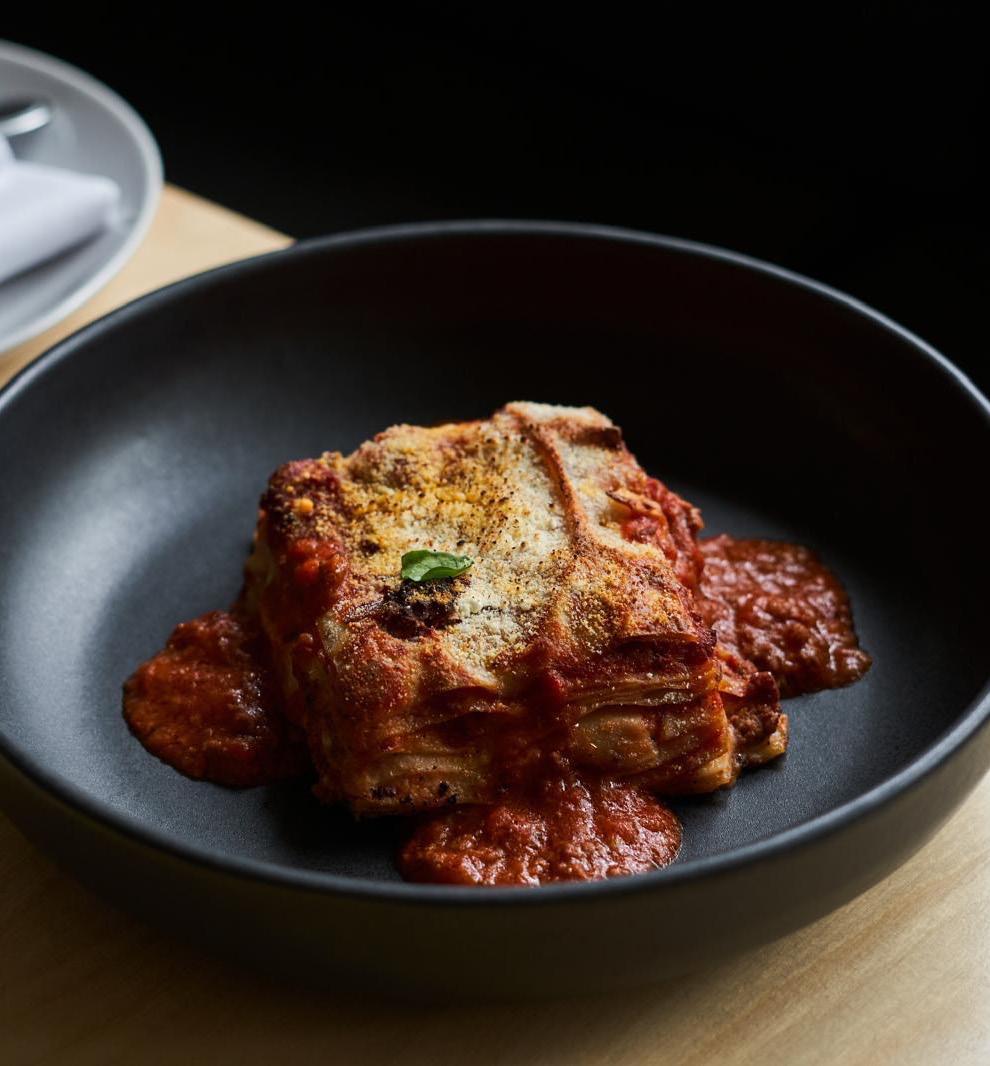
Winner of Ottawa’s Best New Restaurant for 2025, Dante offers contemporary Italian cuisine prepared the way it’s done in Italy. The kitchen blends fresh local ingredients with specialty products imported from Italy, with housemade ravioli, lasagna, and tagliatelle at the centre of the menu.

Located in the heart of Ottawa, Gezellig offers a brunch experience rooted in local, seasonal ingredients and prepared with refined French techniques. The menu features
The wine list features bottles brought in through private Italian importers, creating a dining experience that feels modern, authentic, and distinctly Italian.
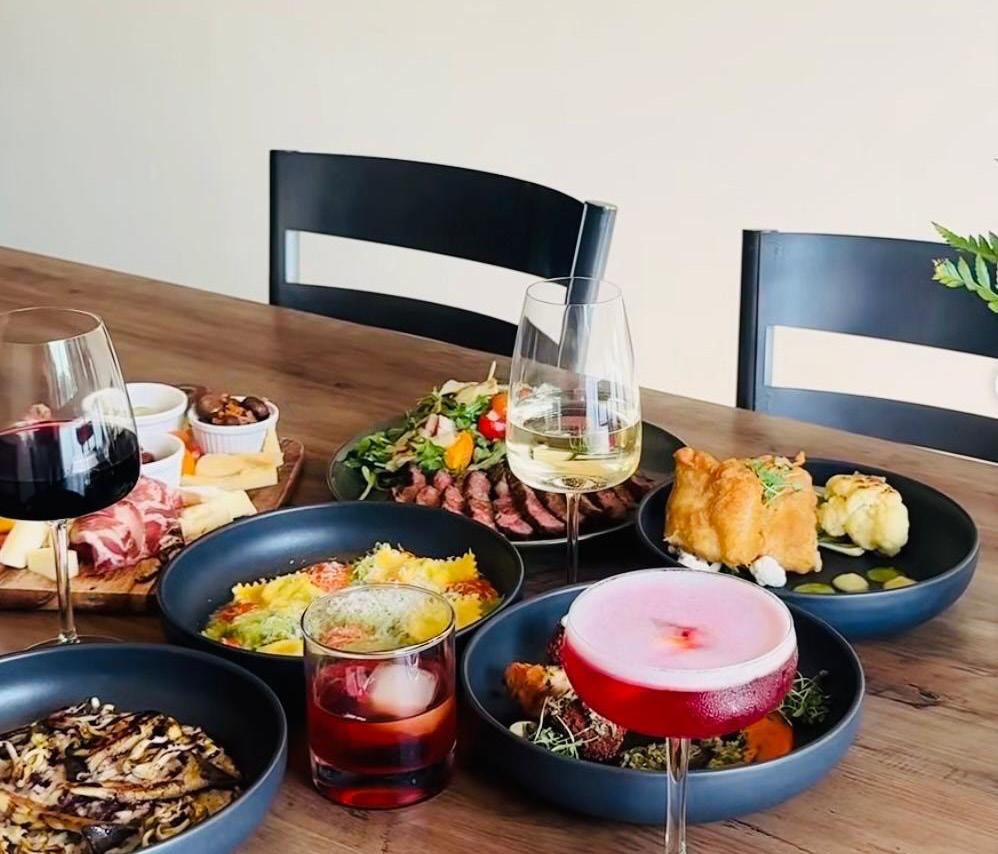
elevated dishes such as seared scallops, braised beef short ribs, and wild-caught lingcod, bringing the best of the region to your plate. For dessert, don’t miss the beloved Butterfinger, a staple on Gezellig’s menu since it opened in 2012.
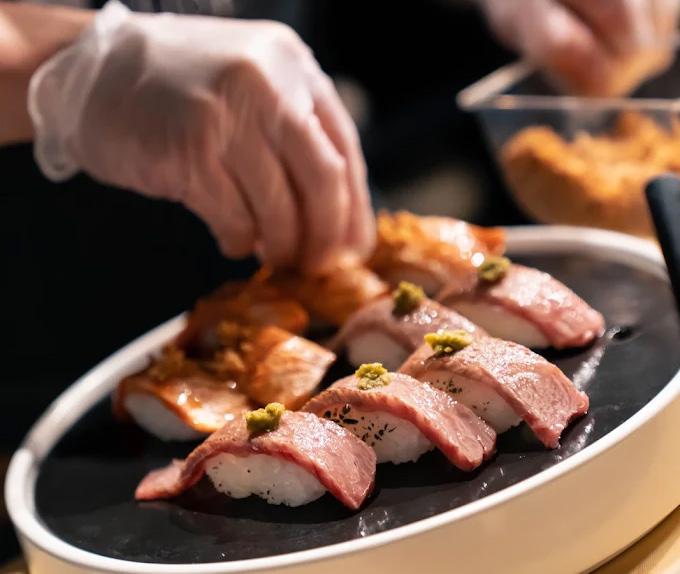
Jfuse, Main Street’s newest hotspot, offers a modern take on Japanese cuisine, blending traditional sushi techniques with creative fusion dishes. The menu highlights expertly prepared sushi and sashimi alongside inventive plates such as Aburi Oshi sushi, Wagyu sliders, and crab pasta, all made with fresh, high-quality ingredients. Complementing the food is a selection of sake, wine, and Japaneseinspired cocktails, making Jfuse a lively spot for both casual dinners and special nights out.
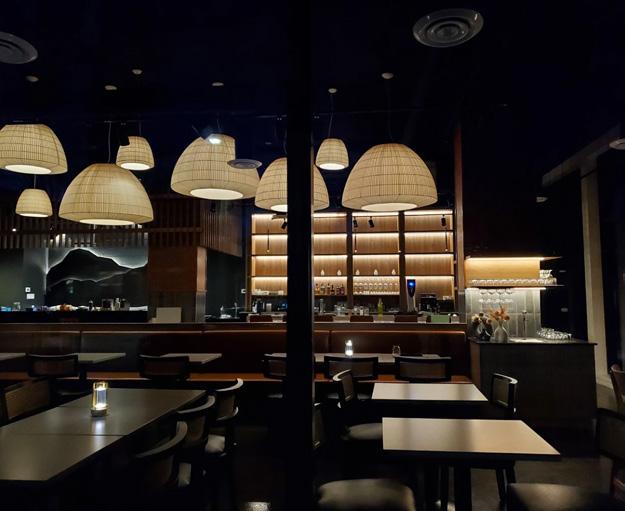
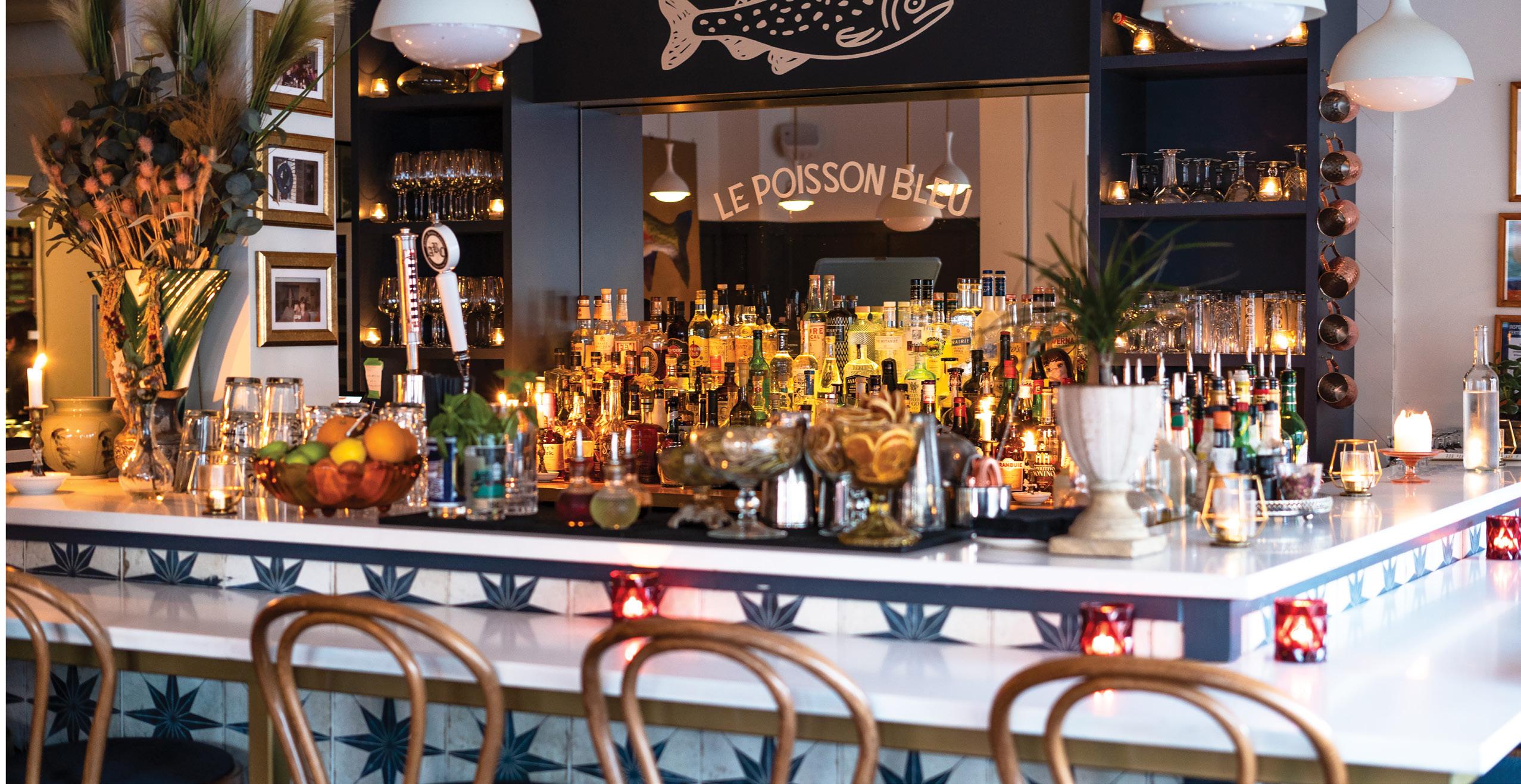
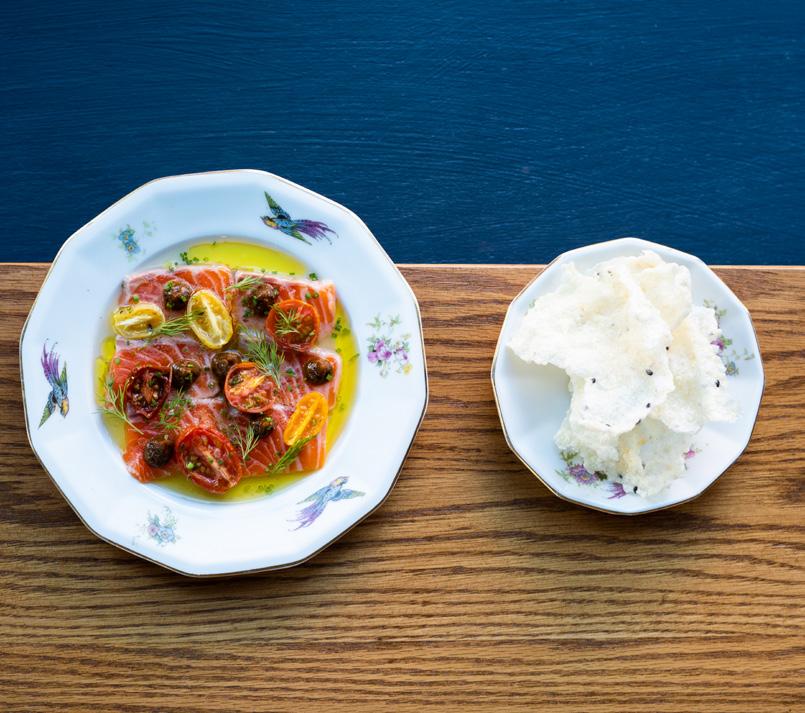
Family owned and located in the heart of Ottawa, Le Poisson Bleu offers a lively, energetic setting built around a modern approach to seafood. The kitchen focuses on innovative fish-cookery techniques inspired by Australian chef Josh Niland, bringing a fresh perspective to flavour and preparation.
Chef Alexander Bimm leads the restaurant with experience from Au Pied de Cochon in Montreal and Michelin-starred kitchens in France. The result is a menu that feels inventive yet approachable, grounded in technique and shaped by a genuine passion for great seafood.
Big Rig Brewery Taproom Brings Laid-Back Vibes, Award-Winning Brews, and All-Day Happy Hour
Tucked into the heart of Kanata’s high-tech district, the Big Rig Brewery Taproom at 101A Schneider Road is quickly becoming a go-to spot for locals and visitors. Known for its relaxed, unpretentious atmosphere, it pairs quality craft beverages with comfortdriven food and a welcoming vibe.
Having hosted notable guests such as former U.S. President Barack Obama, the taproom has built a reputation beyond the neighbourhood while staying true to its laid-back roots. It serves a full range of craft creations, including award-winning beers and premium craft-brewed cocktails. True to its motto, “happy hour every hour,” guests can enjoy a 16oz pint of award-winning beer for just $5, all day, every day.
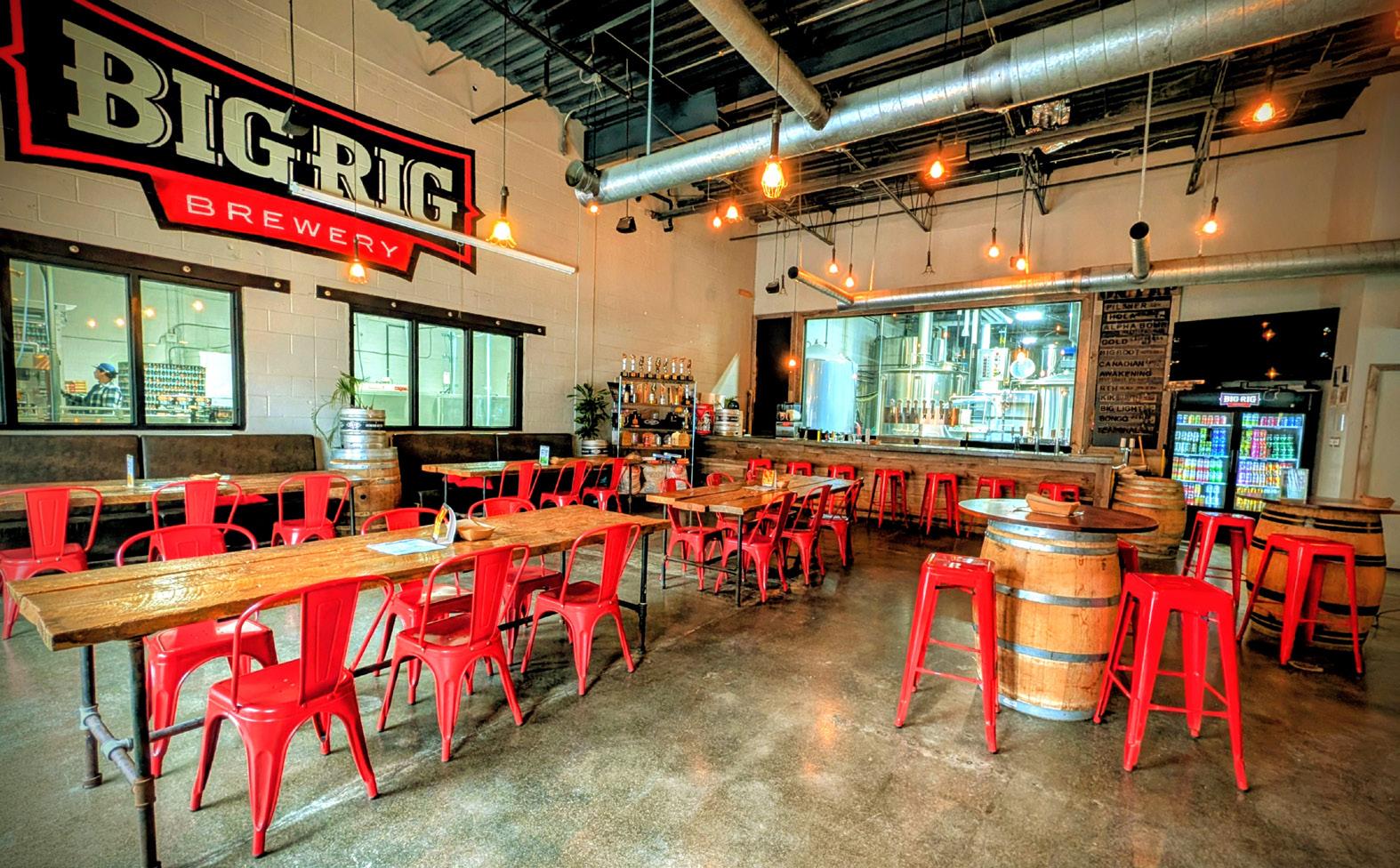
The kitchen offers a seasonal menu focused on quality and comfort at a reasonable price, with hearty sandwiches, loaded baked potatoes, house-made chili, pulled pork, and a creative hot dog lineup. The space is designed for connection, featuring pinball and foosball, welcoming dogs, and doubling as a great meet-up spot for corporate events.
With patio season launching this month, the taproom is set to become an even bigger draw for those looking to unwind outdoors. Conveniently located just off Carling Avenue near March Road, it’s open Monday through Friday (hours available online), offering a refreshing take on craft culture in Kanata.



By Cathryn Wheeler Photography by Nicolai Gregory
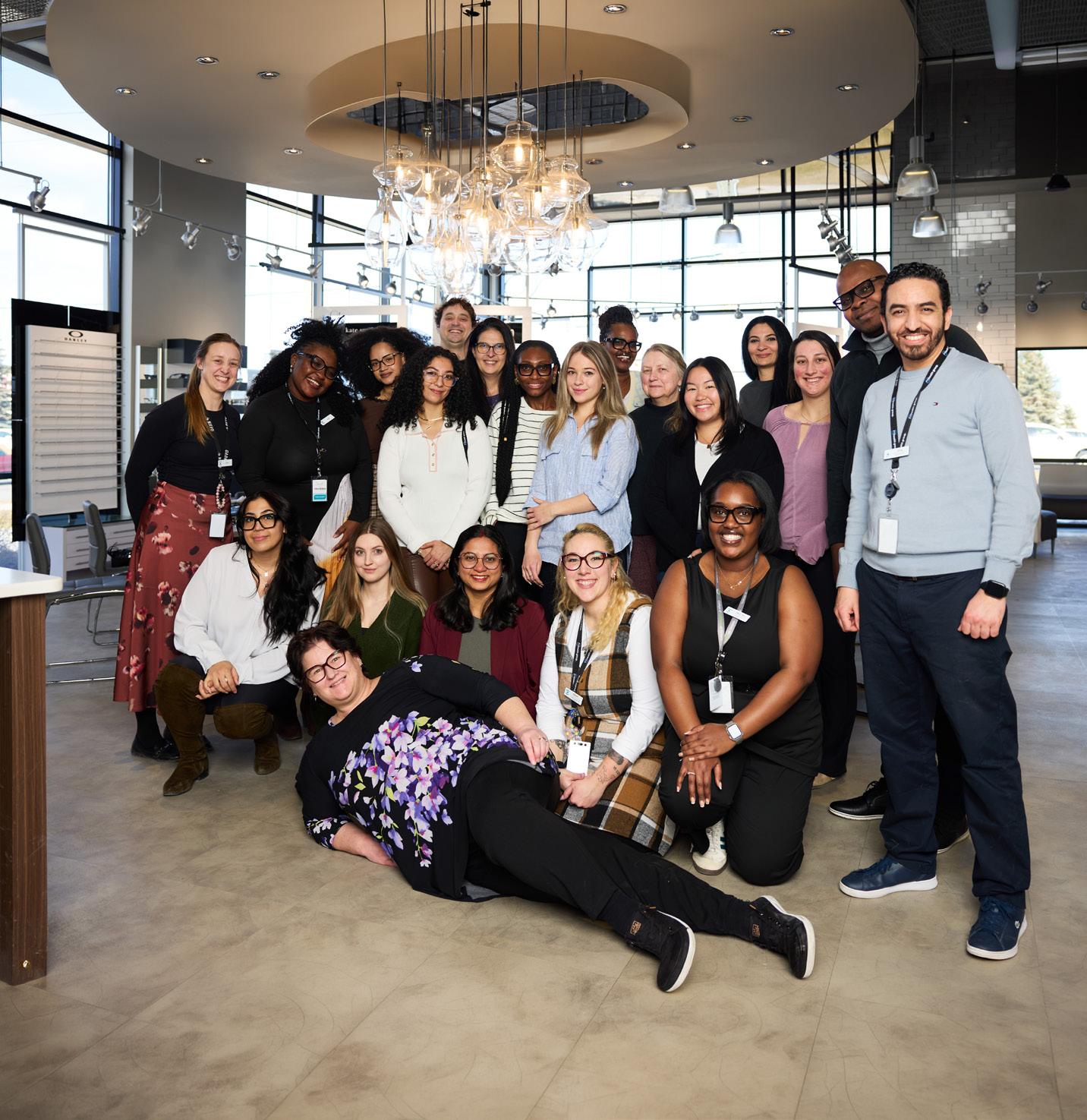
When Nuvo Eye Centre first opened its doors, the goal was clear. Deliver advanced eye care in an environment that feels welcoming, calm, and personal.
For founder Dr. Corina Buettner, the clinic was built around a simple belief that patients should not have to choose between high-level medical care and a comfortable experience.
“Nuvo has always been about people,” says Dr. Buettner. “We wanted to create an environment where both patients and staff feel comfortable and cared for. Patients shouldn’t have to choose between quality care and feeling confident.”
That philosophy guided everything from the clinic’s design to the way patients move through their appointments. At its core is a promise that continues to define the clinic’s approach today. Help patients see better, look better, and feel better.
As Nuvo Eye Centre has grown, that commitment has remained constant. In 2025, the clinic partnered with FYidoctors, one of Canada’s largest doctor-led eye care networks.
For Dr. Buettner, the decision was rooted in a desire to expand the clinic’s capabilities while maintaining its patientfocused approach.
“It was born out of a desire to continue growing while staying true to our core philosophy of delivering elevated, patientcentered care,” she explains.
The partnership connects Nuvo Eye Centre with a Canadian network of optometrists and clinics while providing access to additional infrastructure and support.
“FYi is a doctor-led and doctorowned network whose core value is enhancing lives,” says Dr. Buettner. “Partnering with them allows us to gain access to the culture, infrastructure, and support of like-minded doctors from across the country.”
For patients, the partnership translates into expanded services and additional resources.
“Being part of a national network unlocks resources that we did not have access to before,” she says. “It allows us to offer a wider range of benefits such as additional insurance partnerships, direct billing, eyewear protection plans, and other programs that improve the patient experience.”
Technology is another area where the partnership has strengthened the clinic’s services.
One example is the Optikam system, a digital measurement tool used when patients select eyewear. The technology captures precise measurements that ensure lenses are tailored to how glasses sit on a patient’s face in a real-world wearing position.
“It allows our registered opticians and dispensing team to capture precise and personalized measurements,” Dr. Buettner explains. “This helps ensure lenses are aligned with the patient’s posture, prescription, and frame choice.”
For patients, the result is improved clarity, greater comfort, and fewer issues such as distortion or poor lens alignment.
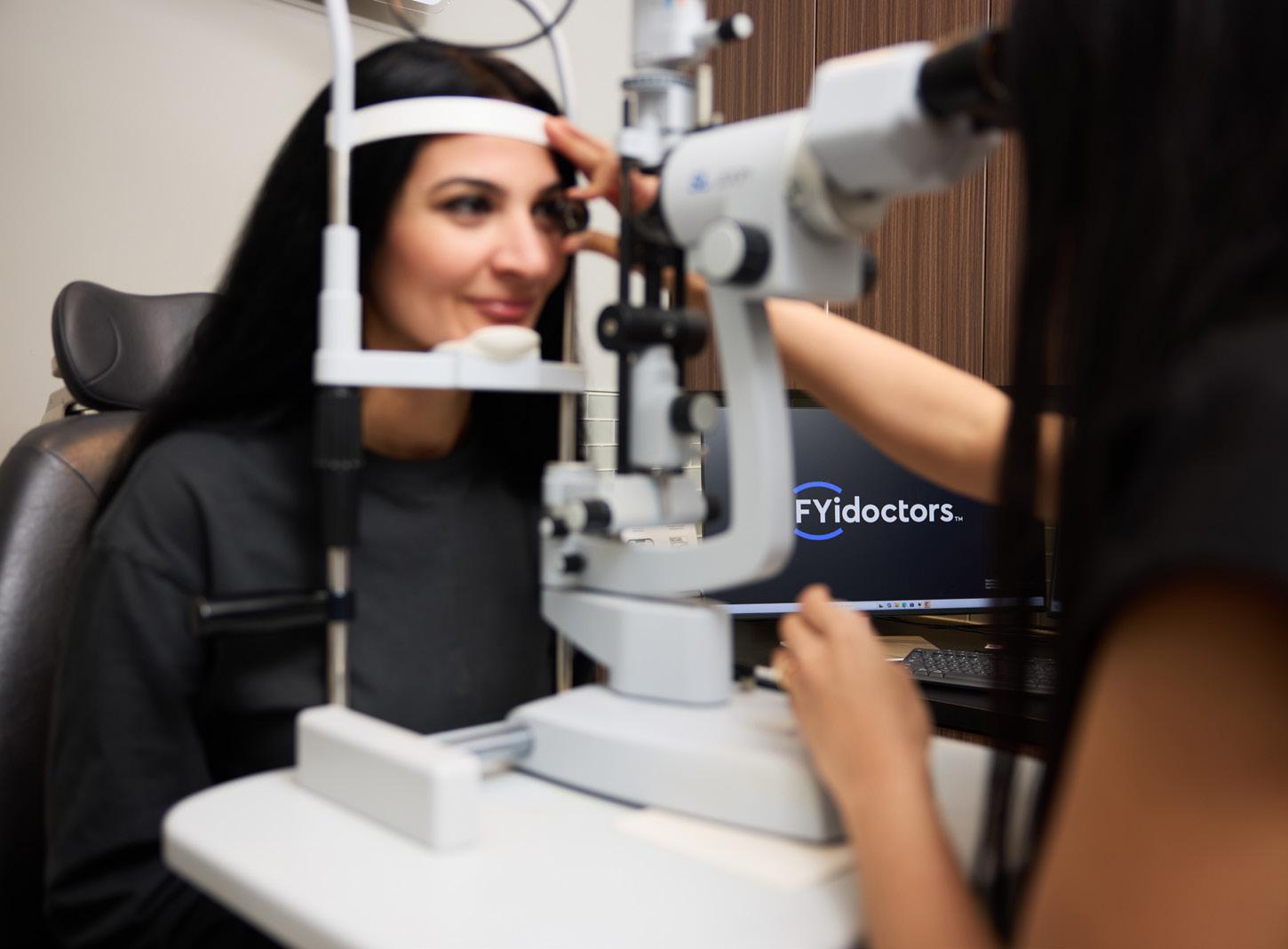

Despite the added resources that come with being part of a national network, Dr. Buettner says preserving Nuvo’s culture remains essential.
“For Nuvo, joining a larger network has not changed how we care for patients. In many ways it has strengthened it through better products, technology, and operational support,” she says. “The foundation that Nuvo was built on remains the same.”
That approach becomes clear during a typical patient visit.
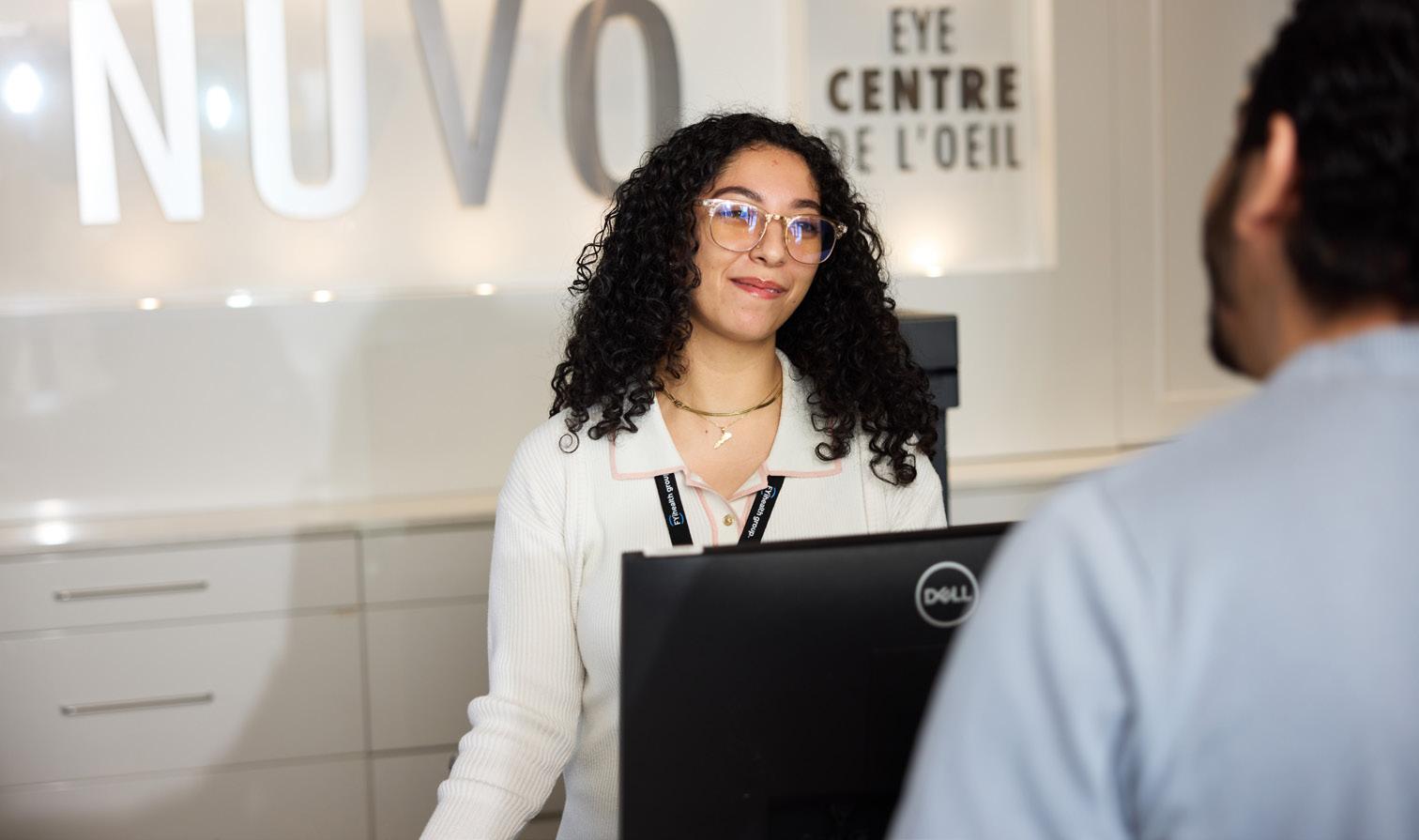
Appointments begin at the front desk where patients are welcomed by Nuvo’s patient care specialists. Insurance details are verified before patients move into the diagnostic portion of their visit.
Technicians guide patients through imaging scans and visual measurements that provide important information before the doctor enters the exam room.
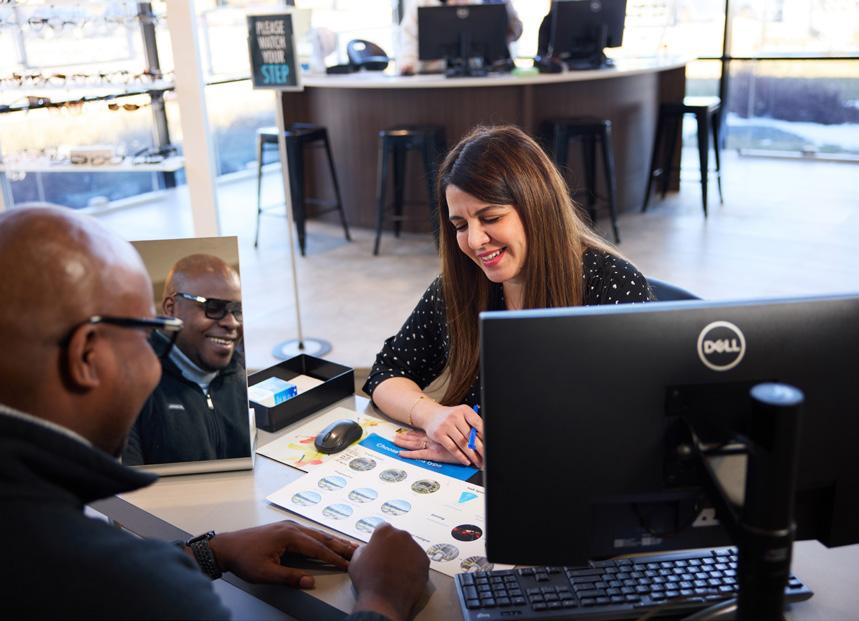

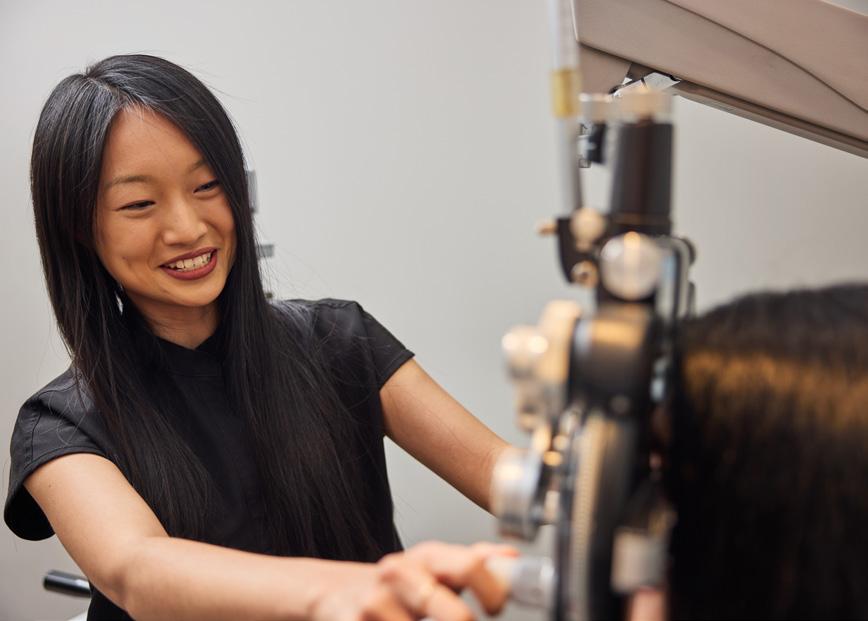
“Patients then spend quality time with the doctor discussing their concerns, lifestyle, and vision needs,” says Dr. Buettner. “Based on that conversation we tailor recommendations for both their visual needs and overall eye health.”
After the exam, patients move to the optical dispensary where the clinic’s optical team helps guide them through frame and lens options that suit their prescription and lifestyle.
Lens selection can feel confusing for many people, but Dr. Buettner says education and personalization help simplify the process.
“We discuss lifestyle, work demands, hobbies, and visual needs,” she explains. “Then we walk patients through lens designs, coatings, and options so they understand how each choice affects comfort and performance.”
“The eye provides a unique window into overall health.”


Contact lens fittings are another area that requires careful attention.
The process involves evaluating eye health, tear film quality, and lifestyle needs before determining the most appropriate lens. Patients are also taught proper insertion, removal, and cleaning techniques to ensure long-term comfort and safety.
Modern eye exams also extend beyond vision correction.
Advanced diagnostic imaging allows optometrists to detect conditions such as glaucoma, macular degeneration, and diabetic eye disease earlier than ever before. Ultra-wide retinal scans can also reveal signs of broader health concerns.
“The eye provides a unique window into overall health,” says Dr. Buettner.
Across patient groups, several trends are becoming increasingly common. Children are experiencing rising rates of myopia, often linked to increased screen time and less time outdoors. Adults frequently deal with digital eye strain and dry eye symptoms.
“From the beginning, it’s been important to surround the clinic with people who genuinely care about our patients and each other.”
Seniors continue to face agerelated conditions such as cataracts, glaucoma, macular degeneration, and presbyopia.
Supporting patients across all stages of life requires more than technology. It also requires a strong team.
For Dr. Buettner, building that team has been one of the most rewarding aspects of Nuvo’s growth.
“From the beginning, it has been important to surround the clinic with people who genuinely care about our patients and each other,” she says.
Every doctor, optician, and staff member plays a role in shaping the clinic’s culture.
“At the heart of it, Nuvo has always been about people.”
Looking ahead, Dr. Buettner believes advances in artificial intelligence and diagnostic imaging will transform how eye disease is detected and monitored. AI-assisted screening tools are already helping doctors identify conditions such as glaucoma and macular degeneration earlier and with greater accuracy.
As technology evolves, Nuvo Eye Centre’s mission remains unchanged. Deliver exceptional care while ensuring every patient leaves seeing better, looking better, and feeling better.




Why the Whiskey Sour continues to anchor modern cocktail menus.
Few cocktails have endured like the Whiskey Sour. First recorded in the mid-19th century, it was originally a practical drink for sailors, who mixed spirits with citrus to prevent scurvy. Over time, the simple formula of whiskey, lemon and sugar evolved into one of the most balanced cocktails in the bar world.

At its core, the Whiskey Sour is built on three elements: whiskey, fresh lemon juice and sugar. When properly measured, the drink delivers a precise balance of sourness, sweetness and spirit. Bourbon is the most common base today, lending caramel and vanilla notes that soften the citrus, though rye whiskey creates a sharper, spicier version.
The modern Whiskey Sour often includes egg white, which is shaken into the drink to create a silky texture and a stable foam on top. While it adds no flavour, it changes the mouthfeel dramatically, transforming the cocktail from bright and simple into something smooth and luxurious. Bars that omit egg white typically serve a lighter, more citrus-forward version.

Classic garnishes include a cherry, an orange slice or both, though many contemporary bars keep it simple. The foam created by egg white also allows bartenders to add decorative bitters drops or patterns across the surface, turning the drink into a visual centerpiece.

Traditionally, the Whiskey Sour is served over ice in a rocks glass. Some modern bars serve it “up” in a coupe, especially when egg white is used, which highlights the foam and gives the drink a more refined presentation.
The Whiskey Sour was first published in Jerry Thomas’s 1862 book The Bartender’s Guide, widely considered the first cocktail manual in the United States. The recipe appeared alongside other early classics like the Brandy Crusta and the Martinez.
More than a century after its first appearance in print, the Whiskey Sour remains a masterclass in cocktail balance. With just a few ingredients and careful technique, it continues to prove that the best cocktails are often the simplest.
Celebrating 100 years of paint, furniture and family.
When people tear into walls or redo a home around Ottawa and the Valley, they sometimes come across little reminders of Bond’s Decor. An old ad behind drywall. A stamp under a dining table. A label on a piece of furniture that’s been around longer than the house itself. It’s a quiet sign that for nearly 100 years, Bond’s has been part of people’s homes, even when they didn’t realize it.
Photography by Nicolai Gregory
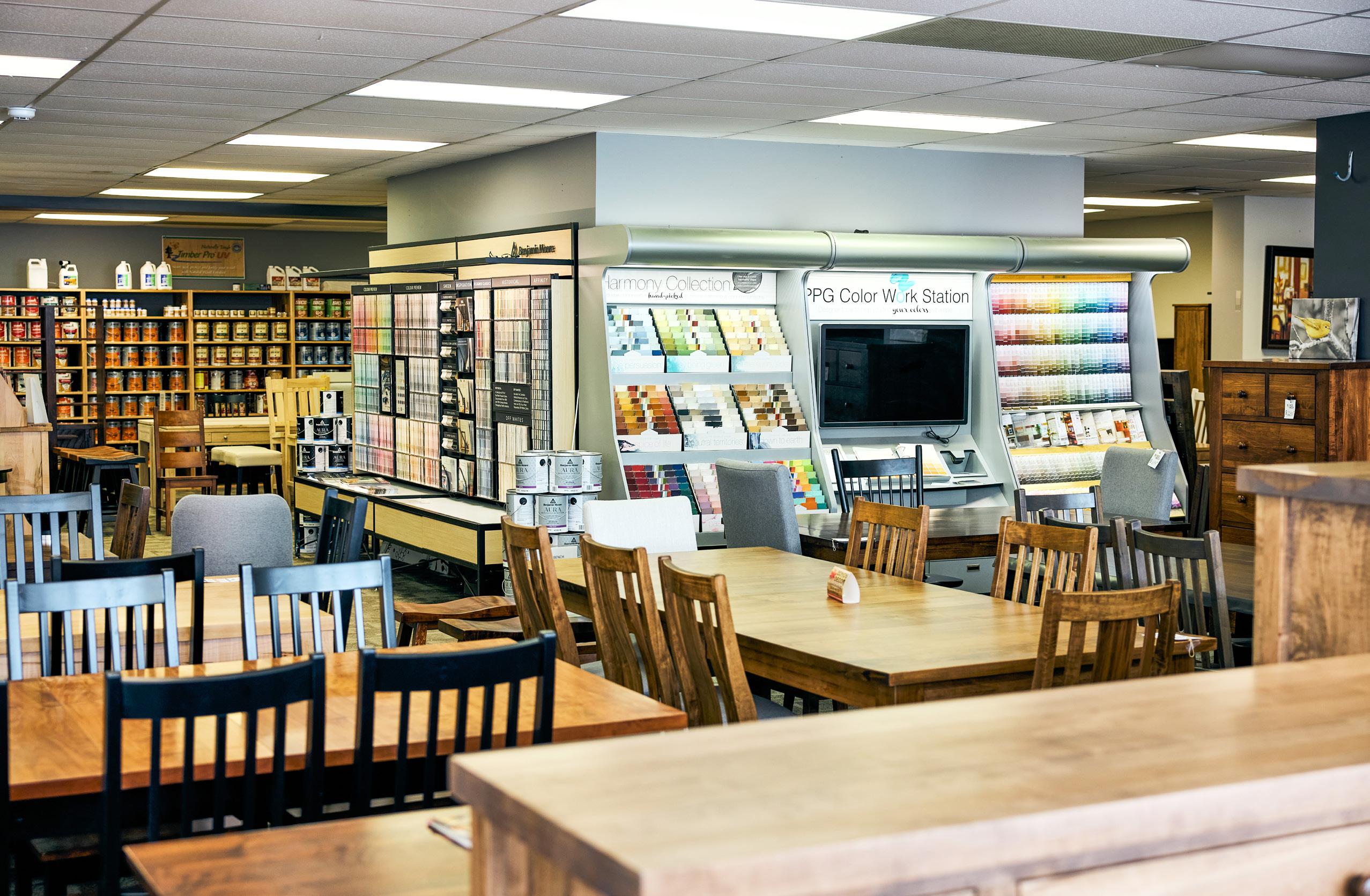
Today, Bonds Decor is a family run commercial and retail business specializing in paint, lacquers, and solid wood furniture, serving homeowners and contractors alike. People come in for Benjamin Moore and Pittsburgh paints, stains, finishes and laquers, as well as solid hardwood furniture built by Amish and Mennonite craftsmen. Just as important, they come in for straight answers and practical advice on how to get the job done right. With three locations across Ottawa’s central, west, and east communities, it’s less of a showroom and more of a place you can count on.
Bonds started back in 1927 when W.A. Bond opened up shop on Bank Street. In those early days, it wasn’t a retail store the way people think of today; it was a working supply shop.
Homeowners and tradespeople came in for what they needed to fix, build, and maintain their spaces, and the people behind the counter knew what they were talking about because they’d done the work themselves.
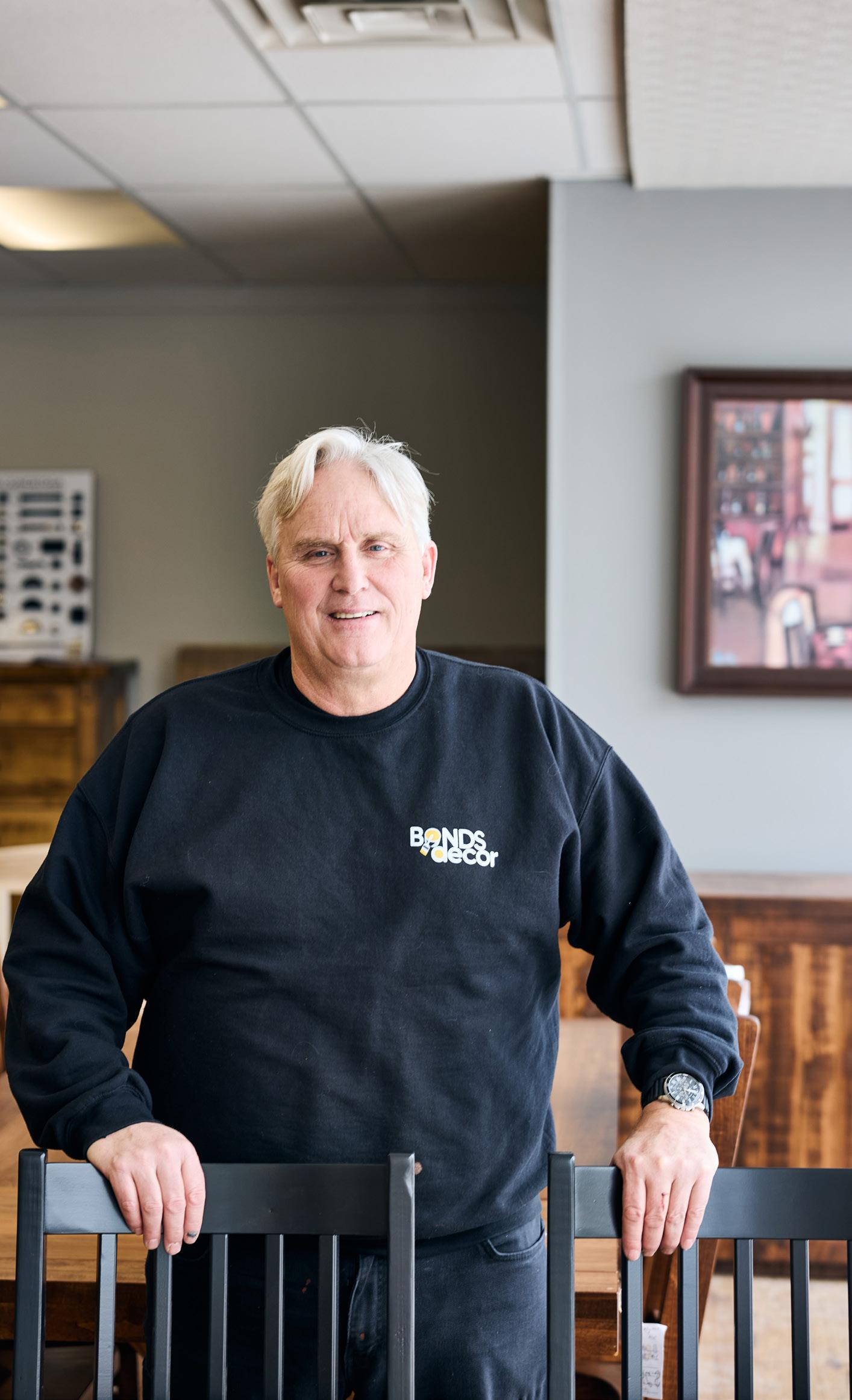
“It wasn’t just about selling paint. It was about rolling up your sleeves and getting the job done,” says Steve Bond, the fourth generation of his family to co-lead the company.
Like any business that’s been around this long, there were bumps along the way, including a fire that wiped out one of the early locations.
But the family rebuilt and kept going, setting the tone for what Bond’s would always be: steady, reliable, and not going anywhere.
Tim and Steve have been part of the business for more than 40 years, getting their start the same way generations before them did—on the floor, doing whatever needed to be done. Tim and Steve both learned the business from Barb and Danny, Tim’s parents and Steve’s aunt and uncle, and that influence still shows in how they run things today.
the fourth generation of the Bond family to lead the Ottawa home store
by his great grandfather in 1927.
“We started like most family members do—as teenagers, doing a bit of everything and figuring it out as we went,” they say.
Today, you’ll still find two generations working side by side. Steve’s son Nick works closely with contractors and helps out across locations. Tim’s daughter Meaghan is a familiar face in Stittsville and the east end, carrying on that same hands-on approach with customers. Steve’s daughter Taylor supports marketing and admin work but jumps in on the floor when needed. And while Danny is technically retired and spending more time travelling, chances are you’ll still see him in the store when he’s back in Ottawa for the summer.

“Our job is to protect what’s been built over nearly 100 years while continuing to earn our place in the community every day,” they say. “This business has always been about more than products. It’s about being a trusted part of people’s homes and lives.”
As Ottawa has grown, Bonds has grown with it. The business now has locations in central Ottawa, the west end, and the east end, making it easier for customers to get what they need without driving across the city.
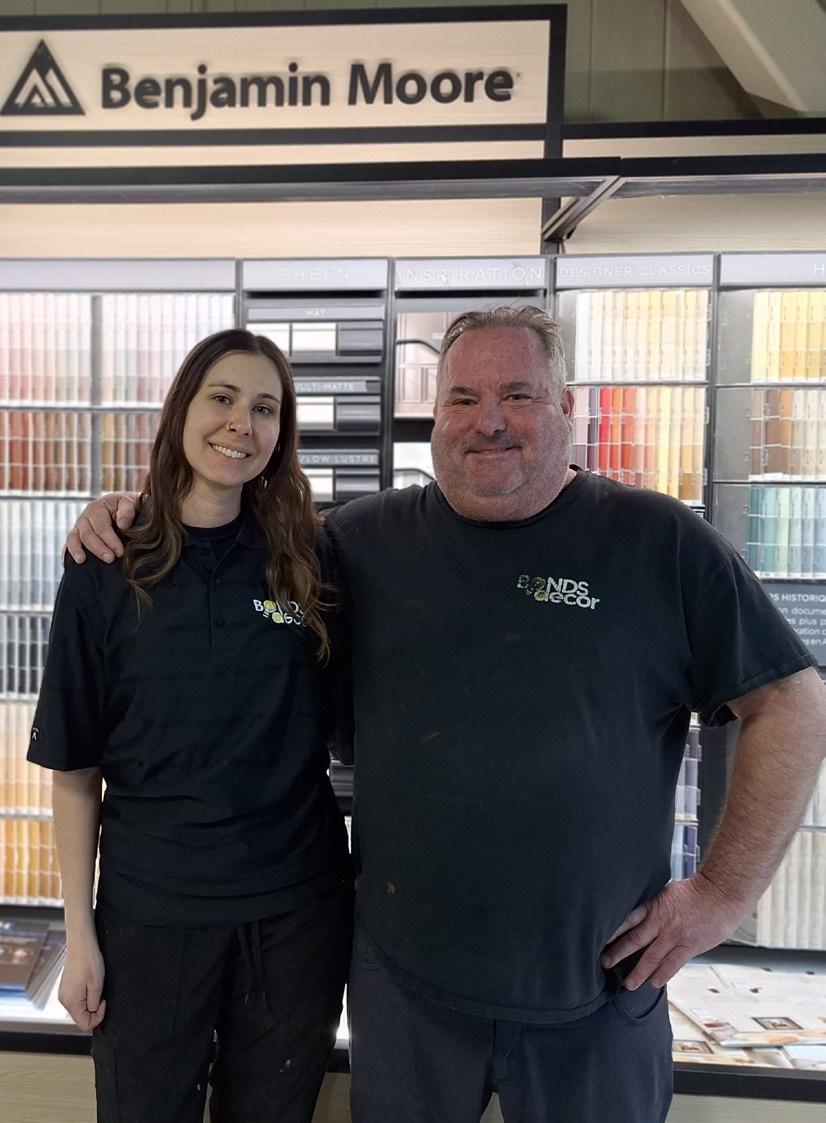
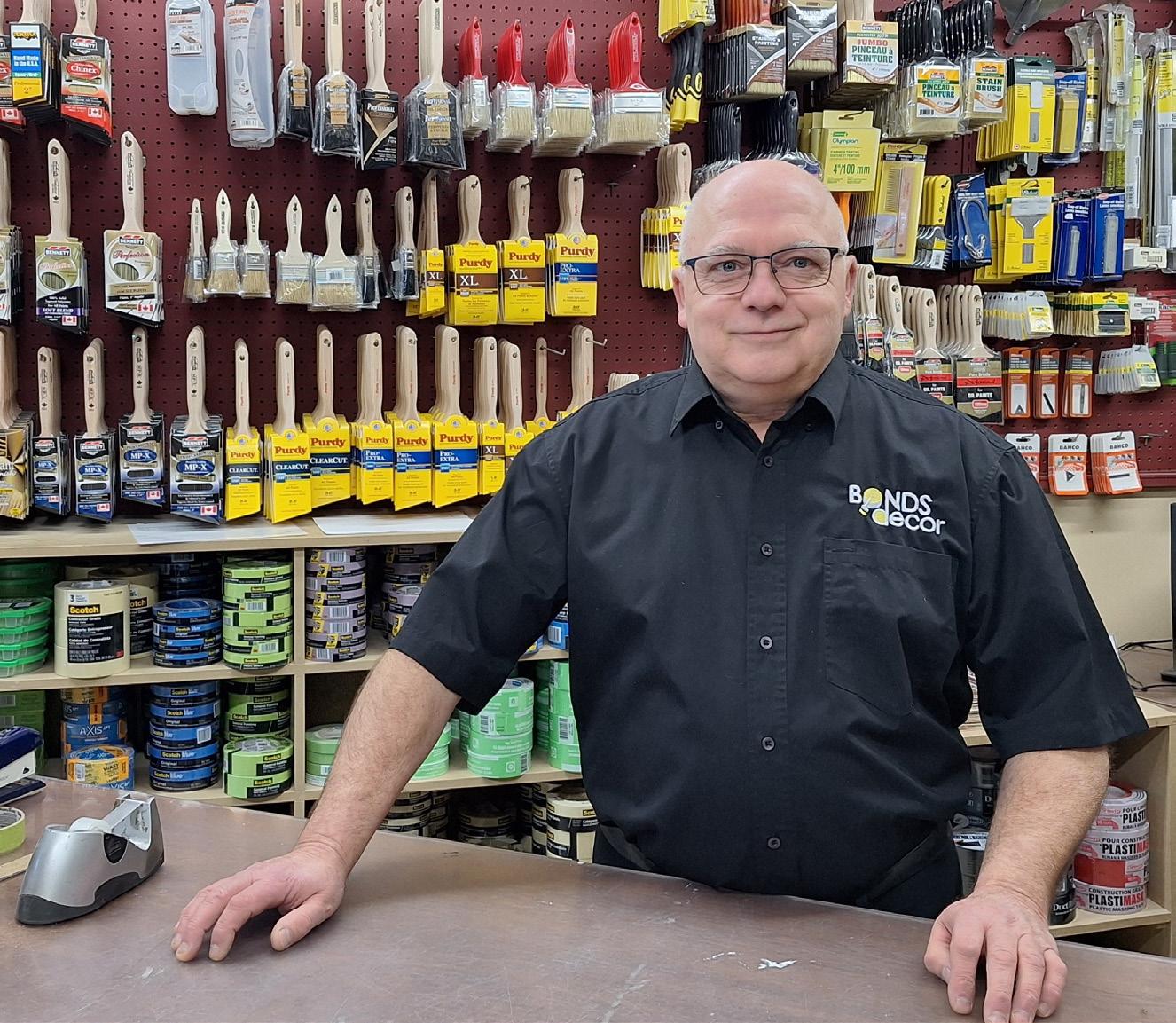
The east end store is run by Richard, who’s been with Bond’s for more than 40 years. He’s not family by name, but in every way that matters, he’s part of it. He’s been a constant for customers and staff alike, helping keep things consistent and making sure people are taken care of the way they always have been.
“We know people are busy,” Steve says. “Renovations are already stressful enough. Getting the right advice and the right product shouldn’t make it harder.”
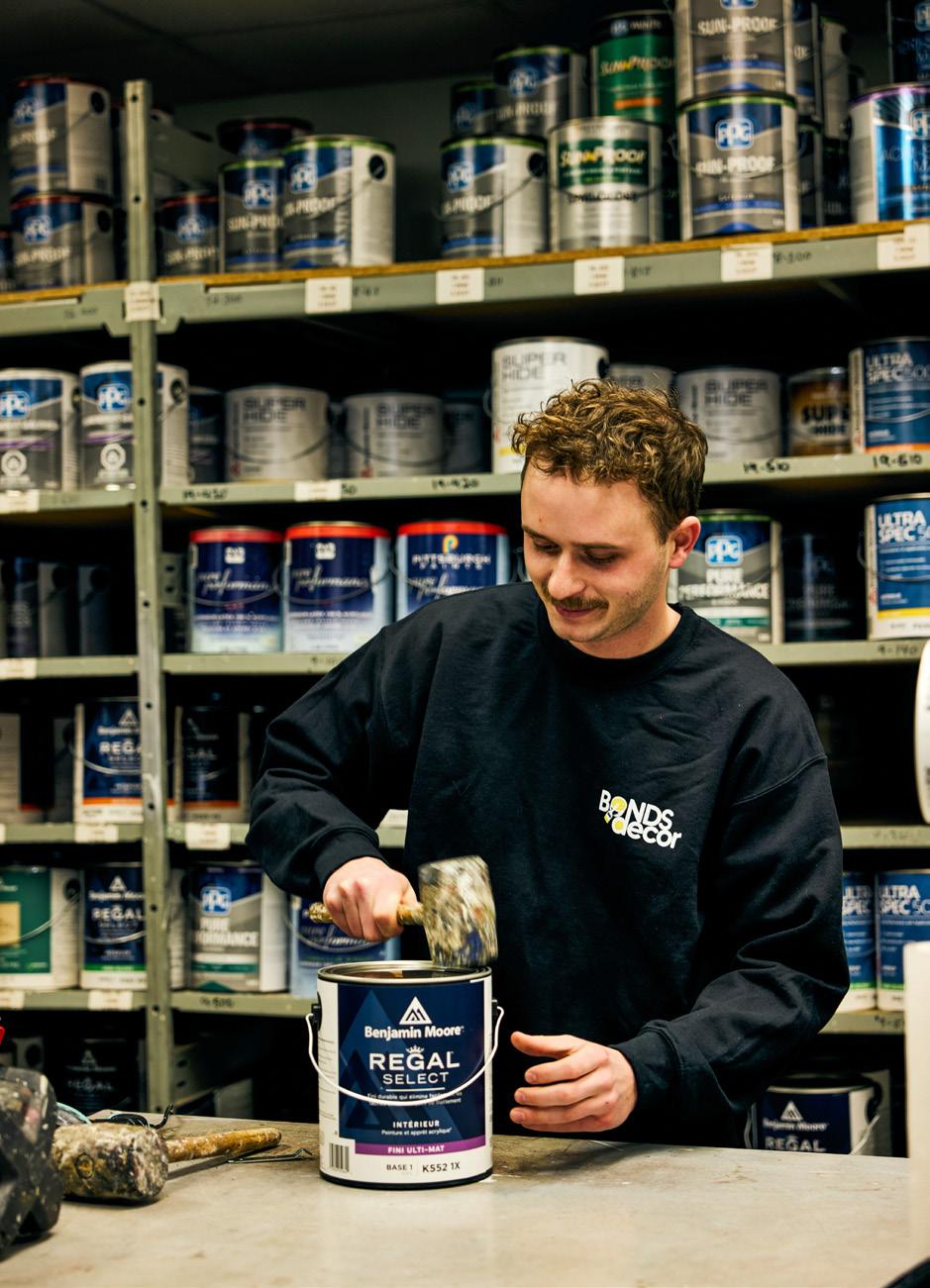
Paint still anchors everything today, especially through their long relationship with Benjamin Moore and Pittsburgh Paints and a deep knowledge of stains, lacquers, and specialty coatings.
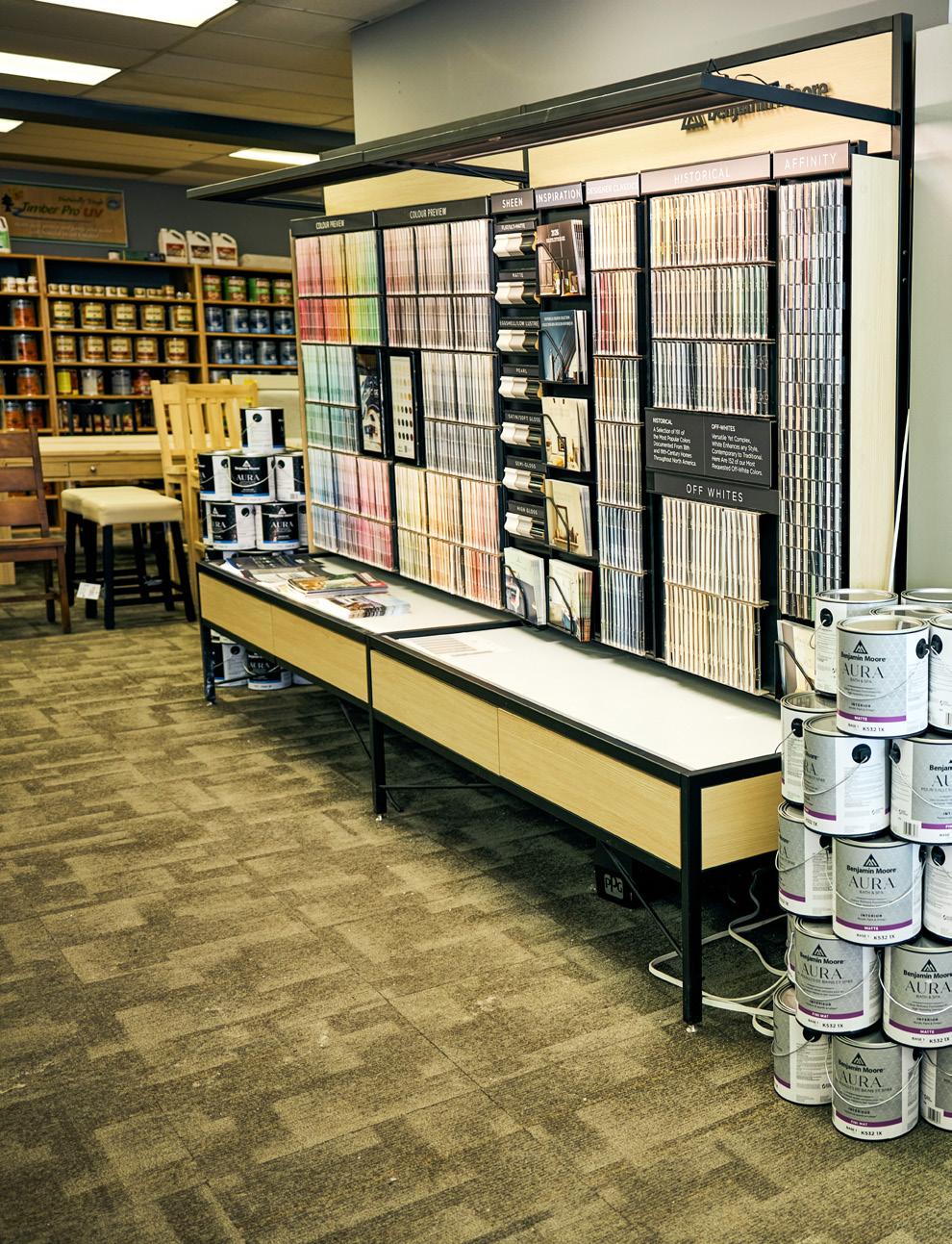
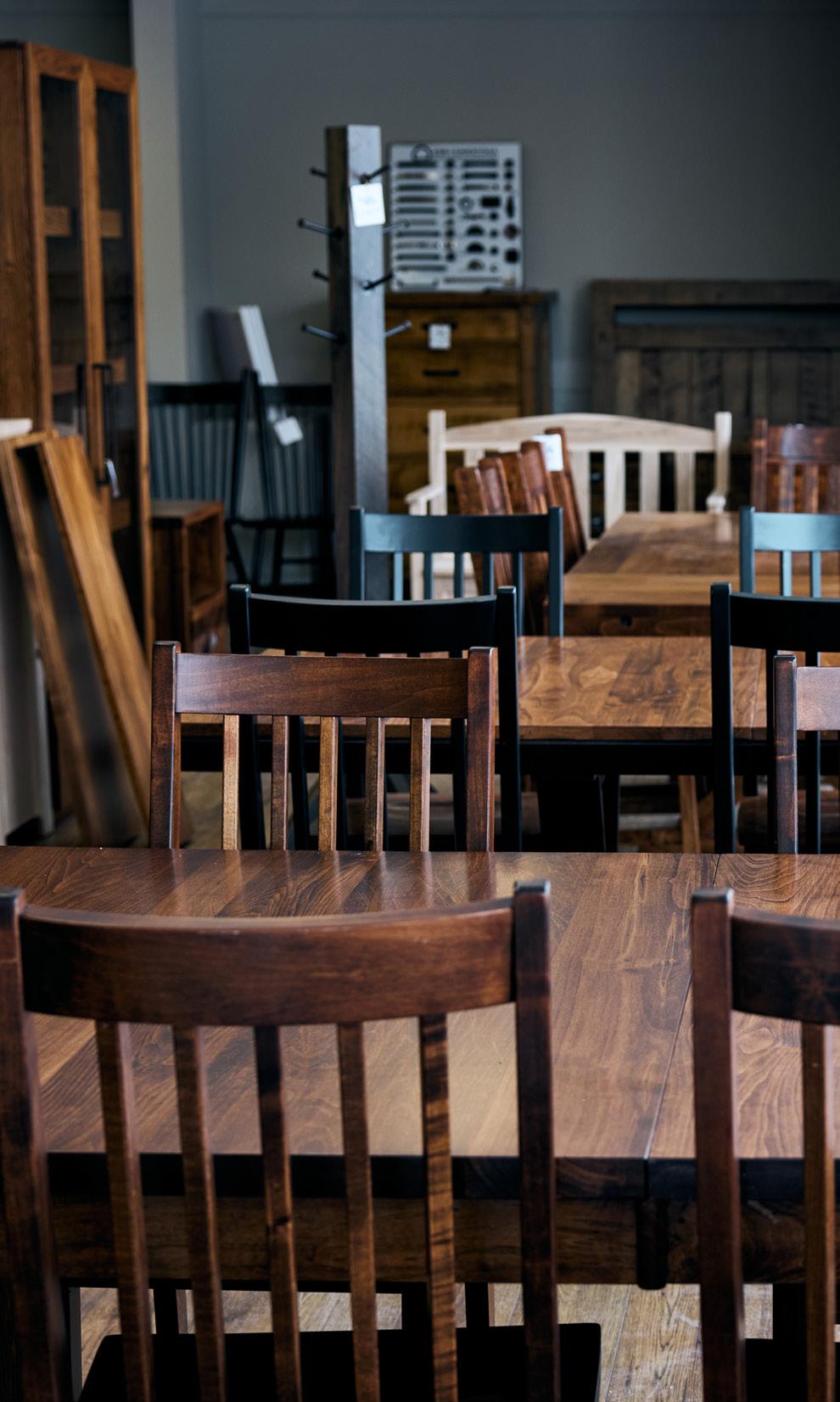
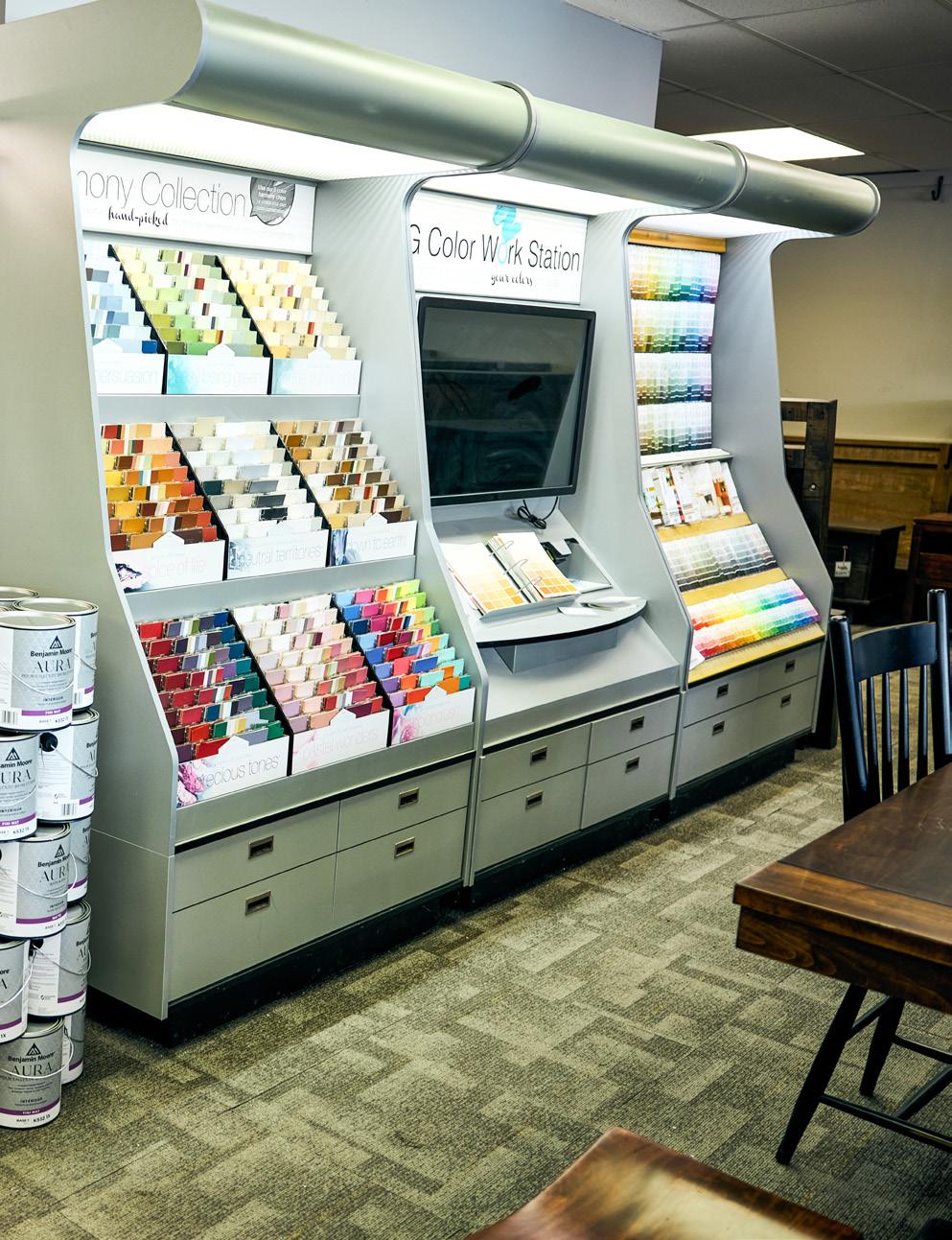
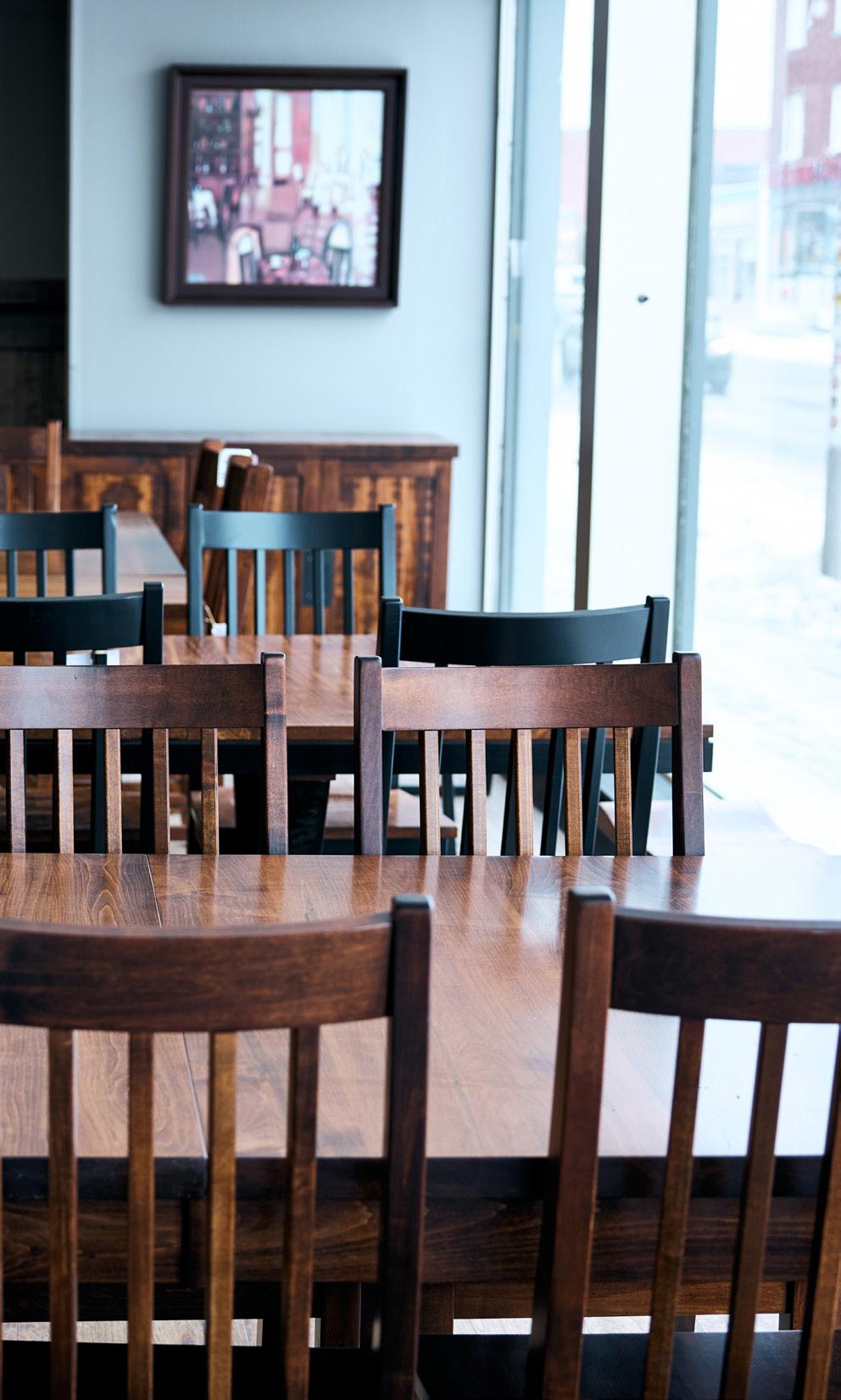
Right: Richard runs Bonds Decor’s east end store and has been part of the business for more than 40 years. Bottom: Solid wood furniture crafted by Amish and Mennonite makers is a key part of Bonds Decor’s offering, with pieces built from real hardwood and designed to last for generations.
“Paint has been at the heart of Bonds from day one,” Steve says. “We don’t just sell it, we help people understand it so they feel confident using it.”
Furniture has become a big part of the business as well, especially solid wood pieces made by Amish and Mennonite craftsmen in Canada. These aren’t throwaway items, they’re built from real hardwood and made to last for decades.
“We’ve always believed in quality over quantity,” Steve says. “People aren’t just buying furniture here. They’re buying something that’s meant to stick around.”
In 2027, Bond’s Decor will celebrate its 100th anniversary, something not many independent businesses can say. It’s a milestone the family doesn’t take lightly.
“We’re proud of it, no question,” he says. “But more than anything, we’re grateful. Not many businesses get to this point.”
Little things like that are a reminder that Bonds has been part of everyday life in this region for generations.
Heading into its second century, not much has changed about what Bonds stands for. It’s still a family-run place where people go for good products, honest advice, and work that lasts. And if history is any indication, a lot of what leaves the store today will still be around for someone else to discover years down the road.
A Crash Course In
A closer look at the rare, seasonal mushrooms that shape gourmet cuisine.
Some mushrooms command extraordinary prices due to rarity and short harvesting seasons. White truffles, the most expensive of all, can sell for thousands of dollars per pound. In Japan, the fragrant matsutake mushroom is another luxury ingredient, sometimes reaching $1,000 per kilogram depending on the harvest.
In Japan, premium matsutake mushrooms can sell for over $1,000 per kilogram, making them one of the most expensive edible mushrooms in the world after truffles.
In fine dining, mushrooms are prized for one reason above all: umami. Their deep, savoury flavour can add richness and complexity to dishes without
overwhelming them. While some varieties are widely cultivated, others are rare, seasonal, and highly valued by chefs around the world.
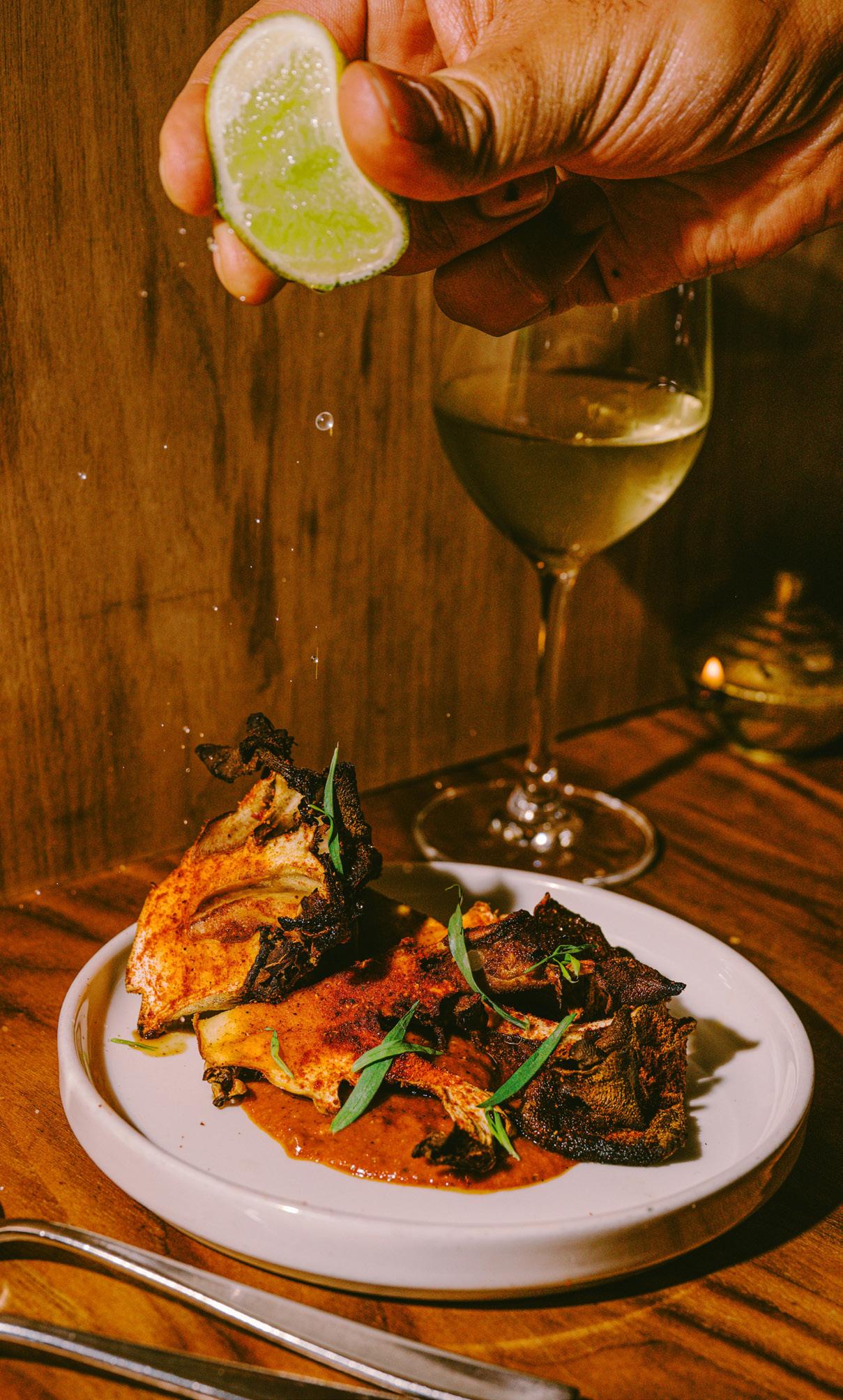
Several mushrooms regularly appear on high-end menus. Porcini are known for their nutty, meaty flavour and are often used in risotto and pasta. Chanterelles have a delicate, slightly fruity taste, while morels are prized for their earthy flavour and honeycomb texture. King oyster mushrooms are also popular for their firm texture and versatility.
Many gourmet mushrooms are still foraged in the wild, which adds to their exclusivity. Varieties like morels, chanterelles, and matsutake grow naturally in forests and are difficult to farm commercially, making them highly sought after during their short seasons.

Several mushrooms regularly appear on high-end menus. Porcini are known for their nutty, meaty flavour and are often used in risotto and pasta. Chanterelles have a delicate, slightly fruity taste, while morels are prized for their earthy flavour and honeycomb texture. King oyster mushrooms are also popular for their firm texture and versatility.

Mushrooms are naturally rich in glutamates, the compounds responsible for umami. This makes them ideal for deepening sauces, broths, and reductions, often adding complexity without needing heavy seasoning.
Many gourmet mushrooms appear for only a few weeks each year. Spring morels, summer porcini, and autumn chanterelles all have short windows of availability, which is why they’re often highlighted on seasonal restaurant menus.
From forest floors to fine dining plates, mushrooms remain one of the most versatile—and sometimes most luxurious—ingredients in the culinary world.
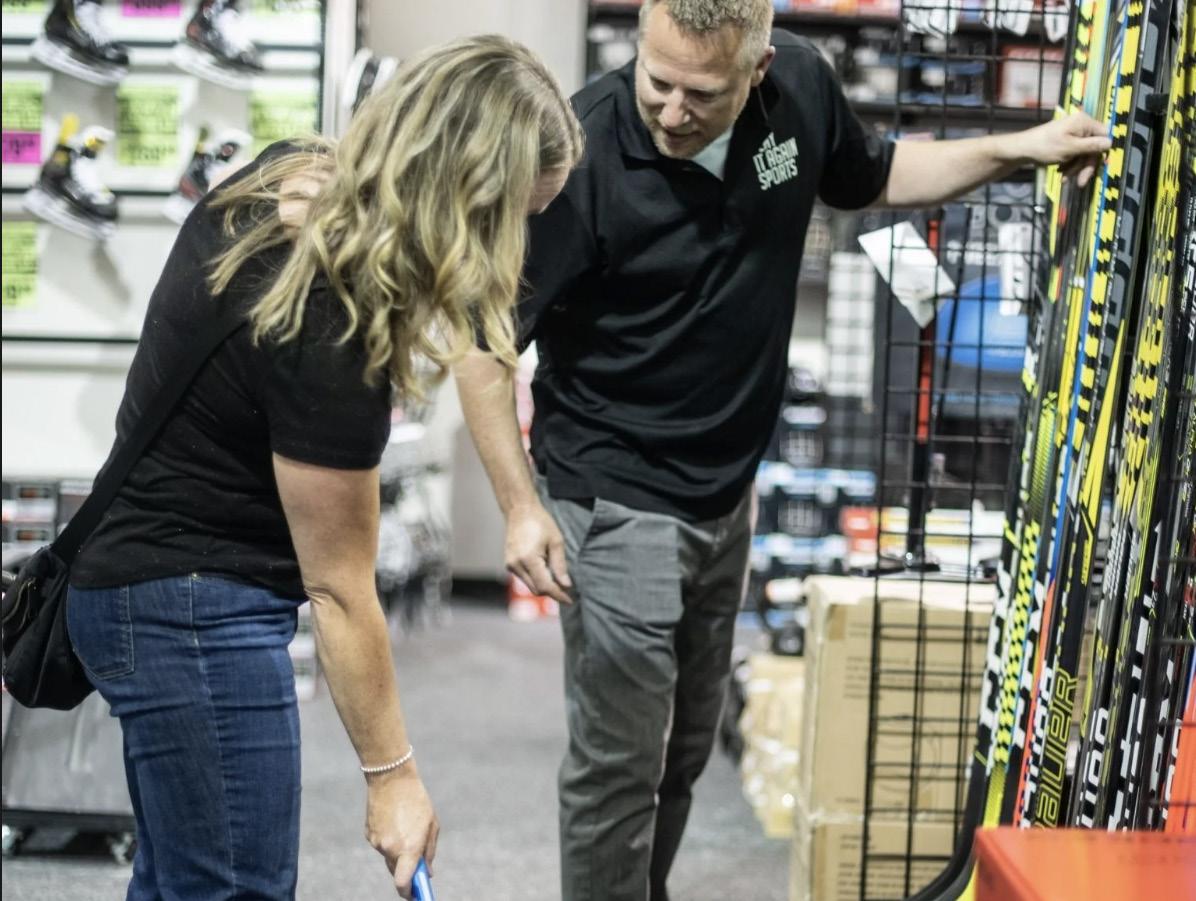
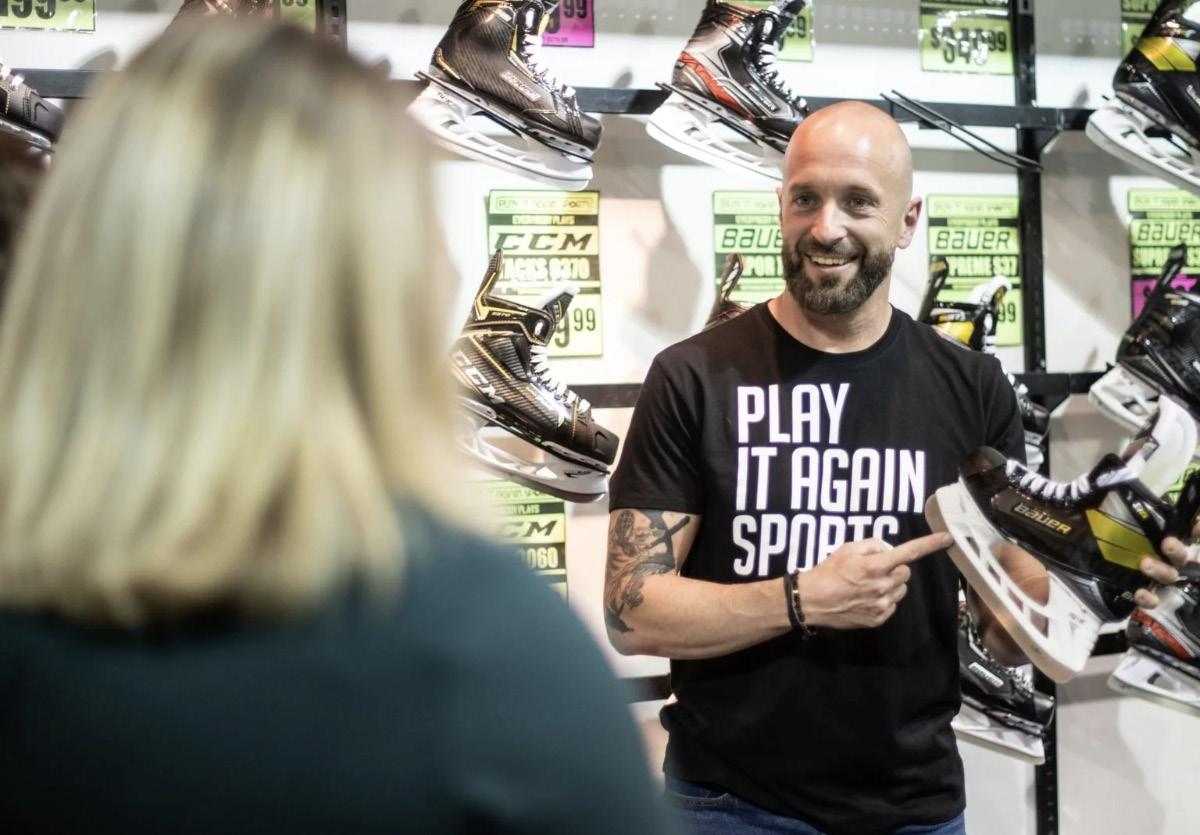
For Rob Lavoie and Cory Edwards, what began as a part-time high school job has evolved into a fulltime passion. Now the owners of three Play It Again Sports locations in Ottawa Orléans, Barrhaven and Kanata the pair have built their careers around helping local athletes get geared up.
Like many teenagers, Rob and Cory were initially drawn to the job because of their love of sports. Being surrounded by new gear and other athletes made the environment feel less like work and more like a natural fit.
“We were both passionate about all sports and it seemed like an ideal job where we’d get our hands on all the newest gear and be around it all day and interact with like minded people,” Rob explains.
The two stayed on through their post-secondary years and gradually took on more responsibility. What began as a part-time position evolved into supervisory roles and eventually store management as the Ottawa operation expanded from one location to four stores.
Along the way, Rob hired Evan, who quickly became another key part of the team. Over time, the three developed a strong understanding of the business from the ground up while working closely with the previous local ownership group that mentored them.
Their move into ownership came gradually. After years helping run the stores, Rob and Cory stepped forward when the previous owners

began stepping back. Later, when the opportunity came to take over the Kanata location, bringing Evan in as a partner felt like the natural next step.
“We were lucky to have amazing local ownership. They taught us the ropes but also allowed us the freedom to grow as employees and as leaders,” Rob says.
After more than 25 years working with staff, customers and vendors inside the stores, that experience continues to shape how they run the business today.
At its core, Play It Again
Sports operates on a simple model: buying and selling both new and used sporting equipment. Customers can trade in gear they have outgrown and apply the value toward their next purchase, while other athletes can access quality equipment at a lower price.
“Every store in town has similar pricing on new equipment,” Rob explains. “We also take the stuff you’ve outgrown, give you a discount, and then offer great deals to others looking for used gear.”
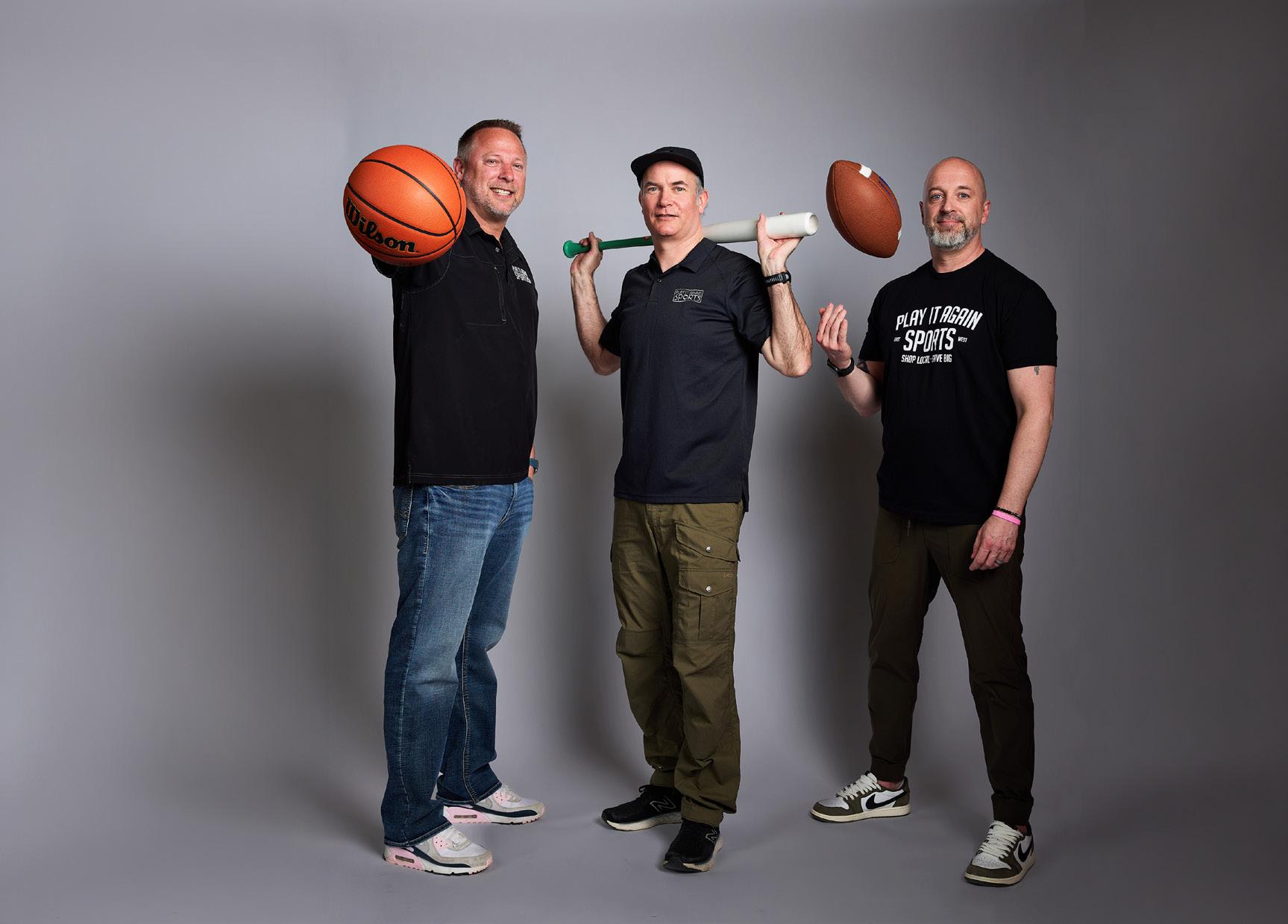
For families with children in sports, the system can make a significant difference. Equipment that might only be used for a season or two can be traded in rather than sitting unused at home, while another family can purchase reliable gear without paying full price. The approach also keeps large amounts of sporting equipment in circulation rather than being thrown away.
Seasonality plays a major role in demand. Hockey equipment remains a constant in Canada, while alpine ski gear surges in winter and baseball equipment becomes popular in the spring and summer.
In recent years, golf has become one of the fastest growing categories.
“Golf has been the hottest category the last couple of years,” Rob says. “Post-pandemic, participation really took off. There’s always new models and technology hitting the market every few months, so the trade-in market is always active.”
Beyond retail, community remains central to the business. Rob and Cory both grew up in Orléans and have strong ties to Barrhaven, while Evan has spent nearly two decades managing the Kanata location.
“We see so many familiar faces in the stores and around the community,” Rob says. “It really makes Ottawa feel like a small town.”
Even after decades in the business, the moments that stand out most are often the smallest.
Helping a child get fitted for their first pair of skates remains just as meaningful today as it was years ago.
“It’s a big moment for them,” Rob says. “And believe it or not, it still is and always will be a big moment for us too.”

SUMMER EDITION
Five low-stimulation products built for skin recovery, hydration, and balance.
After years of layering actives and overcorrecting, routines are being pulled back. Late spring and early summer tend to expose the effects. Heat, sun, and constant product use leave skin reactive, dehydrated, and harder to manage.
What’s emerging instead is a reset approach. Fewer products, better inputs, and a focus on restoring baseline function. The goal is not to push results faster, but to make them sustainable.
Here are four products leading that shift.
Dr. Jart+ Ceramidin Moisturizing Cream
2026’S MOST ANTICIPATED TRENDS
Barrier repair has become the foundation. Ceramides and lipids reinforce the skin’s natural structure, helping it retain moisture and handle environmental stress.
This becomes more important heading into summer, when sun exposure and heat gradually weaken the skin even without vis ible damage.


Originally used in clinical settings, hypochlorous acid is now one of the most practical additions to a daily routine. It helps reduce redness, calm irritation, and manage bacteria without disrupting the skin.
It works after workouts, after sun exposure, or anytime skin feels off. Simple, effective, and hard to misuse.

Kiehl’s Micro-Dose Anti-Aging Retinol Serum with Ceramides and Peptide
Retinol is not being removed, it’s being scaled back. Lower-strength formulas allow for consistency without triggering irritation, especially during months when skin is already under stress.
The benefit is cumulative. Smoother texture and more even tone, without the cycle of overuse and recovery.

Codeage Advanced Formulaer
Hydration is no longer just topical. Electrolytes support how the body retains and distributes water, which directly impacts how skin looks and recovers.
Warmer weather, caffeine, and activity all increase demand. Adding electrolytes is a small adjustment that shows up quickly in energy levels and overall skin quality.


“For the f irst time, we are seeing that it is possible to slow the cognitive and functional decline of Alzheimer ’s disease.”
- Dr Andrew Frank, Researcher, Cognitive Neurologist Bruyère Health