
MISCELLANEOUS ESTATE
2026 -
HOUSING / STRATEGIC INDUSTRIAL LOCATION / COLLECTIVE LIVING
The act of building entails an intense relationship with the construction of the individual and its subjectivity.
Perhaps the best way to situate the starting point of this investigation is within the layered complexity of contemporary architectural discourse, centred on the relationship between architecture and domestic life as a fundamental concern of the twenty-first century. In The Good Life, Iñaki Ábalos brings an essential reflection on the different strata of contemporary thought that helps to understand the shift in the domestic paradigms from the twentieth to the twenty-first century.
How should the dwelling of today’s contemporary patterns of life be?
The housing paradigm of the twenty-first century explores the cultivation of the self through collective forms of living. Contemporary housing projects no longer operate as containers for private life, but as frameworks for social interaction, mutual support, and shared authorship. New developments host a wide range of shared environments that enact associative practices among residents and the surrounding community. Collective laundry rooms, communal kitchens, shared gardens, childcare and caregiving spaces and, common workshops function not merely as
amenities, but as social infrastructures that foster cooperation and interdependence. The surge of hybrid live-work environments further expands the scope of domestic architecture. Shared kitchens coexist with co-working areas, workshops, carpentry spaces, and flexible rooms, enabling residents to integrate labour, creativity, and daily life under the same building. Such spatial mixtures respond to contemporary realities, allowing housing to adapt continuously to the evolving needs of its communities. These models emphasize flexibility over fixed program, accommodating a multiplicity of uses and temporal rhythms rather than prescribing a singular mode of dwelling.
- LOCATION: London, UK
- TYPE: Individual academic work
- PROJECT LEVEL: THESIS PROJECT MARCH HOUSING AND URBANISM
- DATE ISSUED: JANUARY 2026
- SUPERVISOR: Lawrence Barth (barth@aaschool.ac.uk), Dominic Papa (dominic@woodroffepapa.com)
¿Is there a life after the quarry?
SERVITÁ
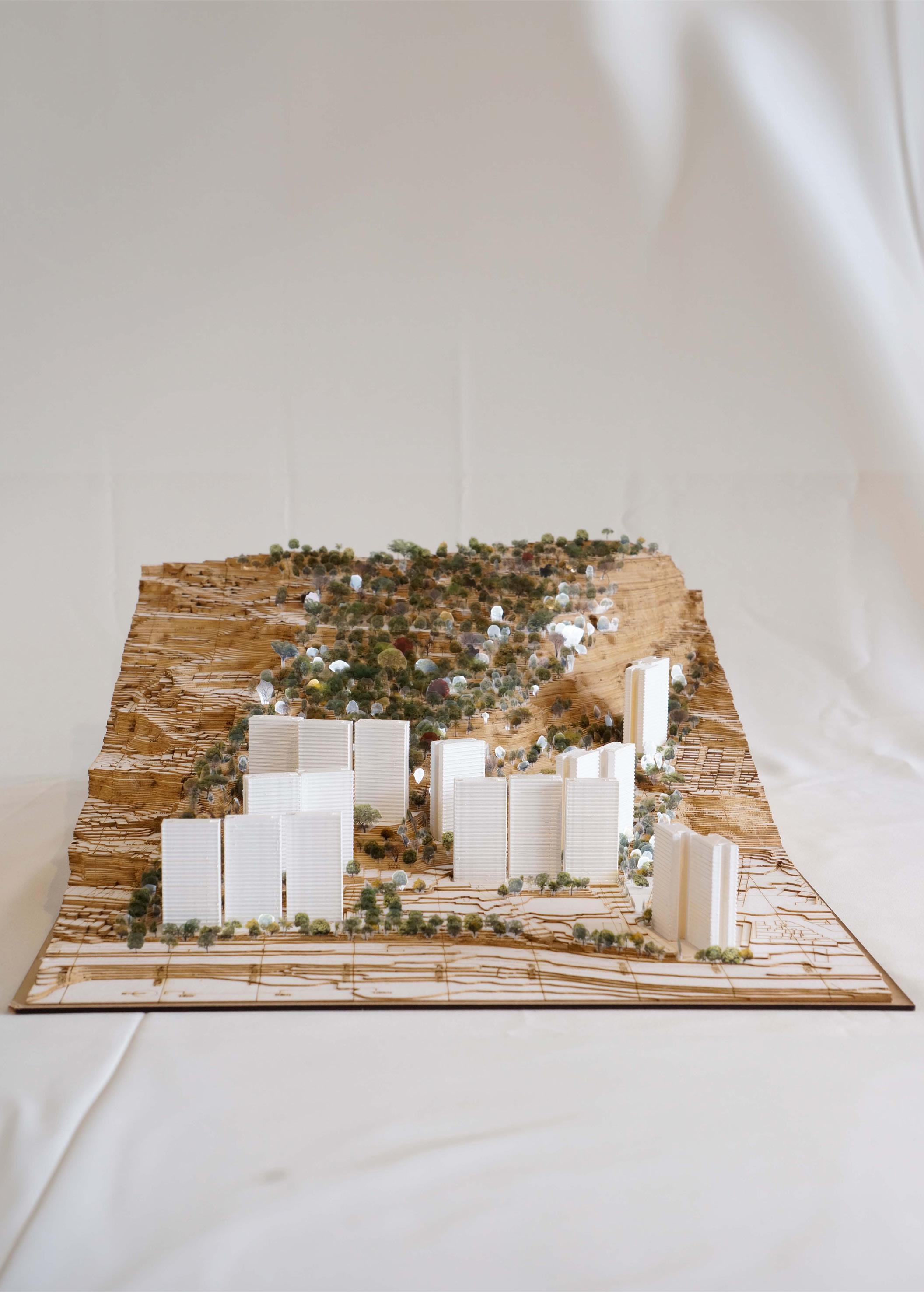
Servitá is located northeast of Bogotá at the foothill of the Andes mountain range. Its name comes after the villa once situated at the center of the lot, where just remains the main building. Villa Servitá served as a foster home and psychiatric center in the early 1940s and for almost 40 years as a quarry for construction materials. The extraction activities during this time modeled the entire mountain’s landscape, creating terraces, steep zones and waterways, among others.
The project pretends to become a social housing referent as it tackles, on the one hand, the city housing deficit and, on the other hand, dignifies social housing by providing high-quality landscape amenities. Therefore, Servitá is a project where inhabitants would be able to maintain a close relationship between nature and the city.
Conceived of 16 towers, 25 story each, 8 units per floor with a total of 3200 housing units. Servitá is a high-density project that seeks to free soil to increase permeable areas that significantly reduce the loads of the urban drainage, work as a threshold between the
- LOCATION: Bogotá, Colombia
- TYPE: Professional work. (APLO)
- ROLE: Lead architect
- CONTRIBUTION: Design, modelling, rendering, post production
- DATE ISSUED: JANUARY 2019 - DECEMBER 2023
- SUPERVISOR: Pedro Aparicio Llorente (pedroaparicio22@gmail.com)
mountain range ecosystem and the urban environment, and its reduced footprint intends to diminish the effect on watercourses (basins), flora and fauna.
Multiple iterations of the general plan and the location of the towers were conducted with precise studies of the terraces, the steep zones and landfills to properly connect the entire project with low, cost-effective engineering interventions to construct a feasible project. Consequently, Servitá uses just the 8.2% (7.152 m2) of the total Developable Area (86.781 m2) and the 1.5% of the Gross Area (450.511 m2) of the lot.
CIANI RESERVADO
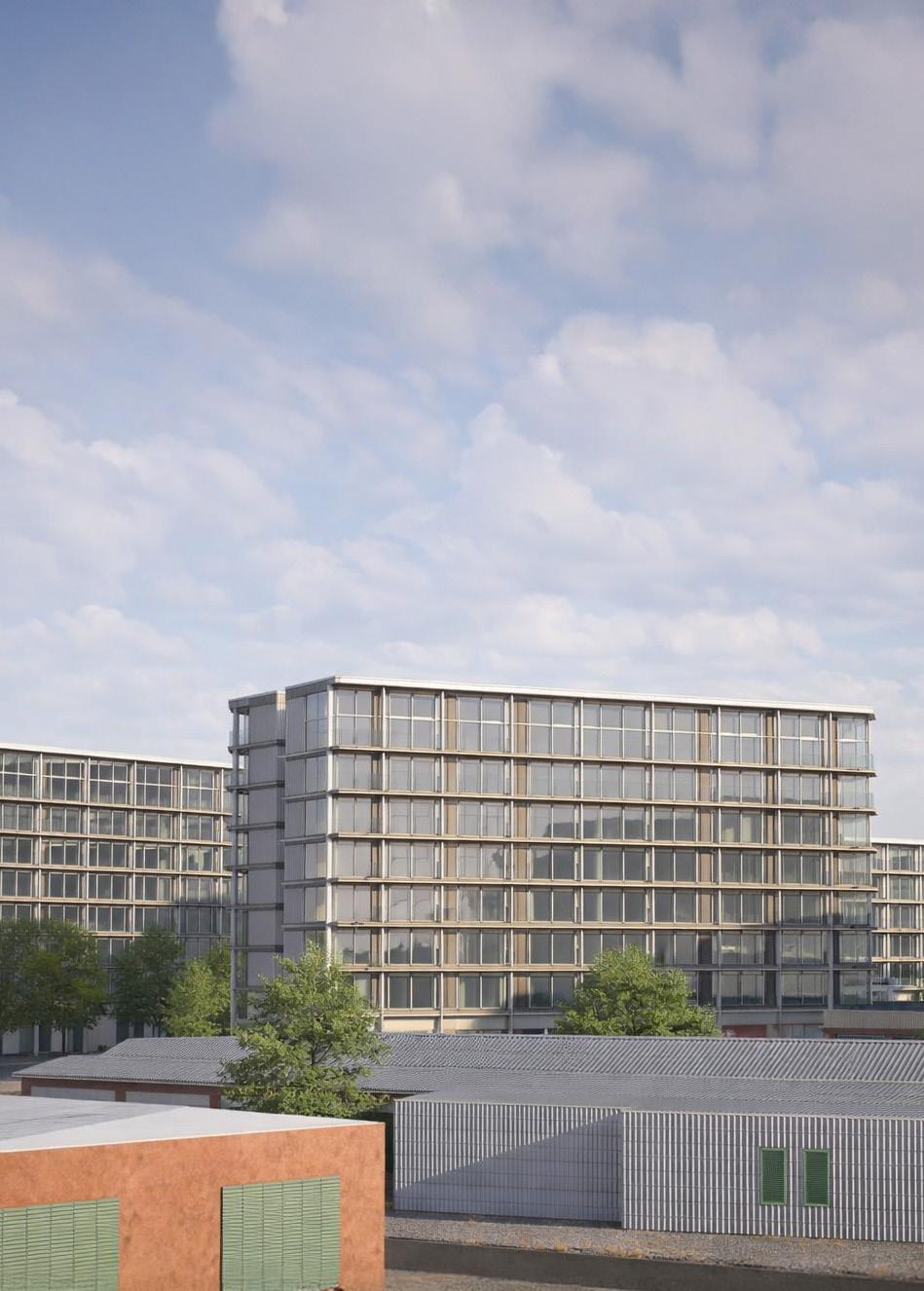
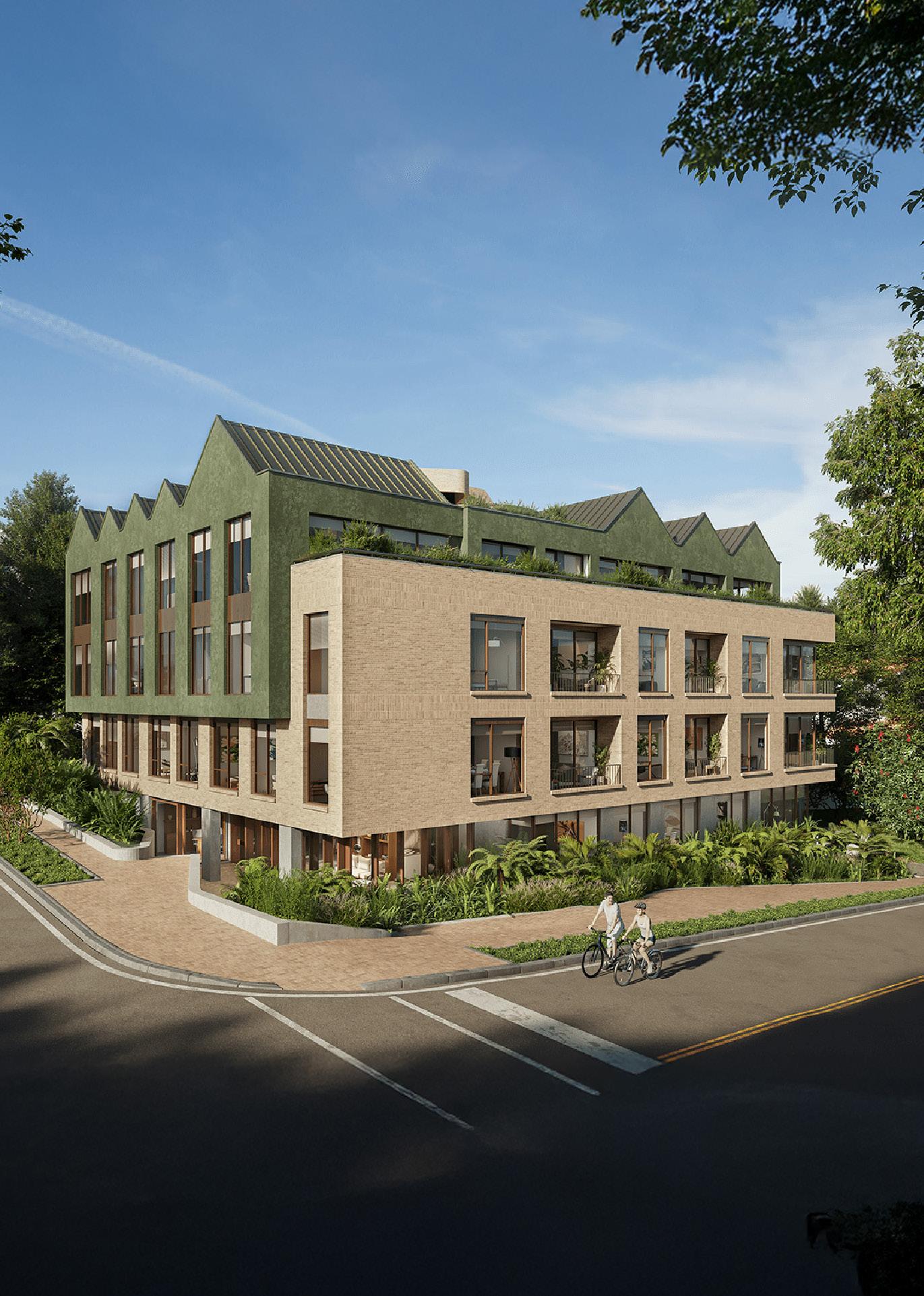
Ciani Reservado is a multi-residential project located in Bogotá, Colombia. It emerged from the owner’s decision to sell their house, motivated by increasing development pressures in the area. The design seeks to blend with the suburban architecture of the area, drawing inspiration from the Swiss-cottage style homes that once characterized the neighborhood. The project aims to attract a diverse range of residents—including large families, couples, and seniors— by offering flexible housing options suited to different lifestyles. In doing so, it contributes to a varied and dynamic community fabric.
In accordance with local urban regulations and to ensure the project’s economic viability, the building takes advantage of the site’s natural topography. The entrance is thoughtfully submerged into the terrain, creating a sense of privacy and a smooth transition from the public space to the more intimate interior. Material choices further reflect a sensitivity to the context: concrete is used at the ground level, brick defines the main façade, and green stucco clads the upper floors, complemented by wooden window frames. These
- LOCATION: Bogotá, Colombia
- TYPE: Professional work. (APLO - BA.U)
- ROLE: Architect
- CONTRIBUTION: Design, modelling,
- DATE ISSUED: JANUARY 2024 - DECEMBER 2024
- SUPERVISOR: Carlos Balén (cbalenarq@gmail.com)
elements together respond to the site’s forested hillside location in Bogotá, reinforcing a strong connection to the natural surroundings.
RETORNAR AL AGUA
- 2019 -
RESEARCH METHODOLOGIES / ARCHITECTURE
¿Can water be an articulator of the public realm?
The project consisted of designing a public space, equipment, and housing infrastructure based on the lecture on water in the territory to construct a new landscape. Through a series of exercises, the student would reach a proper definition of a project as each exercise unveiled different ideas of how to approach the project’s intentions.
The first, writing as a project , consisted of using writing to describe and define the project’s intentions through a series of reflections. The second, matter and detail , was about designing an element, a fragment, that could explain the entire project which could be replicated at different scales. Last, foundations , was an exercise to read the territory’s marks to understand how they reveal topography and urban settlements.
Therefore, these exercises aimed to understand how the project creates a new reality, new boundaries, a new place, as Rafael Moneo states in Inmovilidad Substancial : Building implies the construction of a place. The place is created through the lenses of the project, and it is the project’s intentions that unfold the scenery where it is located.
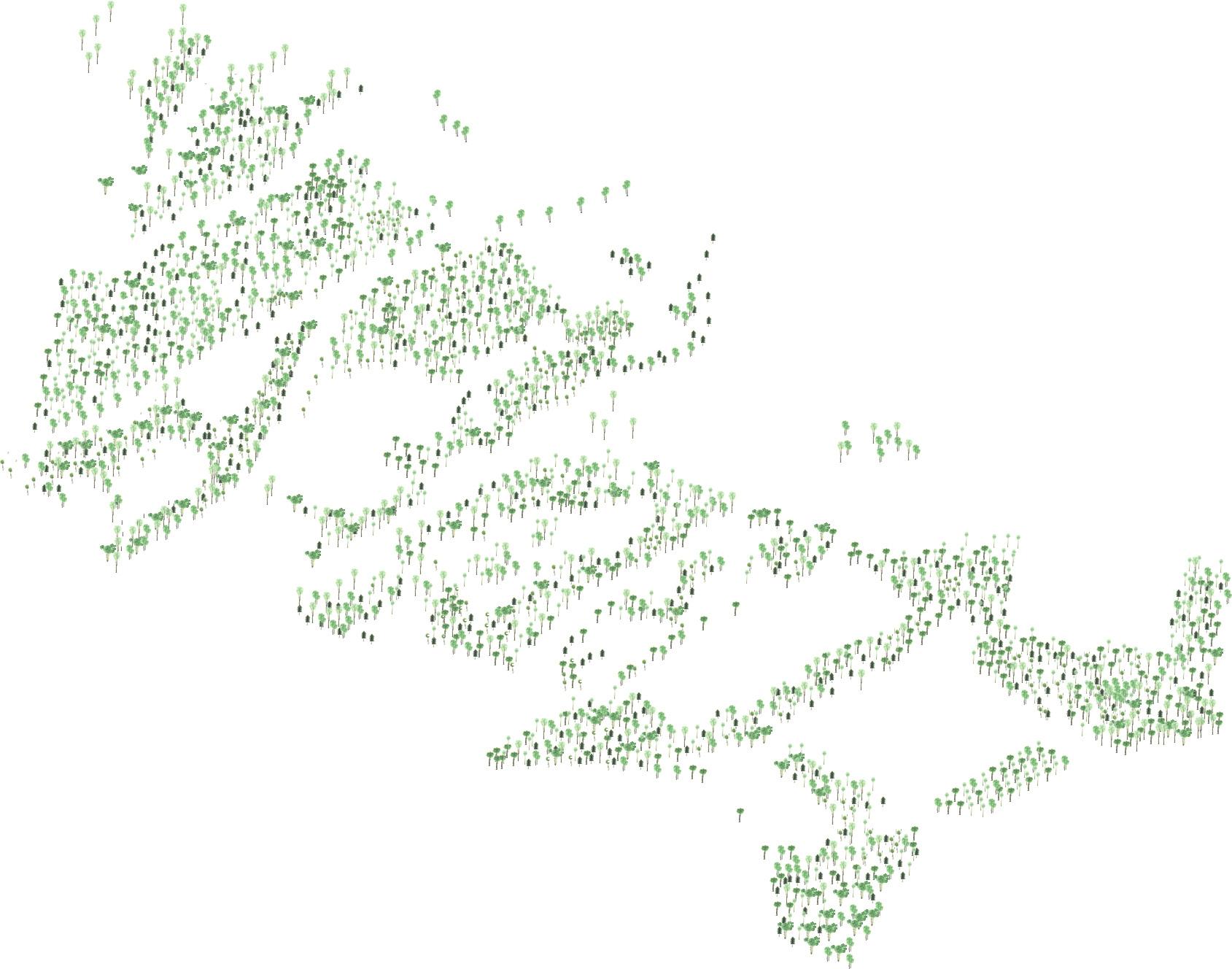
Retornar al Agua, el Sincretismo de Habitarla ponders on the unseen part of the water system of a city, the water supply infrastructure. Consequently, the project seeks to understand how it works, its footprint on the territory and its relation with neighboring communities.
WRITING AS PROJECT
Water is simple and mysterious; it is found at all scales and states; it is drop and sea, ice and mist; it is constantly changing, therefore it is transmuting, which makes it omnipresent. It murmurs when it touches a material, moors when it becomes a river, a reflection when it pools and time because it transforms matter.
- LOCATION : Bogotá, Colombia
- TYPE: Individual academic work
- PROJECT LEVEL: THESIS PROJECT BSC ARCHITECTURE
- DATE ISSUED: JULY 2019
- SUPERVISOR: Lorenzo Castro (l.castro86@uniandes.edu.co)

HAIL MASTER PLAN
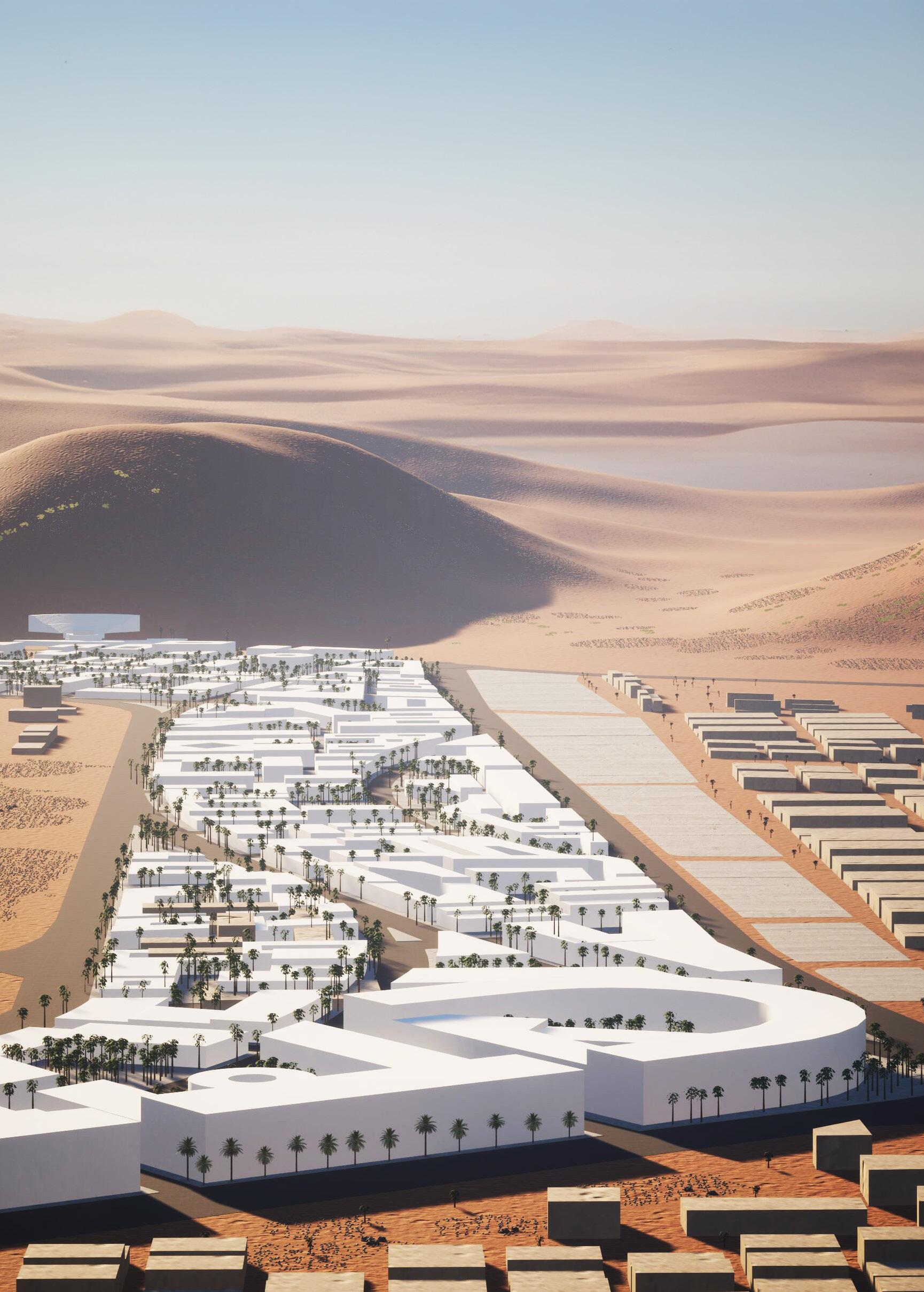
The project consisted of designing the urbanism of the city of Hail commissioned by the firm TEKUMA FRENCHMAN. The design had to consider specific requirements of land use, transportation network and public space hierarchy. The goal is to transform Hail into a global model for urban integration with mountain landscapes. The new urban fabric of Hail will serve as a base camp located downtown at the foot of the mountains, in close proximity to the city.
Through a series of iterations, the proposal delves into site analysis, spatial strategies, design principles, and programmatic demands with a specific goal: connect the mountains and the city.
A visitor center will anchor the edge of the mountain, transforming the development into a gateway with a commercial boulevard connecting the two. Hail is poised to become the ultimate destination for adventure exploration, supported by its passion for extreme sports such as rally, mountain biking, cliff climbing, ATVs, skydiving, and paragliding.
- LOCATION: Hail, Saudi Arabia
- TYPE: Professional work. (STUDIO ALTIPLANO)
- ROLE: Junior Architect
- CONTRIBUTION: Modelling, Diagrams, Illustration, Rendering
- DATE ISSUED: SEPTEMBER 2018
- SUPERVISOR: Pedro Aparicio Llorente (pedroaparicio22@gmail.com)
KÉDOUGOU RURAL SCHOOL
- 2023 -
ARCHITECTURE / PARTICIPATORY DESIGN / EDUCATION
¿Can architecture produce social change?
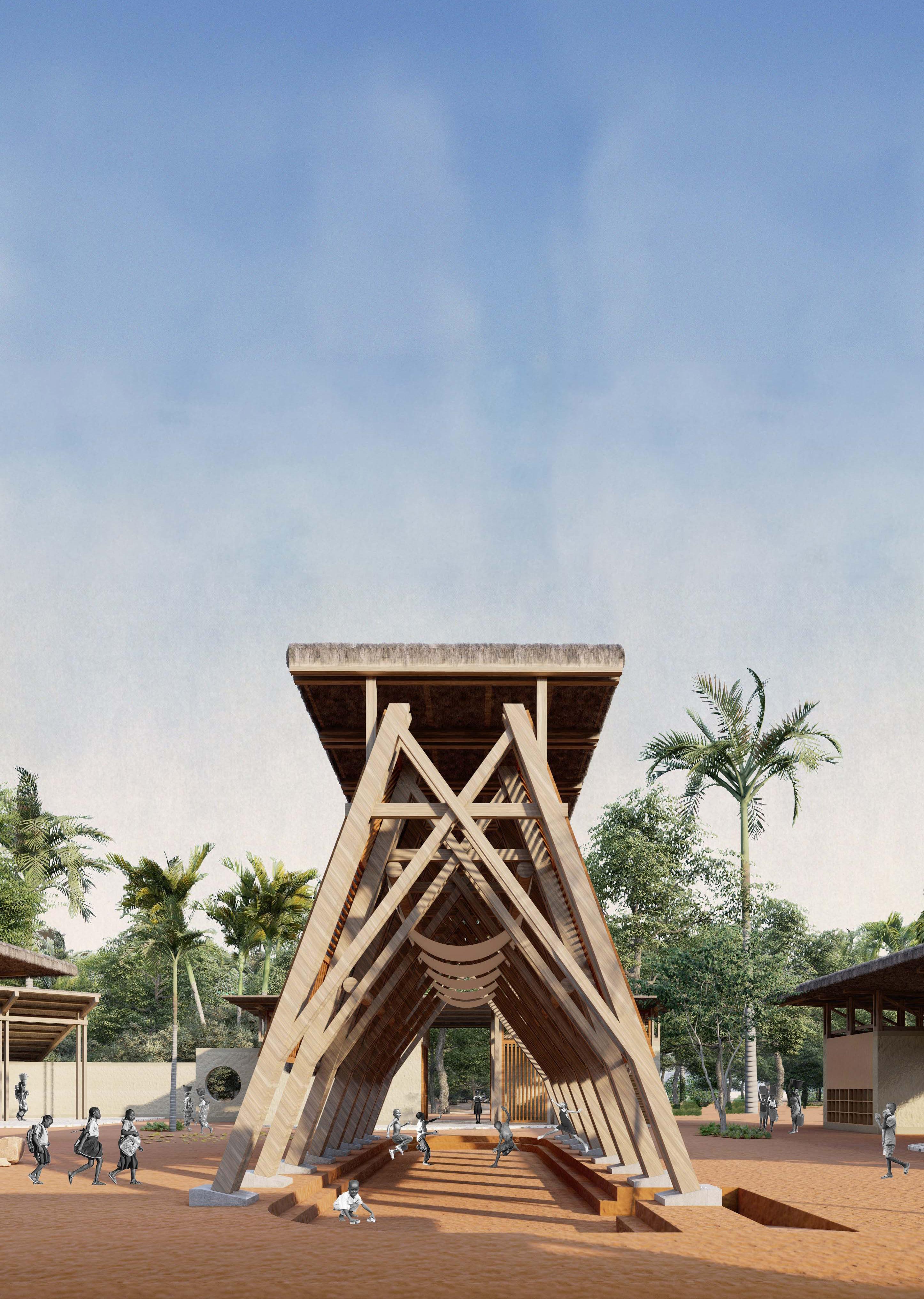
Situated in the Kédougou region in southeast Senegal, the project seeks to be a piece of architecture that can improve the community’s current conditions regarding social infrastructure, which can detonate multiple relations among the inhabitants, especially the children. The project intends to be a place that strengthens the cultural heritage of the different ethnic groups that live in the area.
According to the report Situation Economique et Sociale du Senegal issued by the Agence Nationale de la Statistique et de la Demographie, the Kédougou region has one of the lowest percentages of schools in Senegal. Therefore, the precariousness of education infrastructure in the region is understood as an opportunity that can boost the accessibility to education for many children in the area.
The project aims to potentiate cultural relations by providing a space transcending traditional education processes. This is reached by creating a central multi-purpose patio where the children can gather. This patio serves as a limit and a central place for all activities,
- LOCATION: Kédougou Region, Senegal
- TYPE: Architectural competition. (Kaira Loro)
- GROUP MEMBERS: Individual
- DATE ISSUED : JUNE 2023
surrounded by classrooms that are open to the center, allowing learning processes to be dynamic through internal and external knowledge not limited to traditional education but also horticulture, cultural heritage traditions, ancestral practices, among others. By doing this, the project aims to create rooting and strengthen the local culture of the Peul and Mandigues.
The project aims to teach students in different areas besides traditional education. In addition to the architectural program required by the competition, dry bathrooms and orchards have been conceived within the project to provide food sovereignty and consciousness to the school and children.
LA UTOPÍA DE CAREX
- 2021 -
RESEARCH METHODOLOGIES / UTOPIA - ARCHITECTURE
Imbued with a message from the past, the historic monuments of generations of people remain to the present day as living witnesses of their age-old traditions. The competition consisted of reflecting on the abandoned architectural heritage of the Hispanic cultural world. In order to accomplish this, it was necessary to locate, document, measure, and depict a building in ruins (raquis) and propose a utopia that would preserve its memory. Occupying a place means taking possession of it; it is an act of violence. In this sense, the proposal is conscious of the narratives that characterize the place and, simultaneously, is a catalyst for new paradigms of significance based on a collective generation of culture.
The Carex utopia reflects on the concept of death. Our architectural intervention takes place in the Bocachica canal in Cartagena, Colombia, which includes the military forts of San José and San Fernando de Bocachica built in the 18th century and the maritime space between them. In this place, we propose a ritual that will commemorate the dead of the people from the Carex society located in El Escorial, on the other side of the Atlantic.
The architectural interventions in the canal will allow the ritual to be carried out since we are not only interested in proposing architecture by itself but also in an activity that will fill it with meaning. In the different stages of the ritual, not only the departure of the dead but also the fundamental values that established the Carex society in El Escorial will be commemorated.
Therefore, this collective mourning lived through the rite will become a way of reminding the inhabitants of Carex what they share as human beings. Any hierarchy or social inequality in this society would be dismissed and delegitimized. Mourning will also create a notion of unity, collaboration, and empathy among those who have lost a loved one. In this sense, the intervention in our raquis will be an active agent in creating meaning and purpose in people, taking distance from conceiving architecture and history as static elements.

- LOCATION: Cartagena, Colombia
- TYPE: Architectural competition
- GROUP MEMBERS: Daniel Medina, Fabio Chica
- ROLE: Lead architect
- CONTRIBUTION: Design, modelling, post production
- DATE ISSUED: OCTOBER 2021



AMERICAN BROASTED
Project consisted in the renovation of a chicken restaurant brand. The concept focused on the imaginary that evokes the name of the brand.
“American Broasted” whose main colors are blue and red. Then a new fresh concept was brought with metal work, white tiles and terrazzo surfaces where the main materiality to evoke the clients needs.
Moreover, a process of identification of old memorabilia was important to maintain some of the brand’s iconography. Therefore, a site visit allowed to understand the dynamics of the restaurant and also the main funrniture that was going to be kept.
- LOCATION: Bogotá, Colombia
- TYPE: Professional work. (Piedemonte Colectivo)
- ROLE: Lead architect
- CONTRIBUTION: Design, modelling, post production
- DATE ISSUED: JANUARY 2021

AAVS - AMAZON
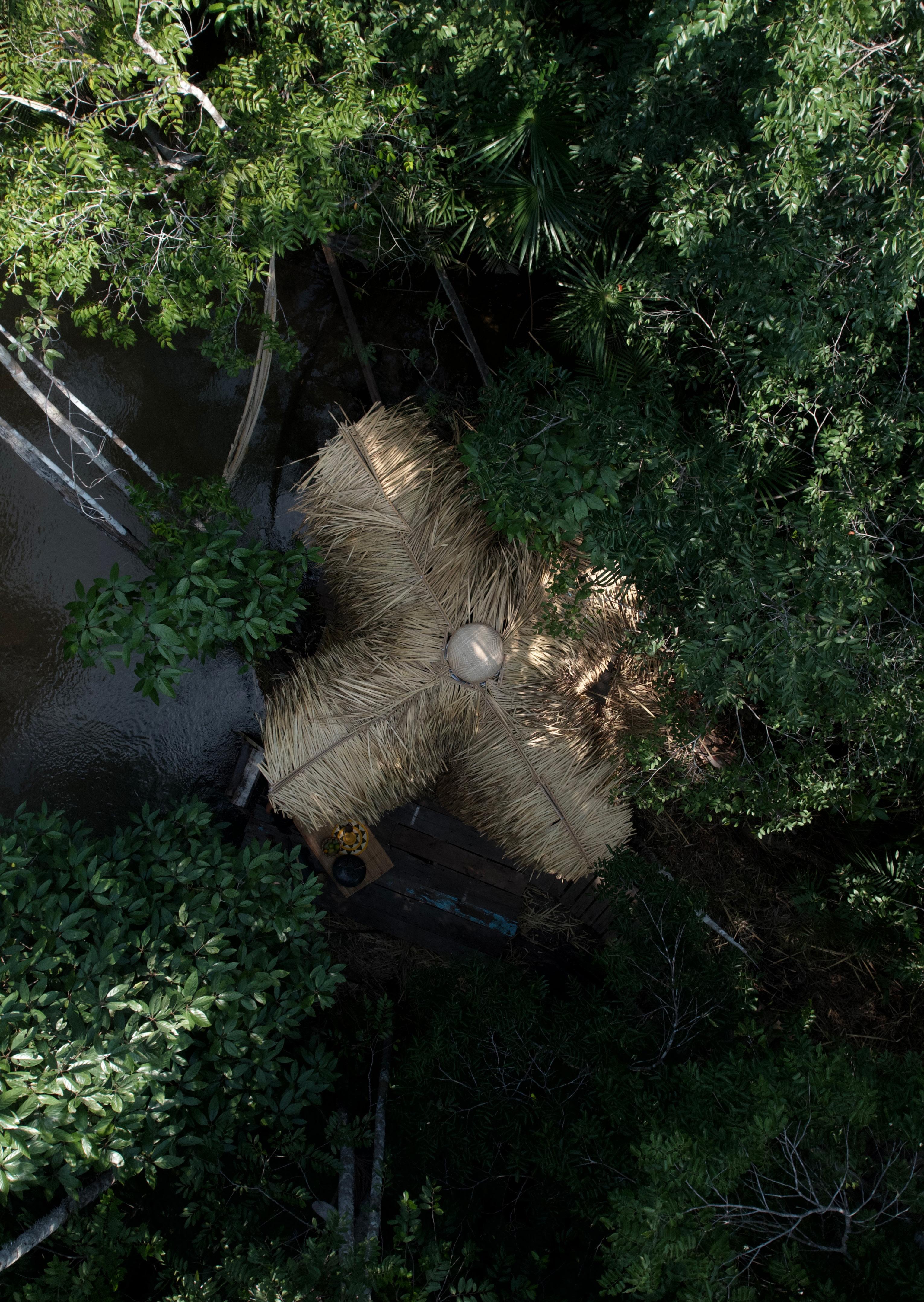
Located in Alter do Chão, Brazil, Escola da Floresta is 710km from Belém, the capital of Pará state. The occurrence of COP 30 in Belém in November 2025 marks a turning point for the Amazon region, hosting an event of this magnitude for the first time, highlighting the crucial importance of the rainforest in environmental preservation amid global climate change.
Nestled in the heart of the Amazon rainforest, there is non-governmental institution that connects professionals from different fields, as historians, biologists, and forest experts to develop educational initiatives that preserve biodiversity, amplifying the voices of local communities who have mastered living harmoniously with natural resources for centuries.
Escola da Floresta is a project led by a global team of architects and designers, which aims to expand the institution’s work by building spaces for scientists, students, and professionals to collaborate, so the natural setting and diverse community can foster new ideas and sustainable solutions.
Thus, Escola da Floresta proposes to build pod-like shelters in strategically planned areas within the school’s territory, where organic, winding trails will connect them. This arrangement reflects the local culture’s existing interconnected and collective dynamics, creating a harmonious ecosystem that promotes collaboration and growth.
The projects intends to expand the reach of educational events promoted by the school and other partner institutions, such as courses and workshops, enabling the accommodation of guests and activities, which the school’s current infrastructure is not yet able to support, creating a new bioeconomy hub.
- LOCATION: Alter do Chão, Brazil
- TYPE: Academic work. International workshop
- ROLE: Architect
- CONTRIBUTION: Design, building.
- DATE ISSUED: DECEMBER 2024
- SUPERVISOR: Ignacio Marti (ignacio.marti@aaschool.ac.uk) Marko Brajovic (marko@markobrajovic.com)